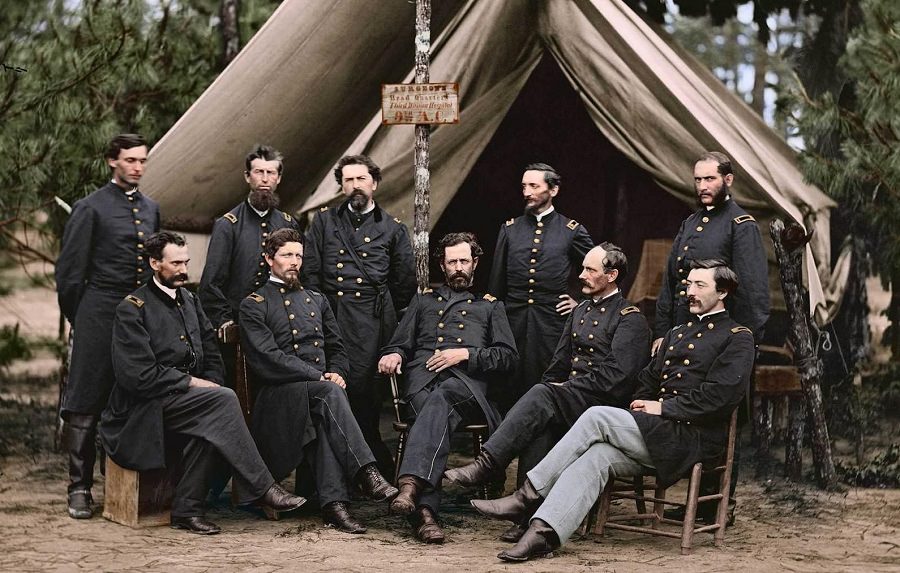
In the summer of 1862, a 19-year-old woman from upstate New York walked into a Union Army recruiter’s office and enlisted as a man. She gave her name as Lyons Wakeman, signed the papers, and collected her bounty. Nobody questioned her. That woman was Sarah Rosetta Wakeman, and for the next two years, she lived, marched, and fought alongside men who never knew her secret.
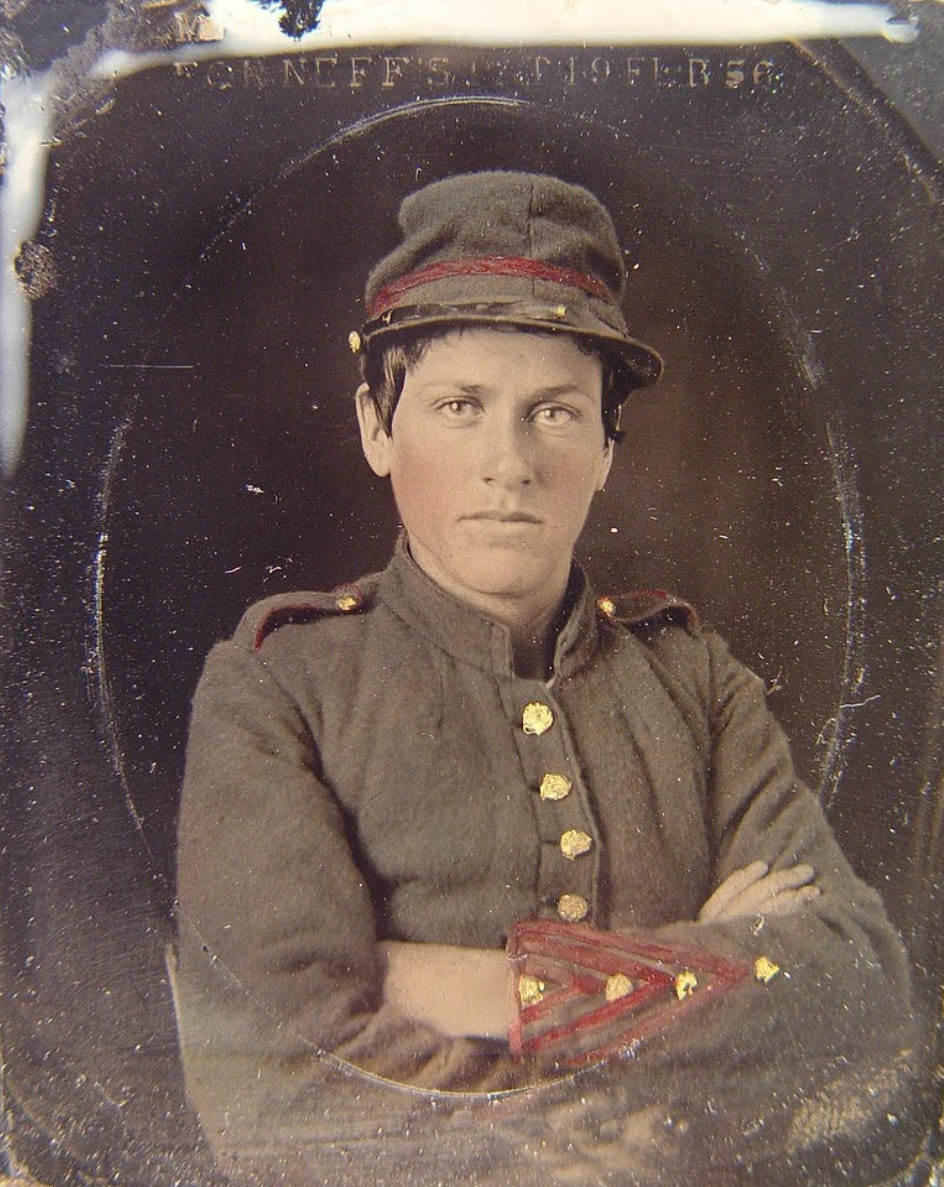
Sarah Rosetta Wakeman was born in 1843 in Bainbridge, New York, the eldest of nine children. Her family struggled financially, and the options available to young women at the time were limited and poorly paid. At 19, she made a practical decision: she dressed as a man, left home, and took up work on a coal barge along the Chenango Canal. The male identity gave her access to wages she simply could not earn as a woman. When a Union Army recruiter approached her on the canal, the offer of a $152 enlistment bounty — roughly $4,000 in today’s money — sealed her choice. She enlisted in the 153rd New York Infantry Regiment without hesitation.
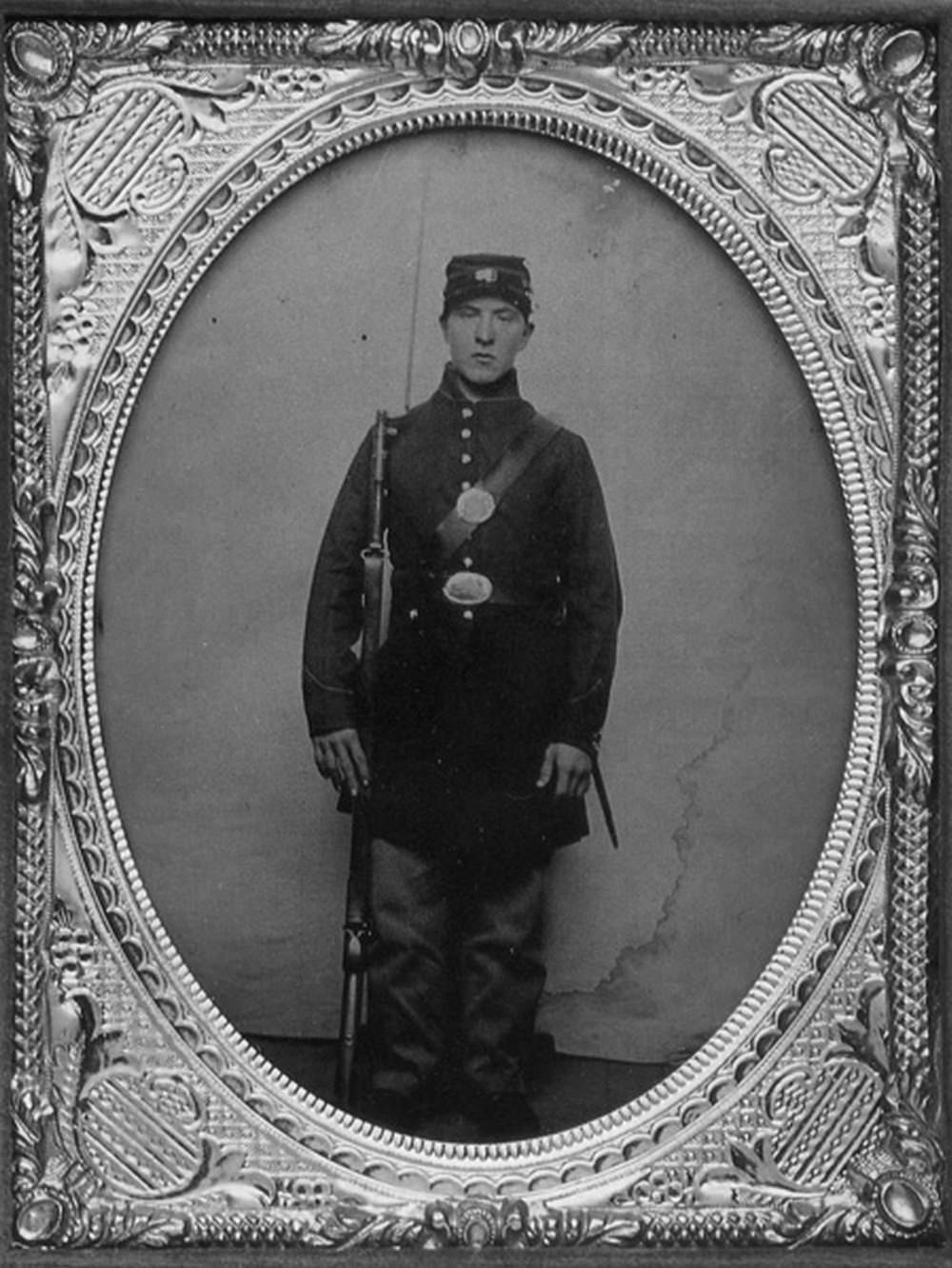
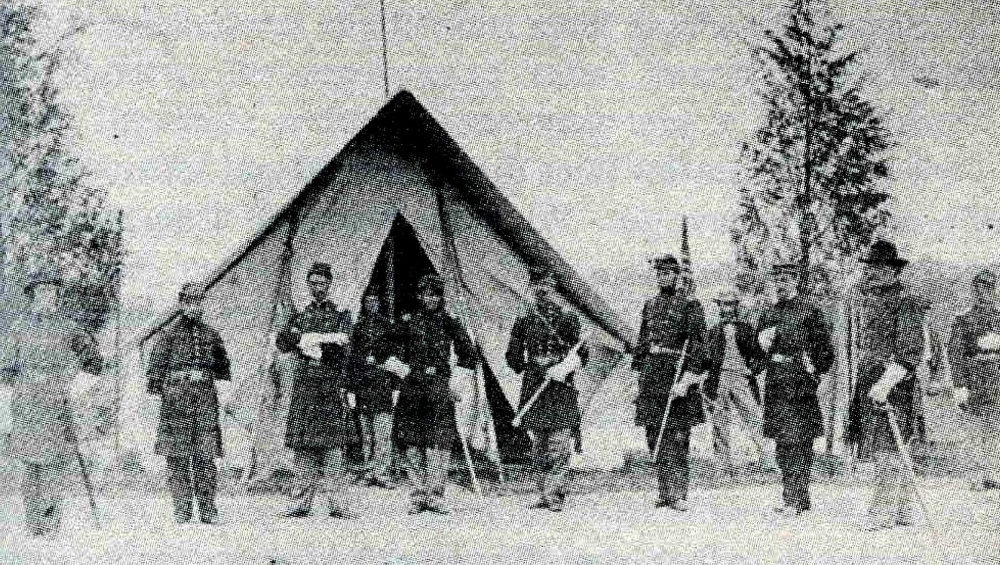
Maintaining her disguise inside the army was no small feat. Soldiers lived in close quarters — sleeping side by side, eating together, and bathing in shared spaces. Any slip could expose her. Yet Wakeman held her cover for the entirety of her service. The physical demands of soldiering were brutal regardless of gender: long marches over rough terrain, poor food, and exposure to the elements were daily realities. Wakeman endured all of it. Her regiment was assigned to the Red River Campaign in Louisiana in 1864, a grueling Union operation led by General Nathaniel Banks. The campaign moved through difficult Southern terrain under constant threat, including guerrilla attacks and punishing heat.
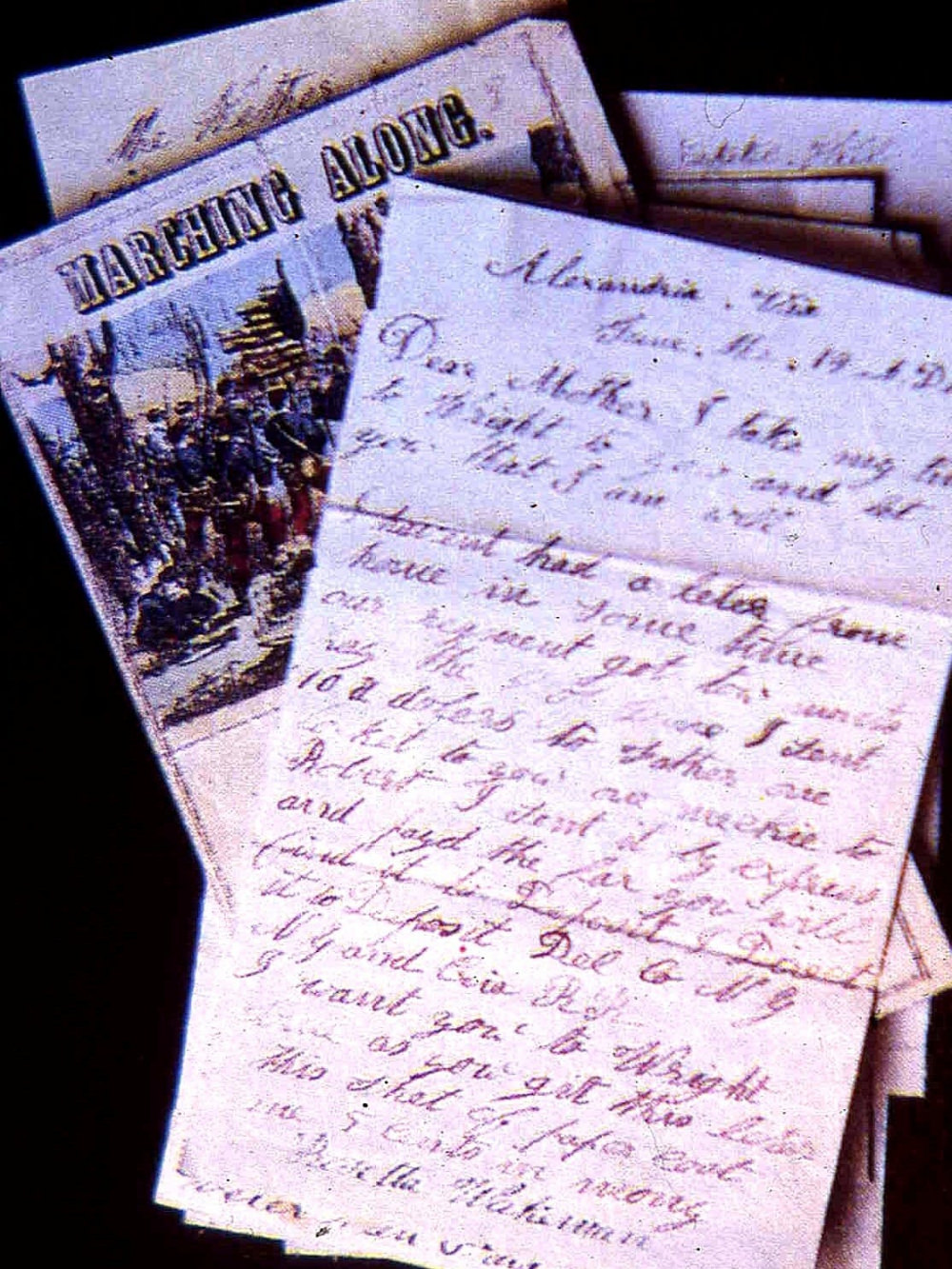
Throughout her service, Wakeman wrote letters home to her family in New York. She wrote as Lyons Wakeman, but the person behind the words was fully and clearly herself. These letters are among the most valuable firsthand accounts of Civil War soldier life written by anyone — let alone by a woman passing as a male private. In one letter, she wrote plainly: “I don’t know how long before I shall have to go into the field of battle. For my part, I don’t care. I don’t feel afraid to go.” That directness runs through all her correspondence. She described army food, the landscape of Louisiana, the movements of her regiment, and her feelings about the war with striking clarity. She also expressed homesickness and concern for her family’s finances, often sending money home when she could.
By early 1864, Wakeman’s health was failing. Disease was the leading killer of Civil War soldiers, claiming far more lives than combat did. Wakeman contracted chronic diarrhea, a condition that devastated troops across both armies due to contaminated water and poor sanitation. In a letter dated January 1864, she mentioned feeling unwell but expressed hope that she would recover. She did not. Sarah Rosetta Wakeman died in June 1864 at a military hospital in New Orleans. She was 21 years old. Her sex was never discovered during her lifetime. She was buried with full military honors in the Chalmette National Cemetery under the name she had served under — Lyons Wakeman.
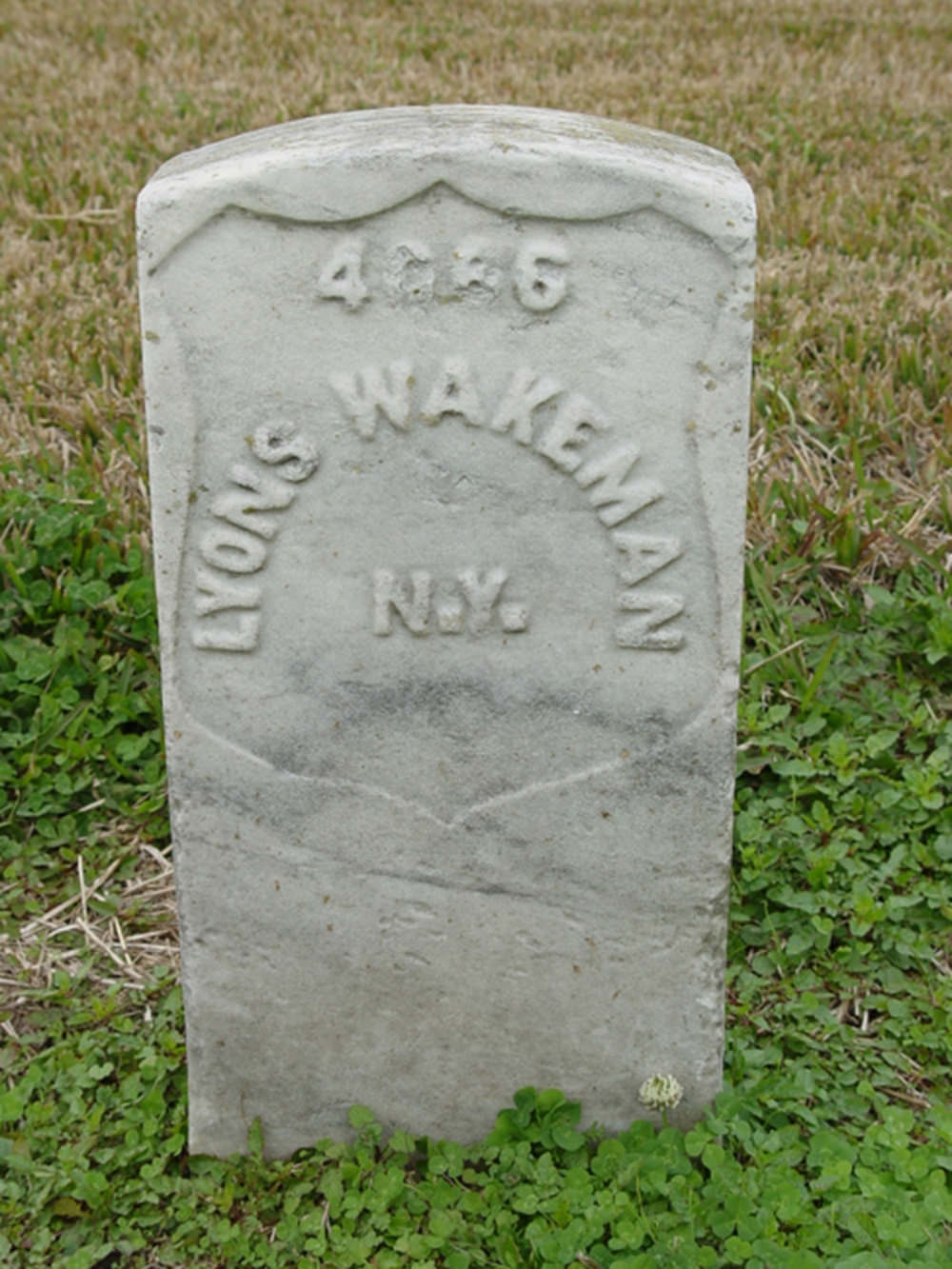
Her gravestone read “Lyons Wakeman” for decades. The family kept her letters, and those letters eventually told the real story. In the 1990s, her correspondence was discovered and published under the title An Uncommon Soldier, finally bringing her true identity to public attention. The letters confirmed what the headstone never could — that Private Lyons Wakeman was Sarah Rosetta Wakeman, a young woman from New York who chose service, sacrifice, and a double life over the narrow options her era offered her.