In 1898, the United States took control of Puerto Rico from Spain following the Spanish-American War. San Juan, the island’s capital, entered the 20th century under a new flag — and a new set of rules. The U.S. government moved quickly to reshape the city, building roads, improving sanitation, and introducing an American-style legal and education system. Public schools began teaching in English, and American customs gradually worked their way into daily life.
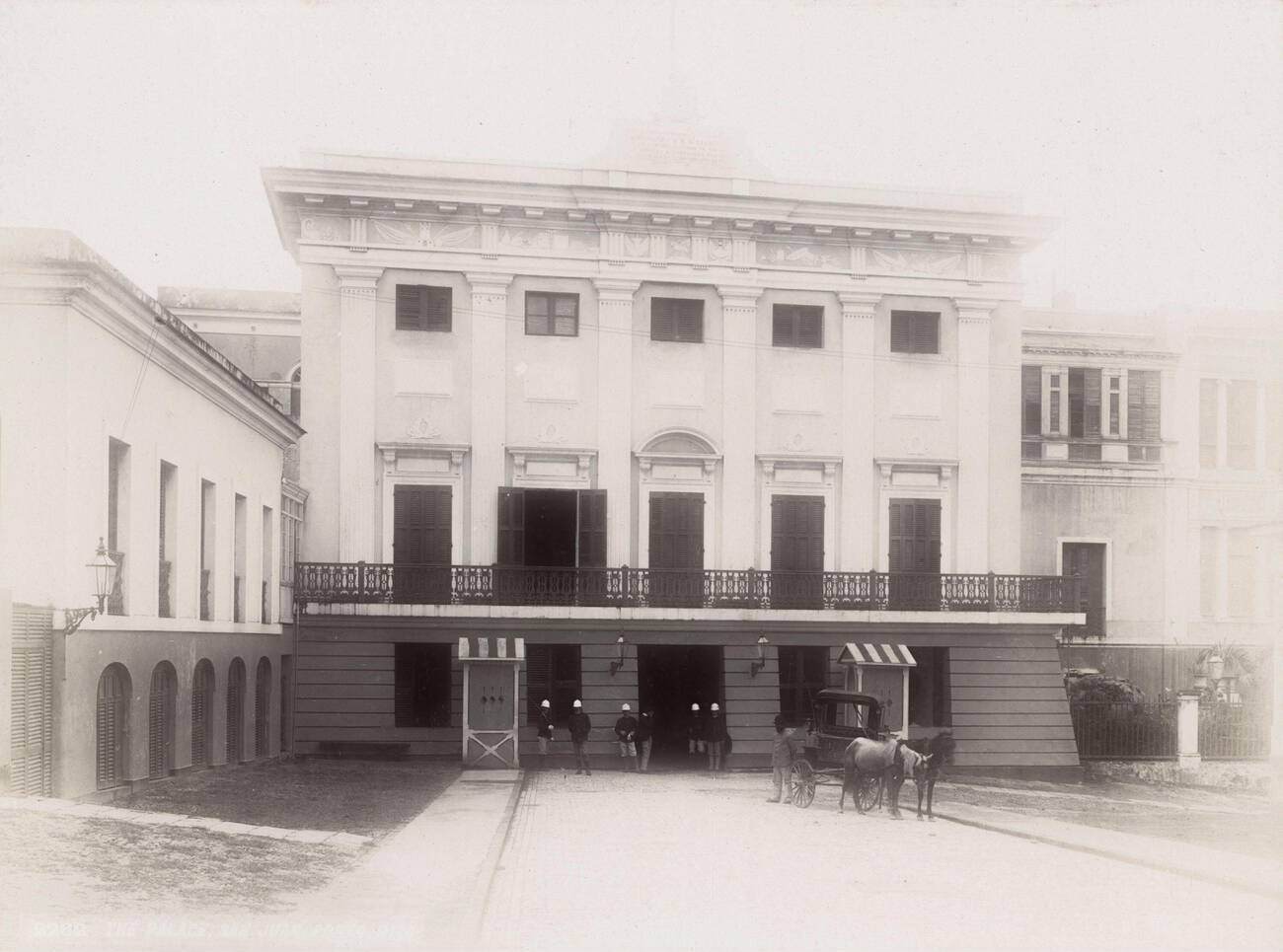
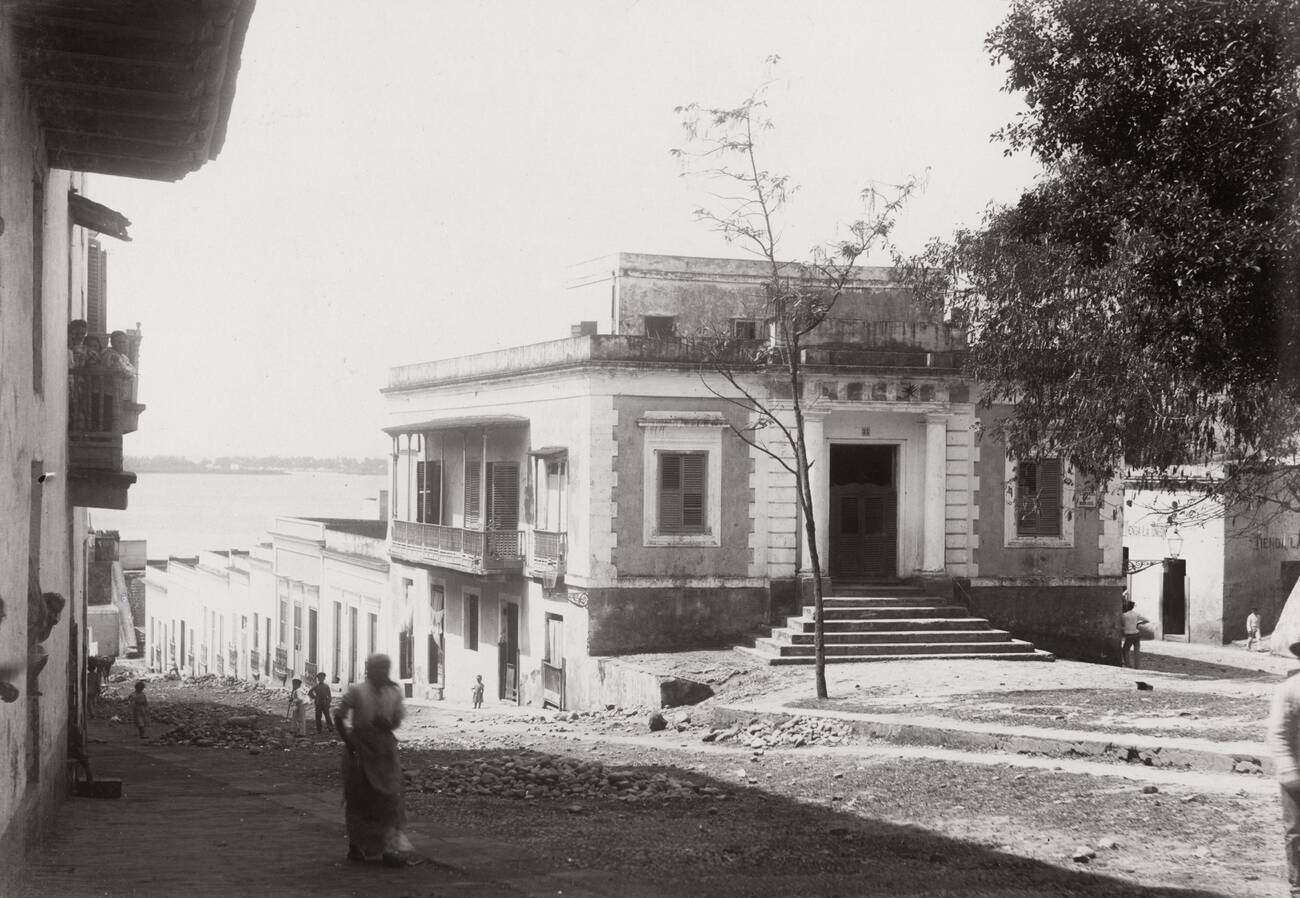
Old San Juan held onto its Spanish colonial character through all of this change. Narrow streets ran between centuries-old buildings with colorful facades and wrought-iron balconies. These structures stood as a direct link to the city’s Spanish past, and they remained the physical and cultural heart of San Juan.
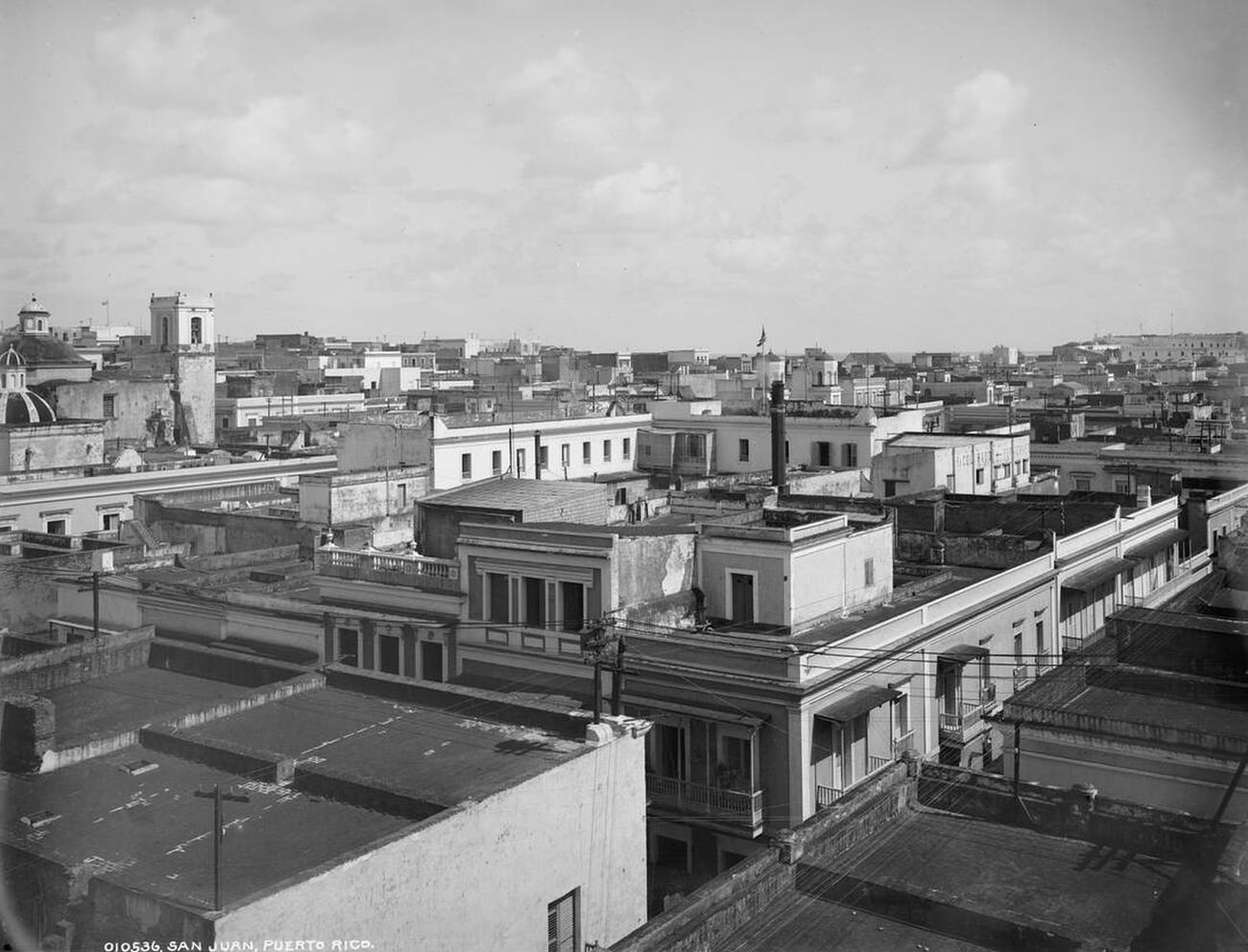
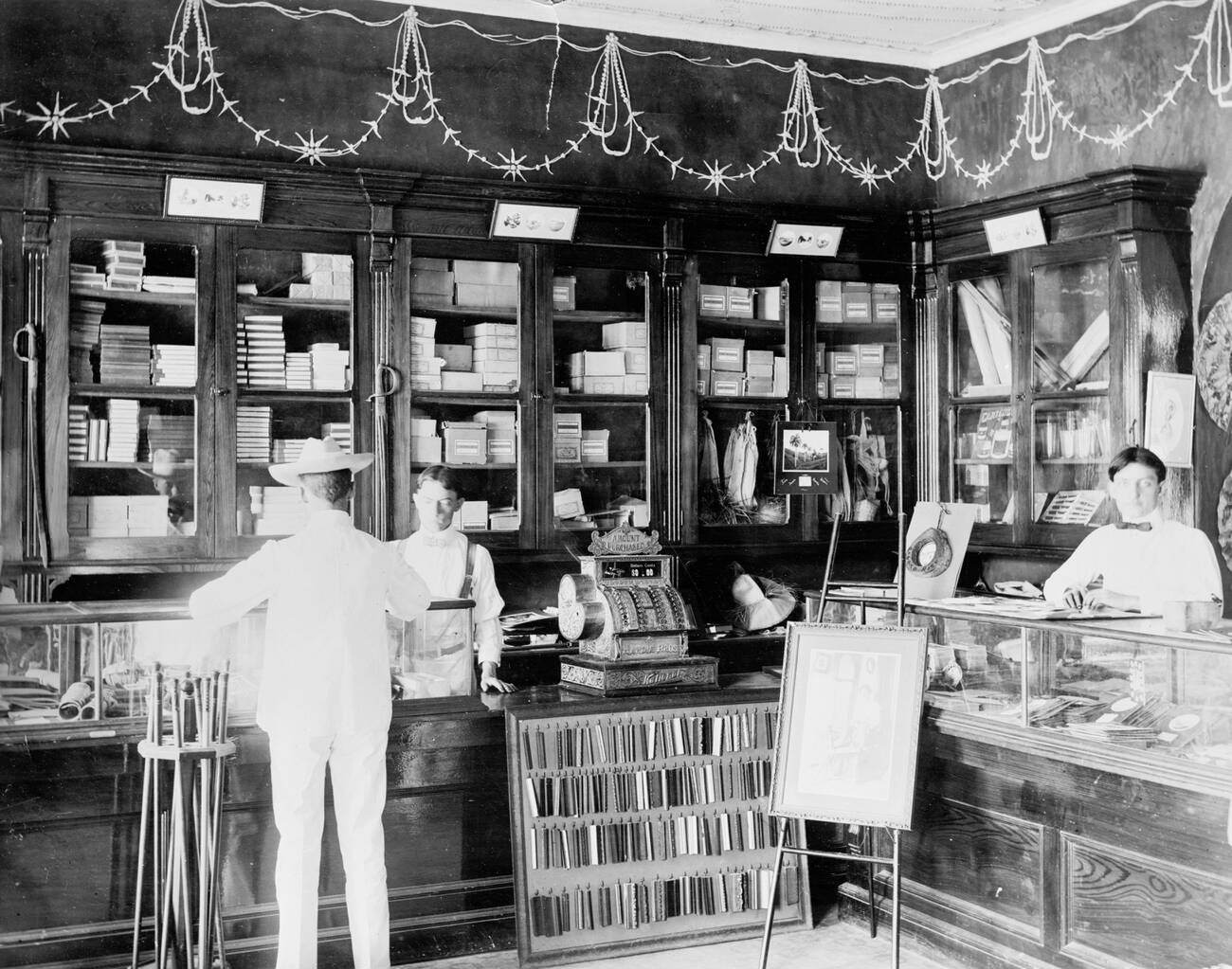
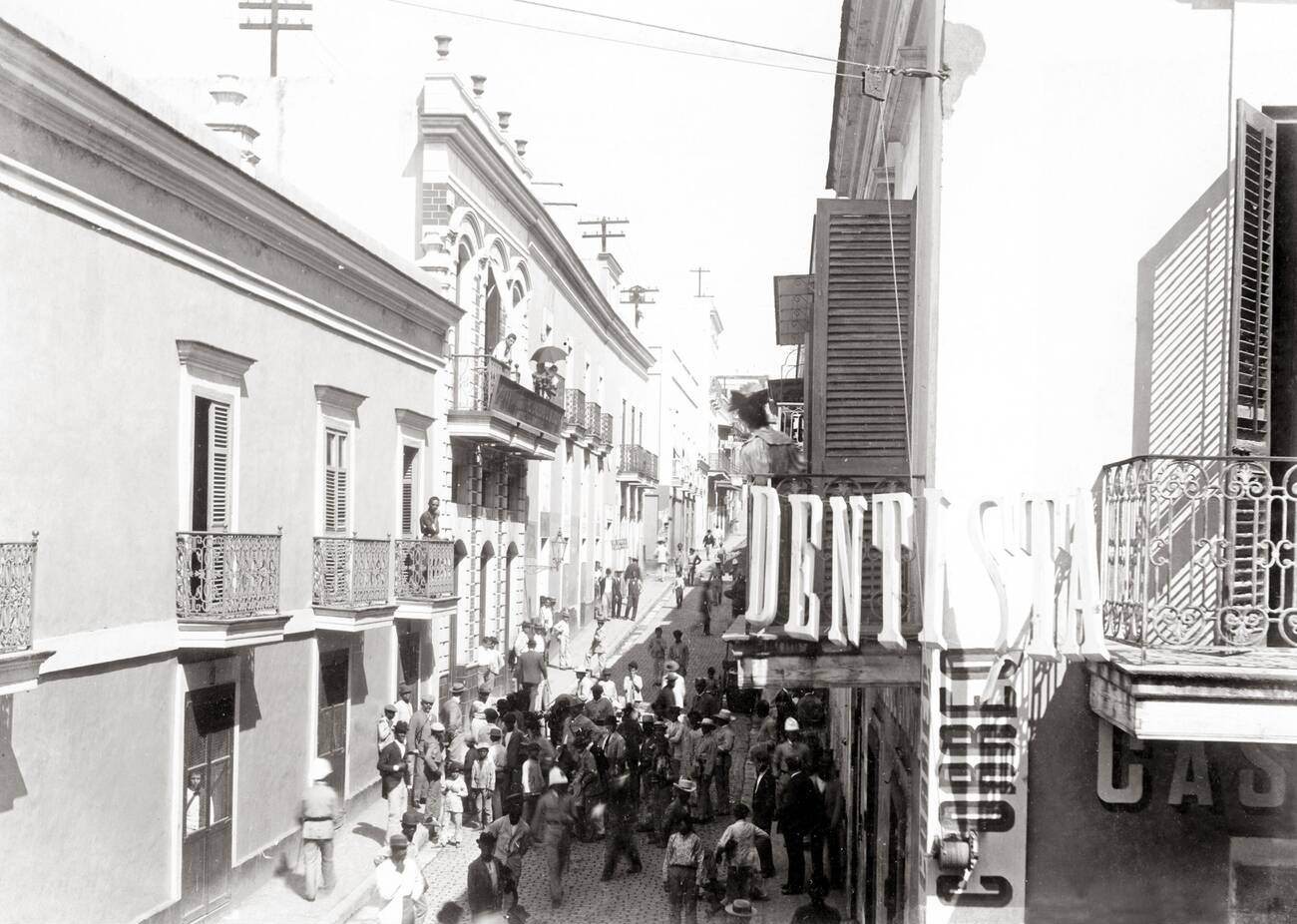
Commerce was very much alive on the city’s streets. Drugstores, markets, and local shops served a population navigating the crossroads of two cultures.
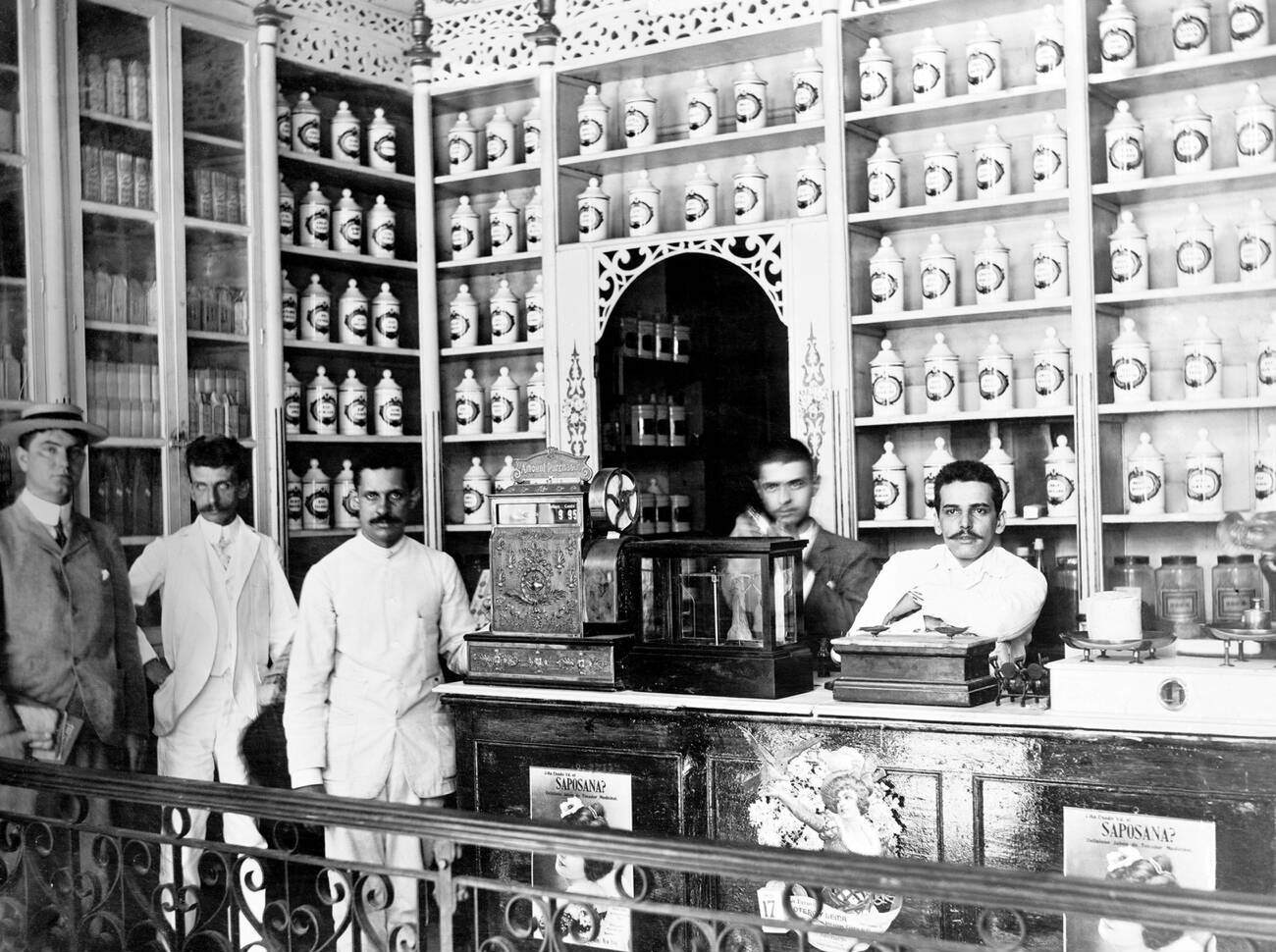
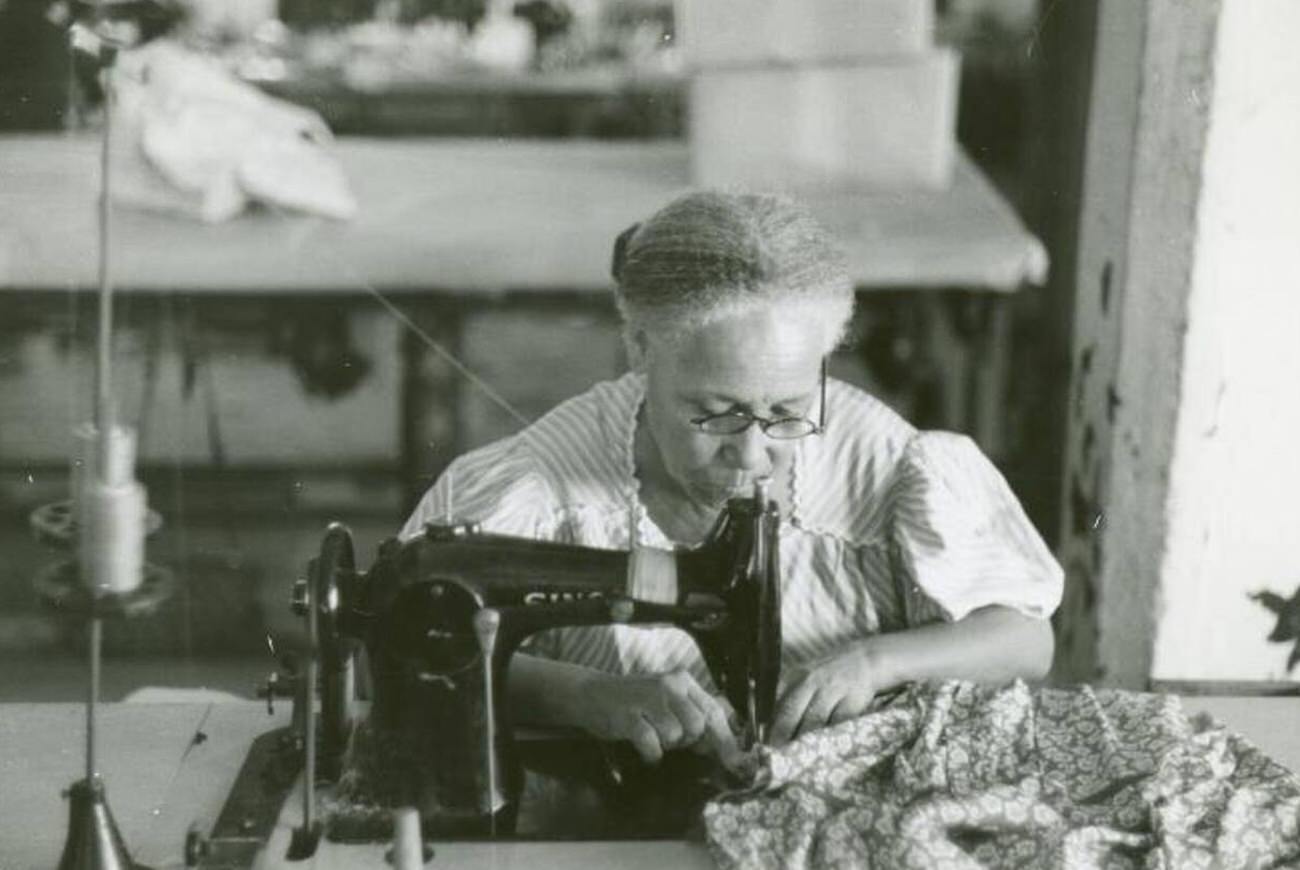
New industries also took root. Factories like the Everglades needlework facility brought wage work to San Juan residents, though economic gains were far from evenly distributed. Many people still lived in poverty even as trade with the United States increased and new businesses opened across the city.
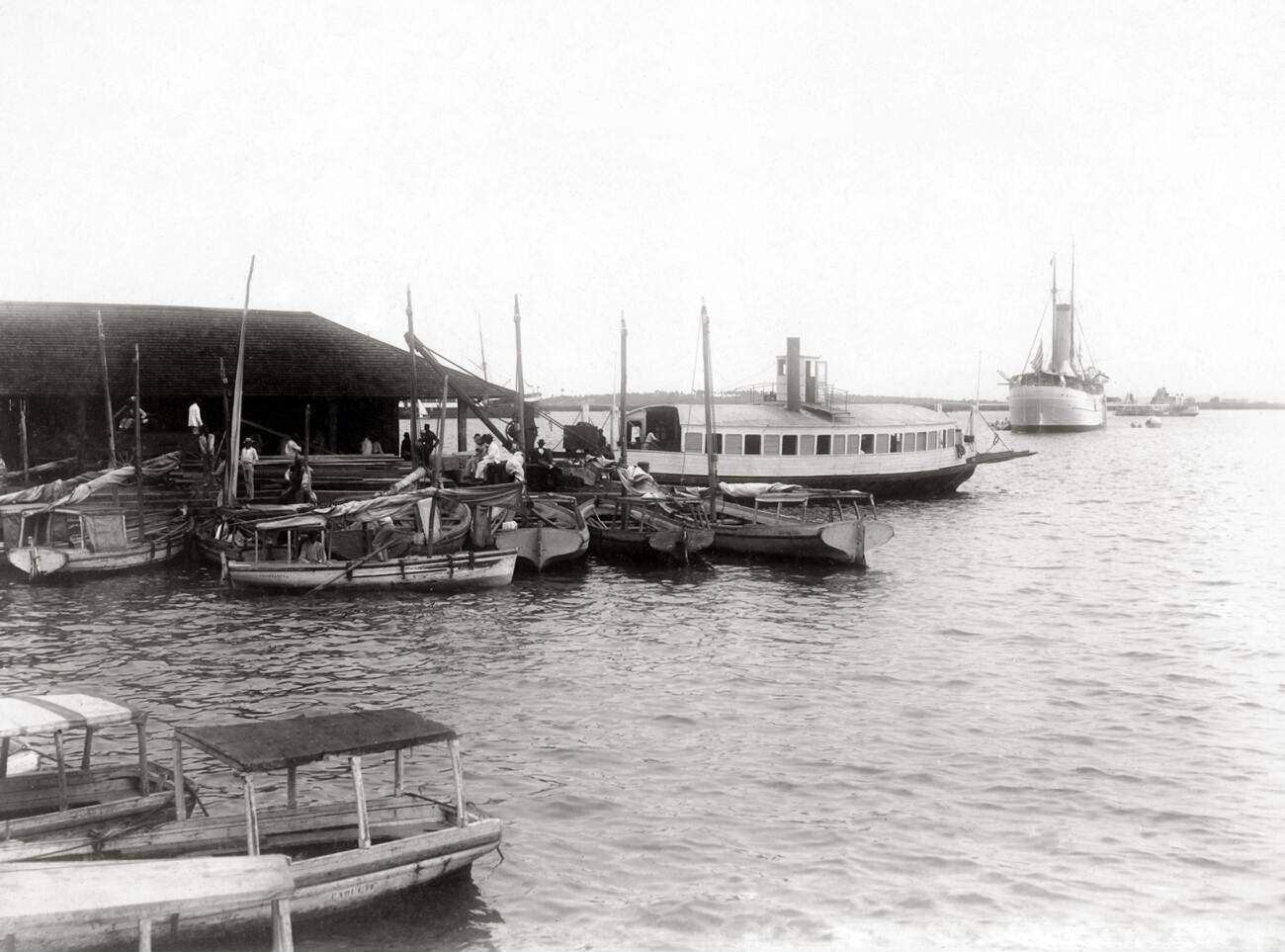
San Juan’s harbor was the engine of its economy. Ships arrived regularly from the U.S. mainland and other countries, carrying goods and passengers, and departing loaded with Puerto Rican exports — primarily sugar and coffee. The port buzzed with constant activity, and the fortifications guarding it were a reminder of just how strategically valuable this harbor was.
The U.S. military wasted no time establishing a firm presence in San Juan. New bases and roads were constructed as part of a broader strategy to secure American interests across the Caribbean.
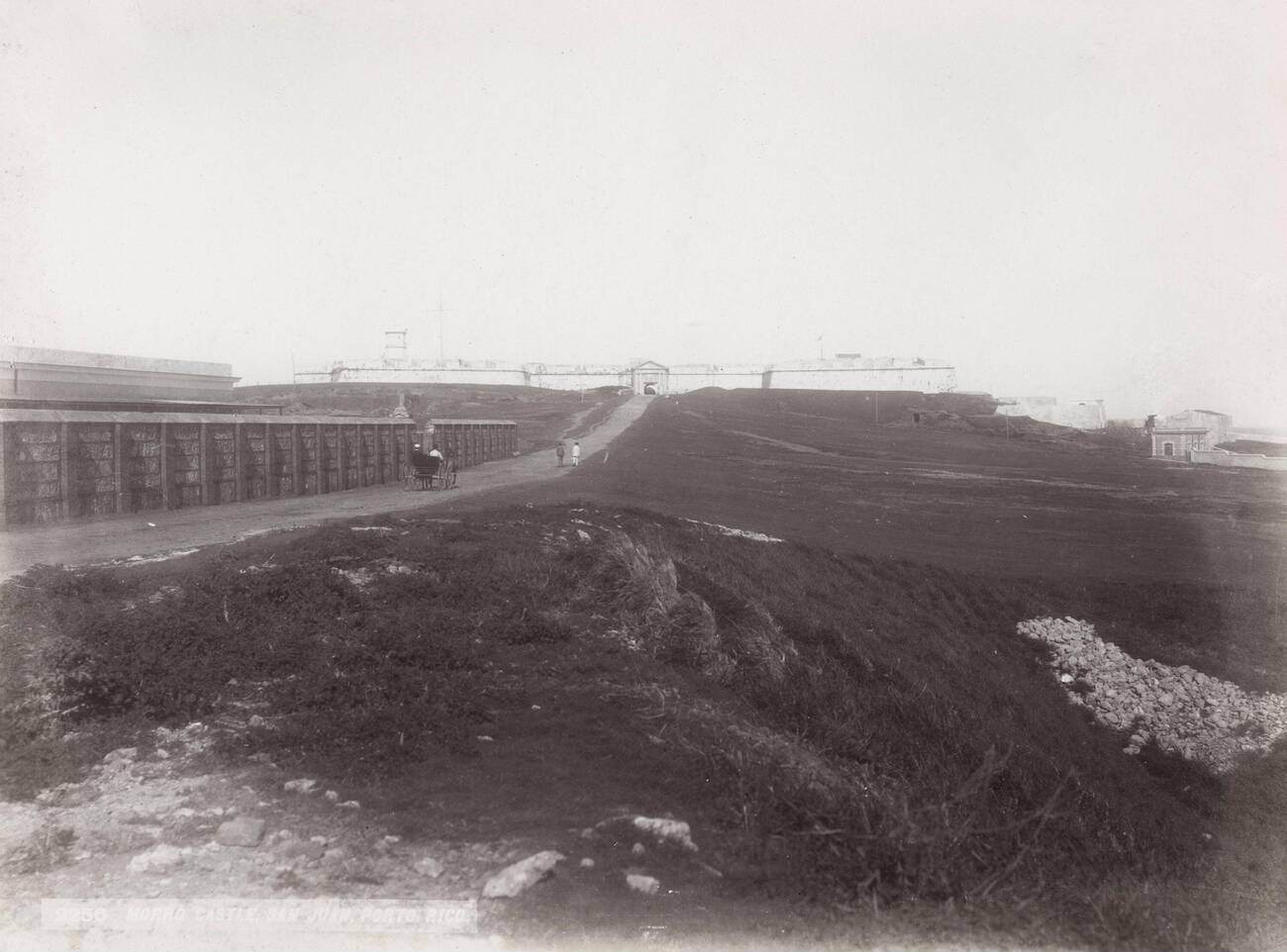
The old Spanish fortresses that had defended San Juan for centuries now stood watch under American authority. Morro Castle, one of the most iconic of these structures, anchored the city’s northwestern tip and remained a defining feature of the San Juan skyline.
Steamers regularly docked near the massive fortifications that surrounded the old city, connecting San Juan to the wider world by sea.
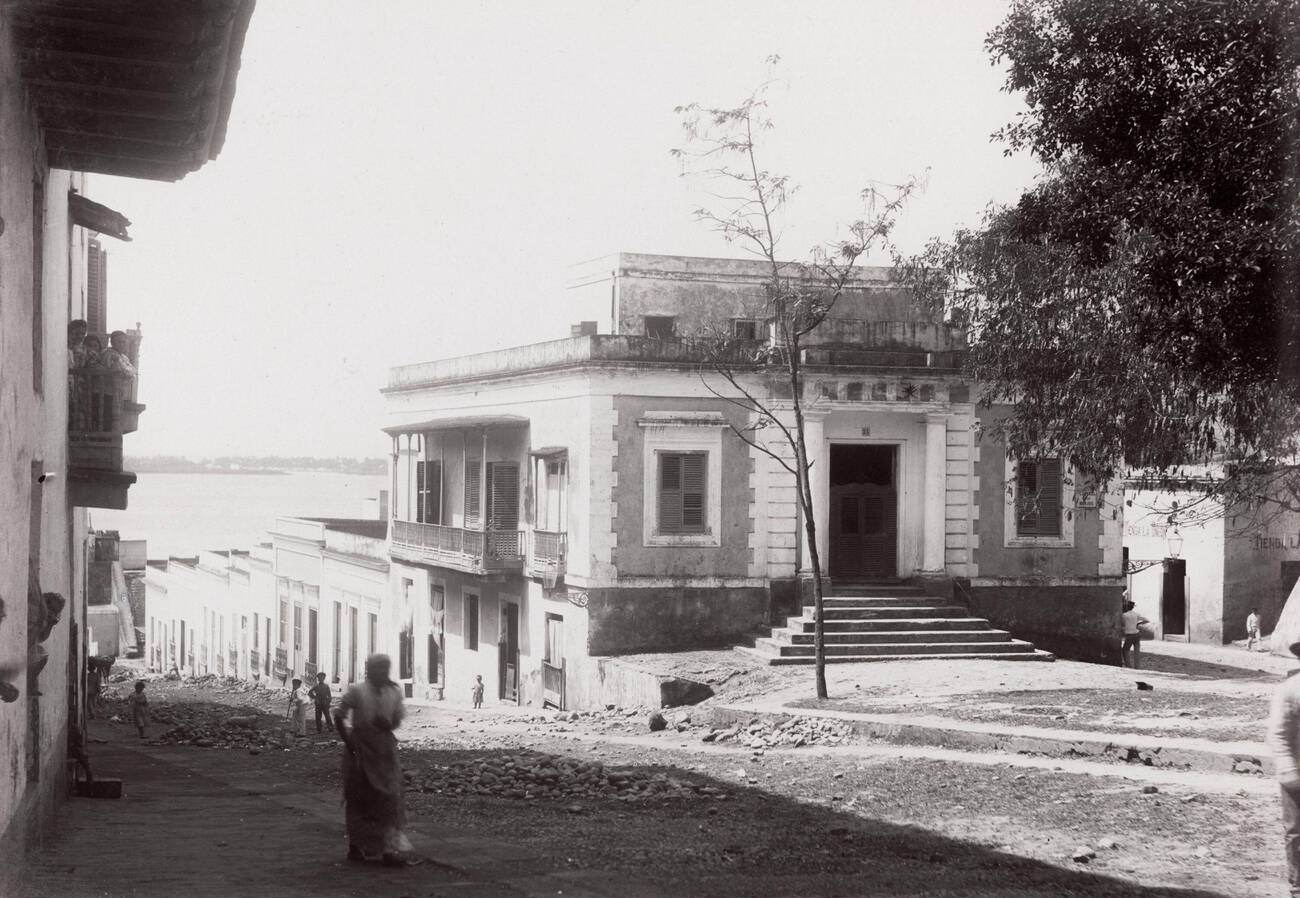
Life on the streets of San Juan in 1900 was a mix of the familiar and the new. Residents went about their daily routines against a backdrop of colonial architecture, while American policies quietly reshaped institutions around them.
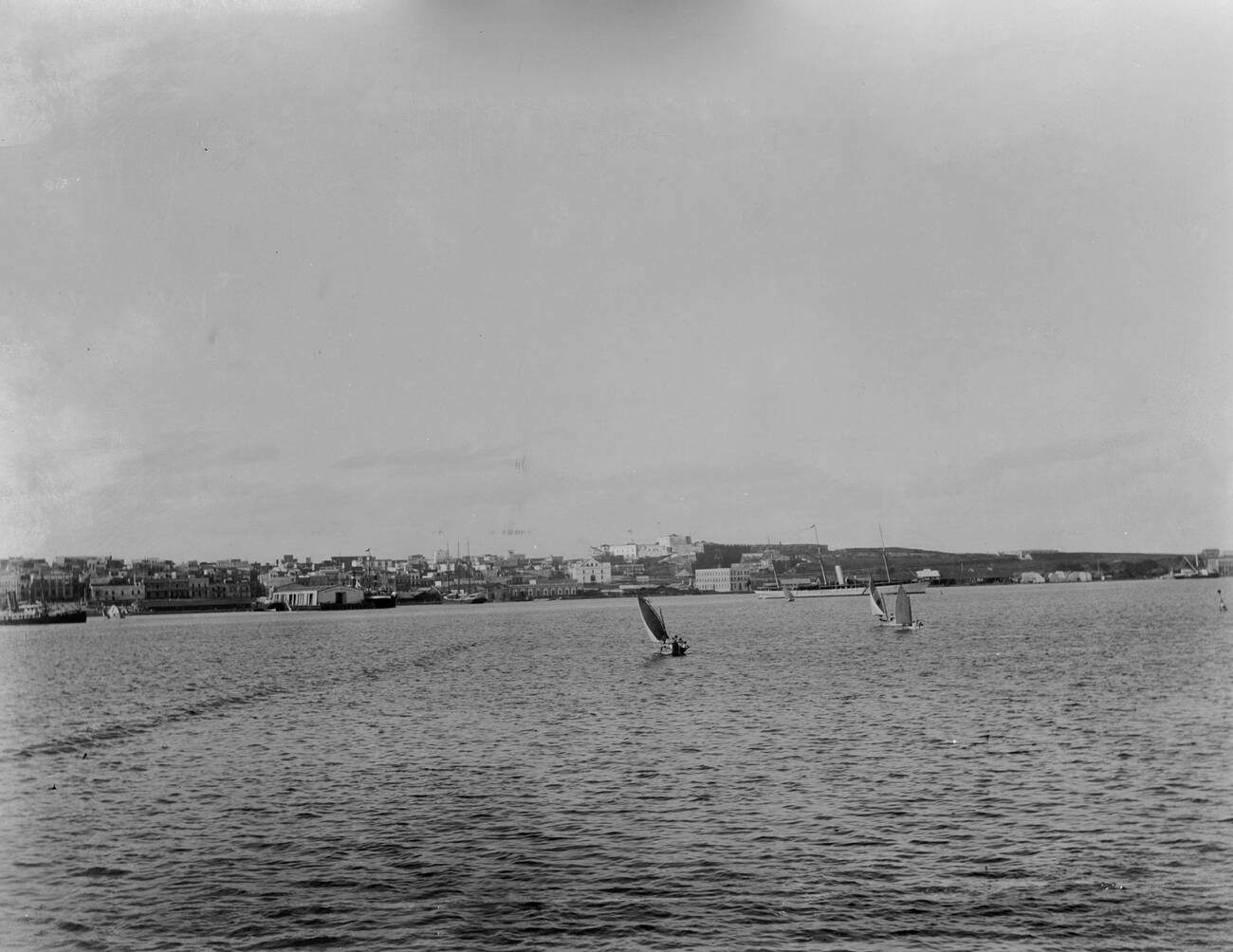
The harbor in 1900 was a scene of steady traffic, with vessels of all sizes moving through waters that had been a gateway to the Americas for centuries.
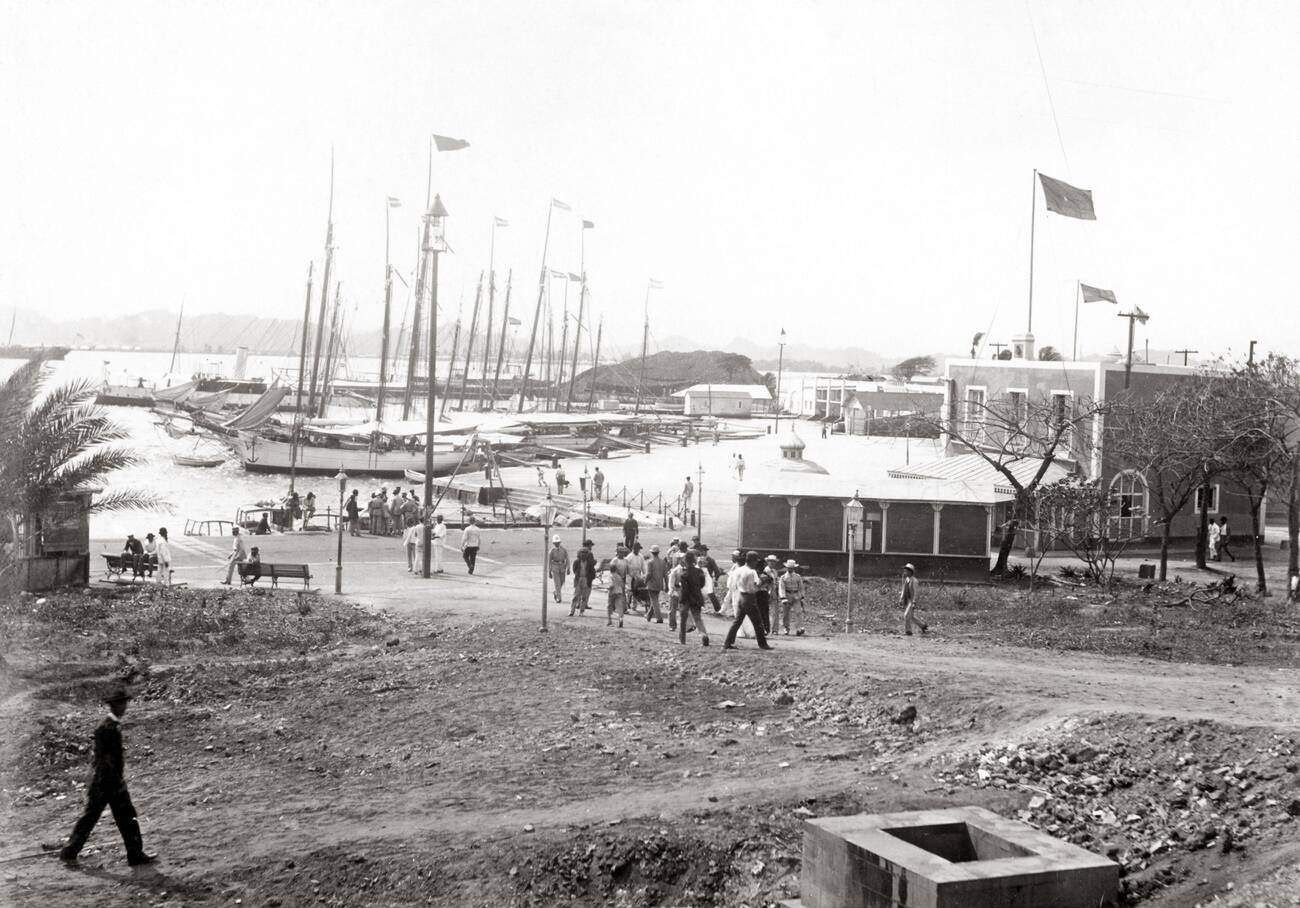
Monuments from the Spanish colonial era still stood prominently in the city’s public spaces. The Christopher Columbus monument, photographed in 1904, symbolized the long European history of the island even as a new American chapter unfolded around it.
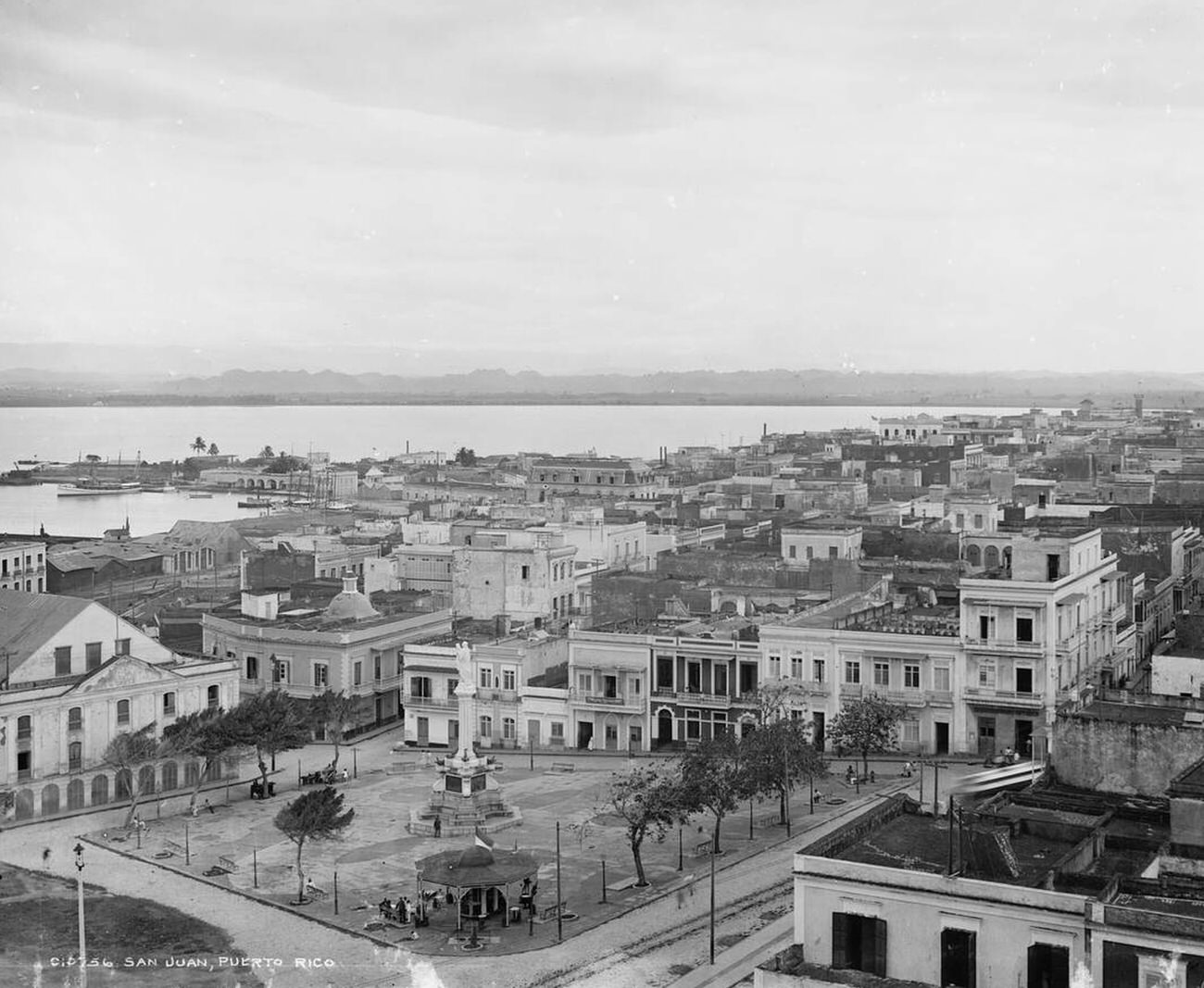
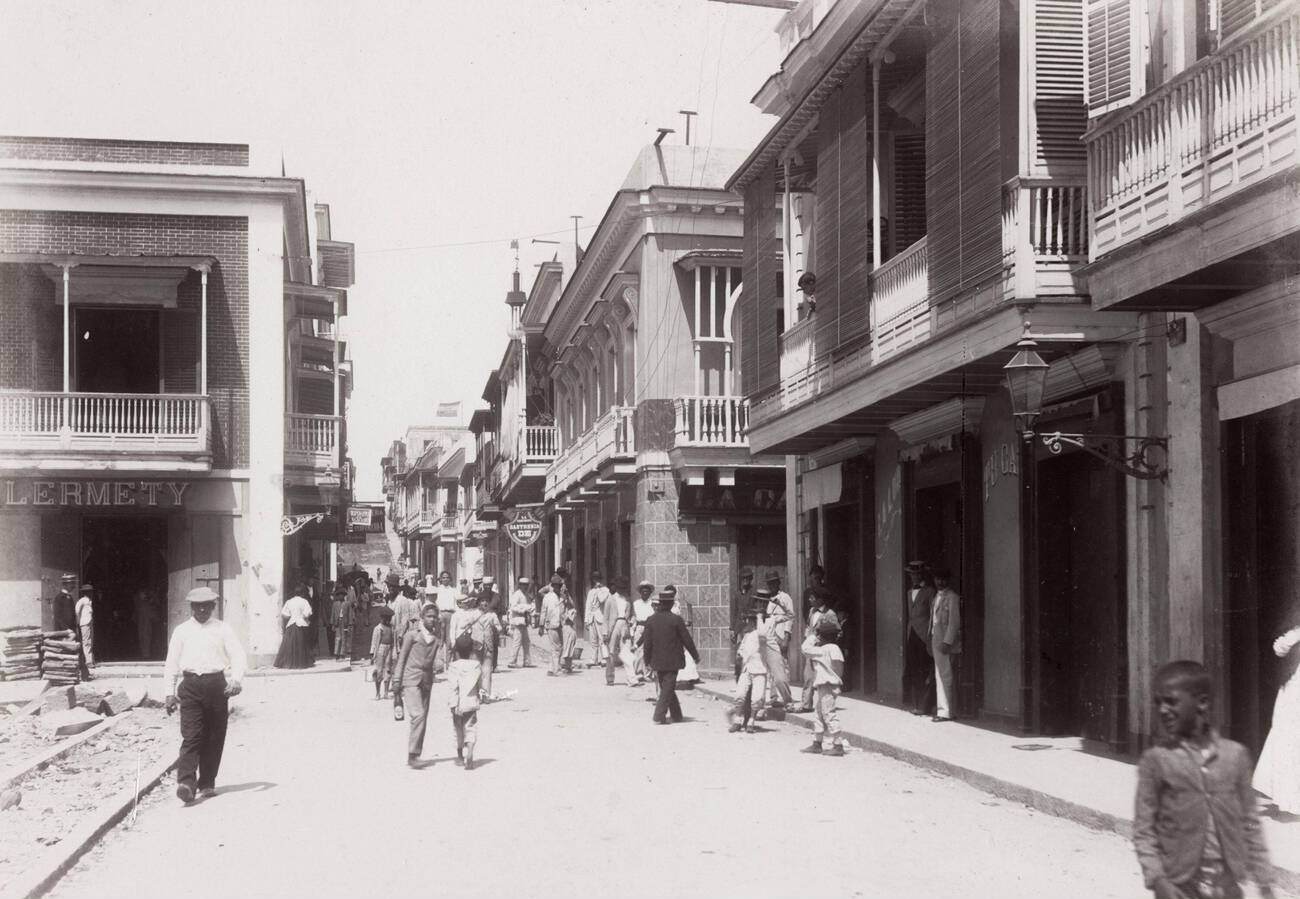
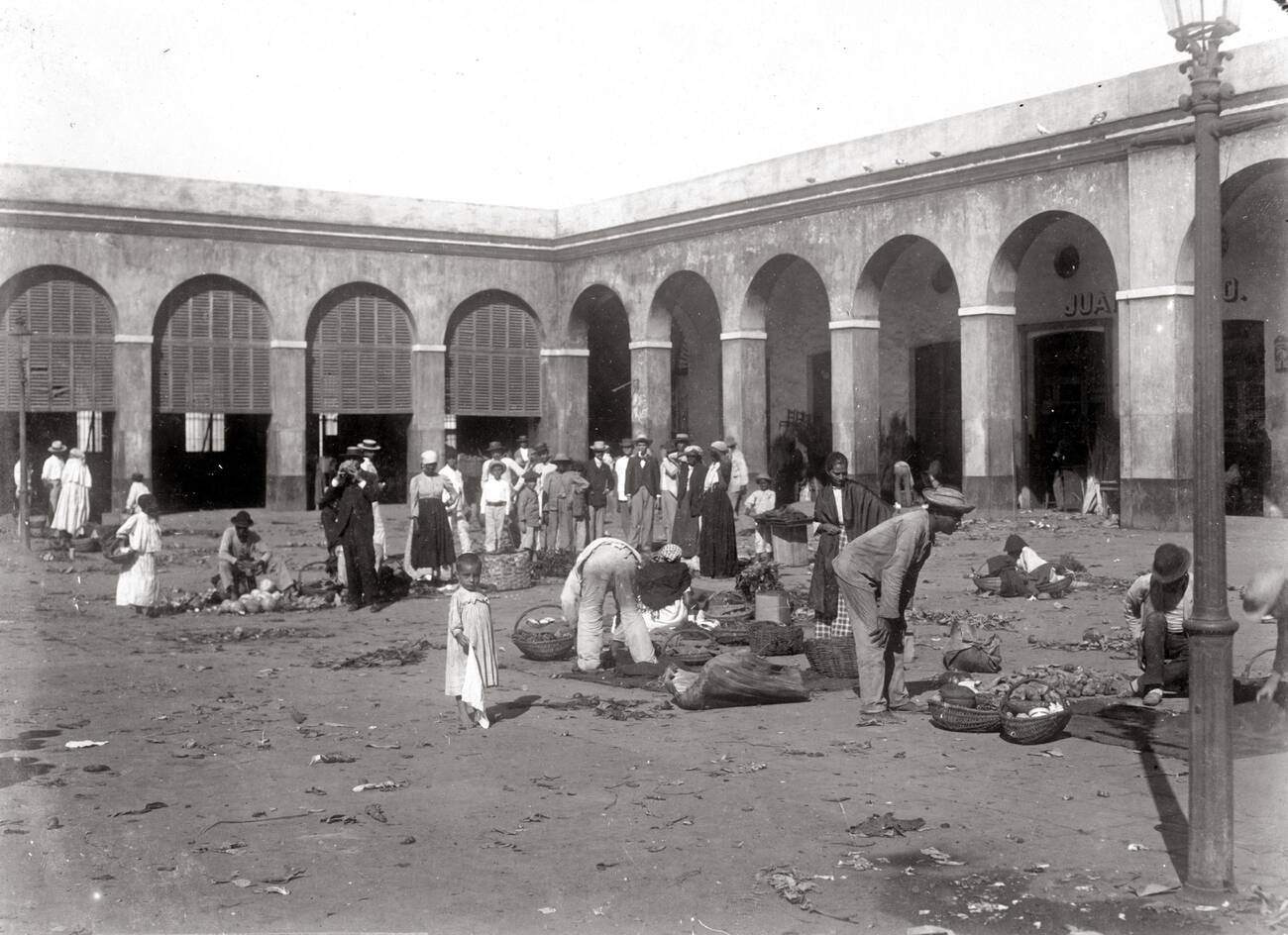
The city’s market was a lively gathering point where locals bought and sold food and goods. Puerto Rican cultural traditions — music, food, festivals — continued to thrive despite the political shift overhead.
Photography studios like the Waldrop Photographic Co. documented this transitional era, capturing the faces and places of a city caught between two worlds.
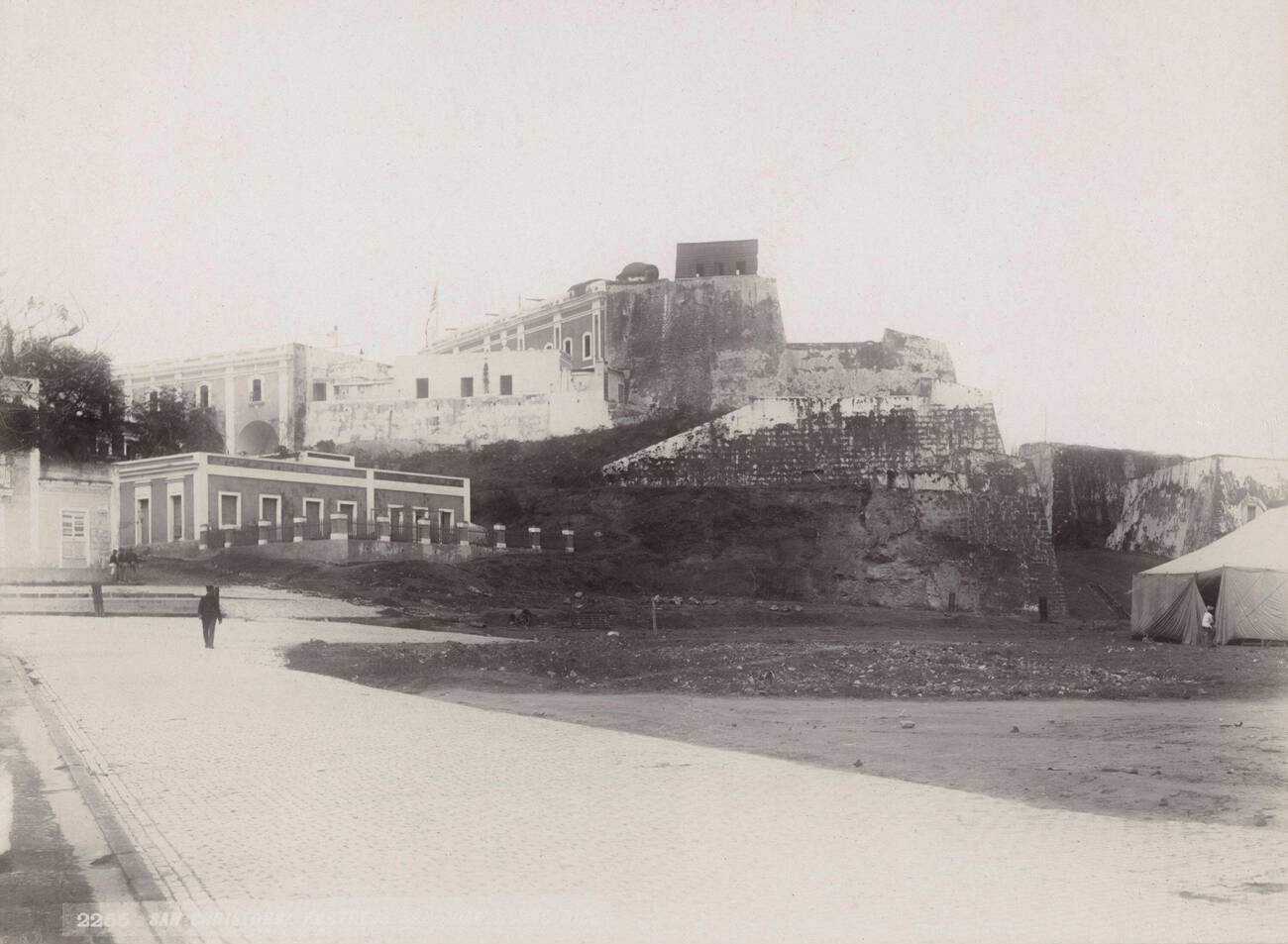
Castillo San Cristóbal, the largest fortification built by the Spanish in the Americas, loomed over the northeastern edge of the city. Its massive stone walls had protected San Juan from naval attacks for generations.
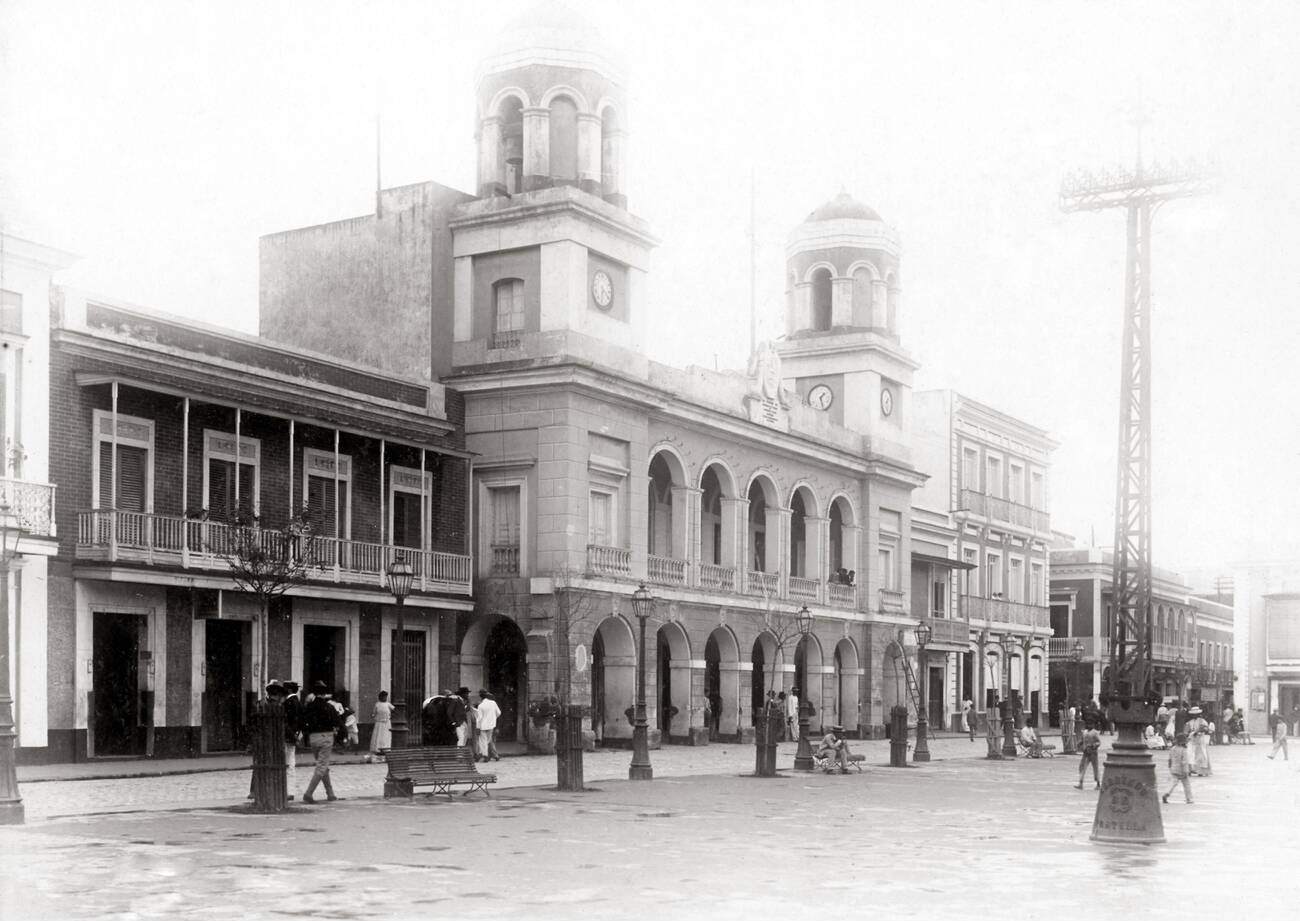
San Juan’s plazas served as the social centers of the city, where residents gathered, rested, and kept community life intact amid all the changes taking place around them.
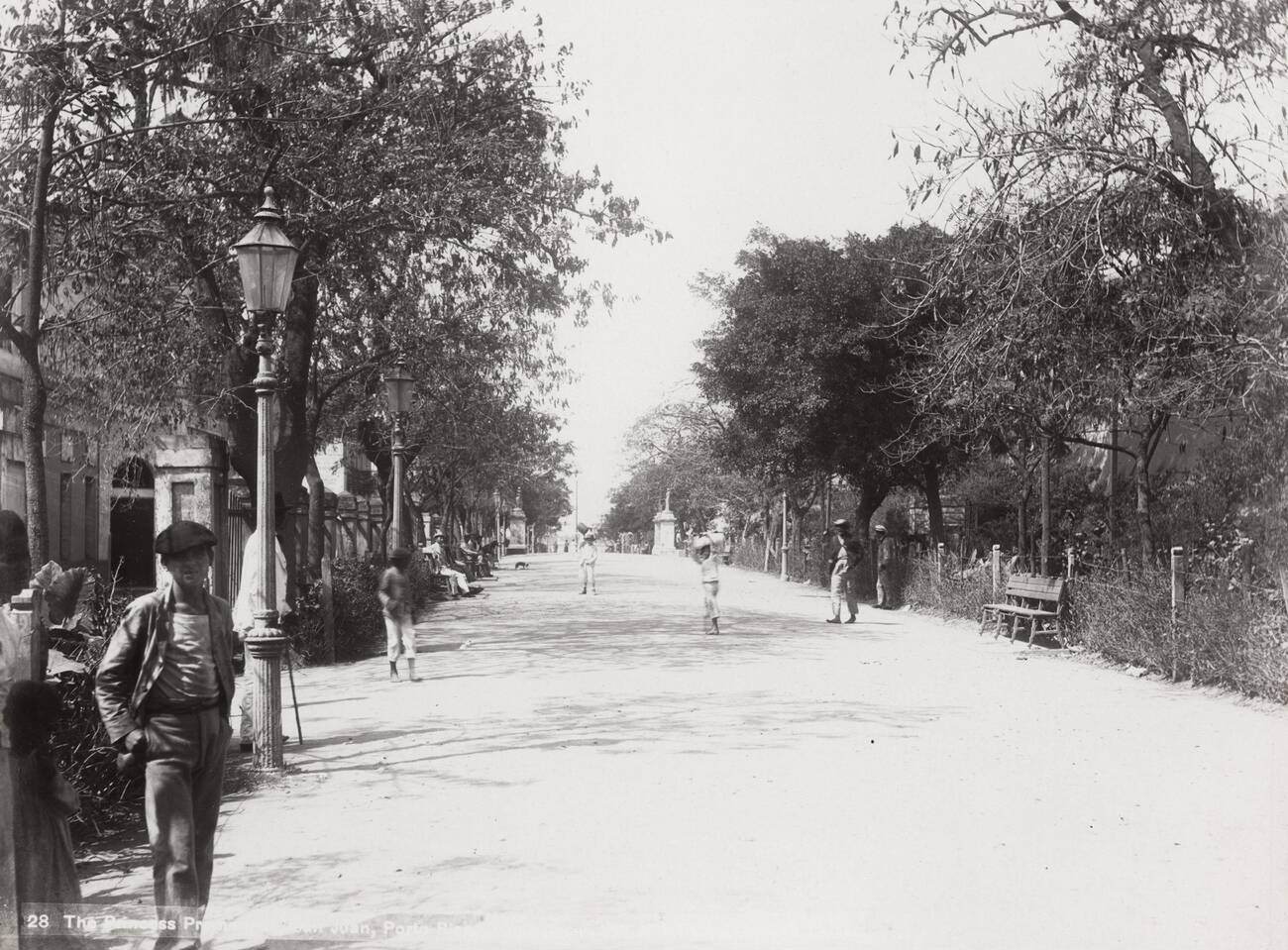
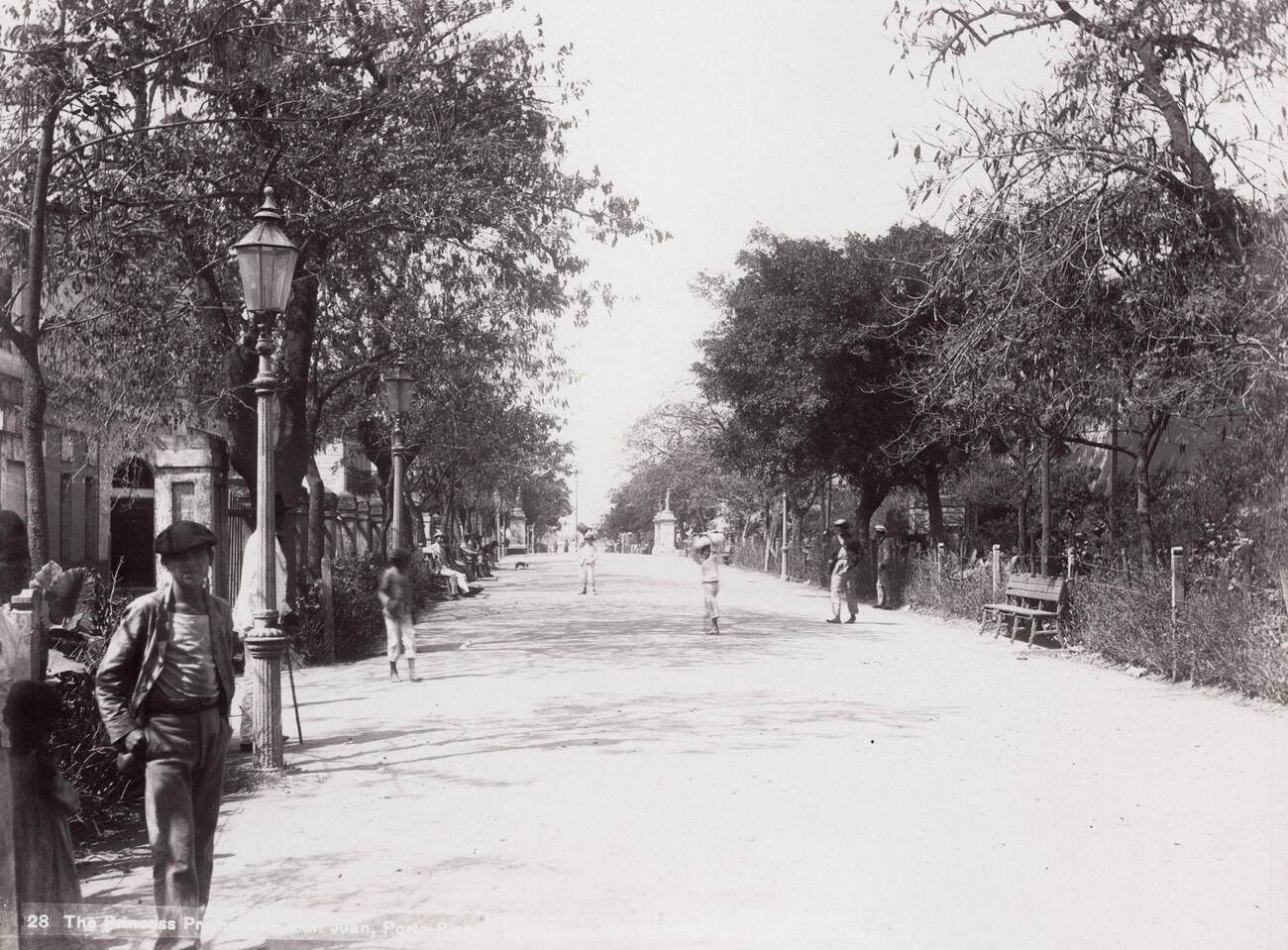
The Paseo de la Princesa, a tree-lined promenade running along the old city walls, offered a peaceful escape along the waterfront. It was one of the most elegant public spaces in San Juan.
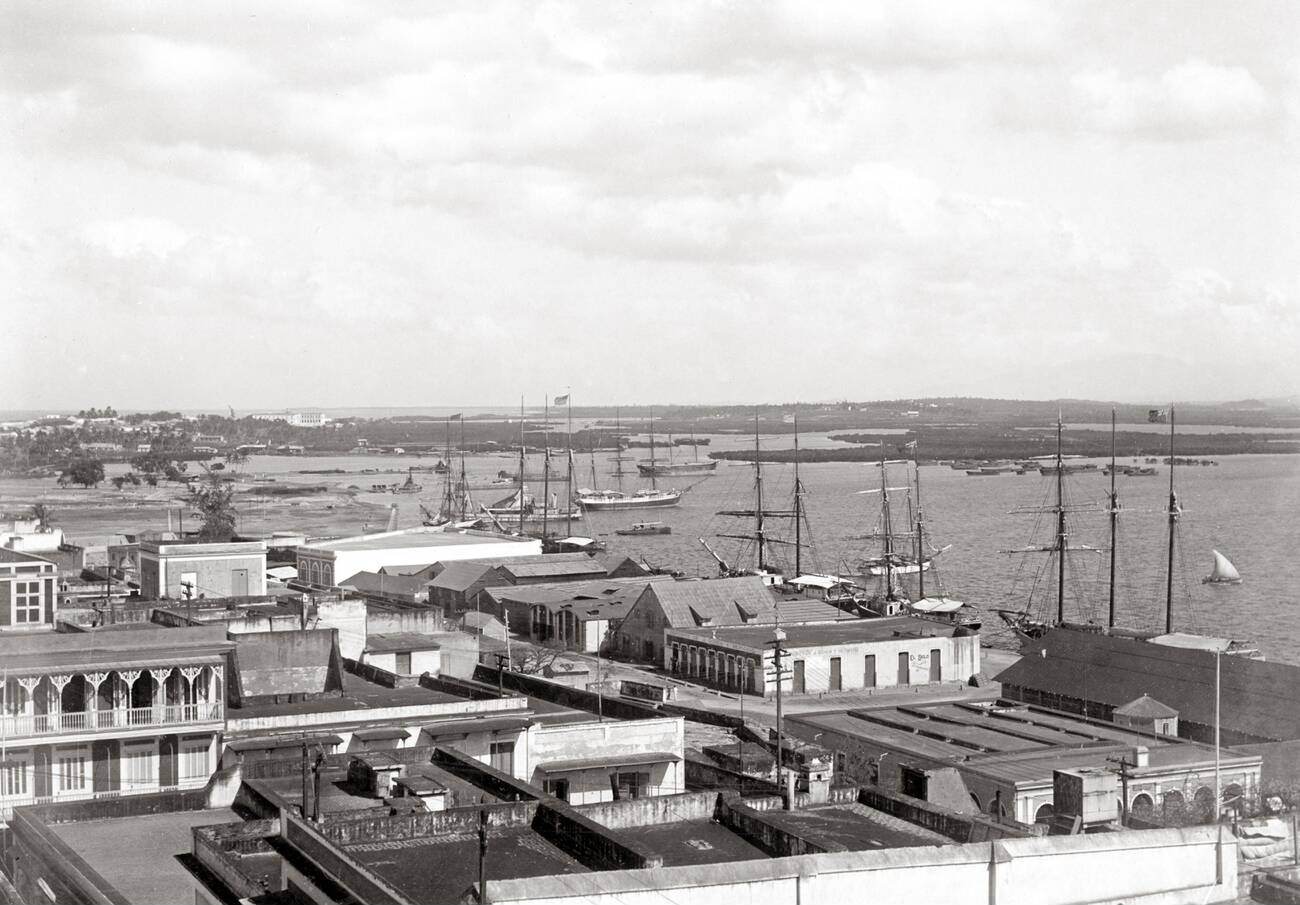
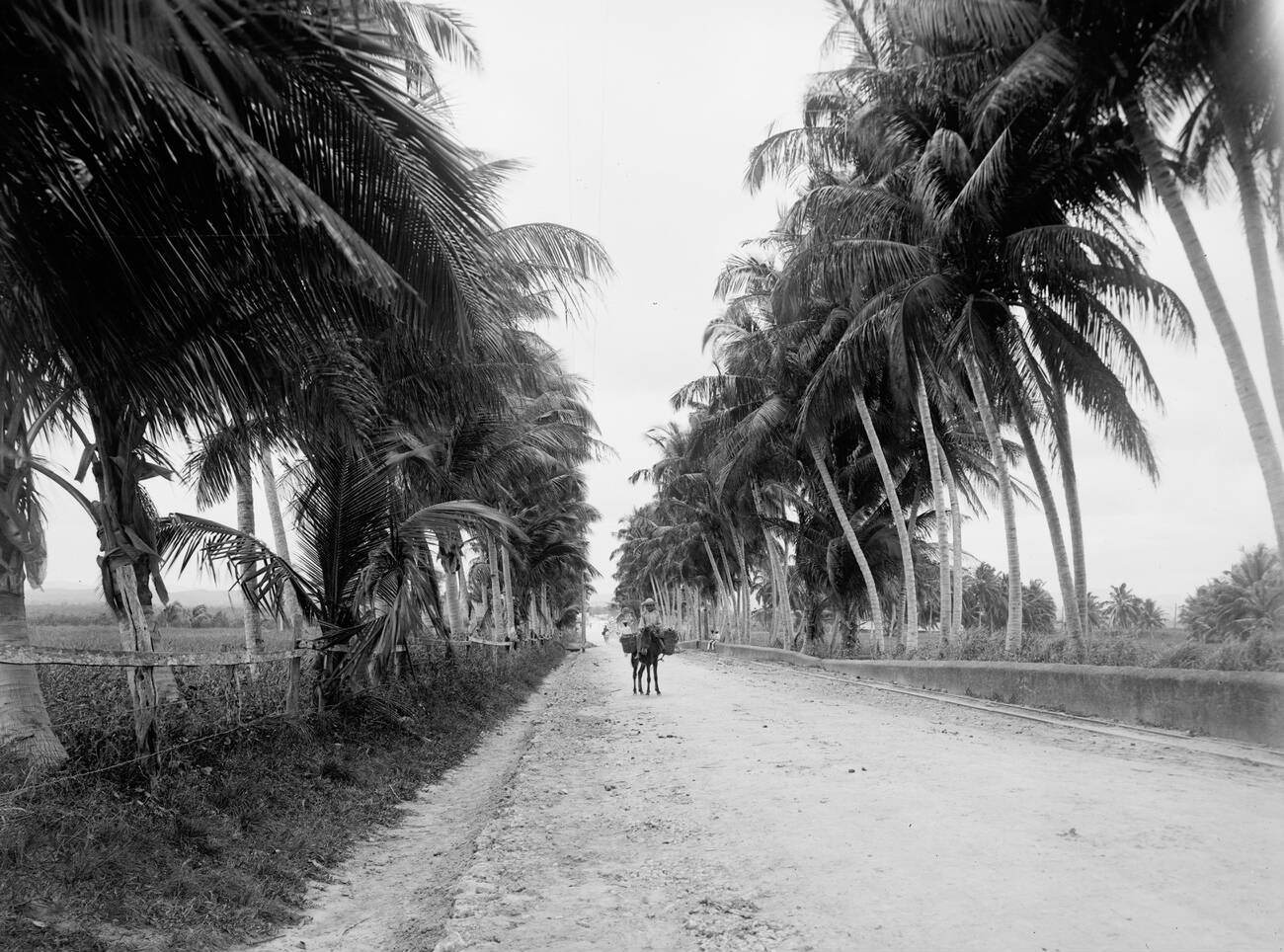
Beyond the city, Puerto Rico’s landscape was defined by tropical vegetation. Coconut palms lined the coastlines and countryside, setting the island apart from anything on the U.S. mainland.
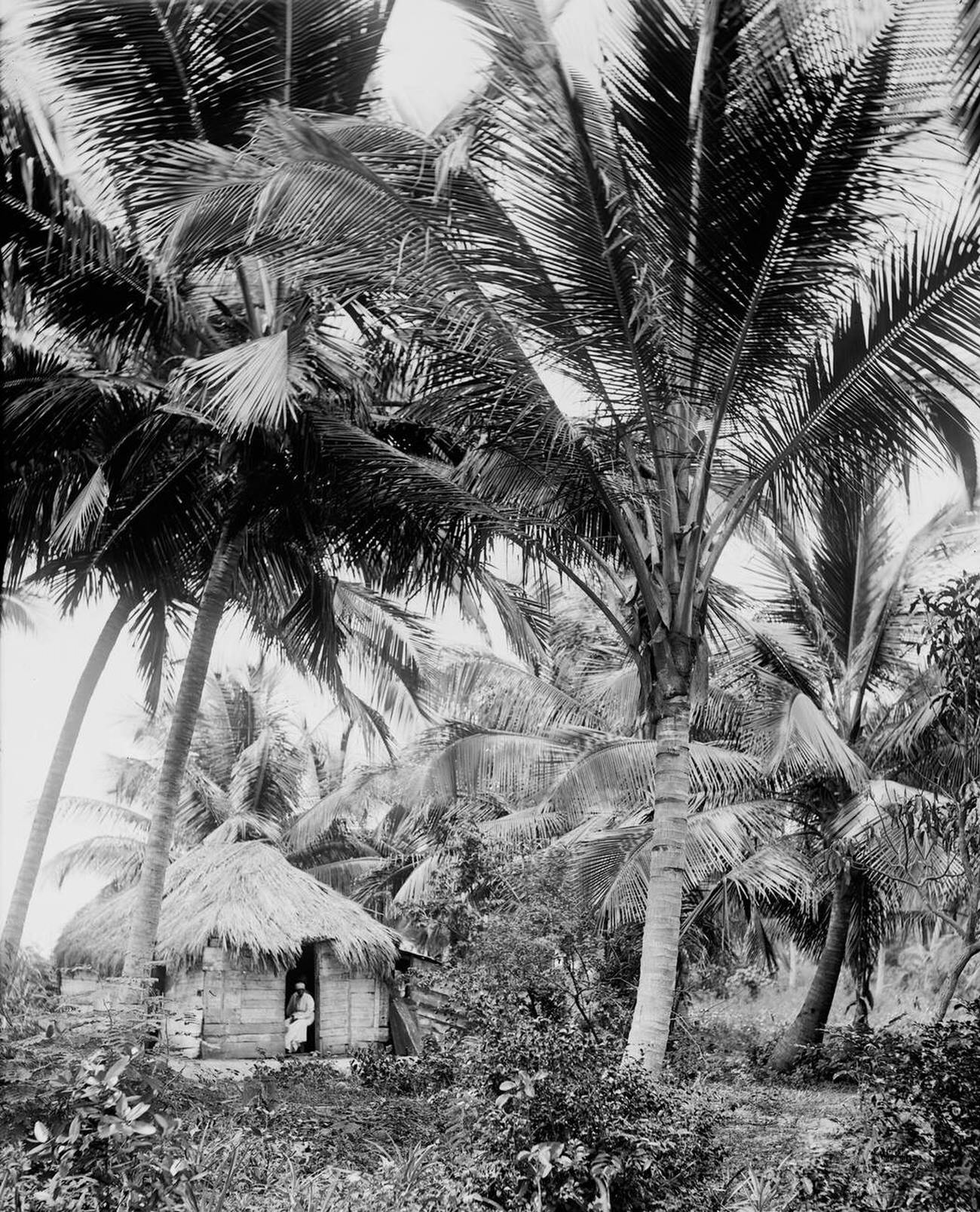
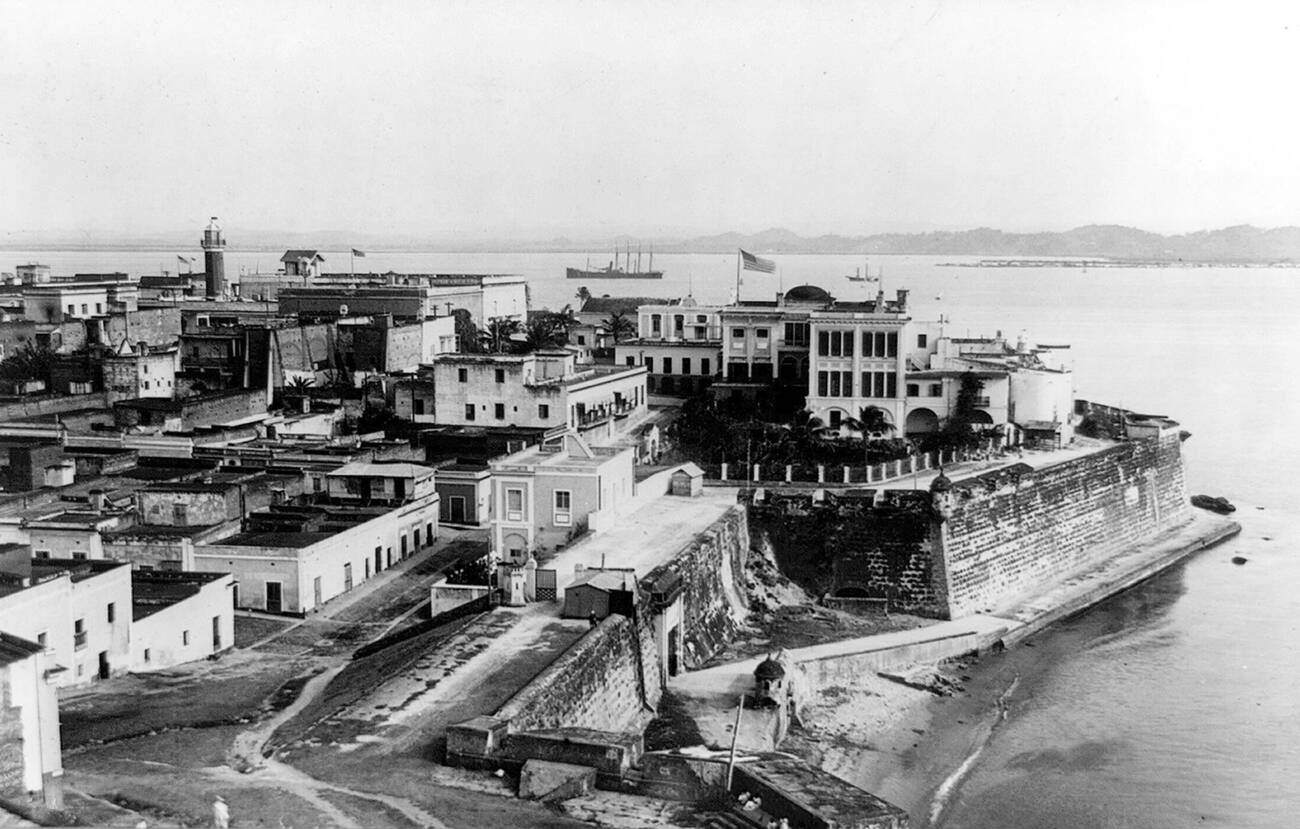
A panoramic view of San Juan in 1900 reveals a compact, densely built city perched on a peninsula, its rooftops and church towers rising above the surrounding sea.
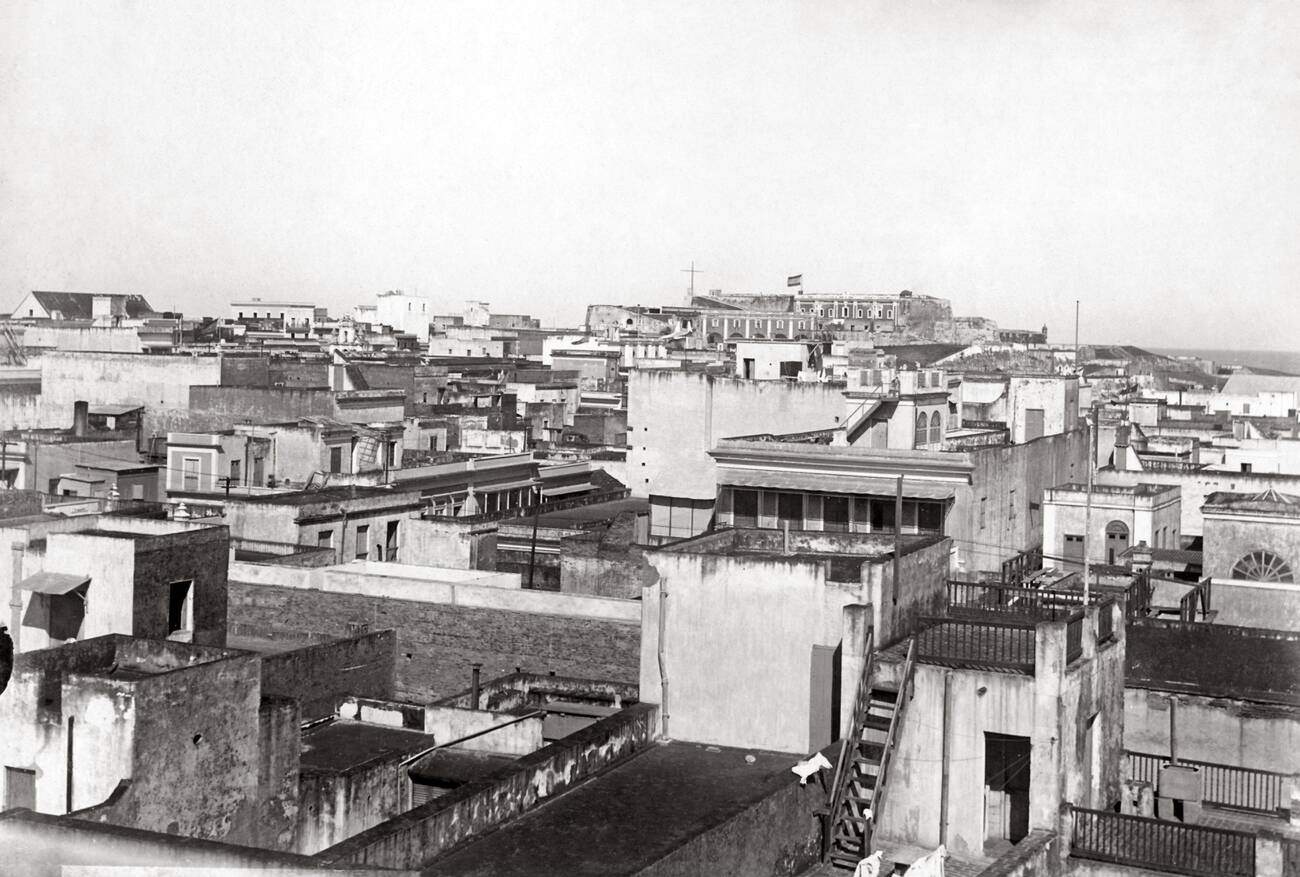
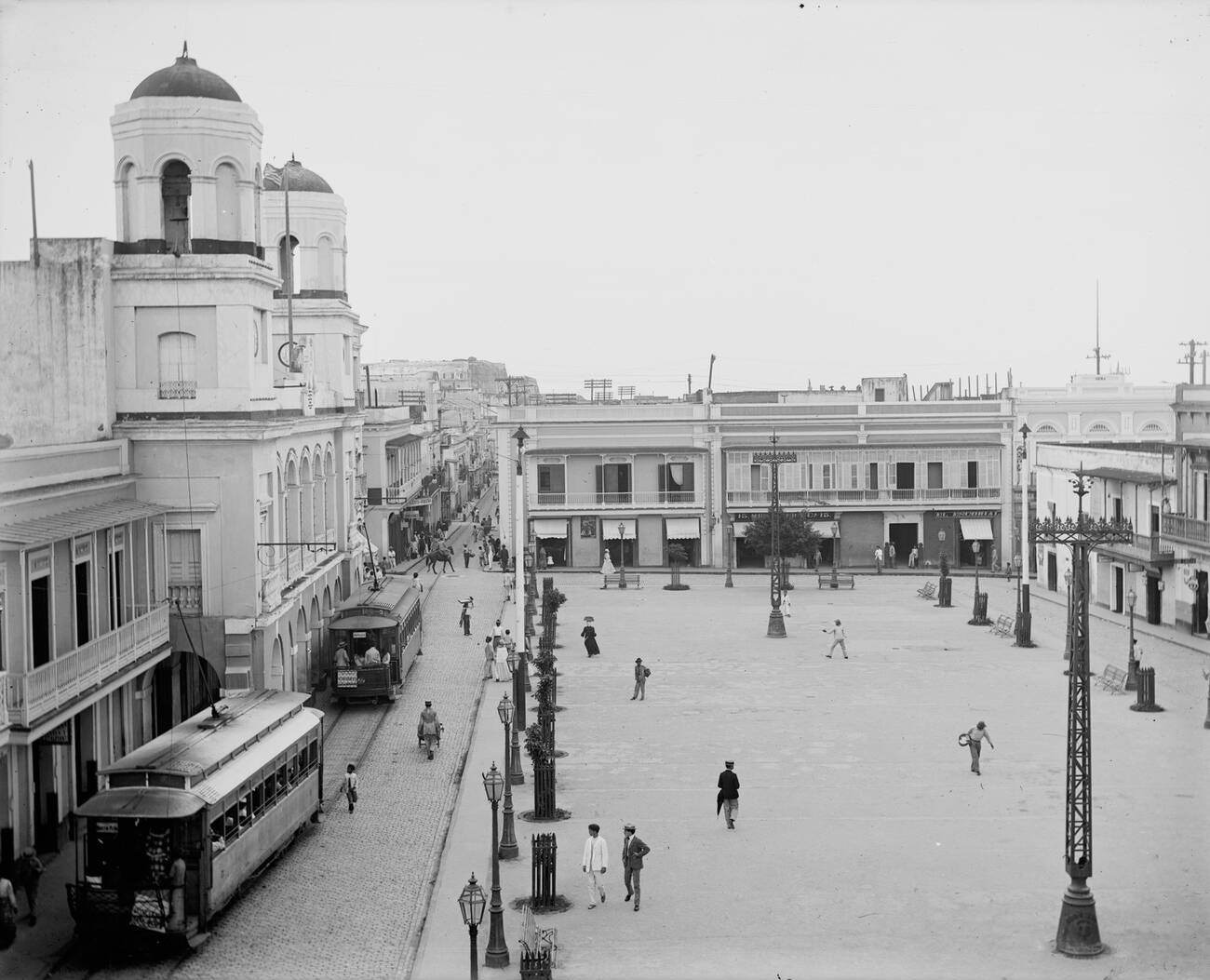
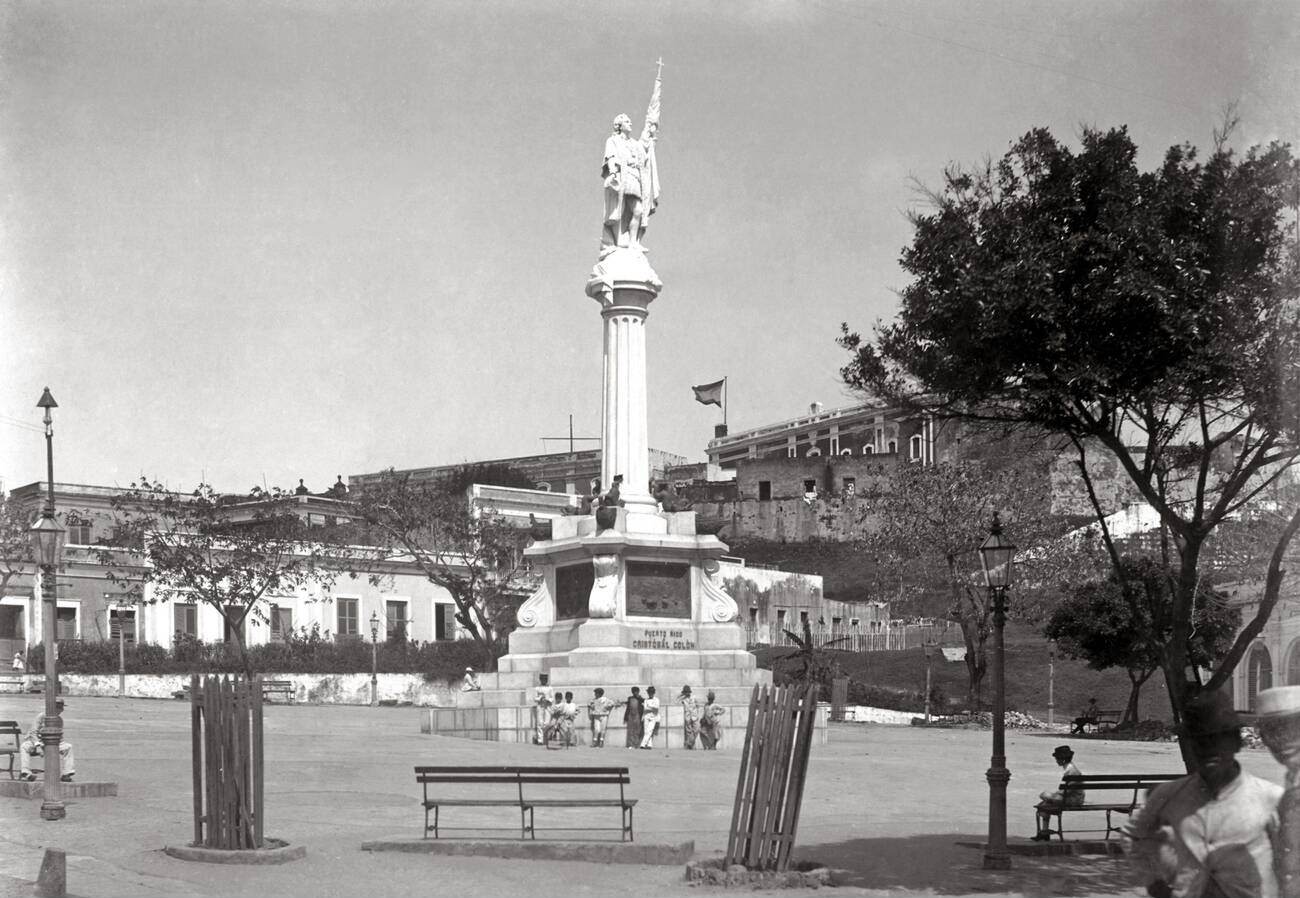
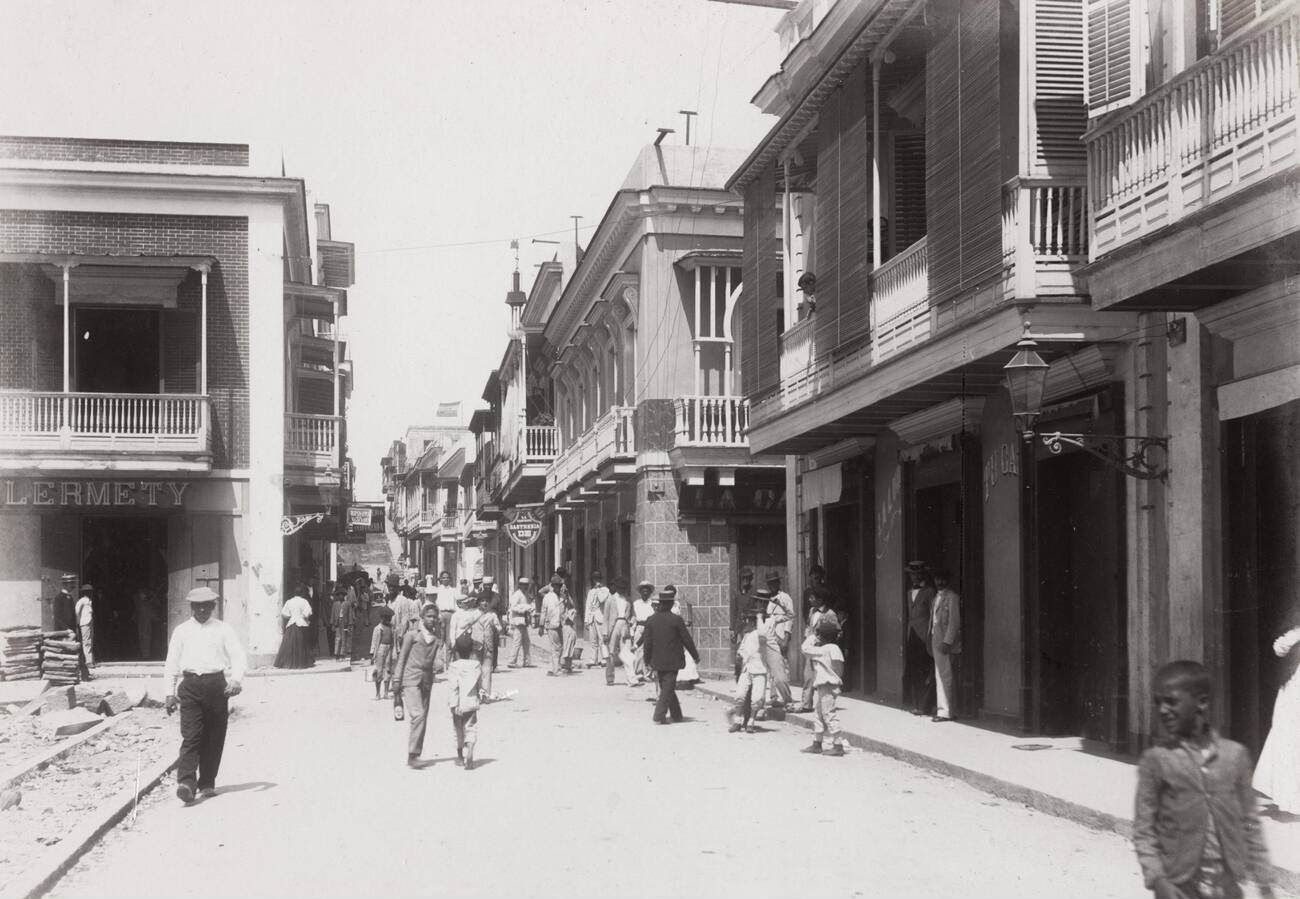
The streets of the old city were narrow by design — built during the Spanish colonial era to provide shade and protection. Pedestrians and vendors filled these lanes every day.
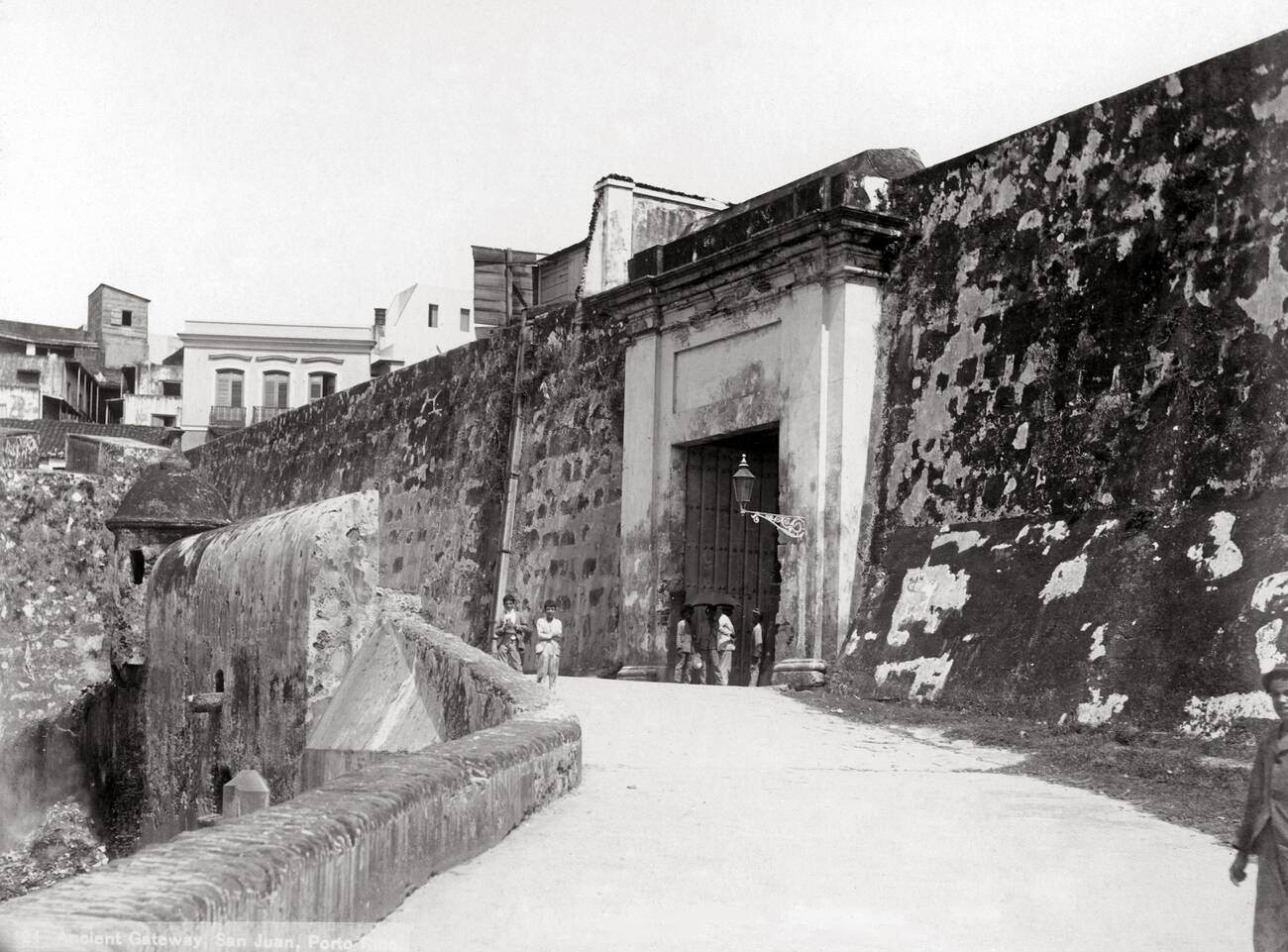
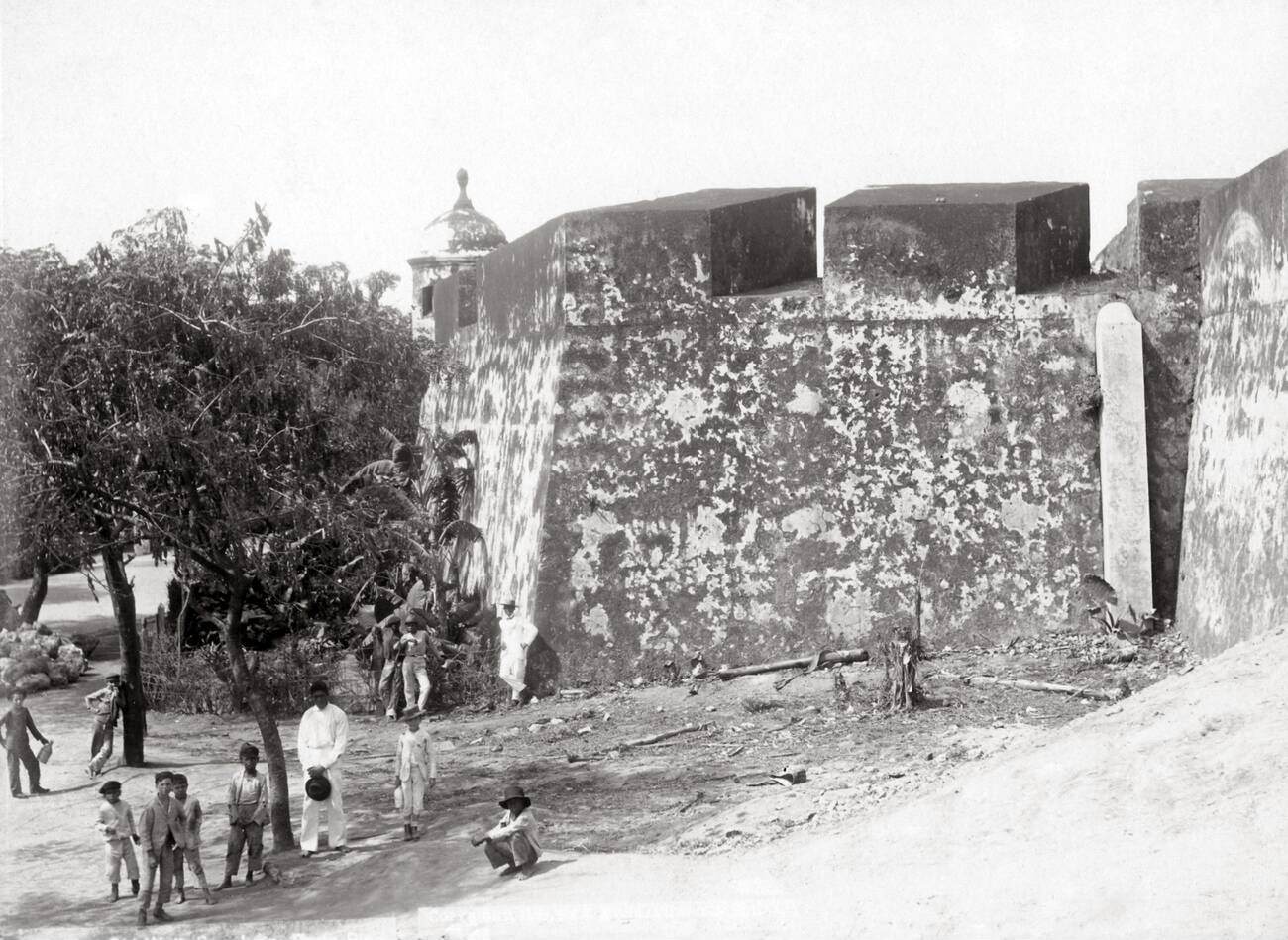
Ancient gateways marked the entry points into the walled city. These stone arches, built by the Spanish centuries earlier, still directed foot traffic in and out of Old San Juan in the early 1900s.
Boat landings along the waterfront connected the old city to the harbor, serving as busy transfer points for cargo and passengers arriving by sea.
San Justo Street was one of the main commercial corridors of Old San Juan. Shops and businesses lined the road, and it reflected the daily rhythm of city life in 1900.
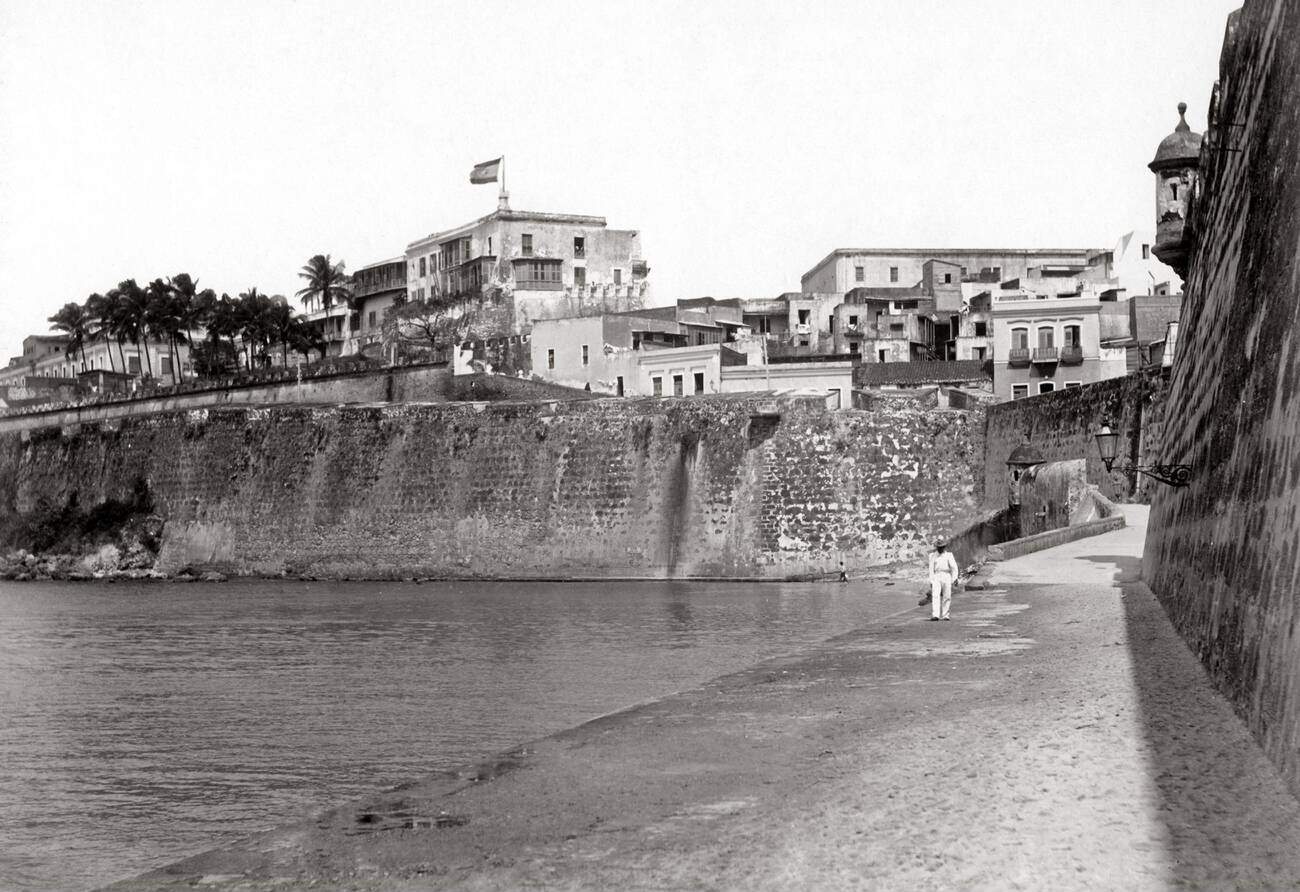
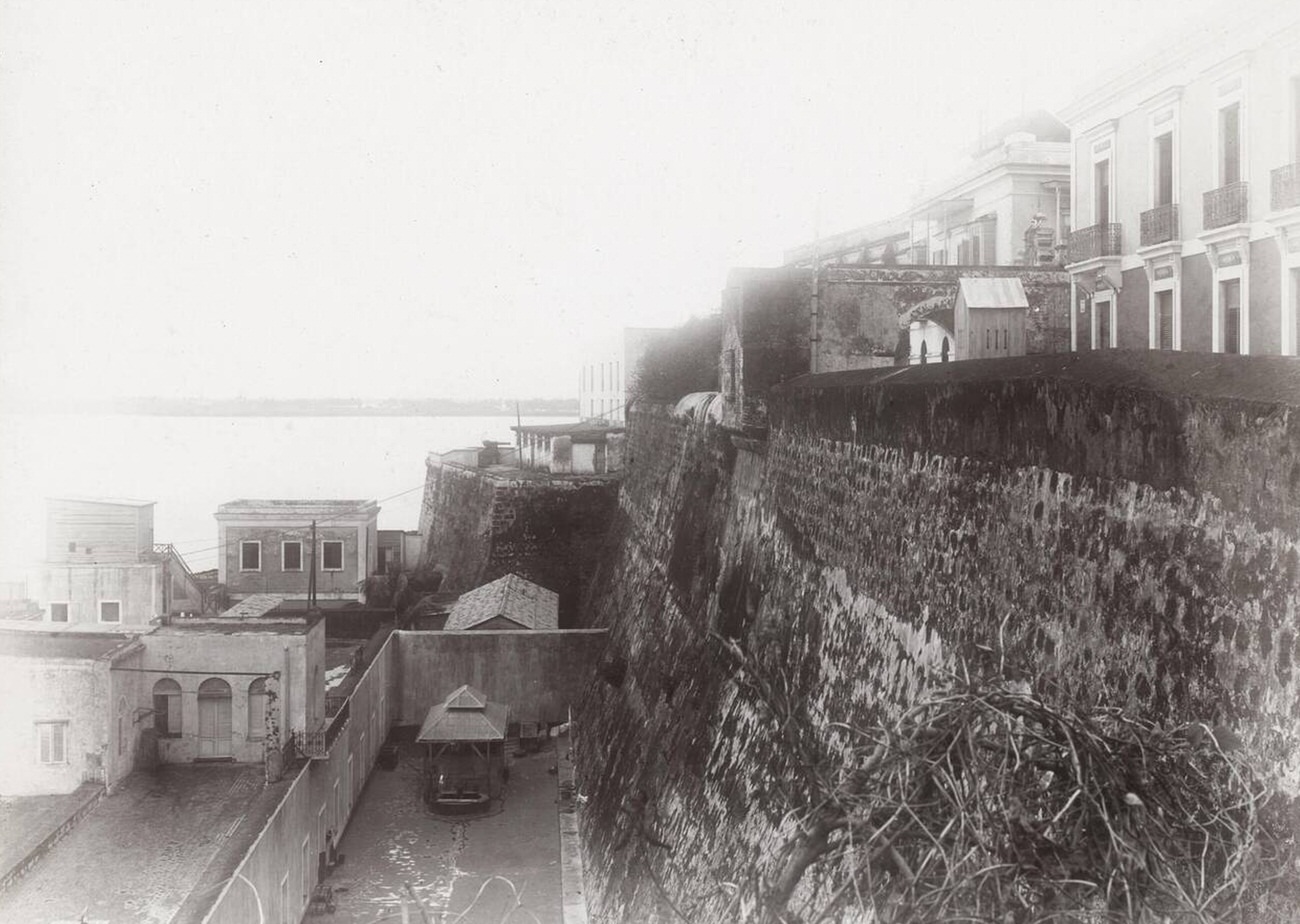
The old walls of San Juan were among the most impressive defensive structures in the Western Hemisphere. Built by the Spanish starting in the 16th century, they encircled the city and ran directly along the sea.
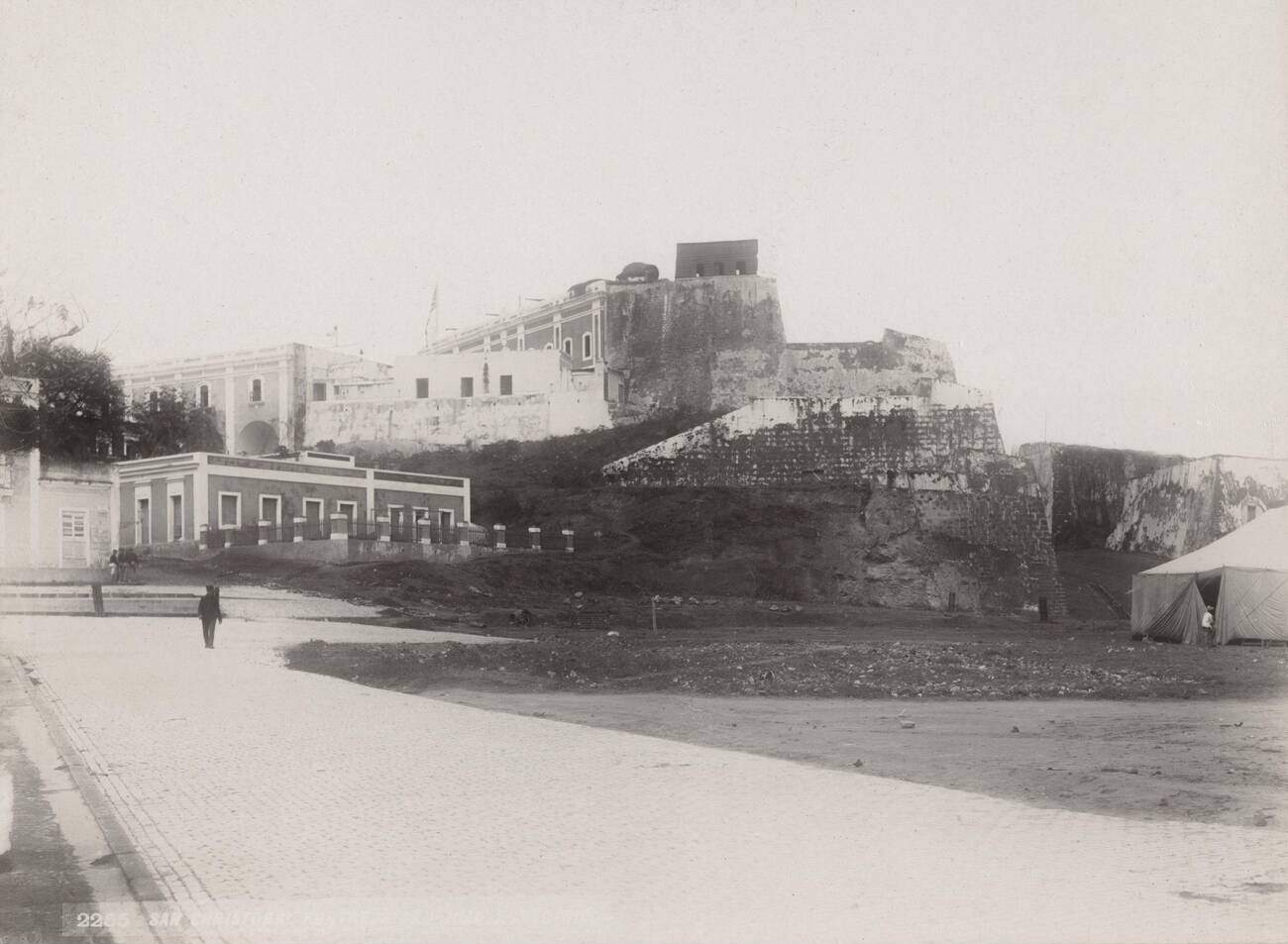
Viewed from the sea wall, San Juan presented a striking image — a city of stone and history rising from the edge of the Caribbean, now firmly placed within the orbit of the United States.