
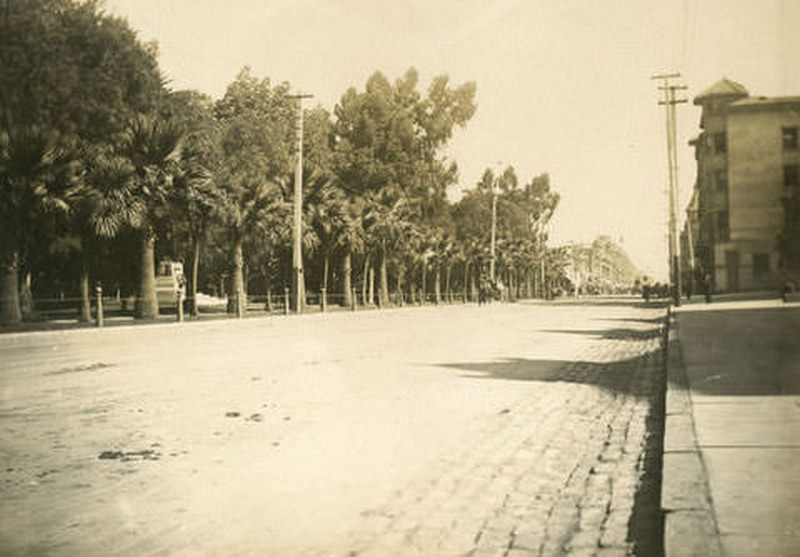
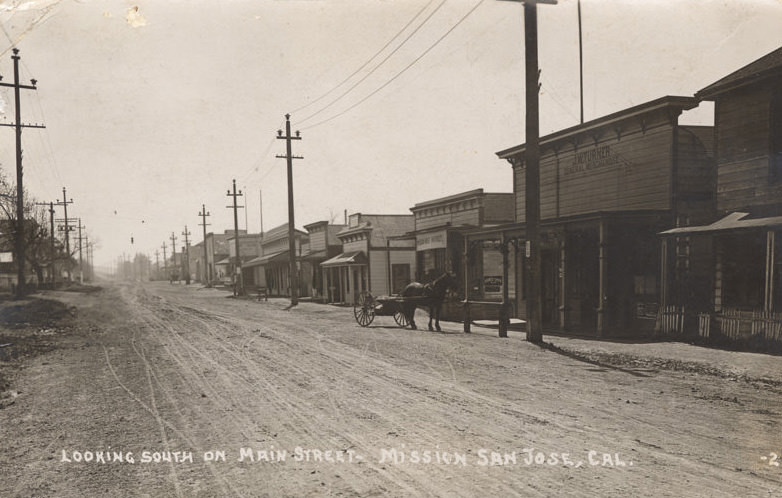
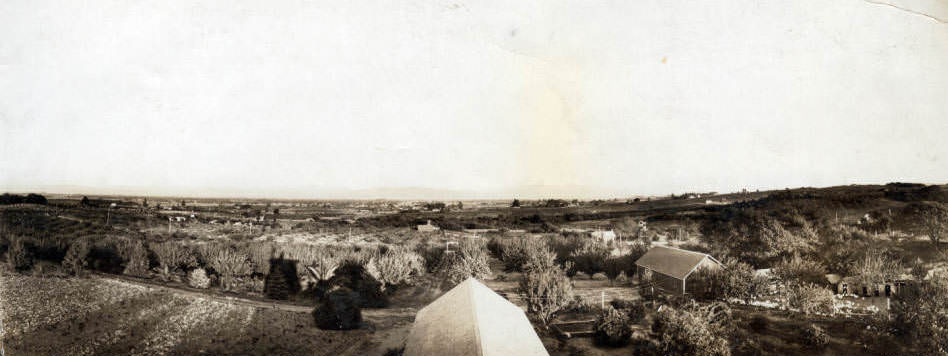
At the start of the 1910s, San Jose, California was a city in motion. Its population stood at 28,946 in 1910, and the decade ahead would bring growth, disaster, innovation, and change. Streets buzzed with a mix of horse-drawn carriages, electric trolley cars, and the earliest automobiles. The city’s downtown core was anchored by banks, hotels, and civic buildings, while neighborhoods spread outward into orchards and farmland. San Jose was no longer a quiet agricultural town — it was becoming a real urban center.
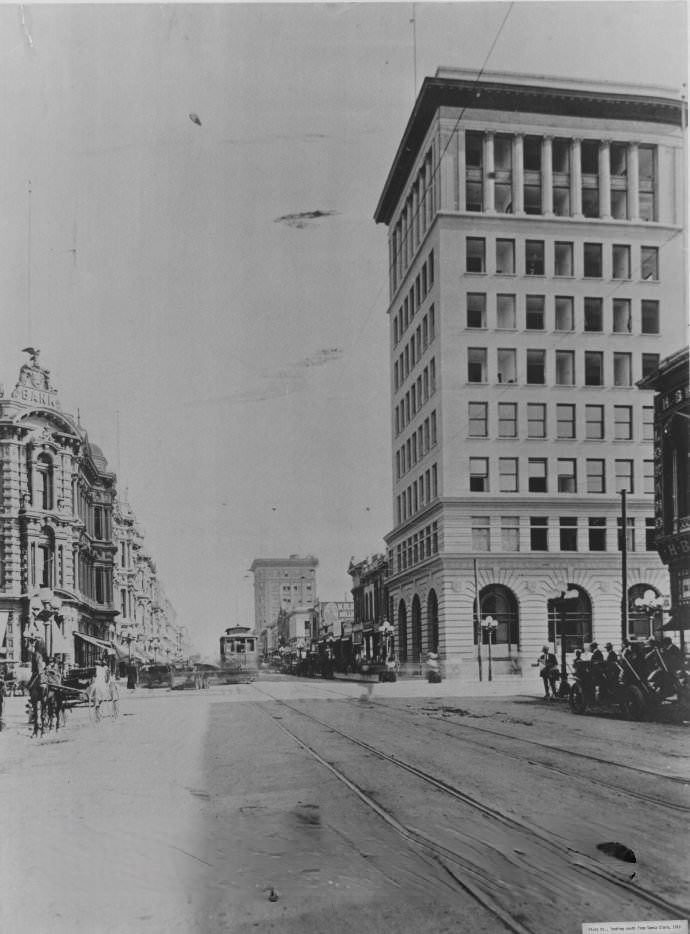
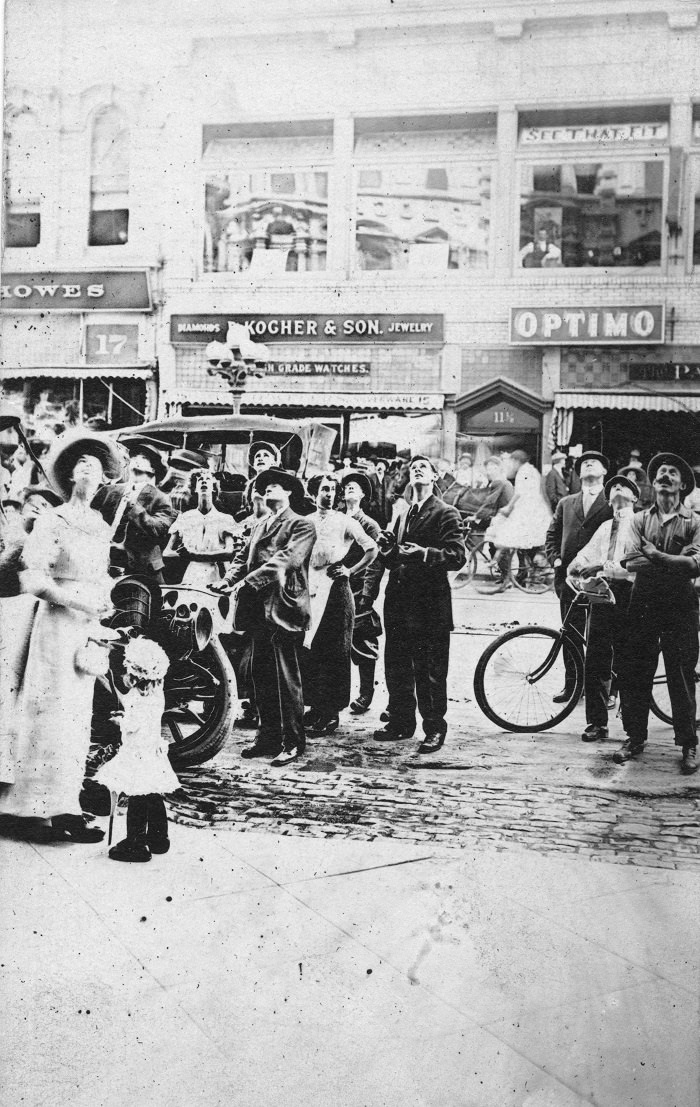
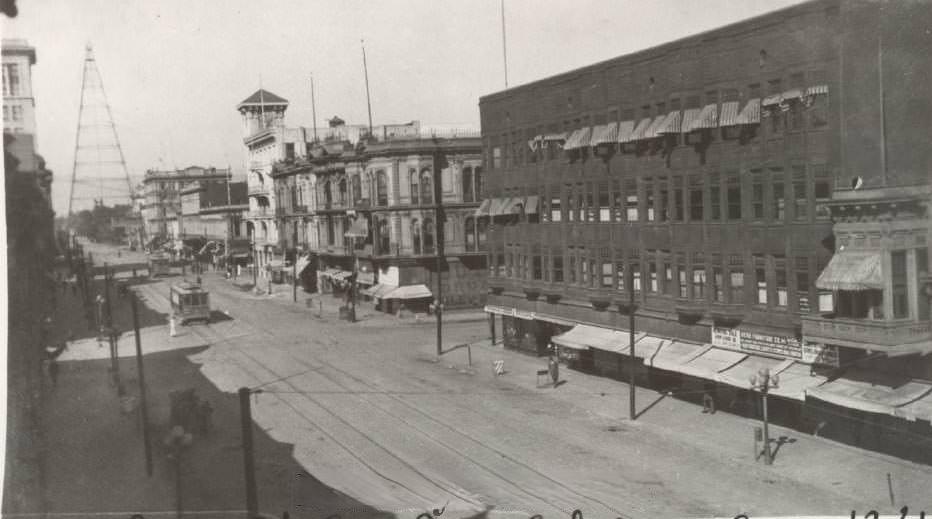
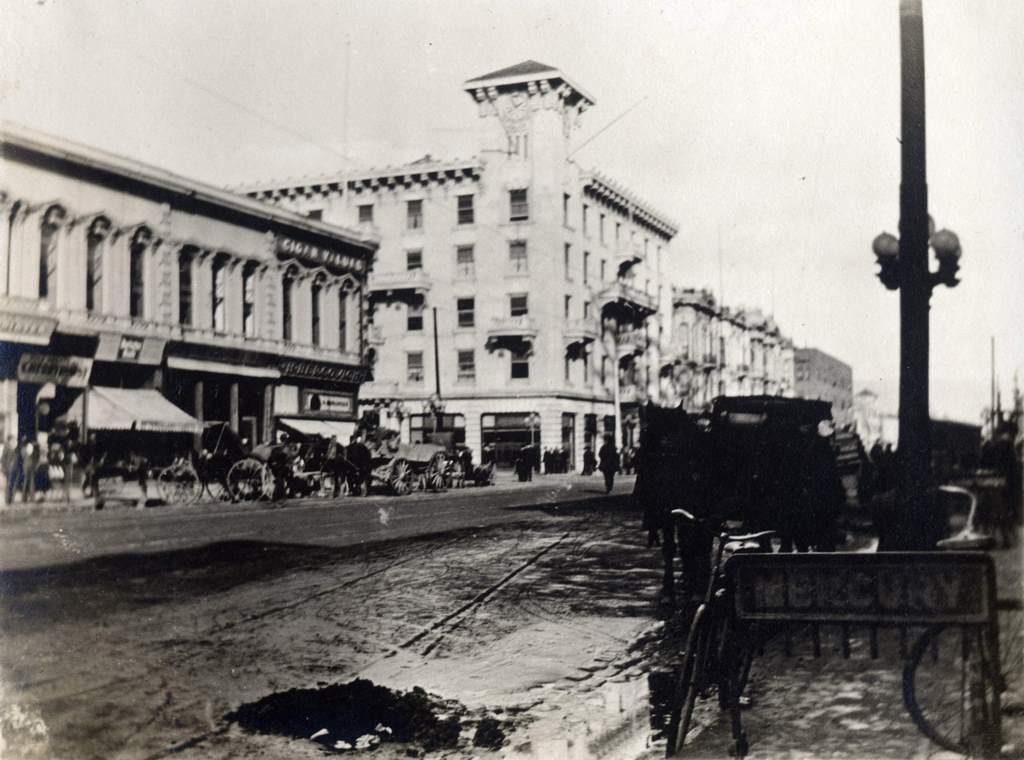
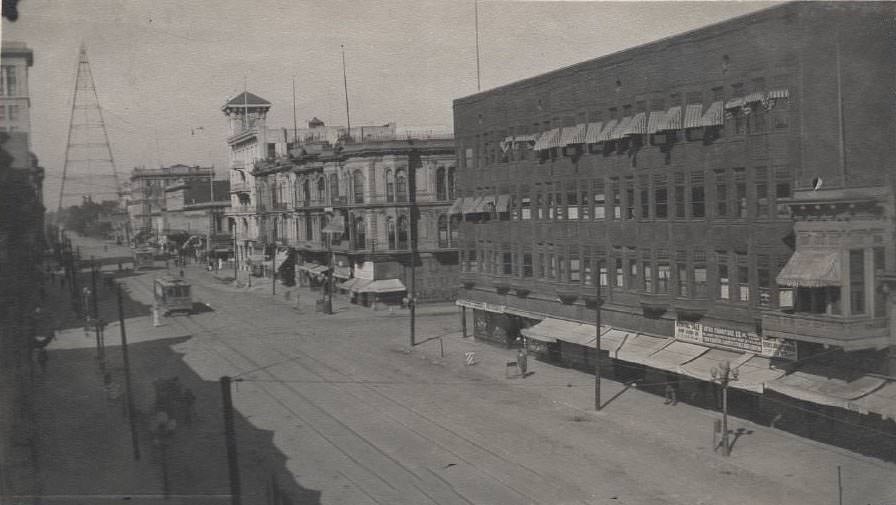
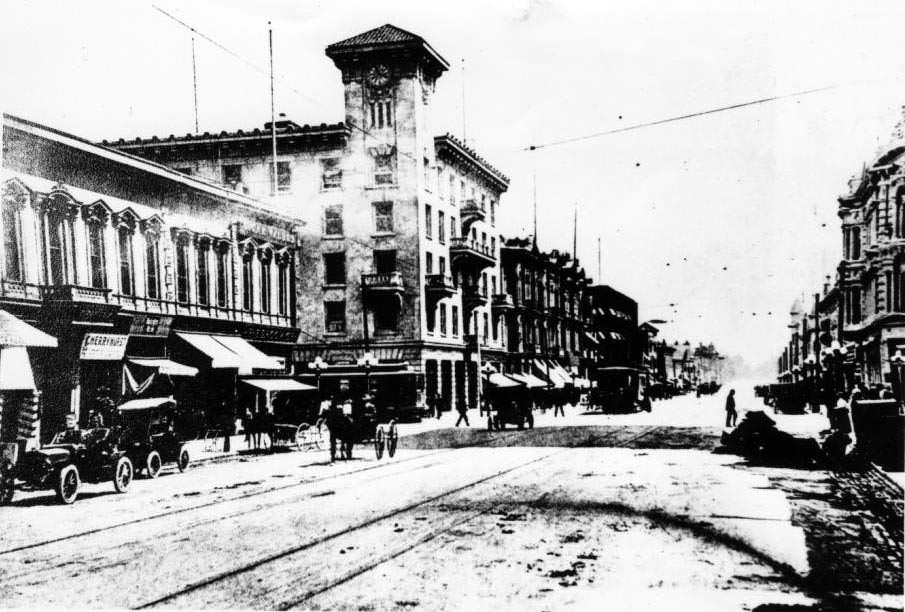
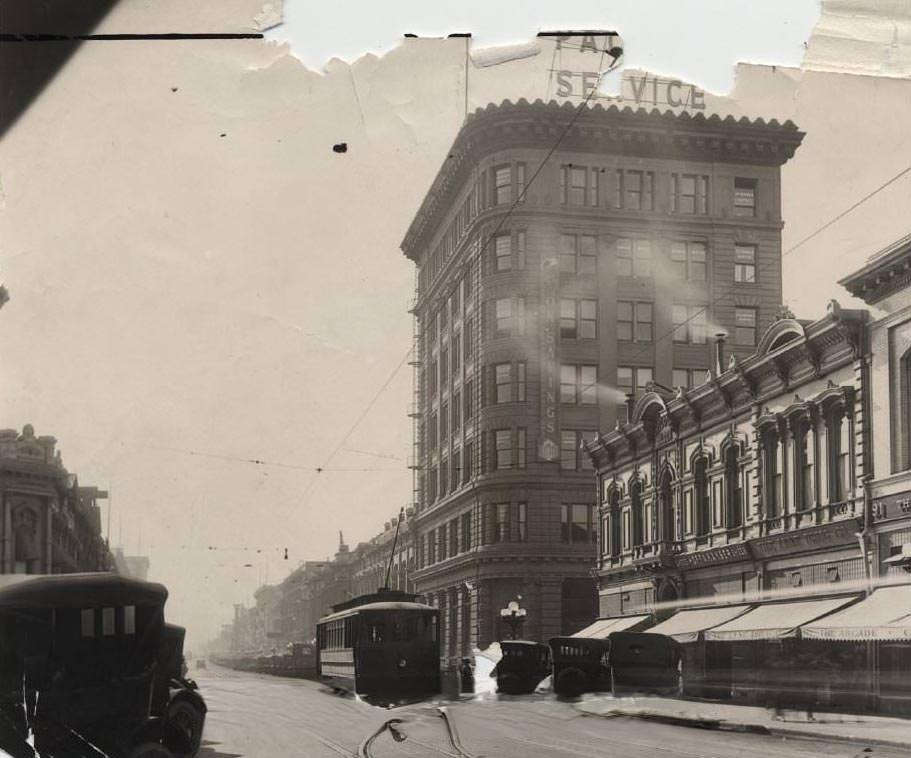
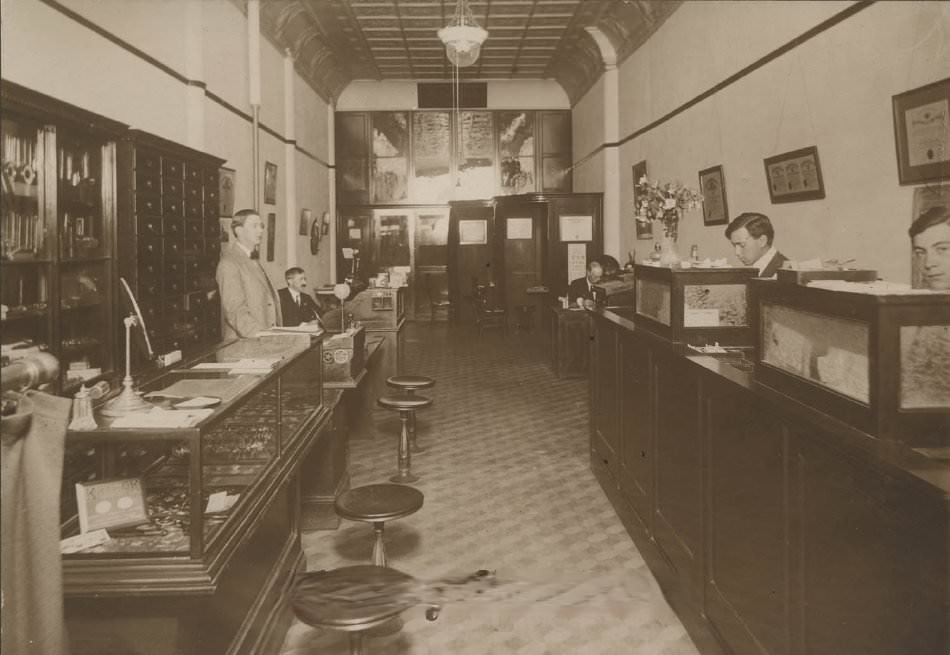
The intersection of First Street and Santa Clara Street was the beating heart of downtown San Jose. Horse-drawn vehicles and pedestrians shared the road with electric streetcars. The San Jose Safe Deposit Bank, founded in 1885, stood at the southeast corner of First and Santa Clara Streets. It was a prominent fixture of the financial district until it was demolished in 1925 to make way for the Bank of Italy.
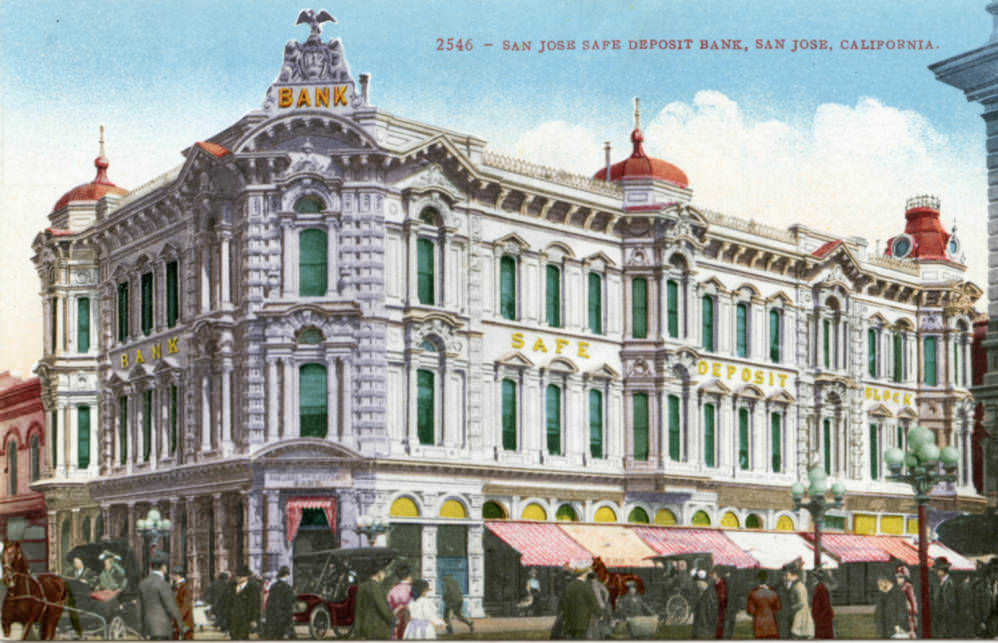
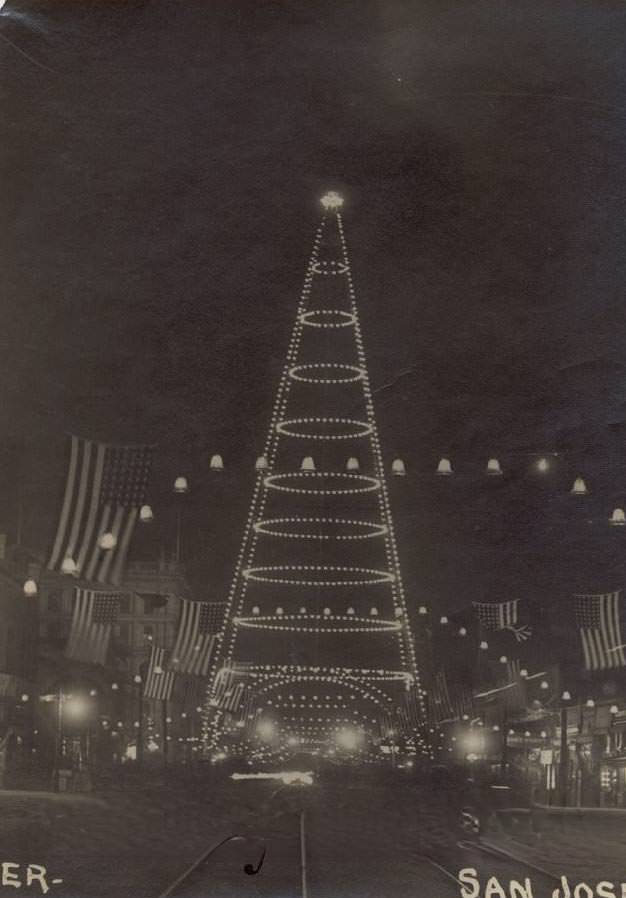
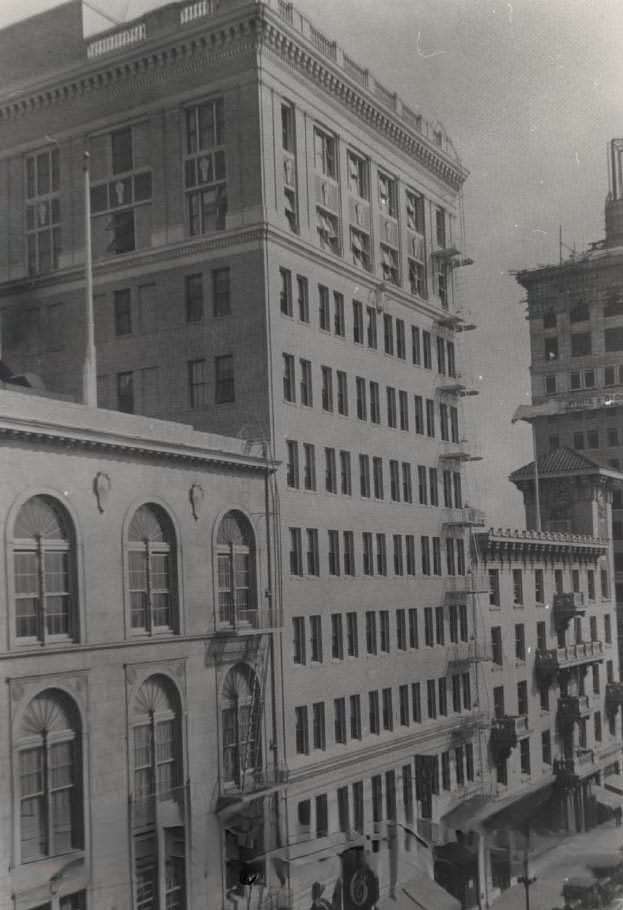
The First National Bank, built in 1909 at the southwest corner of First and Santa Clara, was considered the second skyscraper in San José. It towered over most of the city — with only the famous Electric Light Tower rising higher. That tower appeared in many photographs of the era, a tall iron structure that stood in the middle of Santa Clara Street and lit the downtown at night.
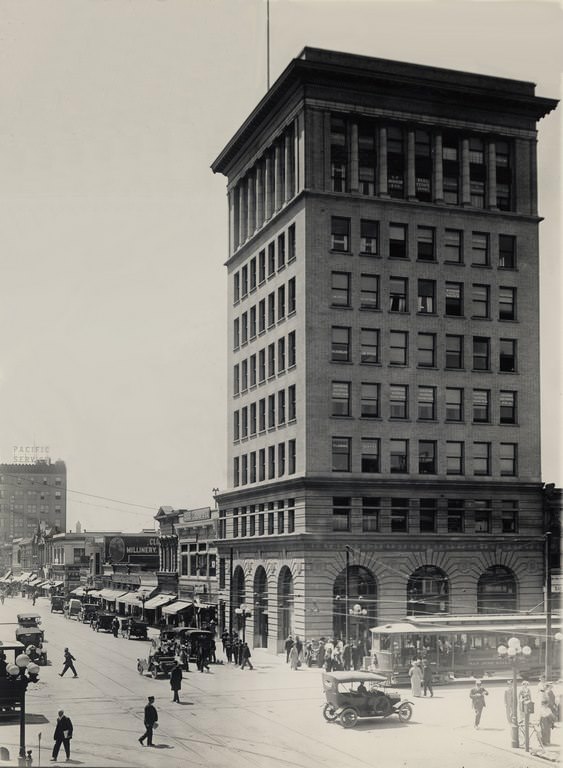
In 1914, Thomas Monahan was elected mayor of San Jose. That same year, East San Jose incorporated into the city, and Mount Hamilton became the starting point for the first motorbus line in the entire state of California. The city was also making its mark in aviation. Between 1900 and 1910, San Jose had been a key center of flight experimentation — both lighter-than-air and heavier-than-air — and that momentum carried into the new decade. John Montgomery and his peers drove most of that work, and the city later honored him with Montgomery Park, a monument at San Felipe and Yerba Buena Roads, and the John J. Montgomery Elementary School.
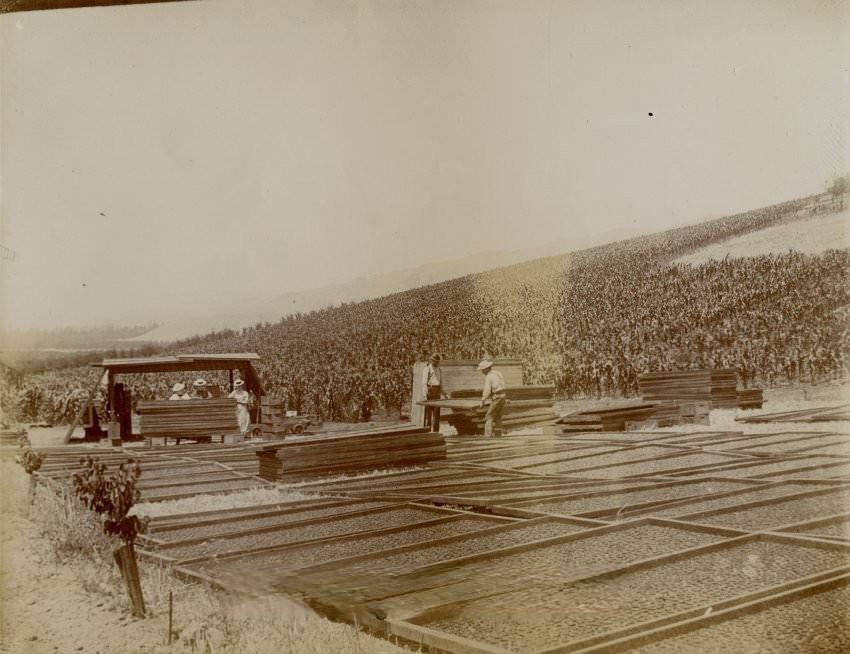
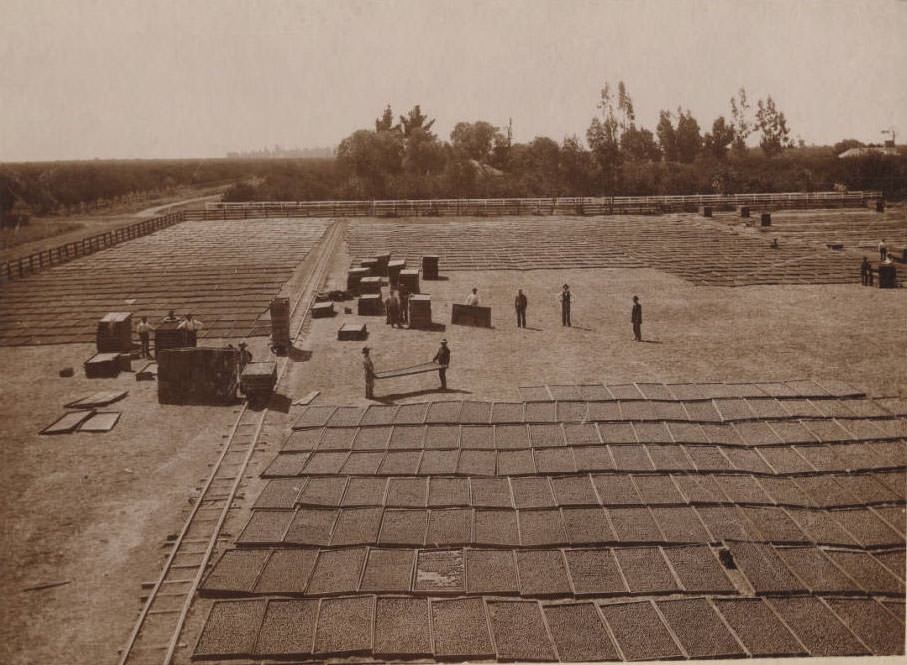
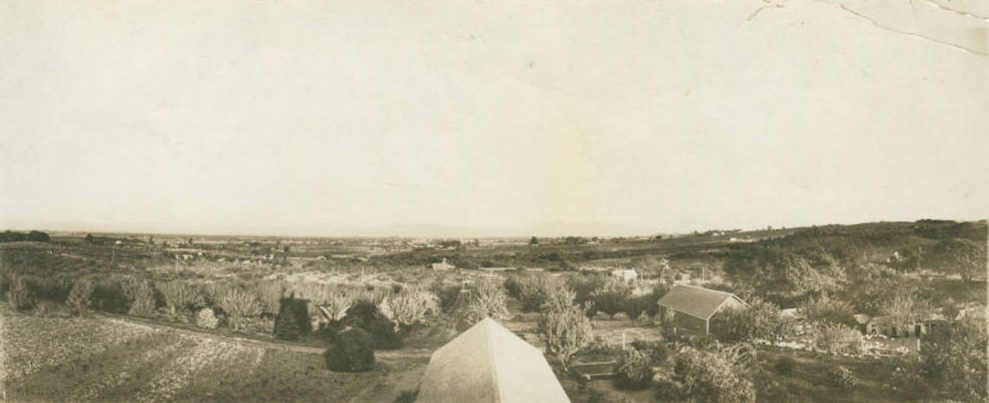
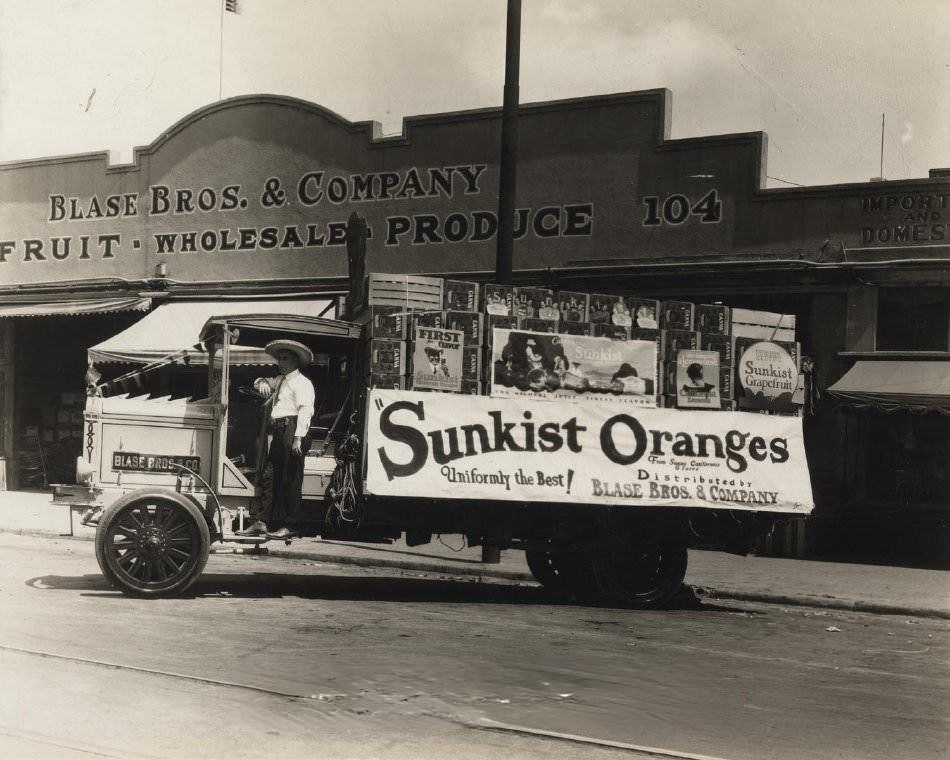
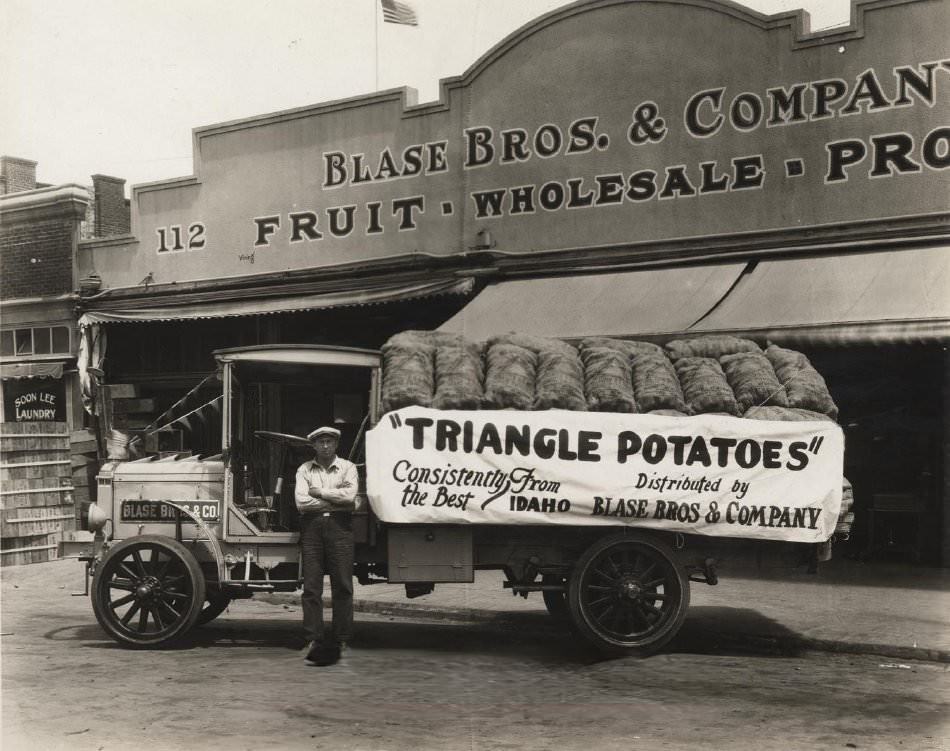
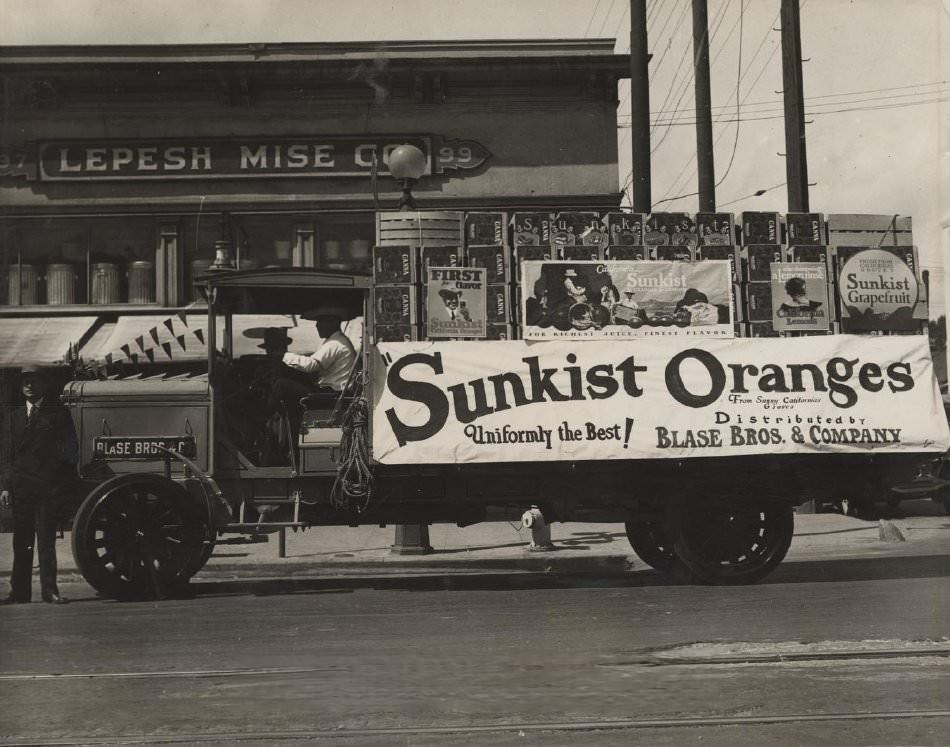
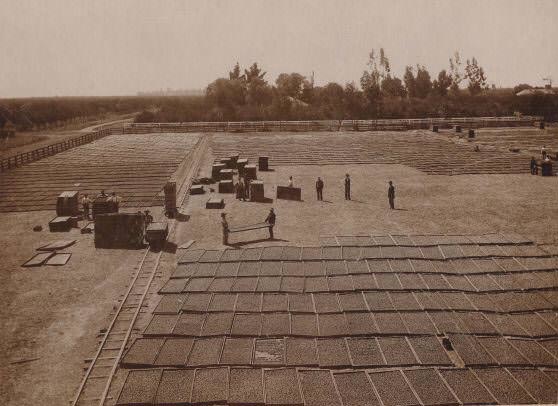
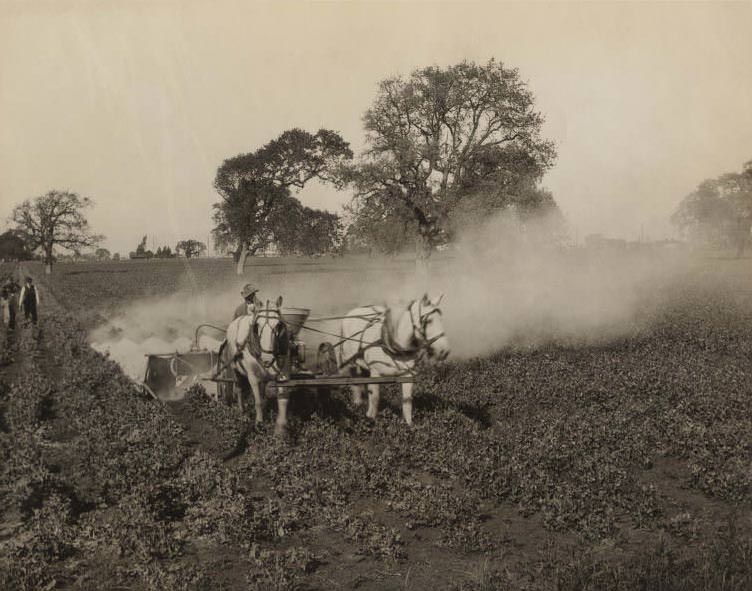
The city’s agricultural roots ran deep. Orchards stretched across the valley, and fruit drying, canning, and packing operations were everywhere. Apricots, prunes, and citrus were major products. At the Dutard Ranch, workers arranged fruit on large drying trays under the open sky. Canneries like J. F. Pyle & Sons and the DiFiore Canning Company processed the harvest at a large scale. San Jose was becoming a national leader in the mechanization of food processing during this period.
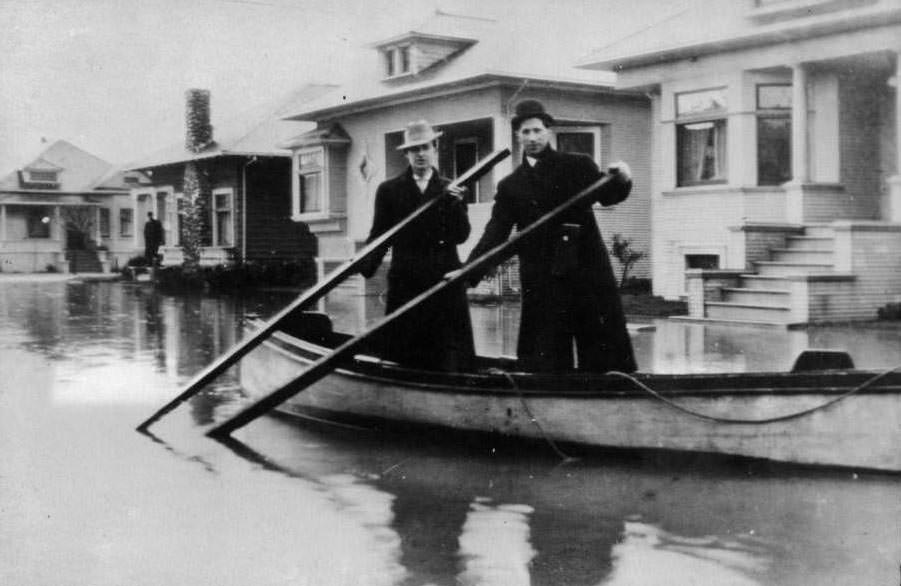
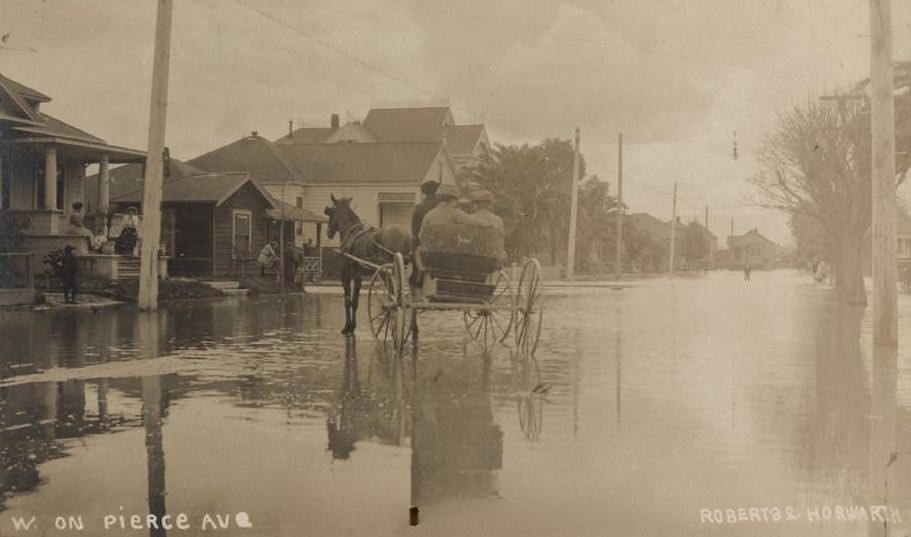
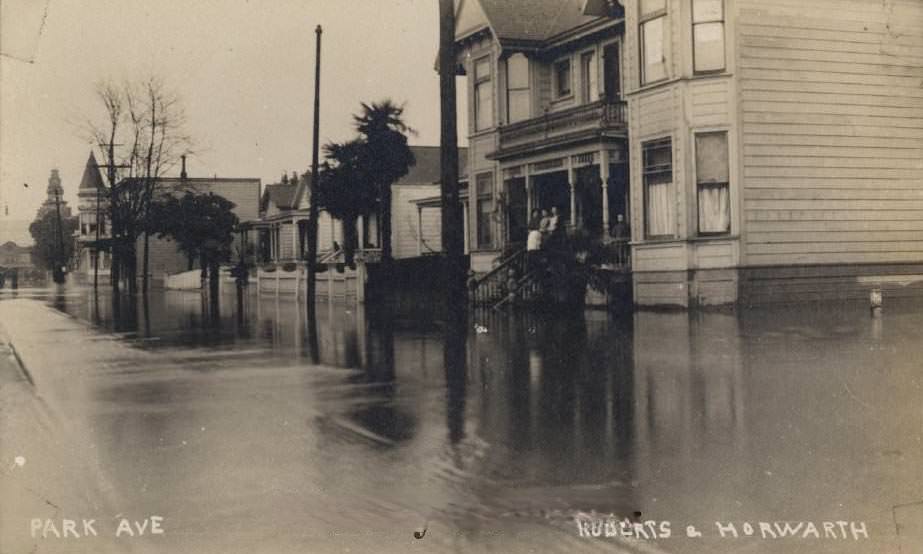
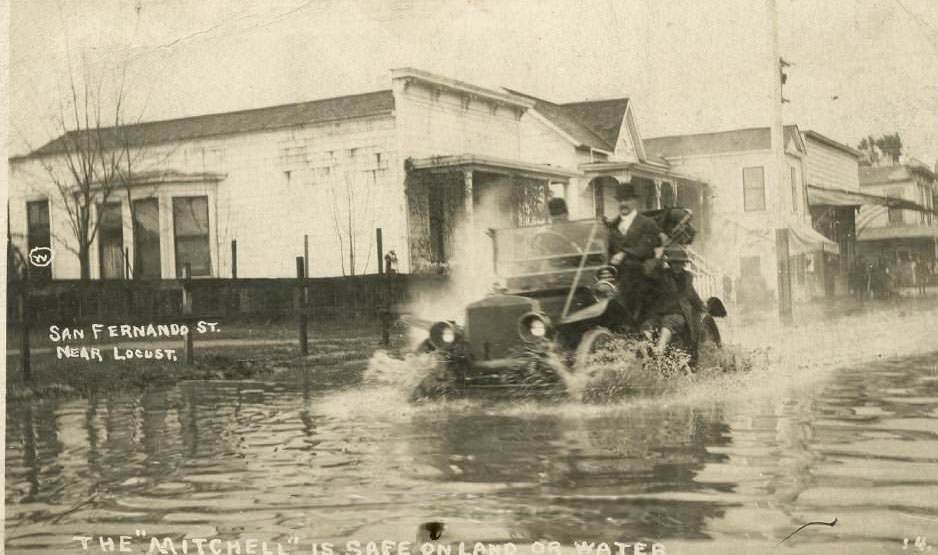
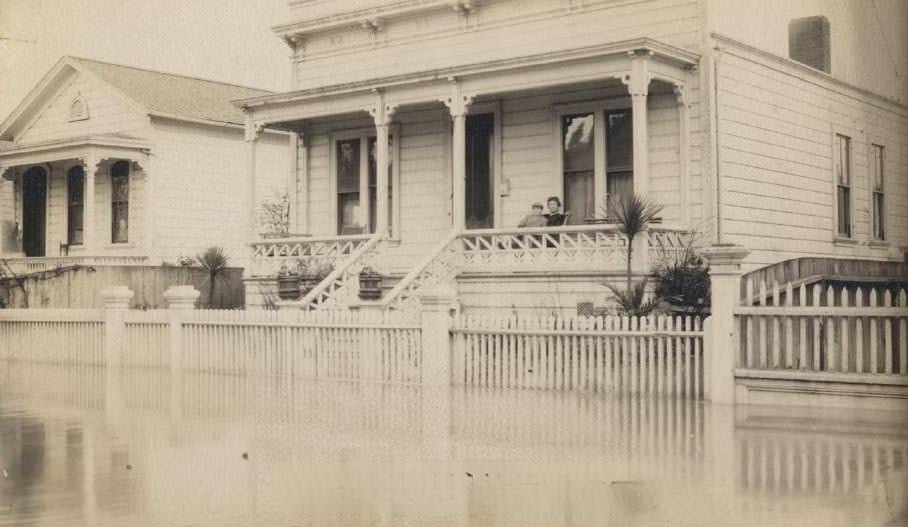
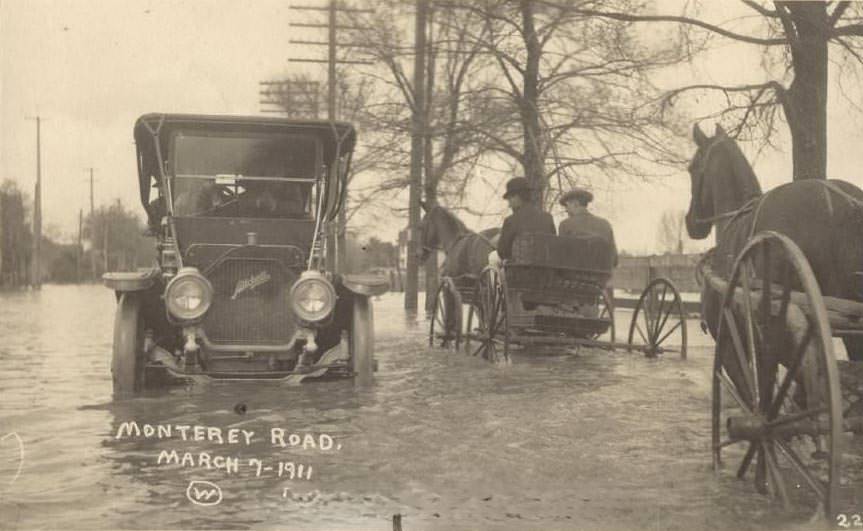
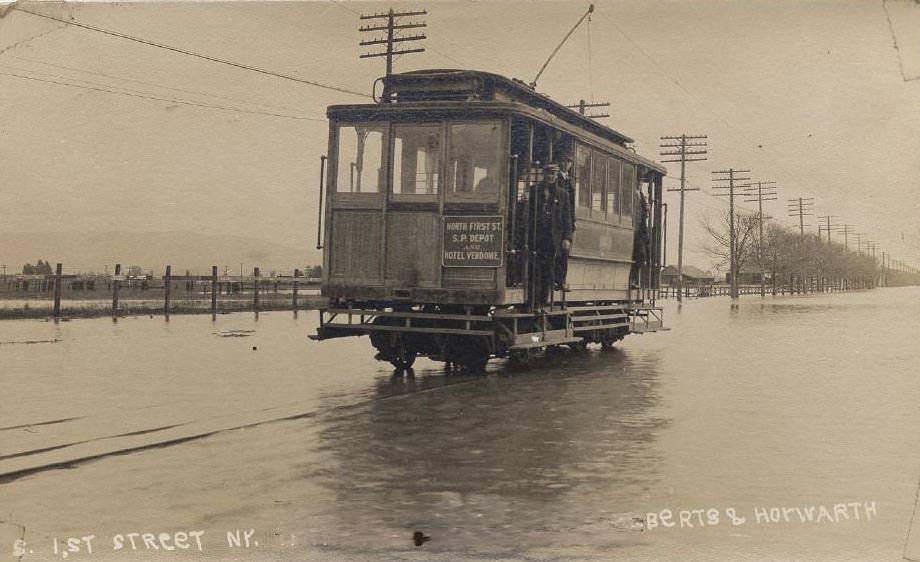
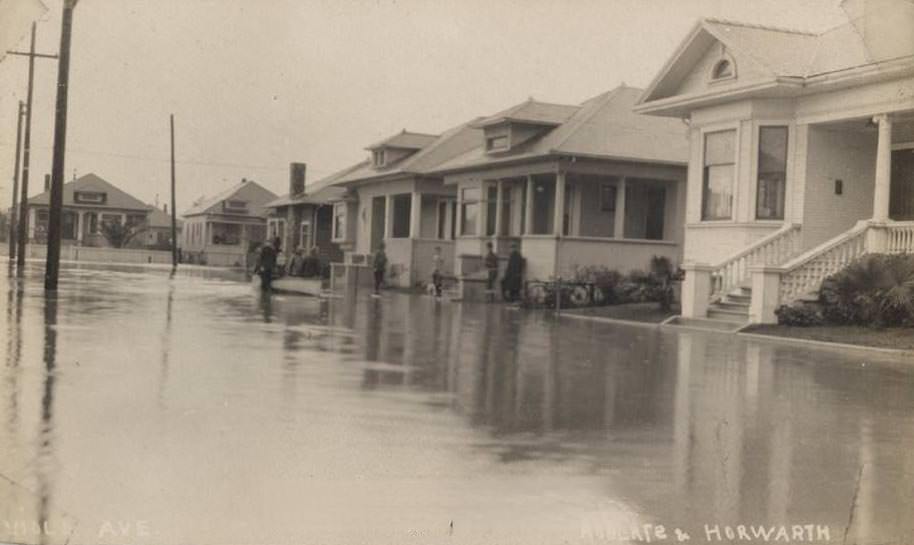
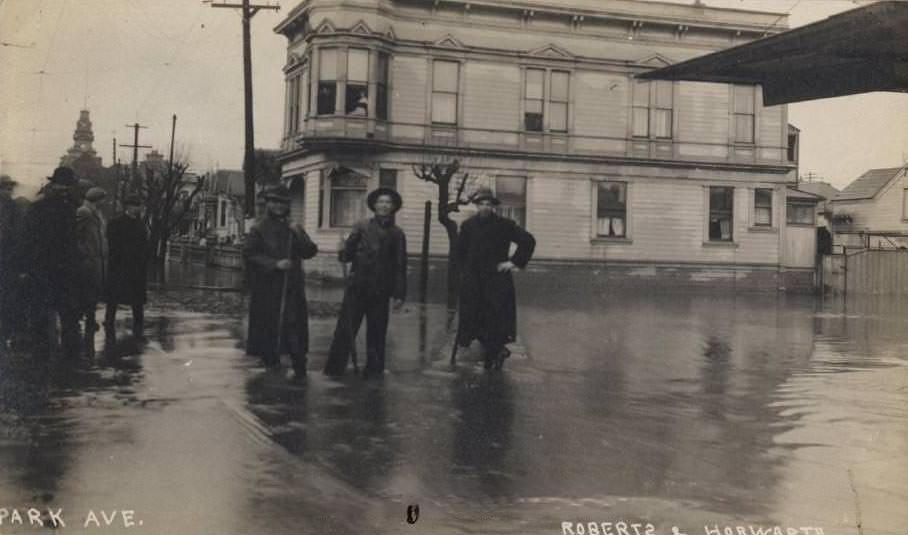
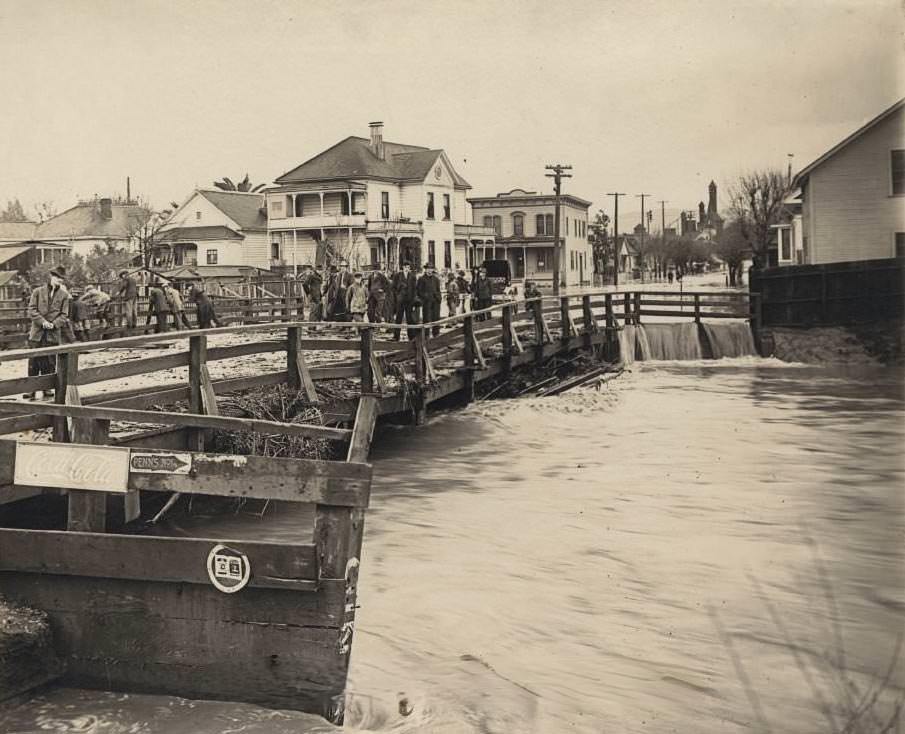
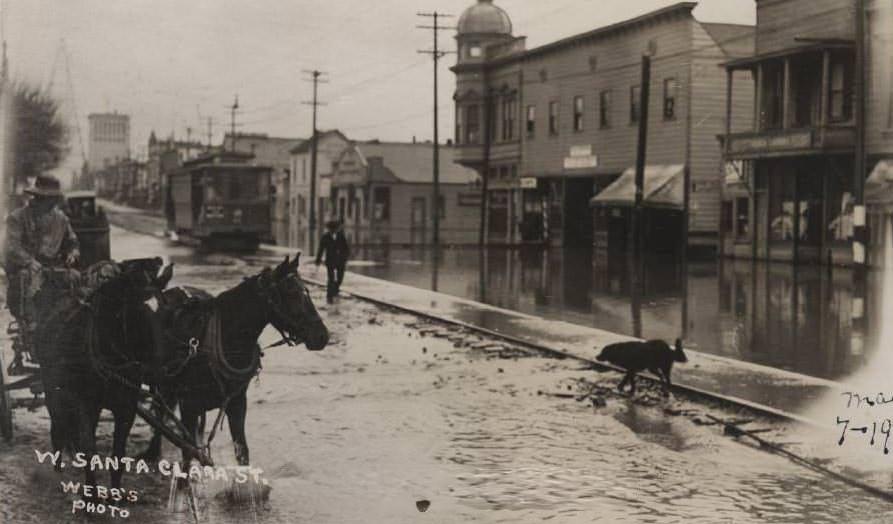
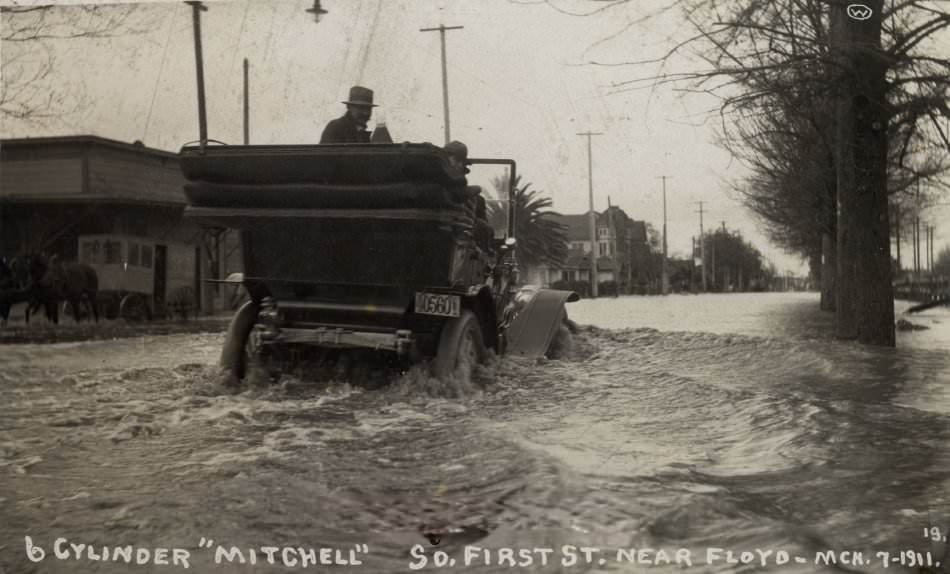
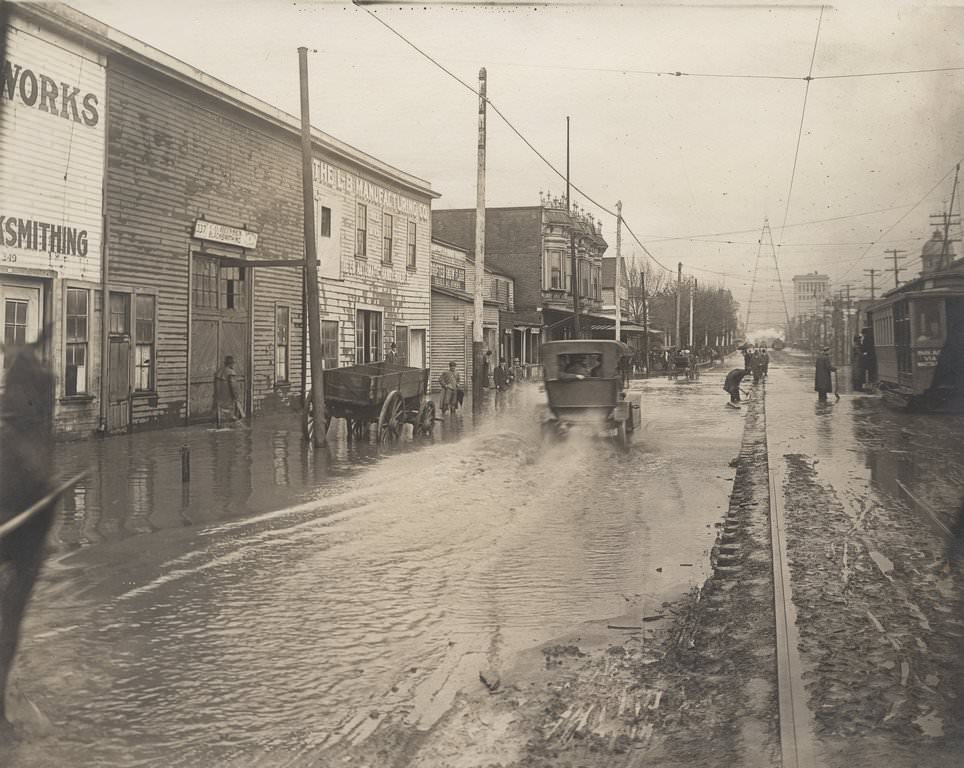
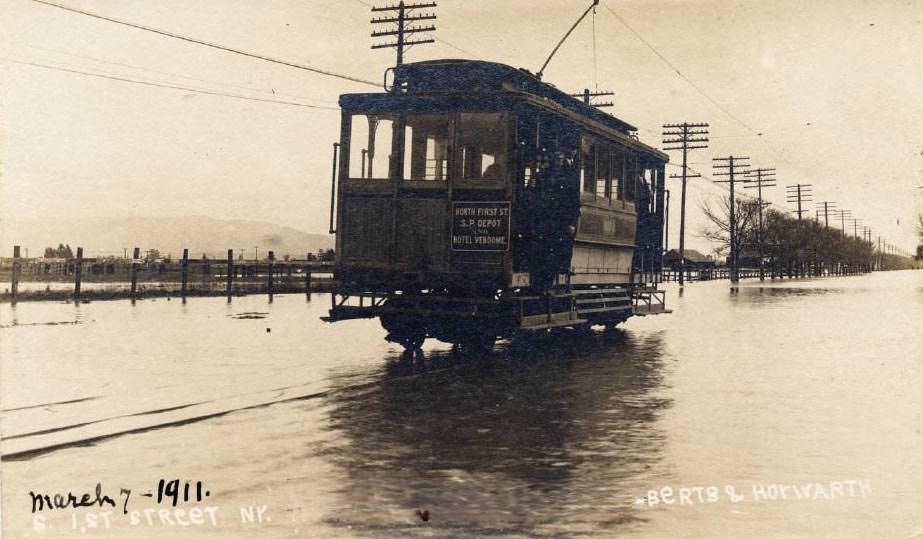
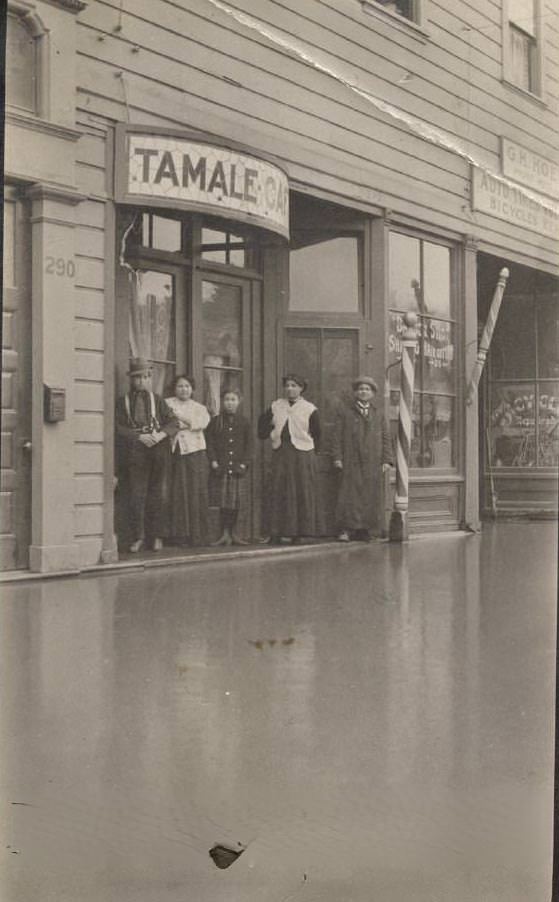
March 1911 brought one of the worst floods San Jose had ever seen. The Guadalupe River overflowed on March 7, sending water surging through downtown streets and into residential neighborhoods. Santa Clara Street, South First Street, Park Avenue, Viola Avenue, and dozens of other roads were completely submerged. Residents rowed boats down streets that were normally busy with streetcars and wagons. Horse-drawn carriages pushed through deep standing water. The floodwaters reached inside homes, businesses, and even reached the base of the city’s bridges.
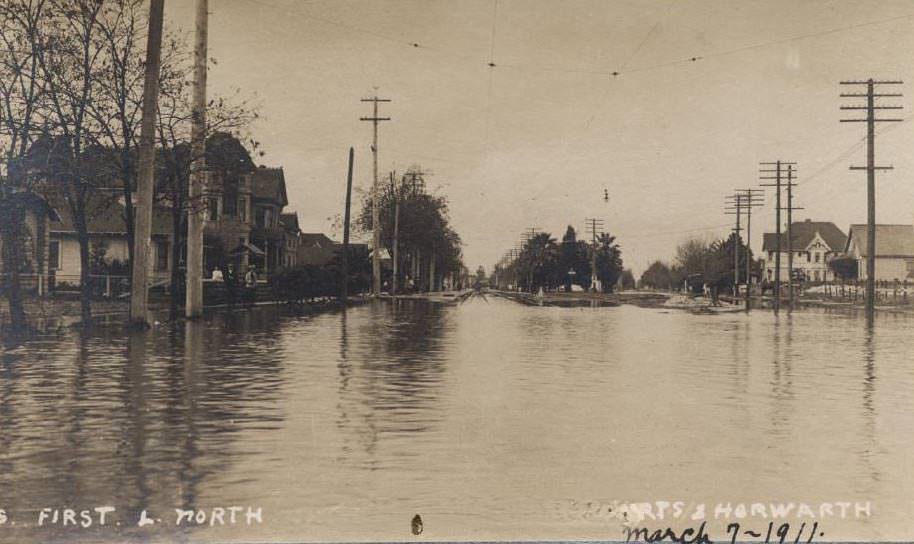
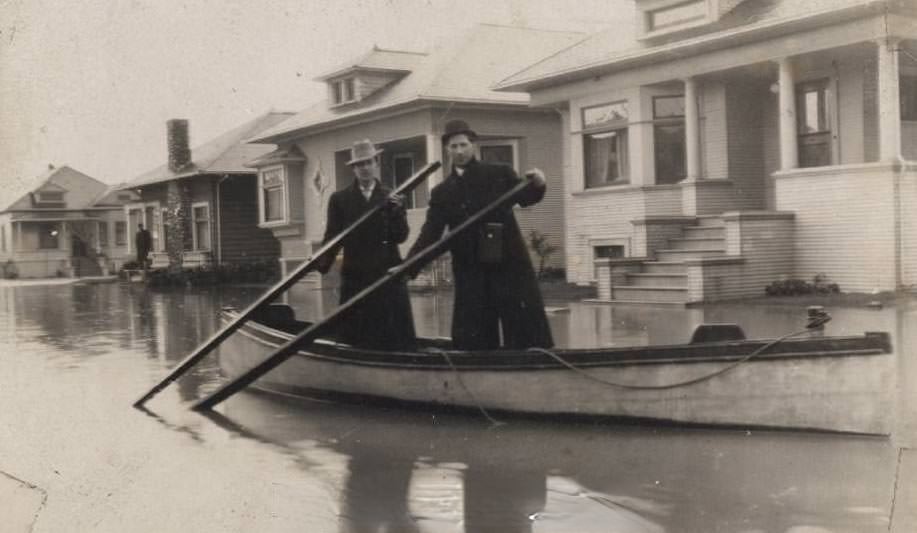
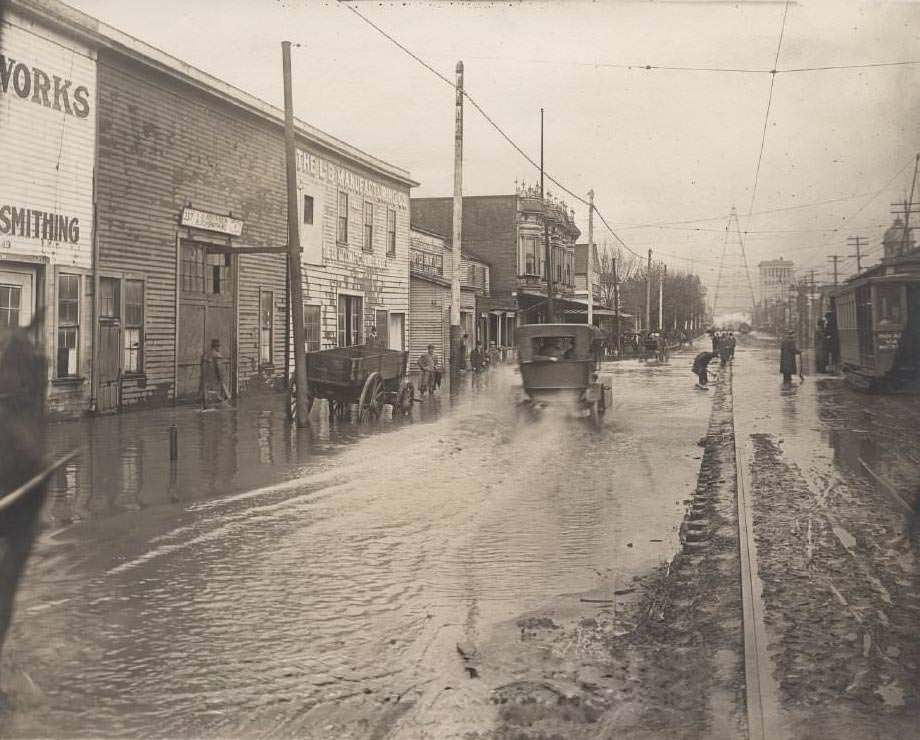
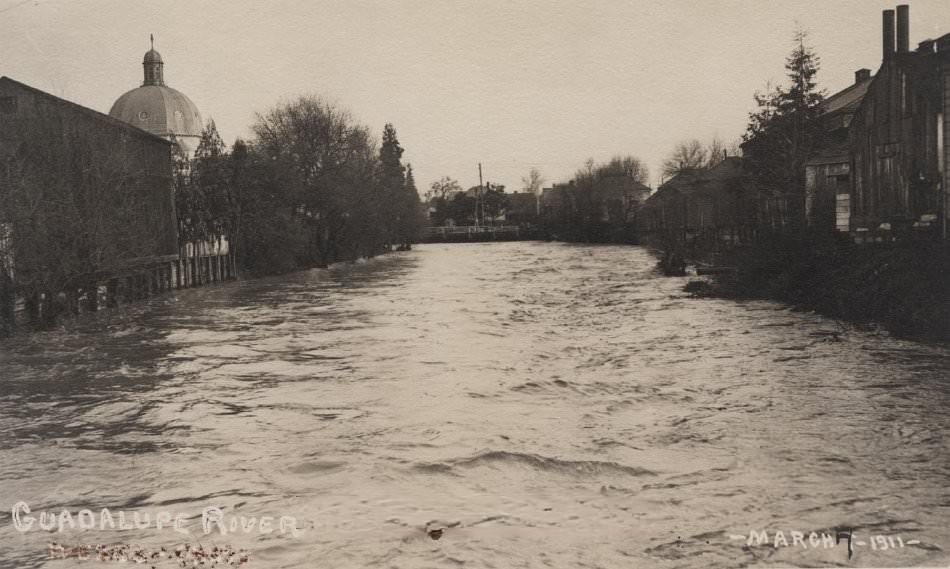
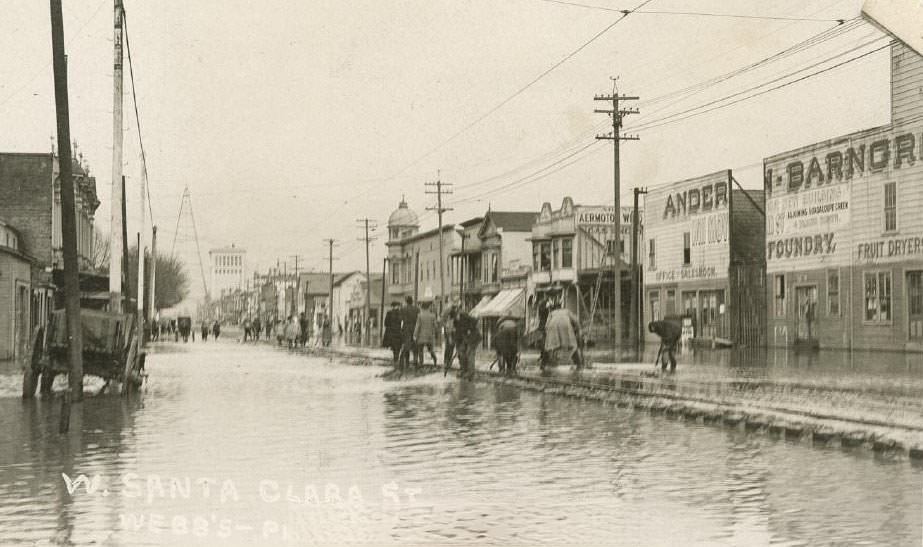
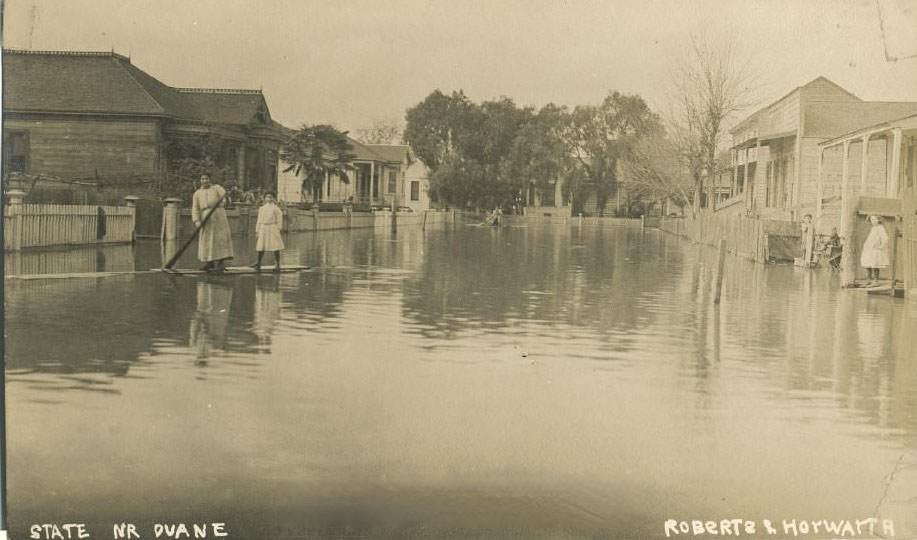
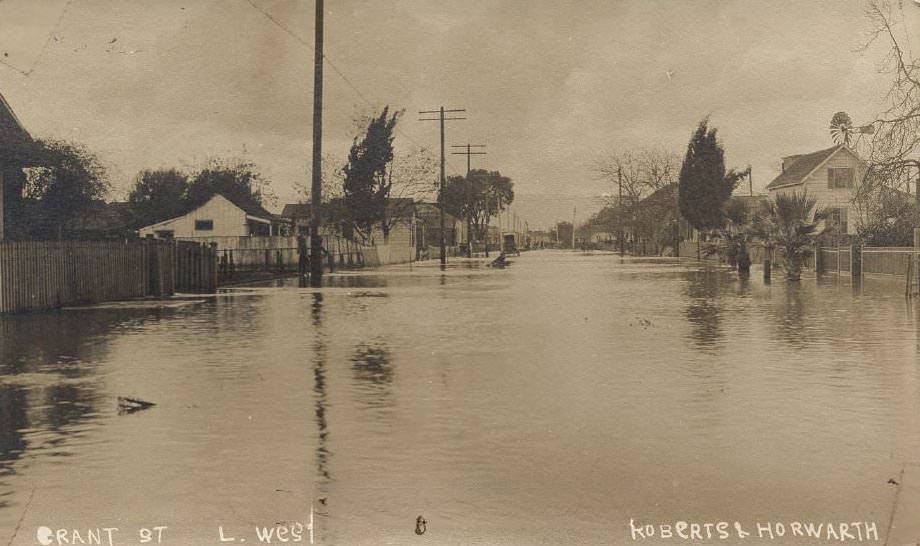
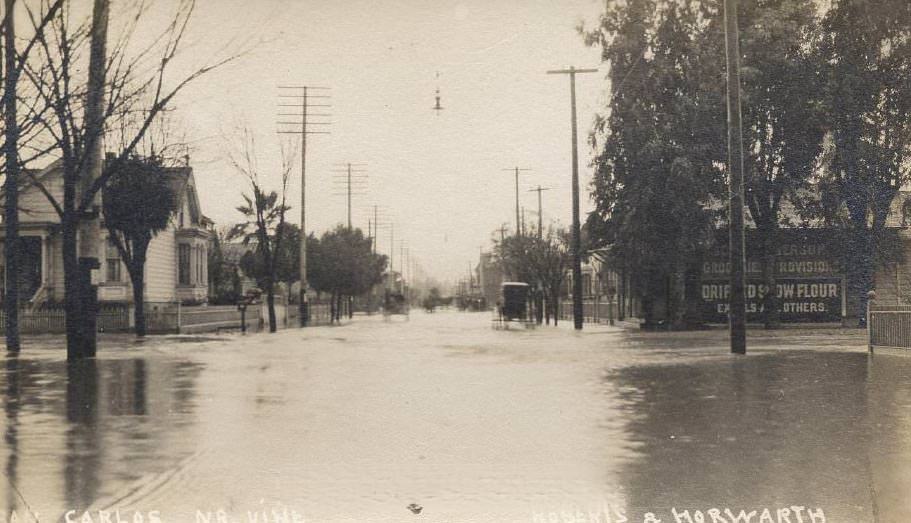
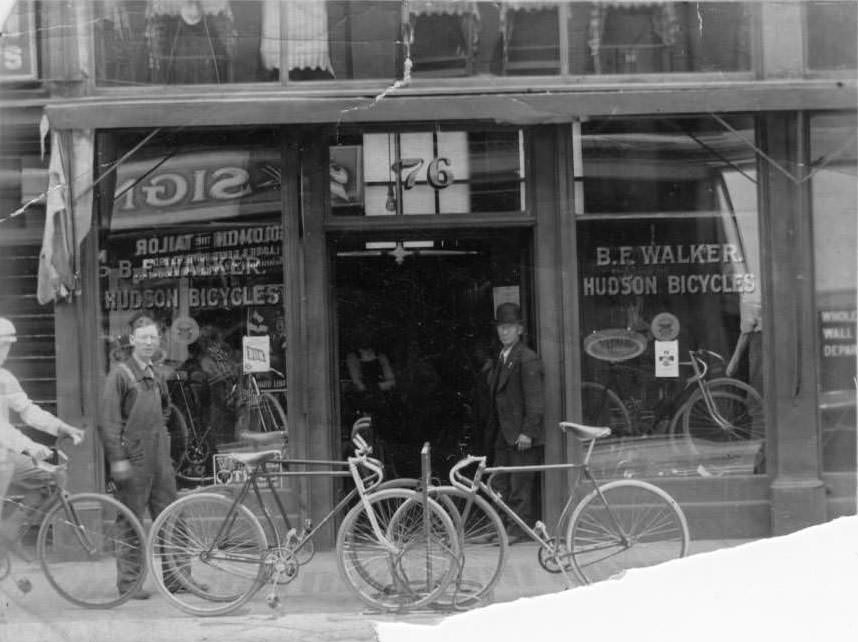
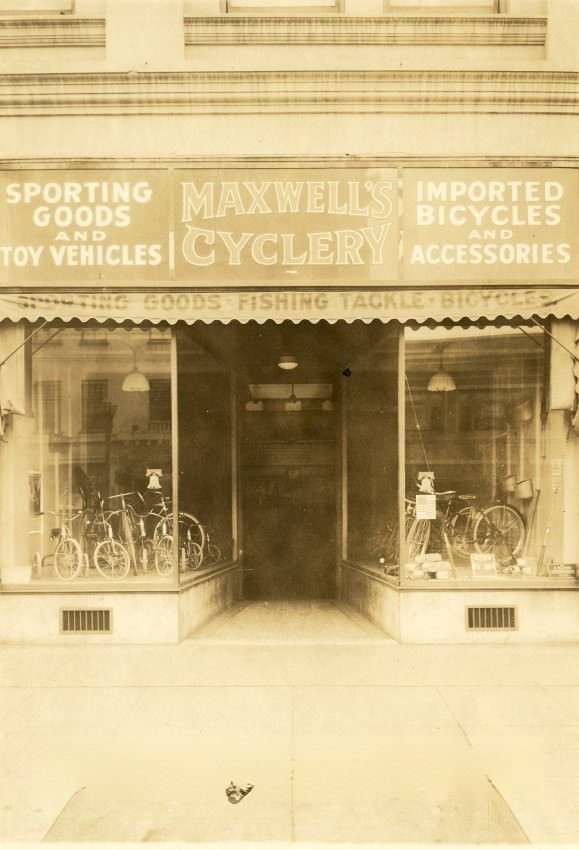
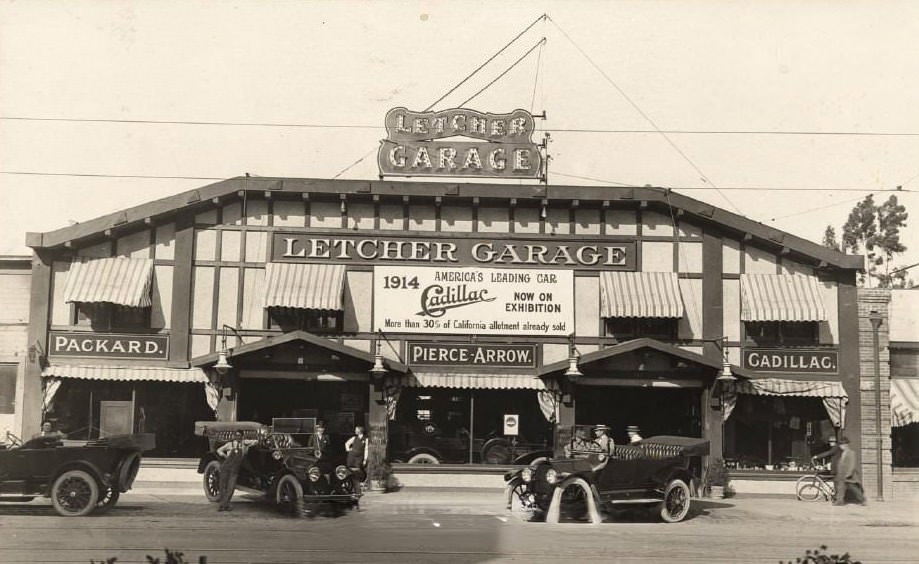
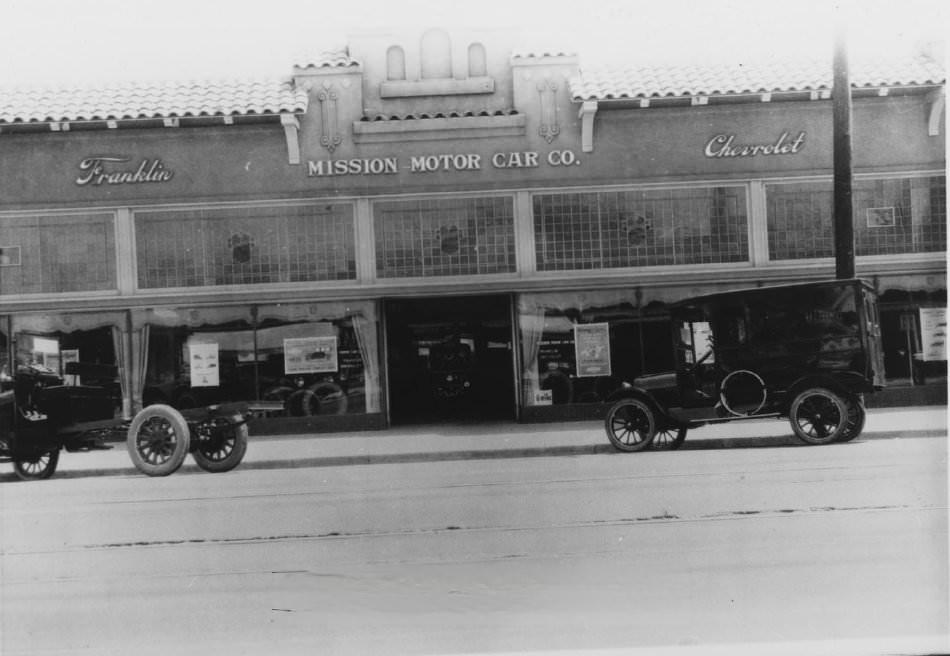
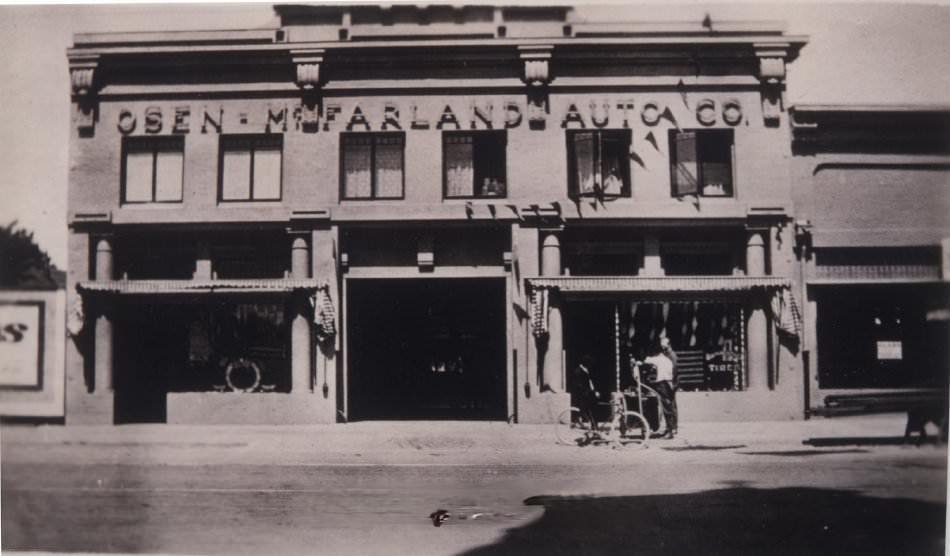
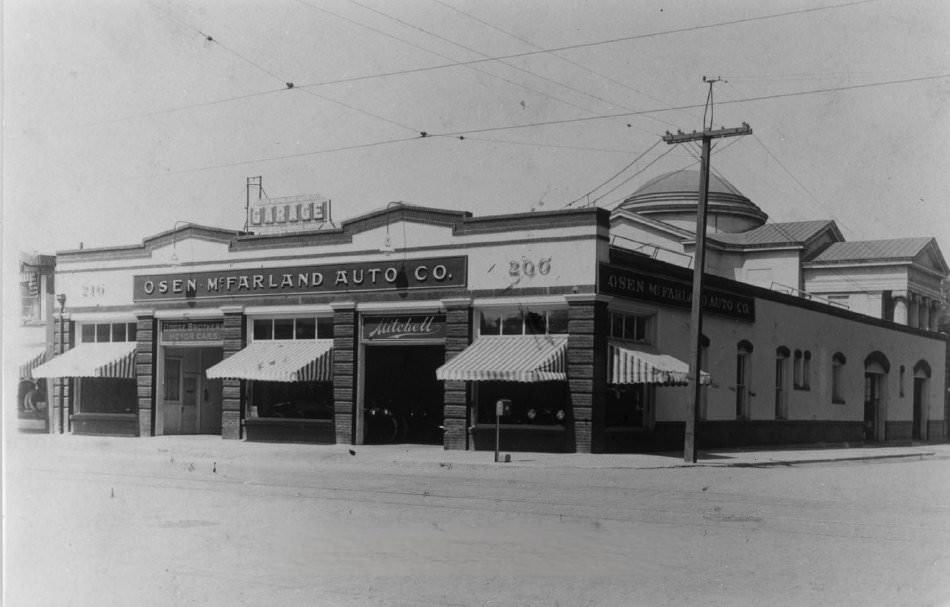
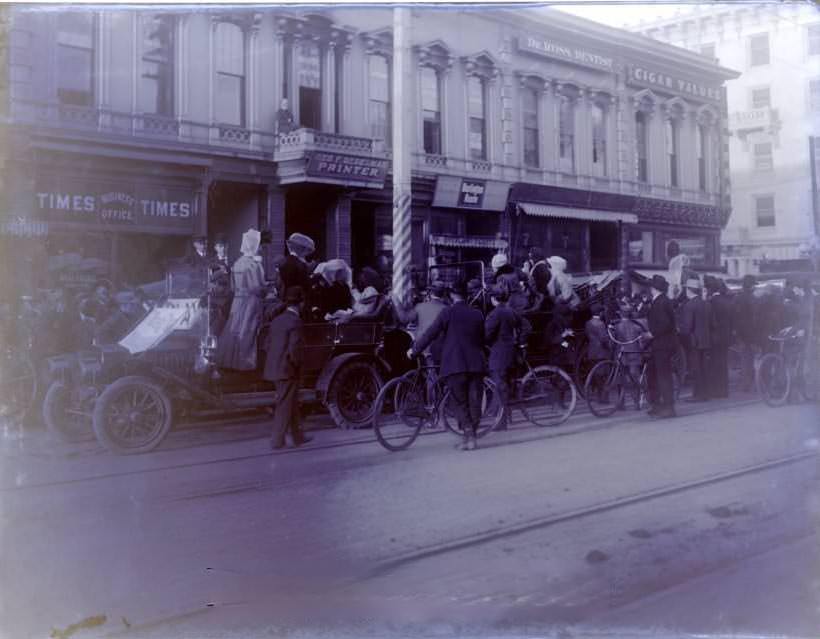
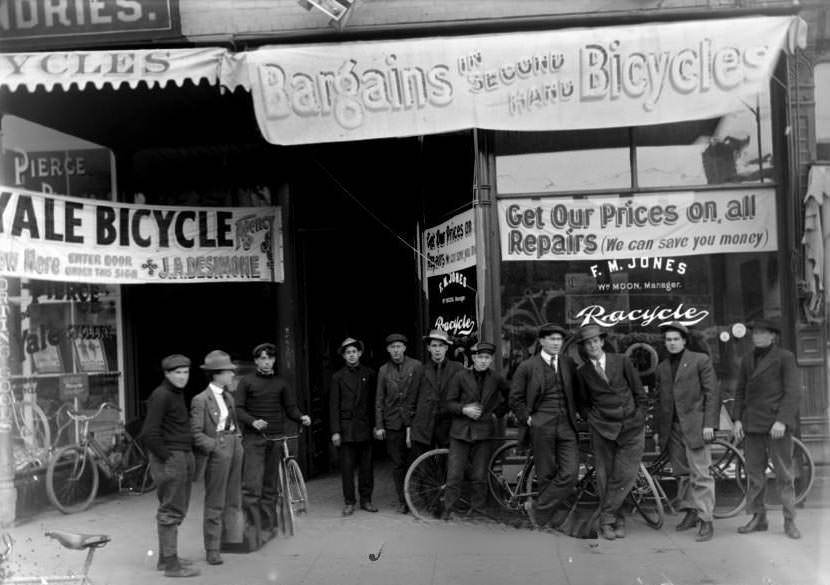
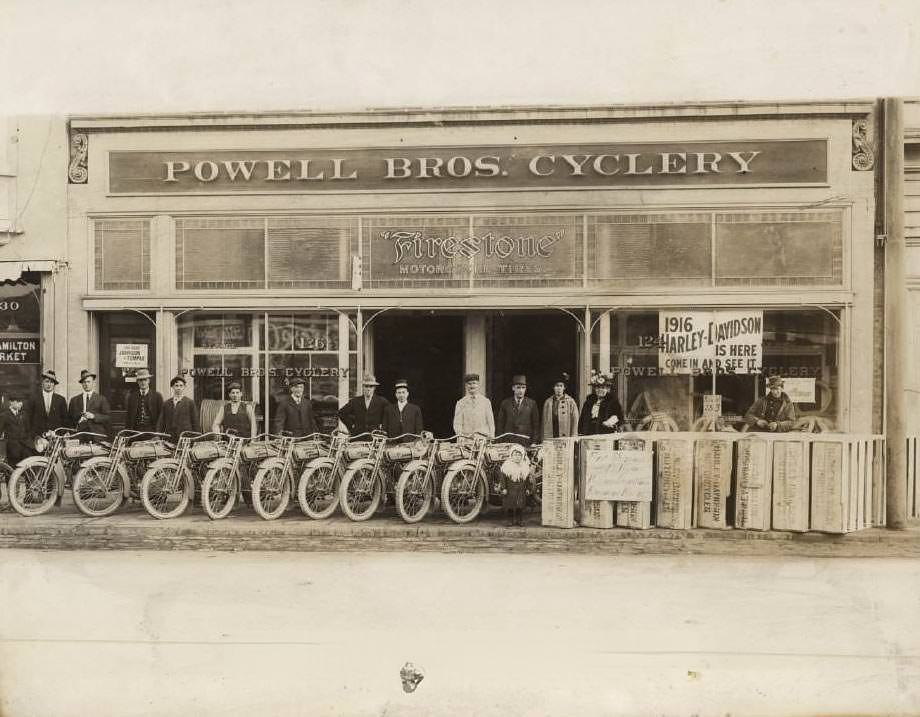
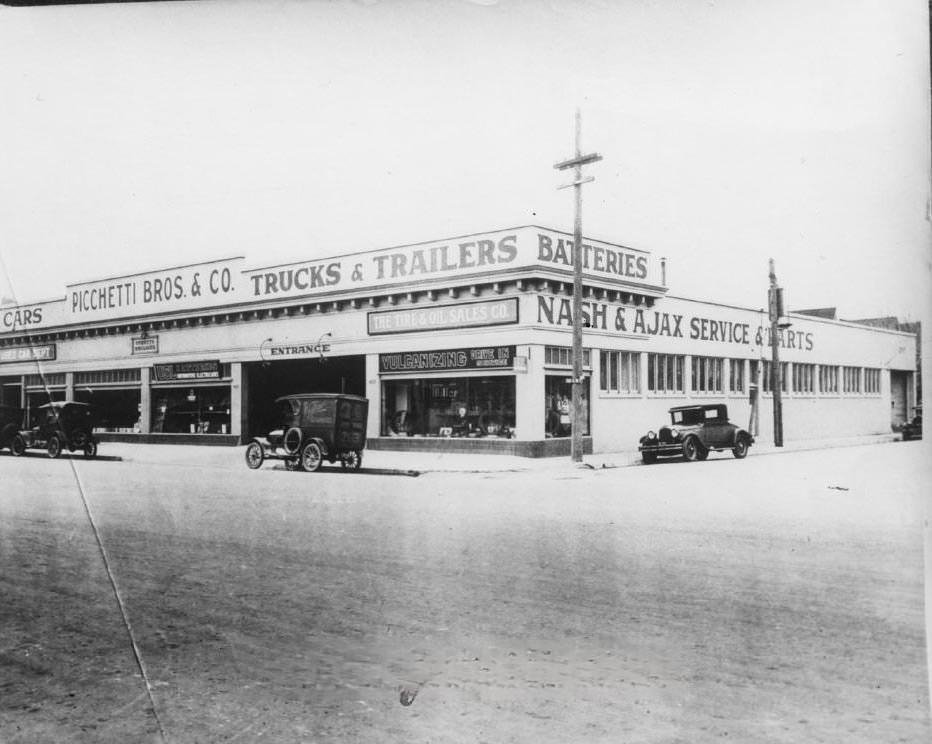
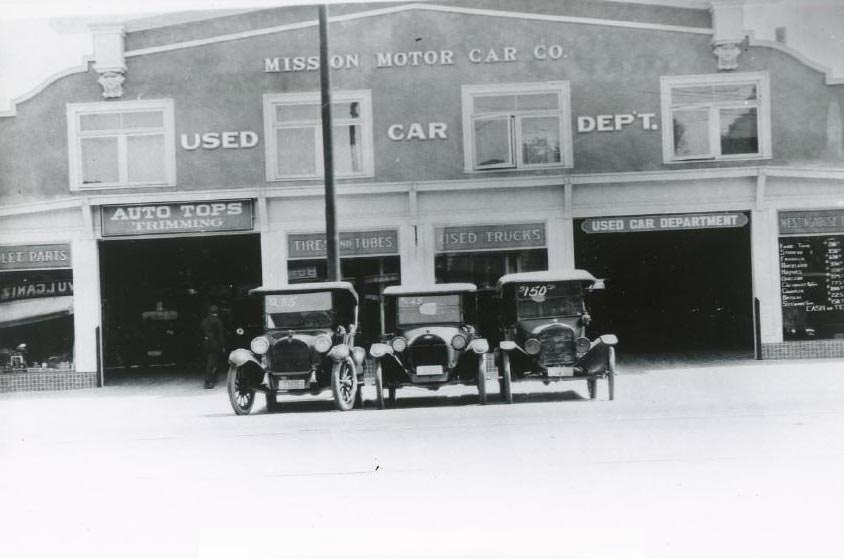
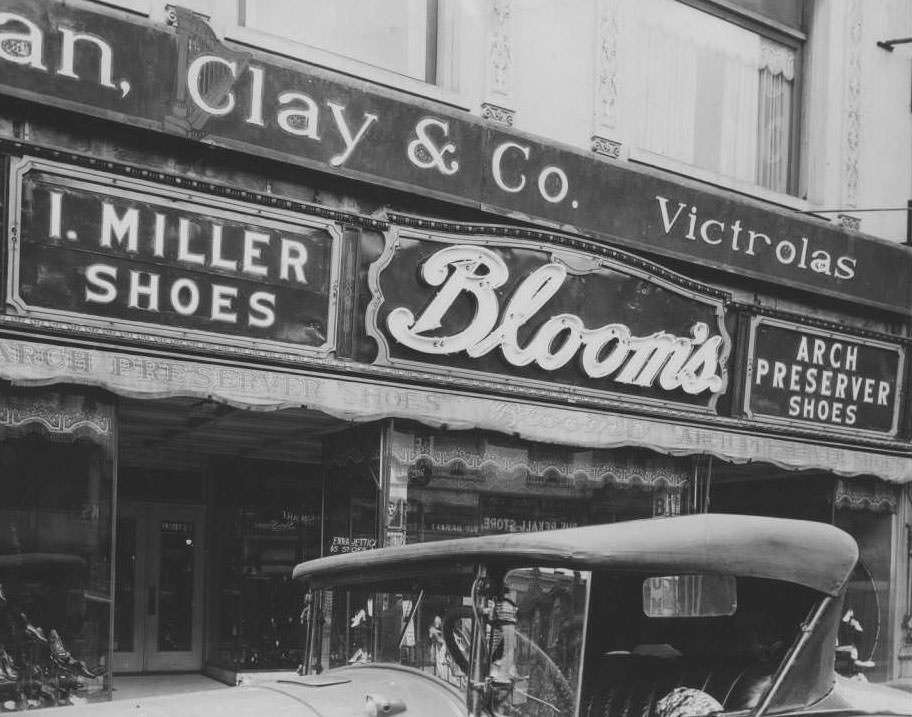
Despite the floods, city life carried on. San Jose’s streets were filled with shops, cyclists, and early motor car dealers. Bicycle culture was thriving — stores like Maxwell’s Cyclery, the B. F. Walker bicycle shop, and Powell Bros. Cyclery catered to a large customer base. The B. F. Walker shop on East San Fernando advertised Hudson Bicycles in its storefront window, and a man could be seen sitting astride a bicycle right outside the door. Automobile dealers were also moving in fast, with businesses like the Mission Motor Car Company, Osen and McFarland Motor Company, and the Letcher Garage on North First Street all competing for the growing market.
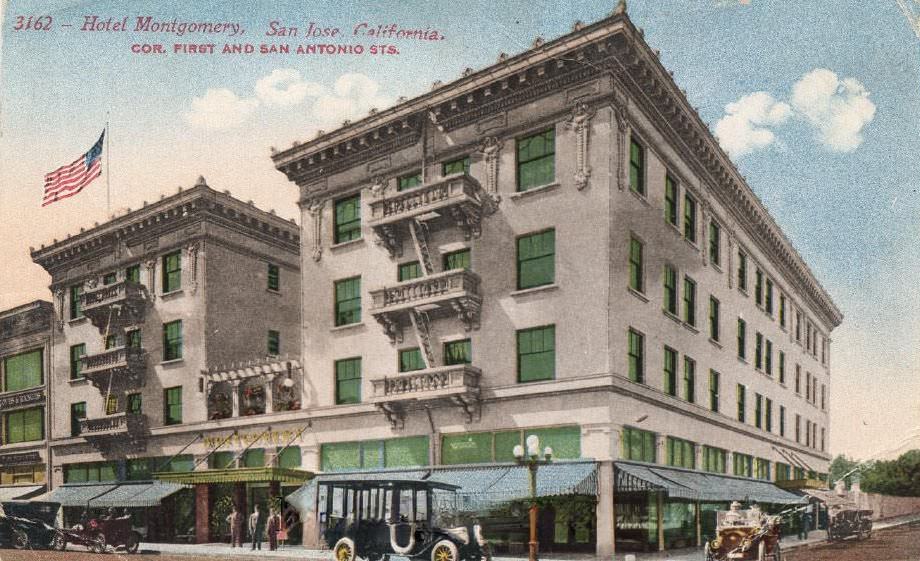
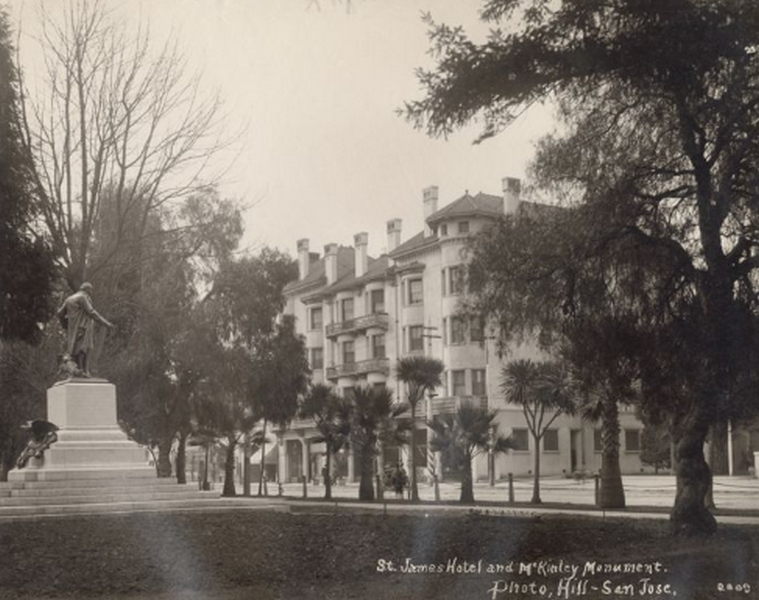
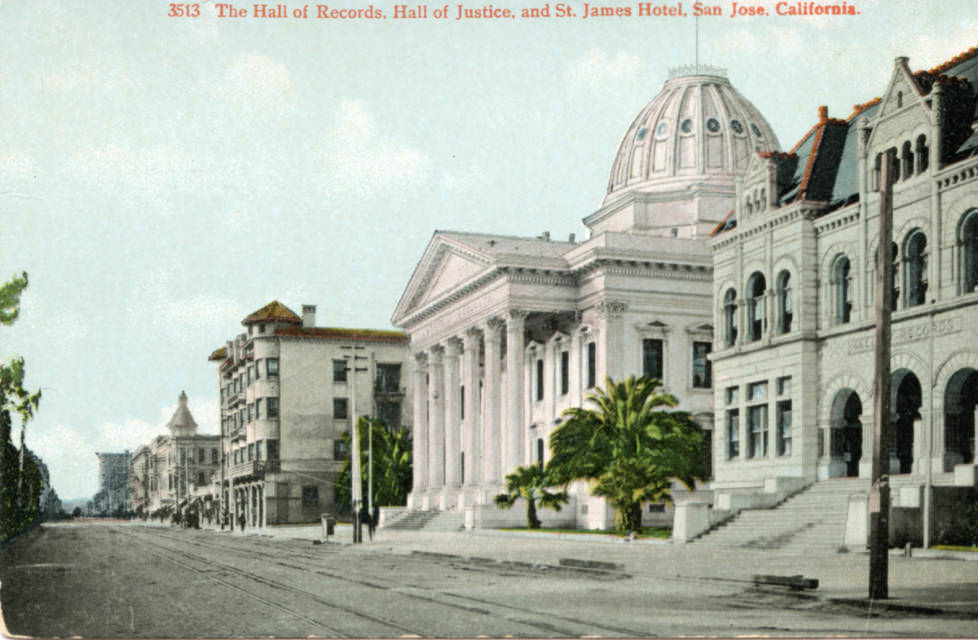
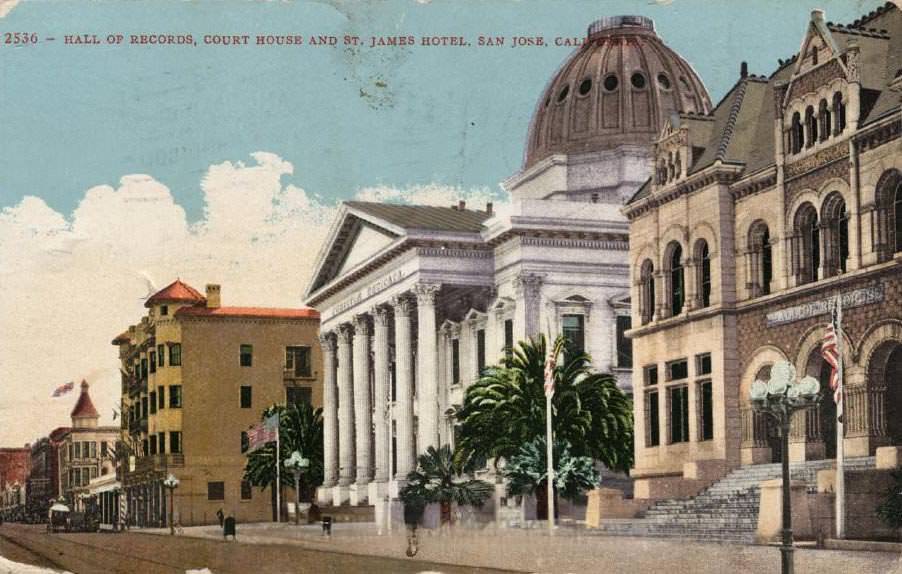
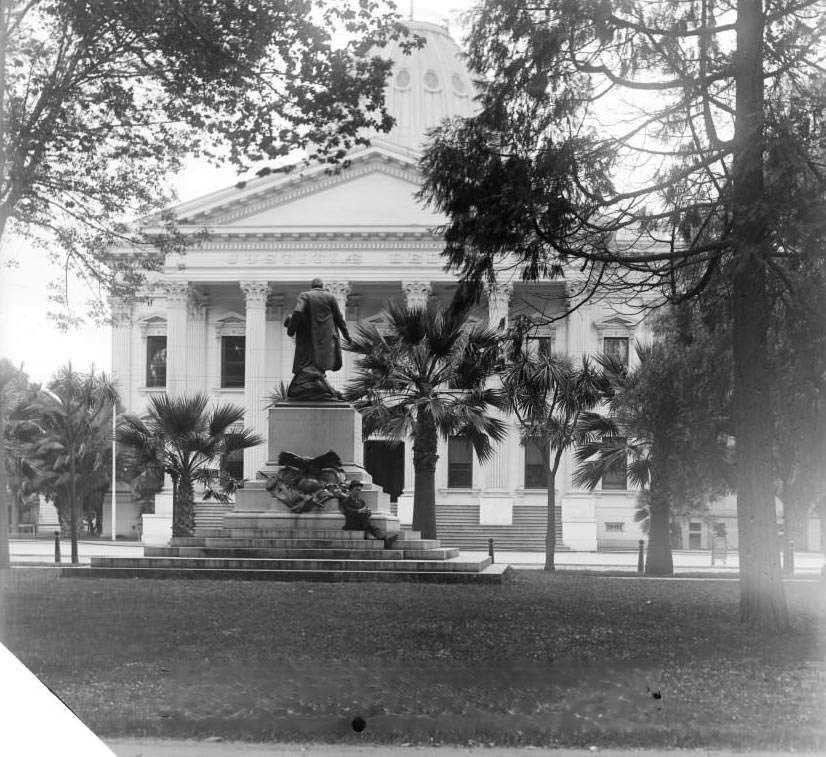
The Hotel Montgomery was one of the most notable new buildings of the decade. Its groundbreaking took place in 1911, and the hotel stood as a symbol of the city’s growing ambition. Not far away, the St. James Hotel fronted St. James Park, where the McKinley monument — a bronze sculpture atop a rectangular pedestal — stood as a civic landmark. The park and its surroundings reflected how San Jose was shaping its public identity.
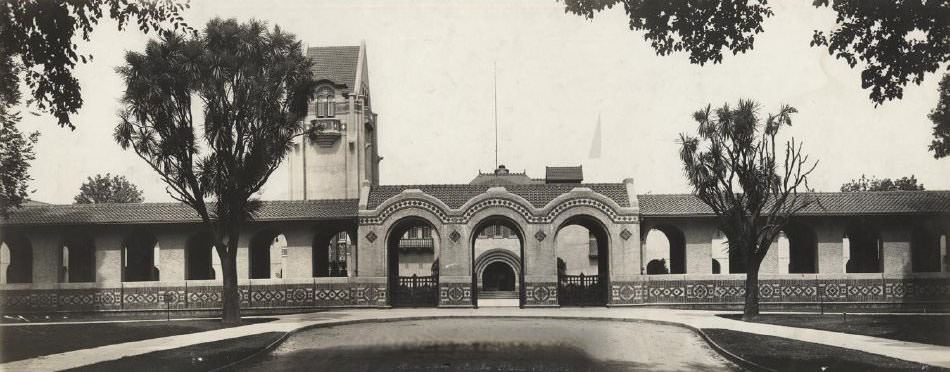
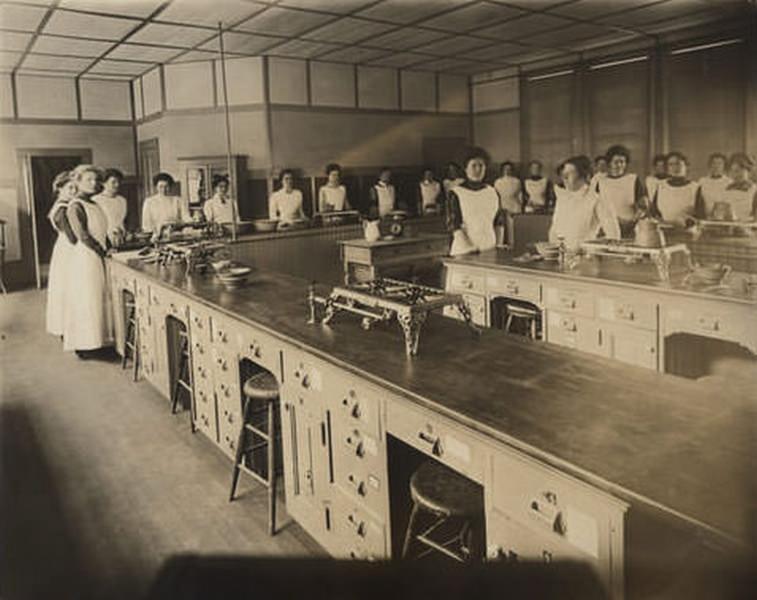
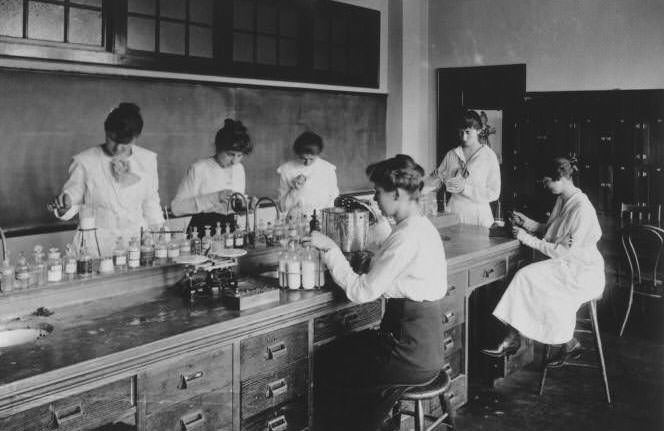
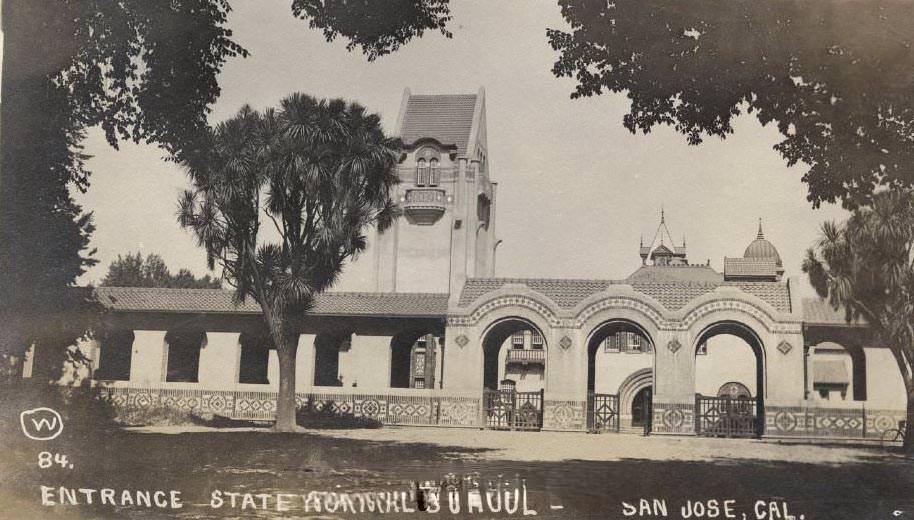
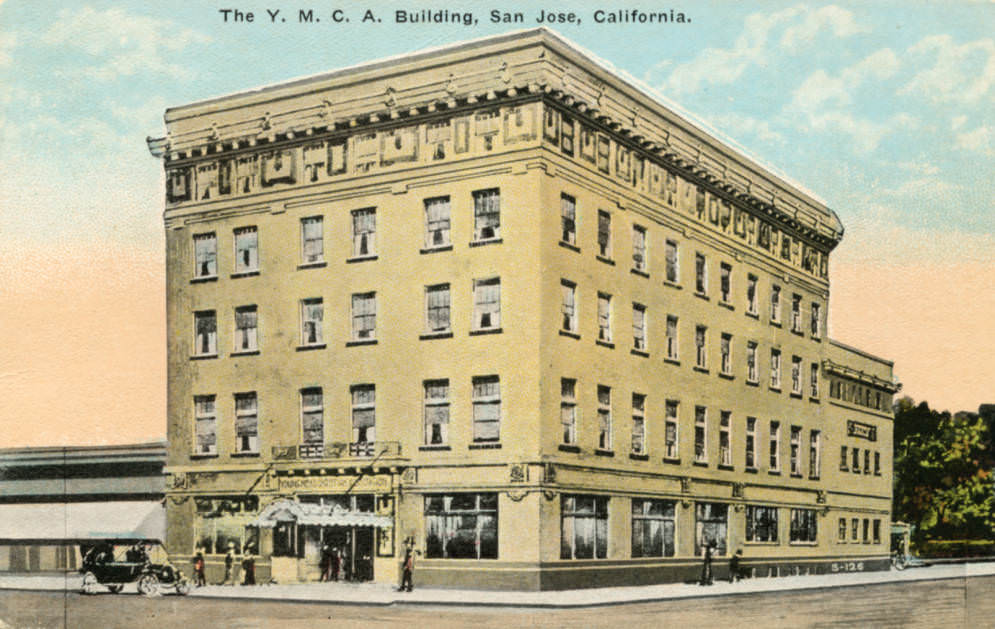
Education was a major part of San Jose’s identity. The State Normal School — later to become San Jose State — was one of the most photographed institutions in the city. Its campus hosted cooking classes, household chemistry courses, and teacher training programs. The YMCA building, which opened in 1913 at the corner of Third and Santa Clara Streets, added a reading room, billiard room, swimming pool, assembly hall, and 75 dormitory rooms to the city’s civic offerings.
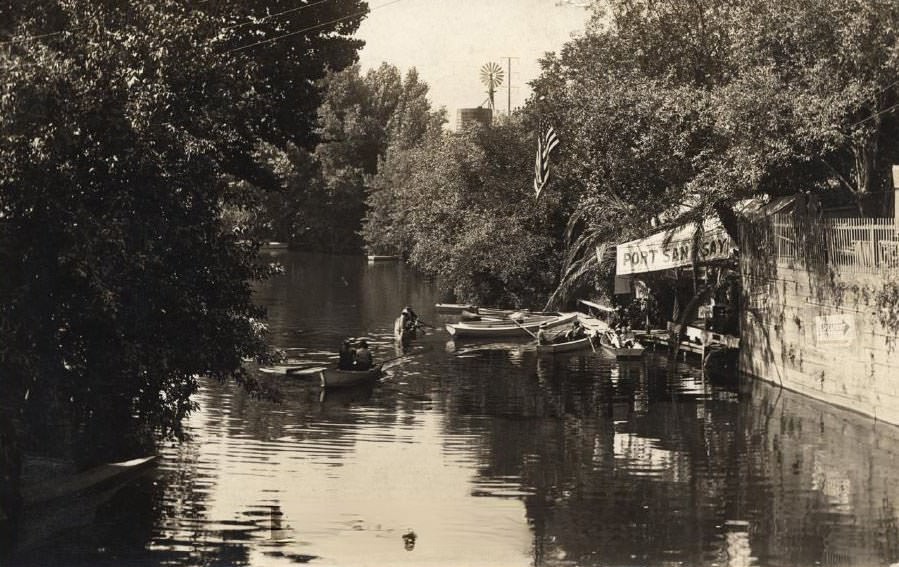
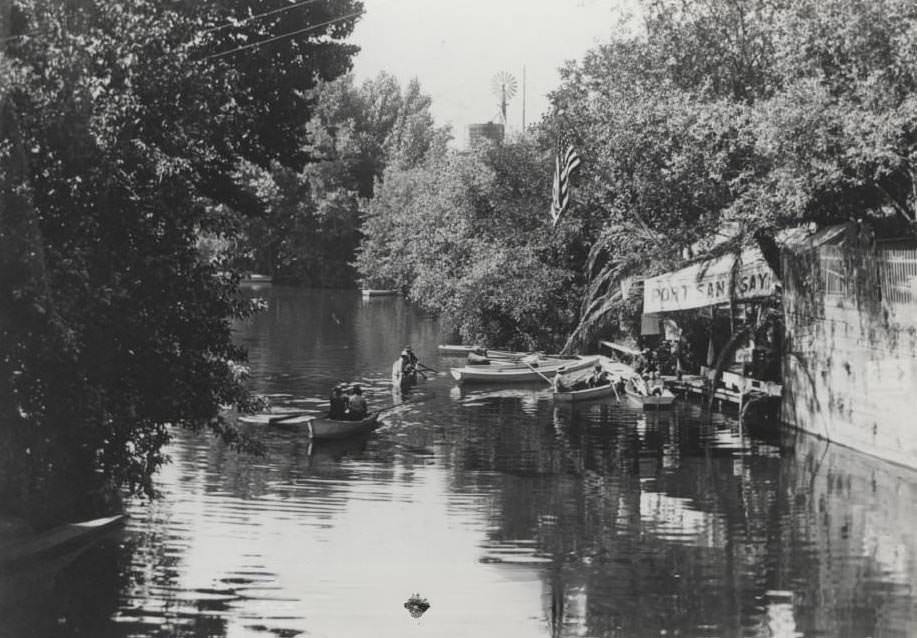
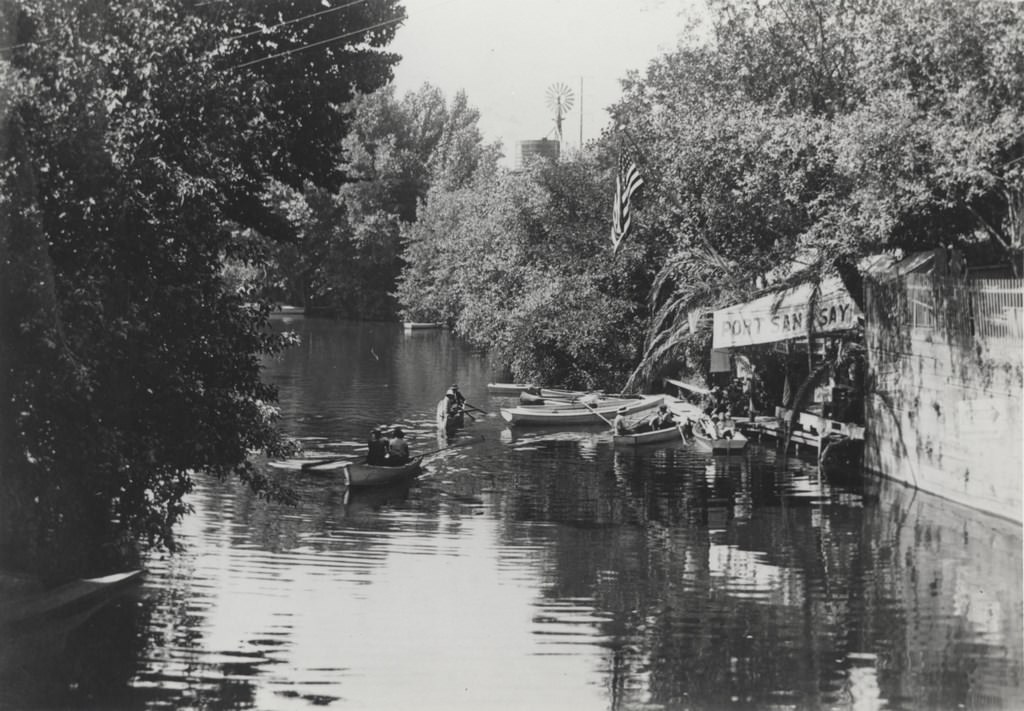
The Guadalupe River wasn’t only a source of flood damage. In 1912, the river was dammed near St. John Street, creating a recreational lake. Port San Say, located at Santa Clara Street near Delmas Avenue, rented small boats to visitors for afternoon outings on the water. It became a popular escape for residents, and the lake drew people from across the city on weekends.
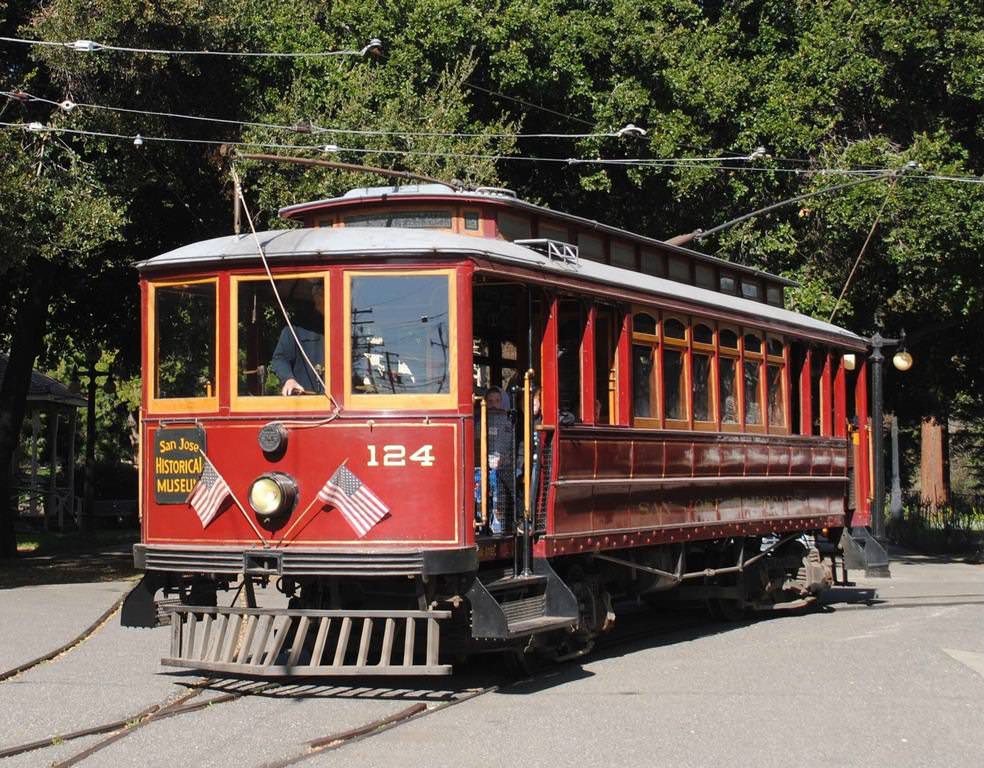
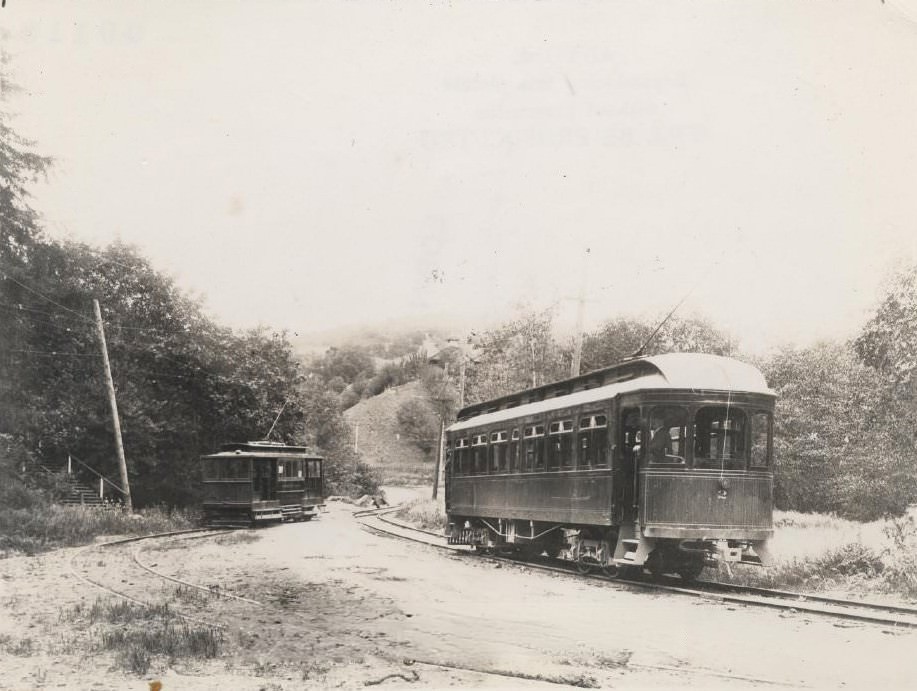
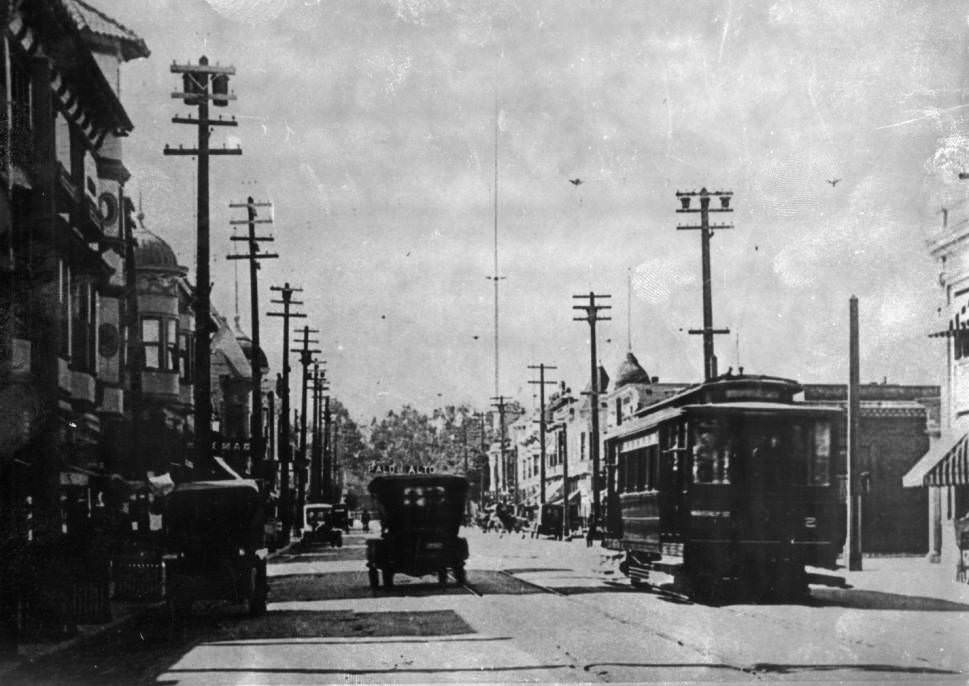
The trolley network was essential to daily movement around the city. Car 124, a California-style open-air streetcar powered by two 65-horsepower electric motors, was purchased by the San José Railroads for $5,700. It ran on the Santa Clara and First Street lines from 1912 to 1934. The San Jose–Los Gatos Interurban Rail also connected the city to surrounding communities, making travel far easier than it had been just a decade earlier.
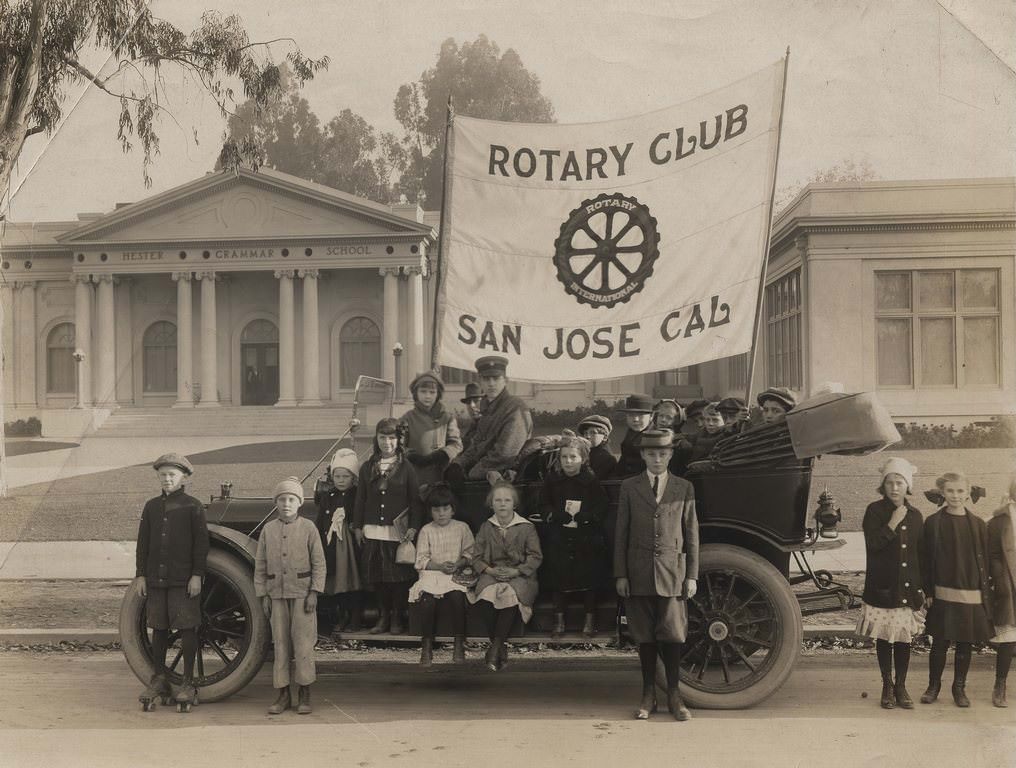
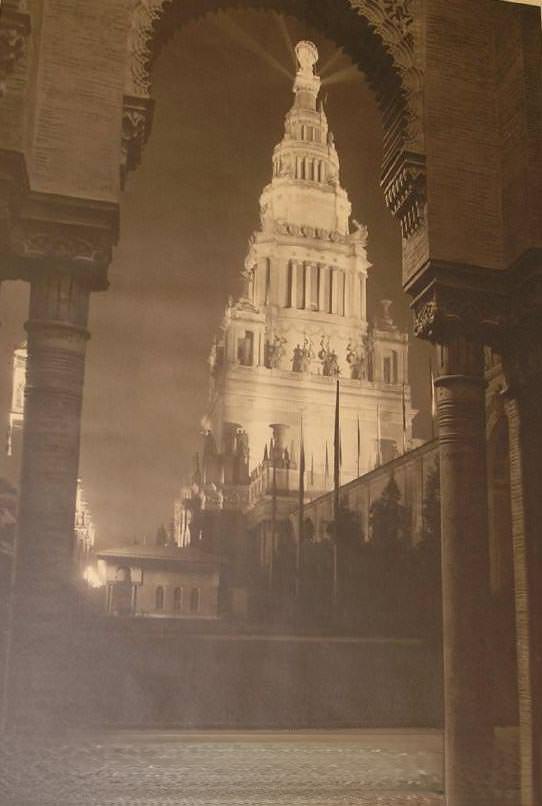
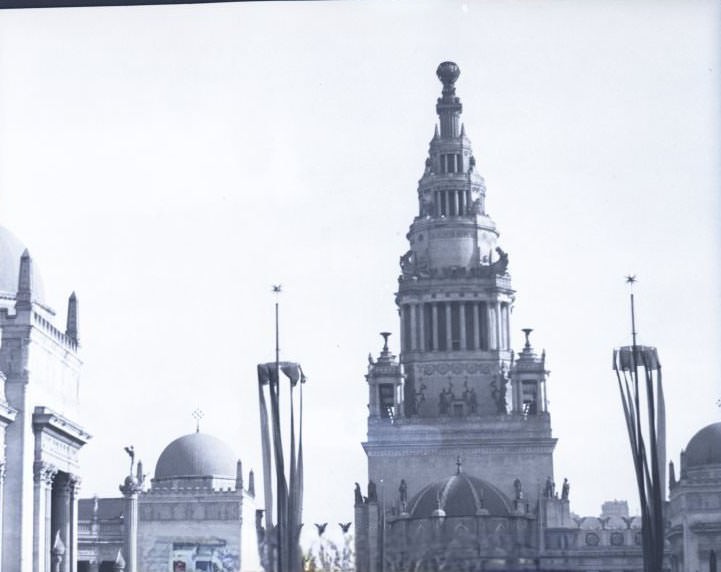
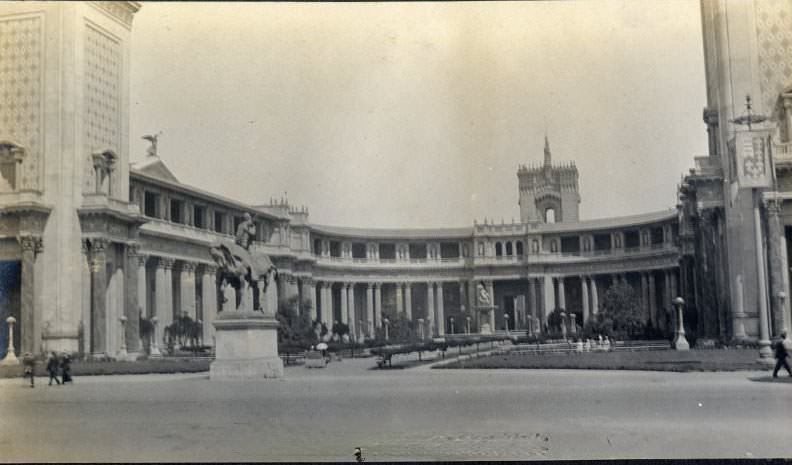
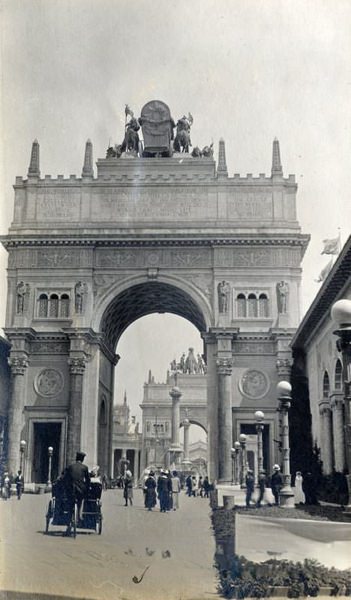
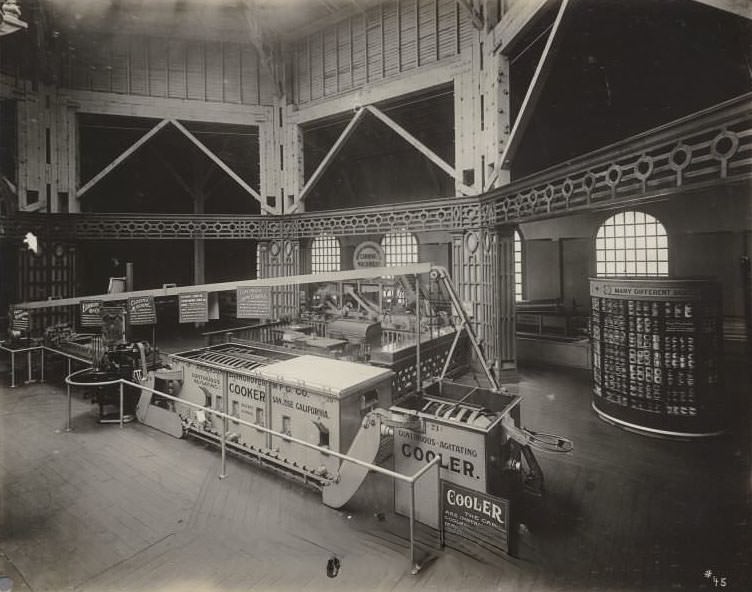
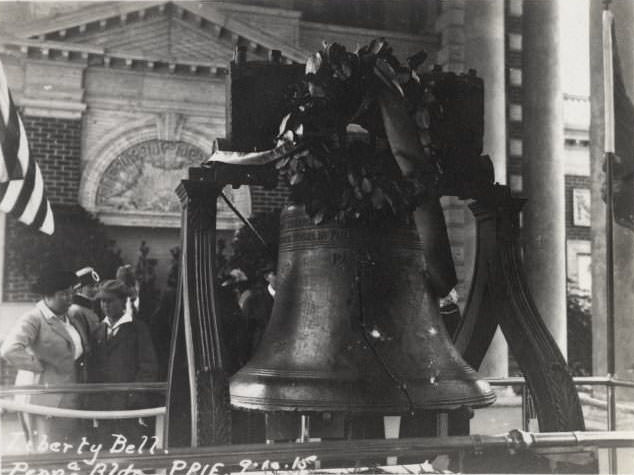
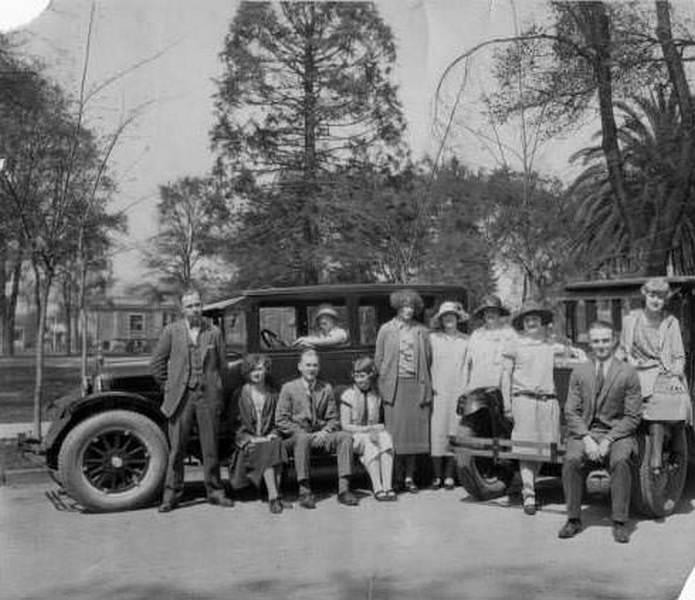
In 1915, the Panama-Pacific International Exposition opened in San Francisco, and San Jose residents took full advantage of it. On November 30, 1915, the Rotary Club of San Jose organized a caravan of 130 private automobiles to carry 500 local schoolchildren to the exposition. For most of those children, it was their first time ever riding in a car. The fair showcased grand architecture, the Liberty Bell, and exhibits from companies like the Anderson-Barngrover Manufacturing Company, which made food processing equipment — an industry tied directly to San Jose’s economy.
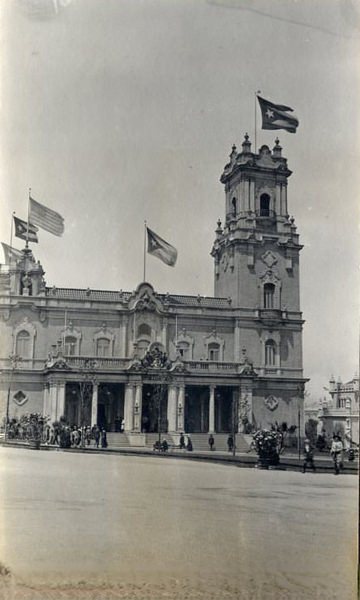
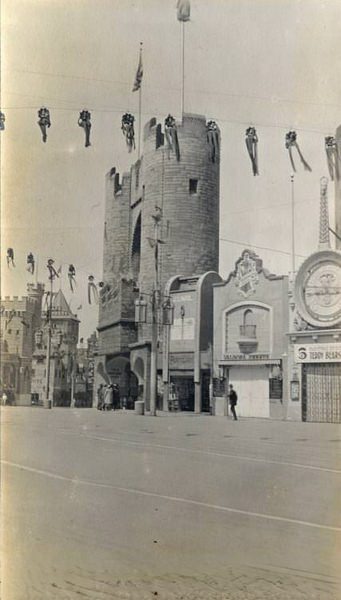
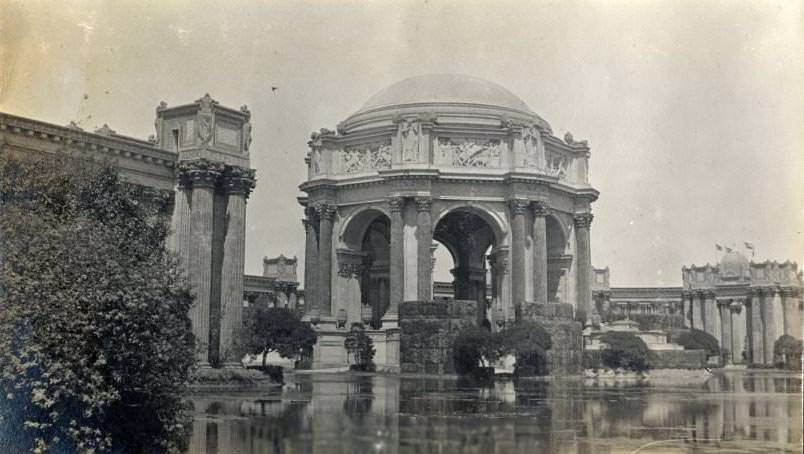
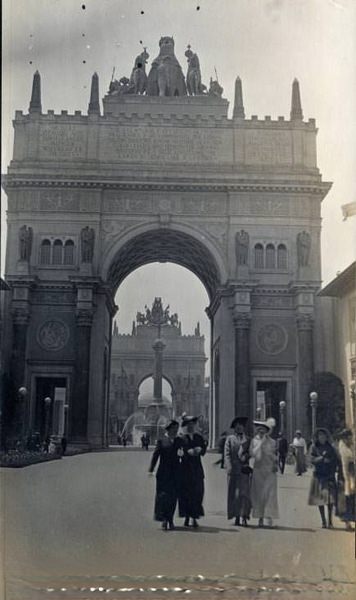
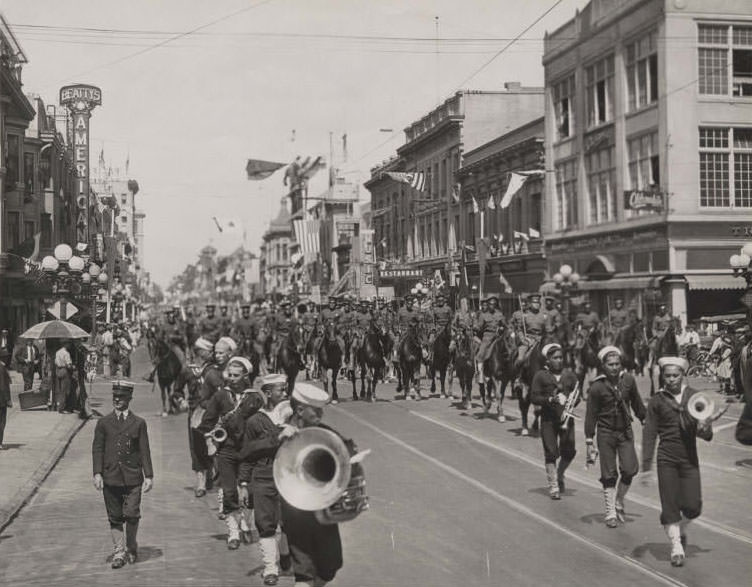
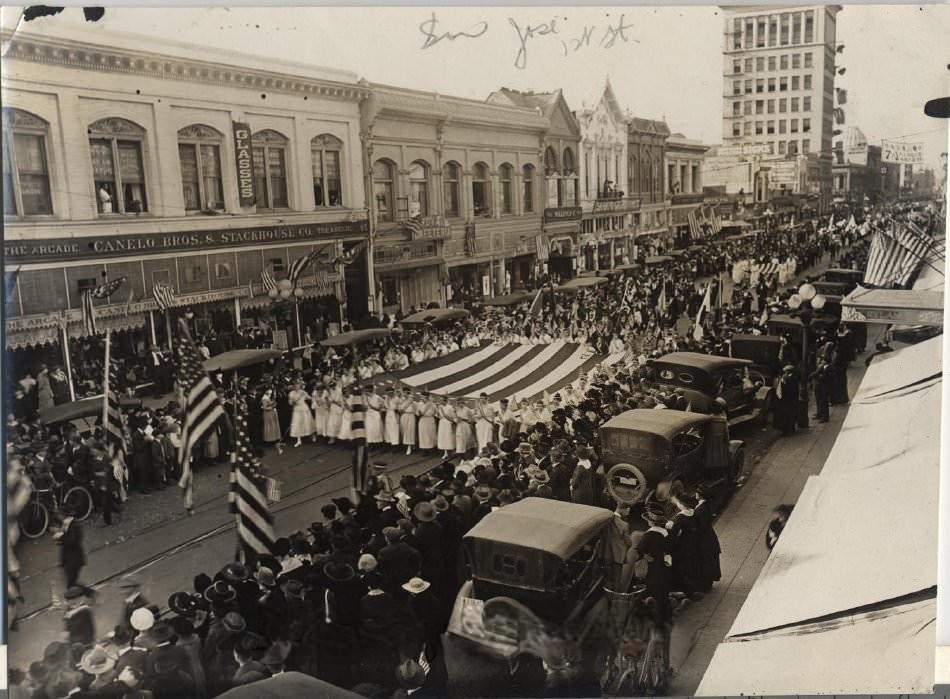
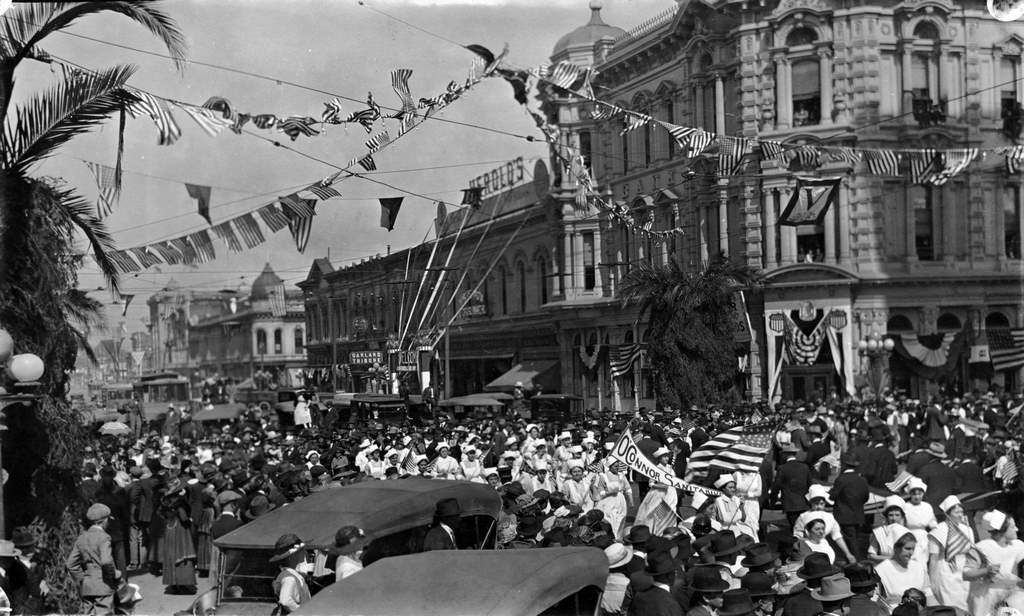
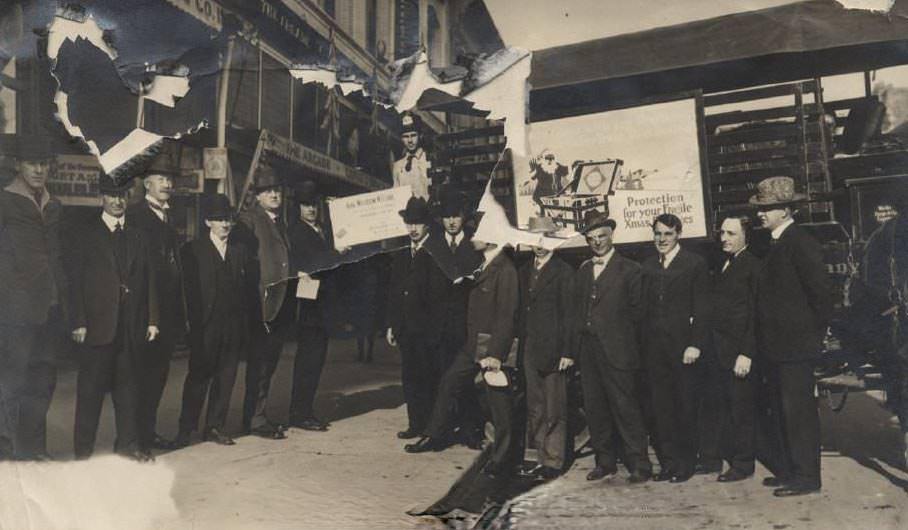
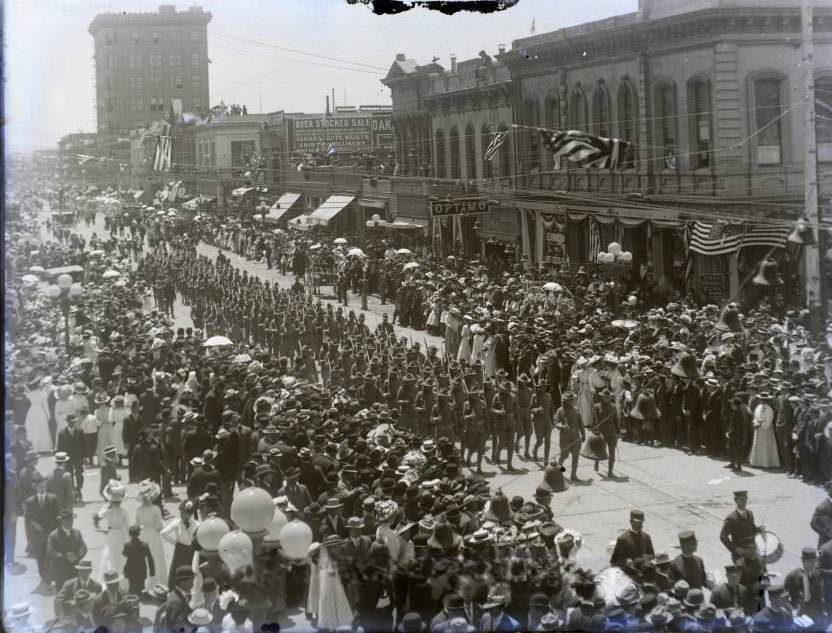
By 1918, the nation was at war. San Jose sent its residents off to fight in World War I, and when the Armistice was signed in November 1918, the city celebrated with a large victory parade. The following year, in 1919, another Armistice Day parade filled the streets. Businessmen even shipped a package of prunes to President Wilson that year — a nod to San Jose’s agricultural identity and national pride at the same time.
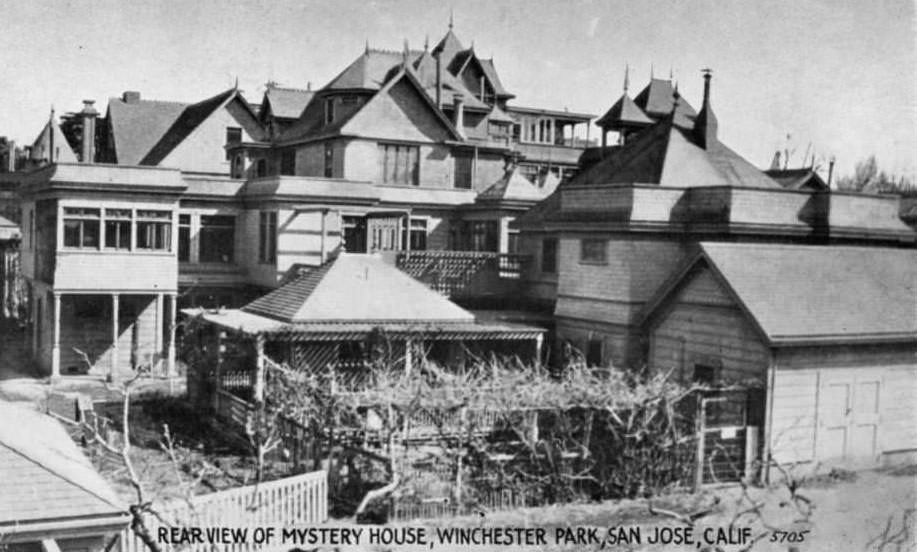
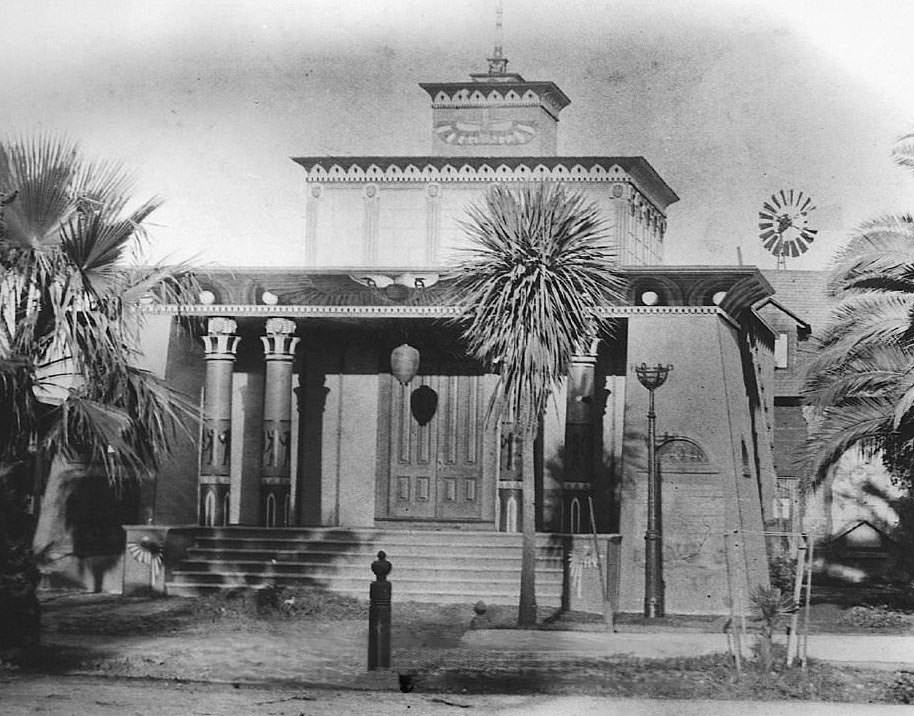
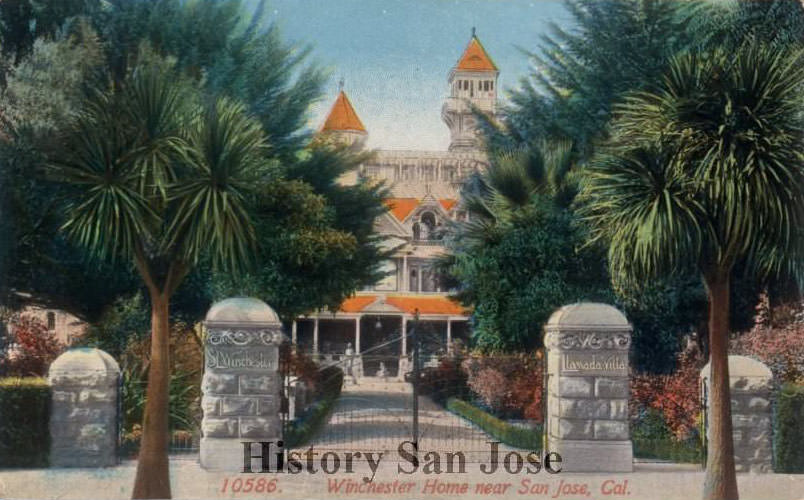
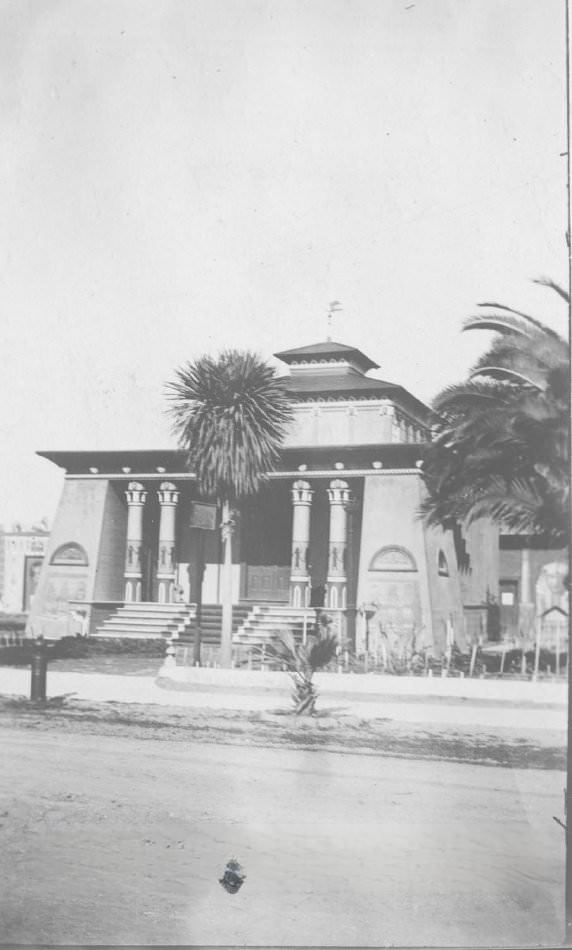
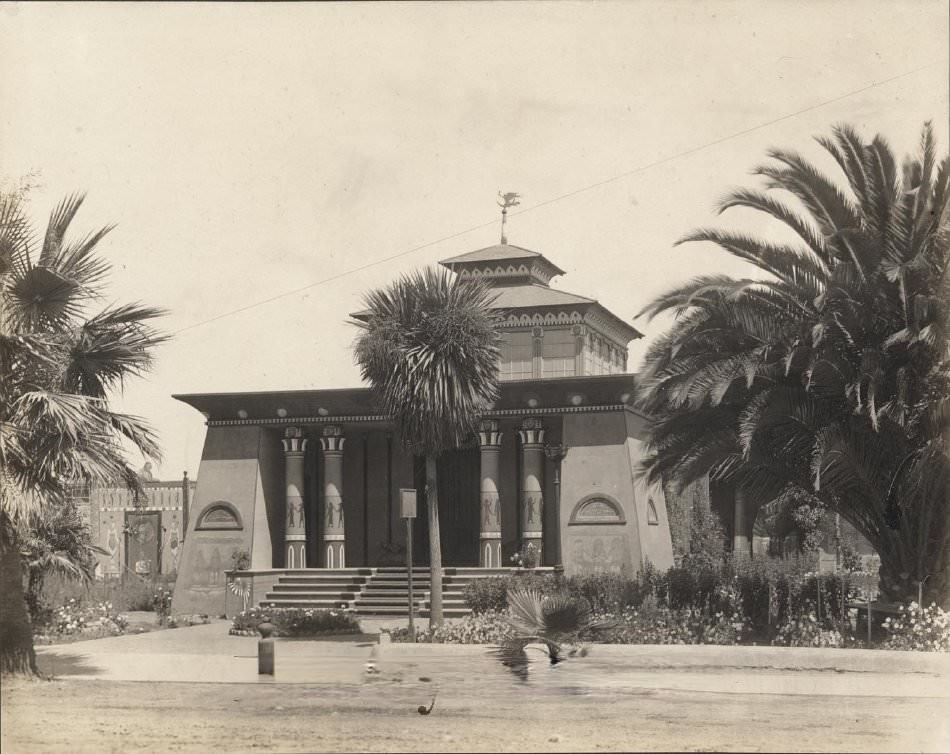
The Winchester Mystery House, near San Jose, drew curious visitors throughout the decade. The sprawling mansion, still under construction during the 1910s, was visible from the road and had already gained a reputation for its unusual architecture and endless additions. A. D. M. Cooper’s studio, built in 1909 on the corner of 21st and San Antonio, was another unusual San Jose landmark. Designed to look like an Egyptian temple, it was described as one of the beauty spots of the city and housed the artist’s large canvasses.
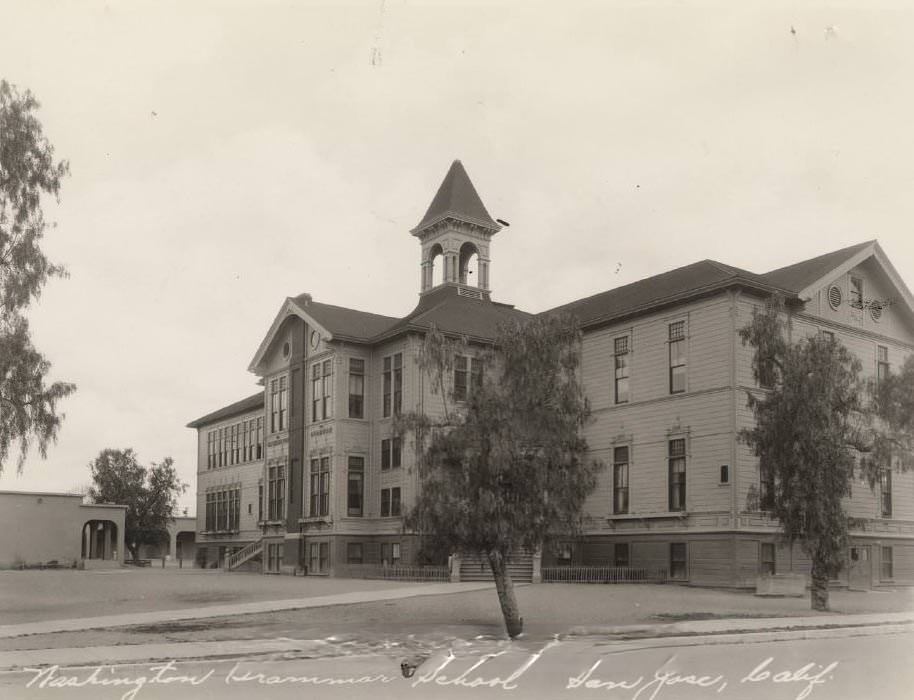
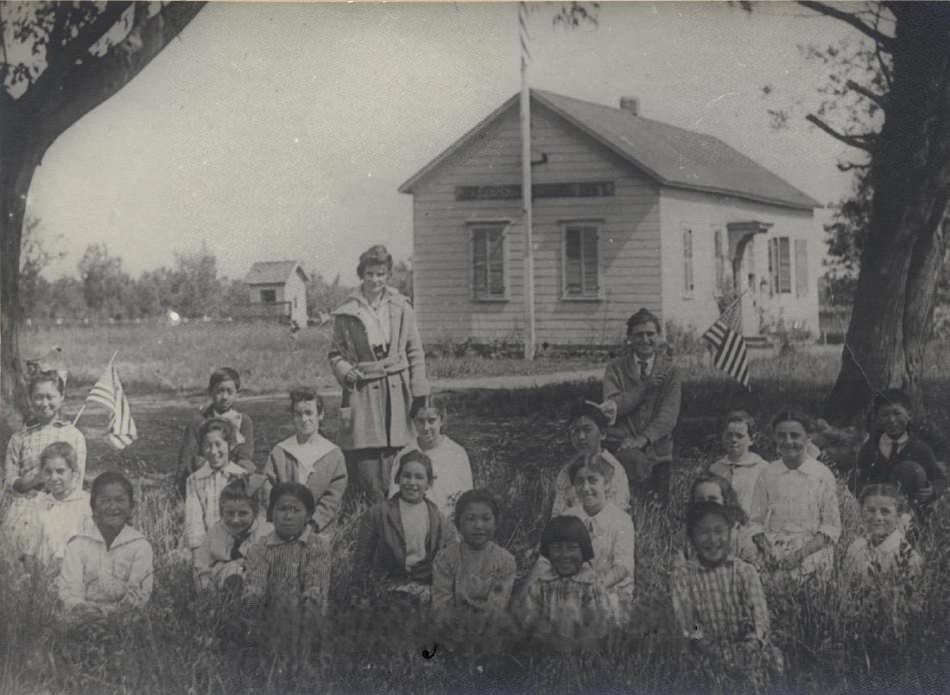
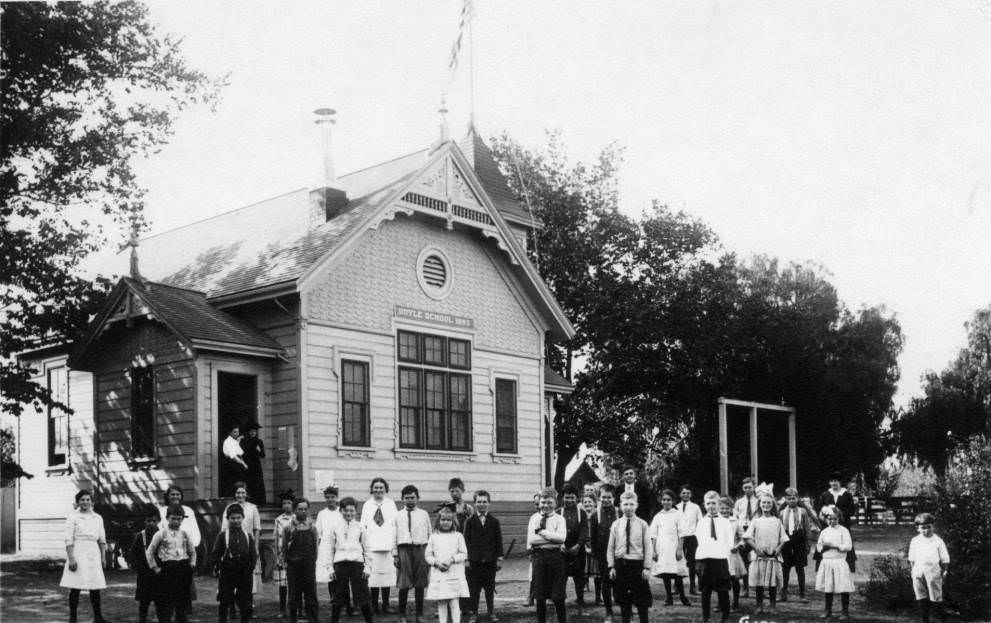
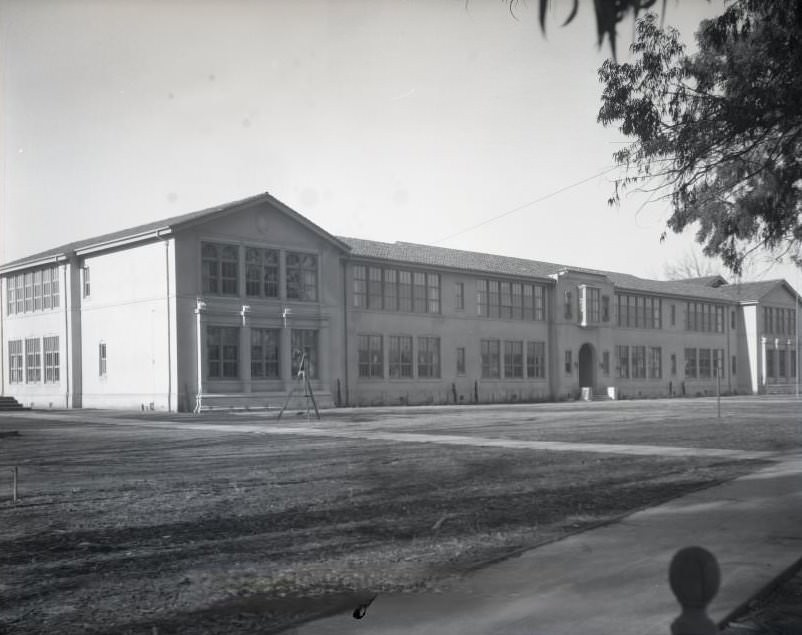
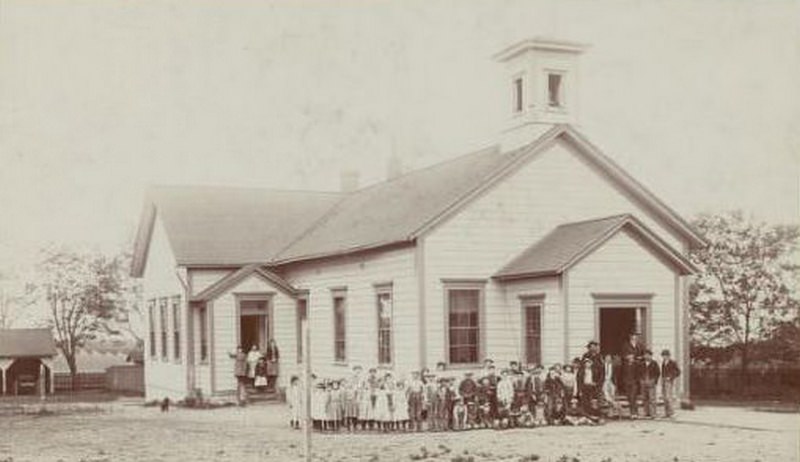
Washington Grammar School was one of the original four grade schools in San Jose, placed in one of the city’s four quadrants alongside Horace Mann, Lincoln, Lowell, and Longfellow schools. The building had a history of its own — its large chimney had fallen through the west side of the structure during the 1906 earthquake, and the school was still a fixture of the neighborhood well into the 1910s.
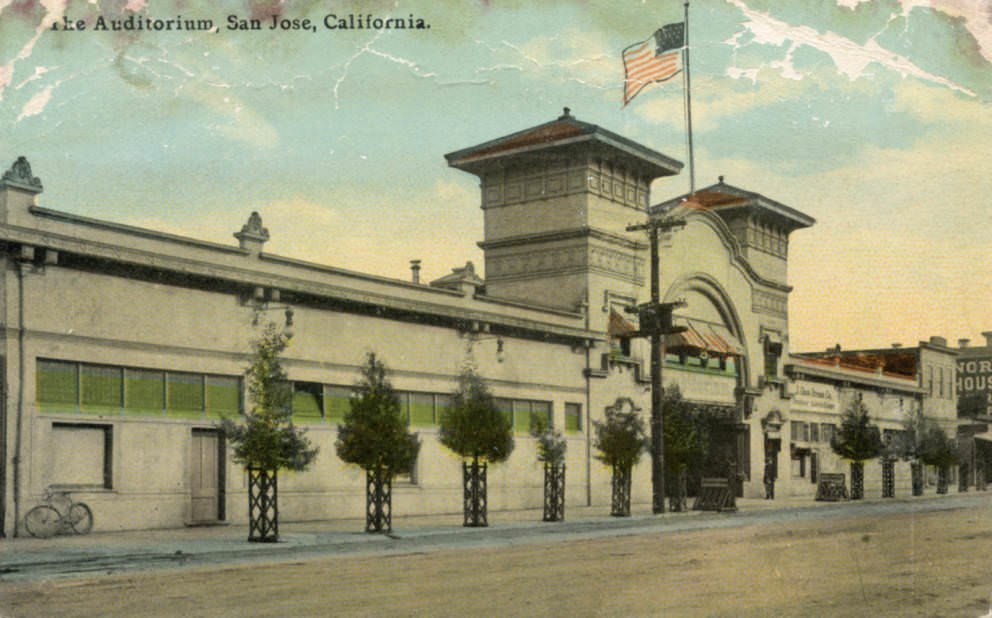
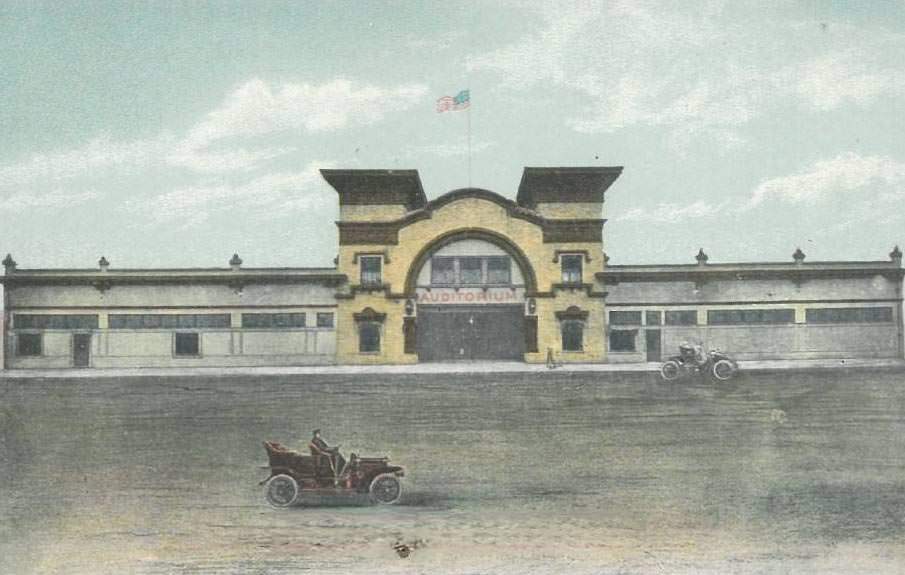
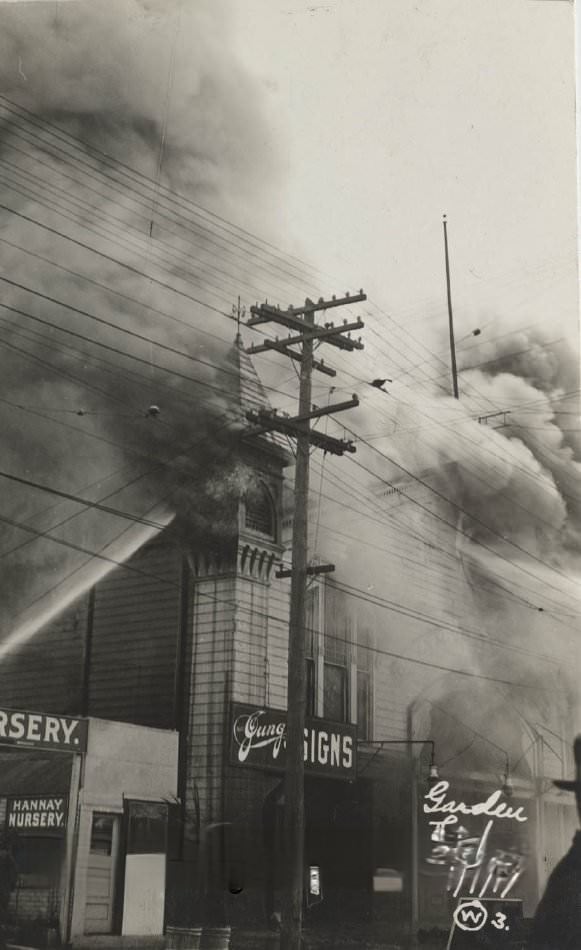
The Auditorium Rink, which opened in 1909, sat on the east side of Market Street just north of San Carlos Street. It was used for roller skating, flower shows, dances, and basketball games. The building was demolished in 1918, and the site was eventually occupied by the Casa Del Pueblo Retirement Community. The Garden Theatre fire of 1917 was another dramatic moment in the city’s history, destroying one of its entertainment venues in a blaze that attracted attention across the city.
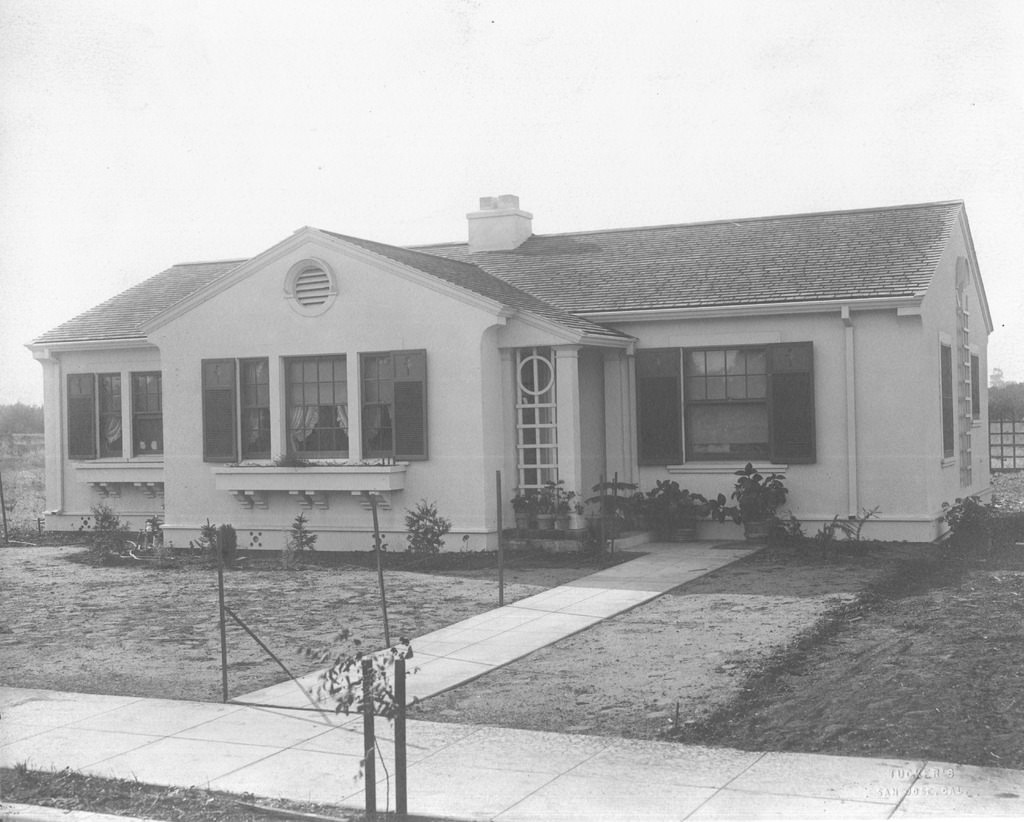
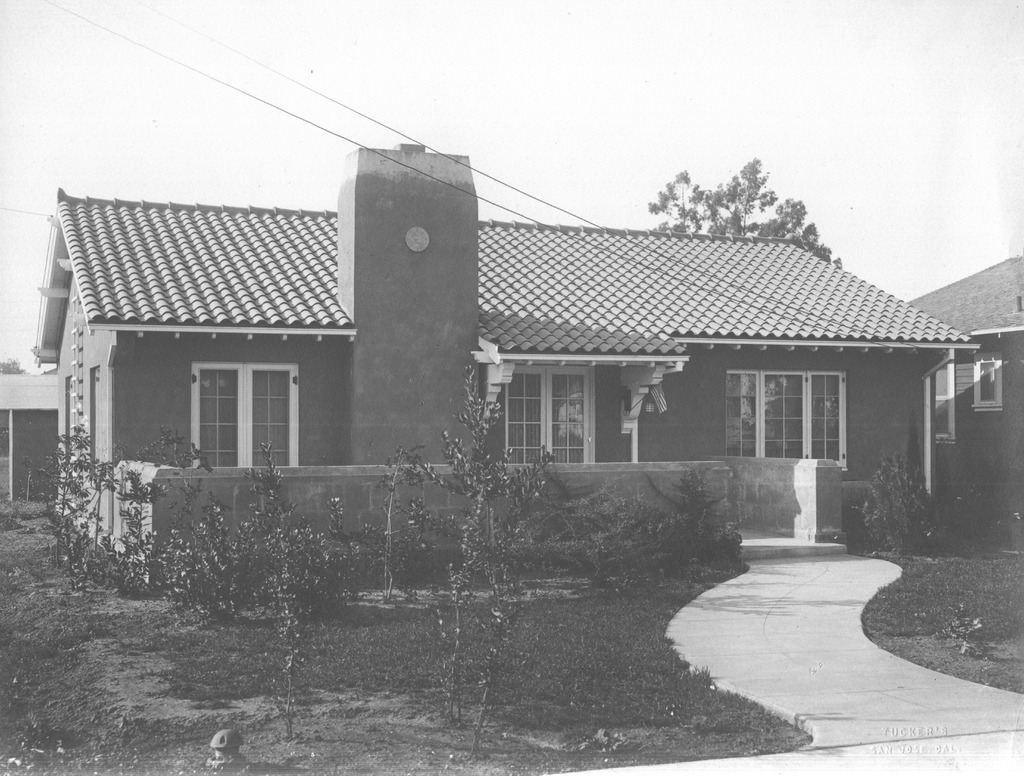
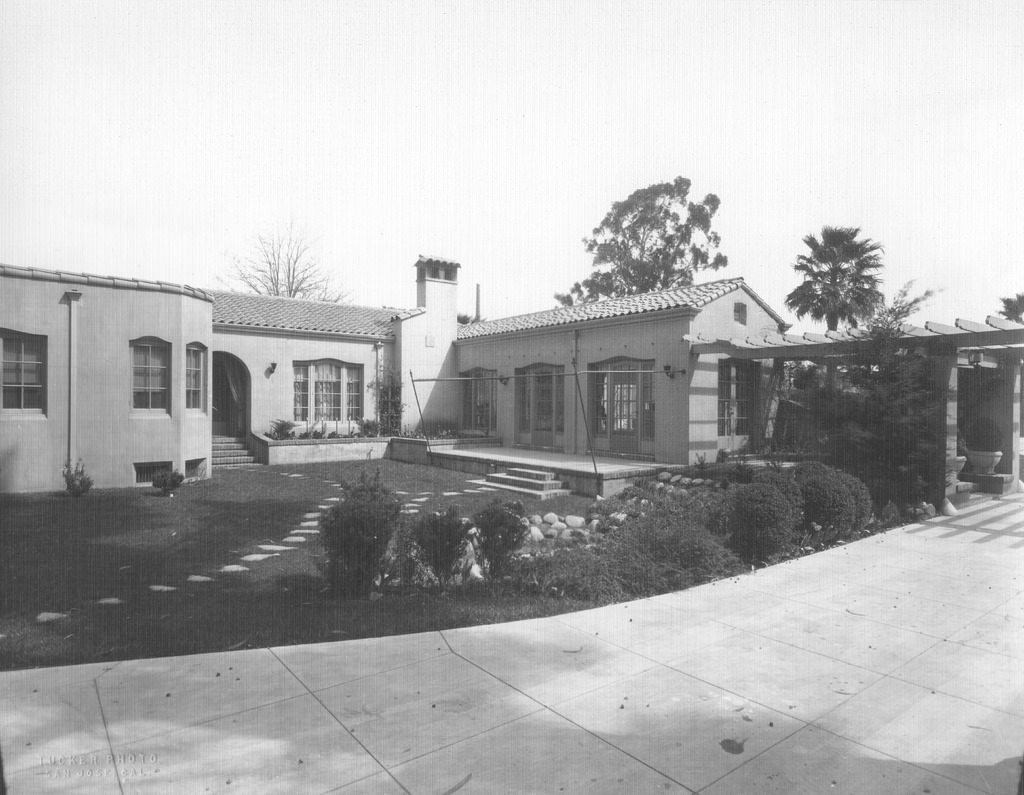
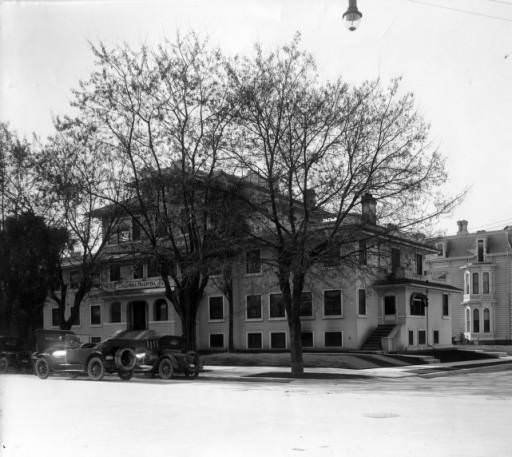
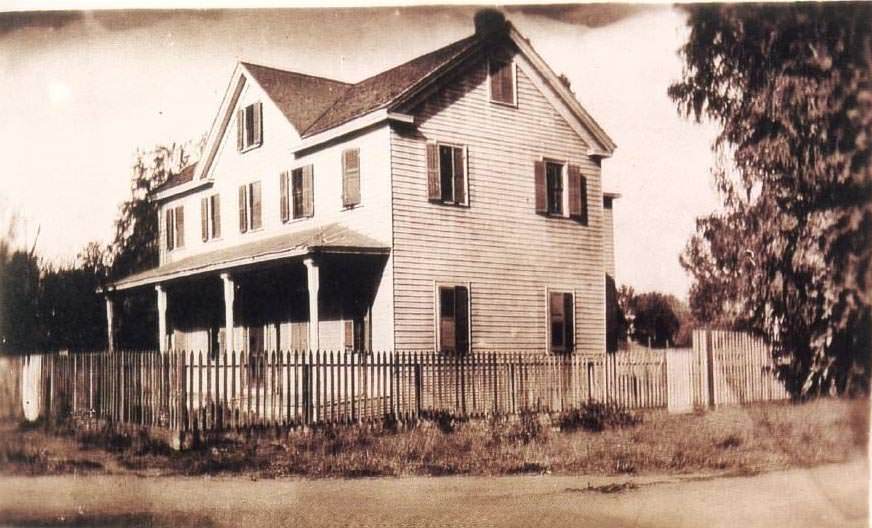
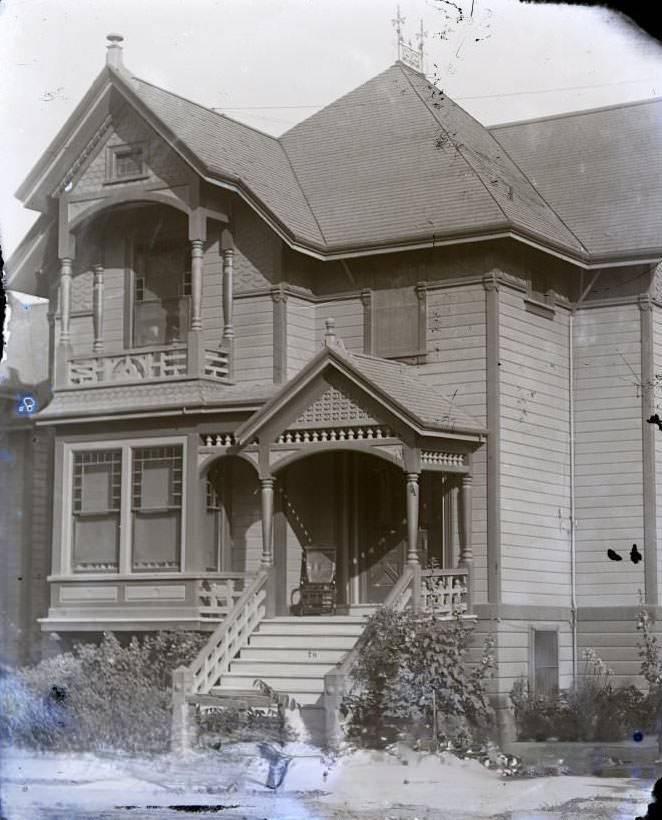
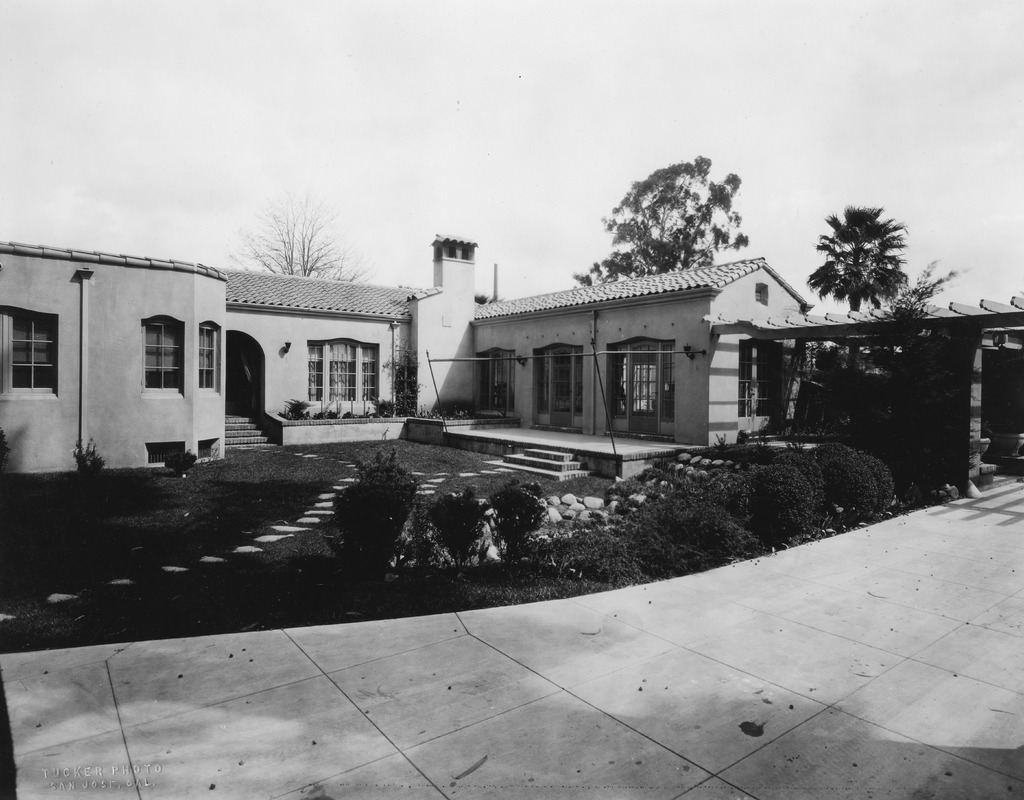
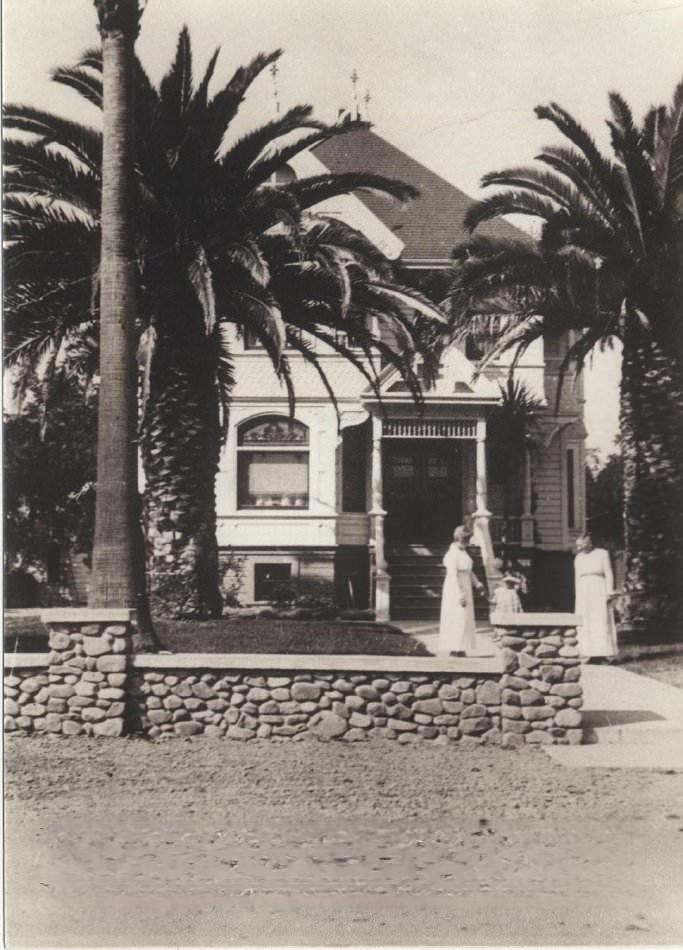
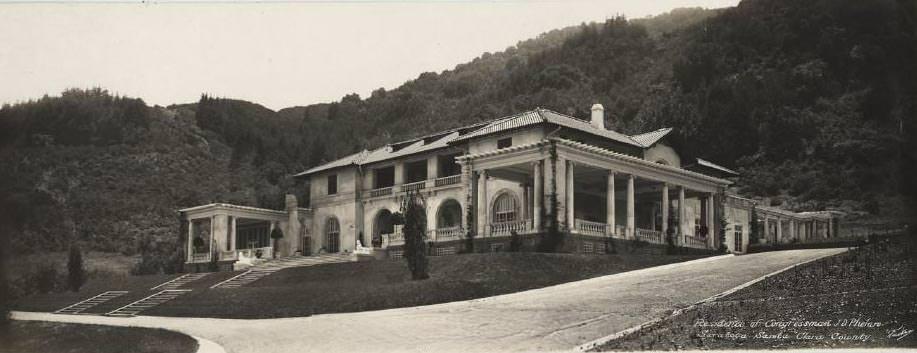
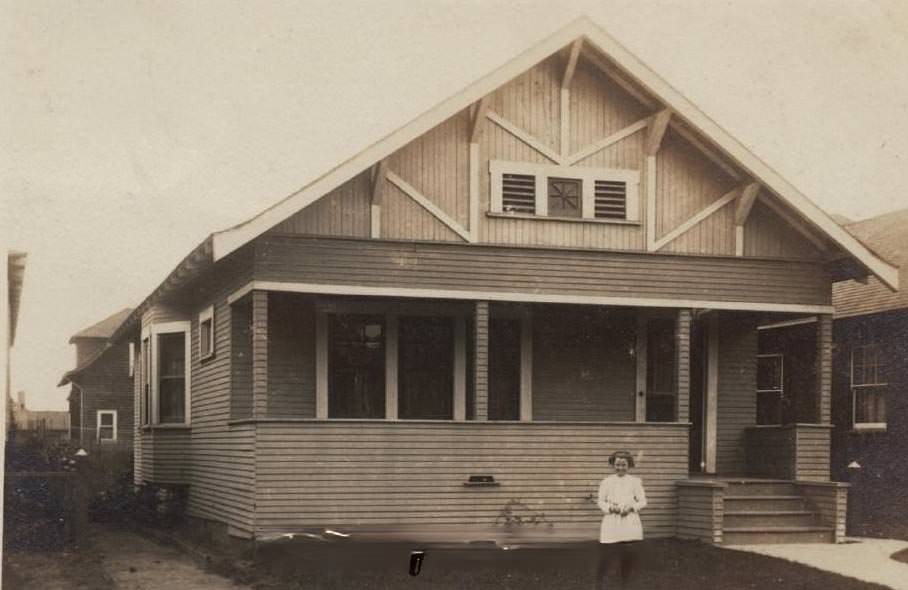
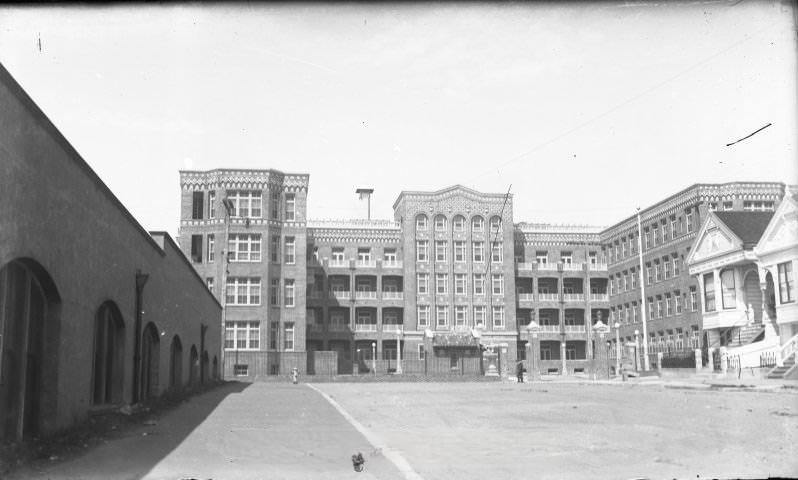
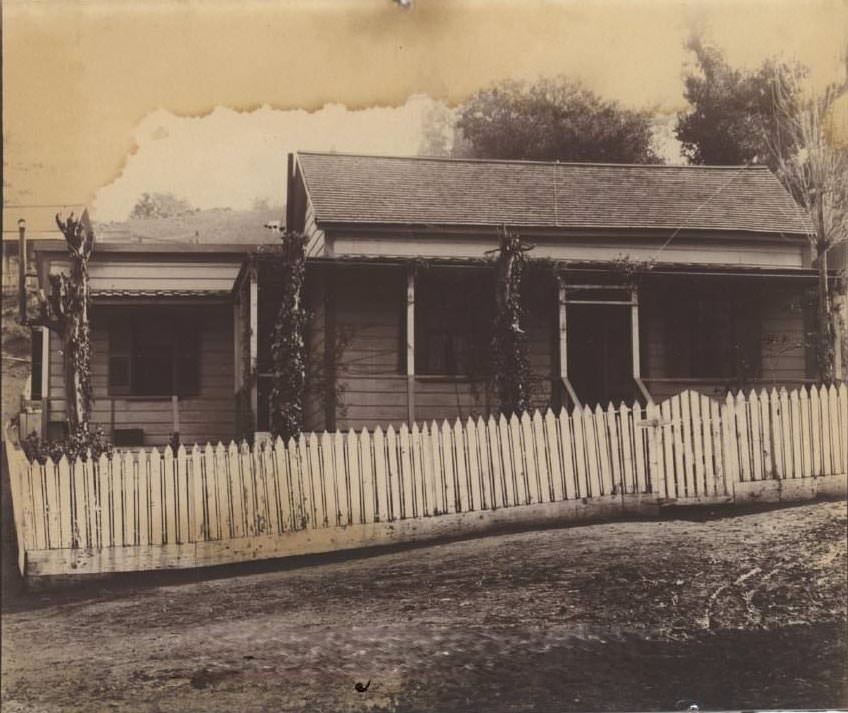
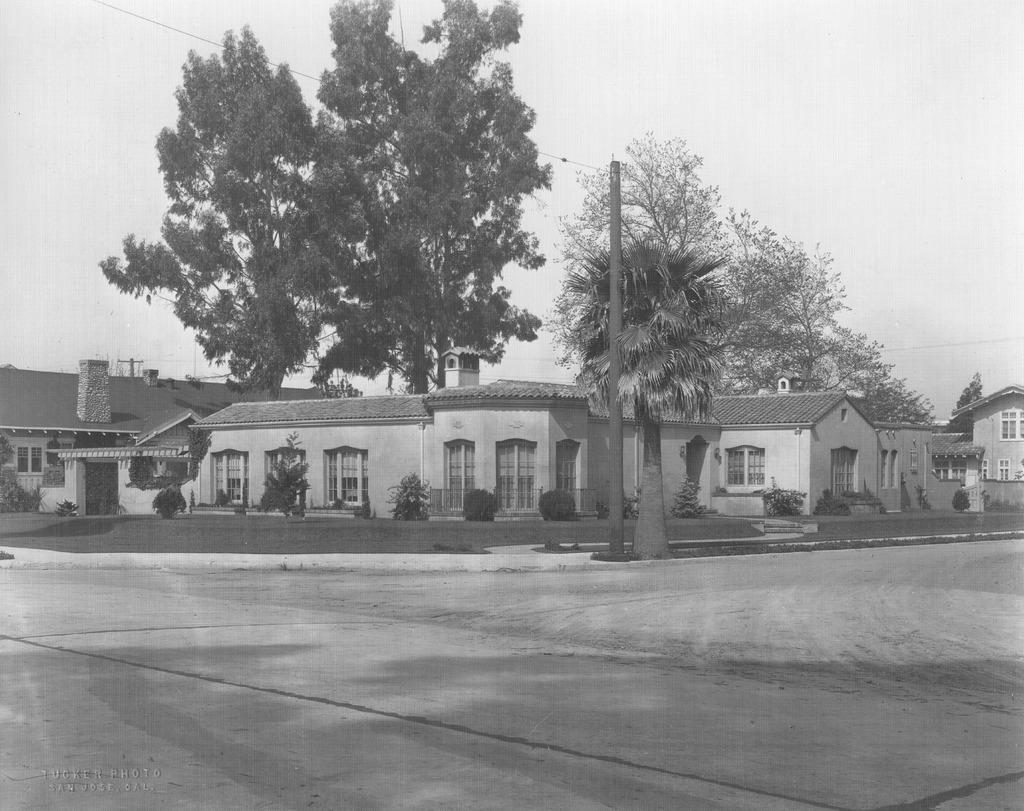
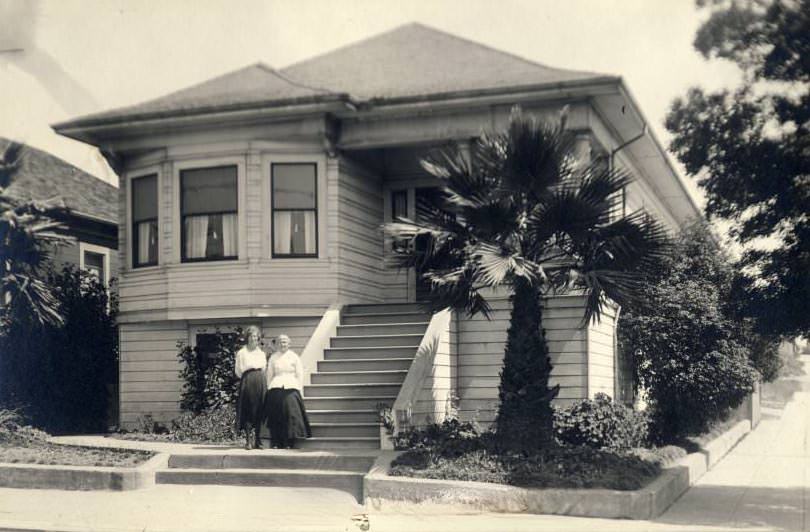
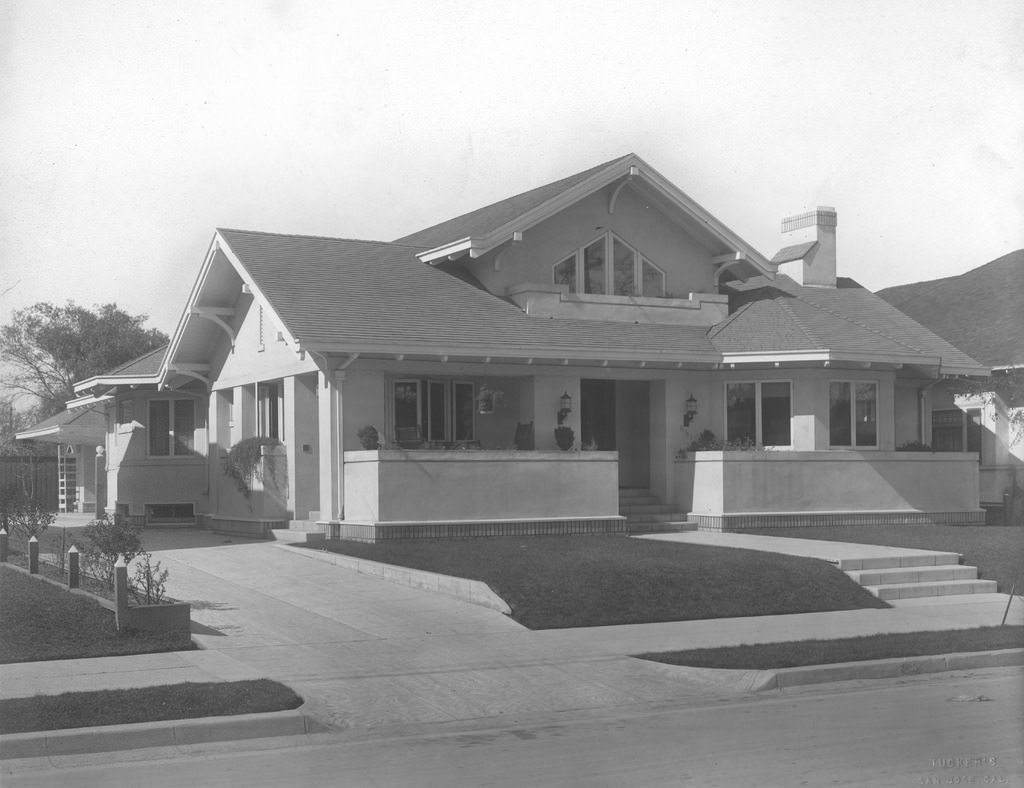
San Jose’s residential neighborhoods were growing steadily. The Hester Tract was one of the developing areas of the city, with new homes going up throughout the mid-1910s. Grander estates like the Pomeroy house, with its landscaped courtyard, sat alongside modest family homes on streets like Singletary and Lincoln Avenue. Columbia Hospital, which stood at 357 South Market Street at the corner of Auzerais Avenue, provided medical care for the city’s expanding population.
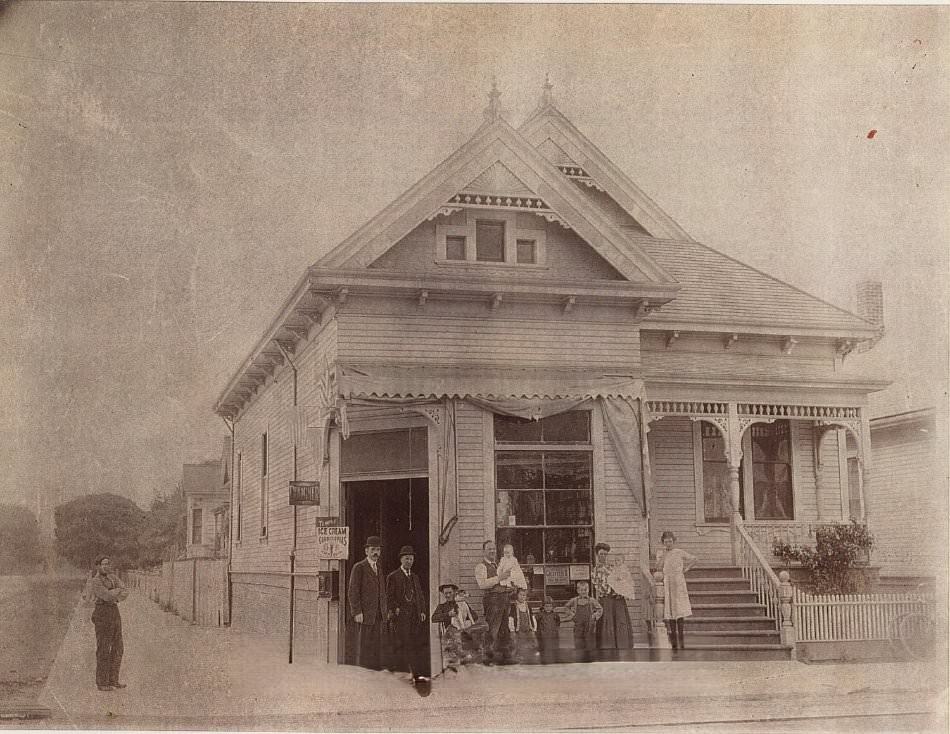
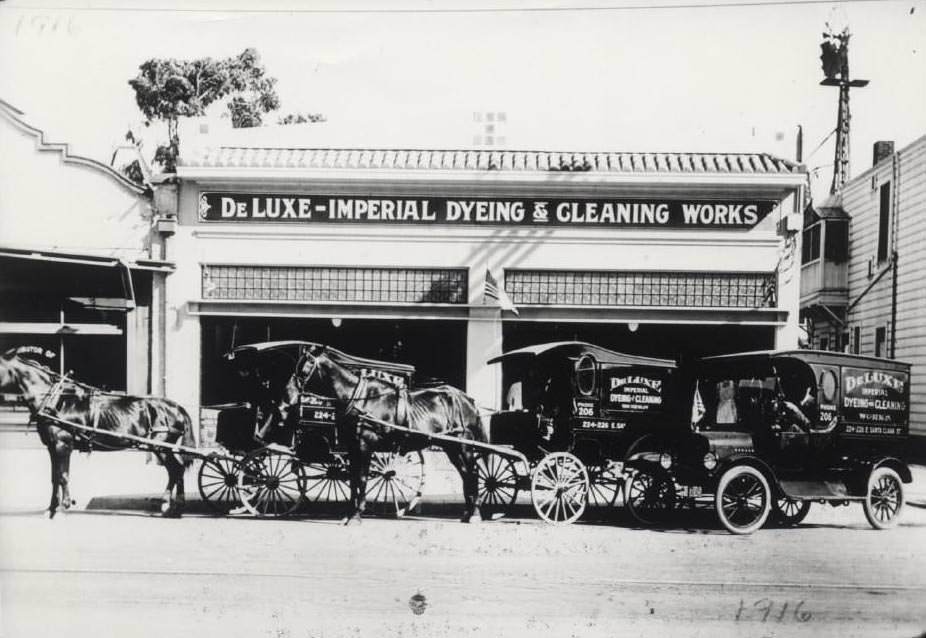
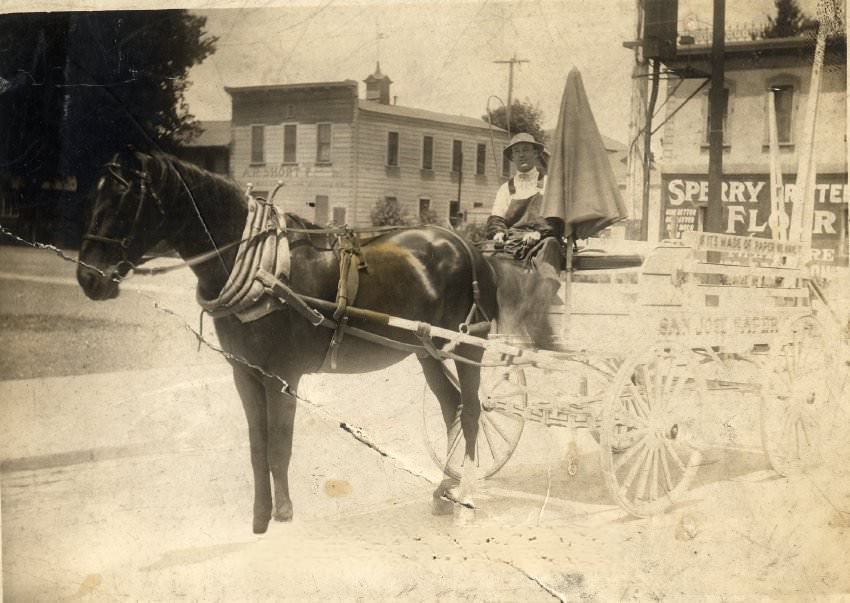
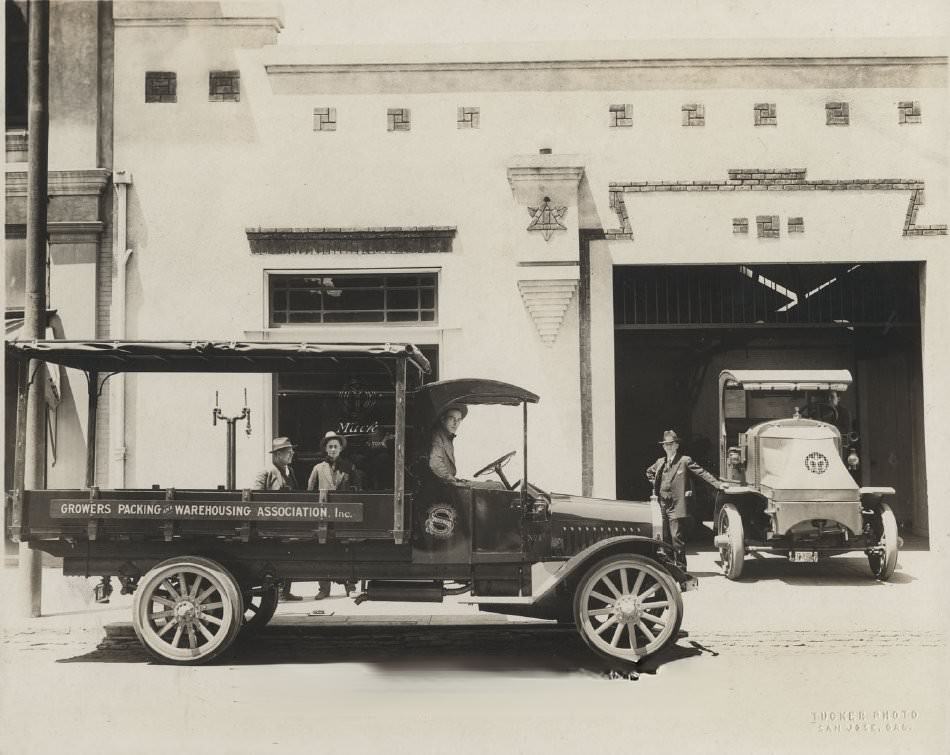
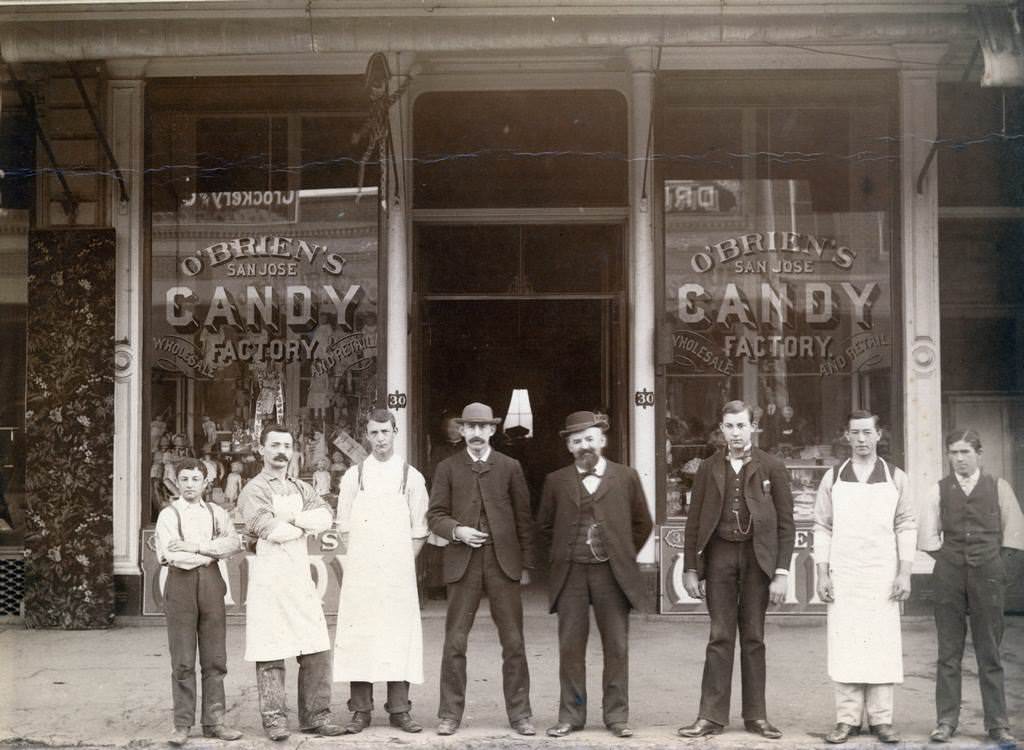
Fred Wolff’s grocery store at the corner of San Carlos and Gifford Streets was one of many neighborhood businesses that anchored daily life. The De Luxe Dyeing and Imperial Dyeing & Cleaning Works, run by Adolphe Heymann and John Marten, operated at 224–226 East Santa Clara Street, using two horse-drawn delivery wagons and one motorized truck. The Mercury and Herald newspapers operated from 30 West Santa Clara Street, and the Hayes family — who bought the Evening Herald in 1900 and the Mercury in 1901 — would control the paper for the next half century.
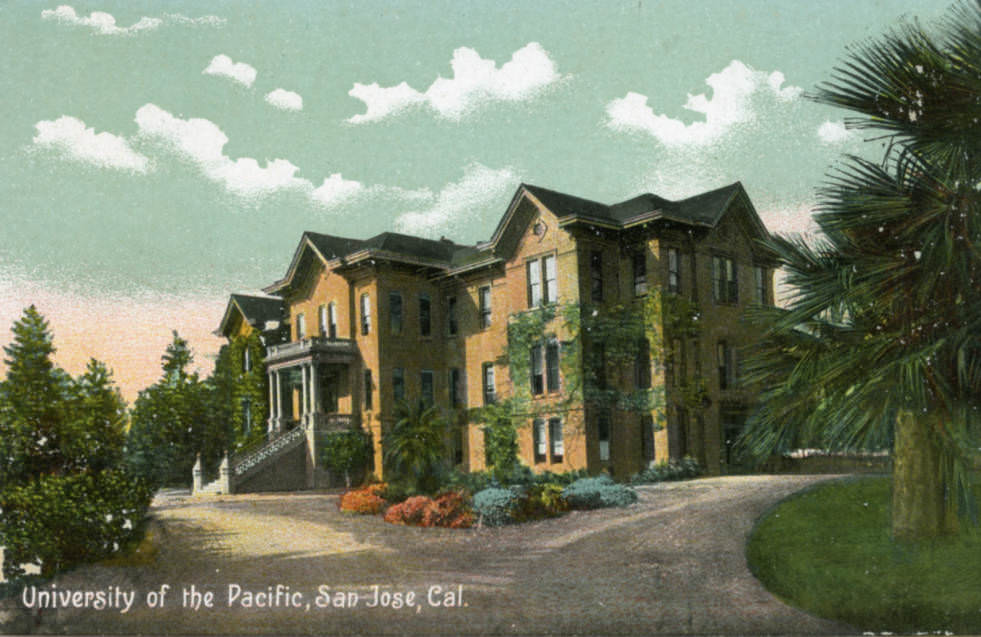
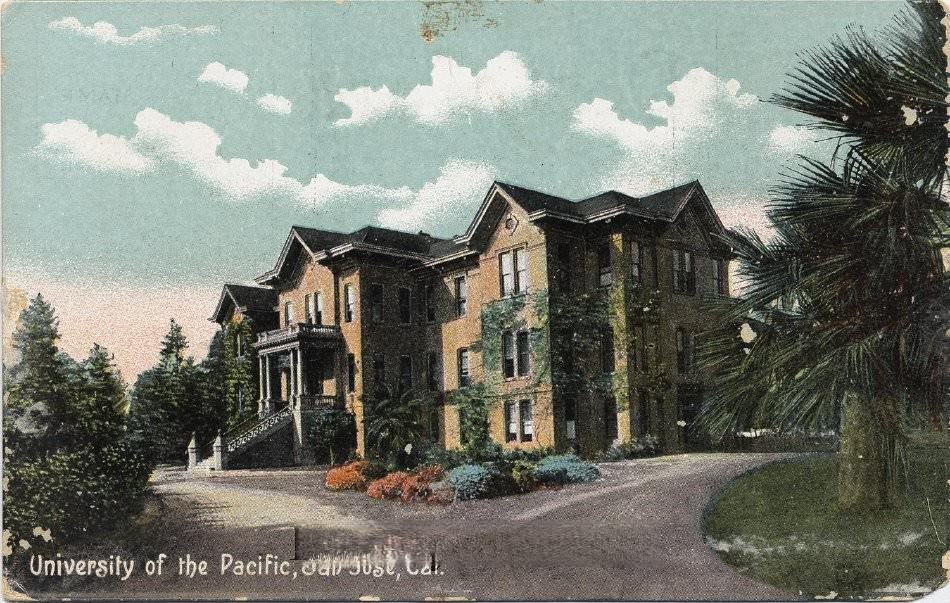
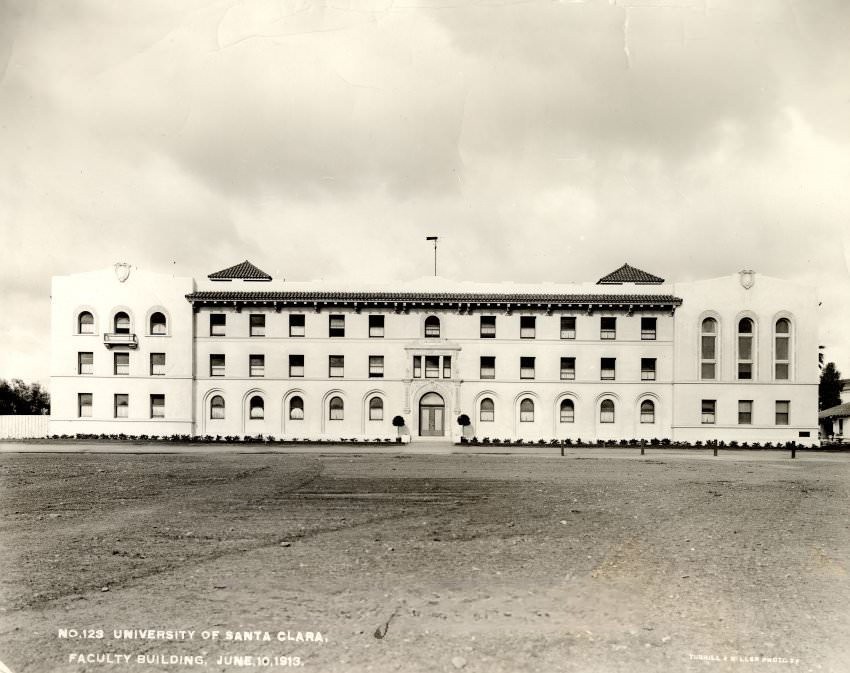
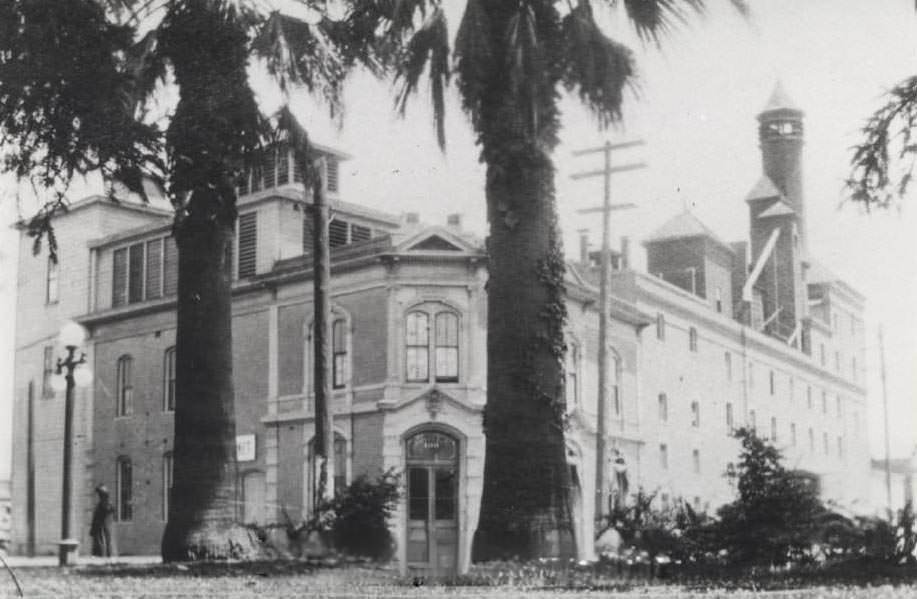
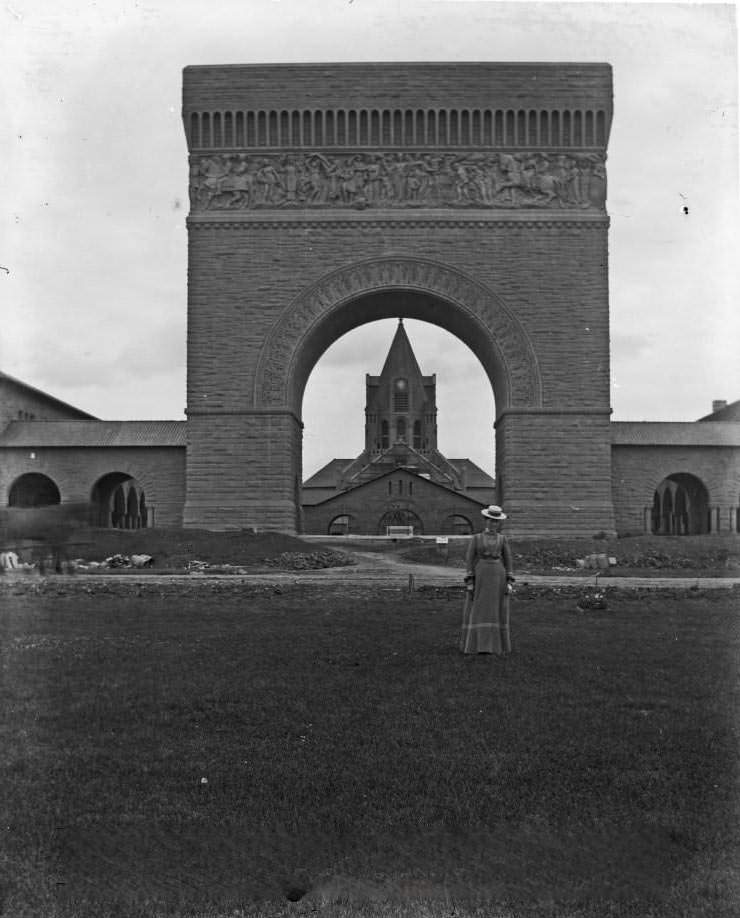
The University of the Pacific was located in the College Park area of San Jose during this period. East Hall on its campus housed a men’s dormitory on the third floor and classrooms, a library, and laboratories on the other floors. The university eventually moved to Stockton in 1925. The University of Santa Clara and the College of Notre Dame were also active in the region, giving the area a strong academic presence.
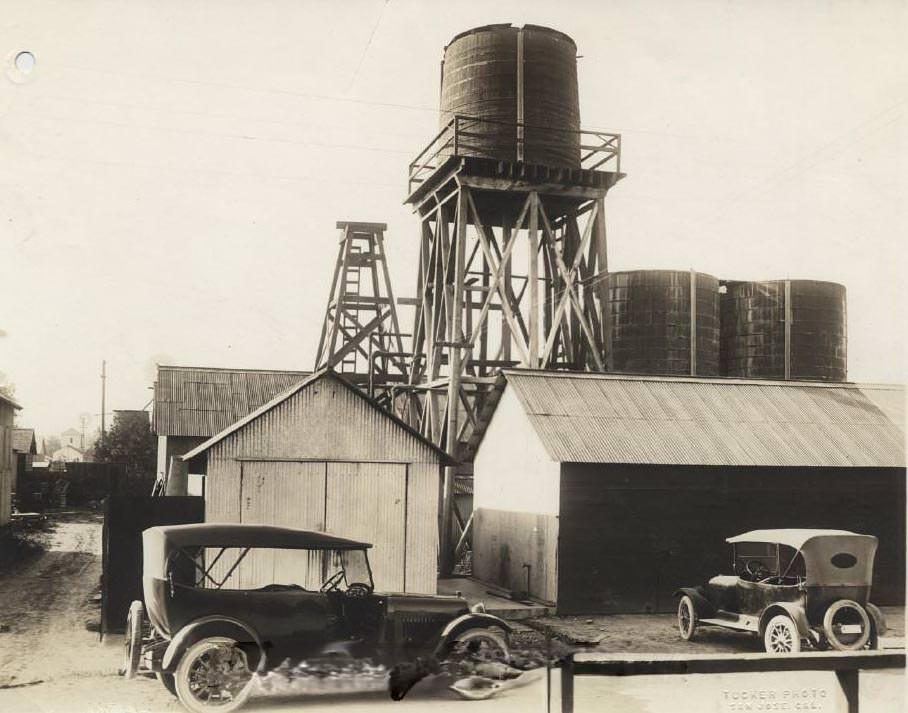
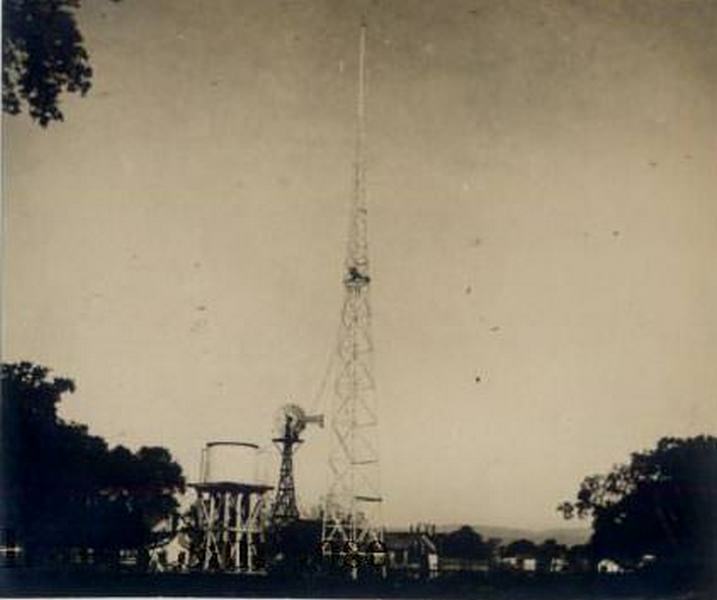
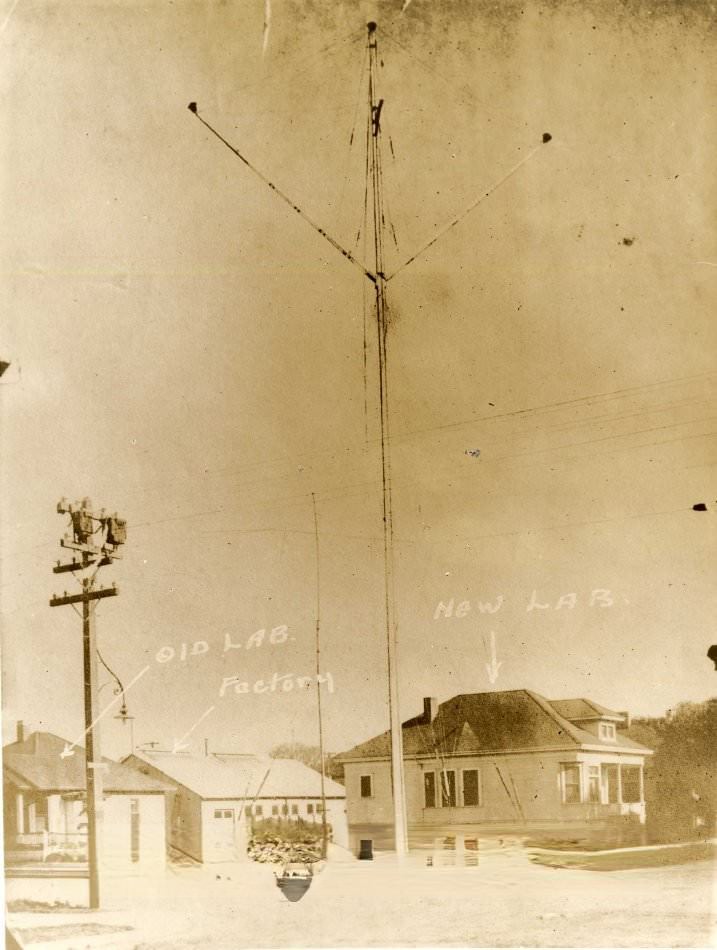
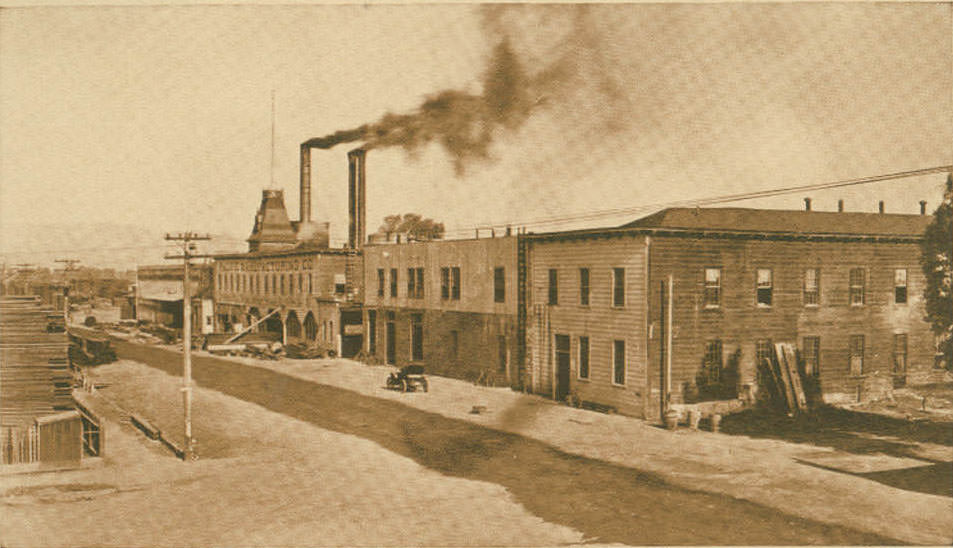
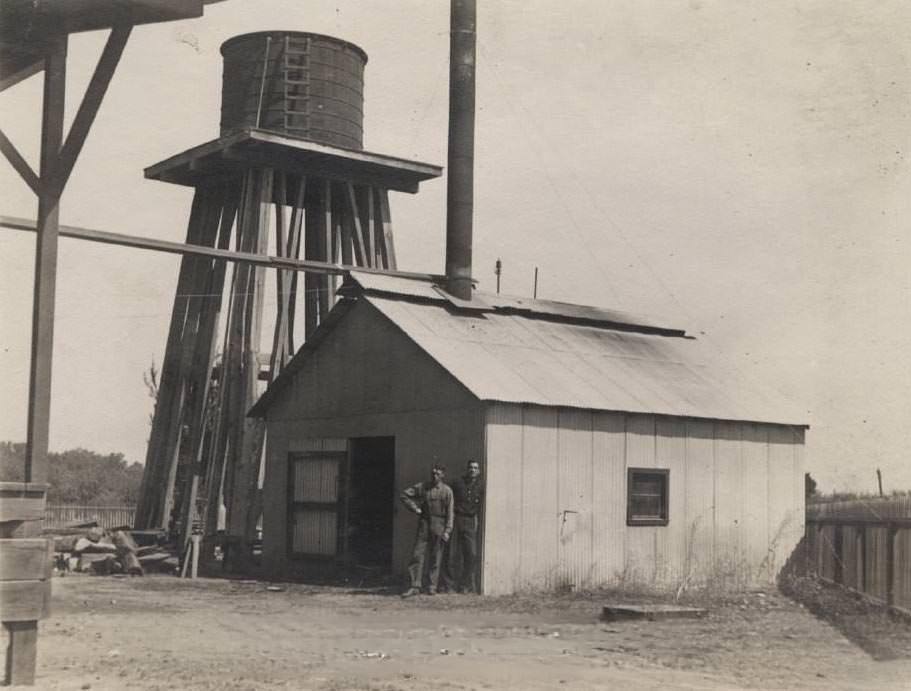
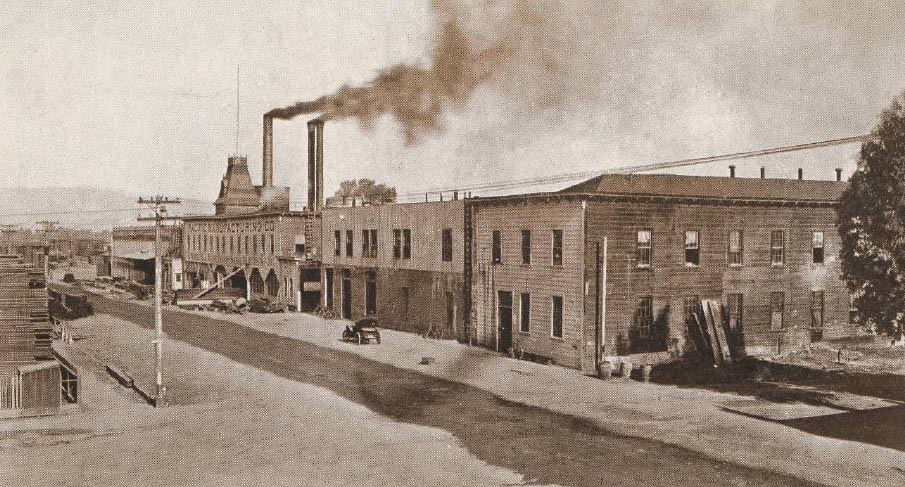
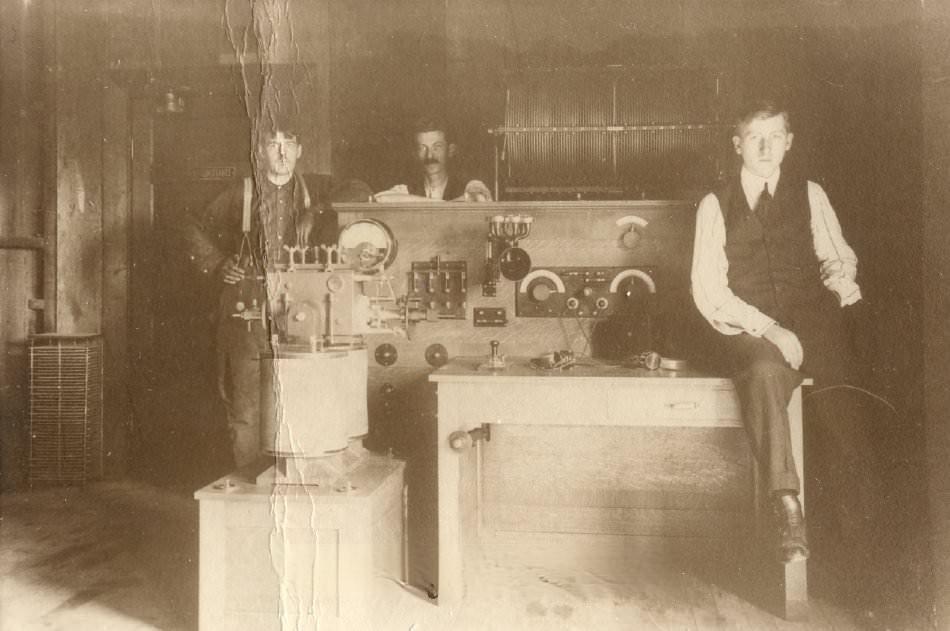
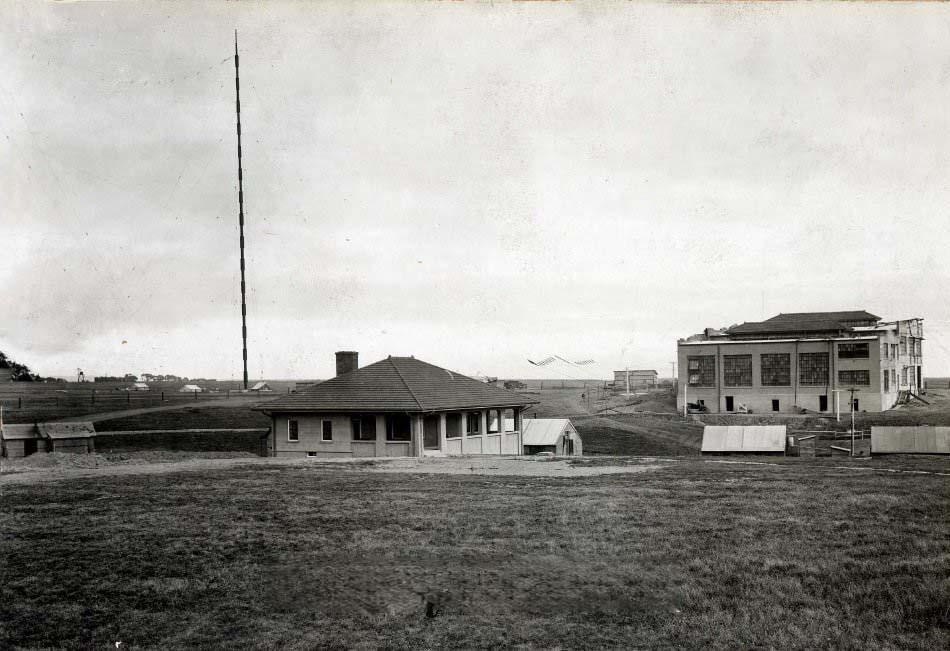
The Federal Telegraph Company operated out of its San Pedro station in San Jose in 1910, and its Palo Alto laboratory continued developing wireless technology into 1913. These operations placed the South Bay at the forefront of early telecommunications. The Pacific Manufacturing Company, founded in 1879, was still producing wooden products from its San Jose facility in the 1910s, with smoke rising from three smokestacks and automobiles parked outside.
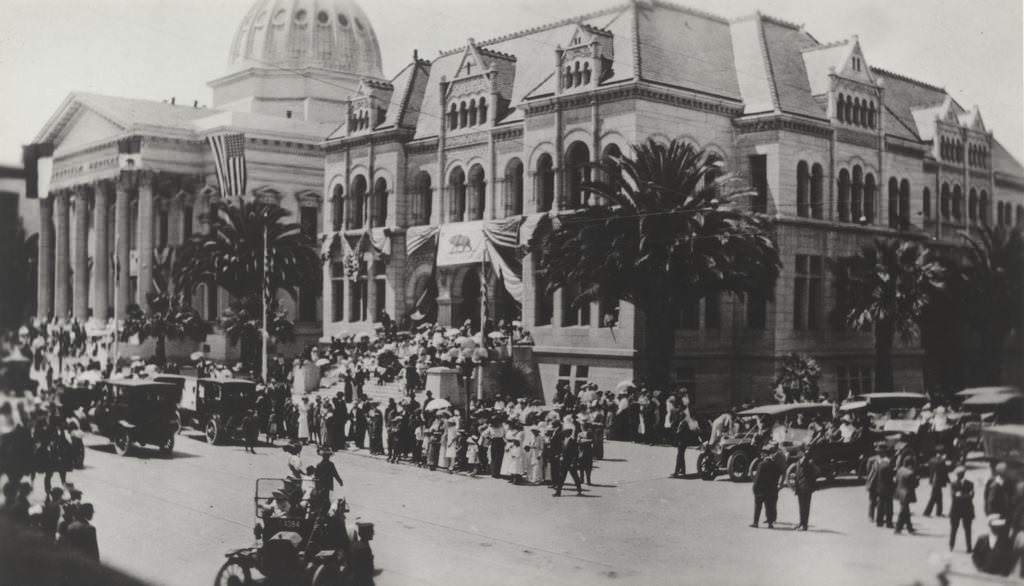
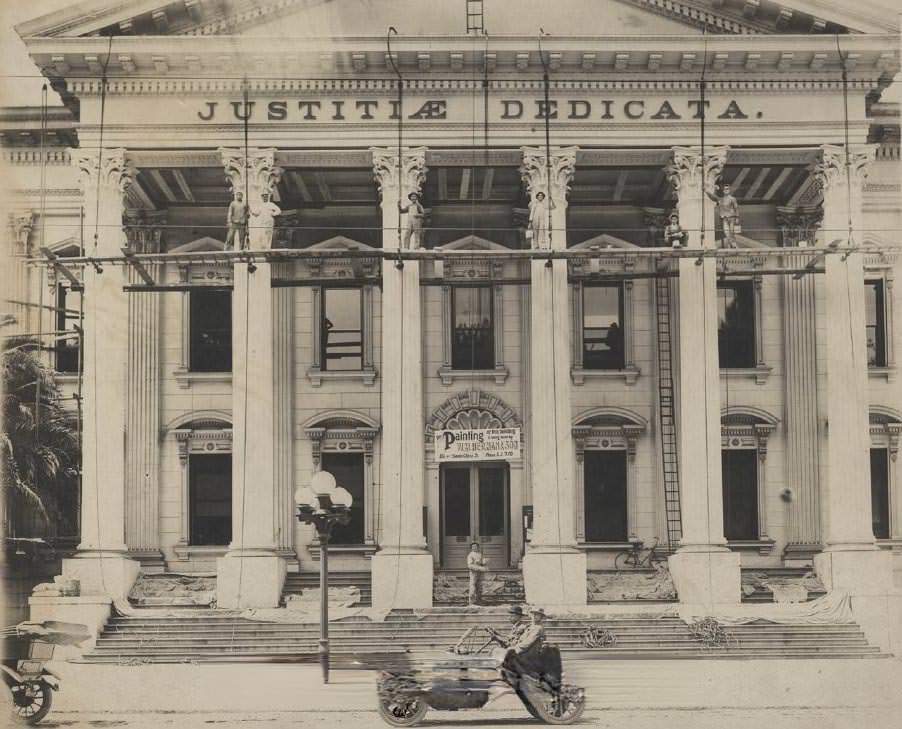
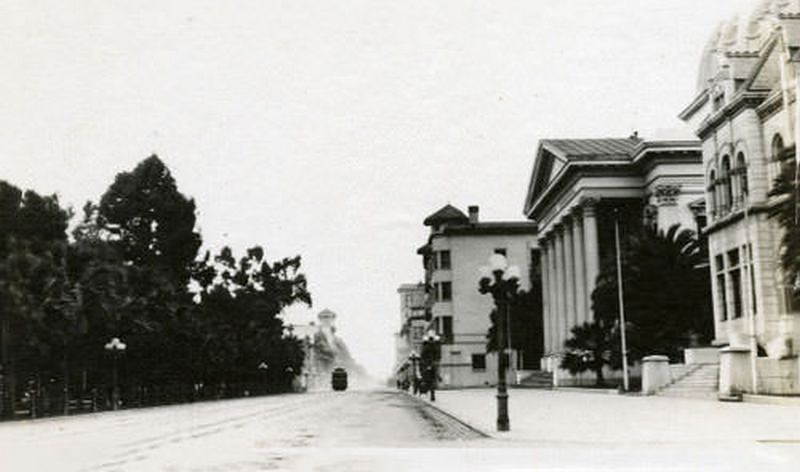
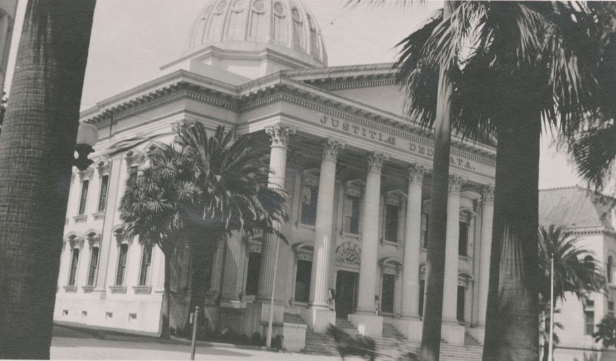
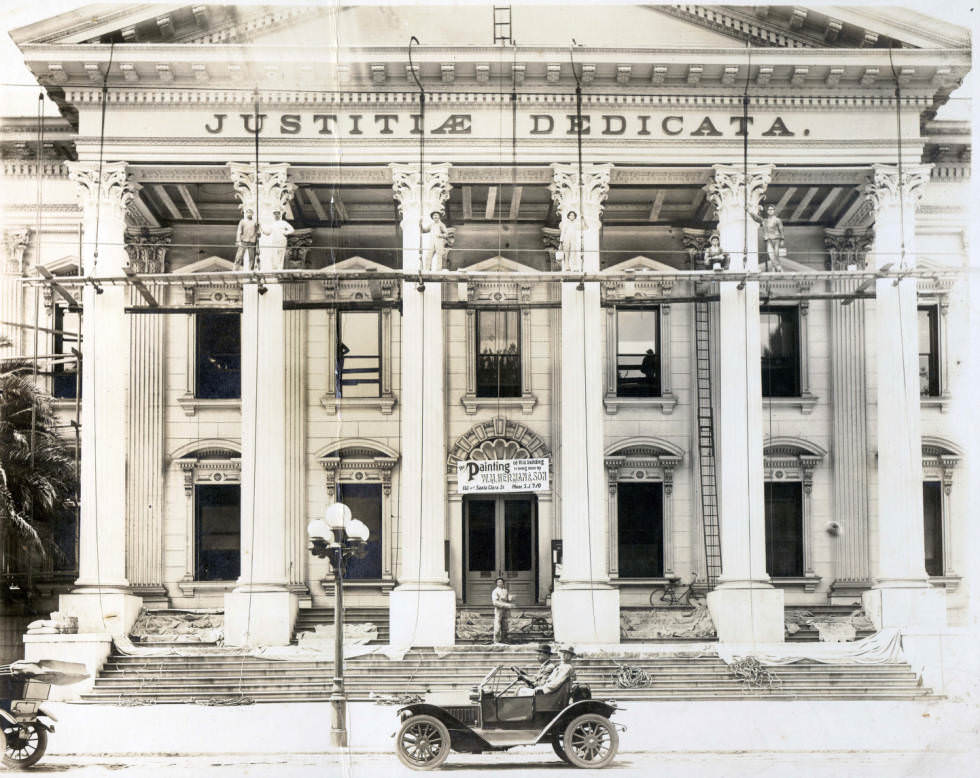
The Courthouse and Hall of Records on North First Street was photographed on July 4th, 1914, draped in patriotic decoration. In 1931, the courthouse was gutted by fire and later rebuilt without its dome. The Santa Clara County Hall of Records, built in 1892, held deeds, birth certificates, and death records until it was demolished in 1962.
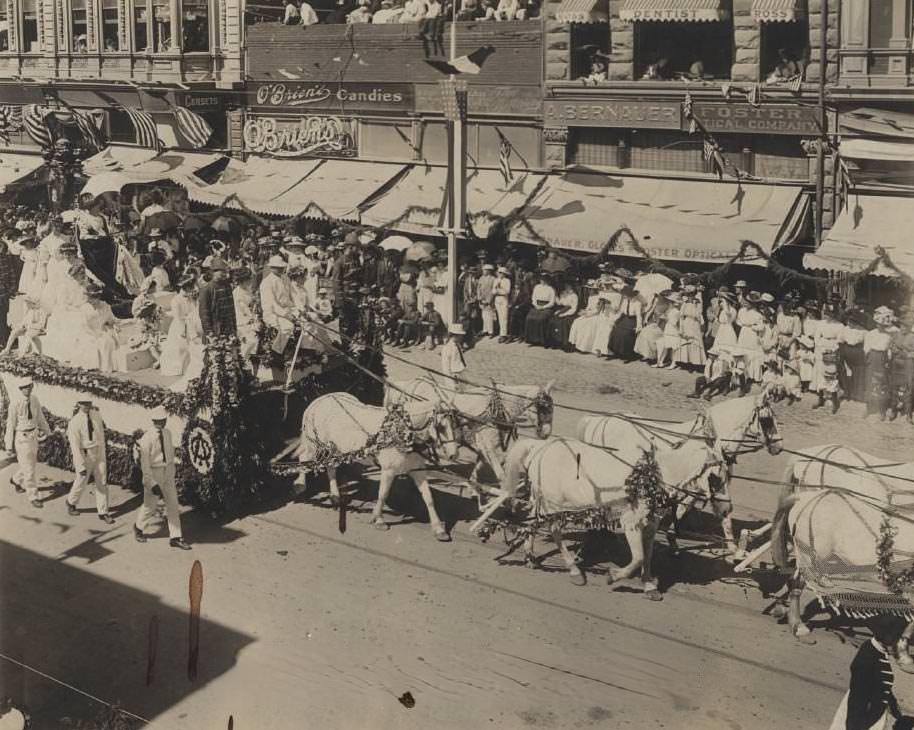
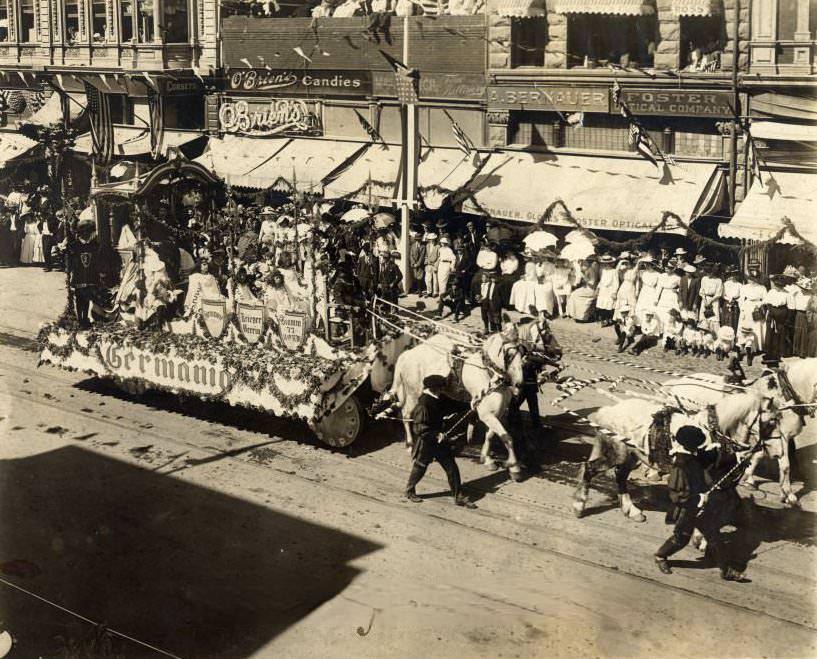
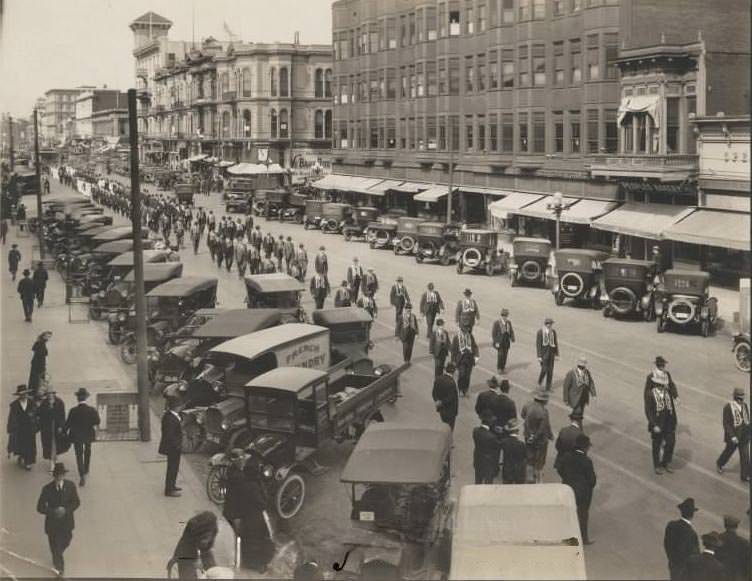
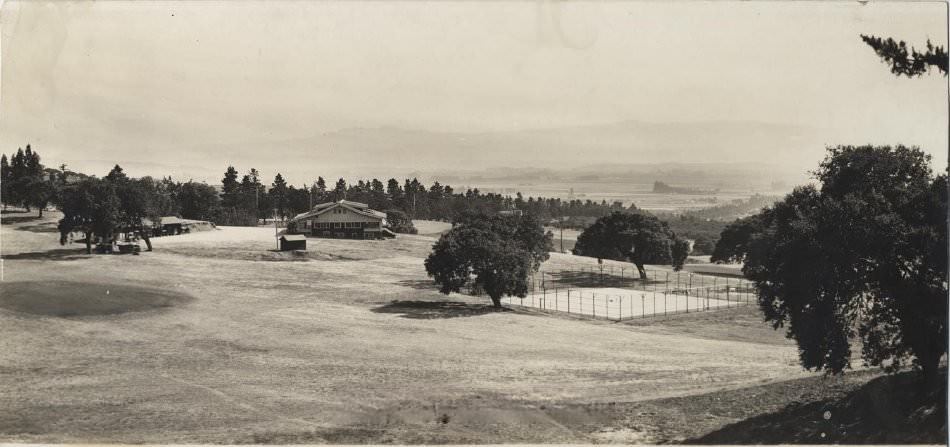
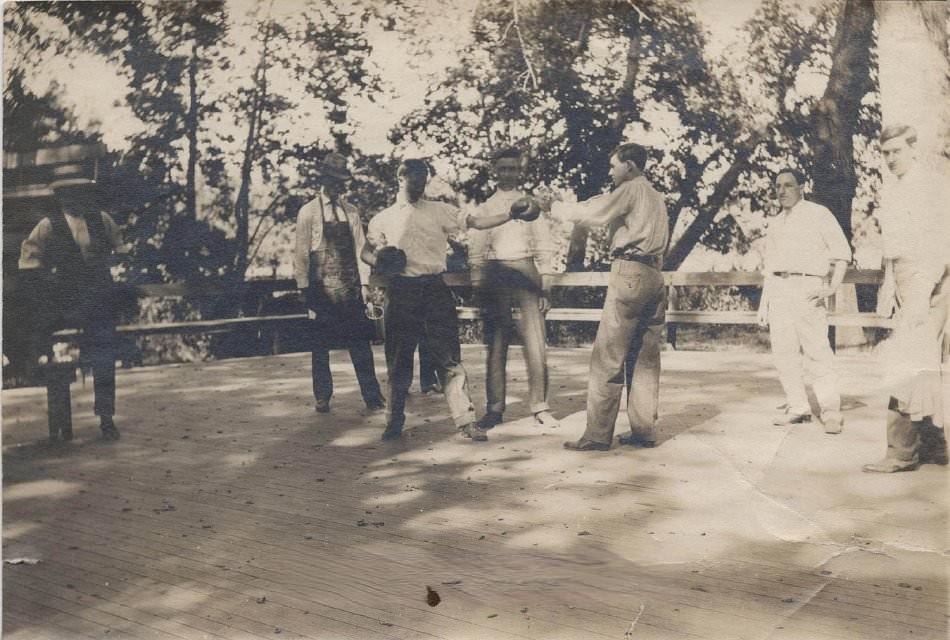
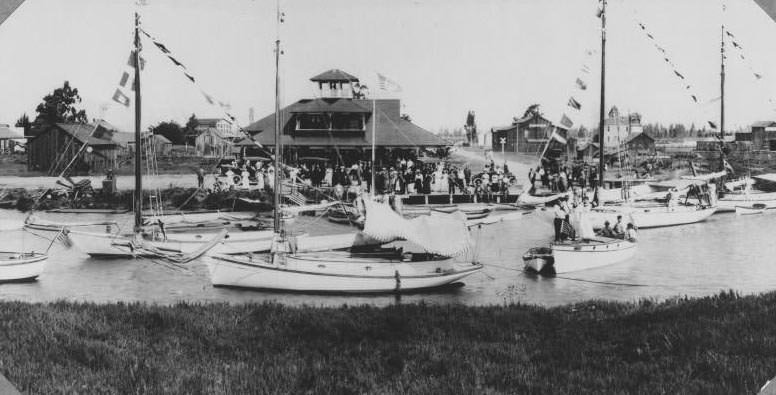
San Jose in the 1910s was a city that celebrated publicly and often. The Rose Carnival Parade in 1910 filled the streets with floats and crowds. The Germania Parade Float showcased the city’s German community. The I.O.O.F. Parade of 1919 drew large audiences as well. These events were woven into the social life of the city, alongside gatherings at the San Jose Country Club, boxing matches at Blackberry Farm, and regattas on the water at Alviso.
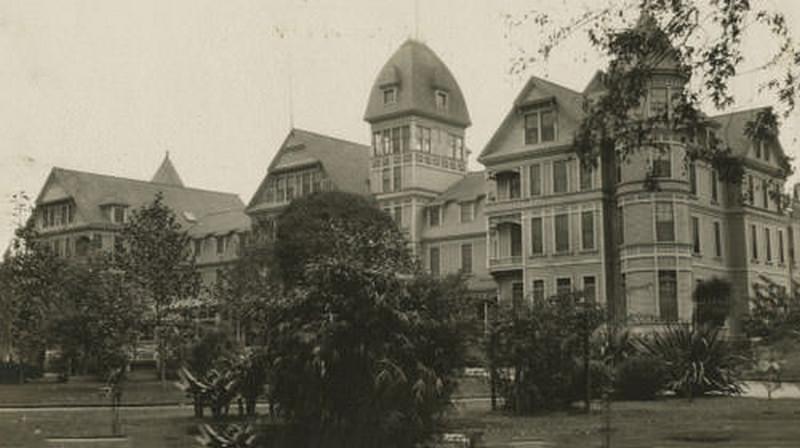
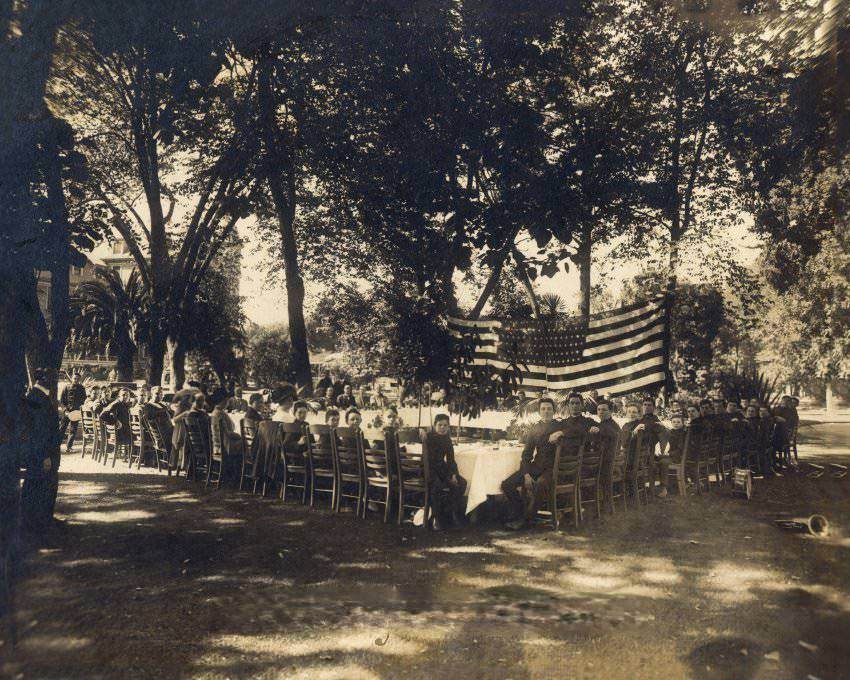
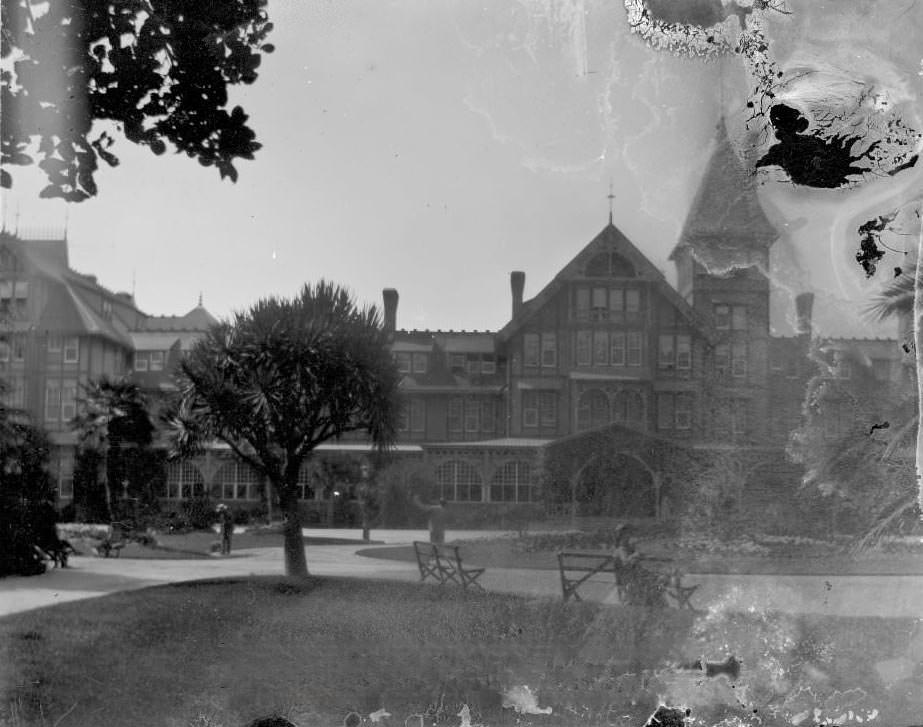
The Hotel Vendome was a luxury hotel that had opened in San Jose in 1889. By the 1910s, it was still one of the most recognized addresses in the city, hosting groups like the Young Australian League in 1911. The Dawson House, at the corner of the Alameda and Polhemus Street, carried historical significance of its own — Dr. James M. and Eloise Jones Dawson had launched the first canning operation in San Jose from their backyard in 1871.
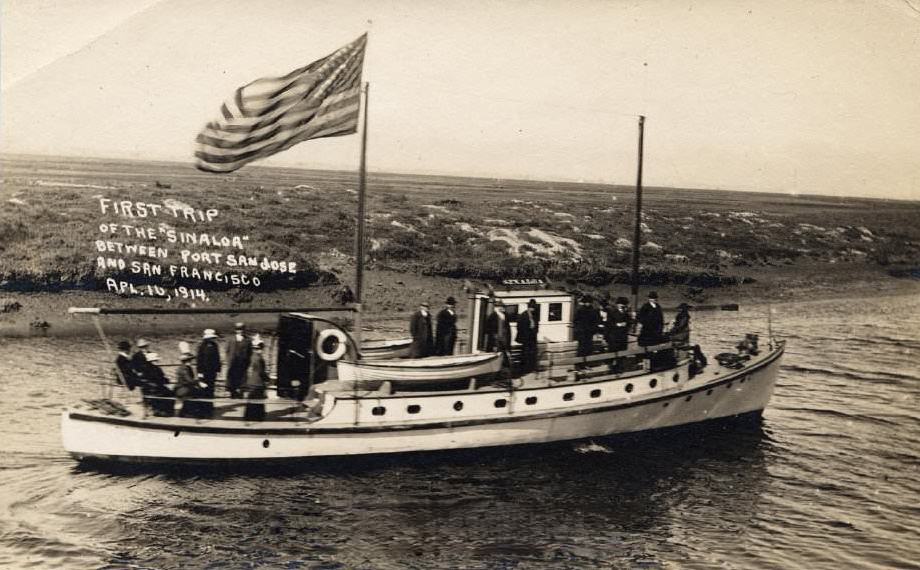
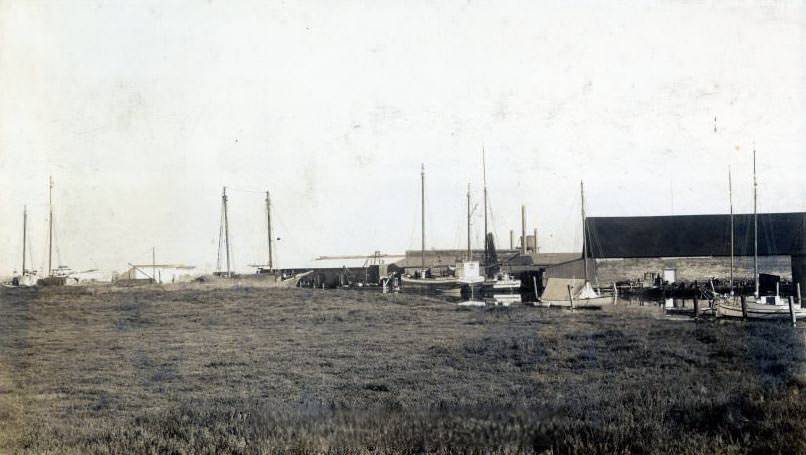
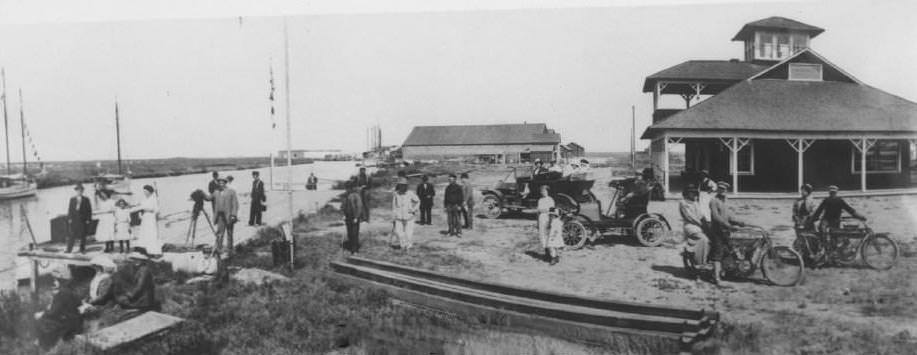
The port at Alviso and the docks along the Guadalupe River connected San Jose to wider trade routes. On April 16, 1914, the ship Sinaloa made its first trip between Port San Jose and San Francisco, opening a new maritime connection for the city. The Alviso shipyard was still active in 1915, and the Southbay Yacht Club was operating as well, reflecting the importance of the bay’s waterways to the local economy and recreation.
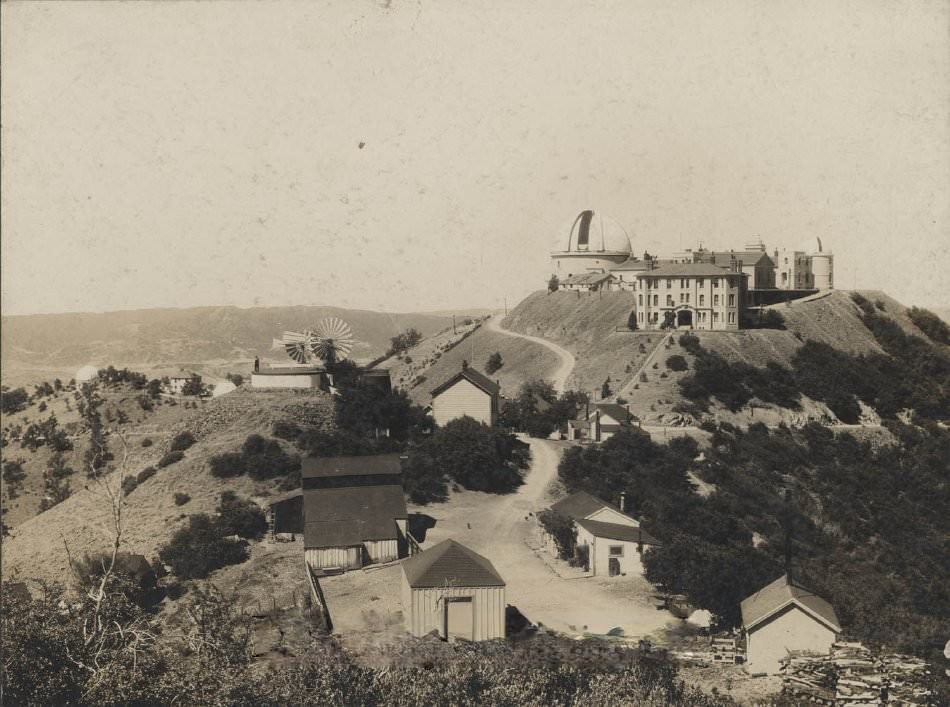
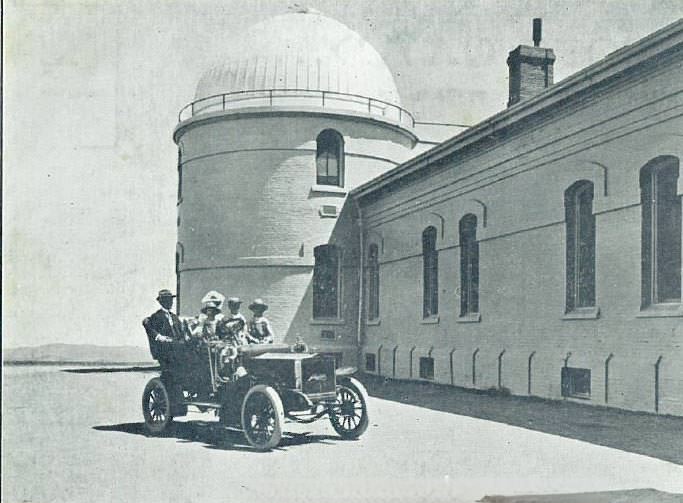
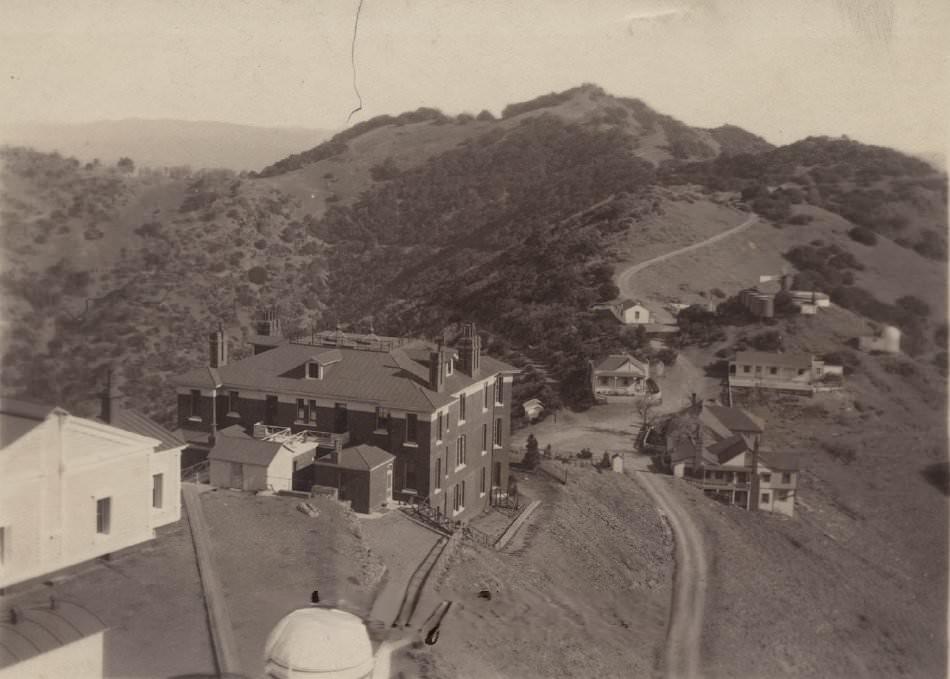
Lick Observatory on Mount Hamilton overlooked the entire Santa Clara Valley. The observatory’s buildings dotted the mountain’s peak and were accessible by road — a Mitchell car from Osen & Hunter Auto Co. was photographed outside the observatory in a postcard promoting the business. Mount Hamilton’s role as the starting point for the state’s first motorbus line in 1914 brought the mountain closer to everyday life for San Jose residents.
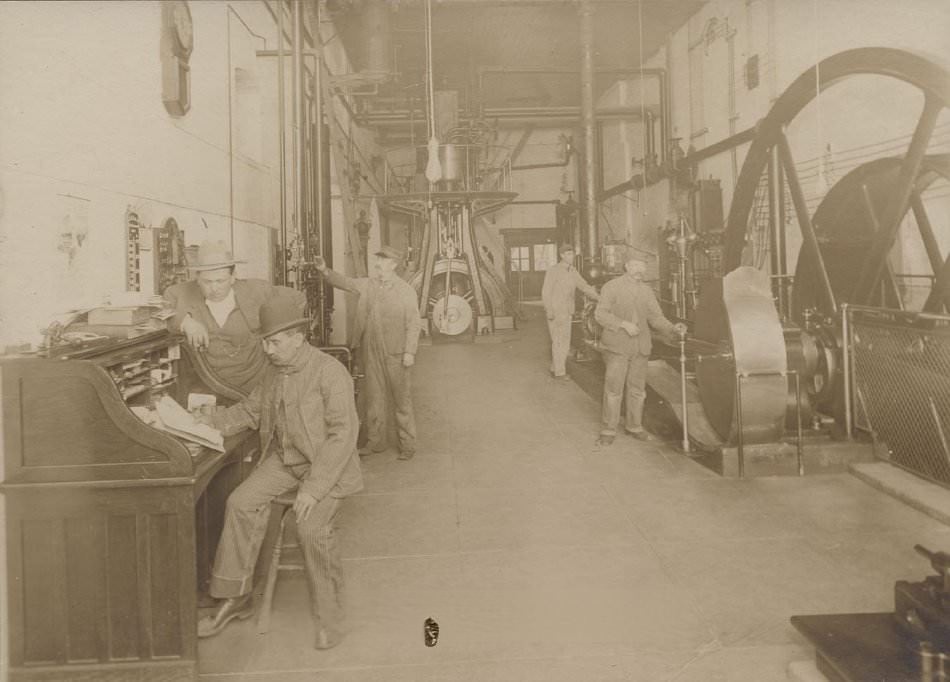
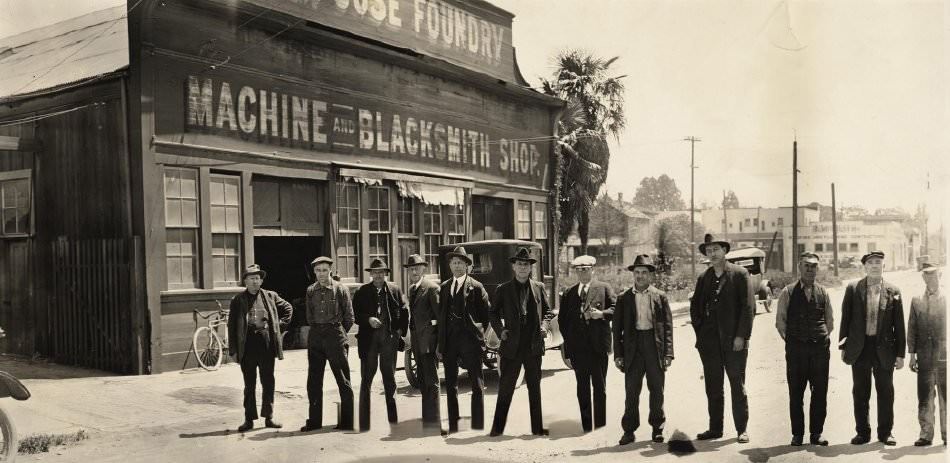
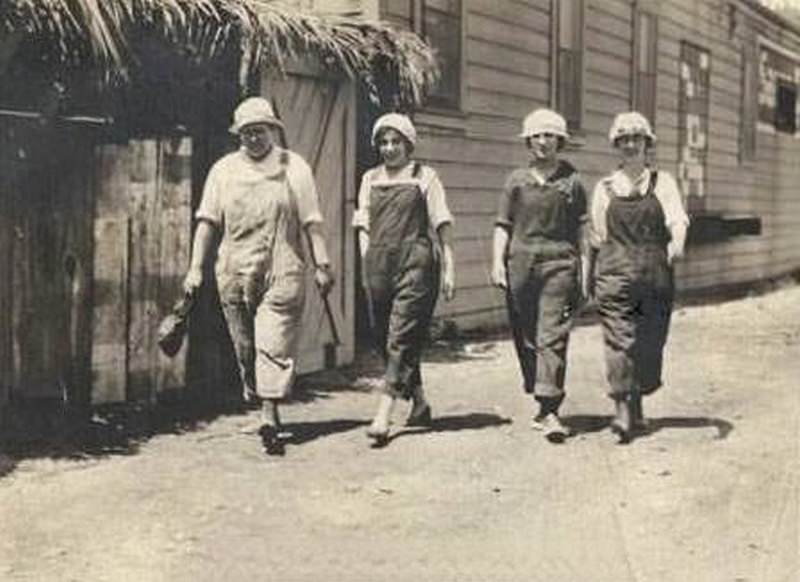
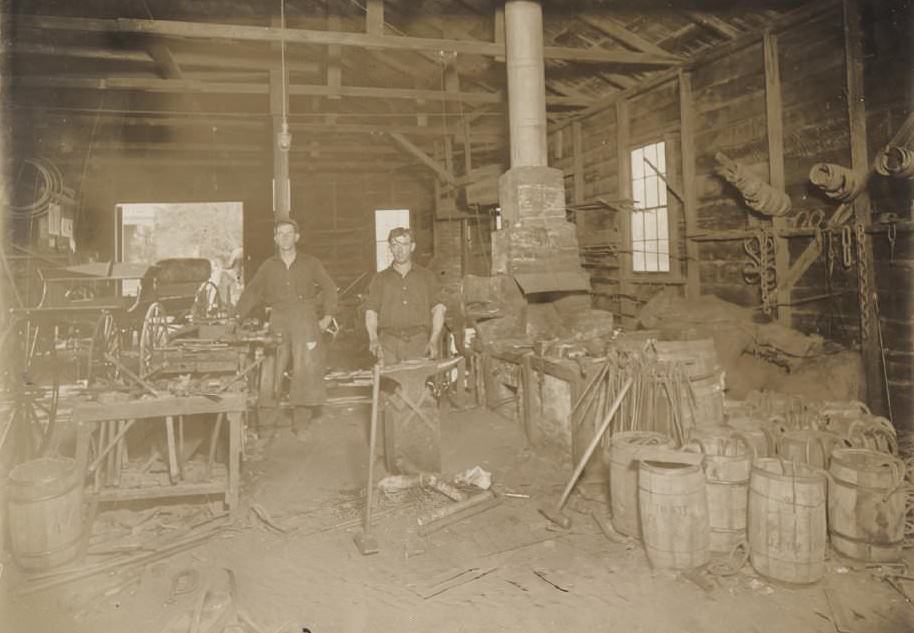
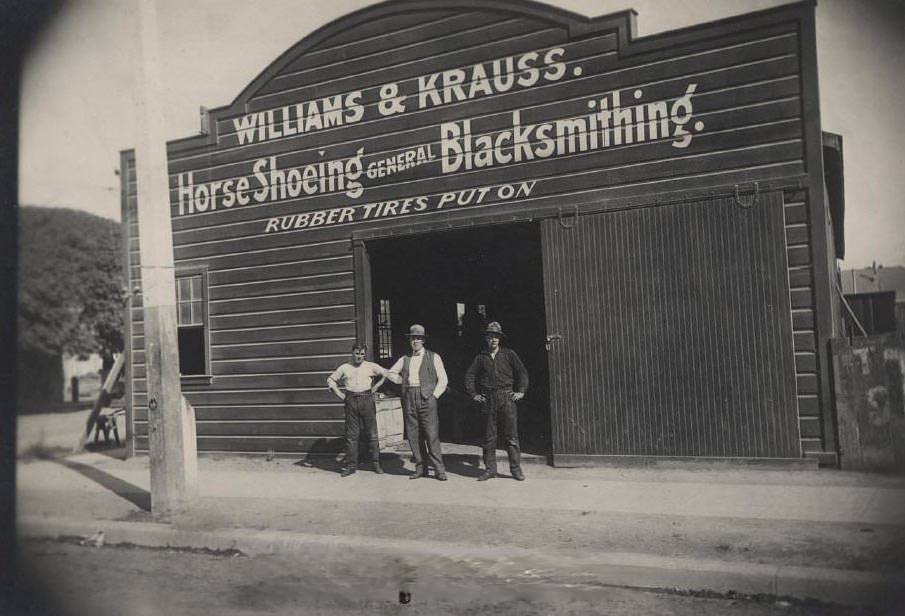
Industries in San Jose ranged from brewing to blacksmithing. The Fredericksburg Brewery’s engine room hummed with activity in 1910, while the Eagle Brewery sat near Market Street north of San Carlos. The San Jose Foundry Machine and Blacksmith Shop employed a large workforce and posed for a group photo in 1915. Workers at the American Can Company, including Velma Bernal, were photographed on the job in 1919, reflecting how women were increasingly part of the industrial workforce by the end of the decade.
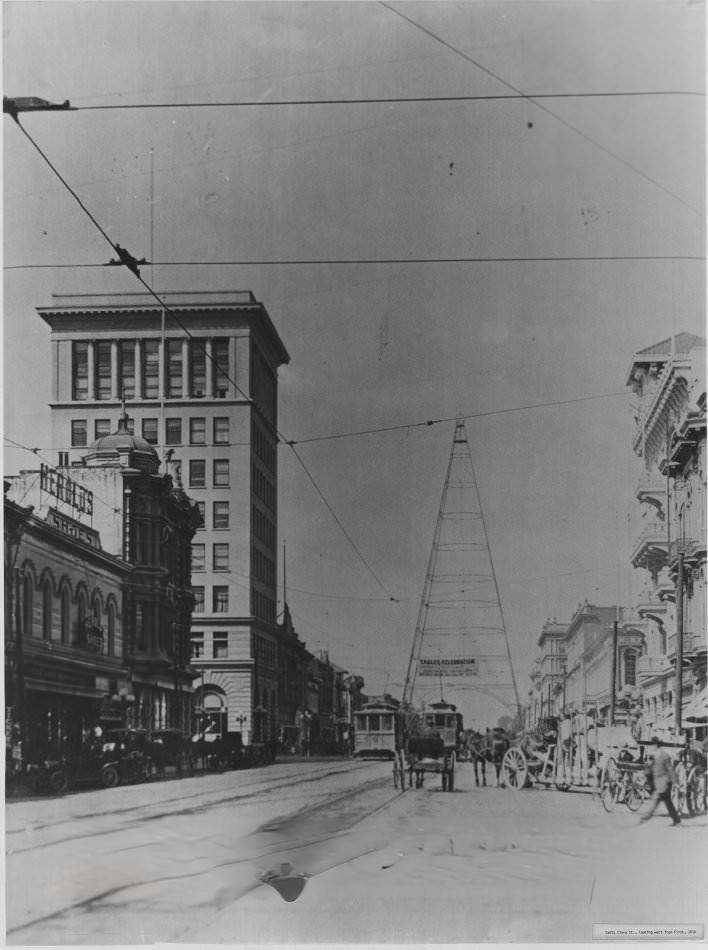
The electric light tower, one of San Jose’s most iconic structures, appeared in photographs day and night throughout the decade. At night, it cast light across the downtown. During the day, it served as a backdrop for street scenes filled with horses, streetcars, shoppers, and automobiles. It captured the moment San Jose stood between two eras — one still relying on horsepower, and one beginning to run on engines and electricity.





Thank you for posting these because it’s always great to get people interested in San Jose history, but to be honest the descriptions are kinda half-assed and sometimes totally incorrect.
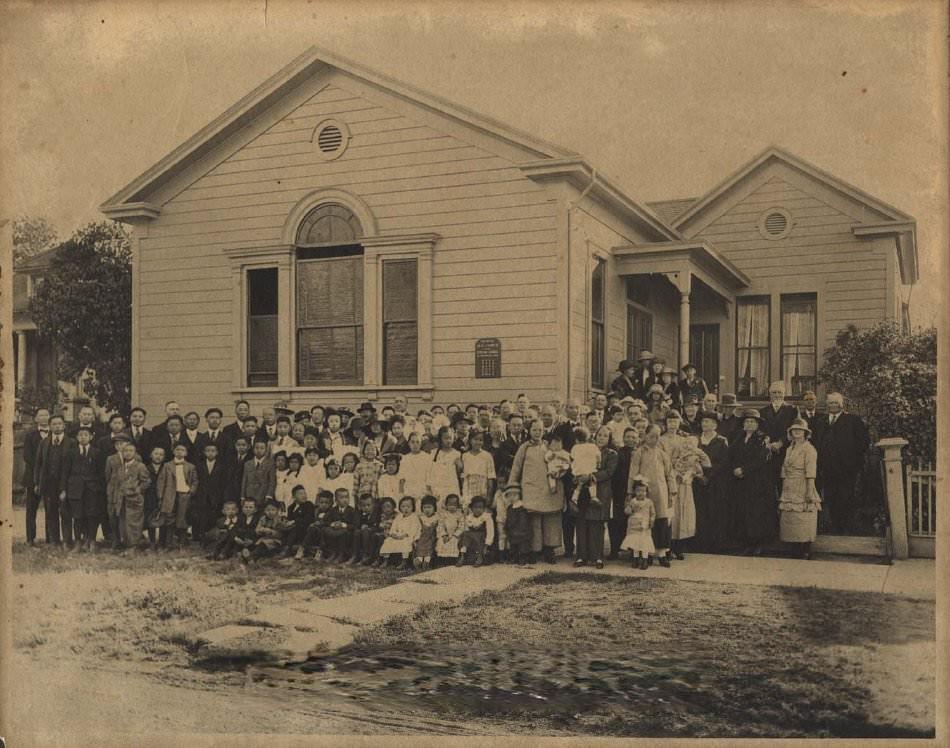
Sad to think we could have had a really cool China Town 🙁
Interesting! One of the photos is the Hotel Del Coronado, which is in San Diego, not San Jose. 🤔