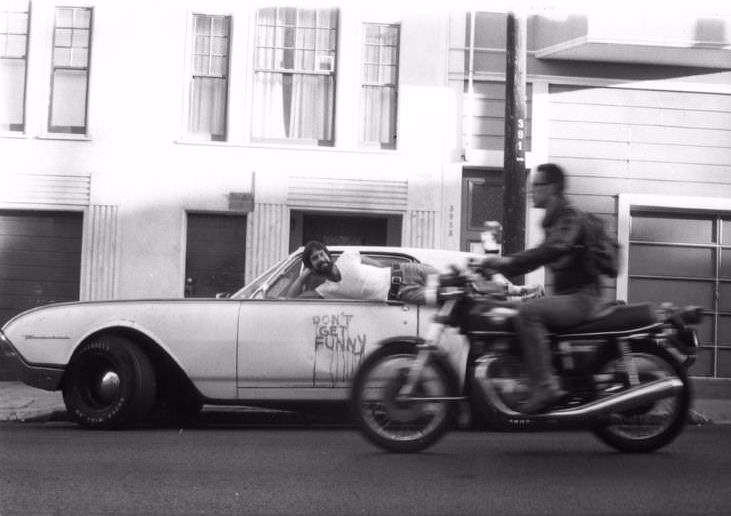
San Francisco in the 1970s was a city unlike any other. The Summer of Love was technically over, but the spirit it left behind had soaked into the sidewalks. Bohemians, street musicians, bongo players, and jewelry makers still filled the neighborhoods. The city was loud, colorful, and deeply alive — and photographer Mr. Flikker was there to capture it all.
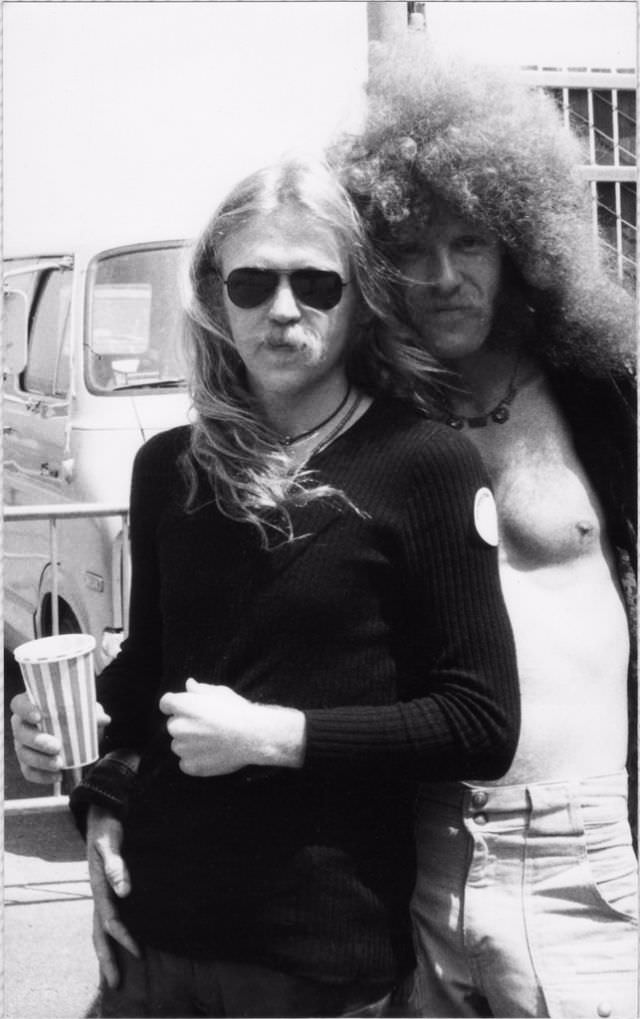
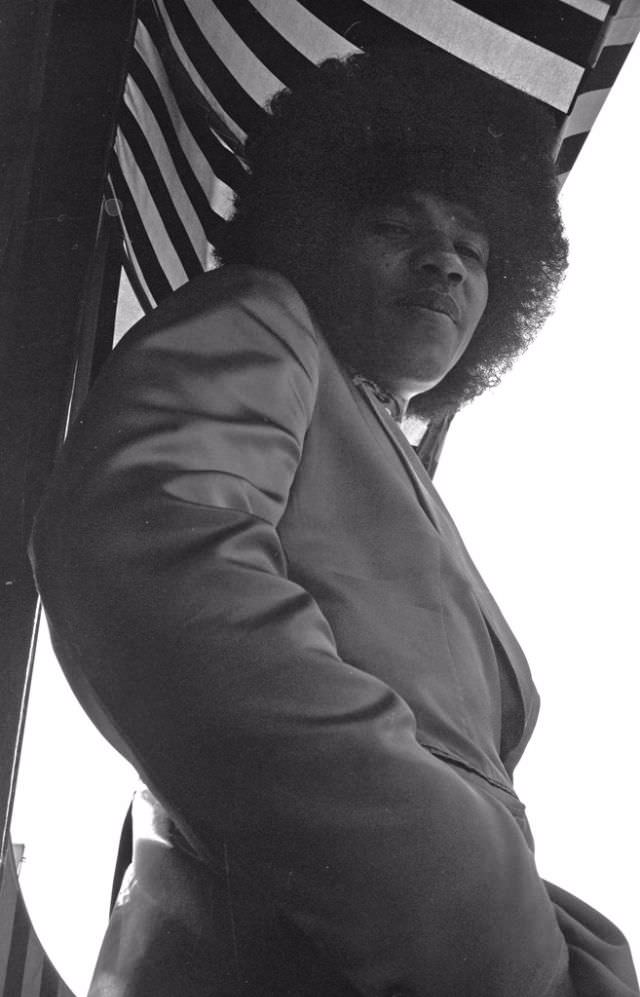
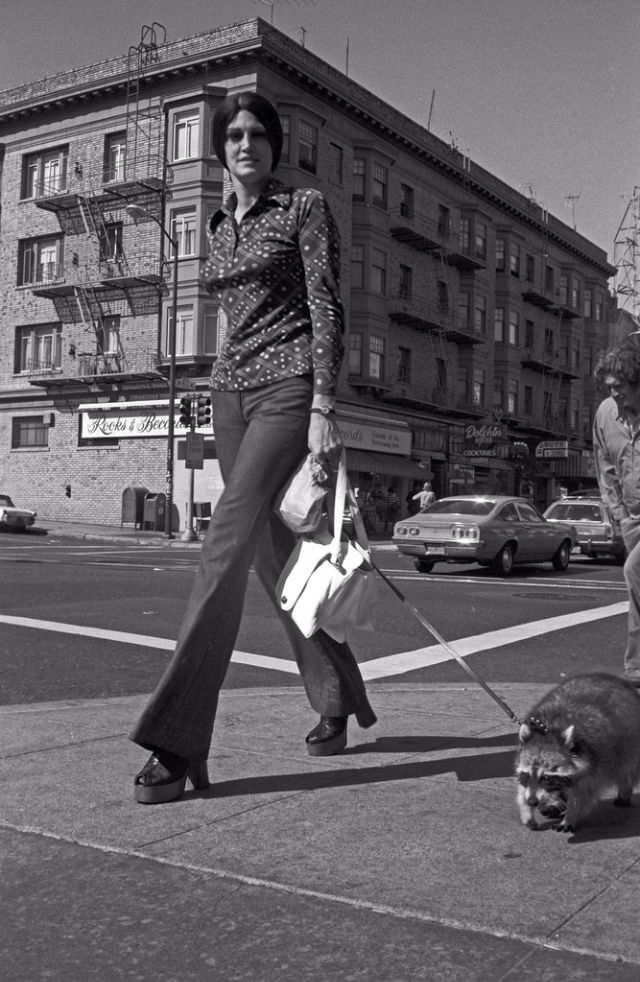
By 1973, the streets of San Francisco were a stage. People dressed boldly, moved freely, and made no apologies for who they were. The city’s neighborhoods each had their own rhythm, and the sidewalks were where that rhythm played out every single day.
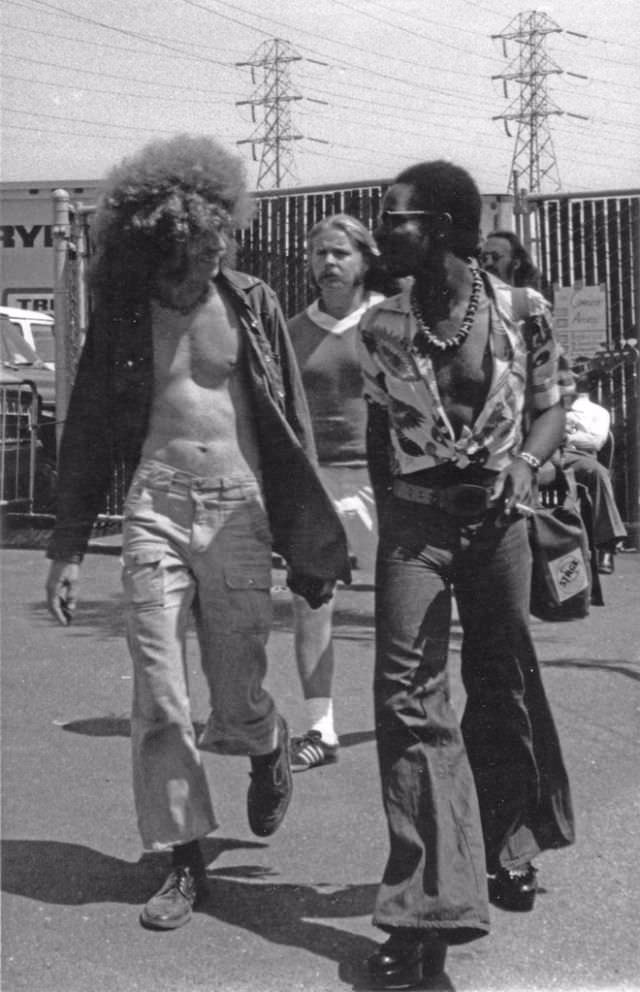
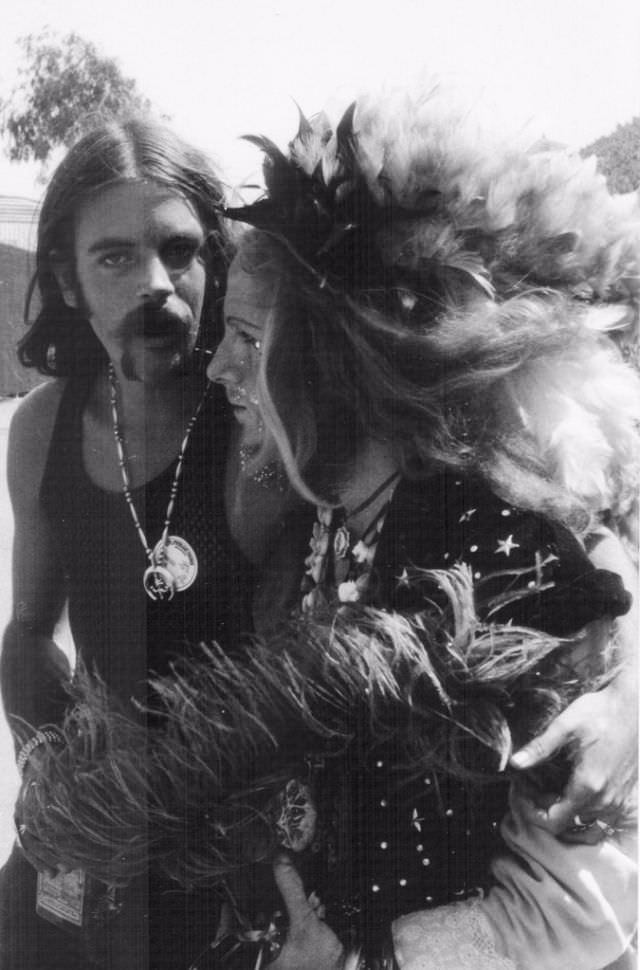
Public transit was just as much a part of street life as the sidewalks themselves. San Francisco’s buses carried a daily cross-section of the city — workers, wanderers, artists, and everyone in between. Mr. Flikker turned his lens on these riders in 1974, finding portraits as compelling as anything found outdoors.
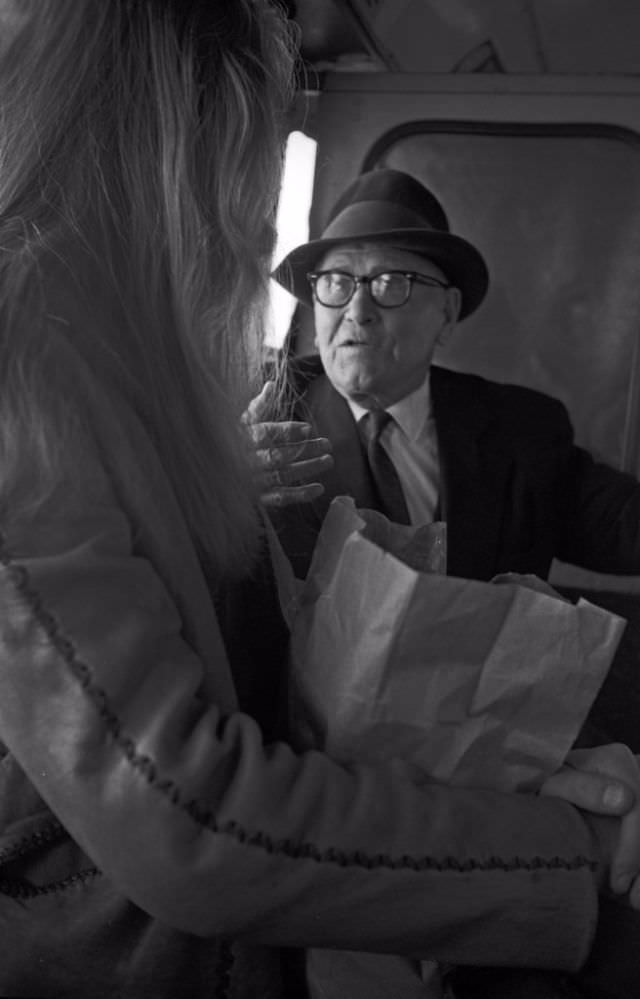
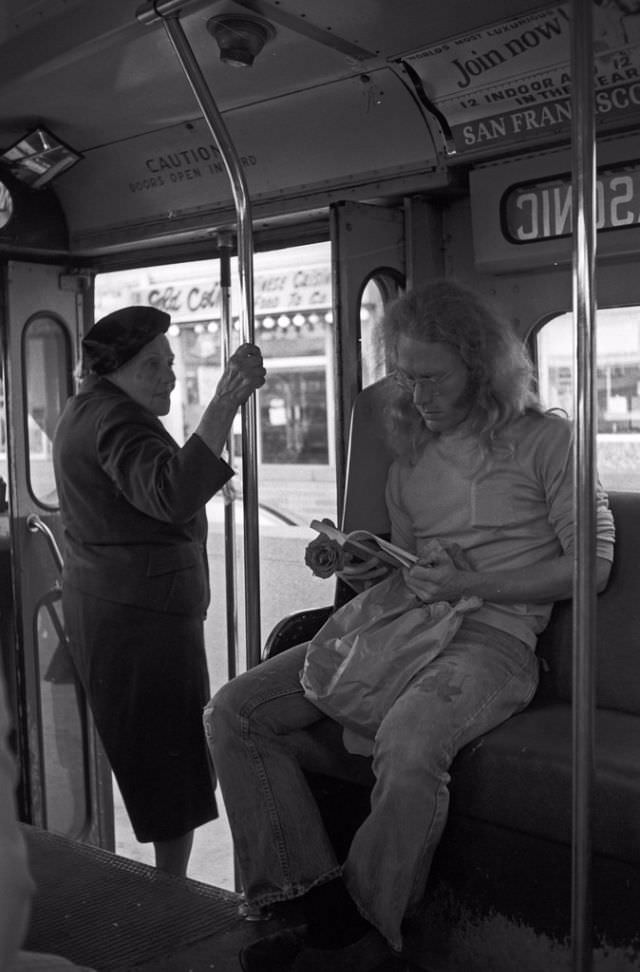
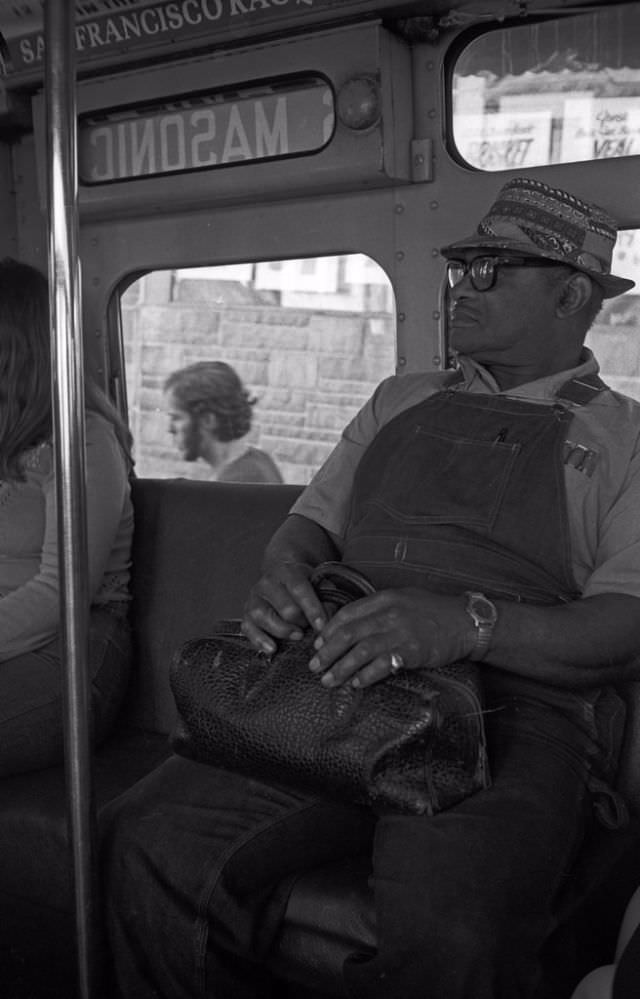
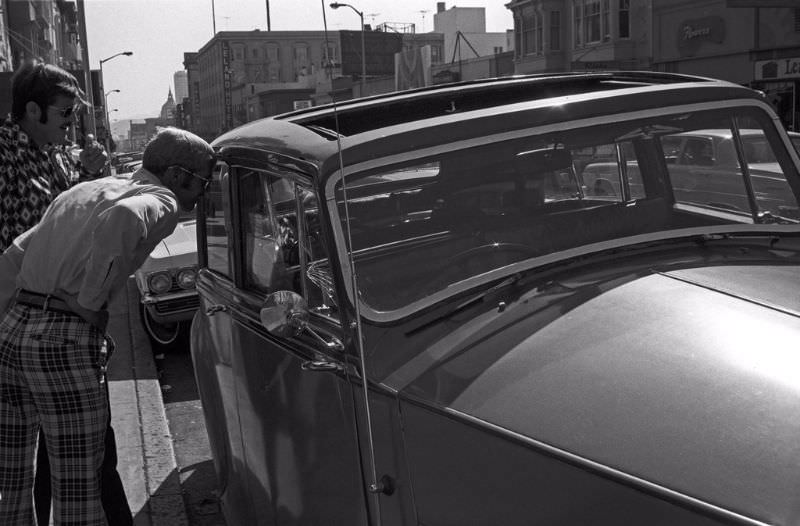
Reading in public was a common sight in 1974 San Francisco. Books, newspapers, and pamphlets were passed around freely in a city with a deep culture of ideas and independent thought. Polk Street, one of the city’s most eclectic corridors, drew a wide mix of people — from long-time locals to those on the fringes, simply trying to get by.
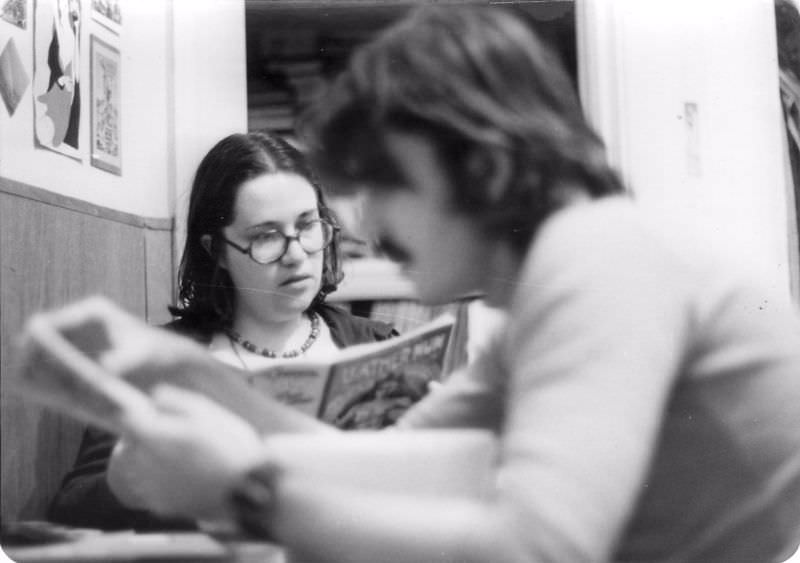
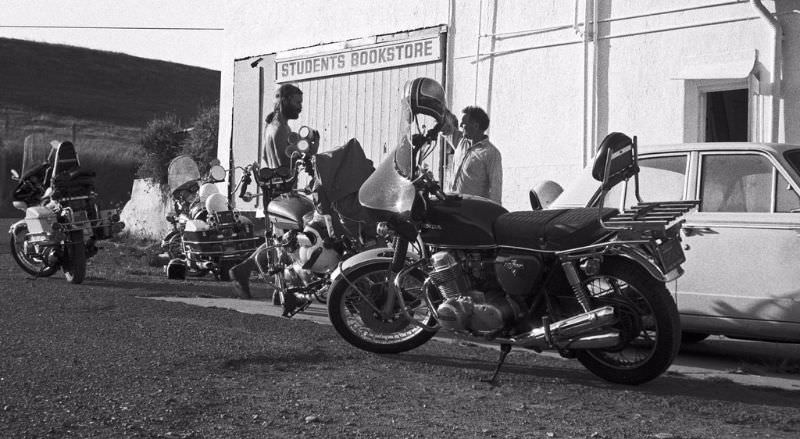
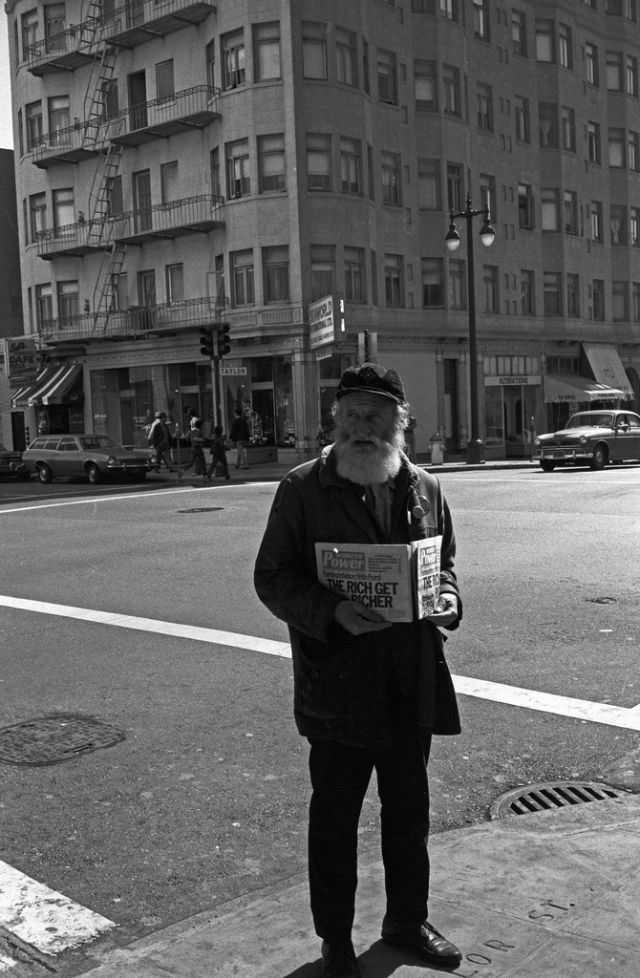
Bookstores were gathering points for the city’s intellectual crowd. The Students Bookstore on Polk Street was one such place — a hub where ideas were bought, sold, and debated. Nearby, the Tenderloin district told a different story. An old man holding a newspaper with the headline “The Rich Get Richer” captured the economic tension that ran just beneath the city’s vibrant surface.
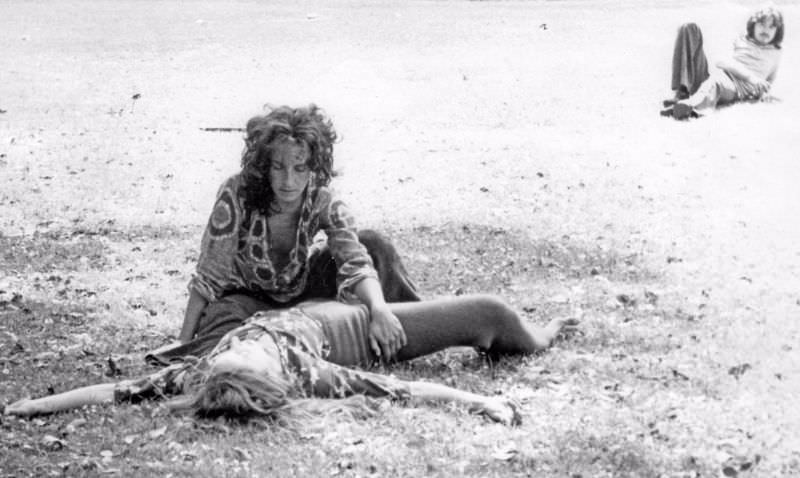
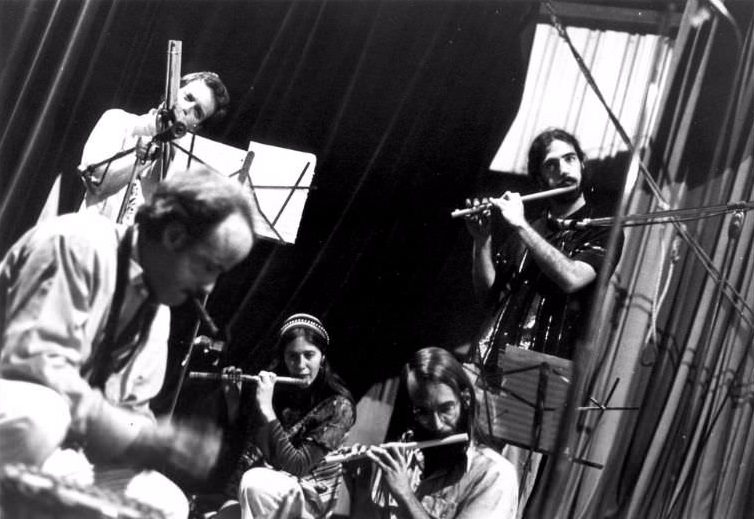
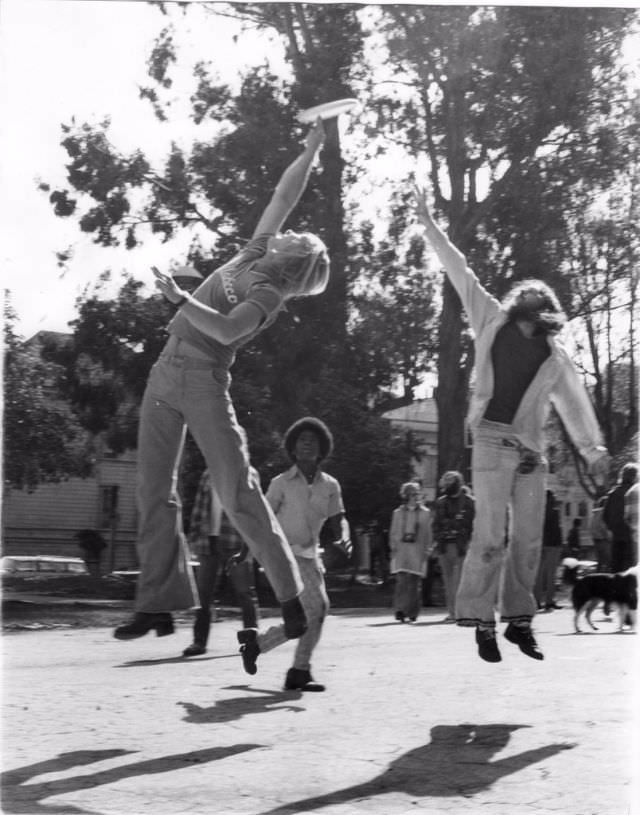
Golden Gate Park remained one of the city’s great open-air meeting grounds throughout the decade. By 1975, it was still a place where musicians gathered, frisbees flew through the air in the Panhandle, and people in platform shoes strolled without a care. The Farm — a community space at 1499 Potrero — hosted live music and gave artists and performers a place to rehearse and connect.
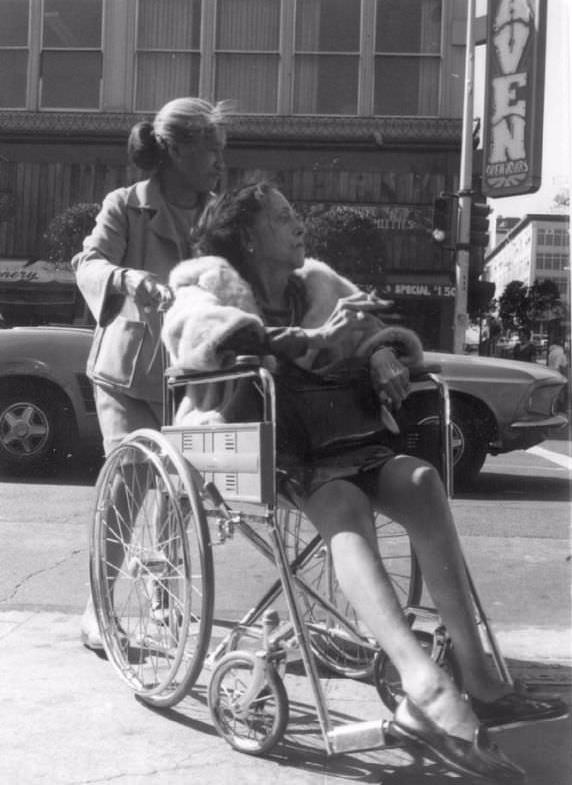
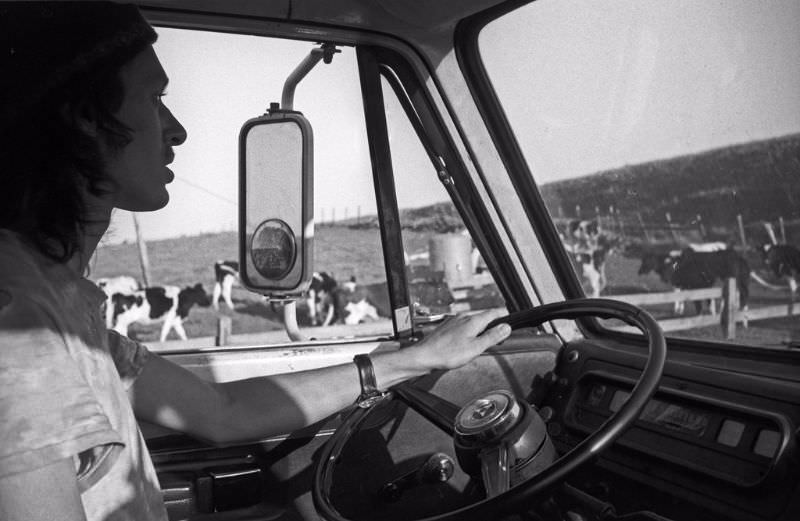
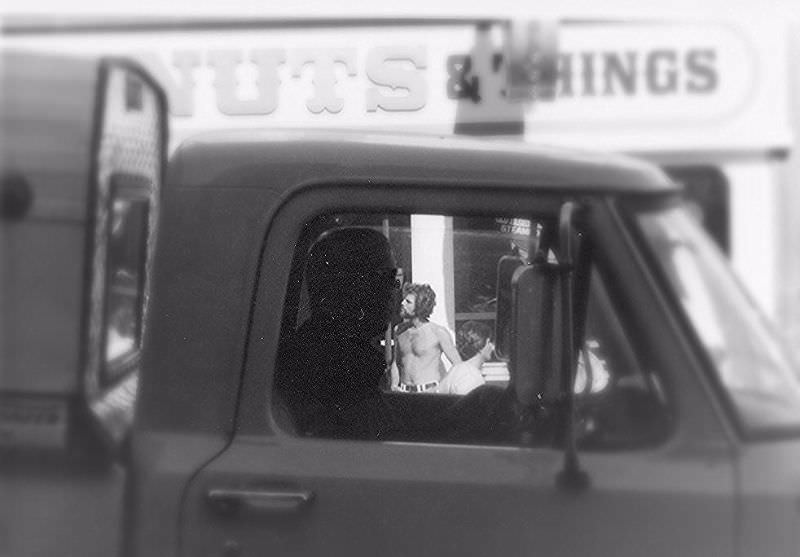
Polk Street in 1975 was a world unto itself. The strip buzzed with energy at all hours — shopkeepers, regulars, and passersby all moving through it on their own schedules. Mr. Flikker photographed it repeatedly, drawn back by the sheer variety of characters it produced. Even a van driver caught in traffic became a worthy subject.
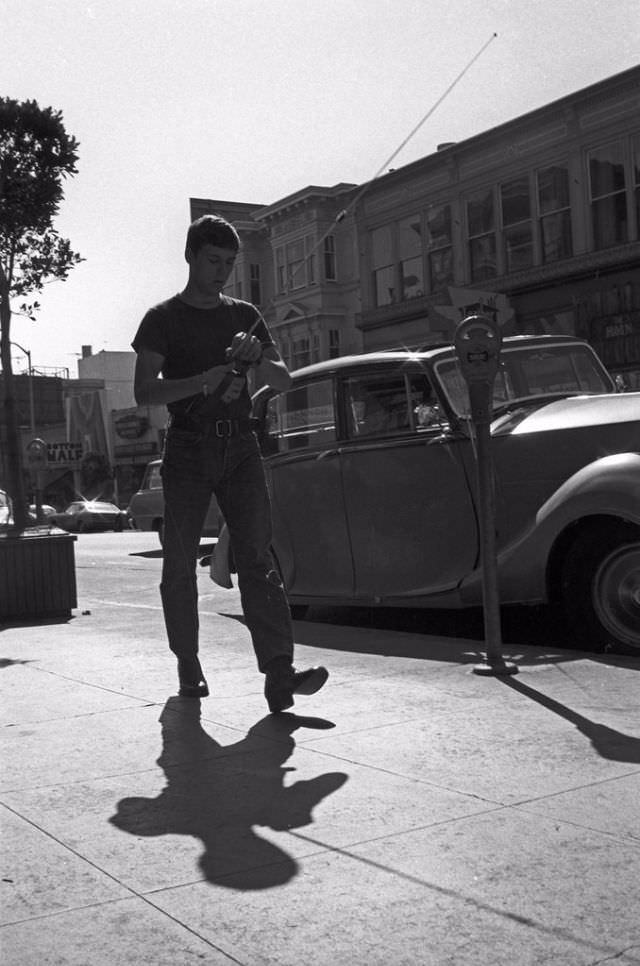
By 1976, The Farm at 1499 Potrero had become a real community anchor. Dance groups like Tumbleweed rehearsed there, and the space drew young people who were building something creative and communal outside of mainstream institutions. These were not just spaces for art — they were spaces for a different way of living.
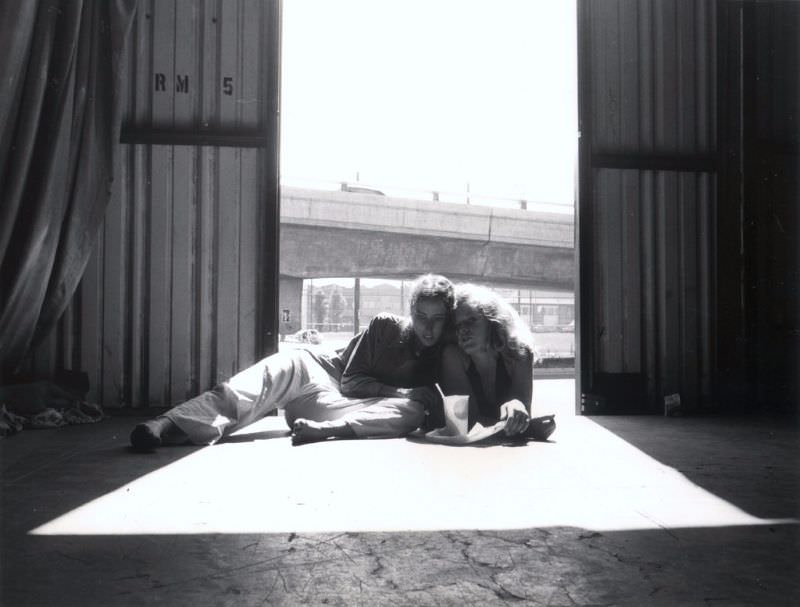
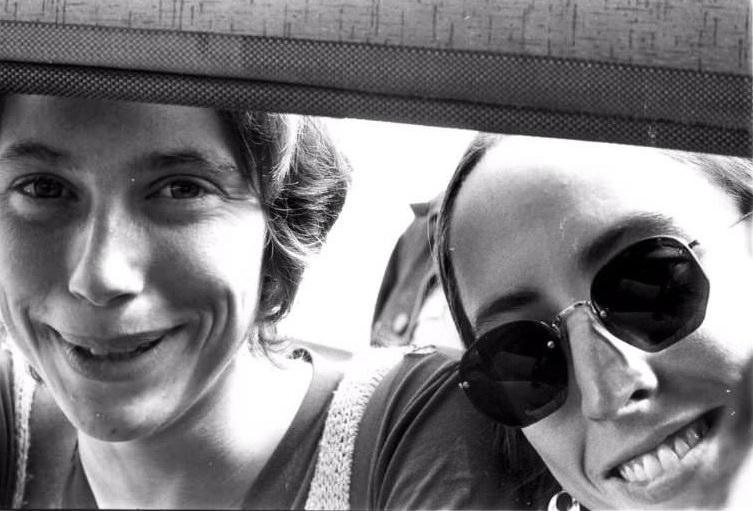
By September 1977, the Castro had become one of the most talked-about neighborhoods in America. Gay men, known at the time as “Castro clones” for their shared aesthetic of flannel shirts, tight jeans, and mustaches, cruised Castro Street on Sunday afternoons in large numbers. The neighborhood was openly and unapologetically queer, and the streets reflected that with a confidence rarely seen elsewhere in the country at the time.
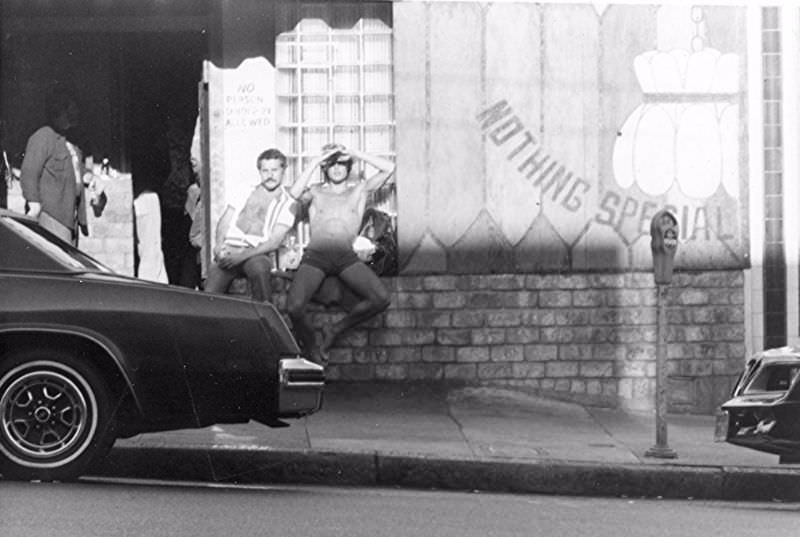
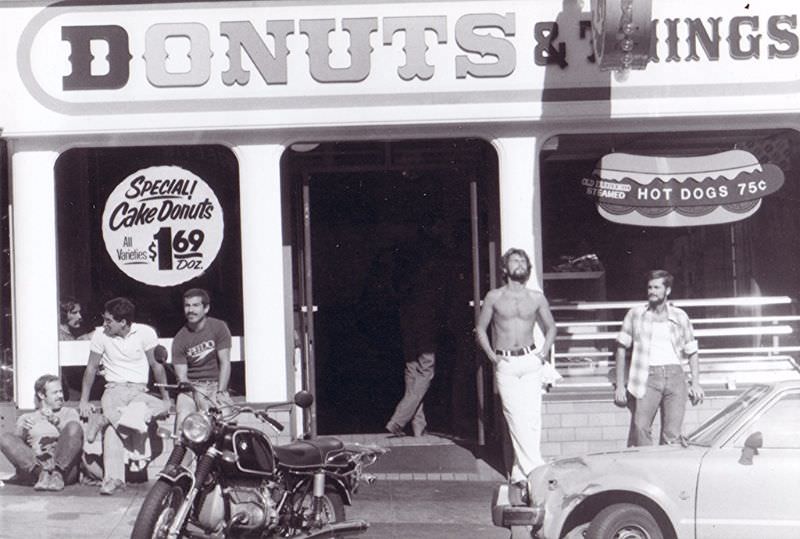
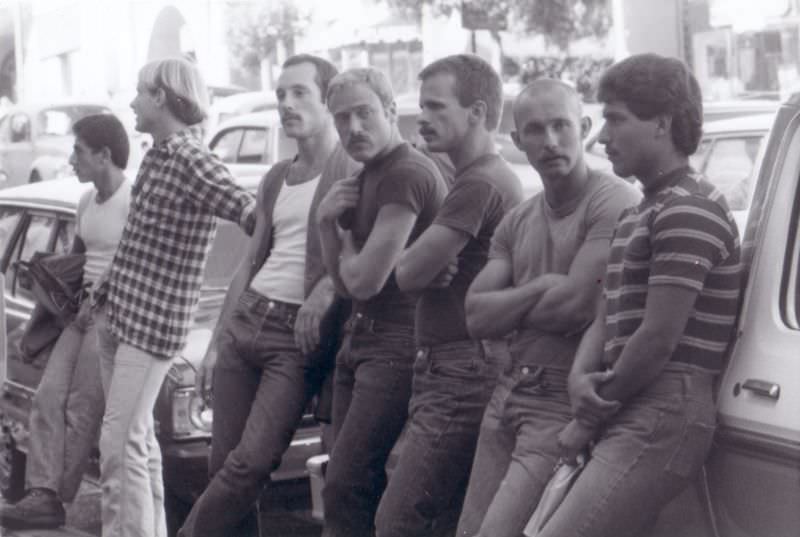
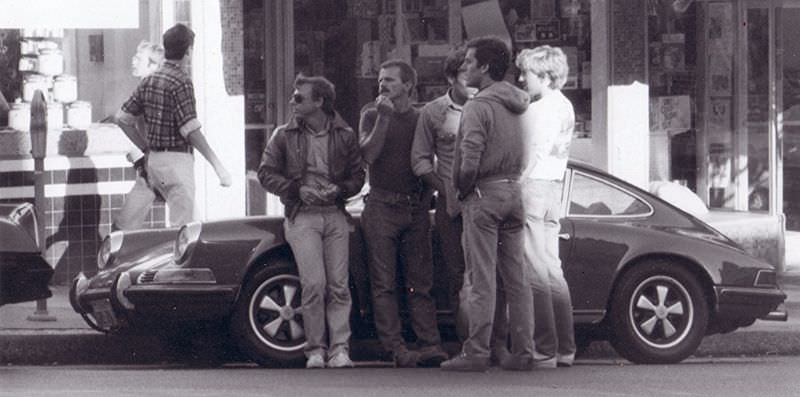
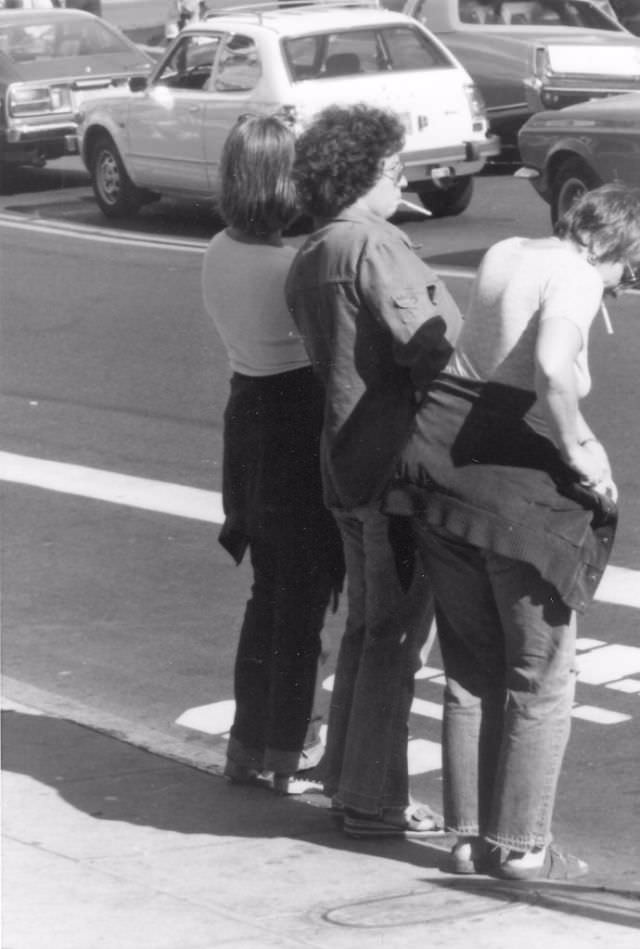
The Castro in 1977 was not only a gathering place for gay men. Lesbians also claimed space in the neighborhood, and Mr. Flikker documented their presence alongside everyone else. Foot traffic on 18th Street was constant — people crossing, lingering, and watching the world move around them.
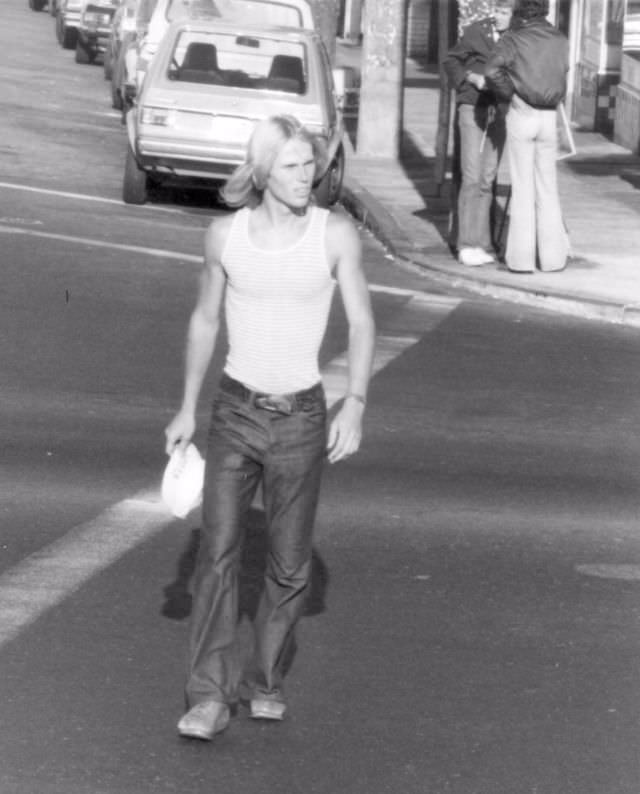
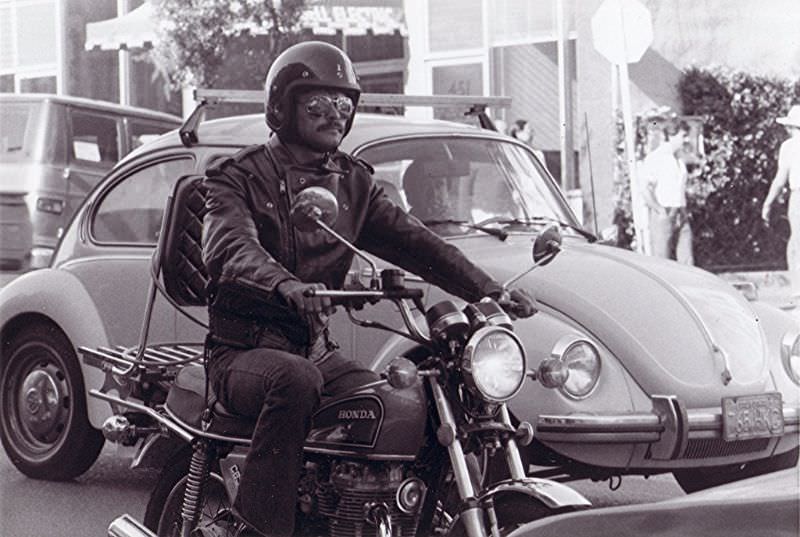
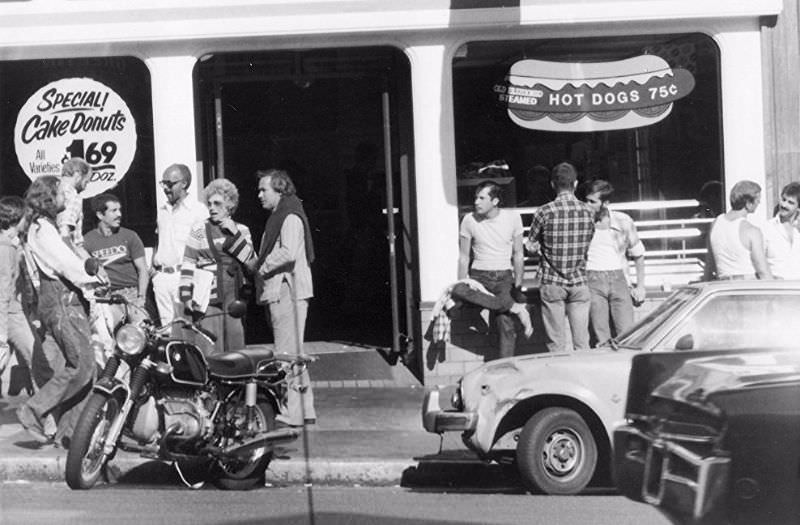
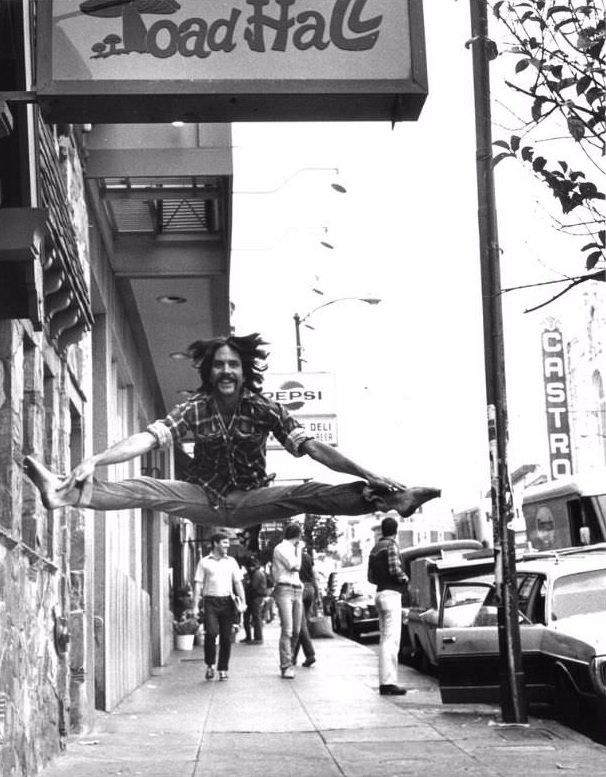
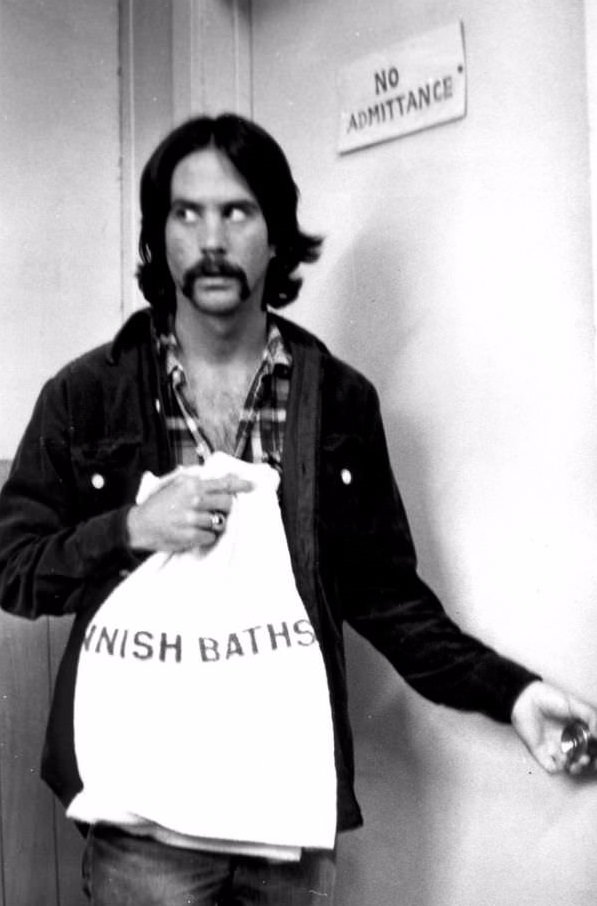
As the decade moved toward its close, the Castro’s landmarks became well known. Toad Hall on Castro Street was a popular bar, and the energy outside it matched what was happening within. In 1978, a man leaping in front of it summed up the mood of the neighborhood perfectly — unrestrained and full of life. That same year, someone with a Finnella’s Finnish Baths towel was caught sneaking into a forbidden zone, a small act of rebellion that fit perfectly into the city’s character.
By 1979, the decade was winding down, but San Francisco’s streets were still full of attitude. A sign on 18th Street between Sanchez and Noe reading “Don’t Get Funny” seemed almost ironic in a city that had spent the entire decade doing exactly that.