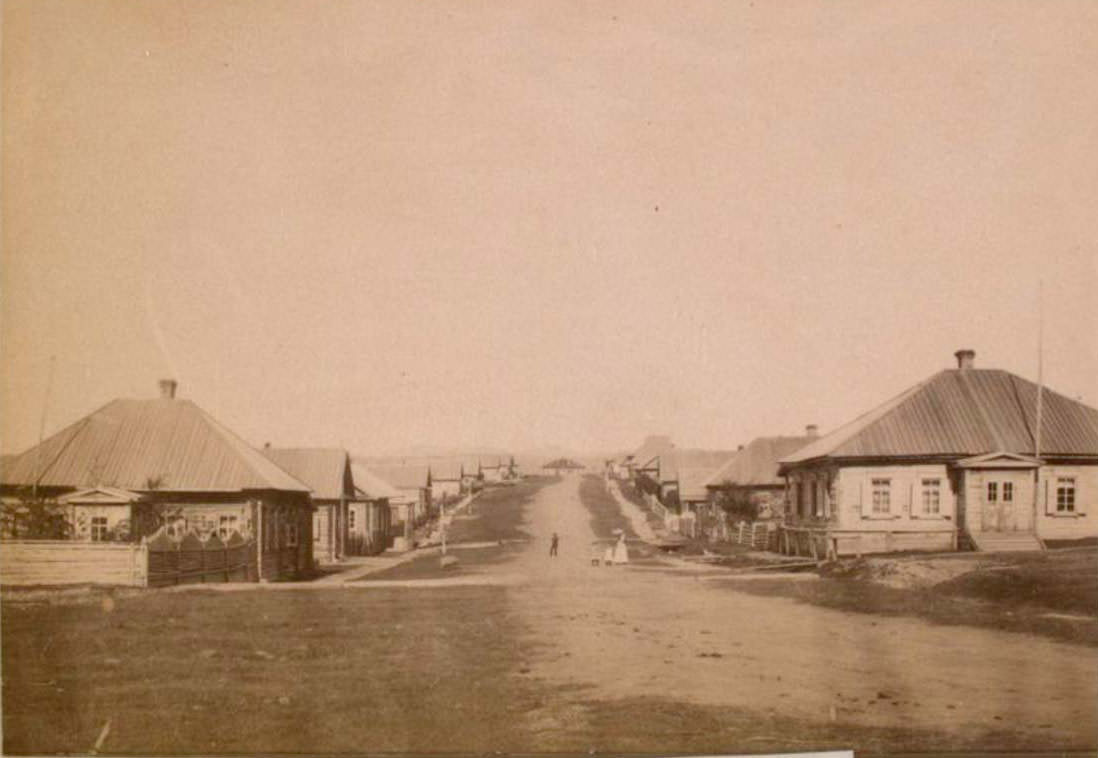
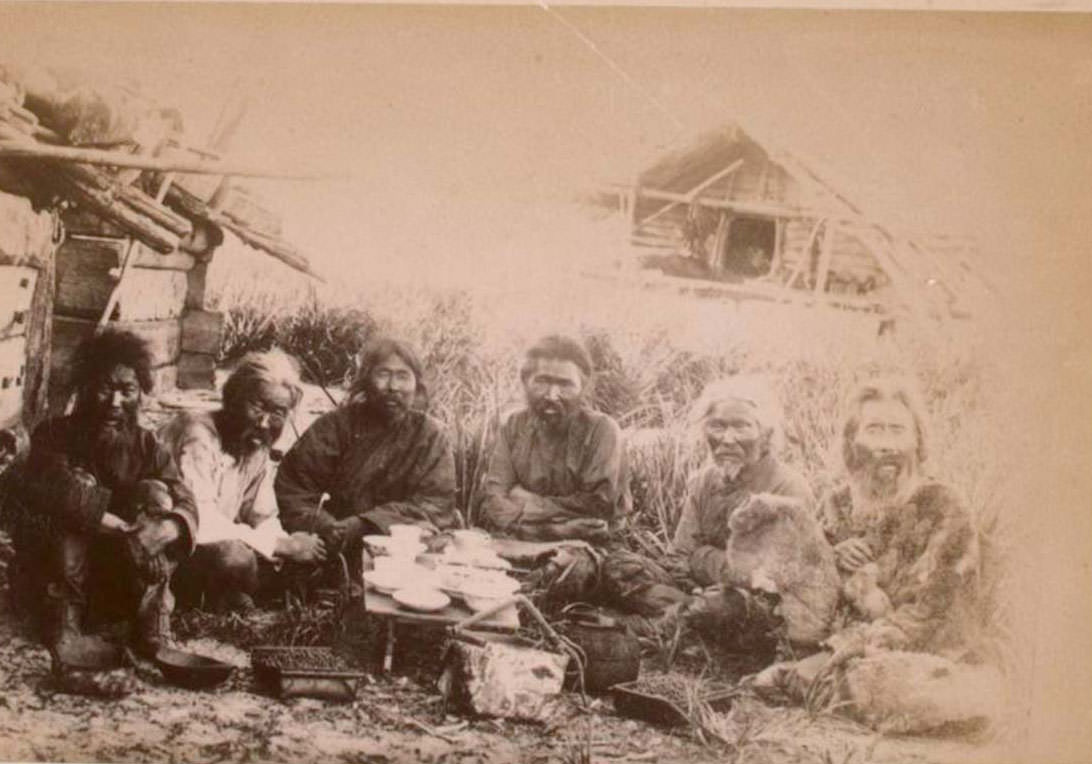
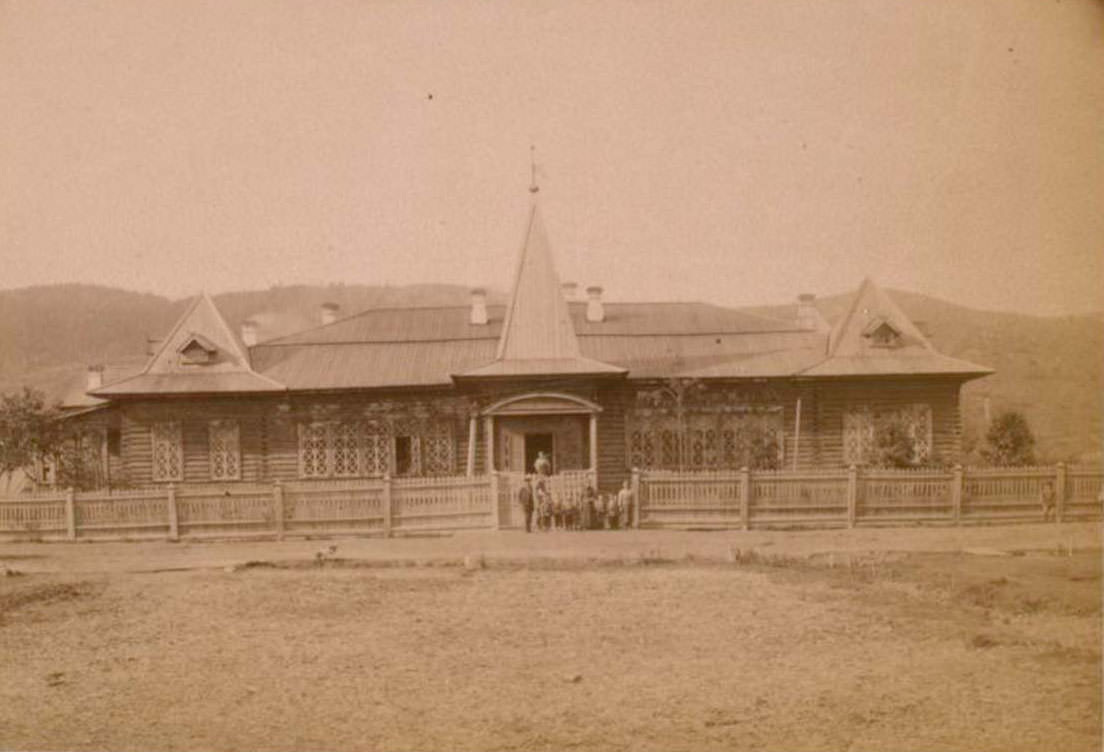
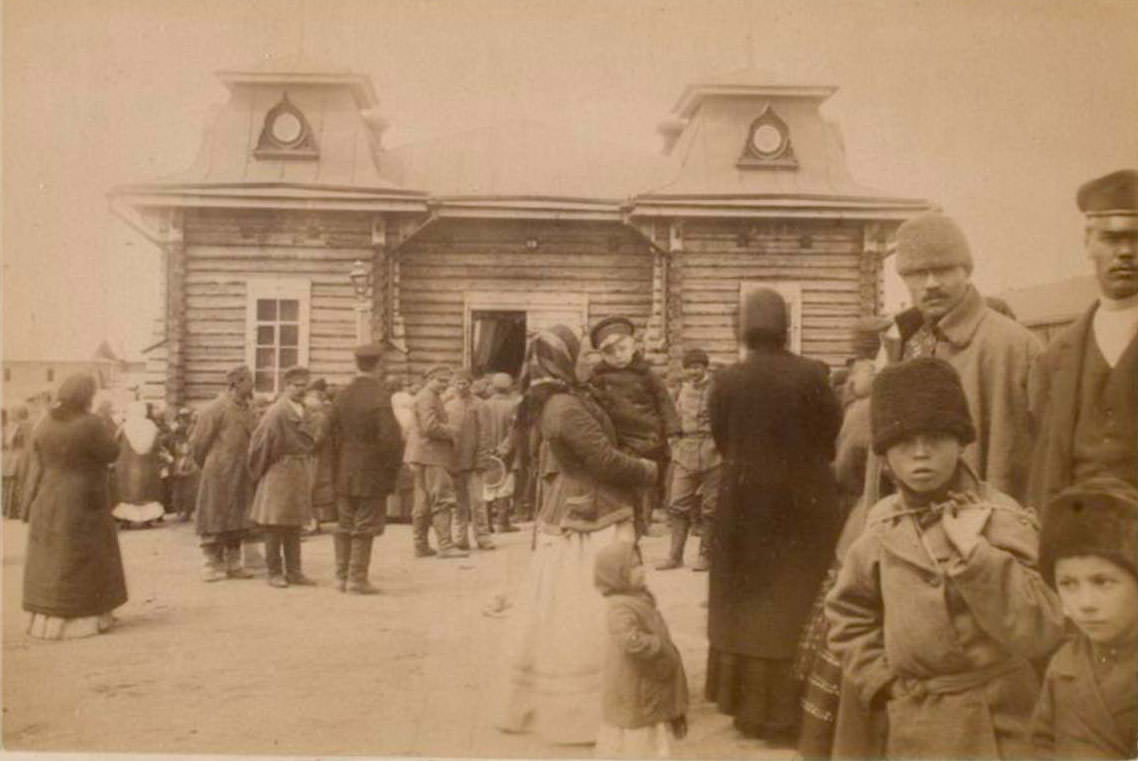
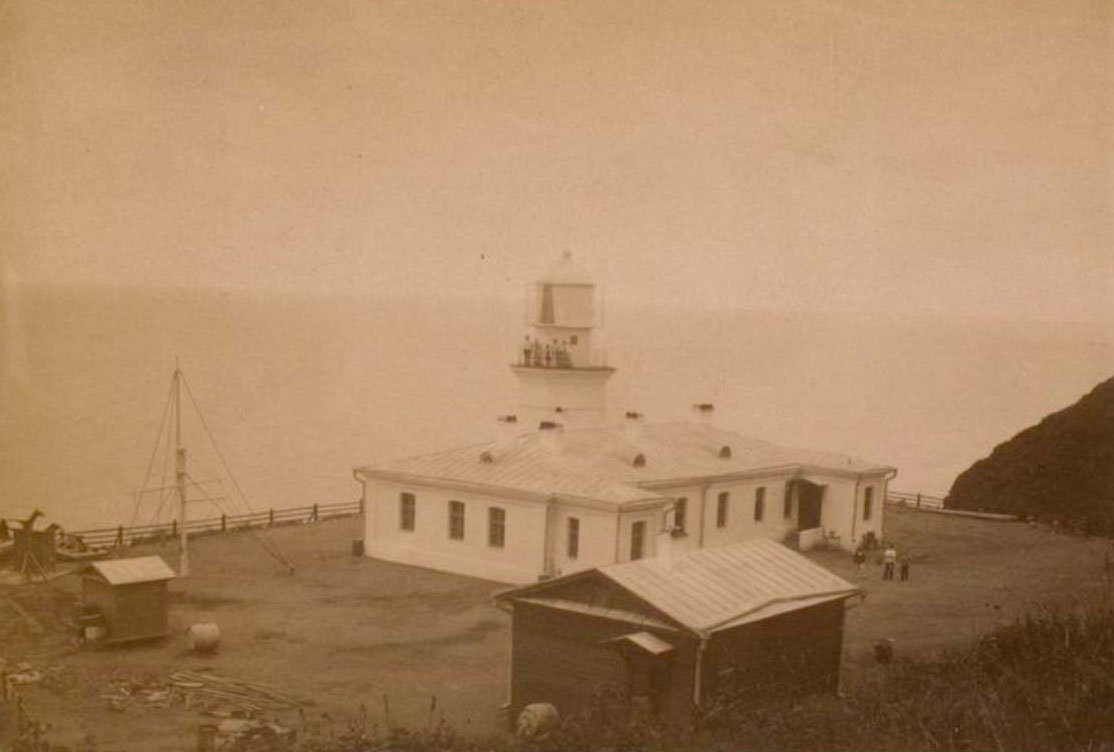
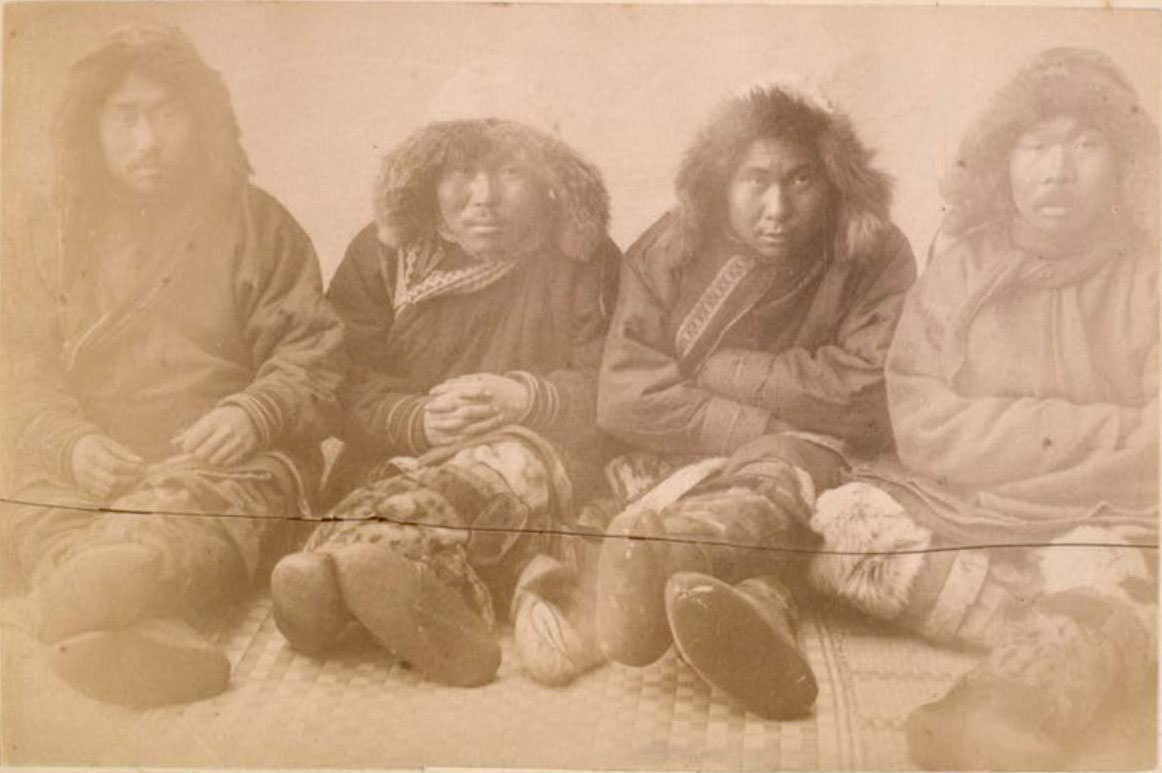
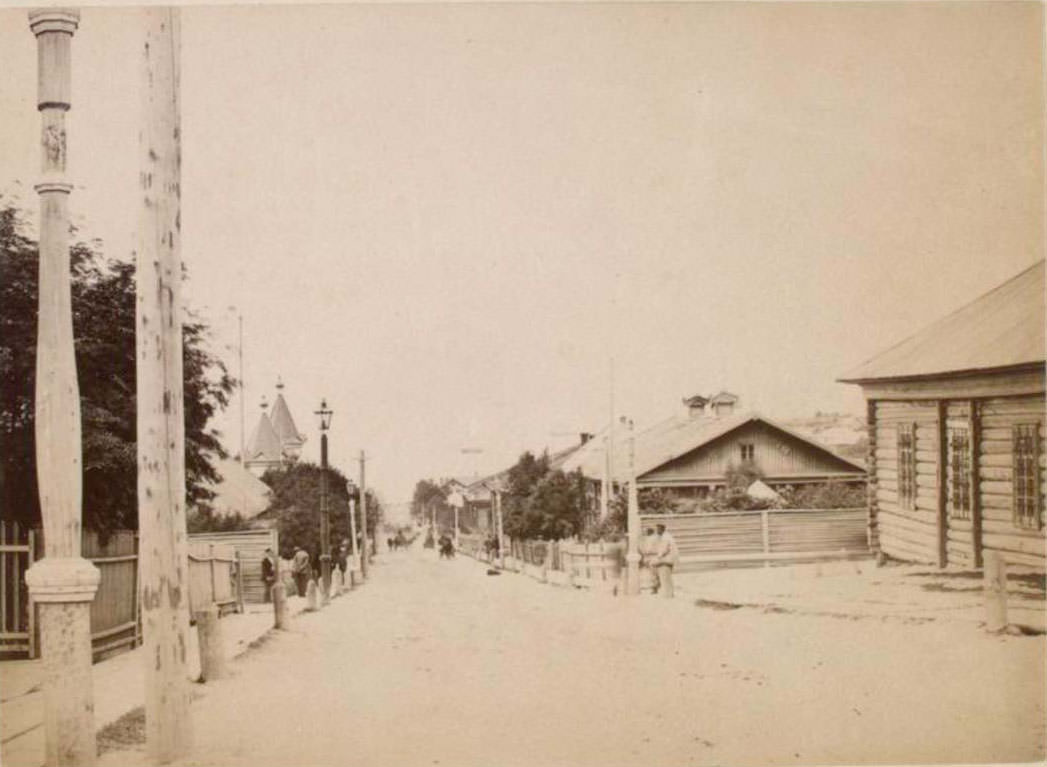
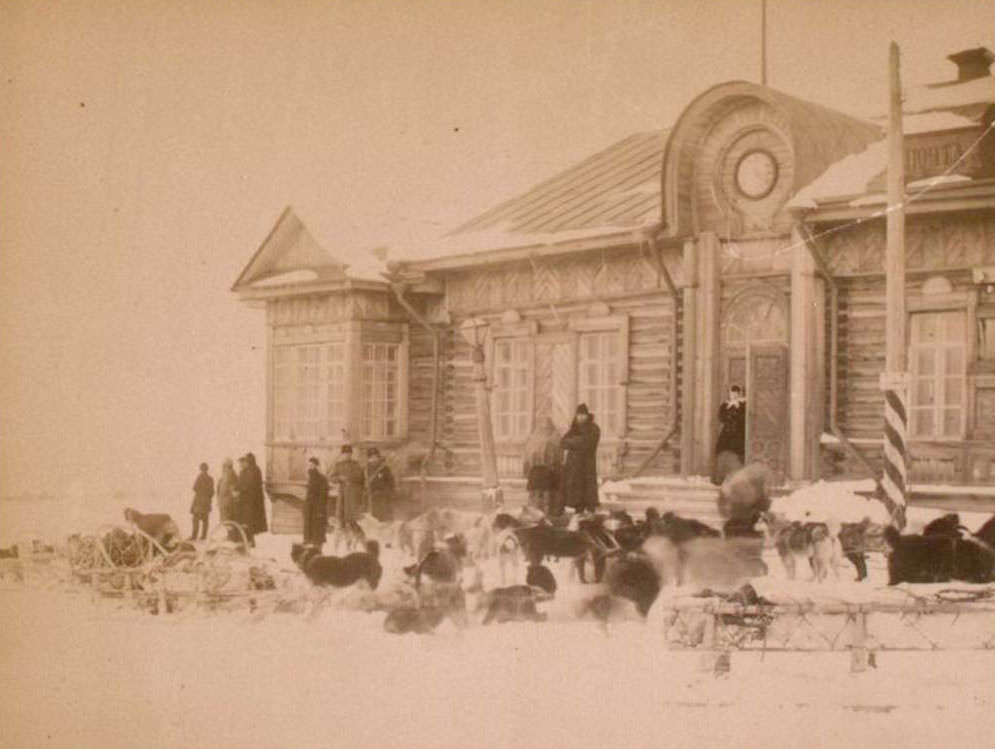
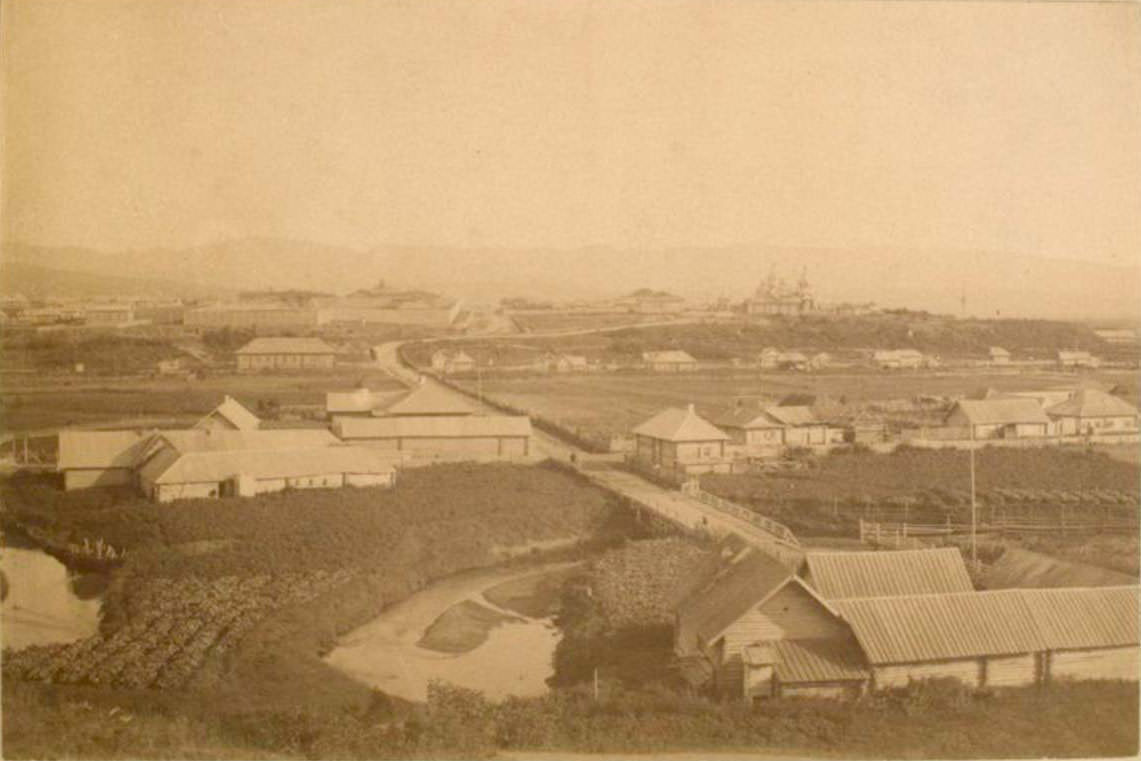
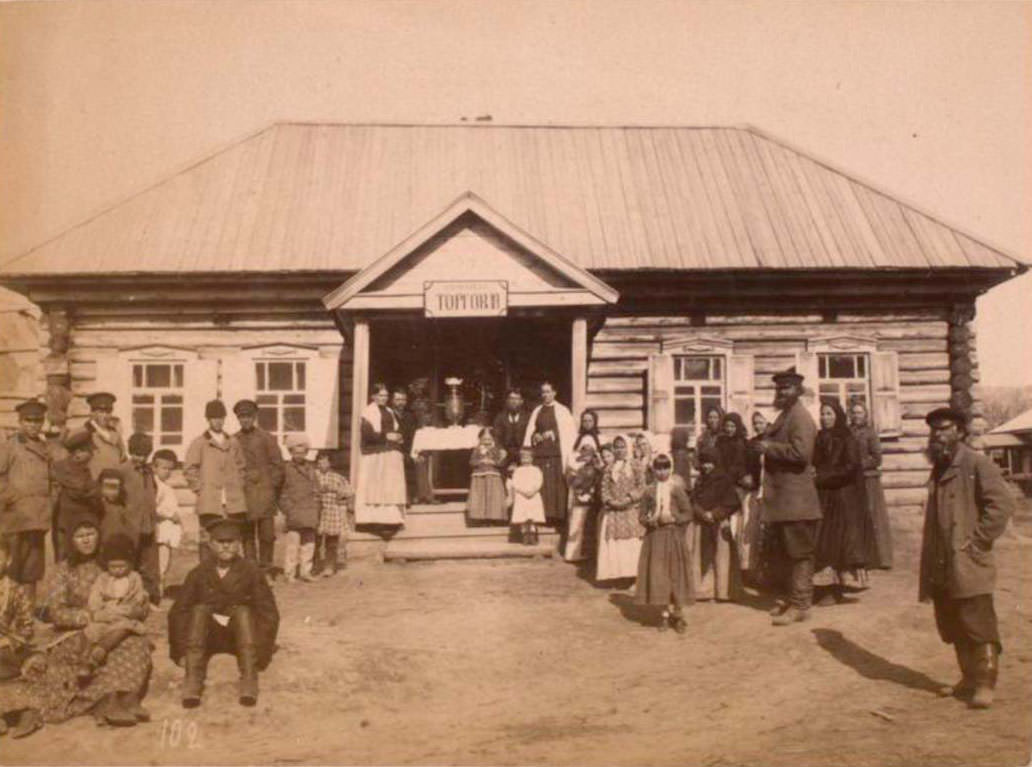
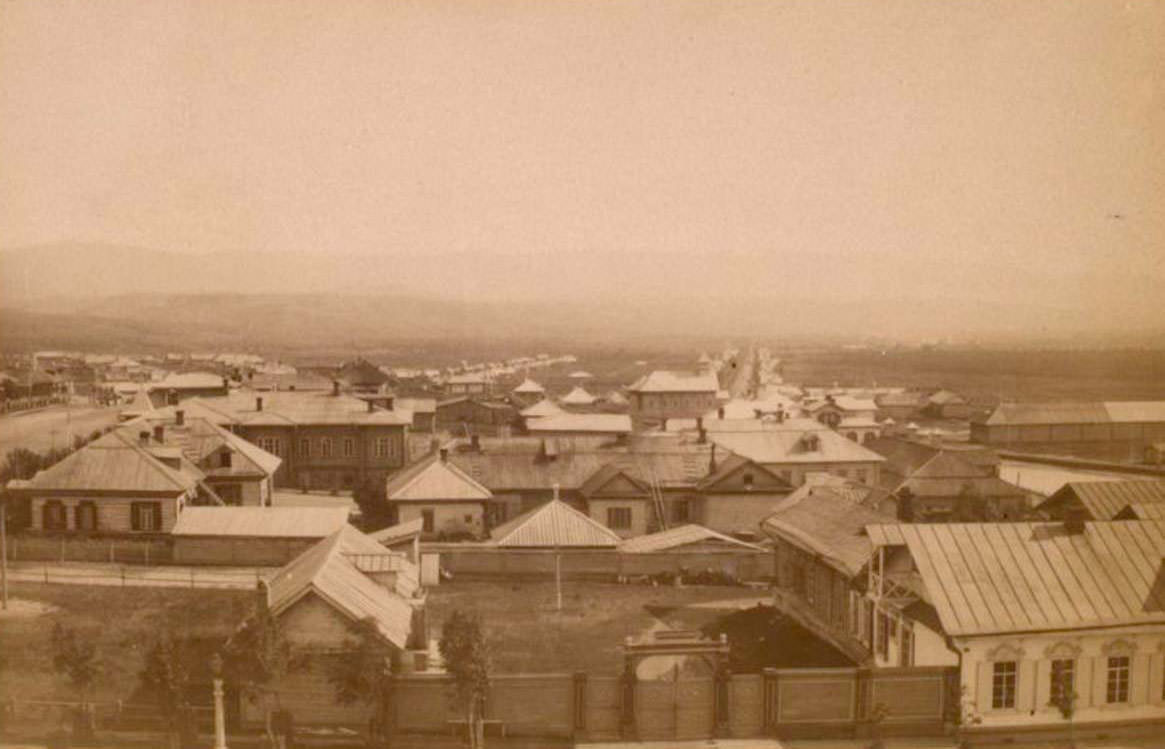
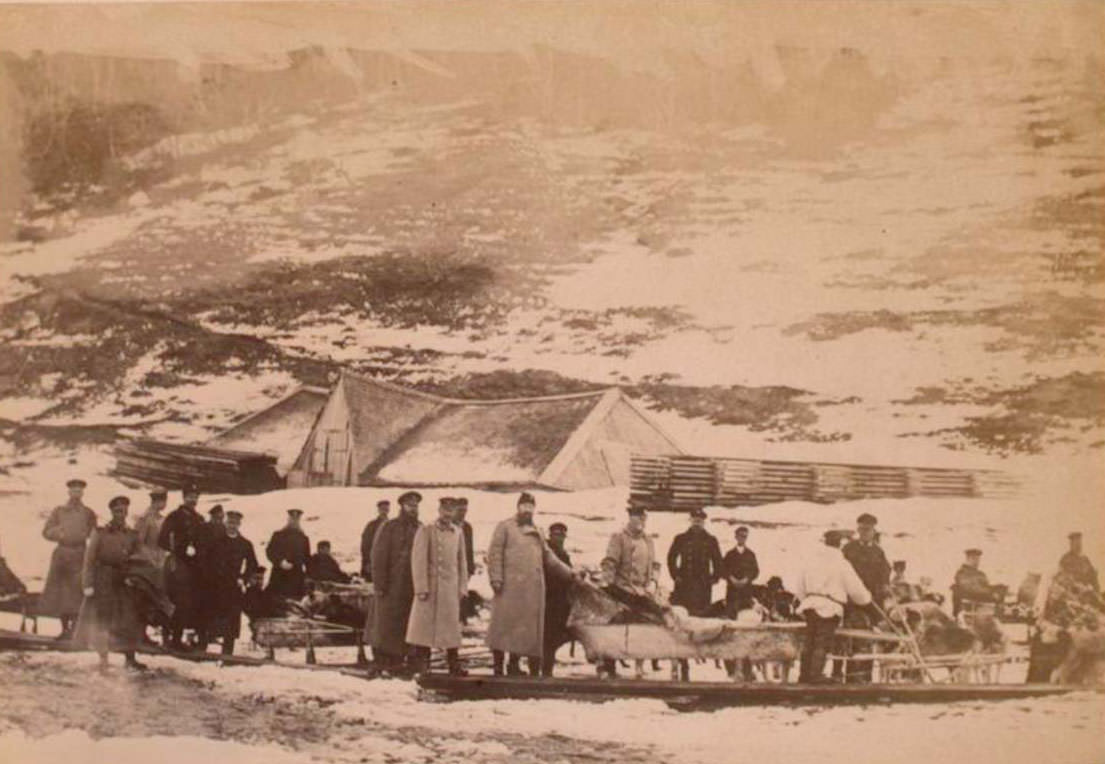
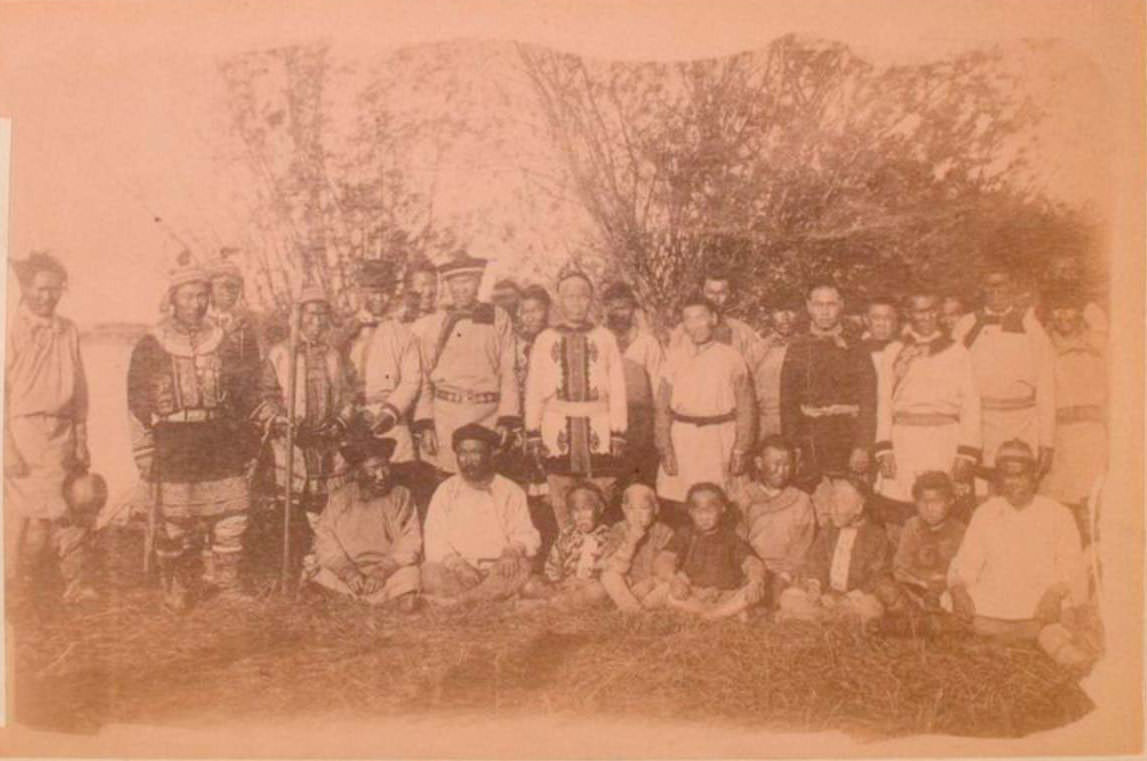
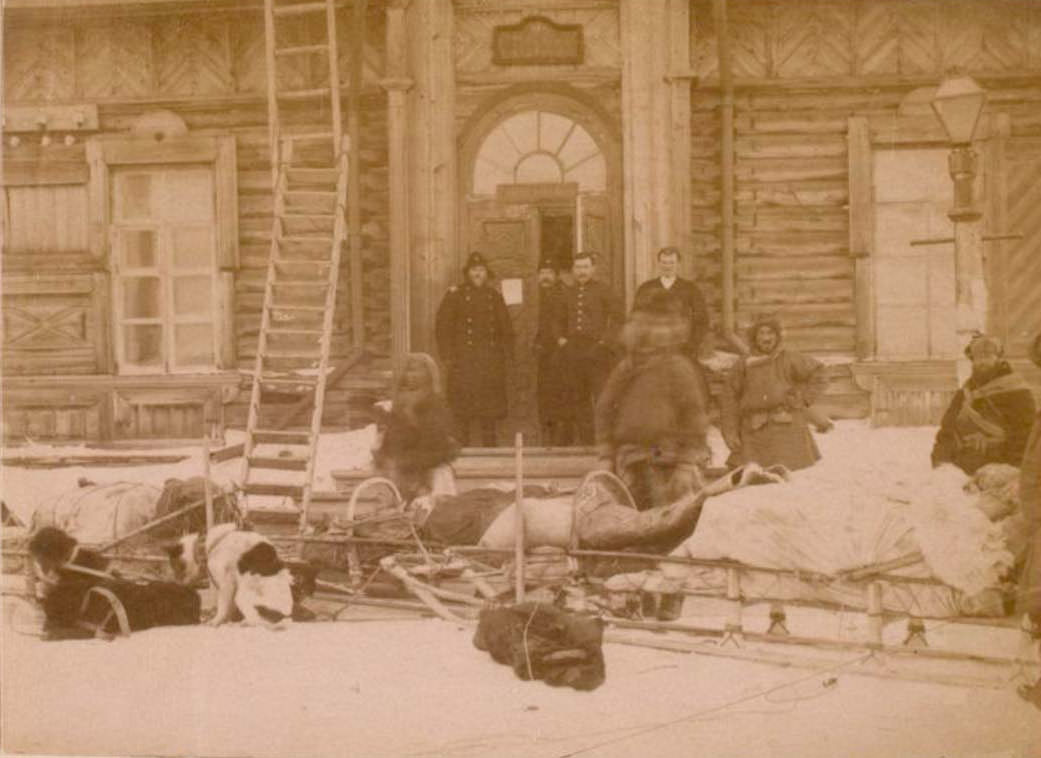
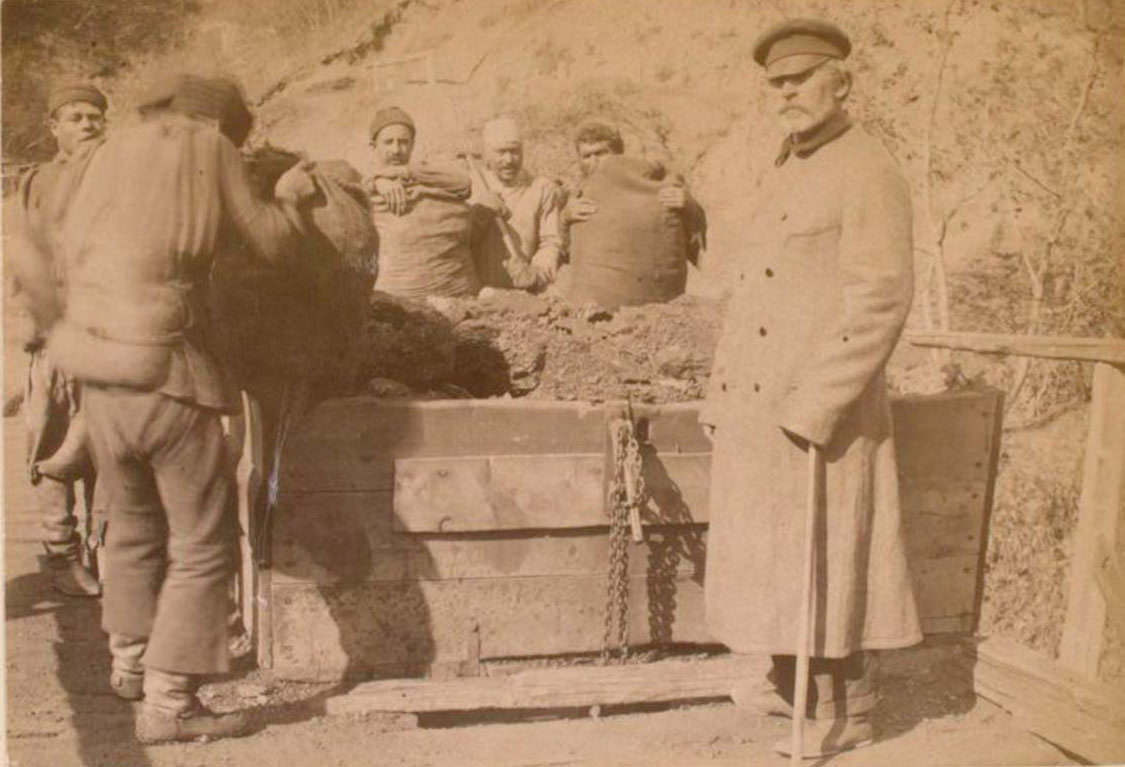
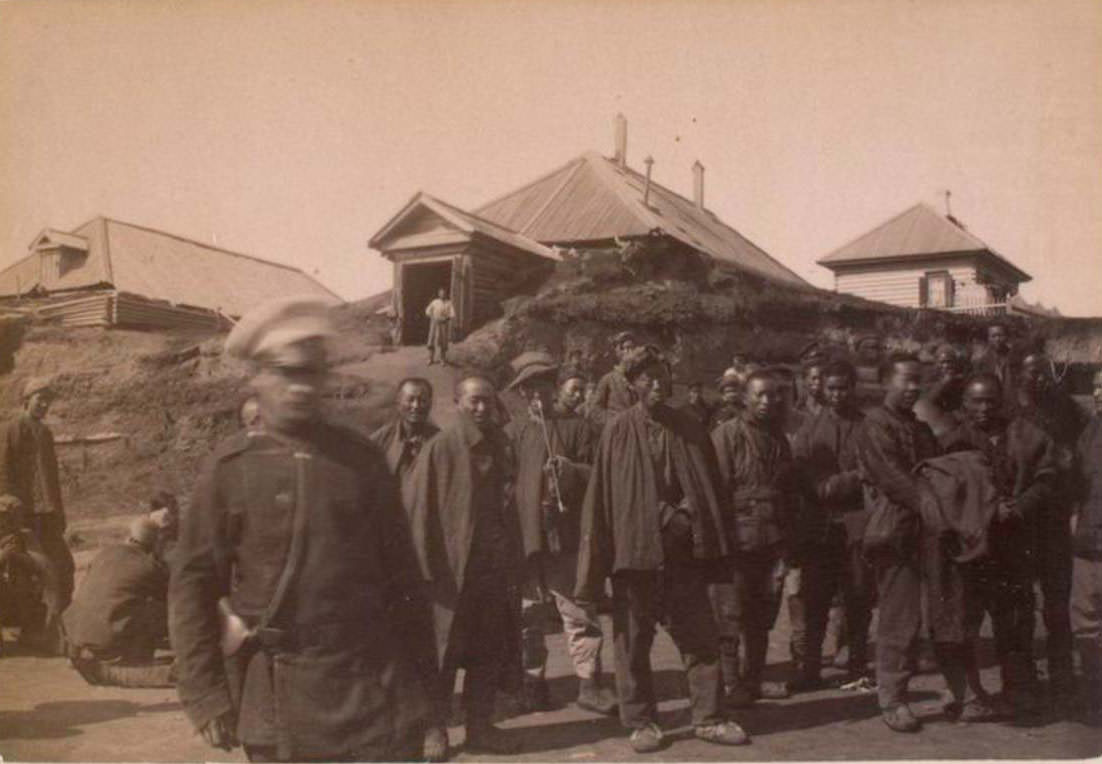
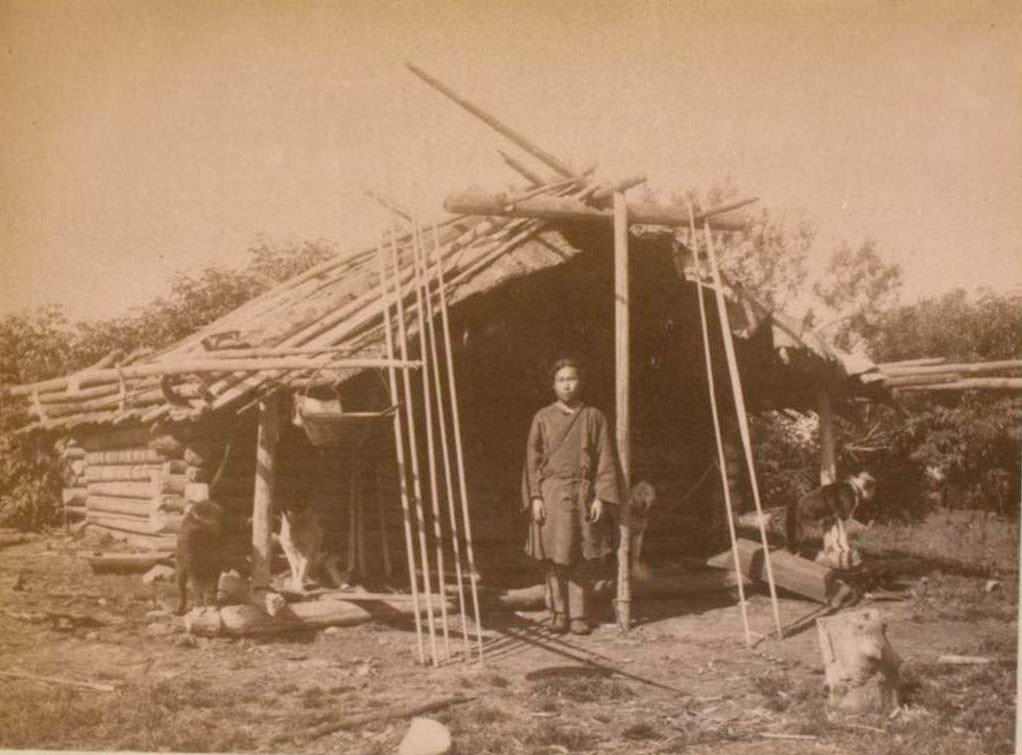
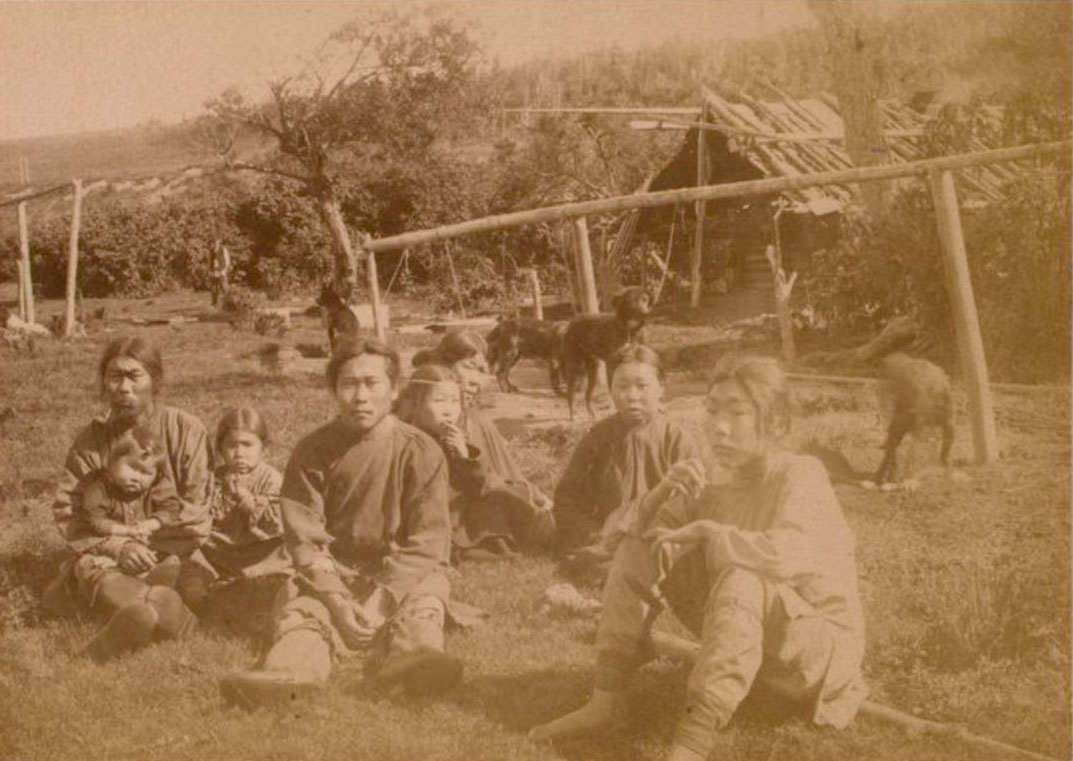
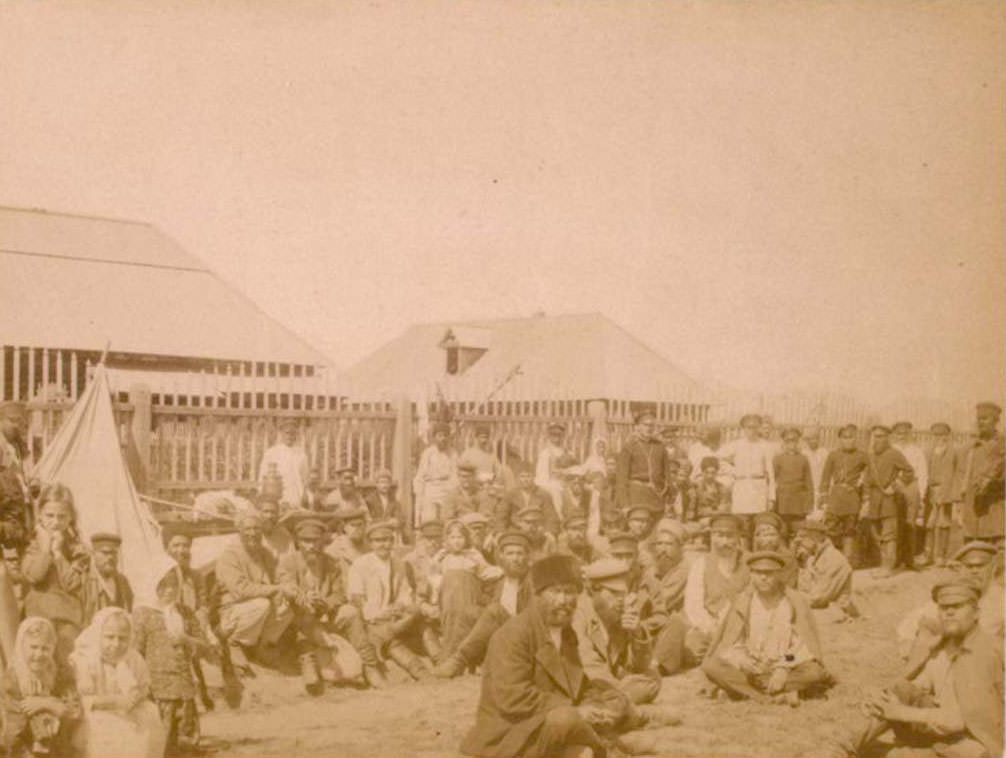
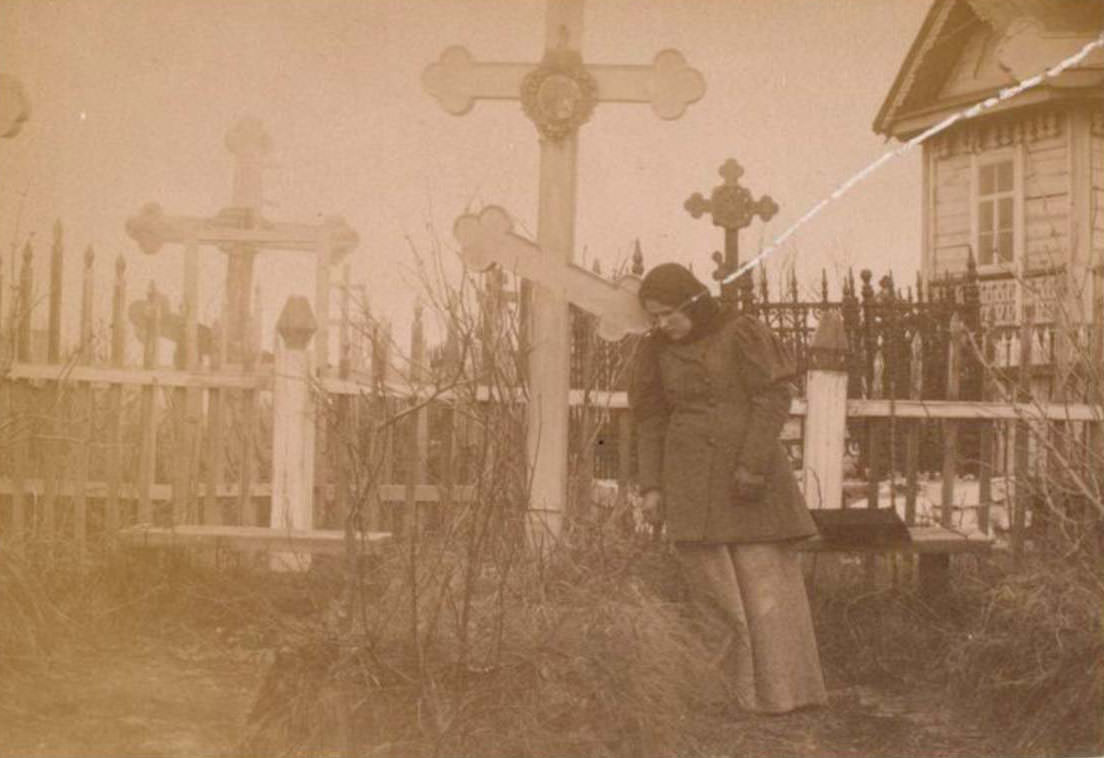
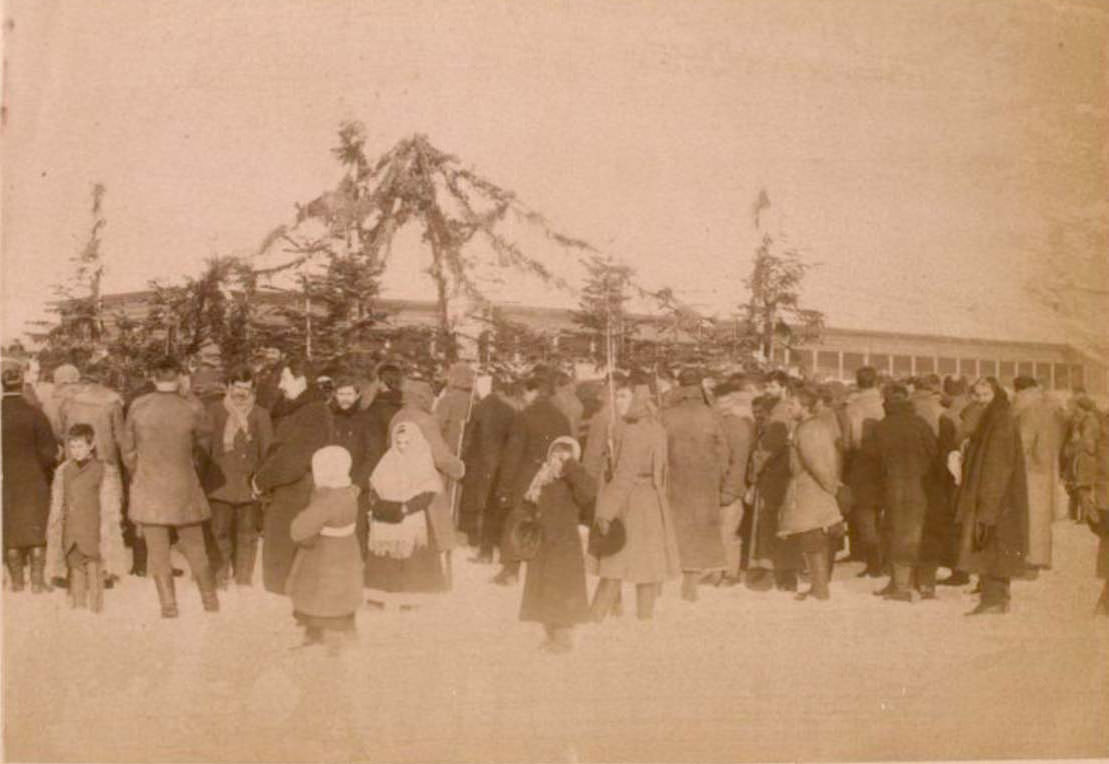
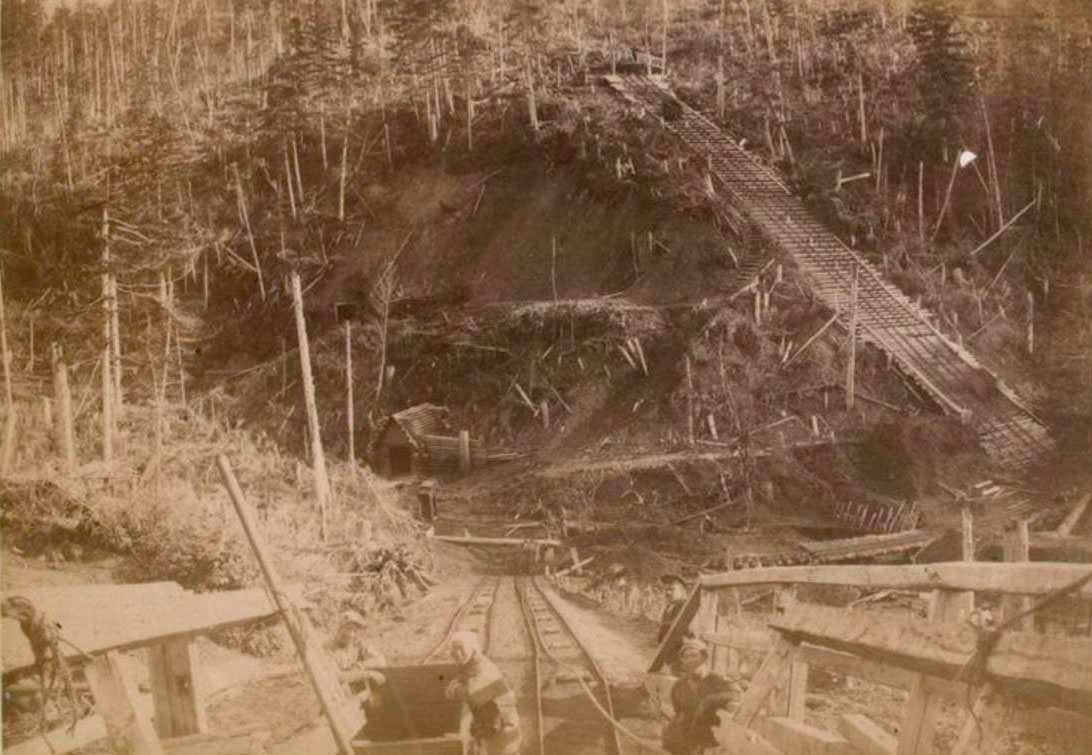
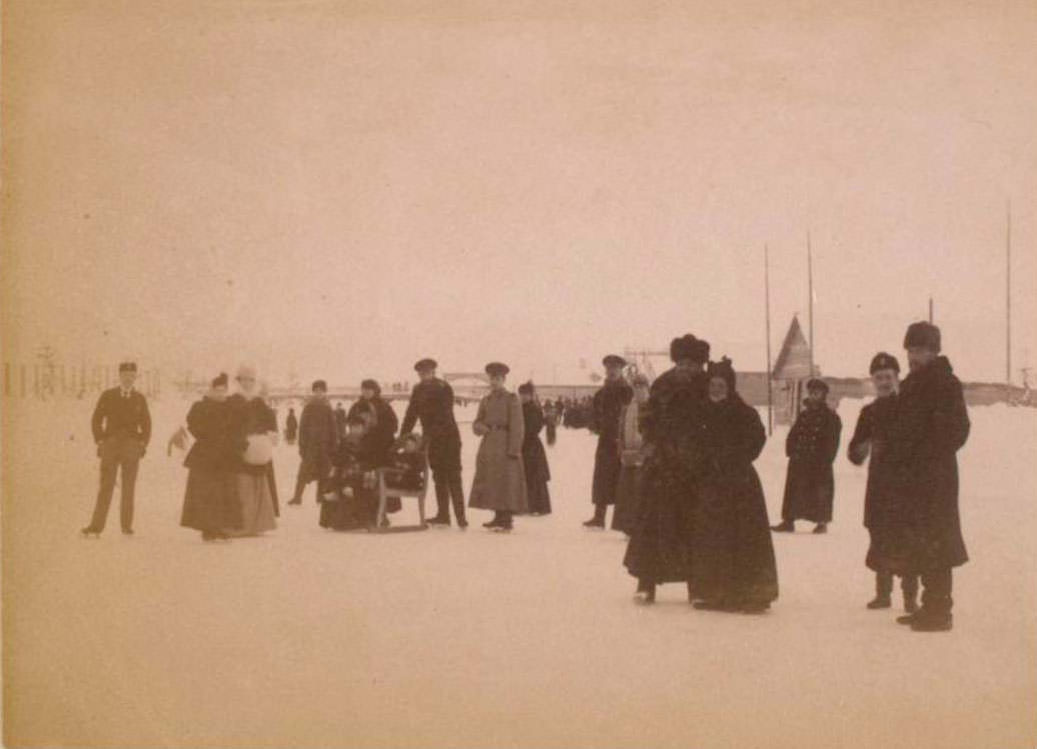
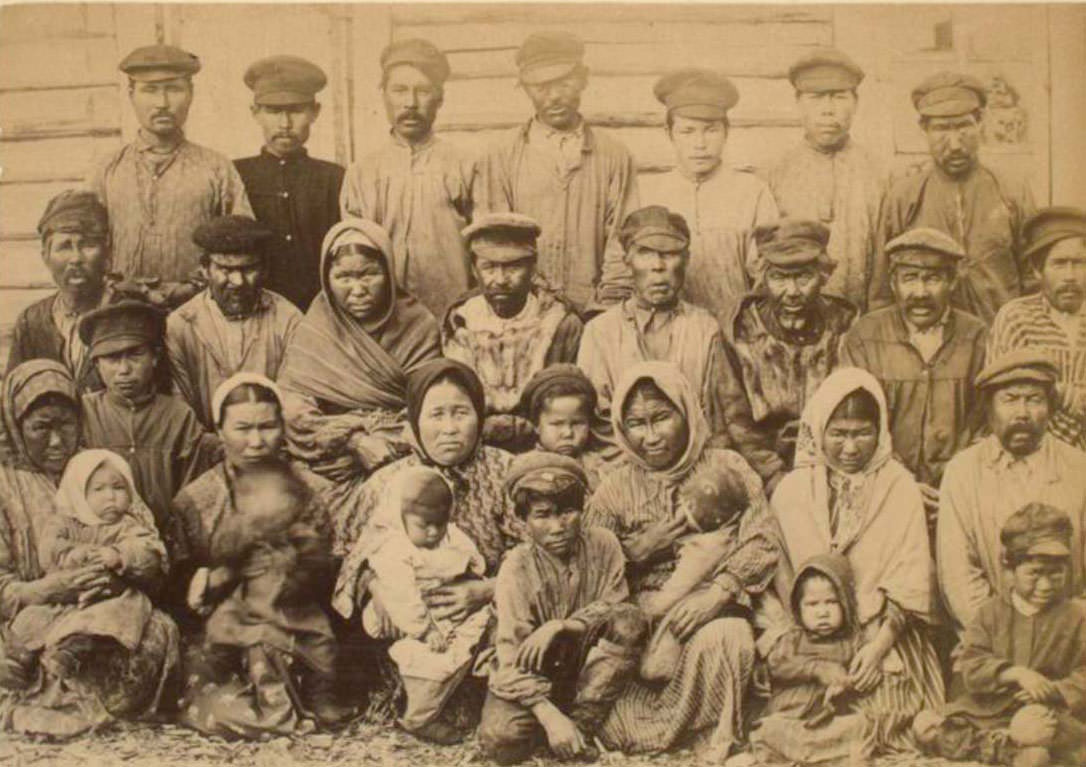
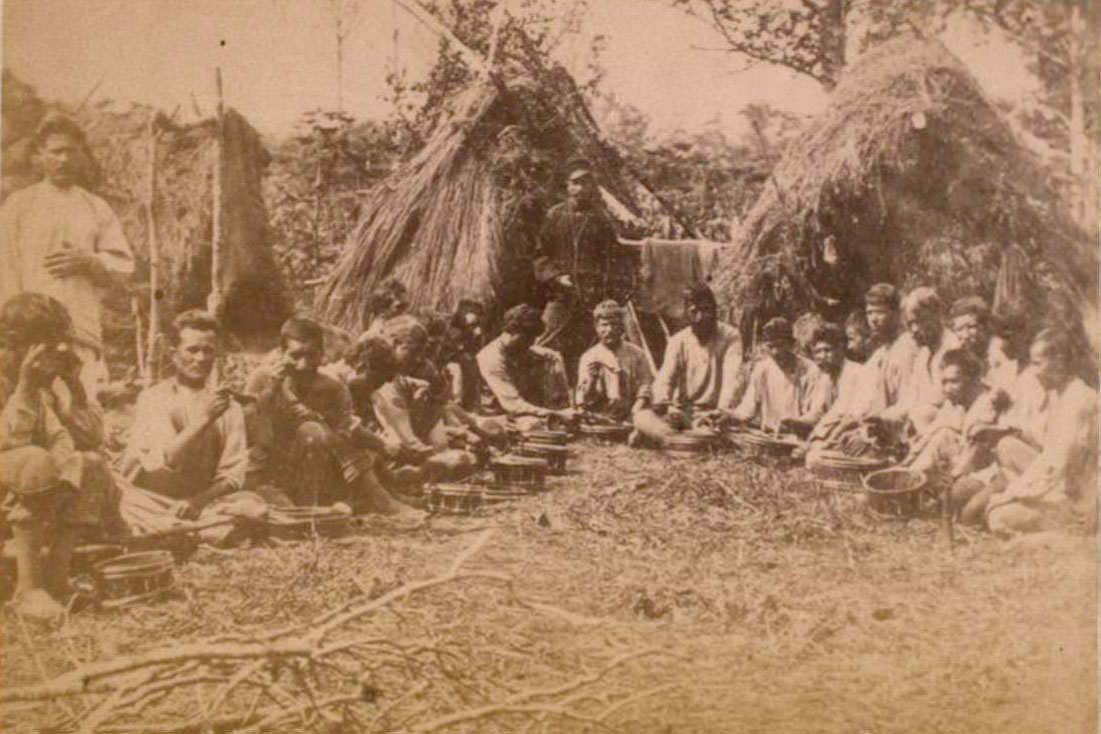
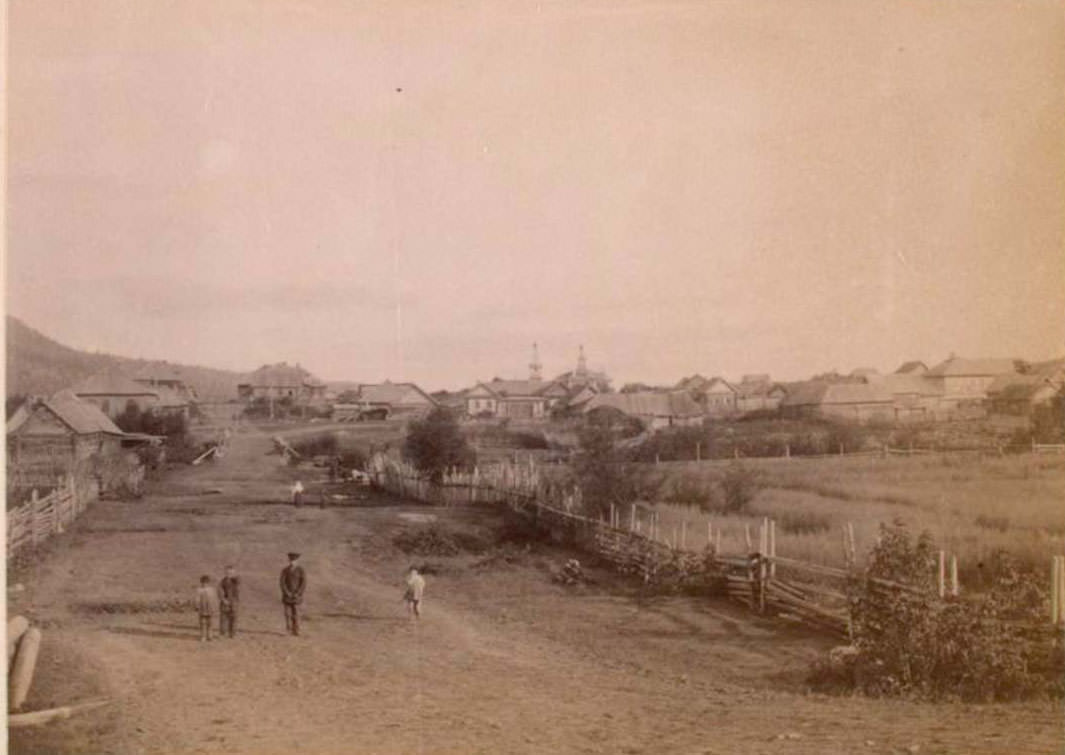
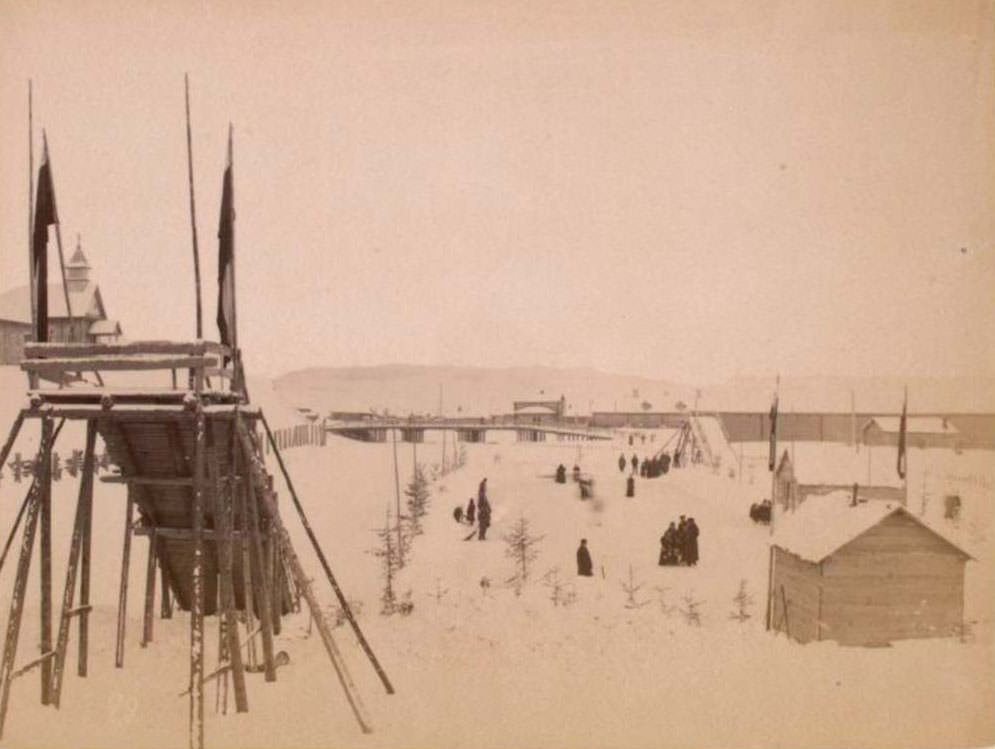
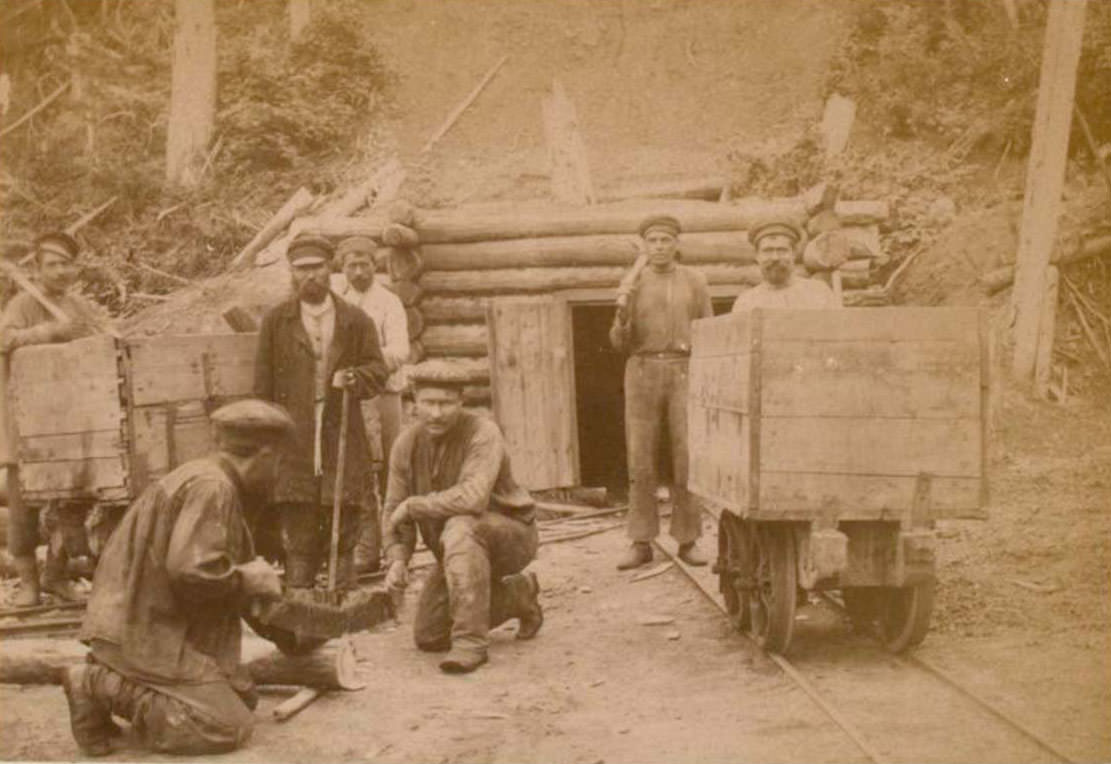
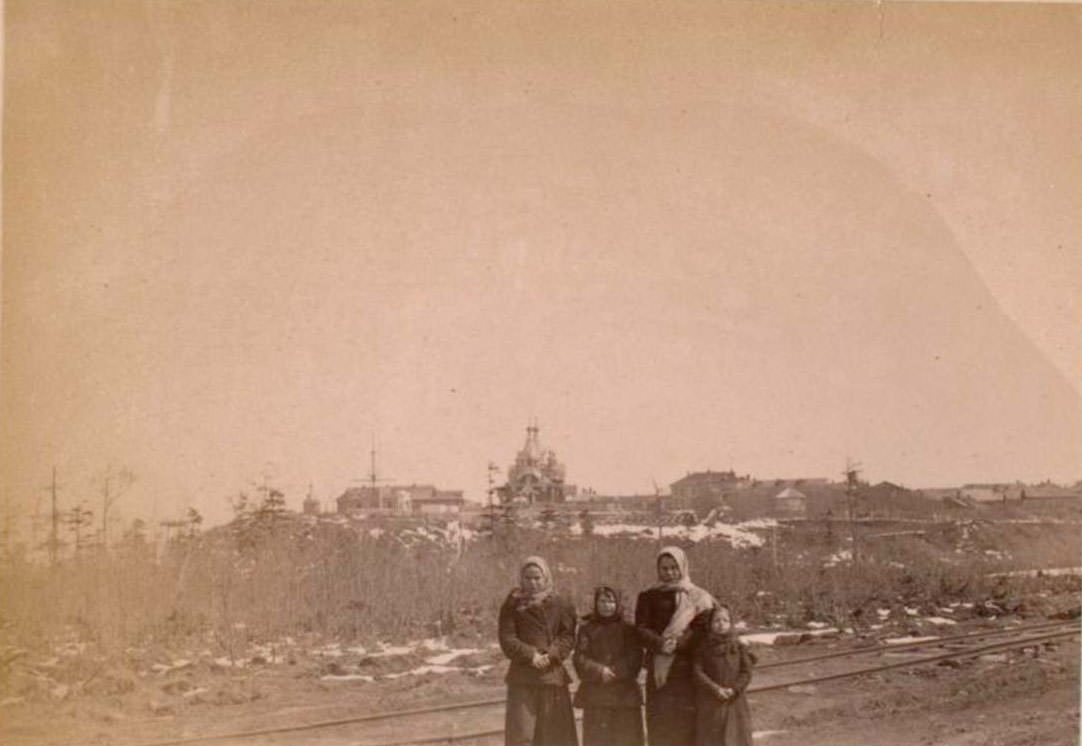
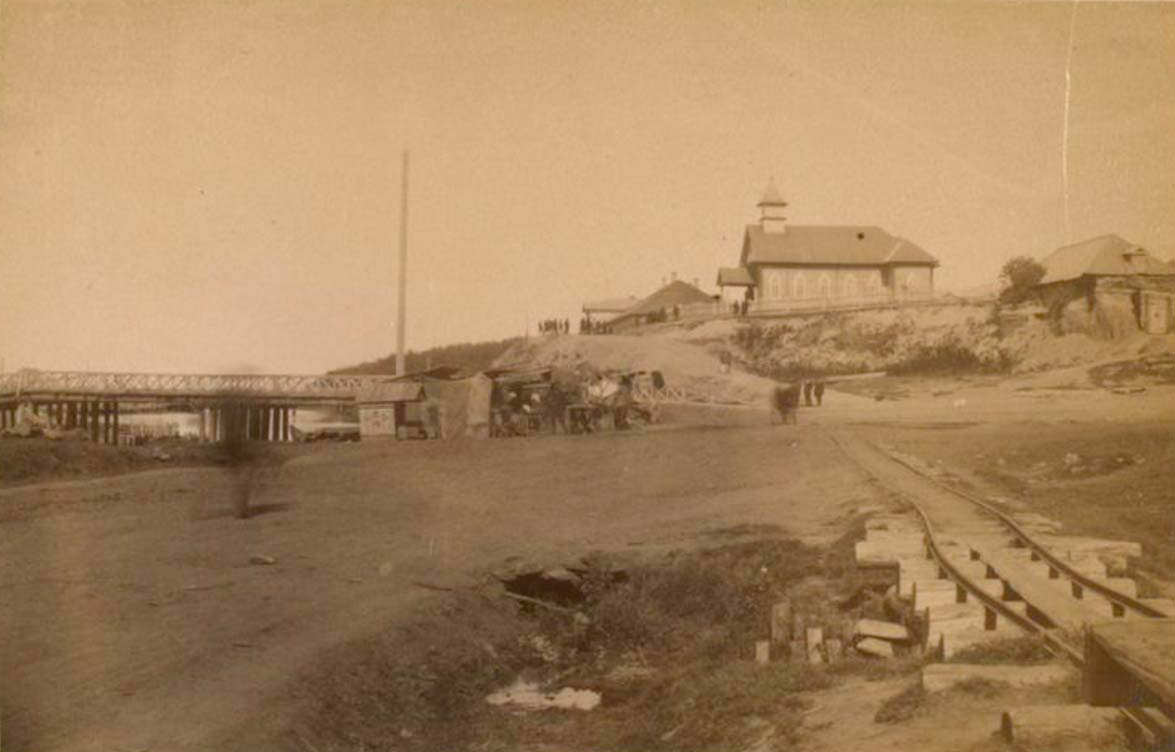
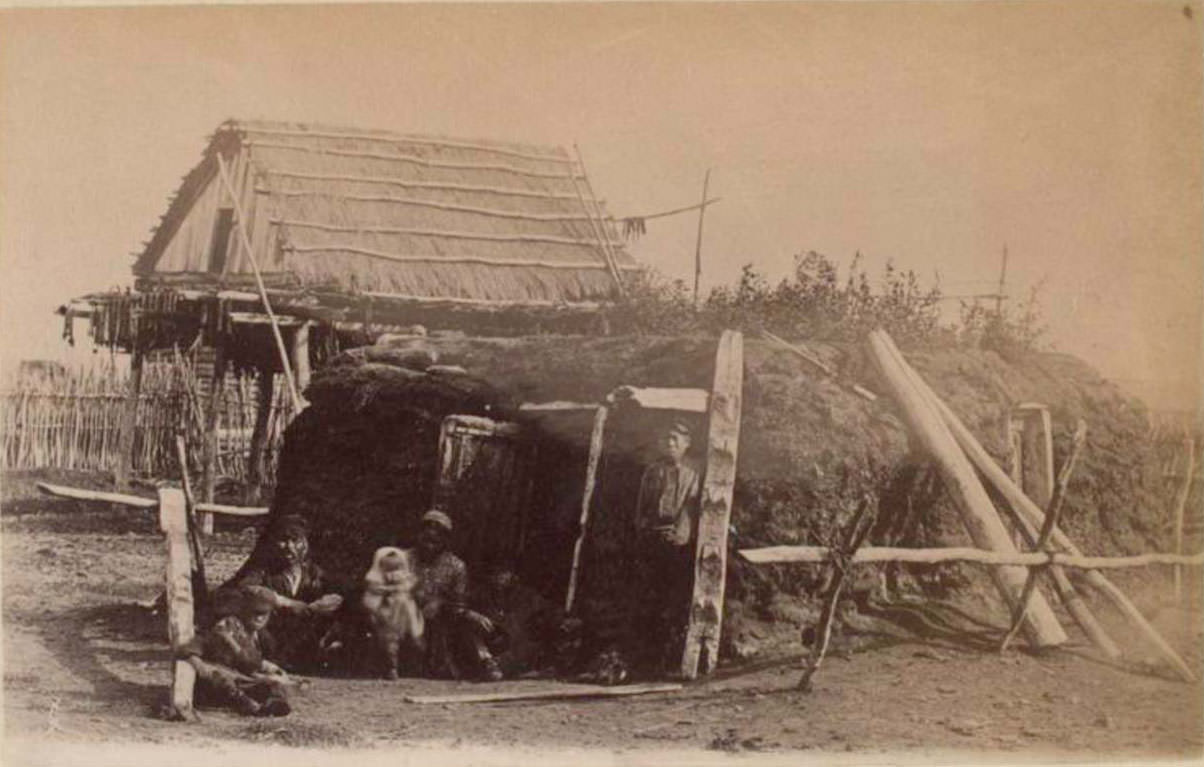
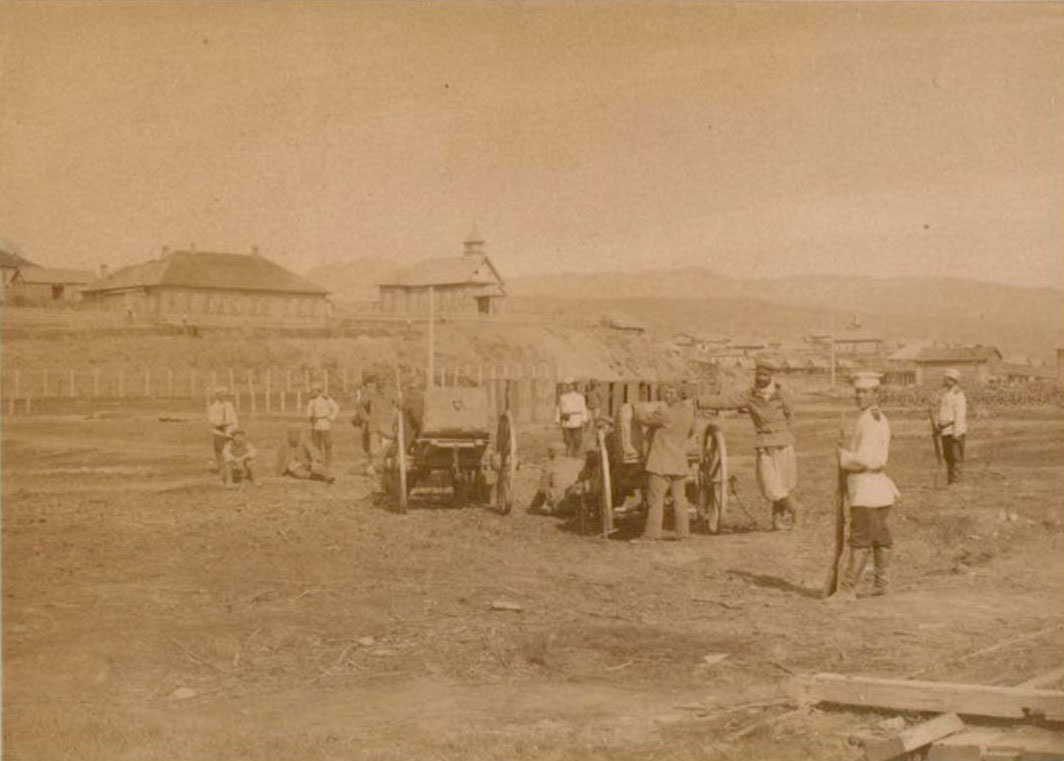
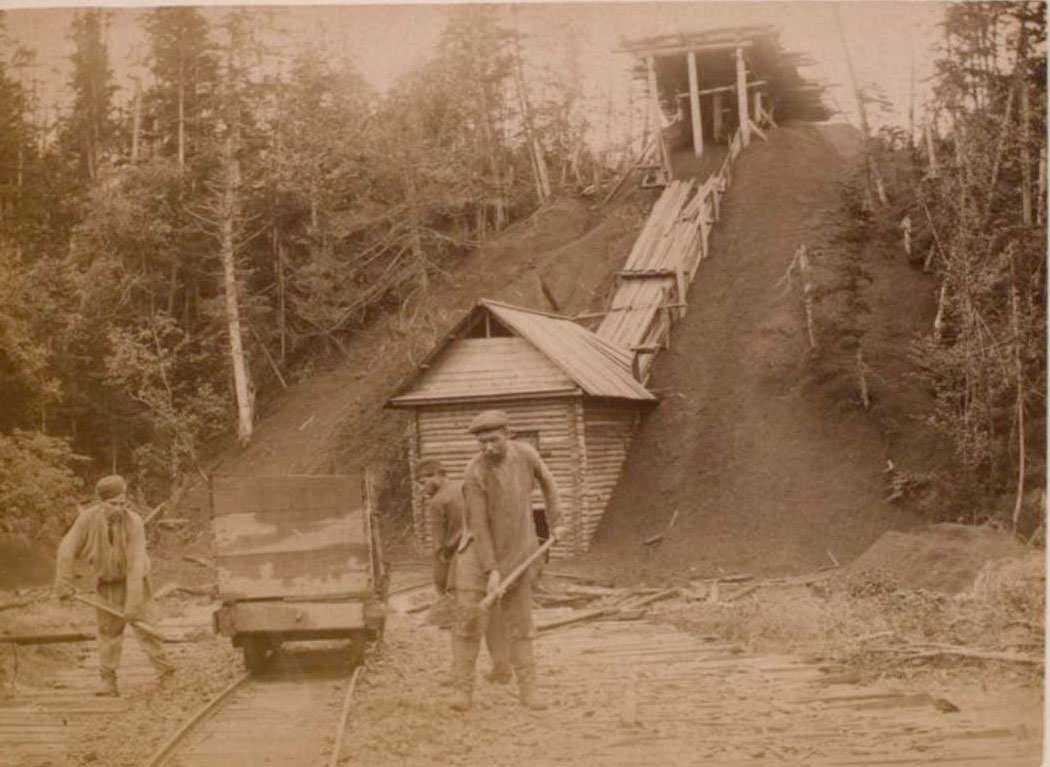
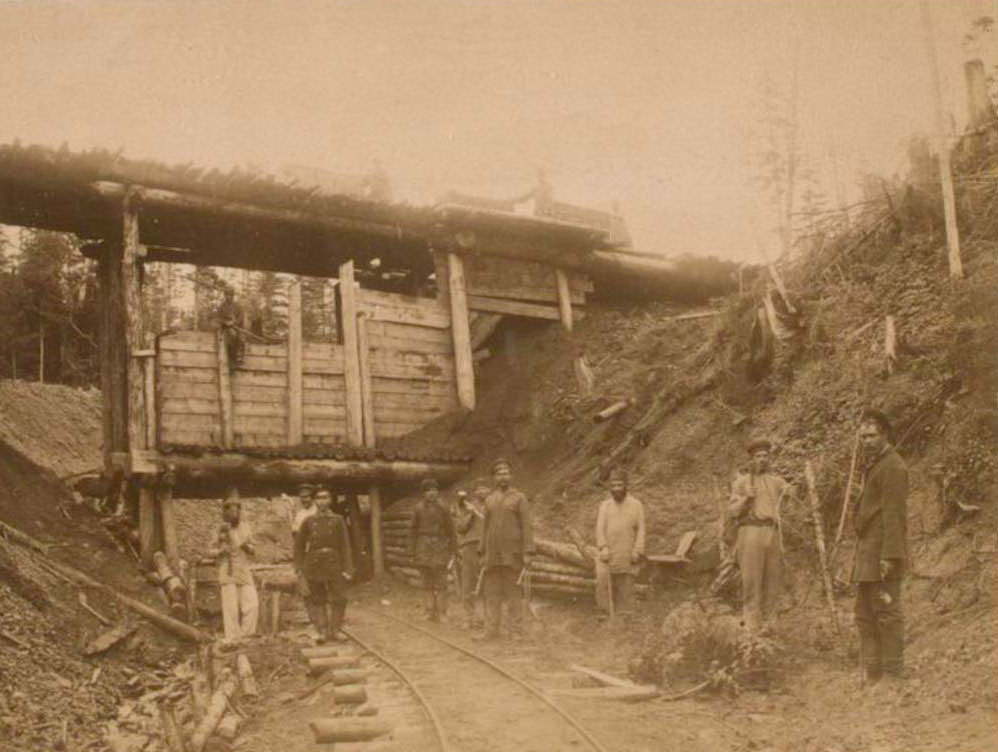
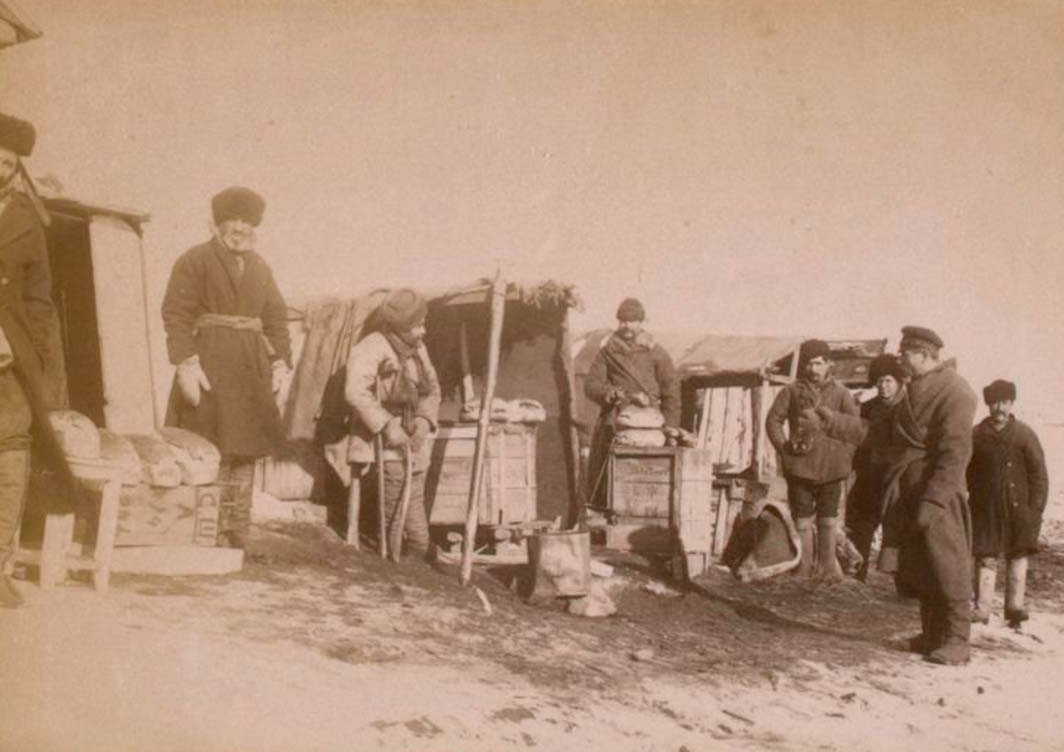
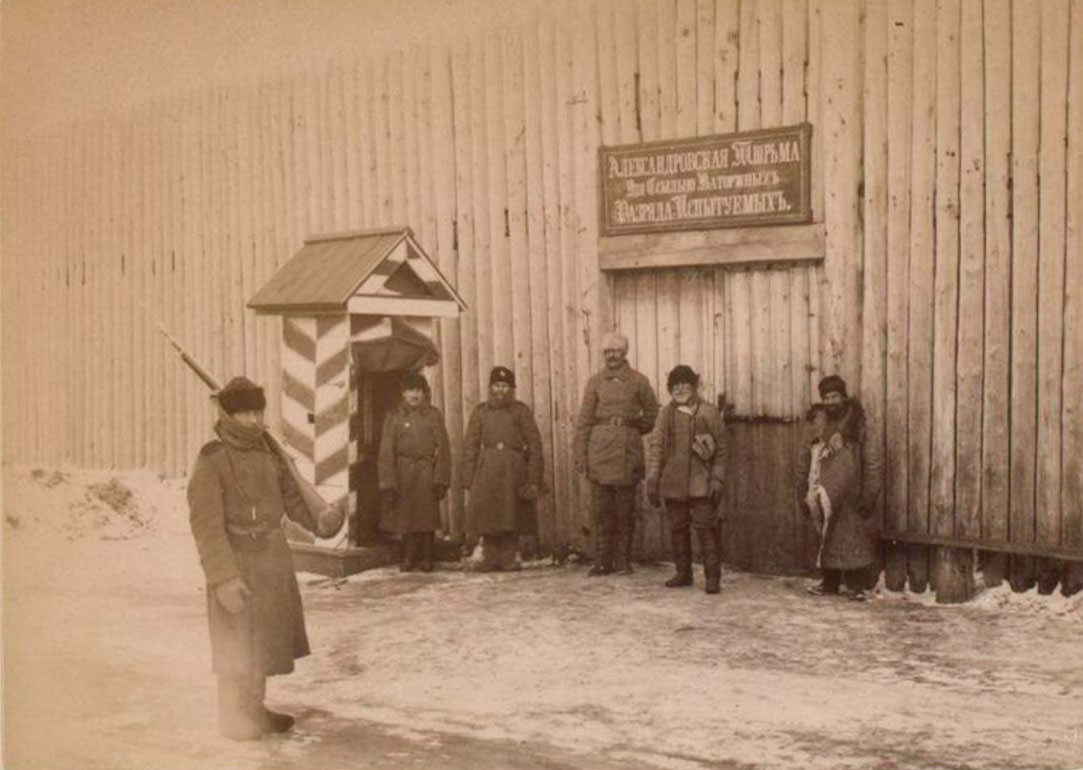
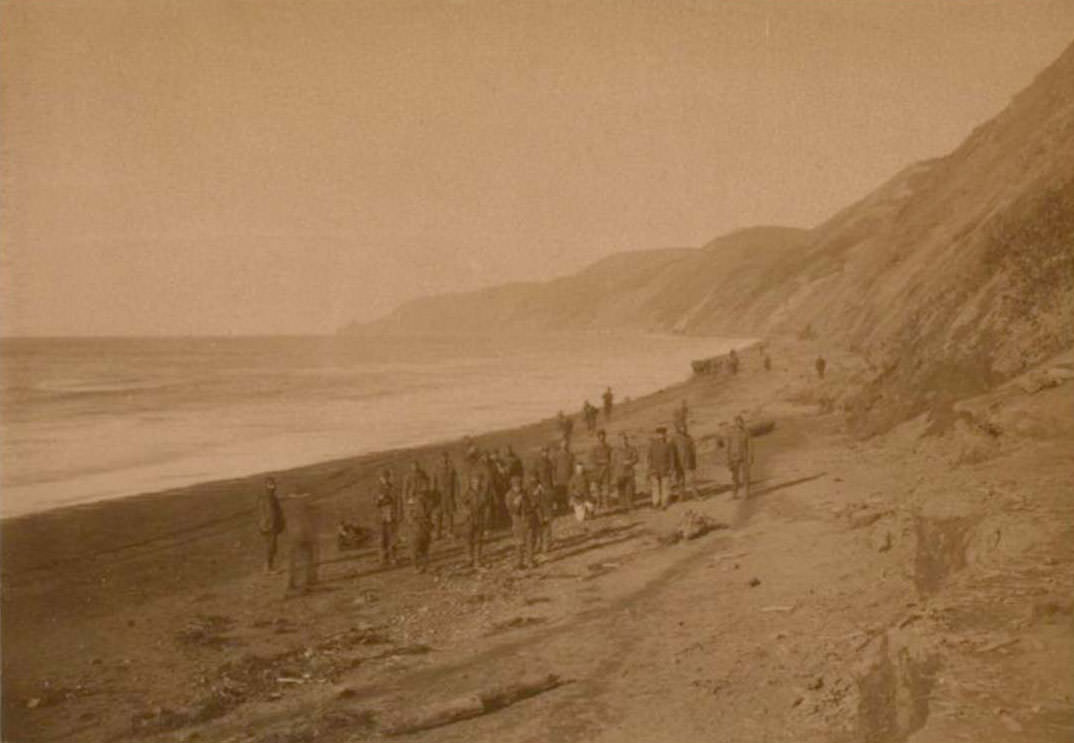
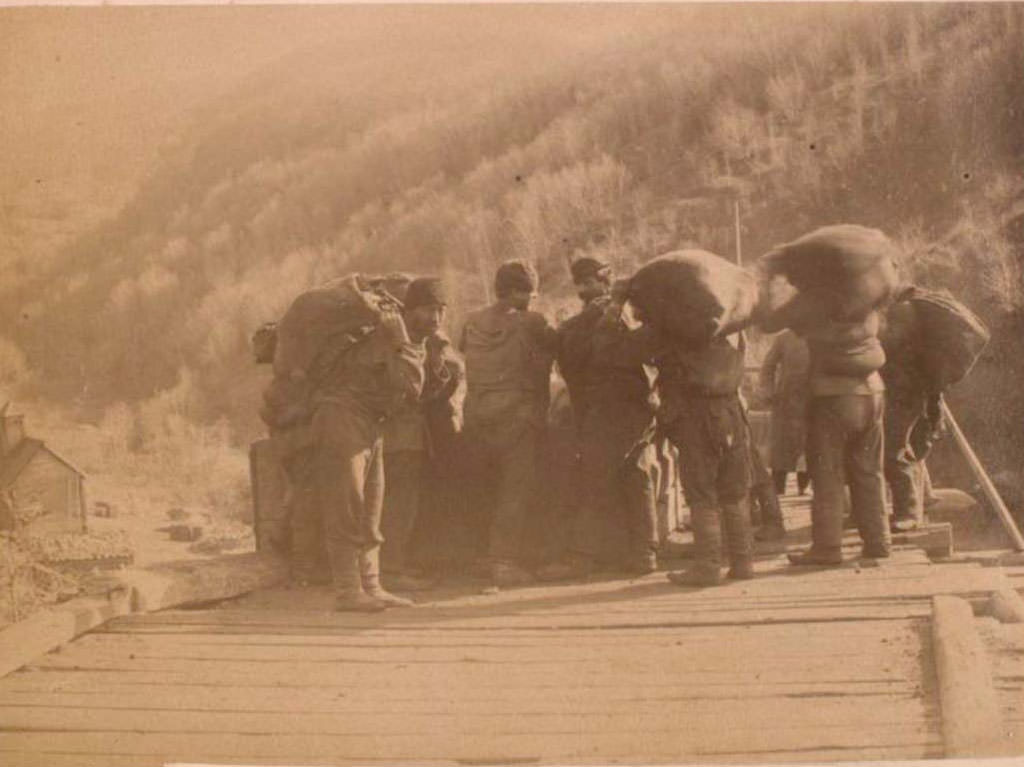
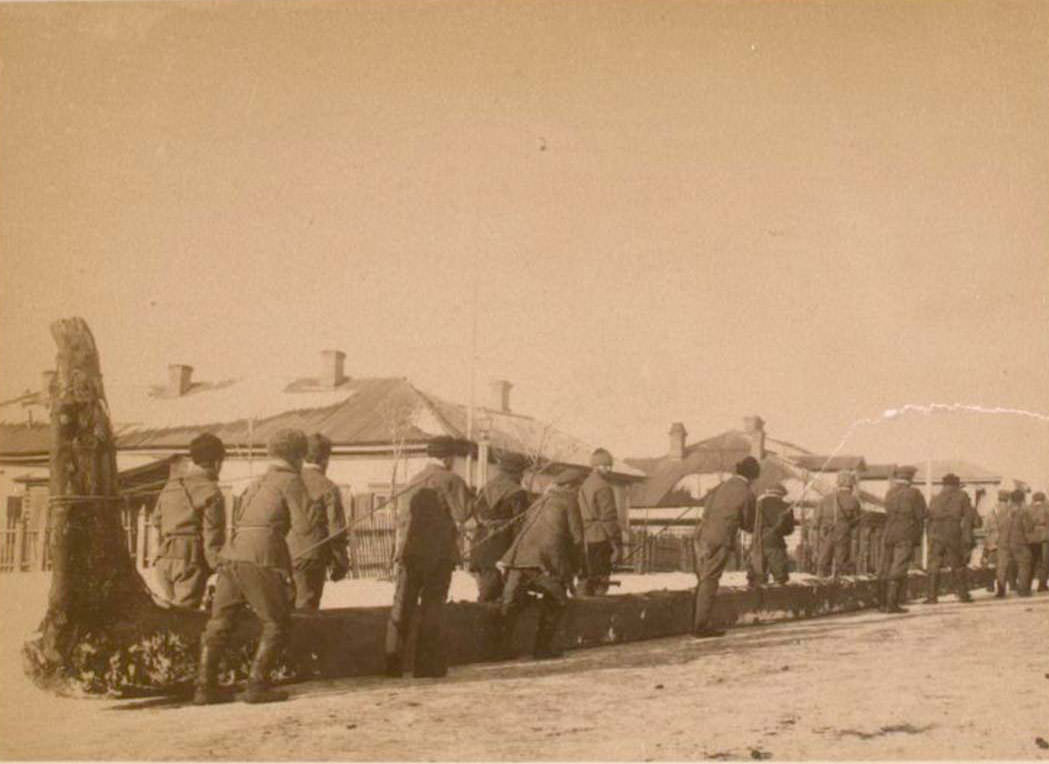
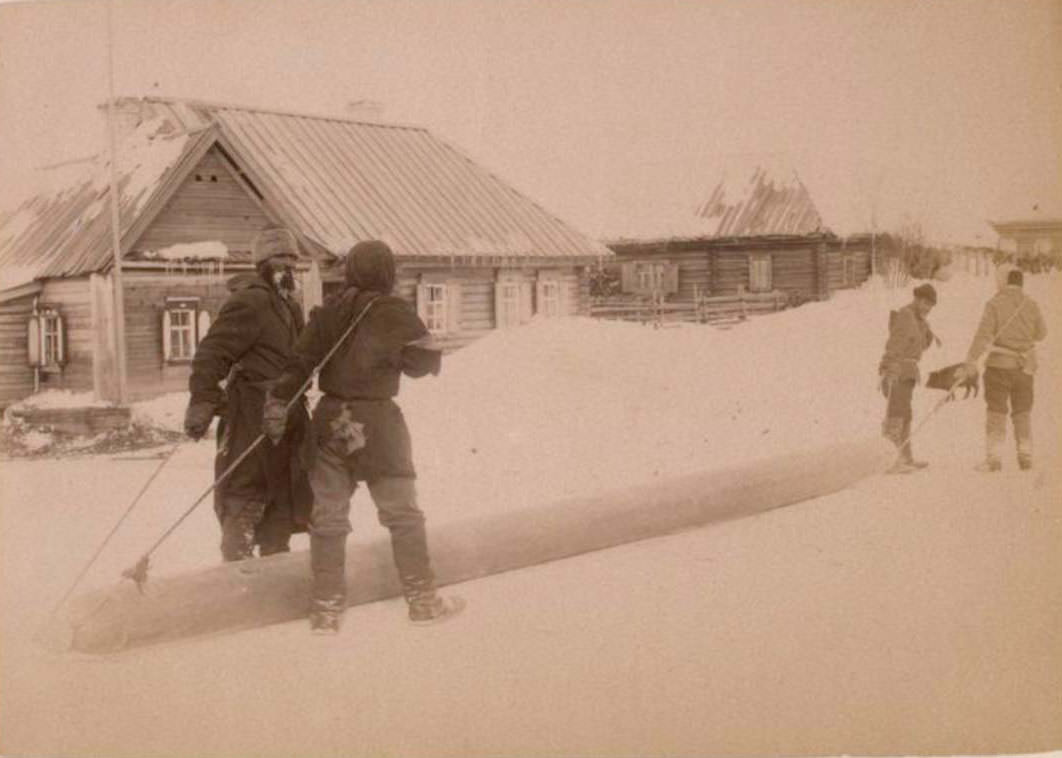
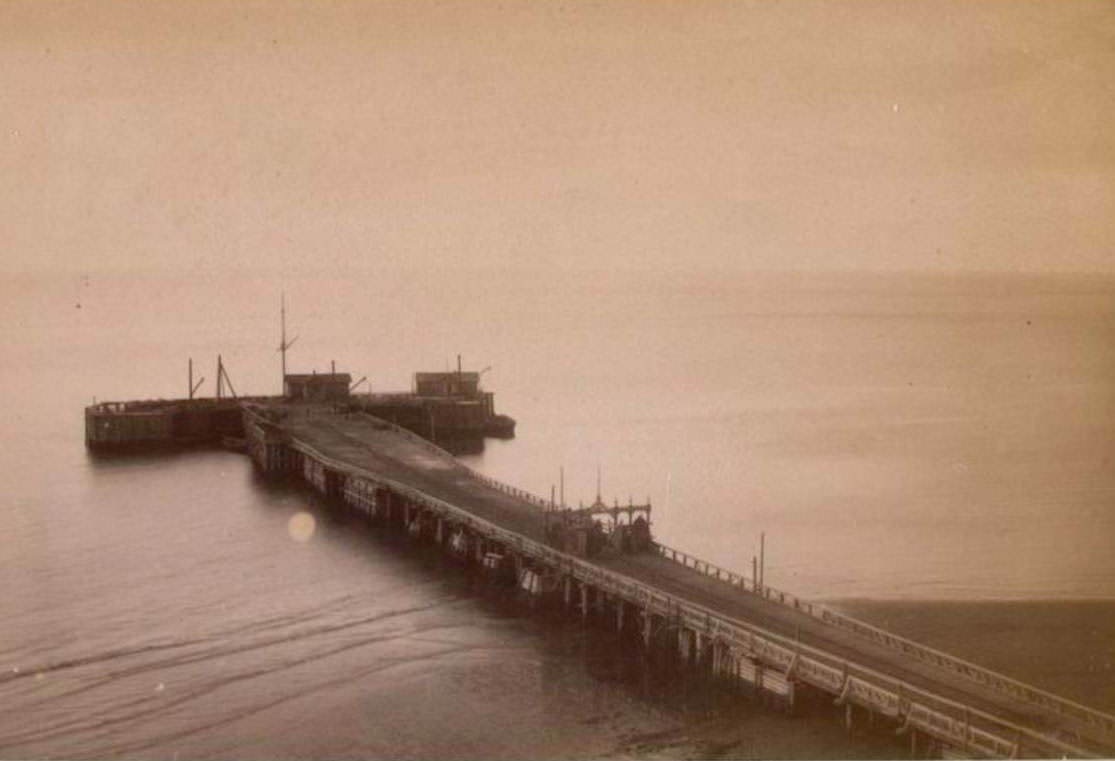
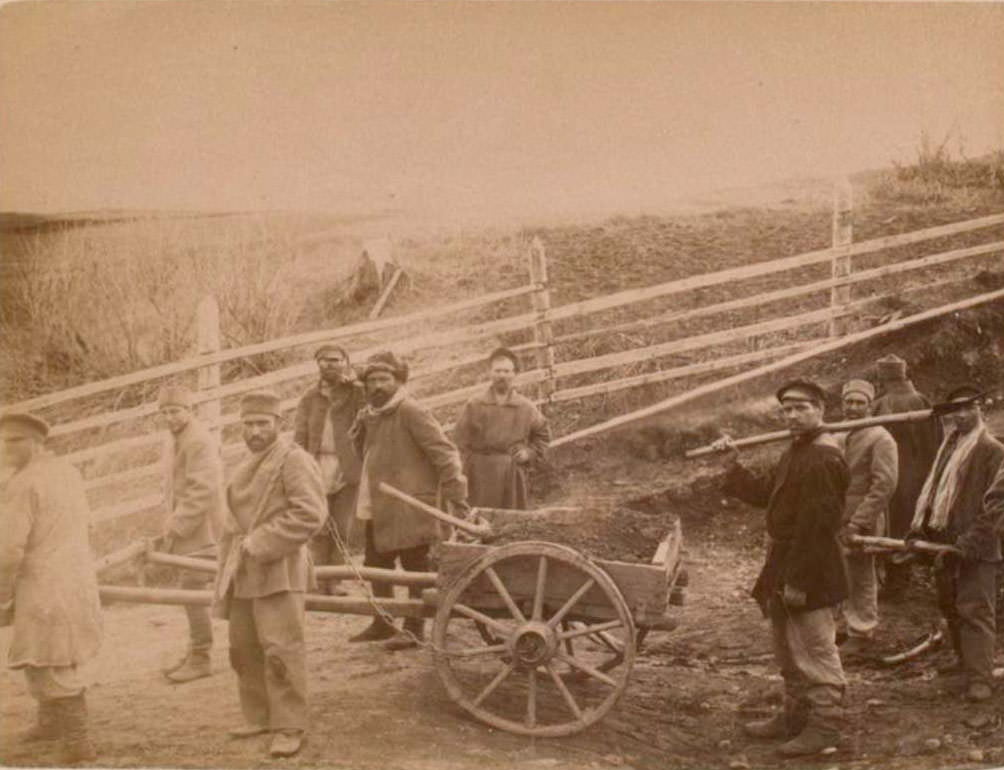
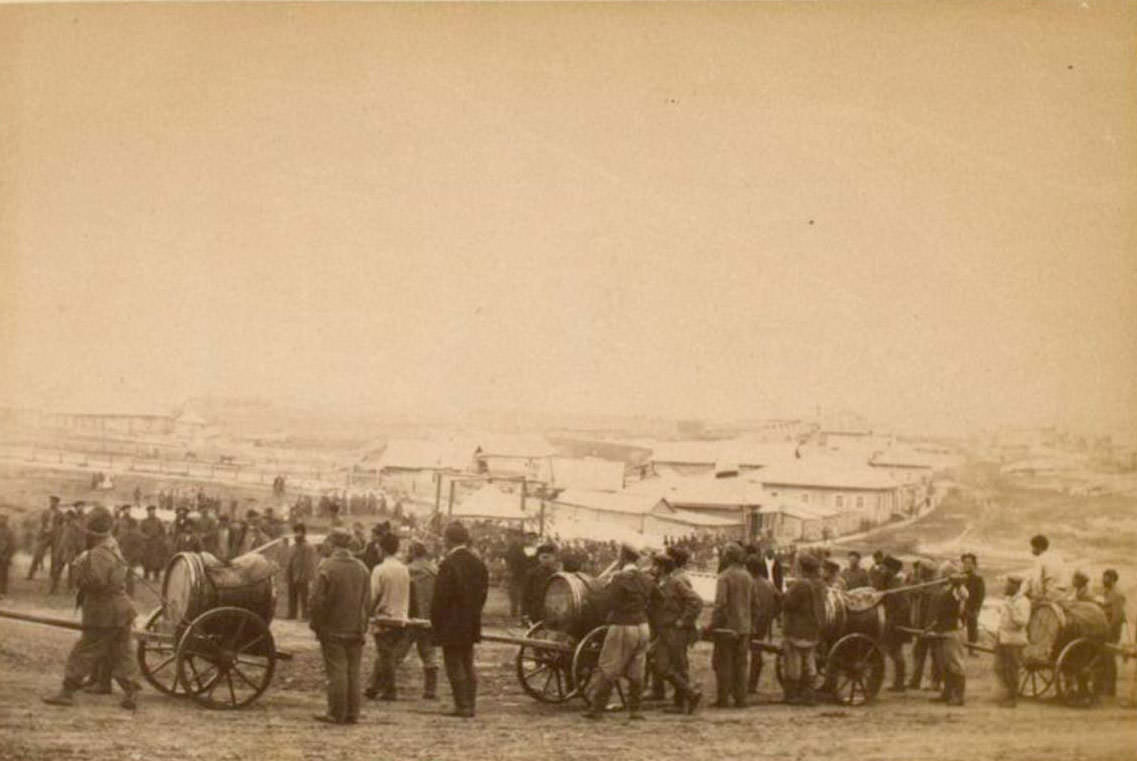
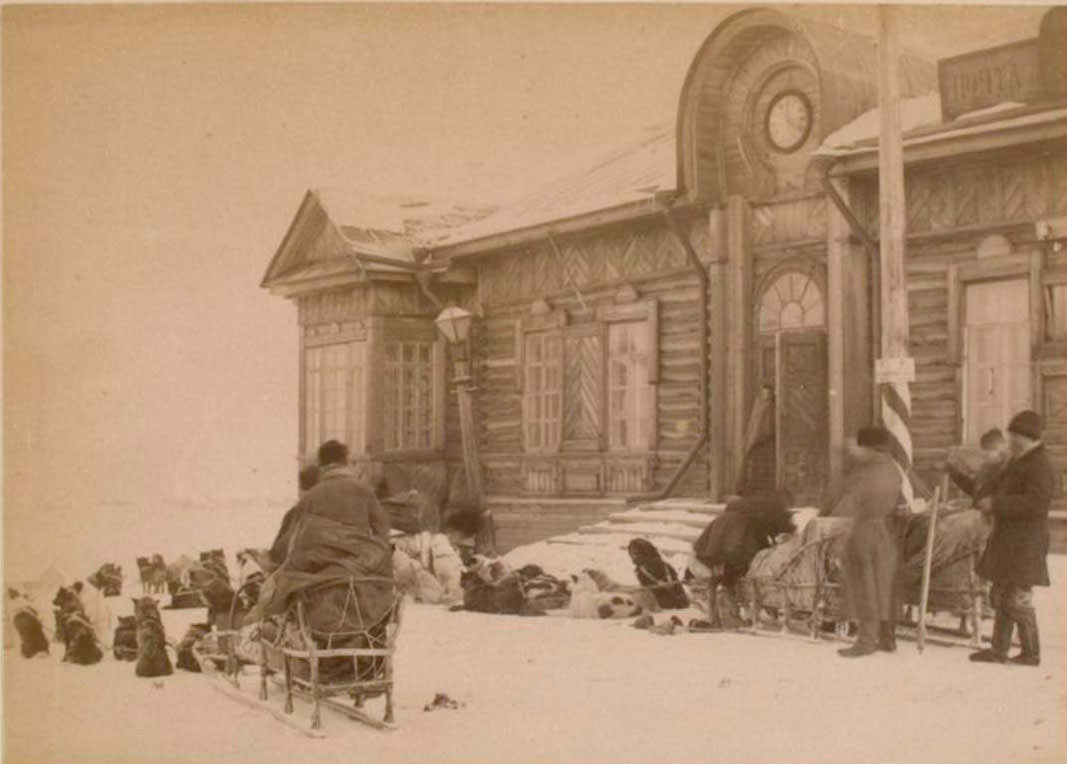
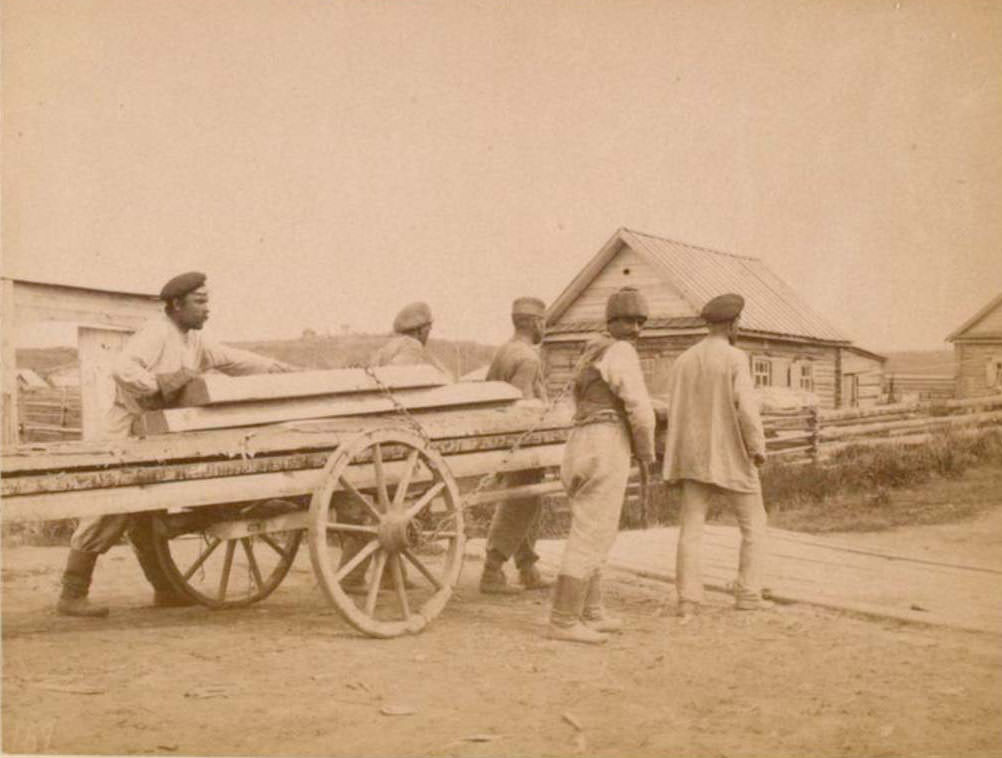
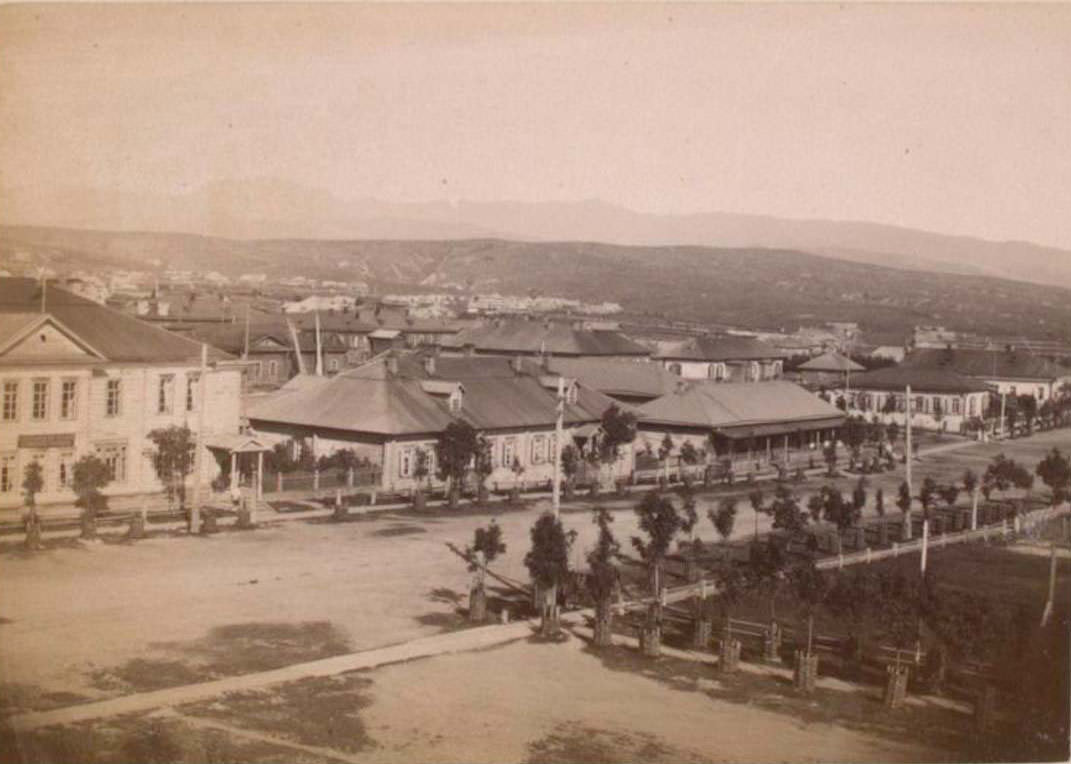
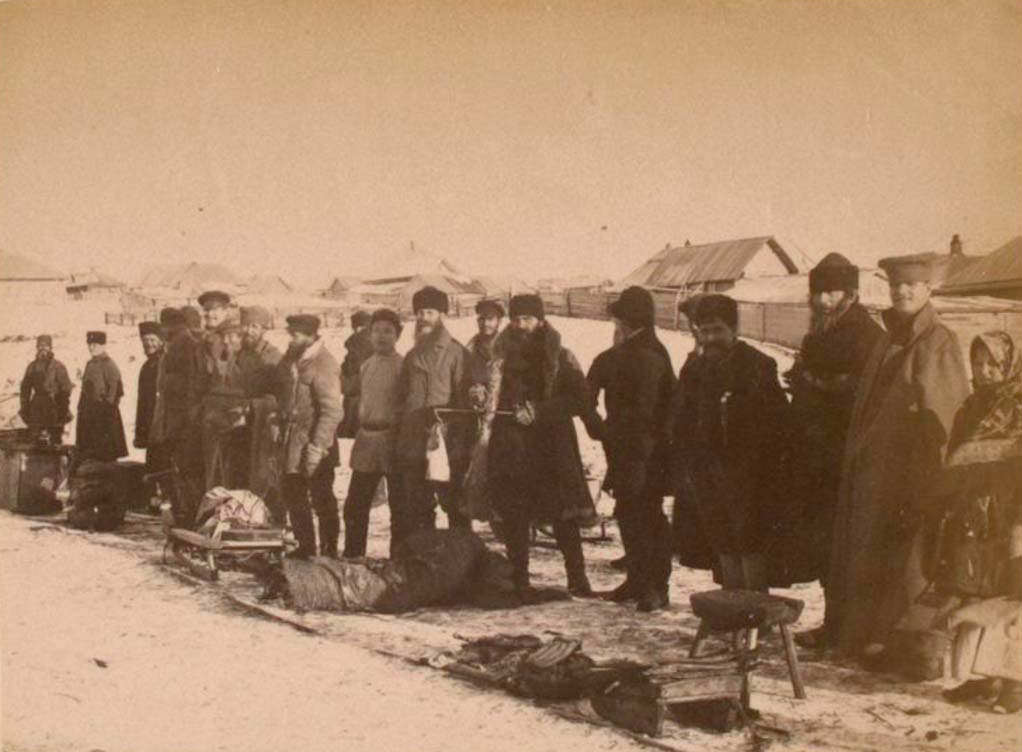
Sakhalin is Russia’s largest island, sitting in the North Pacific Ocean just north of Japan. It stretches roughly 950 kilometers from north to south, and its landscapes shift dramatically between those two ends. The north is flat lowland, often covered in tundra with stunted birch and willow trees. The south is mountainous and thick with dense deciduous forest. These rare photographs from the late 19th century offer a remarkable window into a place that very few outsiders ever saw during that era.
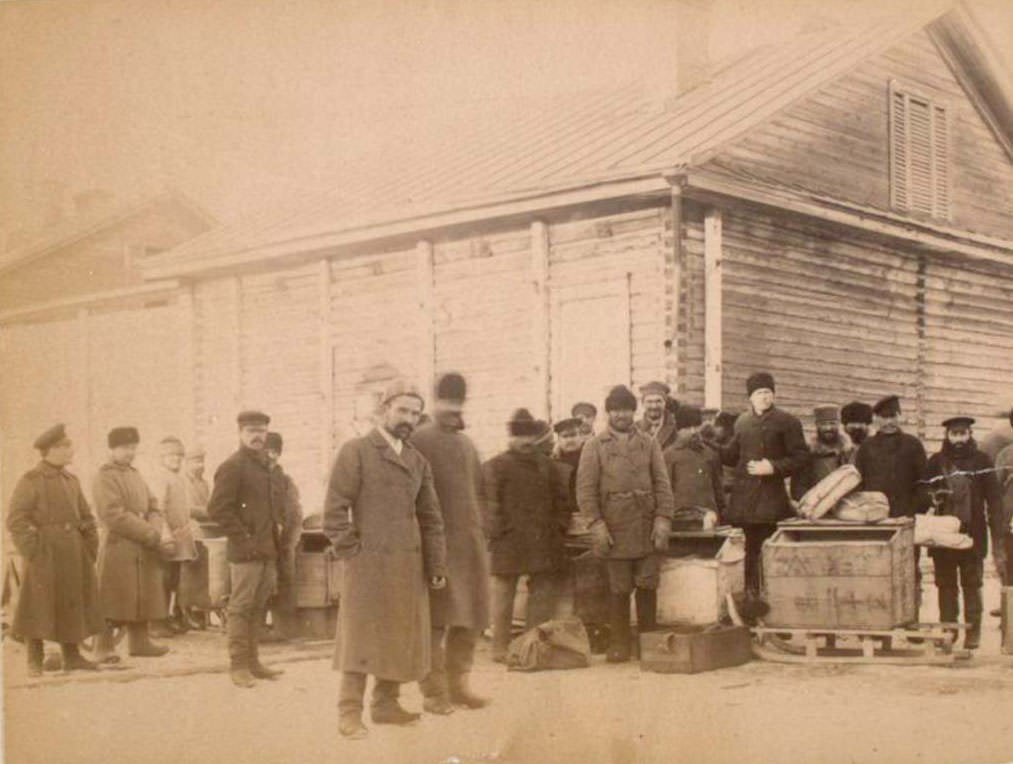
The island’s original inhabitants — the Ainu, Oroks, and Nivkhs — had lived on Sakhalin for centuries before outsiders arrived. Each group had its own language, customs, and way of life built around the island’s natural resources. By the time these photographs were taken, their populations had already begun to shrink sharply due to disease, displacement, and the pressures of colonial settlement. Today, all three groups number very few.
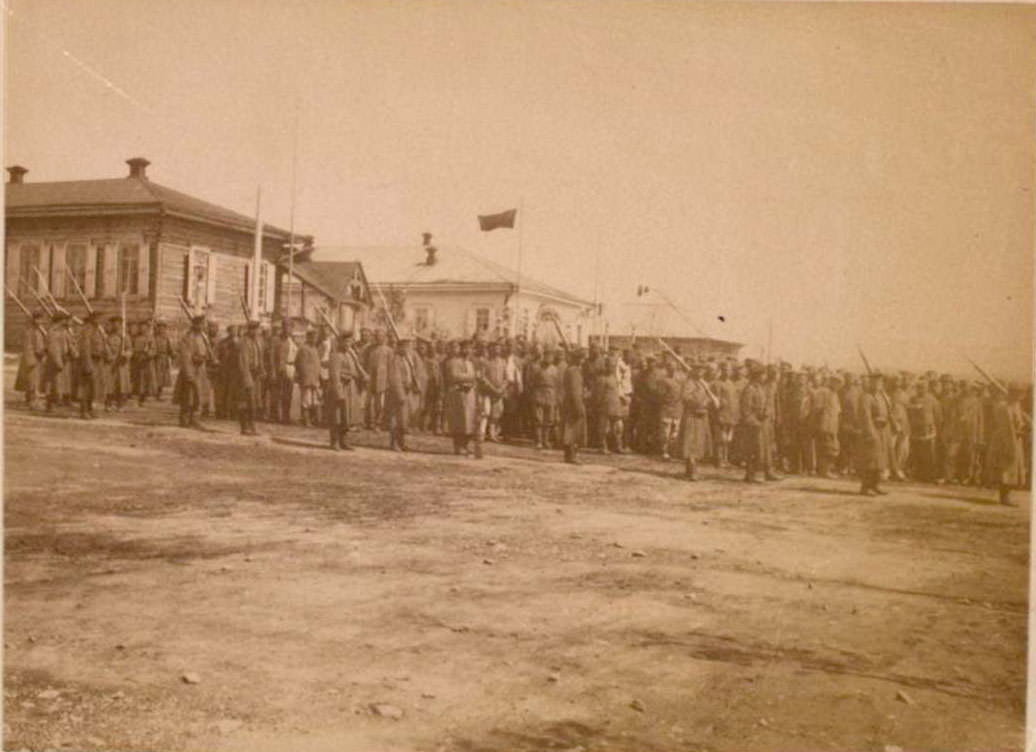
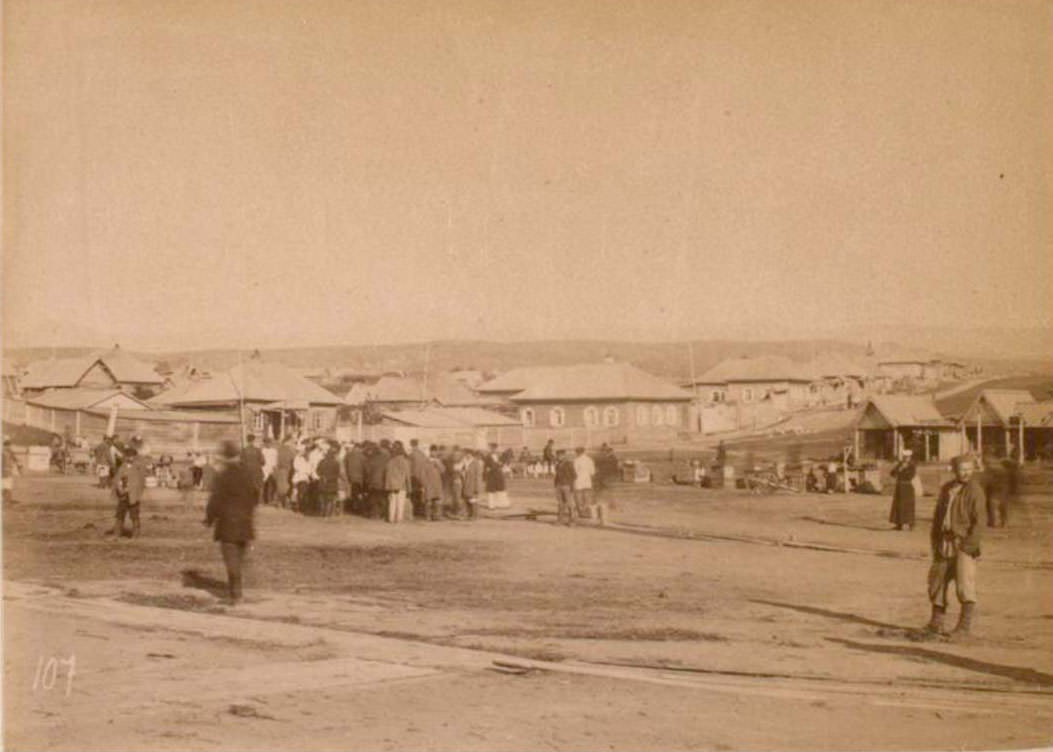
Japanese fishermen were the first outside settlers to establish a presence on Sakhalin, moving in along the southern coast. Russians entered the northern part of the island in 1853. Two years later, in 1855, the two empires reached an agreement to share control of the island. That arrangement lasted only twenty years. In 1875, Russia took full control of Sakhalin, and in exchange, Japan received the Kuril Islands to the south.
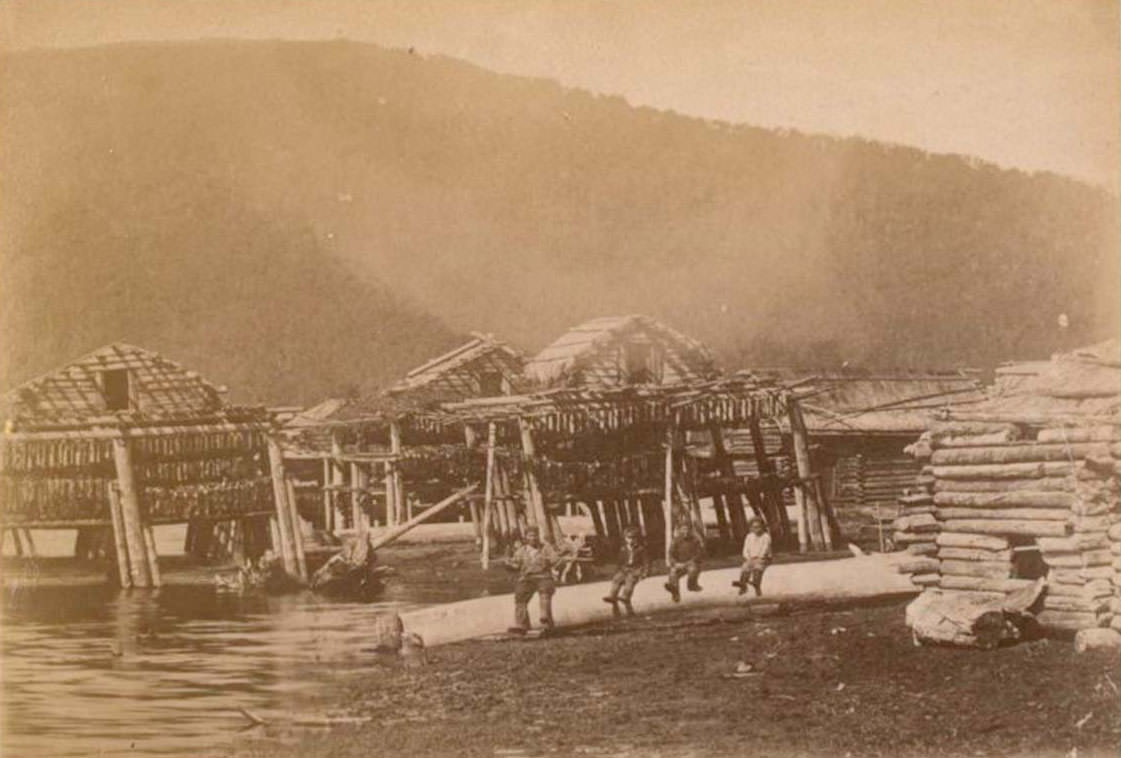
The coastline was the center of economic life on Sakhalin. Fishing dominated above all else. Crab, herring, cod, and salmon were pulled from the surrounding waters in large quantities. Coastal settlements grew up around these fishing operations, and the industry shaped how communities were built and where people chose to live.
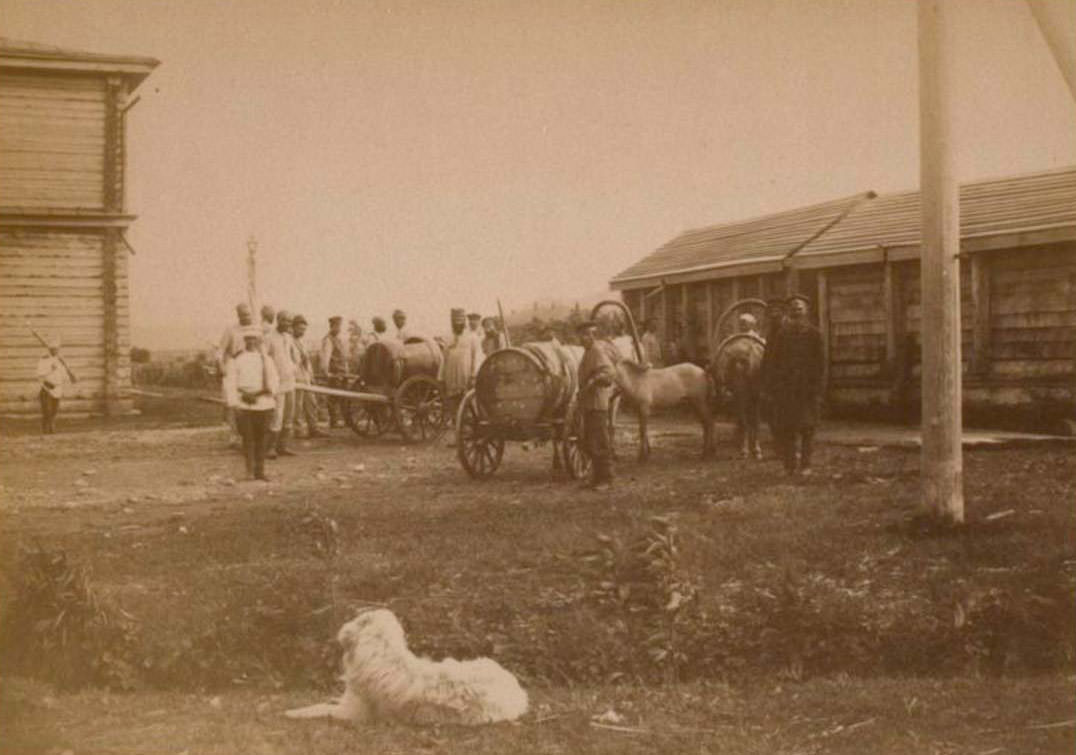
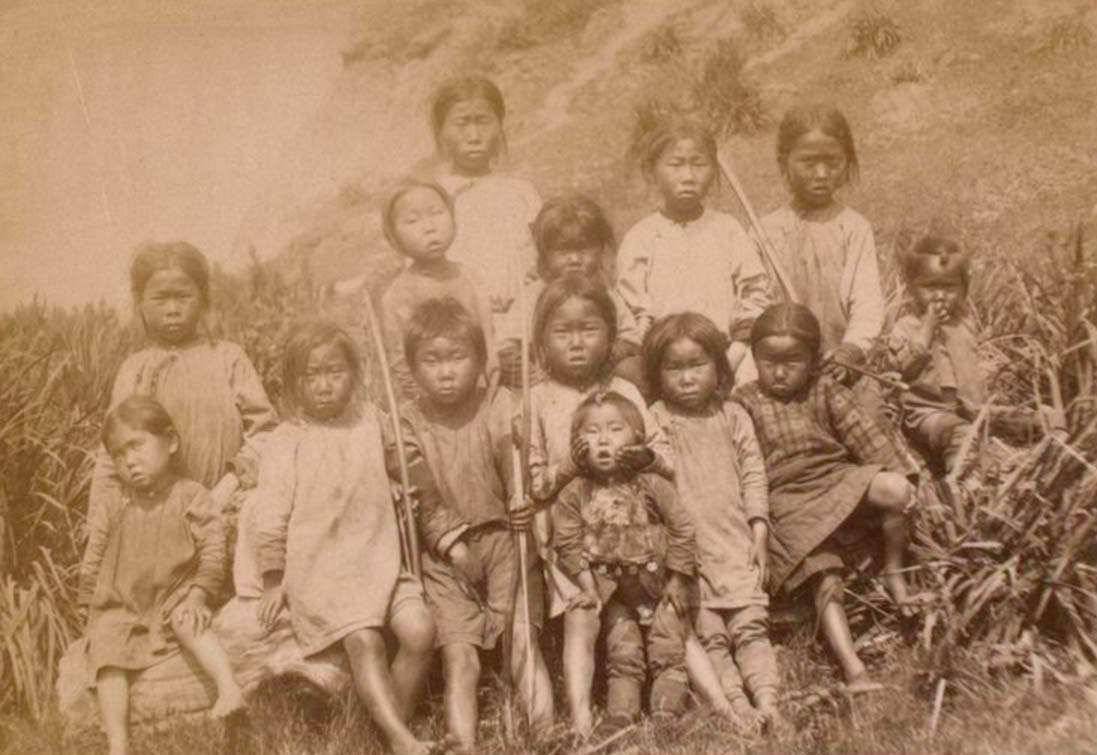
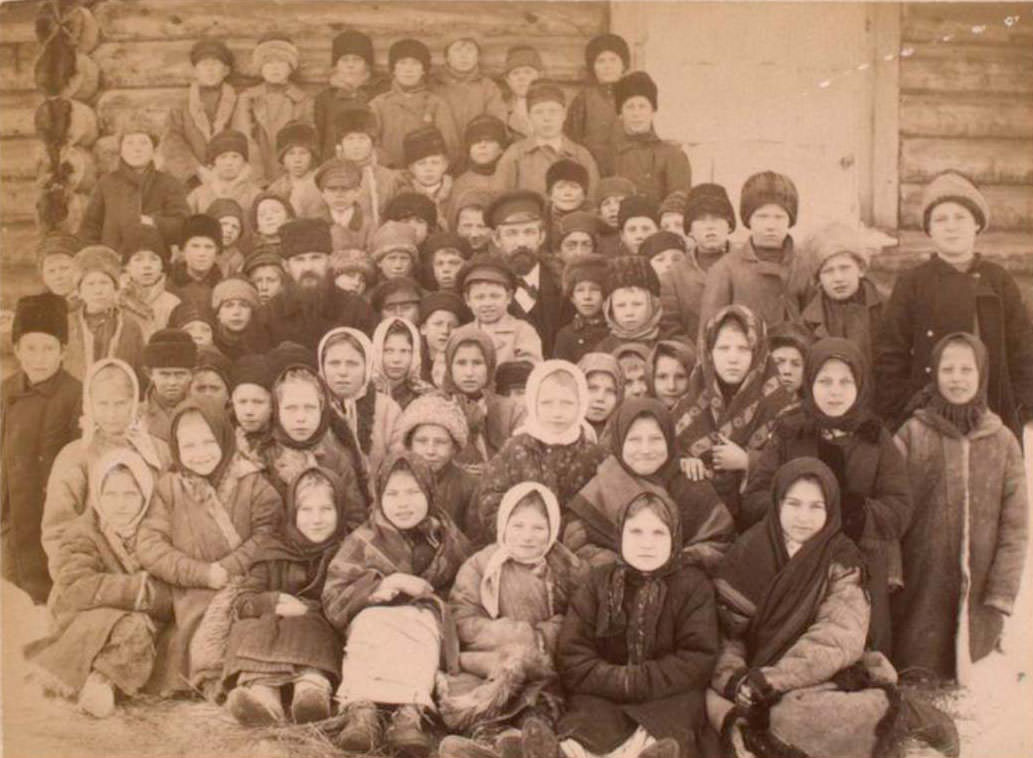
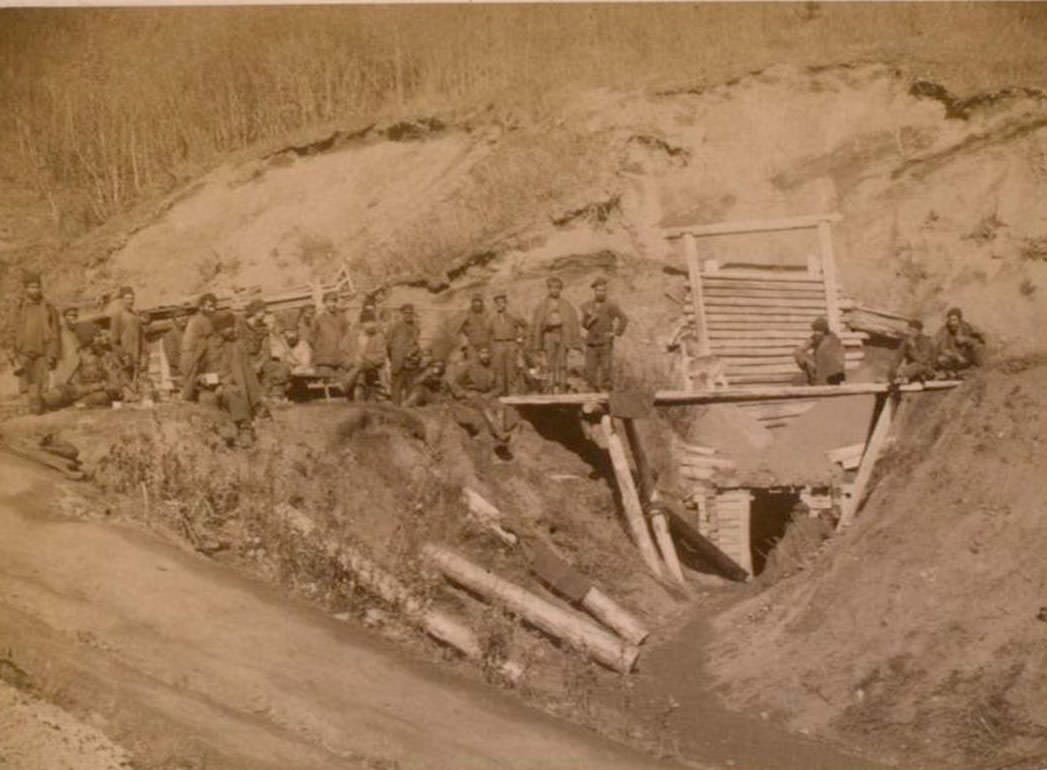
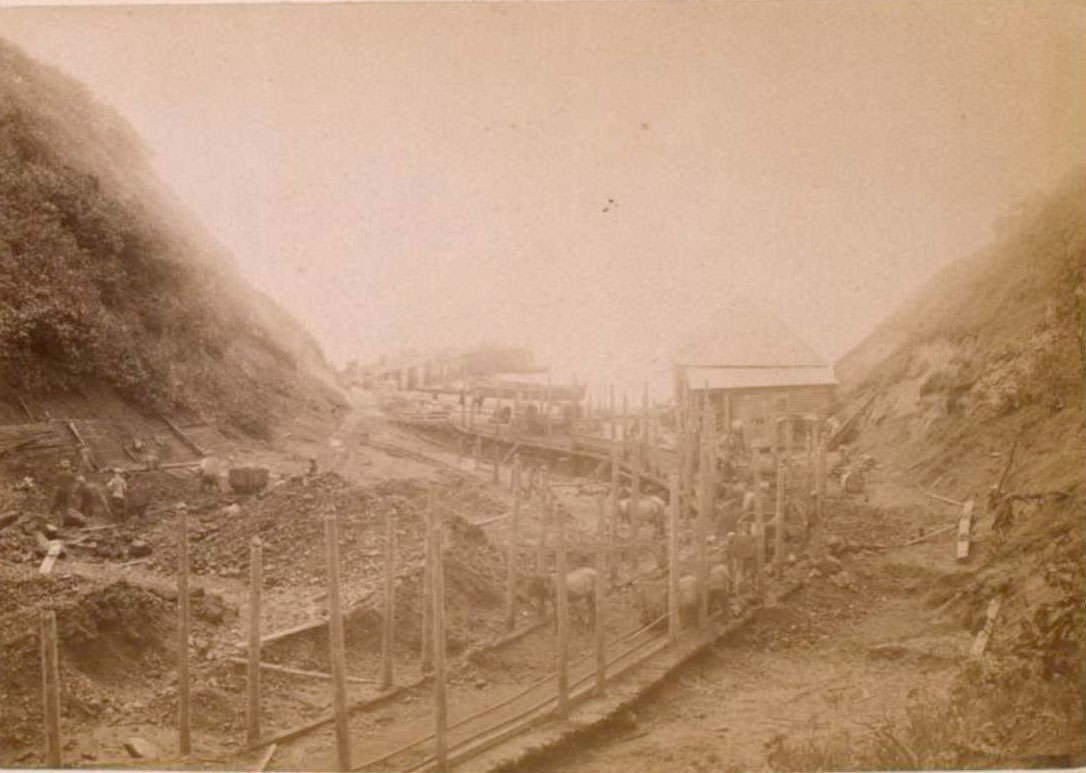
Beyond fishing, the island’s economy in the late 19th century also relied on coal mining, timber harvesting, and paper manufacturing. The forests in the south provided raw material for both timber and paper operations. Coal deposits, particularly in the central and northern regions, attracted miners and fueled Russian interest in holding the island long-term.
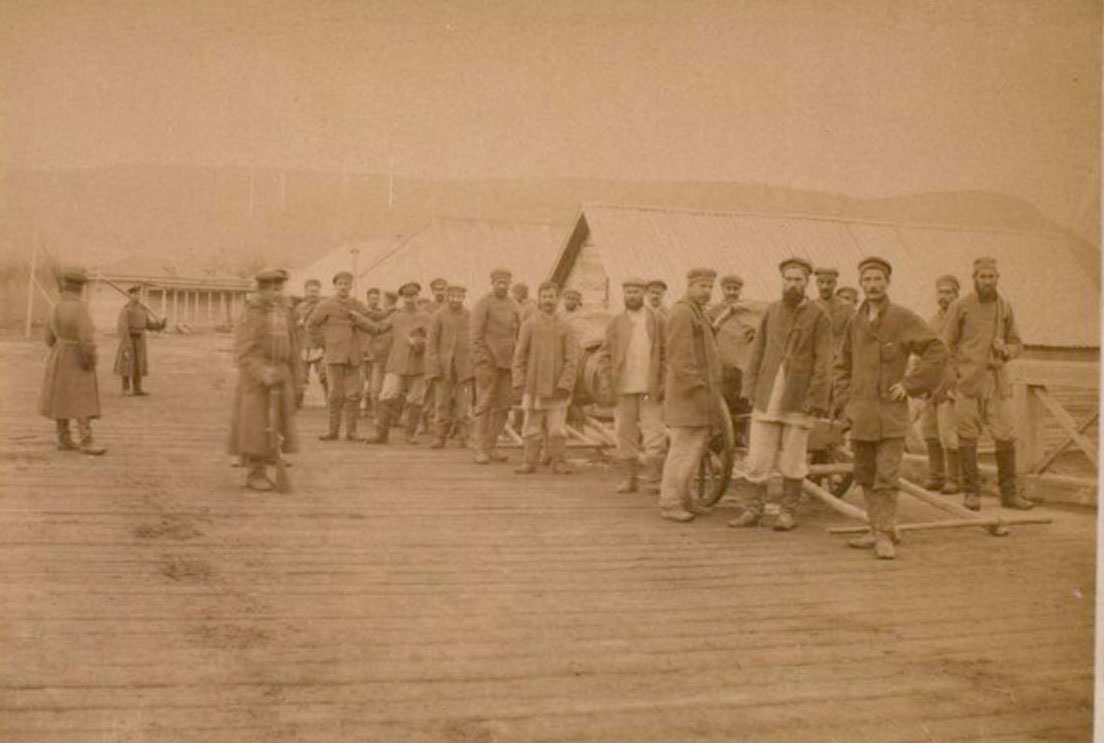
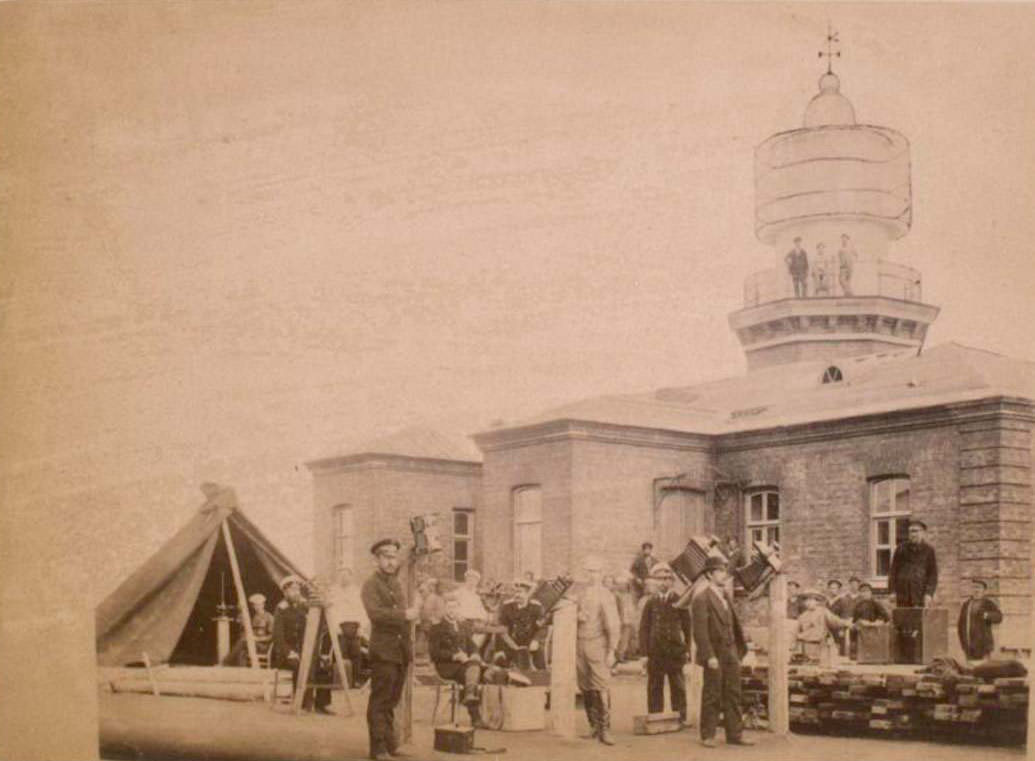
Agriculture on Sakhalin was limited in scope. The cold climate and rugged terrain made crop farming difficult, so most agricultural activity focused on raising livestock. Cattle and other animals were kept to supply food and labor for the growing settler population.
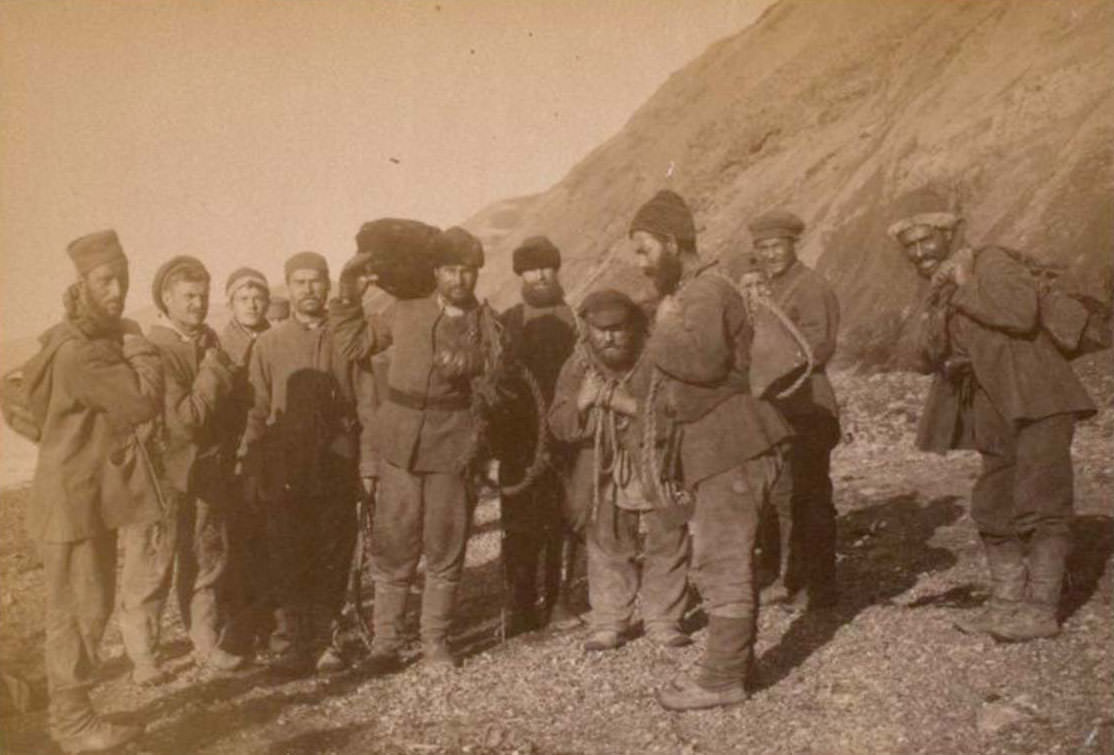
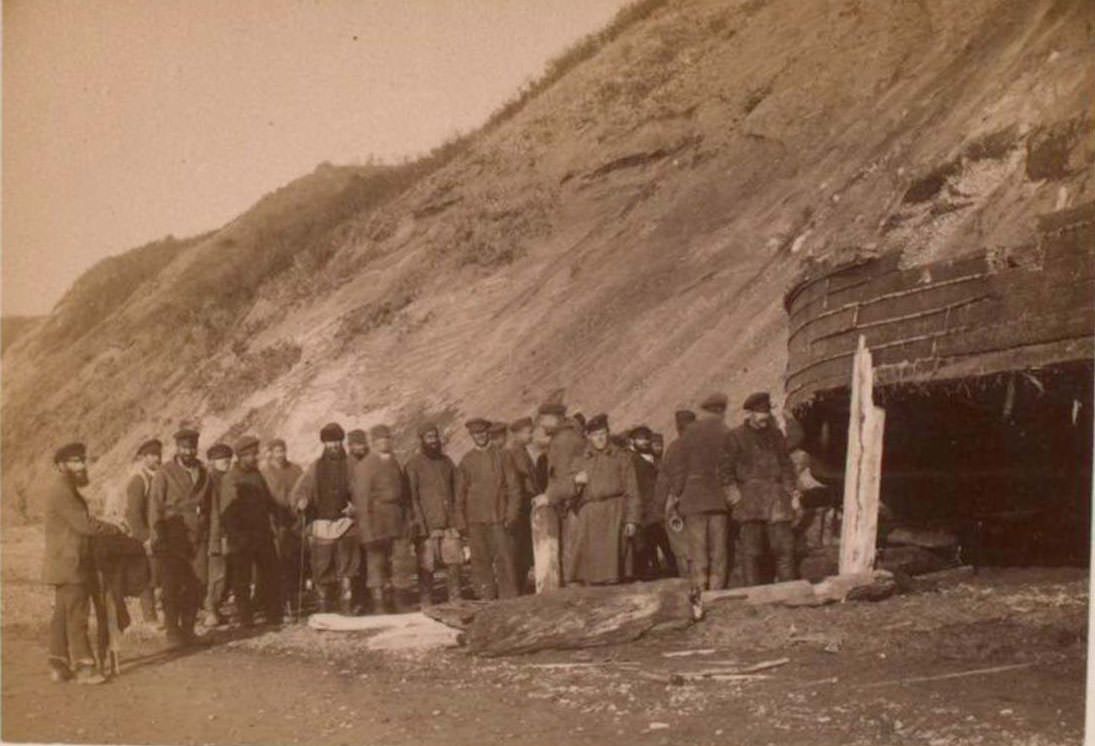
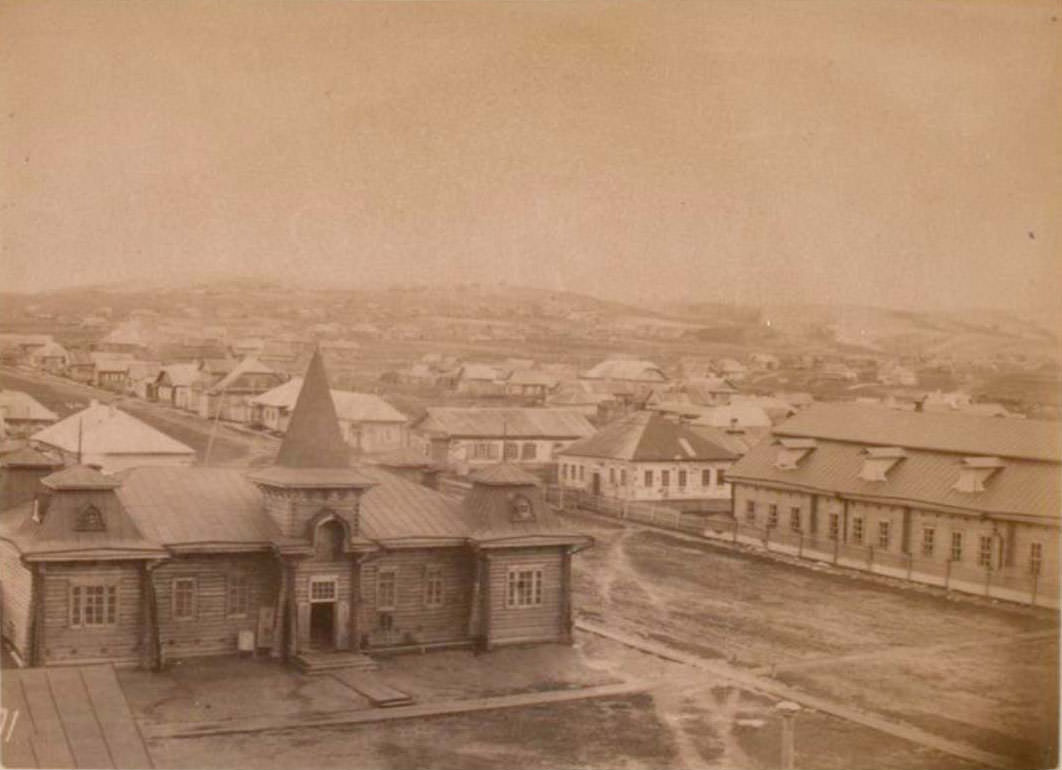
The Russian population on Sakhalin during this period included not only settlers and workers but also a significant number of prisoners and exiles. The Russian government used the island as a penal colony, sending convicts there to serve sentences doing hard labor. Anton Chekhov famously traveled to Sakhalin in 1890 to document conditions there, and his account drew widespread attention to the harsh realities of life on the island.
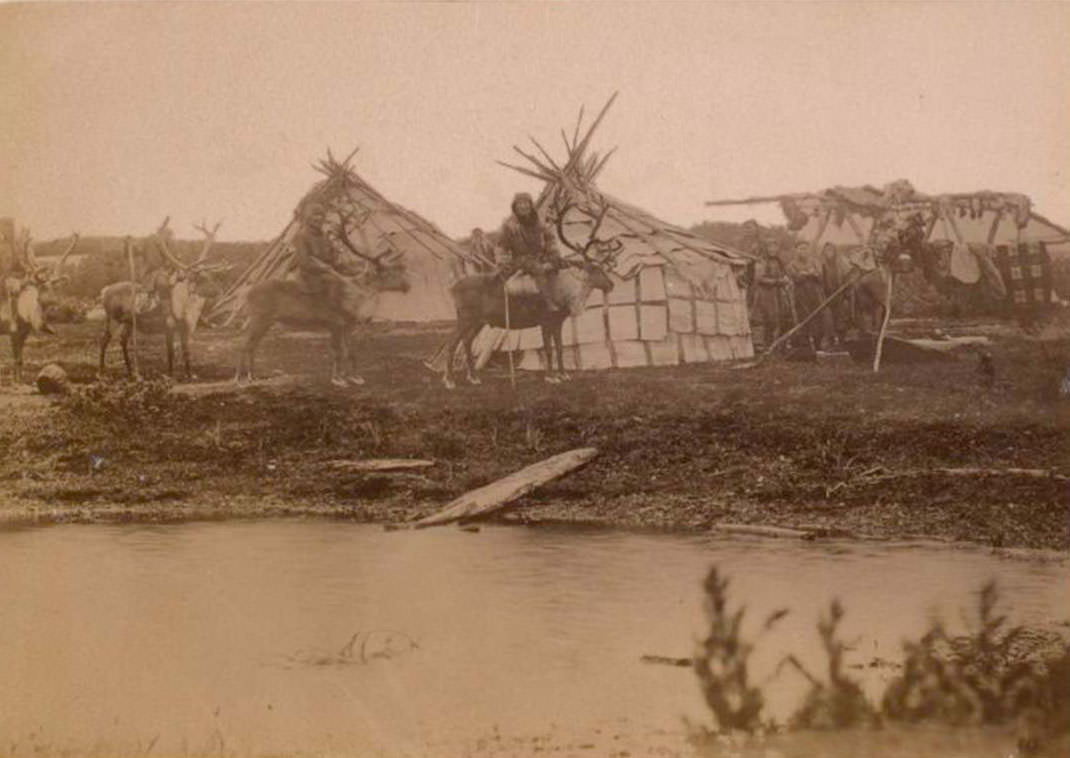
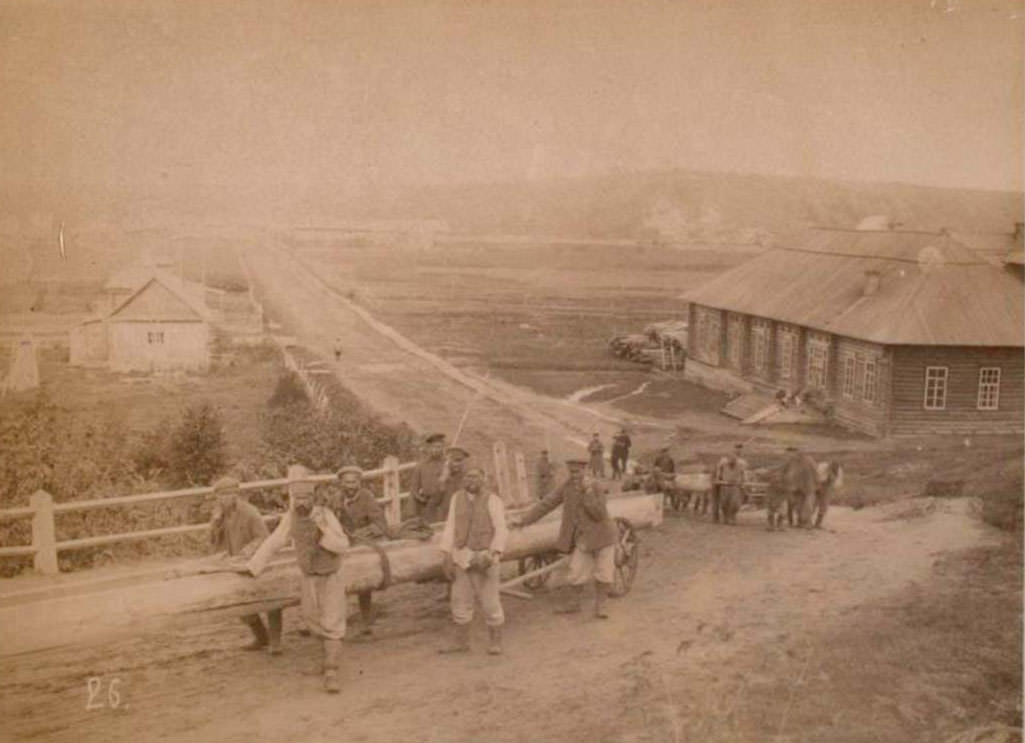
Life on the island was shaped as much by isolation as by anything else. Supply lines were long, winters were severe, and the nearest major Russian city was thousands of kilometers away. The photographs from this era capture a world that operated largely on its own terms, cut off from the centers of both Russian and Japanese power.
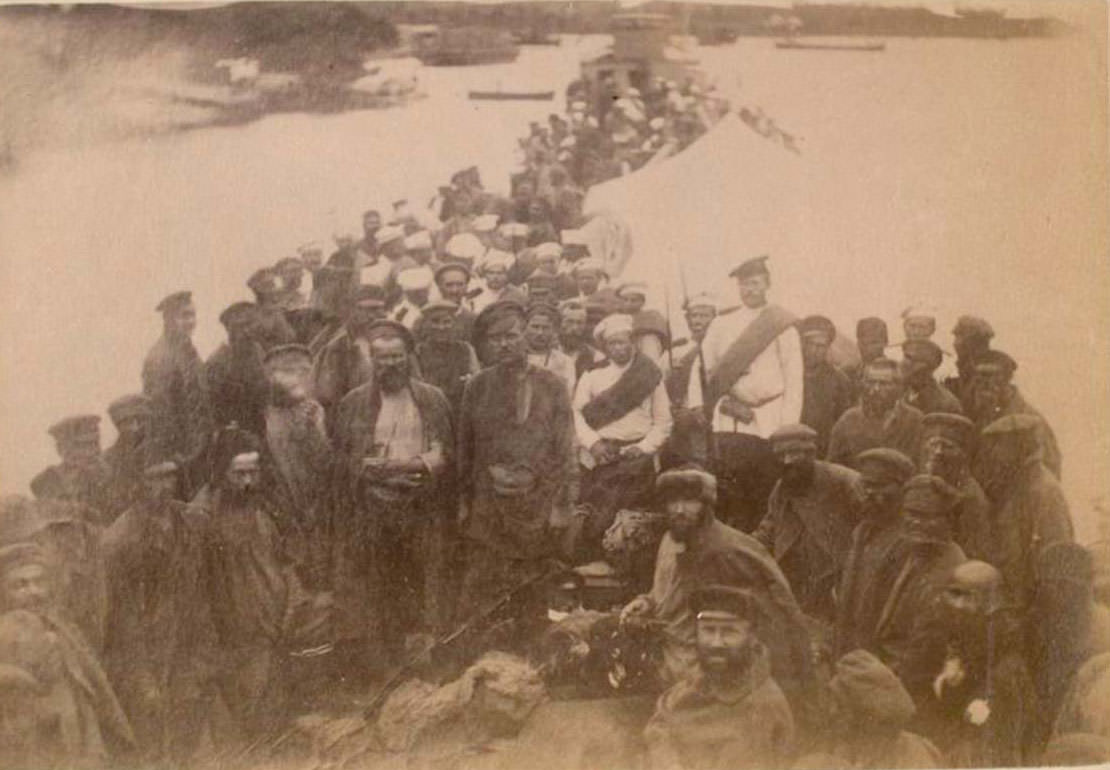
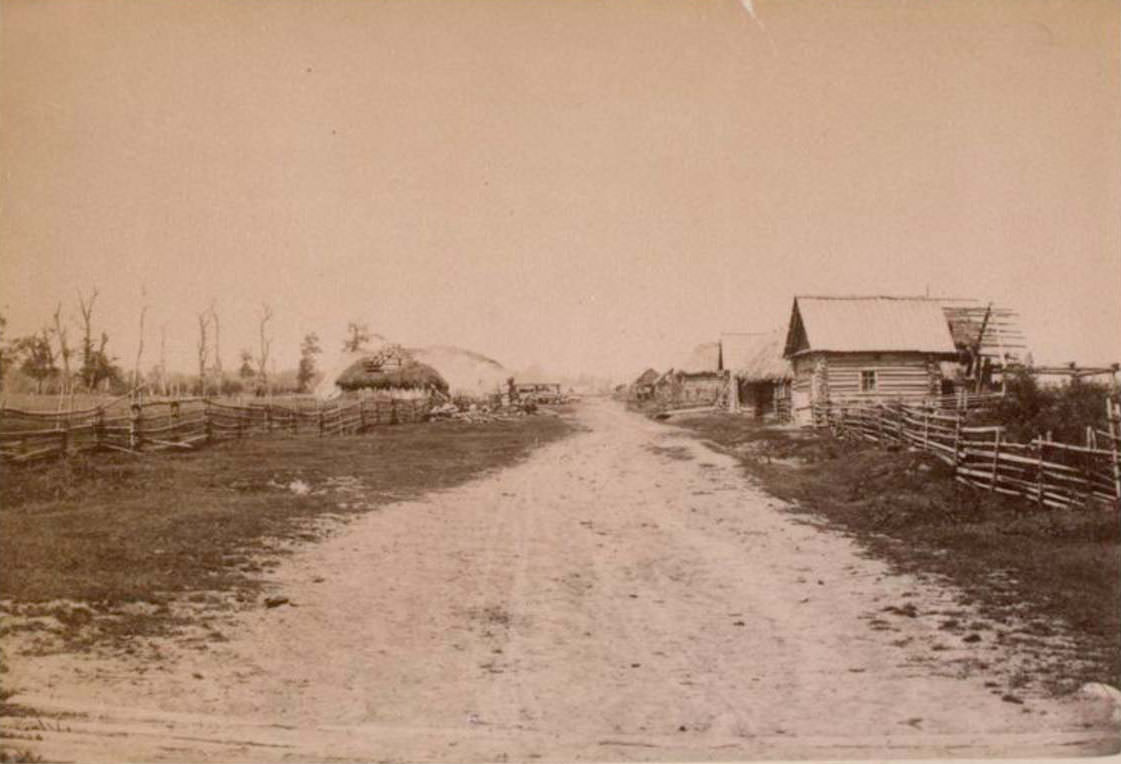
The political situation shifted again after the Russian Revolution. Japanese forces moved into Sakhalin and occupied it, holding the territory until 1924, when they withdrew and Red Army forces retook the northern areas. The southern half of the island remained under Japanese administration until the end of World War II.
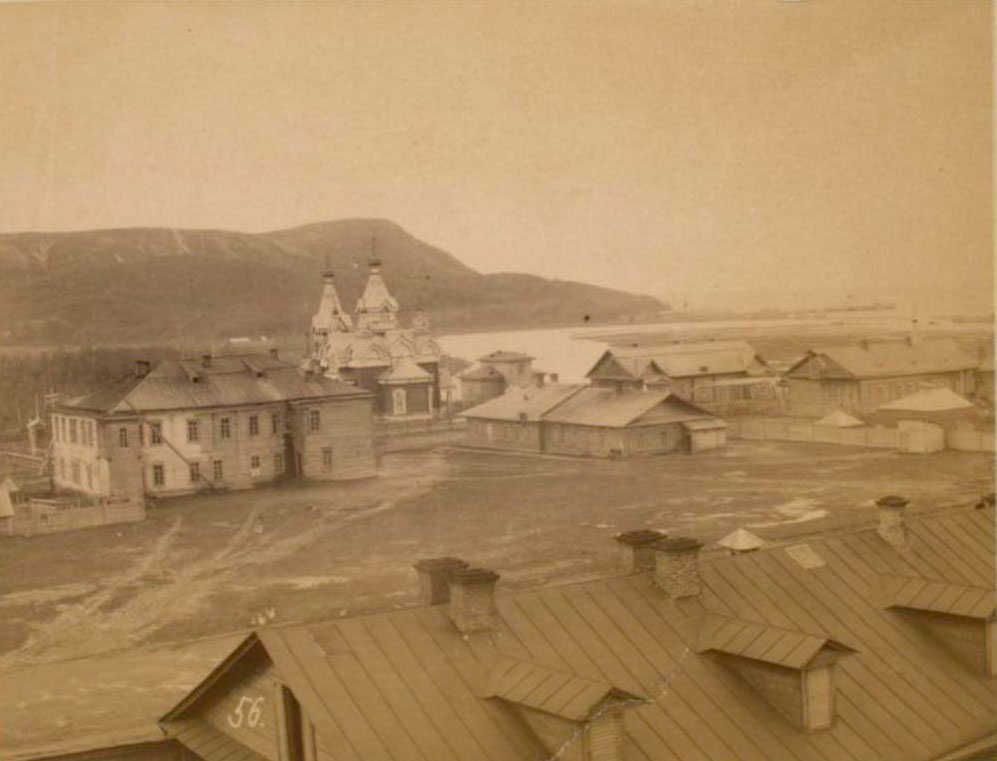
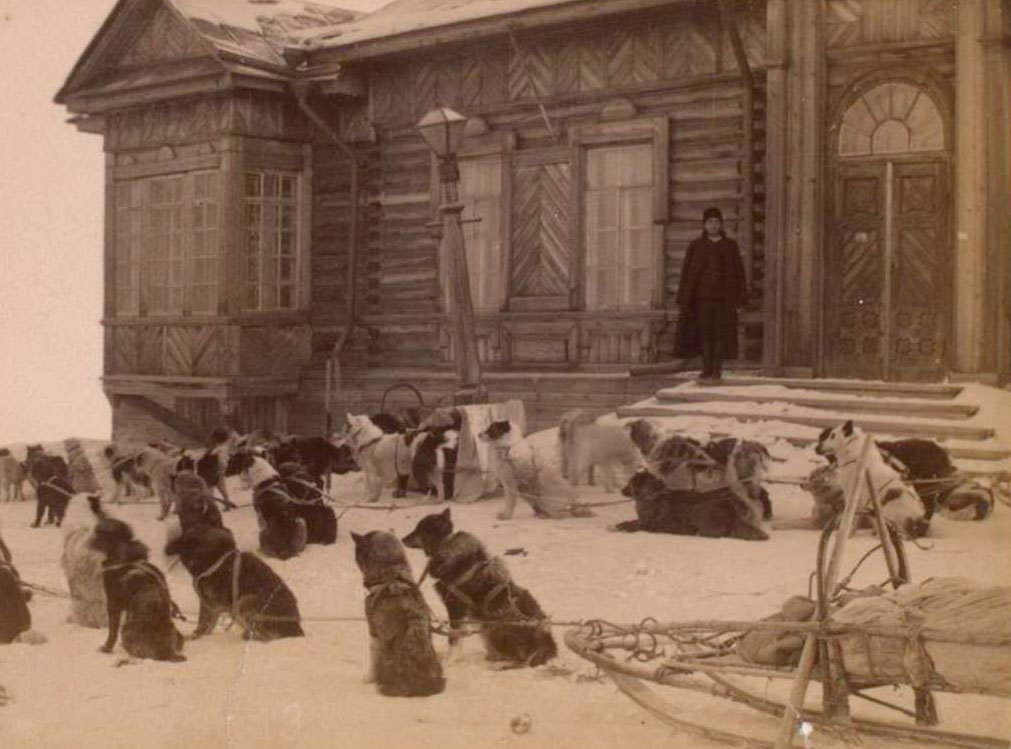
When the Soviet Union reclaimed the southern half of Sakhalin at the end of World War II, it also took back the Kuril Islands. The entire Japanese population living on Sakhalin at that time — settlers, workers, and families who had built their lives there over decades — was fully repatriated to Japan. It was one of the largest forced relocations in the postwar Pacific.
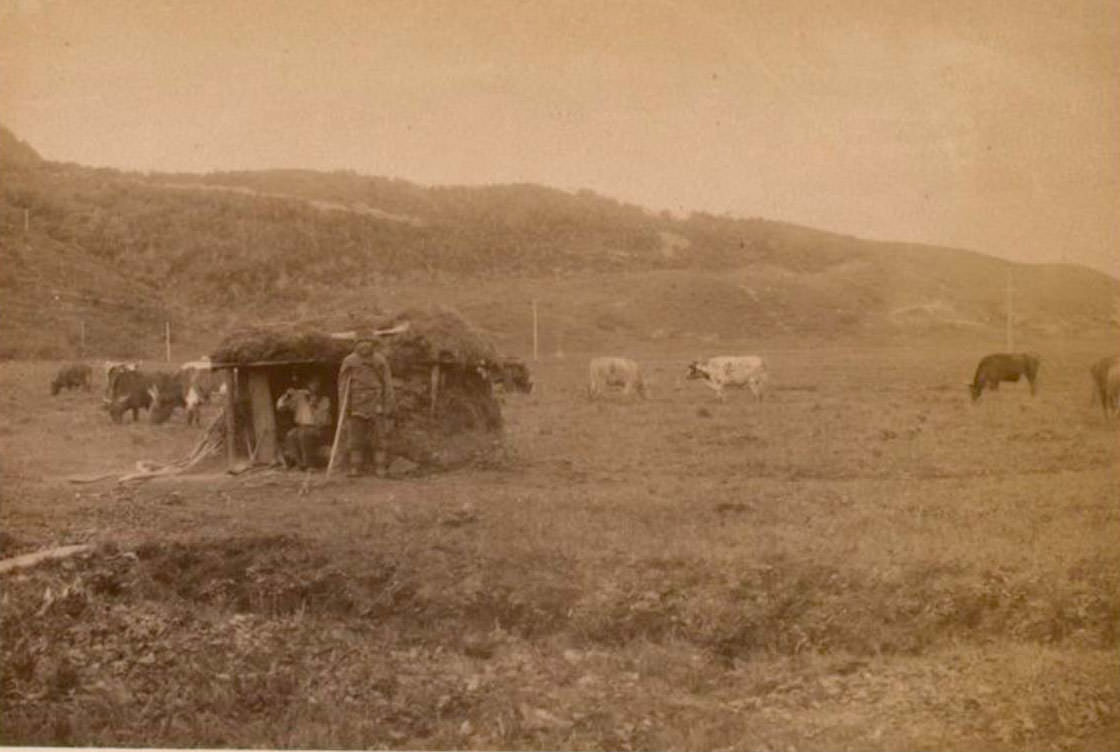
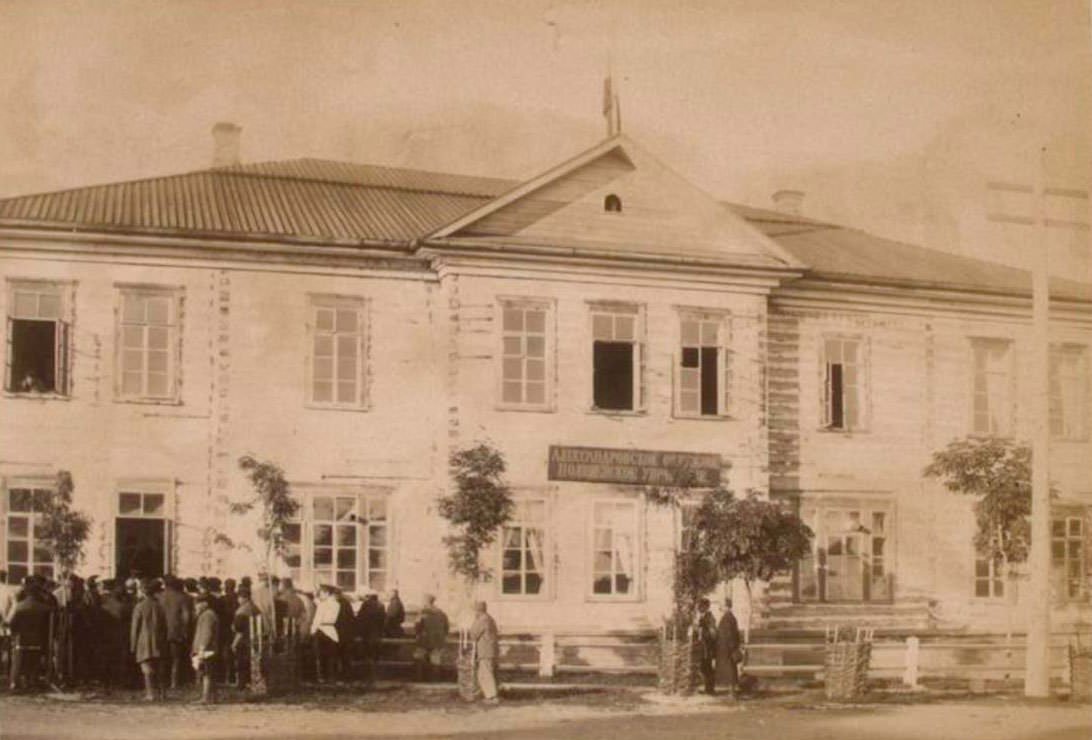
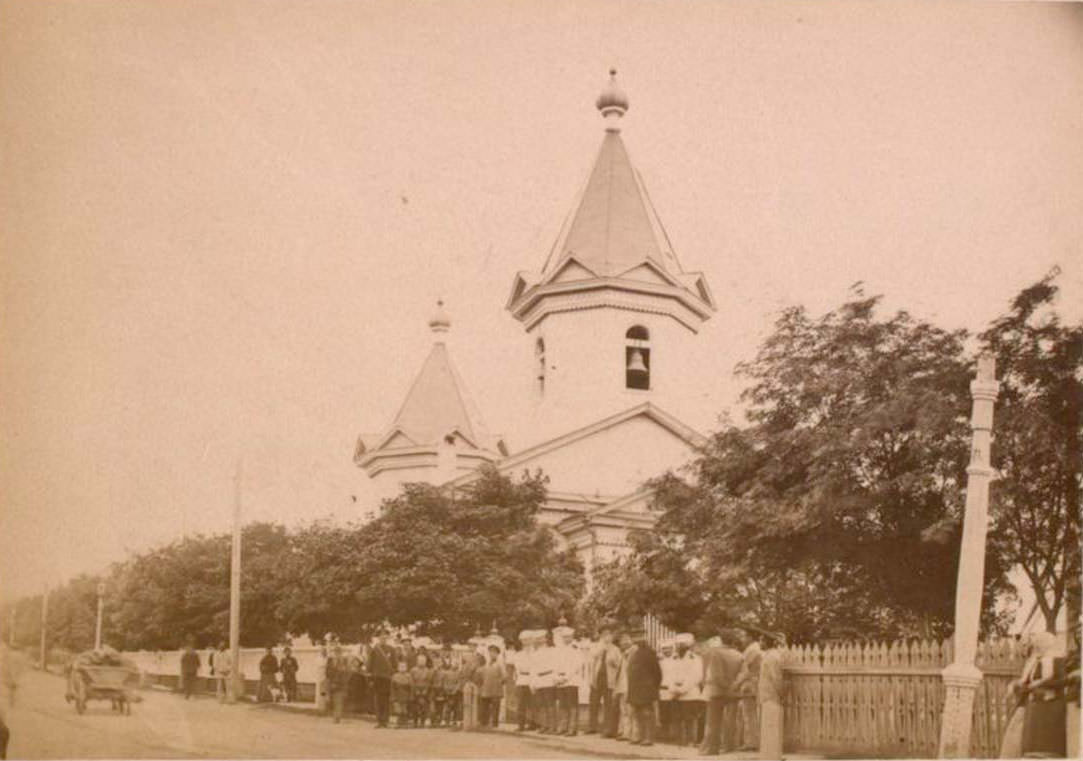
These late-19th century photographs predate all of those dramatic political changes. They show Sakhalin at a time when it was still settling into Russian control, when indigenous communities still maintained visible presence, and when the island’s economy was only beginning to be developed on an industrial scale.