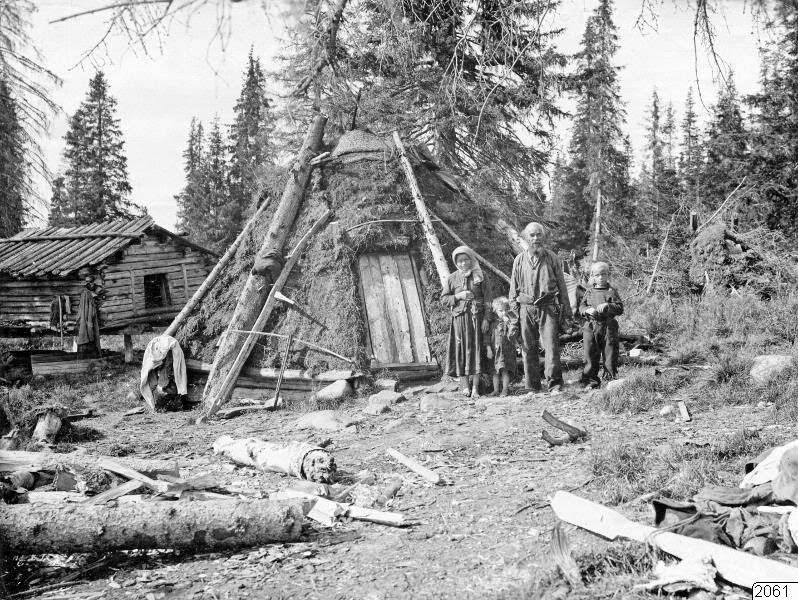
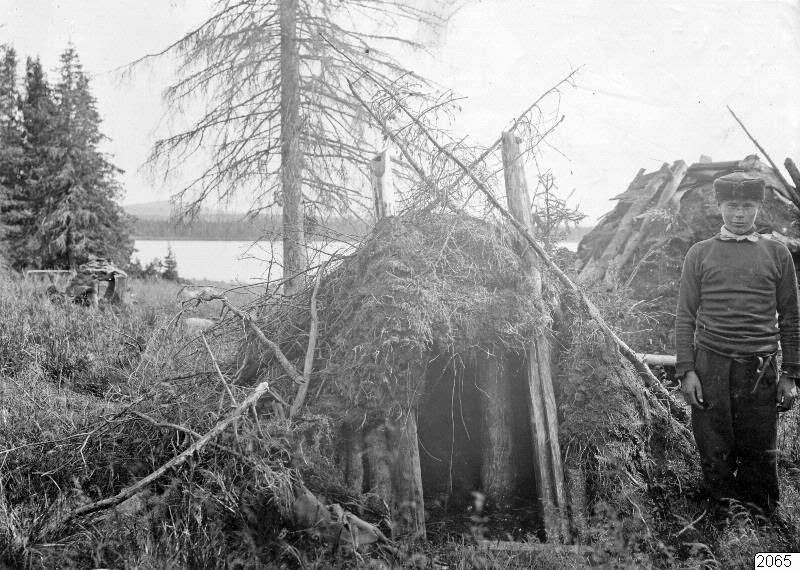
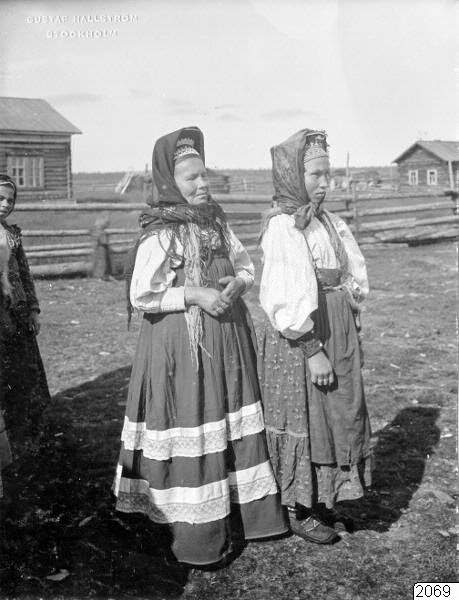
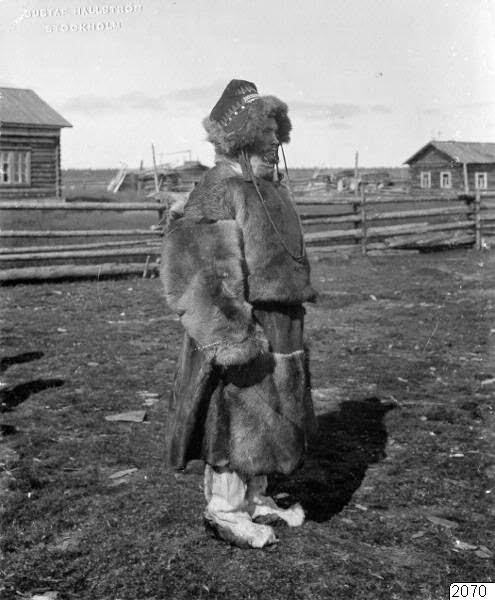
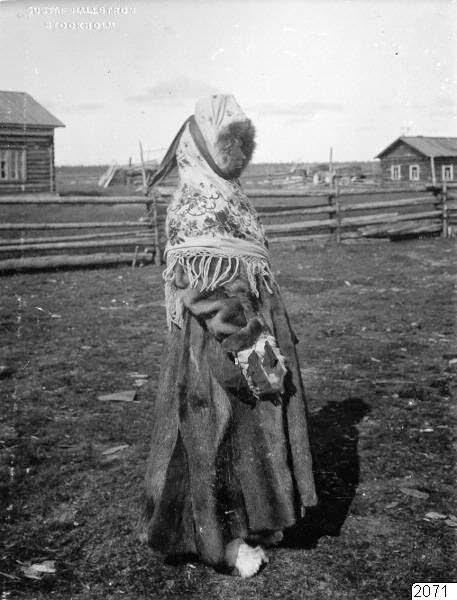
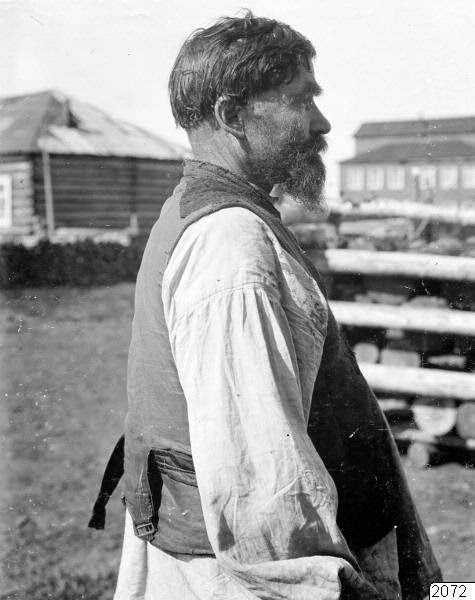
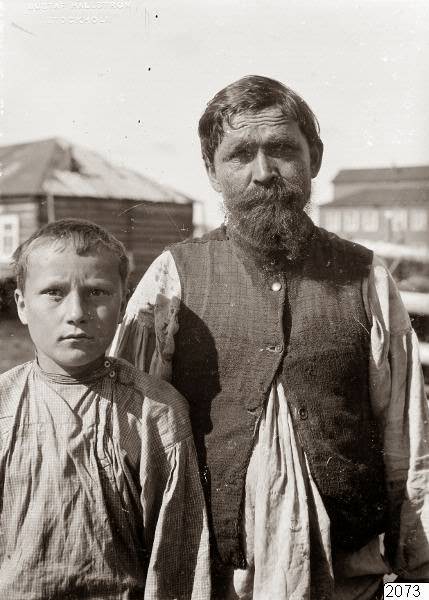
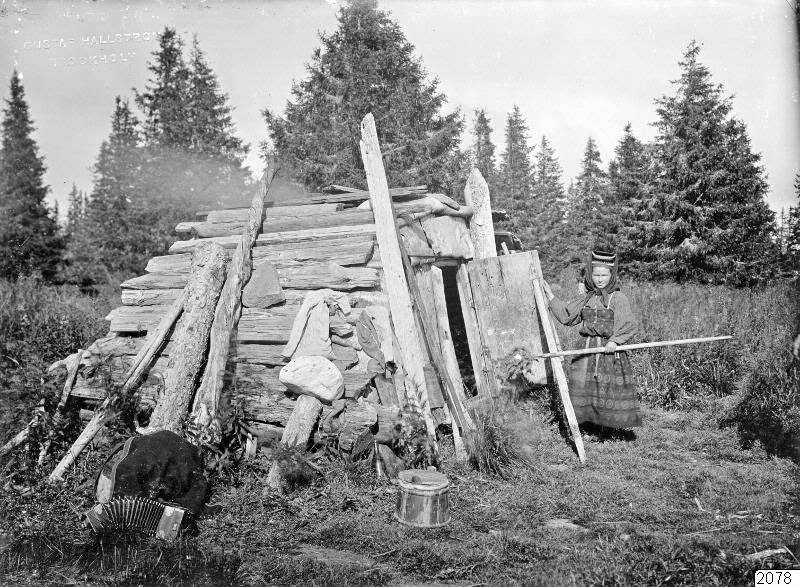
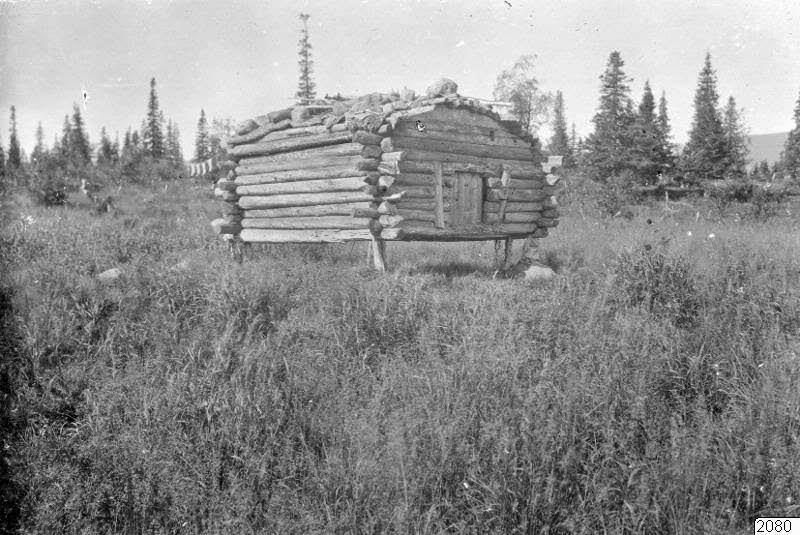
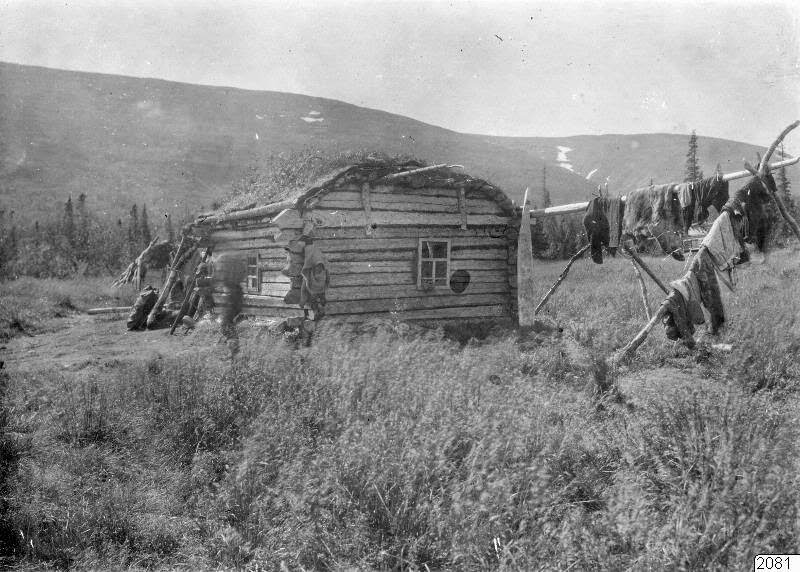
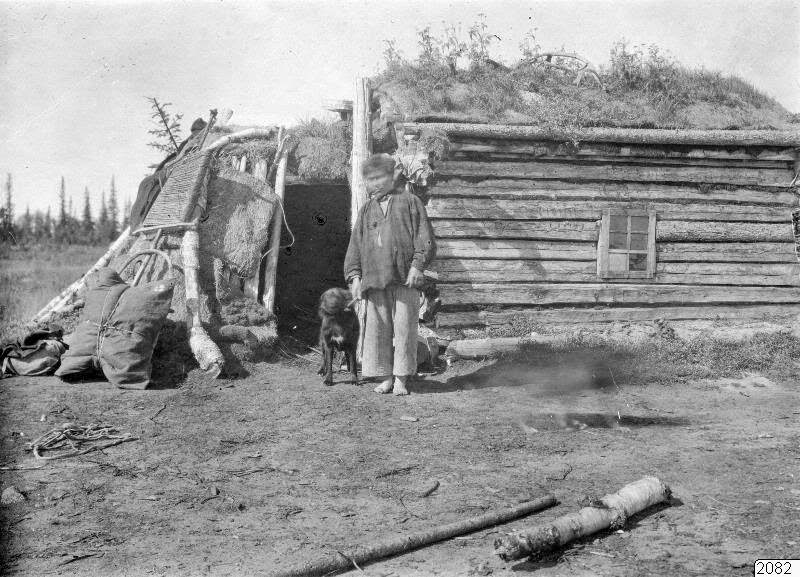
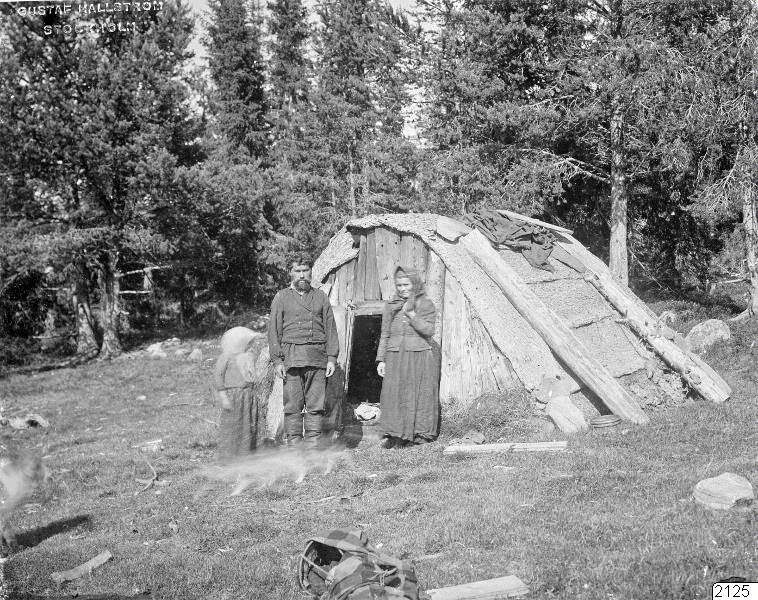
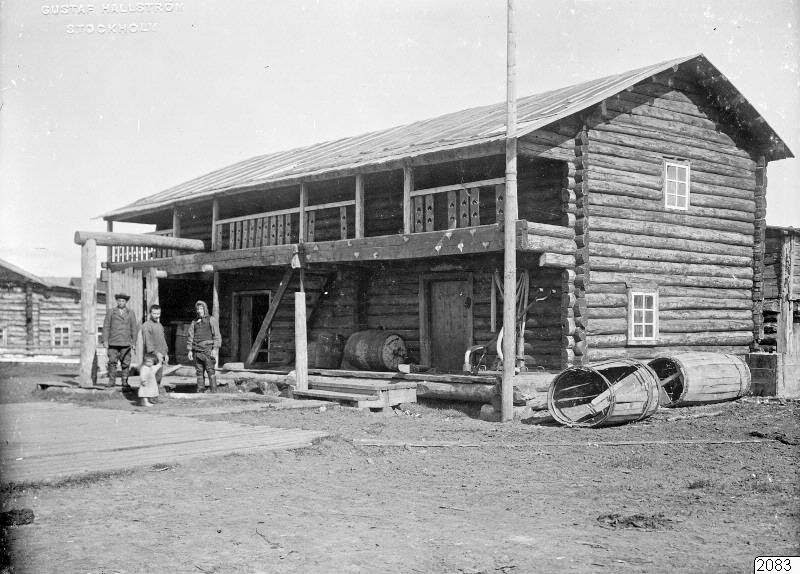
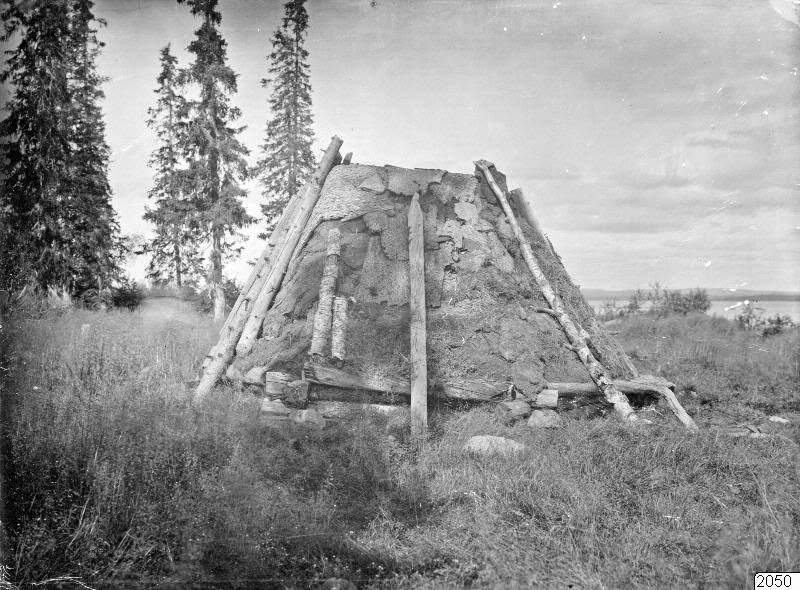
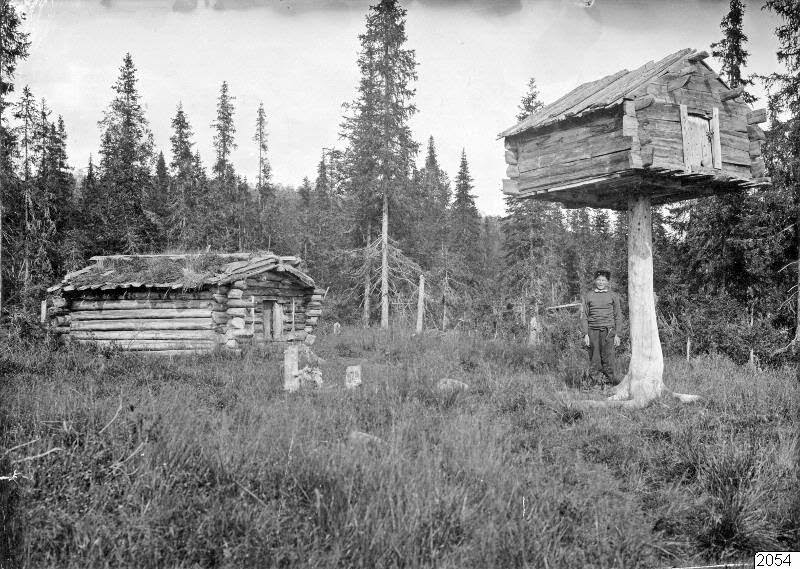
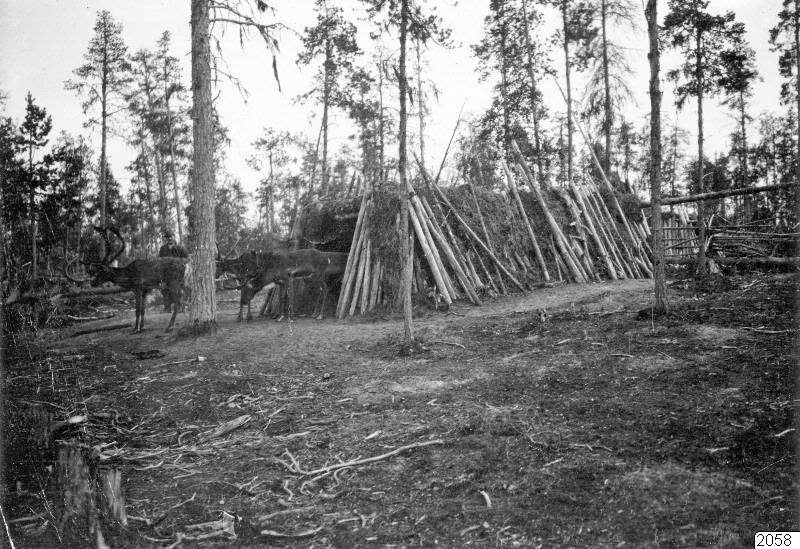
Villages in Arkhangelsk province in the 1910s were small and tightly bound communities. Homes were built from logs, with steep roofs designed to shed the region’s heavy snowfall. Inside, a single large stove did everything — it heated the space, cooked the food, and sometimes served as a sleeping surface during the coldest nights.
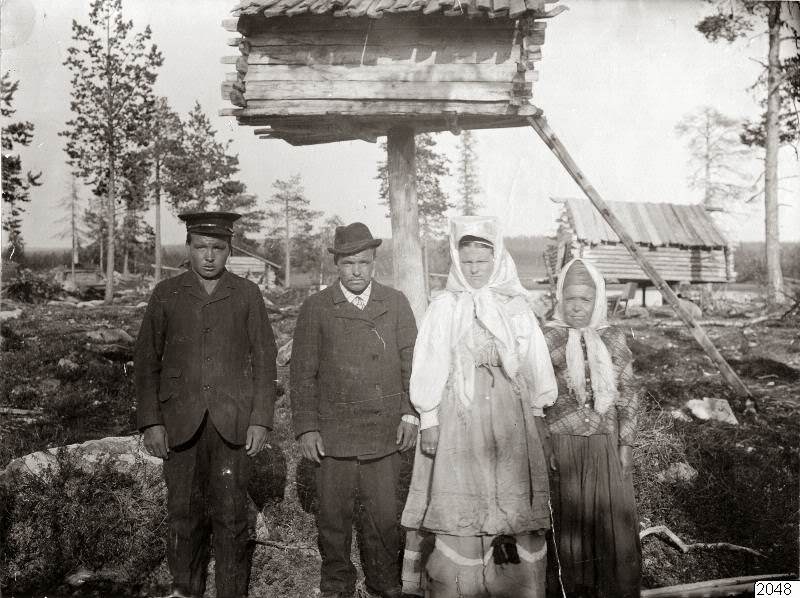
Daily life centered on farming. Families grew rye, oats, and potatoes, storing enough to last through months of frozen ground. Most households kept a few cows, chickens, and a horse. These animals were not optional — they were survival. Feeding and tending them was a task shared by adults and children alike, starting from a young age.
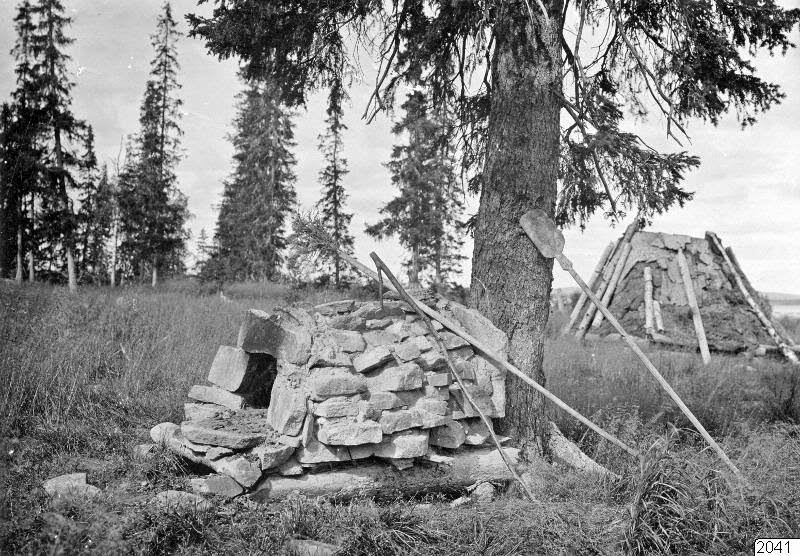
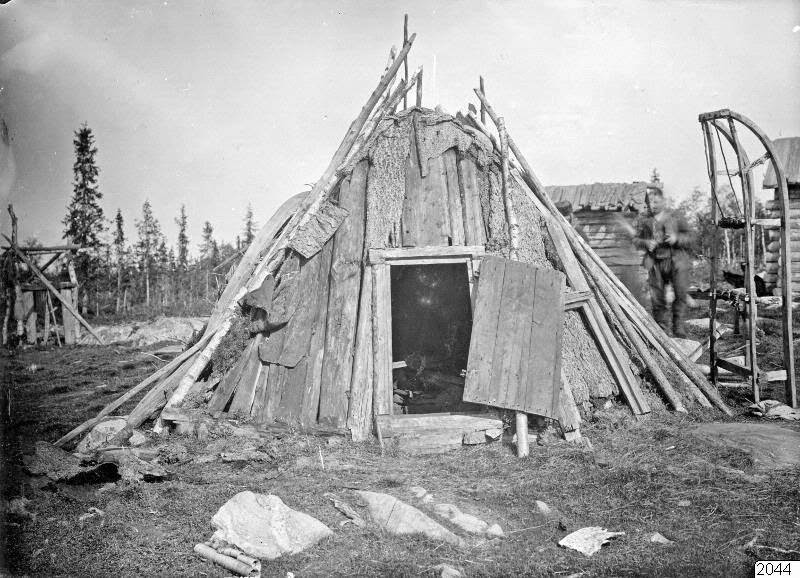
Winter hit hard and stayed long. Roads turned impassable, cutting villages off from one another for weeks at a time. Families turned inward during these months, repairing tools, weaving cloth, and crafting boots or felt shoes by hand. There was no idle time — the season demanded constant work just to stay prepared.
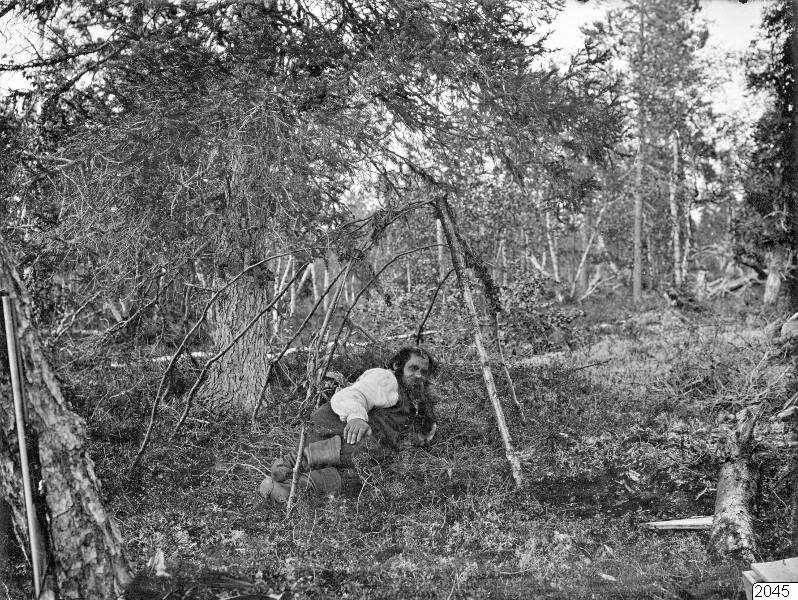
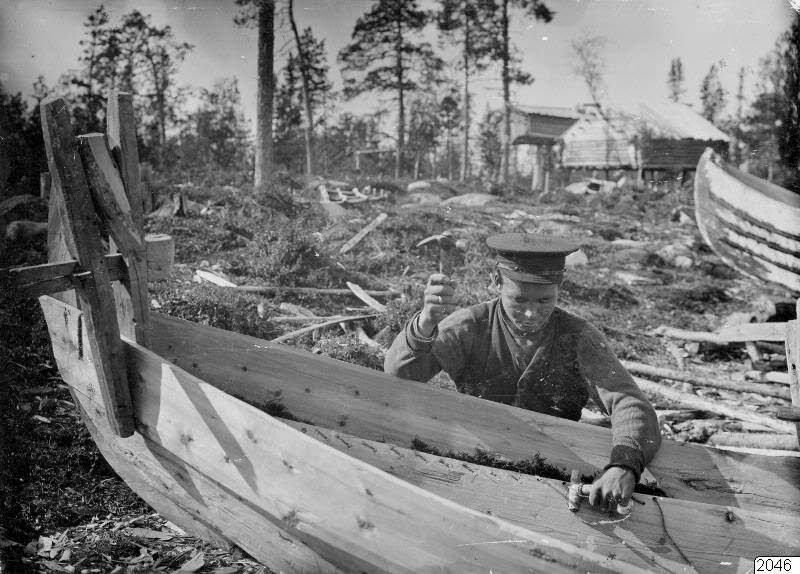
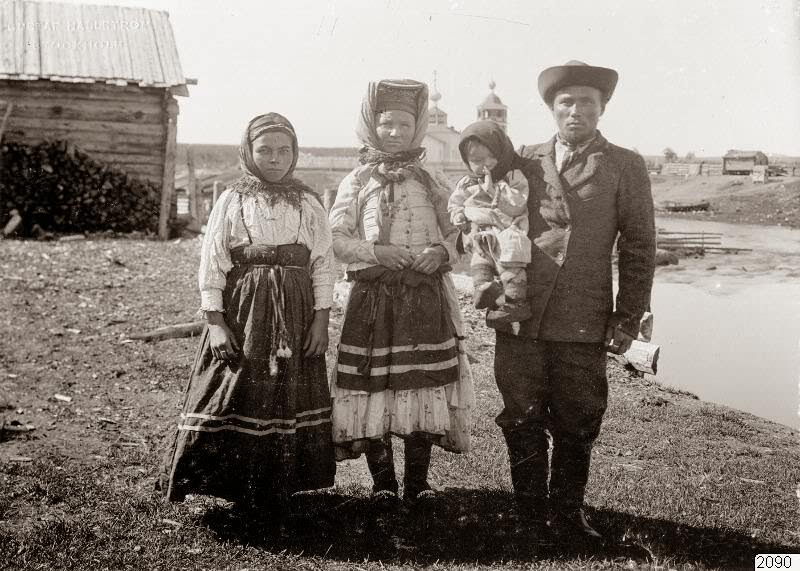
The Russian Orthodox Church organized community life. Villagers attended services every Sunday and gathered for major religious holidays throughout the year. These festivals offered rare breaks from routine — music played, food was shared, and people filled the village square. The church calendar essentially set the rhythm of the year.
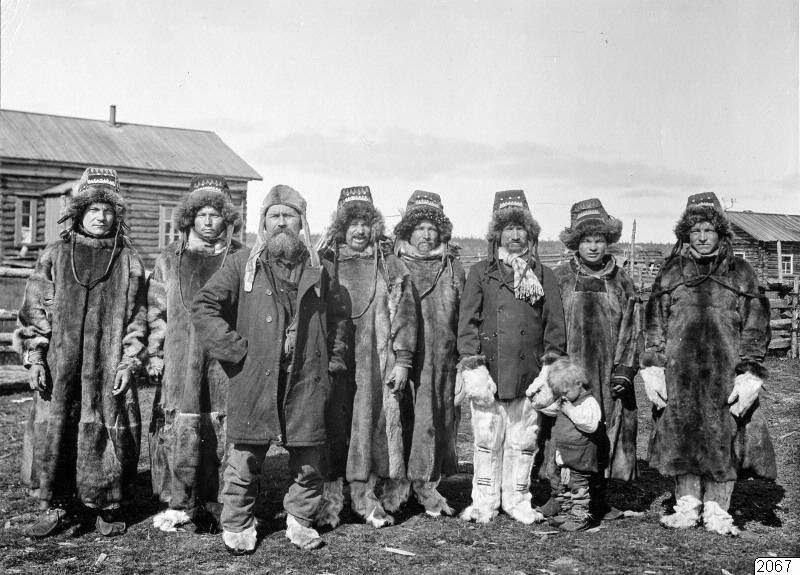
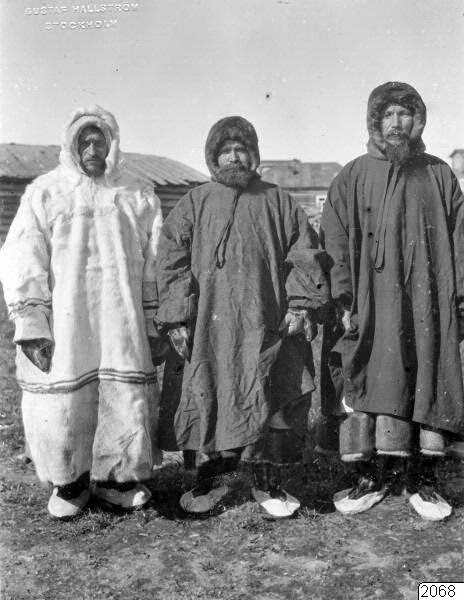
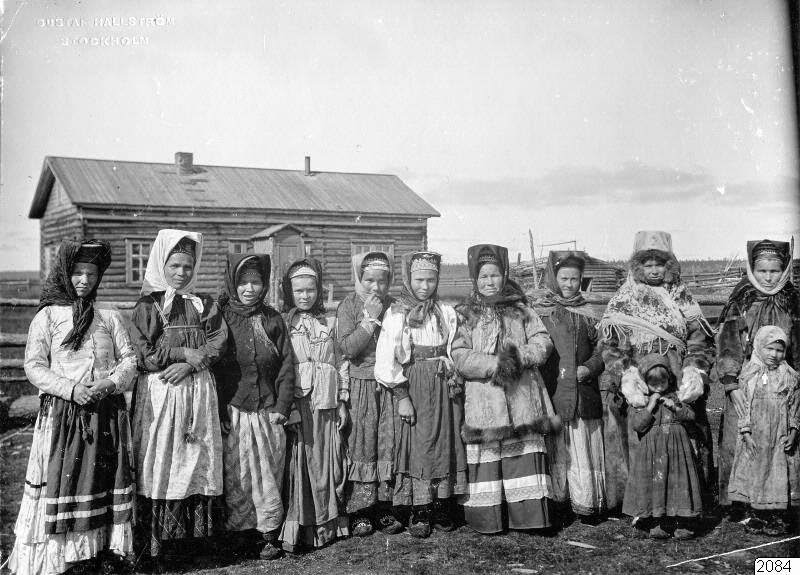
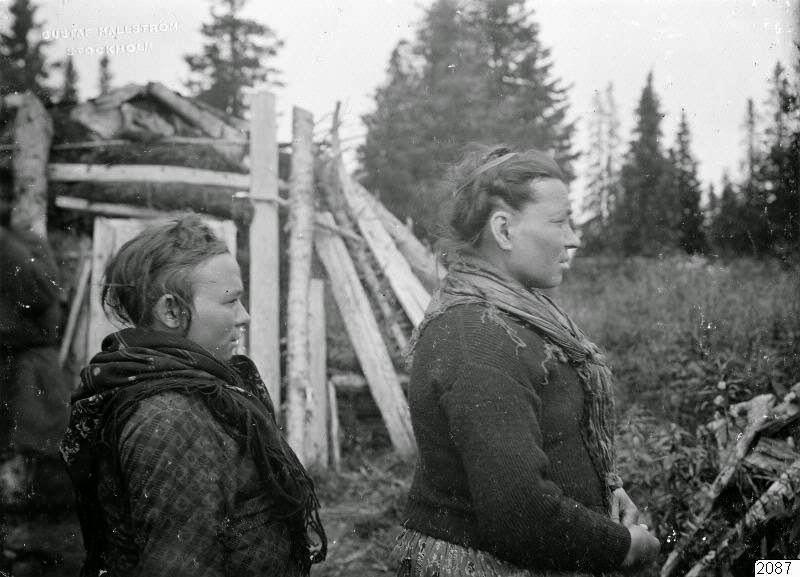
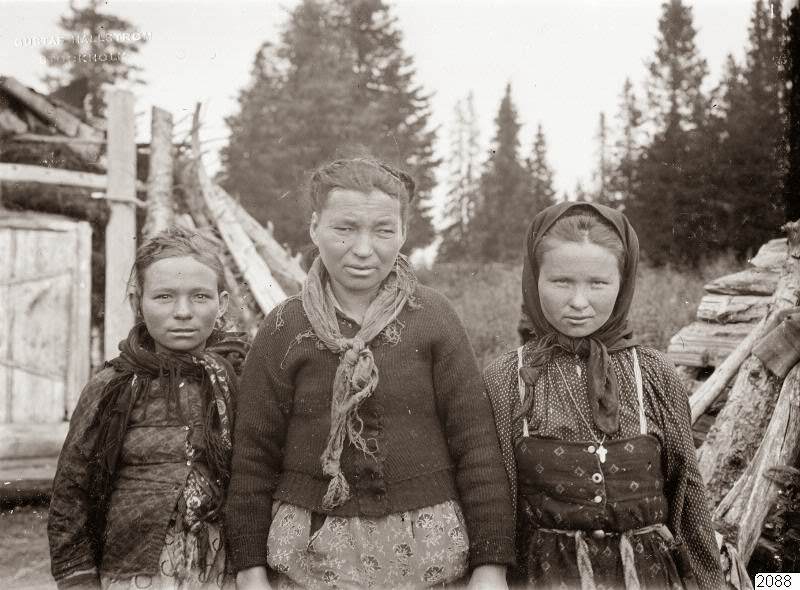
Clothing was made at home from start to finish. Women spun wool or flax into thread, wove it into fabric, and sewed every garment the family wore. In winter, sheepskin coats and fur-lined hats were standard. In warmer months, families switched to lighter linen clothing. Nothing was bought that could be made.
Children entered the workforce early. Boys worked the fields and helped manage livestock. Girls learned cooking, sewing, and other household tasks. Schooling existed but was irregular — farm demands came first, and many children attended only part of the year.