Roland Topor was born in Paris in 1938 to Polish-Jewish parents who had fled persecution in Europe. His childhood was marked by displacement and fear — experiences that left a permanent mark on his artistic vision. By the time he reached adulthood, Topor had become one of the most distinctive and unsettling voices in French surrealist art. He worked across illustration, painting, sculpture, graphic novels, and theater set design, producing a body of work that was vast, restless, and consistently dark.
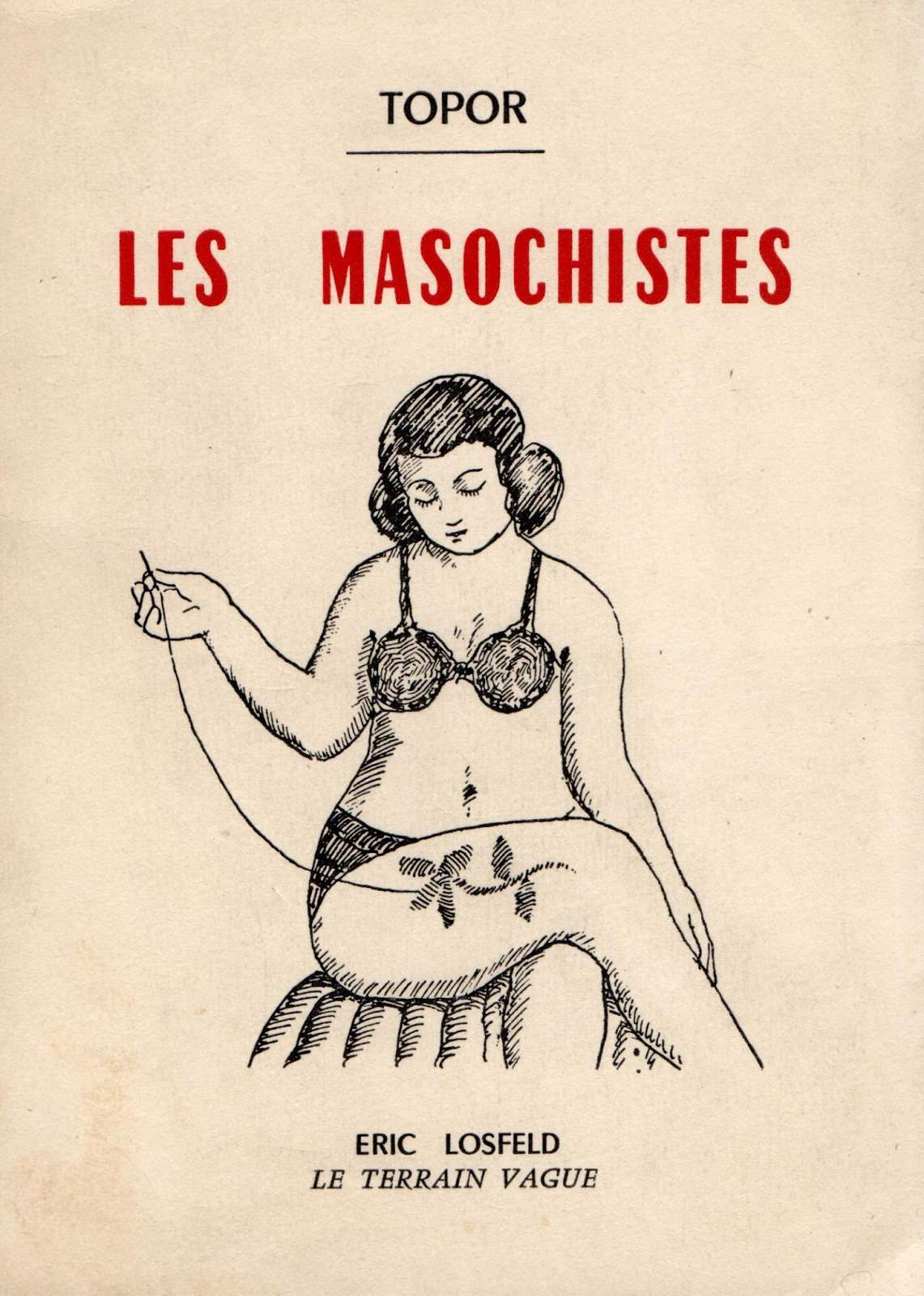
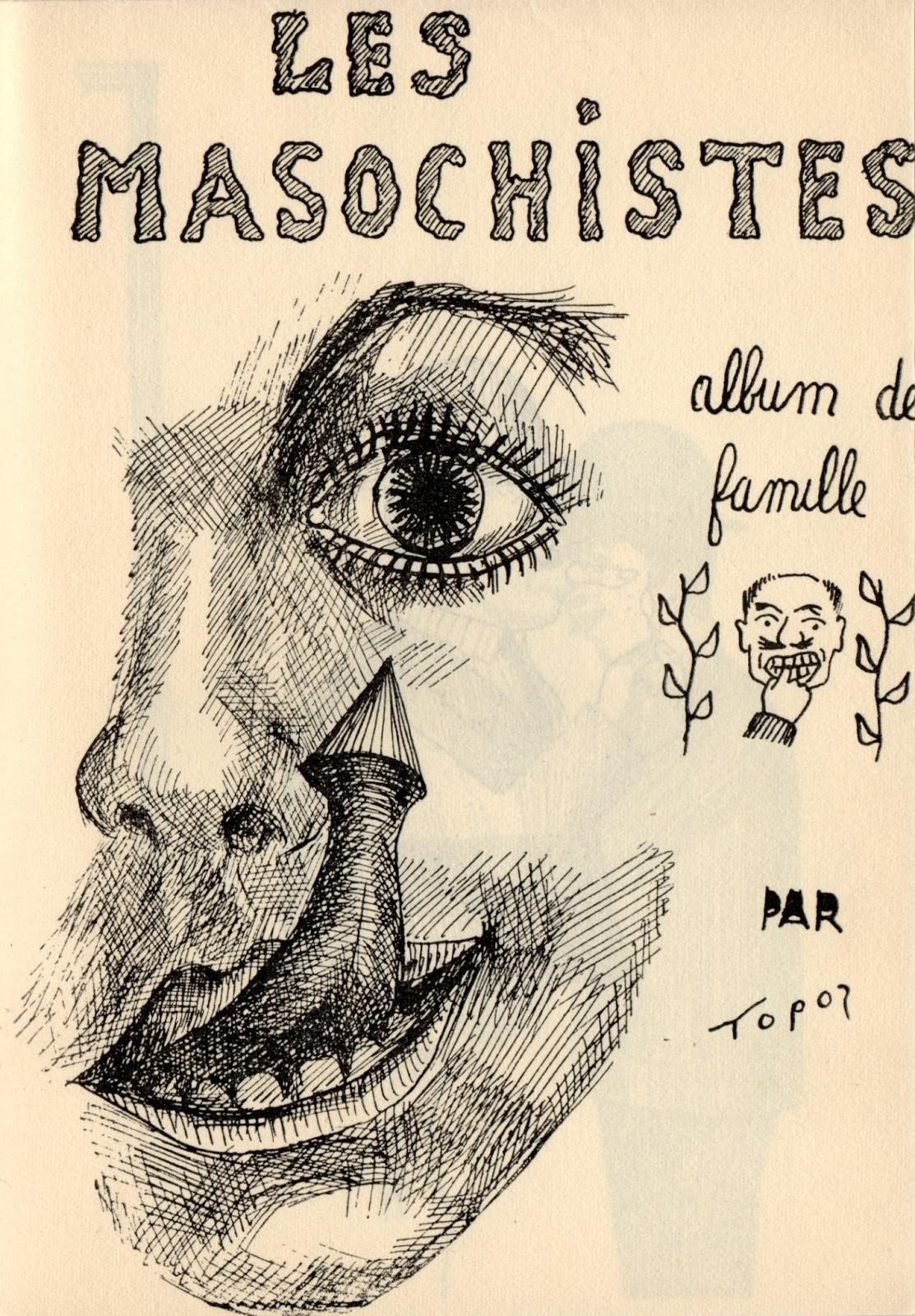
Topor co-founded the Panic Movement in 1962 alongside Fernando Arrabal and Alejandro Jodorowsky. The movement rejected logic and comfort in art. It embraced chaos, cruelty, and the grotesque as tools to expose the raw edges of human experience. This philosophy ran through everything Topor made, including his 1960 illustration series exploring masochism — a subject that sits at the intersection of pain, desire, and psychology.
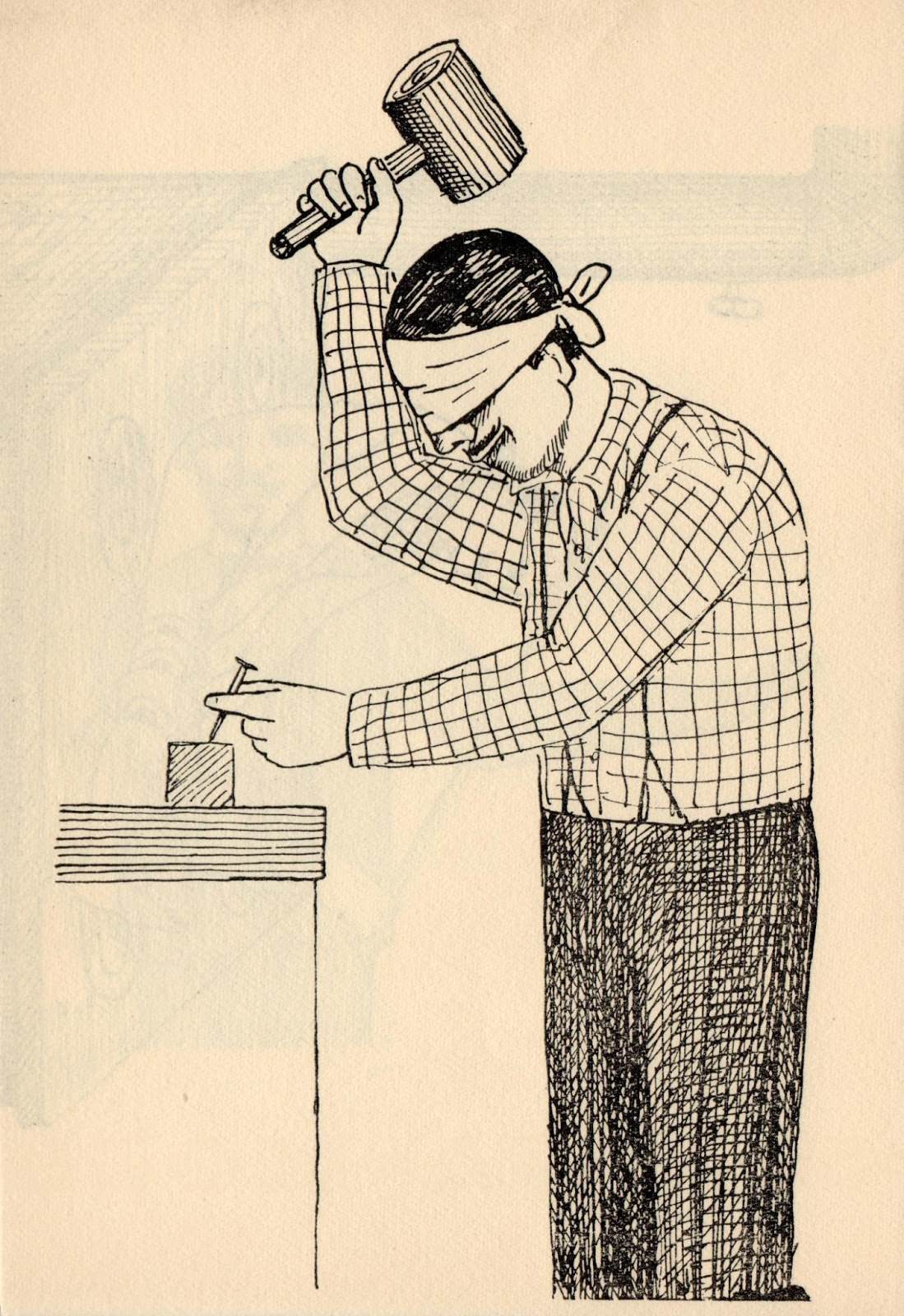
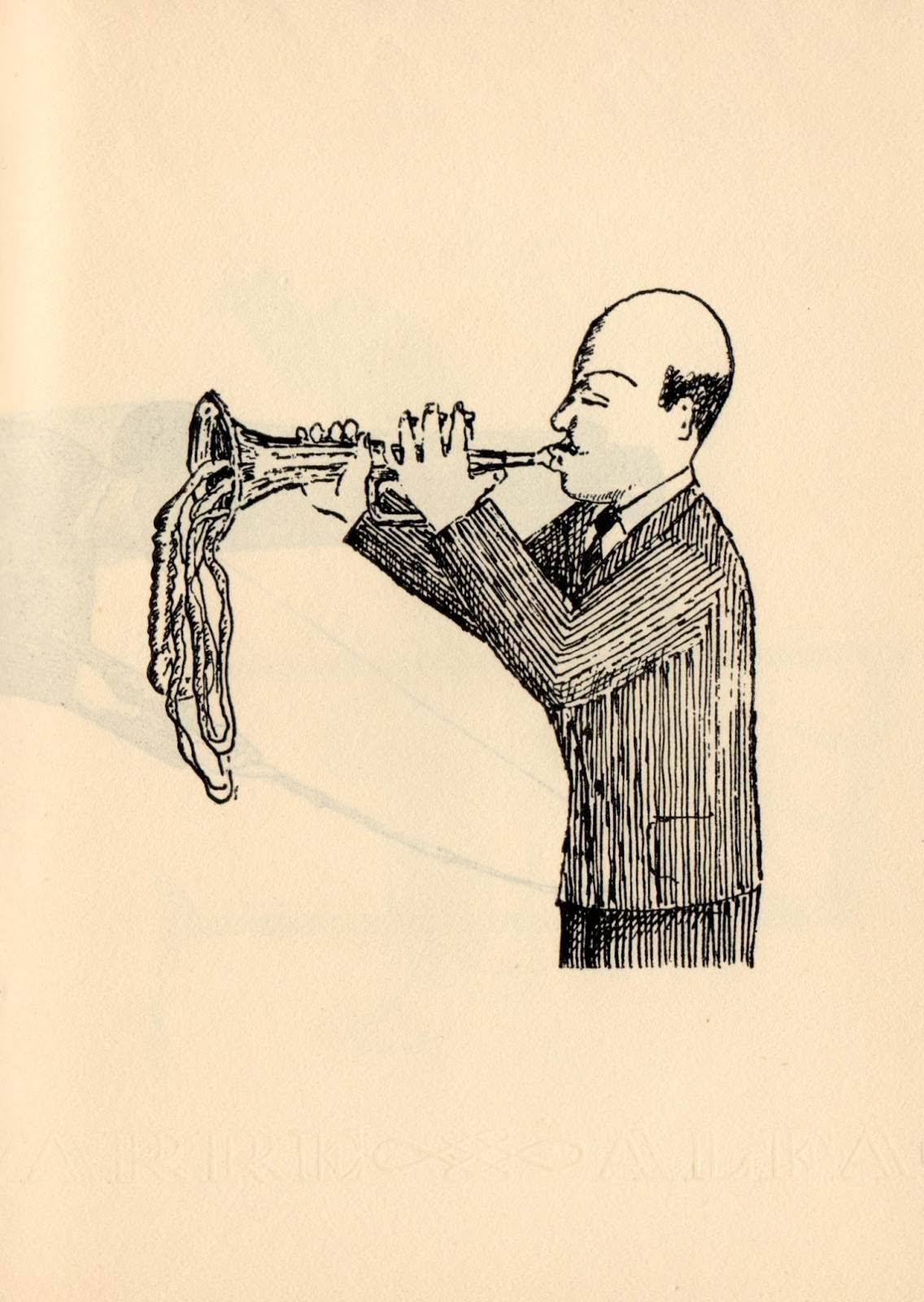
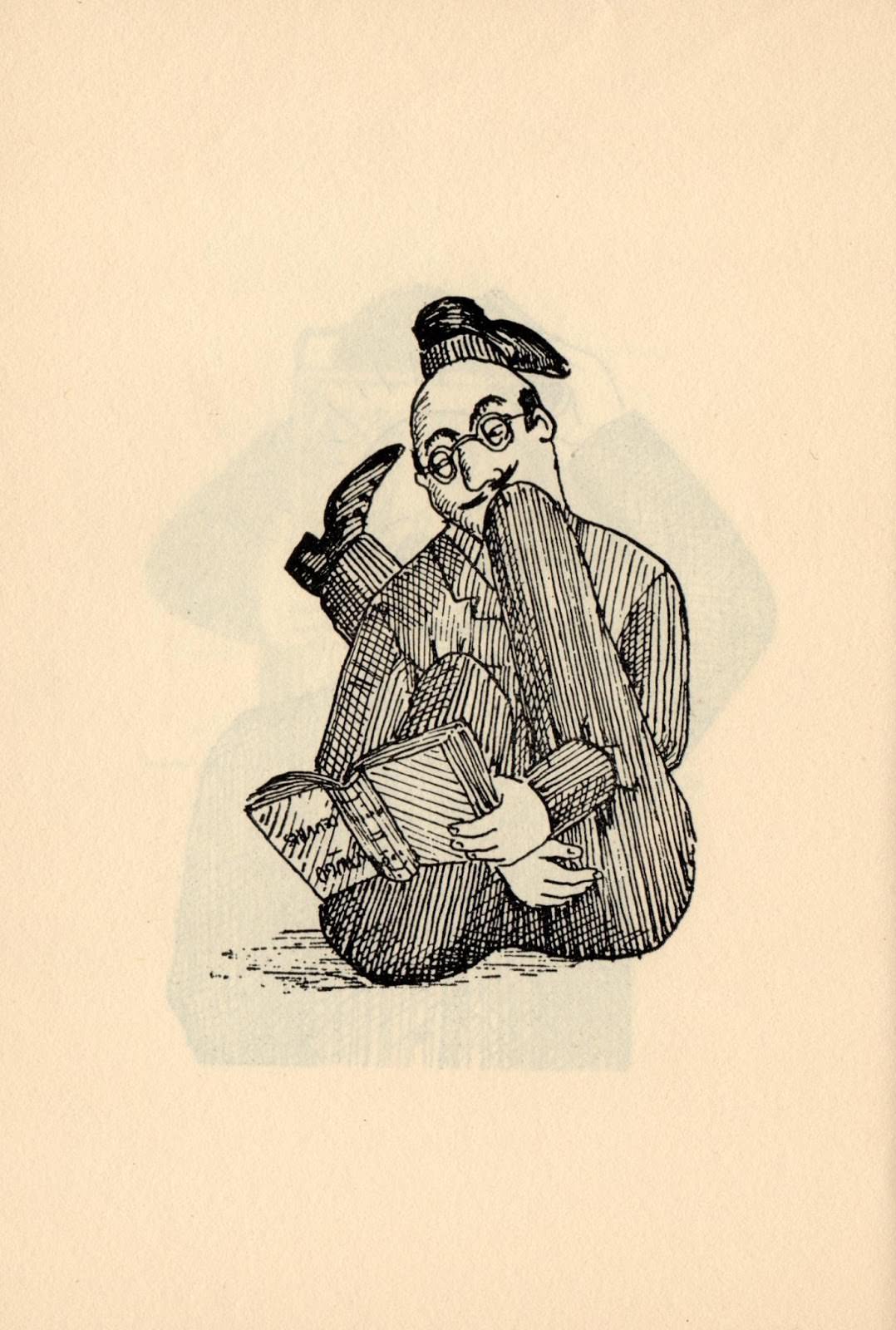
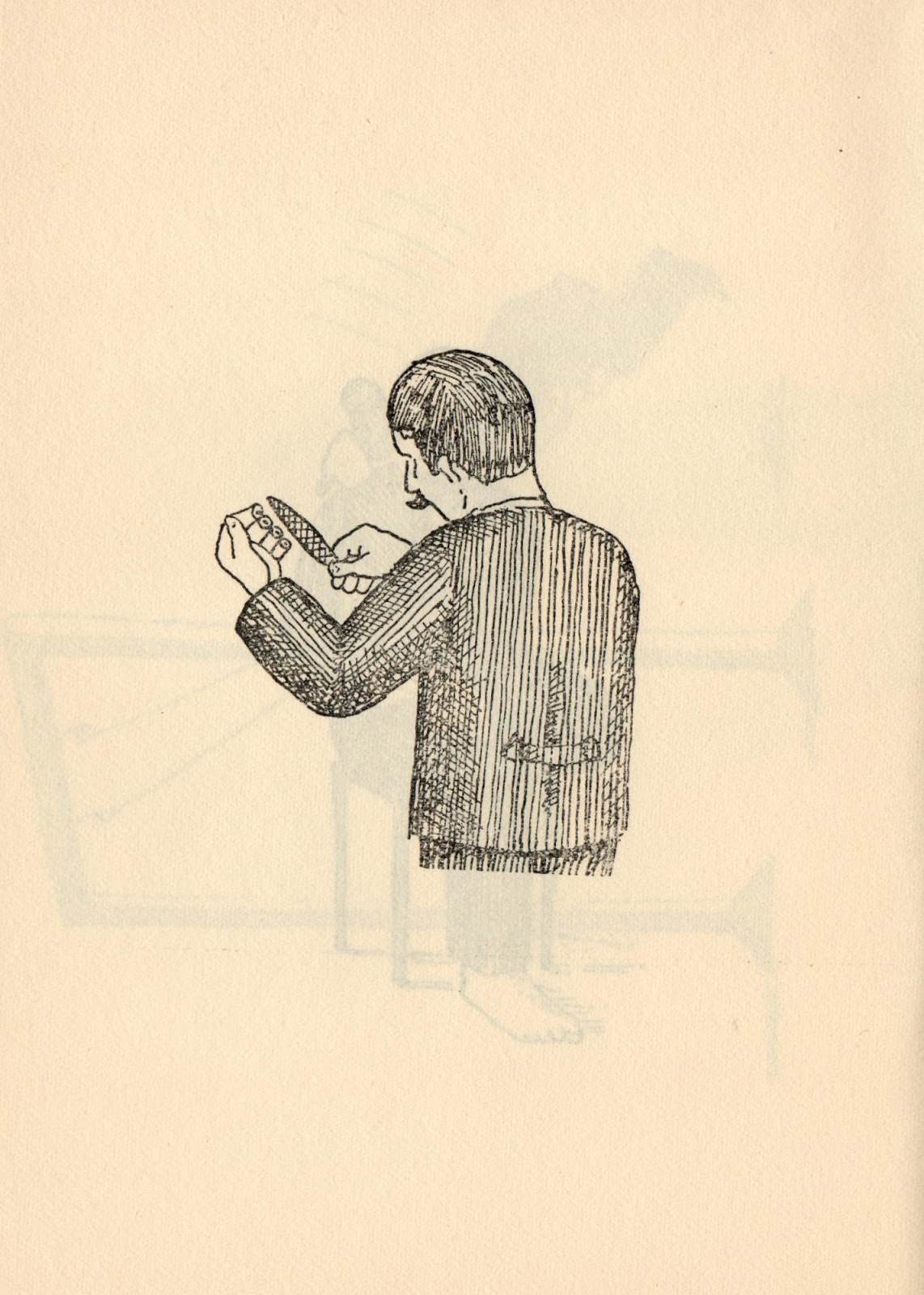
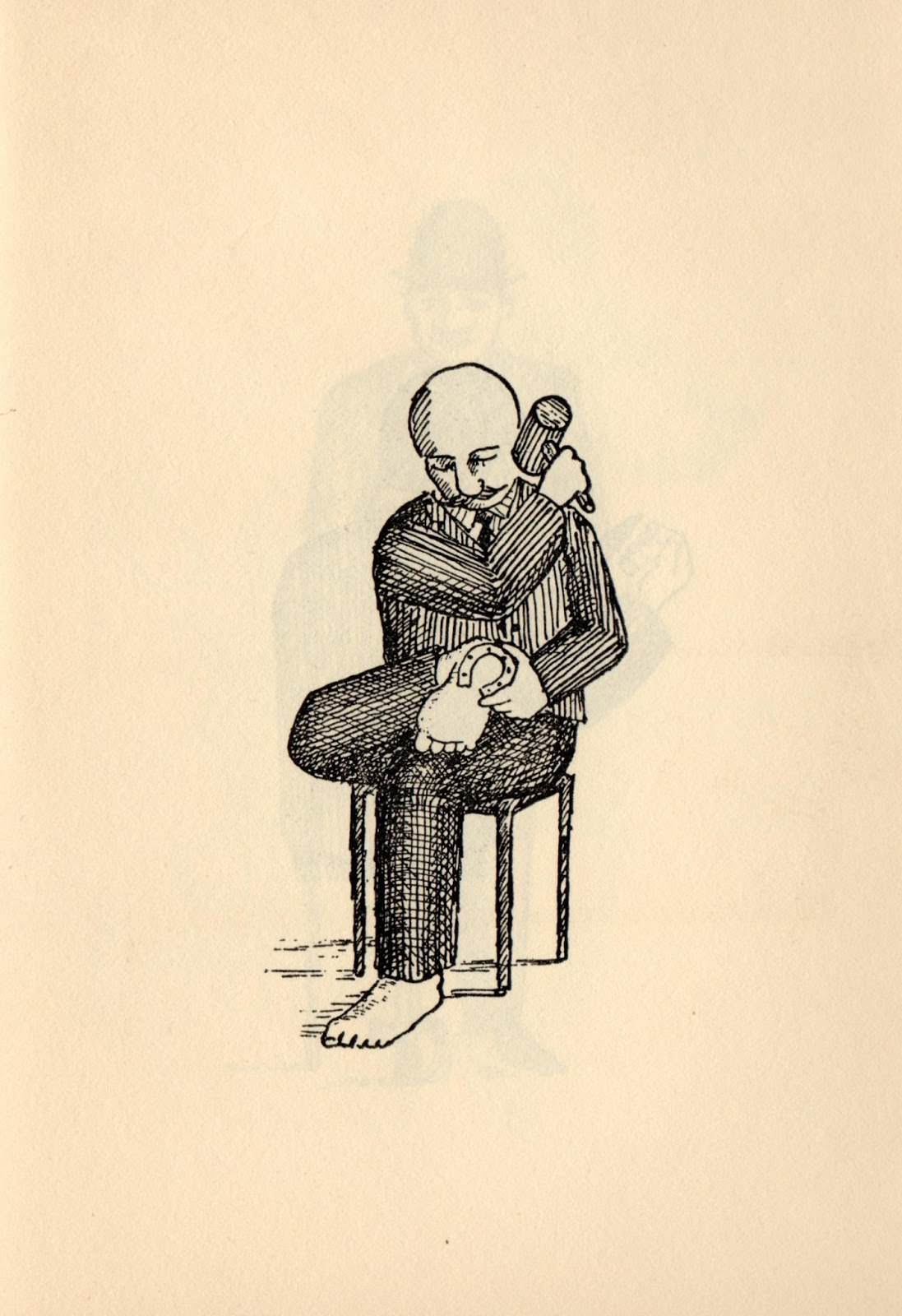
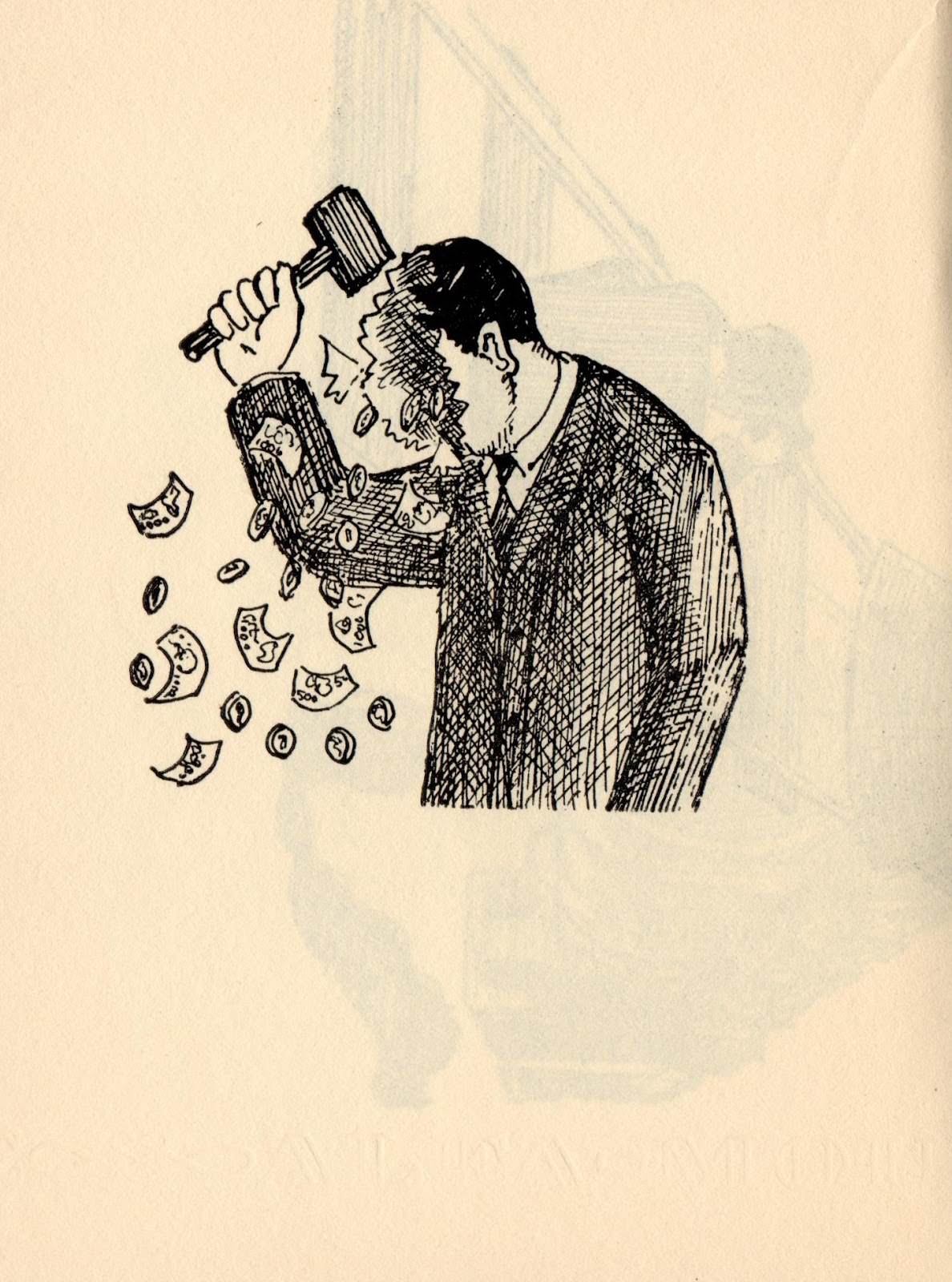
The series tackles masochism not as a sensational topic but as a psychological study. Topor uses the subject to dig into themes he returned to repeatedly throughout his career: isolation, the body as a site of suffering, and the fine line between endurance and surrender. His figures are rarely heroic. They are trapped, contorted, or exposed — rendered with a line style that is precise yet deeply unsettling.
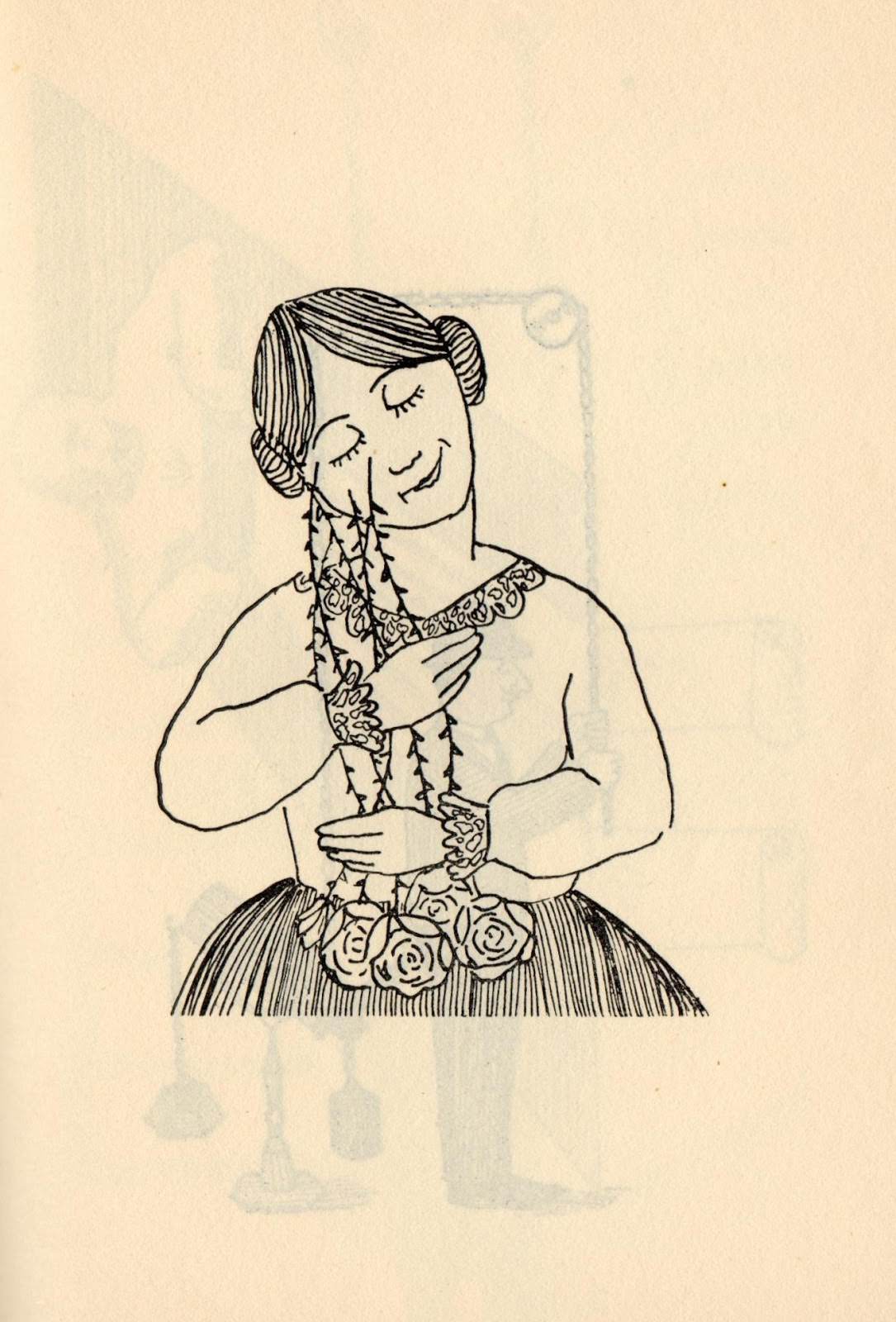
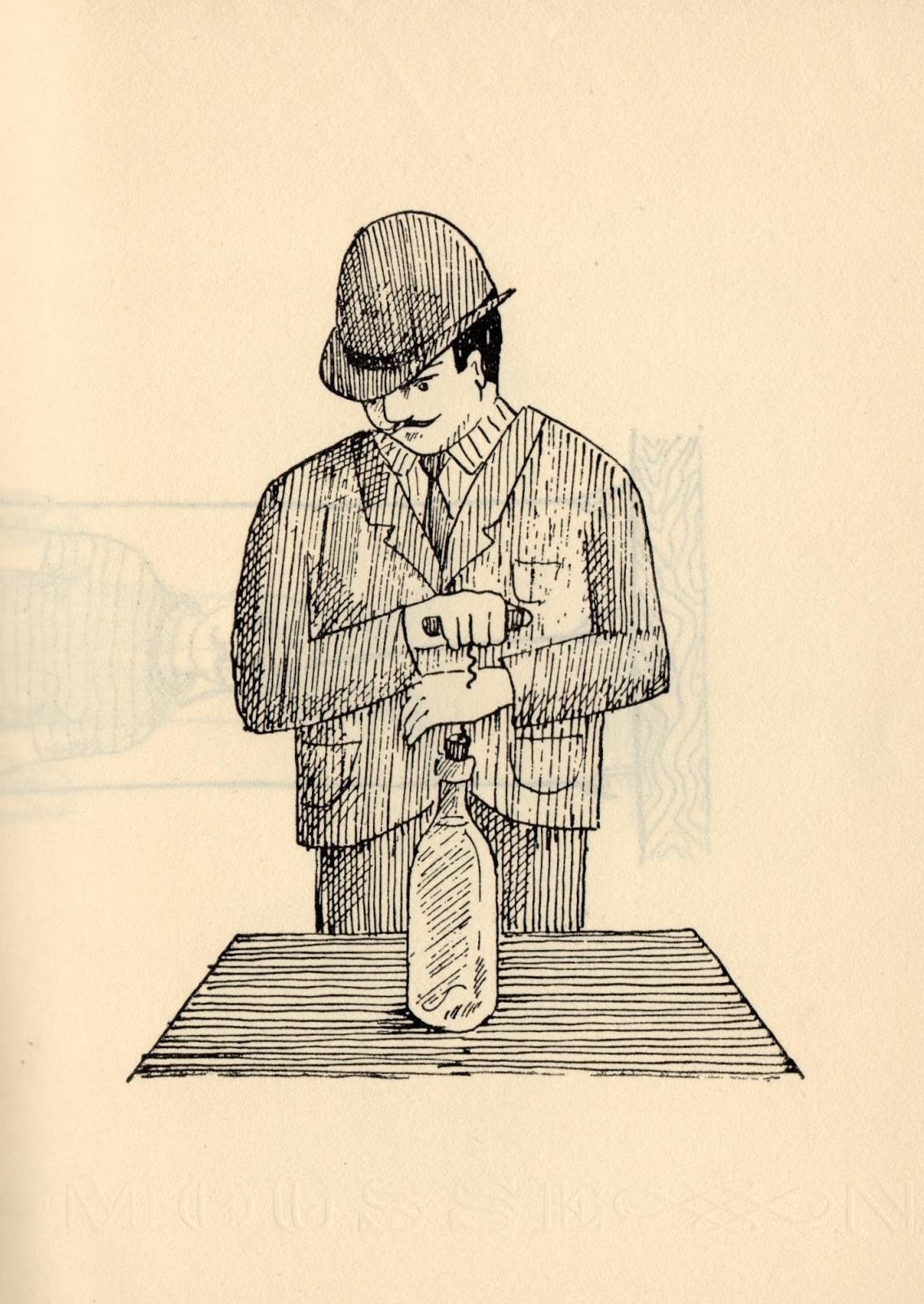
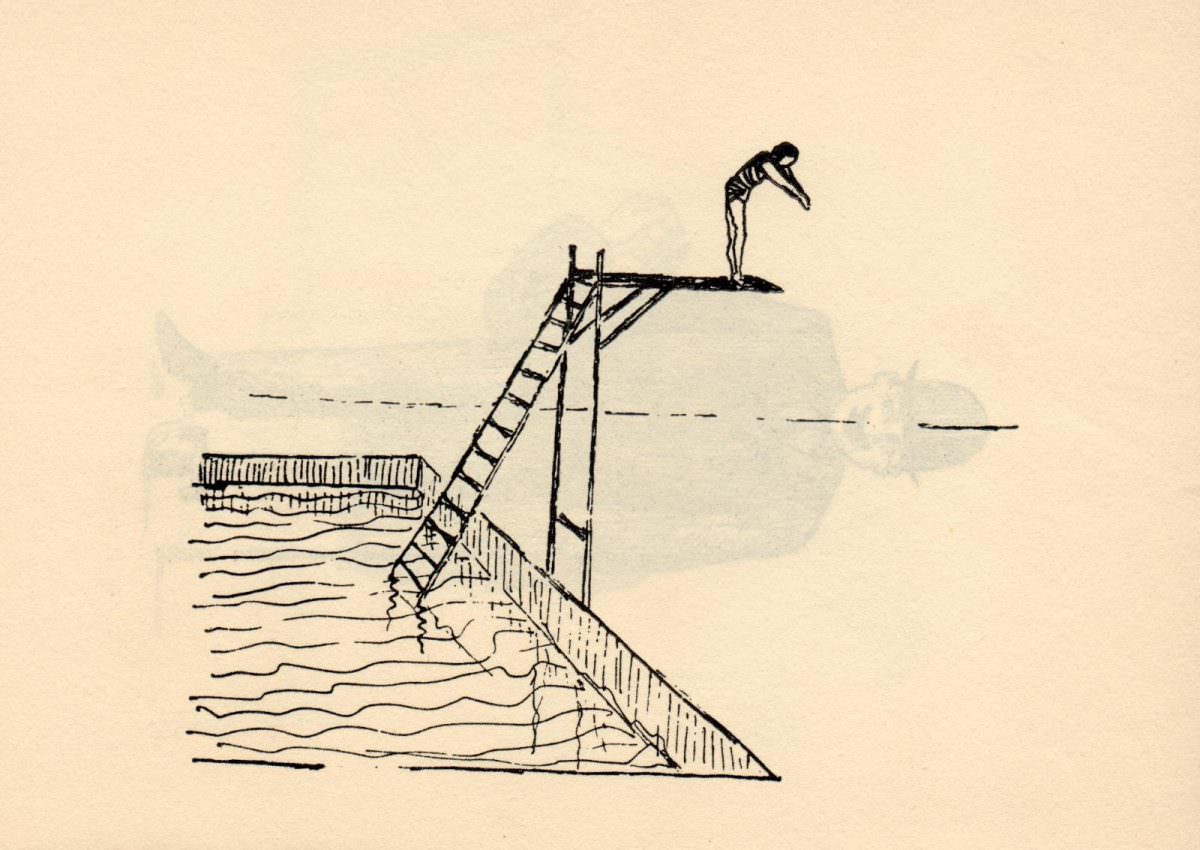
Topor’s illustration style relied heavily on symbolism. He rarely explained his images. Instead, he constructed visual scenes that forced the viewer to sit with discomfort. In this series, repeated imagery — bound figures, exaggerated expressions of distress, and stark negative space — builds a visual language around voluntary suffering. The work asks what it means to choose pain, and what that choice reveals about the human condition.
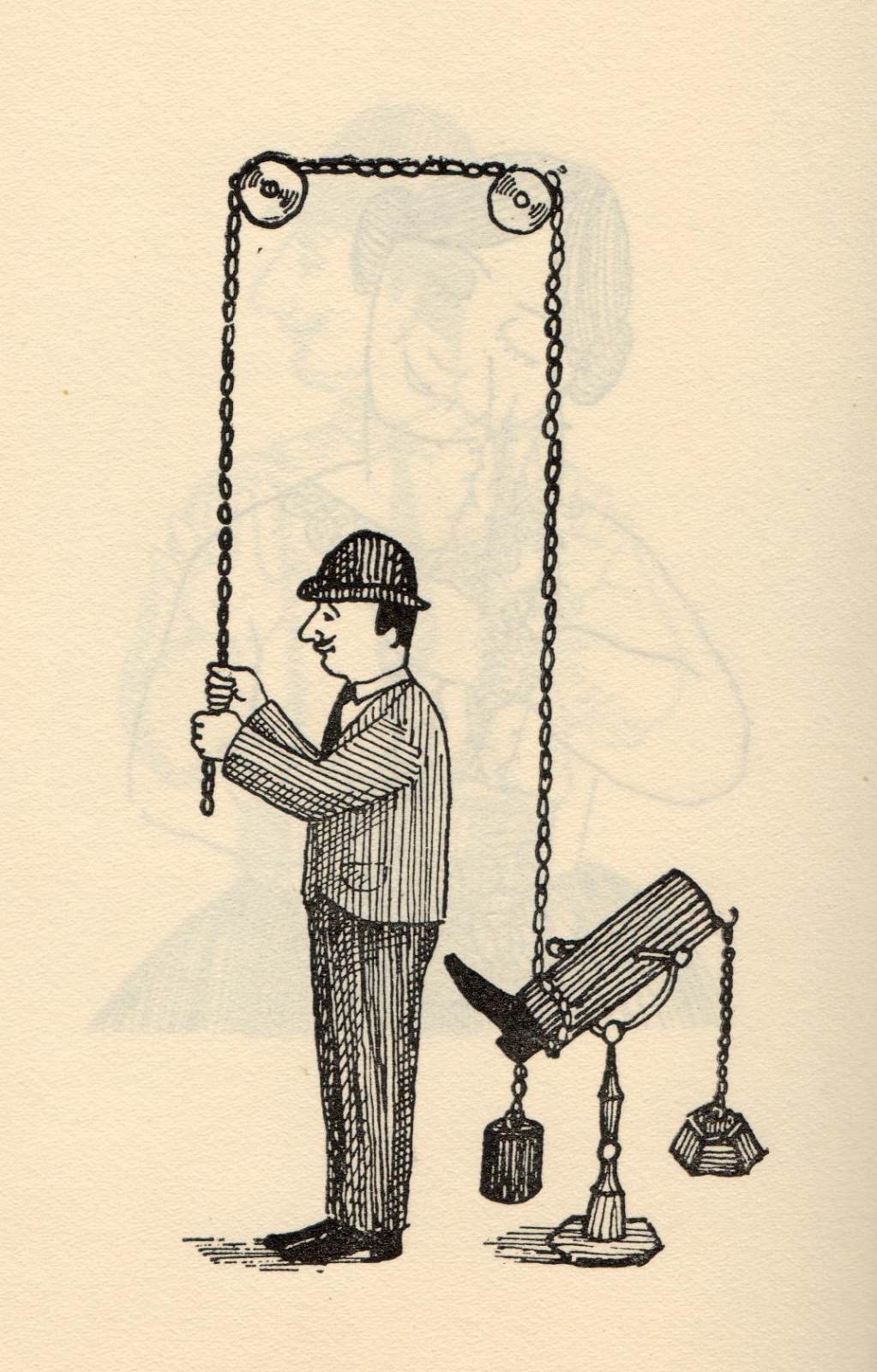
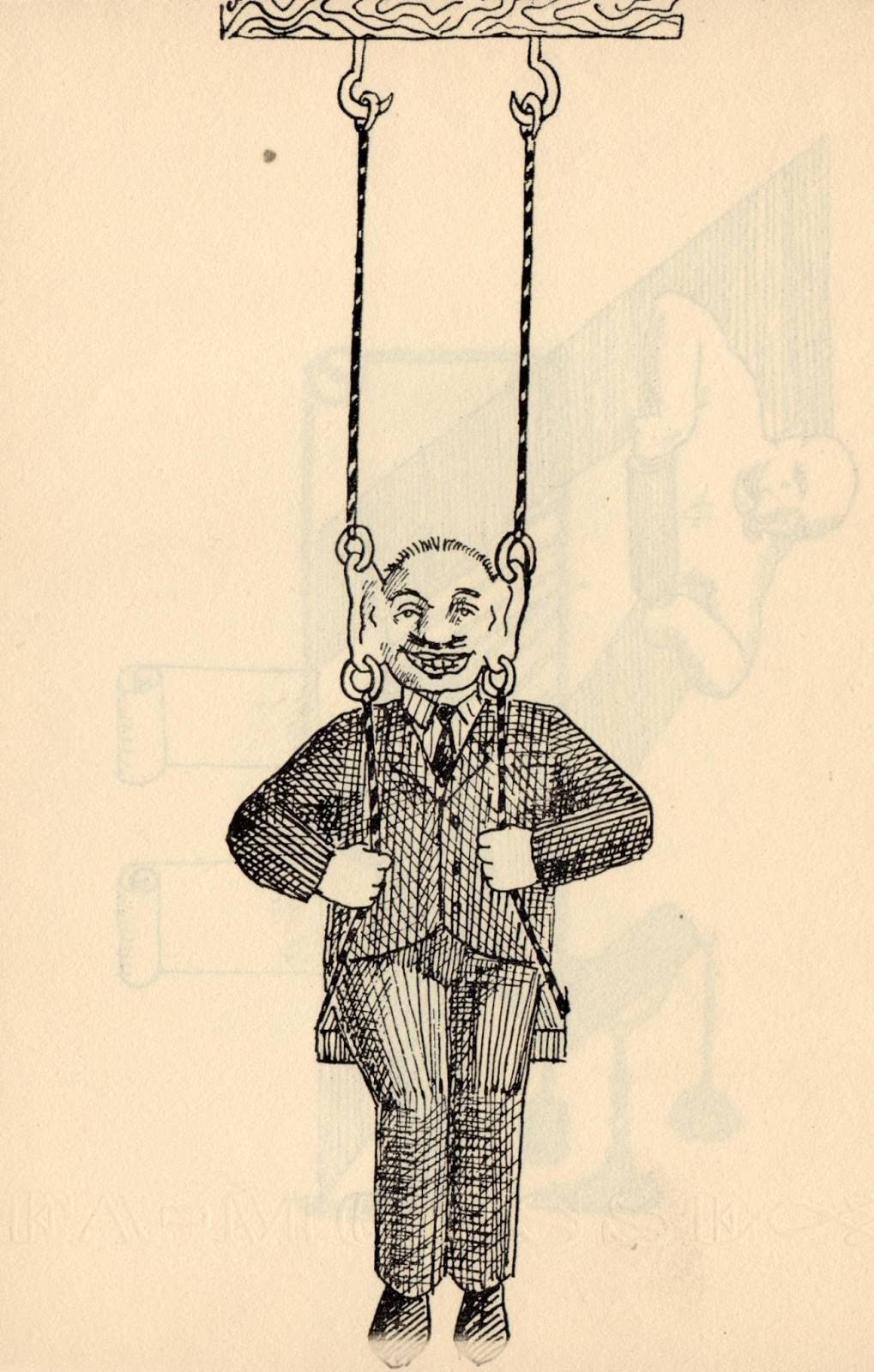
The grotesque was a deliberate tool for Topor, not an accident of style. He stretched and distorted the human form to reflect internal states rather than physical reality. A figure in pain under his pen looks wrong in a way that feels emotionally correct. This approach gave the masochism series a quality closer to psychological portraiture than to simple shock imagery.
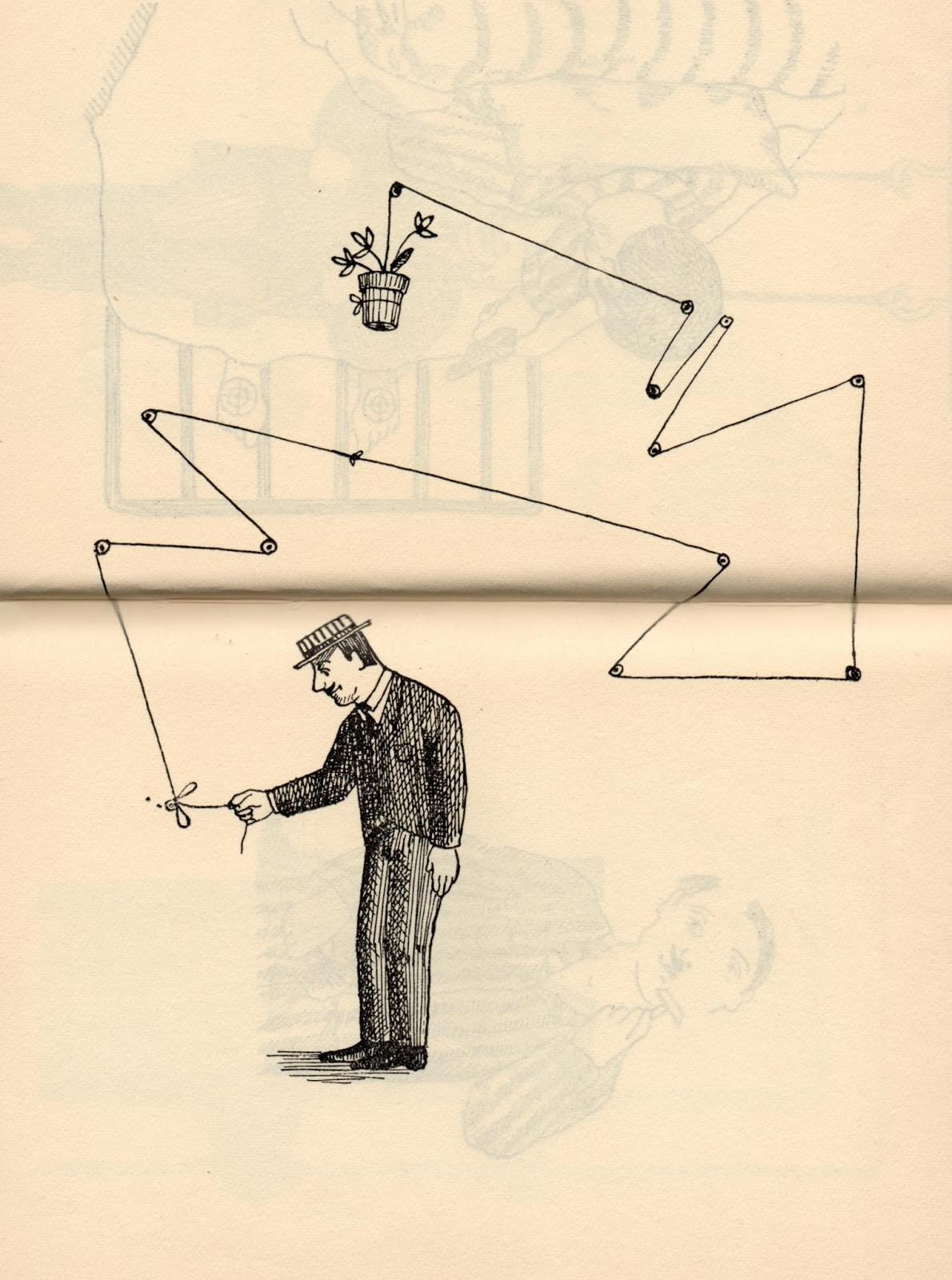
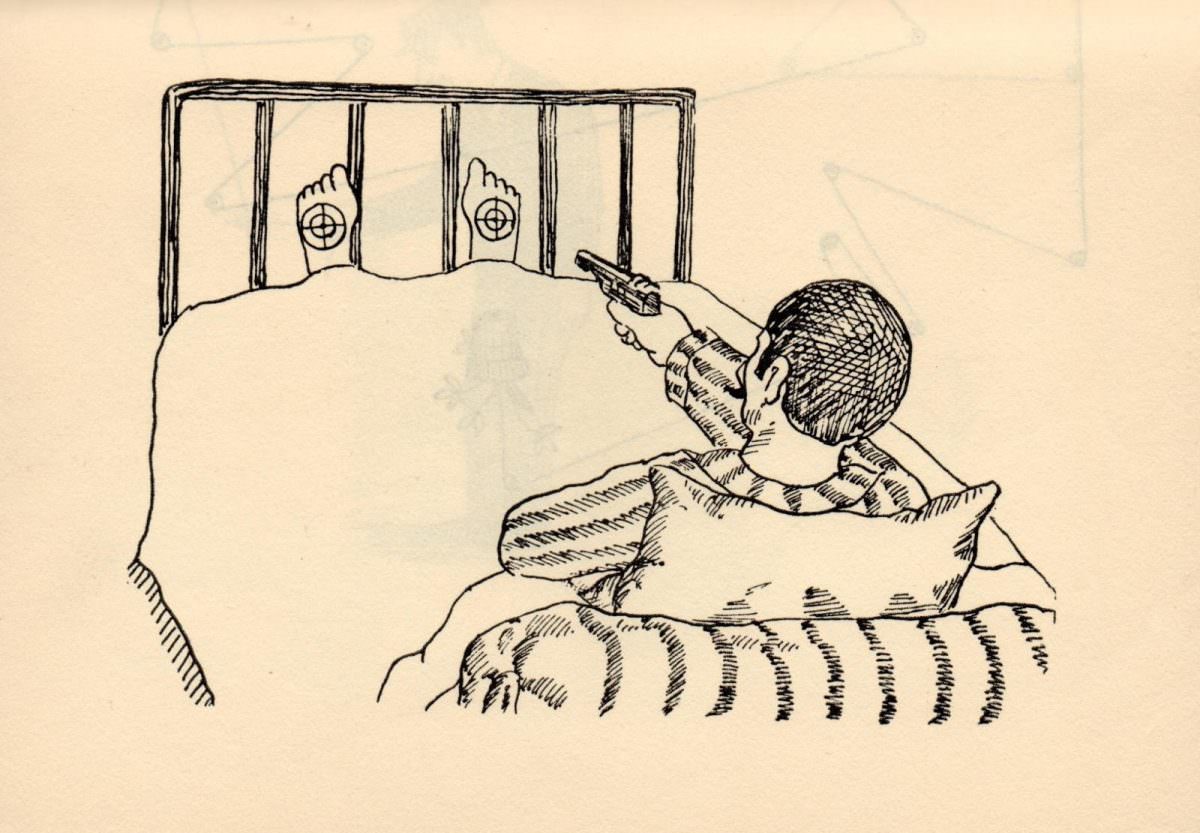
Throughout the 1960s, Topor contributed illustrations to major publications including the satirical magazine Hara-Kiri. His work was regularly controversial. French censors and editors often pushed back against his most extreme images. Despite this, his reputation grew steadily, and his illustrations reached wide audiences both in France and internationally.
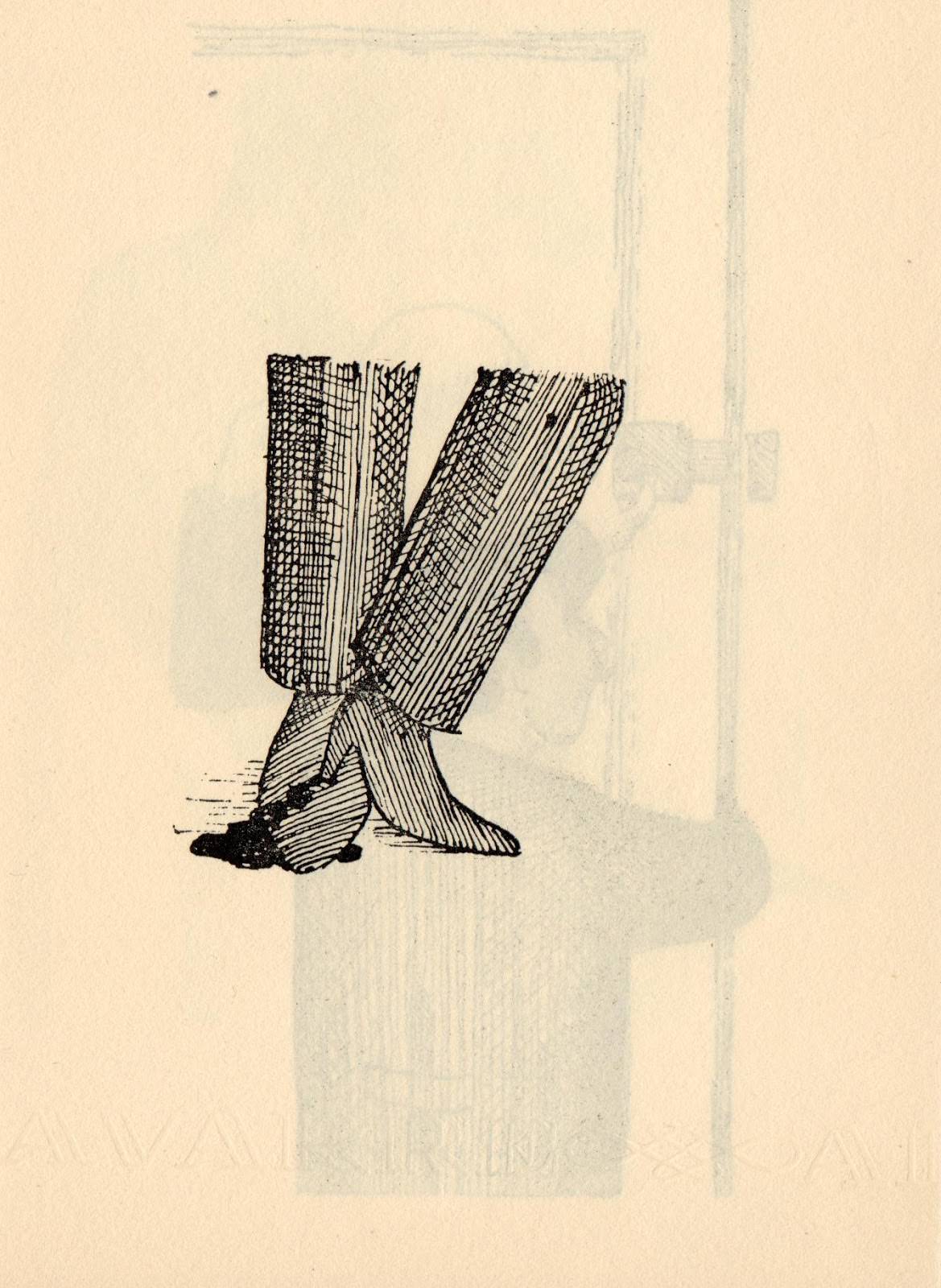
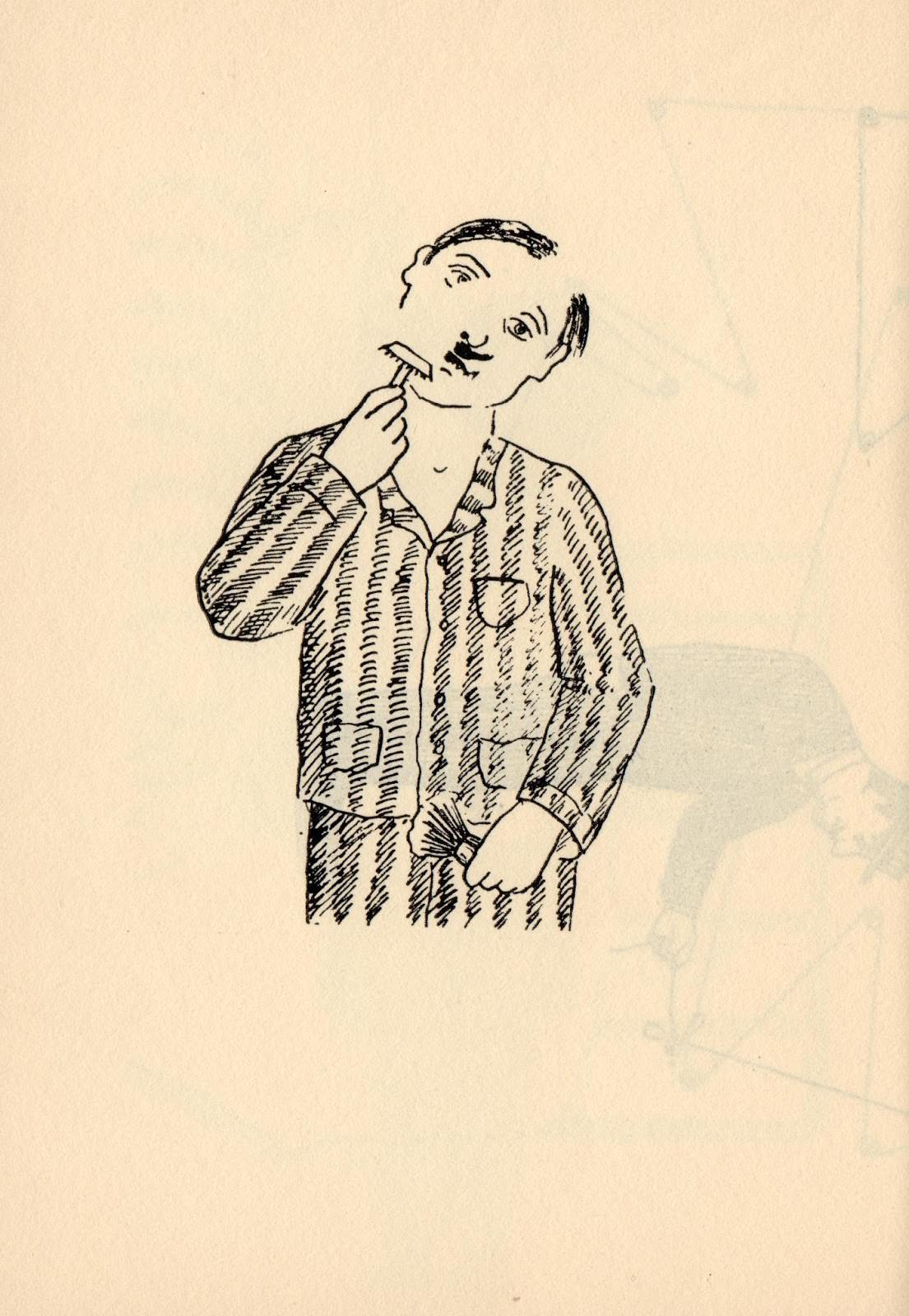
What separates Topor from many of his contemporaries is the precision of his draftsmanship. His lines are clean and controlled even when the subject matter is extreme. There is no visual chaos in the execution — only in the content. That contrast between technical discipline and disturbing imagery is part of what makes the masochism series so effective.
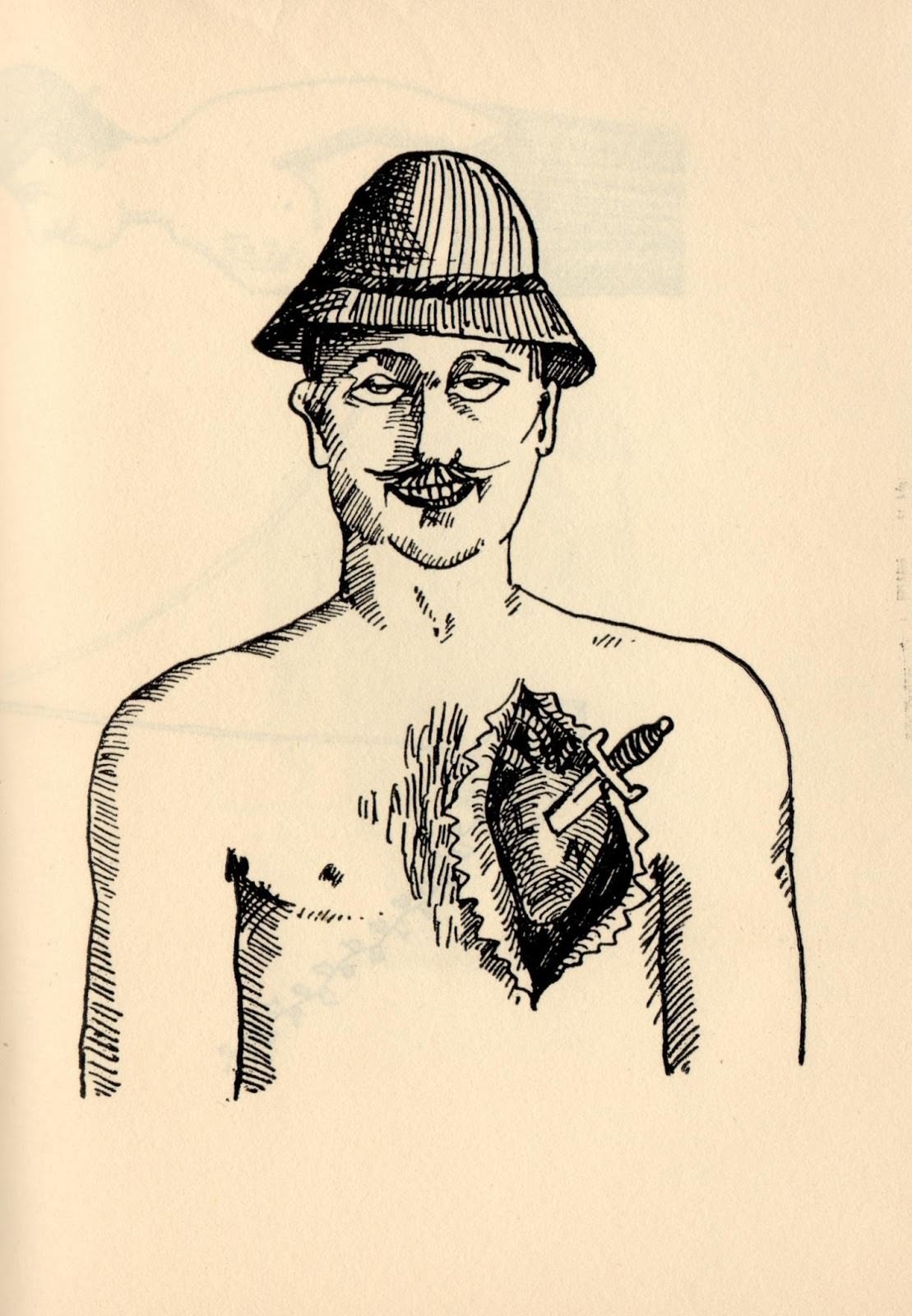
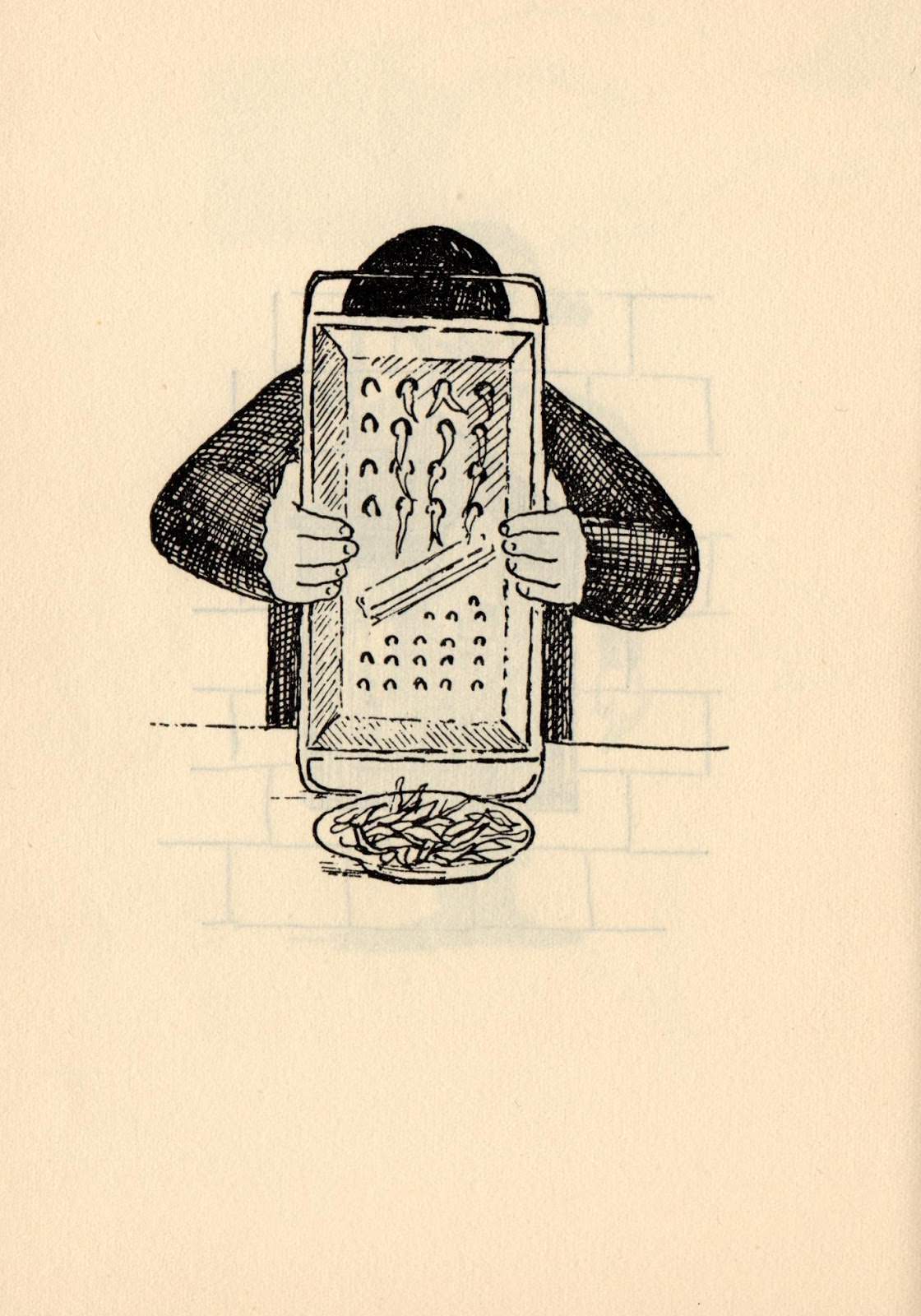
Alienation runs through the series as a constant thread. Topor’s subjects are often alone, observed by no one or by an indifferent crowd. Pain here is not performed for sympathy. It is endured in a kind of private world, which reflects Topor’s broader interest in how individuals experience suffering away from social recognition or relief.
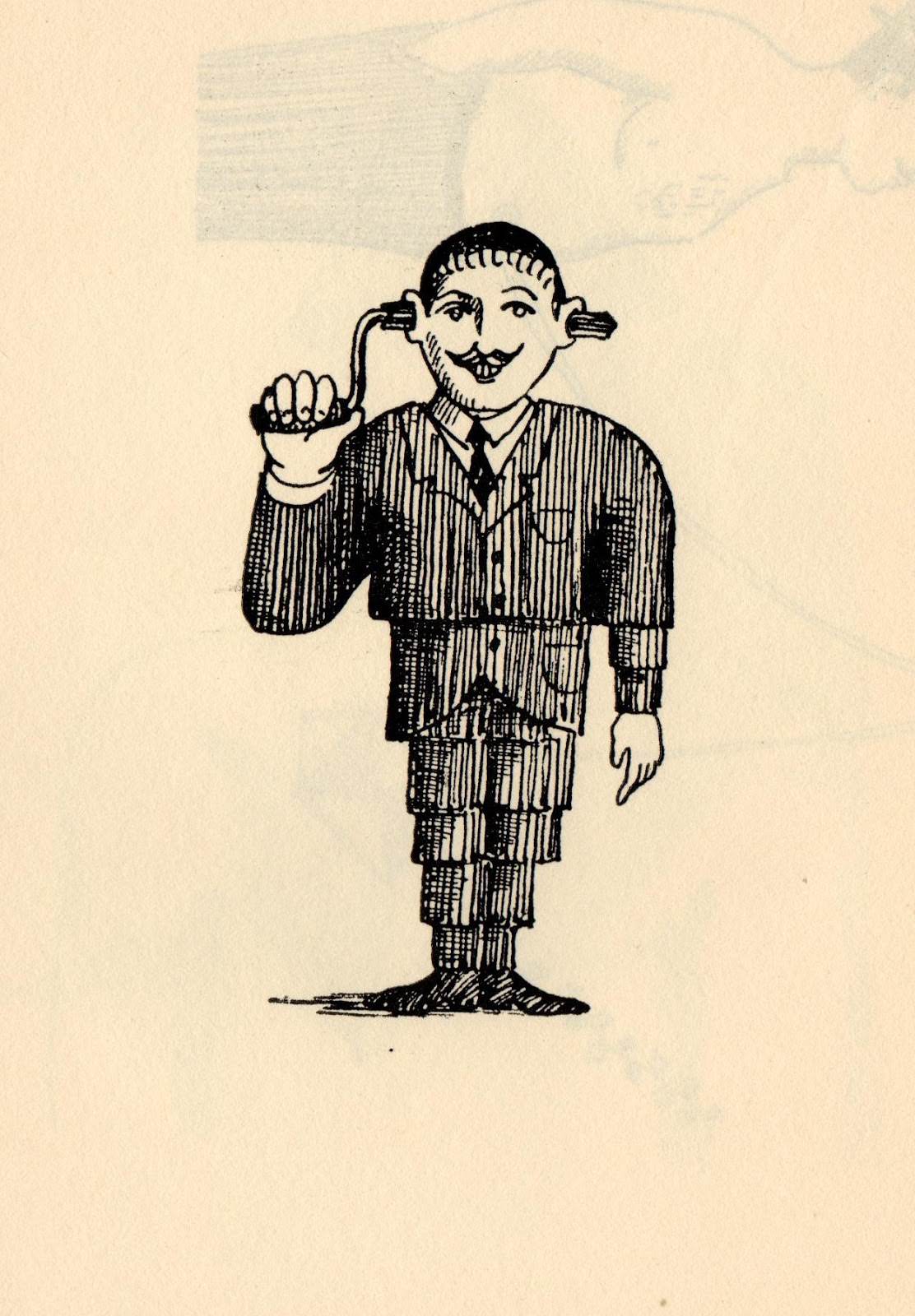
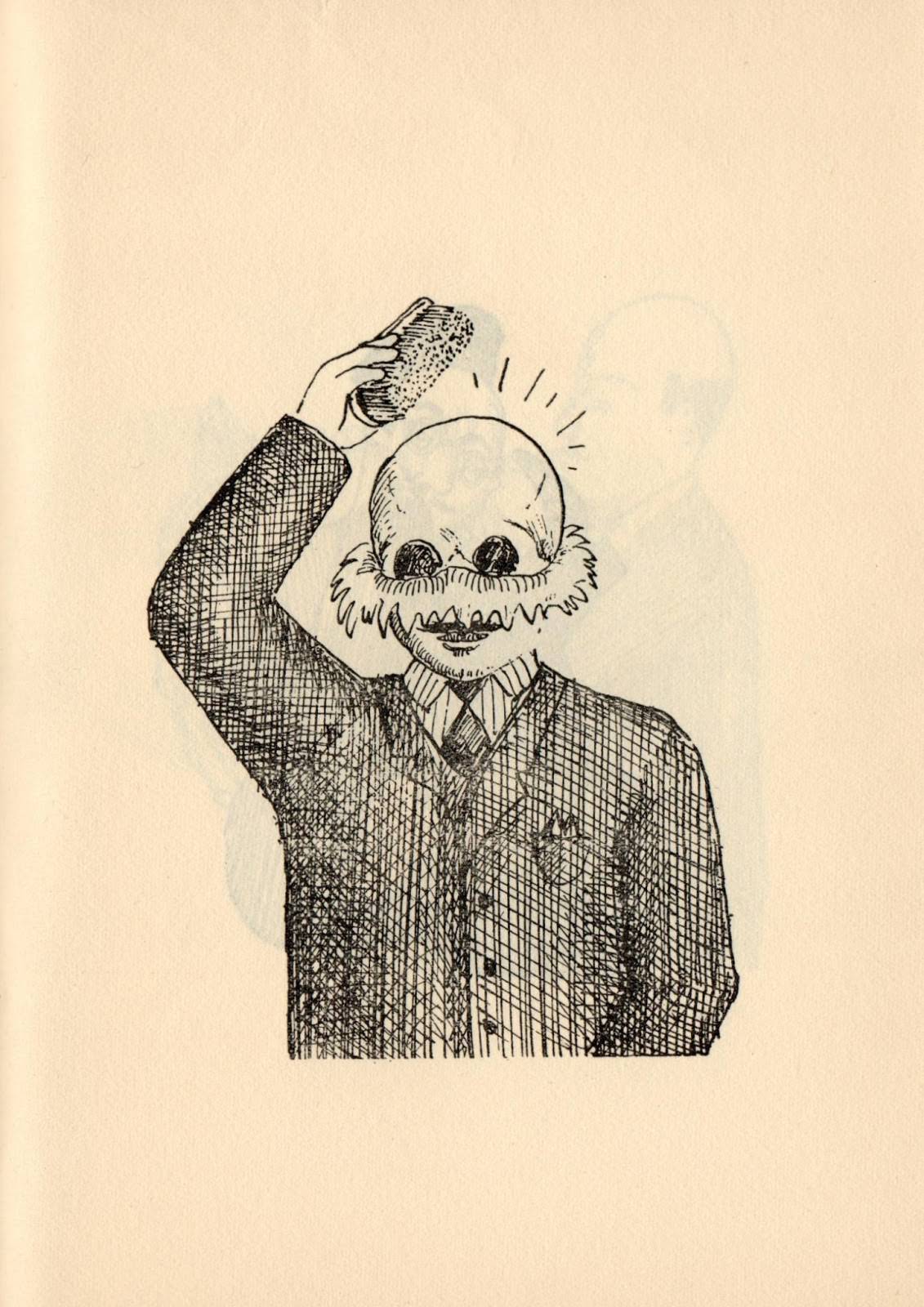
The series also reflects the intellectual climate of early 1960s Paris, where psychoanalytic ideas were widely discussed in artistic circles. Concepts drawn from Freud and later from thinkers like Georges Bataille — who wrote extensively on eroticism and transgression — were part of the cultural conversation Topor was working within. The masochism series fits squarely into that dialogue.
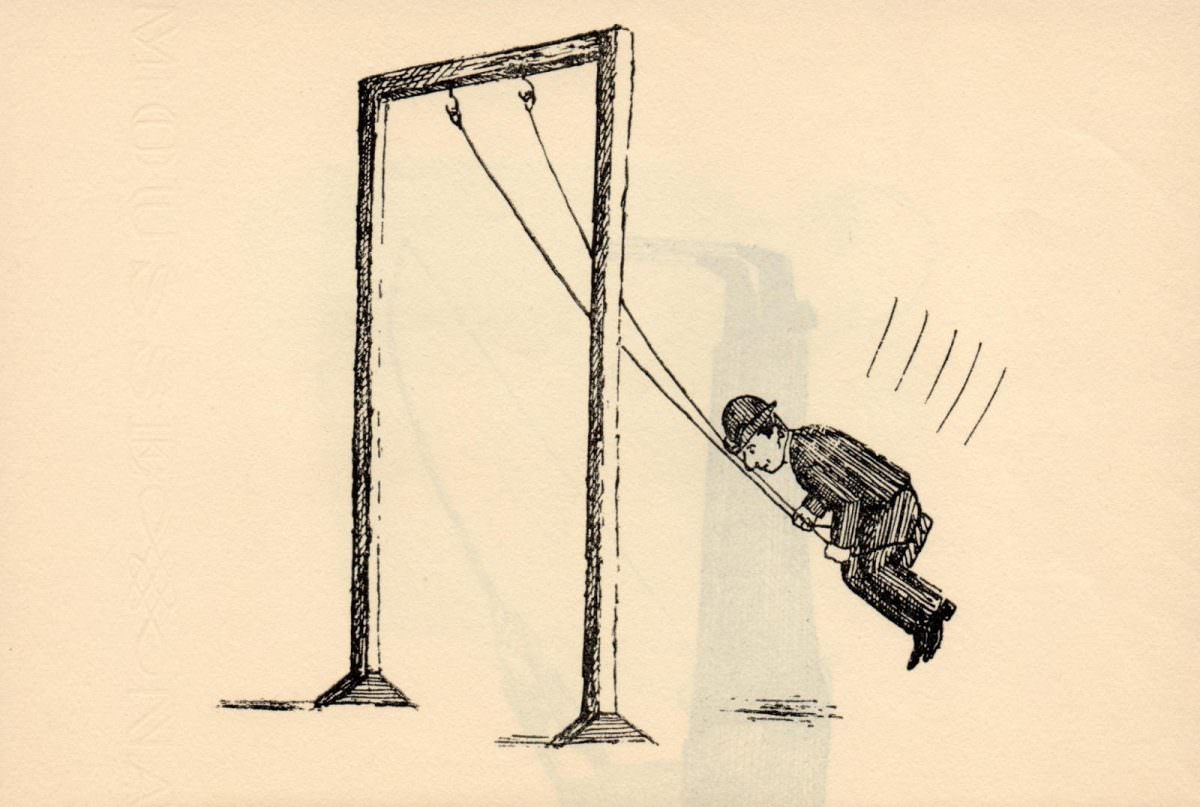
Topor never softened his subject matter to make it more accessible. His figures suffer plainly and without rescue. The viewer is given no reassurance, no narrative resolution. This refusal to comfort the audience was deliberate and consistent across his entire career, from early illustration work through to his later paintings and film projects.
Beyond print illustration, Topor worked extensively in theater and animation. He co-wrote the screenplay for René Laloux’s animated film Fantastic Planet (1973), a deeply strange science-fiction fable that carried the same themes of bodily vulnerability and power imbalance found in his illustration work. The film won the Special Jury Prize at the Cannes Film Festival.
Topor also wrote fiction. His 1964 novel The Tenant — later adapted into a film by Roman Polanski in 1976 — explores themes of paranoia, identity, and psychological disintegration. The same emotional territory that fills the masochism illustrations surfaces in his literary work. Pain, for Topor, was never a single subject. It was a lens through which he examined nearly everything.
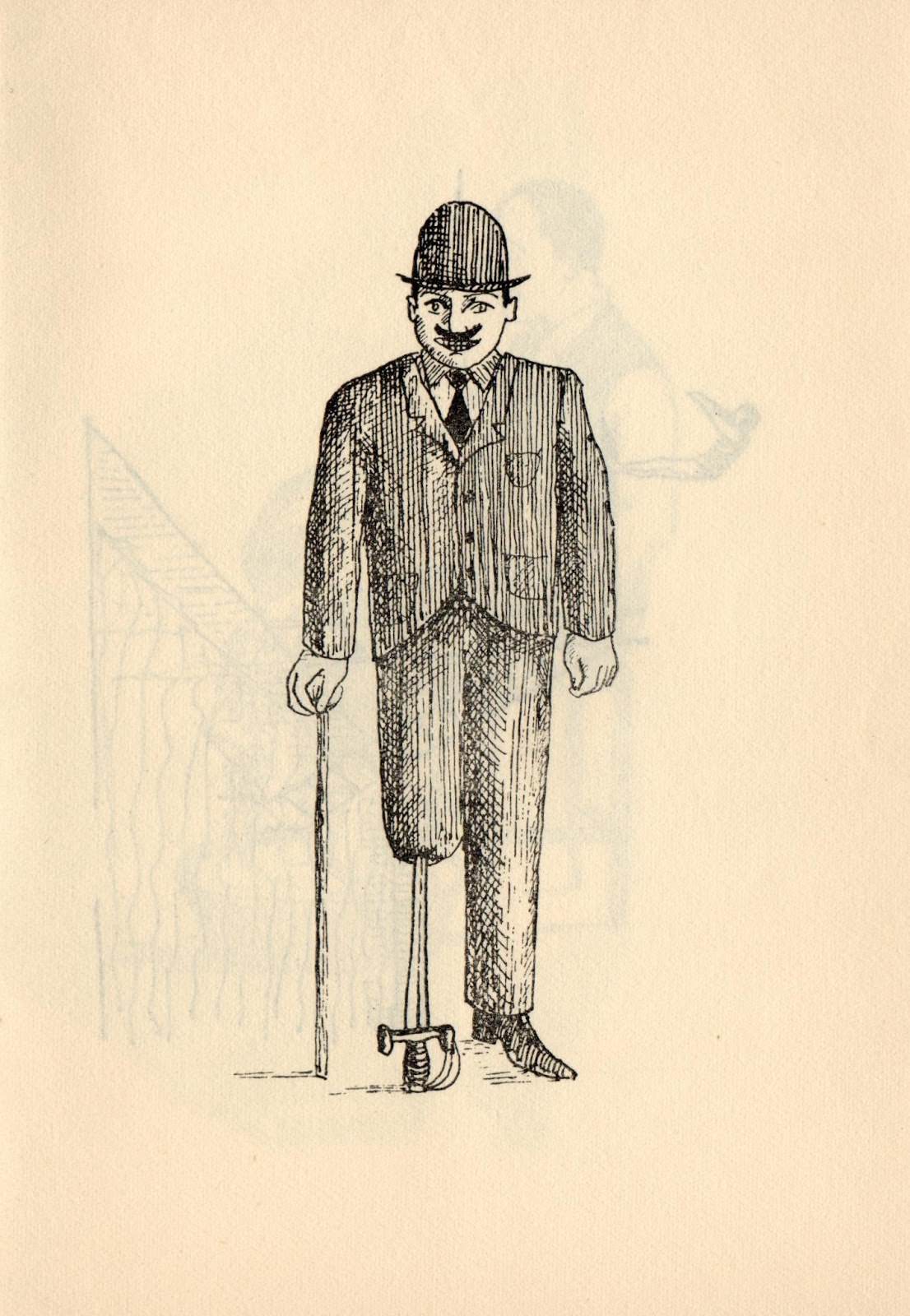
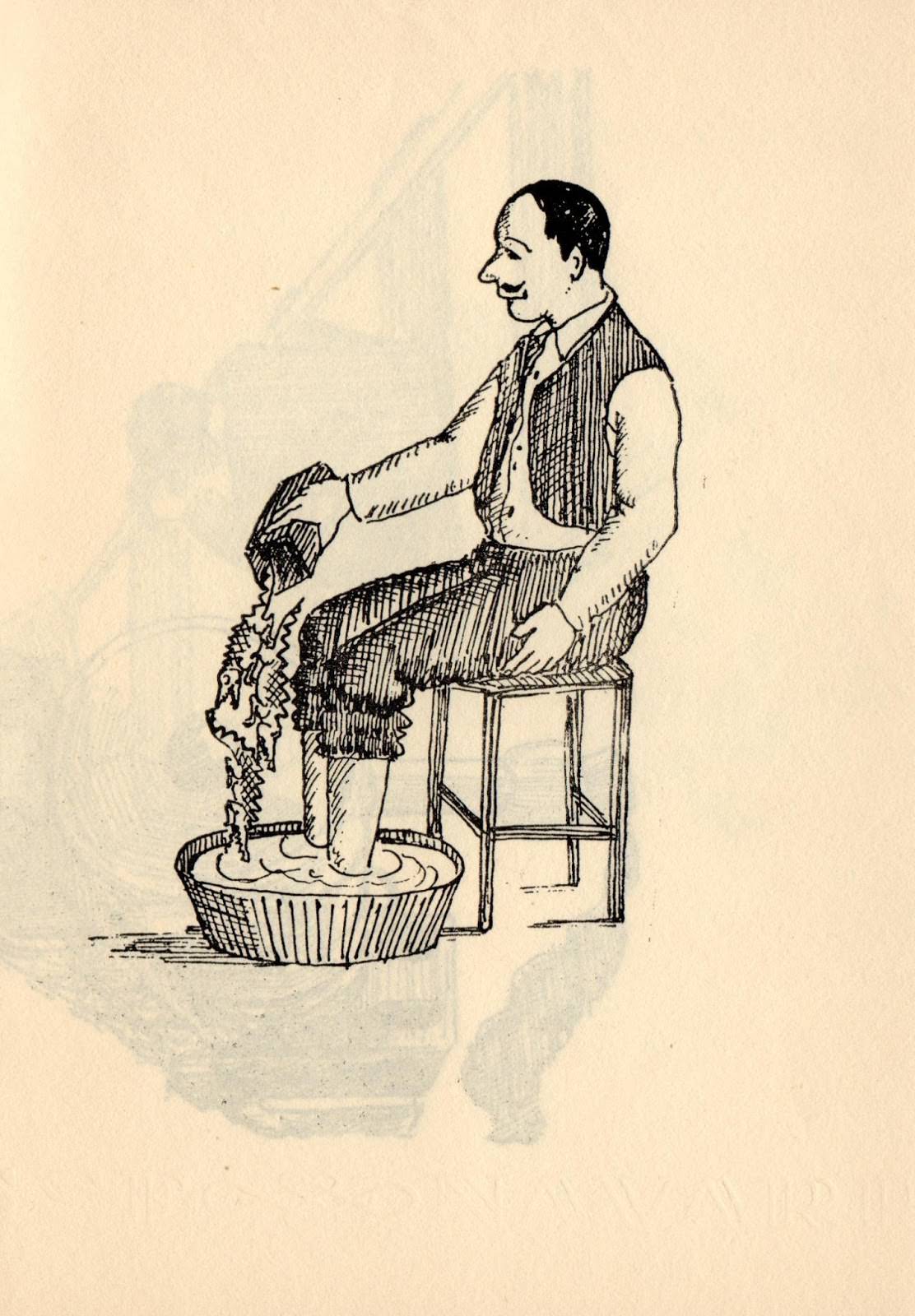
The figures in this 1960 series carry a weight that goes beyond the physical. They represent states of mind as much as states of body. Topor understood that suffering is rarely just external. His illustrations map inner worlds using the body as a diagram, marking where fear, shame, compulsion, and desire intersect.
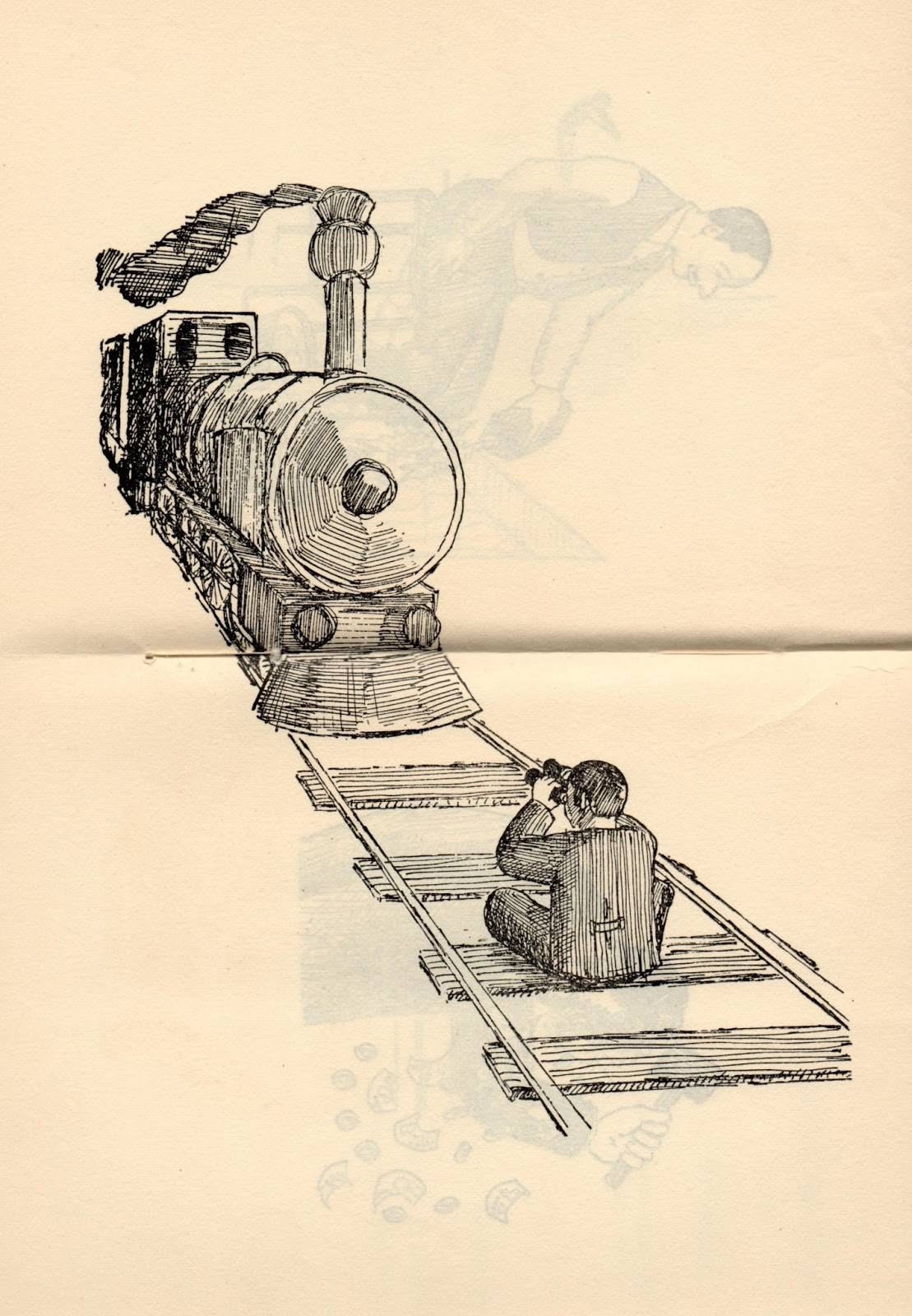
Topor died in Paris in 1997. He left behind thousands of works spanning six decades. The 1960 masochism series stands as an early example of his willingness to confront subjects that most illustrators avoided entirely. He approached pain with the same directness and craft he brought to every subject — unflinching, precise, and fully committed to showing what he saw.