
Richmond, Virginia in the 1920s was a city on the move. Its location along the James River made it a natural transportation hub, and industries like tobacco, ironworks, and textiles were booming. Companies such as the American Tobacco Company and Tredegar Iron Works were expanding, hiring more workers, and pushing the city’s economy forward. A growing middle class emerged, and with it came new neighborhoods, new buildings, and a new way of life.
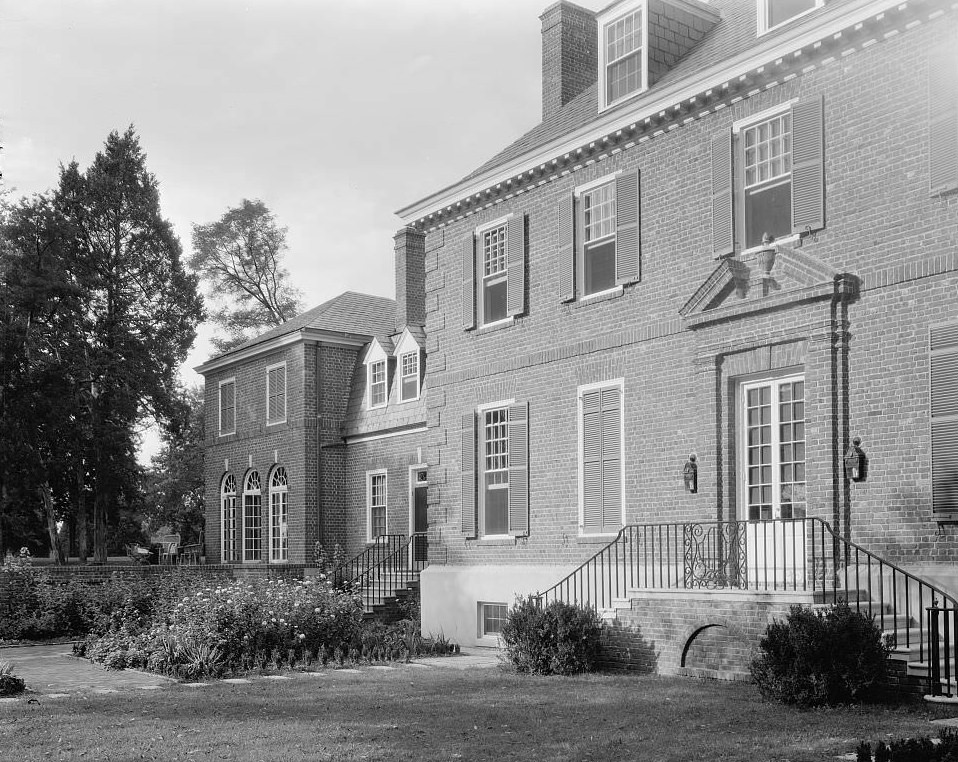
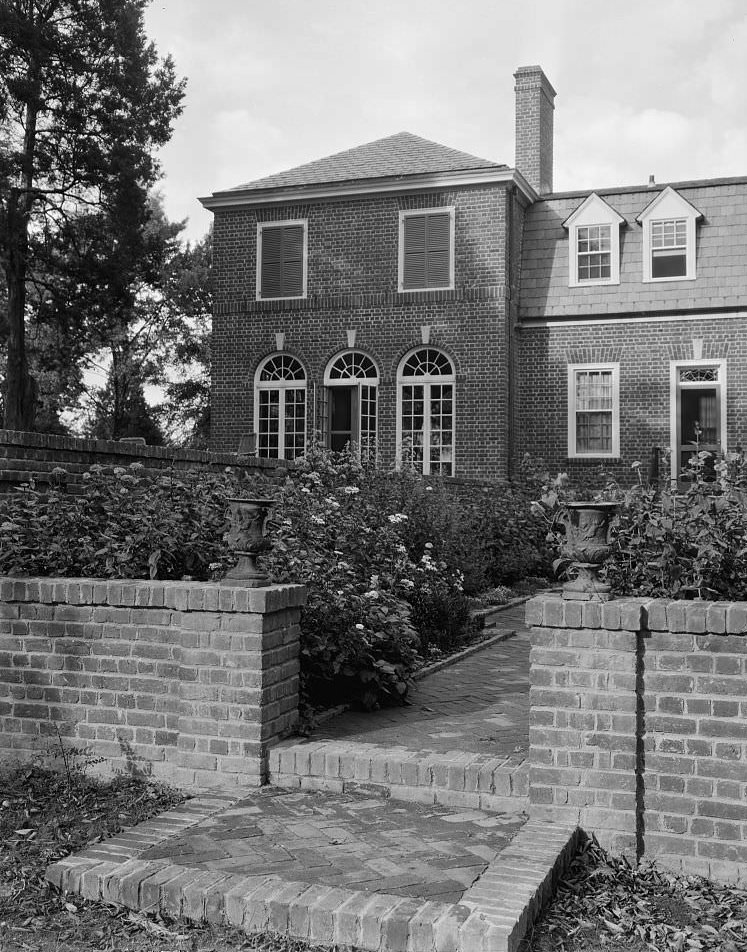
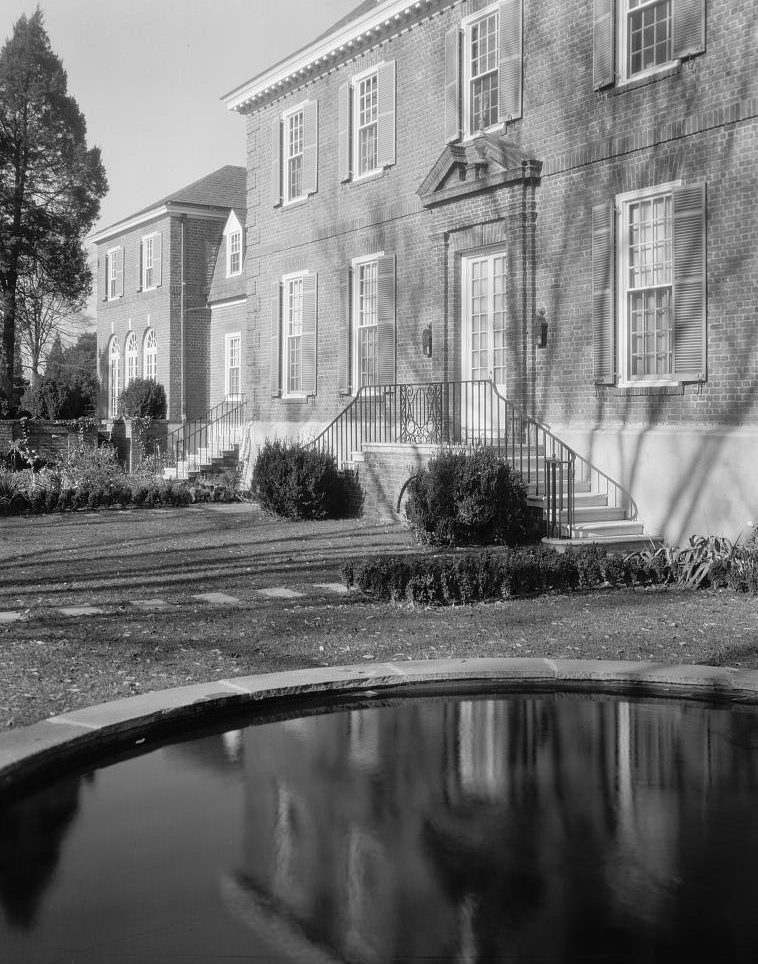
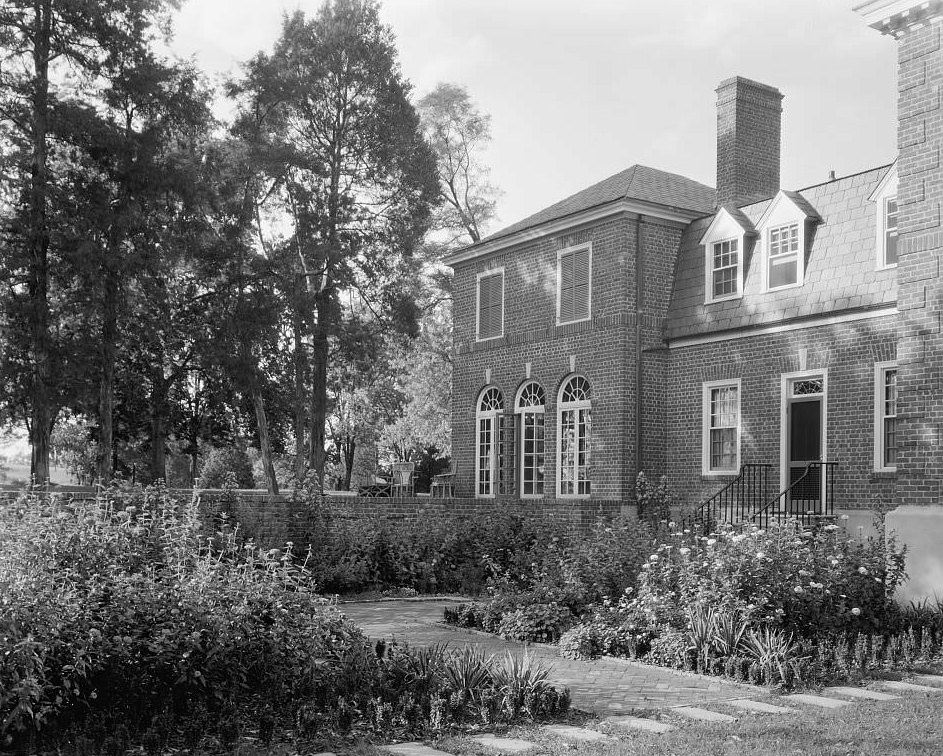
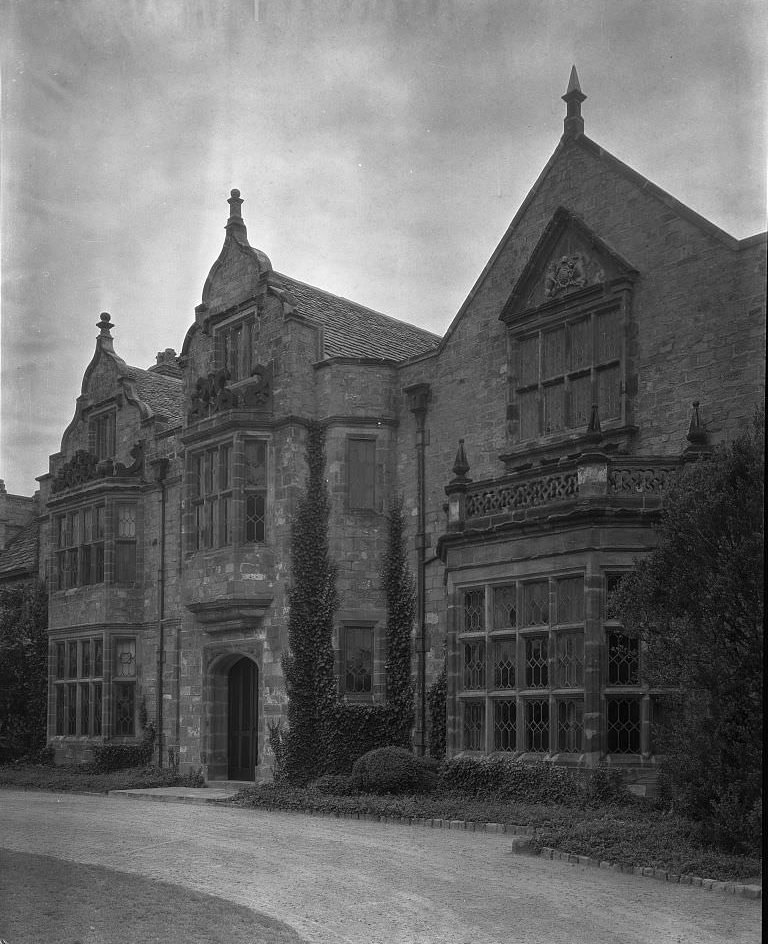
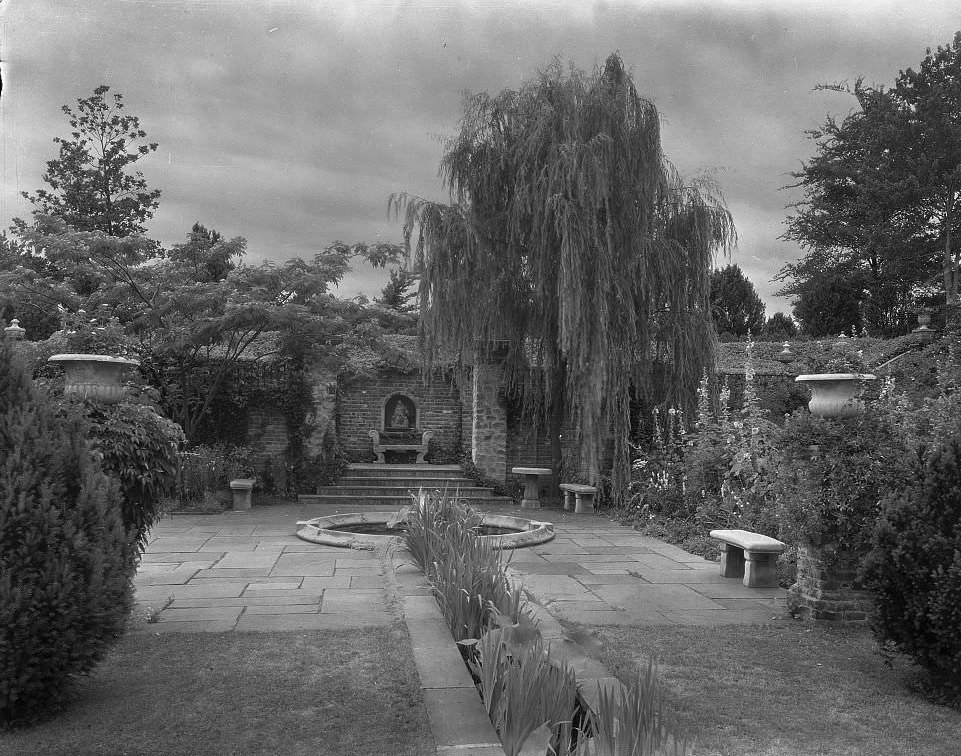
One of the most visible signs of Richmond’s prosperity was the grand private estates being built and documented on the outskirts of the city. River Road in Henrico County was home to some of the most impressive properties of the era. Redesdale, at 8603 River Road, was one such estate — photographed multiple times in 1926 and 1927, giving us a detailed look at how wealthy Richmonders lived during the decade.
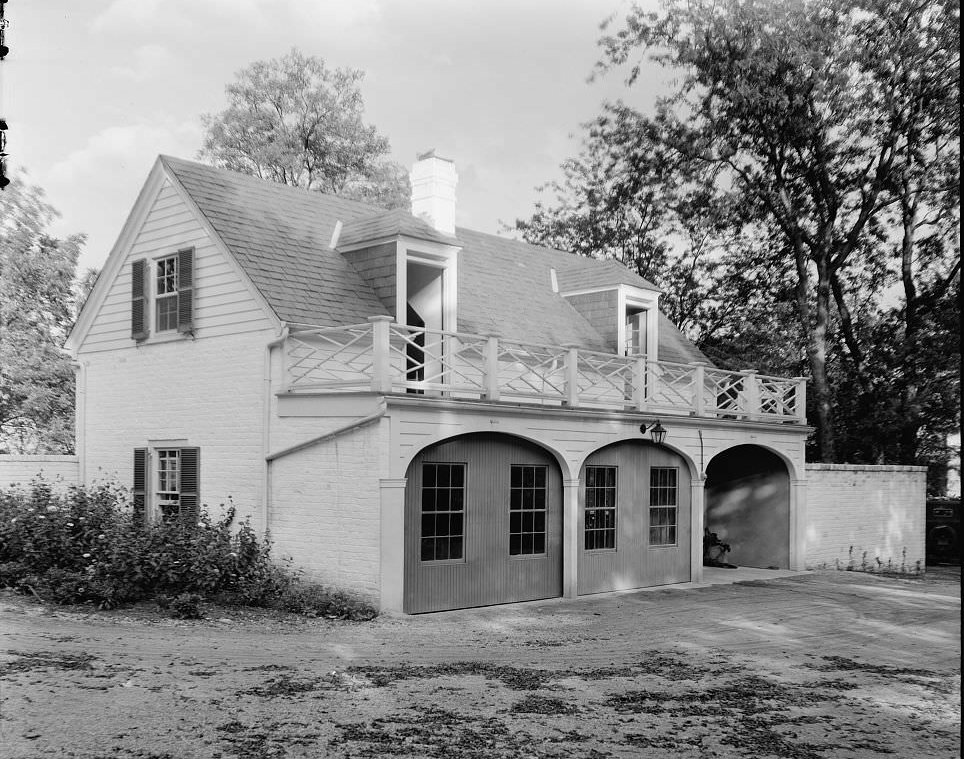
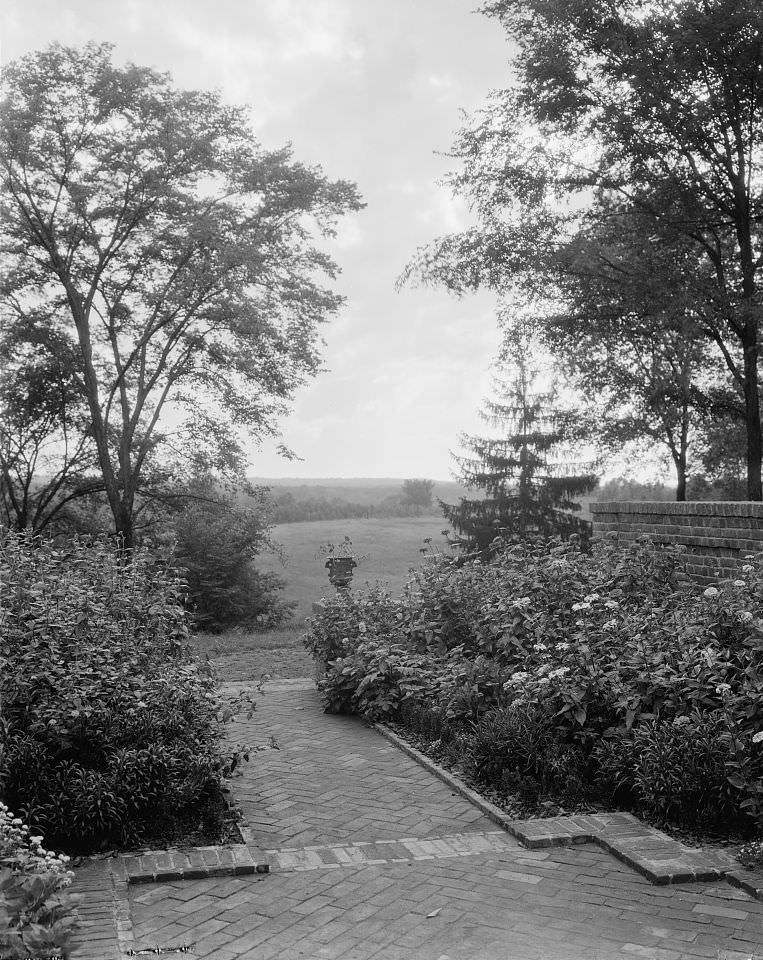
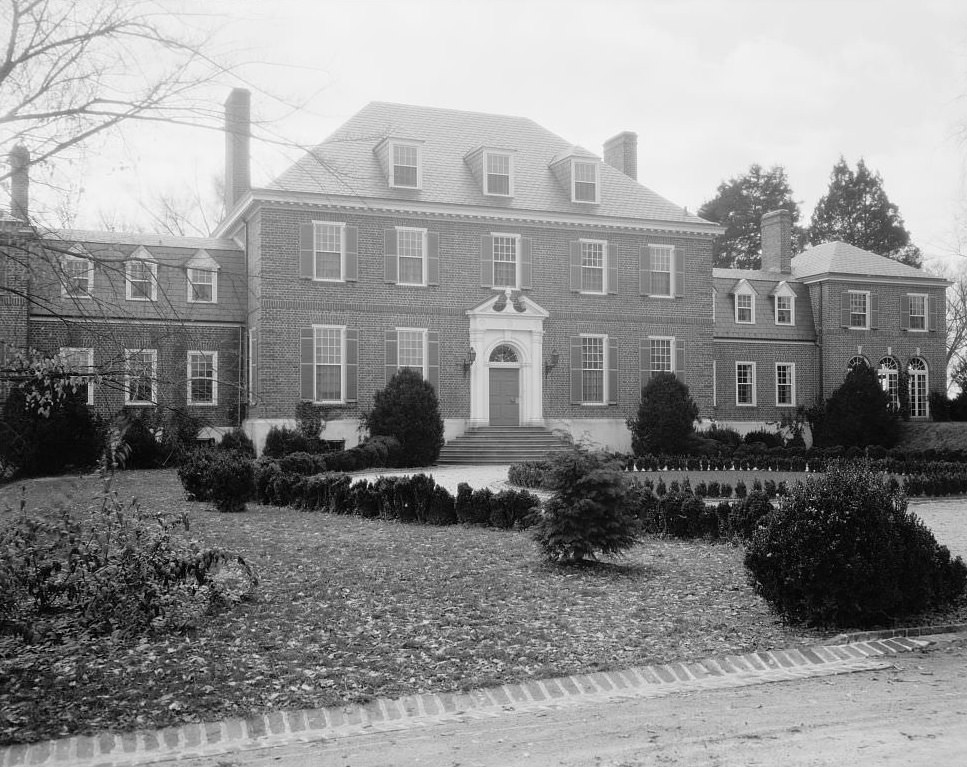
By 1927, photographers returned to Redesdale to capture even more of its grounds and architecture. These images show the estate in careful detail — the kind of property that reflected both old Southern wealth and the new money being generated by Richmond’s industrial surge.
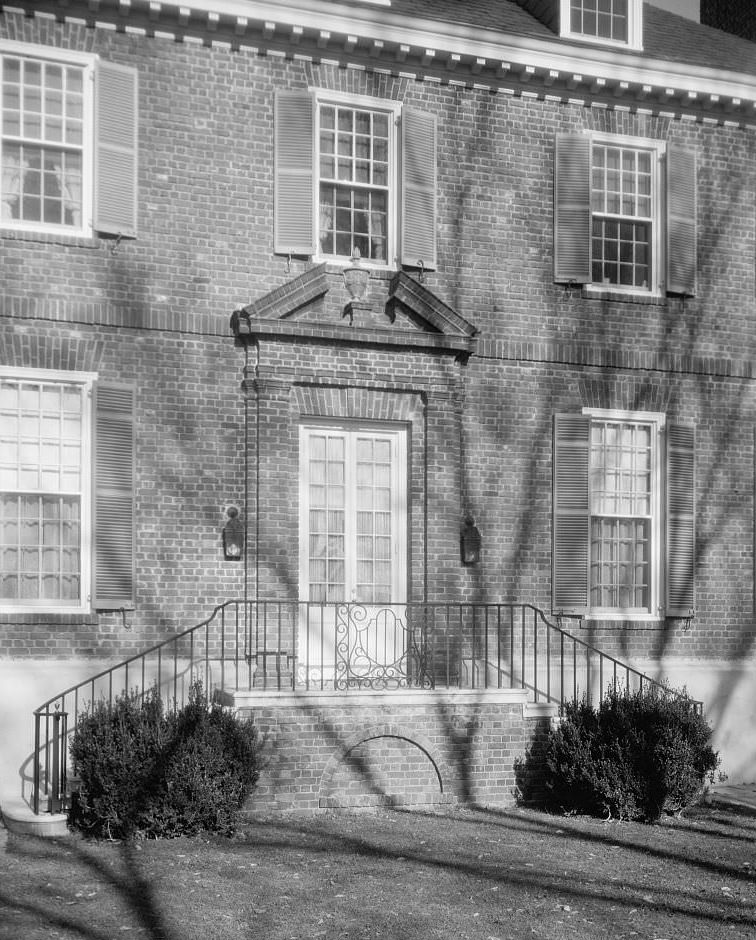
Not far away, on Sulgrave Road, stood Nordley — another fine Henrico County estate documented in 1928. Properties like Nordley illustrated how Richmond’s upper class was building outward, away from the city’s historic core, into the quieter, leafier suburbs that were taking shape during the decade.
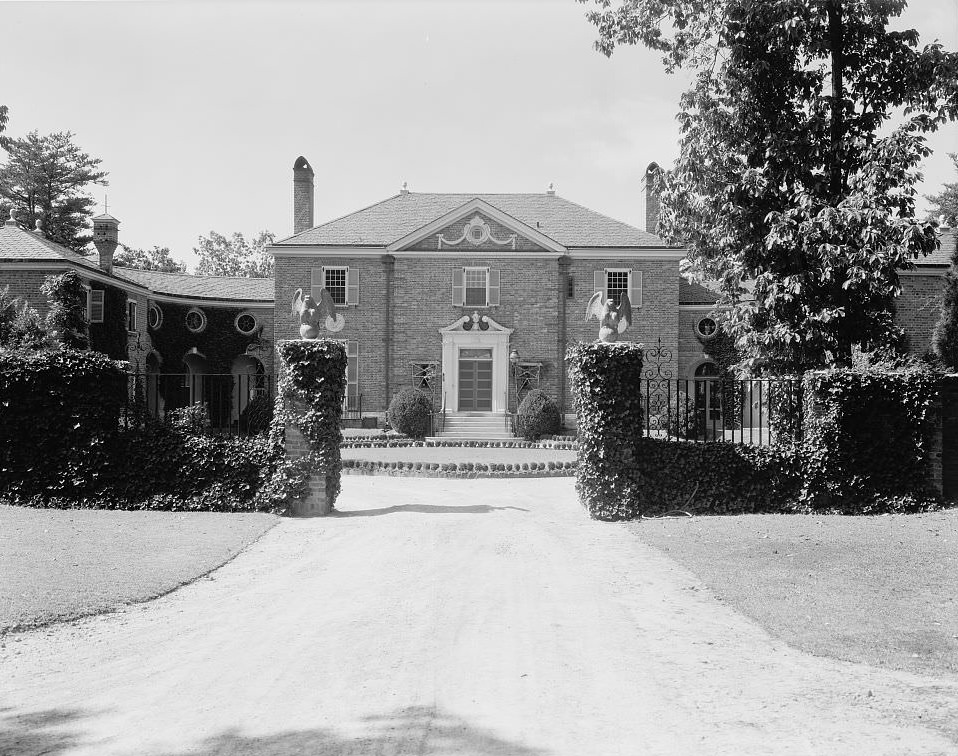
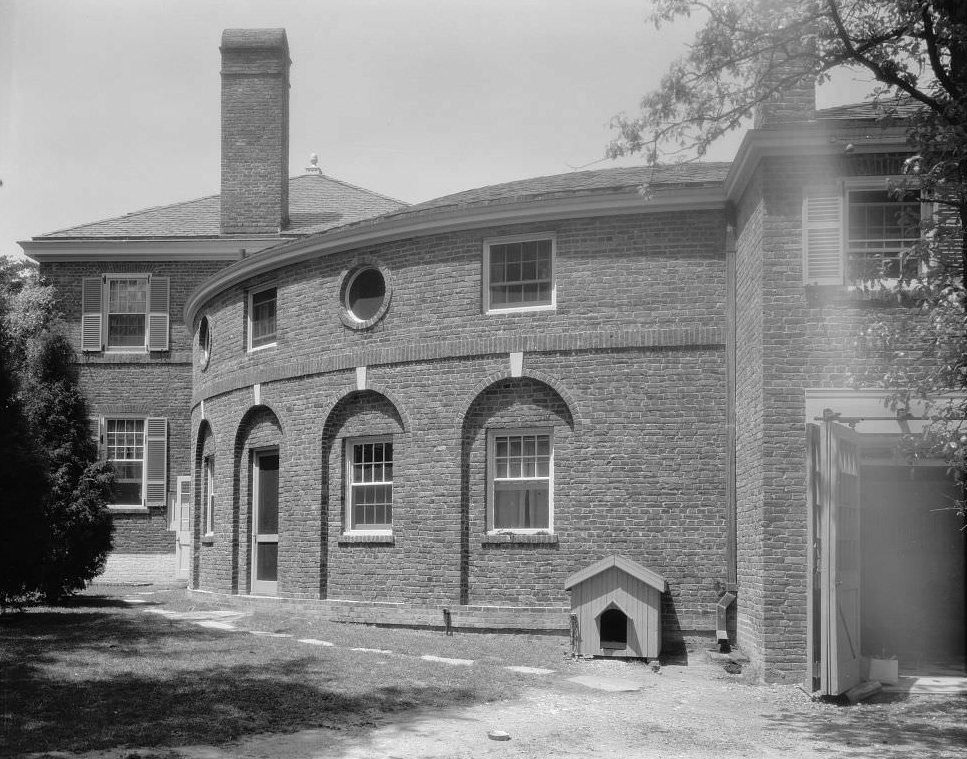
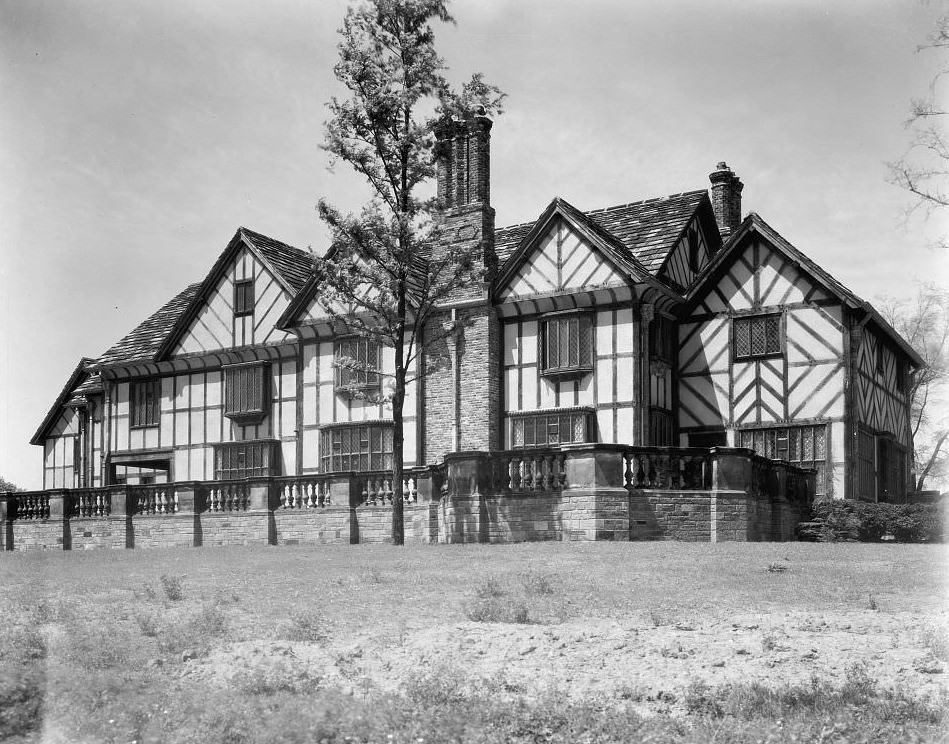
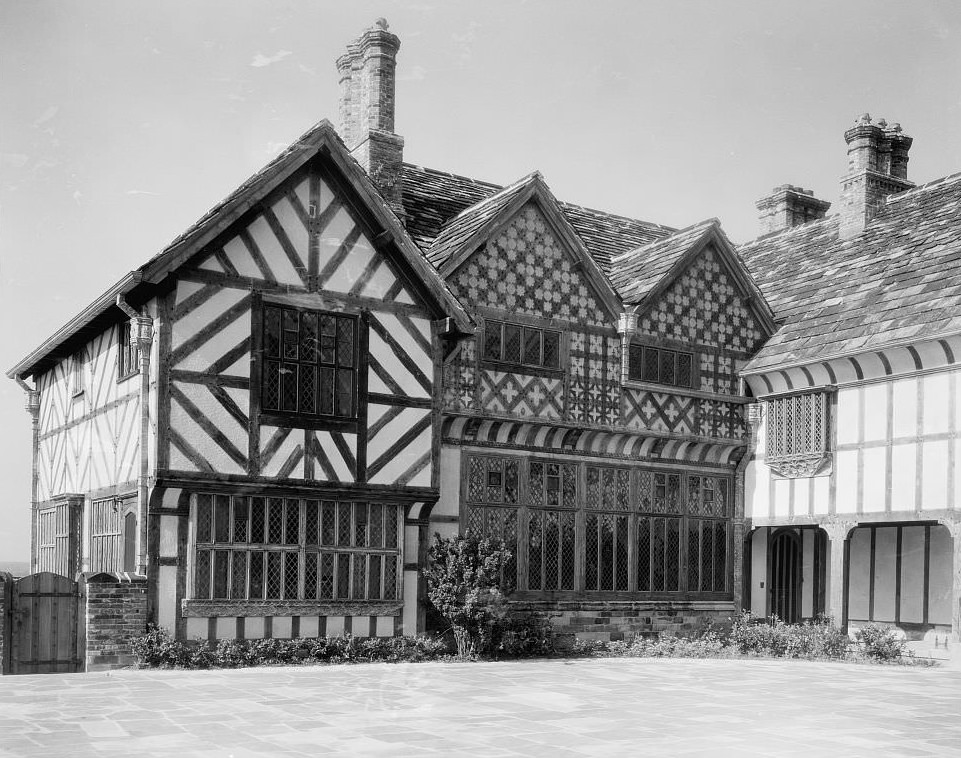
Among the most remarkable architectural stories of 1920s Richmond was Agecroft Hall. Originally a Tudor manor built in Lancashire, England in the 15th century, the structure was dismantled and shipped to Richmond in 1926. It was reassembled on a bluff overlooking the James River and photographed extensively in 1928. The project was funded by T.C. Williams Jr., and it stands as one of the most unusual transplantation efforts in American architectural history.
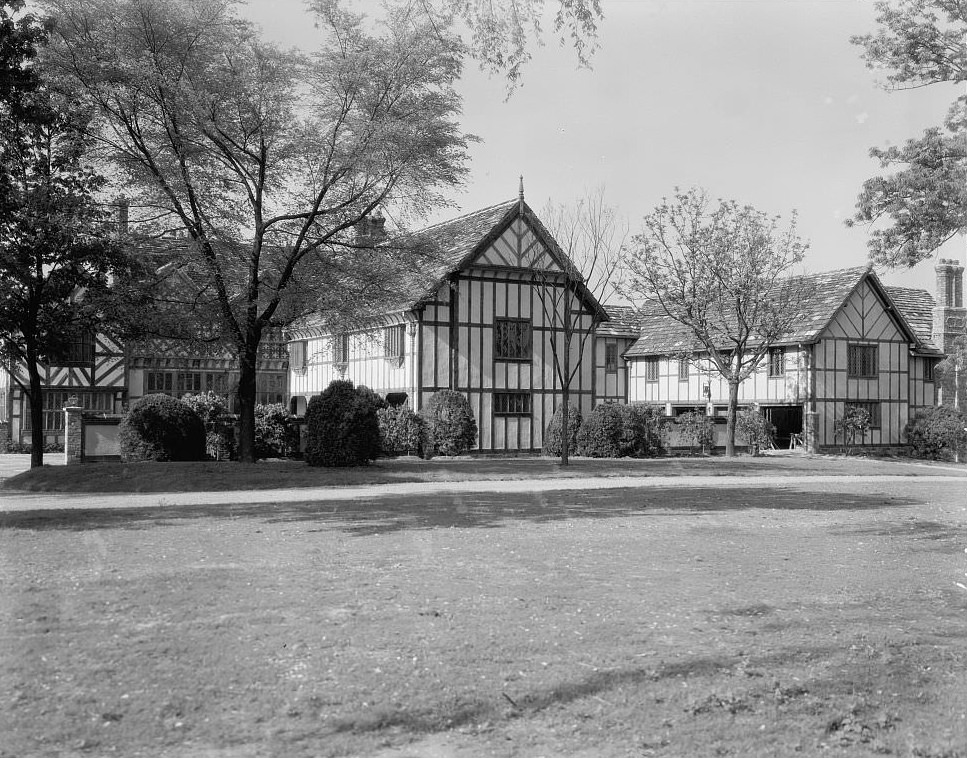
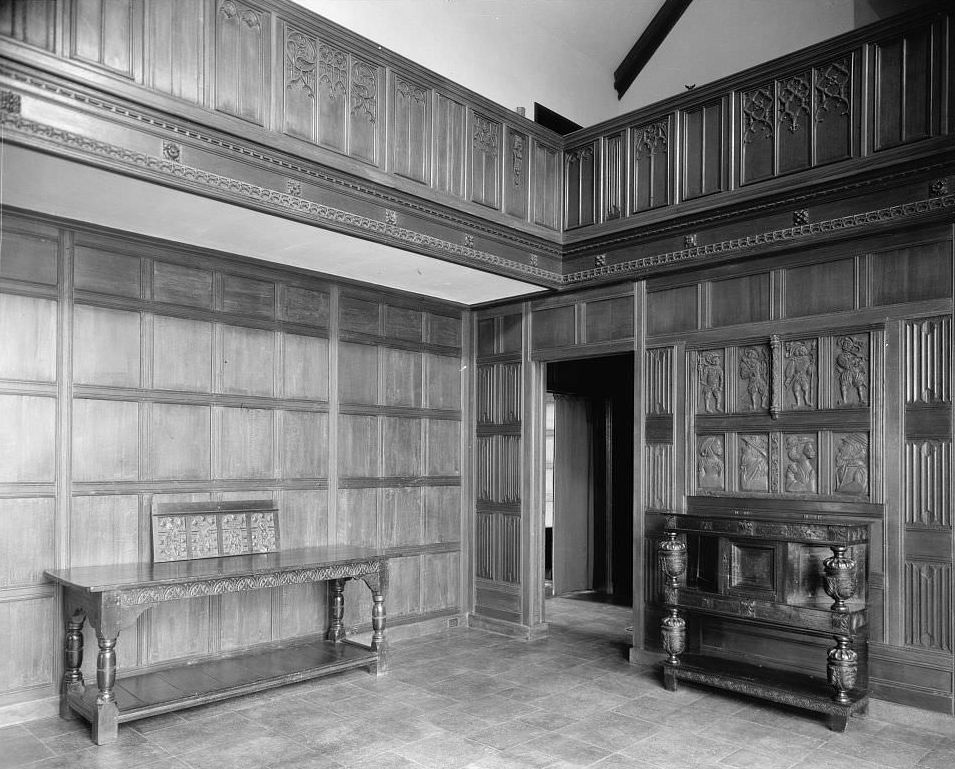
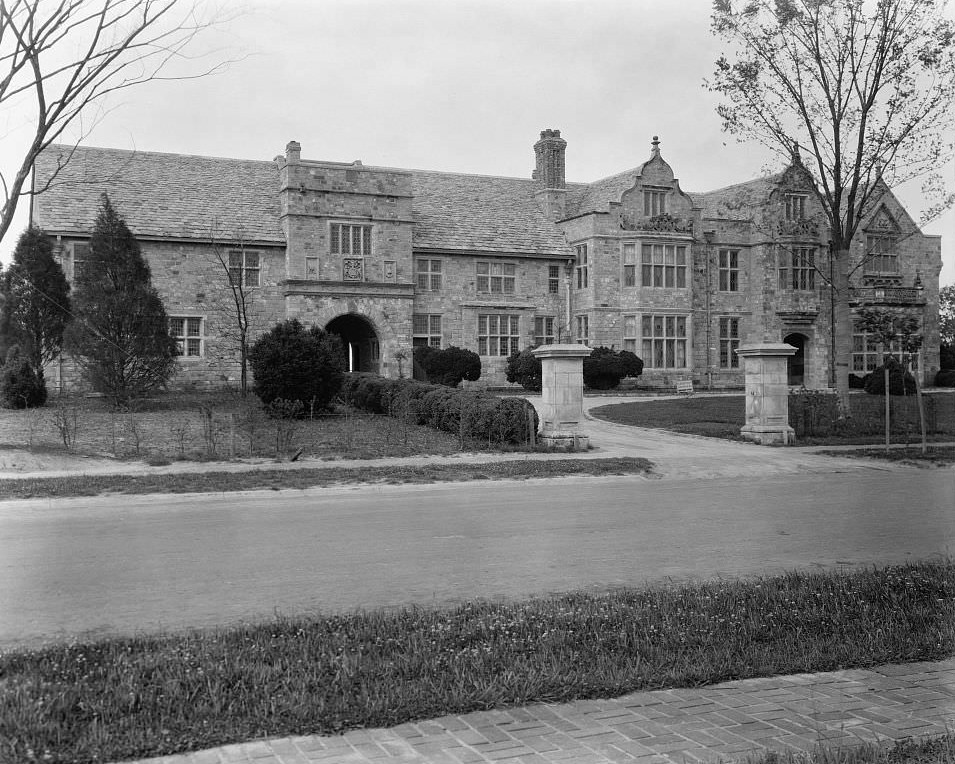
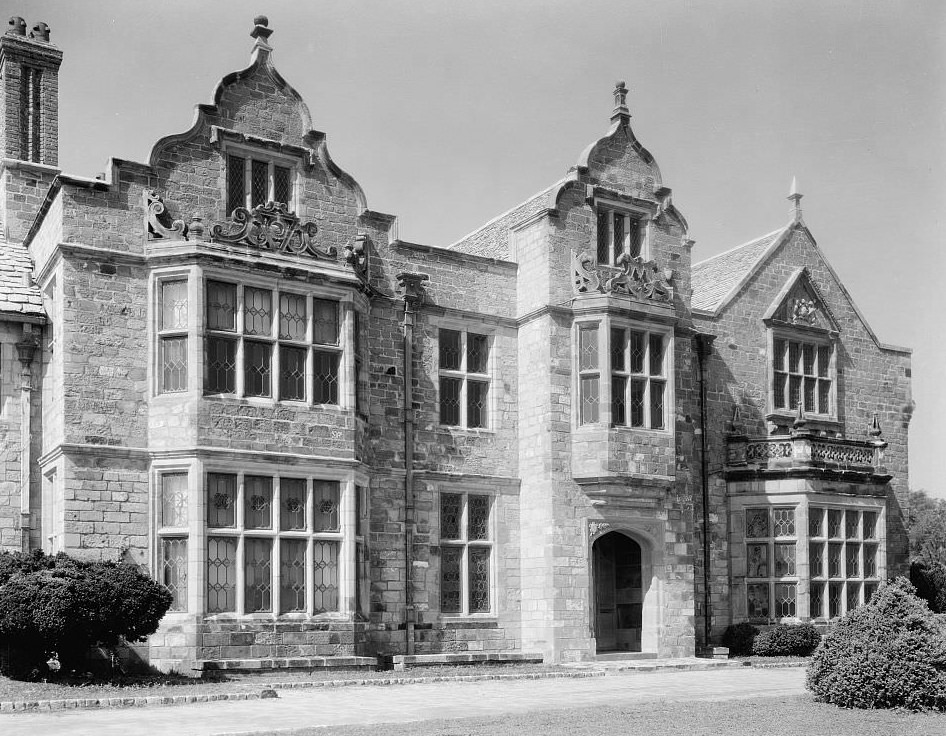
Close to Agecroft Hall, Virginia House was another English manor brought to Richmond in the same era. Built from the stones of a 12th-century Augustinian priory in Warwick, England, it was reconstructed on Windsor Farms in 1928–1929 by Ambassador Alexander Weddell and his wife Virginia. These 1929 photos document the estate just as it was completed.
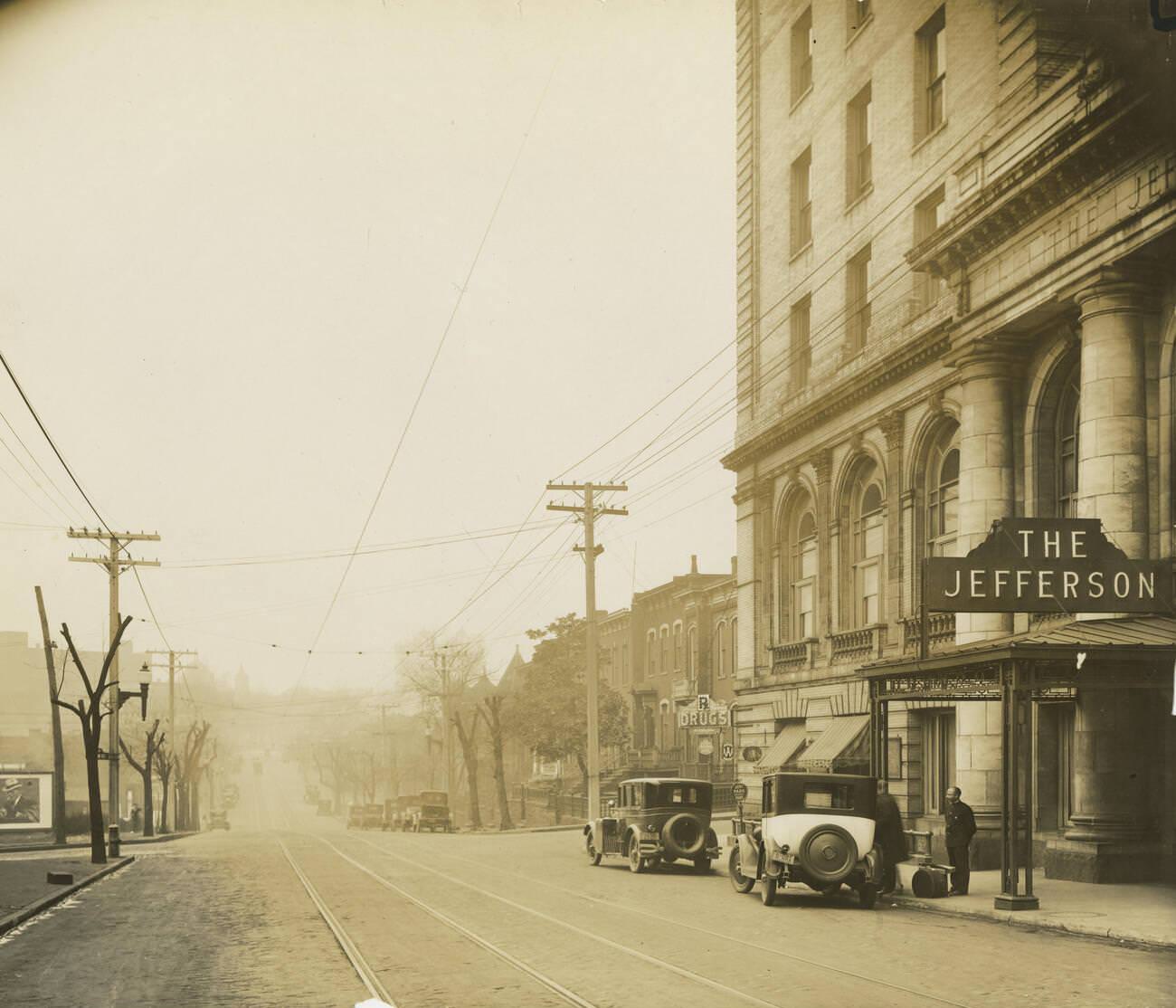
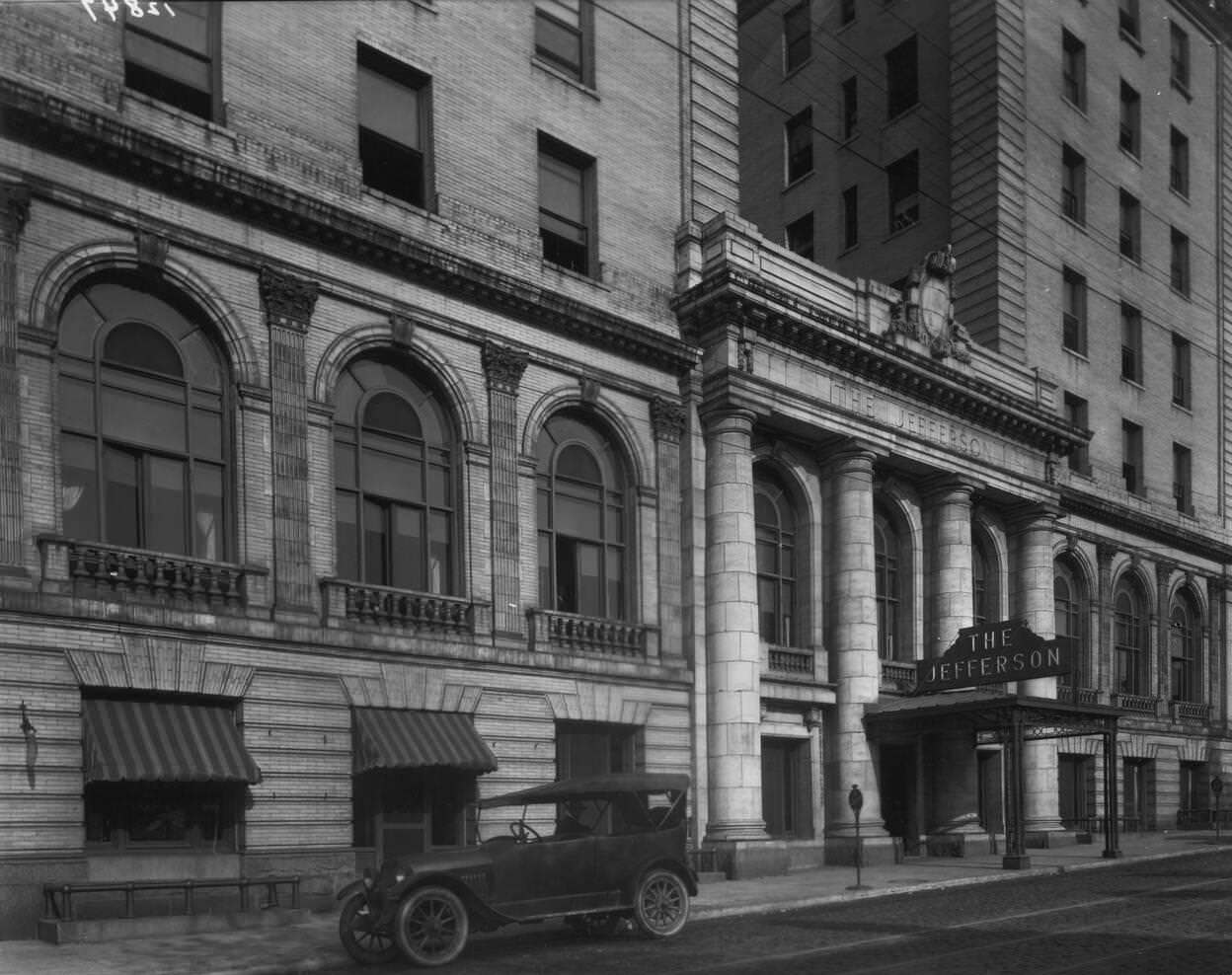
Downtown Richmond told a different story — one of commerce, crowds, and city life. The Jefferson Hotel, one of Richmond’s most celebrated landmarks, was a symbol of elegance in the heart of the city. Built in 1895, it remained a social centerpiece through the 1920s, hosting dignitaries and business leaders who came to Richmond as the city’s profile grew.
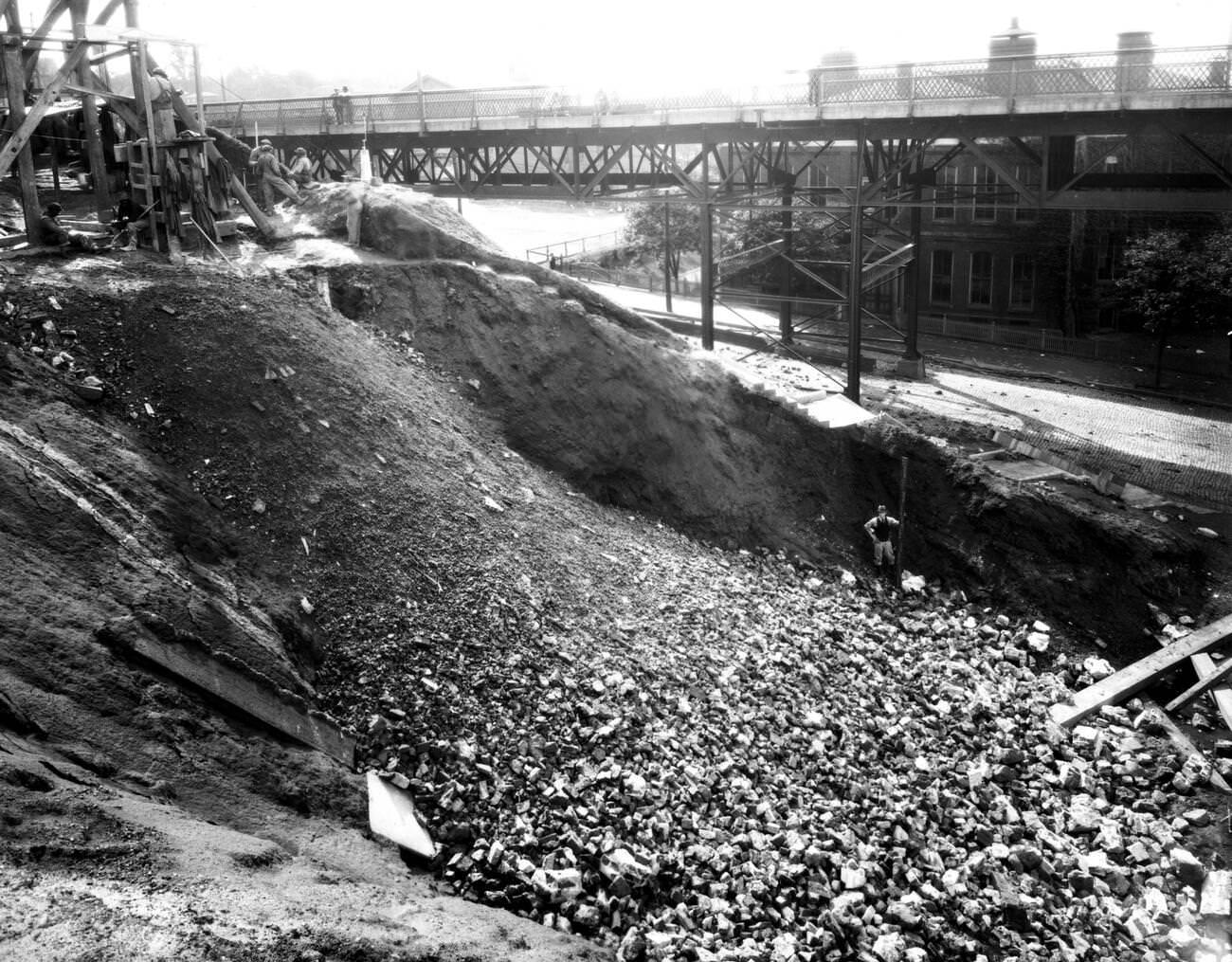
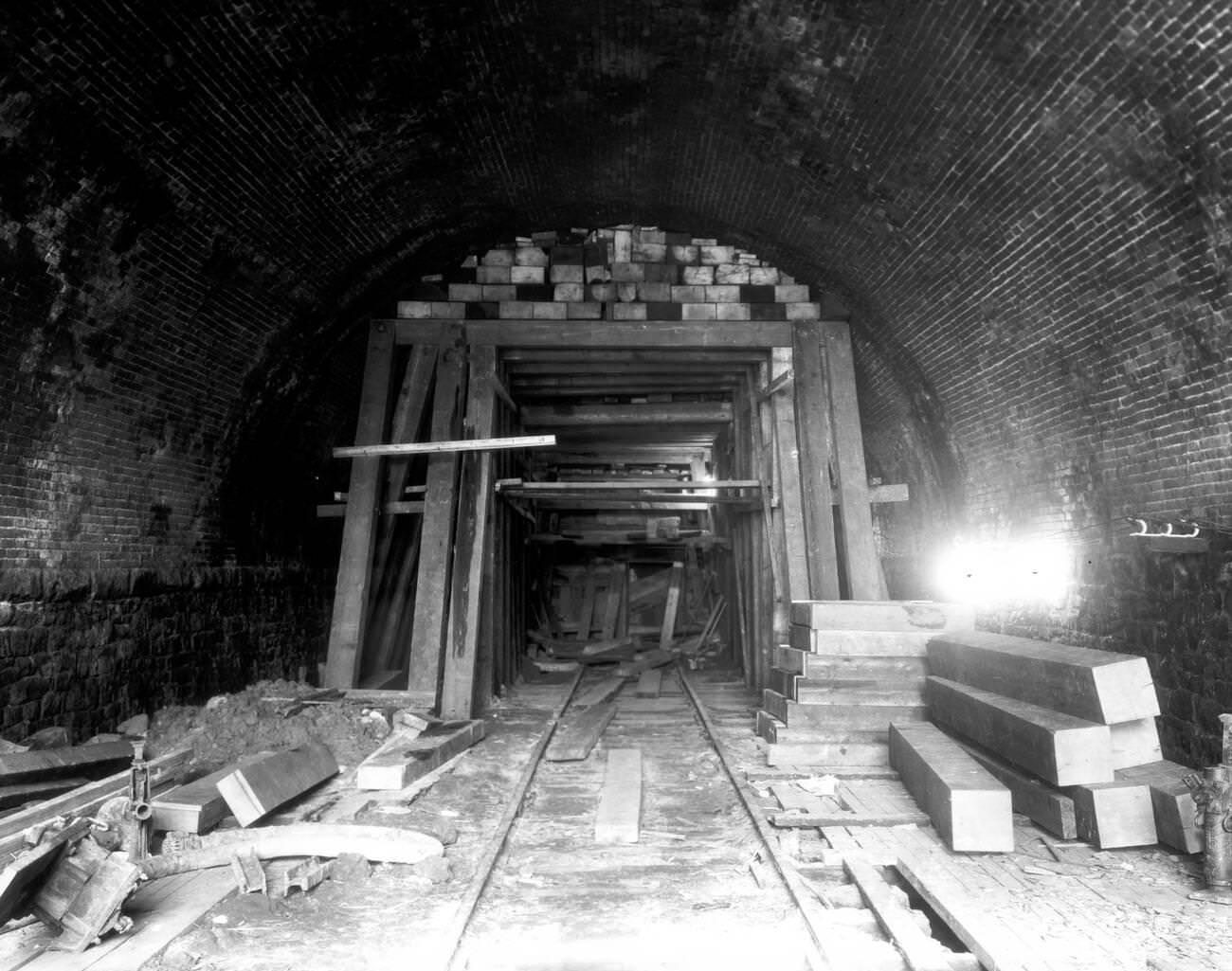
Not all of Richmond’s 1920s stories were ones of prosperity. On October 2, 1925, a portion of the Church Hill Tunnel collapsed while a work train was operating inside. The cave-in buried workers and a locomotive under tons of earth. At least two men were confirmed dead, and others were never recovered. The tunnel was sealed shut, and the bodies of those trapped inside were never retrieved.
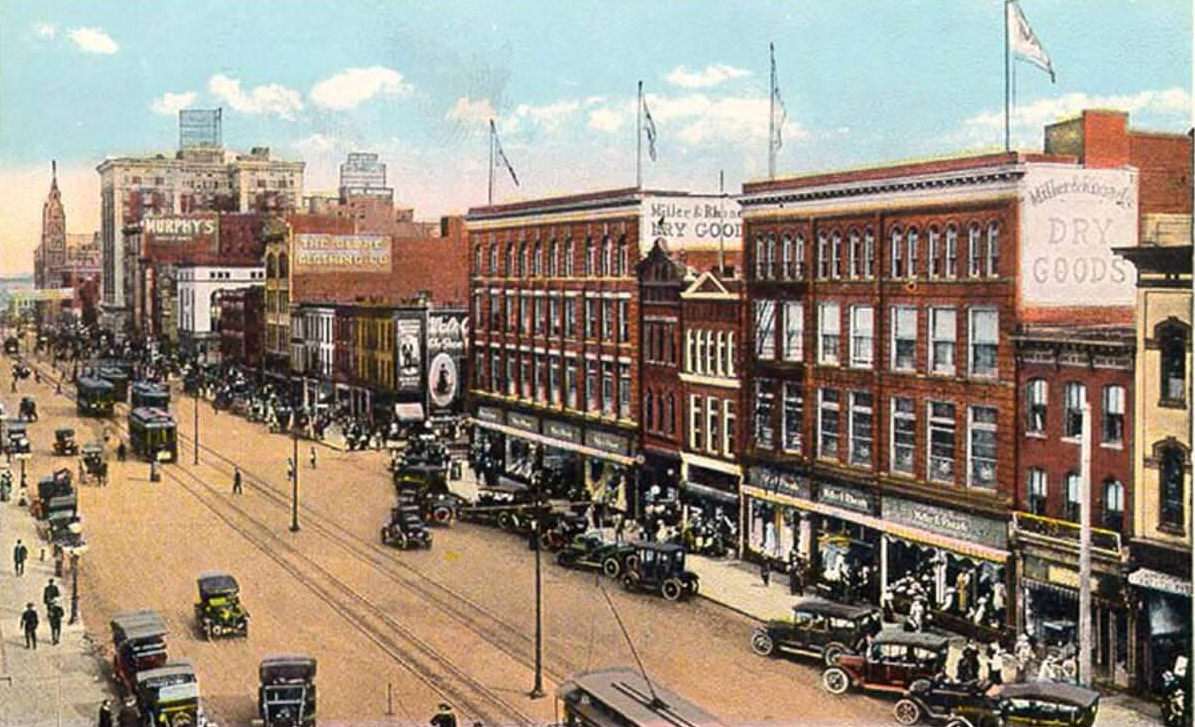
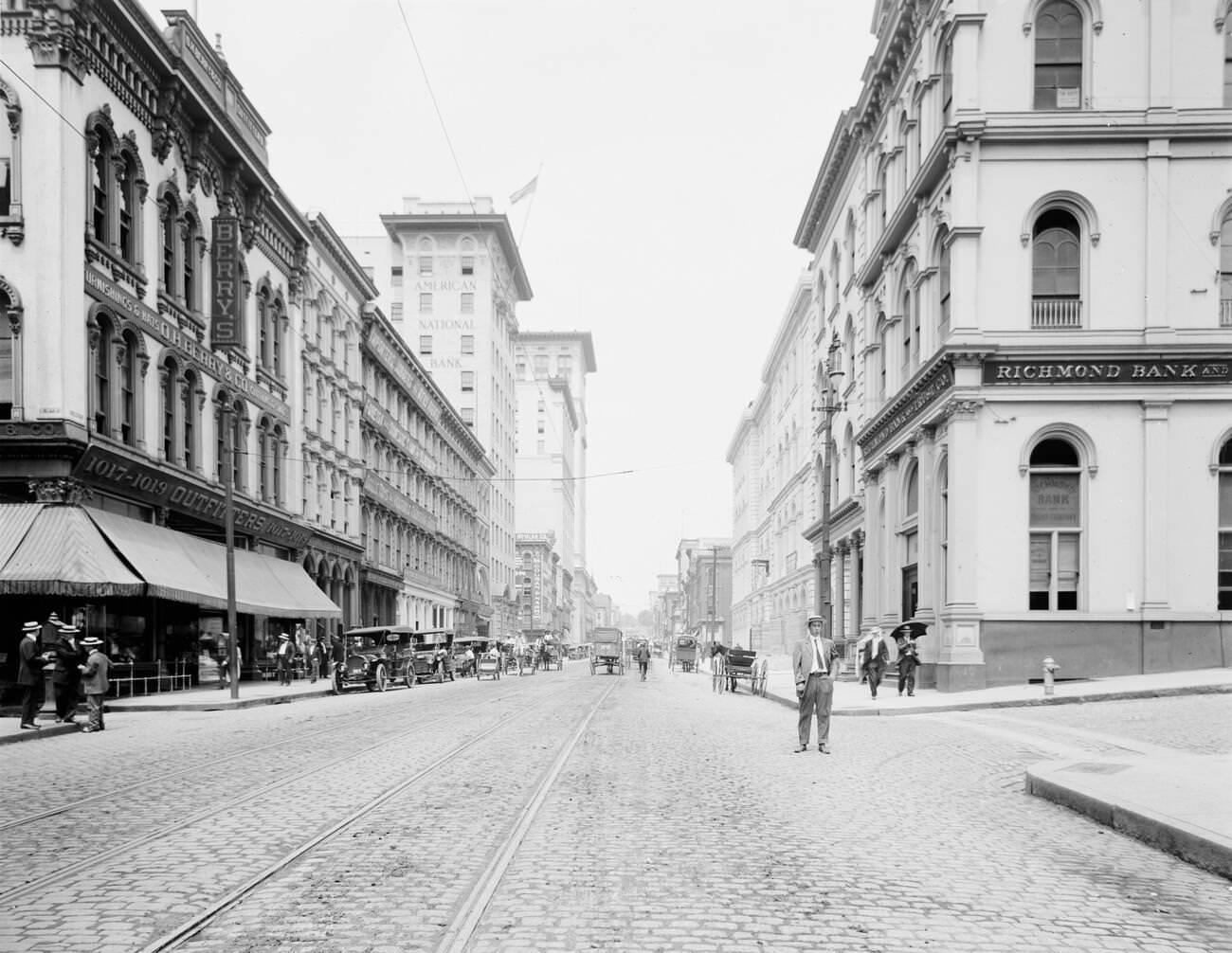
Broad Street was the beating commercial heart of 1920s Richmond. As automobiles became more common — driven by the affordability of Ford’s Model T — the street filled with traffic and pedestrians. Art Deco and Beaux-Arts buildings lined the blocks, and department stores like Miller & Rhoads drew shoppers from across the region. The city’s road network expanded to keep pace with growing car ownership, reshaping Richmond’s layout block by block.
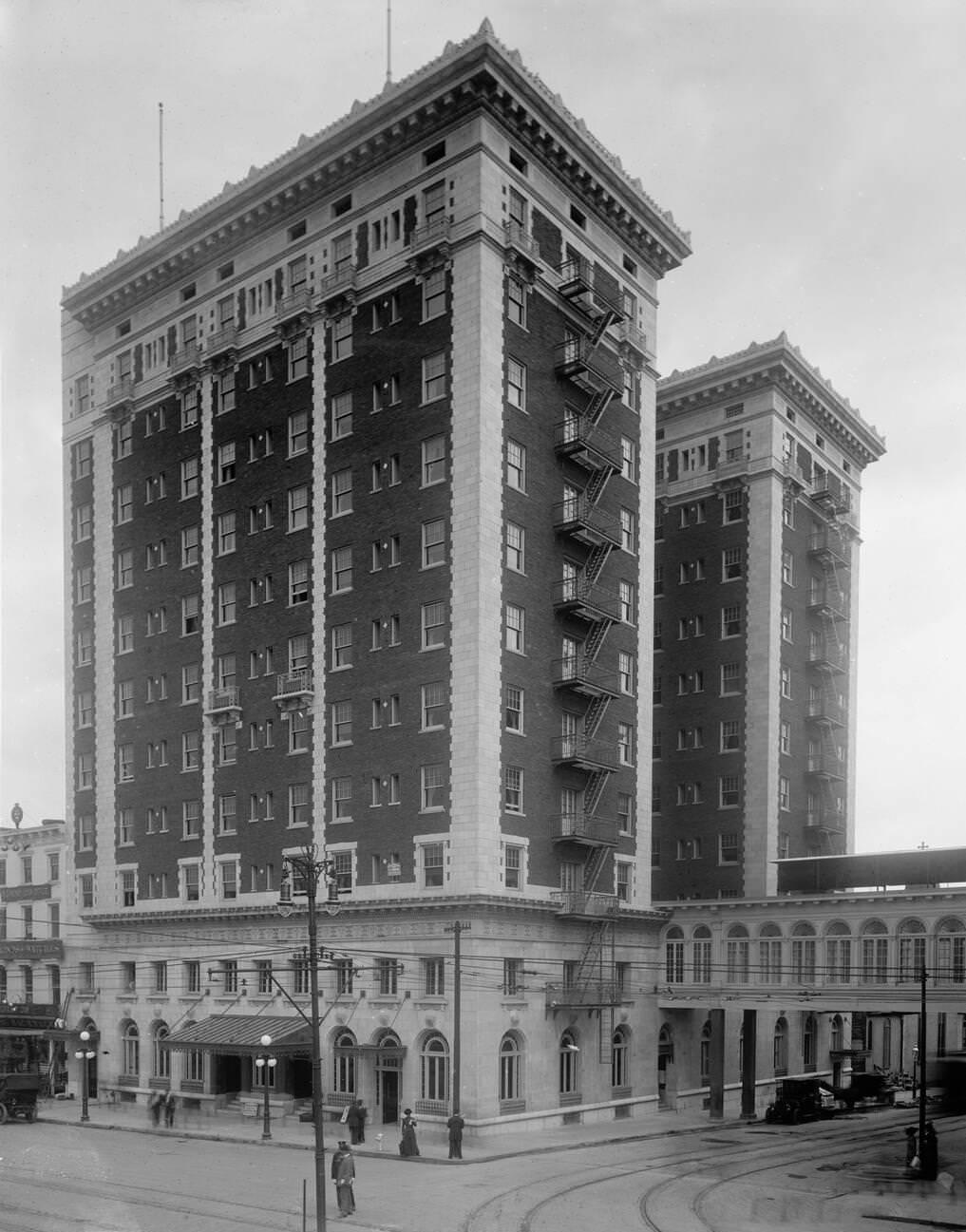
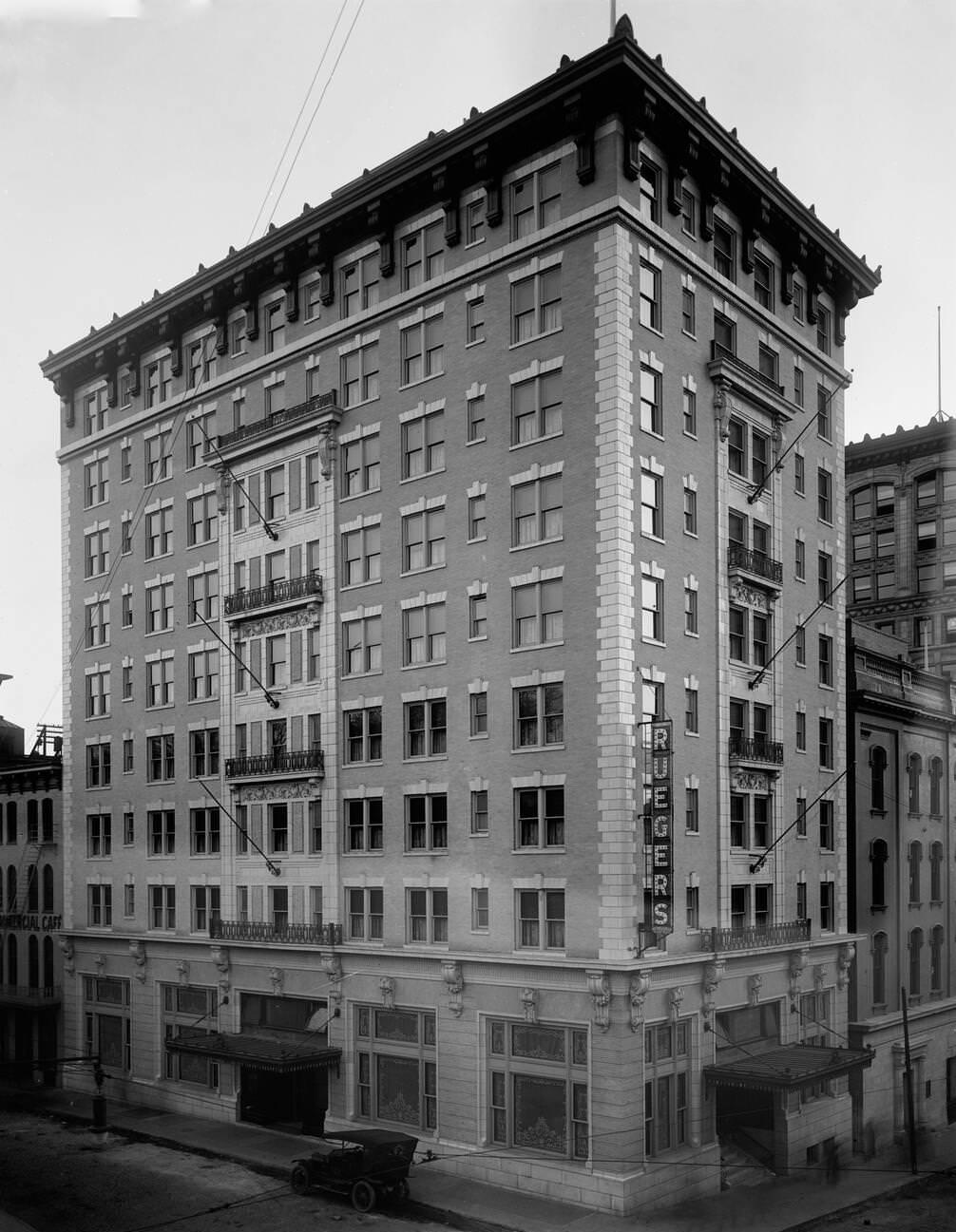
Richmond’s hotel scene reflected the city’s growing status as a regional destination. Murphy’s Hotel, Hotel Ruegers, and Hotel Richmond each served different types of travelers passing through or doing business in the city. Prohibition was in full effect during these years, but speakeasies operated quietly behind closed doors, and bootlegging was widespread enough to fuel a measurable rise in organized criminal activity throughout the city.
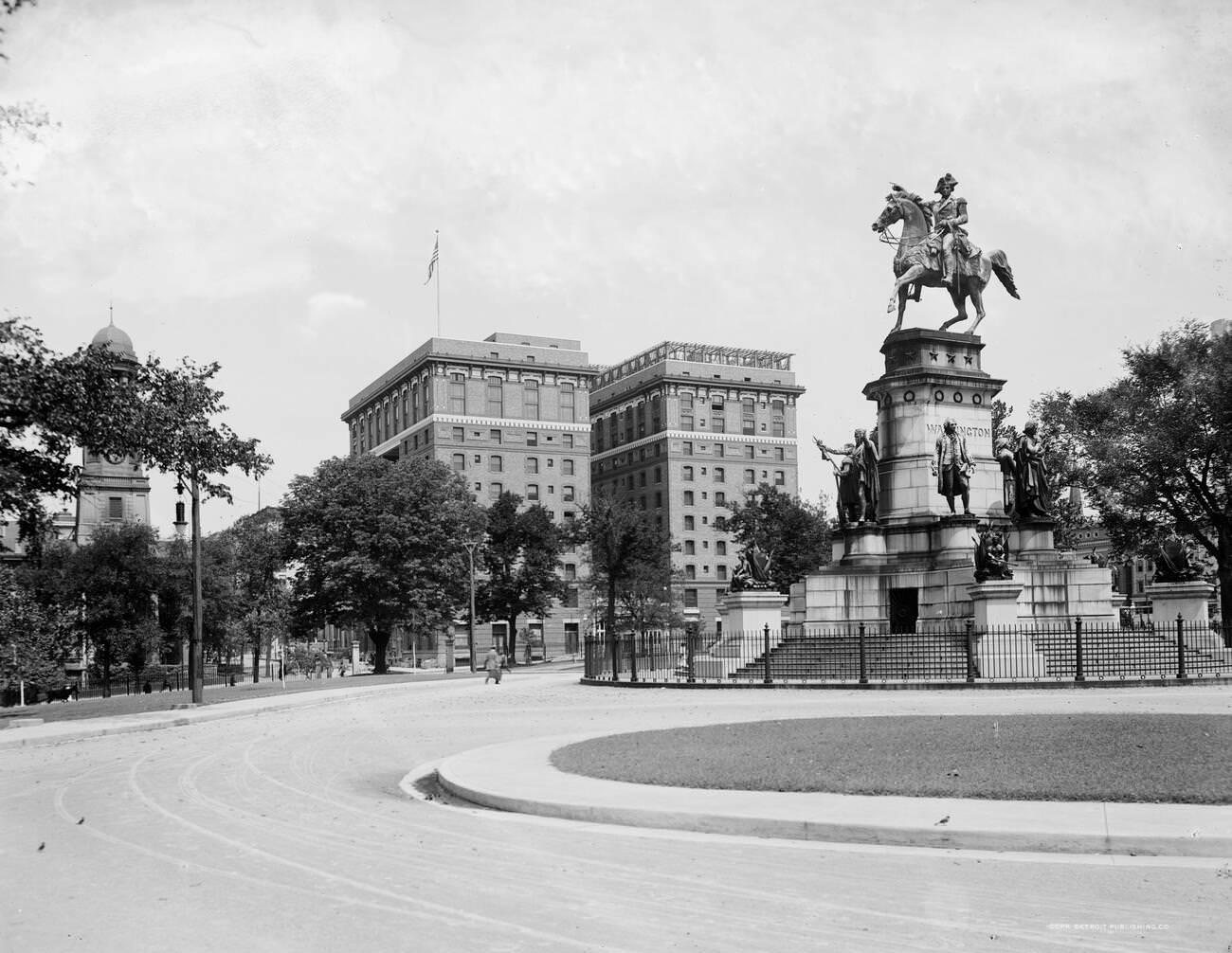
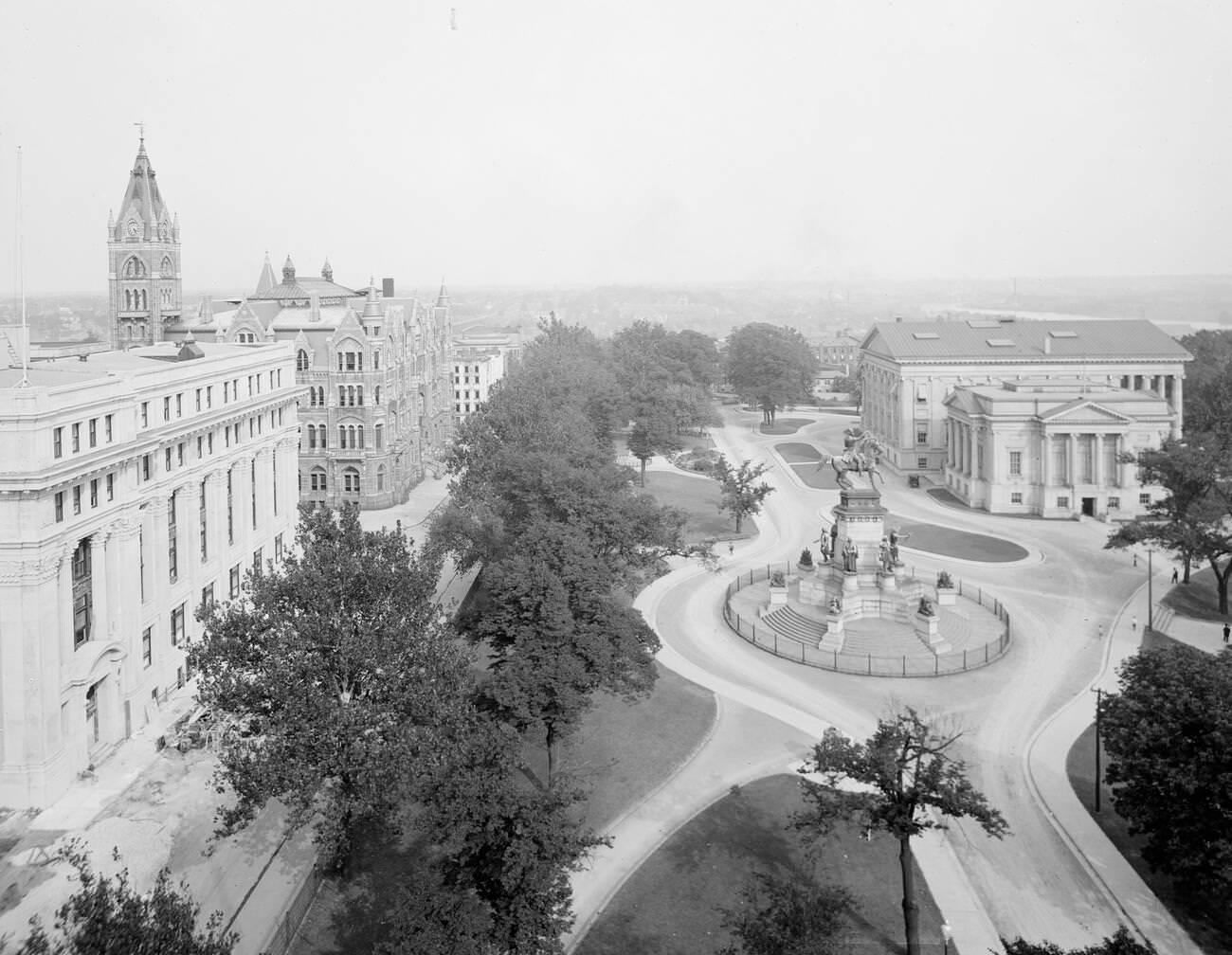
Views from the Hotel Richmond captured the city’s skyline and street life from an elevated vantage point. Looking out from the Capitol, Richmond spread in every direction — a city that had grown far beyond its post-Civil War footprint. Jazz poured out of clubs and dance halls, including the Hippodrome Theater, which had opened in 1914 and became a key venue for both local and touring musicians. African American artists and musicians in Richmond drew energy from the Harlem Renaissance, adding to a vibrant cultural scene that ran parallel to the city’s economic expansion.





Half the museum district was built in 1920, was hoping for pictures there. Looks like mostly mansions and big buildings downtown though.
Those are really cool, thanks for sharing. All before my time, but it’s fun to walk down memory lane sometimes