The Renaissance Pleasure Faire didn’t begin as a festival for the masses. Phyllis and Ron Patterson launched it in 1963 in Agoura, near Malibu, California, with a specific goal: give schoolchildren a hands-on look at Renaissance England. No textbooks, no lectures — just a recreated village where history walked, talked, and smelled like the real thing.
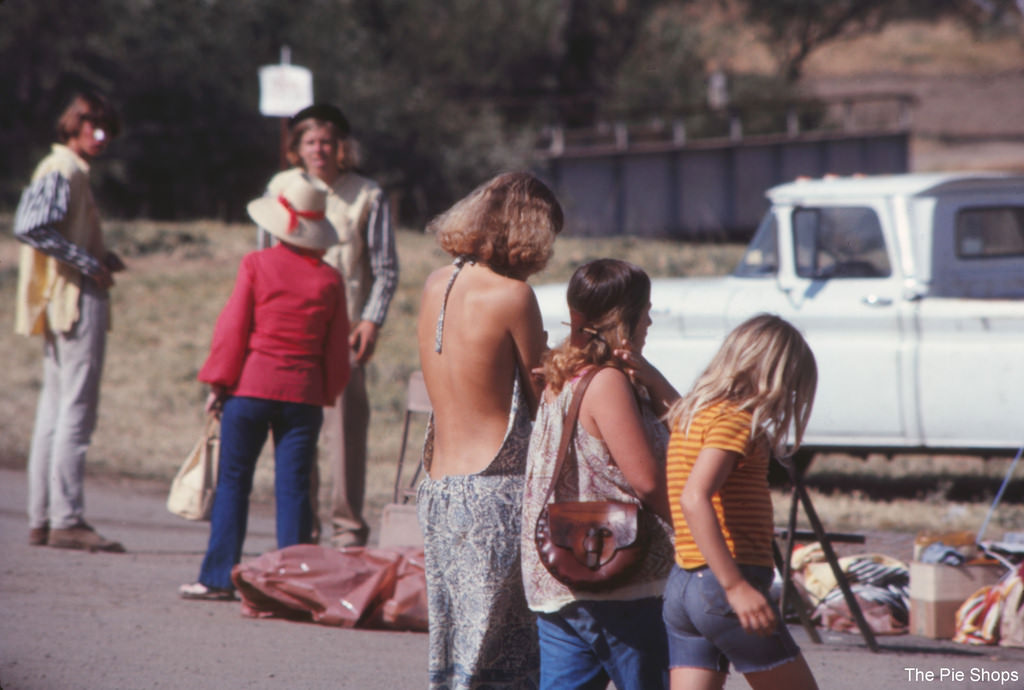
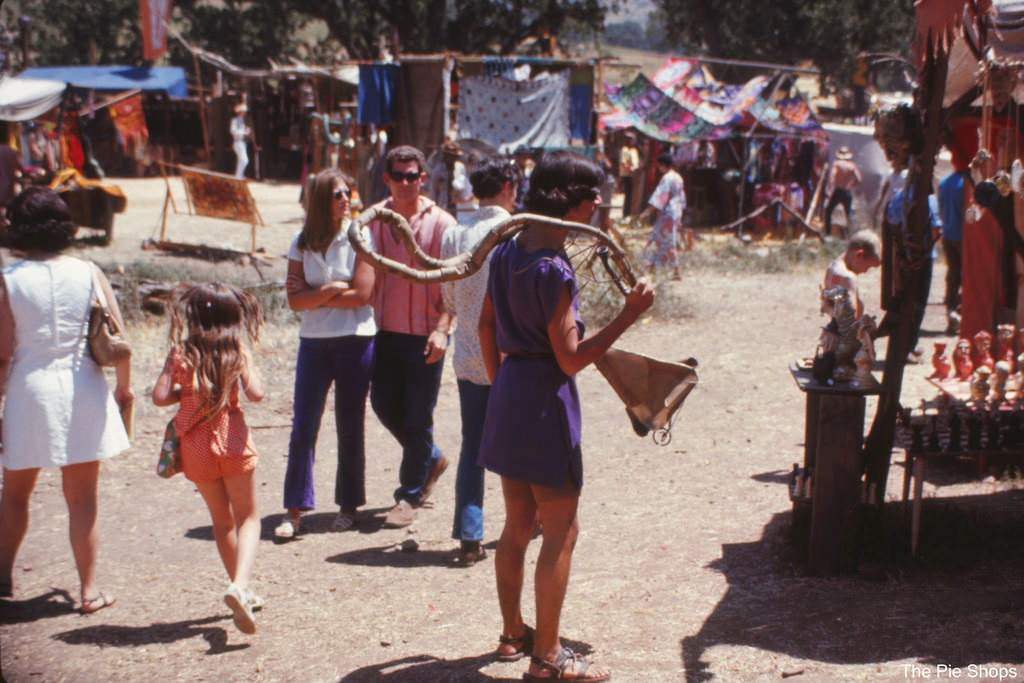
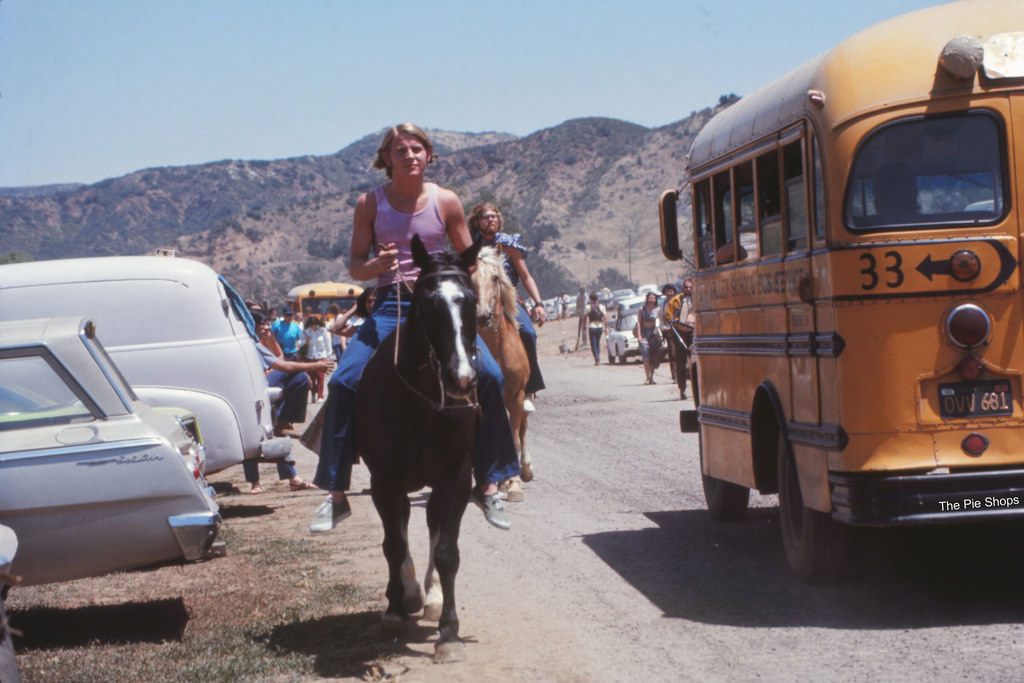
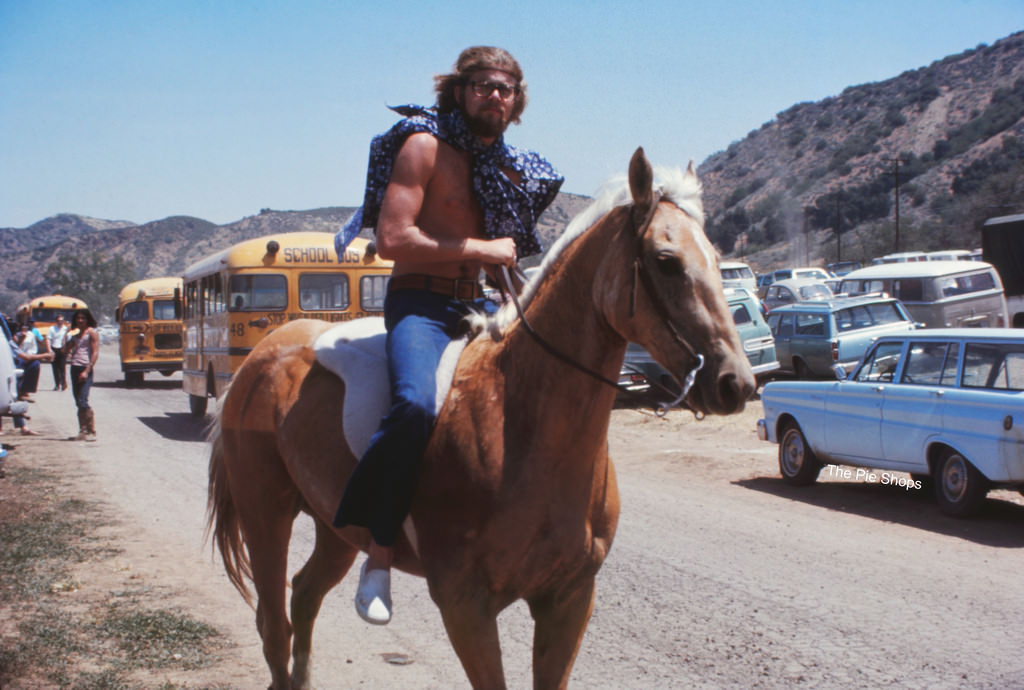
The idea caught on fast. Families and adults started showing up alongside school groups, and by the early 1970s, the Faire had grown into one of Southern California’s most beloved annual events. Thousands of visitors made the trip each season to spend a day inside a living, breathing Elizabethan village.
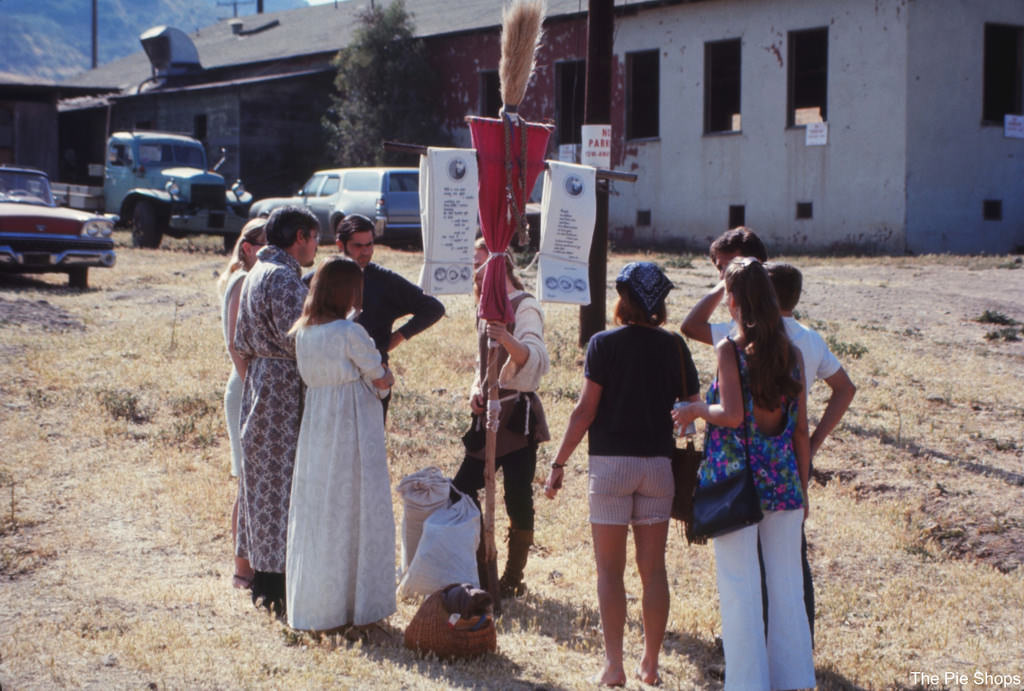
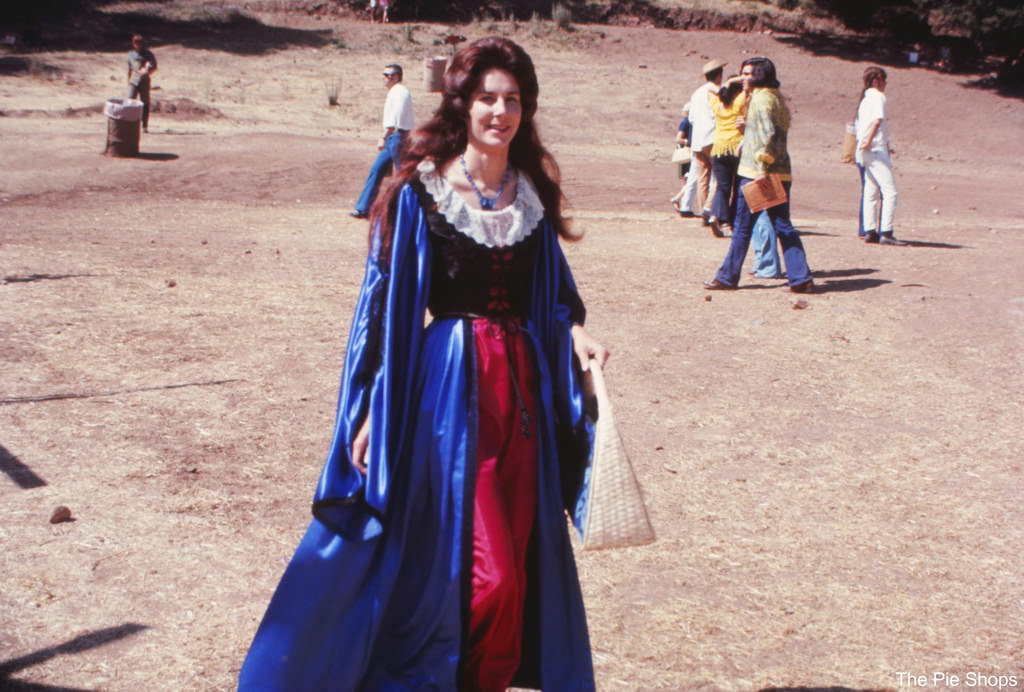
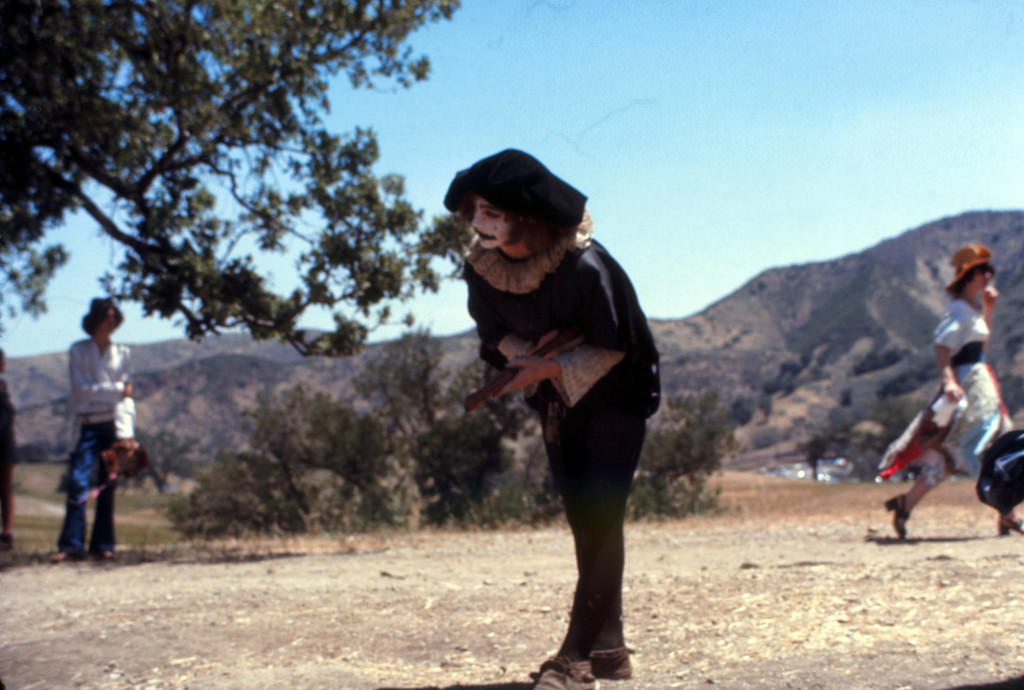
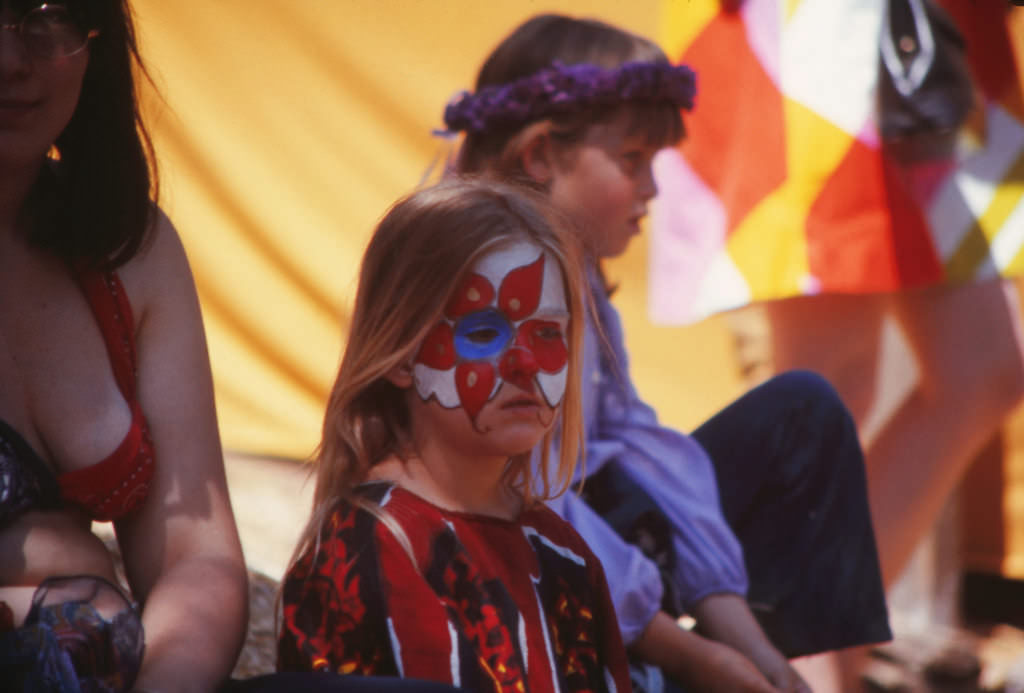
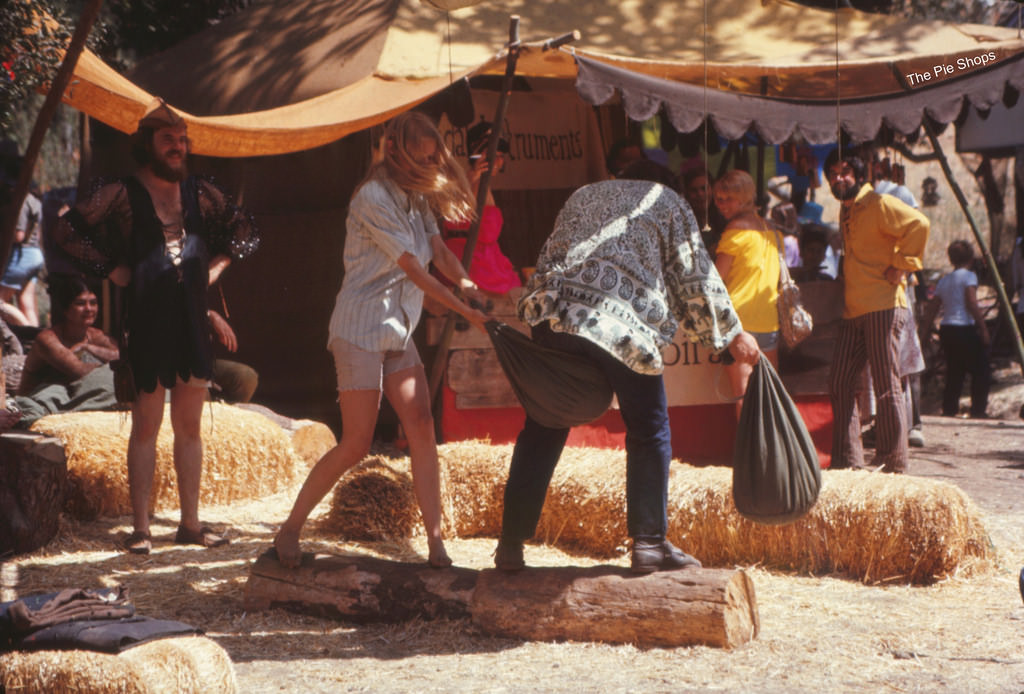
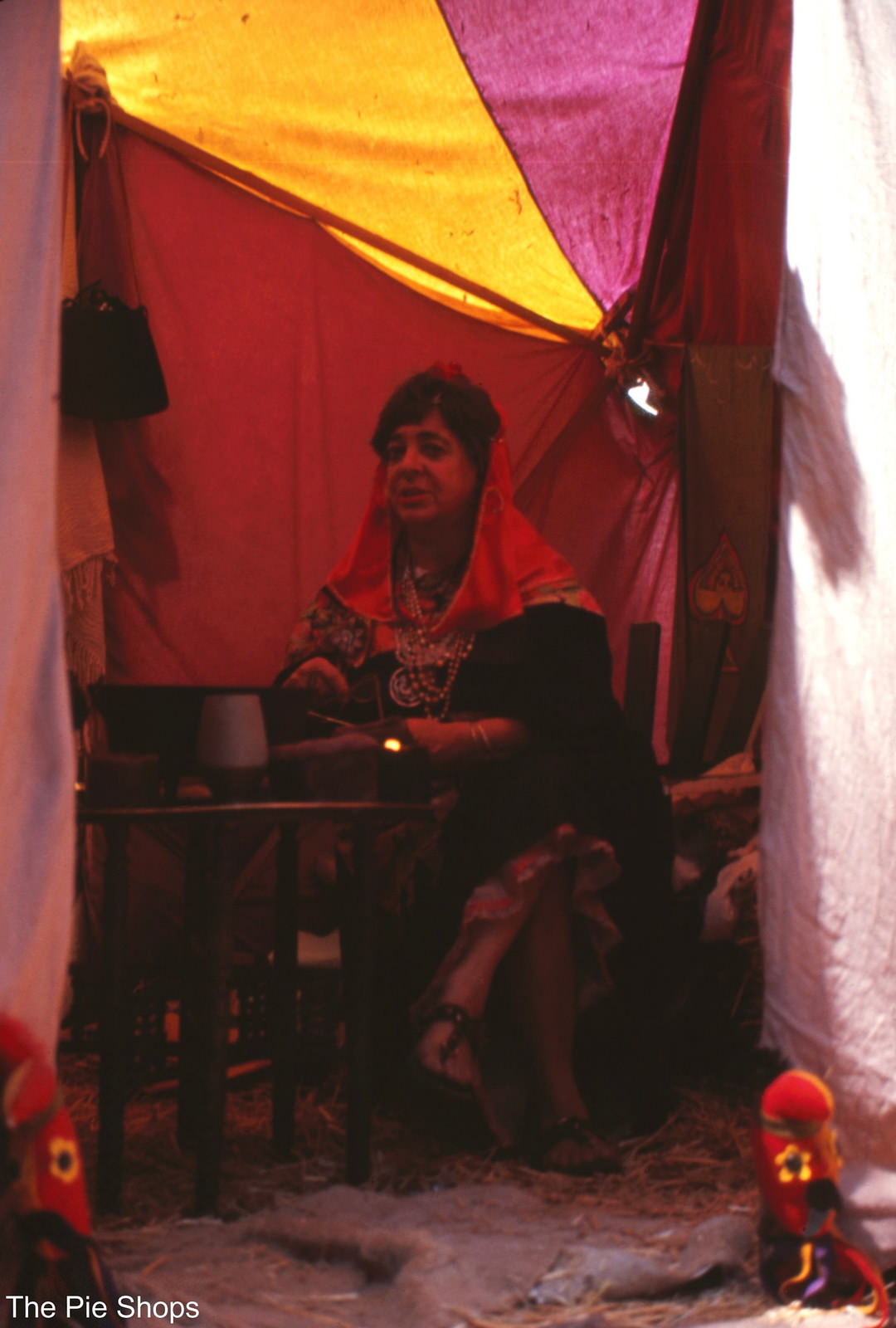
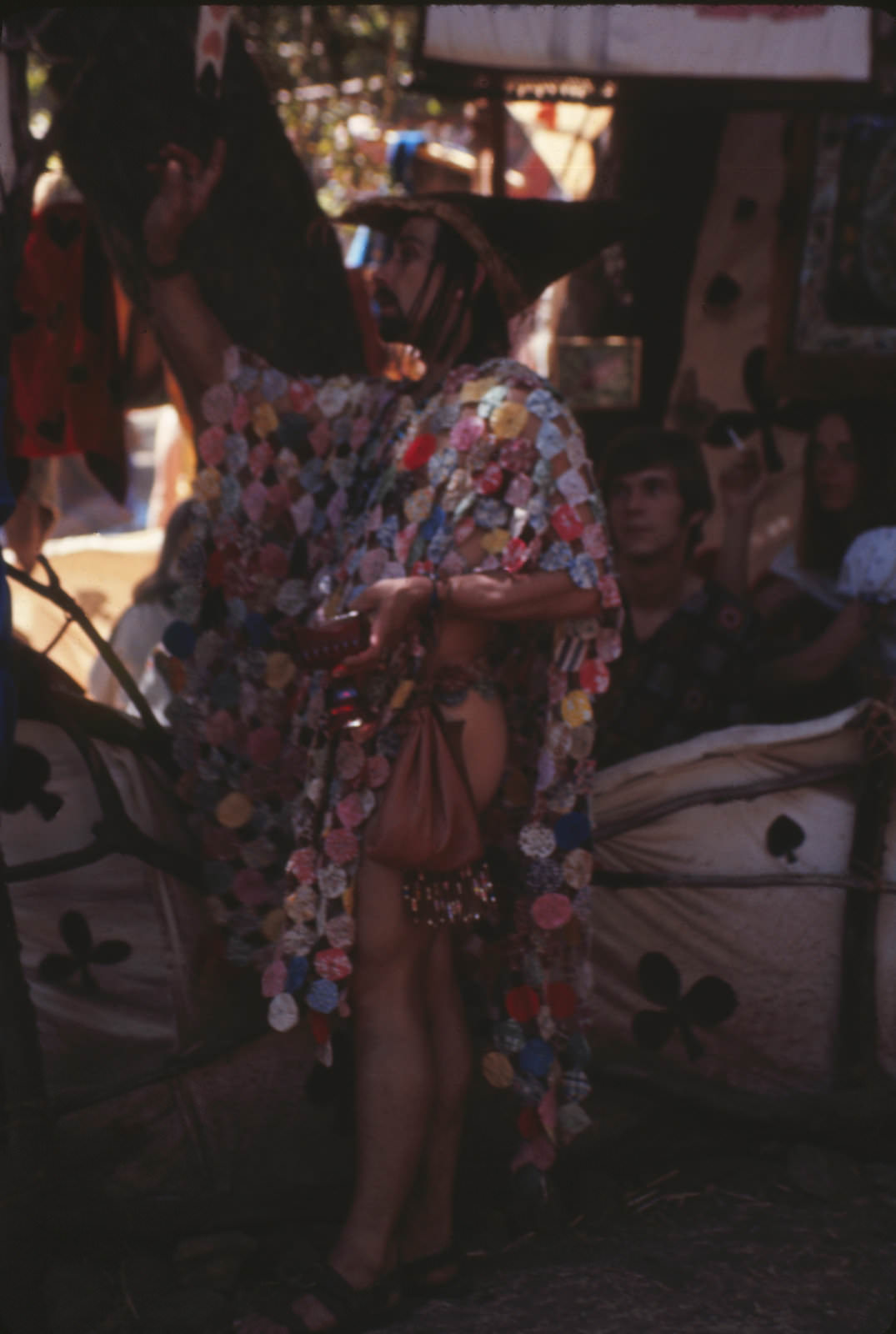
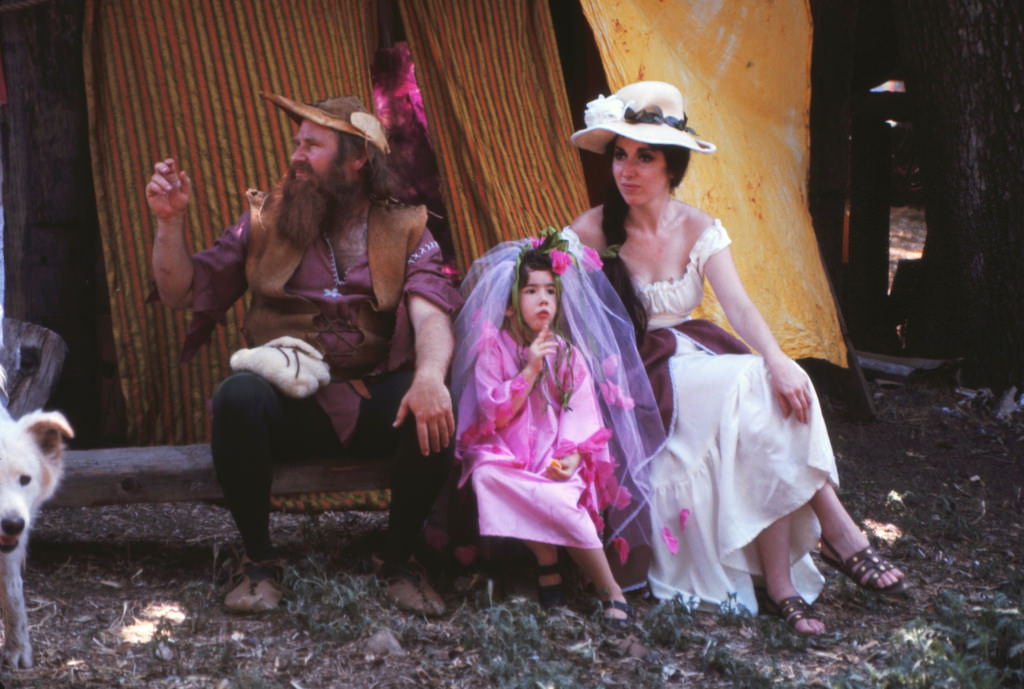
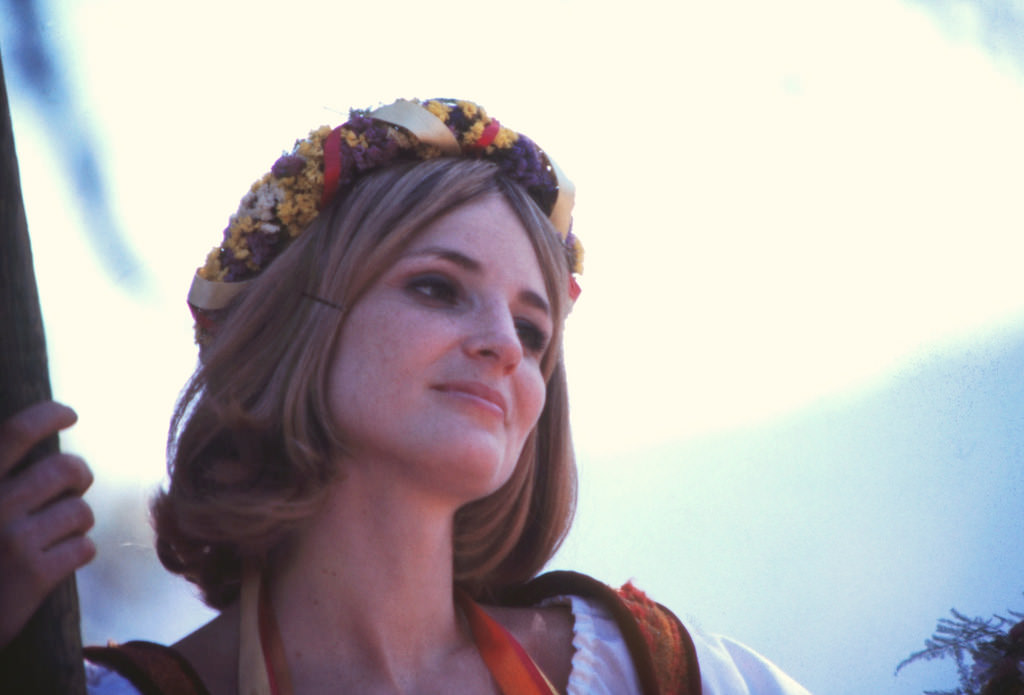
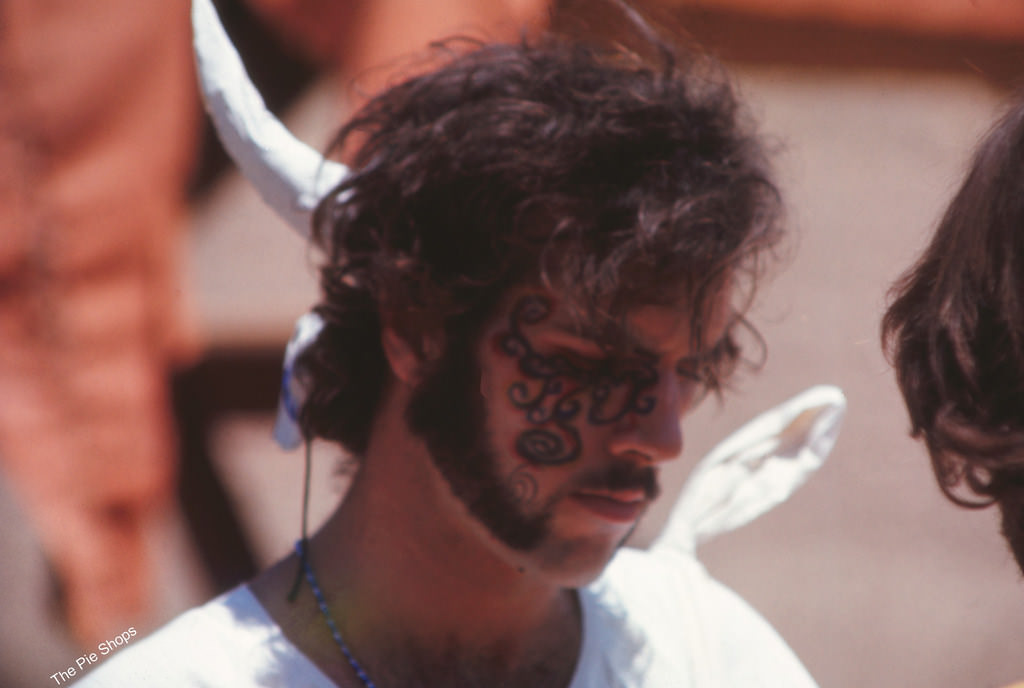
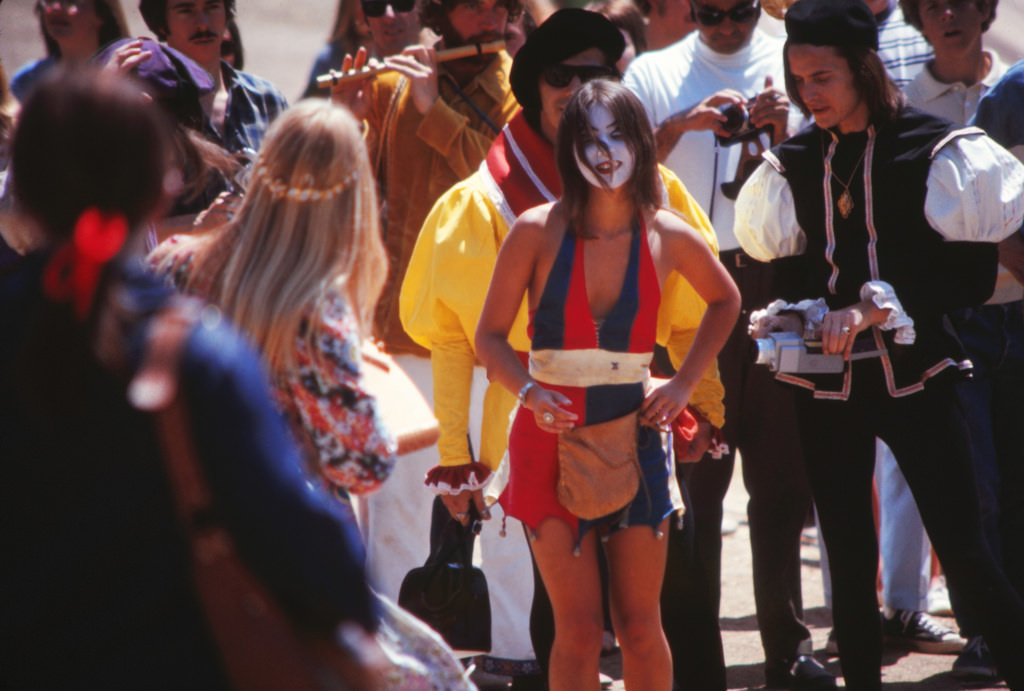
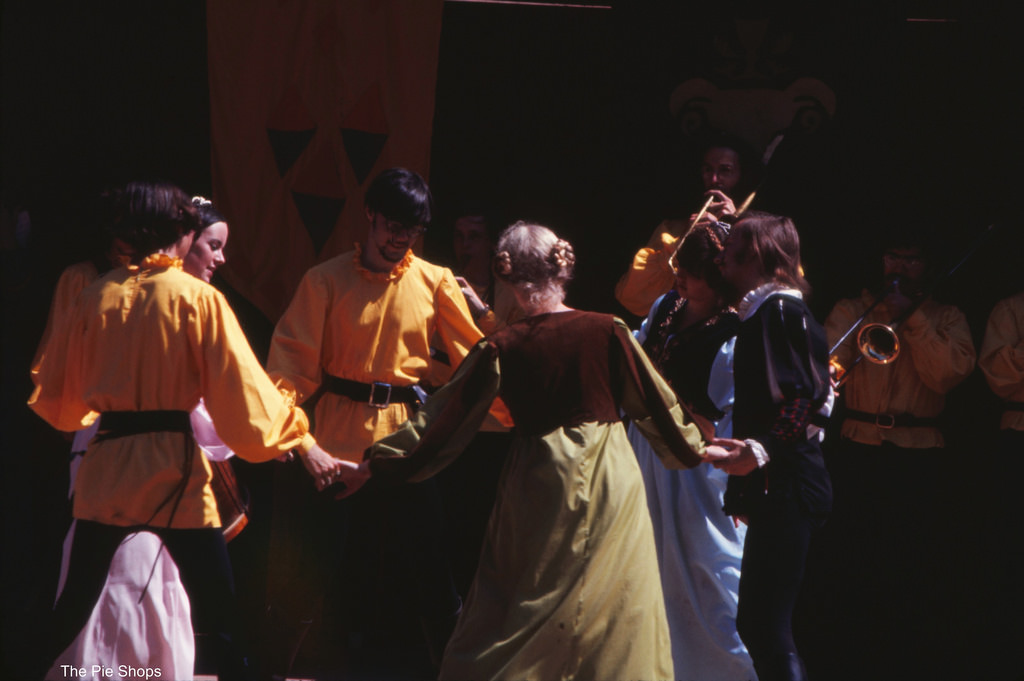
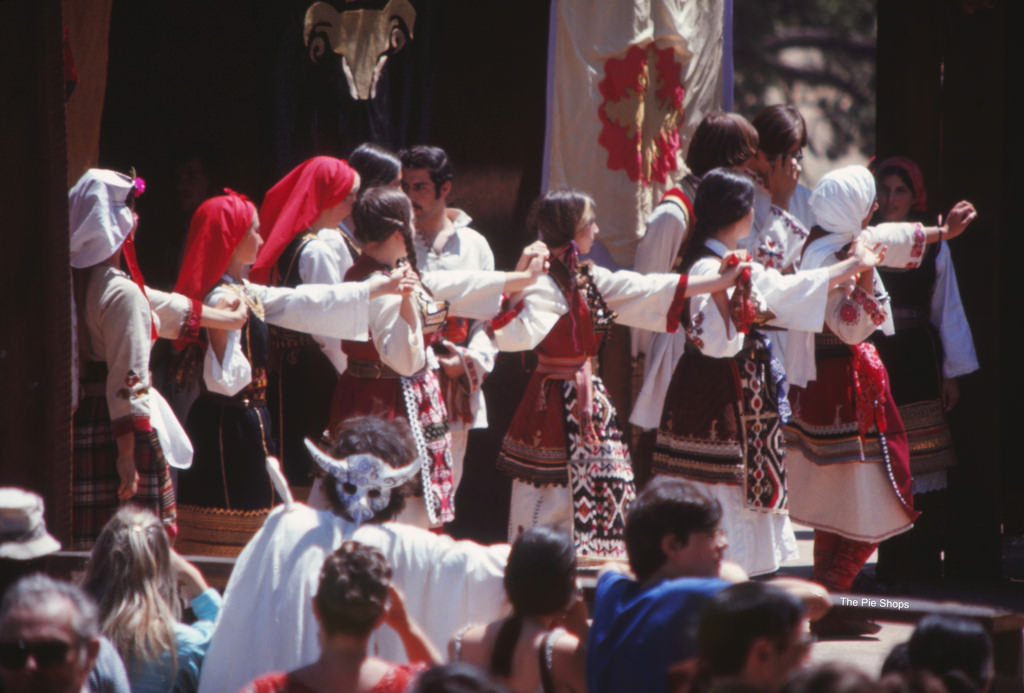
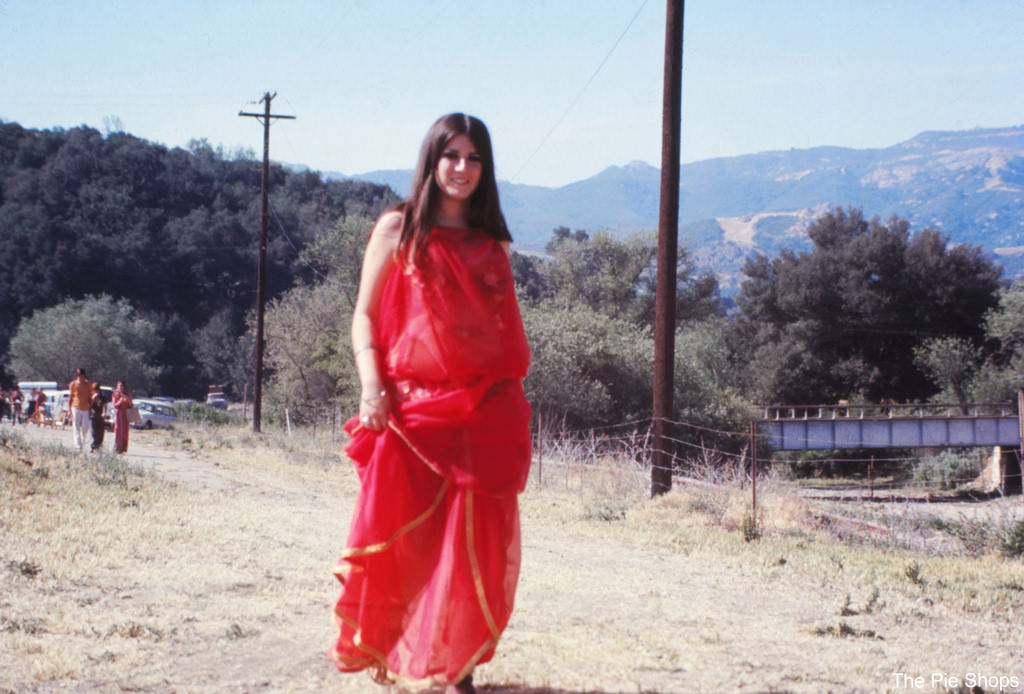
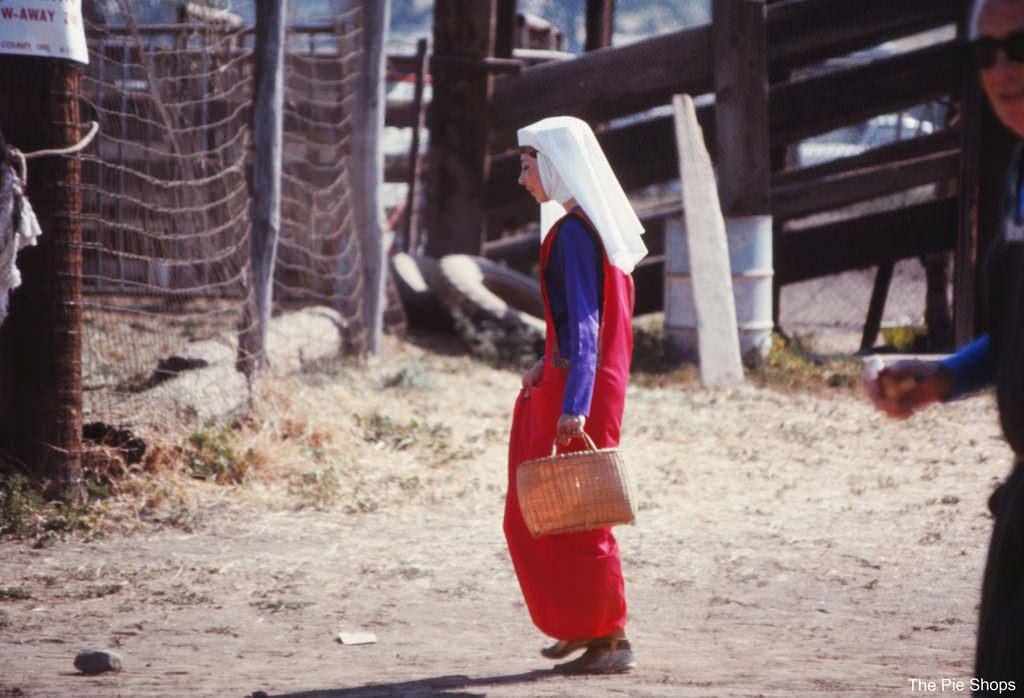
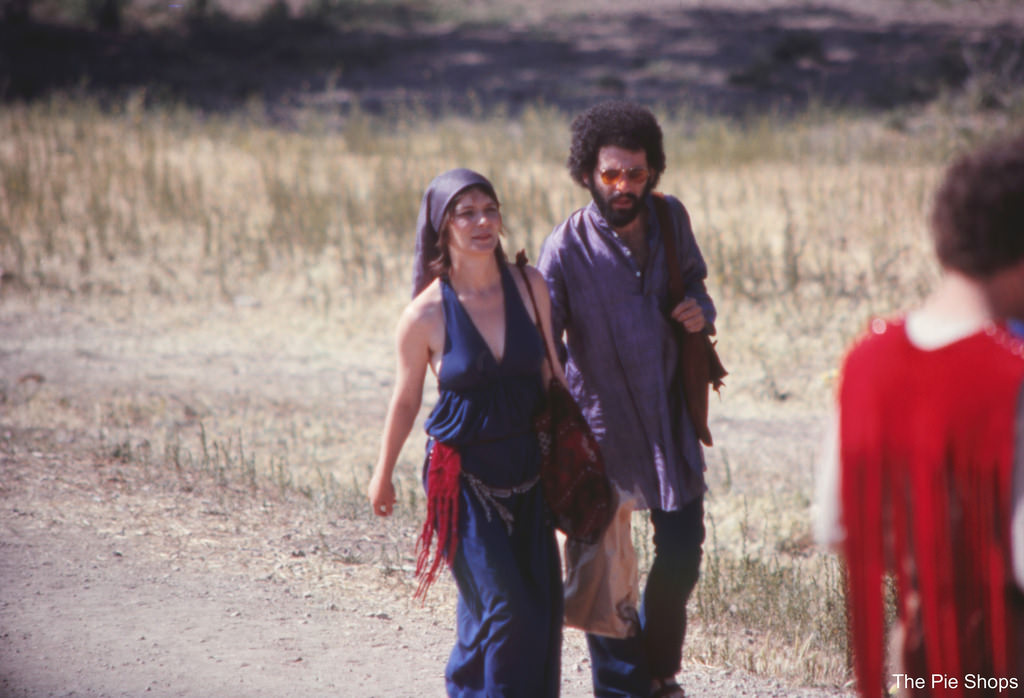
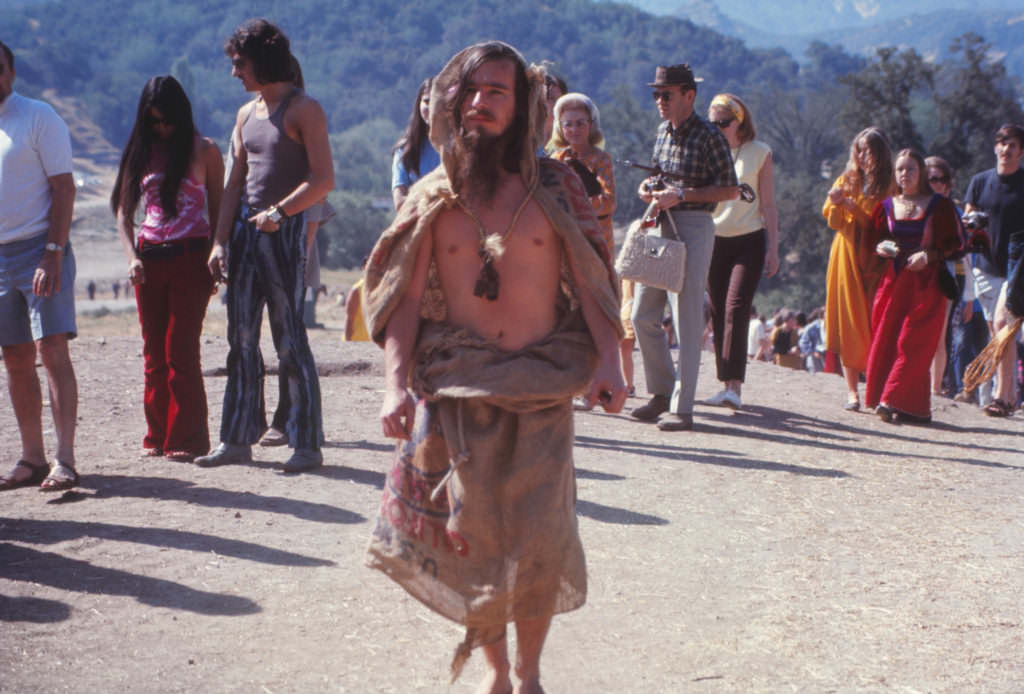
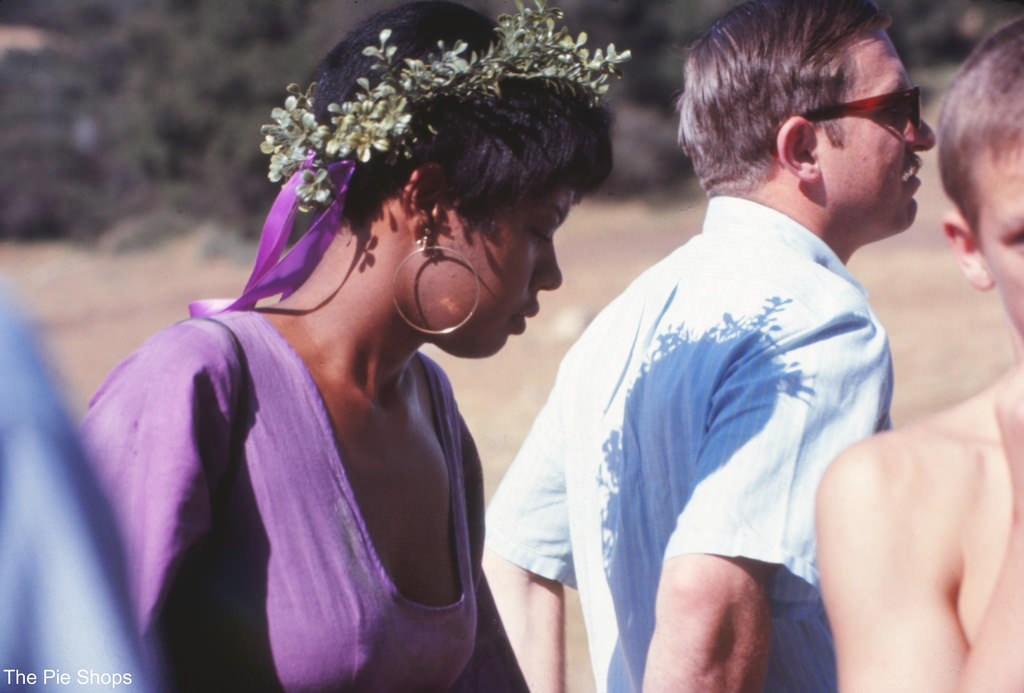
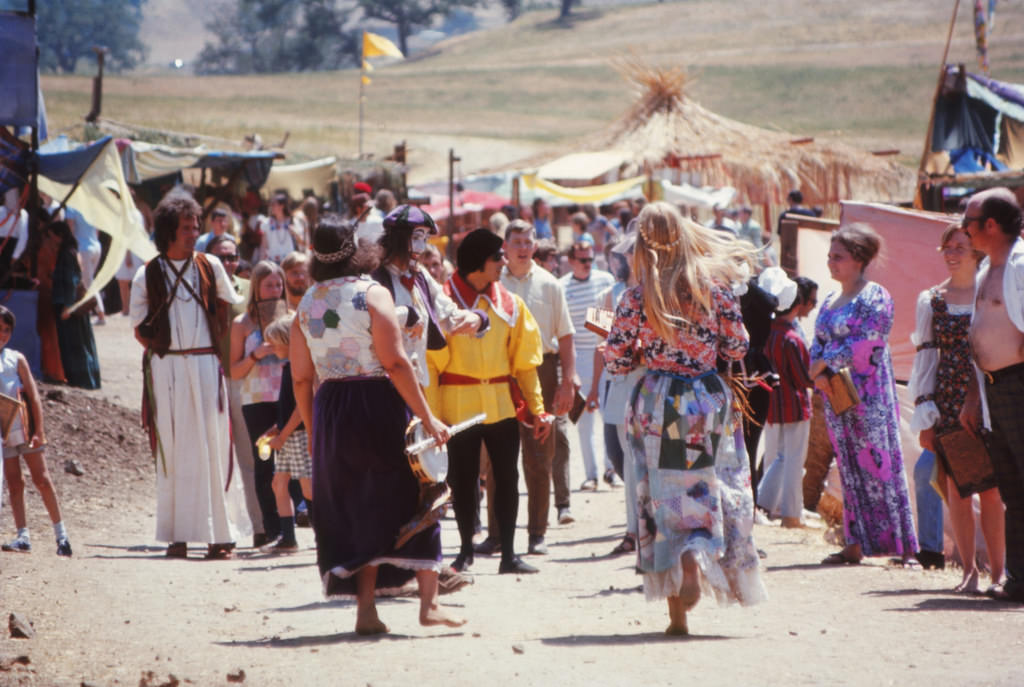
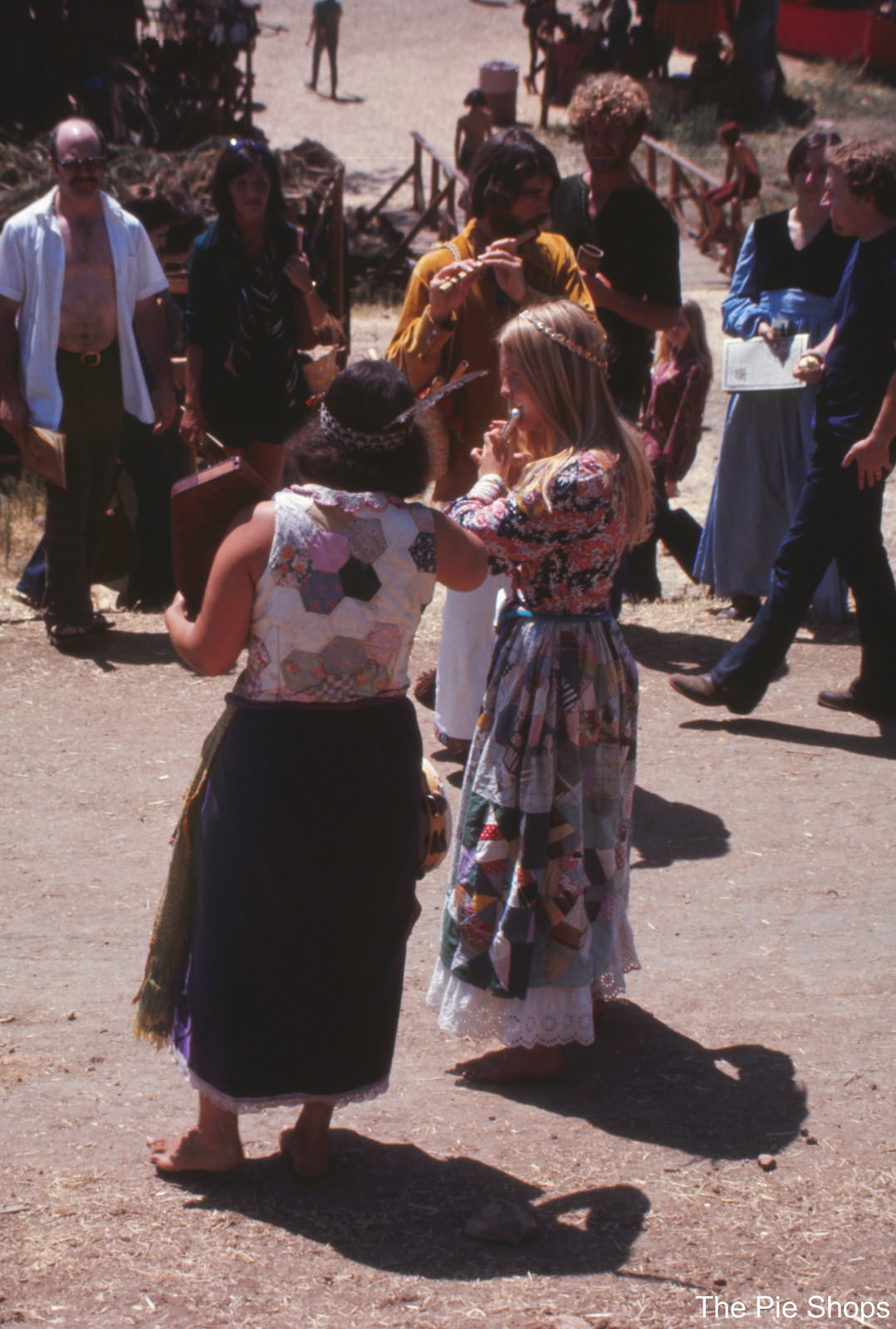
Costumes were a cornerstone of the experience. Performers and vendors dressed in full Elizabethan-era clothing — layered gowns, doublets, caps, and cloaks. Walking through the fairgrounds felt less like attending an event and more like crossing into another century.
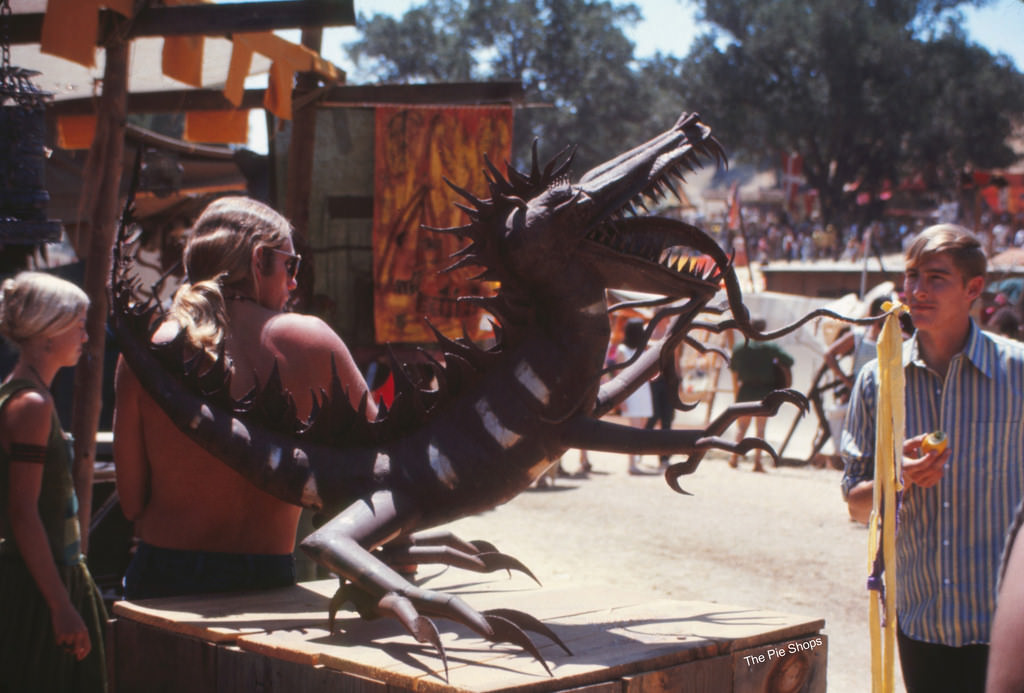
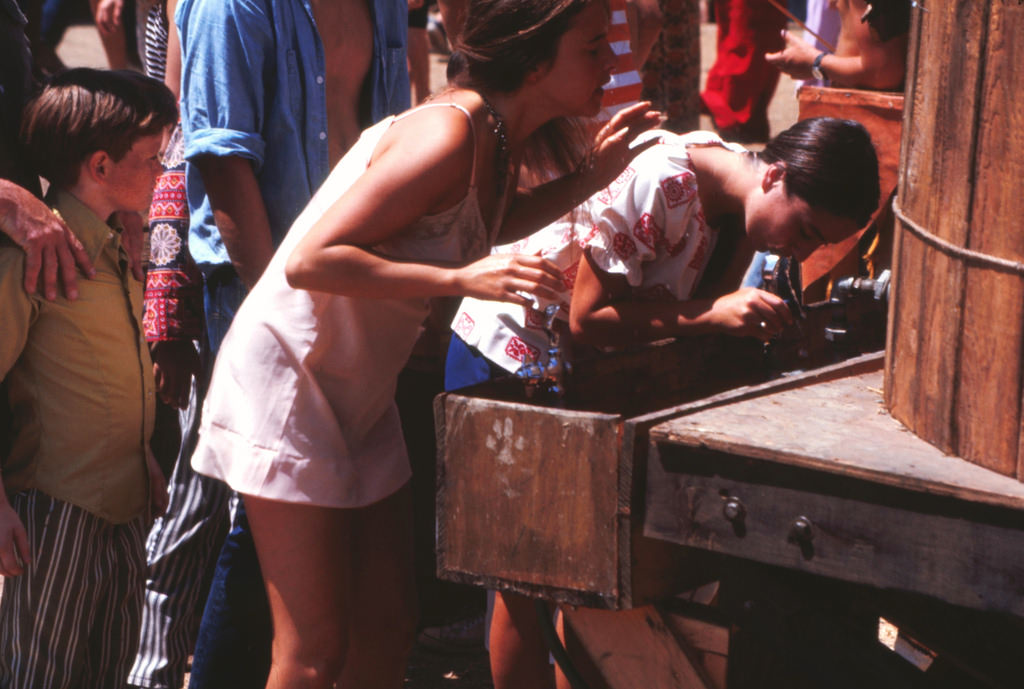
Craftsmen were stationed throughout the grounds demonstrating trades that had all but disappeared from modern life. Blacksmiths hammered hot metal at open forges. Potters worked clay on spinning wheels. Weavers pulled threads into fabric using period looms. Each demonstration was a direct window into how everyday objects were made five centuries ago.
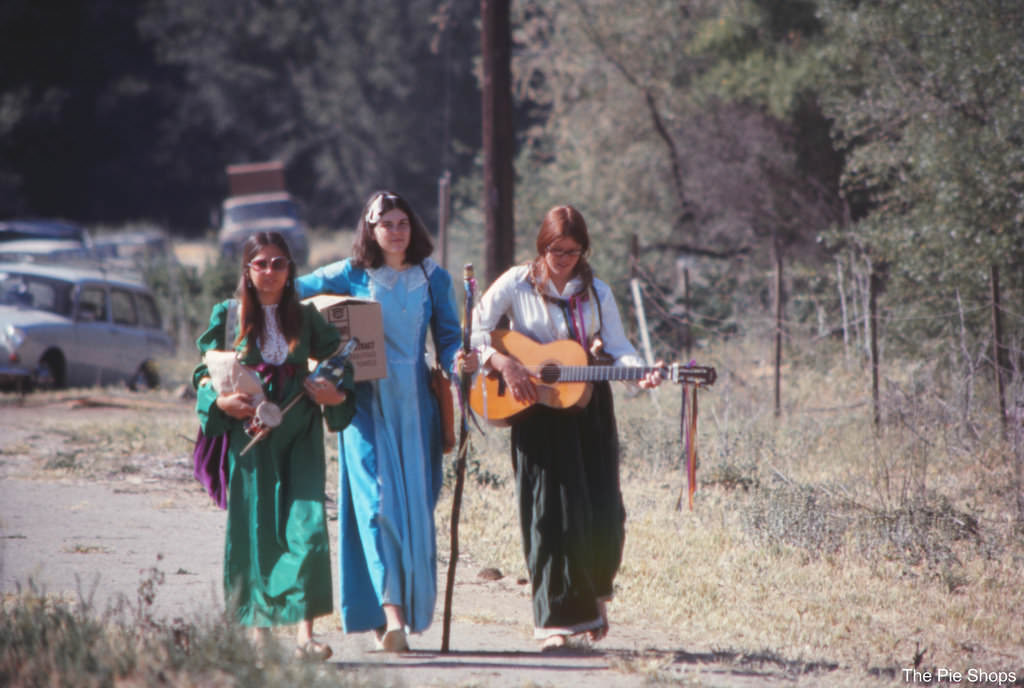
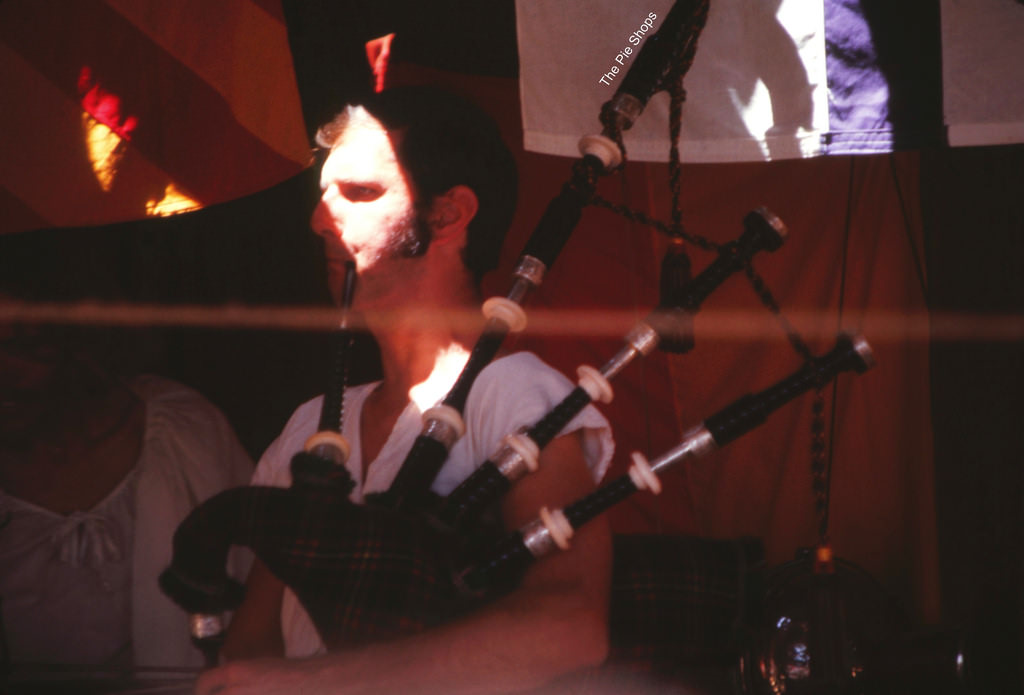
Entertainment ran all day across multiple stages and open areas. Actors performed short plays and comic skits. Musicians played lutes, recorders, and hand drums. Jesters roamed the paths, delivering jokes and physical comedy to anyone who stopped to watch.
Jousting tournaments drew some of the biggest crowds. Armored riders on horseback charged at each other while spectators lined the fences. It was loud, theatrical, and exactly the kind of spectacle the Faire was built to deliver.
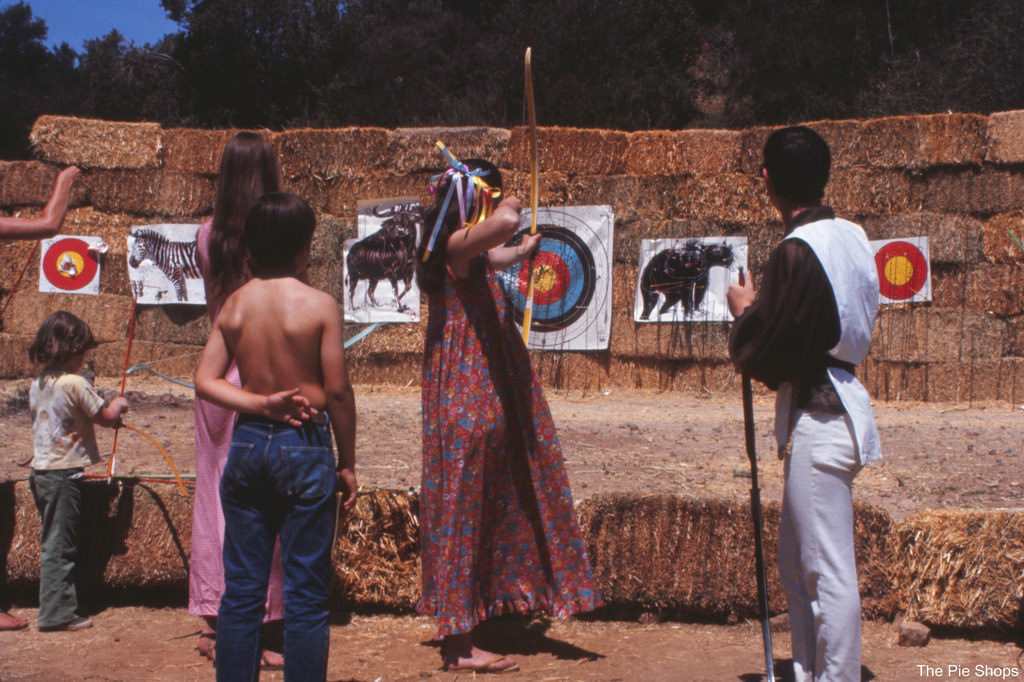
Archery was open to visitors who wanted to do more than watch. Guests could pick up a bow and try their hand at hitting a target, guided by instructors in period dress. Participation was built into the Faire’s DNA from the very beginning.
Food stalls offered dishes and drinks tied to the theme. Turkey legs, breads, and ales were sold by vendors who stayed in character throughout the day. Eating at the Faire was part of the immersion, not a break from it.
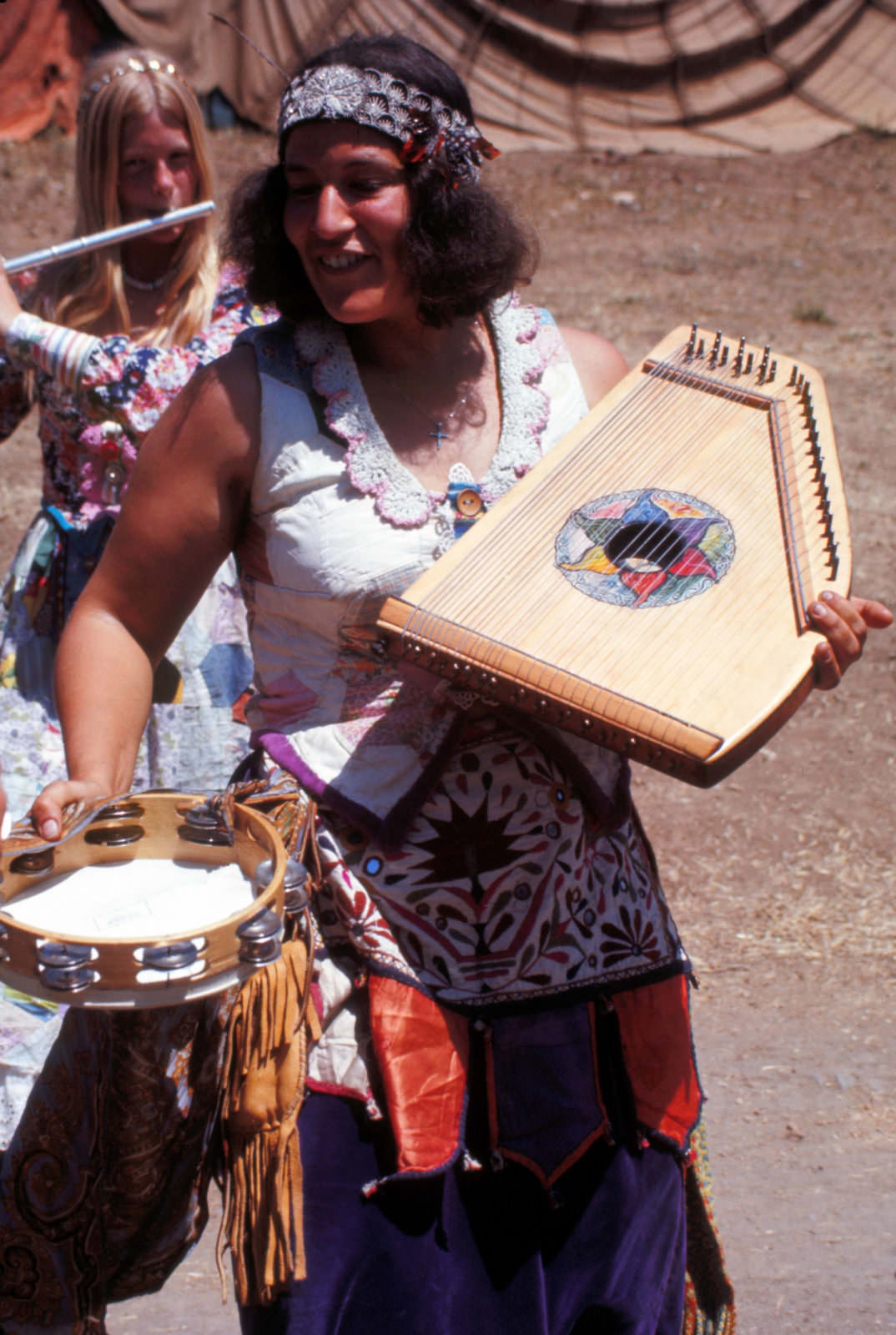
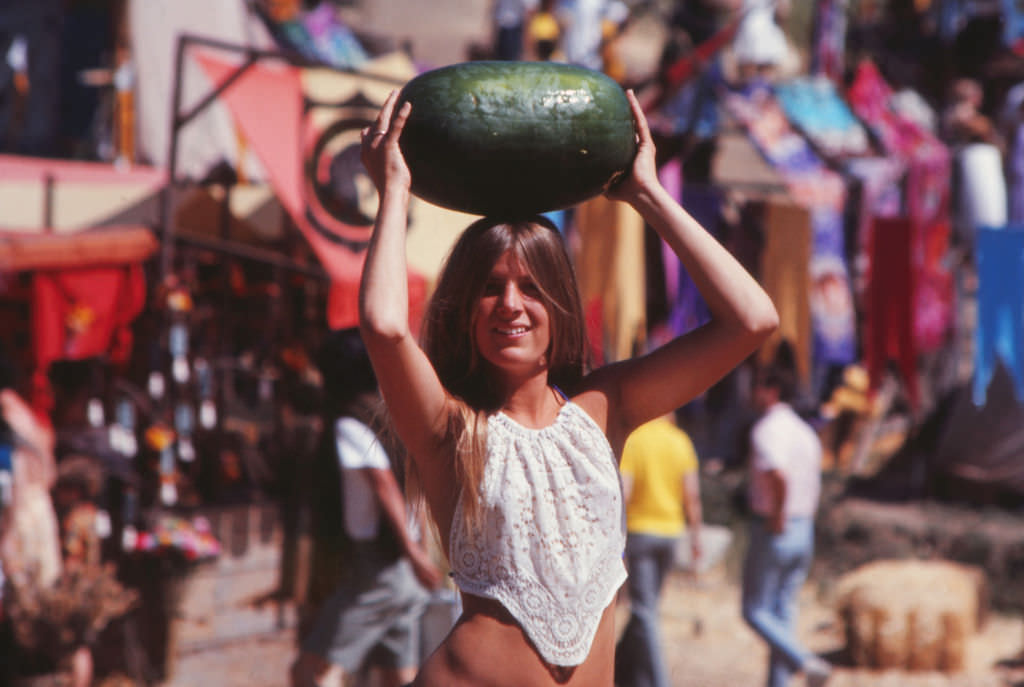
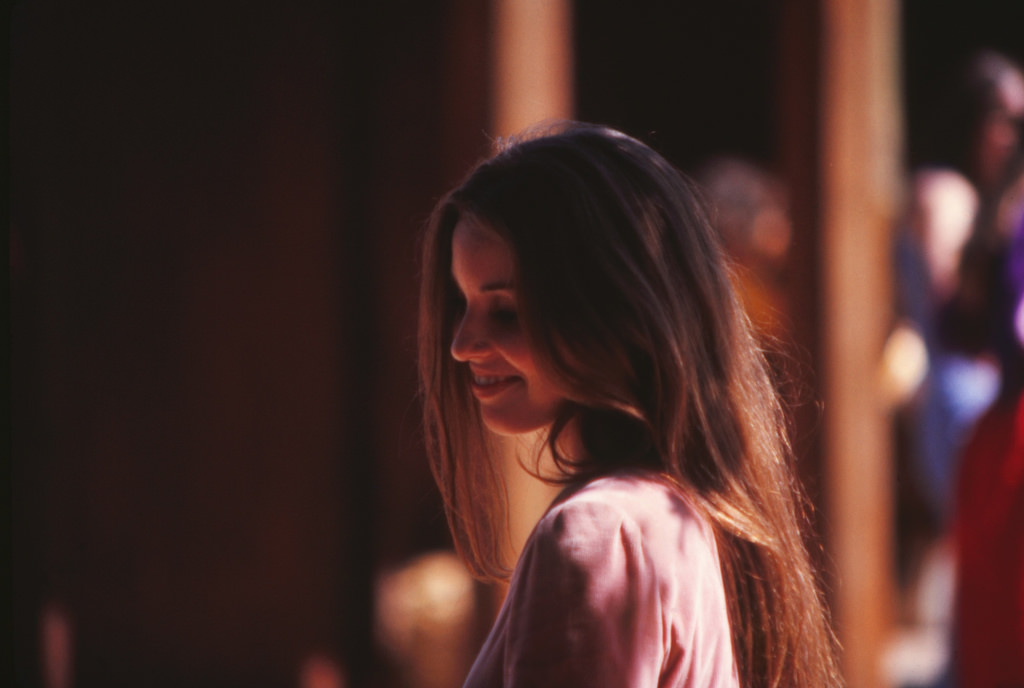
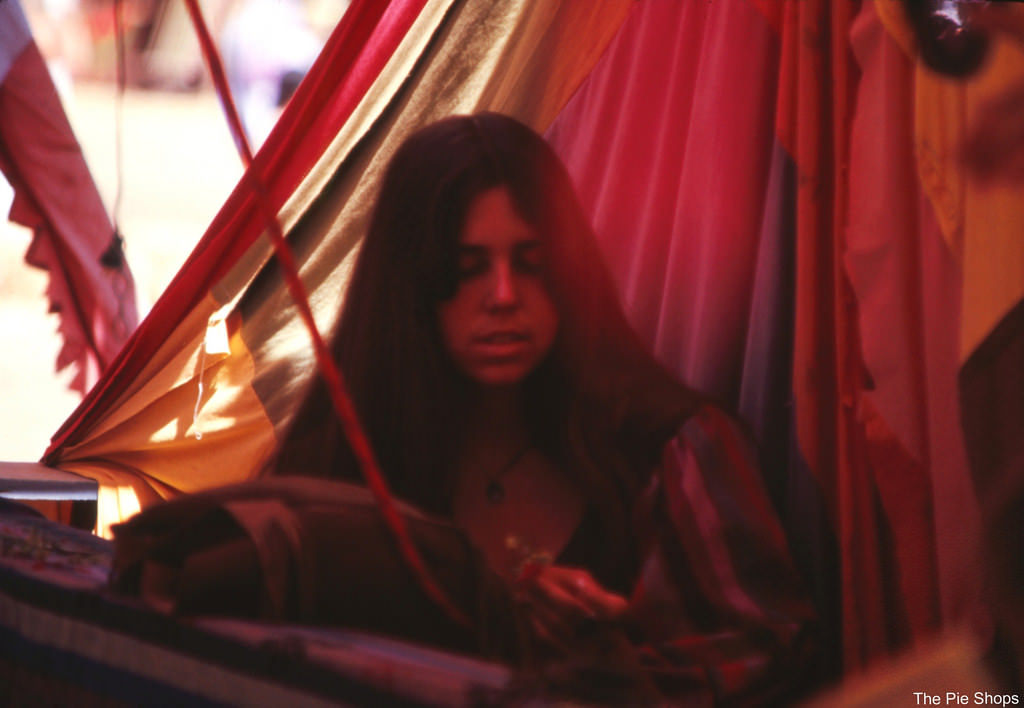
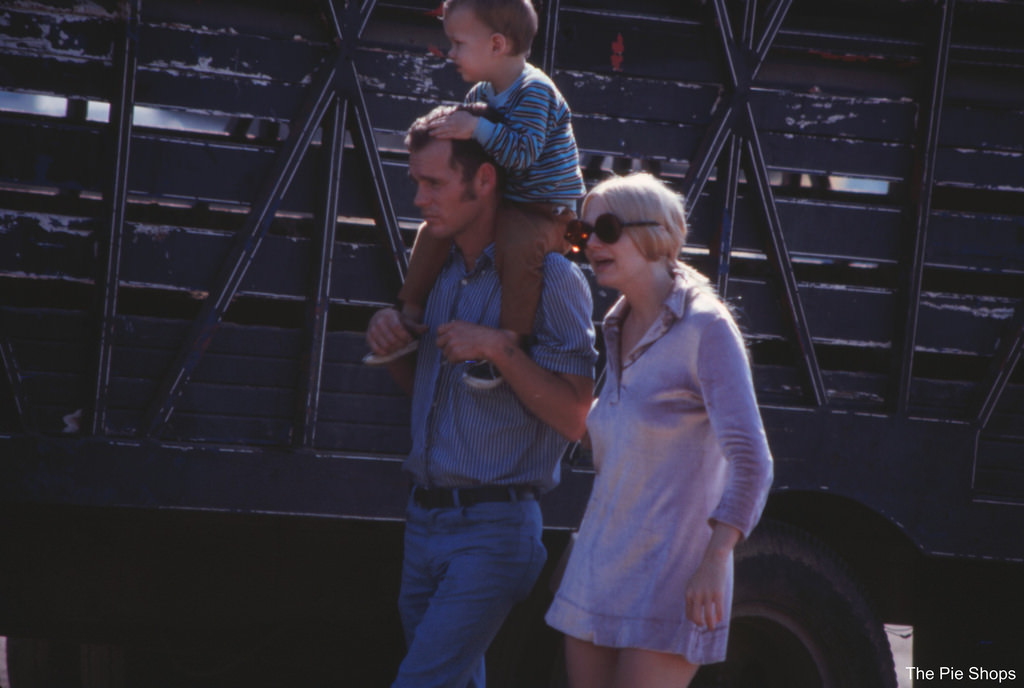
The photographs from this era capture something the Faire’s founders always intended — genuine joy in the act of engaging with history. Visitors weren’t passive. They were part of the scene.