Hey There! Before You Go. 😧
Get the best vintage content straight into your inbox!

Don't worry, we don't spam

Peering into Ravensbrück: Photos from the Heart of WWII’s Female Concentration Camp

Ravensbrück was the largest concentration camp built exclusively for women in Nazi Germany. Located in northern Germany, about 50 miles north of Berlin, it was established by the SS in 1939. The camp was originally built to hold women the Nazi regime labeled “asocial” — a broad and deliberately vague category used to justify mass imprisonment. As World War II escalated, Ravensbrück became a central part of the Nazi killing machine.
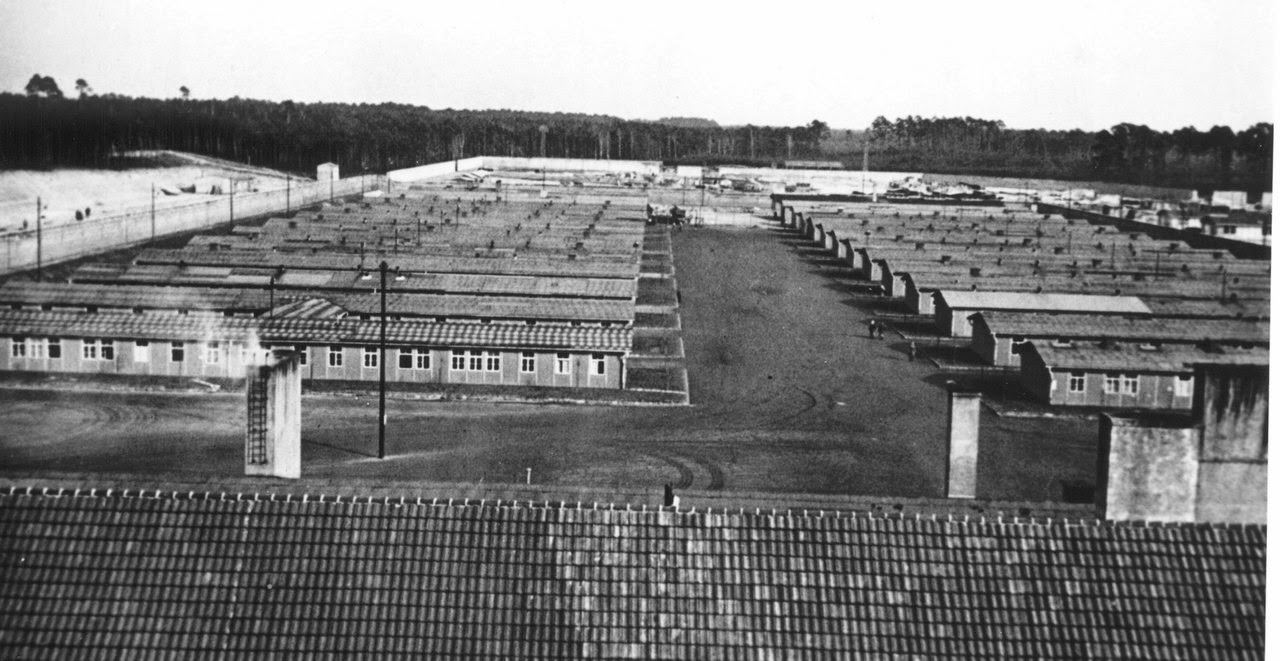
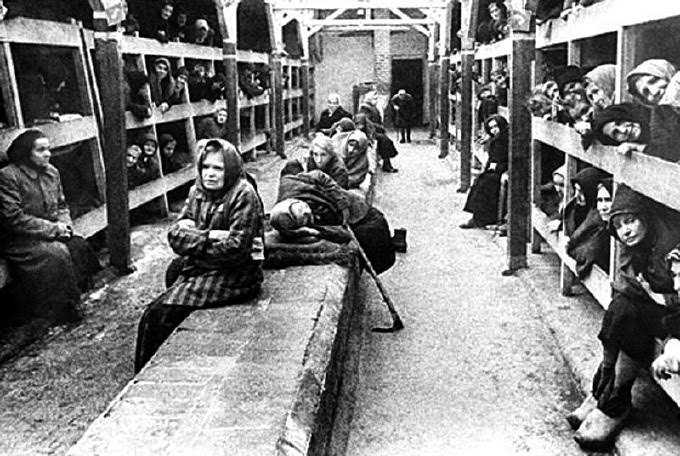
View of the barracks at Ravensbrück.

The camp held women from across occupied Europe — Jewish and non-Jewish, young and old, political dissidents, Romani women, Jehovah’s Witnesses, and others caught up in the regime’s sweeping persecution. Each barrack was built to hold roughly half the number of prisoners actually forced to live there. Sanitation was almost nonexistent. Food was scarce. Disease spread rapidly through the overcrowded blocks.
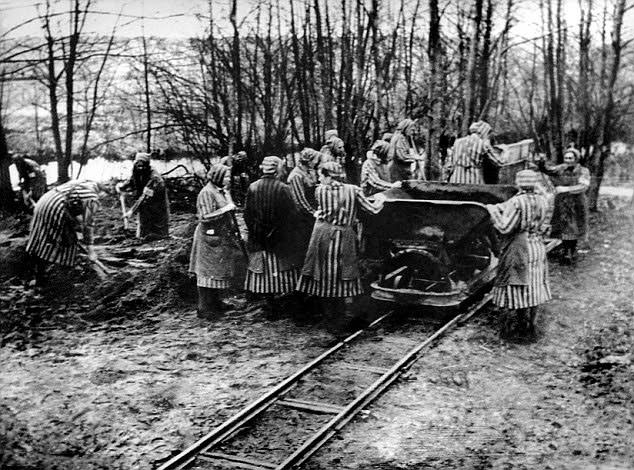
Female inmates in 1939

SS guards enforced brutal discipline. Women were subjected to relentless physical labor, beatings, and torture. The camp also became a site of medical experimentation, where prisoners were used as test subjects without consent — often with permanently disabling or fatal results.
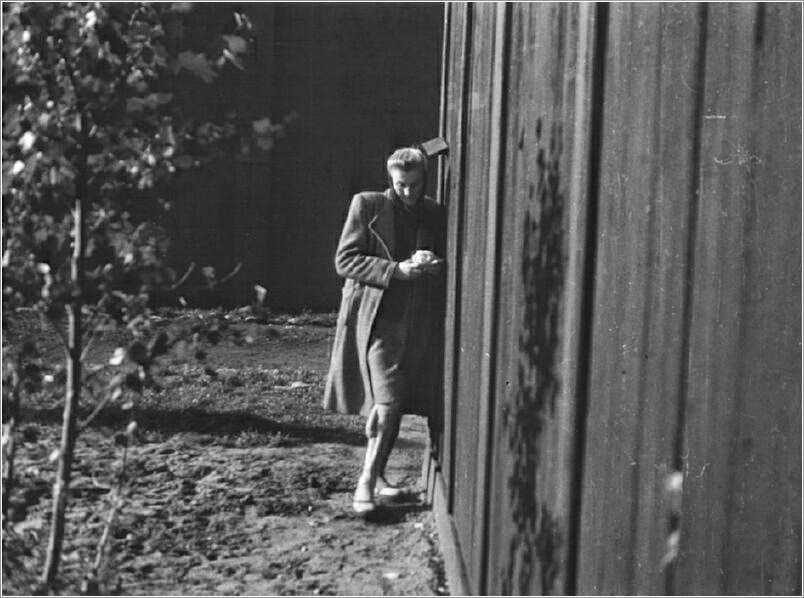
Clandestine photograph of a Polish political prisoner and medical experimentation victim in the Ravensbrück concentration camp.

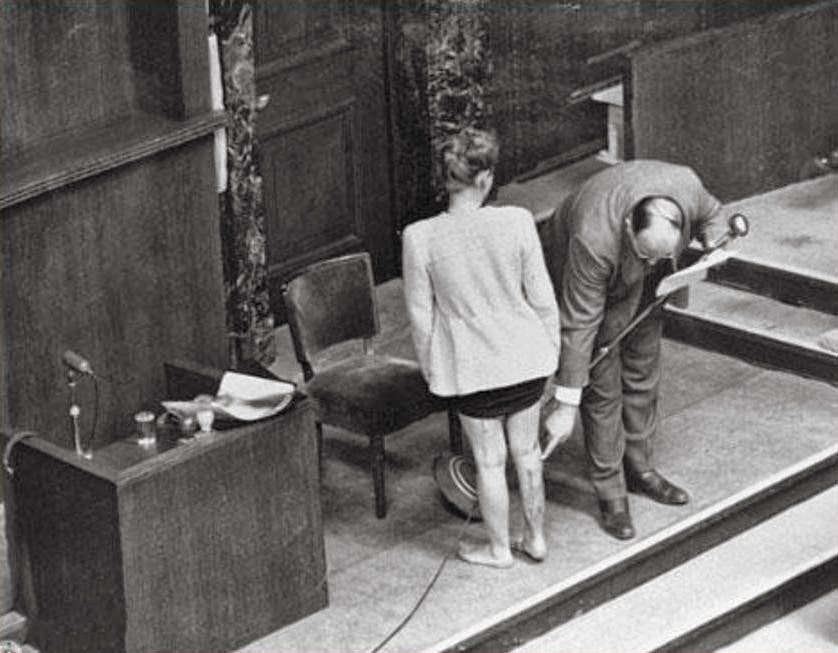
Dr. Herta Oberheuser was one of the physicians who carried out these experiments at Ravensbrück. She injected prisoners with petrol and deliberately inflicted wounds to study infection and wound treatment. Polish political prisoners were among the primary victims, and their injuries left lasting scars — both physical and documented.
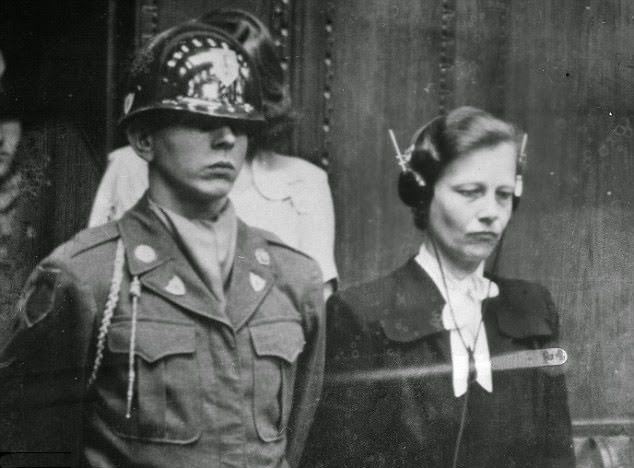
Dr Herta Oberheuser, a physician who worked at Ravenbruck concentration camp, is flanked by a US guard while on trial for war crimes including injecting prisoners with petrol and deliberately inflicting wounds for experiments
Alexander points at scars on the leg of Polish survivor Jadwiga Dzido, who endured sulfanilamide experiments at Ravensbruck concentration camp.

Heinrich Himmler, head of the SS and the architect of the camp system, made repeated visits to Ravensbrück to oversee its operations. His direct involvement ensured the camp remained tightly integrated into the broader Holocaust apparatus.
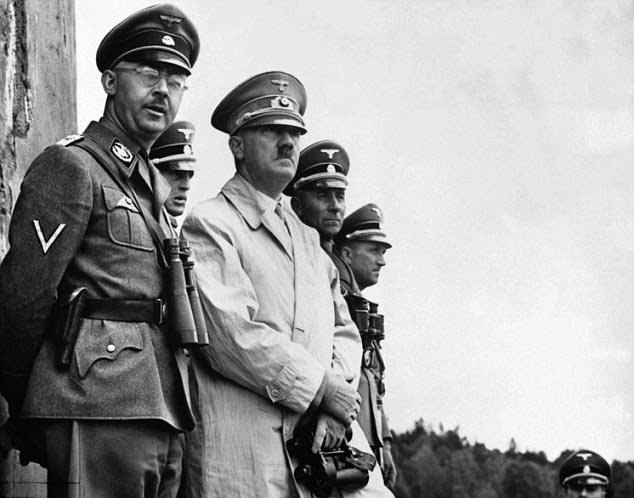
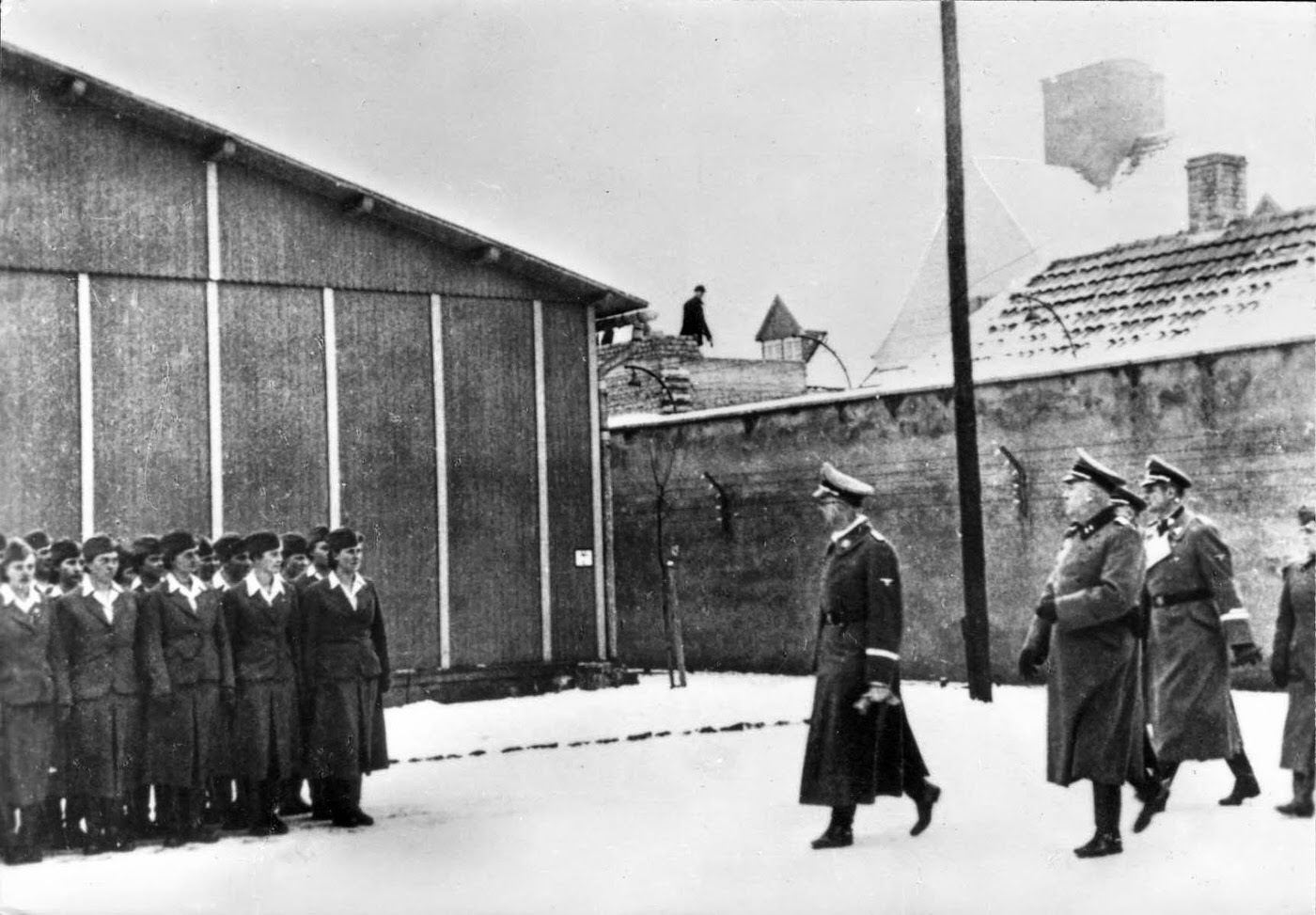
Gestapo head Heinrich Himmler (left) oversaw the running of the concentration camp system during the Holocaust and made frequent stops at Ravensbruck. He is pictured with Hitler at a military parade above.
Reichsfuehrer-SS Heinrich Himmler inspects Ravensbrück.

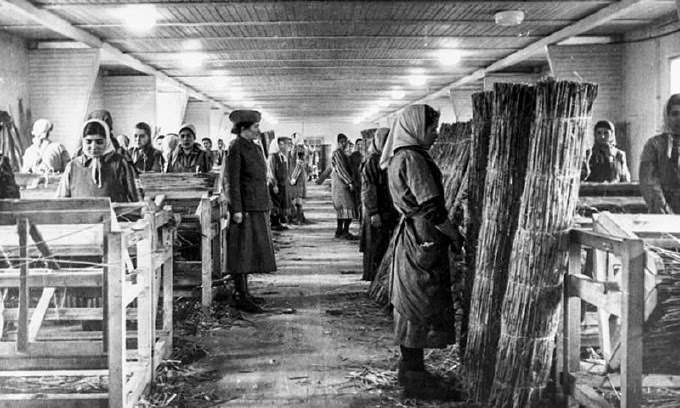
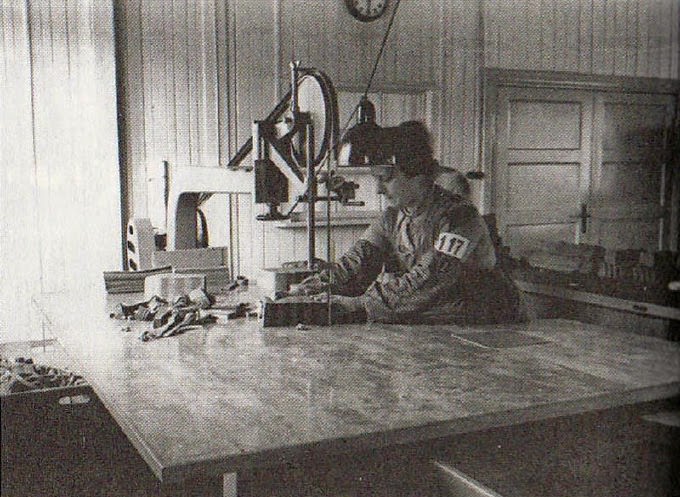
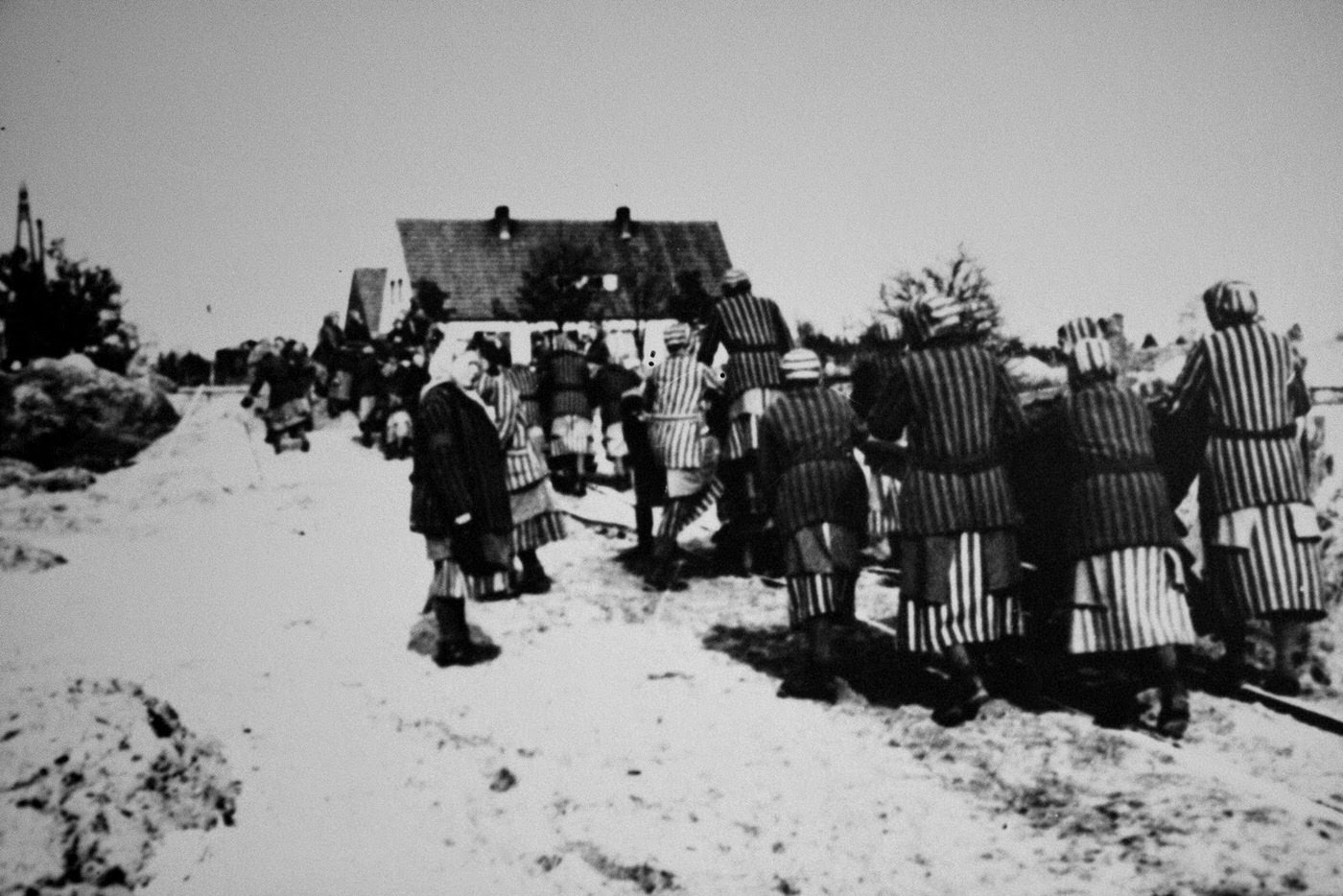
Forced labor was central to daily life at Ravensbrück. Prisoners worked in nearby factories producing war supplies for the Third Reich. Inside the camp, women sewed SS uniforms in the camp’s workshop — a deliberate and added humiliation layered onto their imprisonment.
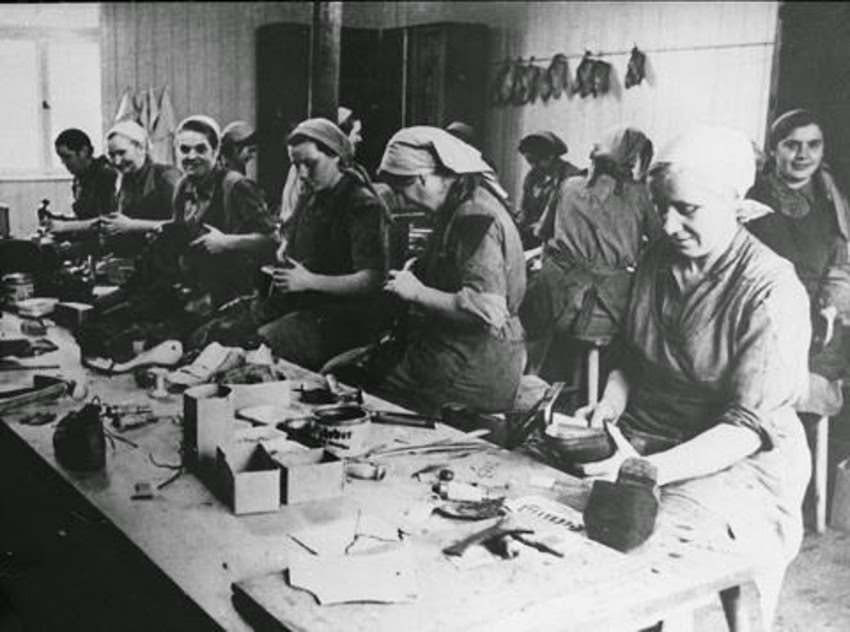
Women prisoners at work in the shoe repair workshop of Ravensbrück.
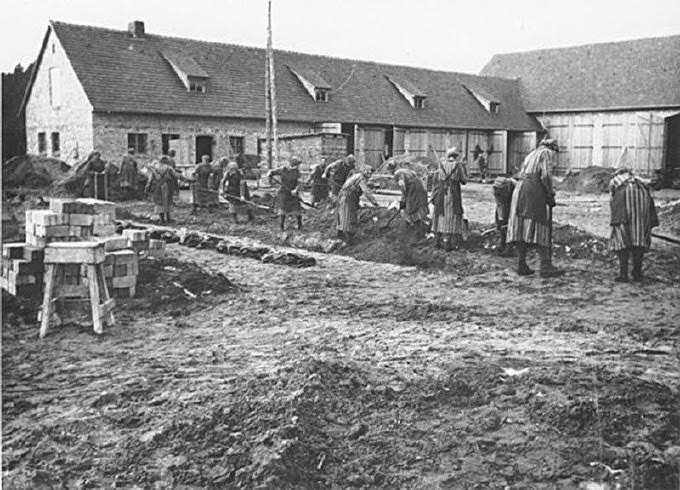
Female prisoners at forced labor in the Ravensbruck concentration camp.
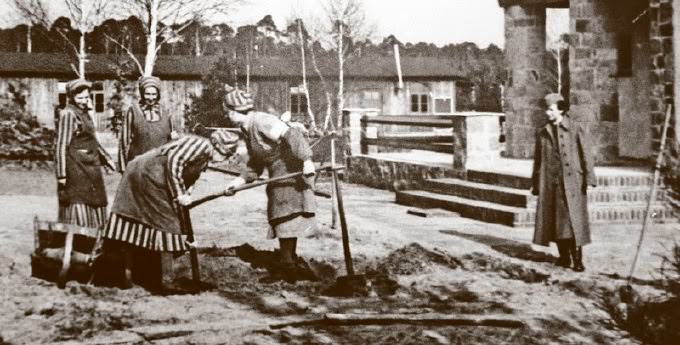
Female prisoners at forced labor digging trenches at the Ravensbrück concentration camp. This photograph is from the SS-Propaganda-Album des Frauen-KZ-Ravensbrueck 1940-1941.
Female inmates working in a workshop under SS supervision. Holocaust Research Project.

For those who could no longer work — or who were selected for elimination — the camp’s crematorium and a temporary gas chamber provided the means of mass killing. The gas chamber was constructed near the crematorium specifically to double the rate at which prisoners could be killed.
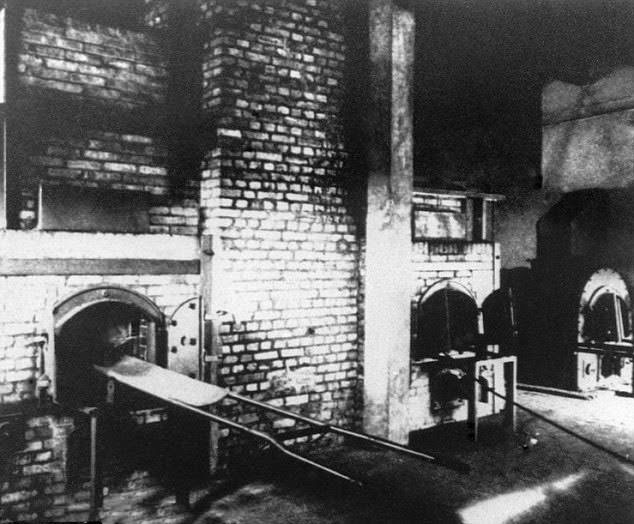
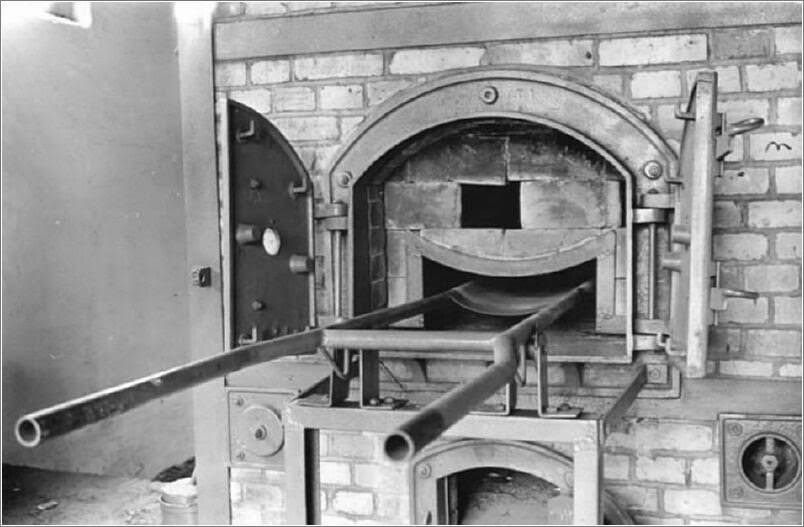
A temporary gas chamber was made close to the crematorium (pictured) at Ravenbruck concentration camp in order to kill double the number of people.
Crema oven at Ravensbruck

Despite the constant terror, some prisoners organized quiet acts of resistance. Small groups smuggled food, sabotaged war production, and passed secret messages to the outside world. Others found ways to sketch, write poetry, or compose music — recording their experiences and preserving their humanity under conditions designed to destroy it.
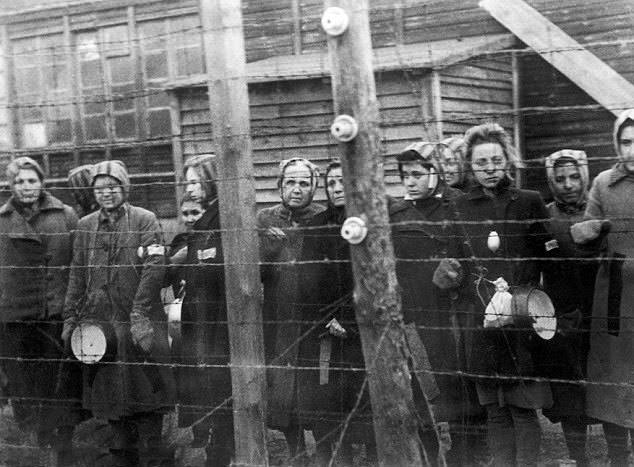
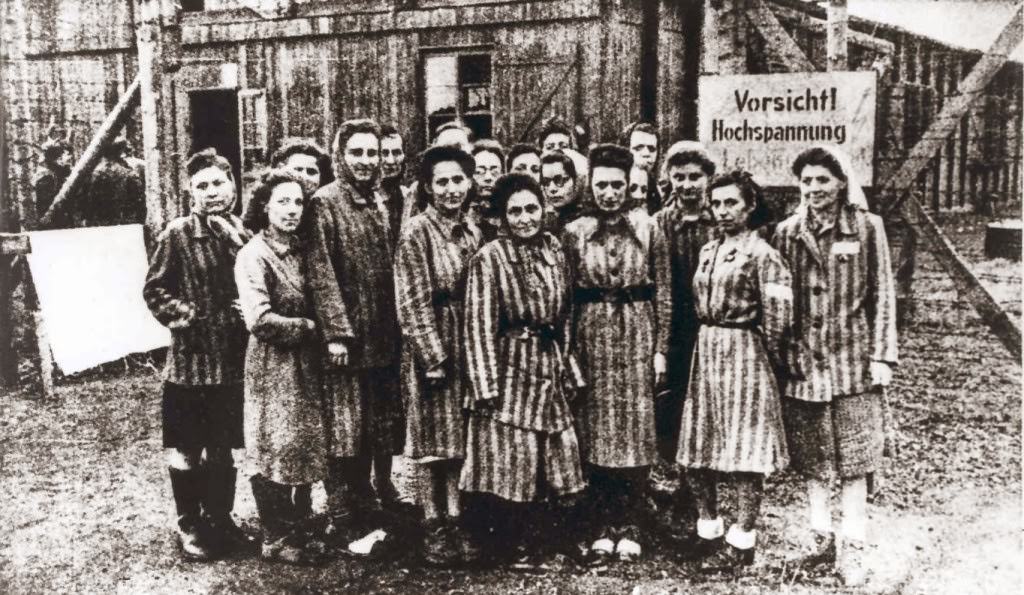
Prisoners at Ravensbrück concentration camp in Germany stand near barbed wire in 1945

When the Red Army liberated Ravensbrück in April 1945, they found only 3,500 survivors. At least 30,000 women died there — a conservative estimate that many historians believe understates the true death toll. The Red Cross arrived and evacuated hundreds of survivors in the final days of the war.
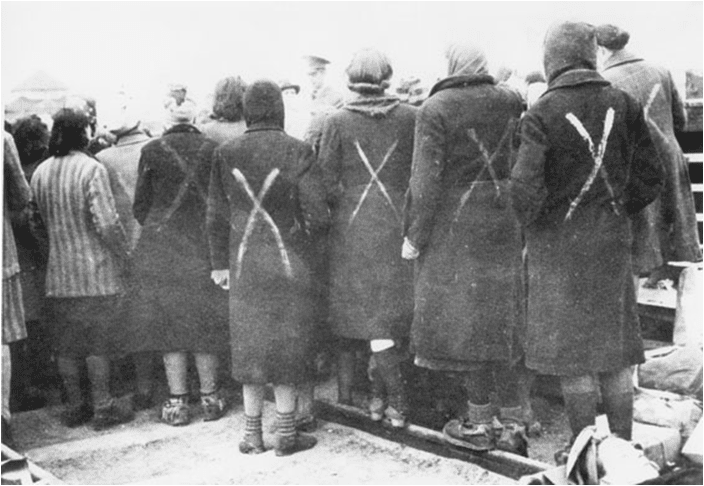
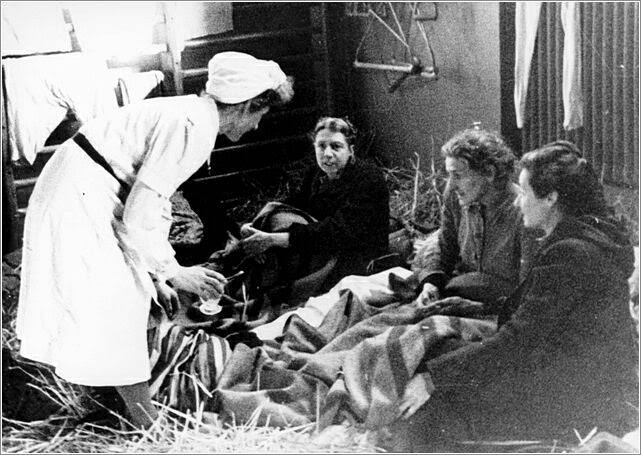
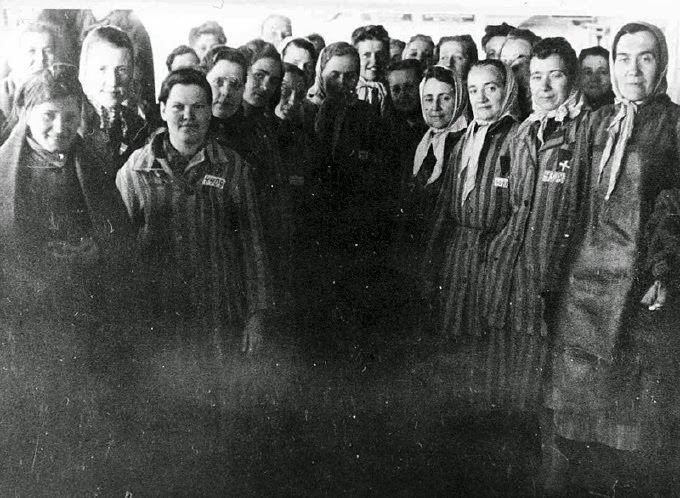
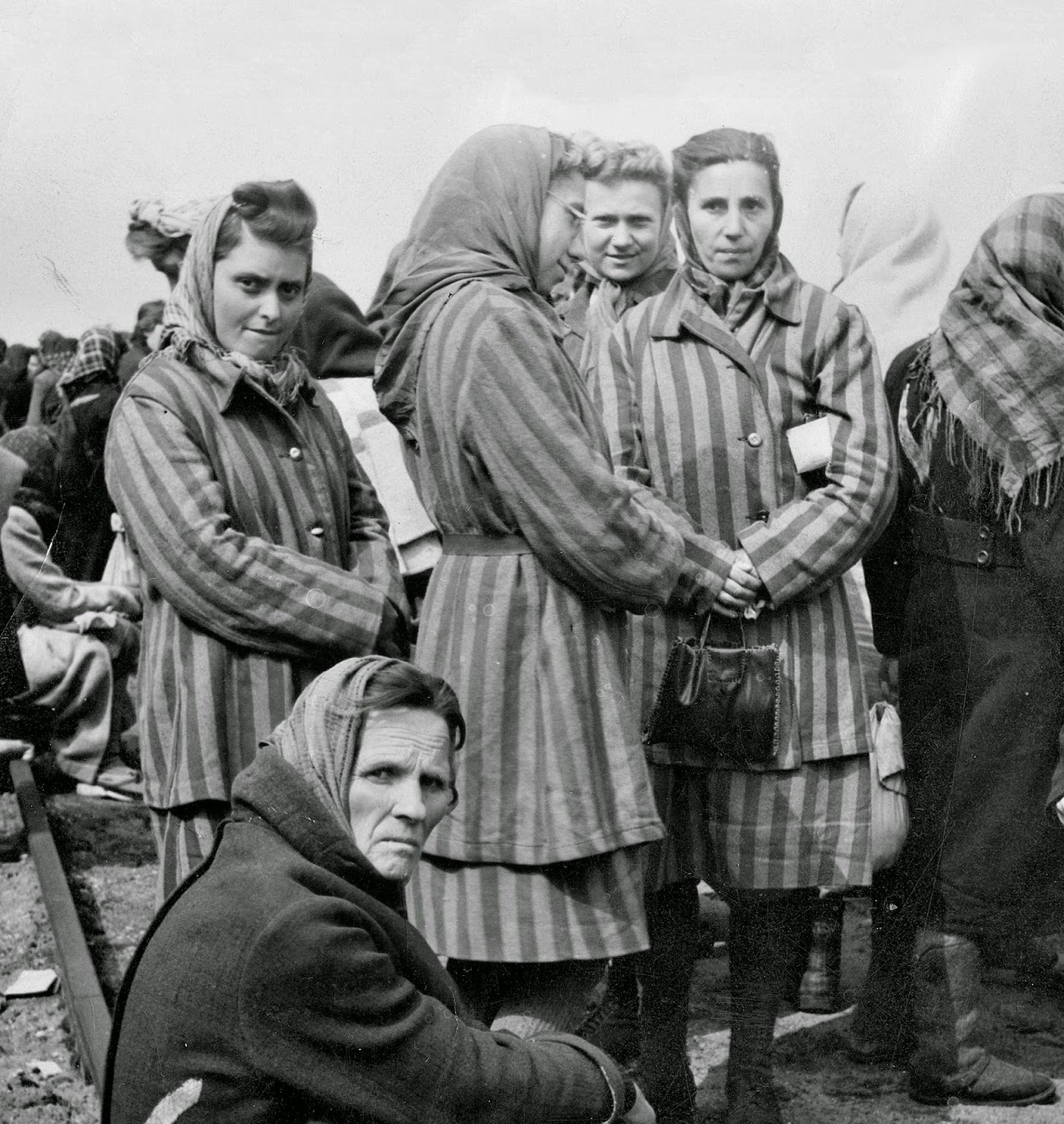
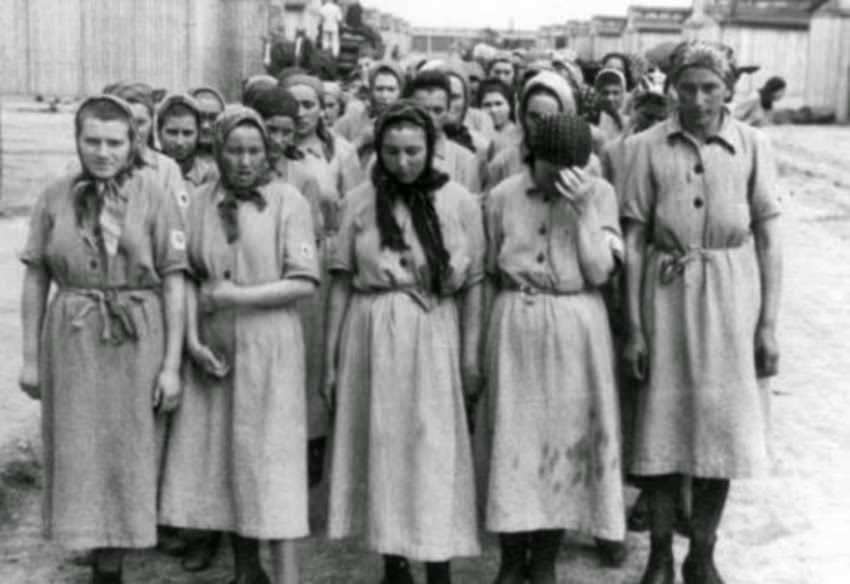
Surviving female prisoners gathered when the Red Cross arrive at Ravensbrück in April 1945. The white paint camp crosses show they are prisoners, not civilians.
Some of the 300 women brought from the Ravensbruck camp by the Red Cross.
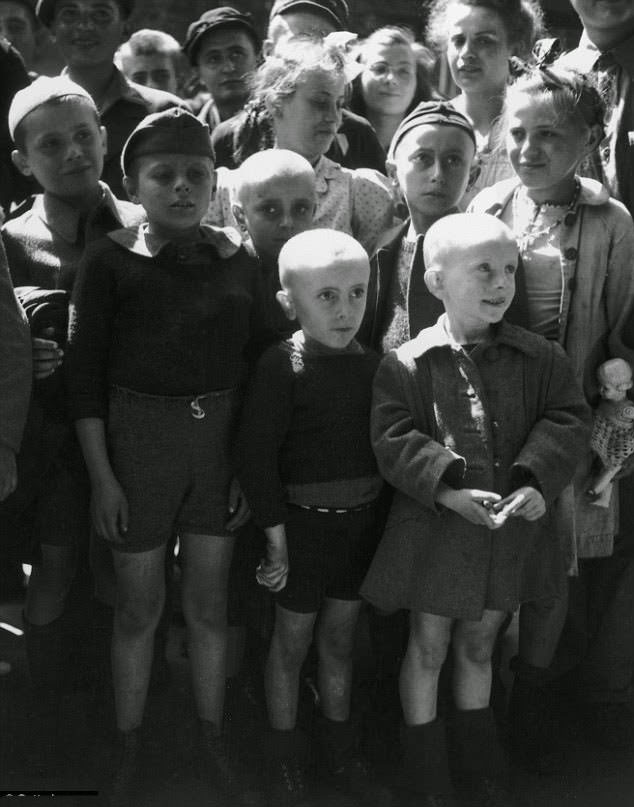
Shaven-headed children returned from the Ravensbruck concentration camp seen after its liberation by the Russians in 1945.
Female Jewish prisoners who have recently been released from Ravensbrück, cross the Danish border at the Padborg station on their way to Sweden.
Peering into Ravensbrück: Photos from the Heart of WWII's Female Concentration Camp
Enjoyed this post? Get new ones in your inbox.

Leave a Comment

Your email address will not be published. Required fields are marked *

Share this Post 🥺

Please take a moment to share this content. Your support is greatly appreciated! 🙌🙏

Share this Post 🥺

Please take a moment to share this content. Your support is greatly appreciated! 🙌🙏
Scroll to Top
 
Hey Friend, Before You Go.. Please like & follow for more interesting content