Marie of Romania holds a unique place in European royal history. Born into the British royal family, she became the last Queen of Romania — a woman who navigated wars, politics, and personal hardship with a determination that made her one of the most recognized queens of the early 20th century. Her story spans continents, battlefields, and royal courts, and it begins long before she ever set foot on Romanian soil.
Marie was born on October 29, 1875, as Princess Marie of Edinburgh, the daughter of Prince Alfred, Duke of Edinburgh, and Grand Duchess Maria Alexandrovna of Russia. She spent her early years moving between Kent, Malta, and Coburg — a childhood shaped by the wide geography of royal life. As a young woman, she caught the attention of the European royal world. In 1891, her cousin, the future King George V of Great Britain, proposed marriage to her. She turned him down. The following year, in 1892, a different match was arranged: she was selected as the future wife of Crown Prince Ferdinand of Romania, the heir apparent to King Carol I.
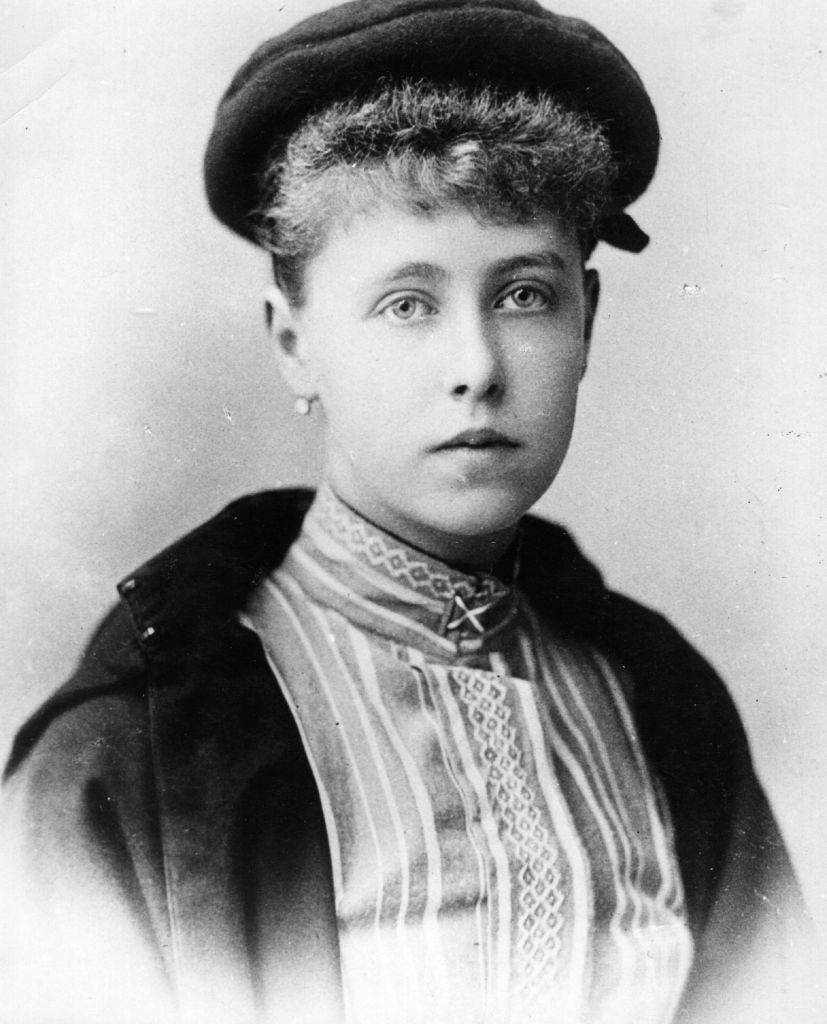
The move to Romania was a significant transition. Marie left behind the familiar world of British and German royal courts for a country with a very different culture and political climate. Still, she adapted quickly and threw herself into her new role. As Crown Princess, she worked to connect with the Romanian people, and that effort paid off. Her warmth and visibility earned her genuine popularity — not just among the aristocracy, but among ordinary Romanians.
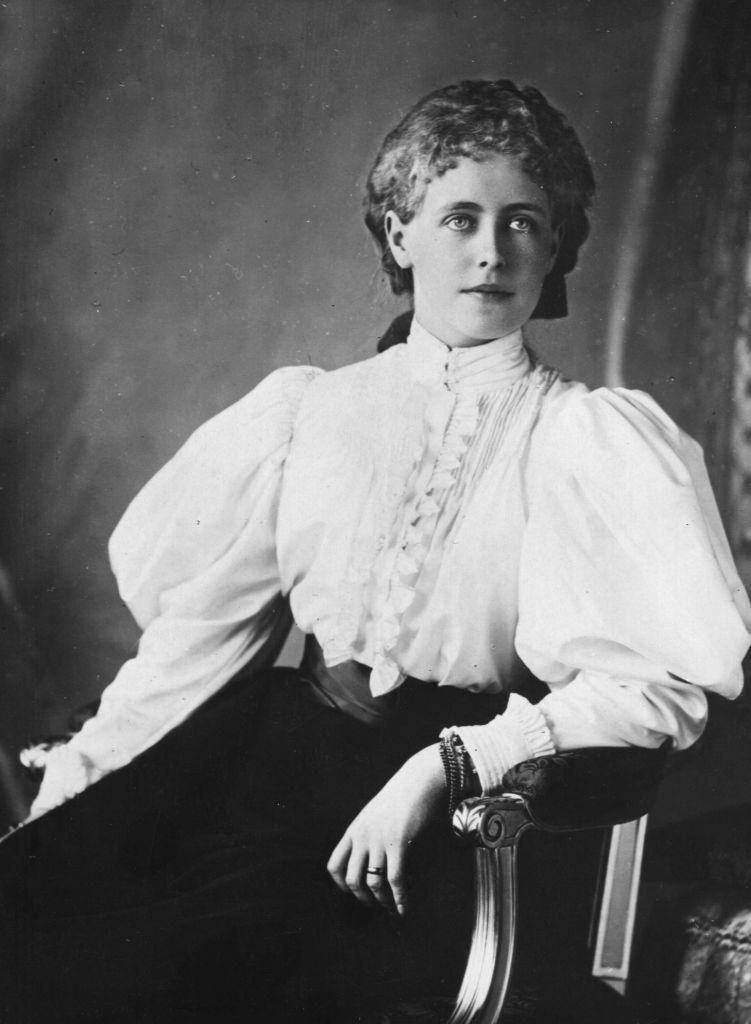
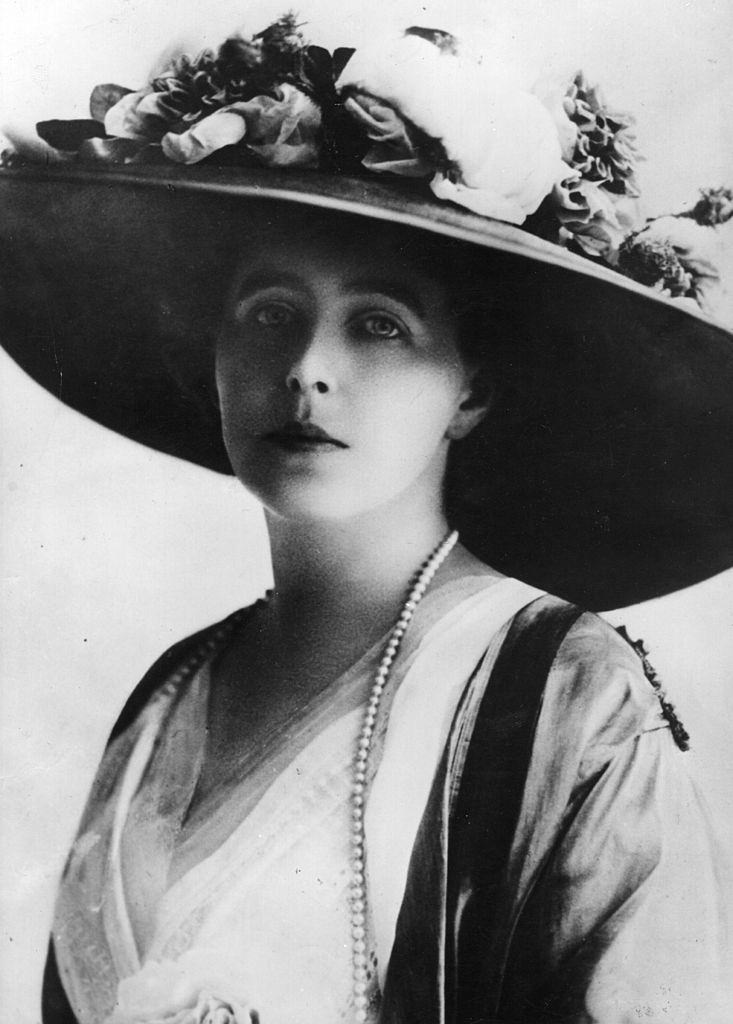
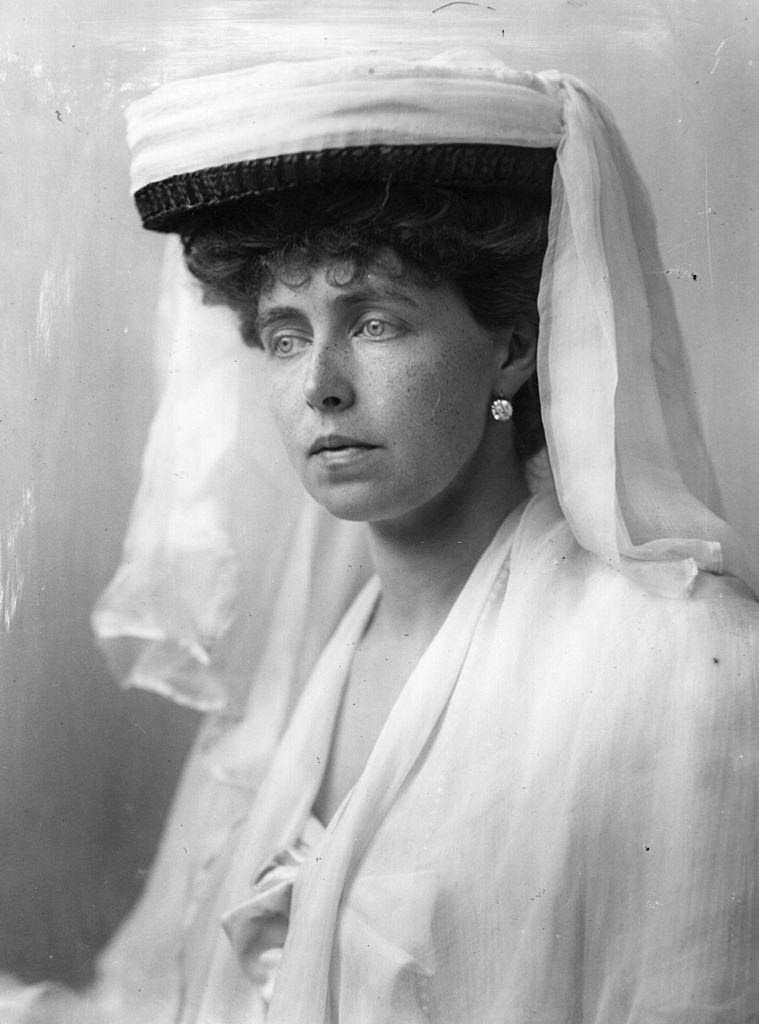
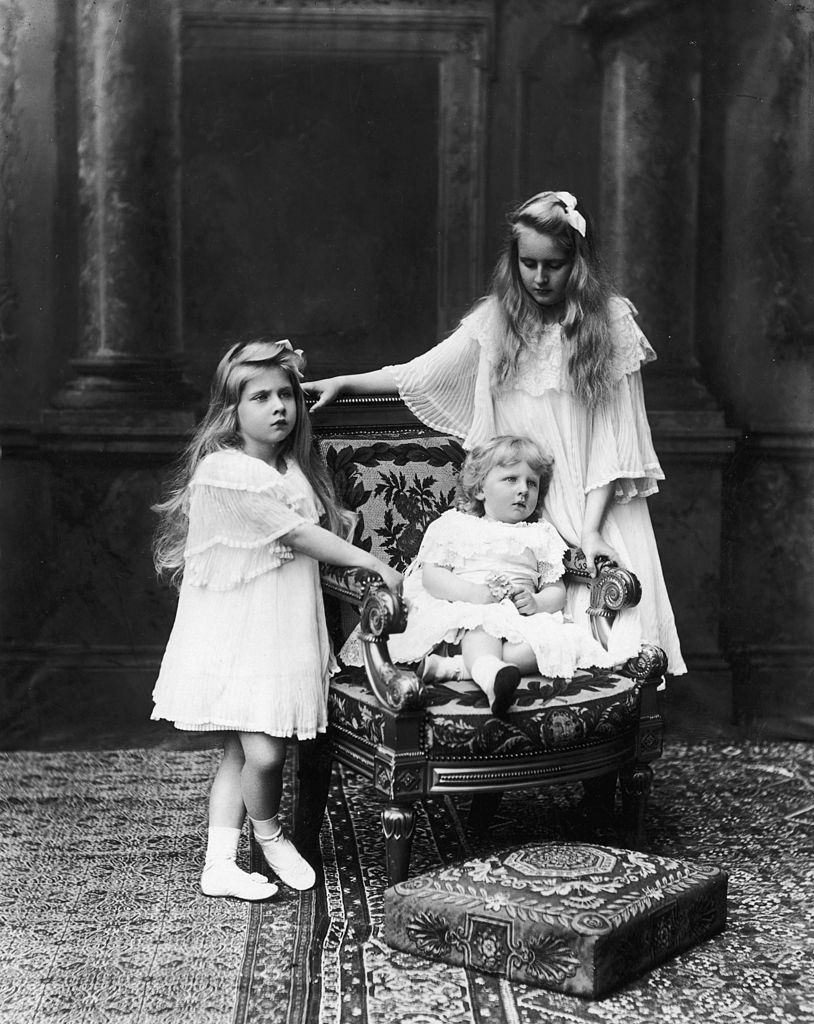
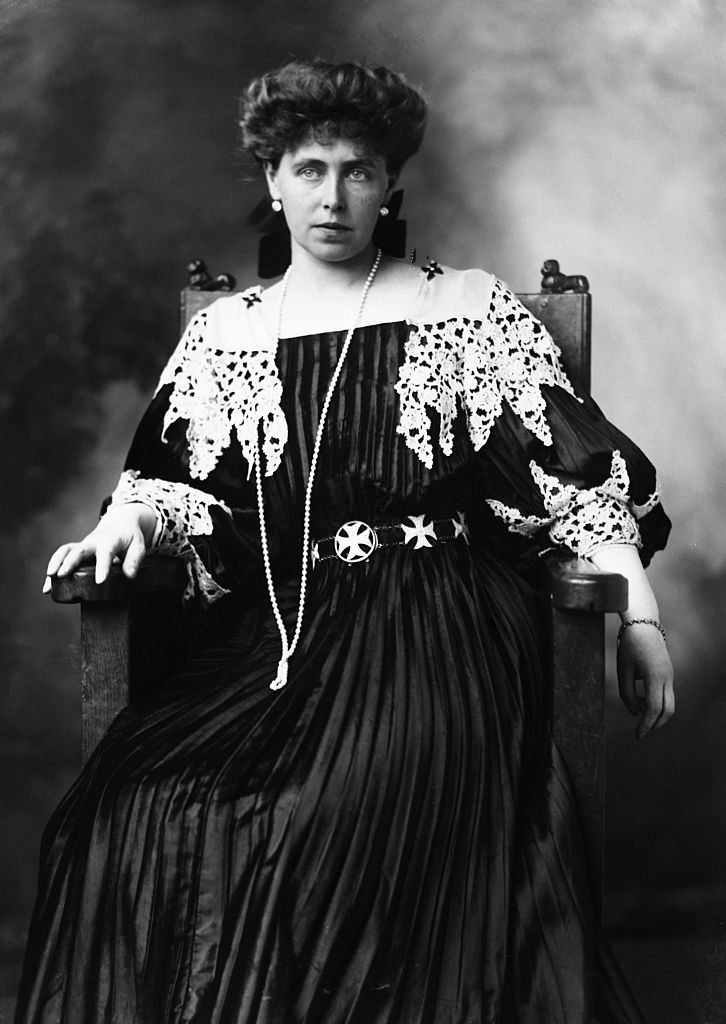
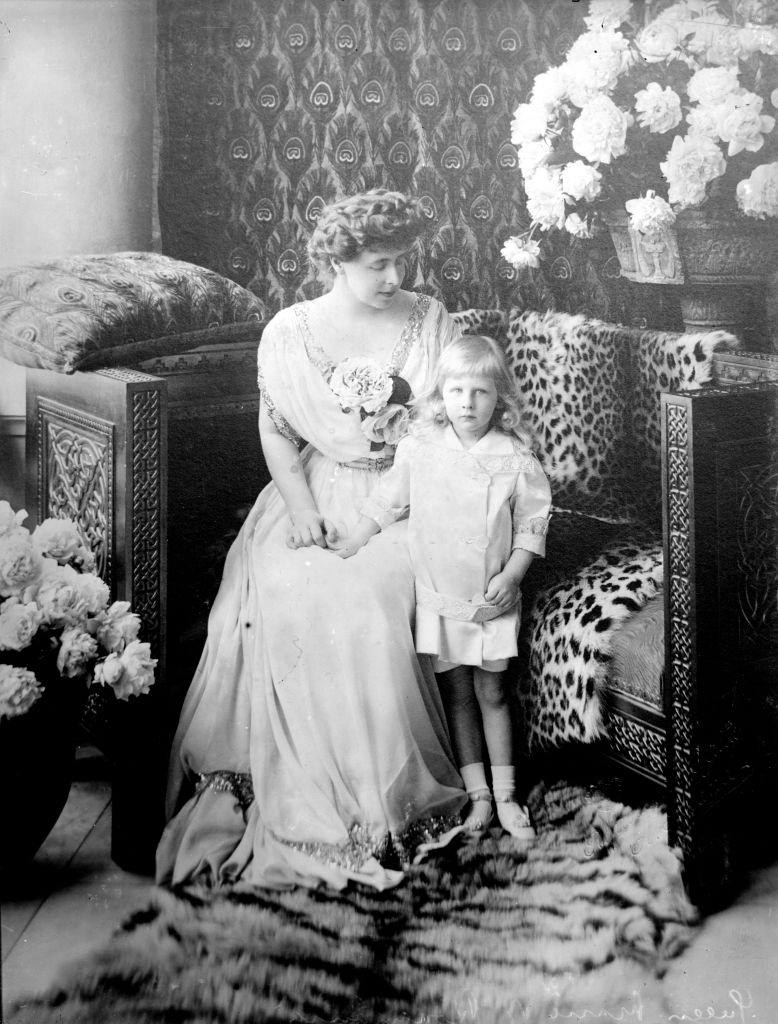
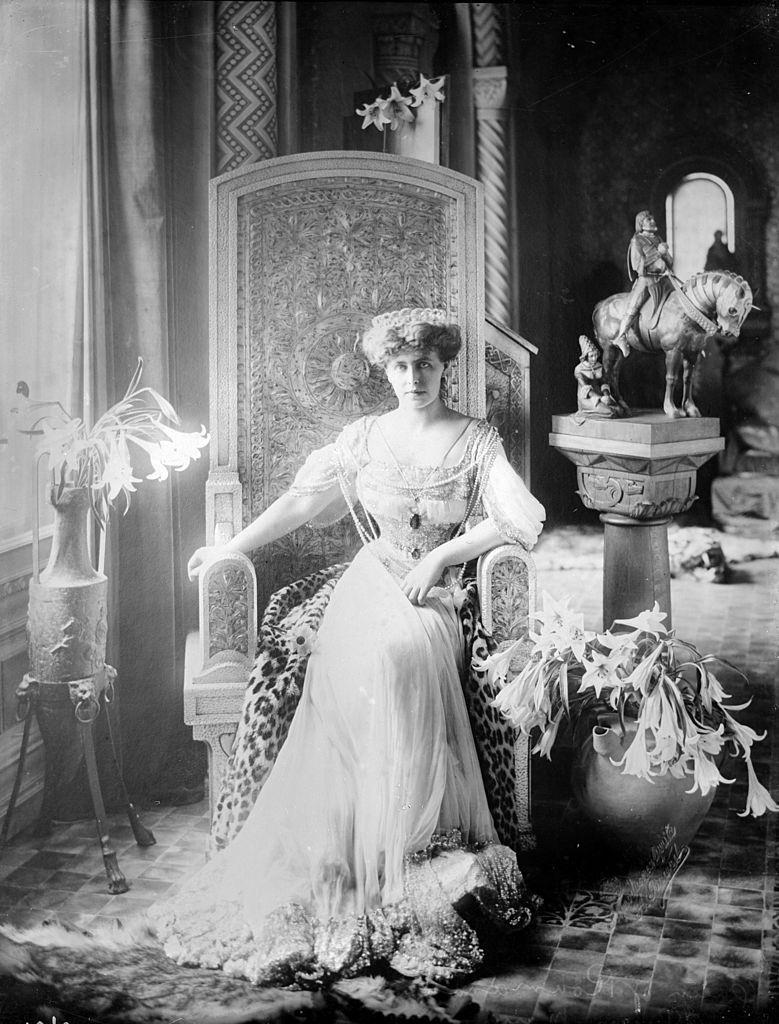
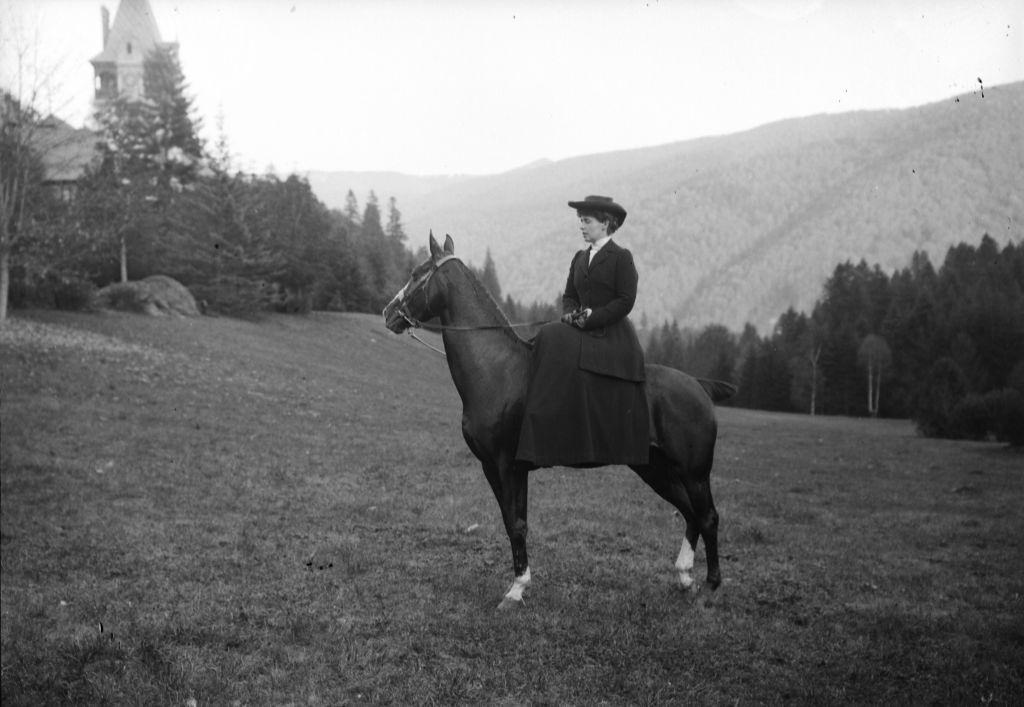
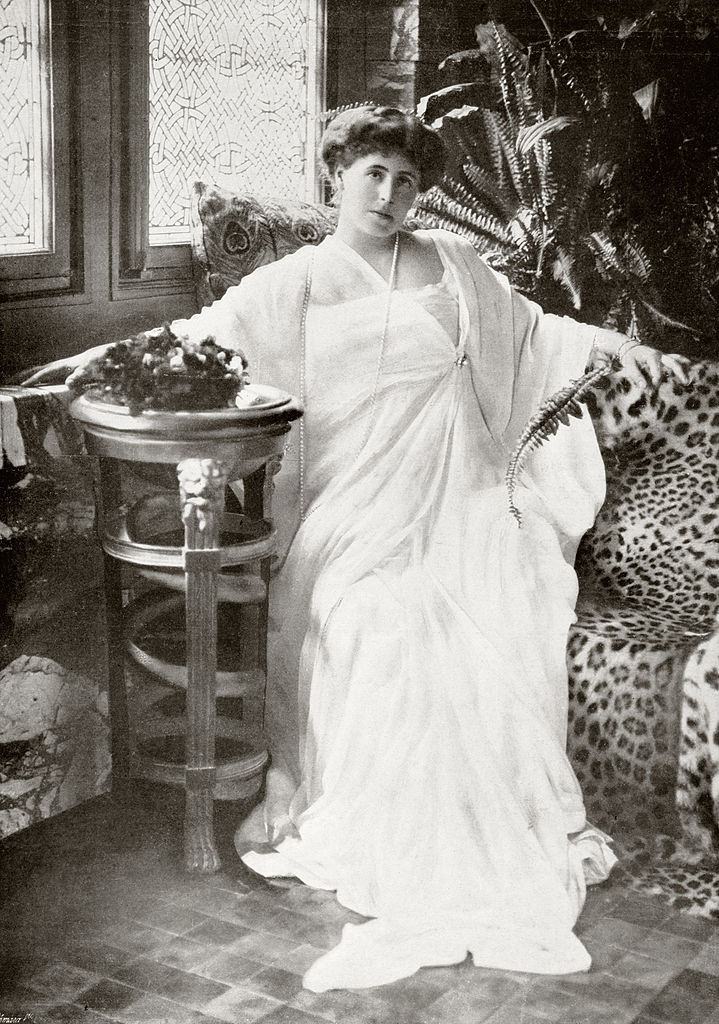
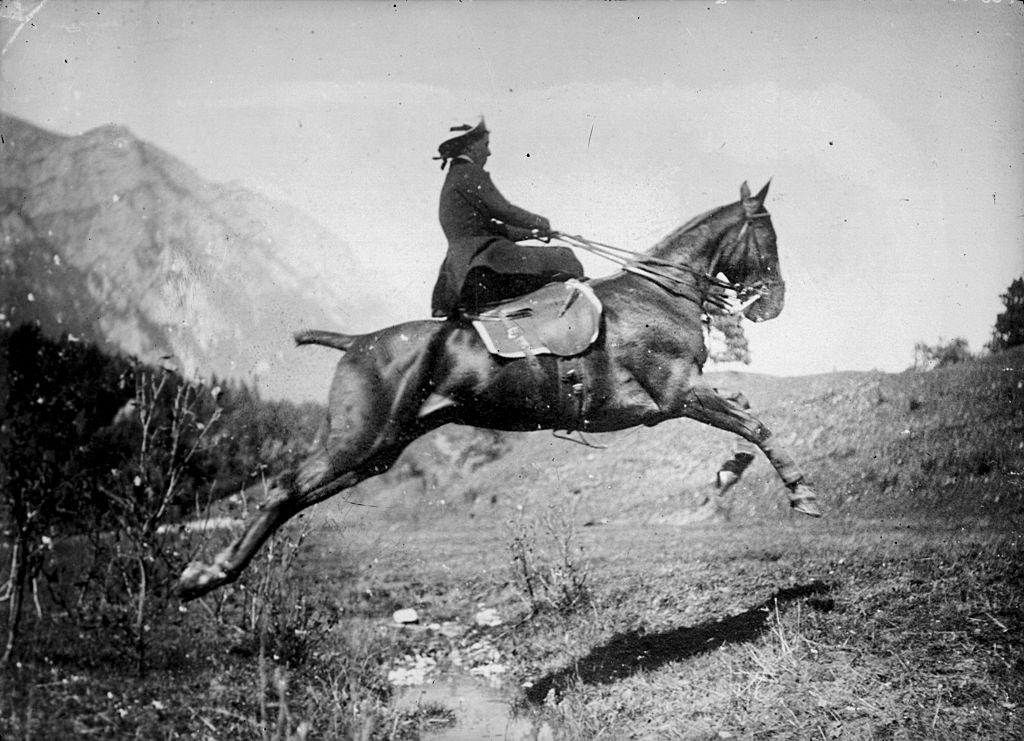
Marie and Ferdinand married in 1893 and had six children together. The early years of their marriage were spent building a family while Marie continued to grow her public profile. She was an energetic woman — interested in writing, art, and outdoor activities. She was known to be an accomplished equestrian, and photographs from the era regularly show her confident and poised, whether in formal royal dress or in the saddle.
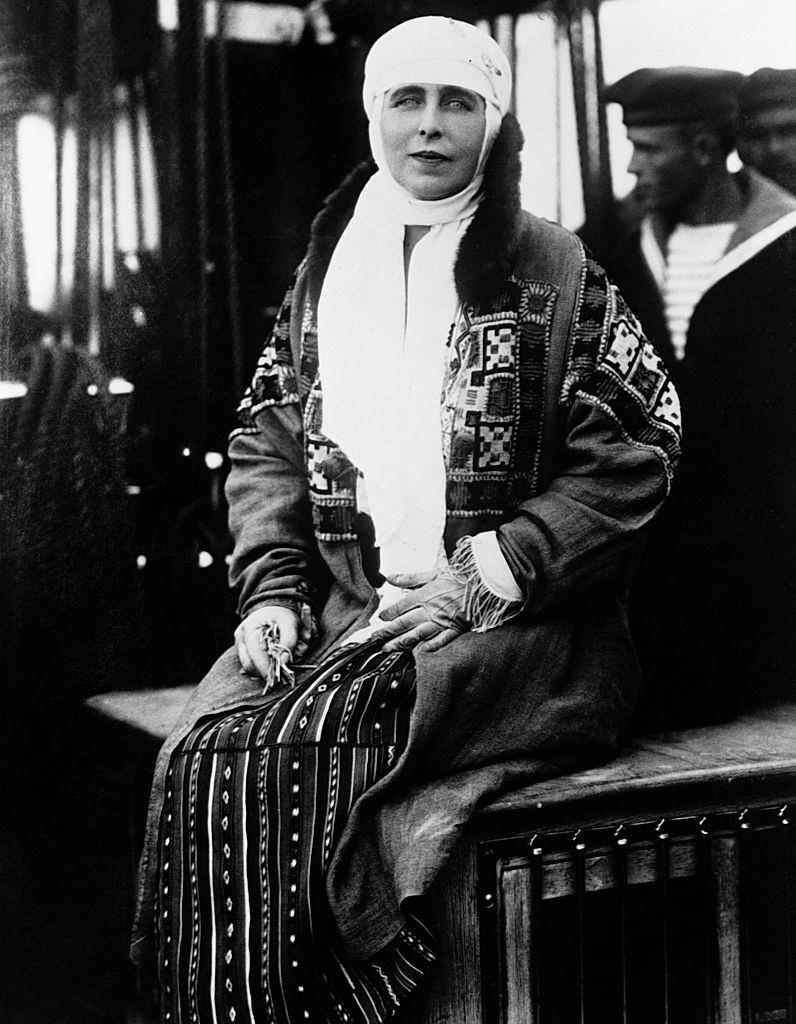
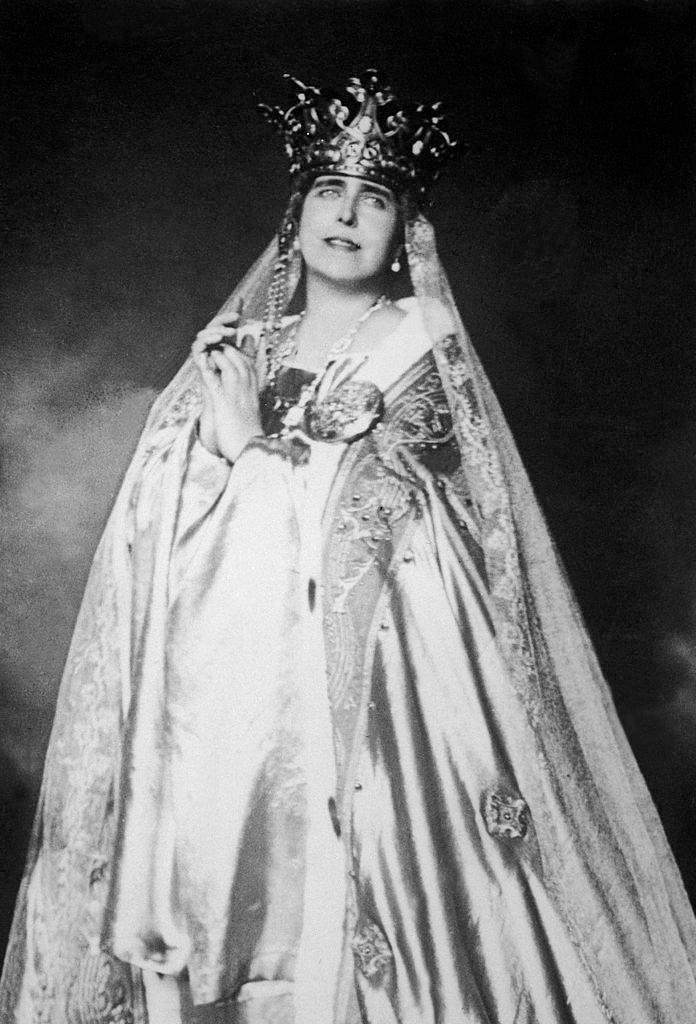
By the time World War I erupted in 1914, Marie was already a central figure in Romanian public life. Romania initially stayed out of the fighting, but Marie strongly urged Ferdinand to ally with the Triple Entente — Britain, France, and Russia — and declare war on Germany and Austria-Hungary. Ferdinand followed her counsel, and Romania entered the war in 1916 on the side of the Entente. The decision came at a great cost. German and Austro-Hungarian forces pushed into Romania, and the fighting reached Bucharest itself.
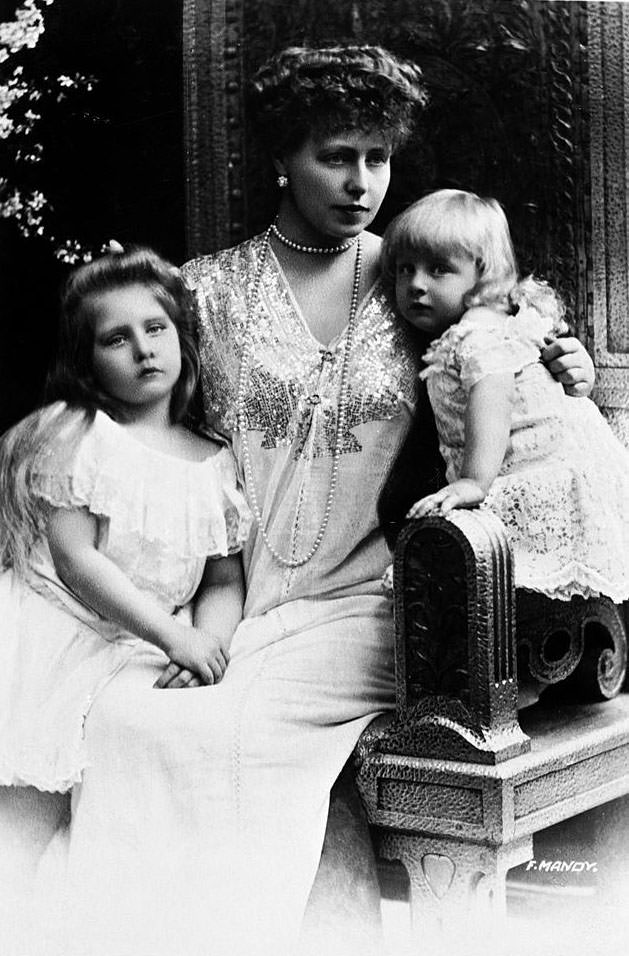
As enemy forces advanced on the capital, Marie, Ferdinand, and their five children fled to Moldavia in the northeast of the country. Rather than retreating into safety and comfort, Marie chose to work. She and three of her daughters served as nurses in military hospitals, treating soldiers wounded in battle and caring for patients sick with cholera. Her presence in those hospitals was not ceremonial. She worked alongside medical staff in grueling conditions and her hands-on commitment to the wounded became one of the defining images of her public life.
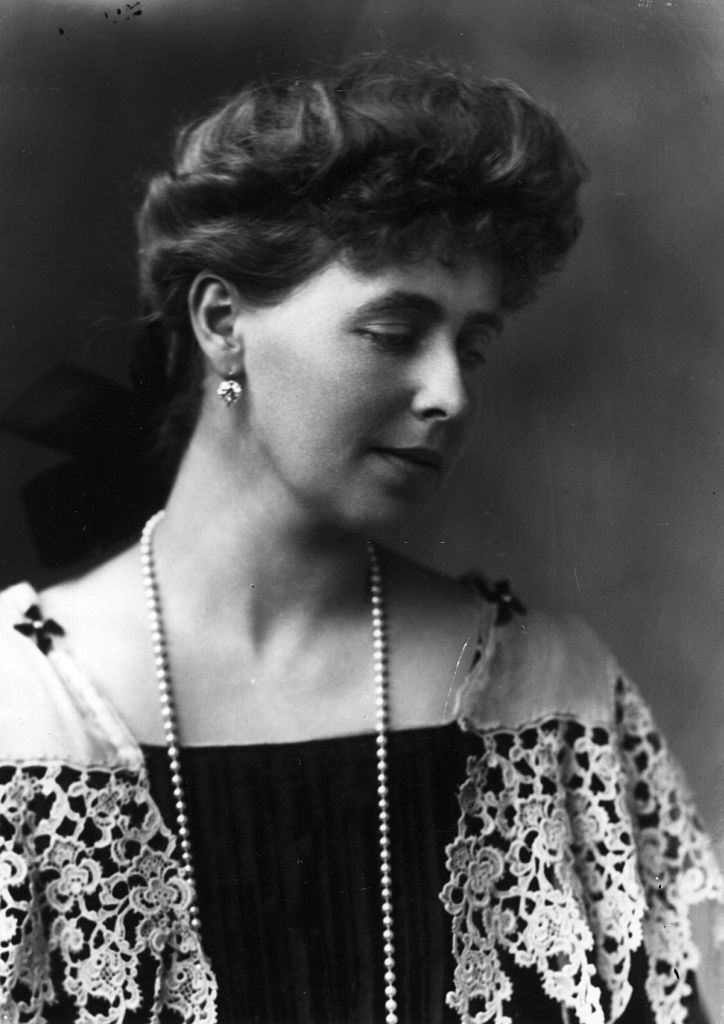
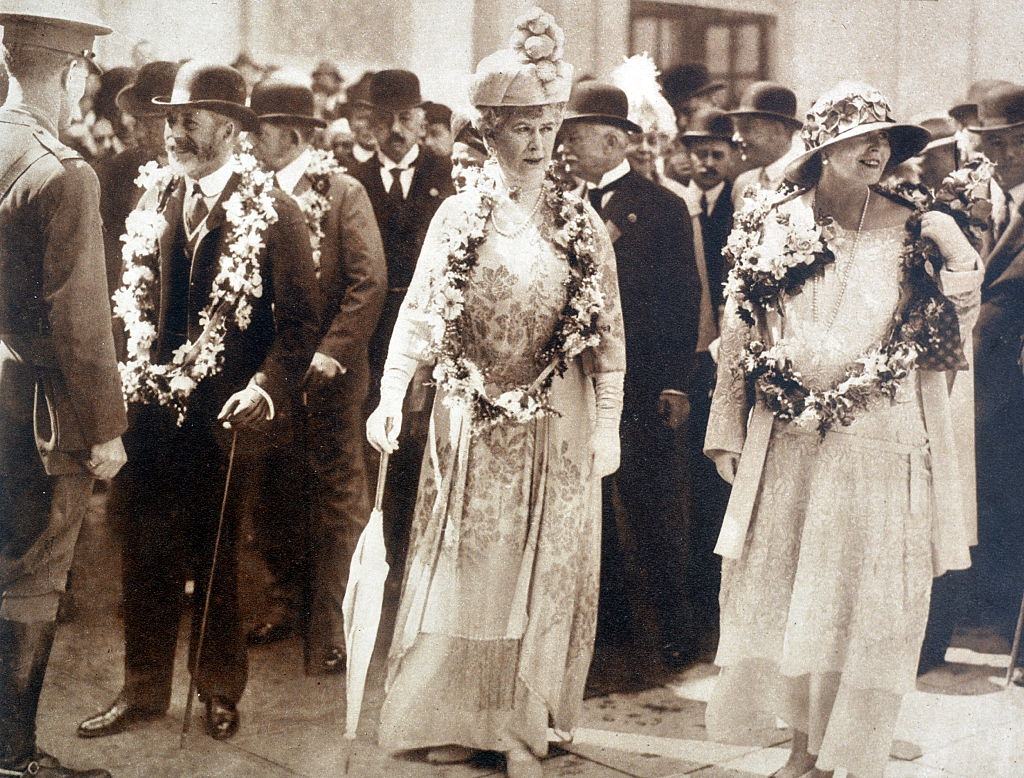
Romania emerged from the war on the winning side, and the postwar years brought both expansion and recognition. King Carol I had died in 1914, and Ferdinand became king, making Marie the Queen of Romania. Her international profile grew considerably. In 1924, she met with Queen Mary of Great Britain — a visible reminder of the royal connections that stretched across Europe. Two years later, in 1926, Marie took two of her children on a diplomatic tour of the United States. The trip was a remarkable success. Americans greeted her with enormous enthusiasm, and she visited cities across the country before returning home.
The return from America brought difficult news. Ferdinand’s health had been failing, and by the time Marie was back in Romania, it was clear he was gravely ill. He died in 1927. With his death, Marie’s position shifted dramatically. She became queen dowager, and a regency council was established to govern Romania during the minority of her grandson, King Michael. Marie refused to participate in that council. Her reasons were her own, but the refusal meant she stepped back from formal political power.
Then came a more direct blow. Her eldest son Carol had previously waived his right to the throne, but in 1930 he returned to Romania and seized power, becoming King Carol II. He deliberately worked to reduce Marie’s influence, sidelining her from political affairs and actively trying to undercut her popularity with the public. The mother-son relationship, already strained, fractured further. Marie withdrew from Bucharest and spent her remaining years at her countryside estates and her home on the Black Sea coast.
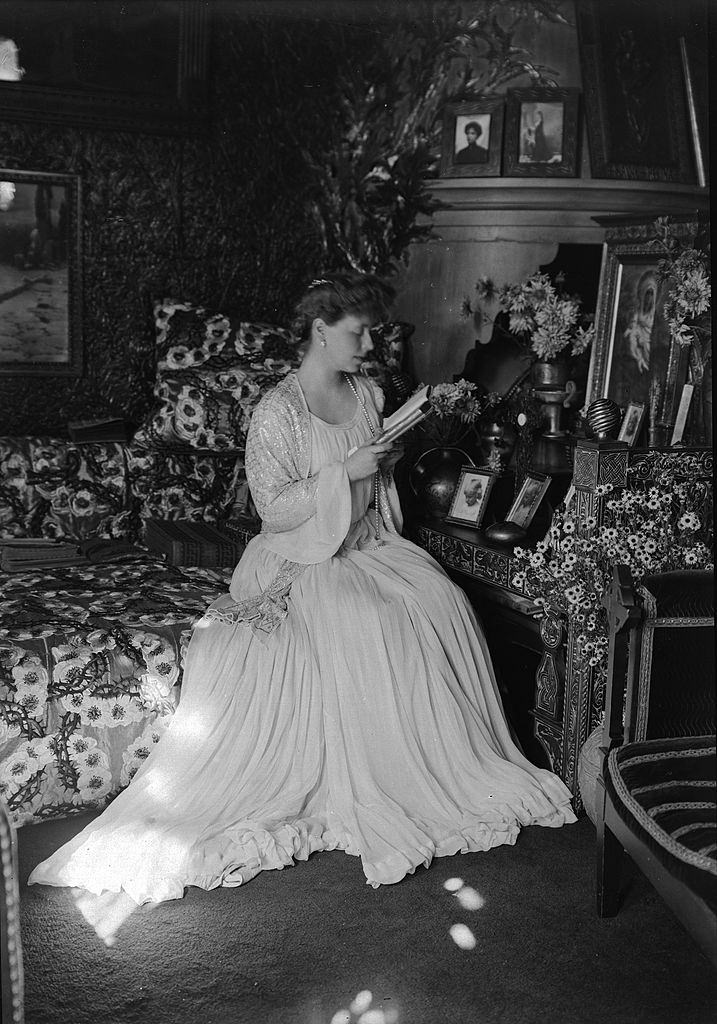
Marie continued writing during these later years. She was a prolific author and had published her autobiography as well as other works of fiction and memoir throughout her life. Writing gave her a platform independent of the crown, and her voice reached readers beyond Romania’s borders. Her autobiography in particular provided a detailed account of her life from childhood through the war years.
Marie died on July 18, 1938, from cirrhosis of the liver. She was 62 years old. After her death, Romania’s shift toward communism brought a new wave of scrutiny directed at the monarchy and its figures. Communist-era biographers portrayed Marie as a drinker and a promiscuous woman, citing alleged orgies she had organized before and after the war. These portrayals served a political purpose — discrediting the old monarchy to legitimize the new socialist state. In the years leading up to the Romanian Revolution of 1989, however, the official narrative shifted again, and Marie was presented to Romanians as a symbol of patriotism.
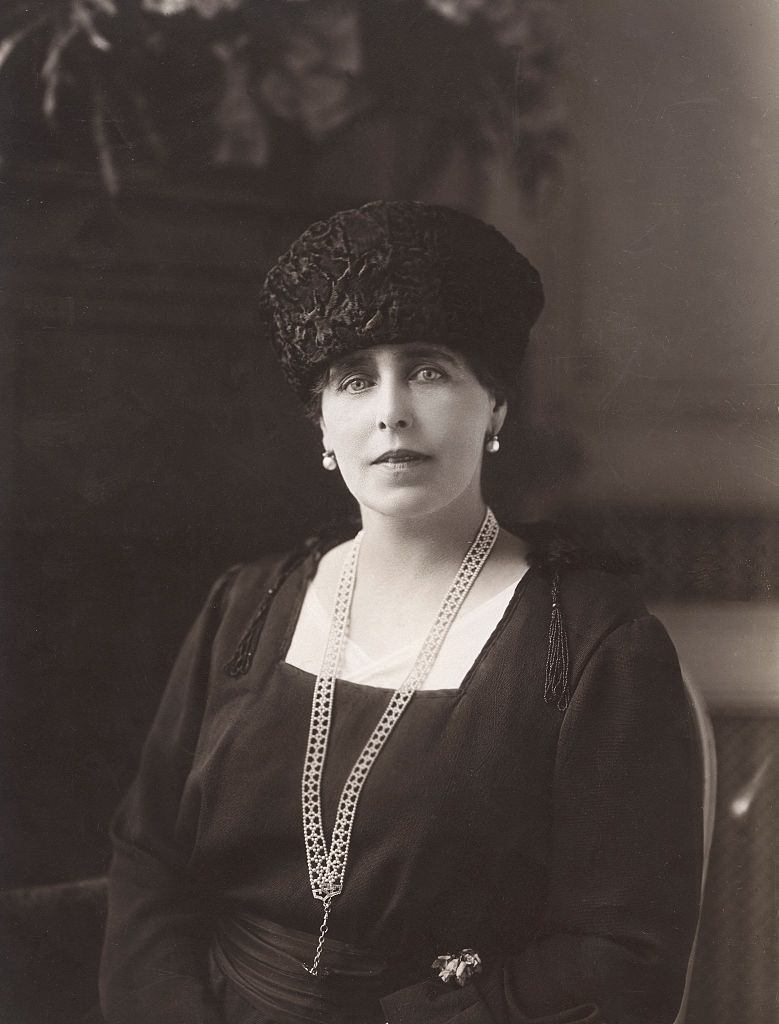
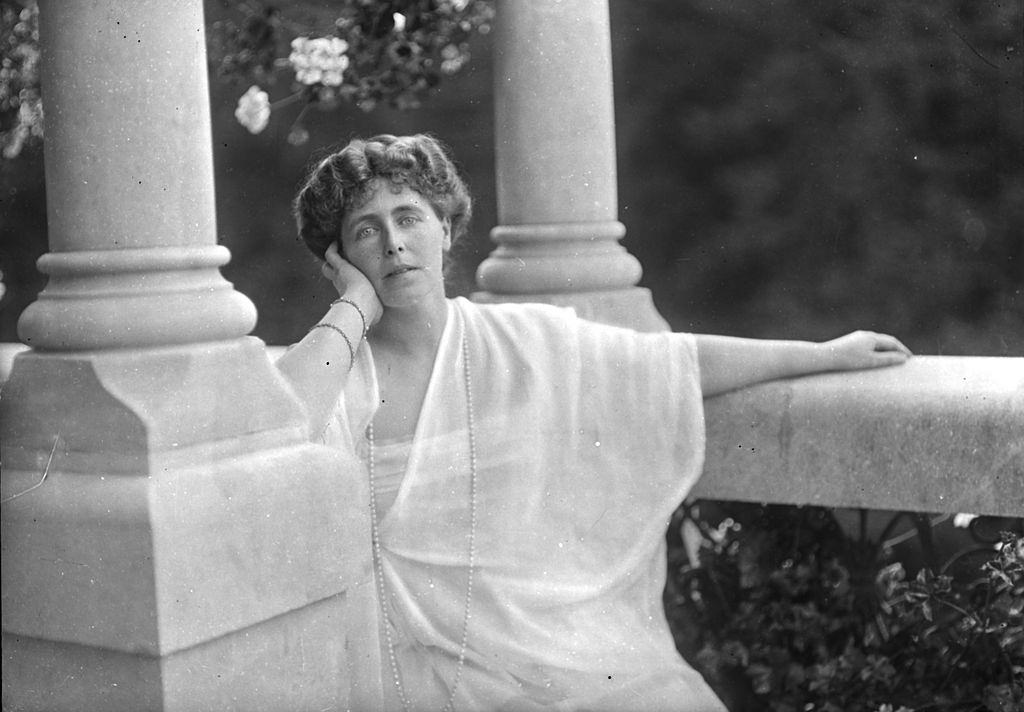
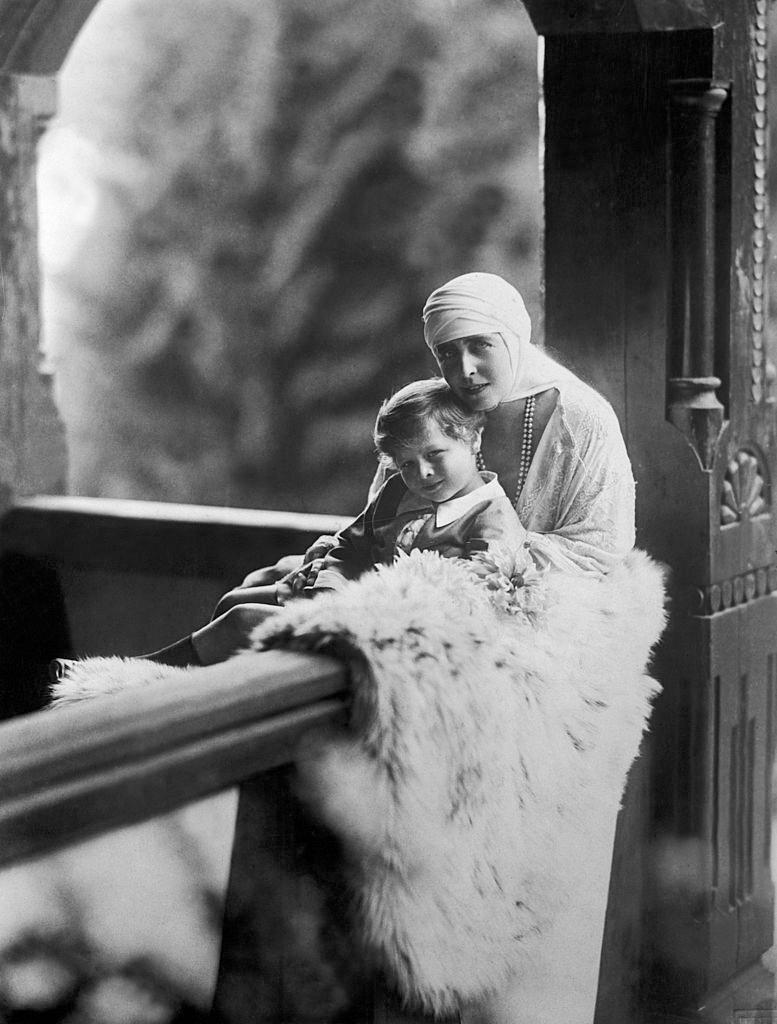
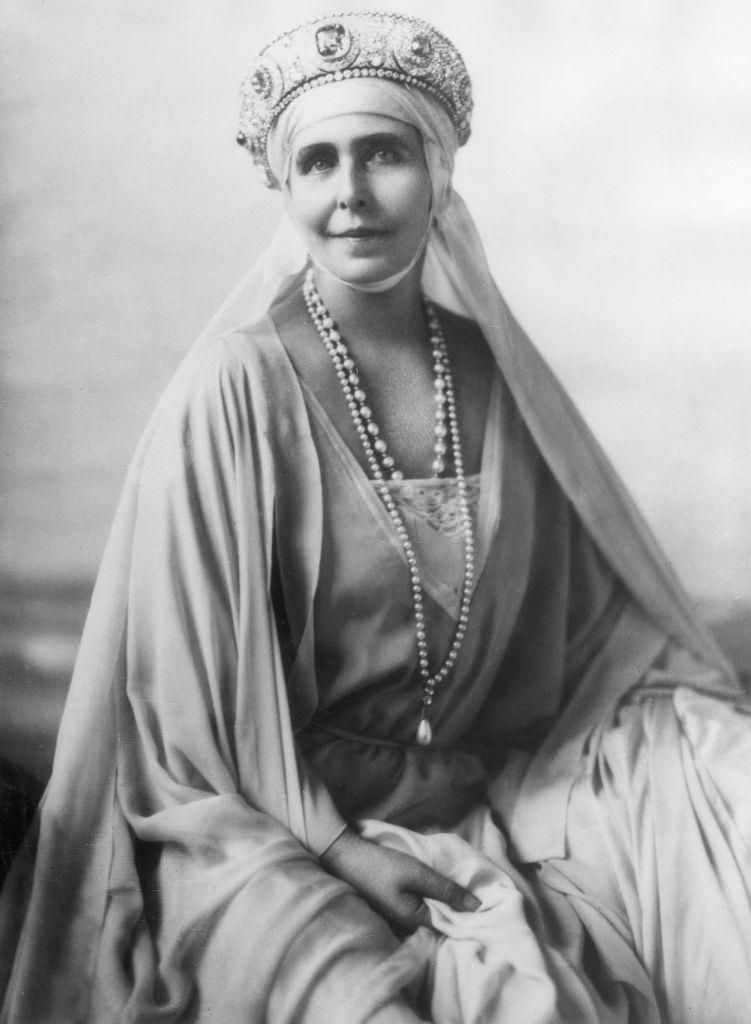
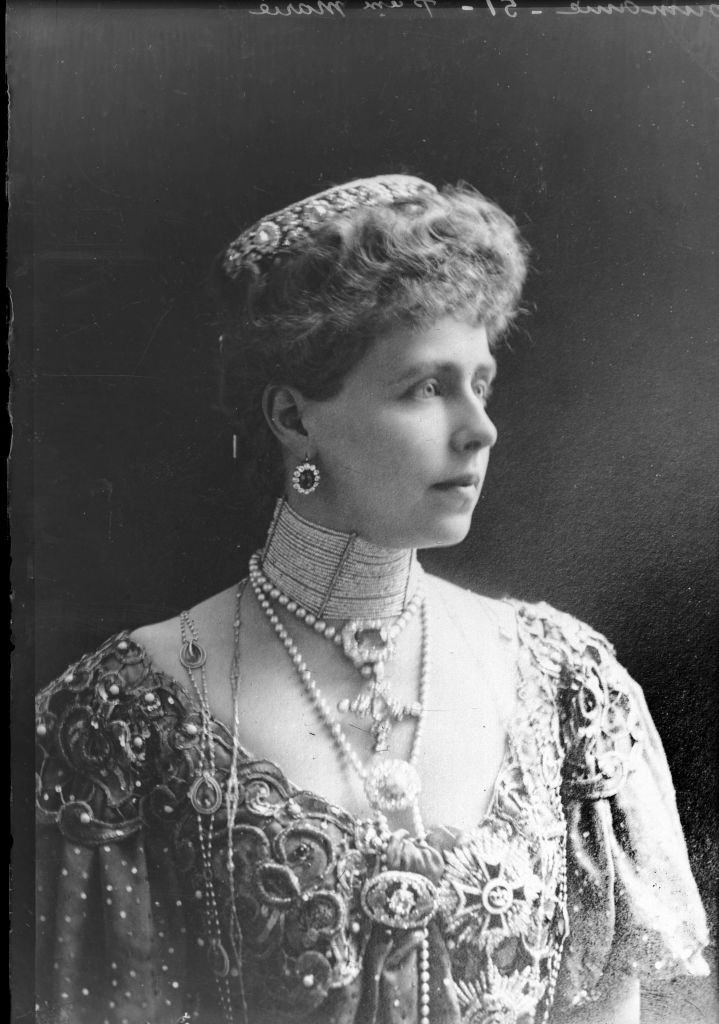
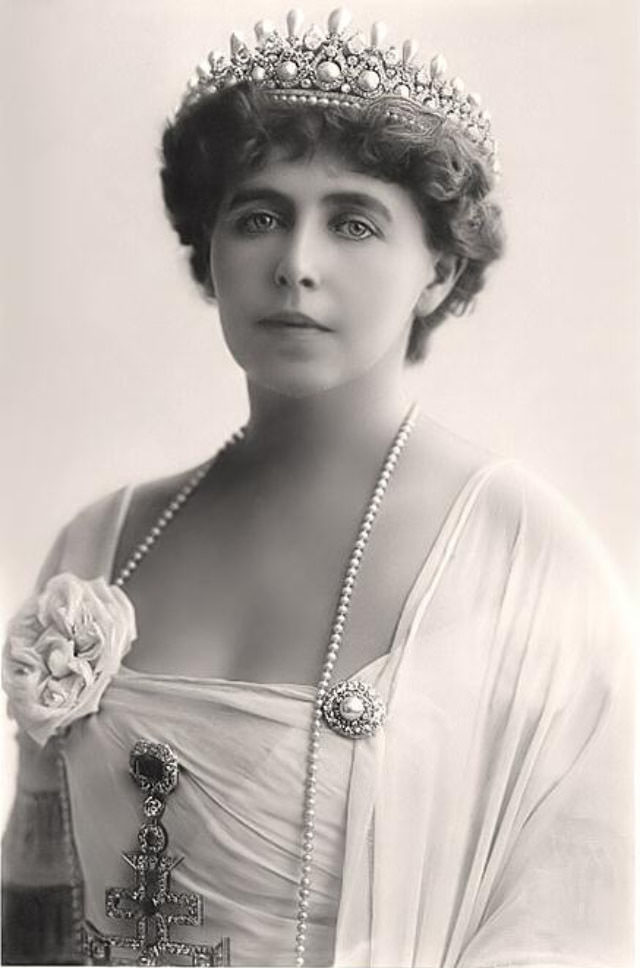
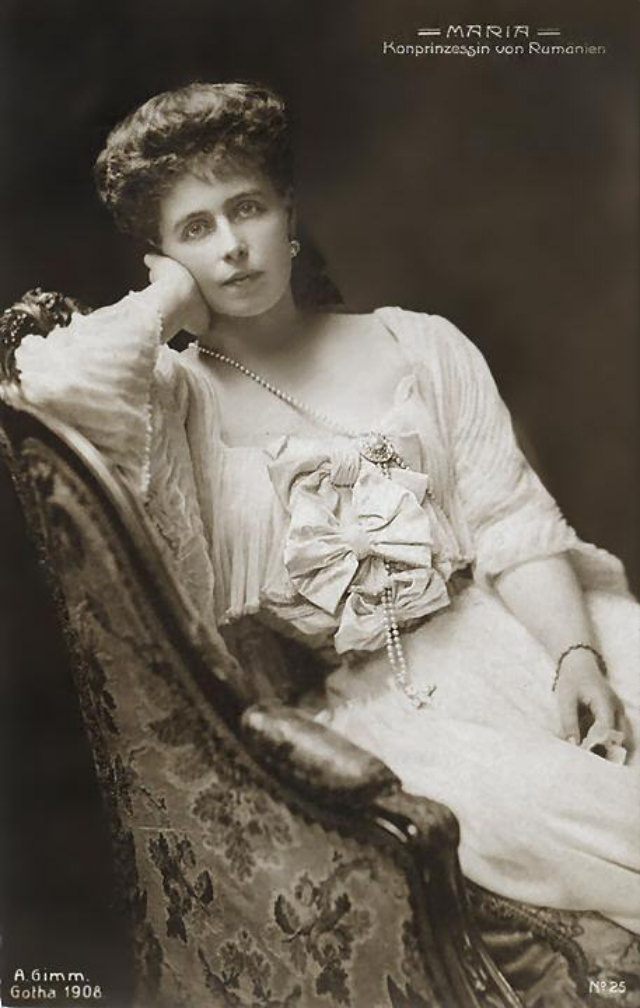
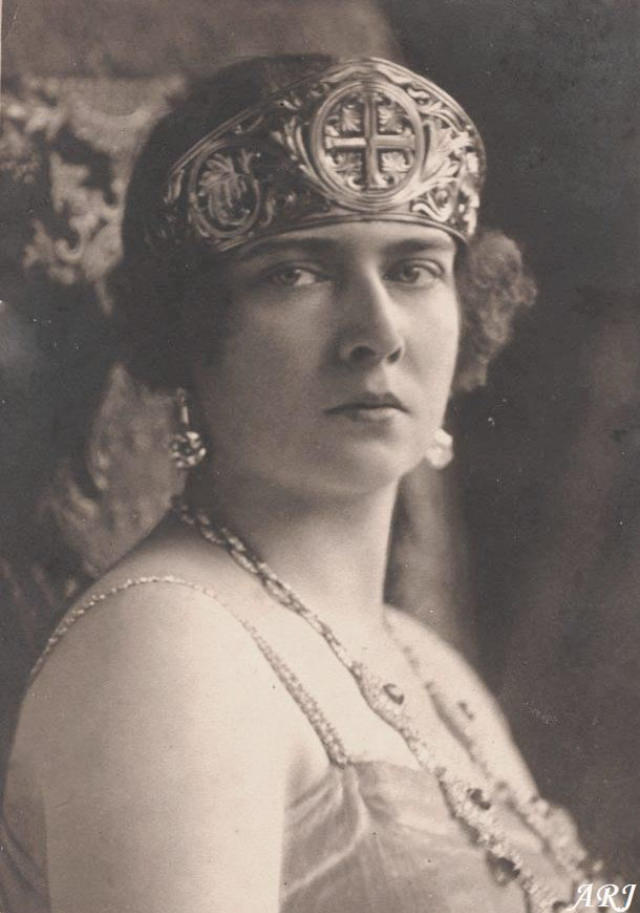
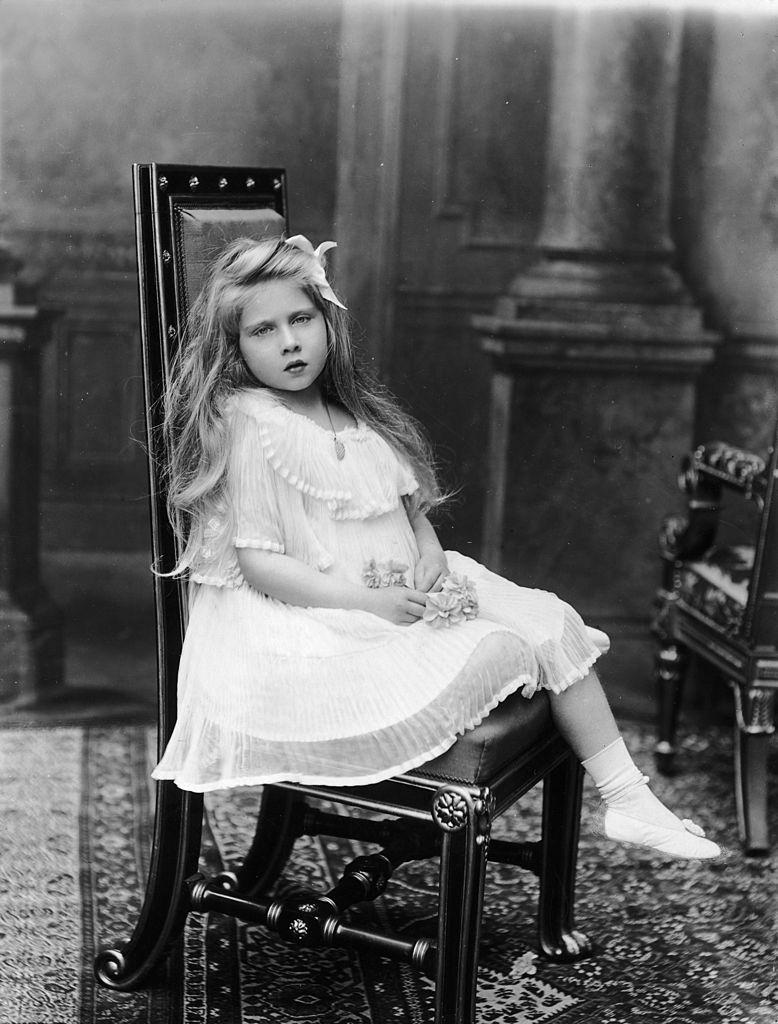
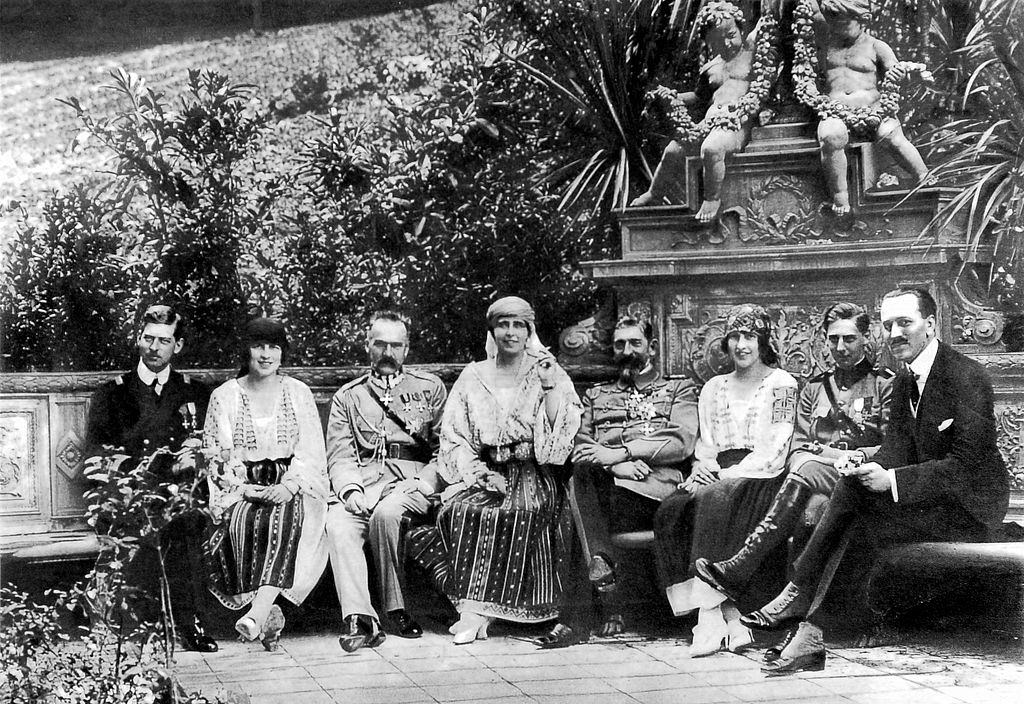
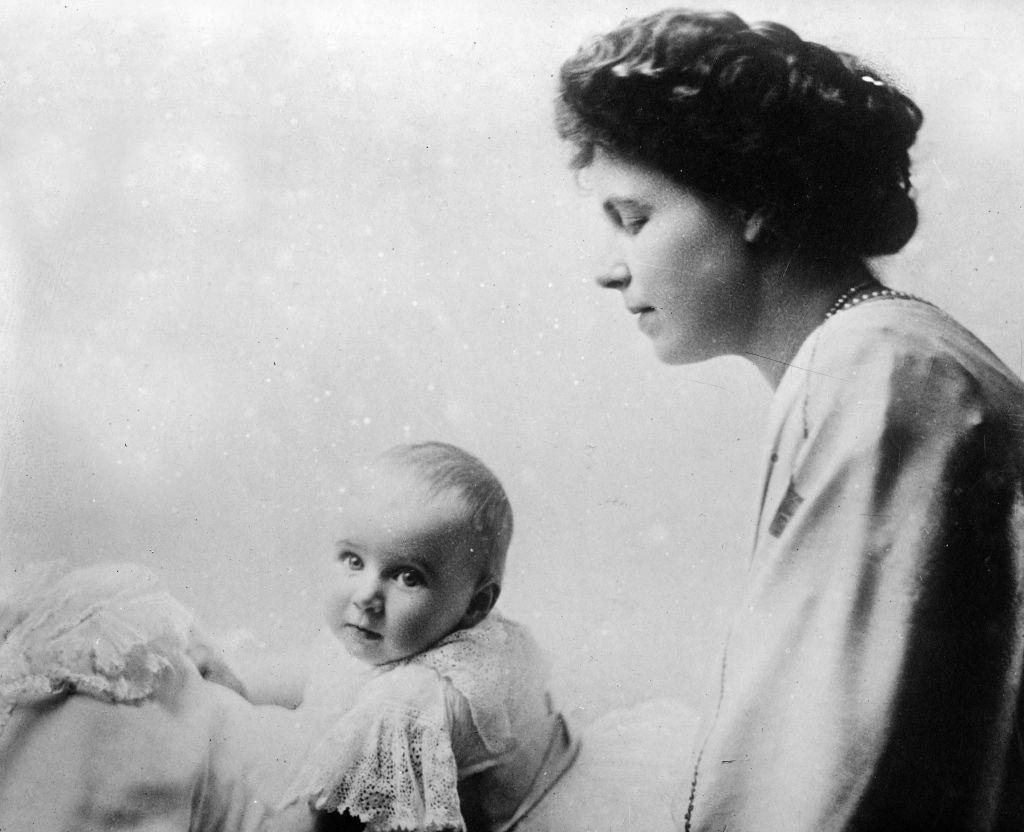
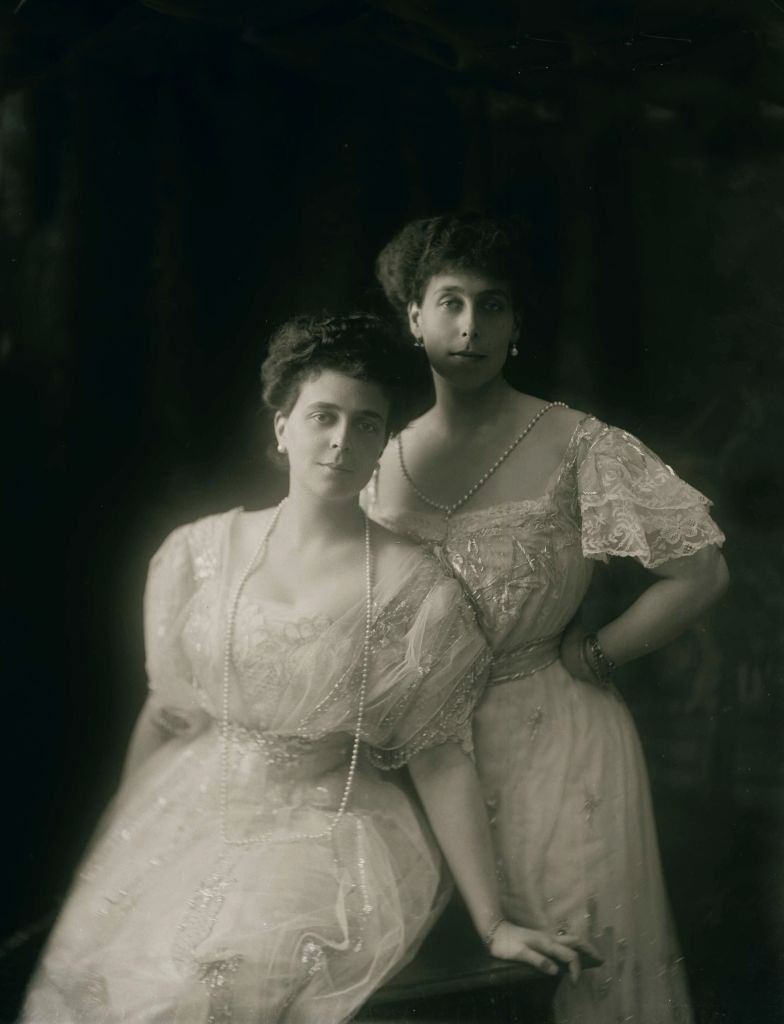
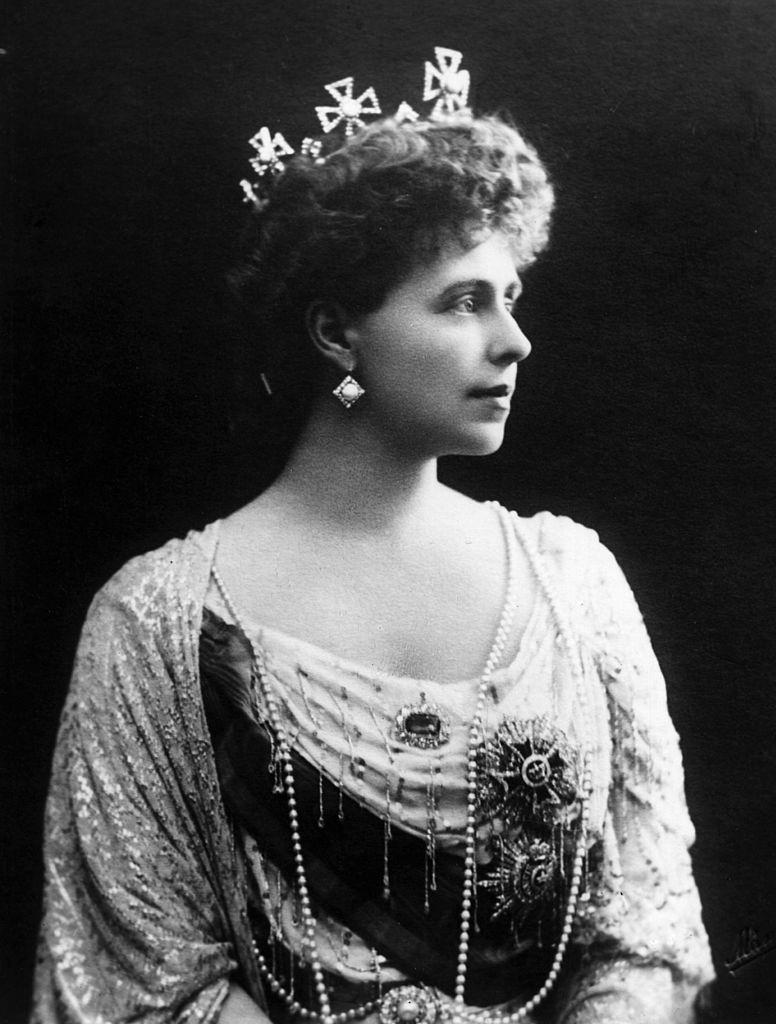
The photographs of Marie taken across the early decades of the 20th century tell a story on their own. She appears in formal royal portraits, on horseback, with her children, in military hospitals, and at diplomatic gatherings. Each image reflects a woman who occupied many different roles — mother, nurse, diplomat, writer, and queen. The range of those photographs mirrors the range of her life, which stretched across one of the most turbulent periods in European history.