
When World War II ended, the United States stepped onto the world stage in a way it never had before. Gone was the old isolationist attitude. In its place came a new role — a global superpower shaping economics, military affairs, culture, and technology across the planet. Back home, life was changing just as fast.
American families were buying homes, having children, and building careers at a rate no previous generation had seen. The GI Bill of Rights, passed in 1944, gave returning veterans access to college tuition, home loans, and farm loans. Millions of men came back from the front lines and went straight into classrooms or suburban neighborhoods. The effect on American society was massive.
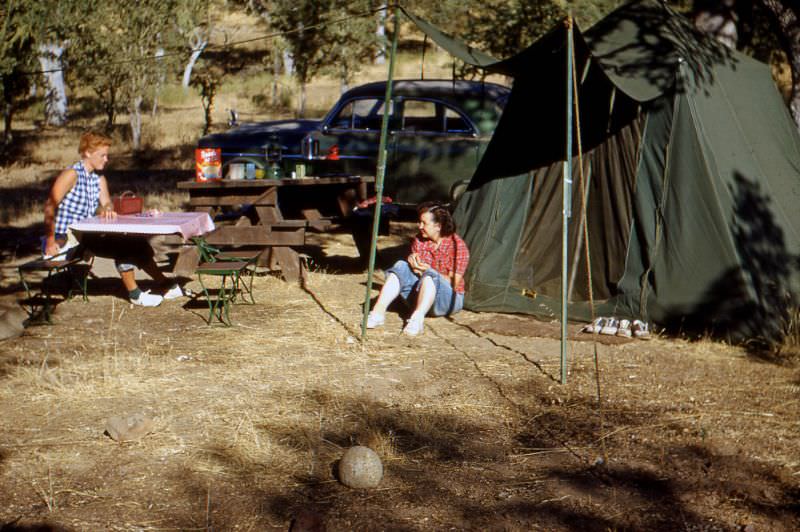
Outdoor recreation became a regular part of American life as families gained leisure time and the money to spend on it. National forests and parks saw more visitors than ever before. A camping trip or a weekend drive through the countryside was no longer a luxury — for many middle-class families, it was just a normal part of the calendar year.
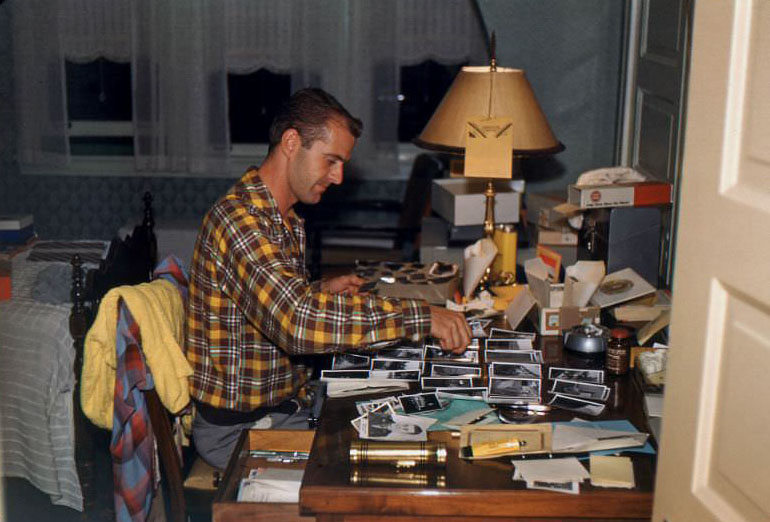
Amateur photography boomed in the postwar years. Affordable cameras and color film put photo-taking within reach of ordinary households. People documented their lives in vivid color — holiday gatherings, children playing, new cars, neighborhood streets. These personal archives now serve as some of the most detailed records of what daily life actually looked like.
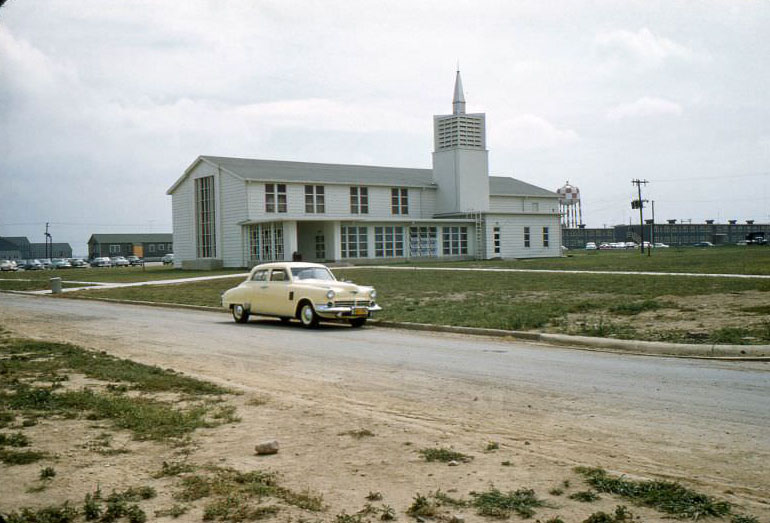
The military remained a strong presence in American life well after the war. Air Force bases dotted the country, and many veterans stayed connected to military culture through service organizations, base events, and continued active duty. The Cold War with the Soviet Union kept defense spending high and military installations busy throughout the decade.
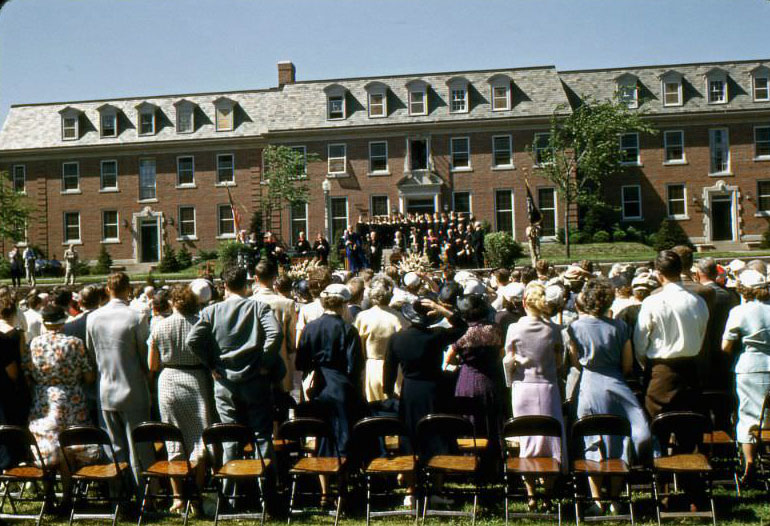
College enrollment surged in the early 1950s, driven largely by veterans using the GI Bill. Campuses that had once served a narrow slice of society began filling up with working-class men and women who never would have attended without federal support. Graduation ceremonies became symbols of a new kind of American mobility.
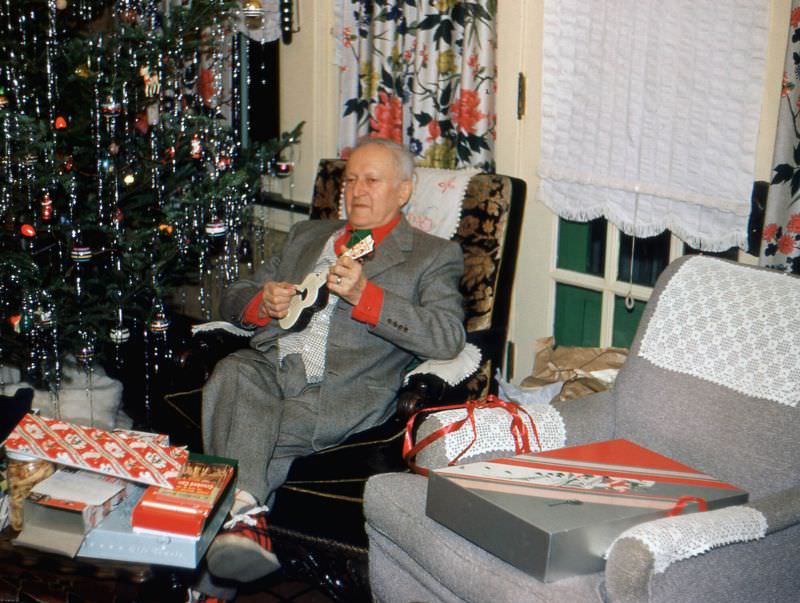
Christmas was a centerpiece of postwar family life. Department stores expanded their toy sections, and television commercials pushed new products into living rooms across the country. Children grew up in an era of relative abundance, surrounded by gifts, decorations, and the expectation that each holiday would be bigger than the last.
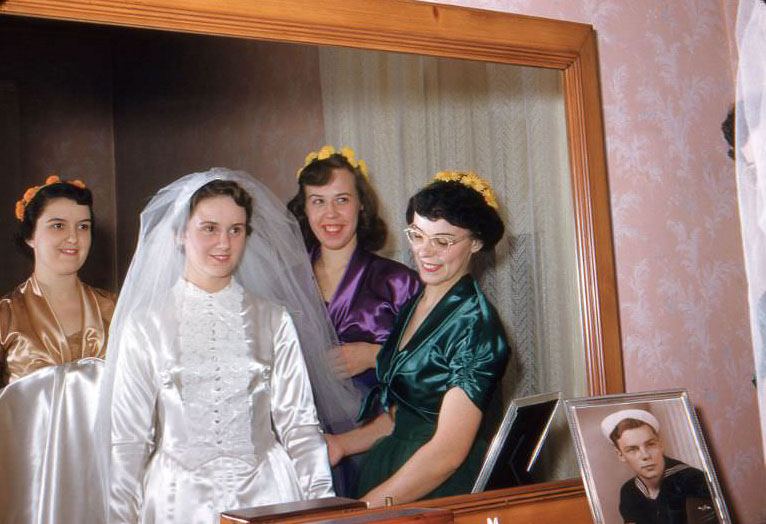
Marriage rates climbed sharply in the postwar years. Couples who had delayed weddings during the war rushed to start families, fueling the famous Baby Boom. The wedding industry grew alongside this trend, with bridal fashions, catering, and formal ceremonies becoming standard expectations rather than rare extravagances.
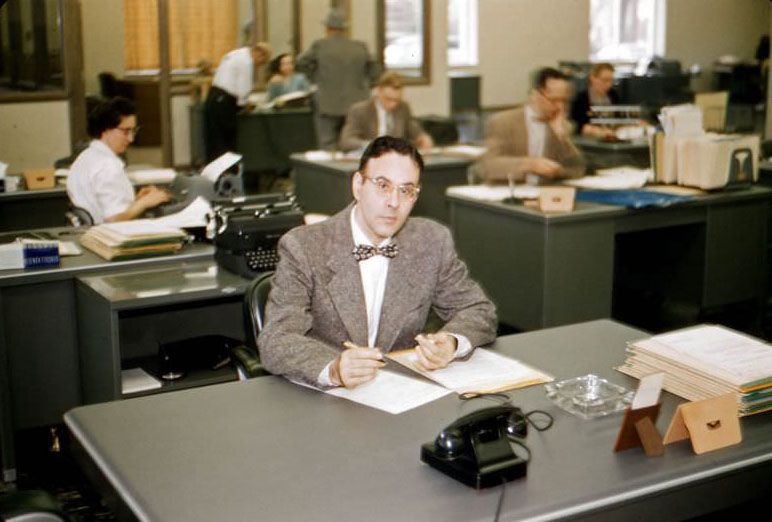
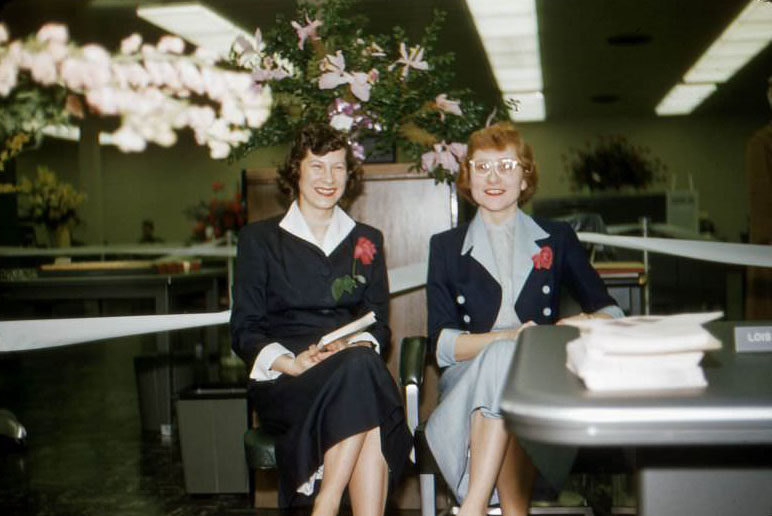
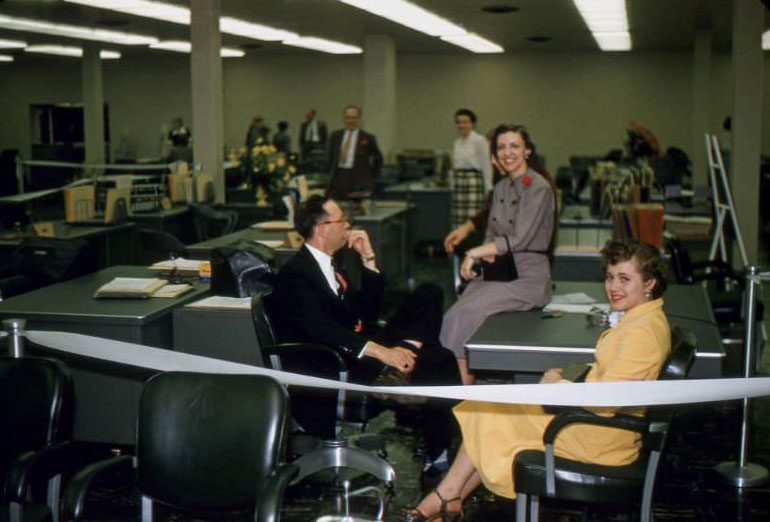
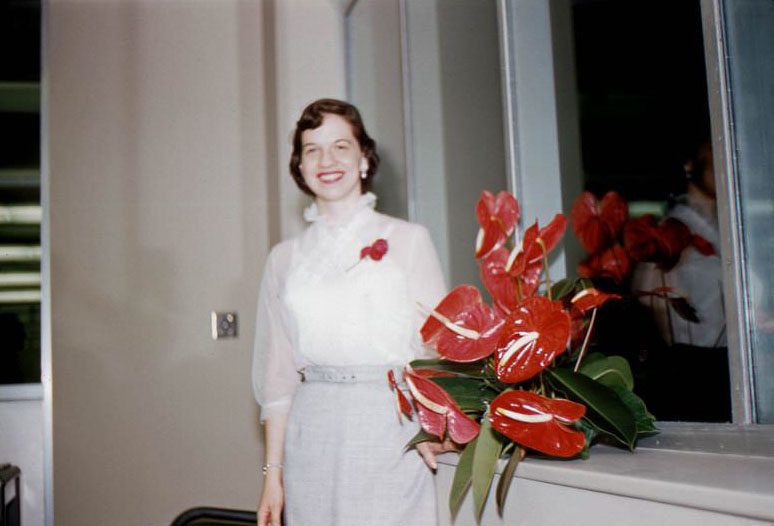
White-collar office work expanded rapidly during the 1950s. Title companies, insurance firms, and real estate offices hired steadily as the housing market boomed. Suburban Illinois communities like Wheaton saw enormous growth in both population and commerce, and businesses like the DuPage Division of Chicago Title & Trust were at the center of that expansion.
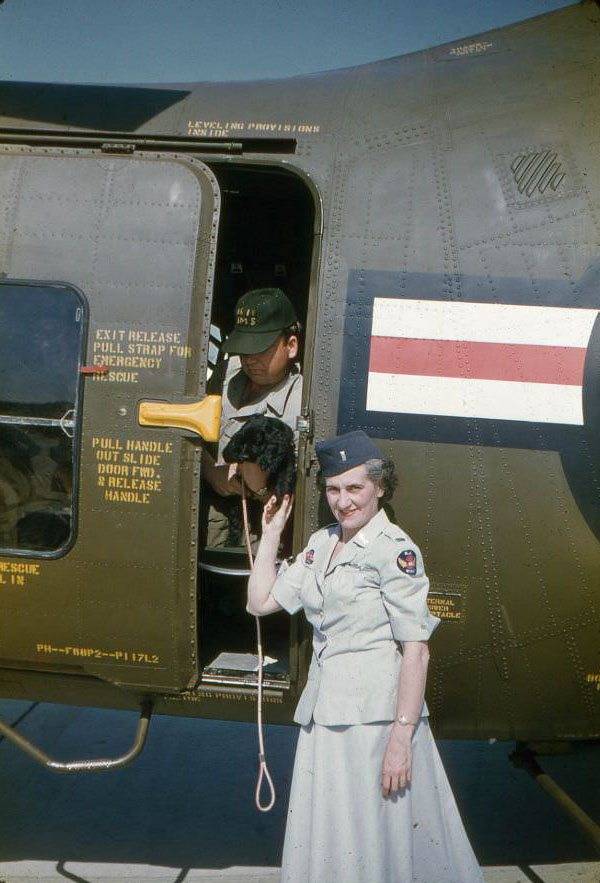
Armed Forces Day, established in 1949, gave communities across the country a chance to celebrate the military branches under a single observance. Events at bases like McGuire in New Jersey drew large crowds. Aircraft displays, equipment demonstrations, and parades reinforced the public’s connection to national defense during the tense years of the Cold War.
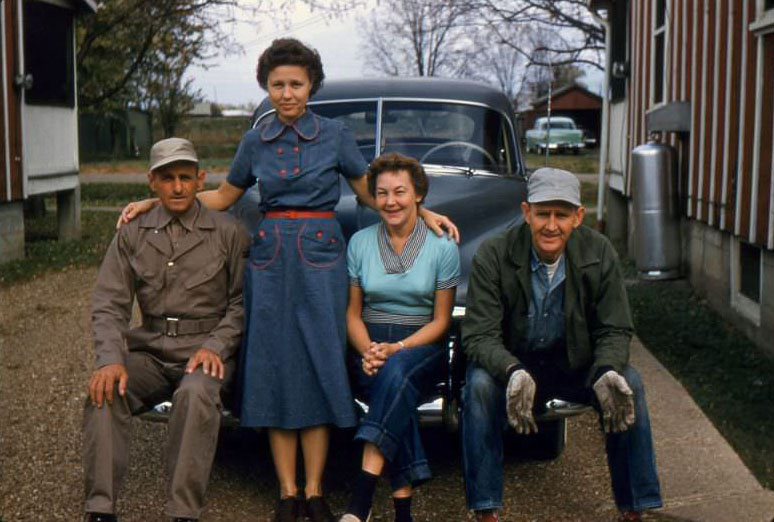
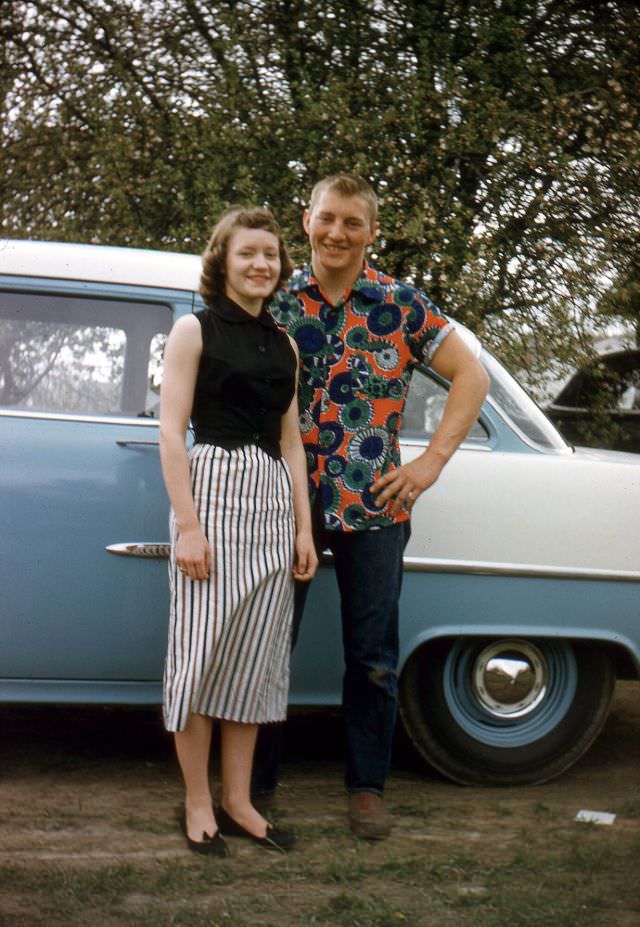
The American love affair with the automobile reached new heights in the 1950s. New highways were being built, gasoline was cheap, and Detroit was producing some of the most eye-catching cars in history. Owning a new car — especially a Chevrolet, Ford, or Chrysler product — was a point of real pride. Families posed for photos with their vehicles the same way they posed in front of their new homes.
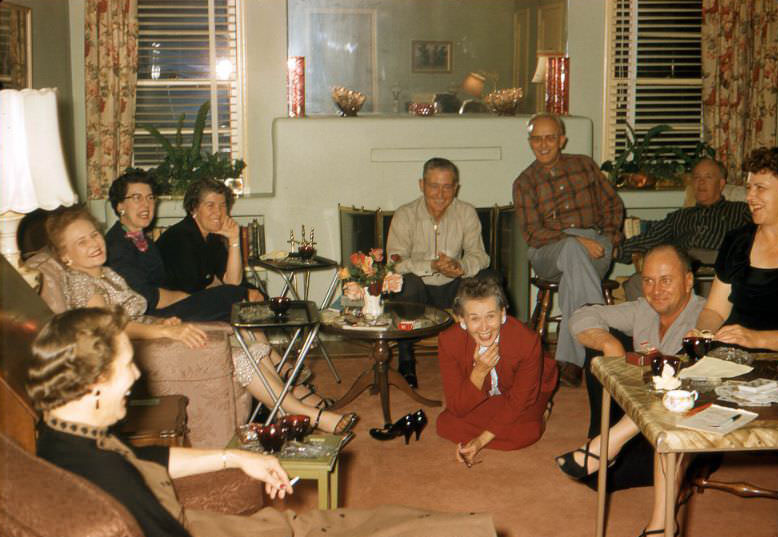
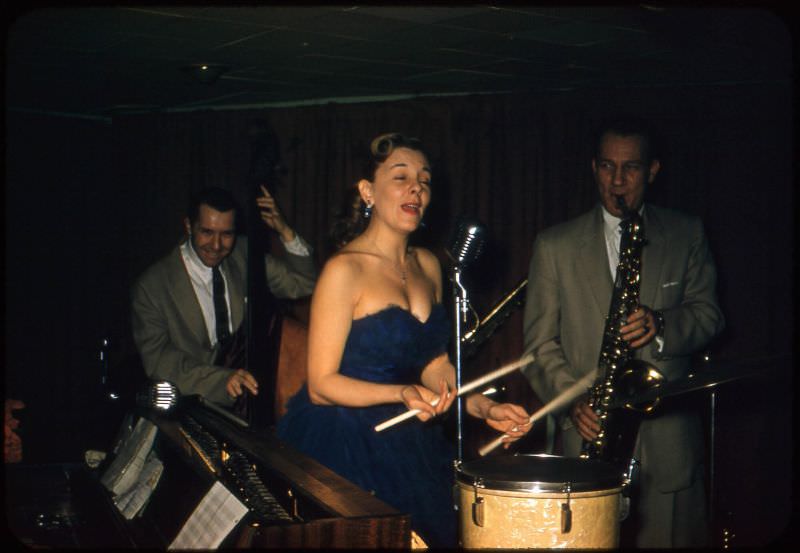
Social gatherings, house parties, and live music were woven into American social life. Jazz, swing, and early rock and roll all had audiences in the 1950s. Small bands played at local venues, private parties, and neighborhood events. Music was live and local in a way that streaming has since replaced entirely.

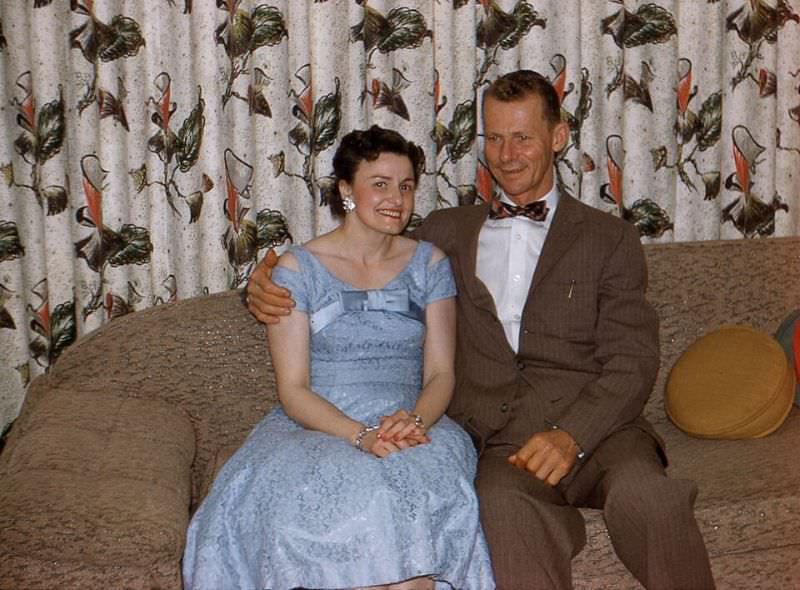
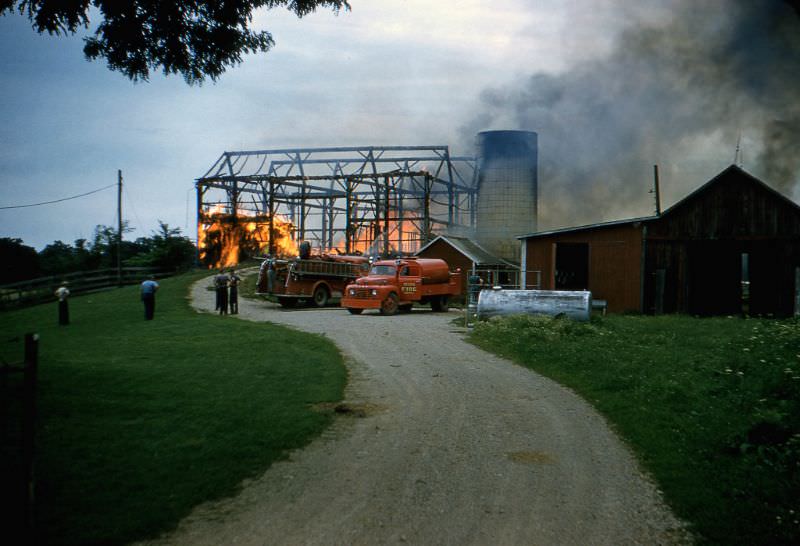
Selma, Alabama, in 1958 was a city living under rigid racial segregation. African Americans in Selma and across the South faced systematic exclusion from voting rights, public services, and economic opportunity. The civil rights struggle that would define the following decade was already building beneath the surface of everyday life in cities exactly like this one.
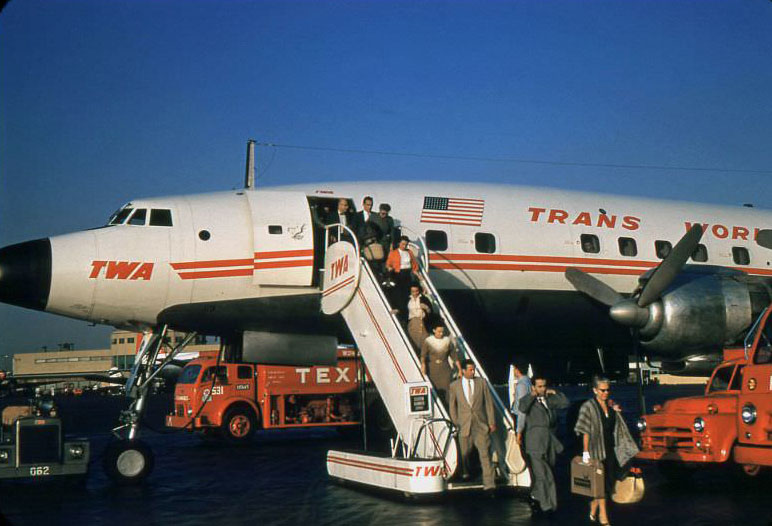
Commercial air travel was transforming how Americans moved across the country. TWA’s Lockheed Constellation was one of the most recognizable propeller aircraft of the era — a sleek, triple-tailed airliner that made long-distance travel practical for business passengers and well-off travelers. Airports like Chicago Midway were among the busiest in the world during the late 1950s.
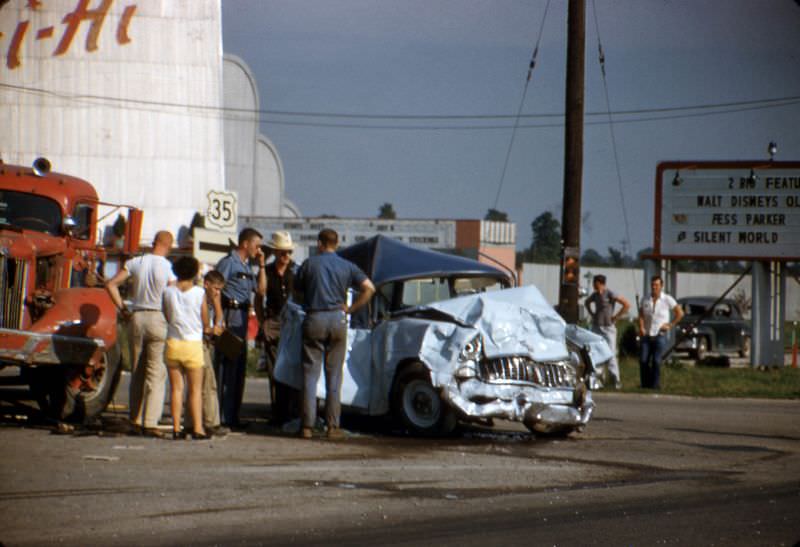
The explosion of car ownership came with a serious cost. Traffic fatalities rose sharply through the 1950s. Roads were expanding faster than safety standards could keep pace. Crashes on highways and rural routes like Route 35 were common, and seat belts were not yet standard equipment in most vehicles.



Winter recreation gained popularity across the northern states during the 1950s. Skiing, sledding, and backyard snowmen were everyday winter rituals for families in colder climates. The postwar prosperity meant more families had the time and resources to enjoy leisure activities that had once been out of reach.
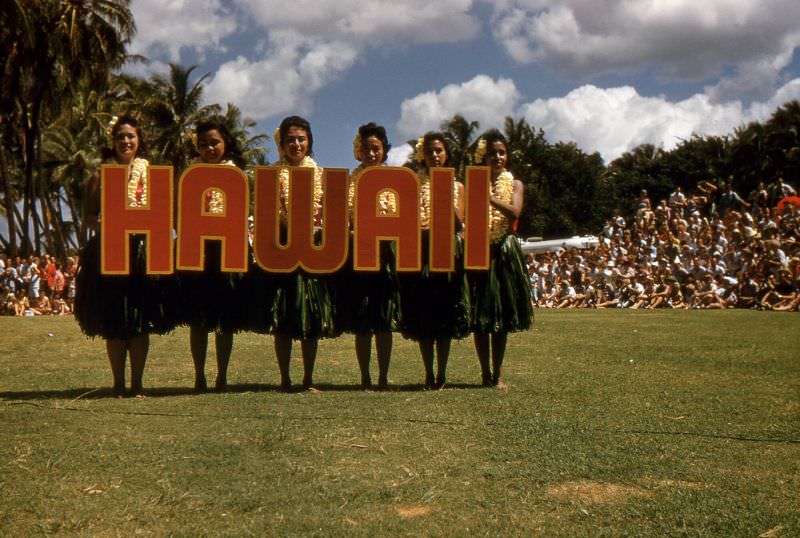
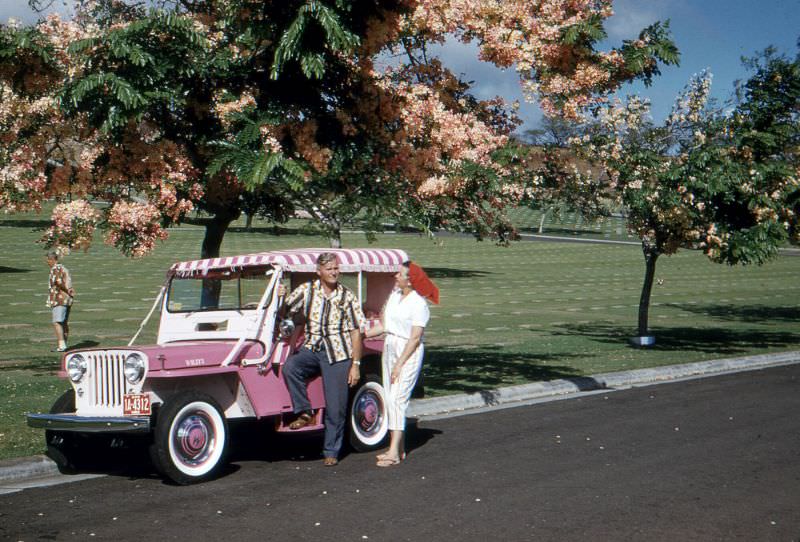
Hawaii became the 50th state on August 21, 1959. Its admission into the union was a major national milestone, and tourist interest in the islands surged immediately. Americans who had heard of Hawaii through war coverage now could visit it as a domestic destination. The islands offered landscapes completely unlike anything on the mainland.
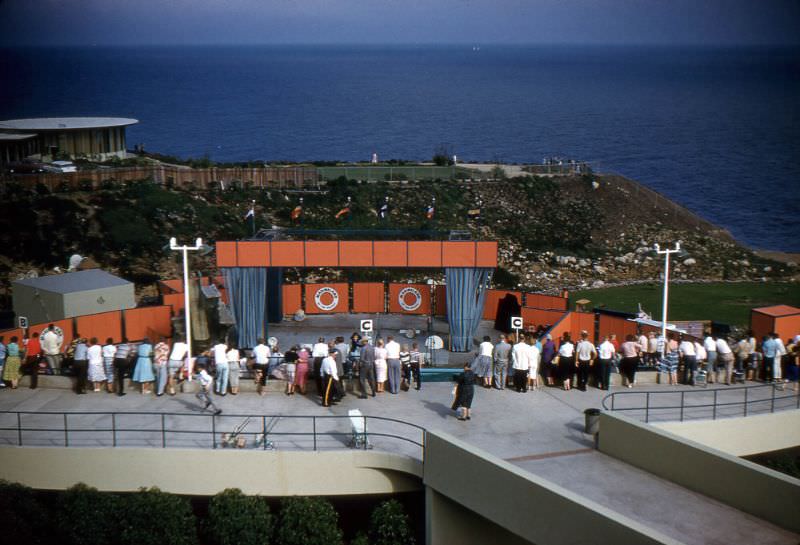
Theme parks and roadside attractions thrived in the 1950s. Marineland of the Pacific, which opened in Palos Verdes, California, in 1954, was the world’s first oceanarium. Families drove from across the state to watch trained dolphins and sea lions perform. It was exactly the kind of wholesome, car-friendly entertainment that defined leisure in the decade.
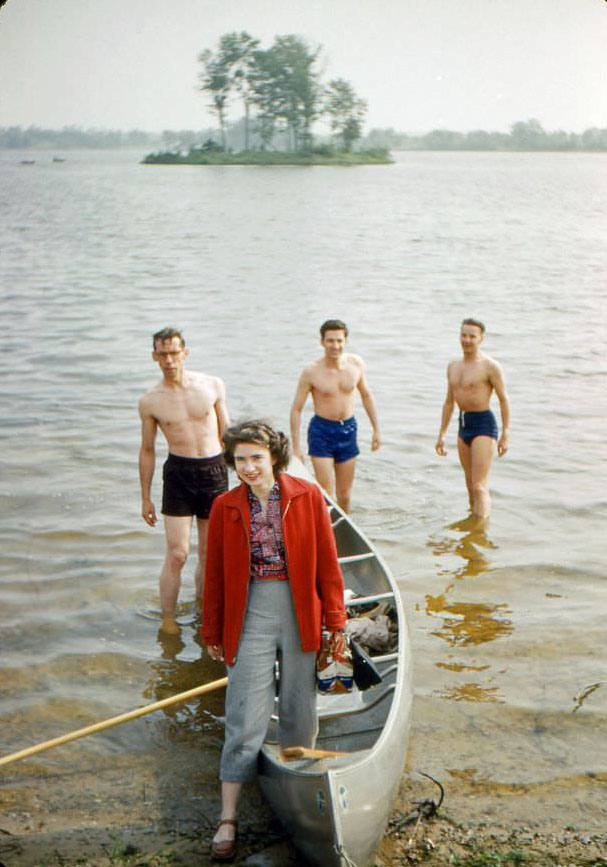
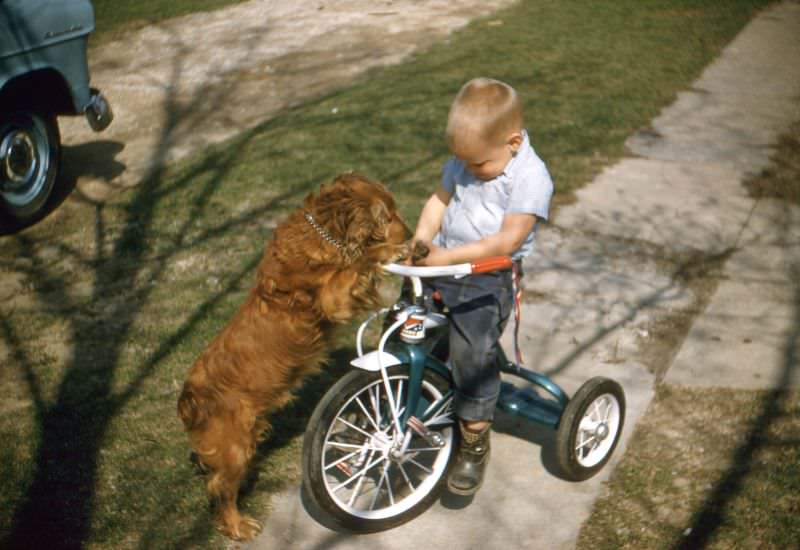
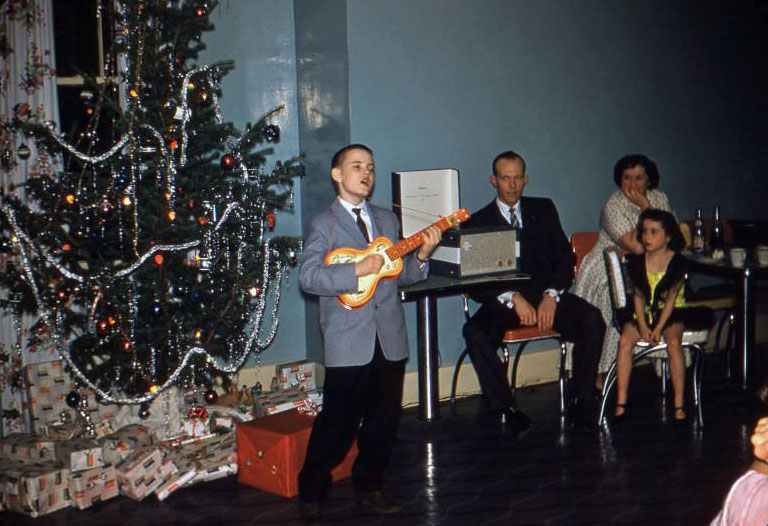
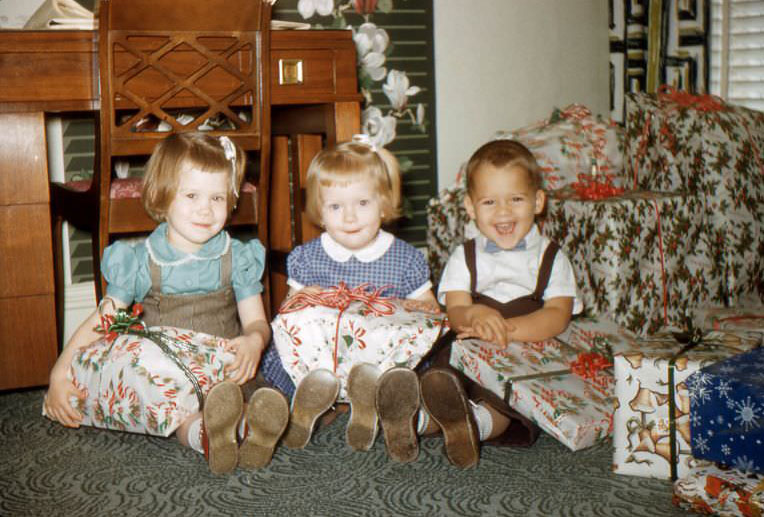
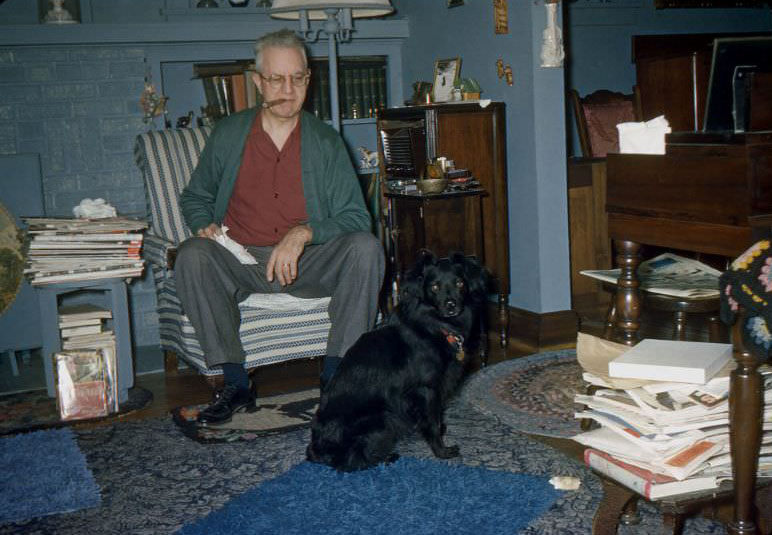
Children of the Baby Boom generation grew up in a world built around them. Toy manufacturers, television networks, and marketers all targeted this enormous demographic. Bikes, pets, musical instruments, and Christmas morning gift piles were standard features of suburban childhood in the 1950s.
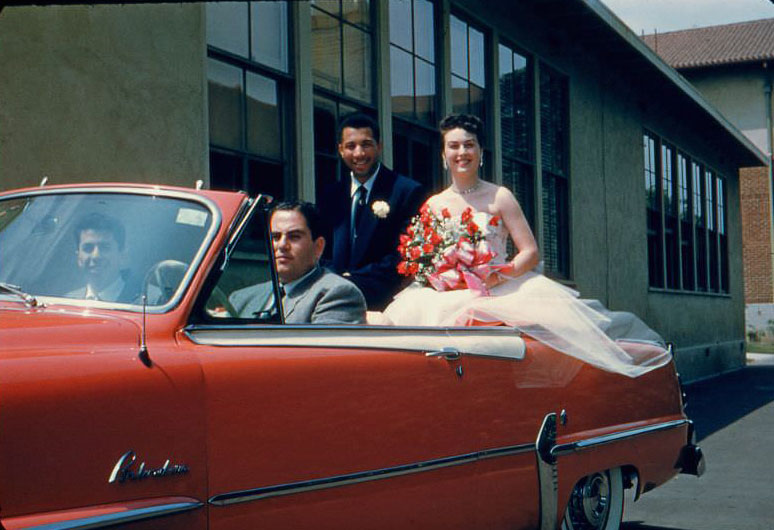
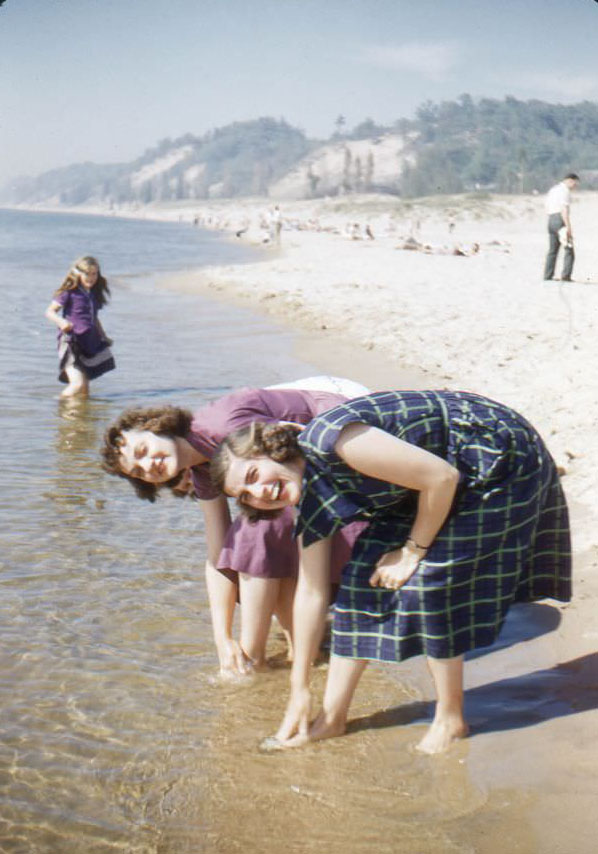
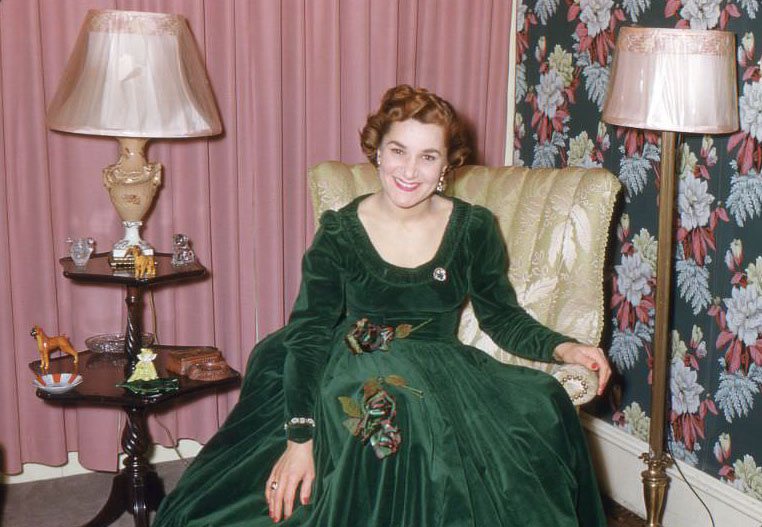
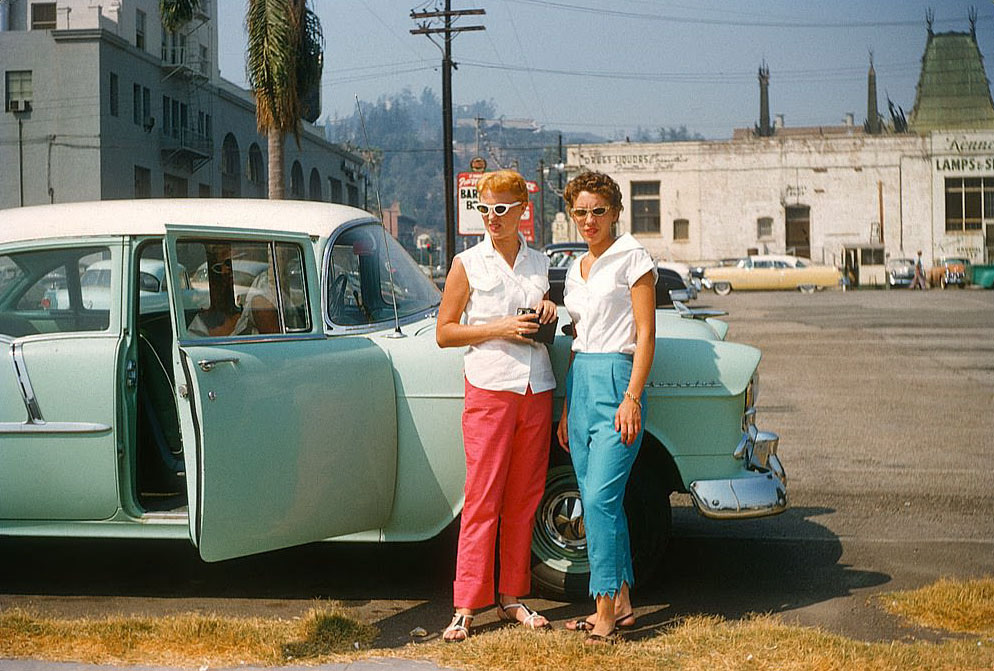
Leisure and fashion were both evolving rapidly. Women’s clothing in the 1950s ranged from the tailored, full-skirted silhouettes of the early decade to more casual styles by the end. Beach culture grew alongside car culture — both required open space and disposable time, both of which postwar prosperity was supplying in abundance.
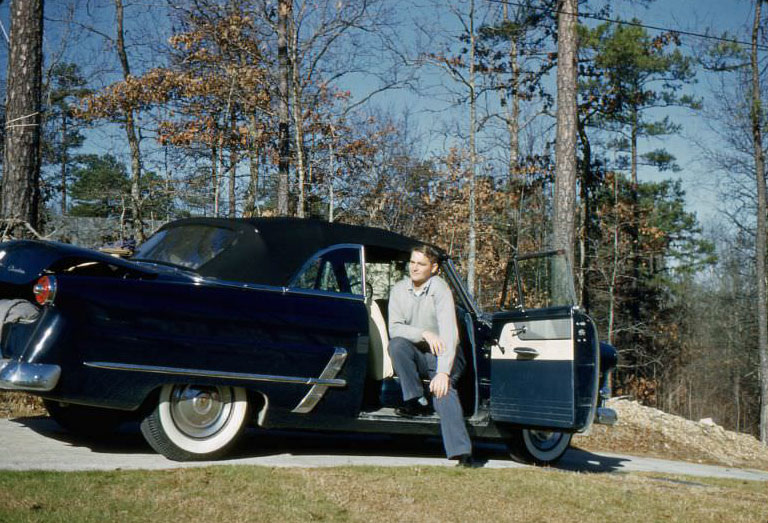
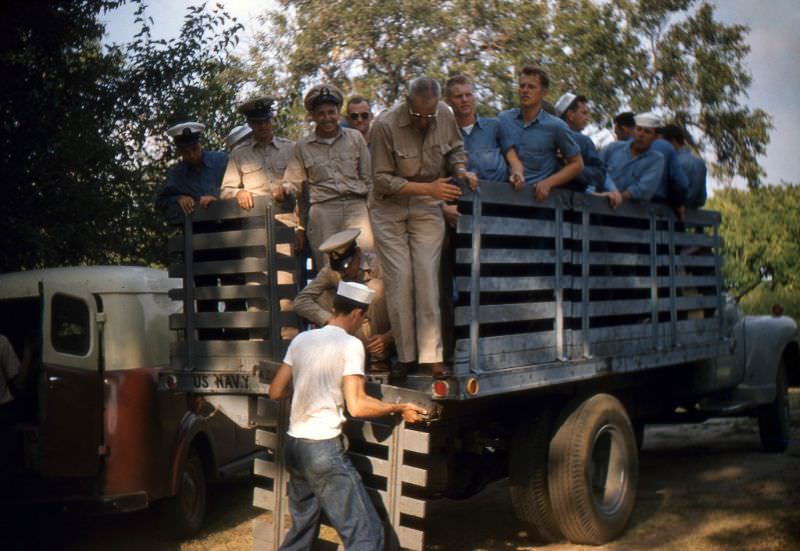
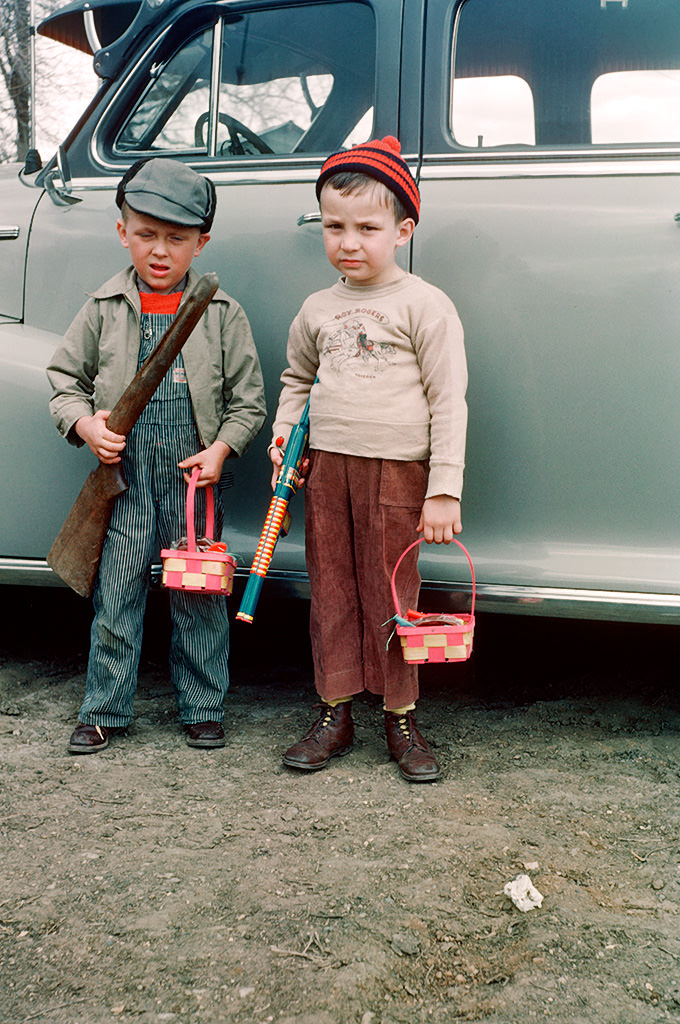
Rural and small-town America had its own rhythms that were largely separate from the suburban boom. In South Dakota, boys still hunted as a regular part of growing up. Farming families drove new convertibles between fields. Naval air stations brought federal money into small Kansas towns that would otherwise have had little economic activity.
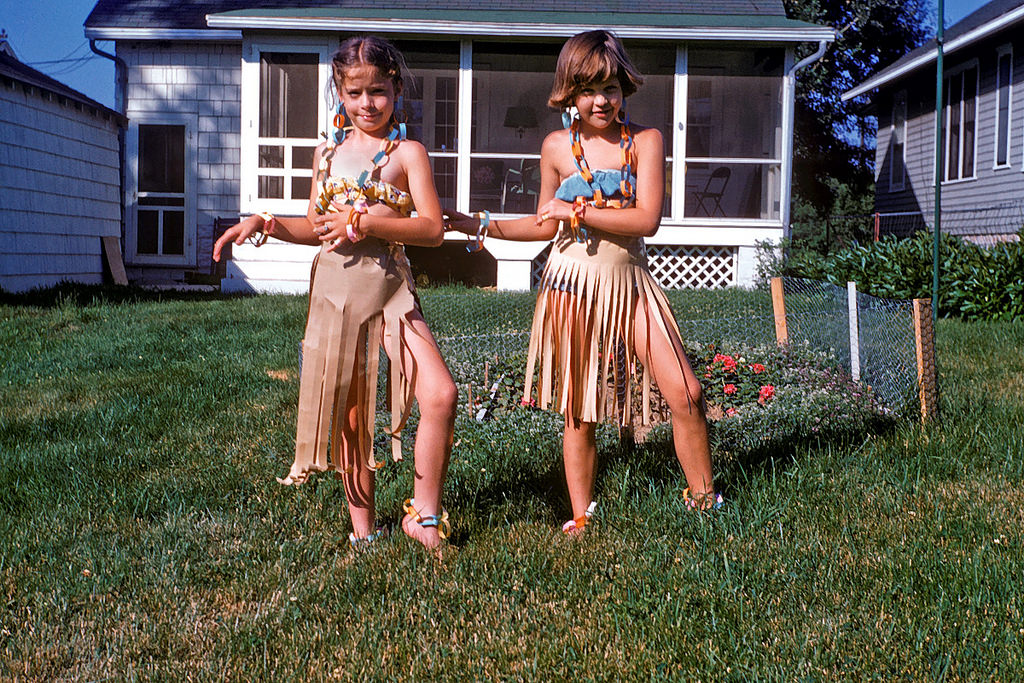

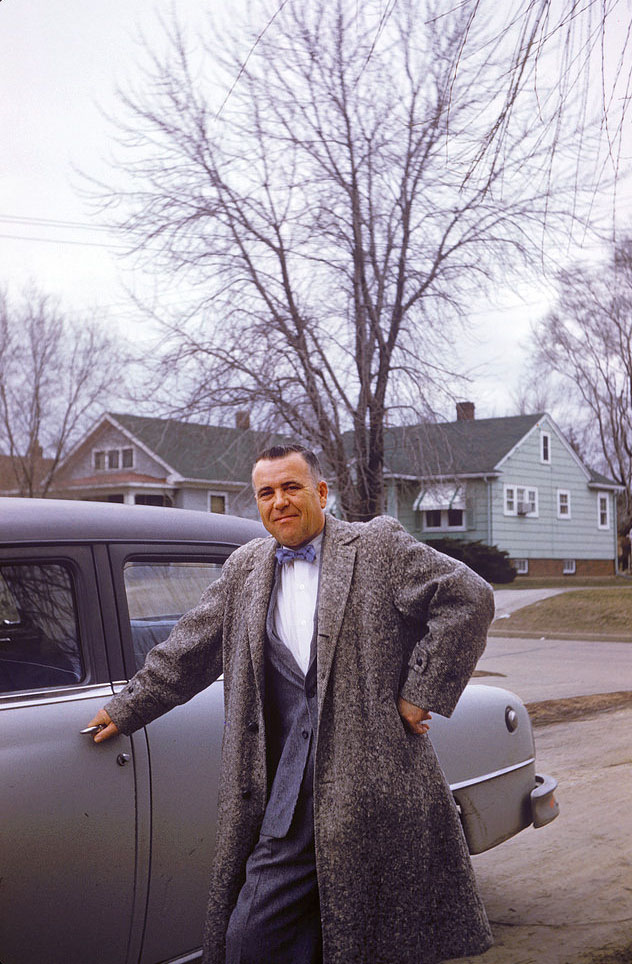
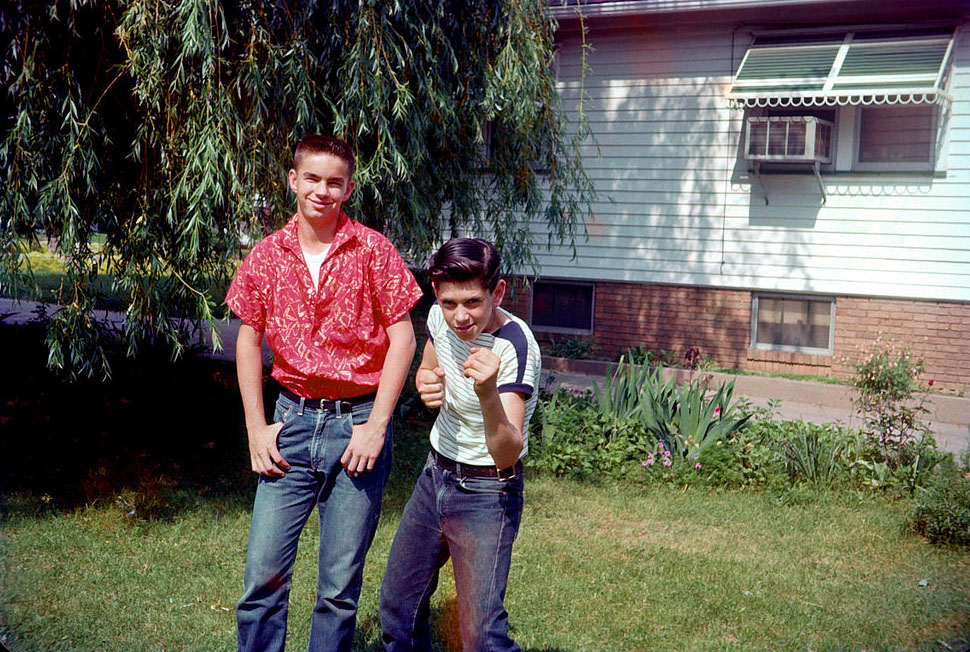
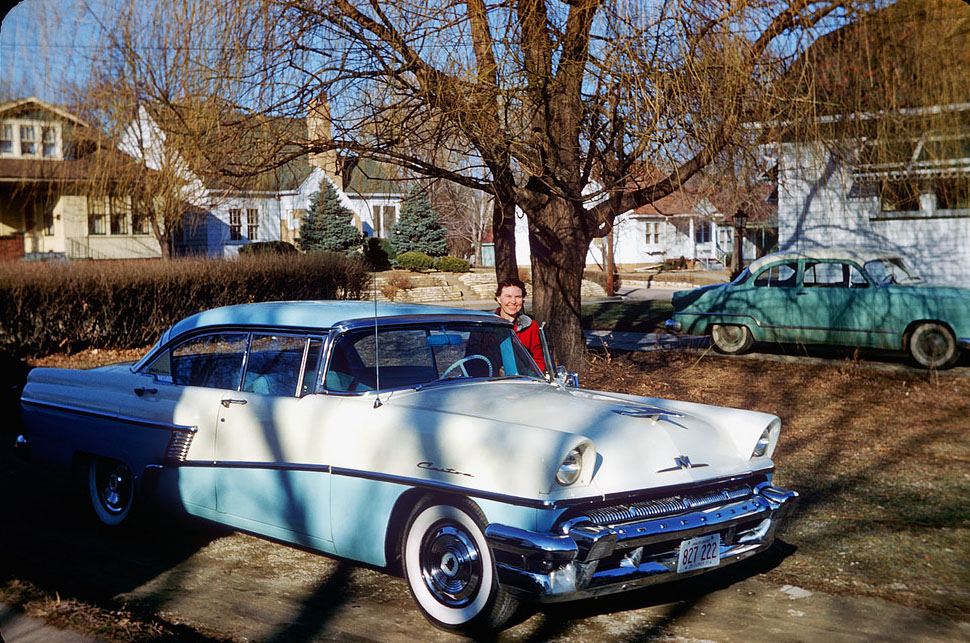
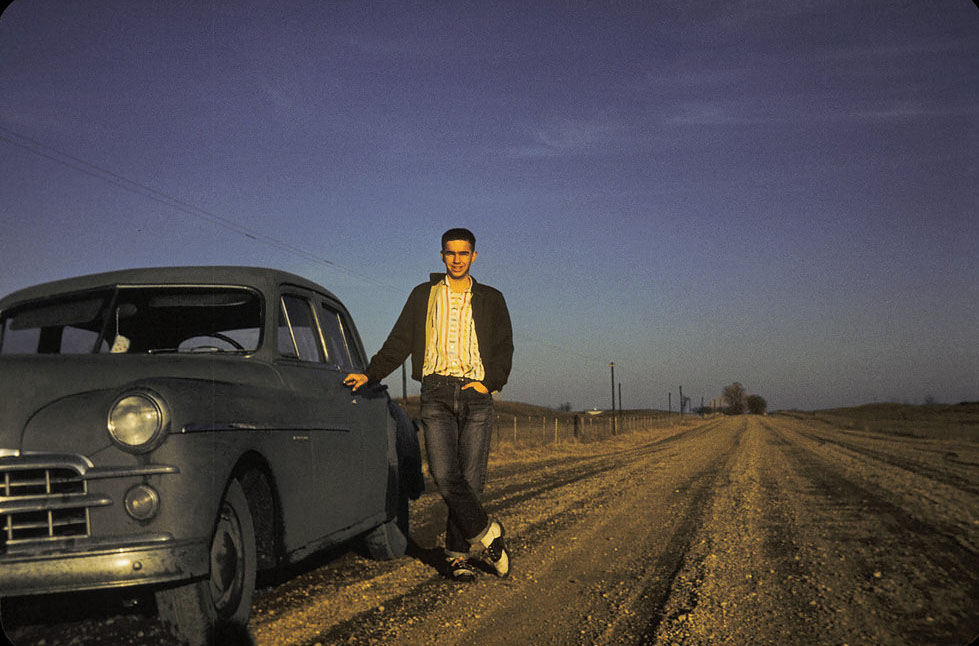
Peoria, Illinois, was a typical mid-sized Midwestern city in the 1950s. It had manufacturing, retail, and a strong working-class identity. The city’s residents posed proudly with their cars — Mercurys, Dodges, and the latest models from Detroit. For many families, a car was the single most expensive thing they owned, and showing it off was entirely expected.
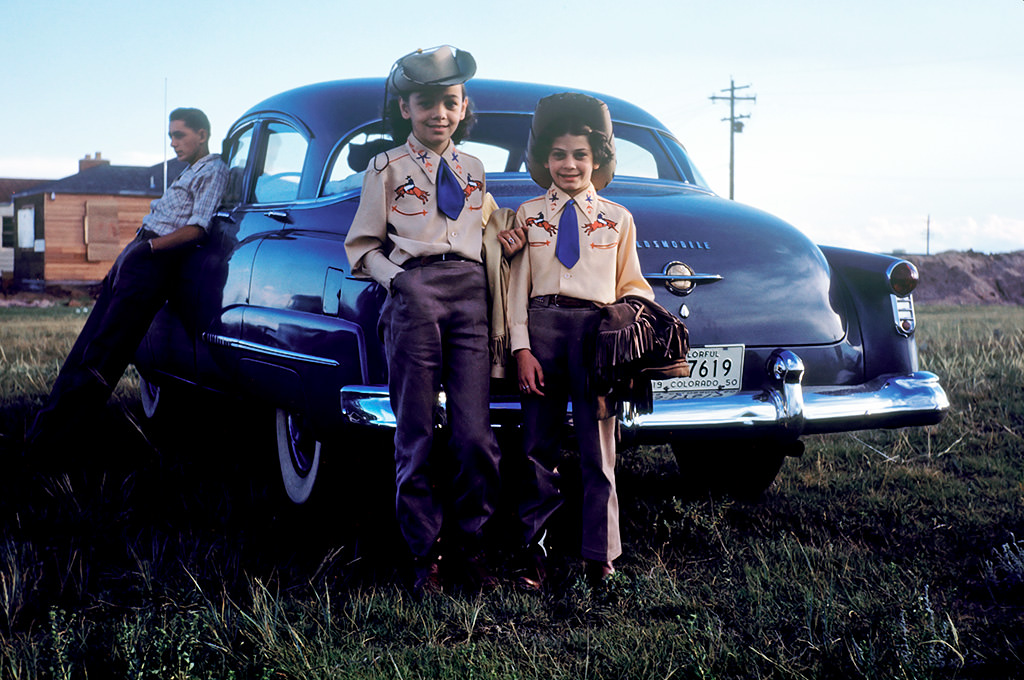

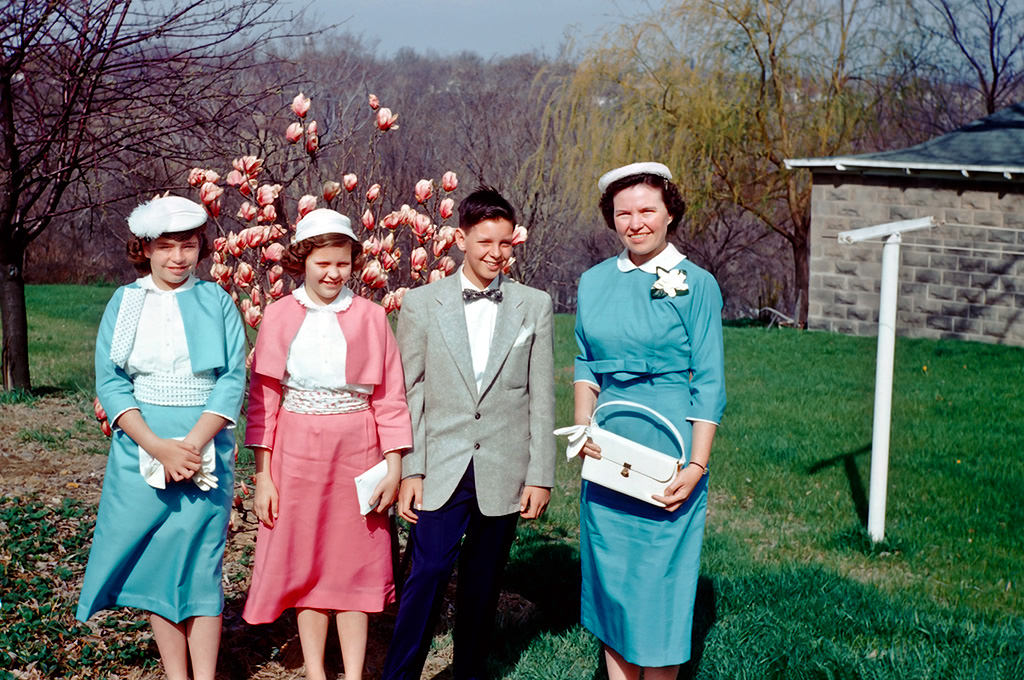
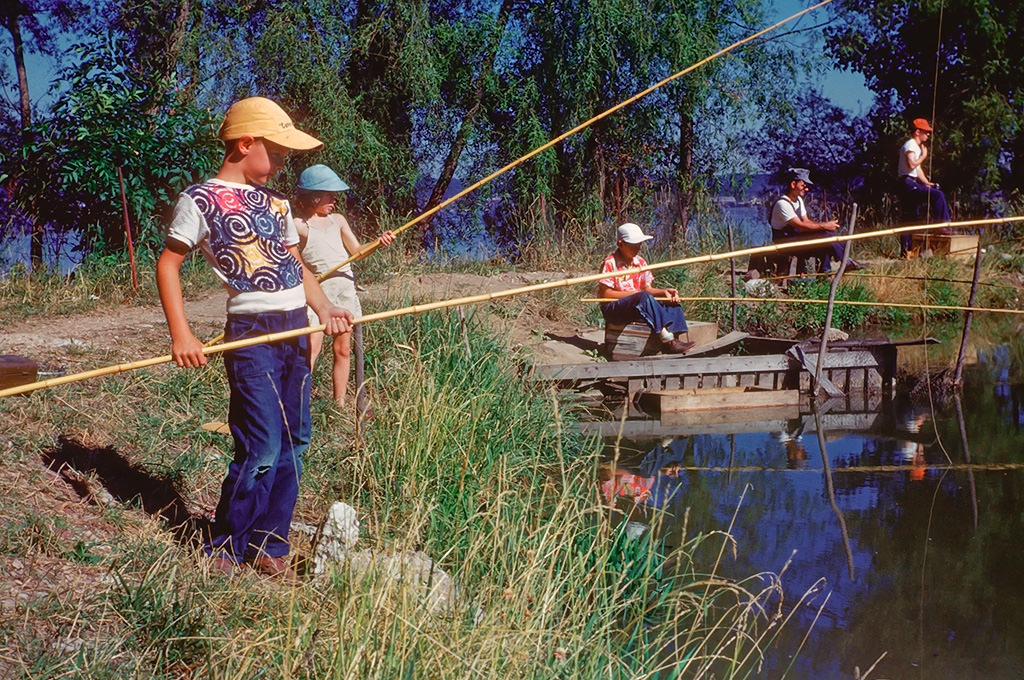
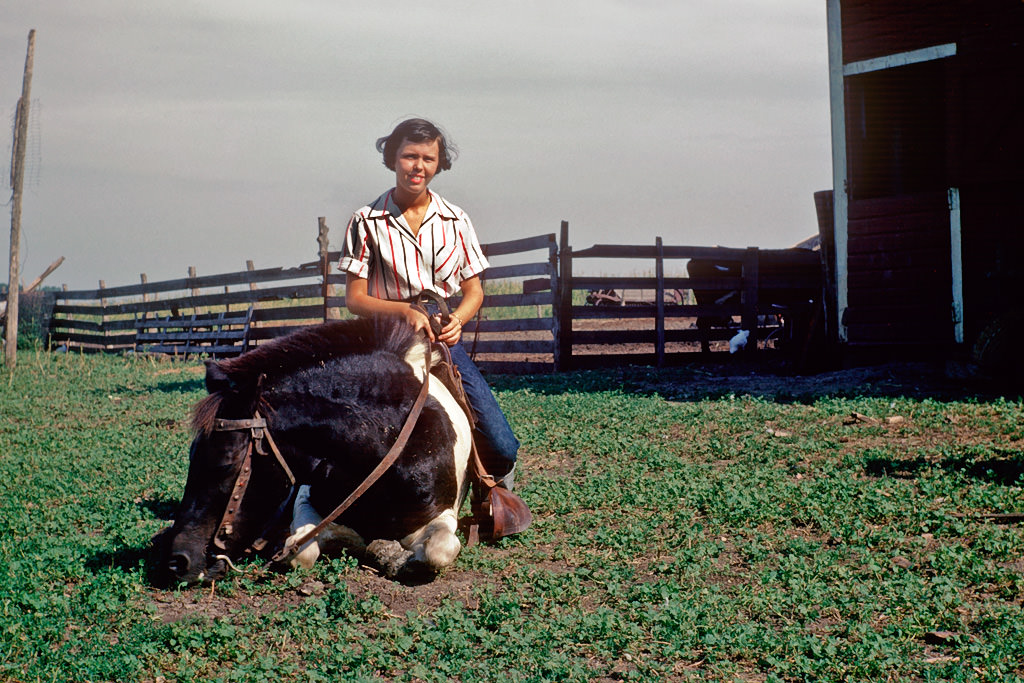
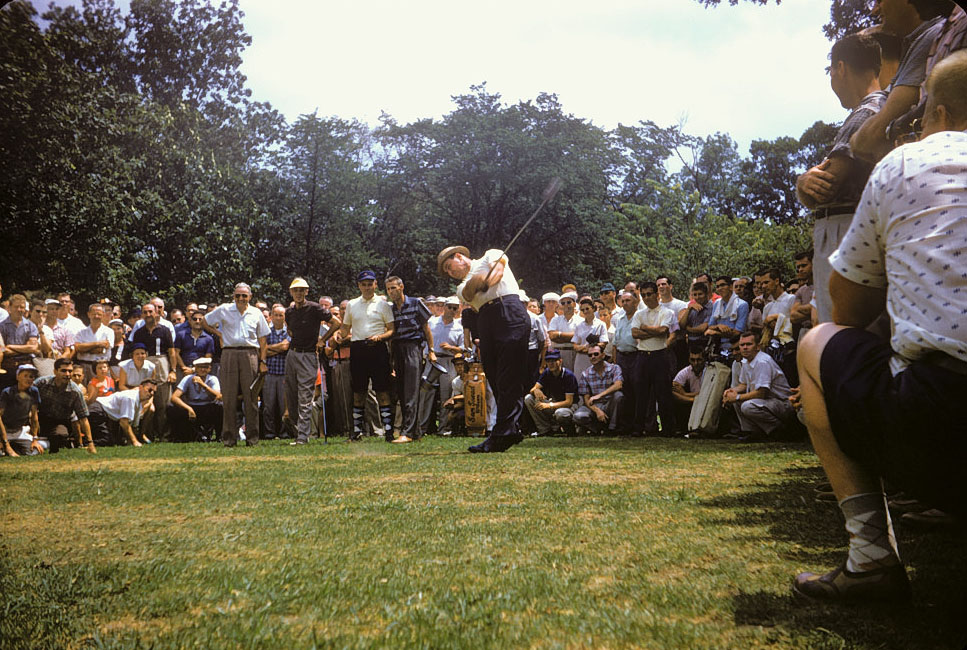
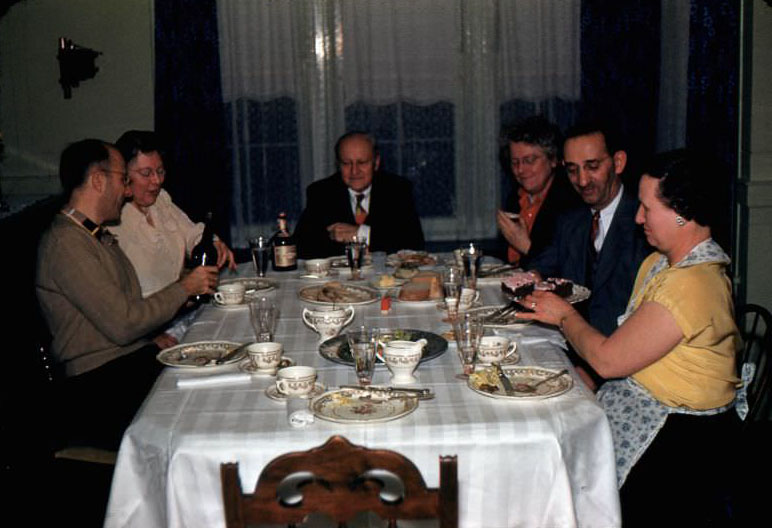
The calendar of postwar American life was marked by seasonal rituals. Easter dress-ups, Christmas tree cutting, summer fishing, and weekend golf were the events families photographed and passed down. These weren’t extraordinary moments — they were ordinary life, and that’s exactly what makes them worth preserving.
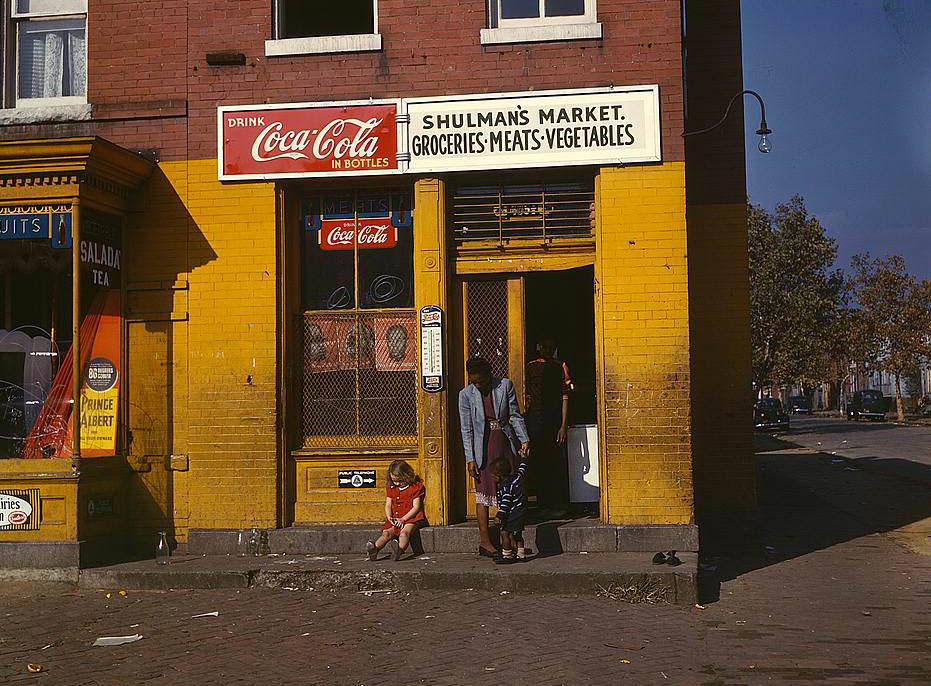
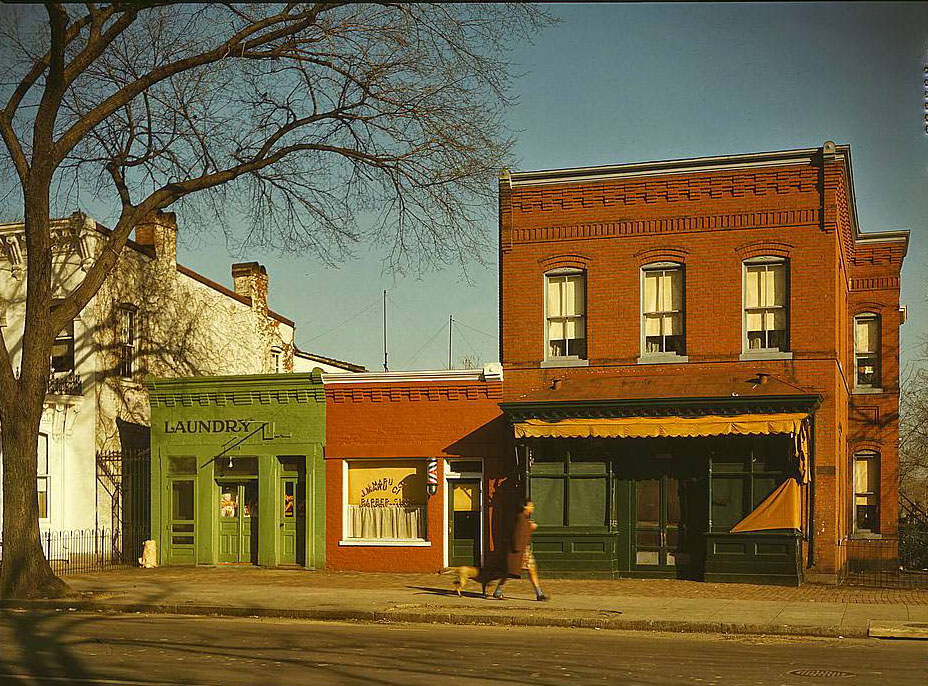
Washington, D.C.’s neighborhoods contained a full range of American commercial life — markets, barbershops, laundries, and corner stores. These blocks served working-class and African American communities that lived largely apart from the prosperous white suburbs being built nearby. The gap between the advertised American Dream and the daily reality for many residents was stark.
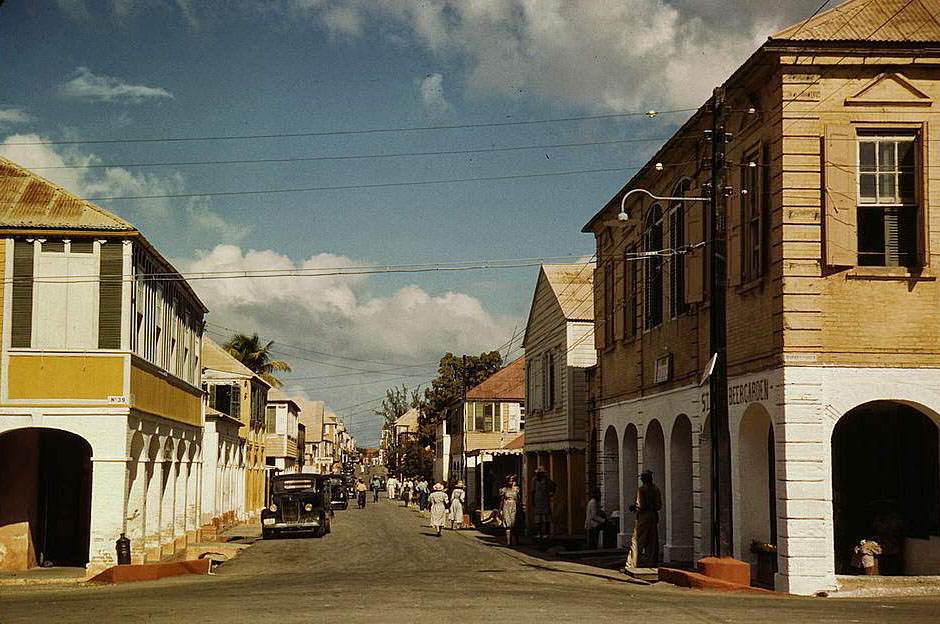
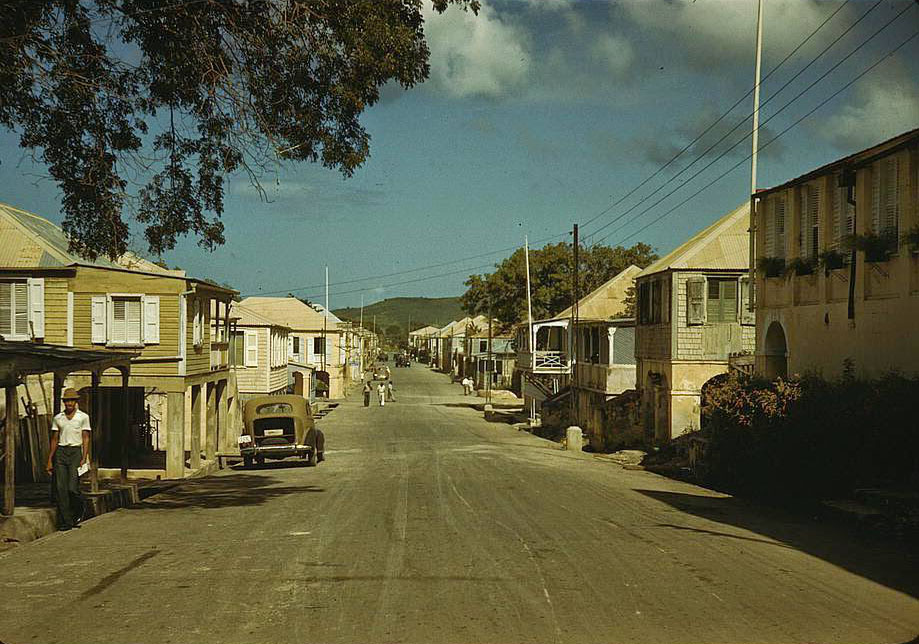
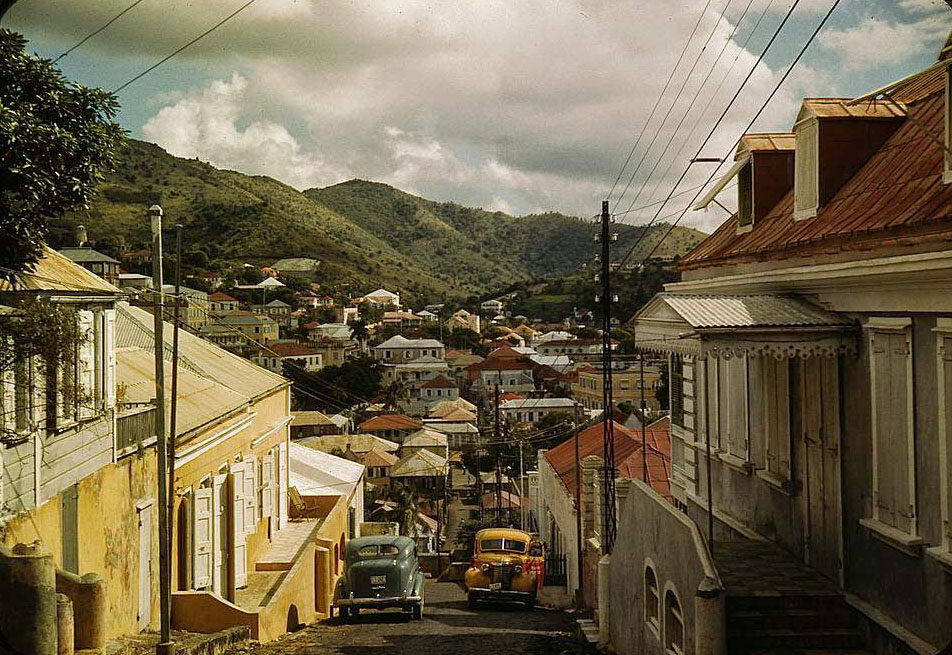
The U.S. Virgin Islands — St. Croix, St. Thomas, and St. John — were an American territory throughout the 1950s, home to communities with deep Caribbean roots. Cities like Christiansted, Frederiksted, and Charlotte Amalie had their own distinct architecture and street life, shaped by Danish colonial history and a largely Black population navigating the same civil rights inequalities found on the mainland.
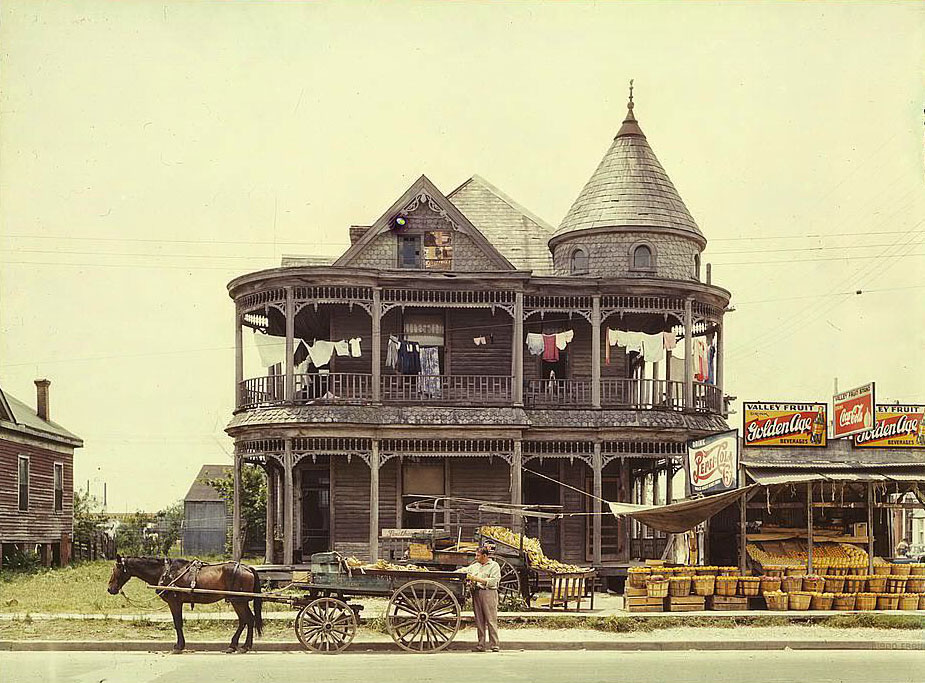
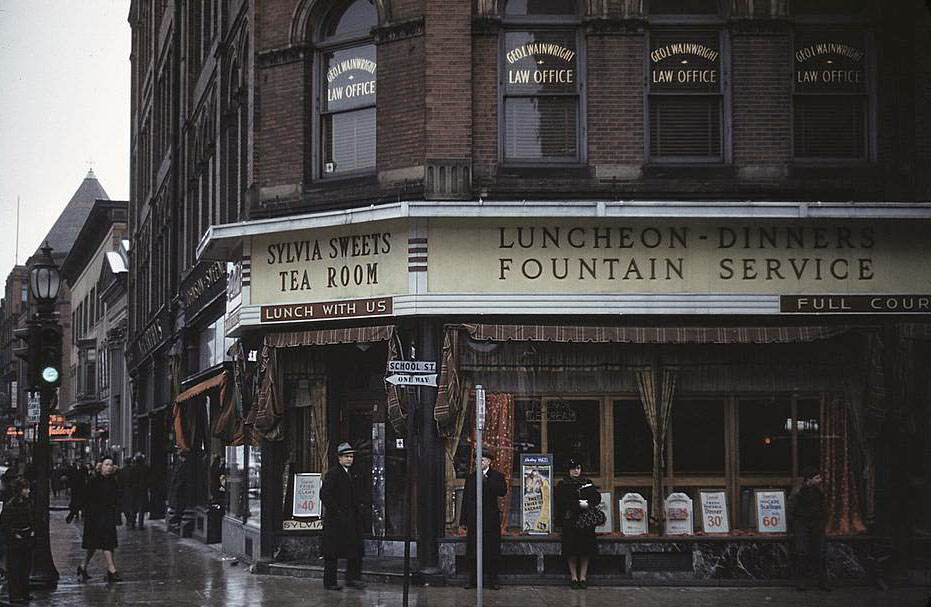
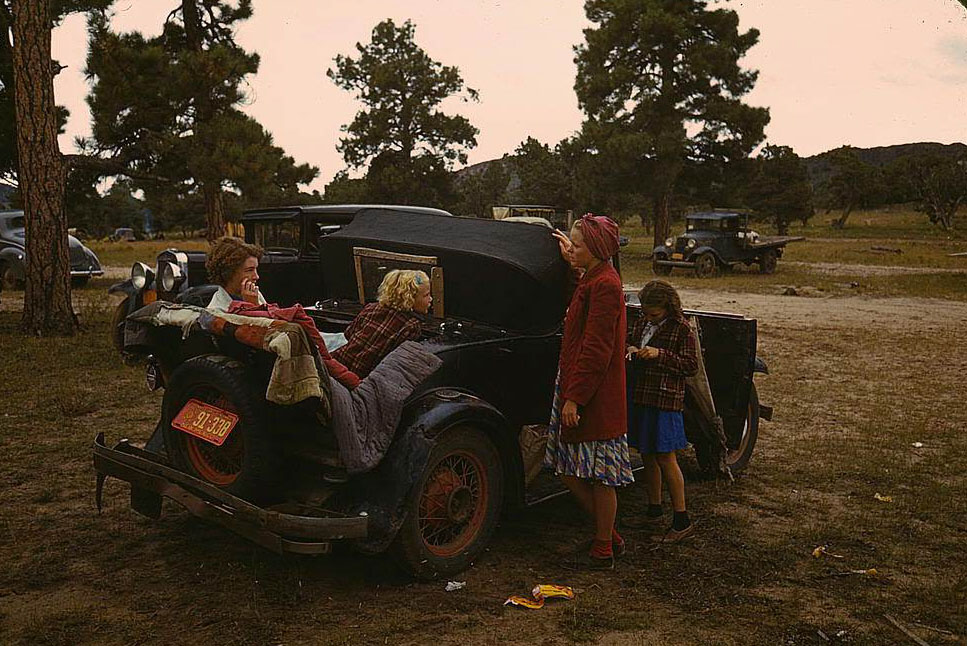
Small-town America in the 1950s was rich with local character. County fairs in places like Pie Town, New Mexico, tea rooms on Main Street in Brockton, Massachusetts, and modest homes in Houston, Texas, all represented a version of American life that existed far outside the glossy consumer magazines of the era. These communities built their social worlds around local institutions, not national brands.
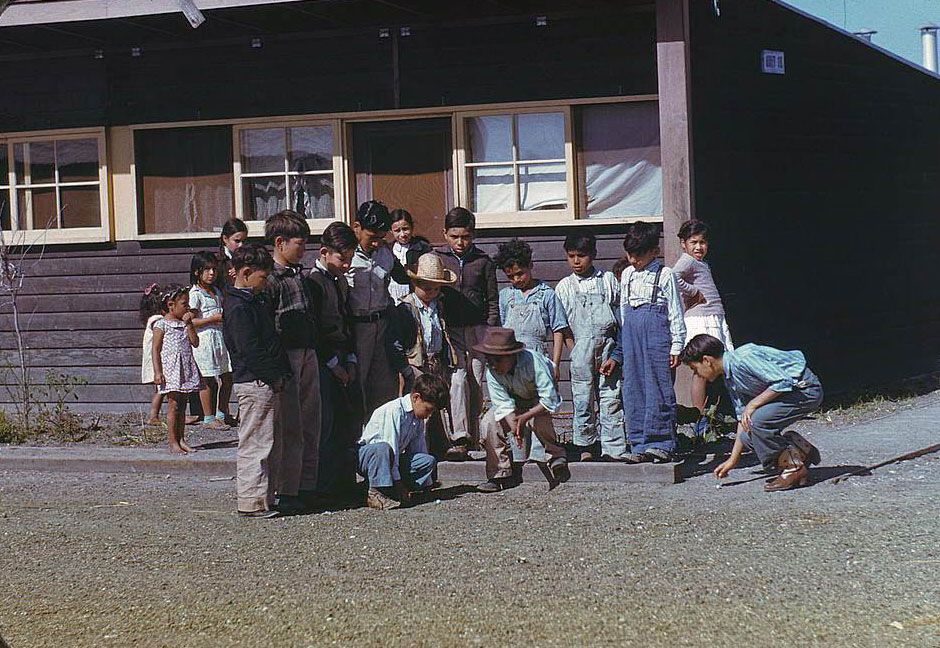
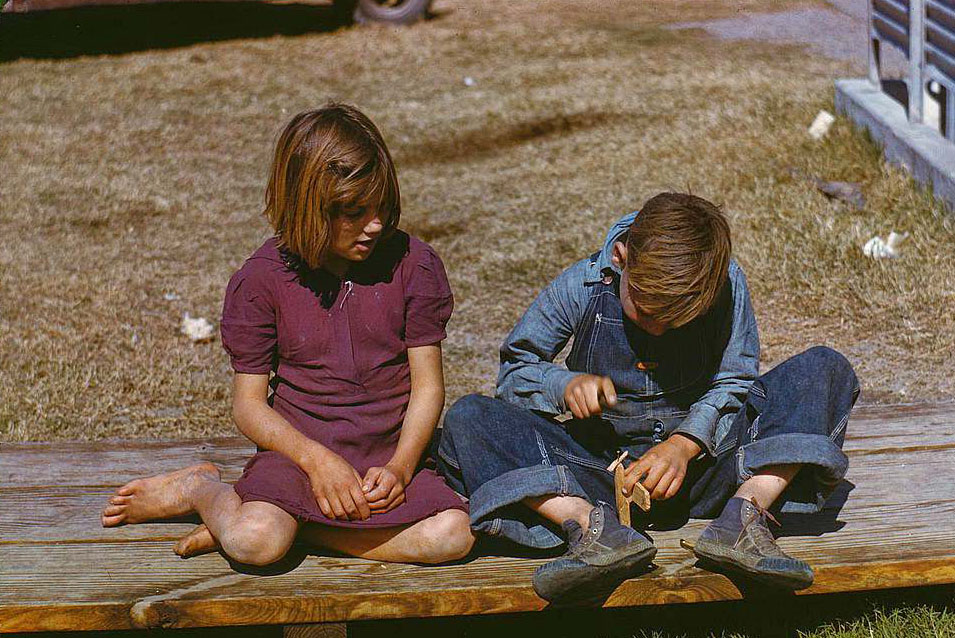
Farm Security Administration labor camps in Robstown, Texas, housed migrant and low-income agricultural workers — many of them Hispanic Americans. Children in these camps played with simple toys and found their own entertainment, largely untouched by the consumer boom happening elsewhere in the country. Their exclusion from postwar prosperity was not accidental; it was built into the structure of American agricultural labor.
![Grand Grocery Co.], Lincoln, Nebraska, 1950s](https://www.bygonely.com/wp-content/uploads/2022/02/Post-War_America_1950s_65.jpg)
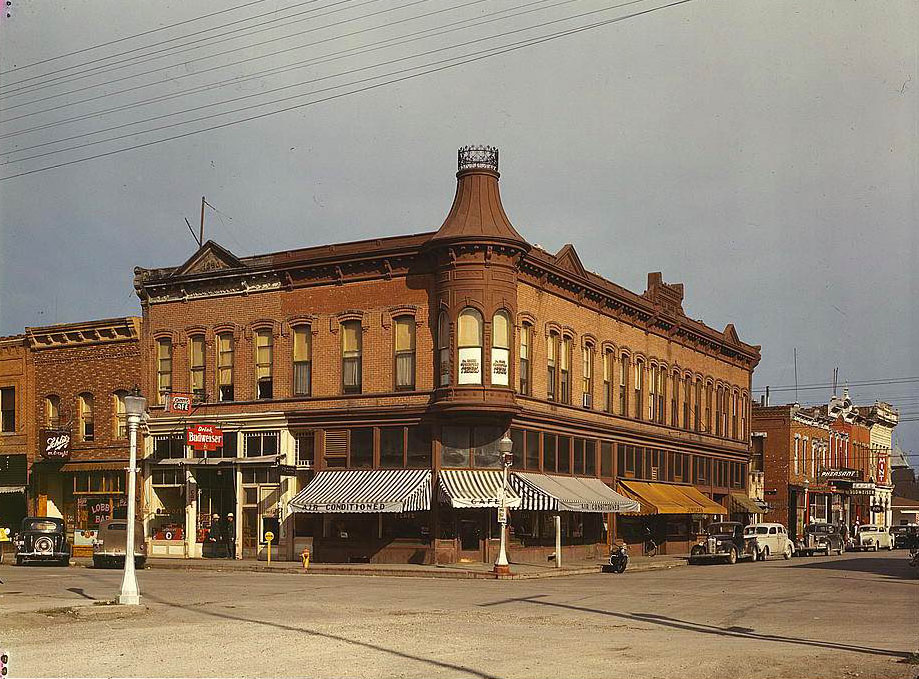
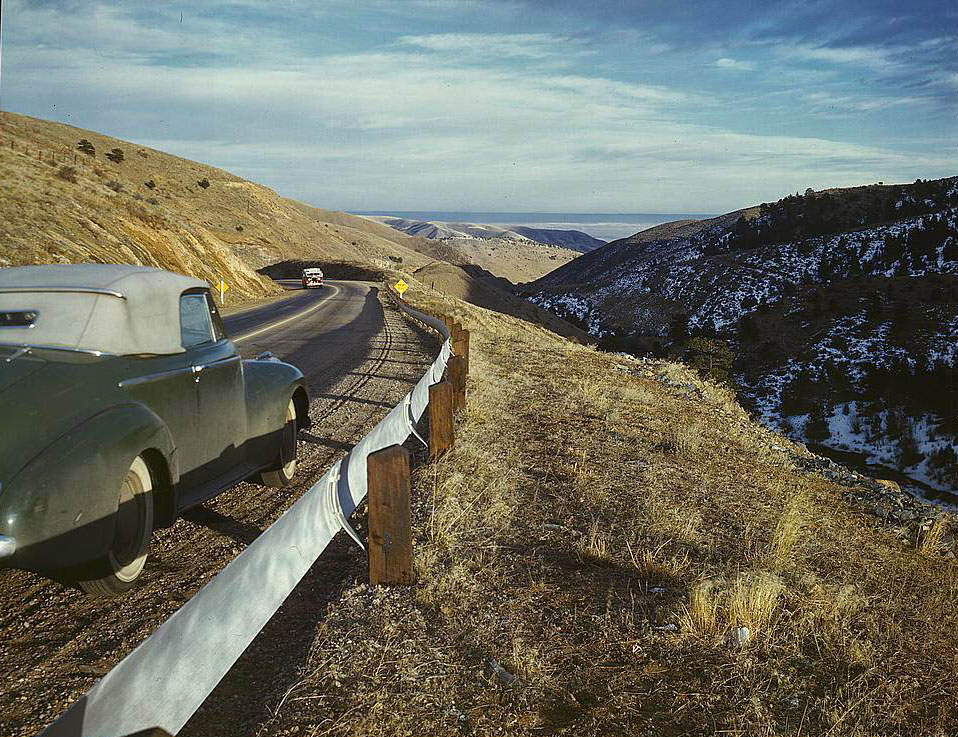
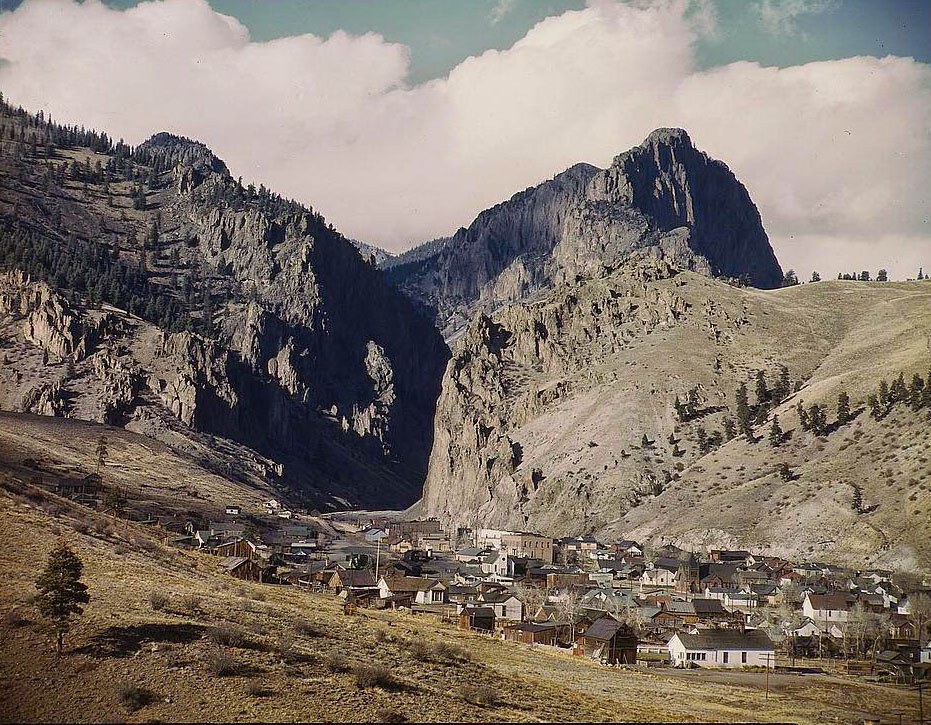
The American West in the 1950s was a patchwork of agriculture, mining, and highway commerce. Towns like Dillon, Montana, thrived on cattle and sheep ranching. Creede, Colorado, reopened its old lead mines to meet demand. US Highway 40 through Mount Vernon Canyon carried travelers across the Rockies before the interstate system was built. These were working landscapes, not just scenic ones.
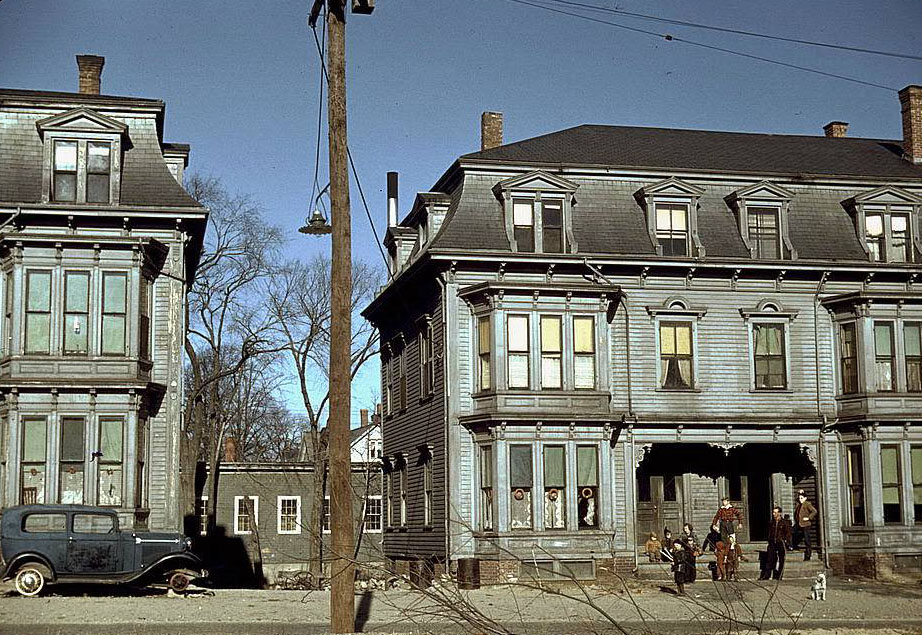
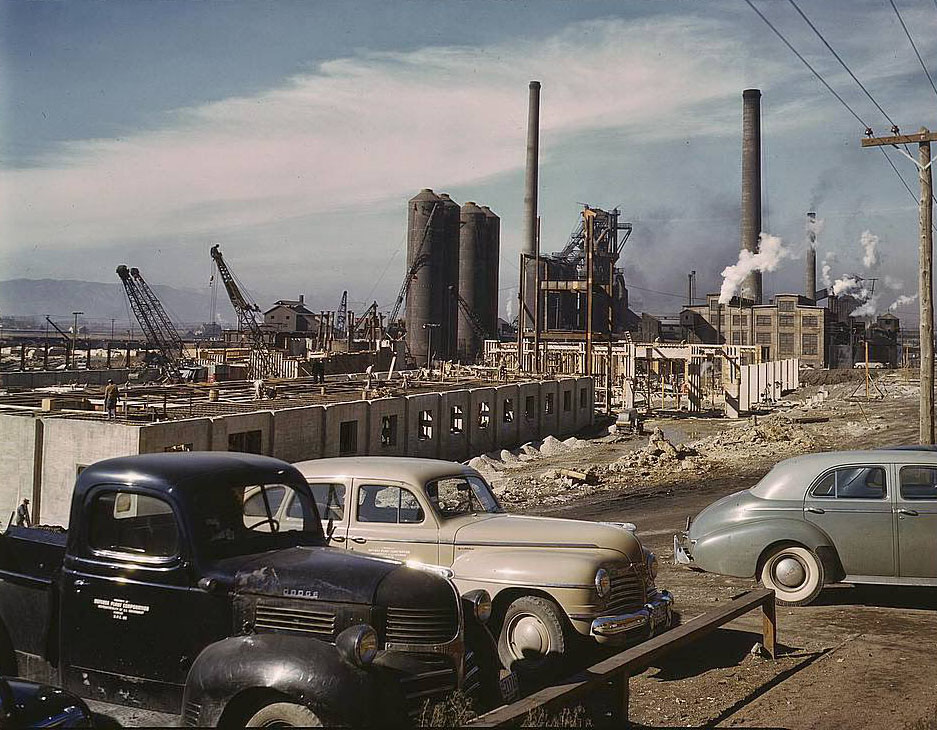
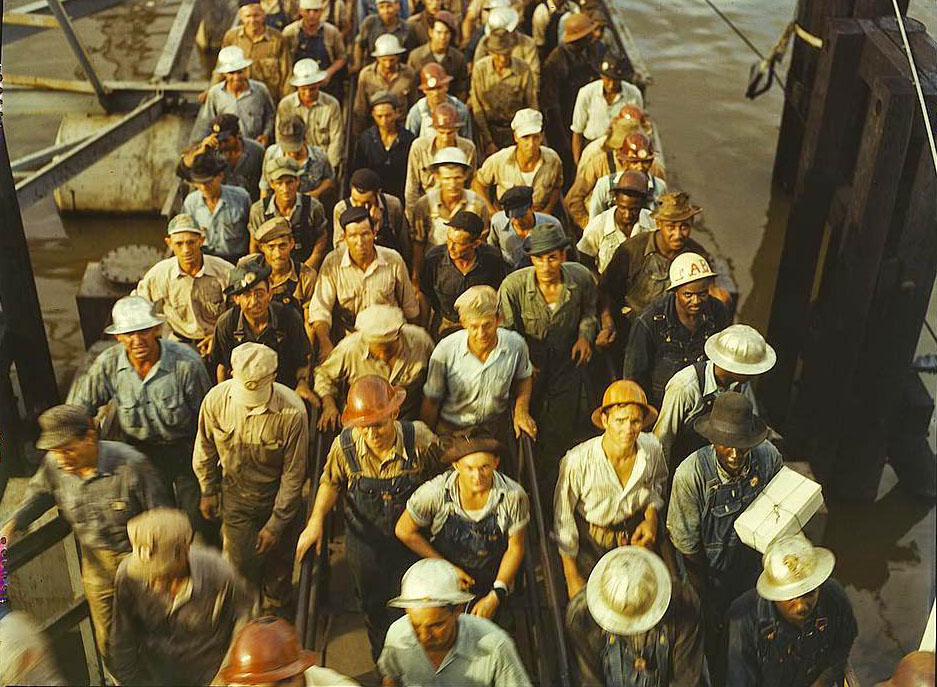
Heavy industry powered the postwar economic boom. Steel mills, shipyards, and manufacturing plants employed hundreds of thousands of workers across the country. The Columbia Steel Company’s Geneva, Utah, plant was one of the largest steel operations west of the Mississippi. Shipyards in Beaumont, Texas, ran multiple shifts. Working-class neighborhoods in cities like Brockton lived in the shadow of this industrial output.
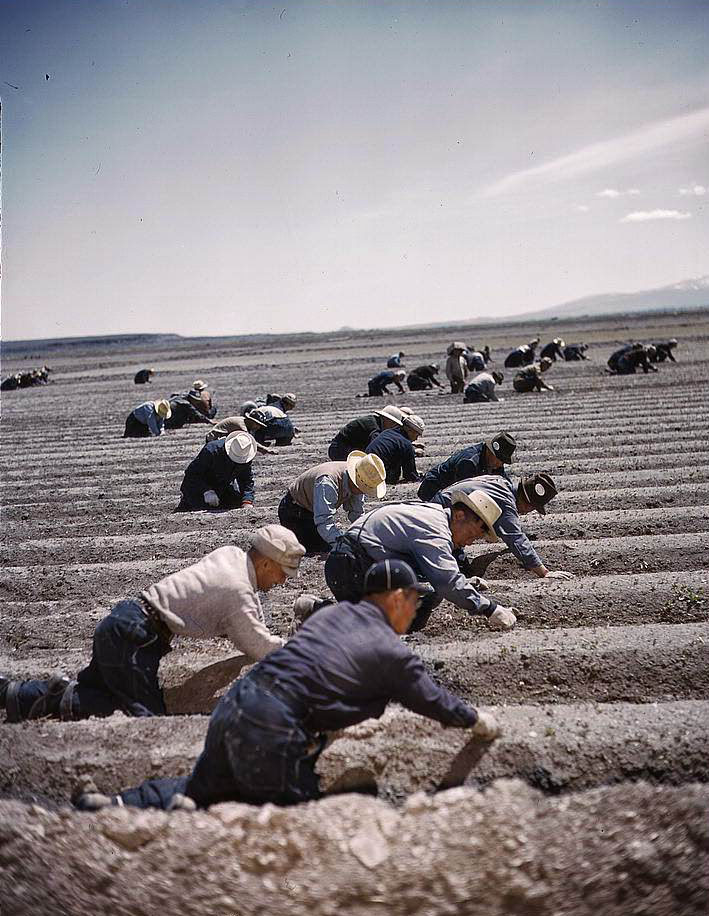
The Tule Lake Relocation Center in Newell, California, was one of ten incarceration camps where the U.S. government forcibly relocated Japanese Americans during World War II. At its peak, Tule Lake held more than 18,000 people. It was designated a segregation center for those deemed disloyal, and it remained open longer than any other camp, finally closing in 1946. The physical remnants of the camp persisted into the 1950s as a visible reminder of one of the most serious civil rights violations in American history.
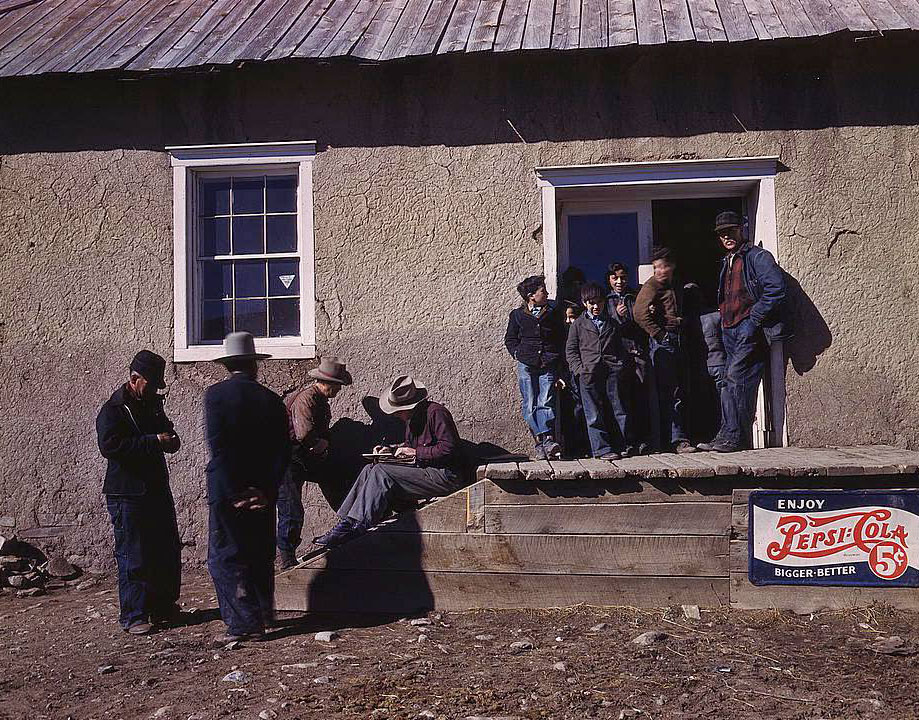
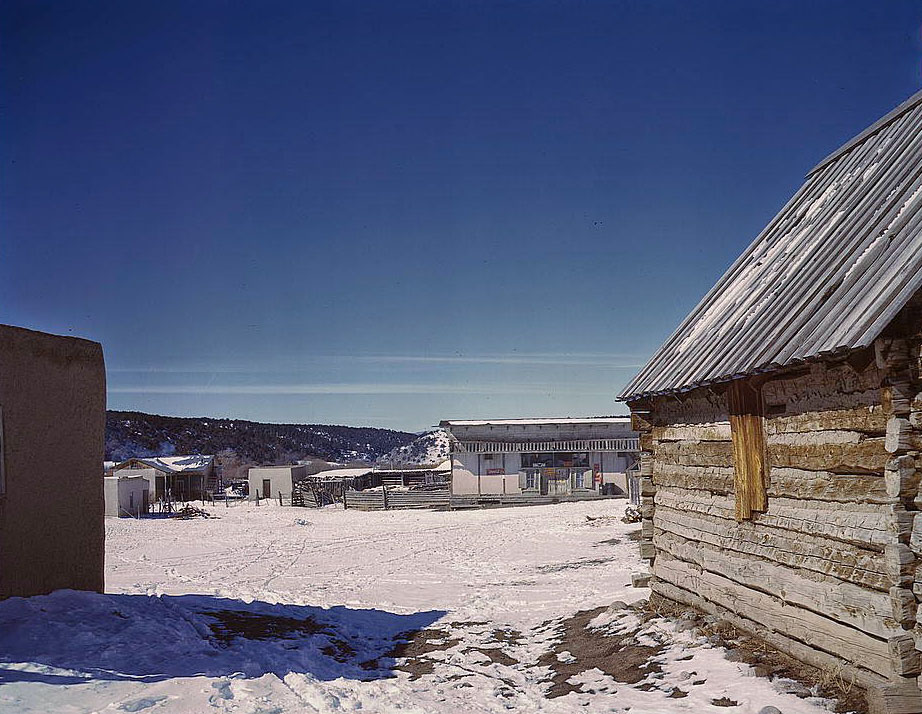
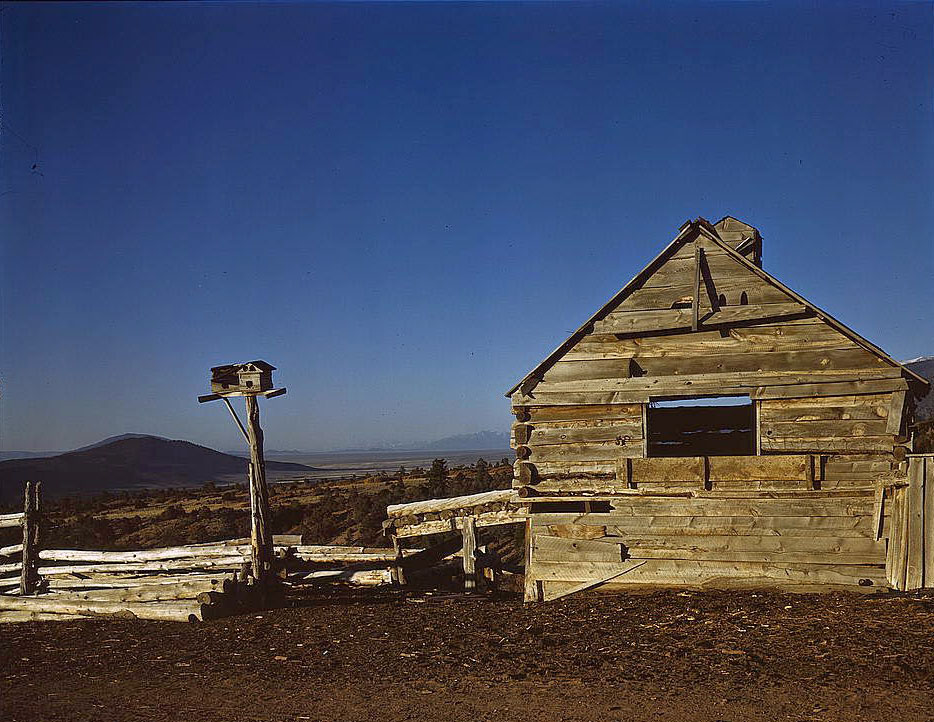
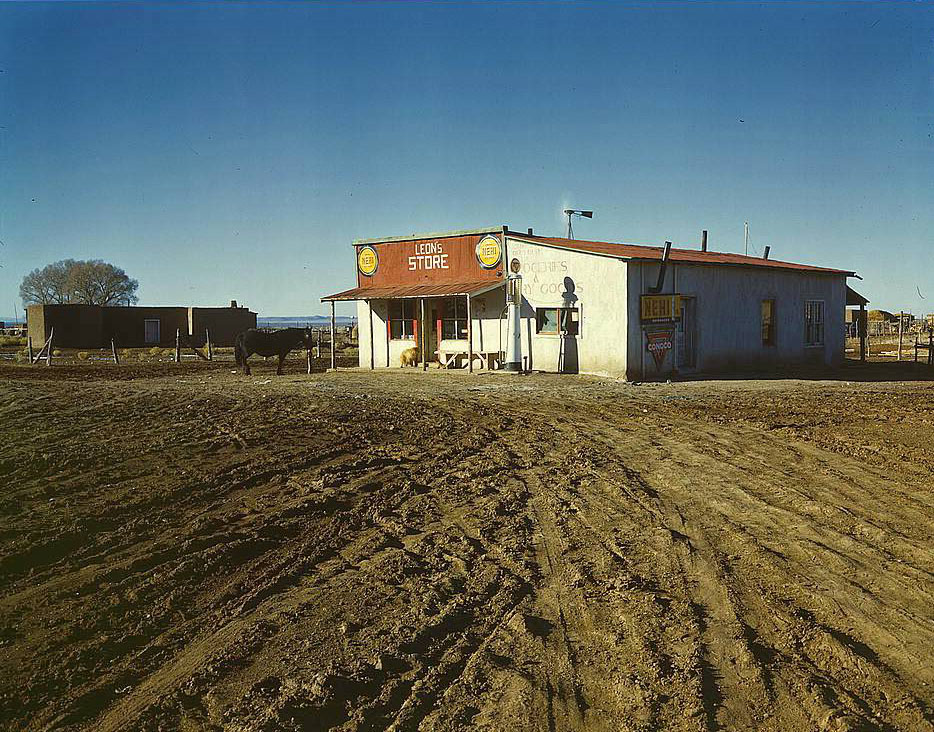
Northern New Mexico’s small Hispanic communities — Chacon, Trampas, La Alama — maintained traditions rooted in centuries of history. Adobe architecture, Catholic plazas, and family-run general stores defined daily life in Taos County. These villages were geographically and economically distant from the suburban expansion reshaping the rest of the country.
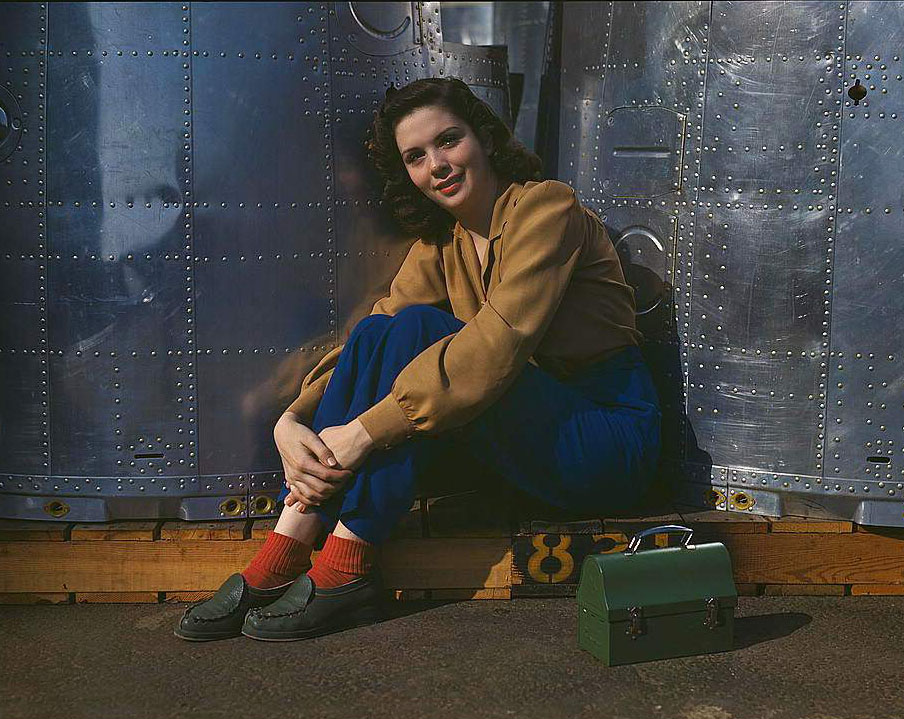
Women had entered the industrial workforce in huge numbers during World War II, and many stayed after it ended. At the Douglas Aircraft plant in Long Beach, California, women worked as full assembly workers on heavy bombers. The image of women as strictly domestic figures was always incomplete — millions were on factory floors, in offices, and on assembly lines throughout the 1950s.
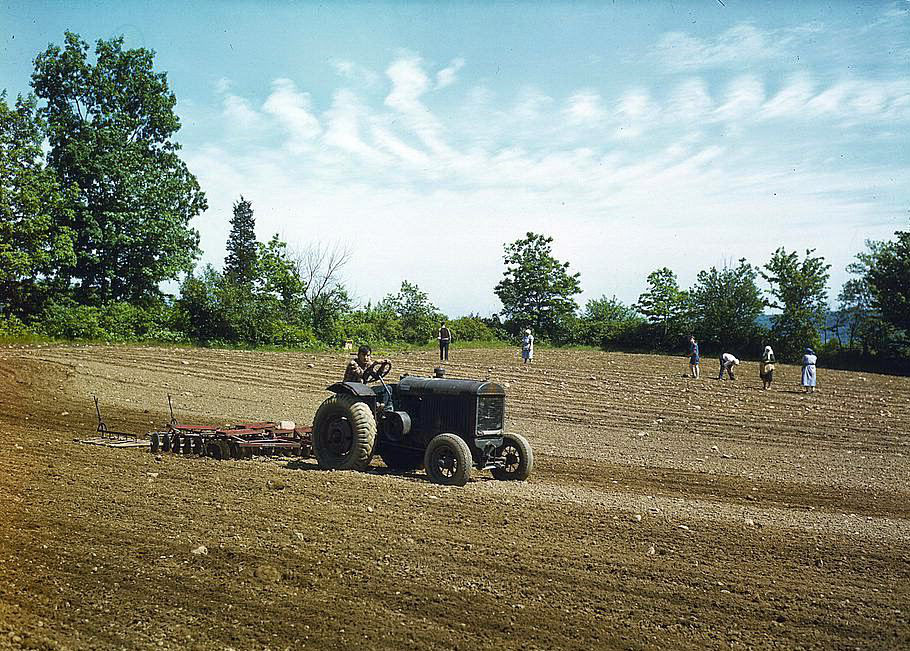
Immigration continued to shape American communities in the postwar years. Italian, Polish, Greek, and other European immigrants who had arrived in the early 20th century had built farms and businesses that their children now inherited. James Pompey’s farm in Southington, Connecticut, was one example — a success story built over two decades by a man who had arrived with nothing.
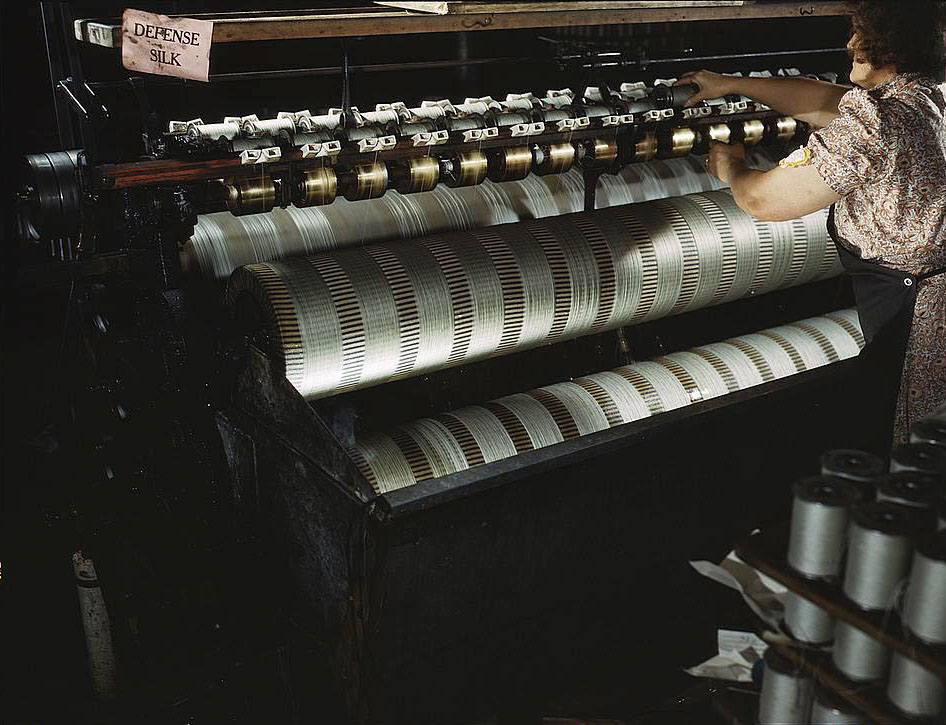
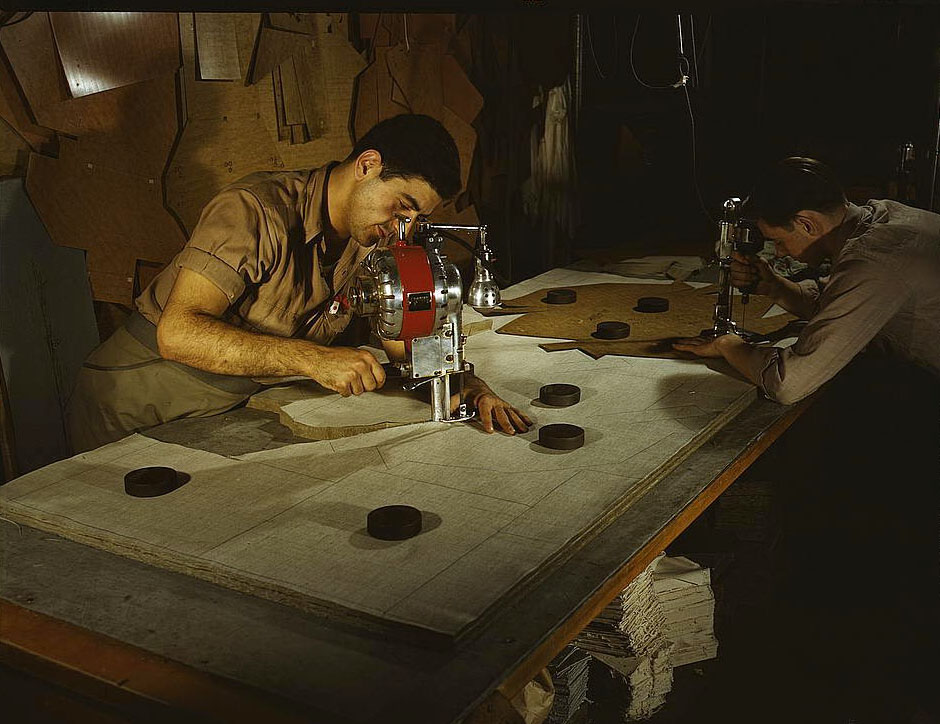
Defense manufacturing didn’t stop when the war did. Cold War tensions and the Korean War kept factories producing military equipment throughout the 1950s. Parachute manufacturers in Manchester, Connecticut, ran precision operations that required exacting standards. Workers cutting and drilling parachute packs had to meet military specifications with no margin for error.
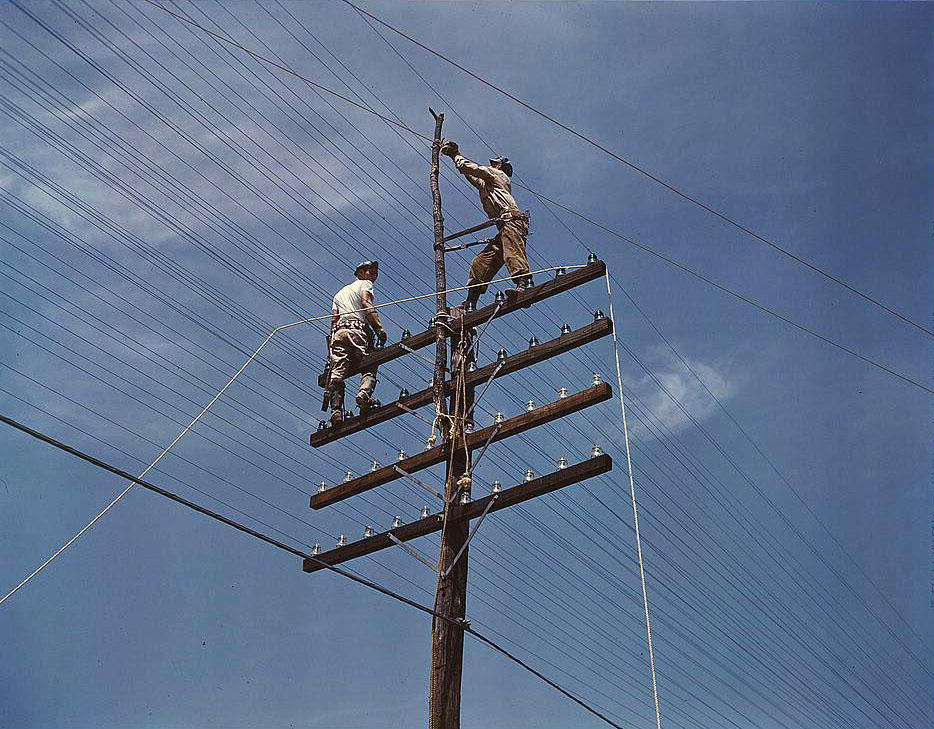
Infrastructure expansion was one of the decade’s defining projects. The Tennessee Valley Authority’s hydroelectric network powered rural communities that had lacked electricity a generation earlier. Telephone lines were being strung to farms and small towns across the country. The federal government’s investment in physical infrastructure matched its investment in military readiness.

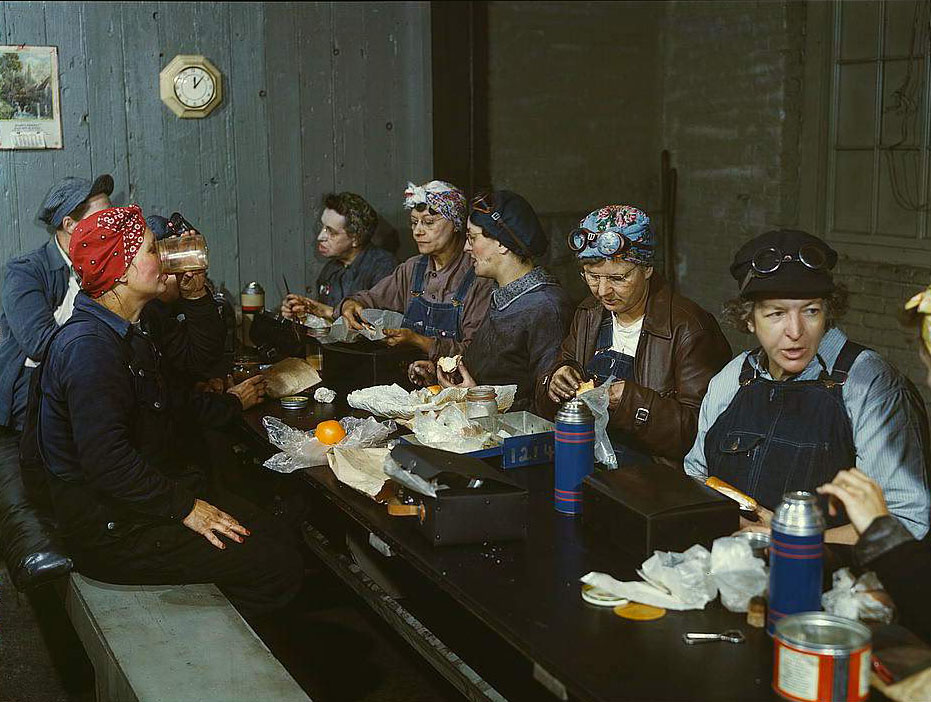
Women working in railroad roundhouses in Clinton, Iowa, were part of a broader pattern of female industrial labor that the war had accelerated and postwar economy sustained. Mrs. Viola Sievers and her colleagues maintained giant steam locomotives — physically demanding work that stood in direct contrast to the domestic ideal being promoted in magazines and television shows of the same era.
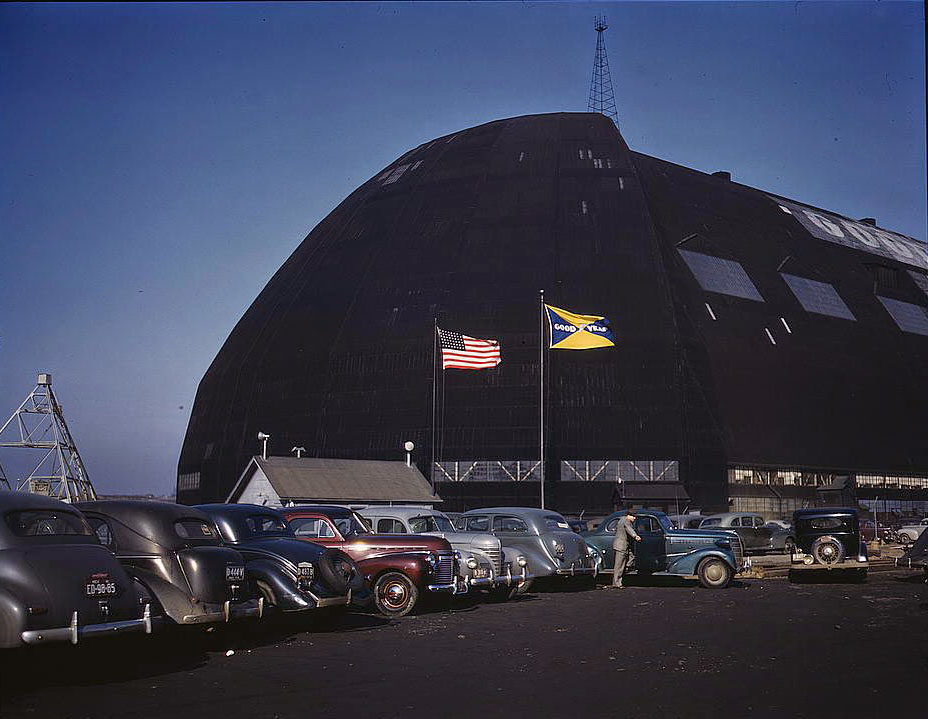
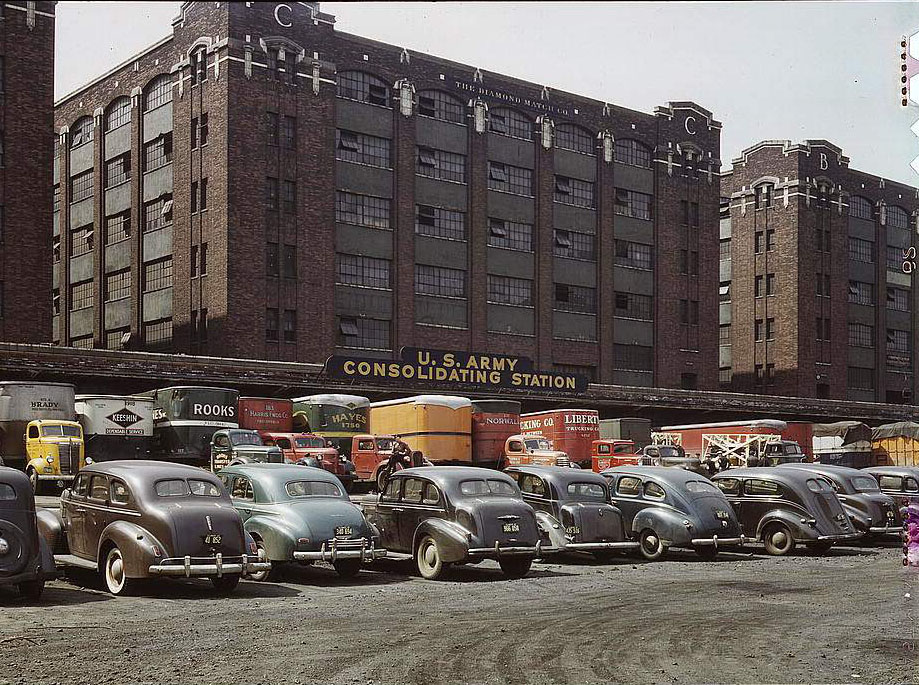
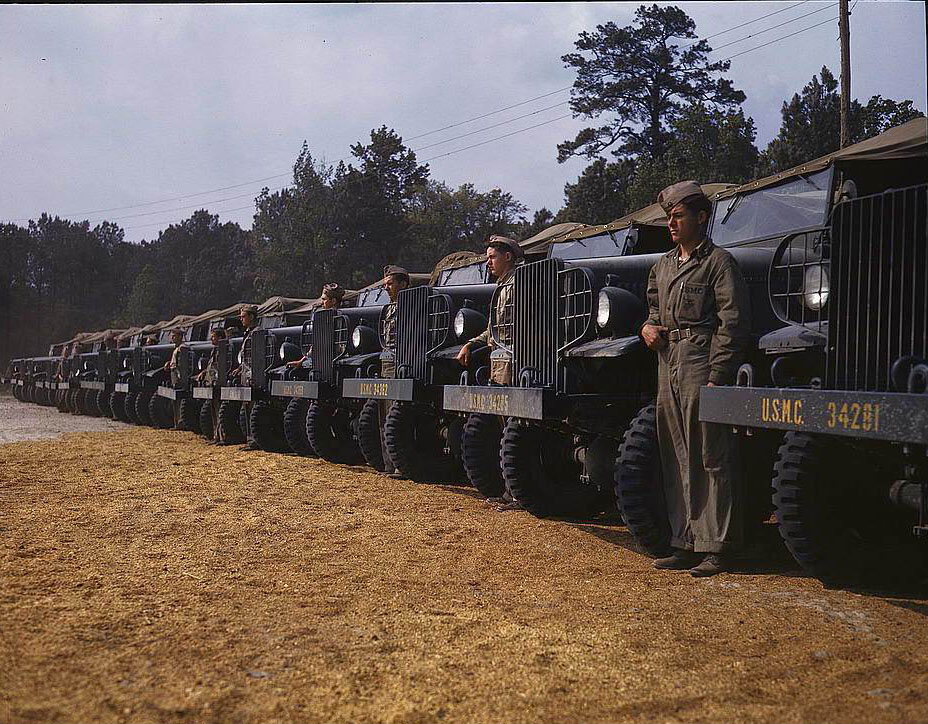
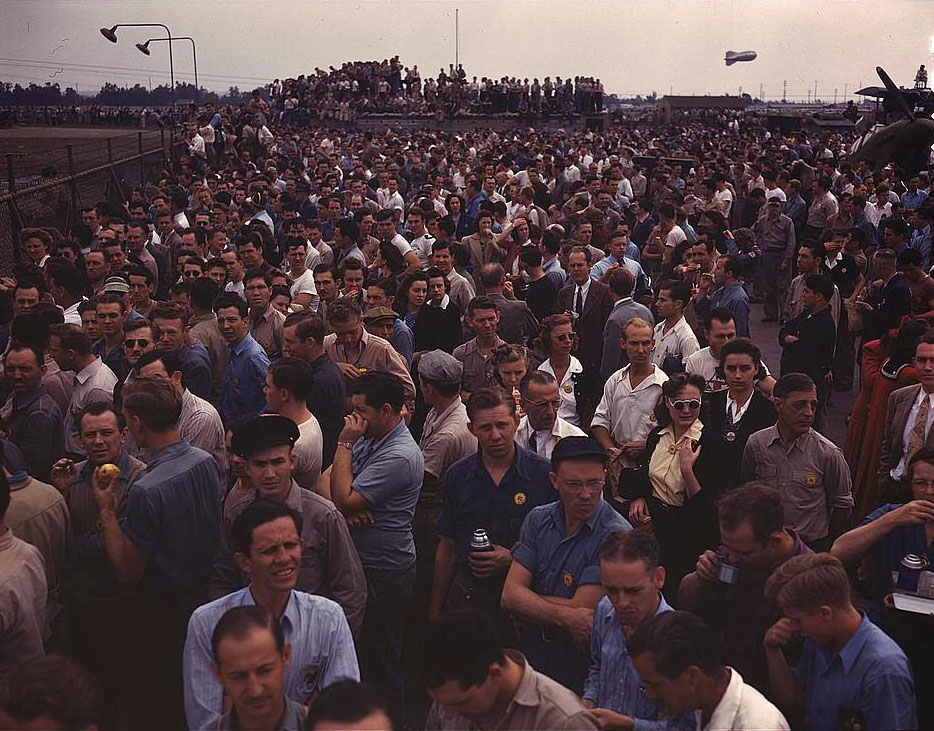
The sheer scale of American industrial and military infrastructure in the 1950s was staggering. Chicago’s Army freight depot processed supplies for bases across the country. Consolidated Aircraft in Fort Worth built Liberator bombers in a facility so large it was considered one of the largest enclosed spaces on earth. Marine motor detachments at New River trained continuously for potential conflicts in Korea and beyond.
![War production workers at the Vilter [Manufacturing] Company making M5 and M7 guns for the U.S. Army, Milwaukee, Wis. Ex-housewife, age 24, filing small parts, 1950s](https://www.bygonely.com/wp-content/uploads/2022/02/Post-War_America_1950s_94.jpg)
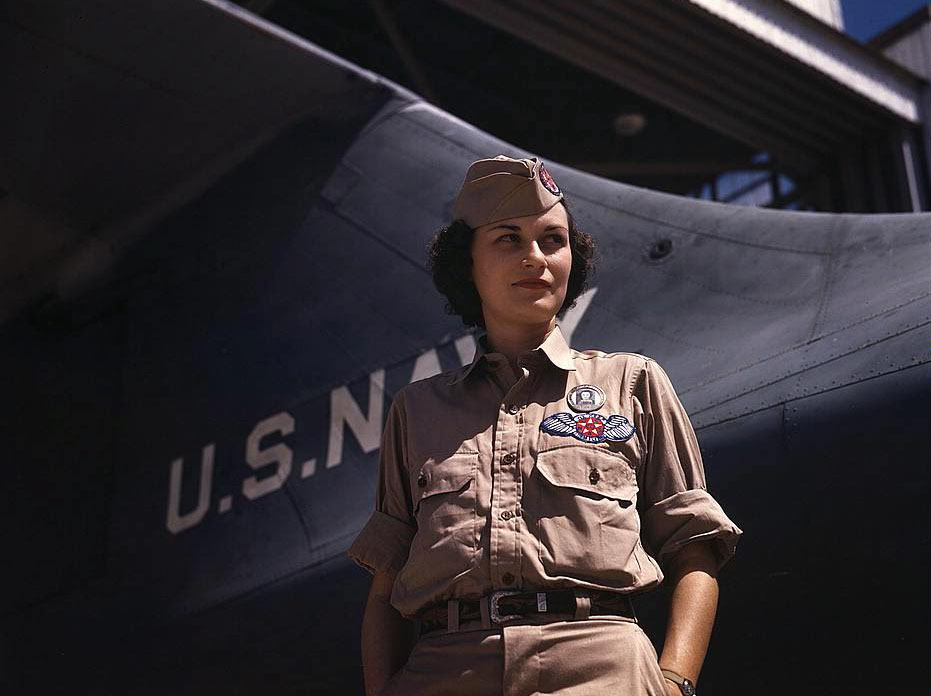
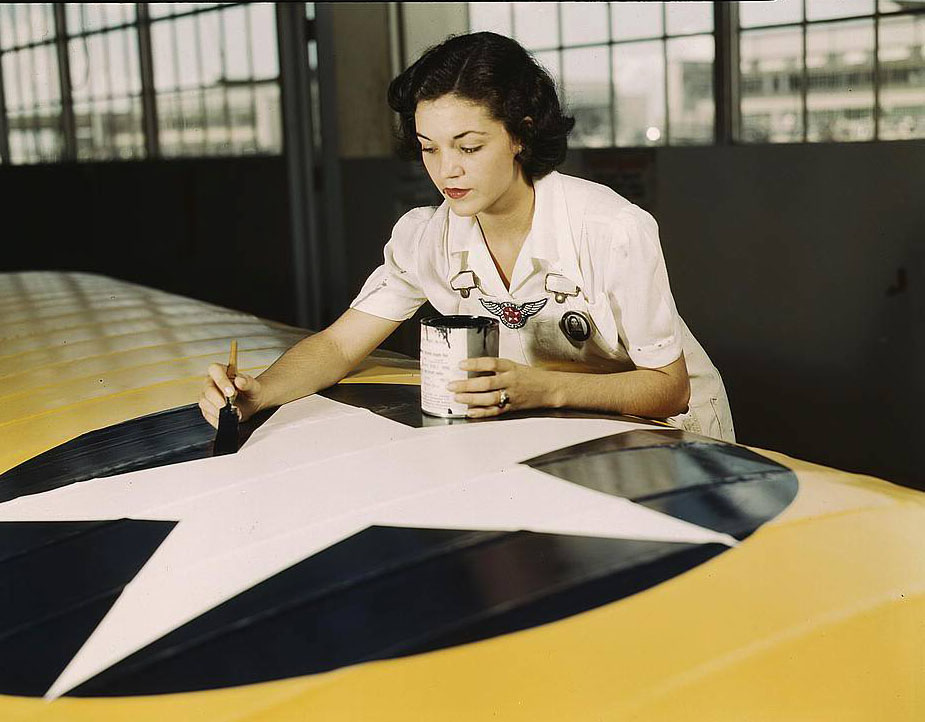
Women in defense manufacturing held a wide range of roles during and after the war. At the Vilter Manufacturing Company in Milwaukee, a 24-year-old former housewife filed small parts for M5 and M7 Army guns. Mrs. Eloise J. Ellis reached the rank of senior supervisor at the Naval Air Base in Corpus Christi. Mrs. Irma Lee McElroy painted American insignias on airplane wings at an aircraft plant. These women were not exceptions — they were part of the workforce that kept American military production running.
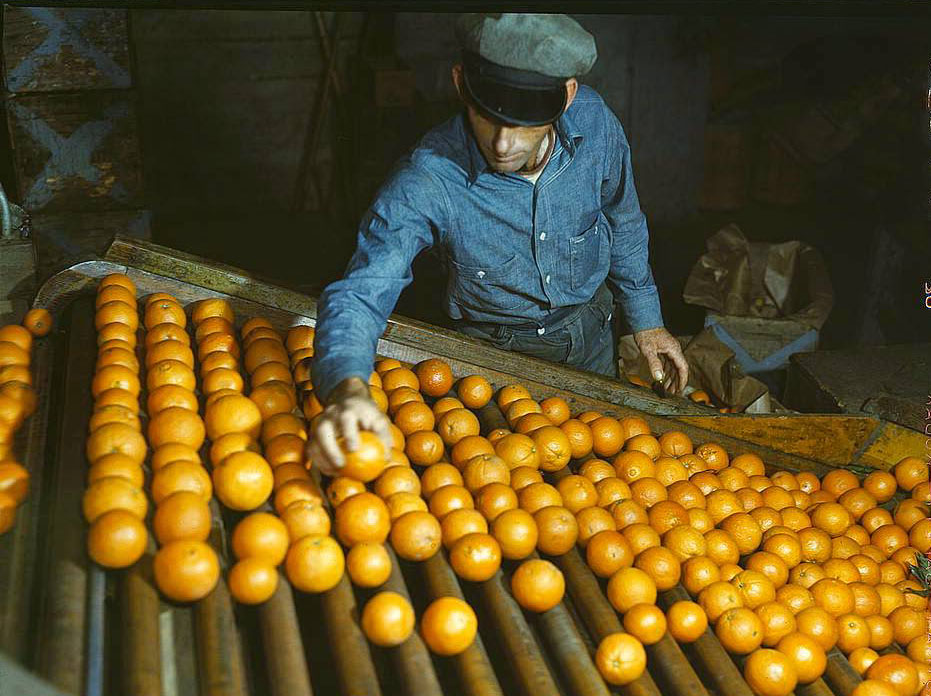
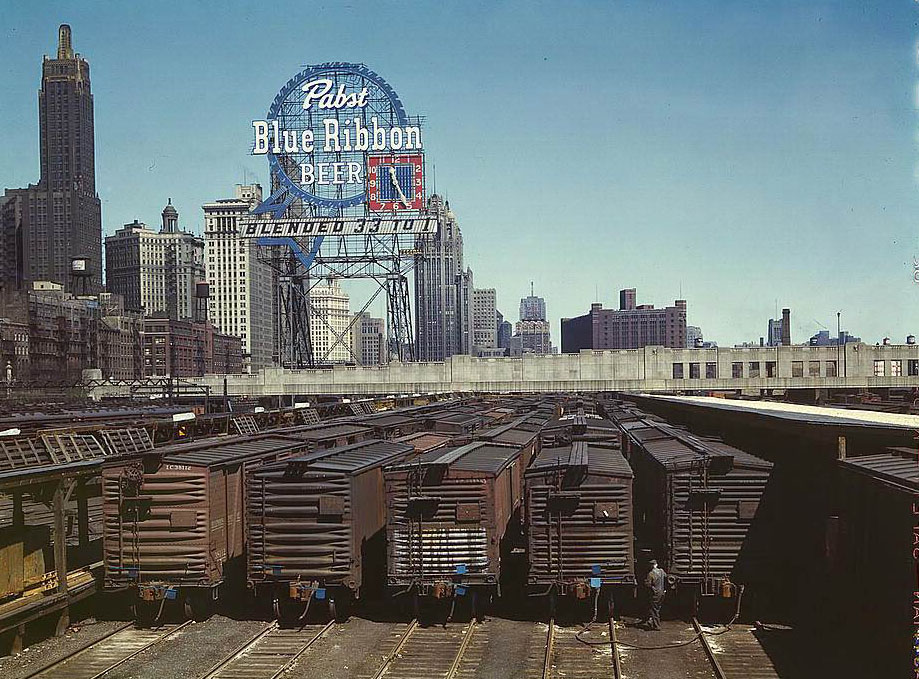
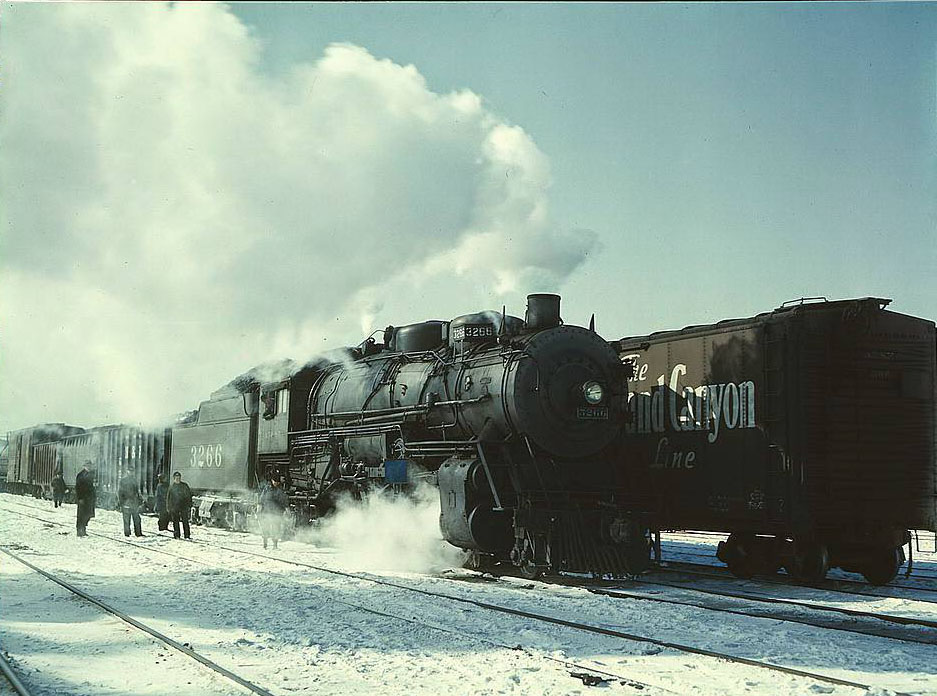
Chicago was the country’s railroad hub in the 1950s. The Illinois Central and the Santa Fe both ran major freight operations out of the city, connecting East Coast manufacturers to West Coast markets. California’s agricultural industry — citrus packing plants in Redlands, fruit farms in the Central Valley — depended on these rail lines to move product across the country.
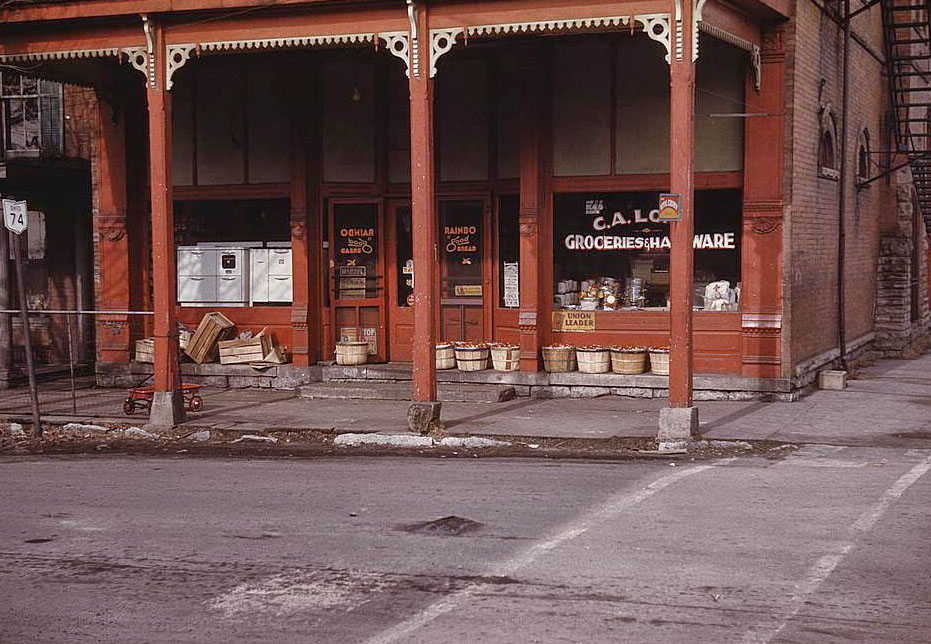
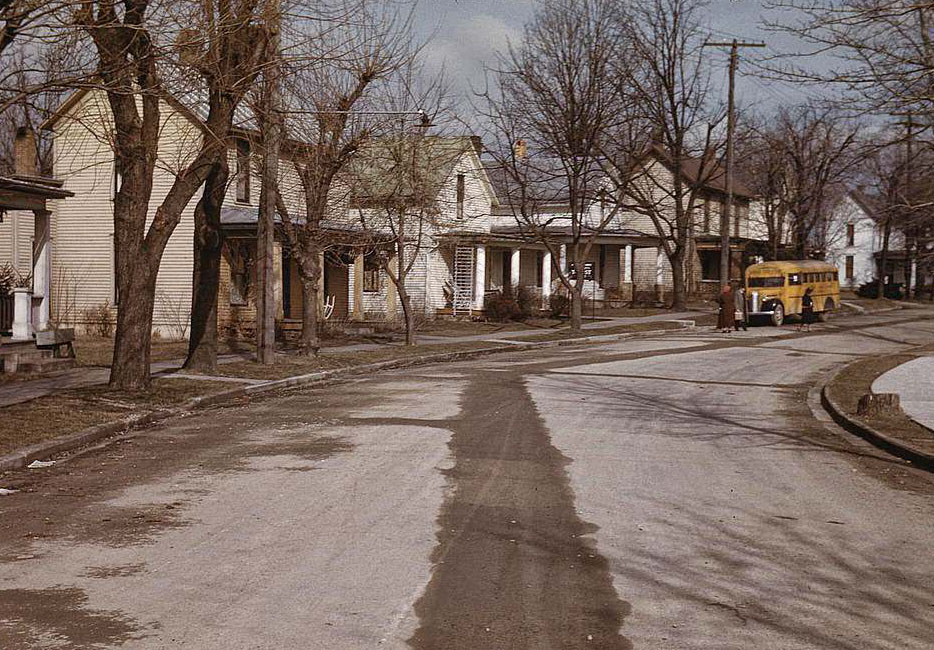
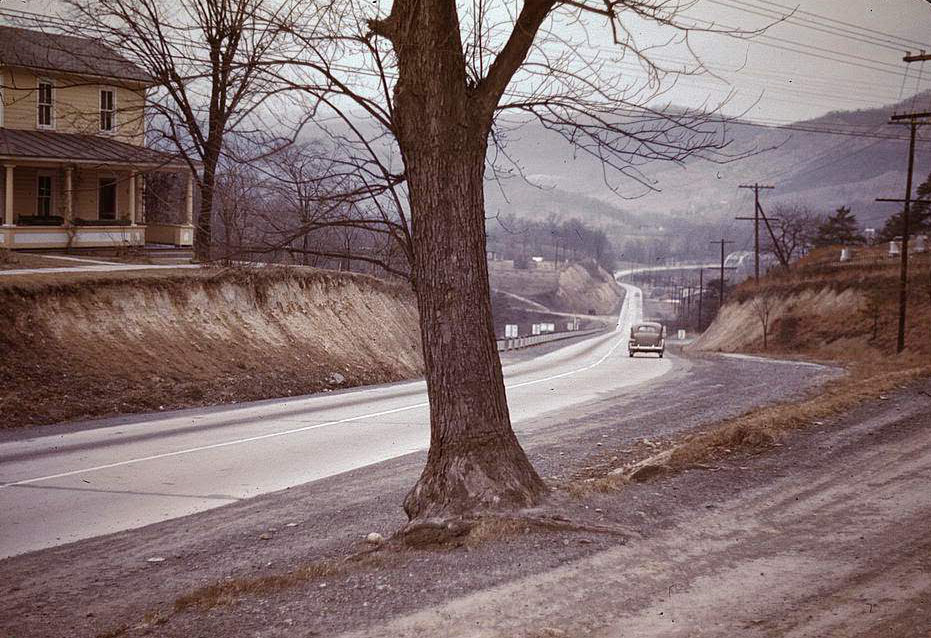
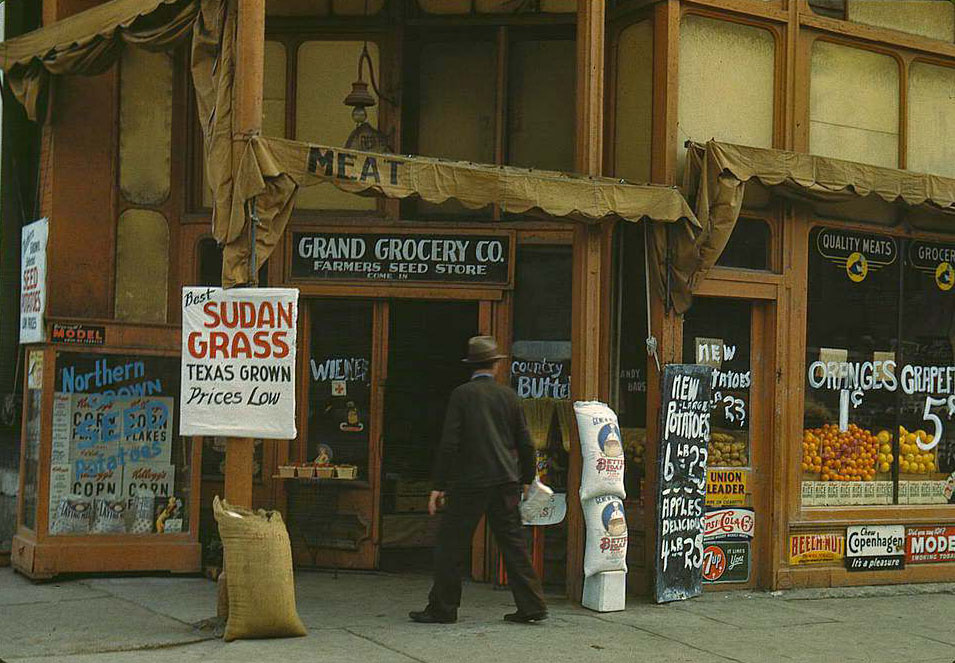
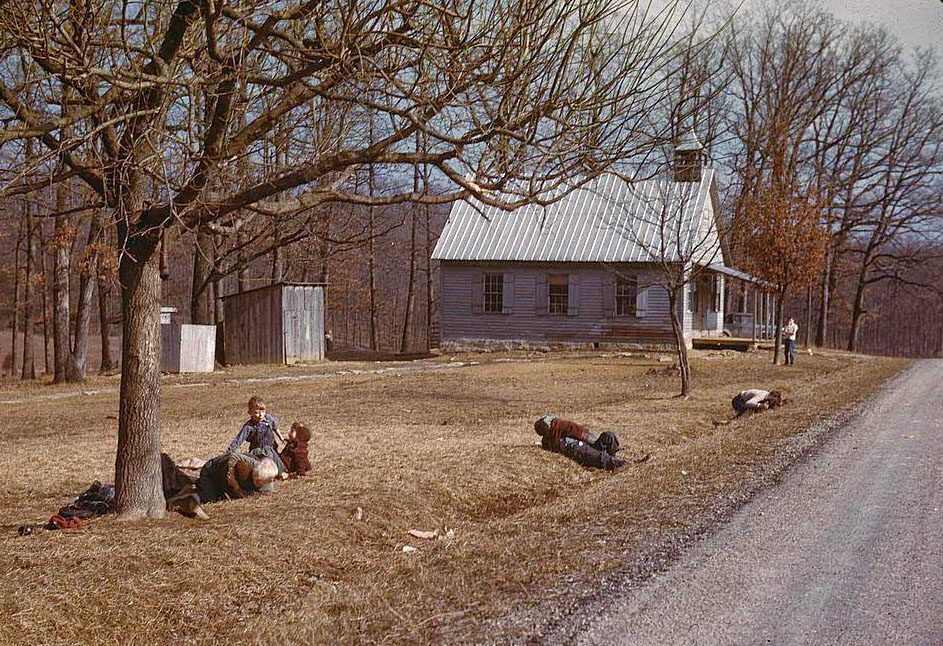
Rural America in the 1950s looked very different from the suburbs being built on the edges of major cities. One-room country schools near Portsmouth, Ohio, gravel roads out of Romney, West Virginia, and seed stores in Lincoln, Nebraska, were all still functioning parts of American life. For the families who lived in these places, the postwar boom was something they read about more than they experienced.
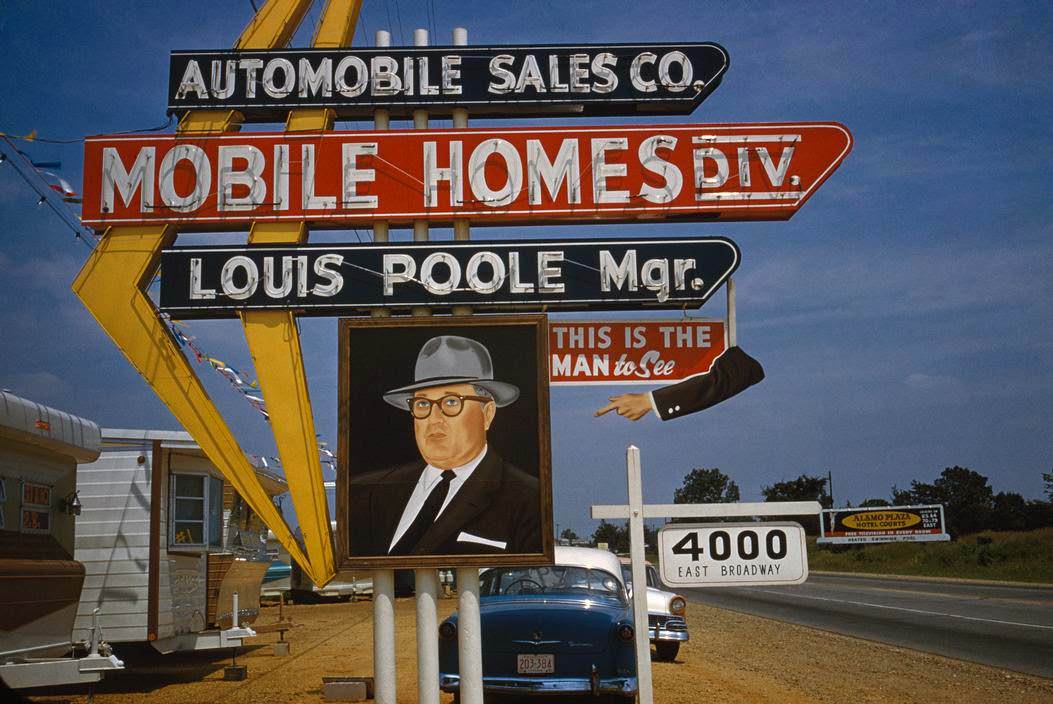
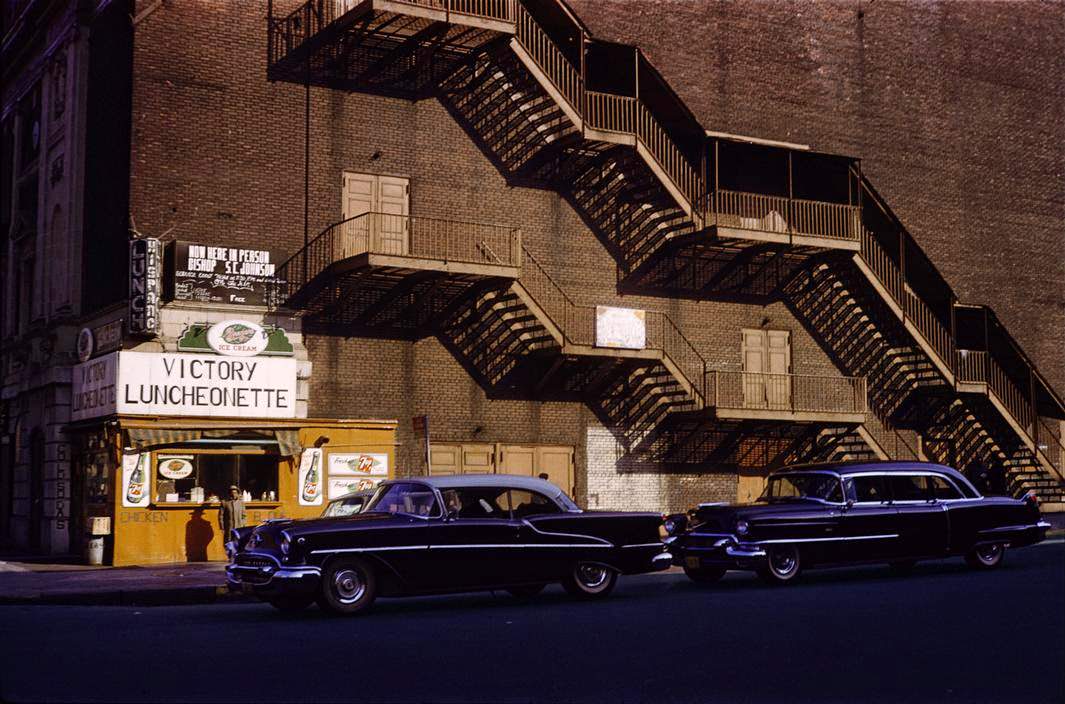
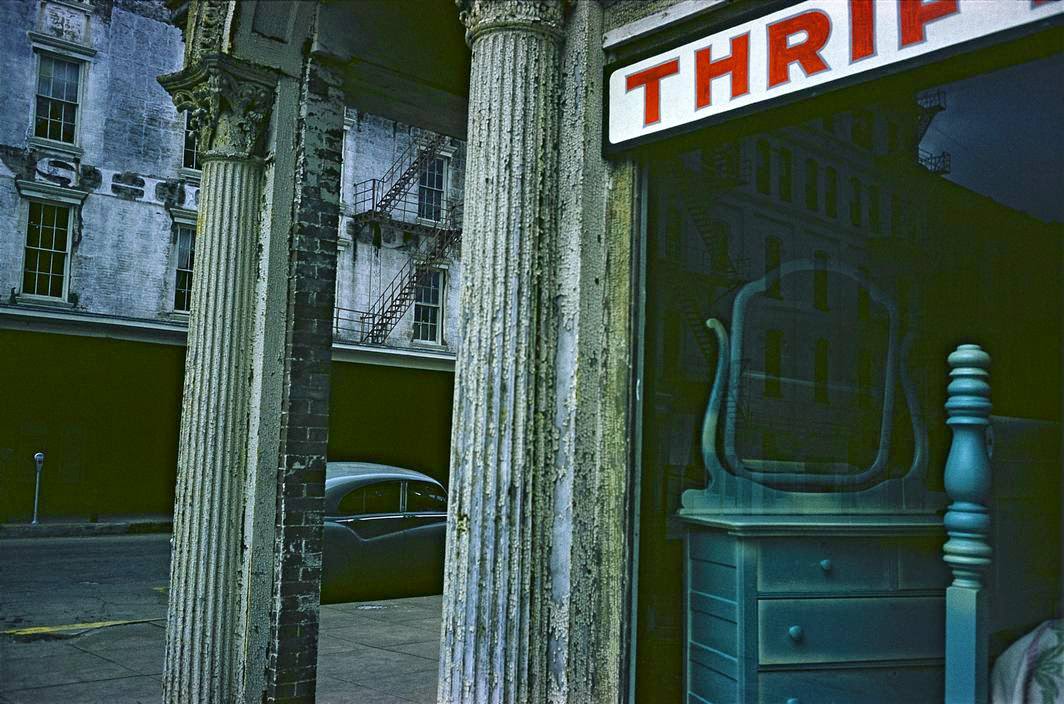
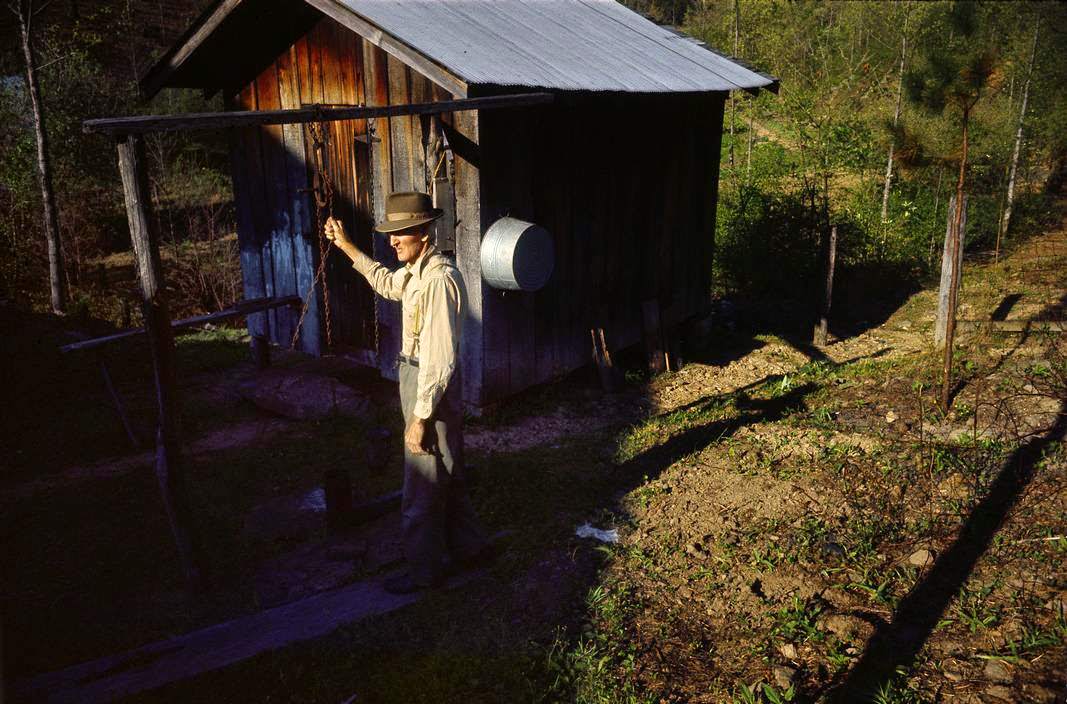
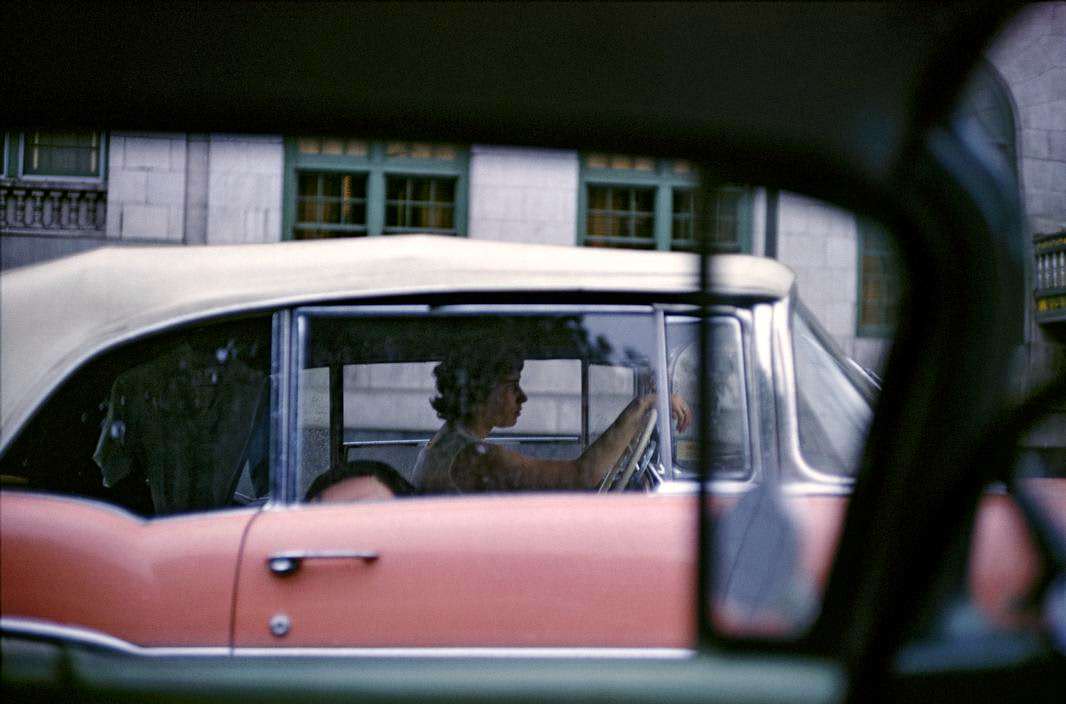
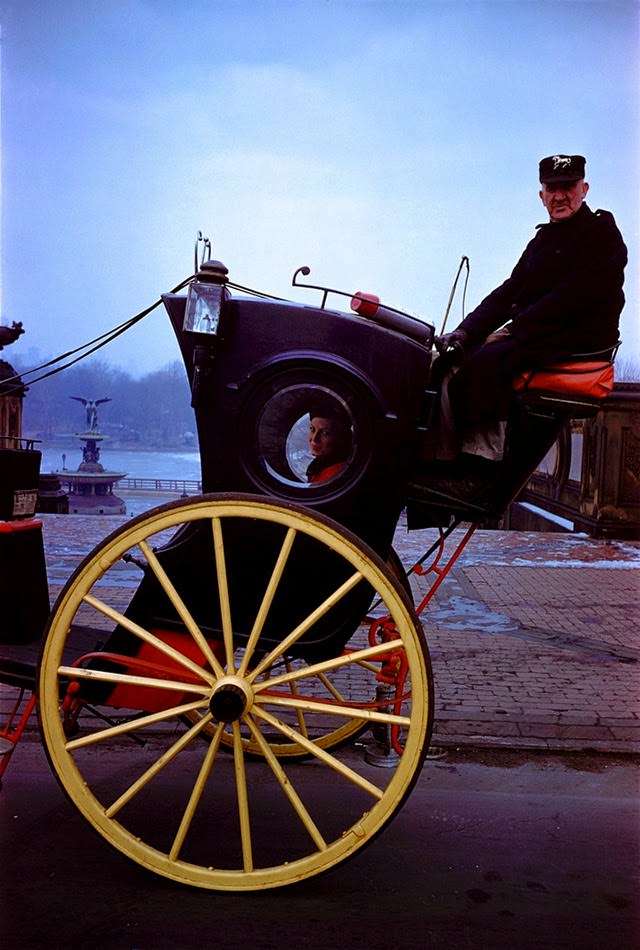
New York City in the late 1950s was a city of contrasts. Central Park carriage rides coexisted with crowded tenement blocks. The city’s boroughs held enormous immigrant communities alongside established wealthy neighborhoods. Reno, Nevada, meanwhile, was building its gambling economy into something that would eventually rival Las Vegas. Galveston and Walker represented the slower, more isolated pace of Southern and Appalachian life.
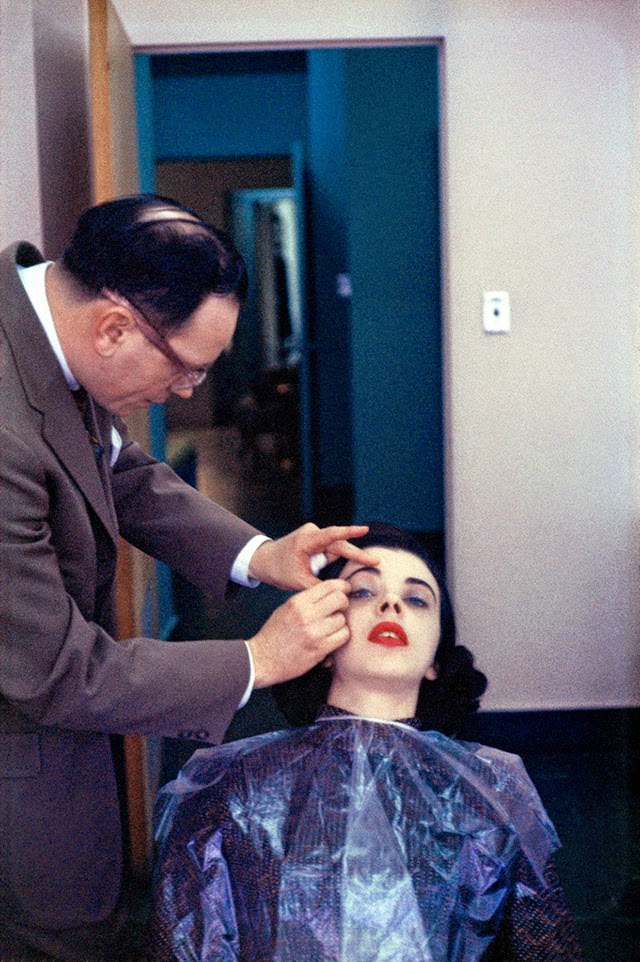
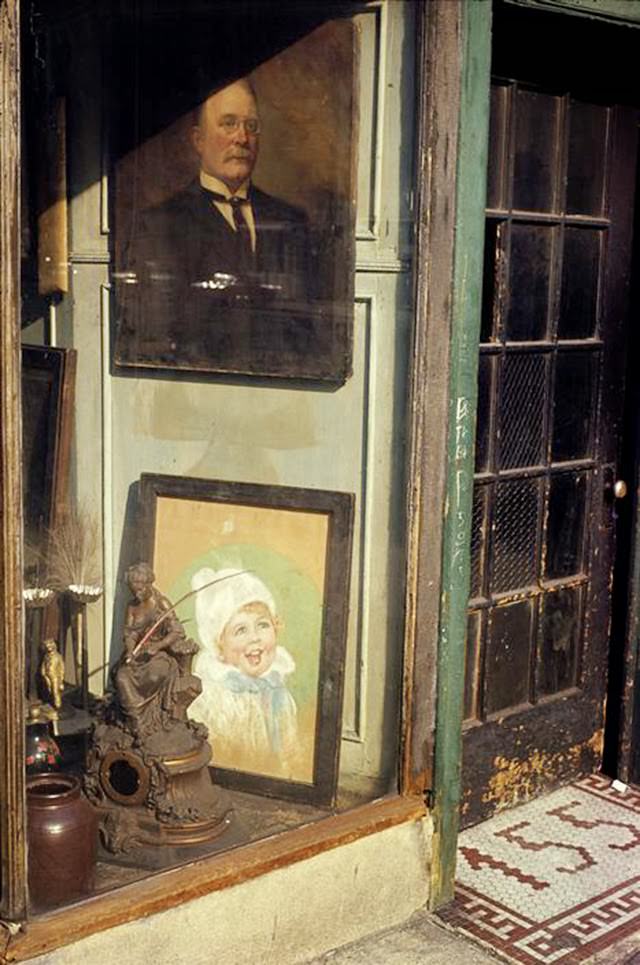
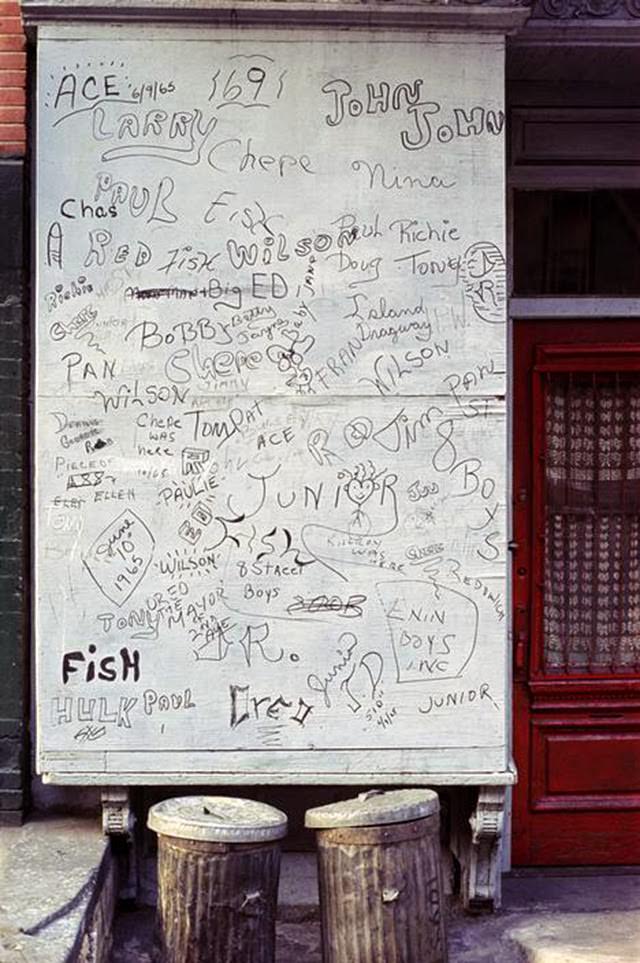
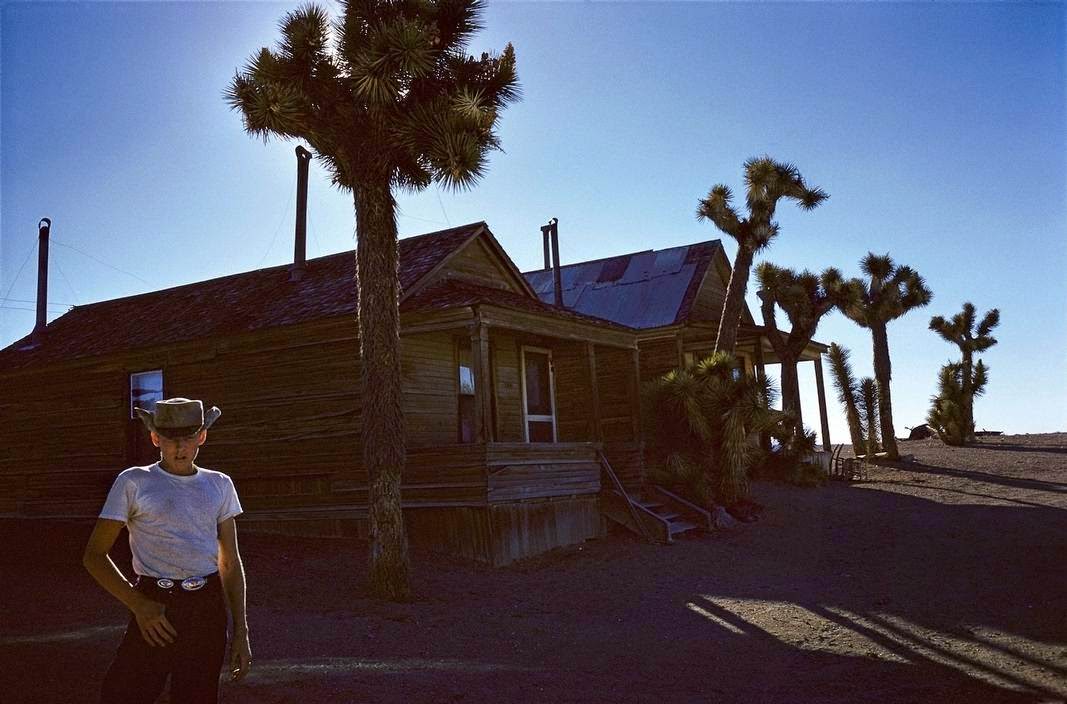
New York’s Helena Rubinstein Beauty School trained women for careers in a growing beauty industry. By the mid-1960s, the East Village and St. Mark’s Place in Manhattan were beginning to shift culturally — the early signs of a counterculture that would fully emerge later in the decade were already visible on these streets. Out west, Goldfield, Nevada, once a booming gold mining town, sat nearly empty by 1960, its population gone and its buildings fading.
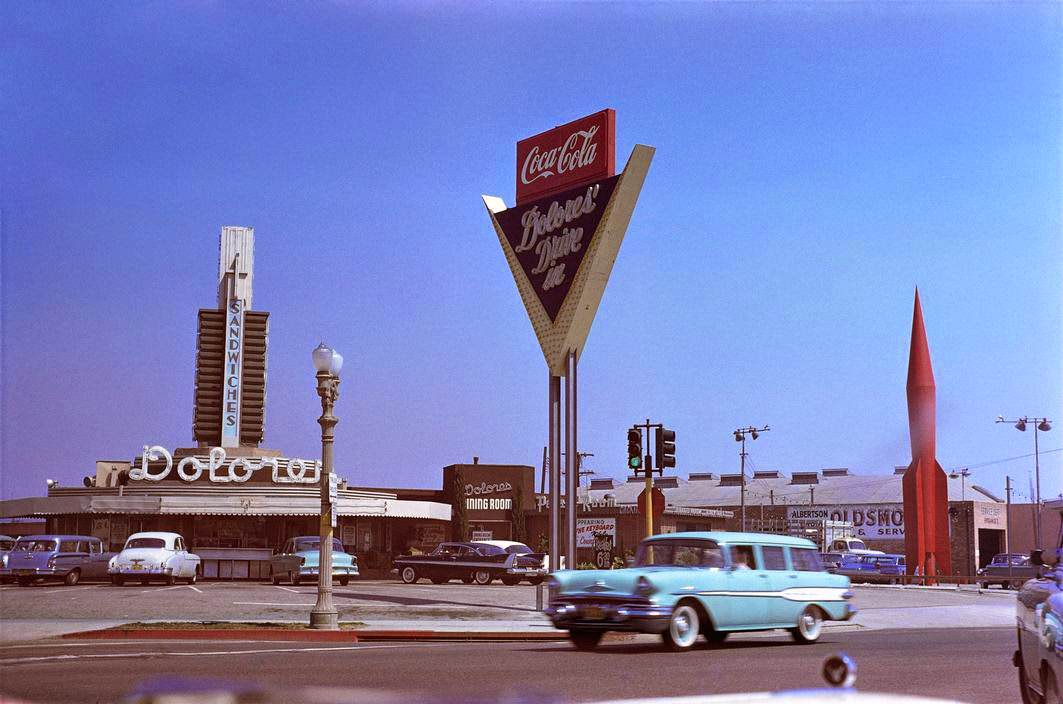
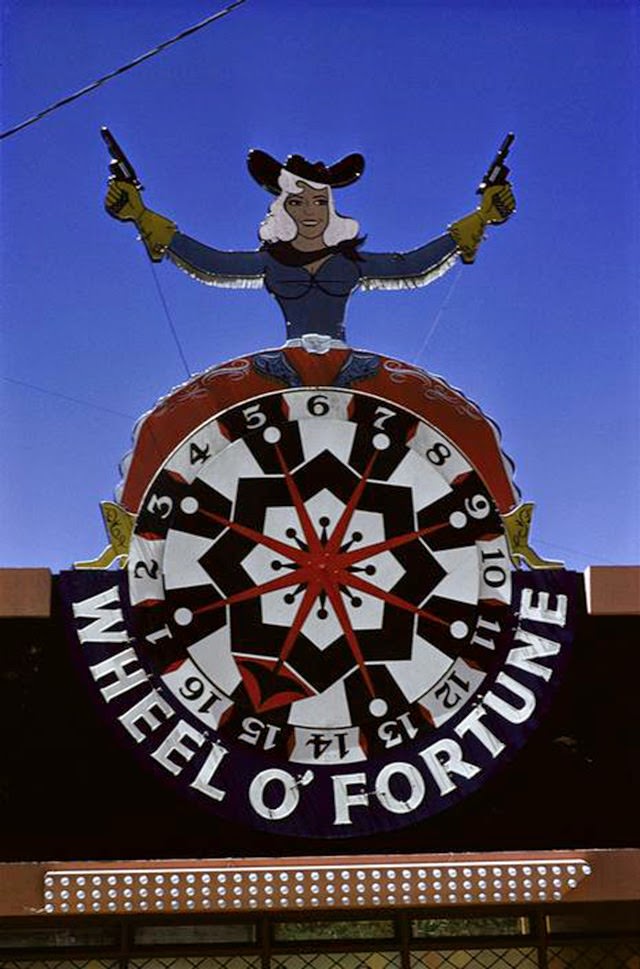
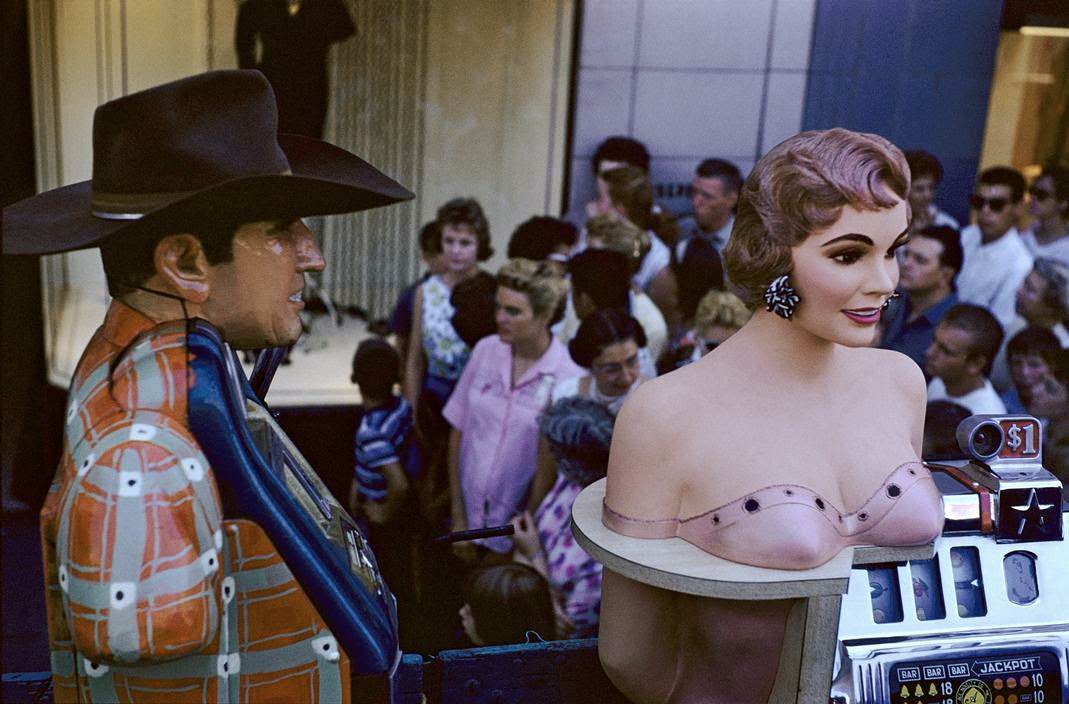
Hollywood in 1959 was the undisputed center of American entertainment. The film industry, record labels, and early television production all operated out of Los Angeles County. Reno’s casino floors, packed with slot machines — locally called one-armed bandits — drew tourists from across the West and represented a different kind of entertainment economy, one built entirely on gambling.
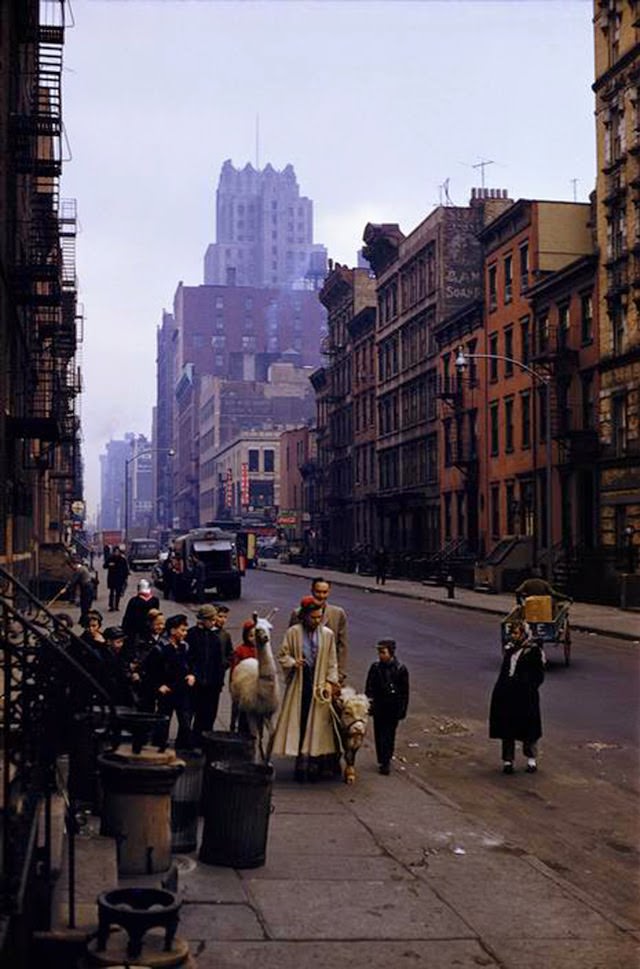
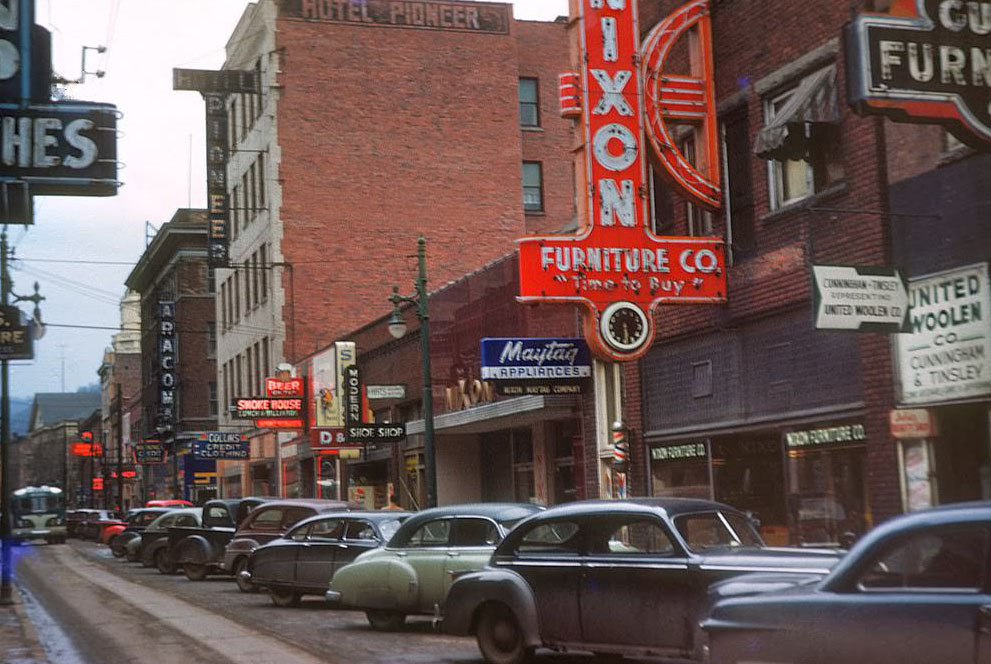
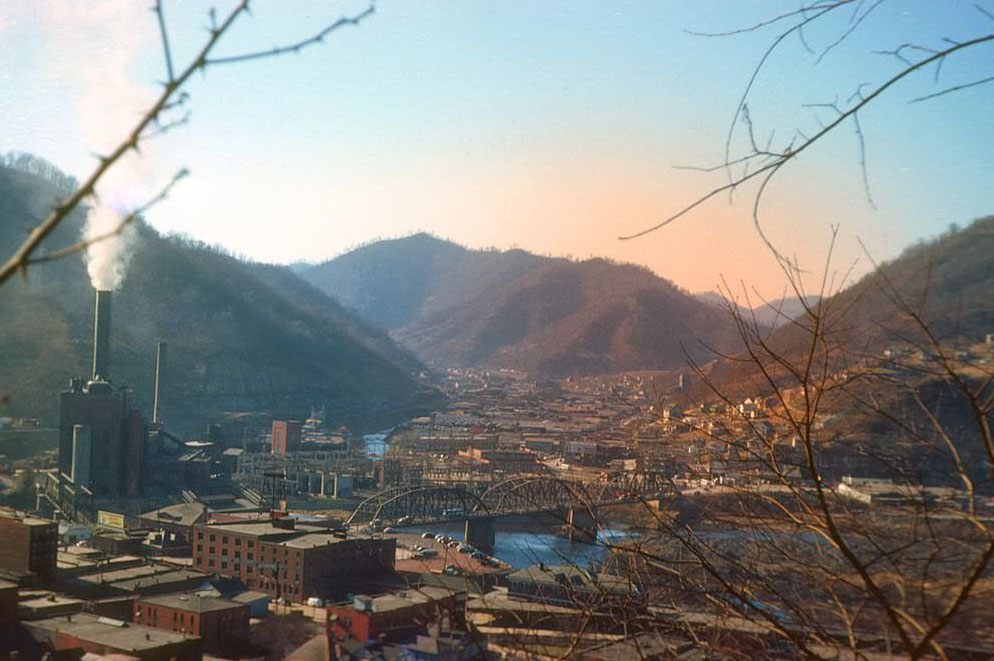
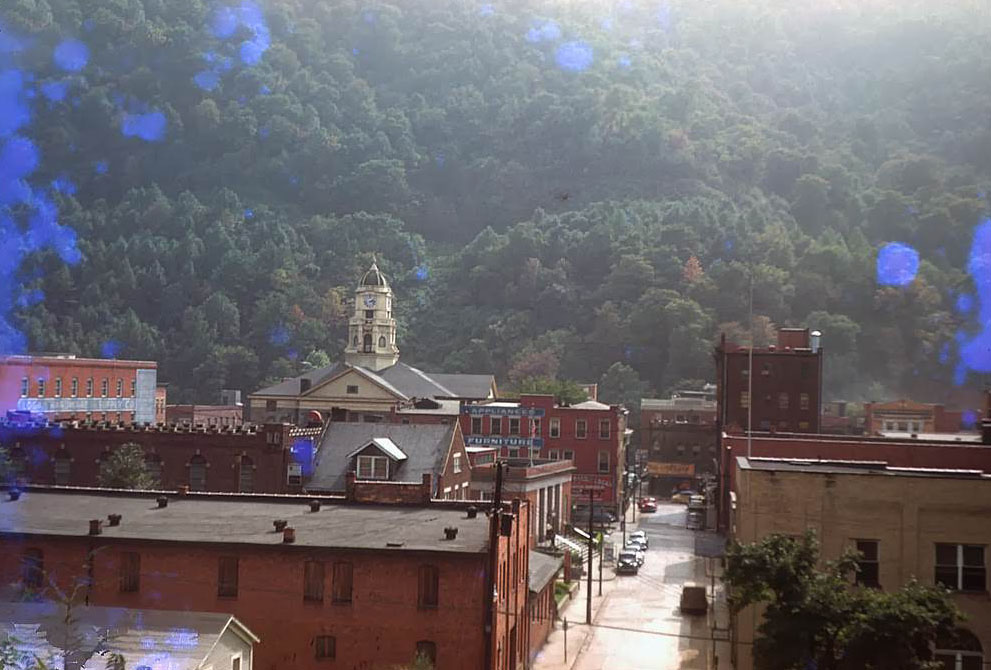
Logan, West Virginia, was a coal country town in 1950. Its economy depended on the mines, and its streets and storefronts reflected the modest wages and physical demands of that industry. The gap between Logan and midtown Manhattan in 1957 was not just geographic — it was economic, cultural, and social. Both were America, but they shared very little in common.
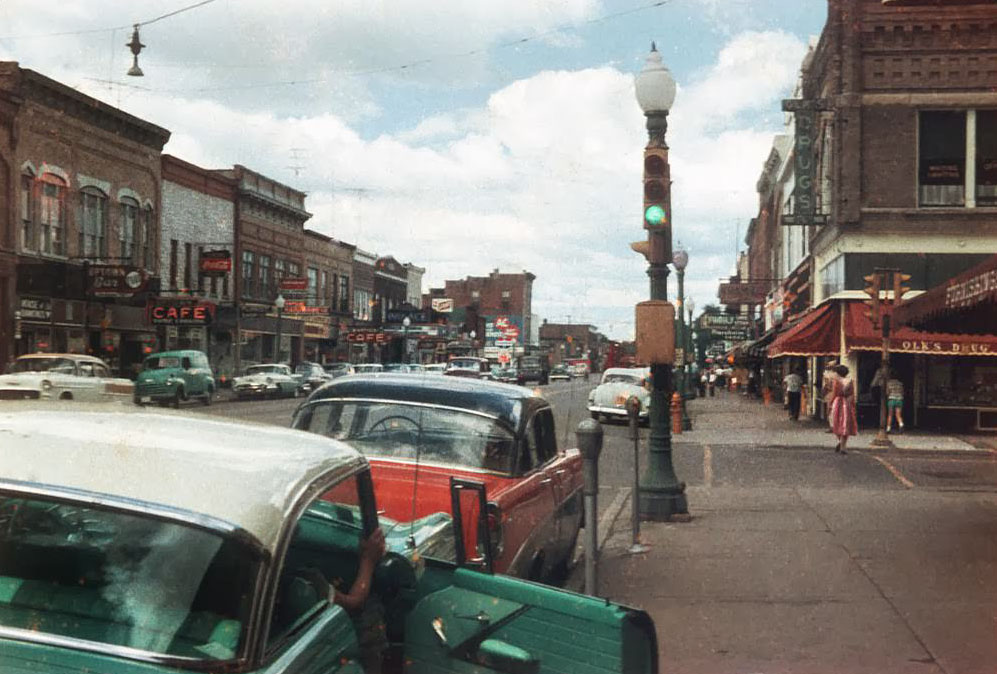
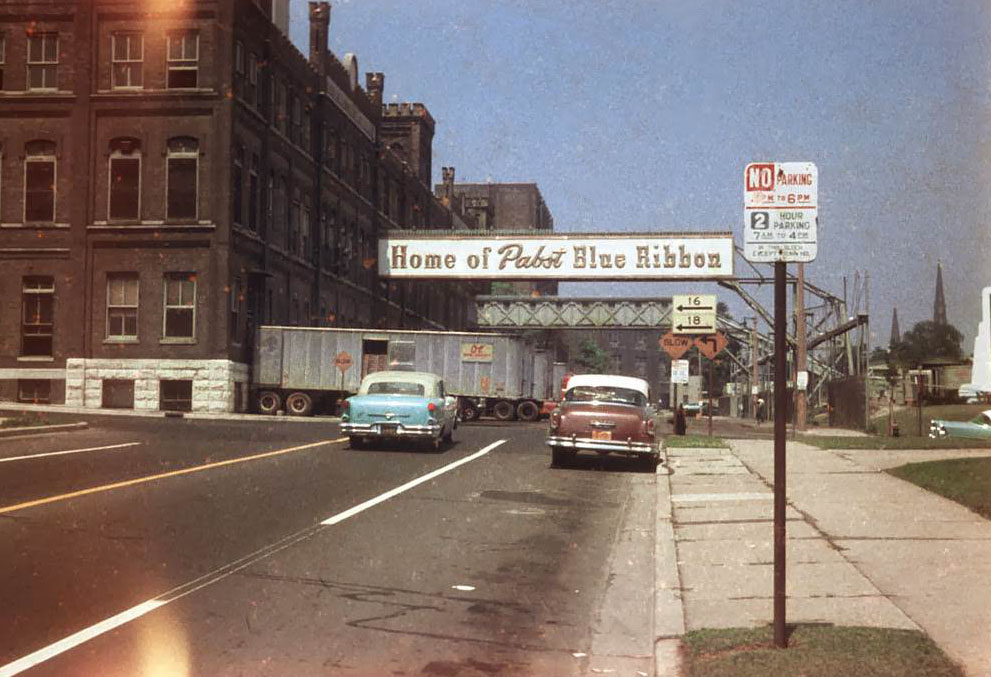
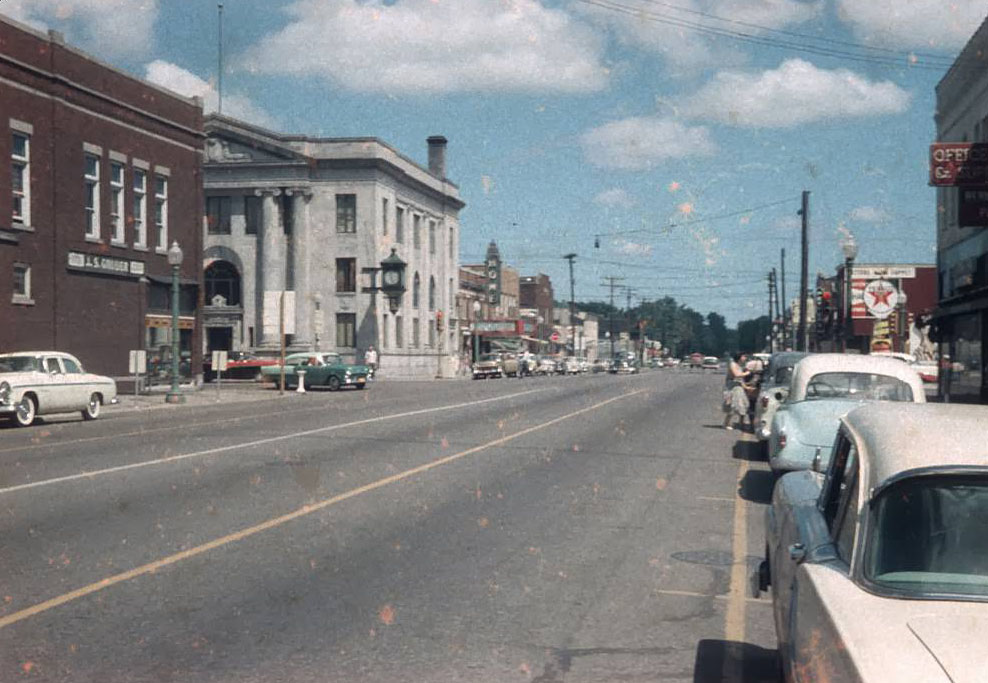
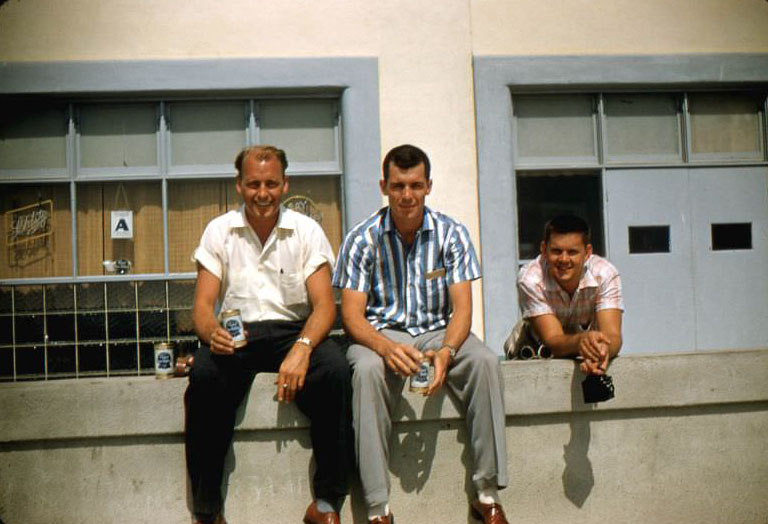
The 1950s drugstore was a social institution. Soda fountains, lunch counters, and prescription windows all operated under one roof. Pabst Blue Ribbon was one of the nation’s most popular beers — a working-class staple brewed in Milwaukee. Home theater setups, primitive by any modern standard, were the novelty technology of 1956, sold to families eager to watch television in dedicated comfort.
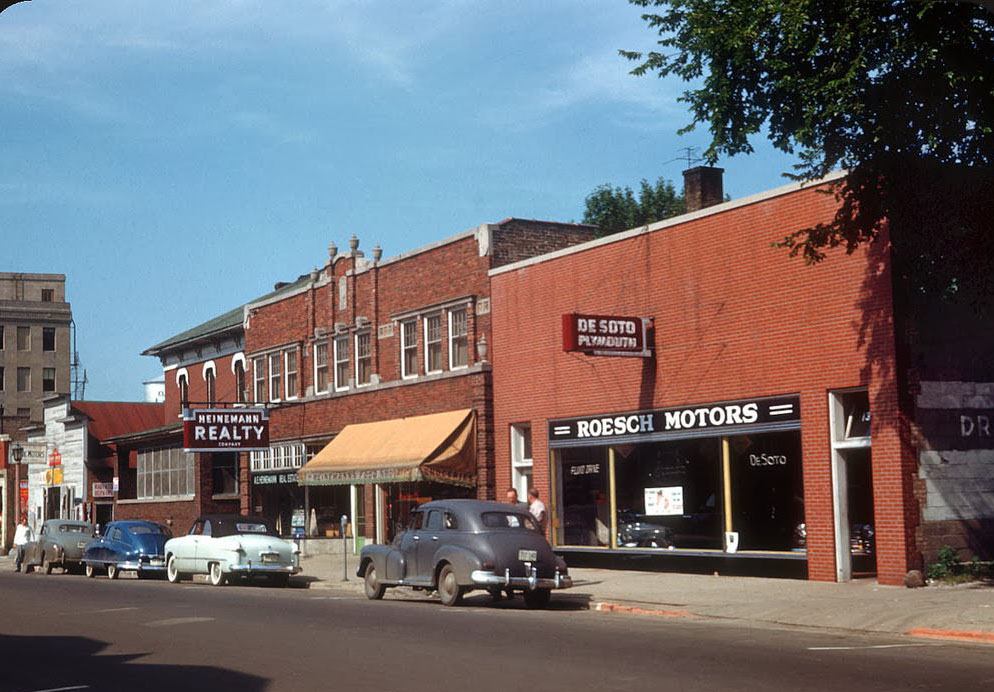
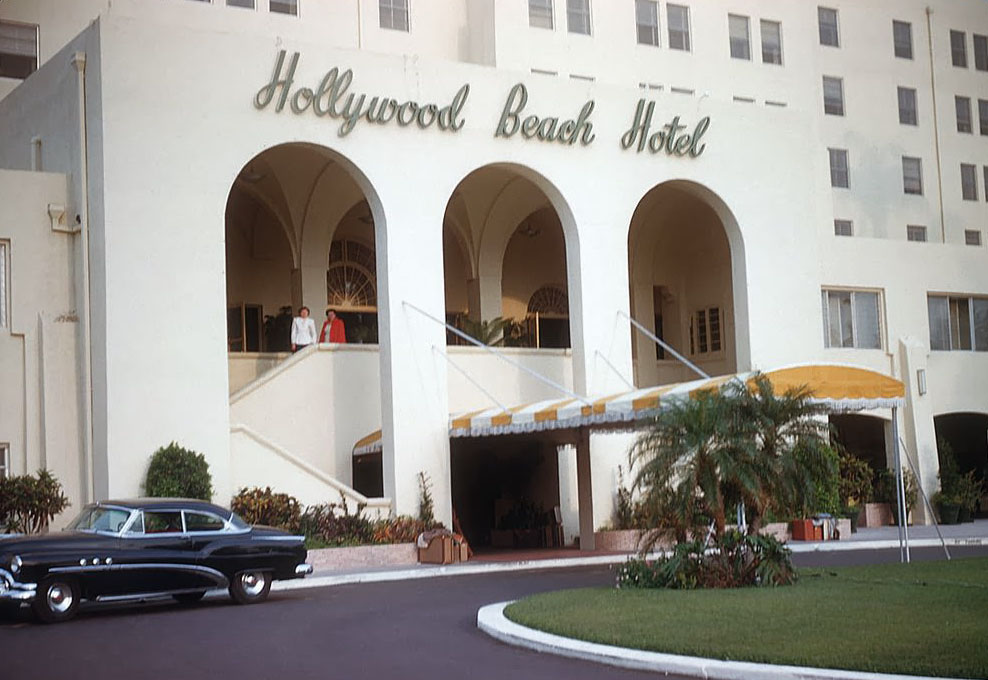
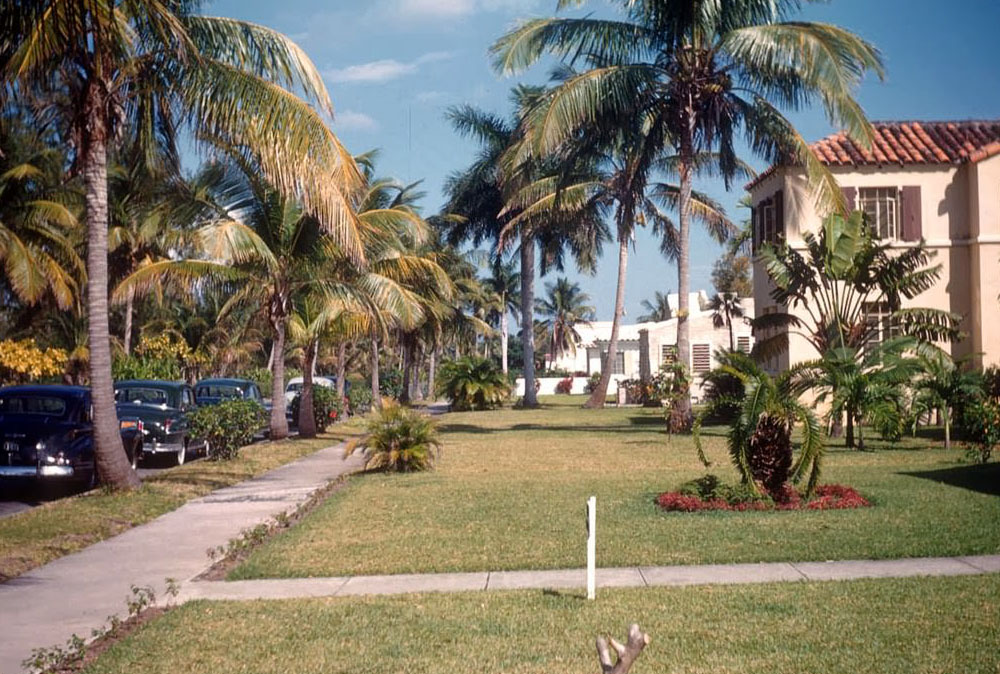
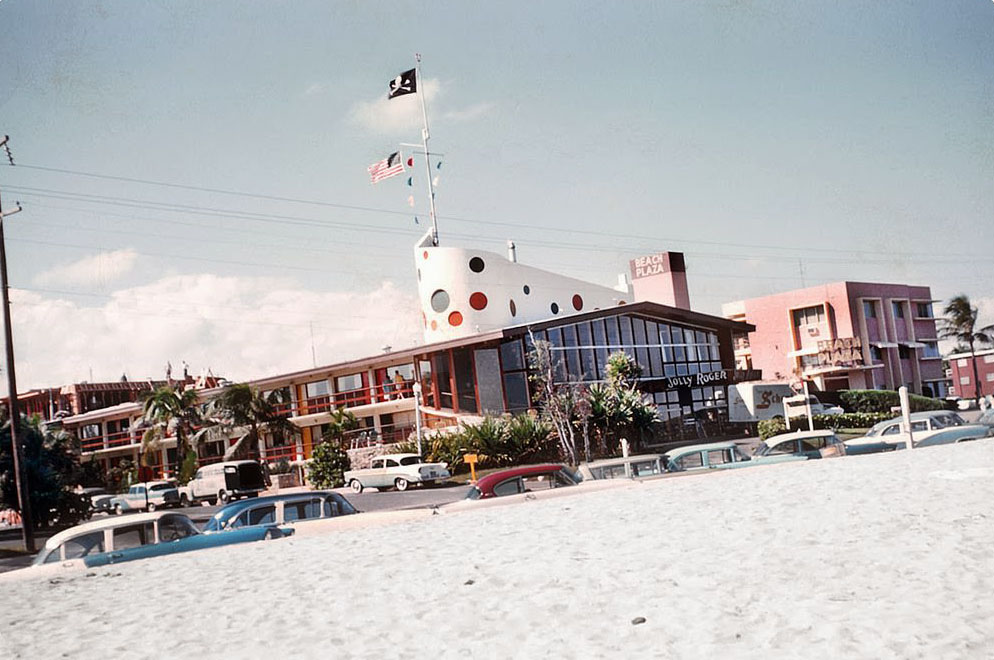
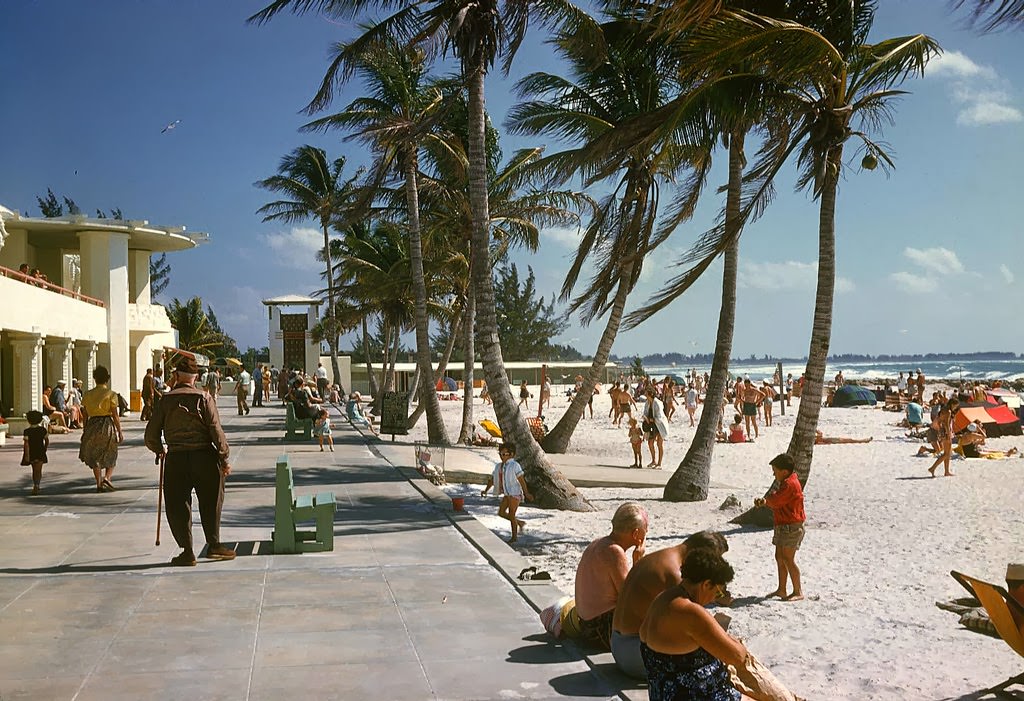
Florida became a major destination for postwar American tourists and retirees. Hollywood, Florida — not to be confused with its California counterpart — developed a beach hotel strip in the early 1950s that catered to Northeastern visitors escaping winter. Car dealerships like the DeSoto dealer in Elmhurst, Illinois, sold the vehicles that made these road trips possible.
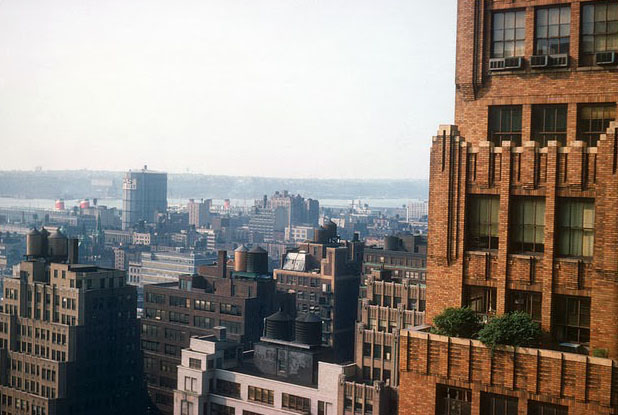
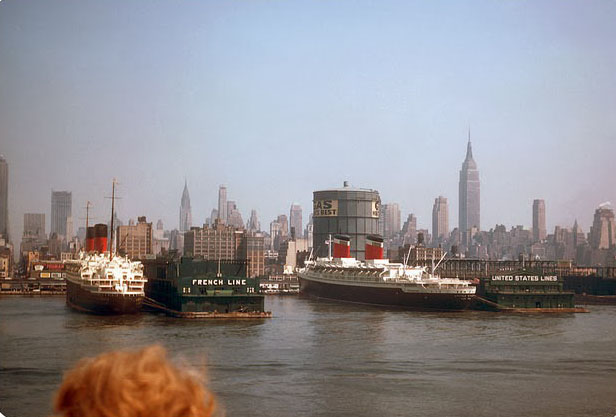
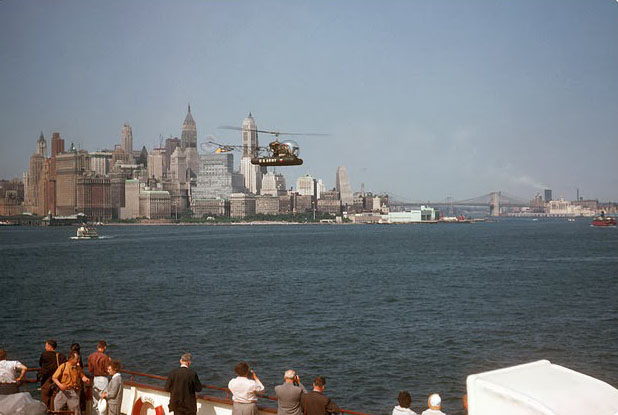
New York Harbor in 1959 was still one of the busiest ports in the world. Ocean liners, cargo ships, and ferries moved through its waters daily. Manhattan’s skyline, photographed from the harbor, was already famous across the world — a physical symbol of American wealth and ambition that drew immigrants, tourists, and business travelers from every continent.
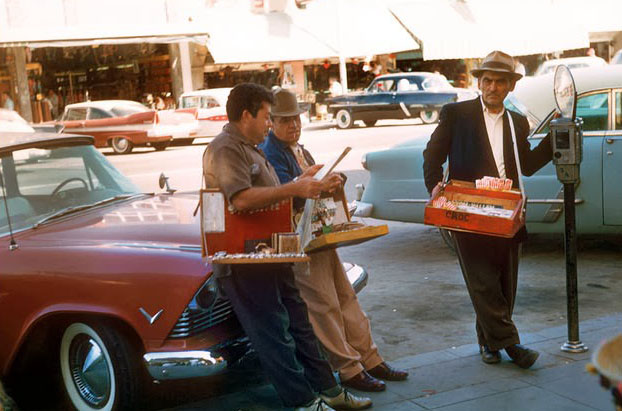
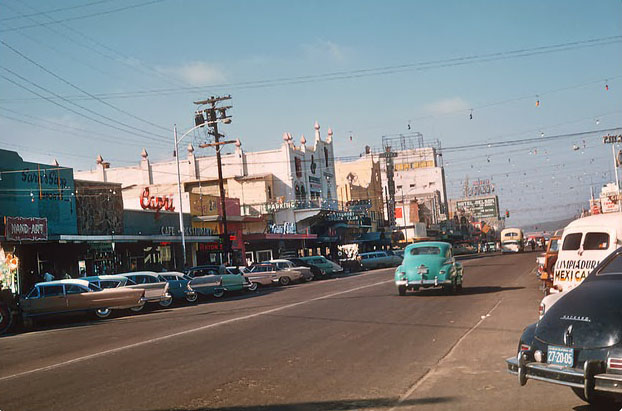
Tijuana, just across the border from San Diego, was a major destination for American tourists in the late 1950s. Avenida Revolución was lined with shops, bars, and street vendors catering to visitors from California. Cross-border commerce was a major part of the local economy, and the contrast between American consumer culture and Mexican street life was visible on every block.
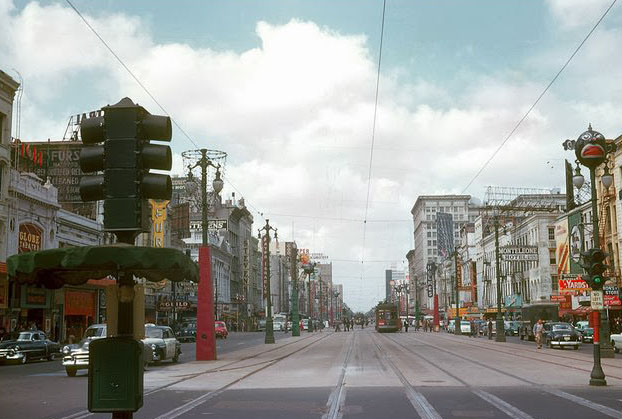
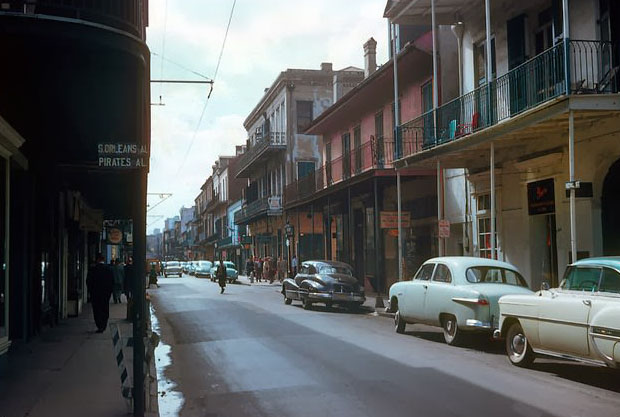
New Orleans in 1955 was a city with a distinct identity unlike anywhere else in the country. Canal Street served as the main commercial artery, while Royal Street in the French Quarter preserved a historic architecture that dated back to the city’s French and Spanish colonial periods. New Orleans was also a deeply segregated city, with its Black residents excluded from most of the establishments visible in these street photographs.
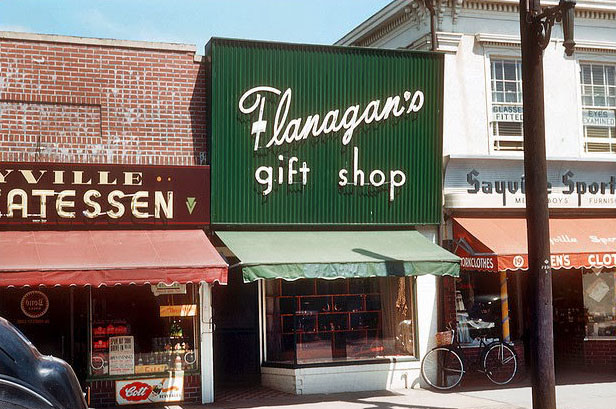
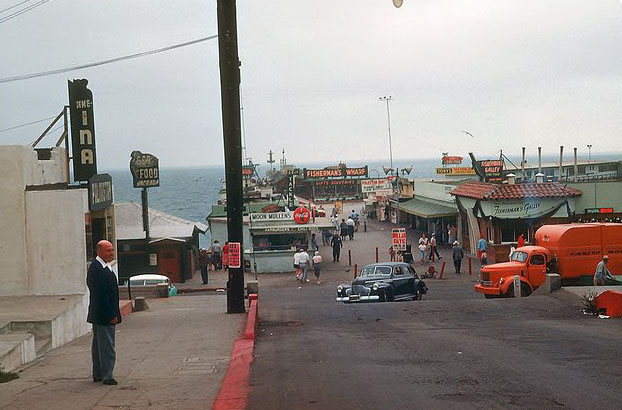
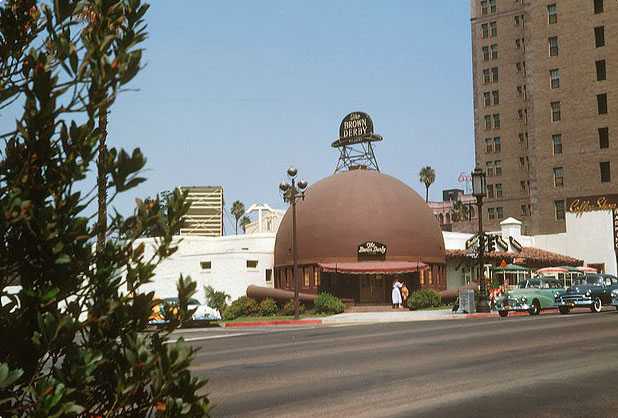
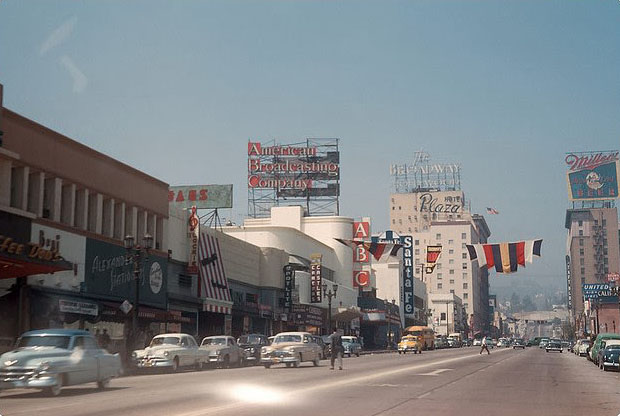
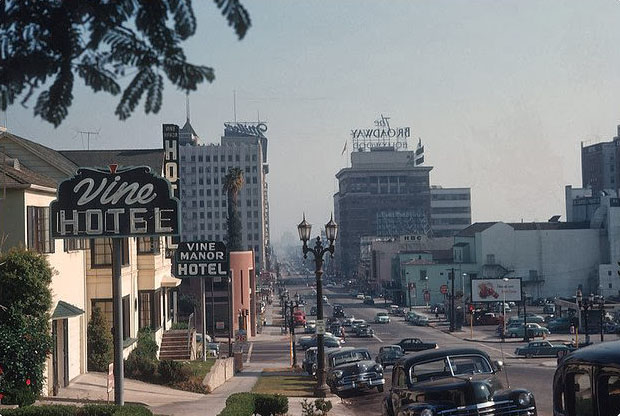
Southern California in the early 1950s had a glamour that no other American region could match. The Brown Derby on Wilshire Boulevard was where Hollywood celebrities ate lunch. Vine Street in Hollywood was lined with entertainment industry offices. Fisherman’s Wharf in Redondo Beach offered fresh seafood to tourists and locals alike. Even small gift shops on Long Island’s south shore captured the consumer energy of the era.
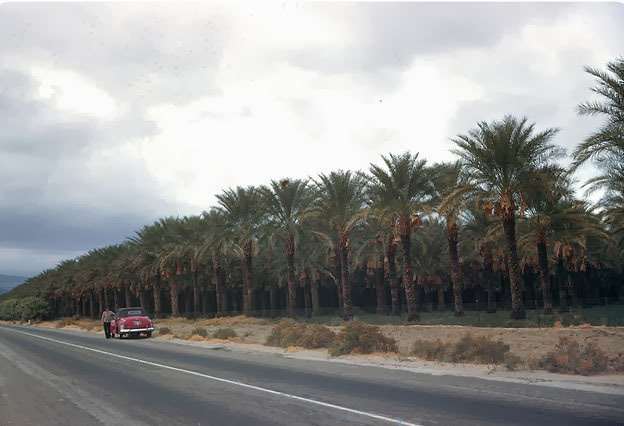
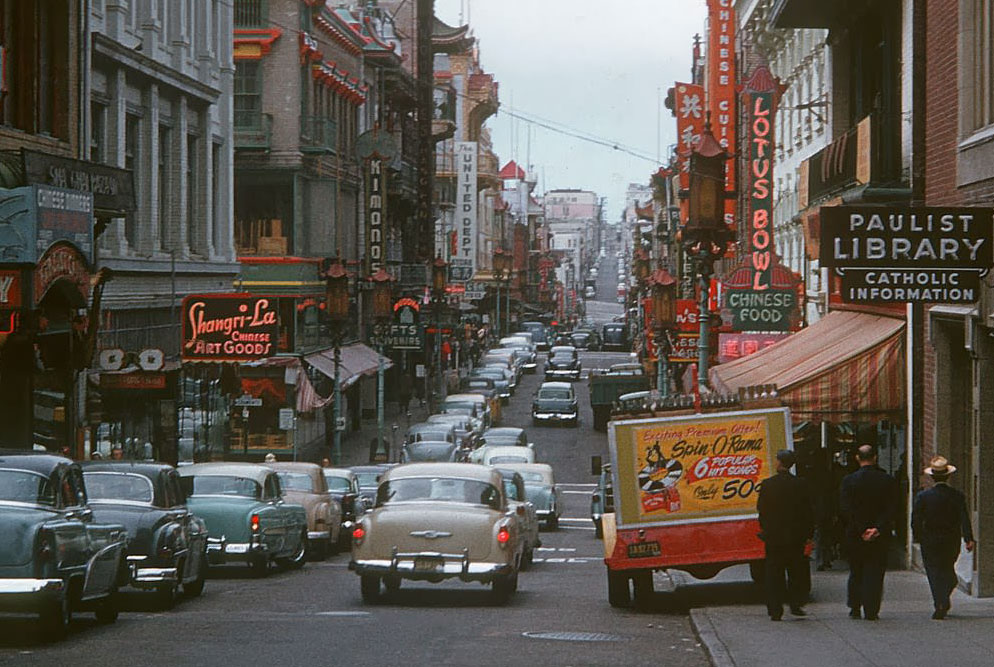
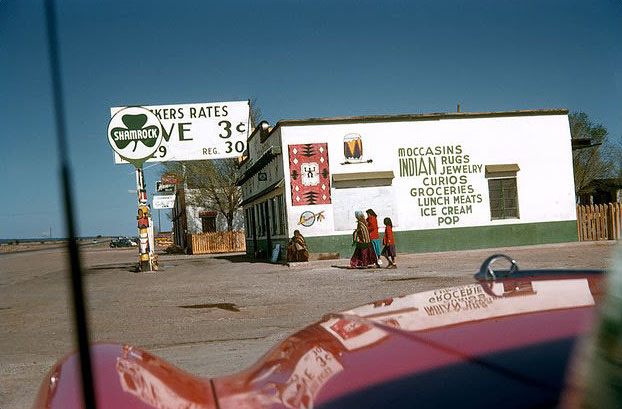
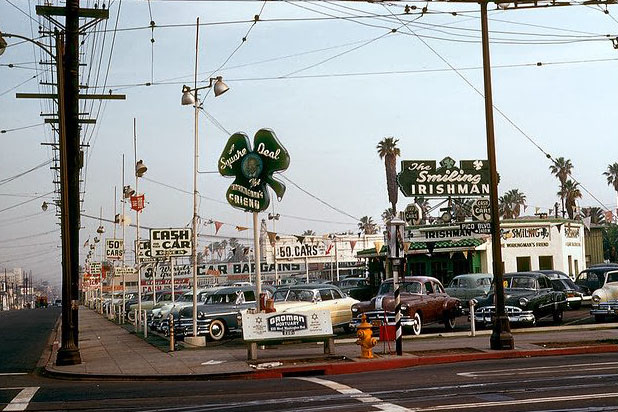
The highway between Los Angeles and Las Vegas passed through the Mojave Desert, where date groves and roadside curio shops sold Southwestern goods to passing travelers. San Francisco’s Chinatown — the oldest in North America — was a fully functioning urban neighborhood with its own commerce, restaurants, and institutions. Along Pico Boulevard in Los Angeles, neighborhood bars and ethnic restaurants reflected the city’s diverse population.
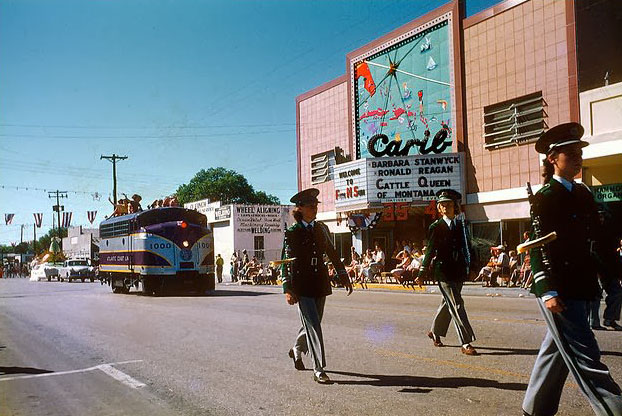
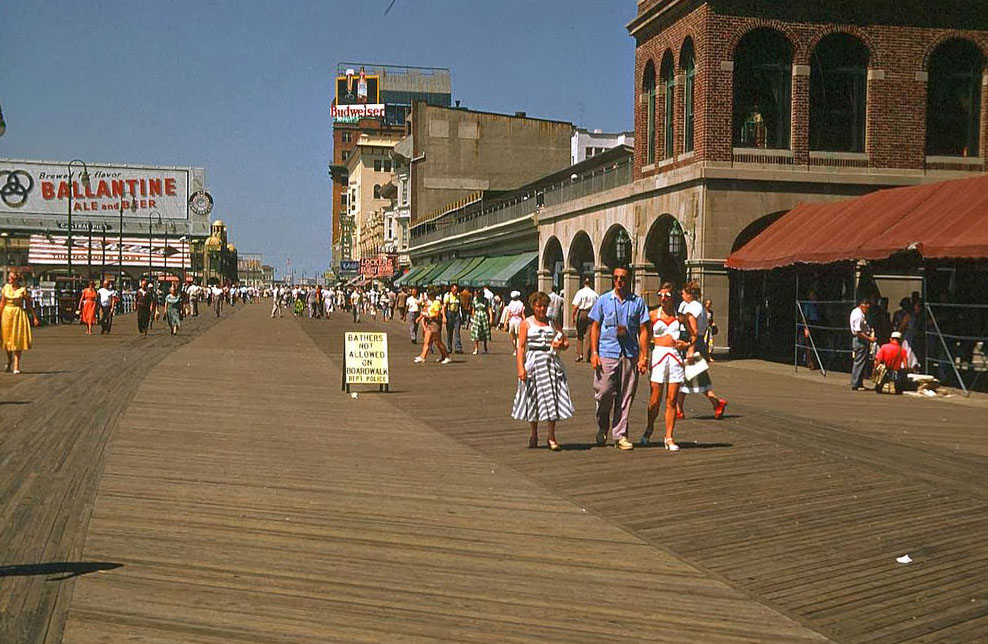
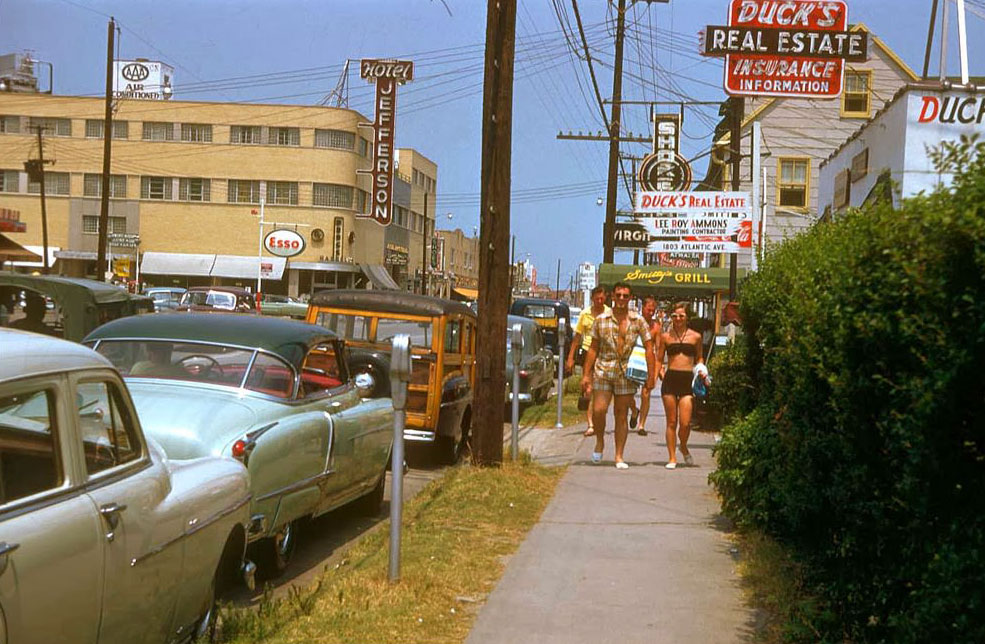
Atlantic City’s boardwalk in 1953 was still at the height of its popularity as the East Coast’s premier resort destination. The movie theater business was strong in the early 1950s, with venues like the Carib Theatre in Clearwater serving communities across the South. Alexandria, Virginia, just outside Washington, D.C., blended Southern tradition with federal government proximity in a way that gave it a character all its own.
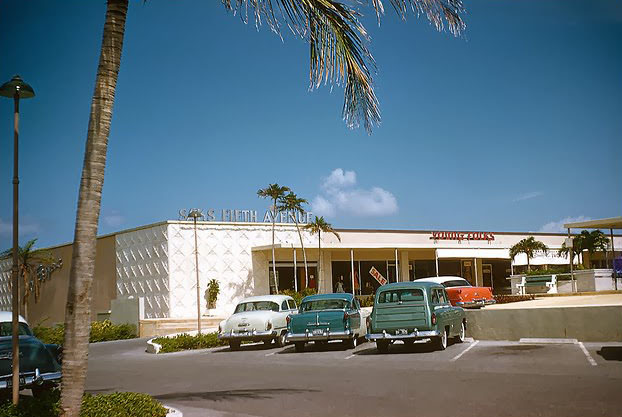
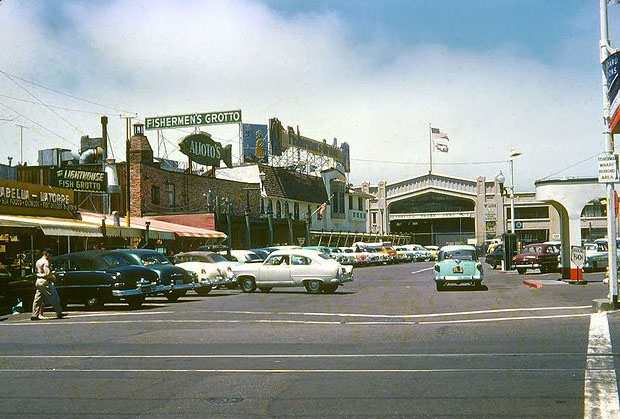
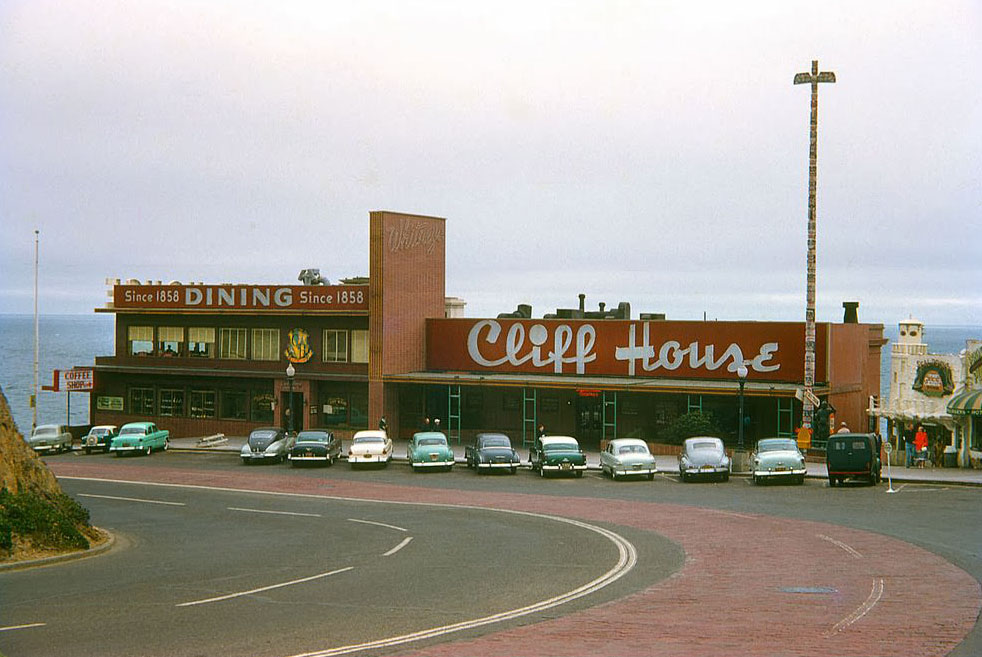
The outdoor shopping center — forerunner of the enclosed mall — emerged in the 1950s as a direct response to suburban growth. Ft. Lauderdale’s Sunrise Shopping Center used the clean lines and flat roofs of Mid-Century Modern architecture to create a new kind of retail environment designed for car-owning families. In San Francisco, Fisherman’s Wharf and the Cliff House at Land’s End continued to serve as anchor tourist destinations for the city’s growing visitor economy.
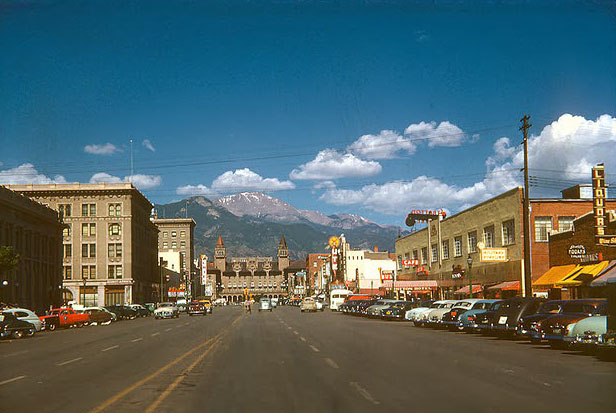
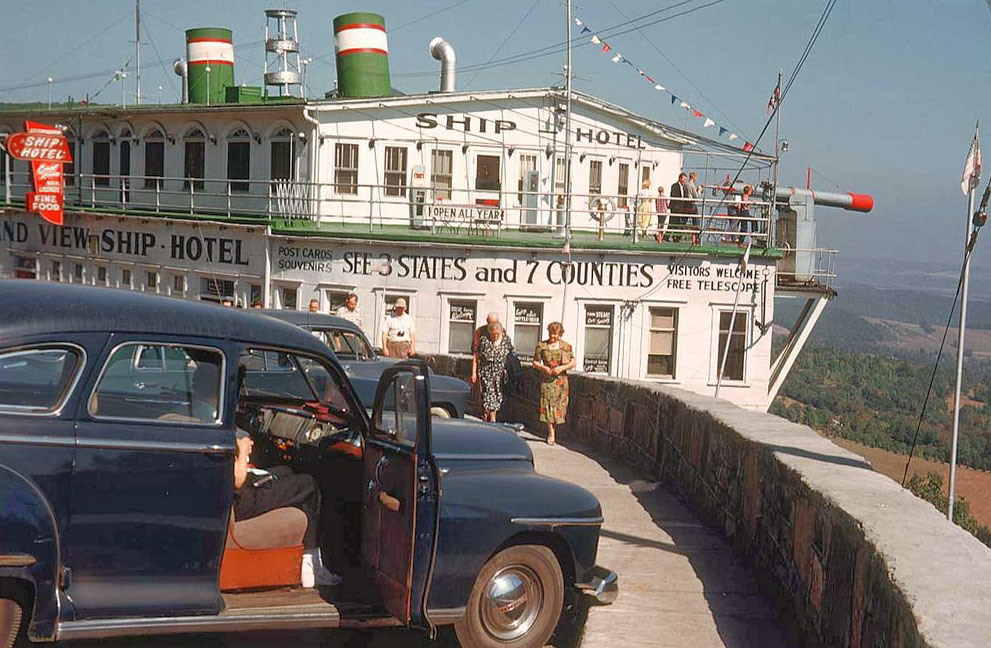
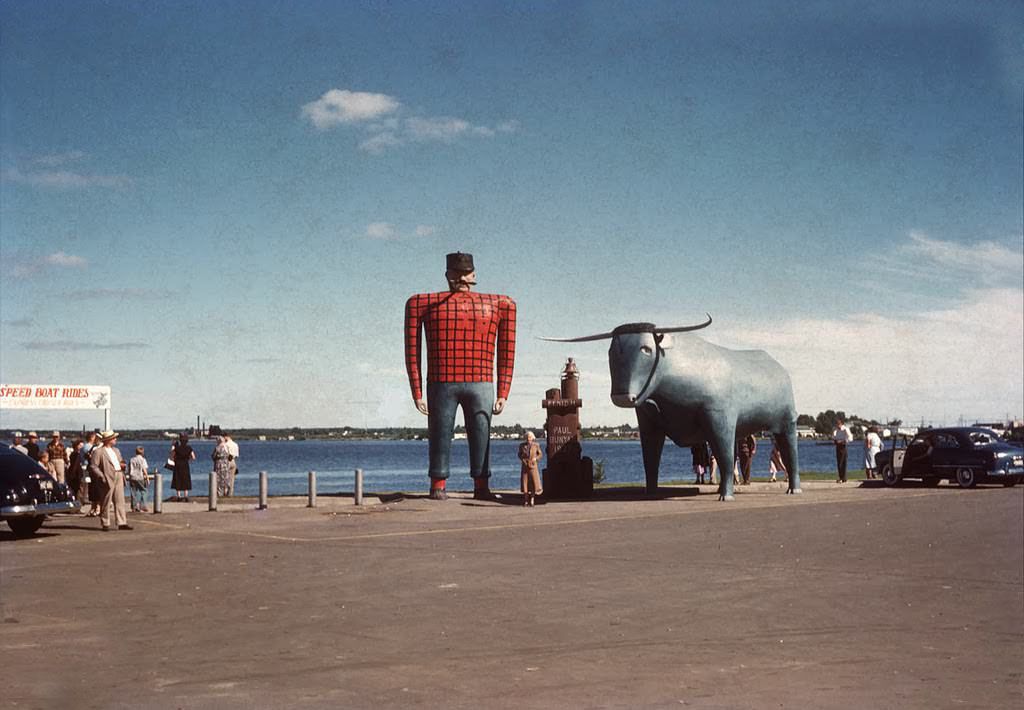
Roadside attractions were a defining feature of postwar American travel. The Grand View Ship Hotel in Pennsylvania — a building shaped like an ocean liner — drew curiosity-seekers off the highway. Giant statues of Paul Bunyan and his blue ox Babe were installed at tourist stops across the Midwest and Pacific Northwest to pull travelers in. Colorado Springs anchored a mountain tourism economy with Pikes Peak, Garden of the Gods, and the Broadmoor Hotel. These were the destinations American families drove to in their new Chevrolets and Plymouths, filling up the country’s first interstate highways and two-lane scenic routes alike.




