Portobello Road sits in the Notting Hill district of the Royal Borough of Kensington and Chelsea in west London. Before the 1850s, it was little more than a country lane linking Portobello Farm in the north to Kensal Green in the south. The land on either side was open — hayfields and orchards. That changed quickly after the Hammersmith and City Railway completed its line in 1864 and Ladbroke Grove station opened. Housing and commerce pushed out the last of those open fields, and the road took its modern shape in the second half of the 19th century, wedged between the growing neighbourhoods of Paddington and Notting Hill.
By the 20th century, Portobello Road was firmly established as one of London’s most famous street markets. Every Saturday, traders set up stalls selling antiques, second-hand clothing, and fresh pastries. In 1987, photographer Peter Marshall walked the length of the road and the surrounding streets, capturing the area’s commercial energy, its rougher edges, and its everyday character. His photographs form a detailed street-level record of Notting Hill at a specific moment in time.
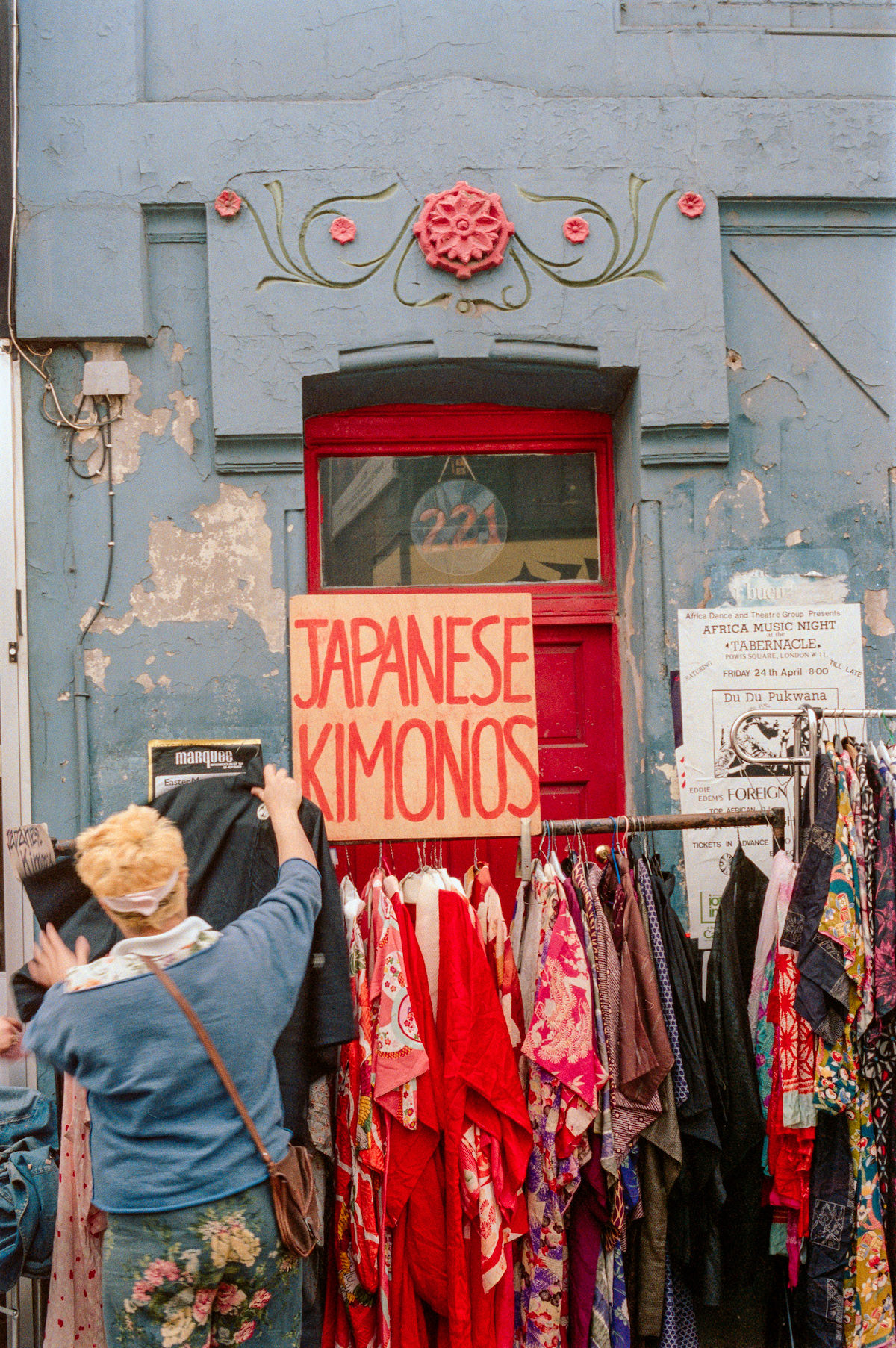
The market drew an eclectic mix of goods. At 221 Portobello Road, Japanese kimonos hung for sale — the kind of unexpected find that made the market’s reputation. Just around the corner, All Saints Road had its own distinct atmosphere, separate from the main market strip but closely tied to it.
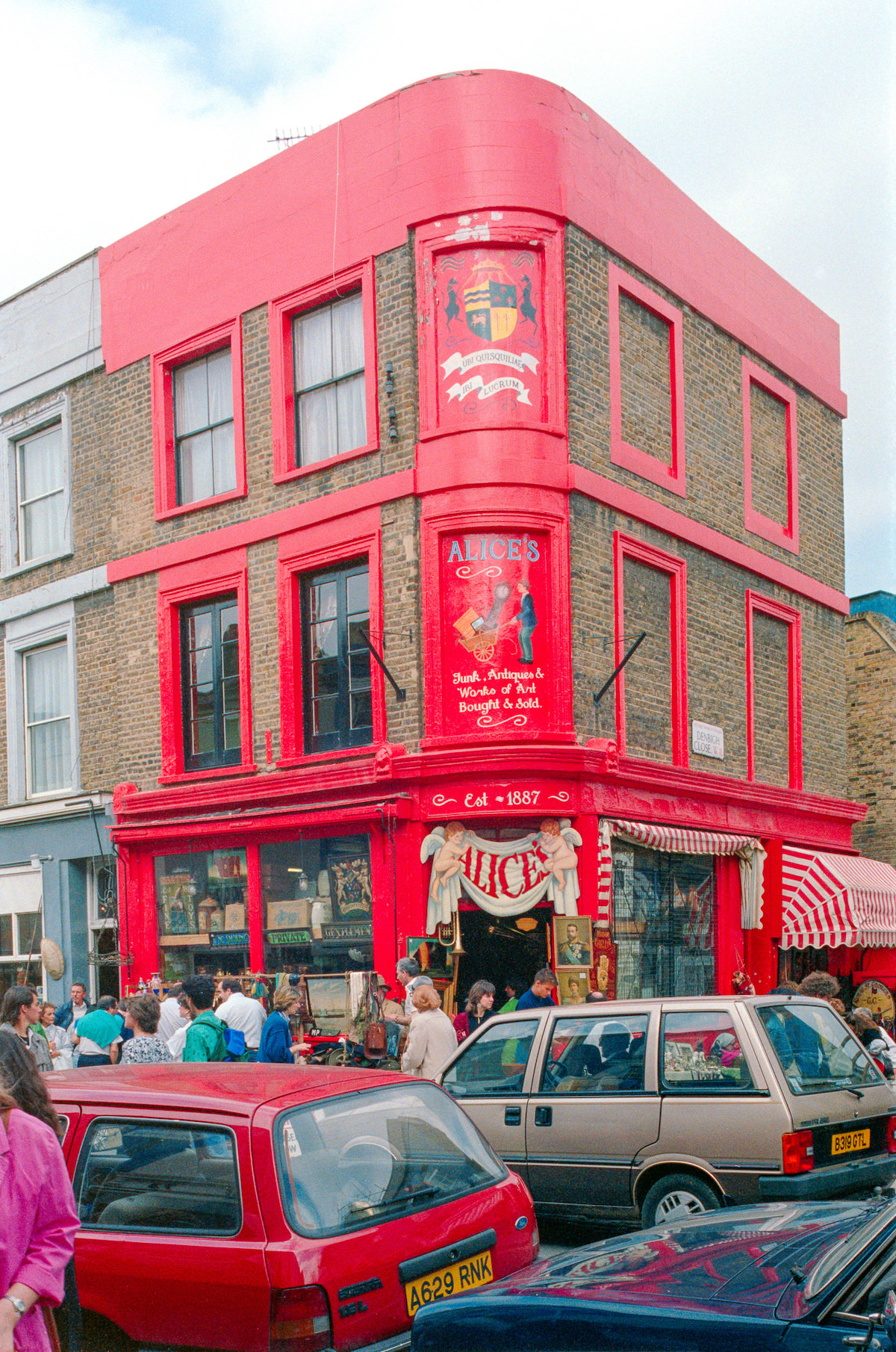
Alice’s at 86 Portobello Road was one of the market’s well-known antique and curiosity shops. Storefronts like this one were a staple of the road — small, tightly packed, and full of objects with histories of their own.
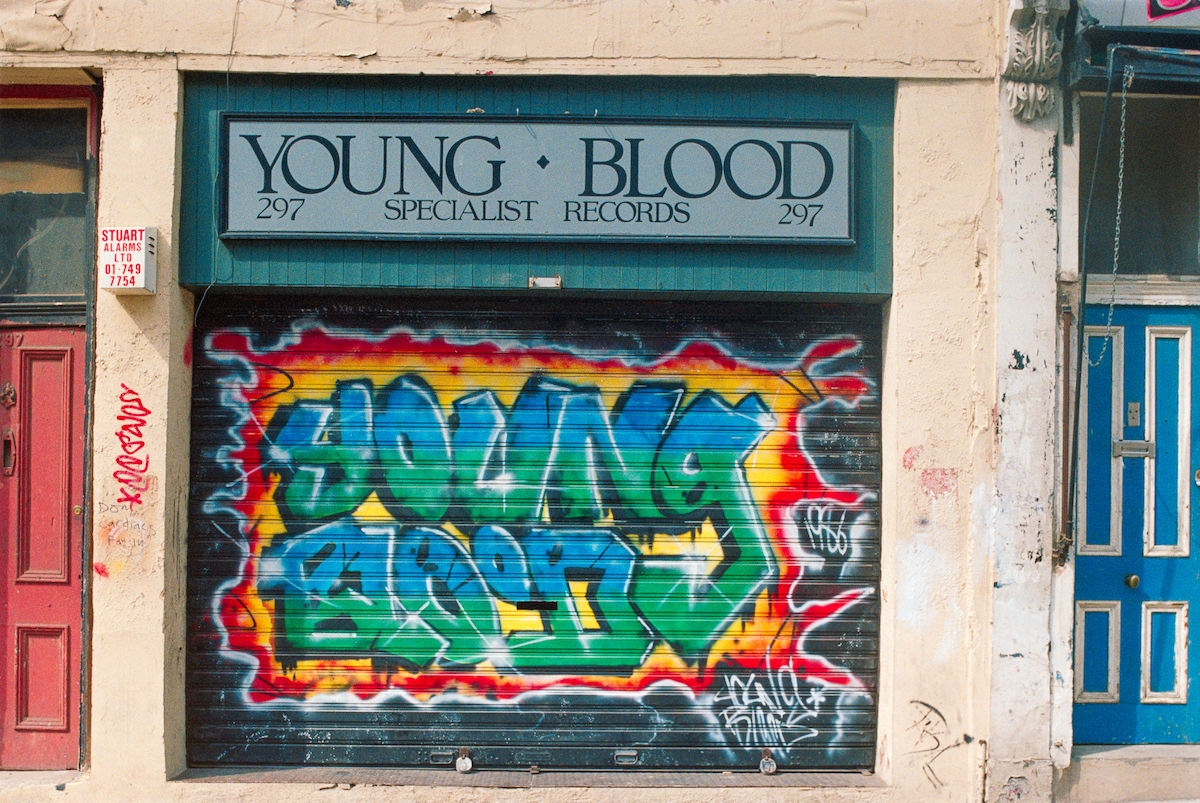
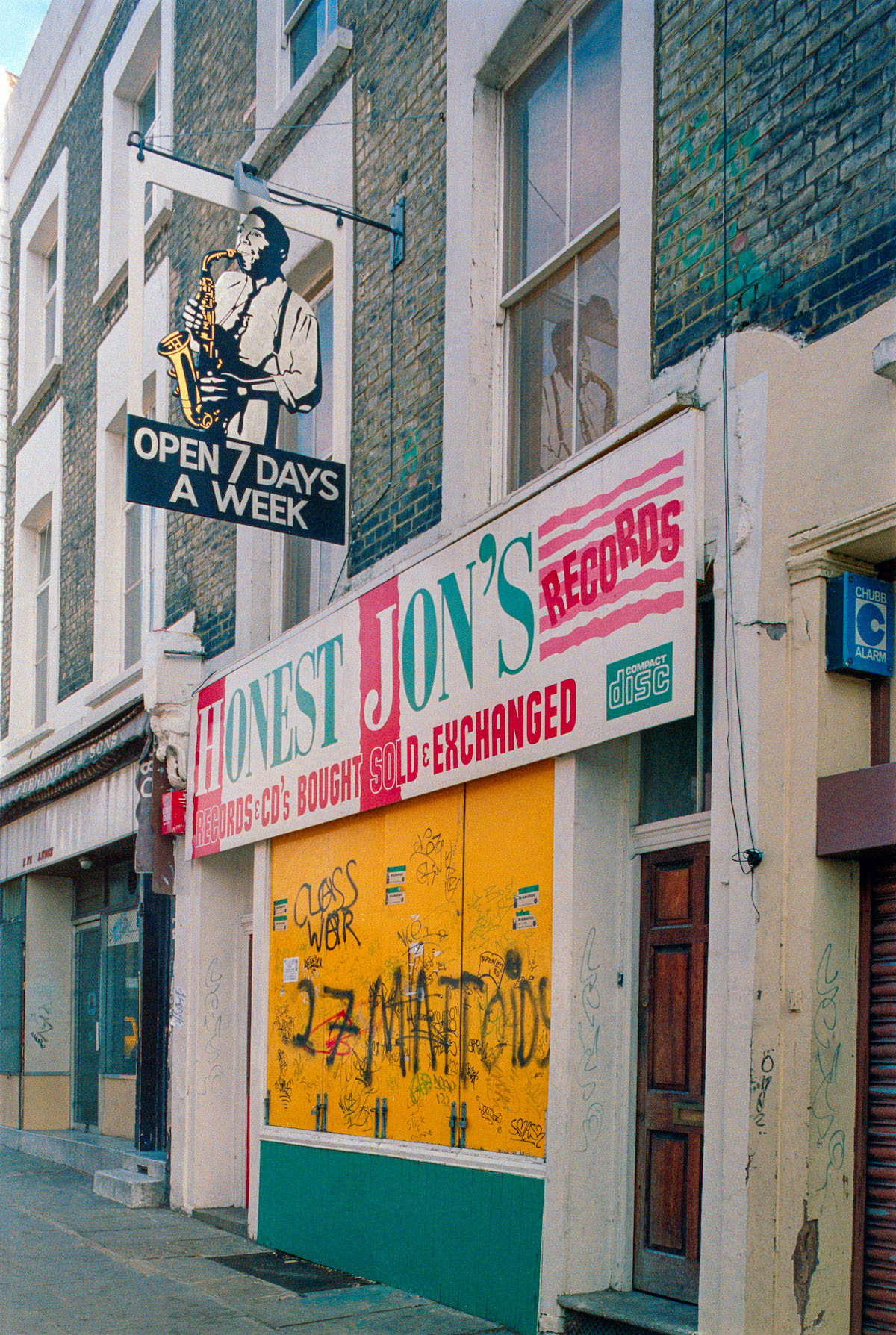
Music was woven into the fabric of Portobello Road. Young Blood Records at 297 and Honest Jon’s were both fixtures on the strip, serving a community that took its record collecting seriously. These weren’t casual shops — they catered to people who came specifically to dig through their stock.
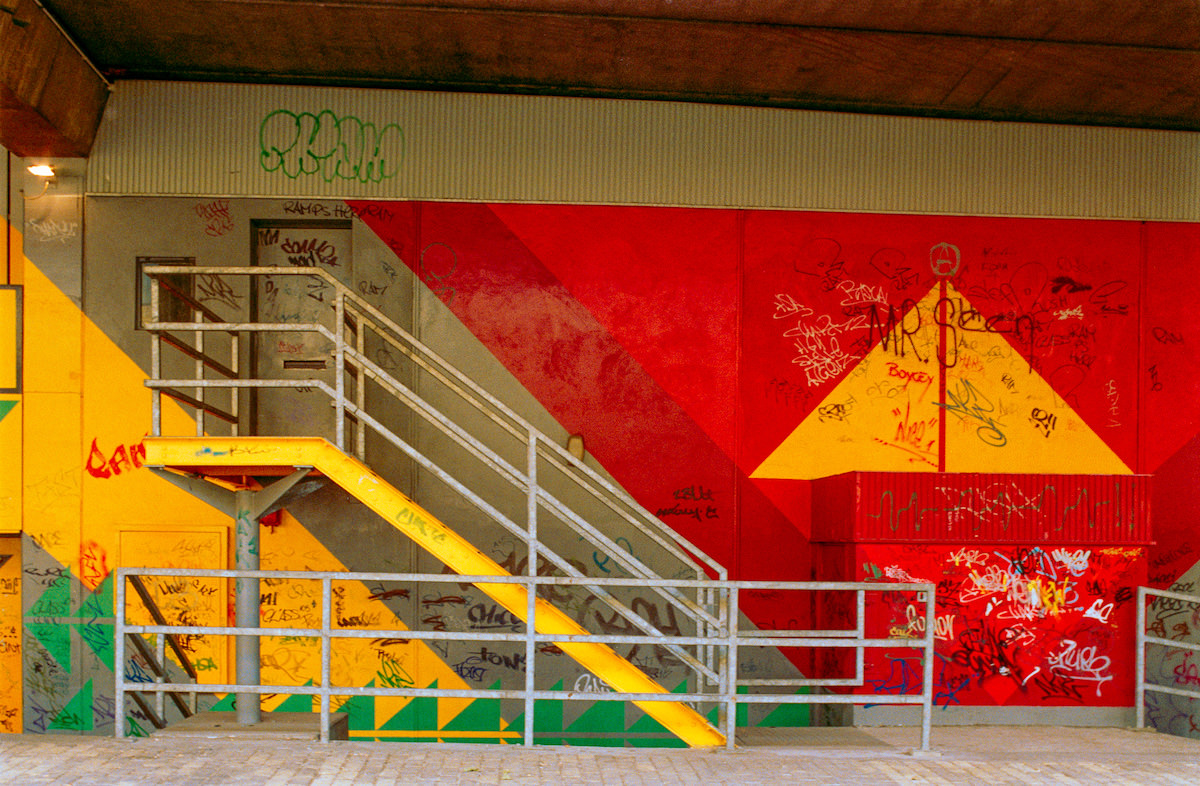
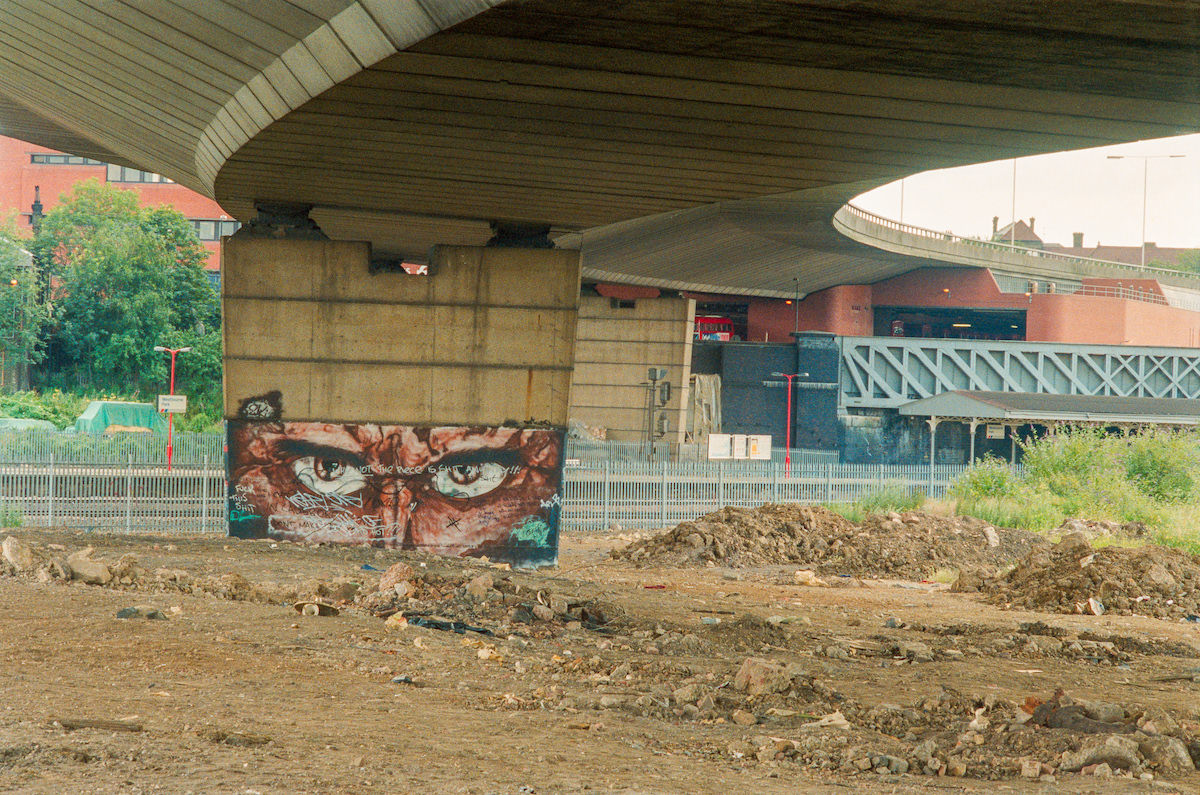
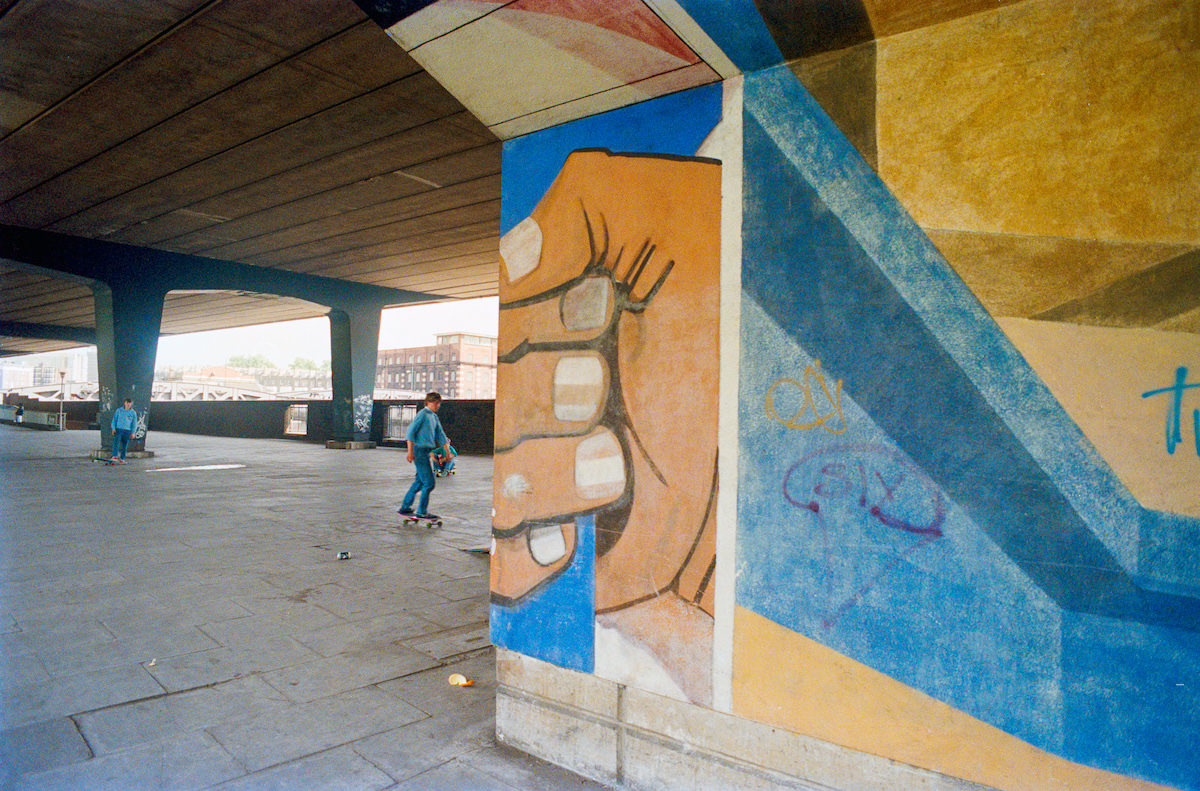
Marshall’s lens did not stay on the market stalls. Along Harrow Road near the Westway — the elevated motorway that cuts through this part of west London — he photographed a woman sleeping rough. The Westway’s underside provided shelter for people with nowhere else to go.
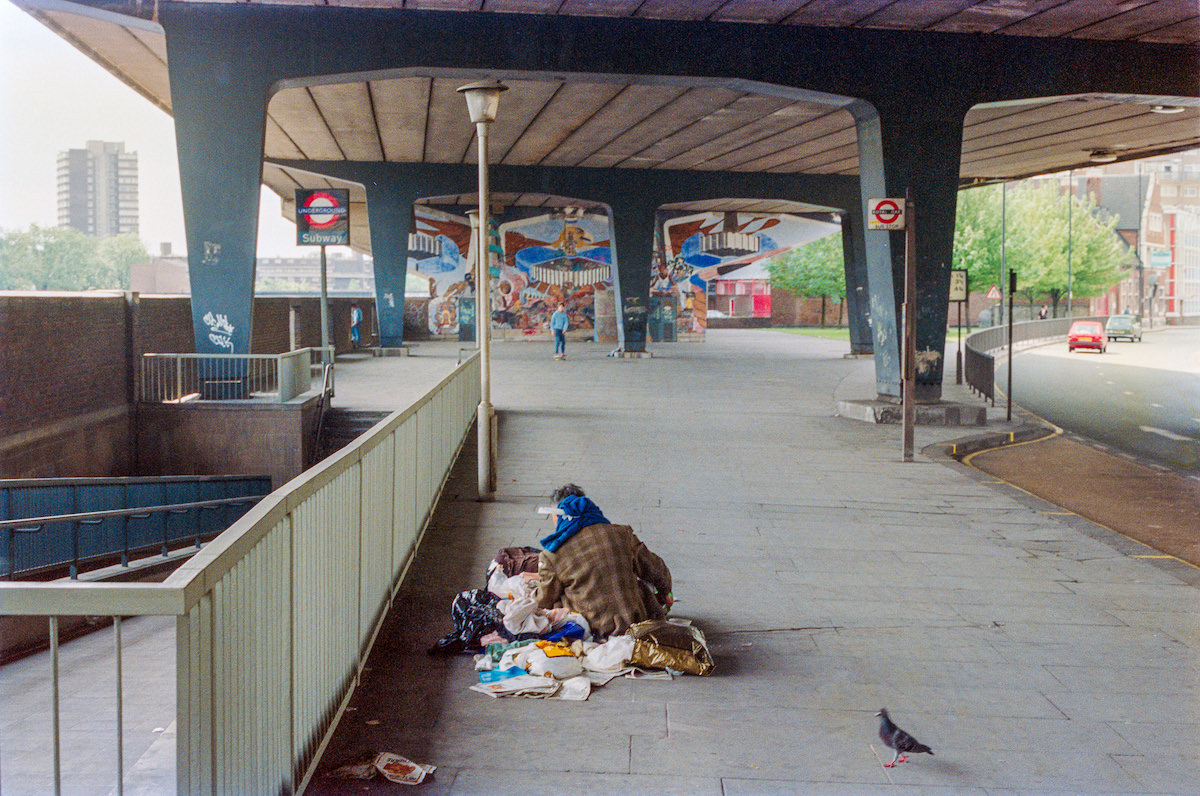
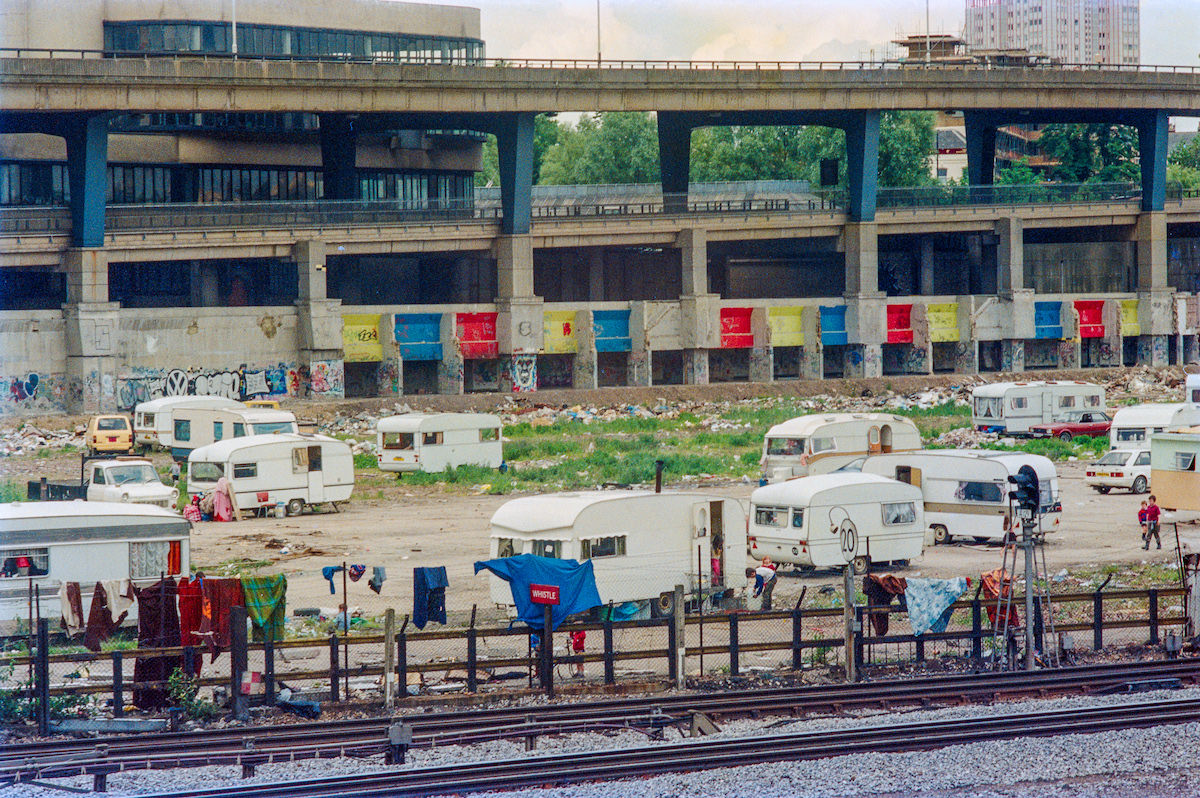
The space beneath the Westway also housed travellers — people living in vehicles or makeshift camps in the shadow of the concrete overpass. This community existed directly alongside the market’s commerce, just a short distance from the antique dealers and clothing stalls.
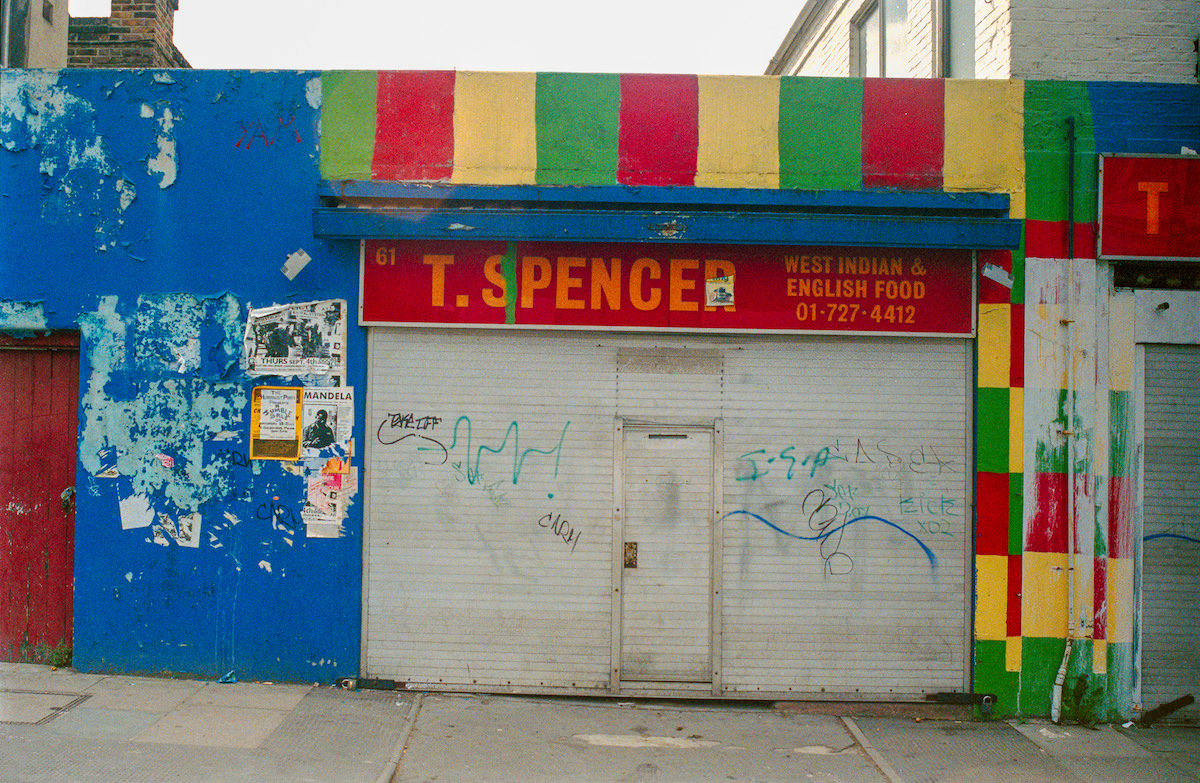
T S Spencer was among the permanent traders on Portobello Road, one of many businesses that gave the street a more stable commercial identity beyond the weekend market. The range of shops along the road in 1987 ran from specialist dealers to everyday services.
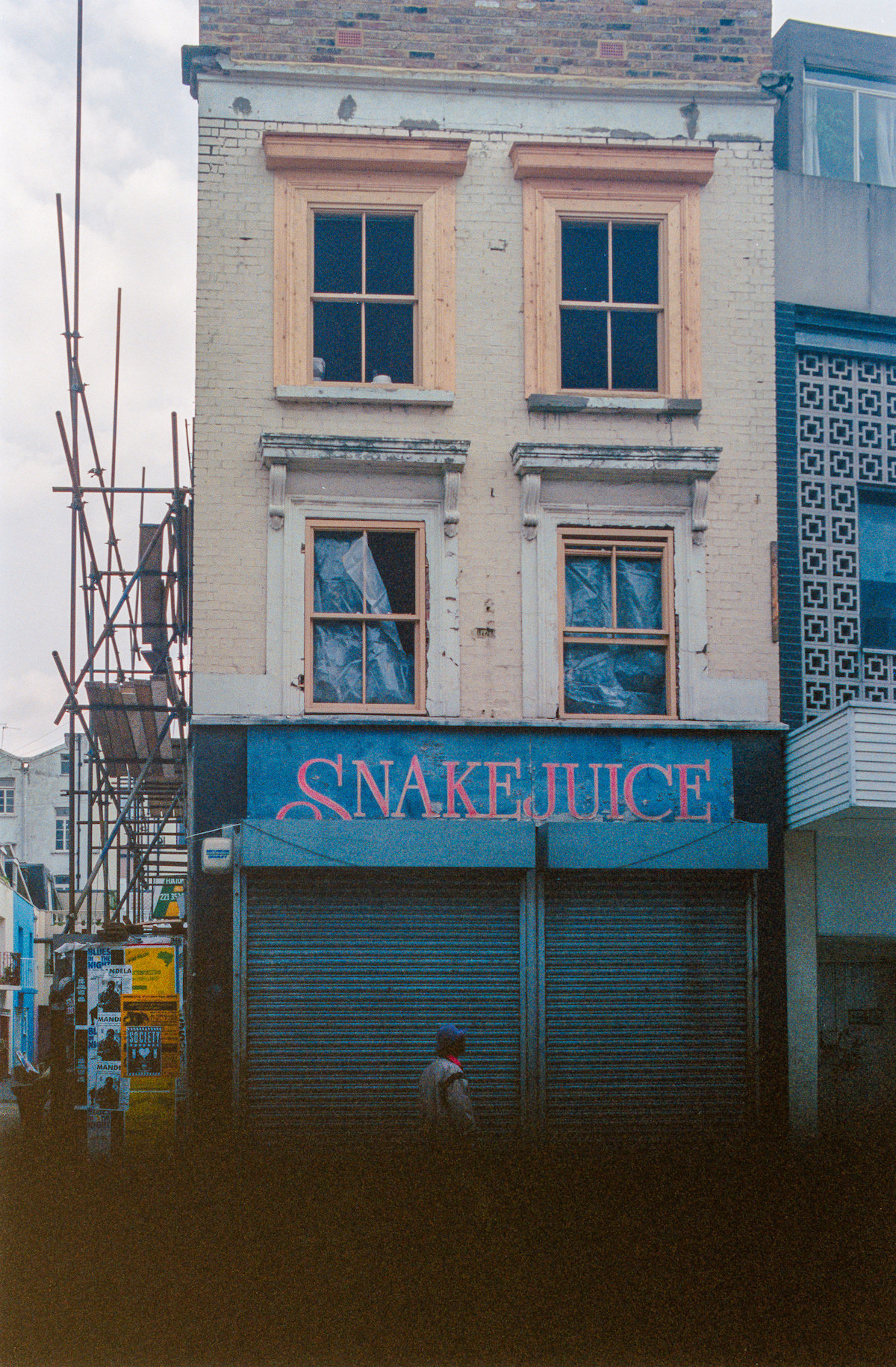
Snake Juice was another distinctive offering captured by Marshall in 1987 — the sort of novelty product that fit naturally into Portobello’s offbeat trading culture. The market tolerated and even celebrated the unusual.
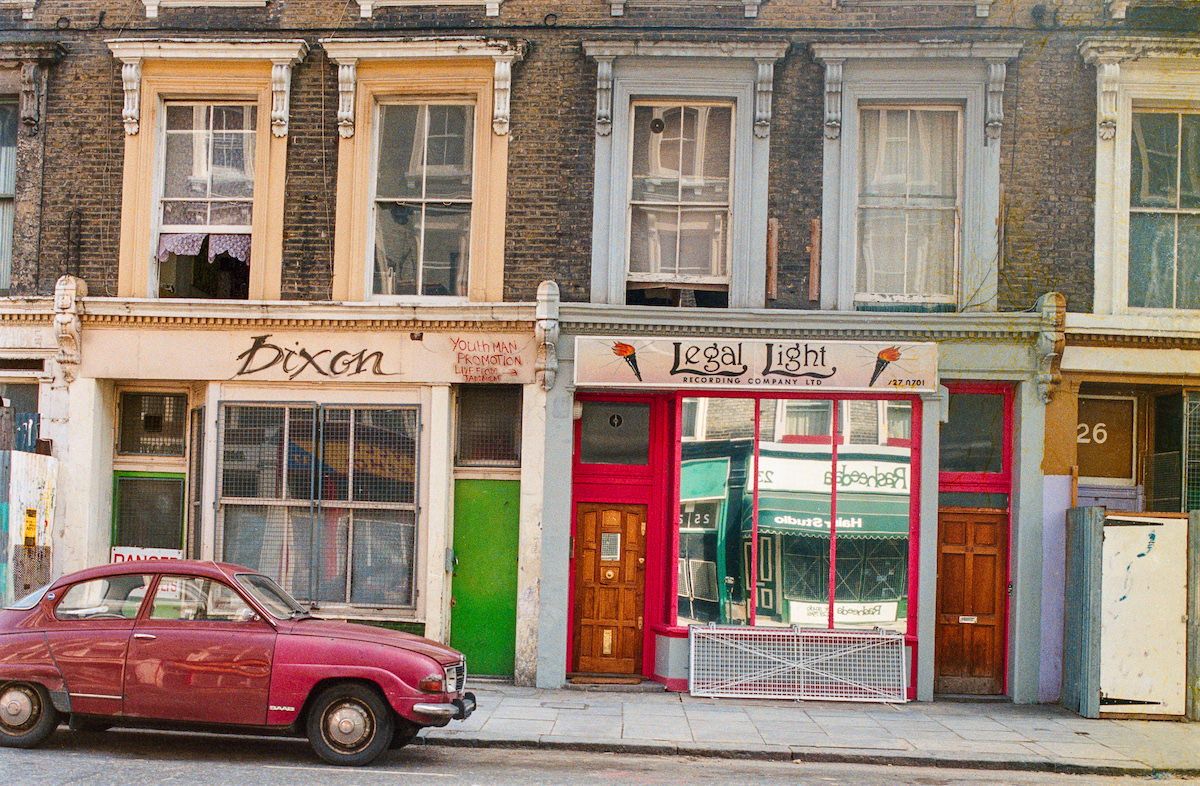
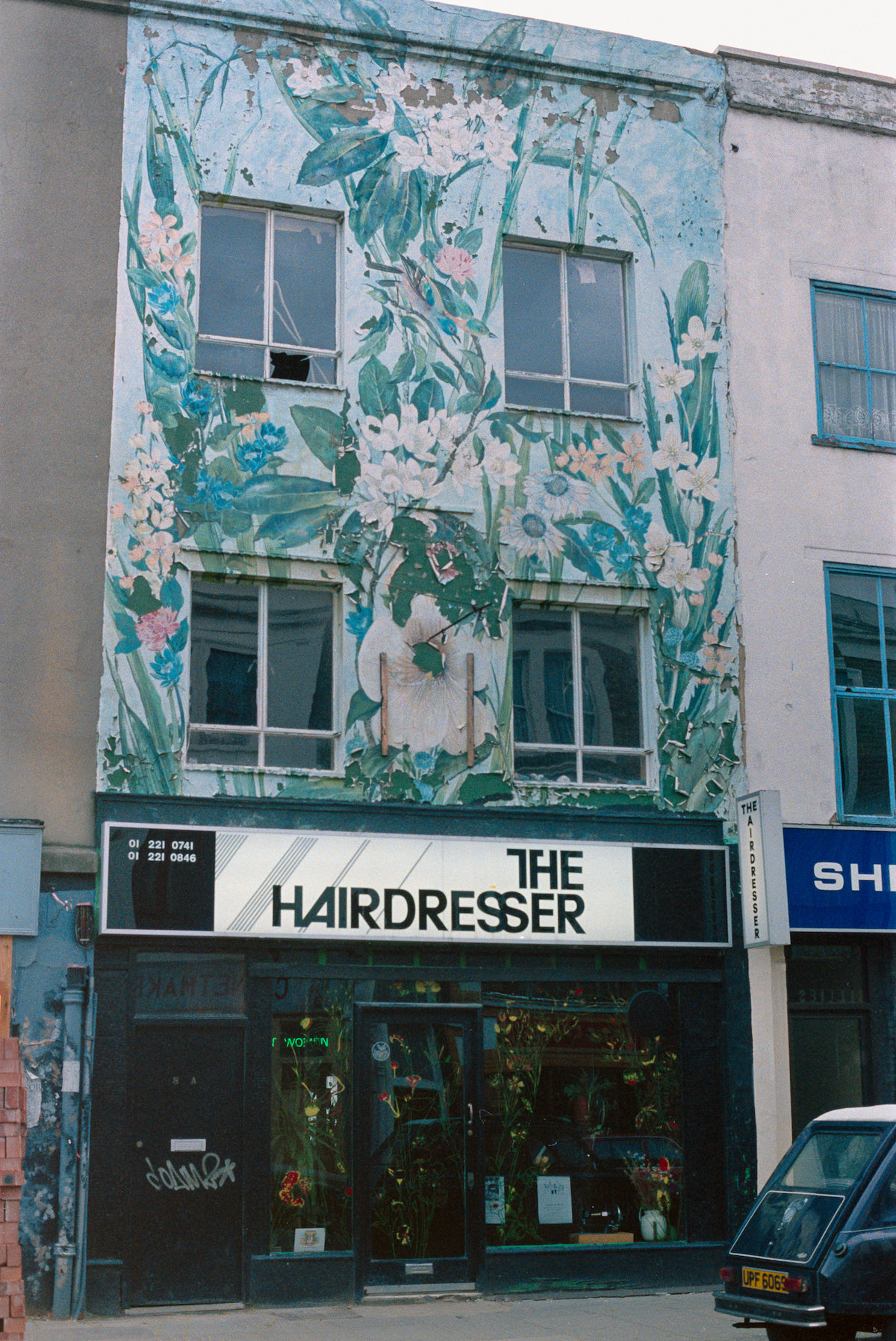
Marshall photographed multiple stretches of shopfronts along the road, documenting the variety of businesses operating side by side. The visual texture of the street — signage, window displays, facade styles — told its own story about the neighbourhood’s commercial life.
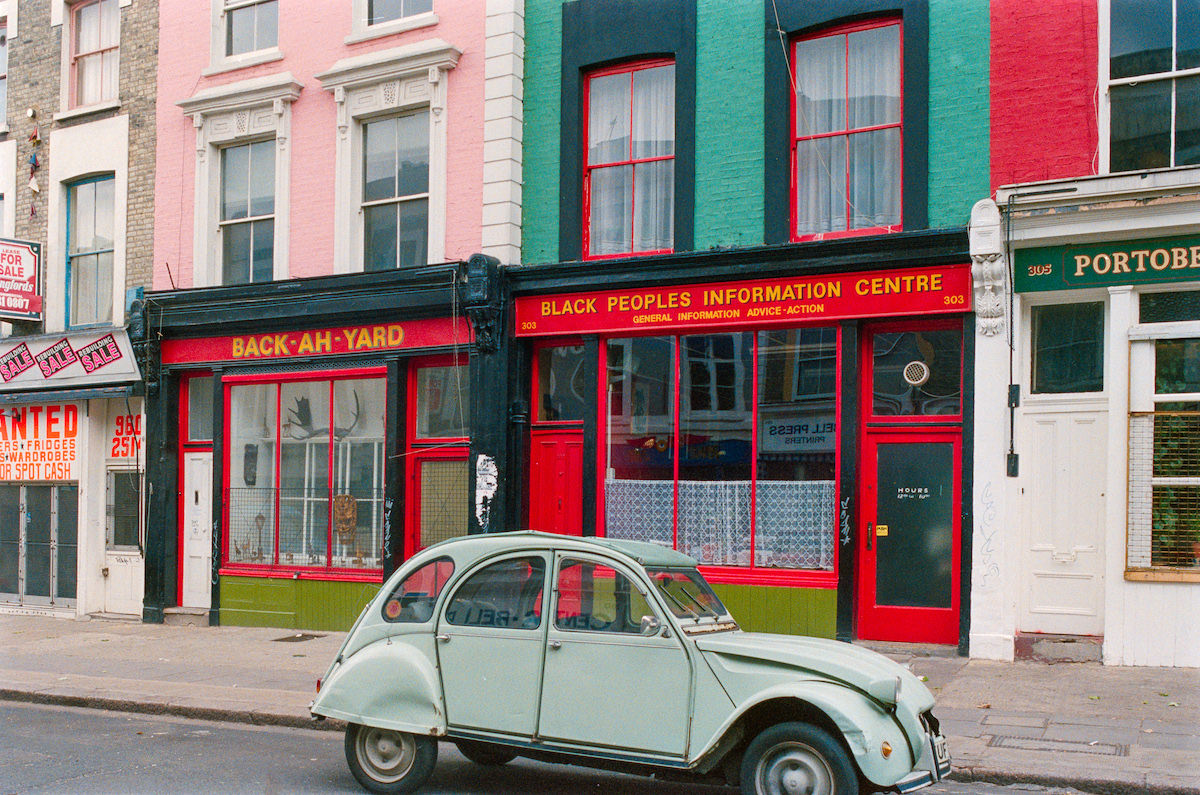
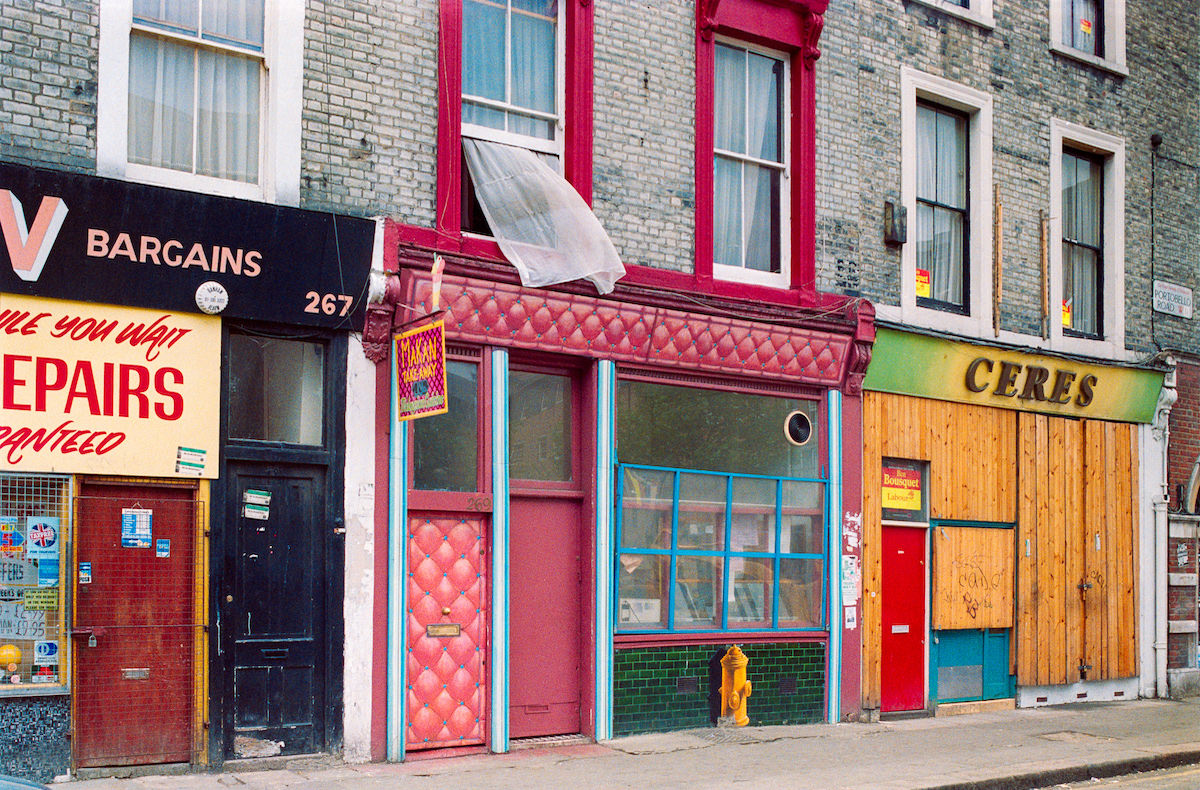
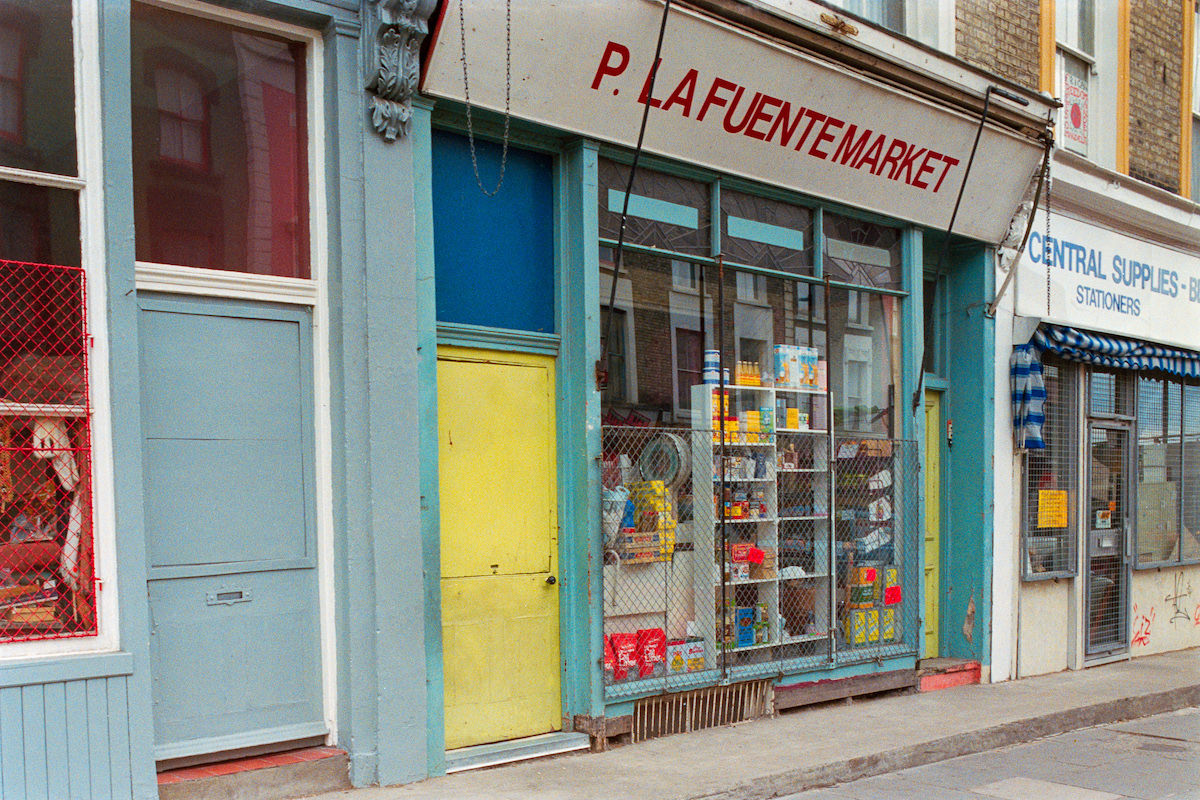
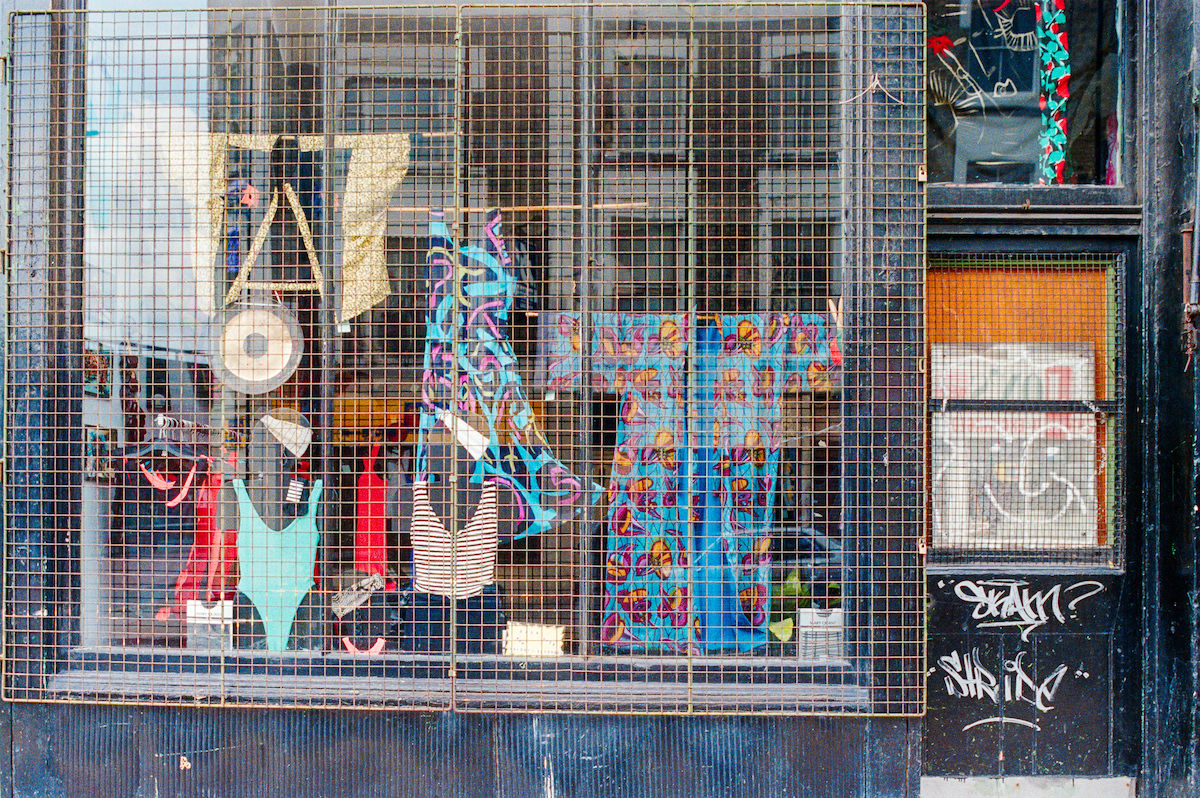
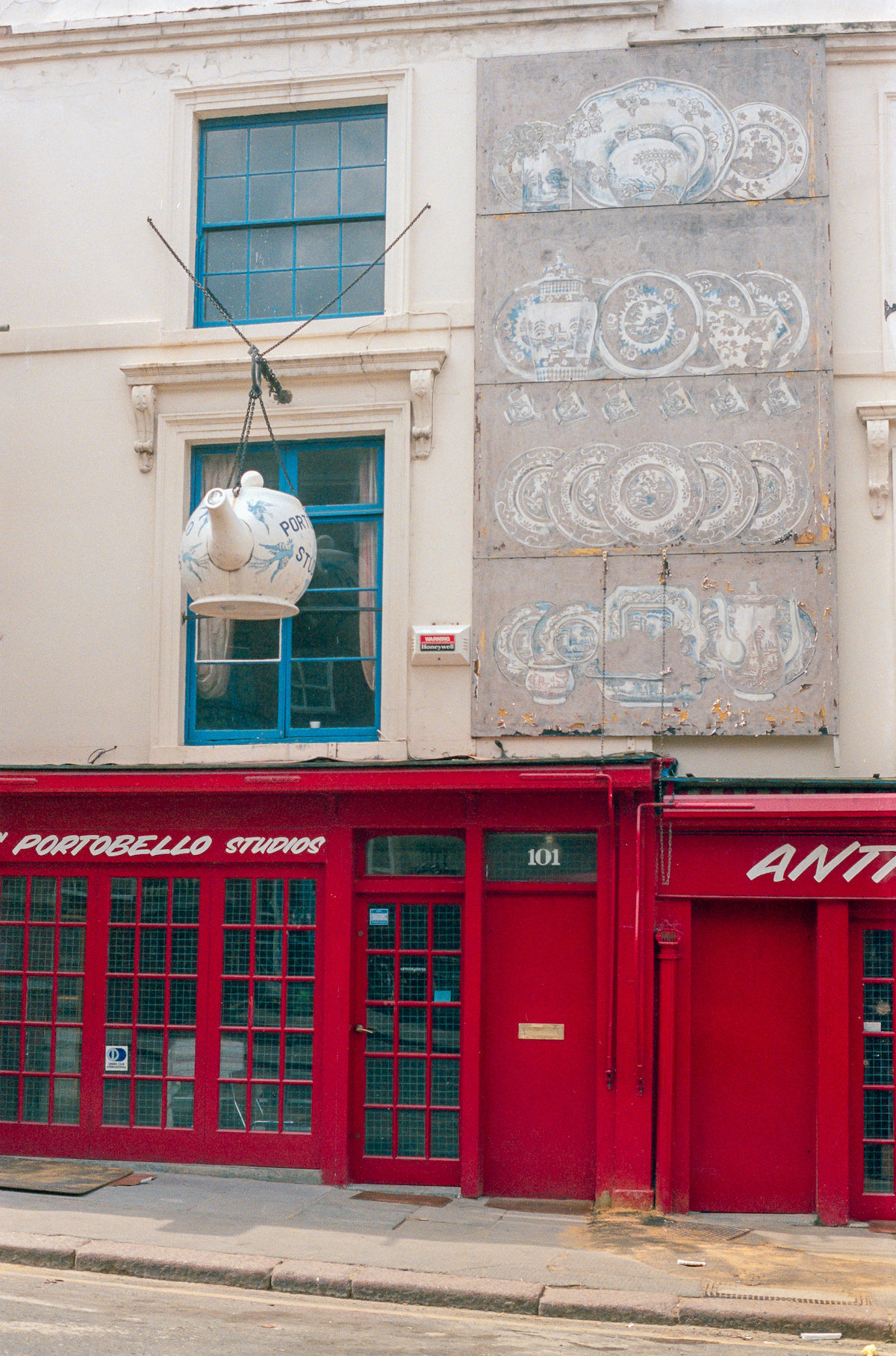
The shop at 295 Portobello Road and Portobello Studios at 101 represent two ends of the road’s character — retail on the street and creative enterprise tucked into its buildings. Portobello Studios occupied a space that reflected the area’s growing role as a hub for arts and media.
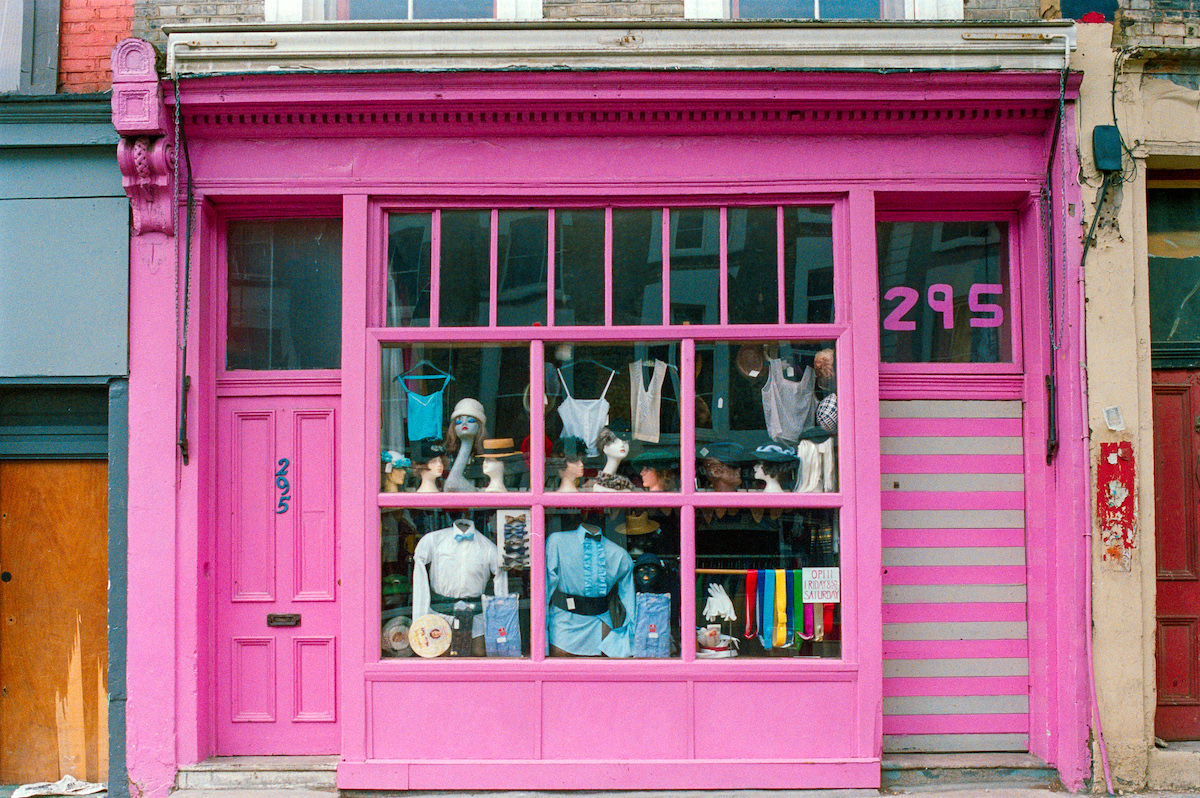
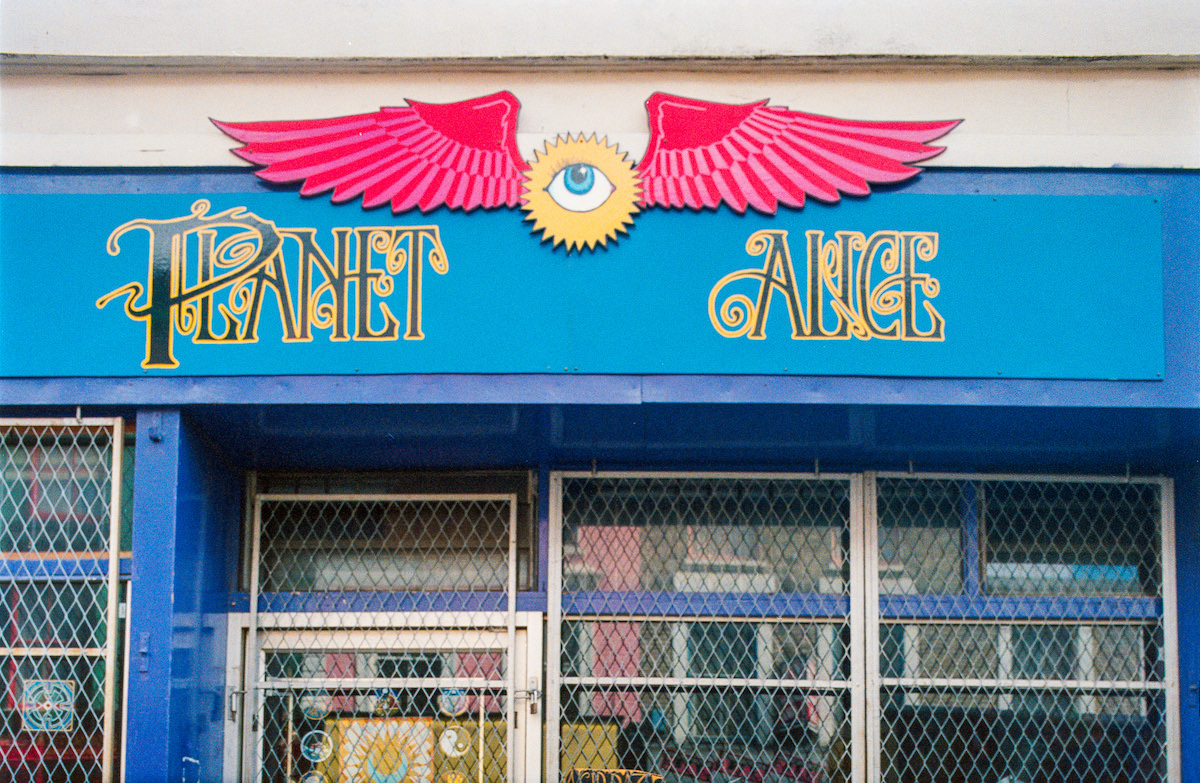
Along the main stretch, Planet Alice and the broader Notting Hill streetscape gave the road a bohemian energy. Portobello Green, a covered market space near the Westway, extended trading beyond the traditional antiques section into clothing and crafts.
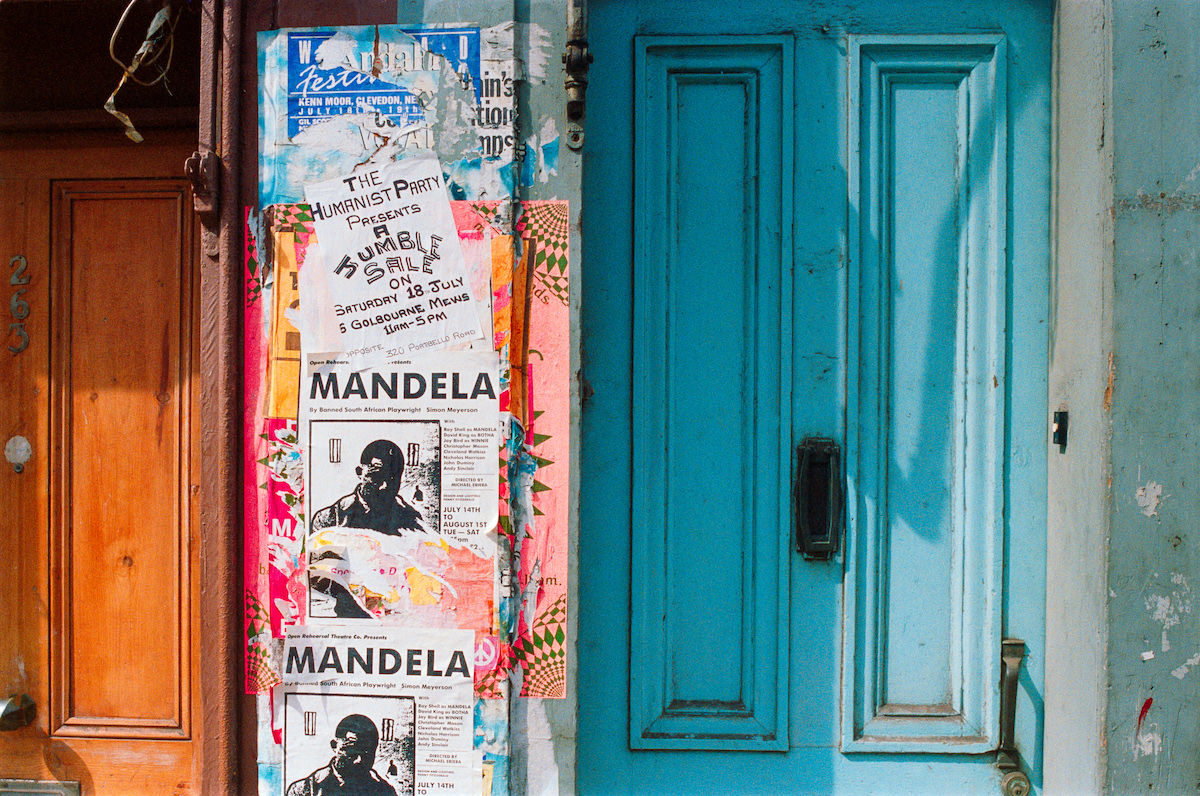
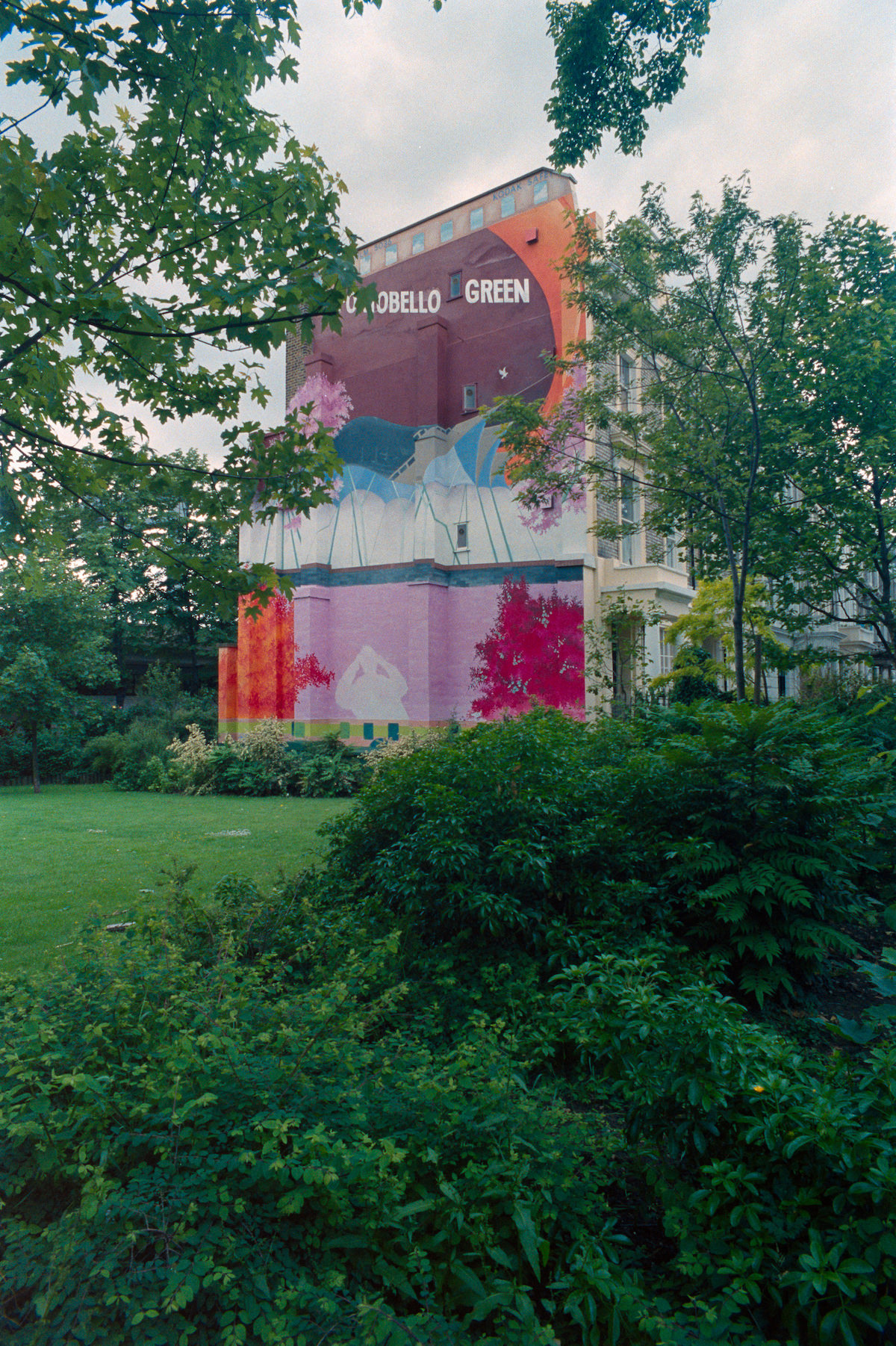
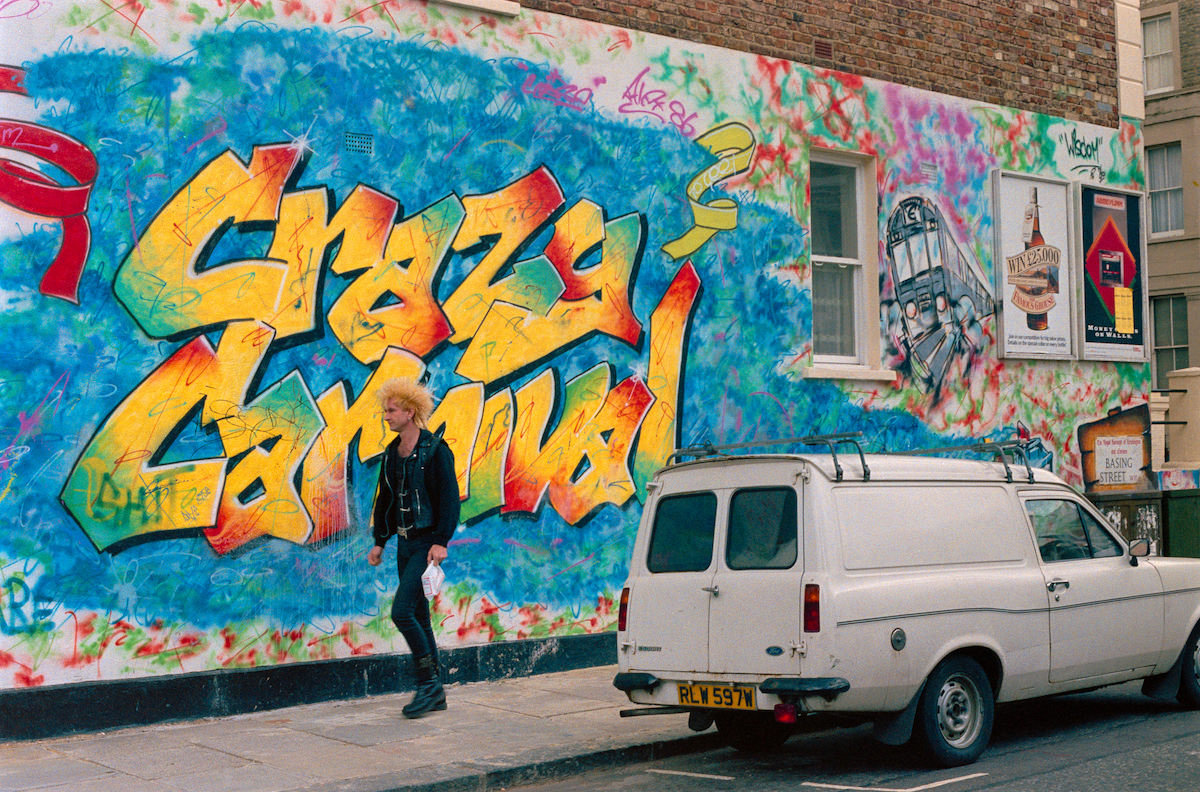
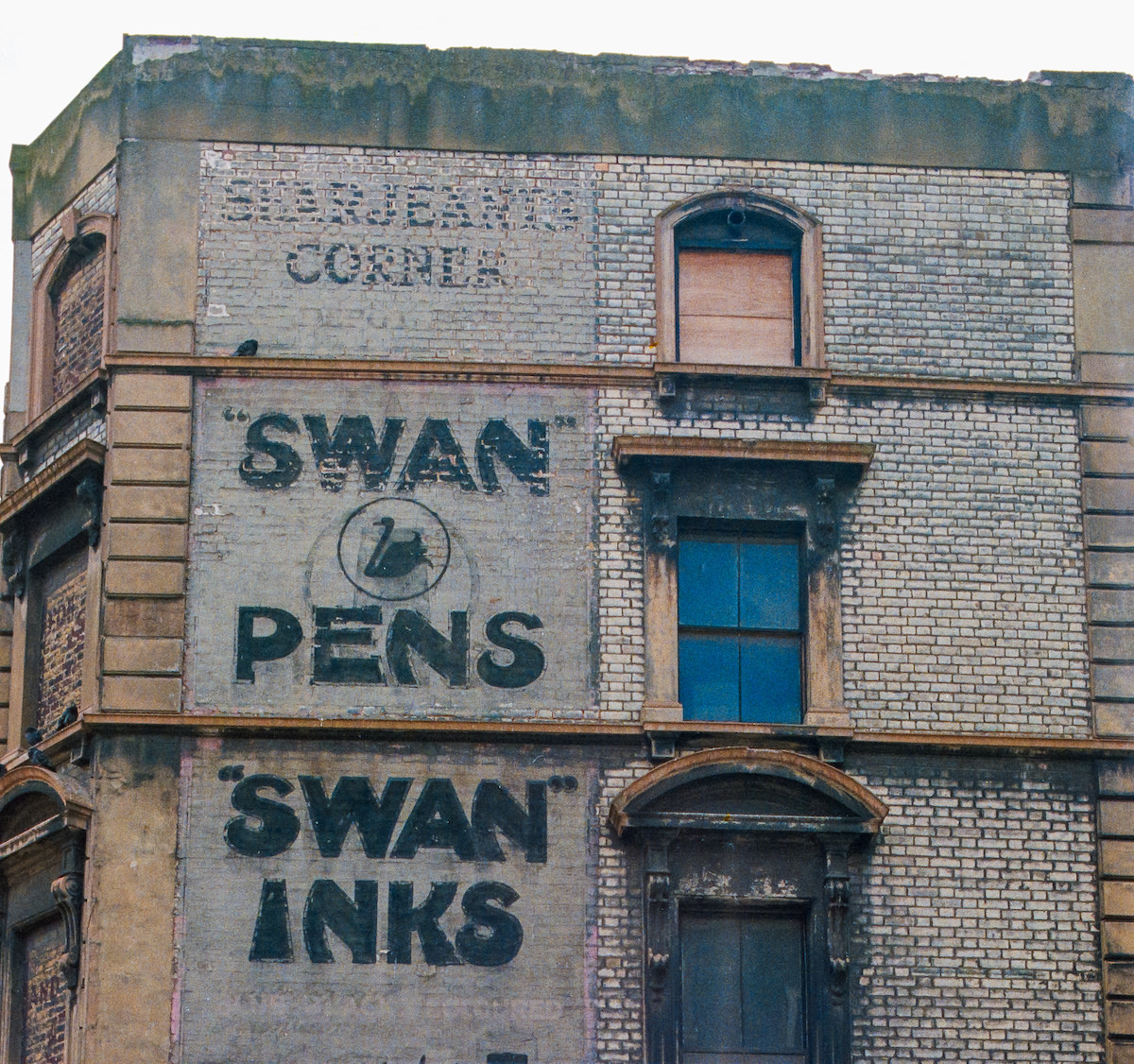
A large mural on Harrow Road near the Westway marked the area visually, as did a ghost sign for Swan Ink on Cambridge Gardens off Ladbroke Grove. Ghost signs — old painted advertisements fading on brick walls — were common across this part of London, remnants of businesses long closed.
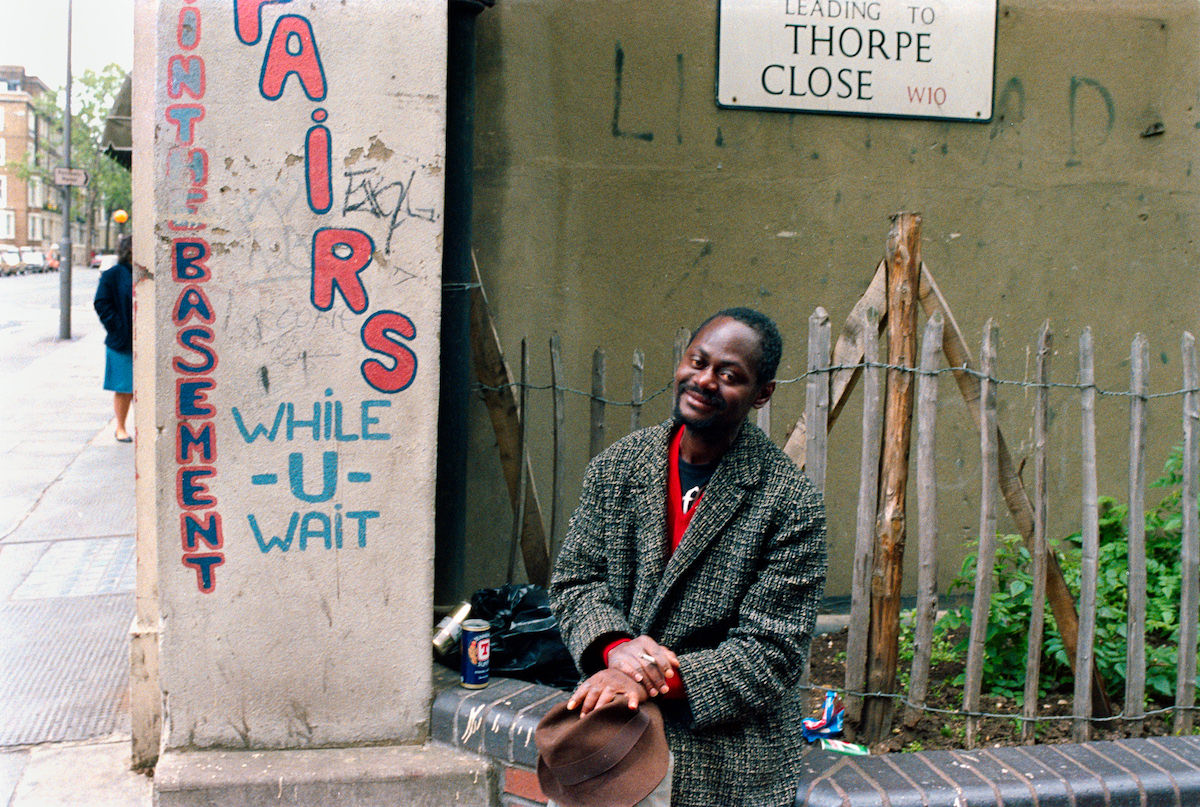
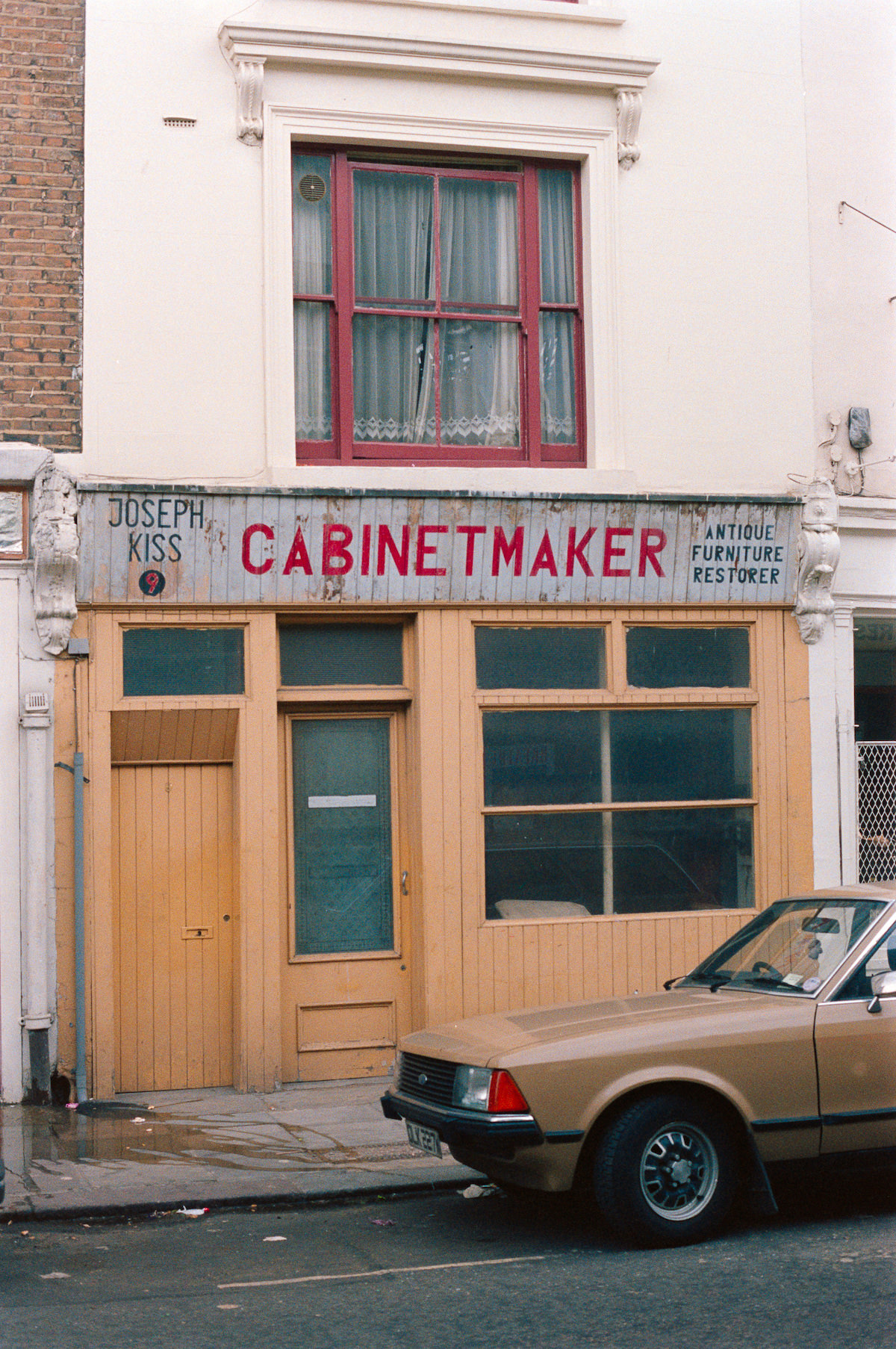
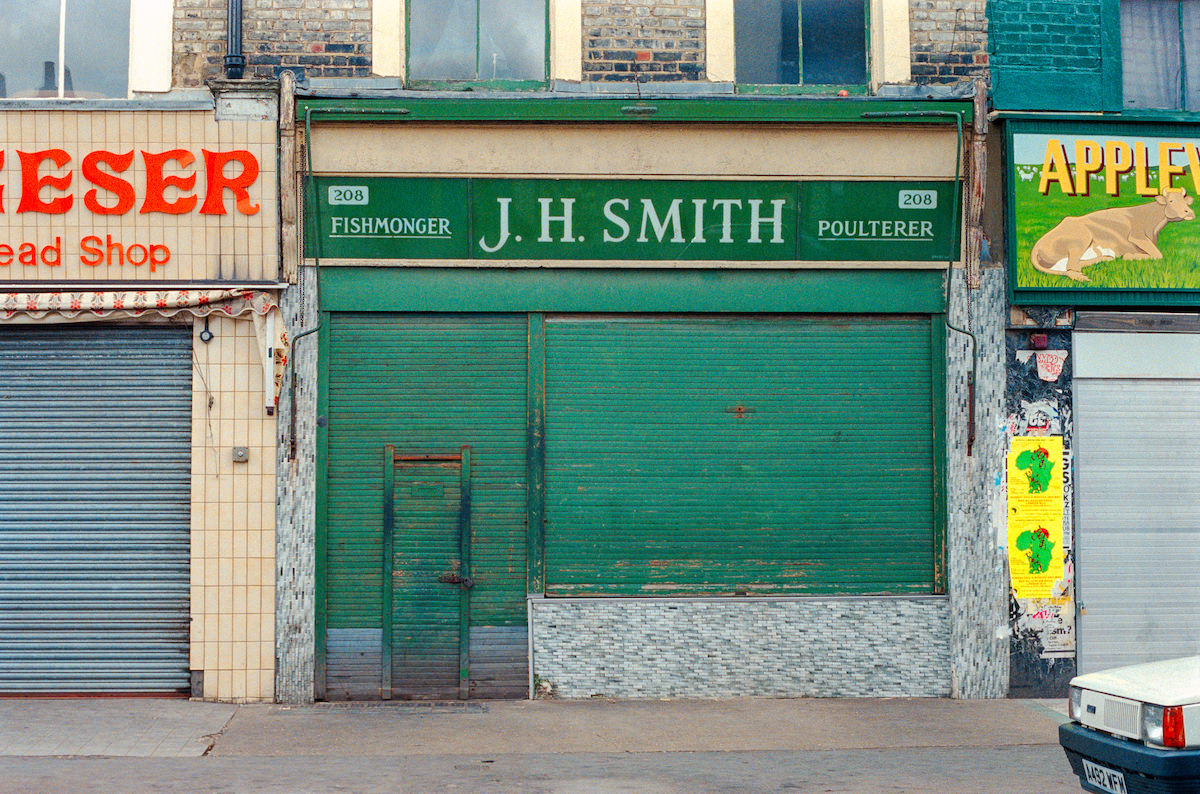
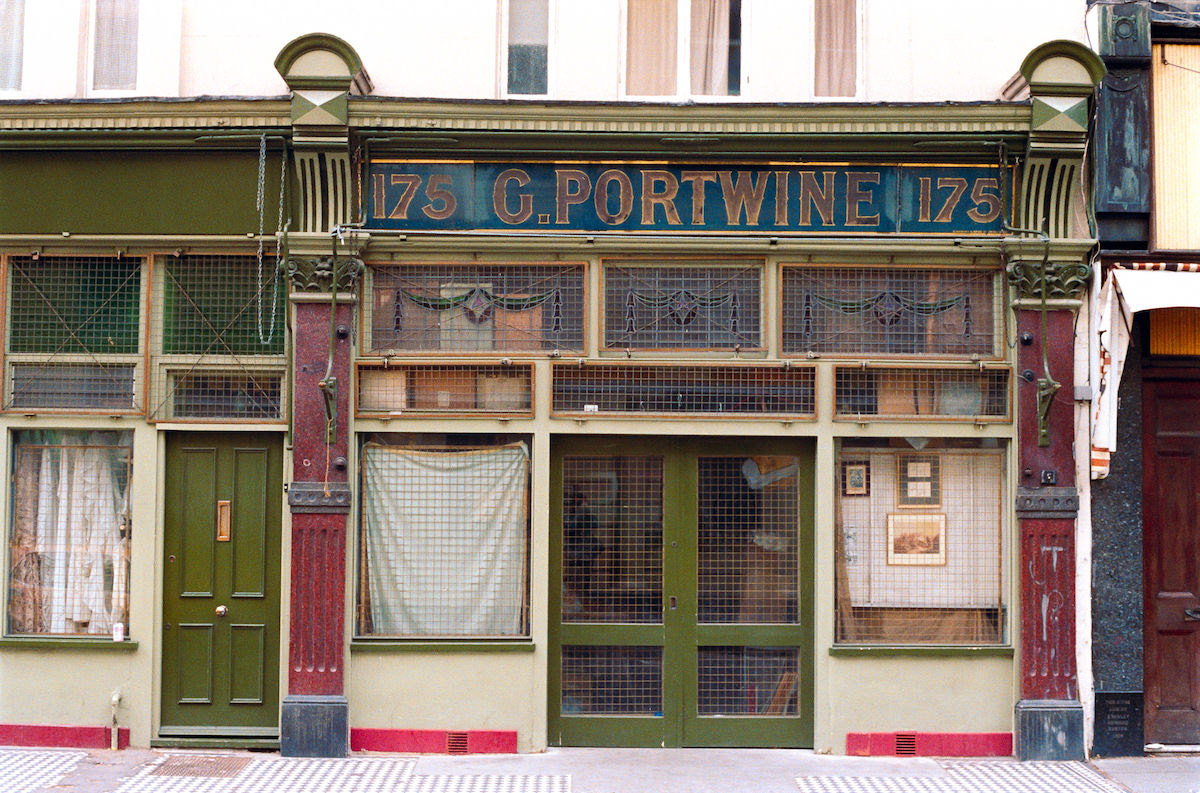
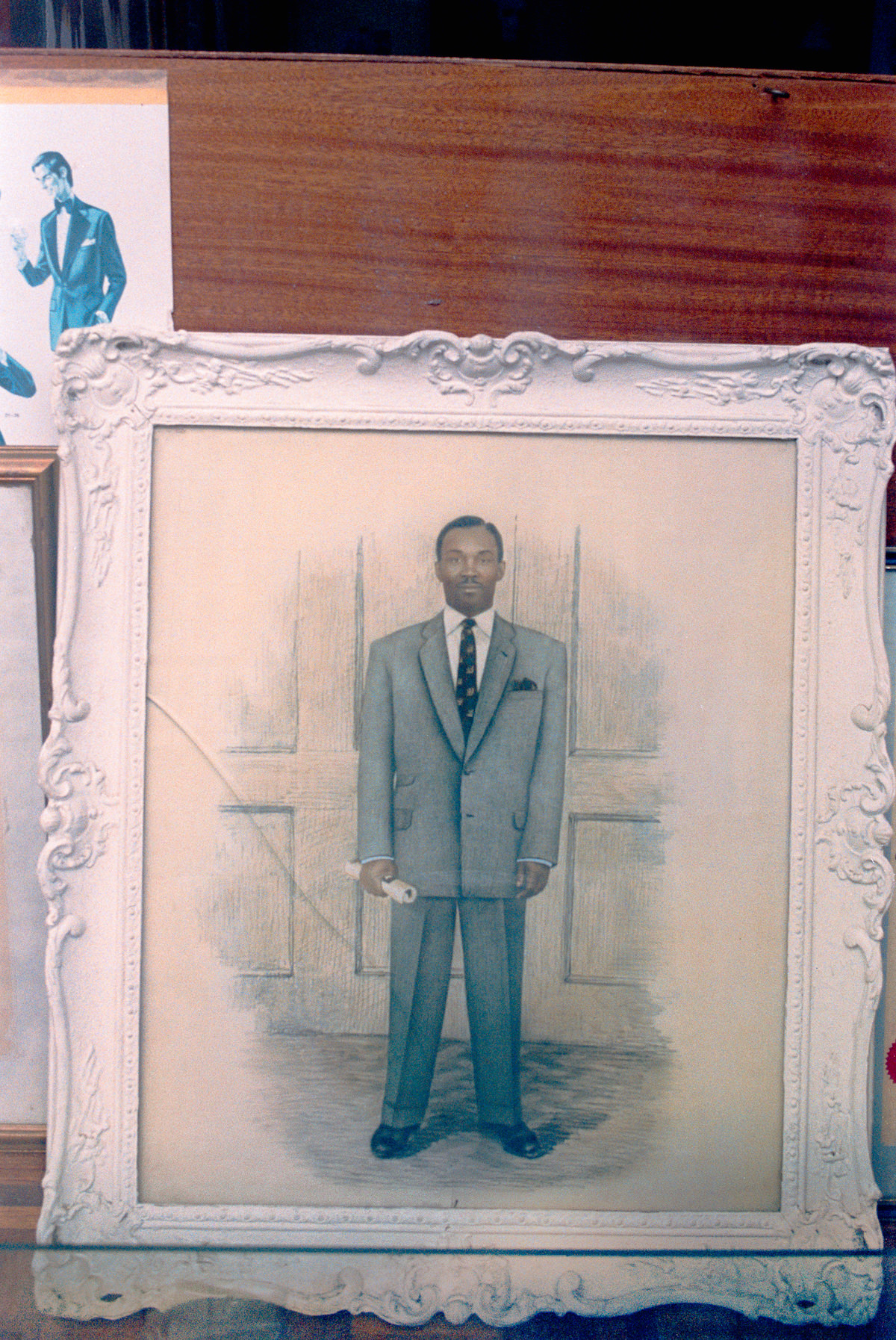
Specialist tradespeople operated throughout the area. Joseph Kiss worked as a cabinet maker, and Clifford Augustus Fullerton ran a tailor’s shop on Talbot Road. J H Smith at 208 Portobello Road and G Portwine at 175 were among the traders whose names Marshall recorded in his photographs. Honest Jon’s Records, already an institution by 1987, continued to serve serious music buyers on the road.
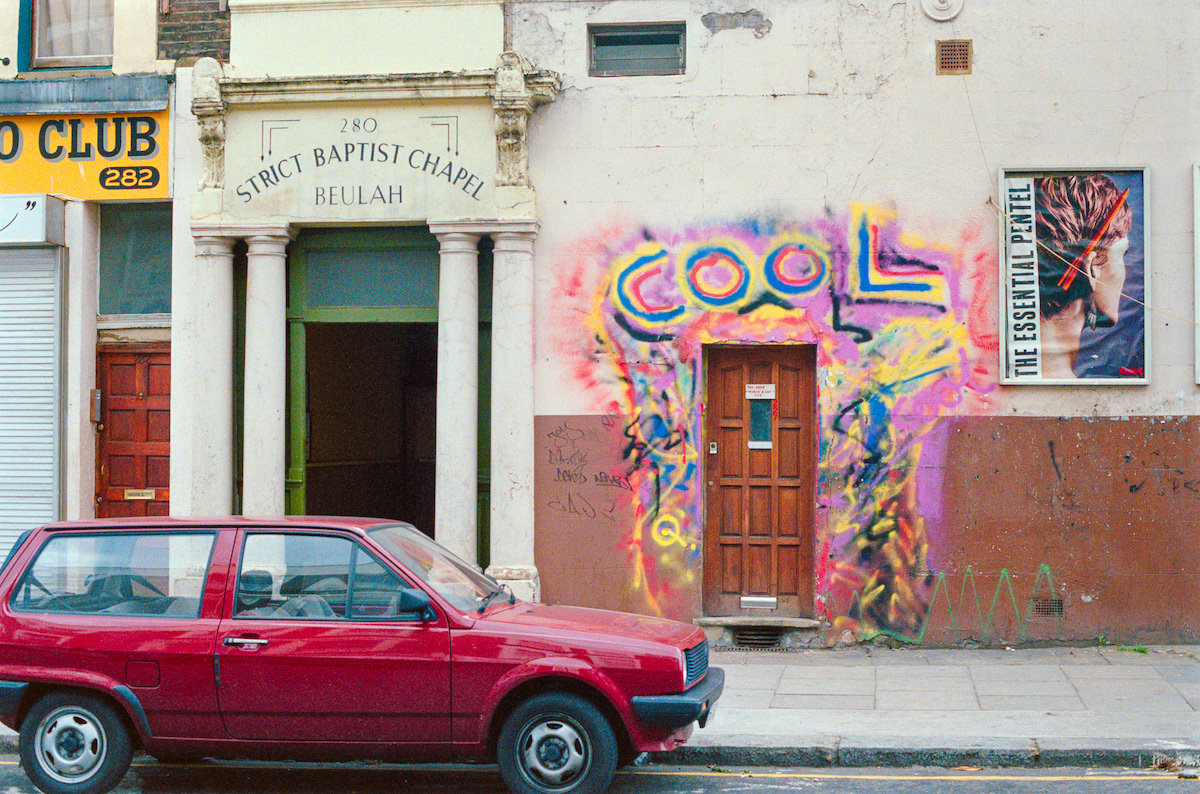
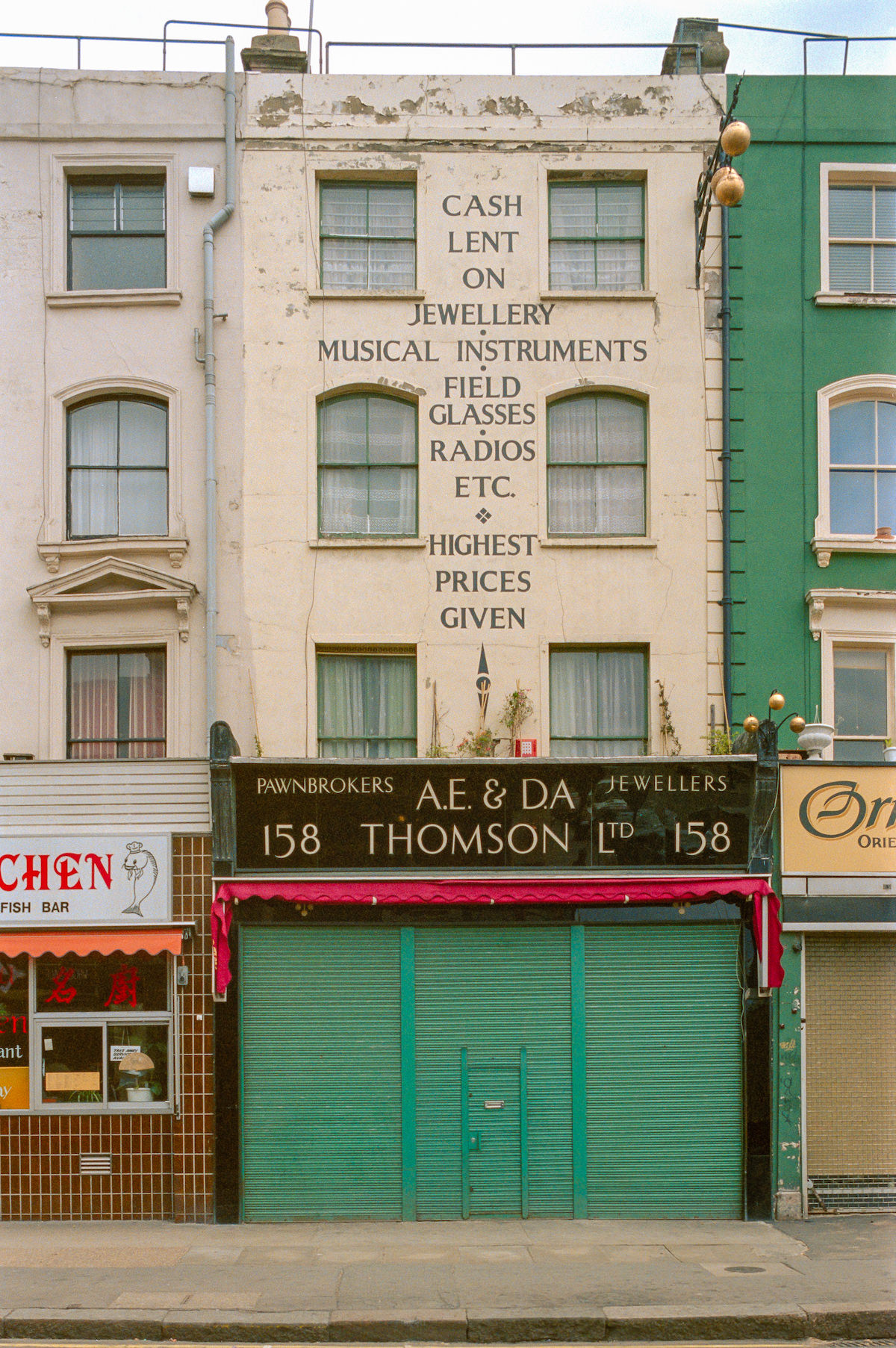
Religious life was also present in this part of Notting Hill. The Beulah Strict Baptist Chapel at 280 Westbourne Park Road stood as a reminder that the neighbourhood’s identity extended well beyond its market. Acklam Road, running alongside the Westway, added another layer to Marshall’s survey of the streets surrounding Portobello Road. A E & D A Thomson, pawnbrokers at 158 Portobello Road, completed the picture — a business that reflected the economic realities of many people living in the area in 1987.