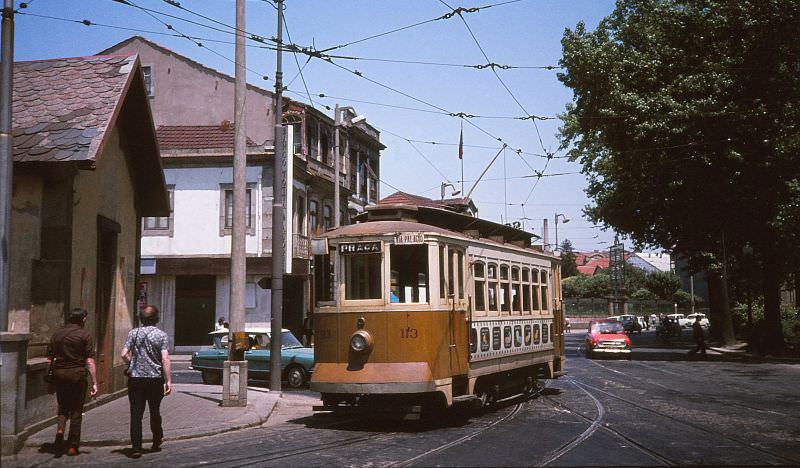
Before Ford dominated the American road and General Motors became a household name, there was Studebaker — a company that began by building wagons and ended up shaping the automobile industry for over six decades. Founded as the Studebaker Brothers Manufacturing Company and incorporated in 1868, the firm started as a coachbuilder, crafting wagons, buggies, carriages, and harnesses. It grew so successfully that it became the world’s largest manufacturer of horse-drawn vehicles before the car age had even begun.
Studebaker entered the automotive world in 1902 with electric vehicles, then added gasoline-powered cars in 1904, all sold under the Studebaker Automobile Company name. For its first several years, it ran its automotive division in partnership with the Garford Company of Elyria, Ohio, then later with E-M-F and Flanders Automobile. It wasn’t until August 1912 that Studebaker produced its first gasoline automobiles entirely on its own terms.
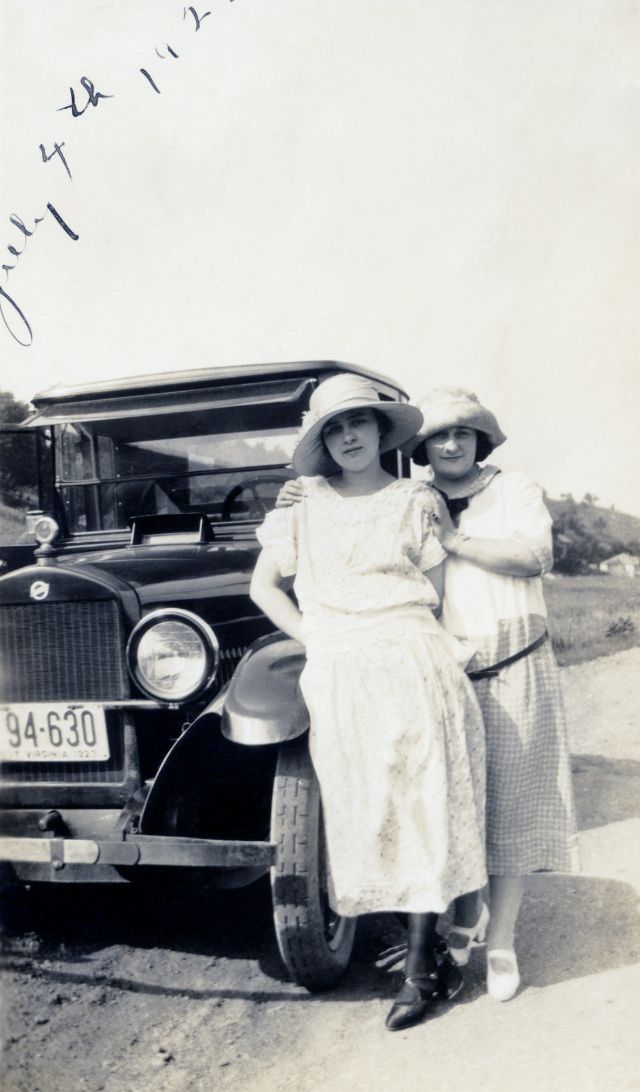
By the early 1920s, Studebaker had built a strong reputation among buyers who valued quality over flash. The Light Six was one of its most accessible models, appealing to middle-class families and individuals who wanted a reliable, well-built car without the price tag of luxury rivals. Photos from this era show owners proud enough of their Studebakers to stop and pose beside them — a tradition that carried through the following decades.
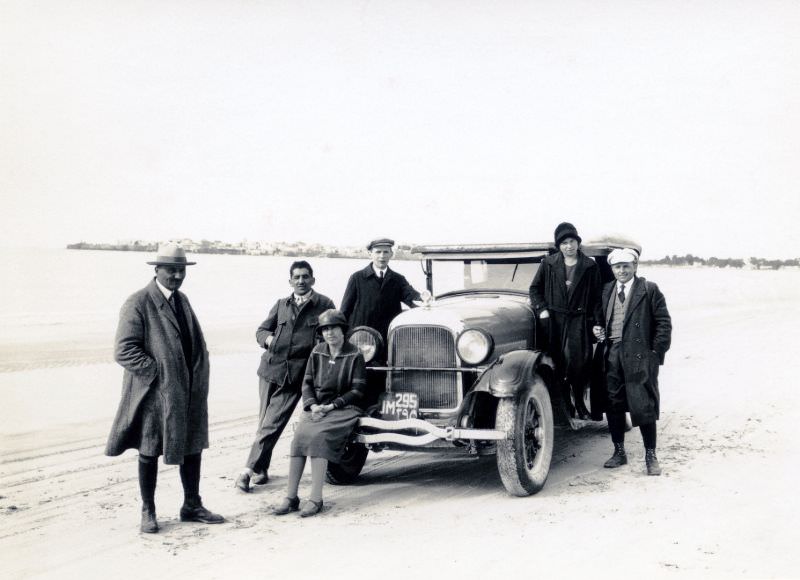
The Studebaker Phaeton was an open touring car — the kind of vehicle that invited adventure. Seeing six people gathered around one on a winter beach in late 1927 captures the spirit of the era perfectly. Cars weren’t just transportation then; they were an experience, and Studebaker owners seemed to feel that keenly.
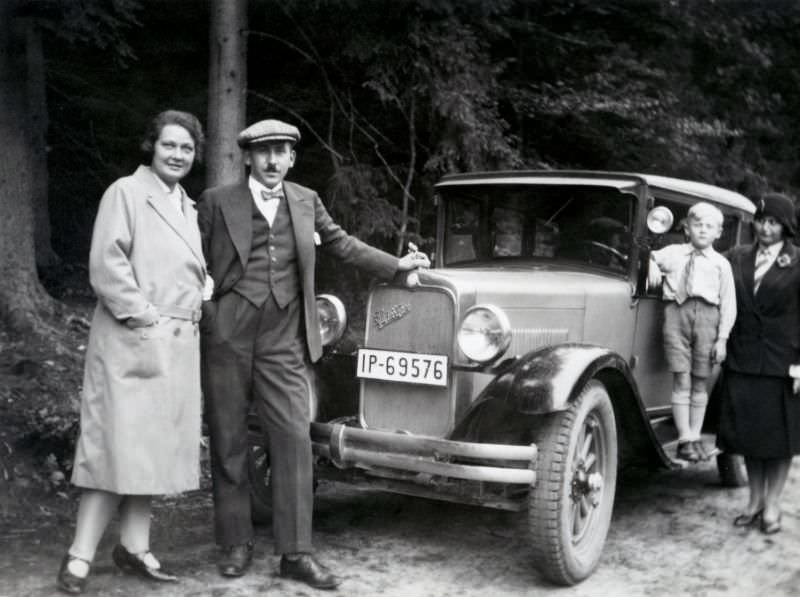
Studebaker’s reach extended well beyond American borders. In 1926, company president Albert Russel Erskine launched a smaller, more affordable companion model aimed specifically at European markets. Named after himself, the Erskine Six was built to appeal to buyers in countries like France and Germany, where narrow roads and tighter budgets made smaller cars more practical. This 1928 model, registered in the Prussian province of Schleswig-Holstein, is a clear sign the strategy worked.
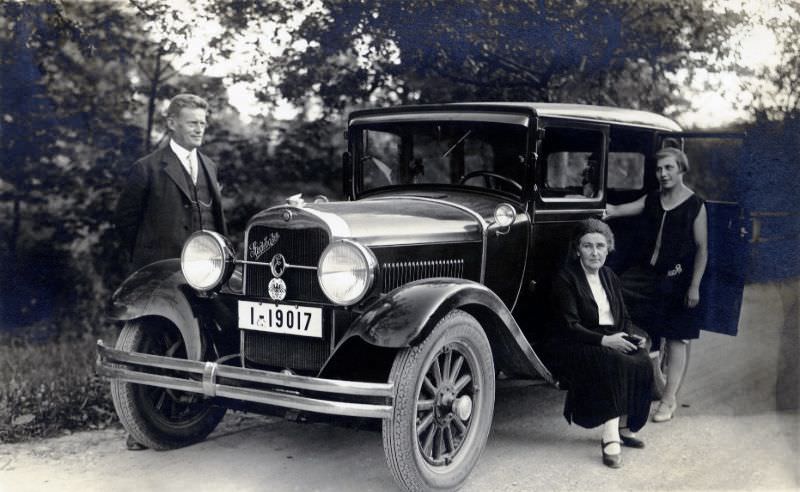
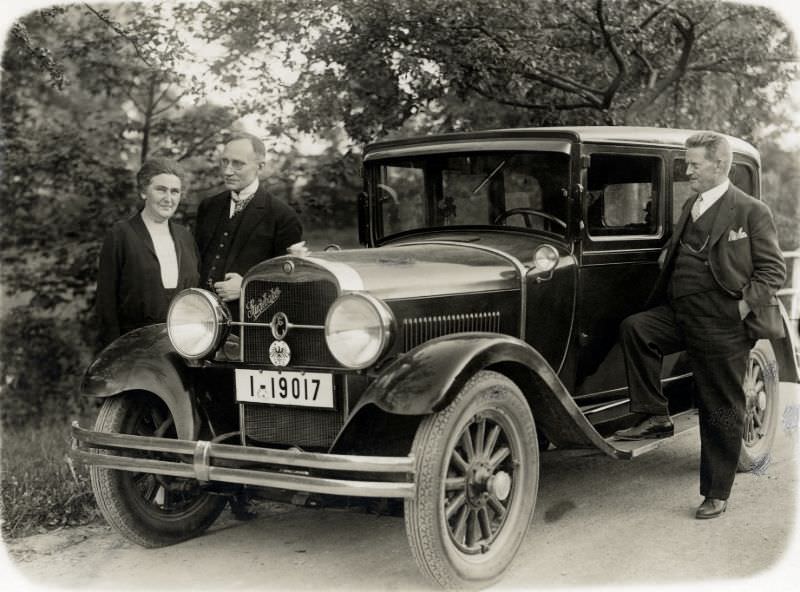
These two photos, both taken on the same day in July 1929, show the same German family with both a 1928 and a 1929 Erskine — likely the old and new model side by side. It’s a rare glimpse into how quickly Studebaker was updating its lineup, and how invested some European buyers were in keeping up with each new release.
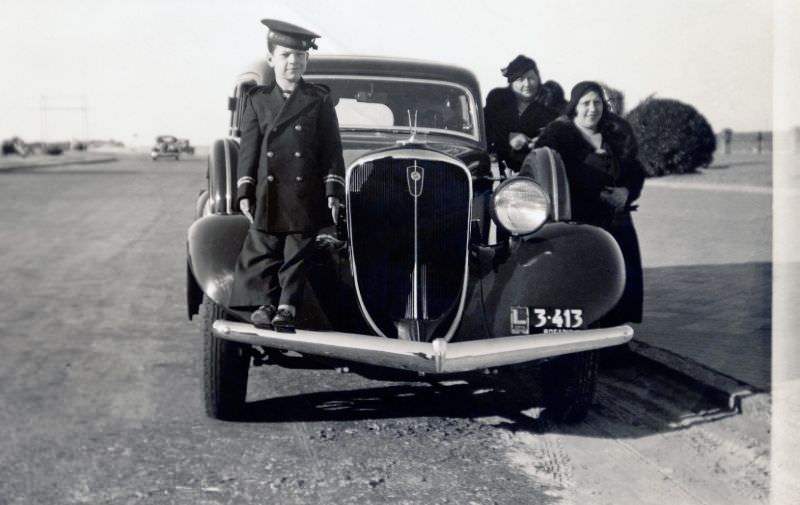
The 1934 Studebaker Land Cruiser was one of the company’s flagship models during the Great Depression — a time when car sales had collapsed across the industry. Studebaker survived by offering well-designed, competitively priced vehicles at a range of price points. The Land Cruiser sat near the top of the lineup, and its long hood and sweeping lines made it a natural subject for family photographs.
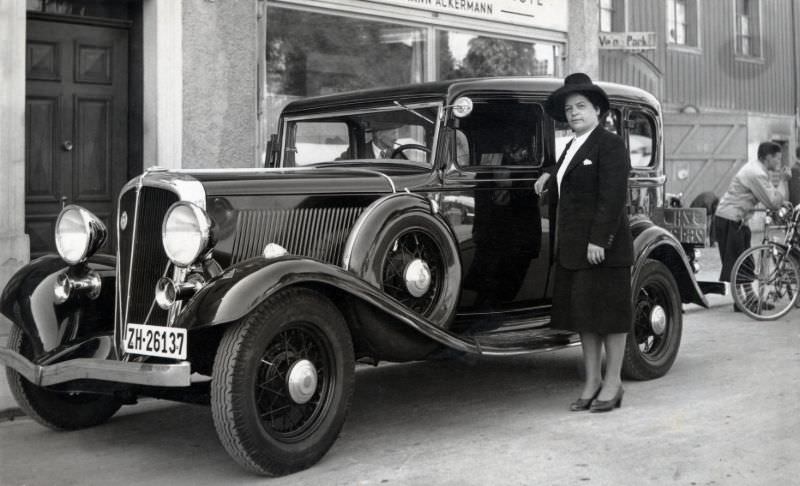
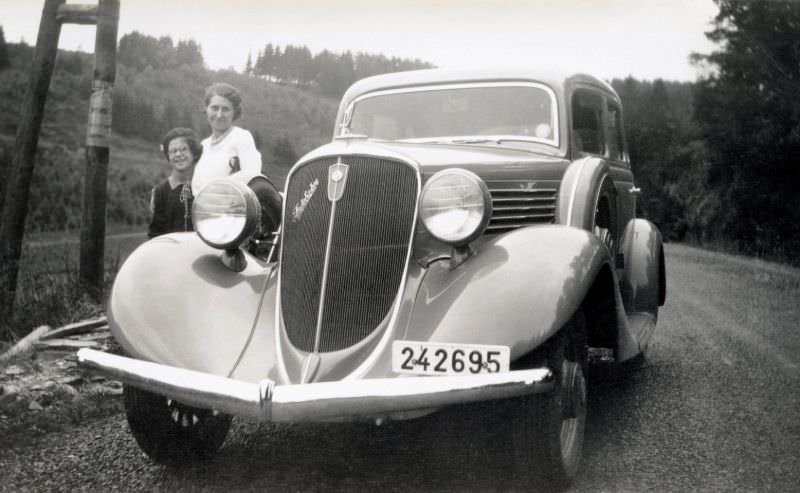
The Rockne was a short-lived sub-brand that Studebaker launched in 1932, named after Notre Dame football coach Knute Rockne, who had died the previous year in a plane crash. It was designed as a budget car to compete during the Depression, but sales were weak and the brand was discontinued after just two model years. This 1933 example, photographed in Zurich in 1935, is a rare survivor.
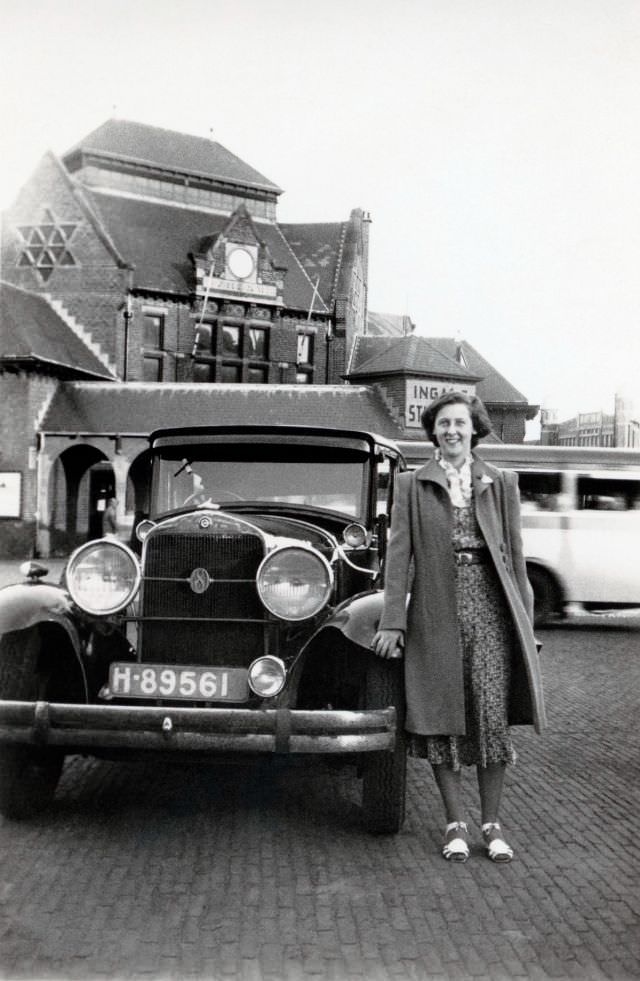
By the late 1930s, older Studebakers were still very much in active daily use. A 1929–30 Eight Sedan photographed in 1938 on a cobbled European street shows how long these cars stayed on the road. Studebaker’s reputation for durability was well earned — owners kept them running for years, sometimes decades.
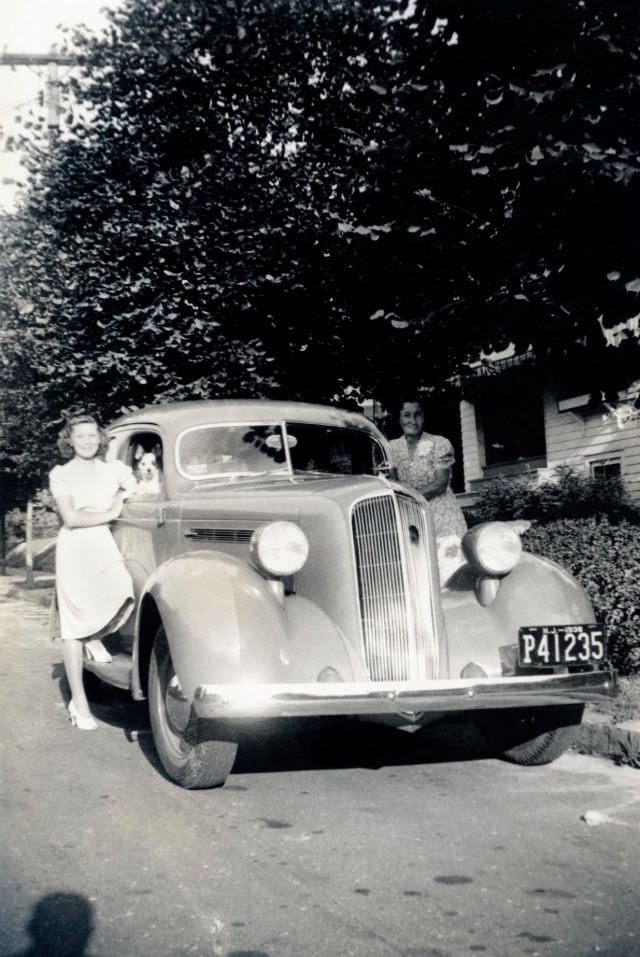
The Studebaker Dictator was a model name that caused the company considerable embarrassment as the 1930s wore on. First introduced in 1927 as a reference to one who “dictates the standard” — meaning sets the benchmark — the name took on very different connotations as Adolf Hitler and Benito Mussolini rose to power in Europe. Studebaker quietly dropped the Dictator name after the 1937 model year.
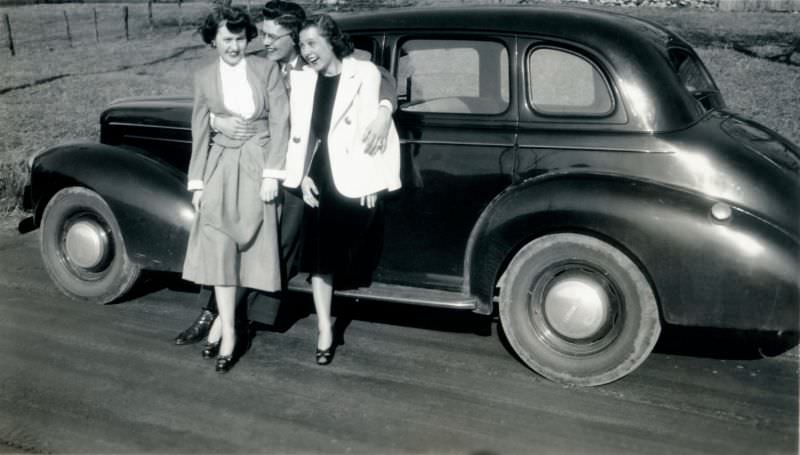
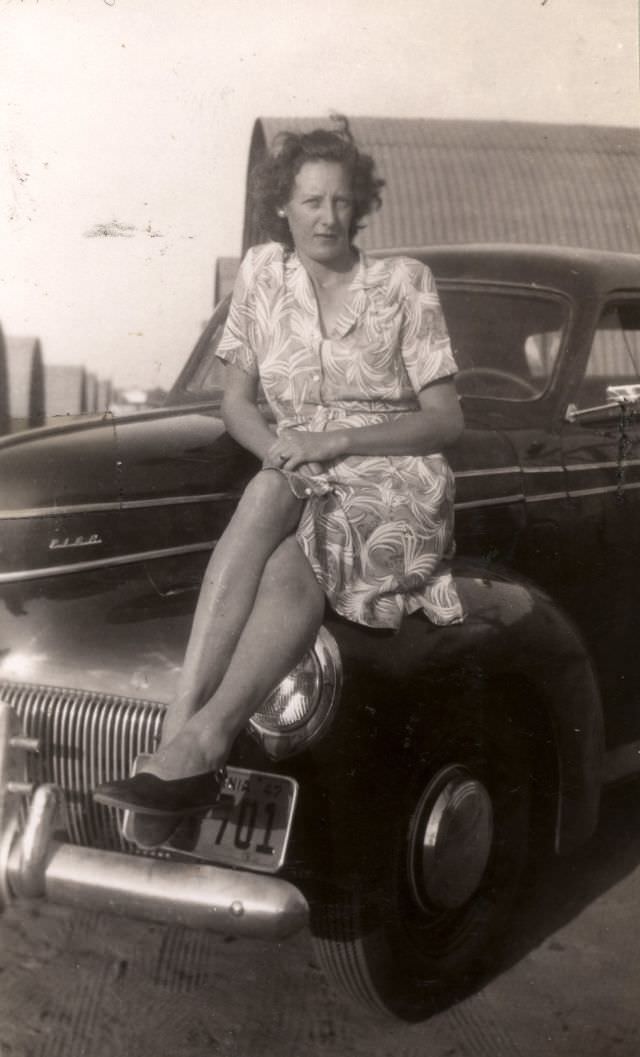
The Studebaker Champion, introduced in 1939, became one of the company’s most important models. It was light, fuel-efficient, and affordable, and it sold in large numbers. The 1941 model shown here came just before the United States entered World War II, after which civilian car production halted entirely as Studebaker switched to producing military vehicles and aircraft engines for the war effort.
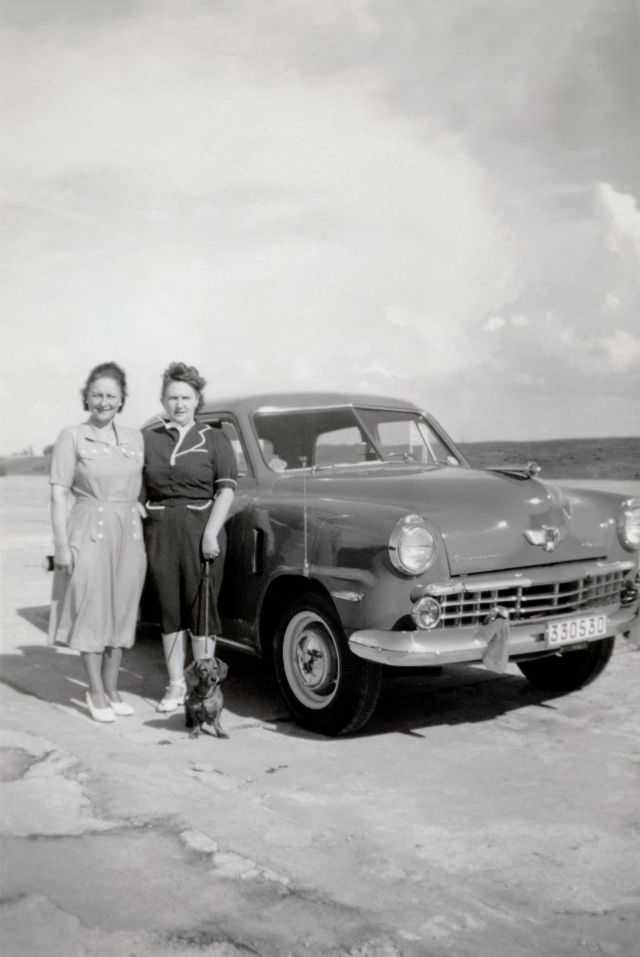
After the war, Studebaker came back with a bold move. Its 1947 models were among the first truly new postwar designs from any American automaker, styled by Virgil Exner and Raymond Loewy’s design team. The 1948 Champion continued that forward-looking look, and Studebaker enjoyed some of its strongest sales years in the late 1940s as pent-up demand from wartime shortages flooded back into the market.
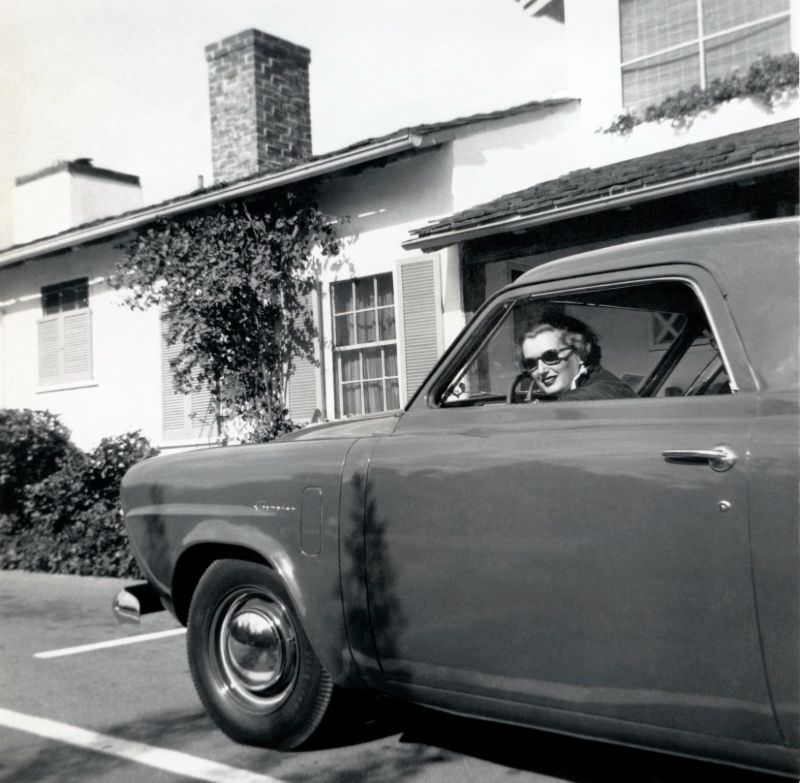
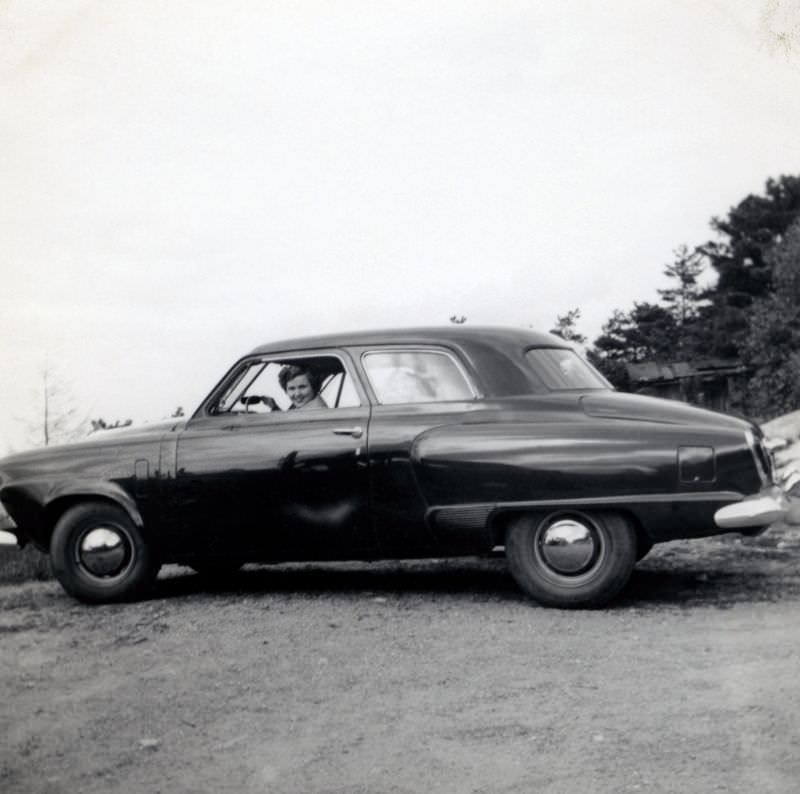
The 1950 Studebaker Champion was one of the brand’s most photographed cars of the era, and it’s easy to see why. Its distinctive bullet-nose front end, designed under Raymond Loewy, made it instantly recognizable on any street. These two 1950 photos — one in a suburban driveway, one in a gravel lot — show the Champion in the kind of everyday settings its owners actually used it in.
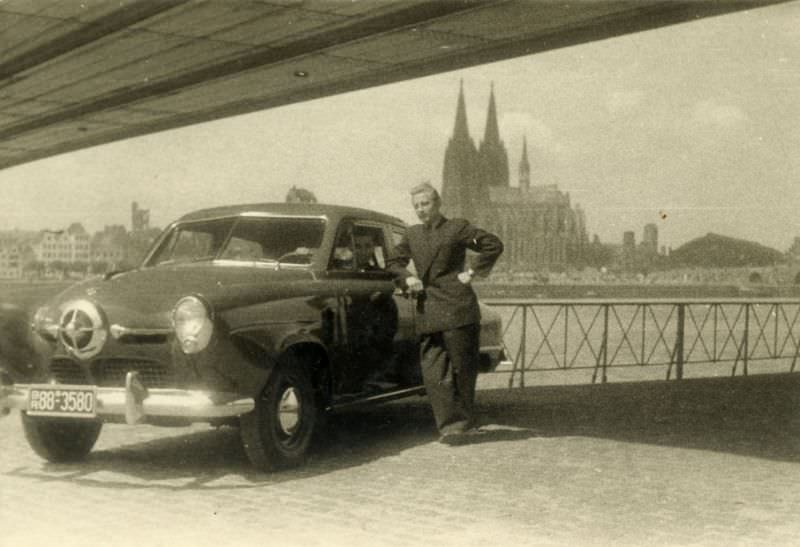
Postwar Germany presented a unique market for American cars. With the country in ruins and its own auto industry rebuilding from scratch, American vehicles stood out sharply in cities like Cologne. This 1950 Champion photographed there the same year it was built is a reminder of how widely Studebakers traveled.
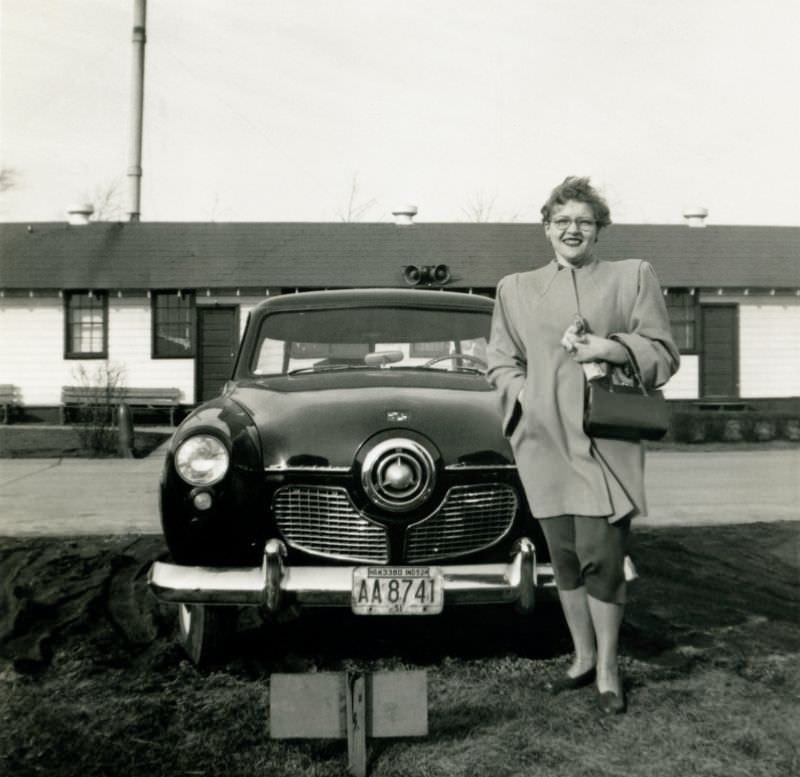
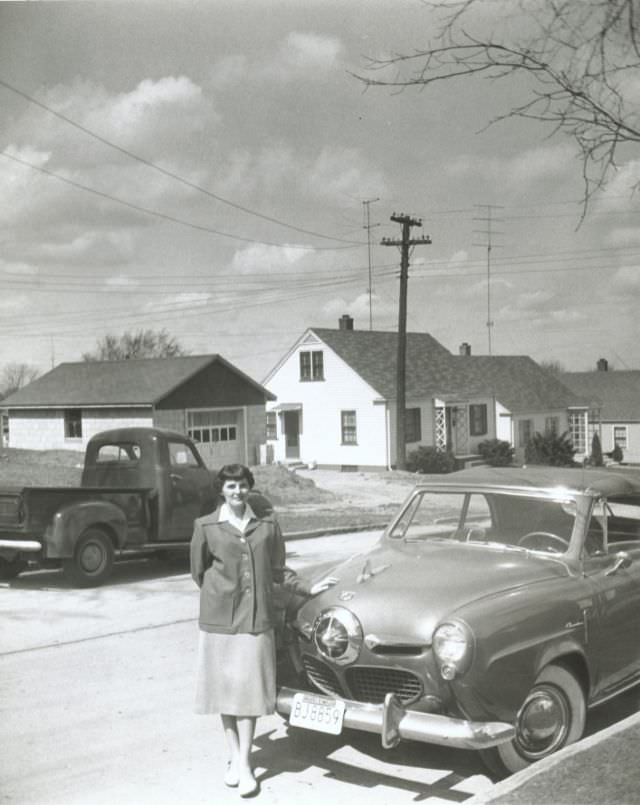
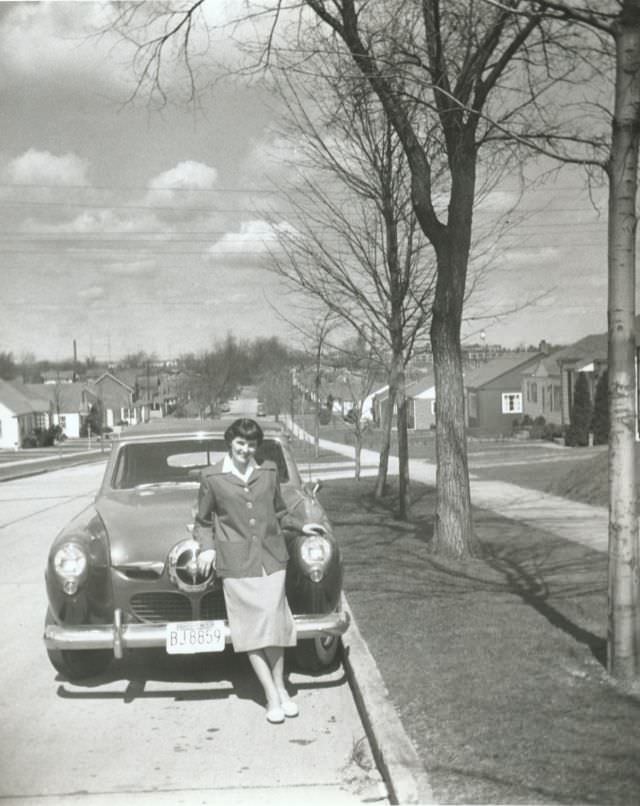
The Champion Convertible was a rarer and more glamorous version of the standard model. Both of these Indiana-registered examples were photographed in 1952, two years after they rolled off the line — still looking sharp and clearly well cared for. The convertible body style gave the Champion an entirely different personality from its closed-top siblings.
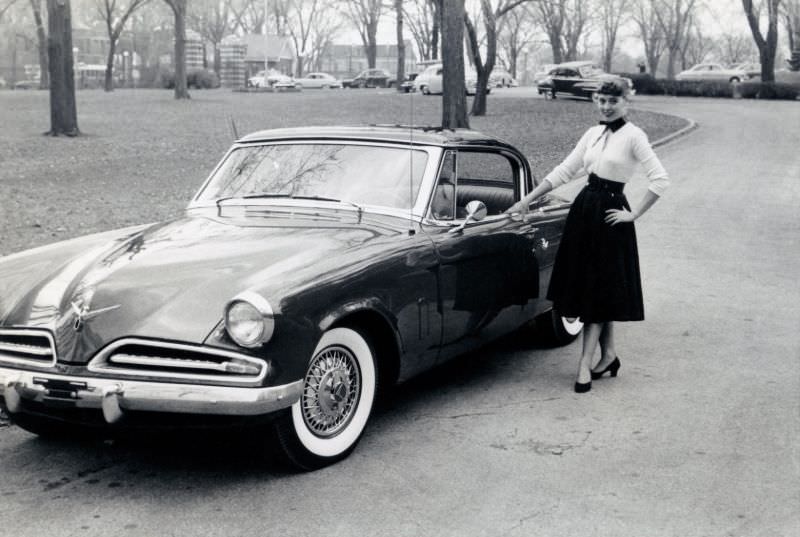
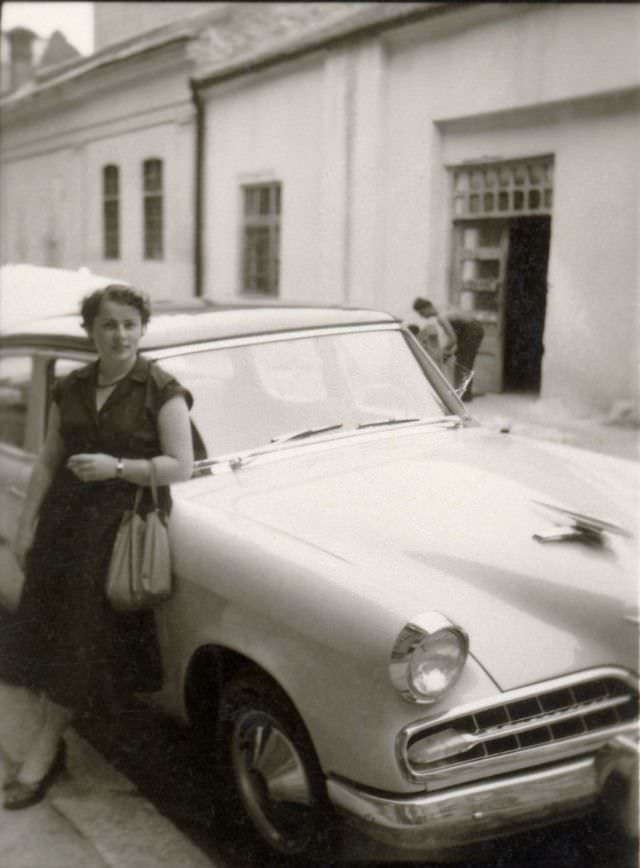
The 1953 Studebaker Starliner is widely regarded as one of the most beautiful American car designs of the entire decade. Styled by Robert Bourke under Raymond Loewy’s direction, its low, sleek roofline and clean body were years ahead of what Detroit’s big three were producing at the time. Automotive historians regularly include it among the greatest car designs of the 20th century.
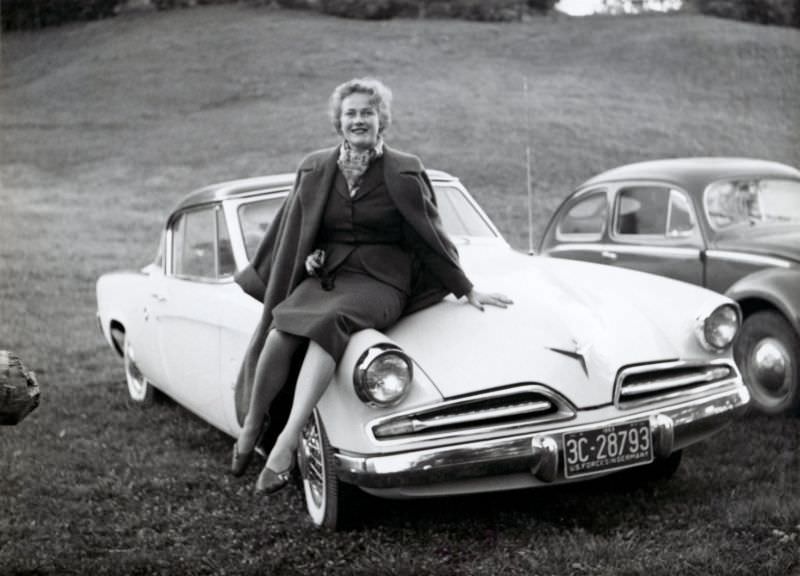
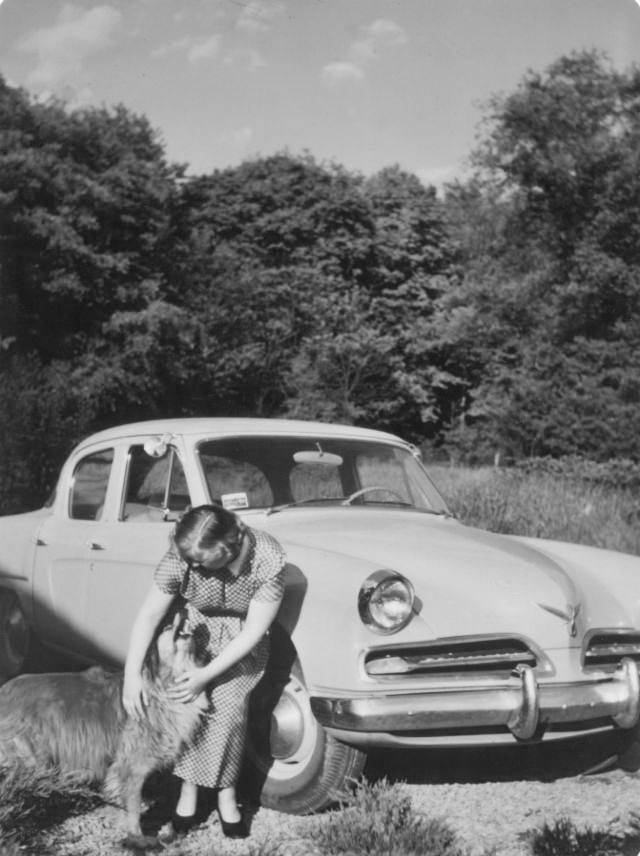
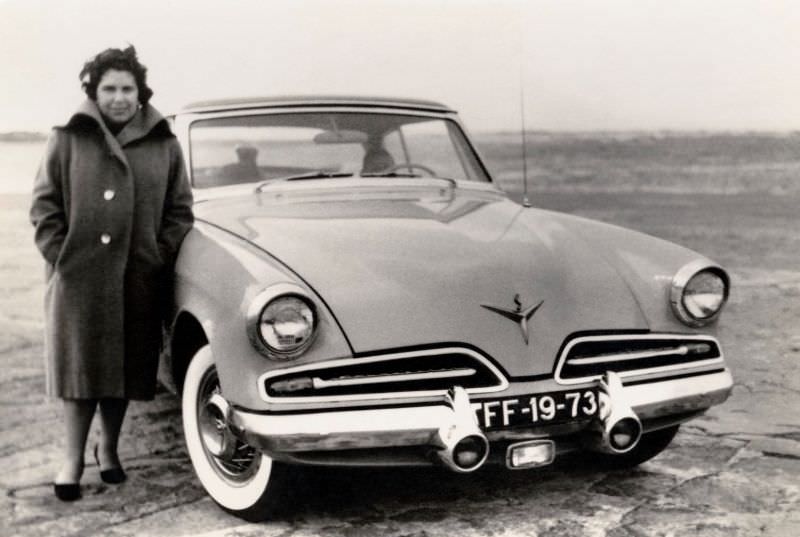
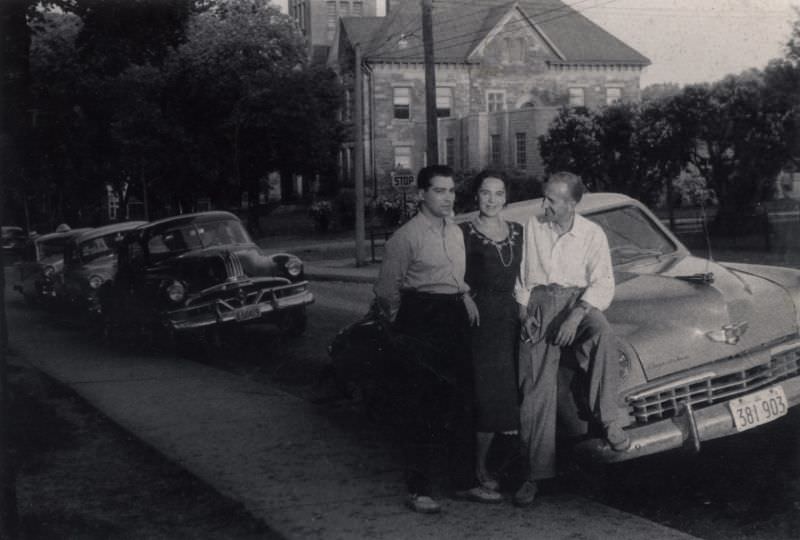
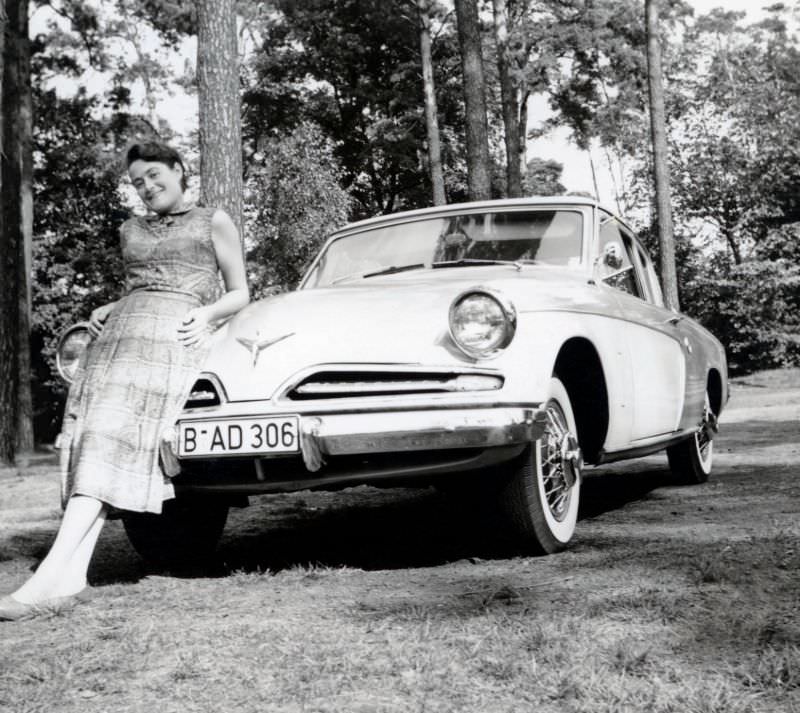
The 1953 Starliner and its companion models generated enormous enthusiasm when they debuted. These three photos — covering U.S. Forces in Germany plates, a suburban home, and a winter street — show how widely the model spread across different buyers and different countries. Despite the excitement around the 1953 lineup, Studebaker was already under serious financial pressure behind the scenes.
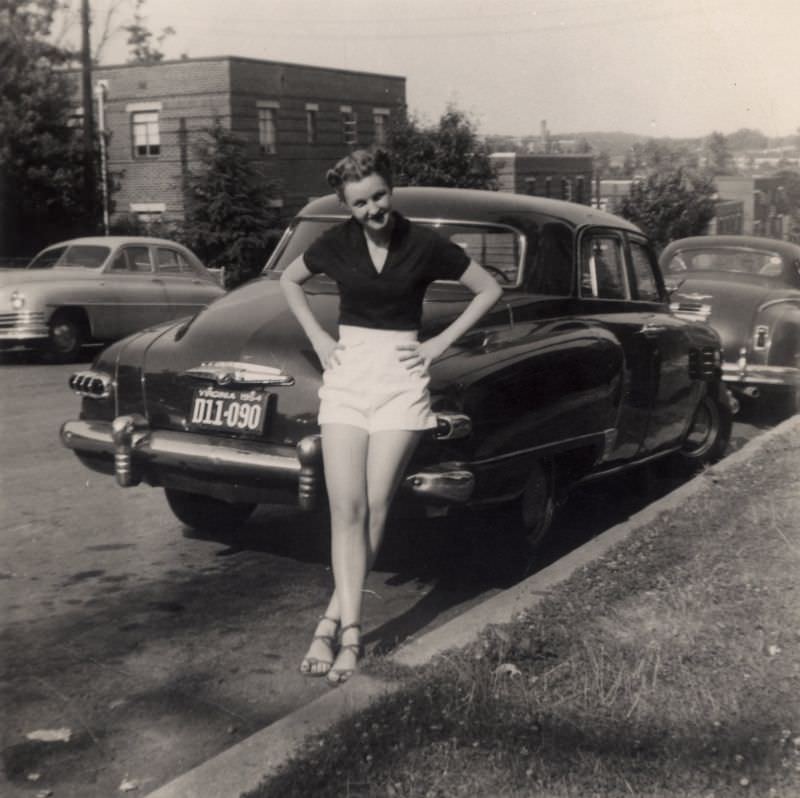
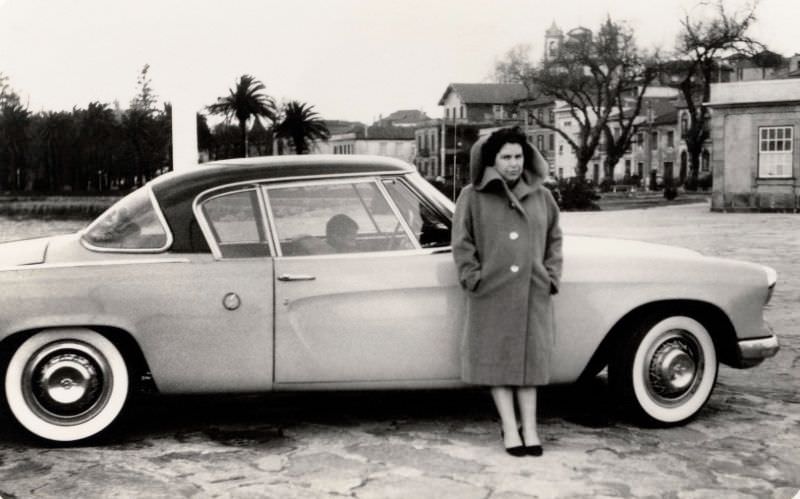
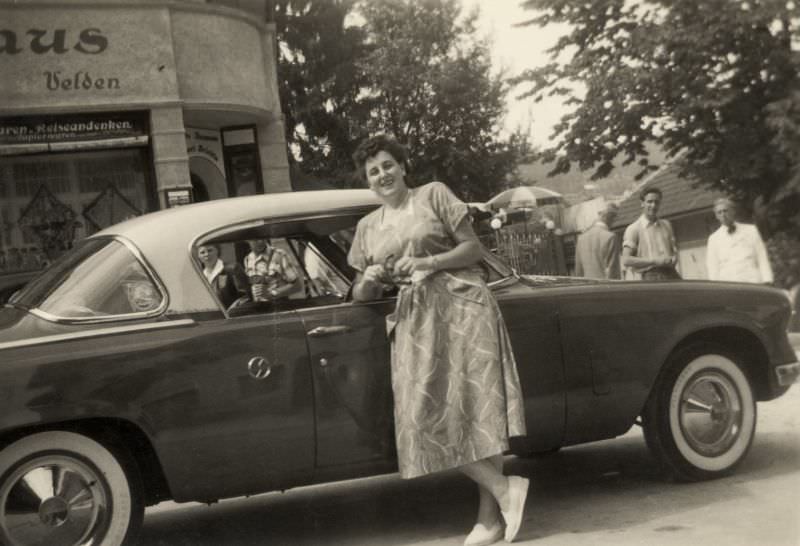
In 1954, Studebaker attempted to save itself through a merger with Packard, forming the Studebaker-Packard Corporation. The merger failed to deliver the financial rescue either company needed. By 1962, the Studebaker name had been restored as a standalone brand, but the South Bend, Indiana plant — the heart of the company for nearly a century — ceased automobile production on December 20, 1963.
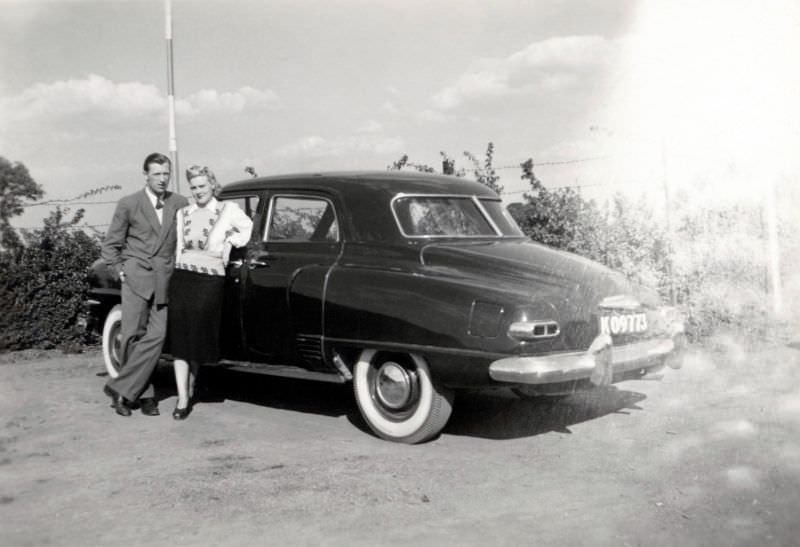
Production limped forward at a plant in Hamilton, Ontario, Canada, where the very last Studebaker automobile rolled off the line on March 17, 1966 — Saint Patrick’s Day. Studebaker remained an independent company until May 1967, when it merged with Wagner Electric, followed by a second merger with the Worthington Corporation in November of the same year. With that, one of America’s oldest and most storied manufacturers quietly disappeared.