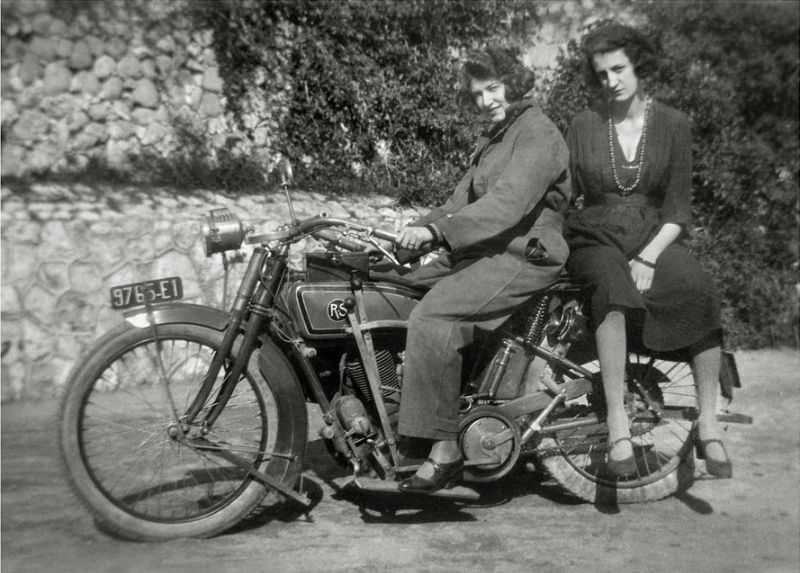
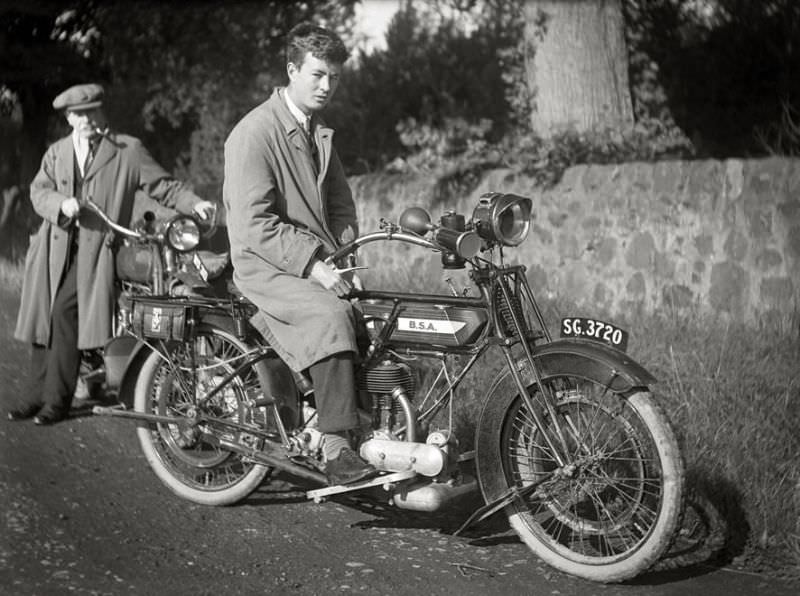
Long before motorcycles lined showroom floors or roared down highways by the millions, they were a genuine novelty. In the early 1900s, owning one was a statement. These machines merged the familiar frame of a bicycle with the raw power of an internal combustion engine, and people were fascinated. When someone got their hands on one, they wanted a photograph to prove it.
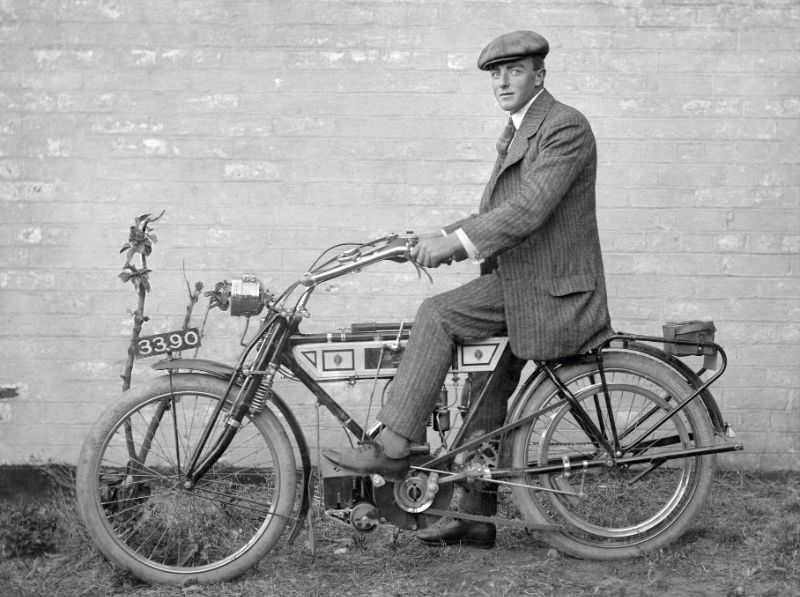
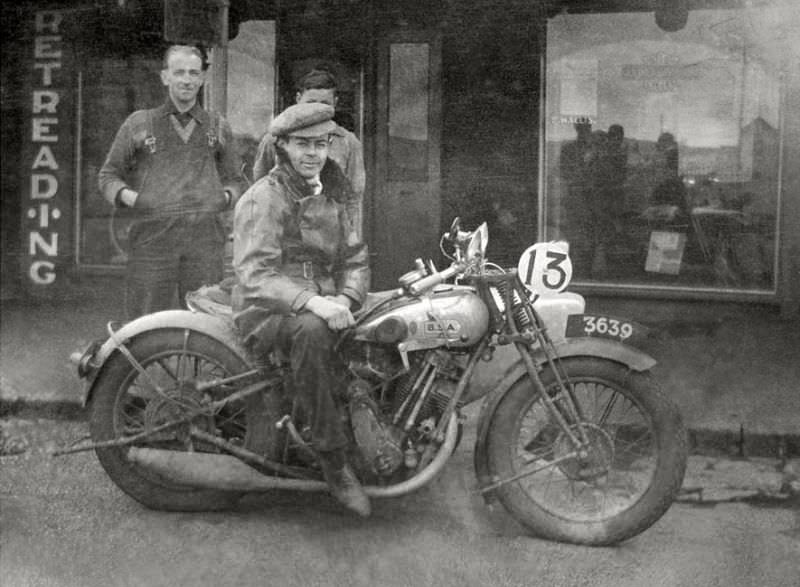
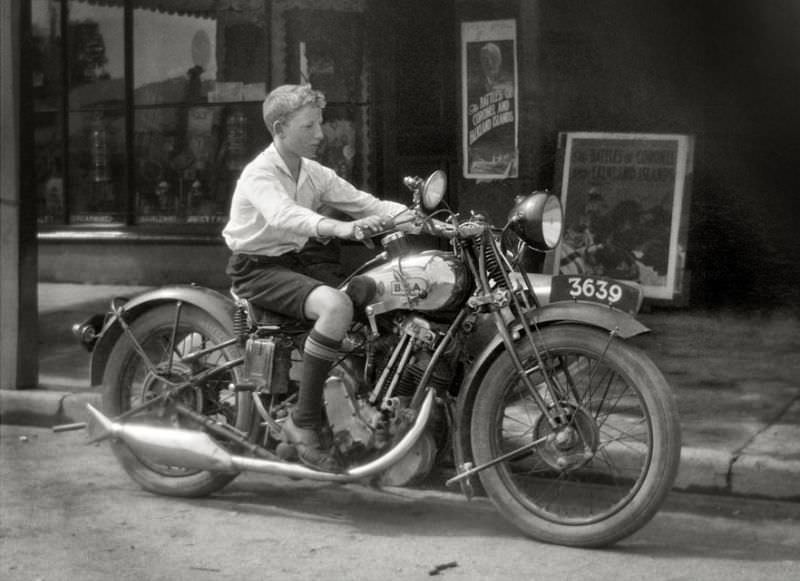
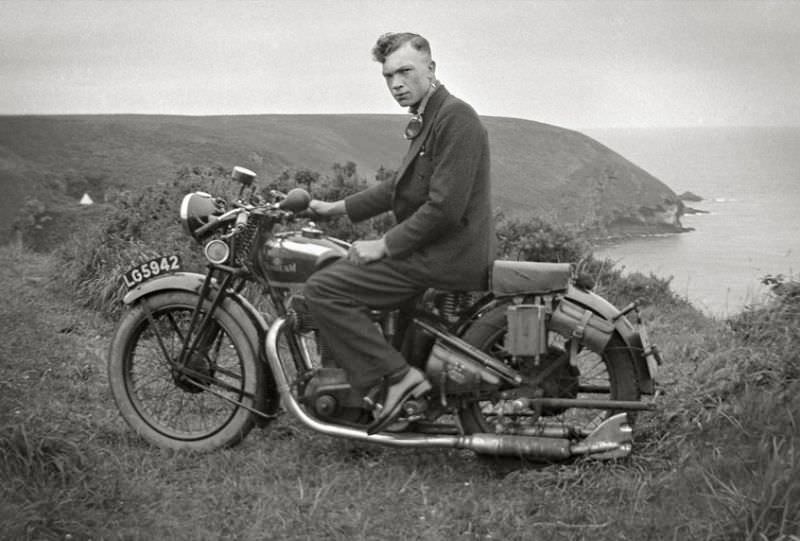
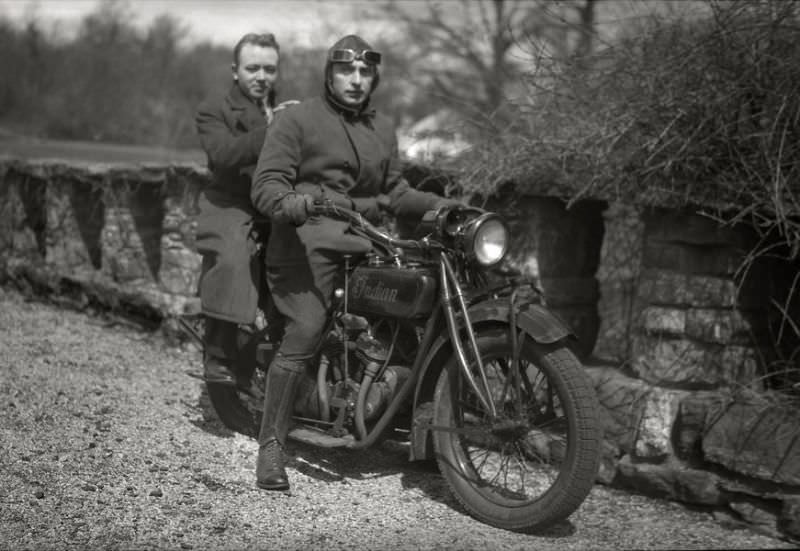
Brands like Indian, Harley-Davidson, Triumph, BSA, and Royal Enfield emerged in the early decades of the 20th century and quickly built loyal followings. These weren’t just modes of transport—they were objects of pride. Riders posed stiffly beside their machines, dressed in their best, making sure the chrome and the engine were as visible as their own faces.
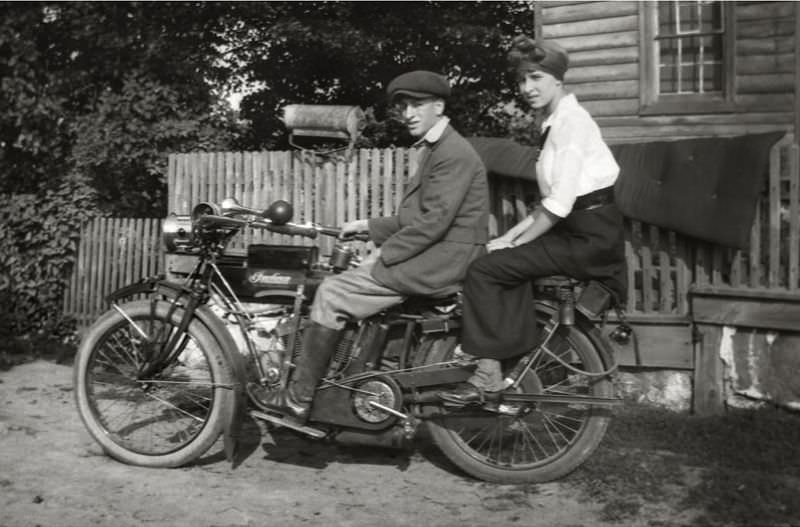
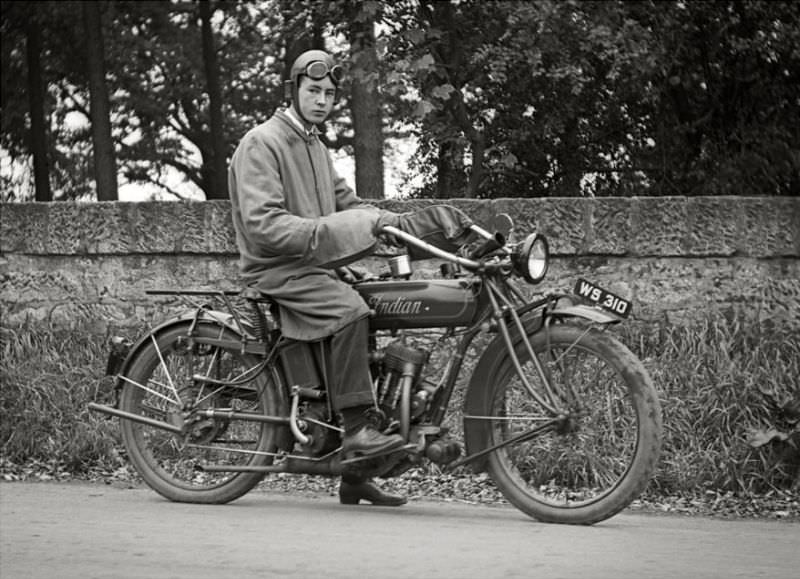
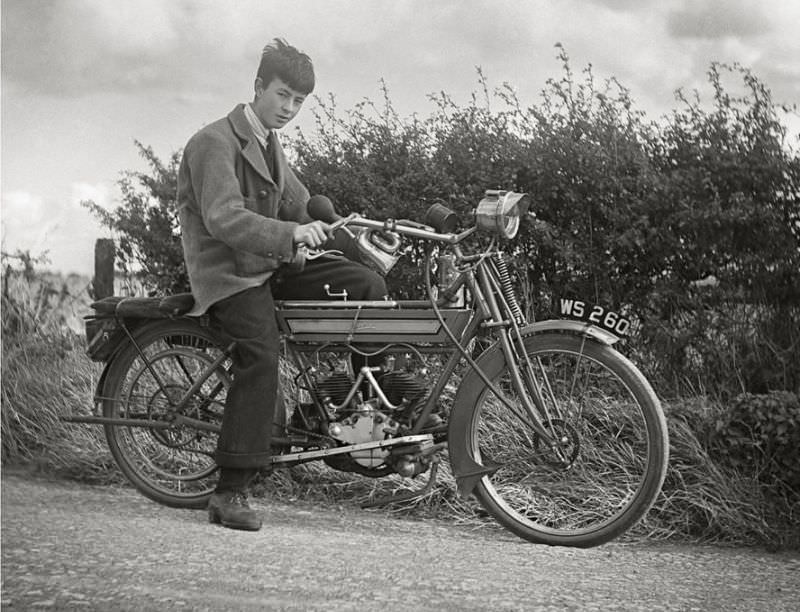
By the mid-1910s, motorcycles were showing up across the globe—from the Scottish Highlands to rural Australia. The Triumph Model H, introduced around this time, became one of the most recognizable bikes of the era, earning the nickname ‘Trusty Triumph’ for its reliability during World War I.
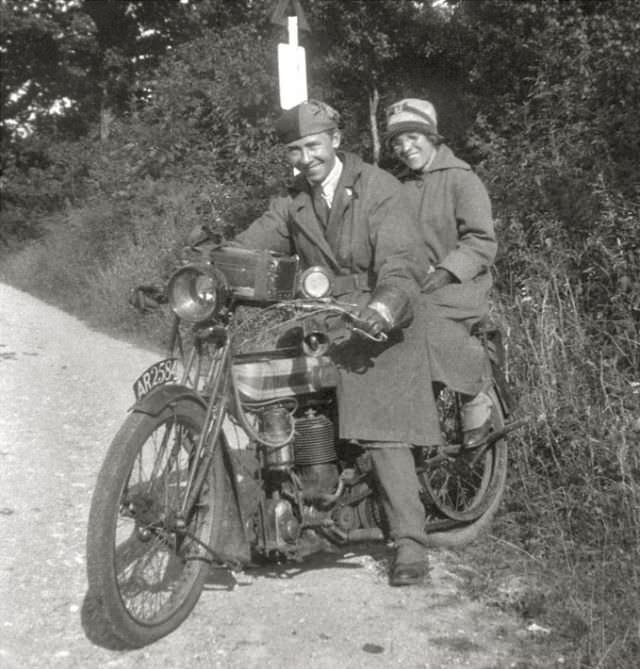
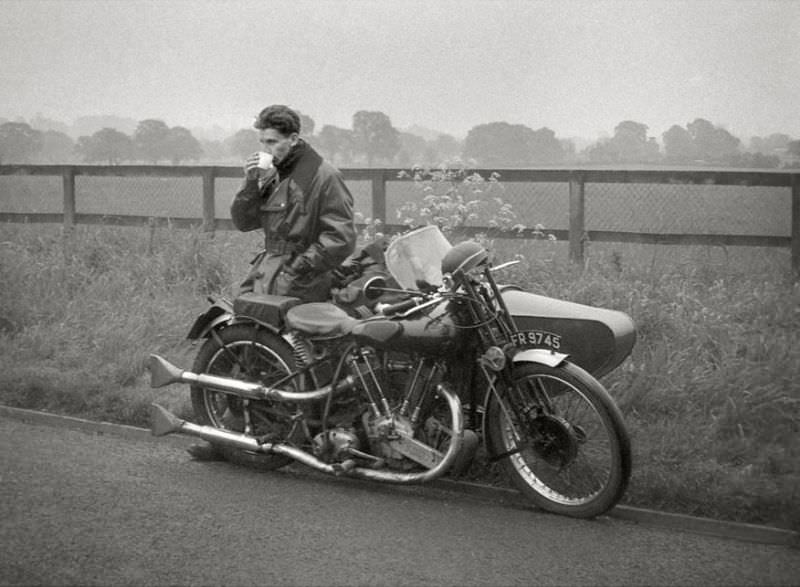
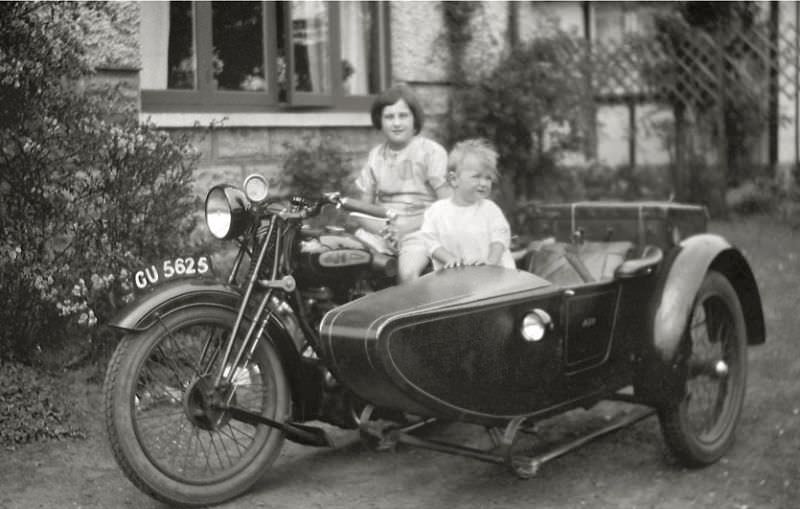
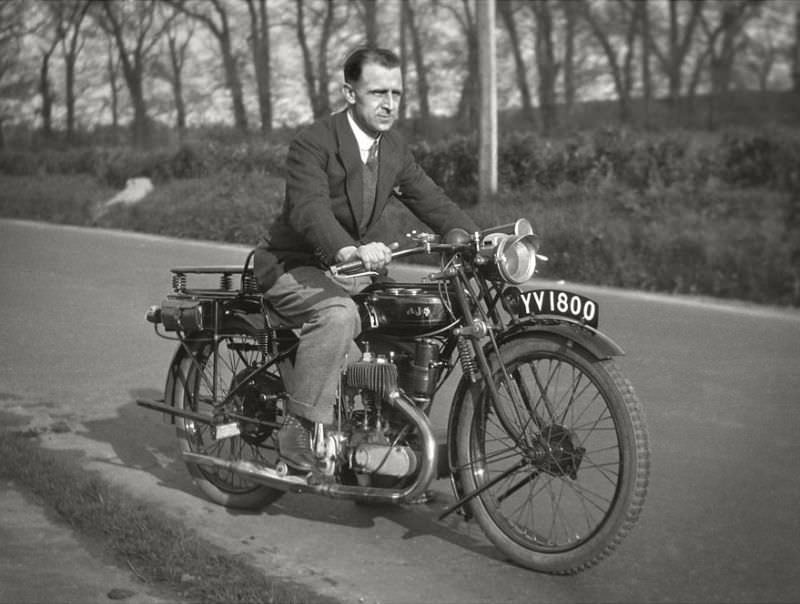
Through the 1920s, motorcycles became more affordable and accessible. They were no longer reserved for the wealthy. Working men used them to commute. Families added sidecars to carry passengers or cargo. Motorcycle clubs began forming, giving riders a social circle built around their shared obsession.
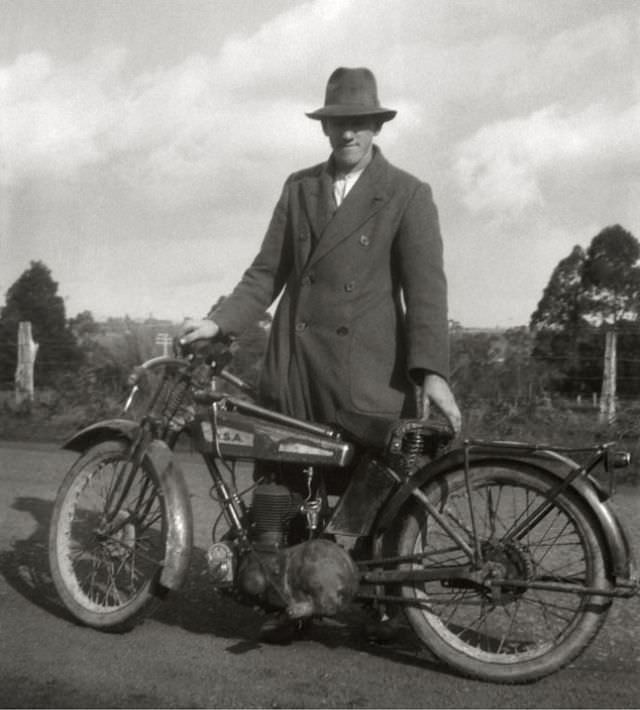
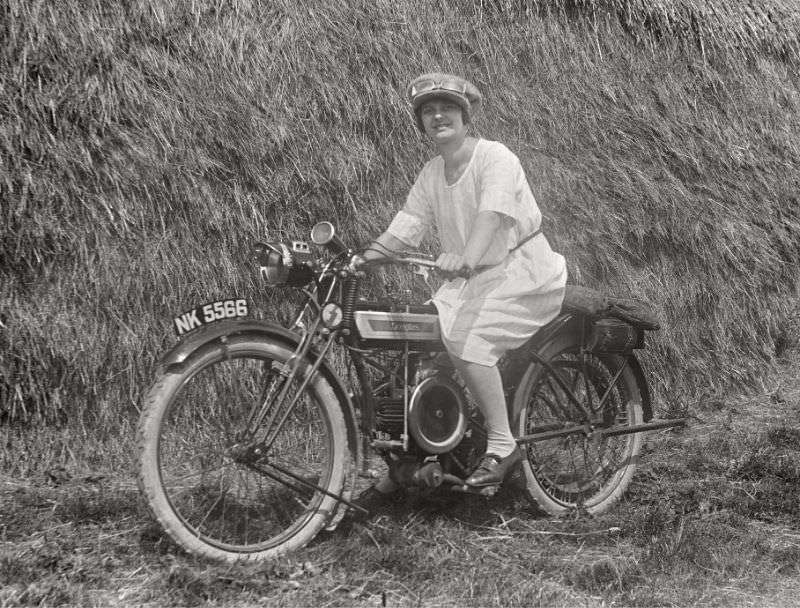
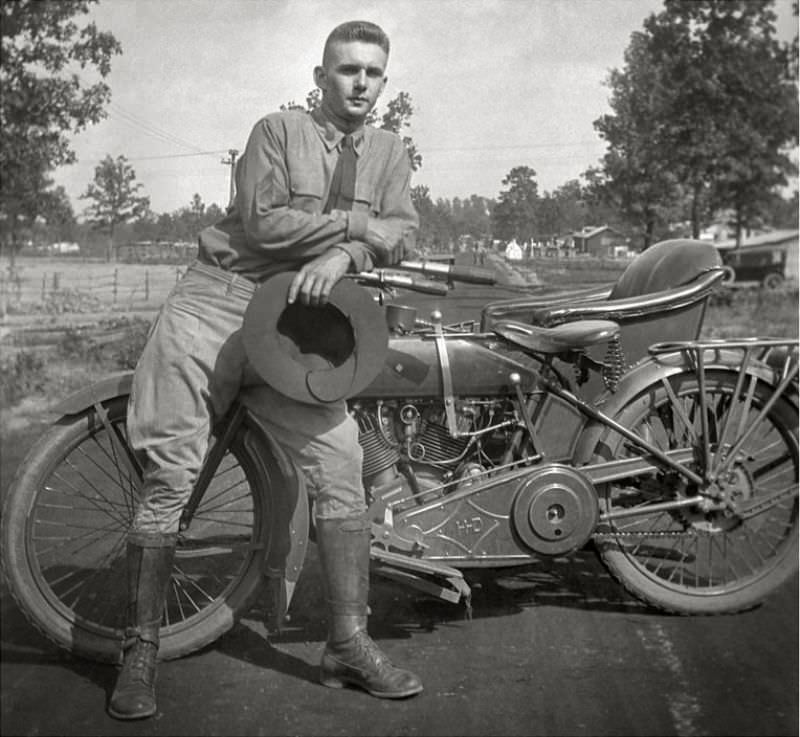
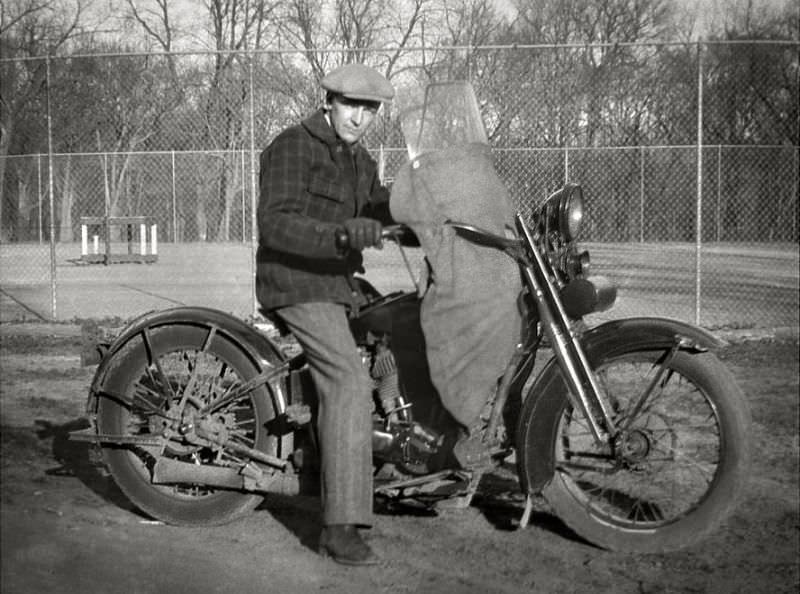
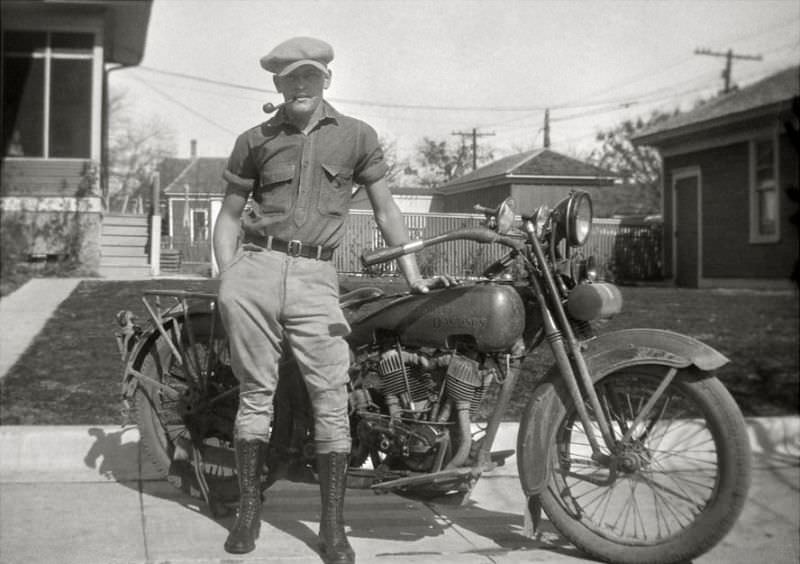
American and European brands competed fiercely during this period. The Reading Standard, a short-lived American manufacturer, produced powerful V-twin engines. In France, riders took to imported machines just as enthusiastically as those back in the United States.
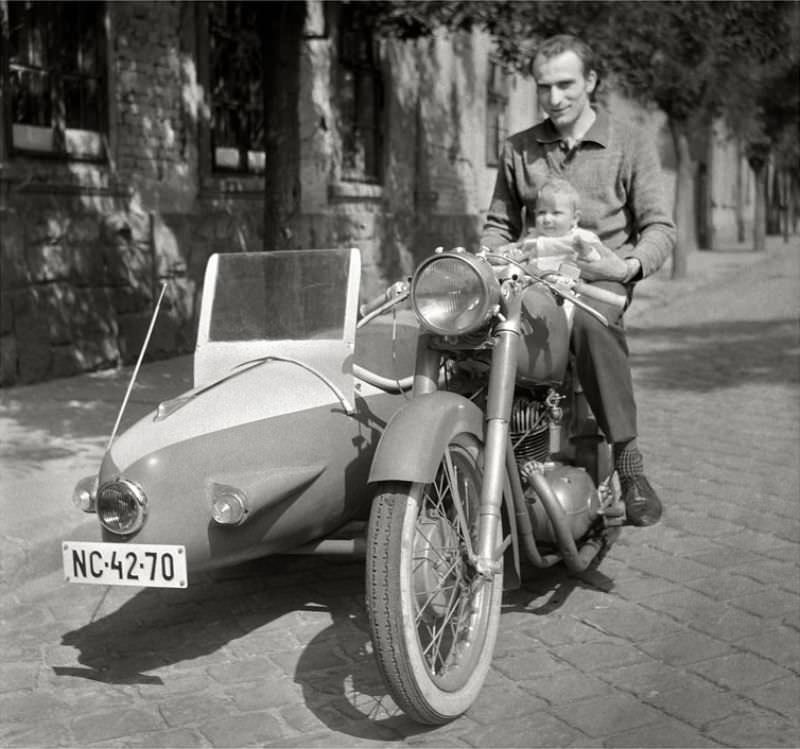
By the late 1920s, sidecars were a practical solution for families who couldn’t afford a car. They attached to the left side of the bike and could carry a child, a partner, or a load of goods. Photos from this era often show entire families crammed into these setups, headed somewhere important.
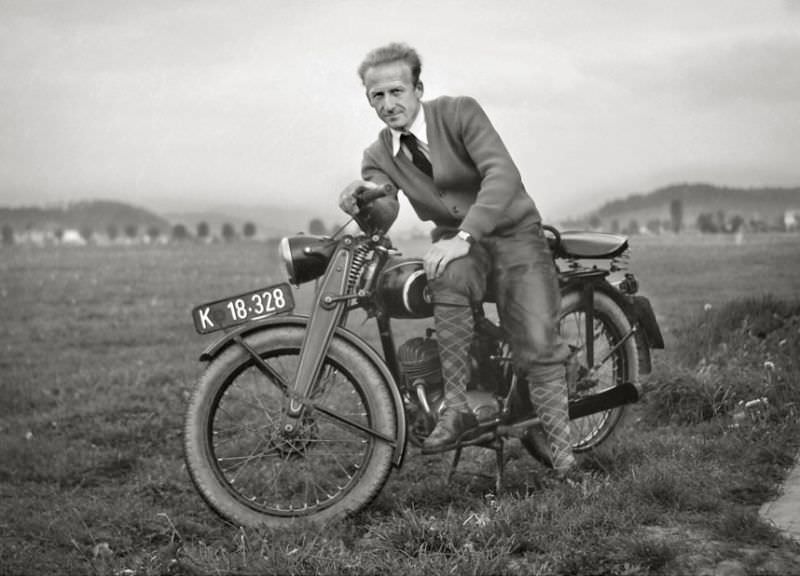
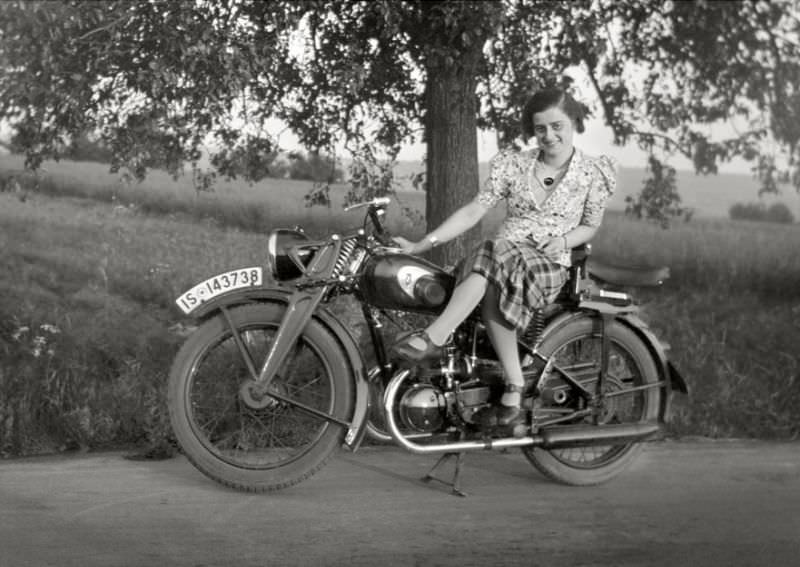
In 1930s Europe, German and Austrian manufacturers gained ground. BMW, DKW, Puch, and Zündapp all produced machines that sold well domestically and earned strong reputations for engineering. The DKW RT 125, in particular, became one of the most copied motorcycle designs in history.
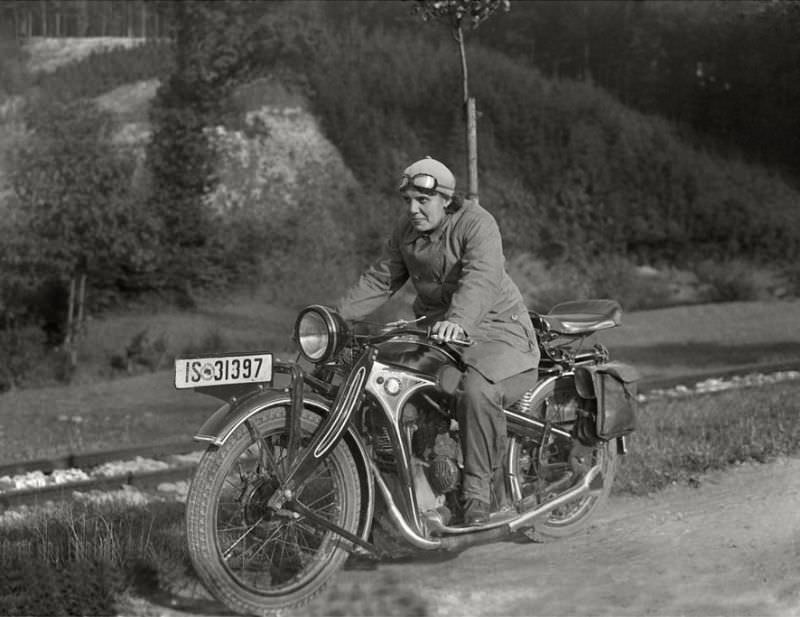
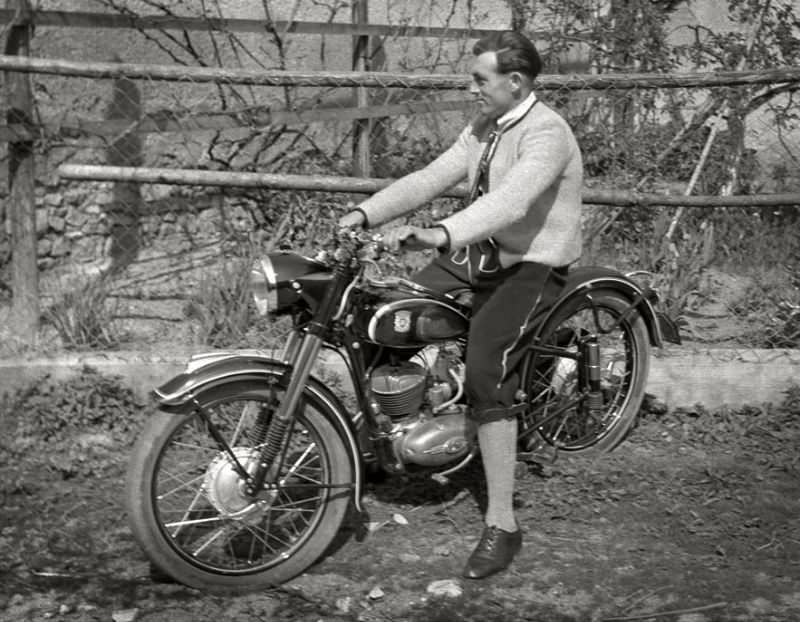
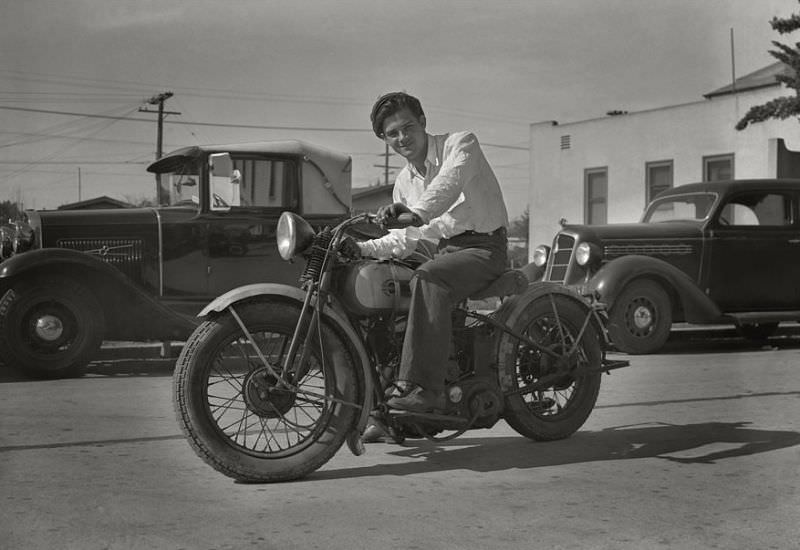
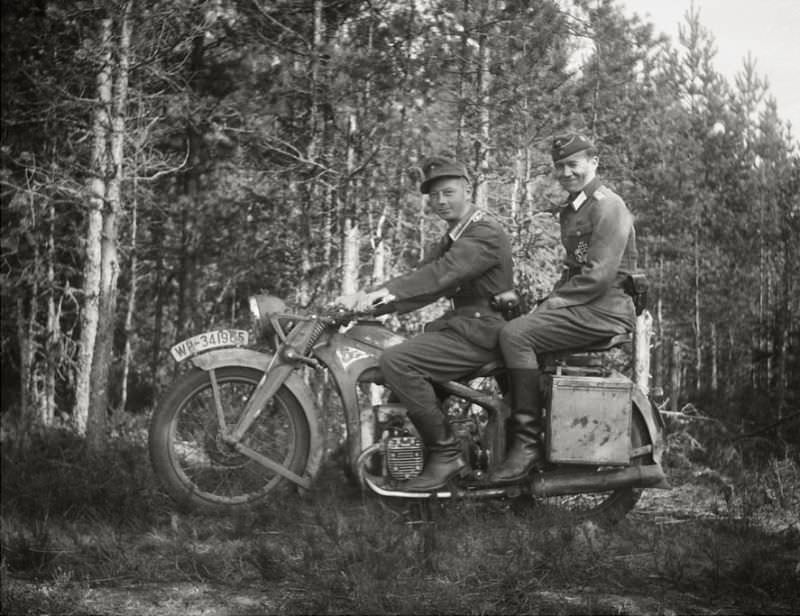
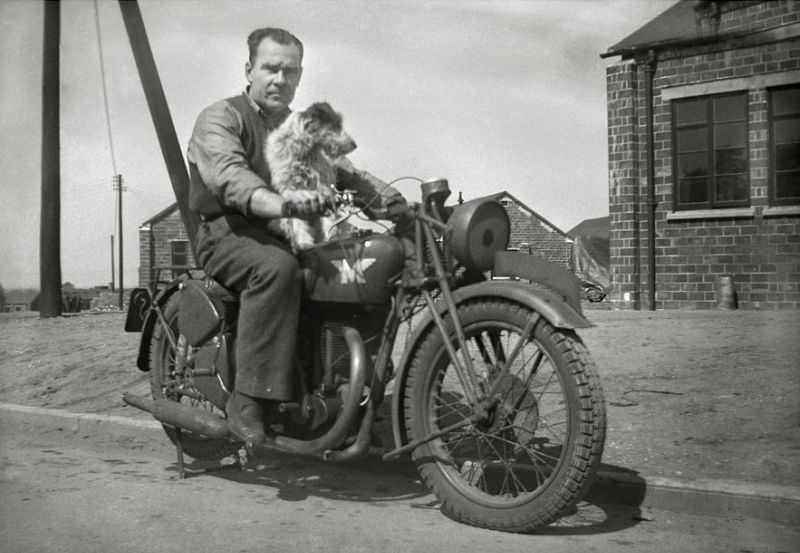
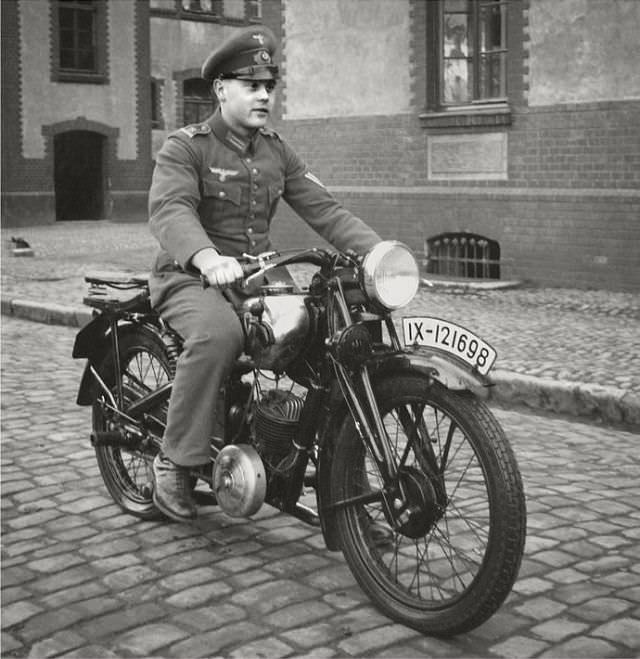
When World War II arrived, motorcycles were pulled into military service across every major power. German Wehrmacht soldiers relied heavily on Zündapp and BMW machines for reconnaissance and messenger duties. Allied forces used bikes from Matchless and other manufacturers on airfields and in the field.
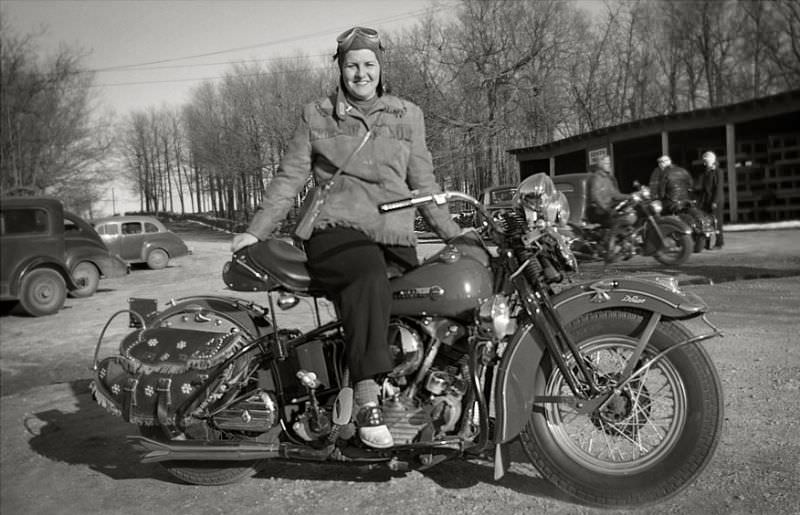
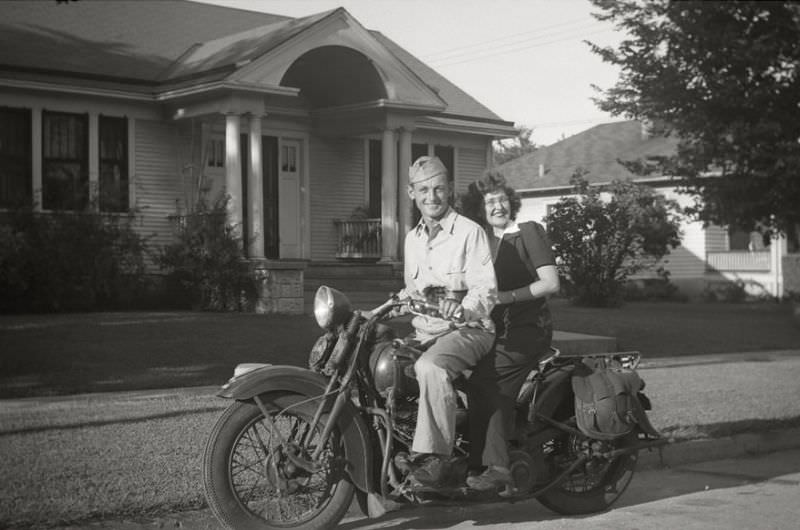
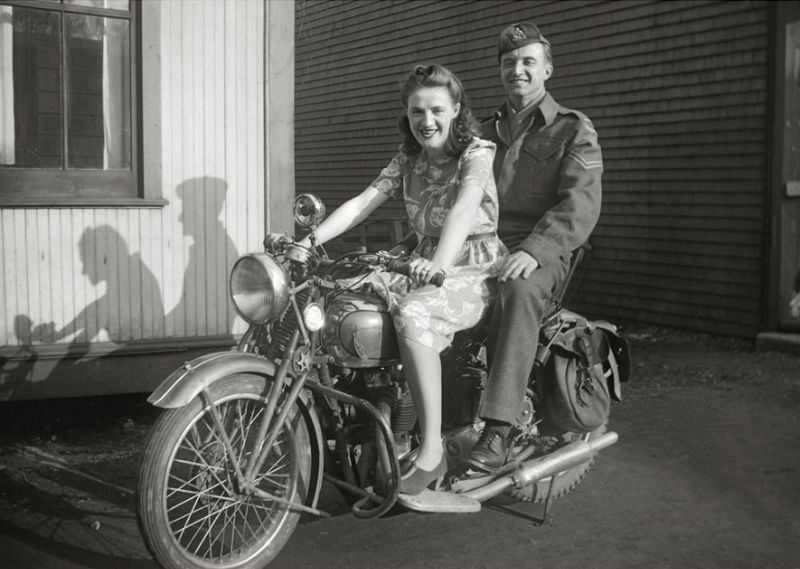
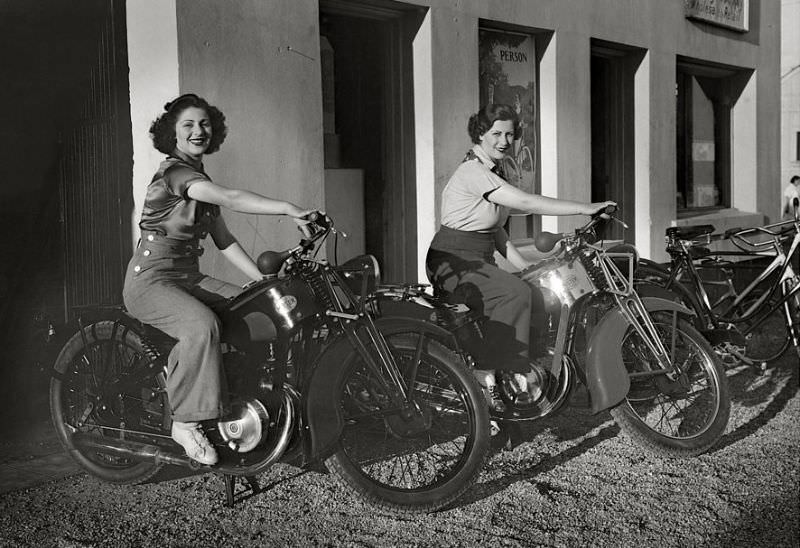
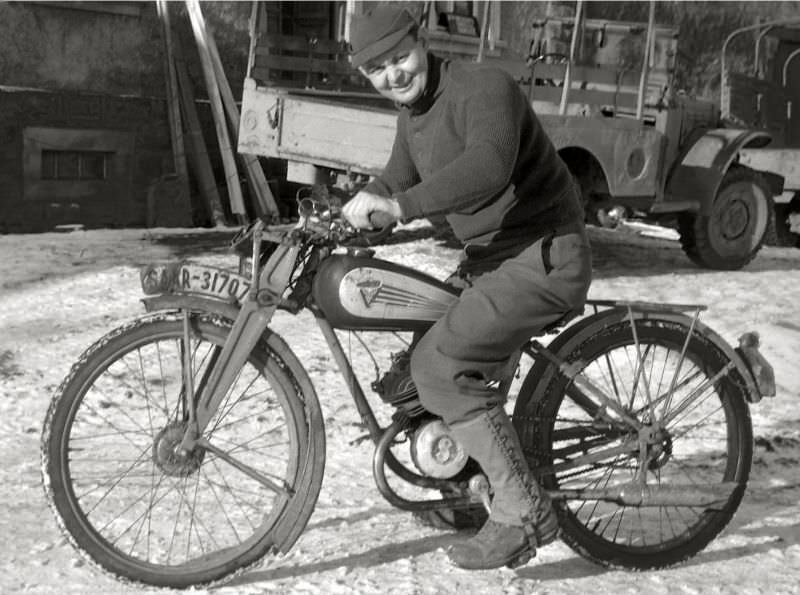
After the war ended, civilian riders picked back up where they left off. British bikes like the BSA Bantam offered affordable, reliable transport for postwar budgets. In Austria, Puch continued producing sturdy machines that riders photographed with obvious pride.
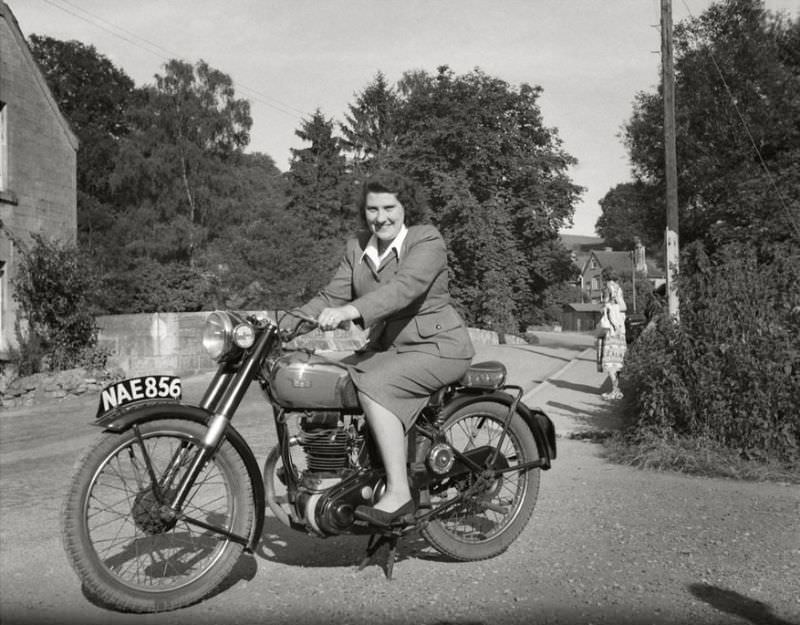
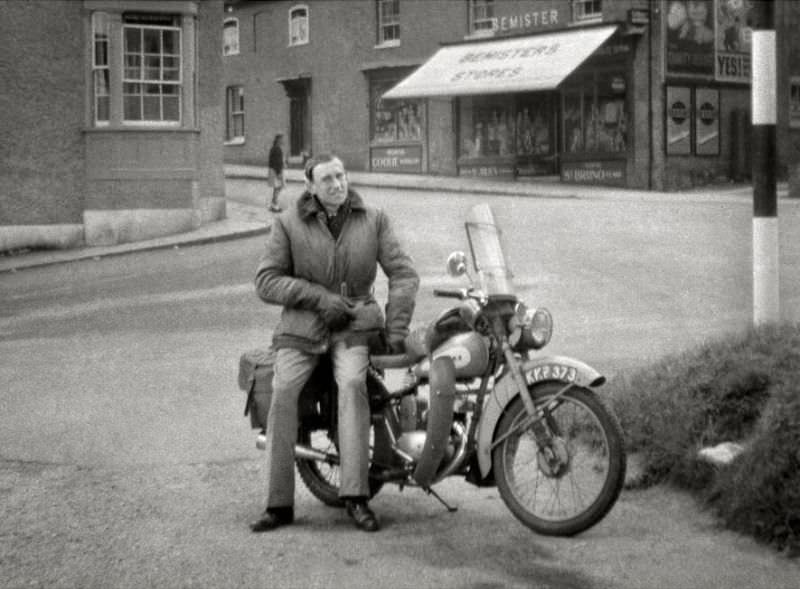
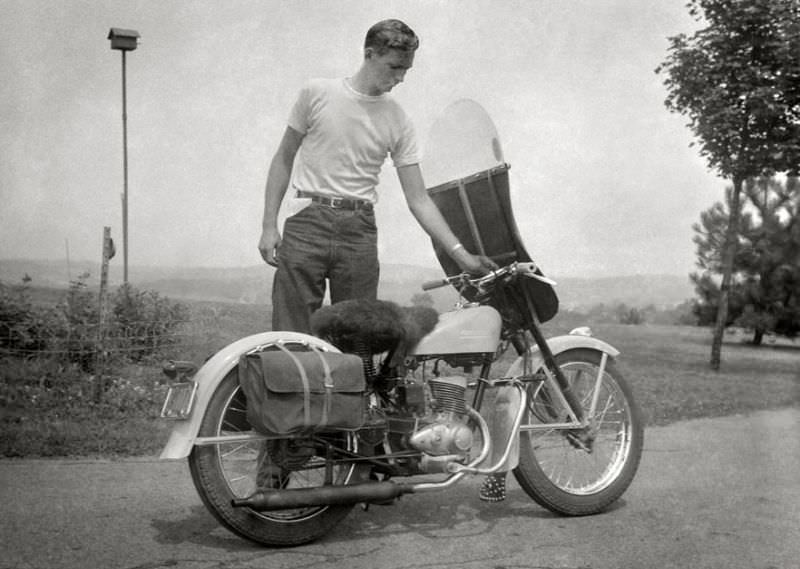
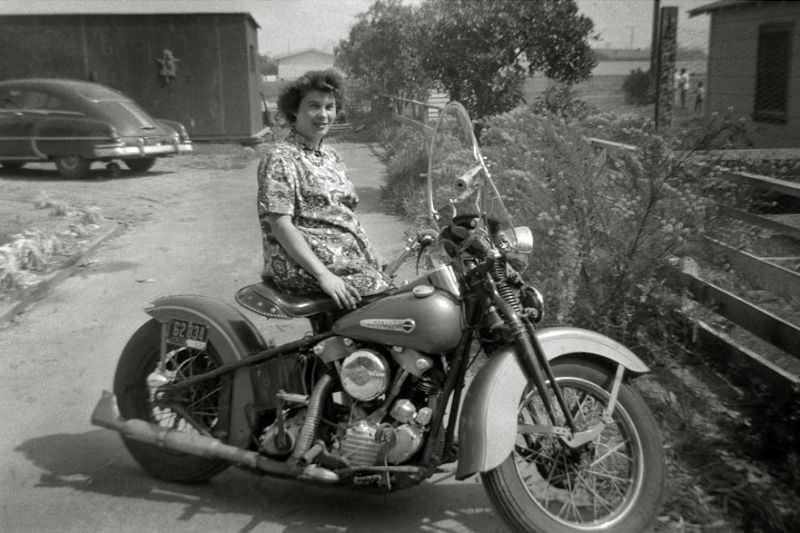
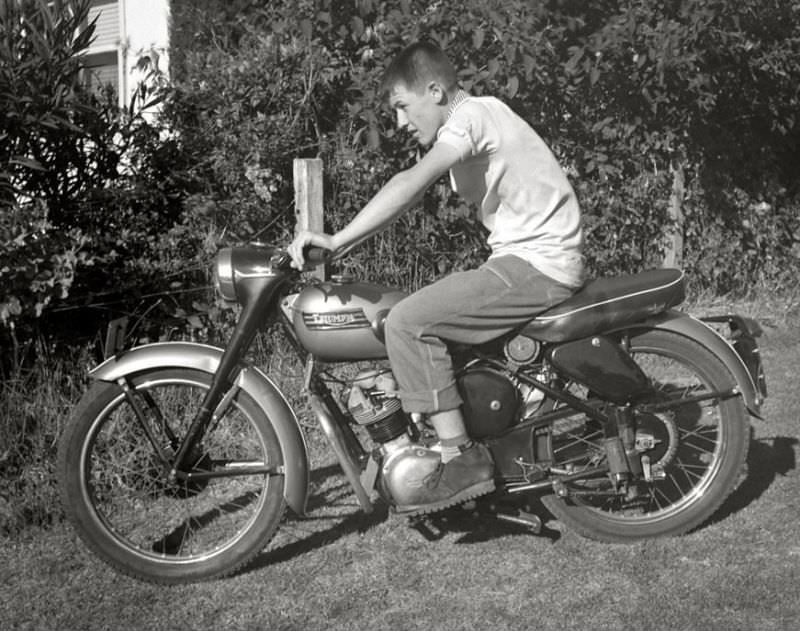
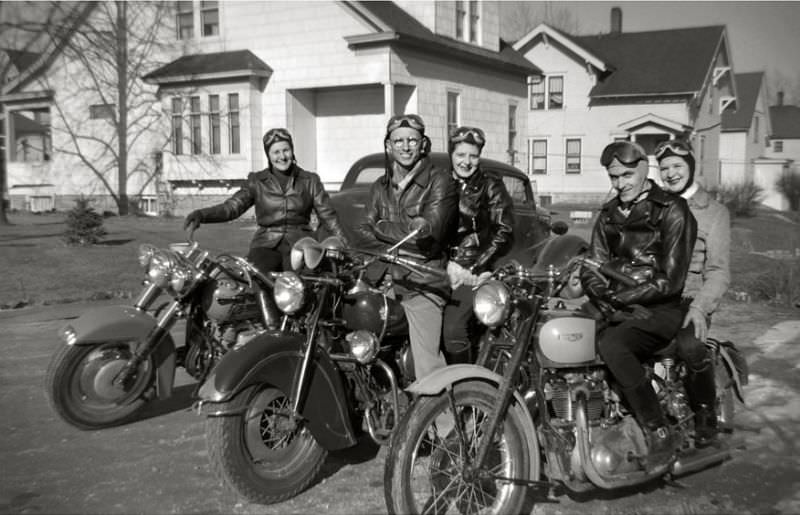
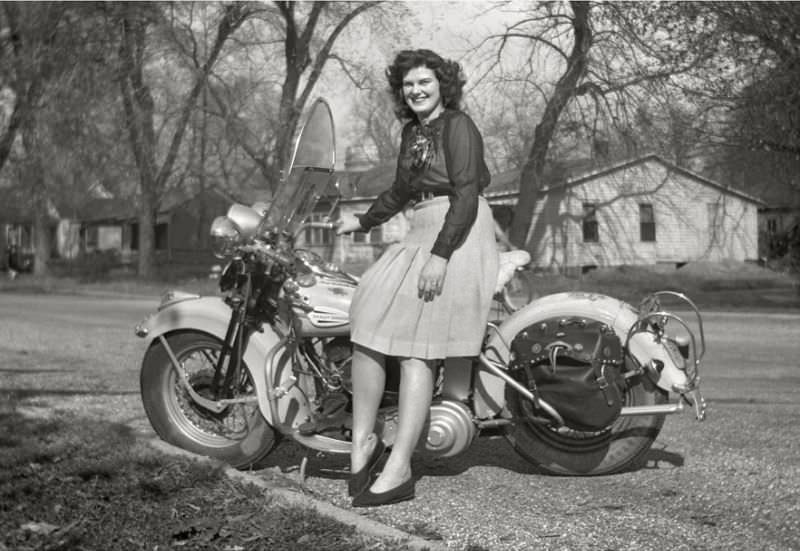
The 1950s brought a new kind of motorcycle culture—one tied to identity as much as transportation. In the United States, Harley-Davidson riders formed tight communities. Families posed with their bikes in driveways, young mothers balanced children on the seats, and teenage boys leaned against their first Triumphs with wide grins.