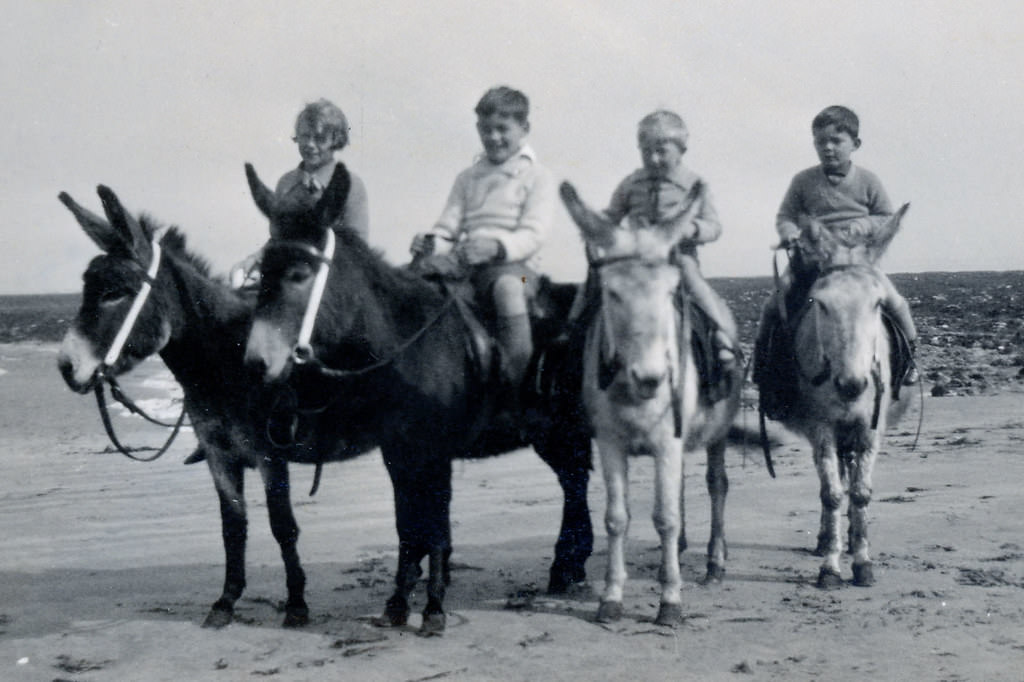
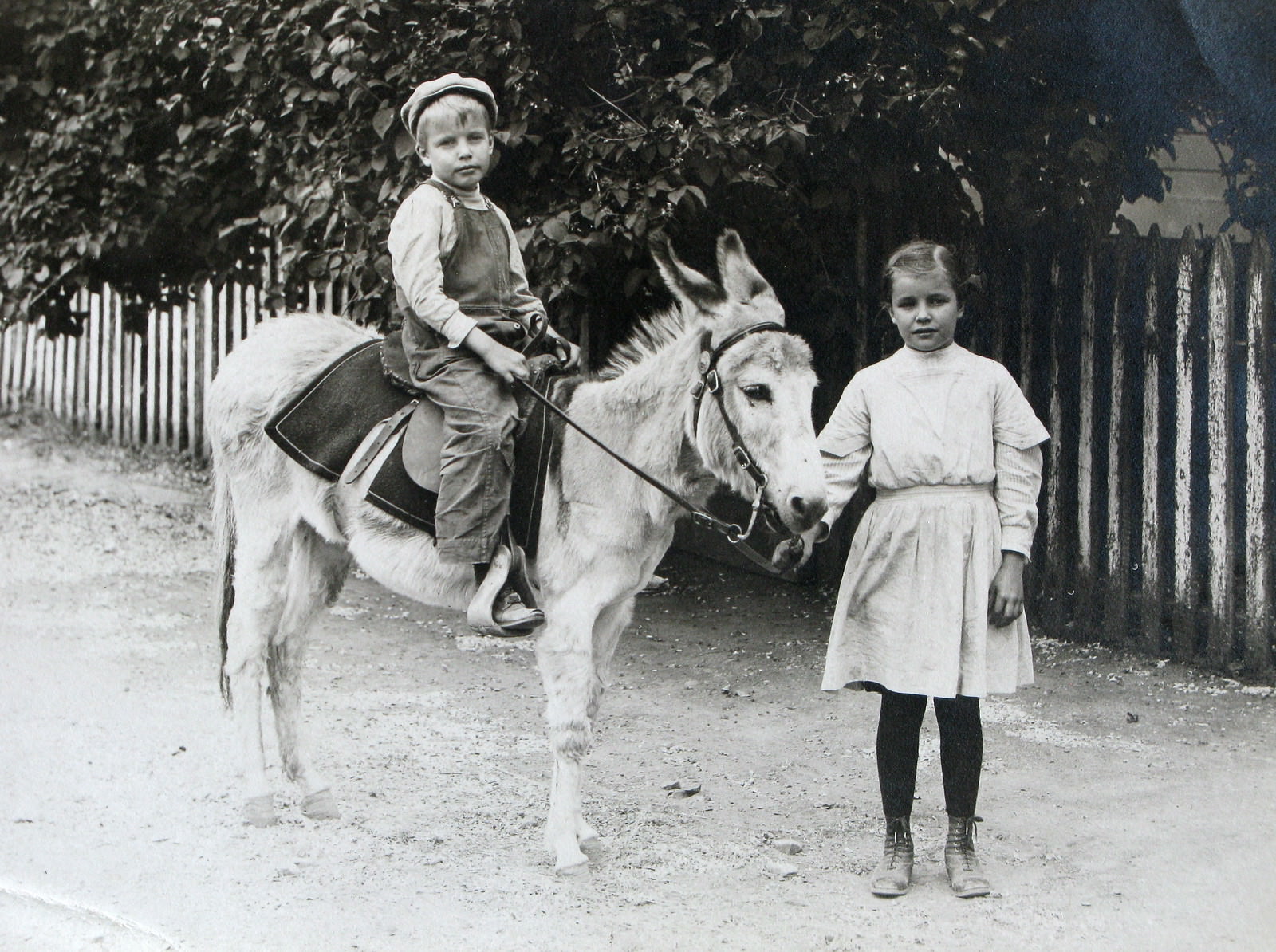
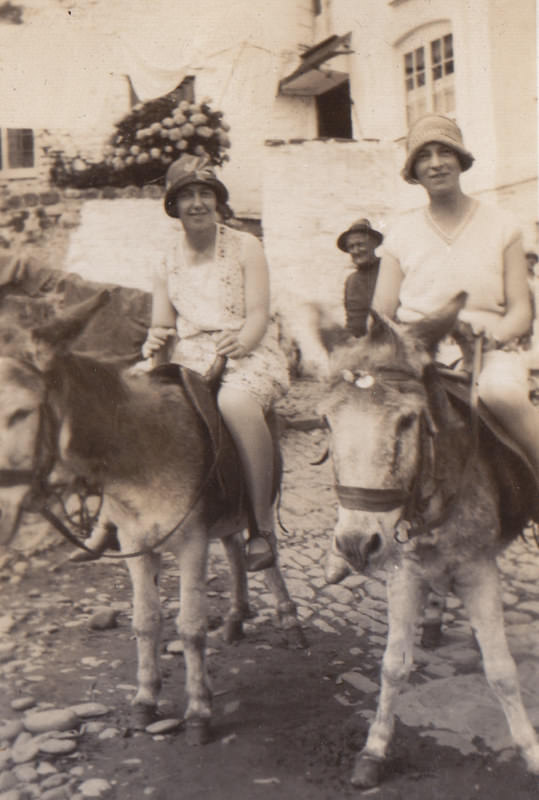
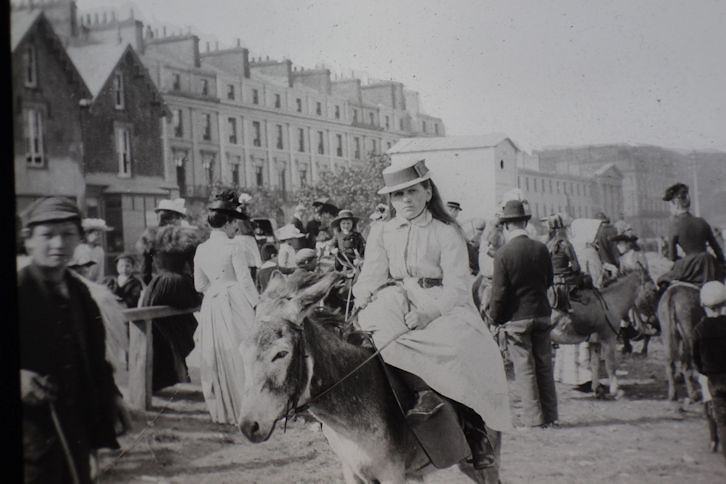
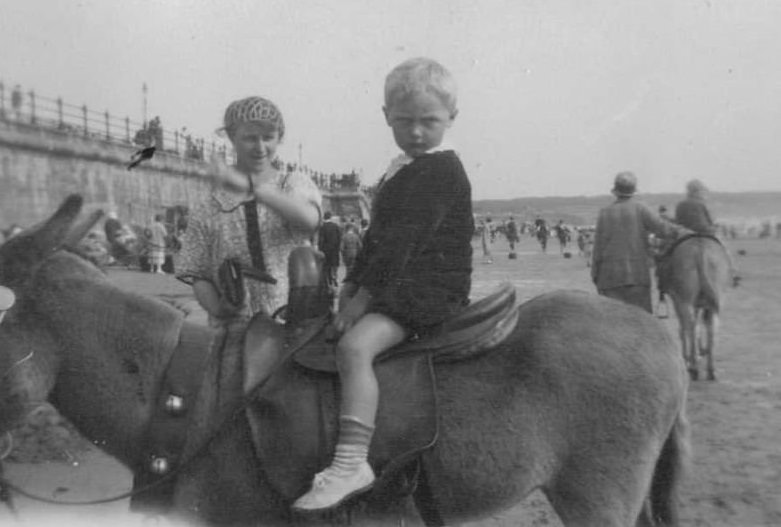
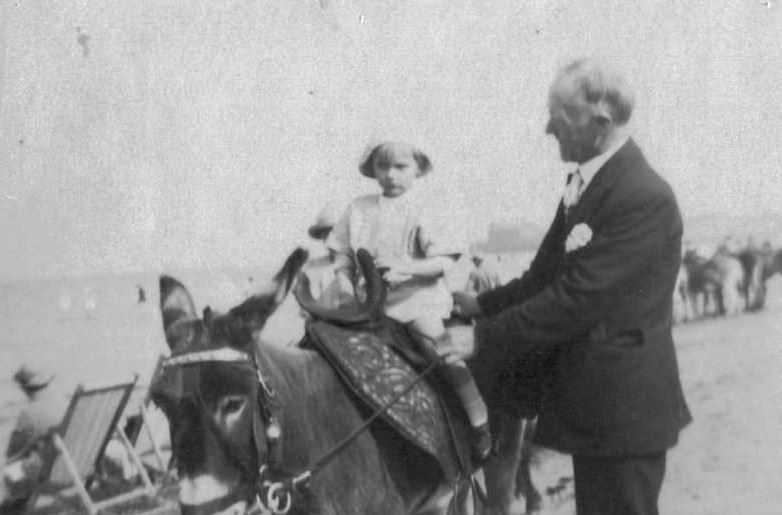
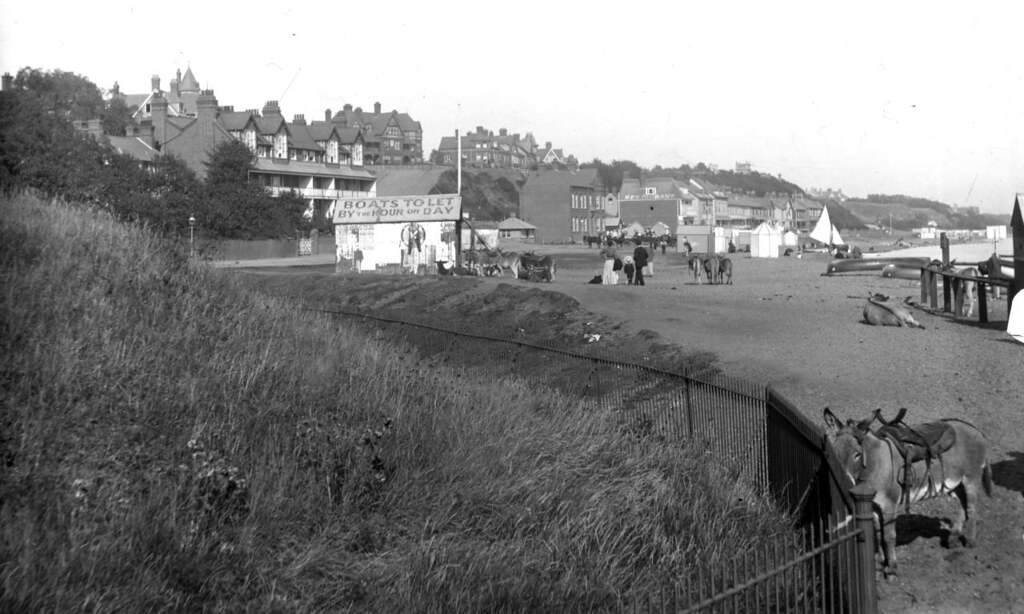
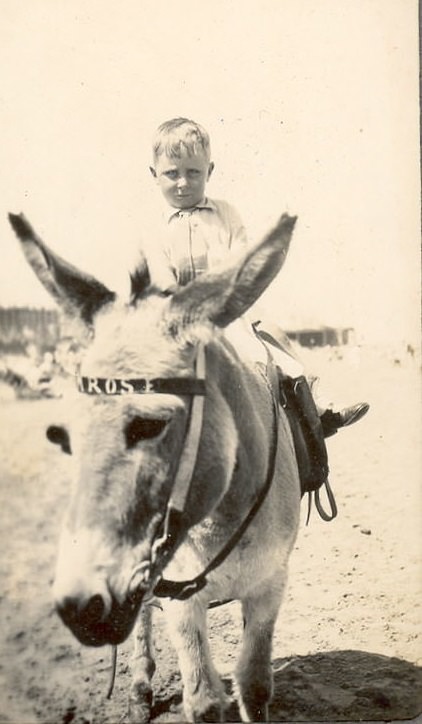
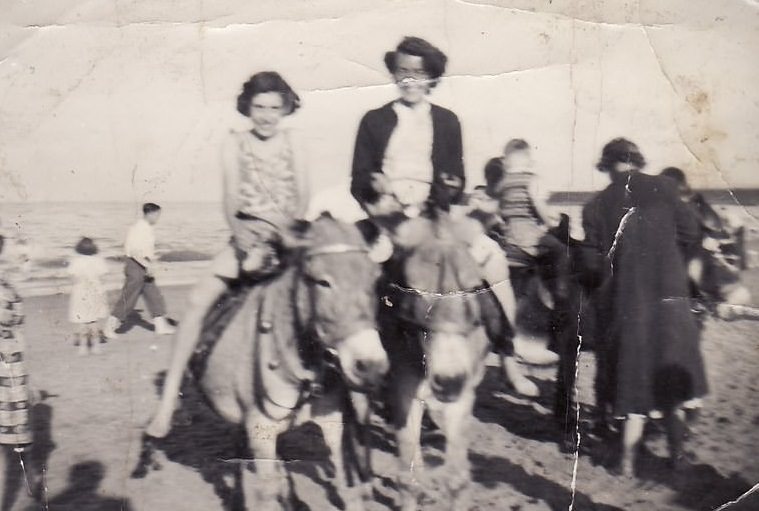
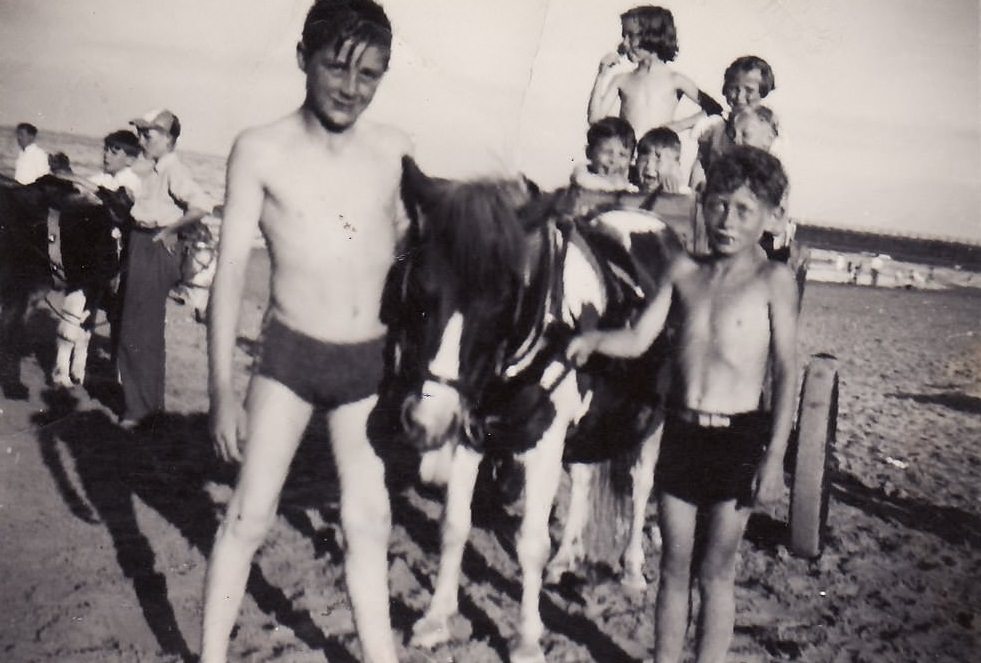
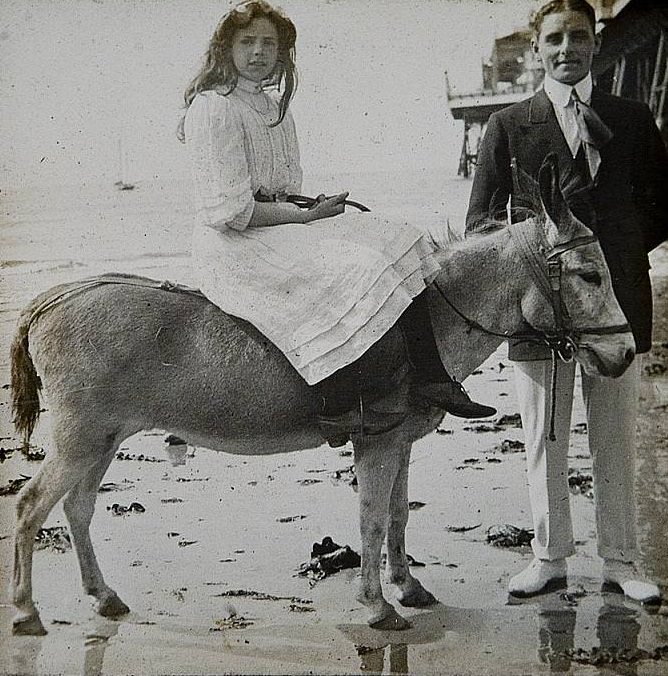
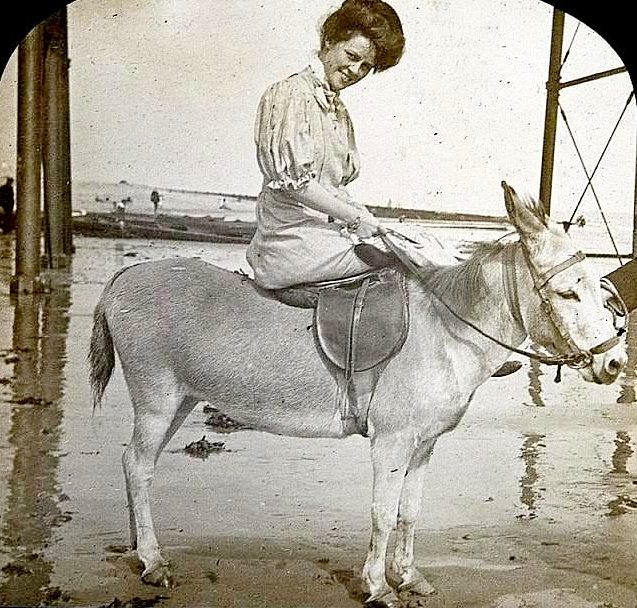
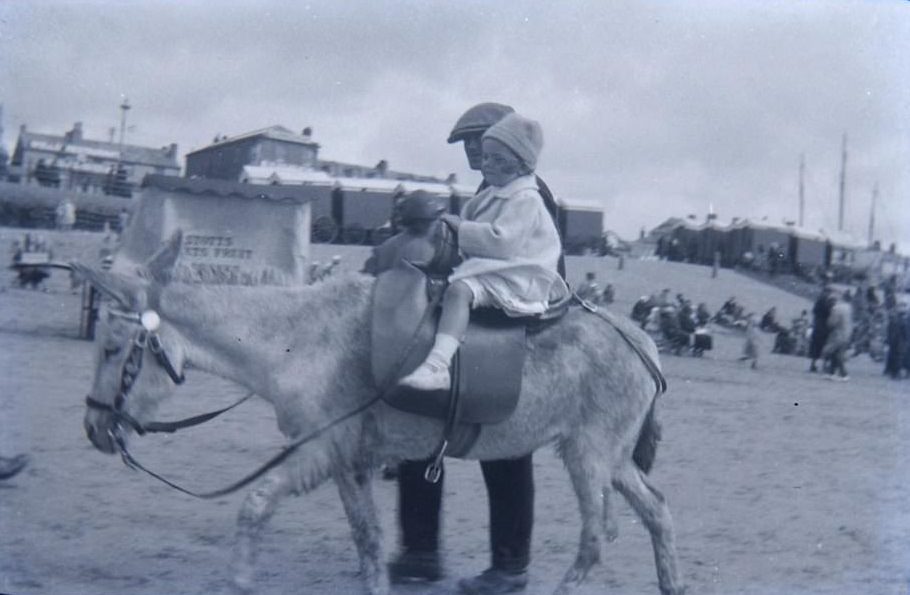
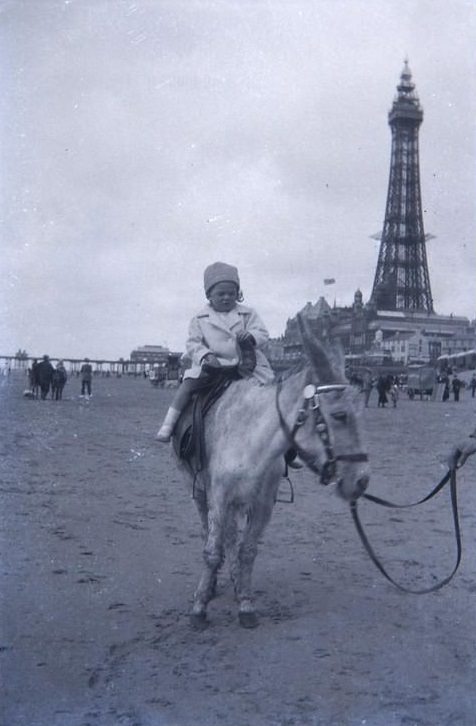
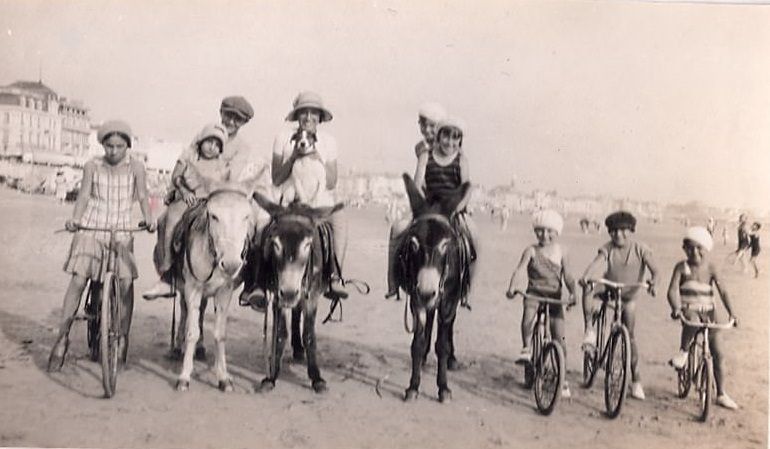
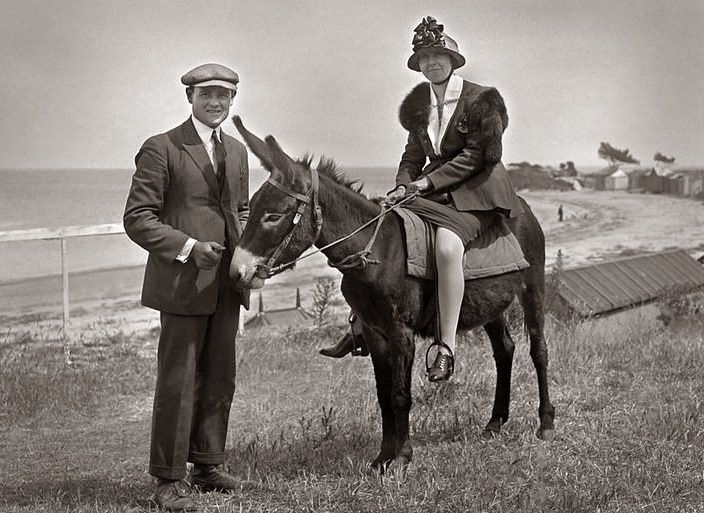
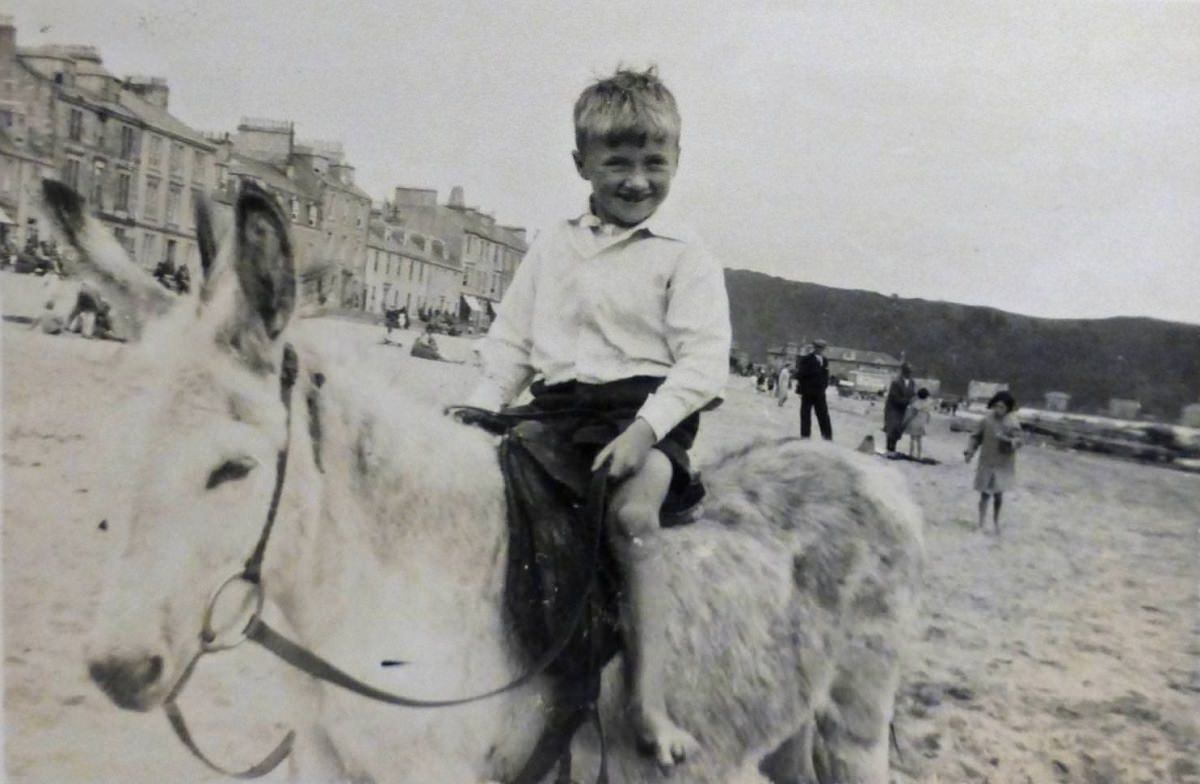
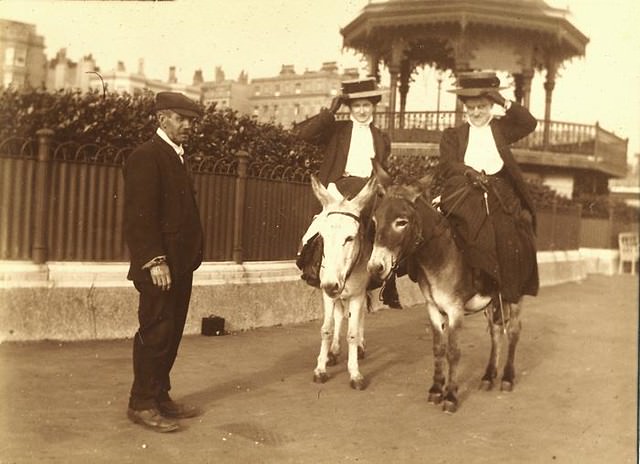
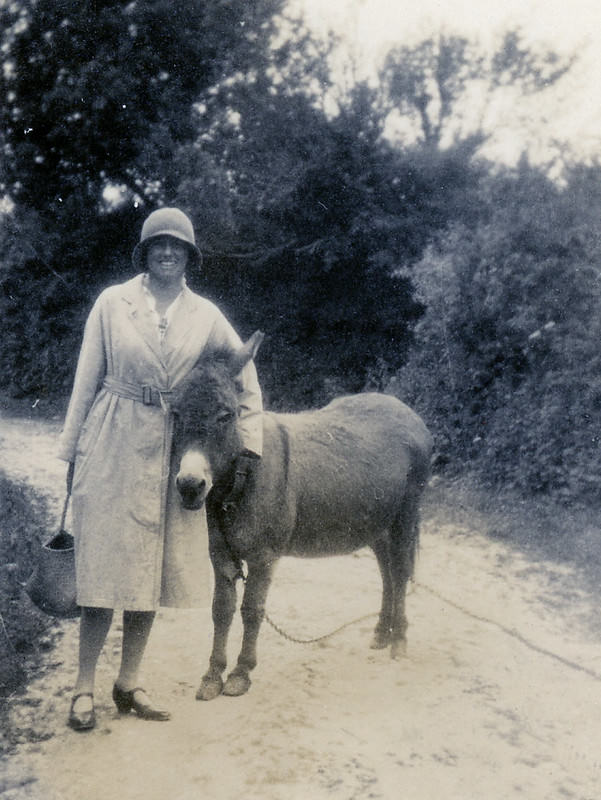
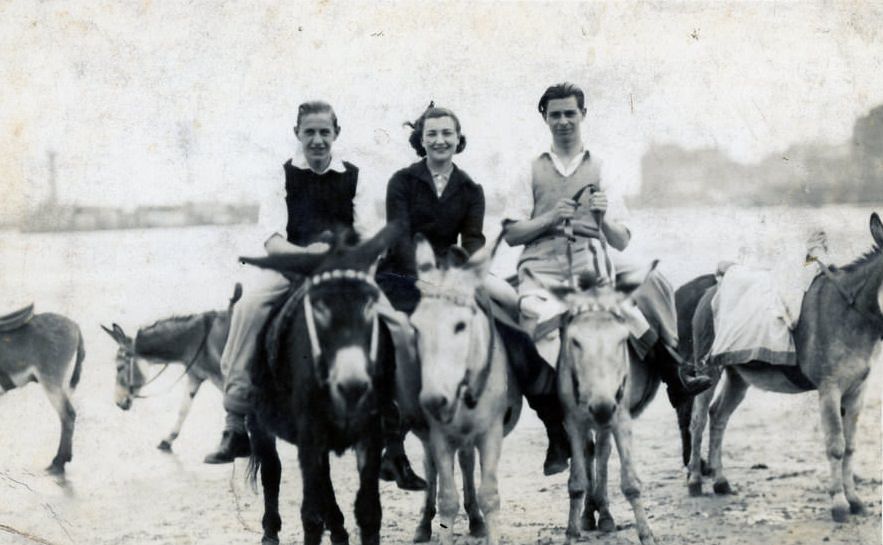
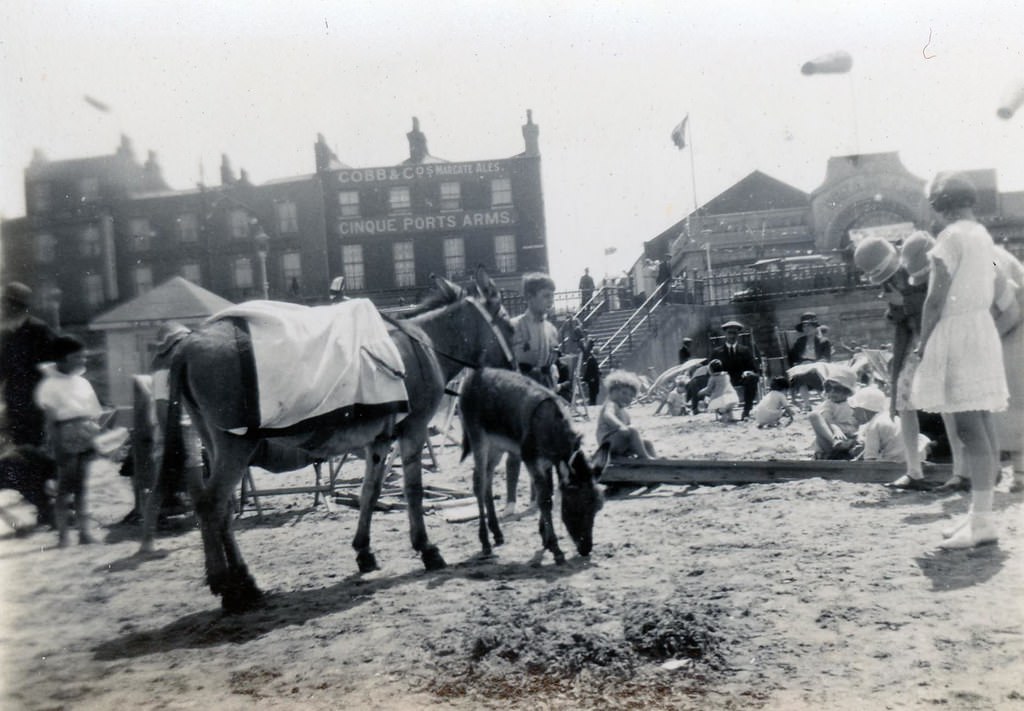
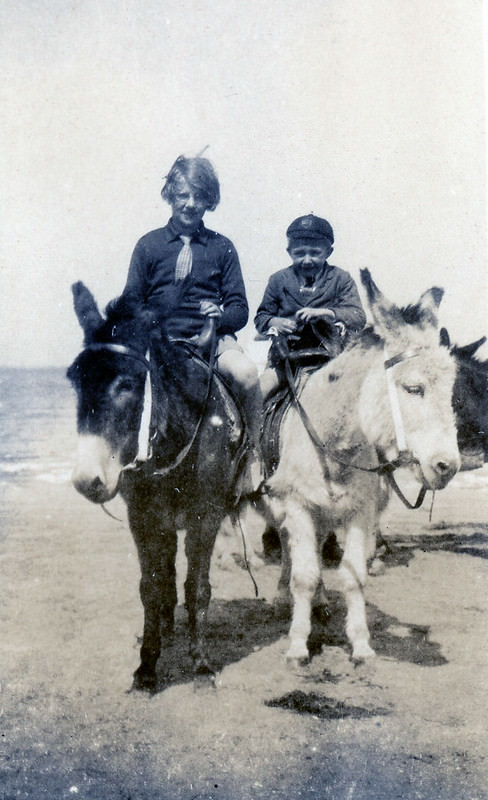
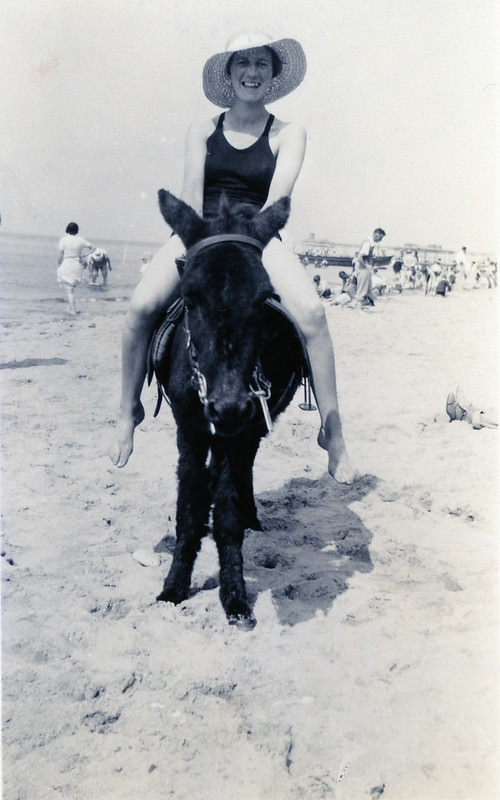
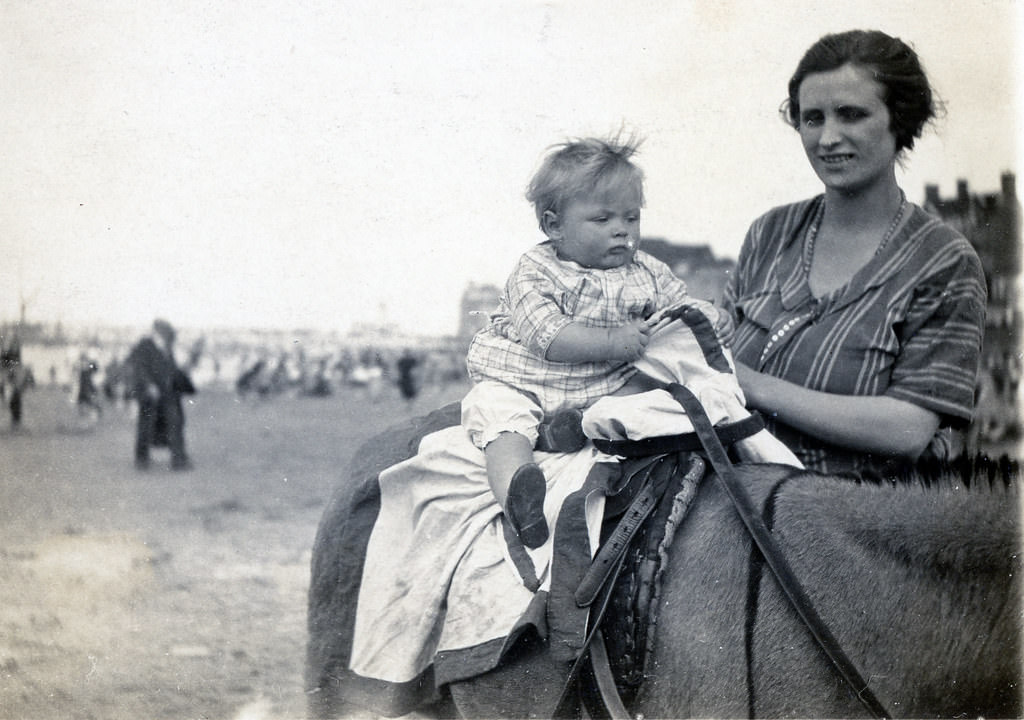
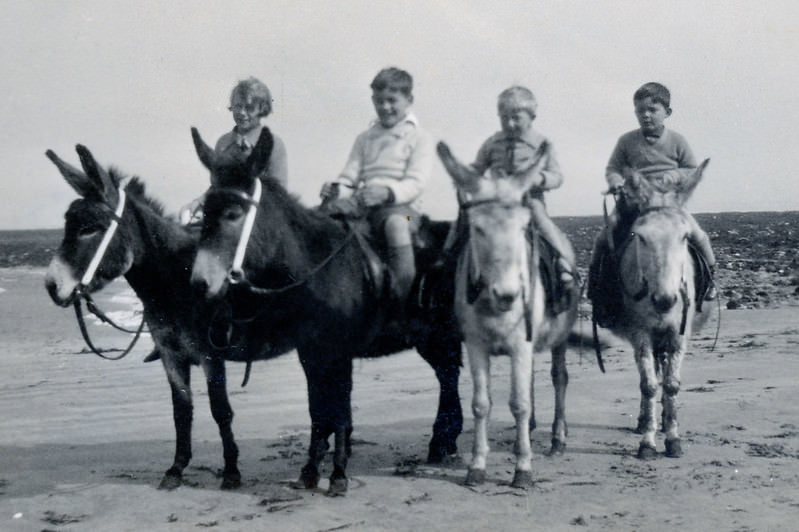
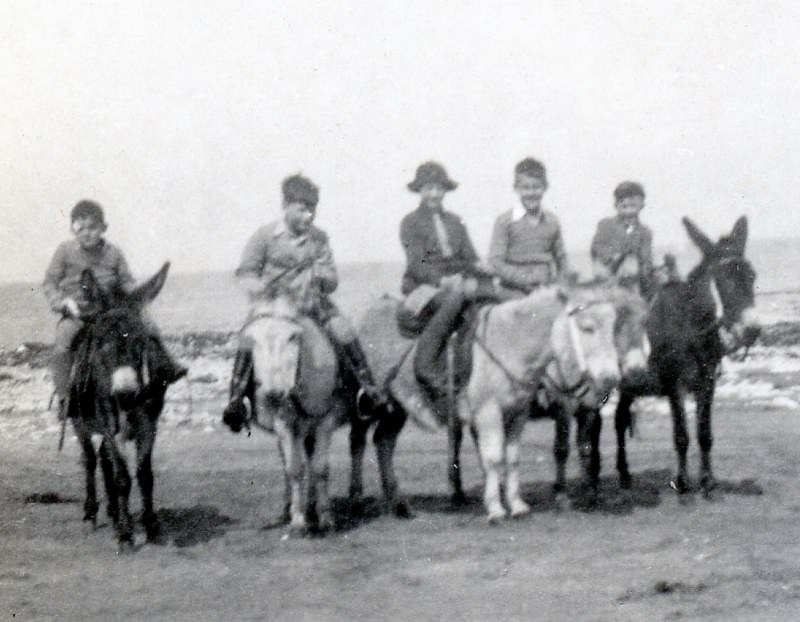
Long before theme parks and carnival rides, the donkey was the star attraction at the British seaside. Donkeys have been working on UK beaches since 1780, making them one of the longest-running seaside entertainments in the country. By the Victorian era, a trip to the beach without a donkey ride was considered incomplete. Families lined up along the shoreline, children perched proudly in the saddle, and the steady clip of hooves on wet sand became the sound of a perfect holiday.
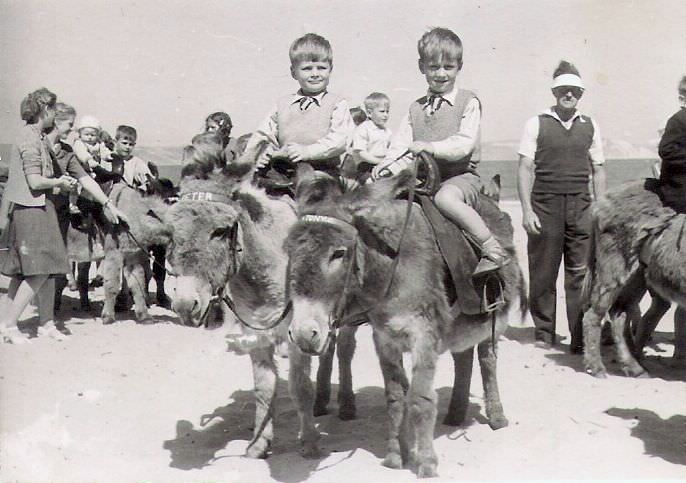
Donkeys earned their place on the beach for good reasons. Compared to horses, they are calmer and far less likely to bolt — a reassuring quality when small children are involved. Their smaller size makes them easier to mount and ride, and their walking pace closely matches the speed a person uses when moving carefully over uneven ground. For a child taking their first ride, that calm, steady movement made all the difference.
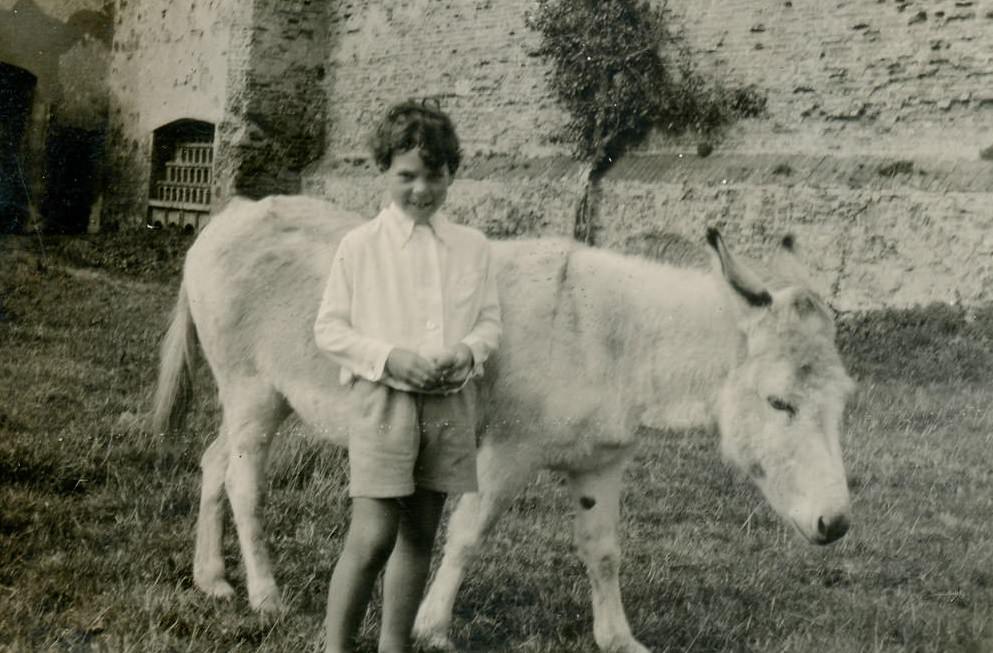
The business of beach donkeys was a serious family trade. Some donkey ride stands stayed in the same family for up to four generations, passed down like any other valued business. Operators knew their animals well, and the donkeys themselves became familiar faces at popular resorts year after year.
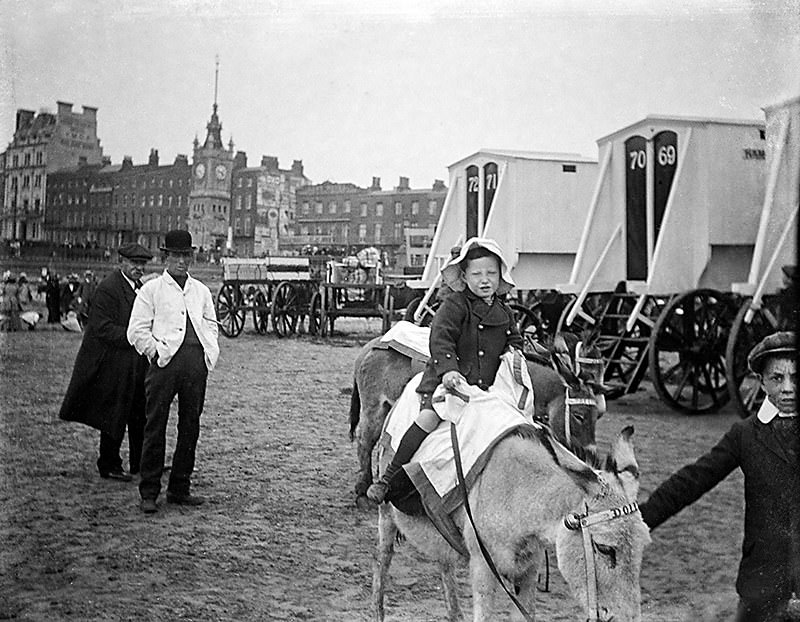
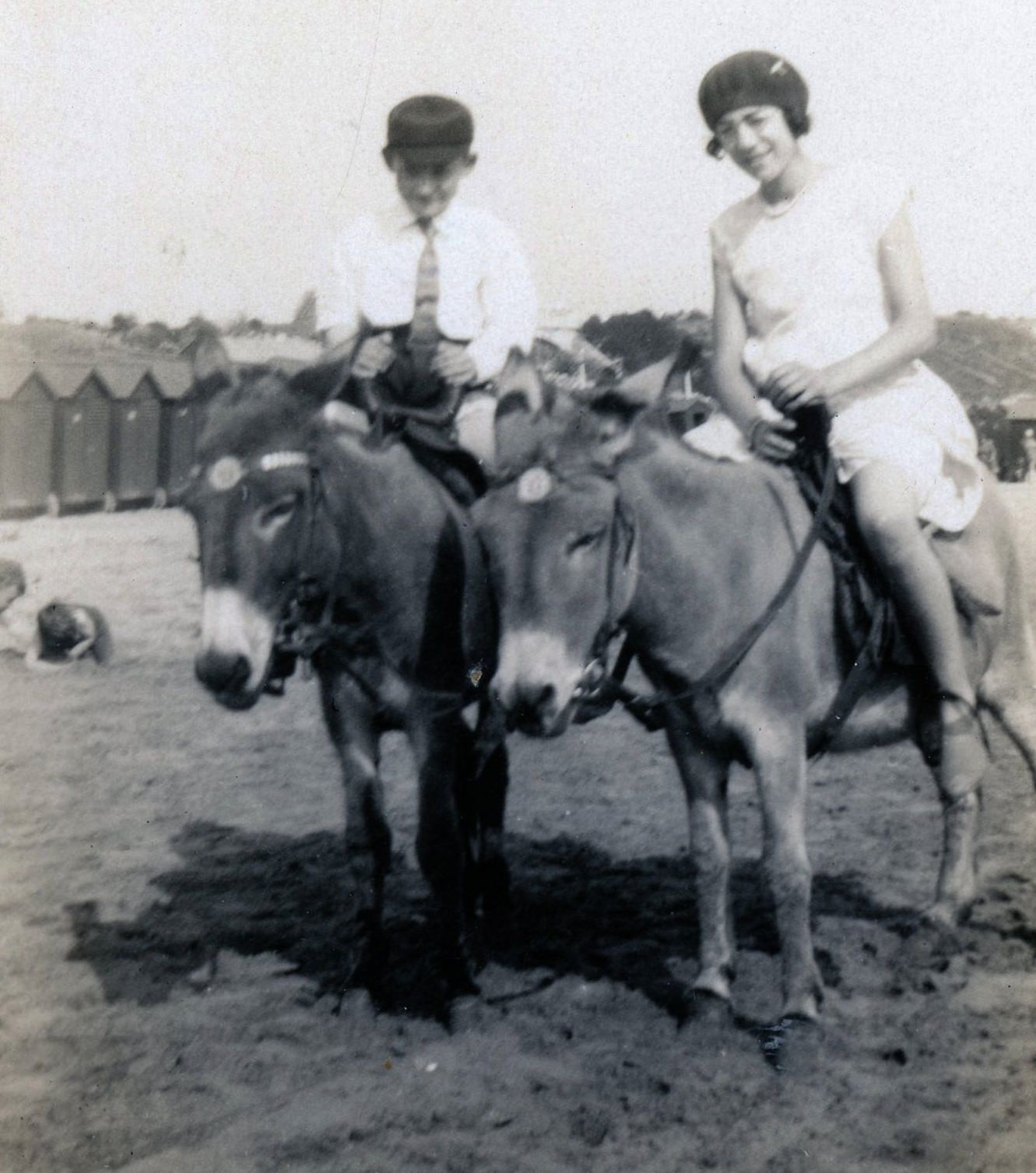
As the early 1900s rolled in, seaside resorts across Britain were booming. The expansion of railway lines meant that working-class families could now reach the coast for a day out. Beaches at resorts like Blackpool, Brighton, and Scarborough filled with visitors, and donkey rides were one of the first things many families sought out upon arriving.
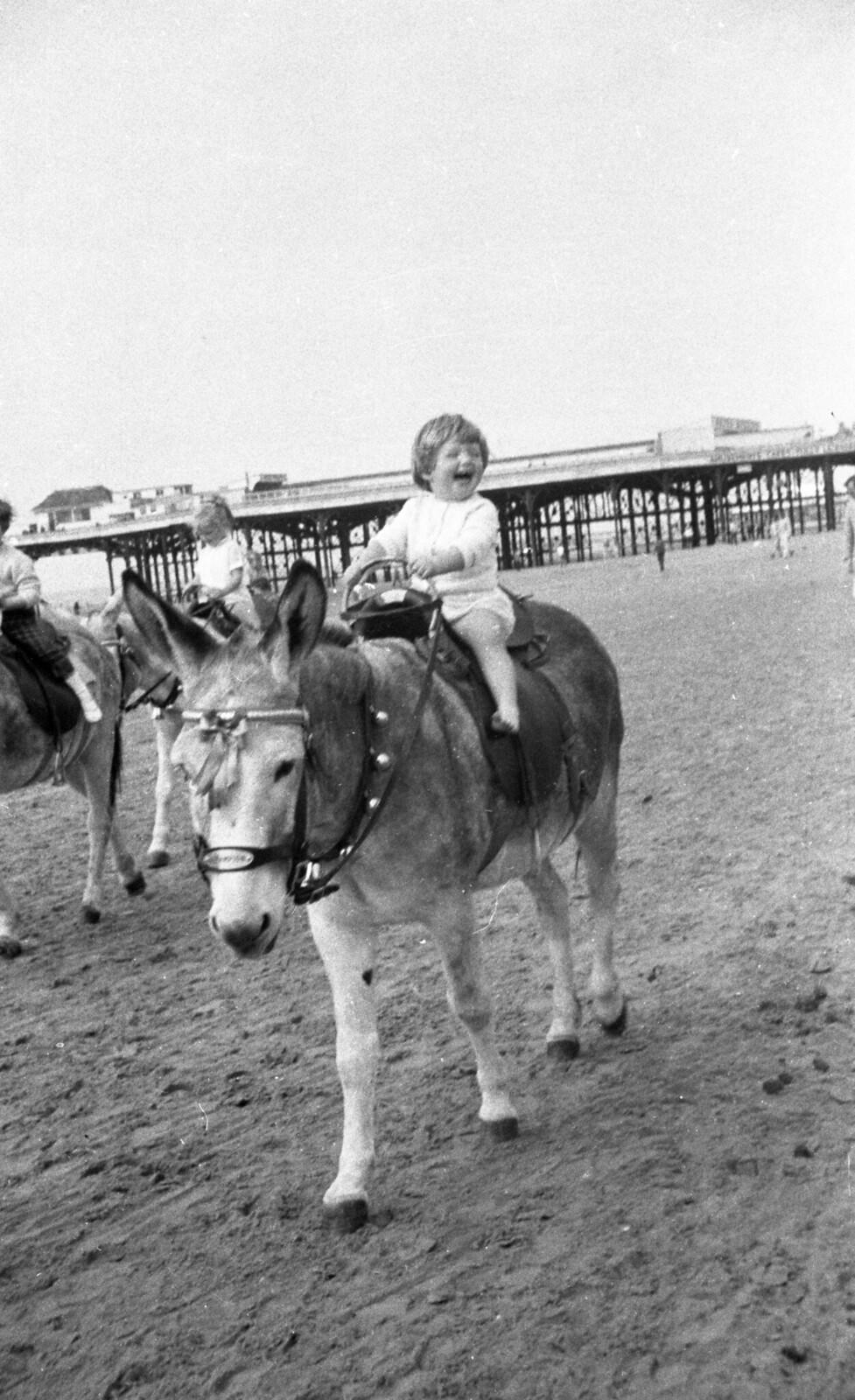
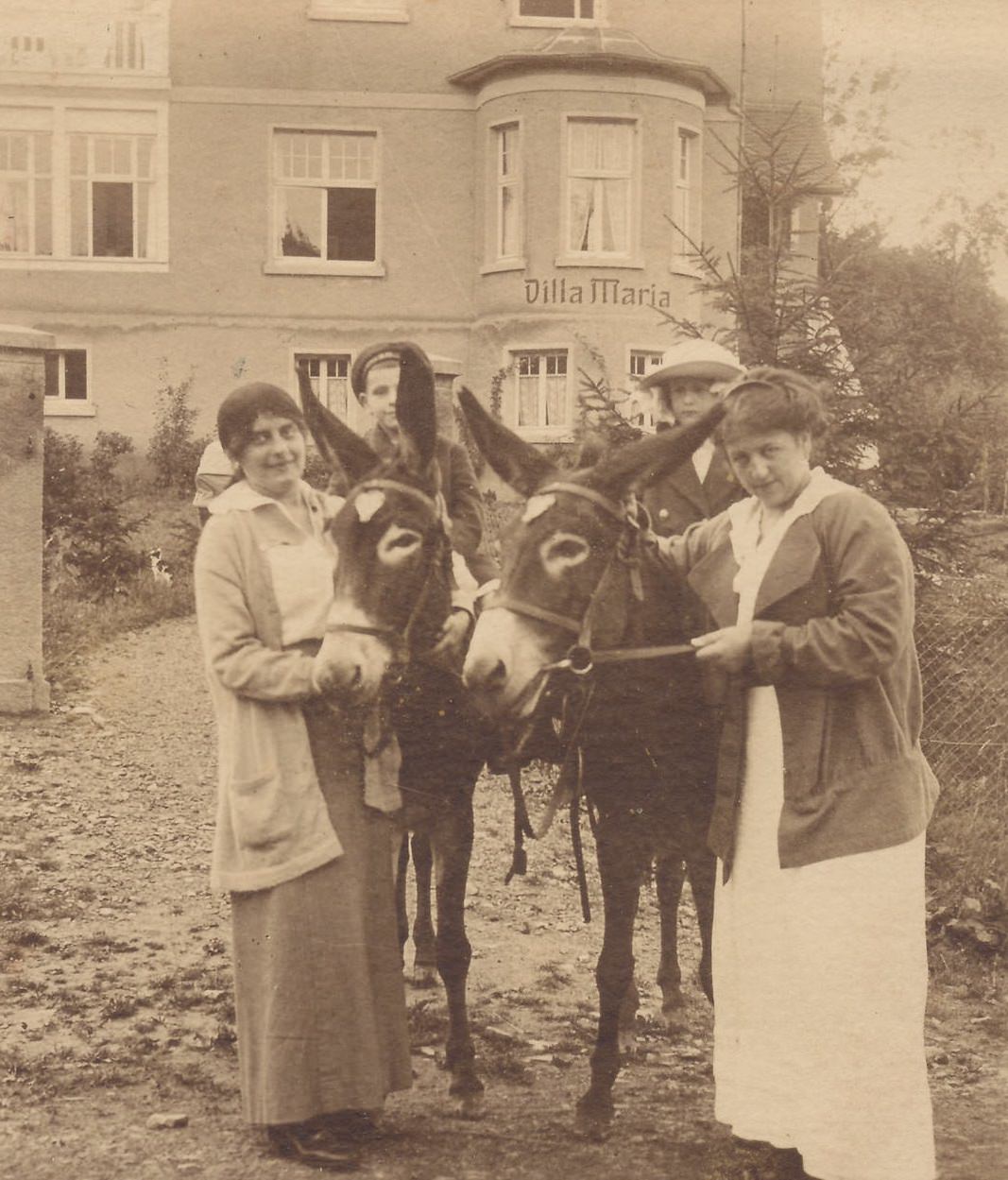
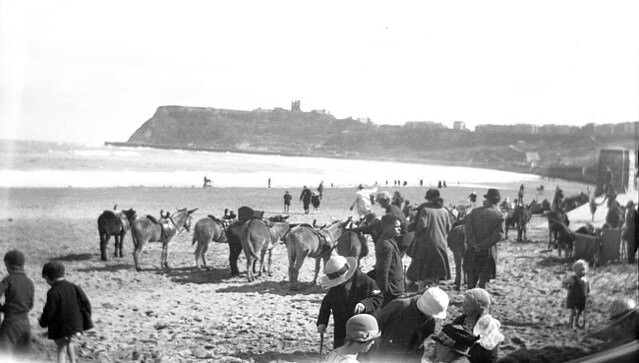
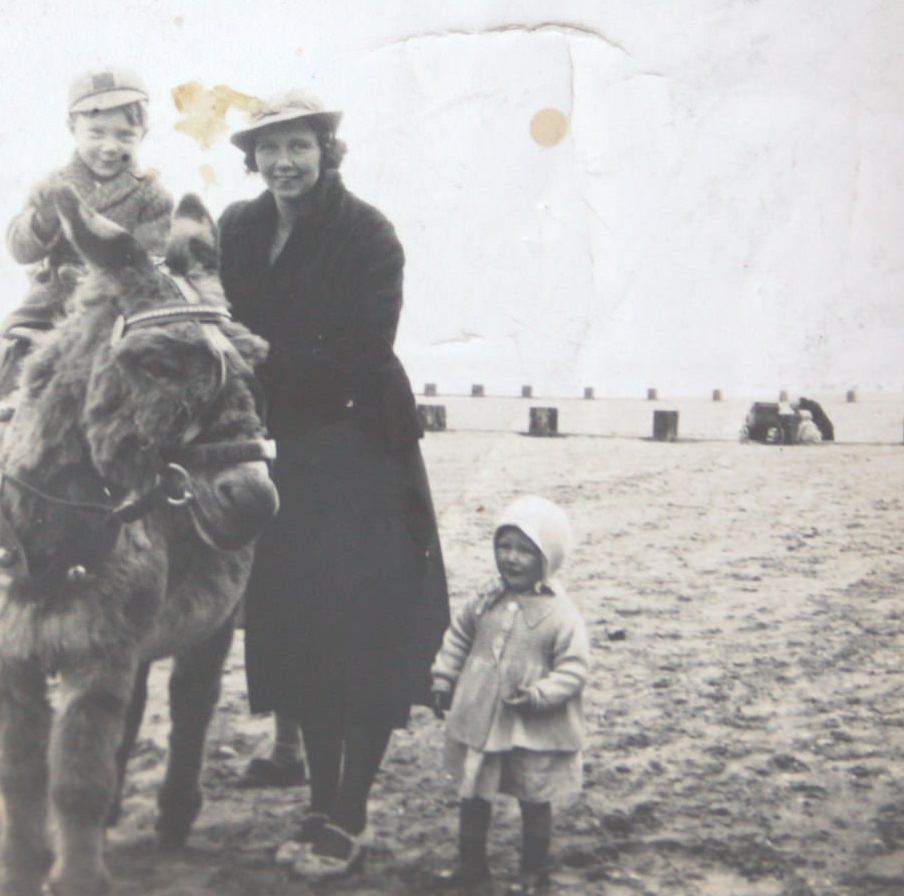
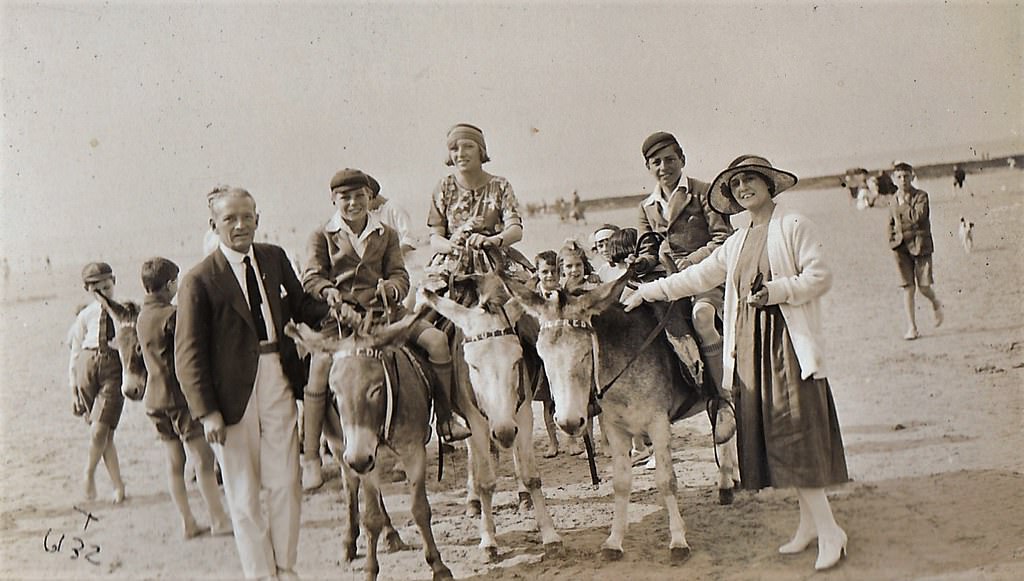
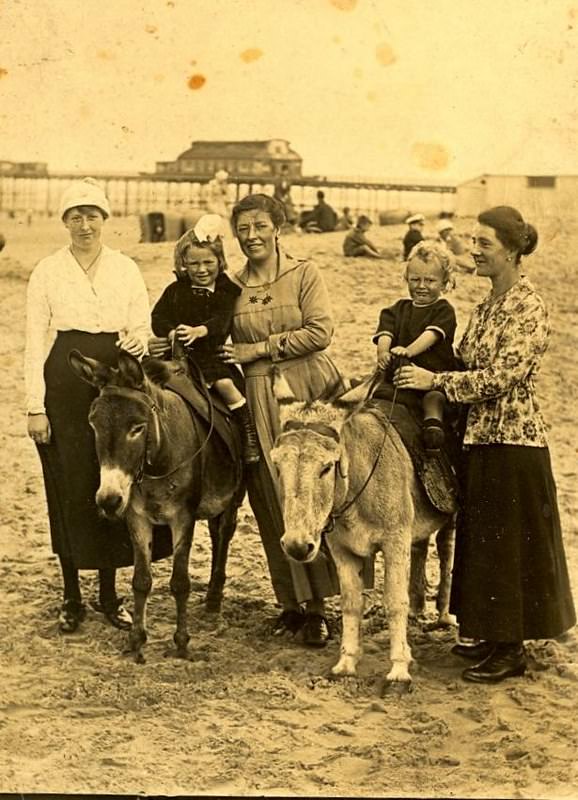
The photos from this era capture a world that moved at a slower pace. Children in their Sunday best, women in long skirts, and men in straw boaters all took their turns on the donkeys. The animals were often decorated with ribbons or colorful harnesses, adding to the festive atmosphere of the beach.
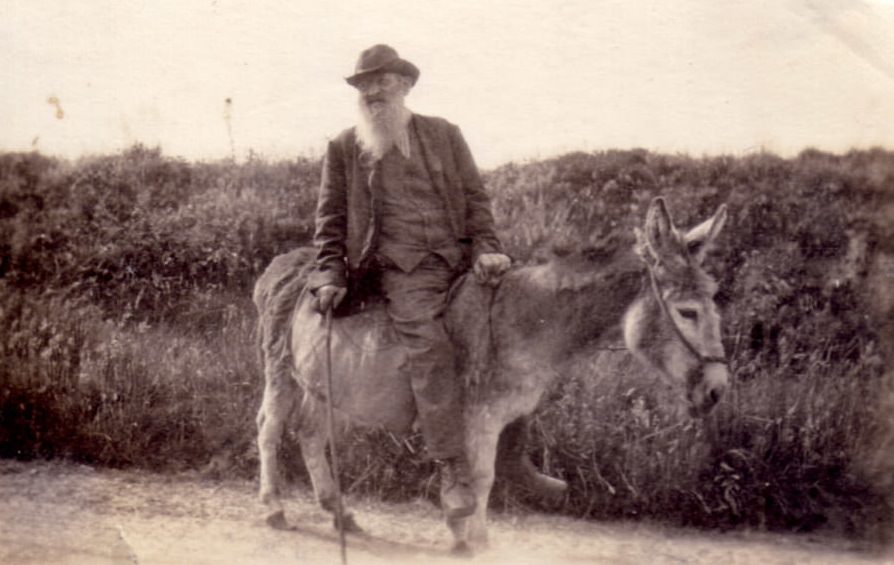
Donkeys weren’t just used for rides. Around the world, donkeys and mules served tourists in a variety of ways — carrying luggage, pulling carts, and guiding visitors through rugged terrain where vehicles couldn’t go. Their intelligence and steady temperament made them reliable working animals in ways that horses simply weren’t.
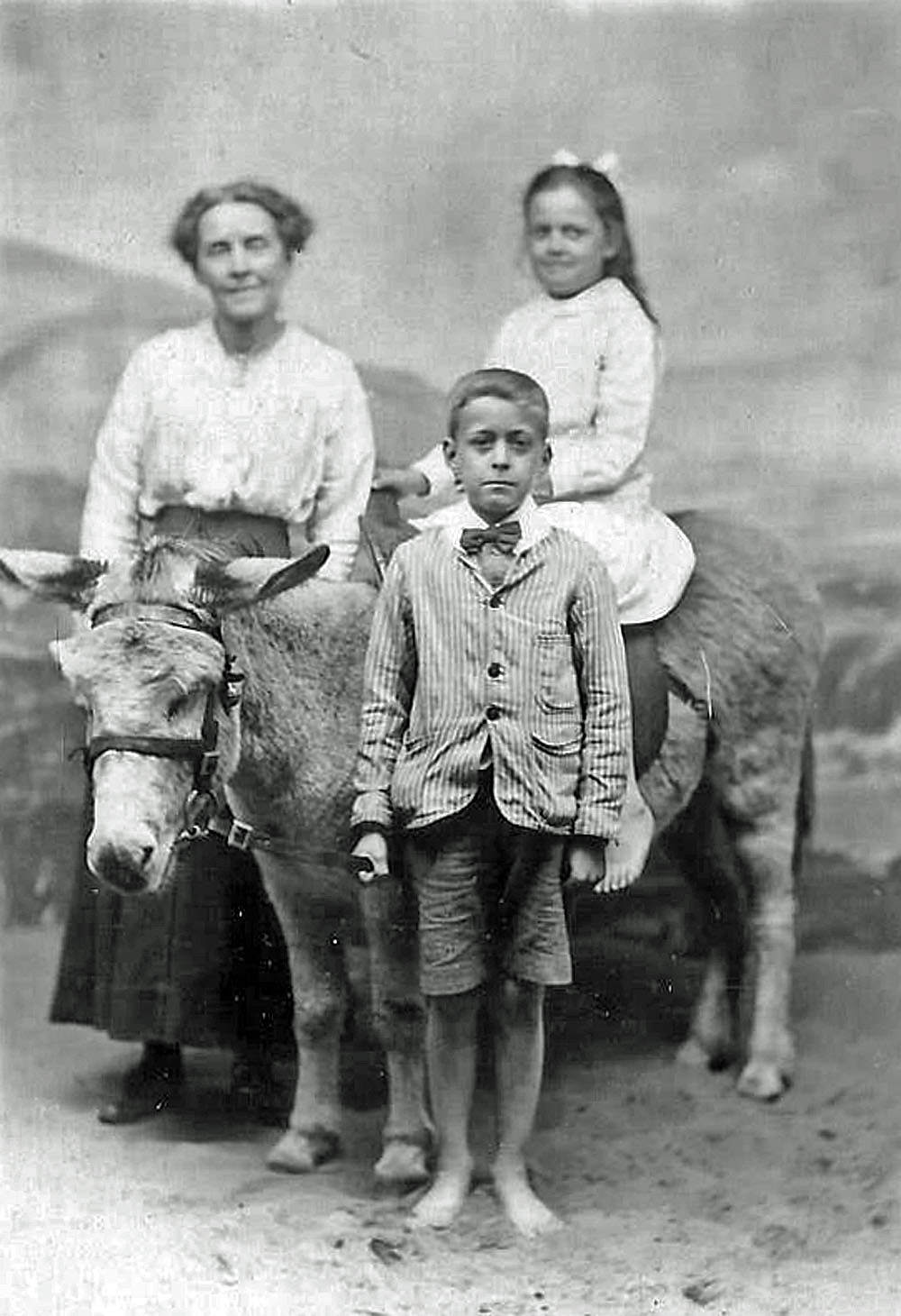
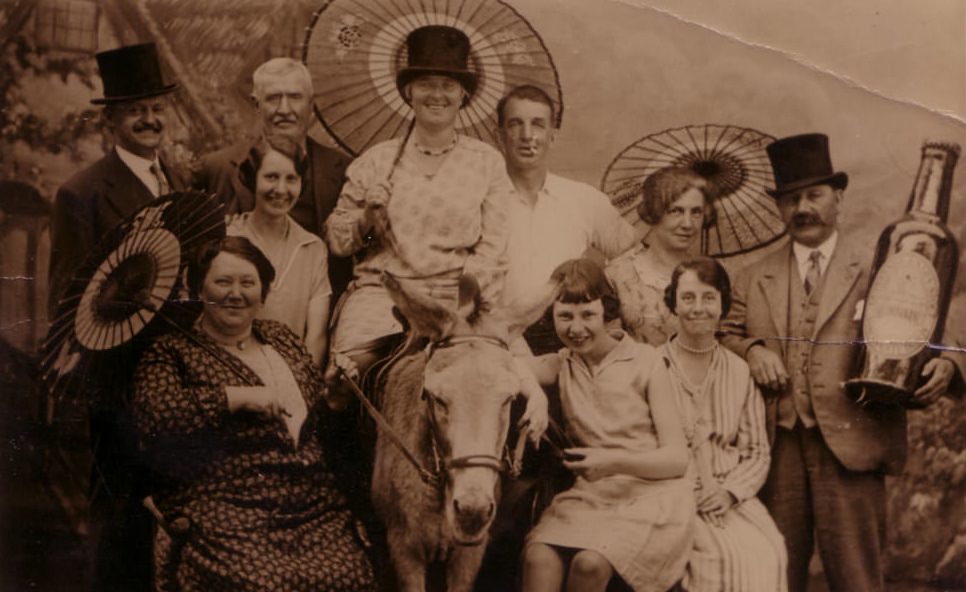
Over time, some seaside towns introduced formal rules to protect the working animals. Regulations set out a donkey’s daily work schedule and guaranteed each animal at least one day off per week. Riders also had to meet specific requirements — a minimum age of 13 and a maximum weight of 125 pounds — to ensure the donkeys weren’t overburdened.
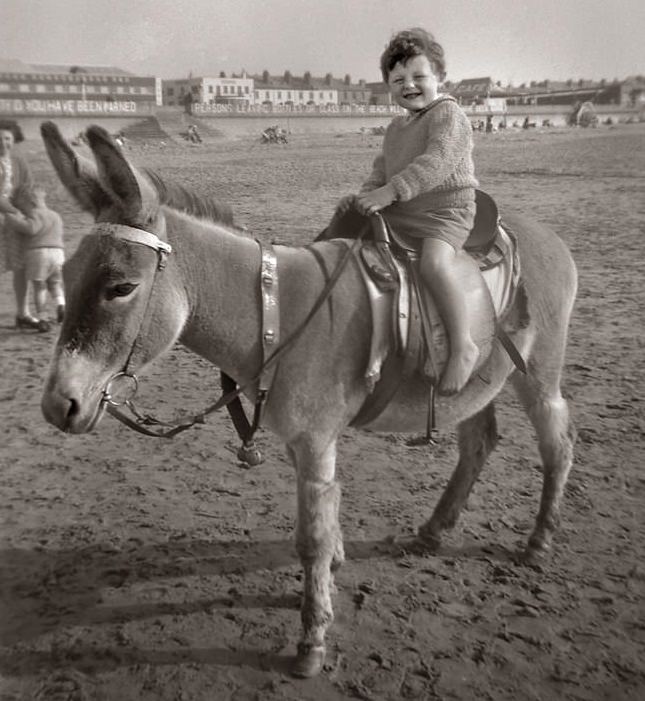
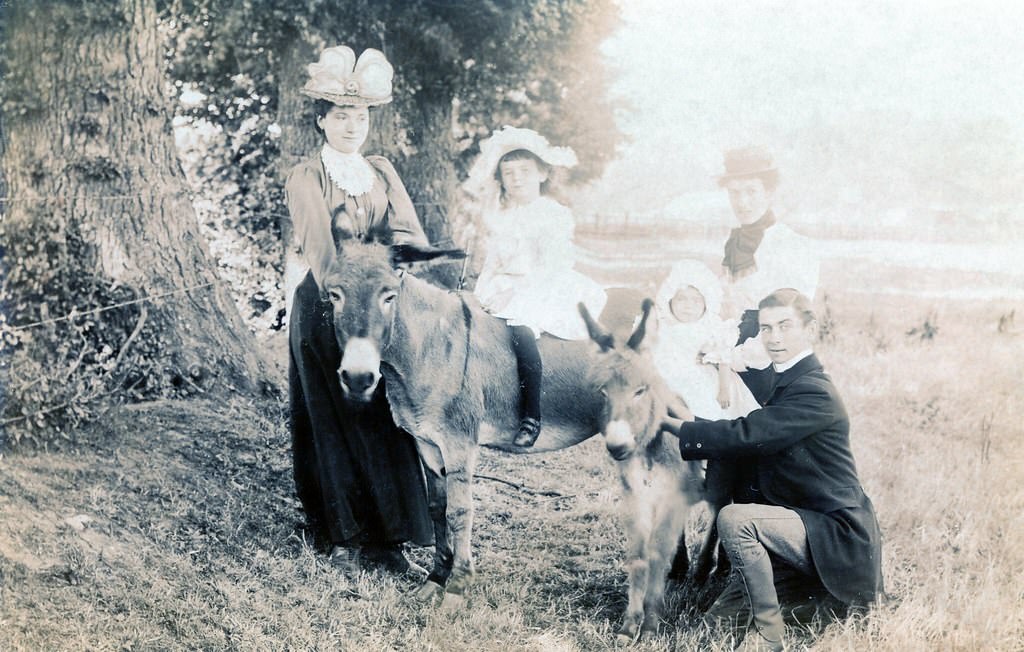
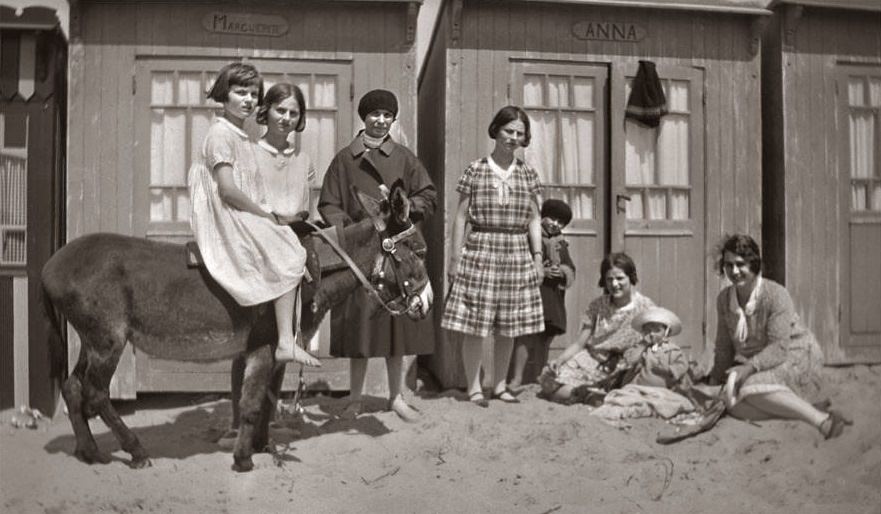
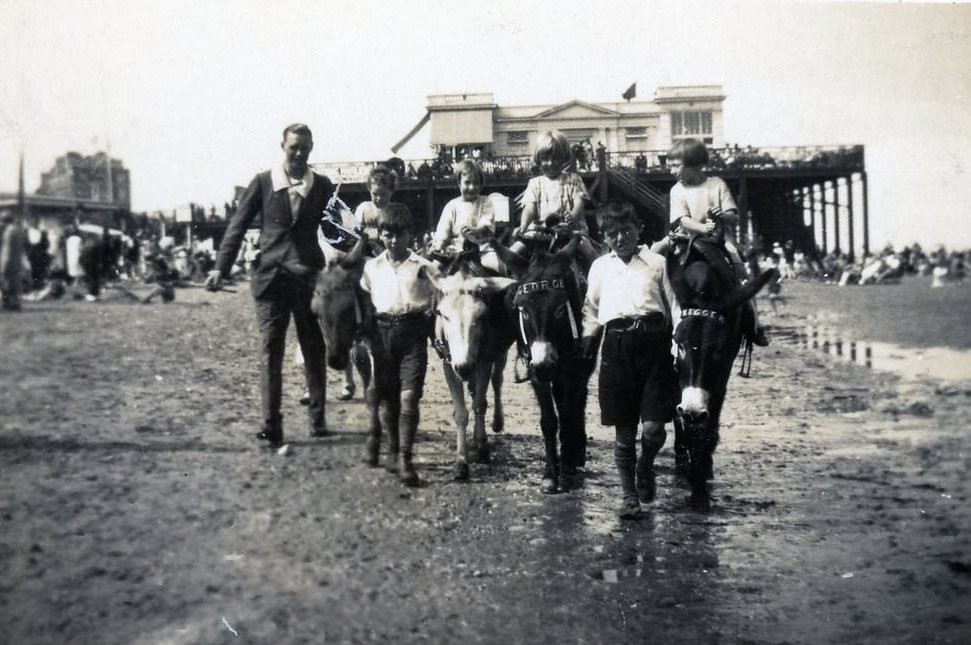
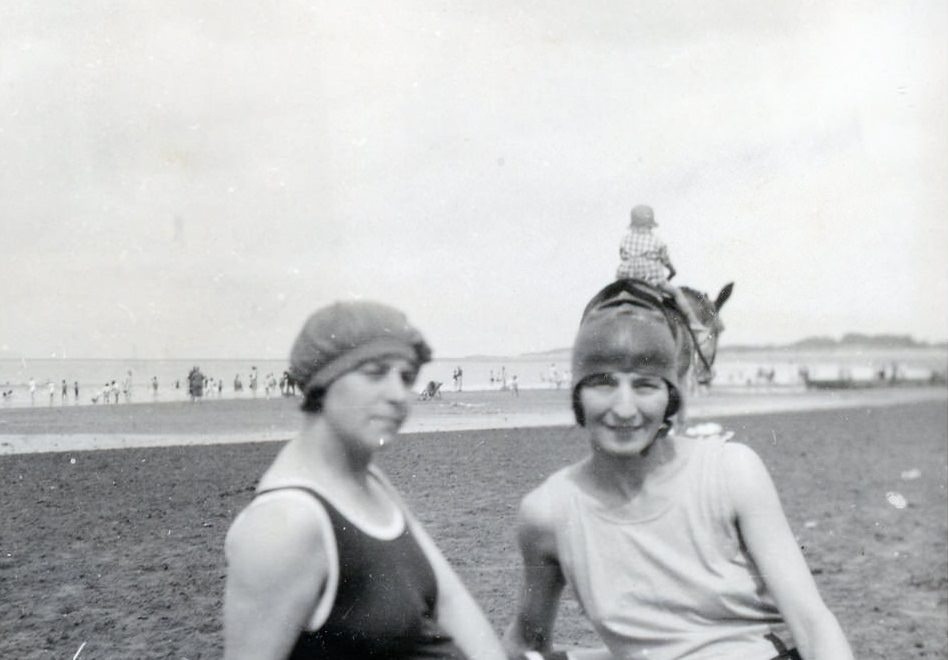
These early photographs document a tradition at its peak. The beaches shown in these images were crowded with life — vendors, bathers, and always, the donkeys walking their steady routes up and down the sand.
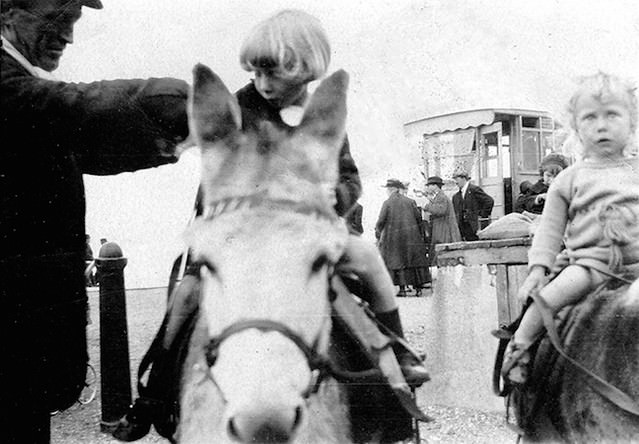
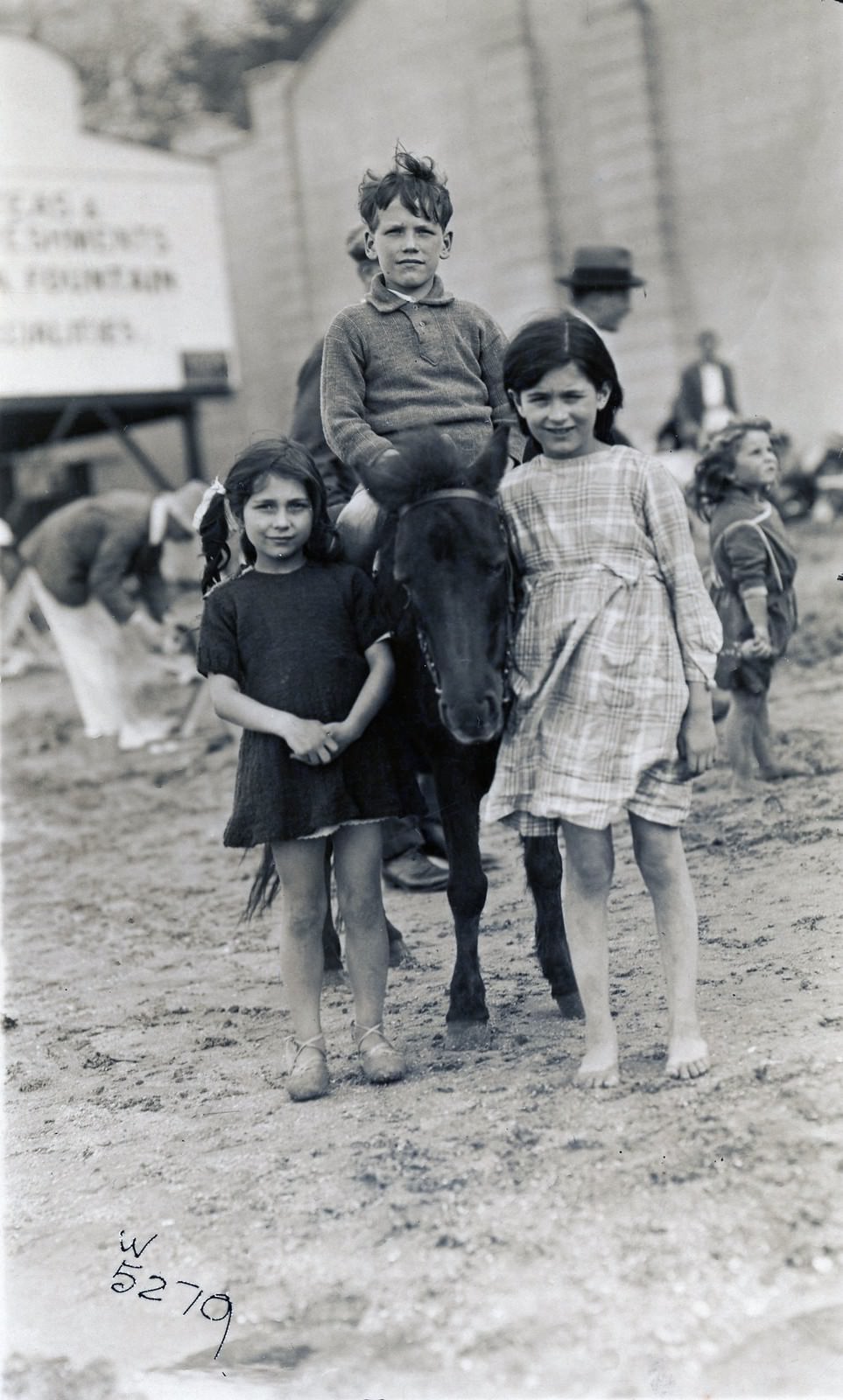
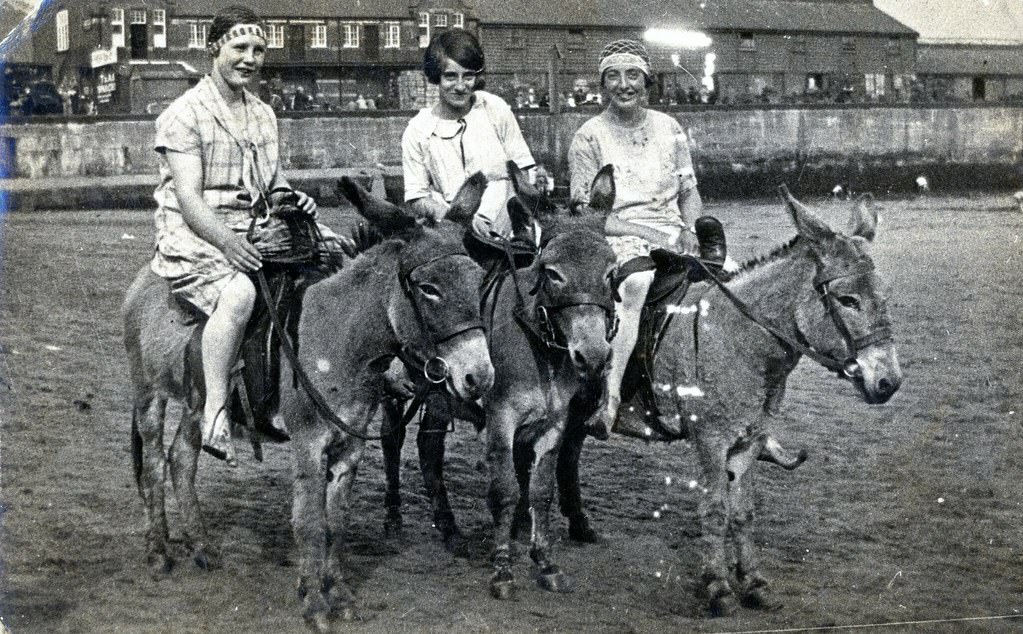
Postcard photography was hugely popular during the Edwardian era, and beach scenes featuring donkey rides were among the most printed. Tourists bought them by the thousands, sending them to friends and relatives as proof of a good holiday. Many of these postcards survive today and are among the most vivid records of early 20th-century leisure life.
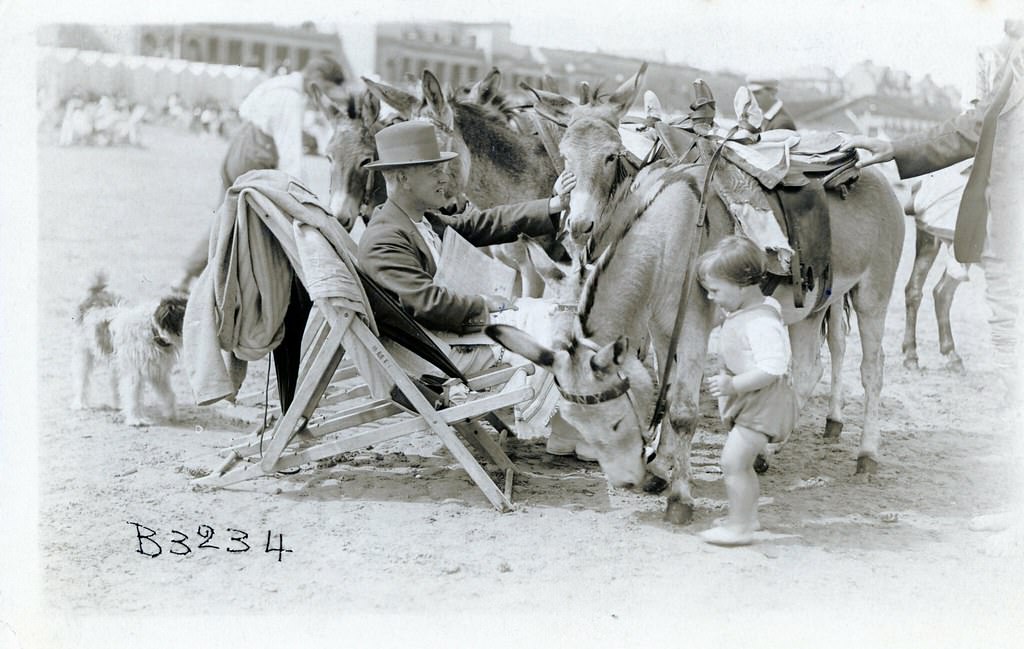
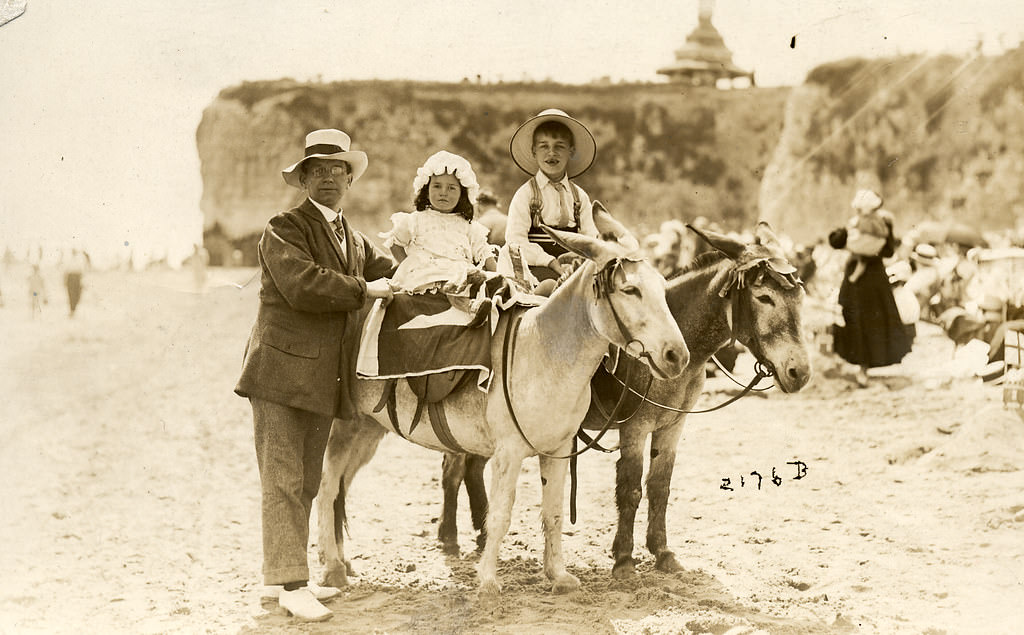
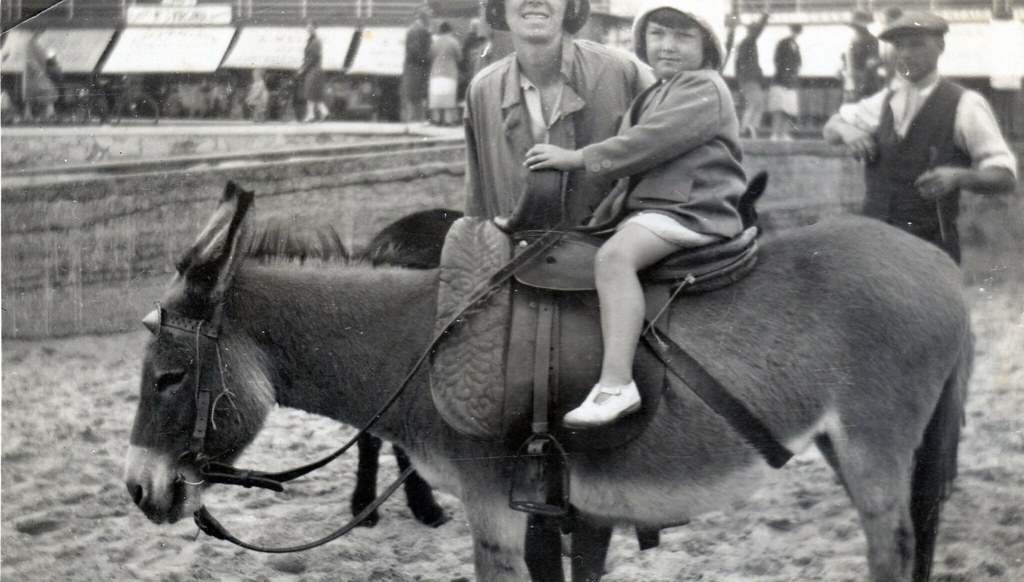
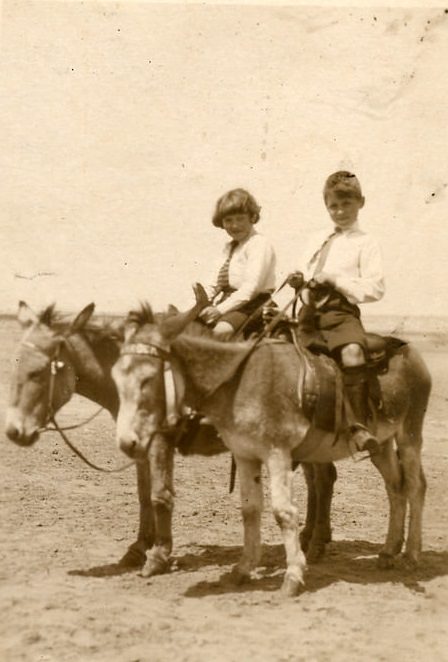
The scenes in these photos are remarkably consistent. A handler — usually a young man or the donkey’s owner — walks alongside the animal, leading it carefully across the sand. The rider sits upright, often gripping the saddle, with an expression somewhere between delight and concentration.
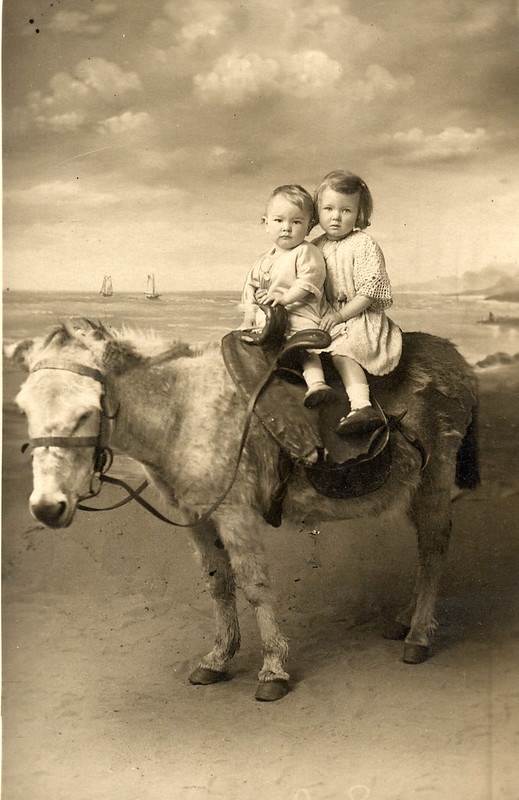
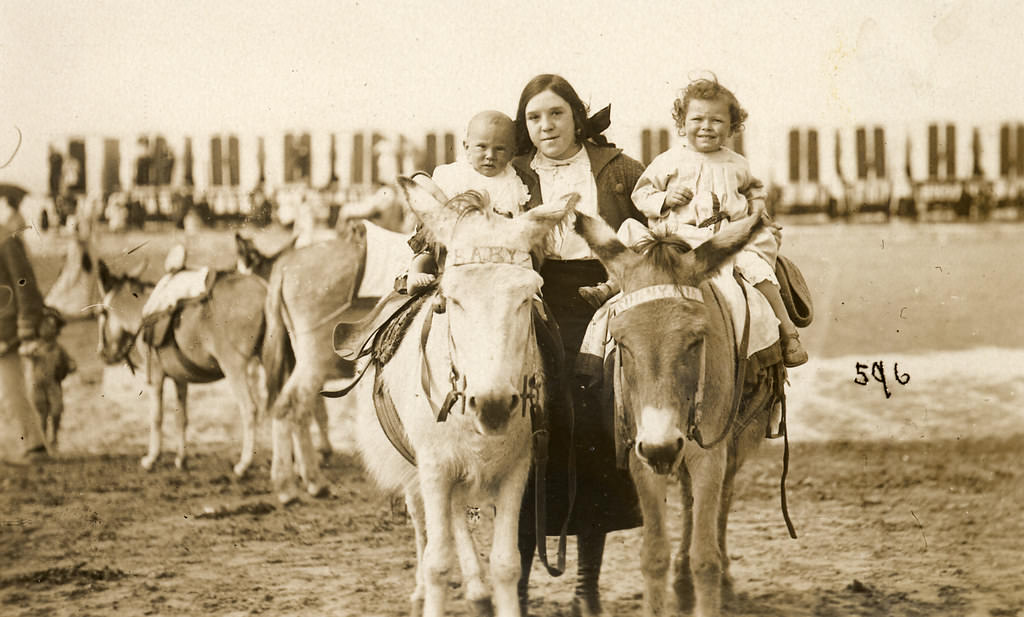
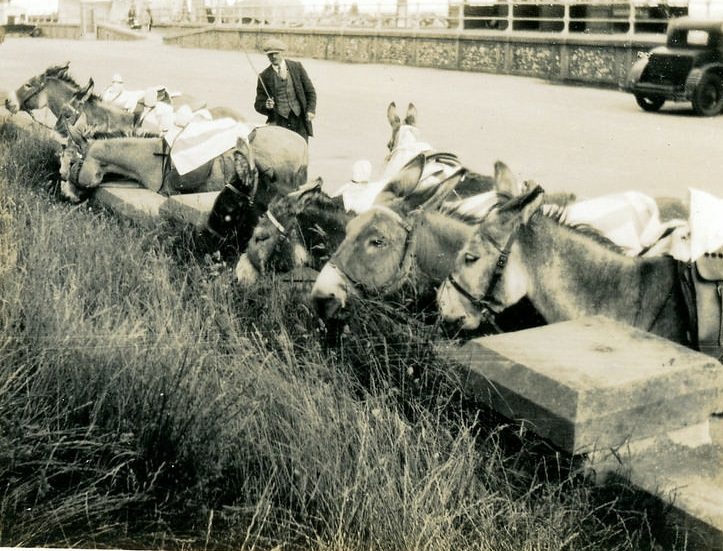
Rows of donkeys waiting for riders were a common sight at any busy resort. Each animal had a name — Ned, Daisy, Blossom — often written on a small sign or collar. Regulars came back year after year and asked for the same donkey by name.
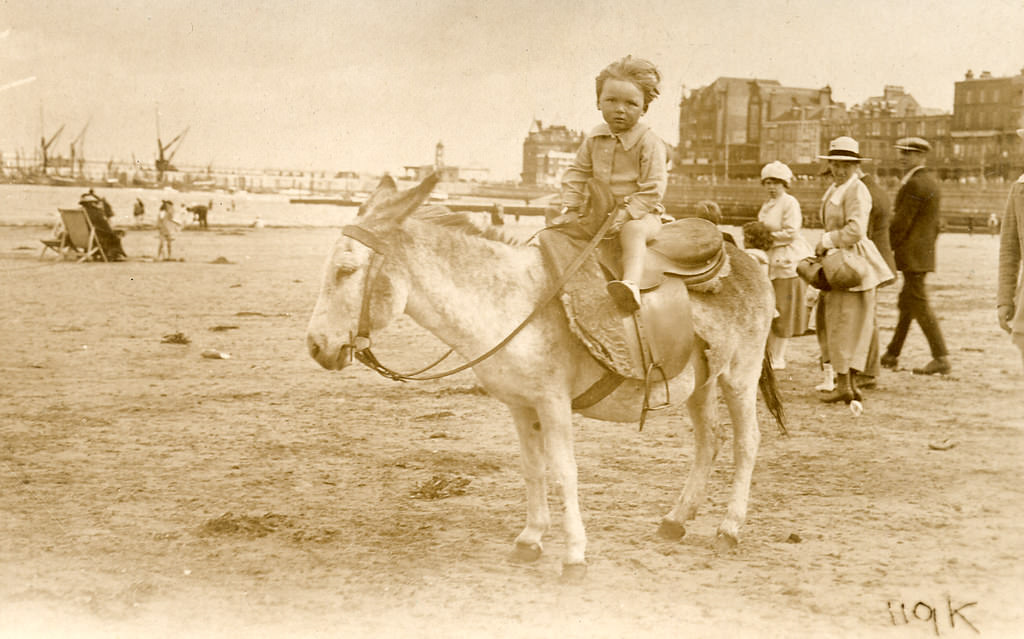
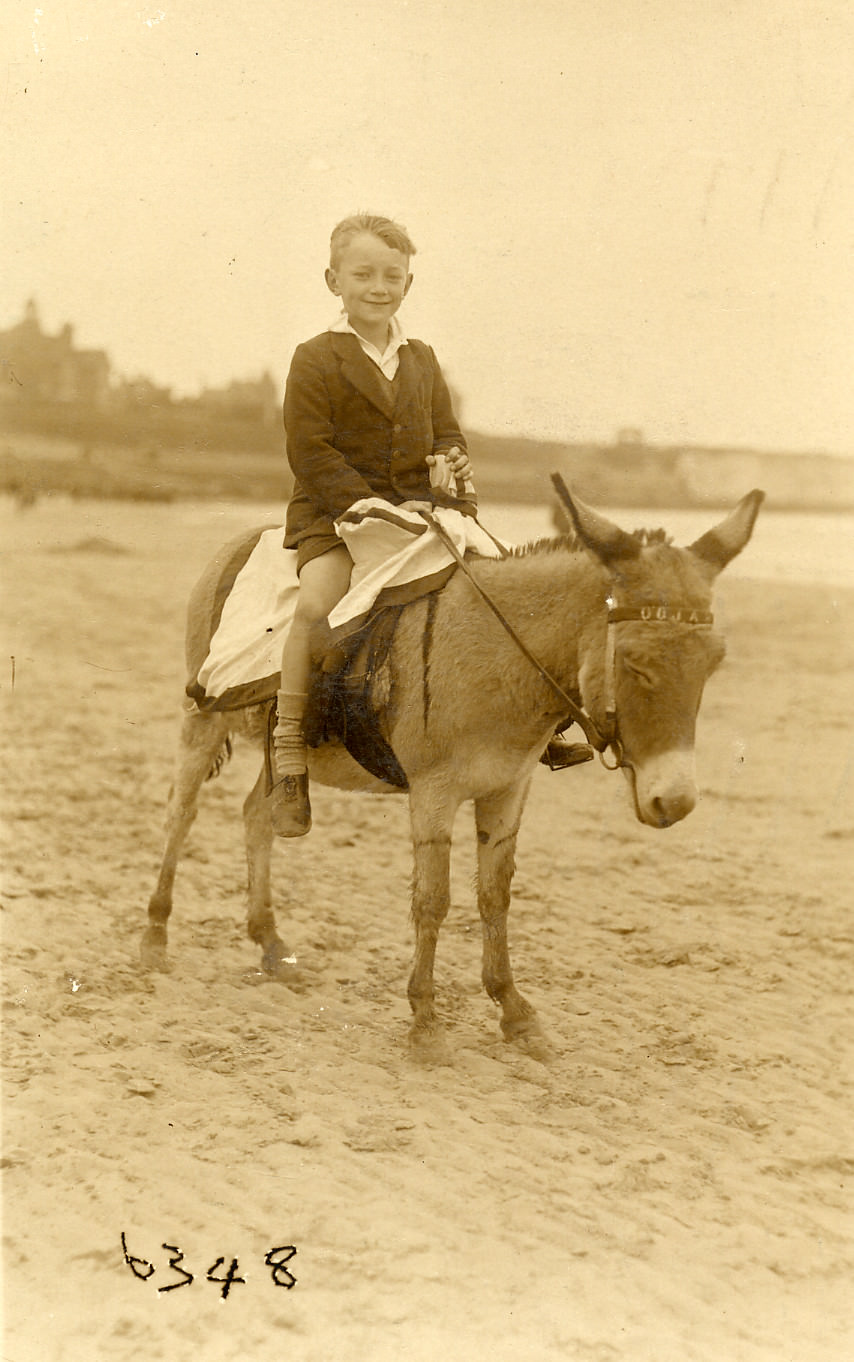
While the tradition thrived across much of the early 1900s, it gradually shrank as the century wore on. Changing tastes, rising costs, and new forms of entertainment pulled visitors away. By the late 20th century, only a handful of UK beaches still offered donkey rides. The ones that remained became something of a living museum piece — a direct link to a pastime over two centuries old.