Hey There! Before You Go. 😧
Get the best vintage content straight into your inbox!

Don't worry, we don't spam

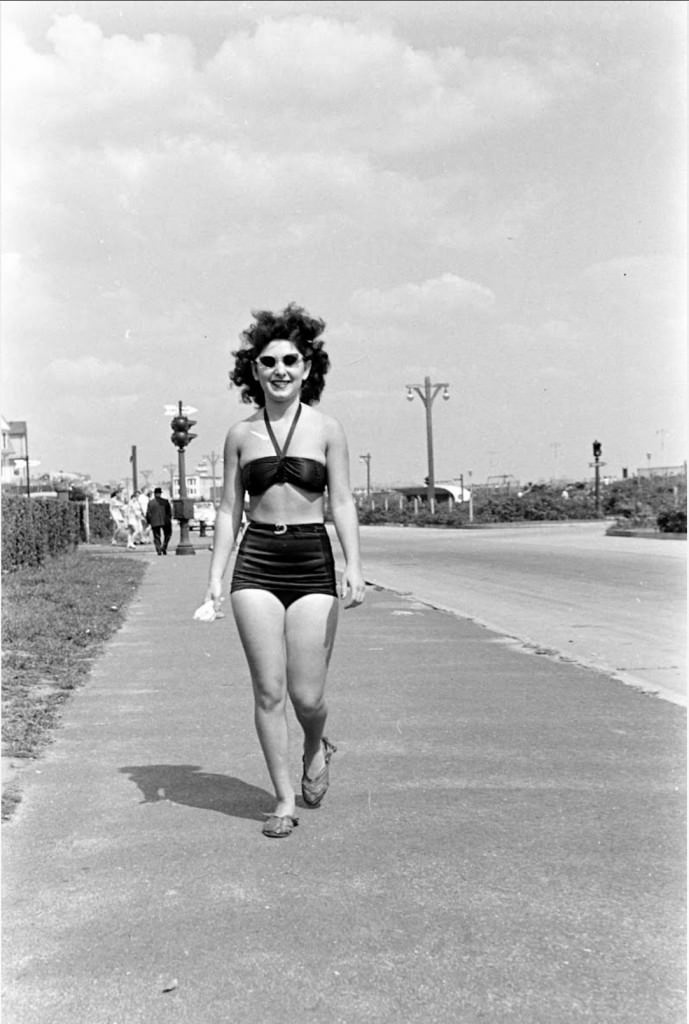
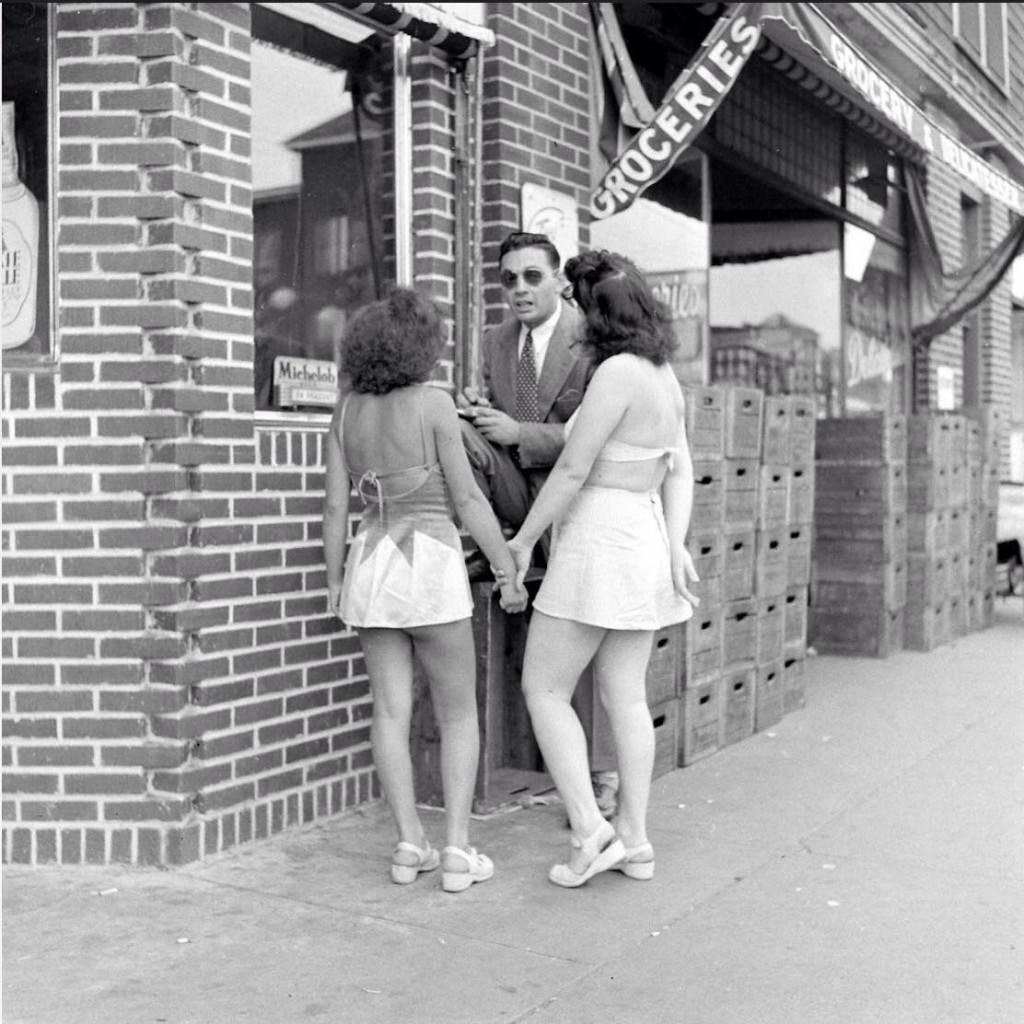
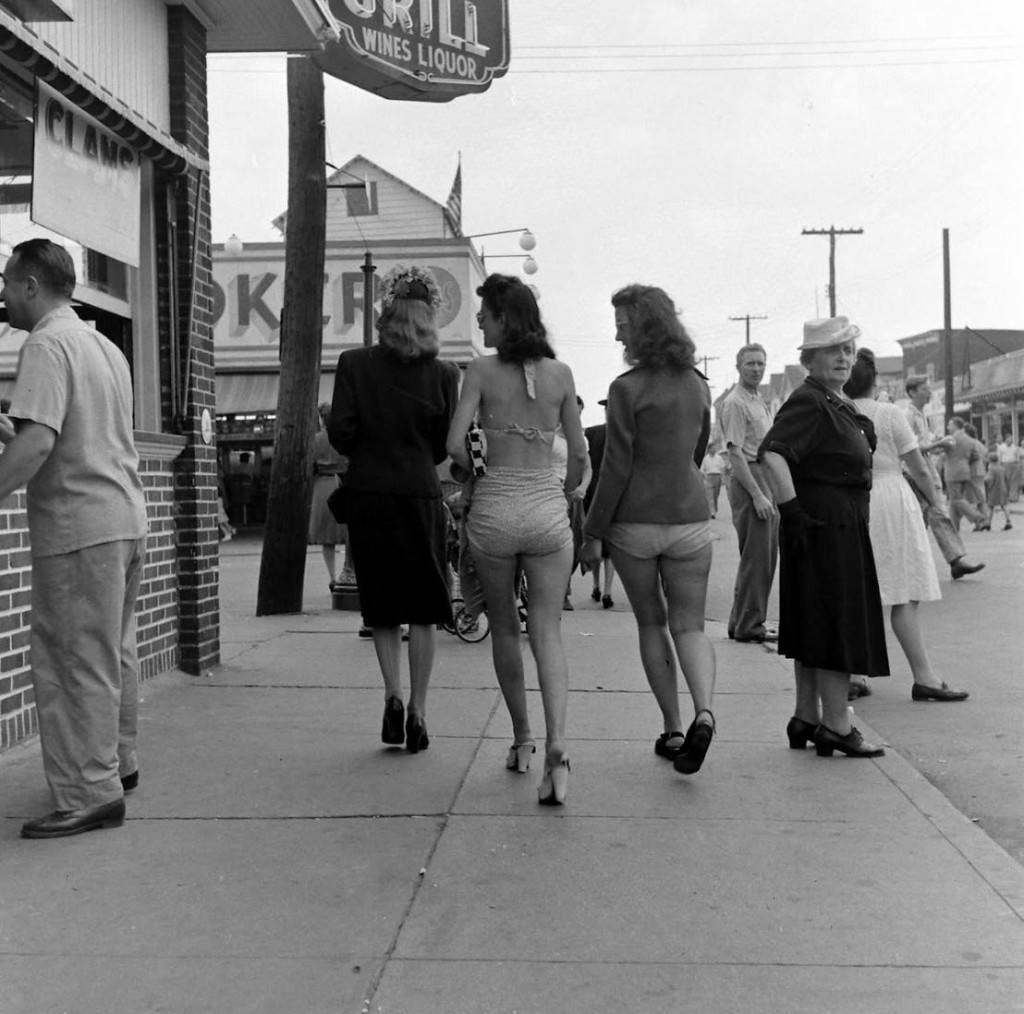
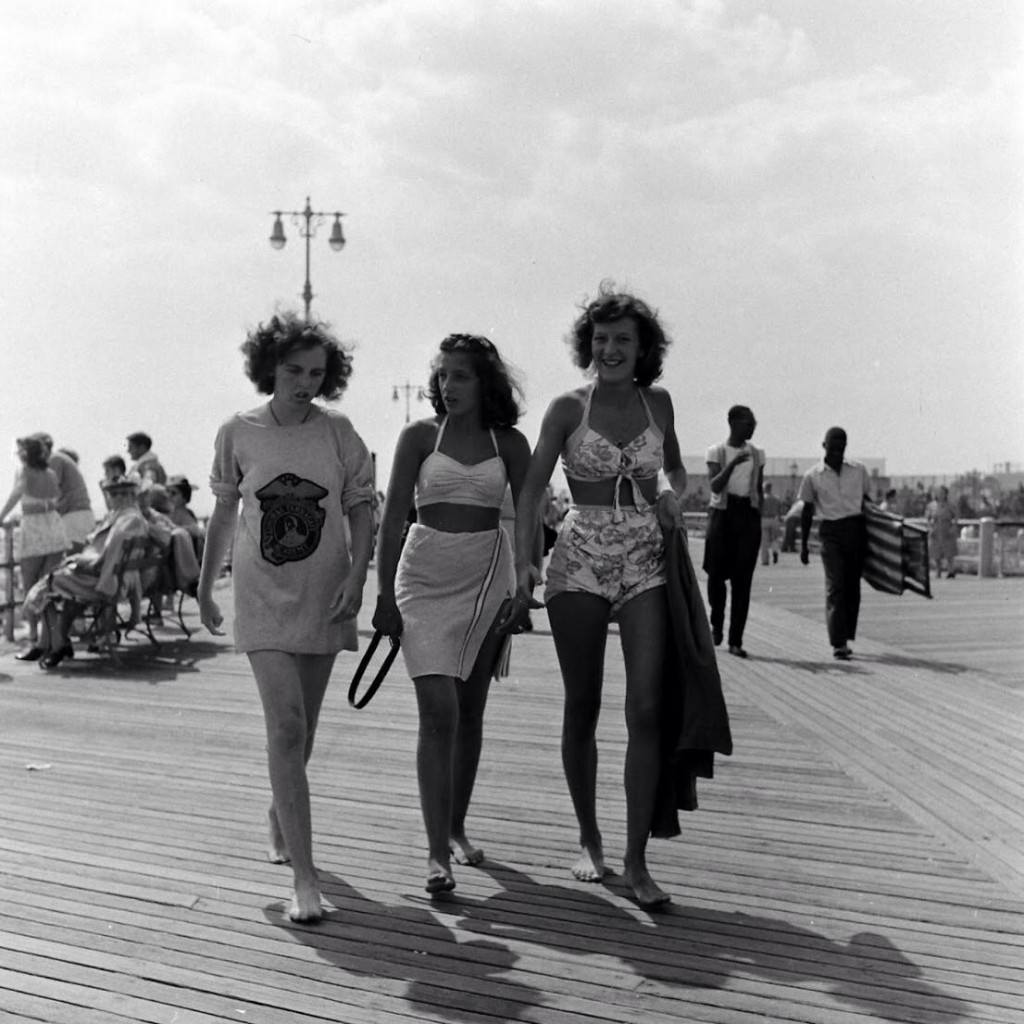
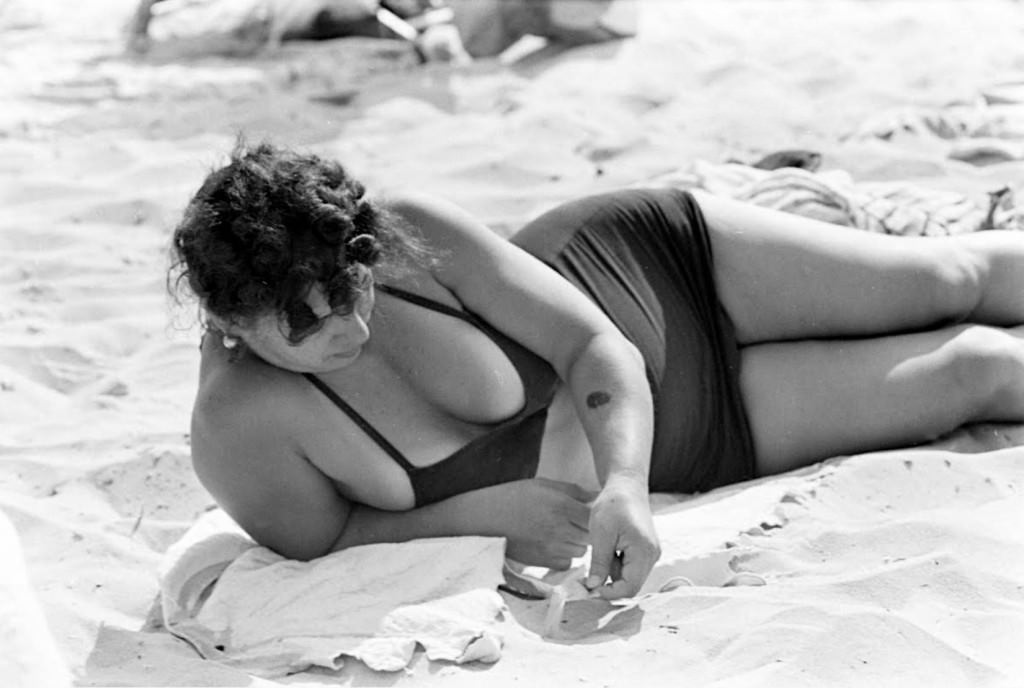
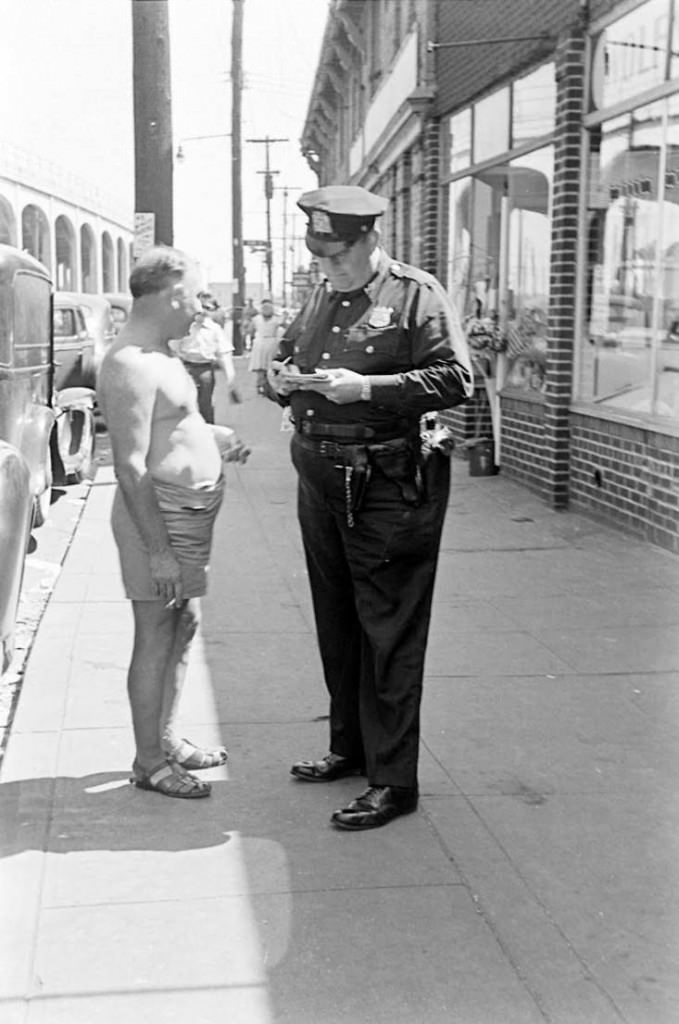
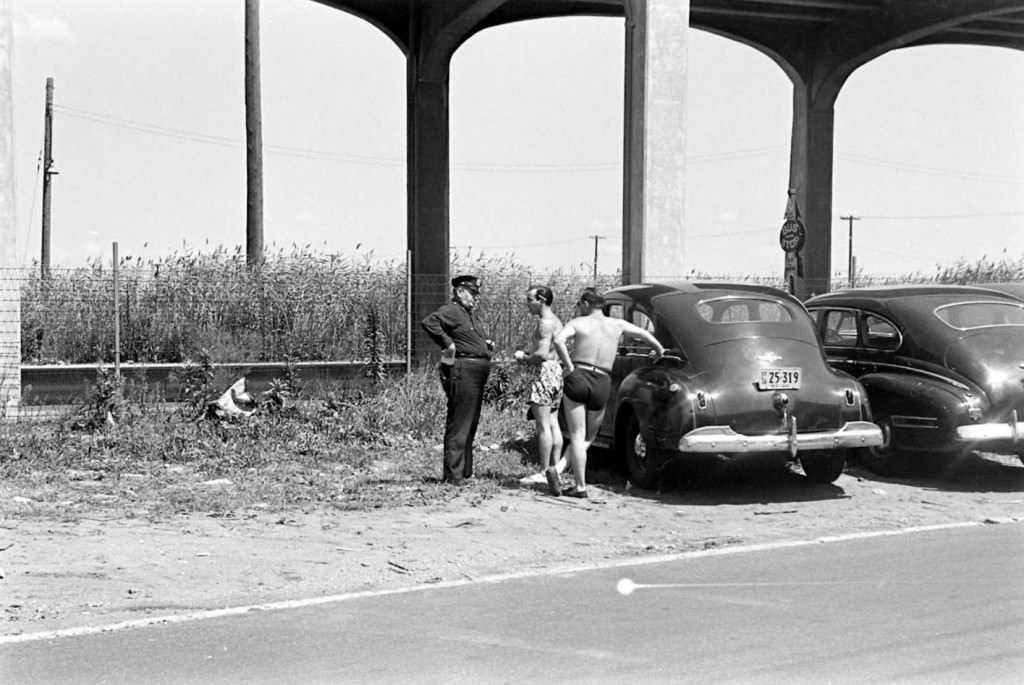
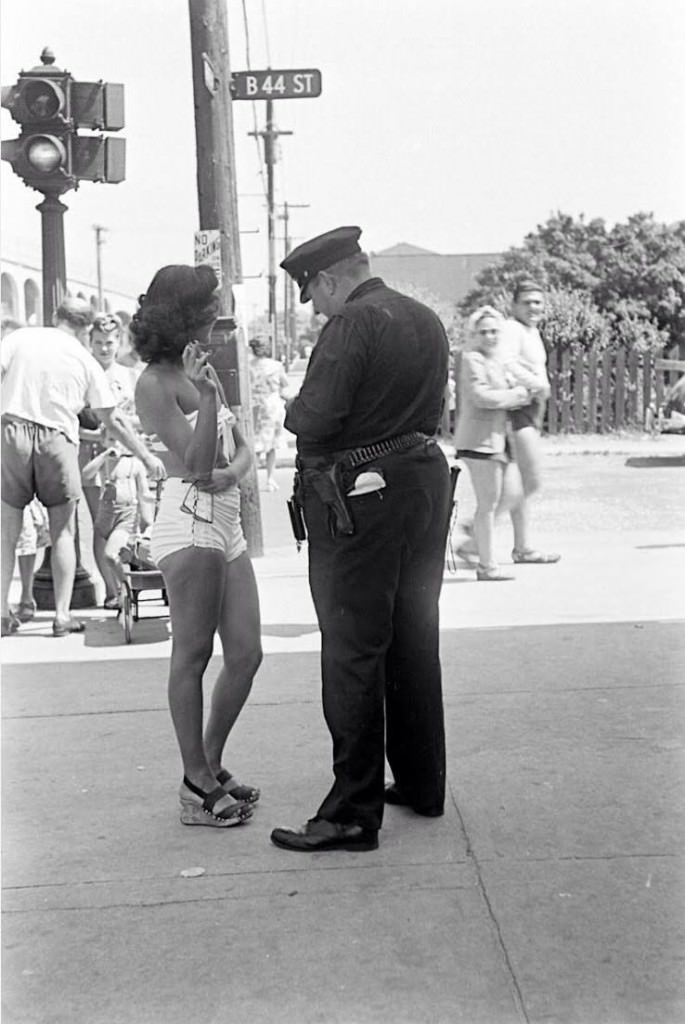
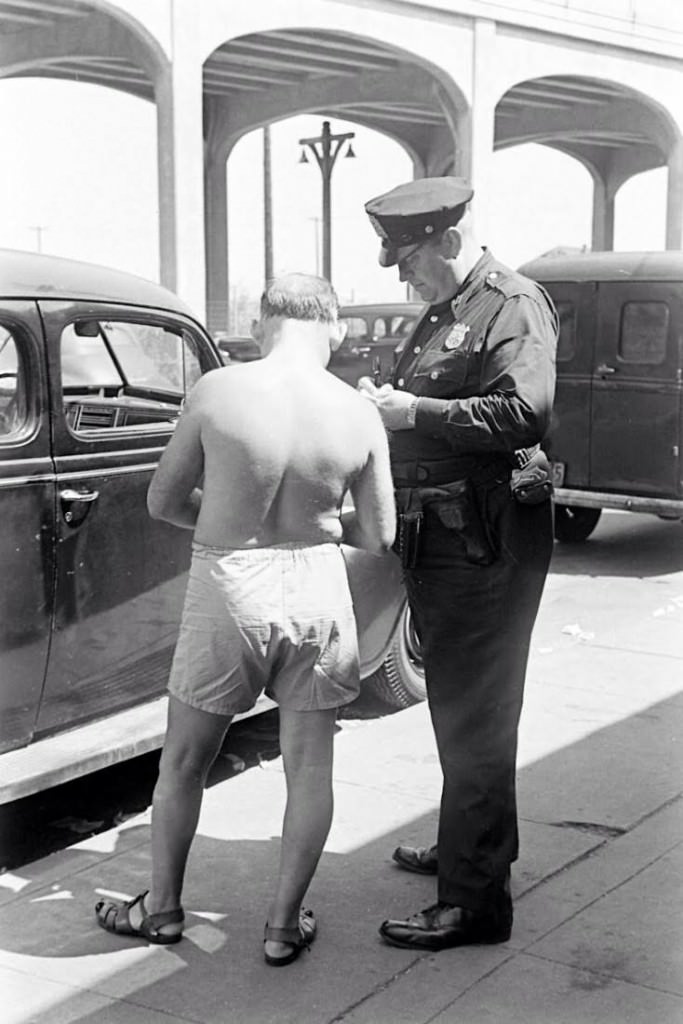
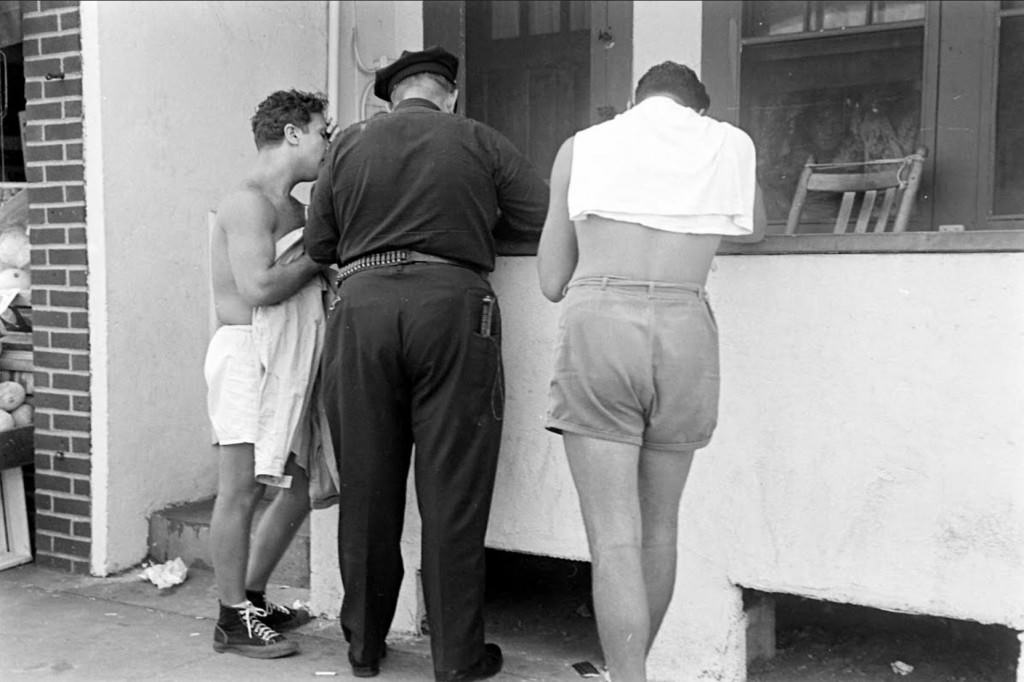
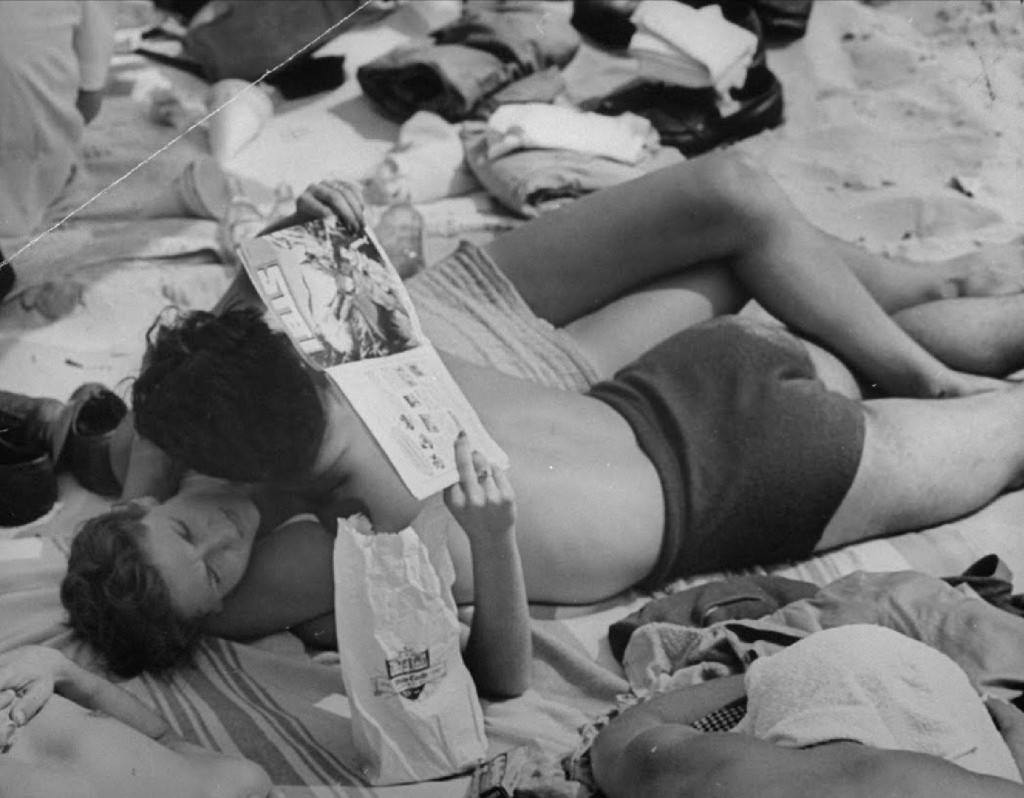
People being ticketed for 'Indecent Exposure' at Rockaway Beach of New York City, 1946

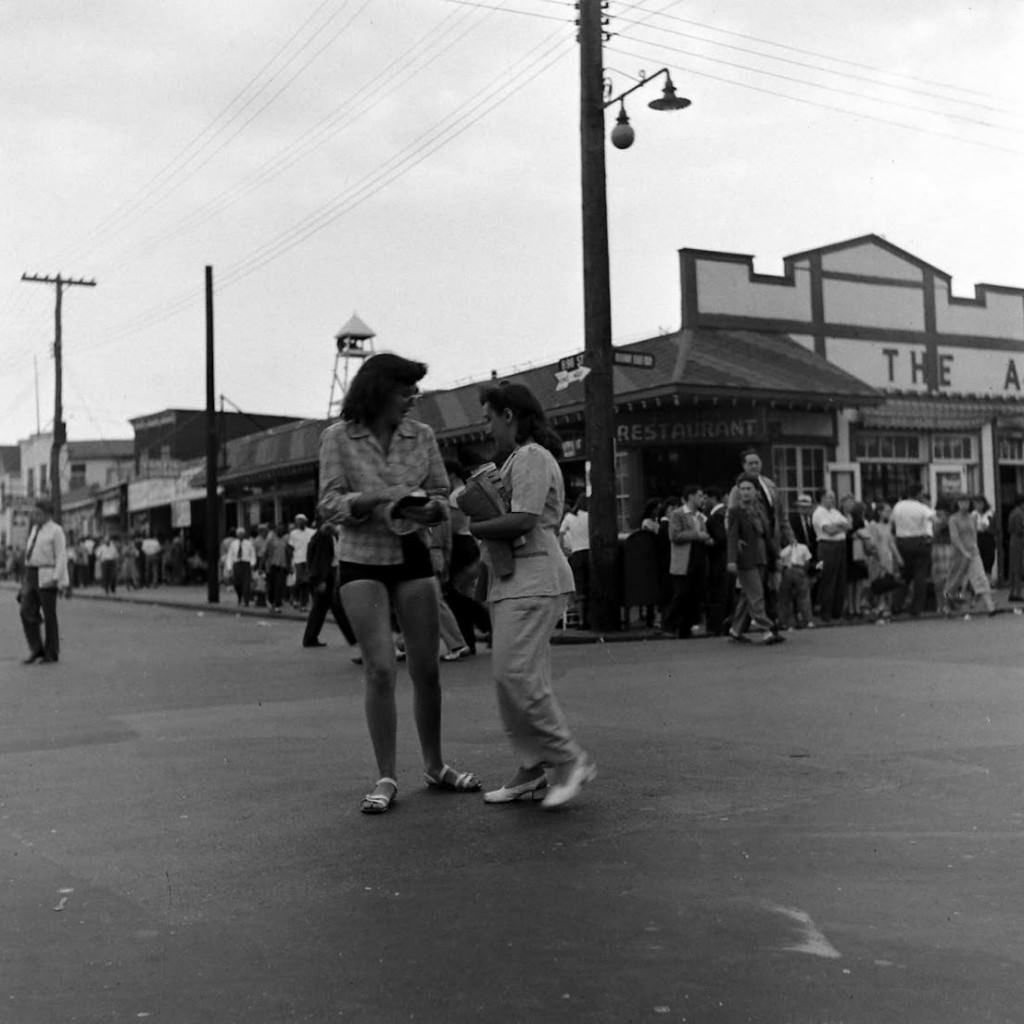
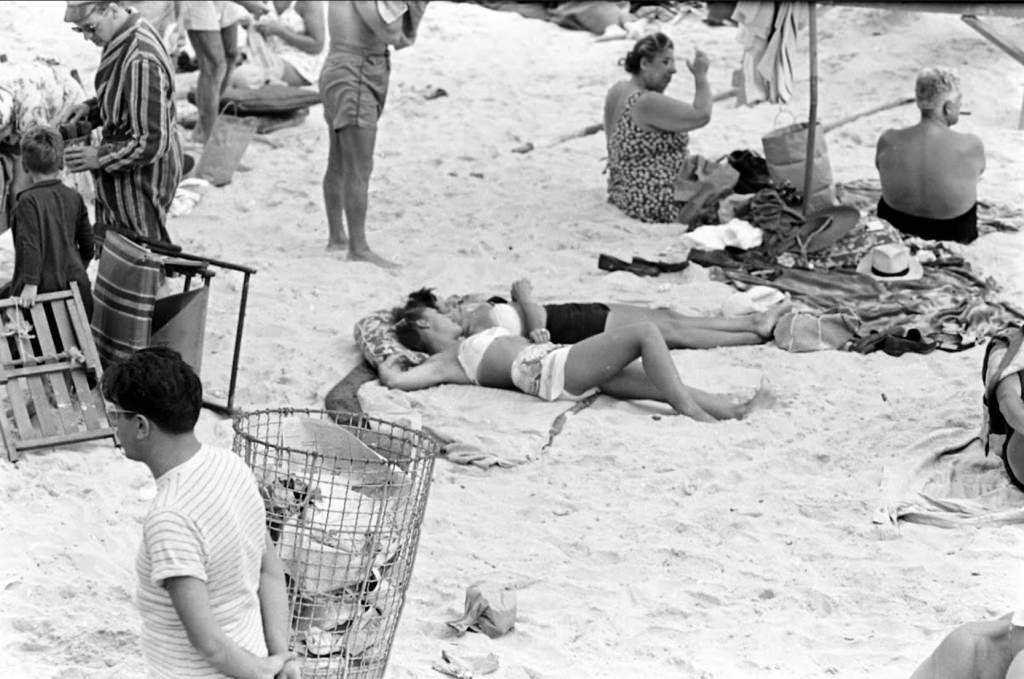
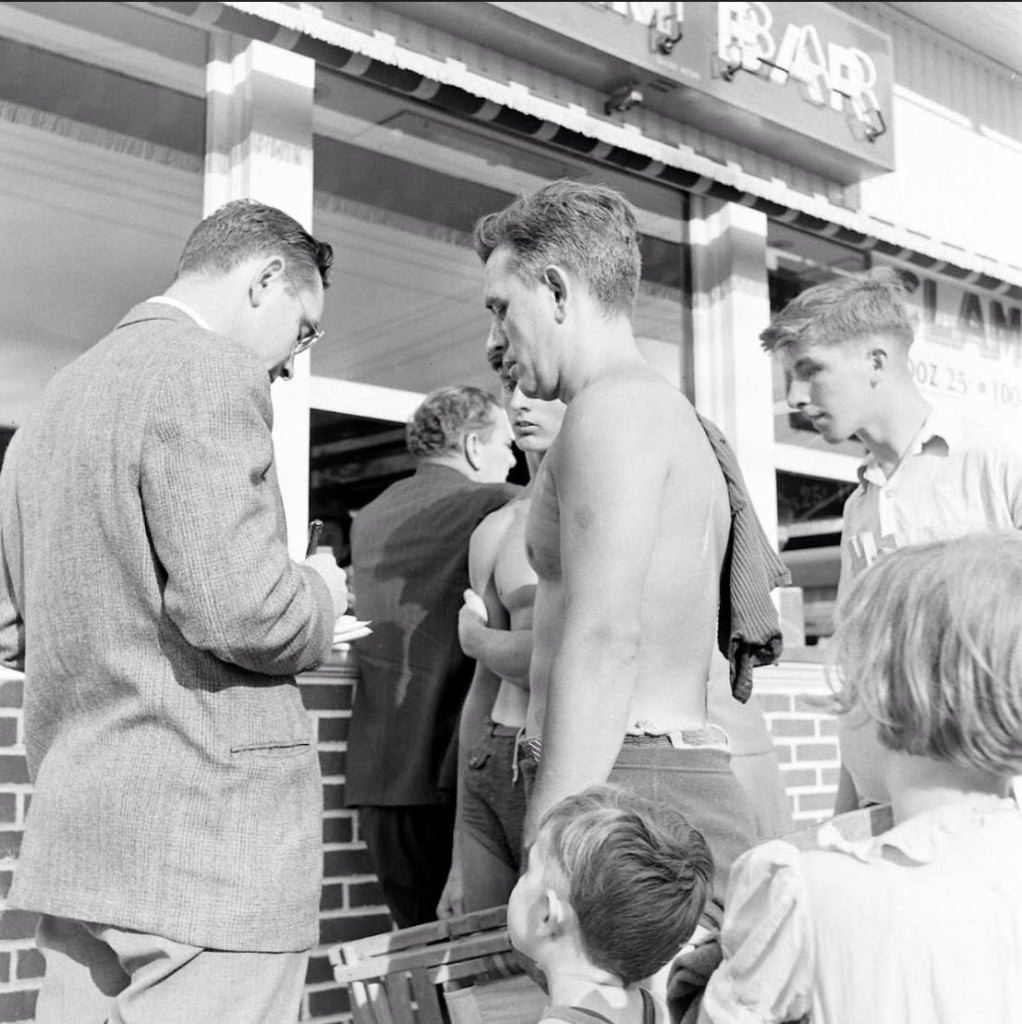
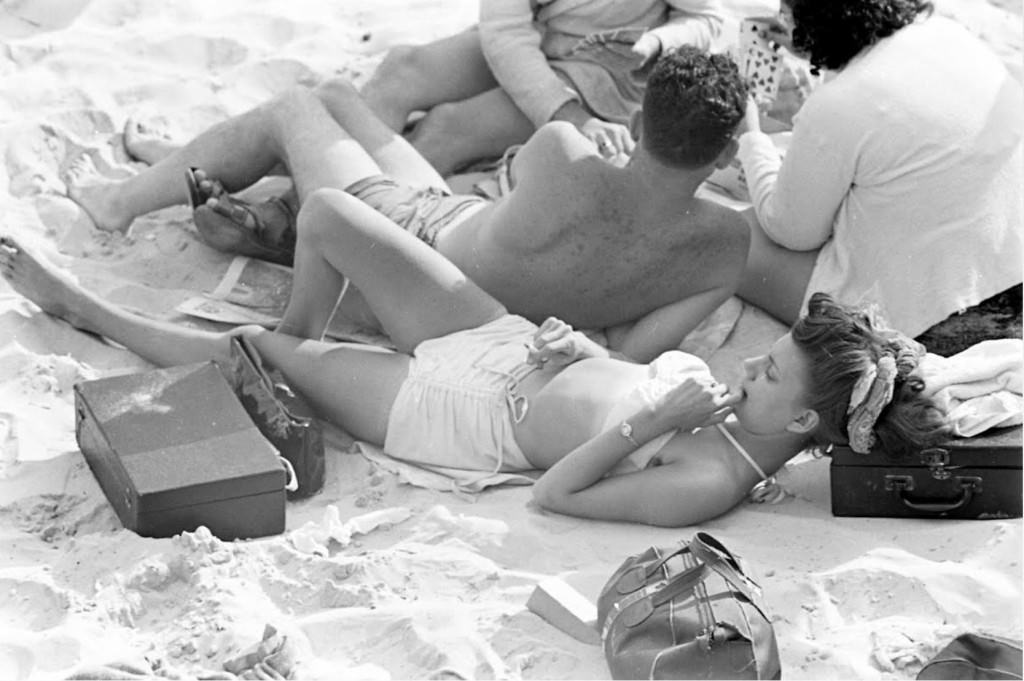
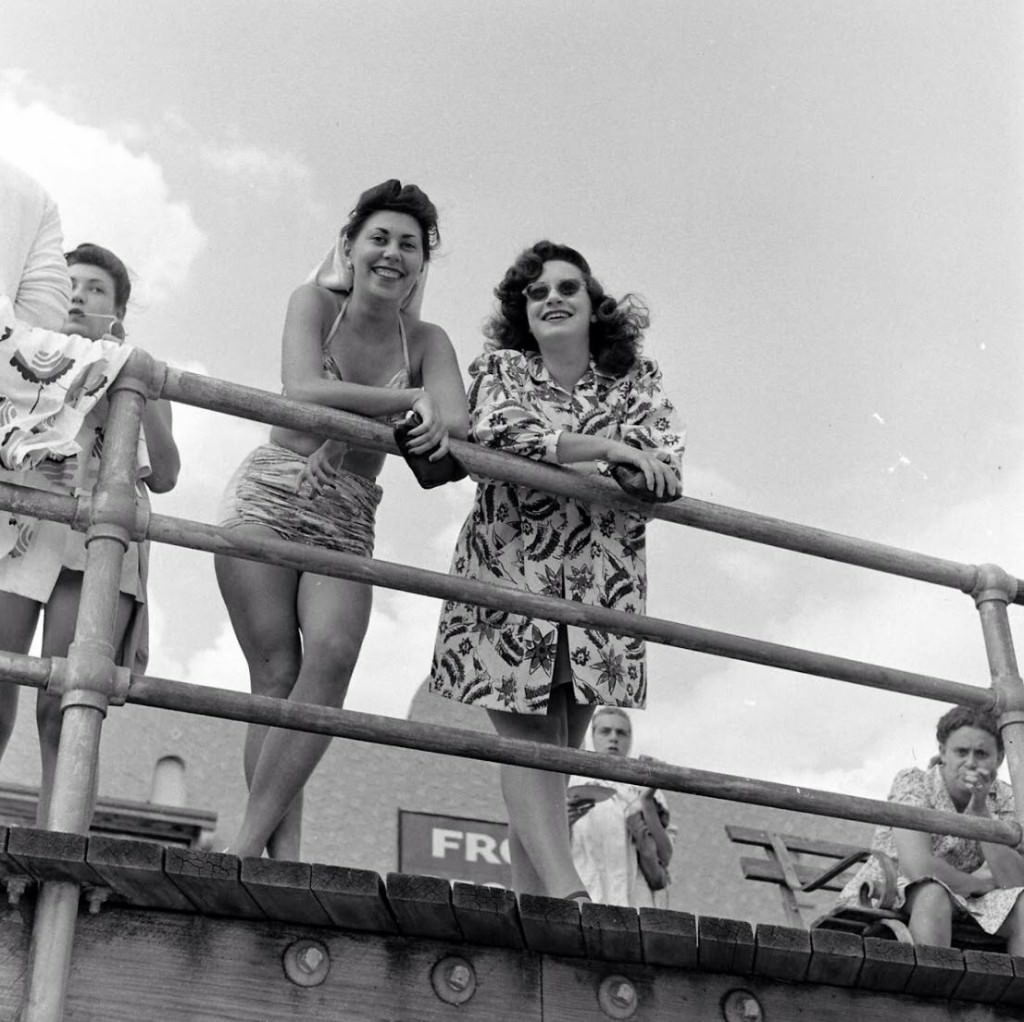
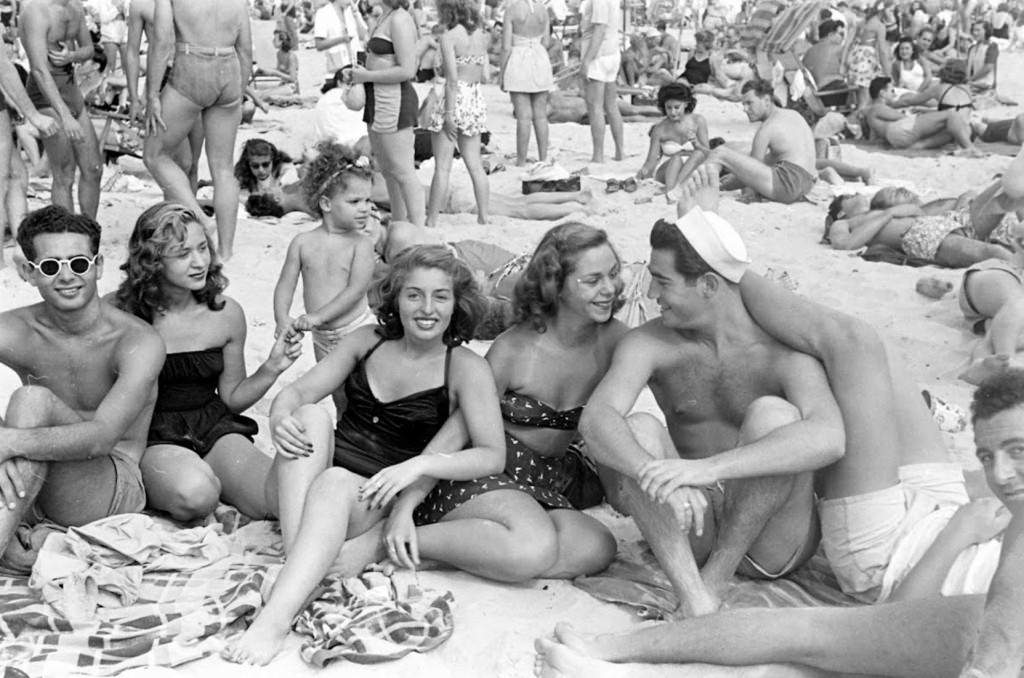
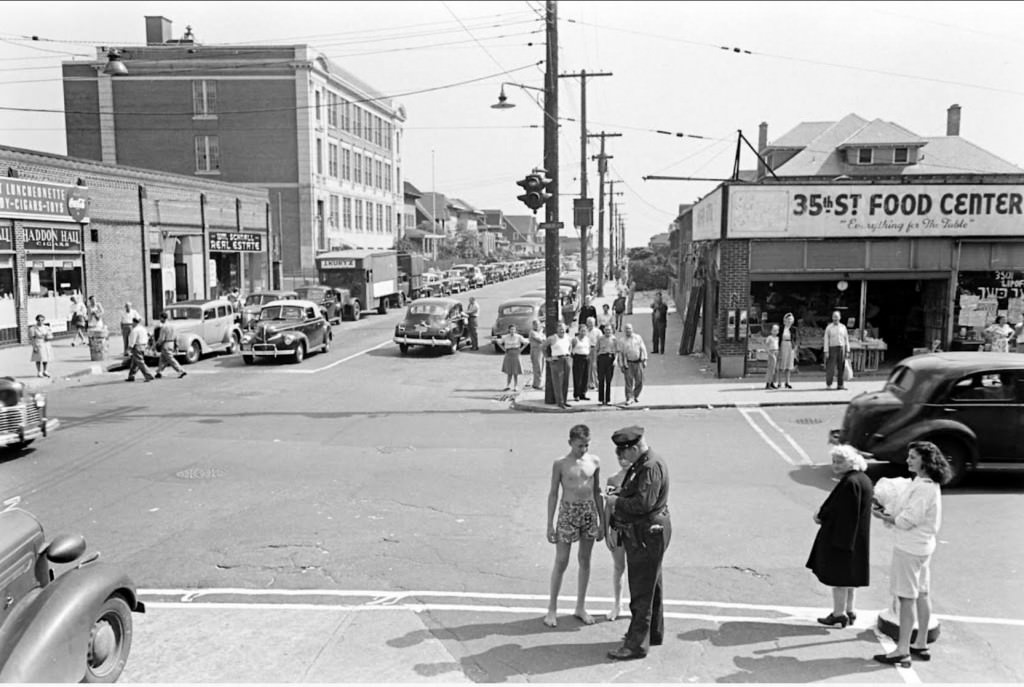
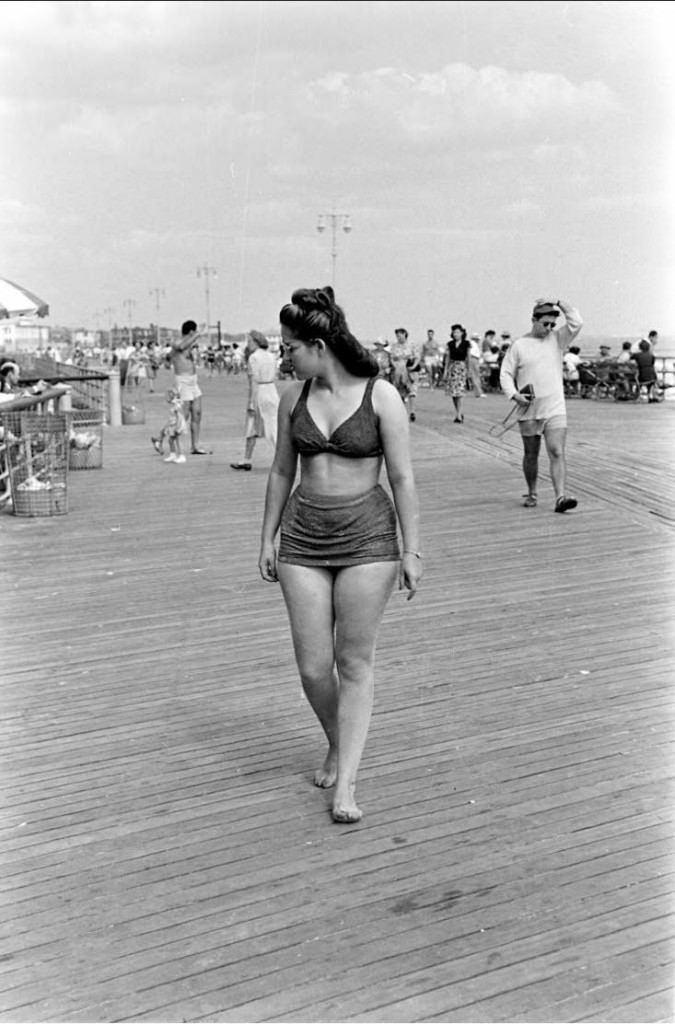
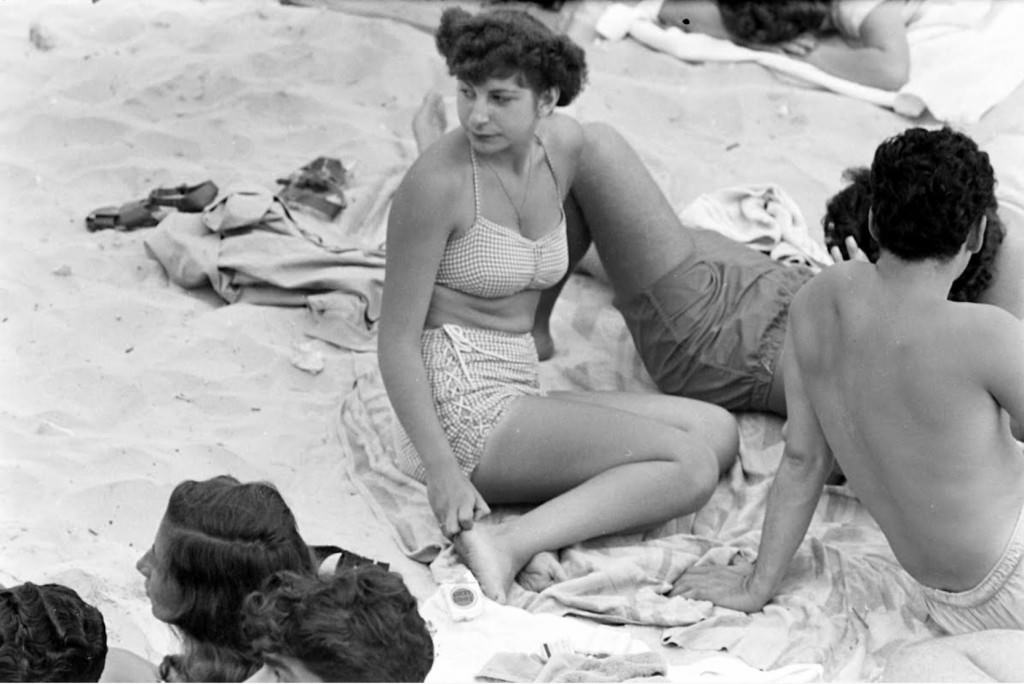
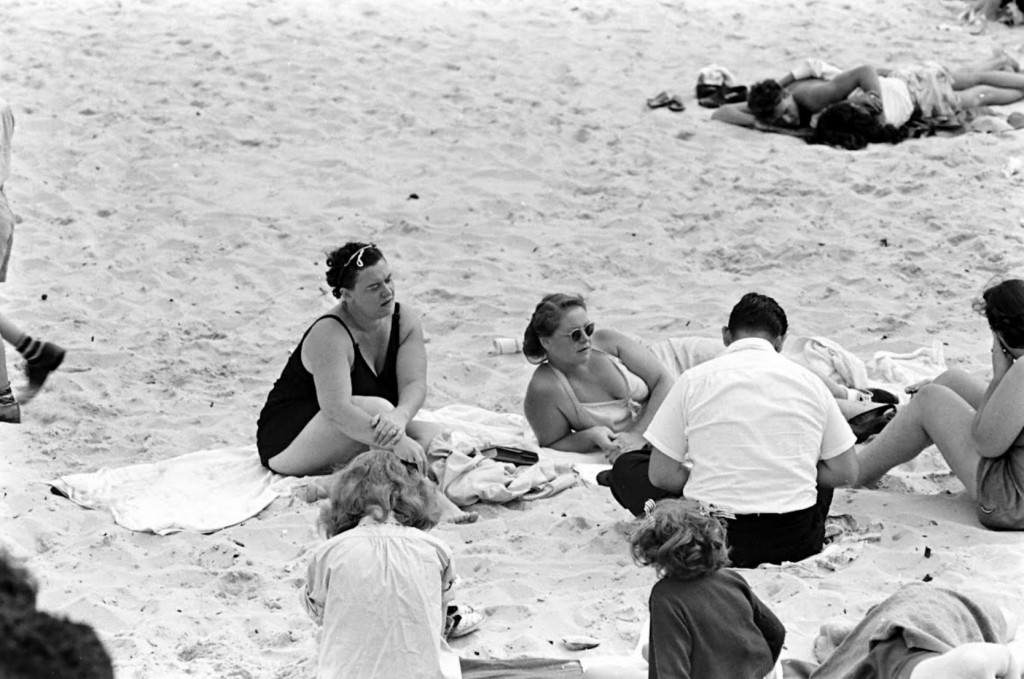
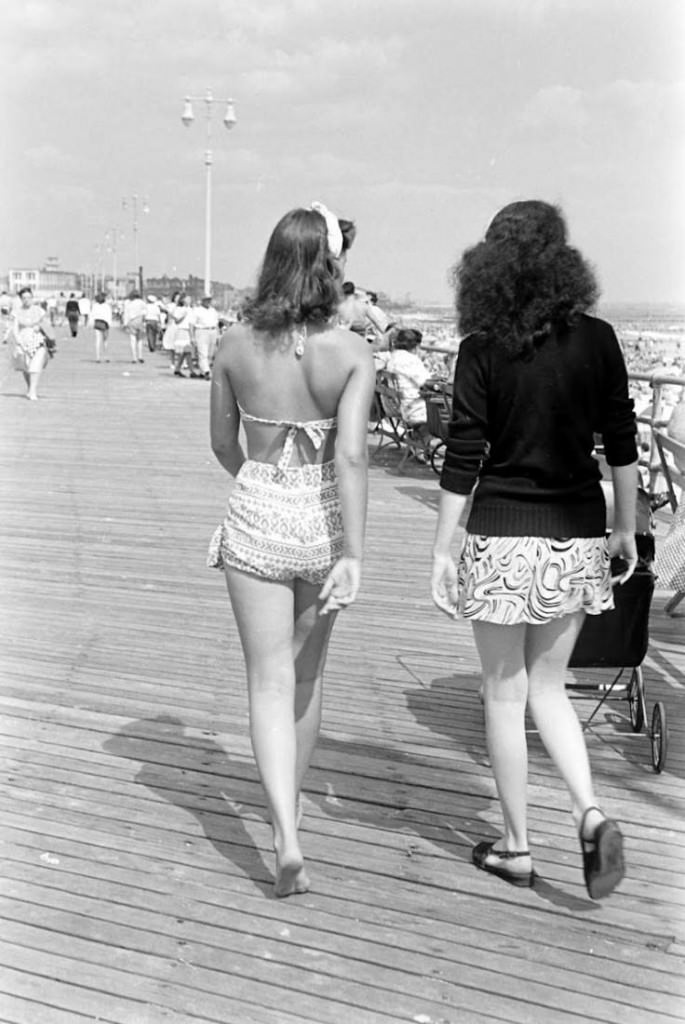
In the summer of 1946, LIFE magazine photographer Sam Shere headed to Rockaway Beach in New York City with a clear assignment: document the enforcement of “indecent exposure” laws on ordinary beachgoers. What he found was a crowded shoreline full of women in high-waisted two-piece swimsuits, men strolling the boardwalk in just their shorts, and people accepting police tickets with little more than a shrug.
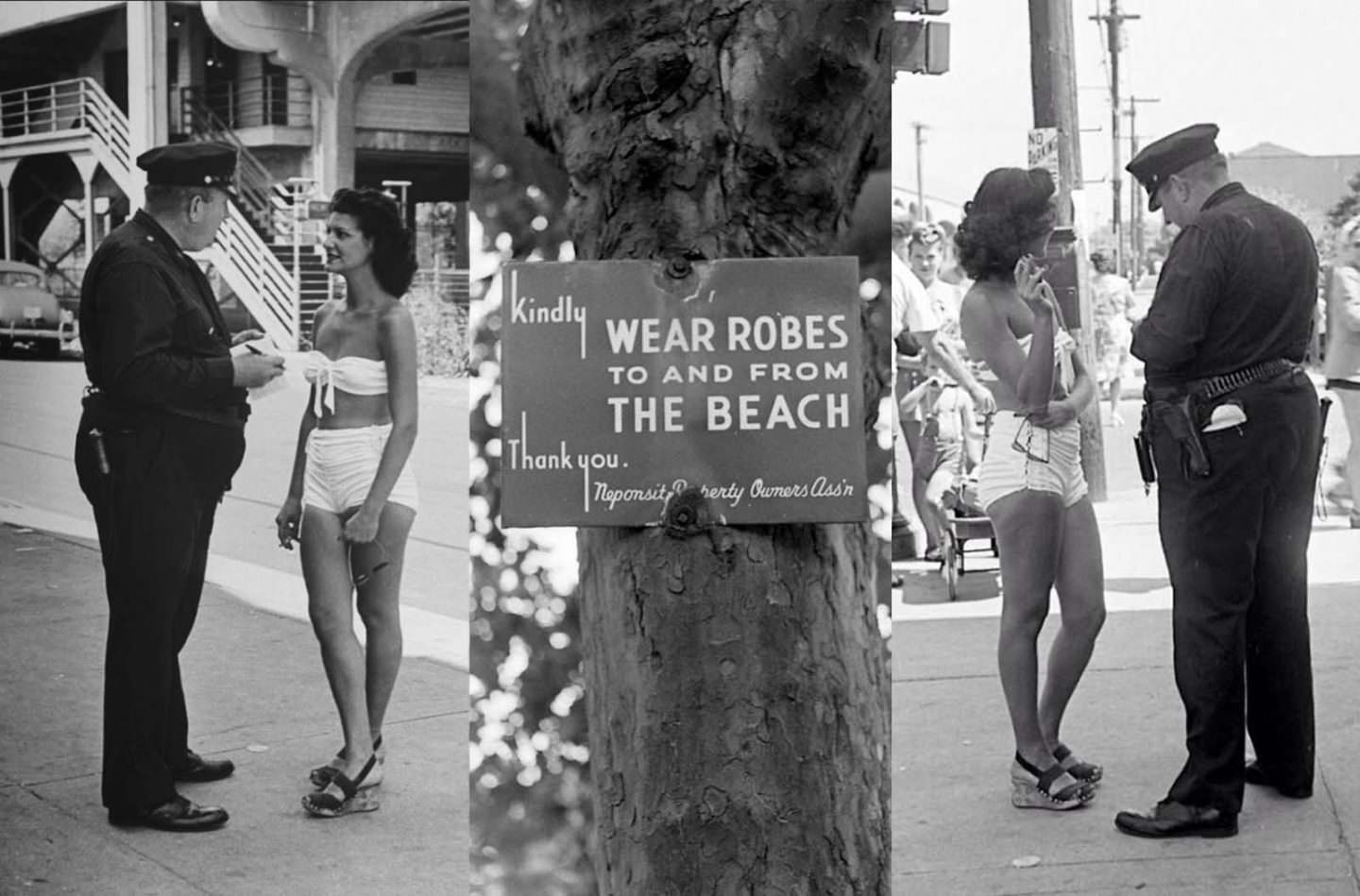
People being ticketed for 'Indecent Exposure' at Rockaway Beach of New York City, 1946

The rules at Rockaway Beach were straightforward and strictly enforced. Wearing a swimsuit anywhere other than on the sand itself was considered indecent. That meant every beachgoer had to wear a robe or cover-up when walking to and from the water. Stepping onto the boardwalk in just a bathing suit was enough to earn a ticket.
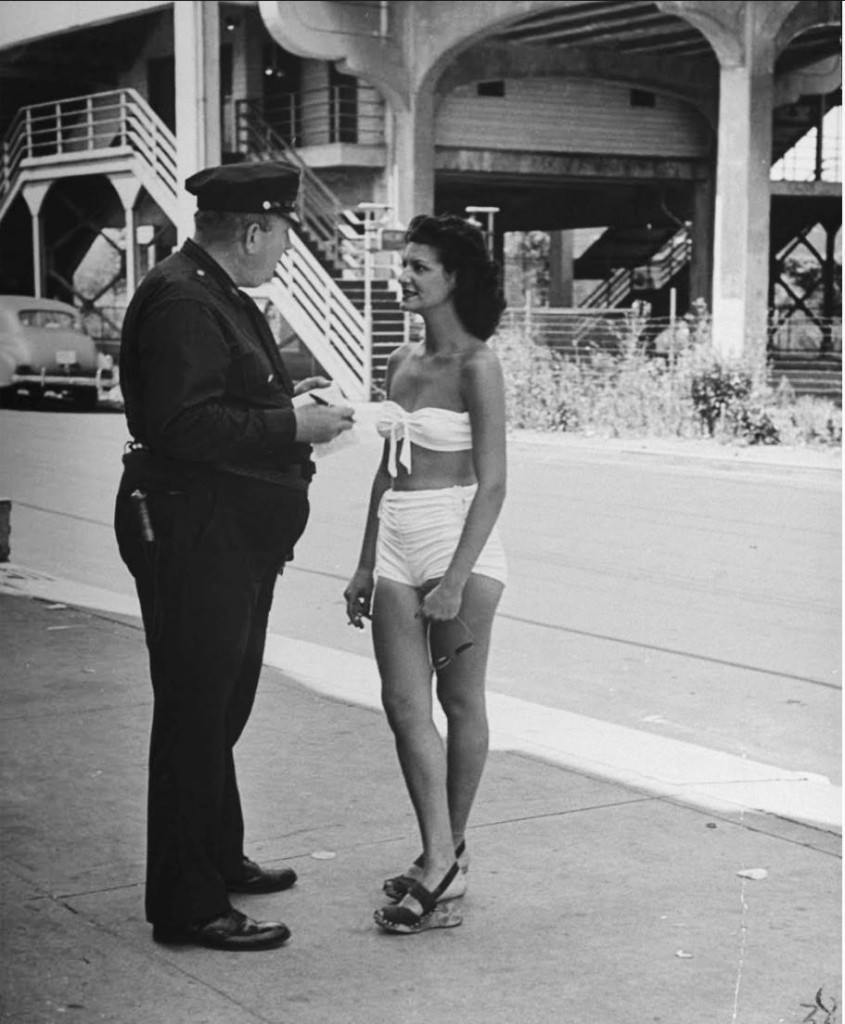
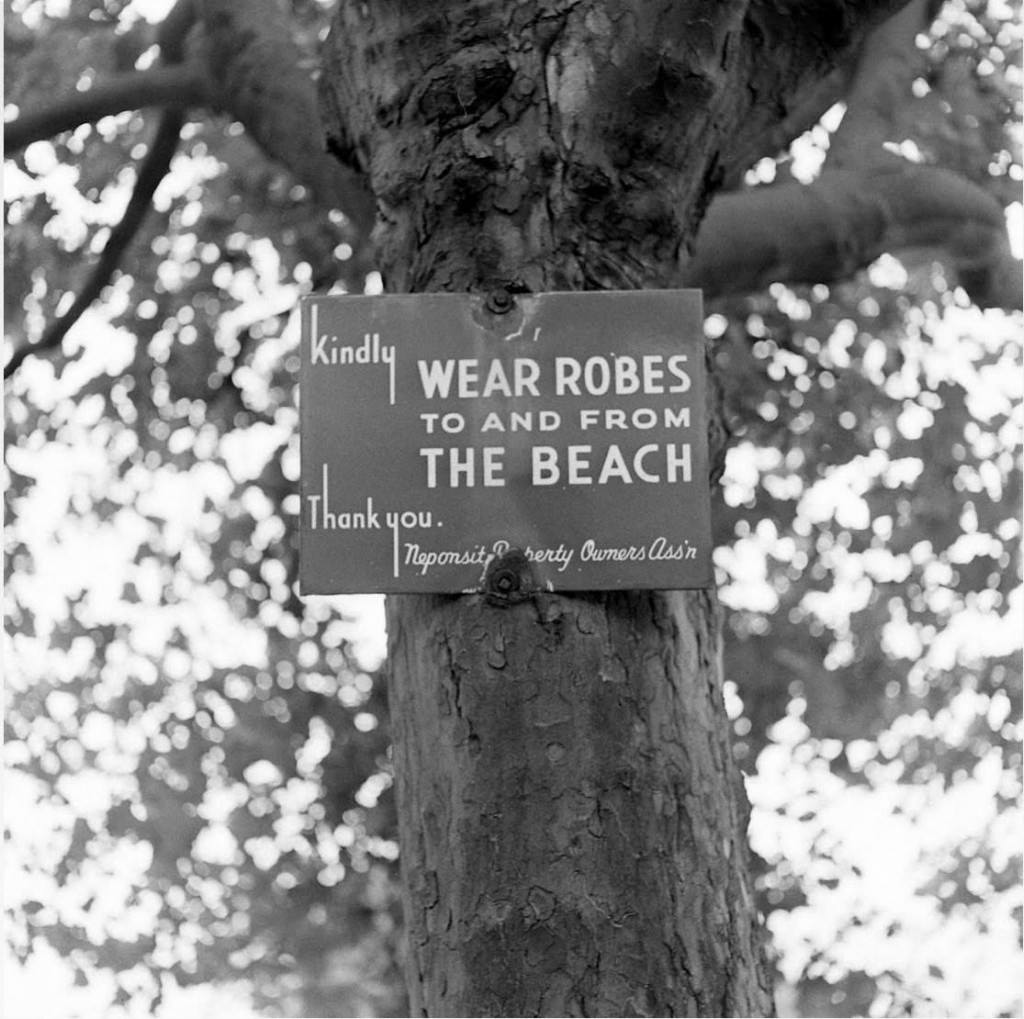
People being ticketed for 'Indecent Exposure' at Rockaway Beach of New York City, 1946

These rules had deep roots. By the early 1910s, most American beach resorts had ordinances requiring swimsuits to cover the shoulders and reach the knees. Women wore ballooning dress-like garments in the water, while men wore close-fitting full-body suits. After swimming, bathers were expected to return immediately to a changing facility — not linger on the beach in their wet clothes.
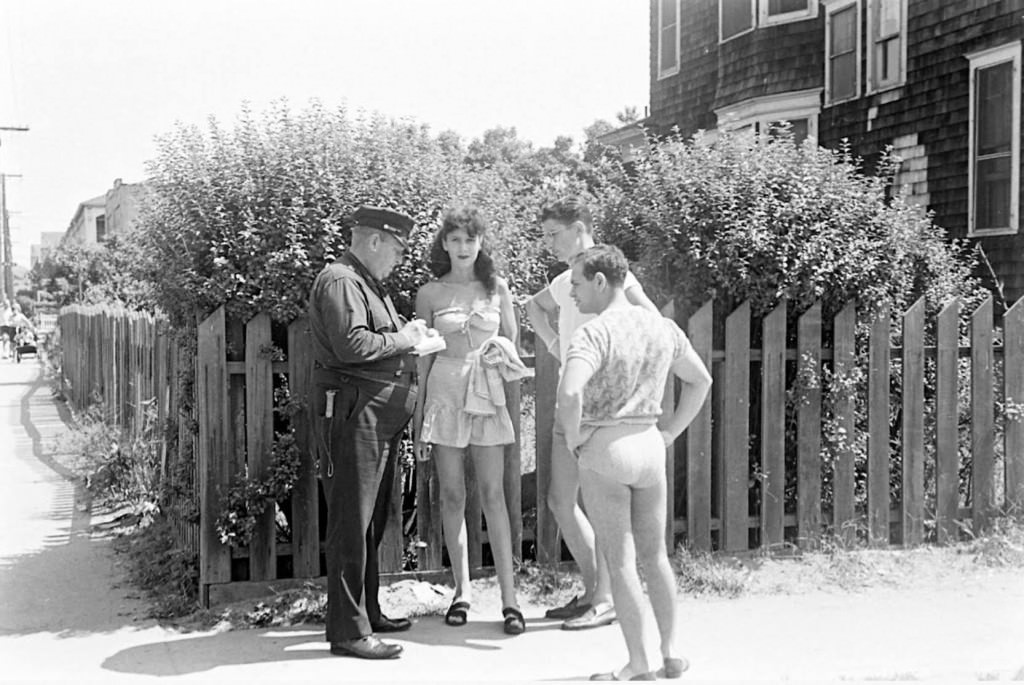
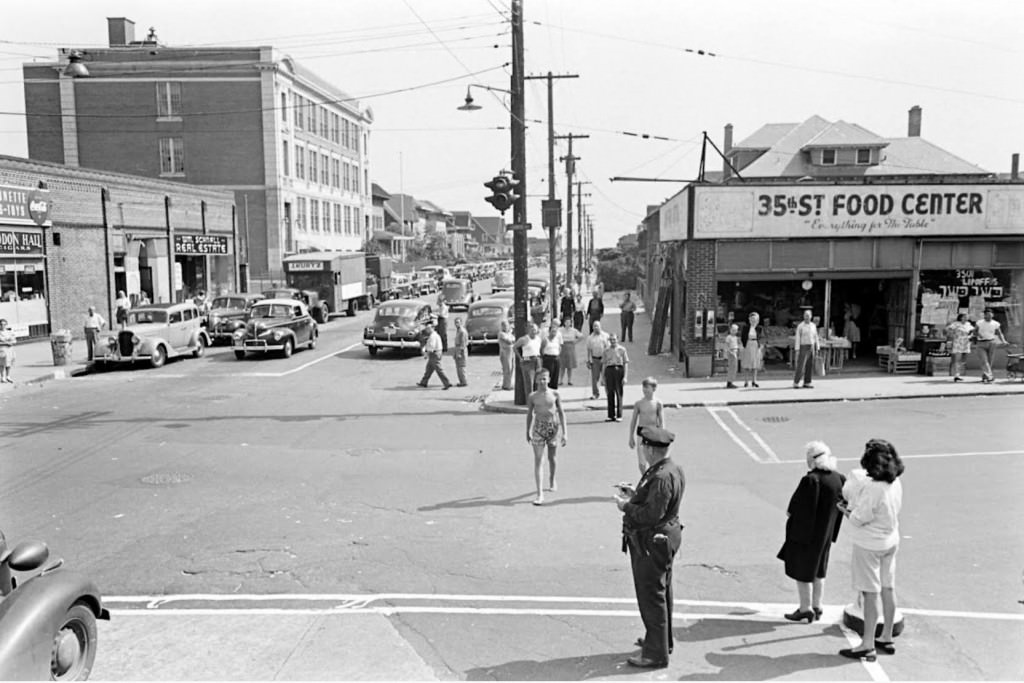
People being ticketed for 'Indecent Exposure' at Rockaway Beach of New York City, 1946

Things began to shift in the mid-1910s. Women started wearing one-piece suits made of dark fabric that ended at the hips, making it much easier to move in the water. Then in 1907, Australian swimmer Annette Kellermann — known as the “Australian Mermaid” — was arrested on a beach near Boston for wearing one of these new fitted suits. The arrest drew national attention and helped make the style popular across the country.
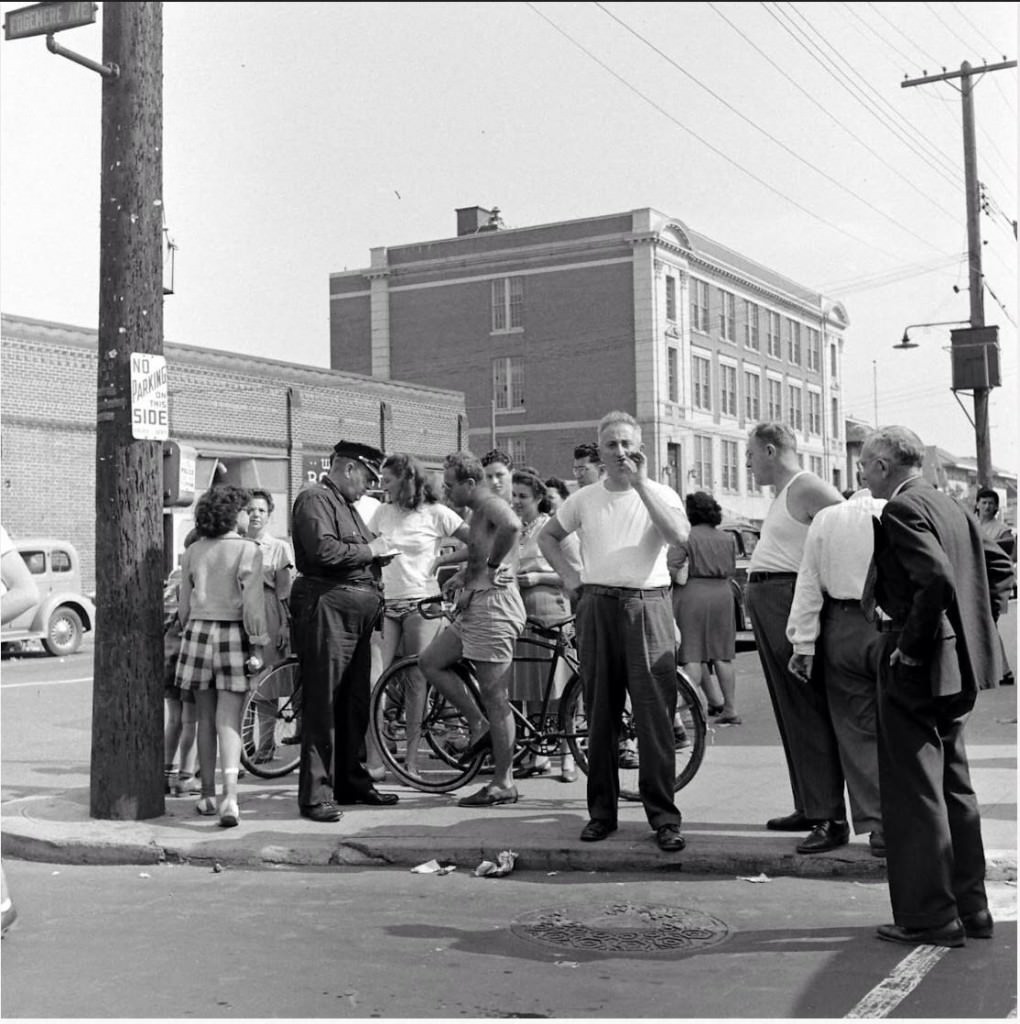
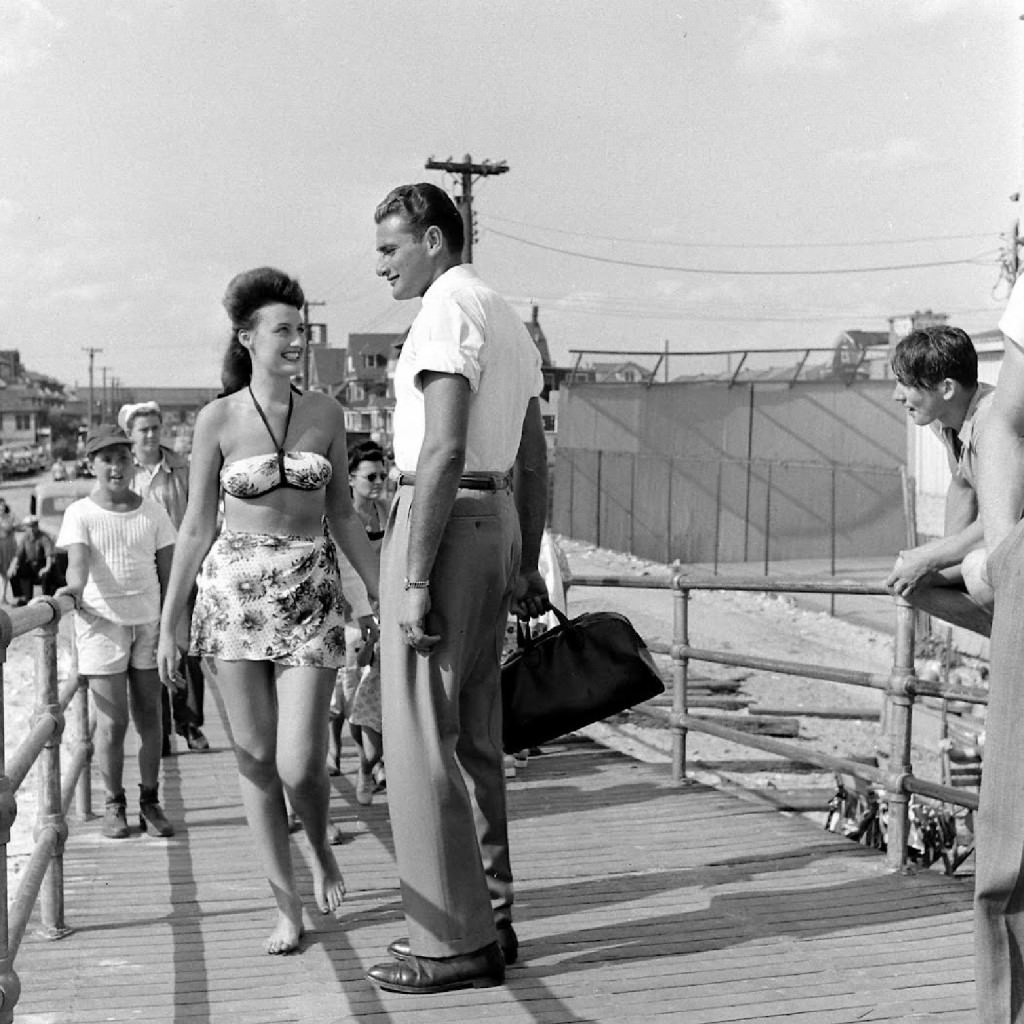
People being ticketed for 'Indecent Exposure' at Rockaway Beach of New York City, 1946

Sunbathing was also becoming fashionable among middle and upper-class Americans during this period, which pushed people to show more skin. Authorities pushed back hard. In Atlantic City, New Jersey, men were banned from the beach or pool without a shirt. Officials there openly stated they did not want the beaches to look as though there were “gorillas” on them.
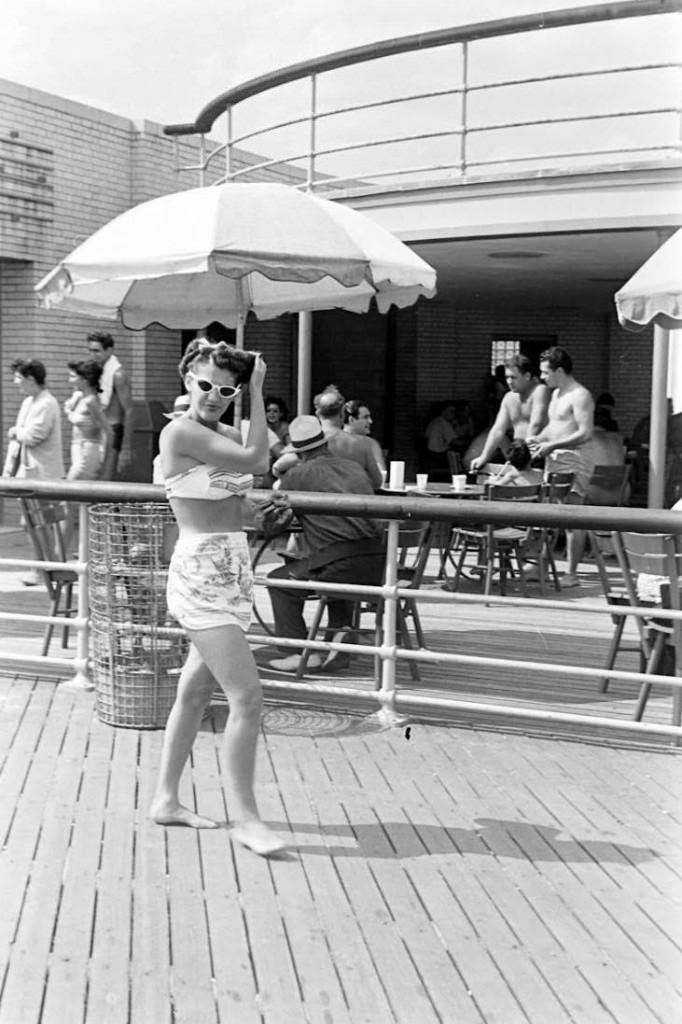
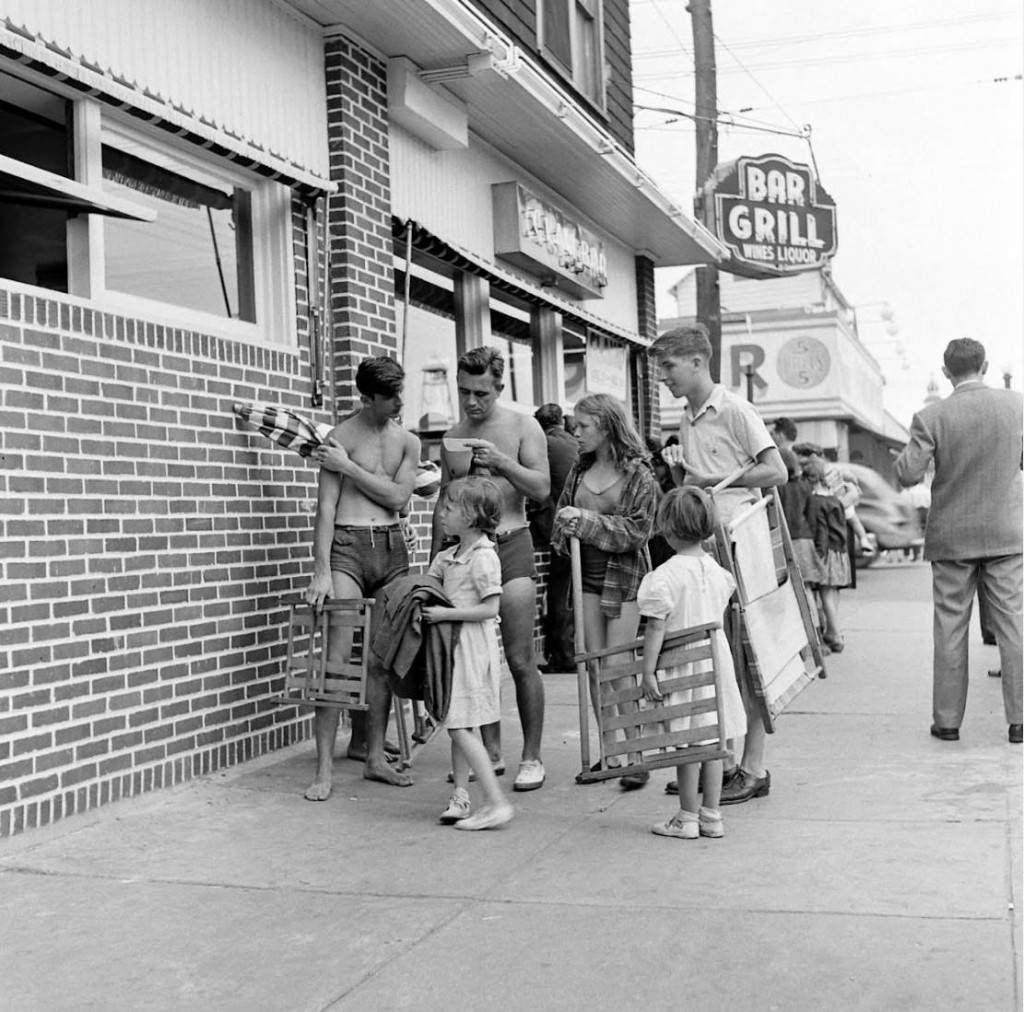
People being ticketed for 'Indecent Exposure' at Rockaway Beach of New York City, 1946

By 1922, police could issue warrants for bathing suits deemed too short. Some departments assigned dedicated “bathing suit patrolmen” who carried measuring tape and checked that suits came no higher than six inches above the knee. Violations resulted in real legal consequences, not just a warning.
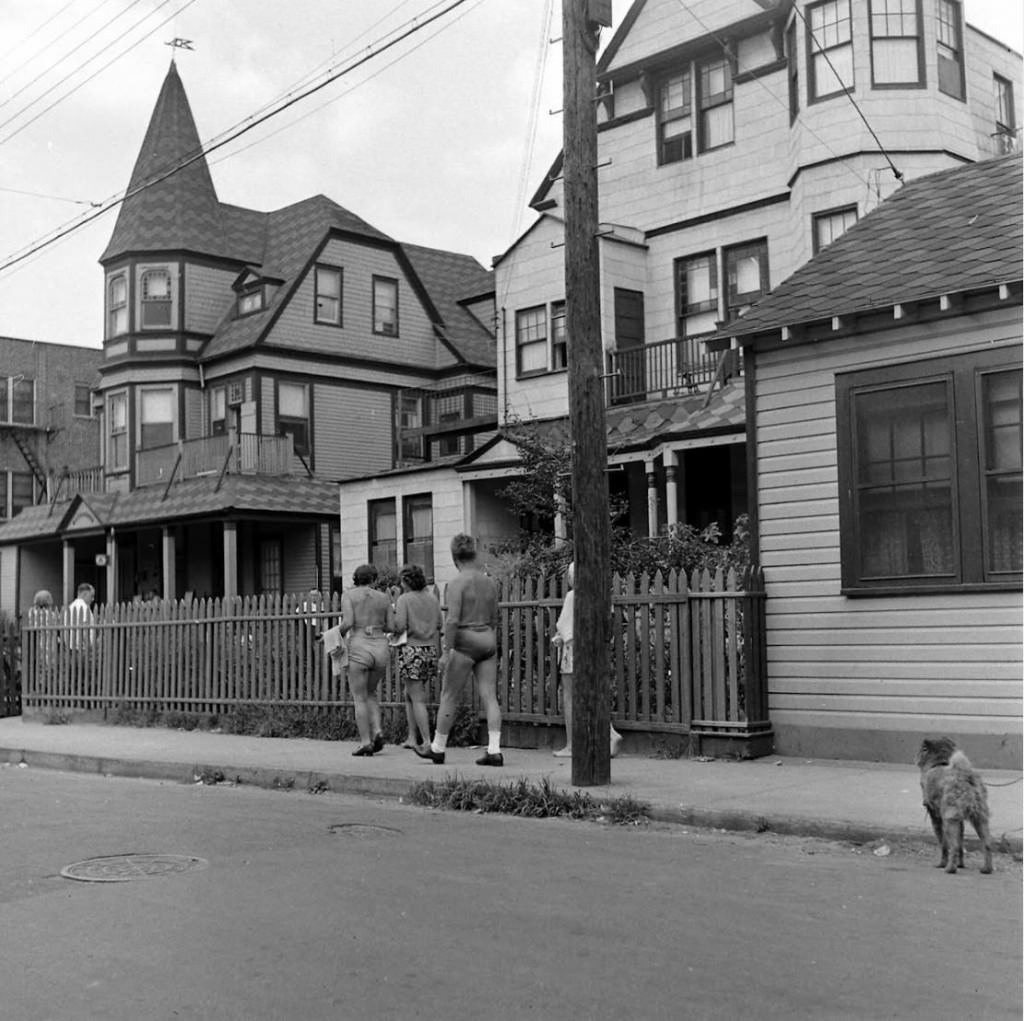
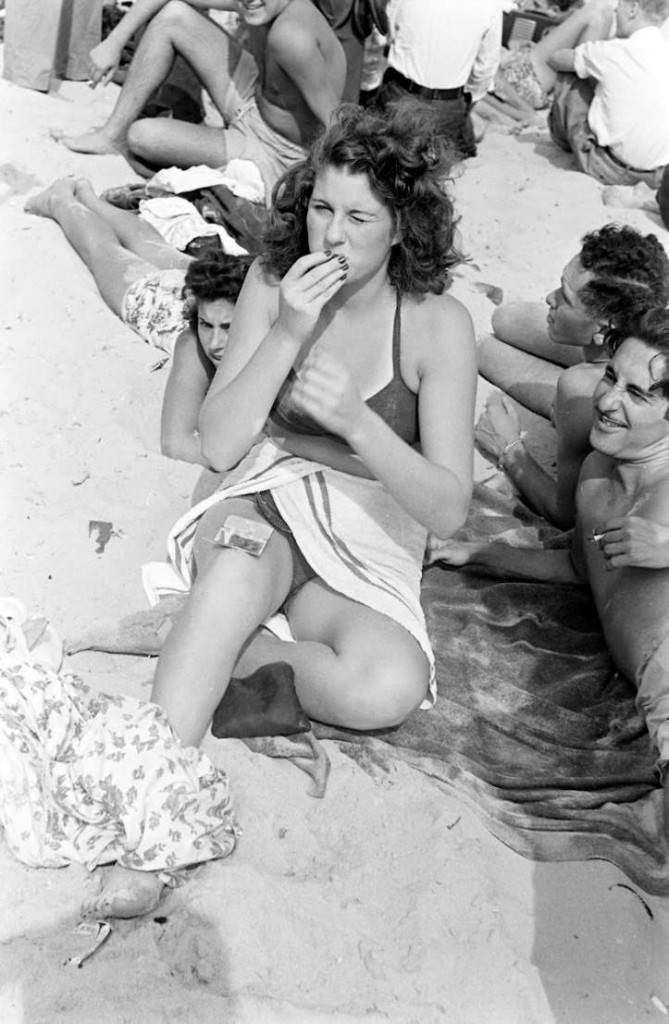
People being ticketed for 'Indecent Exposure' at Rockaway Beach of New York City, 1946

Men got a small break in 1937, when wearing swim trunks without a shirt at beach events became publicly acceptable for the first time. It was a slow but clear sign that attitudes were starting to loosen.
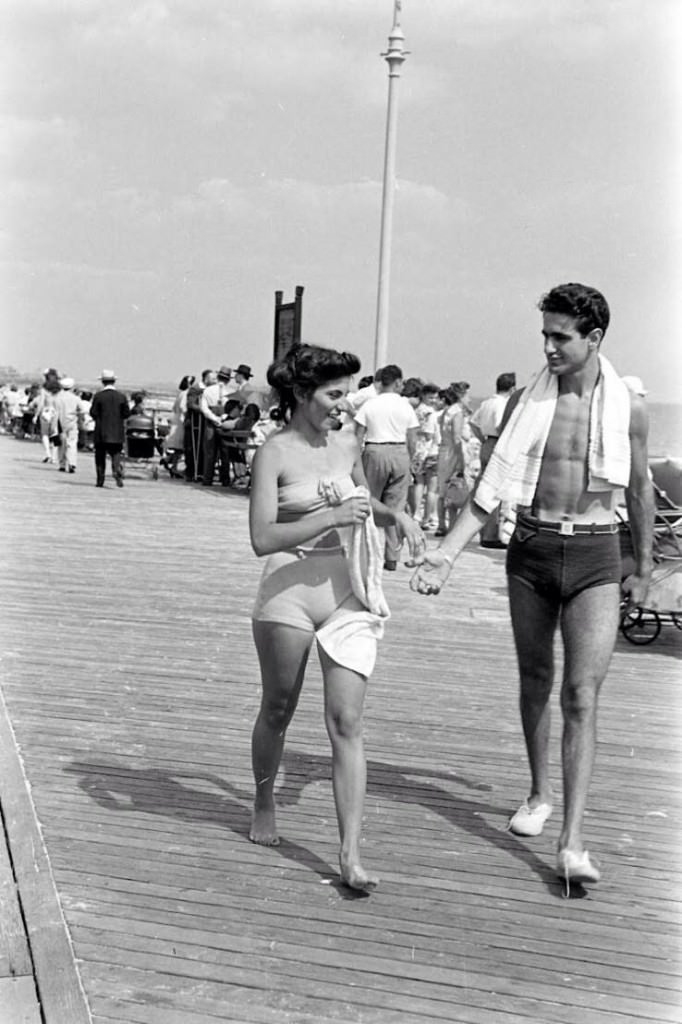
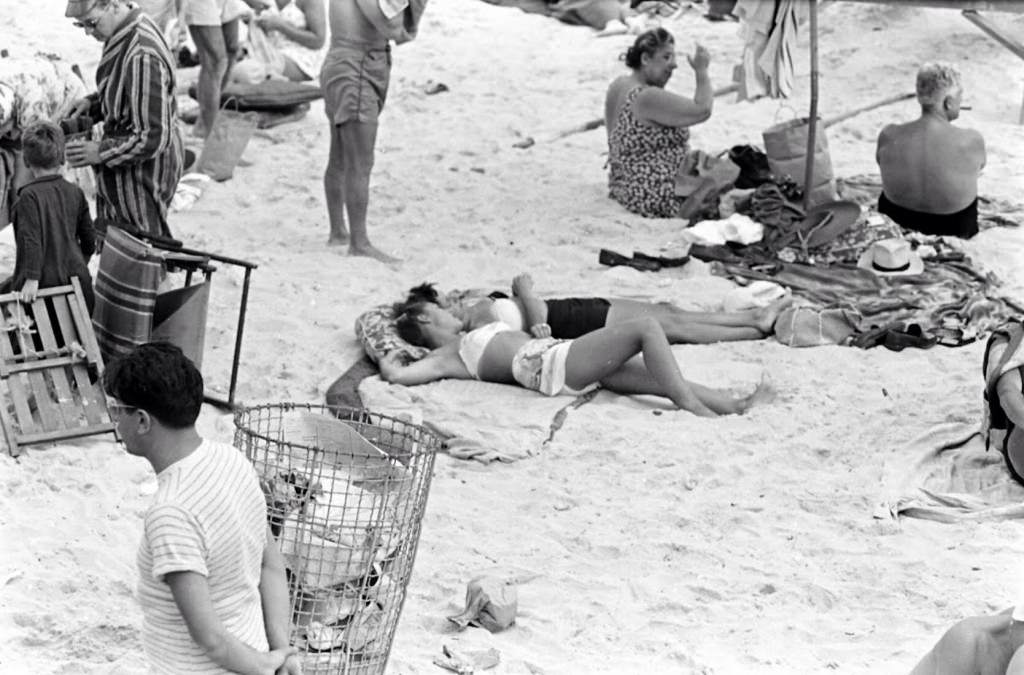
People being ticketed for 'Indecent Exposure' at Rockaway Beach of New York City, 1946

The same year Shere took his photos at Rockaway Beach, French mechanical engineer Louis Réard introduced the bikini to the world — July 1946. The design came directly from watching women roll up the edges of their swimsuits to get a better tan. Despite the publicity, bikini sales were slow at first. Most women still preferred the two-piece styles already in circulation, like the high-waisted suits visible throughout Shere’s photographs.
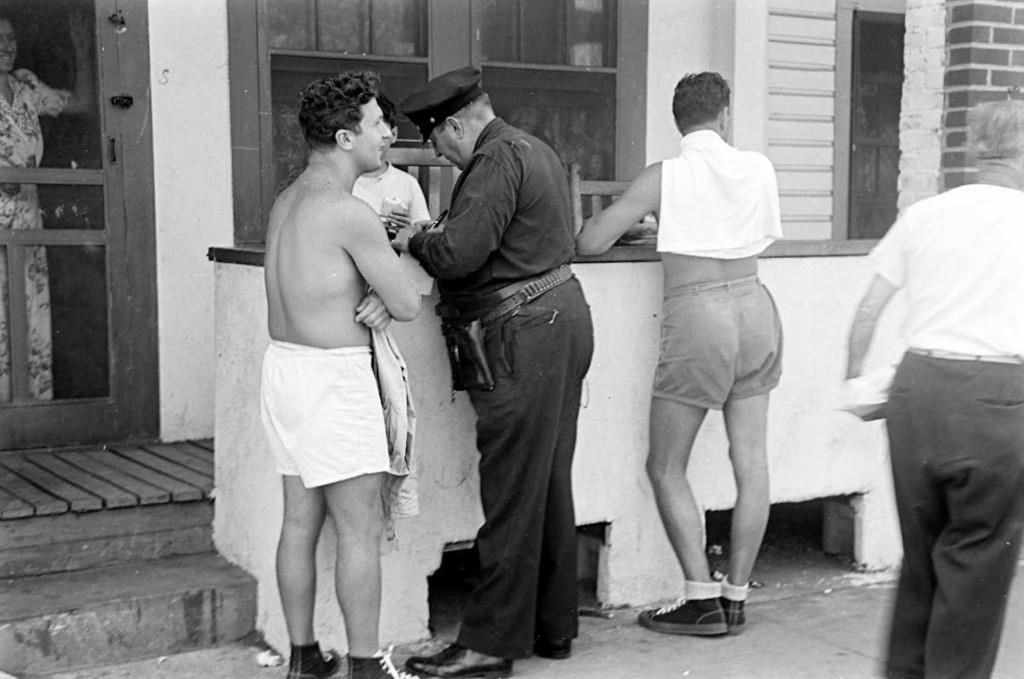
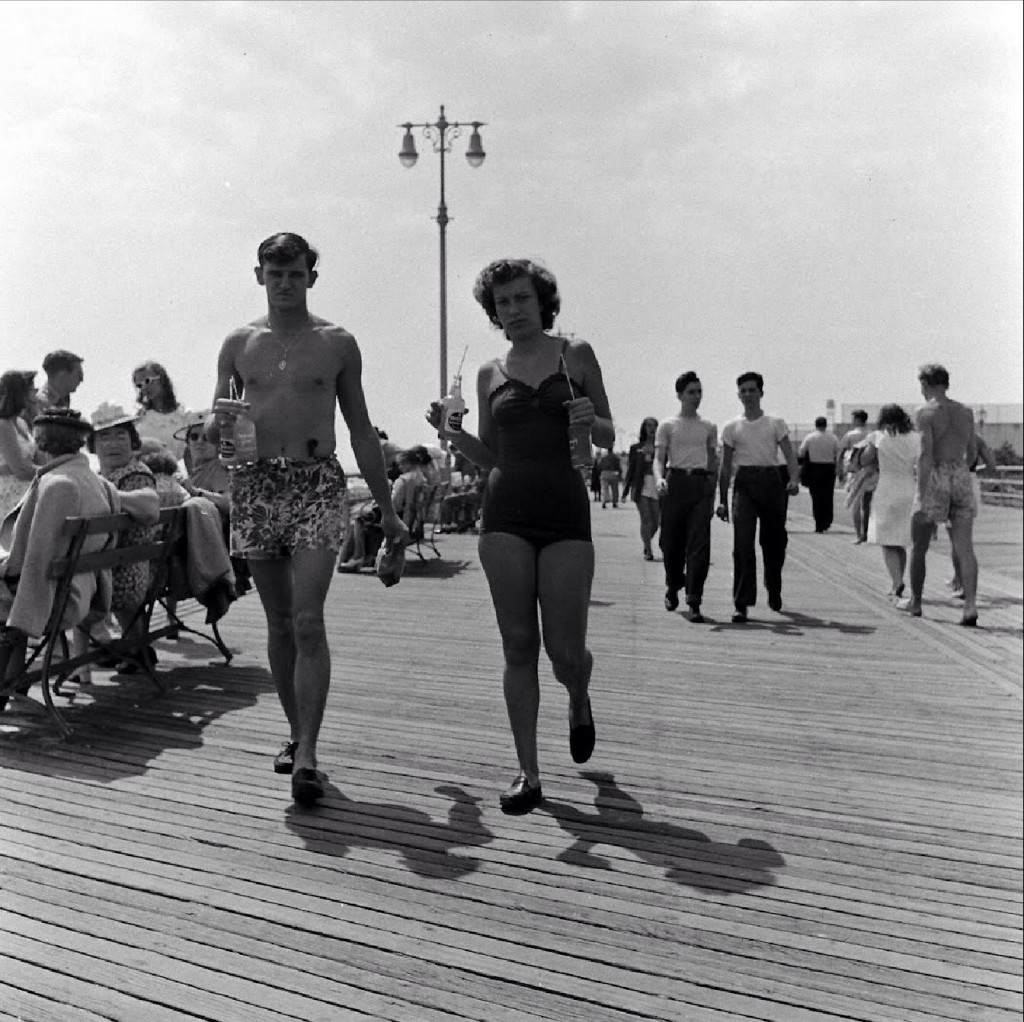
People being ticketed for 'Indecent Exposure' at Rockaway Beach of New York City, 1946

As two-piece suits grew more common throughout the late 1940s and 1950s, beach ordinances gradually relaxed. The bikini gained a slower following among upper-class European women before making its way into mainstream American culture during the 1960s, pushed along in part by actress Ursula Andress’s iconic scene emerging from the ocean in a white bikini in the 1962 film Dr. No.
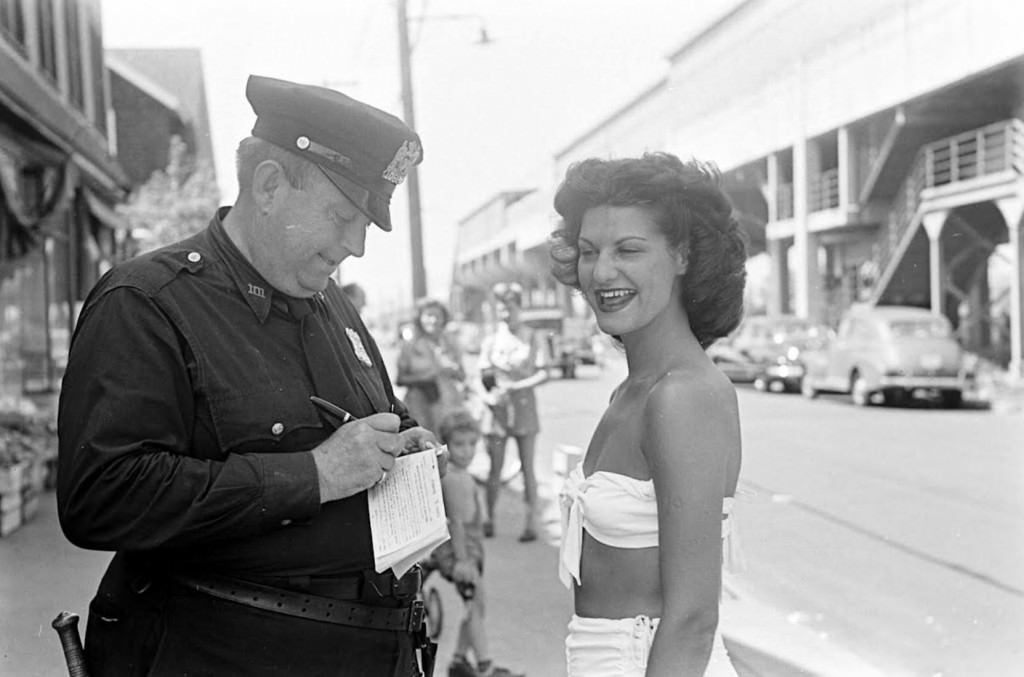
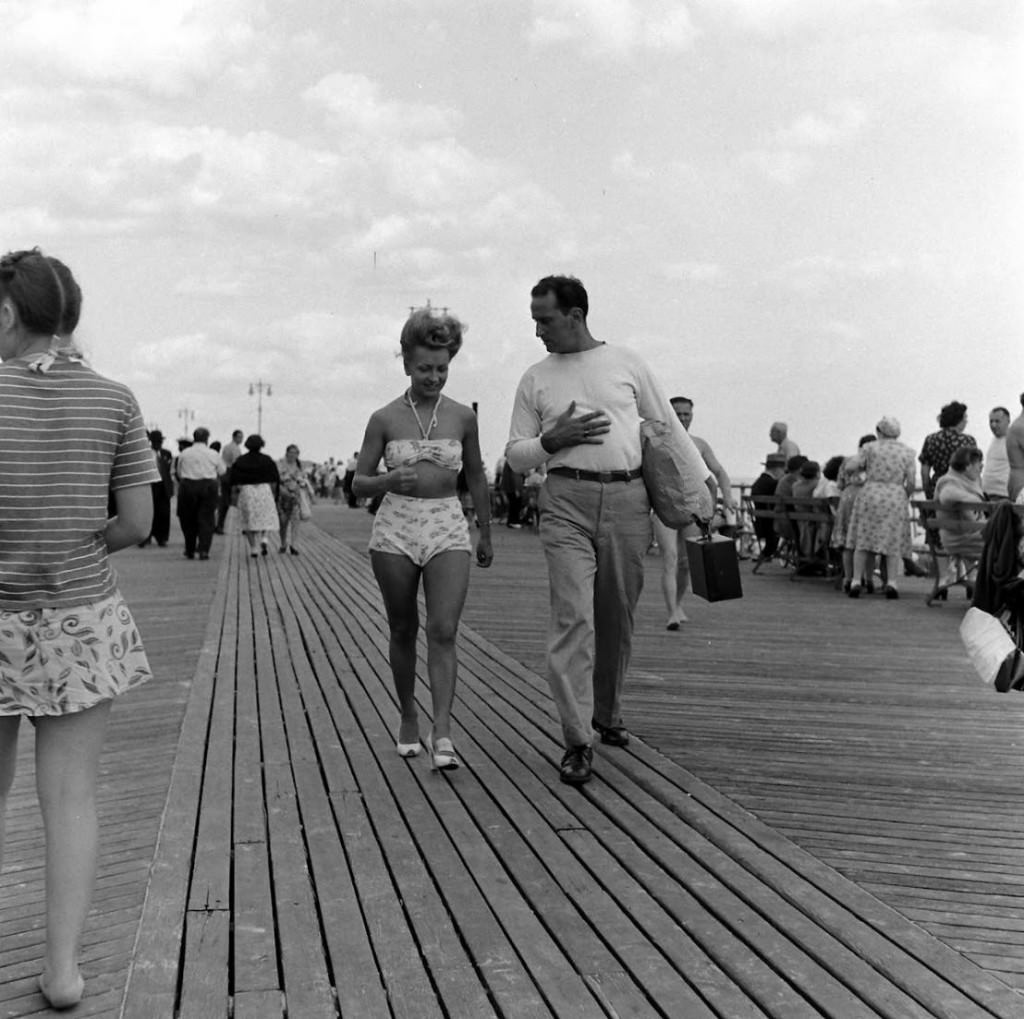
People being ticketed for 'Indecent Exposure' at Rockaway Beach of New York City, 1946

But in 1946, none of that had happened yet. At Rockaway Beach, the law was still the law. Sam Shere’s camera caught the tension between strict moral codes and a public that was clearly ready to move on from them — one beach ticket at a time.
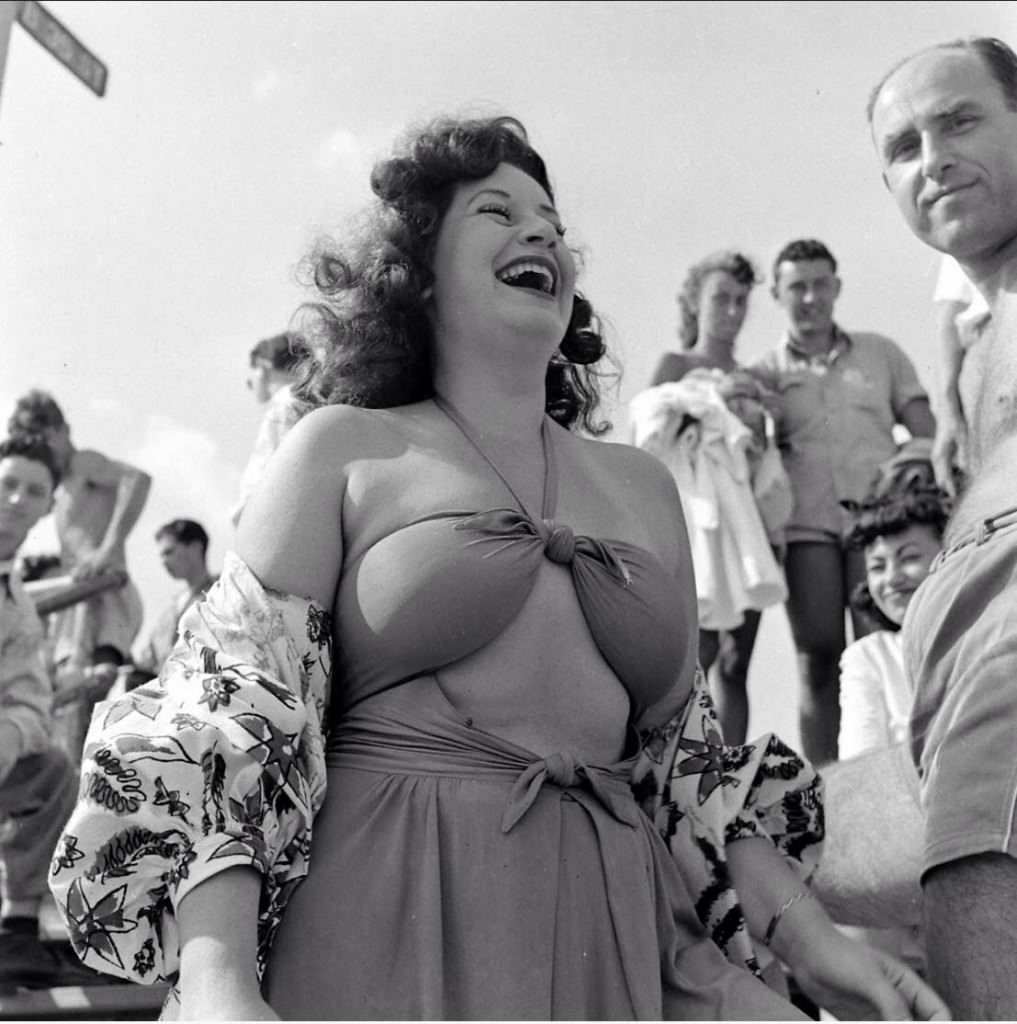
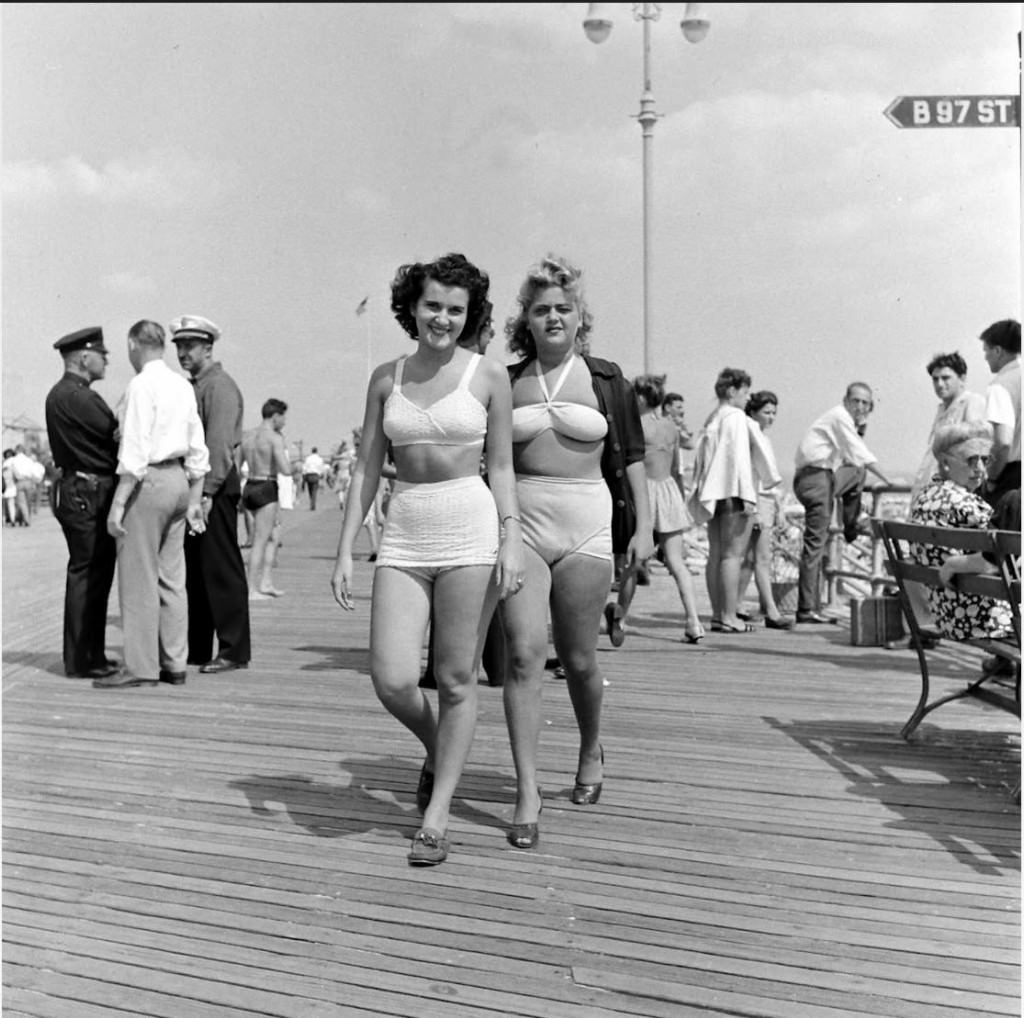
People being ticketed for 'Indecent Exposure' at Rockaway Beach of New York City, 1946
Enjoyed this post? Get new ones in your inbox.

Leave a Comment

Your email address will not be published. Required fields are marked *

Share this Post 🥺

Please take a moment to share this content. Your support is greatly appreciated! 🙌🙏

Share this Post 🥺

Please take a moment to share this content. Your support is greatly appreciated! 🙌🙏
Scroll to Top
 
Hey Friend, Before You Go.. Please like & follow for more interesting content