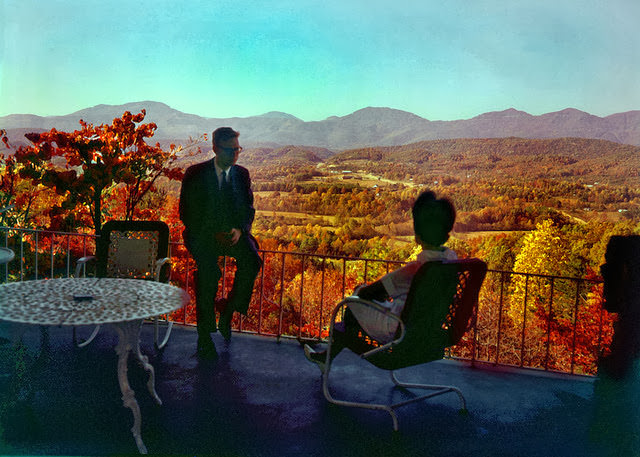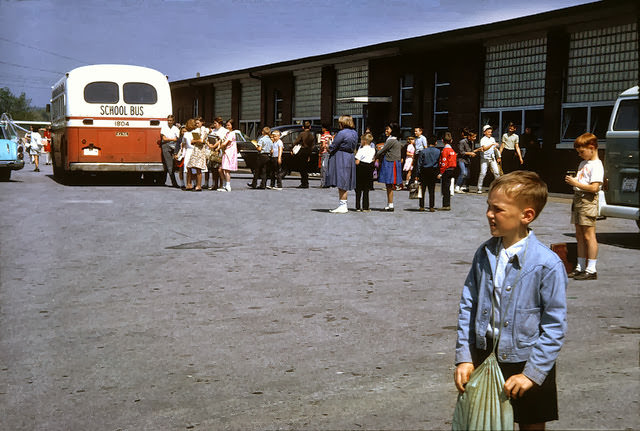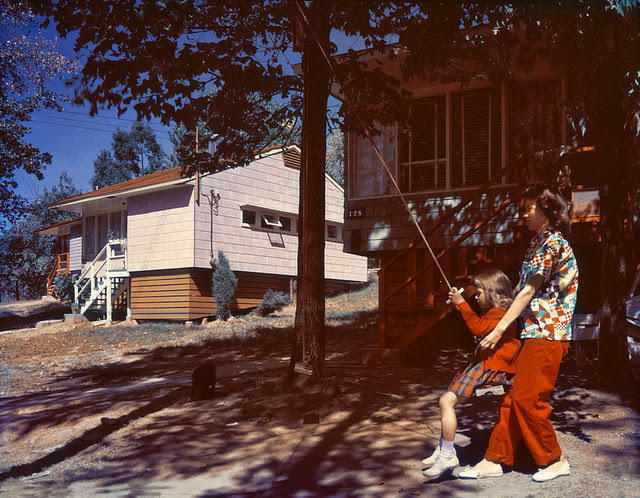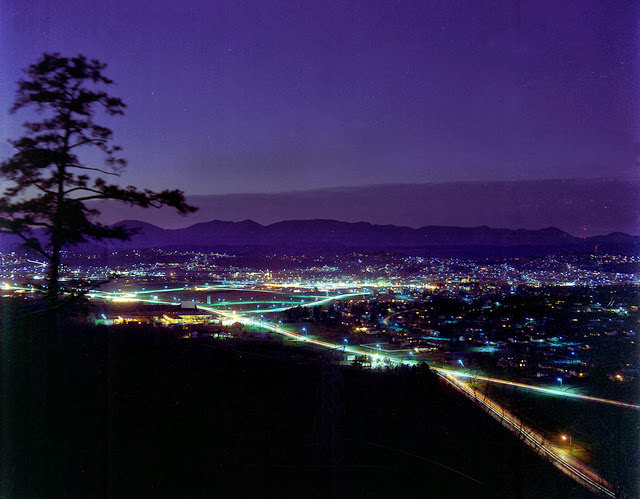

Oak Ridge, Tennessee was born as a secret. In 1942, the U.S. Army fenced off a stretch of rural land in the Appalachian foothills and built an entire city almost overnight. The people who lived and worked there knew they were part of something enormous, but most had no idea what. Their work fed the Manhattan Project—the secret wartime program to build the world’s first atomic bomb. By the end of World War II, Oak Ridge had produced the enriched uranium that destroyed Hiroshima. The city had no name on any public map.

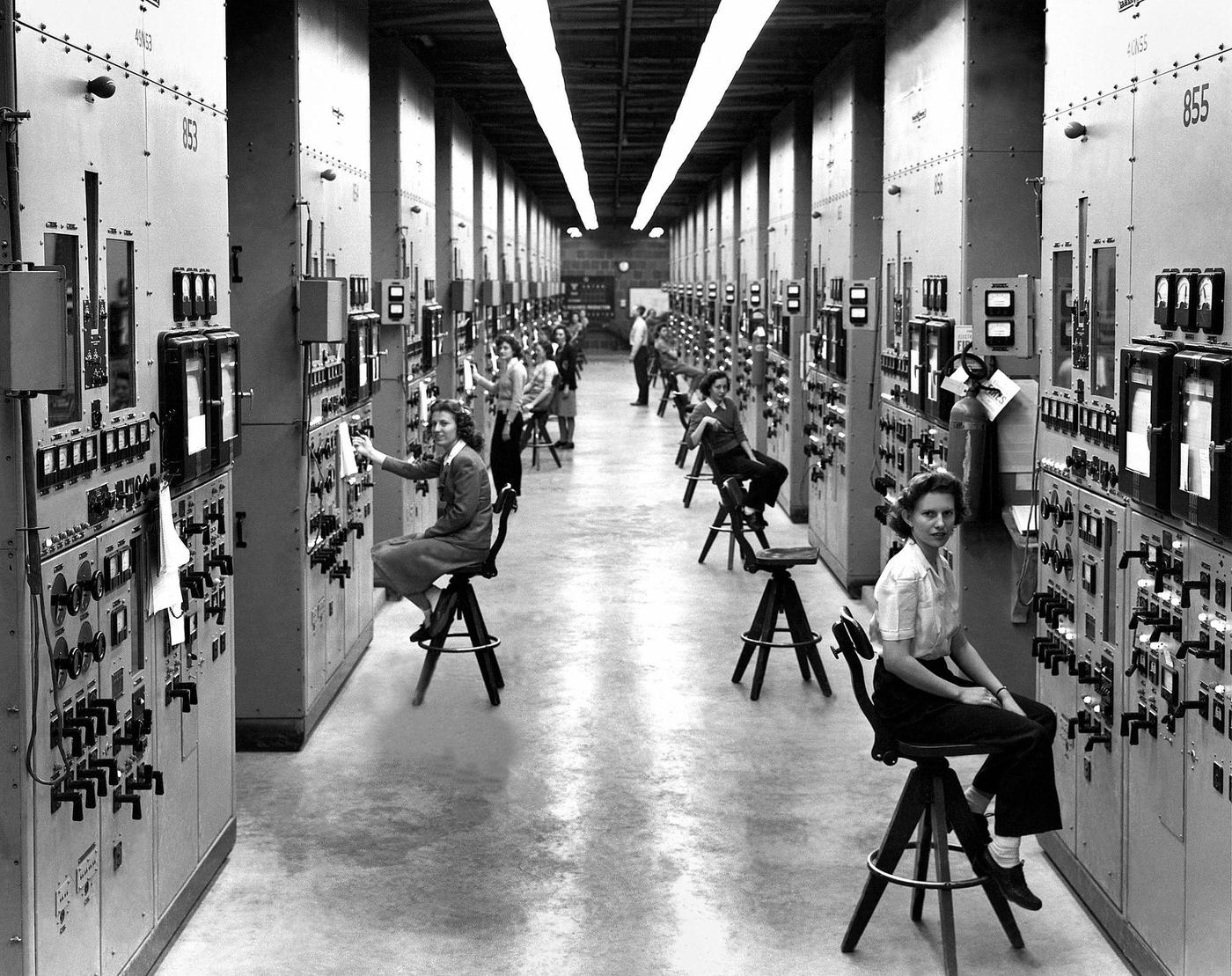
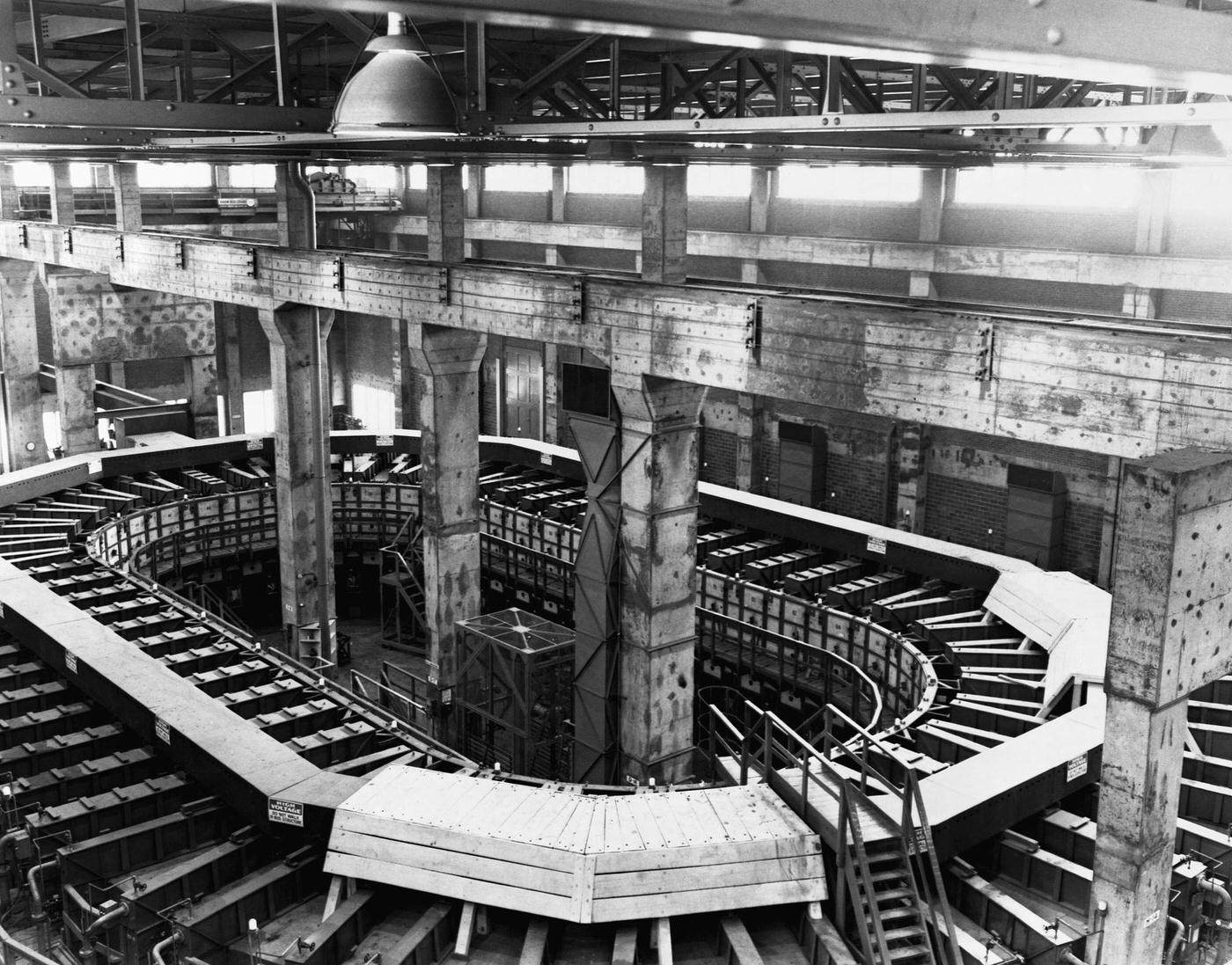
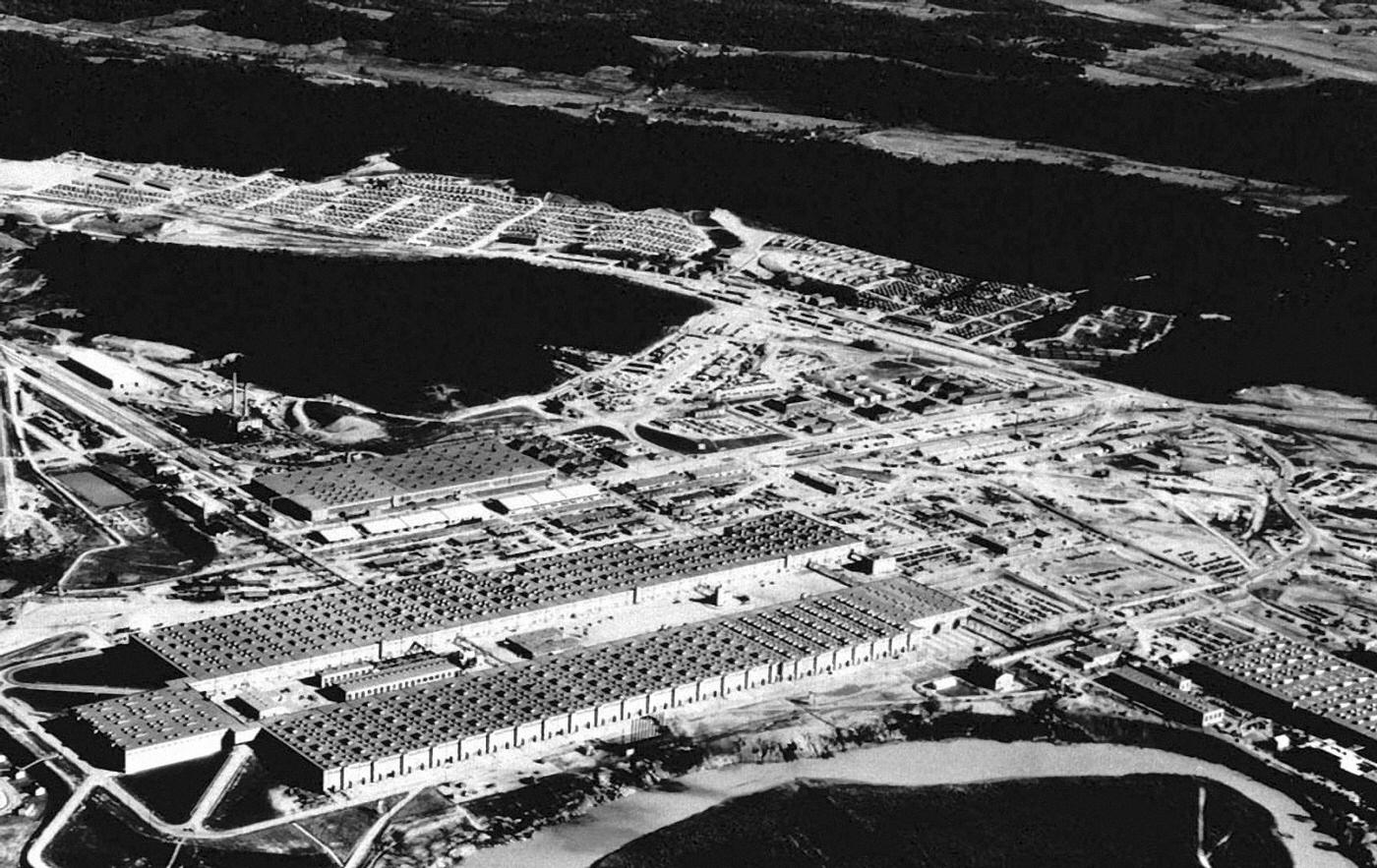
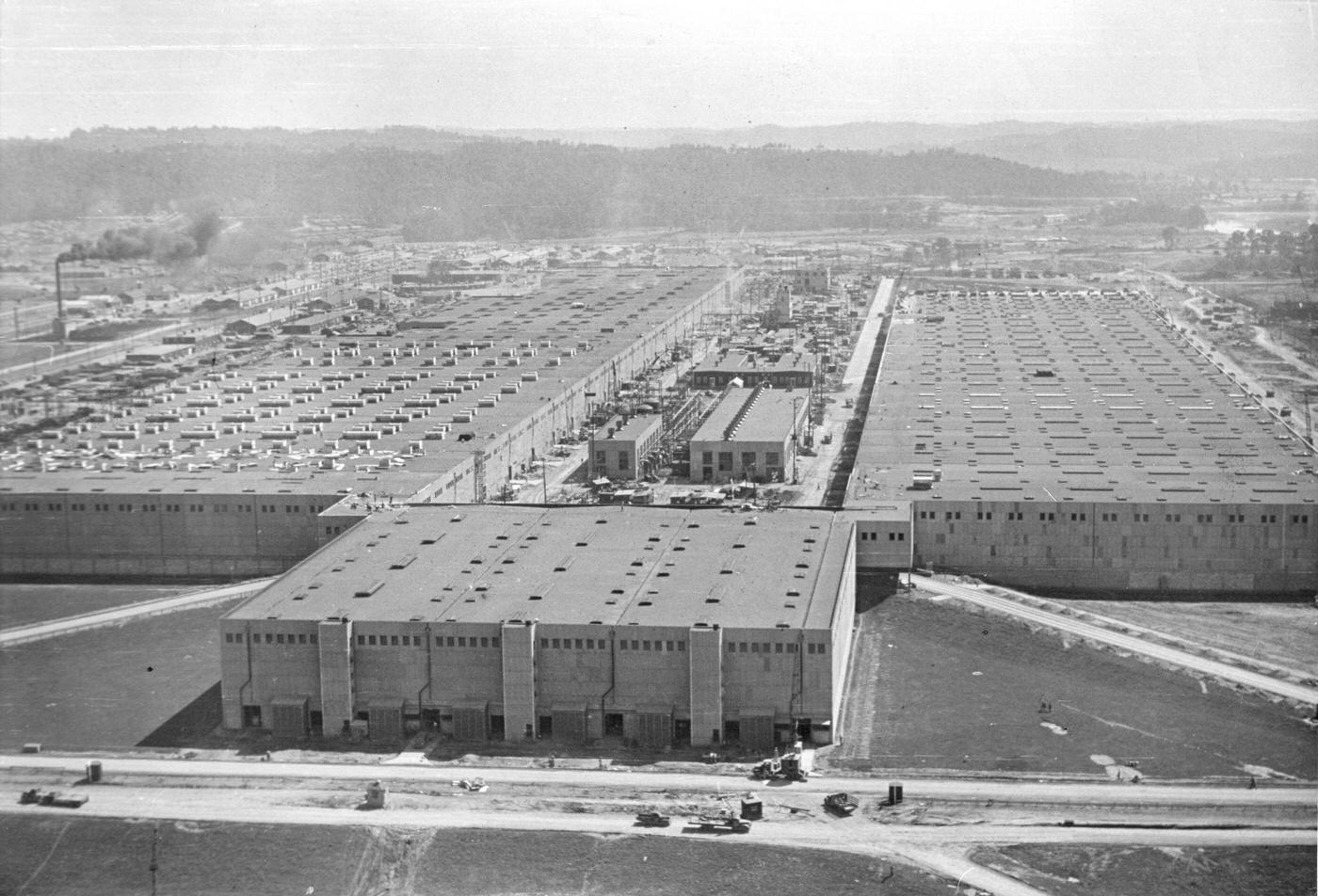
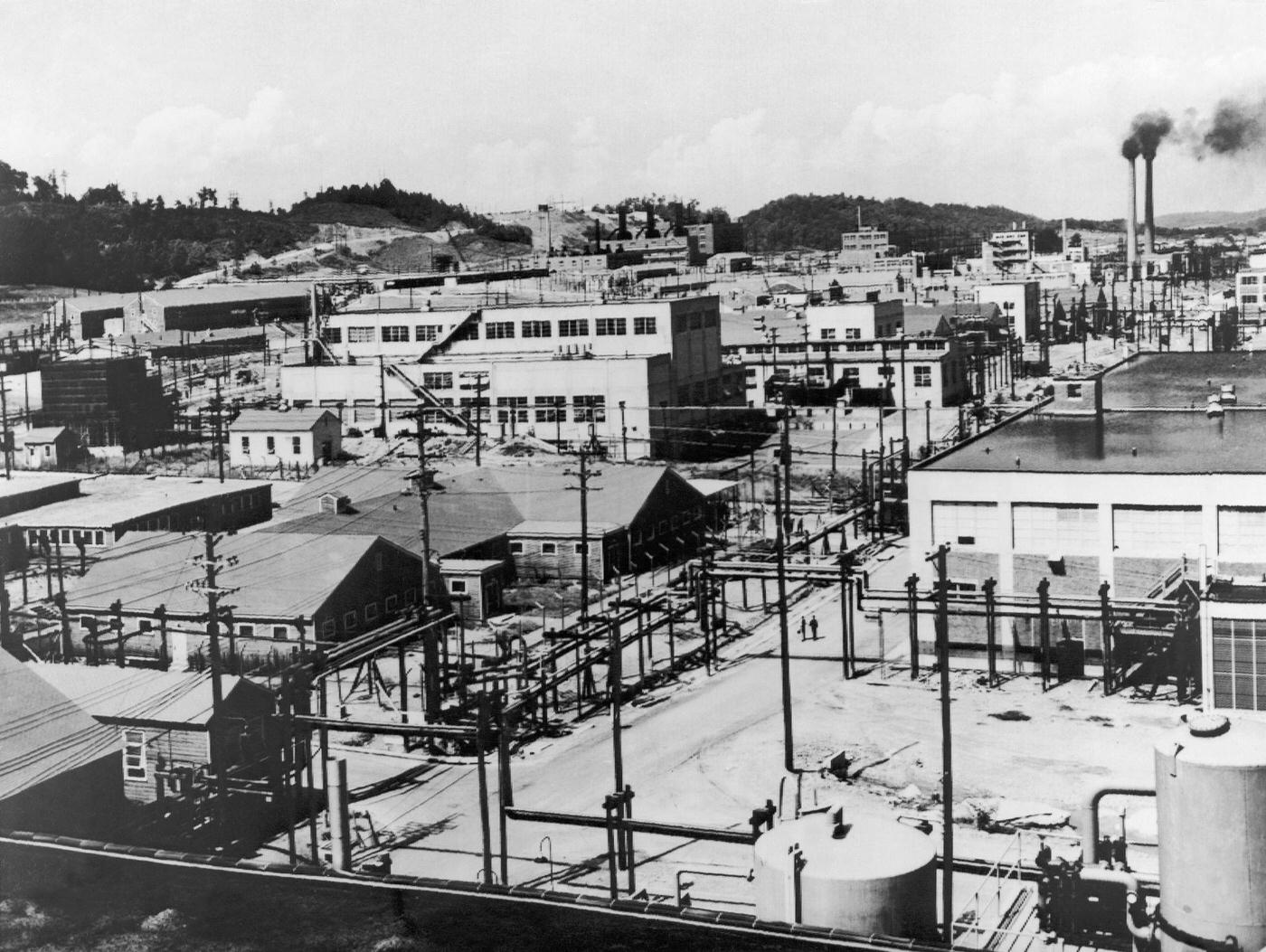
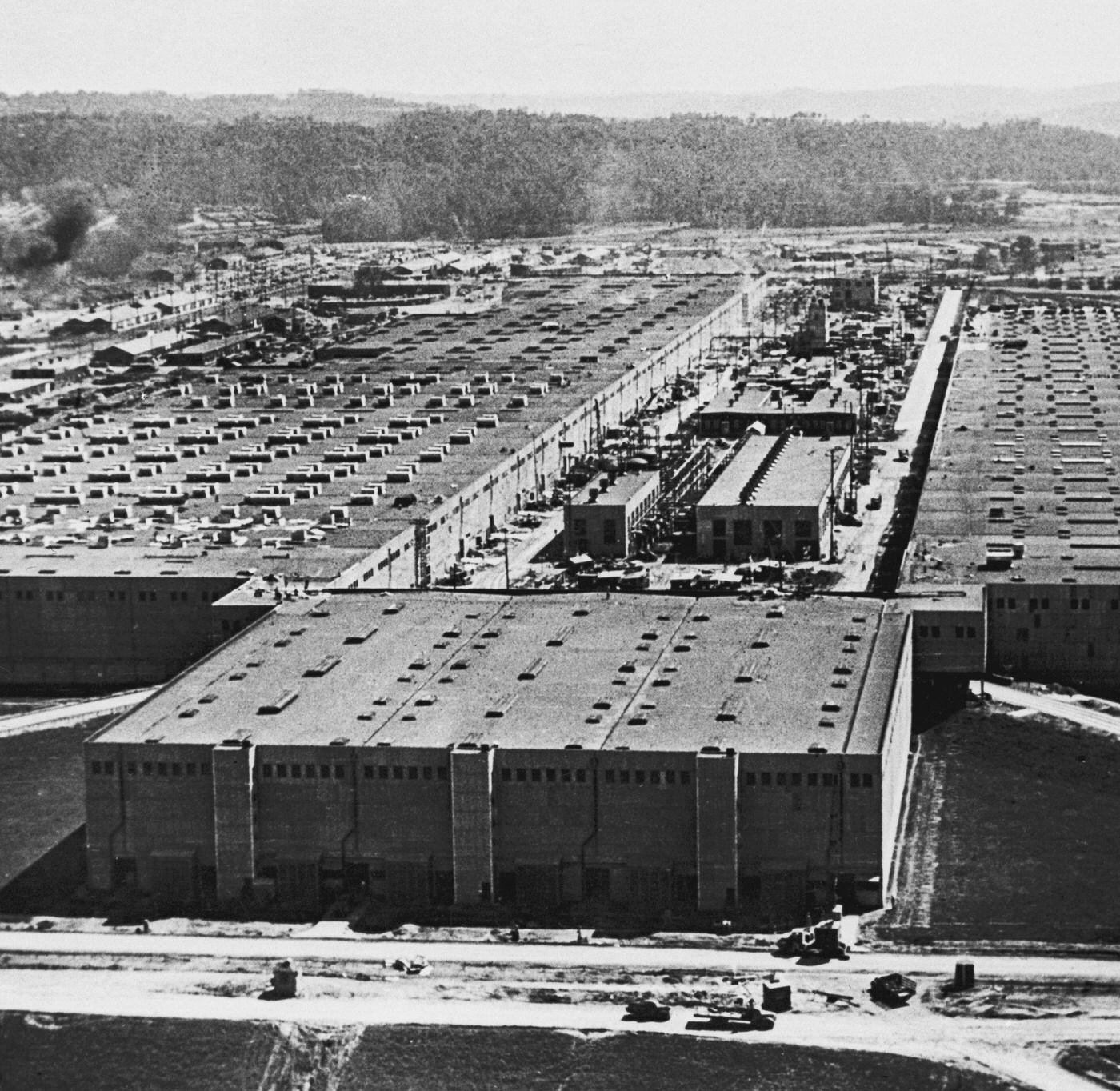
The facilities at Oak Ridge were unlike anything built before. The K-25 plant, used for uranium enrichment through gaseous diffusion, was the largest building in the world when it was completed in 1945. The Y-12 plant ran rows of calutrons—massive electromagnetic machines—operated largely by young women who were never told what the devices were actually doing. The X-10 Graphite Reactor served as the world’s first continuously operating nuclear reactor, producing plutonium for research. These three sites, spread across tens of thousands of acres, formed the backbone of the city’s wartime identity.


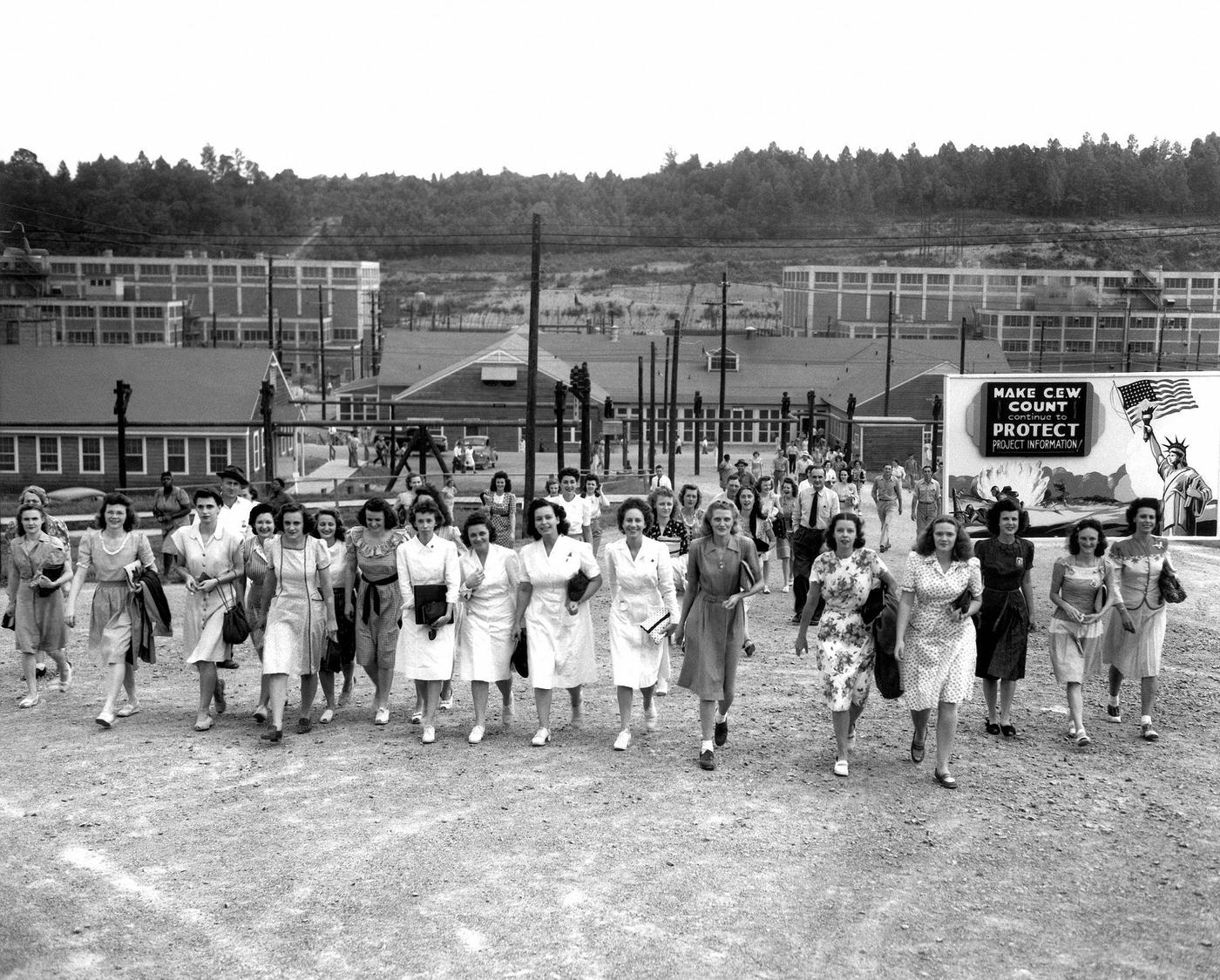
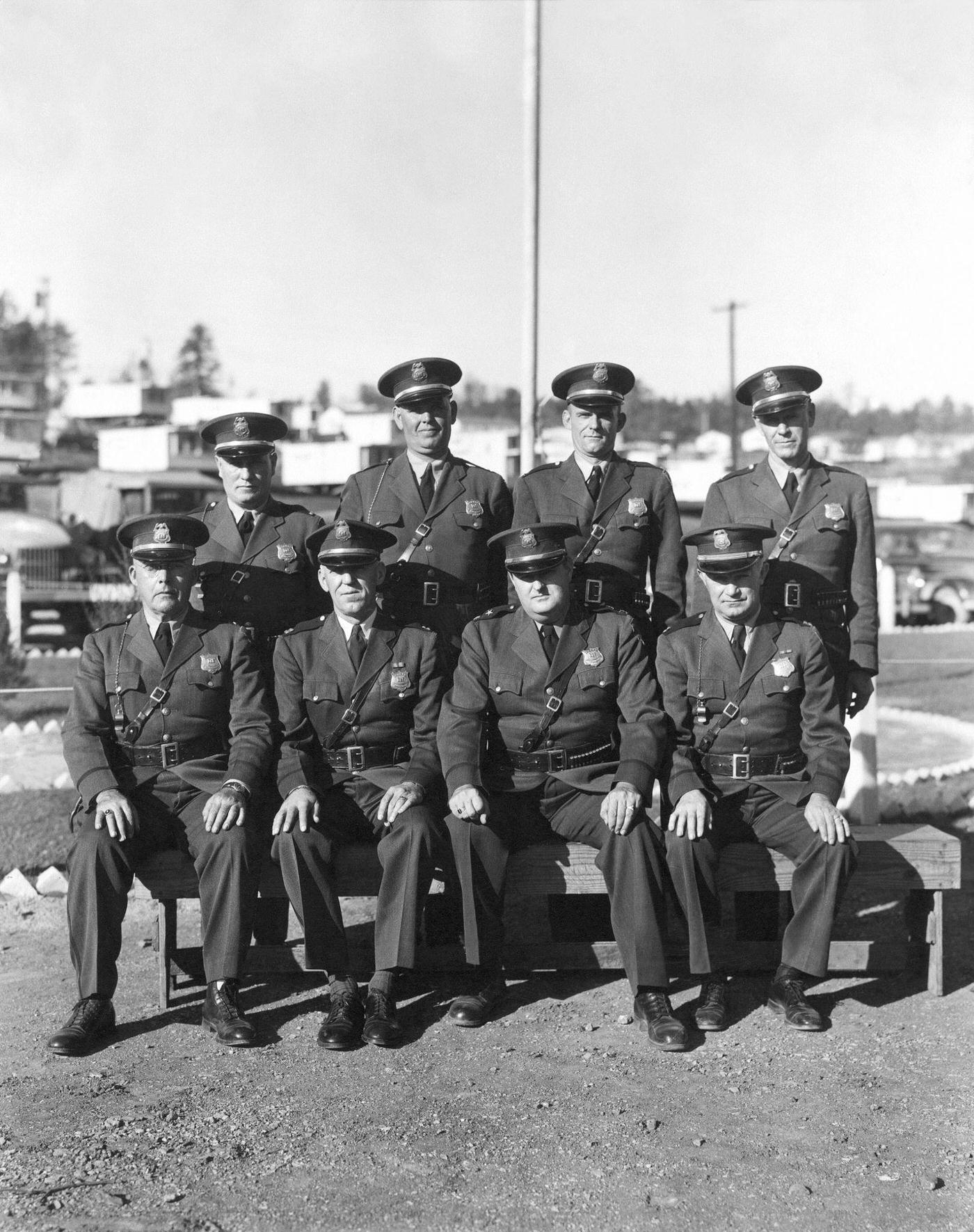
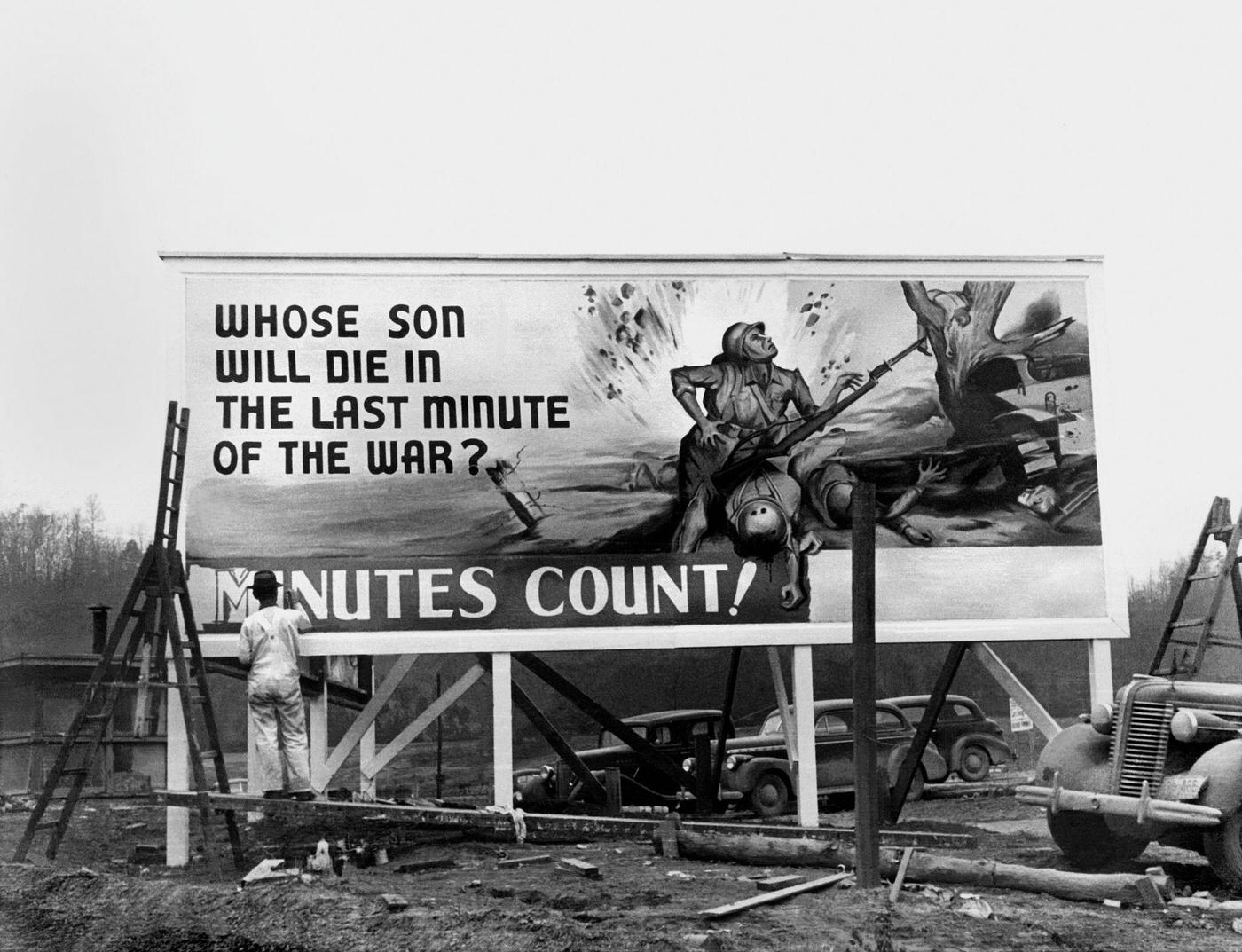
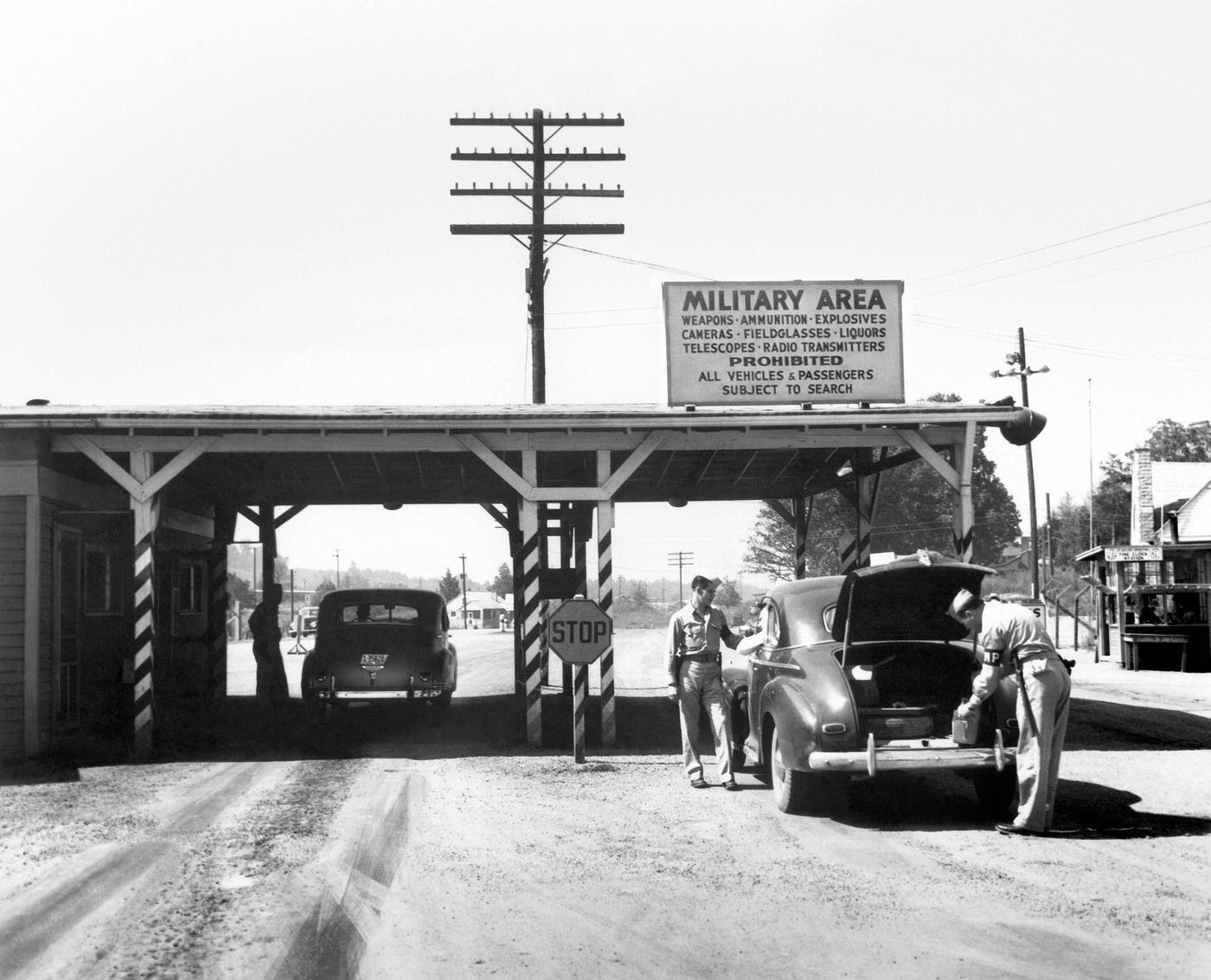
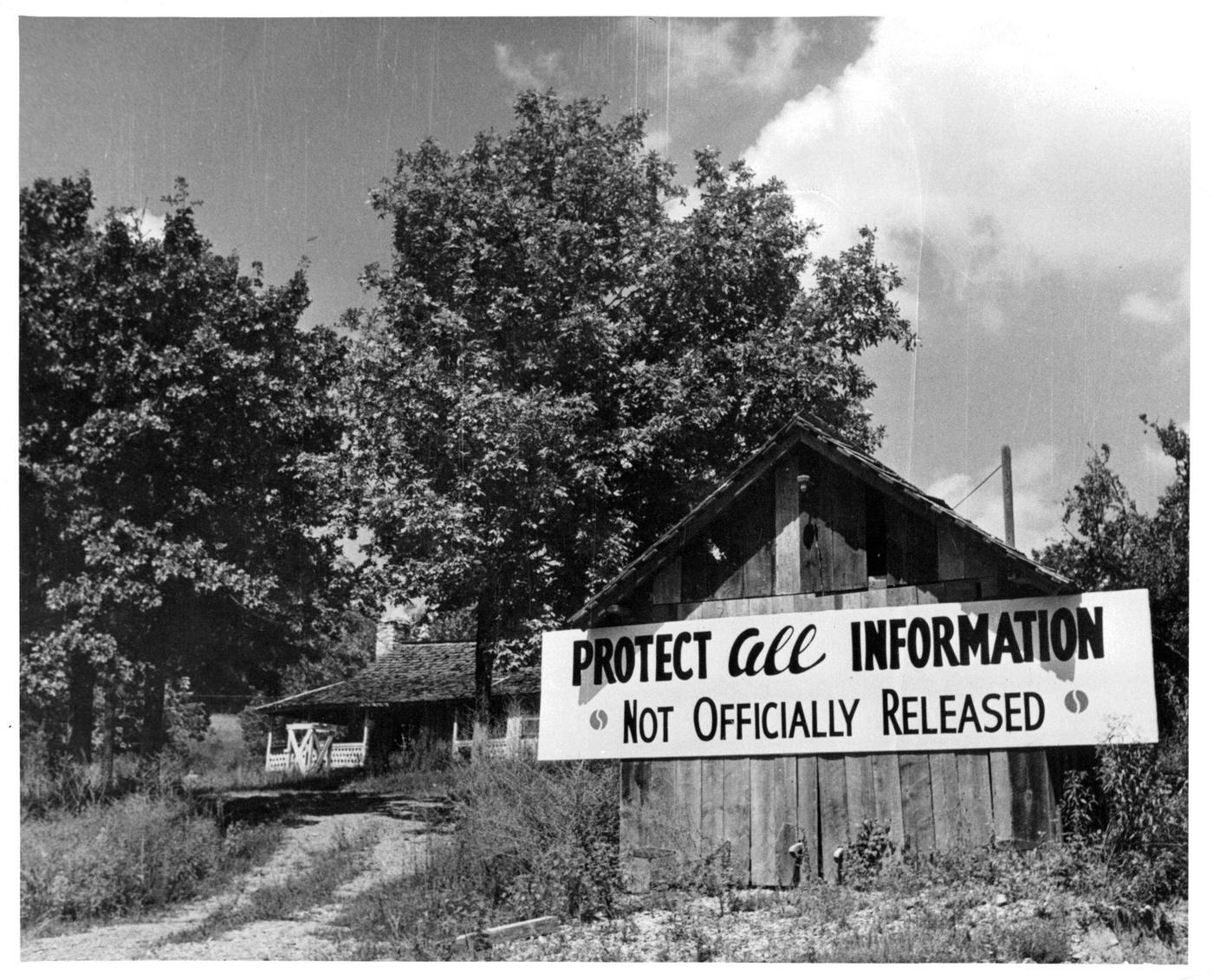
Security was the city’s defining feature during the war years. Every gate had armed guards. Every worker had a badge. Billboards throughout the grounds reminded employees to keep quiet about their work. The Elza Gate was the main checkpoint into the city, and military police controlled all movement in and out. Residents needed passes just to come home.


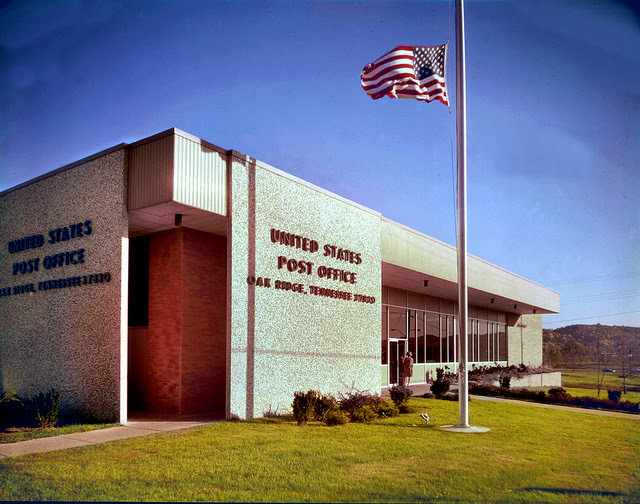
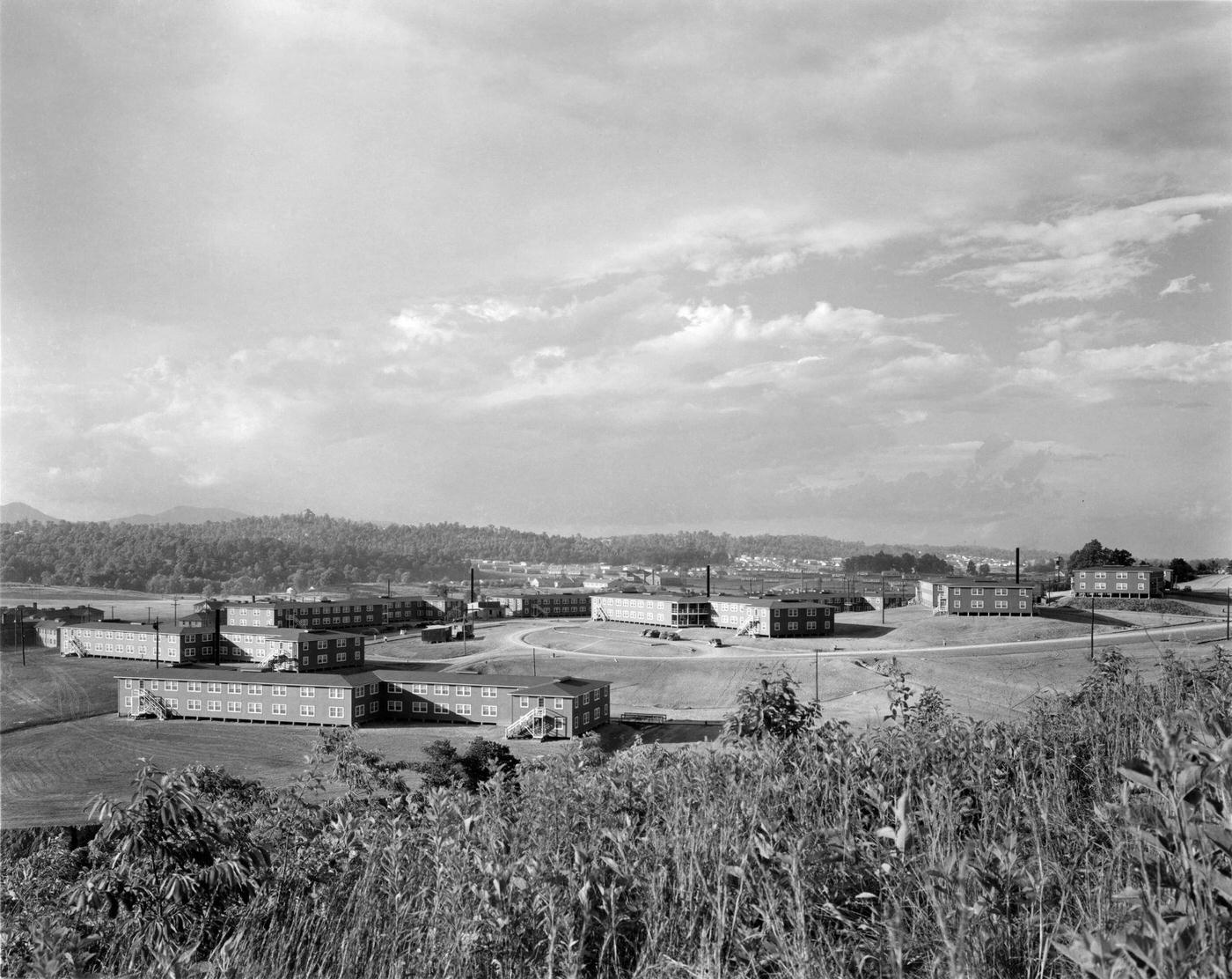
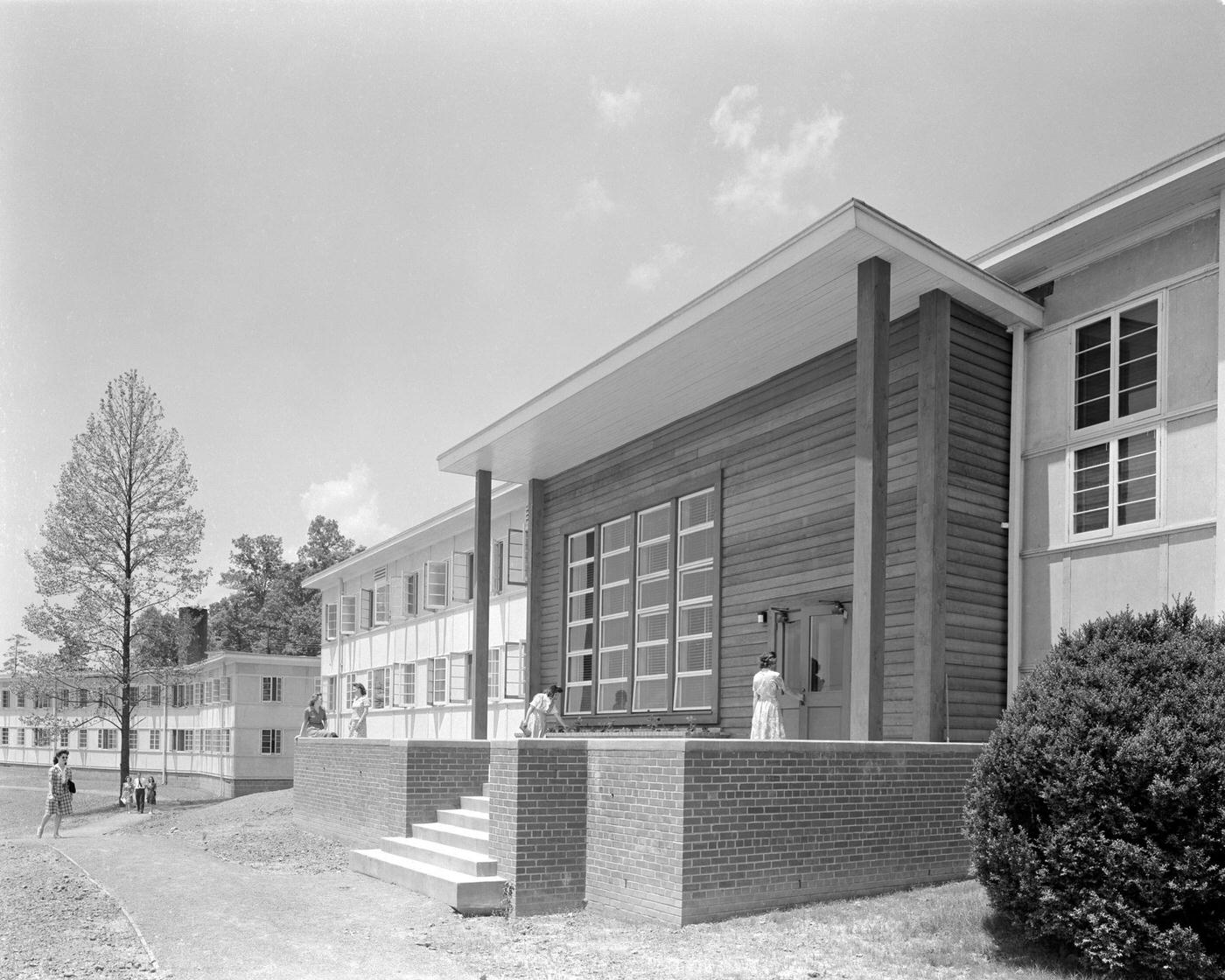
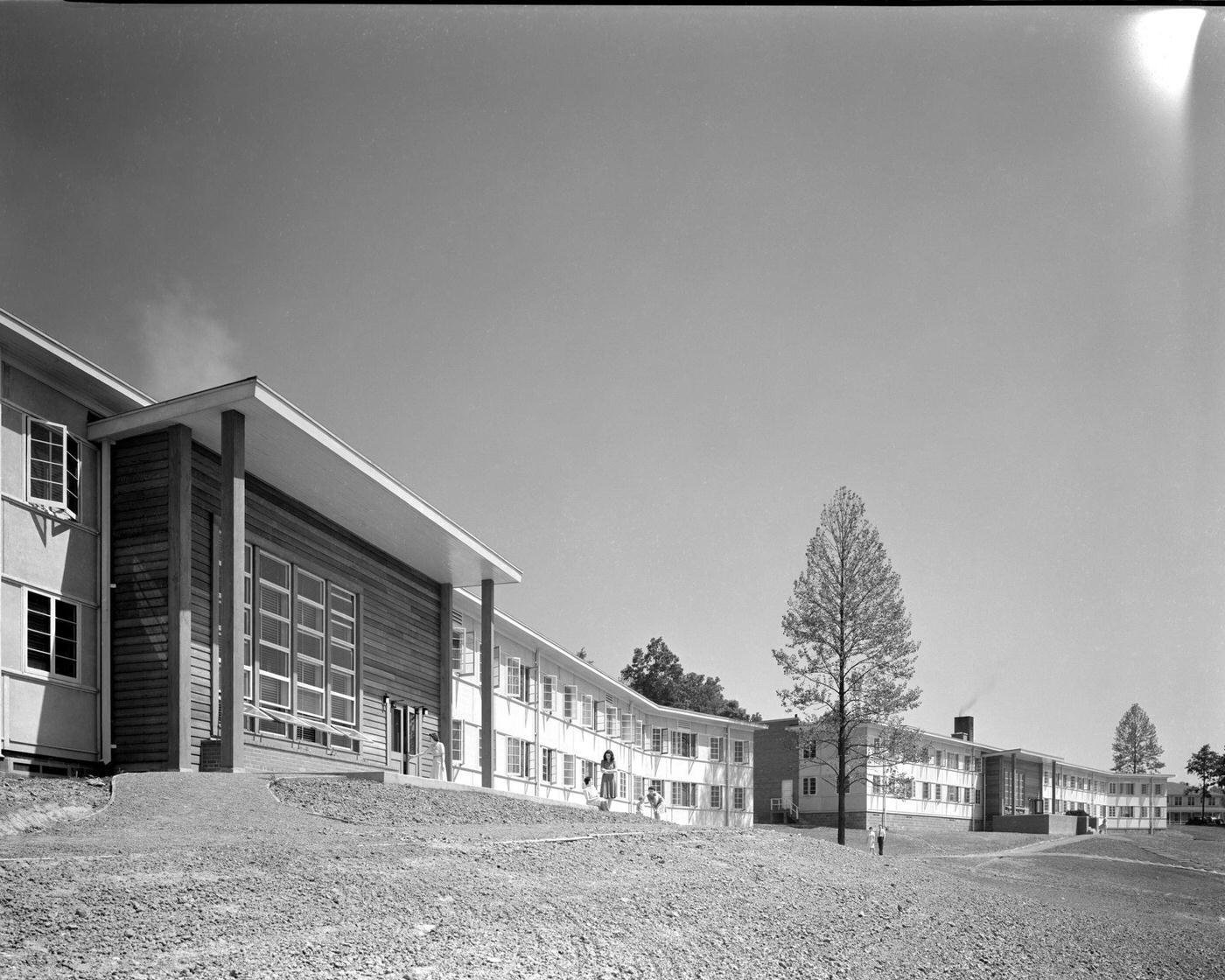
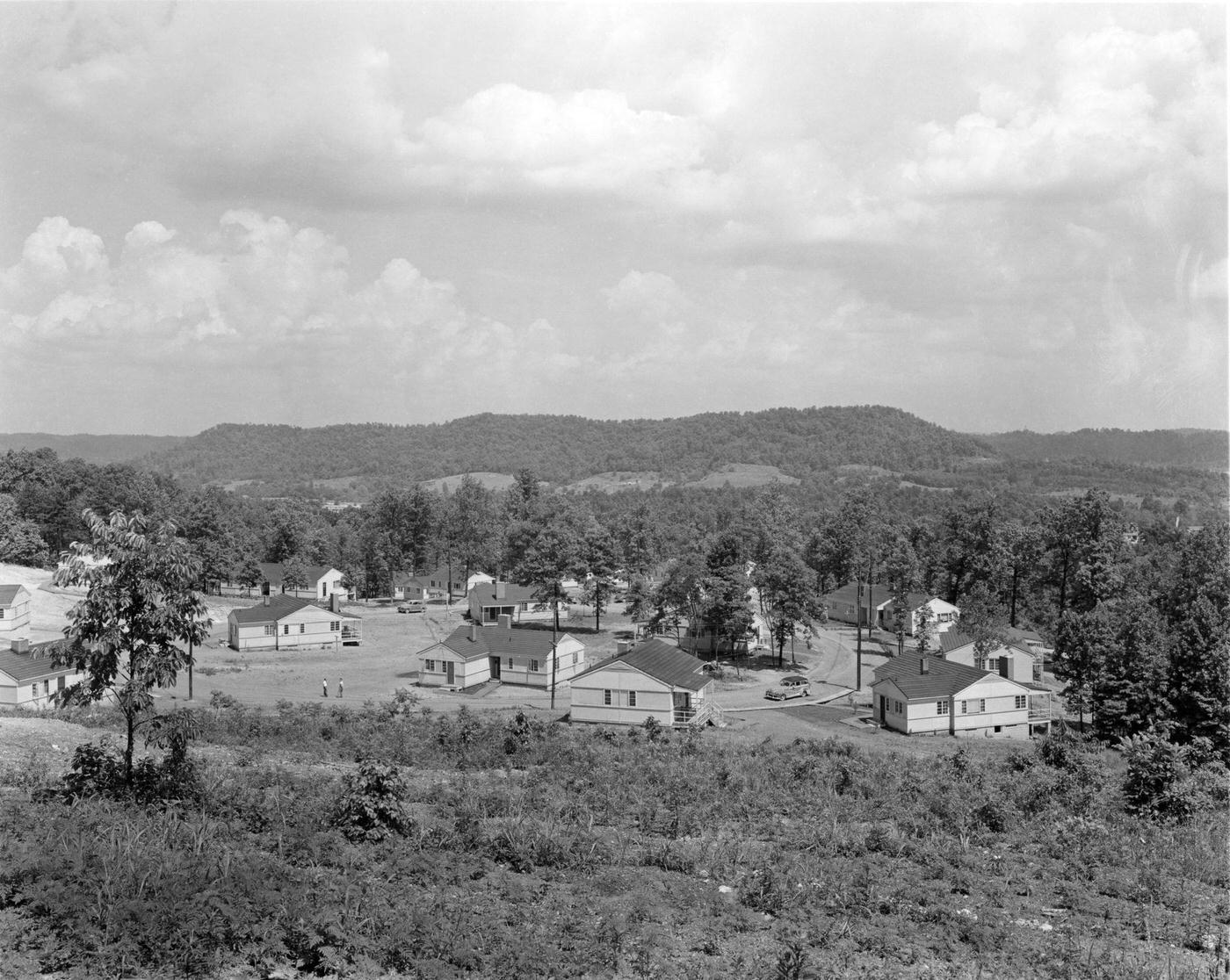
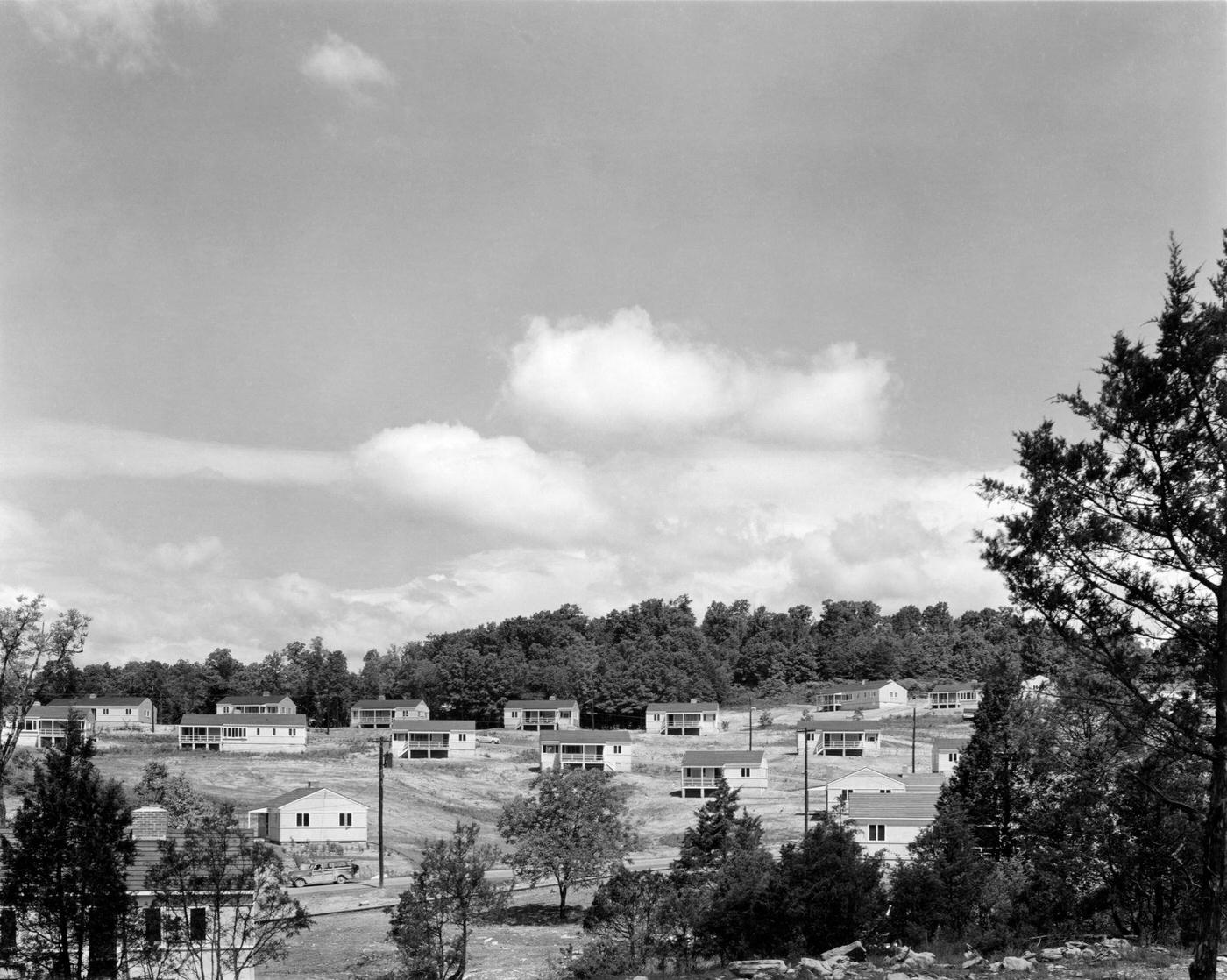
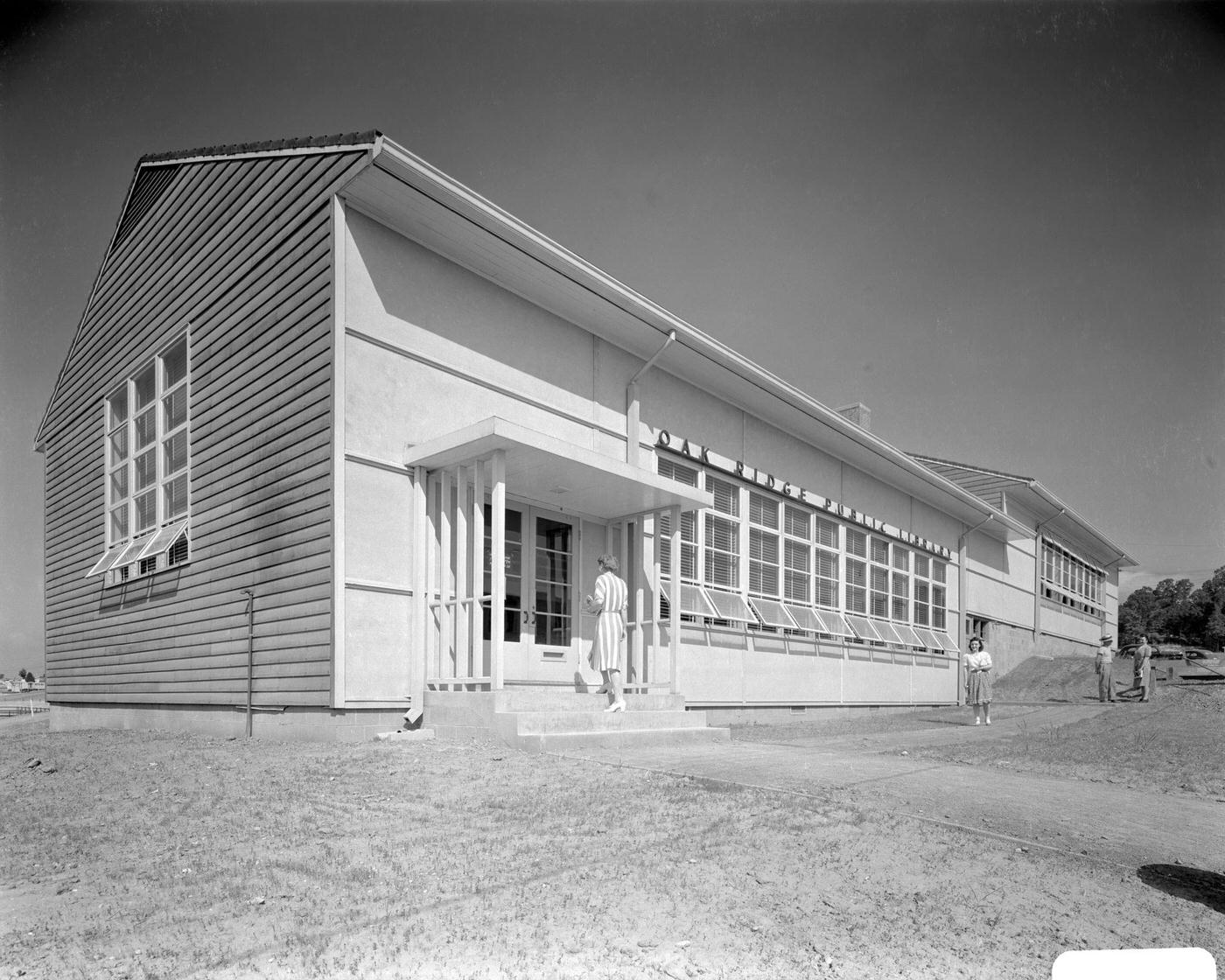
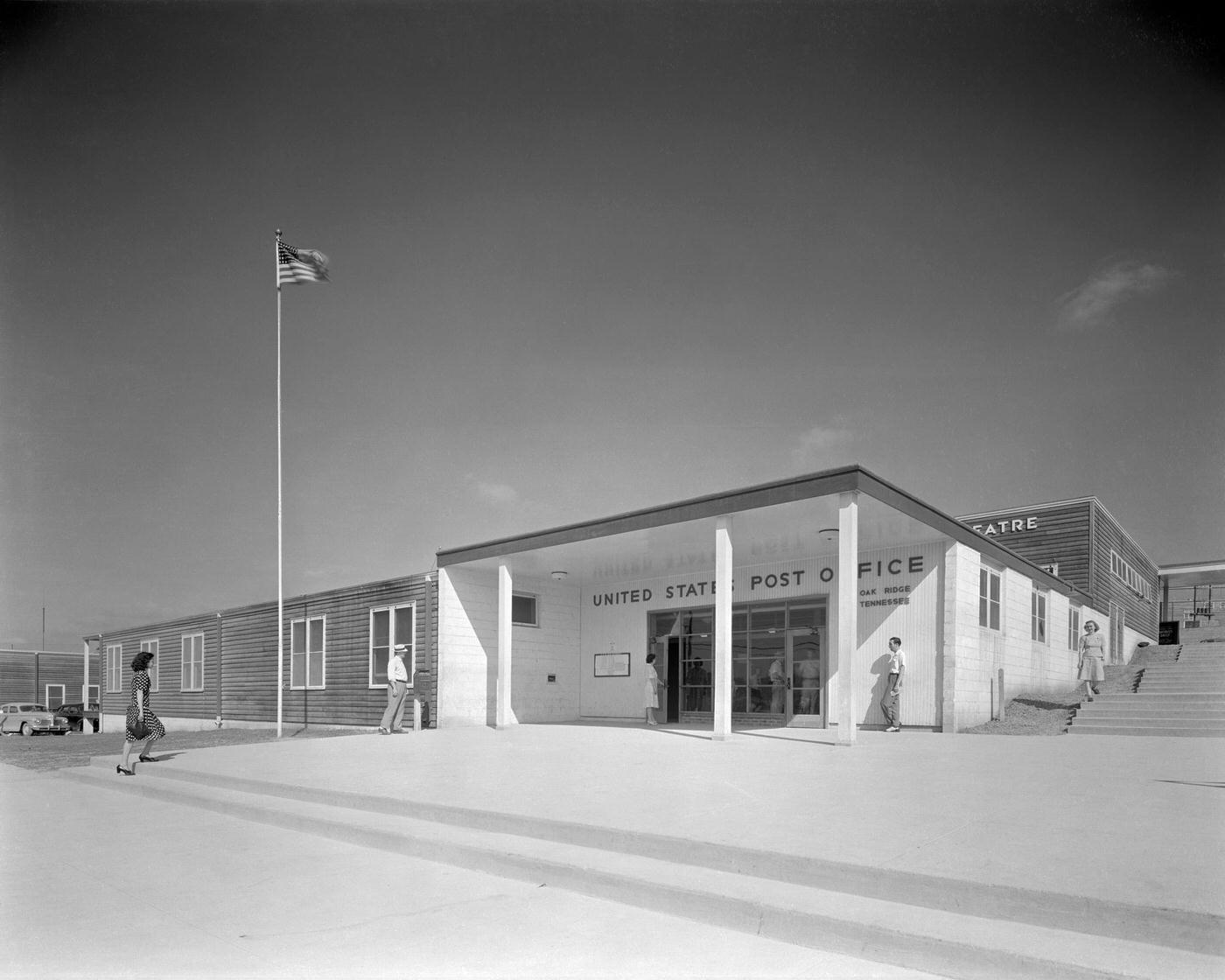
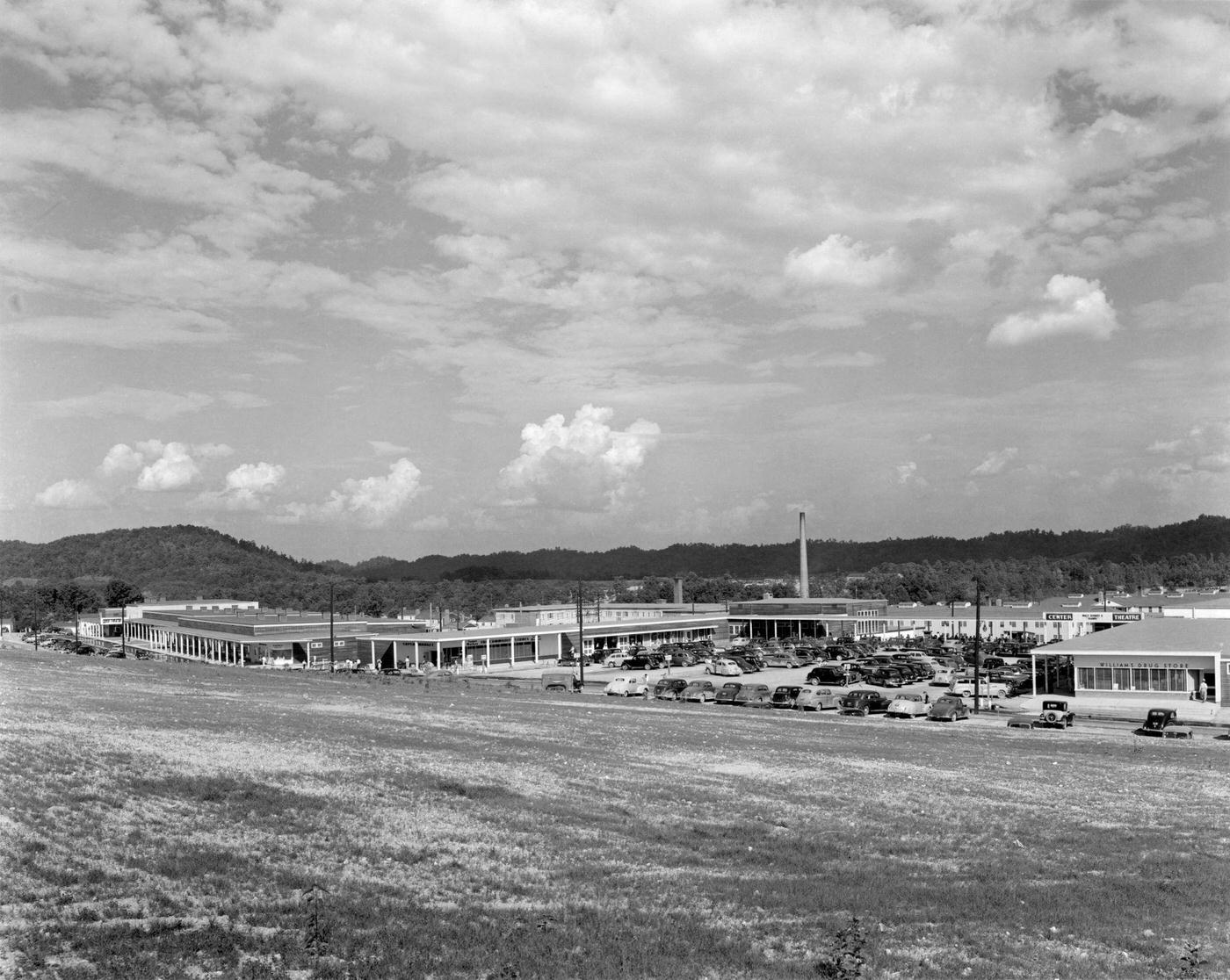
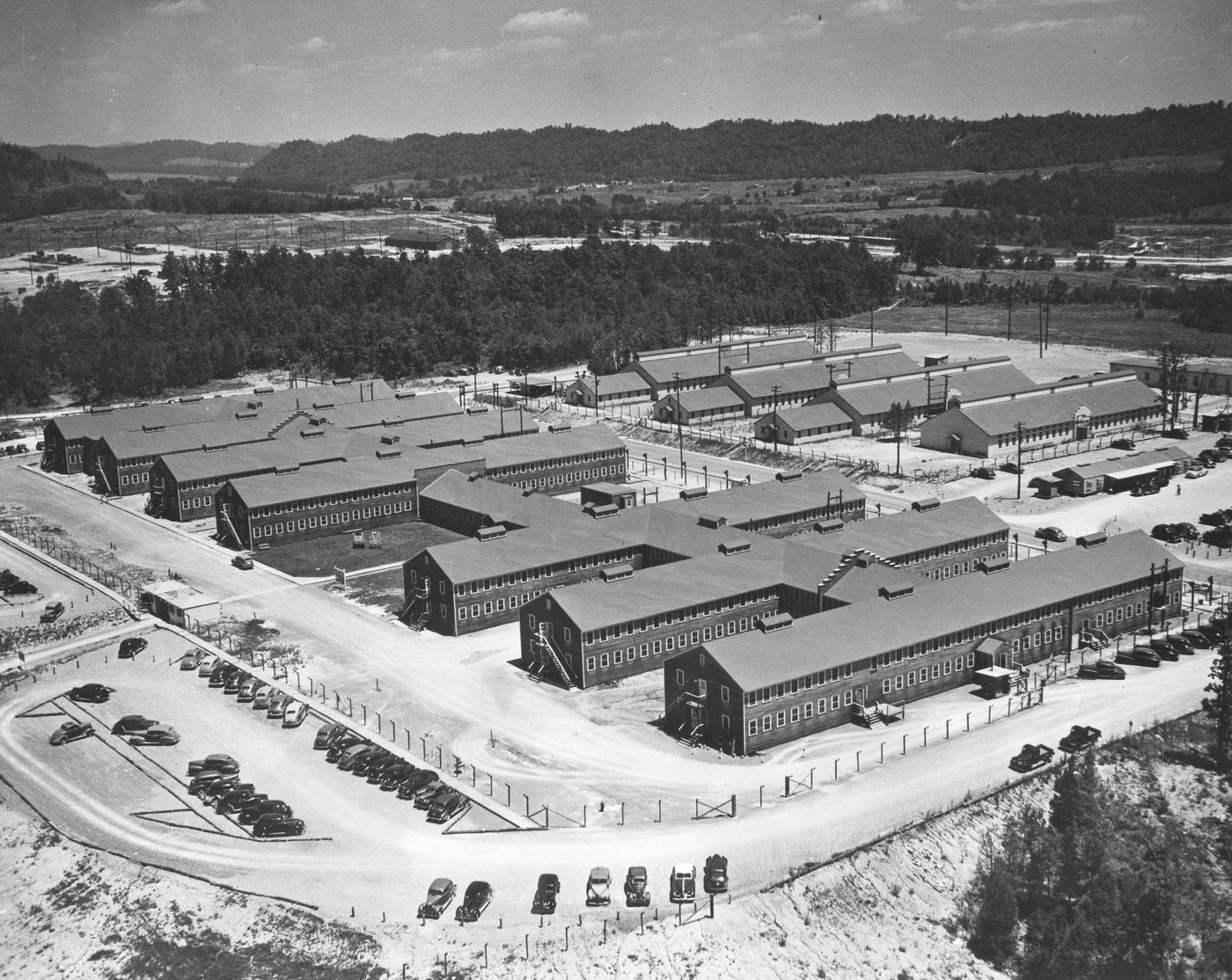
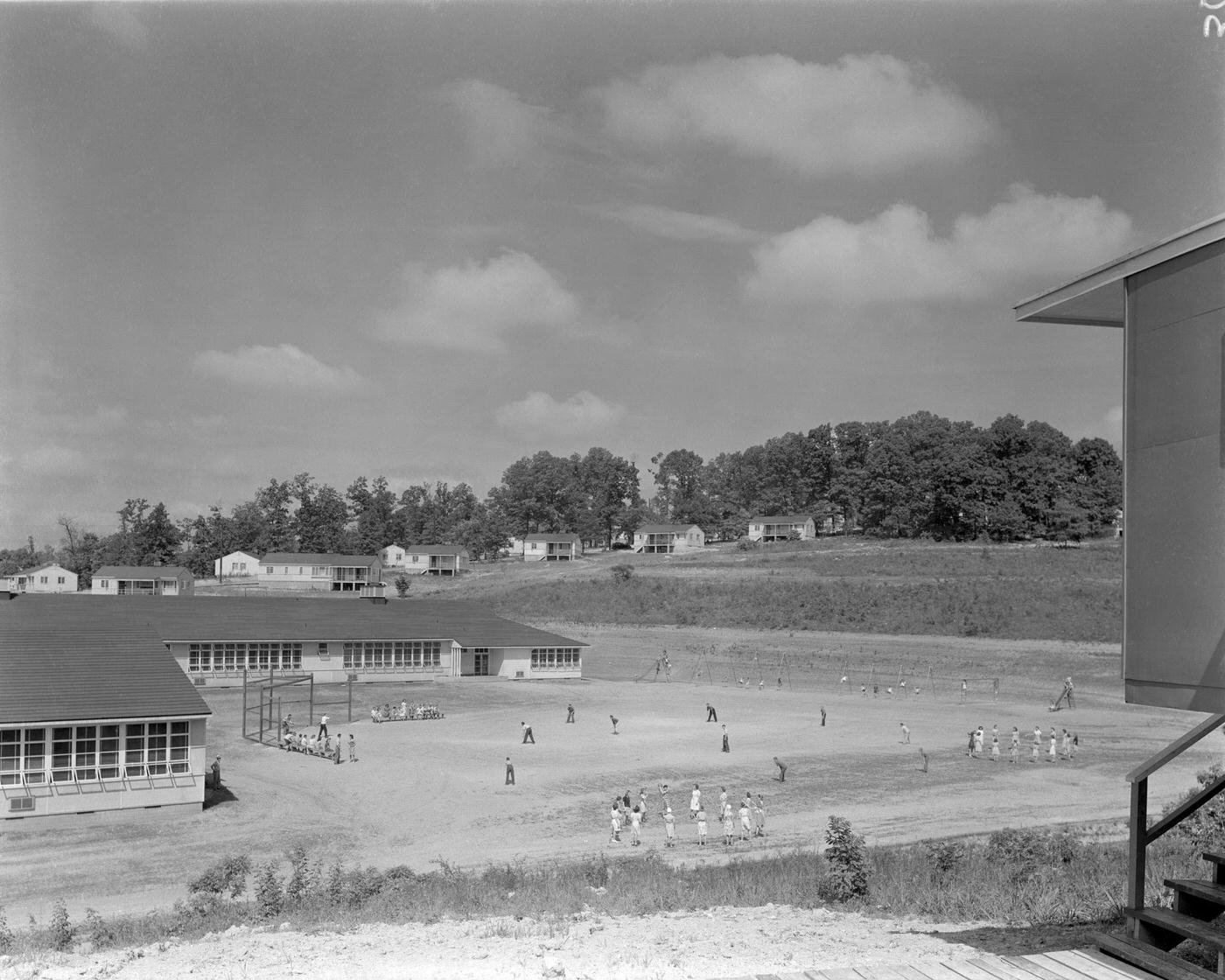
Despite the secrecy, Oak Ridge functioned as a real city. The Army built dormitories, houses, schools, a library, a post office, and a shopping center to keep the workforce housed, fed, and functional. At its wartime peak, more than 75,000 people lived inside the fence. Families settled into prefabricated homes, children attended class, and neighbors formed bonds—all within the boundaries of a classified installation.


The calutron operators at the Y-12 plant were a particularly striking example of the city’s wartime culture. Rows of young women sat at control panels, adjusting dials based on readings they were trained to follow—but never explained. Their supervisors told them only to keep the needles in the correct position. They did their jobs with precision and produced results that helped end the war, without ever being told they were enriching uranium.


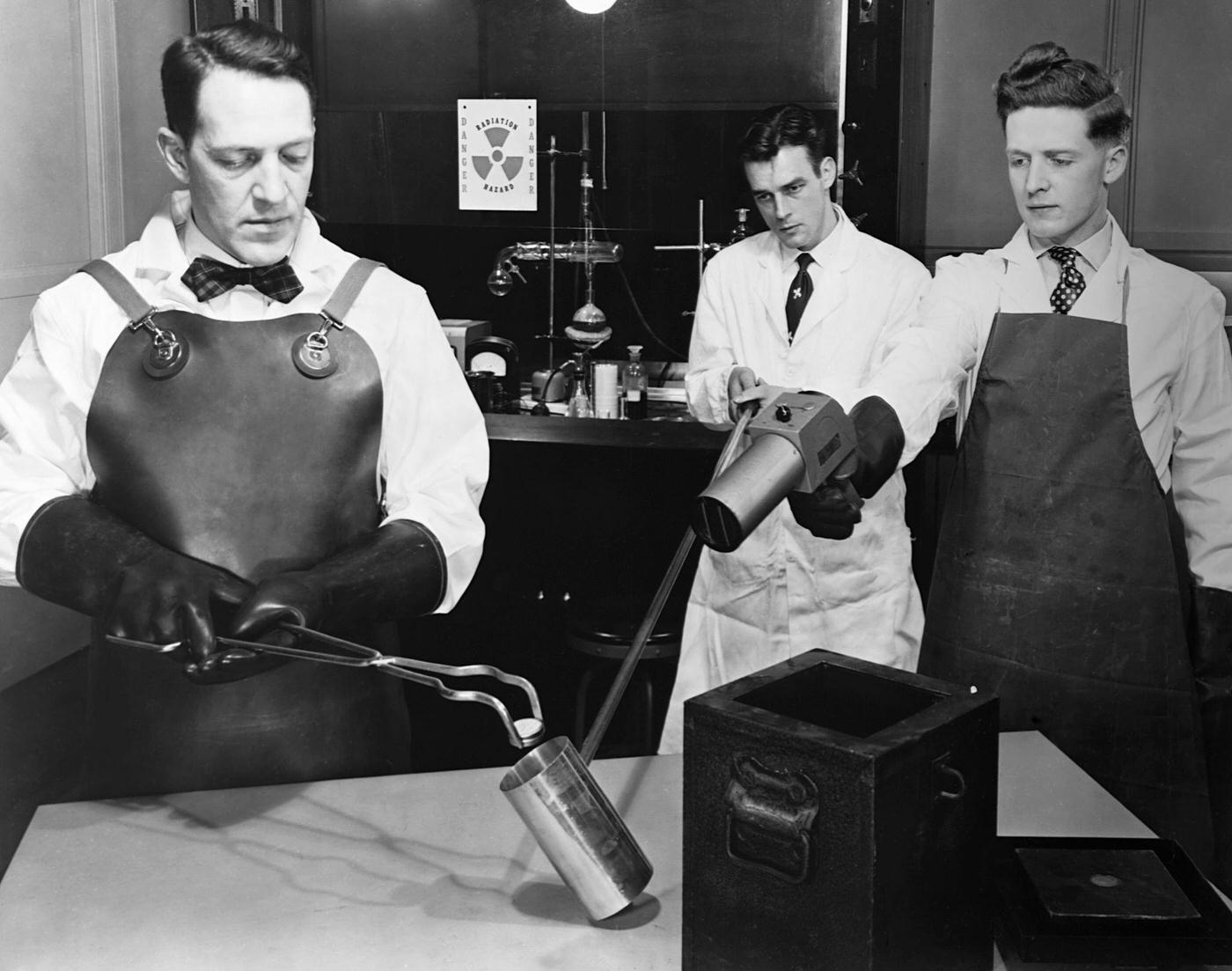
Handling radioactive materials was part of daily operations at Oak Ridge throughout the wartime period and into the postwar decades. Workers used specialized equipment and shielded enclosures to manage uranium, plutonium, and other radioactive substances. Safety protocols existed, but the full long-term health risks of radiation exposure were not yet well understood. Many workers received doses that would later be studied by health researchers for decades.

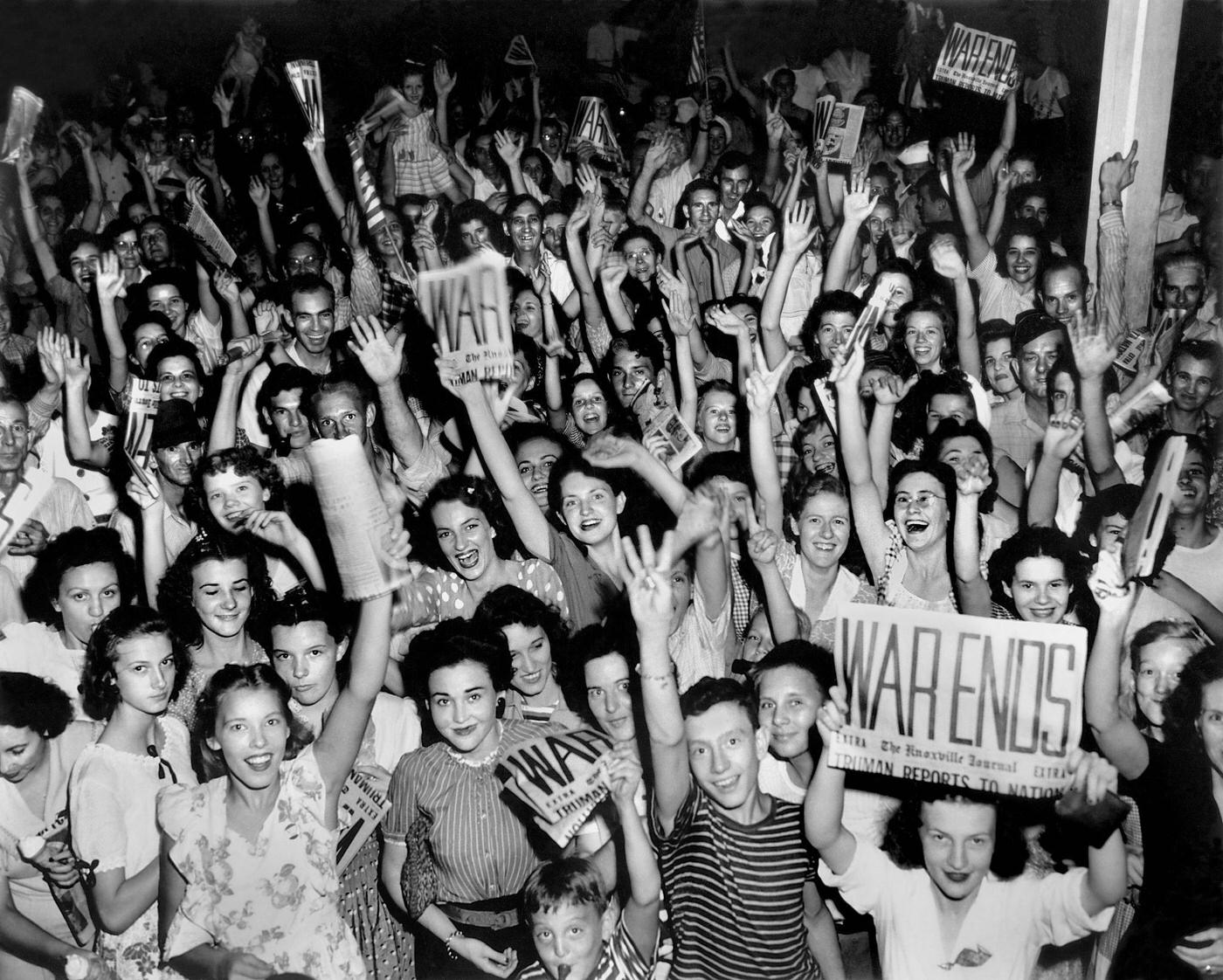
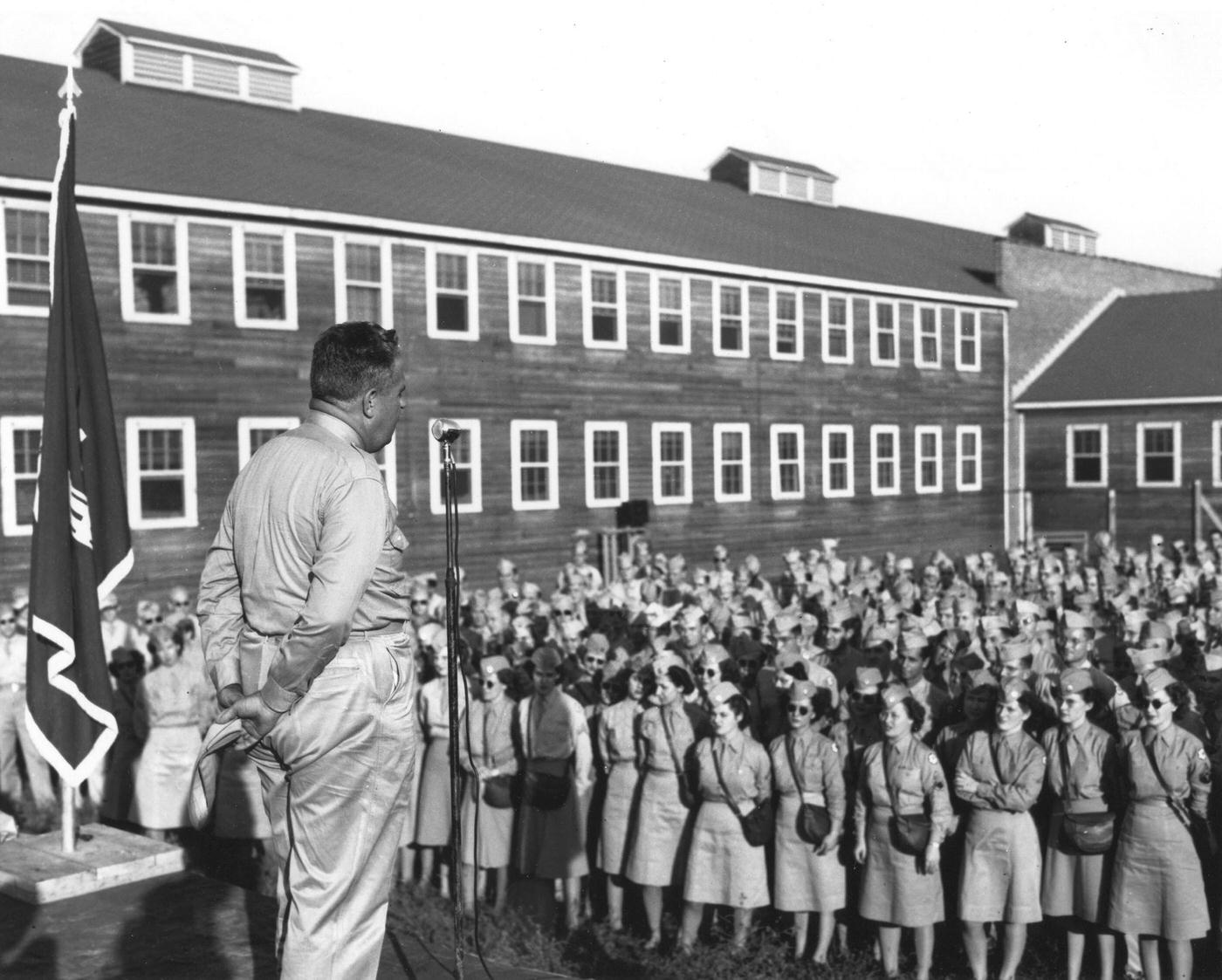
When Japan surrendered in August 1945, Oak Ridge workers celebrated openly—many learning for the first time exactly what they had helped build. General Leslie Groves, who commanded the Manhattan Project, addressed Oak Ridge personnel directly after the news broke. The mood was one of relief and pride, though the weight of what the bombs had done to Hiroshima and Nagasaki was not lost on the scientists who understood the full picture.


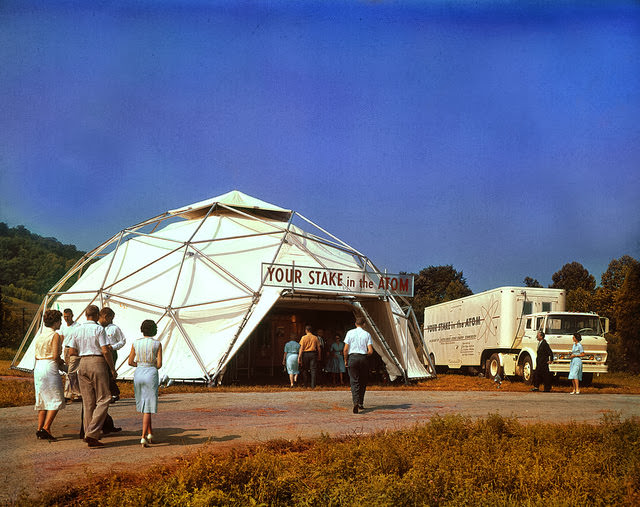
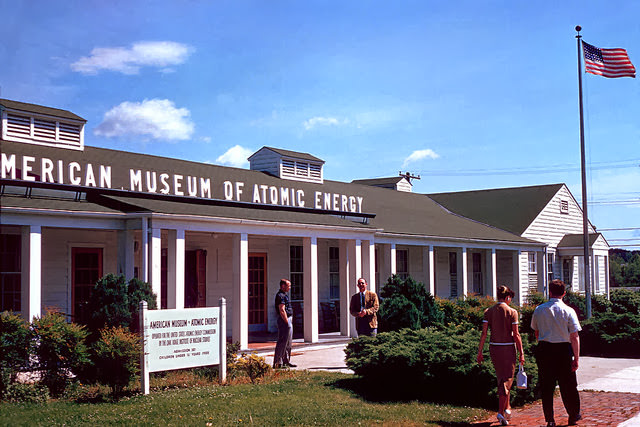
After the war ended, Oak Ridge did not shut down. In 1946, the Atomic Energy Commission (AEC) took over management of the facilities from the Army. The focus shifted from weapons production to nuclear research for civilian use. The Oak Ridge National Laboratory, which grew from the wartime X-10 site, became one of the premier scientific research institutions in the United States. Its work in the 1950s and 1960s spanned nuclear physics, medicine, materials science, and energy research.


By the 1960s, the lab was actively developing nuclear energy for power generation. Researchers at ORNL worked on reactor designs intended to produce electricity safely and efficiently. The Molten Salt Reactor Experiment, conducted at ORNL in the mid-1960s, was one of the most ambitious energy research projects of the decade. It demonstrated that a reactor could operate on liquid fluoride fuel—a concept that drew international scientific attention.

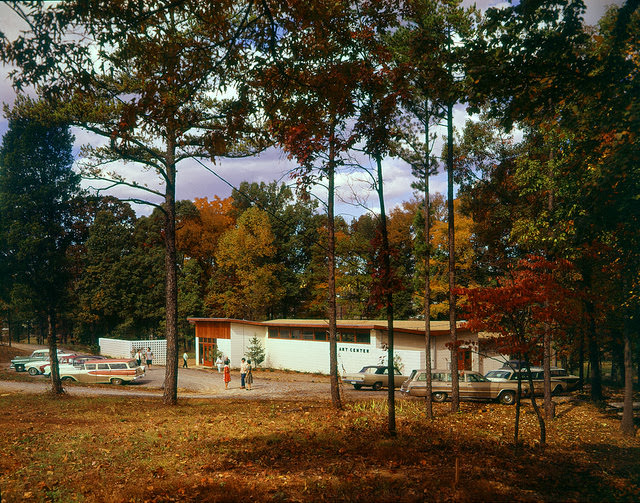
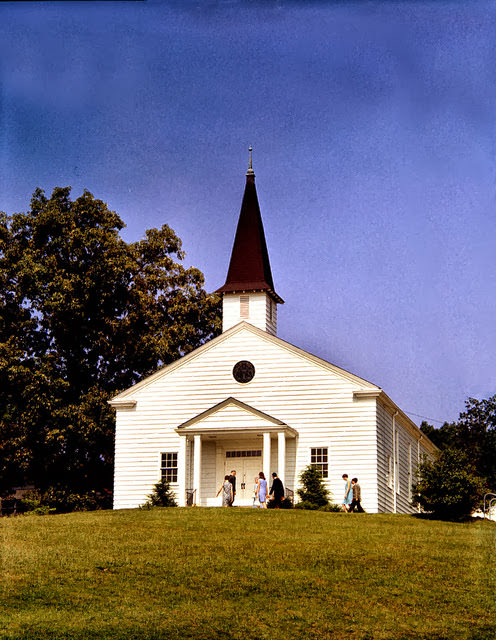
The city itself had opened to the public in 1949, when the gates came down and residents no longer needed passes to enter or leave. That change began a gradual shift in how Oak Ridge thought of itself. Through the 1950s and into the 1960s, the community built up institutions that had nothing to do with nuclear research—churches, civic organizations, cultural venues, and schools that rivaled those in much larger cities.


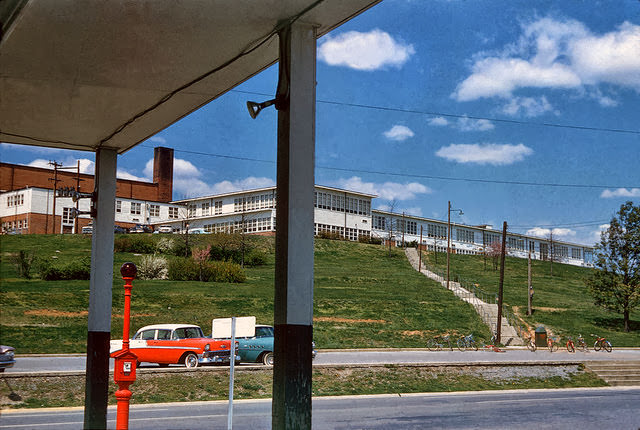
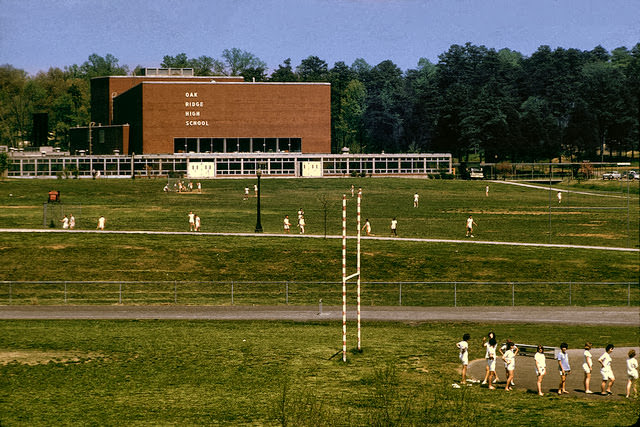
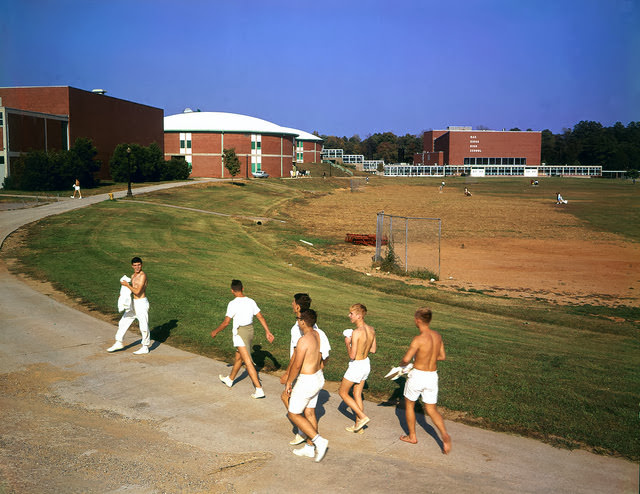
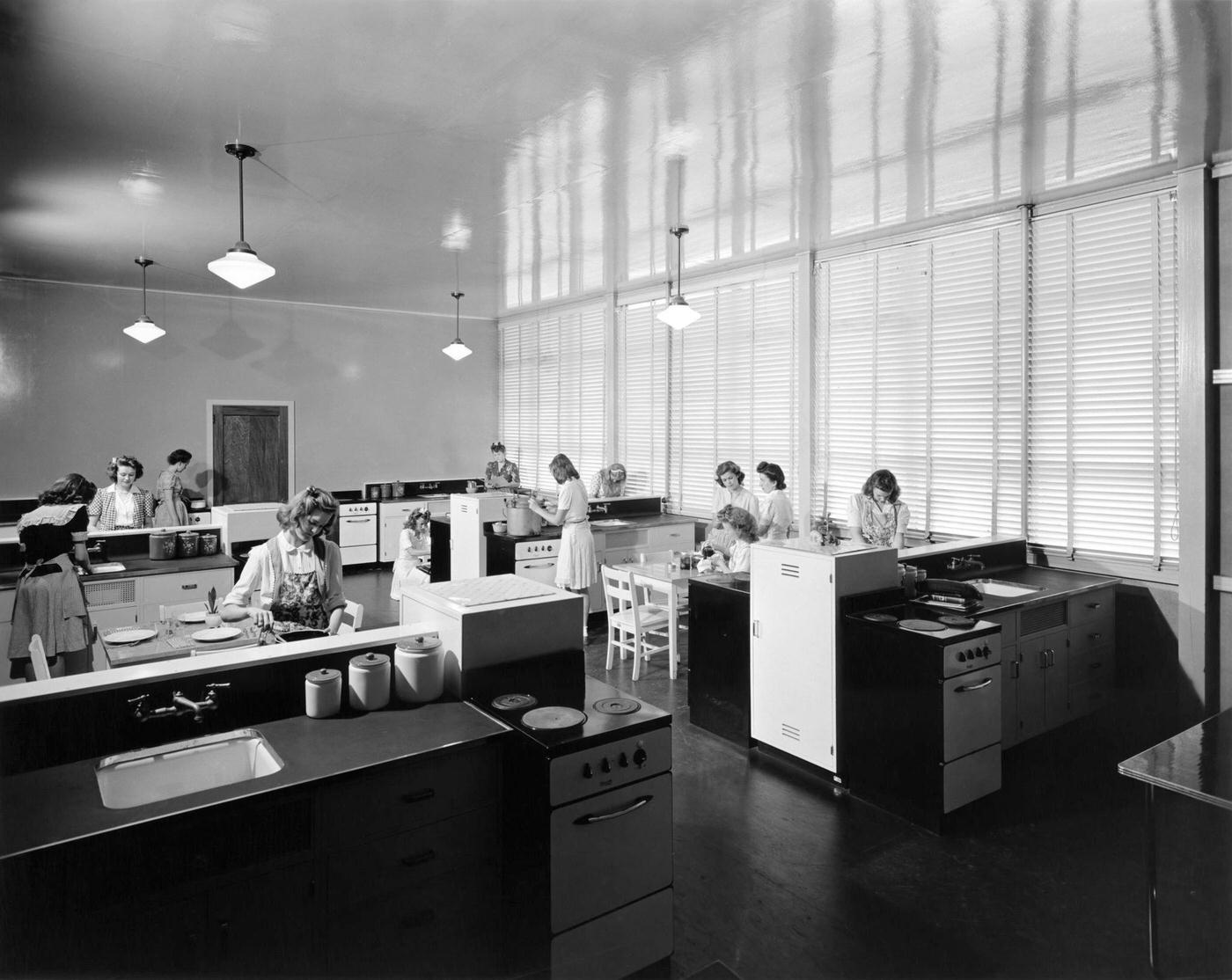
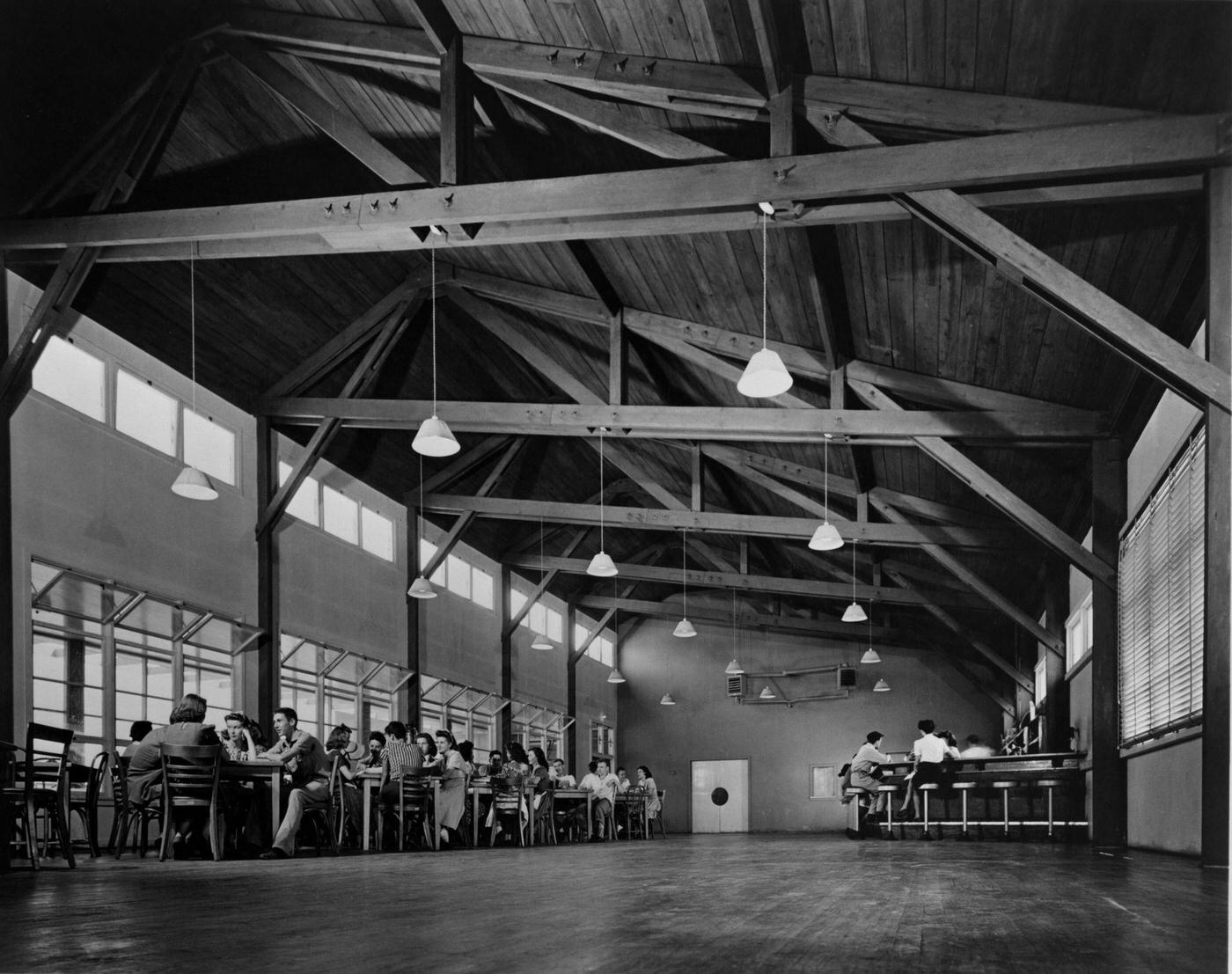
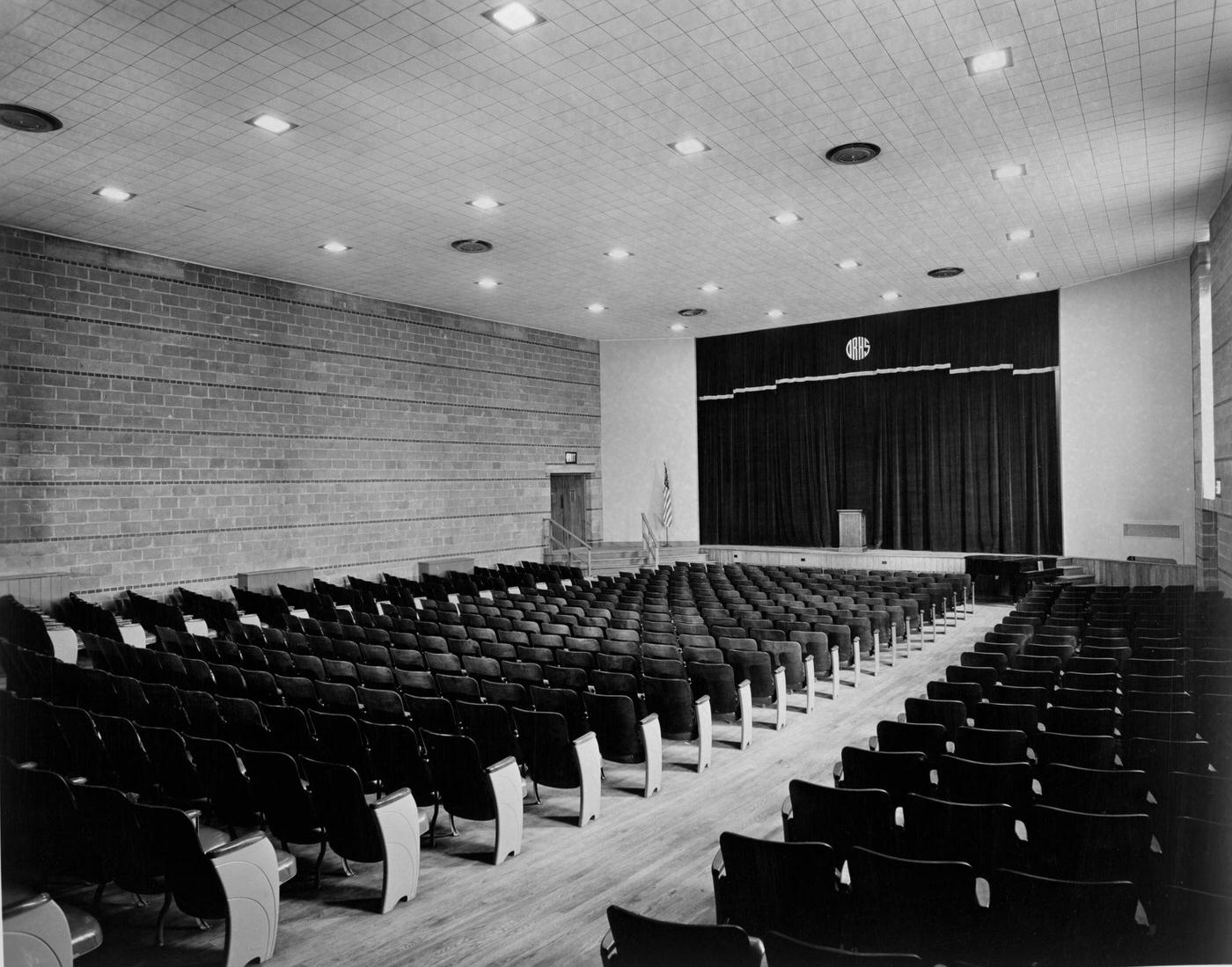
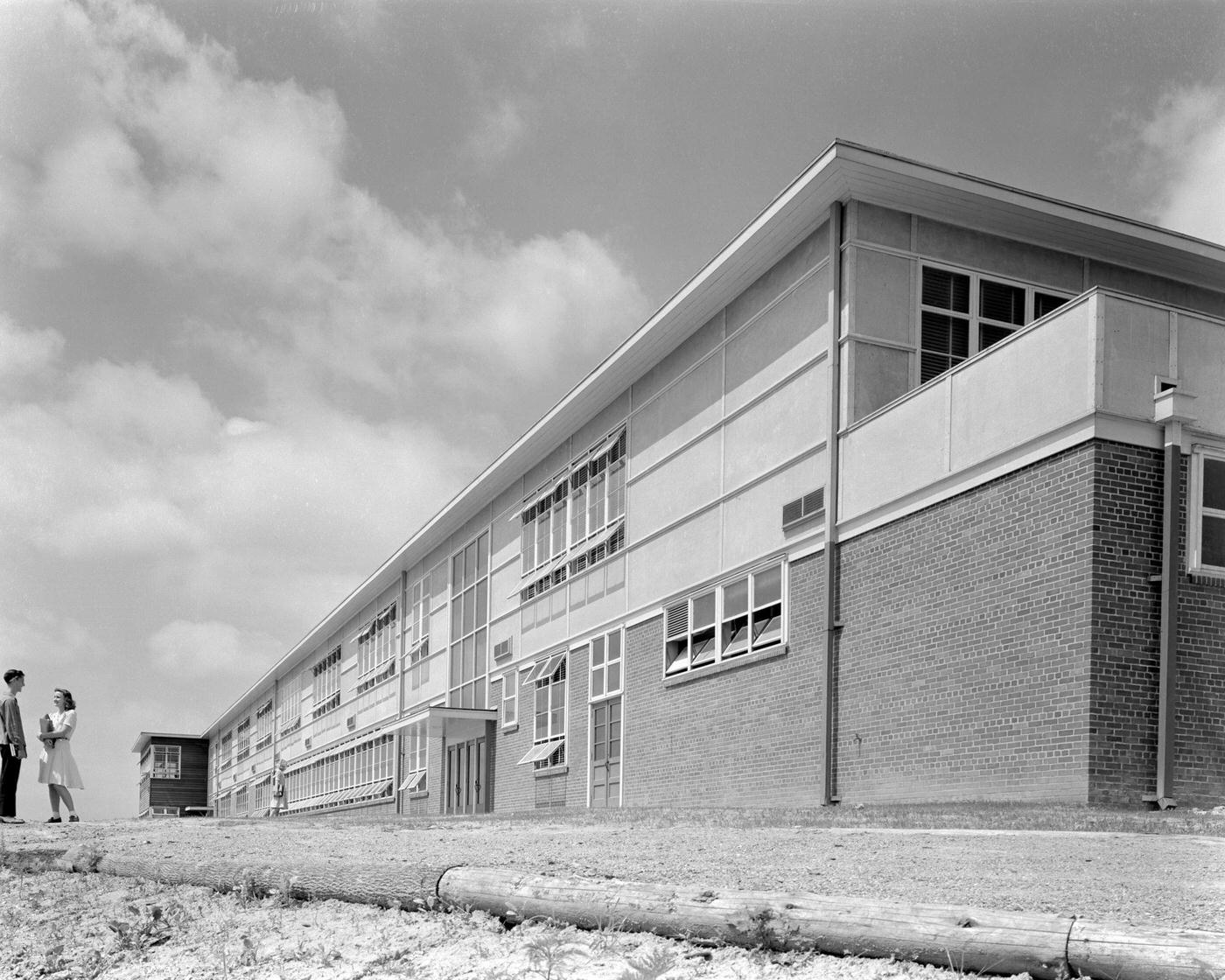
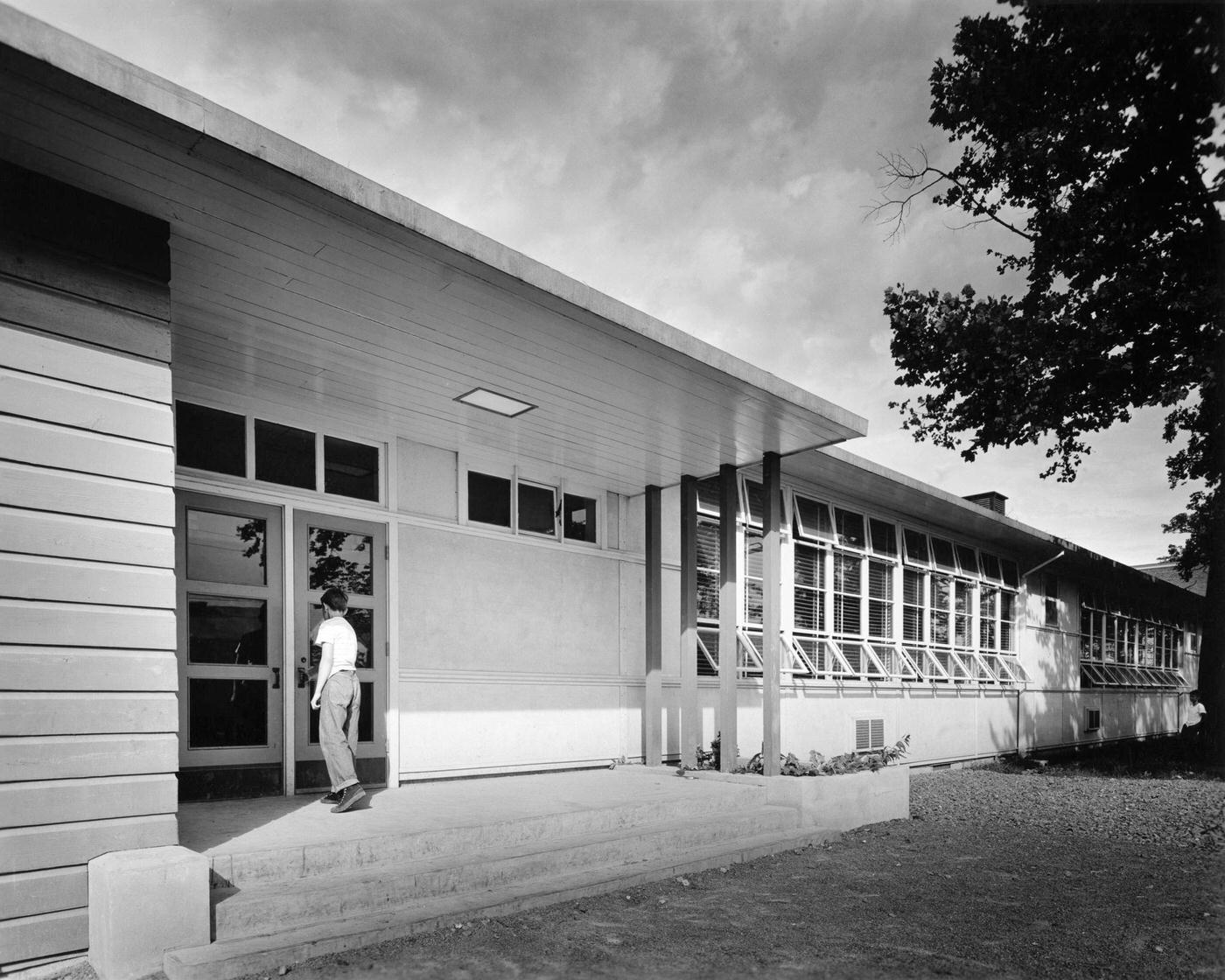
Education had always been a priority in Oak Ridge, even during the war years. The Army built schools quickly to serve the children of workers, and those schools maintained high standards from the start. By the 1960s, Oak Ridge High School consistently ranked among the top academic institutions in Tennessee. The school board also took up the question of desegregation during this decade, beginning the process of integrating Oak Ridge’s schools in line with federal law and the broader civil rights movement reshaping the South.


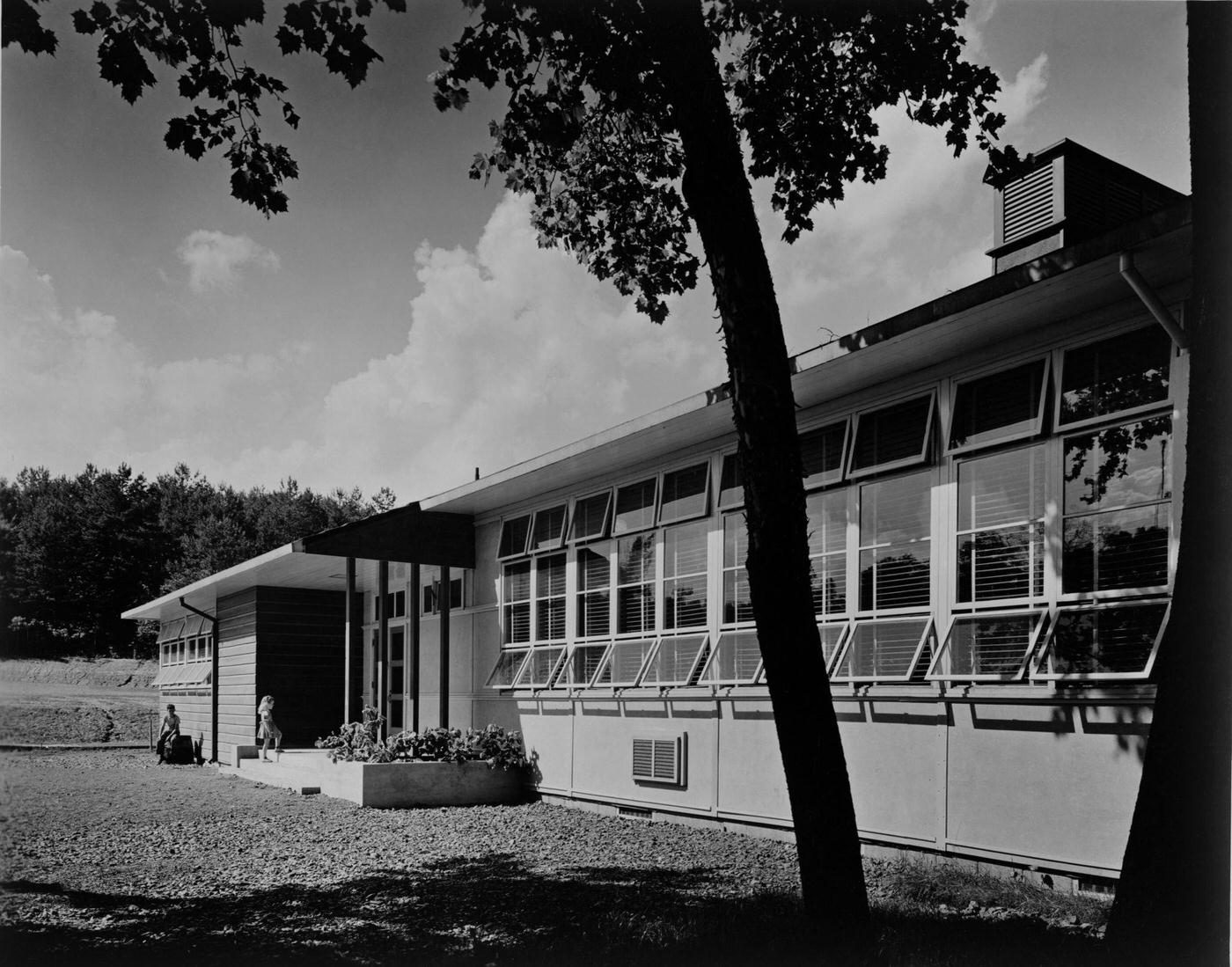
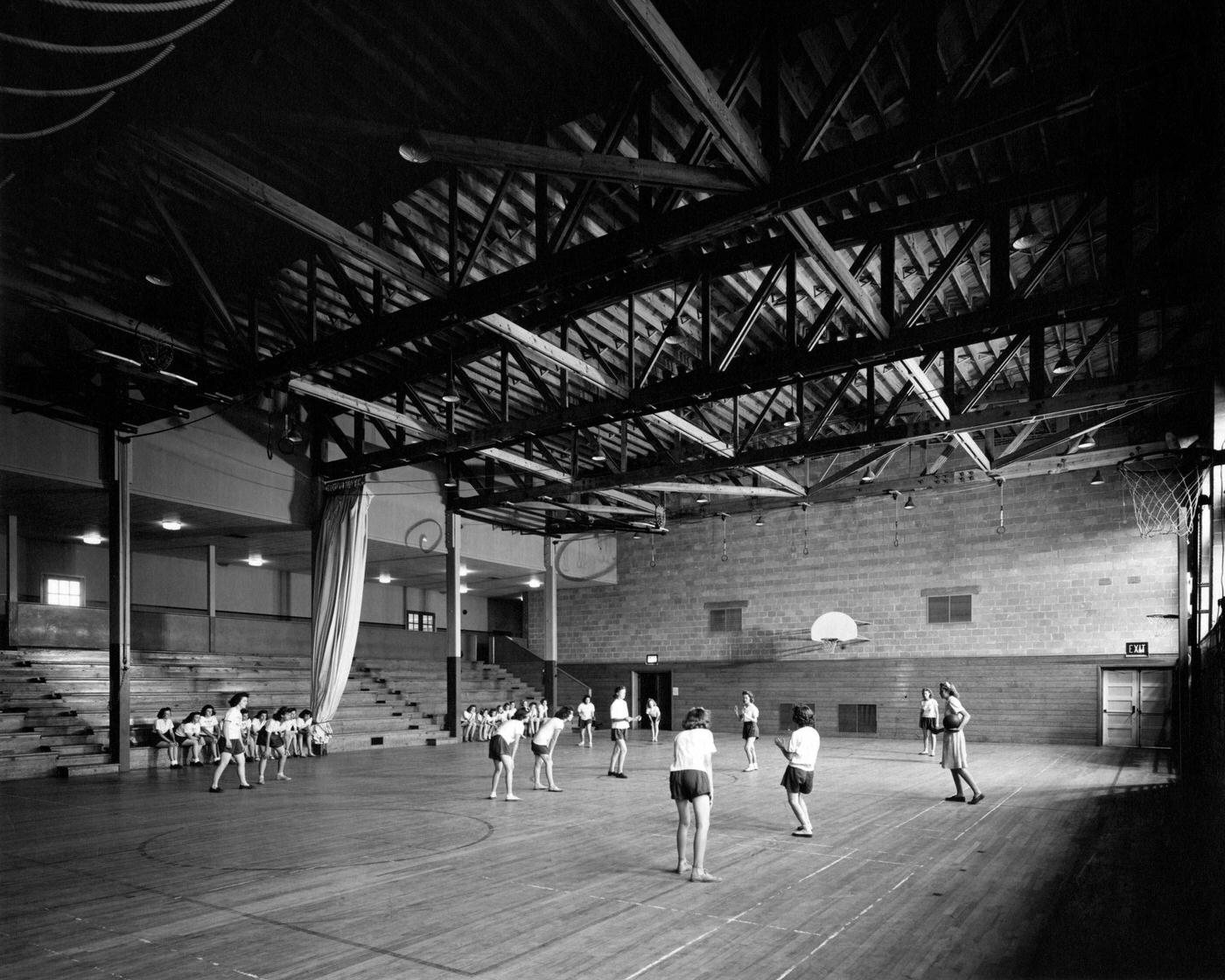
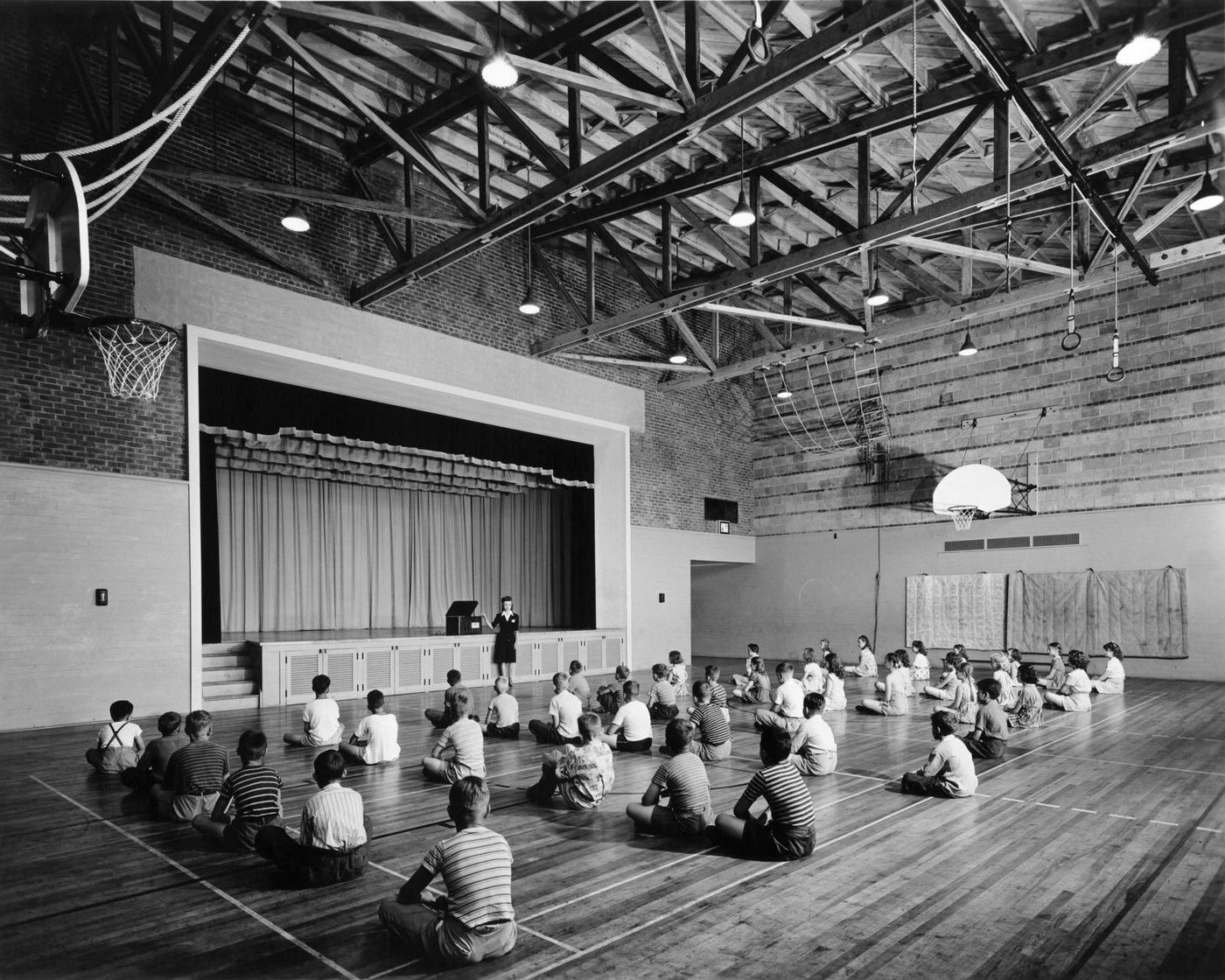
Younger students attended the city’s grade schools, which offered full programs including gymnasiums, cafeterias, and organized sports. Girls’ basketball was part of the school program as early as the wartime period, reflecting the unusual degree of organization the Army applied to building Oak Ridge’s civilian infrastructure. The schools were overcrowded during the war but expanded steadily in the postwar years.


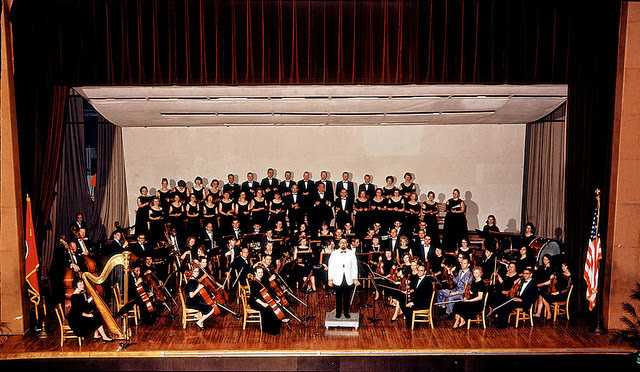
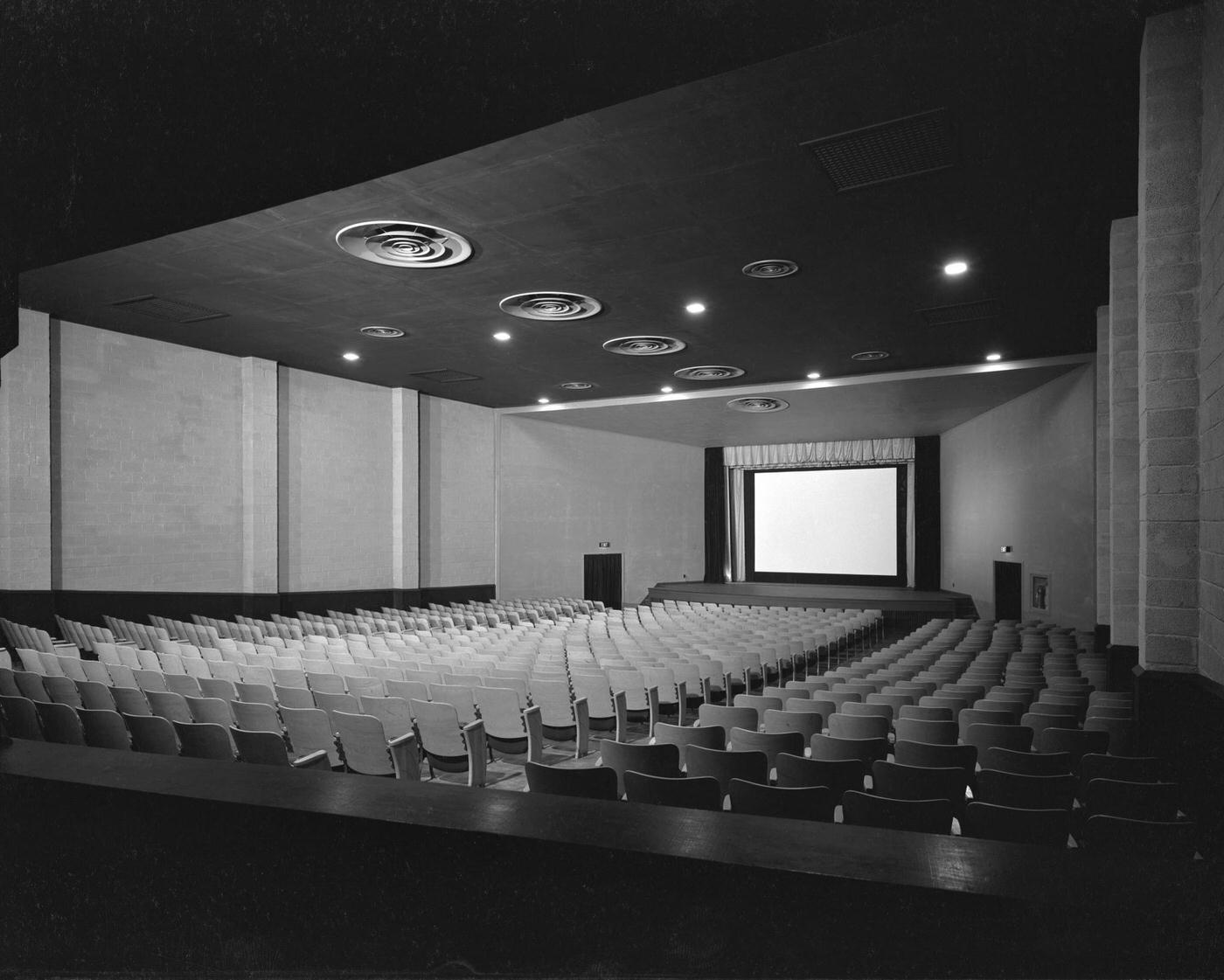
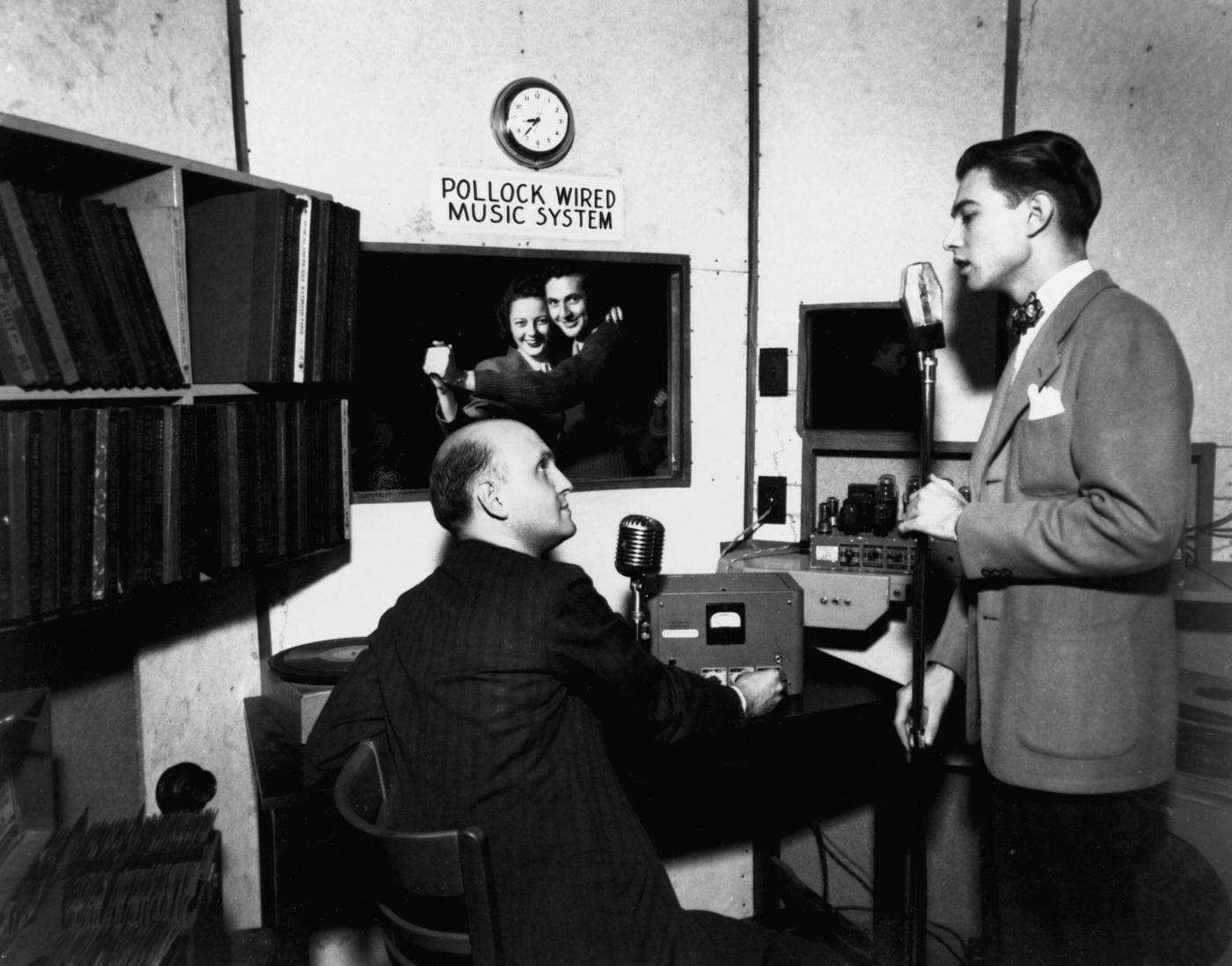
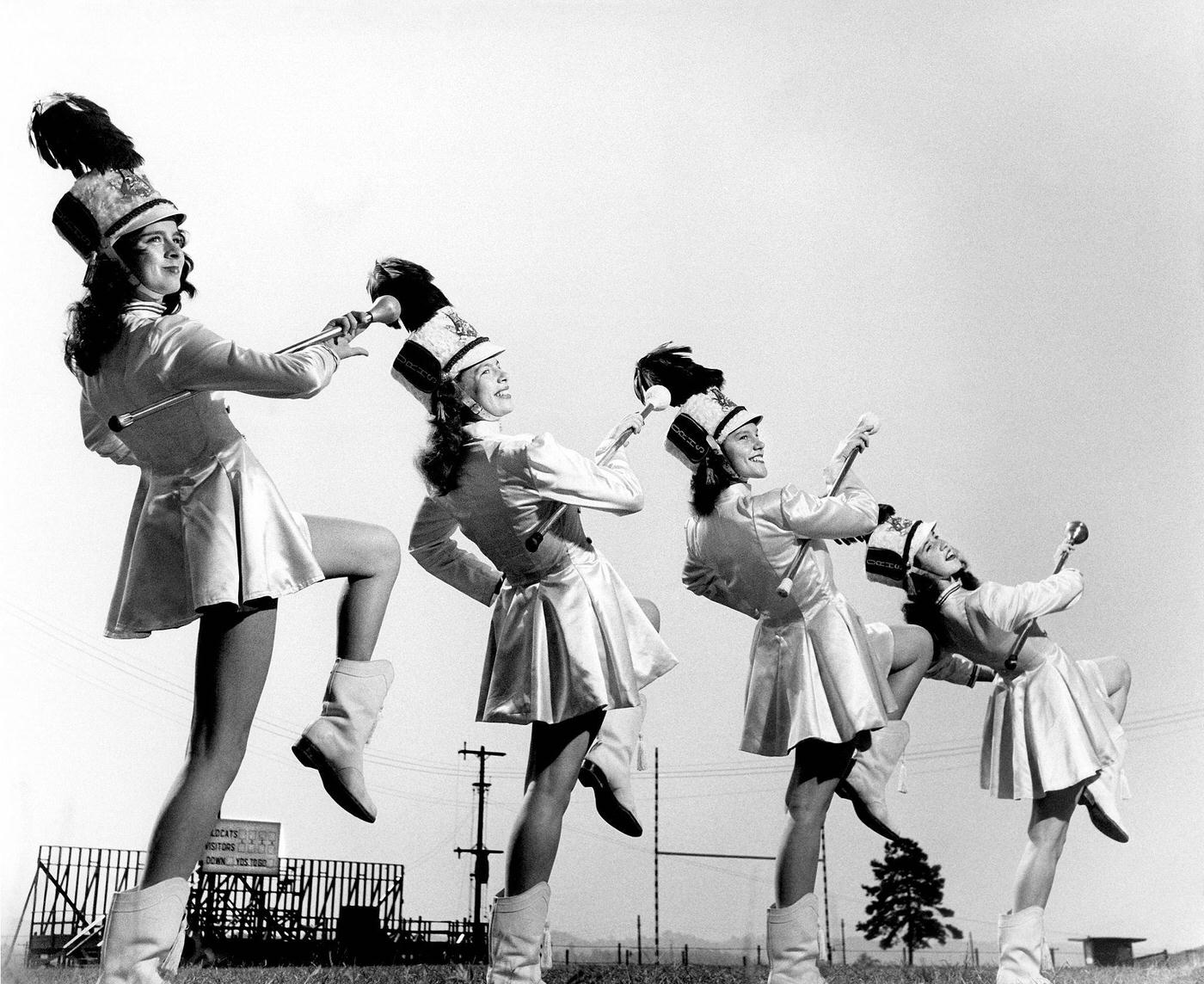
Cultural life in Oak Ridge developed faster than most new cities. The Oak Ridge Community Playhouse, founded in 1943, gave residents a theater almost as soon as the city existed. By the 1960s, it was a well-established institution offering full theatrical seasons. The Ridge Theatre gave residents a place to watch films. A radio broadcasting studio operated at the national laboratory, and music programs thrived in the schools. The city’s drum majorettes became a point of local pride at public events.


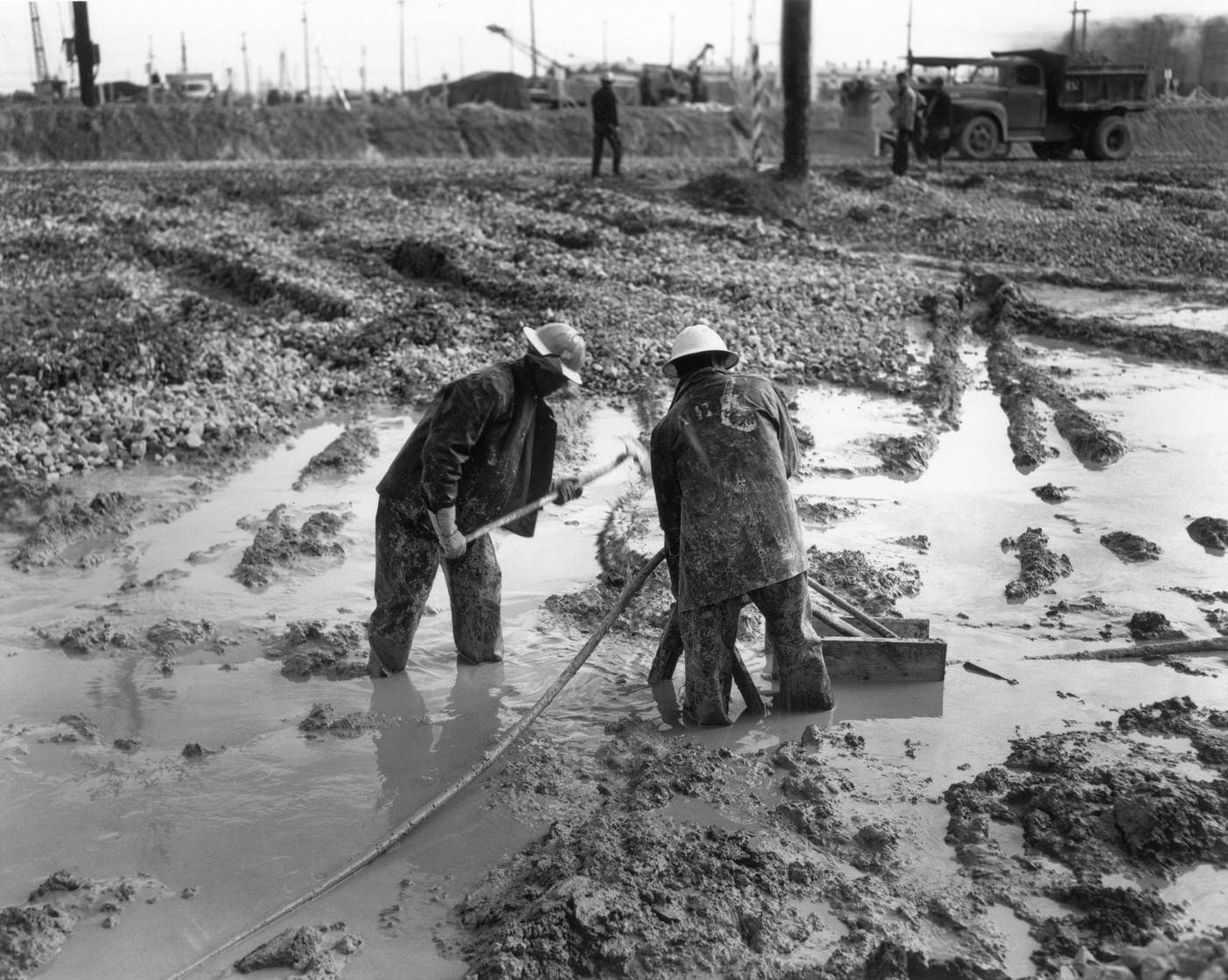
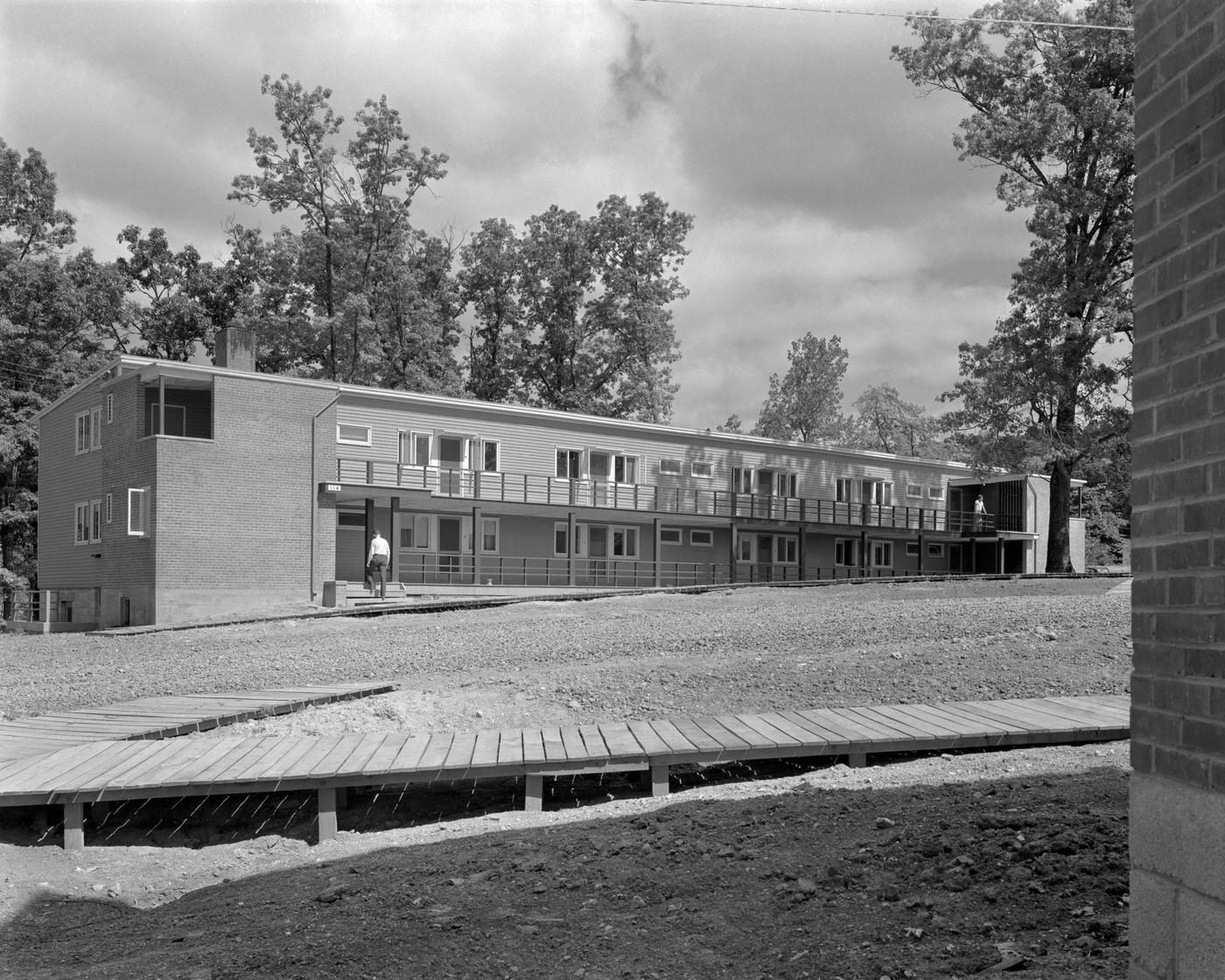
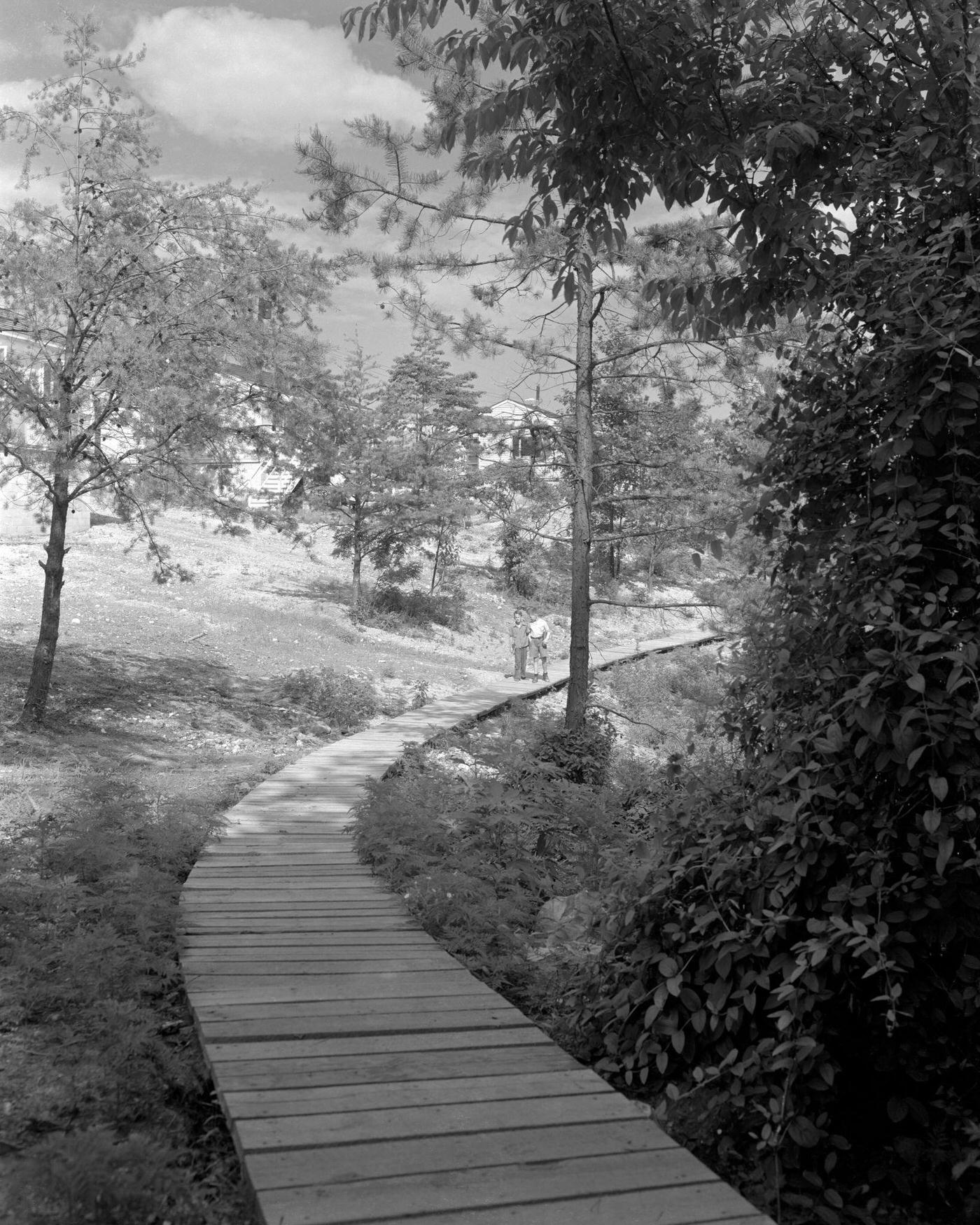
The physical landscape of Oak Ridge also changed significantly through the postwar decades. Road construction, which had been frantic during the wartime build-up, continued at a steady pace as the city formalized its street grid and expanded its residential neighborhoods. The wooden boardwalks that had served as sidewalks in the muddy wartime city were eventually replaced by permanent paved infrastructure.

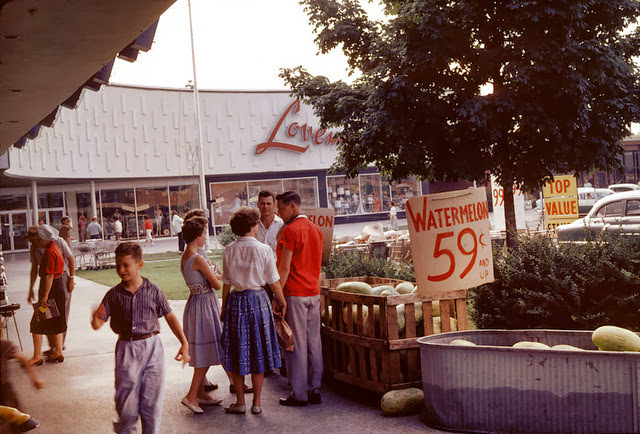
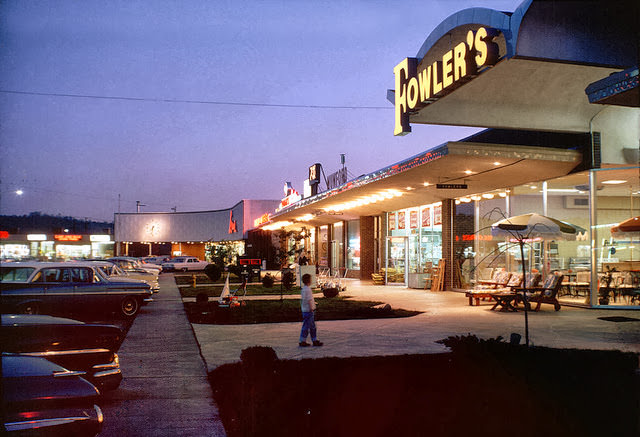
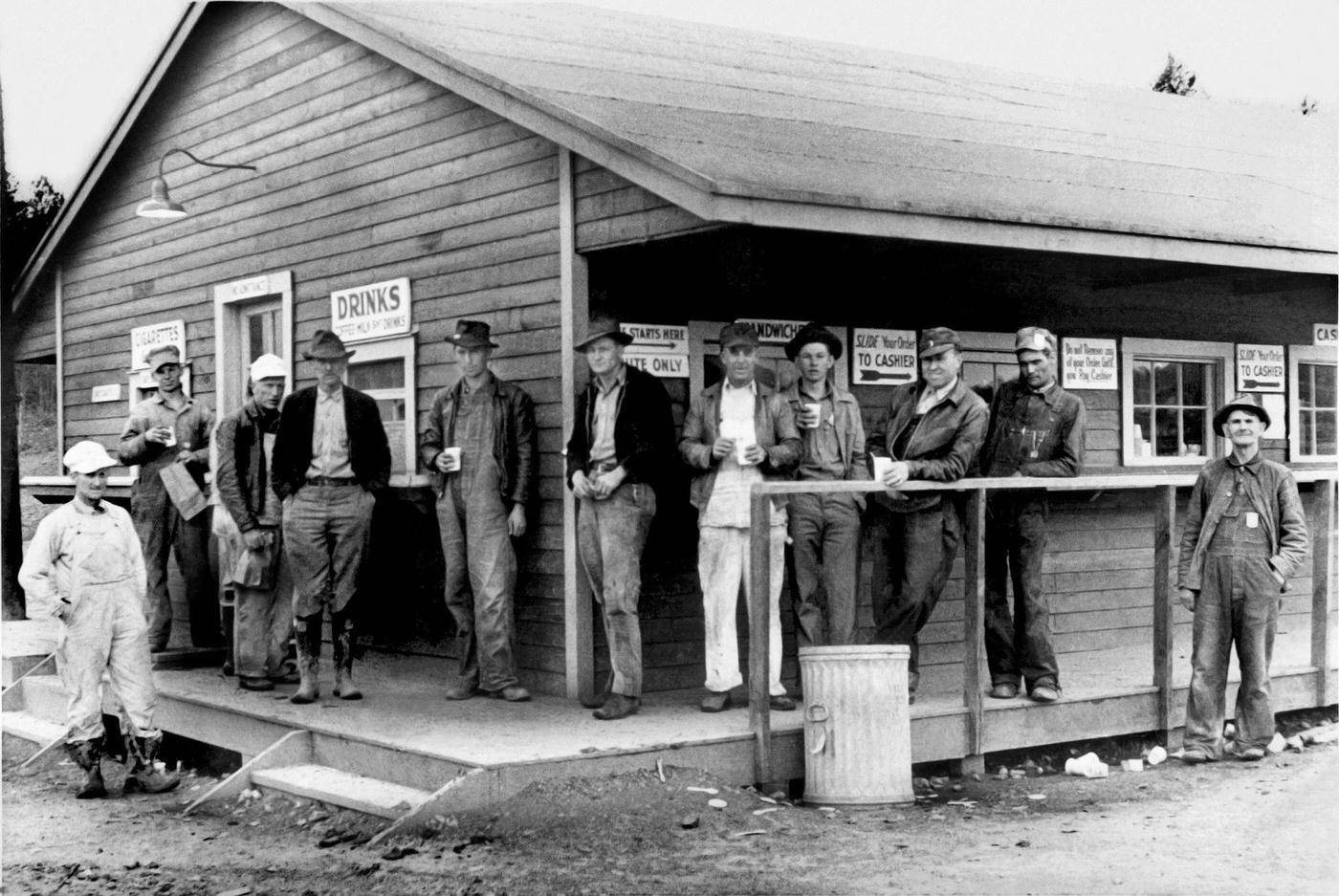
By the early 1960s, Oak Ridge had a shopping mall, a growing commercial district, and residential neighborhoods that looked like those in any prosperous American suburb. Workers on break gathered at local stores and diners. The shift change at the Y-12 plant was a daily rhythm the whole city felt. Thousands of workers streamed through the gates at the end of each shift, filling the streets and businesses before heading home.


Environmental concerns became harder to ignore as the 1960s progressed. Oak Ridge’s nuclear facilities had produced radioactive waste since the 1940s, and by the 1960s, researchers and regulators were beginning to take the long-term disposal problem seriously. The national laboratory invested in cleaner research methods and began studying how to better contain waste. These efforts were early steps in what would become a much longer and more difficult cleanup process in later decades.


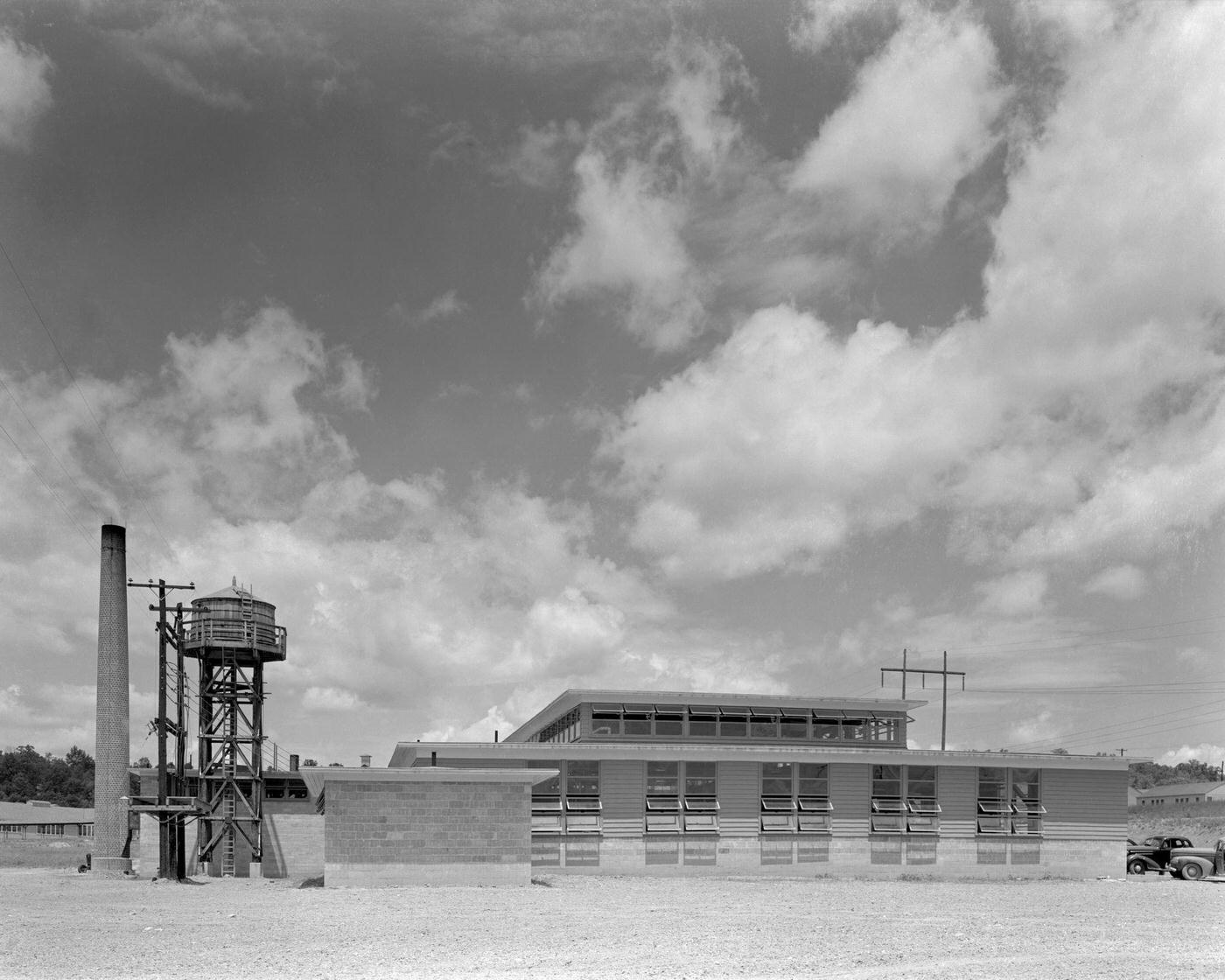
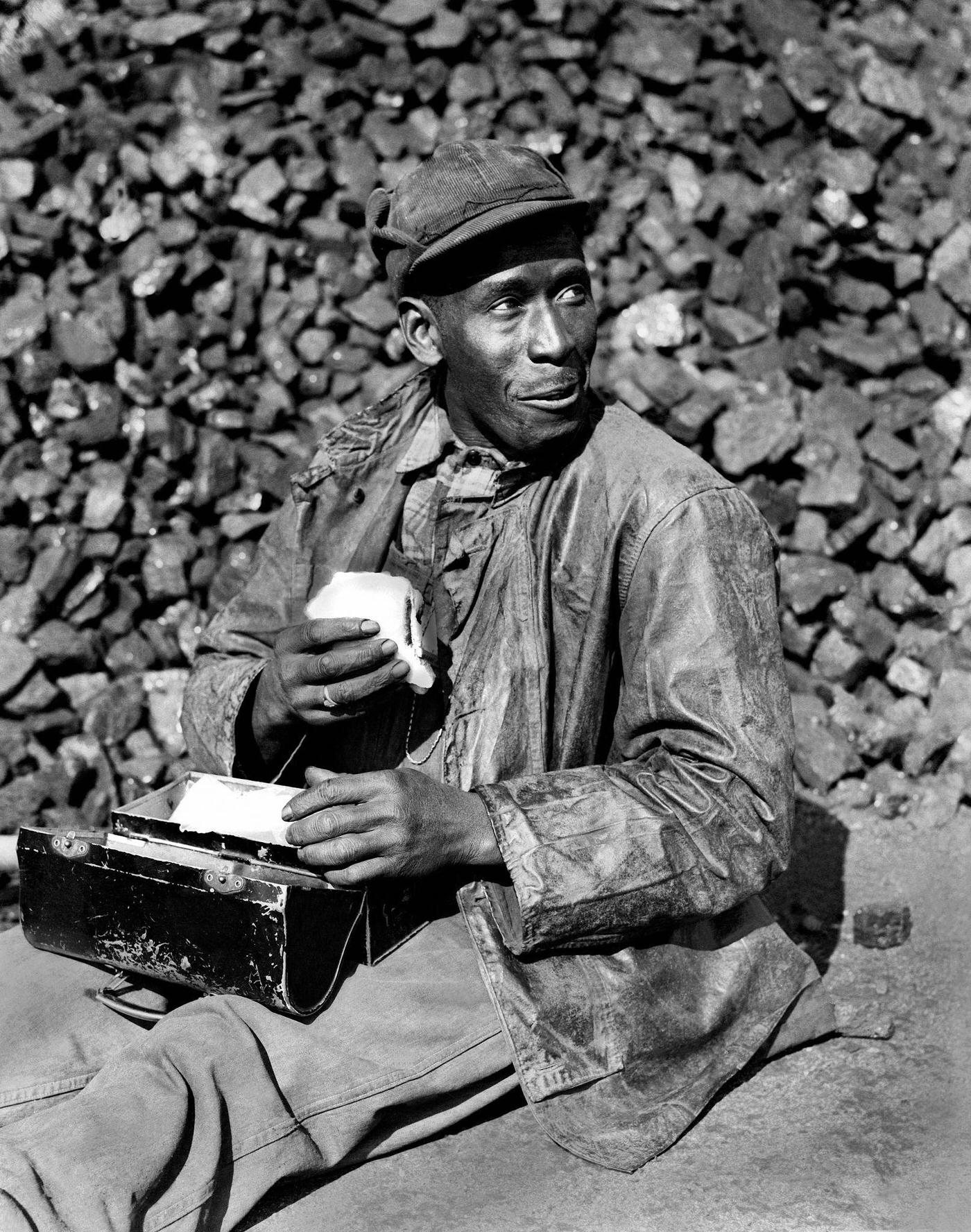
The coal yard at Oak Ridge was a reminder that not all of the city’s energy came from nuclear sources. Conventional coal-fired boilers provided steam and heating for many of the city’s buildings, and coal workers were a visible part of the facility’s workforce throughout this period. The coexistence of coal and nuclear operations at the same site reflected the practical realities of running a massive industrial city.

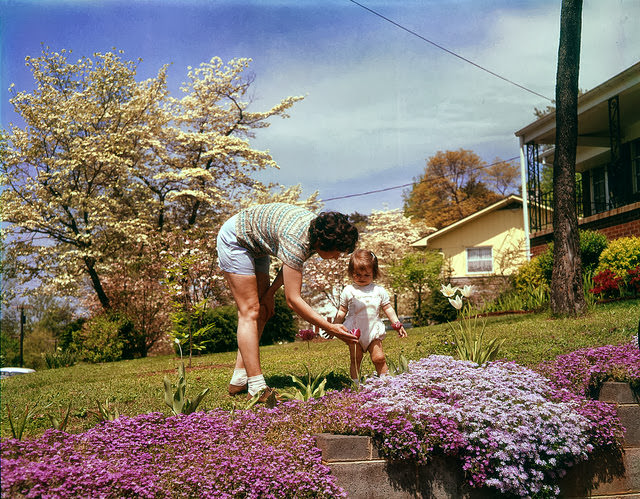
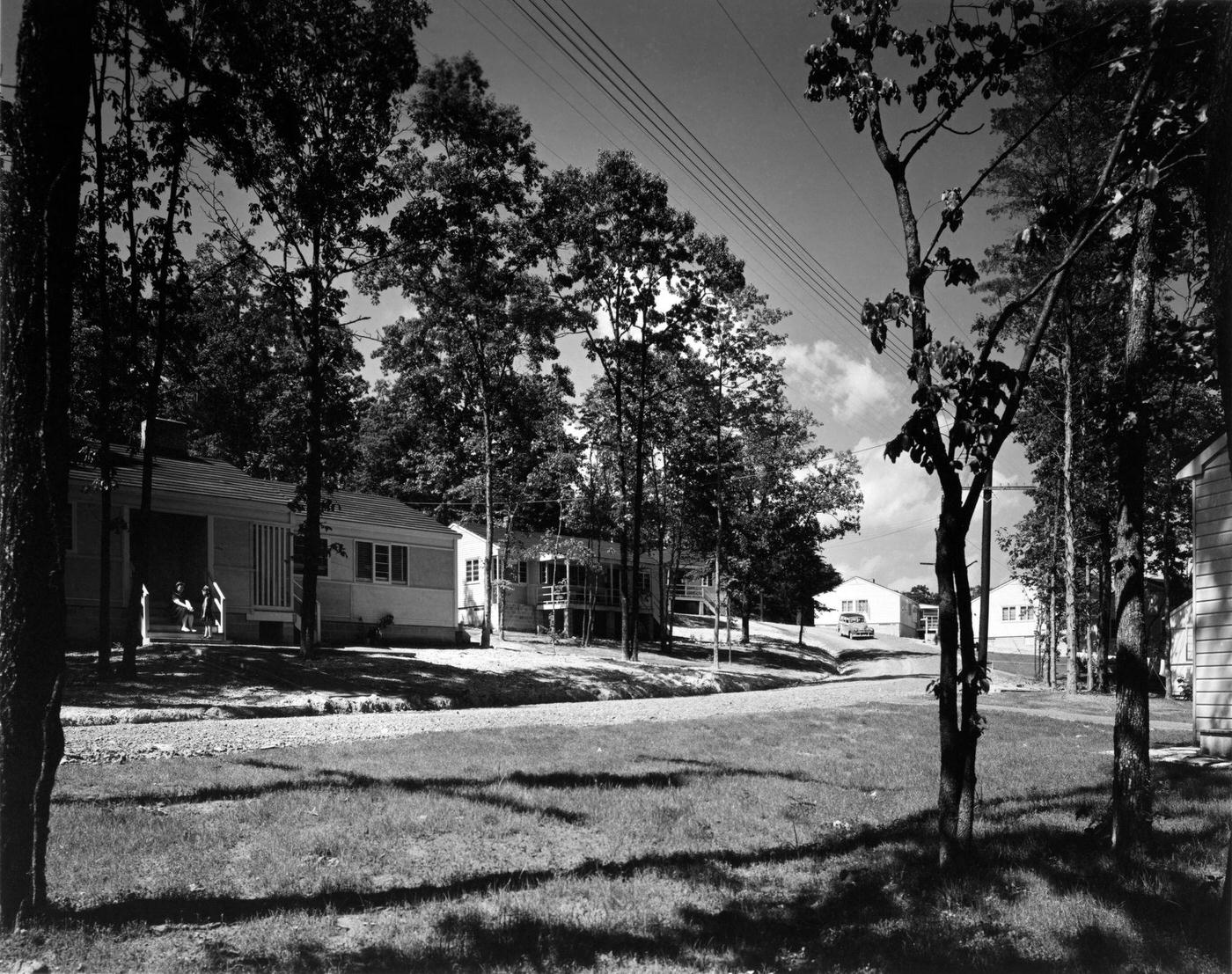
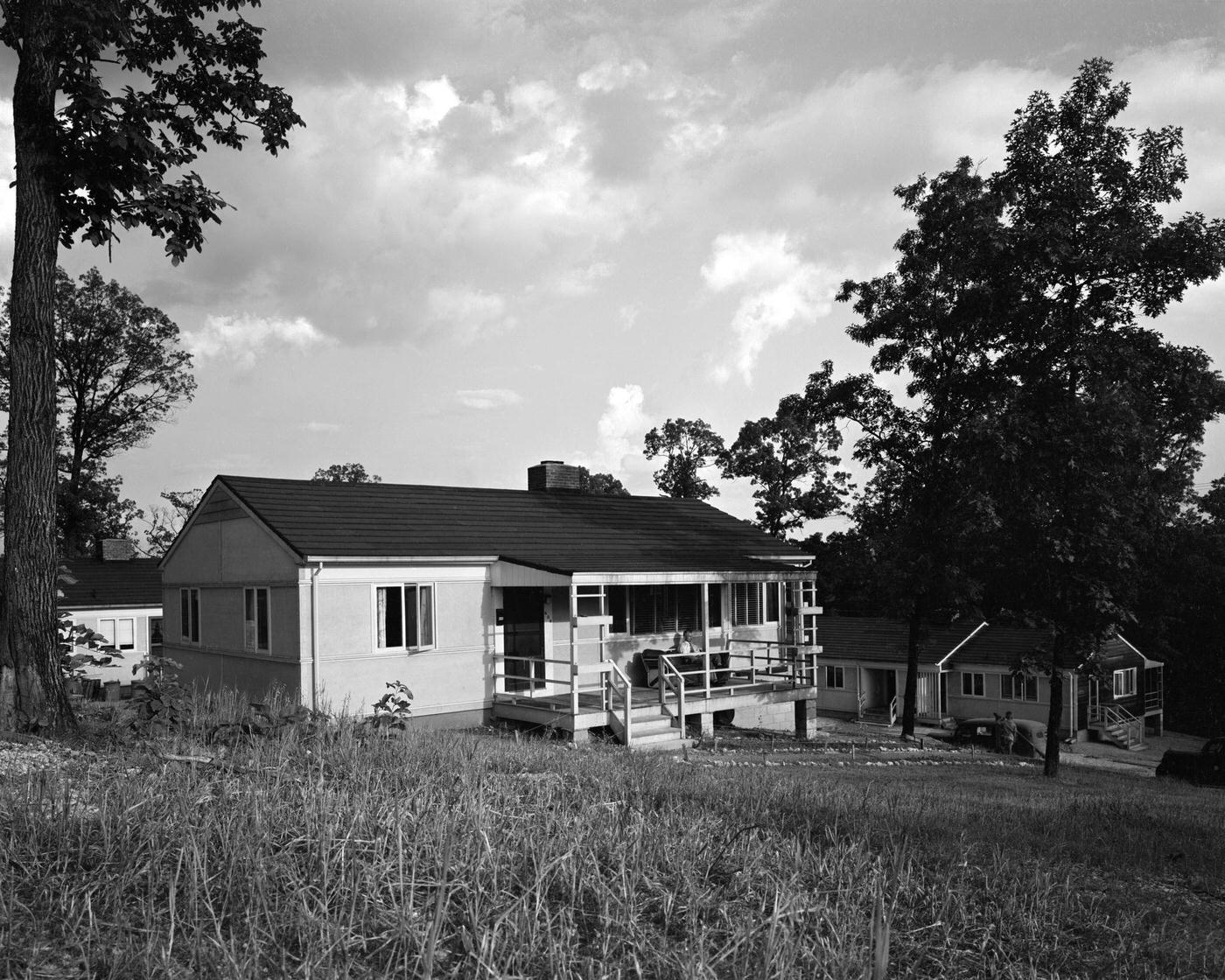
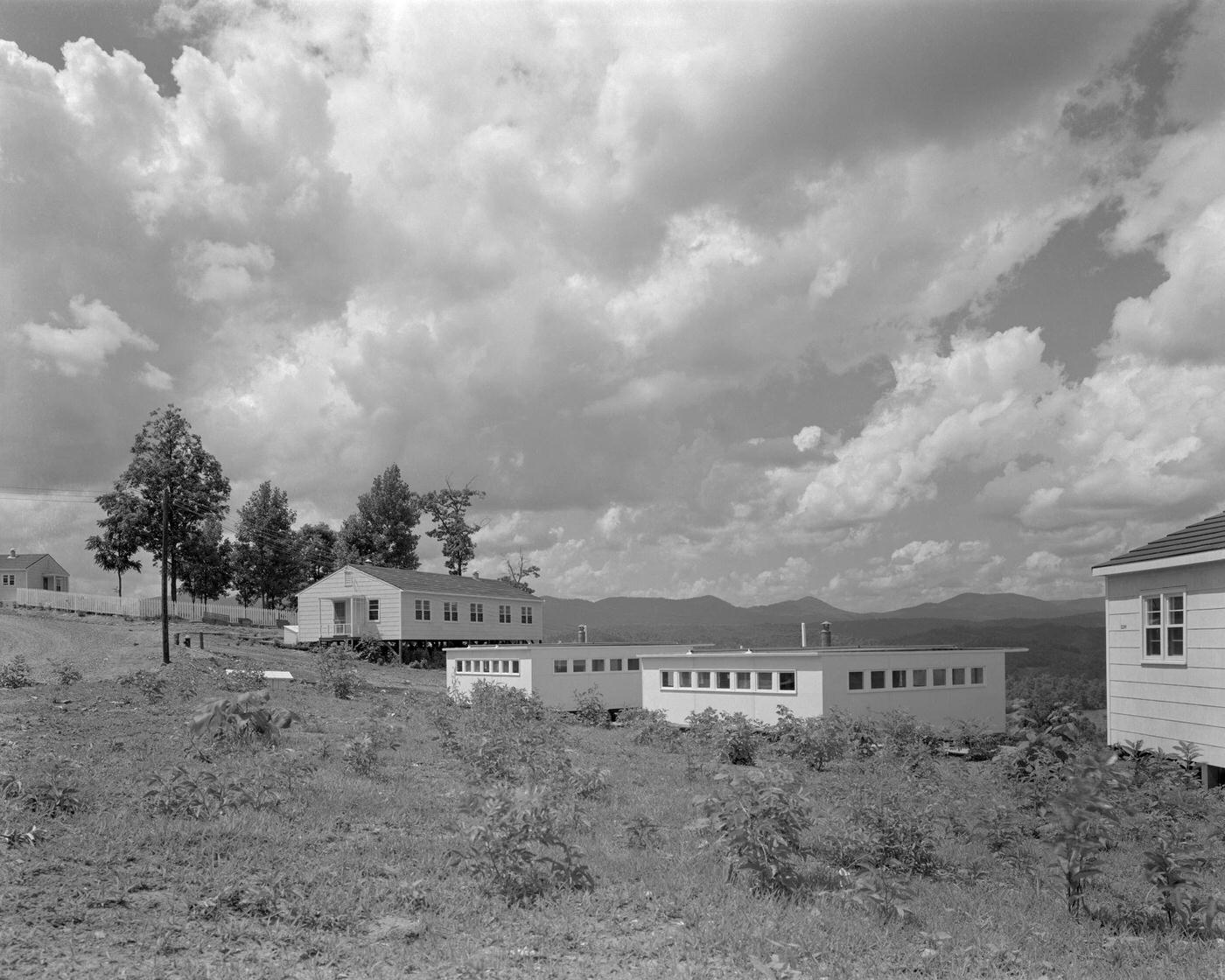
Housing in Oak Ridge remained a mix of wartime prefabricated structures and newer postwar construction throughout the 1960s. Many of the original cemesto houses—panels of cement and asbestos board built by the Army—were still in use. Residents personalized them as much as they could, planting gardens and adding porches. The city’s residential character was tidy and modest, shaped by its origins as a planned government installation.


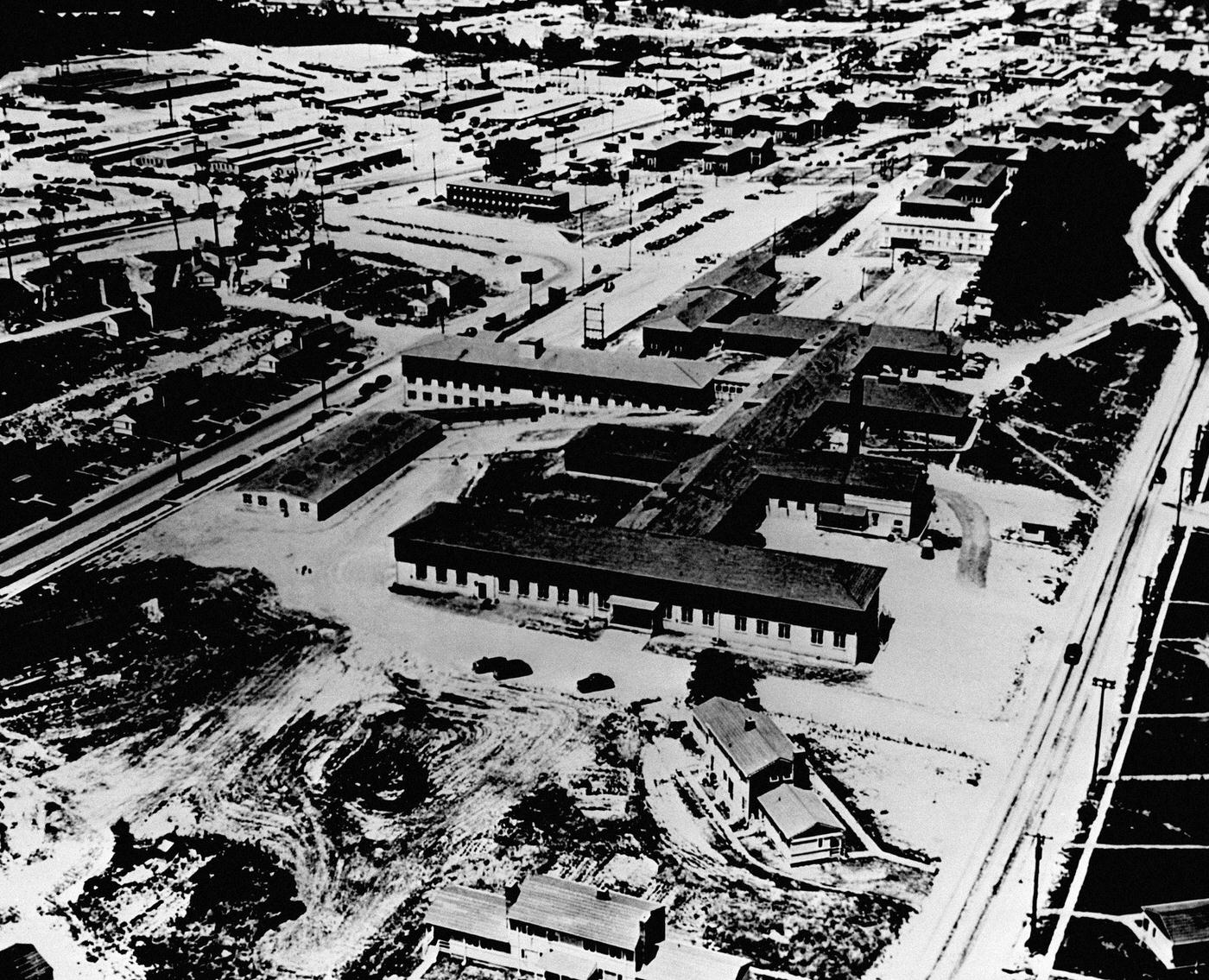
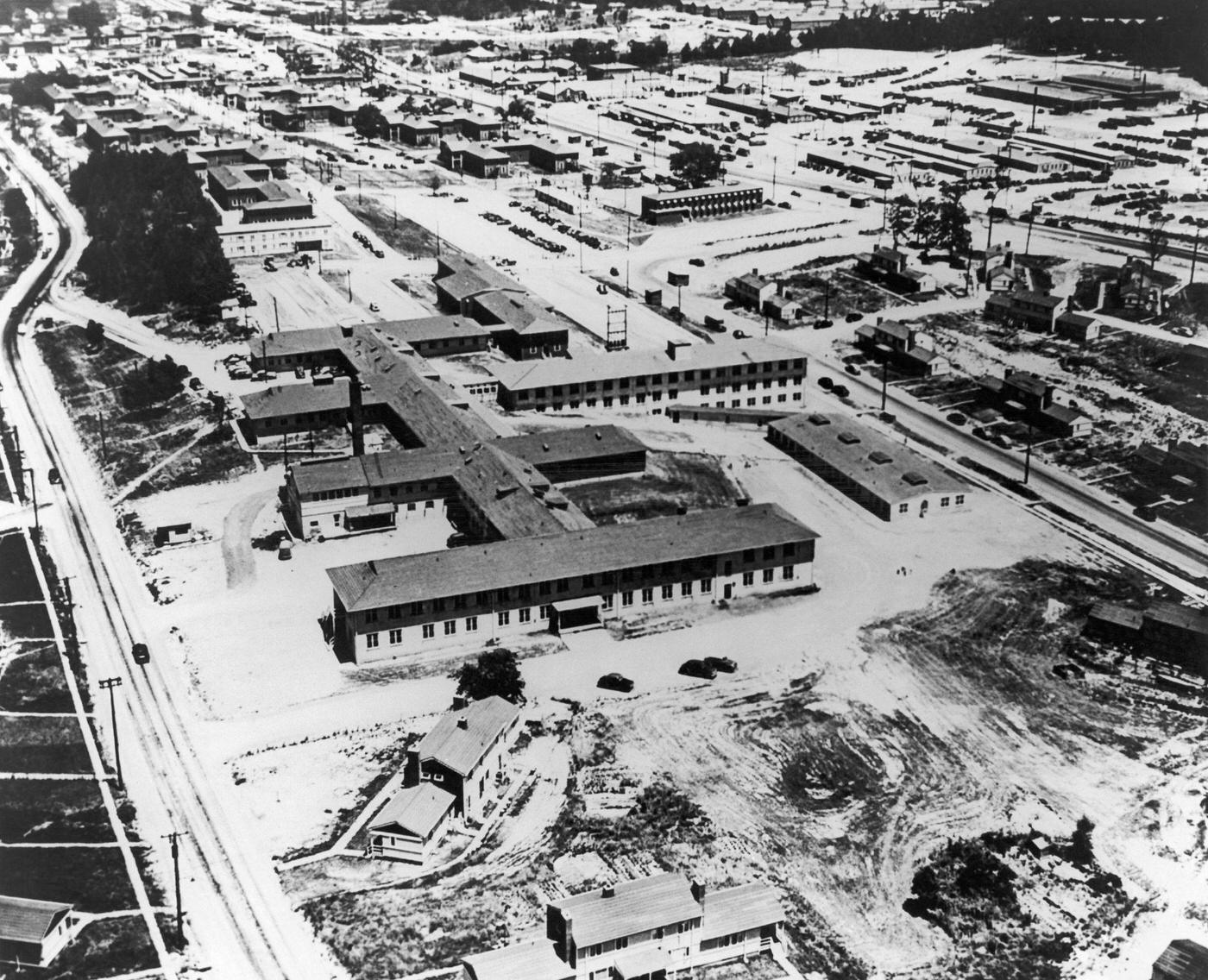
The administrative infrastructure of Oak Ridge—office buildings, technical facilities, and support structures—had expanded steadily since the wartime construction blitz. The Manhattan Project’s original administrative buildings remained in use well into the postwar era, repurposed for AEC and laboratory operations. New construction during the 1950s and 1960s added modern office and research buildings that gave the campus a more permanent character.


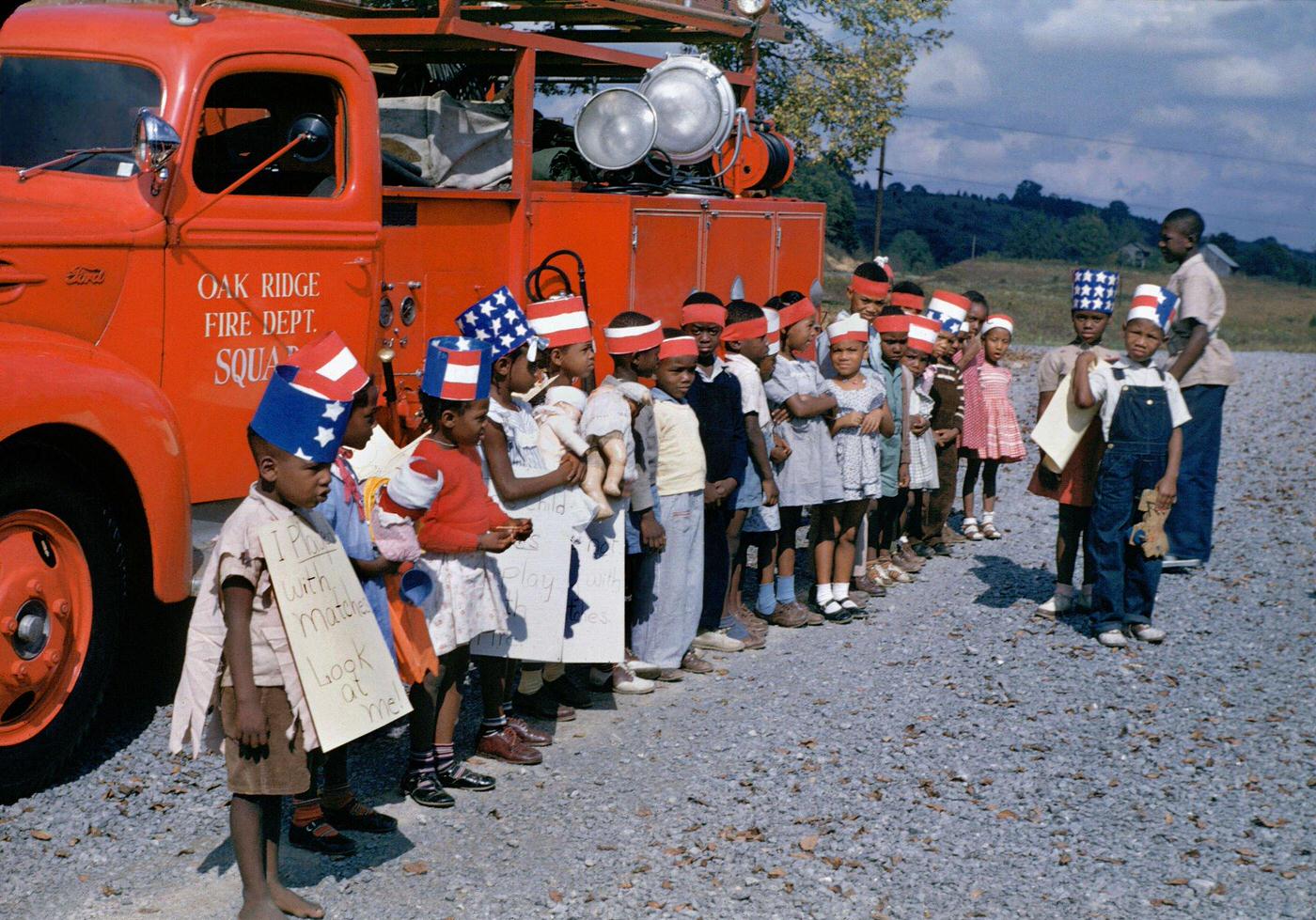
The children of Oak Ridge grew up in a city unlike any other in America. From an early age, many of them understood—at least in broad terms—that their parents worked on things that mattered to national security. Fire trucks rolling through the streets, safety drills at school, and the constant presence of the laboratory shaped their childhood in specific ways. The city’s youngest residents in the 1960s were often the children or grandchildren of the original wartime workers.


The dormitories that had housed single workers during the wartime period were largely converted or demolished as Oak Ridge transitioned to a more conventional residential city. The original dormitory blocks had been utilitarian structures—built fast and built cheap. Their replacement with proper housing reflected the broader shift from a temporary military installation to a permanent American city with its own identity, its own civic pride, and its own future to build.


That’s really cool. I’d love to hear from anyone that recognizes the locations of some of these photos.
I’m only 13, so don’t take this too seriously, but I think it would be interesting to compare these photos to the pictures that Ed Westcott took of Oak Ridge in the 1940s. I might try to compare some of the locations in the photos to where they are now as well. Cool that you put these here though!
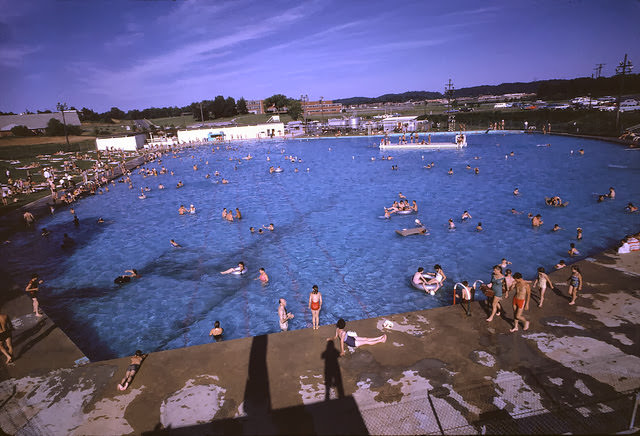
Zooming in (on the color ones at least) to see if I’m in any of them! There’s Downtown, the high school, and the outdoor pool.
Great piece! Really enjoyed it.Thx for sharing