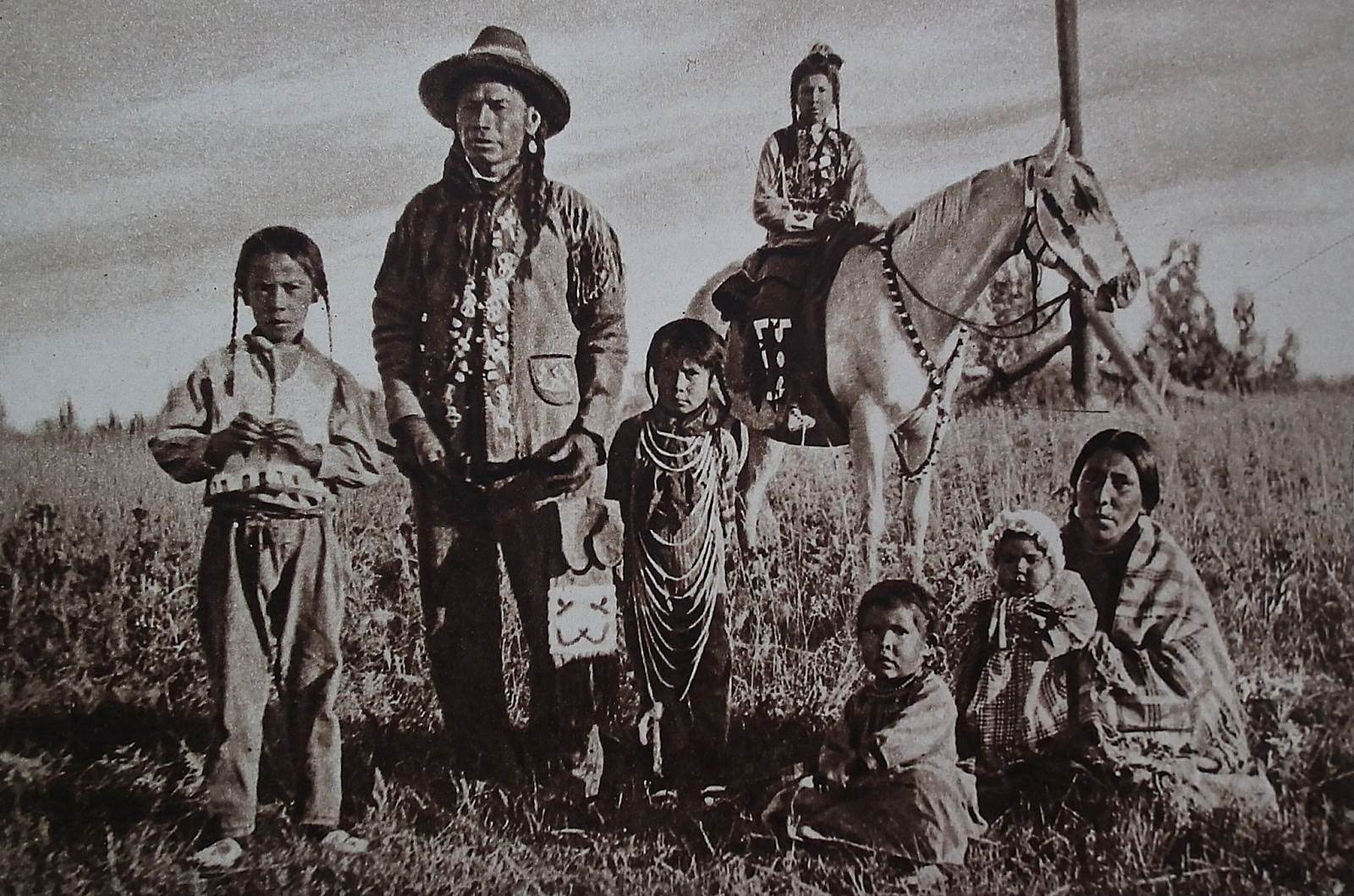
By the early 1920s, the United States government had spent decades pushing a single goal: the full assimilation of Native Americans into mainstream American culture. The plan was straightforward and brutal. Tribes were expected to abandon their languages, their traditions, and their identities, becoming English-speaking Americans like any other immigrant group. Federal policies backed this agenda with force — through boarding schools that stripped children of their native languages, and through land policies that broke apart tribal territories.
As the country entered the Roaring Twenties — a period of economic growth, jazz music, and urban excitement following World War I — most non-Indian Americans gave little thought to the Native peoples still living within the country’s borders. Tribes continued to exist, largely out of public view, holding onto cultural practices that the government had worked hard to erase. These photographs from the early 1920s offer a rare, direct look at that world.
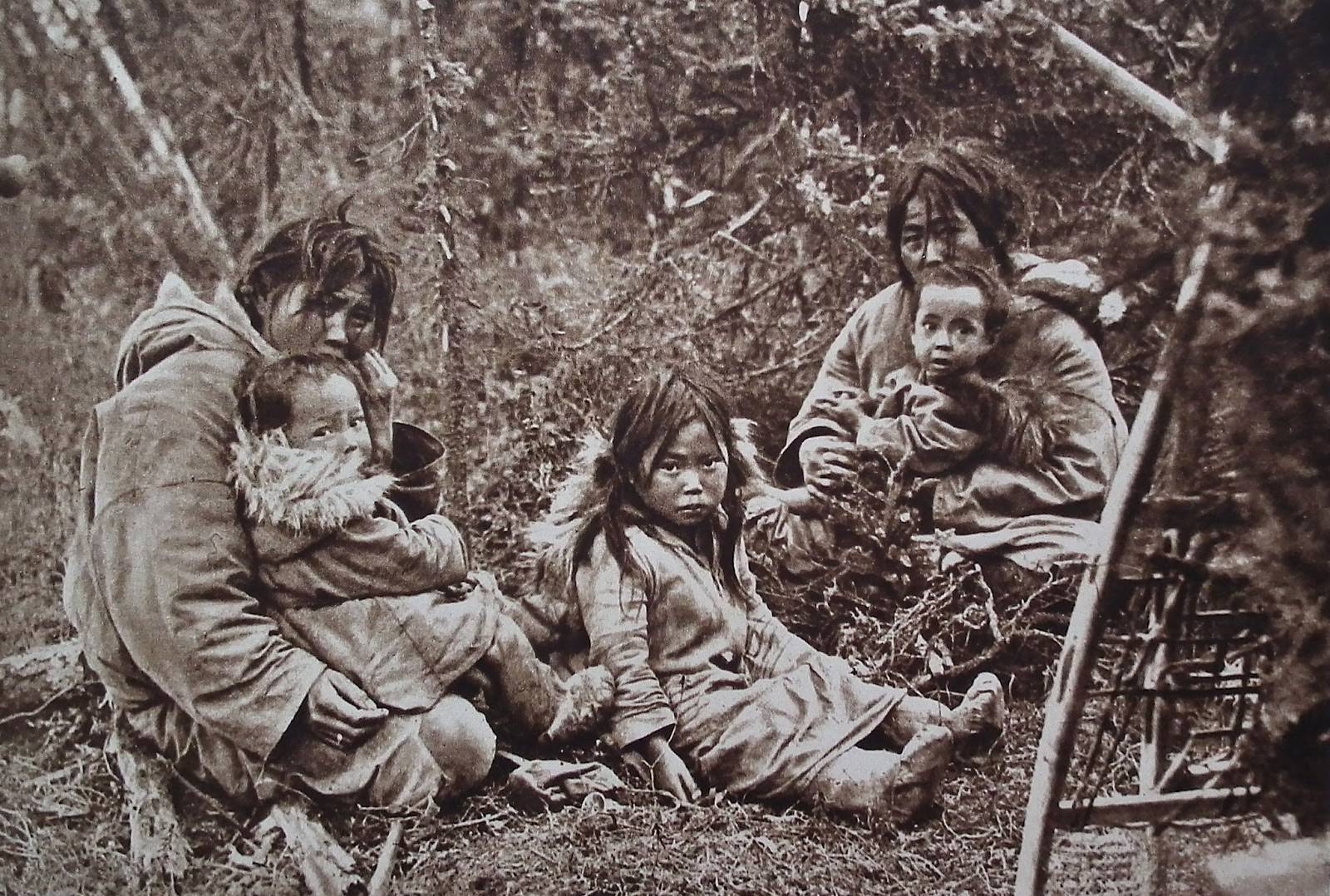
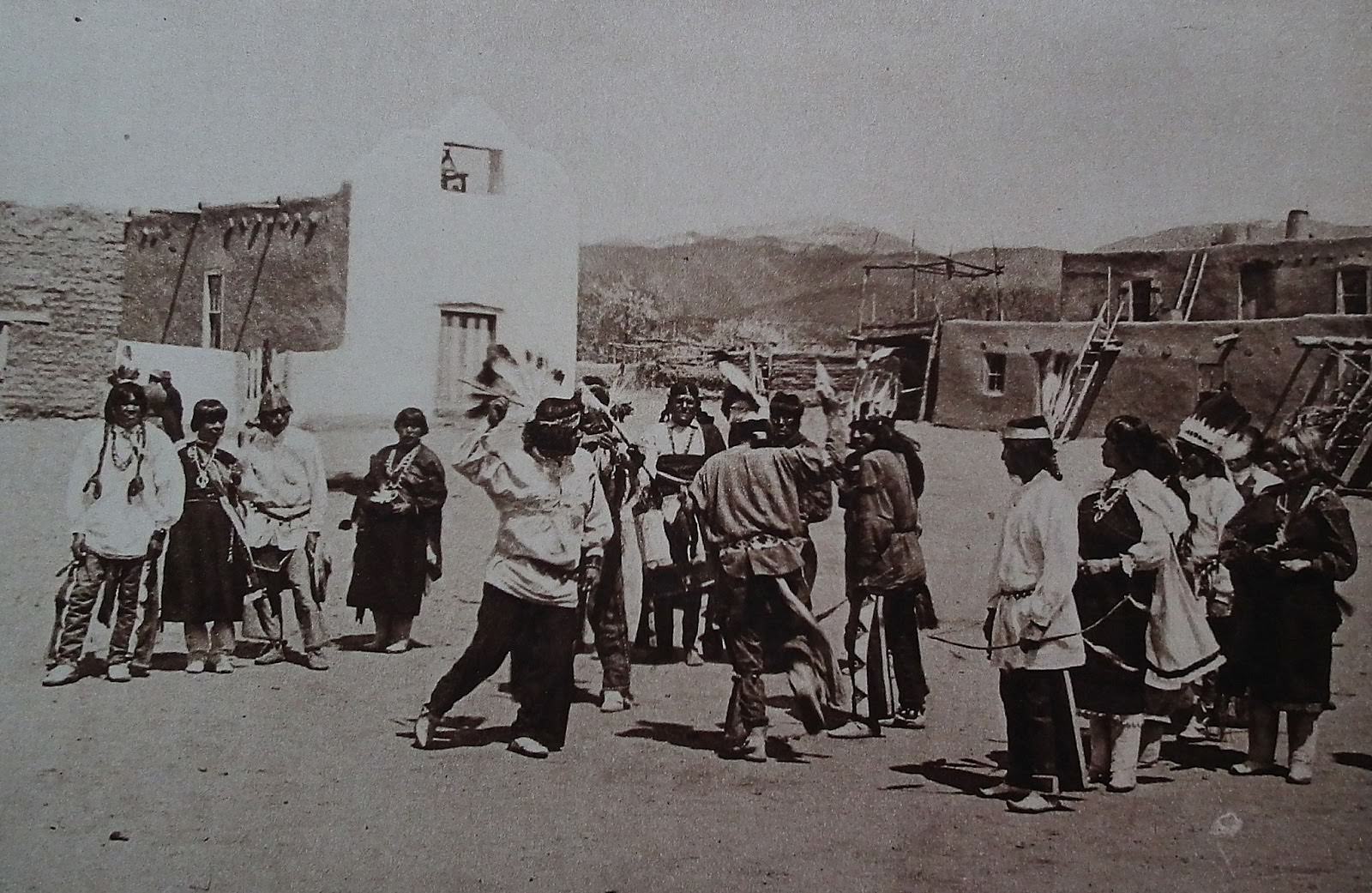
The geographic range of Native life in the 1920s was vast. From the frozen coastlines of Alaska to the desert Southwest, from the Great Plains to the swamps of Florida, distinct nations maintained their own ways of living. The Malamut people of Alaska inhabited one of the harshest environments on the continent, shaped by generations of Arctic survival. Far to the south, the Pueblo Indians of New Mexico lived in communities with roots stretching back centuries.
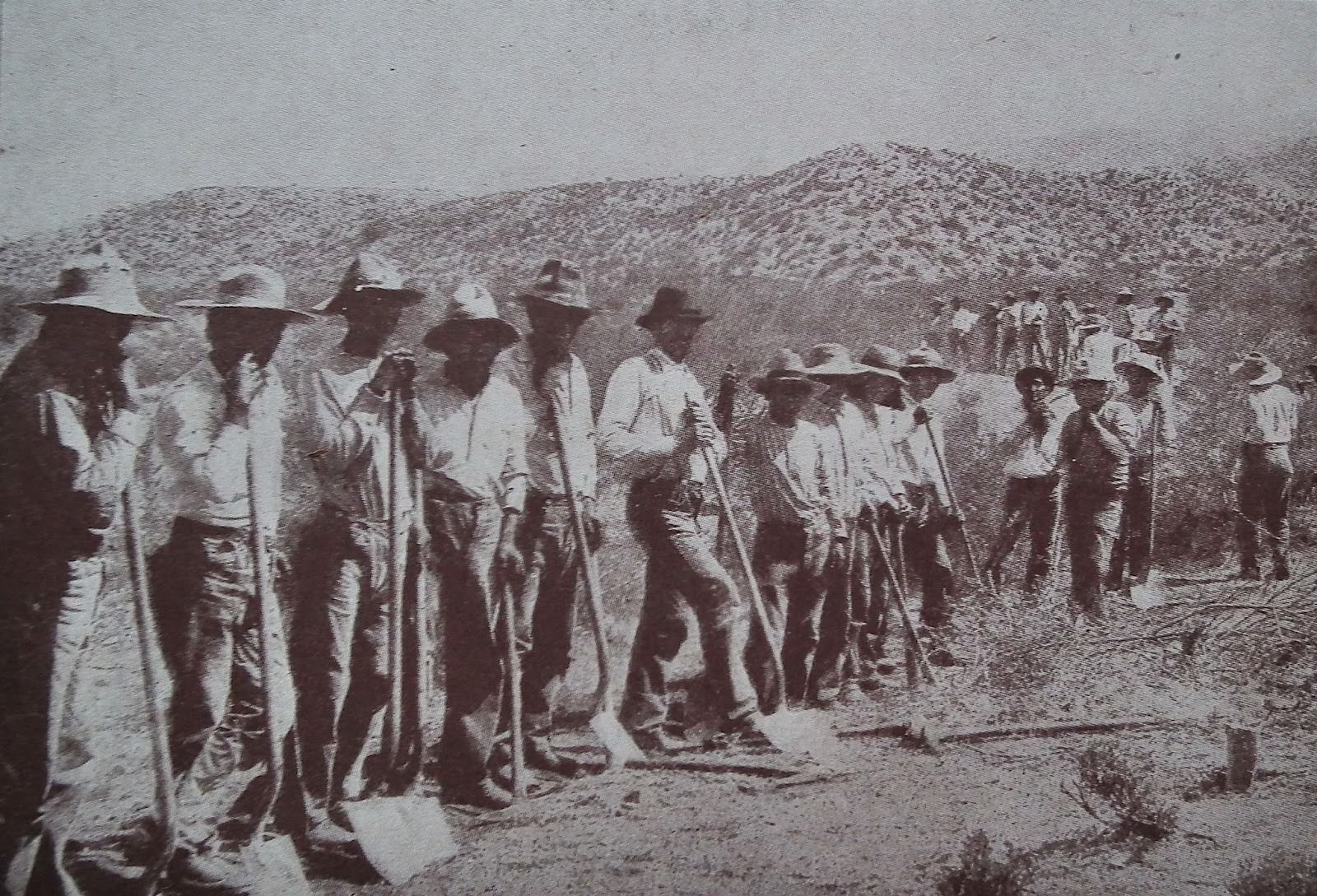
In Arizona, Apache men and women carried on daily life under conditions shaped both by their ancestral traditions and by the pressures of reservation existence. Apache workers photographed during this era represent a community that had resisted U.S. military campaigns for decades before being confined to reservations in the late 19th century. Their presence in these photographs is a testament to endurance.
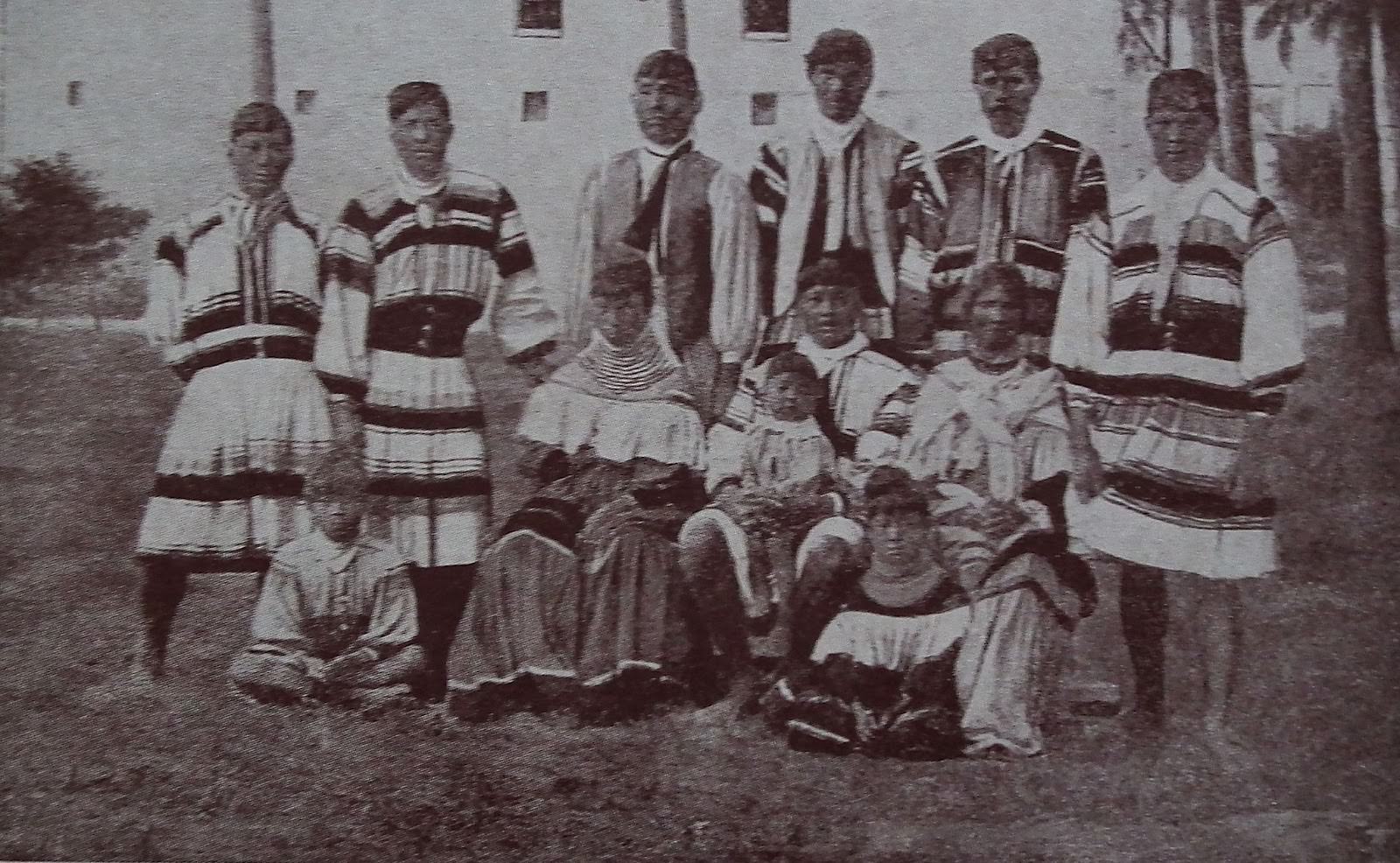
The Florida Seminoles occupied a unique position in American history. Unlike most other tribes, they never signed a peace treaty with the U.S. government, earning them the informal title of the “Unconquered People.” By the 1920s, small Seminole communities lived deep in the Everglades, largely on their own terms. Across the northern border, the Cree people of Canada faced their own versions of colonial pressure under Canadian federal policy, yet maintained strong cultural identities across a wide territory.
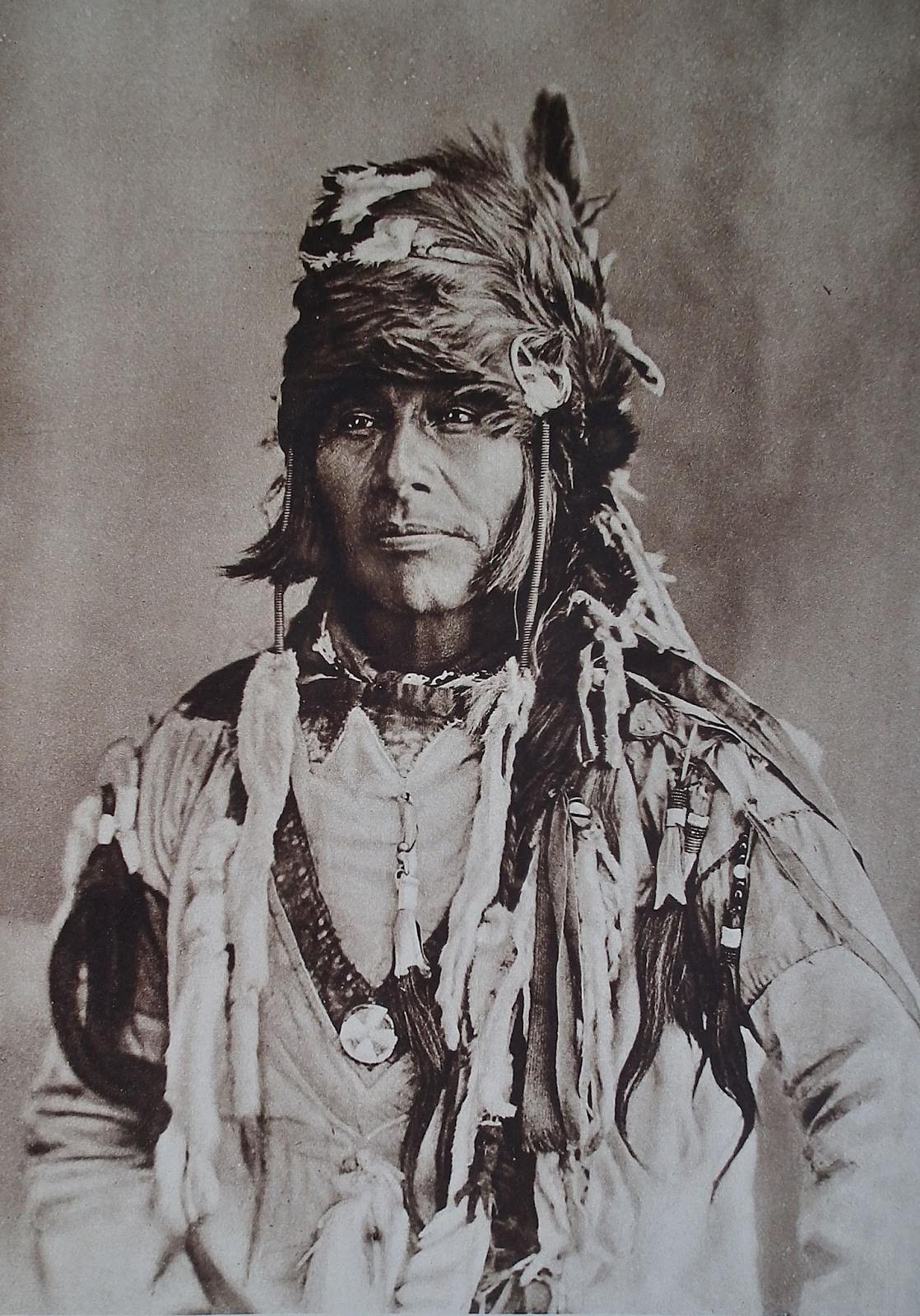
Portraits from this period capture individuals with striking clarity. A Sioux girl photographed in the early 1920s represents one of the largest and most well-known tribal nations on the Great Plains — a people whose recent history included the massacre at Wounded Knee in 1890, just thirty years before this image was taken. A young Tlingit woman from the Pacific Northwest carries the heritage of a nation known for its sophisticated art, trade networks, and social structures.
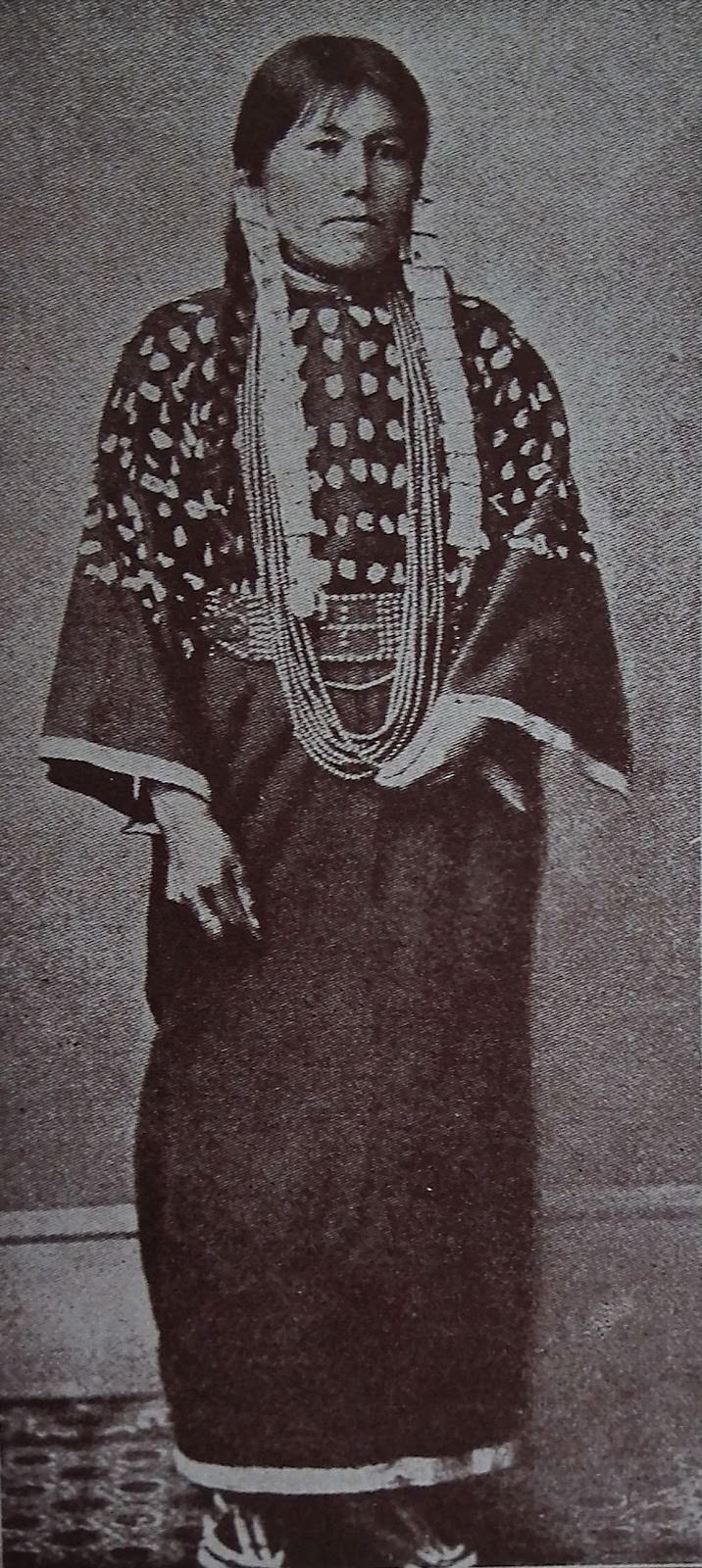
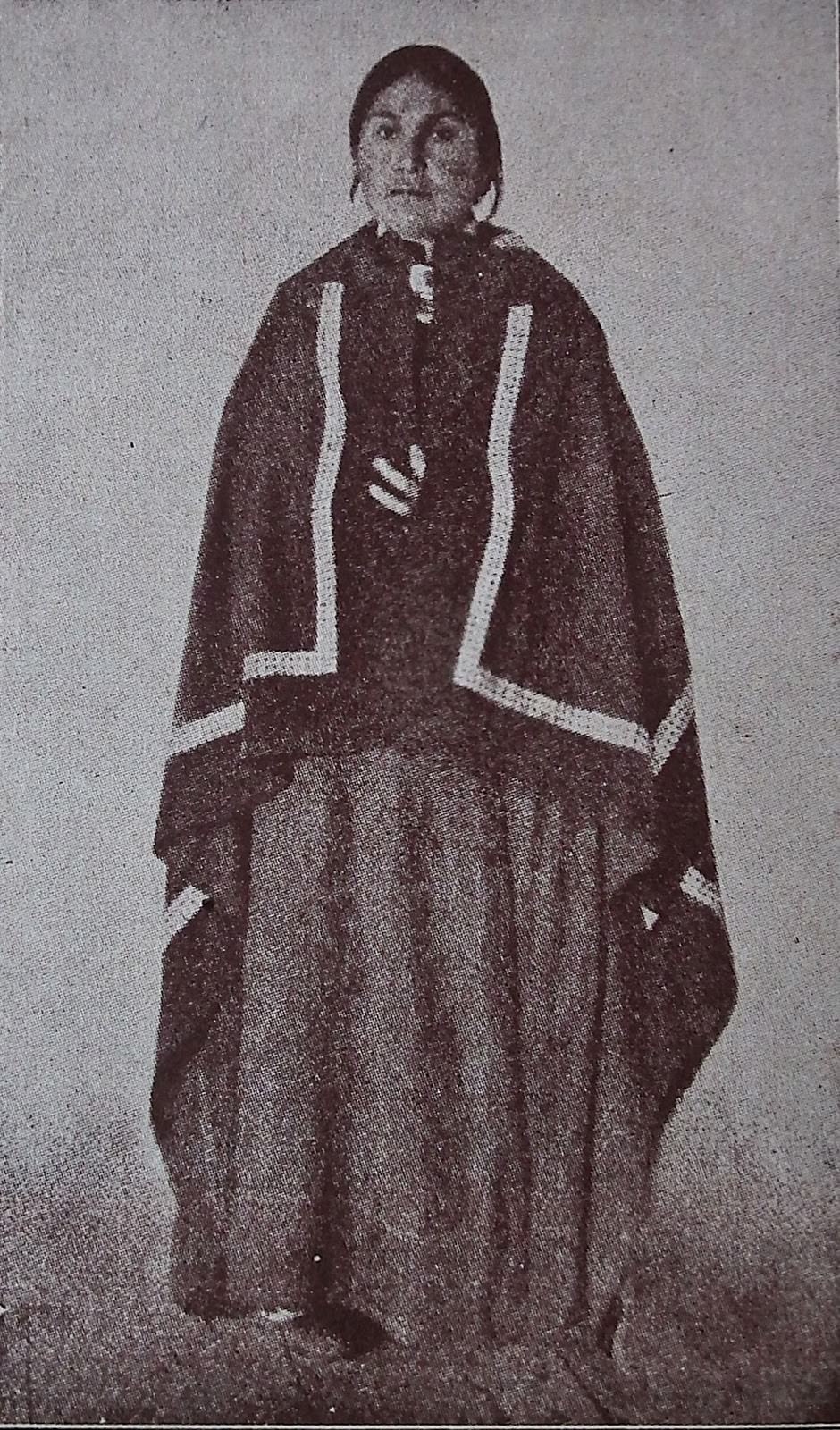
Eastern Canada was home to numerous Indigenous nations, many of whom had maintained contact with European settlers since the 1600s. By the 1920s, these communities had lived through centuries of treaty-making, land loss, and cultural interference, yet continued to preserve distinct identities. The Iroquois Confederacy — one of the most politically sophisticated alliances in North American history — remained a living institution, not a relic.
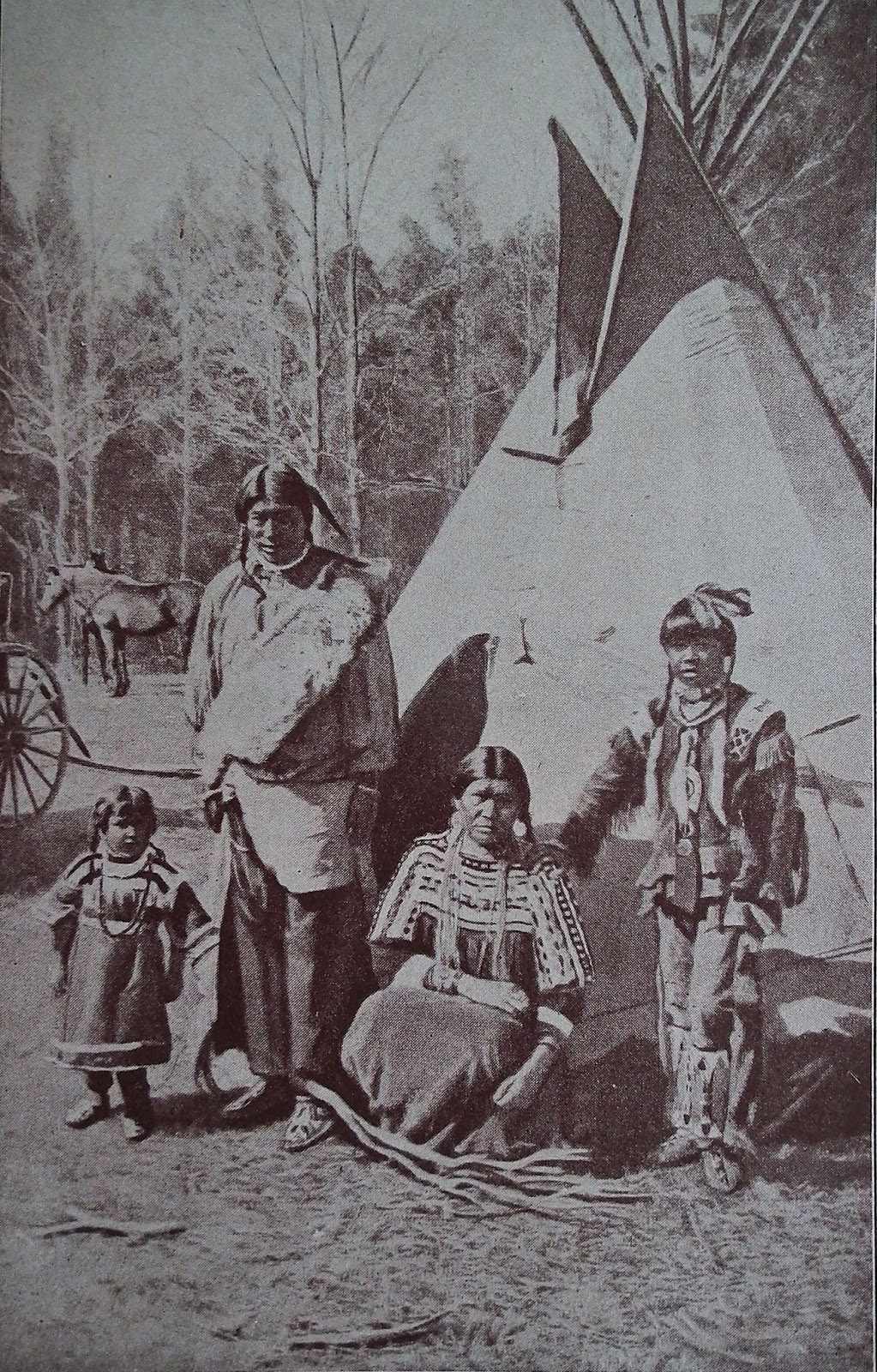
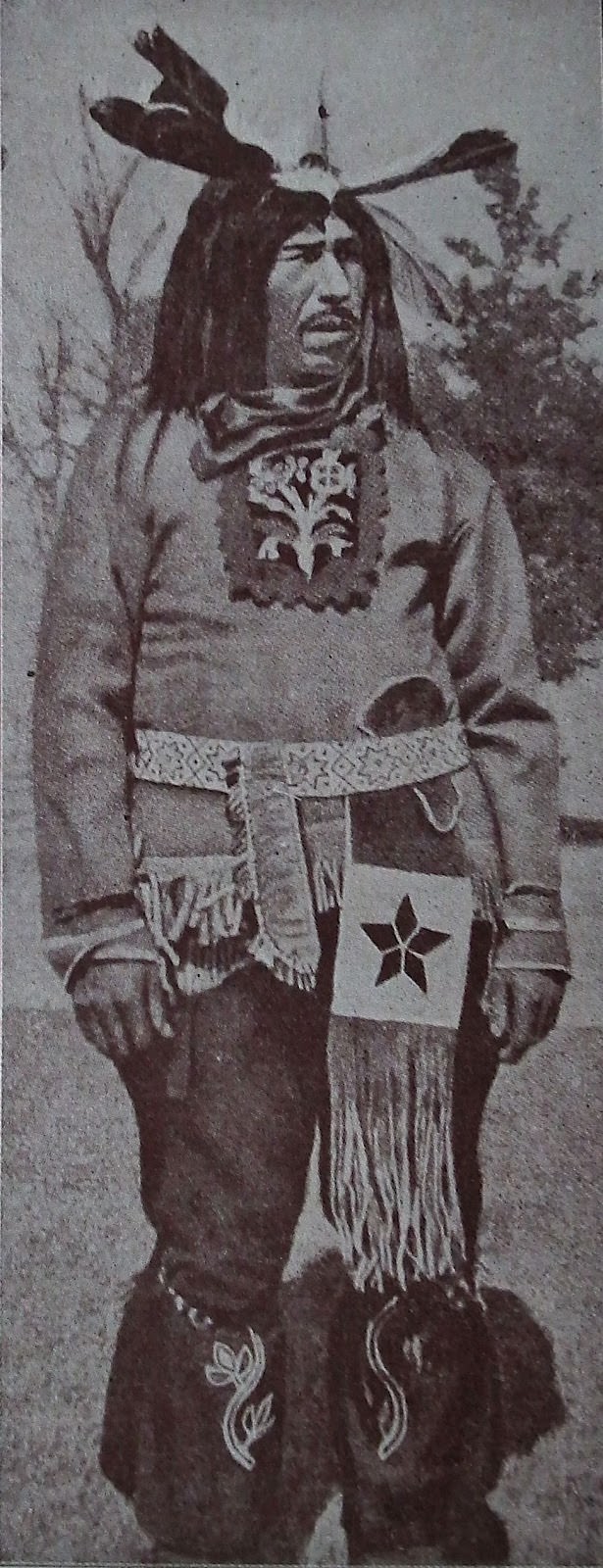
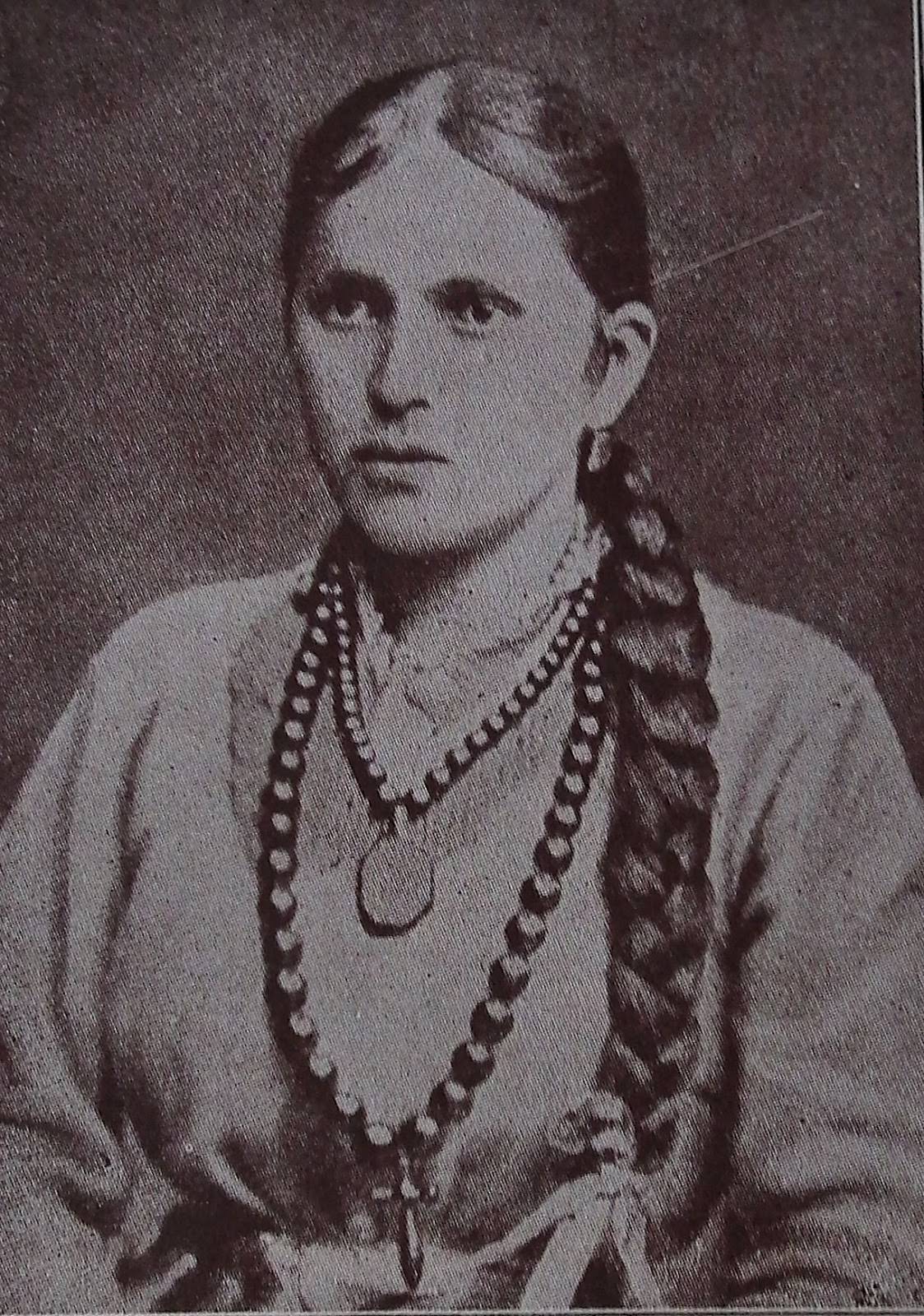
Arizona was home to a remarkable concentration of Native nations, each with their own language and culture. The Hualapai lived along the south rim of the Grand Canyon, the Moki — a name historically applied to the Hopi — occupied mesa-top villages that had existed for over a thousand years, and the Chemehuevi, a small desert nation, raised families in one of the driest landscapes in North America.
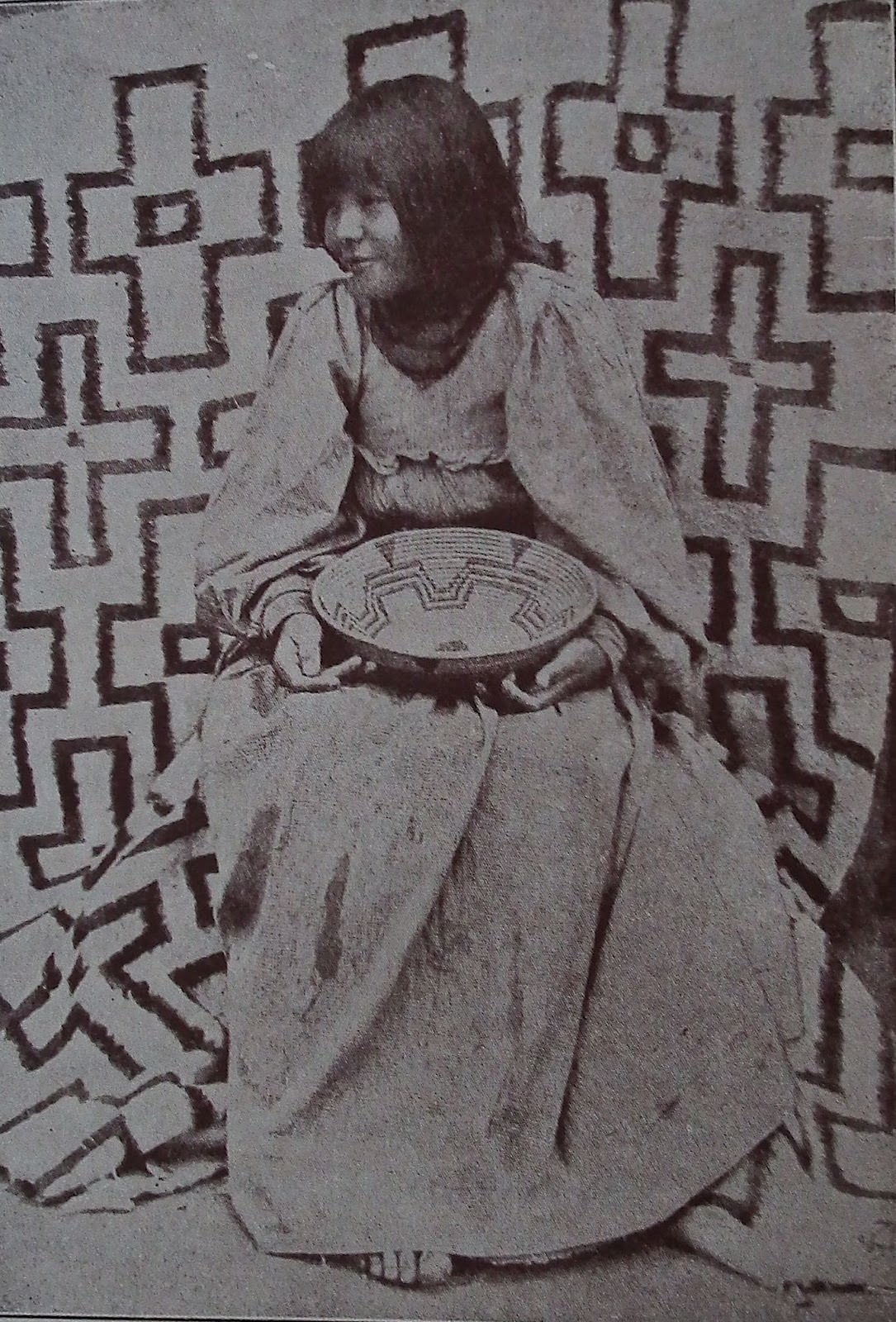
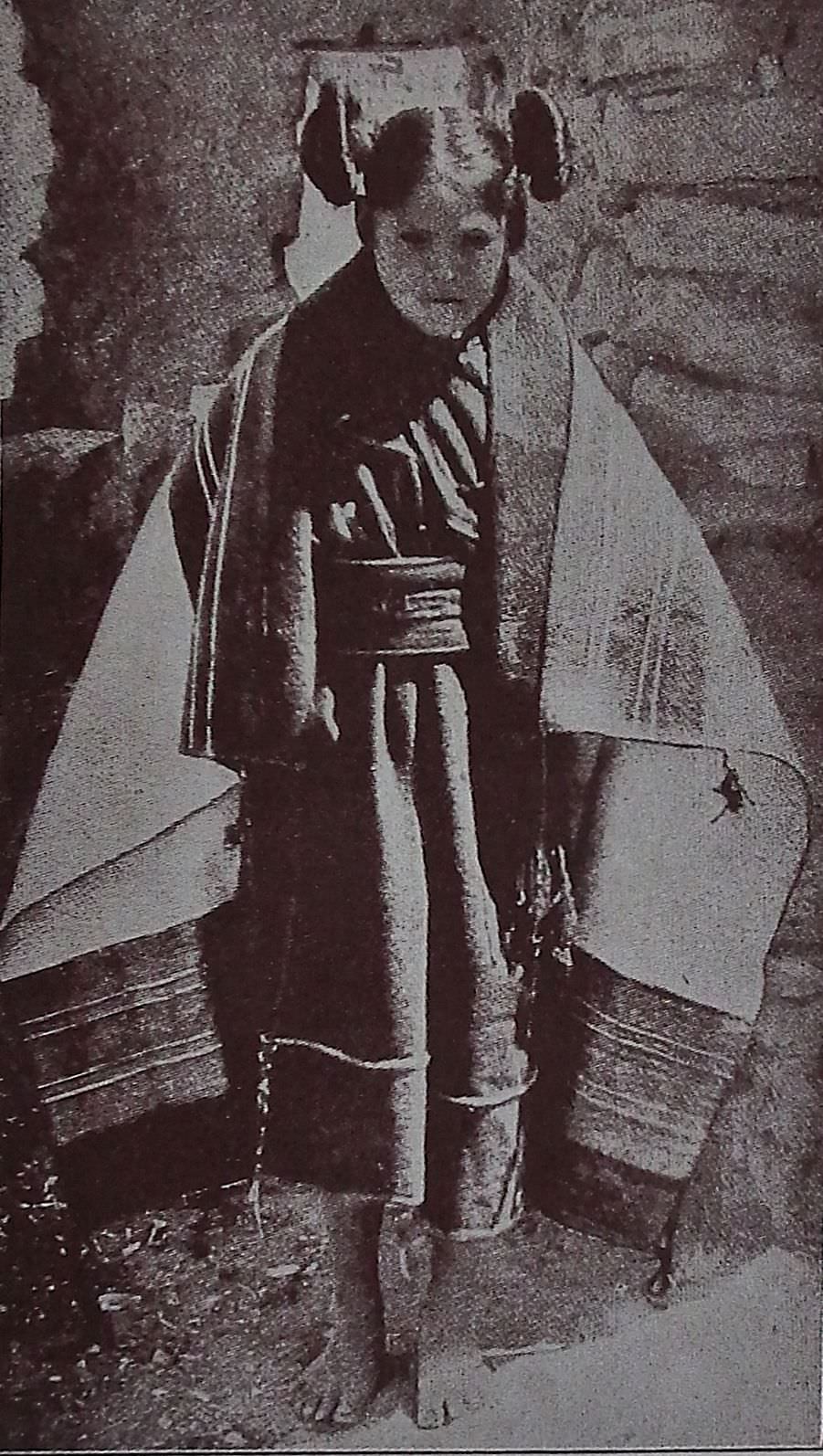
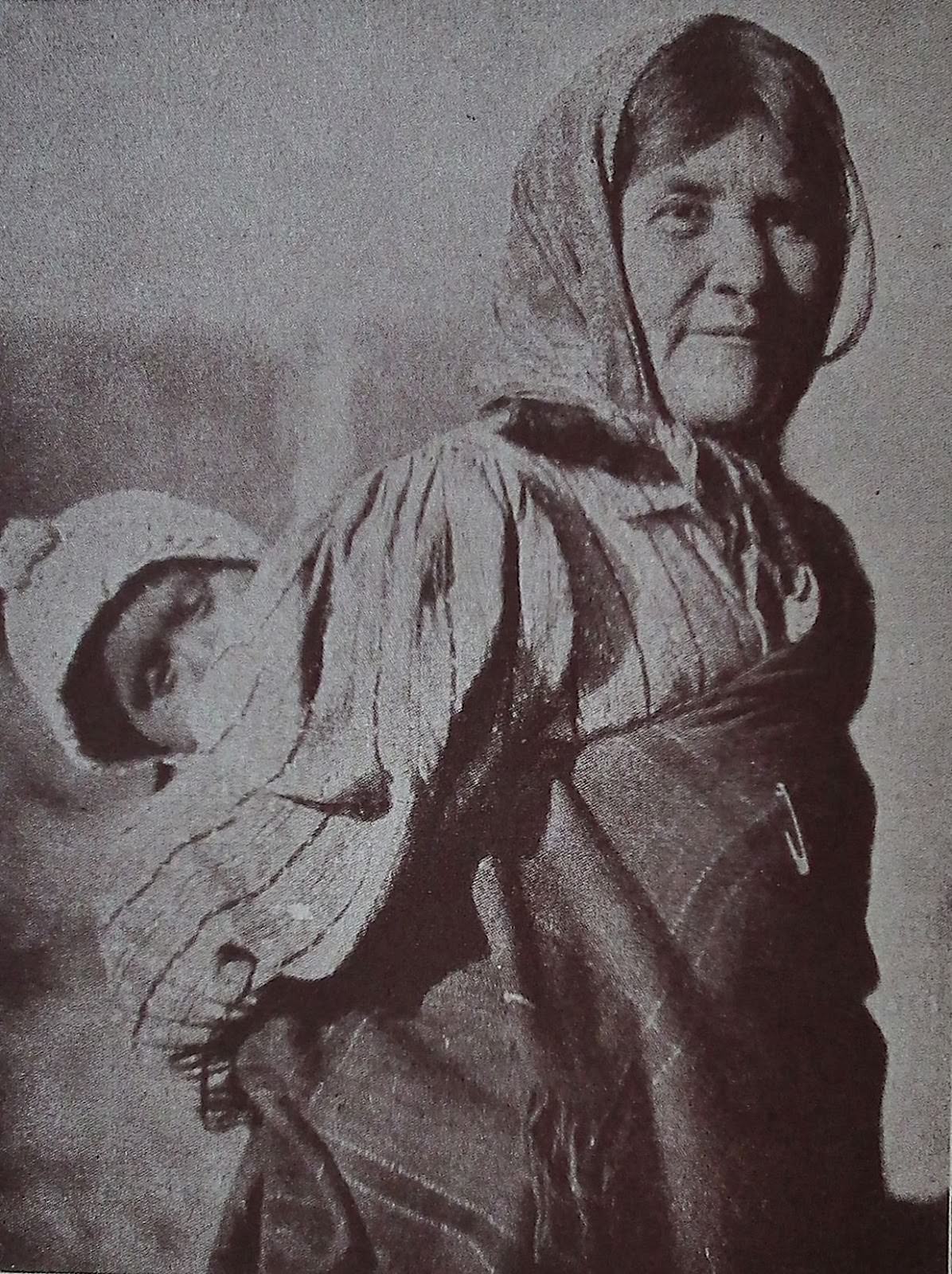
Not all Native nations were located in the American West. The Stockbridge tribe — formally the Stockbridge-Munsee Band of Mohican Indians — had deep roots in the northeastern United States and had been relocated multiple times over the course of American expansion, eventually settling in Wisconsin. Their story reflects the forced displacement that affected tribes across the entire continent.
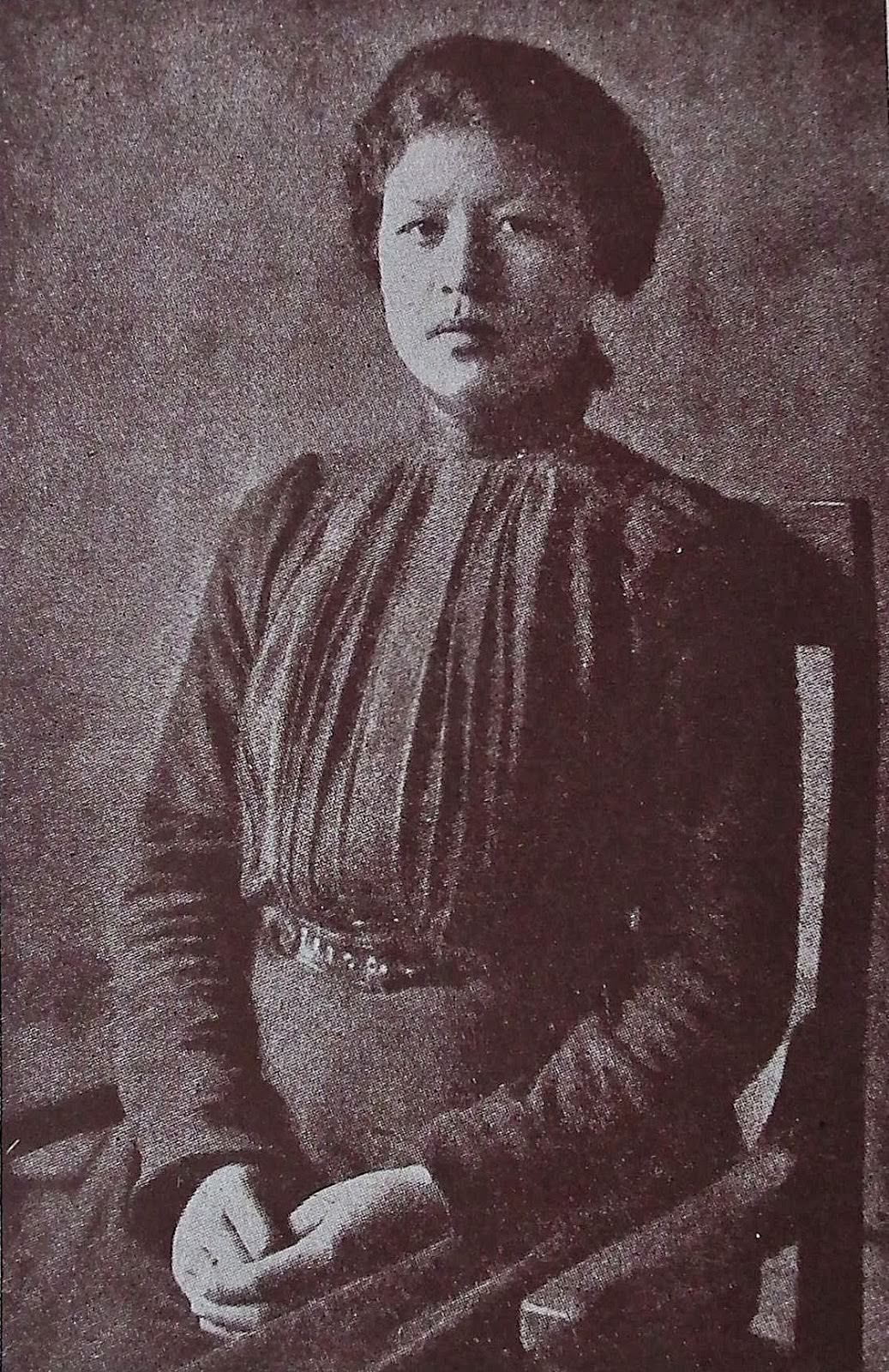
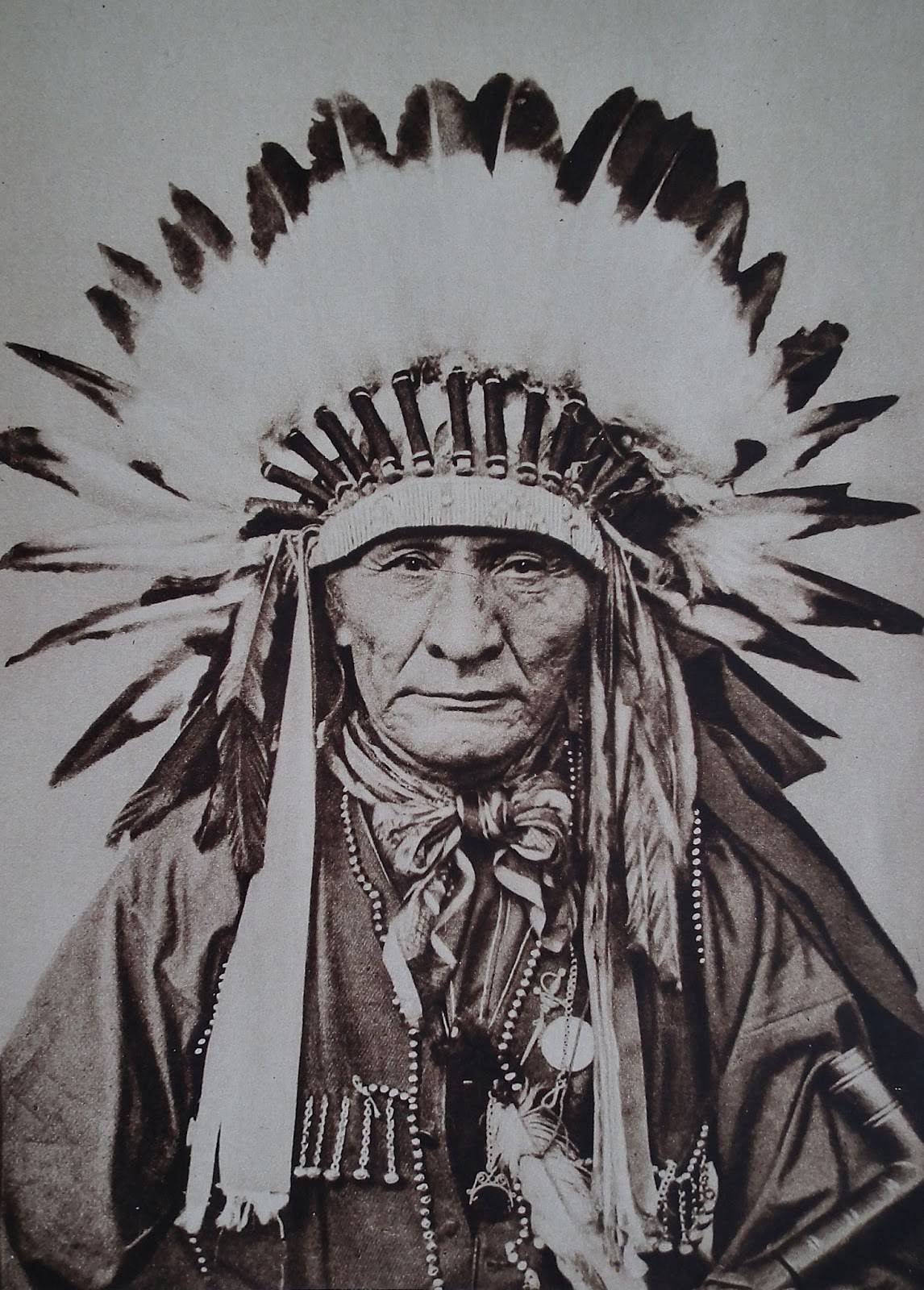
The Apache nation, spread across Arizona and New Mexico, appears in multiple photographs from this period. Their communities in the early 1920s were still living with the direct memory of the Indian Wars — conflicts that had ended only a generation before. Leaders like Geronimo had died just over a decade earlier, in 1909. The Navajo, the largest tribe in the United States by land area, maintained their sheep-herding traditions and weaving culture across the vast Colorado Plateau.
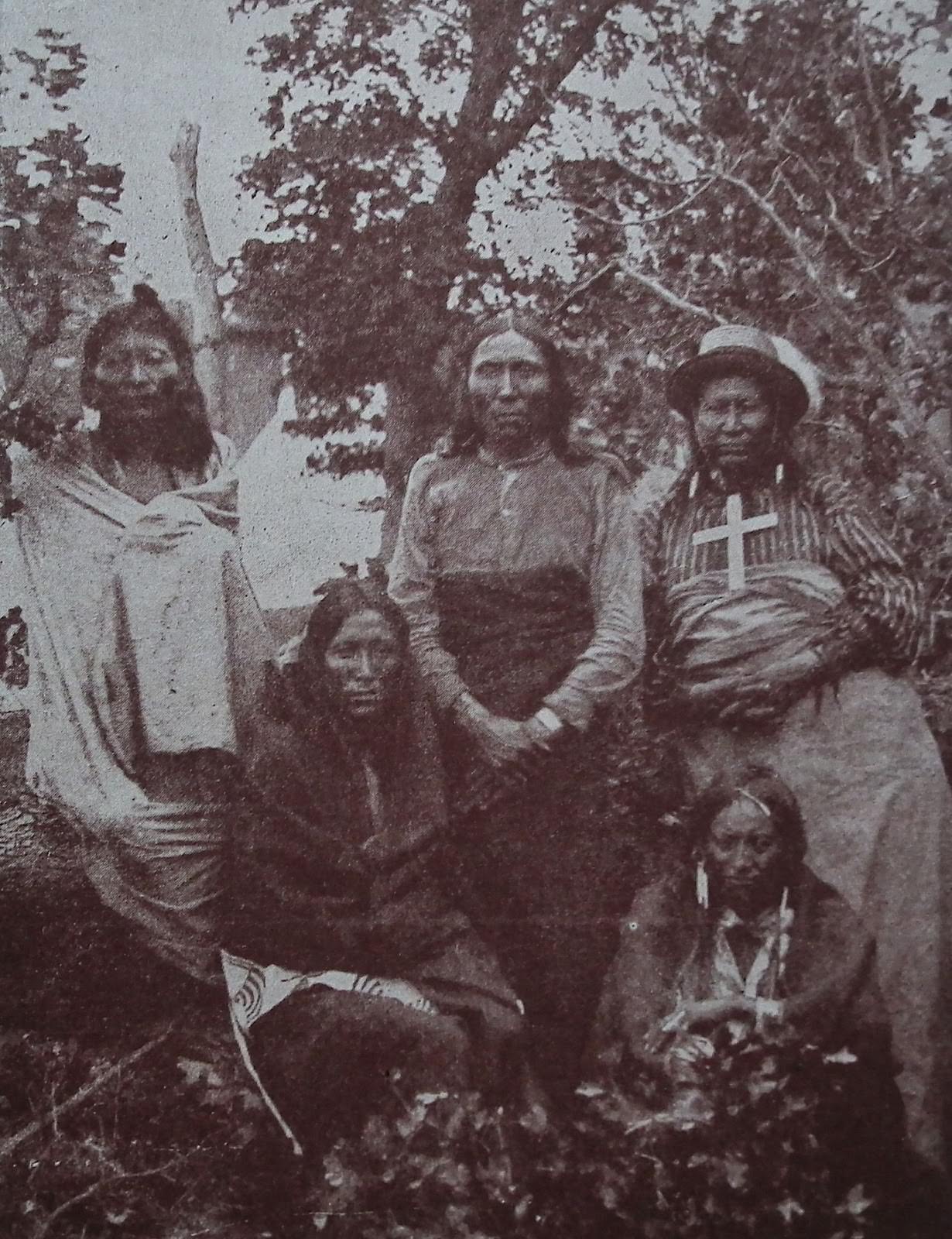
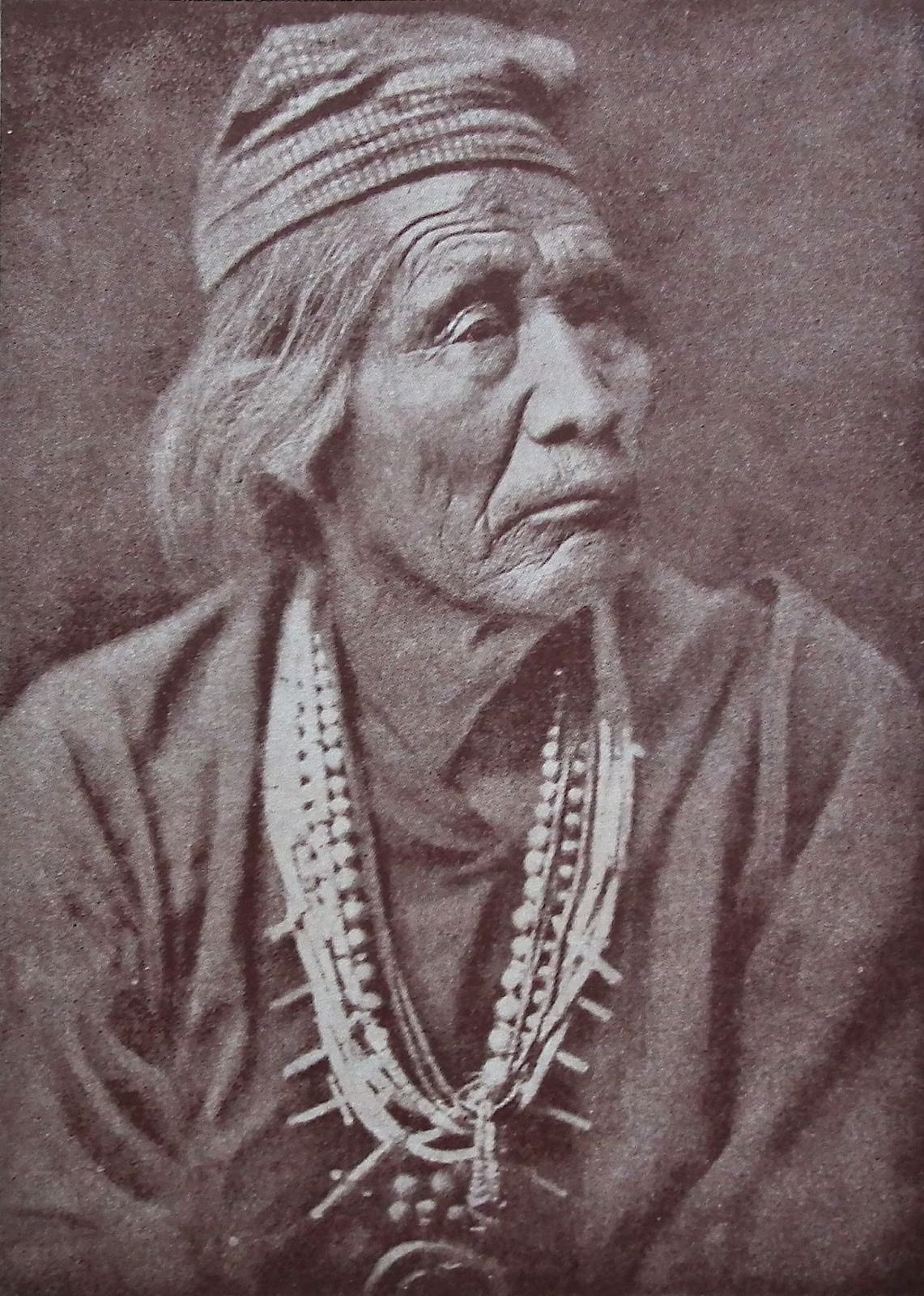
The Seri people of Arizona — and extending into the Sonoran Desert of northern Mexico — were among the smallest and most isolated Native groups on the continent. A young Seri woman photographed in this era belonged to a nation that had fiercely resisted outside contact for centuries. The Apache women captured in these photographs similarly represent communities where traditional roles, clothing, and daily practices remained central to everyday life, despite sustained government efforts to dismantle them.
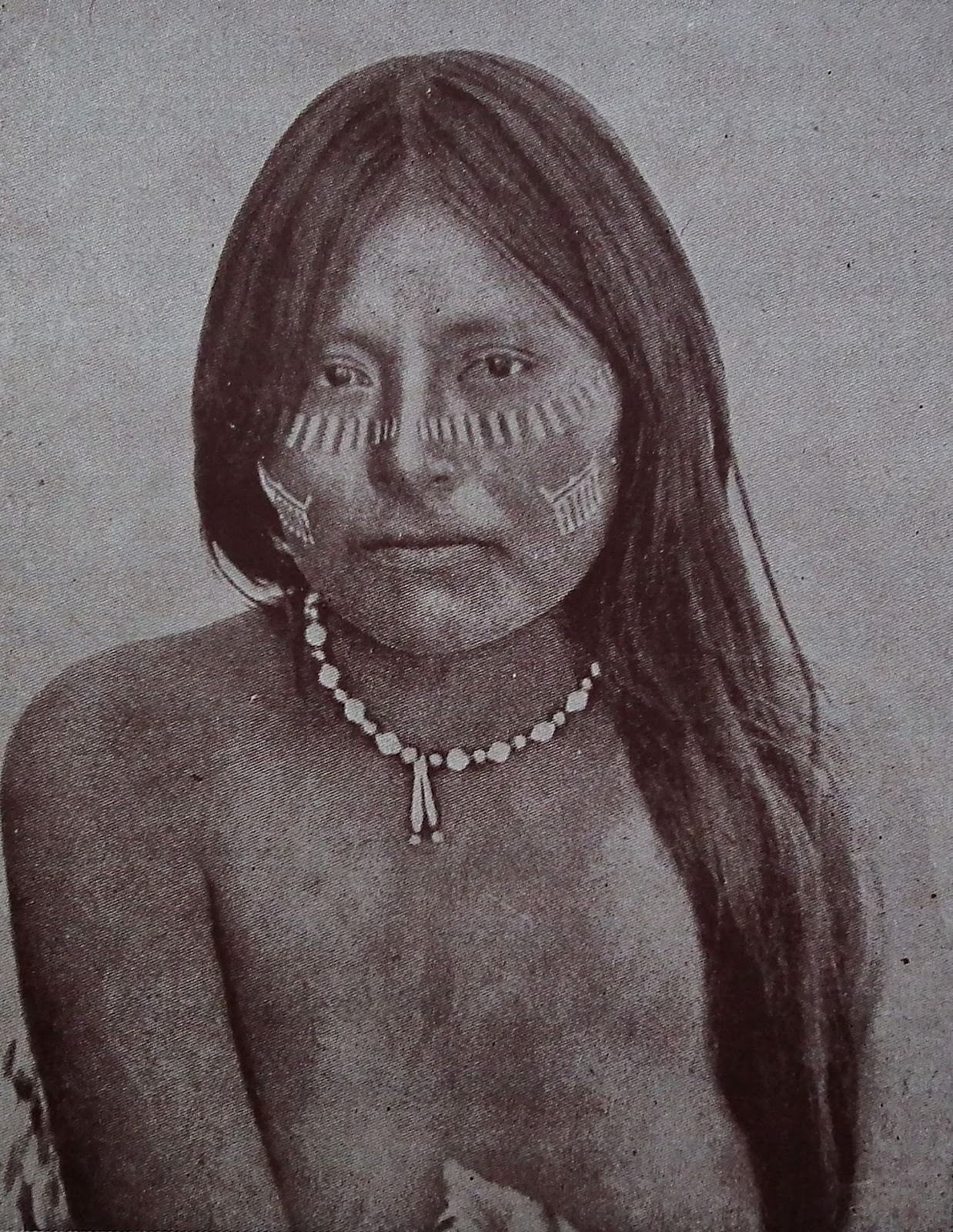
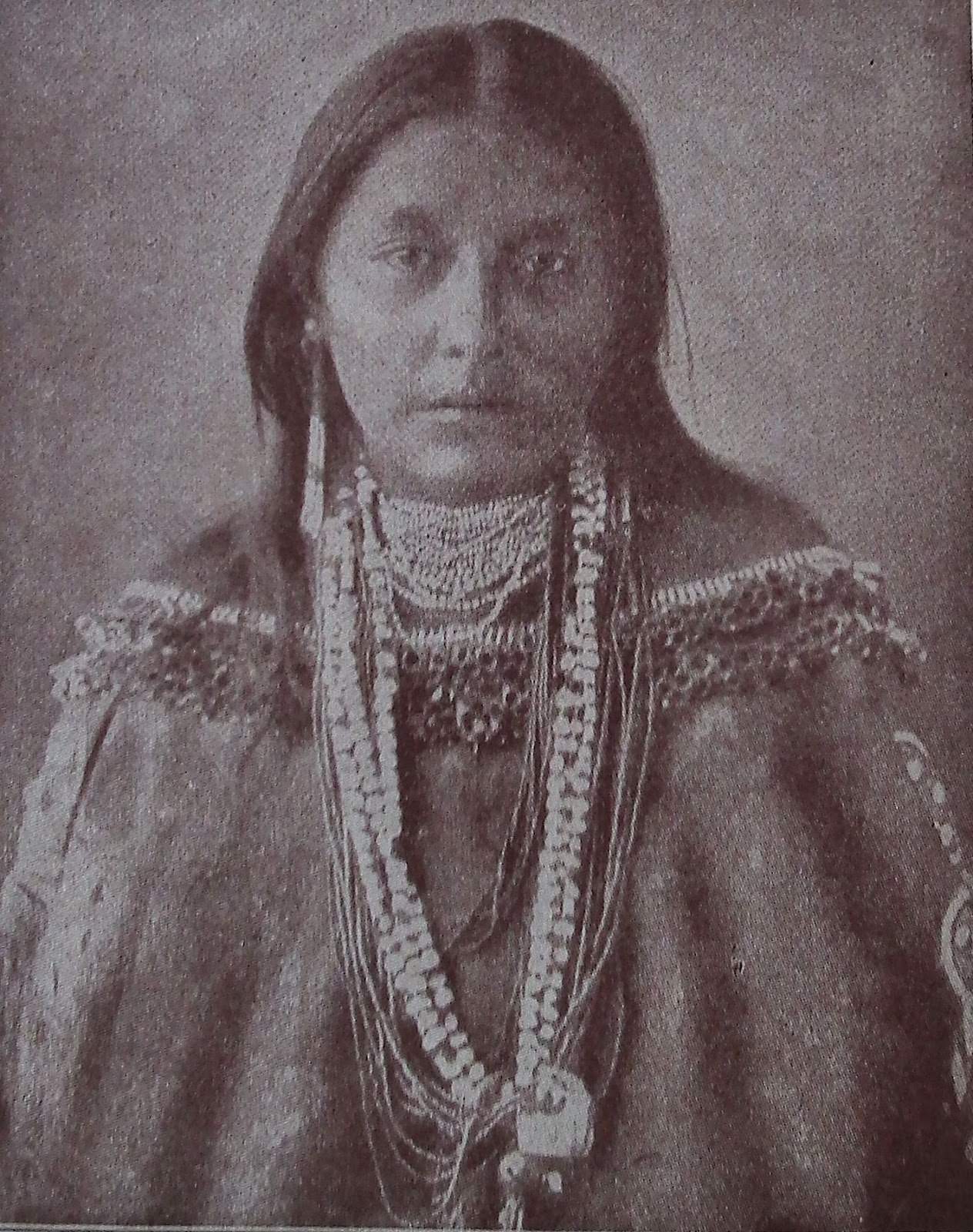
Montana’s reservations held some of the most well-known Plains nations — the Blackfoot, the Crow, the Assiniboine, and others. Reservation life in the 1920s was defined by poverty, restricted movement, and federal oversight. The Bureau of Indian Affairs controlled nearly every aspect of reservation governance. Yet within those imposed boundaries, communities continued to hold ceremonies, speak their languages, and pass knowledge to the next generation. These photographs, taken during one of the most difficult periods in Native American history, show faces that belong to living cultures, not vanishing ones.