
Norfolk, Virginia in the 1990s was a city in motion. Its port had long been the engine of the local economy, and through the decade that engine kept running — drawing workers, families, and new businesses to the region. The streets were alive with daily commerce, neighborhood activity, and a population that kept growing as people from across the country relocated in search of work and opportunity.
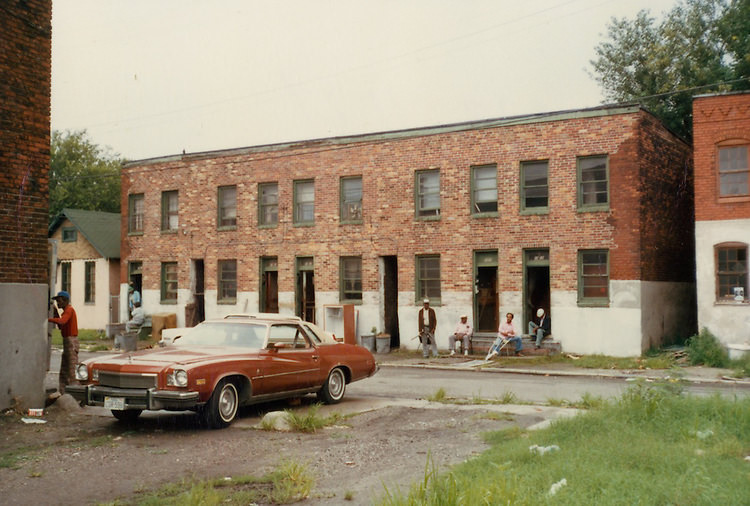
Streets like Church Street and Henry Street were central arteries of neighborhood life. Small businesses, churches, and community gathering spots lined these corridors, reflecting the character of the people who lived and worked nearby. These weren’t just thoroughfares — they were the social spine of Norfolk’s distinct neighborhoods.
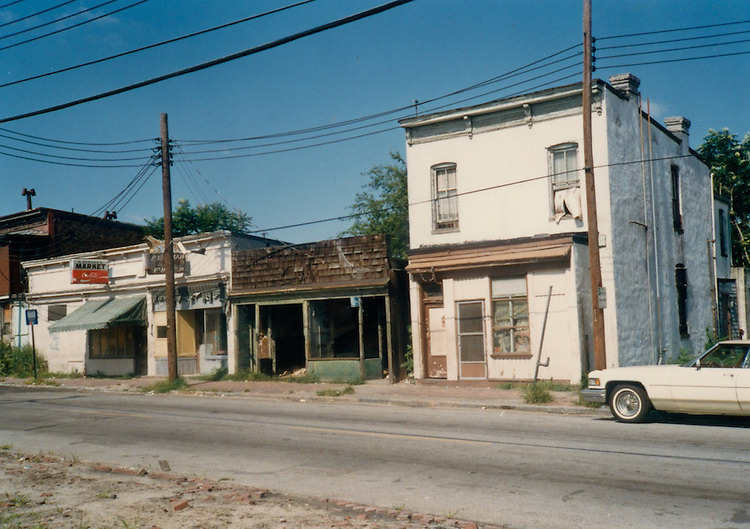
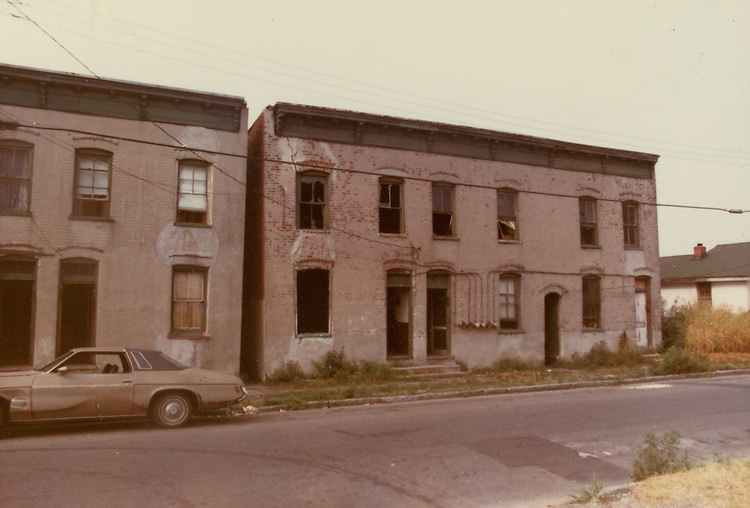
Princess Anne Road stretched through parts of the city that were experiencing real change during the decade. Development pushed outward as Norfolk’s population expanded, and roads like this one connected older neighborhoods to newer parts of the city. The pace of growth was visible on the ground — in new construction, shifting storefronts, and changing foot traffic.
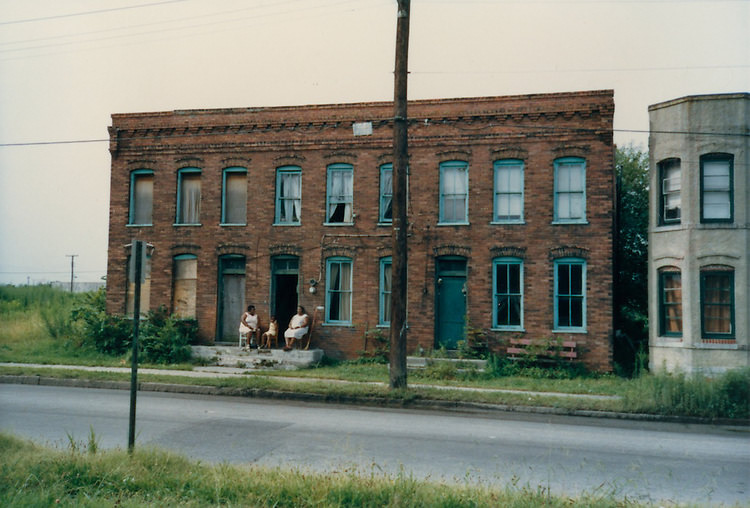
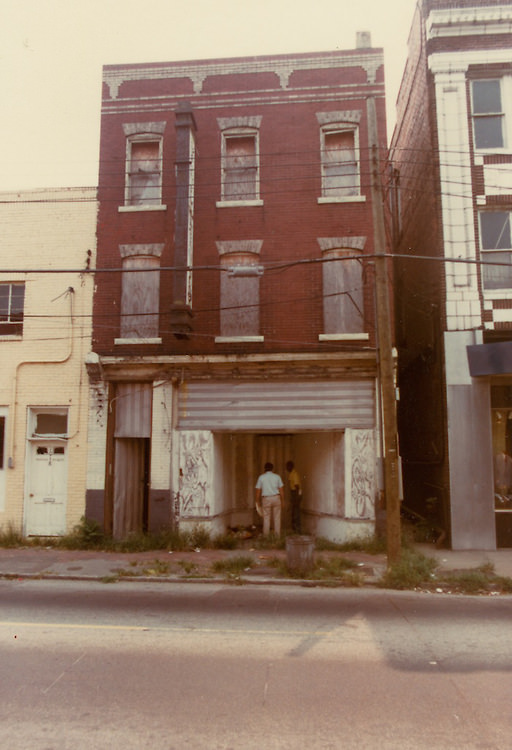
One of the decade’s defining regional developments was the formal recognition of the Virginia Beach-Norfolk-Newport News metropolitan area in the early 1990s. The three cities joined together under a single metropolitan designation, making it one of the largest metro areas in the United States. The arrangement allowed local governments to coordinate on attracting businesses and building regional infrastructure, giving the broader Hampton Roads area more economic leverage.
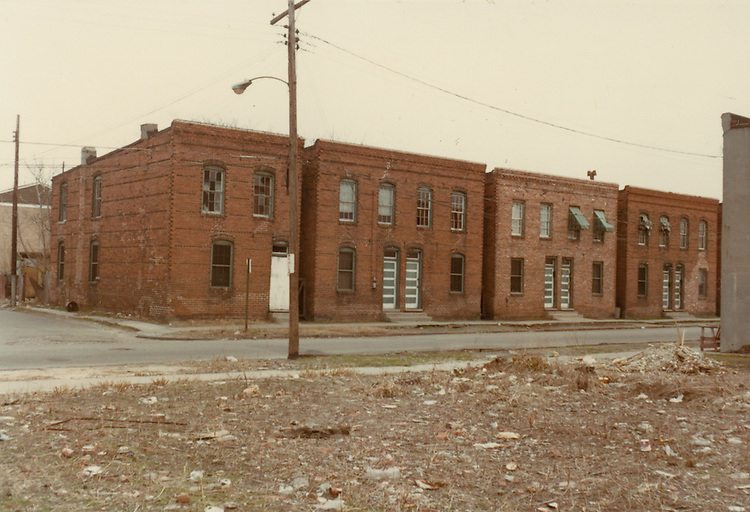
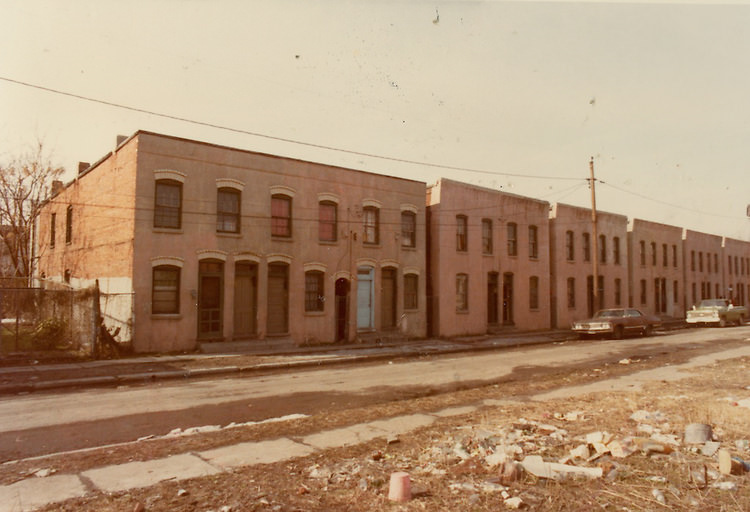
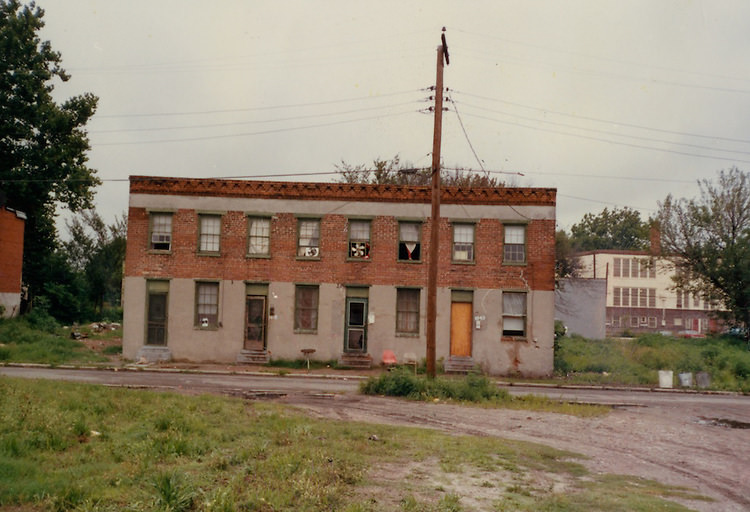
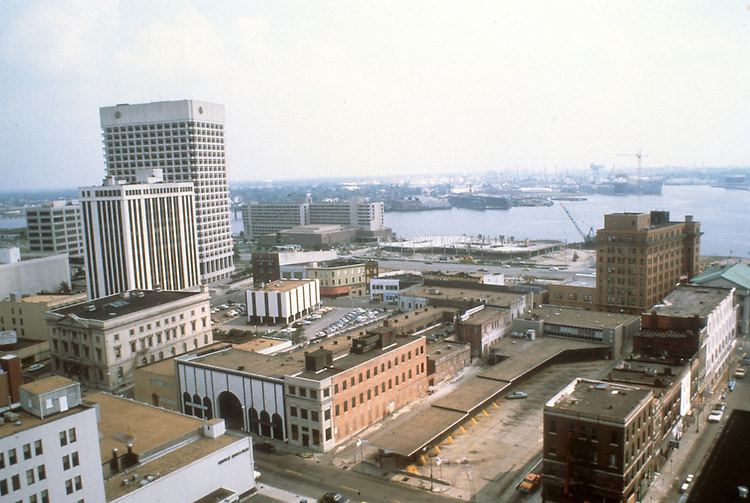
Looking south across Norfolk offered a view of a city that wore its history and its ambitions at the same time. The waterfront and its surrounding areas had been shaped for decades by the presence of the military and the shipping industry, and that imprint remained strong into the 1990s. The Naval Station Norfolk — the largest naval installation in the world — was a constant presence in the life of the city.
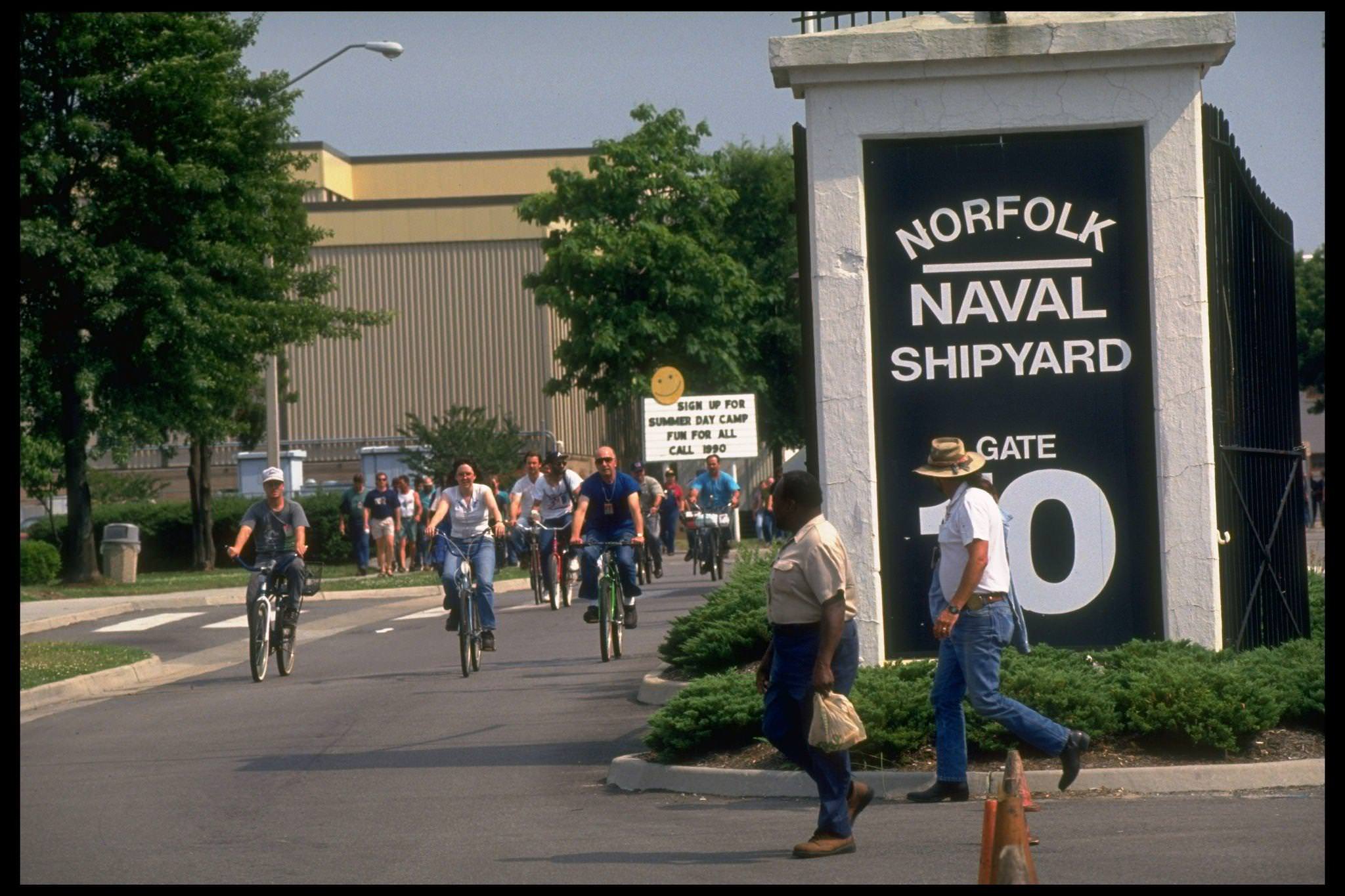
The naval base wasn’t just a military installation — it was a major employer that shaped the rhythms of daily life across the city. At shift changes, hundreds of workers poured out of the base’s gates. Cyclists were a common sight among those employees, making their way through the surrounding streets at the end of a long workday.
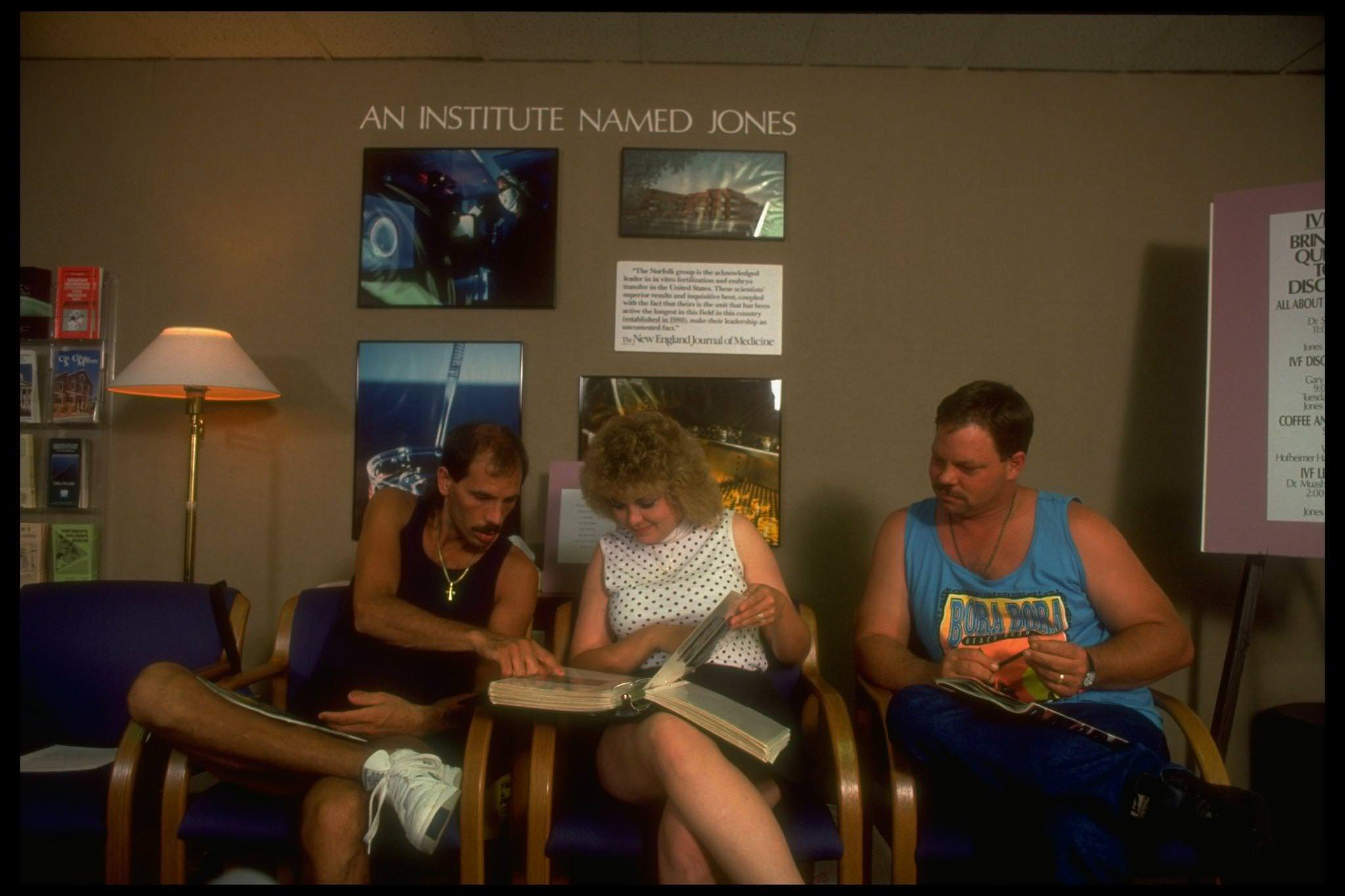
Norfolk’s residents navigated deeply personal challenges alongside the city’s broader changes. For some families, the decade brought the difficult experience of infertility — a medical and emotional struggle that many couples faced largely in private, with limited public awareness or support systems compared to today.
Stories of personal determination were part of the fabric of 1990s Norfolk. Bessie Pender’s story stands out. She had worked as a school janitor and used that job to fund her own college education, eventually earning her degree and becoming a teacher. Her path from janitor to classroom educator in the same school system captured the kind of individual drive that existed throughout the city.

Women were also taking on expanding roles within Norfolk’s military community. At the Naval Air Station, female service members carried out duties that a generation earlier would have been restricted to men. Their presence was part of a nationwide shift in the armed forces during the 1990s, as the military opened more roles to women across all branches.






I’m not sure how much I buy the 90’s time frame for most of these. 80’s sure. Pic #9 is 100% from the early 80’s. It shows the construction of Waterside next to the then Omni (now Sheraton) on the river. The Waterside garage and Marriott have not been built yet either.
I used to volunteer for the MOCA Boardwalk Art Show and I remember having a conversation with another volunteer. She moved here in the late 80s and she told me nearly every house in her area was dilapidated, but over time, she watched the neighborhood improve, one house at a time. Hampton Roads needs a lot of work, but we can’t deny it has made progress over the years, as well.
You could convince me most of those pictures are from the Great Depression, wow
This feels way older than the 90s
I moved to Norfolk in 94 and I can confirm there was a lot of run down areas. Especially downtown granby street. Quite a few of the buildings were abandoned or vacant.
All of the photos marked “Cedar Grove Cemetery” are actually “Elmwood Cemetery”, not a big deal as it is right across the street. The picture labled Waterside in the 1970s is wrong as Waterside wasnt built until the 1980s.