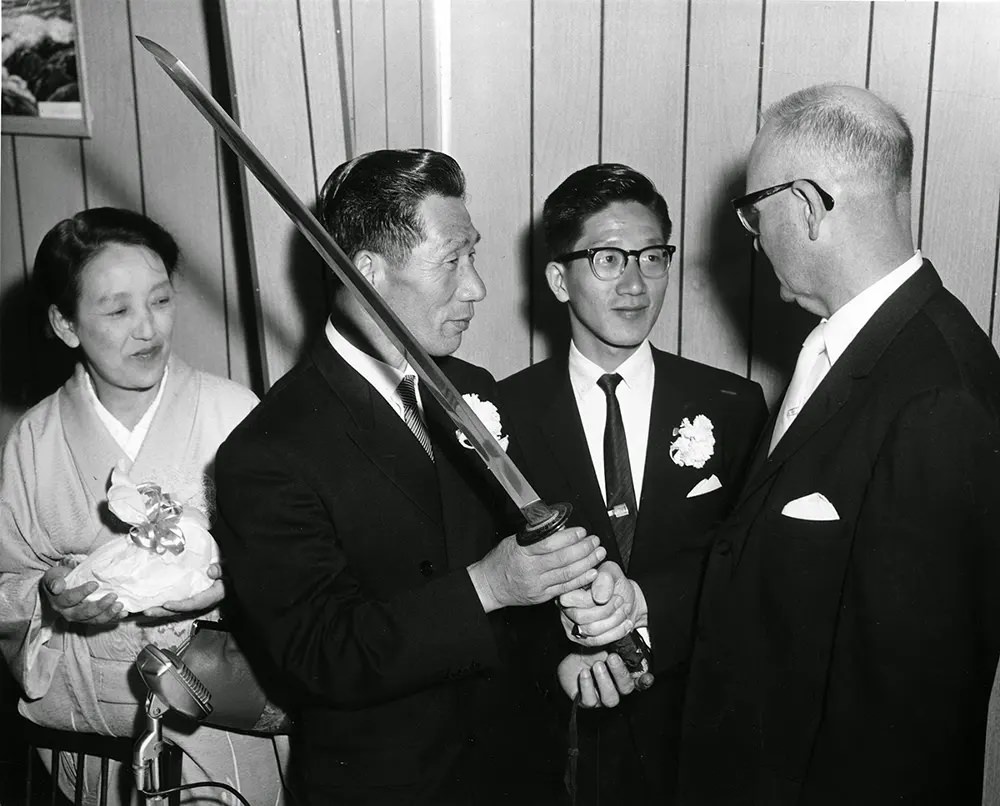
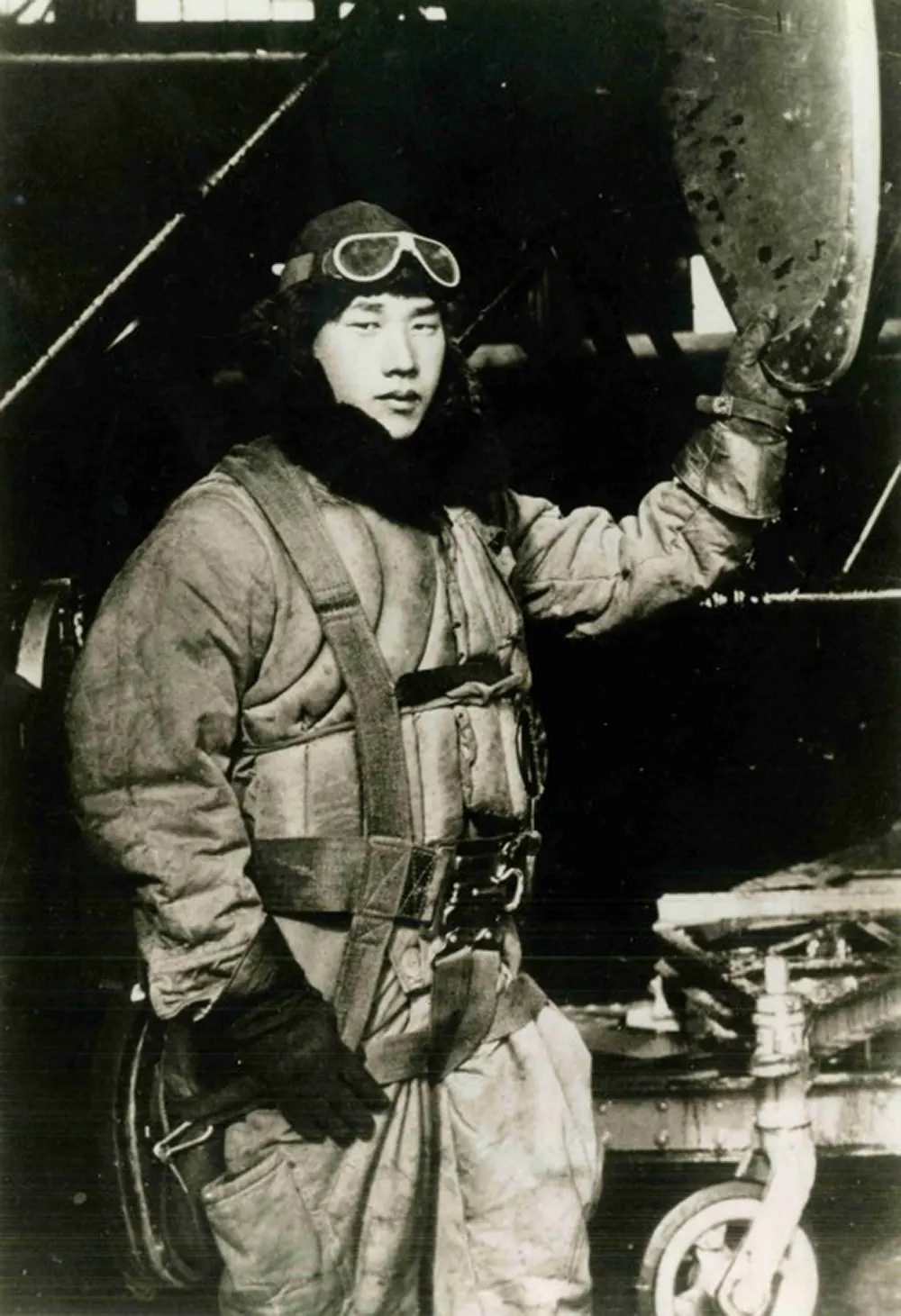
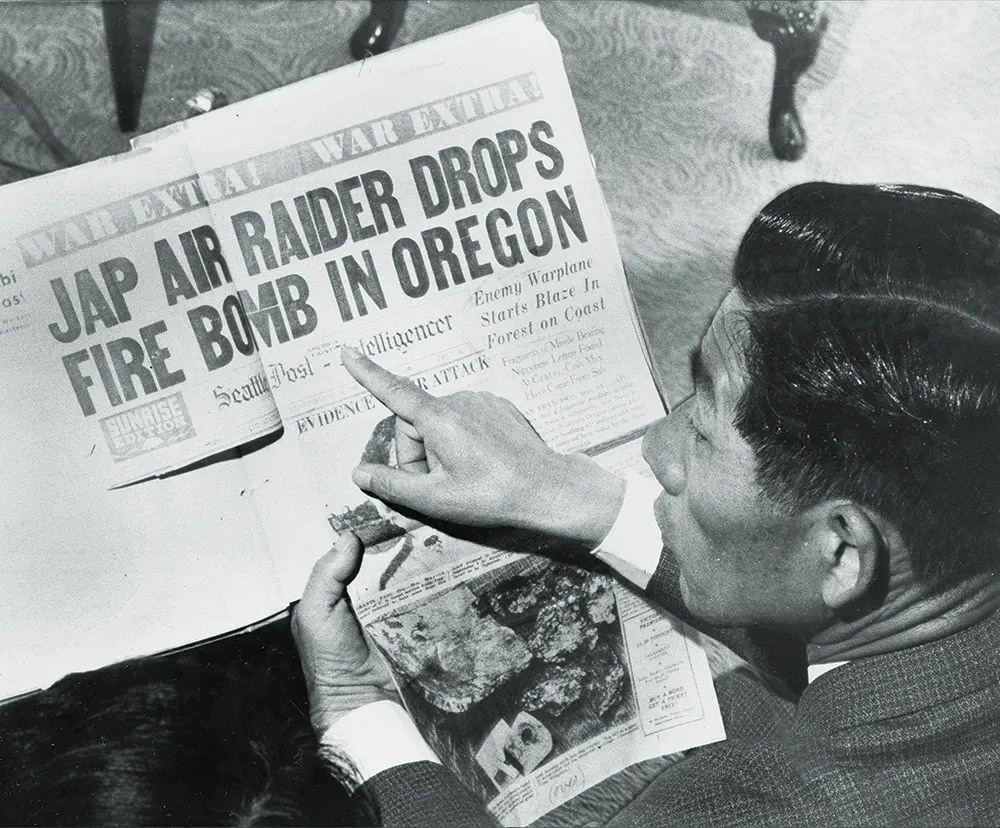
On September 9, 1942, a small Japanese floatplane crossed the Oregon coastline and dropped incendiary bombs on American soil. It was the only time an enemy aircraft bombed the continental United States during World War II. The man at the controls was Warrant Flying Officer Nobuo Fujita, a Japanese naval aviator whose mission would become one of the most unusual episodes of the Pacific War.
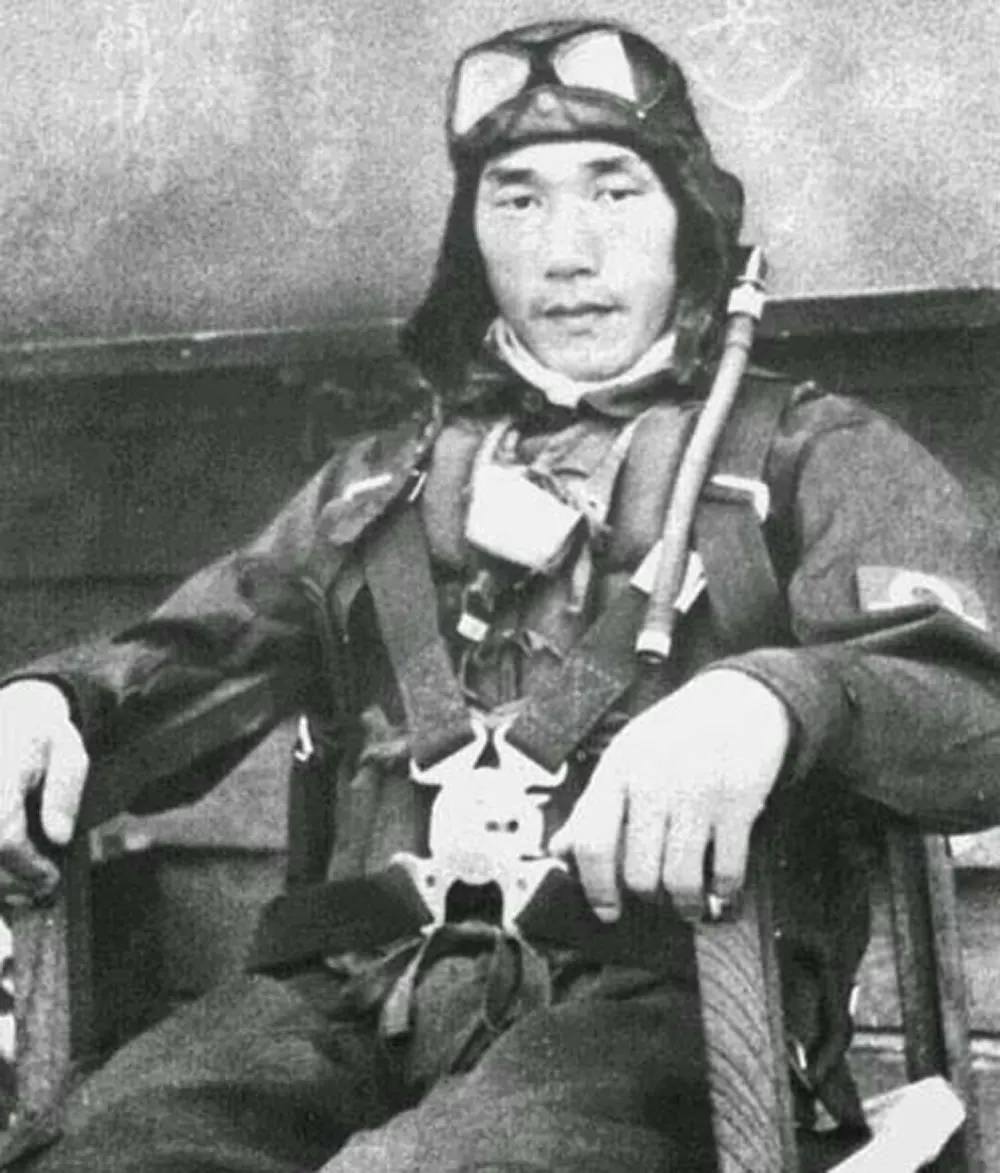
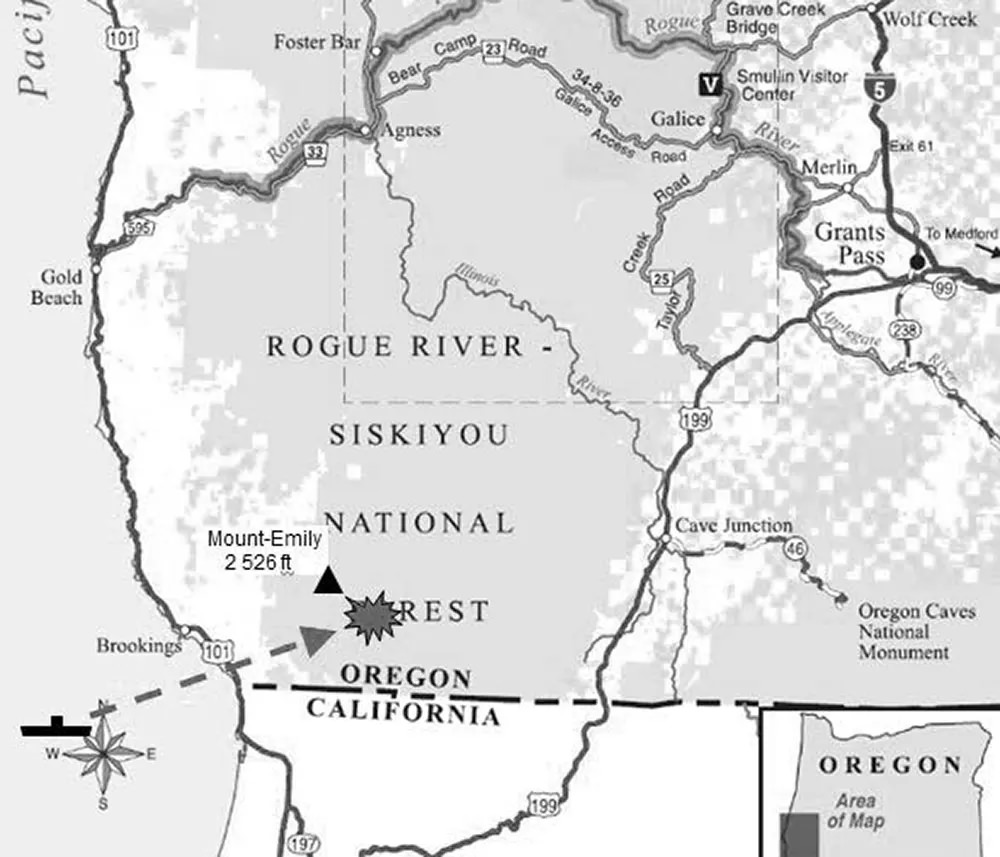
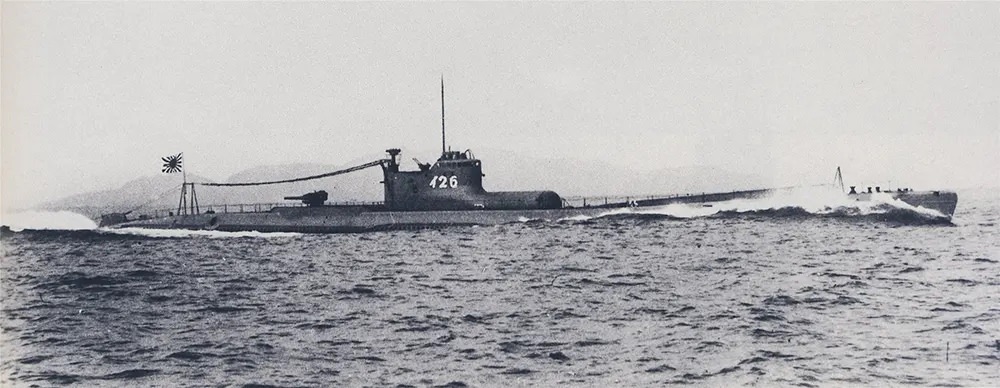
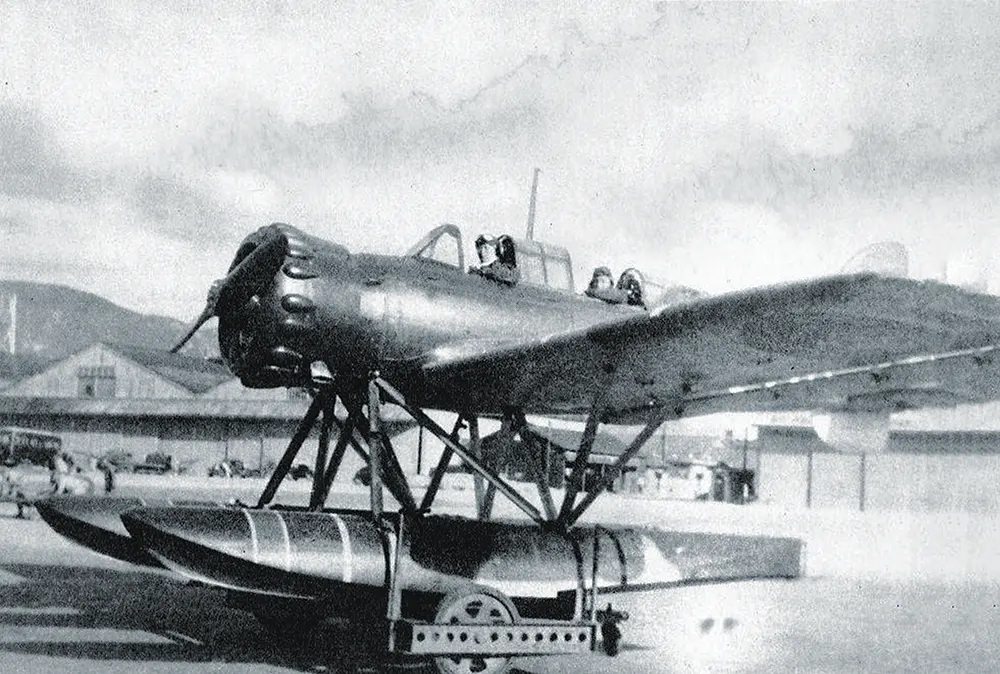
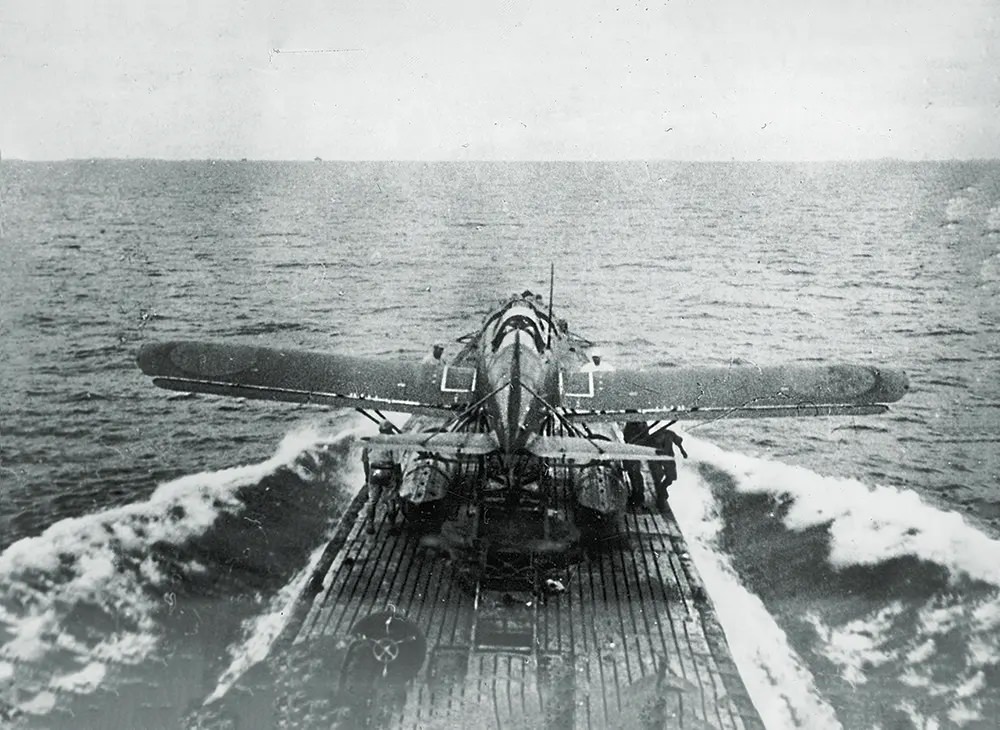
Fujita flew a Yokosuka E14Y floatplane — known to the Allies by the code name “Glen.” The aircraft was compact enough to be stored inside a watertight hangar mounted on a submarine. His vessel was the I-25, a Japanese submarine that had traveled from the Kuril Islands across the Pacific and surfaced off the Oregon coast before dawn. The plan was straightforward: launch the floatplane, fly inland, drop the bombs, and return.
The target was the Siskiyou National Forest, near the town of Brookings, Oregon. Japan hoped that incendiary bombs dropped on the dense forest would spark massive wildfires, stretching American emergency resources and spreading panic along the West Coast. Fujita released two incendiary bombs over the forest. They started a small fire, but local firefighters reached the site quickly and extinguished it before it could spread.
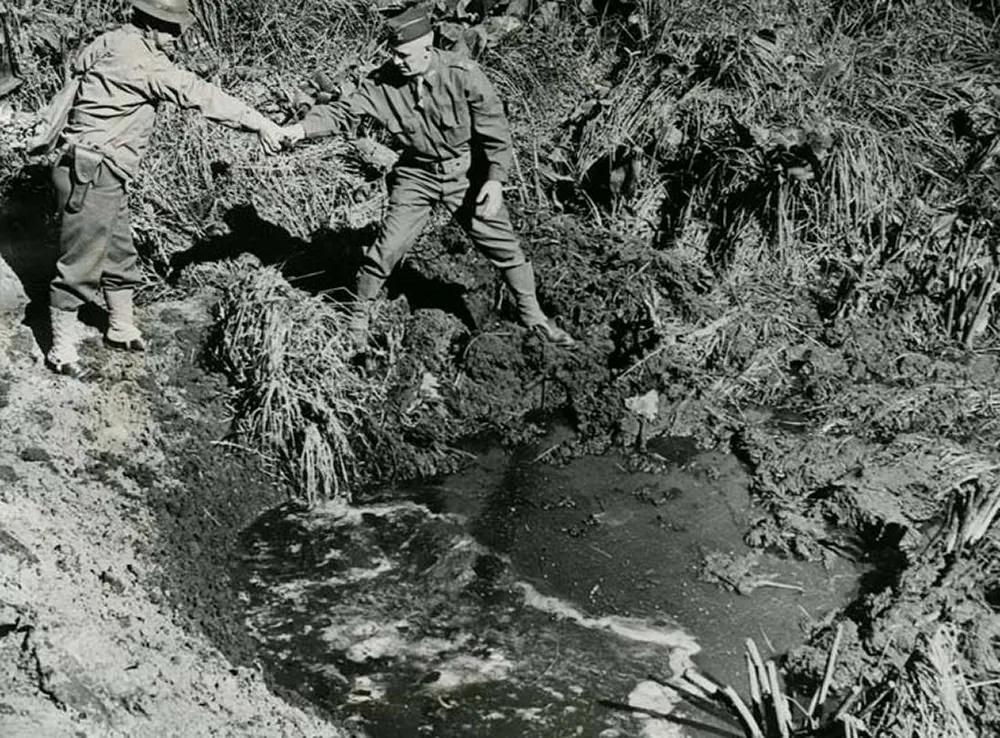
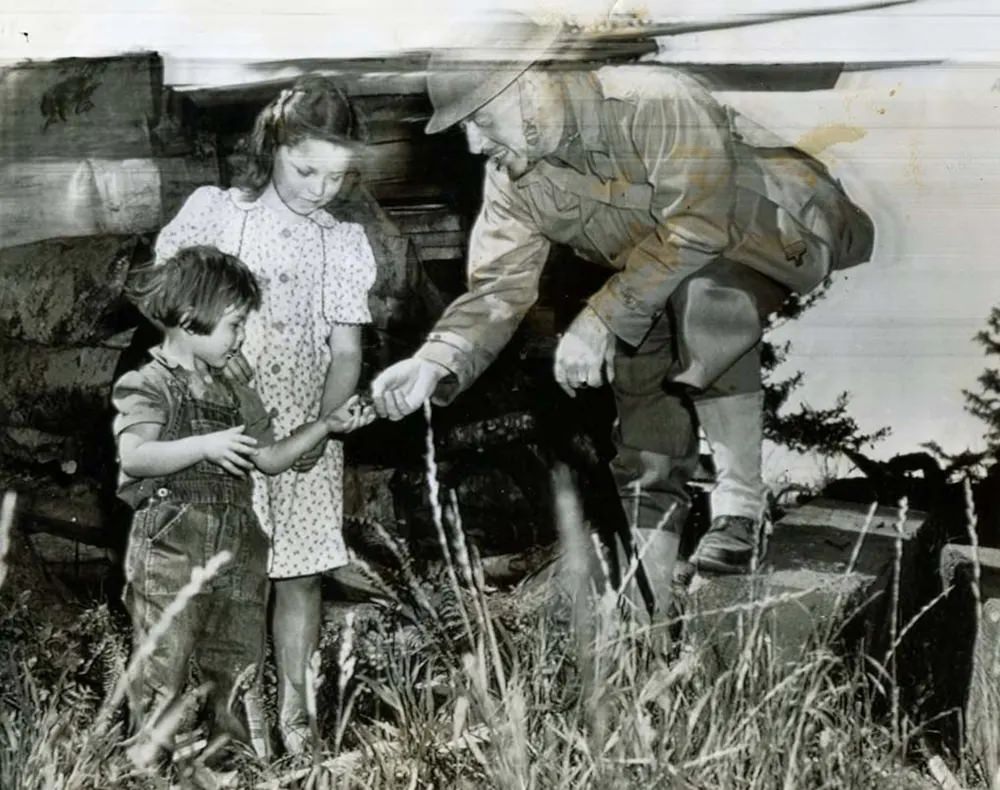
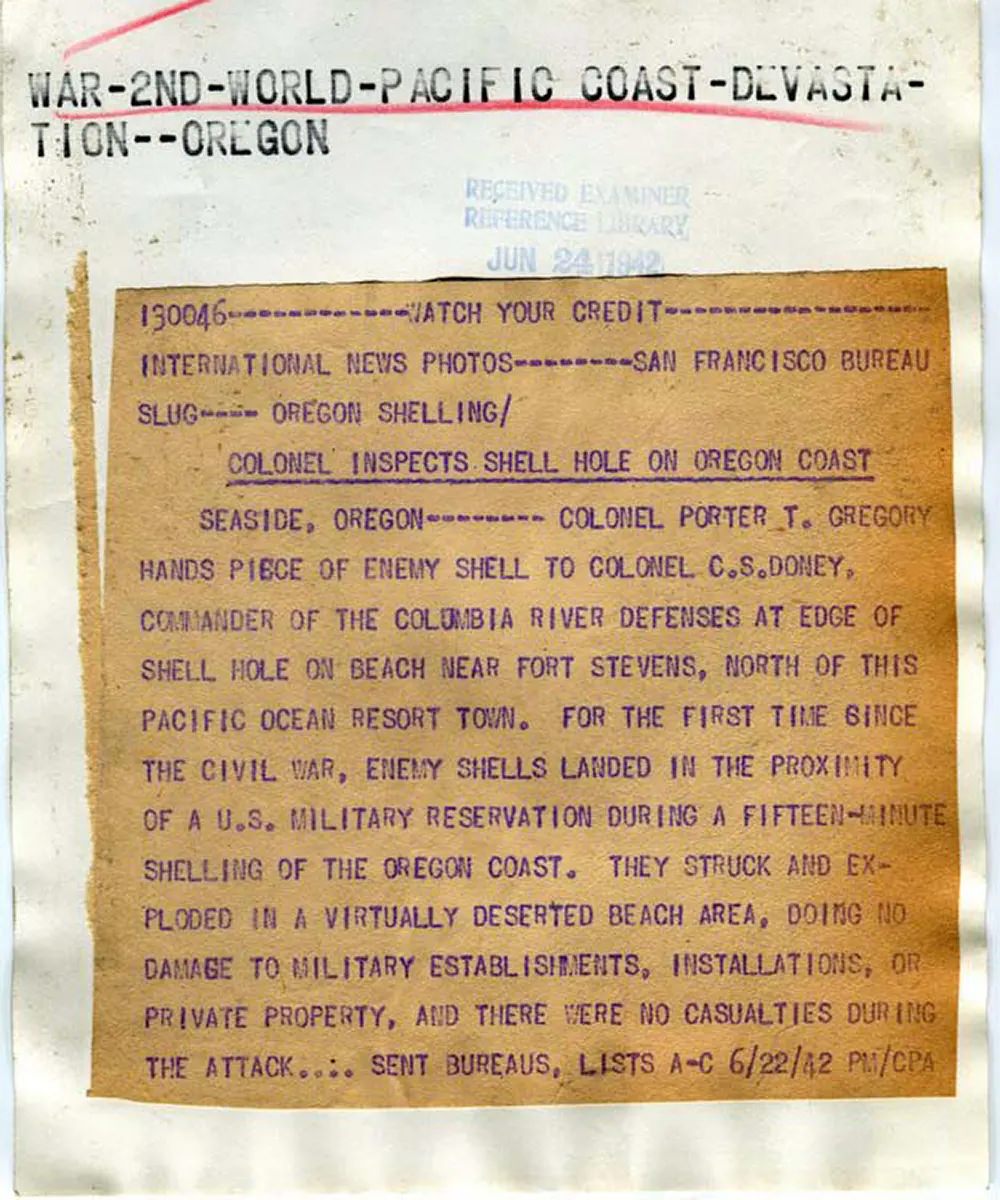
The bombing of Oregon was not the only Japanese strike on the US Pacific coast that year. Fort Stevens, a military installation at the mouth of the Columbia River in Oregon, was shelled by the I-25 on June 21, 1942 — making it the first US military installation to be fired upon by a foreign enemy since the War of 1812. American servicemen inspected the damage left behind, and locals were shaken by the realization that the war had reached their shores.
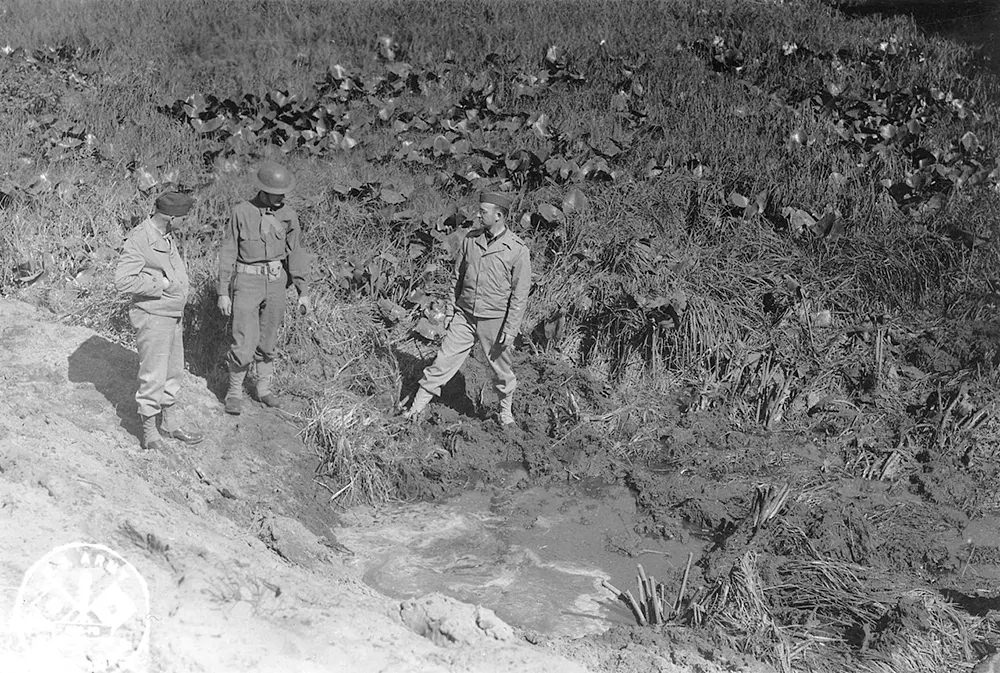
Fujita completed his bombing run and flew back to the I-25, which recovered the floatplane and slipped beneath the surface. He actually flew a second mission over Oregon on September 29, 1942, again dropping incendiary bombs — though neither raid caused significant damage. The missions were daring and technically impressive, but their military results were negligible.
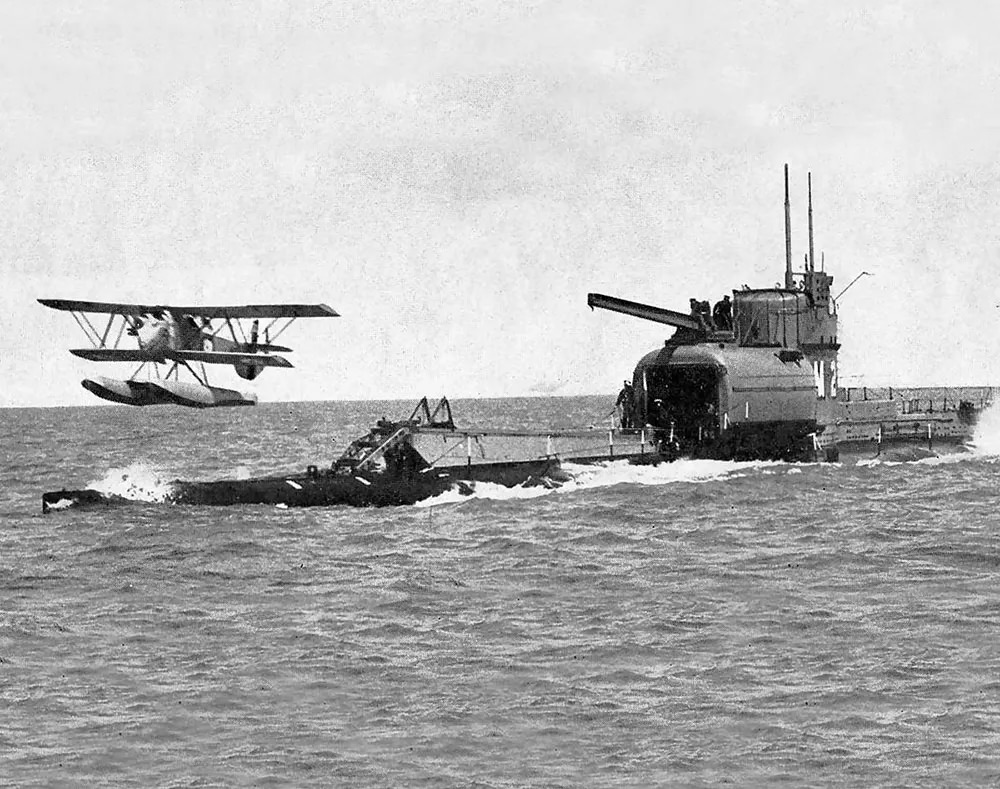
Launching a floatplane from a submarine was an extraordinary feat. The I-25 and similar submarines carried their aircraft in a pressure-resistant hangar forward of the conning tower. Once surfaced, the crew assembled the plane and launched it using an onboard catapult. The entire process had to be completed quickly to minimize the submarine’s exposure on the surface.
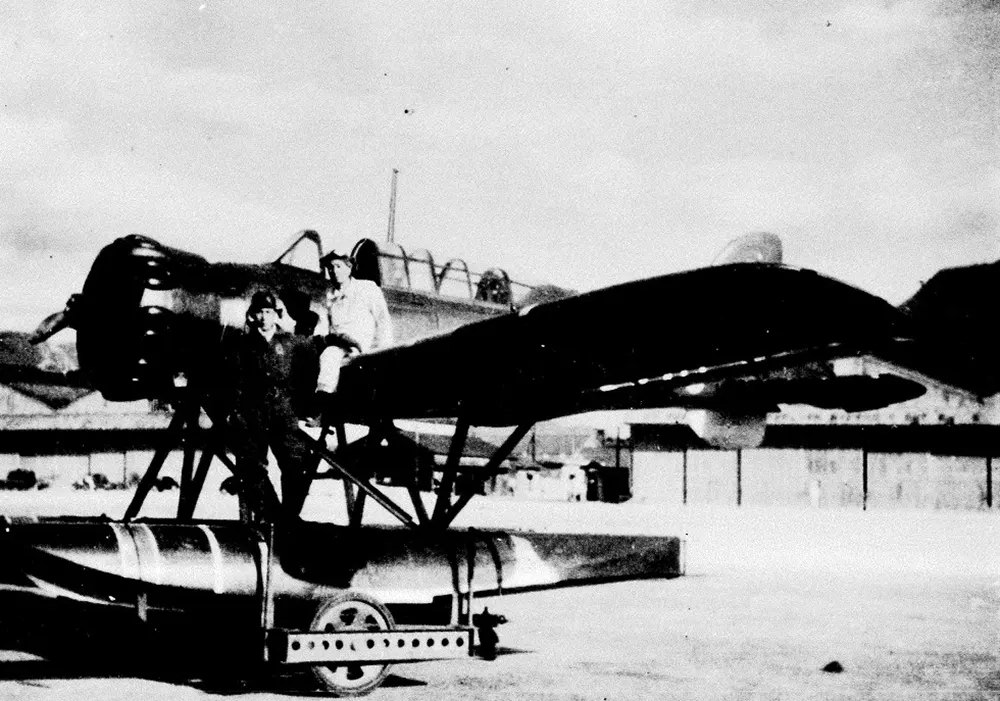
The Glen itself was a small, two-seat reconnaissance floatplane with a single engine. It was not designed as a dedicated bomber, which made Fujita’s mission all the more unconventional. The aircraft had a limited range and payload, yet it managed to strike a target on the American mainland and return safely — a feat no other enemy aircraft accomplished during the war.
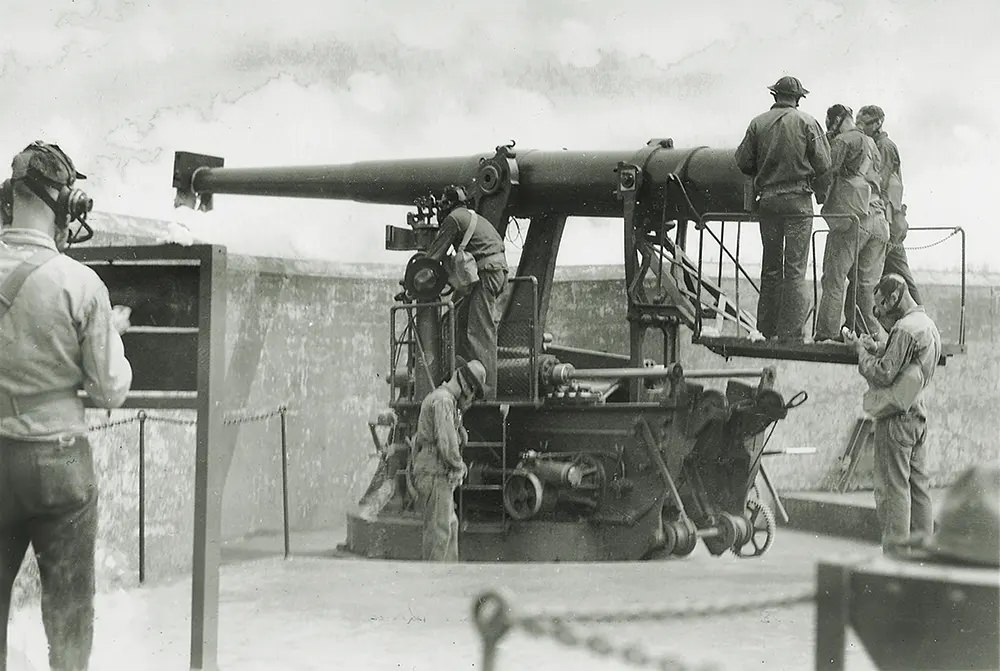
Fort Stevens, despite being shelled and later threatened by the broader Japanese coastal strategy, never fired back during the submarine attack. Its commander ordered his men to hold fire, reasoning that returning fire would only help the enemy pinpoint the fort’s gun positions. The 10-inch artillery pieces at Fort Stevens remained silent as shells landed nearby.
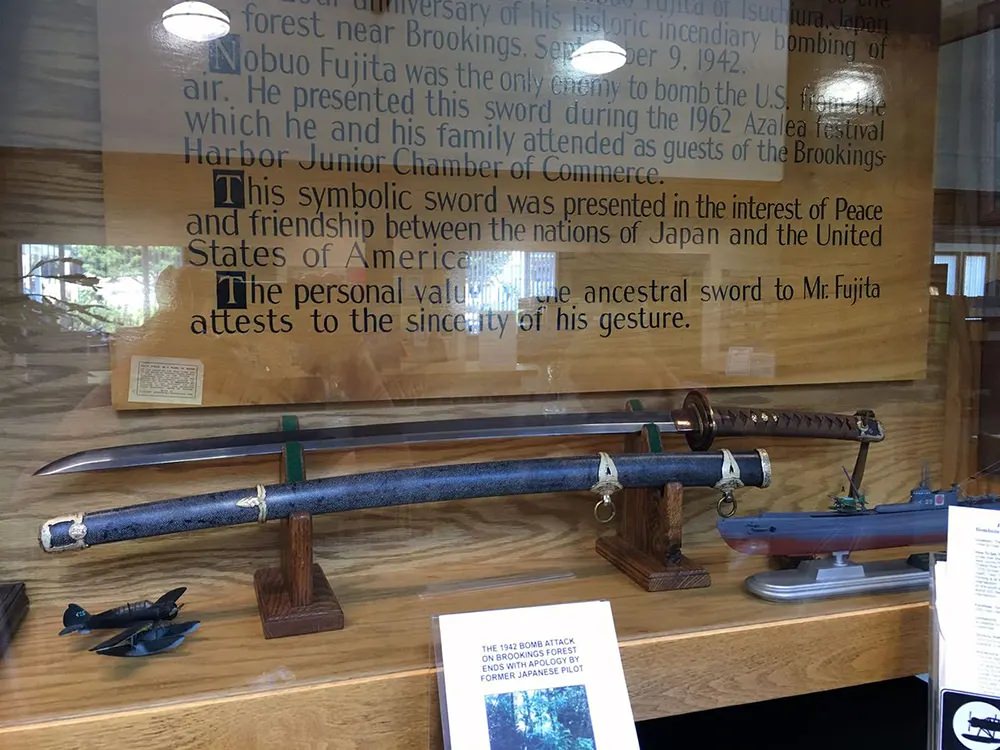
Decades after the war, Fujita returned to Brookings, Oregon — the town closest to where his bombs had fallen. In 1962, he came not as an enemy but as a guest, bringing with him his family’s centuries-old samurai sword. He presented it to the city as a gesture of goodwill. The sword, a deeply personal and culturally significant item, was placed on permanent display at the Brookings city library.
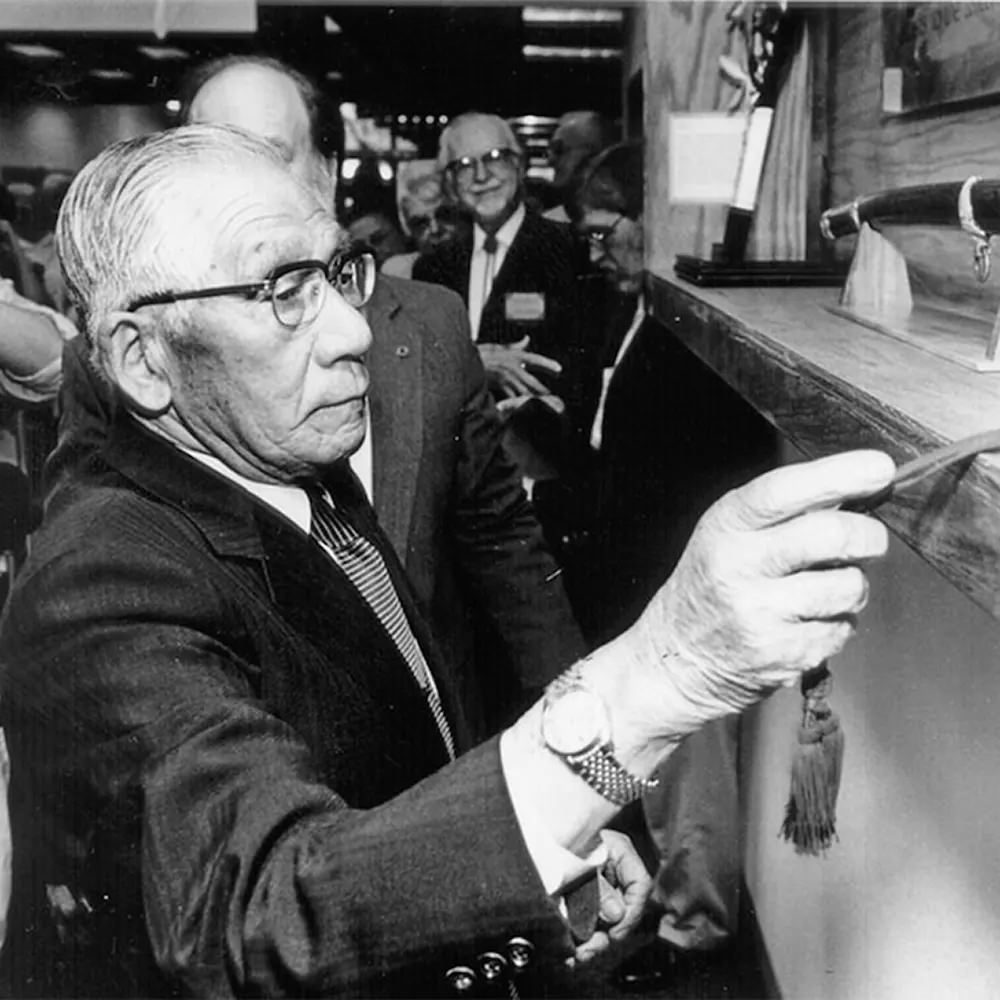
Fujita made several more visits to Brookings over the years. He met with local officials, spoke with residents, and was eventually named an honorary citizen of the city — a remarkable recognition for the man who had once dropped bombs on their forest. He spent the rest of his life committed to the idea of reconciliation between former enemies.
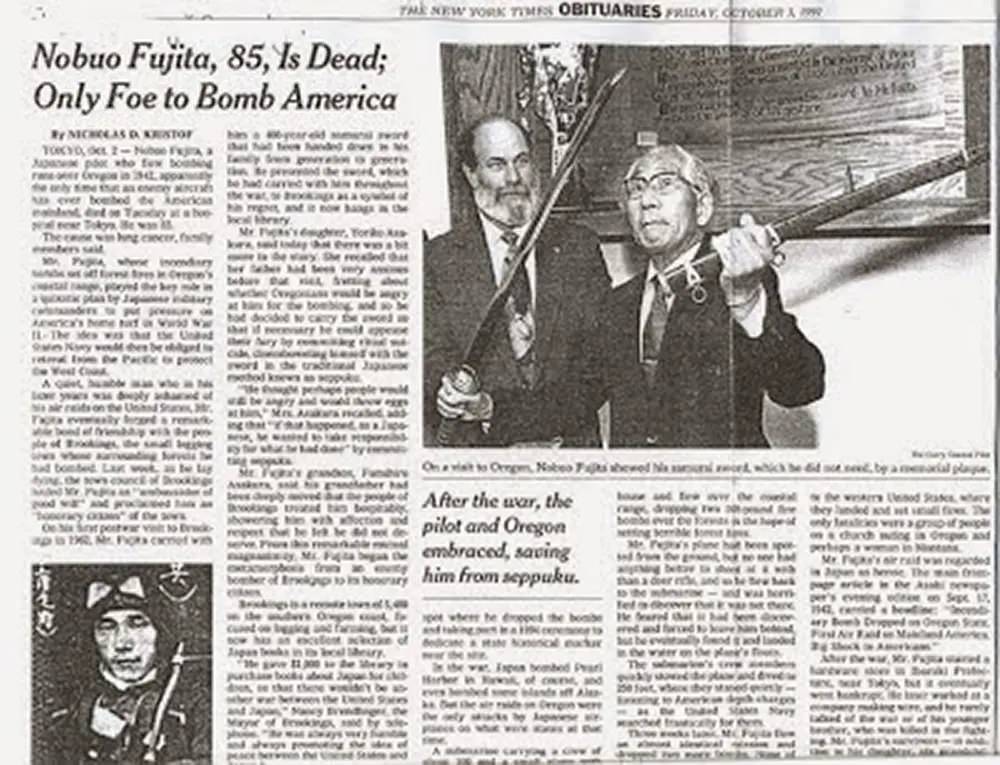
Nobuo Fujita died in October 1997. Before his death, he had been invited to return to Brookings one final time, but his health prevented the trip. His daughter traveled in his place, carrying his ashes to the site of his 1942 bombing run in the Siskiyou forest — where they were scattered over the same ground he had targeted more than fifty years before.