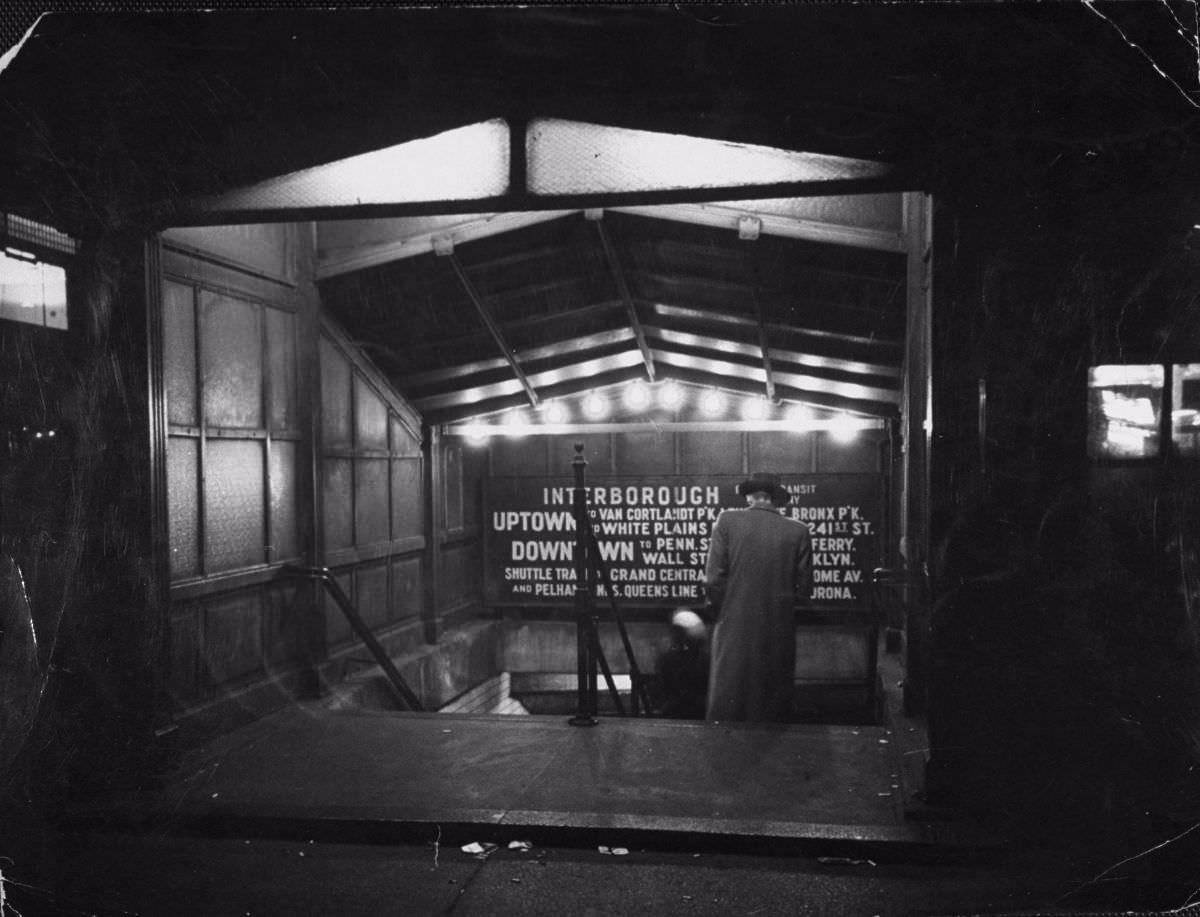
In the late 1960s, LIFE magazine photographer Ralph Crane descended into the tunnels beneath New York City with a single assignment: document the subway system from the inside out. What he produced was a detailed visual record of one of the busiest transit systems in the world at a pivotal moment in its history.
Crane’s access was broad. LIFE gave him entry to every level of the system — not just the platforms and cars that passengers saw every day, but the maintenance corridors, control rooms, and track beds that kept everything moving. He photographed workers repairing rails, operating heavy machinery, and cleaning stations during off-peak hours.
These workers were almost entirely men. Their jobs were physically demanding and largely invisible to the millions of riders above them. Crane’s camera made their labor visible, showing the human effort required to run a system that never fully stopped.
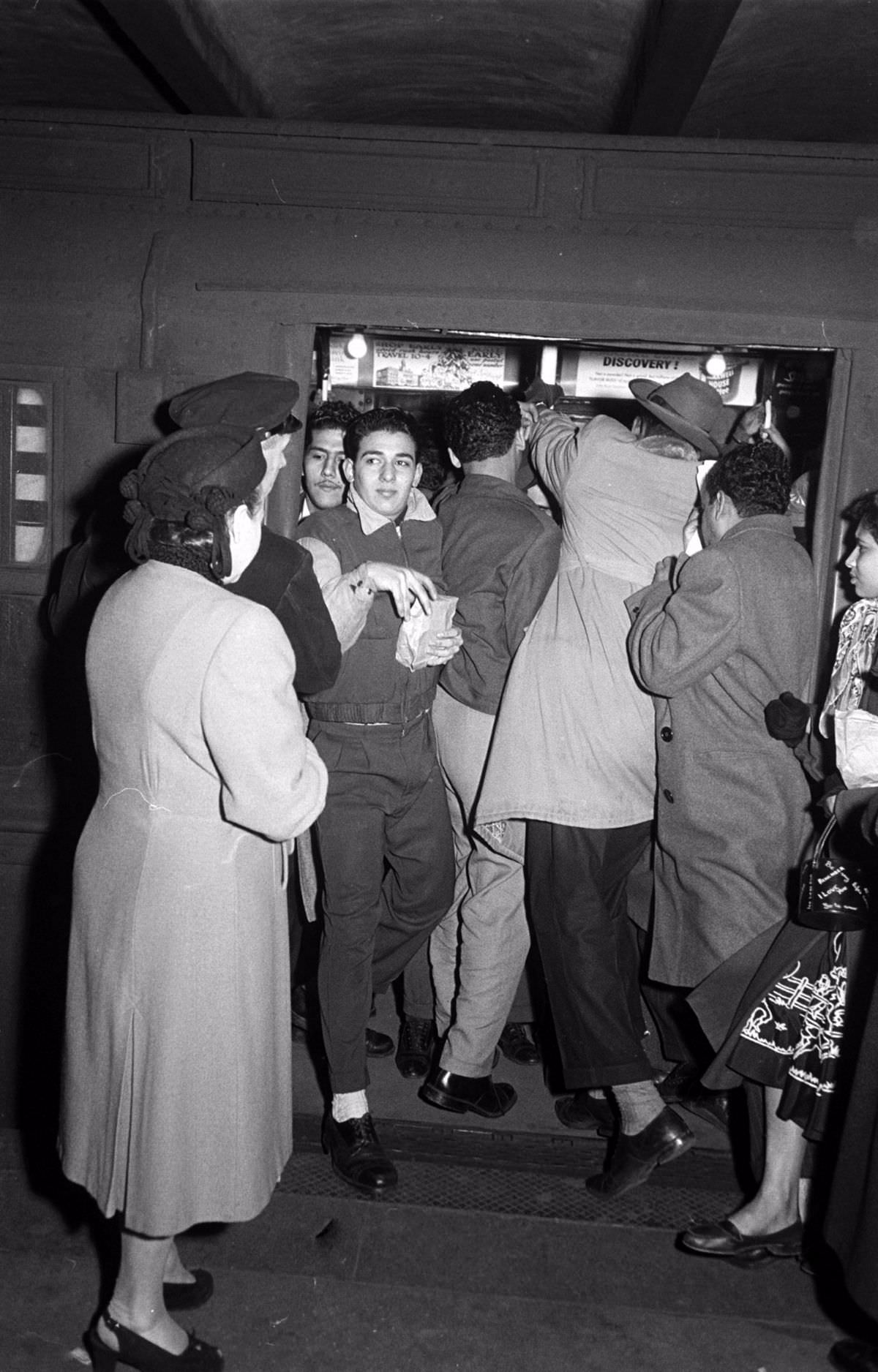
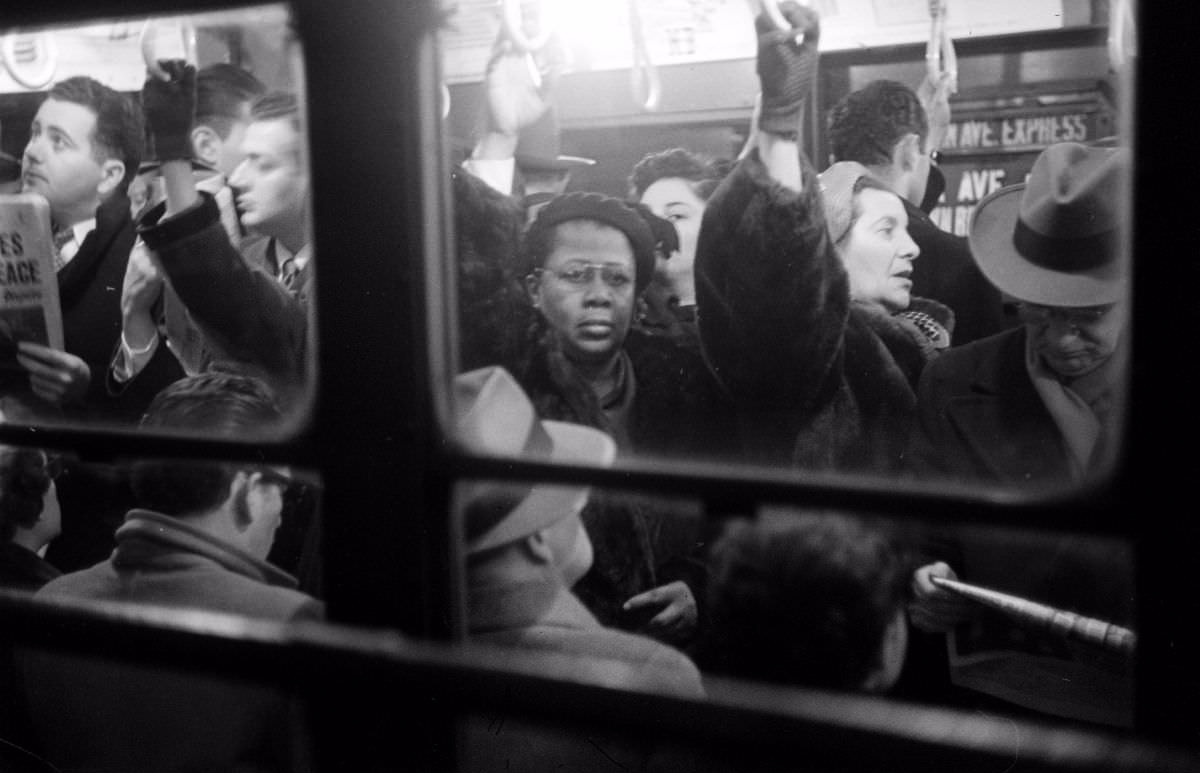
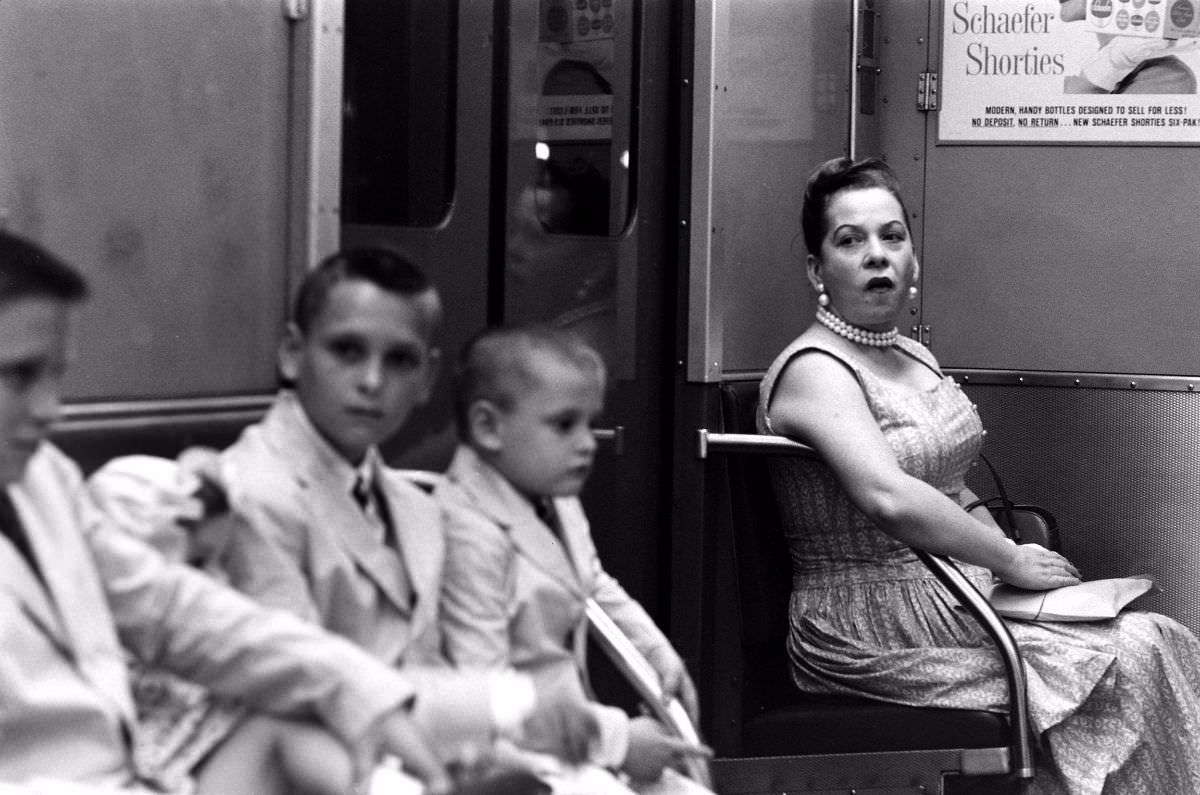
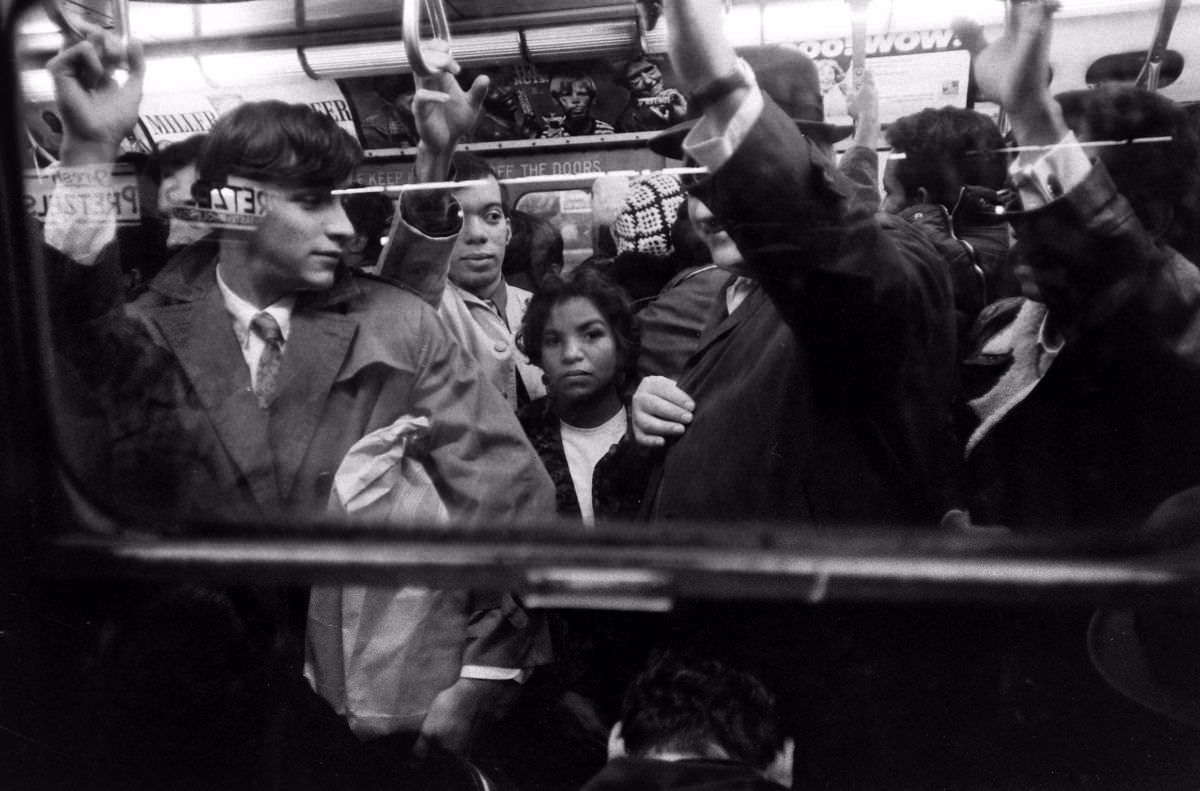
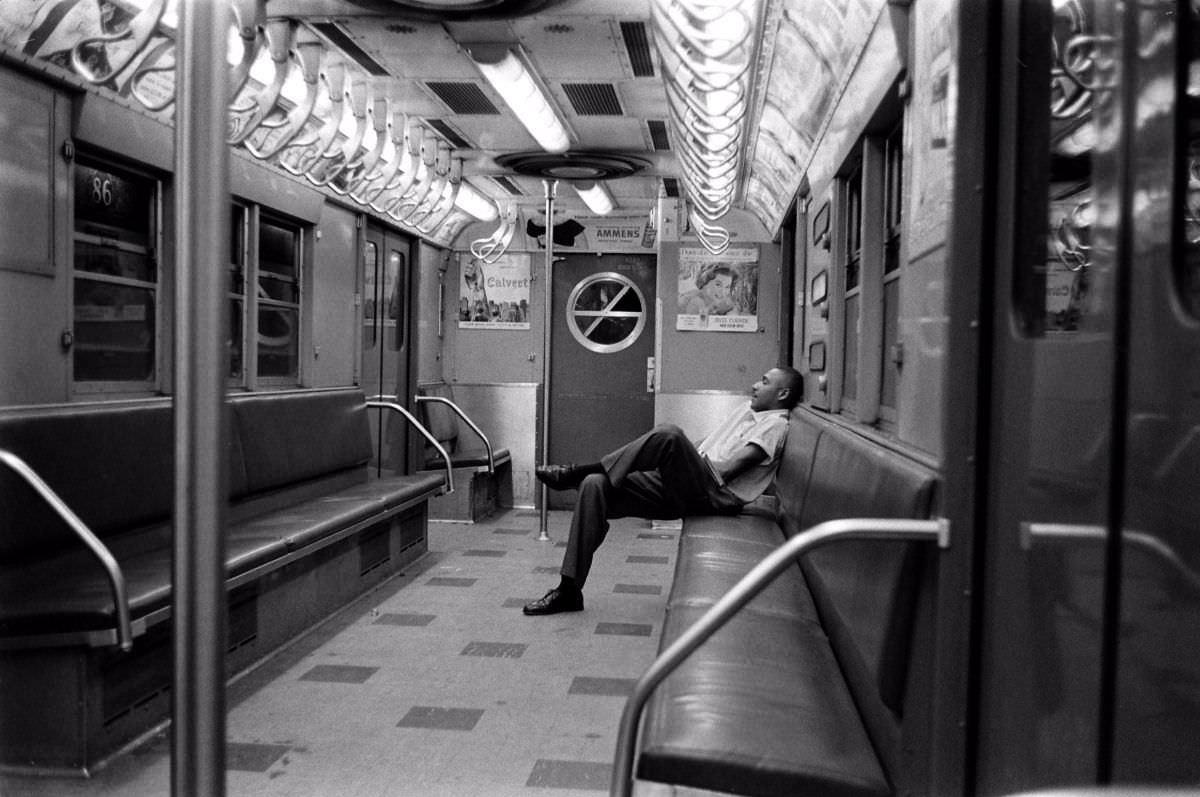
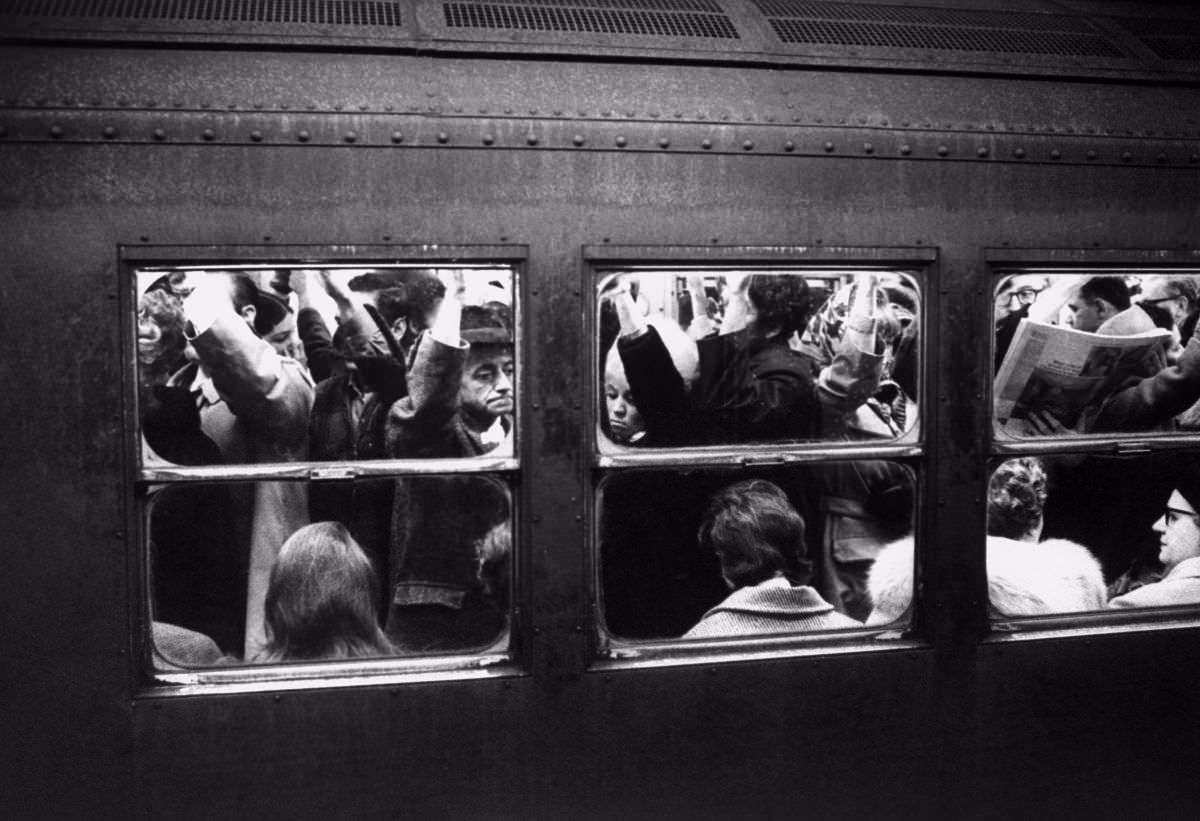
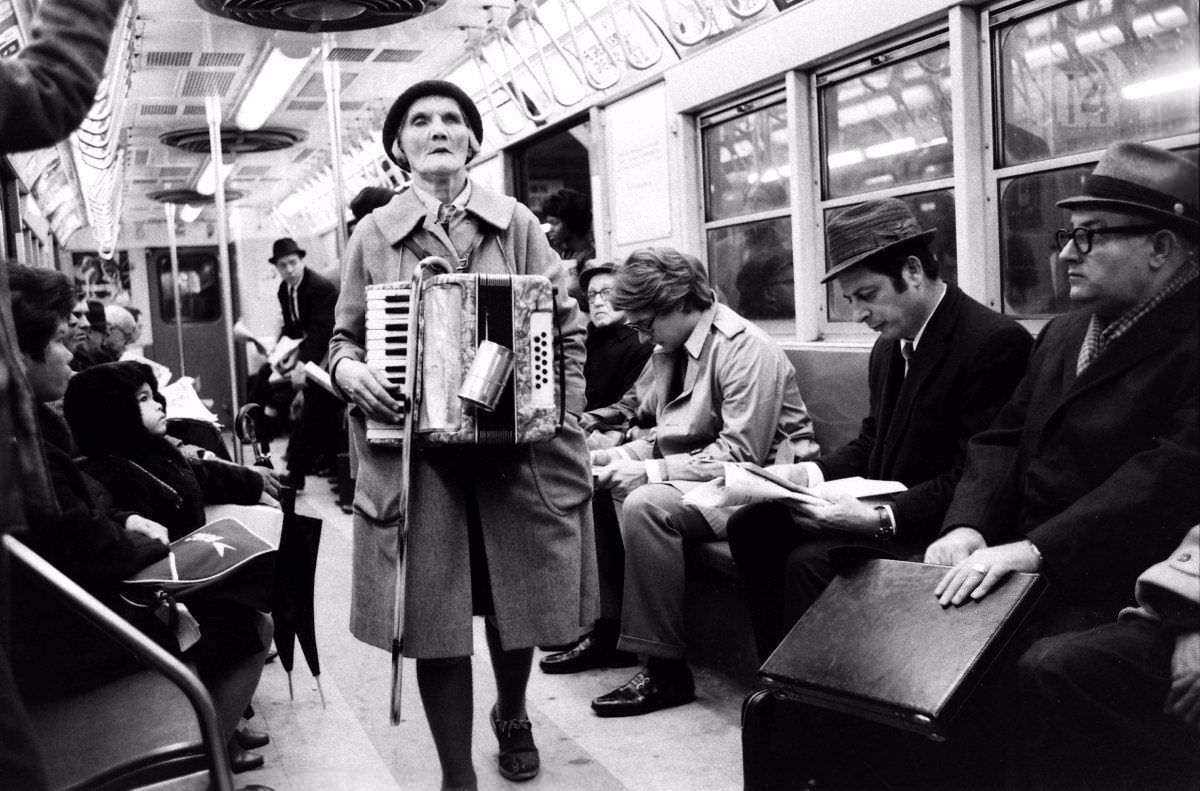
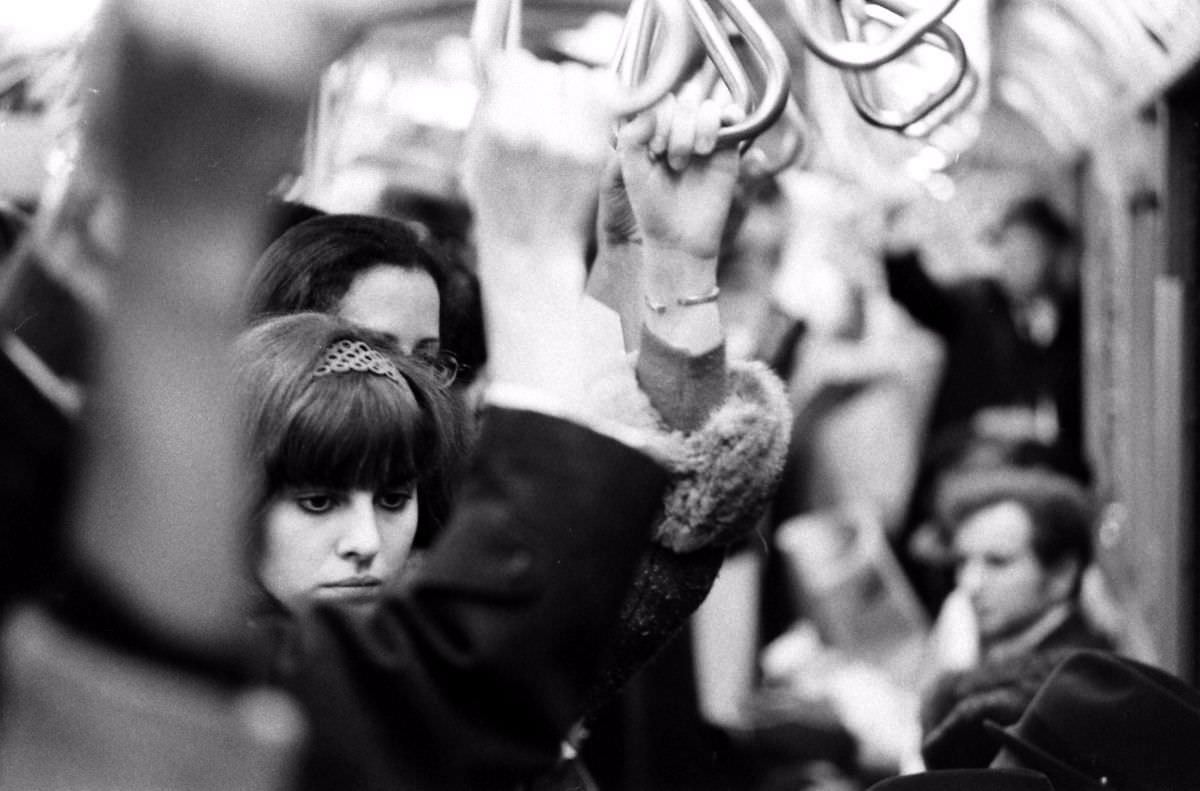
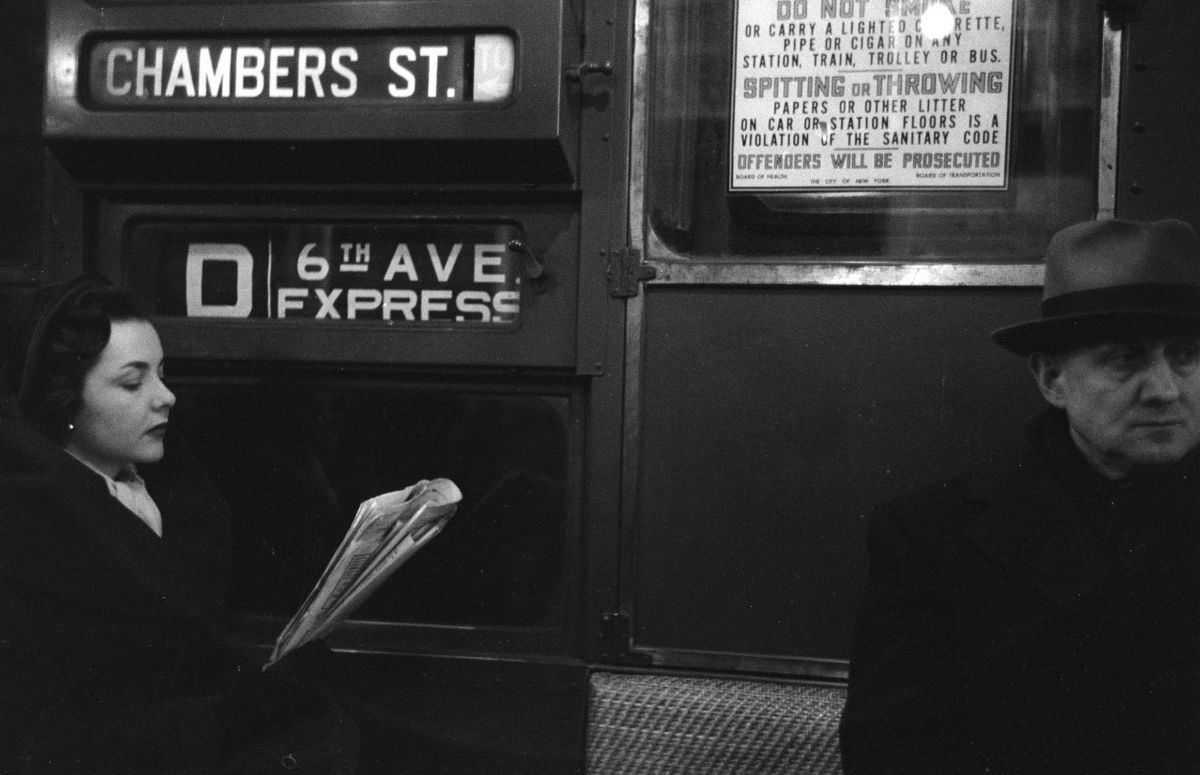
The passenger photographs are just as telling. New Yorkers from every background packed into the same cars — reading newspapers, staring at the floor, or talking to strangers. Late-1960s fashion marks nearly every frame: wide lapels, mod cuts, and hair styles that date the images precisely.
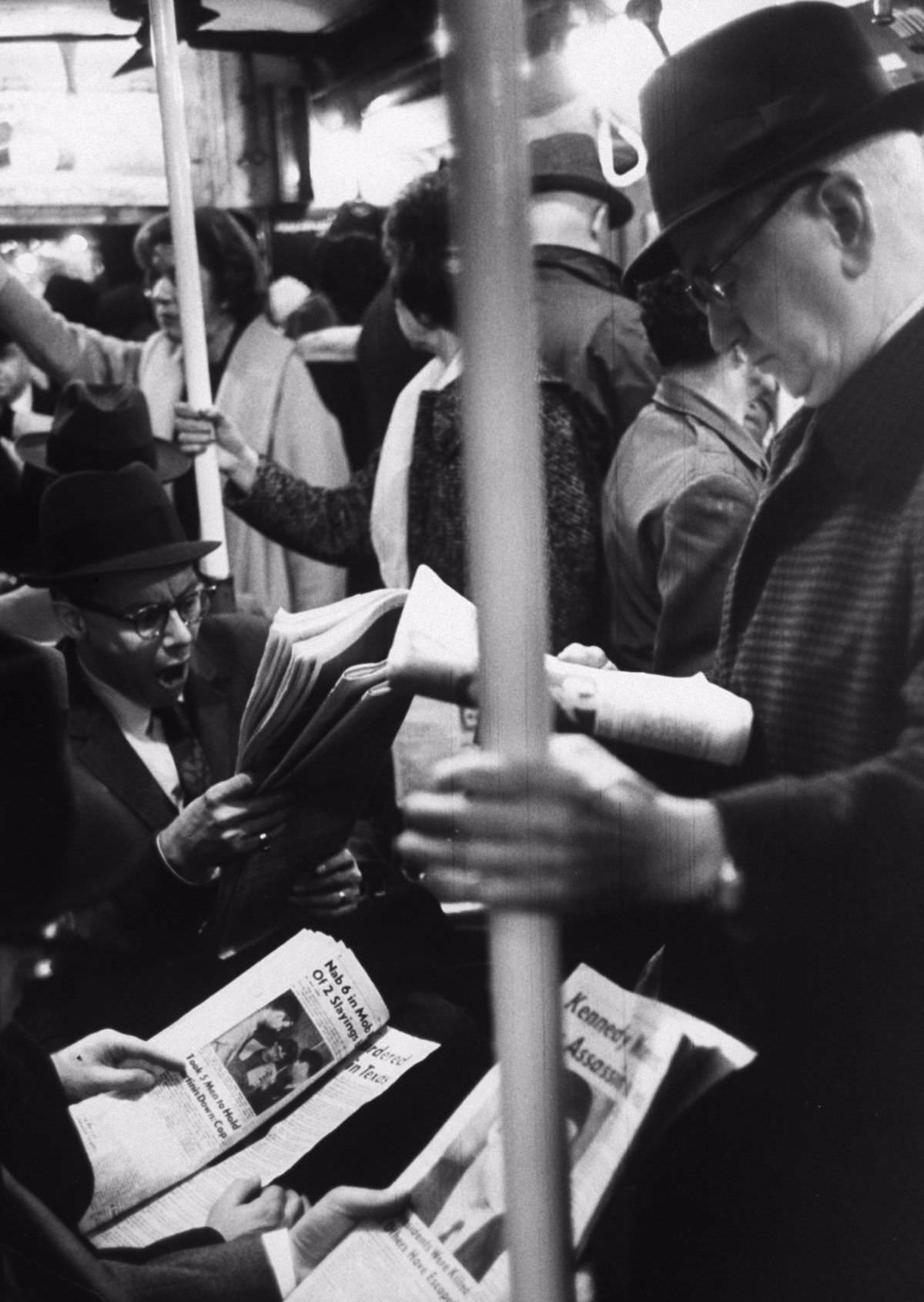
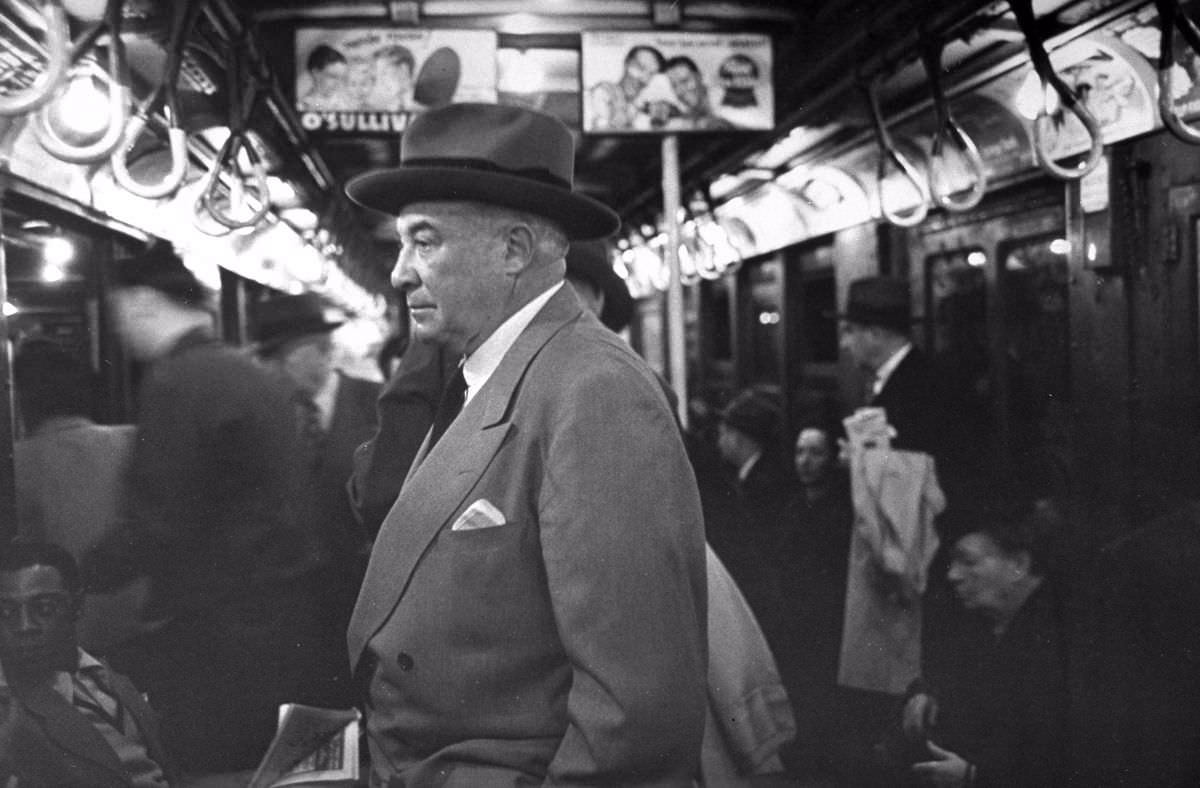
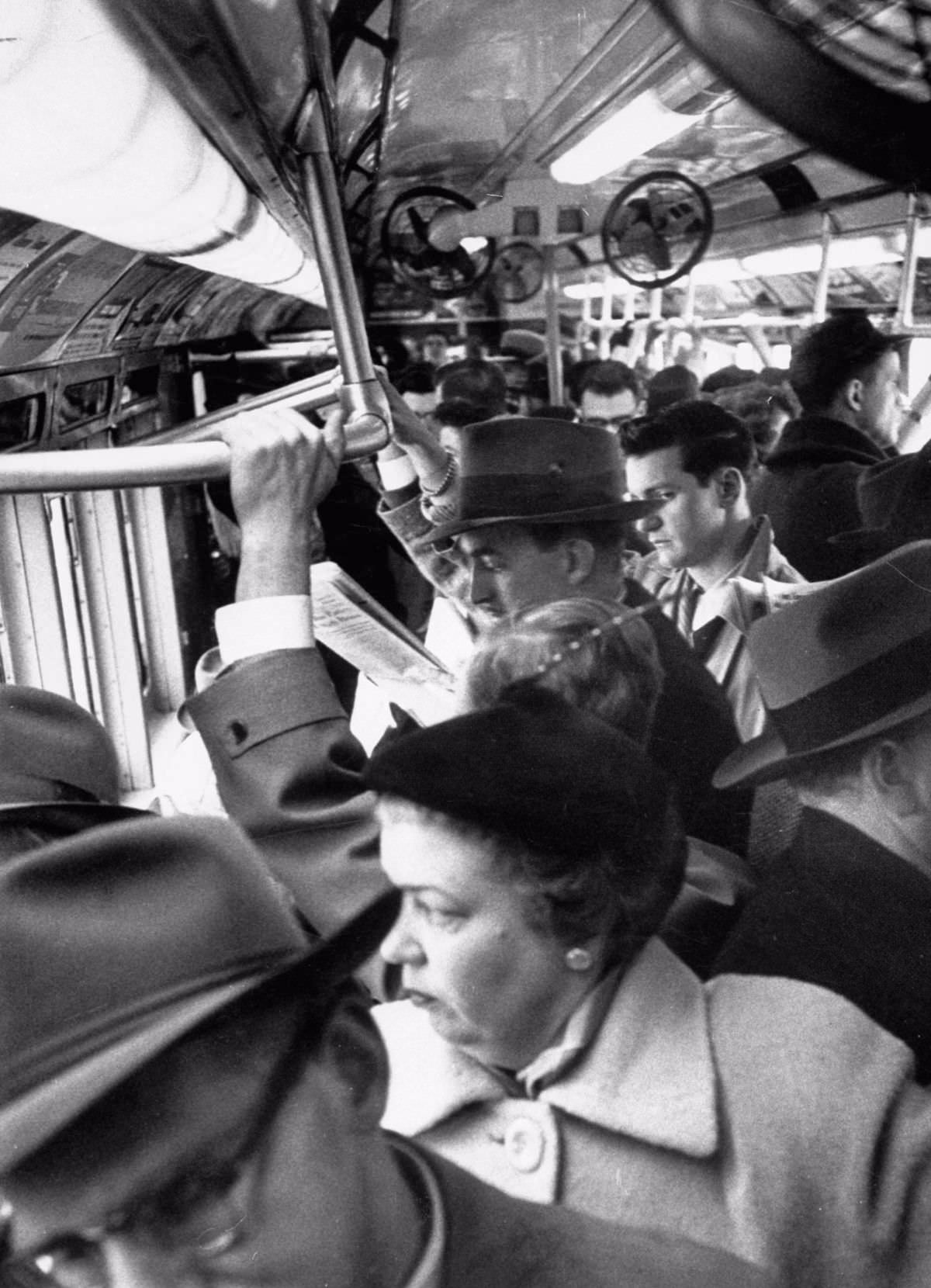
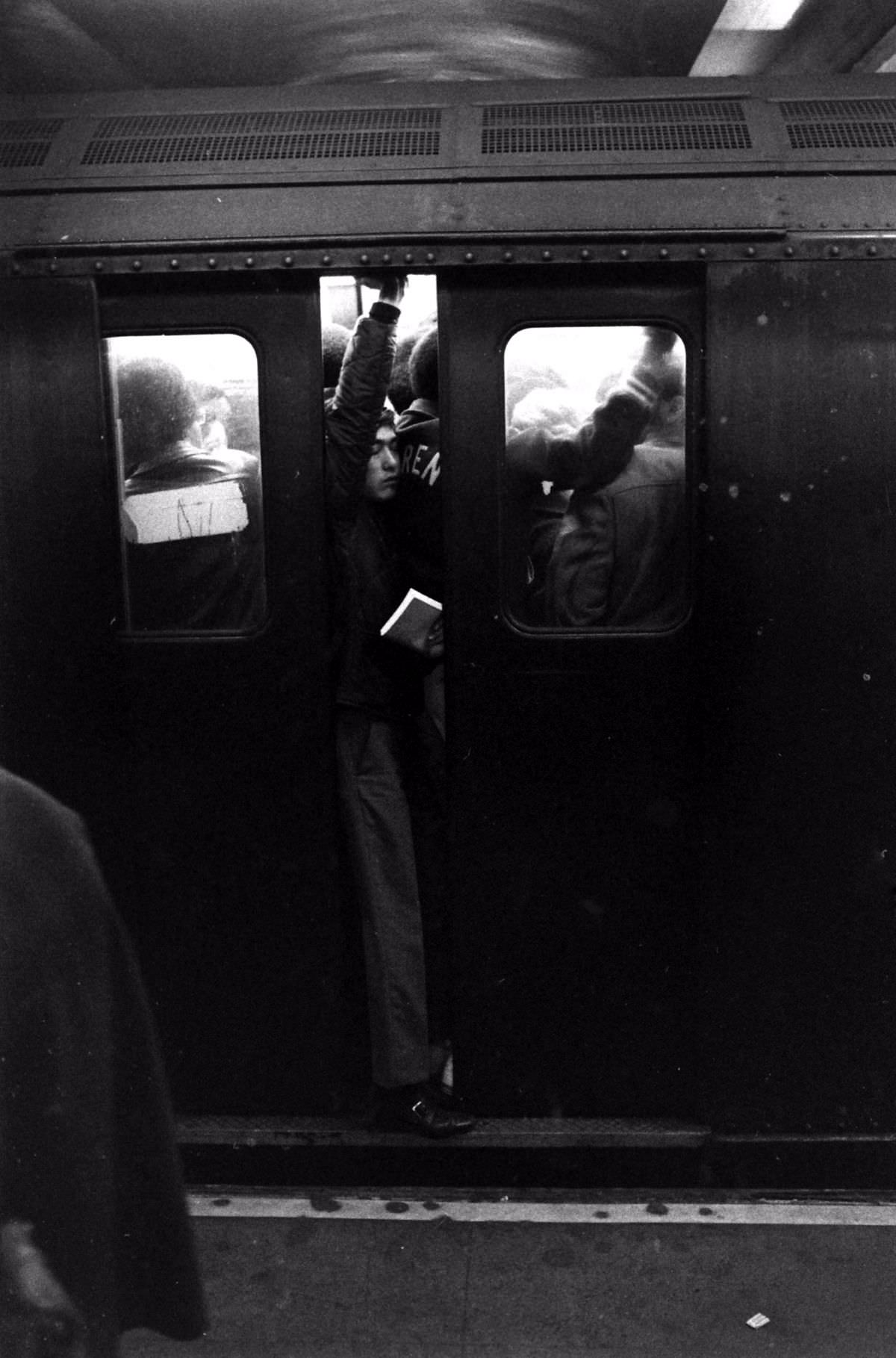
Rush hour scenes show cars packed well beyond comfort. Bodies pressed against doors, hands gripping overhead rails, faces turned away from strangers just inches away. This was the daily reality for millions of commuters.
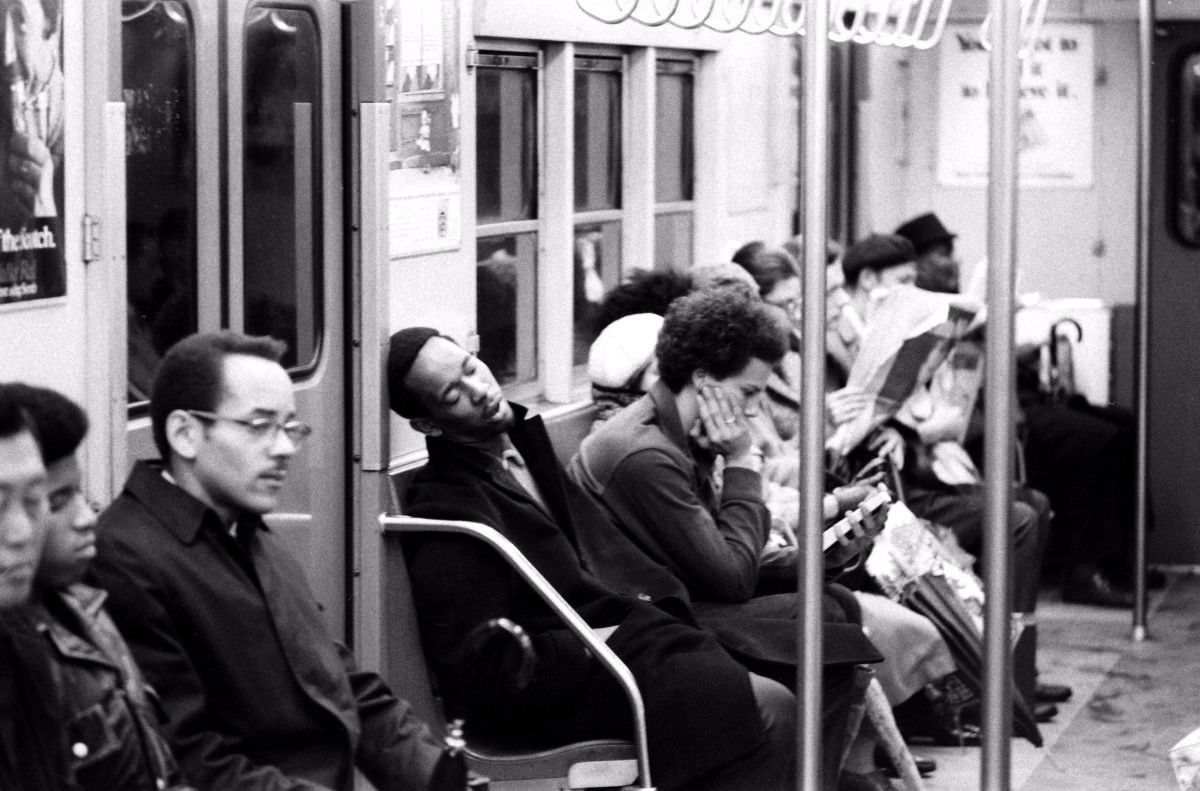
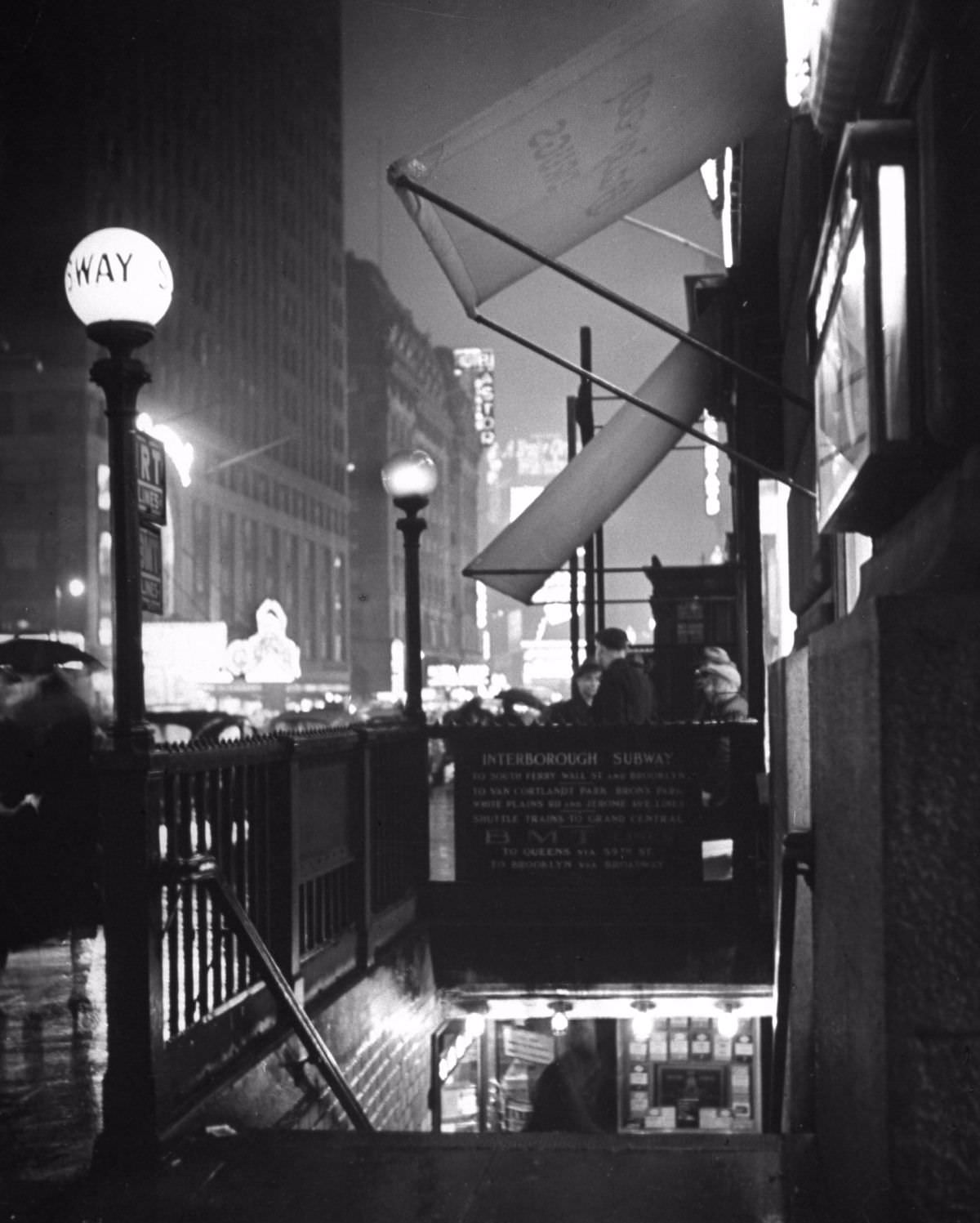
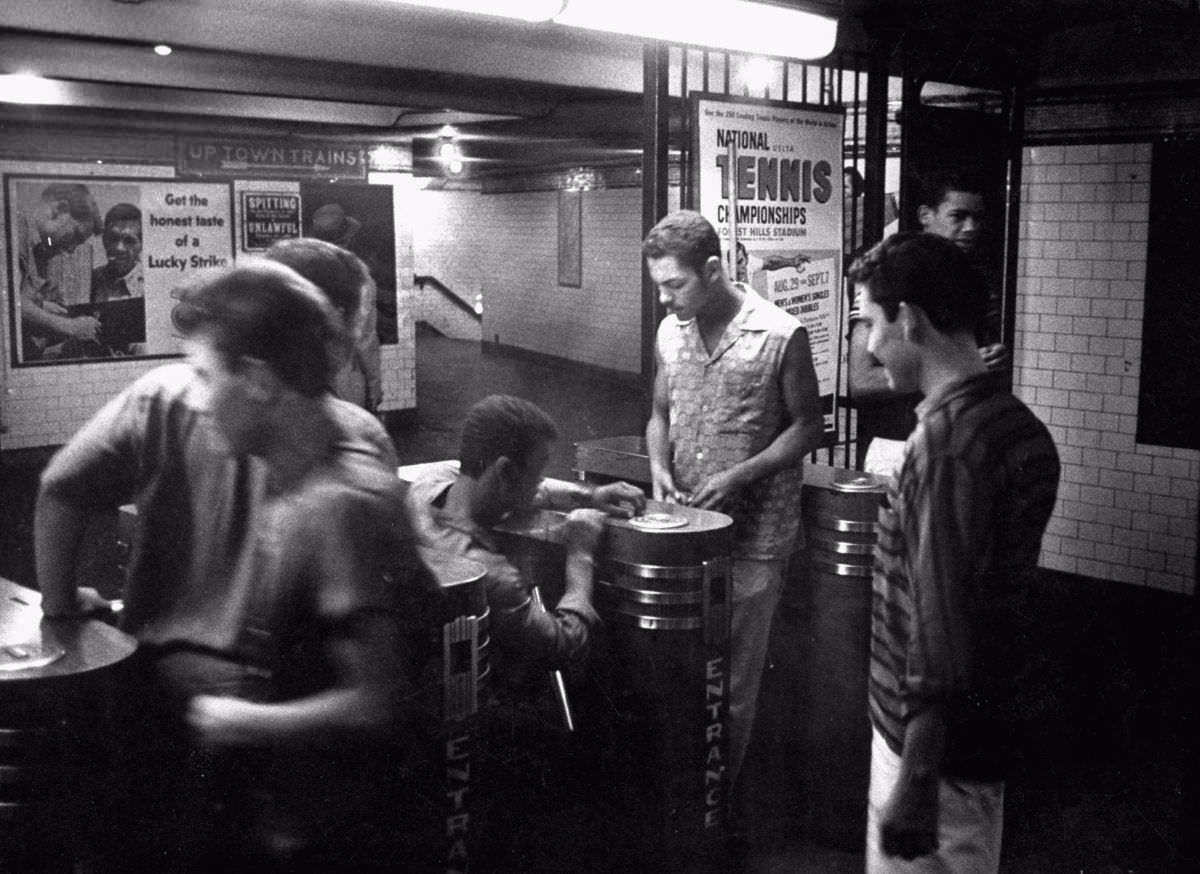
The stations themselves appear throughout Crane’s work as architectural subjects. Tiled walls, arched ceilings, and hand-painted or ceramic signage fill the backgrounds of many shots. These design elements dated back decades, and Crane’s photographs preserve them in sharp detail.
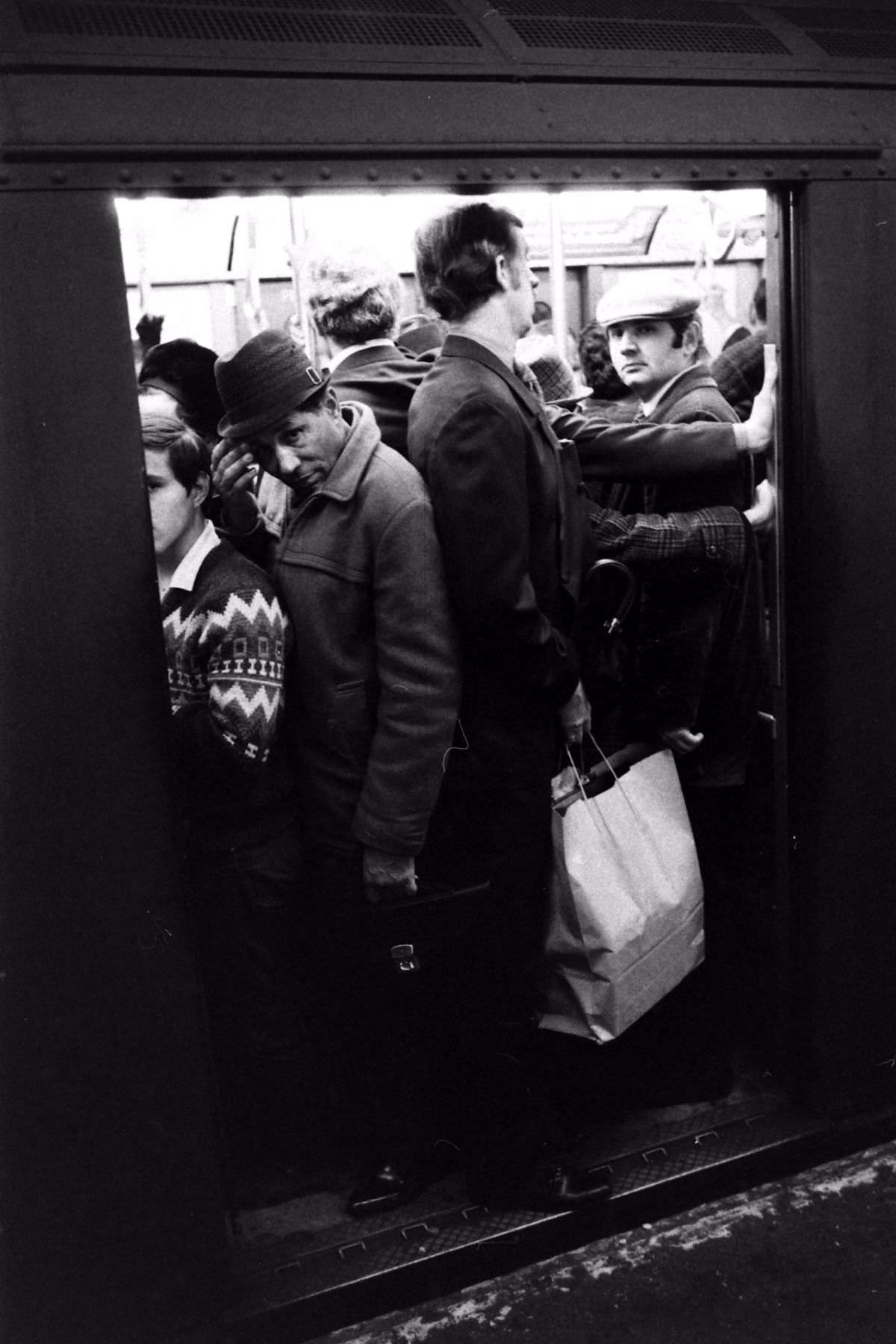
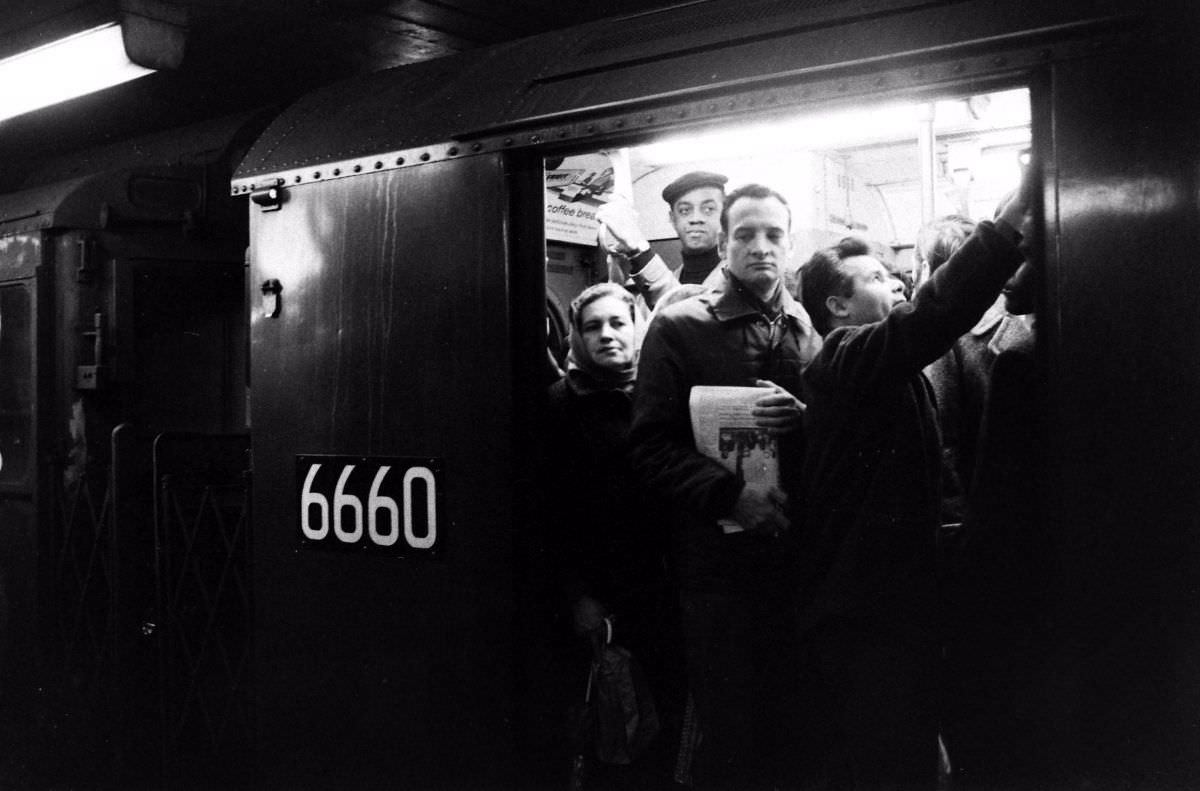
Crane shot candidly. Most subjects appear unaware of the camera, caught mid-thought or mid-task. This approach gives the photos an unguarded quality that staged portraits rarely achieve.
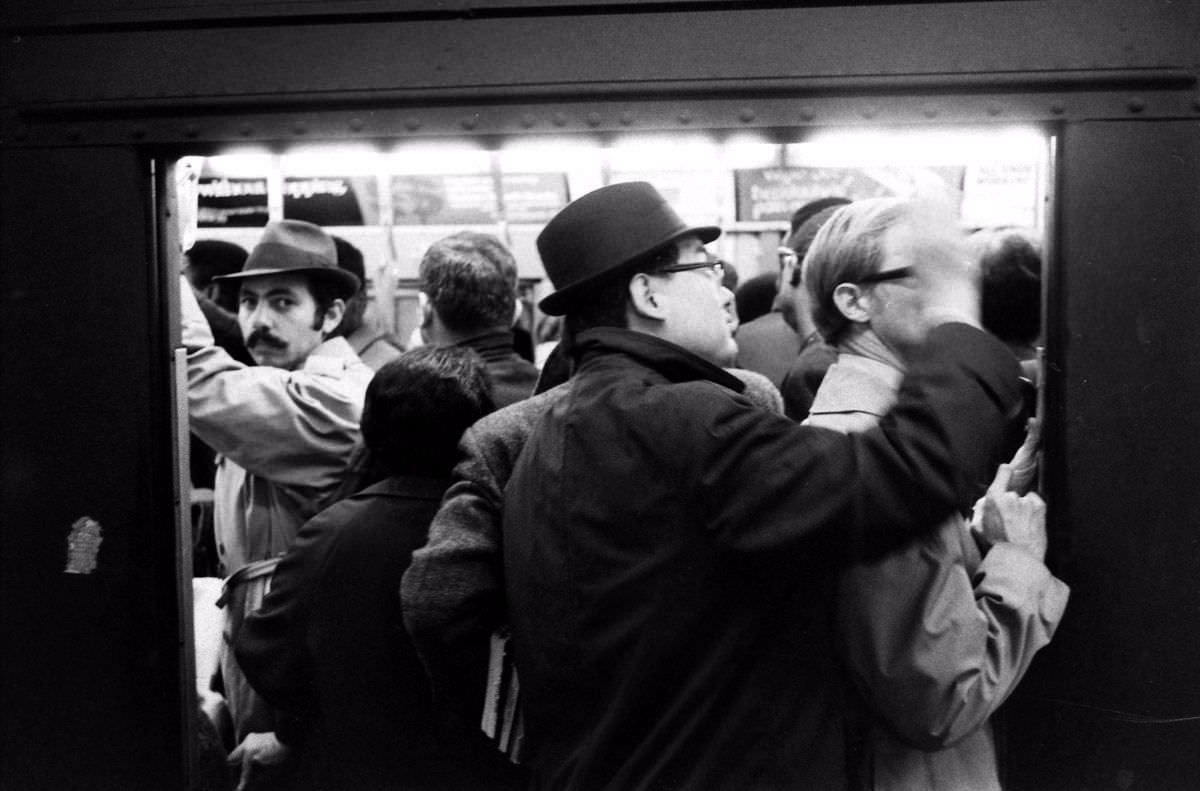
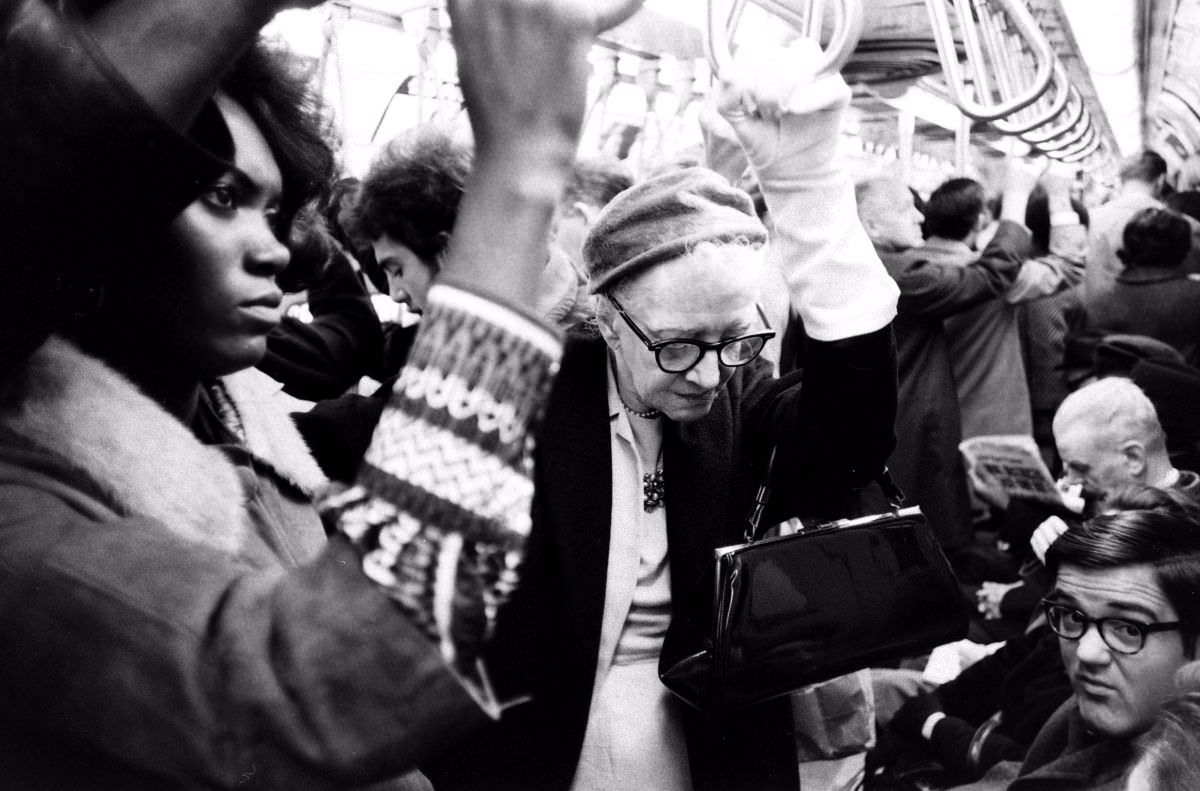
Taken together, Crane’s subway photographs form a precise cross-section of New York City life in the late 1960s — its workforce, its commuters, and the underground infrastructure that connected them all.