New York City in the 1970s was nothing like the gleaming skyline tourists flock to today. The city was broke, overcrowded, and deeply troubled. Crime rates soared. Entire neighborhoods crumbled under neglect. Garbage piled up during strikes. Blackouts triggered looting. The federal government famously refused to bail the city out, summed up by a 1975 Daily News headline: “Ford to City: Drop Dead.” Yet even in that chaos, New York buzzed with a raw, restless energy that no other city on earth could match.
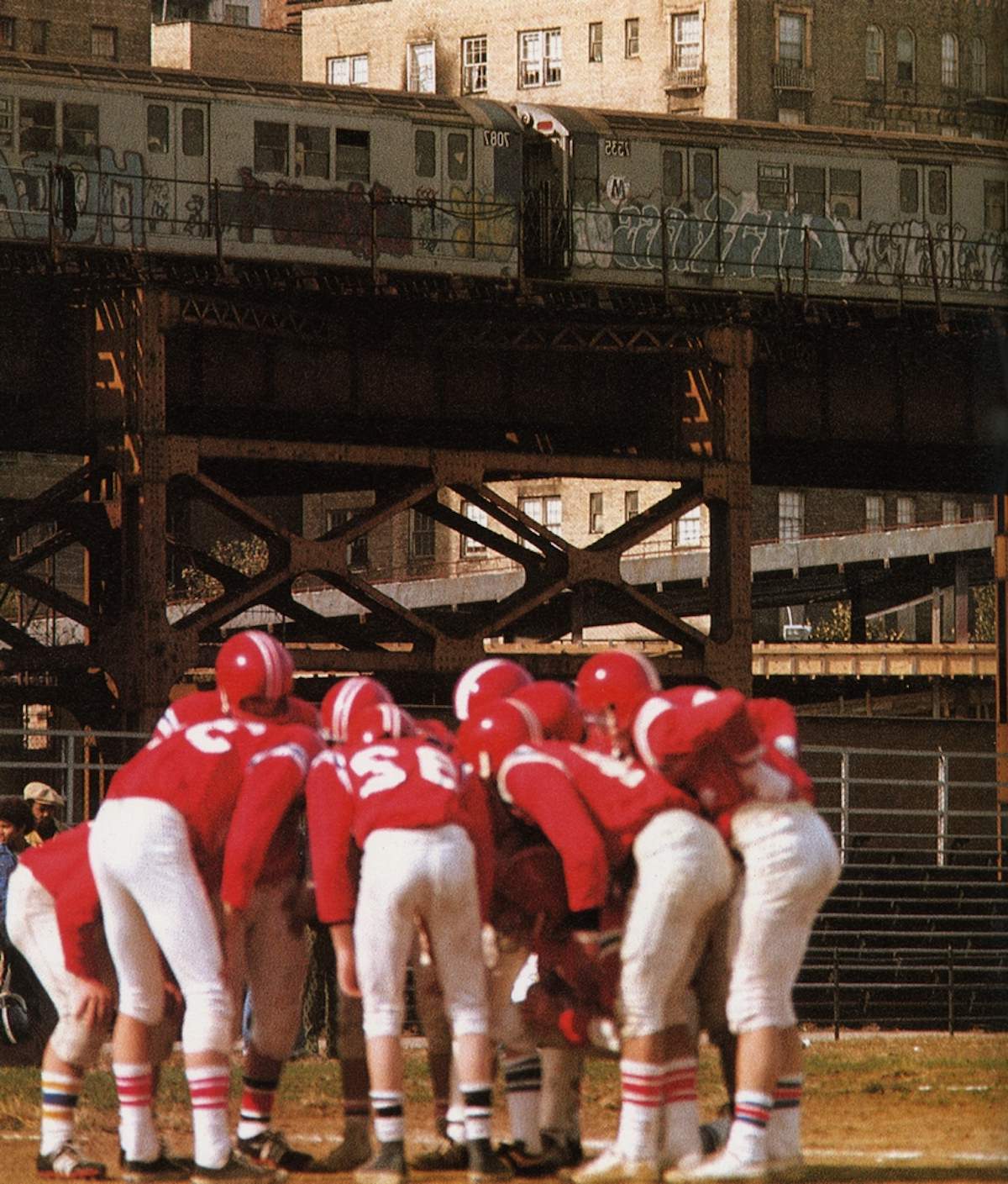
One of the most visible signs of the city’s unrest was graffiti. By the mid-1970s, it was everywhere — not just on walls, but covering subway cars from top to bottom in sprawling murals, layered tags, and bold lettering. For city officials, it was vandalism. For the young people spray-painting train yards in the Bronx and Brooklyn, it was a statement. These artists had no galleries, no platforms, and no political power. The walls and trains were all they had. Neighborhoods like the South Bronx, already gutted by arson and poverty, became ground zero for this new visual language.
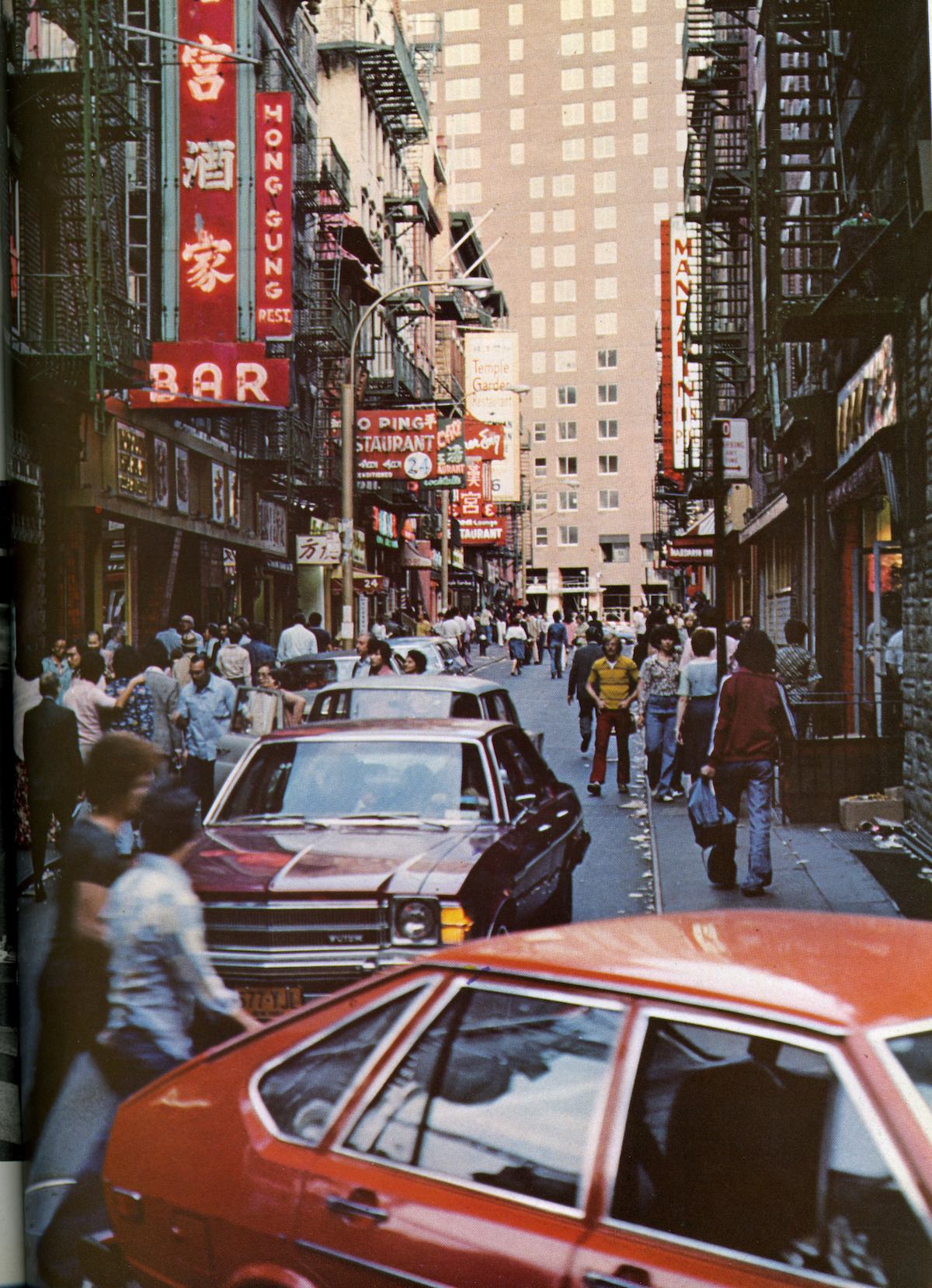
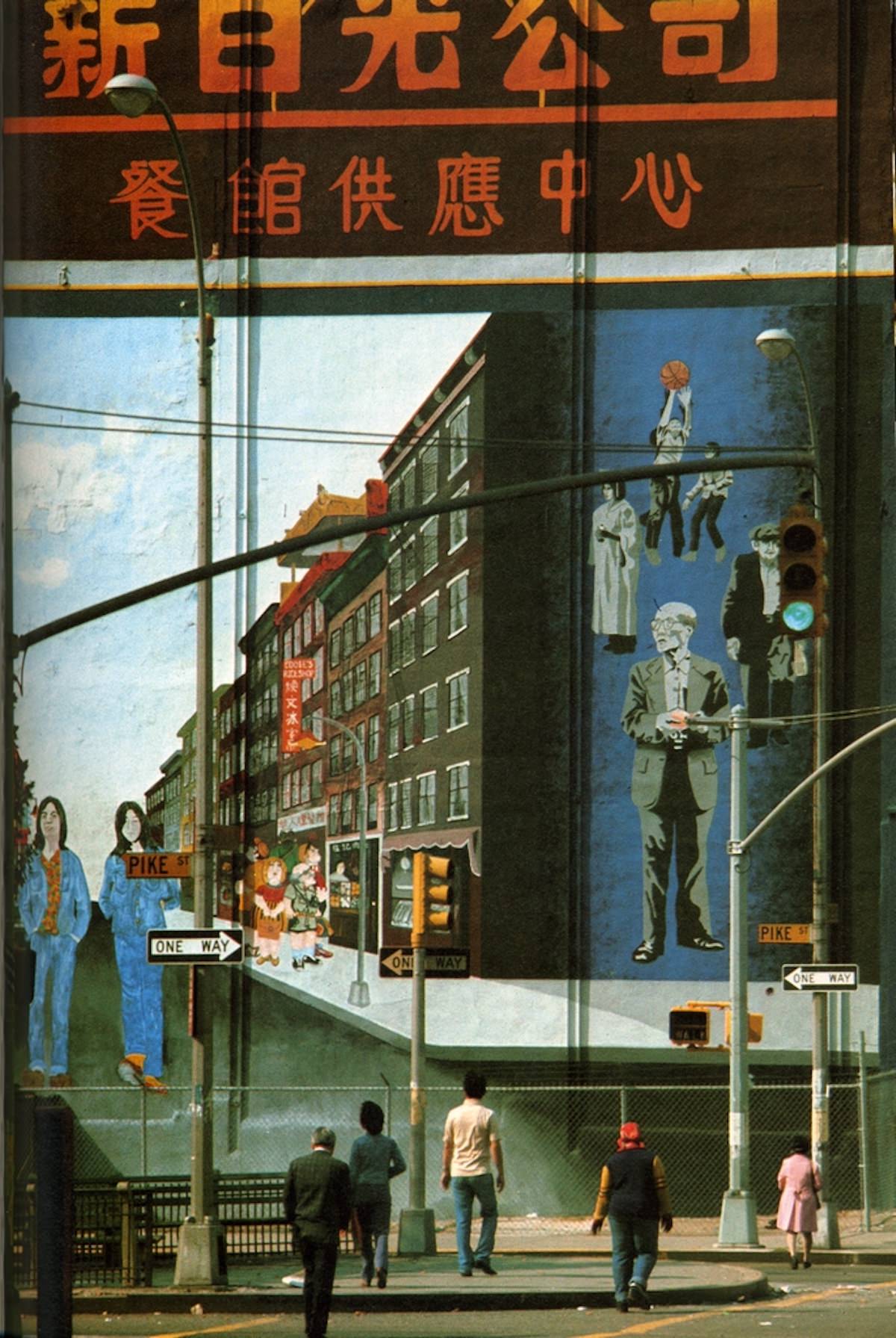
Not every corner of the city was in freefall. Neighborhoods like Chinatown and Greenwich Village held their own distinct characters. Chinatown was densely packed and commercially alive, with fish markets, herbal shops, and restaurants spilling onto narrow streets. Greenwich Village remained a hub for artists, writers, and activists — a place where political discussion and creative work coexisted with cheap rent and corner bars.
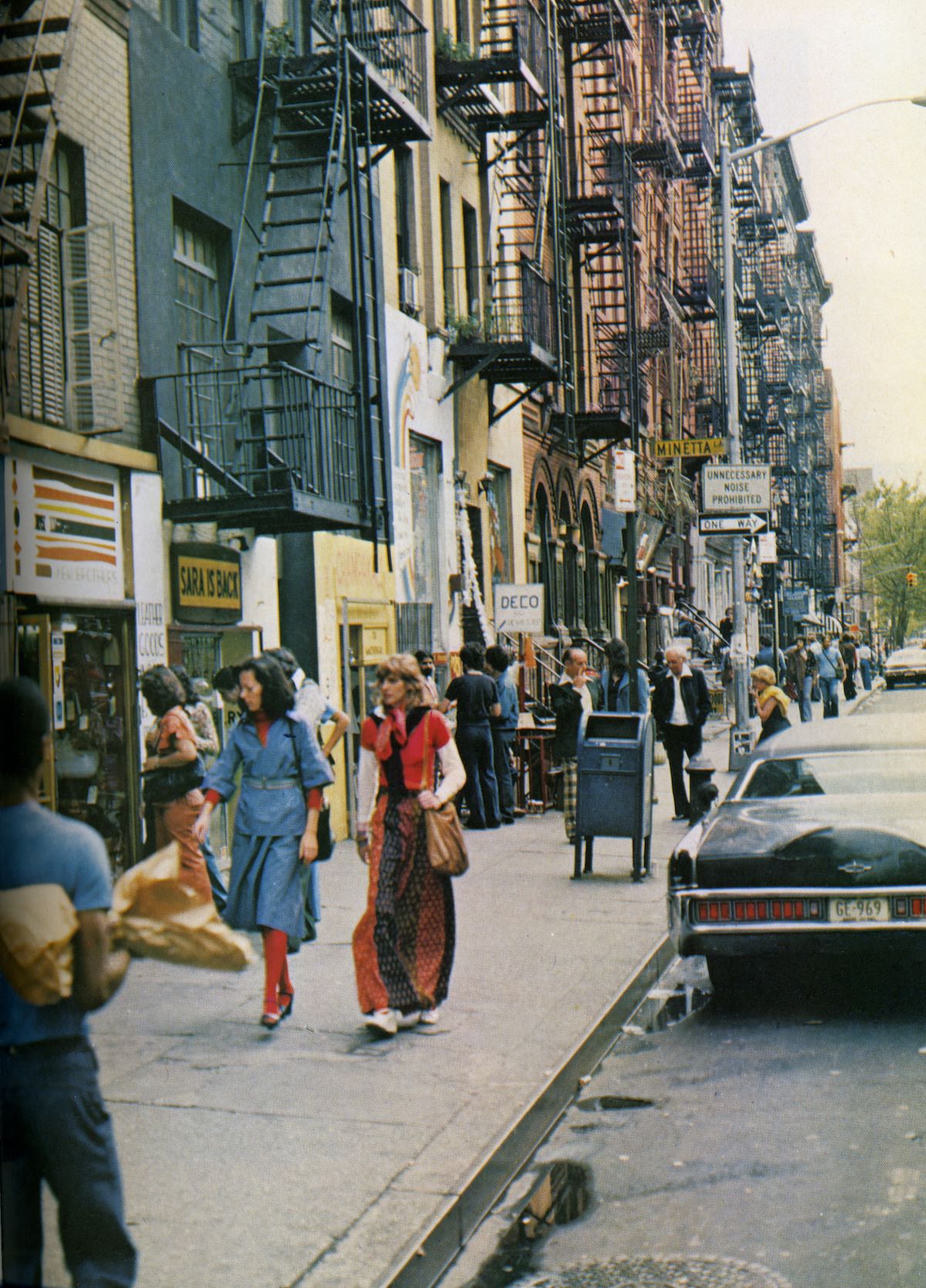
Fashion on the streets of 1970s New York was loud and layered. Platform shoes added inches to nearly everyone’s stride. Bell-bottoms and wide-collared shirts carried over from the late 1960s, still going strong well into the decade. Then, toward the latter half of the 1970s, a harder-edged look began pushing through — ripped jeans, leather jackets, and dyed hair. Punk wasn’t born in London alone. The clubs and streets of lower Manhattan had just as much to do with it.
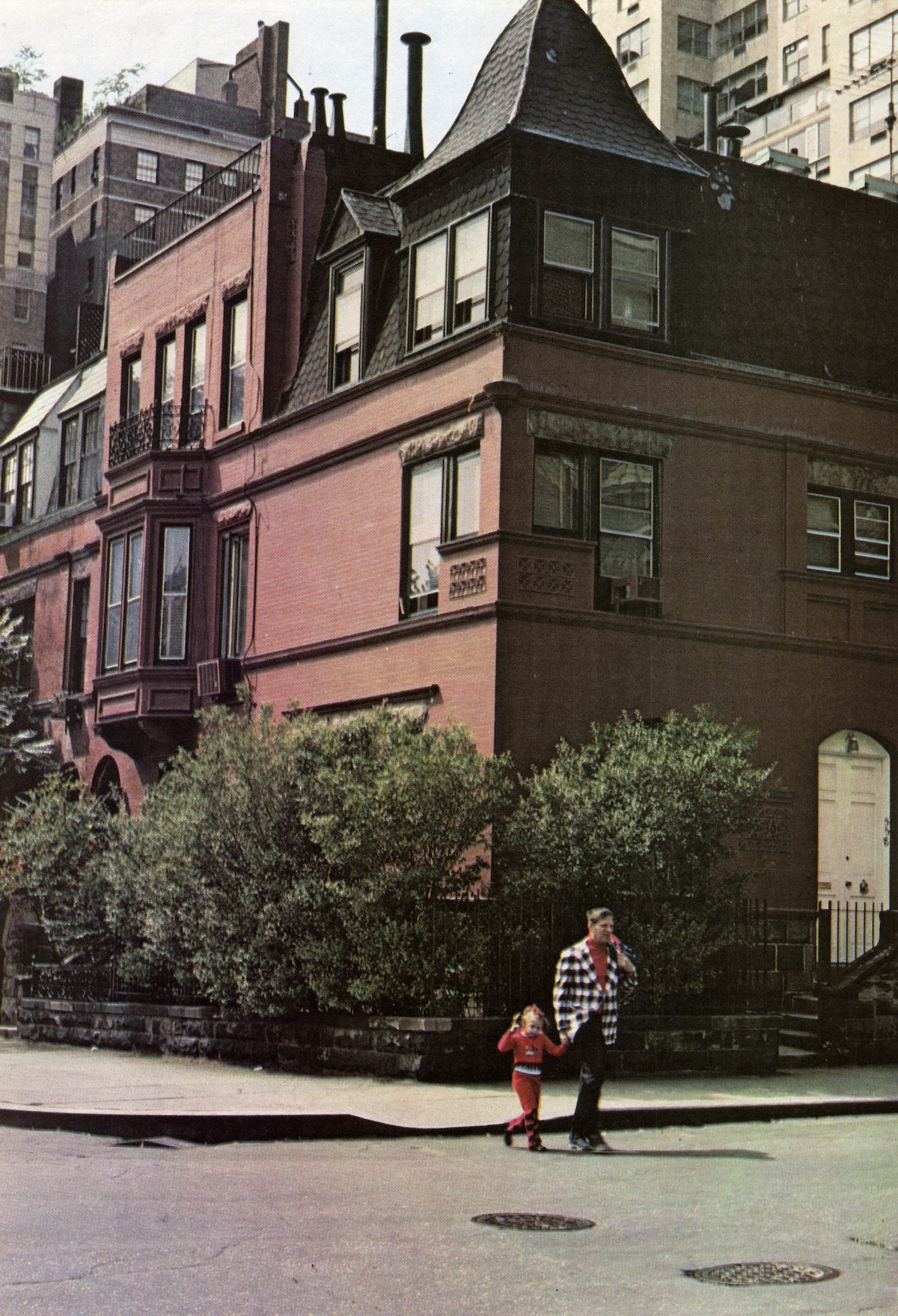
Greenwich Village sidewalks were a parade of this mix — old bohemians and young punks sharing the same blocks, arguing politics in coffee shops, and performing in Washington Square Park for whoever would stop and listen.
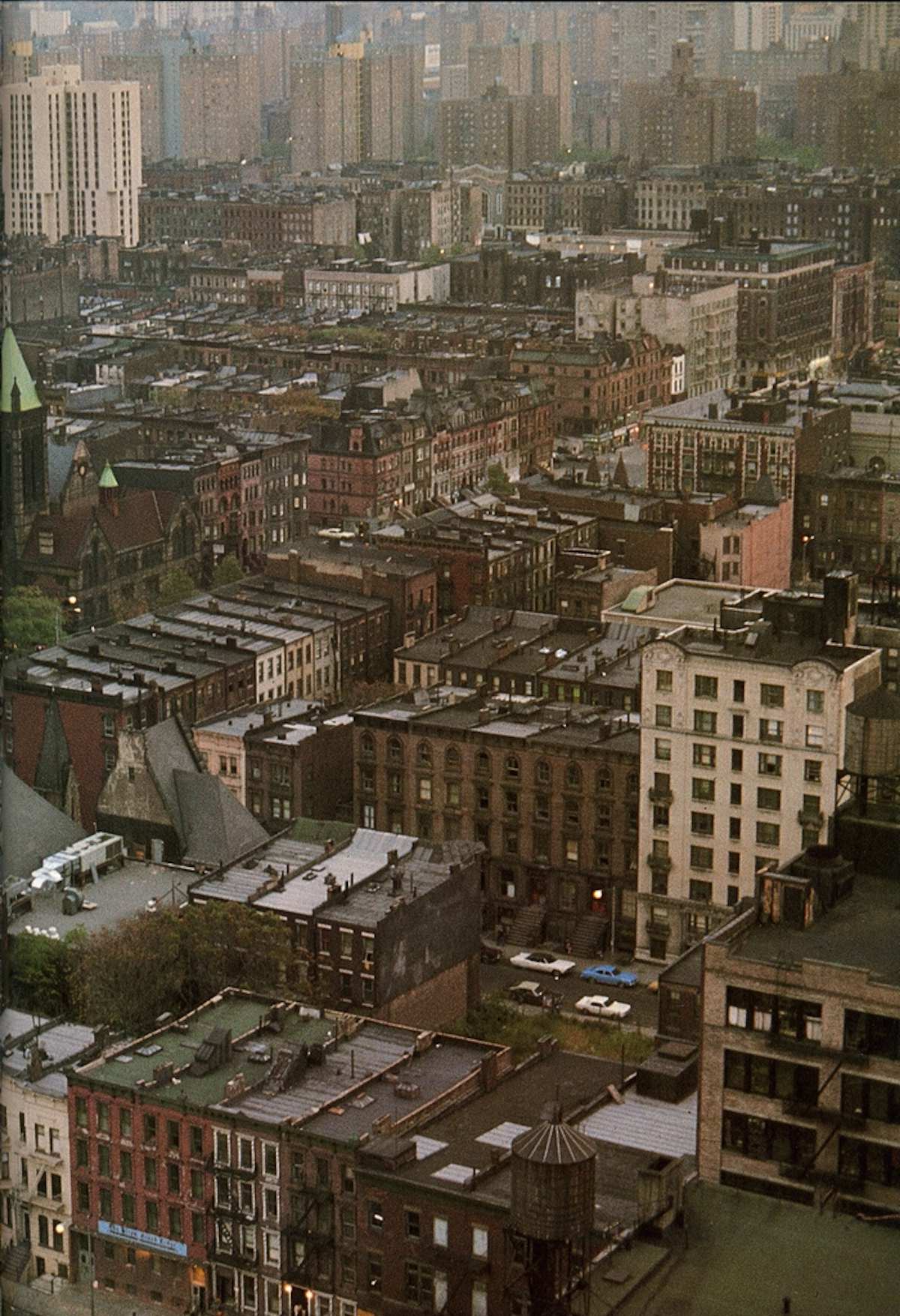
Harlem in the 1970s carried both struggle and pride in equal measure. The neighborhood faced severe disinvestment — buildings were abandoned, services were cut, and unemployment was high. But the culture never stopped. Block parties, community organizations, and local businesses kept the social fabric from completely unraveling. Harlem was also central to the rise of hip-hop, which took shape in the Bronx but spread quickly through upper Manhattan’s streets and parks.
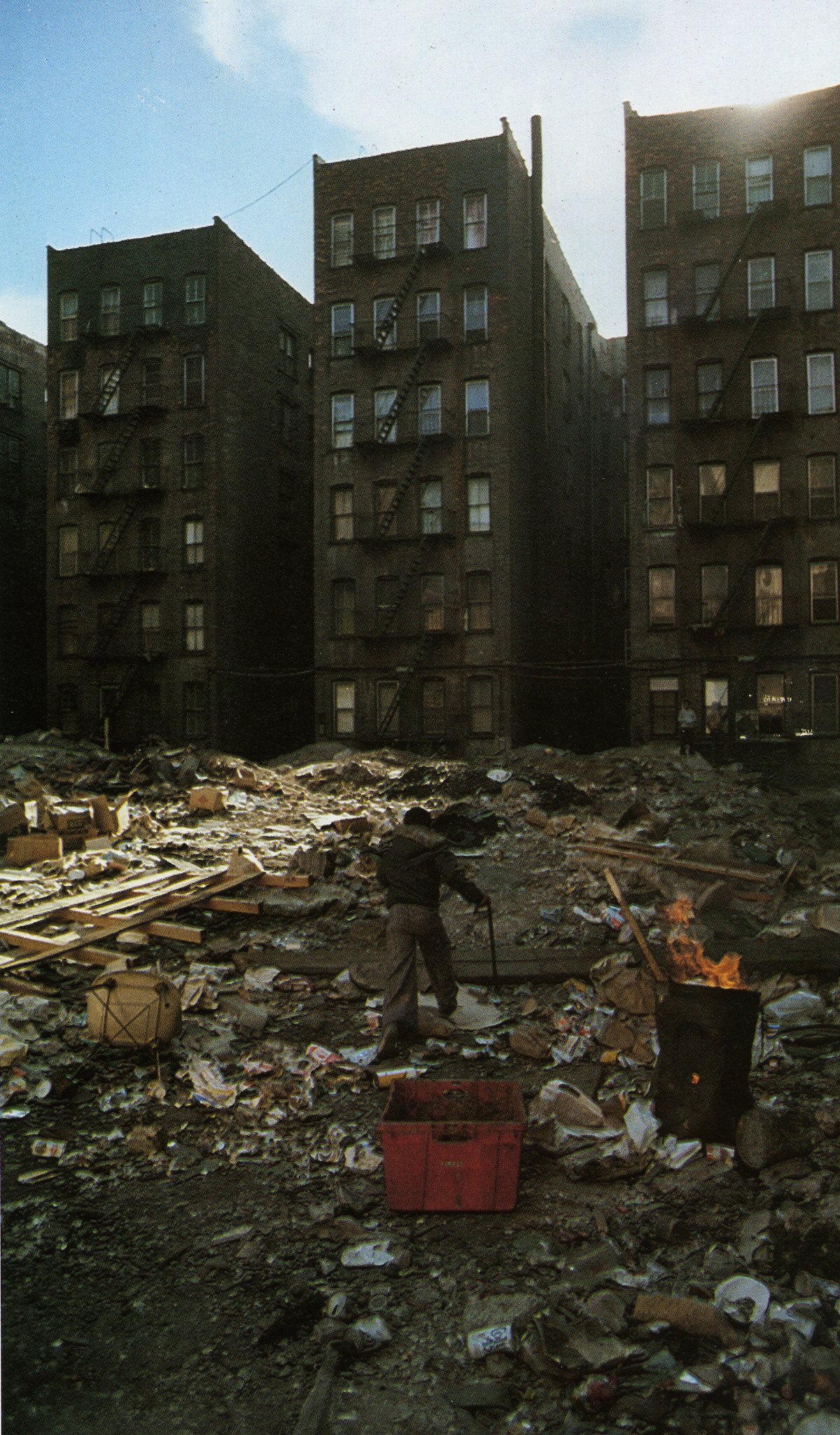
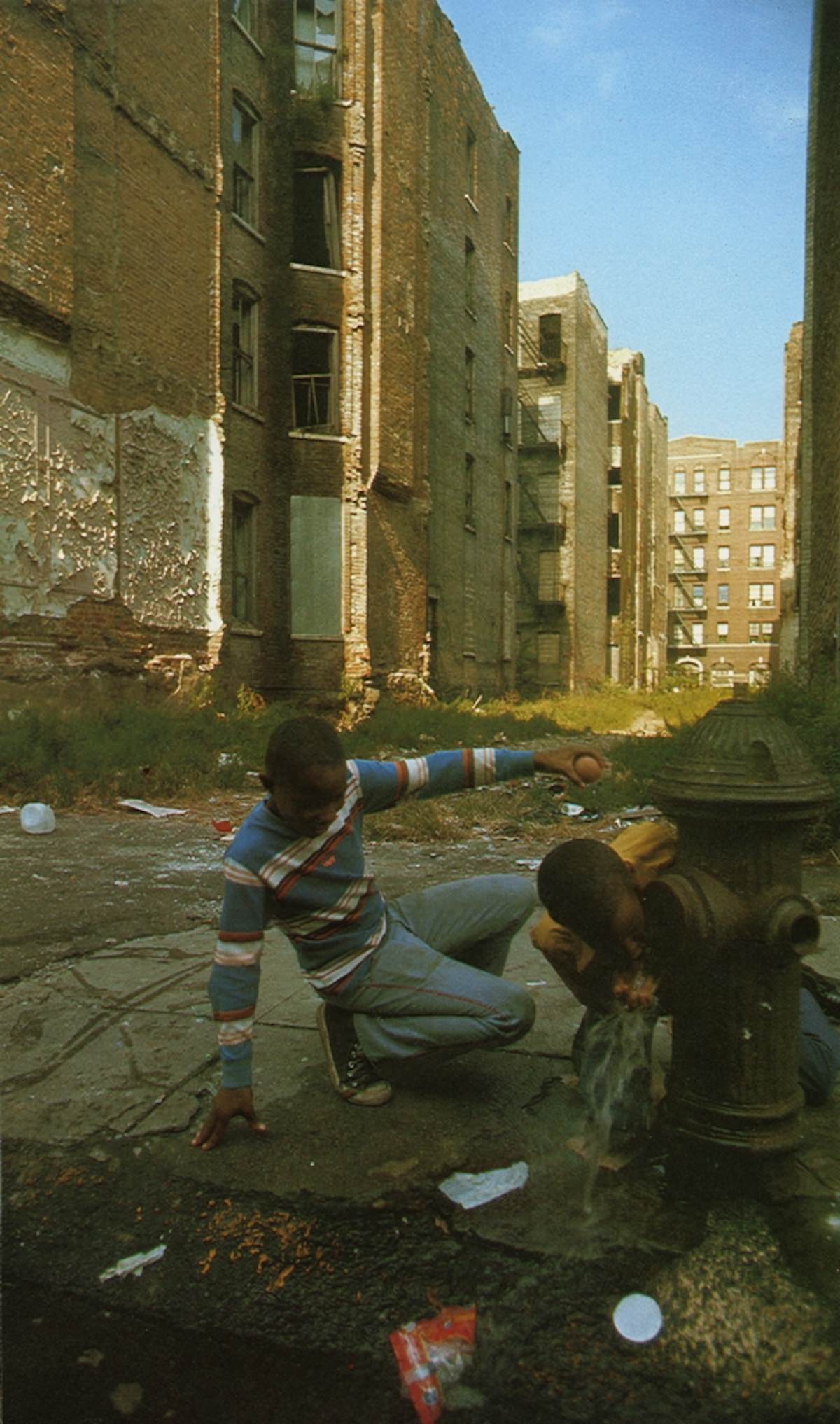
The South Bronx stood as the starkest symbol of New York’s decline. Landlords burned their own buildings to collect insurance money, leaving block after block in ruins. President Jimmy Carter visited in 1977 and walked through streets that looked like a bombed-out war zone. Photographers documented the devastation extensively, but the people who lived there kept building community in the rubble.
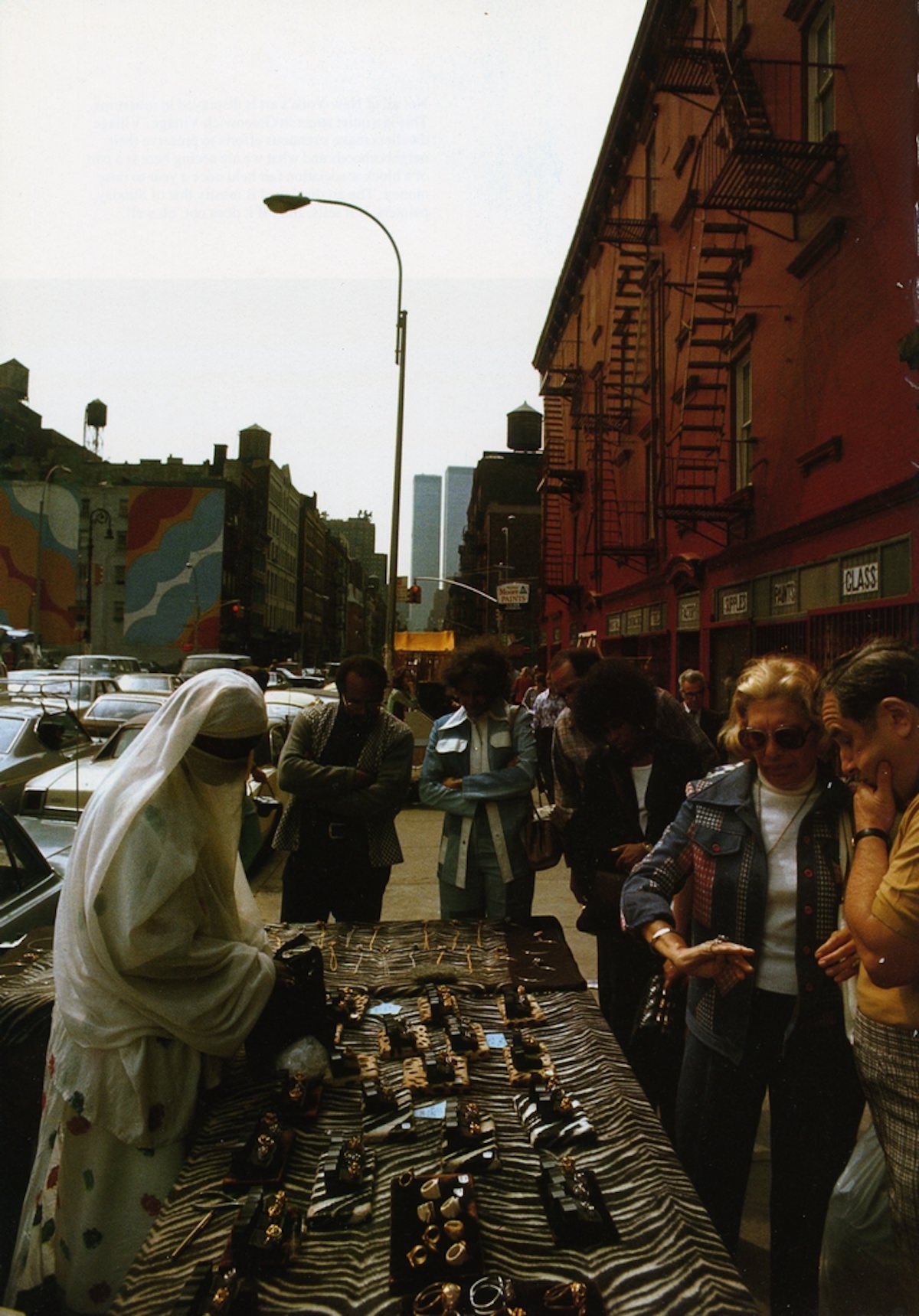
Street vendors were a constant presence across all five boroughs. Hot dog carts steamed on midtown corners. Pretzel vendors set up near transit entrances. In hipper neighborhoods, vendors sold handmade jewelry, leather goods, and secondhand records from folding tables. These sellers weren’t a novelty — they were part of the daily rhythm of the city, filling gaps left by businesses that had closed or relocated to the suburbs.
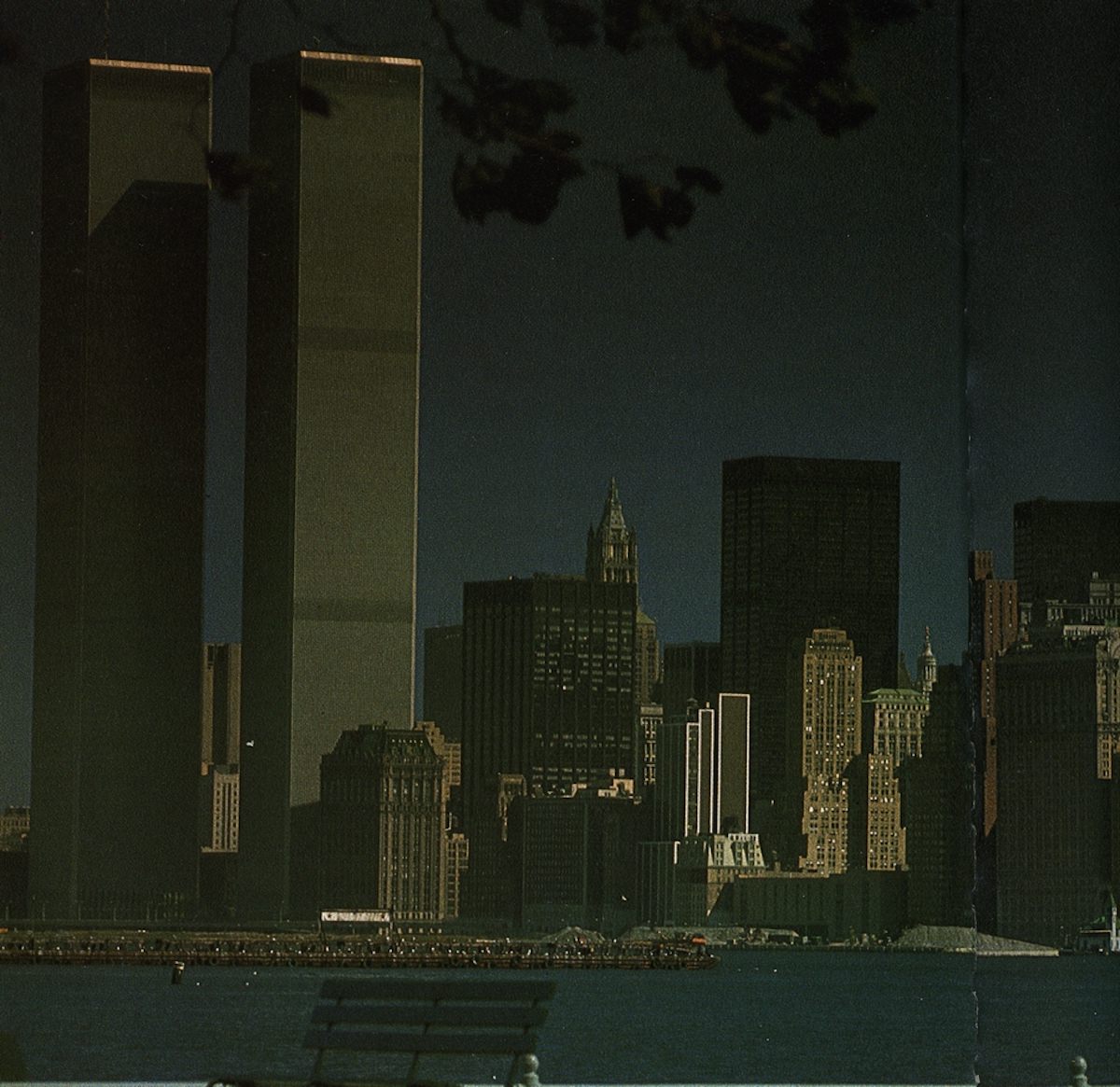
Music defined the decade’s street life. Funk and soul poured from apartment windows. Boomboxes — large, battery-powered stereos — became a fixture on sidewalks and stoops. Disco dominated the radio and the clubs. In Spanish Harlem and the Lower East Side, salsa and Latin jazz gave those neighborhoods their own soundtrack, tied to the Puerto Rican and Dominican communities who had made those areas their home.
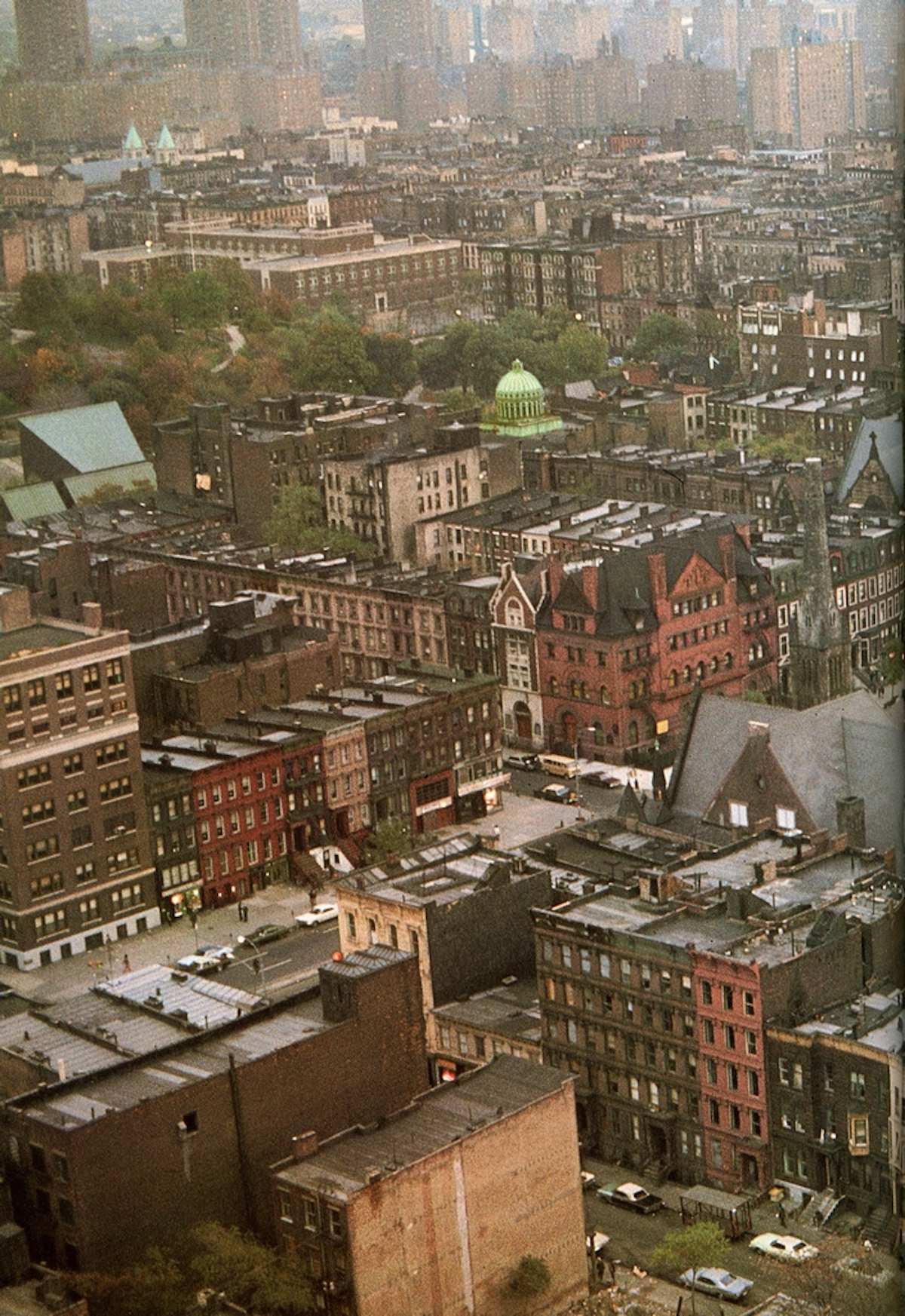
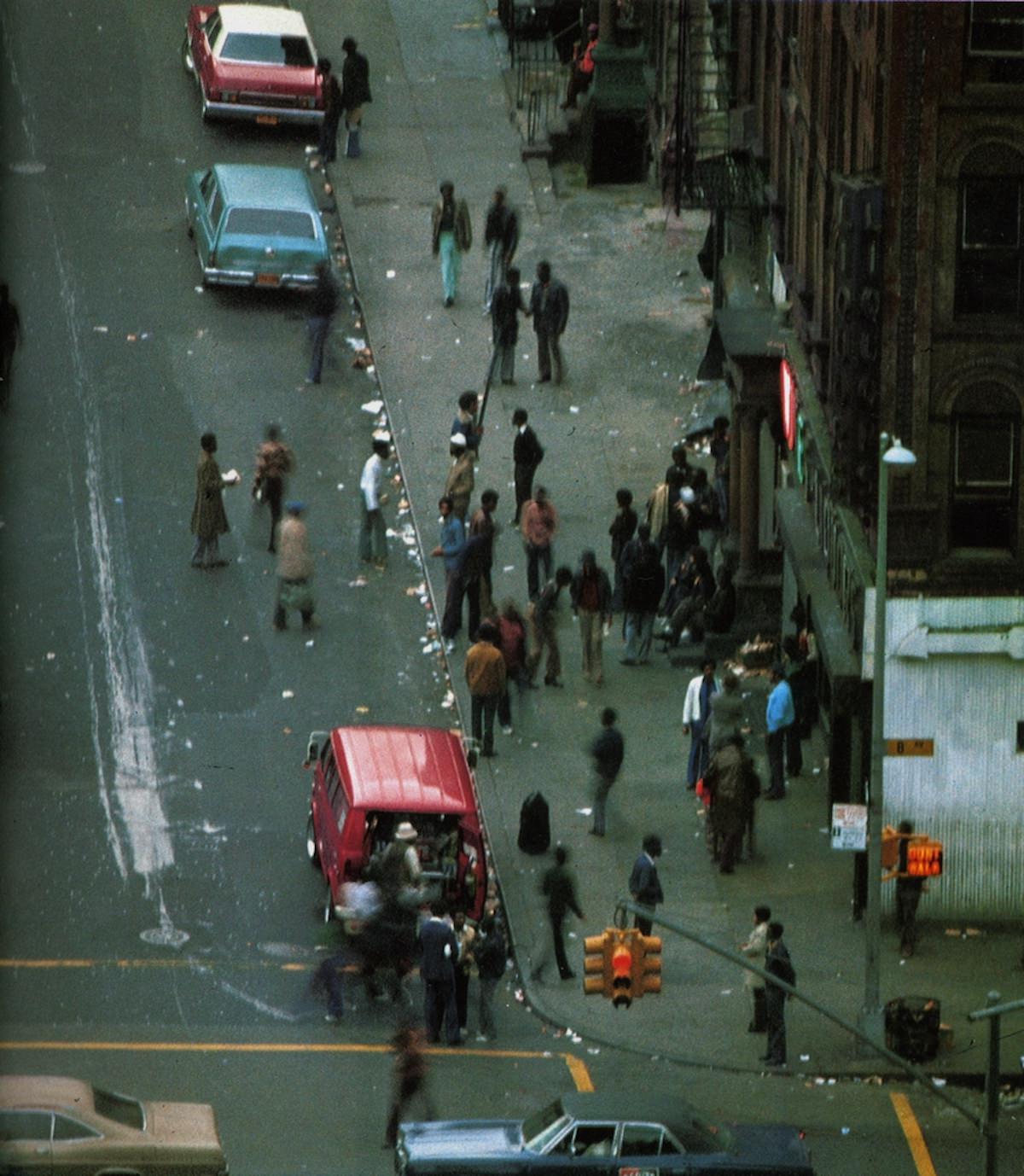
Harlem’s streets in these photos capture a community in motion — kids playing on fire hydrants cracked open in the summer heat, elders sitting on stoops, and vendors doing business out of shopping carts. Life went on in full view of anyone who cared to look.
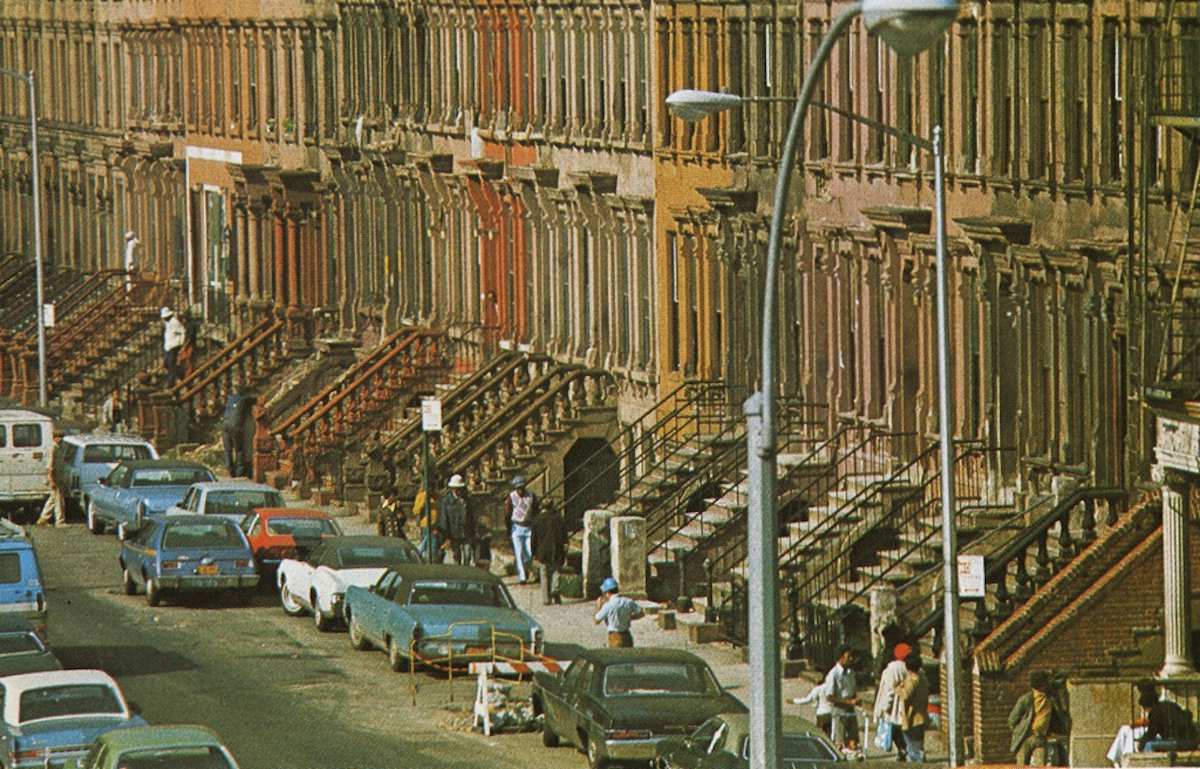
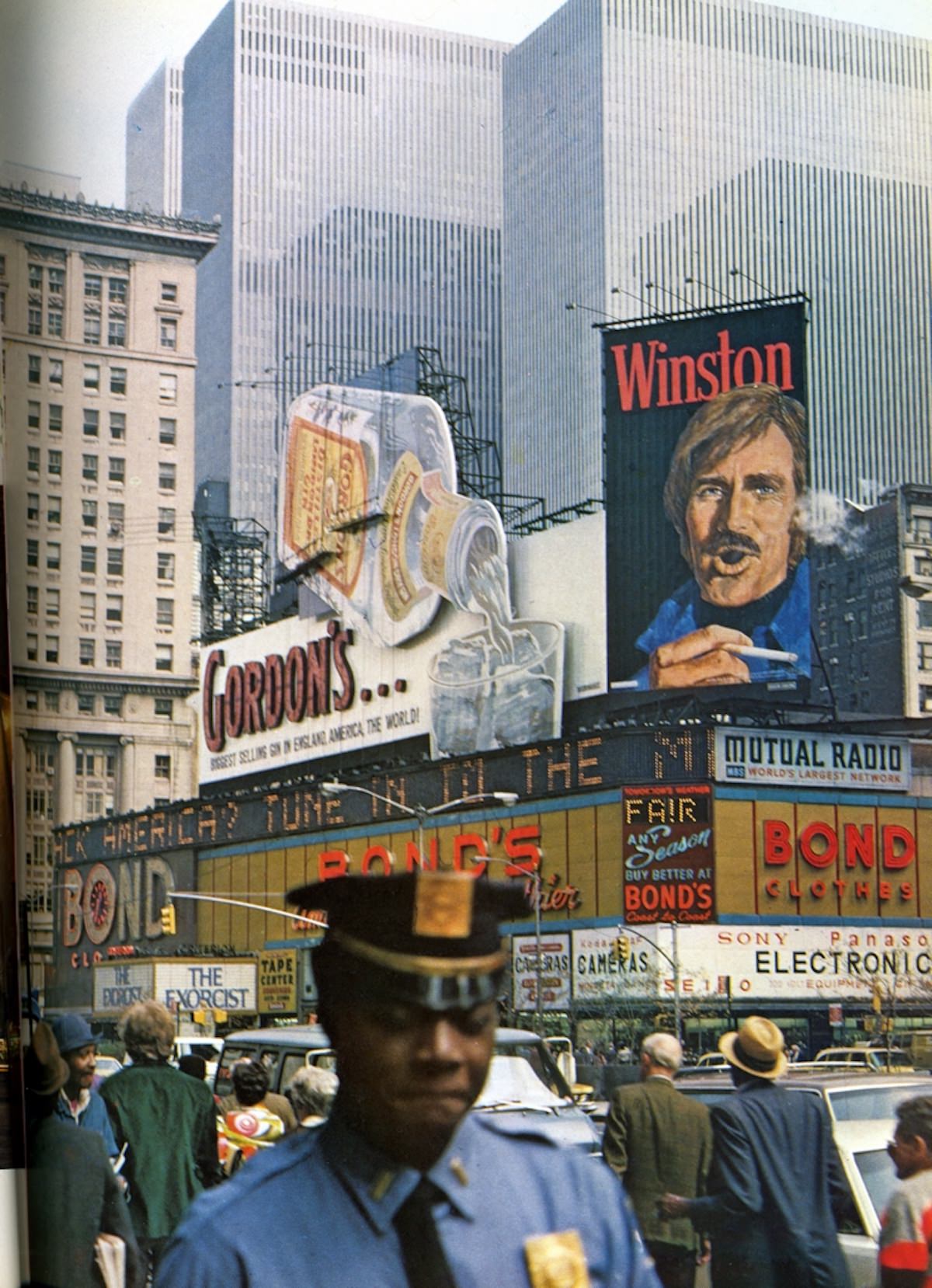
Times Square in the 1970s bore little resemblance to the sanitized tourist destination it would become. It was seedy, neon-lit, and openly commercial in ways that shocked newcomers — peep shows, adult theaters, and discount shops crammed alongside legitimate businesses. Crime was a real concern there after dark. But it was also vibrant and alive in a way that its later, corporate version never quite replicated.
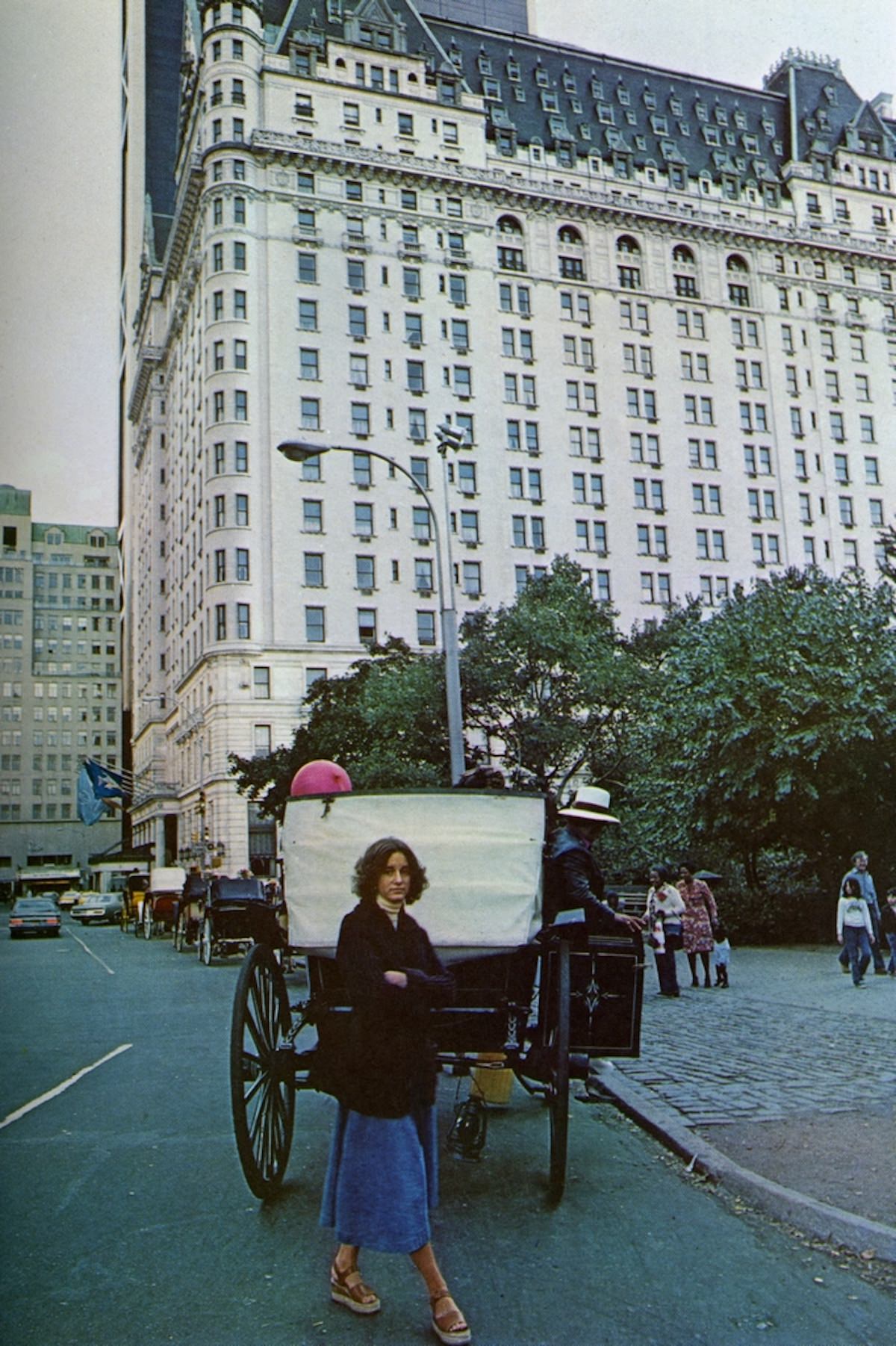
While much of the city struggled, wealth hadn’t disappeared — it had just retreated behind closed doors. The Plaza Hotel at Fifth Avenue and Central Park South continued to serve the city’s elite, its gilded interiors a world apart from the cracked sidewalks outside. The contrast was stark and impossible to ignore. Limousines double-parked outside luxury hotels while subway riders a few blocks away navigated cars covered in graffiti and lit by flickering fluorescent tubes.
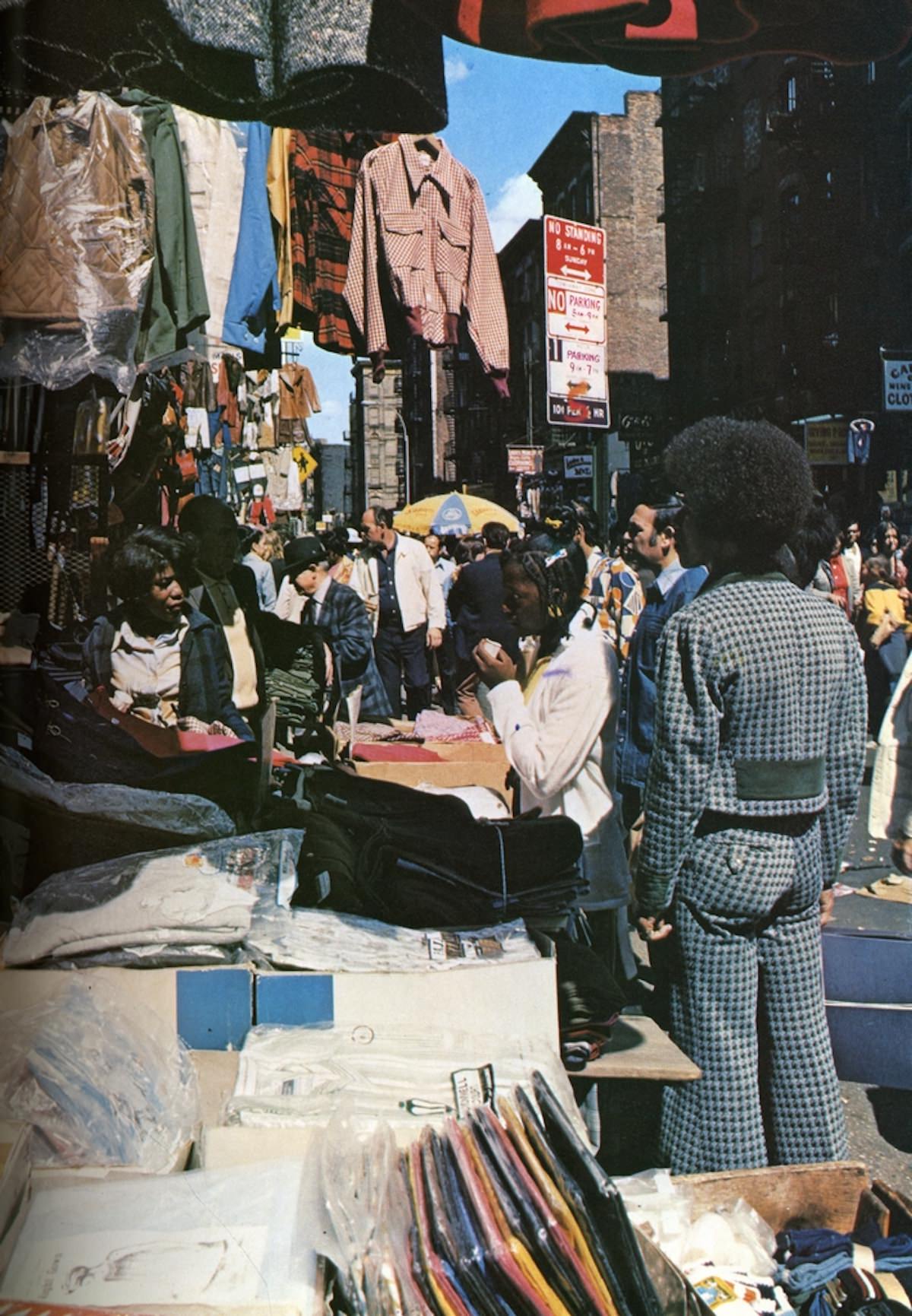
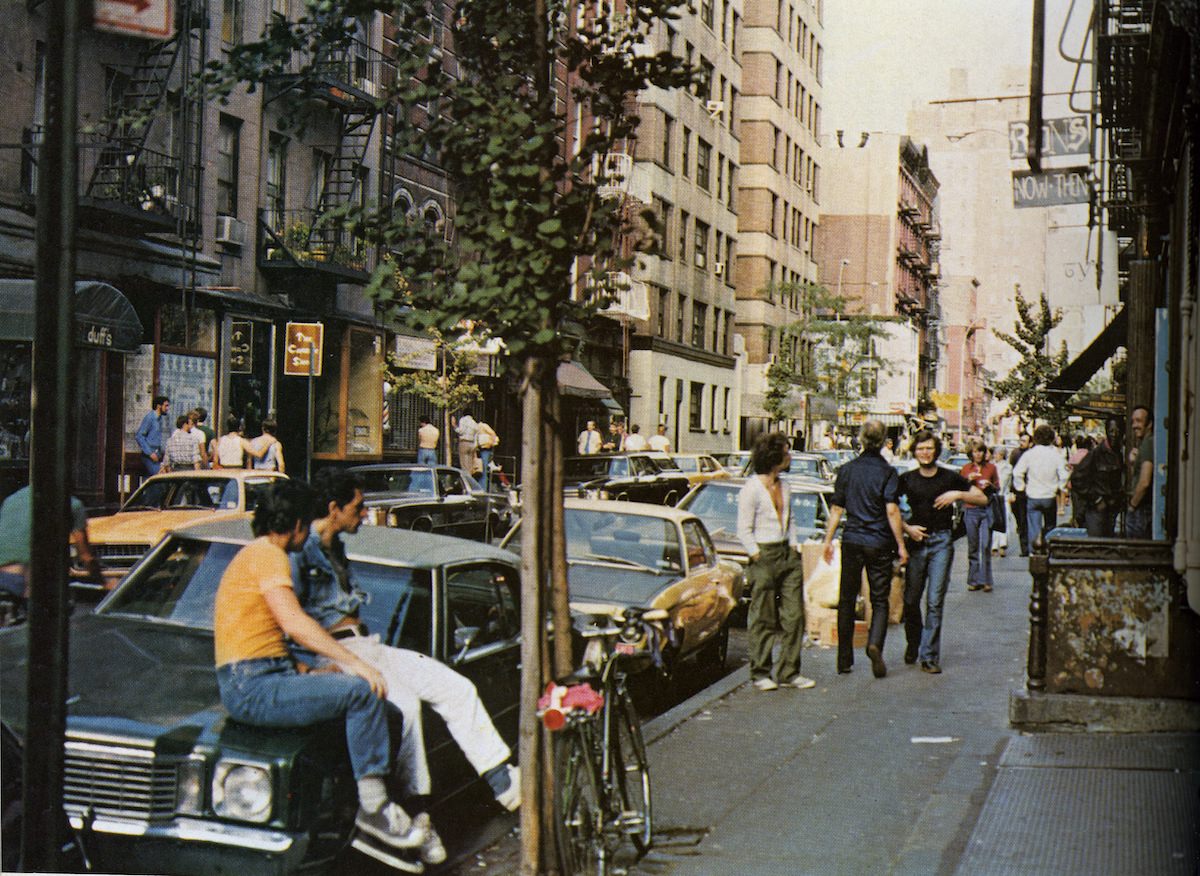
Pike Street on the Lower East Side was emblematic of the immigrant patchwork that kept New York functioning. Wave after wave of newcomers had settled there — Eastern European Jews, Italians, Puerto Ricans, and Chinese families all passed through or planted roots in this dense stretch of lower Manhattan.
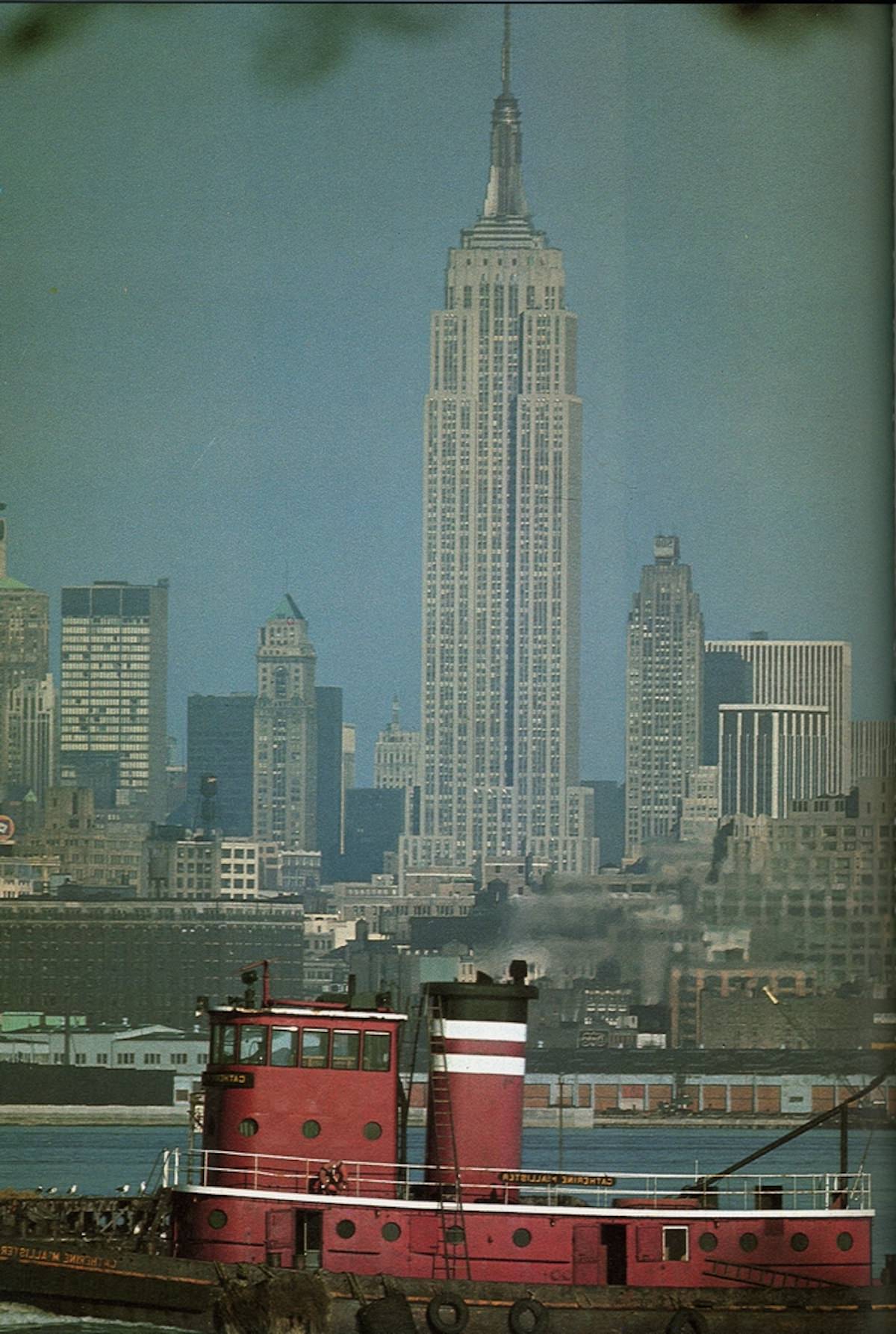
Looking up at the Empire State Building from street level was a reminder that the city’s architectural ambition hadn’t faded, even if its finances had. The skyscrapers still loomed over everything, indifferent to the chaos below.
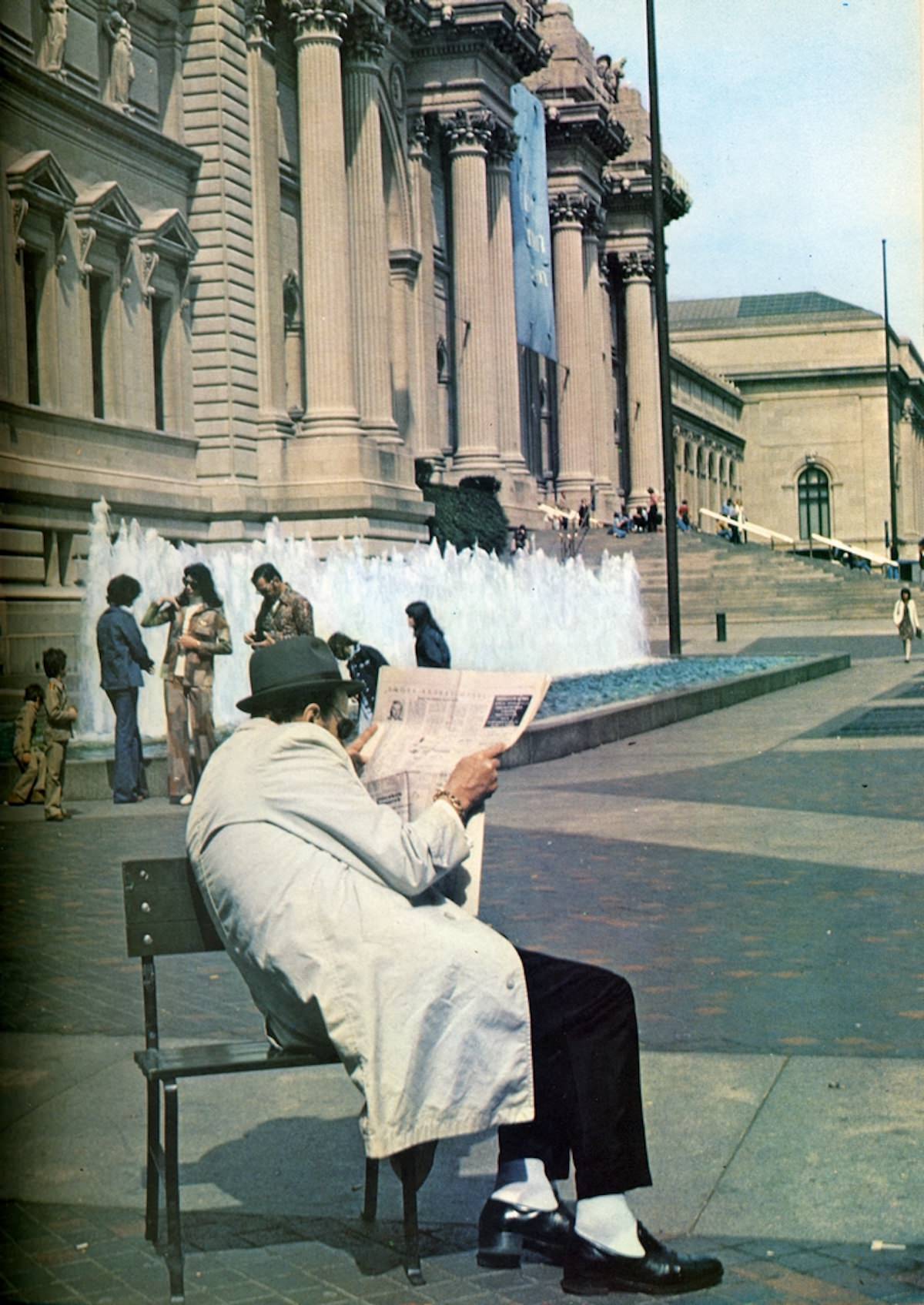
The Metropolitan Museum of Art on Fifth Avenue drew crowds regardless of the city’s troubles. Its steps became a social gathering spot — a place to sit, eat lunch, and watch people pass. For many New Yorkers who couldn’t afford much else, free or suggested-admission museums were a genuine refuge.
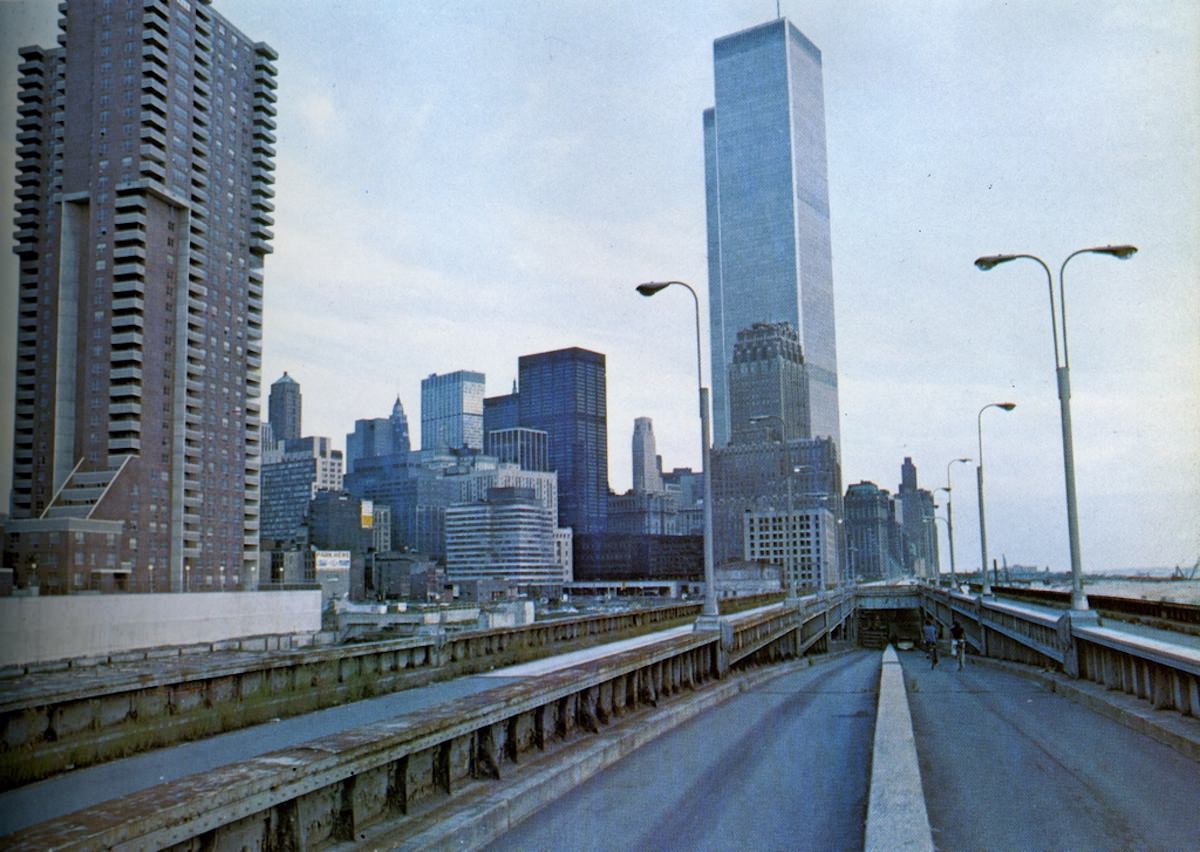
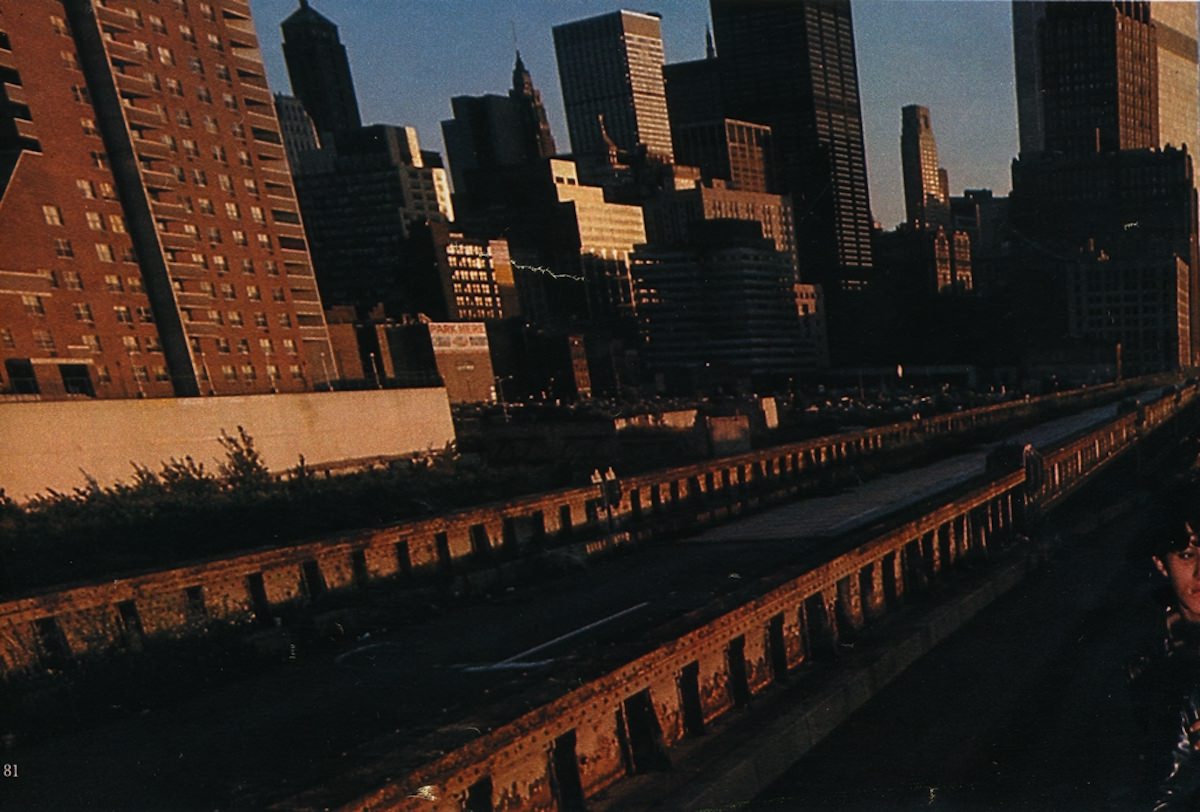
The West Side Highway, running along the Hudson River, had sections that were literally falling apart. A portion collapsed in 1973 after a truck broke through the deteriorating roadway. The highway became a symbol of the city’s crumbling infrastructure — neglected for years while funds dried up and priorities shifted.
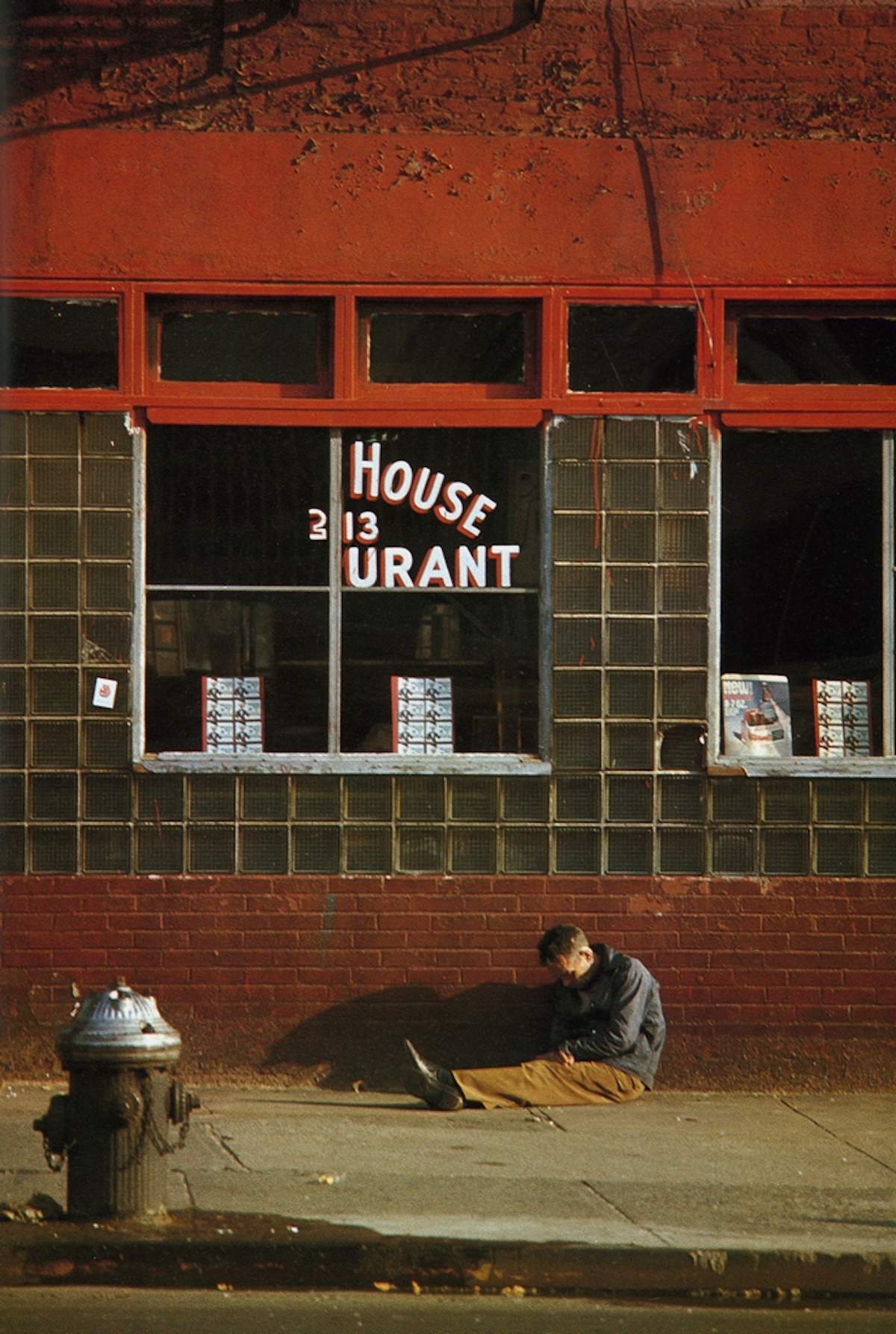
The Bowery in lower Manhattan had long been associated with poverty, alcoholism, and flophouses. In the 1970s, it still carried that reputation, but it also sat at the edge of neighborhoods beginning to attract artists priced out of other areas. CBGB, the now-legendary punk and new wave club, opened on the Bowery in 1973.
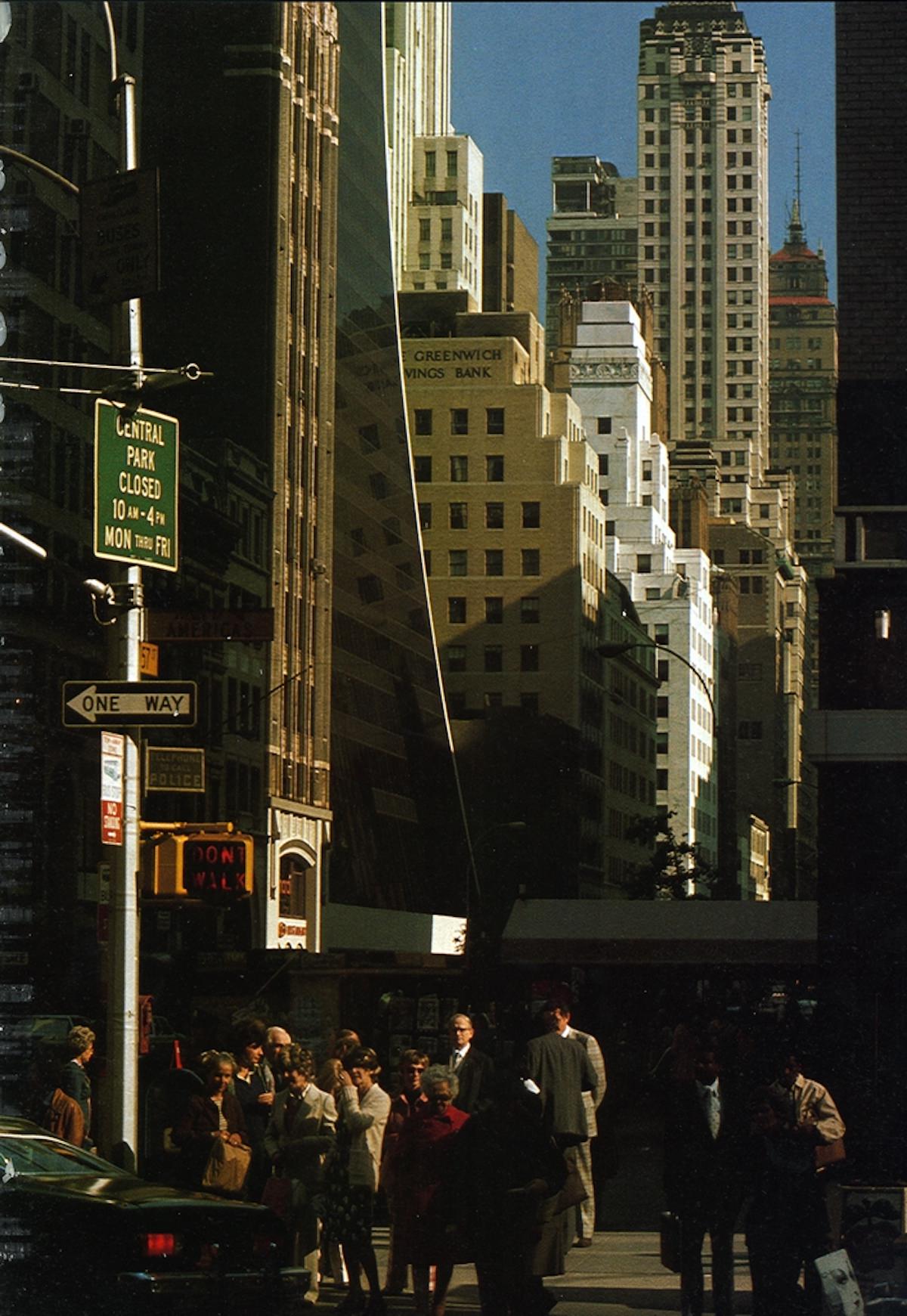
West 57th Street cut through Midtown with a mix of concert halls, art galleries, and commercial businesses. Carnegie Hall sat on this block, and the street drew a crowd that ranged from classical music patrons to office workers grabbing lunch from sidewalk carts.
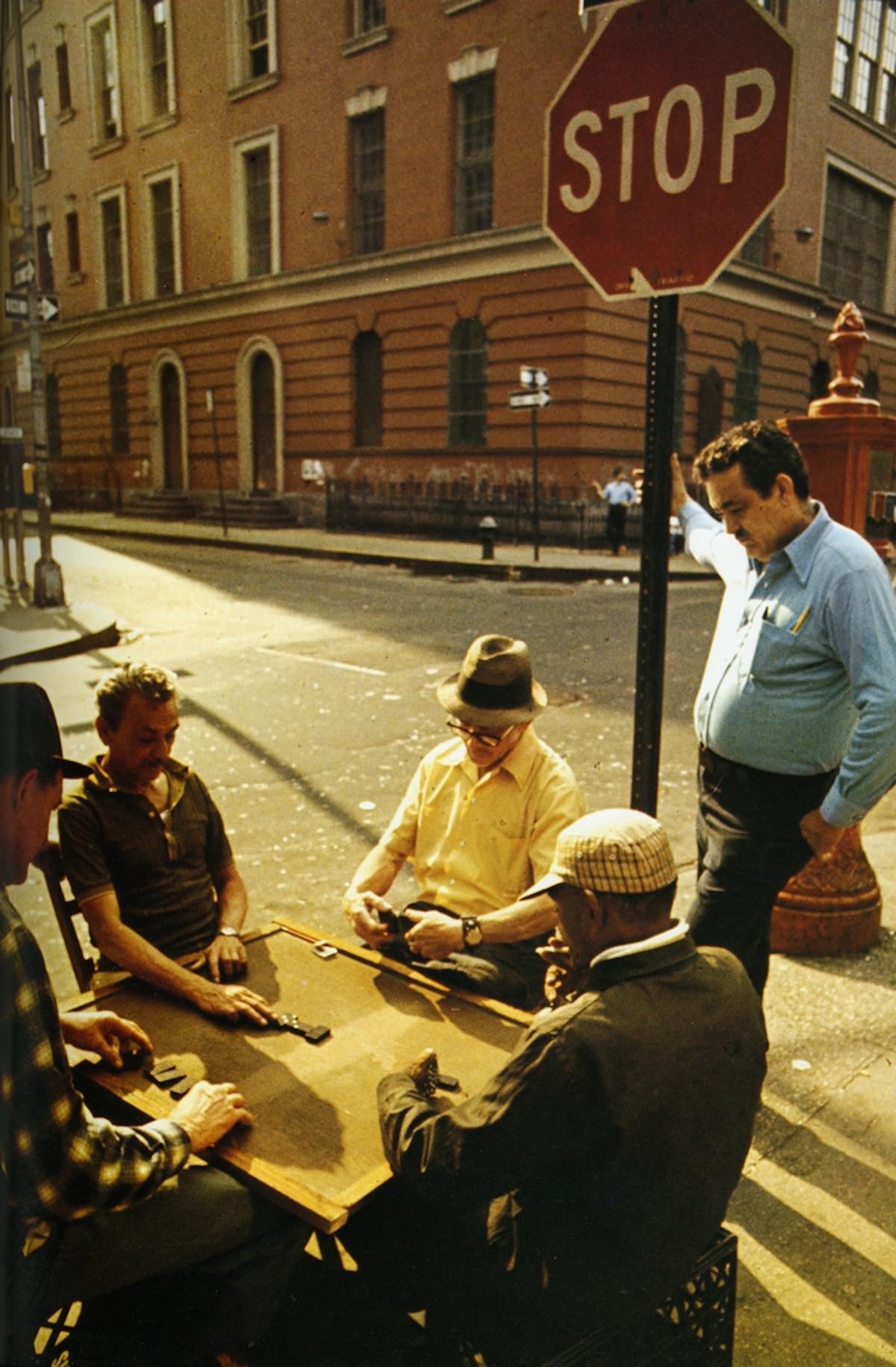
Domino games played out on sidewalks and in parks across the city, particularly in Latino and Caribbean neighborhoods. It wasn’t unusual to see a folding table set up outside a bodega with four men deep in a game, surrounded by onlookers offering commentary.
The corner of Houston Street and West Broadway in SoHo was a crossroads between the old industrial neighborhood and the new artist community moving in. Warehouses were being converted into loft studios. Streets that had been quiet on weekends started filling with galleries and foot traffic.
Street-level views of Harlem captured the everyday — laundry on fire escapes, corner stores with hand-painted signs, children riding bikes past boarded-up storefronts. These weren’t images of despair so much as documentation of a community living its life despite everything working against it.
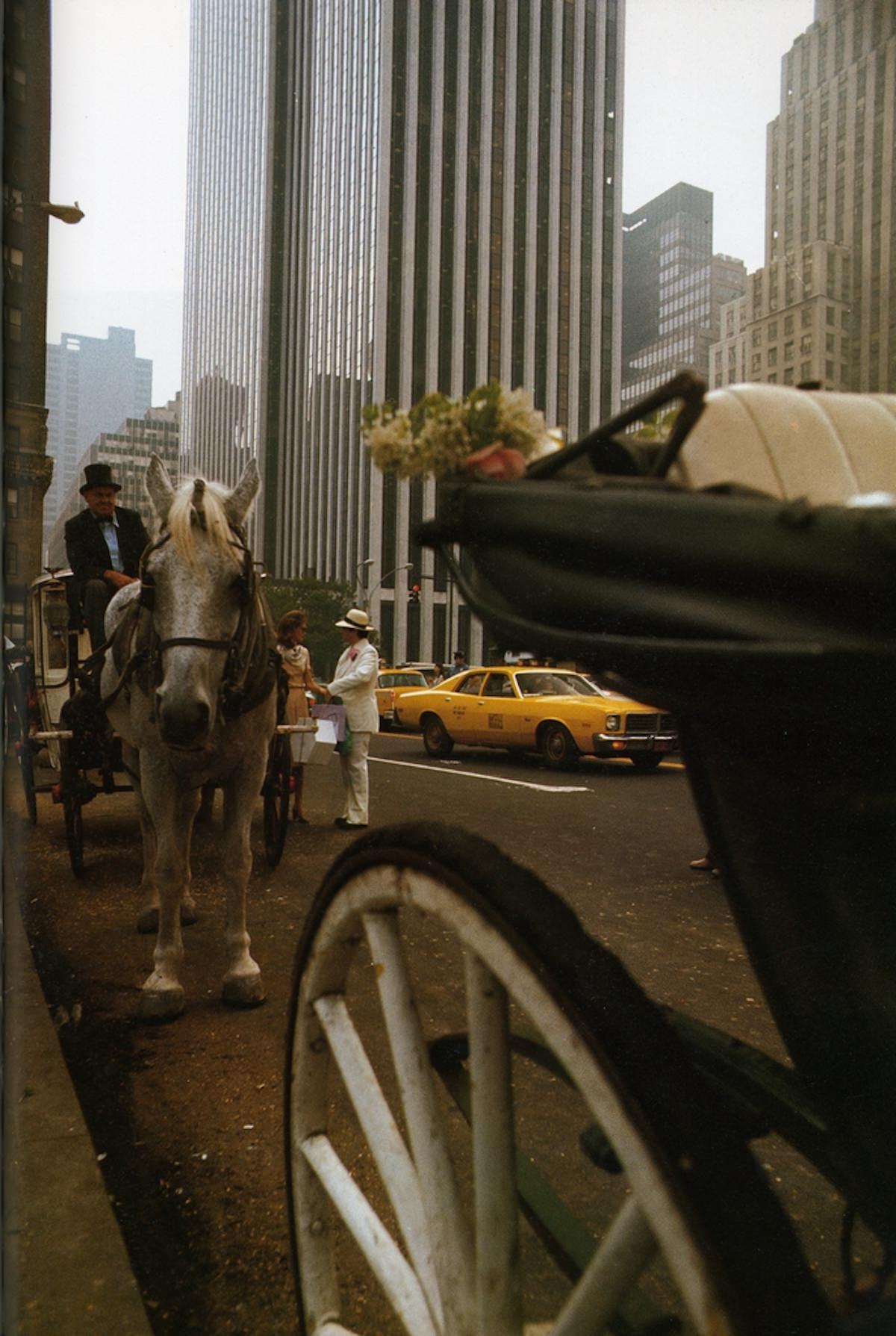
West 59th Street, bordering the southern edge of Central Park, offered a different face of the city. Horse-drawn carriages still operated here, catering to tourists and romantics, while buses and taxis ground past in the background. The park itself was rougher in the 1970s — less maintained, with sections that felt unsafe at night — but it remained a vital green space for millions of residents.
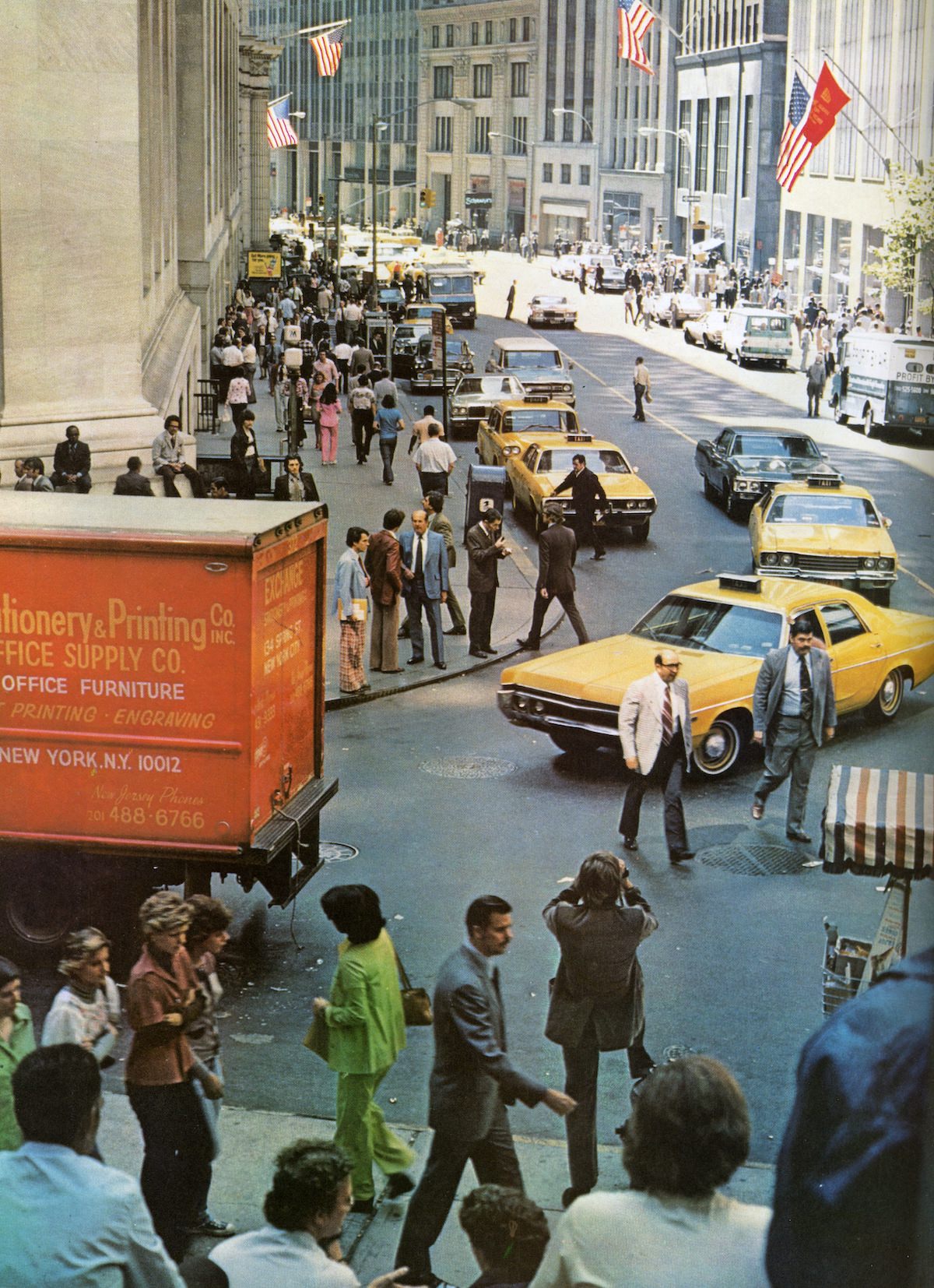
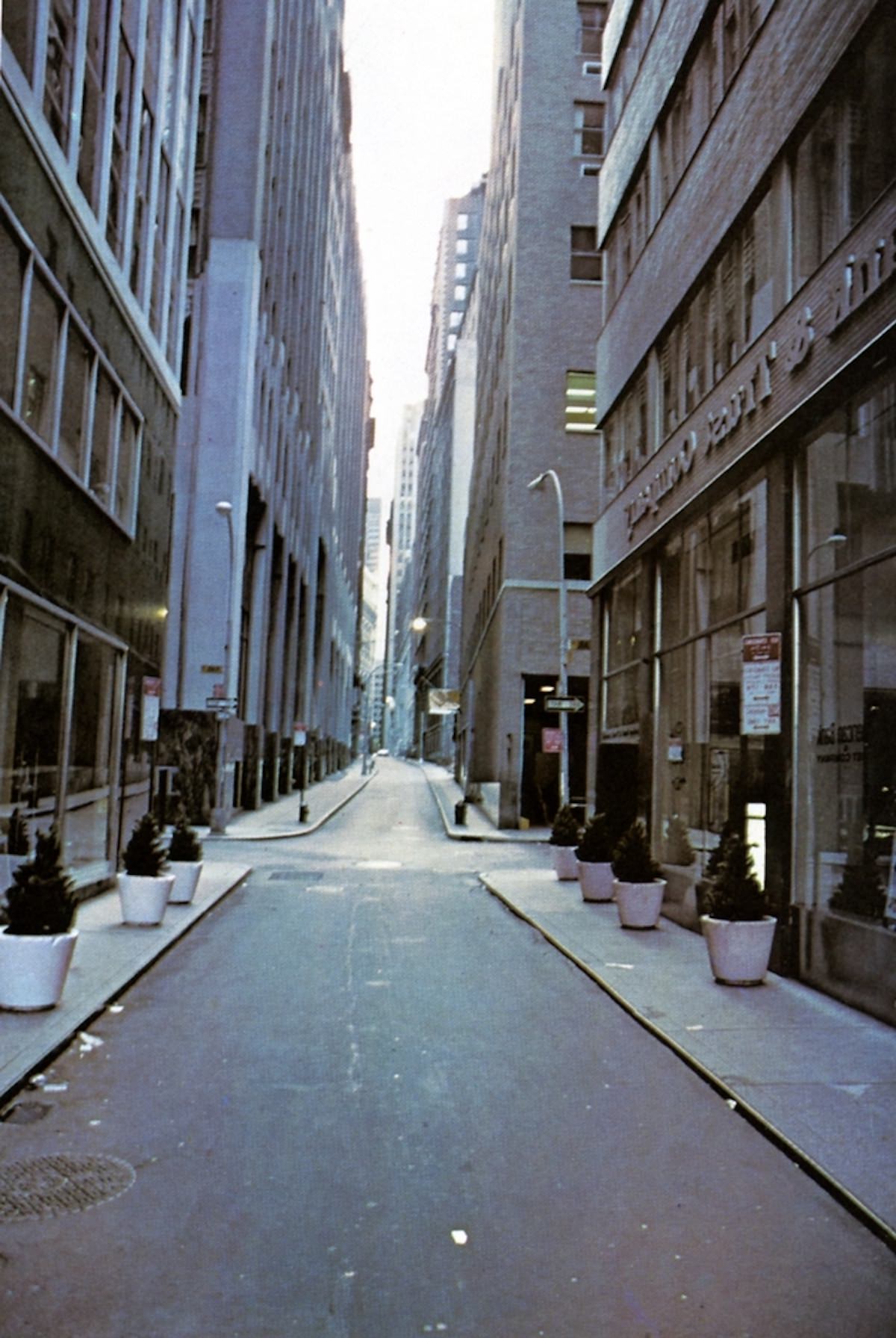
Wall Street on a Sunday morning was a ghost town. The financial district, packed with office workers during the week, emptied out completely on weekends. Wide streets, massive stone buildings, and almost no one around — the silence made it look like a different city entirely.
The West Side Highway appears again in these photographs, showing its fractured, abandoned stretches along the river. After the 1973 collapse, parts of it were closed to traffic permanently, leaving long sections to decay while debates over its future dragged on for years.
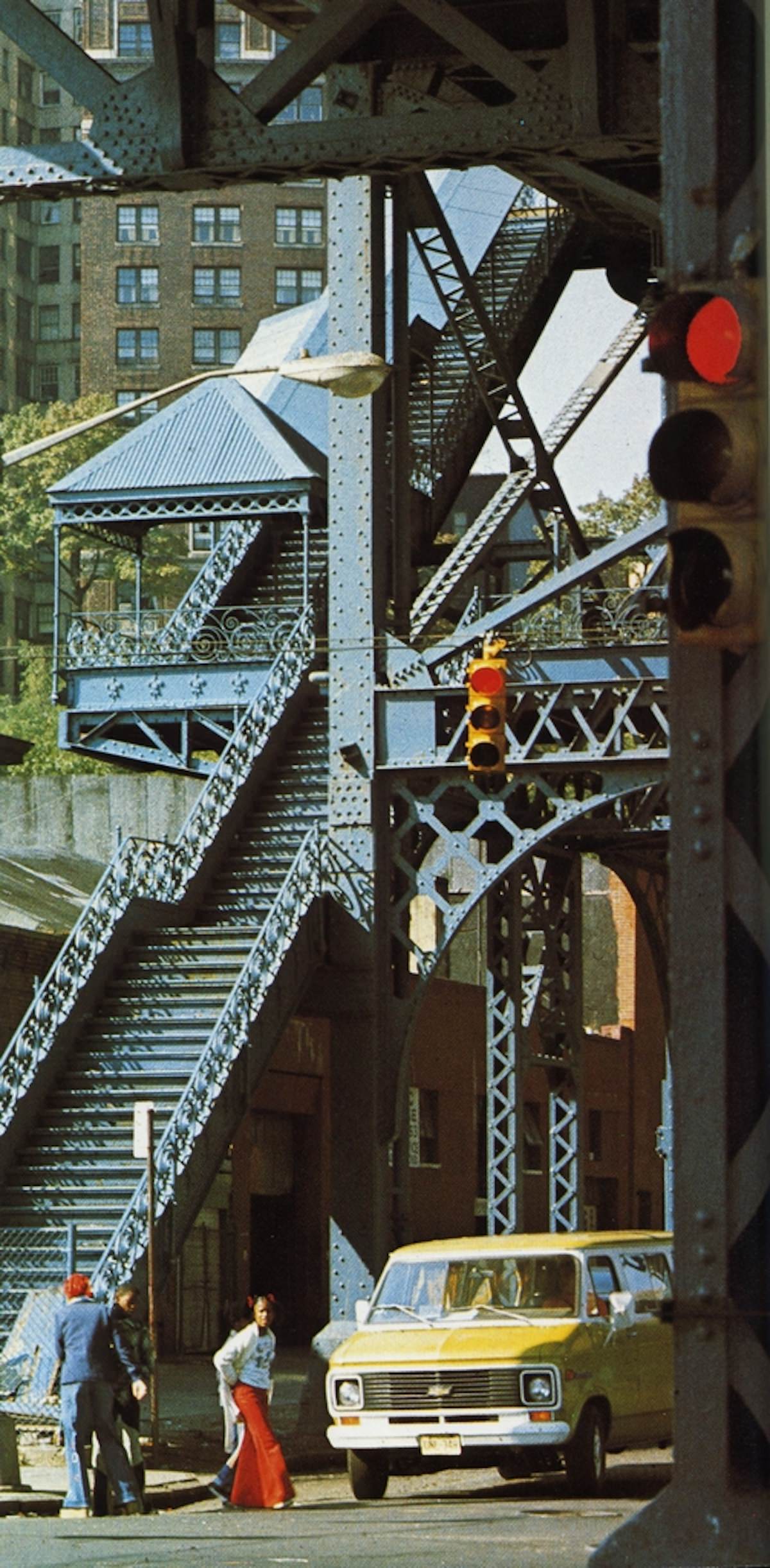
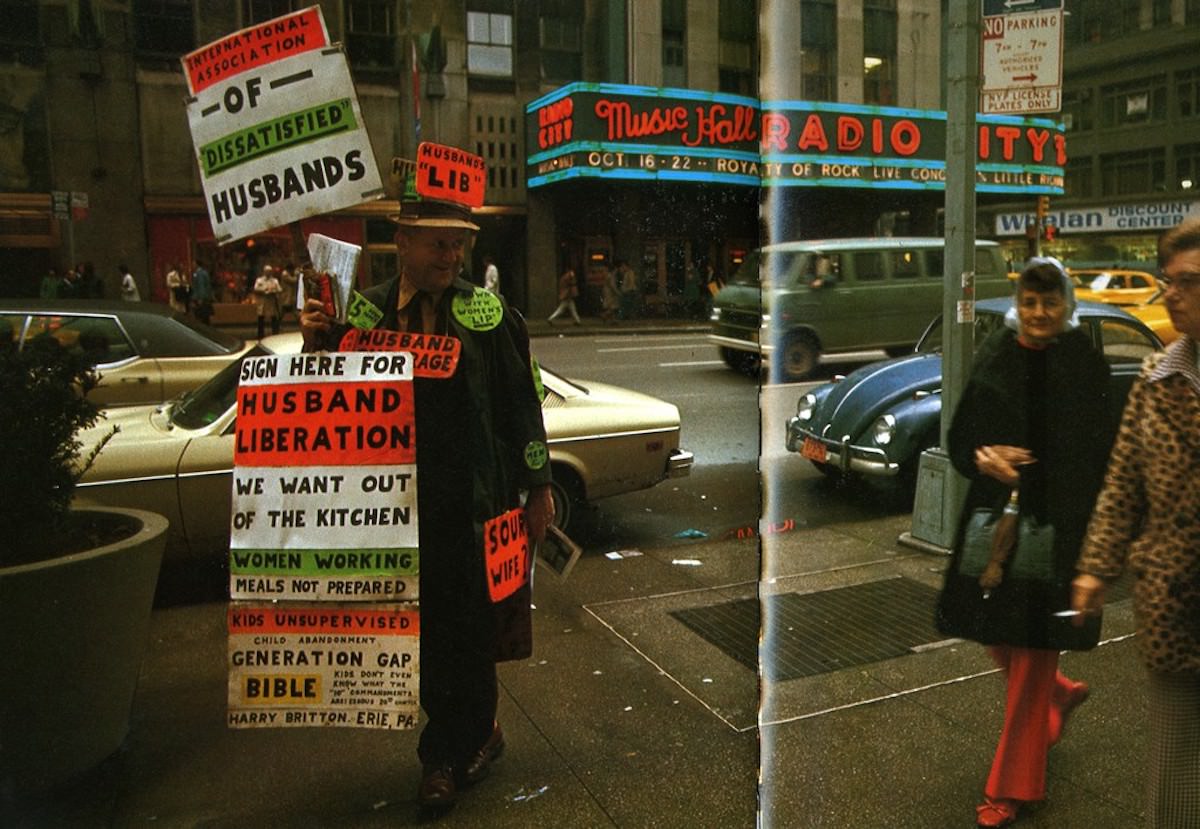
Across from Radio City Music Hall on Sixth Avenue, the street reflected Midtown’s dual nature — a place where showbusiness glamour and everyday city grit sat side by side. Radio City itself stayed packed through the decade, hosting everything from rock concerts to the annual Christmas Spectacular, drawing crowds who streamed past street vendors and newsstands on their way in.