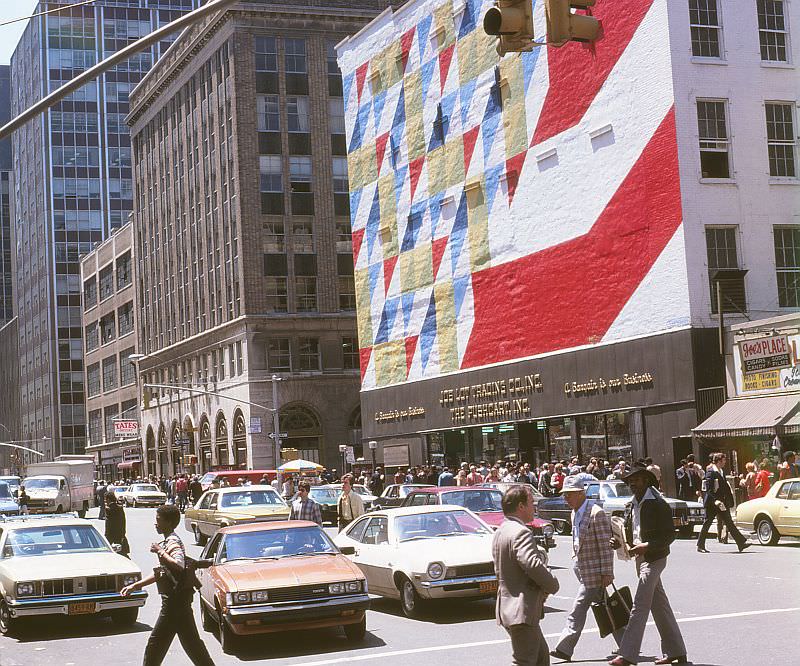
By the late 1970s, New York City was in serious trouble. Economic stagnation, industrial decline, and the looming threat of bankruptcy had forced the city to make brutal cuts. Sanitation workers were laid off. After-school programs disappeared. Municipal services that millions of New Yorkers depended on were slashed to keep the city afloat. The financial crisis hit every borough and touched nearly every family.
More than 820,000 middle-class families left the city for the suburbs in what became known as white flight. Unemployment climbed. Those who stayed — many of them working-class and poor — felt abandoned by their government. That anger had consequences. Drug use surged, vandalism spread, and theft became a daily reality across neighborhoods that had once been stable.
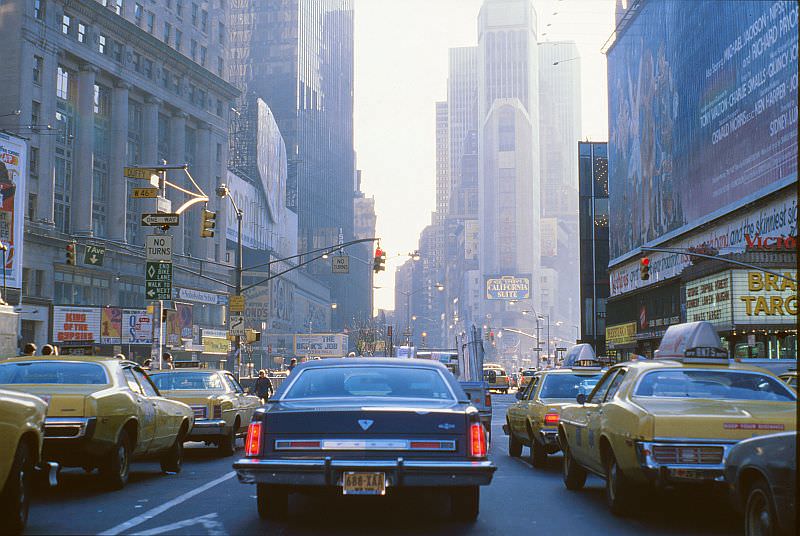
On the night of July 13, 1977, a citywide blackout plunged New York into darkness and set off a wave of looting. Stores were broken into across dozens of neighborhoods. The blackout became a symbol of just how fragile the city had become — and how much tension had built up beneath the surface. Against this backdrop, photographer Frank Florianz walked the streets of New York with his camera, documenting the city as it actually was in 1978, 1979, and into 1980.
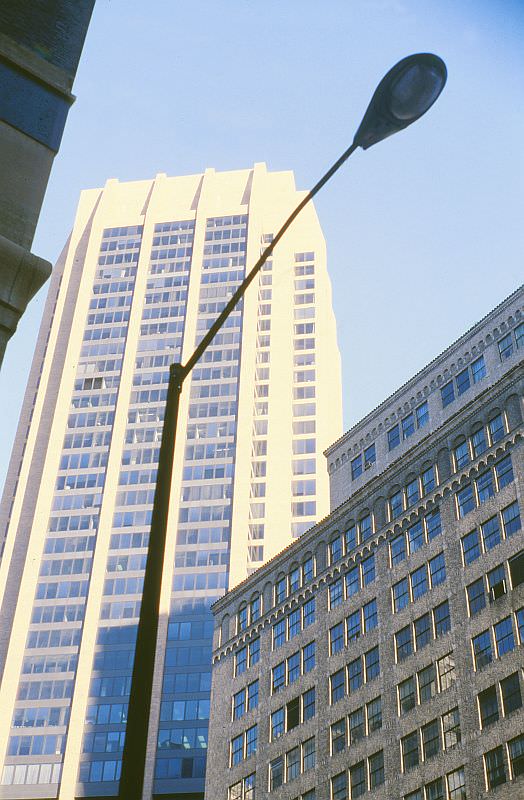
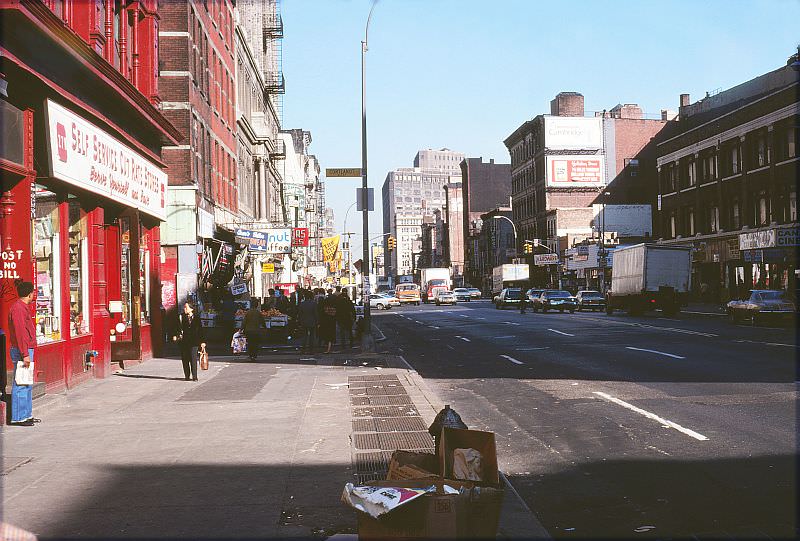
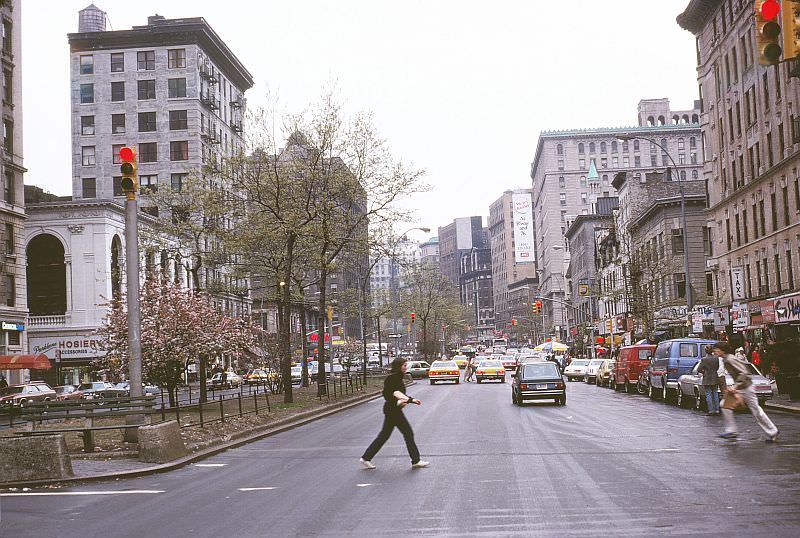
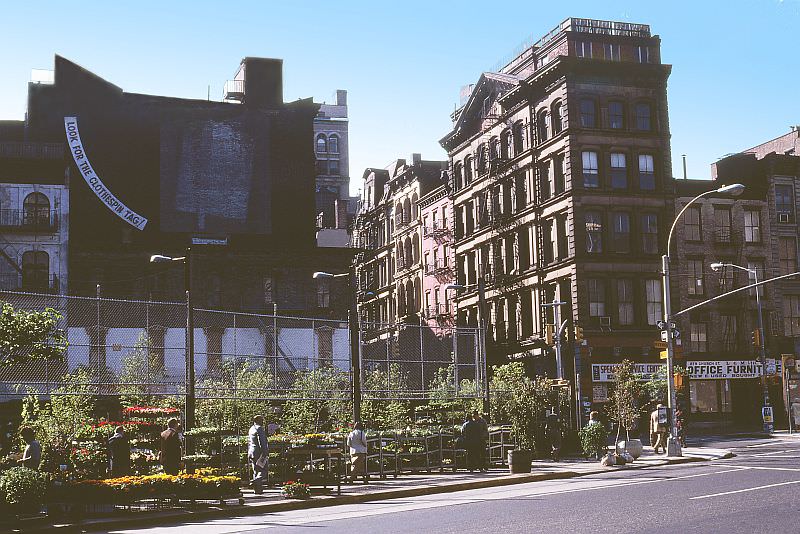
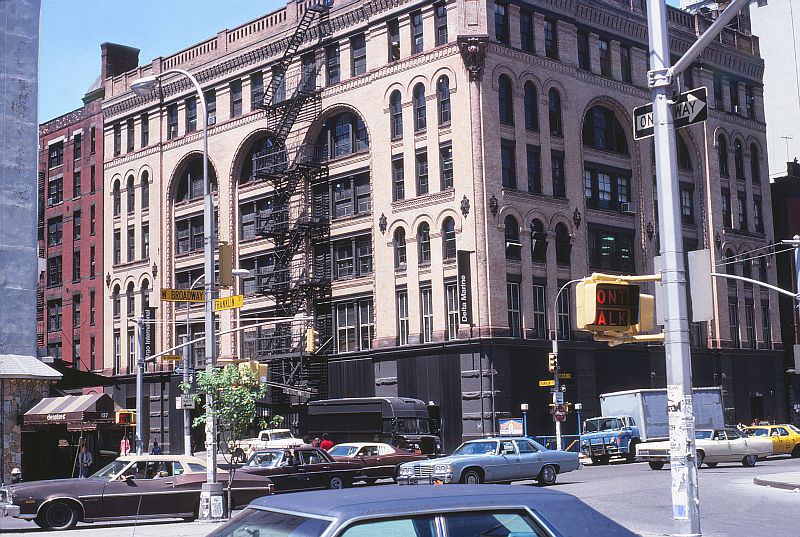
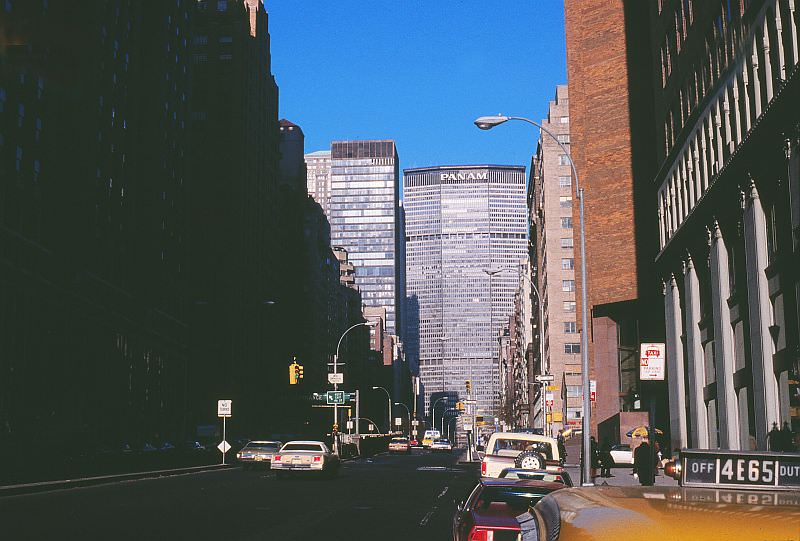
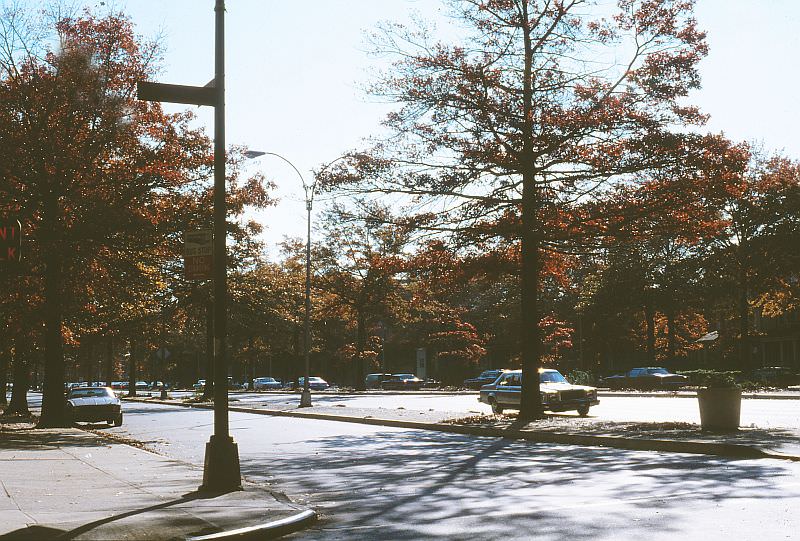
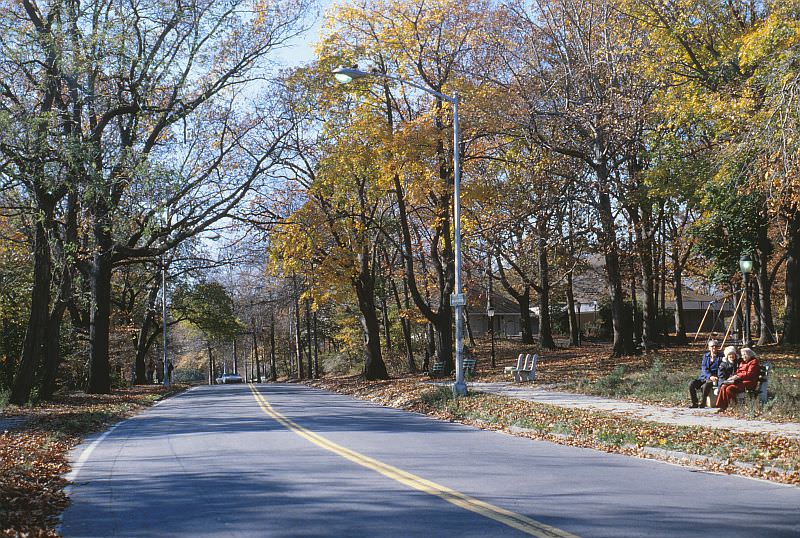
Florianz captured the full range of the city — not just its chaos, but its everyday rhythms. He photographed midtown Manhattan’s crowded avenues, quiet residential blocks in Queens, the waterfront energy of Coney Island, and the grand architecture that still stood proudly despite the city’s condition. His work gives us a ground-level view of New York that no newspaper headline could fully convey.
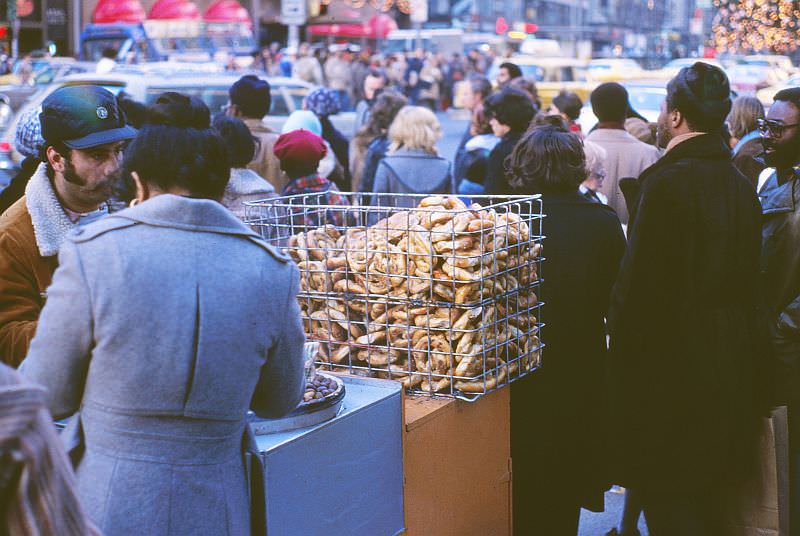
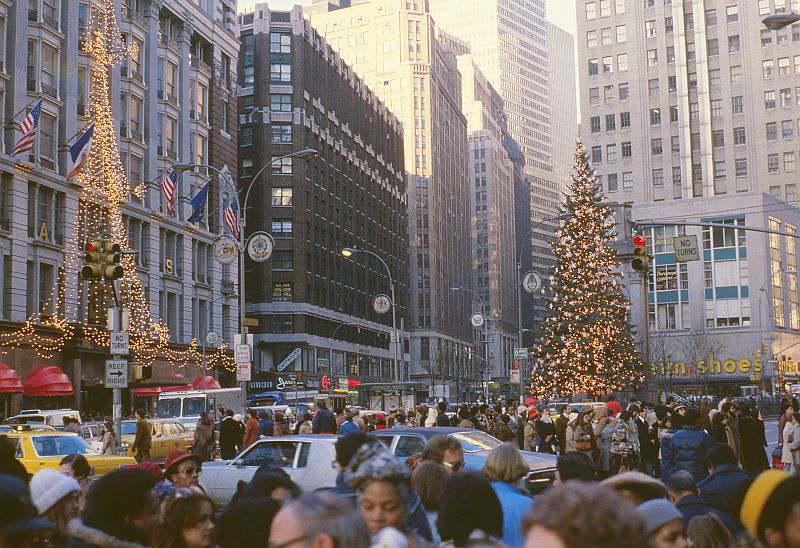
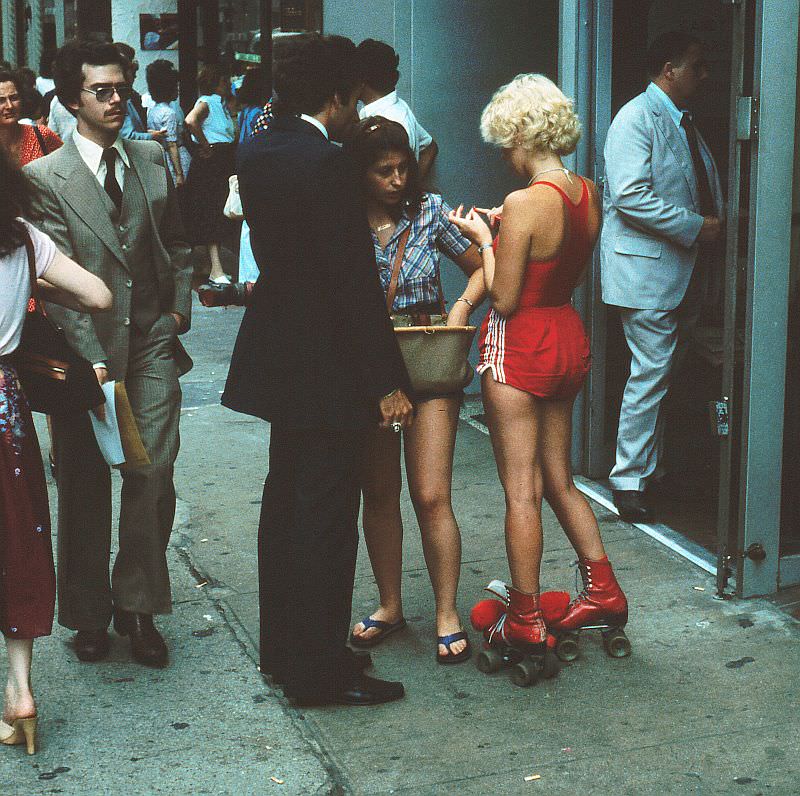
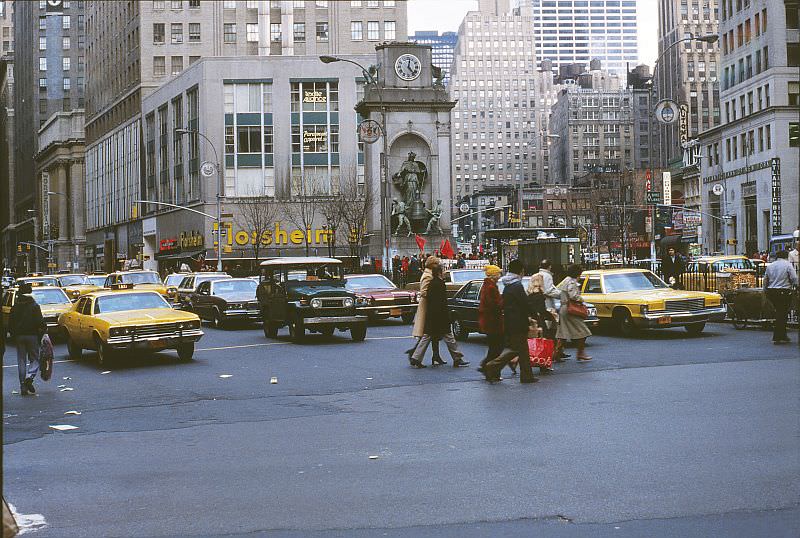
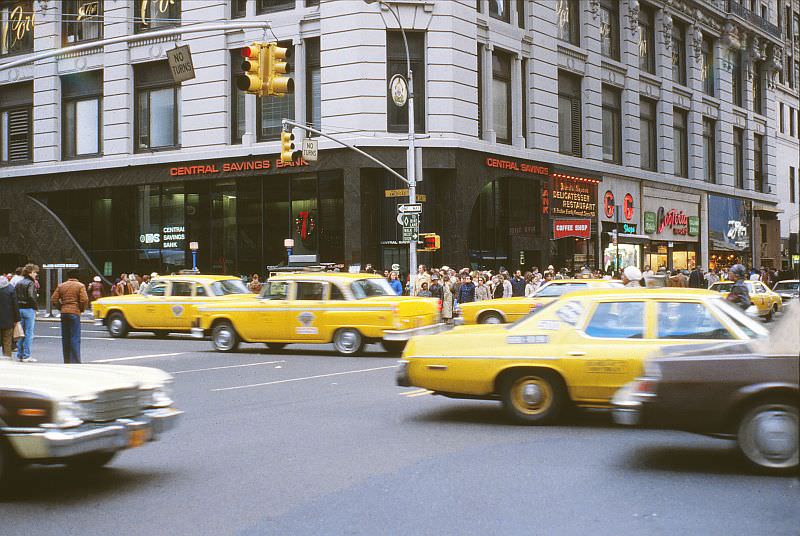
Even in a city under strain, commerce continued. Street vendors held their corners, shoppers filled the sidewalks near Herald Square during the holiday season, and the city’s commercial corridors stayed alive. The photos from late 1978 show a Manhattan that still moved, still buzzed, still drew crowds — even as budget cuts gutted services behind the scenes.
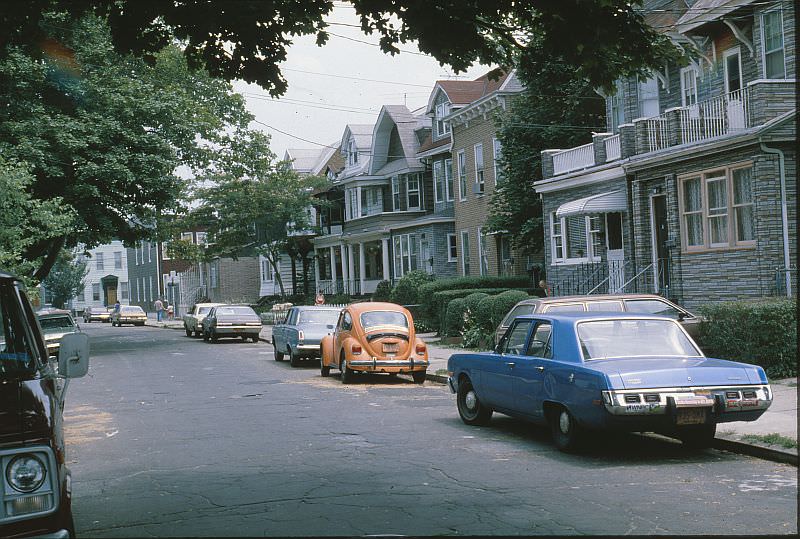
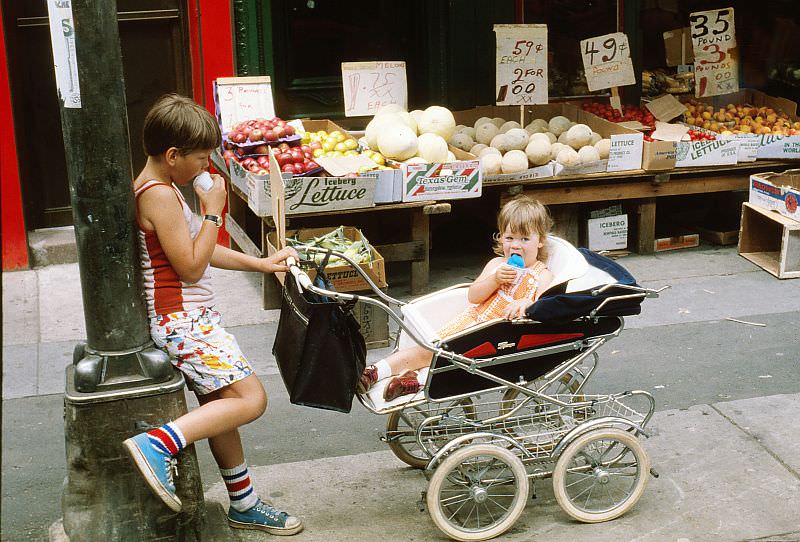
Florianz also turned his lens on the outer boroughs. In July 1979, he photographed the streets of Woodhaven, a neighborhood in Queens. The images show a quieter, more residential New York — tree-lined blocks, neighbors going about their days, yard sales on side streets. These were not the flashpoint neighborhoods that made the evening news. They were the working-class communities holding together amid the city’s wider dysfunction.
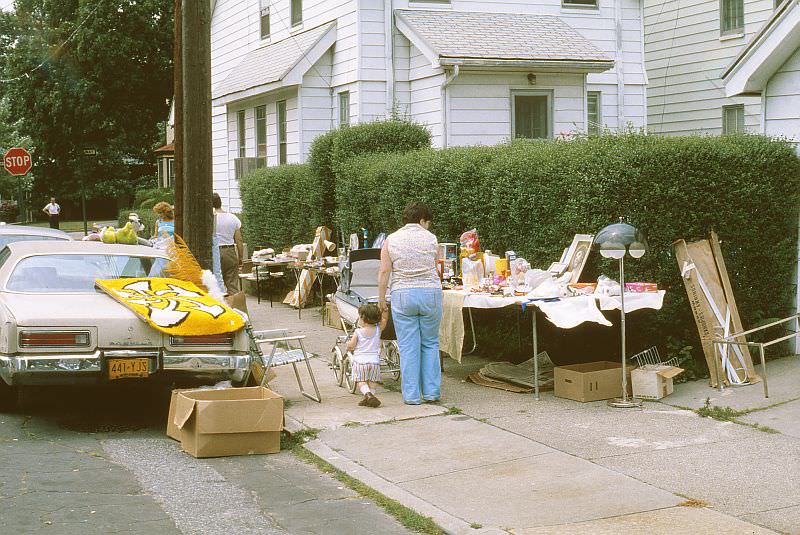
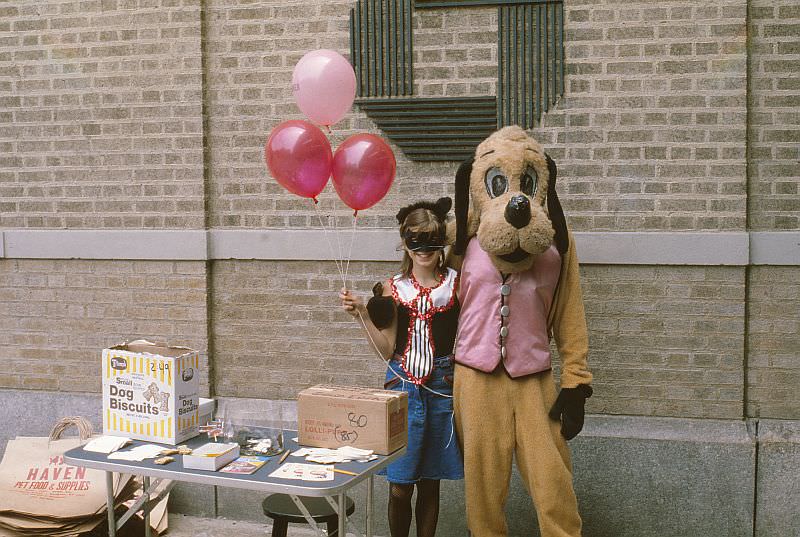
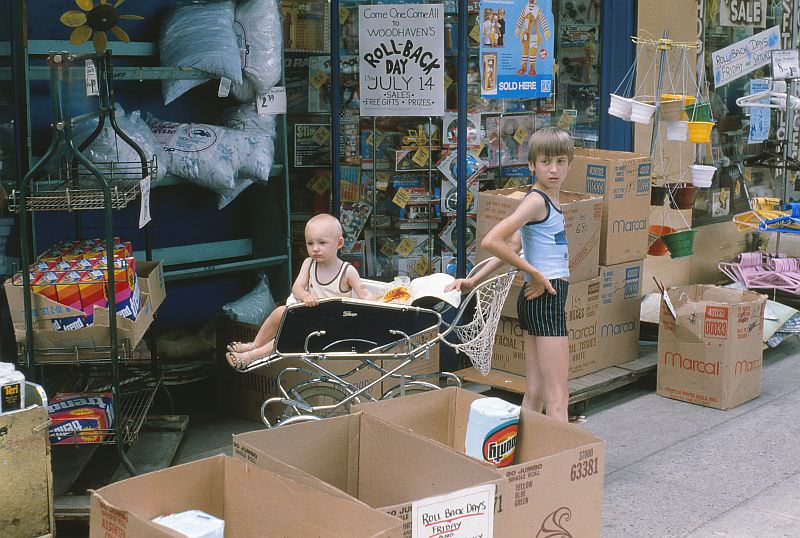
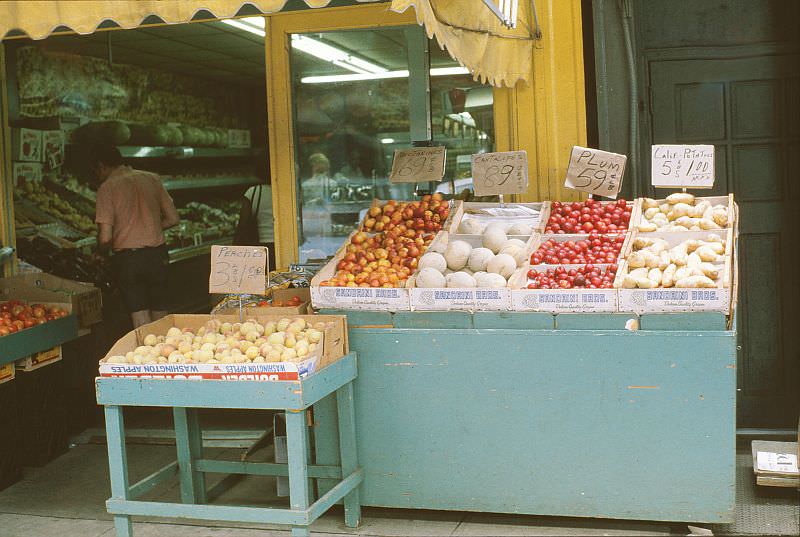
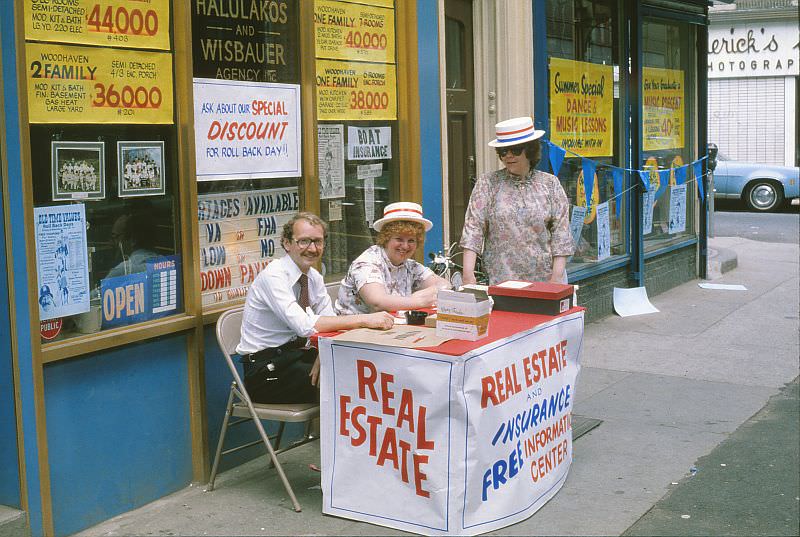
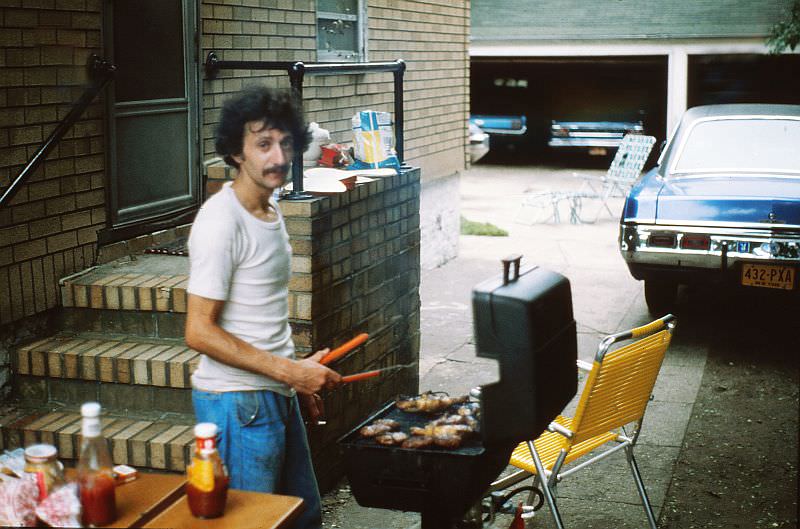
Back in Queens, summer life continued on 88th Road. A neighbor stood over a hot stove cooking a meal, a scene so ordinary it almost felt out of place in a city that was supposedly falling apart. That contrast runs through all of Florianz’s work — the gap between the crisis people read about and the daily life people actually lived.
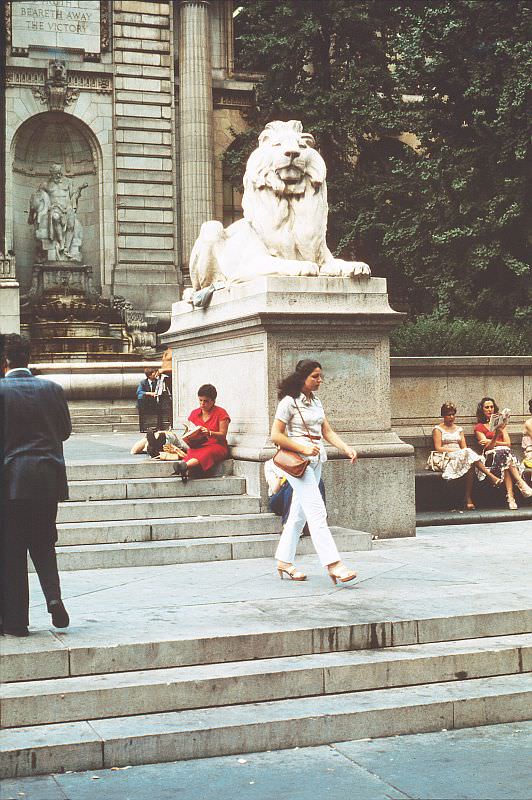
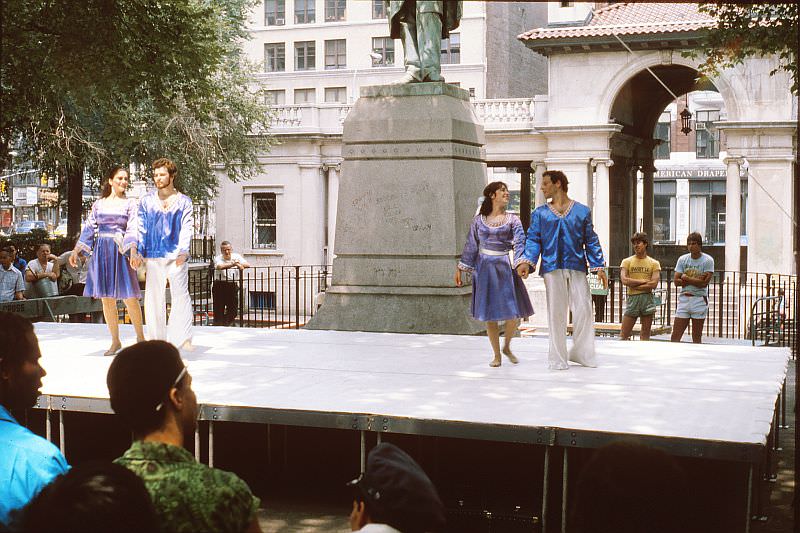
When Florianz returned to Manhattan in the summer of 1979, he documented the city’s iconic landmarks alongside its street-level details. Midtown’s crowded sidewalks, the stone lions guarding the New York Public Library on 5th Avenue, and the energy of Union Square all made it into his collection.
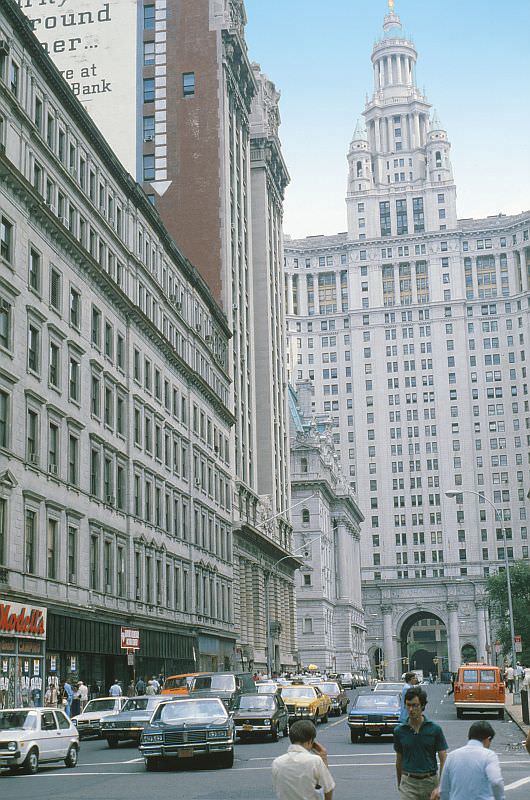
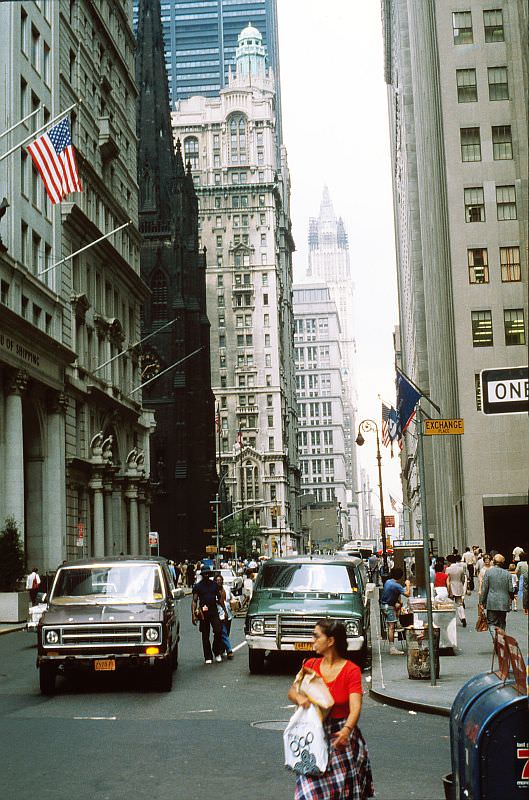
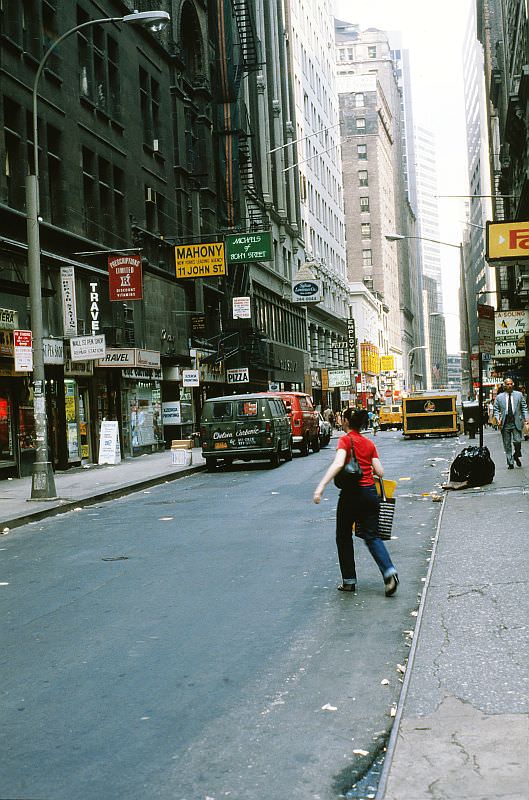
Downtown Manhattan offered a different kind of scene. Chambers Street stretched east toward the massive Manhattan Municipal Building at Centre Street — a reminder of the government apparatus that had so recently failed to protect its own city’s finances. Nearby, the Financial District’s narrow canyons at Exchange Place and John Street carried on their business.
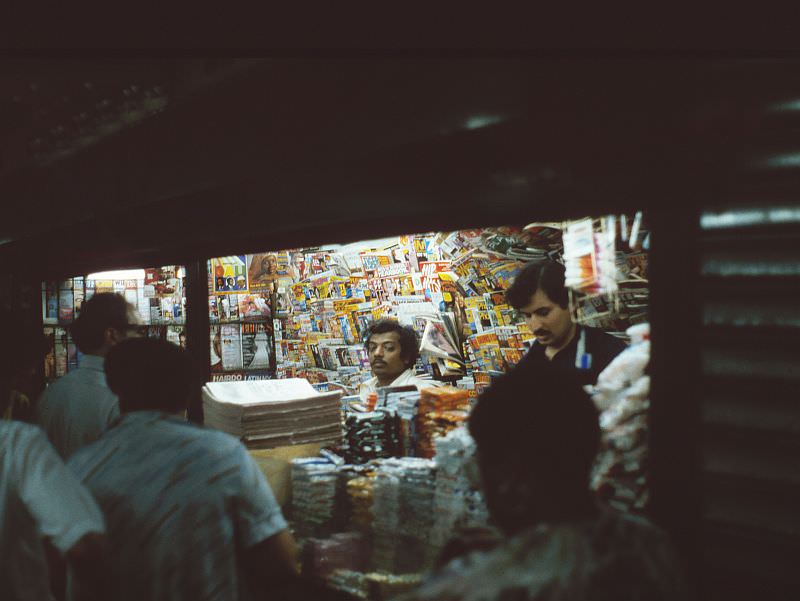
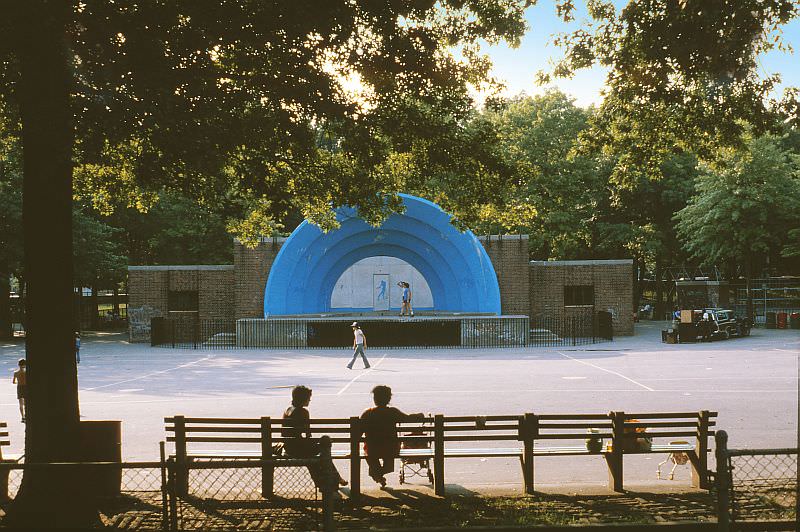
Brooklyn gave Florianz some of his richest material. Prospect Park’s bandshell drew crowds looking for a break from the heat and noise of city streets. Brighton Beach and Coney Island pulsed with the particular energy those neighborhoods always carried in summer — a mix of locals, tourists, food vendors, and the constant backdrop of the ocean.
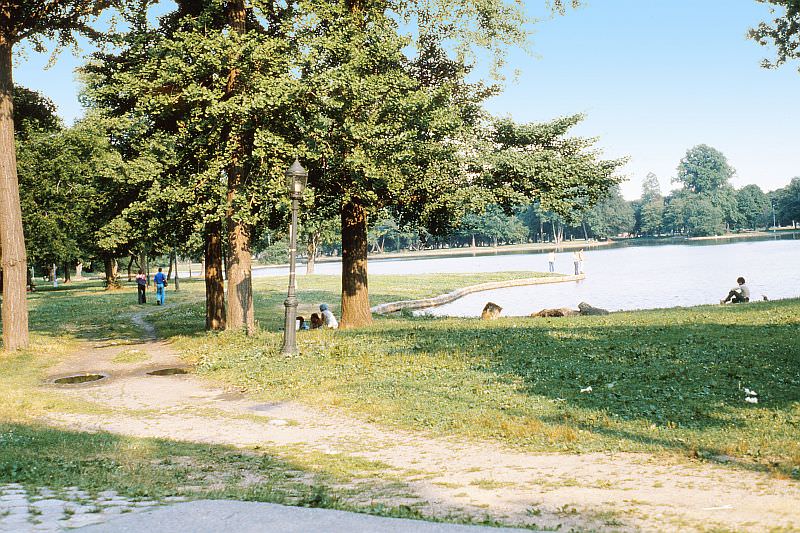
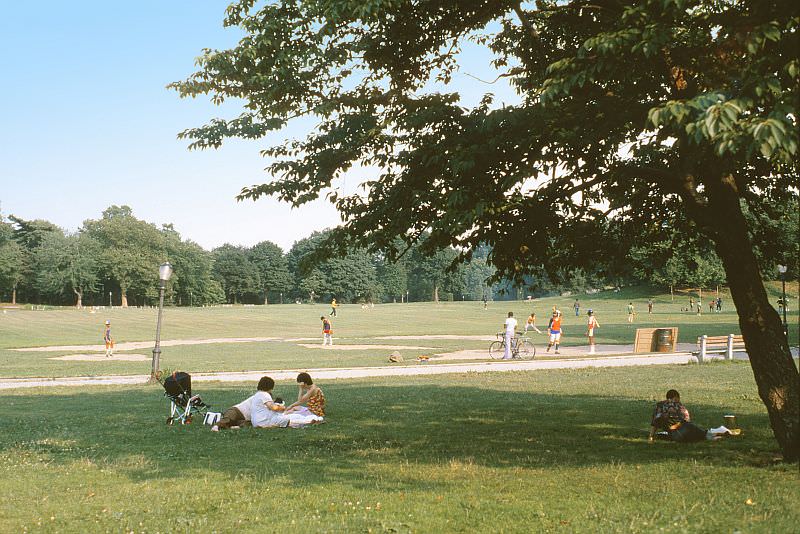
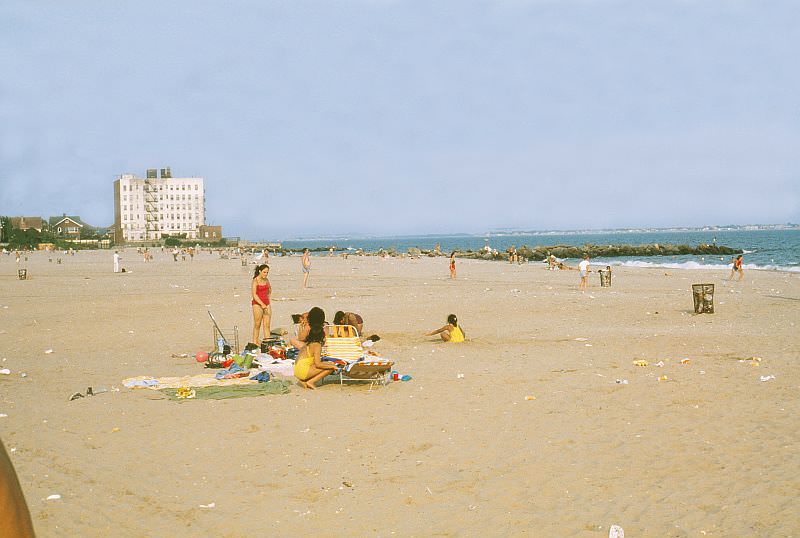
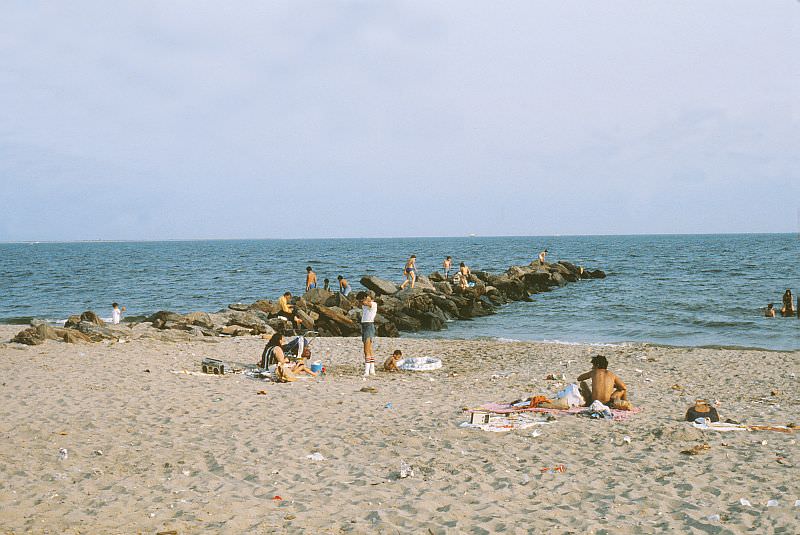
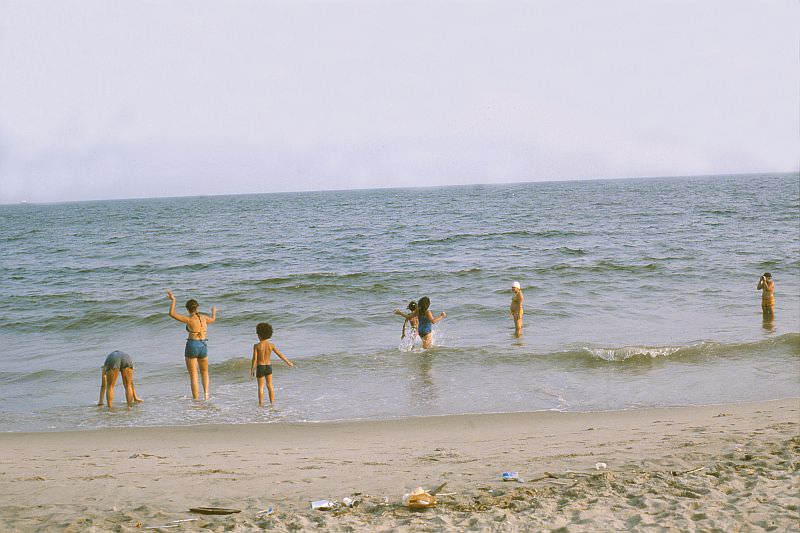
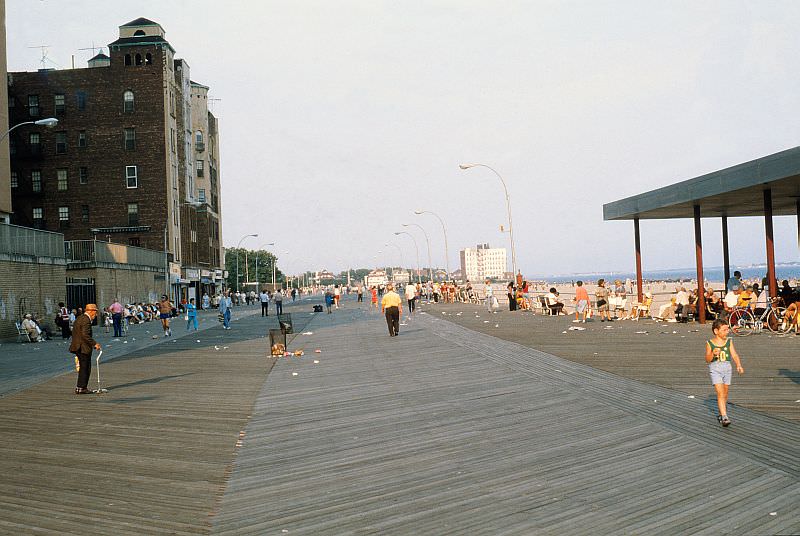
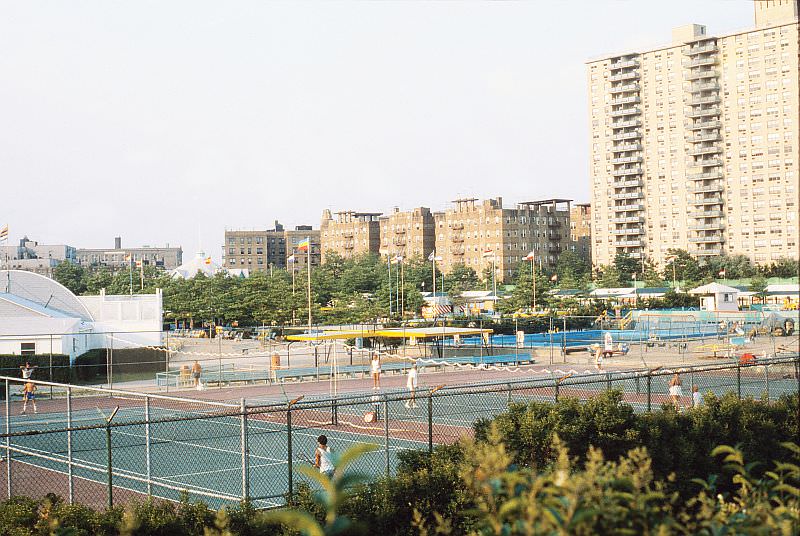
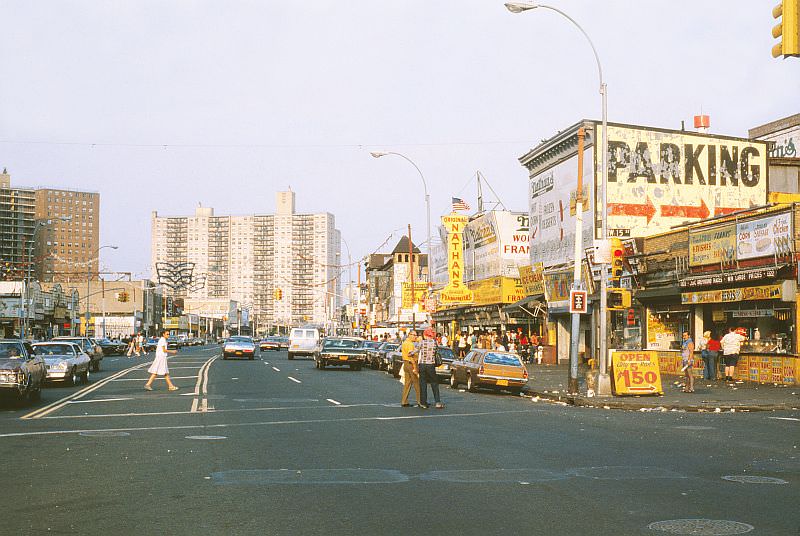
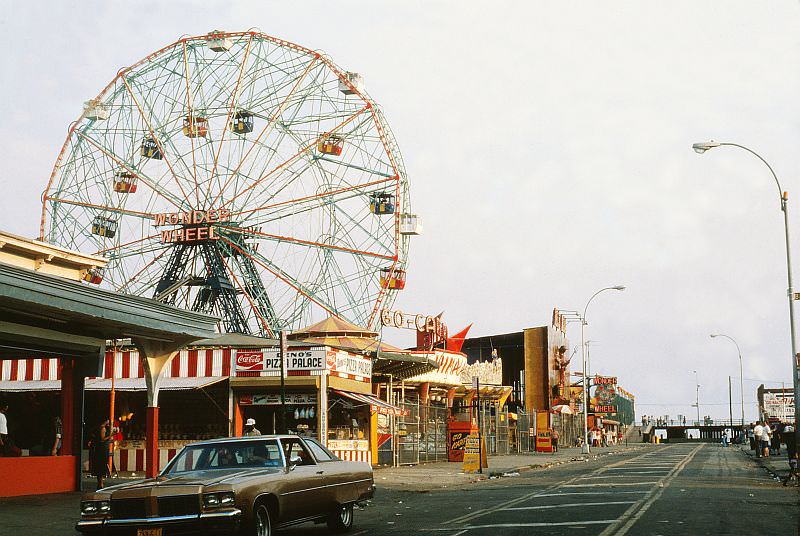
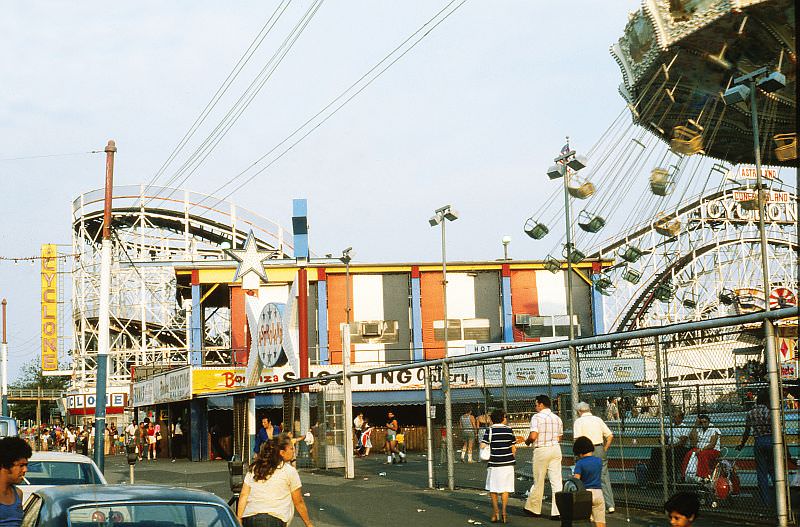
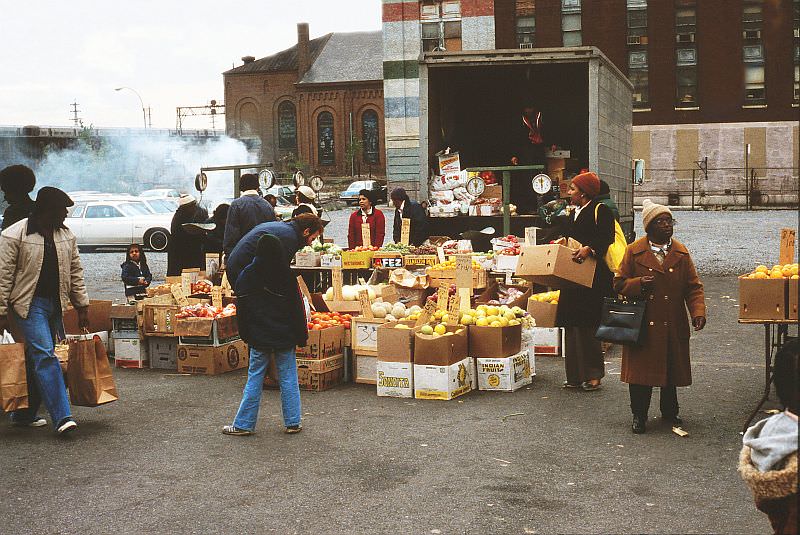
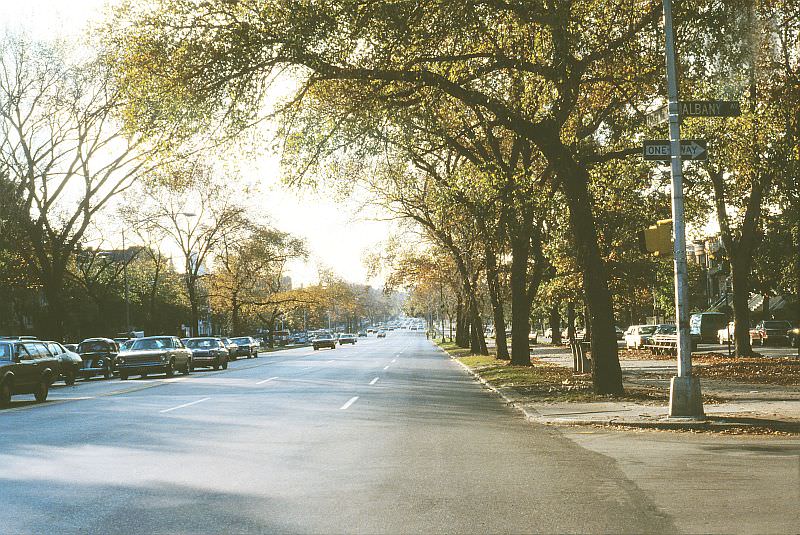
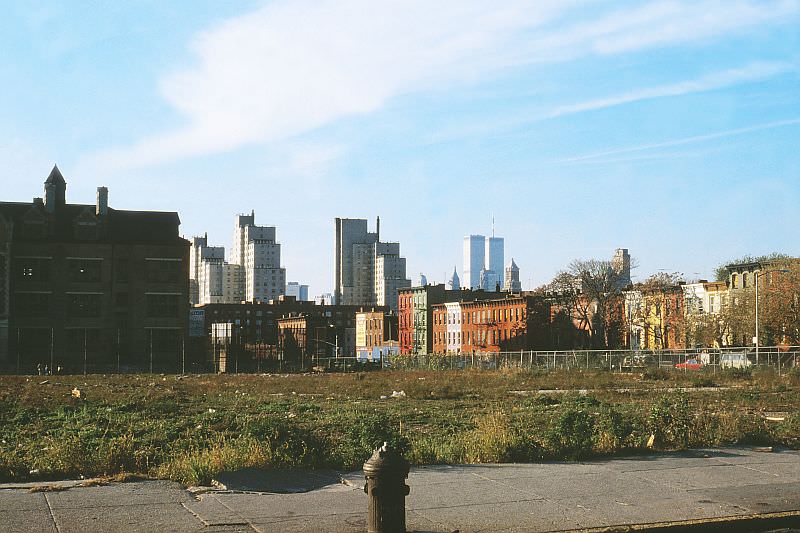
Florianz also photographed the produce tailgate markets near the Long Island Rail Road tracks in Brooklyn — an informal economy that thrived even when the formal one was struggling. A few miles away, the intersection of Albany Avenue and Eastern Parkway placed him in the heart of Crown Heights. And from somewhere along the Brooklyn waterfront, he pointed his camera at Manhattan and captured the Twin Towers standing tall against the sky.
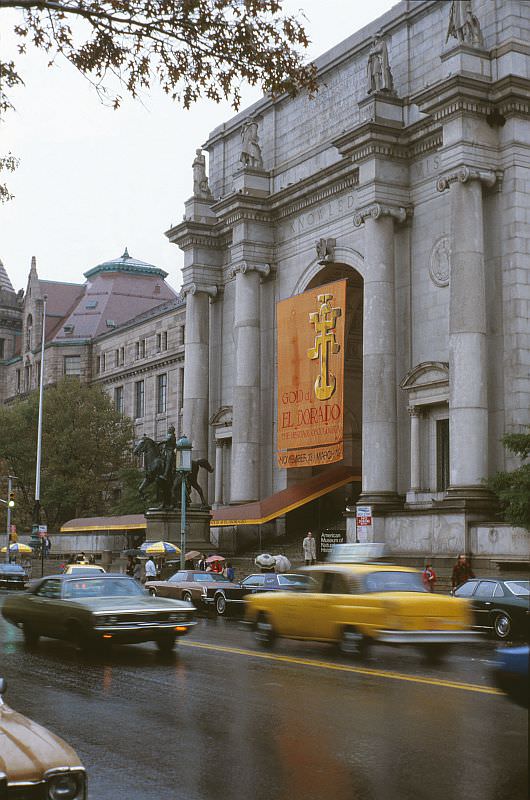
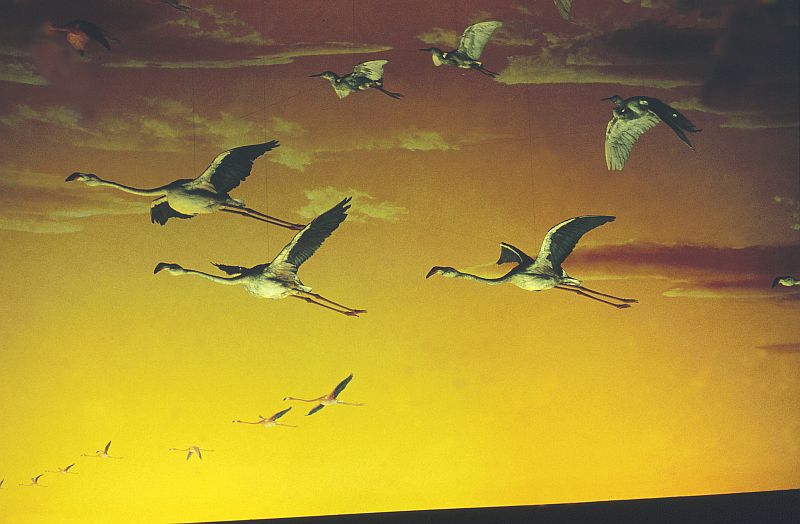
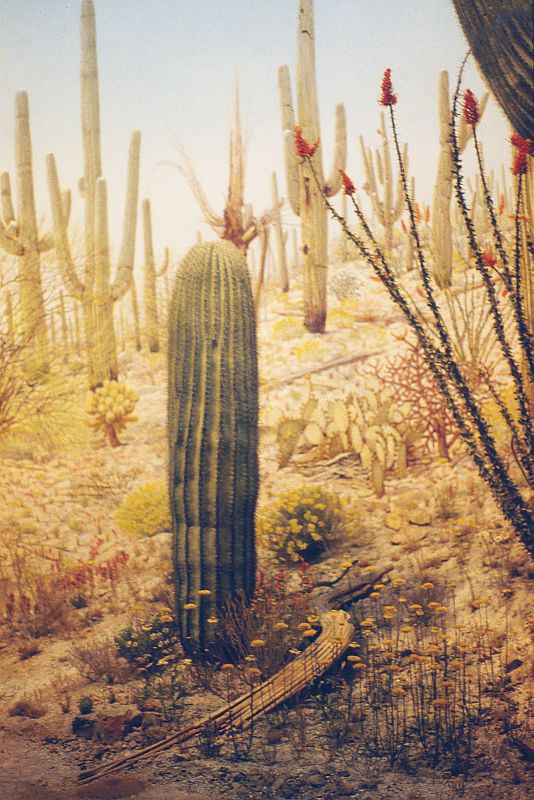
The American Museum of Natural History on the Upper West Side provided Florianz with a different kind of subject. Inside, the museum’s towering exhibits stood in sharp contrast to the battered streets outside. The building itself, with its Romanesque facade on Central Park West, was one of the few civic institutions still operating at full scale during the budget crisis.


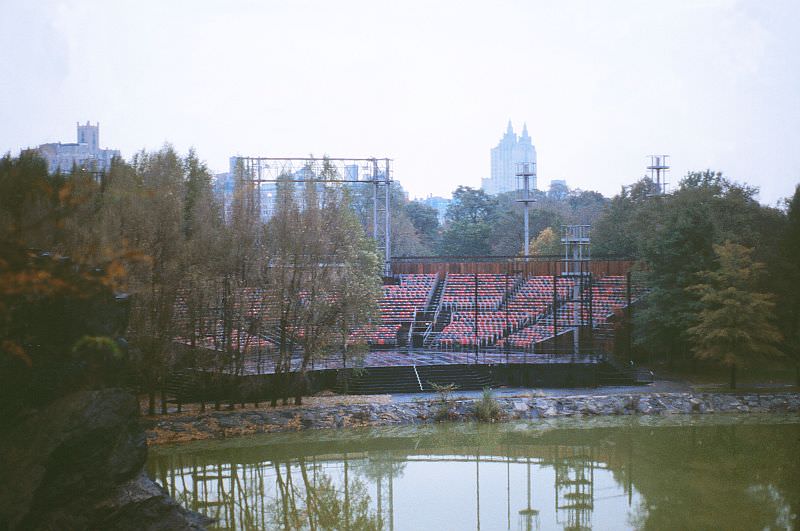
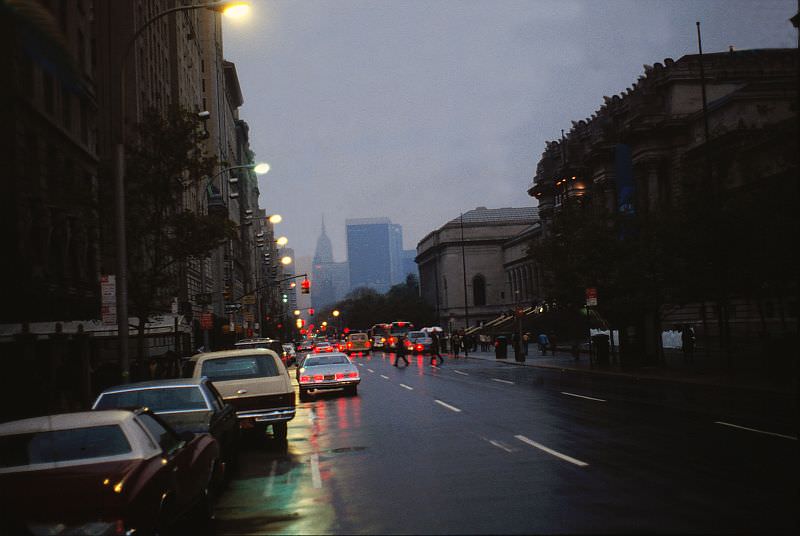
Central Park in the rain had its own particular mood. The Delacorte Theatre, tucked into the park’s west side near 80th Street, sat quiet and wet on one of Florianz’s visits. The Metropolitan Museum of Art on 5th Avenue caught a similar treatment — photographed at dusk in the rain, its steps slick and its entrance lit against a darkening sky.
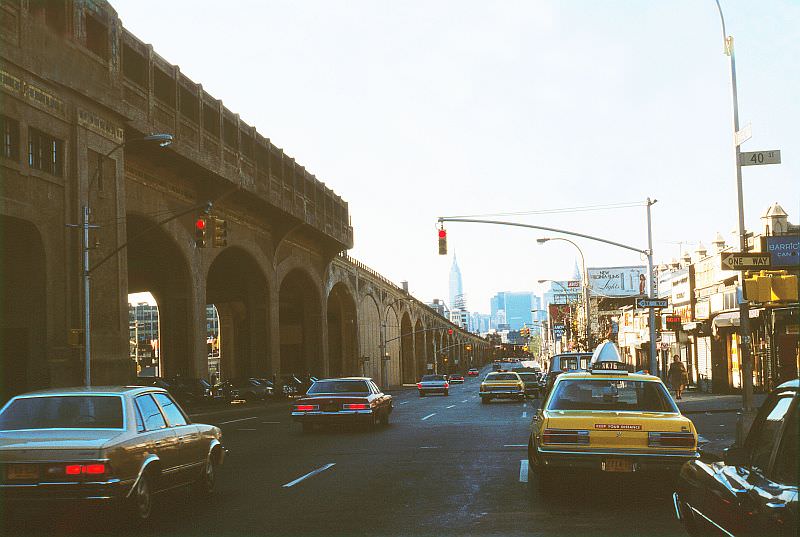
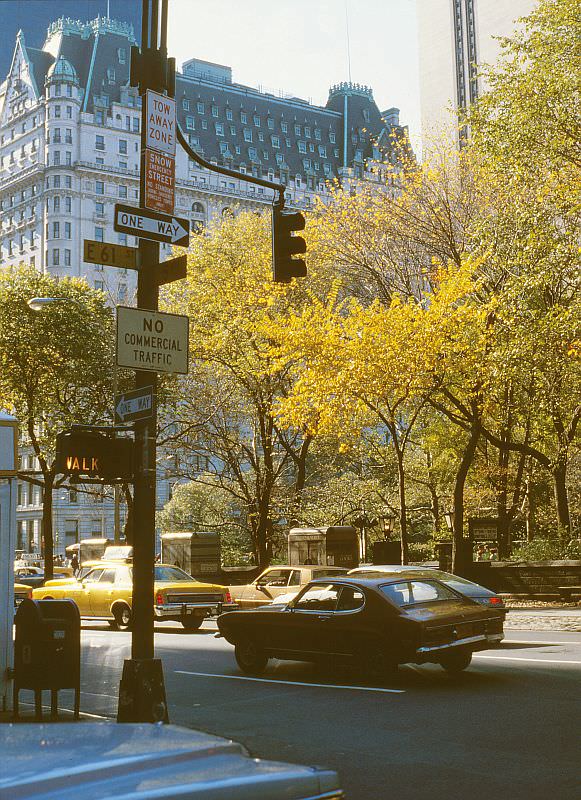
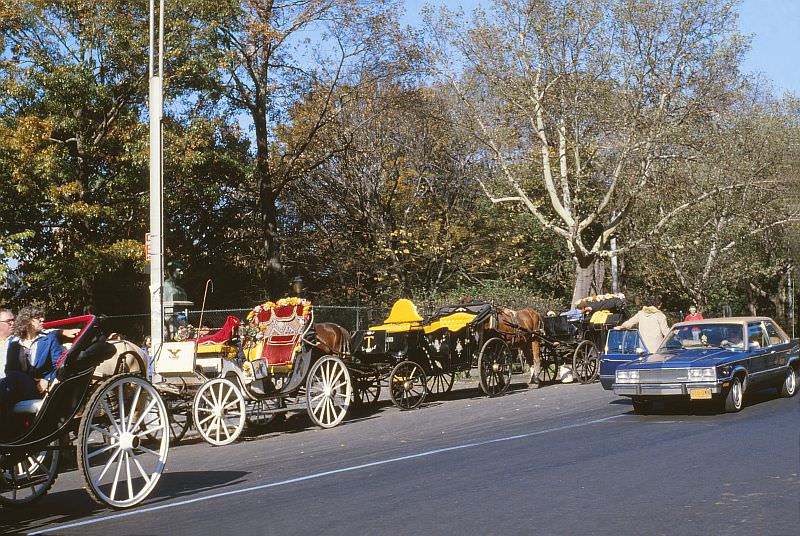
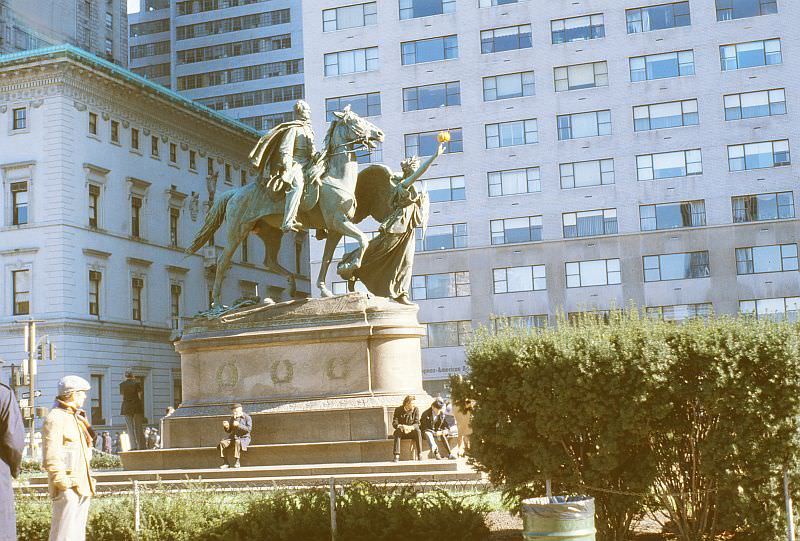
By the fall of 1979, Florianz was back in Queens. Queens Boulevard at 40th Street showed the elevated #7 subway viaduct running along its spine, with the Empire State Building visible in the distance — a classic view of the city’s layered geography. Horse-drawn carriages still lined Central Park South near 5th Avenue, and the gilded General Sherman Statue stood watch at Grand Army Plaza.
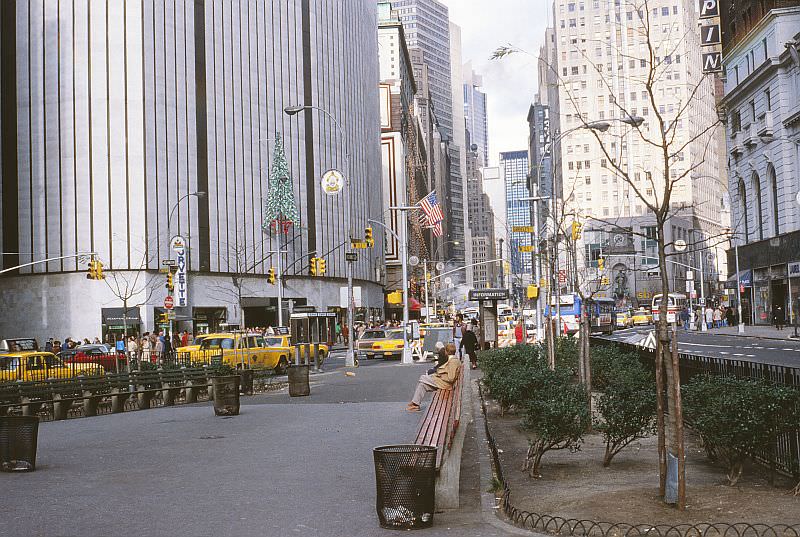
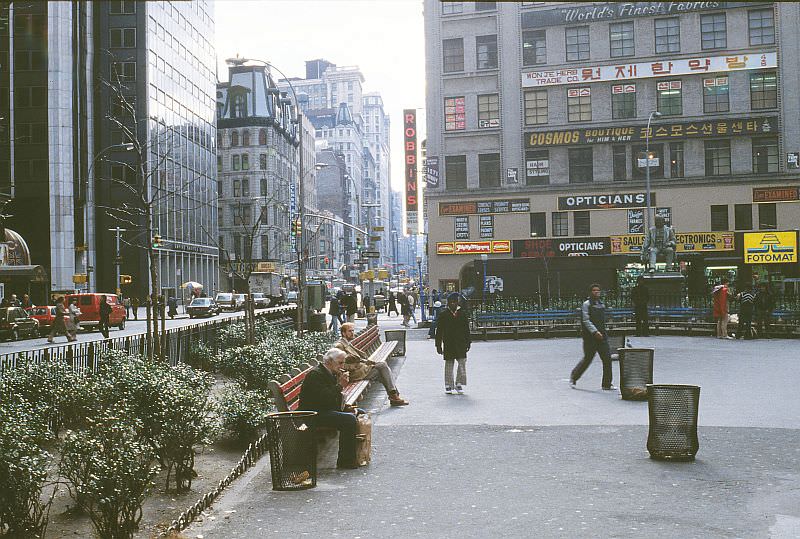
December 1979 brought Florianz back to the streets around Herald Square and the Garment District. Greeley Square at West 33rd Street, the block of West 32nd Street just nearby, and the Avenue of the Americas at 34th and 35th Streets all appear in his winter shots. The storefronts and foot traffic of those blocks looked much the same as they had a year earlier — the city worn but still functioning.
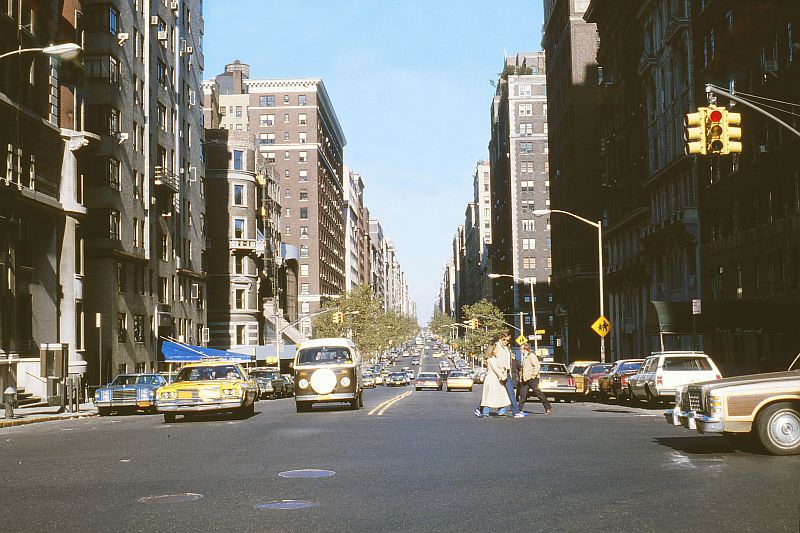
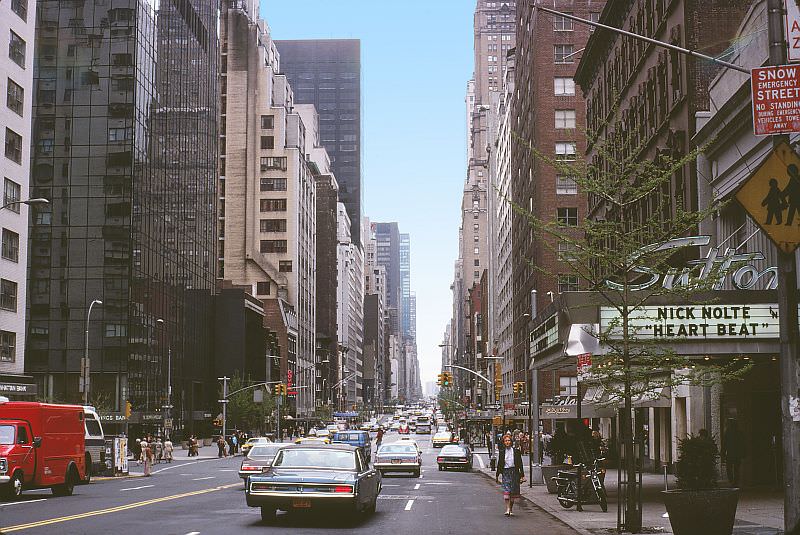
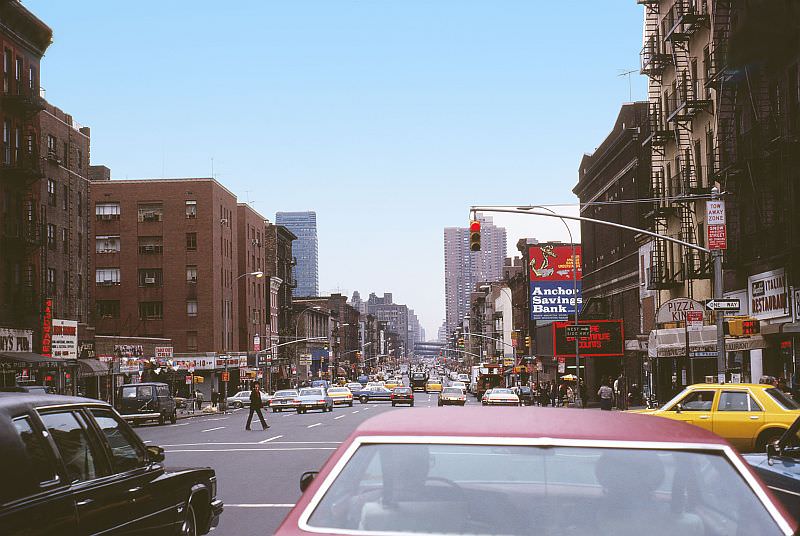
Florianz continued shooting into the spring of 1980. He photographed the Sutton Theater at 205 East 57th Street — a building that would stand for another 25 years before its demolition in January 2005. On 9th Avenue, he pointed his camera south from both West 55th and West 40th Streets, capturing the long straight corridor of one of Manhattan’s most utilitarian avenues.
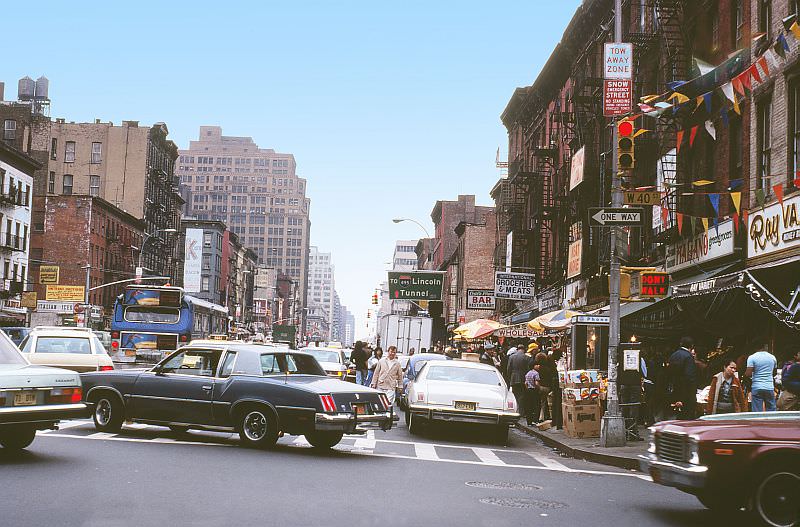
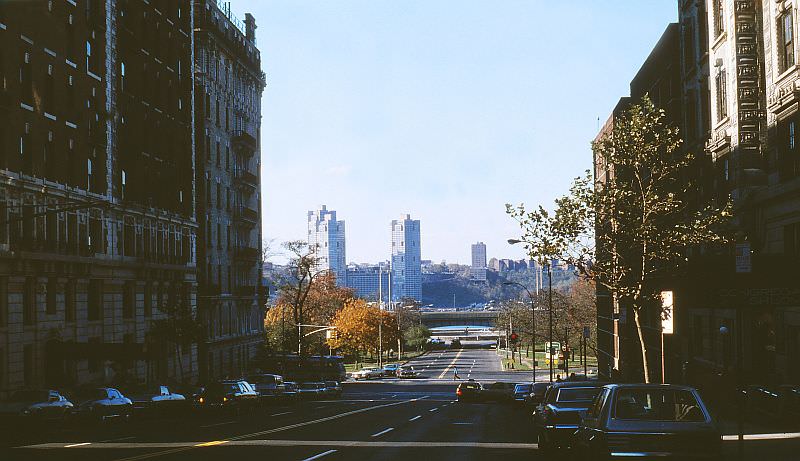
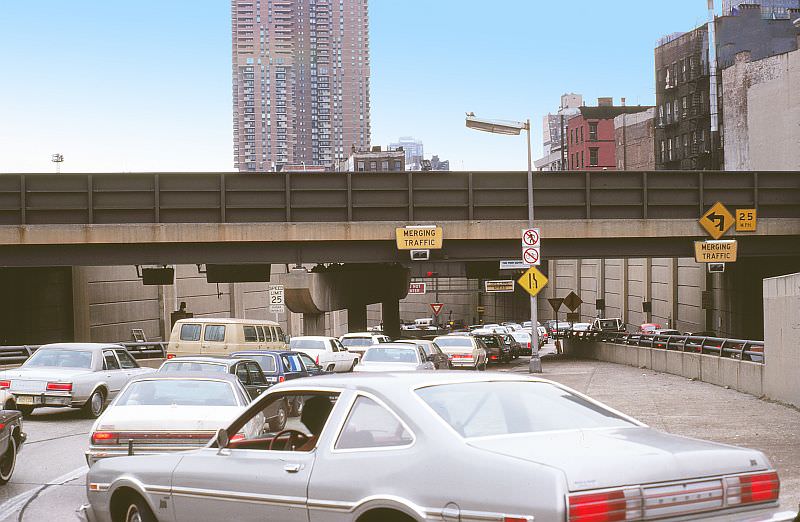
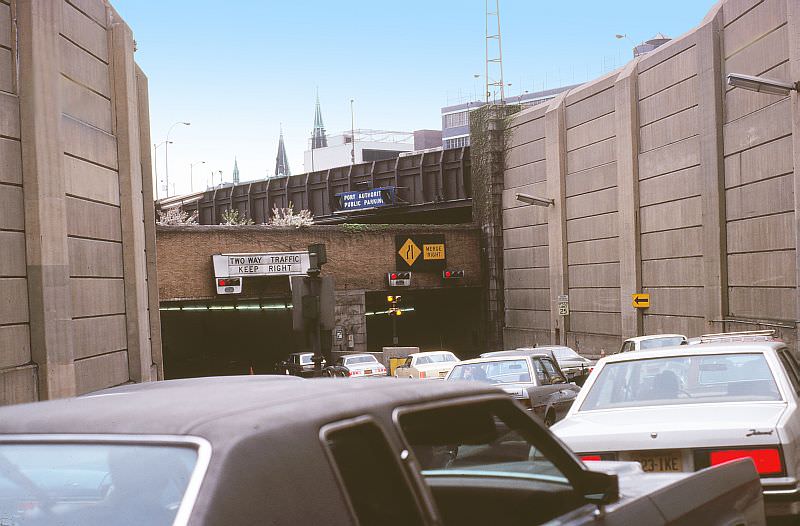
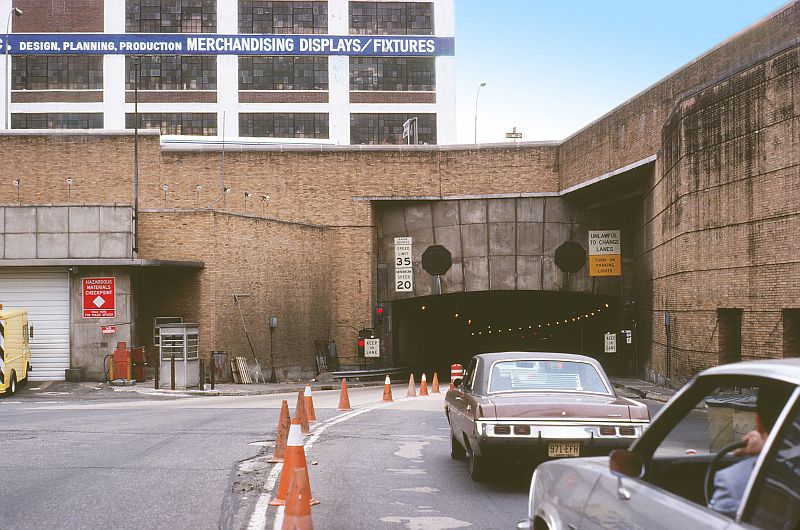
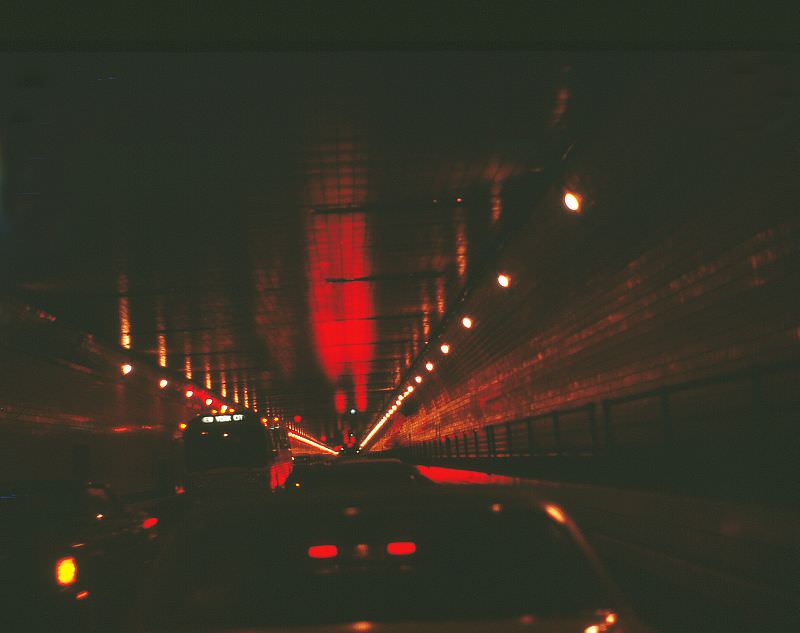
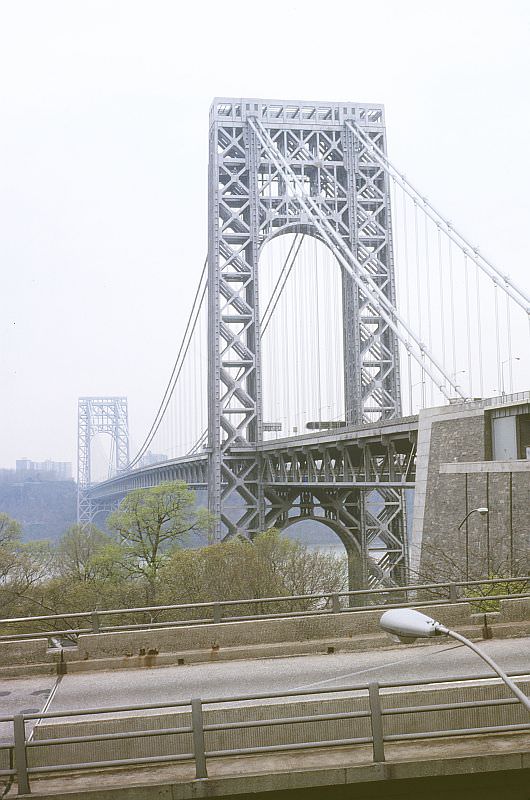
The Lincoln Tunnel entrance and the George Washington Bridge both appear in his spring 1980 work — the arteries connecting Manhattan to New Jersey, carrying the daily flow of commuters and commerce that kept the region tied together even as the city’s internal fabric frayed.
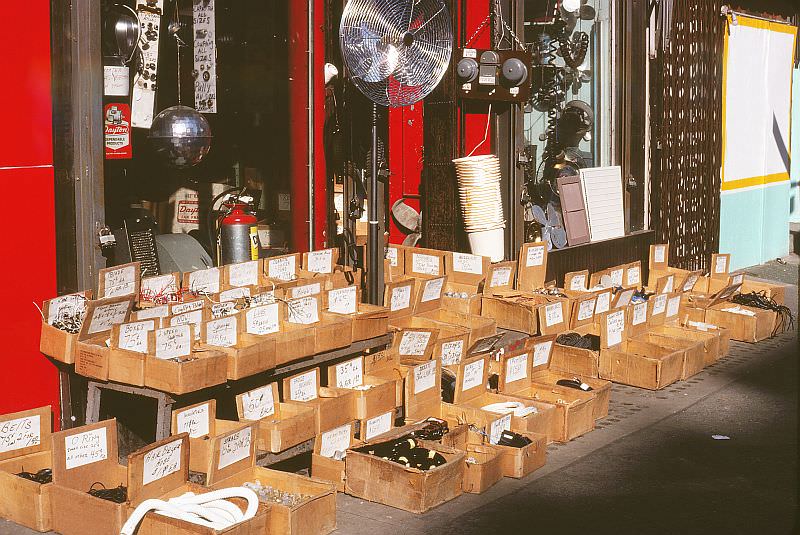
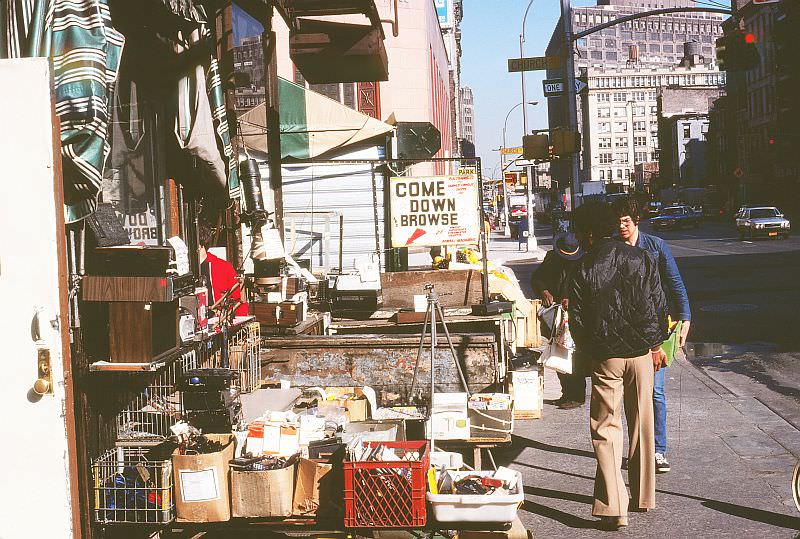
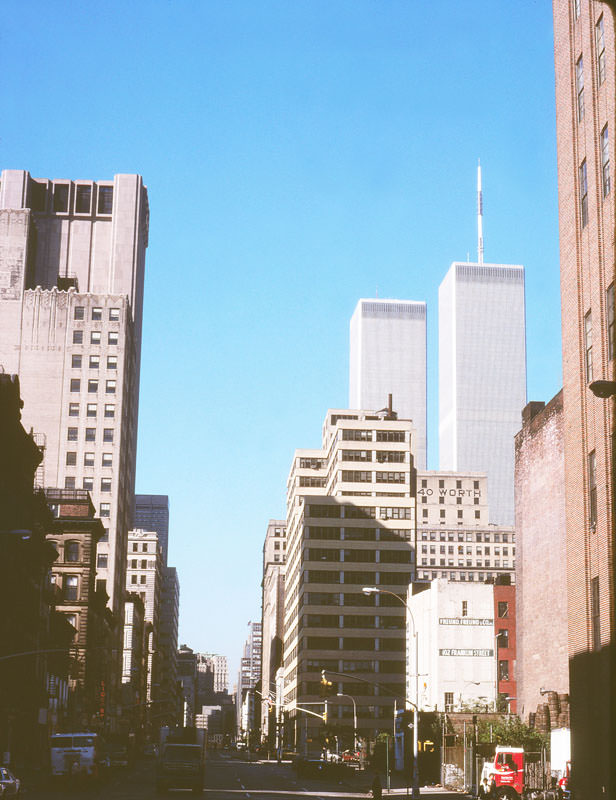
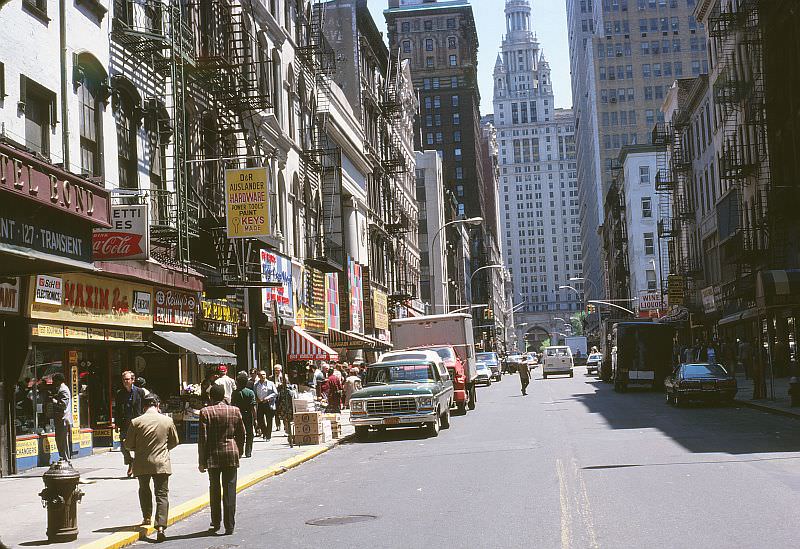
Canal Street near Cortlandt Alley and Church Street near Leonard Street gave Florianz his final set of downtown subjects. The junk shops and discount stores lining those blocks — including Job Lot Trading Company at 140 Church Street — were a fixture of lower Manhattan at the time. Looking south along Church Street, the Twin Towers rose above everything, as they did from nearly any vantage point in the city in 1980.