When the United States entered World War II, the Navy wasted no time building a visual record of its operations. Military leaders understood that photographs could do something words alone could not — they could show the American public exactly what the war looked like. To make that happen, the Navy established a dedicated photographic unit tasked with documenting naval aviation and the men behind it.
Renowned photographer Edward Steichen was brought in to lead the effort. He pulled together some of the best photographers in the country, including Wayne Miller and Horace Bristol, commissioning thousands of skilled shooters to cover the Navy’s activities. Their work appeared in newspapers, posters, and recruitment advertisements across the nation.

Among the names Steichen recruited was a lesser-known but exceptionally talented photographer: Fons Iannelli, also known as Alfonso Iannelli. He was just starting his career when he joined the unit, beginning as an assistant and darkroom developer. He did not stay in that role for long. His skill behind the camera was clear, and he was promoted to full photographer.

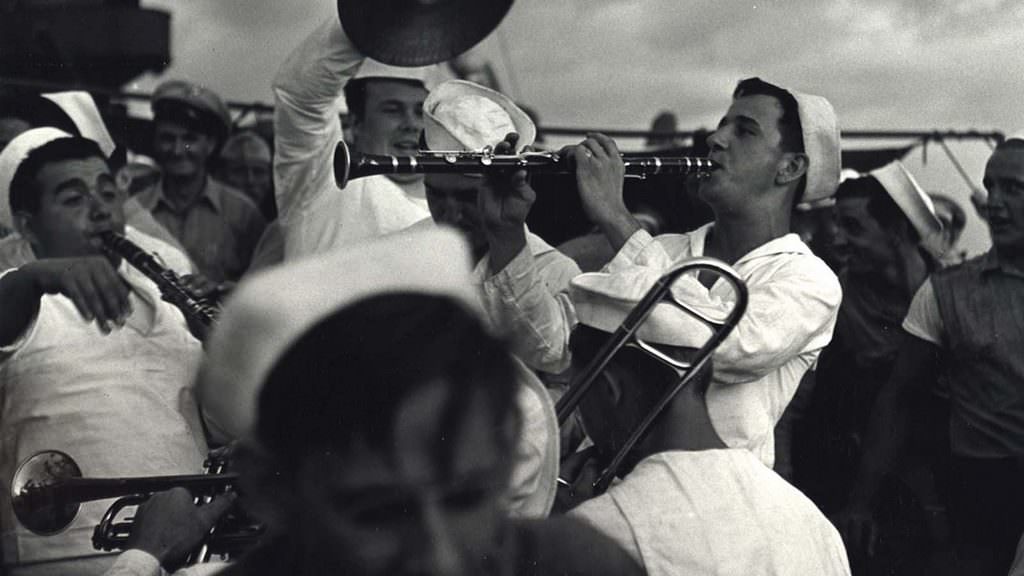
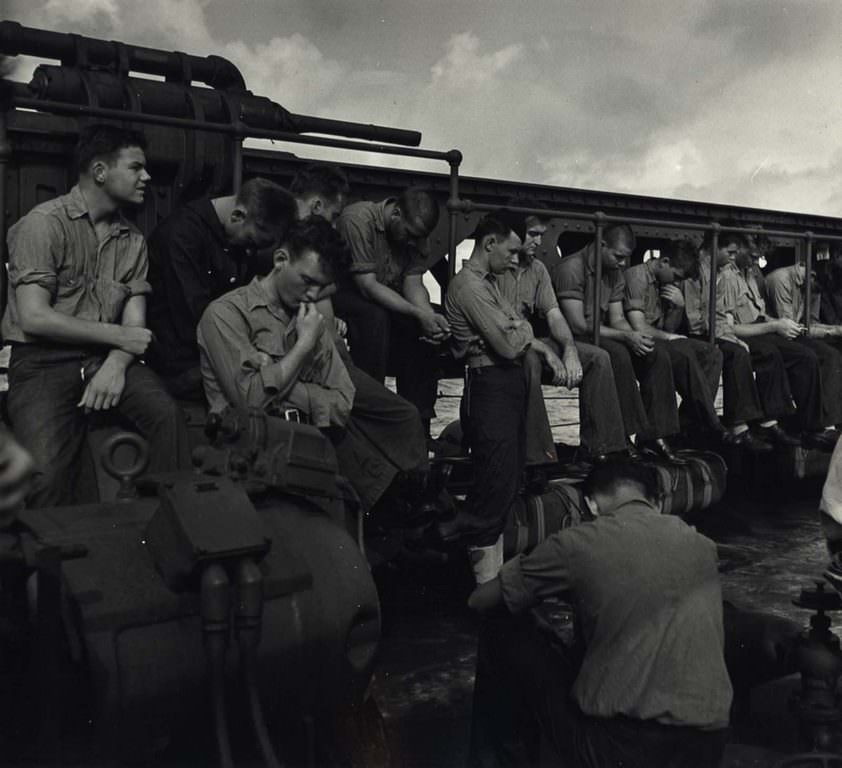
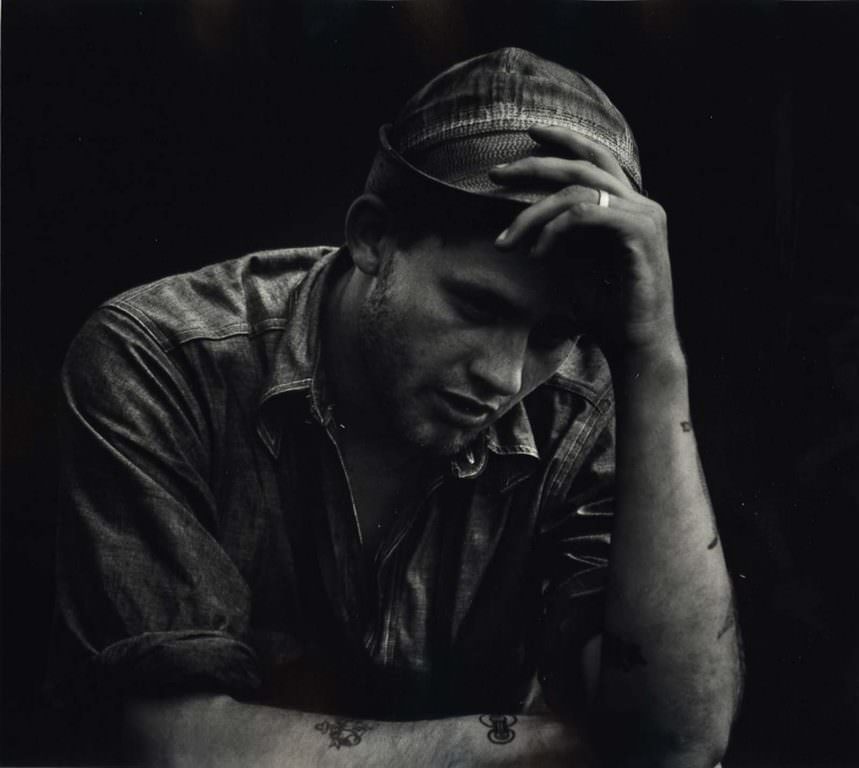
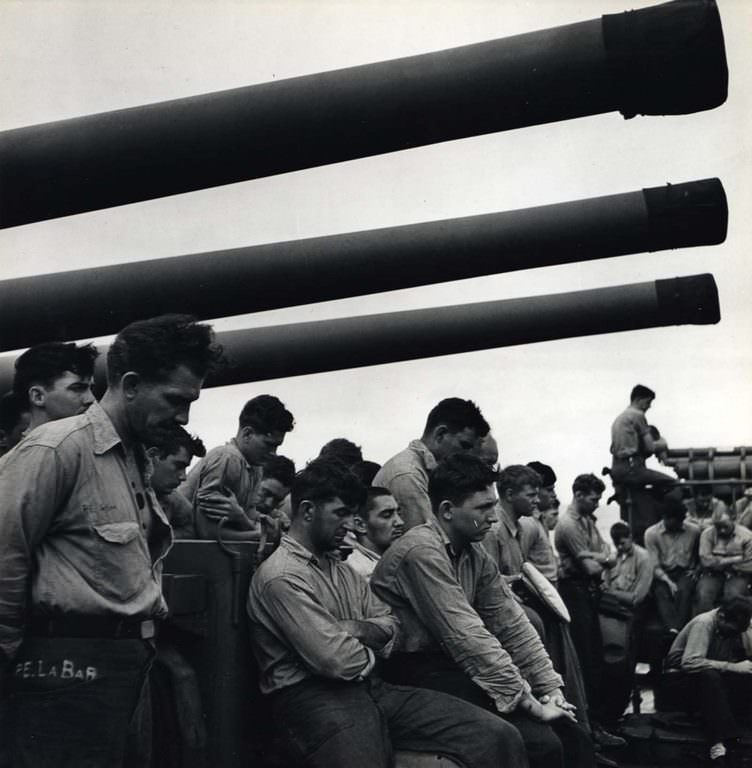
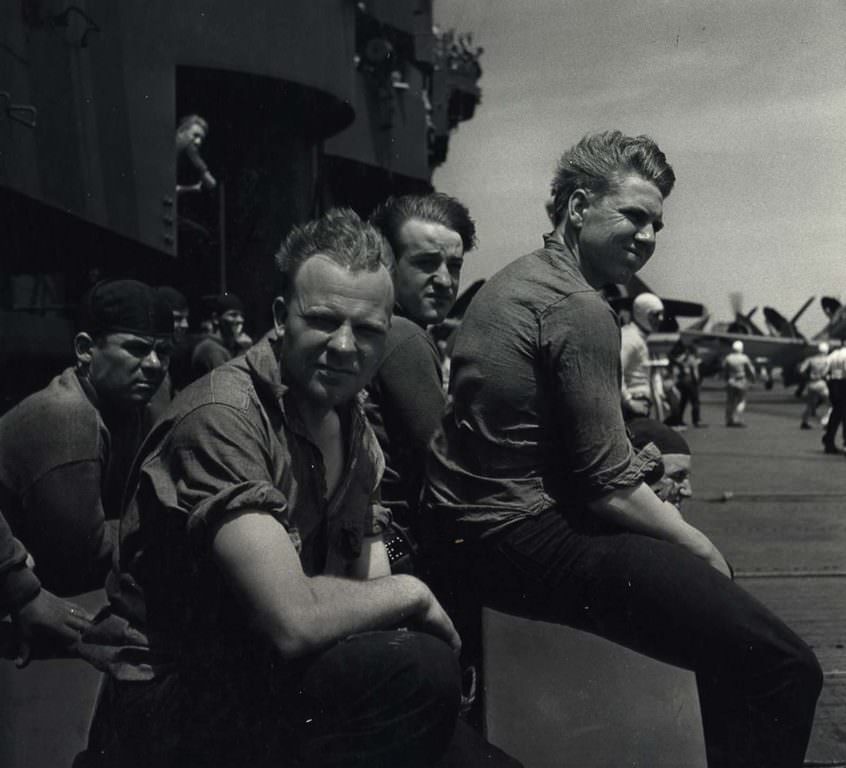
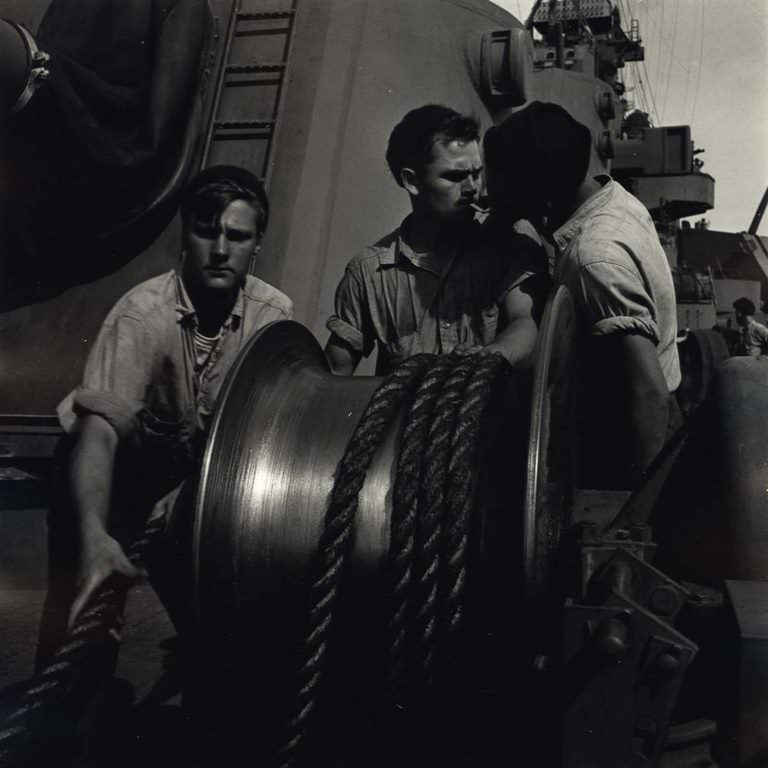
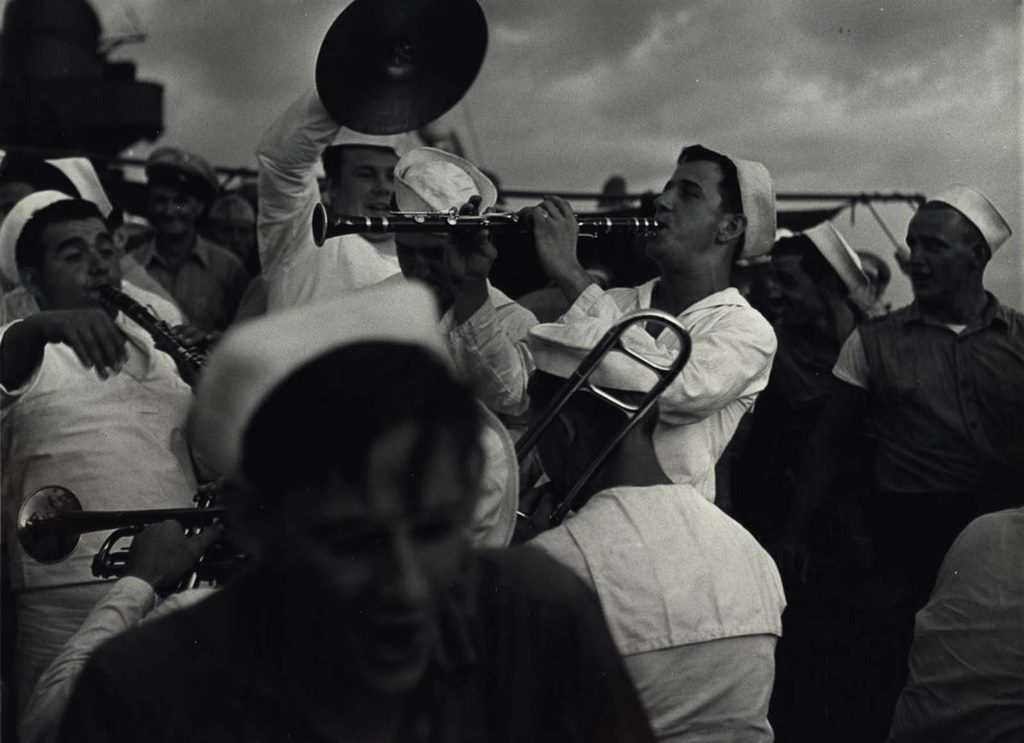
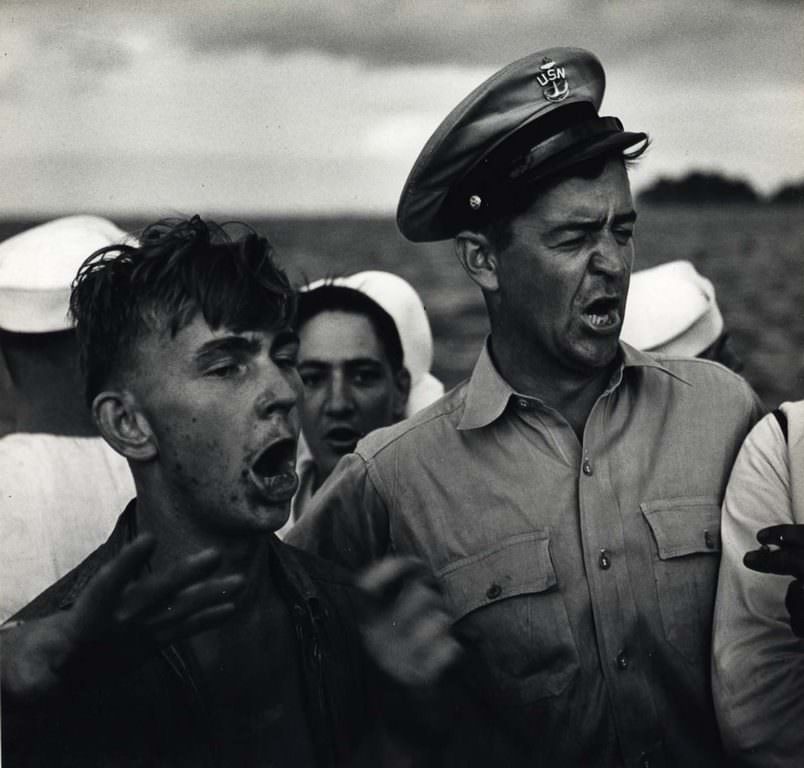
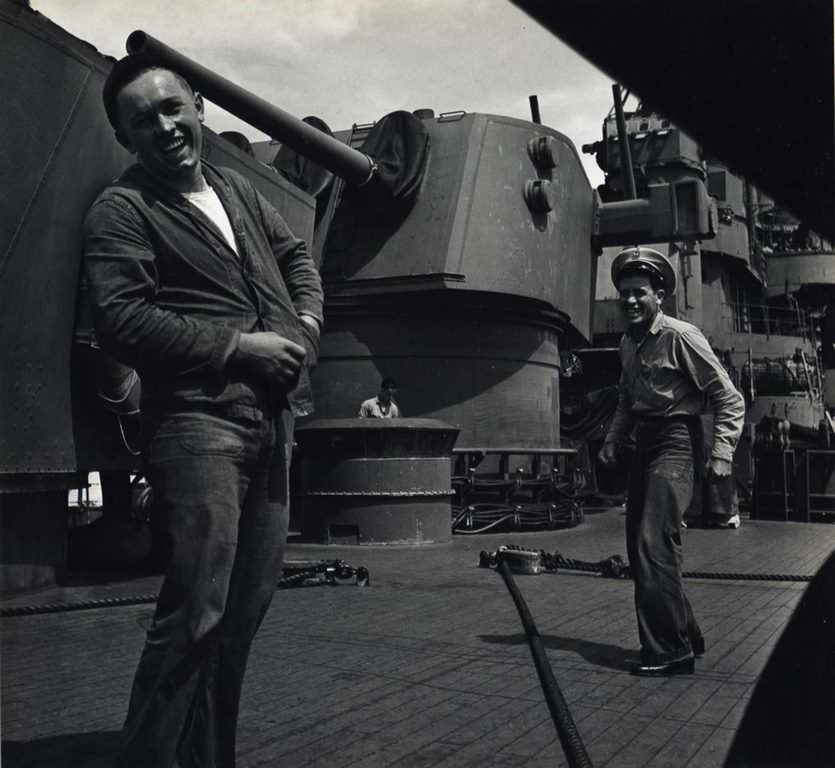
Iannelli’s specific assignment was to document the emotional lives of the men aboard ship. Not just the machinery of war — the aircraft, the weapons, the drills — but the human side. The moments of boredom, camaraderie, exhaustion, and tension that made up a sailor’s daily reality. This gave his work a depth that purely operational photography could not capture.

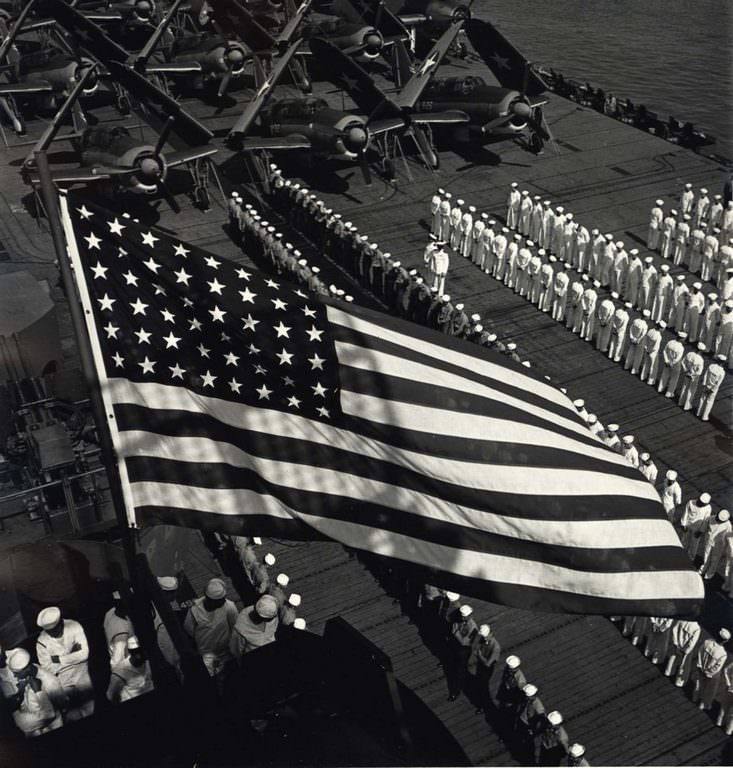
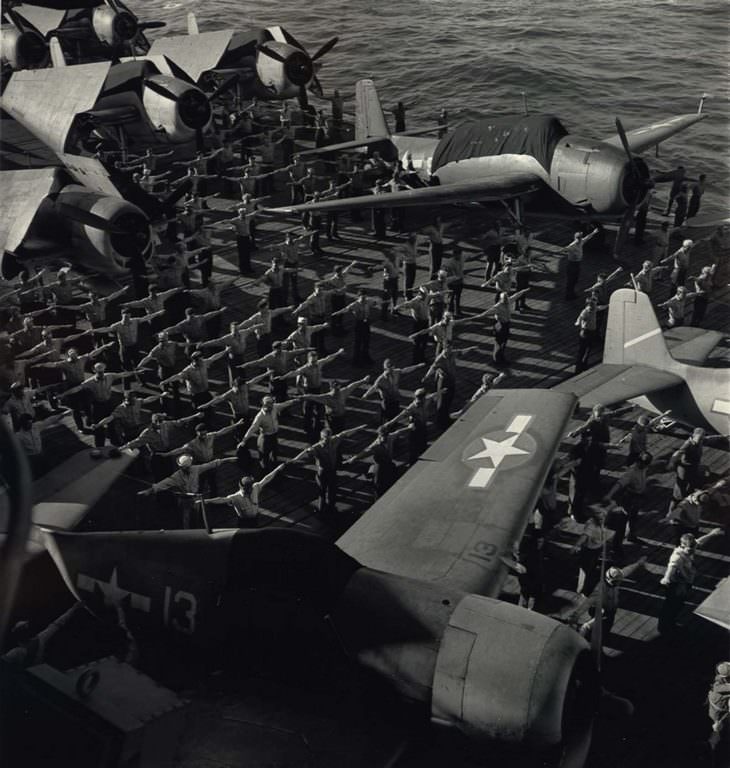
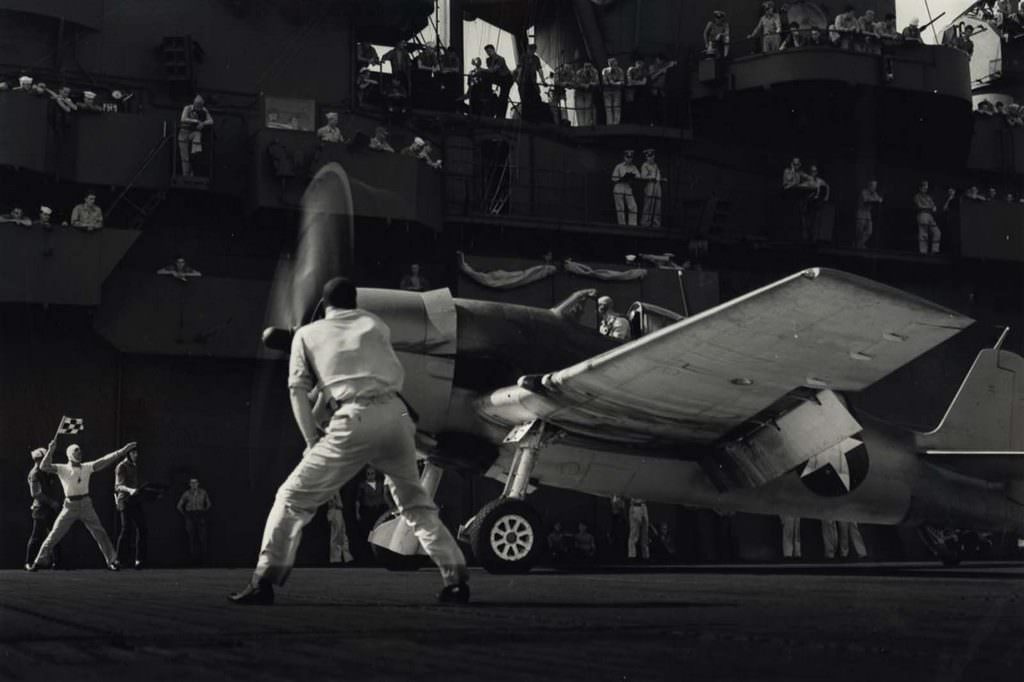
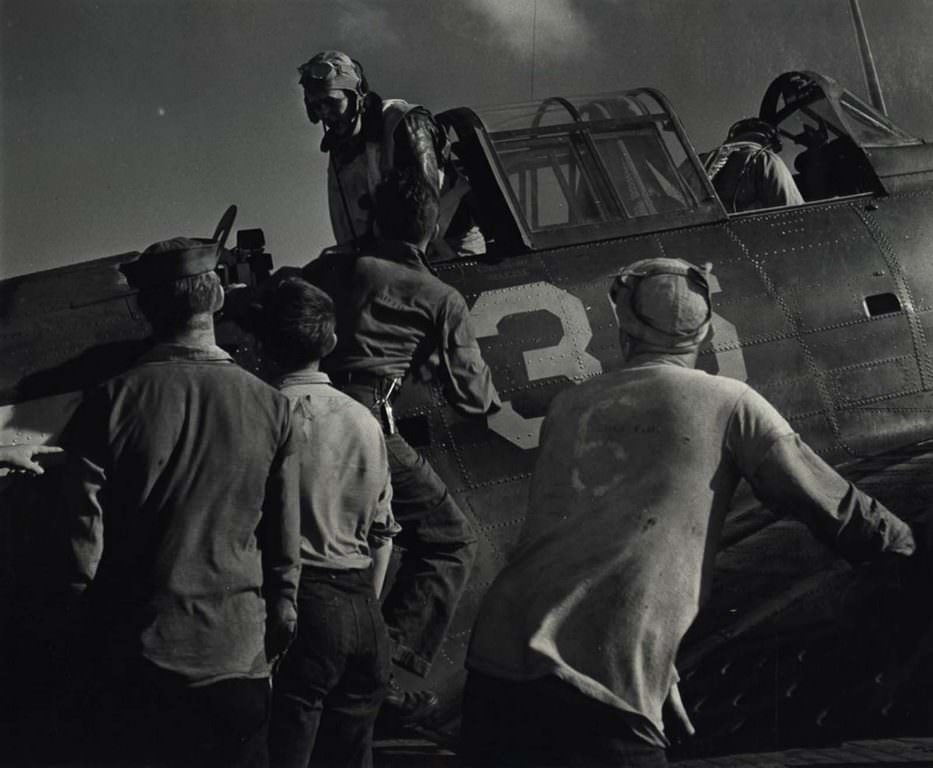
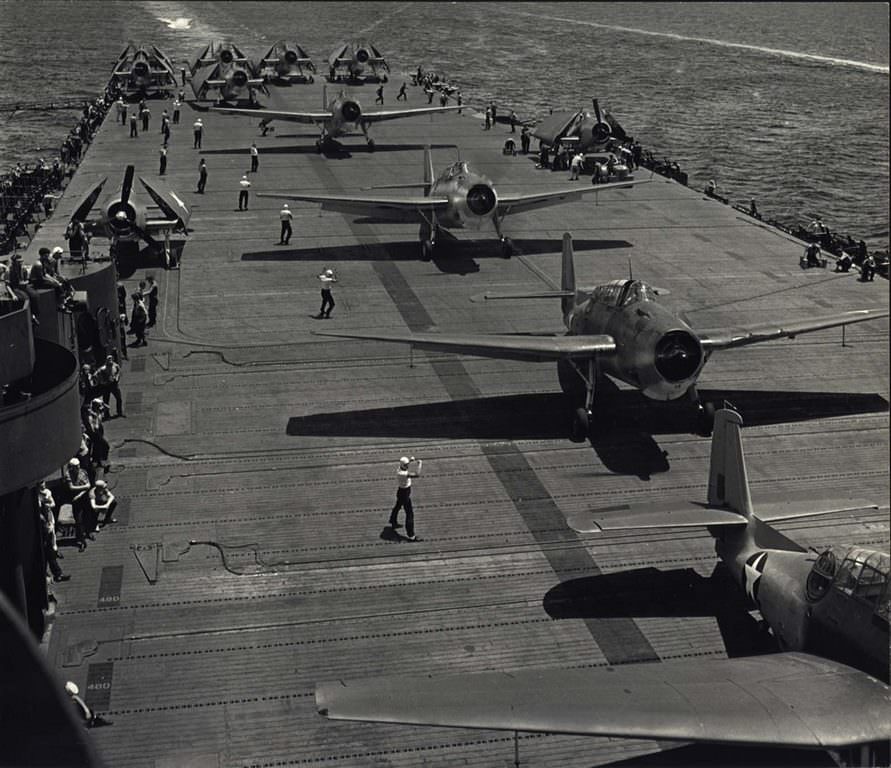
Much of Iannelli’s work took place aboard the USS Yorktown, one of the Navy’s most active aircraft carriers in the Pacific Theater. The flight deck of a carrier in 1943 was a dangerous and chaotic place — planes launching and landing in rapid succession, crews moving at speed, and the constant noise of engines and ocean. Capturing sharp, meaningful images in those conditions required real technical ability.


One of Iannelli’s most recognized technical contributions was his use of bounce-light photography. Rather than pointing a flash directly at a subject — which creates harsh shadows and flat images — he angled the light off a surface to produce a softer, more natural look. This technique was not standard practice in photojournalism at the time, and Iannelli is credited with bringing it into wider use in the field.


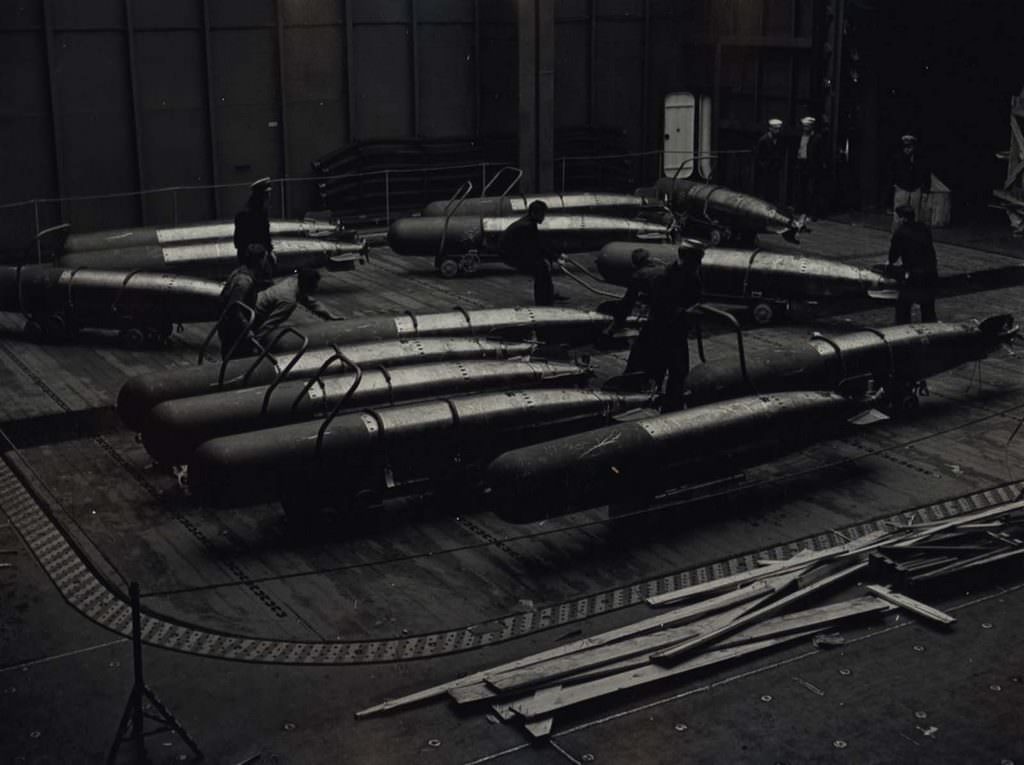
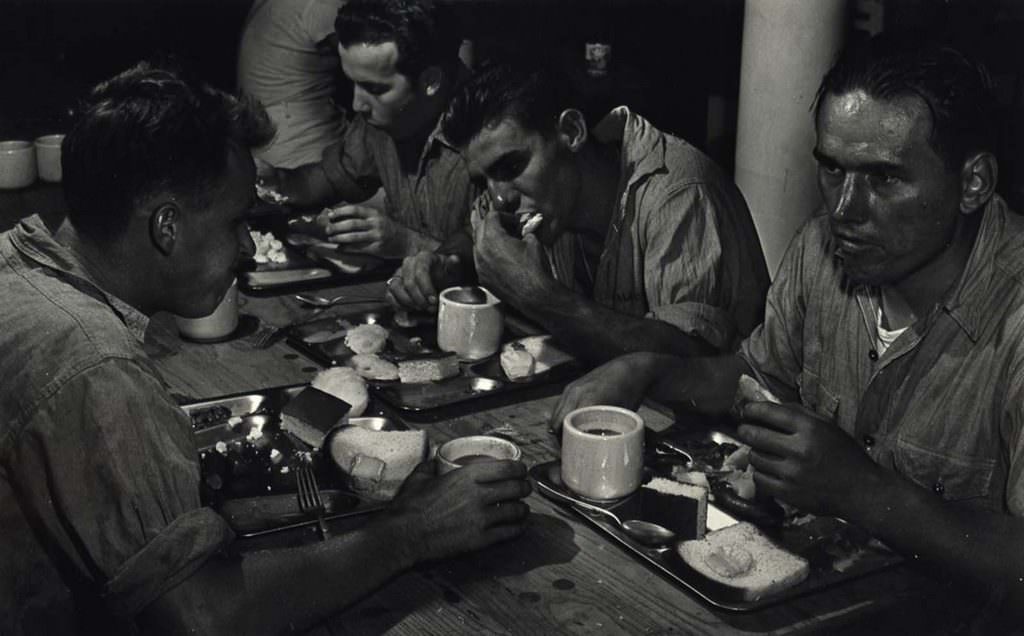
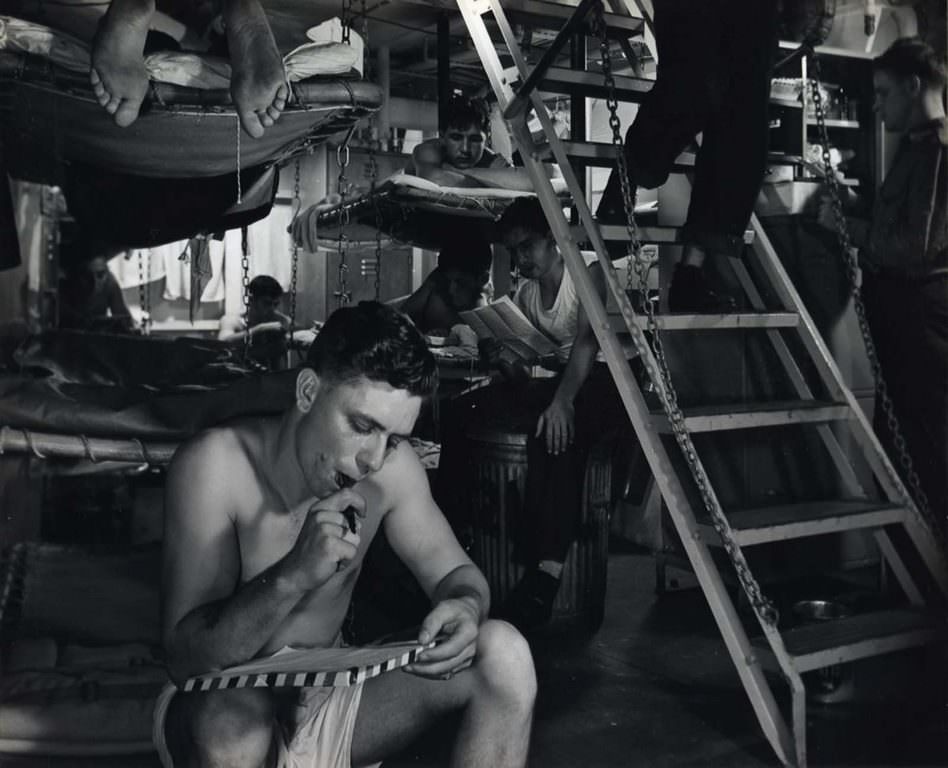
Below decks, life moved at a different pace. Sailors ate together, slept in cramped bunks, read letters from home, and found small ways to pass the time between operations. Iannelli photographed all of it. His images of men cleaning weapons, handling torpedoes, or simply resting show a side of naval warfare that official military photography rarely prioritized.


The photographs Iannelli produced during his time with the unit were eventually published in a collection edited by Steichen titled U.S. Navy War Photographs. The book brought together some of the most striking images from the Navy’s photographic program, and Iannelli’s work stood prominently within it. For a photographer who had entered the unit as an assistant, this was a significant achievement.


After the war, Iannelli moved into film production. In 1951 he founded Filmscope Inc., his own movie production studio. His career continued to build on the visual storytelling skills he had developed during his years with the Navy. Then, in 1982, a fire tore through his studio. A large number of his original vintage prints and much of his equipment were destroyed in the blaze — an irreplaceable loss for anyone interested in the photographic history of World War II.


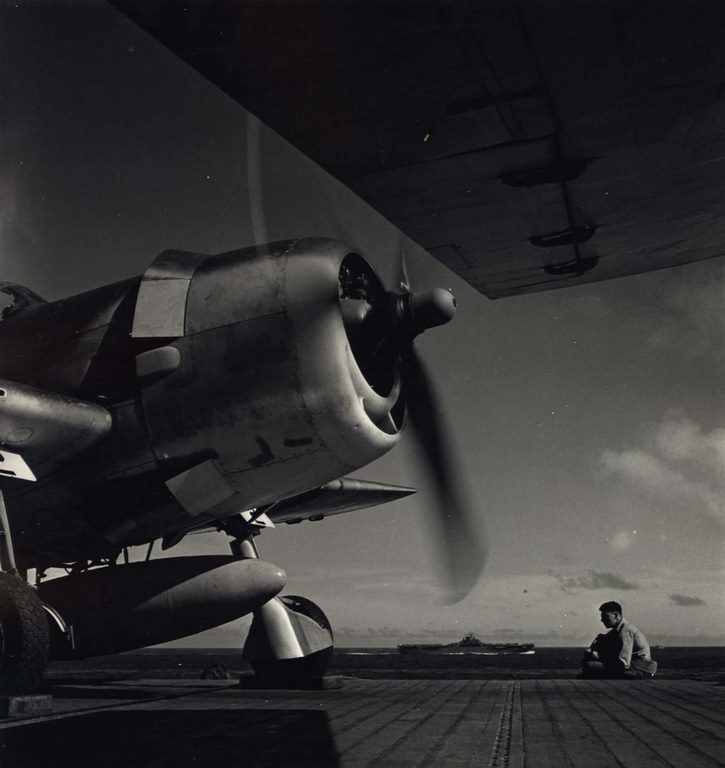
What survives from Iannelli’s wartime work remains a powerful visual document. His photographs don’t just record military hardware or battle operations — they show real people doing a hard and dangerous job. A sailor watching a plane launch from the deck. Men crowded around instruments, making music in whatever free moments they could find. Pilots climbing into cockpits before a mission. These images carry the full weight of the war years.


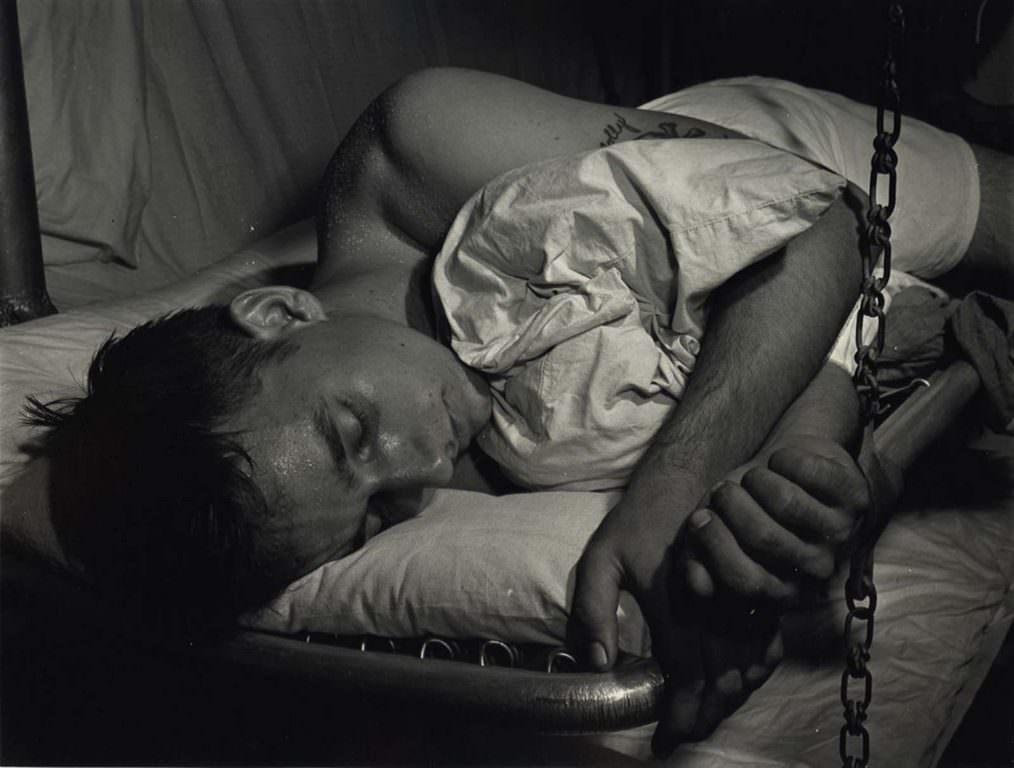
The range of what Iannelli captured across his time with the unit is striking. From the adrenaline of a flight deck launch to a sailor slumped asleep in a bunk, the collection spans the full emotional spectrum of life at sea during wartime. These were young men far from home, living under constant threat, and Iannelli documented their experience without flinching or romanticizing it.


Although some photos have been mis-labeled as being taken aboard the carrier Yorktown, the collection is excellent when depicting a light cruiser.
No, I’m afraid I have to disagree. Most of the exterior shots are on an Essex, but a couple is shot on a cruiser.
It sounds like you agree. You want to express salty and calm and say you disagree. I never said they were all taken on a cruise ship. Do you also disagree about that?
Sorry, evil eyes, I thought you said light carrier.