
Nags Head sits on North Carolina’s Outer Banks, a narrow chain of barrier islands stretched along the Atlantic coast. In the summer of 1975, it was exactly what it had always been — a sun-soaked beach town where families spread their towels, kids chased waves, and time moved a little slower than everywhere else. The town had built a reputation not just for its wide beaches, but for being genuinely accessible. Nags Head holds the highest number of public beach access points of any town on the Outer Banks, meaning the shore was open to everyone, not just those with oceanfront property.

The man behind this remarkable collection of photographs is Joel Sternfeld. A New York-born photographer, Sternfeld was already developing the style that would make him one of the most important photographers of his generation. He worked with a large-format camera, the kind that required a tripod and careful, deliberate framing. His approach was documentary — he photographed real people in real moments — but his use of vivid color gave his images a richness that set them apart from the photojournalism of the era.
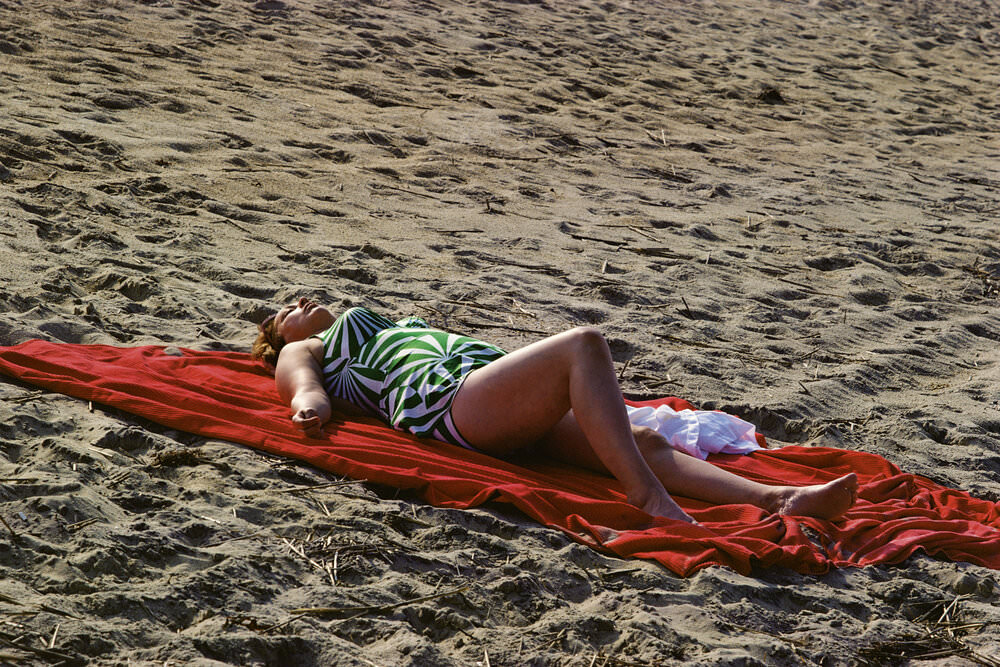
At the time Sternfeld visited Nags Head, color photography was still fighting for respect in the fine art world. Black-and-white images dominated galleries and museums. Color was seen by many critics as commercial, suited for advertising but not serious art. Sternfeld disagreed, and his work at places like Nags Head helped prove the point. The everyday scenes he captured — sunbathers, beach umbrellas, families in the sand — carried genuine artistic weight.
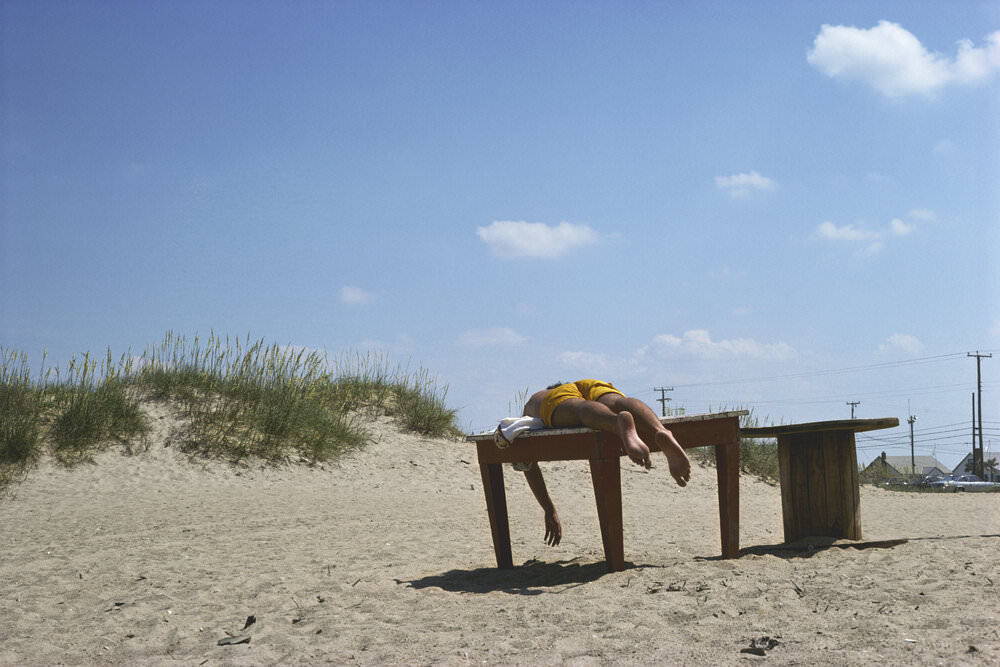
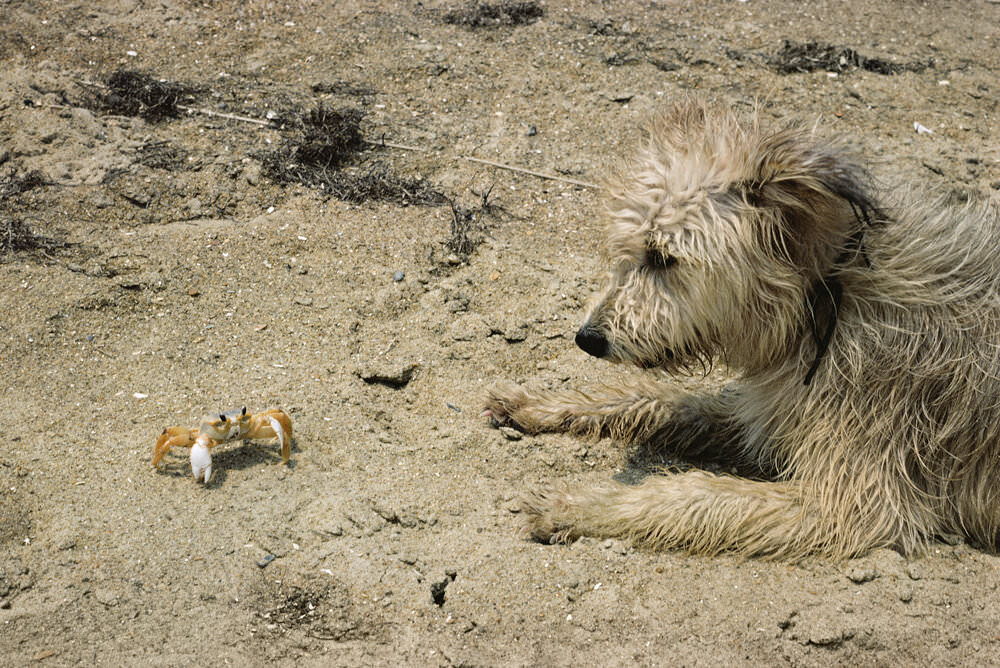
Summer on the Outer Banks in 1975 looked and felt different from today. There were no smartphones, no social media check-ins, and far fewer tourists overall. The beach belonged to locals and to the steady stream of East Coast families who had been making the drive to the Outer Banks for generations. Nags Head’s history as a resort destination stretches back to the 1830s, when wealthy families from inland North Carolina first began building summer cottages near the dunes.
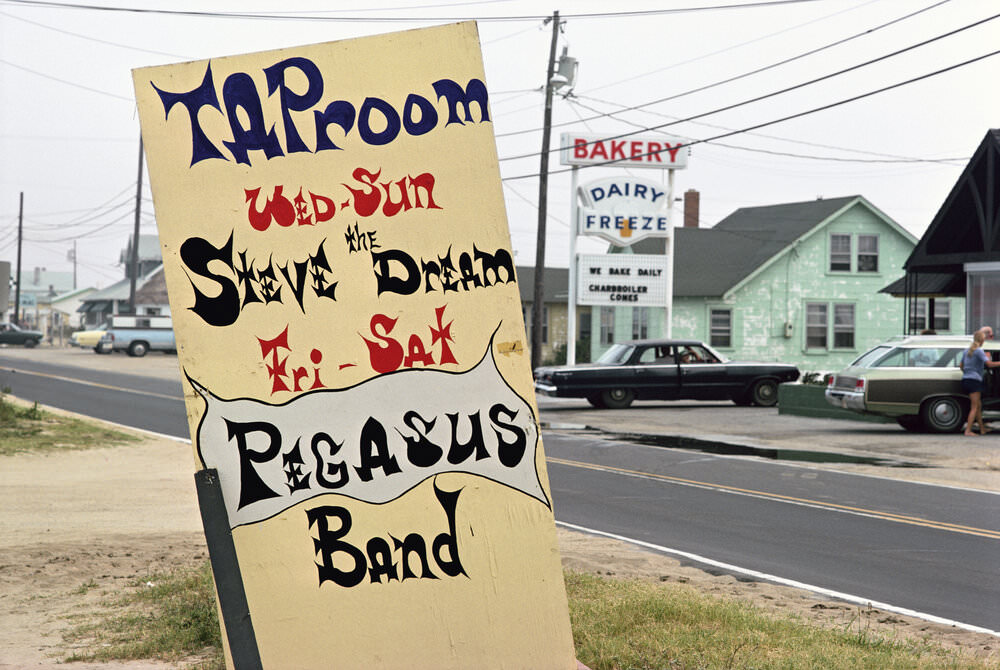
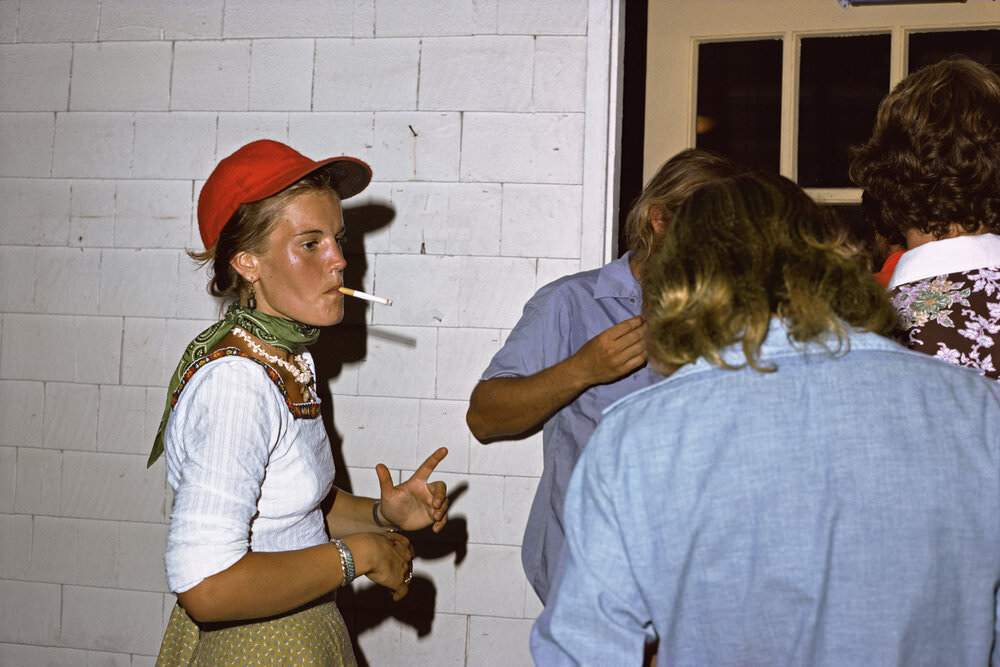
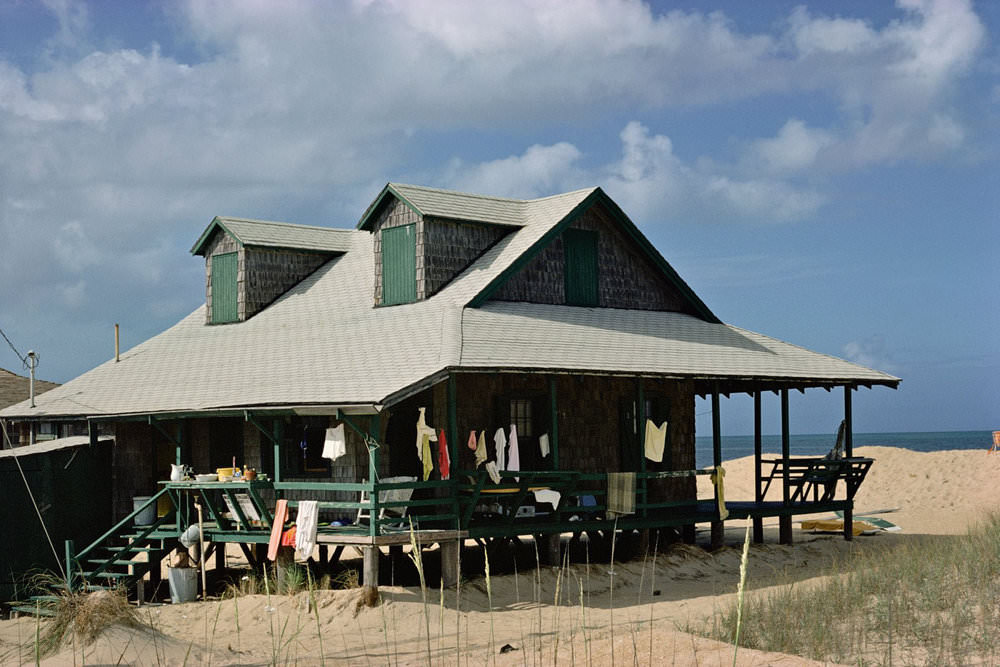
By 1975, the town had grown into a full resort community with motels, rental cottages, and shops lining the main road. But the beach itself remained the center of everything. Sternfeld’s photographs show that clearly. The Atlantic Ocean, the flat expanse of sand, the summer sky — these are the backdrops for nearly every frame.
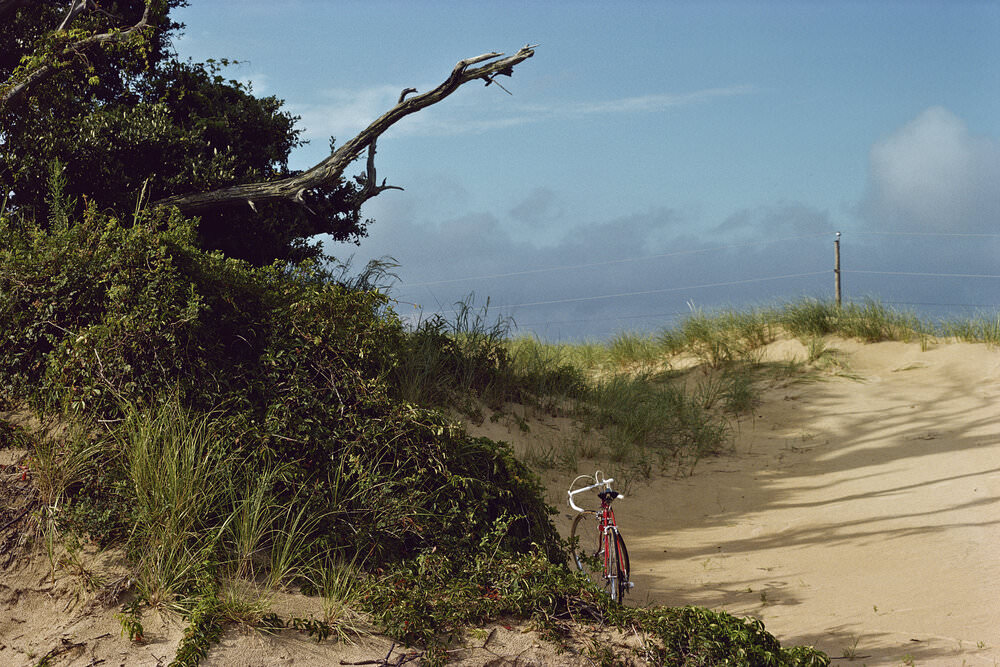
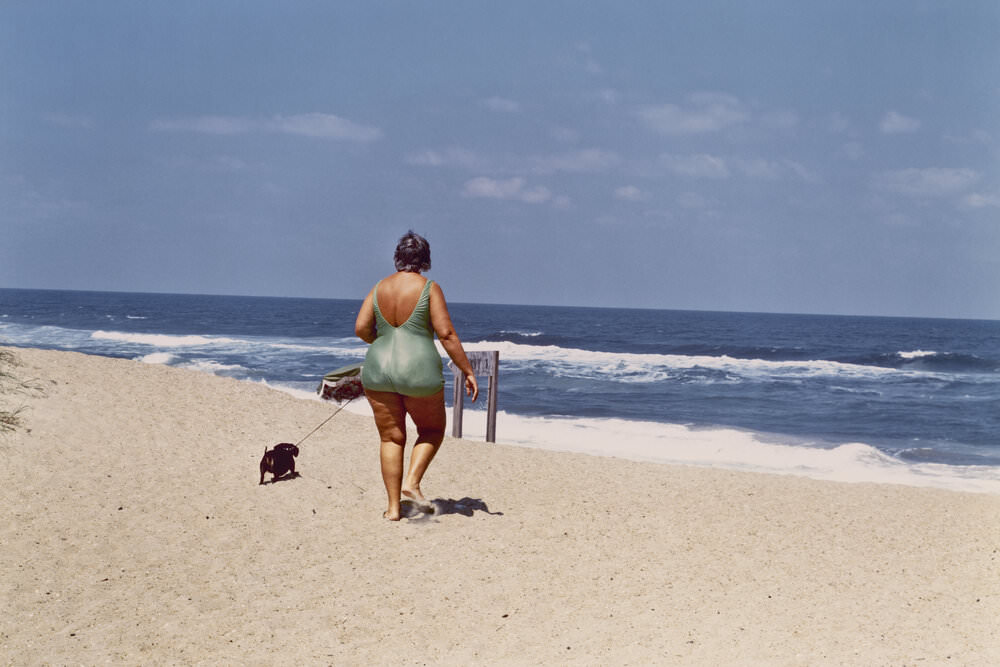
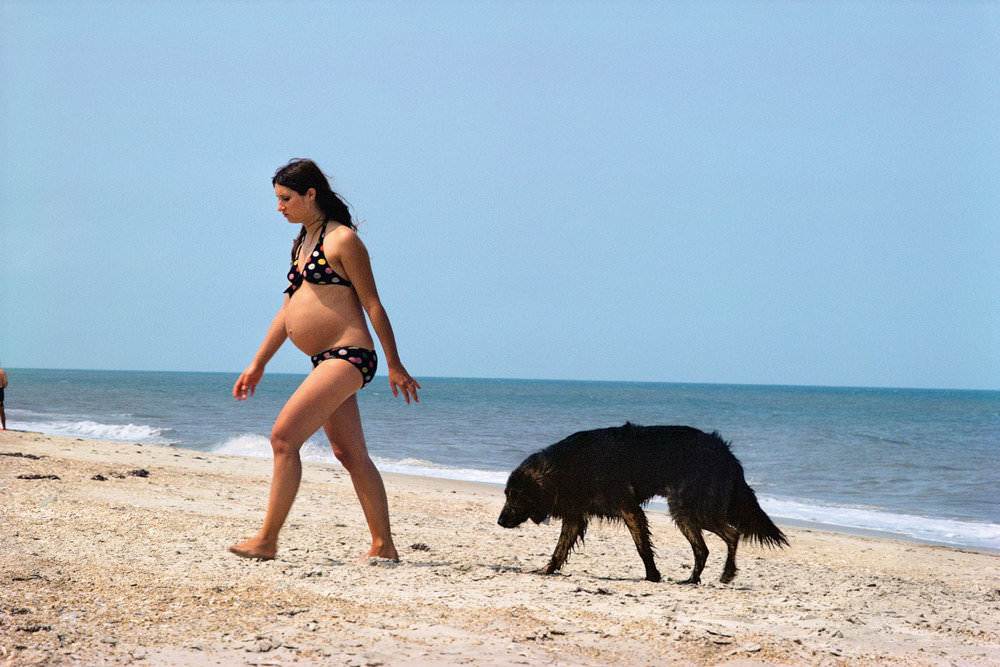
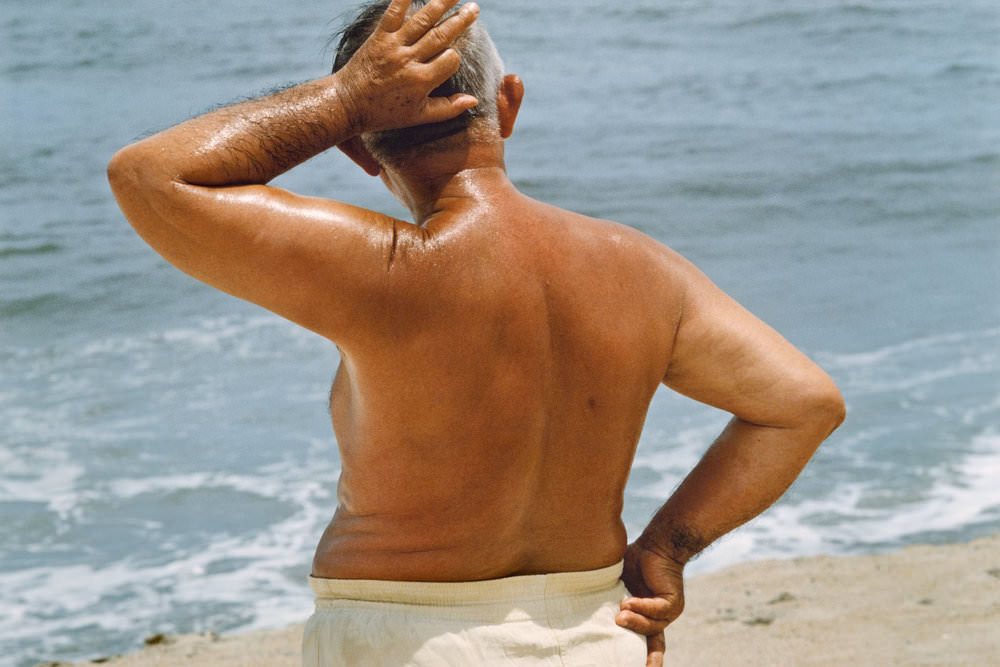
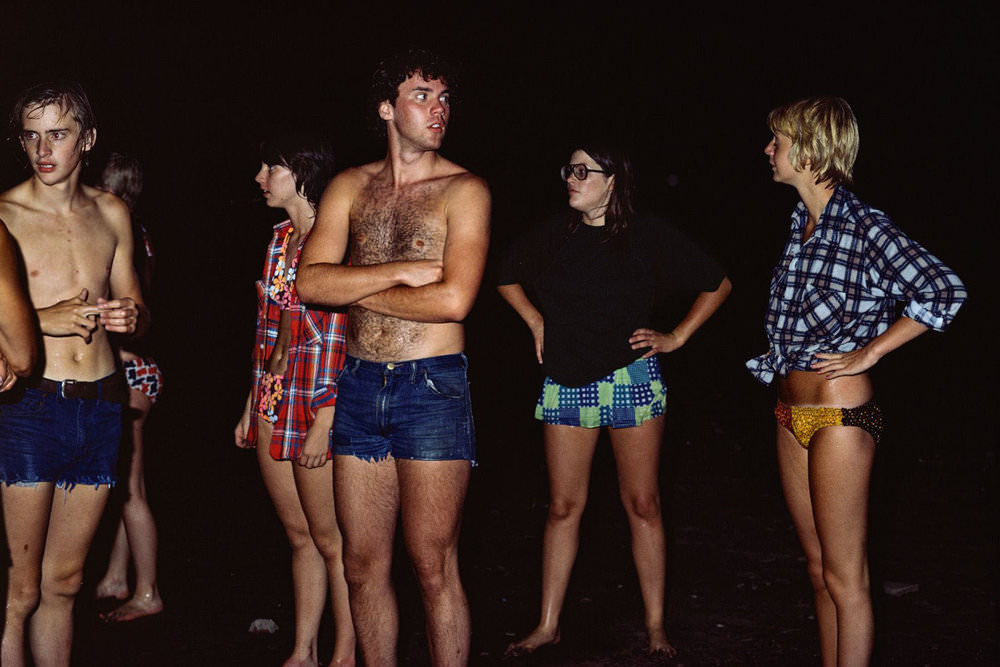
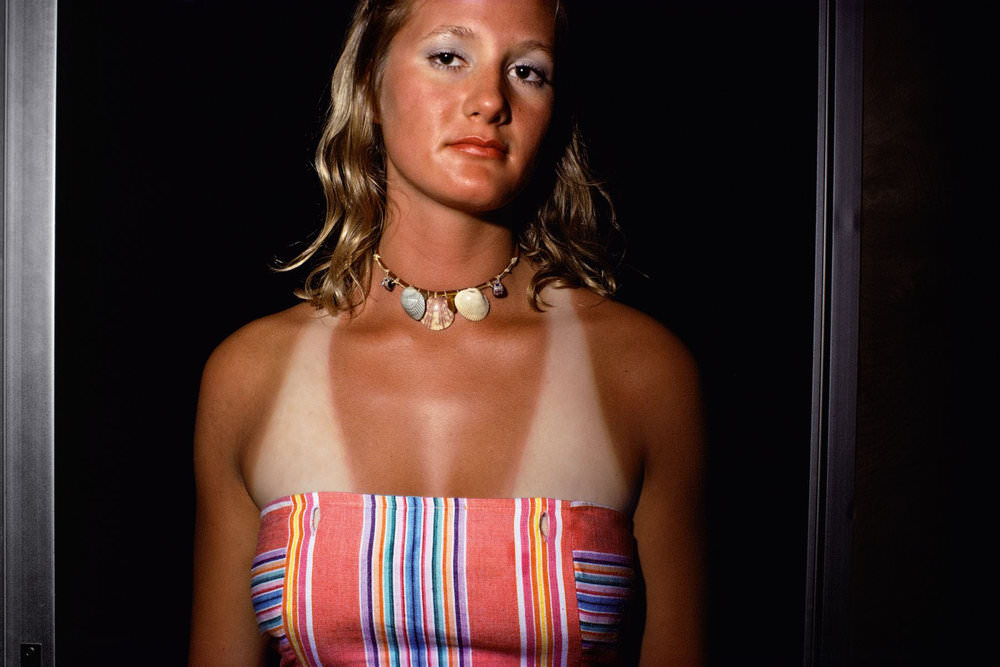
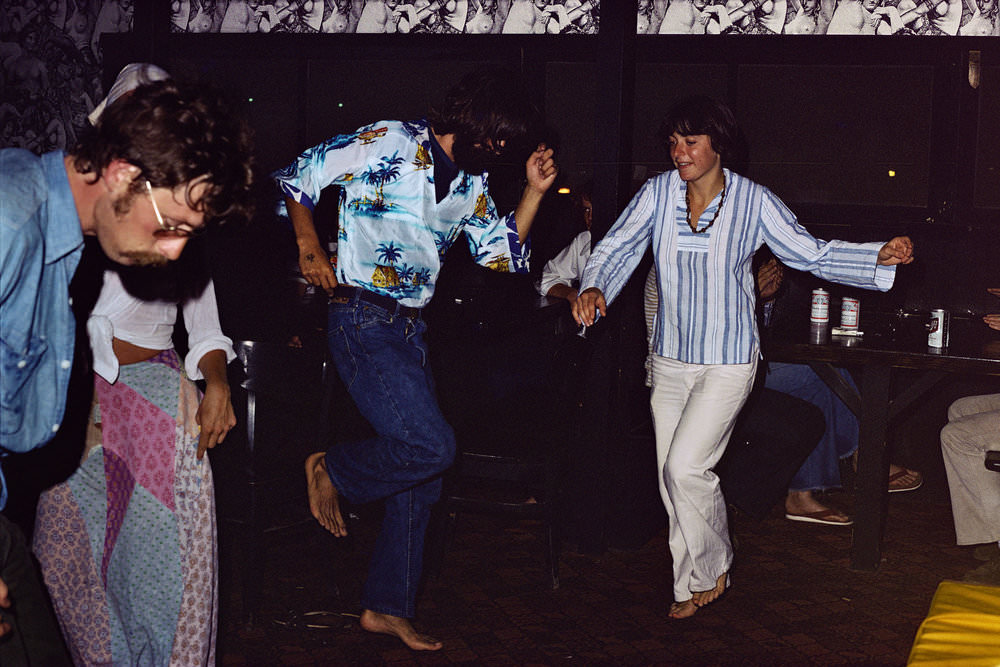
What makes these photos stand out is how ordinary they are. Sternfeld wasn’t chasing dramatic events. He was recording daily life — the way people dressed for the beach, how they arranged themselves on the sand, what they brought with them. These details tell a story about American leisure in the mid-1970s as clearly as any written account.
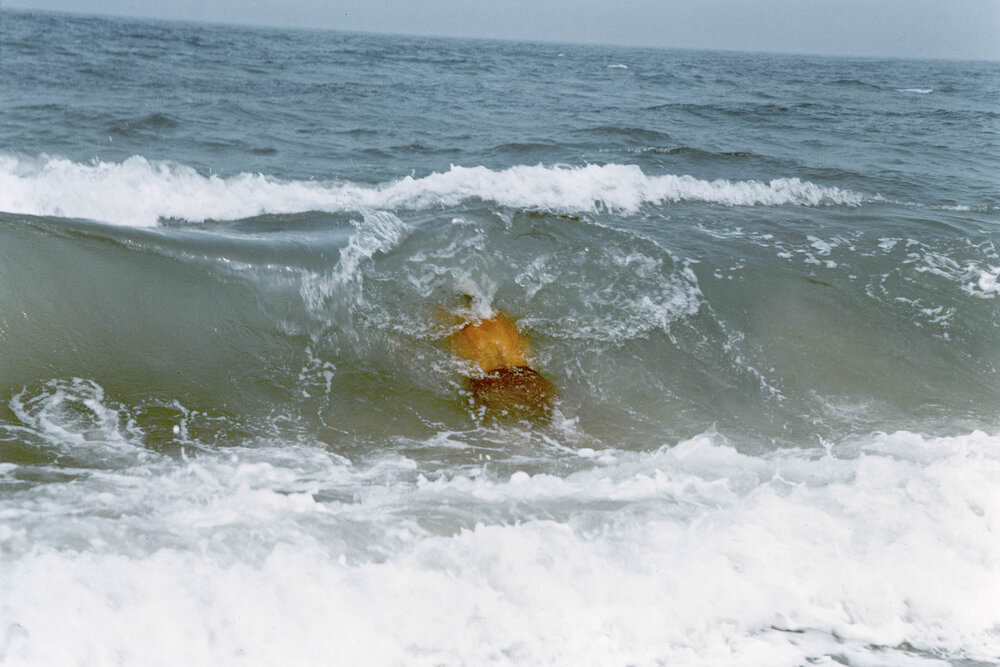
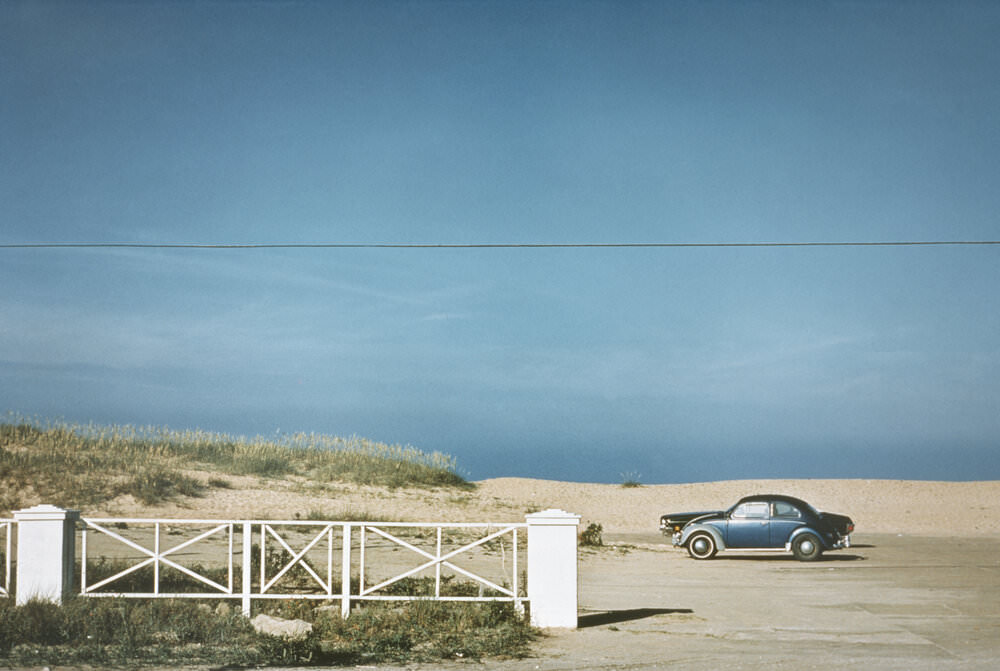

The colors in Sternfeld’s images are saturated but natural. Bright beach towels, pale sand, deep blue water, and the washed-out hues of 1970s summer clothing all come through with striking clarity. His large-format camera captured a level of detail that smaller cameras of the time couldn’t match. Every grain of sand, every fold of fabric is sharp.

Nags Head’s geography also plays a role in these images. The town sits between the Atlantic Ocean to the east and Roanoke Sound to the west, with Jockey’s Ridge State Park — home to the tallest natural sand dune system on the East Coast — nearby. The landscape is flat, open, and constantly shaped by wind and water. It gives the photographs a wide, airy quality.
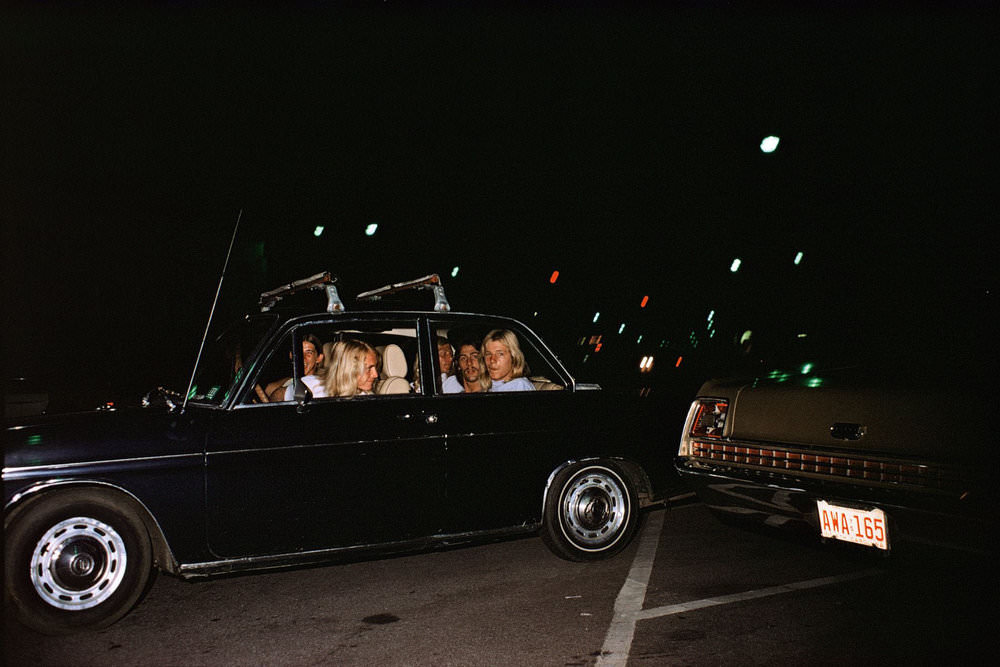
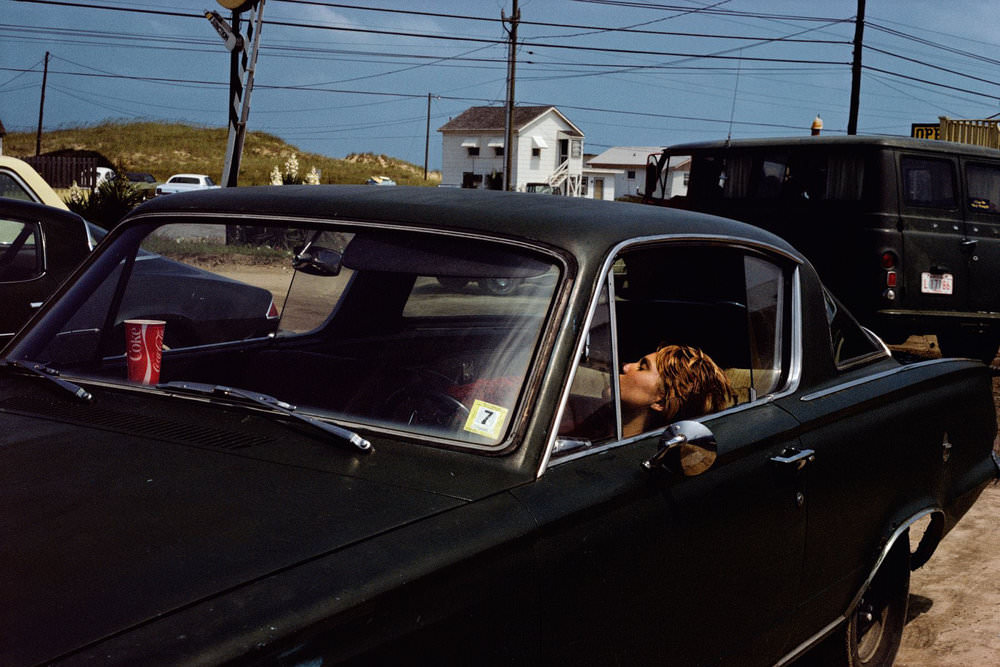

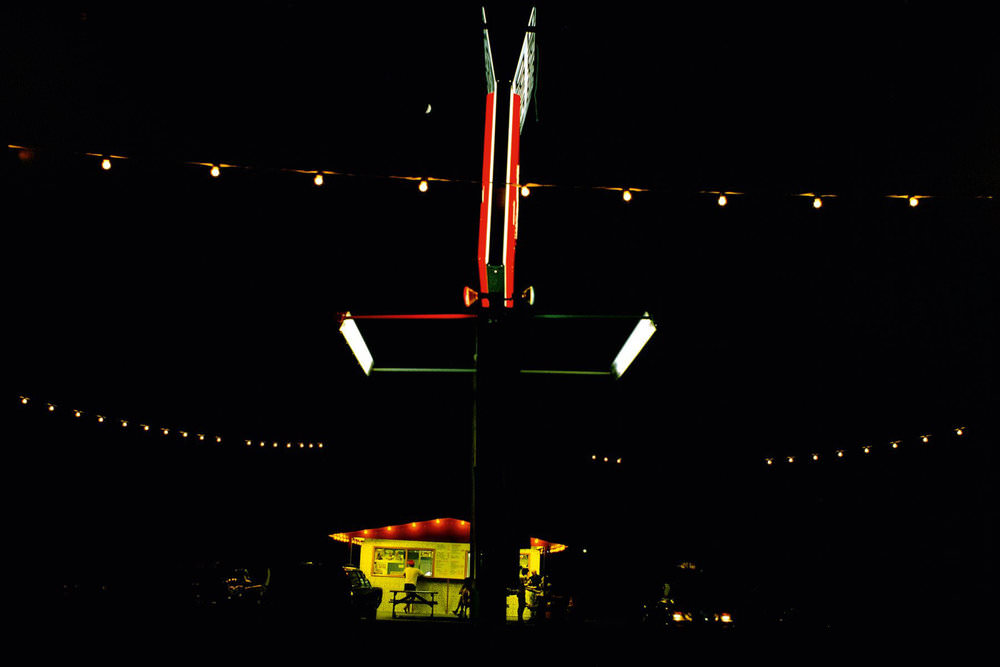
Sternfeld’s eye for composition is evident throughout. He didn’t simply point and shoot. Each frame is carefully considered — the horizon line, the placement of figures, the relationship between people and the space around them. Even in casual beach scenes, there’s a sense of structure and intention.

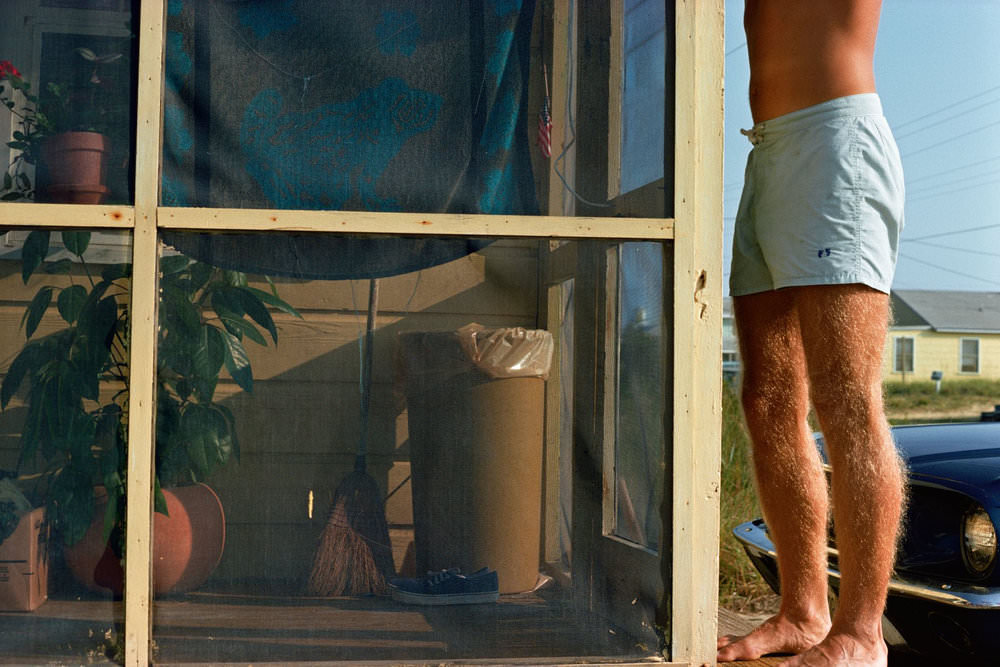
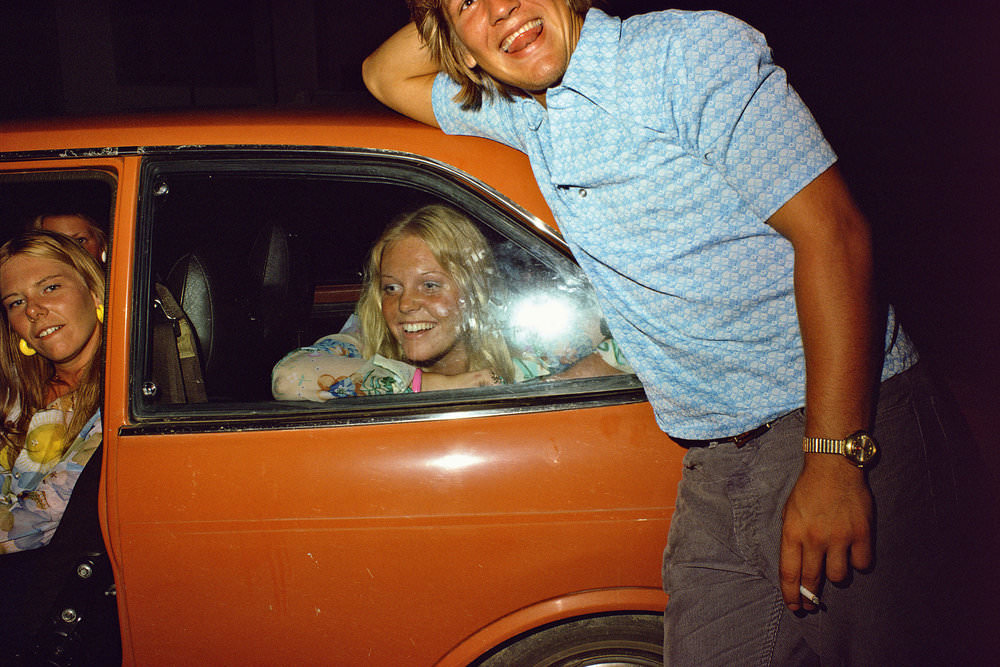
The people in these photographs are unguarded. They aren’t posing for Sternfeld’s camera in the way people pose today, aware that a photo might be shared instantly across the world. They’re simply living their summer — reading, swimming, talking, resting. That naturalness is a big part of what gives the collection its power.
Nags Head has long drawn visitors from across the South and the mid-Atlantic states. In 1975, the roads leading onto the Outer Banks were less developed than they are now, which meant reaching Nags Head still required some effort. The people who made the trip tended to stay for longer stretches — full weeks, sometimes entire summers. The beach wasn’t a quick day trip. It was a destination people committed to.
Sternfeld traveled extensively across the United States during this period, documenting American life in color at a time when the country was in transition. Watergate had just shaken public confidence. The Vietnam War had recently ended. Against that backdrop, scenes of ordinary summer joy carried a particular weight.

His large-format camera required him to set up each shot carefully, which meant his subjects often had time to notice him. Yet the images rarely feel stiff or self-conscious. Sternfeld had a talent for blending into a scene, letting people return to what they were doing before his lens found them.


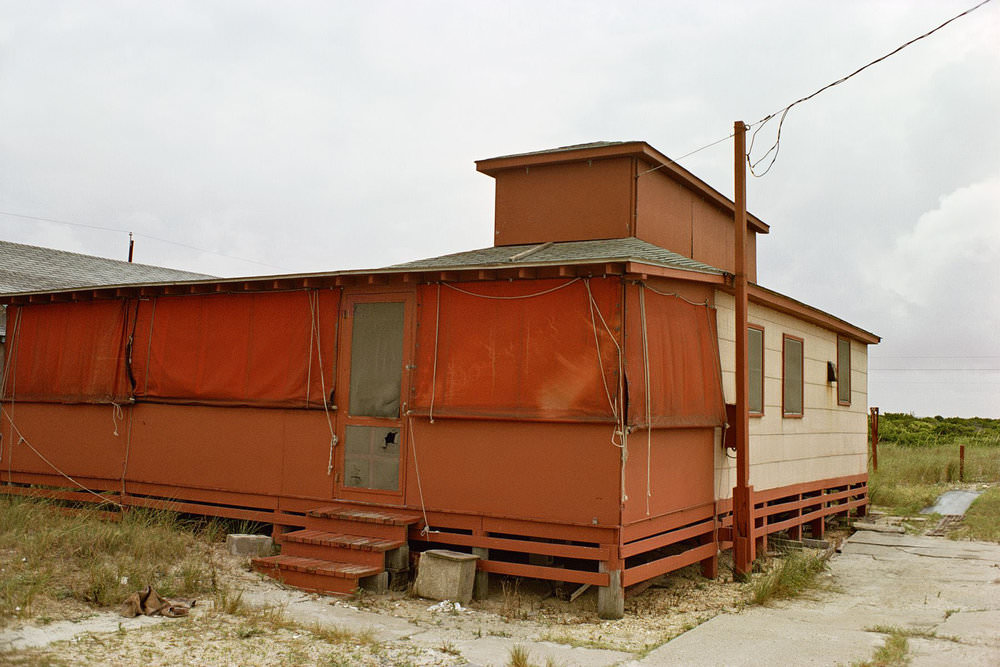
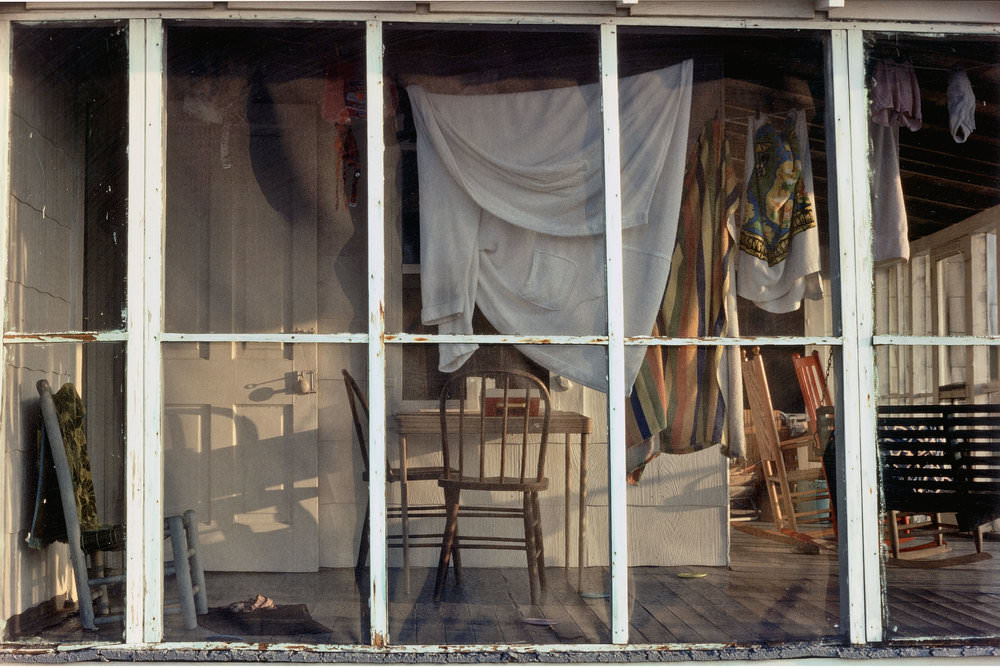
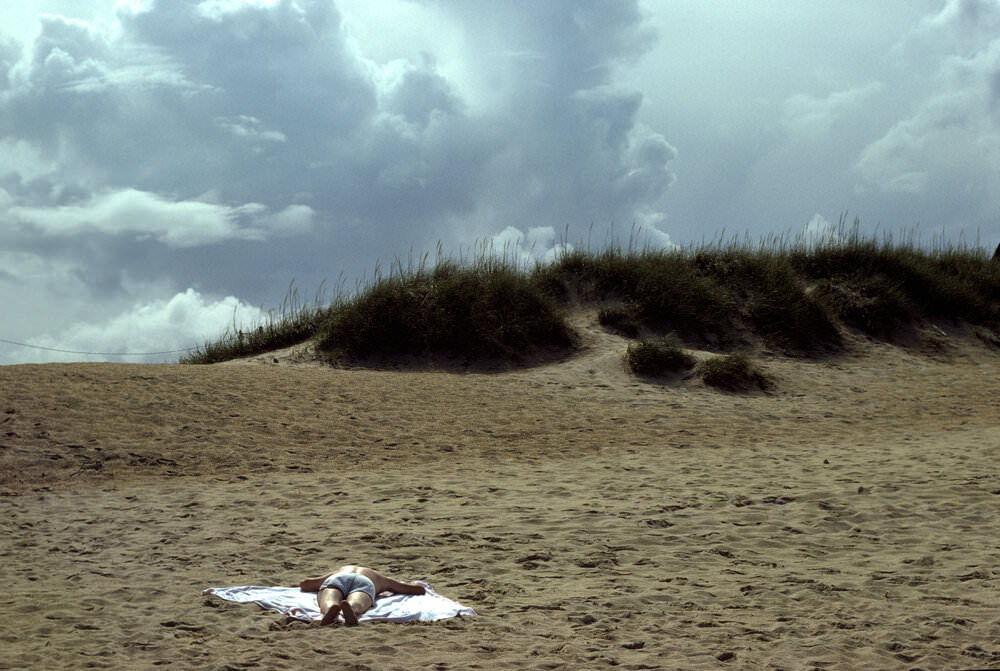
The Outer Banks in 1975 still had a raw, undeveloped quality in places. Stretches of beach remained untouched by commercial development. The natural dunes, sea oats, and open sky that define the landscape today were even more prominent then. Sternfeld’s photographs preserve that version of the place — before the building boom of the 1980s and 1990s changed the coastline significantly.
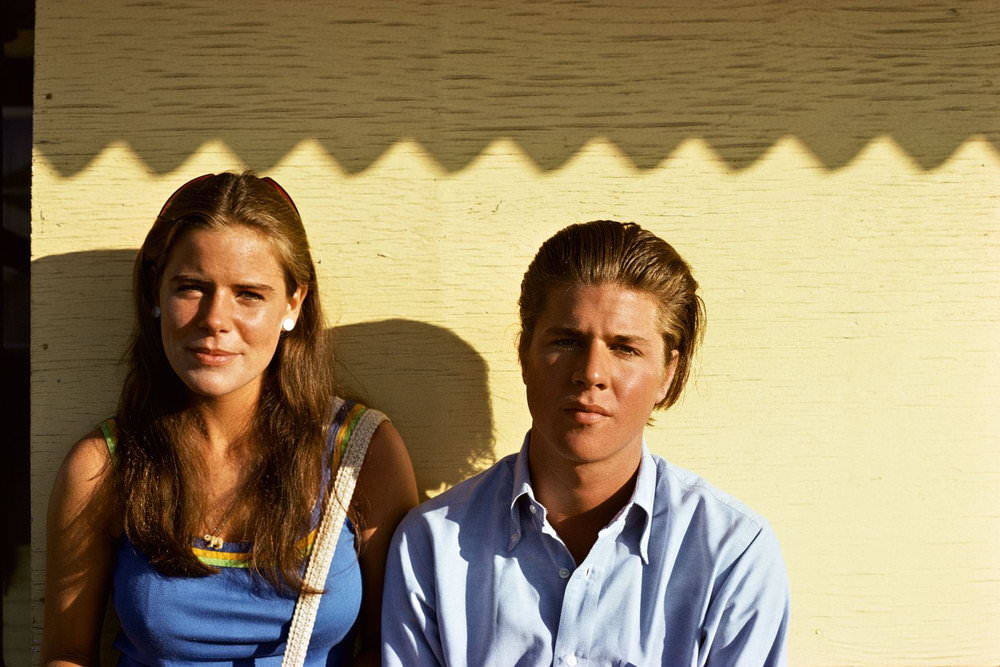

The equipment Sternfeld used was bulky and slow compared to modern cameras. A large-format camera uses film sheets rather than a roll, and each shot requires the photographer to manually focus, set the exposure, and insert a new film sheet. The process is slow and deliberate. The results, though, are images with exceptional sharpness and tonal range — qualities that make his 1975 Nags Head photographs look as vivid today as they did the moment they were developed.

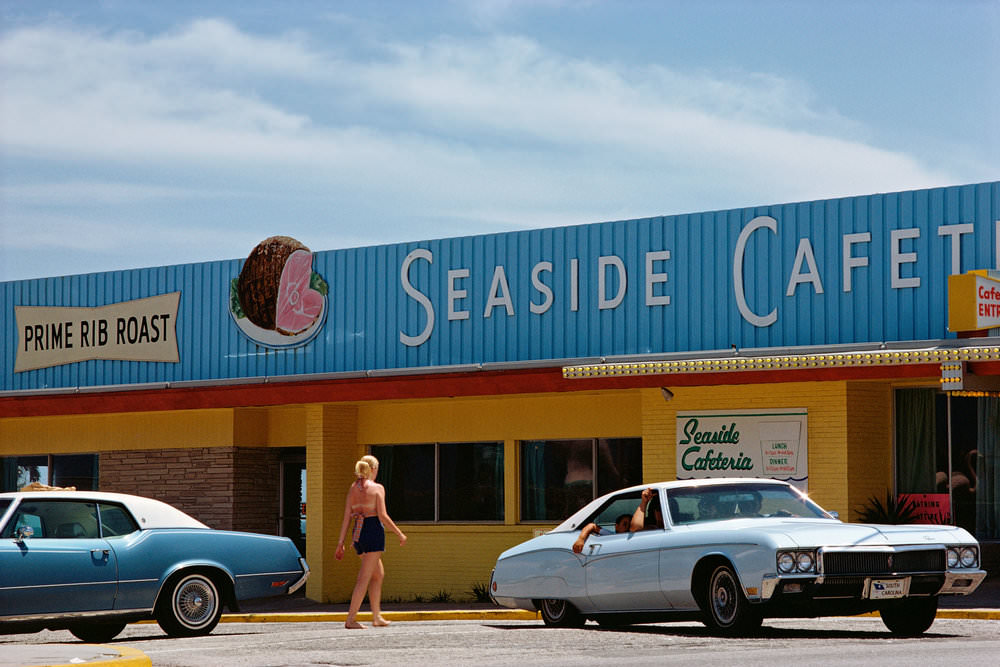
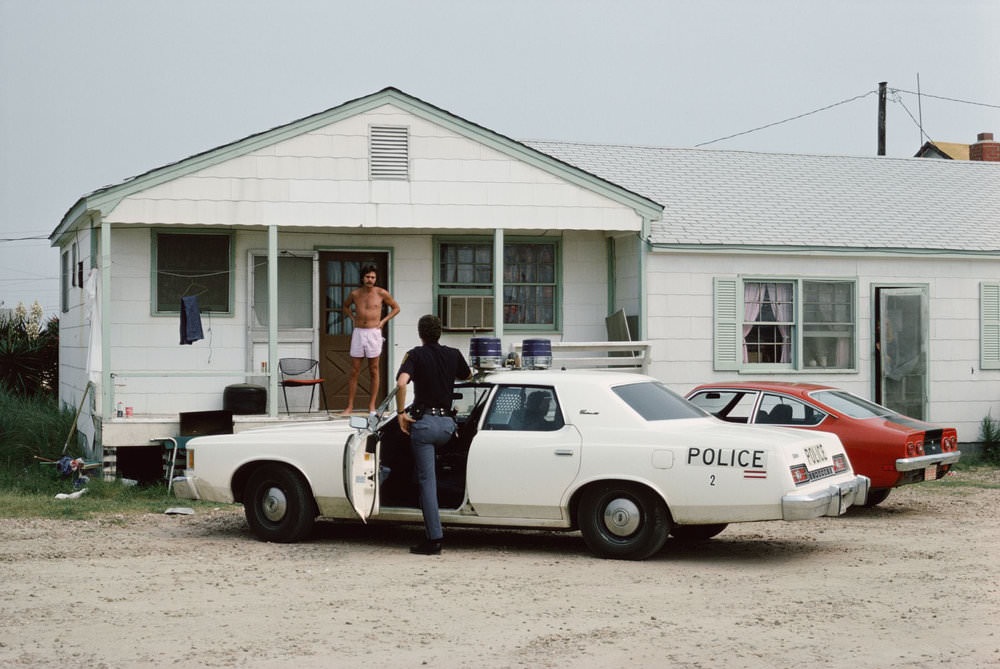
These photographs are also a record of fashion and material culture. The swimwear, sunglasses, folding chairs, and beach gear visible throughout the collection are unmistakably from the 1970s. Wide-brimmed hats, patterned trunks, and vinyl beach bags appear throughout. These details place the images firmly in their decade without a single word of explanation needed.
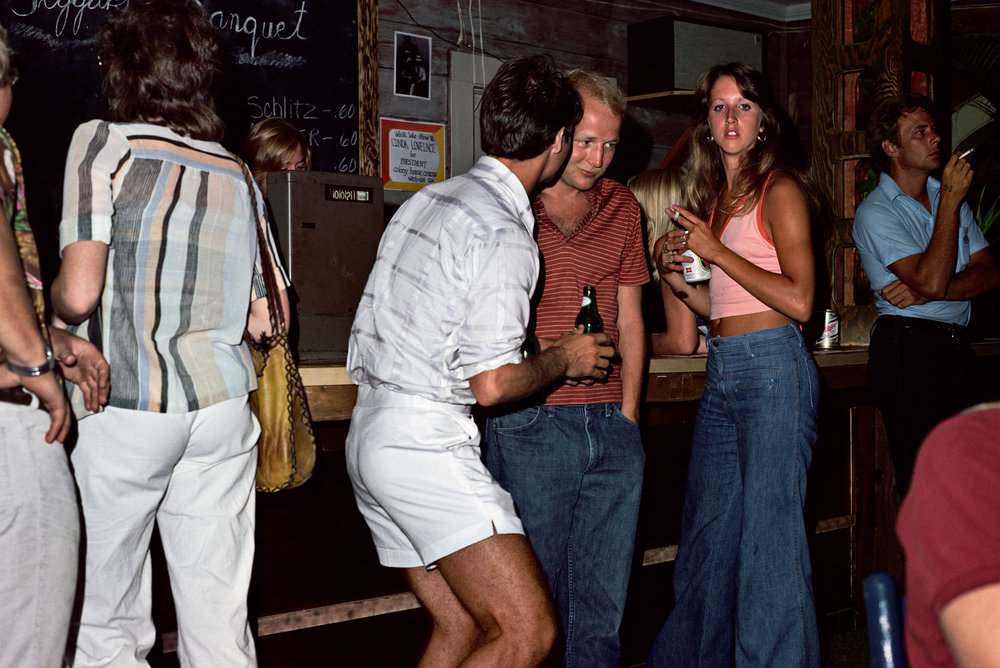

Sternfeld returned to similar themes throughout his career — American spaces, American people, the texture of everyday life. But the Nags Head series stands as an early example of his ability to find meaning in the mundane. A family setting up an umbrella, a group of teenagers near the water’s edge, a solitary figure facing the ocean — each scene is specific, grounded, and true.

Taken together, the photographs form a complete portrait of one summer on one stretch of the North Carolina coast. They show what beach life actually looked like in 1975 — not a polished, idealized version, but the real thing, with all its casual, unhurried, sun-drenched detail.






There isn’t much difference besides the cars.
Everything’s pretty much the same as now, except shrinkflation has affected gums
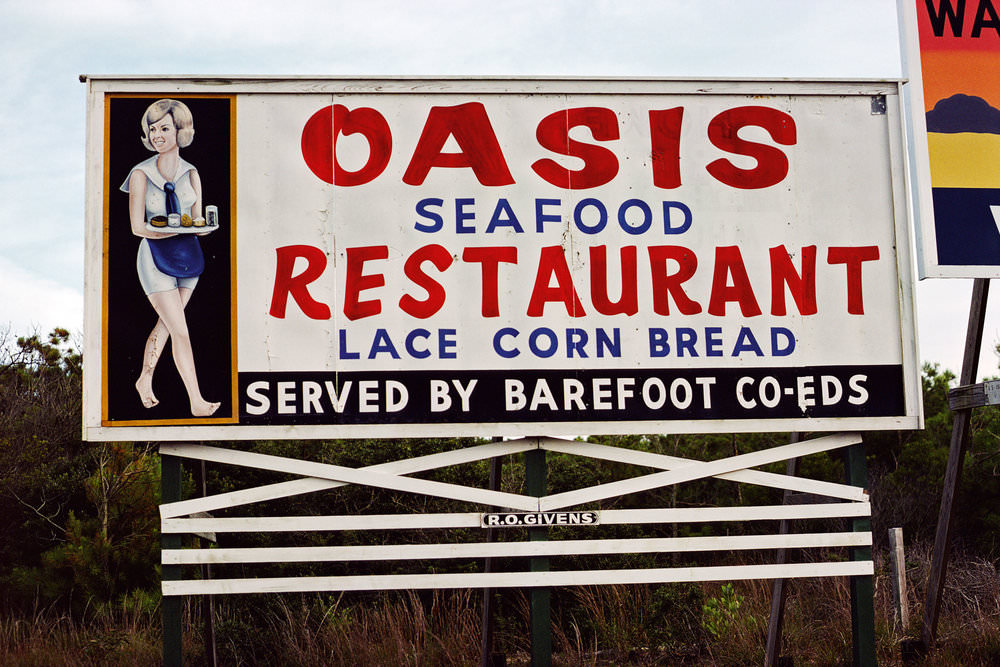
“Lace corn bread served by barefoot coeds”
None of the young people are fat except a pregnant woman. My, have times changed.
Joel is a fine art color photographer noted for his large-format documentary pictures of the United States and helping establish color photography as a respected artistic medium.”