
In 1833, a devastating cholera outbreak swept through Guanajuato, Mexico, killing a significant number of the city’s residents. The dead were buried in the local cemetery, and for decades, that was where the story seemed to end. But Guanajuato’s dry, mineral-rich soil had other plans. The unique climate of the region created conditions that naturally mummified many of the buried bodies, preserving them in striking — and sometimes disturbing — detail.
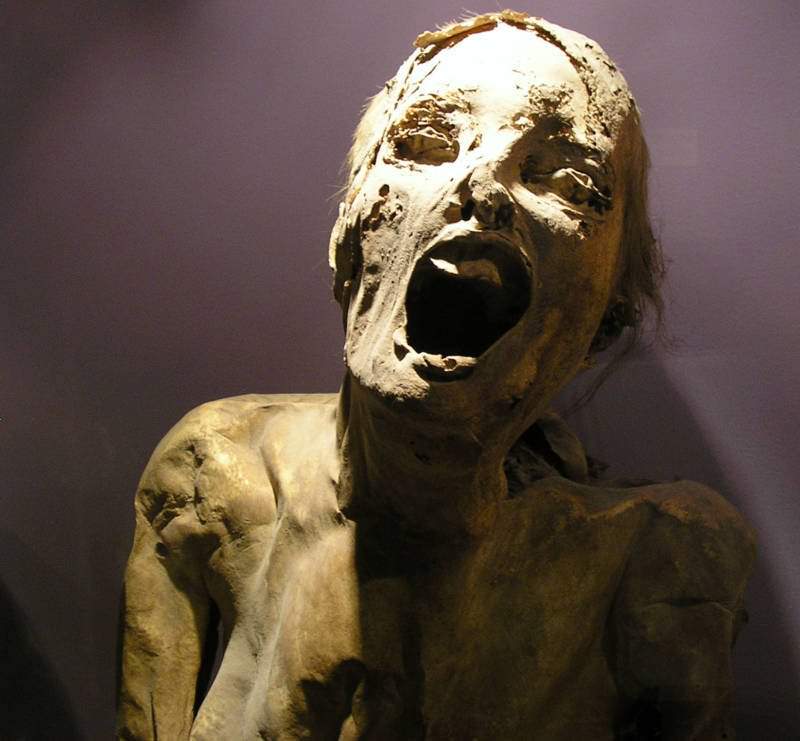
Between 1870 and 1958, the cemetery operated under a municipal tax system that required families to pay a recurring fee to keep their deceased relatives buried in what was considered a “perpetual” grave. When families failed to pay, cemetery workers had the legal authority to disinter the body. What they found when they dug up the graves was remarkable — dozens of corpses that had not decomposed. Instead, they had dried and hardened into mummies.
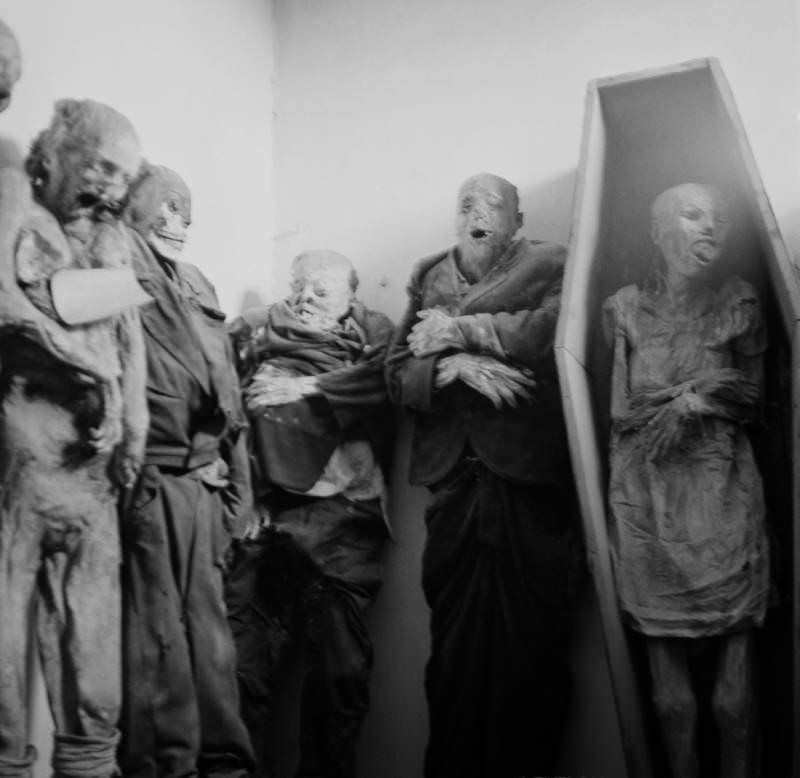
The best-preserved bodies were not reburied or discarded. They were moved to a nearby building and stored, essentially becoming a growing collection of the naturally mummified dead. Later scientific studies confirmed that while the local climate was the primary driver of mummification, some of the bodies had also been at least partially embalmed before burial, which contributed to their preservation.
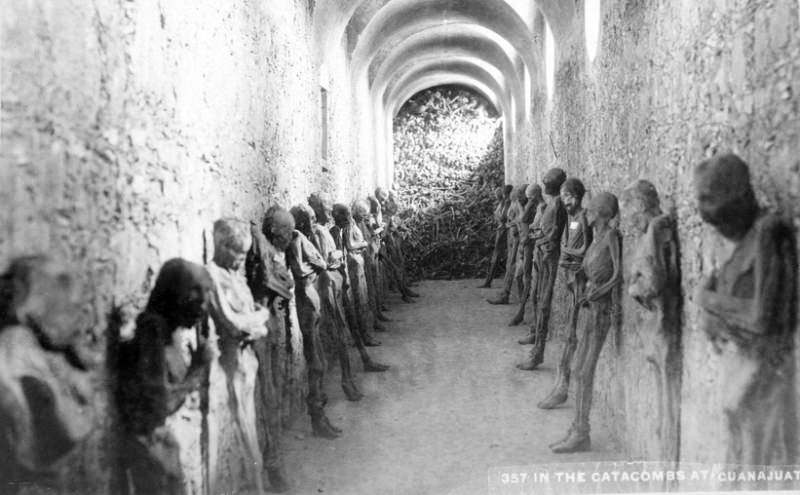
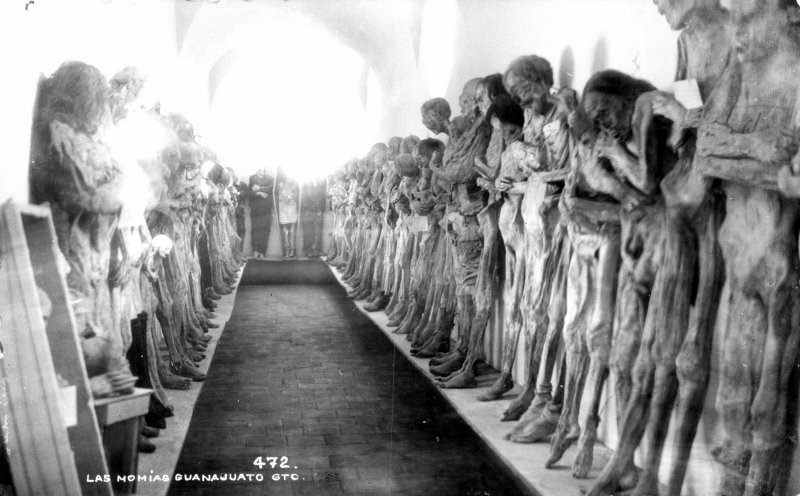
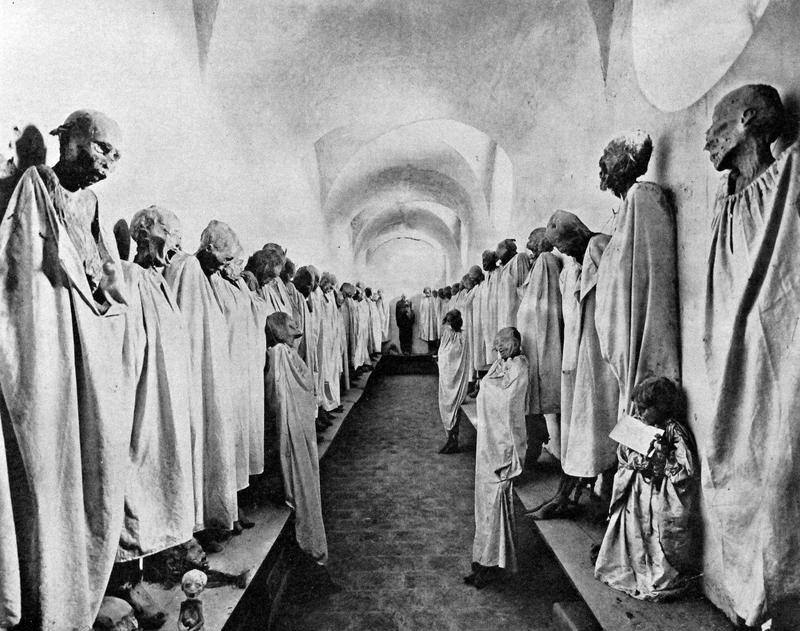
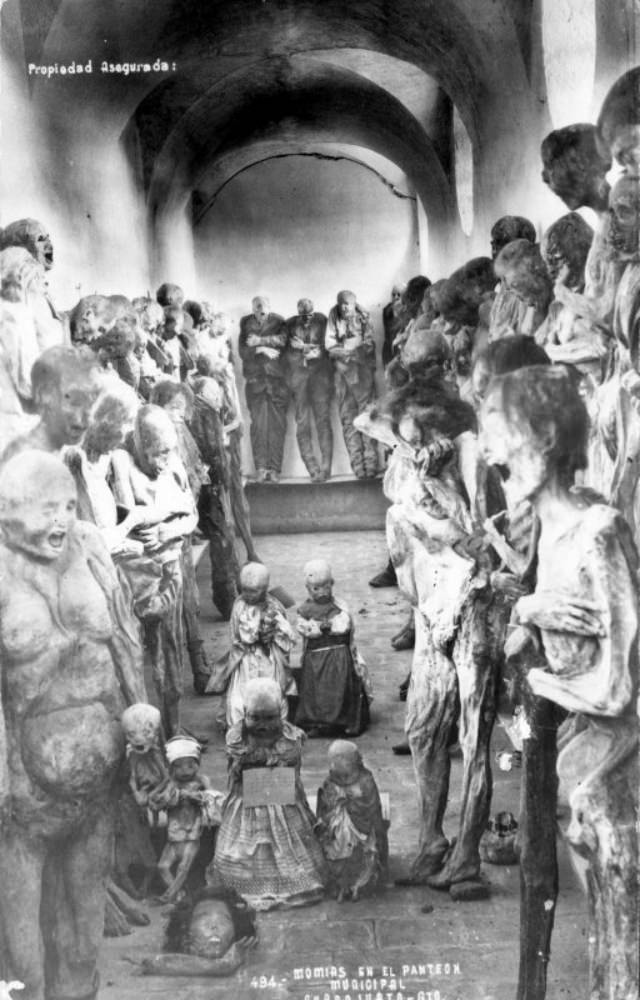
The collection includes adults, children, and infants — a reflection of how indiscriminately cholera and other diseases killed in 19th-century Mexico. The mummies are preserved in the exact positions and clothing they were buried in, which makes them especially striking. Some still wear the garments their families dressed them in before burial.
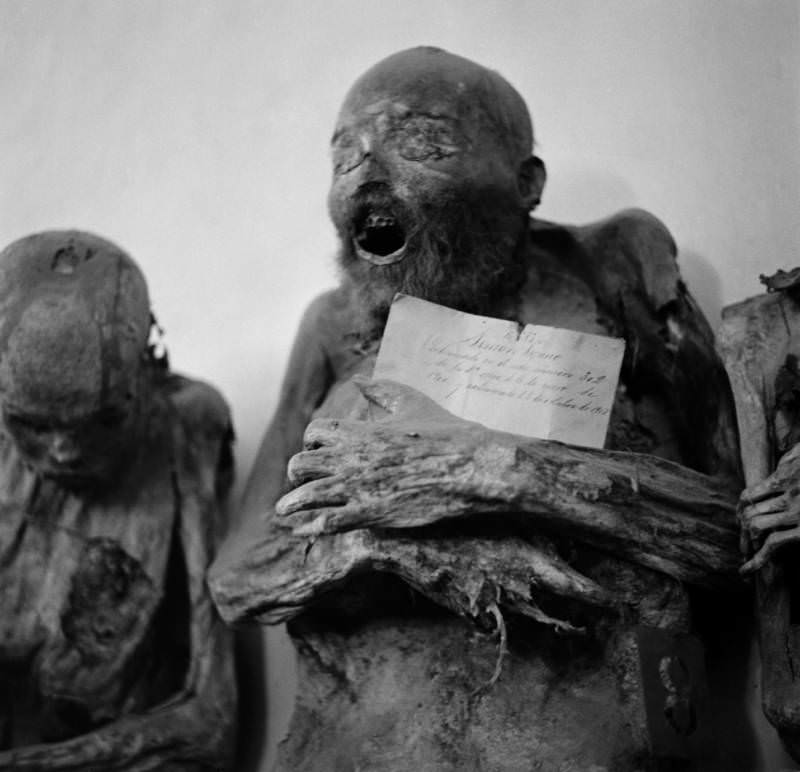
By the early 1900s, word had spread about the mummies stored in Guanajuato’s cemetery building. Curious visitors began arriving, and the cemetery administration recognized an opportunity. For a few pesos, people could enter and view the mummies up close. What had started as a grim byproduct of unpaid burial taxes had quietly become a tourist attraction.
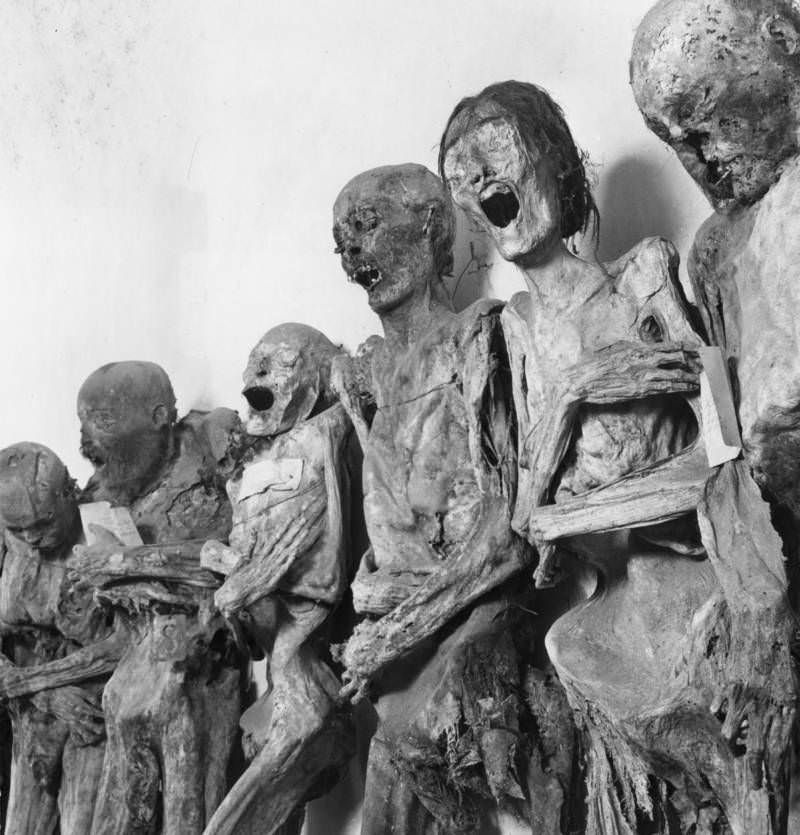
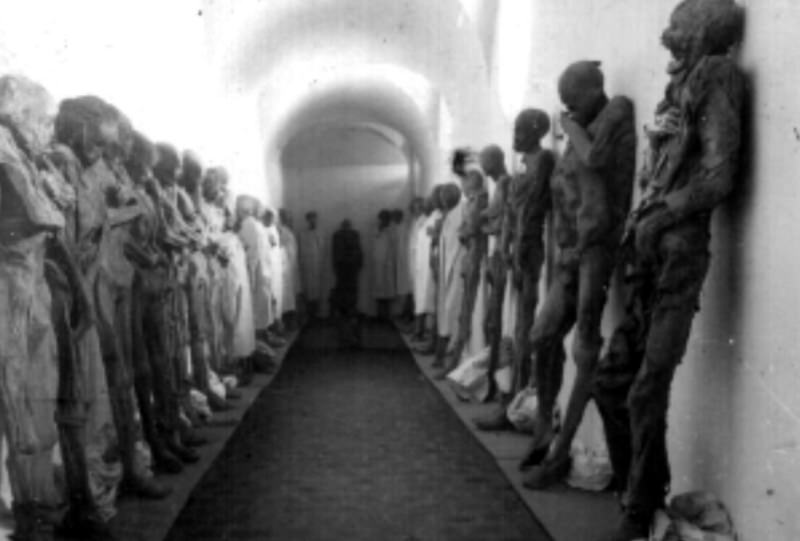
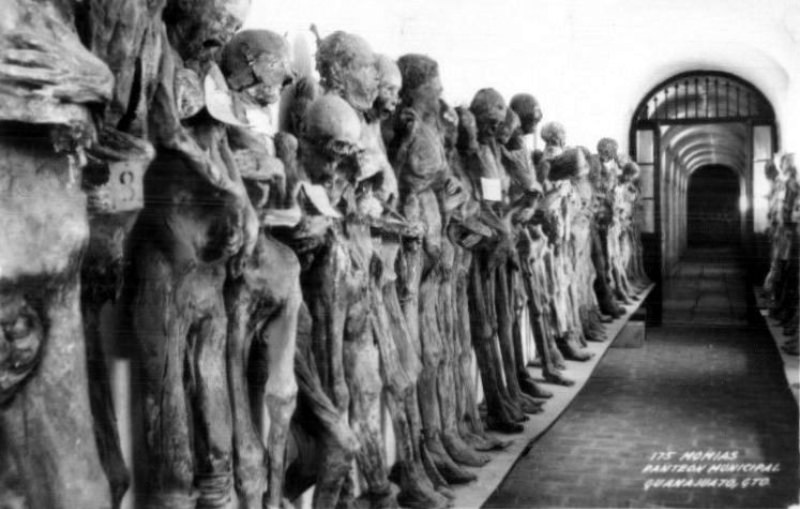
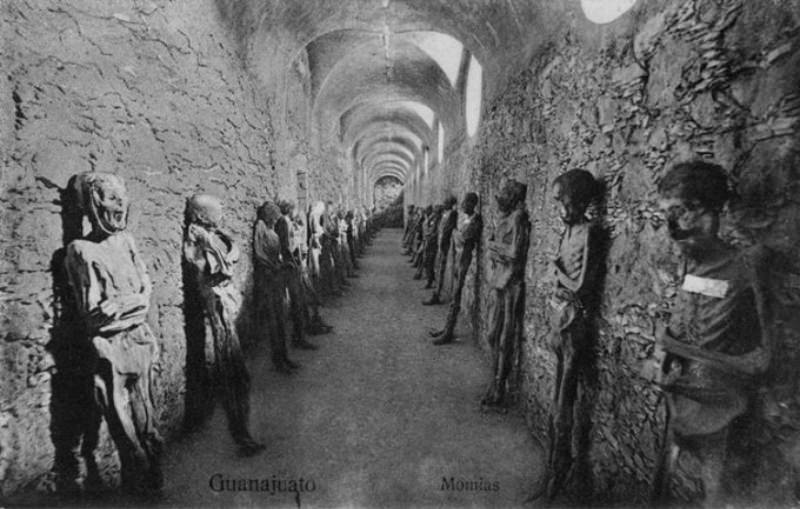
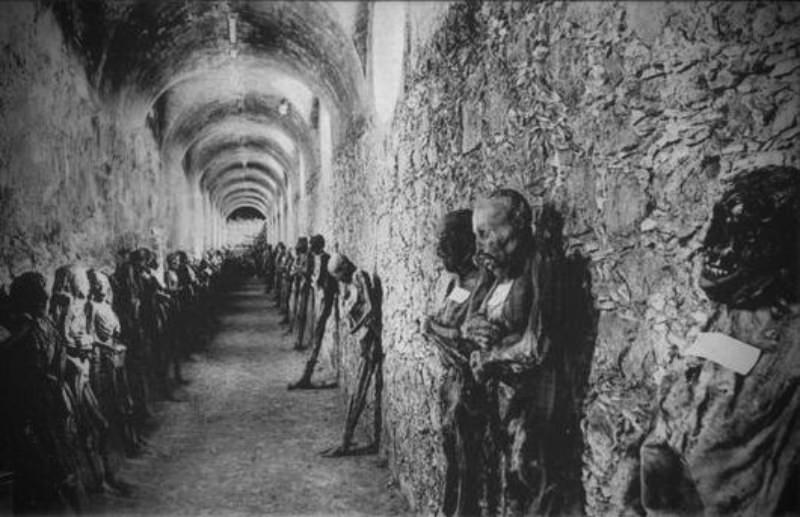
Eventually, the storage building was converted into a formal museum — El Museo de las Momias, or “The Museum of the Mummies.” The museum arranged the mummies in upright display cases along the walls, allowing visitors to see them face to face. The expressions on many of the mummies — mouths open, skin pulled tight across bones — made an immediate impression on everyone who walked through.
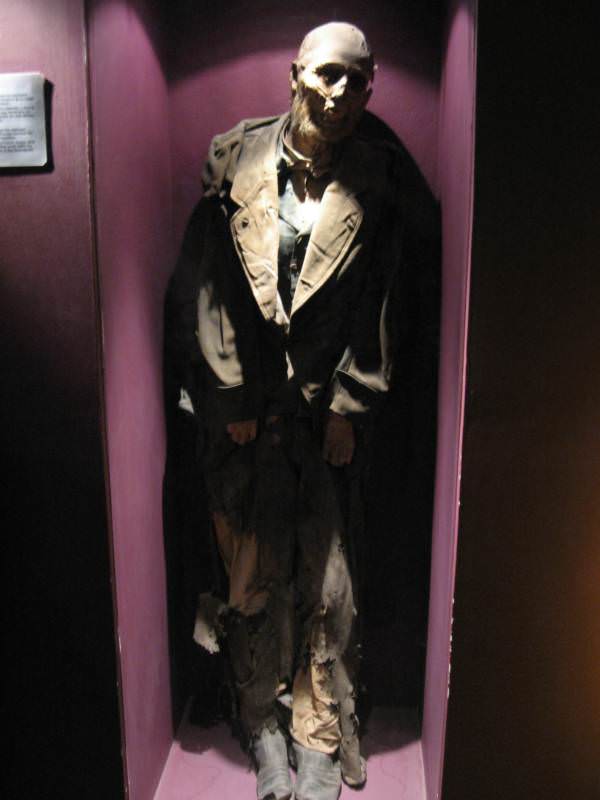
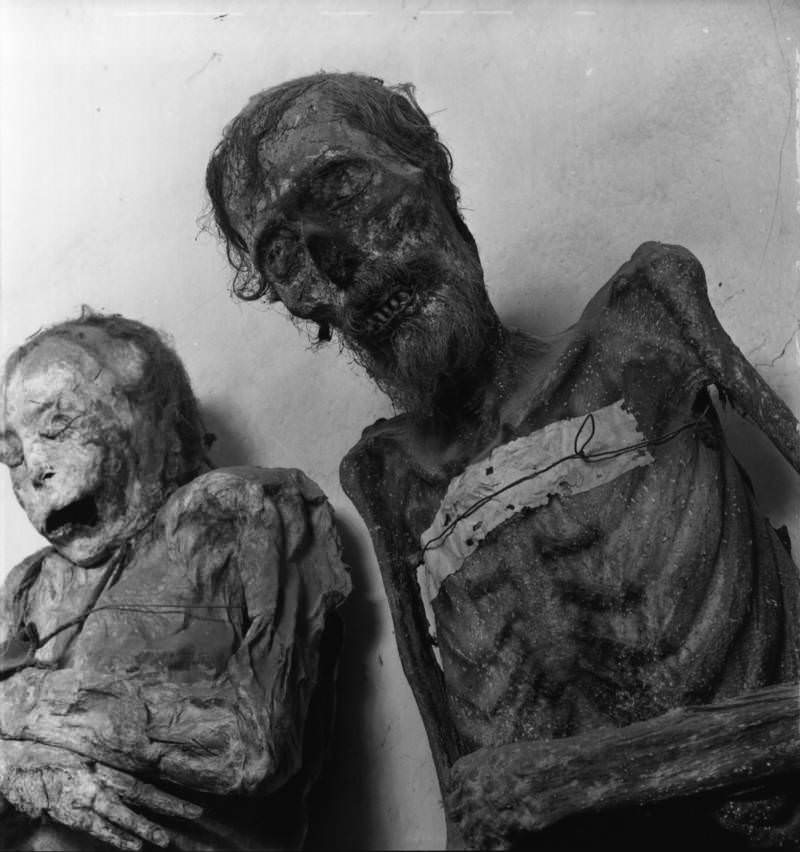
As of 2007, 59 of the museum’s 111 known mummies were on public display. The rest are held in storage. The total count of mummies recovered from the cemetery over the decades of disinterment reached into the hundreds, though not all survived in a condition suitable for display.
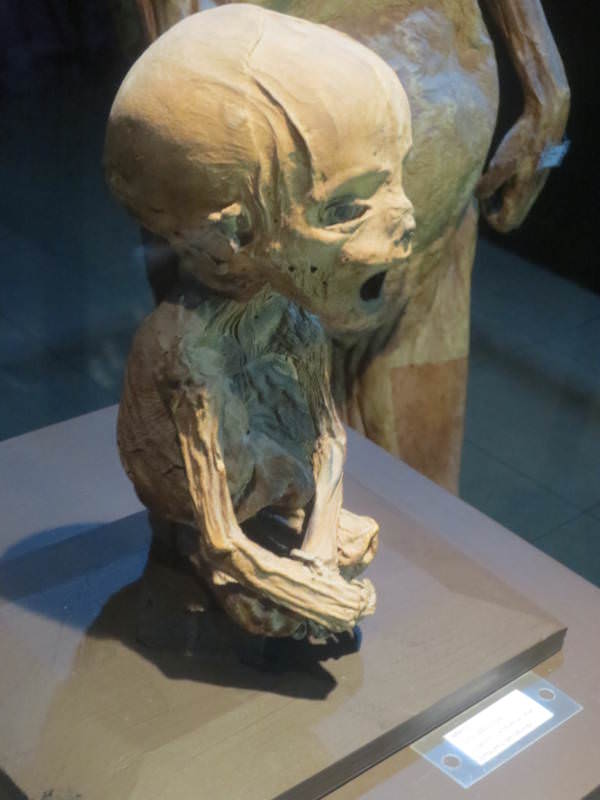
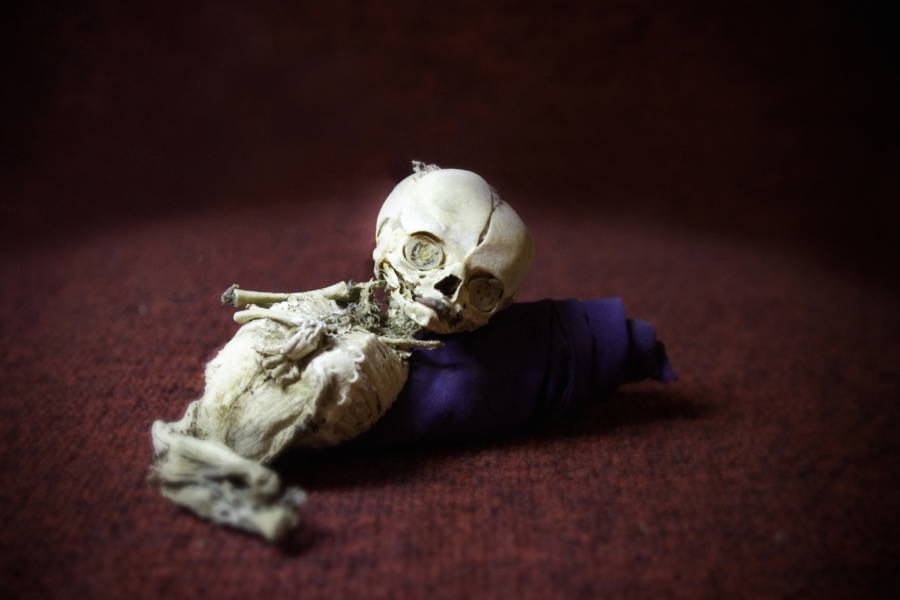
Among the most sobering exhibits are the mummified children. Infant mortality in 19th-century Mexico was extremely high, and many of the small bodies in the collection date to the cholera era or the years that followed. Some of the youngest mummies are remarkably small, their features still visible after more than a century.
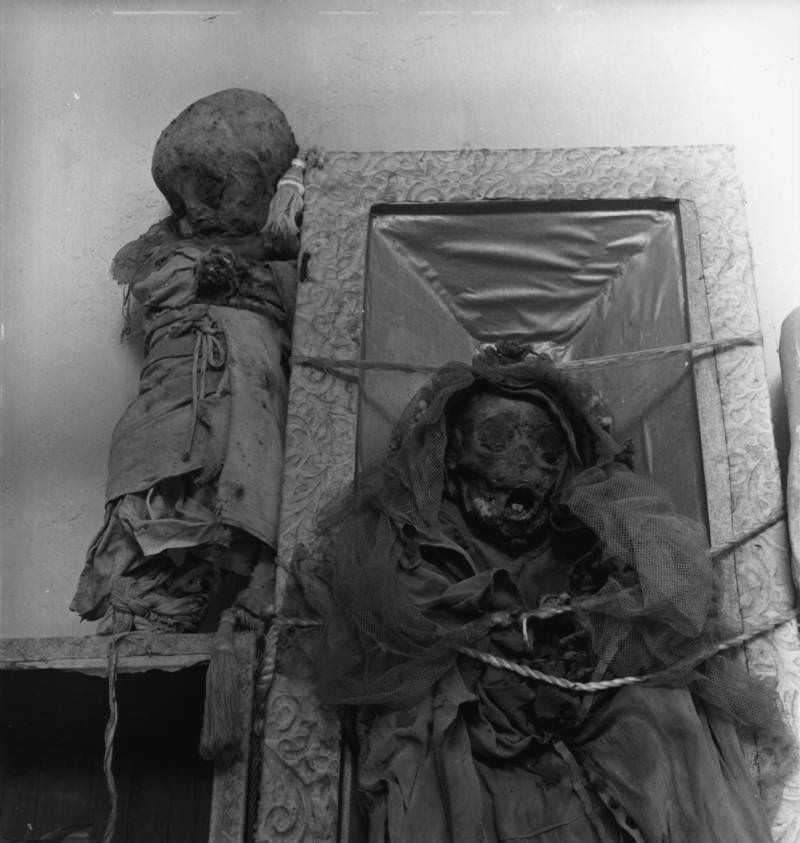
One of the most recognized figures in the museum is a young girl who was buried wearing her communion dress. The white fabric, though aged, remained intact on her mummified body. Details like this make it impossible to view the collection as simply an oddity — each mummy represents a real person with a family, a name, and a history.
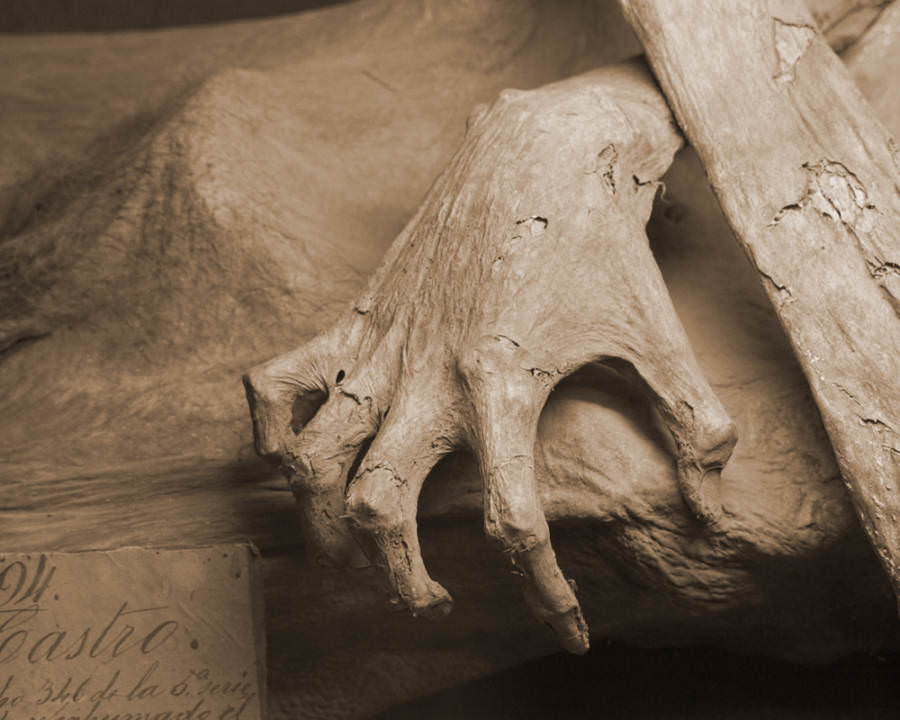
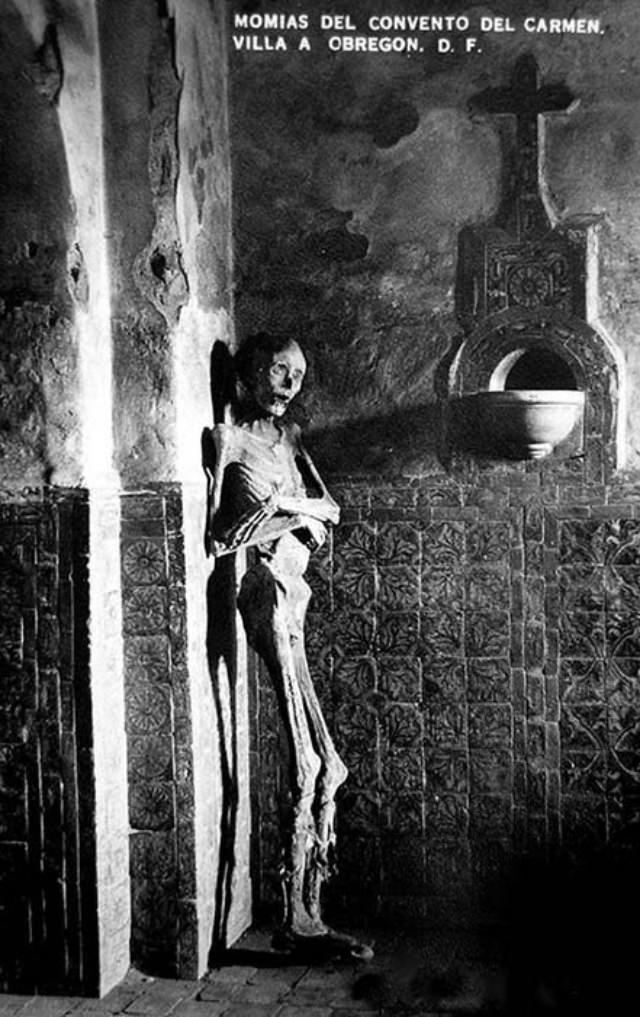
The physical detail preserved on the mummies extends to their extremities. Fingers, toes, and facial features remain visible on many of the bodies, a testament to just how effective the natural mummification process was in Guanajuato’s environment. Skin, in many cases, has dried to a dark, leathery texture but remains entirely intact.
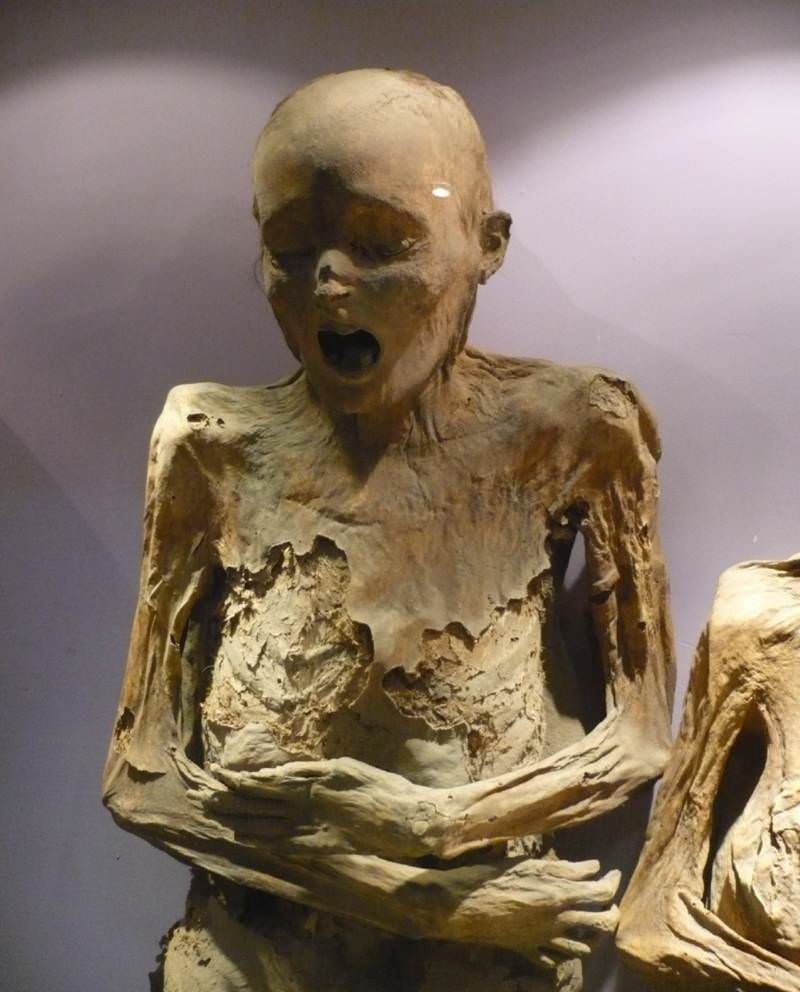
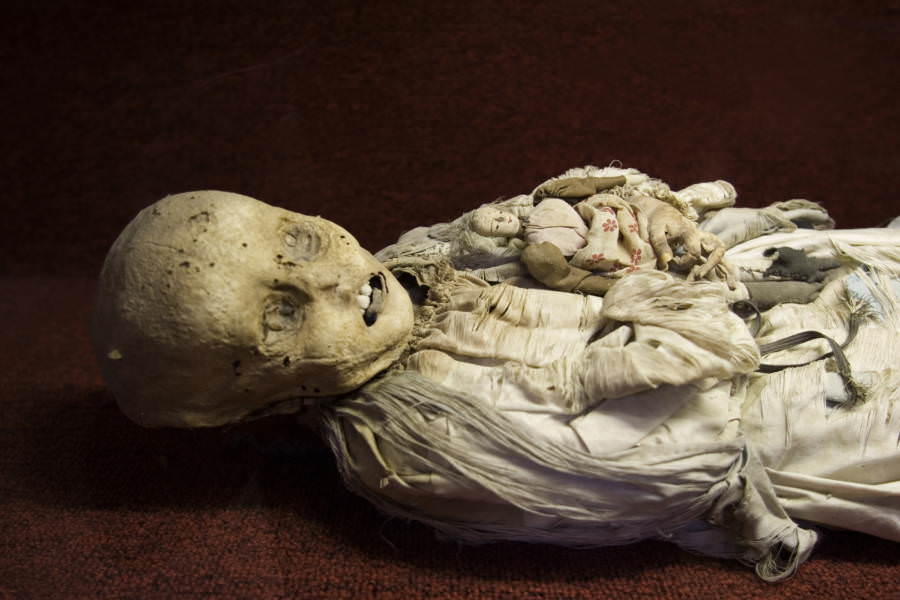
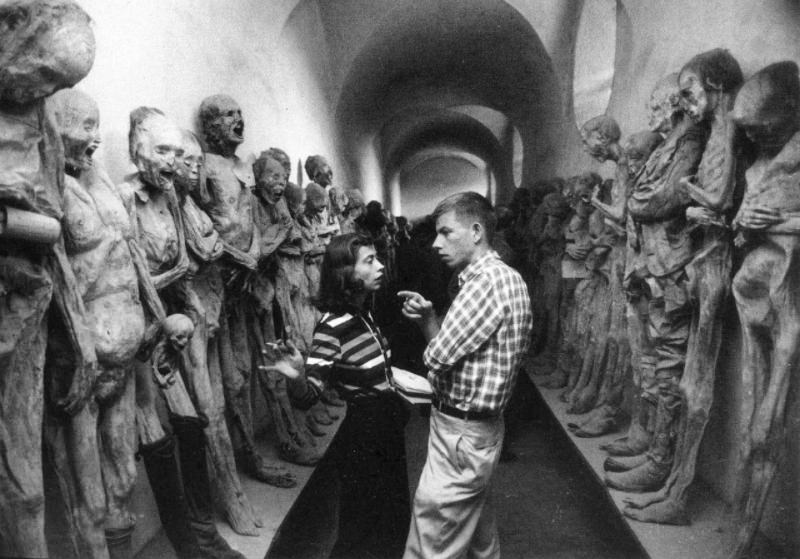
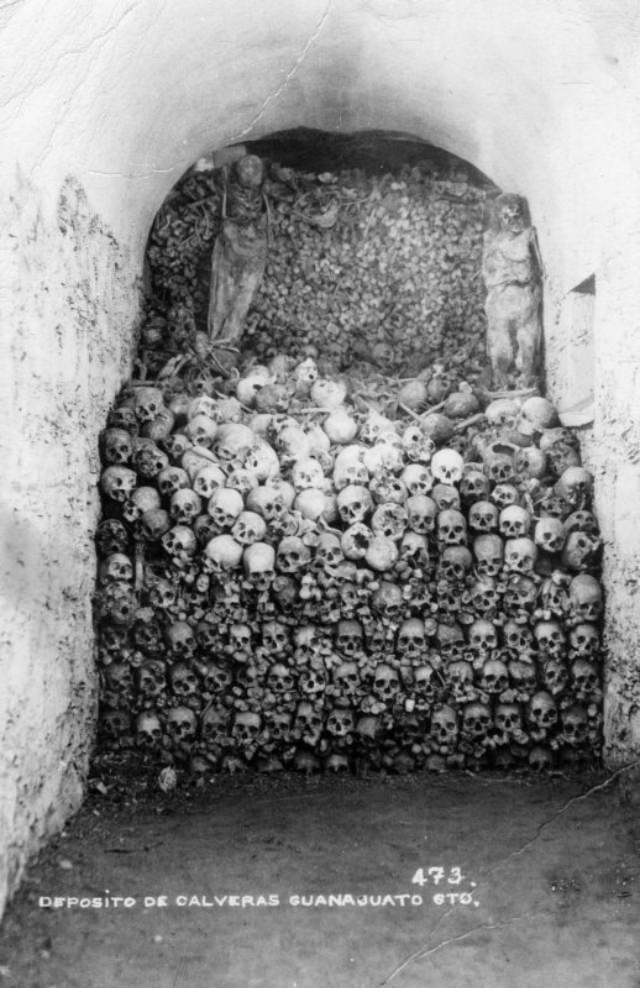
The Museum of the Mummies draws hundreds of thousands of visitors each year from across Mexico and around the world. The photographs taken throughout the 20th century — many captured in the 1950s as the museum was coming into its own — document the collection at various stages and offer a rare visual record of how these preserved bodies appeared shortly after they were placed on display.

When I was a kid, I visited that museum. It terrified me. All I could think of was that they’d come to life like in Night of the Living Dead or Dawn of the Dead. Even the restrooms looked uncomfortable. Lighting was dim, and stall doors were so loud they could have woken the dead.
It’s a beautiful city and a great museum. I was lucky enough to call Guanajuato home for a few years back in the early 20teens.
i visited in 2007 and loved it. the mummy museum smelled like dusty dead bodies–it wasnt very airtight when it came to displaying them lol.
I know this probably isn’t the case but my mind filled in the blanks this way; I like the one where the couple is having an argument right in the middle of the mummy hall
Wow, that long corridor is so spooky. Humans do such funny things with their dead!
Make sure to bring Rick O’Connell with you.
GTO is awesome, I used to go to Cañada de Caracheo every year for the fiestas