
On the afternoon of May 13, 1985, a helicopter belonging to the Pennsylvania State Police flew over a row of houses on Osage Avenue in West Philadelphia. Inside the aircraft was a satchel bomb — FBI-supplied C4 explosive combined with Tovex TR2, a dynamite substitute — fitted with a 45-second timer. At 5:28 p.m., it was dropped onto the roof of a residential house. What followed was one of the most destructive uses of police force against civilians in American history. By nightfall, an entire city block was burning. By the time the fire was out, 61 homes had been destroyed and 11 people were dead.
To understand how this happened, the story starts more than a decade earlier, in a very different West Philadelphia neighborhood.
In 1972, a man named John Africa founded a Black liberation organization in West Philadelphia called MOVE. The group drew members from the local Black community, and those who joined replaced their last names with “Africa” as a statement of collective identity. MOVE rejected modern technology and materialism entirely. Their philosophy called for a return to nature and a rejection of mainstream American society. They lived communally, refused many of the comforts most Americans took for granted, and made no secret of their views.
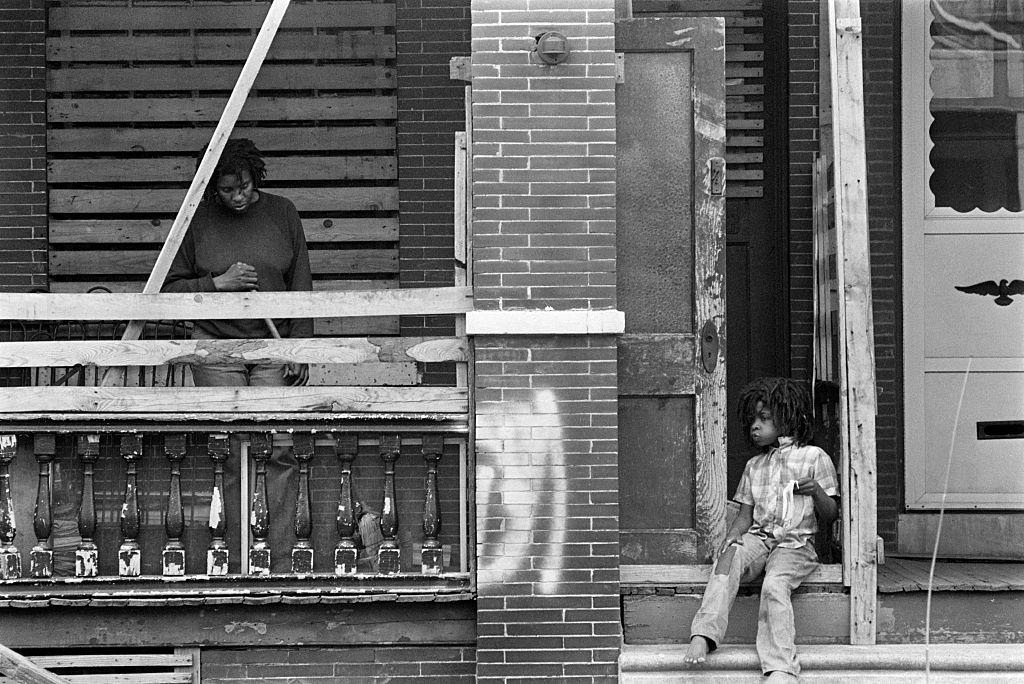
Their relationship with Philadelphia law enforcement turned violent in 1978, six years after the group’s founding, when police attempted to evict MOVE members from their home in the Powelton Village neighborhood. The confrontation left one police officer dead and caused injuries on both sides. Nine MOVE members were convicted of third-degree murder and each sentenced to a period of 100 years in prison. The convictions deepened the group’s hostility toward the city government, and the city’s hostility toward MOVE.
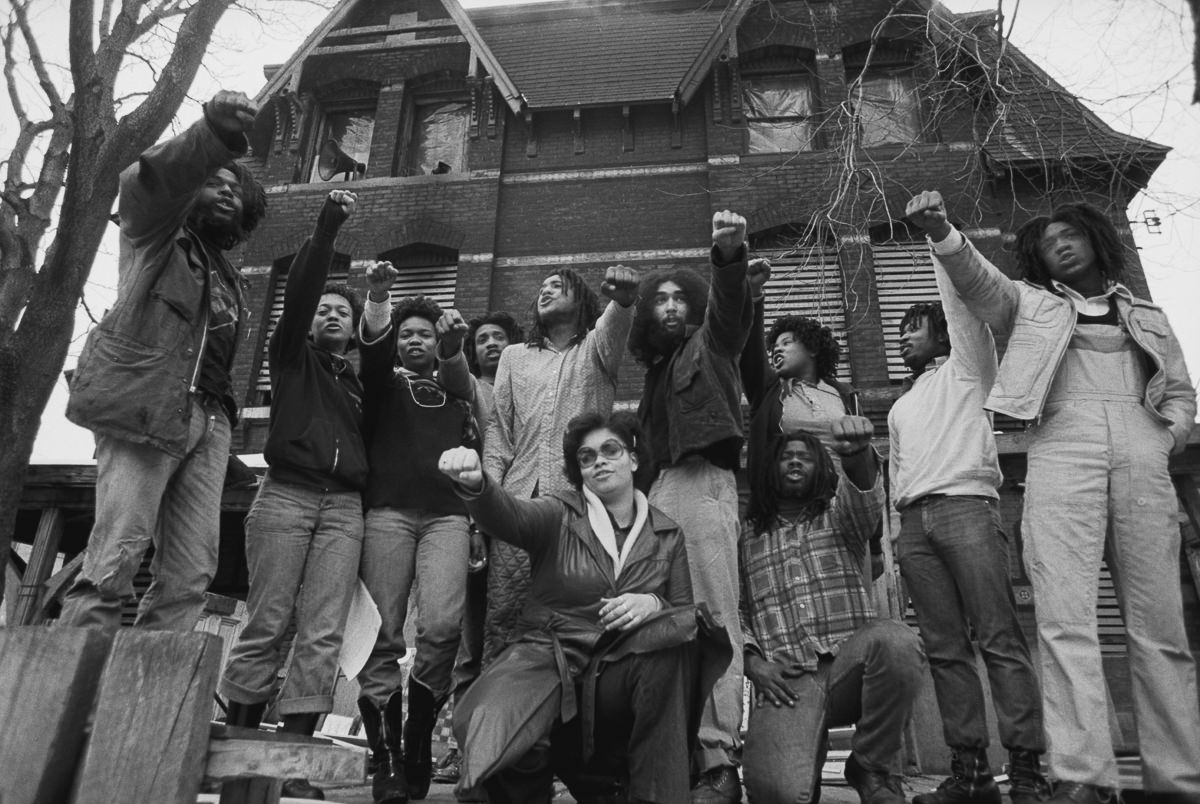
After the Powelton Village confrontation, the remaining MOVE members relocated to a row house at 6221 Osage Avenue in the Cobbs Creek neighborhood. Once there, they constructed a fortified bunker on the rooftop and began broadcasting their political views and lectures through bullhorns at all hours of the day and night. Neighbors complained constantly. MOVE members were also found to be in illegal possession of firearms. The city’s mayor and police commissioner formally labeled MOVE a terrorist organization.
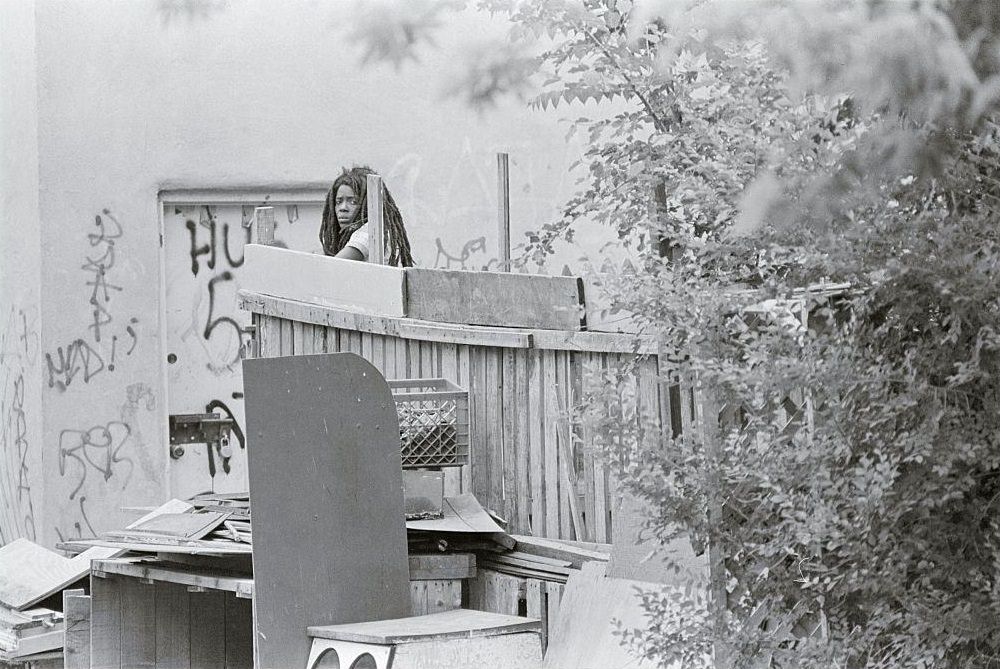
By 1985, the standoff between the city and MOVE had reached a breaking point. City officials decided to move in and arrest four MOVE members on outstanding warrants. On the morning of May 13, Philadelphia police surrounded the Osage Avenue house and ordered everyone inside to come out peacefully. No one did. Gunfire broke out from inside the building. Police responded with force — firing approximately 10,000 rounds of ammunition in just 90 minutes. Still, MOVE did not surrender.
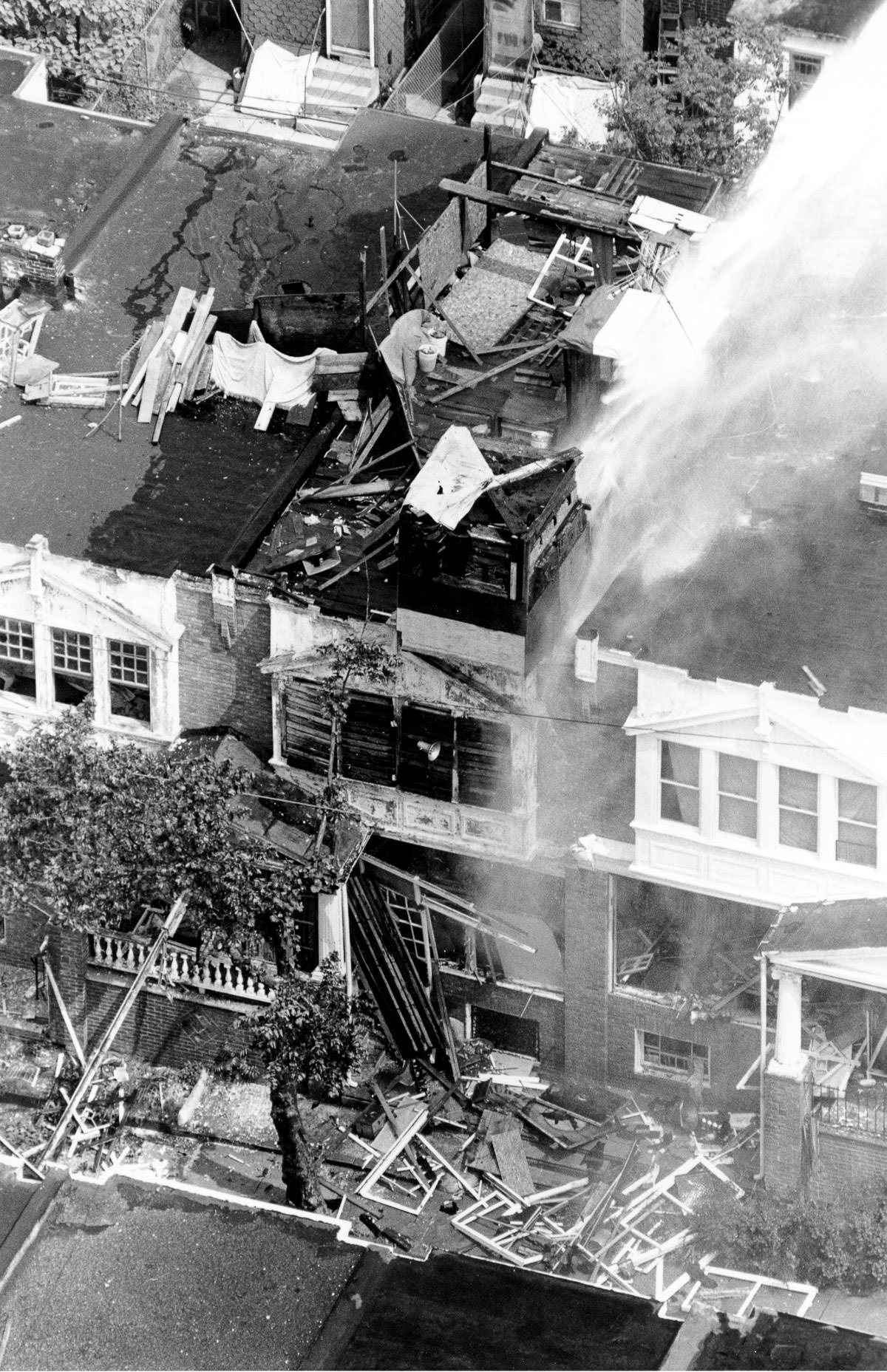
As the standoff stretched into the afternoon, both the city’s mayor and Pennsylvania State Senator Hardy Williams pushed for de-escalation. Police Commissioner Gregore Sambor rejected those calls and gave the order to bomb the house from the air. The bomb was released at 5:28 p.m. and detonated near the fortified rooftop bunker MOVE had built.
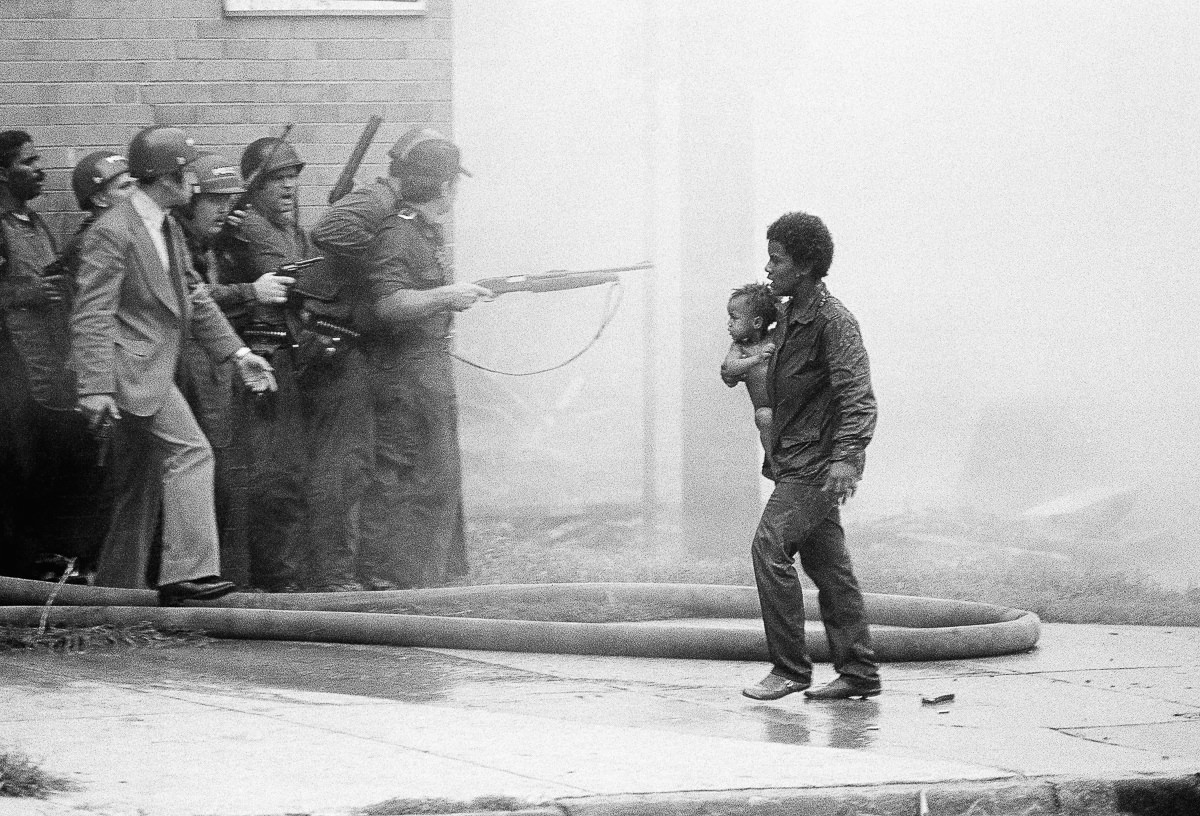
The explosion ignited a fire that immediately spread beyond the MOVE house. The row houses on Osage Avenue sat close together — separated only by narrow streets — and the flames moved quickly from one structure to the next. City officials made the decision not to extinguish the fire immediately. By the time firefighters finally brought the blaze under control, four hours had passed.
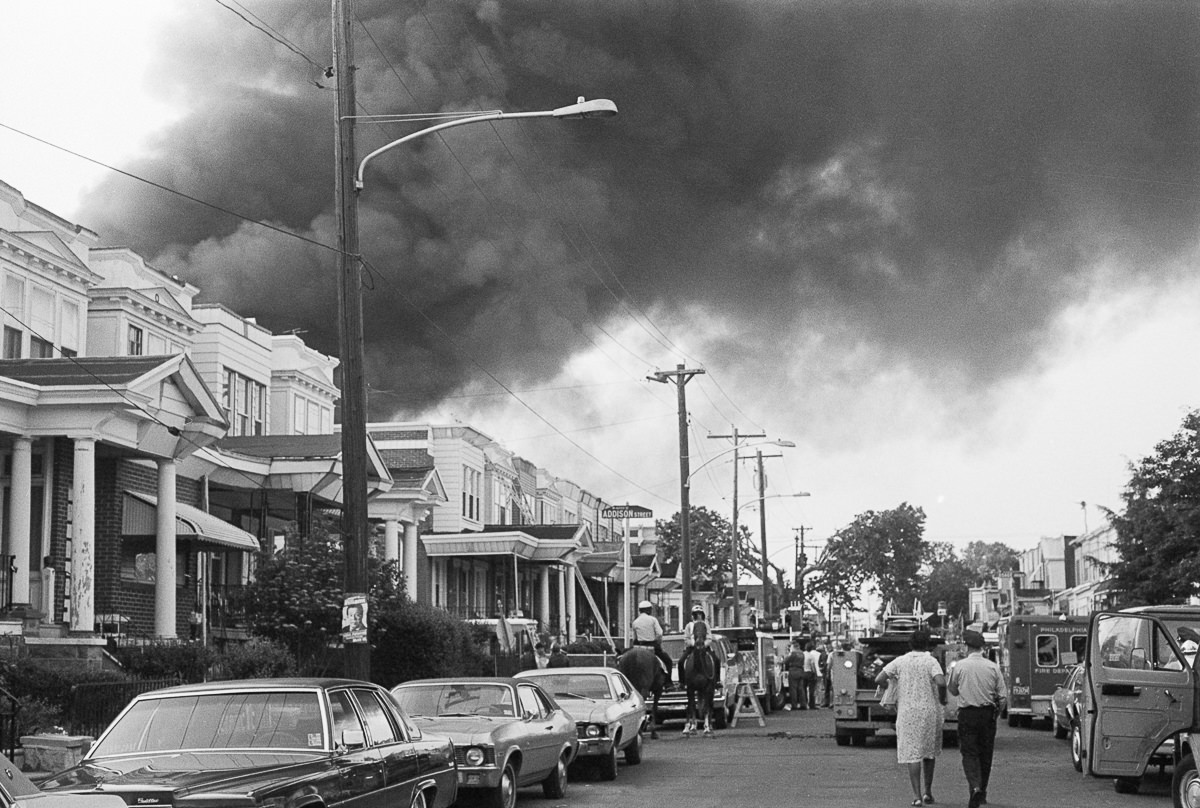
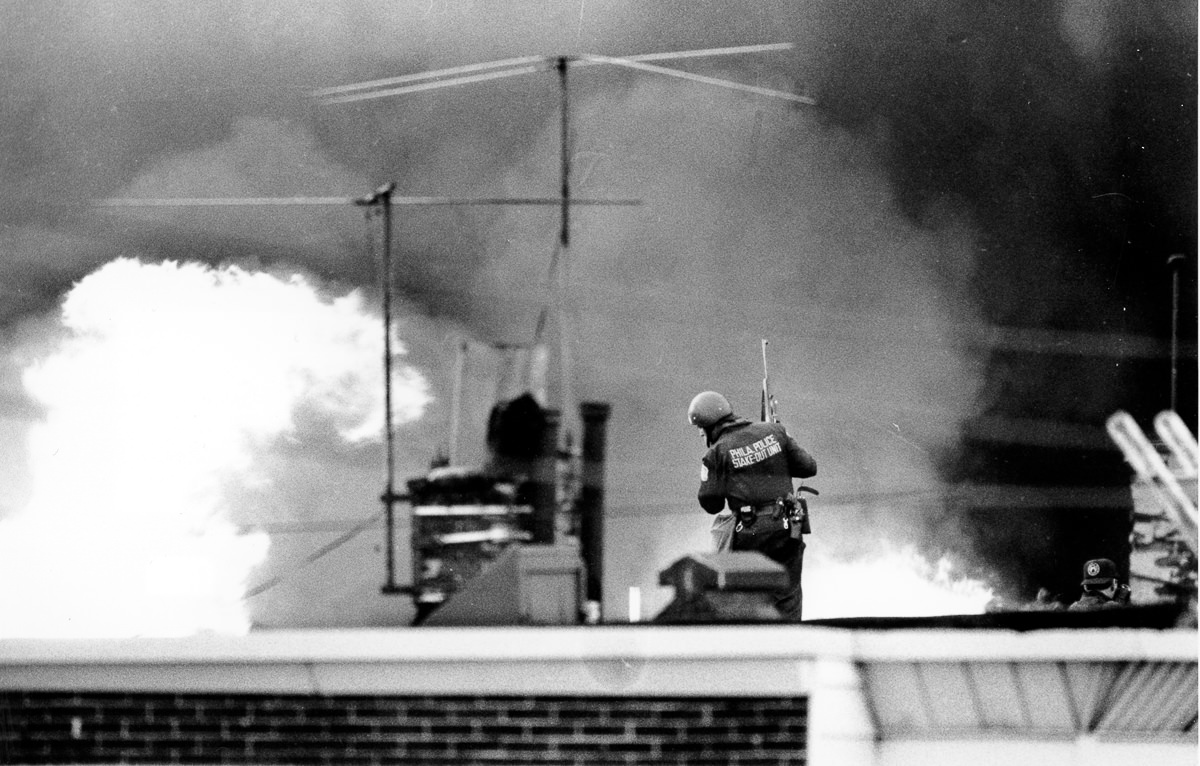
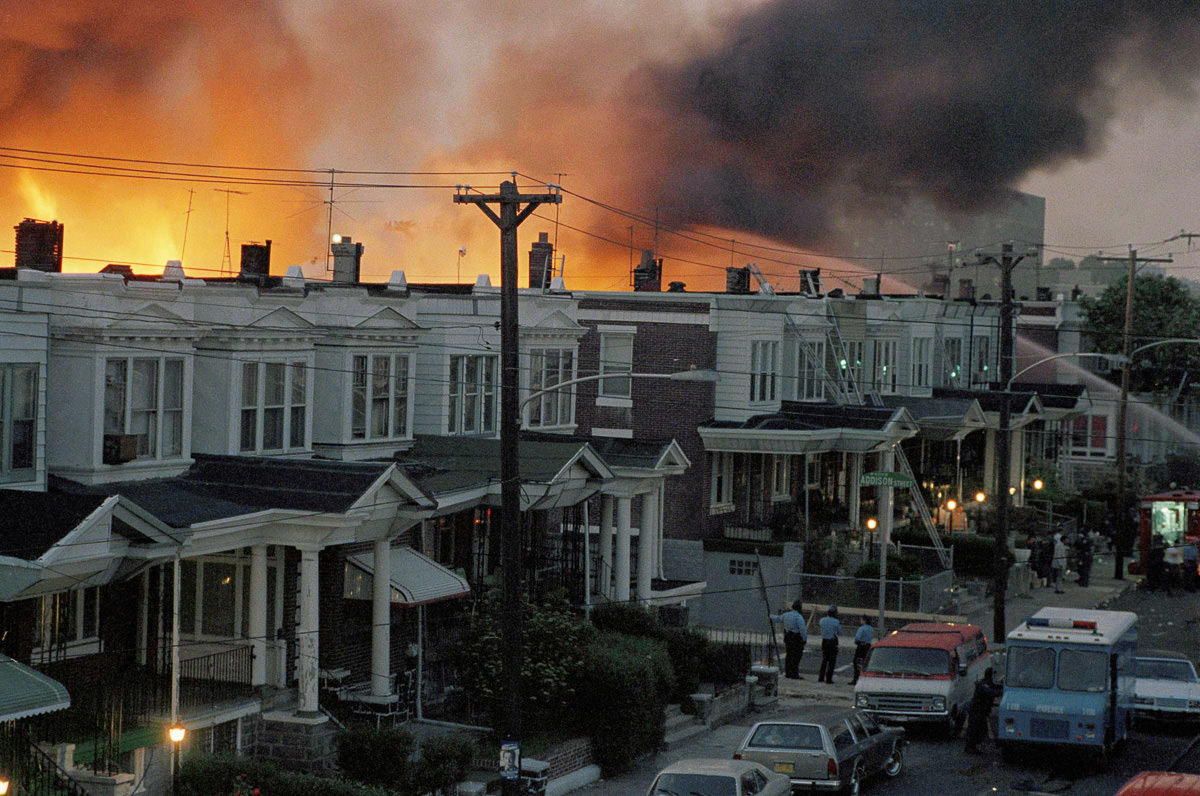
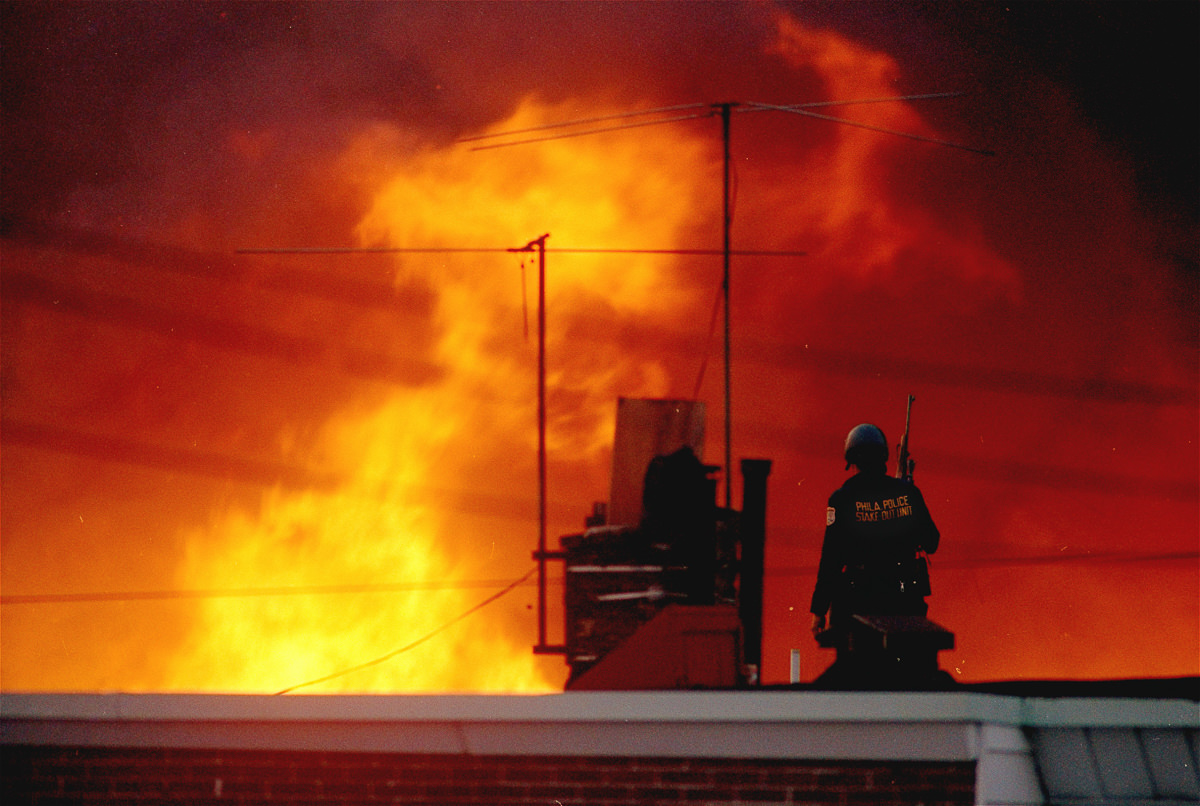
Sixty-one homes were completely destroyed. More than 250 residents were left homeless overnight. Eleven MOVE members died in the fire and its aftermath — John Africa, four other adults, and five children between the ages of seven and thirteen. Only two people inside the house survived: Ramona Africa and a thirteen-year-old boy named Michael Moses Ward.
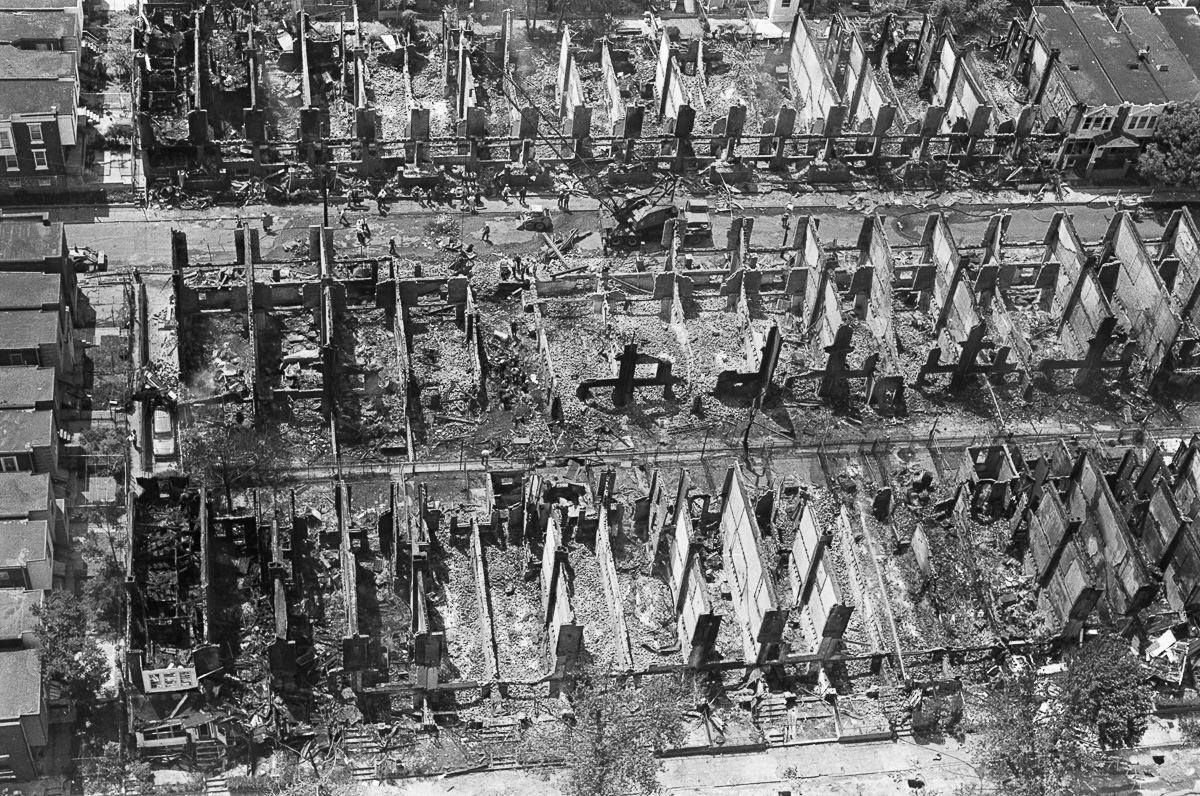
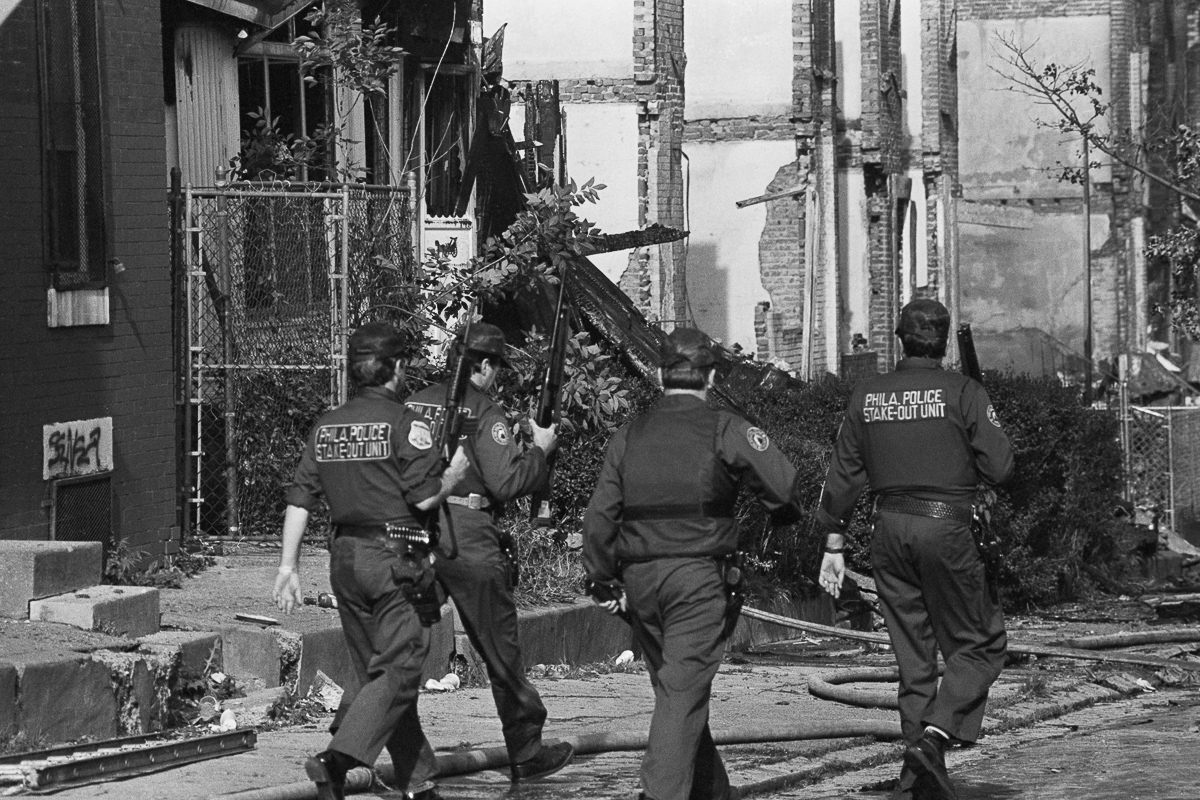
The day after the bombing, investigators moved into the still-smoldering rubble to search for bodies. Workers in protective gear recovered human remains from the wreckage on Osage Avenue over the course of several days. The scale of destruction made recovery slow and difficult. Dozens of homes continued to smolder well into May 14 and beyond.
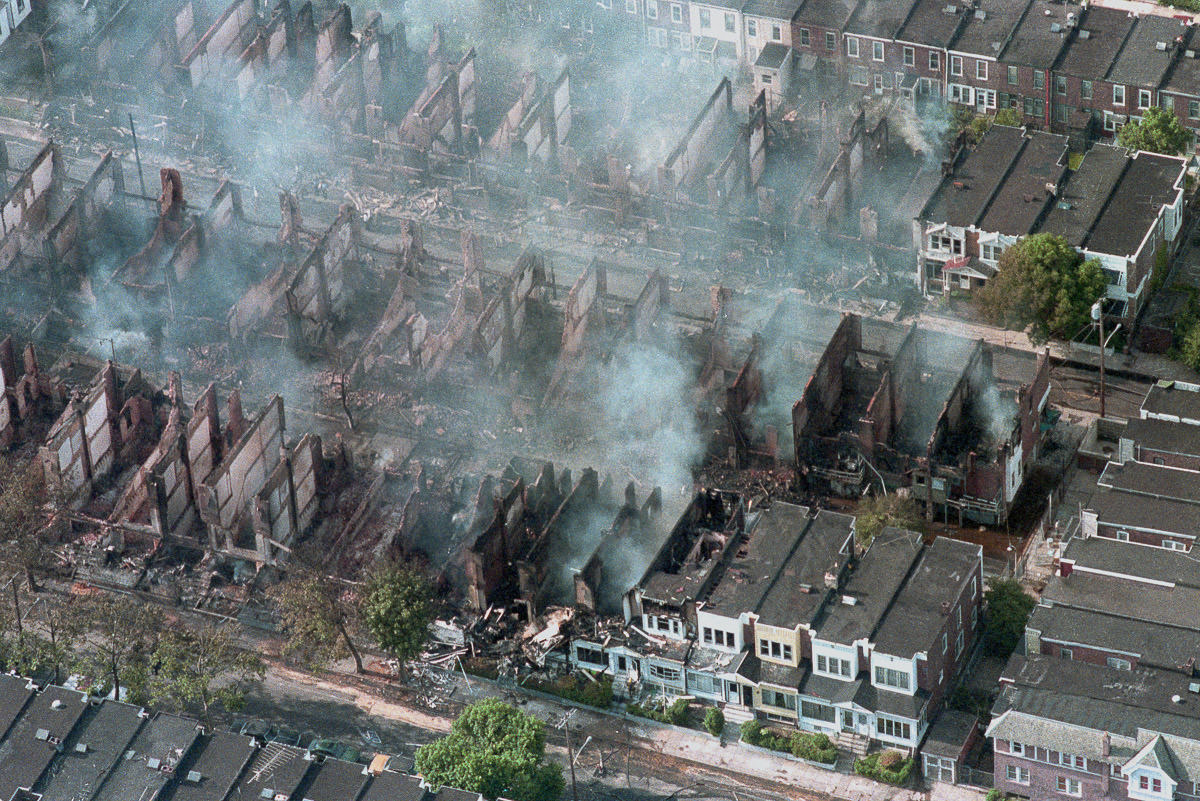
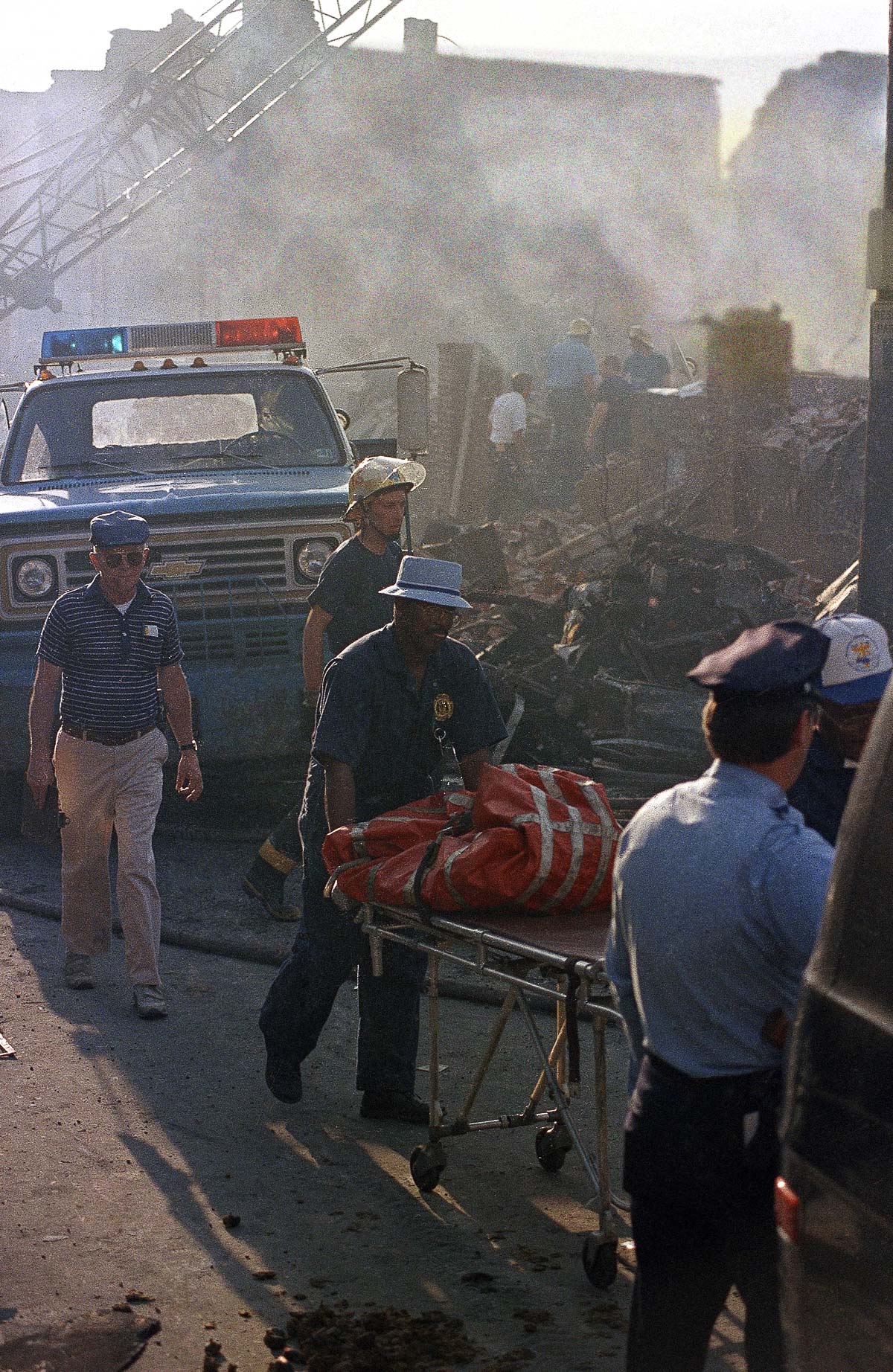
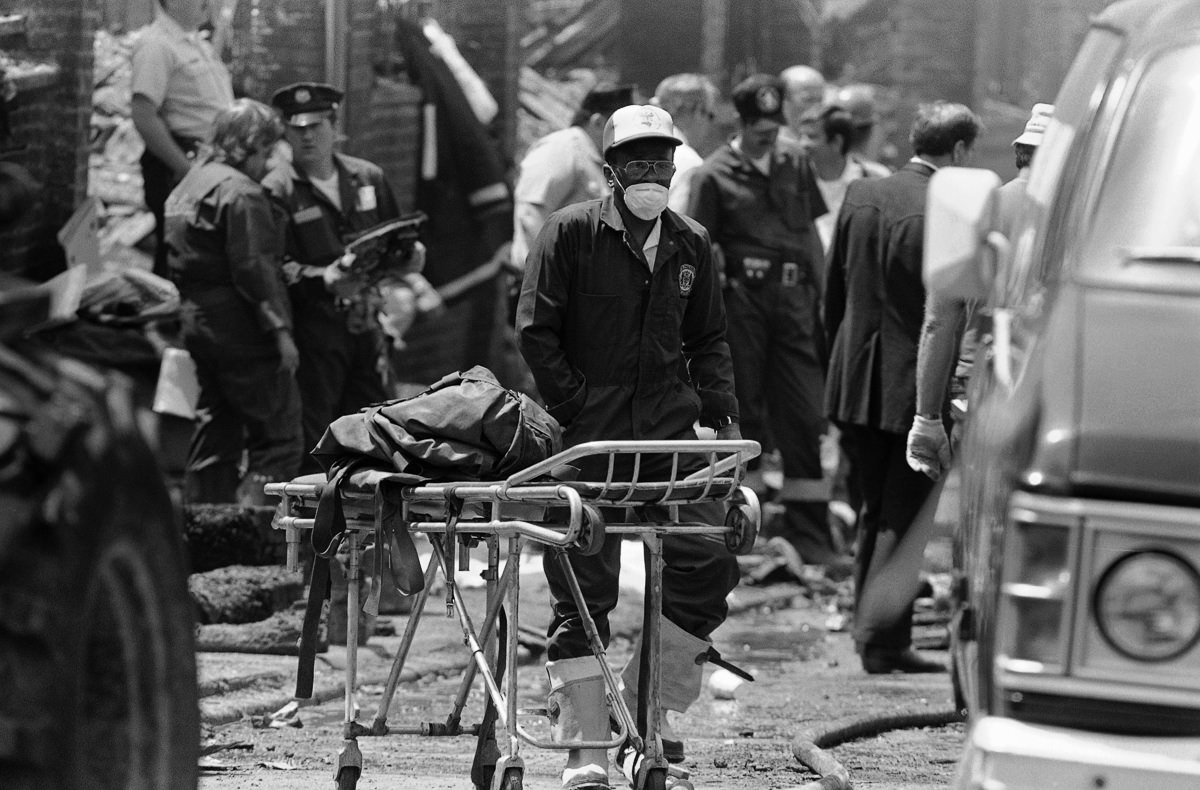
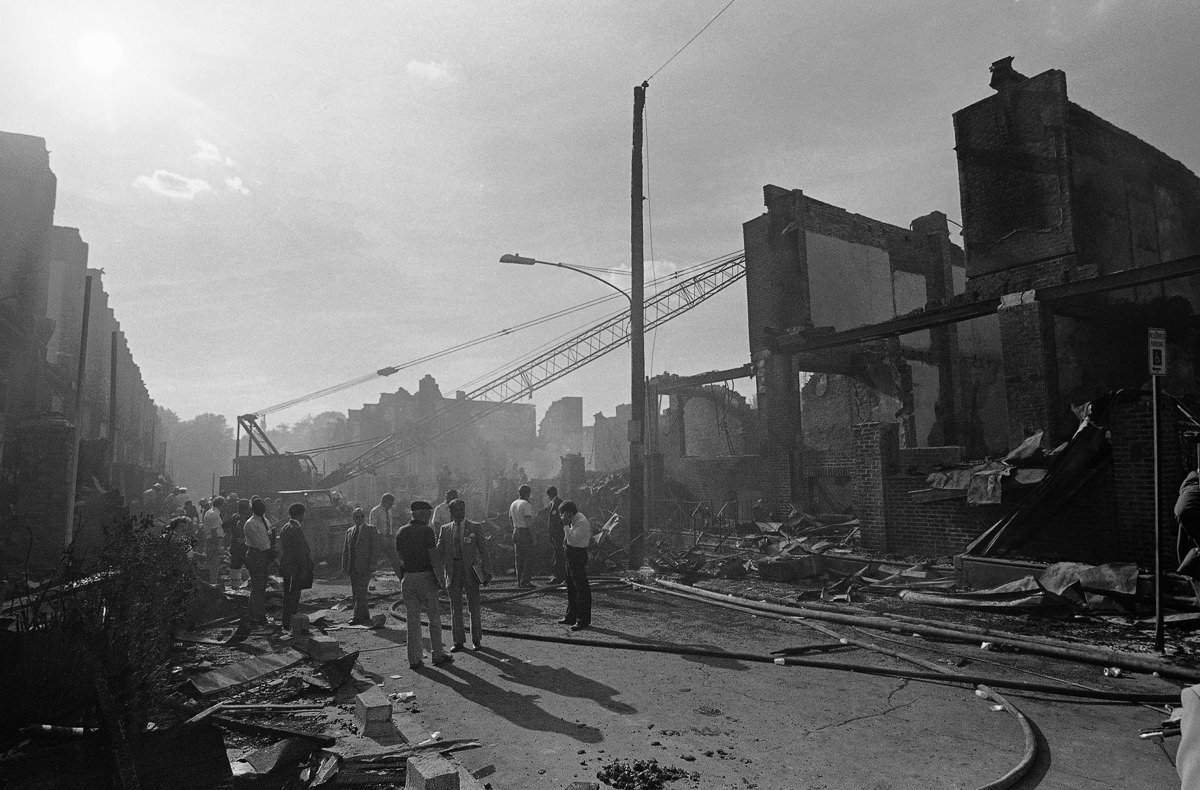
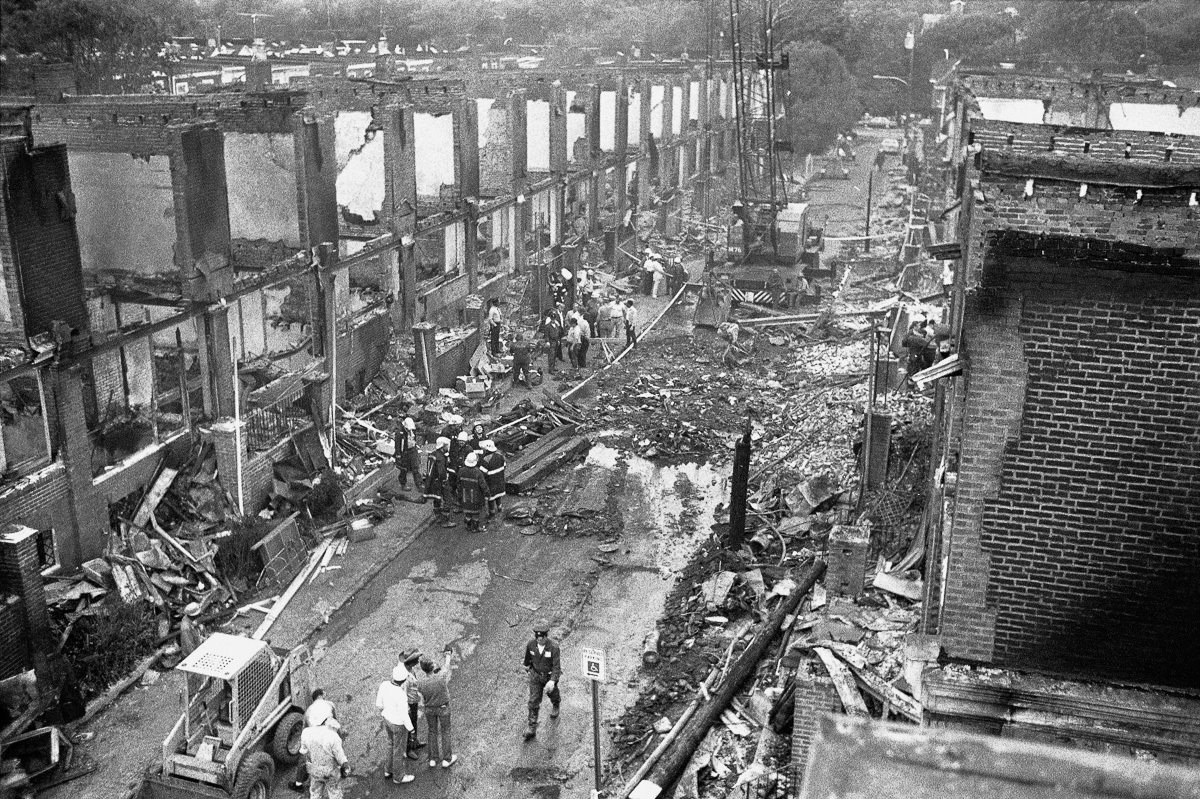
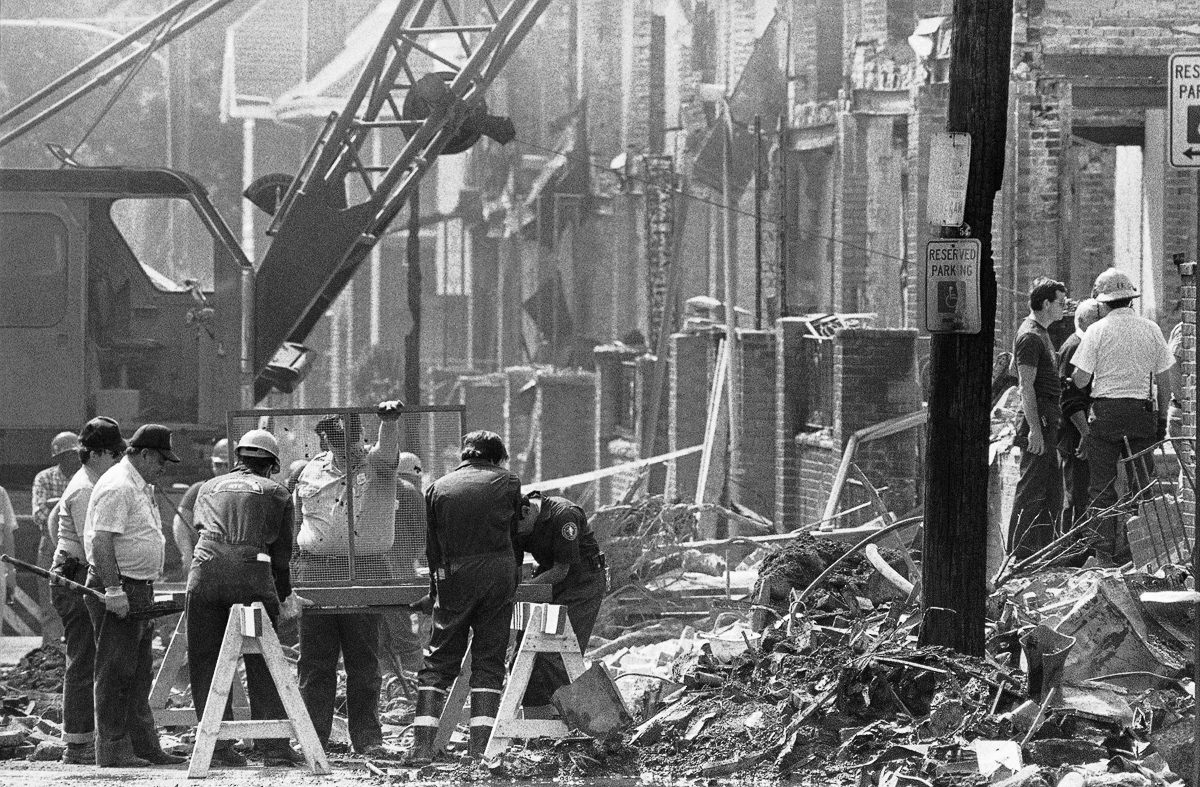
For the residents of Osage Avenue who had nothing to do with MOVE, the bombing erased their homes, their belongings, and in many cases their entire neighborhood. These were working families — people who had lived on that block for years. Churches in the surrounding area held services in the days that followed to support those who had lost everything.
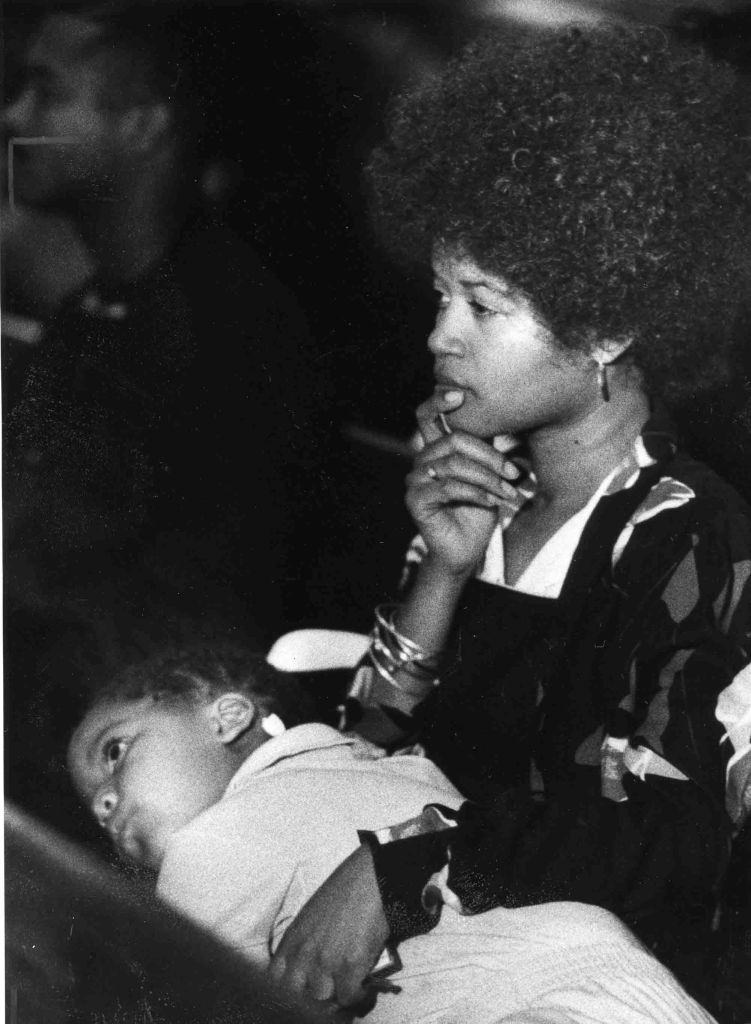
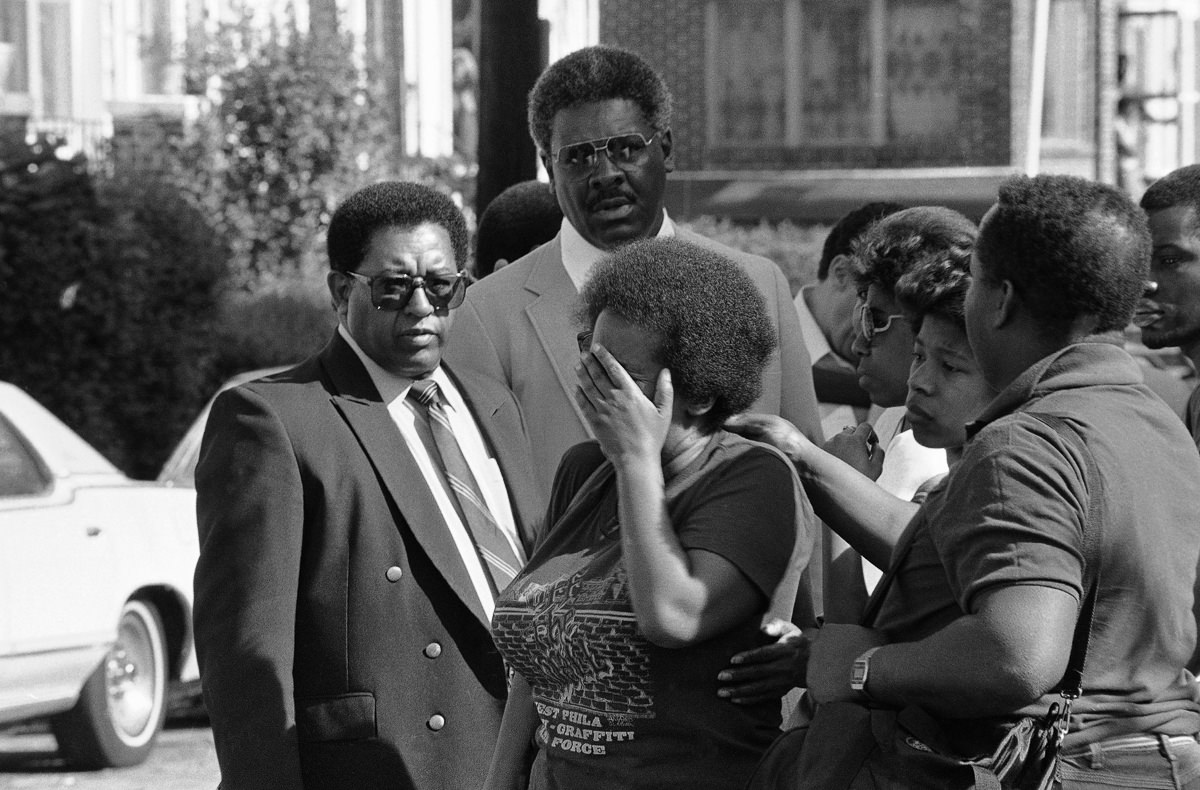
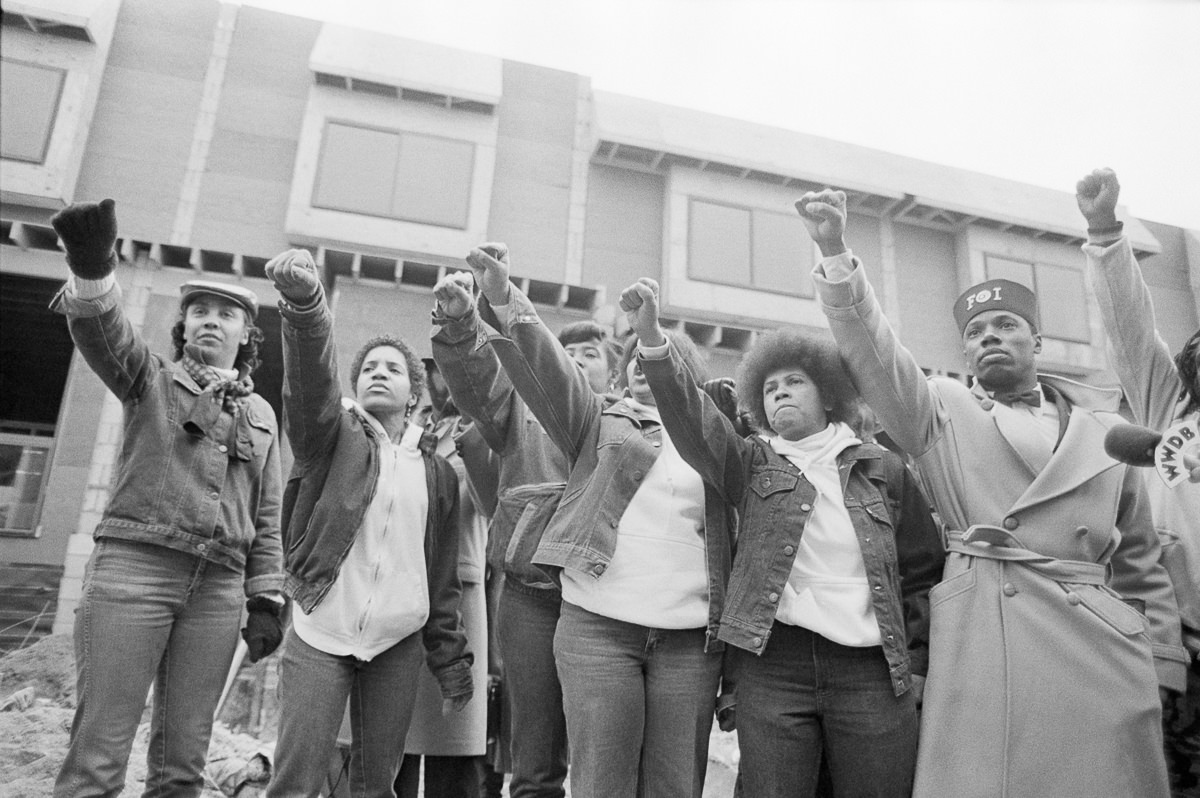
John Africa’s funeral procession moved through Philadelphia on December 5, 1985, months after the bombing. Mourners gathered in front of the ruins of the former MOVE headquarters on Osage Avenue as the procession passed. The site had by then become a stark and visible reminder of the events of May 13 — a stretch of vacant, charred ground in the middle of a residential neighborhood.
The MOVE bombing remains the only known instance in American history of a government deliberately dropping a bomb on a residential neighborhood. The FBI provided the explosives. The Pennsylvania State Police carried out the drop. The Philadelphia Police Department ordered it. Eleven people — including five children — died. Sixty-one homes burned to the ground. Two hundred and fifty people lost their homes in a single afternoon.





I find MOVE interesting not so much because the police bombed it (police have dumb ideas all the time), but because someone provided them with the explosives.
Right? It must have been so many points in the chain of disaster that somebody could have just taken five seconds to think, “should we set off a bomb in a residential neighborhood?” and realized how stupid that is.
Thanks for the info; I checked out Wikipedia for more information. According to eyewitness accounts, it is likely that the officer killed in 1978 was accidentally destroyed by police fire.
One of the survivors describes how police fired at them as they tried to escape the burning building. Already, the police were violating constitutional rights and murdering children, so I’m not surprised. Taxpayers had to pay millions of dollars to the victims since police were not held accountable.
I’m amazed at how different the narratives are between people who lived in Philadelphia during the two MOVE incidents and people who have heard about them
This is something that I remember very well. It’s one of a long list of reasons I do not like or trust the police.