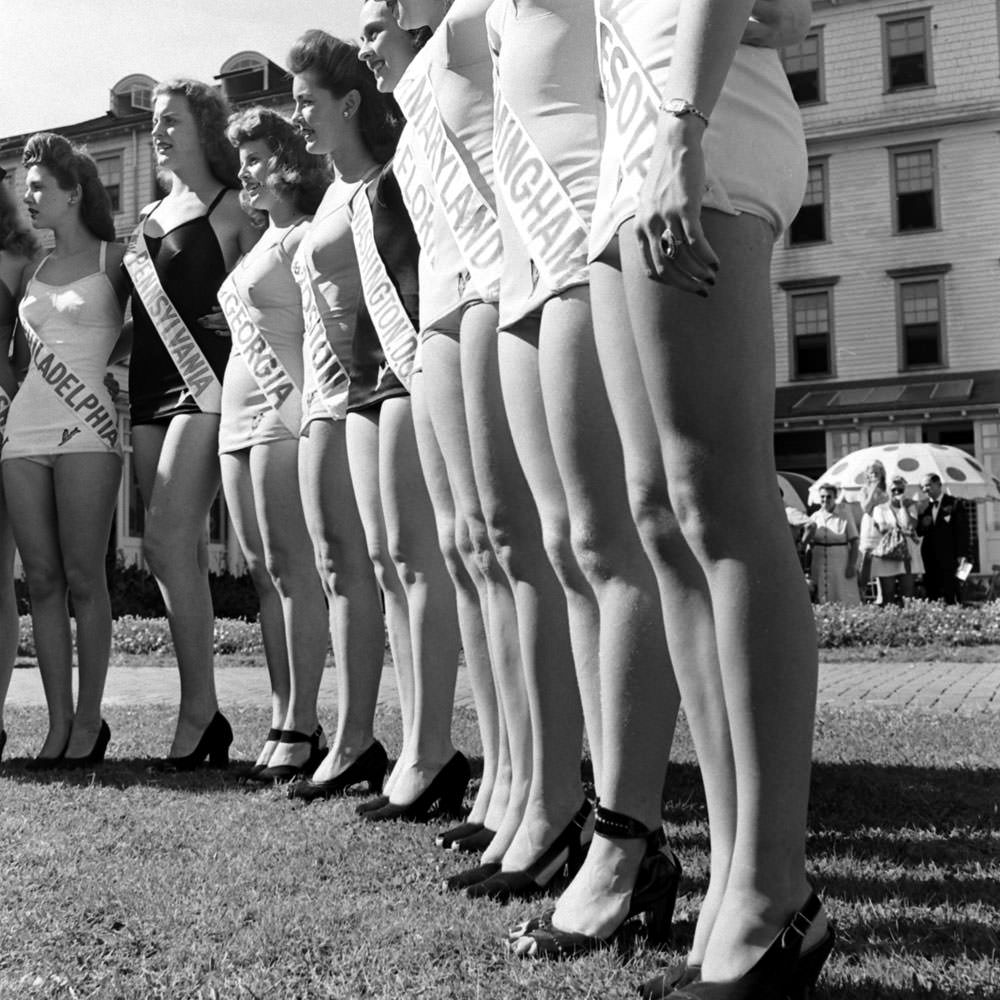
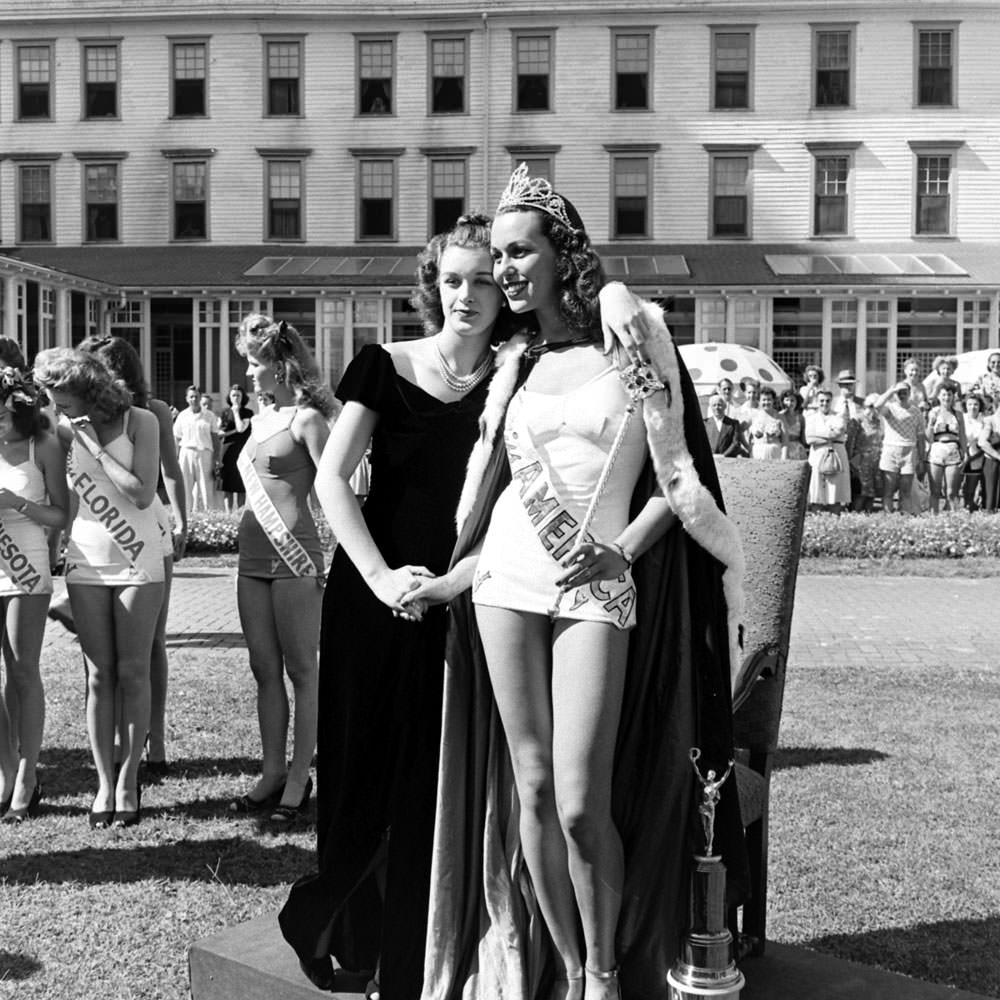
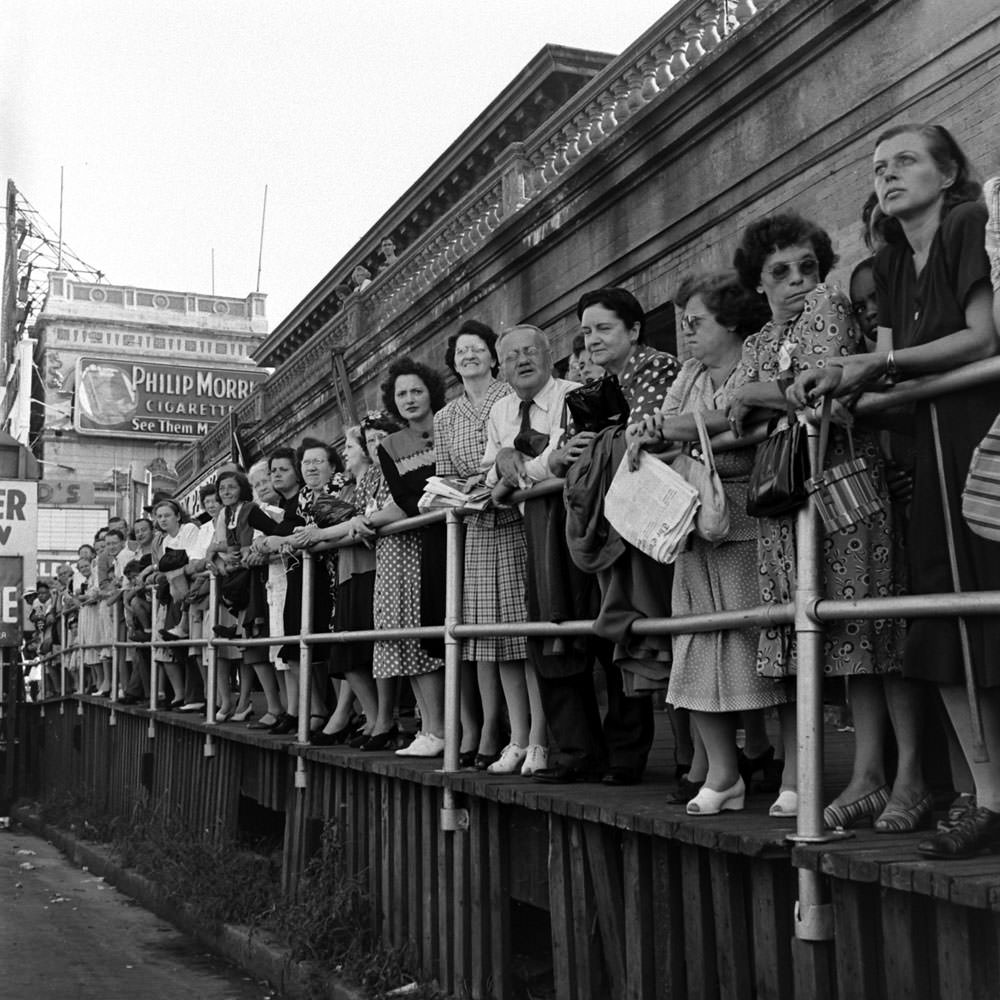
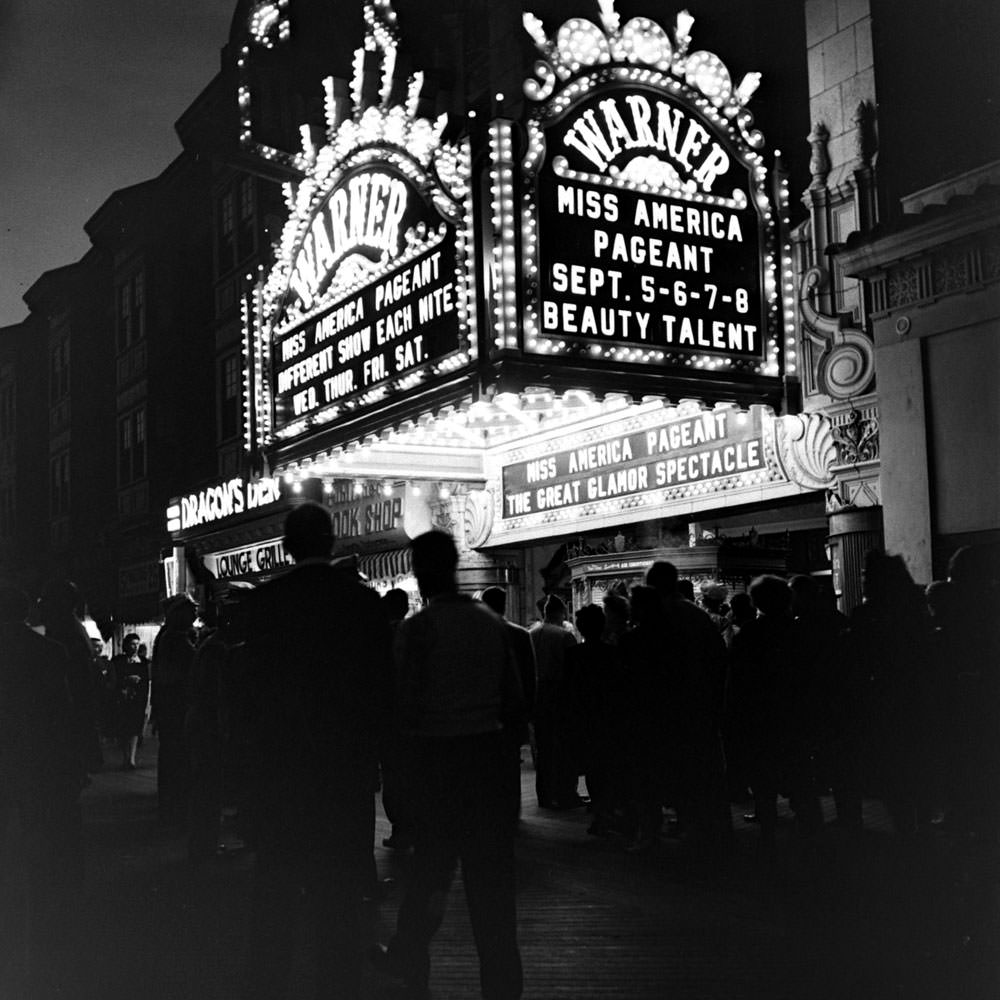
In September 1945, Atlantic City was buzzing. World War II had just ended, and the Miss America Pageant returned with a renewed energy that matched the mood of the country. Crowds packed the boardwalk and filled the Warner Theater to watch contestants from across the nation compete for one of the most recognized titles in America. LIFE magazine photographer Alfred Eisenstaedt was on hand to capture the entire event, and his photographs remain some of the most vivid records of that year’s competition.
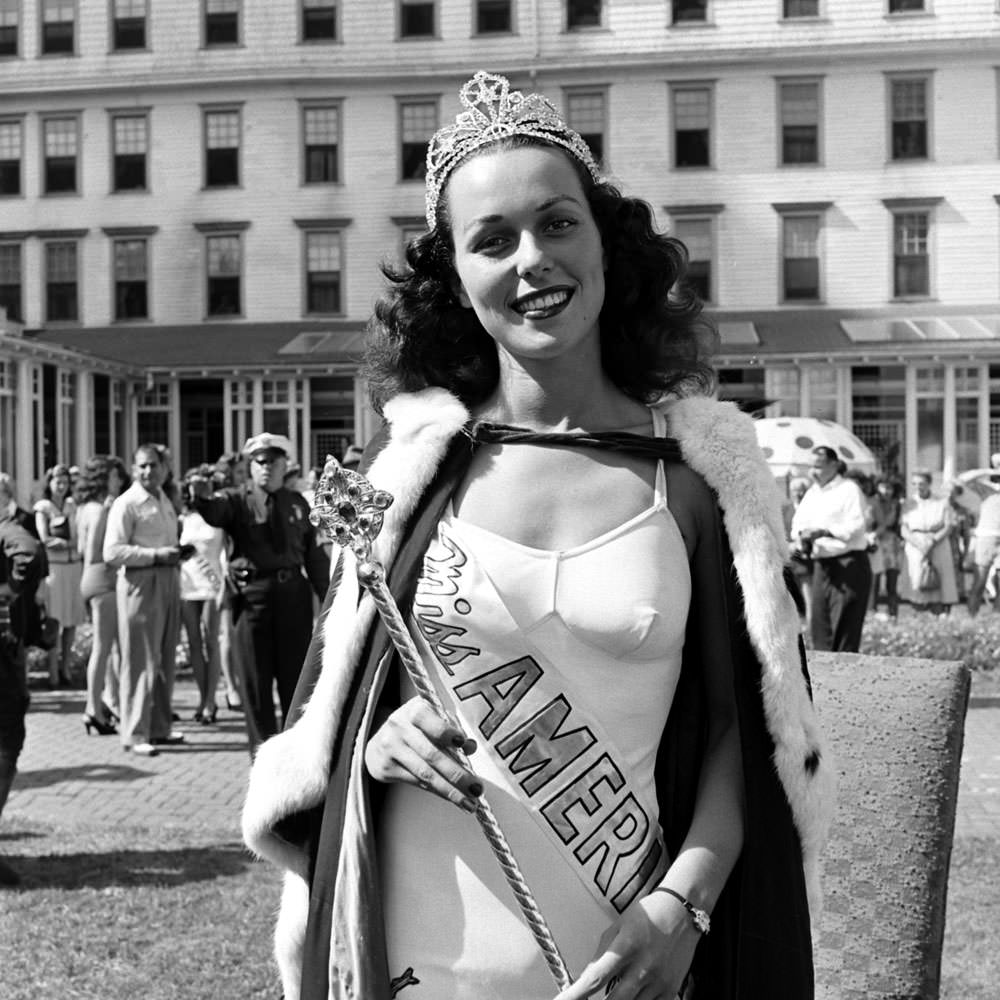
The pageant crowned 21-year-old Bess Myerson of New York as Miss America 1945. Myerson made history that night as the first Jewish woman ever to win the title. Her victory came with more than a crown — she also received a scholarship as part of her prize. At a time when antisemitism was still openly practiced in many parts of American society, her win was a striking moment. Some pageant sponsors reportedly pressured her to change her name to something less identifiably Jewish, and she refused.
The Miss America competition first launched in 1921 as a “bathing beauty revue” on the Atlantic City boardwalk. Its original purpose was largely promotional — a way to extend the summer tourist season and draw visitors to the shore. Over the following decades, the event grew into a national institution, adding talent competitions, scholarships, and televised broadcasts that made it a fixture in American culture.
However, the pageant carried a deeply exclusionary history for most of its early decades. From its founding in 1921 through the 1960s, only white women participated and won the title. African-American women were barred from competing entirely. It was not until the 1970s that Black contestants began entering the pageant. Vanessa Williams broke the final barrier in 1984 when she became the first African-American woman to win the Miss America crown.
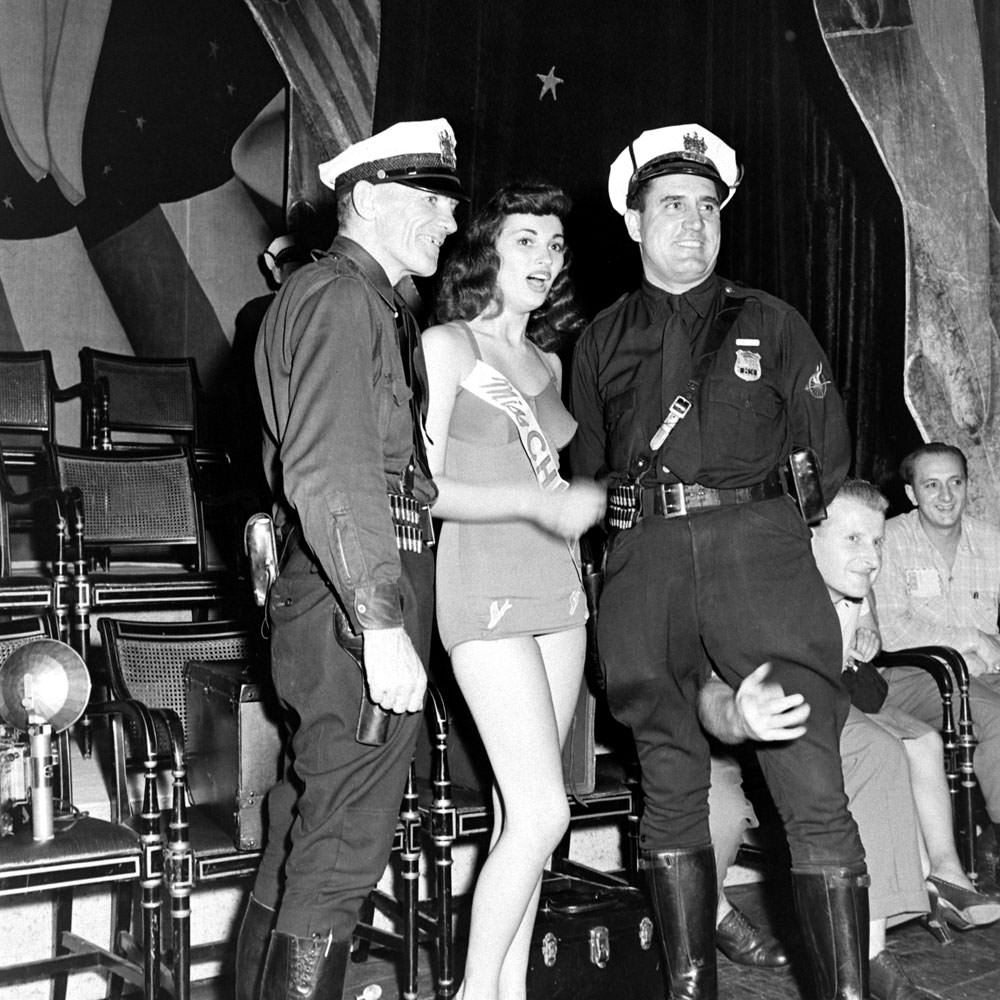
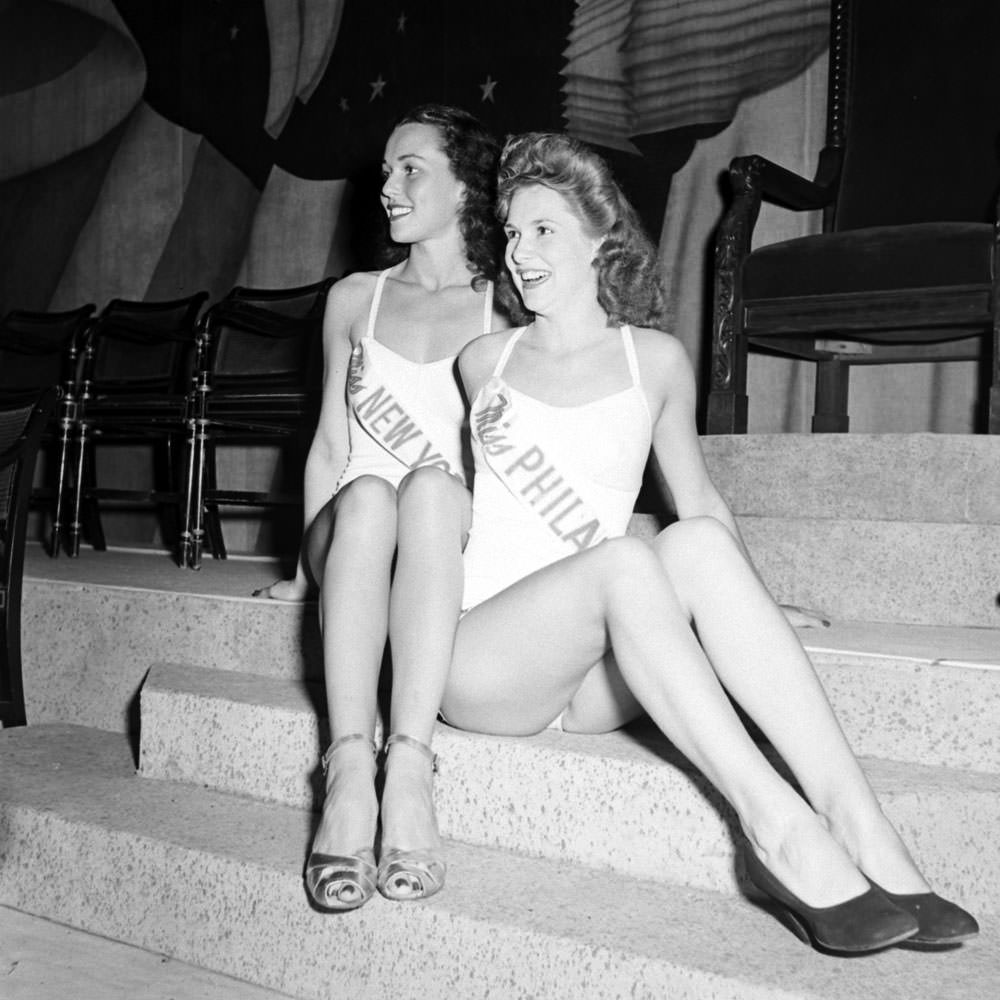
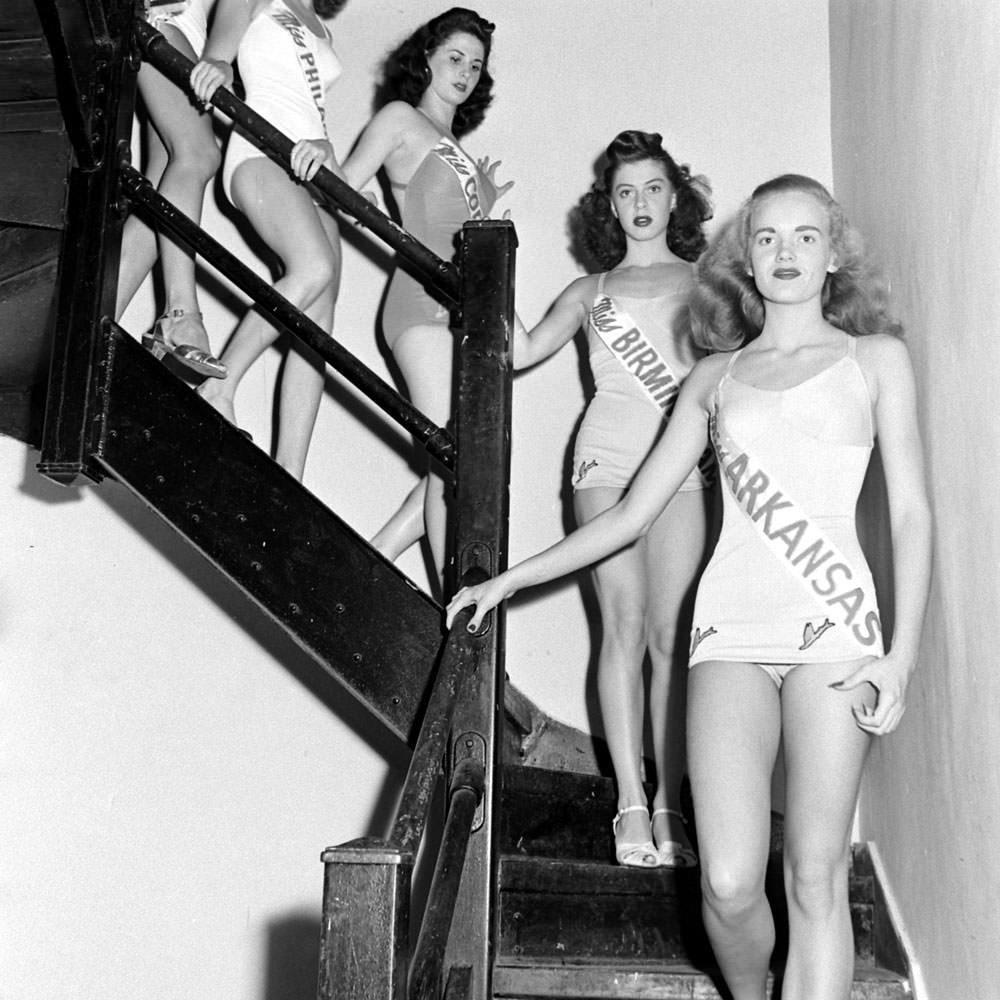
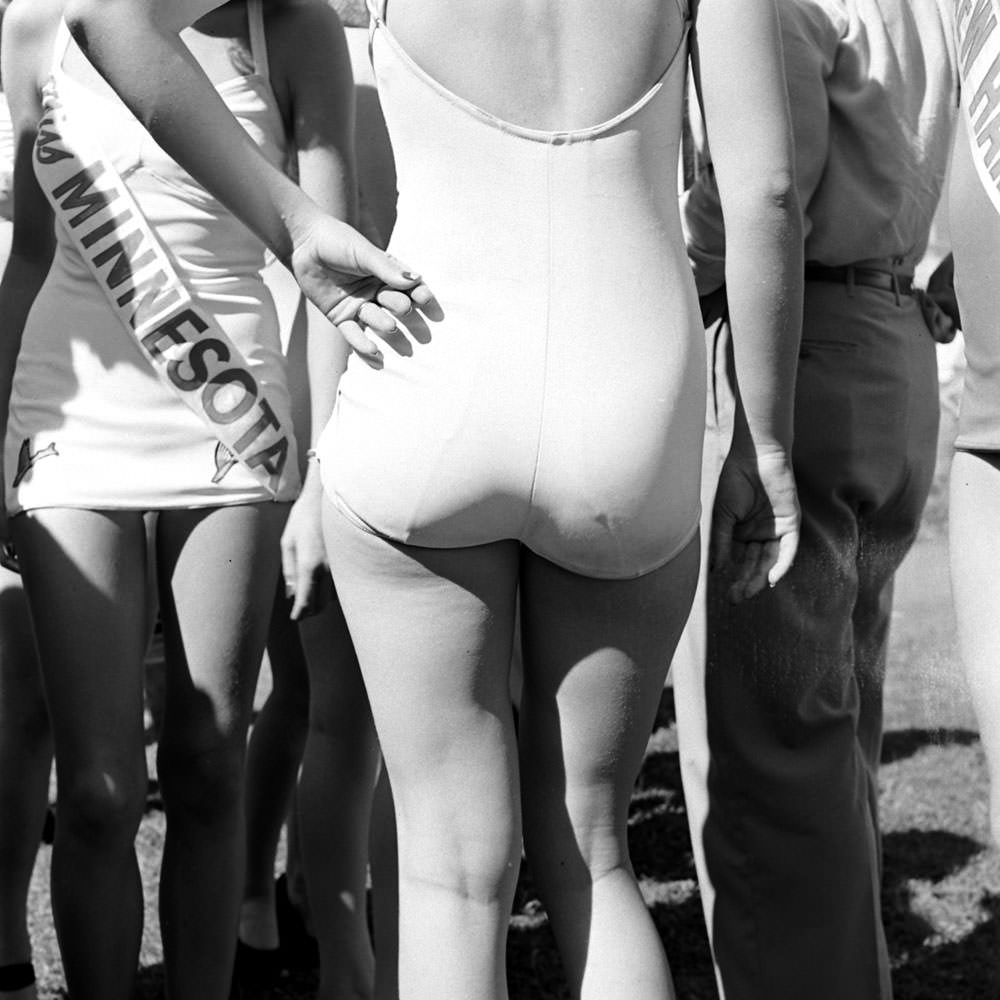
At the 1945 event, contestants wore bathing suits and posed in high heels as part of the competition format — a standard requirement of the era. They also performed in talent segments, giving the pageant a dimension beyond appearance alone. The stage at the Warner Theater served as the main venue for these performances, and Eisenstaedt’s camera moved freely between the stage, the dressing rooms, the boardwalk, and the cheering crowds outside.
Alfred Eisenstaedt was already one of the most accomplished photographers in the world by 1945. Born in Germany, he had fled Nazi persecution in the 1930s and joined the LIFE magazine staff in the United States. His eye for candid, unguarded moments set his work apart from more formal photojournalism. The Miss America assignment gave him room to document both the spectacle and the quieter, behind-the-scenes moments that made the event feel real and human.
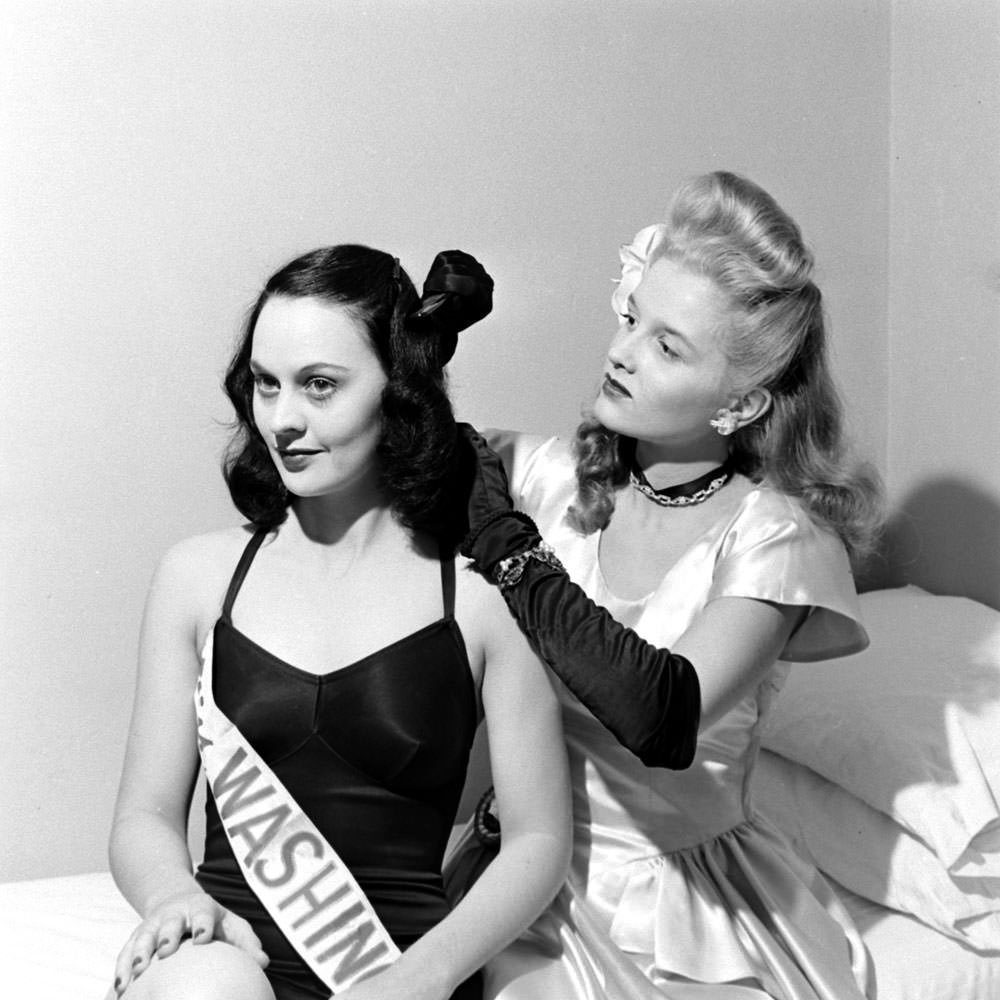
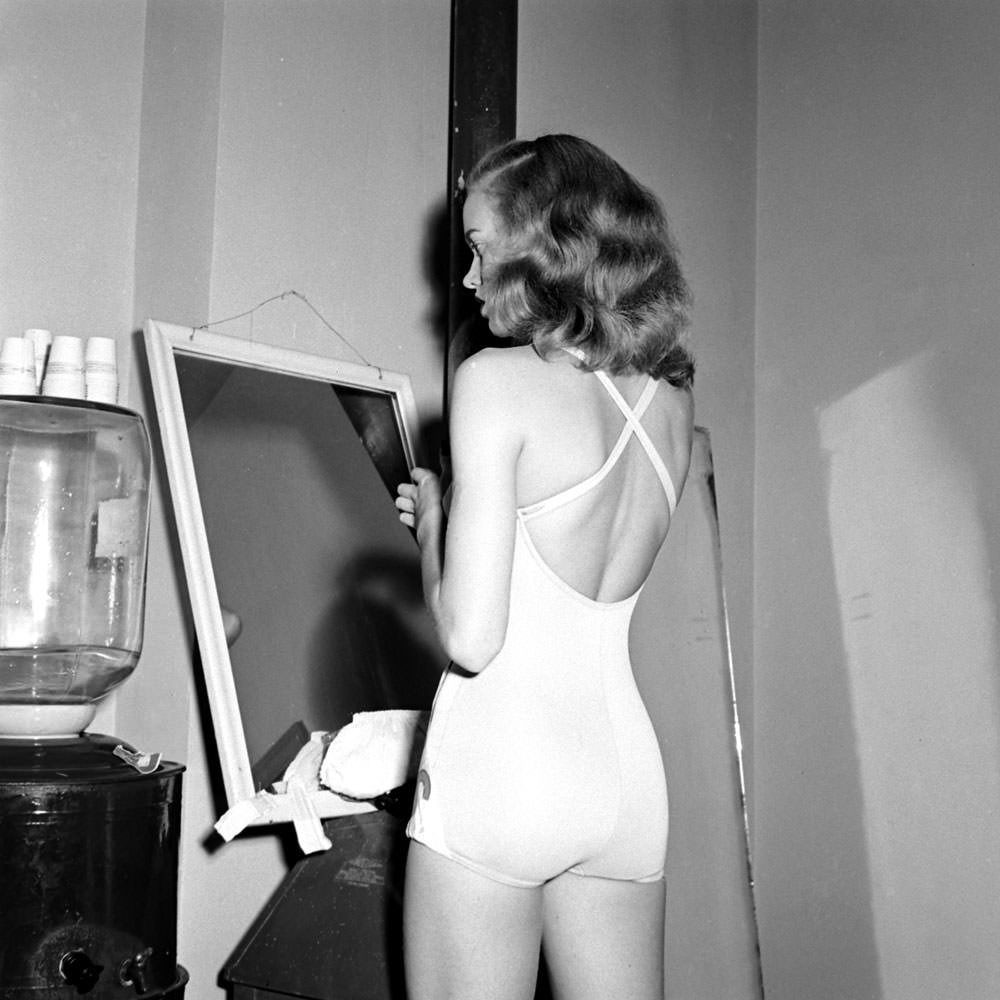
The contestants themselves came from states across the country, each representing her home state in both the swimsuit and talent portions of the competition. The competition format had grown more structured since the pageant’s early days, but the boardwalk atmosphere still gave the whole event an open, festive feel. Spectators gathered not just inside the theater but along the streets and outdoor venues surrounding it.
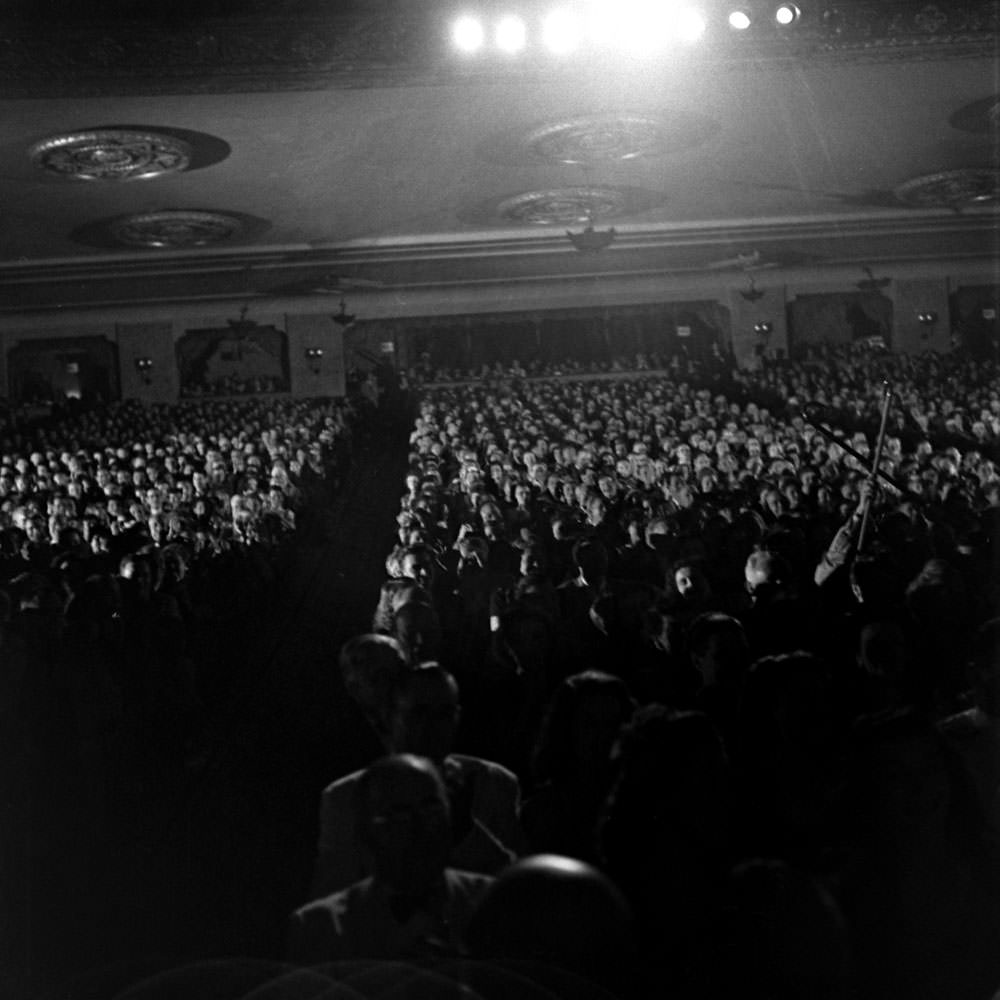
Inside the Warner Theater, the competition moved through its rounds with judges evaluating contestants on stage. The theater setting added a layer of formality to what had started as a simple beach-side beauty contest. By 1945, Miss America was a legitimate national event, covered by major press outlets and watched by an audience that stretched far beyond Atlantic City.
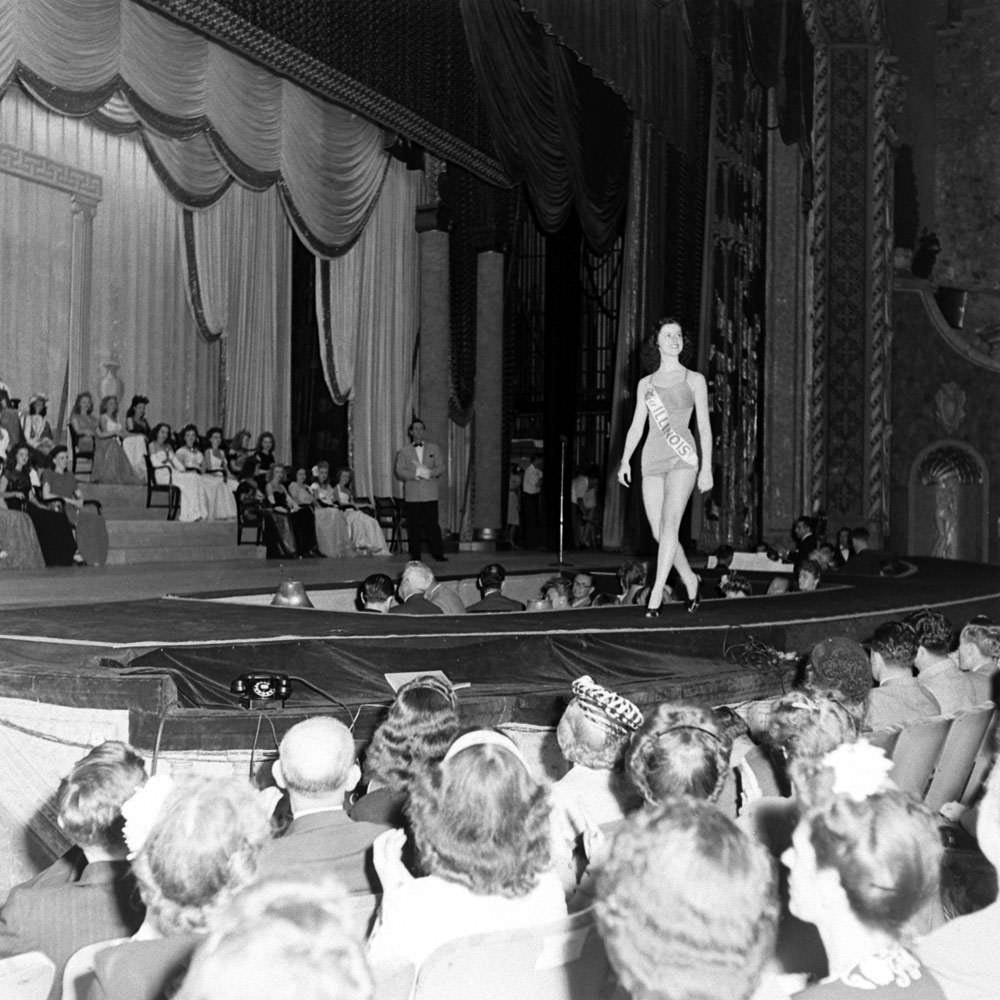
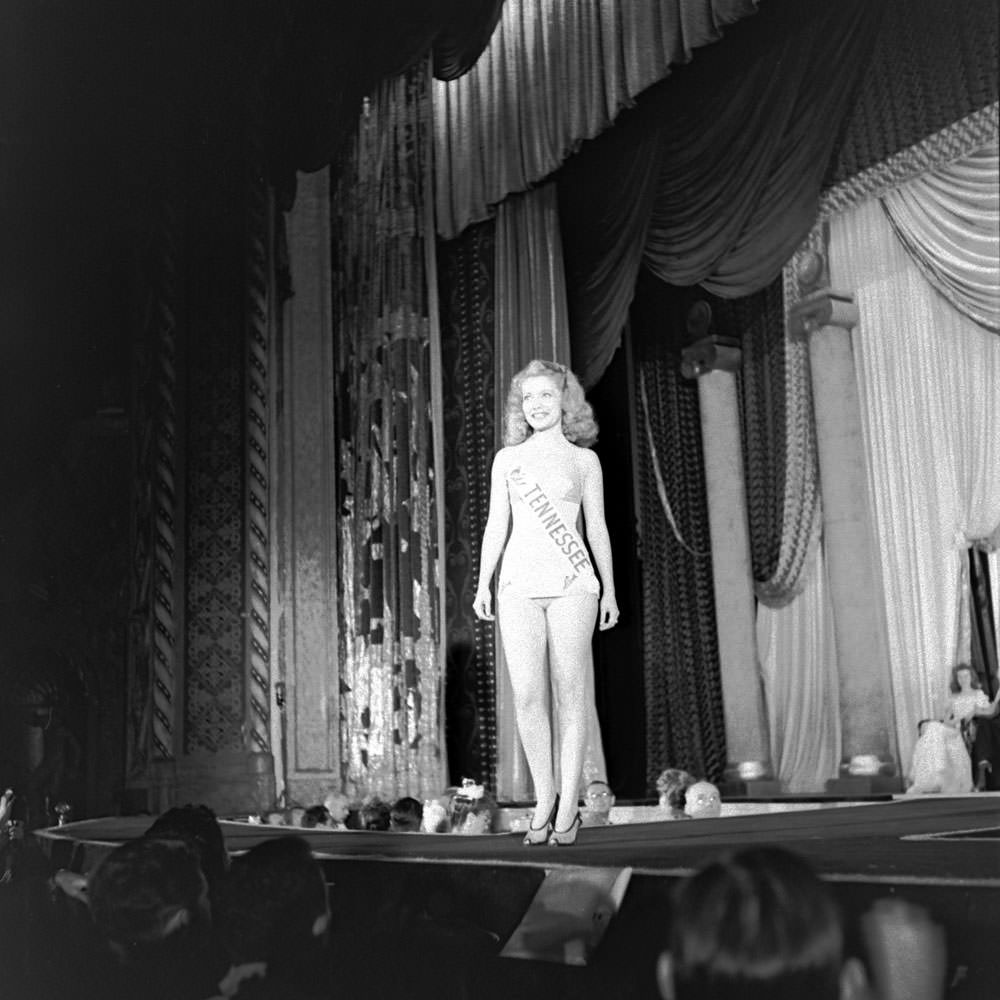
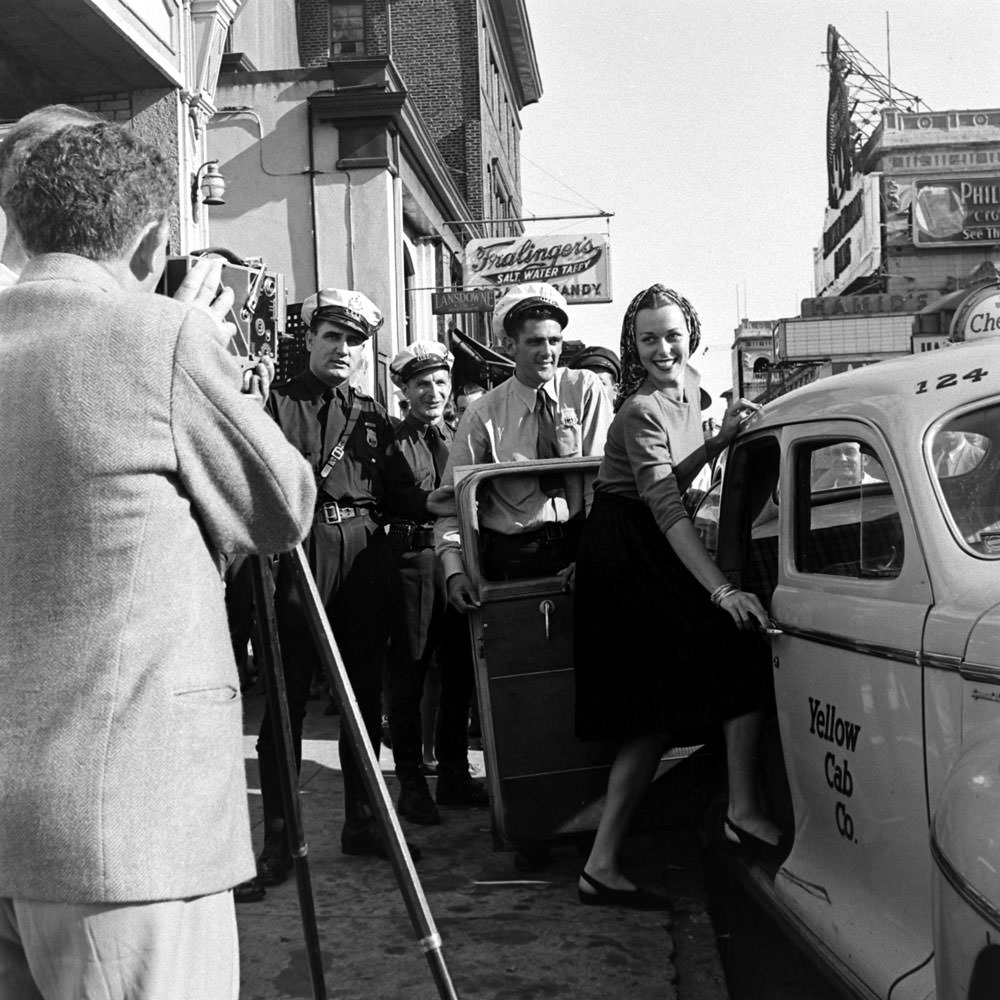
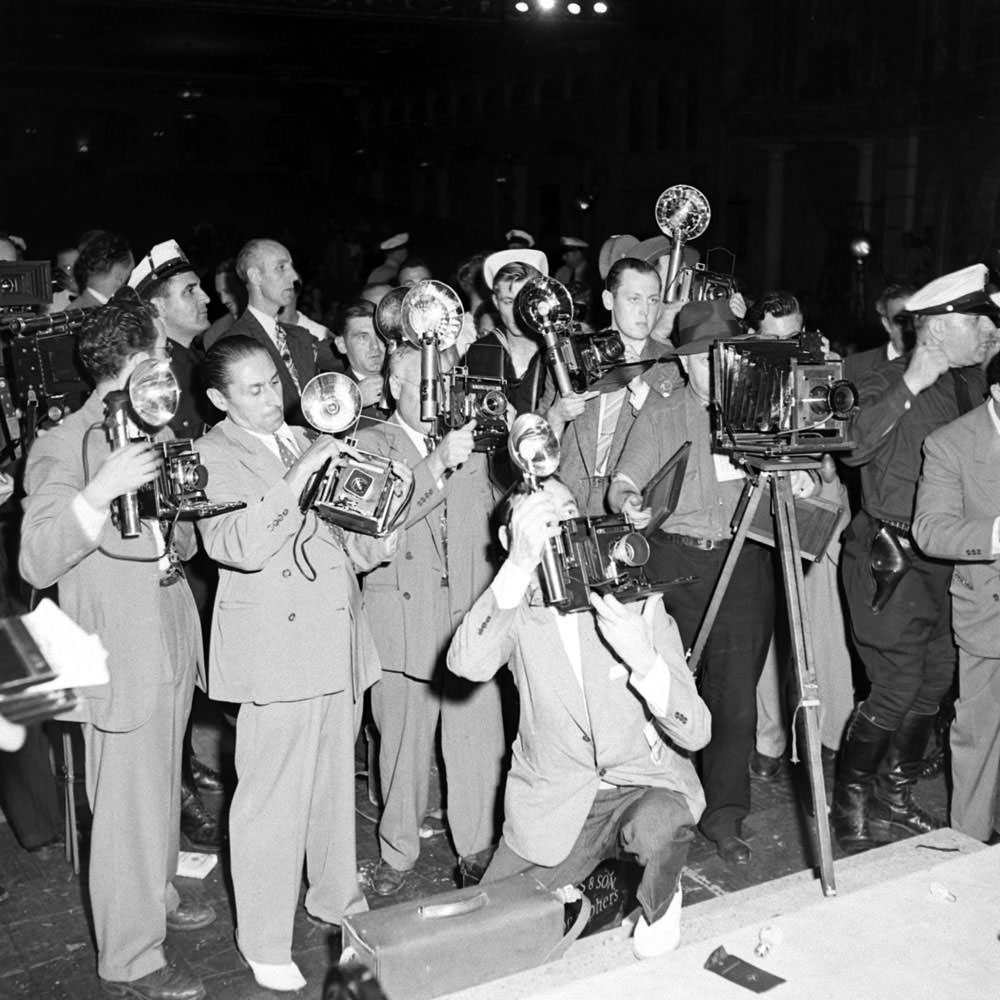
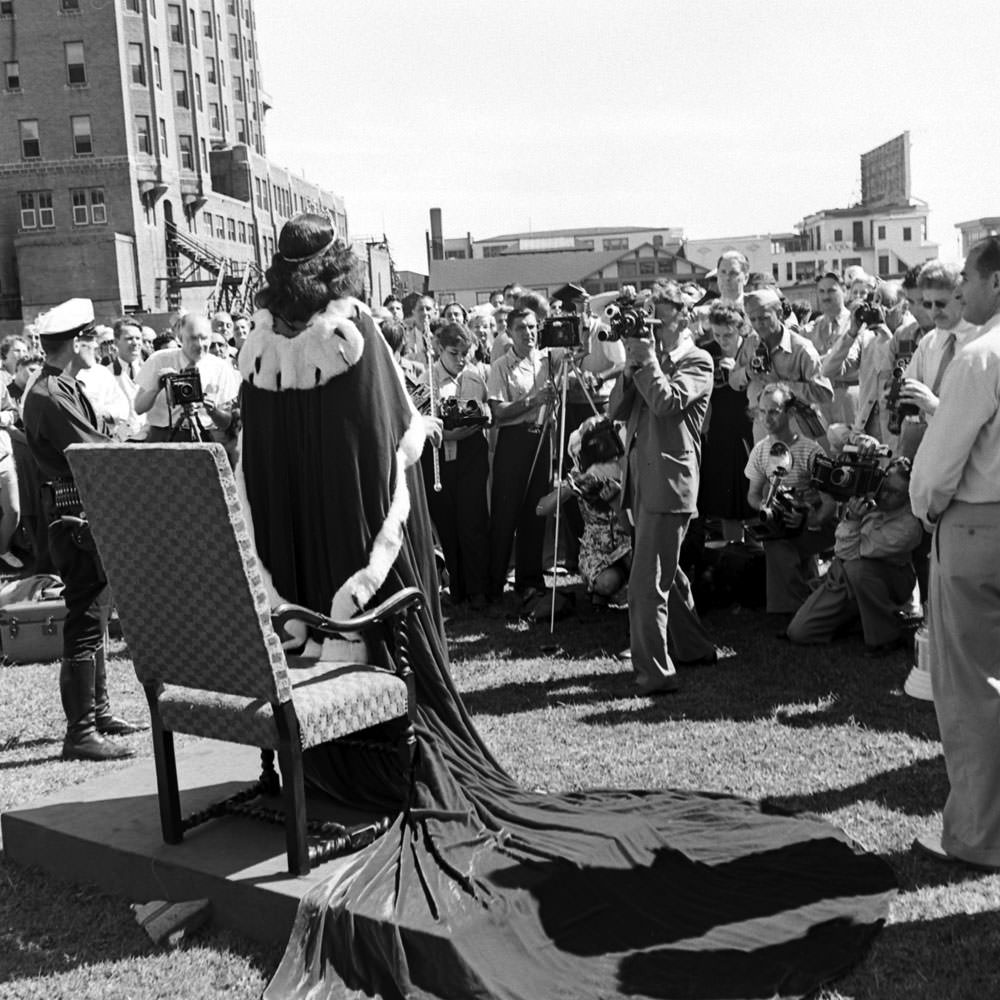
When the judging was finished and Bess Myerson was named the winner, she stepped into an immediate media spotlight. Press photographers surrounded her, and reporters sought interviews. Her poise throughout those post-crown moments was consistent with how she had carried herself during the competition itself — confident, composed, and direct.
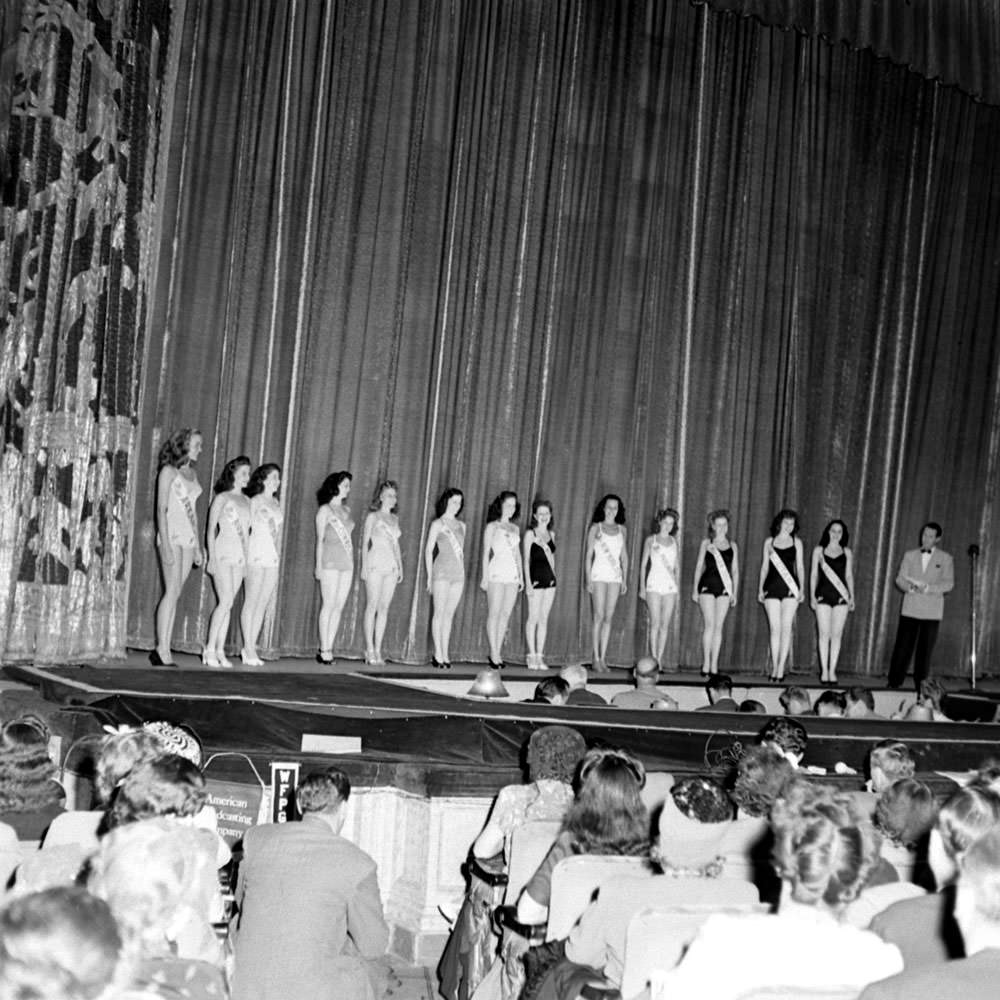
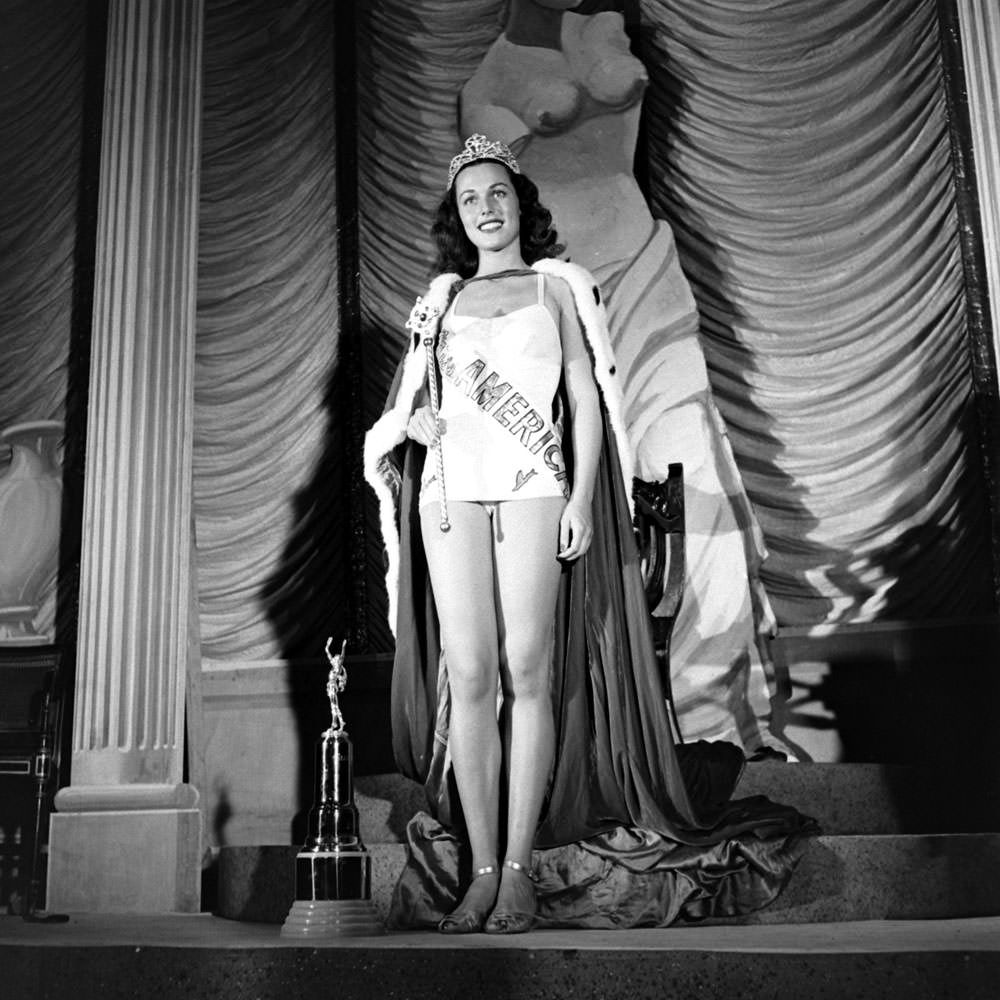
Myerson’s meeting with the press after her win became its own documented event. Cameras clicked and reporters scribbled notes as the new Miss America answered questions and posed for portraits. Eisenstaedt captured those moments with his trademark naturalism, pulling back to show the scene rather than just staging a single flattering portrait.
The photographs from the 1945 Miss America Pageant capture a specific slice of postwar American life — a country stepping out of years of wartime rationing and anxiety, eager to celebrate and be entertained. The pageant’s boardwalk setting in Atlantic City, with its crowds, lights, and energy, served as a fitting backdrop for that moment.