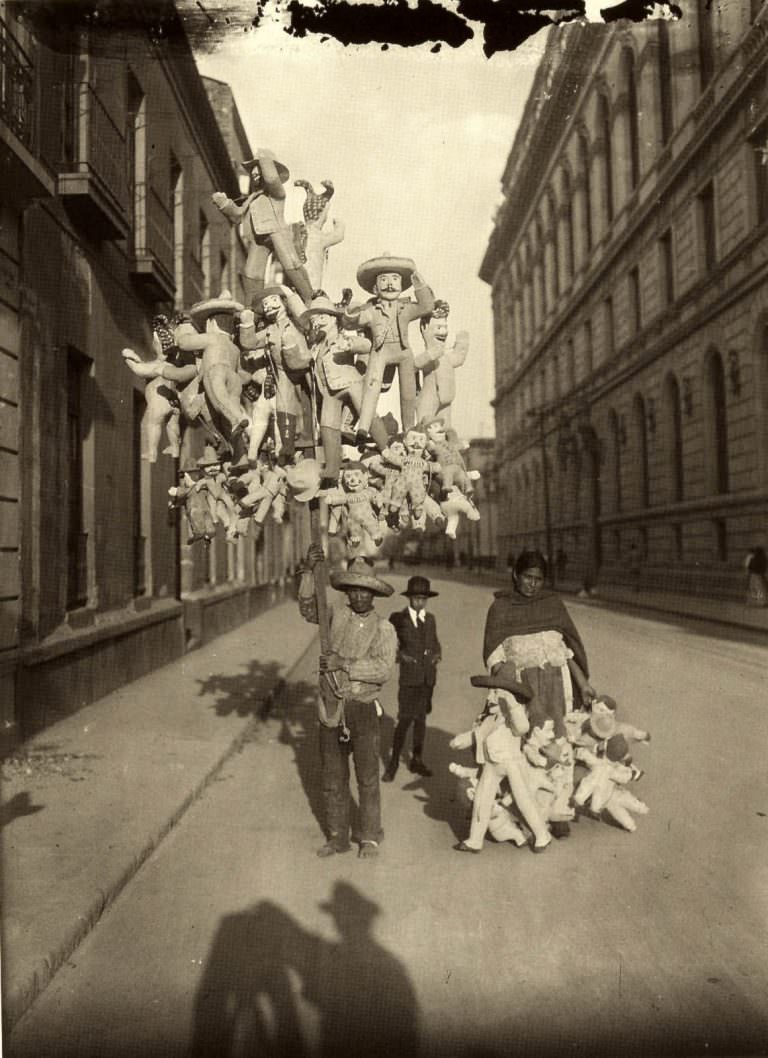
Agustín Víctor Casasola was born in Mexico City in 1874 and died in 1928. In that span of 54 years, he built one of the most important photographic records in Mexican history. He worked as a photographer, co-founded the Mexican Association of Press Photographers, and served as a correspondent for El Imparcial — the official newspaper of President Porfirio Díaz’s government. That last role would shape, and at times limit, what he was allowed to photograph. But Casasola consistently found ways around those limits.
One early example of his determination came in 1907. General Lisandro Barillas, the former president of Guatemala, was assassinated in Mexico City. The men convicted of the killing were sentenced to death by firing squad at Belén Prison. All press coverage of the execution was strictly prohibited. Casasola climbed a telephone pole outside the prison walls to get his shots. From that height, he could aim his camera directly over the wall and capture what no other photographer was allowed to see.
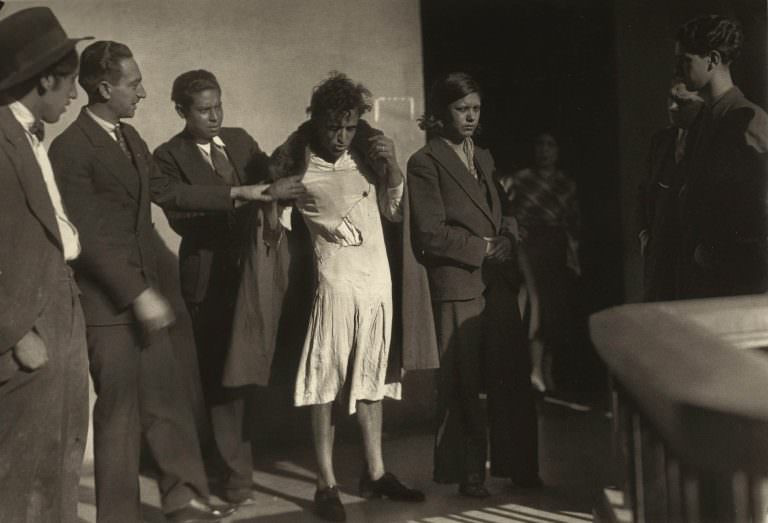
That willingness to go further than anyone else defined his career. For years under the Díaz regime, photographers like Casasola were only permitted to show flattering images — the elite at formal events, crowds cheering for the government, polished scenes of order and prosperity. The camera, in official hands, was a tool of propaganda.
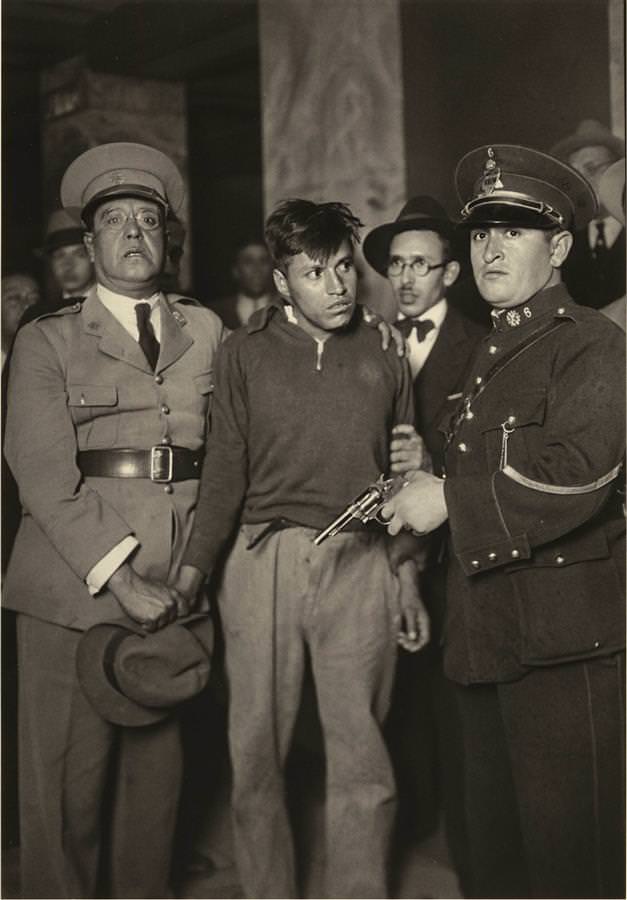
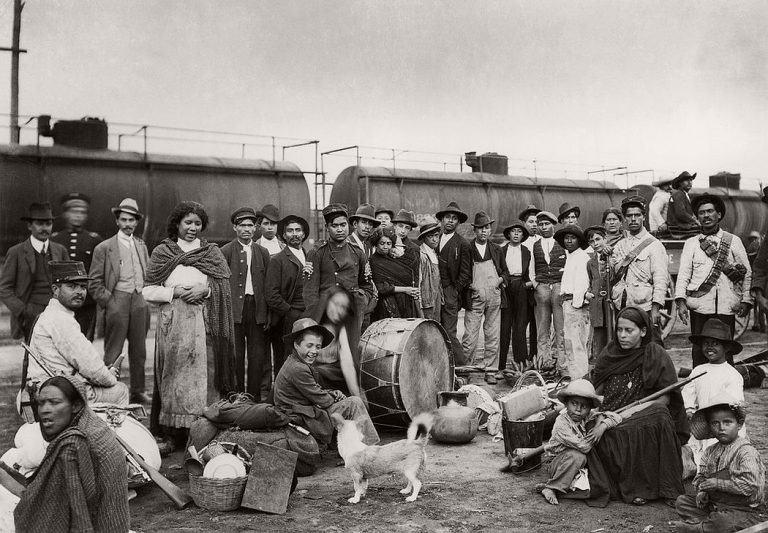
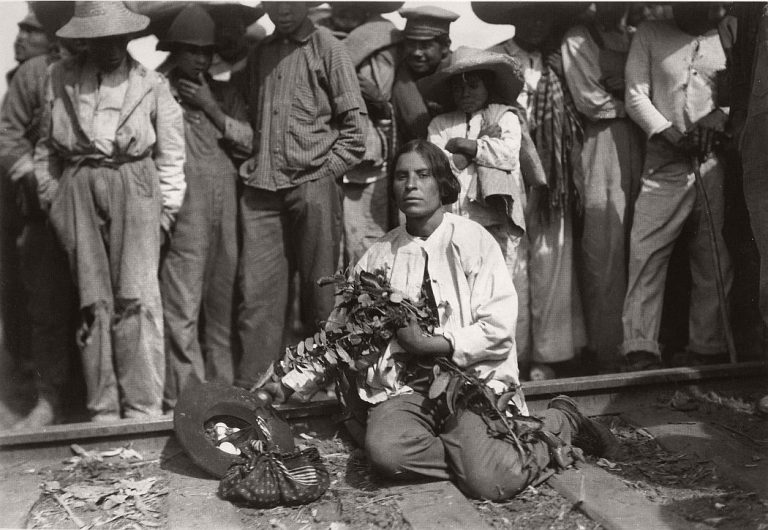
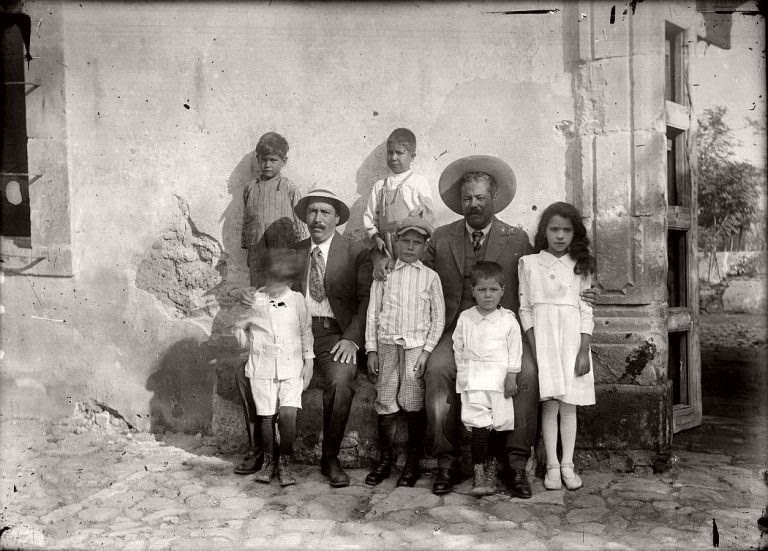
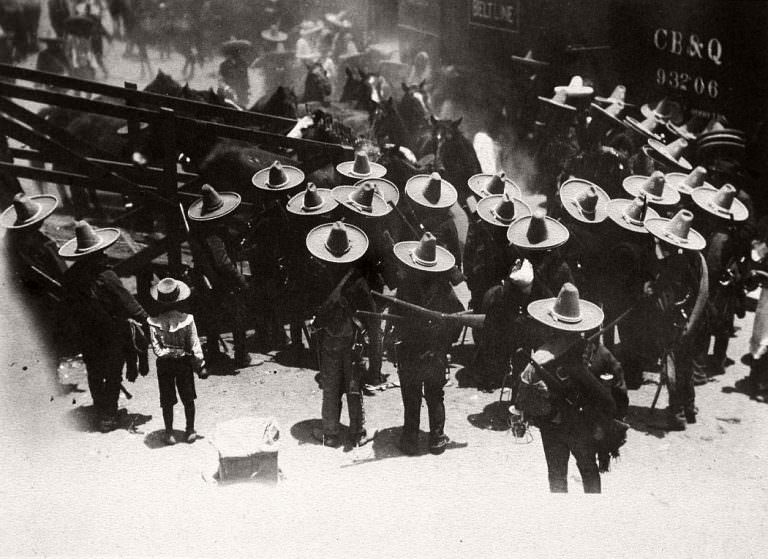
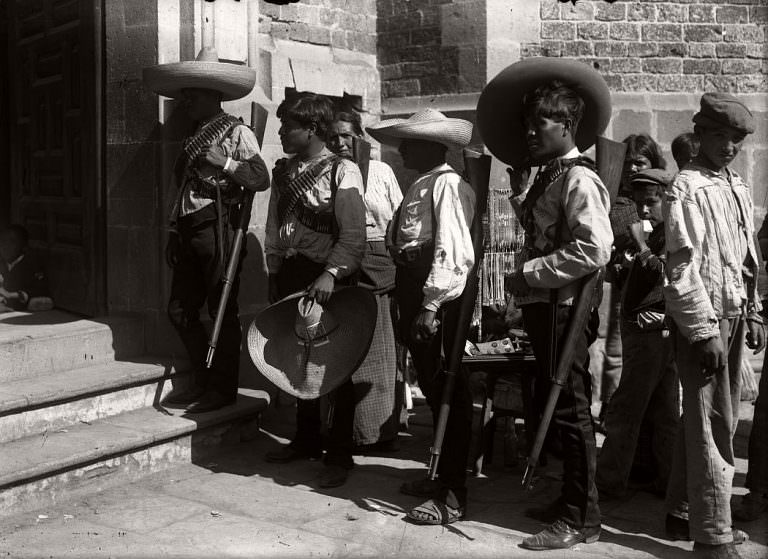
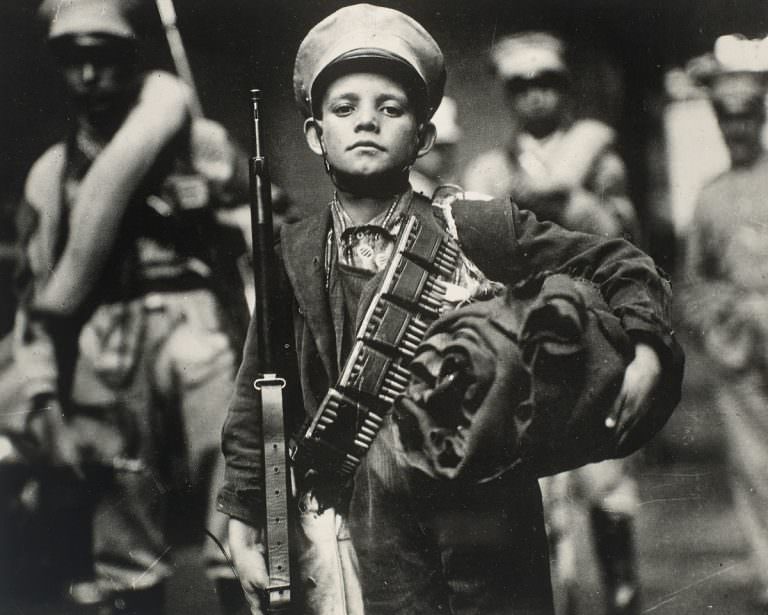
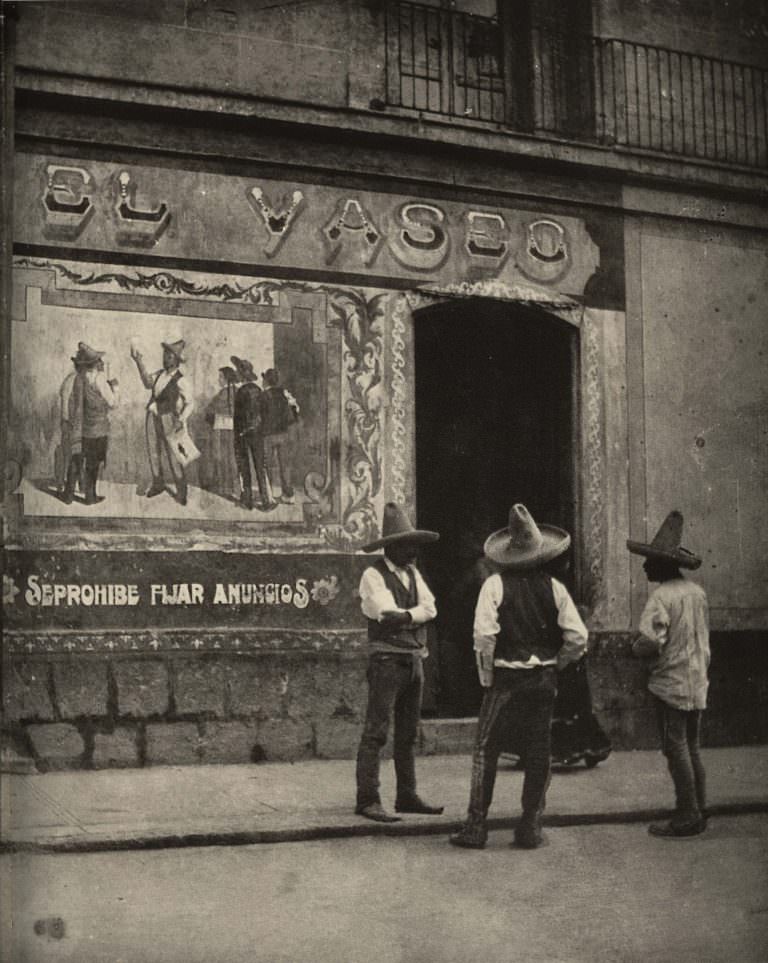
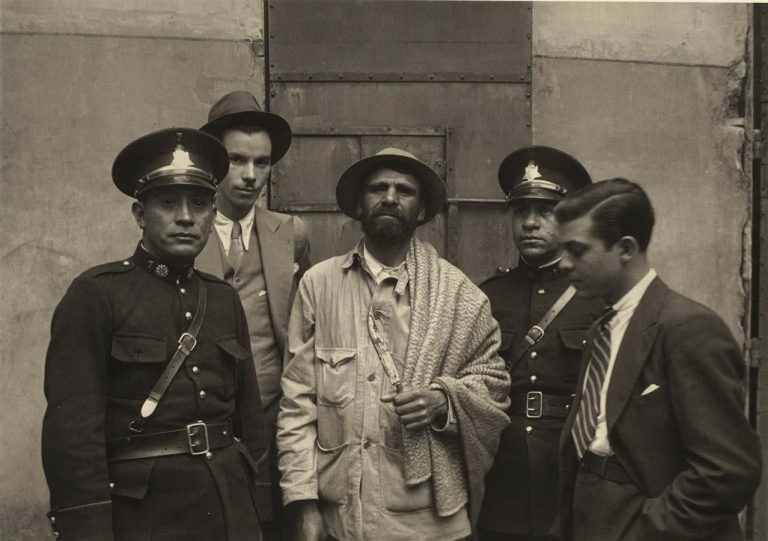
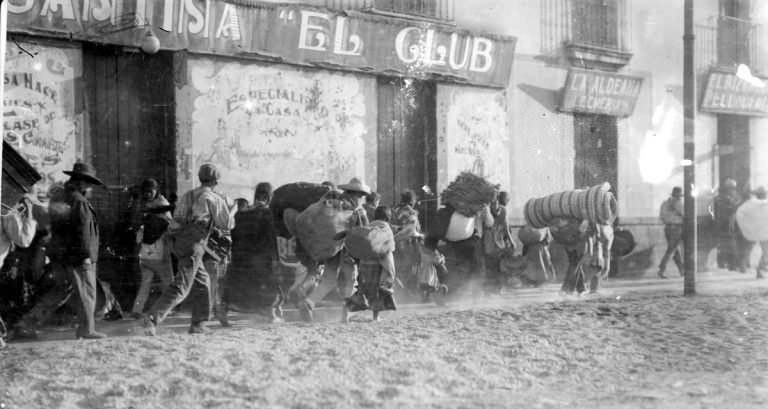
When the Mexican Revolution broke out in 1910, Casasola turned his lens toward the people fighting and suffering through it. Soldiers, refugees, executions, street battles, and the faces of ordinary Mexicans caught in an extraordinary conflict — all of it entered his frame. He understood that photographs could cut through official narratives and show the public what was actually happening on the ground.
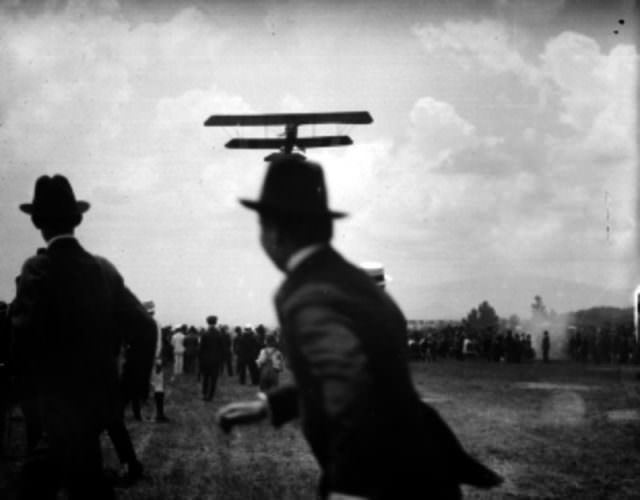
A useful comparison is the Mexican artist José Guadalupe Posada (1851–1913), whose illustrated Calaveras — satirical broadsheets featuring skeletons — mocked the powerful and gave voice to the poor. Posada used prints; Casasola used photographs. Both men found ways to tell truths that official culture preferred to keep quiet.
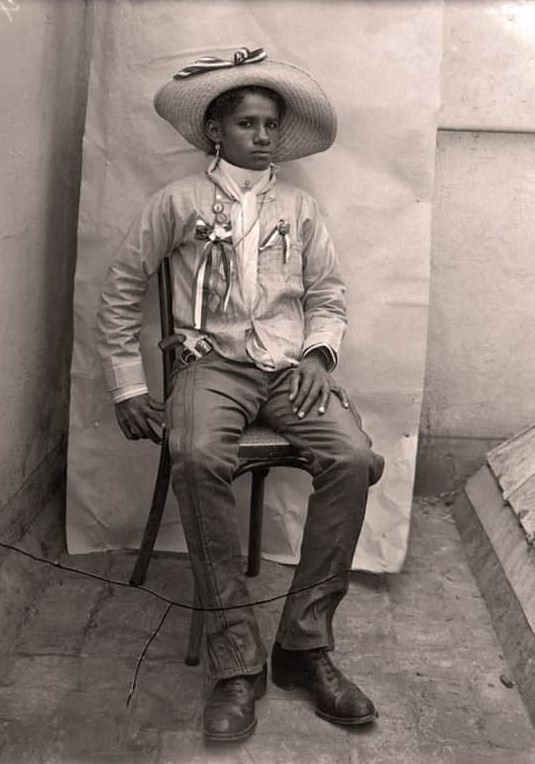
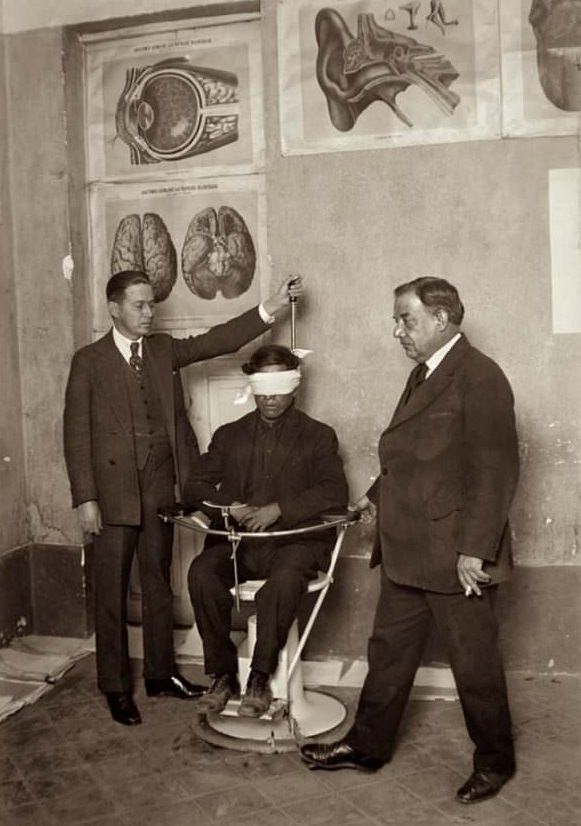
In 1911, Casasola founded the Graphic Information Agency. The agency did not just distribute his own work — at its peak, it sold photographs from 483 different photographers. This made it far more than a personal portfolio. It became a centralized hub for visual journalism across Mexico during one of the country’s most turbulent periods.
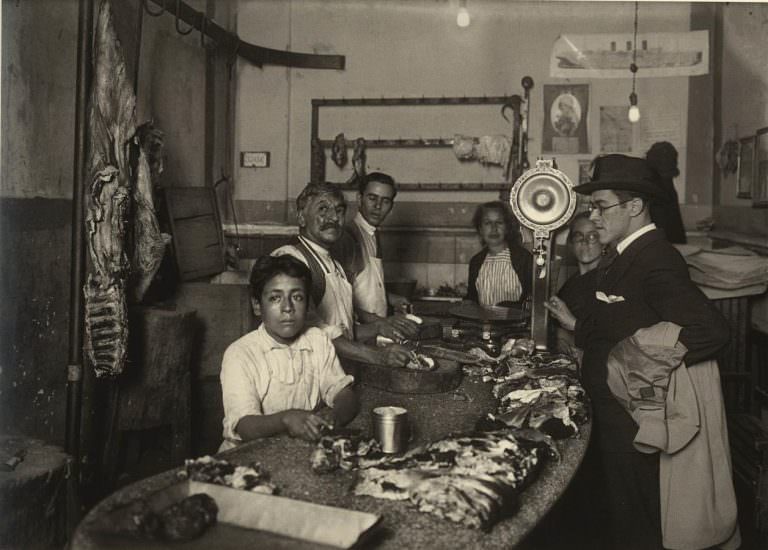
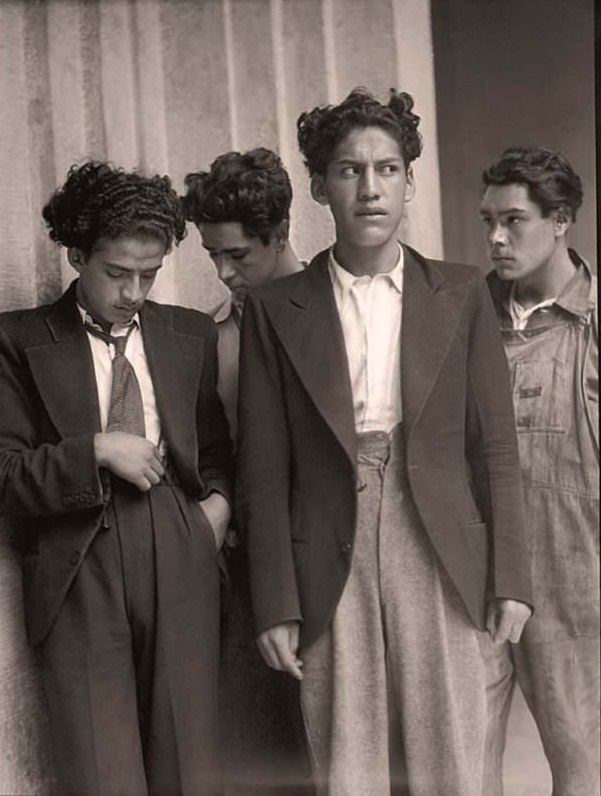
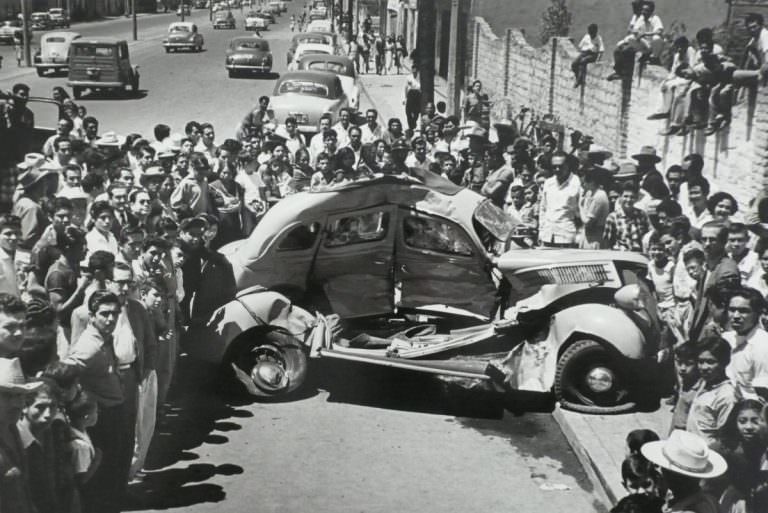
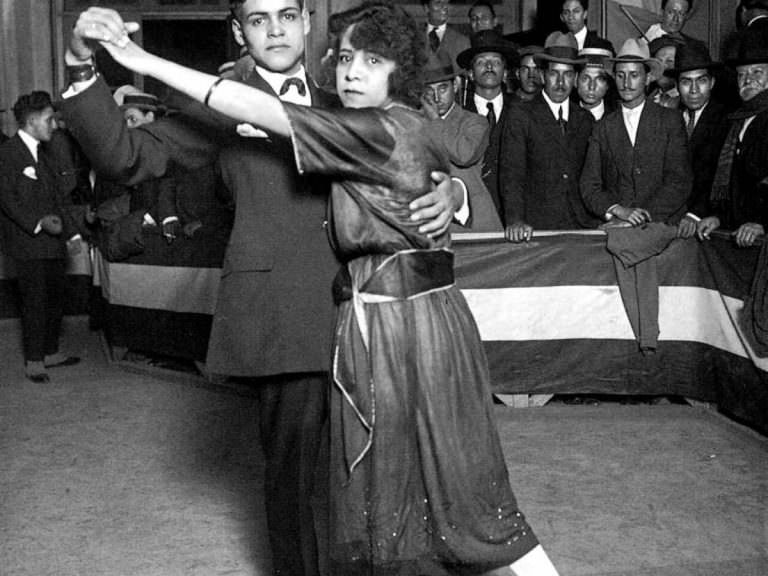
The sheer volume of work produced through the agency resulted in a massive archive. Tens of thousands of images from the Revolution and its surrounding years were preserved under the Casasola name. That archive now stands as one of the primary visual records of early 20th-century Mexico.
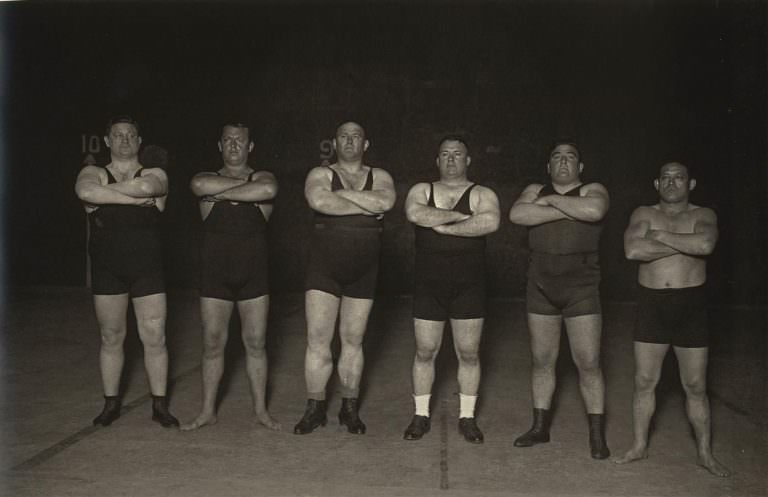
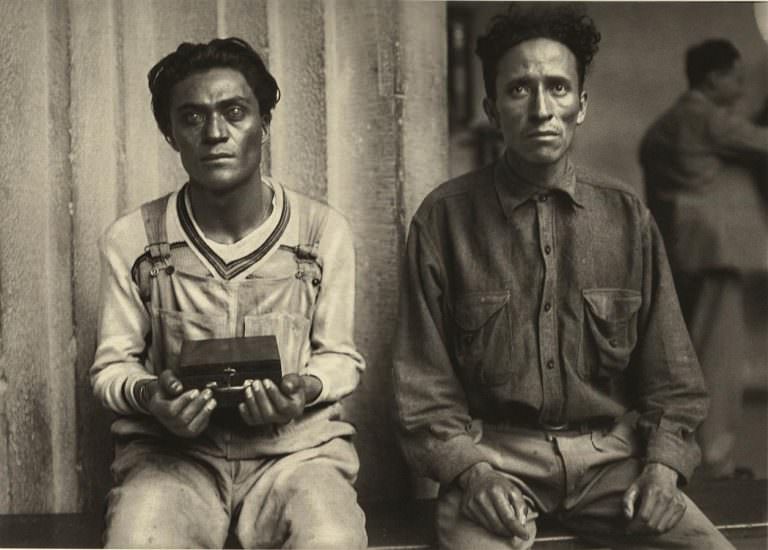
There is, however, a complication that historians regularly wrestle with. Because the agency pooled photographs from so many contributors — including Casasola’s younger brother — it is often impossible to confirm which images Agustín himself actually took. Many photos in the archive are attributed to him by default, simply because they passed through his agency. The true authorship of a large portion of the collection remains uncertain.
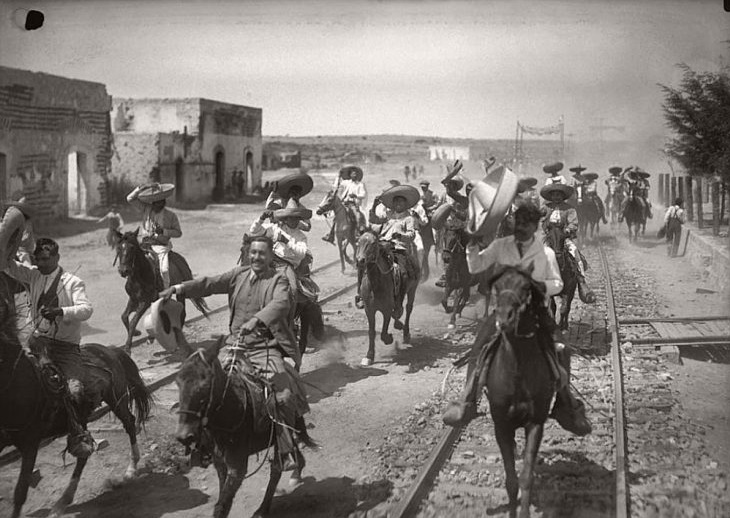
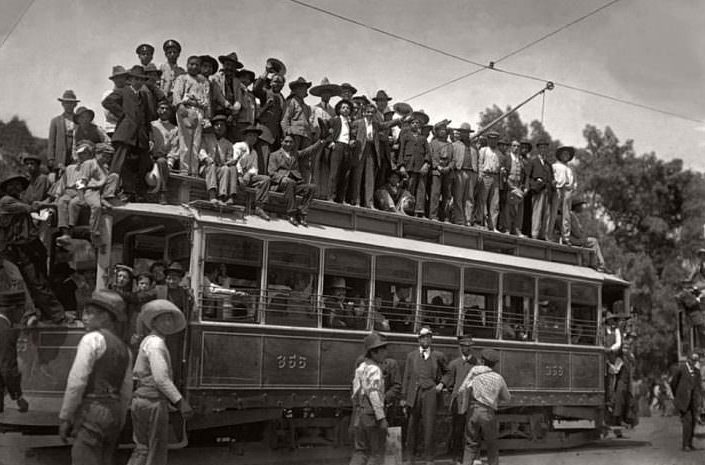
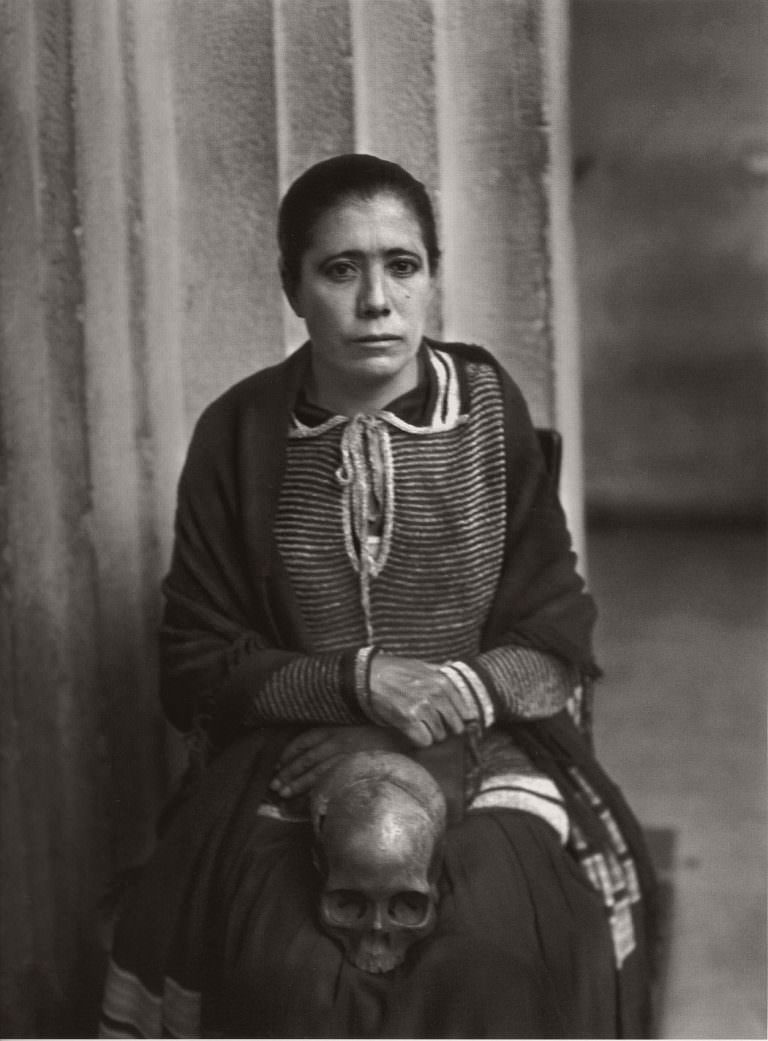
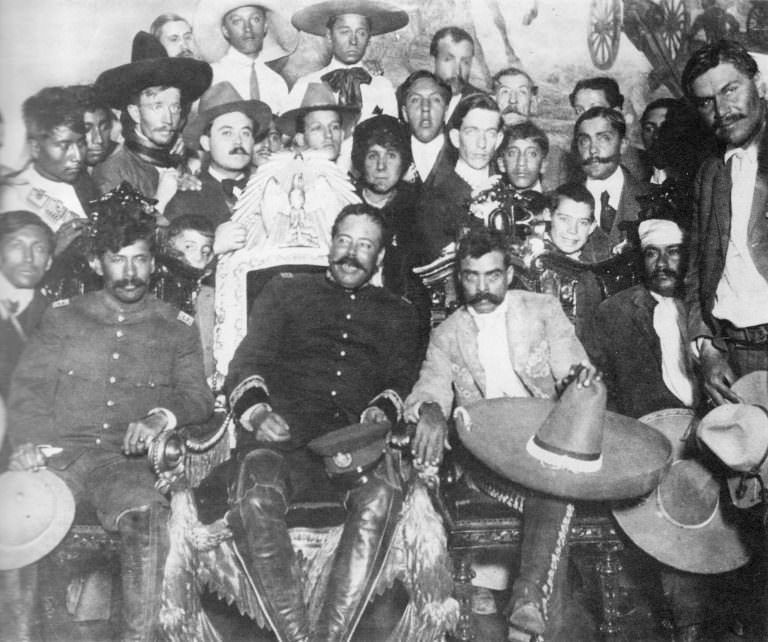
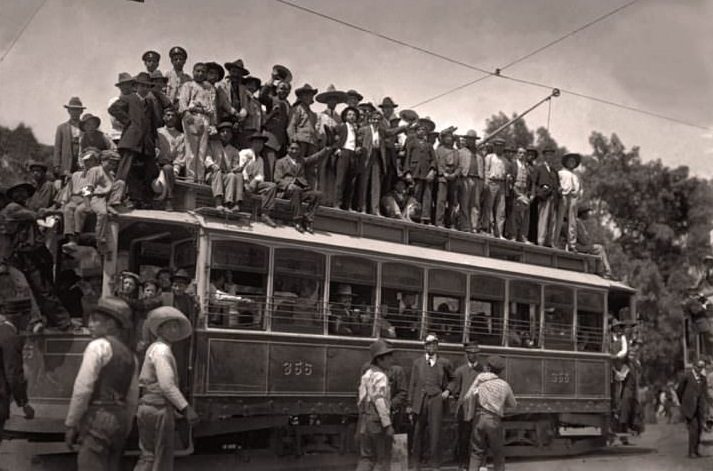
What is not in dispute is the scale of what the Casasola operation captured. The Revolution produced some of the most dramatic scenes in Mexican history — armed campesinas riding into battle, mass executions, the rise and fall of figures like Emiliano Zapata and Pancho Villa, and the grinding day-to-day displacement of millions of people. The photographers working under the Casasola agency documented all of it.
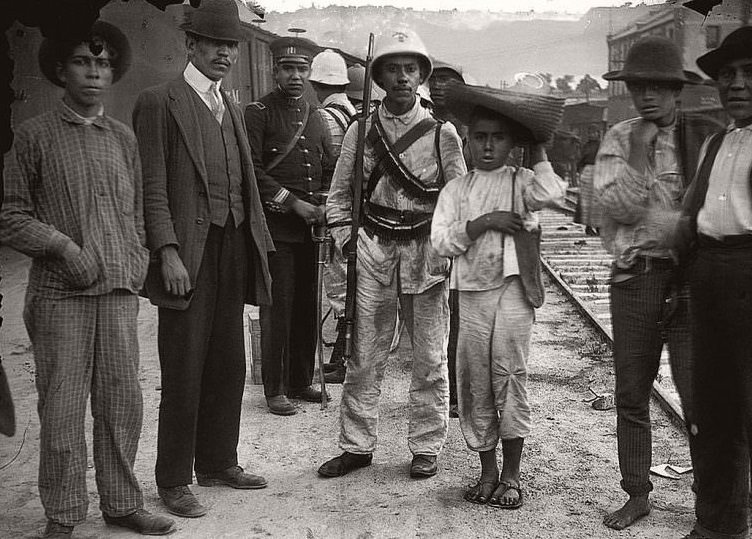
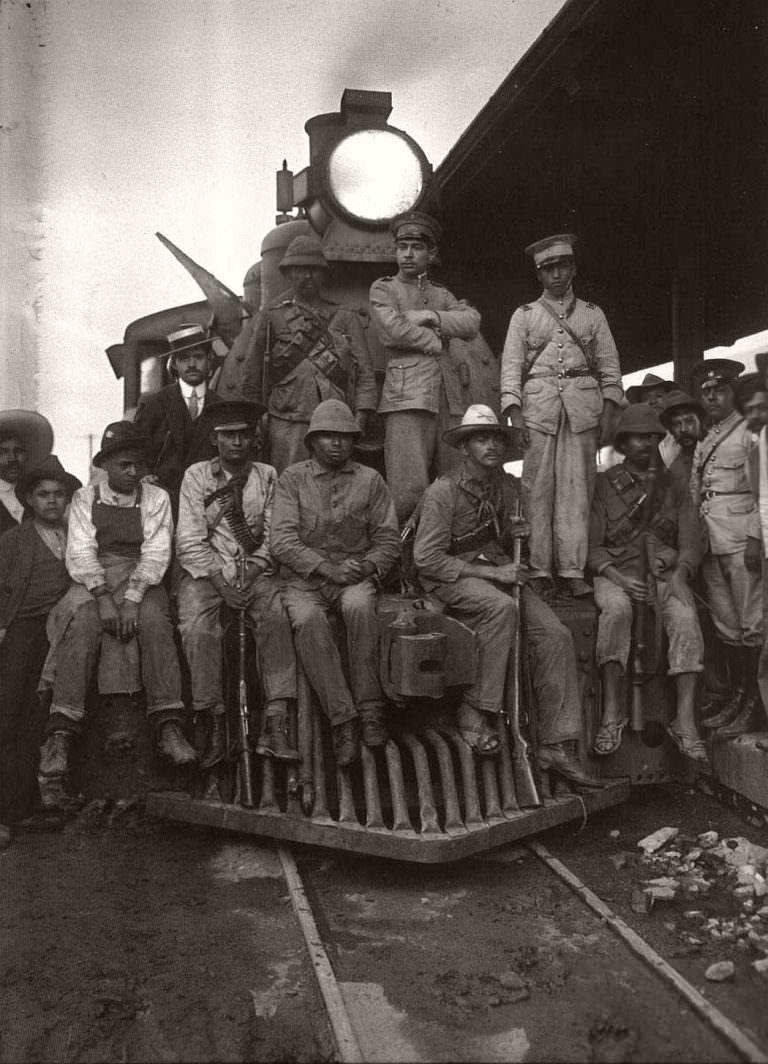
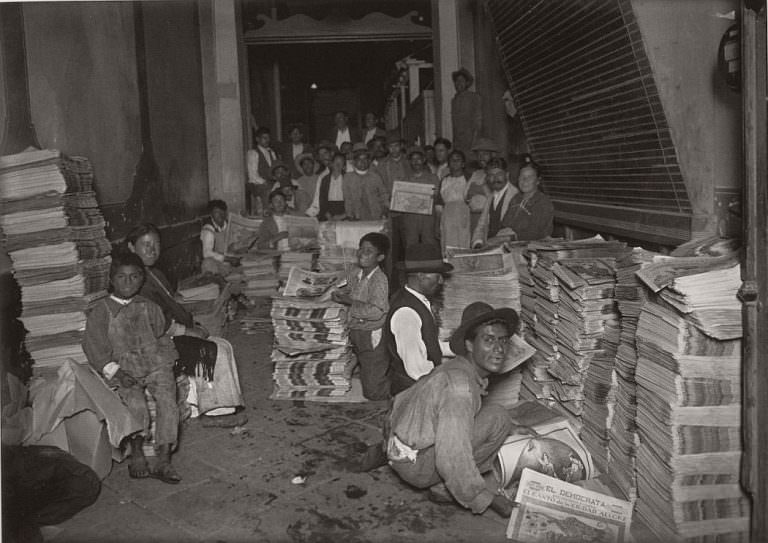
Casasola’s own path from regime-approved press photographer to the man climbing telephone poles for forbidden shots tells its own story. He operated in a country where the government controlled the press and where showing the wrong image carried real consequences. Yet the archive his agency produced is a direct contradiction of that control — a detailed, unflinching visual record of a nation tearing itself apart and rebuilding.