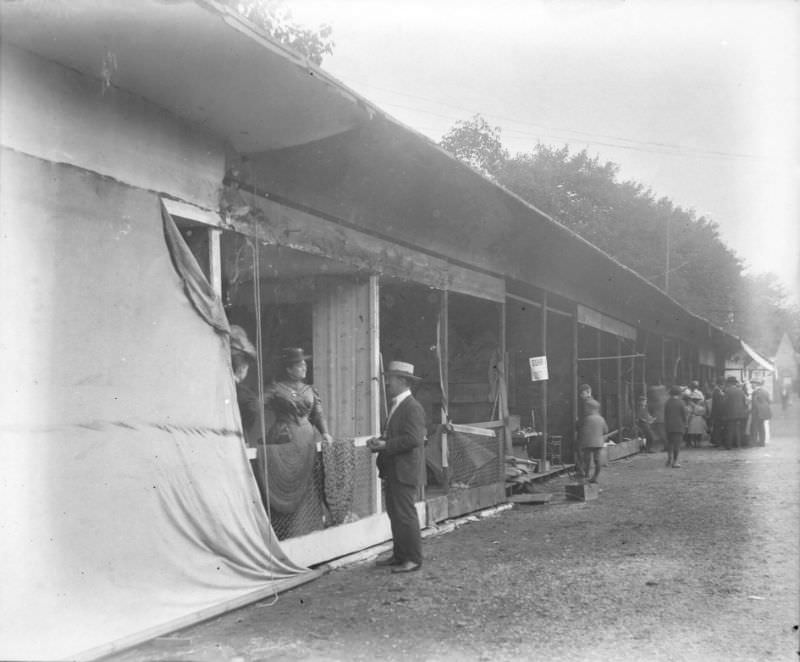
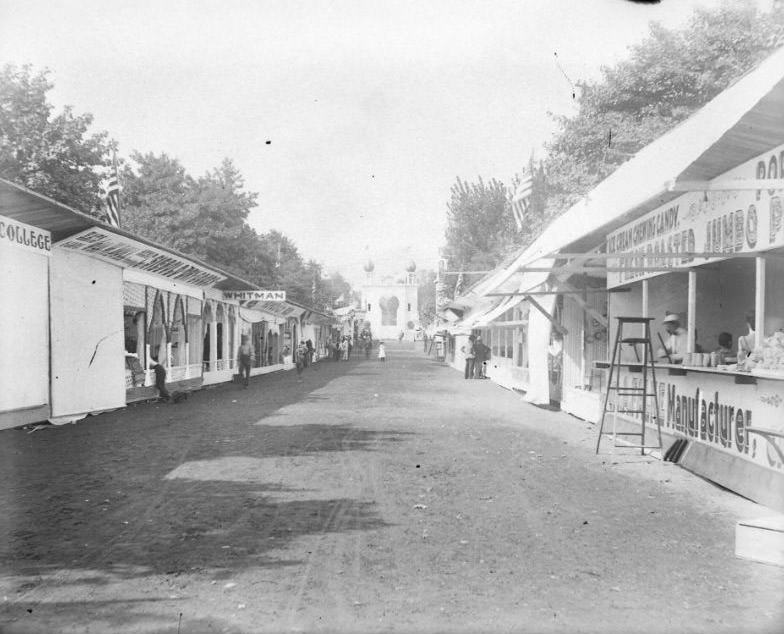
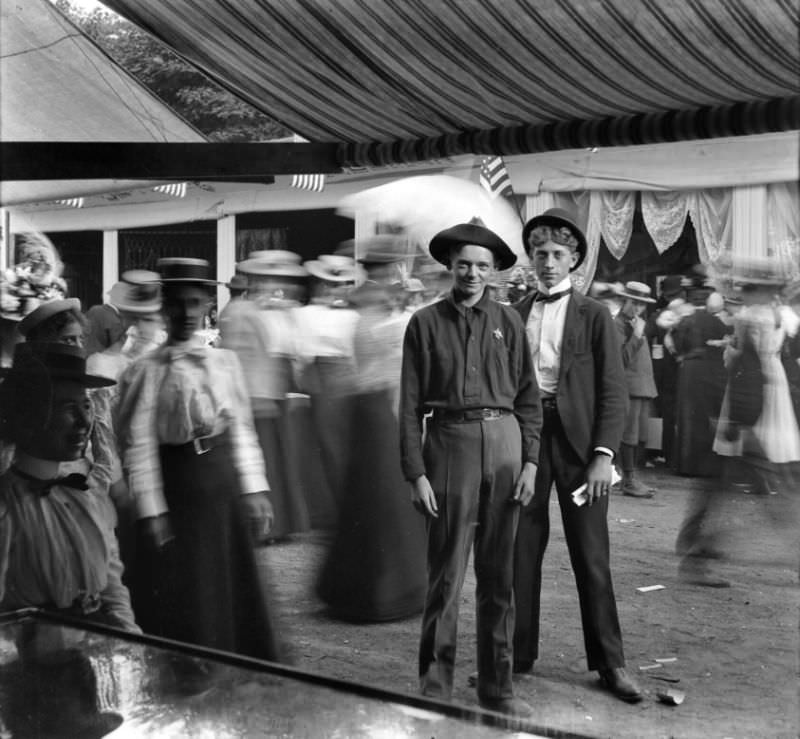
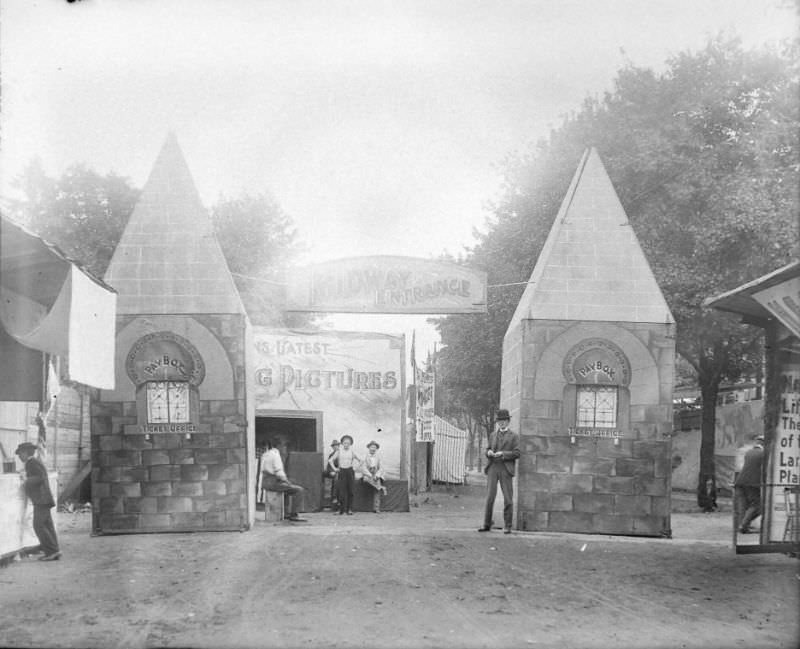
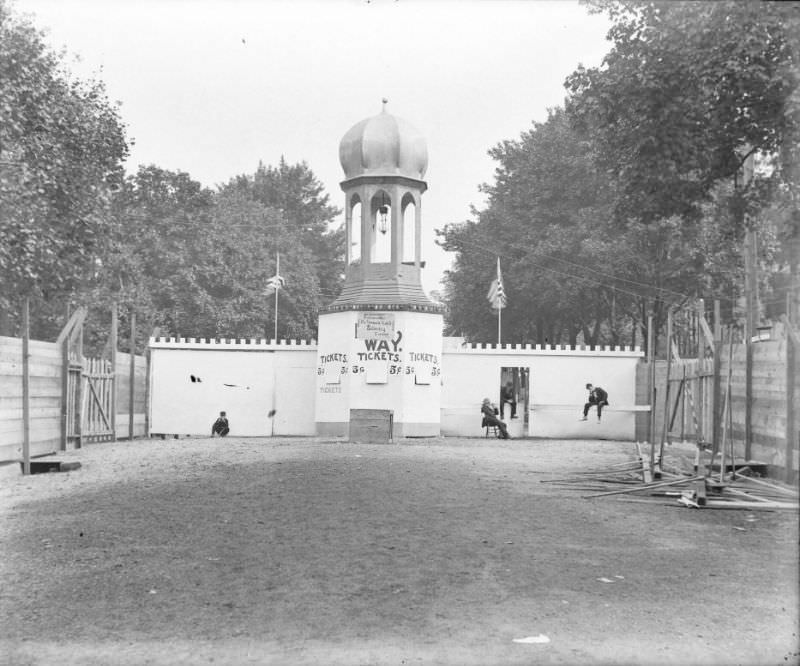
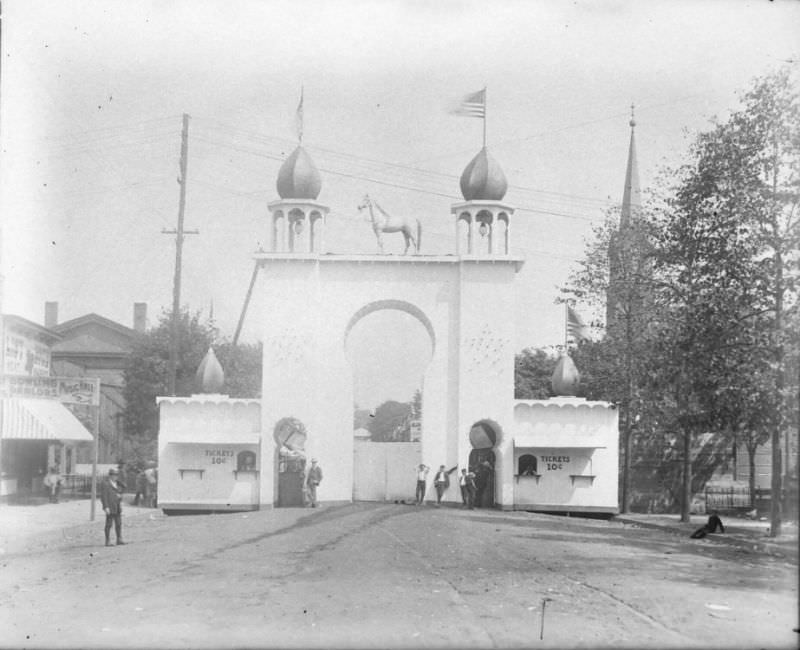
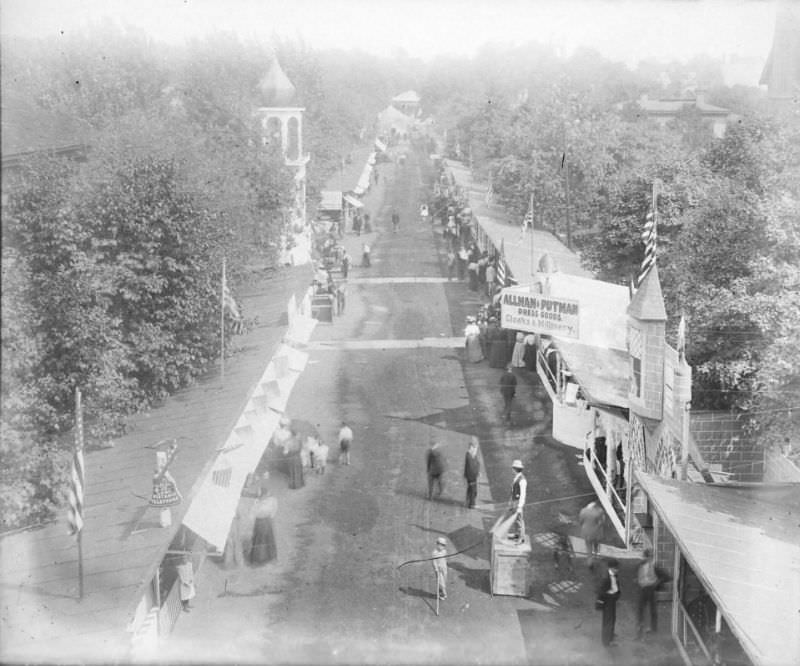
The 1898 Massillon Street Fair was one of the most ambitious community events the Ohio city had ever staged. Held along decorated streets, it drew crowds from across the region and packed in an extraordinary variety of vendors, performers, and local businesses. These photographs, taken on-site, give us a direct look at what the fair actually contained — booth by booth, face by face.
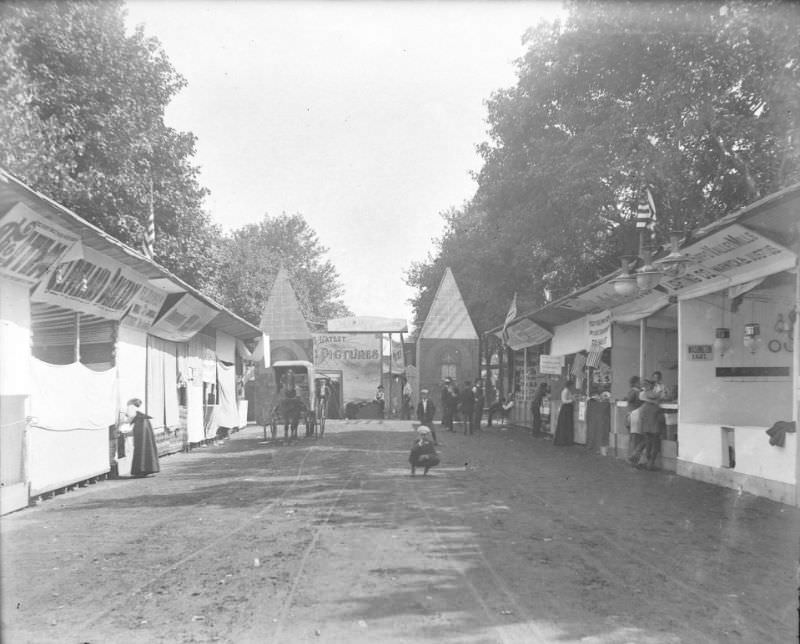
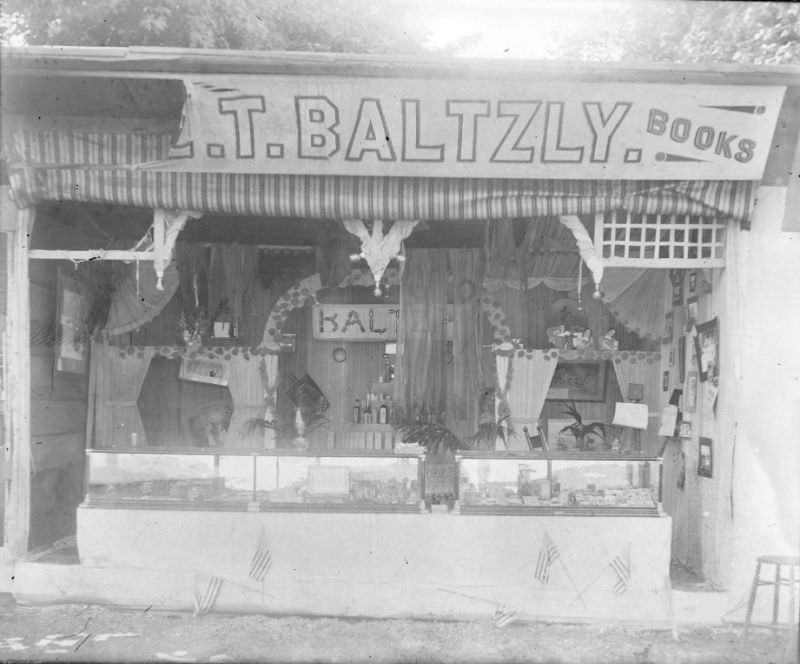
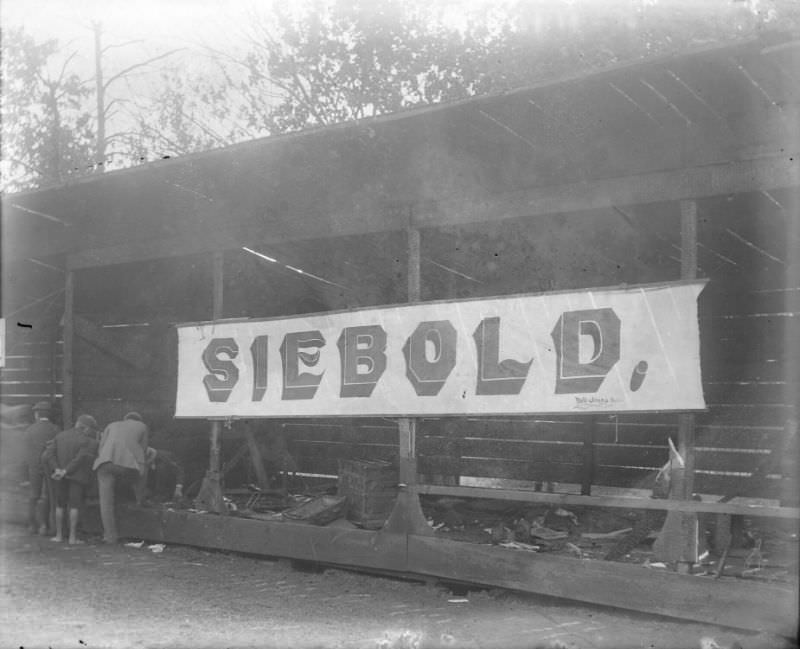
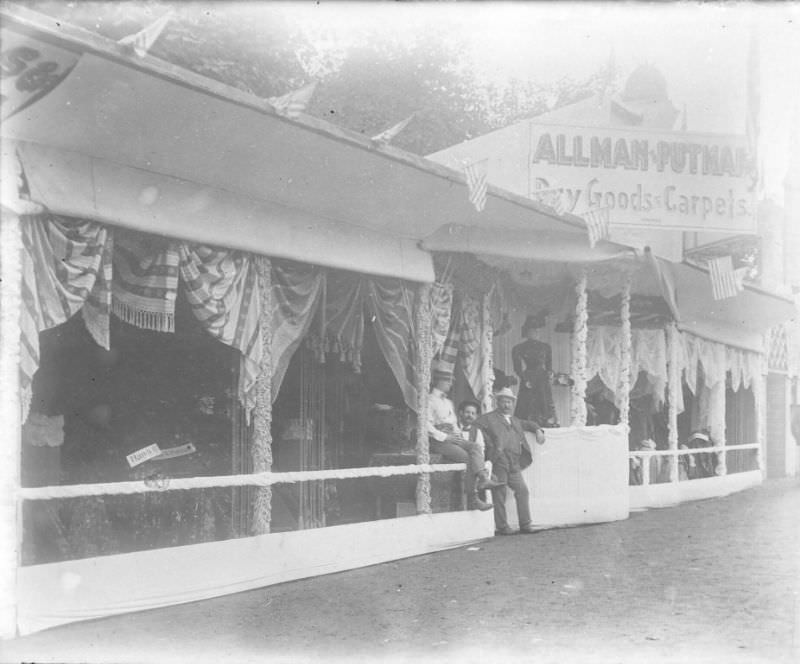
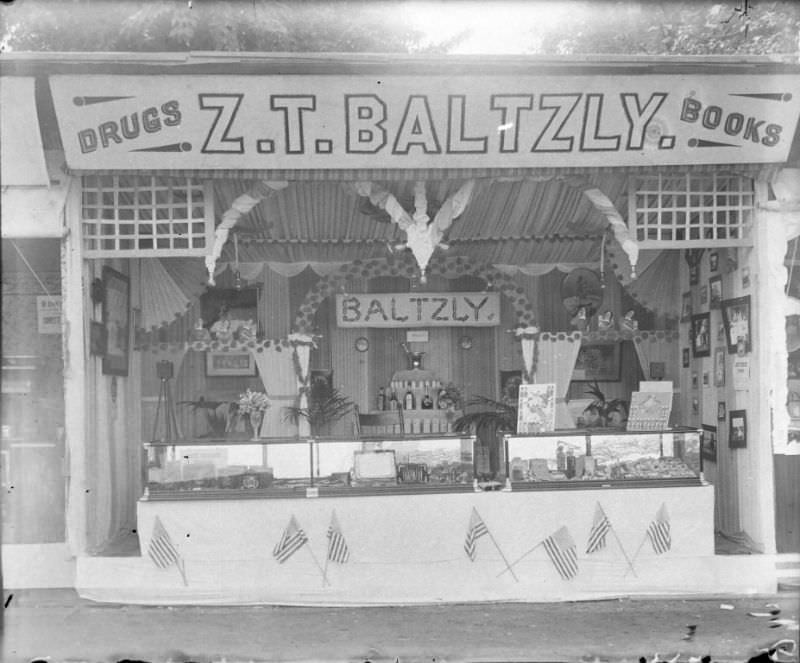
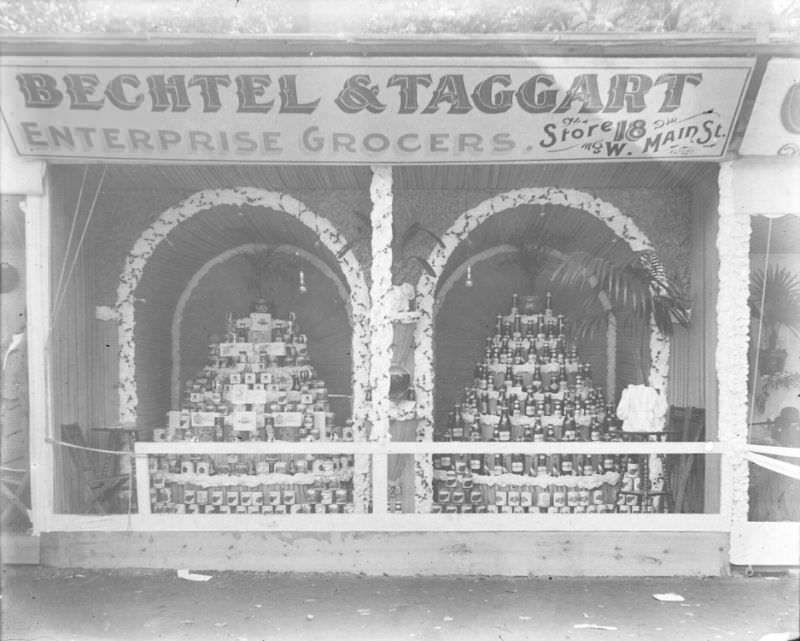
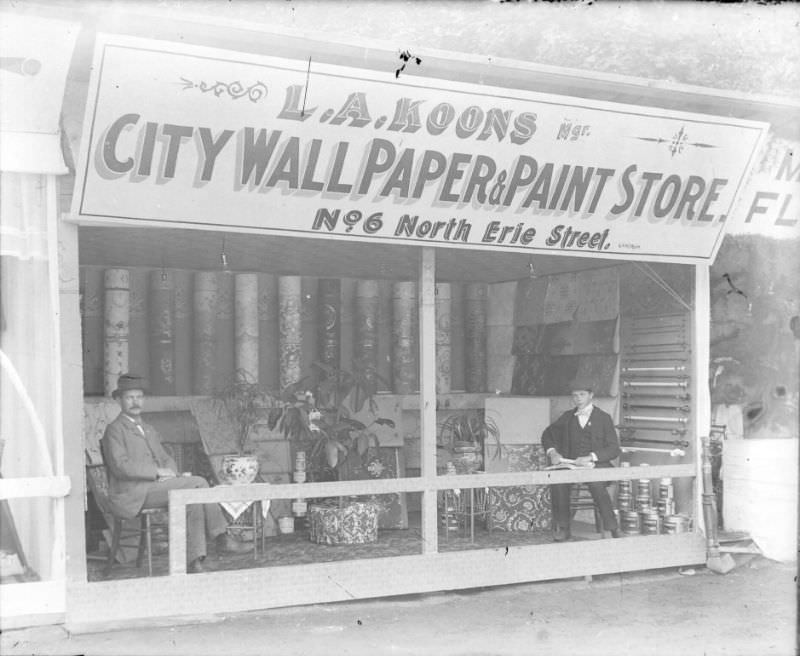
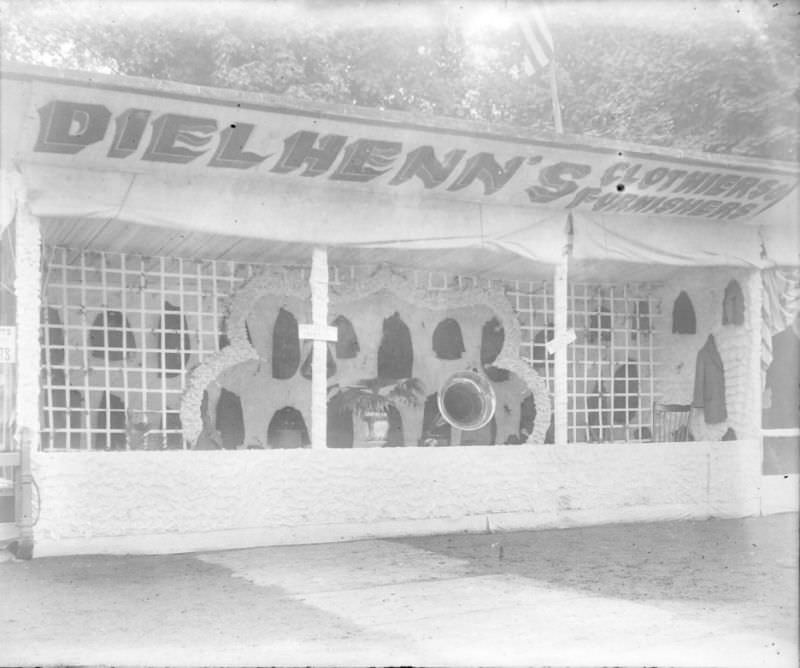
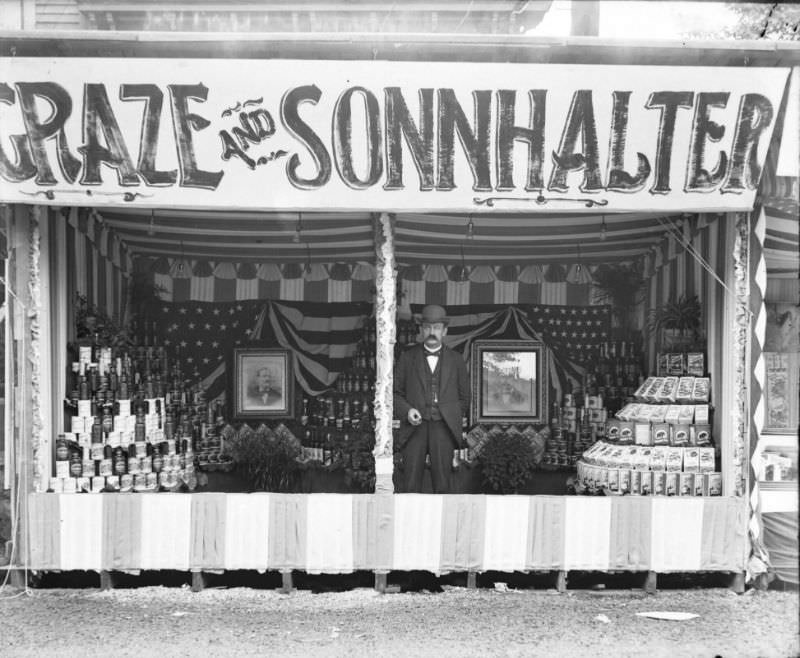
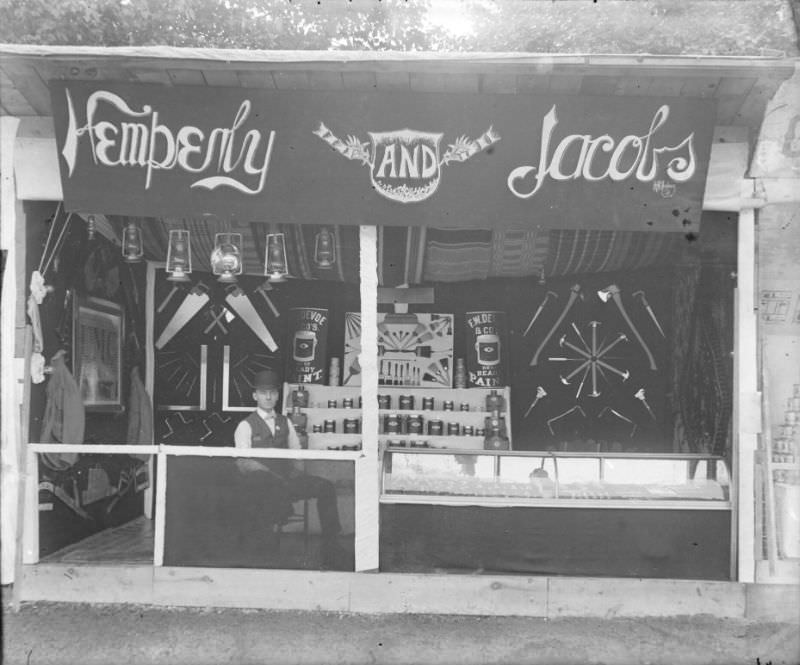
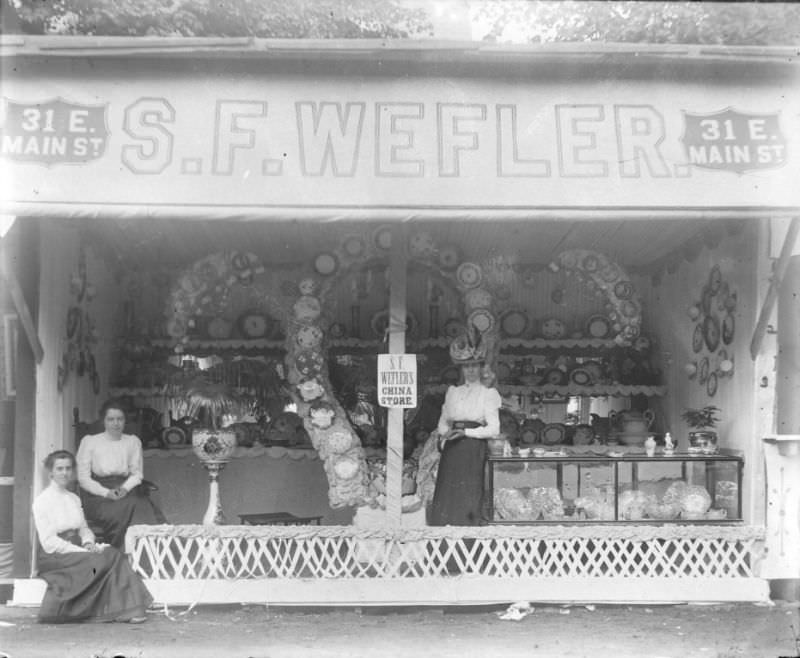
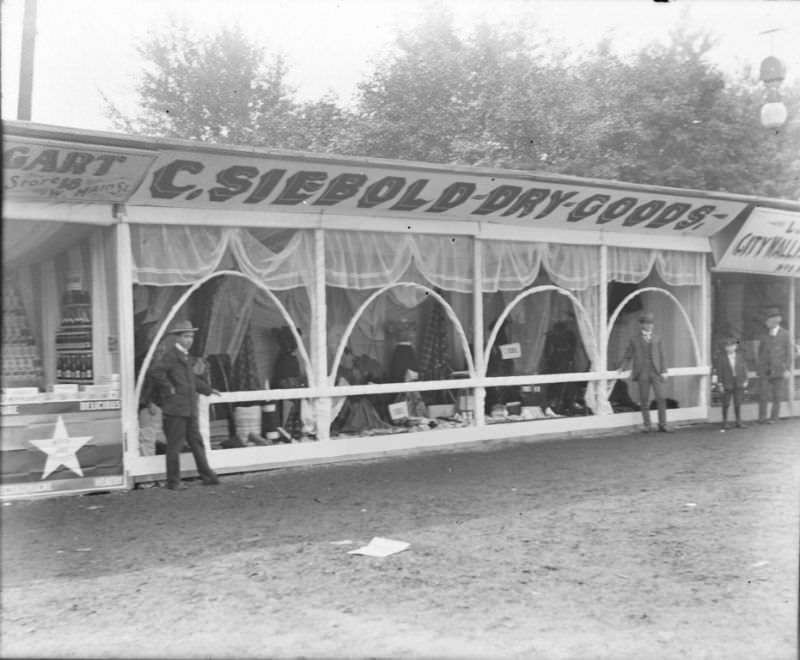
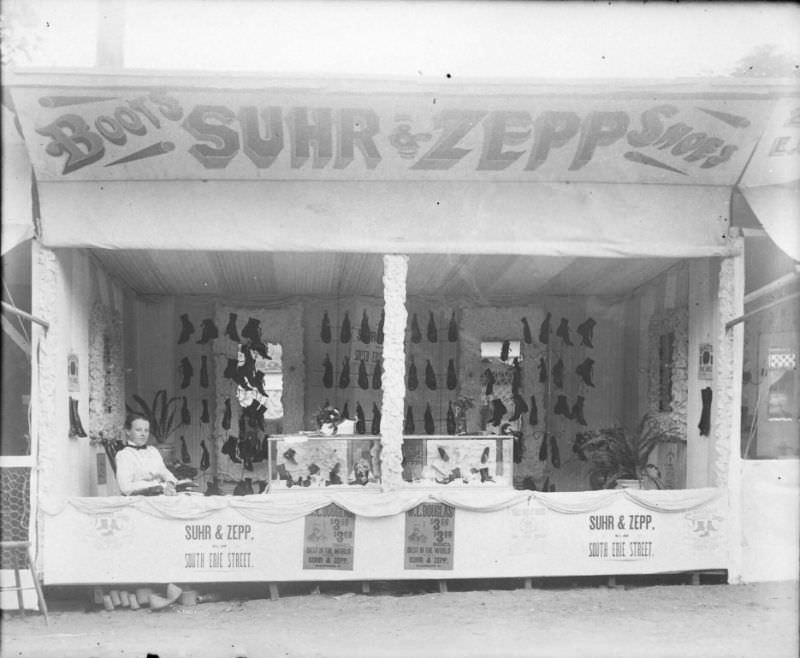
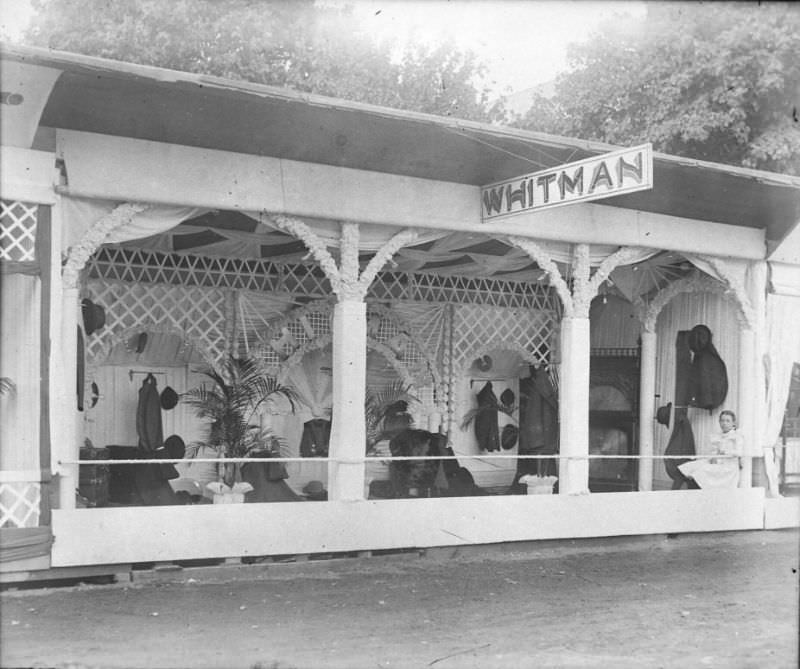
Local merchants seized the fair as a prime opportunity to showcase their goods. Dry goods dealers, grocers, clothiers, and shoe sellers all set up elaborately decorated booths along the fairgrounds. Businesses like Allman & Putman Dry Goods, Siebold Dry Goods, Suhr & Zepp Shoes, and Dielhenns Clothier competed for the attention of fairgoers with eye-catching displays.
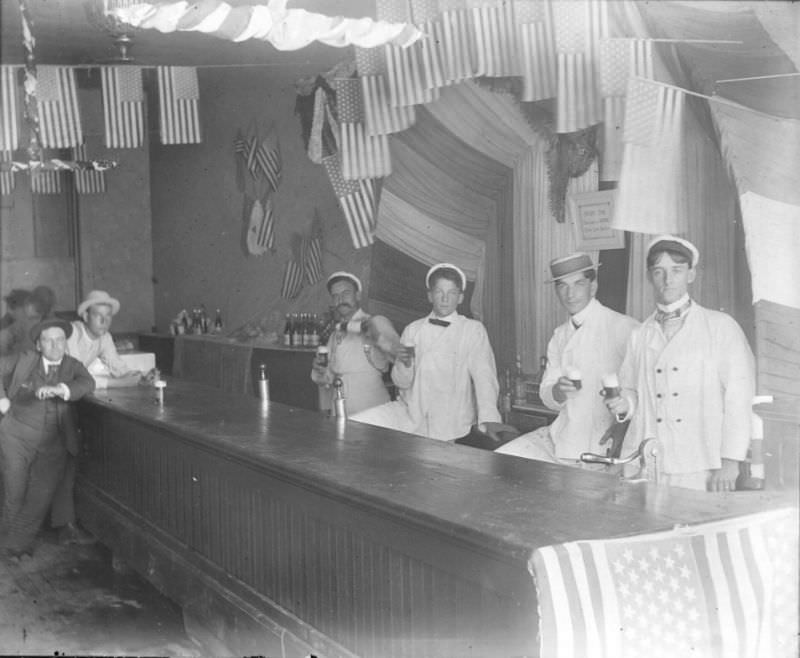
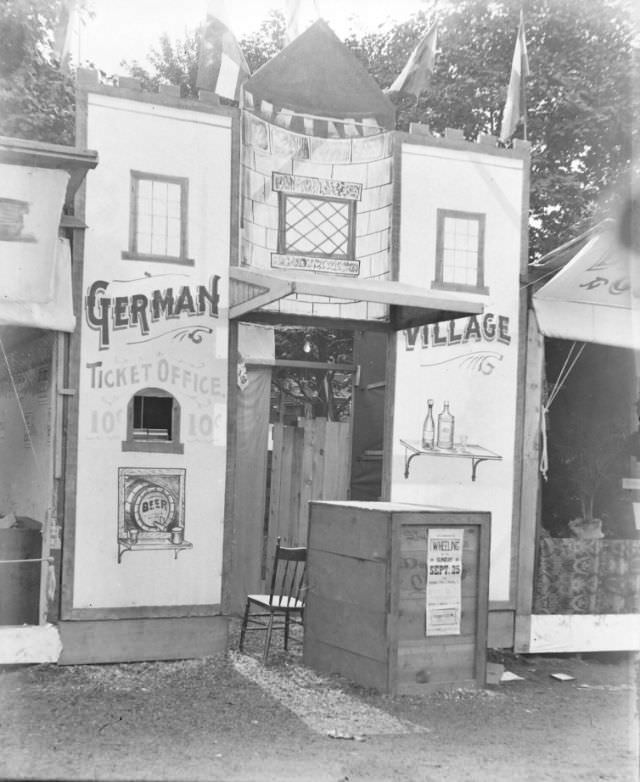
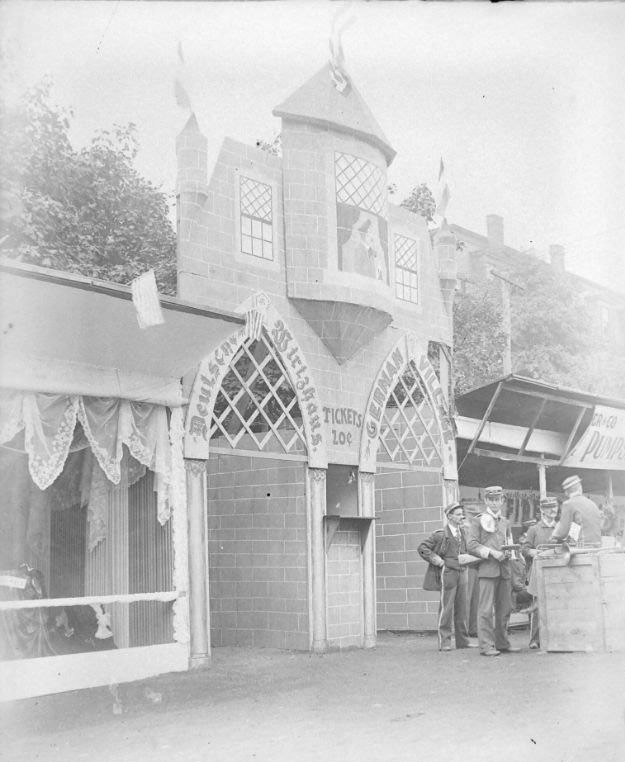
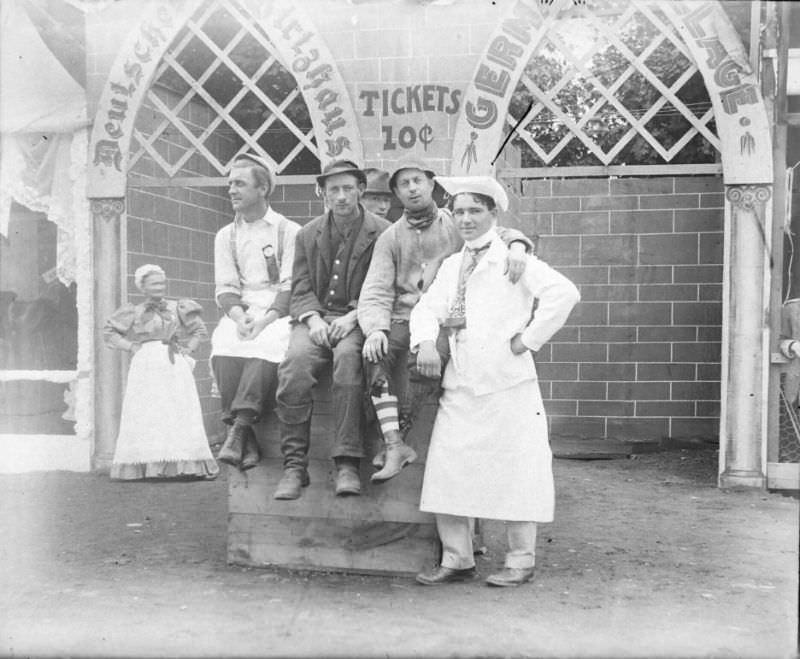
Beer was a central part of the fair’s social scene. Dedicated beer booths and a full beer hall served attendees, reflecting the strong German immigrant influence on Massillon’s culture at the time. The German Village booth and its decorated entrance were among the most distinctive attractions on the grounds.
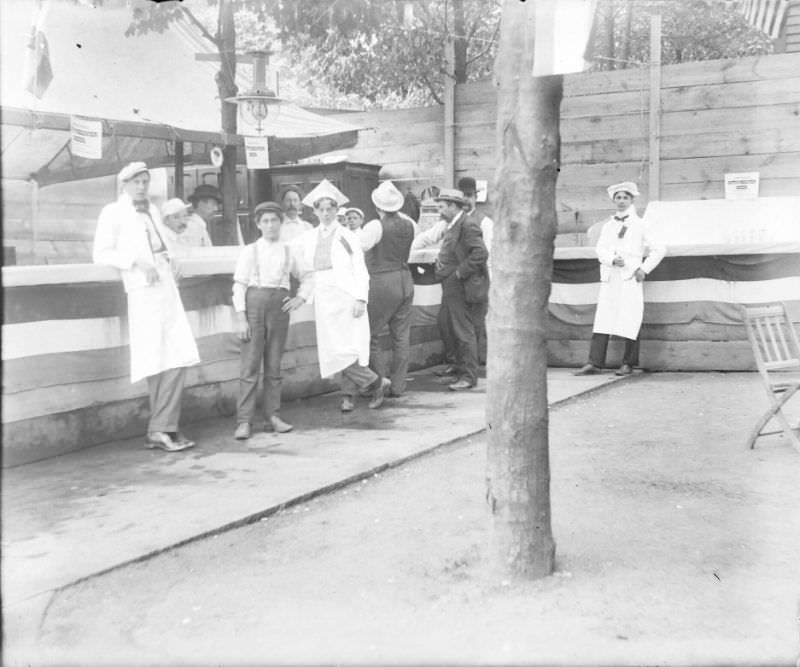
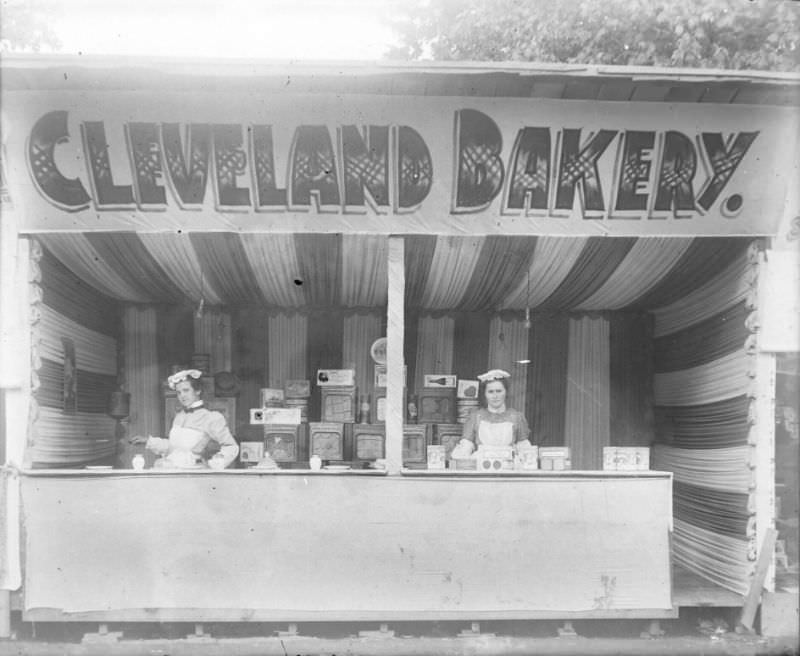
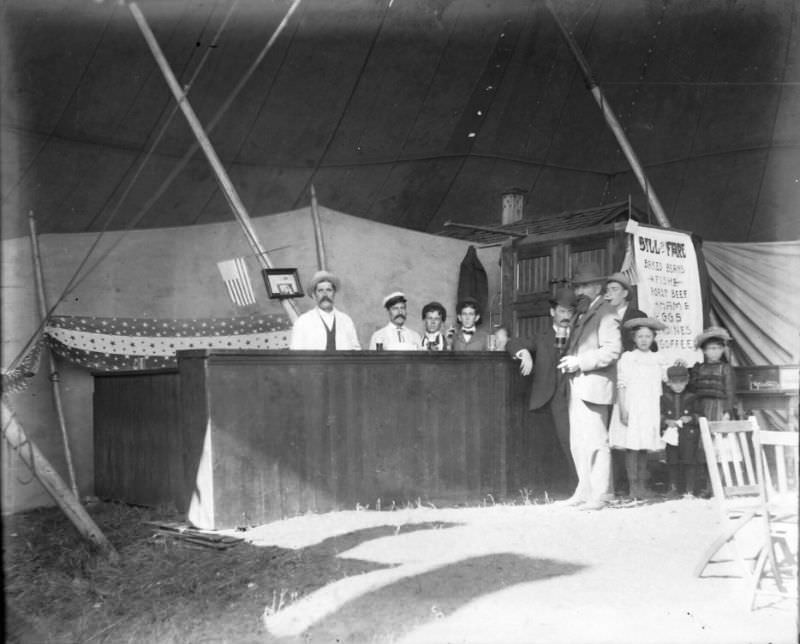
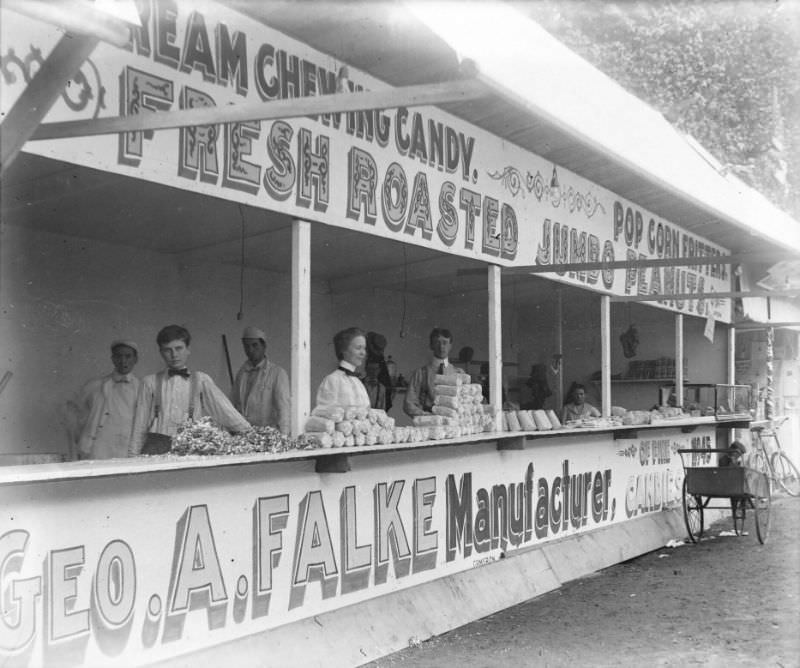
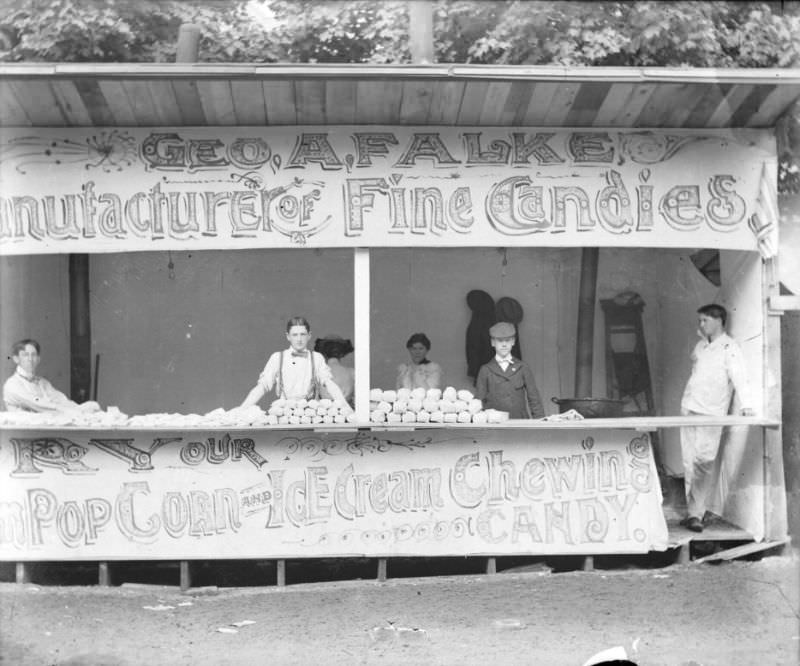
Food vendors lined the streets, with the Cleveland Bakery booth and various diner booths offering meals and baked goods to hungry visitors. Geo. A. Falke’s Candy Company also had a dedicated booth, drawing in those with a sweet tooth.
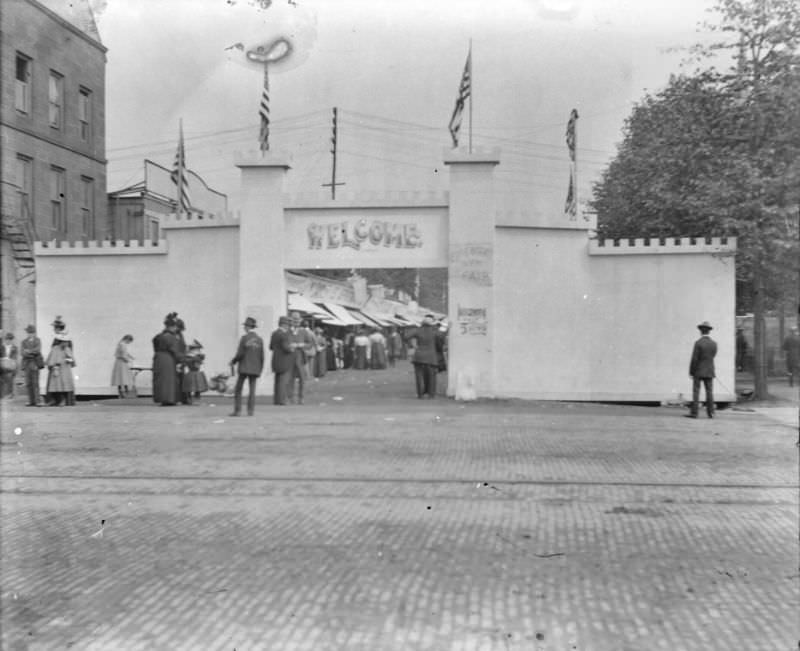
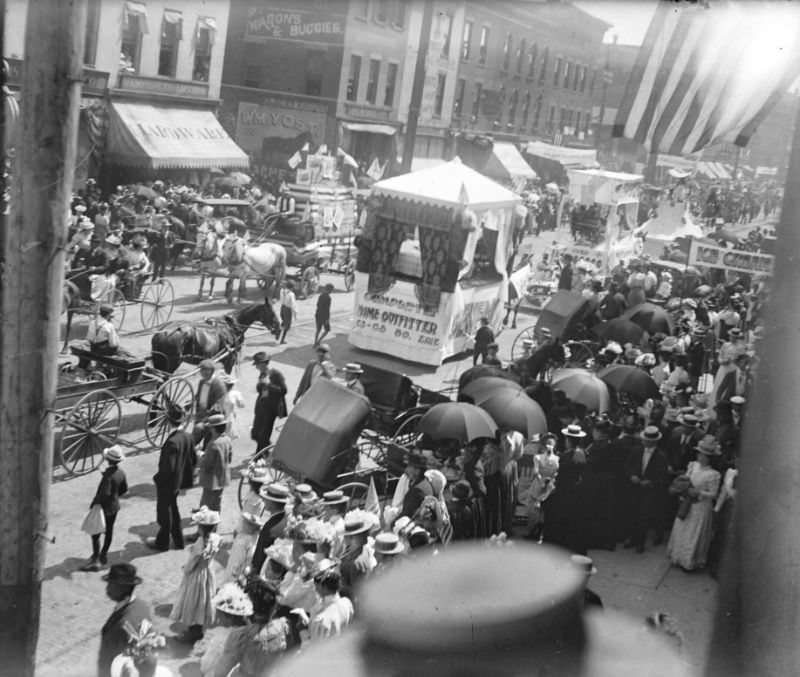
The fair’s entrances were formal and festive. Decorated archways marked the Erie & Trem entrance and other access points, signaling to visitors that they were stepping into something special. Street-level views of the entrance gates show the density of the crowds that turned out.
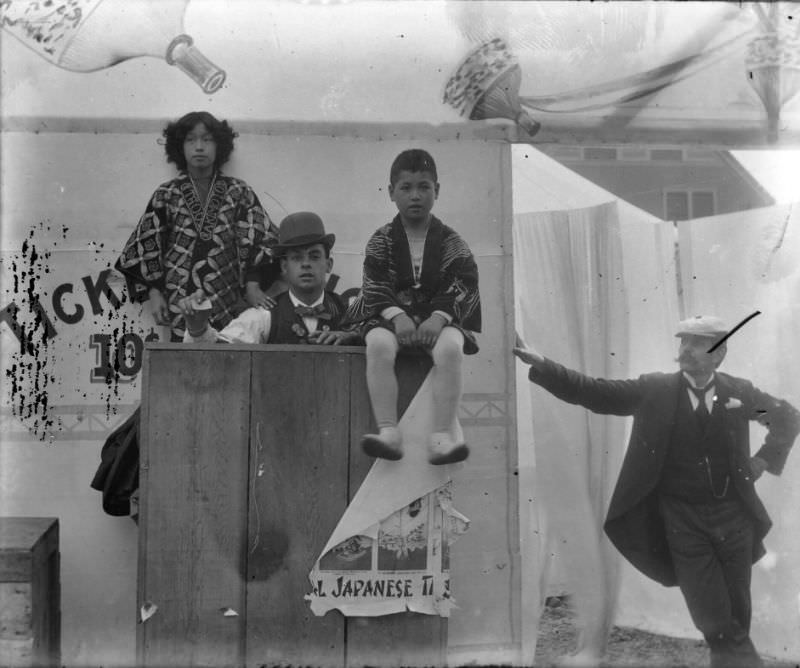
The German Village section of the fair had its own distinct entrance and booth, setting it apart as a themed area within the larger event. Nearby, a Japanese booth added an international flavor, reflecting the era’s fascination with cultural exhibits.
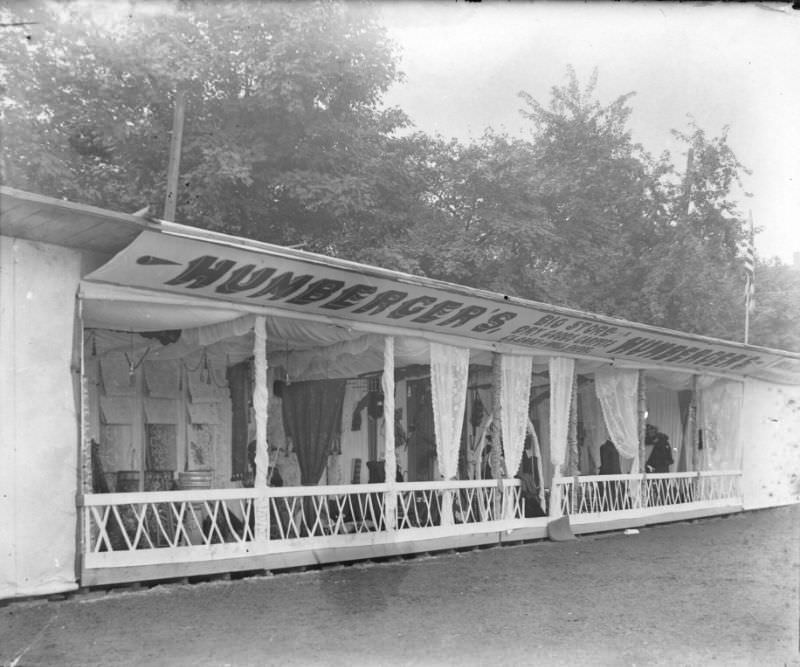
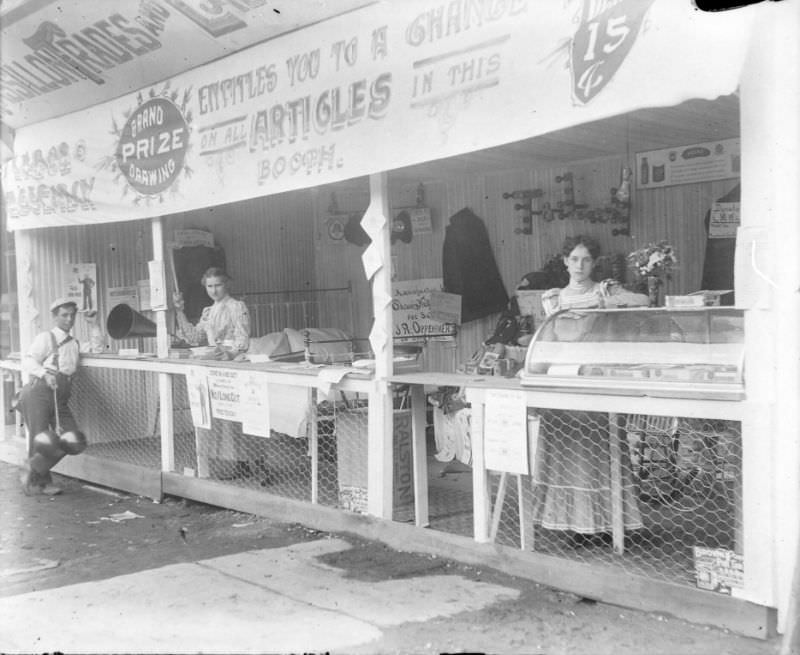
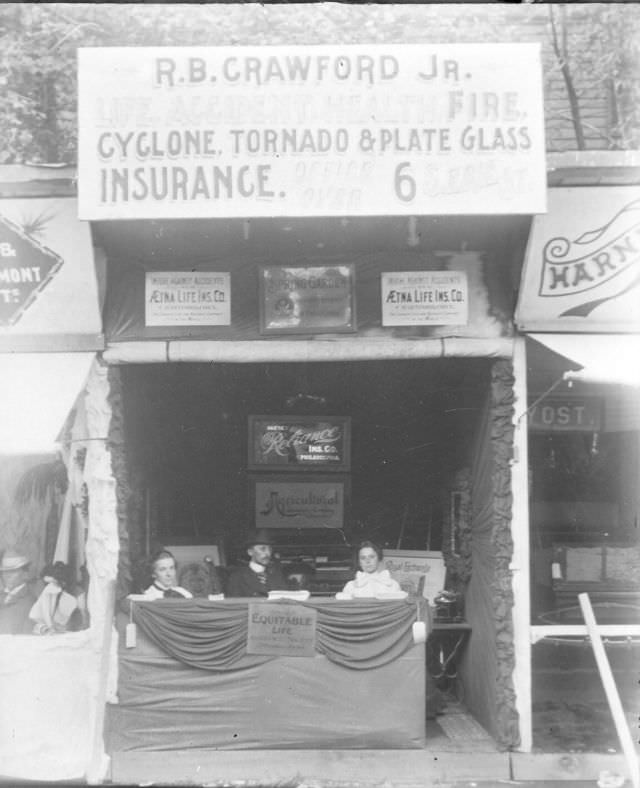
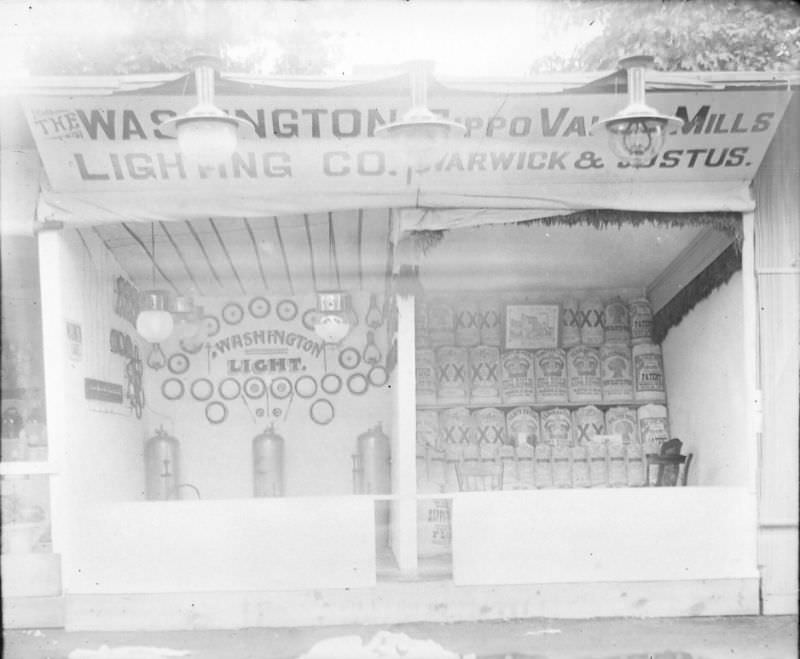
Labor unions also had a presence at the 1898 fair, with their own dedicated booth. This was a notable detail for the era, as organized labor was growing in visibility across American industrial towns like Massillon. The R. B. Crawford Jr. Insurance booth and the Washington Lighting & Sippo booth show how broadly the business community participated.
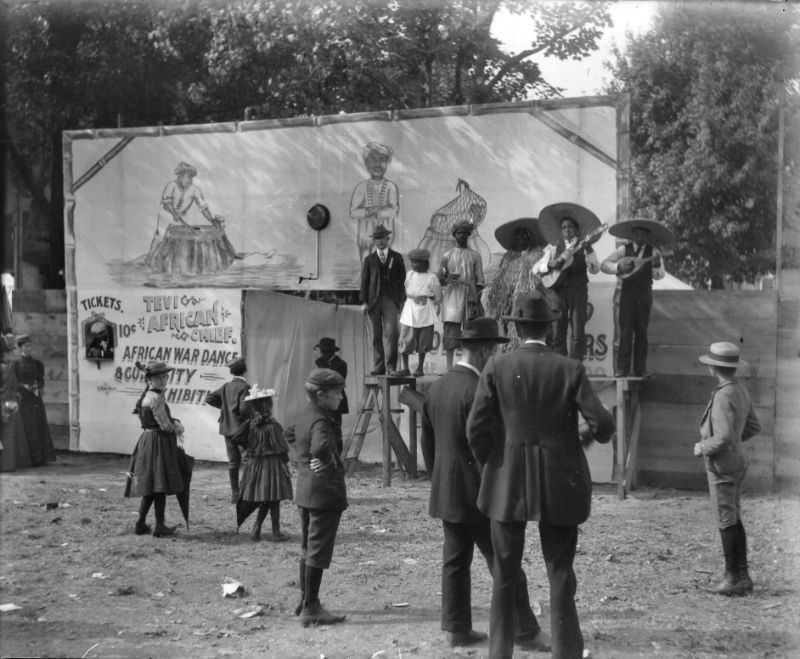
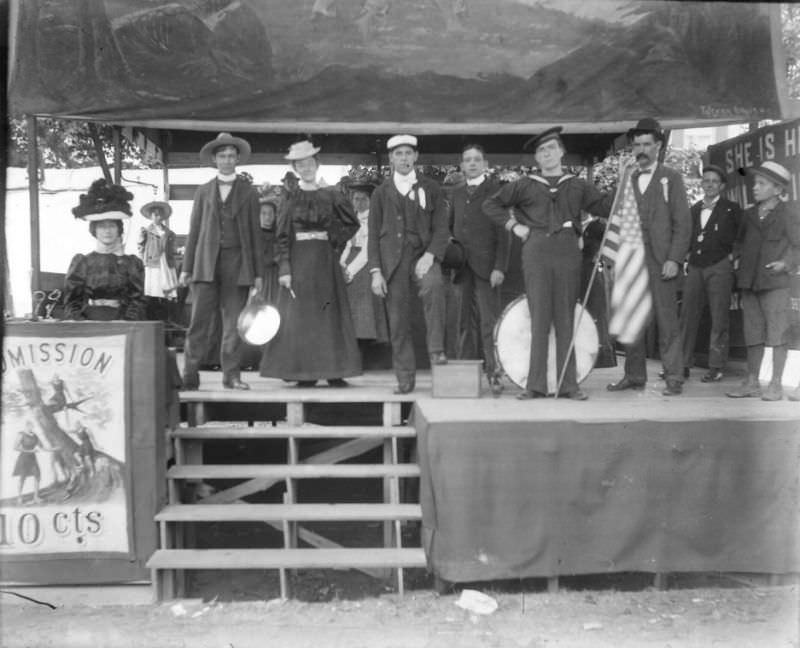
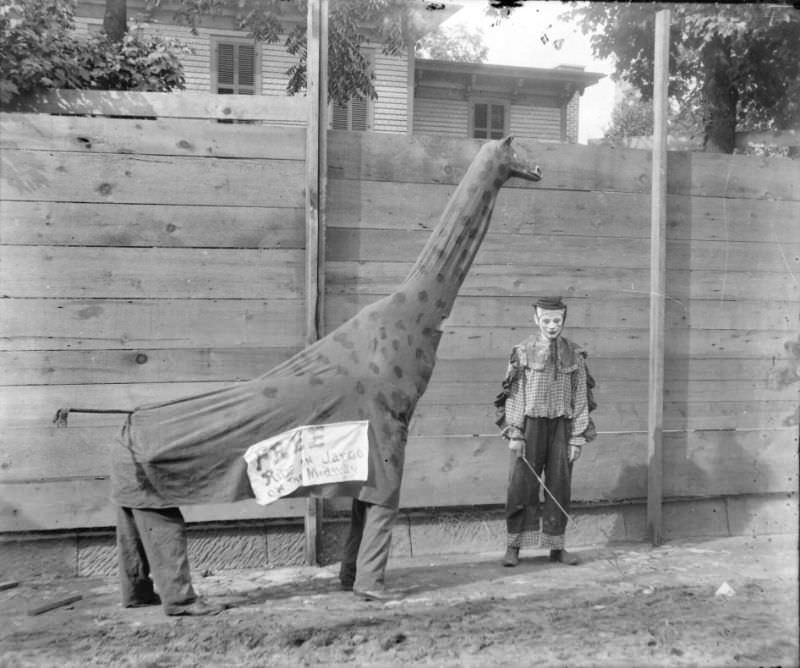
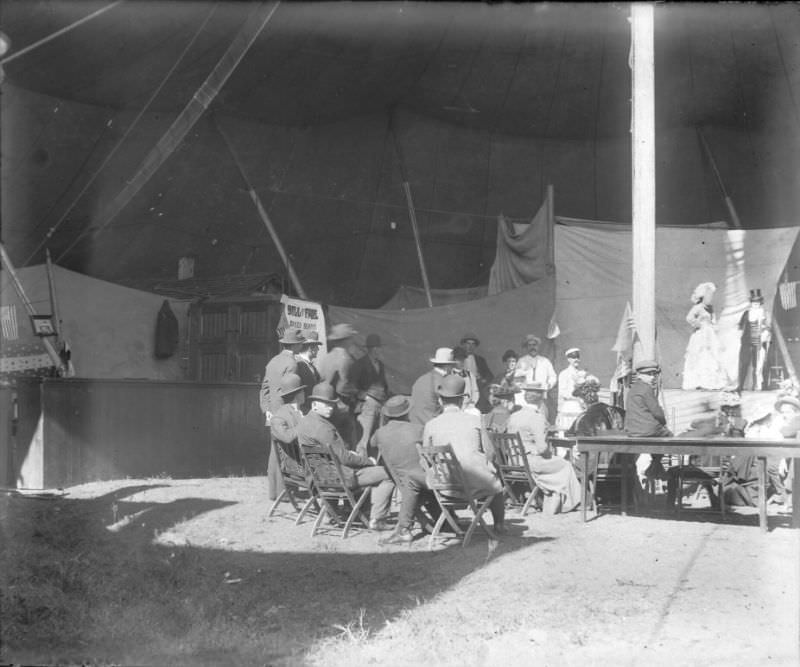
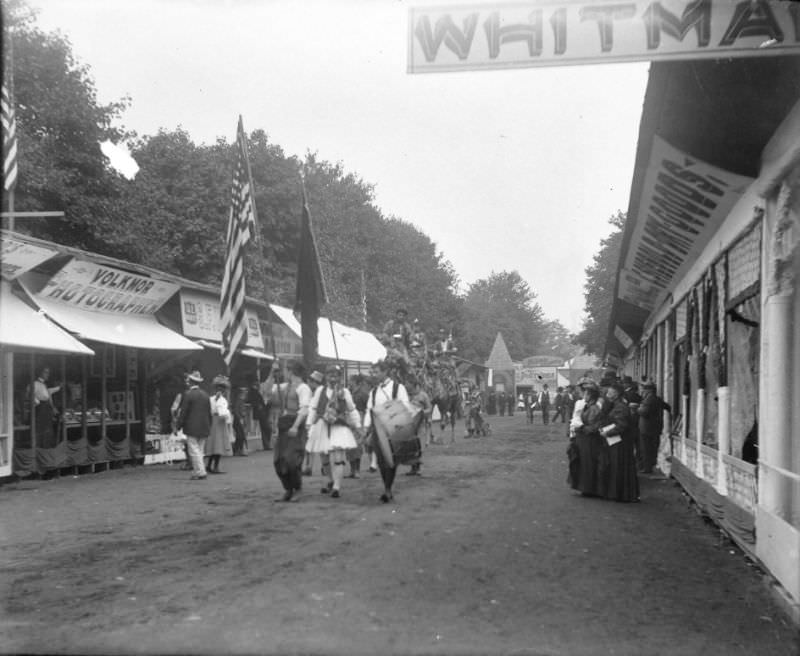
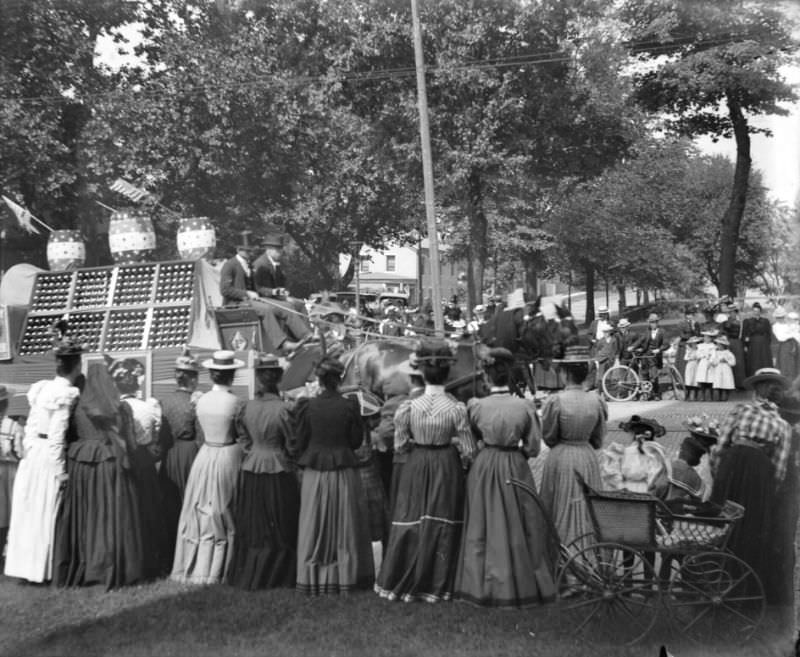
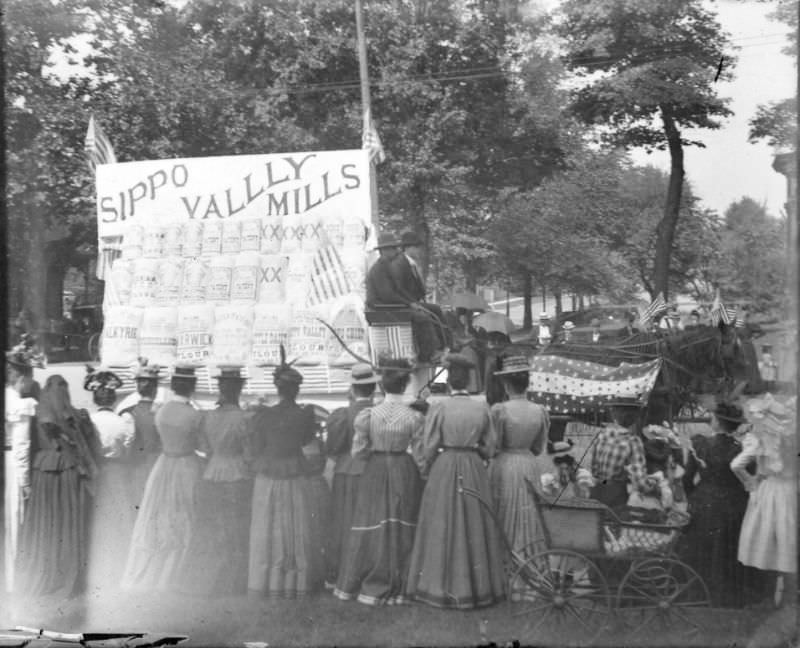
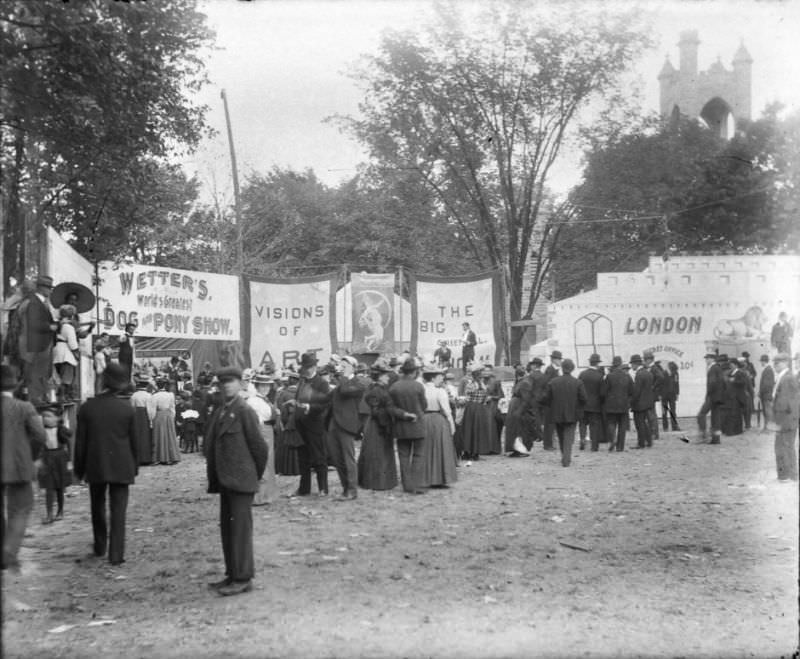
Live entertainment ran throughout the fair. Musical troupes performed in the streets, clown acts worked the crowds, and Wetter’s Circus sideshow drew its own queue of curious visitors. A parade also wound through the fairgrounds, featuring a brewery wagon among the procession — a nod to the beer industry’s prominent role in the event.
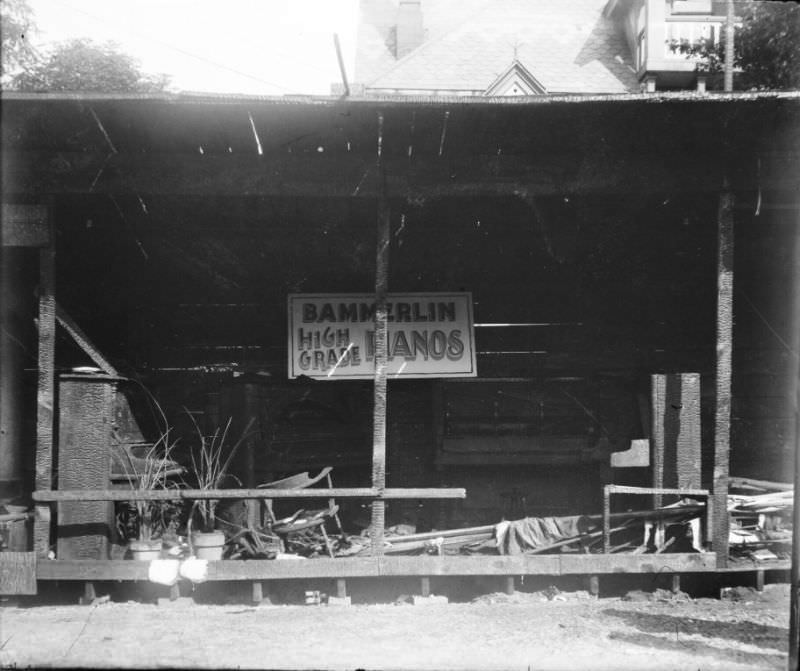
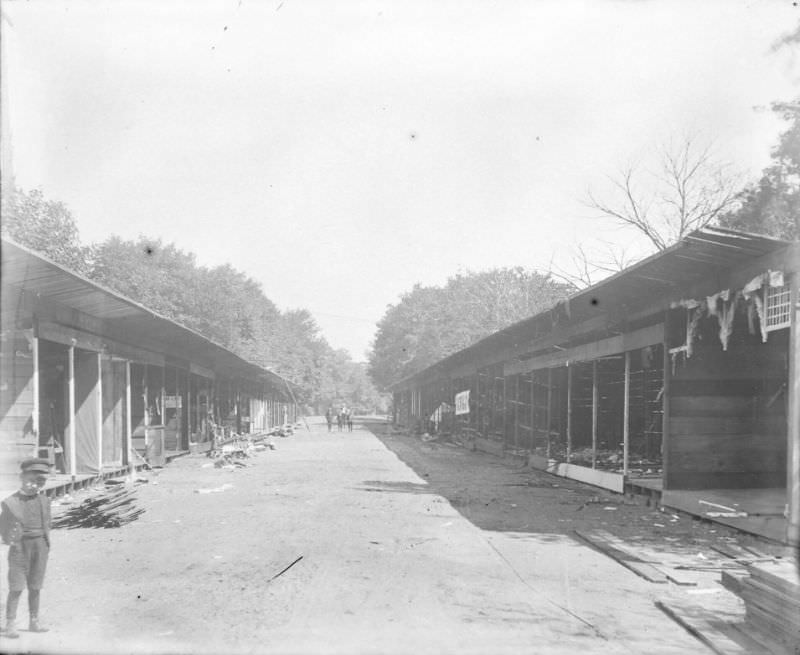
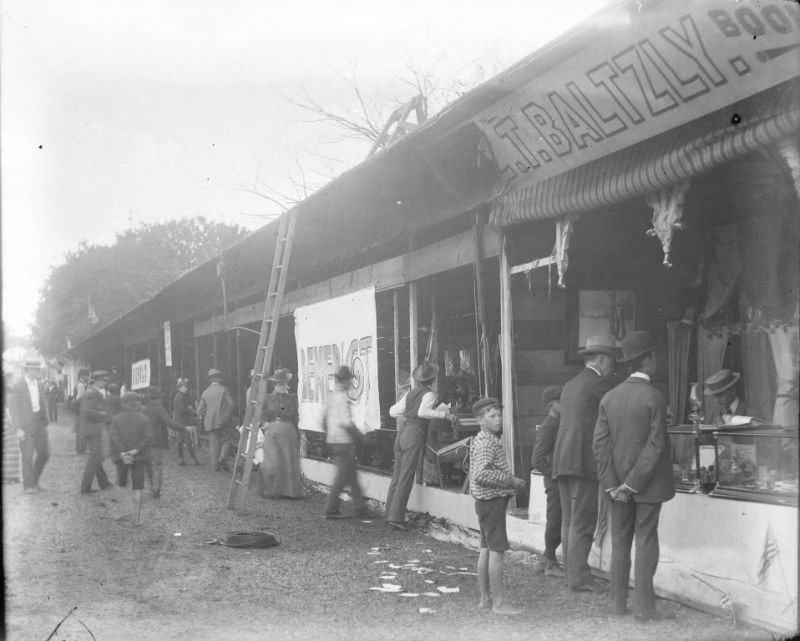
The fair did not end without disaster. A fire broke out and tore through several booths, leaving notable damage behind. Photographers documented the aftermath, capturing the charred remains of the Baltzly Drug booth, the Bammerlin Piano booth, and the Siebold booth. General views of the fairgrounds after the fire show significant destruction across multiple structures. These post-fire images are among the most historically striking of the entire collection.