
Massillon, Ohio, sits in the northeastern corner of the state, about 60 miles south of Cleveland. In the 1960s, it was a working city — steel mills hummed, foundries ran hot, and manufacturing kept thousands of people employed. The downtown streets were lined with local shops, restaurants, and service businesses that served a tight-knit community going about its daily life. These photographs, taken throughout the decade, offer a ground-level look at what Massillon looked and felt like during one of the most turbulent and transformative decades in American history.
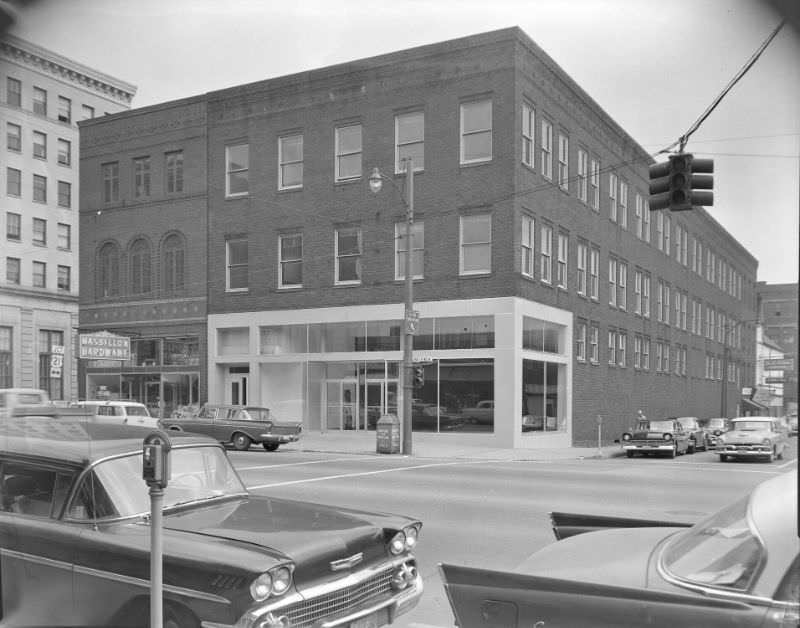
Lincoln Way was one of Massillon’s main commercial arteries, running through the heart of the city. At the corner of 1st Street and Lincoln Way West, foot traffic was a constant in 1960. Storefronts crowded the sidewalks, and the street reflected a downtown economy that still depended heavily on people coming in to shop, eat, and do business in person. Suburban shopping centers had not yet pulled commerce away from the city center — that shift was still a few years off.
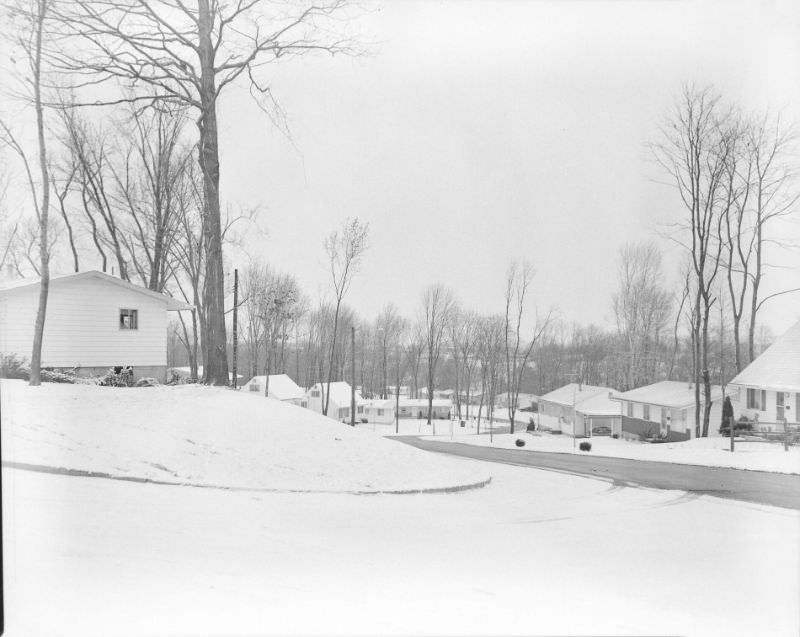
Carver Street NW, photographed in the late fall of 1960, shows a residential side of the city that rarely made it into official records. Massillon’s neighborhoods were where the real daily life of the city played out — far from the bustle of downtown. The civil rights movement was active across Ohio during this period, and Massillon’s African American residents organized and pushed for equal treatment in housing, employment, and public life. The street-level view of neighborhoods like this one gives context to the community those residents were fighting to fully participate in.
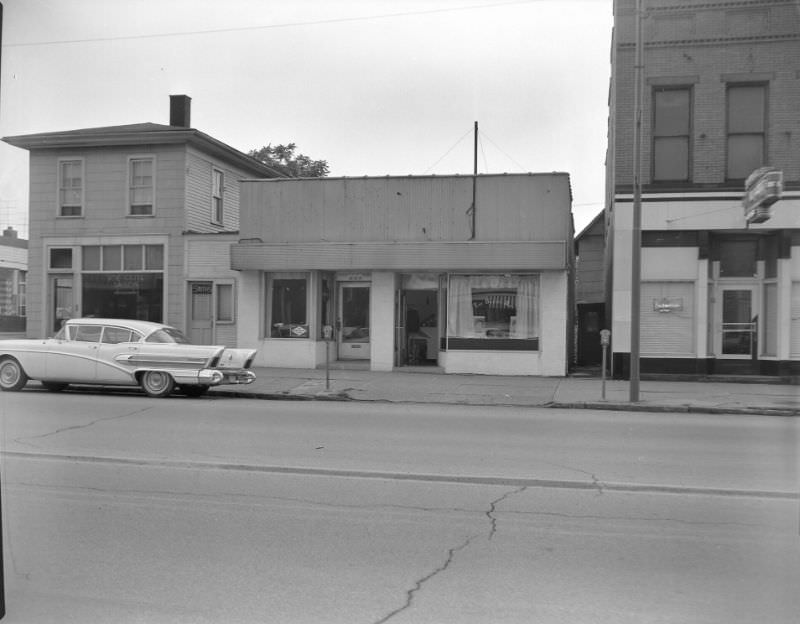
Small, specialized businesses were the backbone of Massillon’s commercial life in 1960. A tailor shop and a beauty parlor sitting side by side was a common sight across mid-century American cities — each serving a steady stream of regular customers who lived and worked nearby. Joe Cettl’s tailor shop and The Beauty Box represented the kind of local ownership that defined downtown Massillon before chain stores began to dominate.
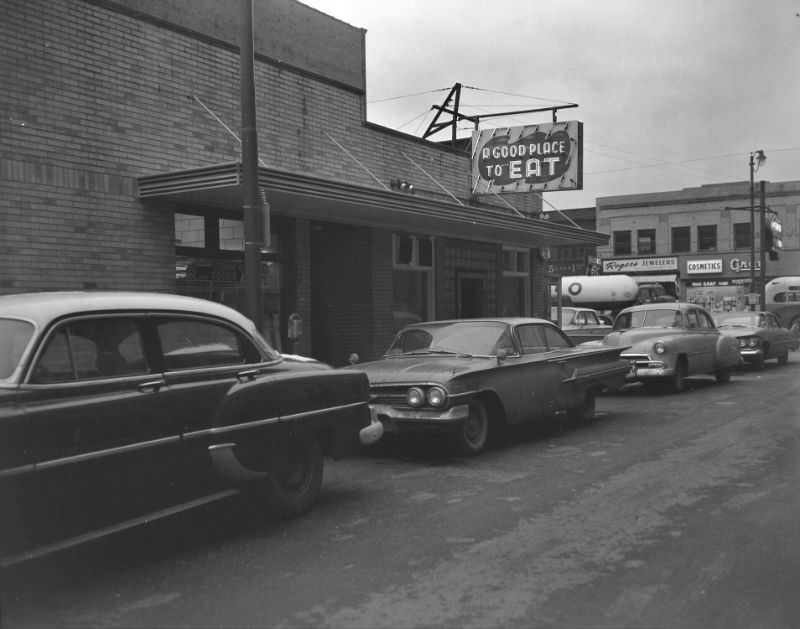
Diners and local restaurants were gathering places as much as they were eating establishments. The New Central Restaurant, photographed in November 1961, served the kind of crowd that included factory workers on break, downtown shoppers stopping for lunch, and regulars who came in every day. These spots were central to how people connected in the city.
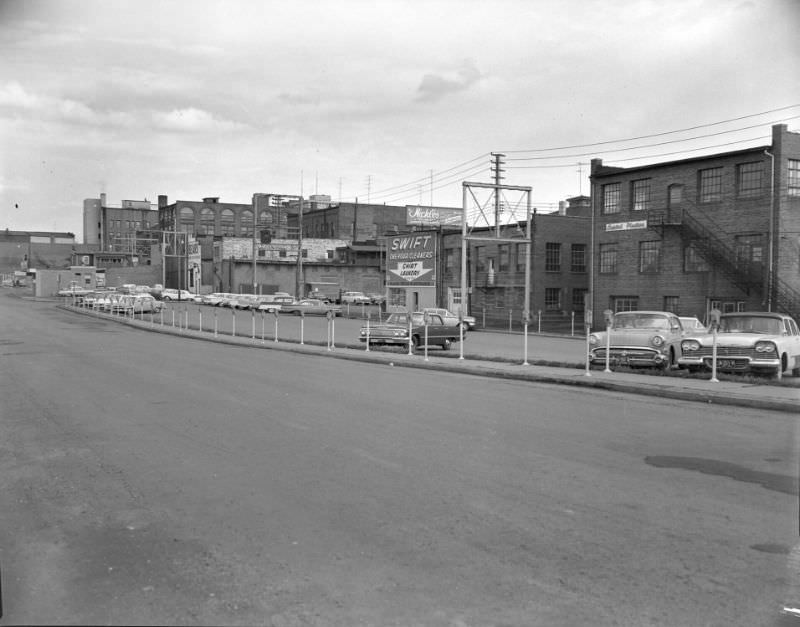
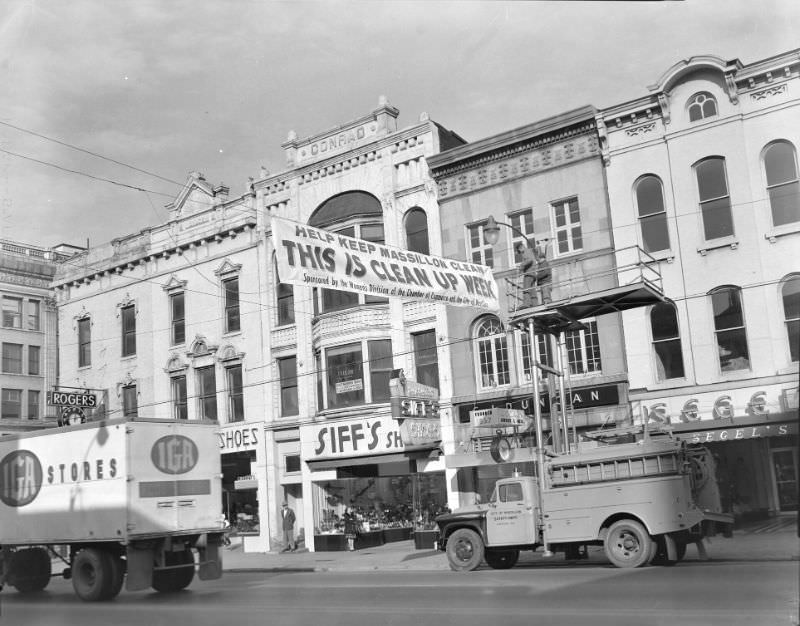
By October 1962, the streets of downtown Massillon showed a city still very much alive with commerce. Lincoln Way East and 1st Street NW were photographed in the same month, capturing the full stretch of a downtown that mixed retail, services, and foot traffic. Cars lined the curbs, awnings stretched over sidewalks, and shop windows displayed goods to passersby. This was still the era when downtown was where you went to buy nearly everything.
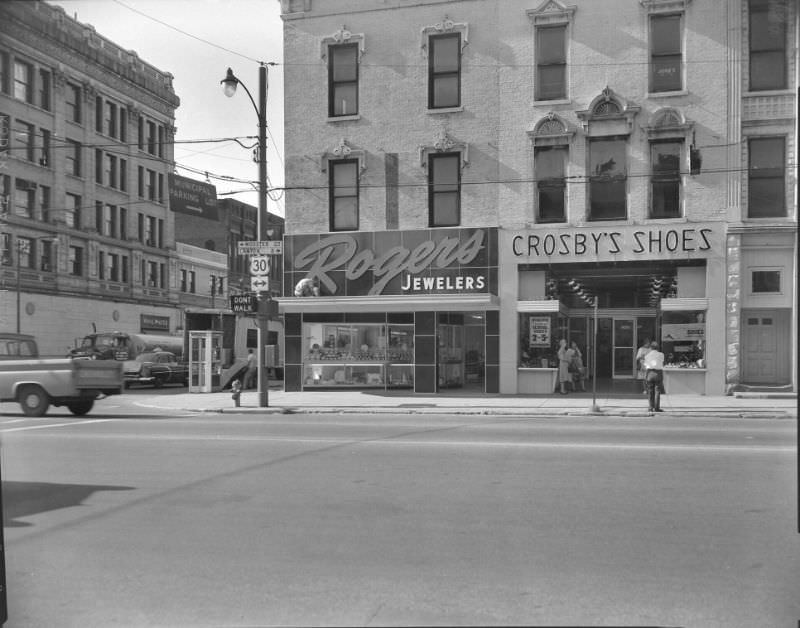
Rogers Jewelry stood as one of the more prominent specialty retailers in Massillon’s downtown. Jewelry stores occupied a particular place in mid-century American commerce — they marked life milestones like engagements, weddings, and anniversaries, and their window displays drew in customers who were buying something meaningful, not just practical.
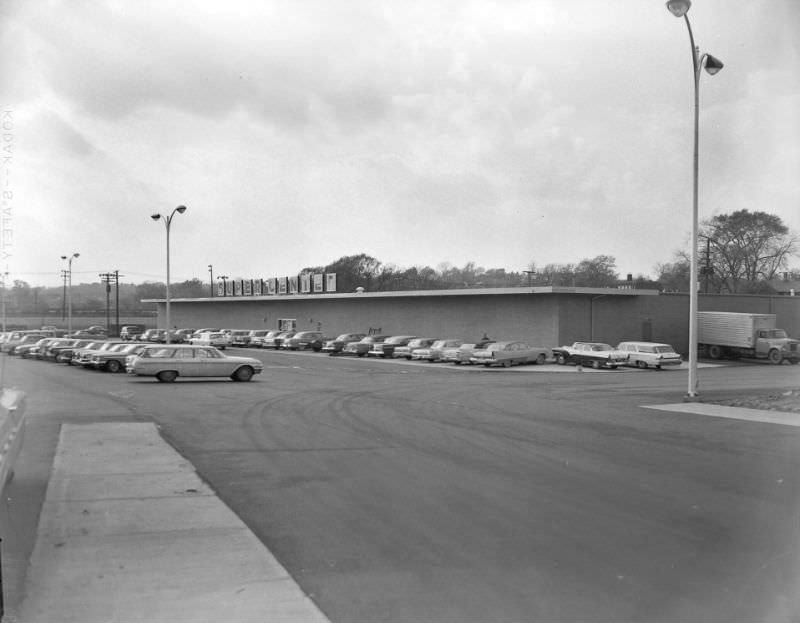
The Super Center represented something newer in Massillon’s retail landscape. Larger-format stores that combined multiple departments under one roof were starting to appear, signaling a shift in how Americans shopped. This model would accelerate through the decade, eventually drawing customers away from the smaller, single-purpose shops that had defined downtown for generations.
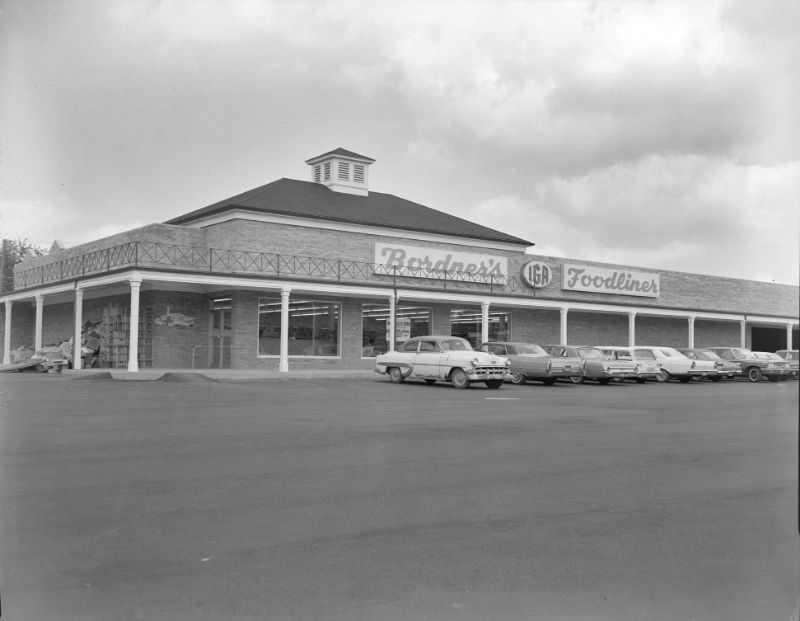
By the mid-1960s, grocery shopping in Massillon meant places like Bordner’s IGA. The Independent Grocers Alliance operated stores across the country through local owners, giving neighborhood groceries some of the buying power of larger chains while keeping them rooted in their communities. Bordner’s served the everyday needs of Massillon families at a time when the city’s population was still growing.
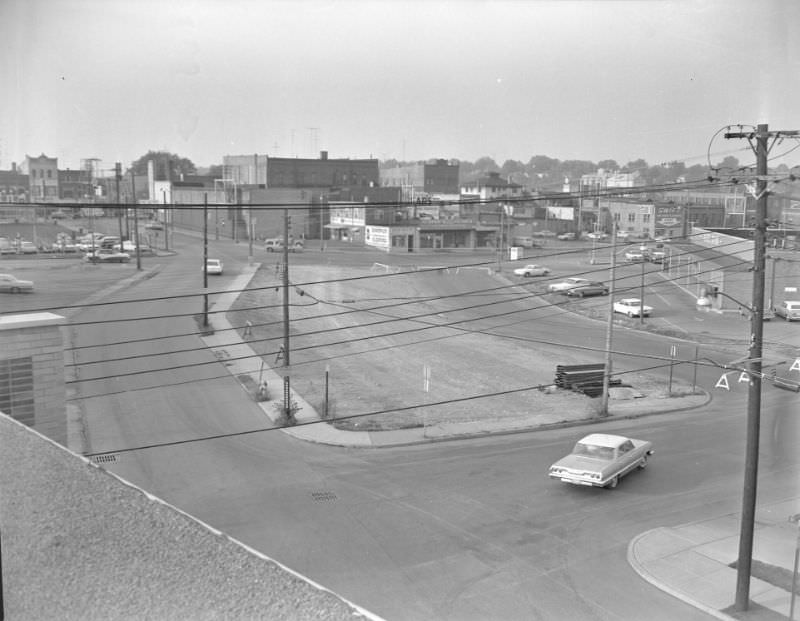
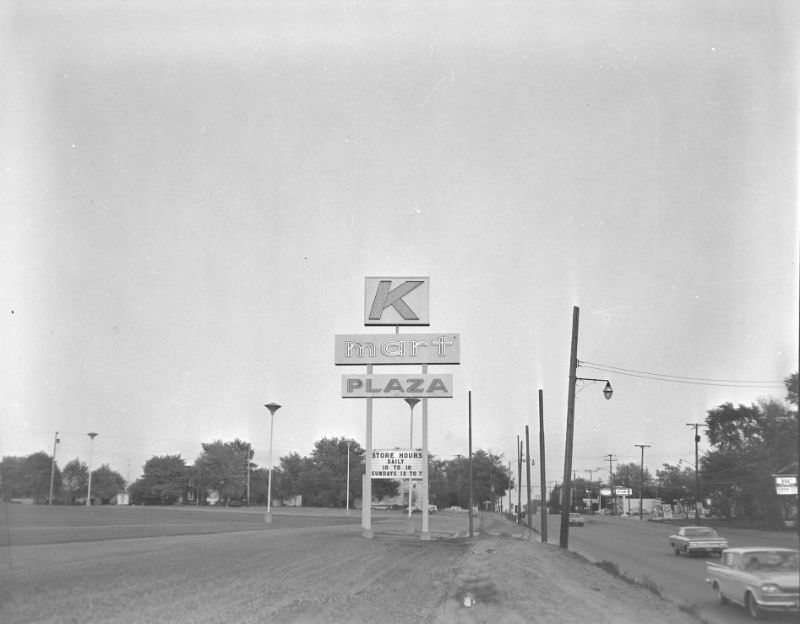
The arrival of K-Mart in Massillon by 1966 marked a clear turning point. K-Mart had launched nationally in 1962, and its expansion into mid-sized Ohio cities like Massillon came quickly. The discount department store model — wide aisles, low prices, everything in one building — drew shoppers away from the downtown core. Photographed in October 1966, the Massillon K-Mart was part of a national retail wave that permanently changed American shopping habits.
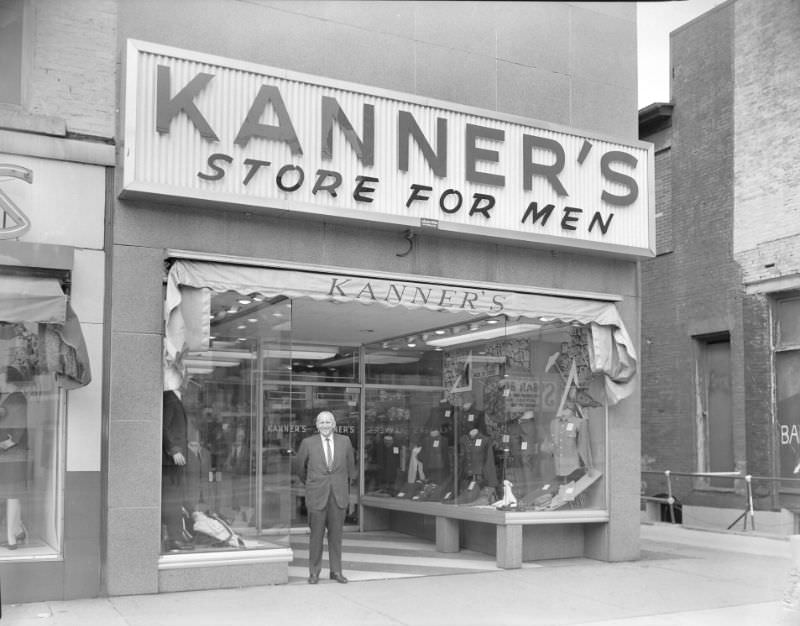
Even as large discount retailers arrived, locally owned specialty shops held on. Kanner’s men’s store offered something the big-box stores couldn’t easily replicate — personal service and a curated selection of men’s clothing. Stores like Kanner’s were staffed by people who knew their regular customers by name and could offer tailored advice. They were a fixture of downtown retail life in cities like Massillon throughout the 1960s.
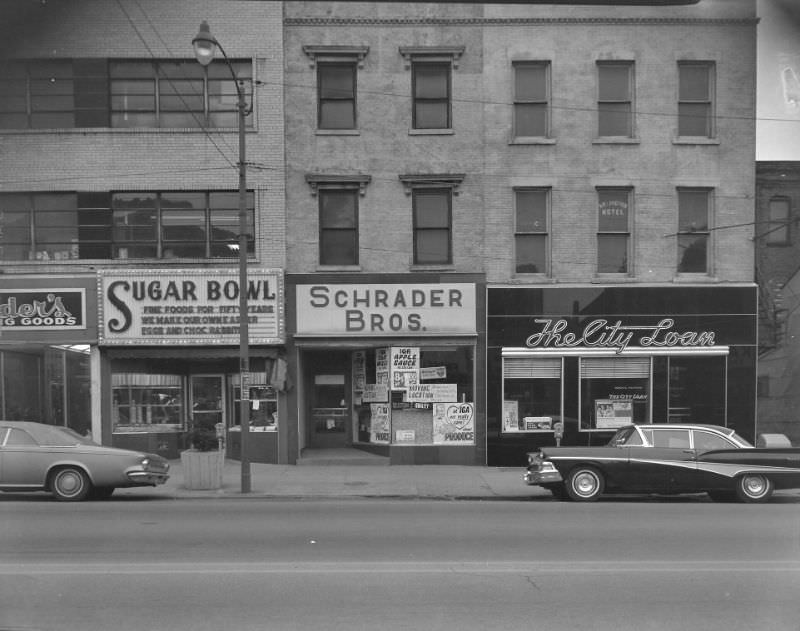
This 1966 photograph captures a cluster of businesses that together tell a full story of working-class commerce in Massillon. Schrader Bros., the Sugar Bowl, and The City Loan office sitting in close proximity reflects how these blocks functioned — places to eat, borrow money, and handle everyday business, all within walking distance of each other.
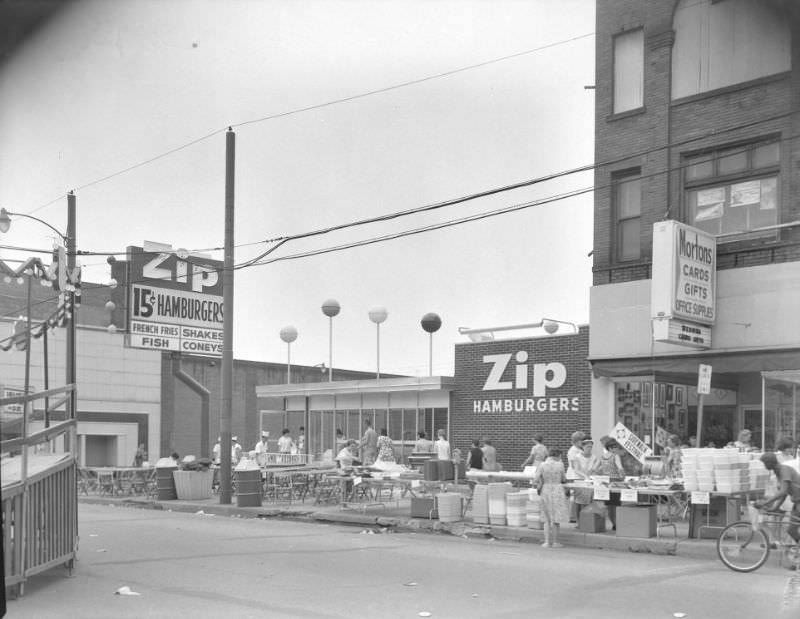
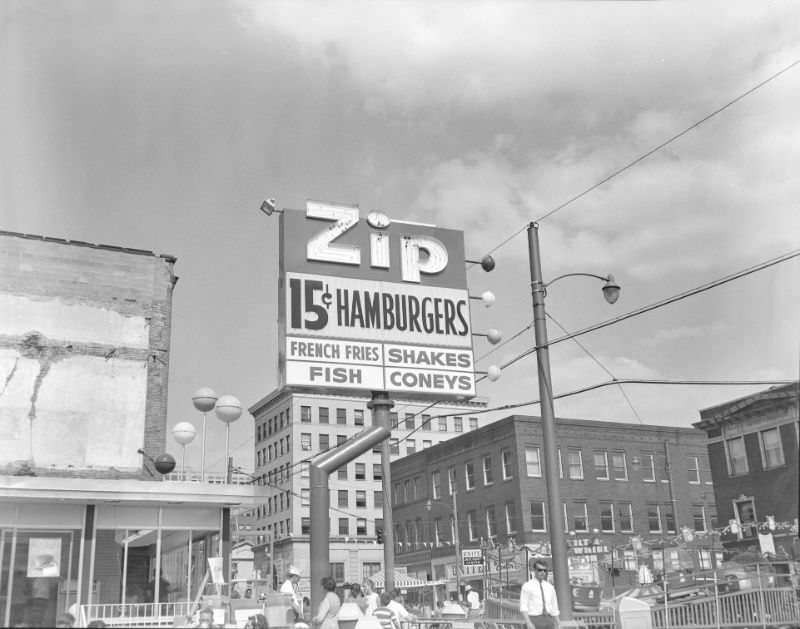
The Zip Hamburger stand on Tremont Ave SW was the kind of fast food that existed before the national chains fully took over. Quick, cheap, and local, hamburger stands like Zip’s were a staple of American city streets in the 1960s. Two photographs were taken of it in July 1966, suggesting it was a place worth documenting — a neighborhood fixture that served a steady flow of customers looking for a fast meal.
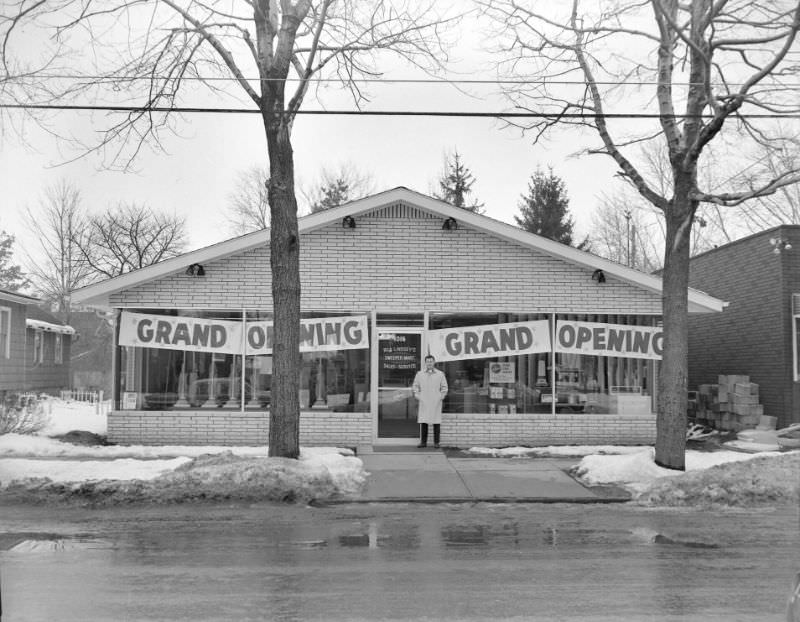
Bill Lindsey’s Sweeper Mart is the kind of business that rarely survives into the modern era but was completely ordinary in 1960s Massillon — a shop dedicated entirely to vacuum cleaners. Appliance specialty stores thrived when major appliances were considered long-term investments worth buying from an expert rather than pulling off a shelf. By 1968, these stores were already beginning to face pressure from the larger discount retailers spreading across the city.
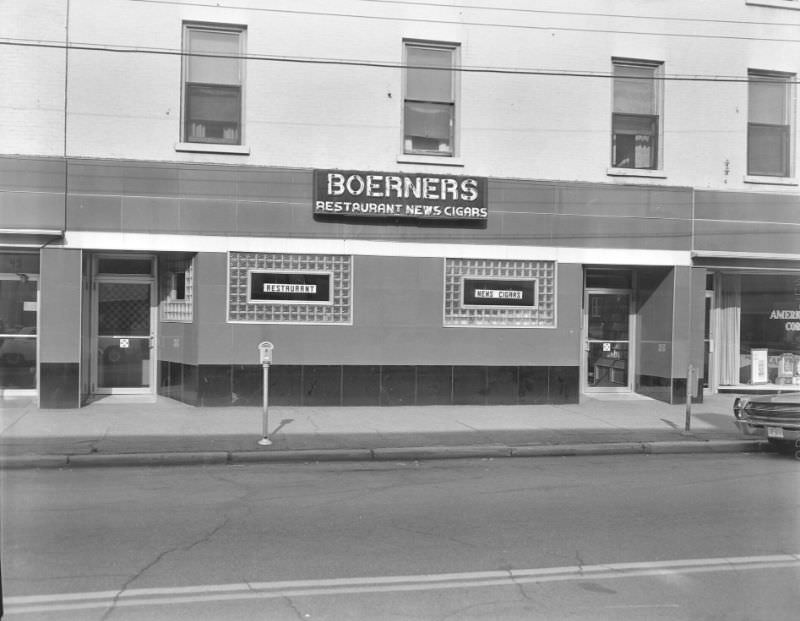
Boerners Cigar store, captured in December 1968, was another distinctly mid-century institution. Cigar stores in this era often sold newspapers, magazines, and candy alongside tobacco, making them informal community hubs where men gathered to talk. By the late 1960s, changing health attitudes were beginning to affect tobacco retail, but these stores remained embedded in the fabric of American city life.
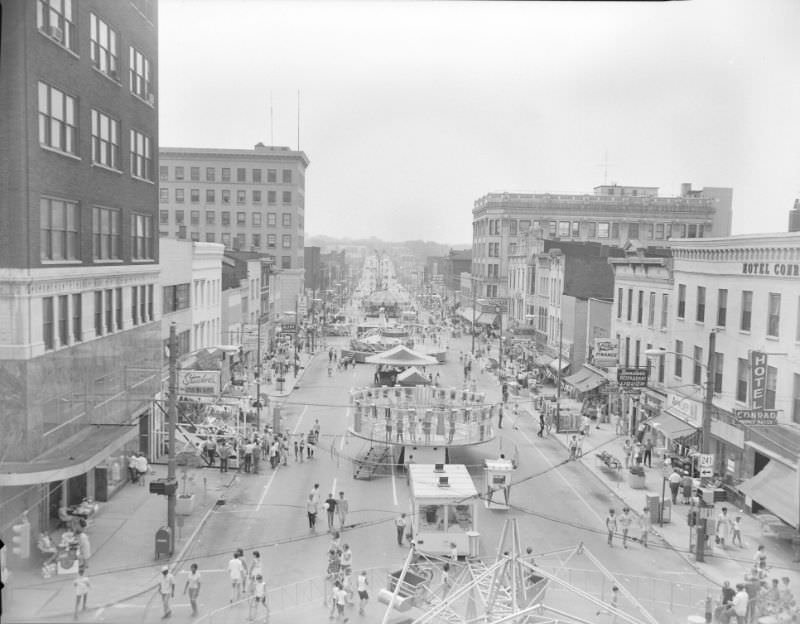
In July 1968, downtown Massillon hosted a street fair — a lively public event that filled the sidewalks and brought the community together. Street fairs were a common way for cities to draw residents back into their downtown cores, particularly as suburban development pulled people outward. Massillon’s version drew crowds of people into the streets for food, goods, and entertainment on a summer day.
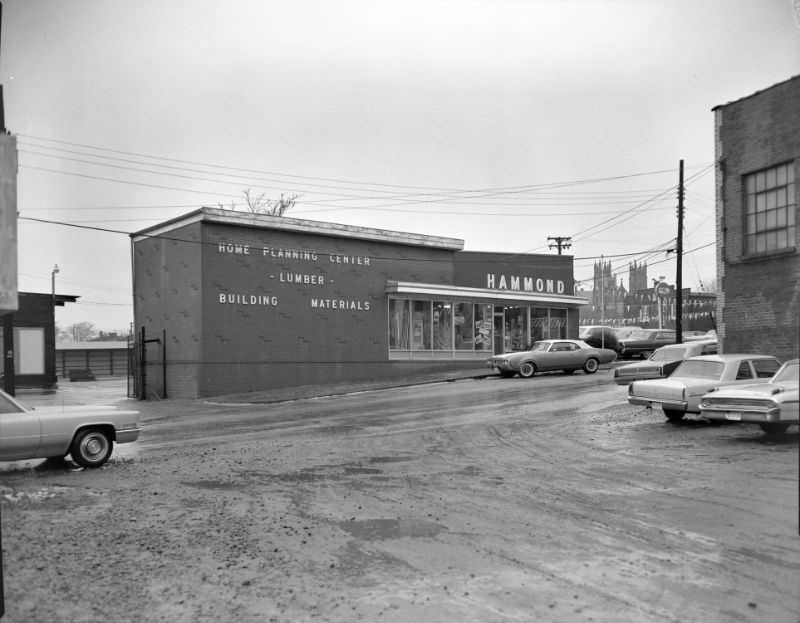
Hammond Lumber on Thorne Ave NW served the building trades and homeowners who were feeding Massillon’s rapid residential expansion throughout the decade. New housing developments were rising on the city’s outskirts during the 1960s, and lumber yards like Hammond’s supplied the materials. A December photograph of a lumber yard gives a sense of the unglamorous, essential commerce that kept a growing city functioning.
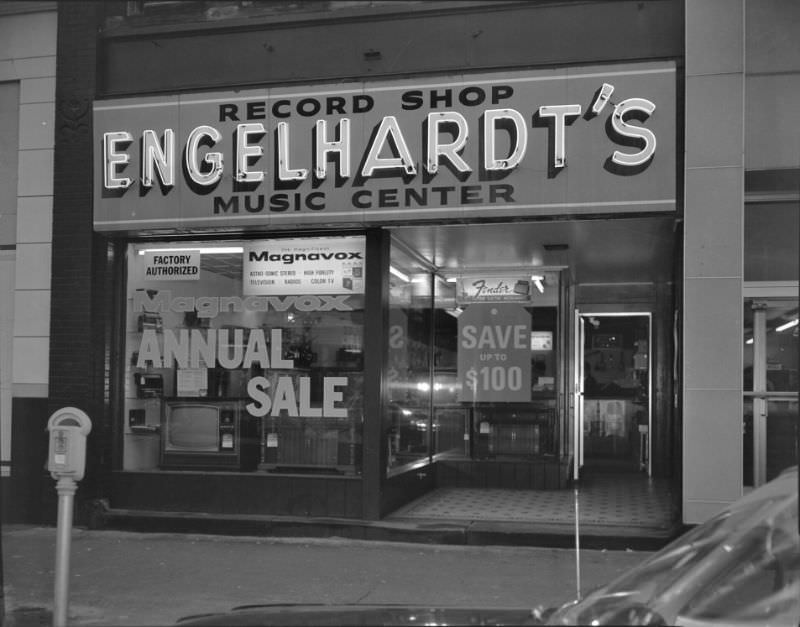
Engelhardt’s Music Center at 45 Erie Street North sold instruments, sheet music, and likely offered lessons — the kind of establishment that served the city’s active arts community. Massillon had a genuine cultural life, with theaters and musical events drawing residents throughout the decade. A music store sitting on Erie Street in early 1969 was part of that broader scene, serving students, hobbyists, and working musicians alike.
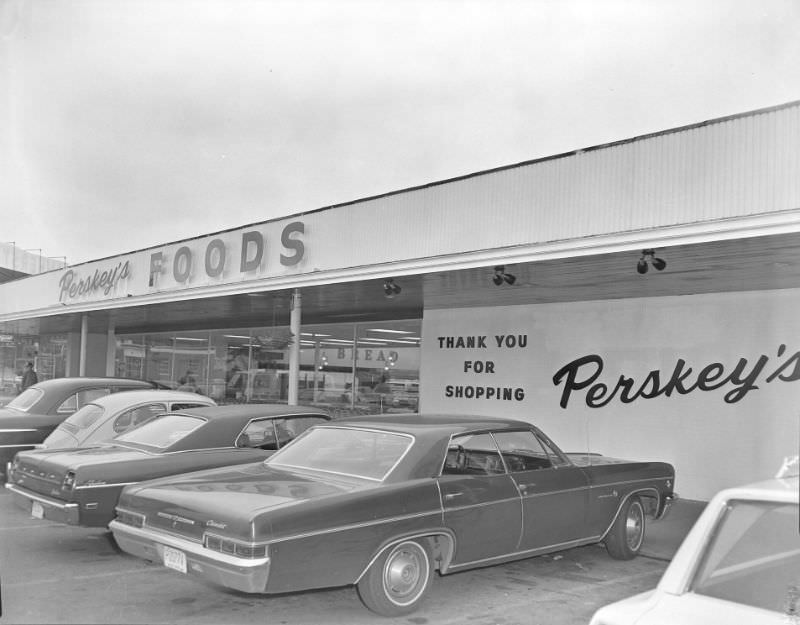
Persky’s Super Center on 1st Street NW was one of the larger retail operations in downtown Massillon. By October 1969, as the decade drew to a close, downtown retail was under mounting pressure from outlying shopping developments. But Persky’s held a prominent place on one of the city’s busiest commercial streets, a sign that the downtown core still had commercial life even as the retail landscape around it shifted.
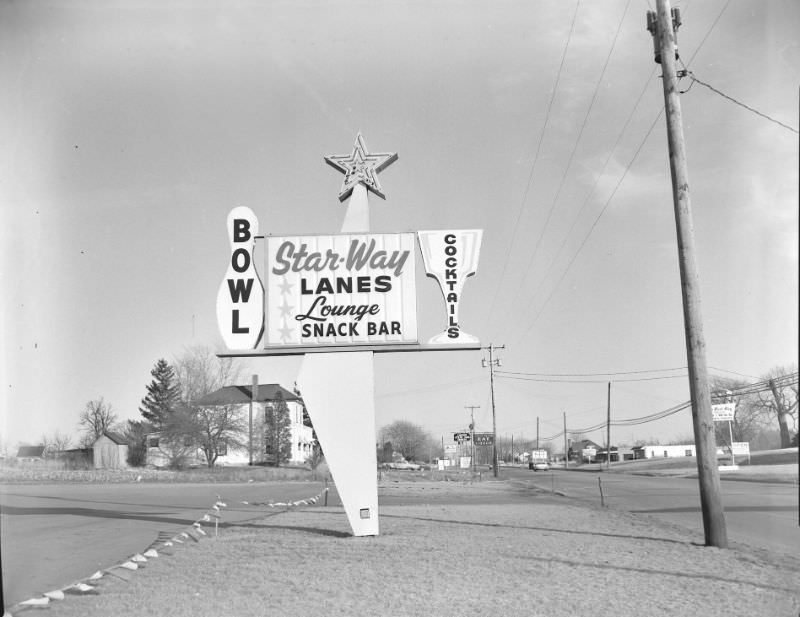
Starway Lanes offered Massillon residents one of the most popular recreational activities of the era. Bowling was at the height of its cultural popularity in the 1960s, with leagues, tournaments, and family outings filling alleys across the country every week. Starway Lanes was part of that national phenomenon, giving Massillon a social venue that brought together people from across the city.
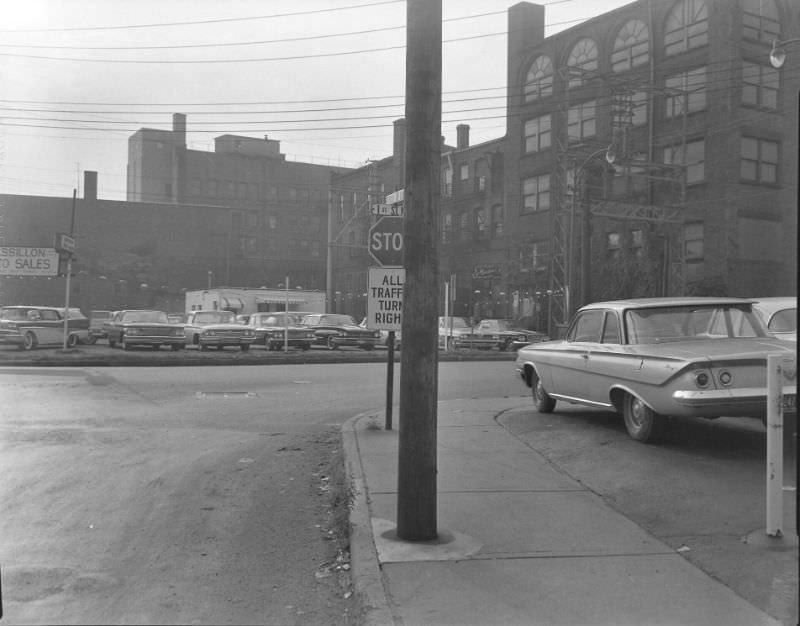
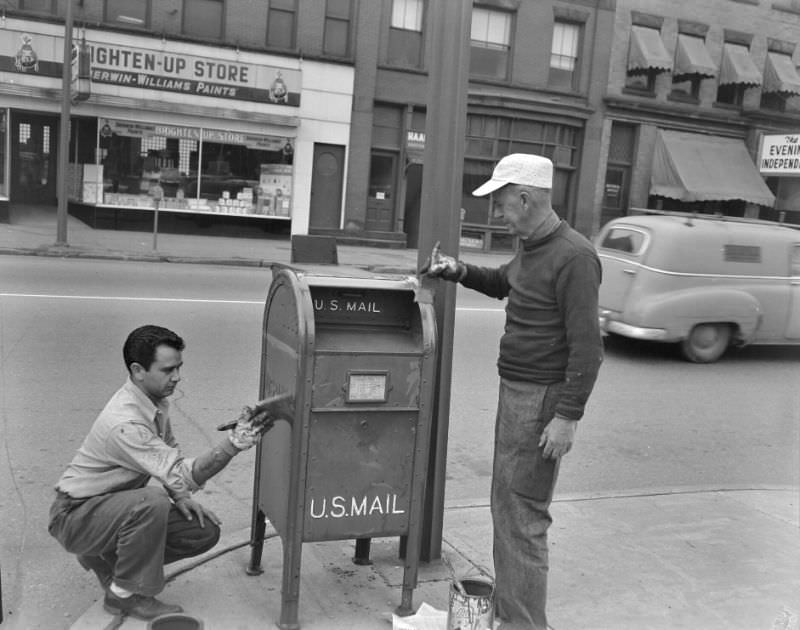
The intersection of 1st and Federal NW and the stretch of Erie Street North were among the most photographed corners of downtown Massillon. These streets concentrated much of the city’s retail and commercial energy. Erie Street in particular connected several key blocks of business activity, and photographs taken along it throughout the decade show a consistent parade of storefronts, parked cars, and pedestrians.
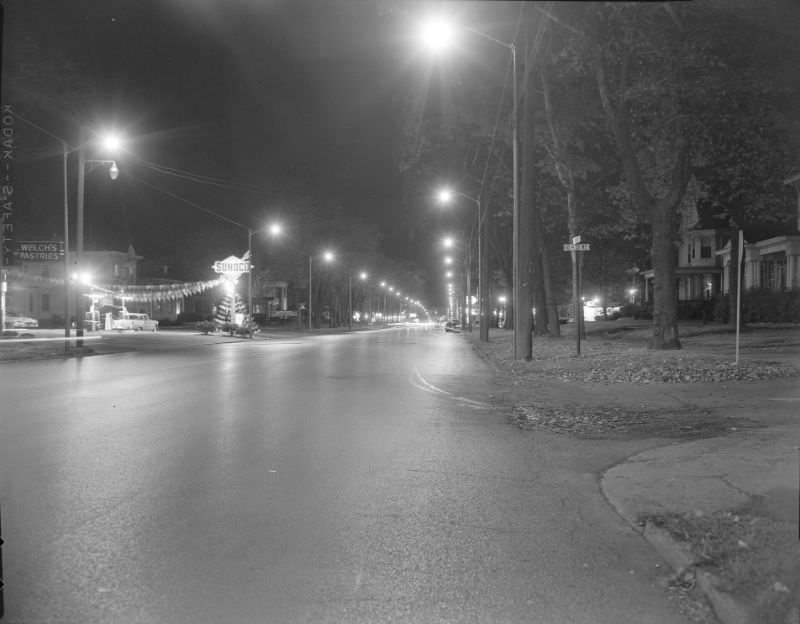
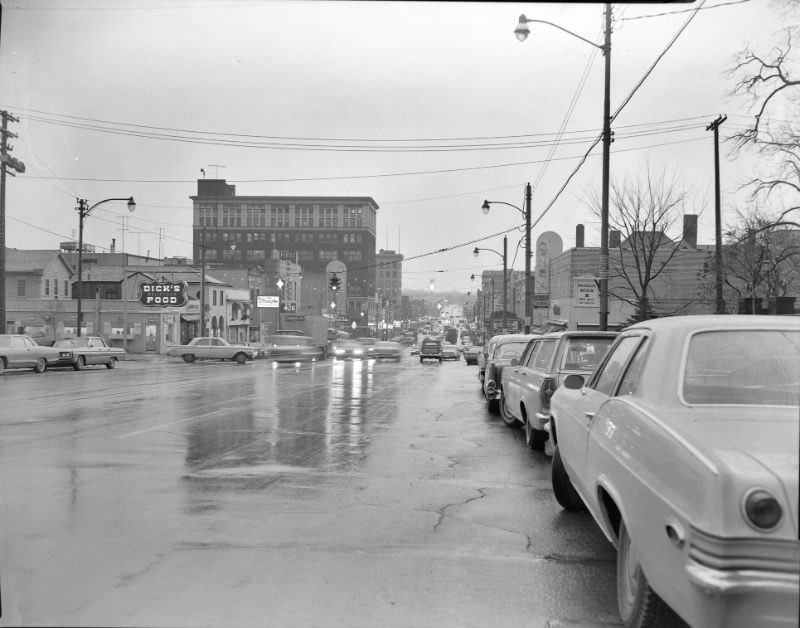
Lincoln Way East extended out toward the edges of the city, and the photographs taken along it show how Massillon’s commercial spine stretched beyond the traditional downtown. At 10th Street SE, the character of Lincoln Way shifted — the storefronts spaced out, lots grew larger, and the automobile became even more central to how people moved through that part of the city.
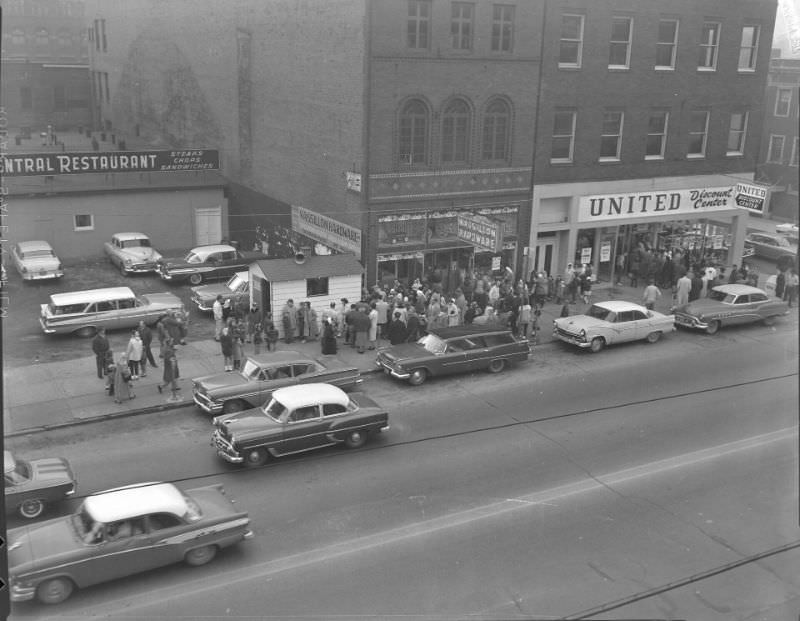
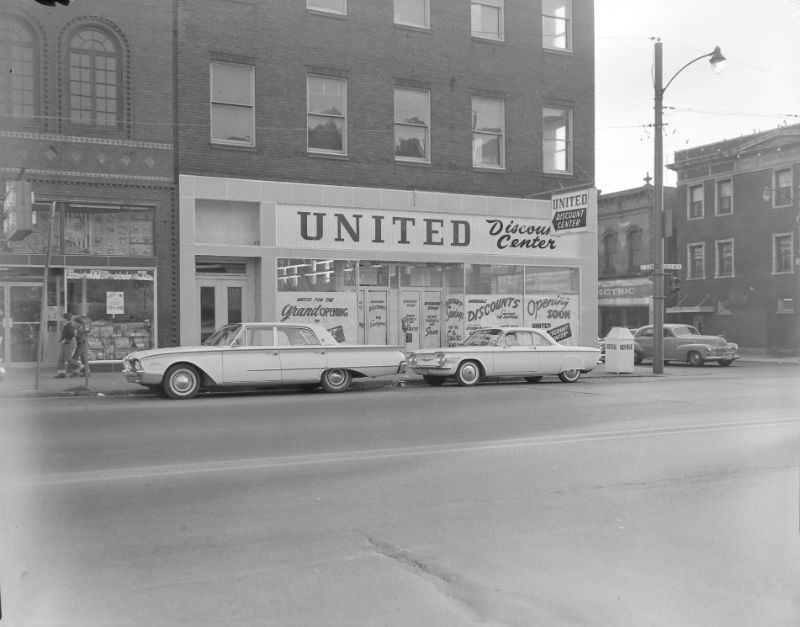
Massillon Hardware and the United Discount Center represent two different retail philosophies operating in the same city at the same time. The hardware store was a specialized, expert-staffed shop where customers went for specific needs and guidance. The discount center sold volume at low prices, appealing to a broader range of buyers. Both existed in Massillon simultaneously throughout the 1960s, competing for the same customers in very different ways.
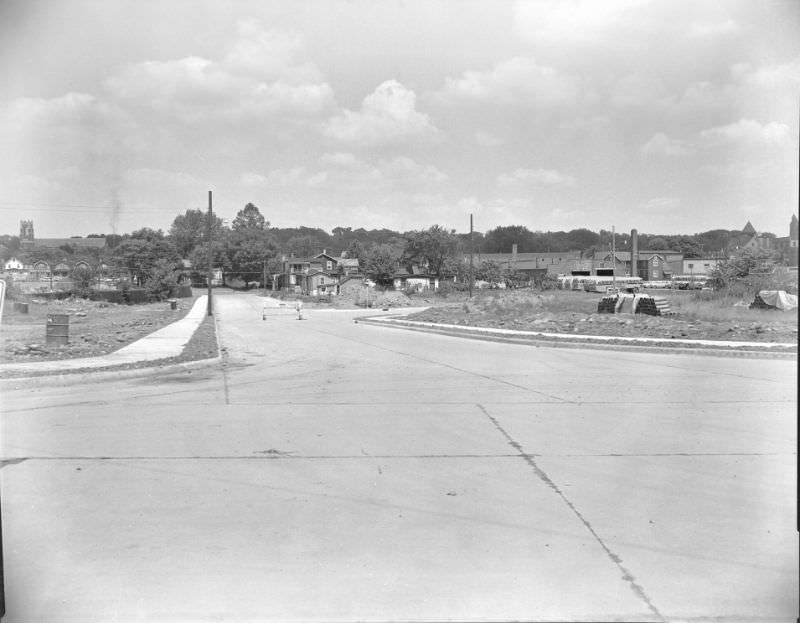
Weirich Boulevard NW sits on the northwest side of the city, away from the commercial center. A photograph taken along this street in the 1960s captures the quieter, residential texture of Massillon — tree-lined blocks, modest homes, and the everyday landscape of a working city. Together, these 30 photographs trace the full shape of Massillon across a decade: its storefronts and neighborhoods, its old institutions and new arrivals, all preserved in black and white at the exact moment they existed.





Very interesting, love seeing old pics.
I grew up in Sandusky, and it was also a thriving town, with places like the Ford parts plant, and New Departure Hyatt GM bearing plant, one of the world’s largest at that time.
All along the Lake Erie shoreline actually.
Thanks for sharing, made my dad’s day ! He grew up in Massillon in the 60s.
Such a shame that so much was destroyed. What does Massillon do to keep up preservation of the buildings that are still downtown? Several have gotten shaky and were just taken down. Would have been nice to preserve them.
Great pictures.