Angel (1937) is an American comedy-drama produced and directed by Ernst Lubitsch. The film stars Marlene Dietrich as Maria ‘Angel’ Barker, alongside Herbert Marshall as her husband Frederick Barker and Melvyn Douglas as Anthony Halton. It was the final film Dietrich made at Paramount Pictures, and it stands as one of the more quietly sophisticated pictures of its era.
Lubitsch steers well away from the broad physical comedy and absurdism that marked some of his earlier work. Instead, Angel is built on sharp, precisely crafted dialogue and a steady undercurrent of tension. Every scene is arranged to say more than the words on the page, and that restraint is exactly what makes it so compelling.
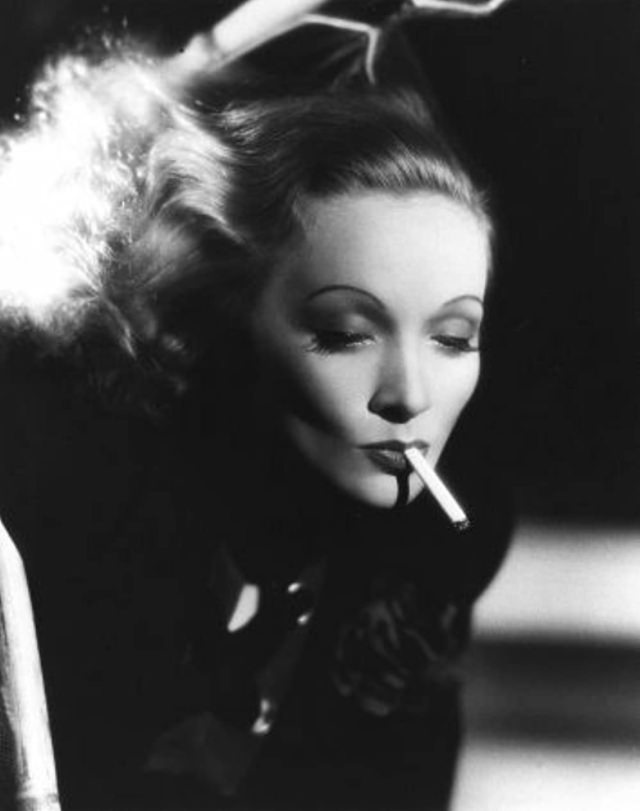
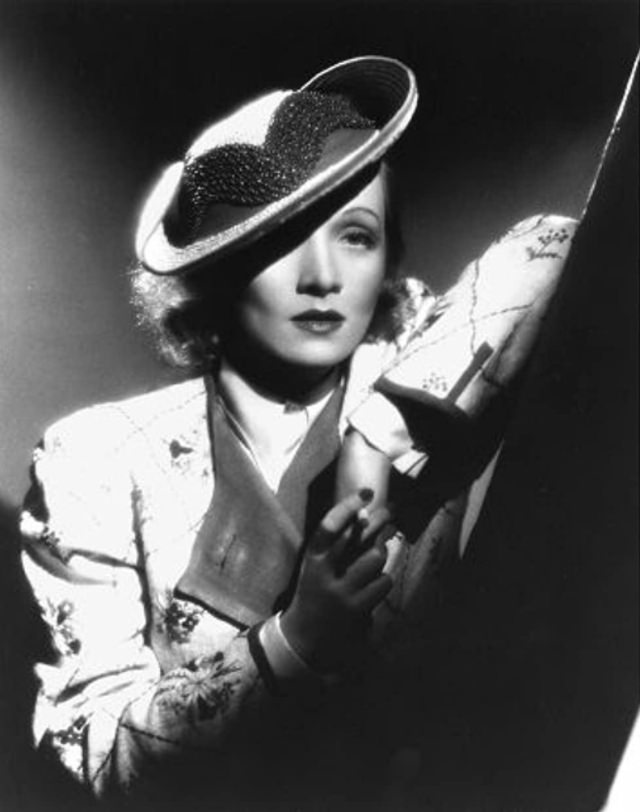
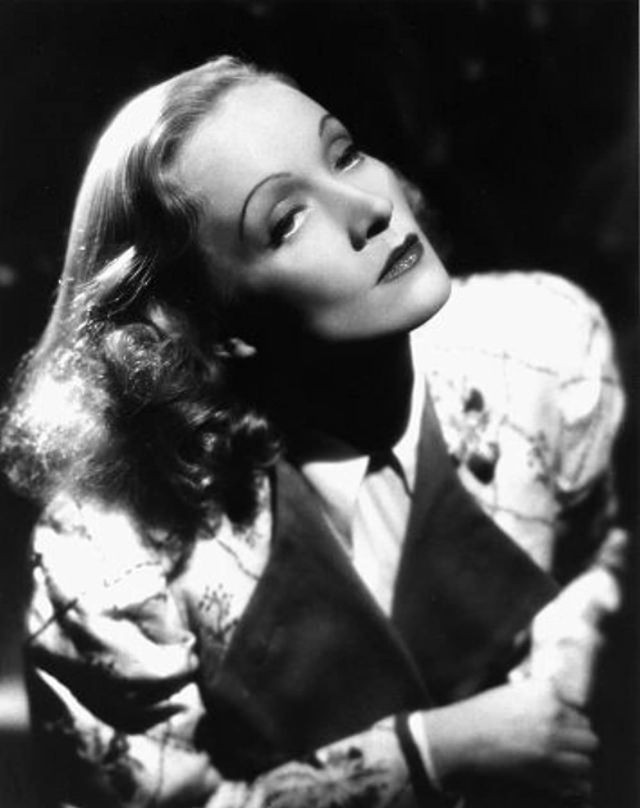
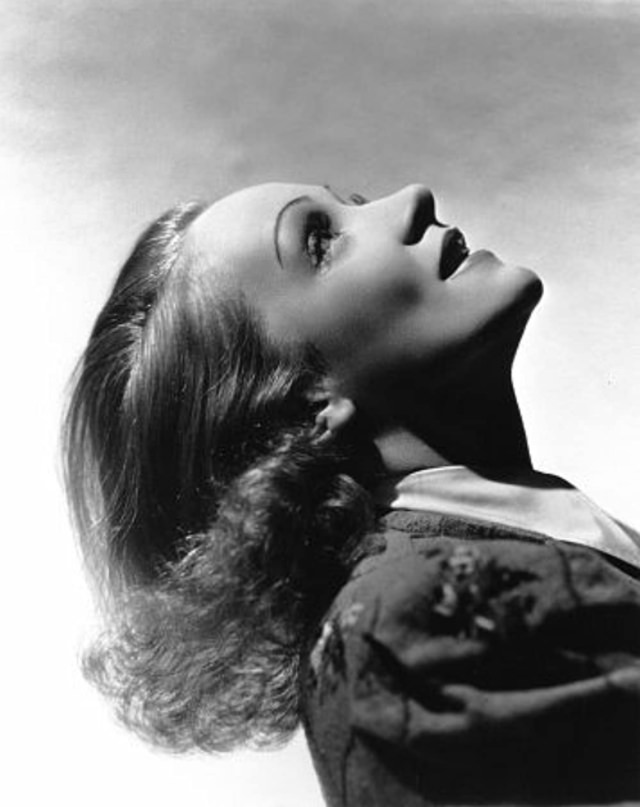
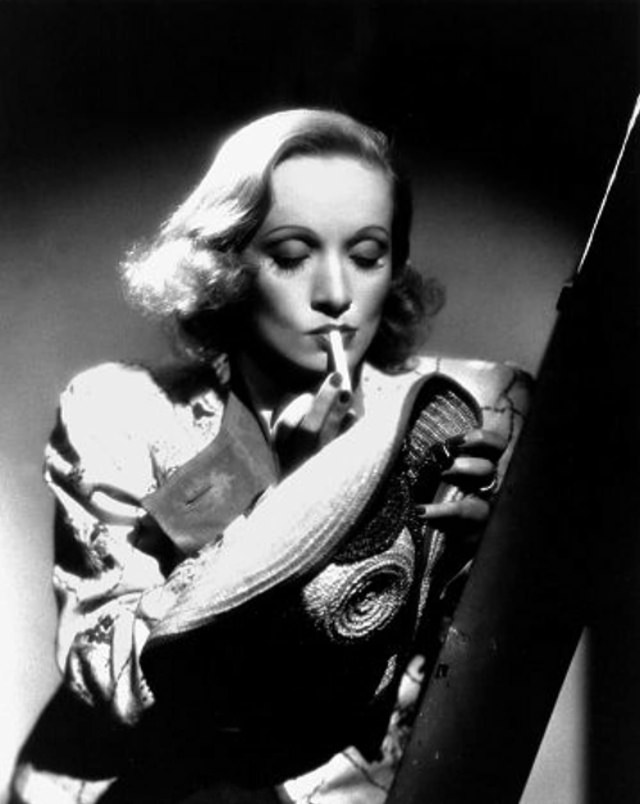
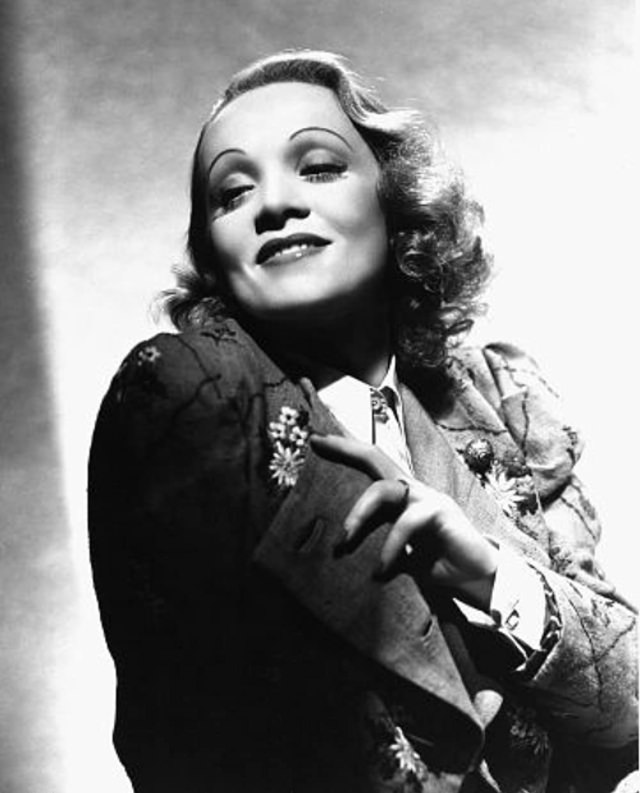
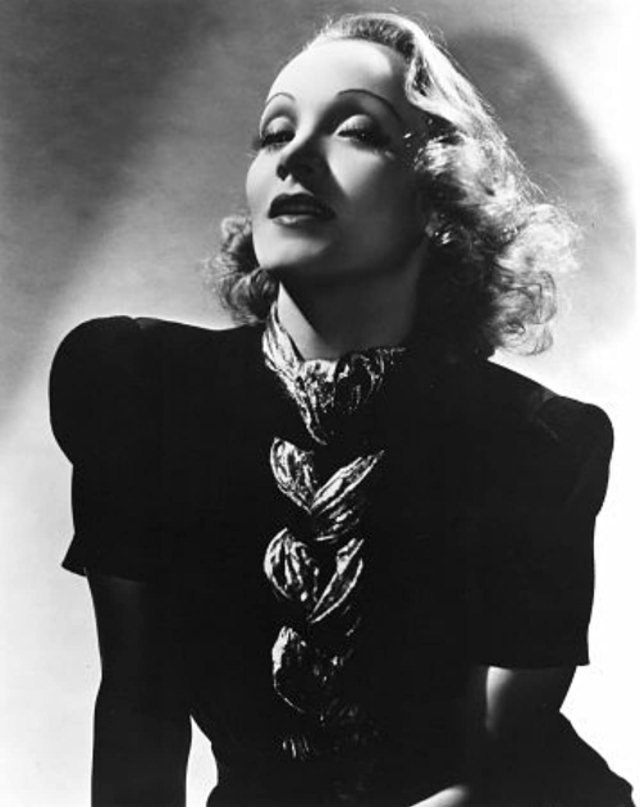
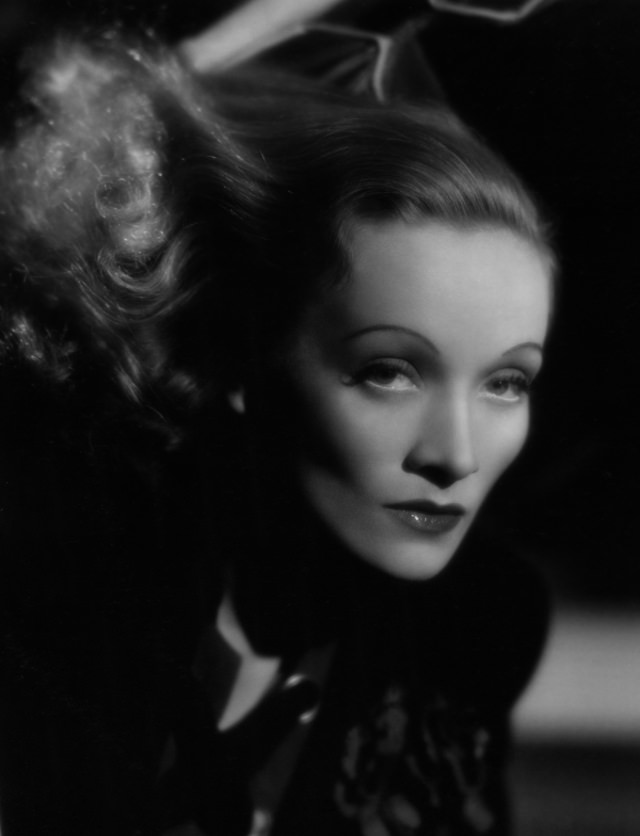
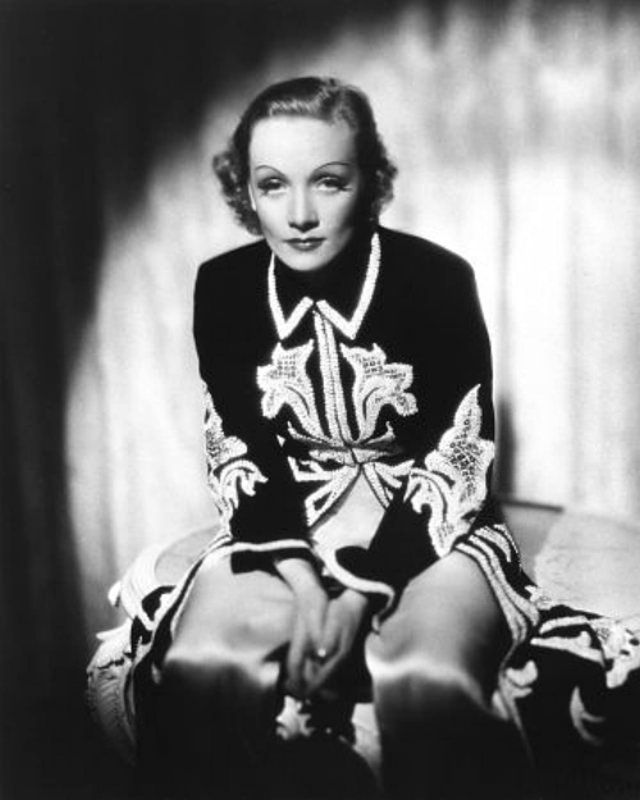
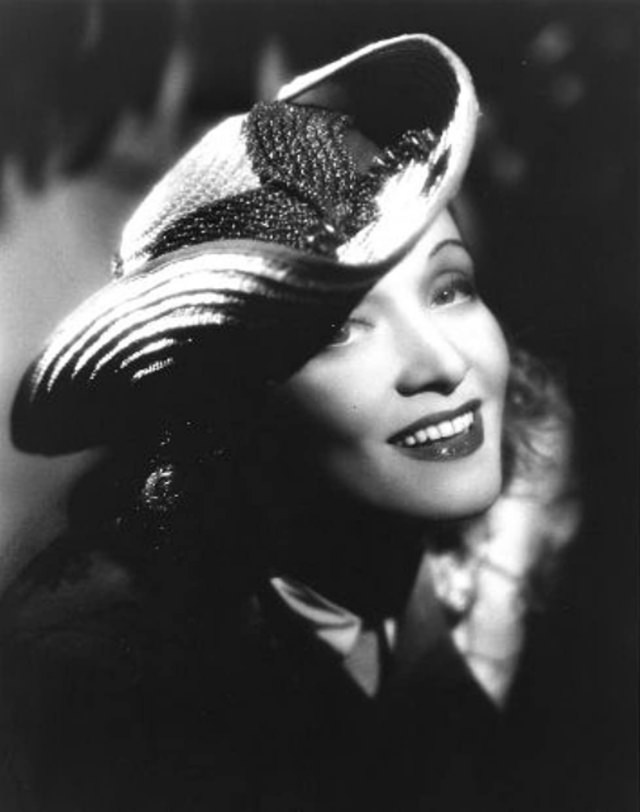
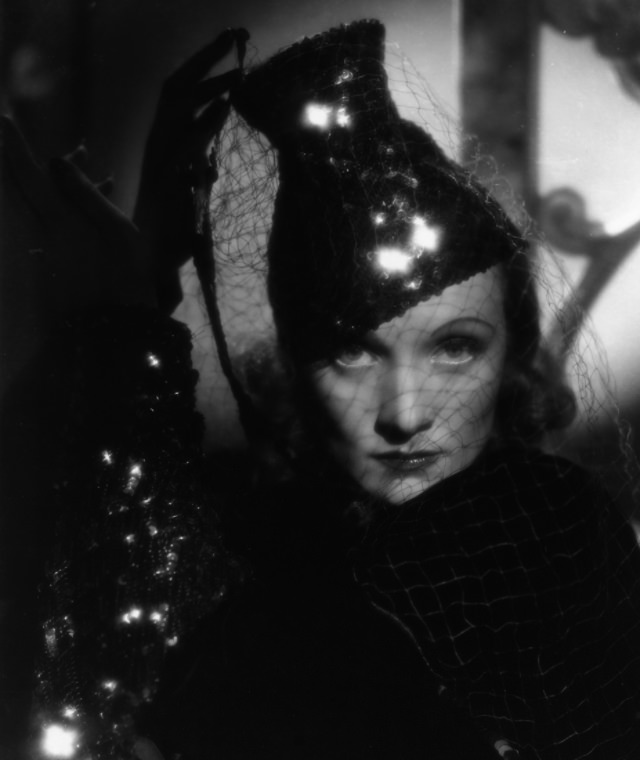
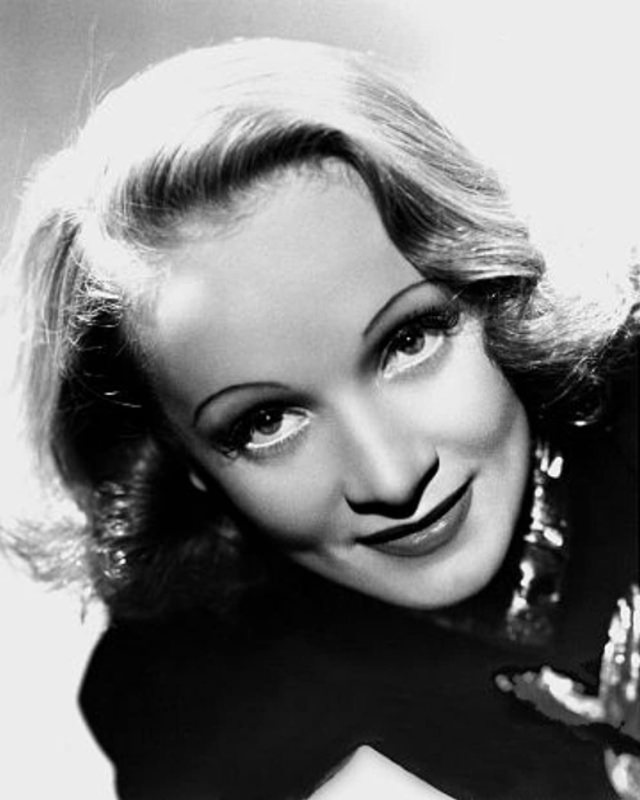
Cinematographer Charles Lang shoots Dietrich with careful, delicate lighting that highlights every detail of her presence on screen. Travis Banton’s costume design is equally precise — each outfit worn by Dietrich is tailored to reinforce her character’s elegance and the unspoken complexity she carries throughout the film.
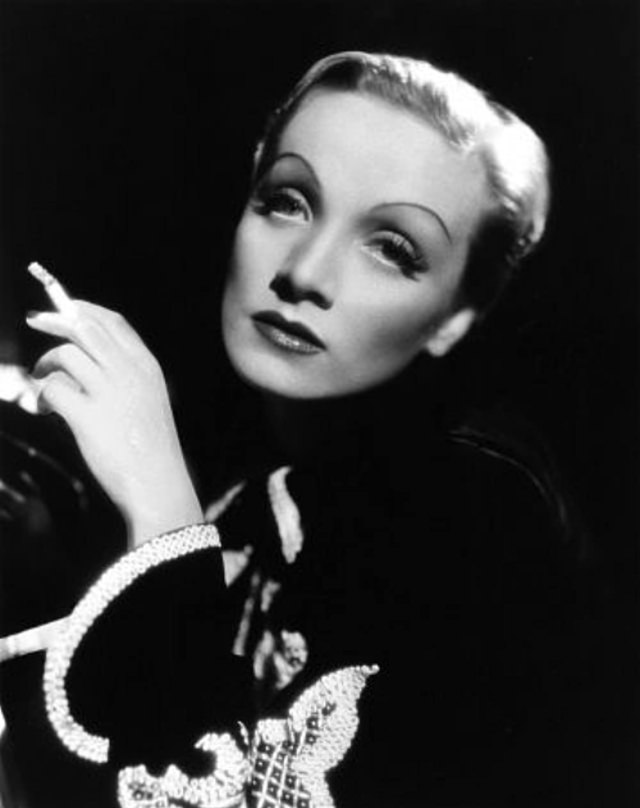
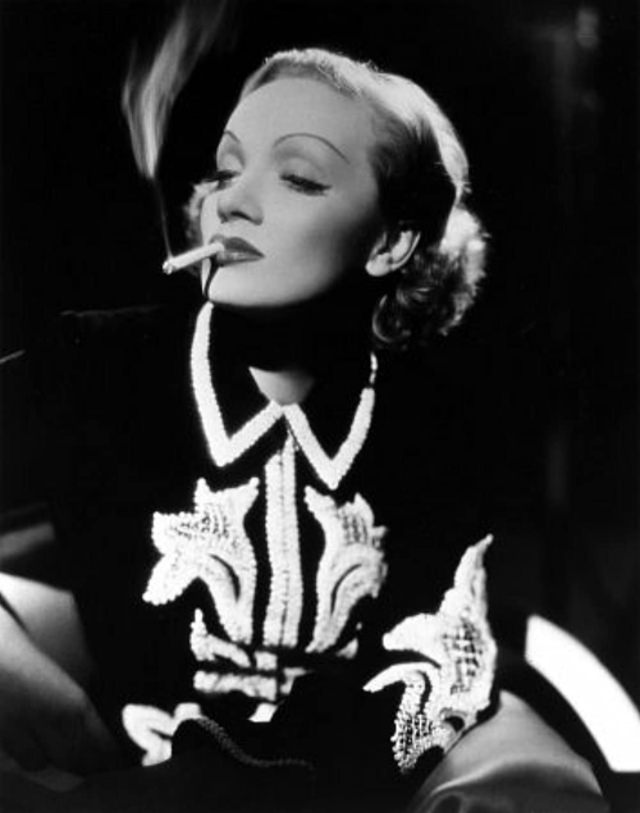
Dietrich plays Maria Barker with deliberate subtlety. She never overreaches. Her performance works through small gestures, controlled expressions, and a natural allure that draws the viewer in without demanding attention. The result is a character who feels genuinely alive rather than performed.
Herbert Marshall as Frederick Barker and Melvyn Douglas as Anthony Halton both deliver measured, nuanced performances. The tension between the two men — and between each of them and Maria — is never spelled out directly. It builds quietly, held in check by the control both actors bring to their roles.
Supporting players Edward Everett Horton and Ernest Cossart appear in smaller roles as Graham and Mr. Wilton. Neither role is central to the story, but both actors bring a strong sense of poise and timing that adds depth to the film’s surrounding world.
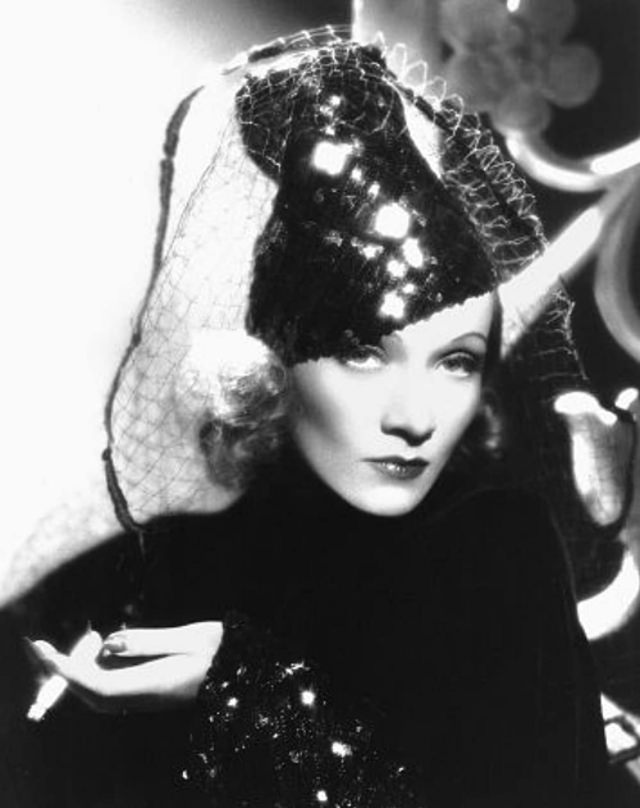
Banton’s set design and decoration work in close harmony with Lang’s cinematography. Every visual element of Angel feels considered. The rooms, the lighting, the framing — all of it serves the story’s quiet, simmering emotional core rather than existing purely for spectacle.
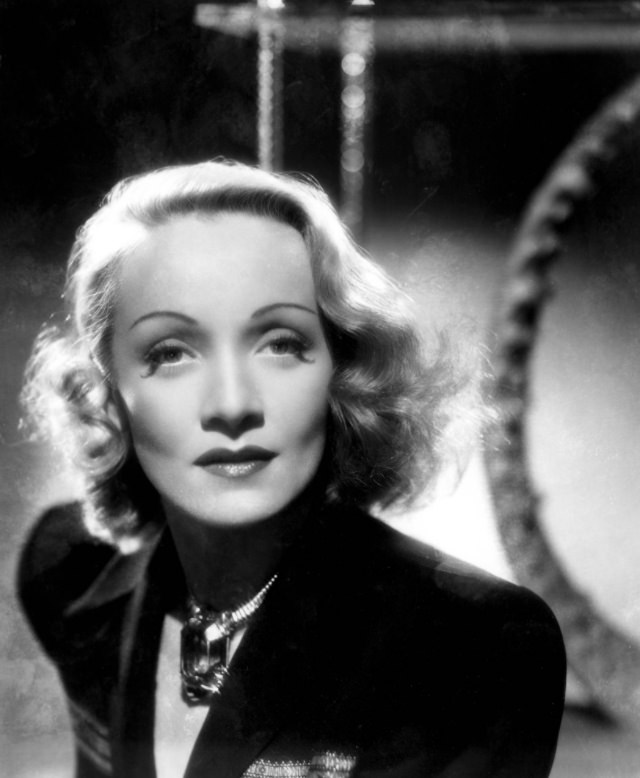
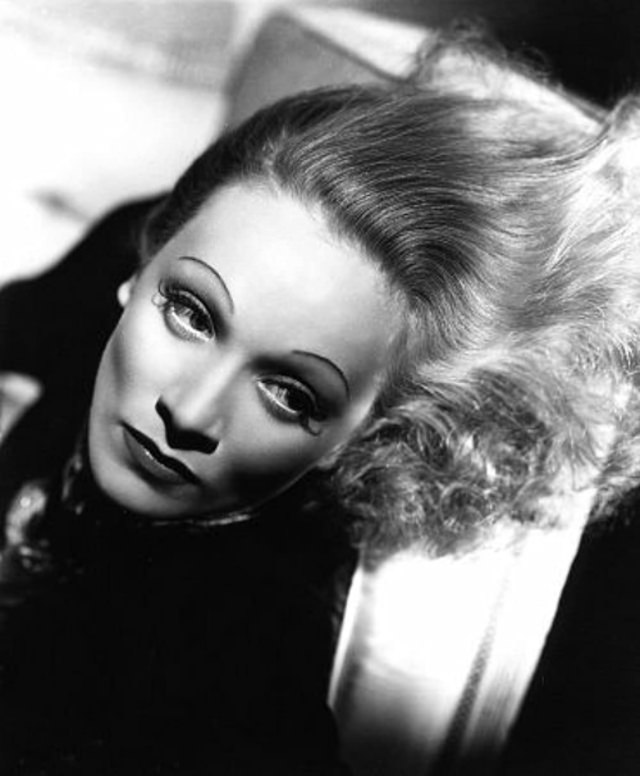
What makes Angel distinctive is how much it achieves through restraint. Lubitsch trusts his cast and his audience. Nothing is over-explained. The film’s wit lives in what characters don’t say, in pauses, in glances, and in the architecture of scenes that feel inevitable only in hindsight.
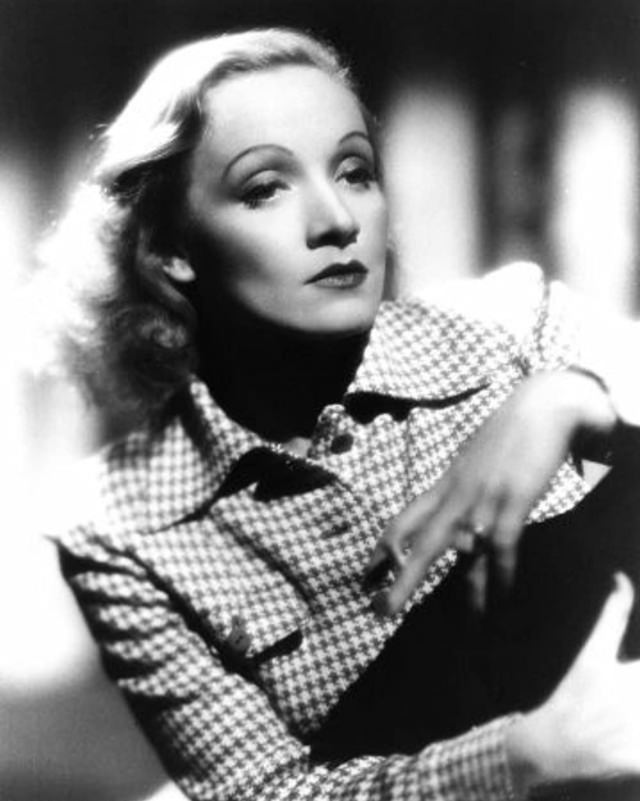
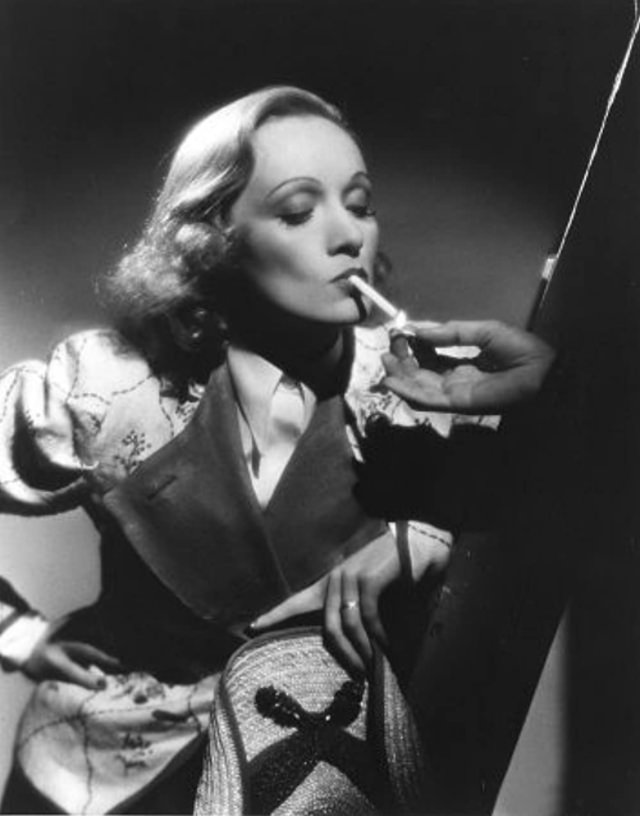
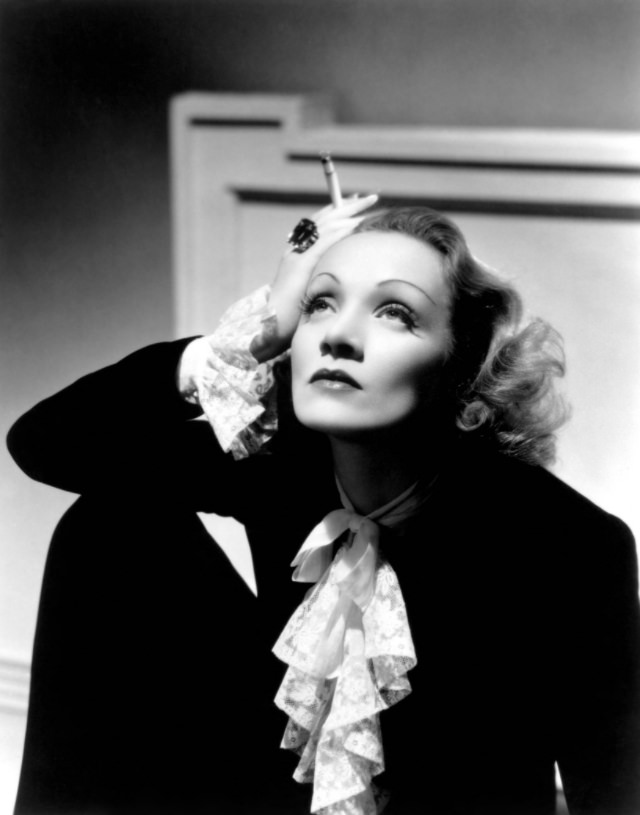
Below is a collection of fabulous photos of Marlene Dietrich from the production of Angel (1937), showcasing her striking screen presence and the exceptional visual craftsmanship that defined the film.