Margaret Morris was born in Britain in 1891. She trained in classical ballet from a young age, but the strict, formal style felt limiting to her. She wanted movement that felt natural and free — so she created her own.
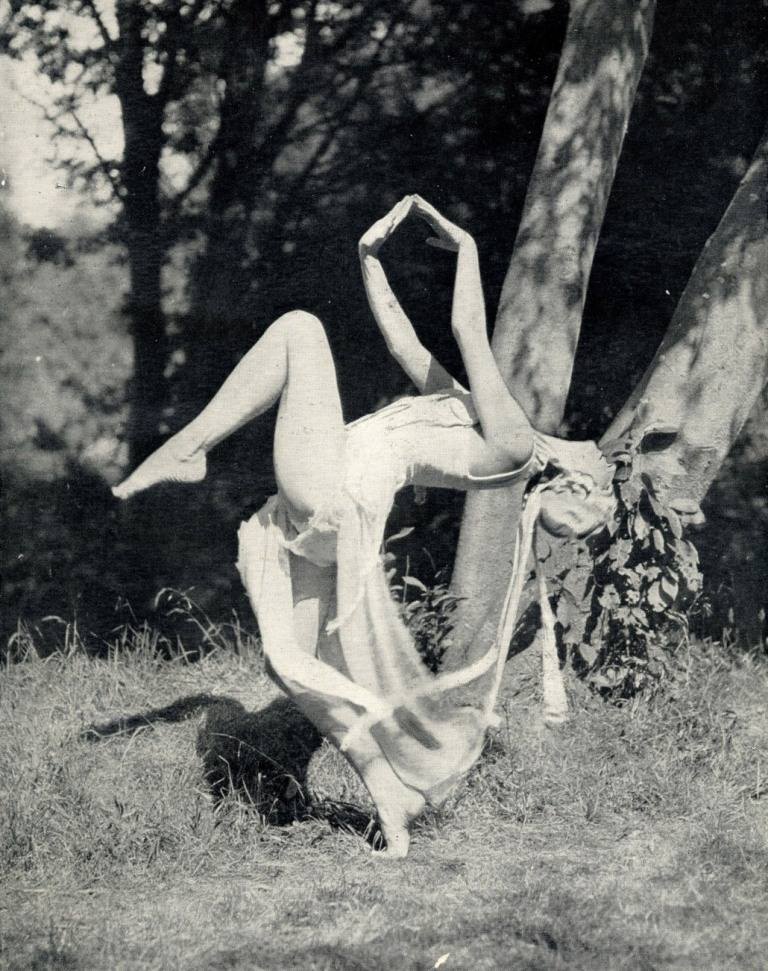
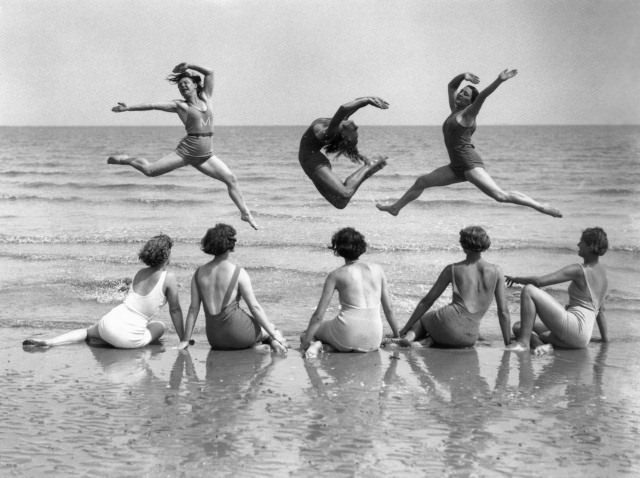
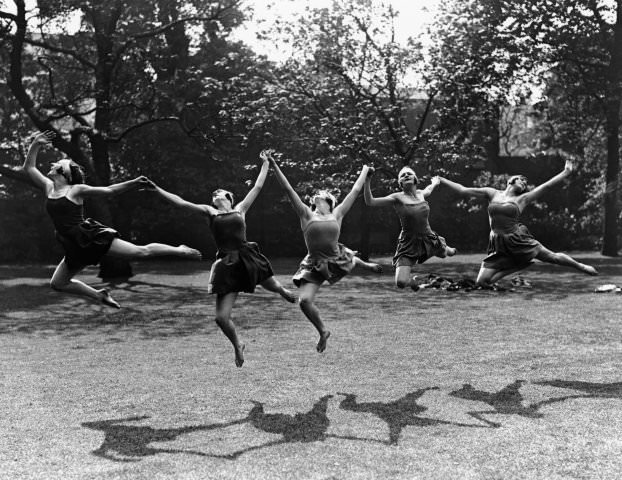
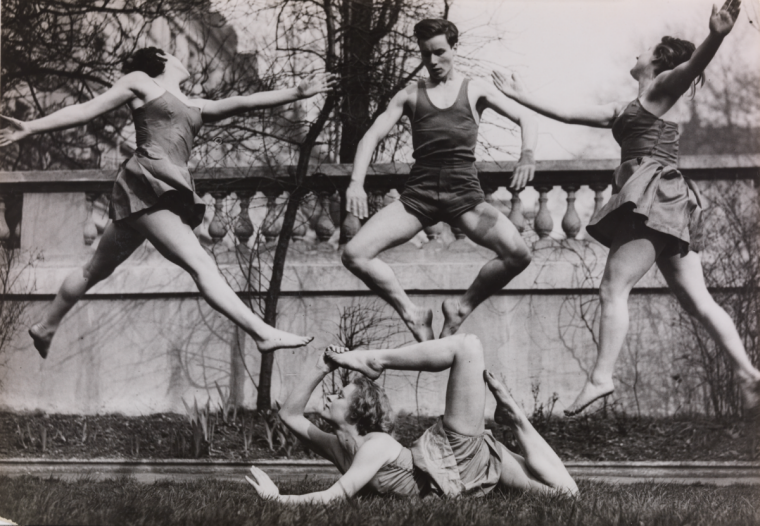
Morris developed what became known as the Margaret Morris Method. It centered on flowing, natural movements that built posture, balance, and coordination. The goal was to benefit both the body and the mind.
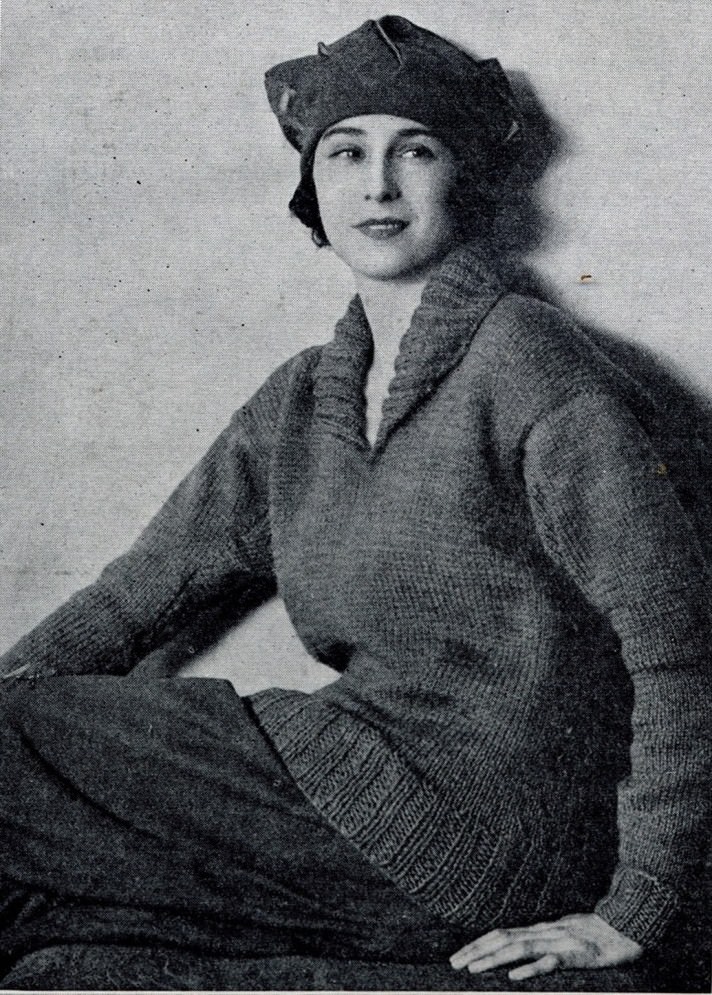
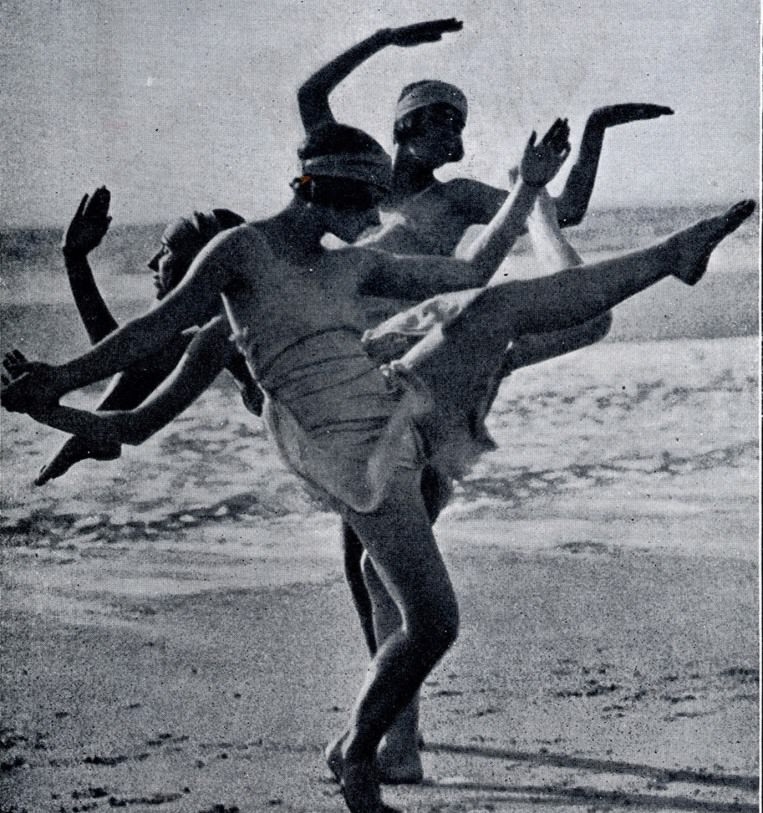
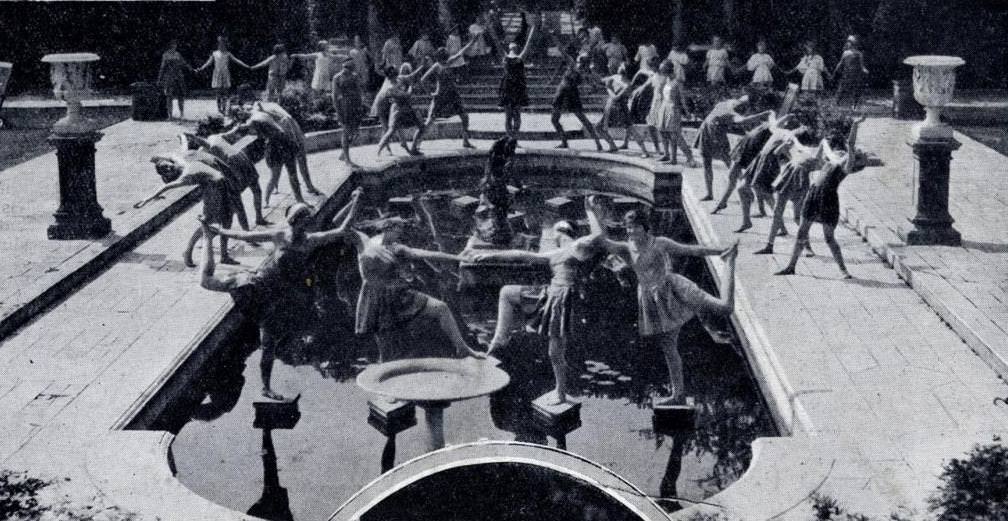
She believed dance should be open to everyone. Morris taught people of all ages and abilities, including those with disabilities. She opened schools across Britain and parts of Europe to spread her method.
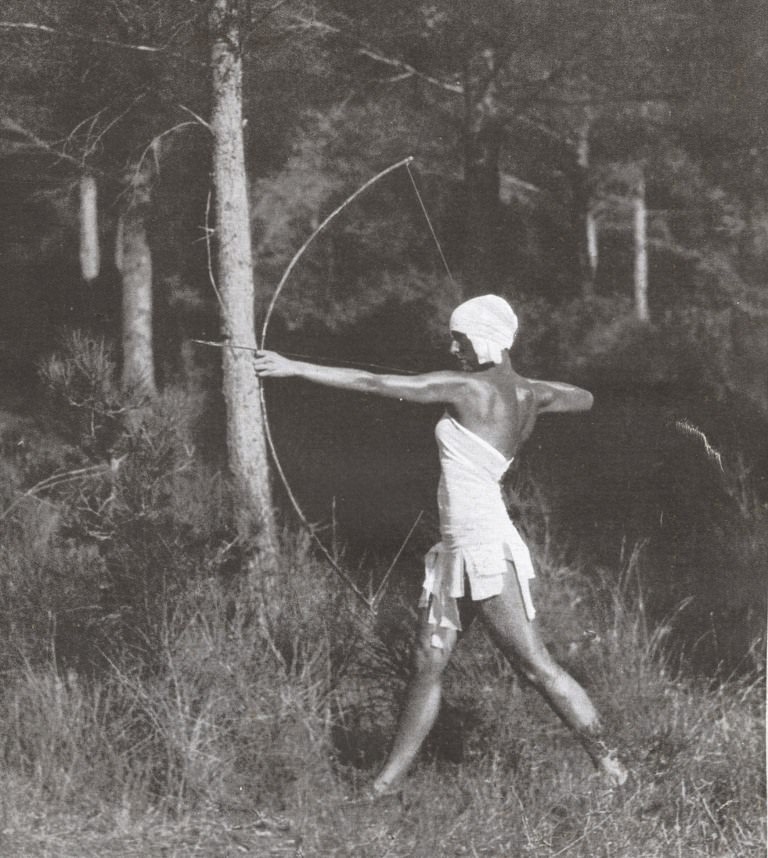
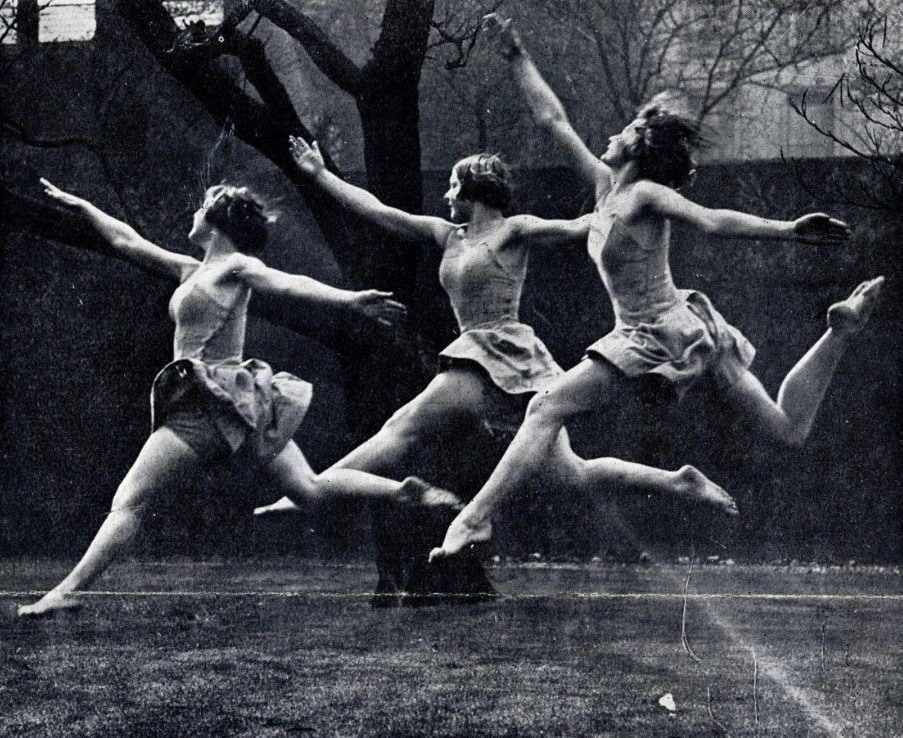
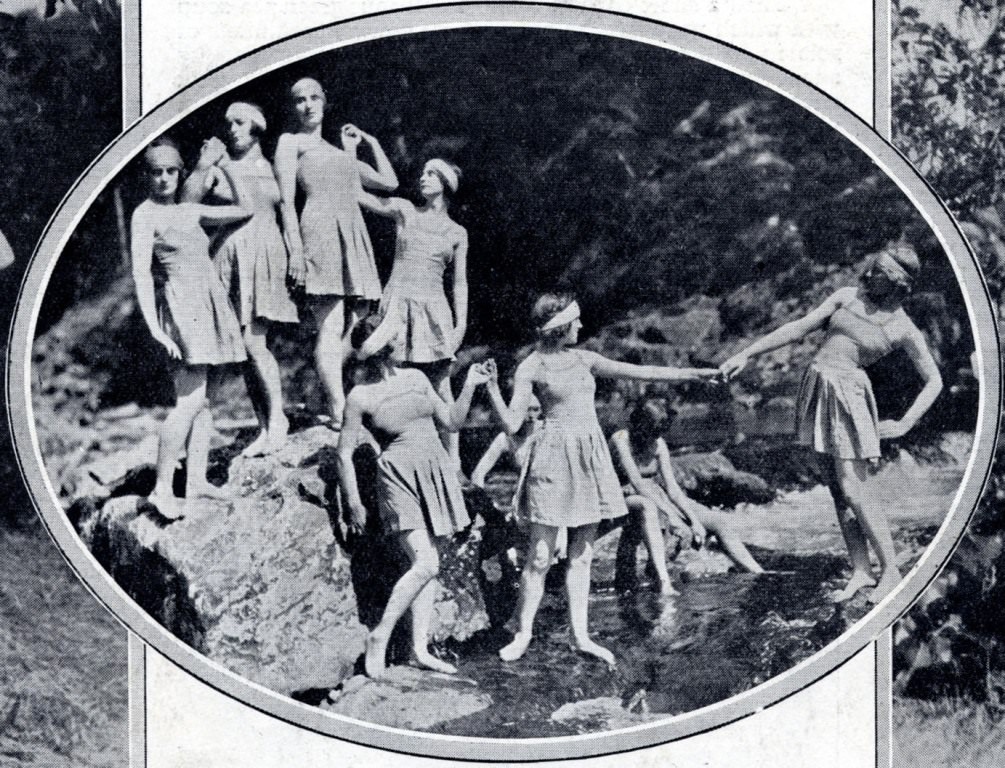
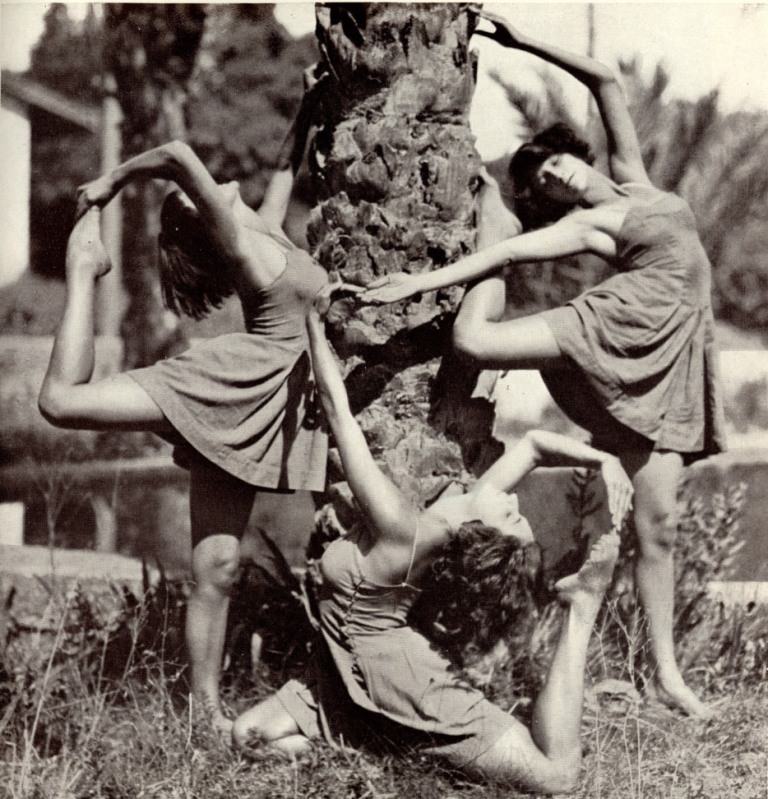
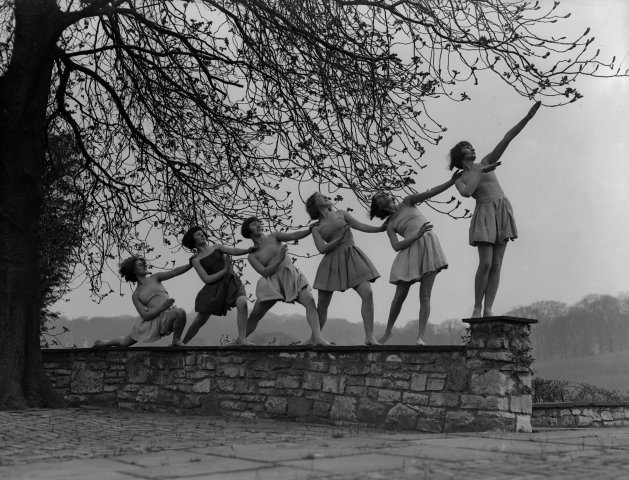
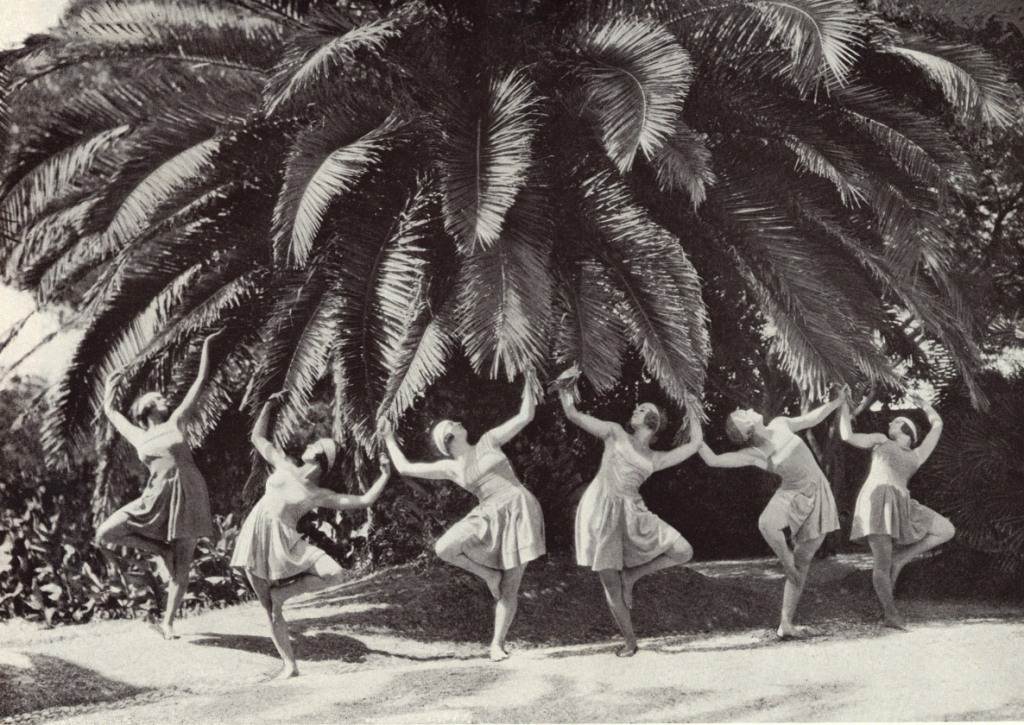
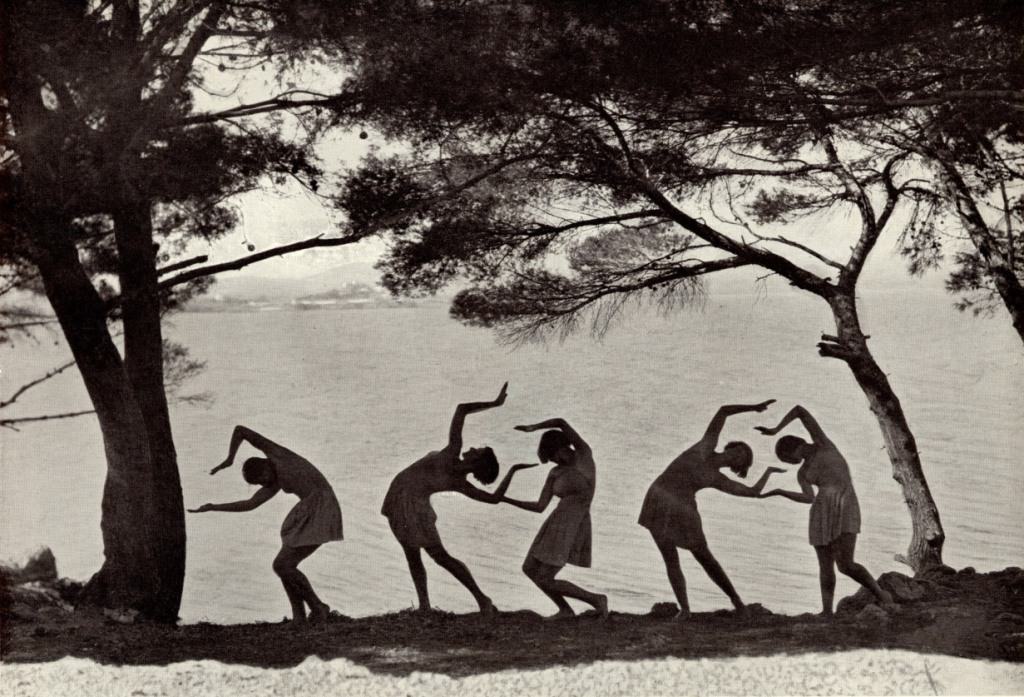
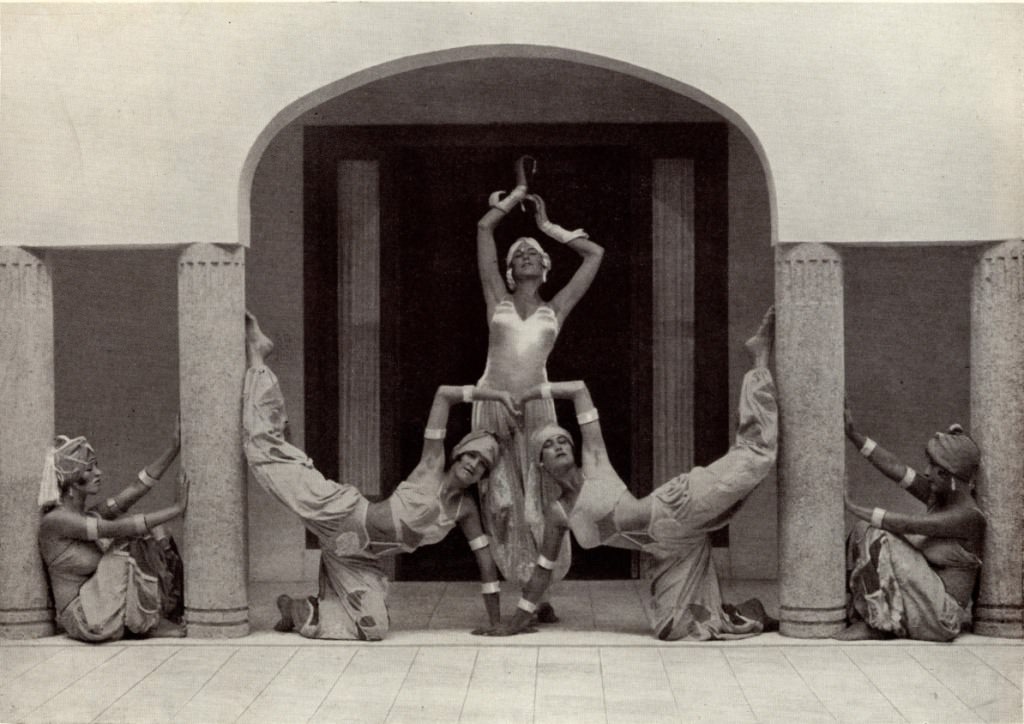
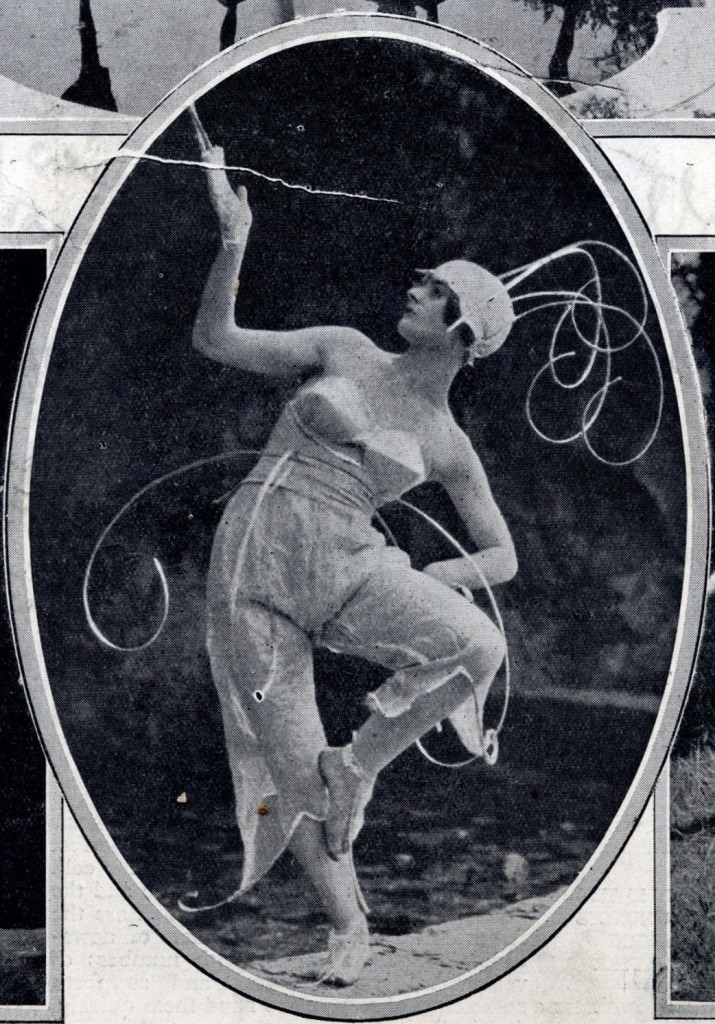
For Morris, movement was a form of expression. Her choreography conveyed emotions and ideas, and she frequently staged performances in outdoor settings, using natural landscapes as part of the work itself.
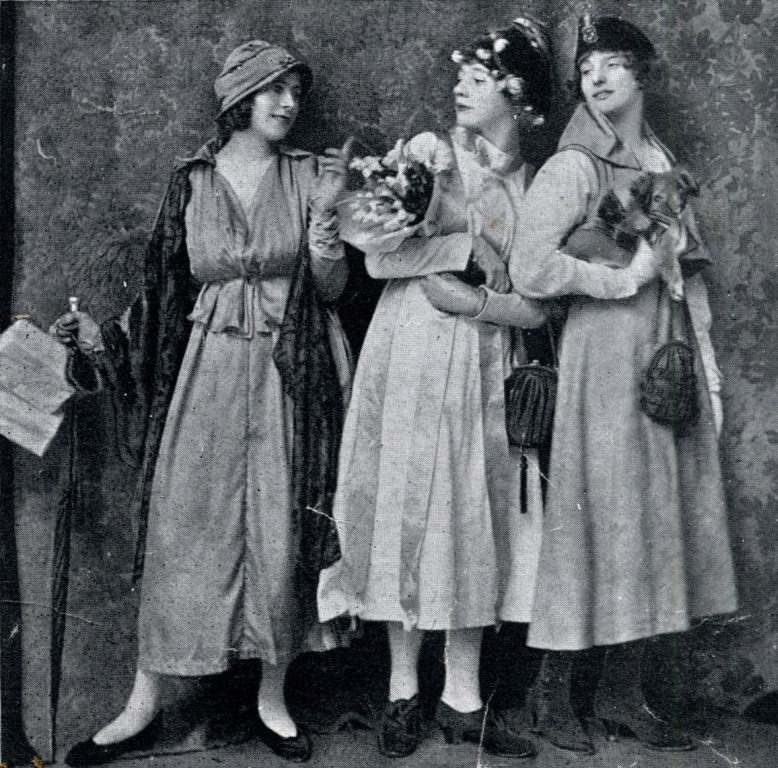
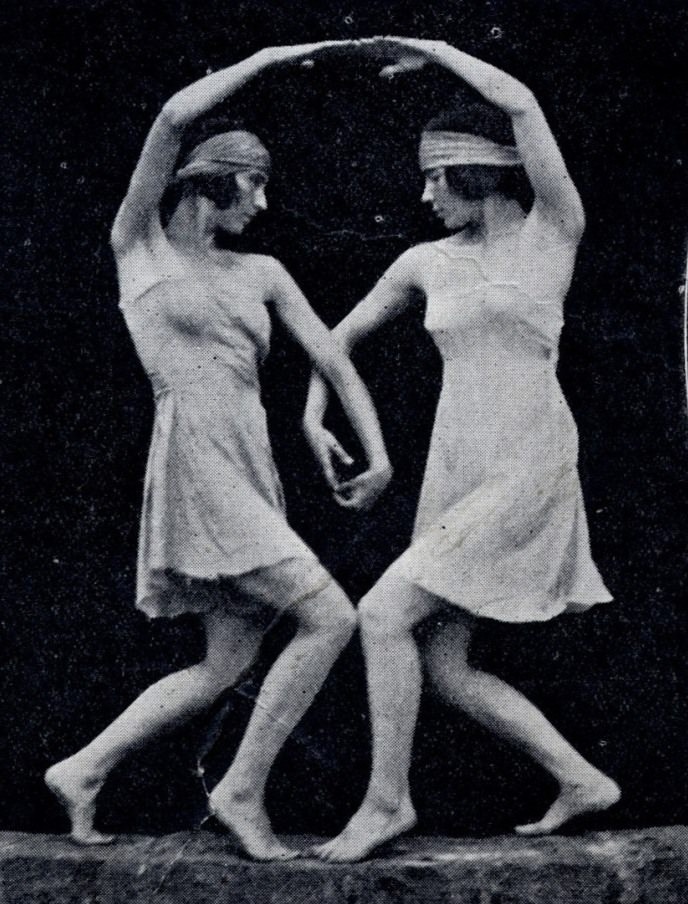
Morris also connected her method to health and rehabilitation. She worked alongside doctors and therapists to design exercises that helped people recover from injuries — an approach that was well ahead of mainstream thinking at the time.
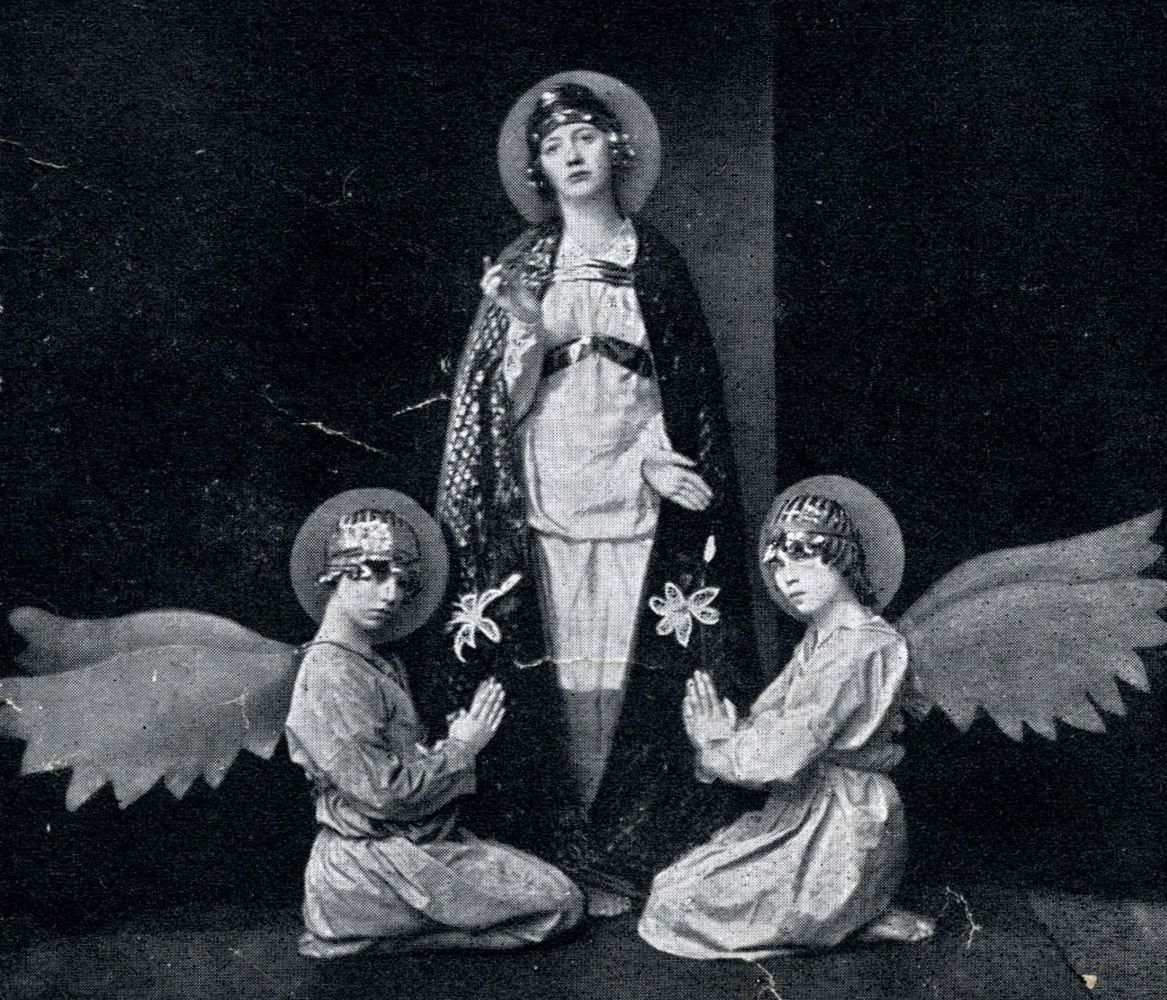
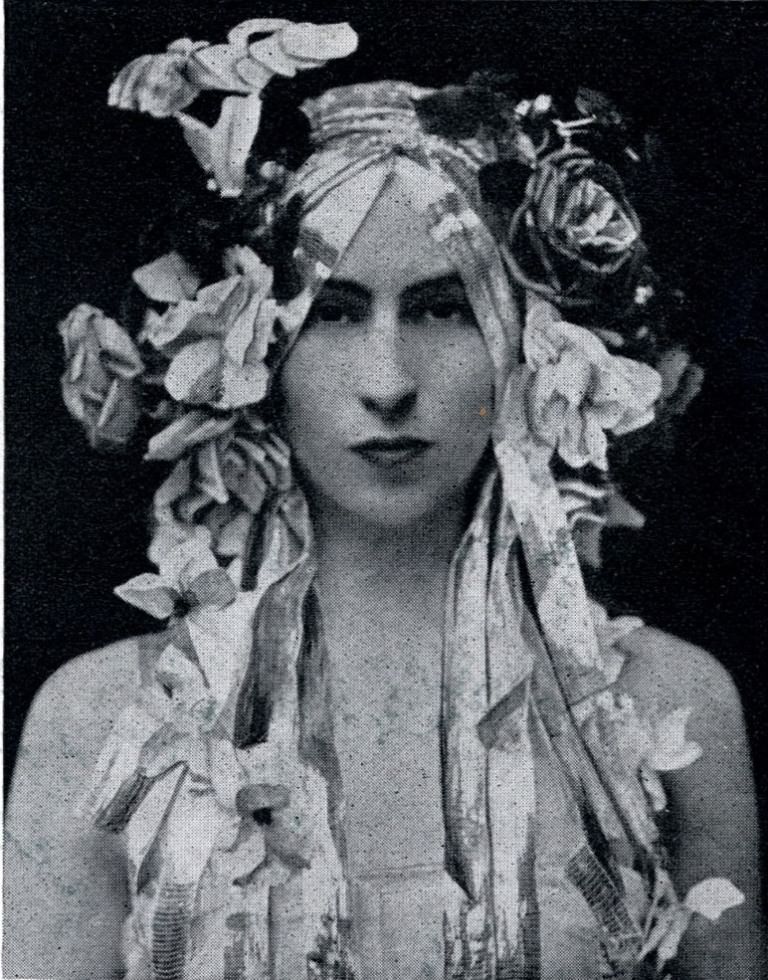
Her talents stretched well beyond dance. Morris designed her own costumes, painted, and wrote books. She approached art as something woven into every part of life, not confined to a stage.
Not everyone accepted her unconventional approach. Some dismissed her style as too far outside the norm. Morris pushed forward regardless, continuing to teach and choreograph while building a loyal following.