
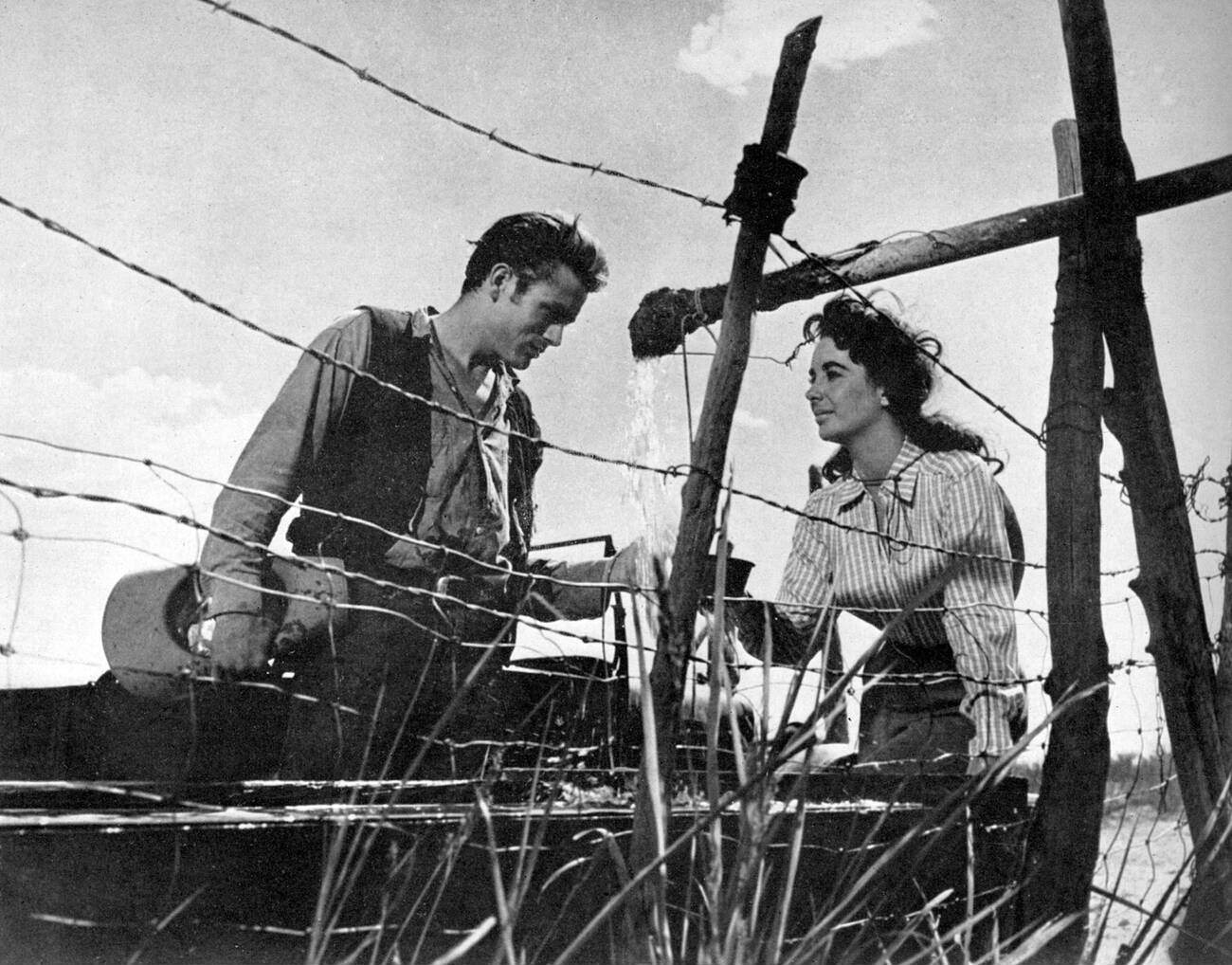
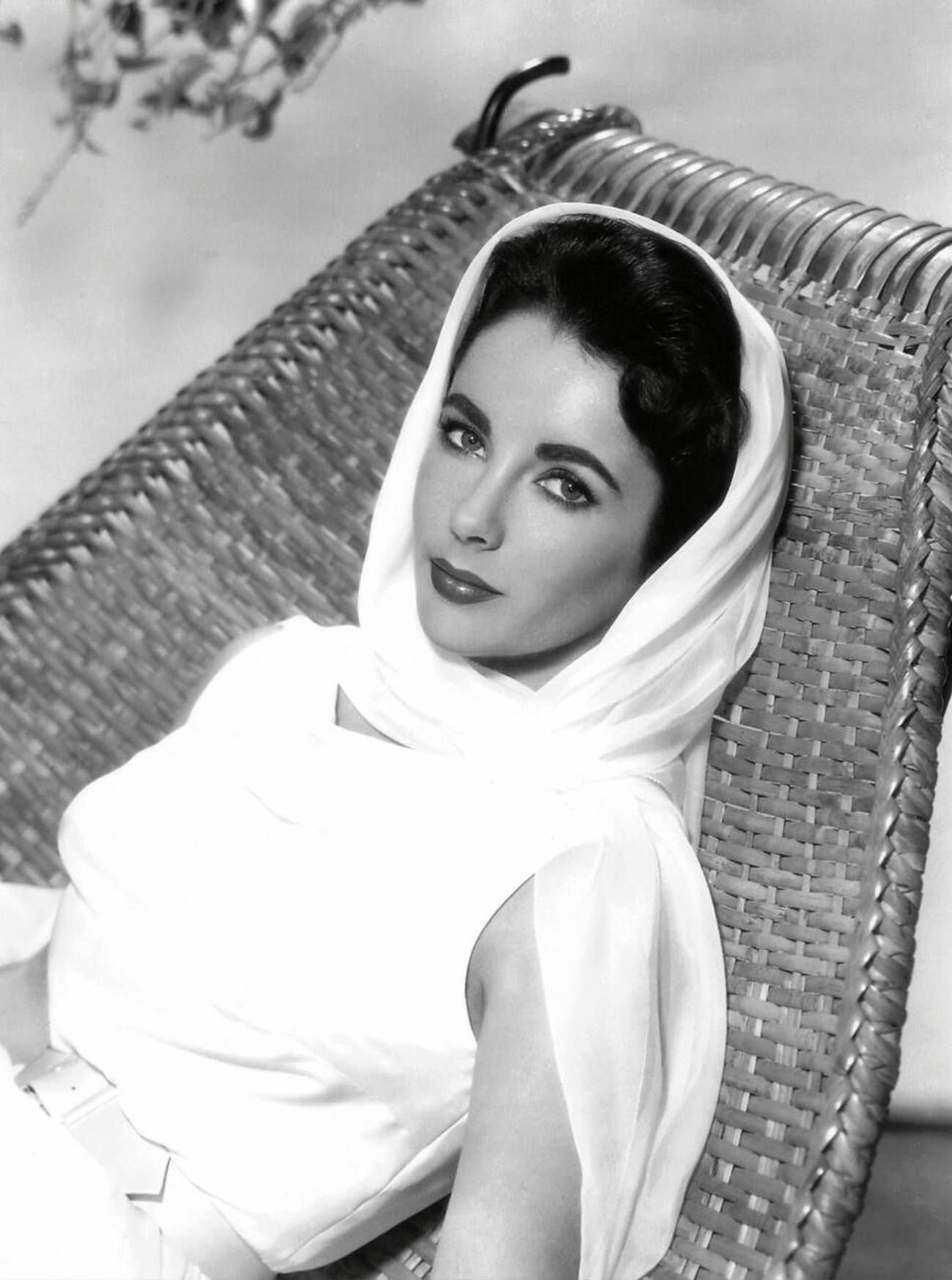
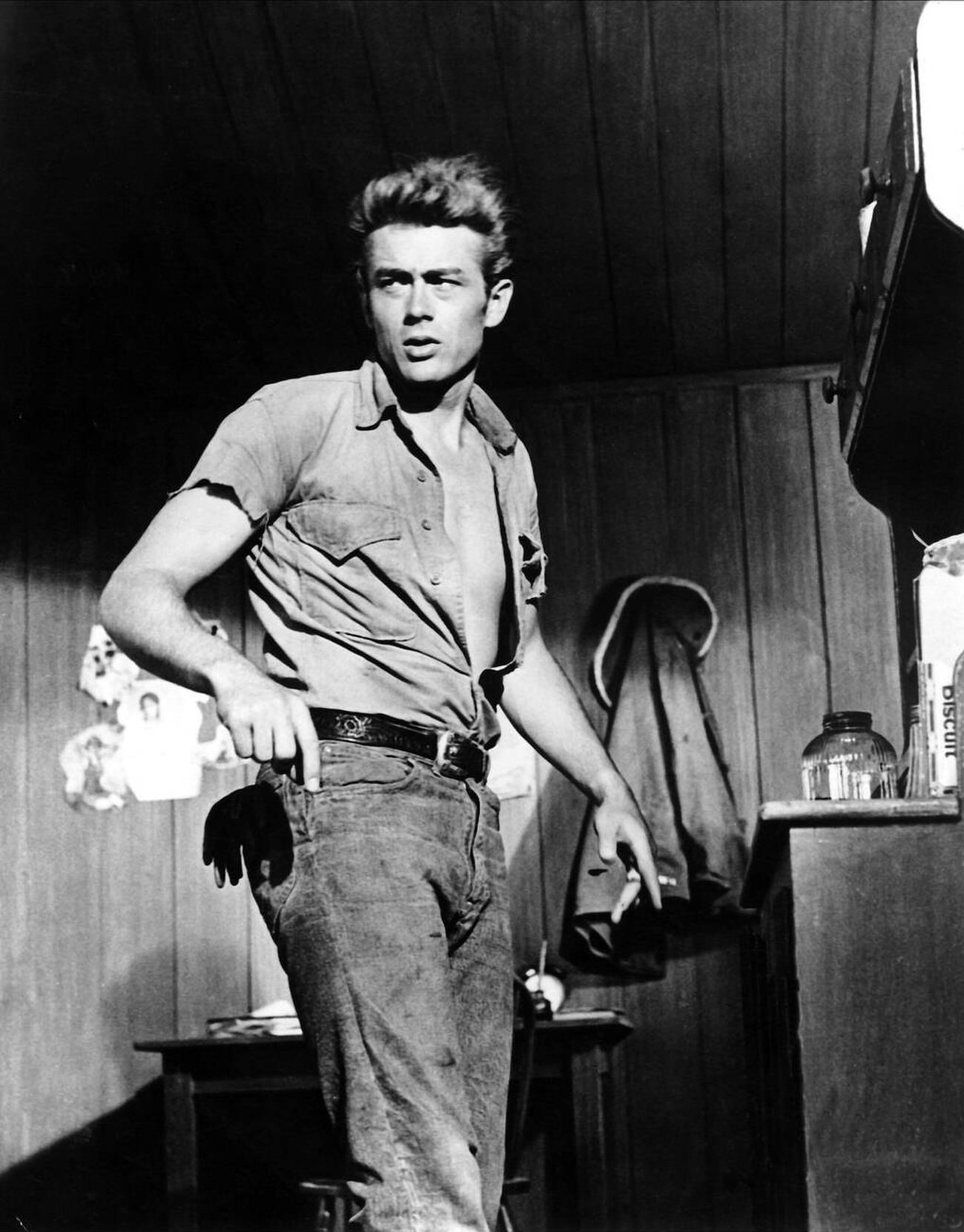
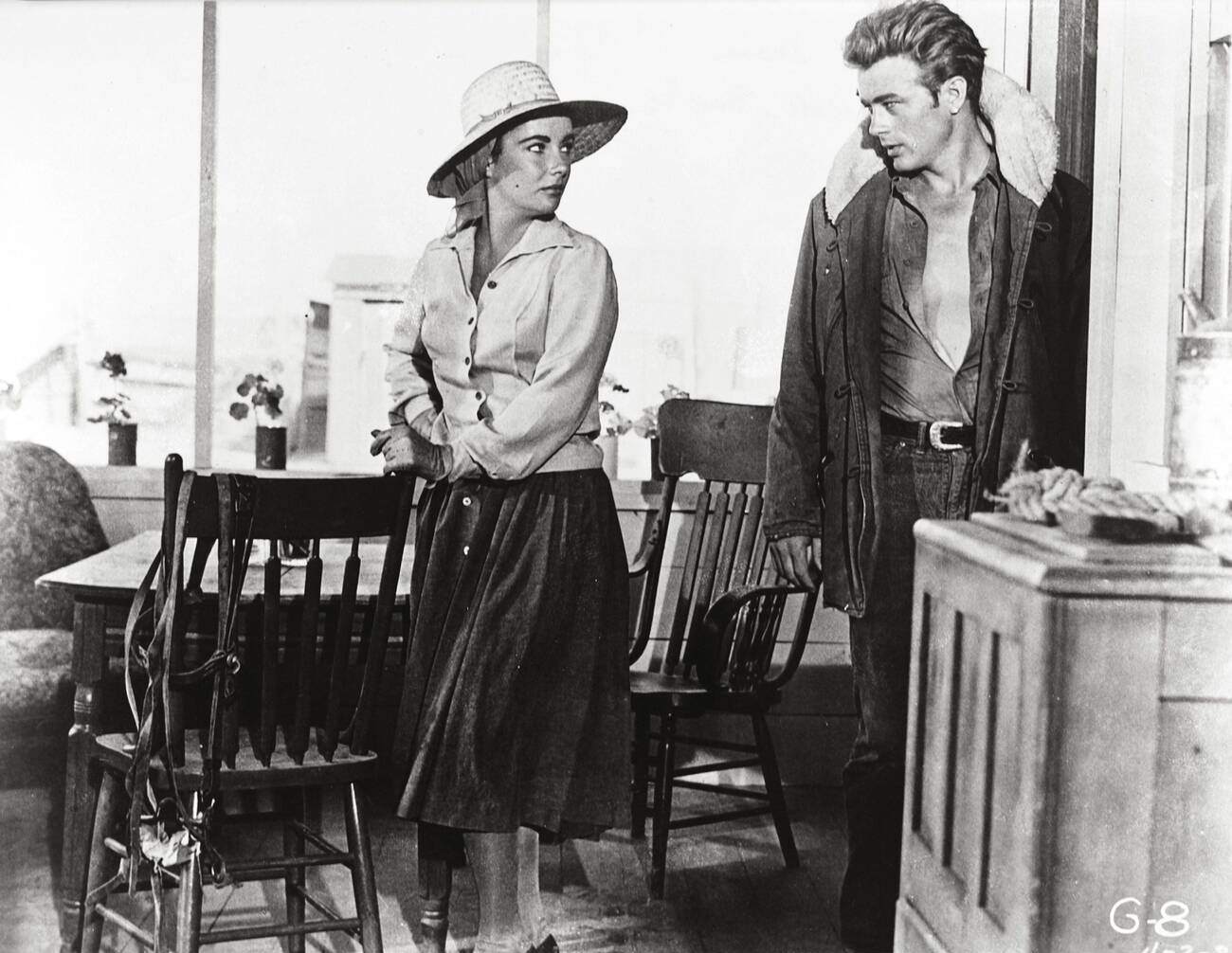
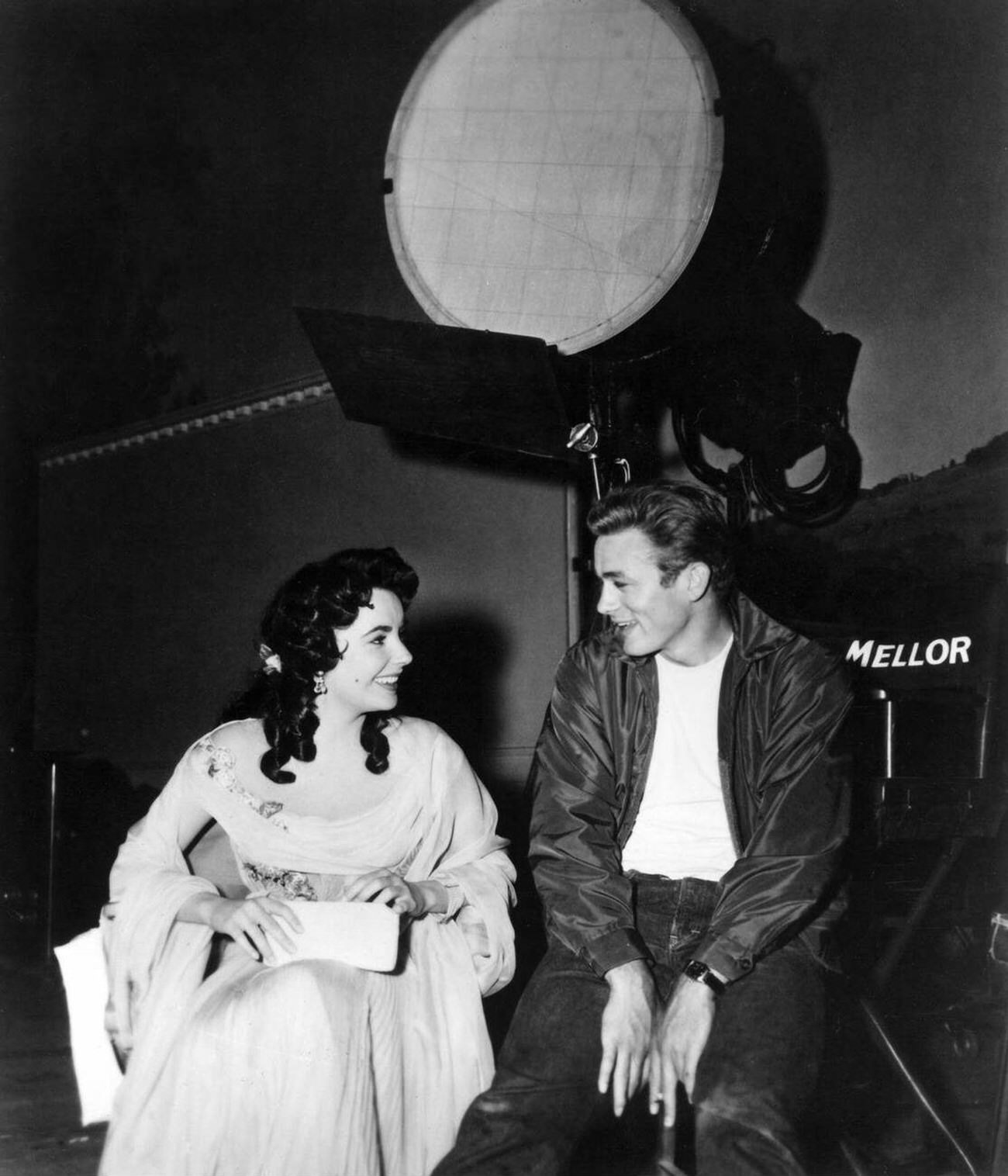
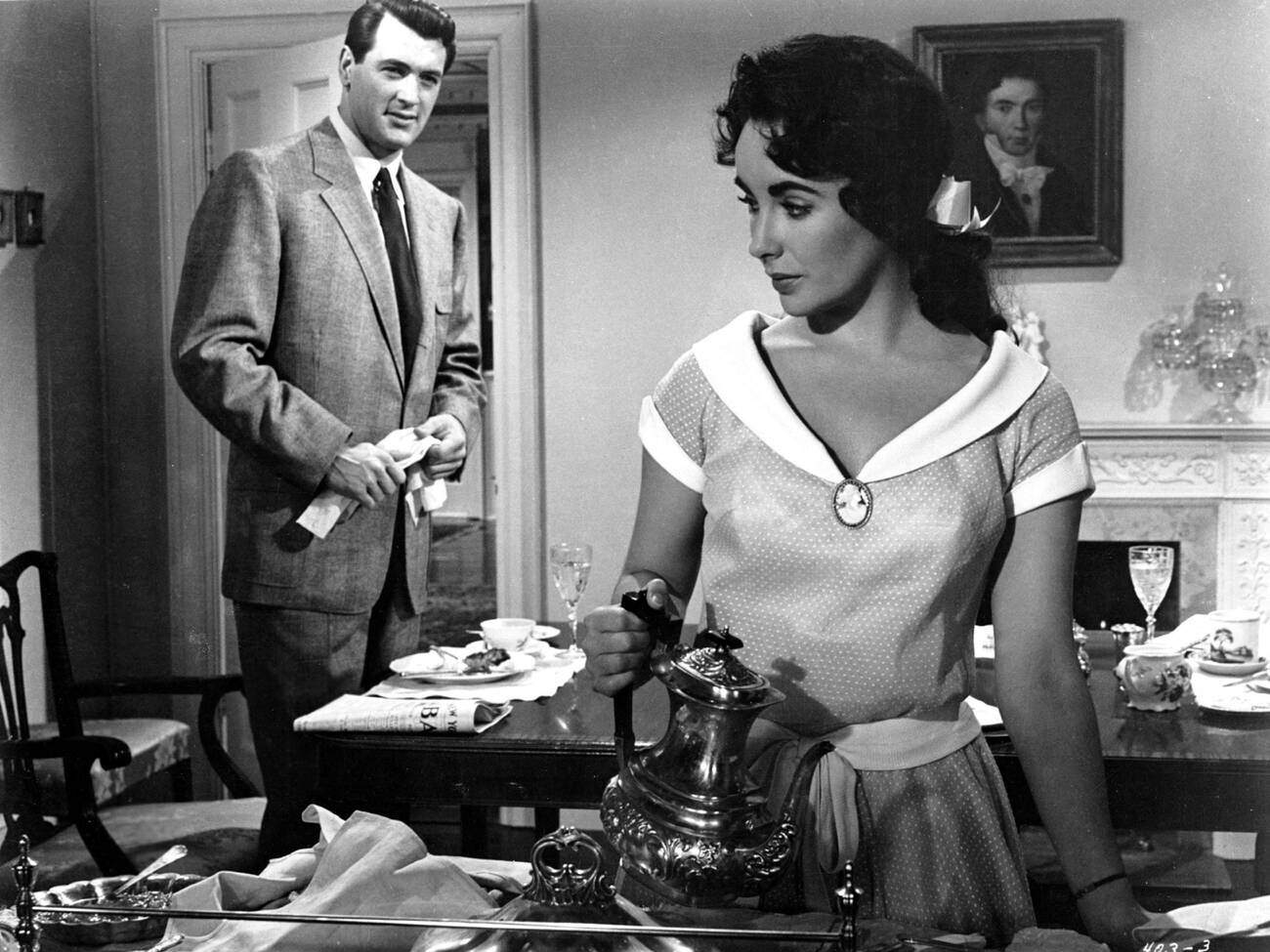
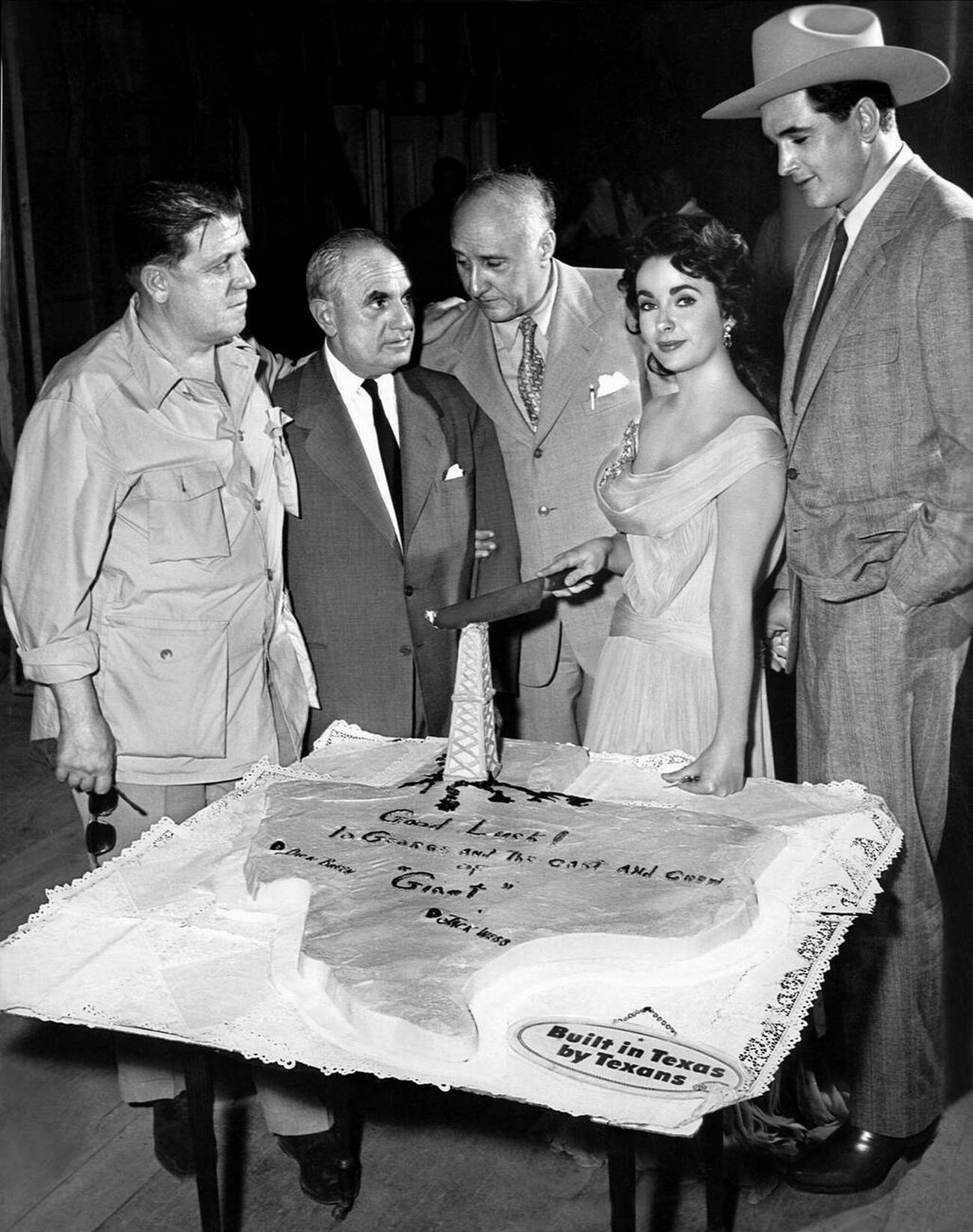
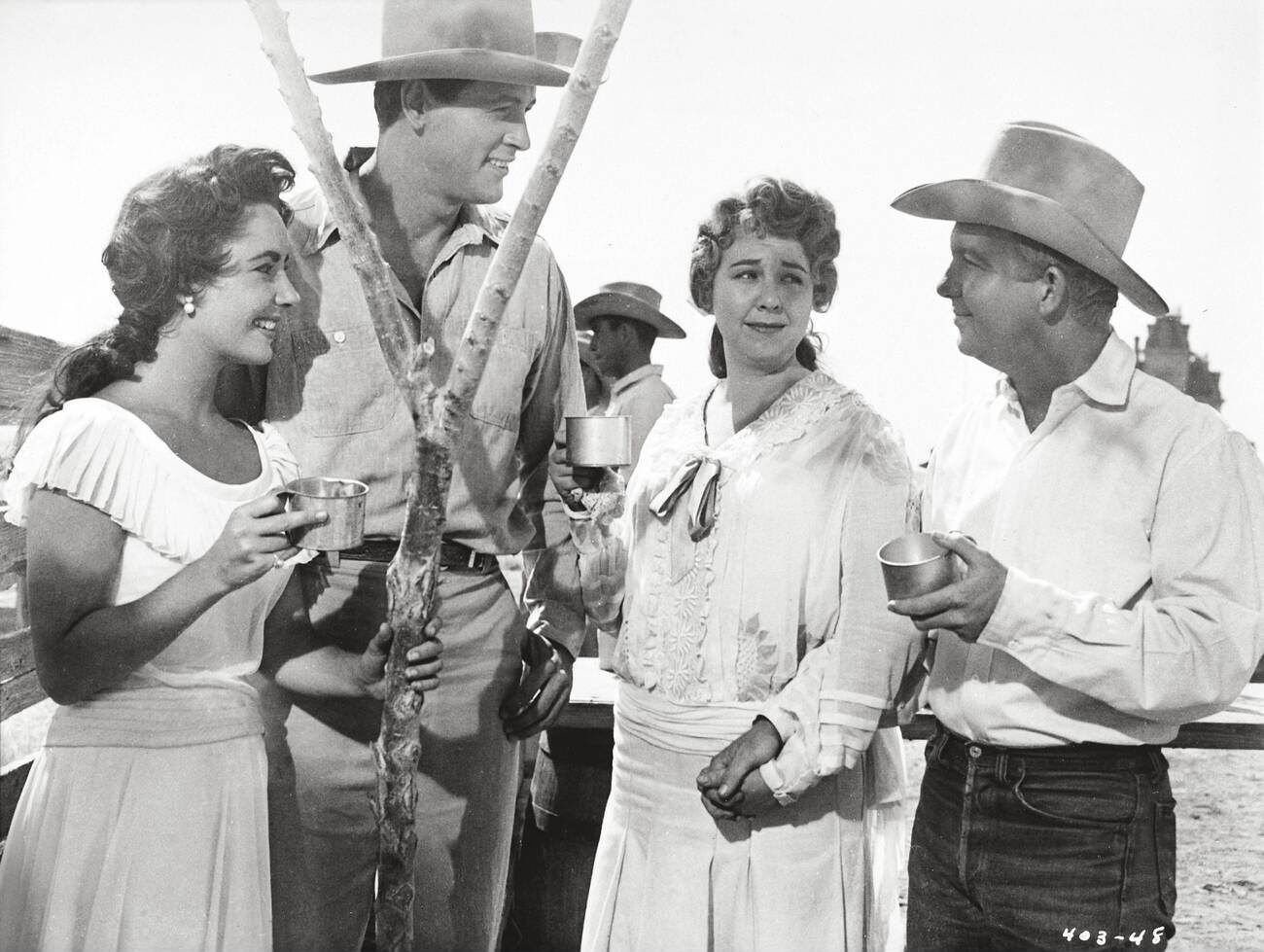
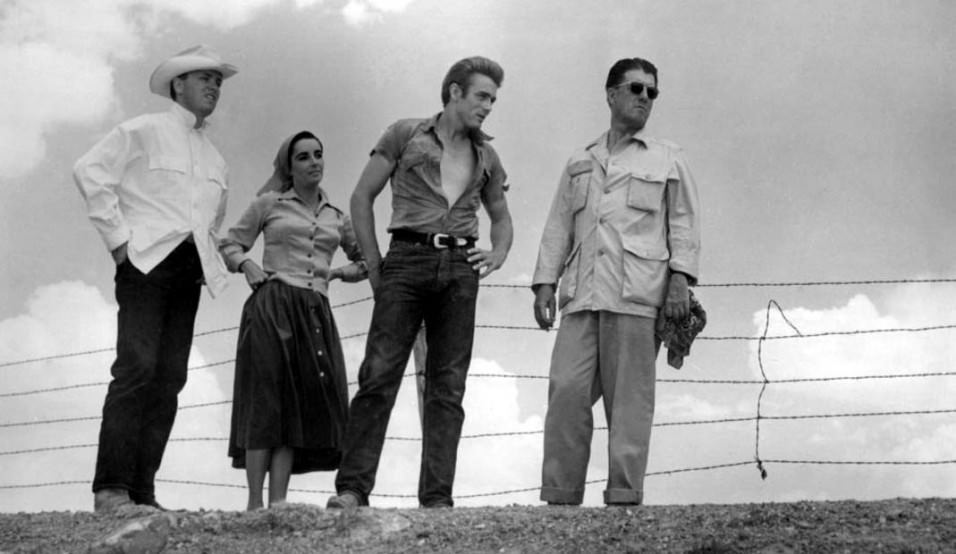
Few Hollywood productions from the 1950s matched the sheer scale of Giant. Directed by George Stevens and based on Edna Ferber’s novel of the same name, the film follows the Benedict family across decades on their sprawling Texas cattle ranch, Reata. Stevens was a meticulous director who poured months into preparation before a single frame was shot. The cast he assembled was equally formidable: Elizabeth Taylor as the spirited Leslie Benedict, Rock Hudson as her stoic rancher husband Bick, and James Dean in his final screen role as Jett Rink, a ranch hand who strikes oil and becomes a wealthy tycoon.
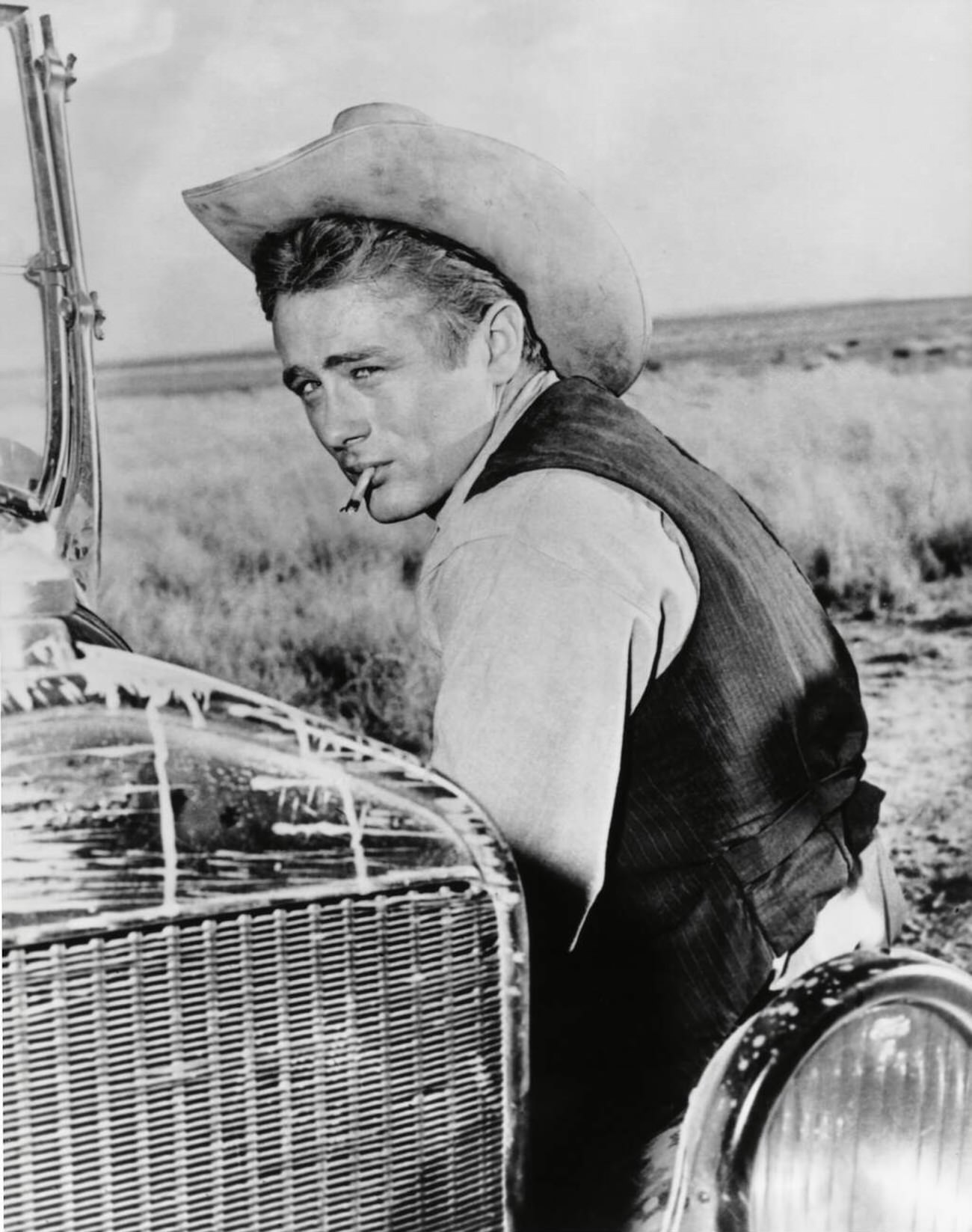
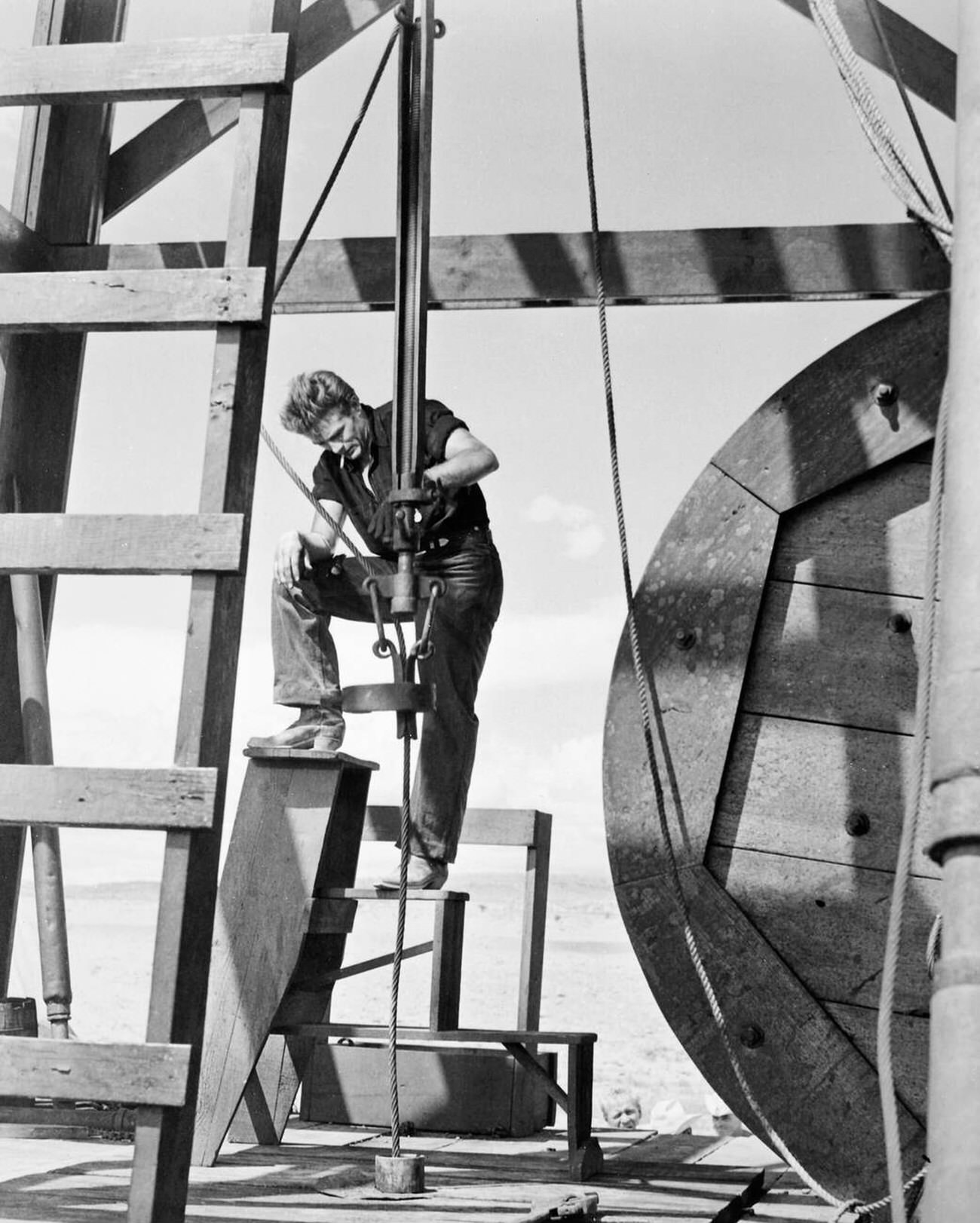
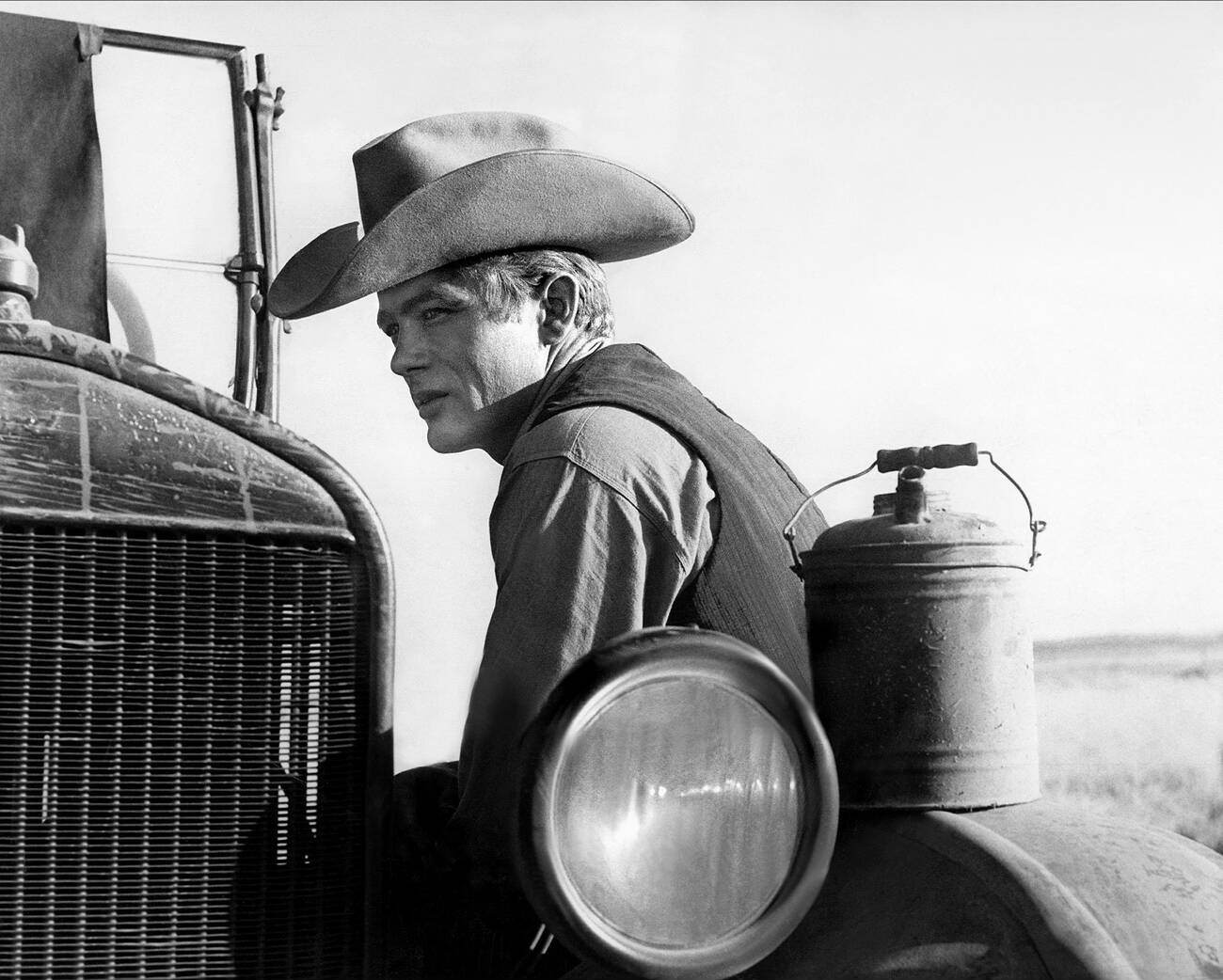
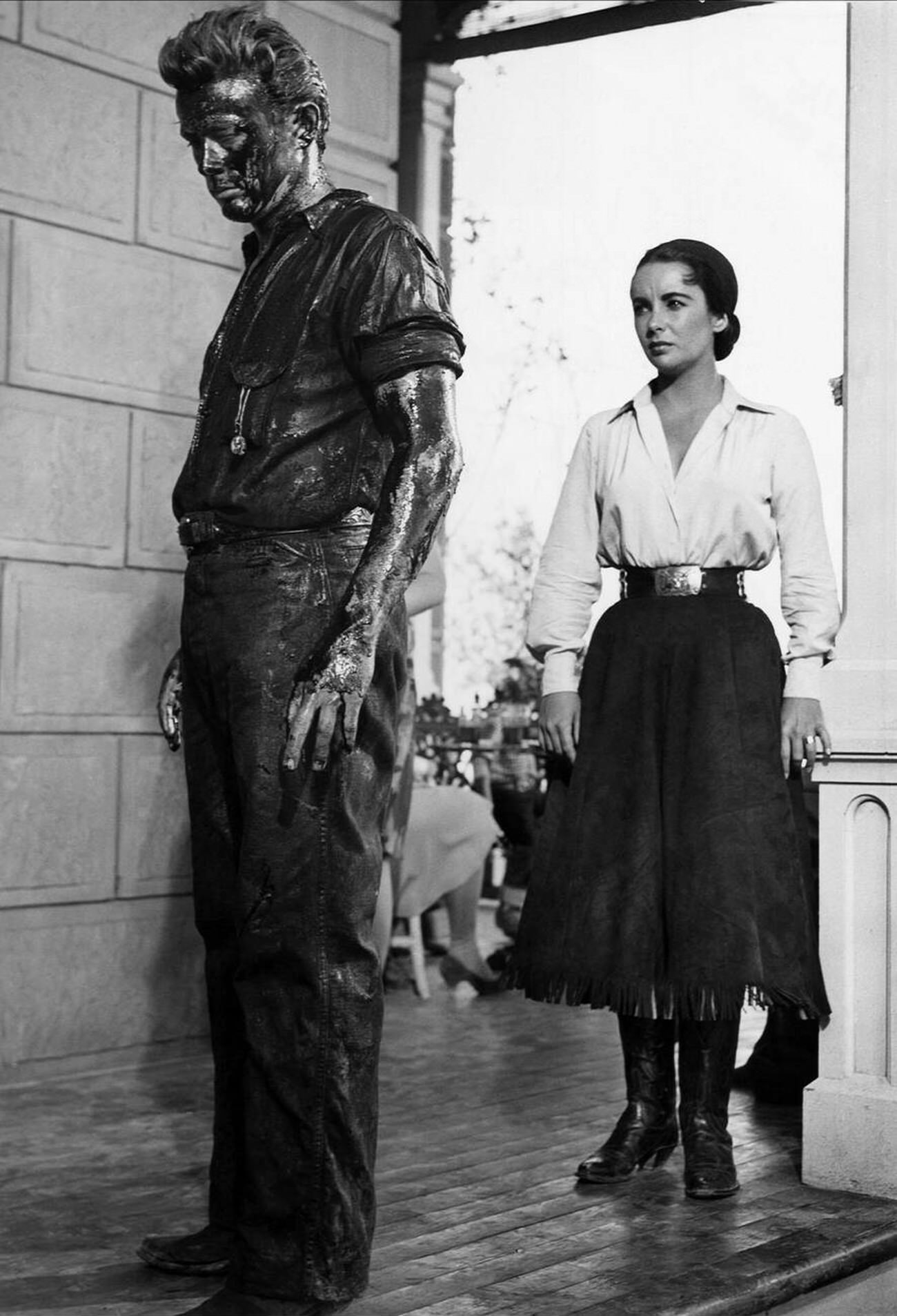
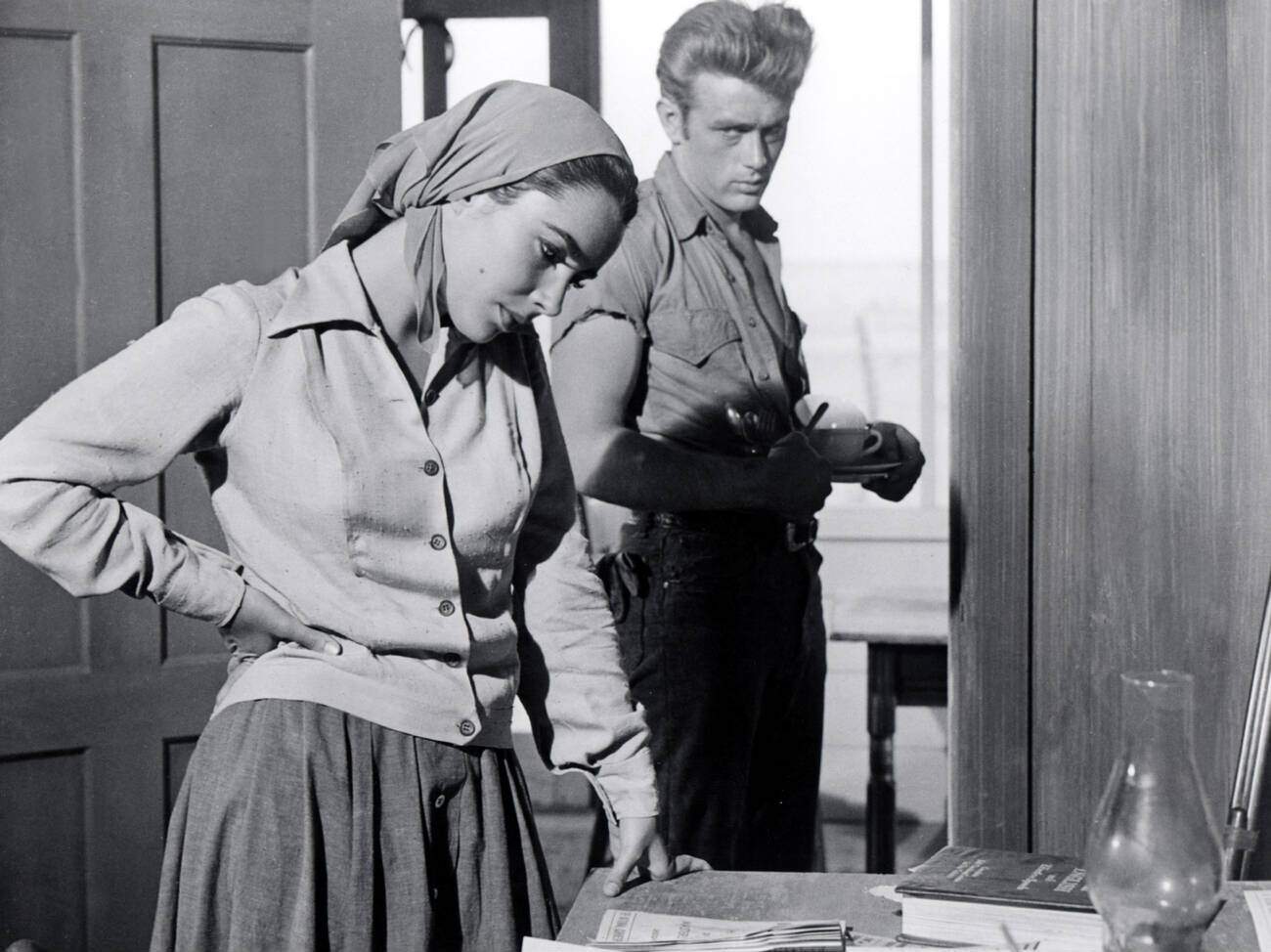
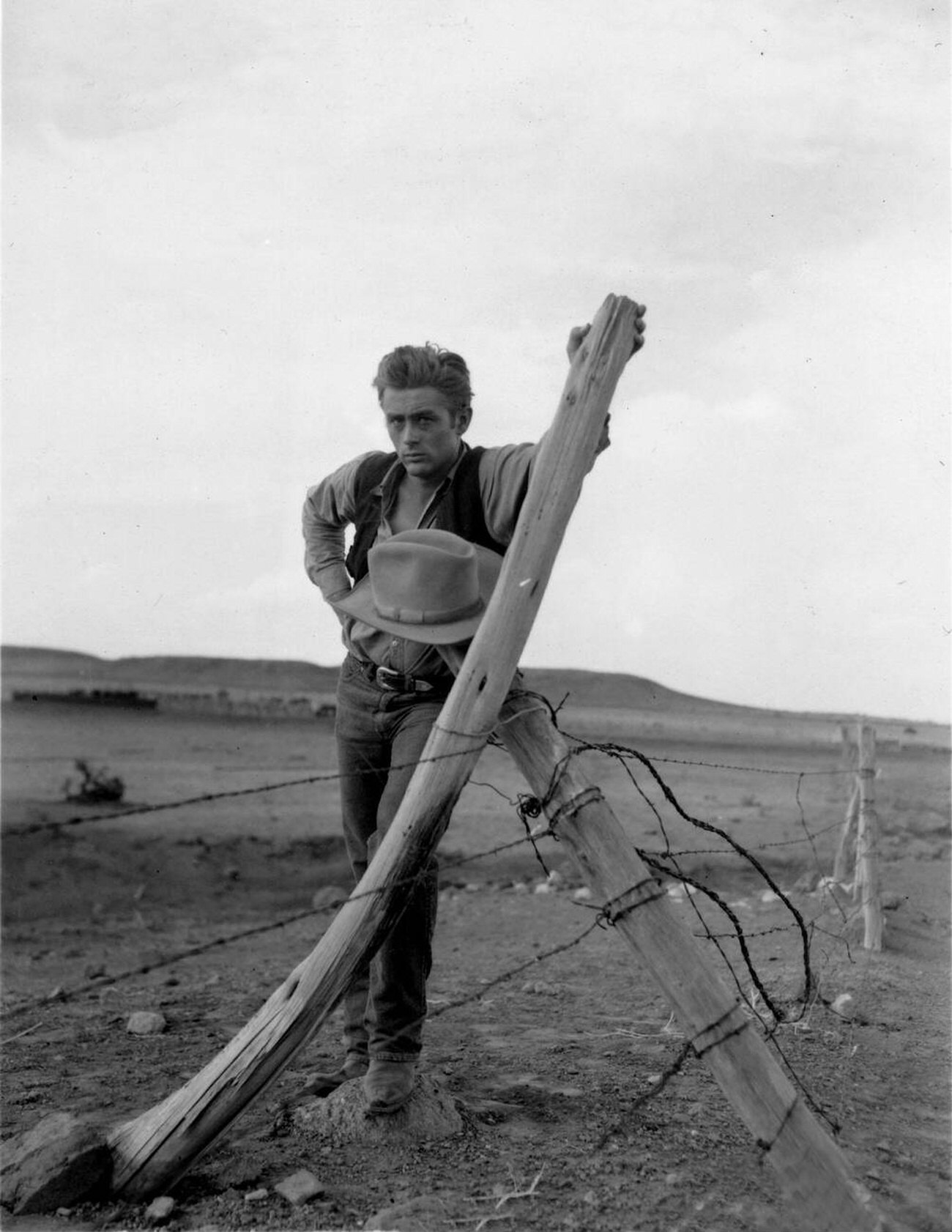
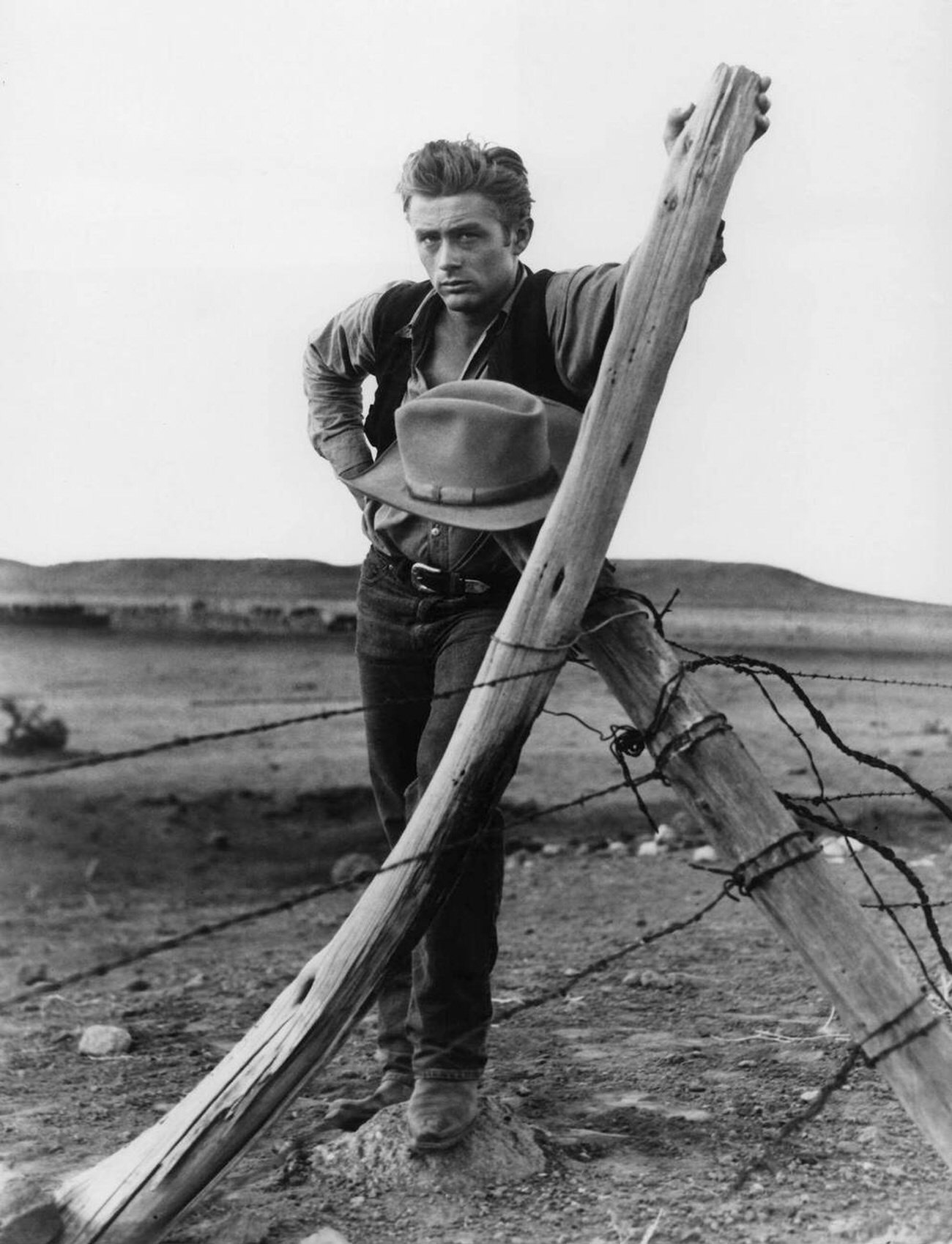
Dean’s portrayal of Jett Rink is raw and layered. Using his method acting approach, he brought a brooding intensity to the character that set him apart from everyone else on screen. He transforms Jett from a bitter, poor ranch hand into a powerful but deeply troubled man — and makes you believe every step of that journey. Tragically, Dean died in a car accident on September 30, 1955, shortly after completing his scenes. He was 24 years old and never saw the finished film.
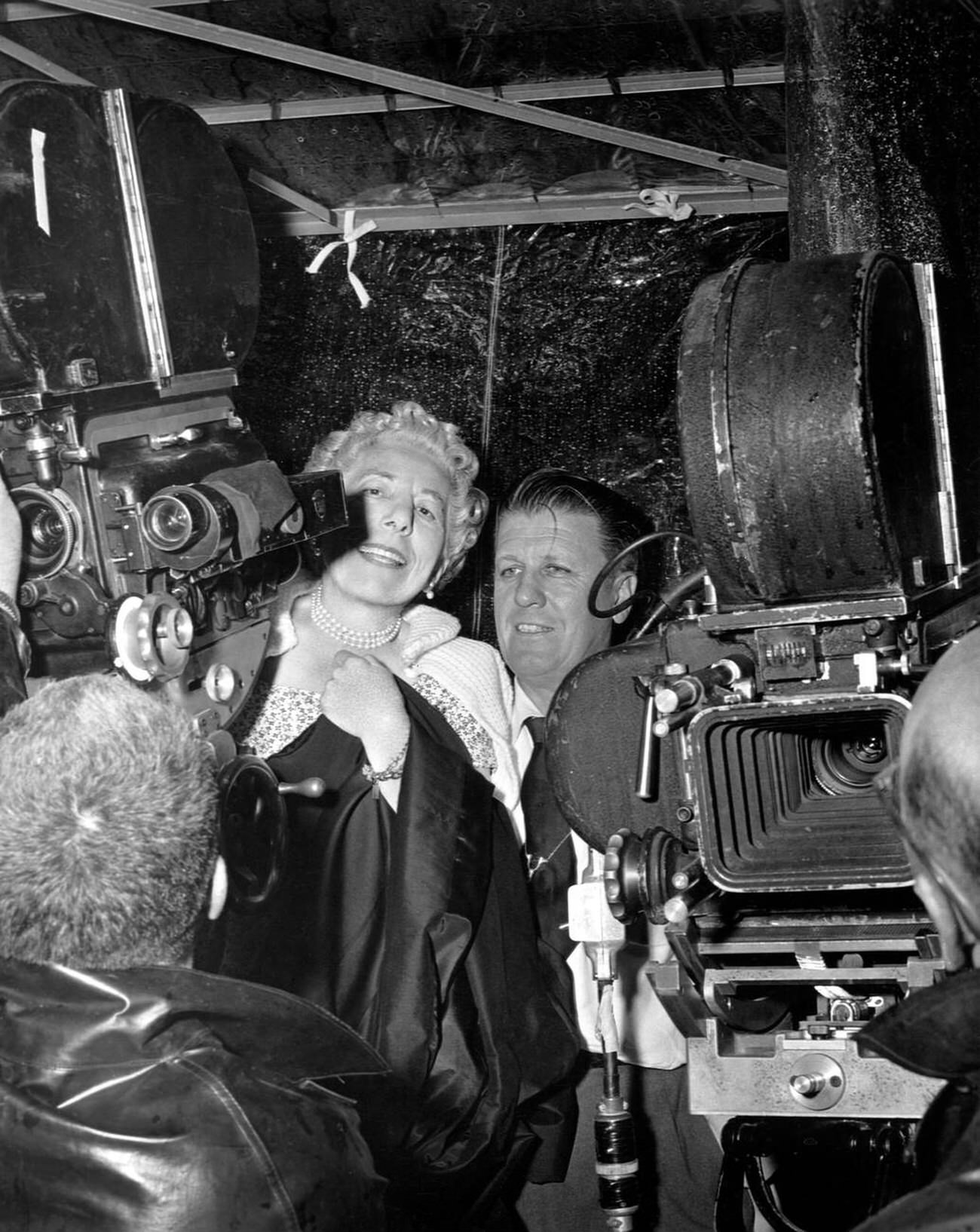
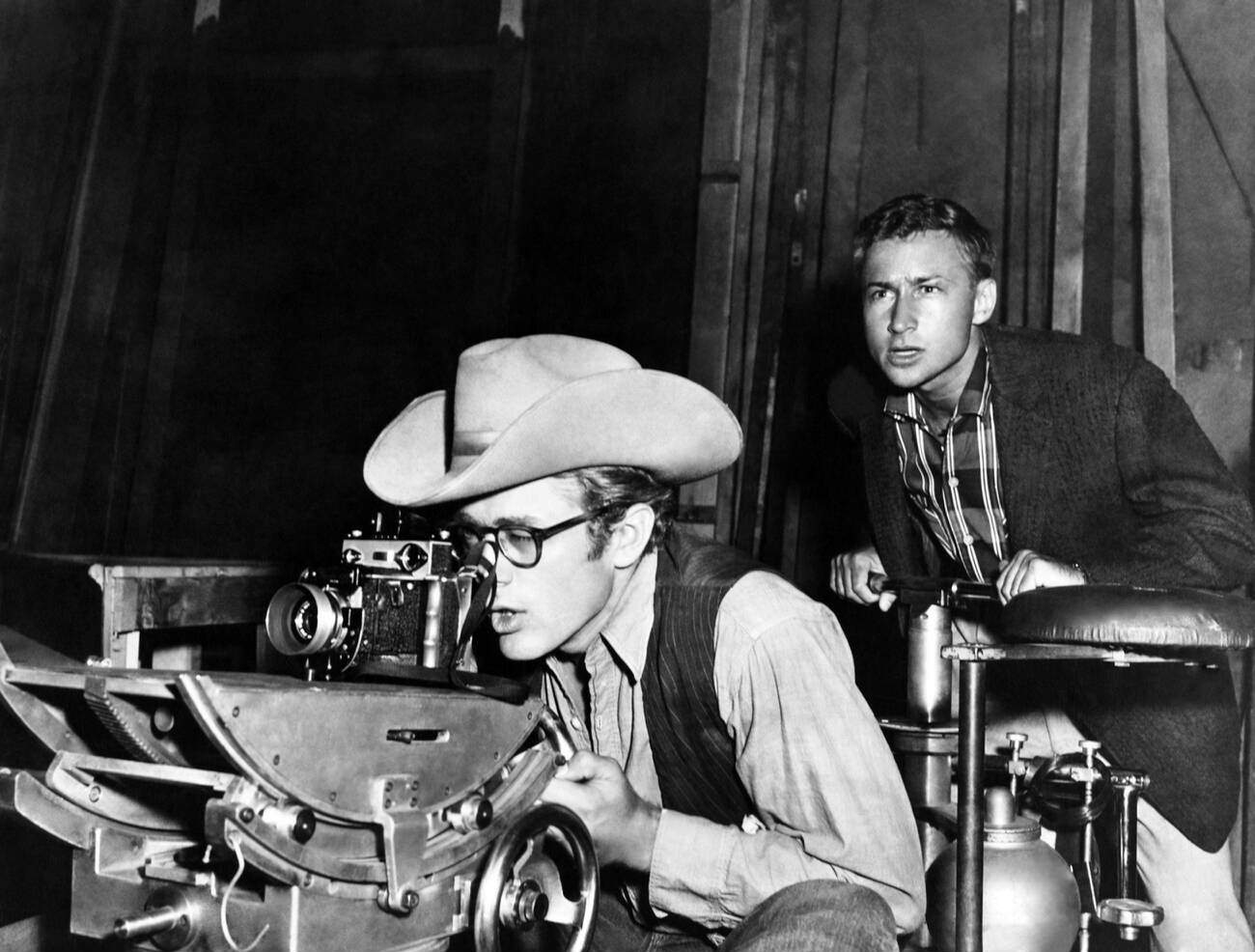
Author Edna Ferber and director George Stevens did not always see eye to eye during production. They held different visions for how the story should translate to film. Despite those disagreements, both remained committed to the project, and their creative tension ultimately served the film well. Stevens brought his trademark perfectionism to every scene, often demanding multiple takes to capture exactly what he wanted.
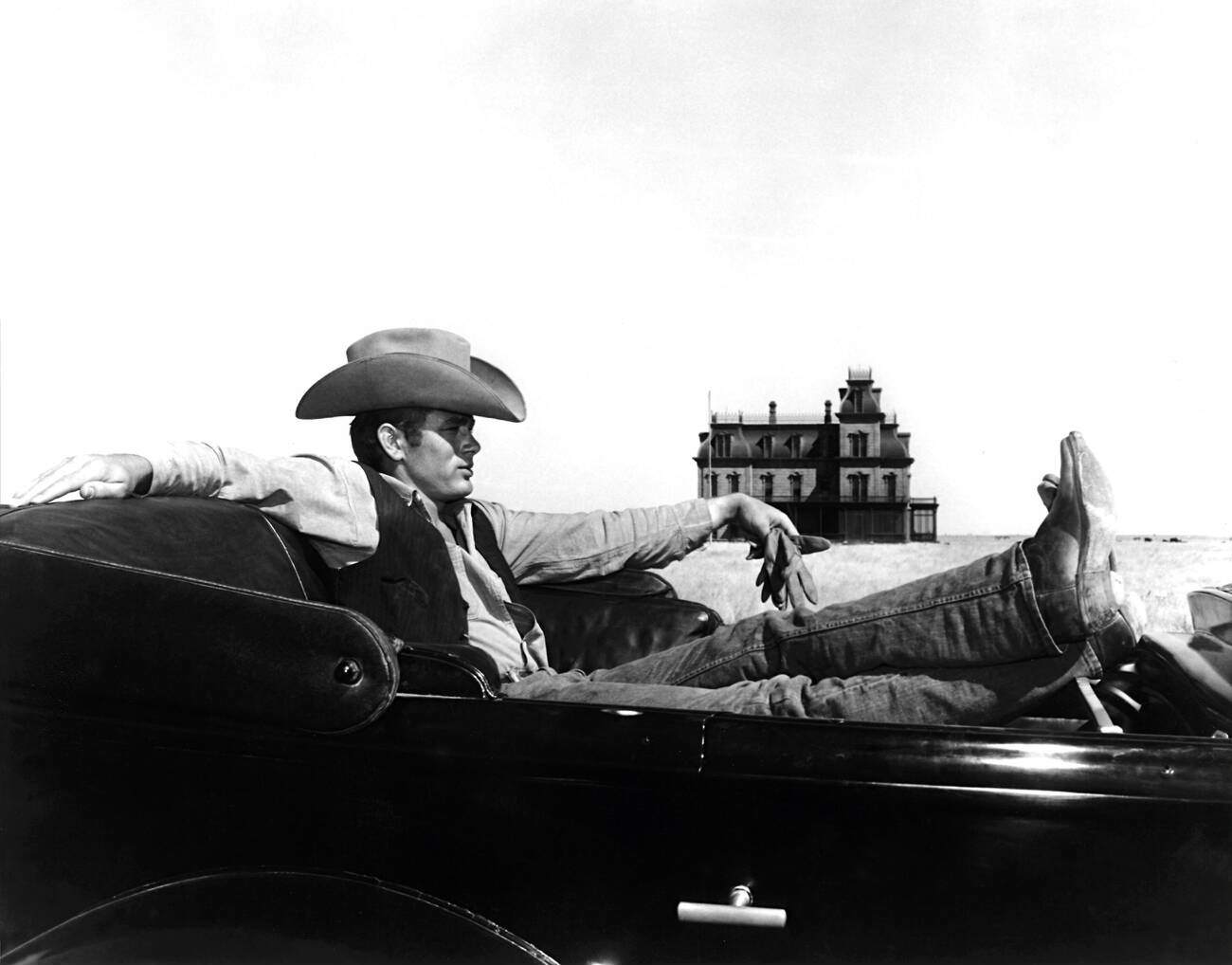
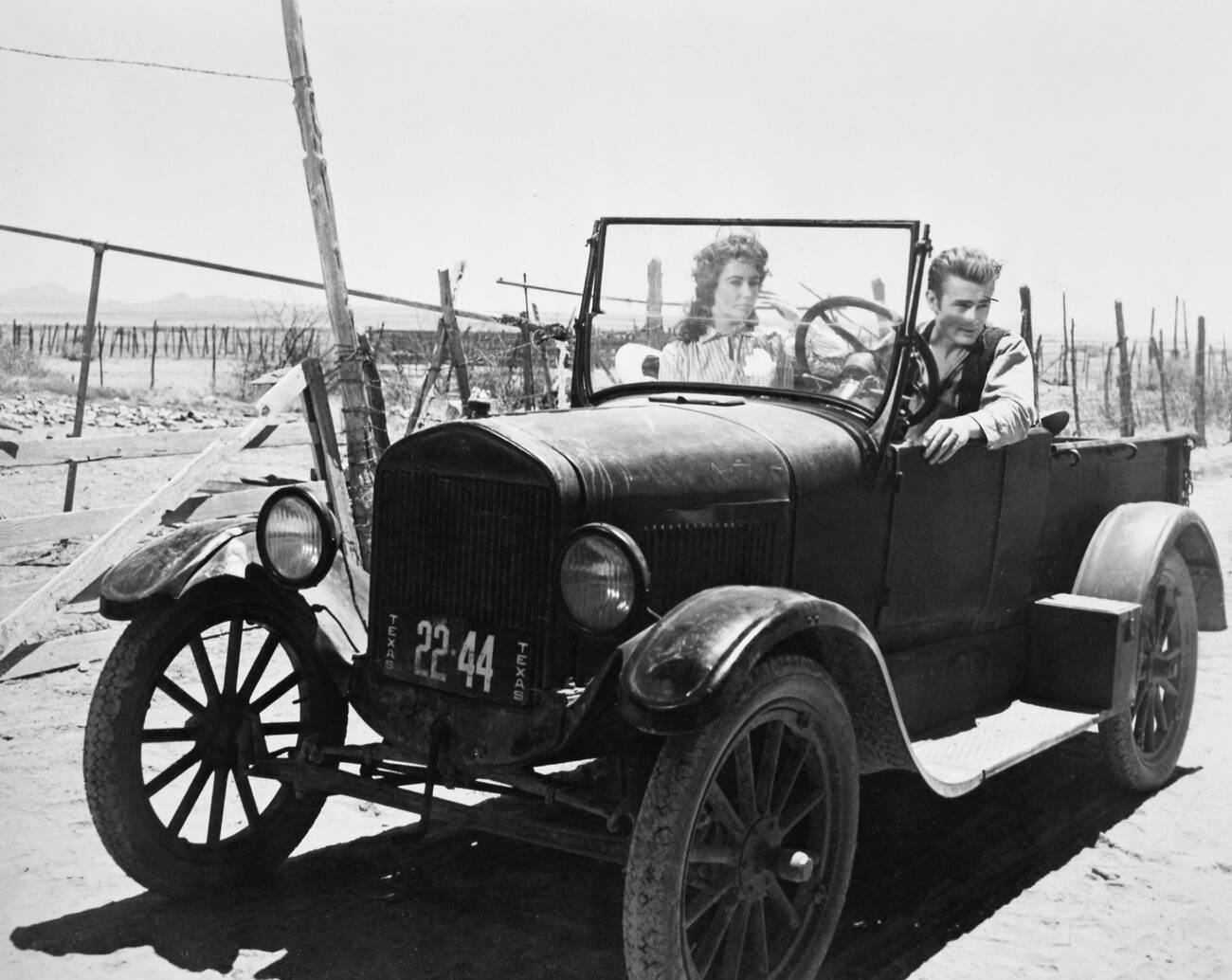
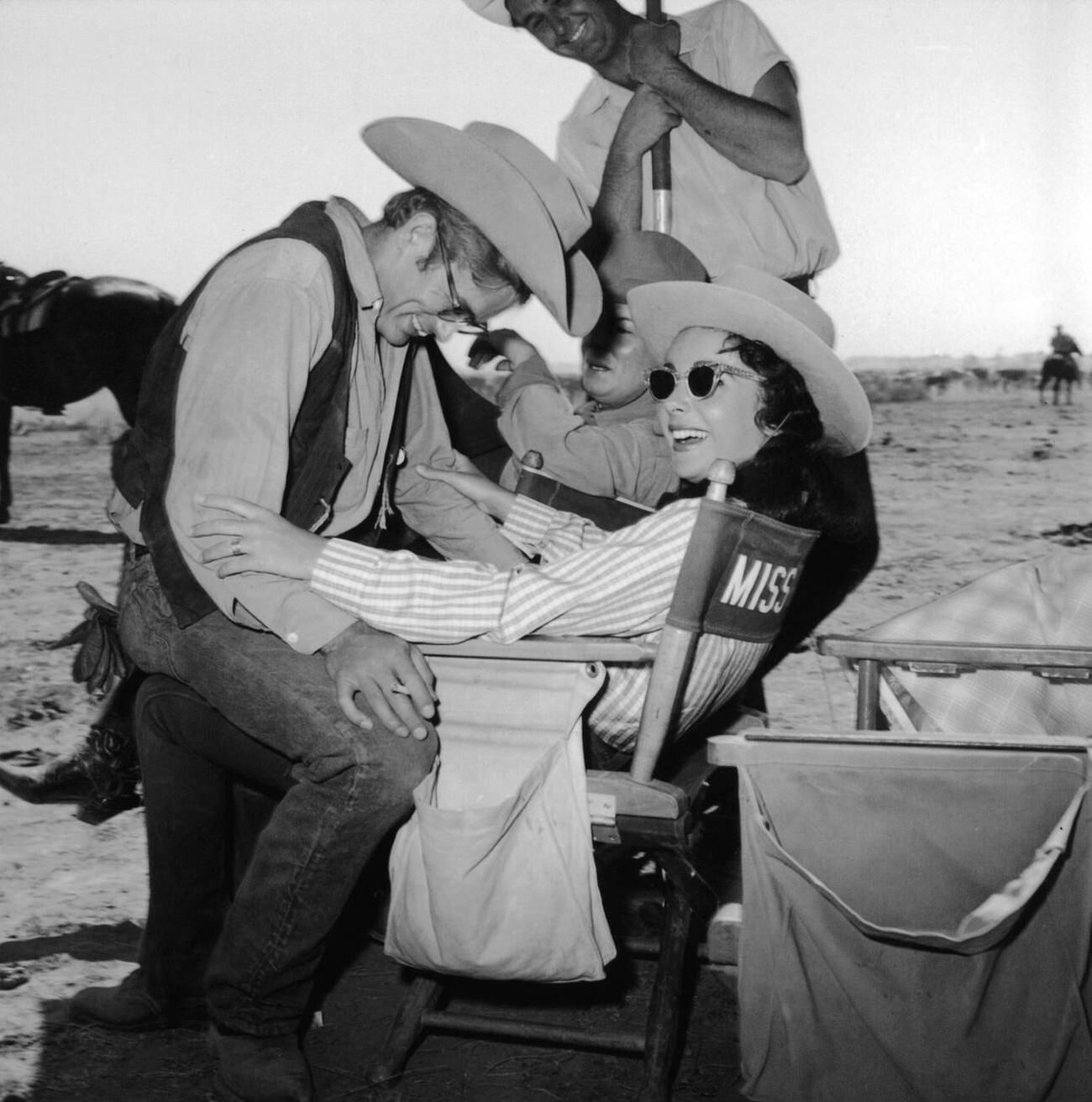
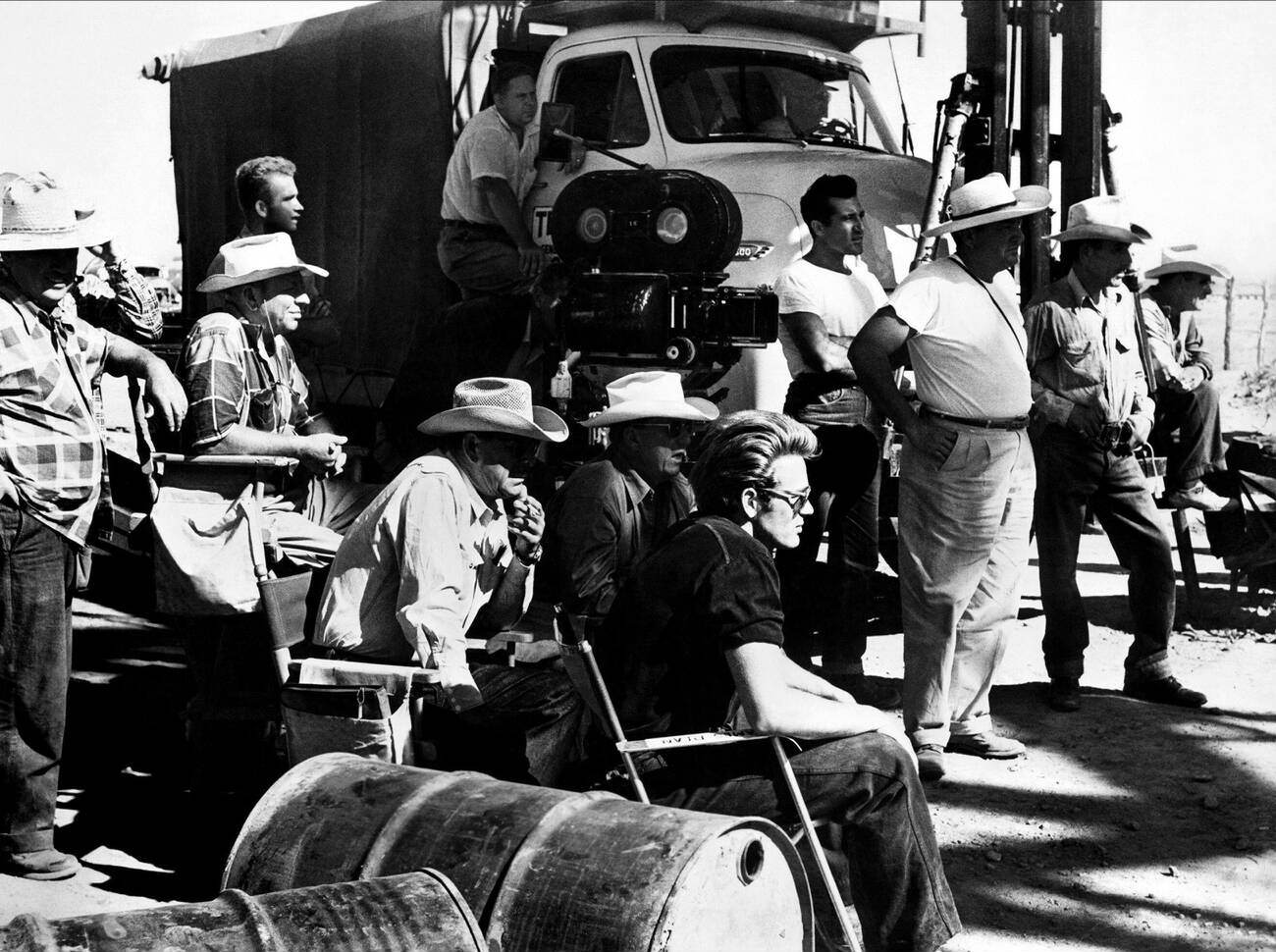
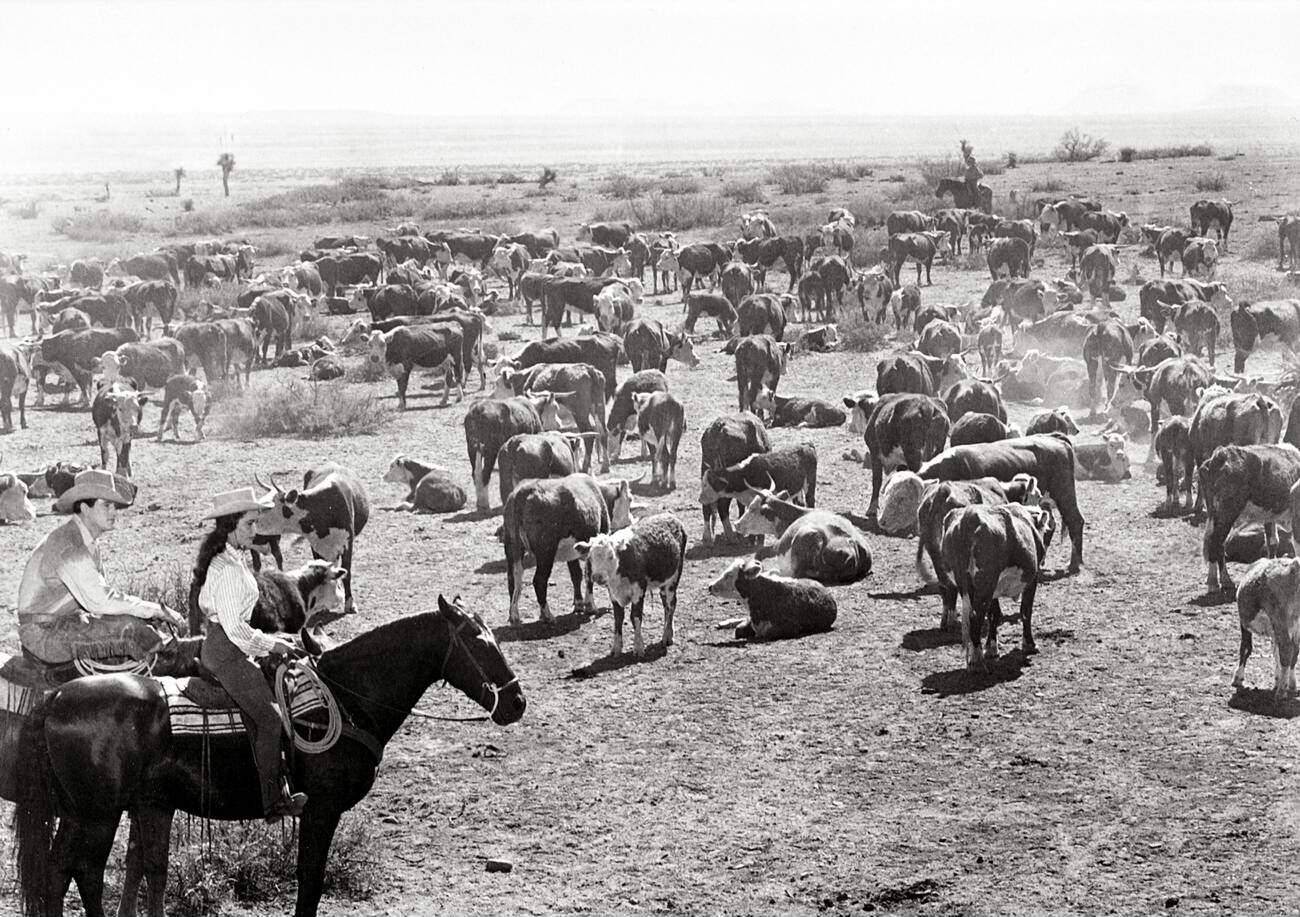
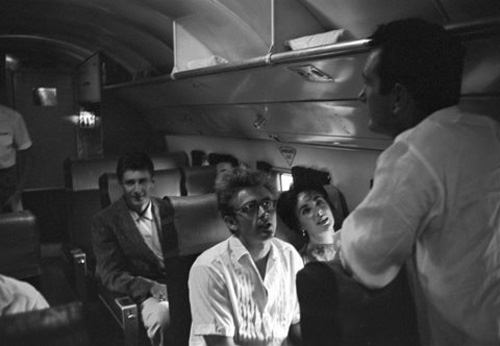
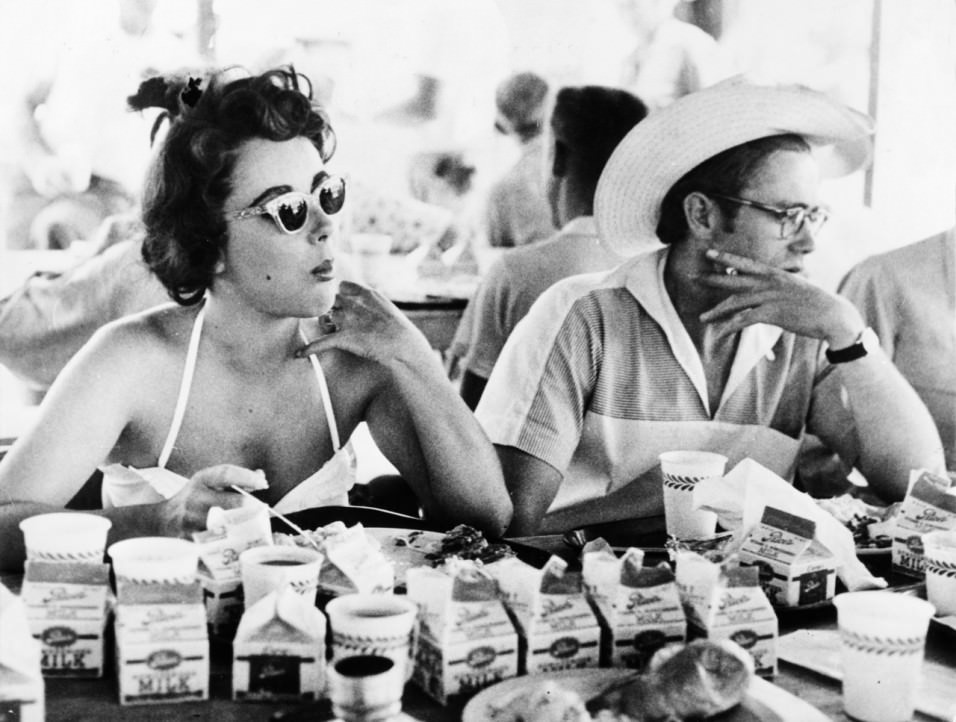
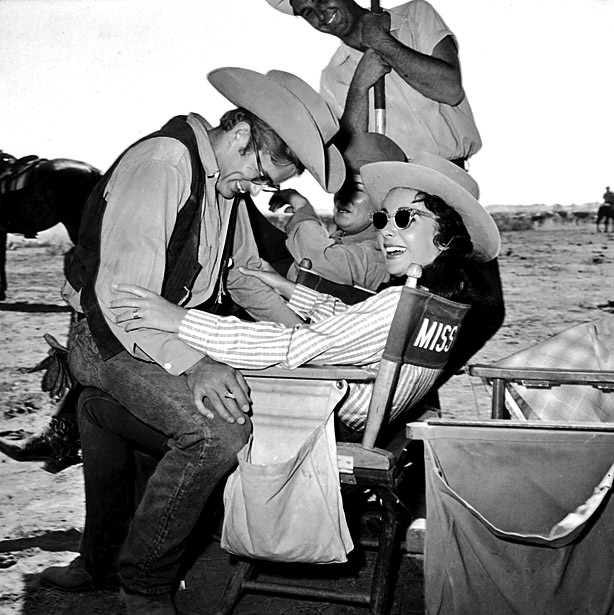
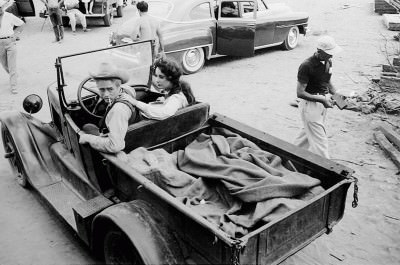
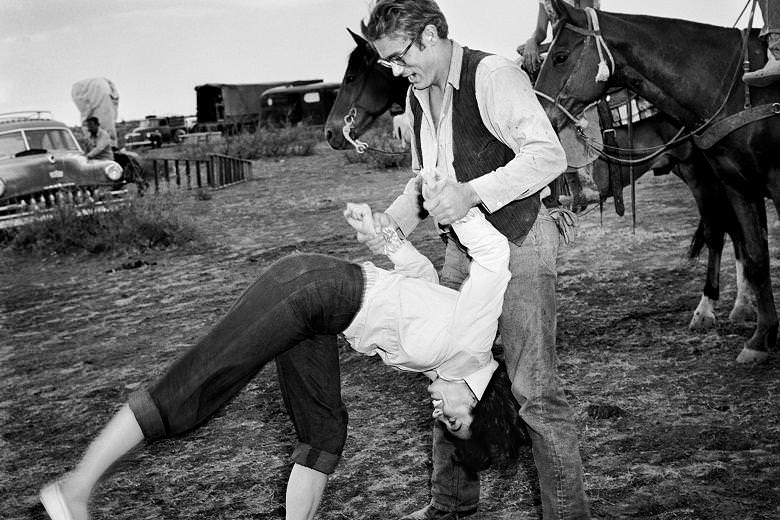
Principal location shooting took place in Marfa, a small town in West Texas. The vast, sun-baked landscape surrounding the town was essential to the film’s look — wide open and unforgiving, almost a character in itself. Hundreds of cast and crew members arrived during the summer of 1955 and stayed for several weeks. Temperatures regularly climbed above 100 degrees Fahrenheit. Local residents were hired as extras, and the town was essentially taken over by the Hollywood production.
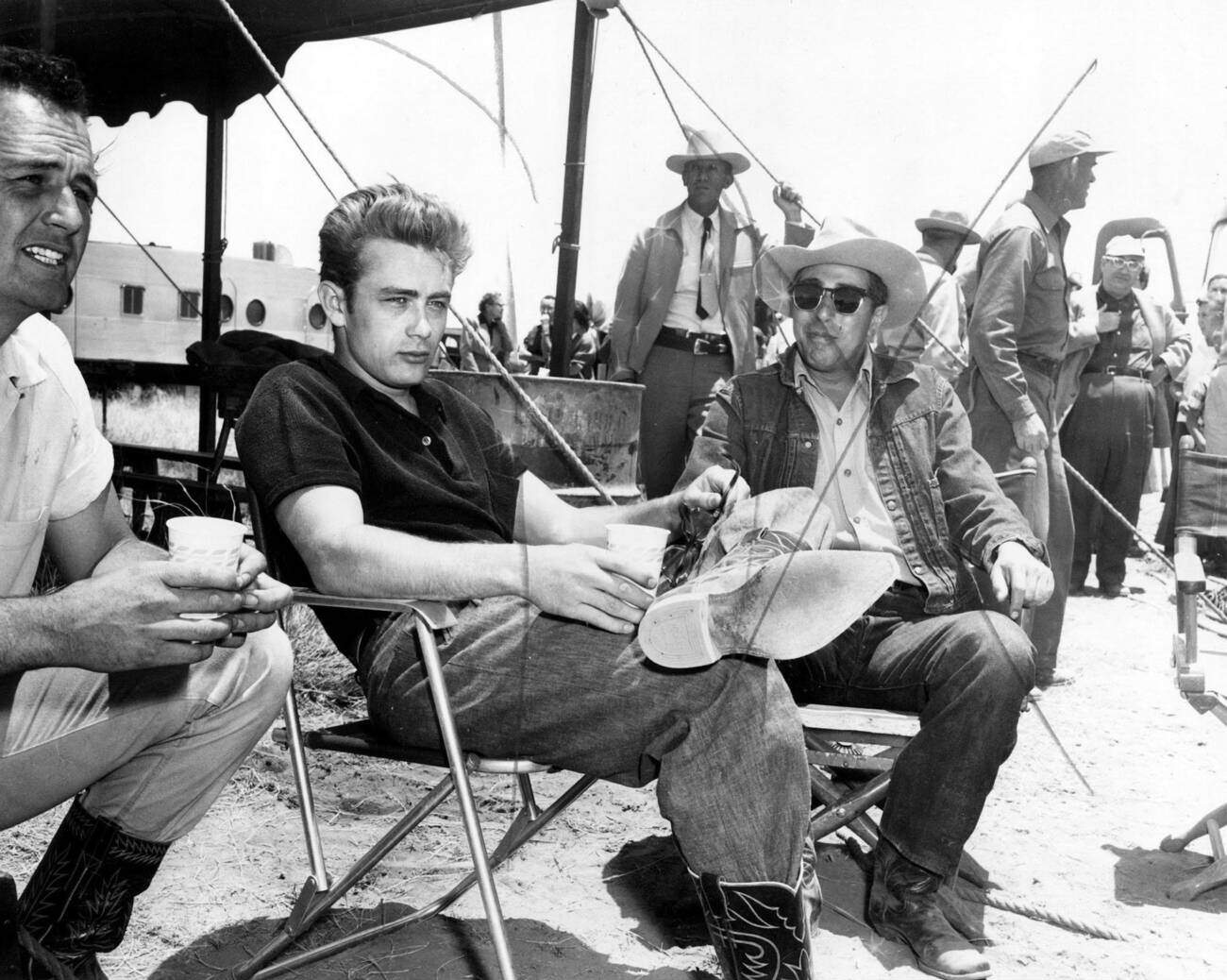
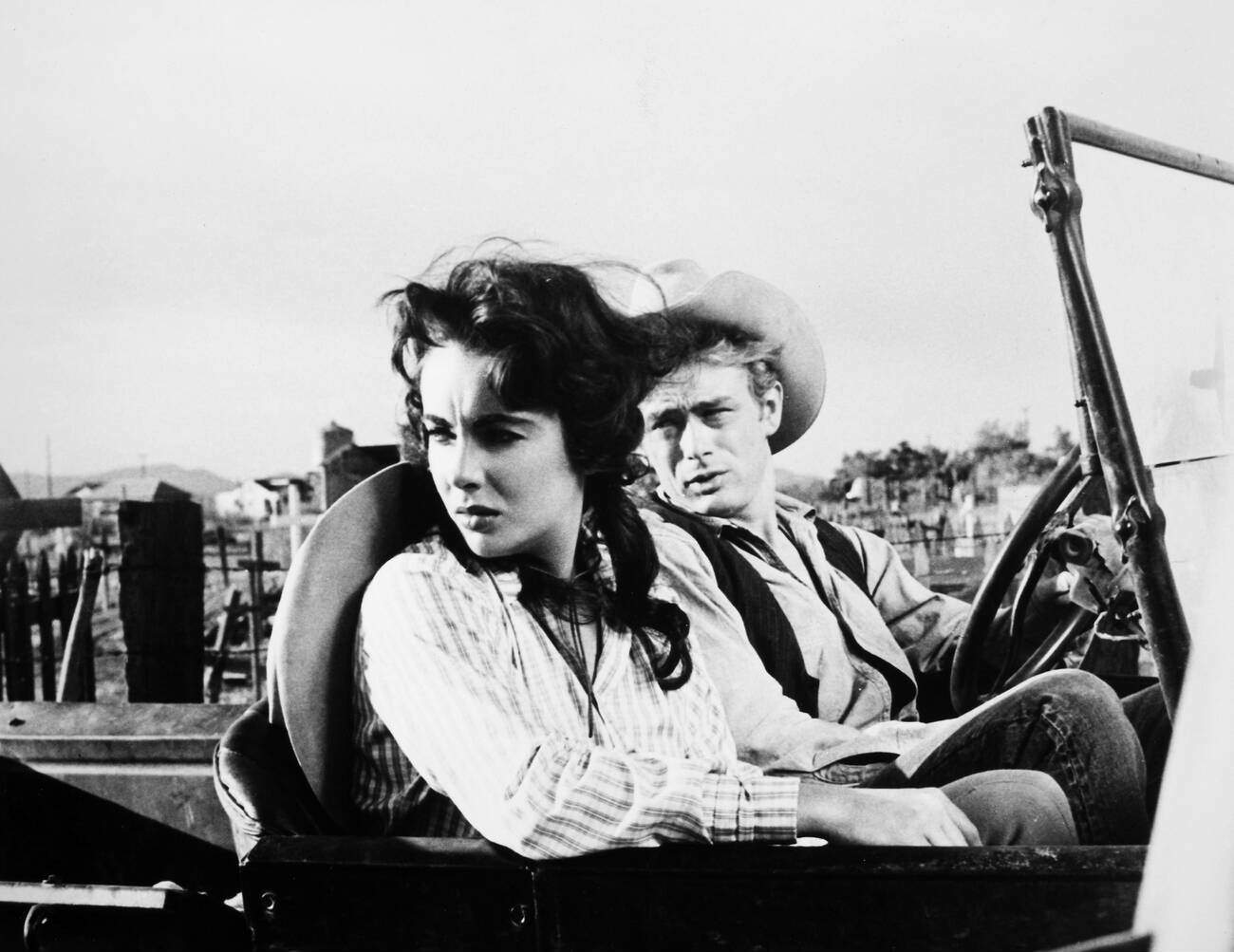
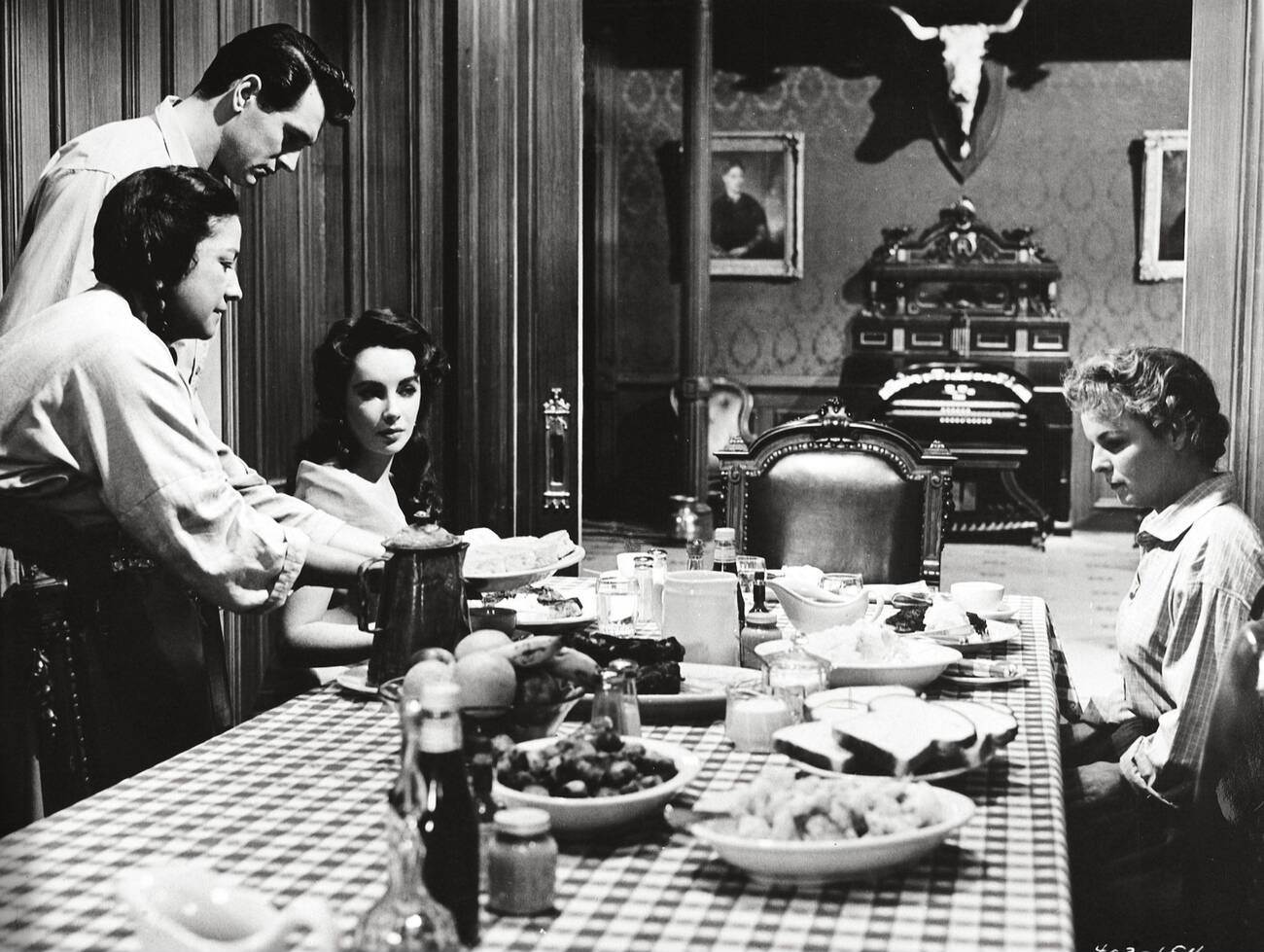
For the Reata ranch house, the production built a large two-story Victorian mansion on a ranch outside Marfa. It was constructed specifically for the film and became one of its most recognizable images. The filmmakers also staged complex sequences on location, including a massive barbecue scene that required hundreds of extras and took days to complete. A dust storm sequence, created using industrial fans and loose dirt, added another dramatic visual to the film’s growing list of memorable moments.
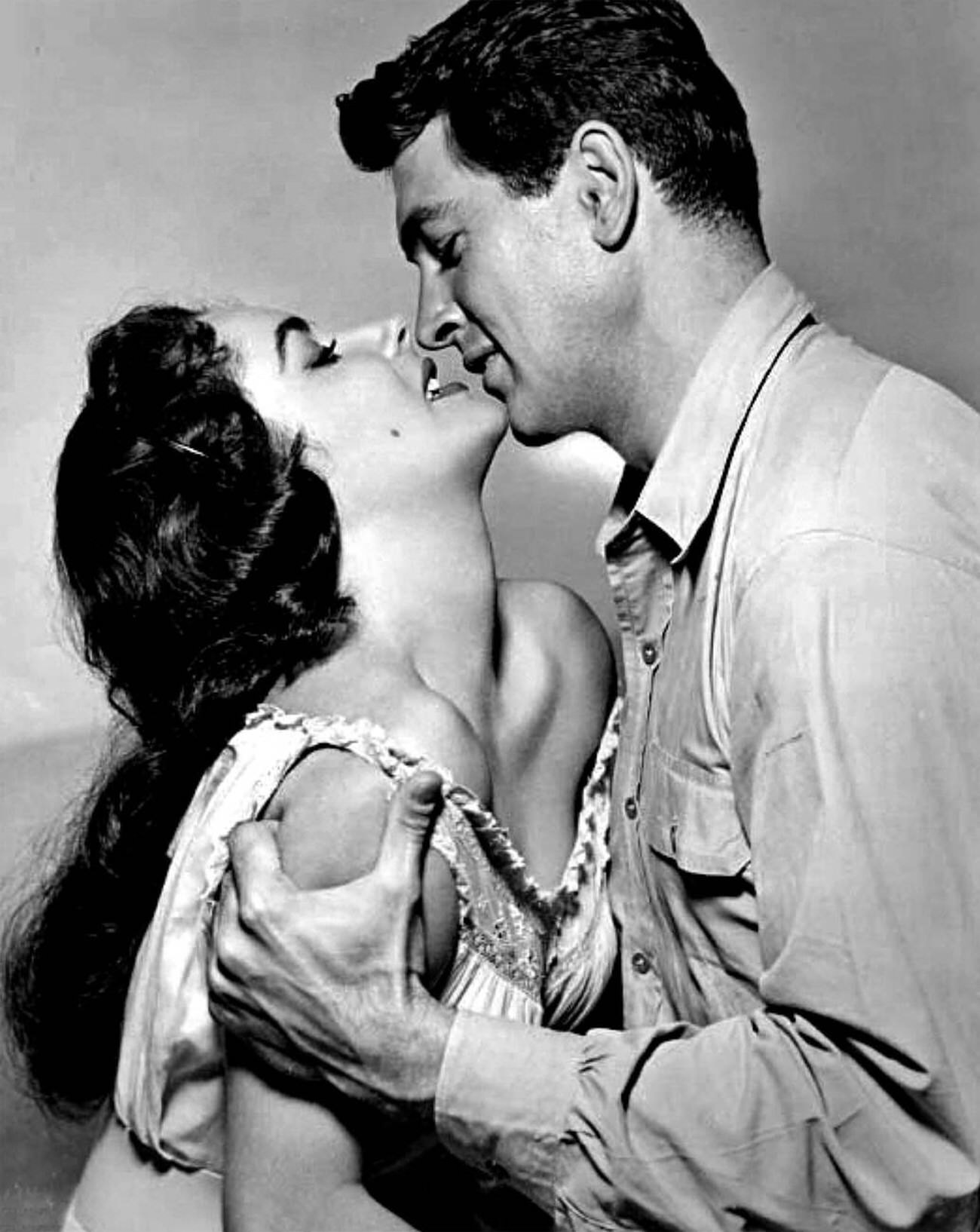
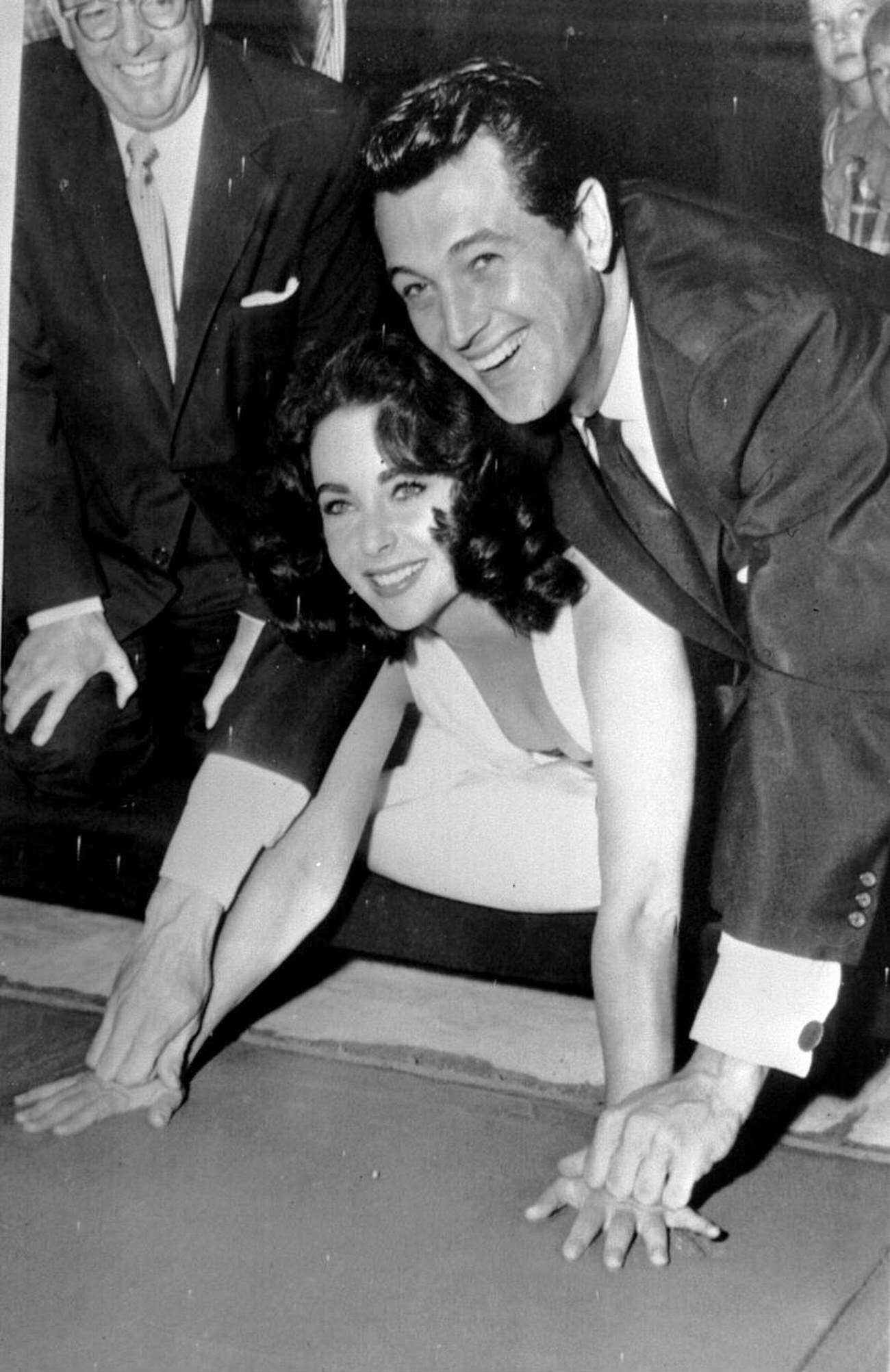
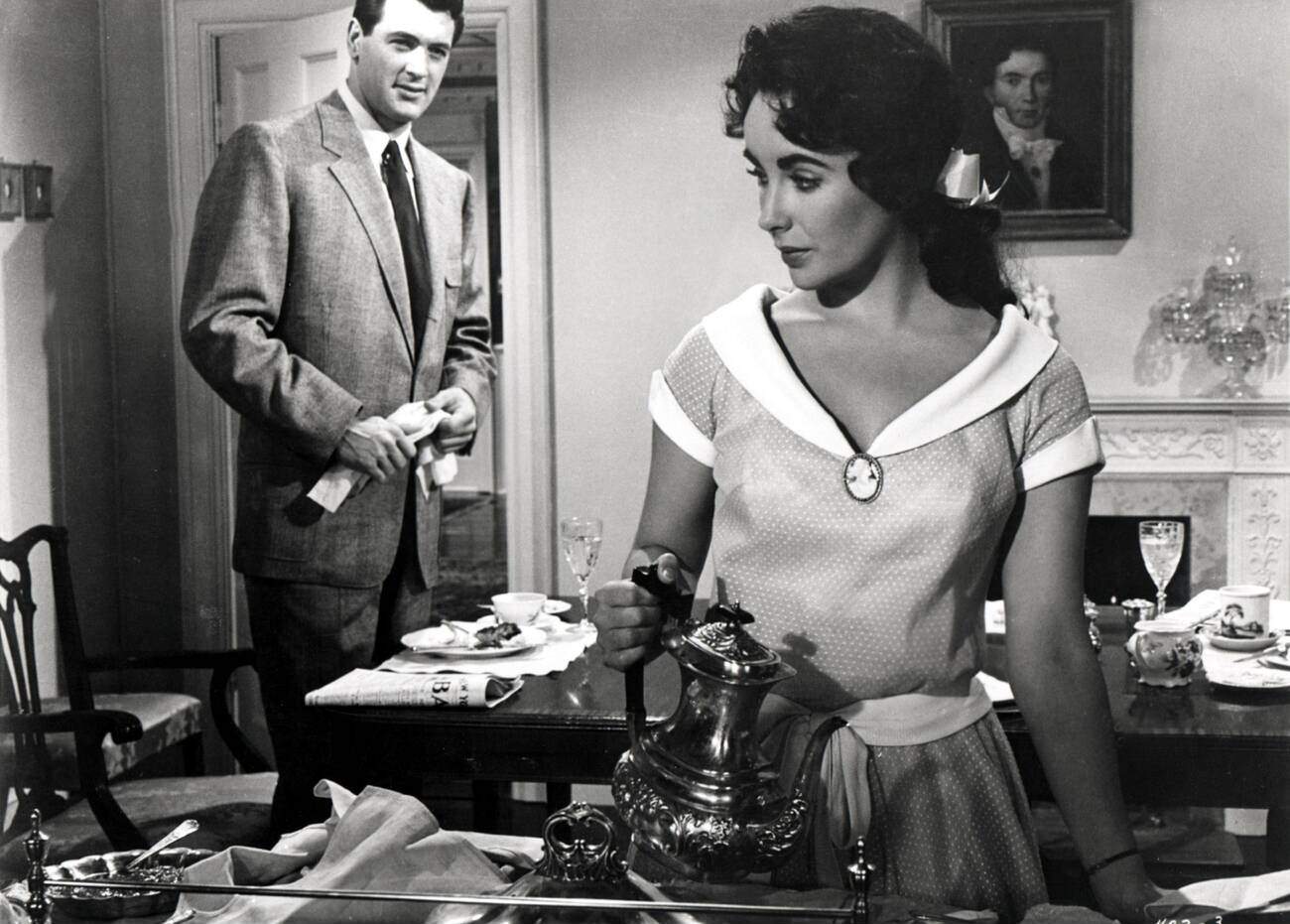
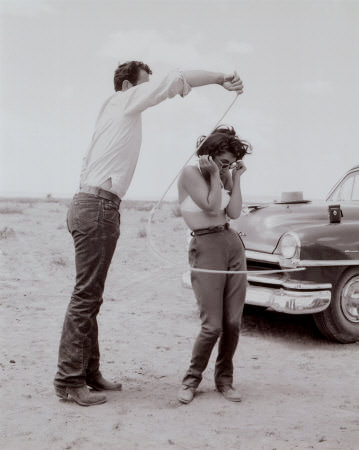
Rock Hudson prepared seriously for his role as rancher Bick Benedict. He spent time with working cowboys to learn how to ride horses and rope cattle, determined to make his performance feel authentic. Elizabeth Taylor, already a major Hollywood star, brought depth to Leslie Benedict’s arc — an East Coast woman who gradually finds her footing in the harsh world of Texas ranching. Taylor and Hudson formed a genuine friendship on set that lasted for the rest of their lives.
The film’s score, composed by Dimitri Tiomkin, matched the epic scale of everything happening on screen. His music gave the story emotional weight and reinforced the sweeping Texas setting throughout. Giant tackled serious themes for its era, including racism, class conflict, and the social disruption brought on by the oil boom in mid-20th century Texas. Stevens did not shy away from any of it.
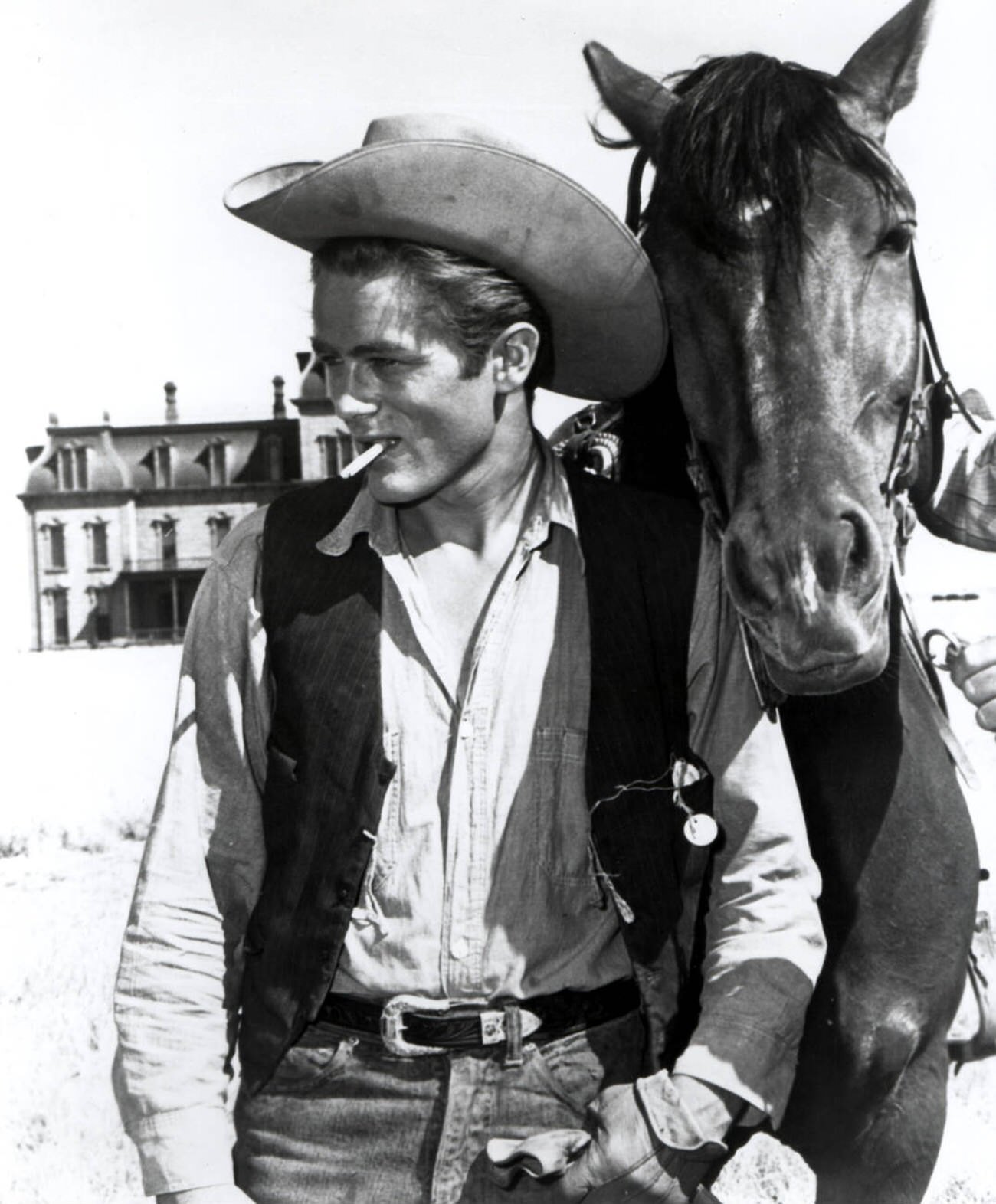
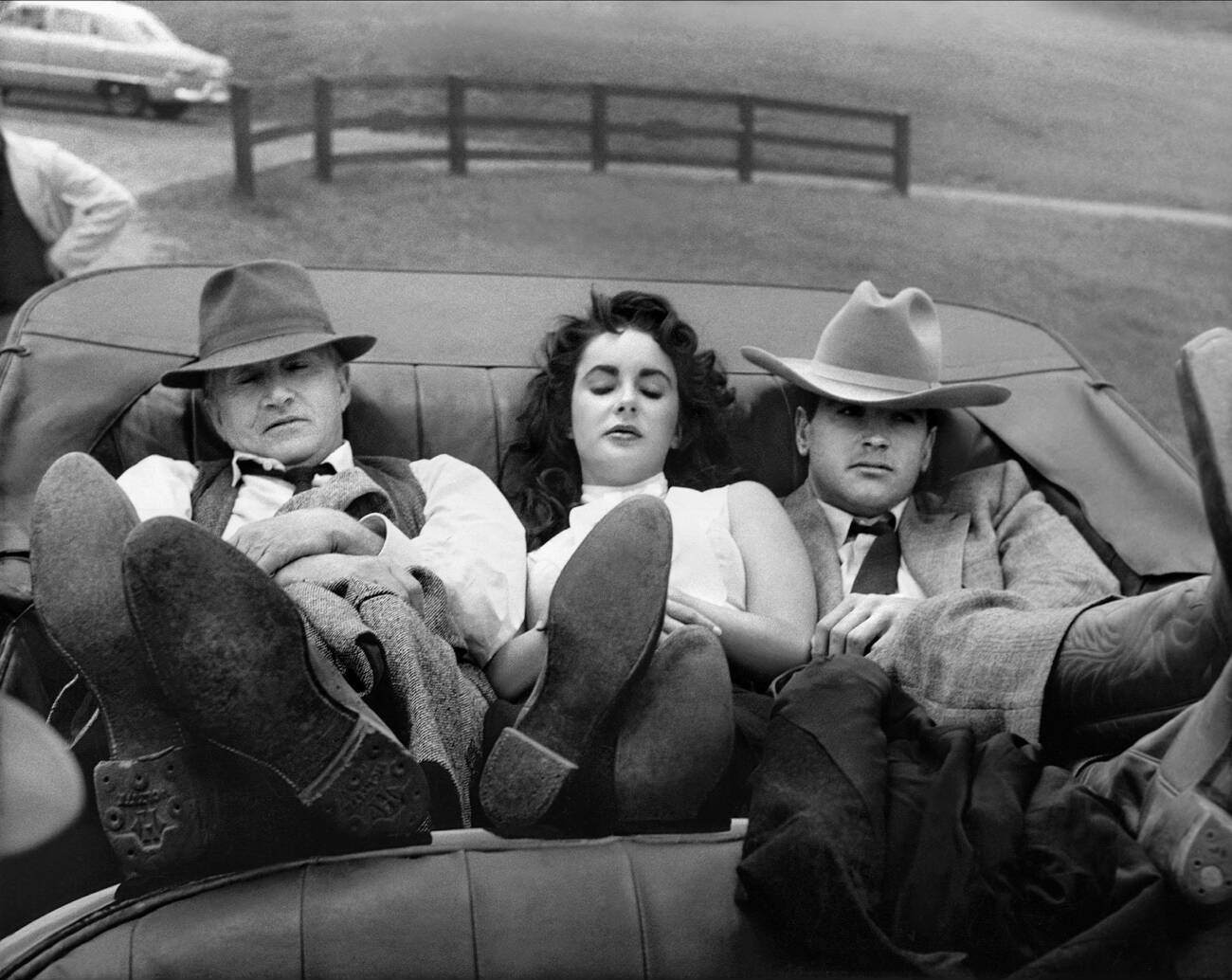
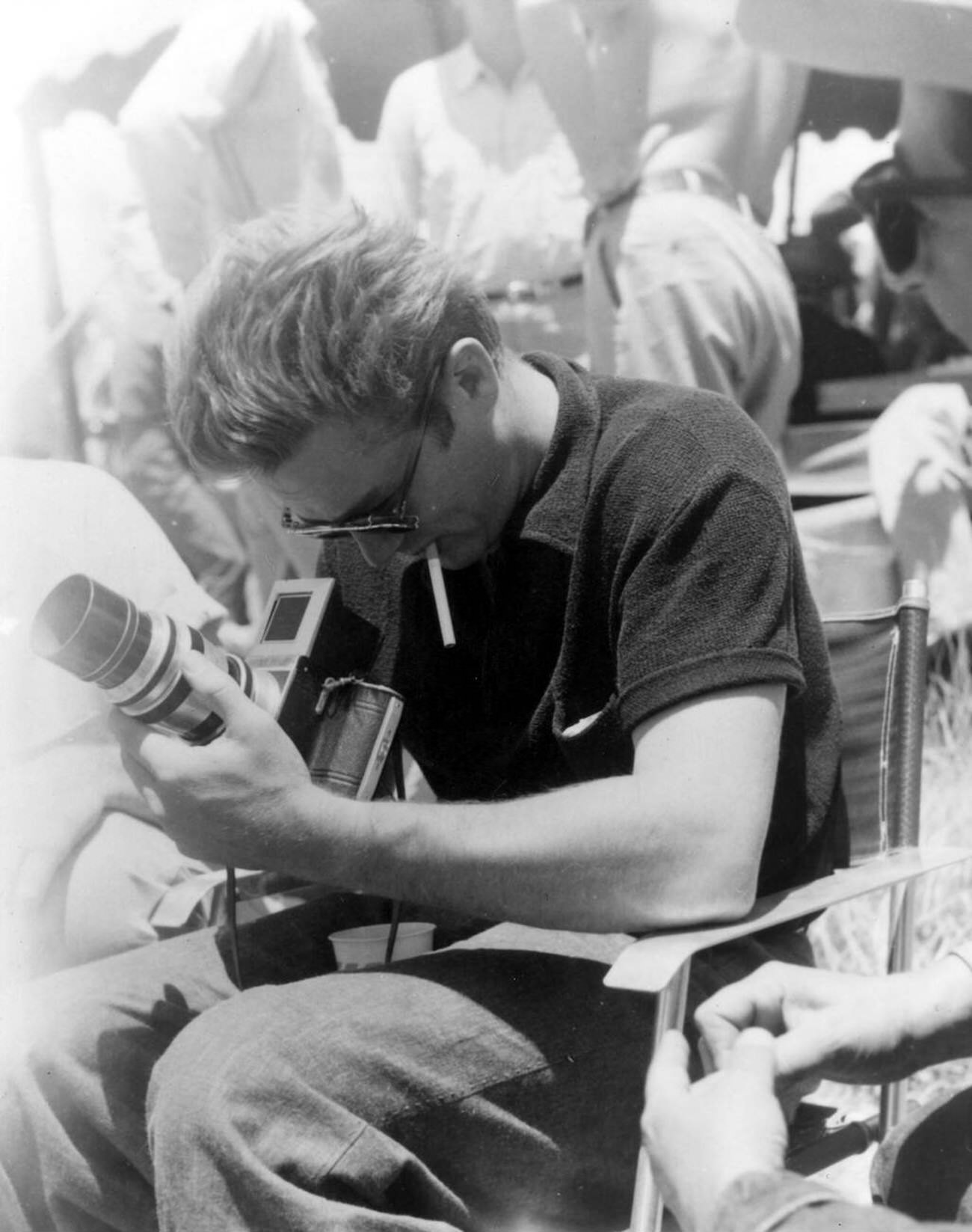
The Reata mansion set stood for decades after filming wrapped and drew curious visitors to Marfa for years. By the 1980s it had fallen into disrepair and was eventually dismantled. Today, only scattered remnants remain at the original site. The town of Marfa still celebrates its connection to the film, hosting screenings and location tours that draw fans and film historians from around the world.

Very nice, but needs more Mercedes McCambridge. IMHO she was great in that movie.