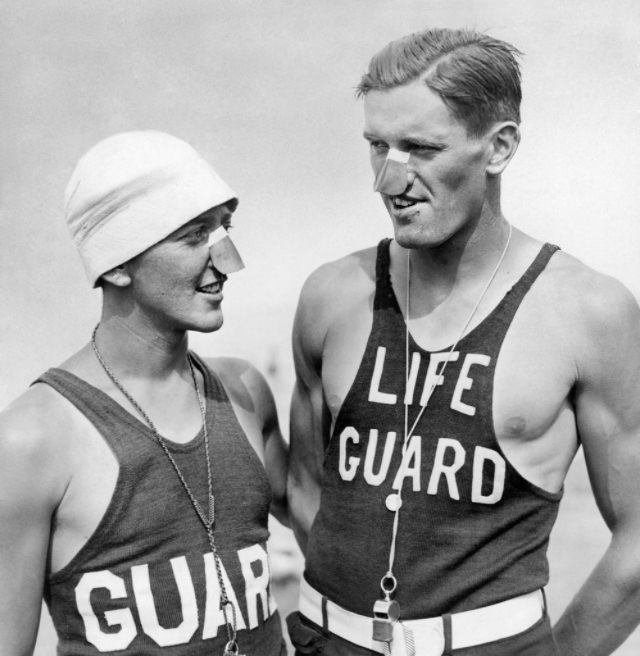
Swimming as a recreational activity took hold in the United States during the early 1800s. Coastal resort towns like Atlantic City drew crowds of visitors escaping the summer heat, and that surge in popularity came with a steep cost. By the early 19th century, roughly 9,000 people drowned in the United States every year. The water was drawing more people in, but nothing was in place to pull them back out safely.
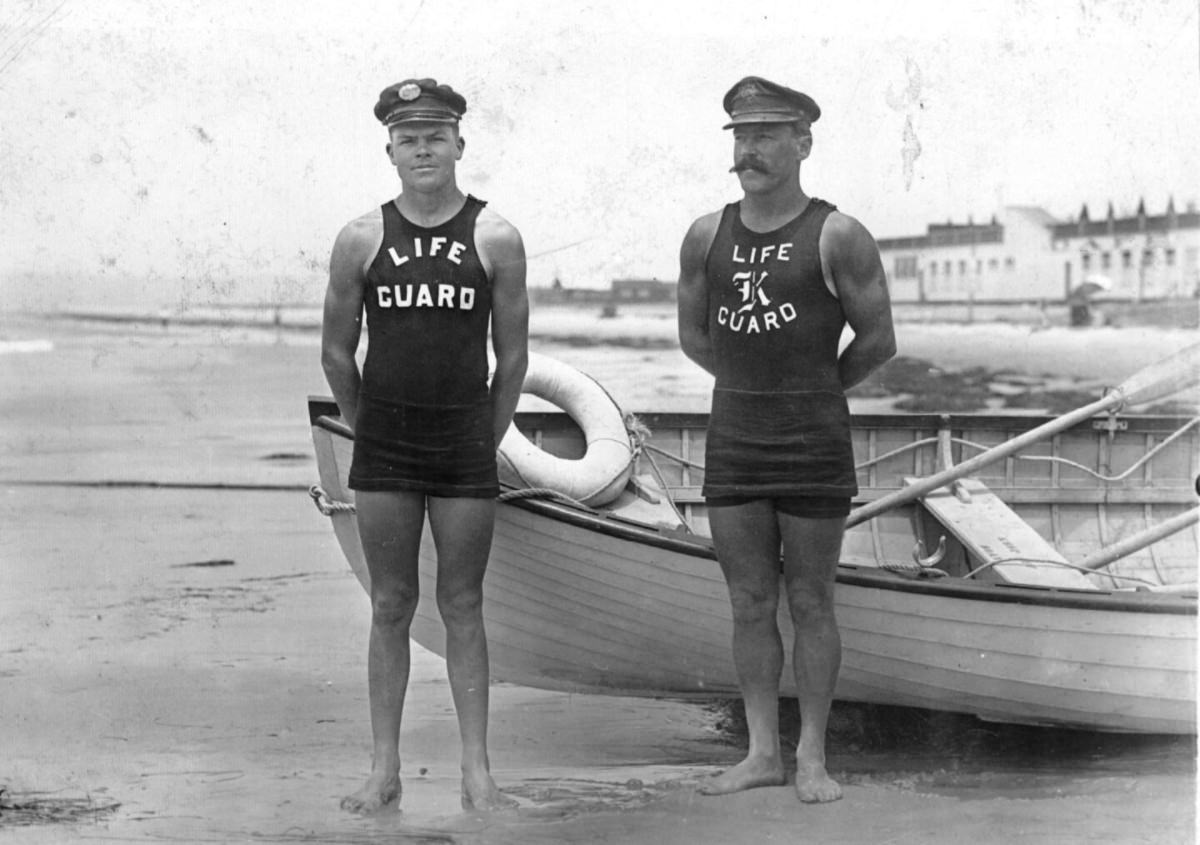
Resort owners and entrepreneurs responded by installing lifelines along the beaches — ropes stretched out into the water that struggling swimmers were supposed to grab. The idea was logical on paper, but it failed in practice. Once a swimmer entered what rescuers called the “Drowning Chain” — the rapid, panicked cycle of thrashing and sinking — grabbing a stationary rope was nearly impossible. The lifelines did little to stop the deaths.
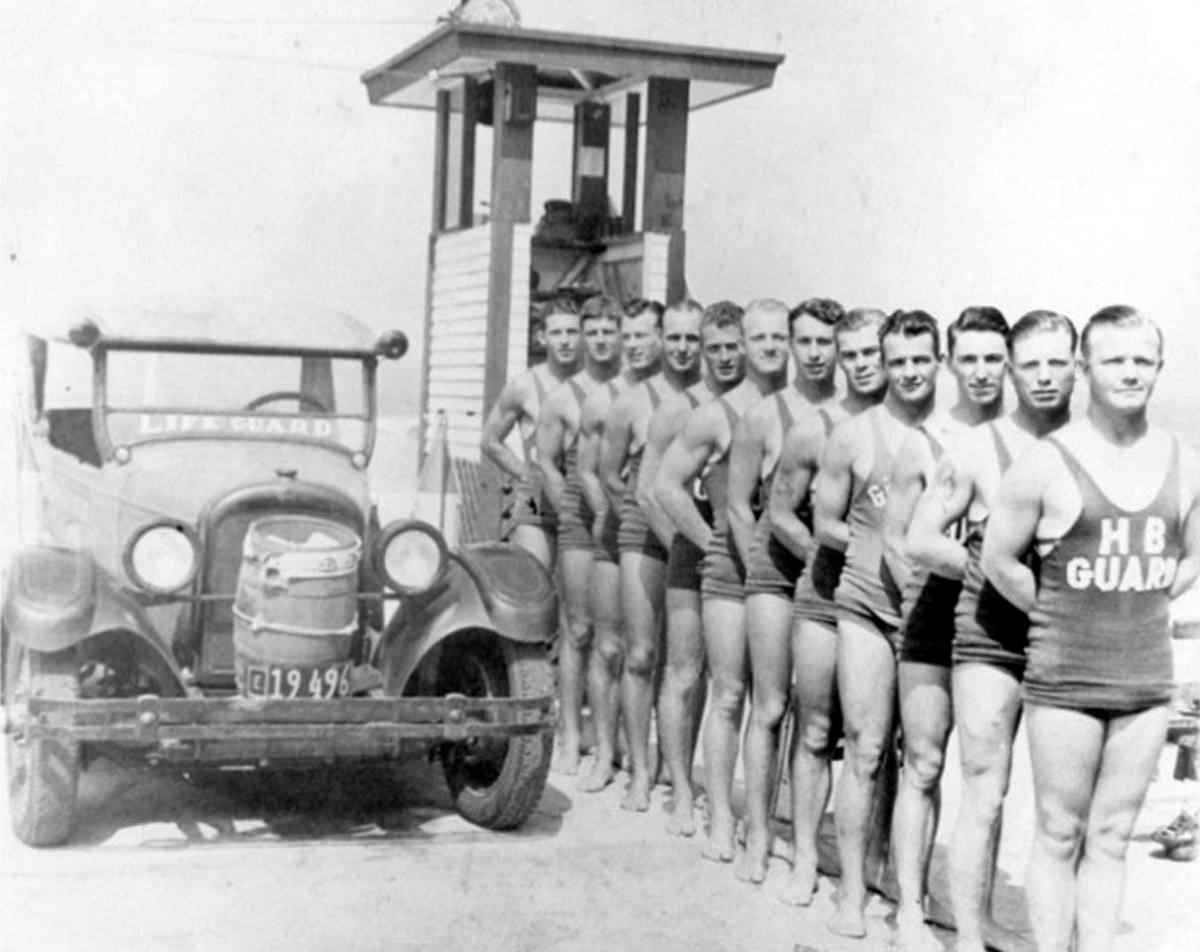
In some communities, police officers were called upon to perform water rescues. This pulled officers away from law enforcement duties and offered no guarantee of a trained, effective rescue. It was a stopgap, not a solution. Municipalities eventually recognized that a dedicated, specifically trained class of water rescuers was needed. Those individuals became known as lifeguards.
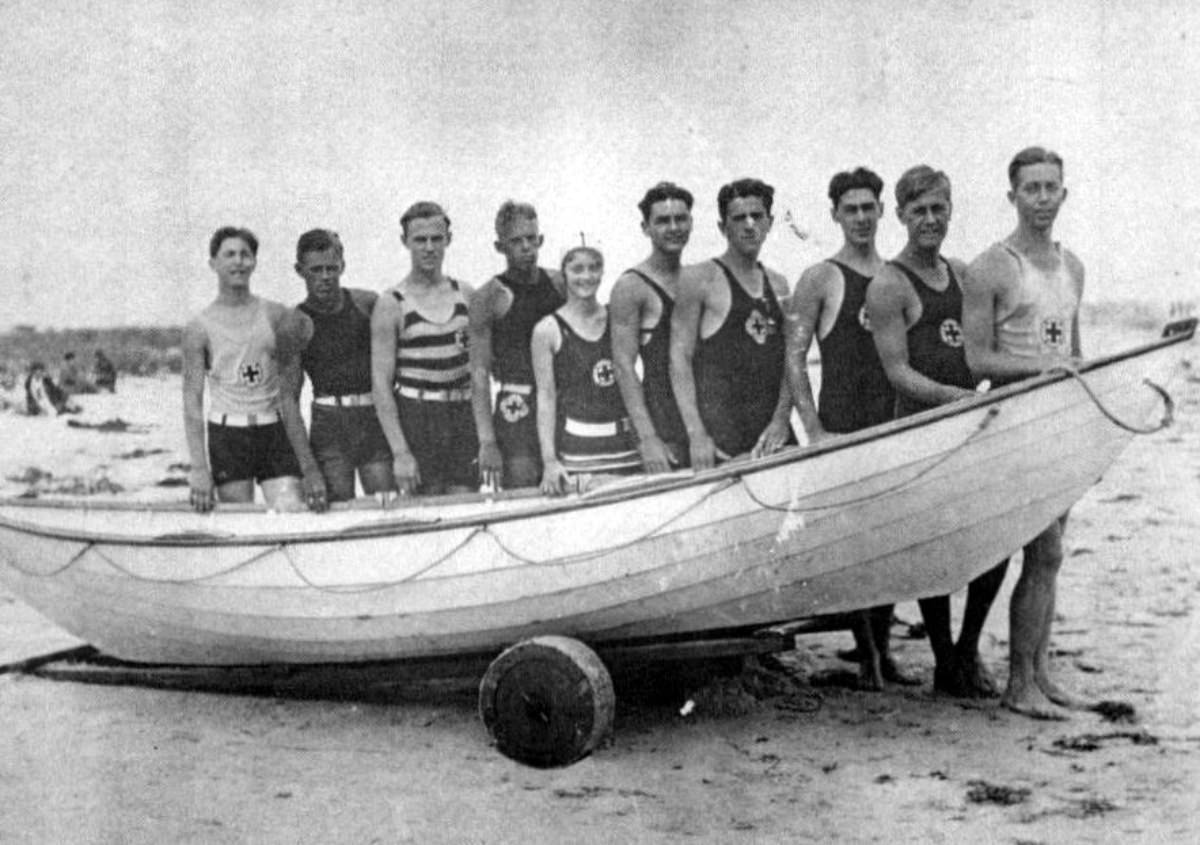
The Young Men’s Christian Association, better known as the YMCA, took a direct step toward fixing the problem in 1912. Recognizing that public bathing areas had no trained rescuers on duty, the organization developed the National Lifesaving Service. This was one of the first formal programs in the country designed to train people specifically for water rescue.
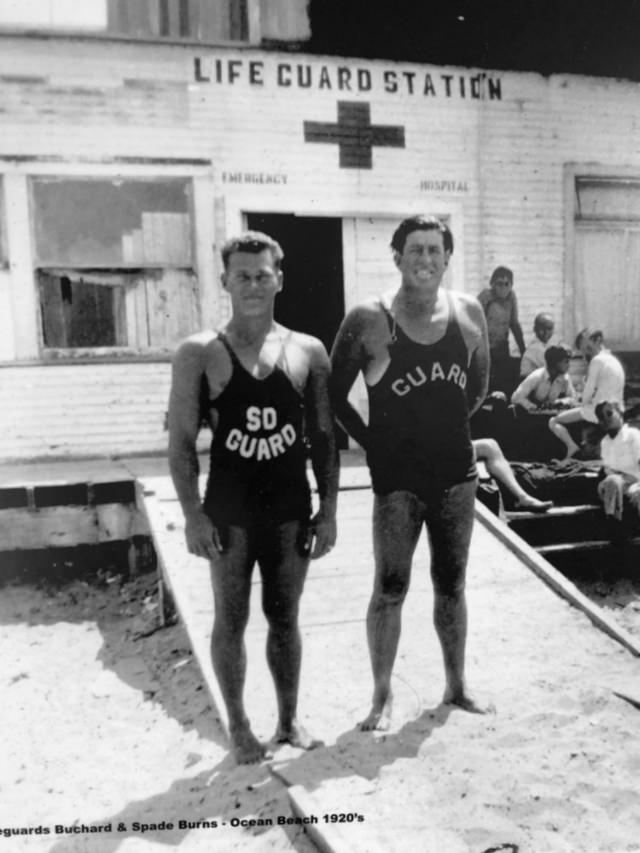
Two years later, in 1914, Commodore Wilbert E. Longfellow founded the American Red Cross Lifesaving program. The organization trained swimmers across the country in lifesaving and resuscitation techniques. Longfellow’s program went beyond individual training — it organized participants into volunteer corps and encouraged them to actively supervise swimming and bathing activities in their own communities.
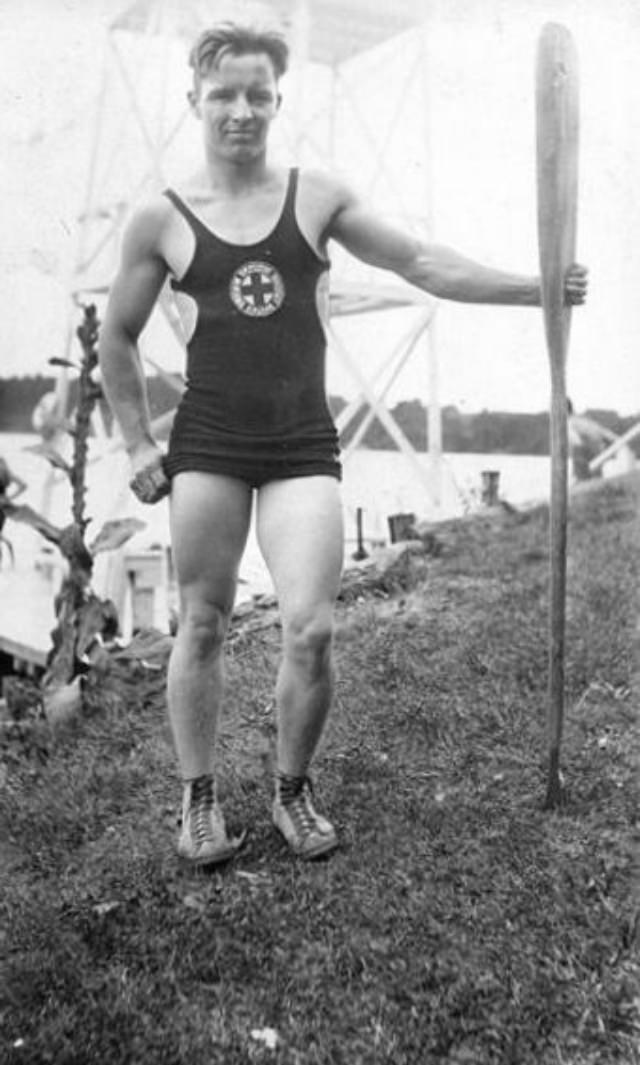
Early lifeguard training focused on two core principles: preventing drownings before they happened, and protecting the rescuer during an emergency. Programs strongly encouraged non-swimming rescue methods first. Throwing a rope or a floating object to someone in the water was the preferred approach. Swimming directly to a panicked victim was considered a last resort, because a drowning person in full panic can pull a rescuer underwater with them.
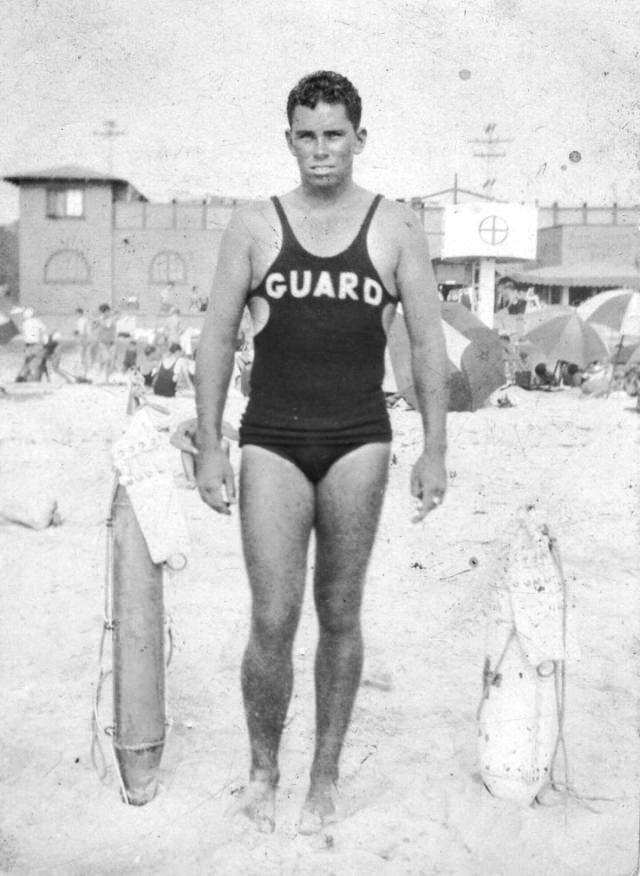
As professional beach lifeguarding expanded across the United States, swimming rescues became unavoidable. Conditions at open beaches — strong currents, rough surf, and large crowds — meant that lifeguards regularly had to enter the water to reach victims. This reality pushed the development of specialized rescue tools designed to make those in-water rescues safer and more effective.
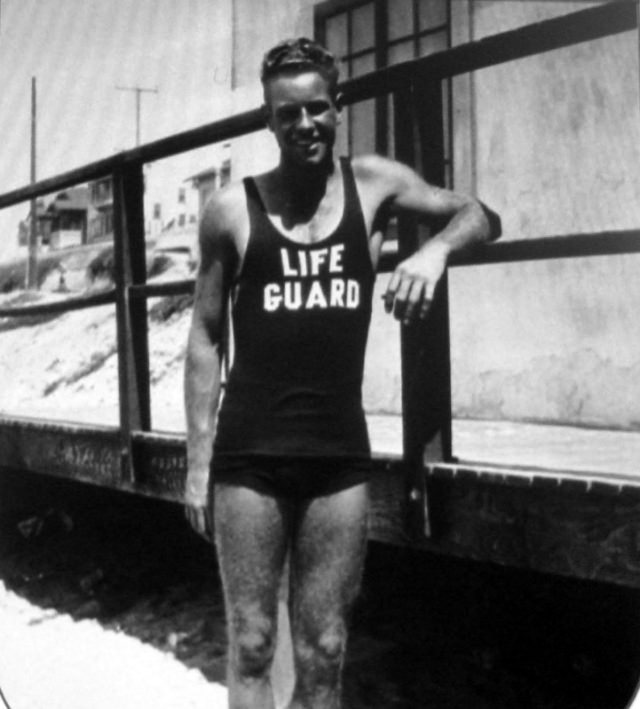
Between 1910 and 1915, Captain Harry Sheffield of South Africa developed the first rescue float. Duke Kahanamoku, one of Hawaii’s pioneering watermen, played a direct role in this development. Kahanamoku’s deep knowledge of ocean swimming and surf conditions helped shape how rescue equipment was designed and used. The rescue float gave lifeguards a buoyant device they could bring to a victim, reducing the physical danger of direct body contact with a panicked swimmer.
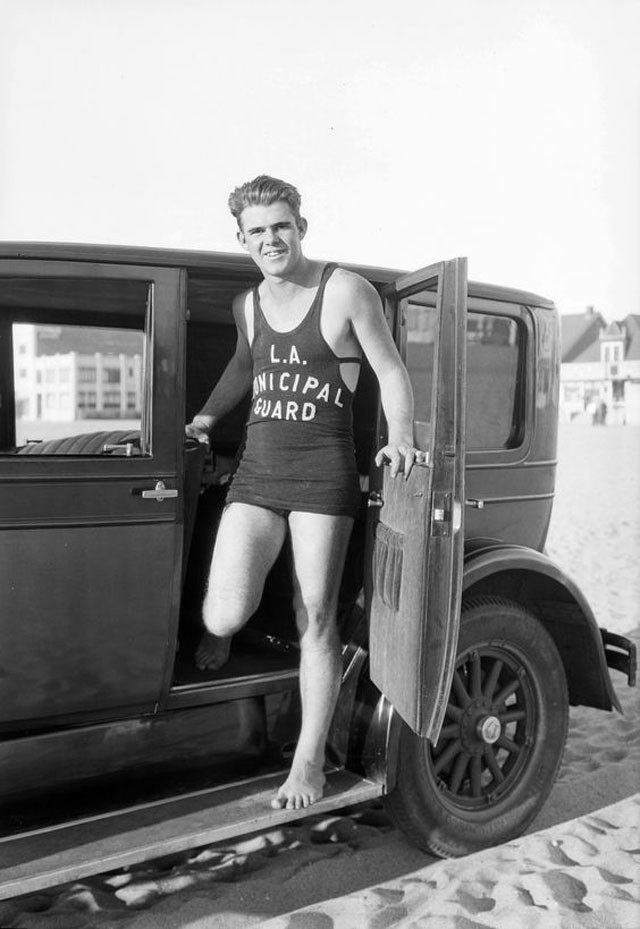
Other tools followed. The landline — a rope connecting the lifeguard to shore — allowed rescuers to be pulled back after reaching a victim in rough water. The dory, a flat-bottomed rescue boat, gave lifeguards a way to reach swimmers farther from shore without exhausting themselves in the swim out. Each tool solved a specific problem that standard training alone couldn’t address.
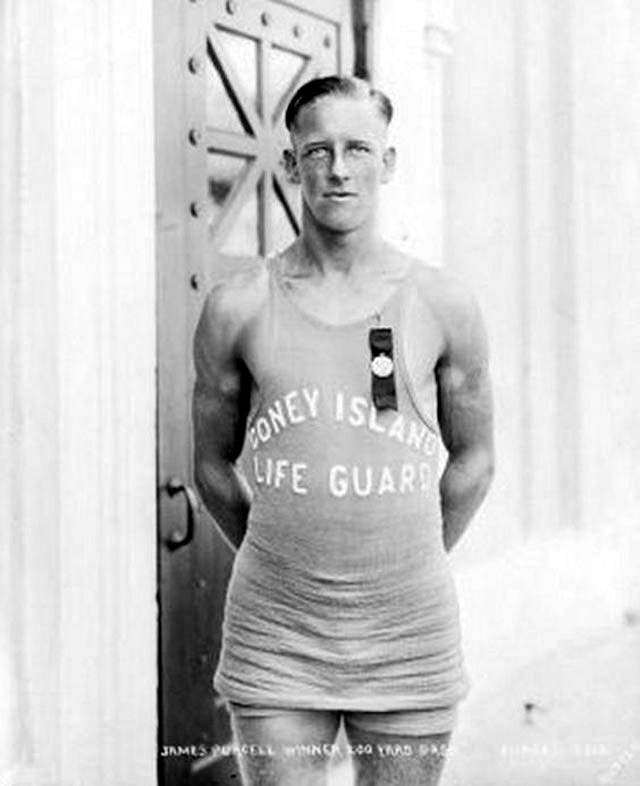
The physical demands placed on early lifeguards were considerable. These men were expected to be strong open-water swimmers, capable of reading surf conditions, and trained to act quickly under extreme stress. Their work required both physical fitness and a clear understanding of how drowning victims behave in the water — knowledge that formal training programs worked to standardize.
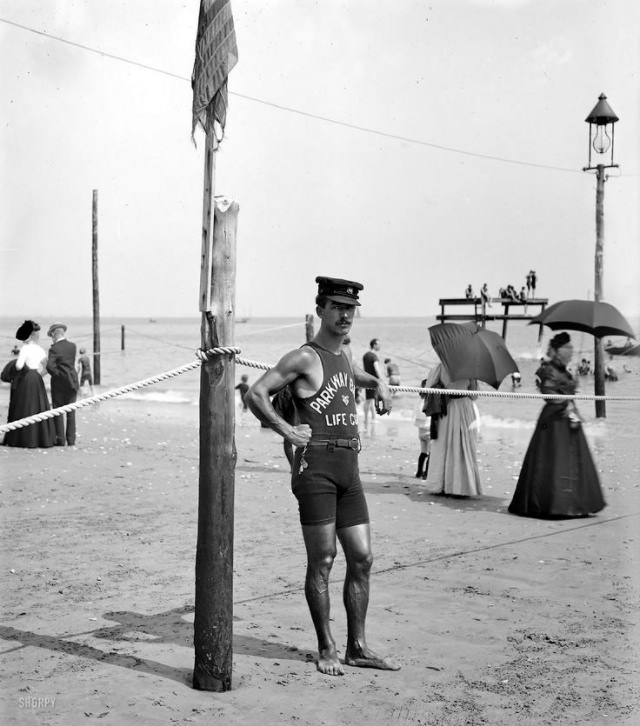
Lifeguard equipment continued to improve throughout the 20th century. Rescue buoys replaced simpler floats, offering better grip points for both the rescuer and the victim. Rescue tubes gave lifeguards a flexible, body-conforming device that could be wrapped around a victim for a more secure hold. Rescue boards allowed lifeguards to paddle out quickly and bring victims back to shore on a stable surface.
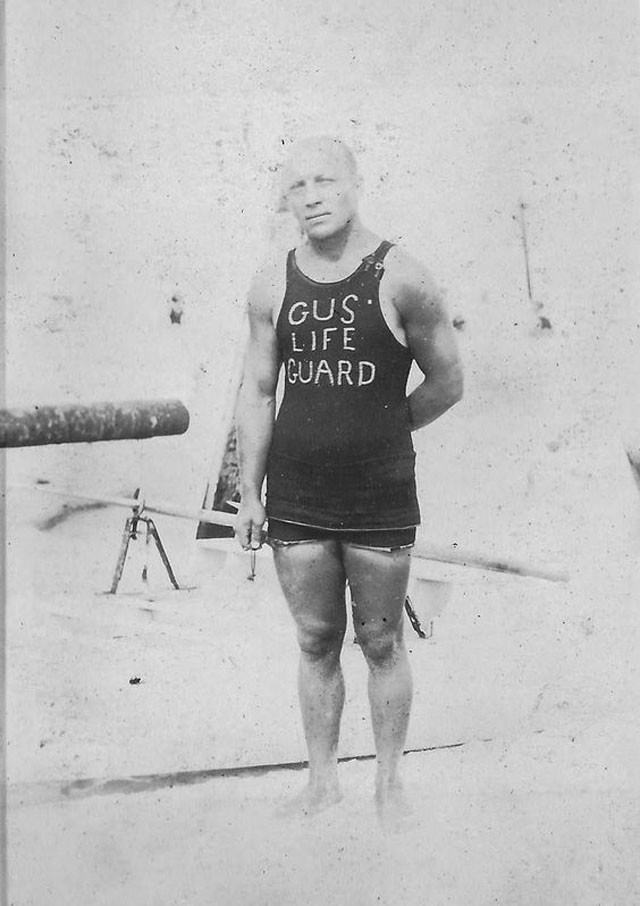
These tools spread well beyond ocean beaches. Rescue buoys, tubes, and boards became standard equipment at public pools and water parks around the world. The techniques developed by early American beach lifeguards formed the foundation of aquatic safety programs used globally.
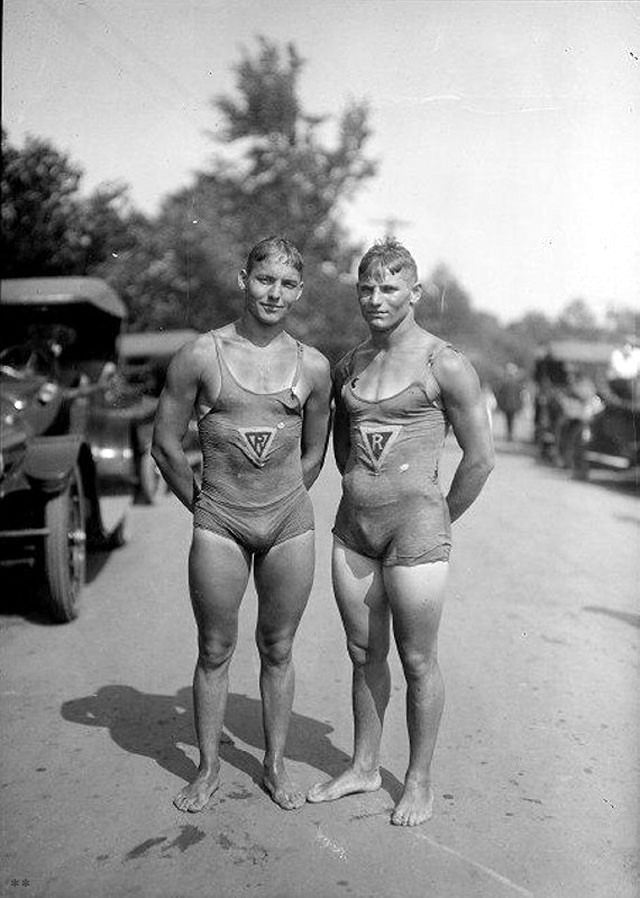
The role of the lifeguard also grew in scope. Early guards stationed themselves on shore or in towers, watching the water and responding when someone went under. As beaches became more crowded and swimmers ventured farther out, the distance between lifeguard and victim increased. Tools and training had to keep pace with that growing challenge.
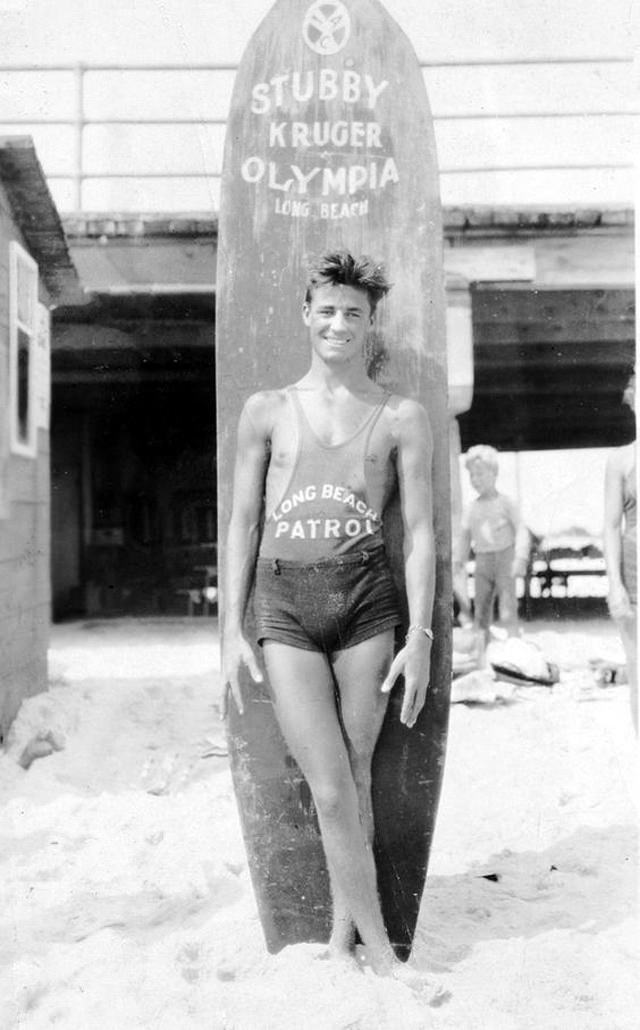
Powerboats entered the lifeguard’s toolkit as motorized watercraft became more widely available. A guard in a powerboat could reach an offshore swimmer in seconds, a task that previously required a long, exhausting row or swim. Personal watercraft — the kind commonly seen at beaches today — pushed response times even faster, allowing lifeguards to cover far greater stretches of water than ever before.
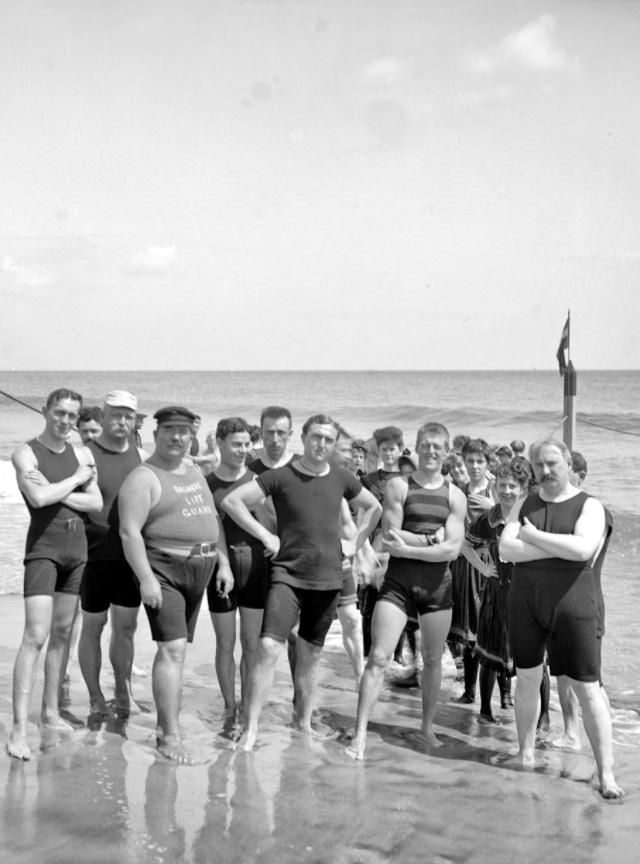
Deep water rescues introduced yet another dimension to the job. When a swimmer goes under beyond reach of surface equipment, scuba gear allows trained lifeguards to descend and retrieve victims. This level of rescue capability would have been unimaginable to the early volunteers of the 1912 YMCA program, who had little more than a rope and their own swimming ability.
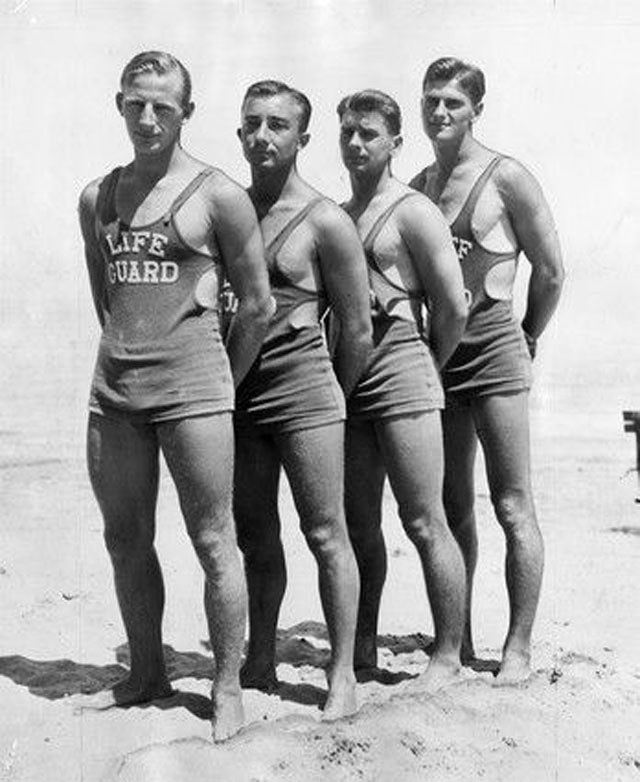
The story of the early male lifeguard is one of practical problem-solving in the face of a very real and recurring danger. Rising drowning rates created pressure on communities, resorts, and eventually governments to act. The men who stepped into that role in the early 1900s did so with minimal equipment and no established playbook — and they built the framework that professional water rescue still relies on today.