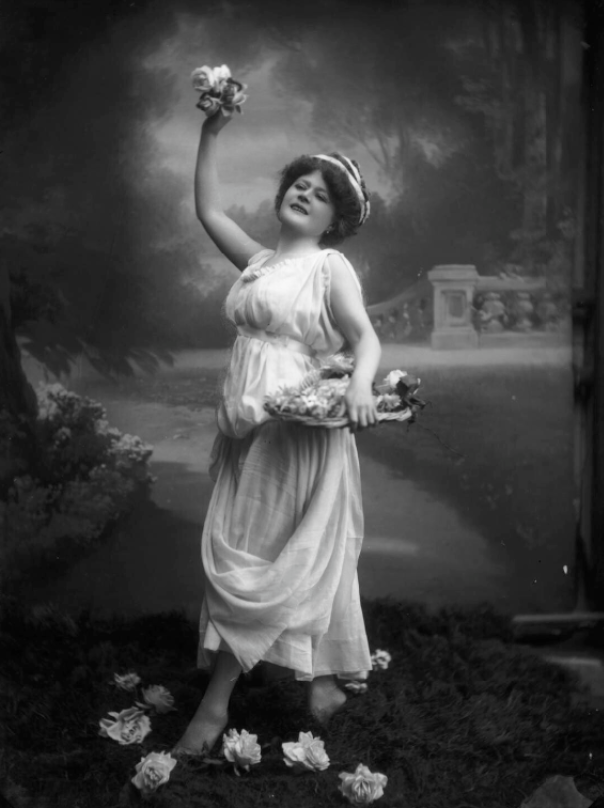
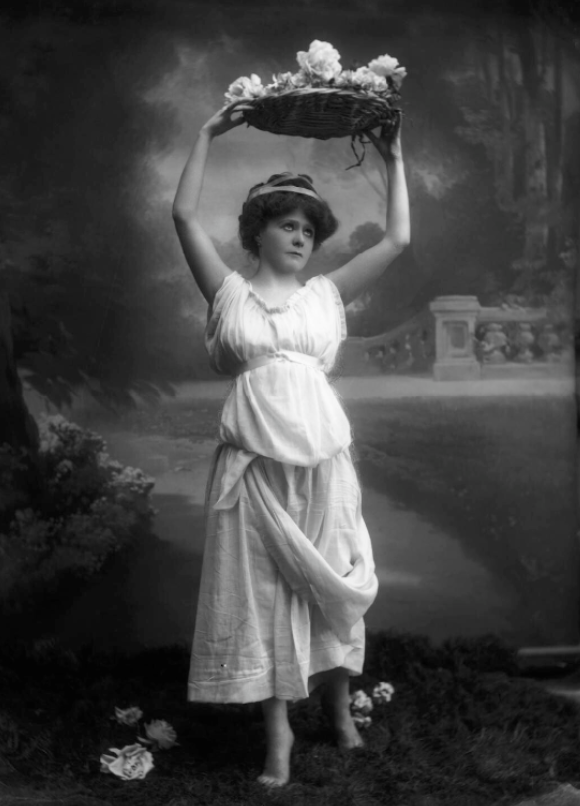
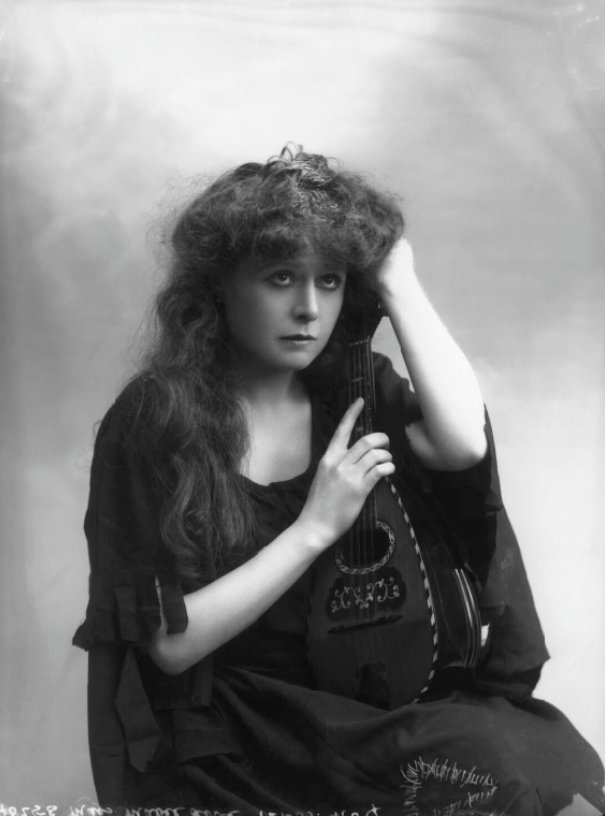
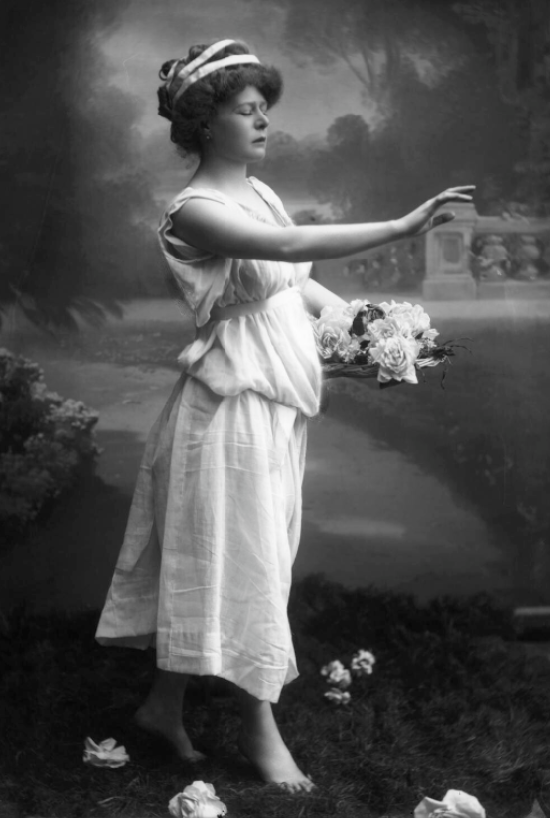
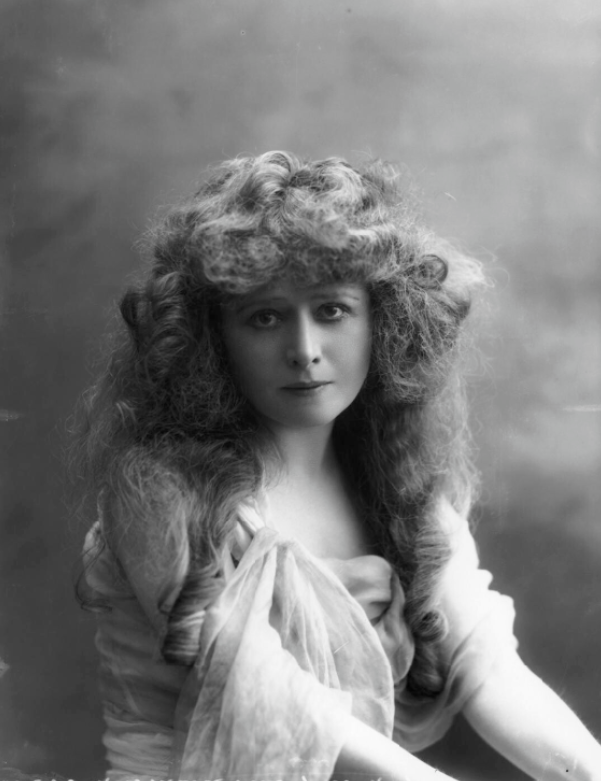
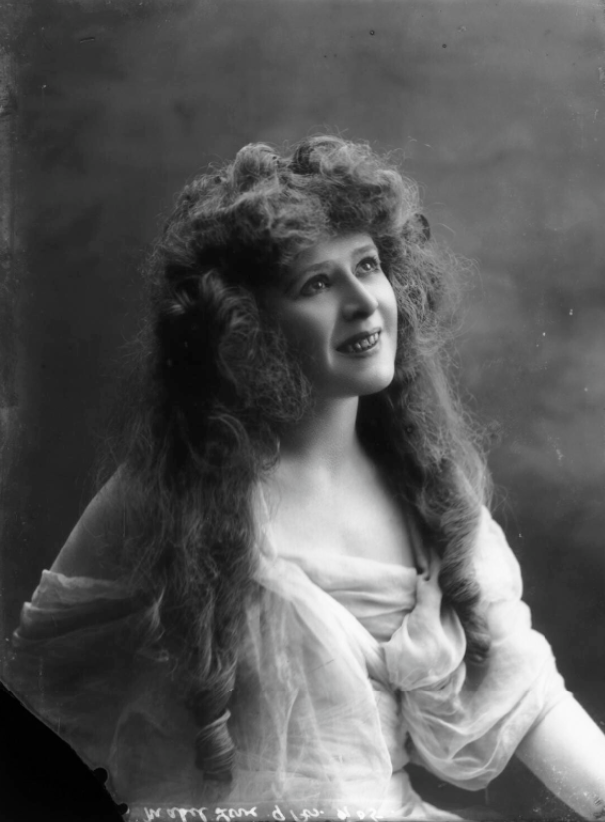
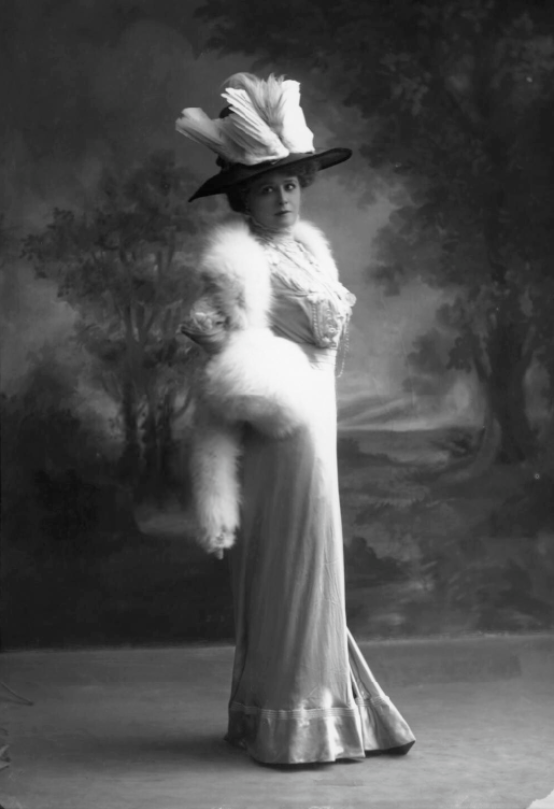
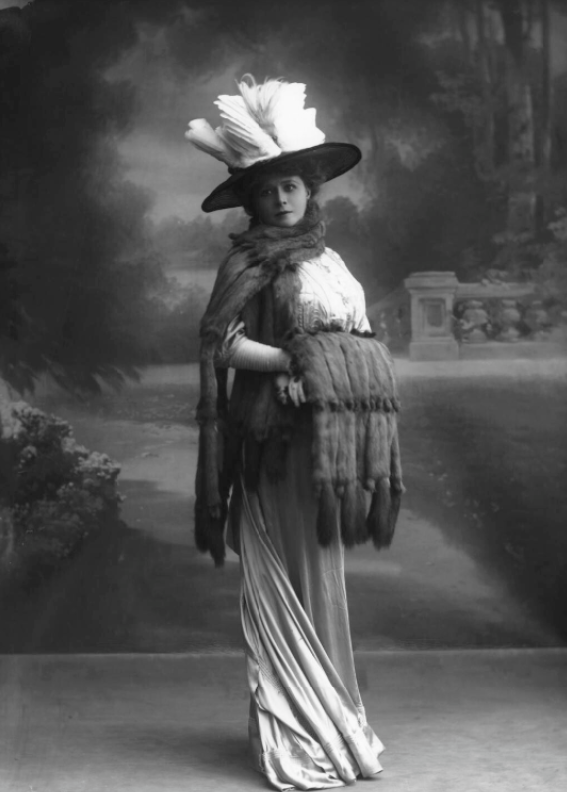
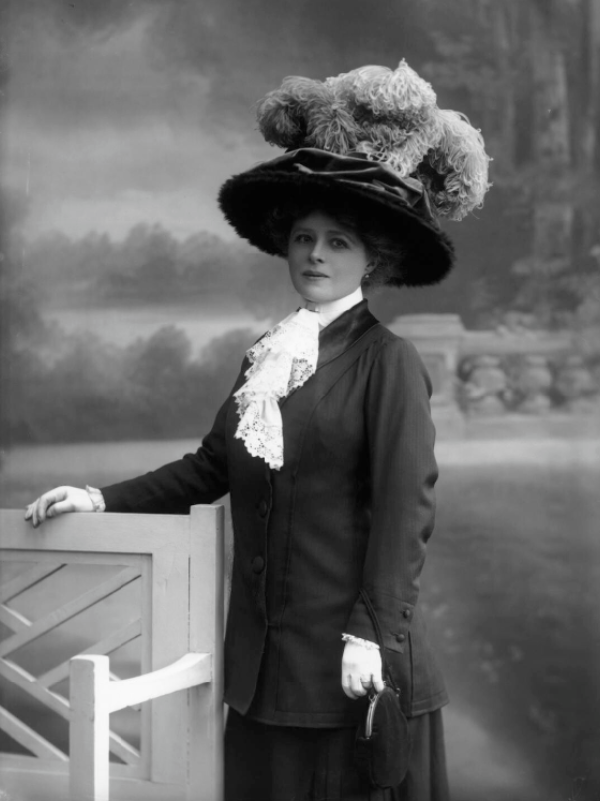
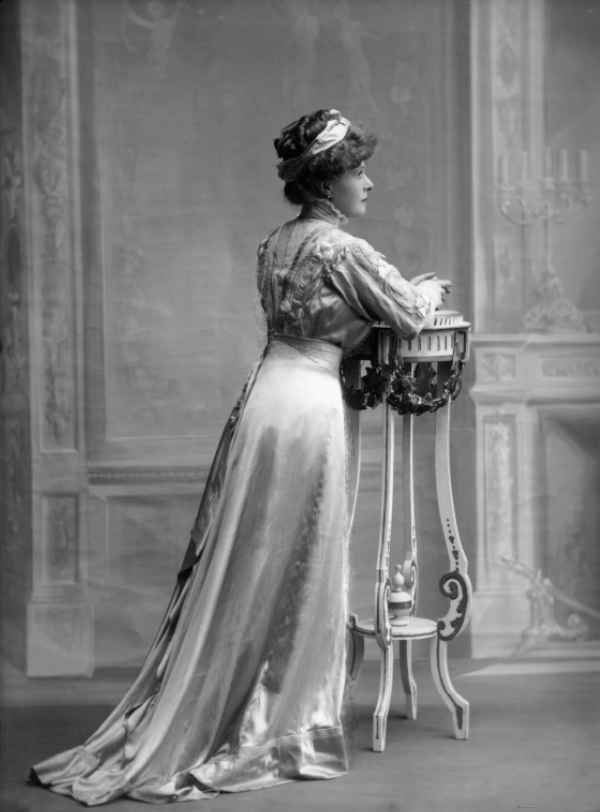
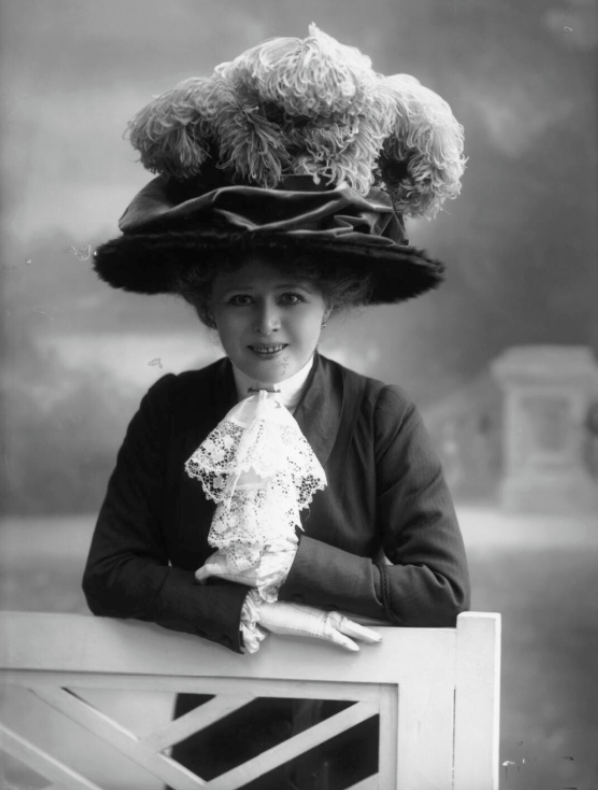
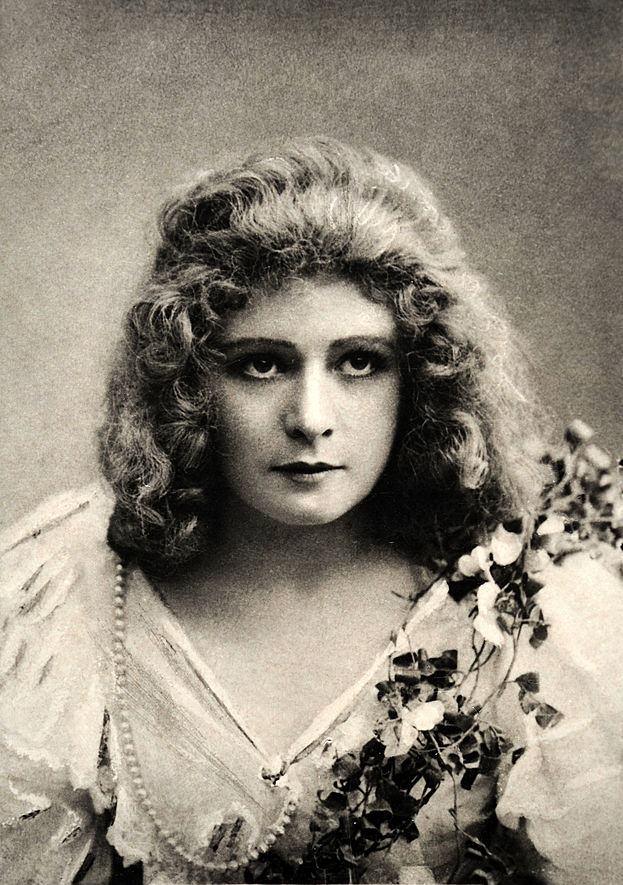
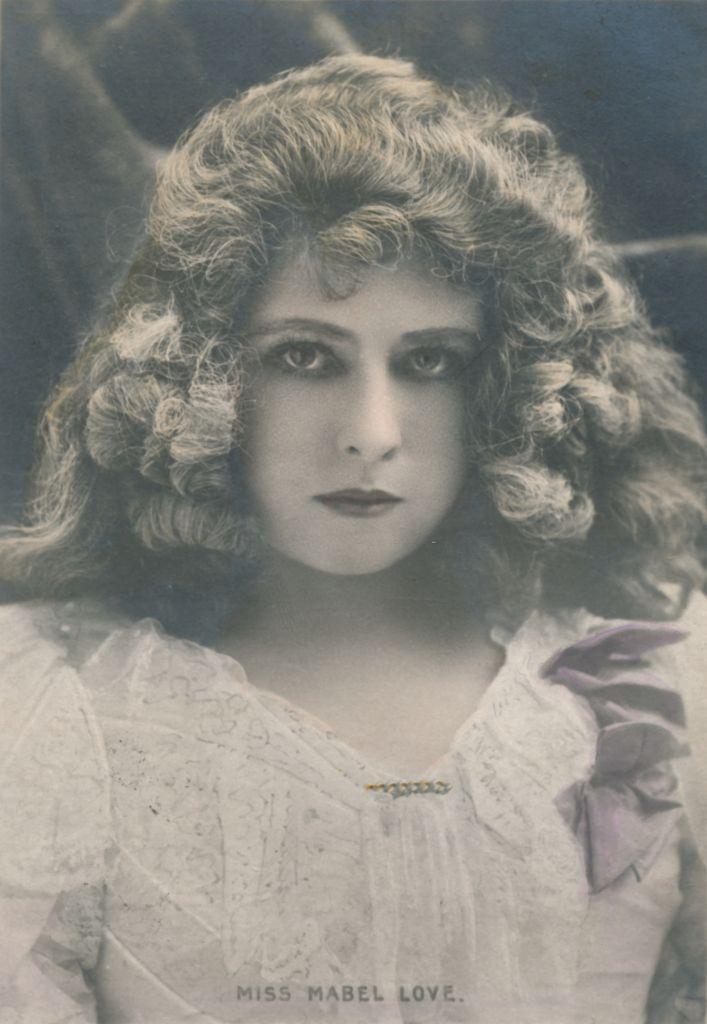
Mabel Love was one of the most celebrated stage beauties of the late Victorian and Edwardian eras. A British actress and dancer, she built a career that stretched across three decades, gracing the stages of London, Paris, and New York. Her name was synonymous with glamour and talent at a time when the British theatre world was at its most vibrant. Audiences adored her, critics praised her, and even a young Winston Churchill was eager to get her attention — he wrote to her in 1894 requesting a signed photograph.
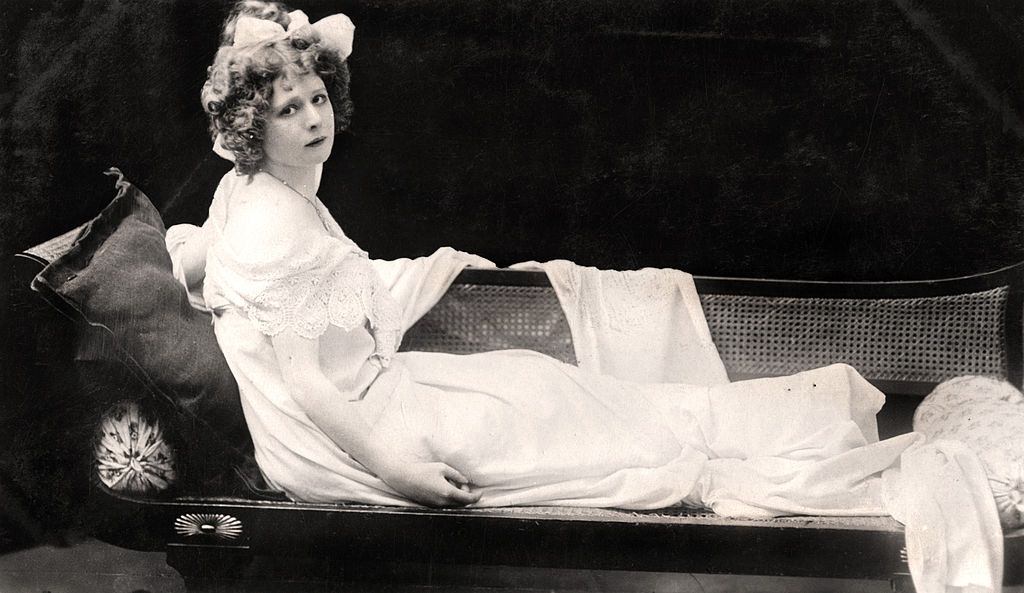
Love’s stage career began remarkably early. In 1887, she appeared as one of the triplet children in the production of Masks and Faces at London’s Opera Comique. That same year, she performed in the Christmas pantomime at the prestigious Covent Garden. By 1888, at just 14 years old, she took on the role of Totchen — a vixen, or camp follower — in the popular burlesque Faust Up To Date, which ran through 1889. It was a bold role for someone so young, and she handled it with a confidence that signaled bigger things to come.
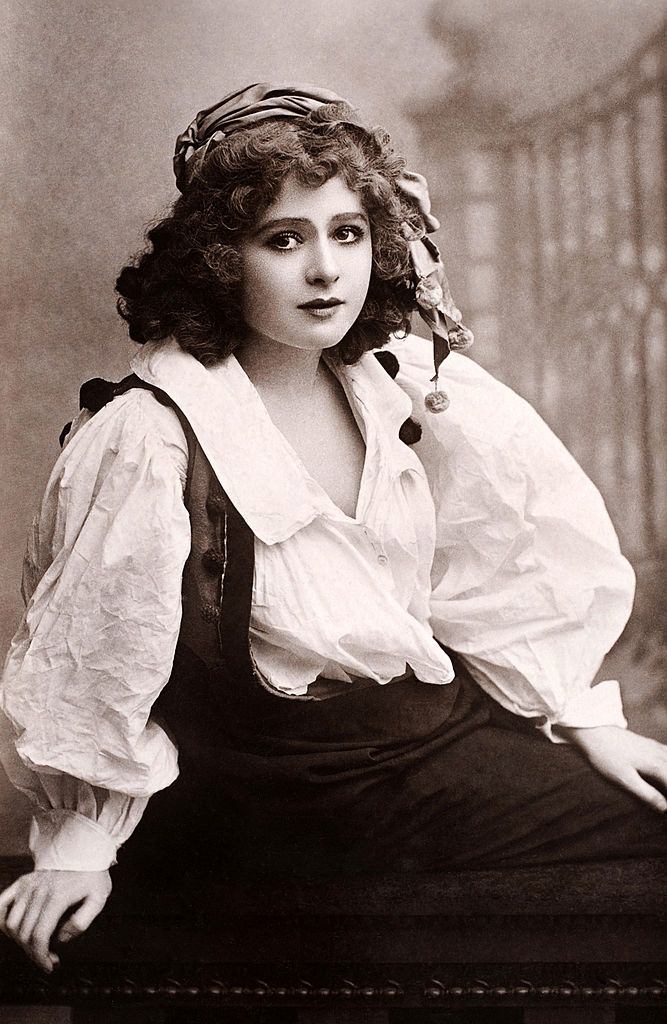
Over the next 30 years, Love worked across nearly every popular stage format of the day — burlesques, pantomimes, and musical comedies. She earned strong notices for her portrayal of Francoise in La Cigale and for playing Pepita in Ivan Caryll’s Little Christopher Columbus. These roles showed her range as a performer, equally at home in comic and dramatic parts.
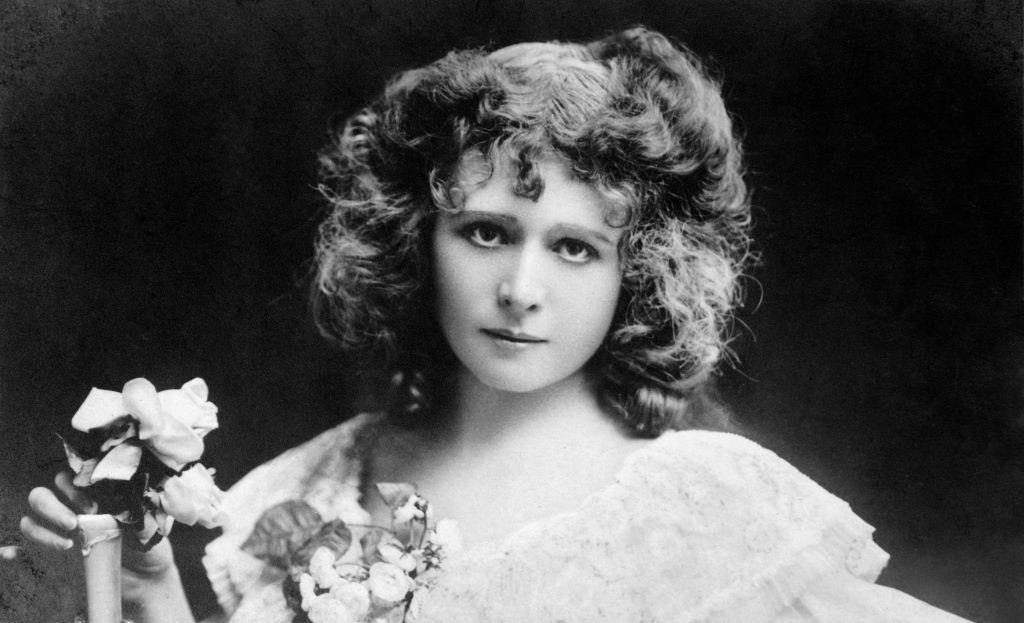
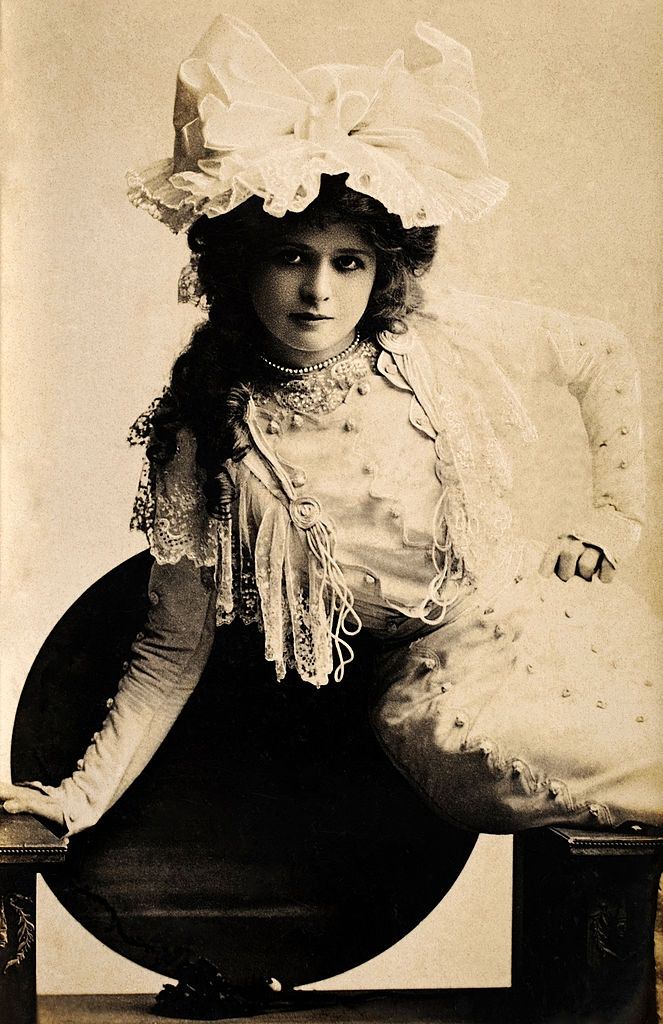
Her reach extended well beyond London. She performed at the famous Folies Bergère in Paris, one of the most renowned entertainment venues in the world. She also crossed the Atlantic to appear on Broadway in Man and Superman, bringing her talent to American audiences who were just as captivated as those back home.
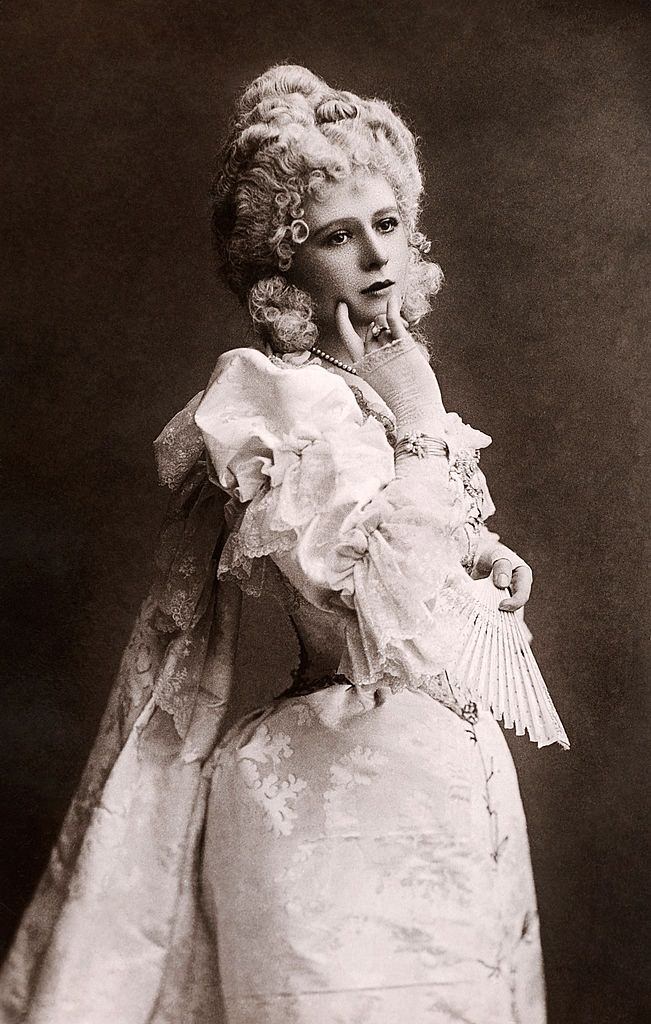
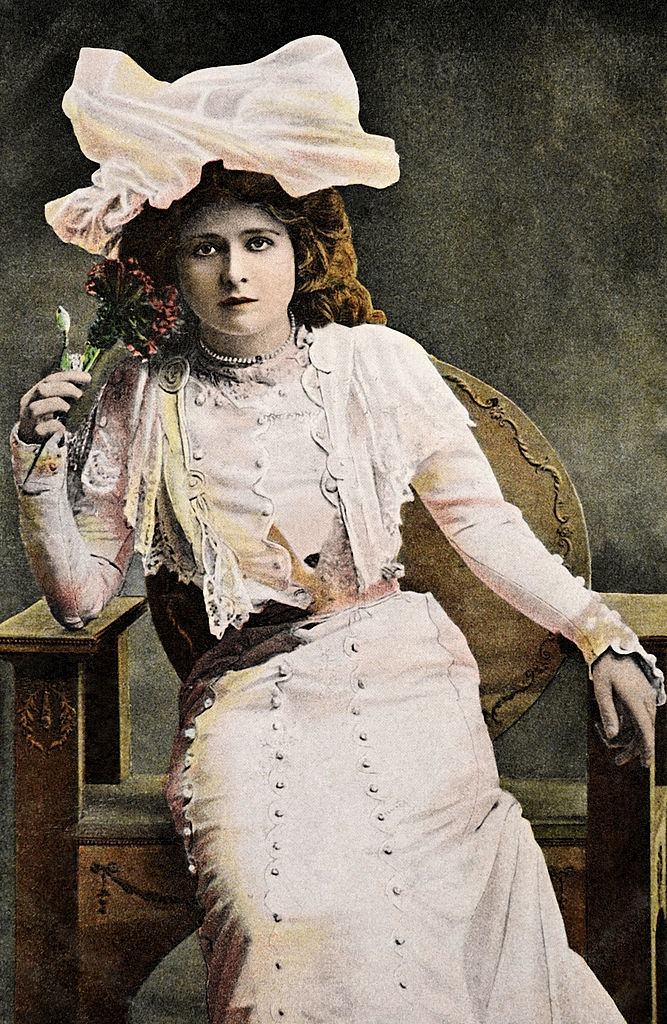
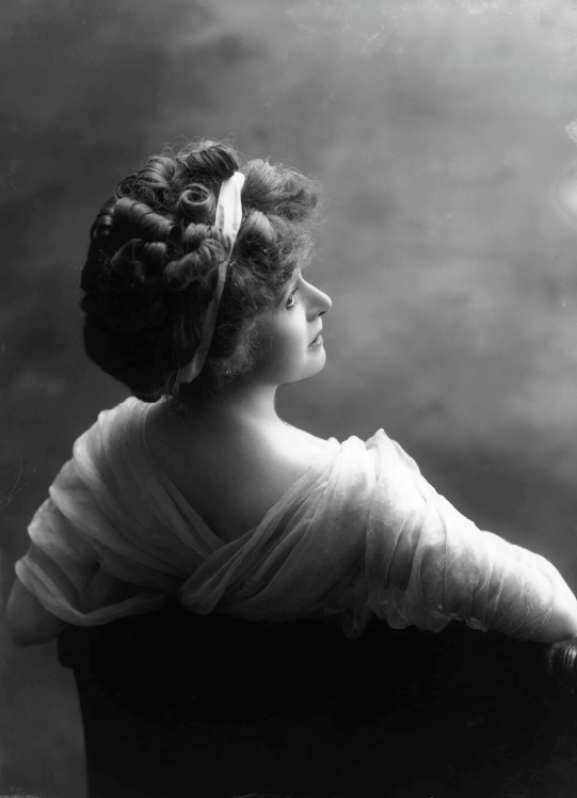
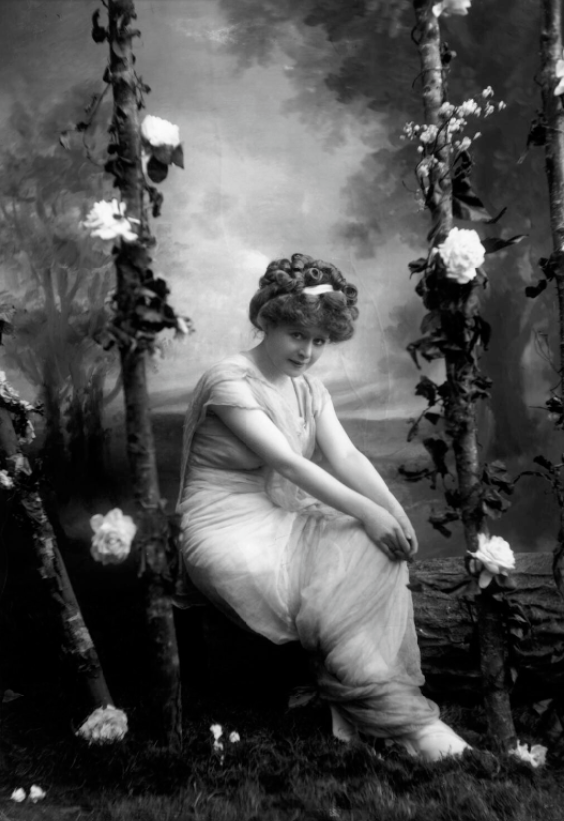
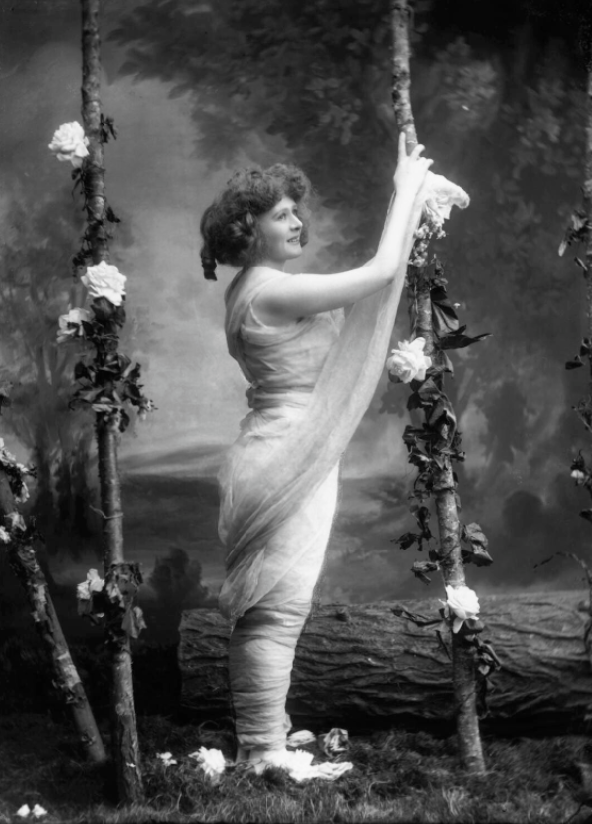
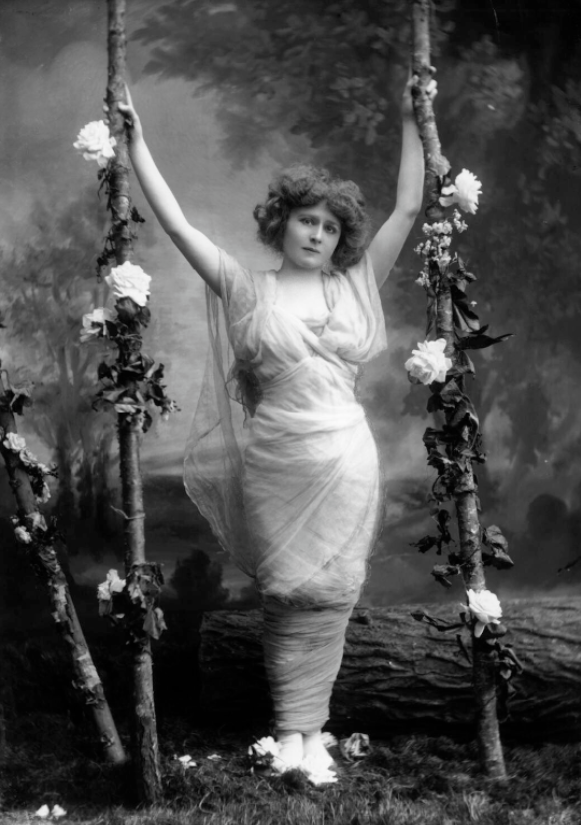
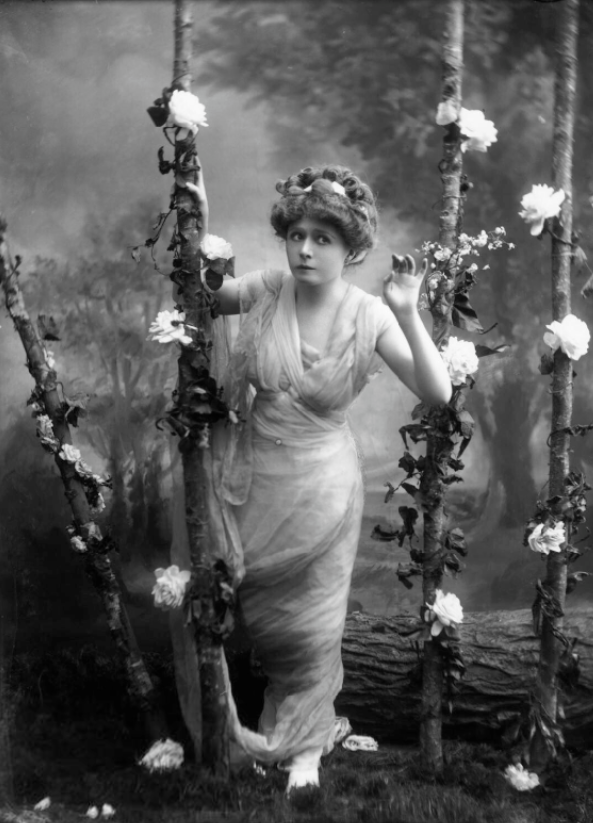
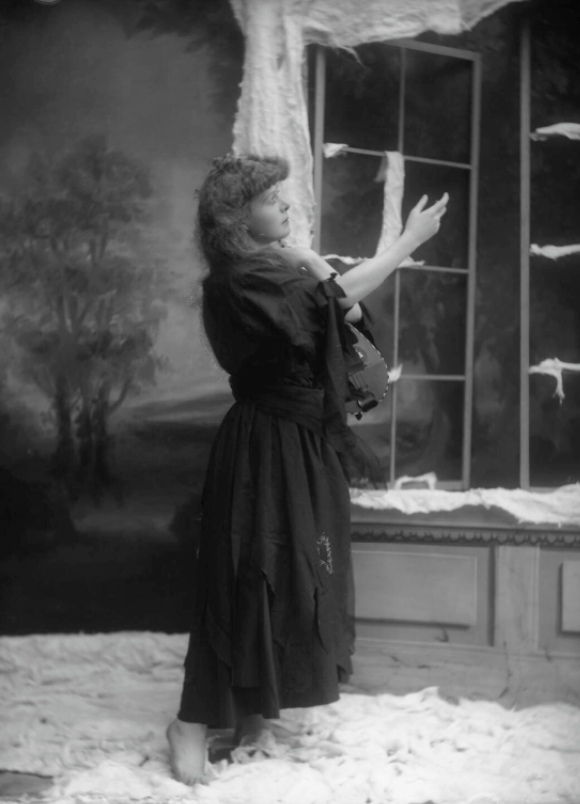
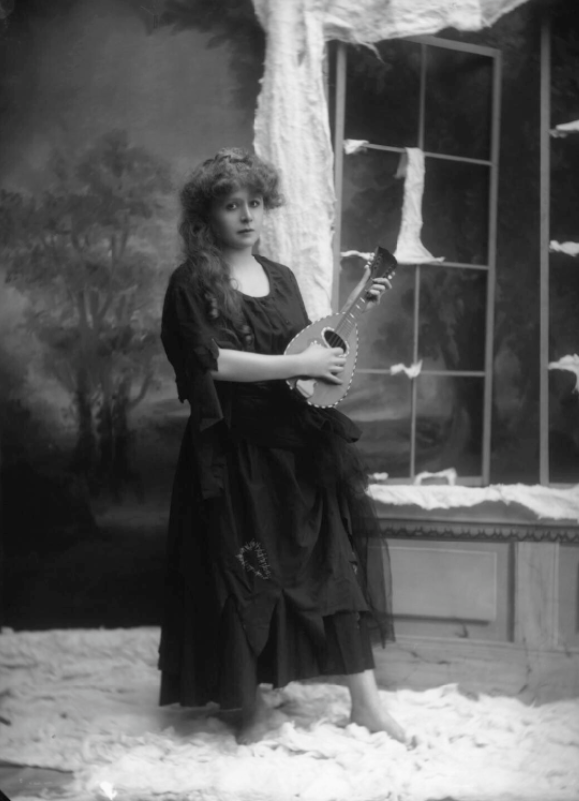
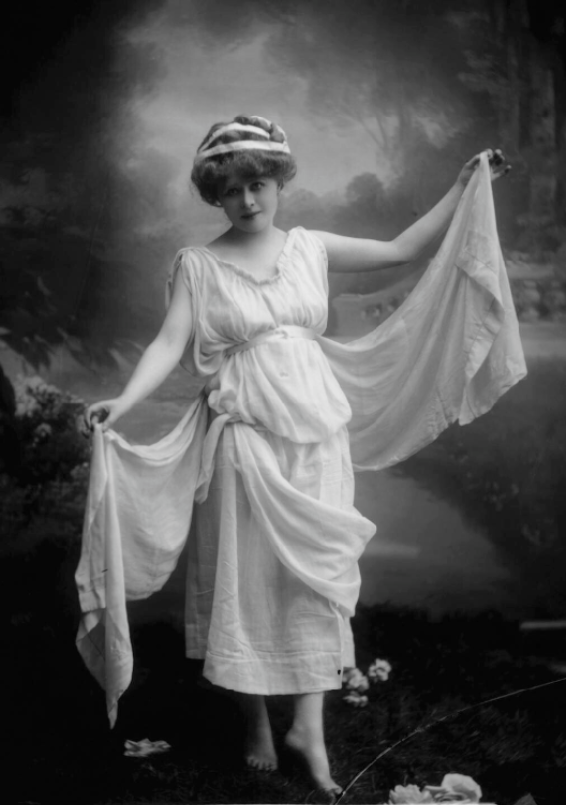
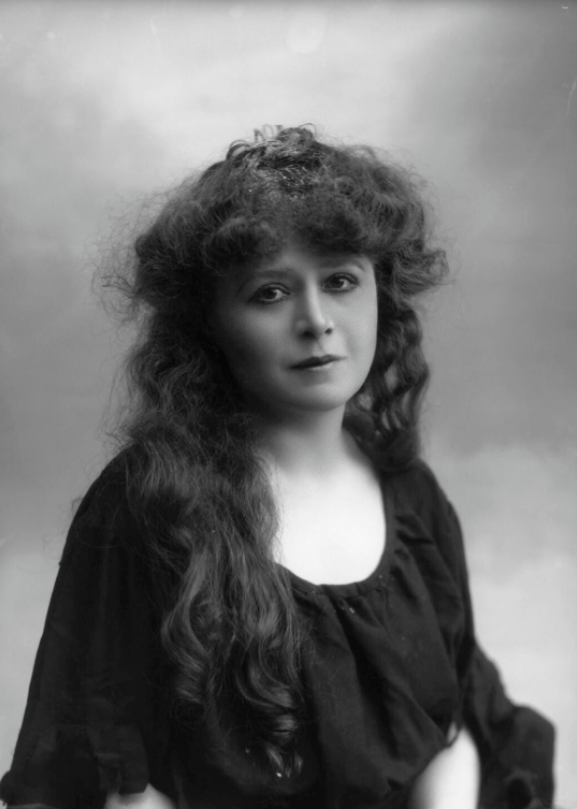
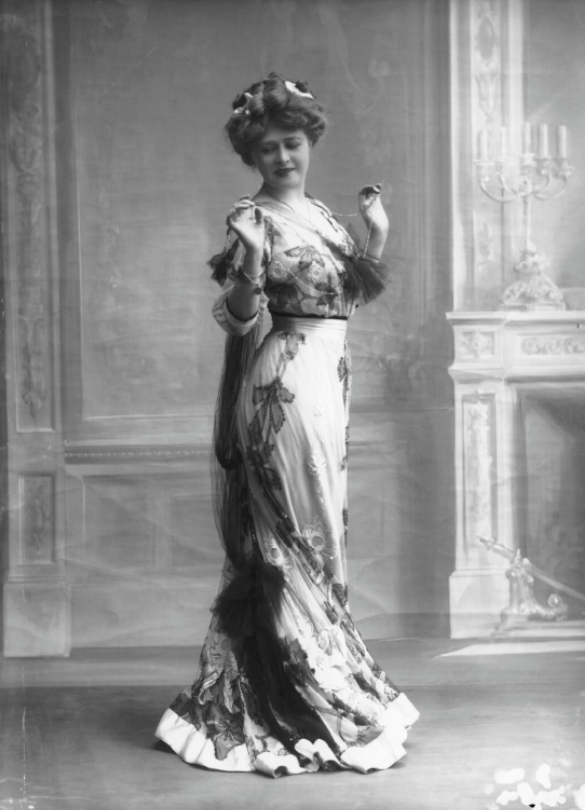
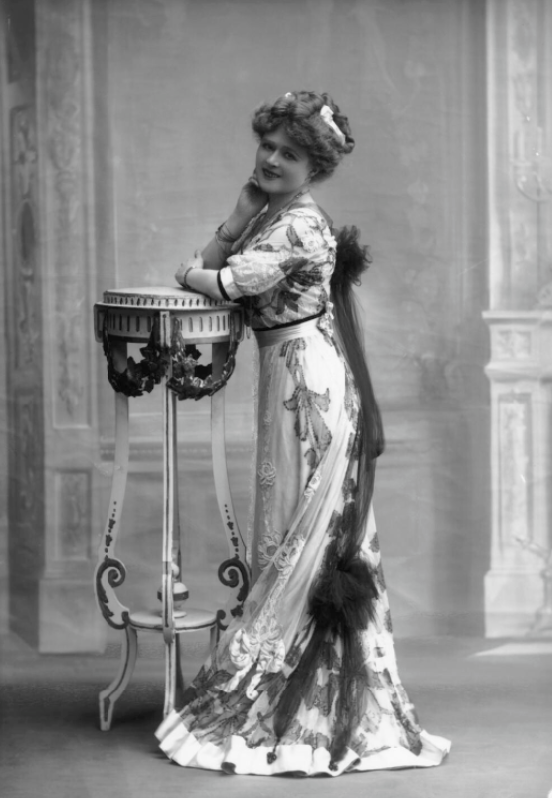
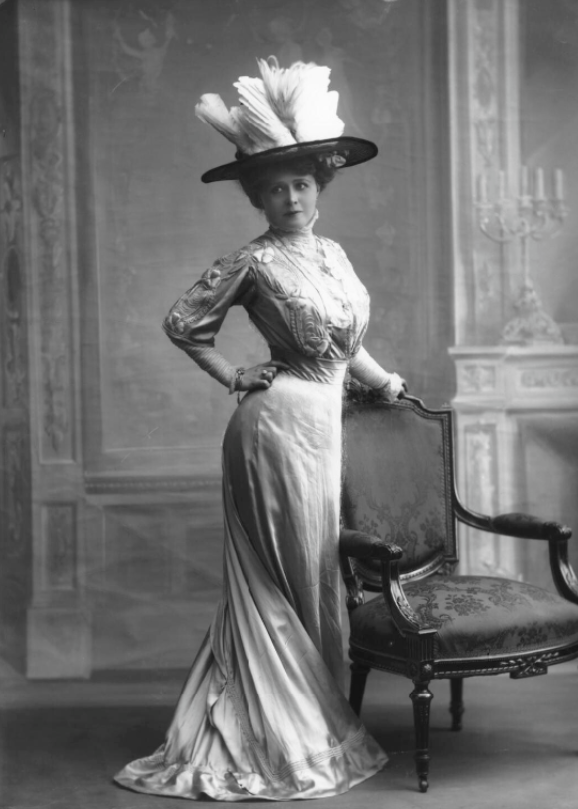
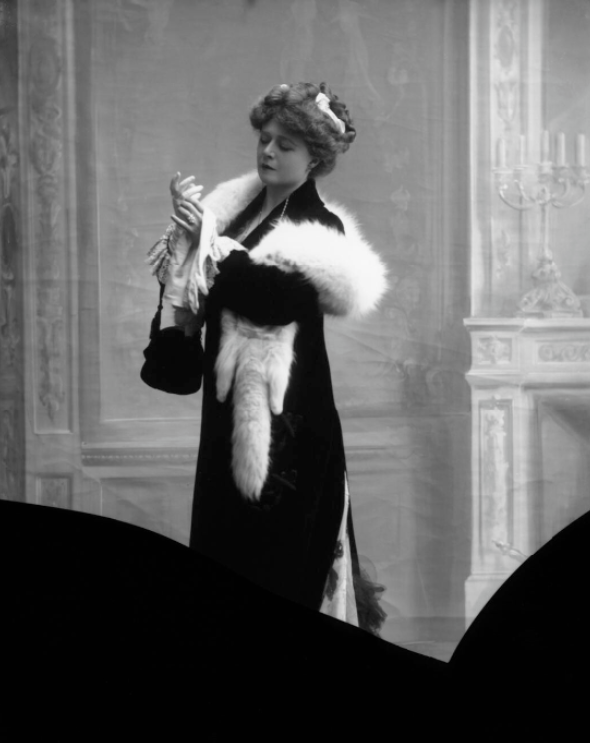
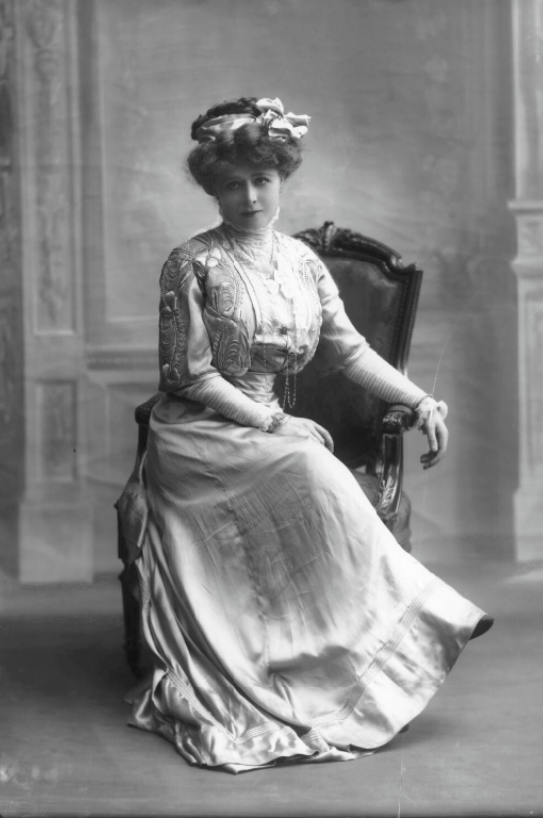
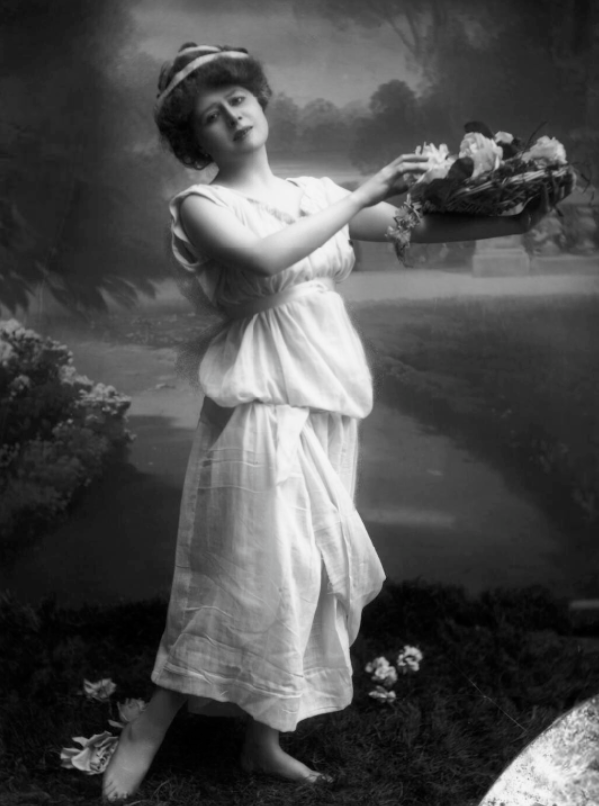
During the height of her fame, Mabel Love was a fixture in the world of theatrical photography. Photo postcards of actresses were enormously popular in Edwardian Britain, and Love was among the most sought-after subjects. Her image circulated widely, making her face familiar even to those who had never seen her perform live.
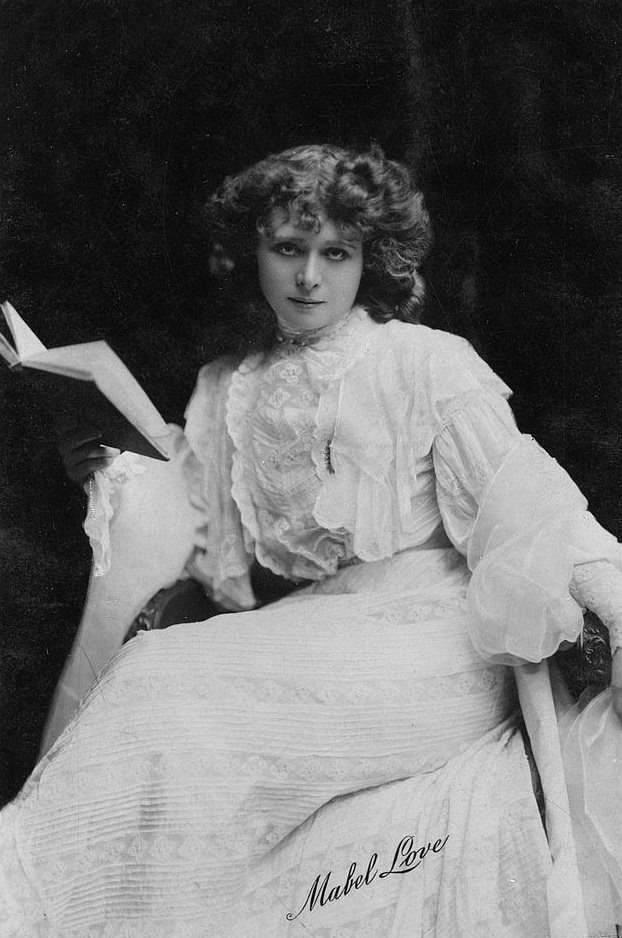
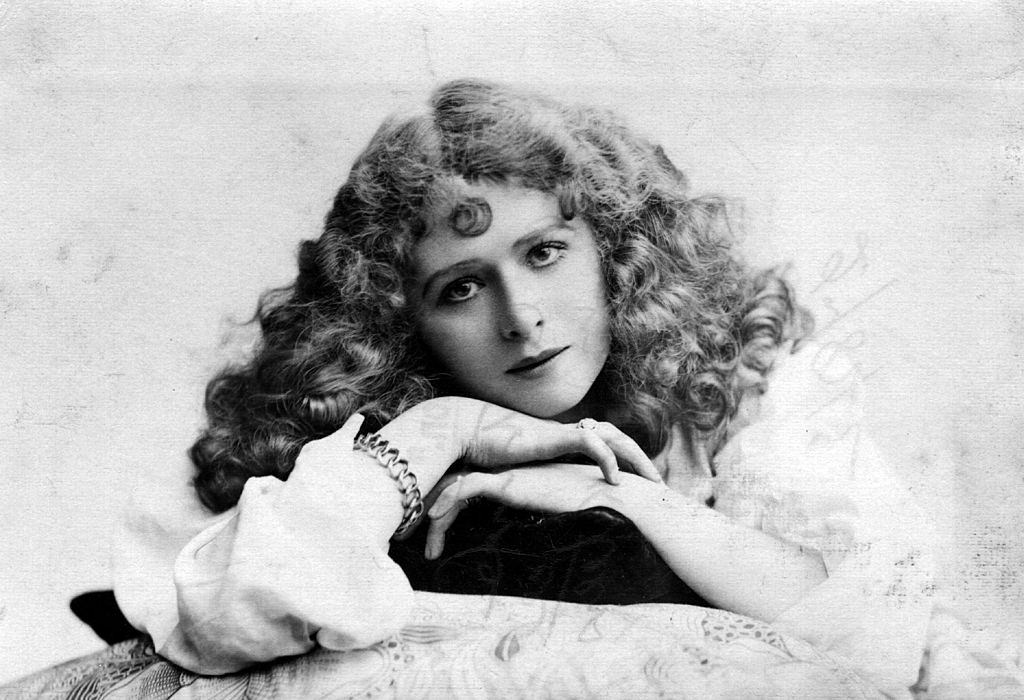
By 1905, Love was at the peak of her public profile. Photographs from that year capture her in a variety of poses — relaxed, spirited, and always photogenic. One set of images shows her posing with a bicycle, a fashionable prop that spoke to the era’s growing enthusiasm for the “New Woman” — independent, active, and modern.
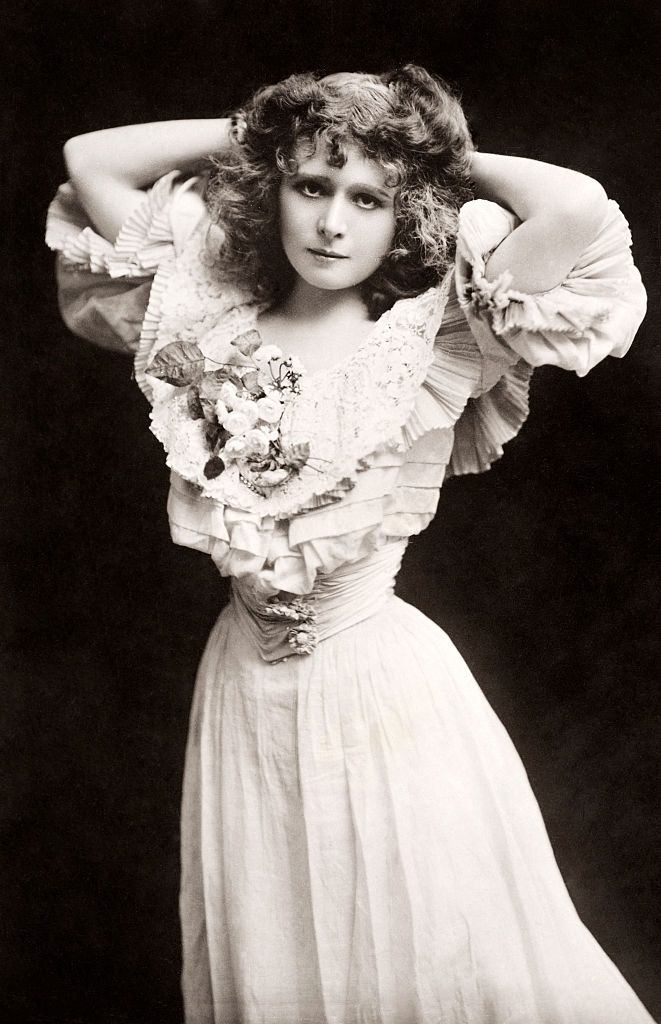
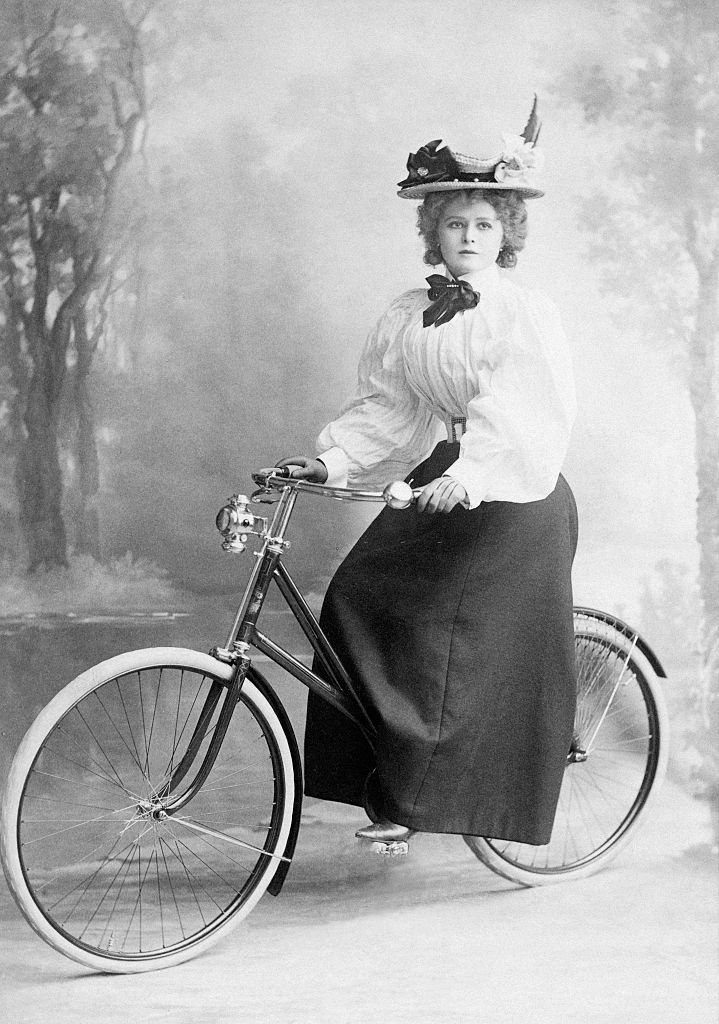
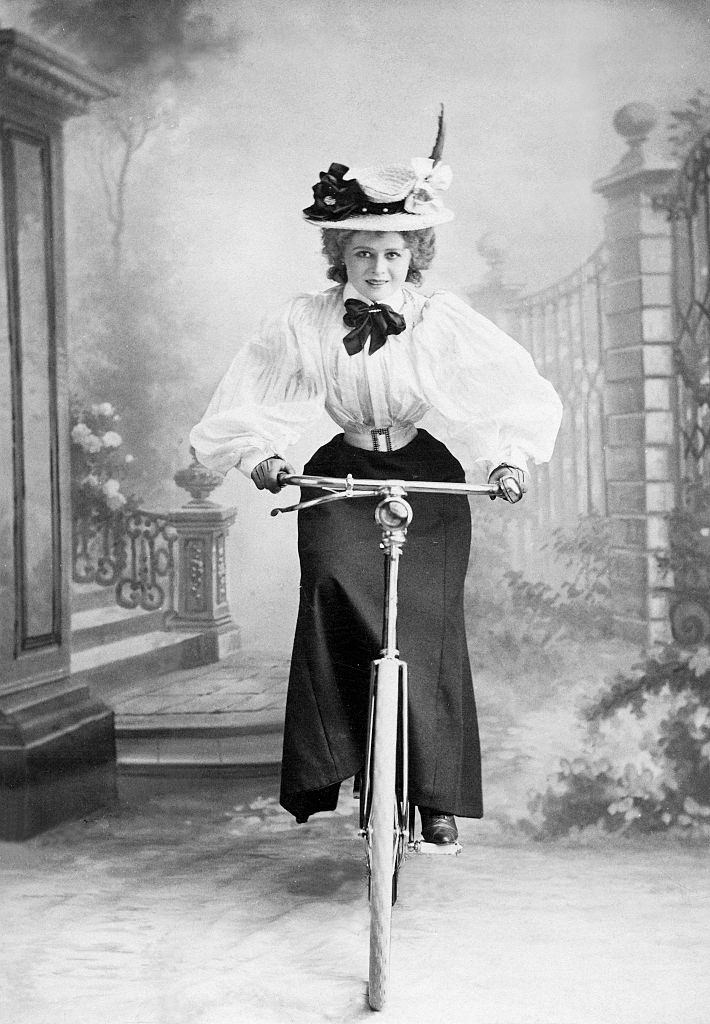
The years between 1905 and 1912 were a busy and productive stretch for Love. She continued to appear in stage productions while also sitting for a steady stream of professional photographs. These images, many of which were printed on collectible cards, kept her in the public eye throughout the Edwardian period.
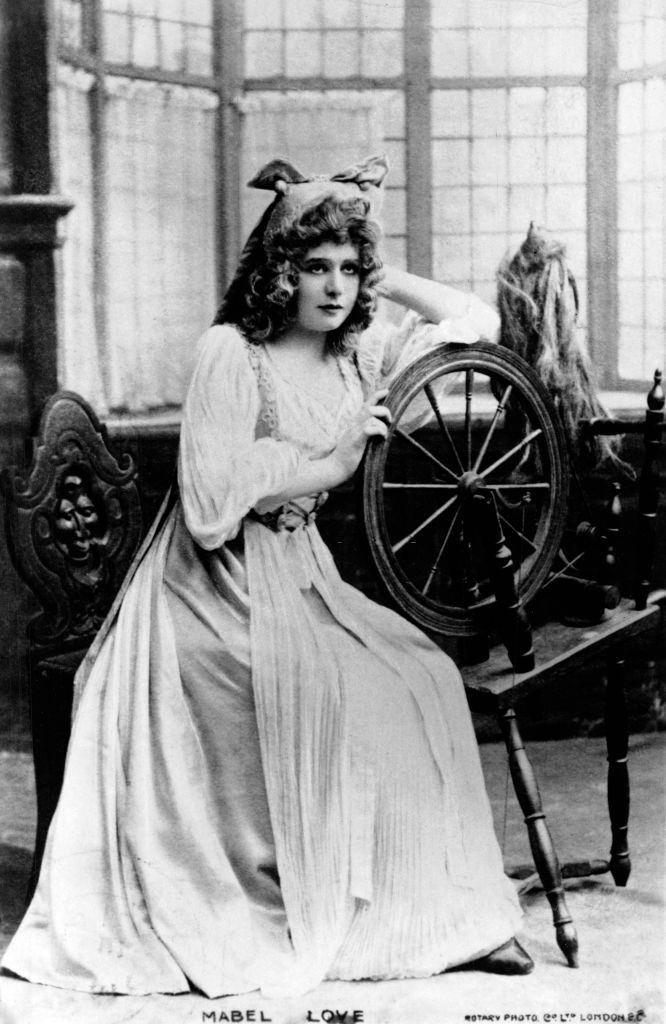
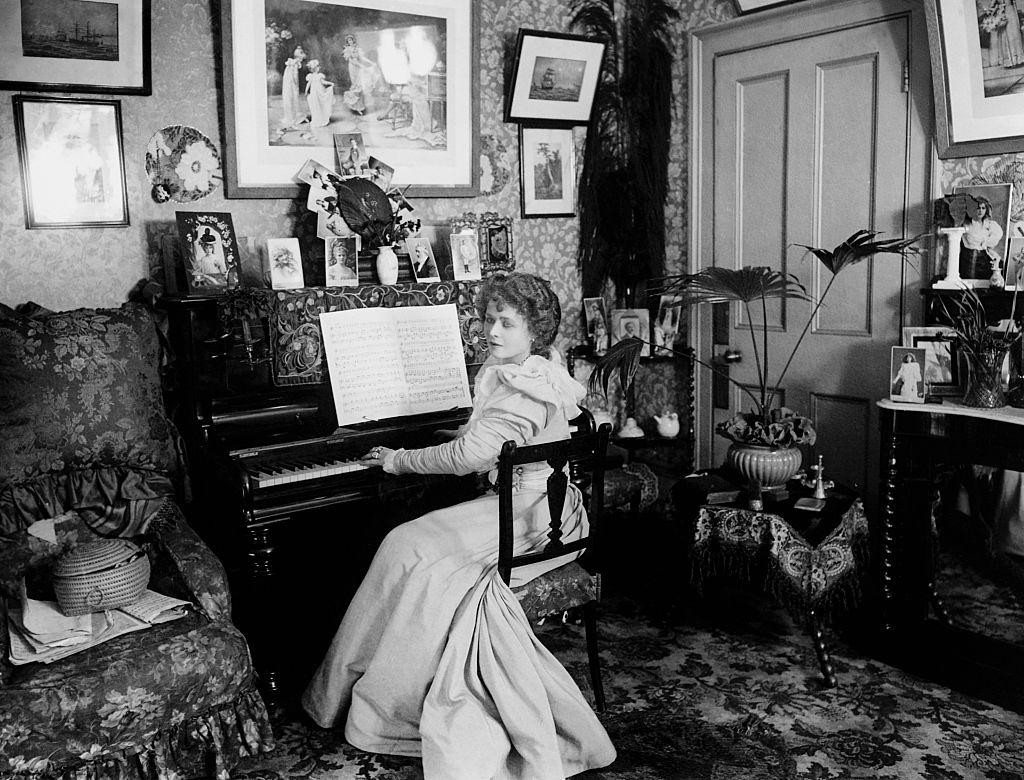
Love retired from the stage in 1918, the same year a photograph captured her seated at a piano — a fittingly graceful image to mark the close of her performing career. She had given the theatre three decades of her life, and her retirement at that point was well earned.
In 1926, she opened a dance school in London, passing on her skills to a new generation of performers. She stayed away from the stage for two decades, but in 1938 she made one final return, playing Mary Goss in Profit and Loss at the Embassy Theatre. It was a brief but notable comeback for someone who had been absent from performance for so long.
Mabel Love died at the age of 78 in Weybridge, Surrey, England. She left behind an illegitimate daughter, Mary Loraine, and £2,600 in government bonds. The story of what happened to that inheritance is a grim one. Mary Loraine died on 5 September 1973, in a house fire at her home in Brighton. At the time of her death, she was on the verge of being evicted for owing just £55 in rent. She died in apparent poverty, unaware that her mother’s bonds — worth far more than her outstanding rent — remained untouched and intact.