In the 1940s, Los Angeles was a city pulling in two directions at once. Hollywood offered glamour and escape, while wartime rationing and sacrifice shaped everyday life on the streets.
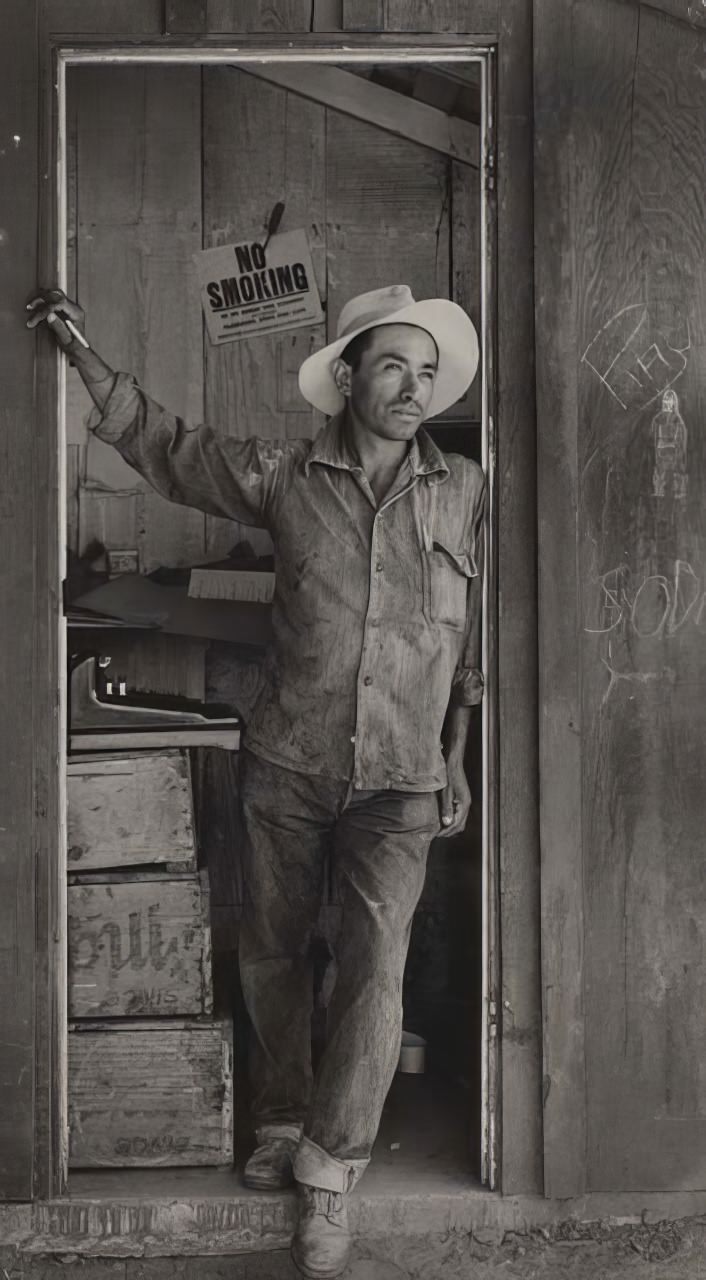
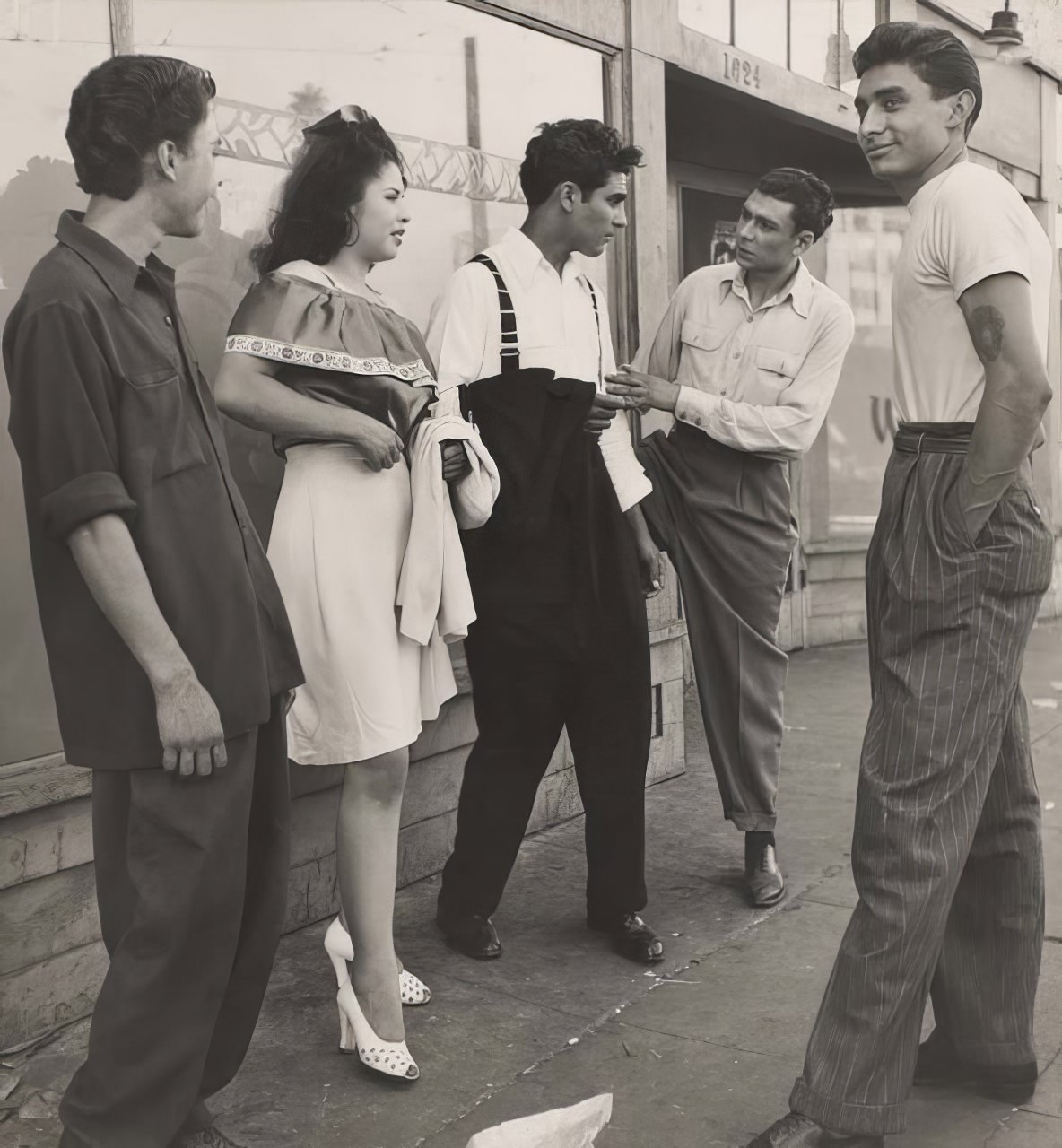
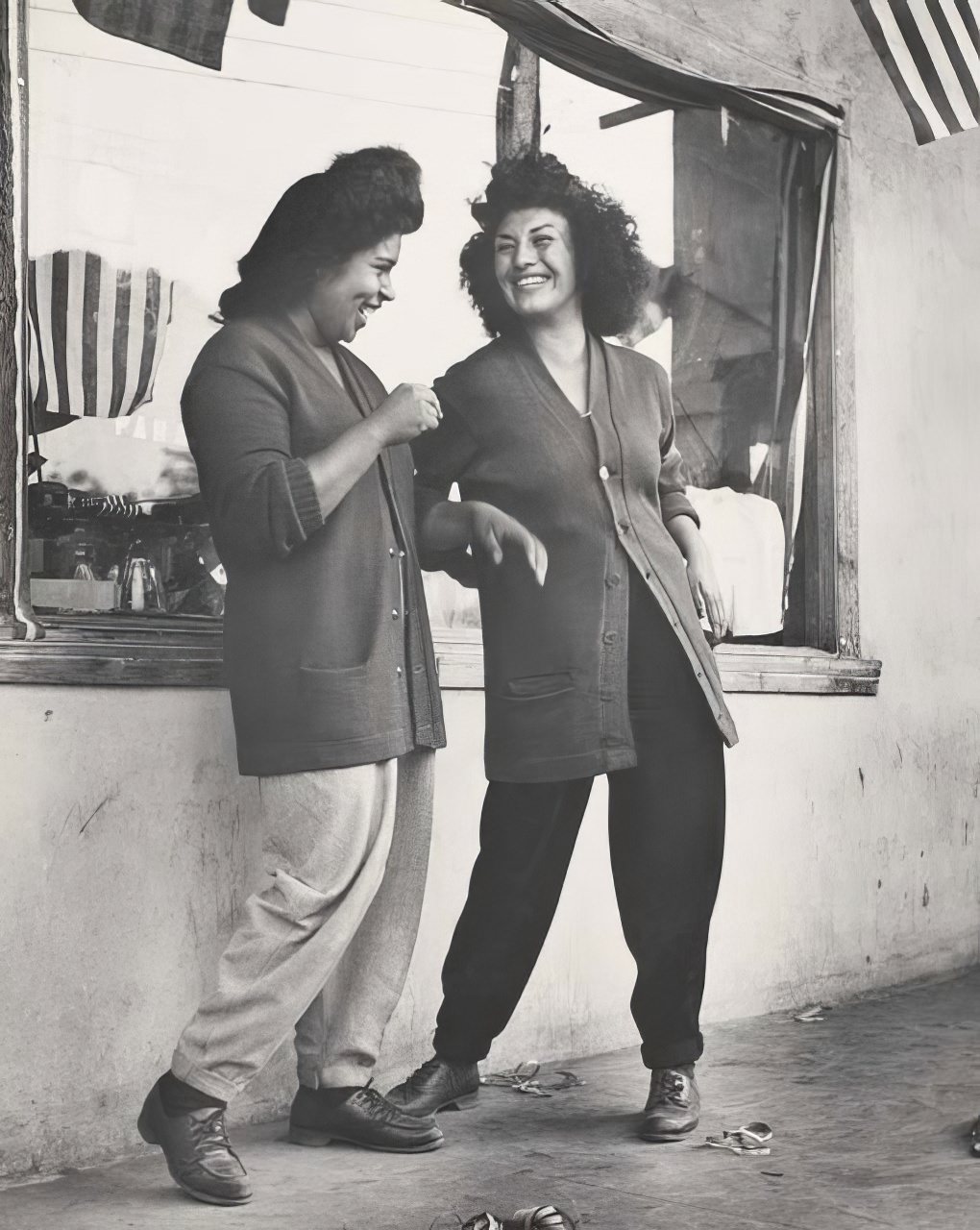
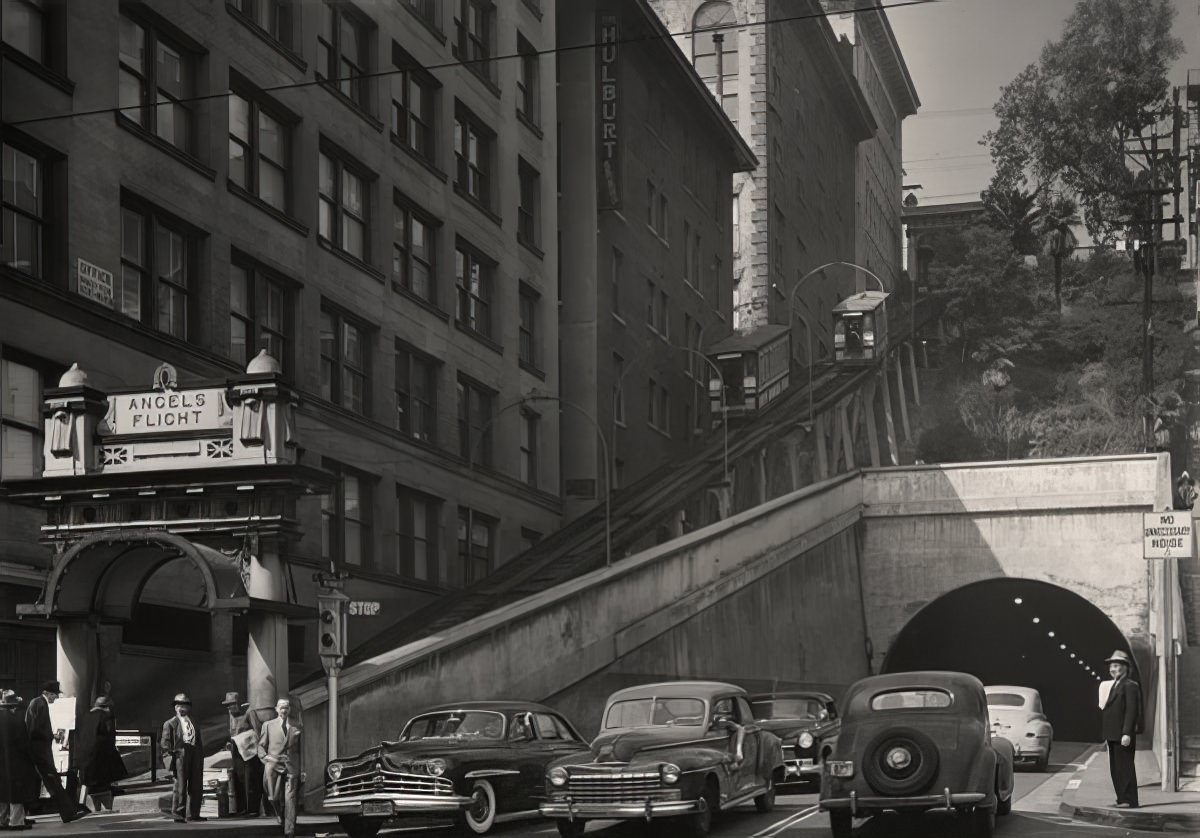
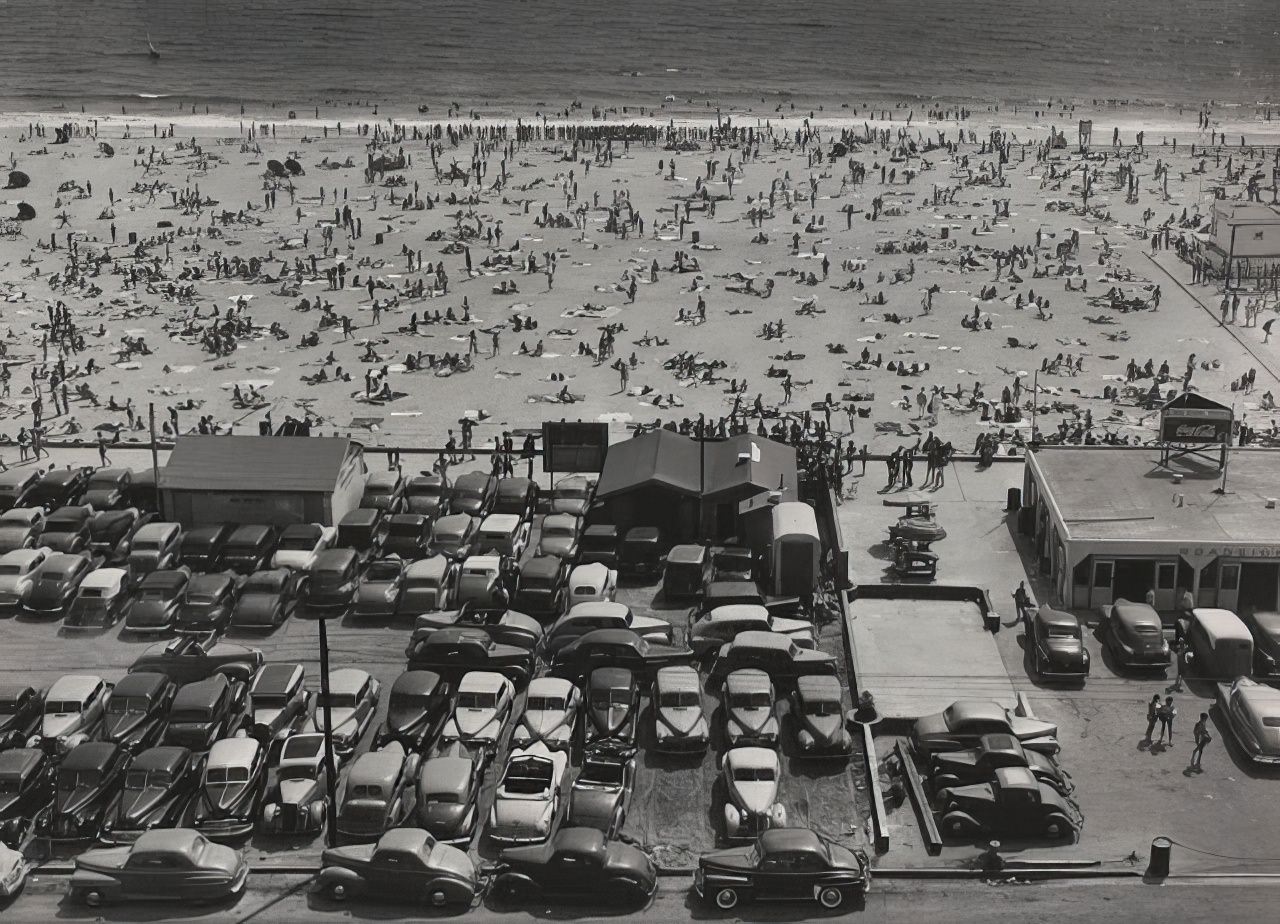
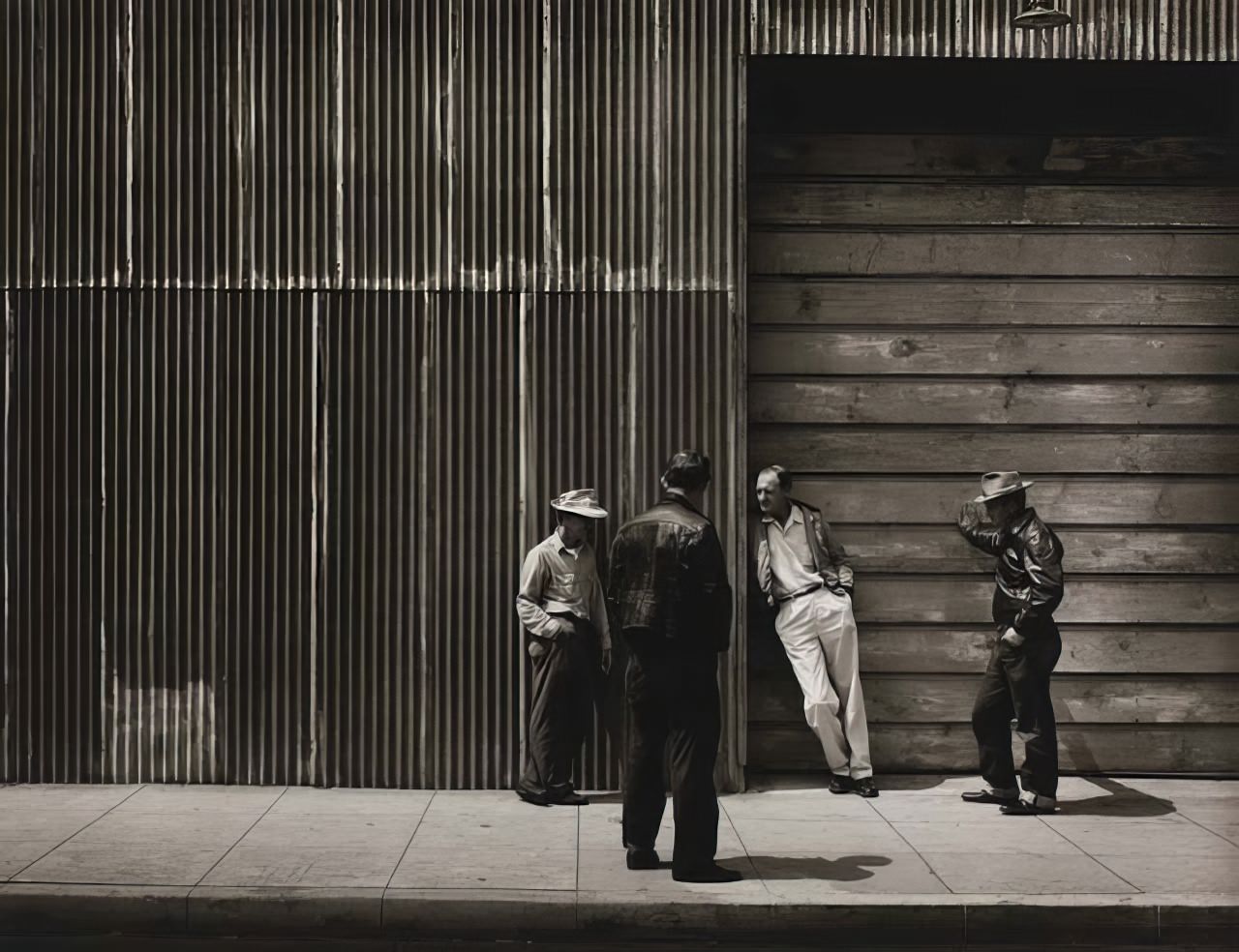
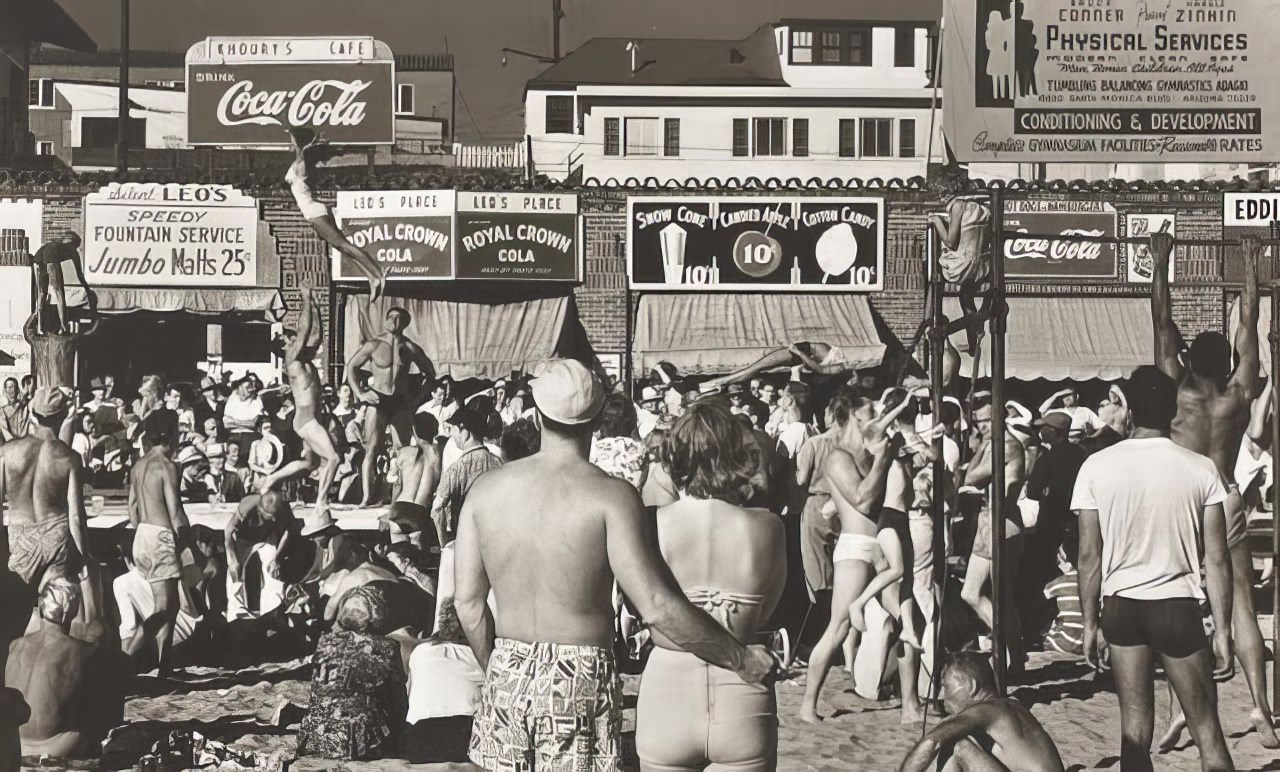
Photographer Max Yavno walked those streets with a sharp eye. He photographed shoppers at store windows, couples walking together, and children playing — the ordinary rhythms of a city always in motion.
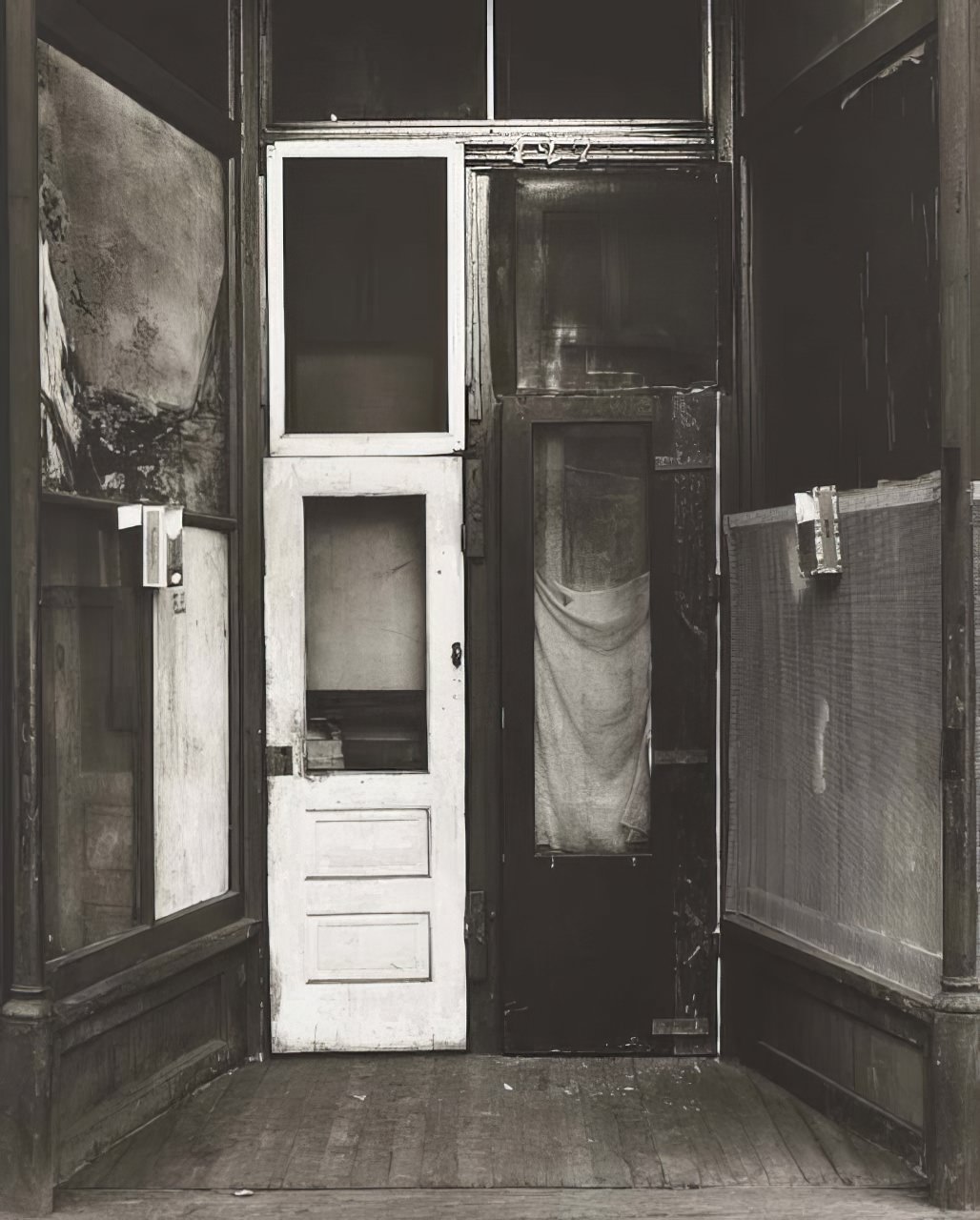
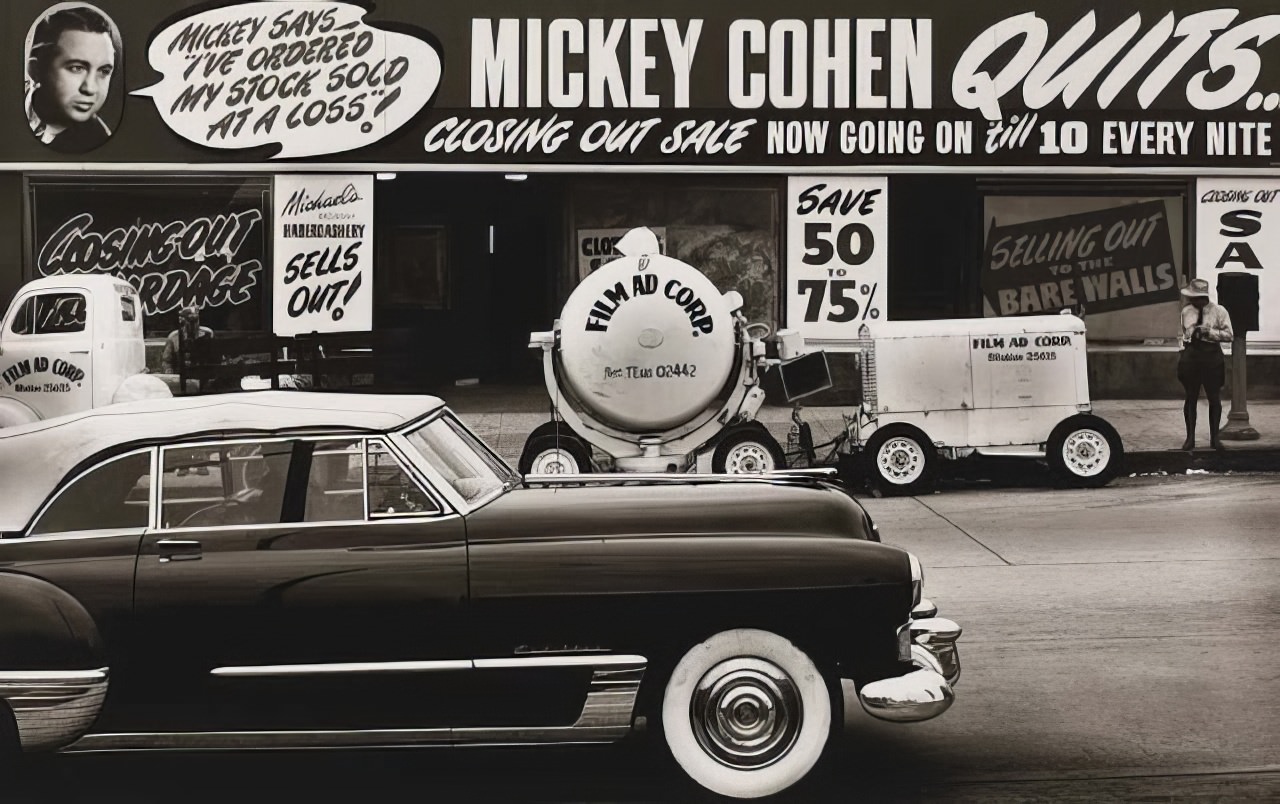
Yavno documented Hollywood not just as spectacle, but as a workplace. Film crews, publicity shoots, and lines of moviegoers outside theaters all appeared through his lens.
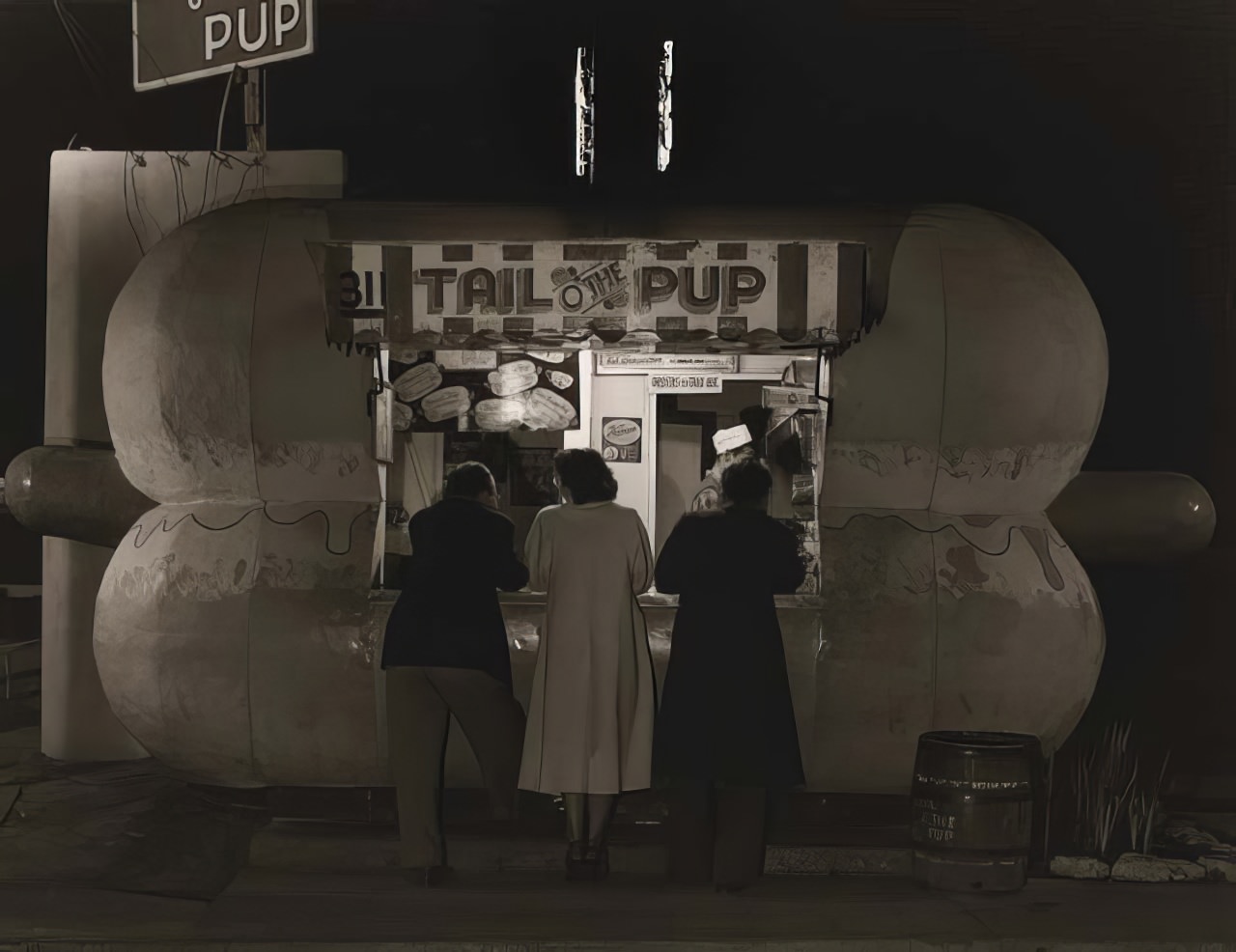
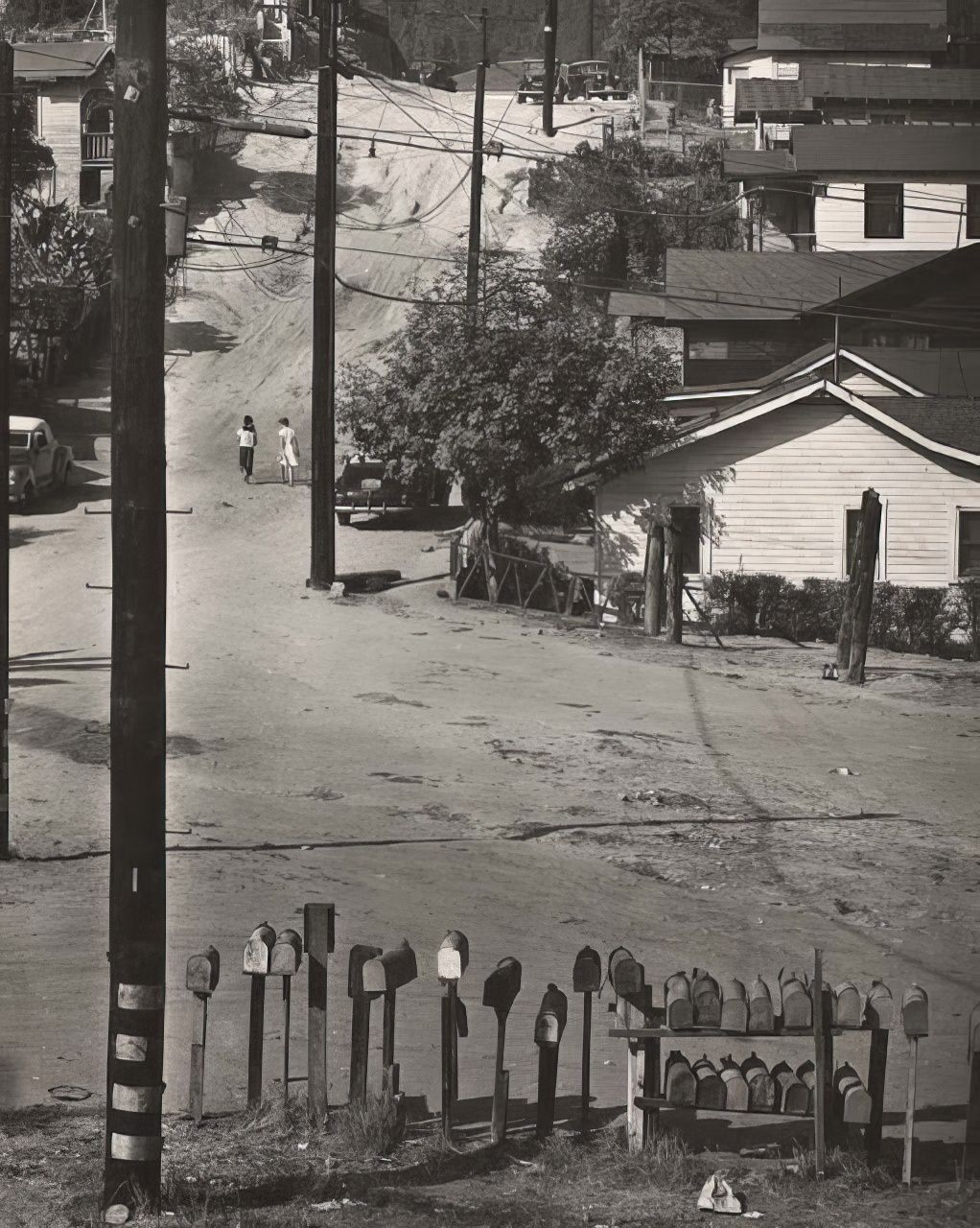
The war was impossible to ignore. Rationing signs hung in shop windows. Soldiers said goodbye to families. Factory workers kept long shifts to support the war effort.
Los Angeles also had a thriving music scene. Yavno captured jazz and swing clubs where musicians performed on stage, dancers filled the floor, and audiences lost themselves in the sound.
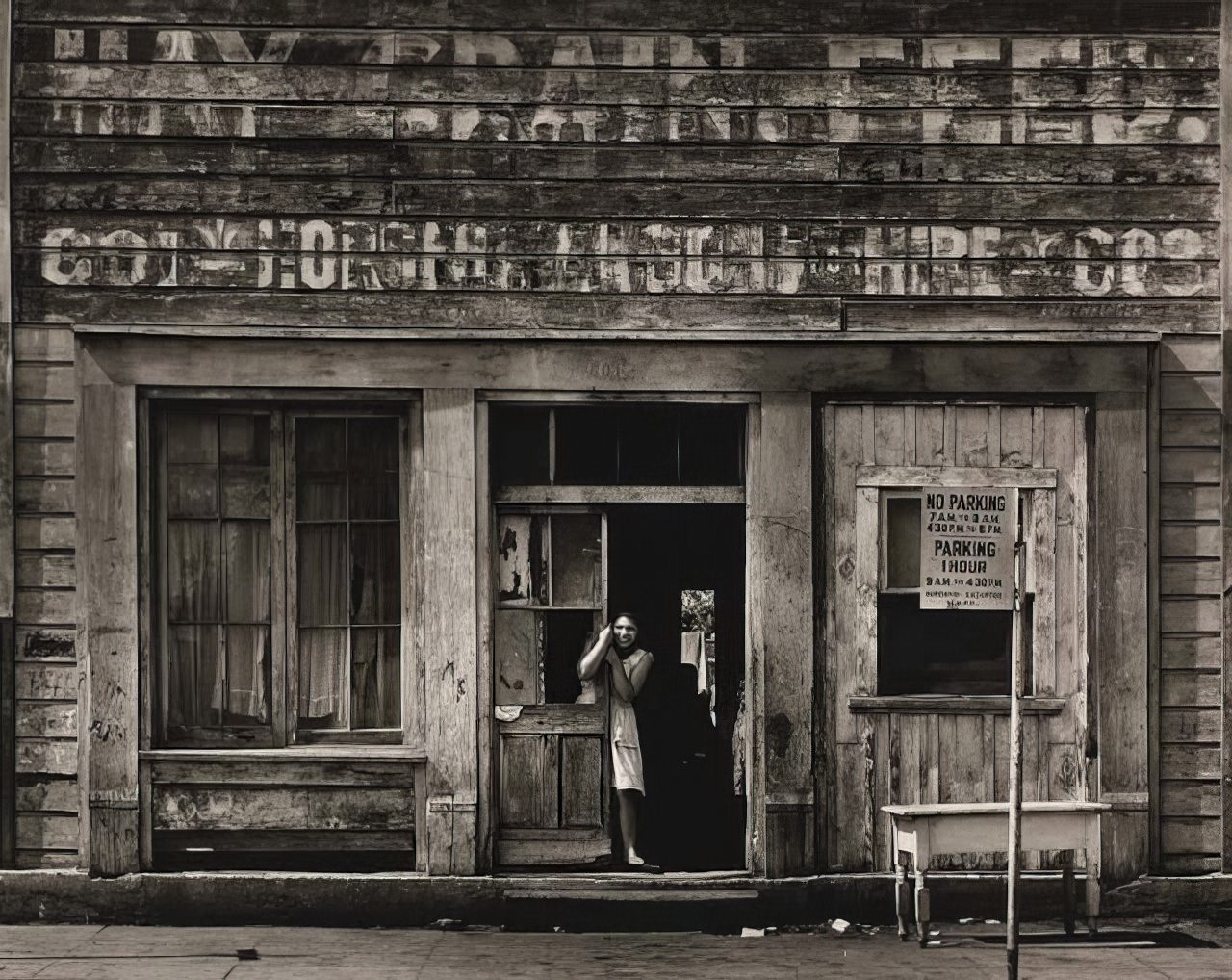
He moved through the city’s ethnic neighborhoods too — Chinatown, Little Tokyo — photographing residents from all backgrounds, from wealthy businessmen to recent immigrants.
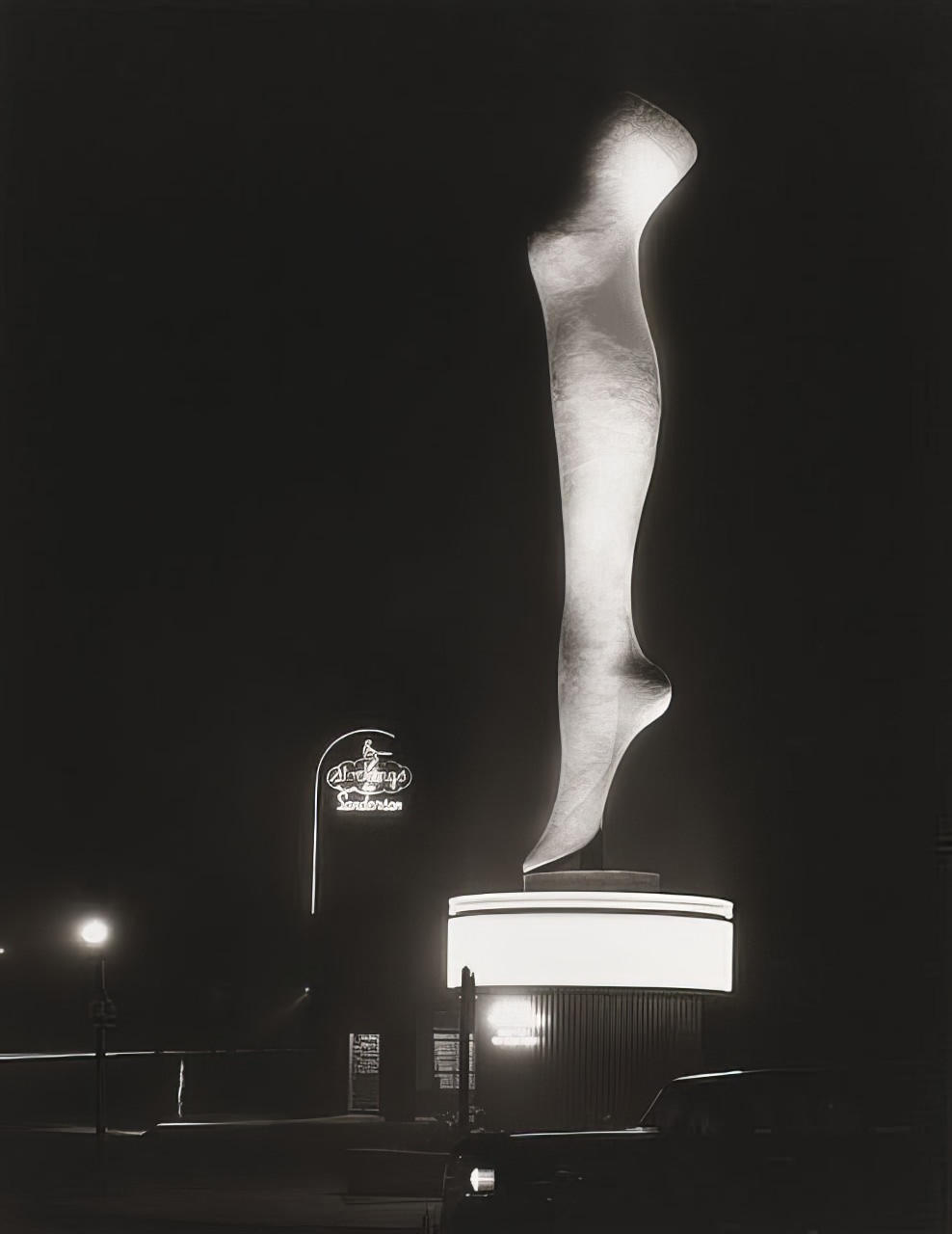
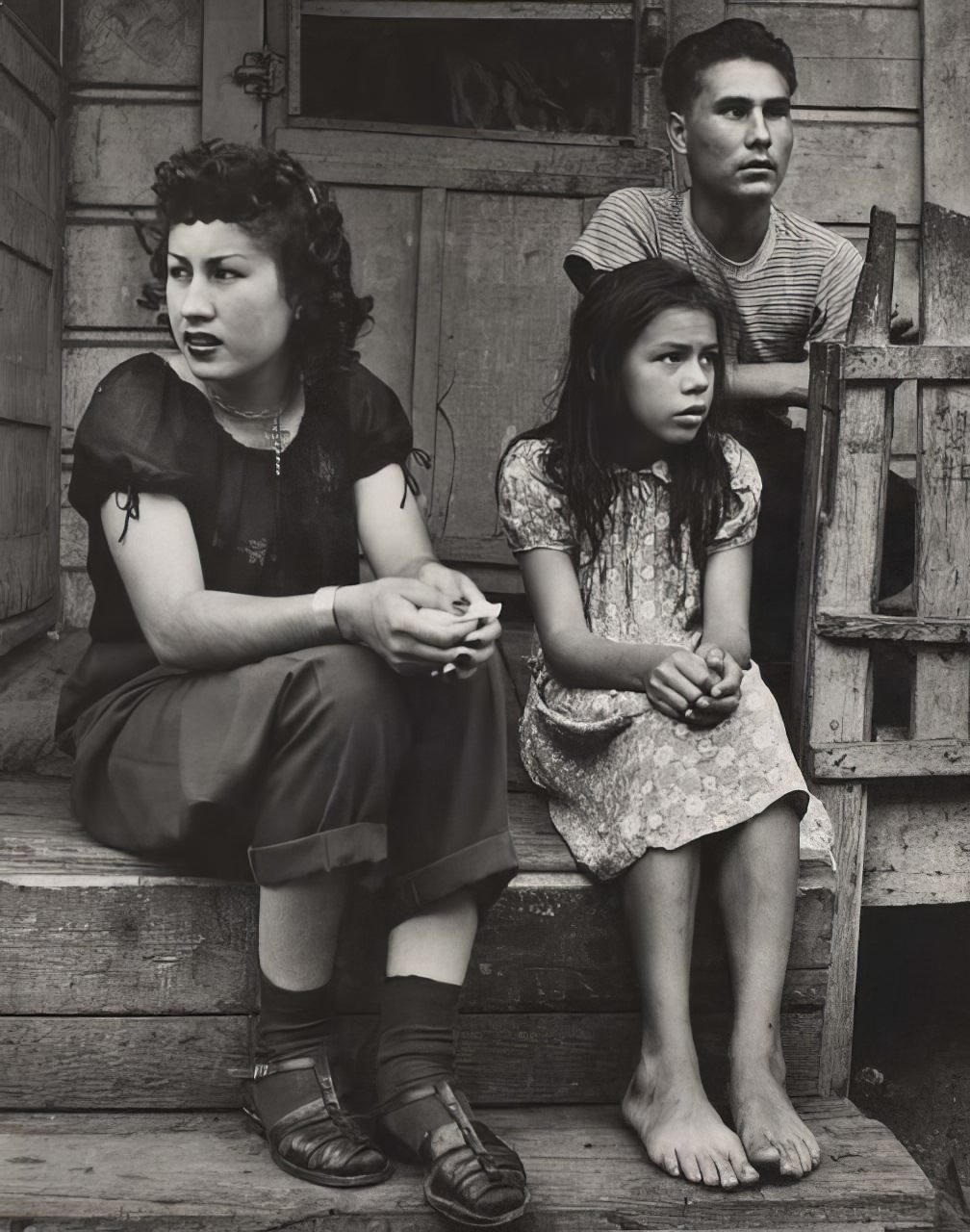
His photographs did not favor any one part of the city. They recorded its full range — the prosperous and the struggling, the celebrated and the overlooked — all sharing the same streets.