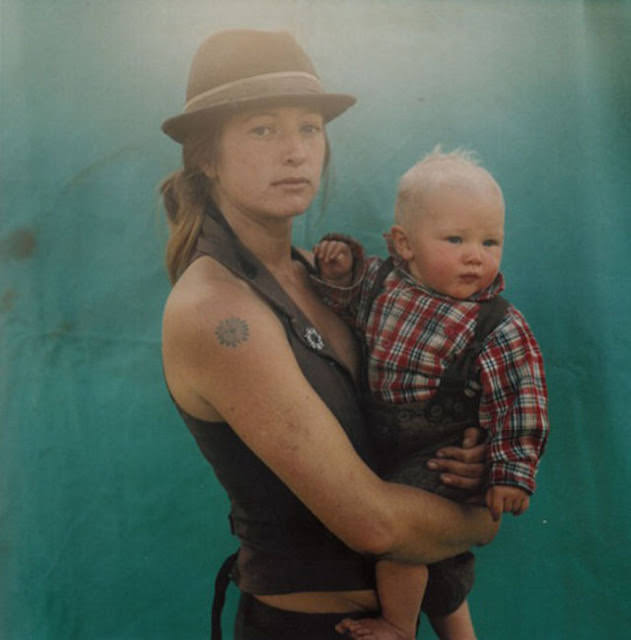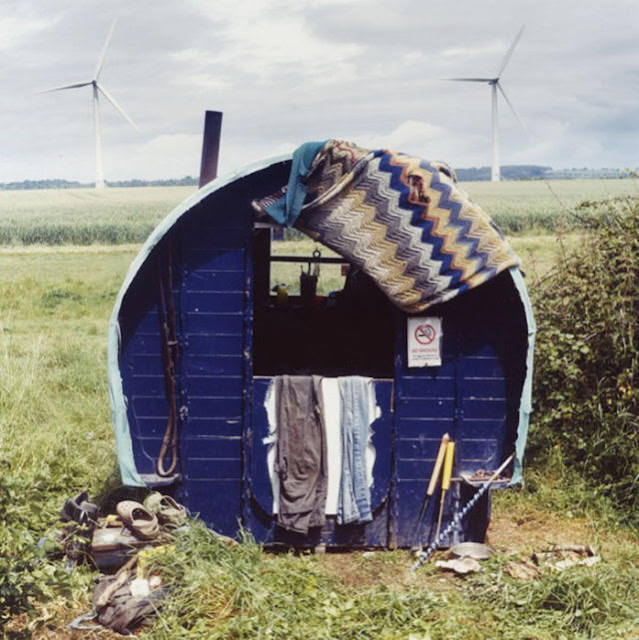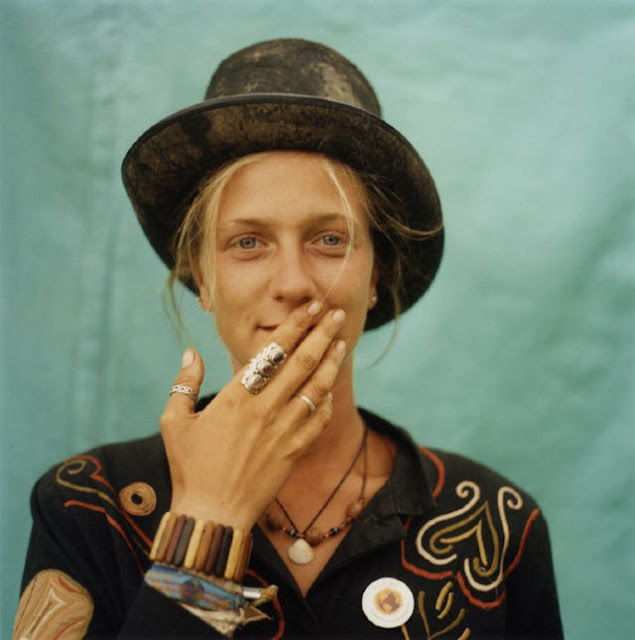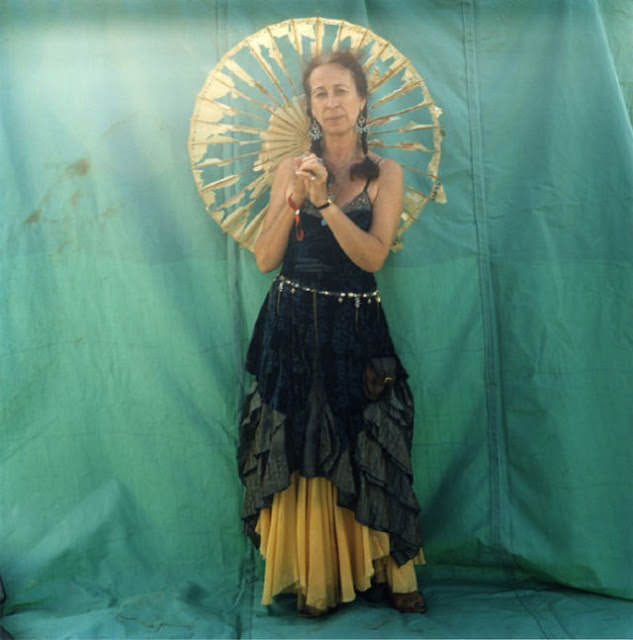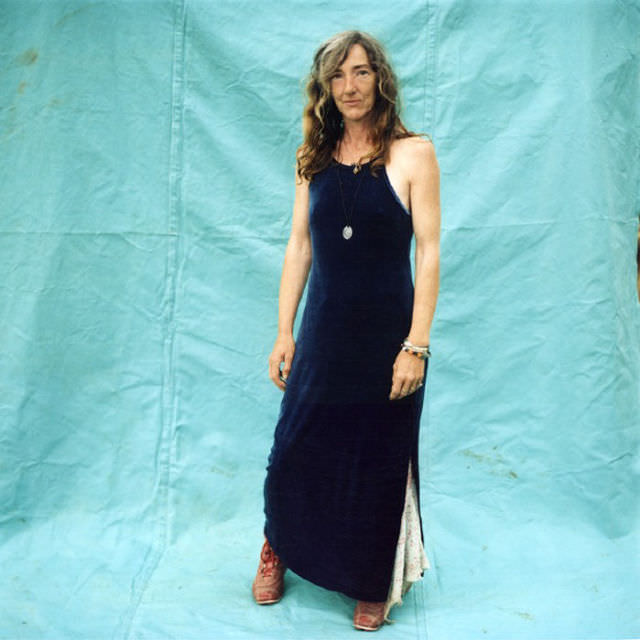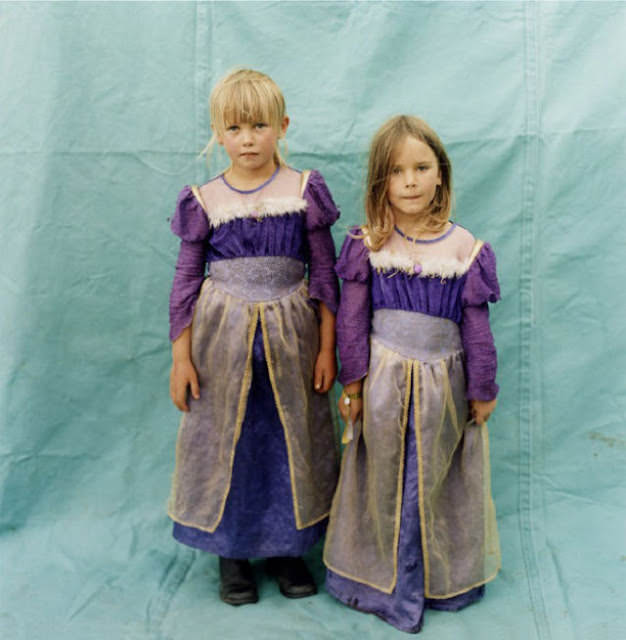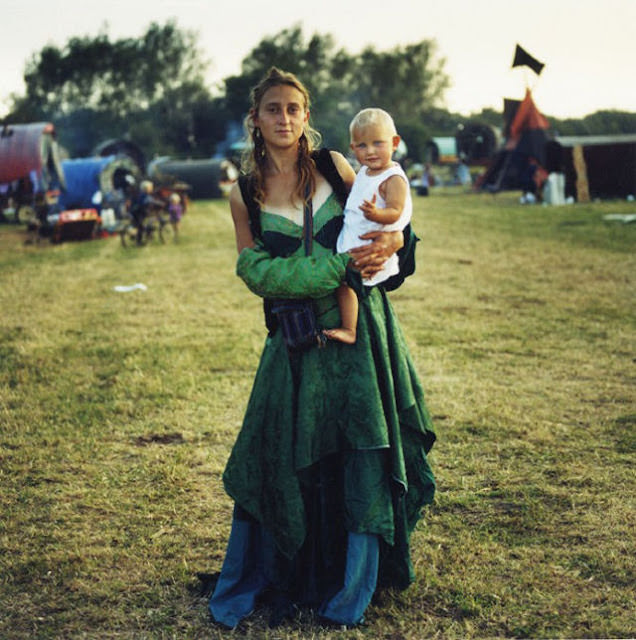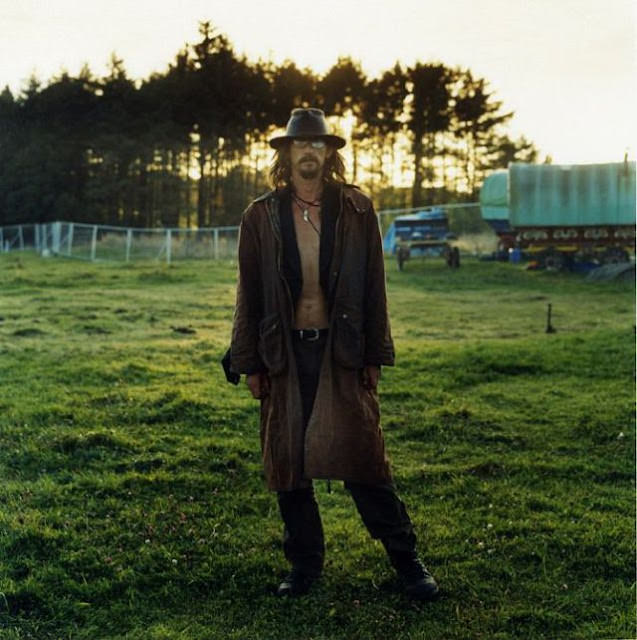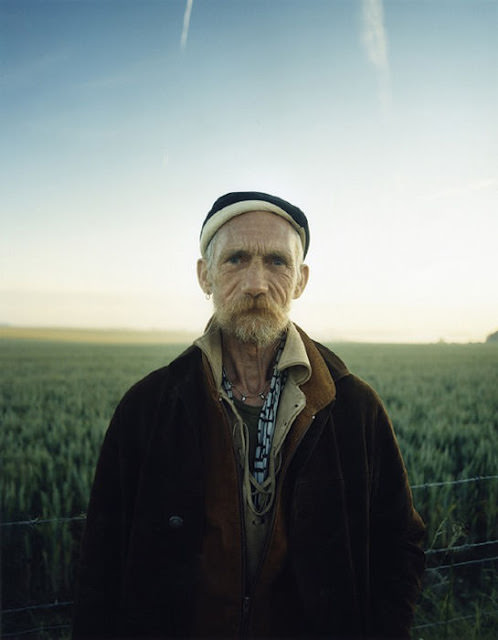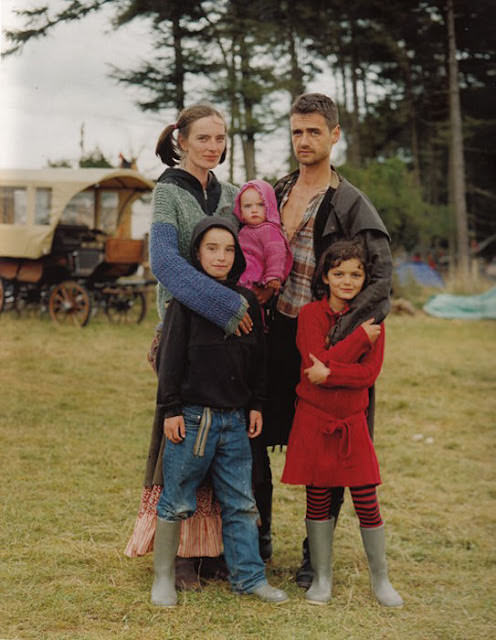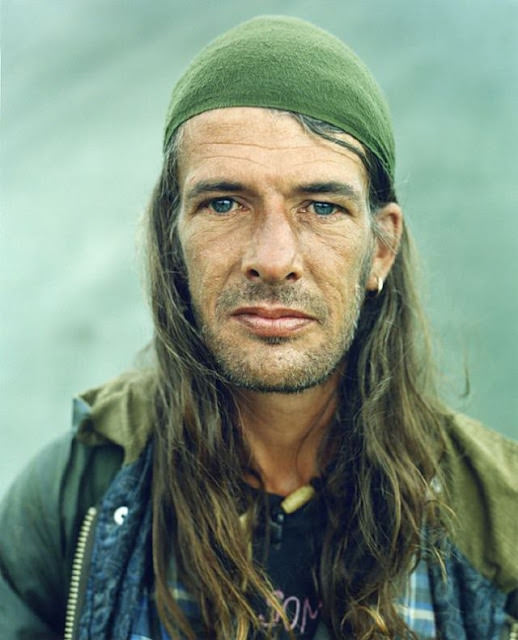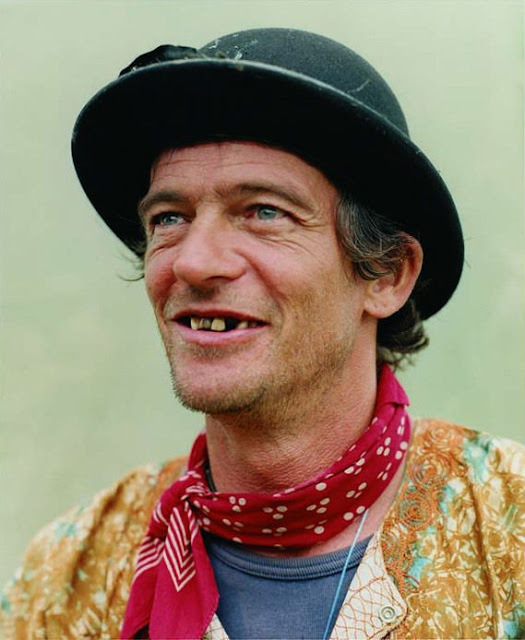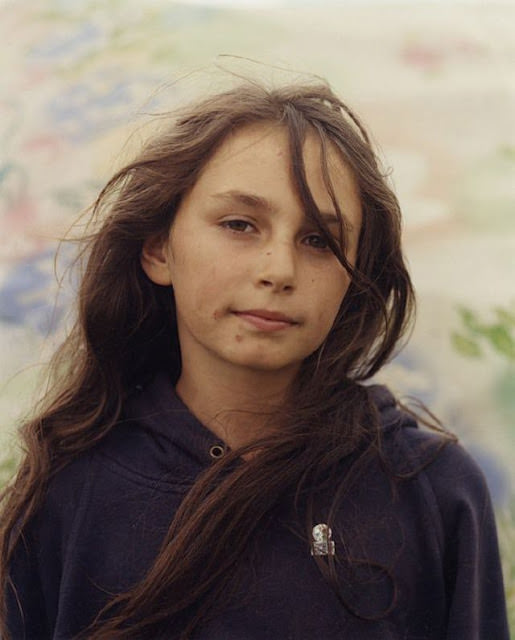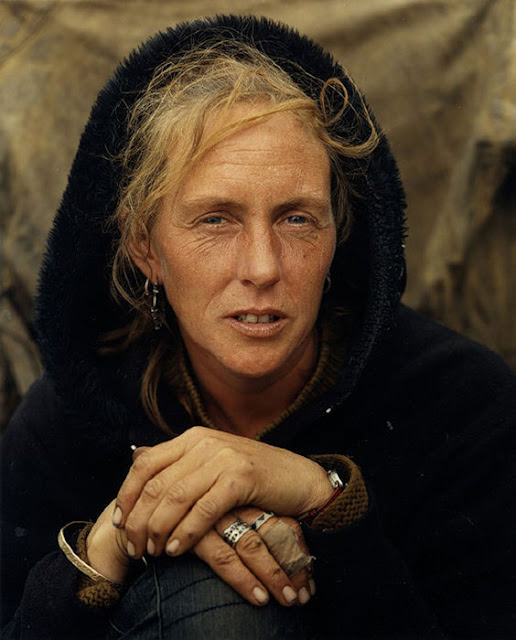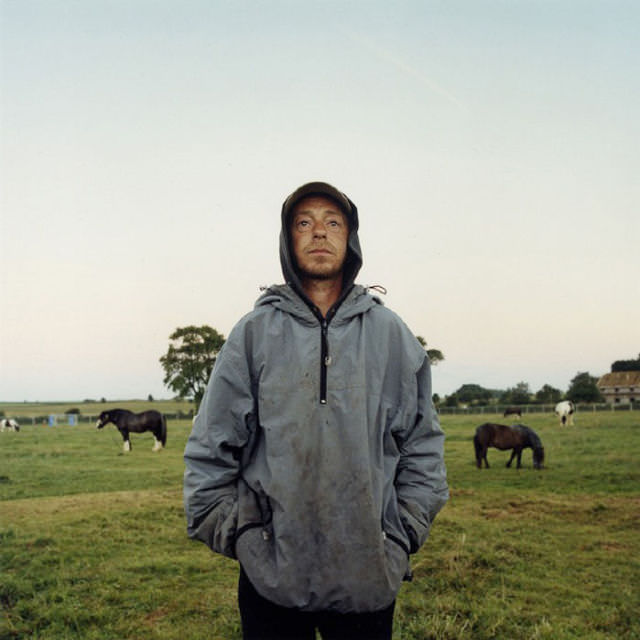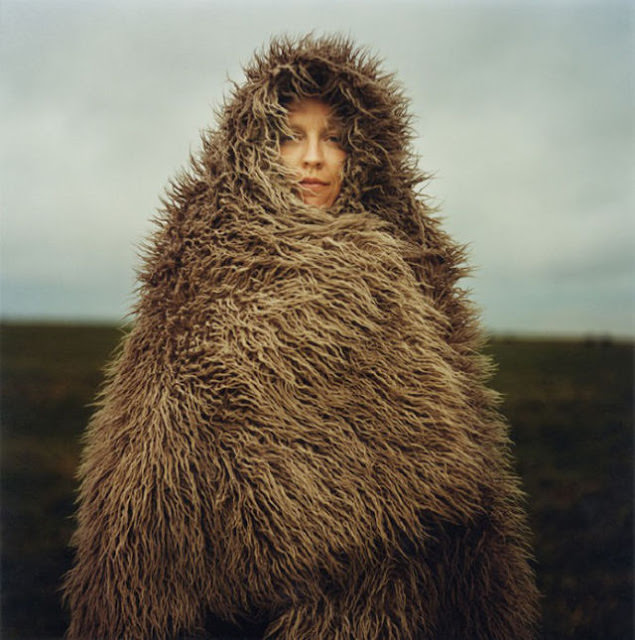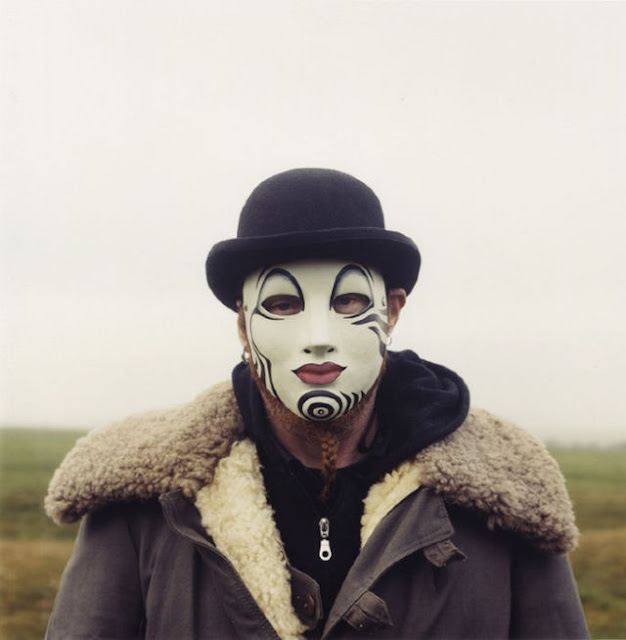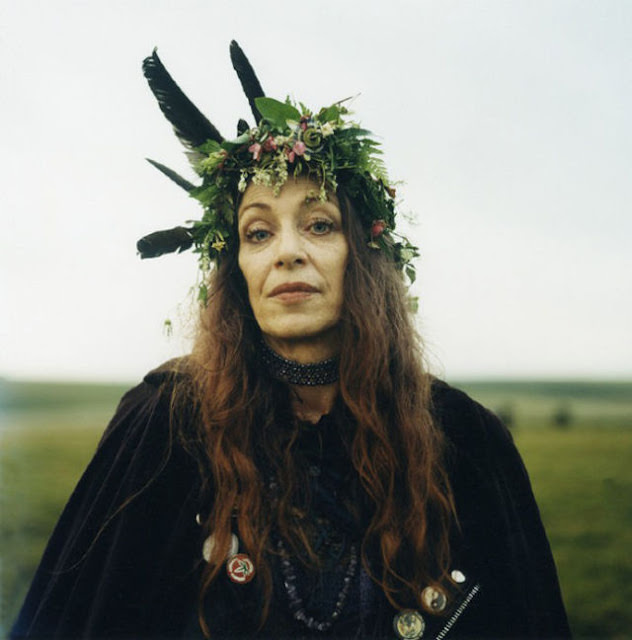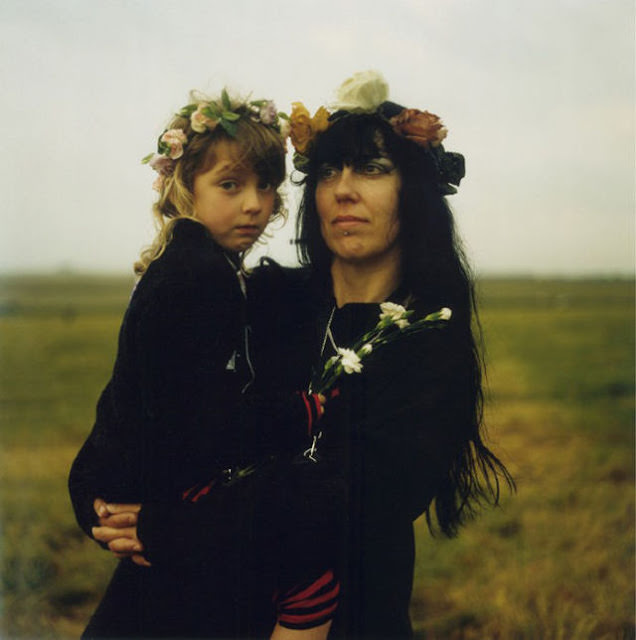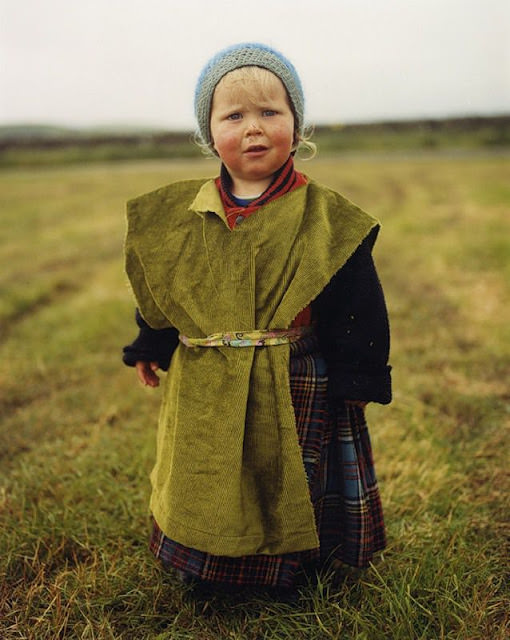

The year is 1986. Margaret Thatcher’s Britain is a land of stark contrasts, with economic hardship and social unrest simmering beneath the surface. But in the rolling hills and hidden valleys of the countryside, a vibrant subculture is thriving. These are the New Age Travelers, a loose-knit community of free spirits who have turned their backs on mainstream society in search of a different way of life.
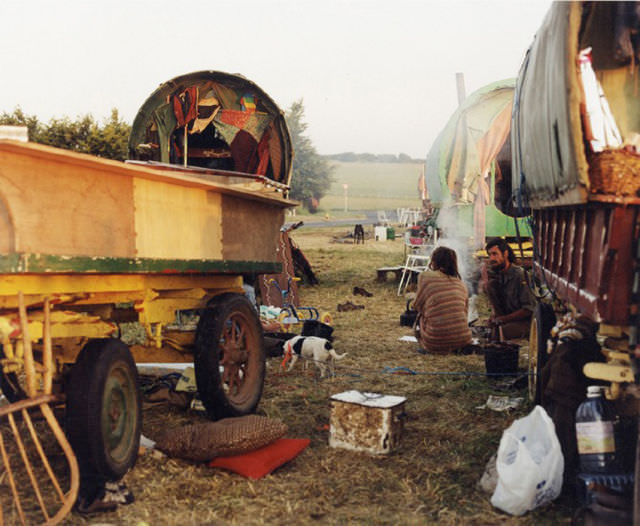
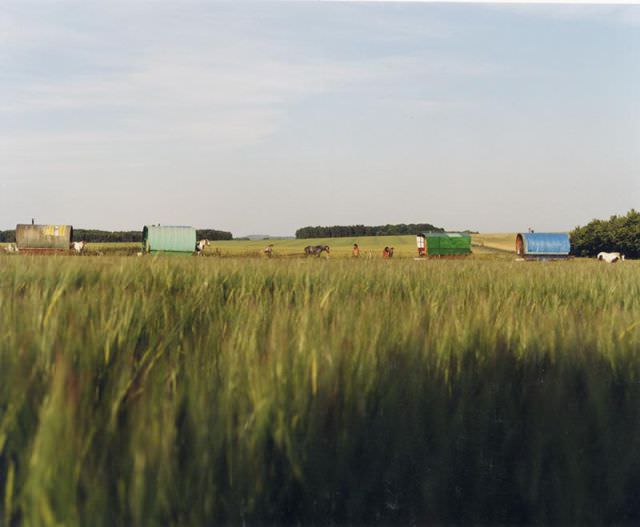
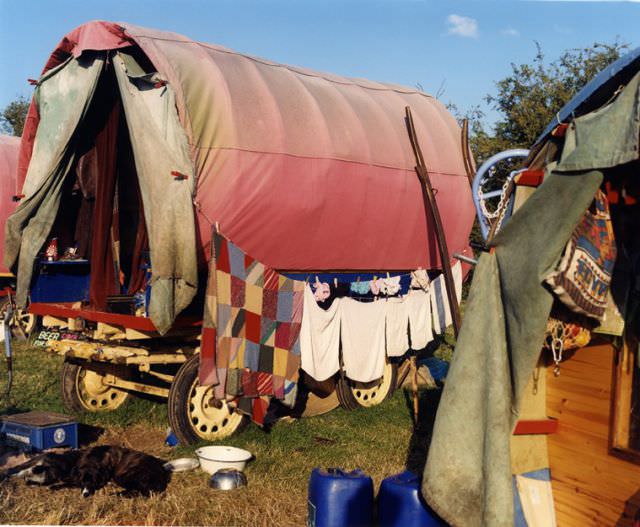
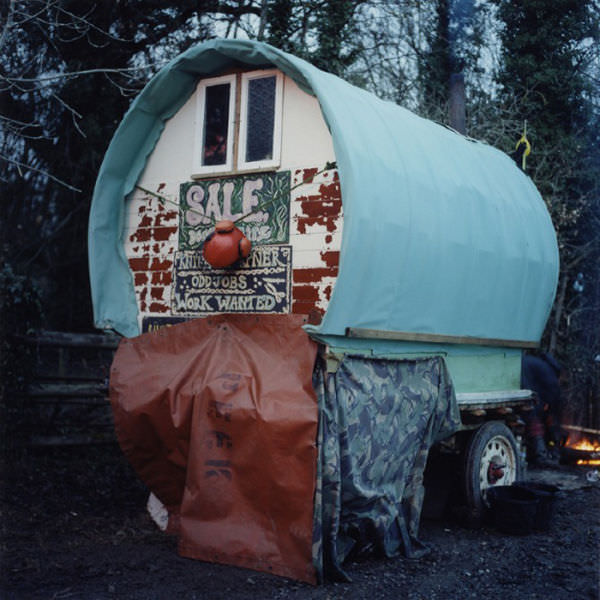
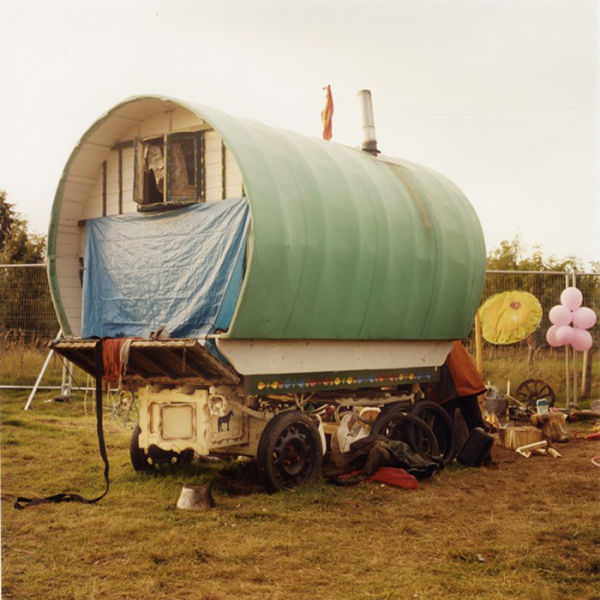
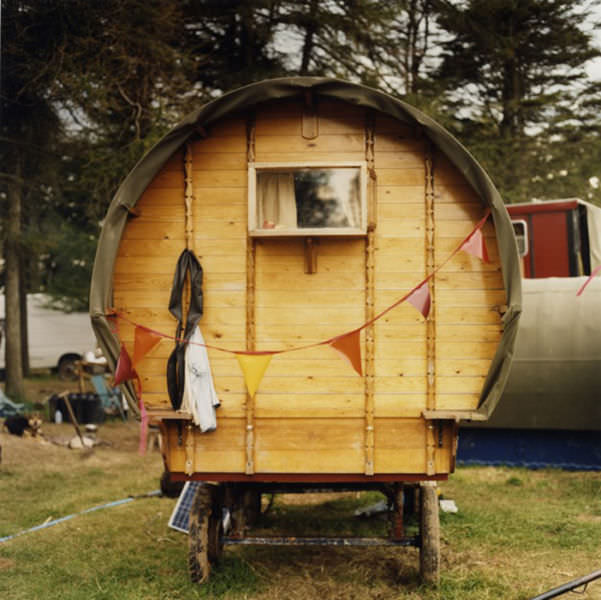
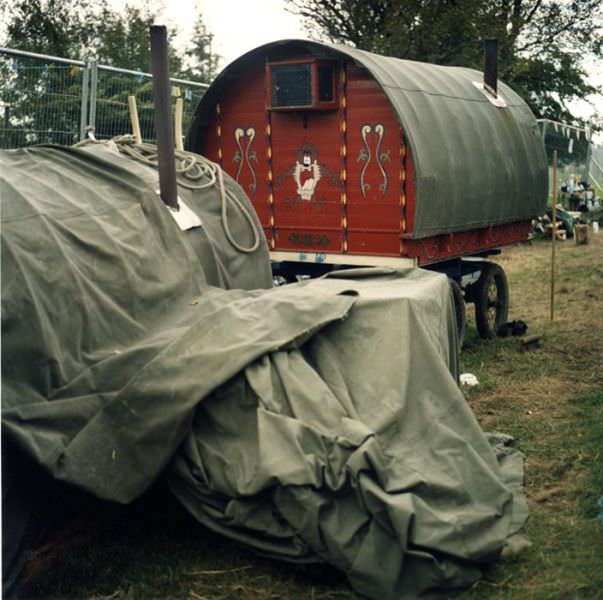
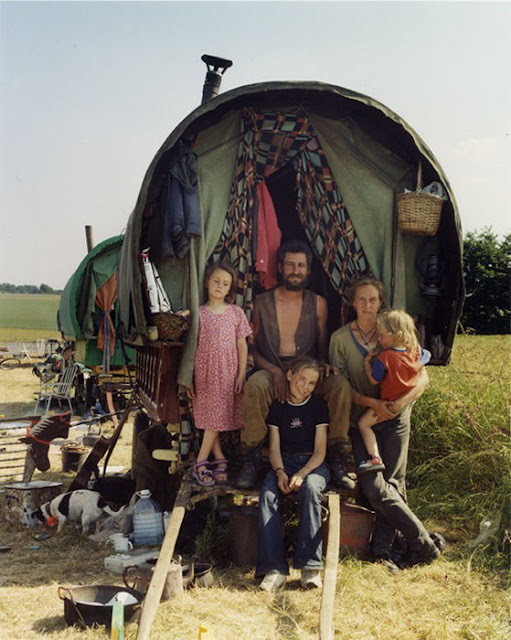
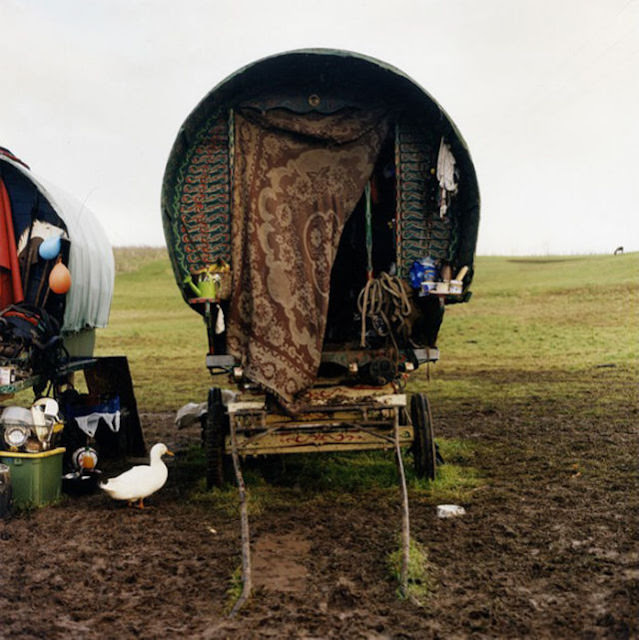
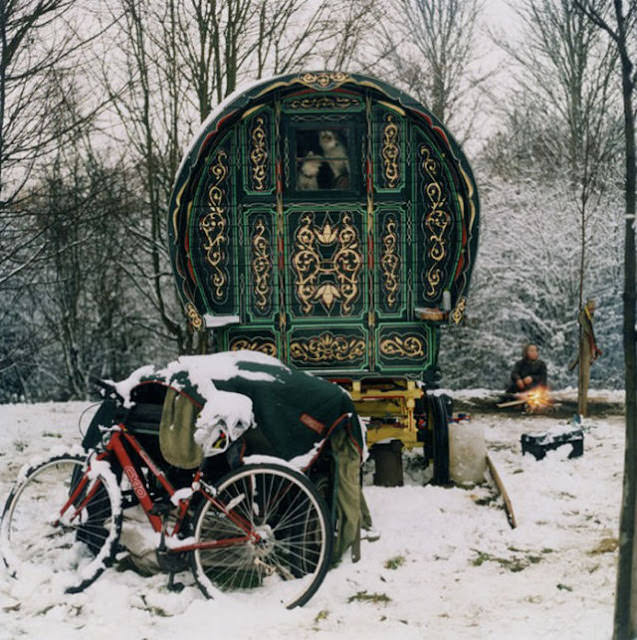
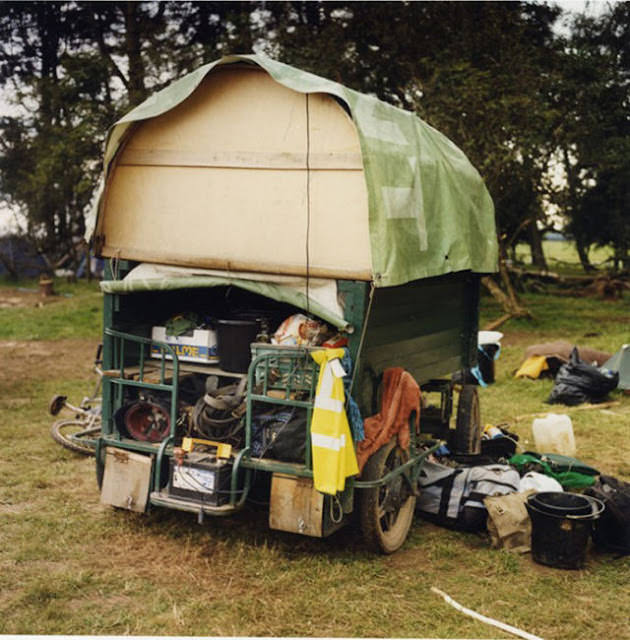
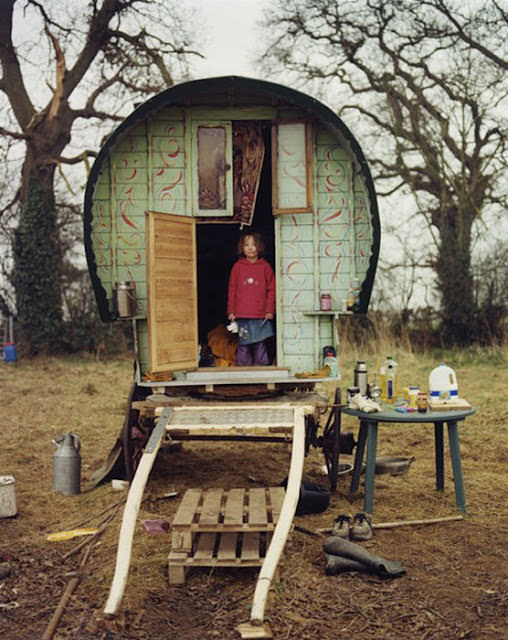
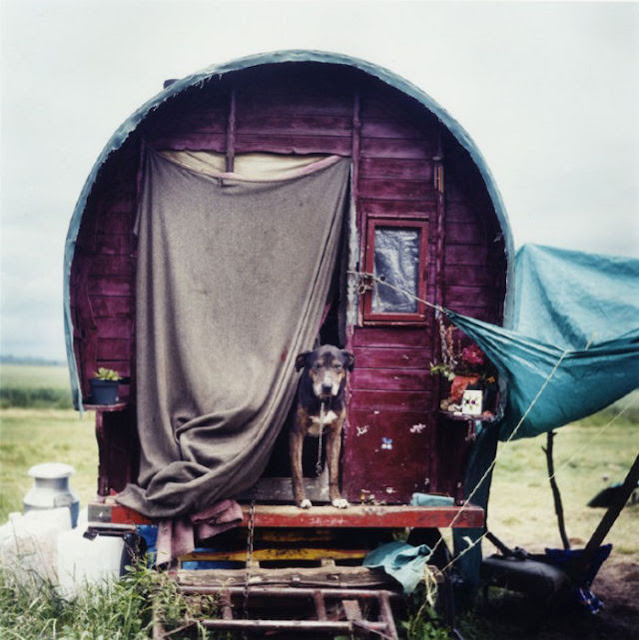
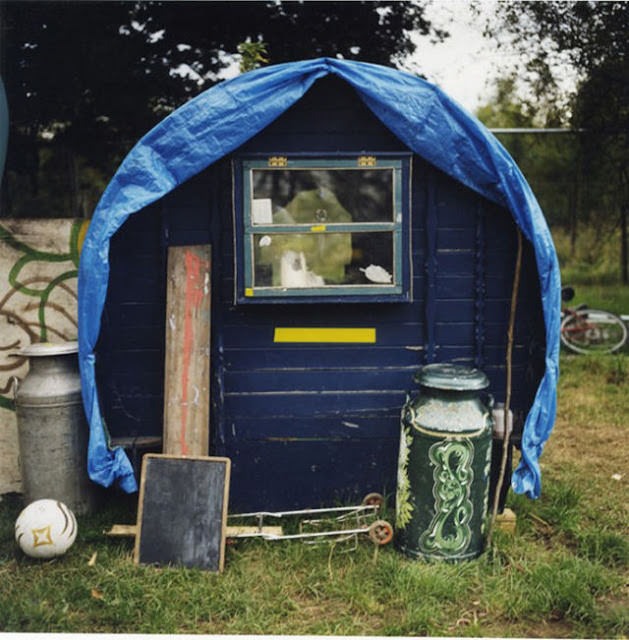
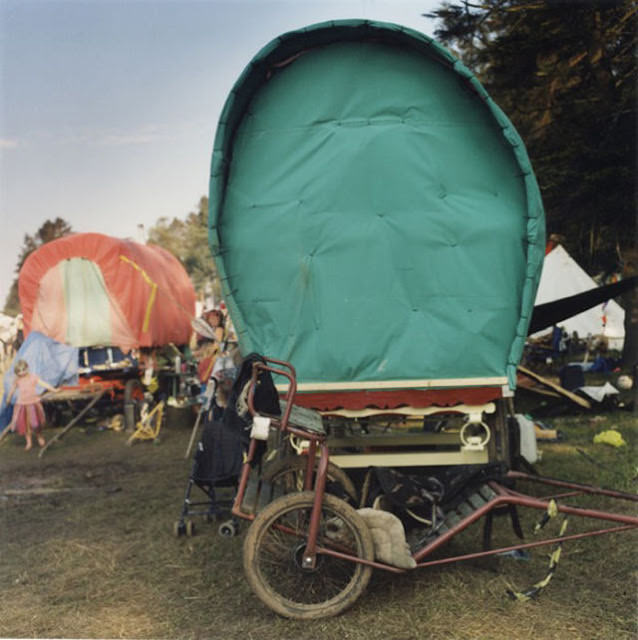
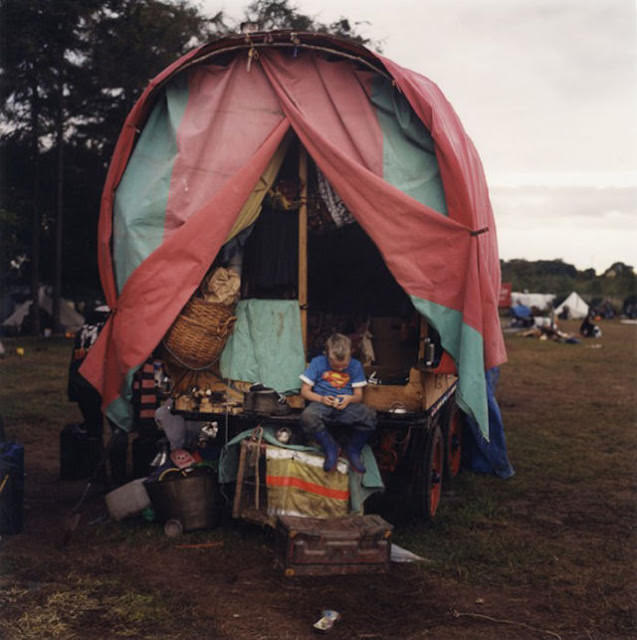
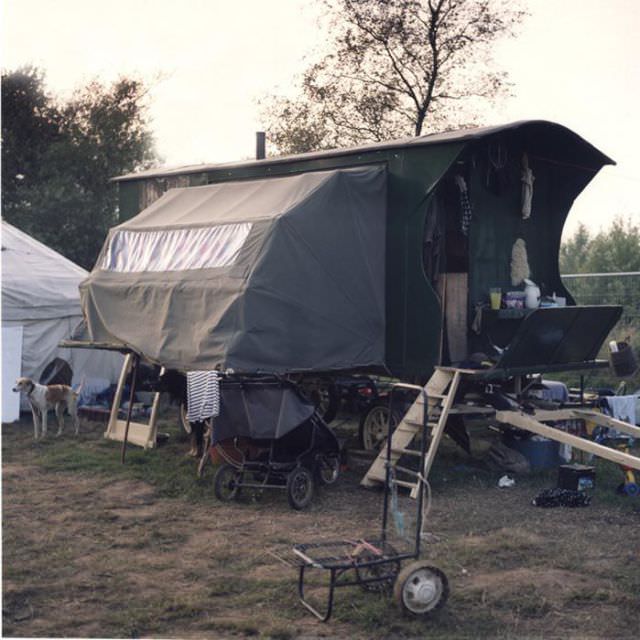
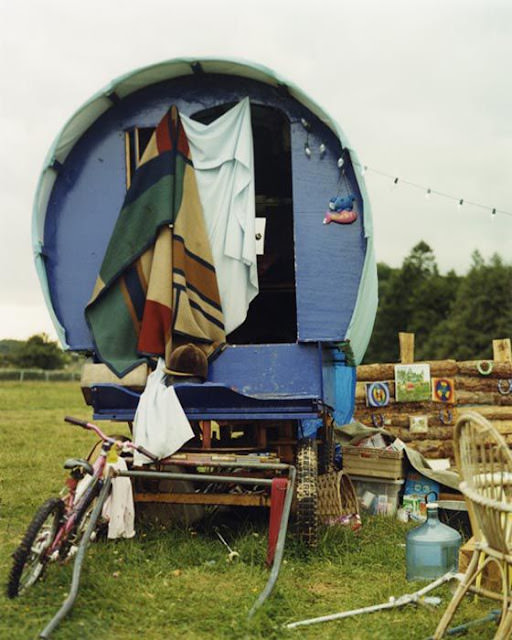
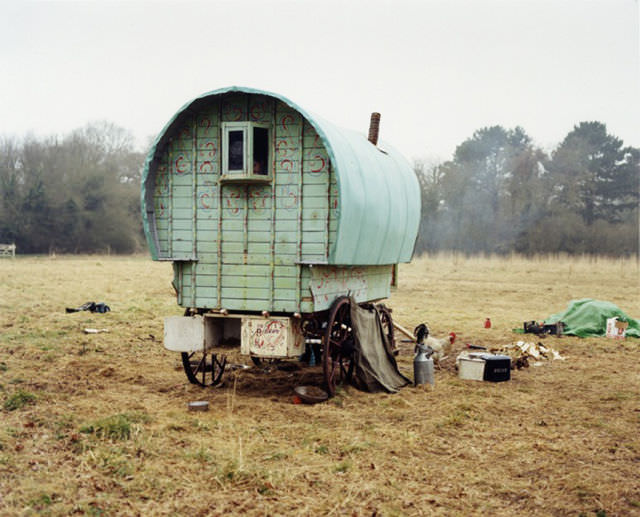
Their homes are not houses, but vehicles – vans, buses, and trucks, lovingly converted into colorful and creative living spaces. These mobile homes are adorned with intricate murals, political slogans, and symbols of peace and love. They are a testament to the Travelers’ DIY ethos and their rejection of consumerism.
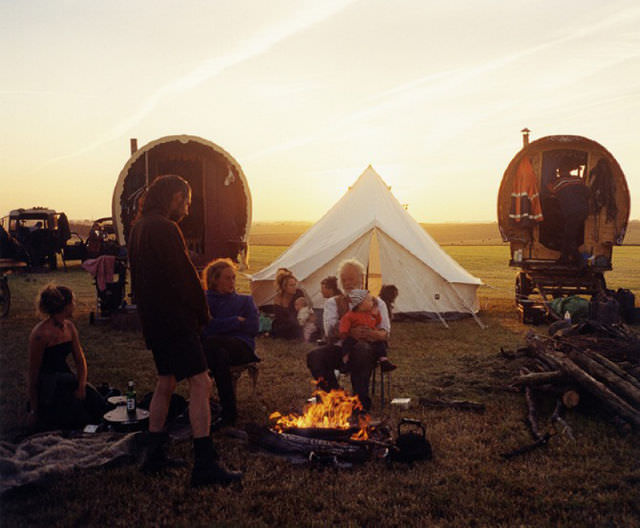
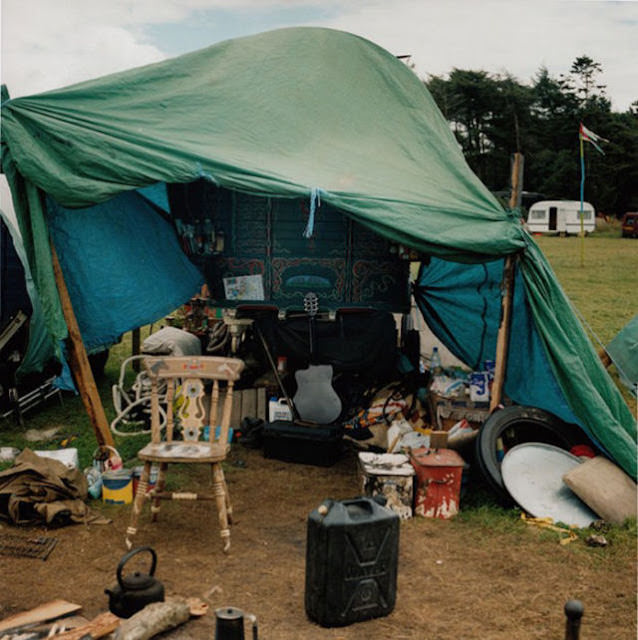
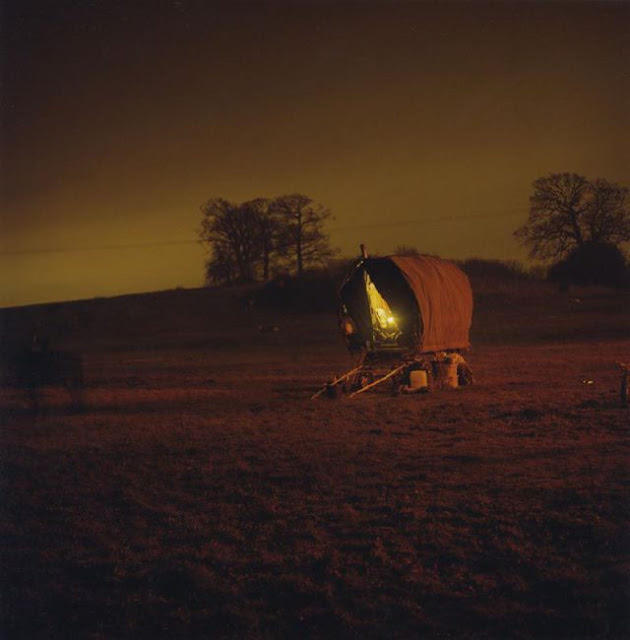
Dawn breaks over a makeshift campsite, nestled amidst a copse of trees. The air is filled with the sounds of birdsong and the smell of woodsmoke. A young woman emerges from her van, stretches, and takes a deep breath of the crisp morning air. She starts a fire in a makeshift stove and brews a pot of tea, the aroma mingling with the scent of wildflowers..
Read more
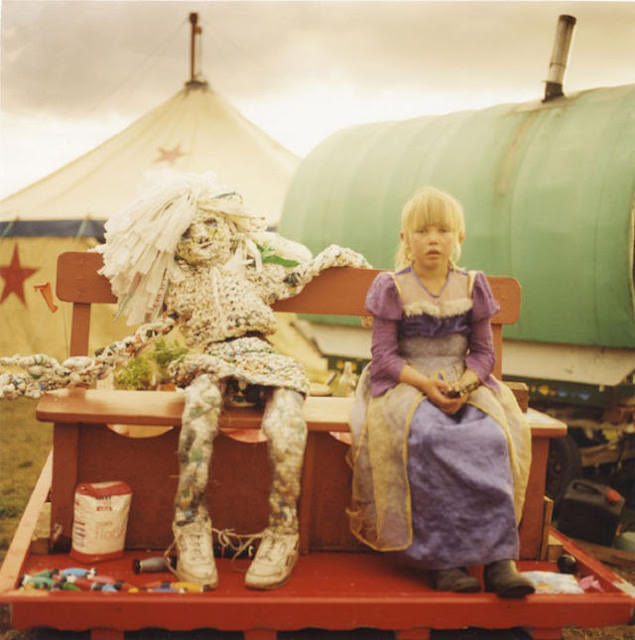
Breakfast is a simple affair – porridge made with oats harvested from a nearby field, sweetened with honey from their own beehives. As the sun climbs higher in the sky, the camp comes to life. Children scamper around, playing games and exploring the surrounding woods. Adults gather to discuss the day’s plans – foraging for wild food, repairing a vehicle, or organizing a music jam session.
The New Age Travelers are fiercely independent and self-reliant. They grow their own vegetables, raise their own animals, and make their own clothes and crafts. They believe in living in harmony with nature and minimizing their impact on the environment.
Lunch is a communal affair, with everyone gathering around a long table to share a hearty stew made with locally sourced ingredients. Conversation flows freely, touching on topics ranging from politics and philosophy to music and art. There is a strong sense of camaraderie and shared purpose among the Travelers.
In the afternoon, some members of the community head to a nearby town to sell their handcrafted goods – jewelry, leatherwork, clothes, and artwork. This is an essential part of their nomadic lifestyle, providing them with the income they need to sustain themselves.
Others stay behind at the camp, tending to the animals, working on their vehicles, or simply relaxing and enjoying the peace and quiet of the countryside. For the New Age Travelers, life is not just about survival; it is about creating a vibrant and meaningful community, living in harmony with nature, and challenging the norms of mainstream society.
As dusk falls, the campfire is lit, and the community gathers once again. Someone pulls out a guitar, and the music begins. The songs are a mix of traditional folk tunes, protest songs, and original compositions. The voices blend together, creating a harmonious soundtrack to the night.
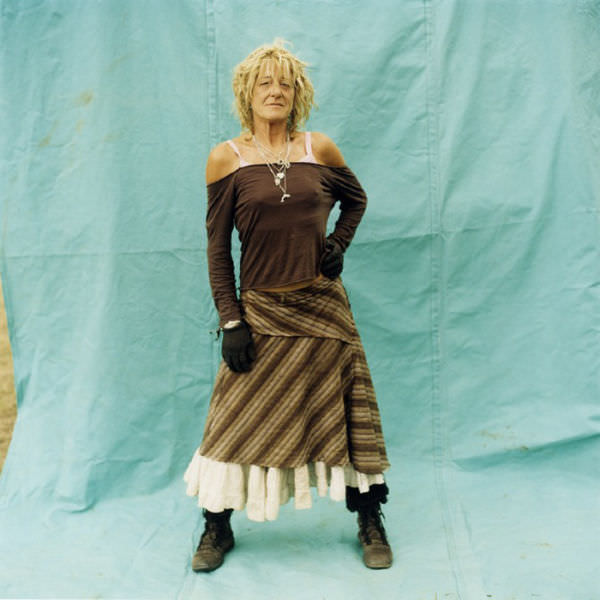
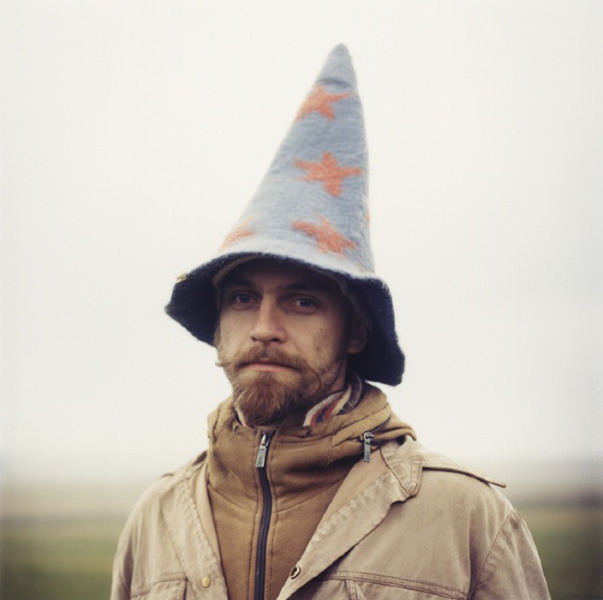
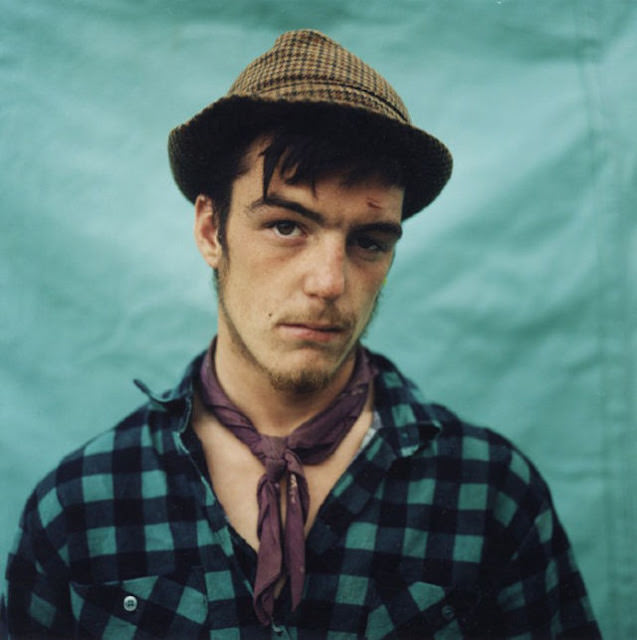
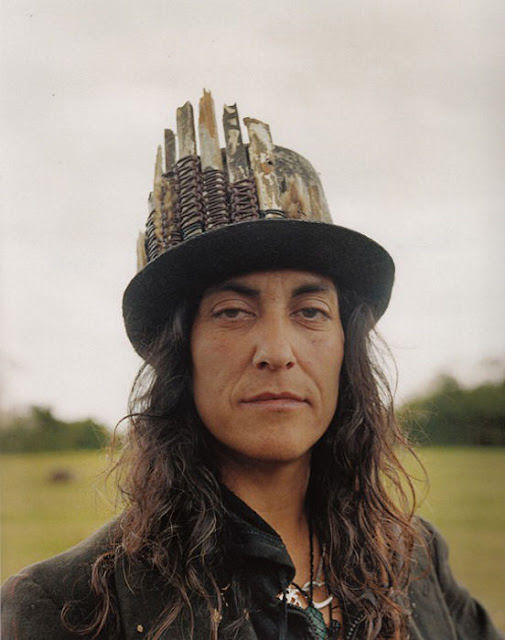
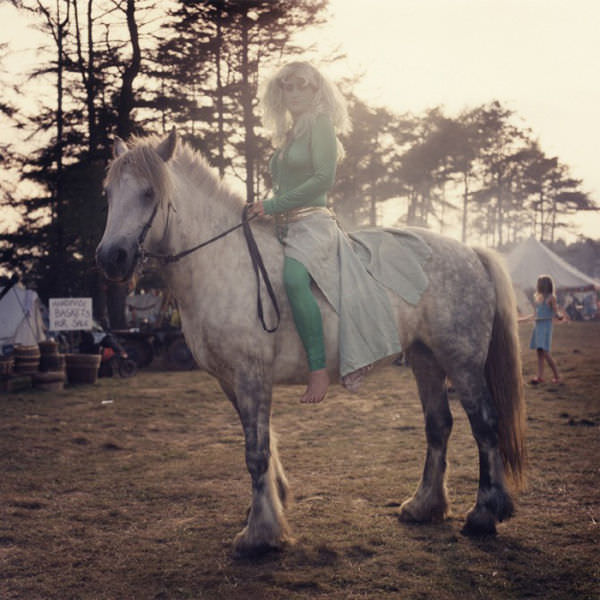
The New Age Travelers are a diverse bunch, with people from all walks of life drawn to their alternative lifestyle. There are artists, musicians, environmentalists, spiritual seekers, and those simply disillusioned with the rat race. But despite their differences, they are united by a shared set of values and a desire for a more authentic and meaningful way of life.
Life on the road is not without its challenges. The New Age Travelers face discrimination and prejudice from some who view their lifestyle with suspicion. They also have to contend with the practicalities of living off-grid, finding suitable places to camp, and accessing basic amenities.
But despite the obstacles, the New Age Travelers remain committed to their chosen path. Their way of life offers a sense of freedom and fulfillment that is hard to find in the conventional world. They embrace the simplicity of their existence, finding joy in the small things – the warmth of the sun on their faces, the taste of freshly picked berries, the sound of birdsong in the morning.
The New Age Travelers of 1986 were a unique and vibrant community, a testament to the enduring human spirit and the search for a more authentic way of life. Their story is a reminder that there are alternatives to the mainstream, and that it is possible to live a life that is both simple and fulfilling.