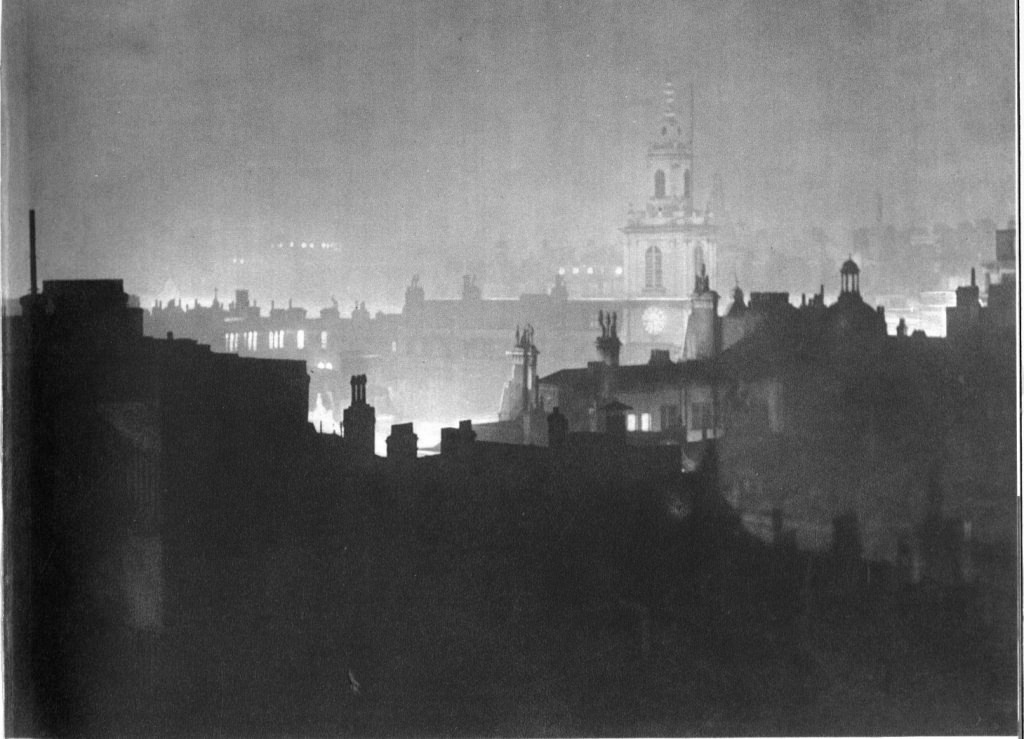
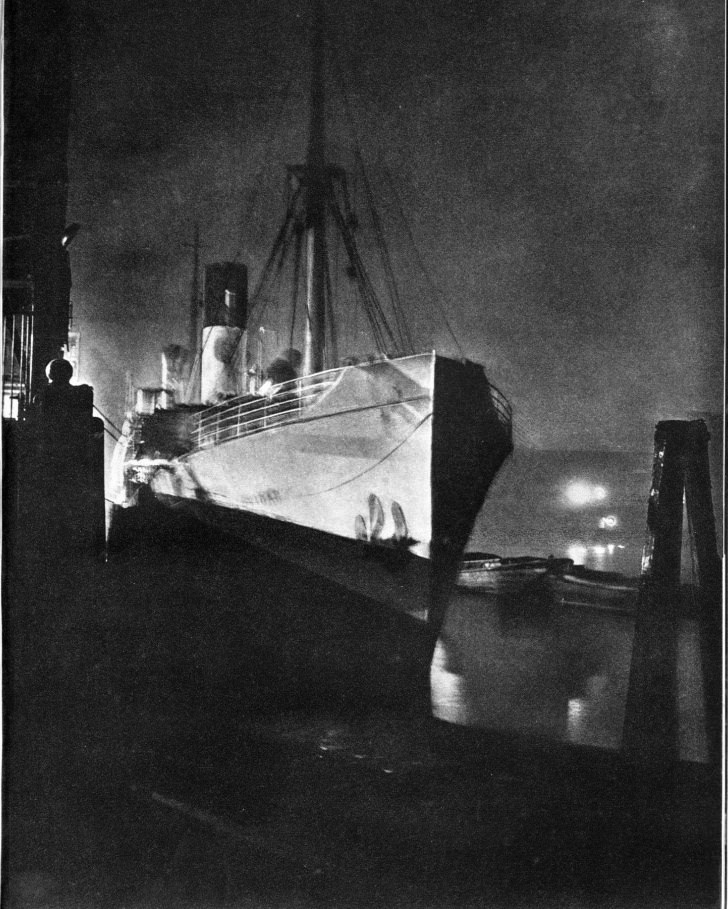
London after dark in the 1930s was a city caught between two eras. Photographer Harold Burked documented it all in a book called ‘London Night,’ produced alongside writer John Morrison. Together, they built a visual record of a city that few people saw — or thought to record.
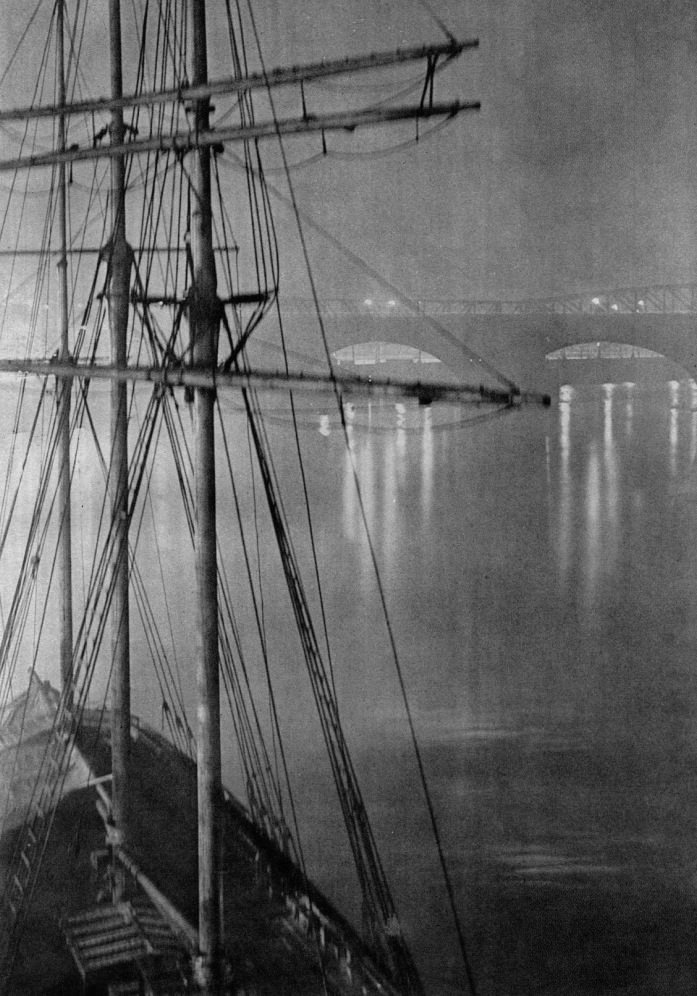
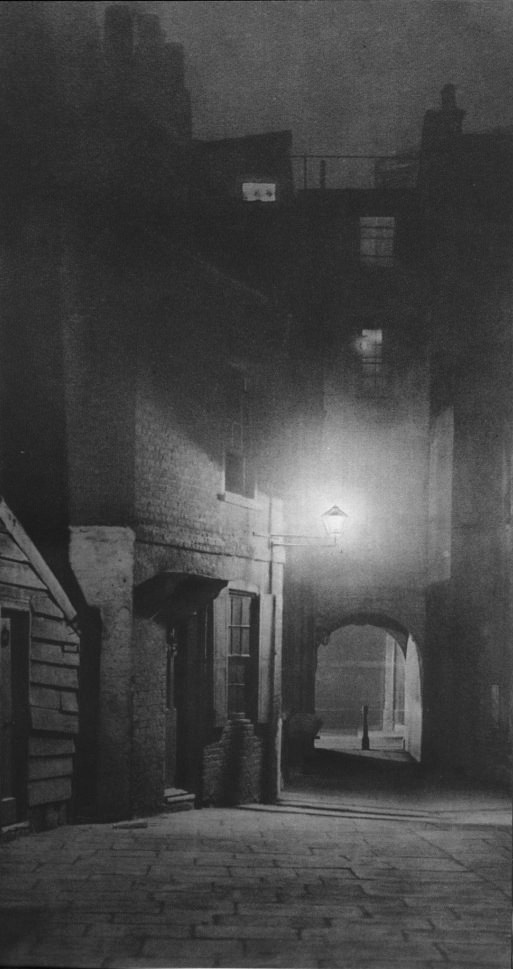
Gas lamps and early electric lights shared the same streets. Cobblestones caught the soft glow from both, creating pools of amber and white light broken by long stretches of shadow.
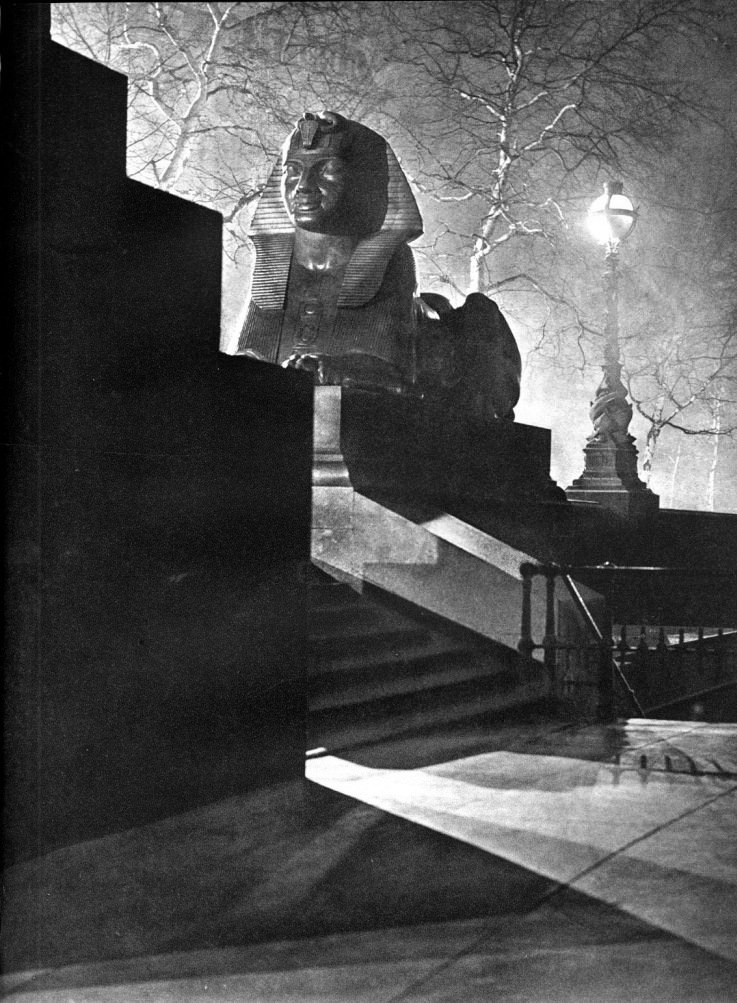
Cars were still uncommon. Most Londoners walked or boarded buses, meaning the streets held a different kind of energy — slower, more personal. Pedestrians moved through lit shop windows advertising cigarettes, shows, and goods of all kinds.
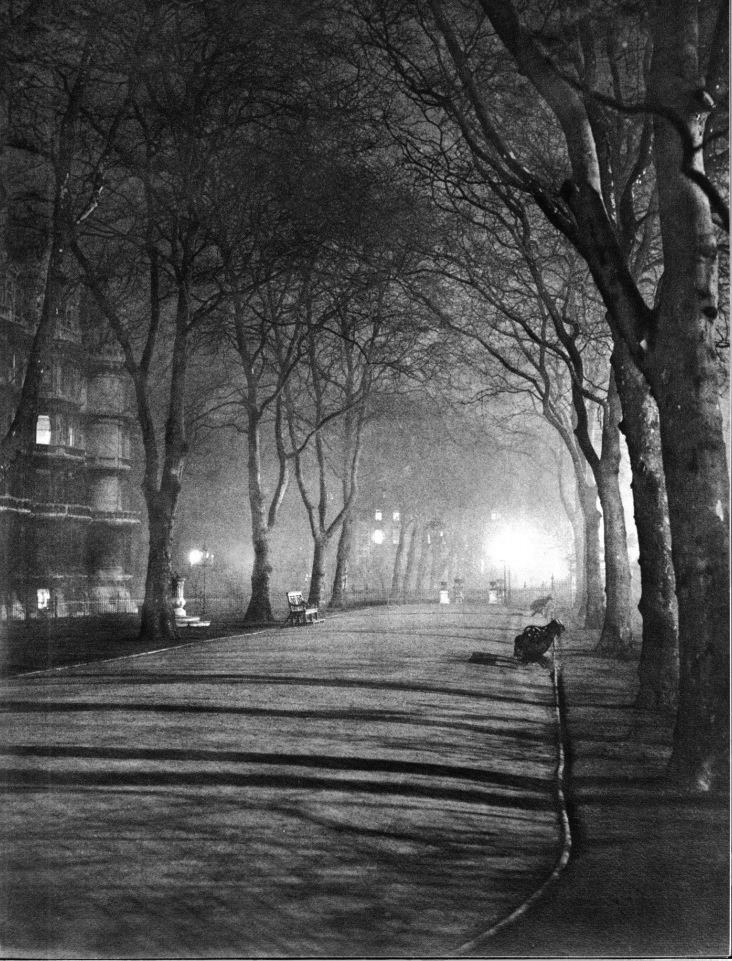
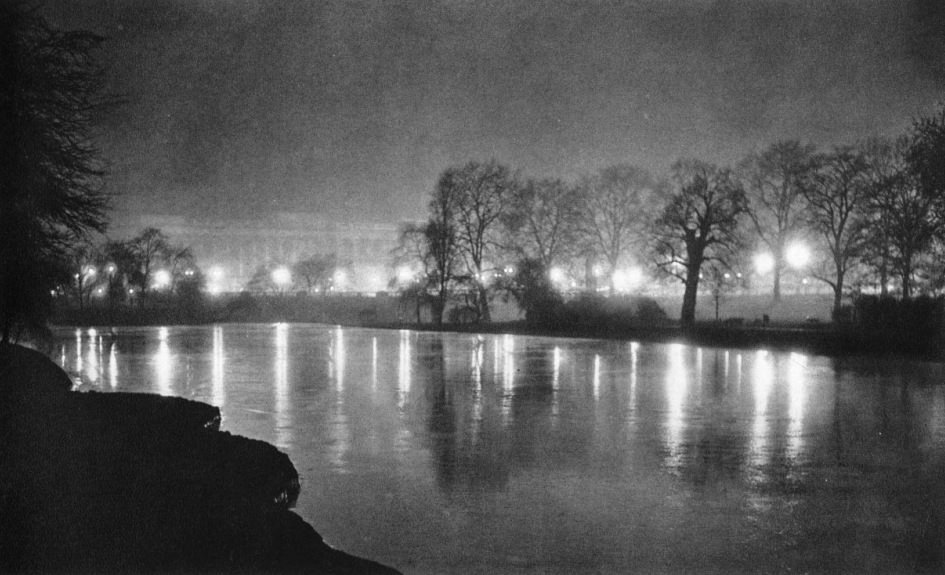
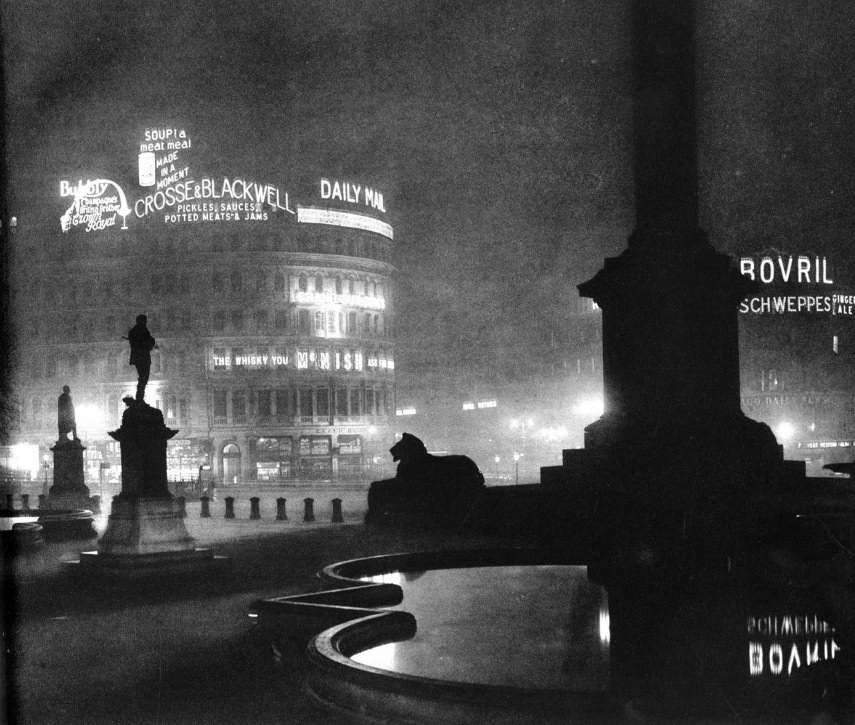
Nightlife centered on theaters, pubs, and dance halls. Electric signs were beginning to push back the darkness, marking entrances and storefronts with a brightness that older gas-lit neighborhoods still lacked entirely.
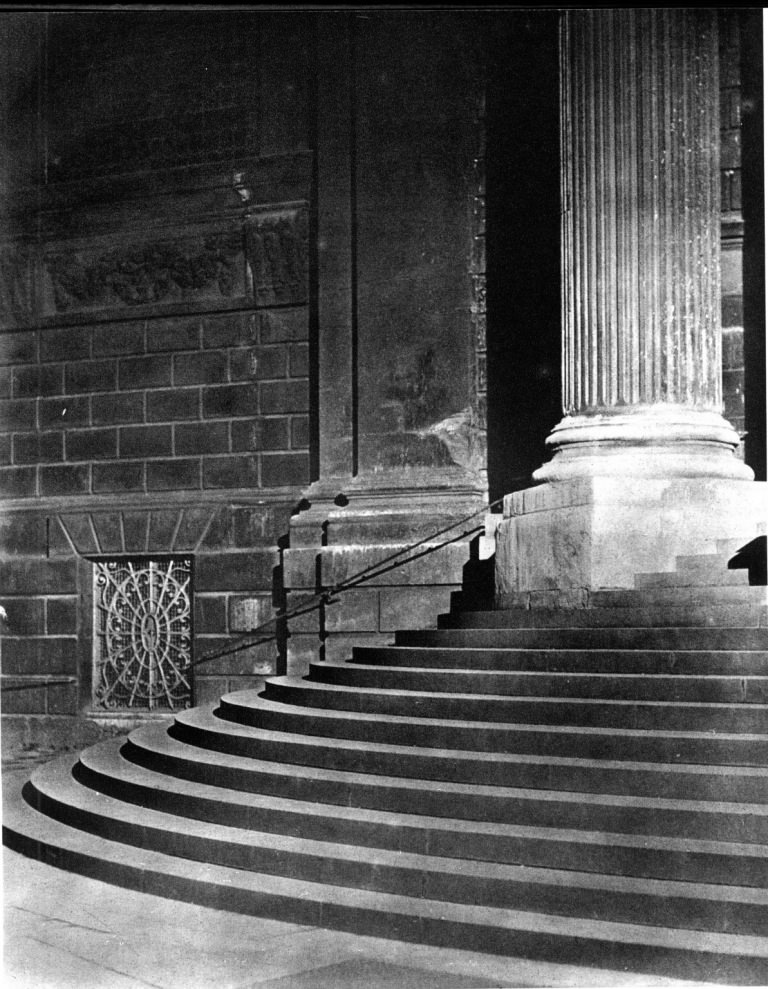
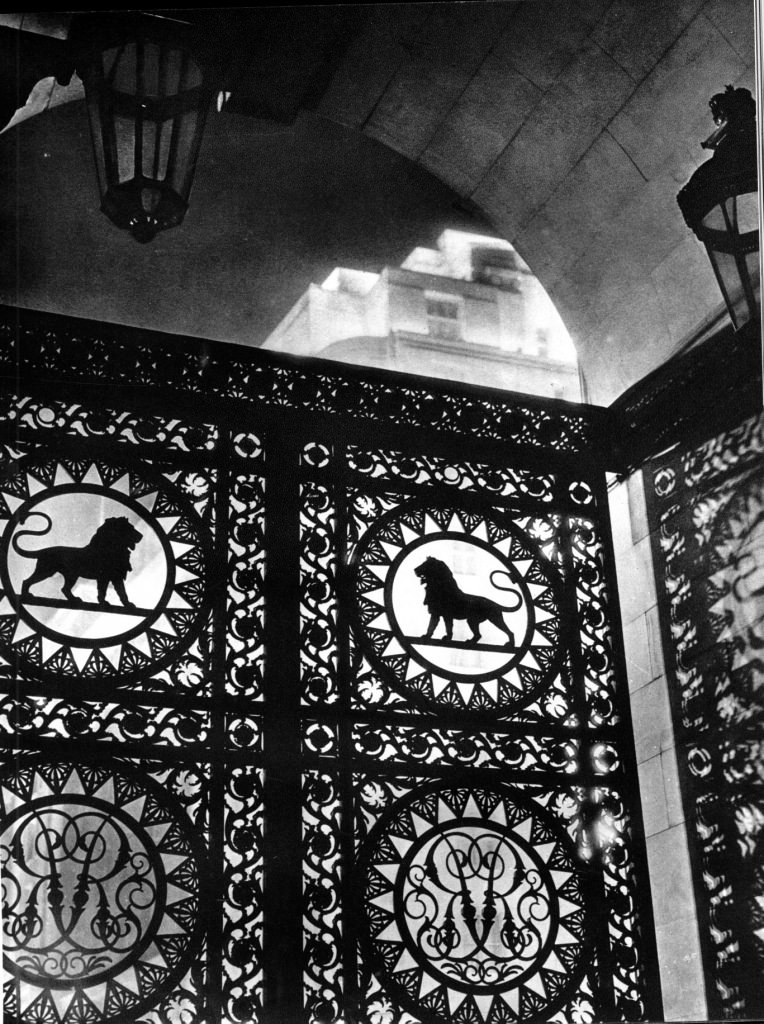
Burked’s camera caught this uneven transition with precision. Some frames show gleaming electric signage; others reveal narrow lanes where old lighting methods persisted unchanged.
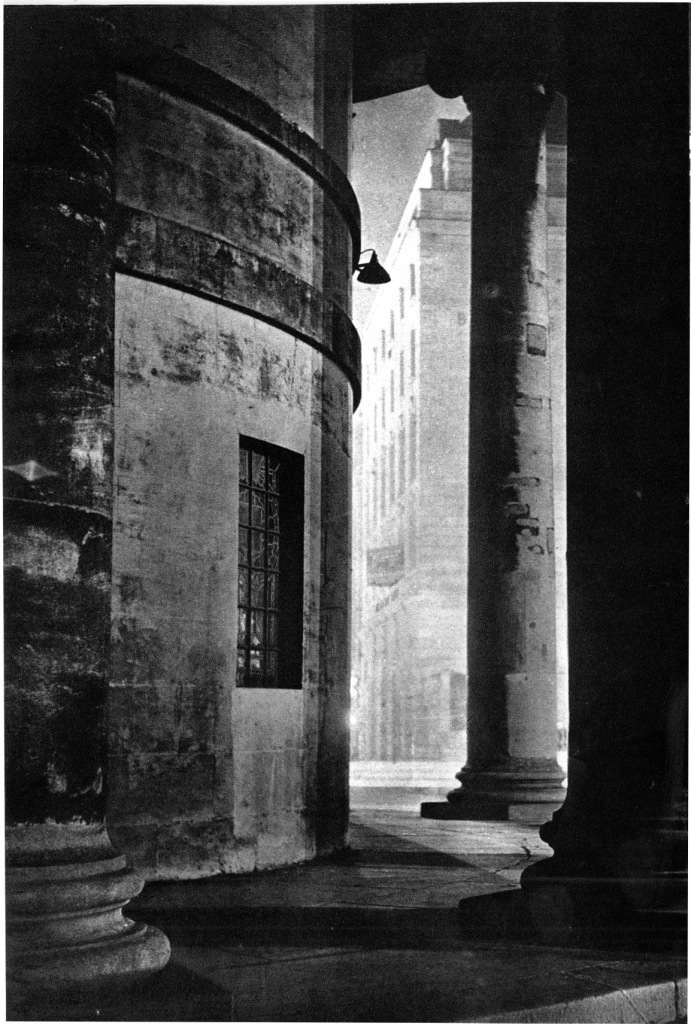
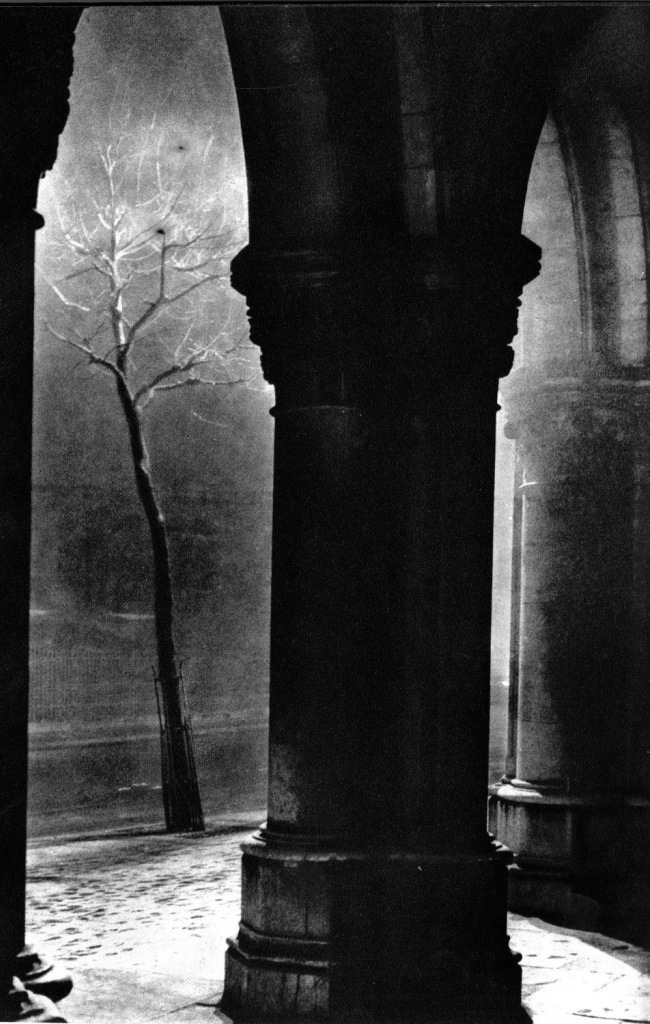
The contrast between lit and unlit spaces defines the collection. Darkness wasn’t simply the absence of light — it was a texture that shaped how people moved through the city at night.
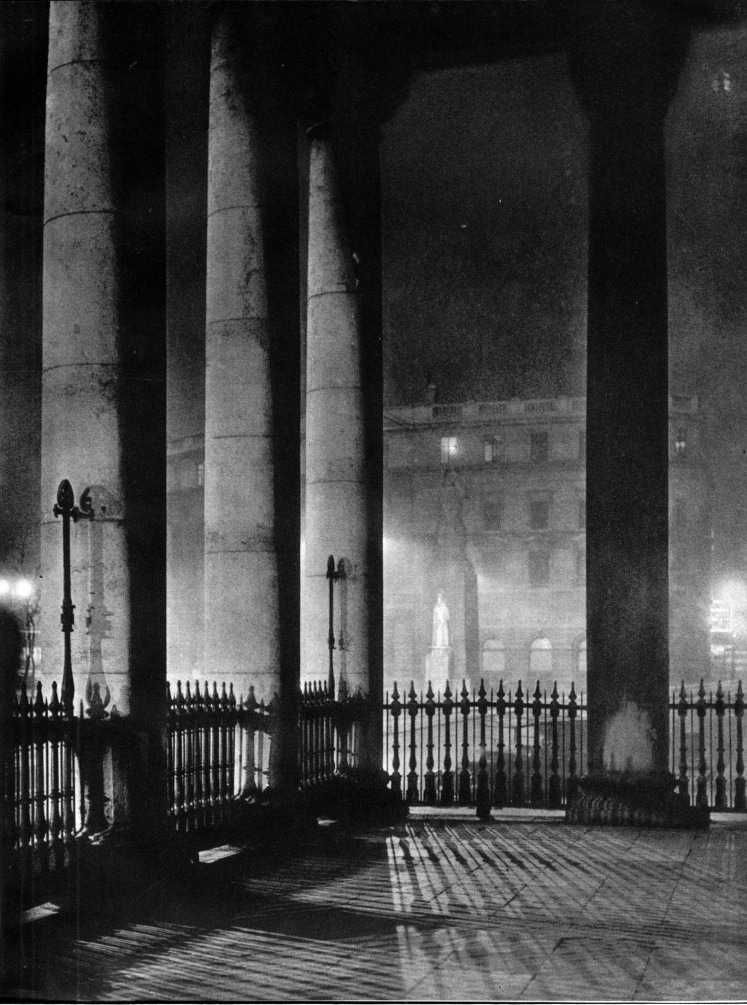
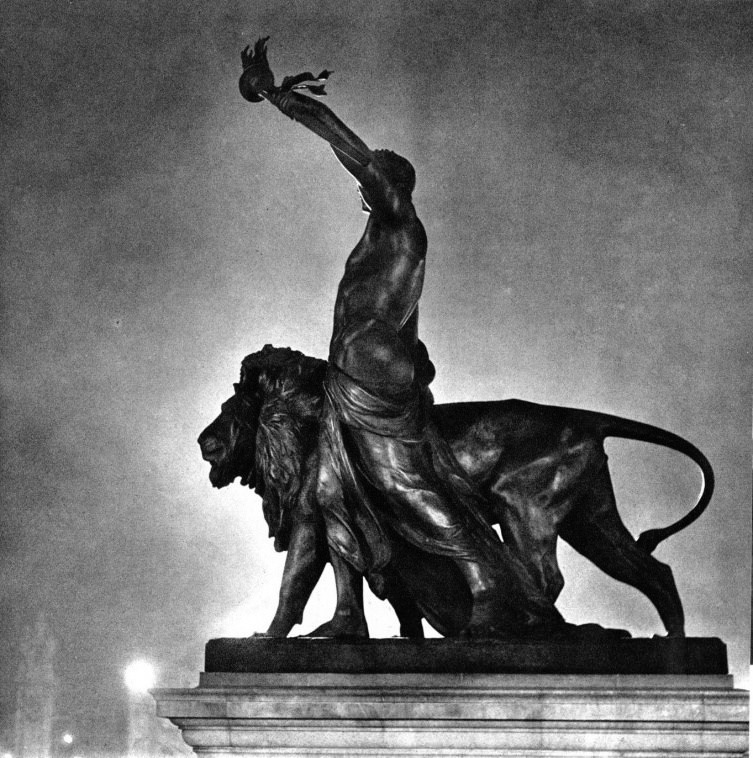
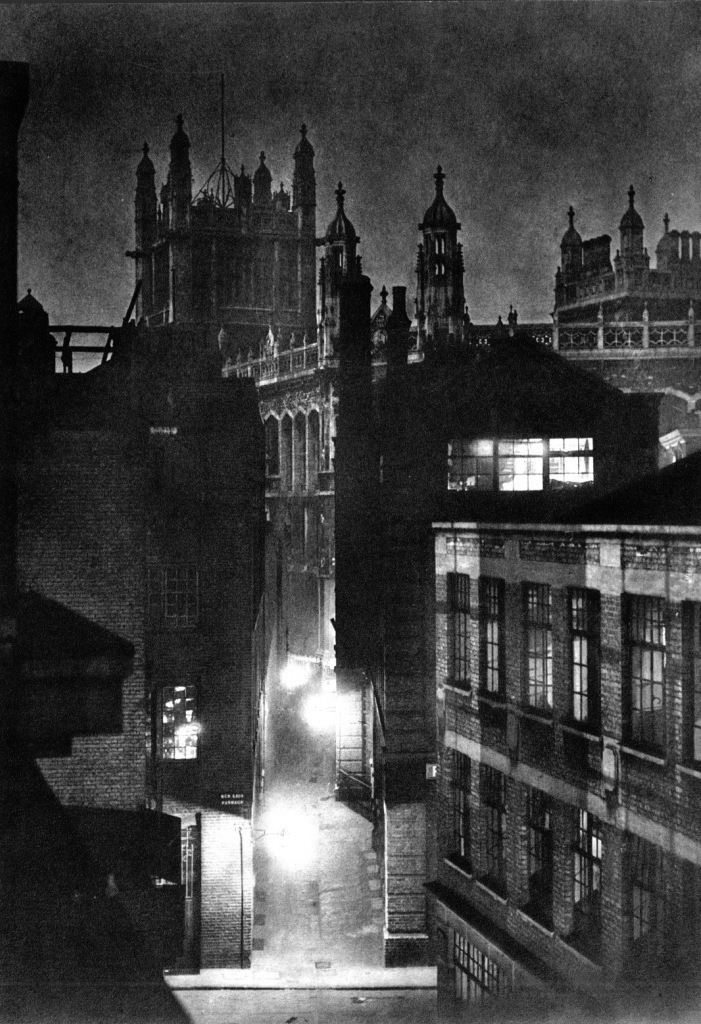
What Burked preserved was a London that modern photography never had the chance to meet — quiet, gaslit in places, electric in others, and entirely its own.