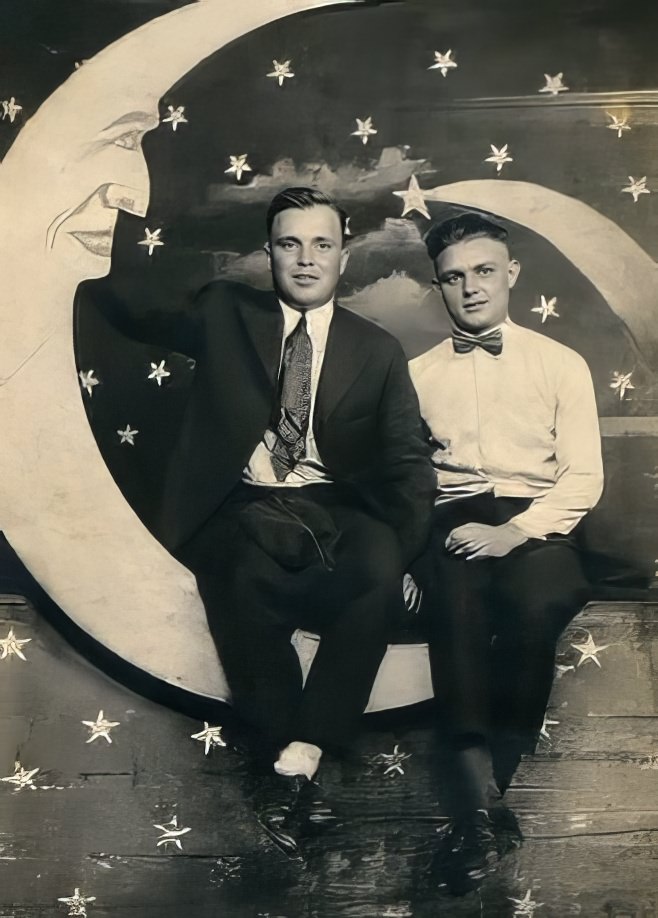
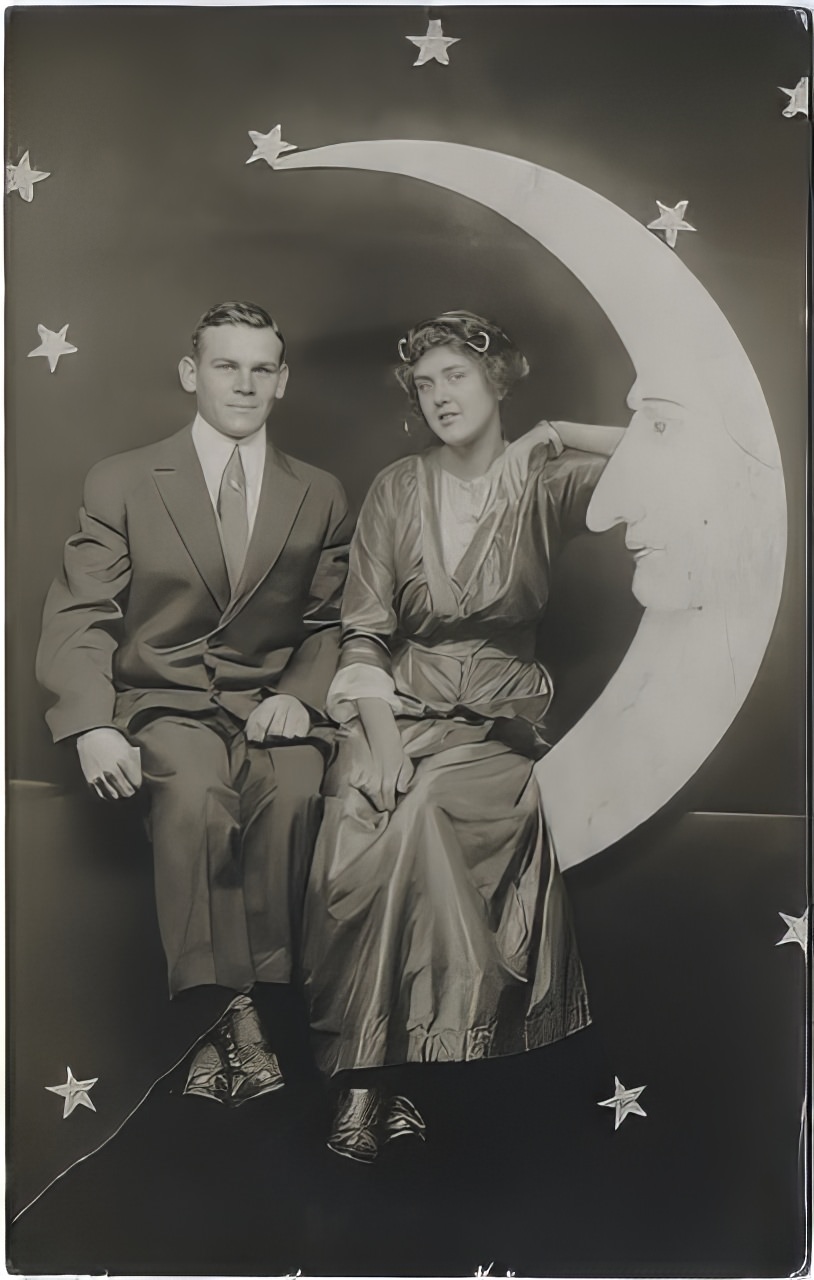
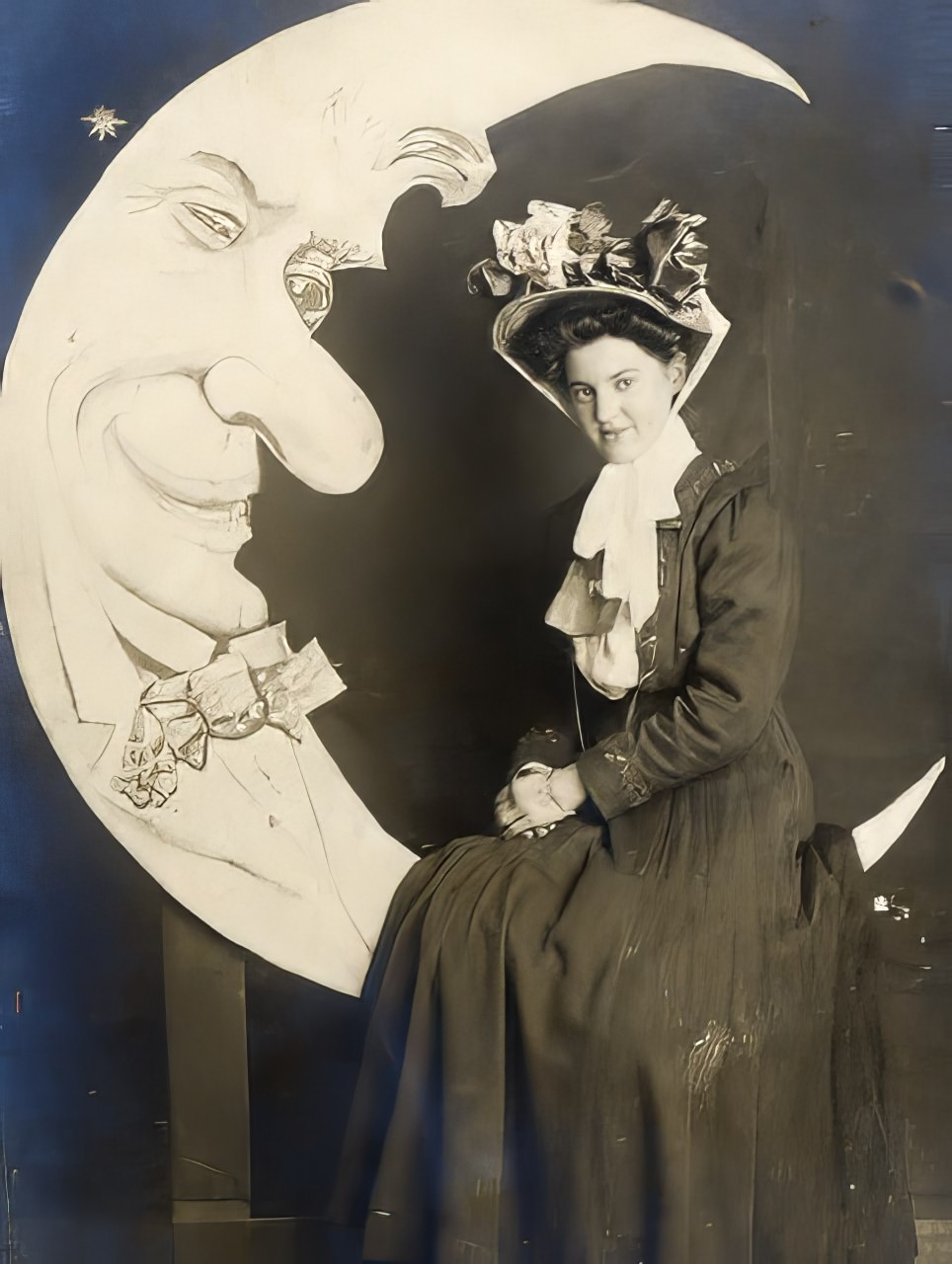
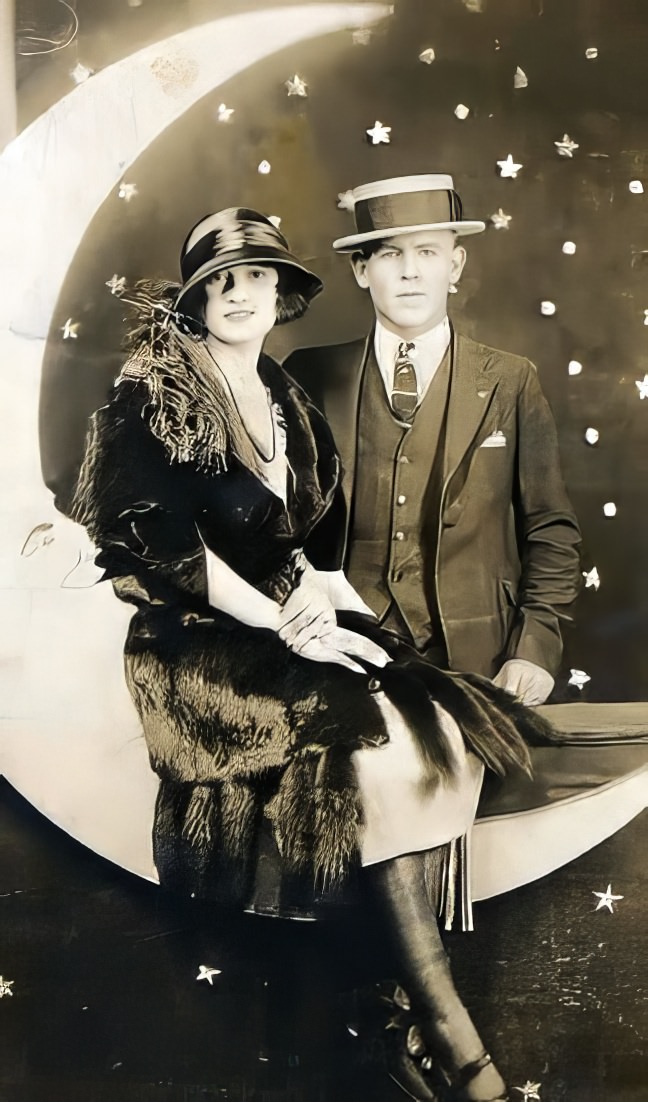
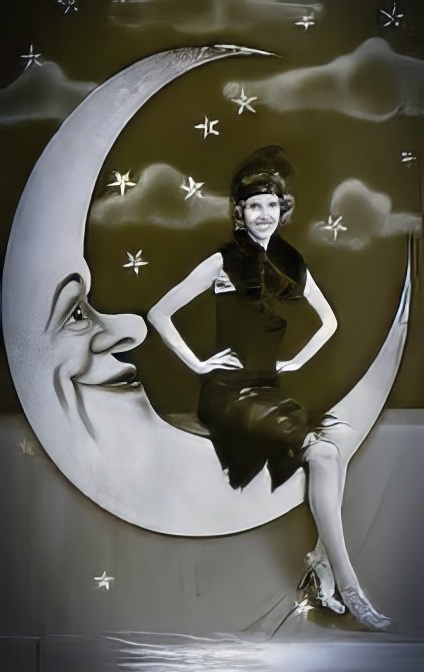
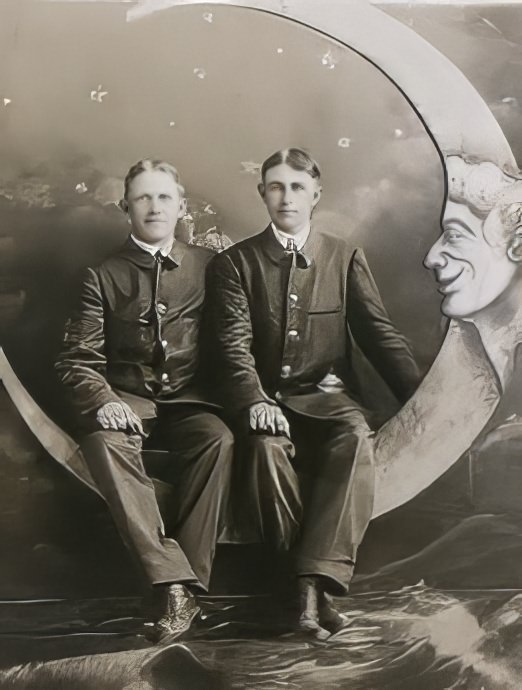
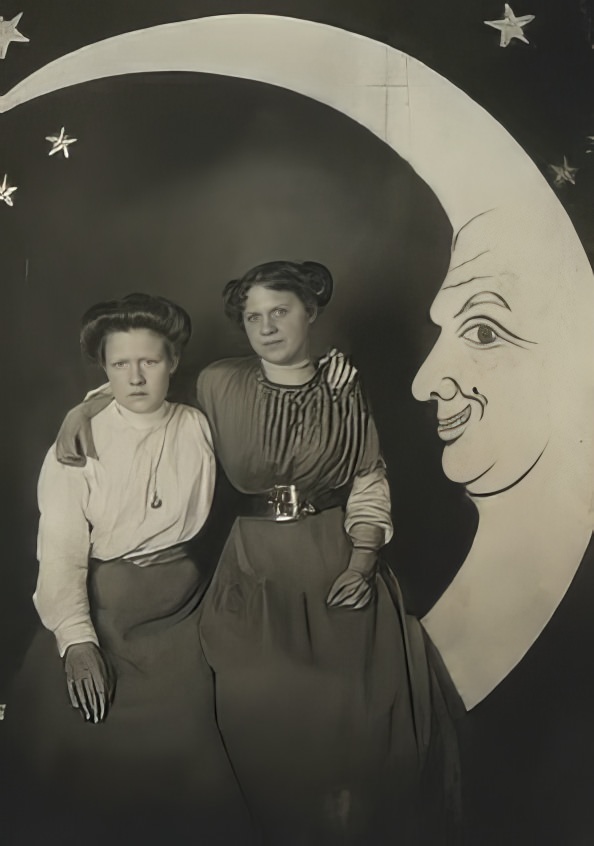
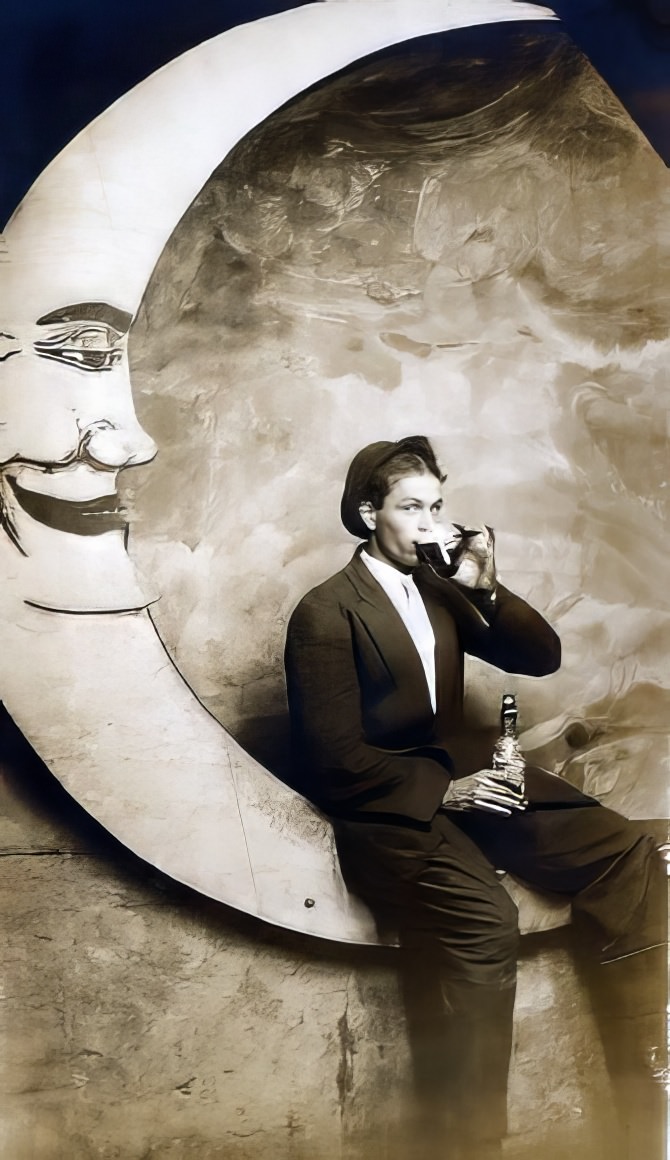
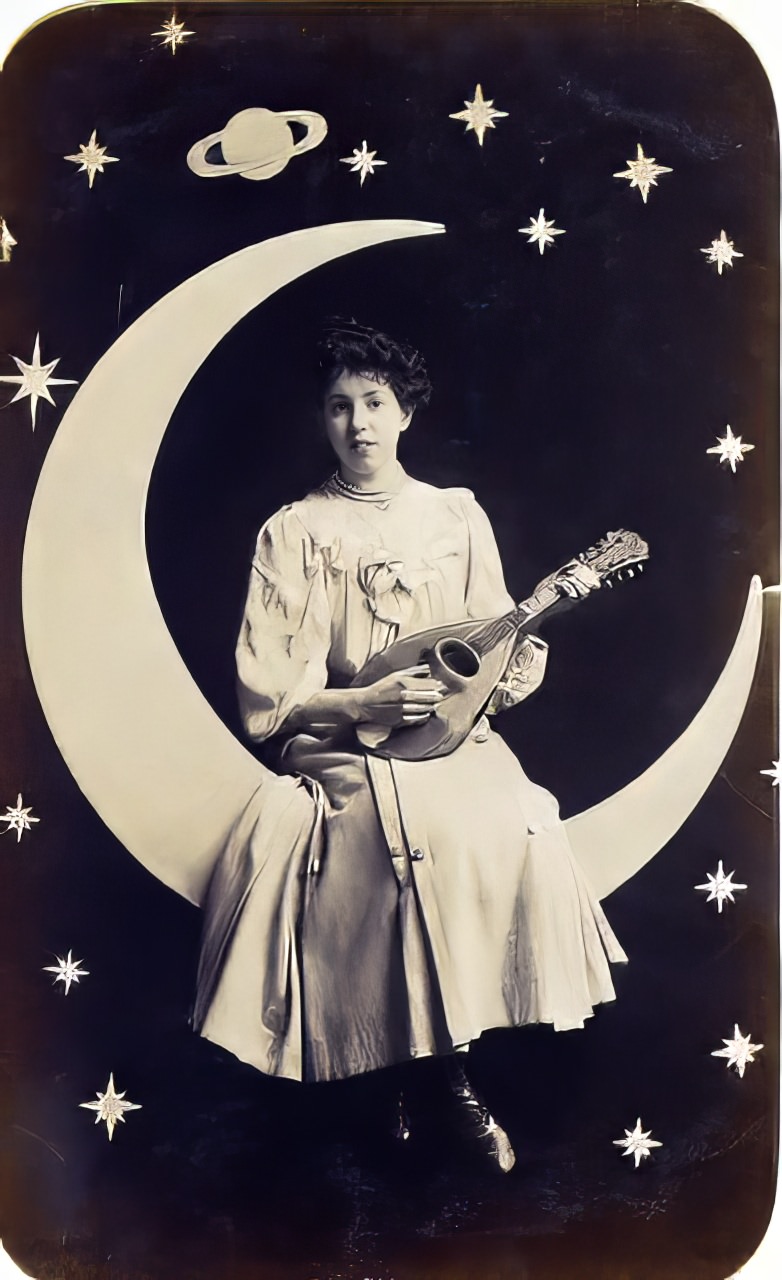
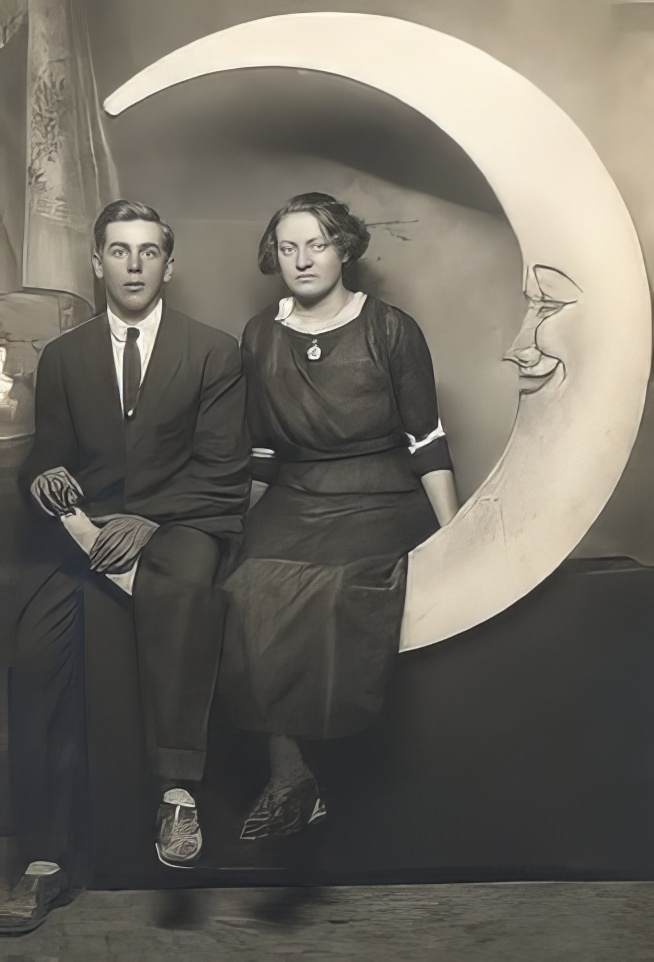
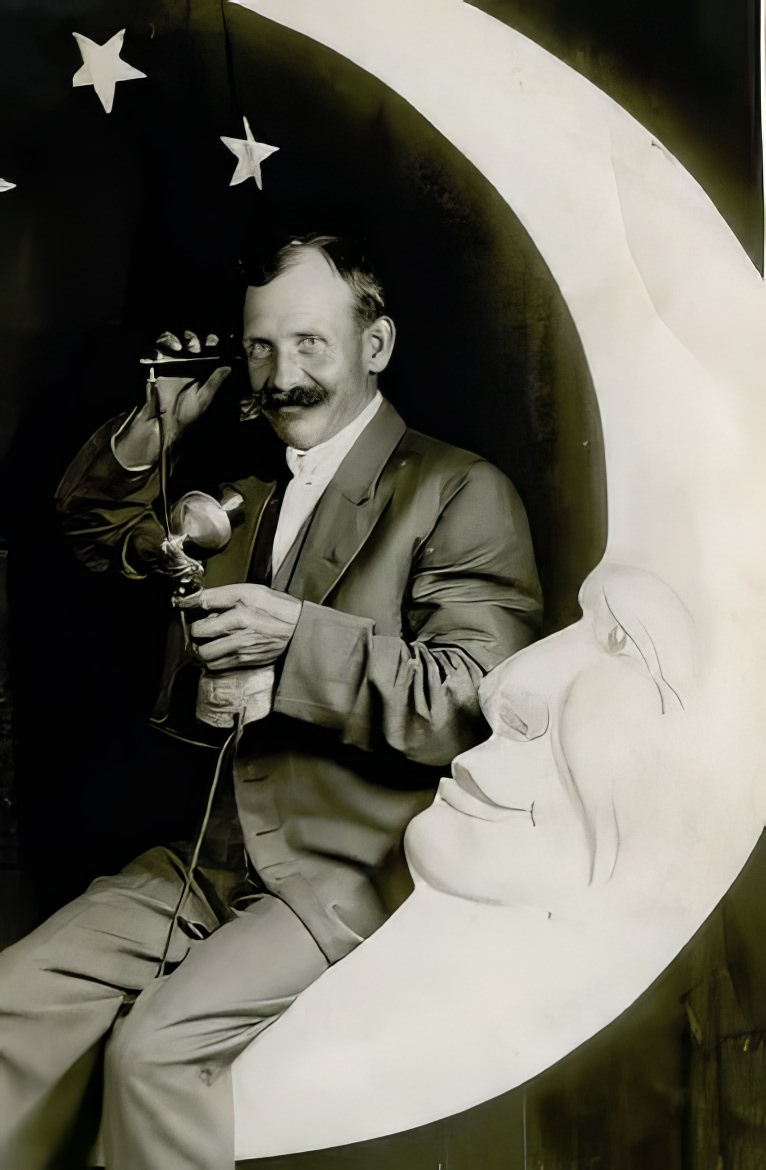
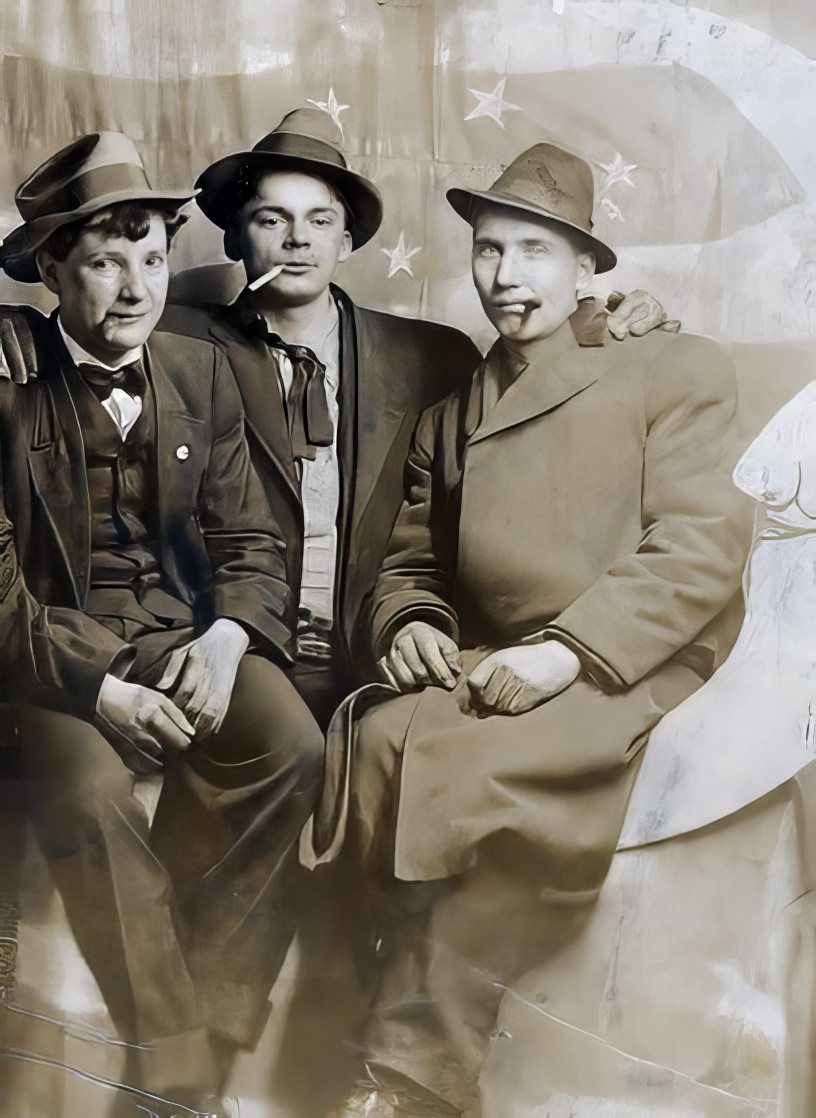
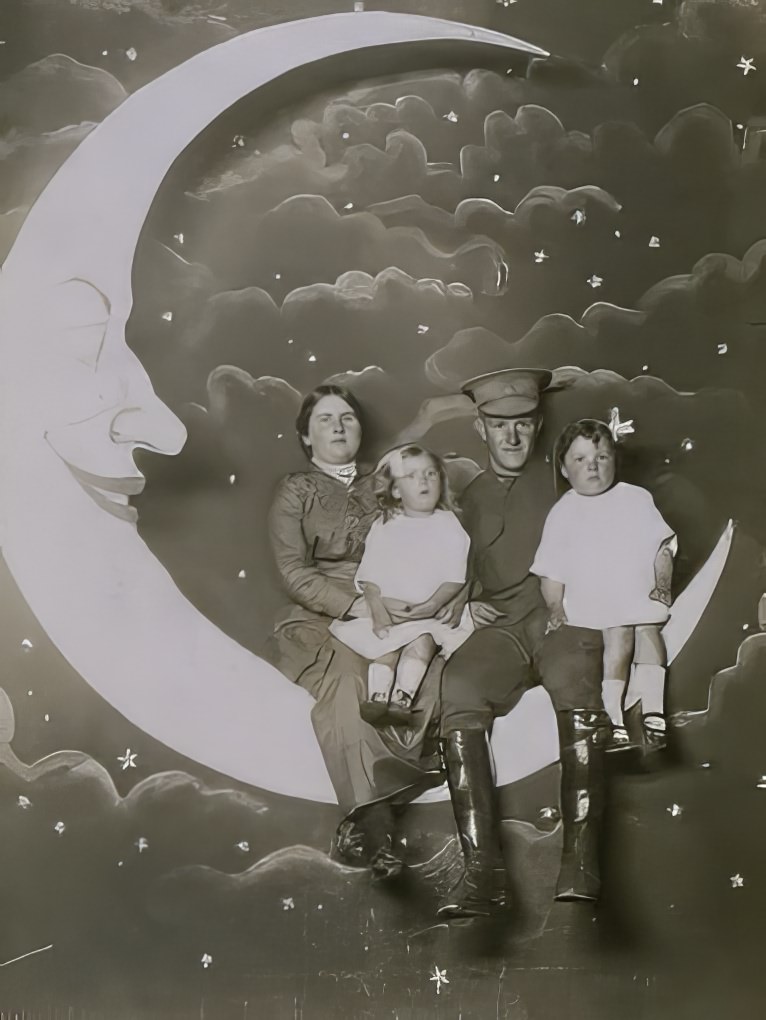
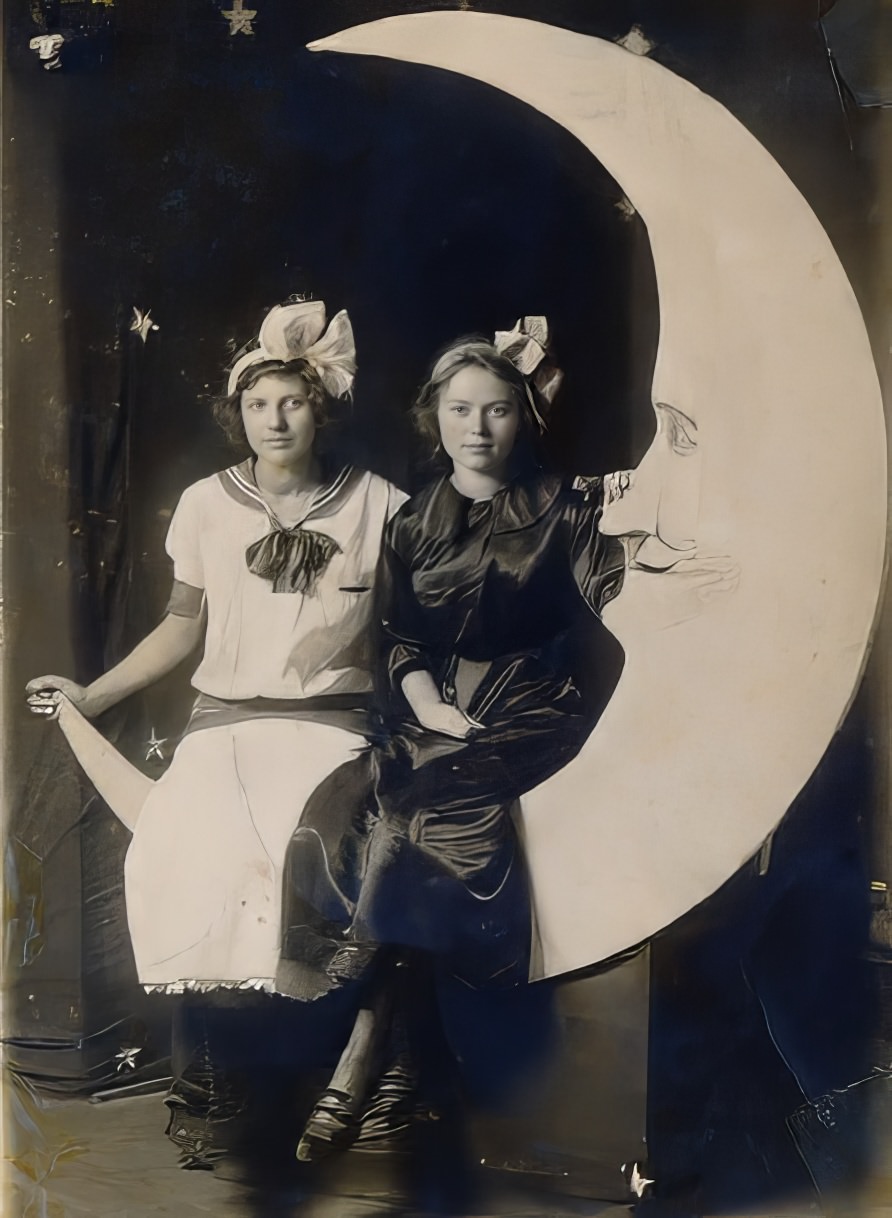
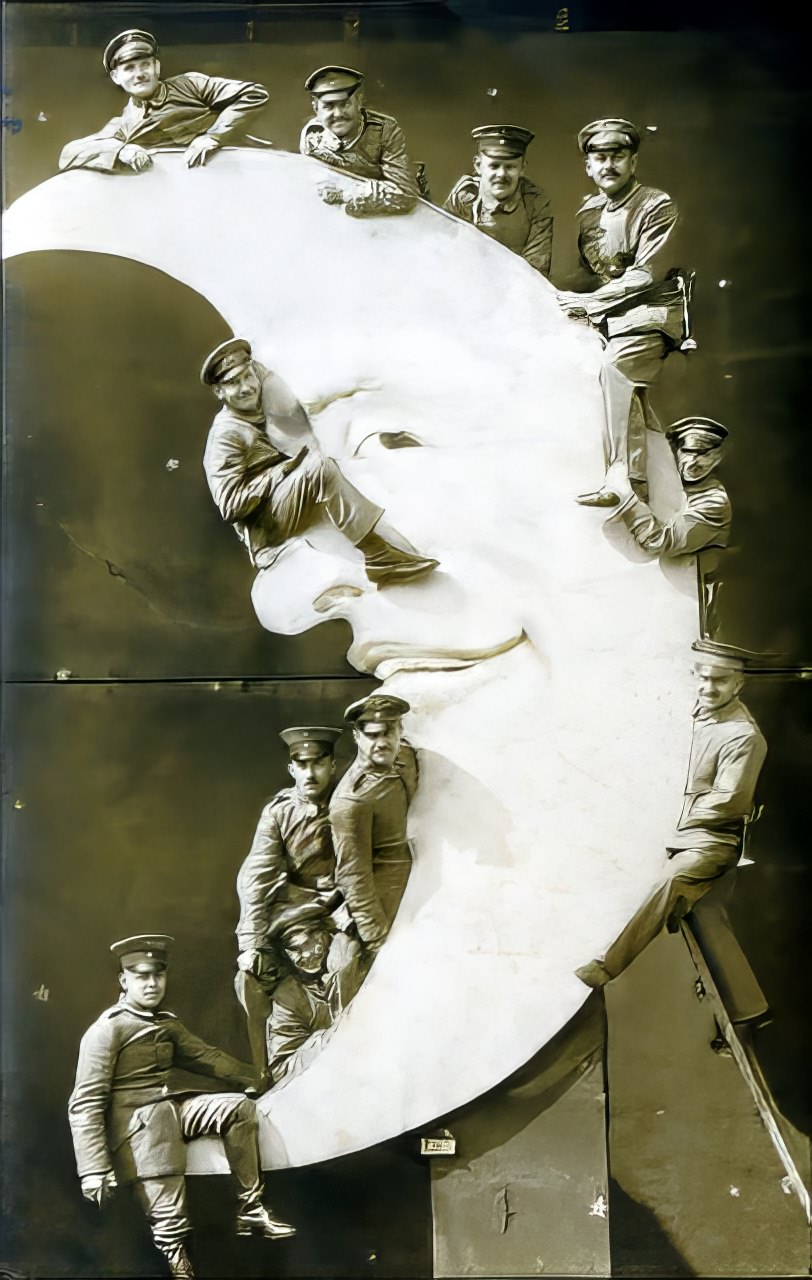
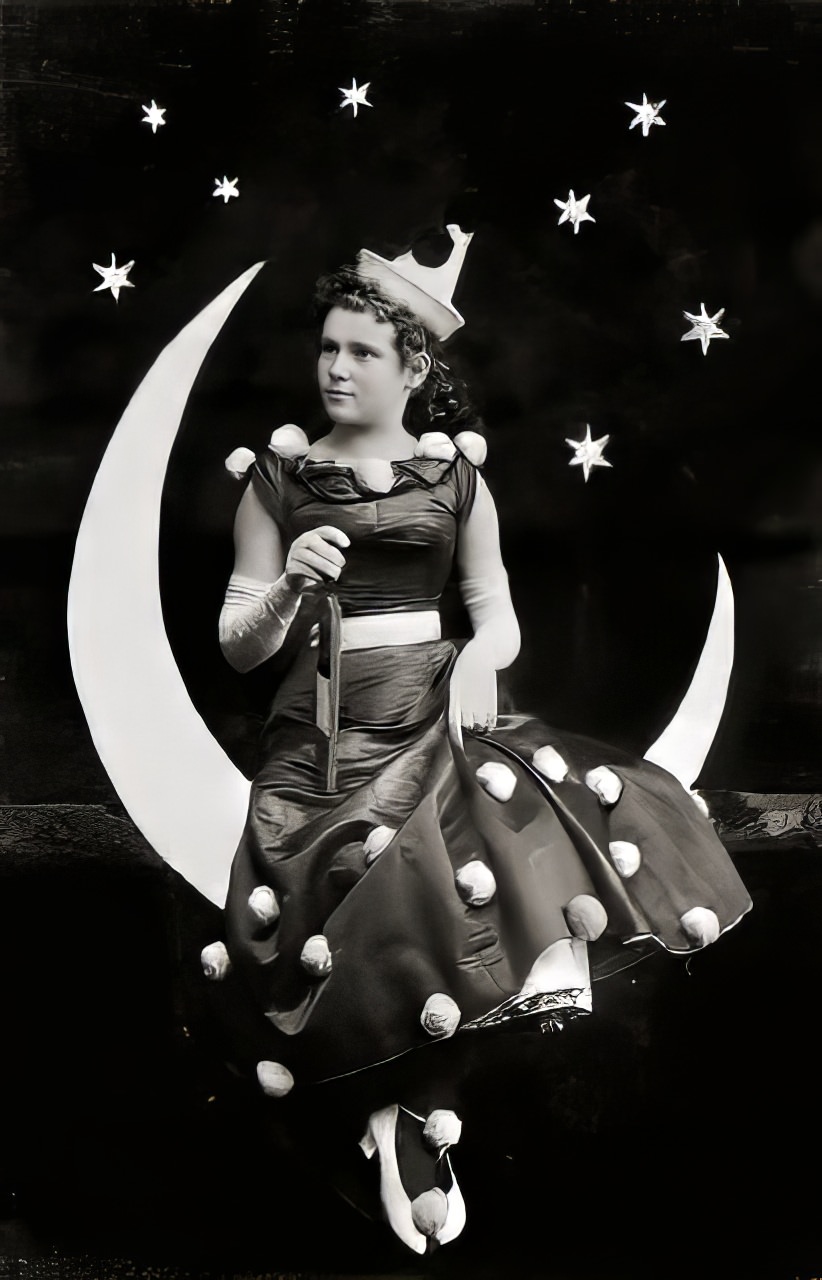
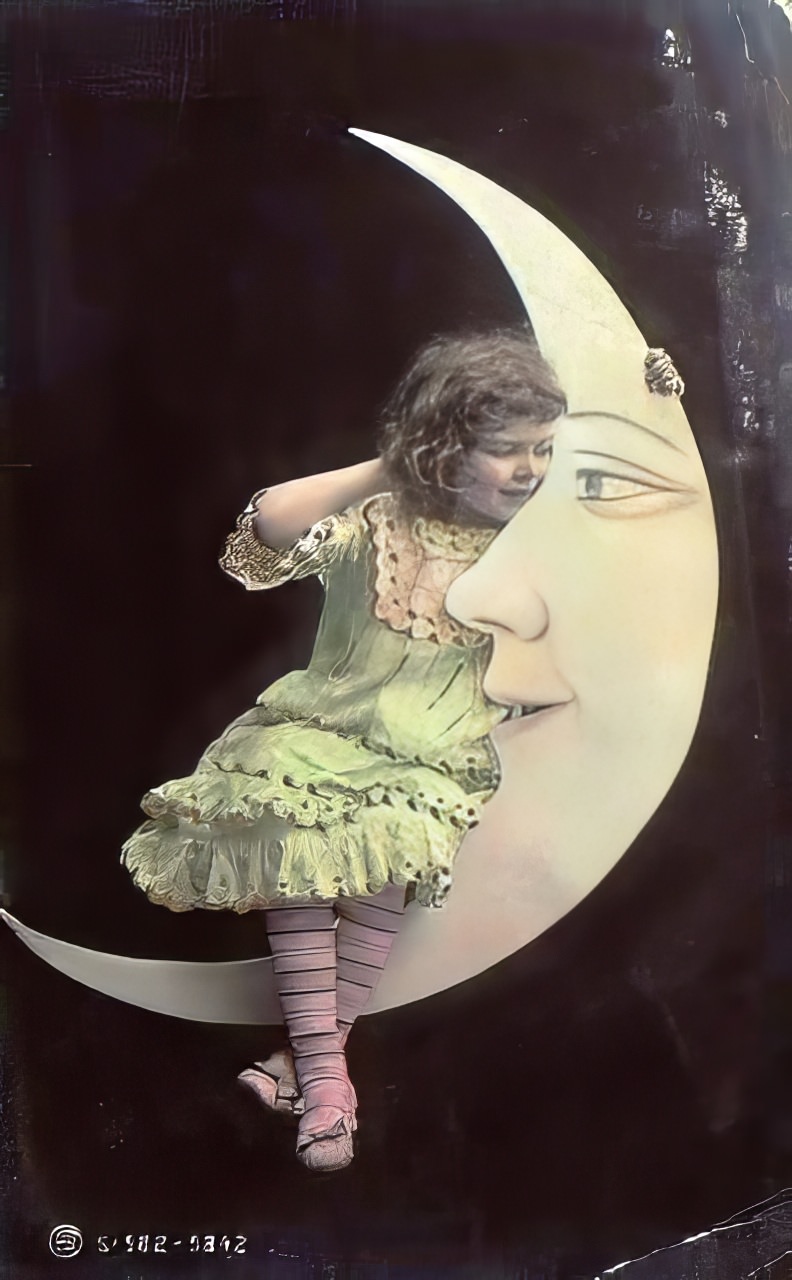
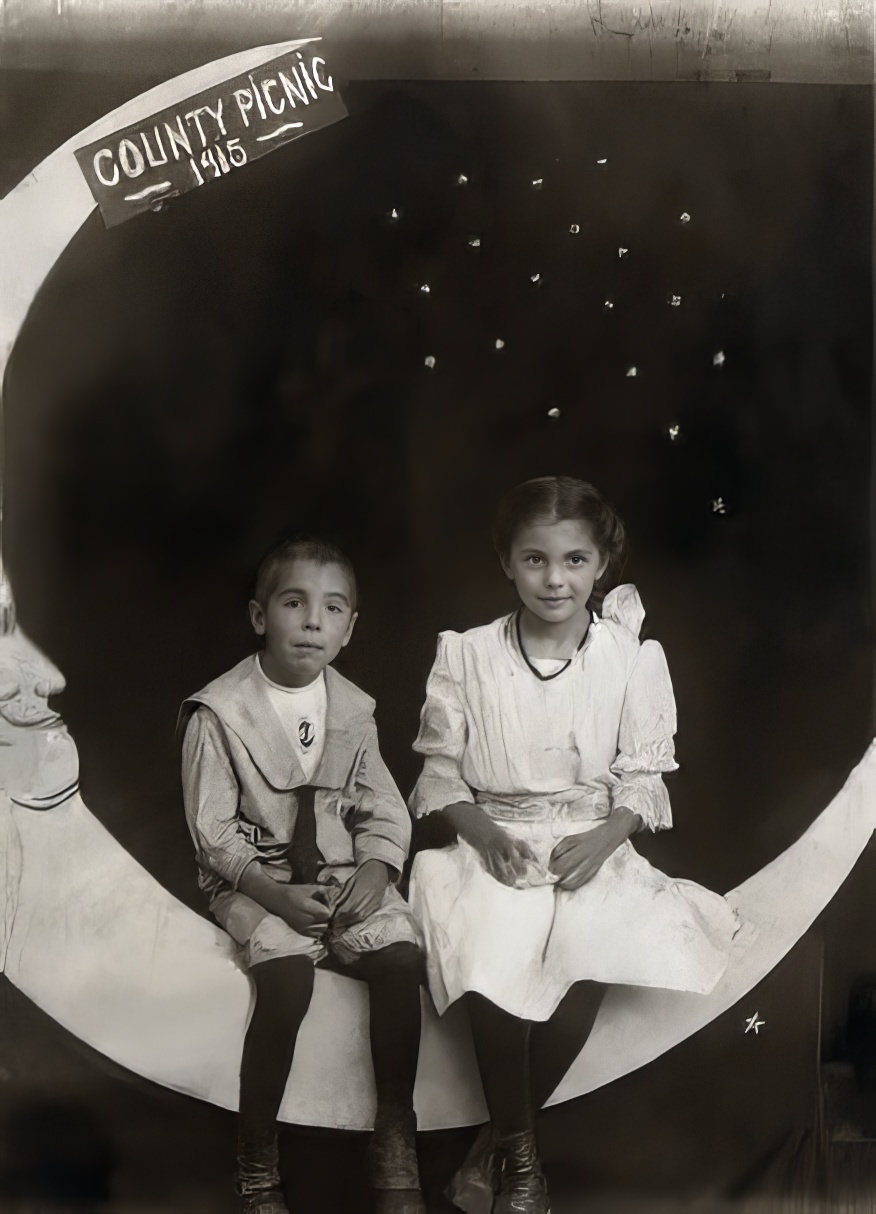
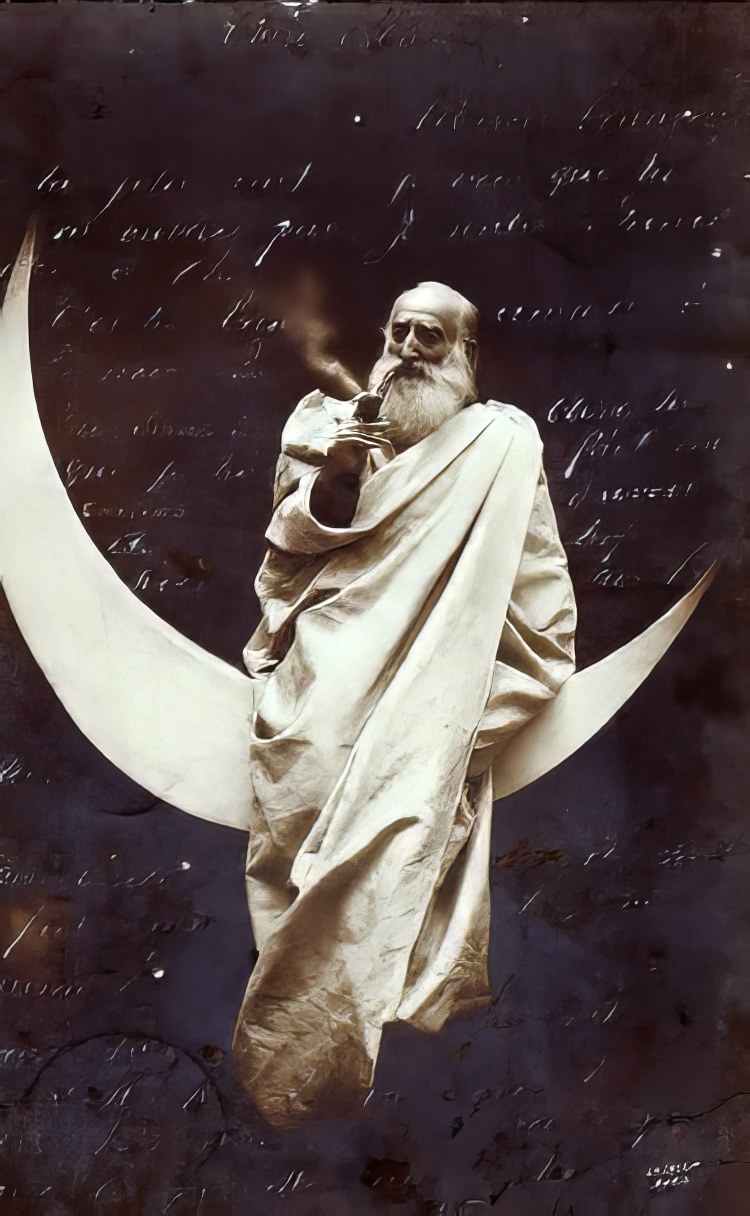
Long before anyone dreamed of a rocket reaching the moon, photographers found a way to send people there anyway. In the early 1900s, photo studios across the country introduced a prop that became a sensation: the paper moon. It was exactly what it sounds like — a large crescent moon cutout, often mounted on a stand, built to hold a person or two. The result was a portrait unlike anything a plain studio backdrop could produce.
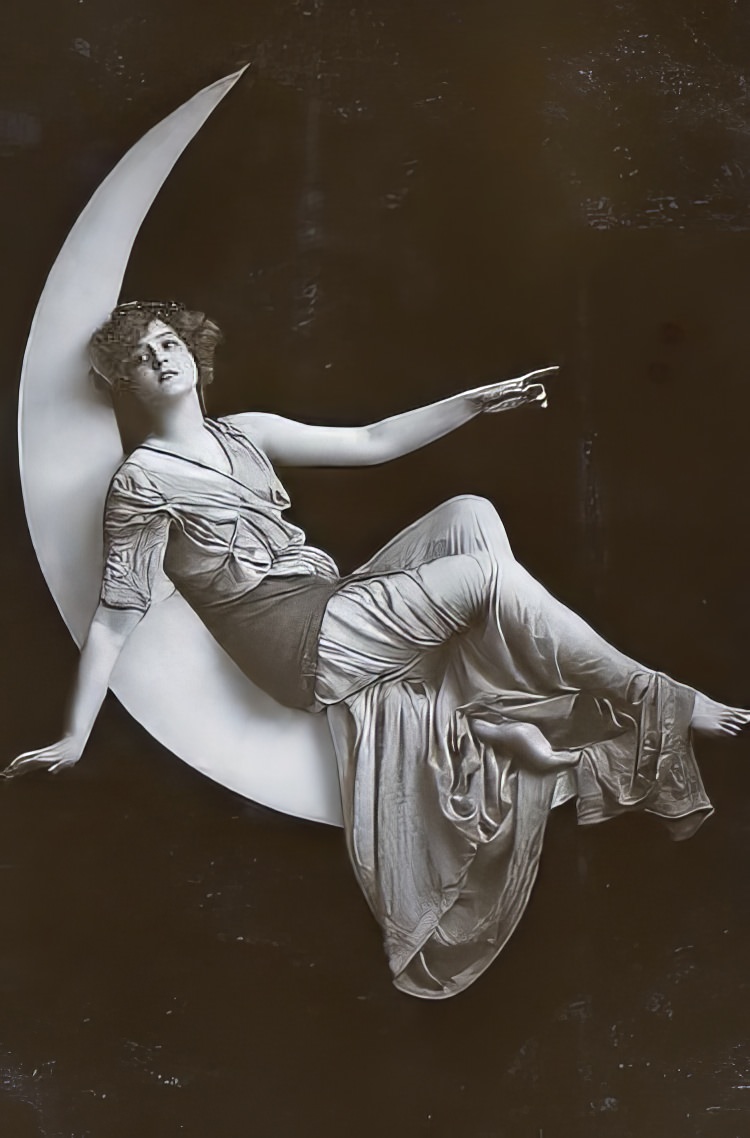
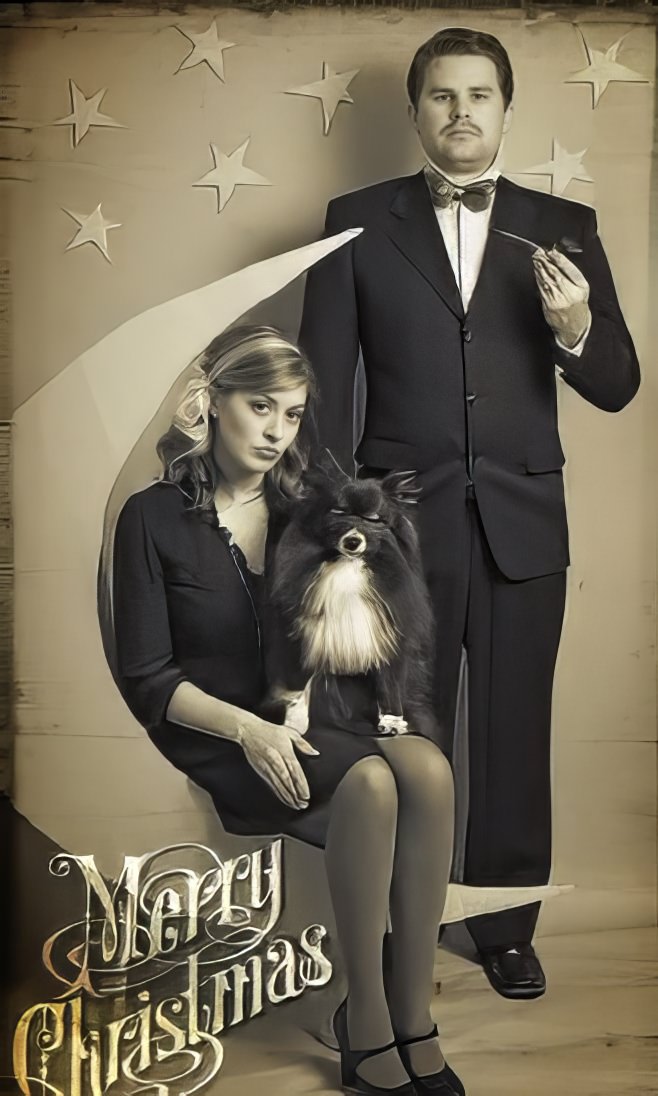
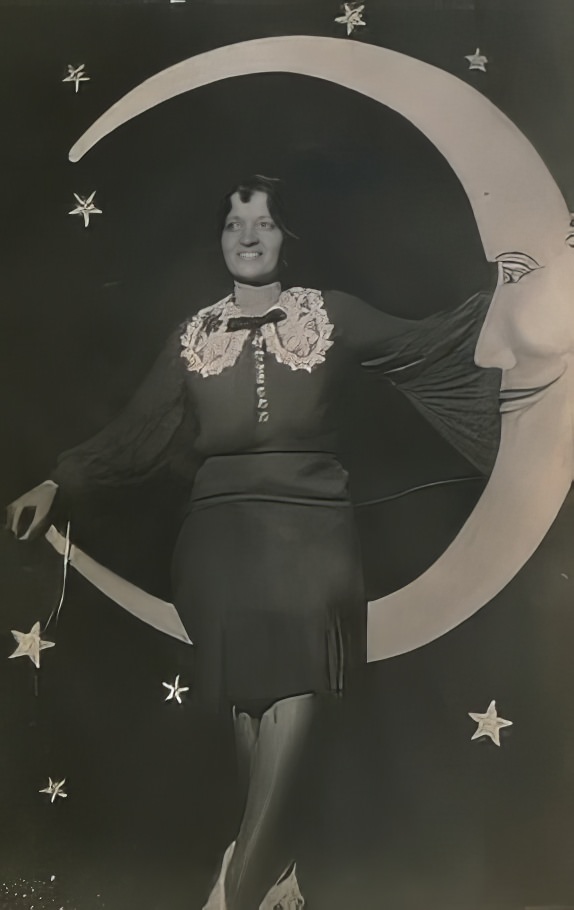
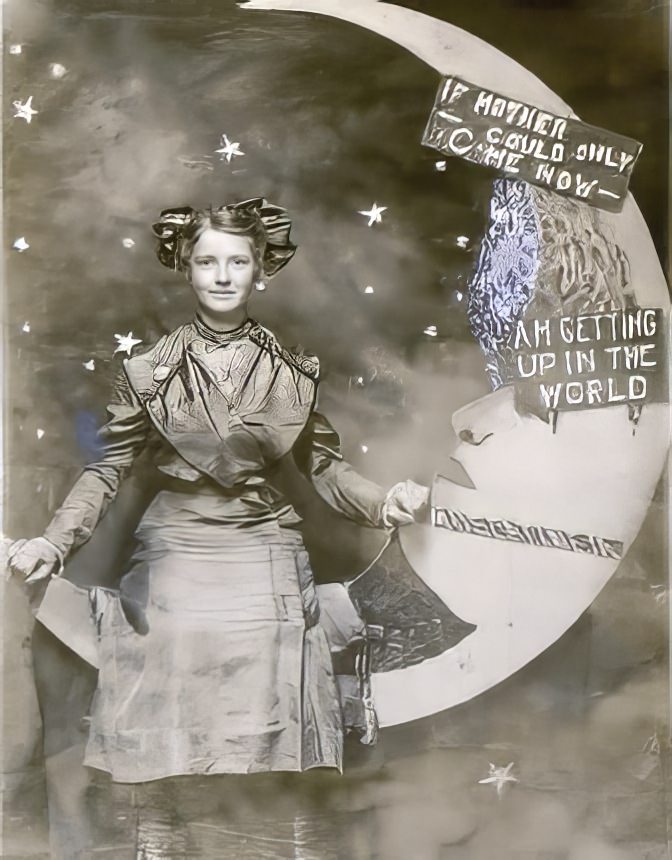
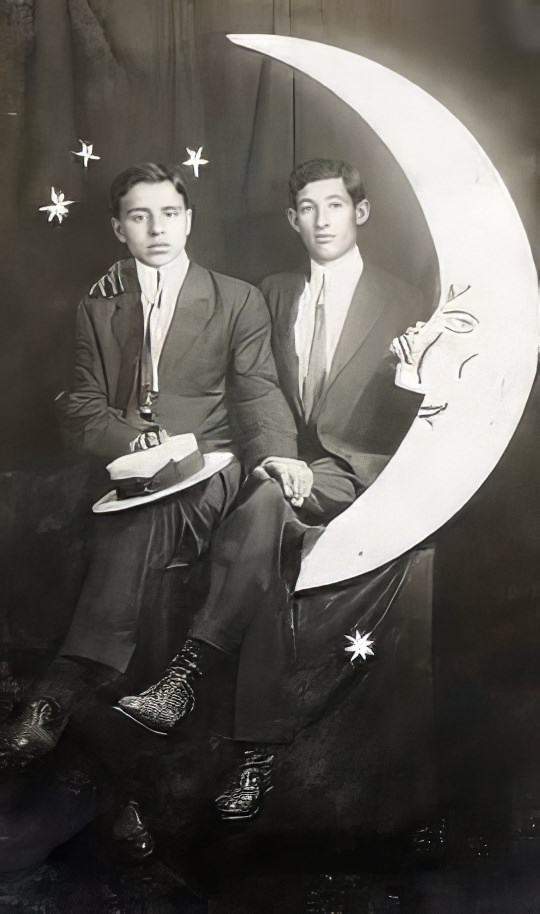
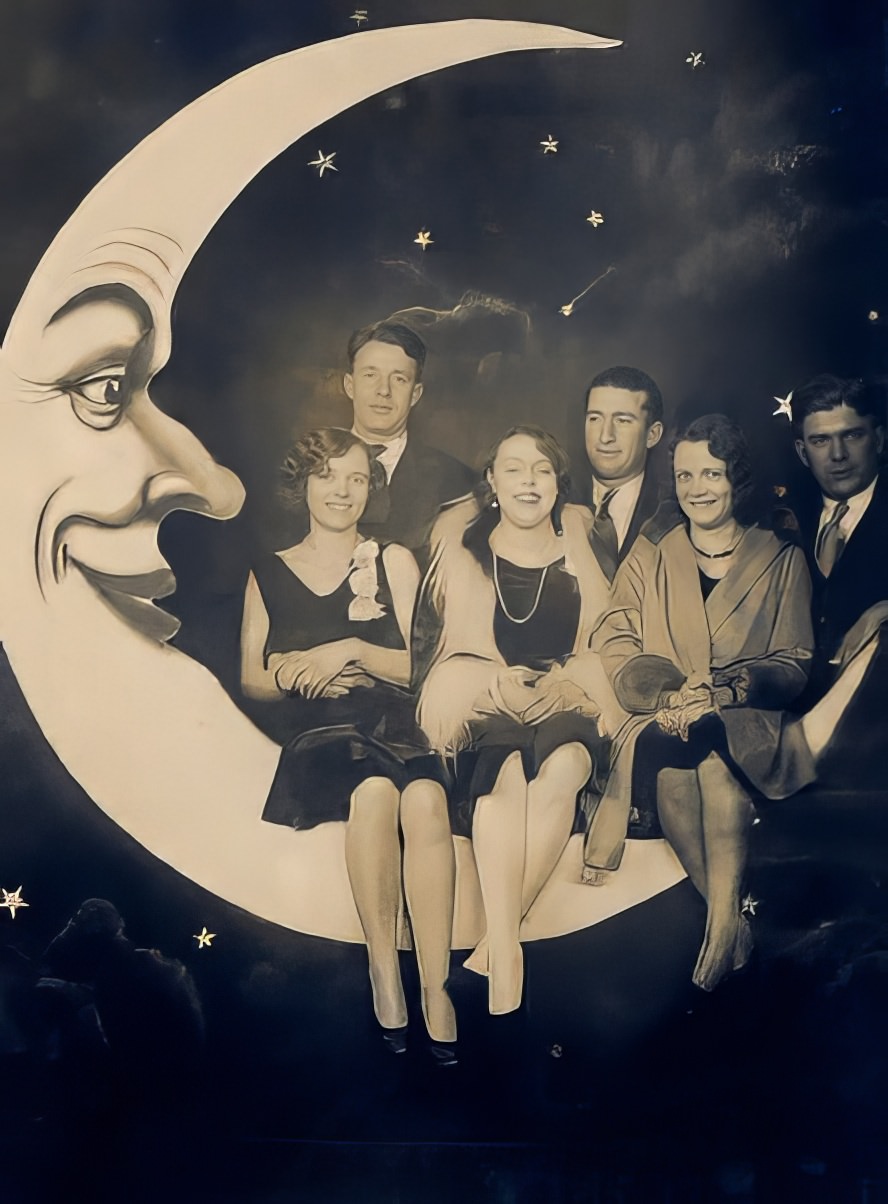
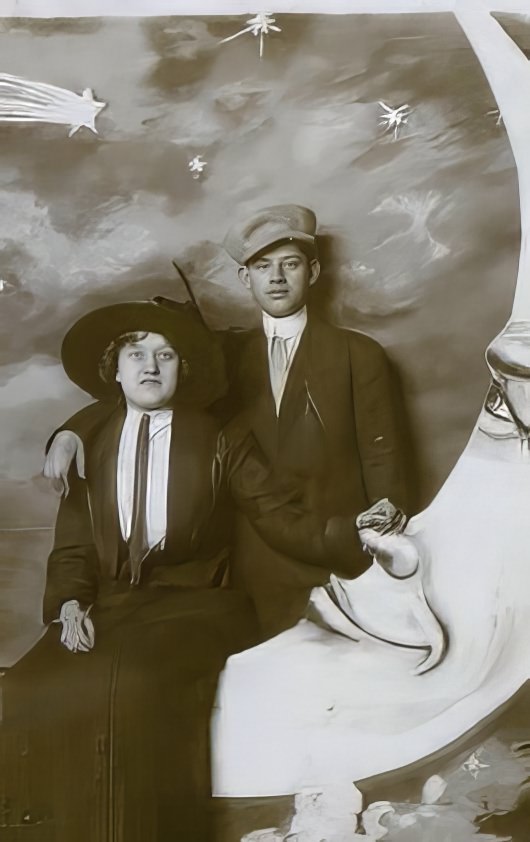
The poses varied widely. Some subjects sat perched inside the crescent’s curve, legs dangling over the edge. Others stood beside the moon or leaned against it with easy confidence. A few played it for laughs, stretching out across its surface as if settling in for a nap among the stars. Each pose added personality to what could have been a stiff, formal portrait.
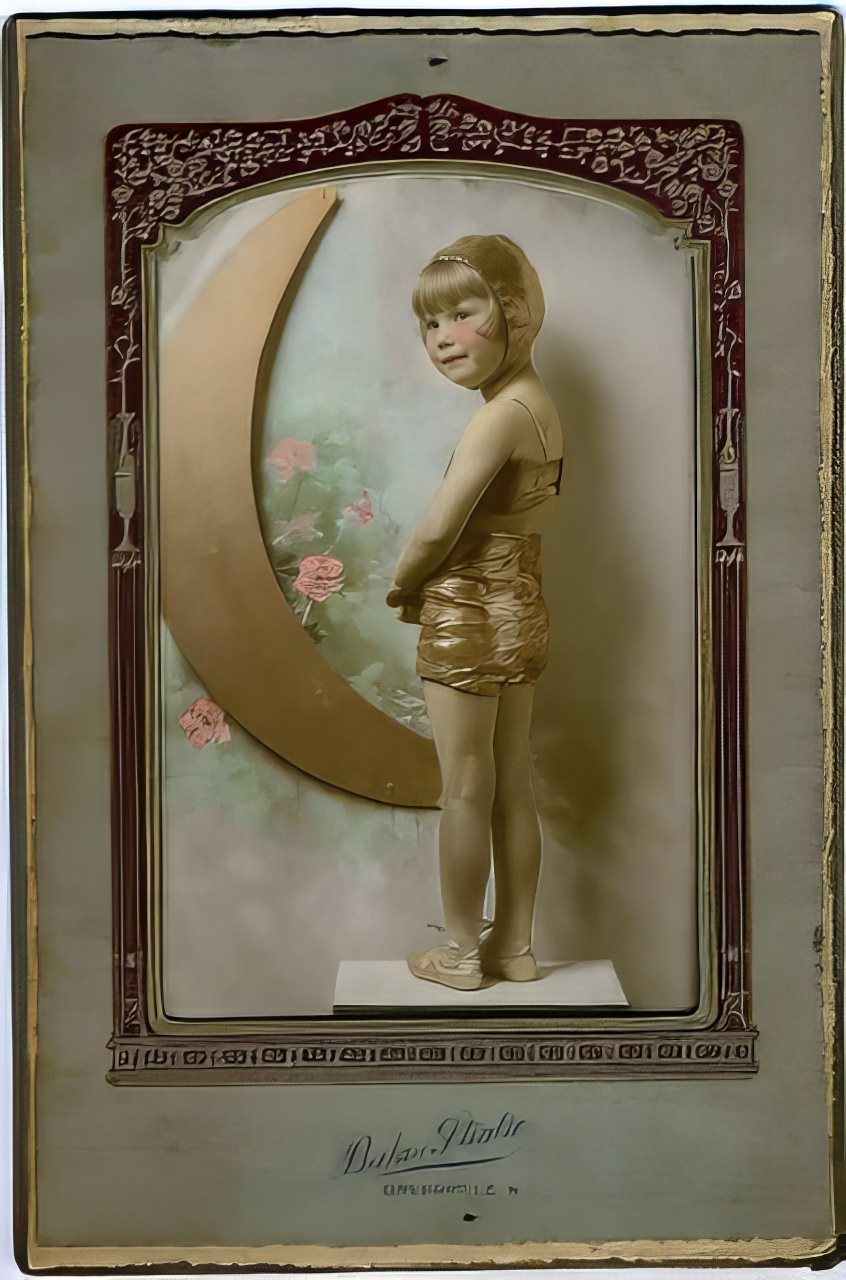
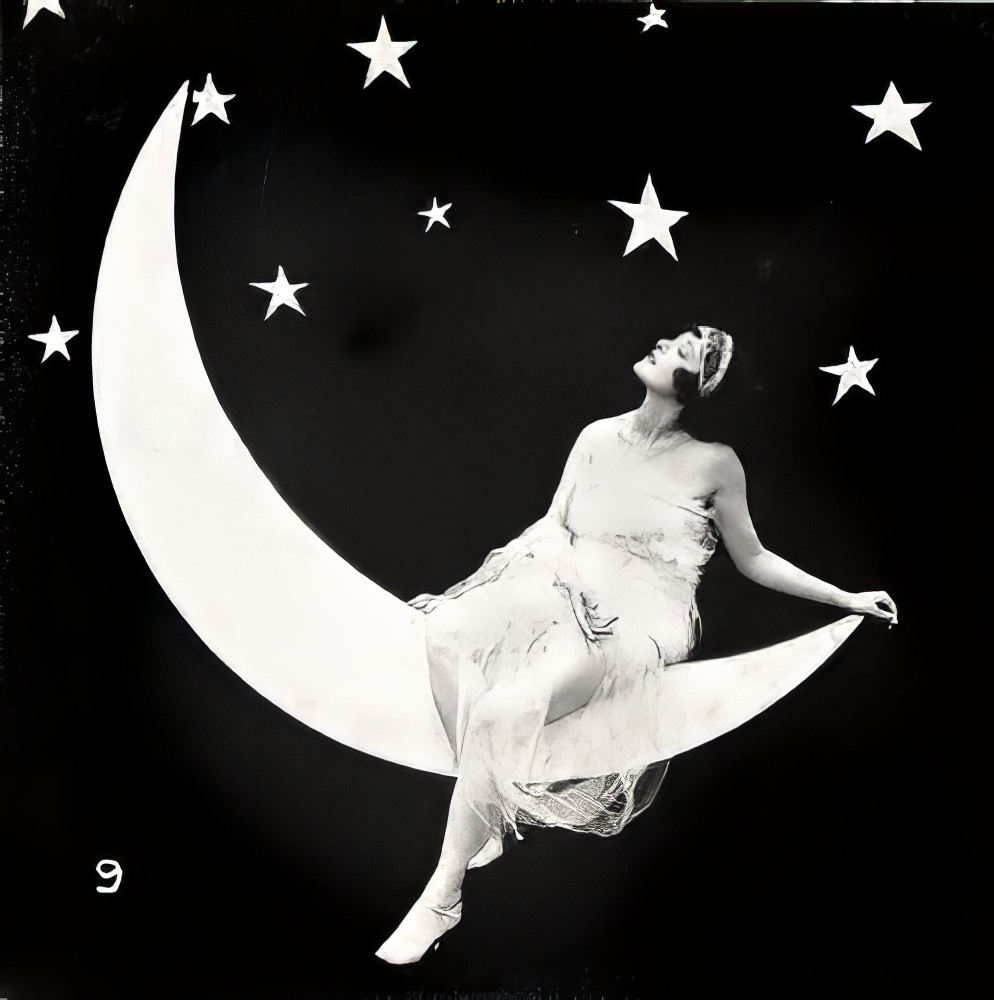
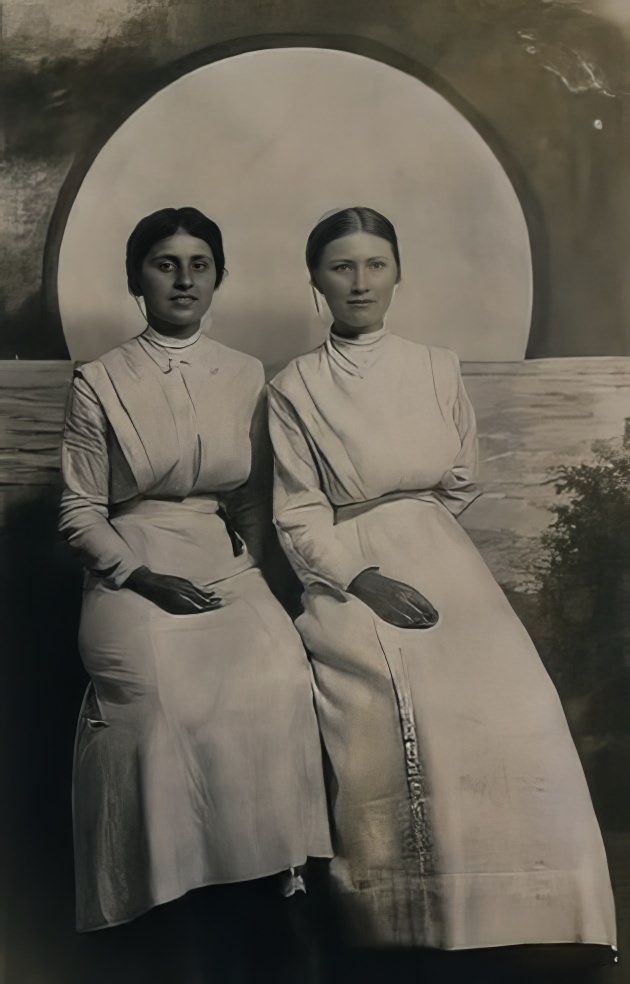
The clothing in these photos tells its own story. Men arrived in fitted suits, sometimes with hats. Women wore long skirts or dresses, their hair pinned up in the styles of the era. These were not casual snapshots — visiting a photo studio was an occasion, and people dressed accordingly.
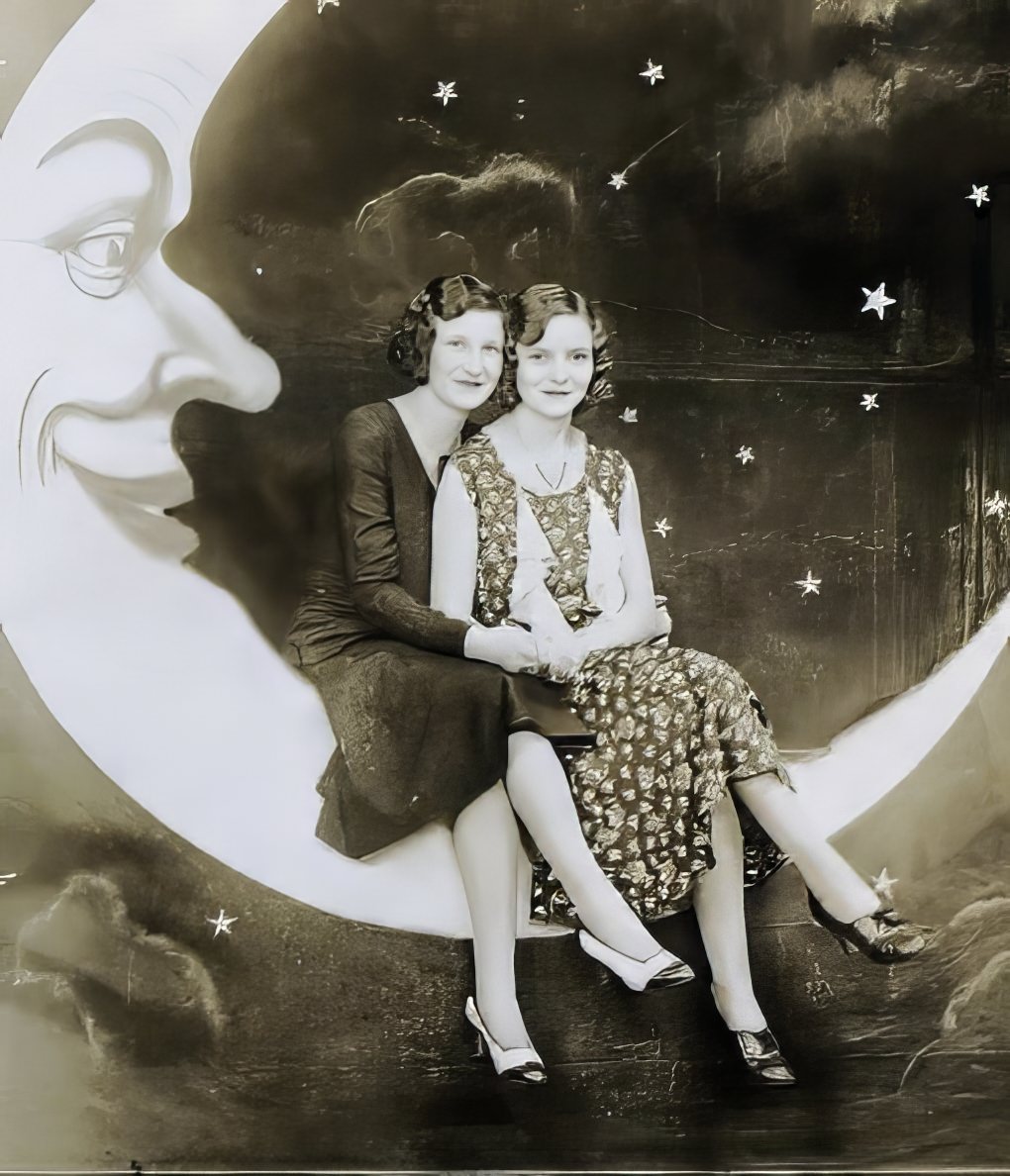
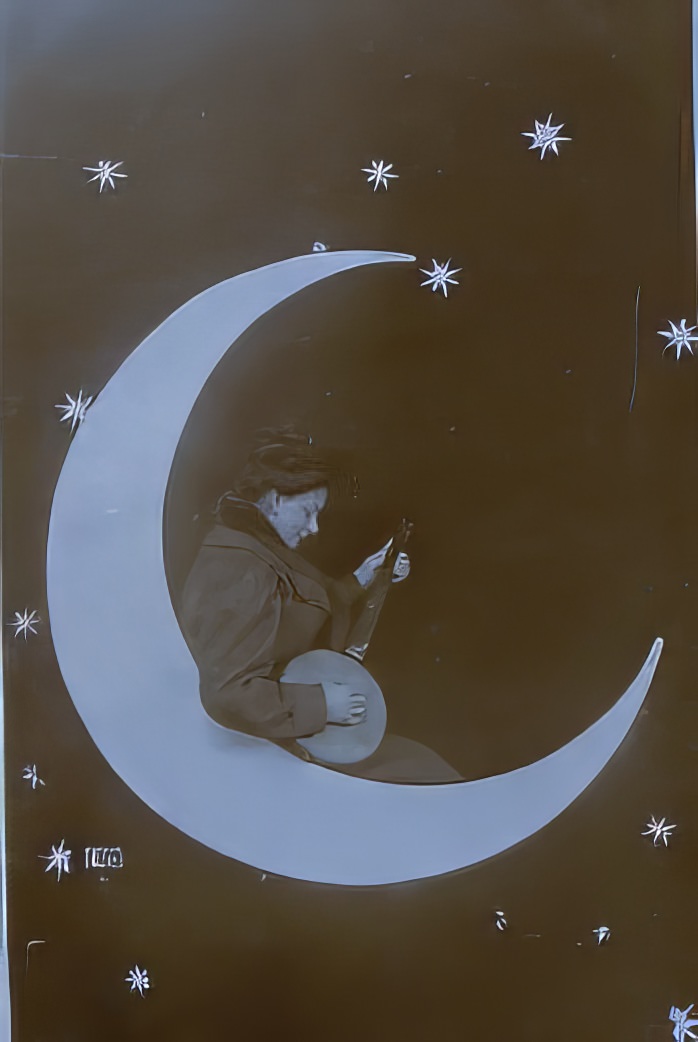
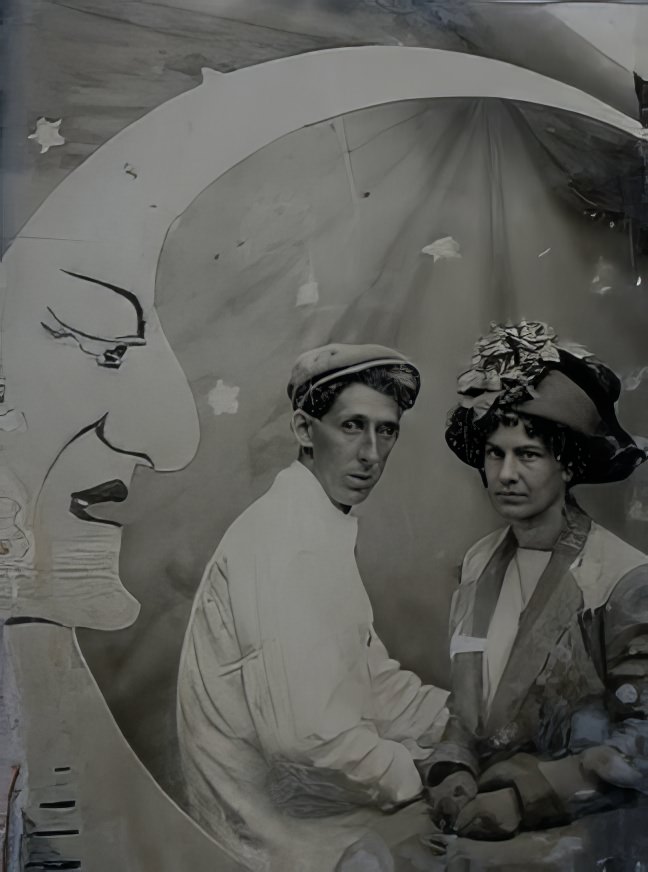
Photography was still a relatively new luxury for most families at this time. Having a portrait taken was a meaningful event. The paper moon prop gave studios a way to offer something fresh — a bit of fantasy layered on top of the usual formal portrait sitting.
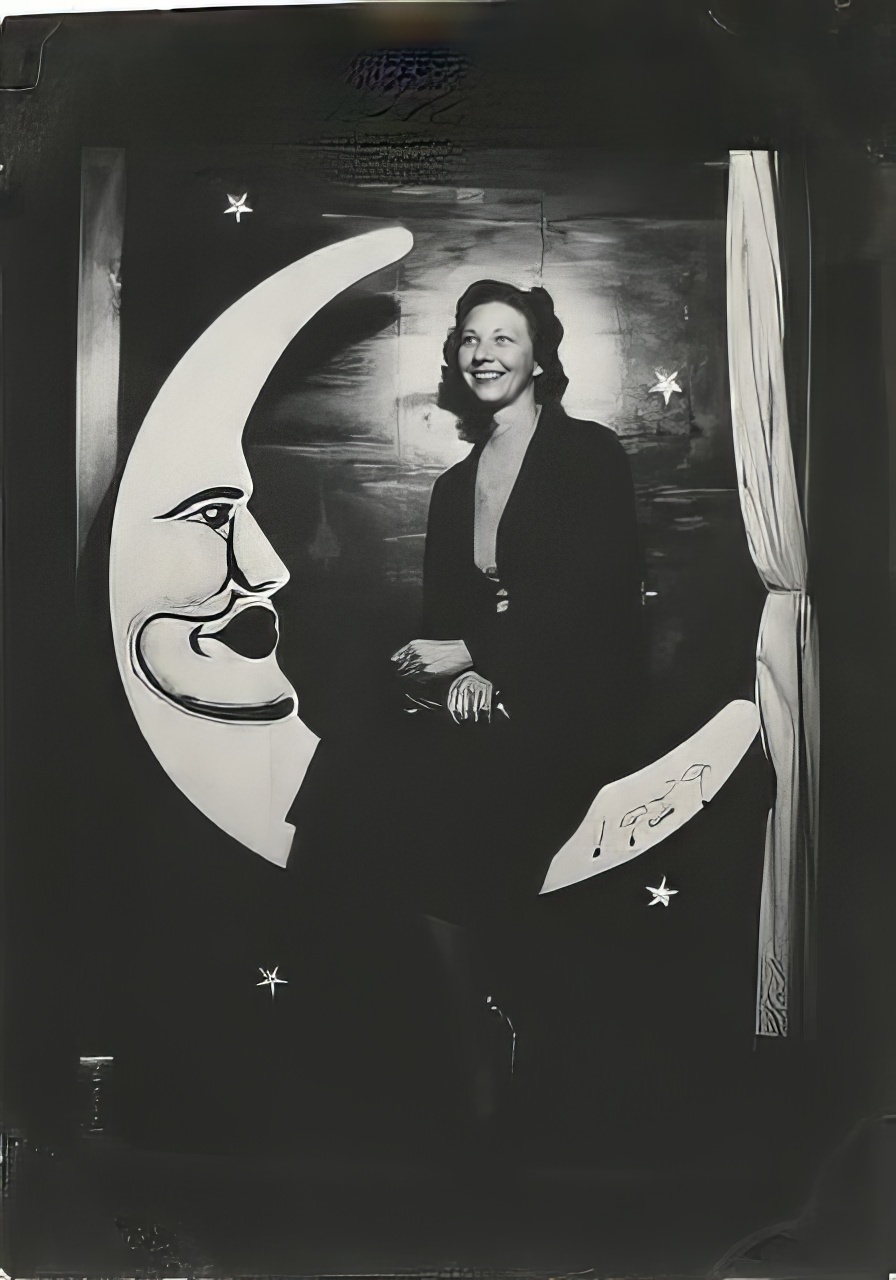
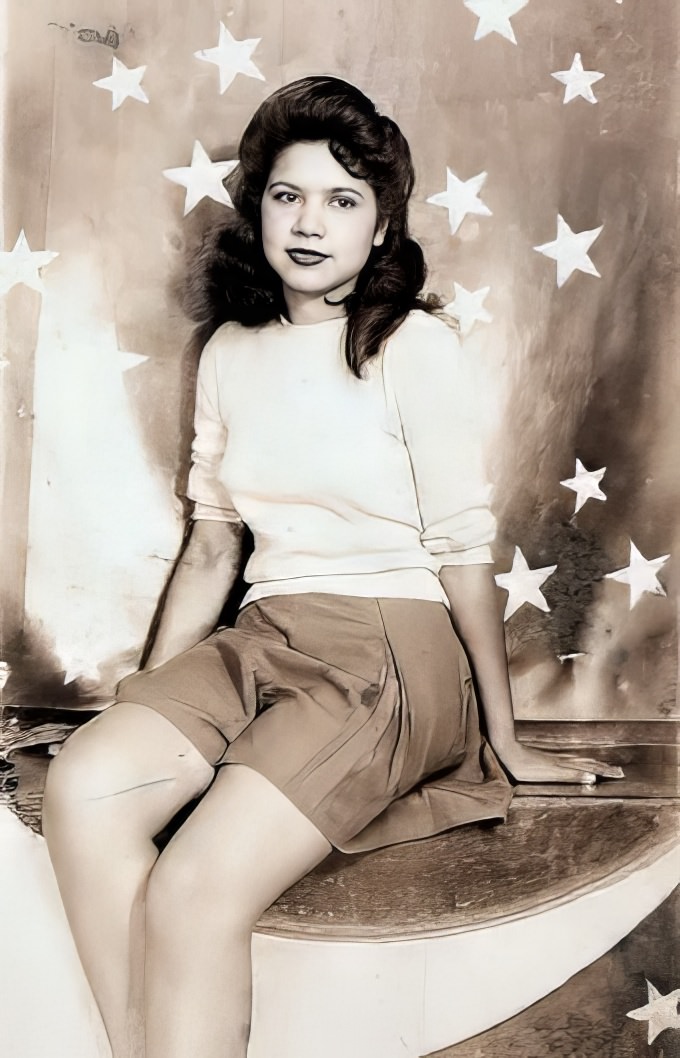
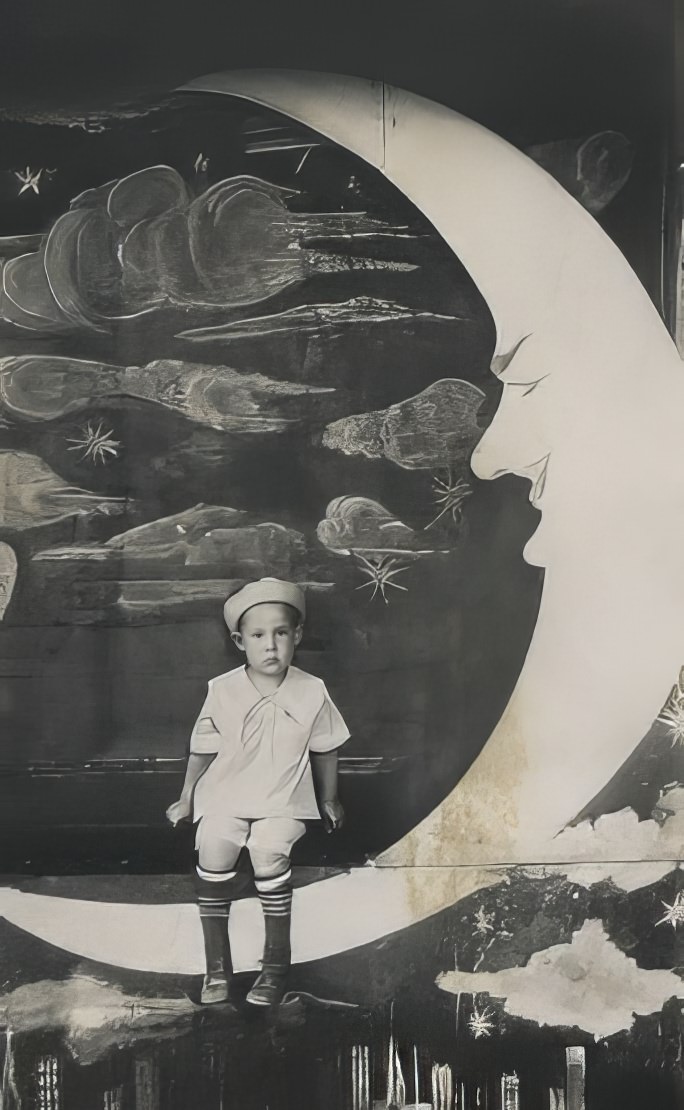
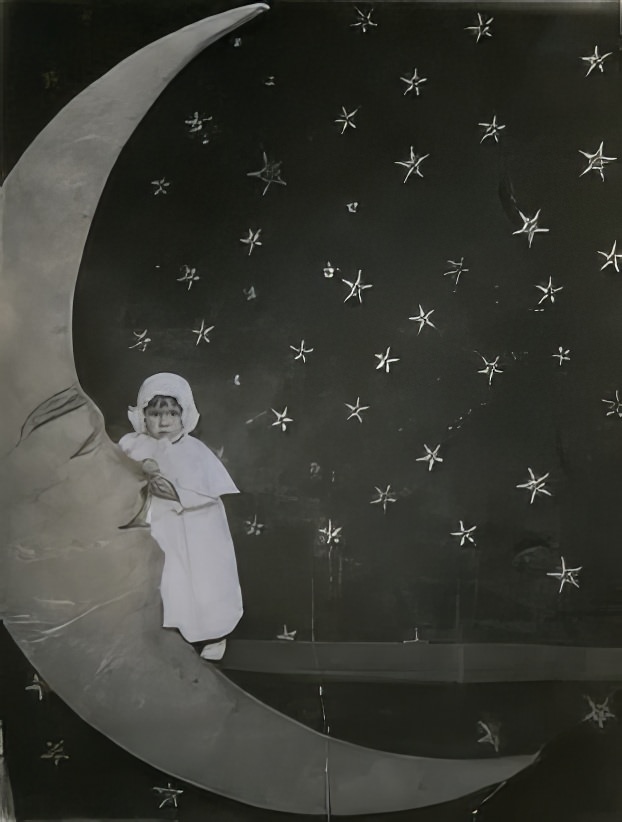
Children, couples, friends, and solo sitters all took their turn on the moon. The prop worked for nearly any subject. A small child tucked into the crescent looked whimsical. A couple posed together looked romantic. The moon prop had a rare flexibility that few studio gimmicks could match.
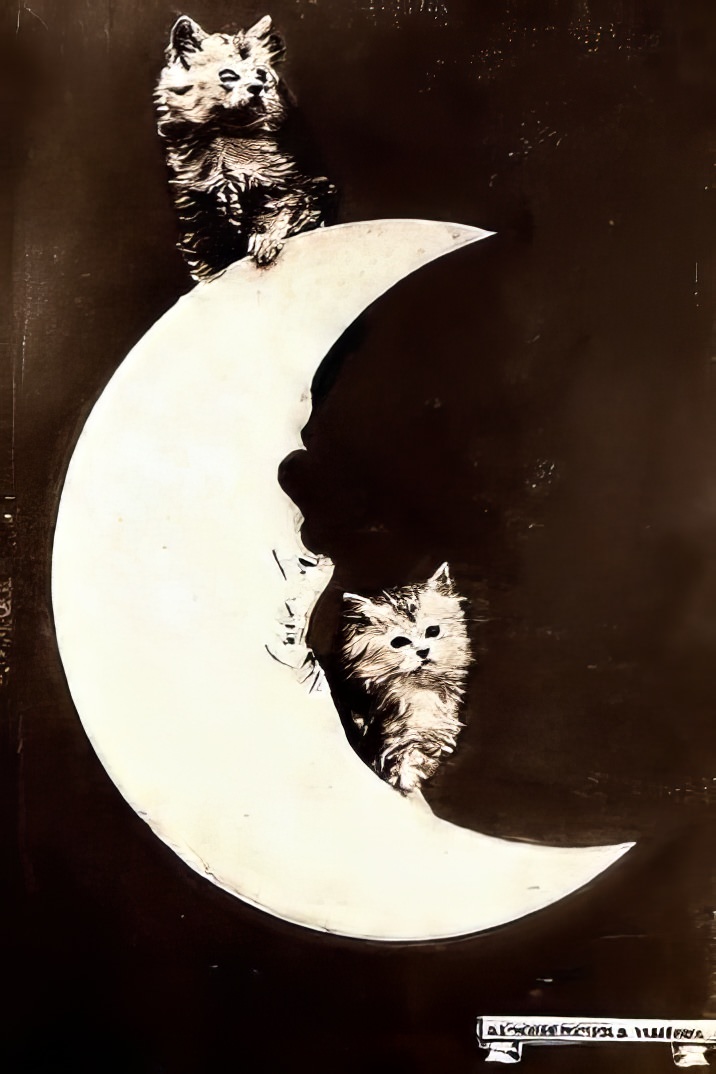
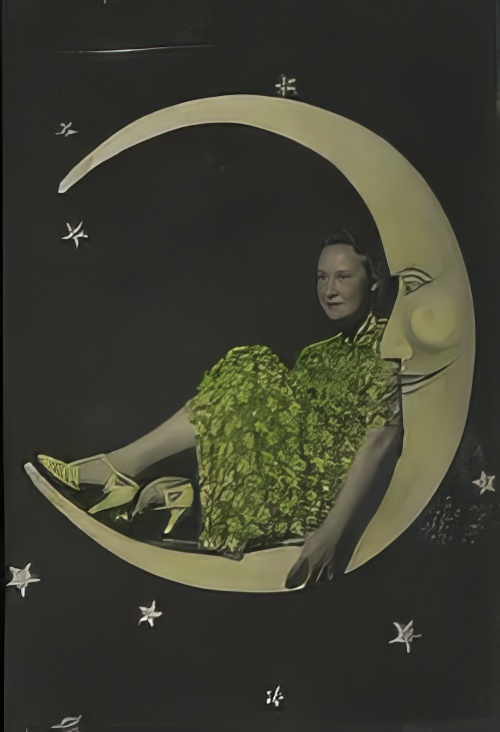
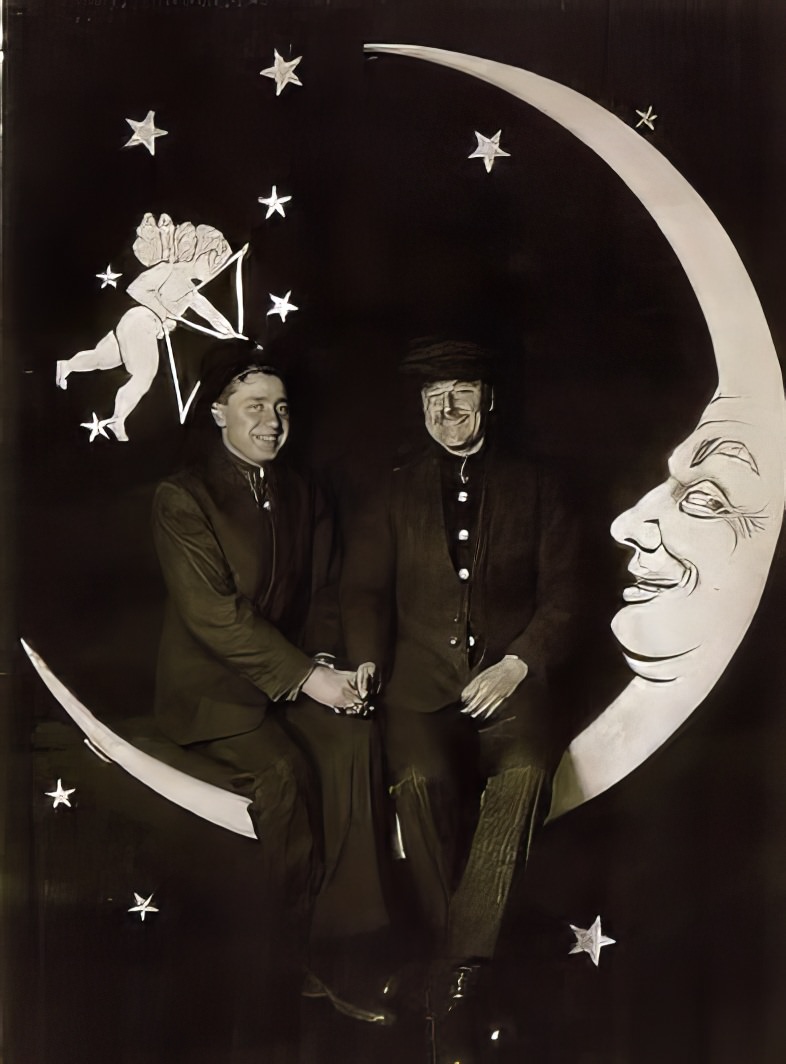
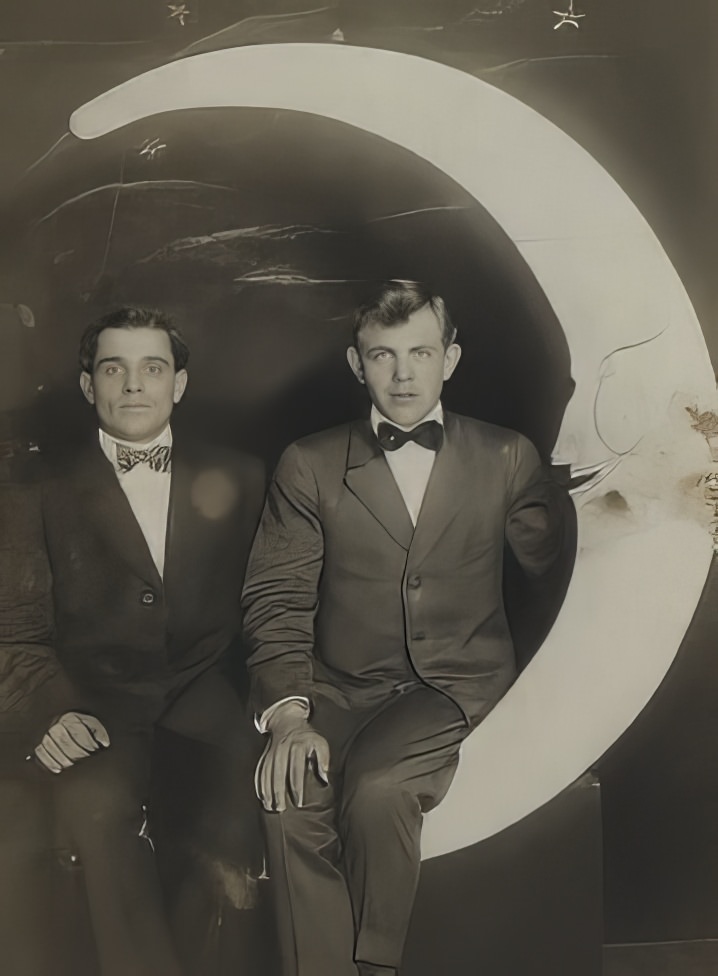
The trend spread widely, turning up in studios large and small. These photos survive today as a vivid record of everyday people stepping — just for a moment — into something extraordinary.