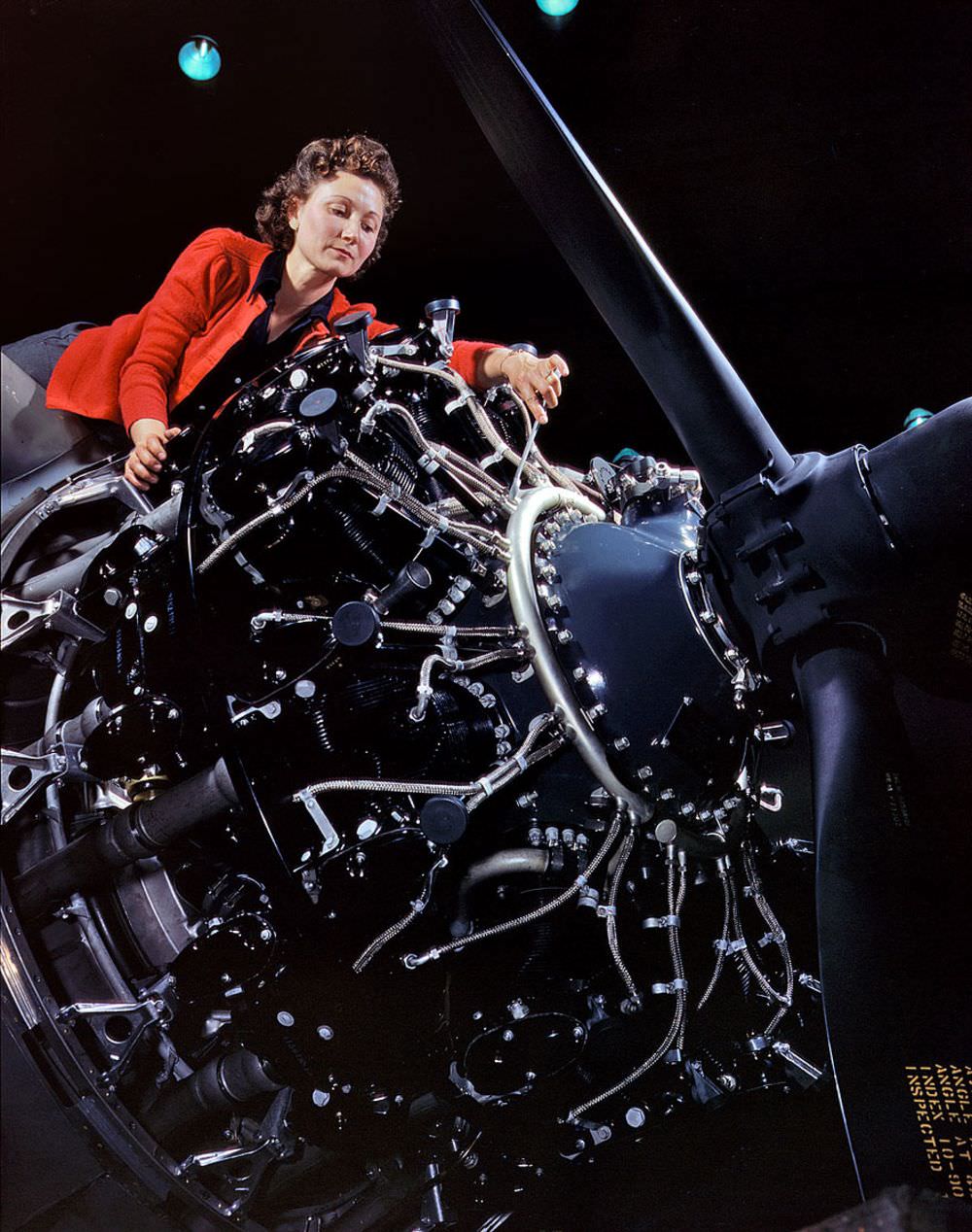
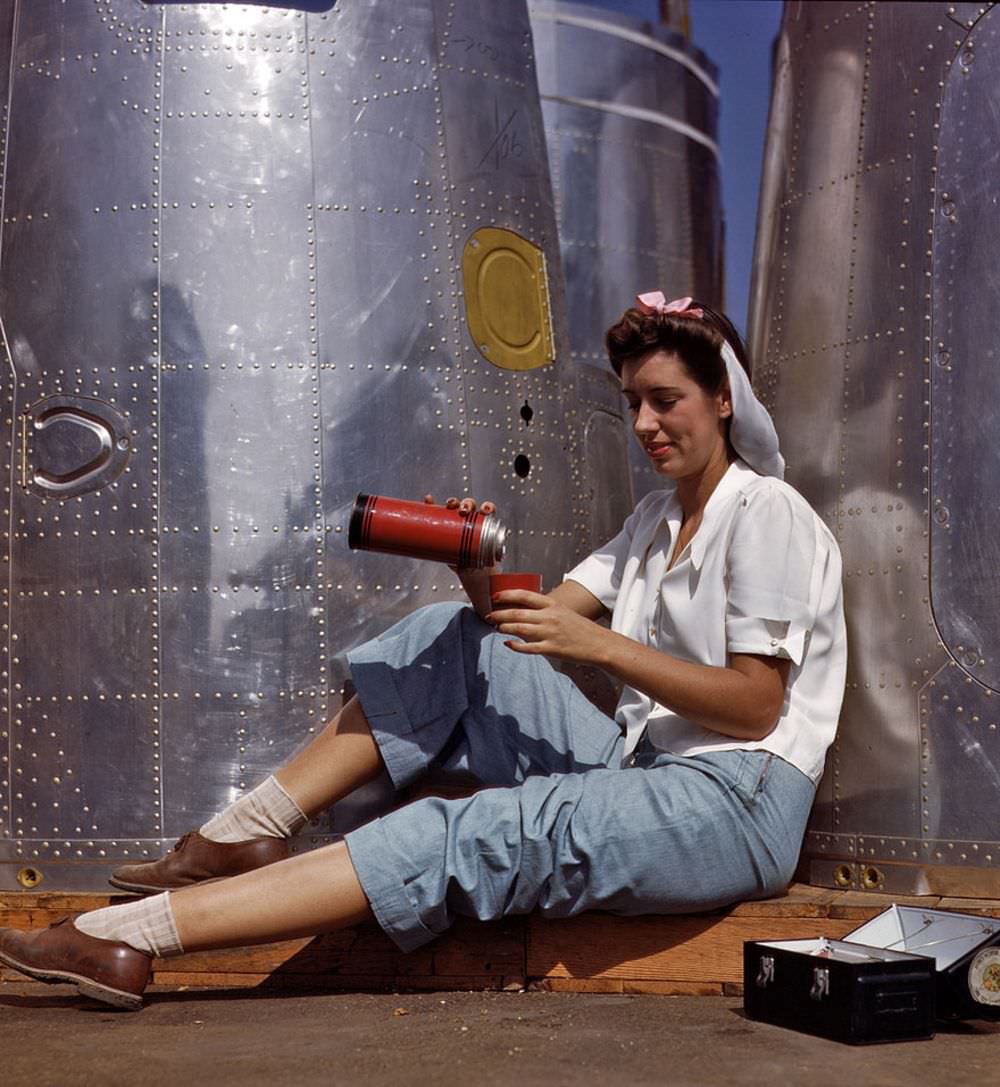
When the United States entered World War II, millions of men shipped overseas. Factories, shipyards, and aircraft plants suddenly had far too few workers. The government moved fast. The War Manpower Commission was created specifically to recruit people for essential war industries — and women became the central focus of that effort.
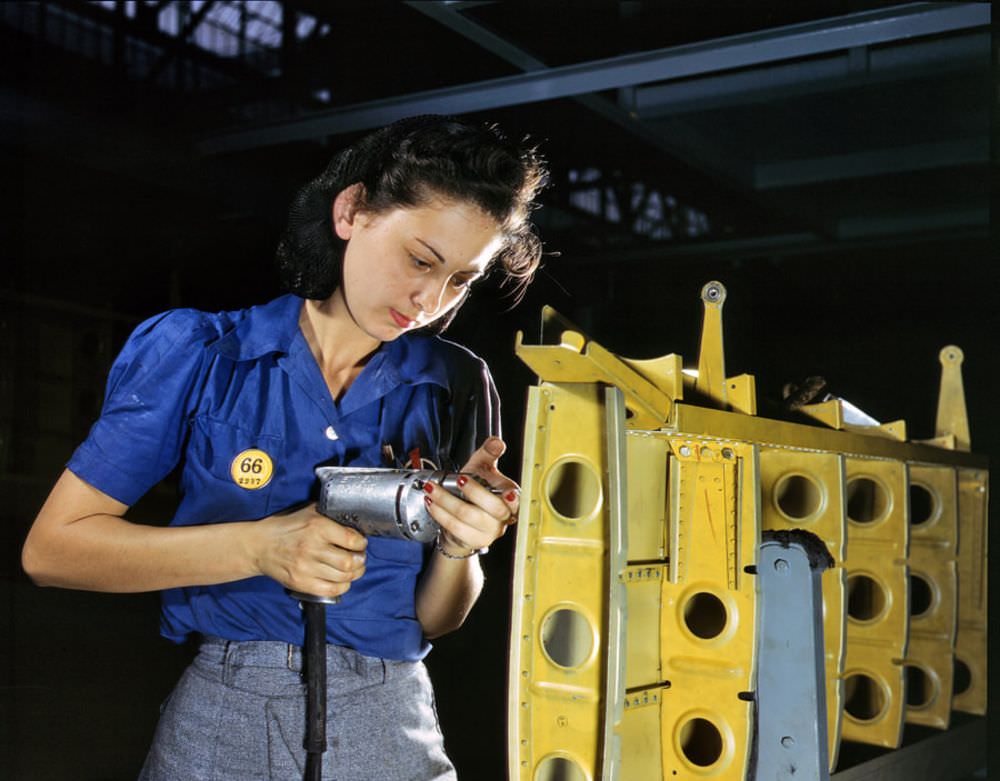
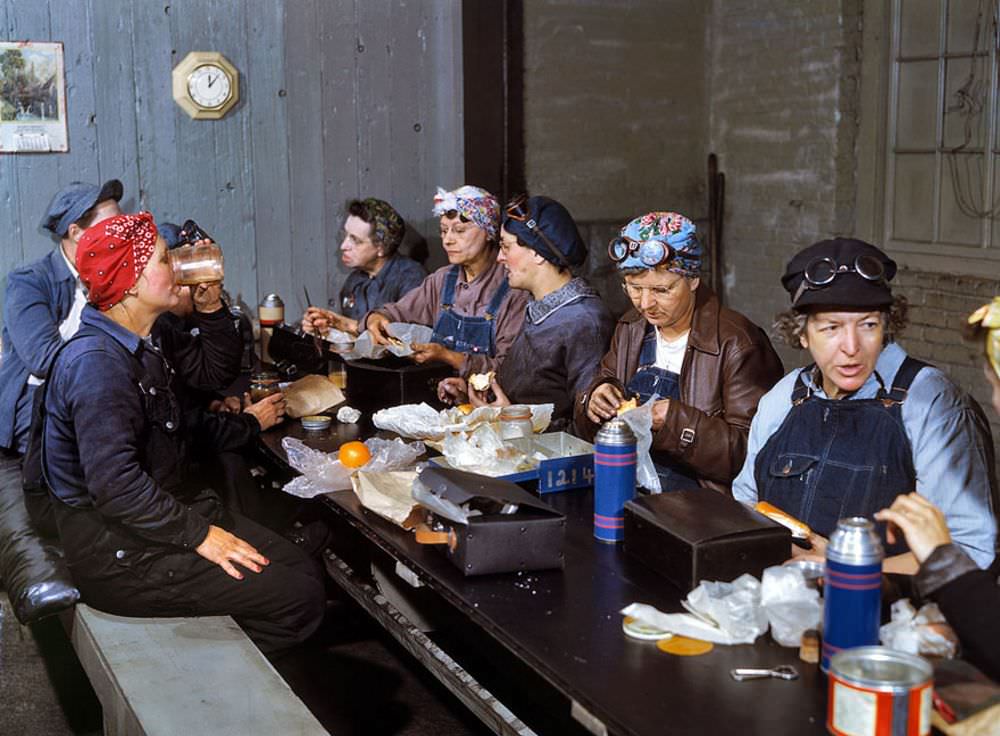
Before the war, working women were mostly from lower-income families, and many were from minority groups. Society widely believed middle- and upper-class women had no place in the workforce. The War Manpower Commission had to fight two fronts: convincing skeptical men, and convincing women themselves to rethink deeply held ideas about working outside the home.
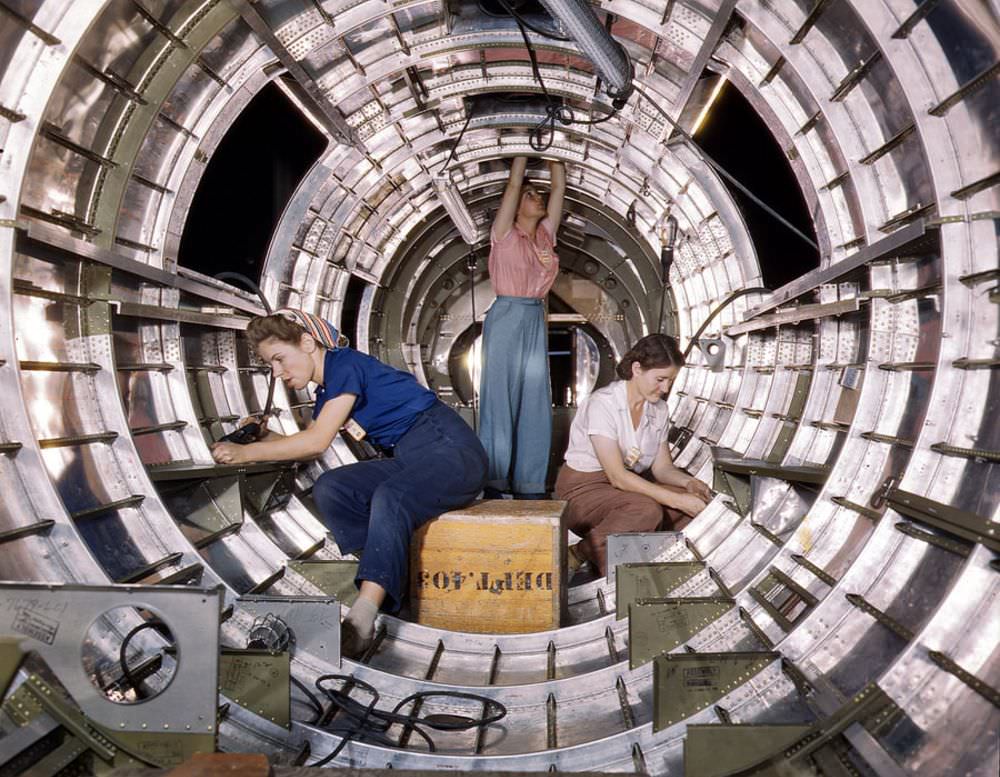
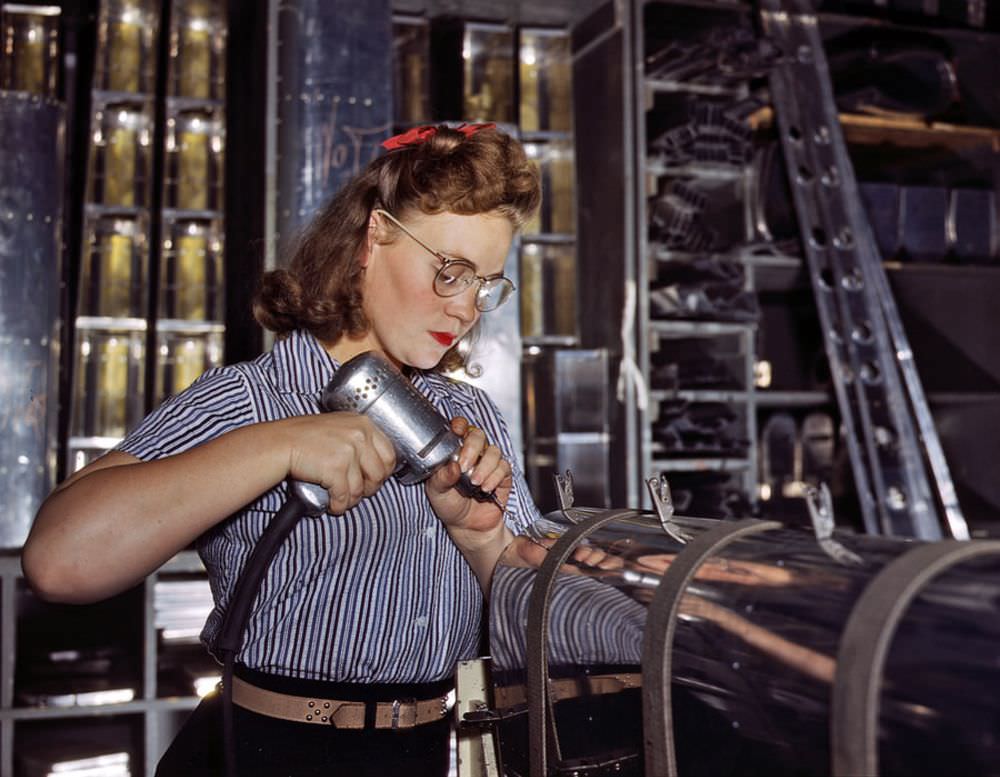
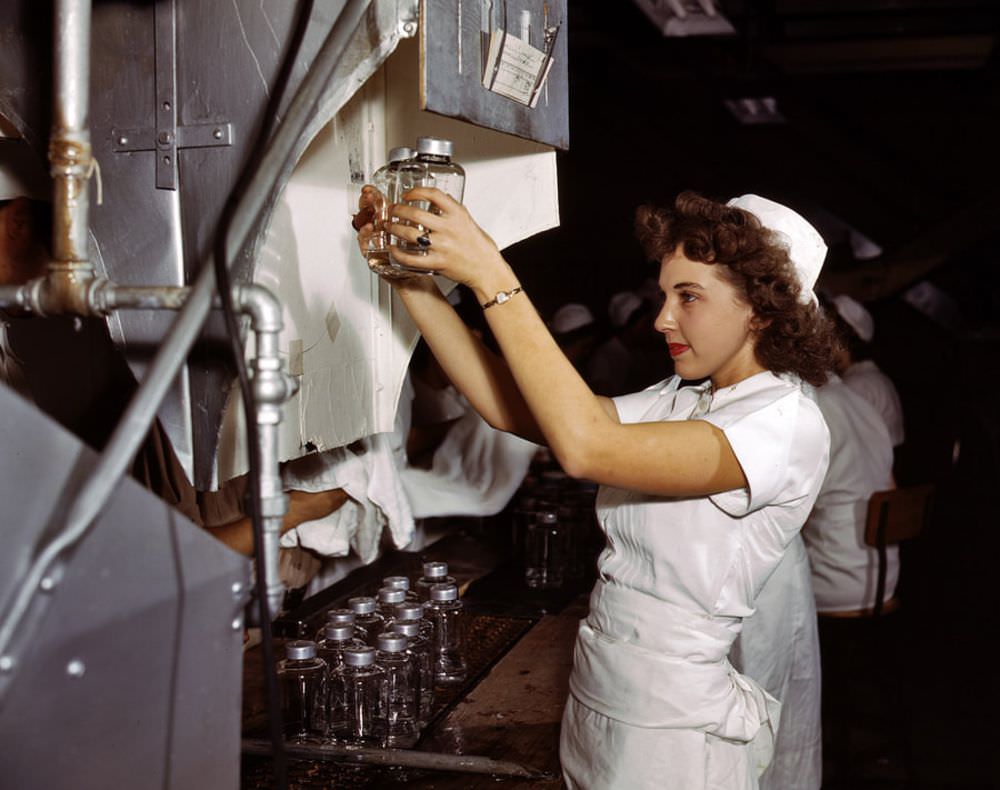
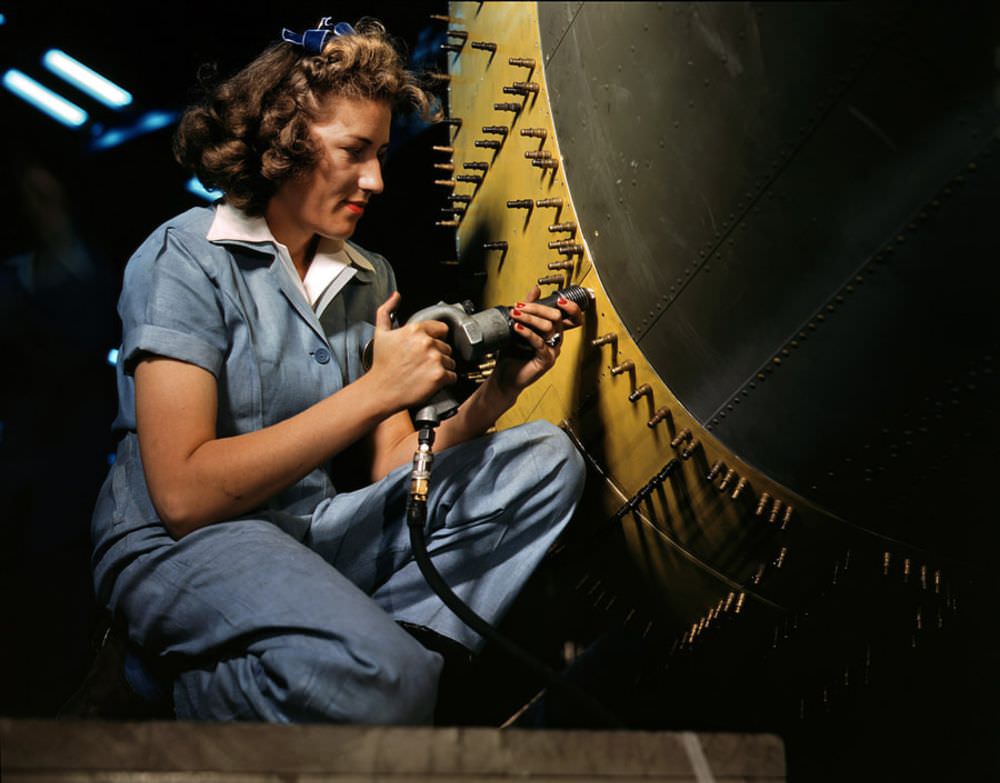
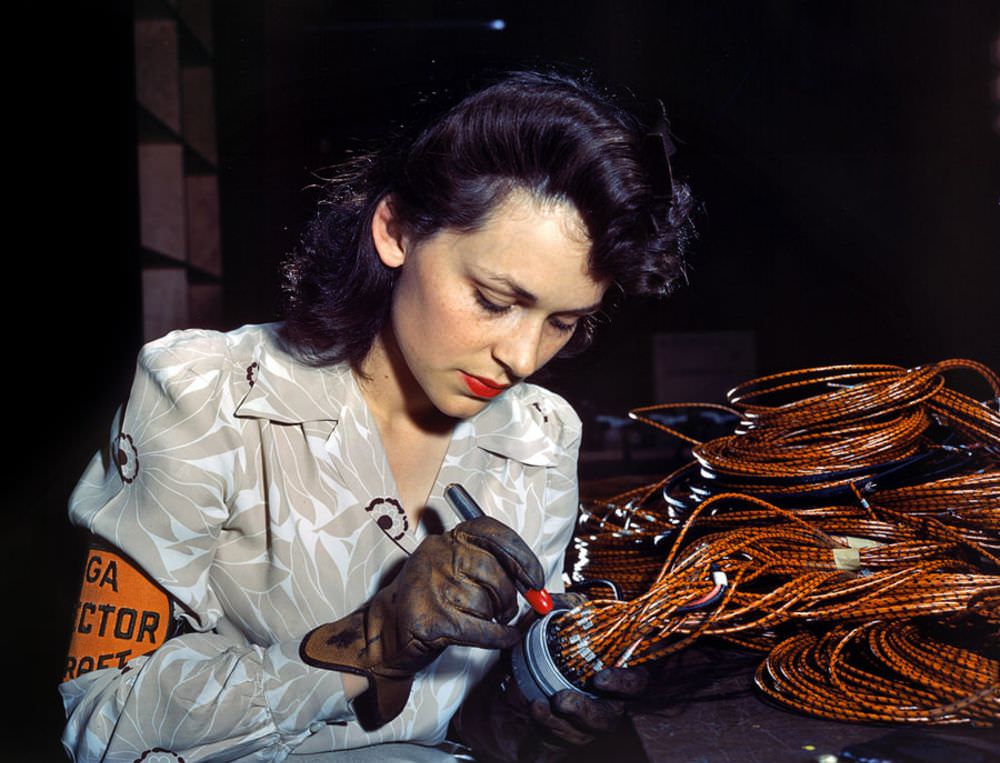
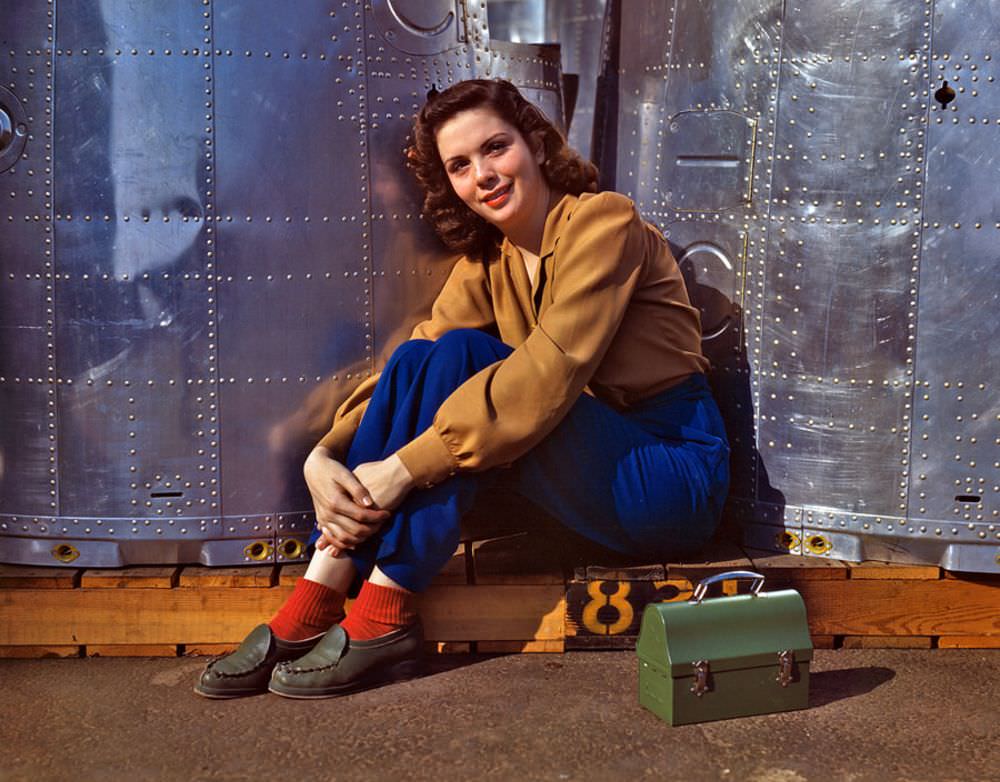
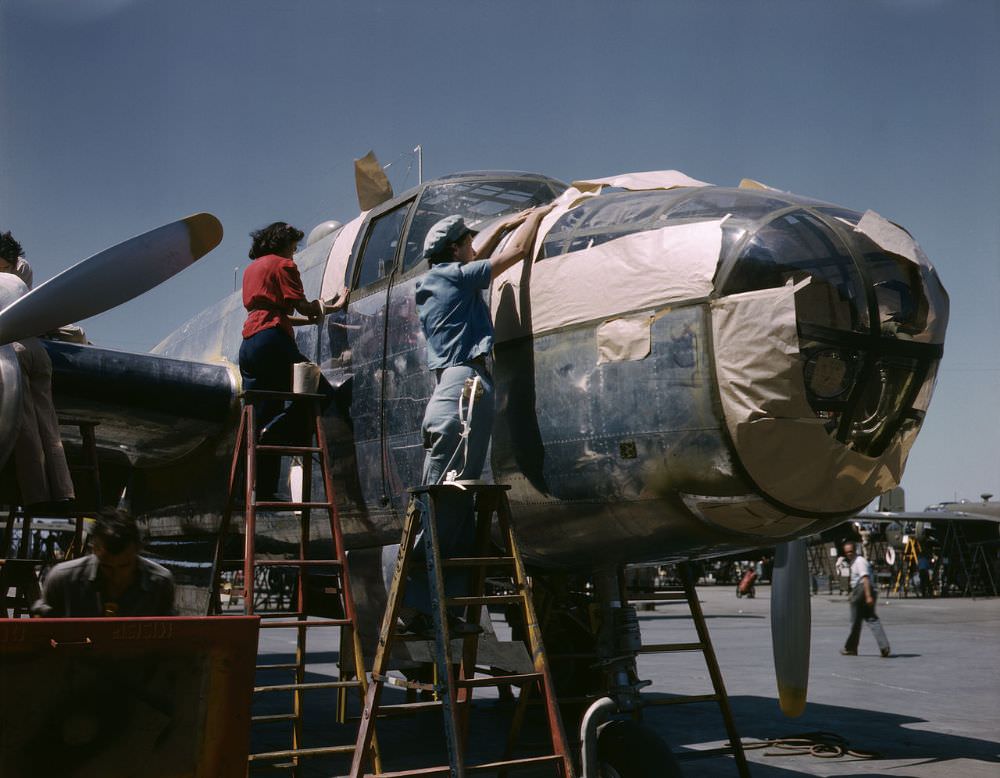
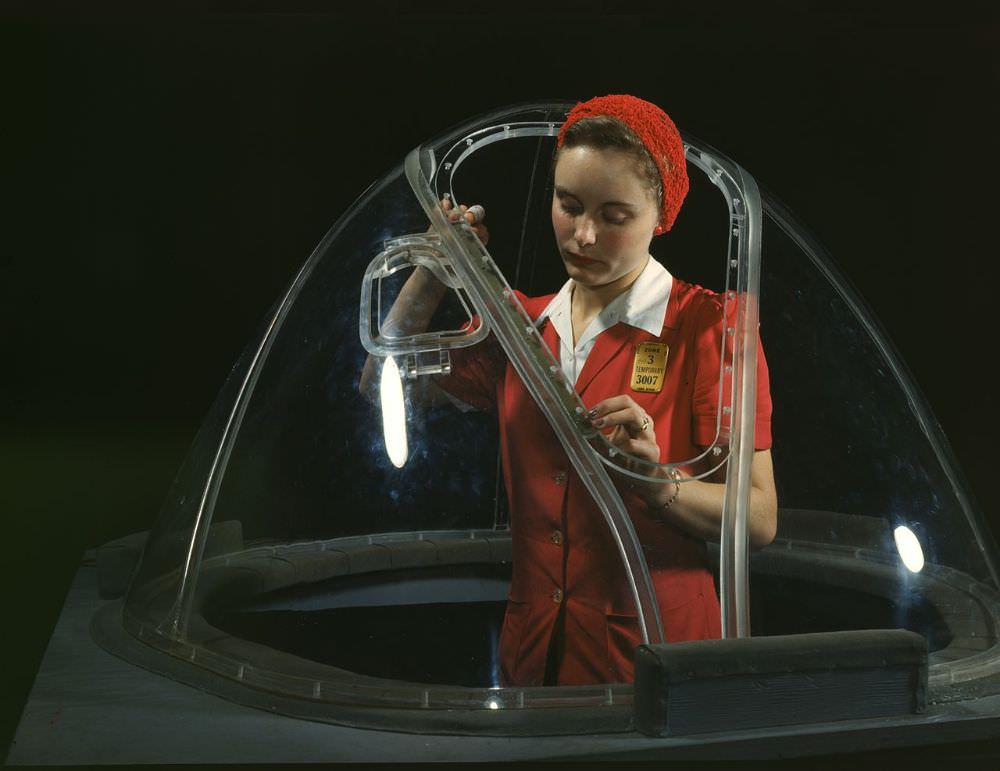
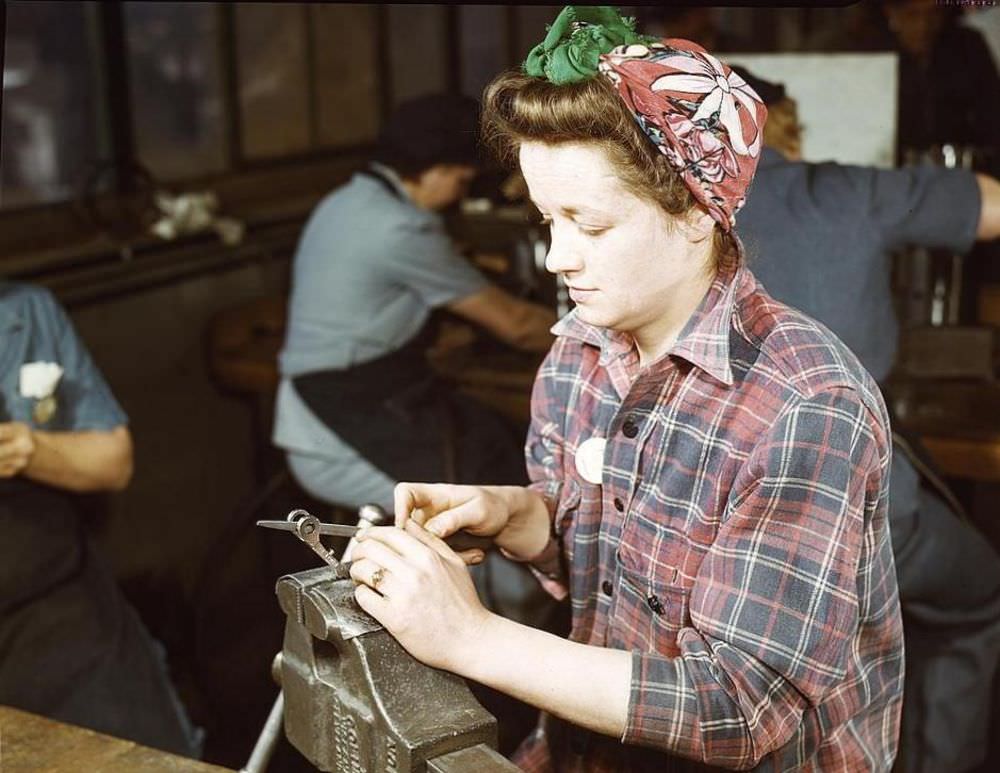
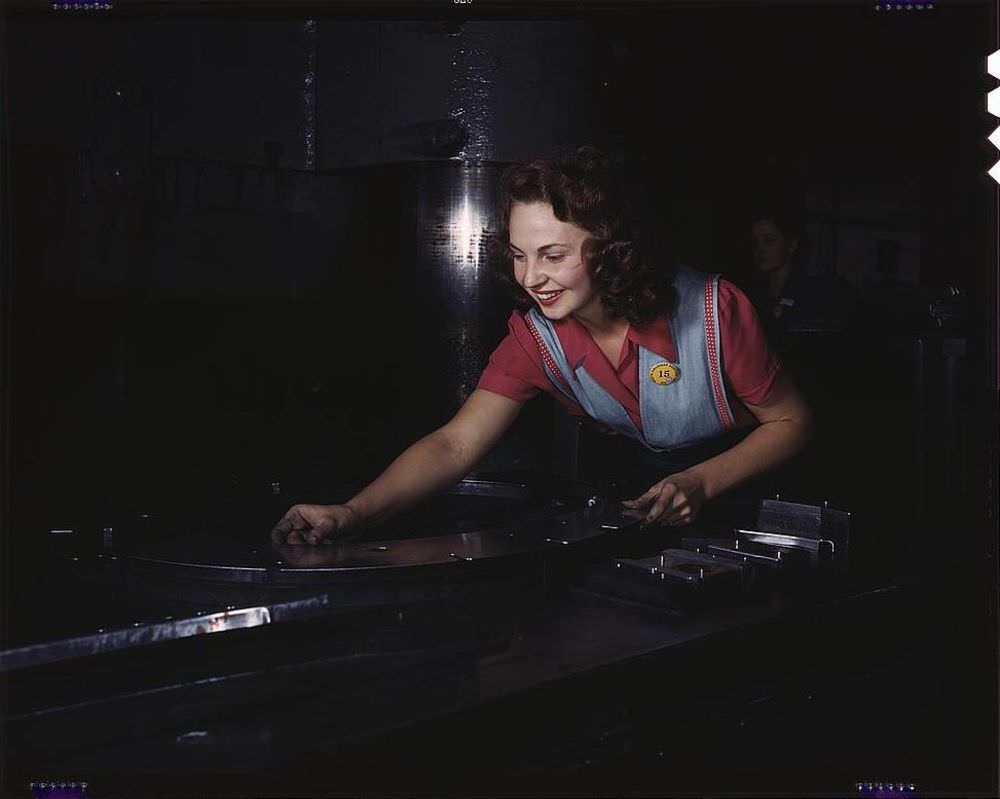
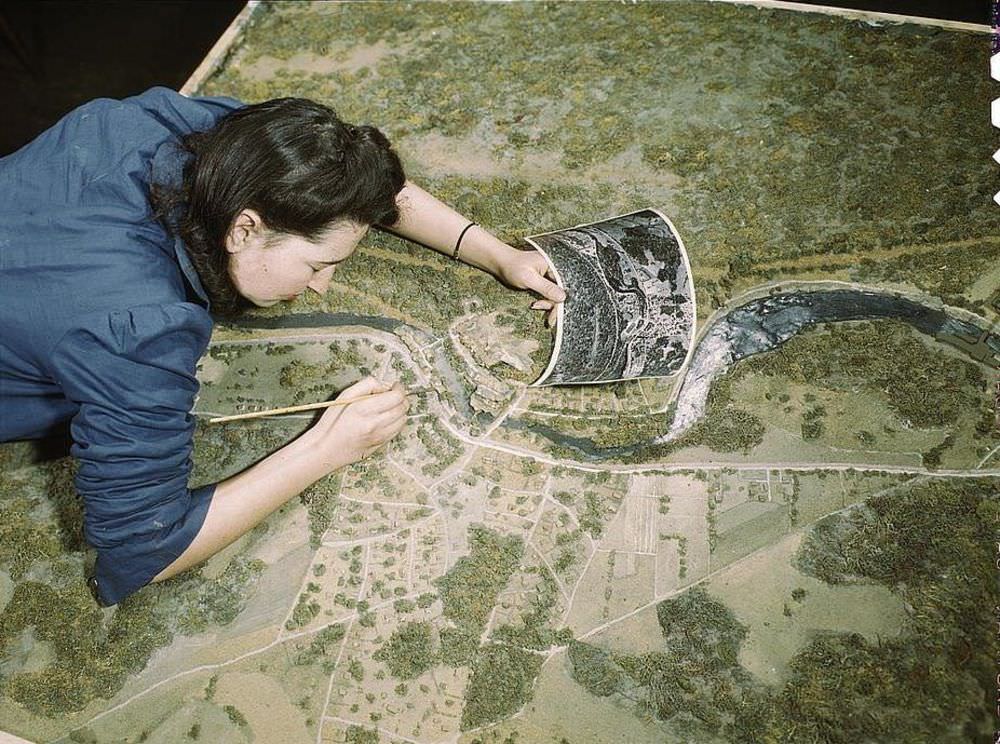
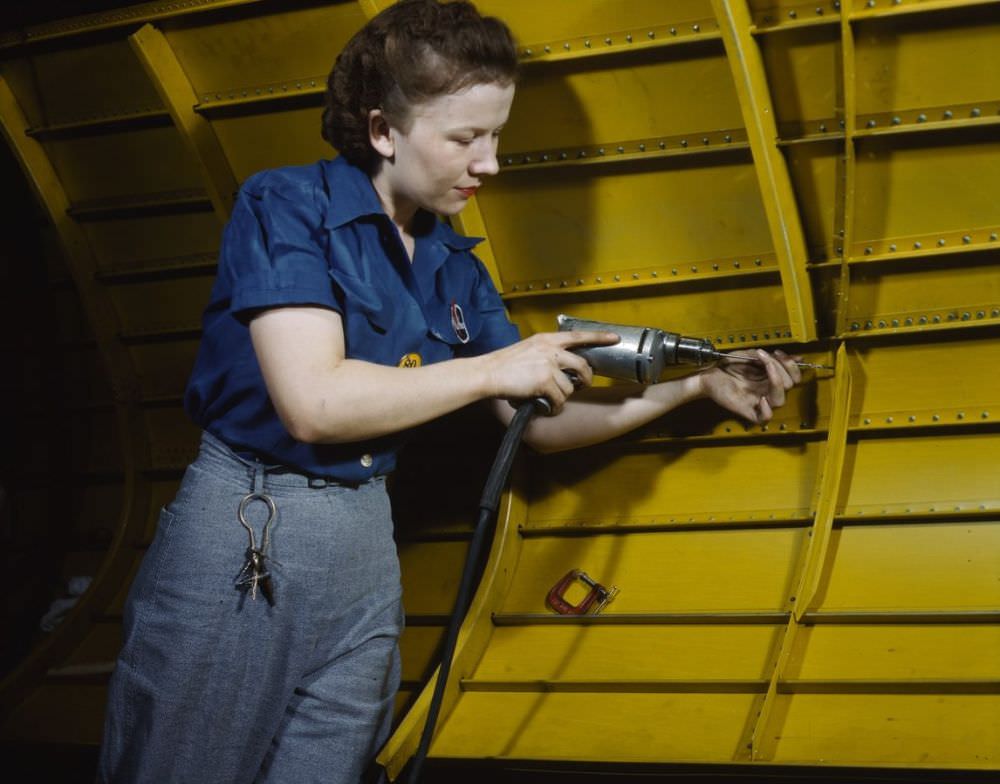
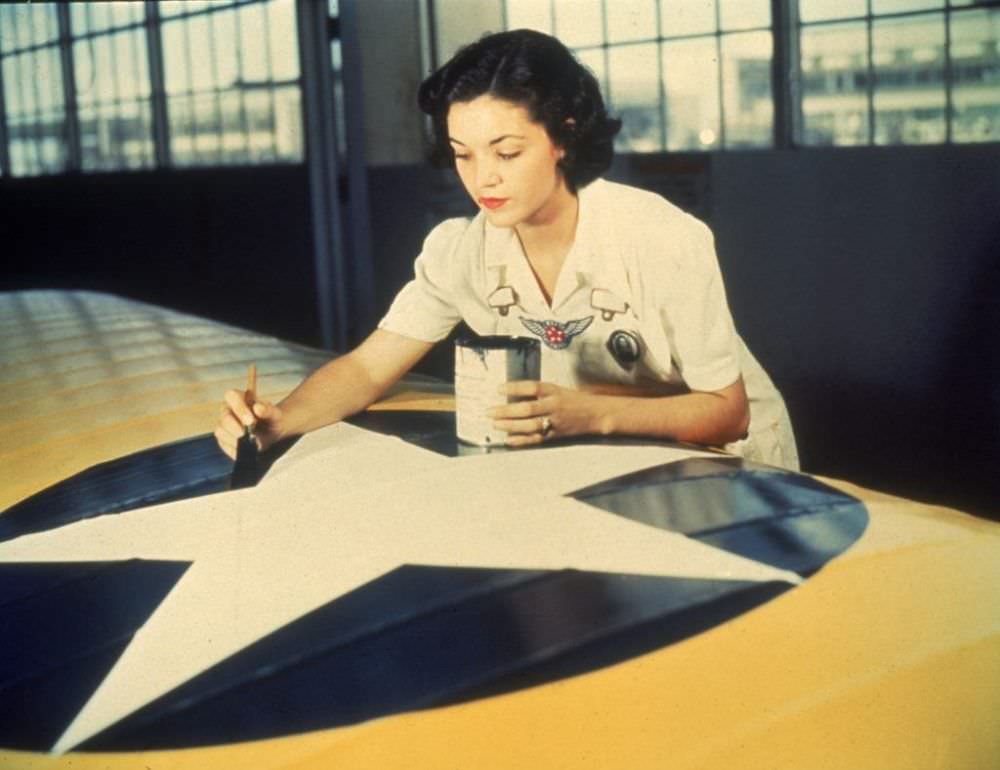
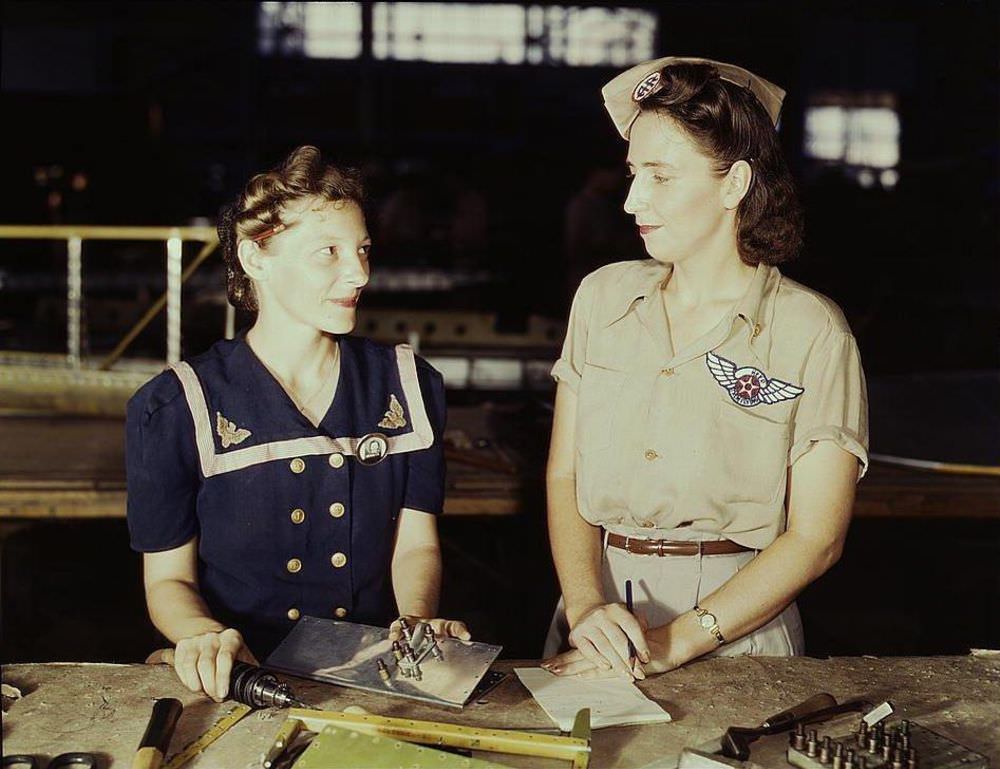
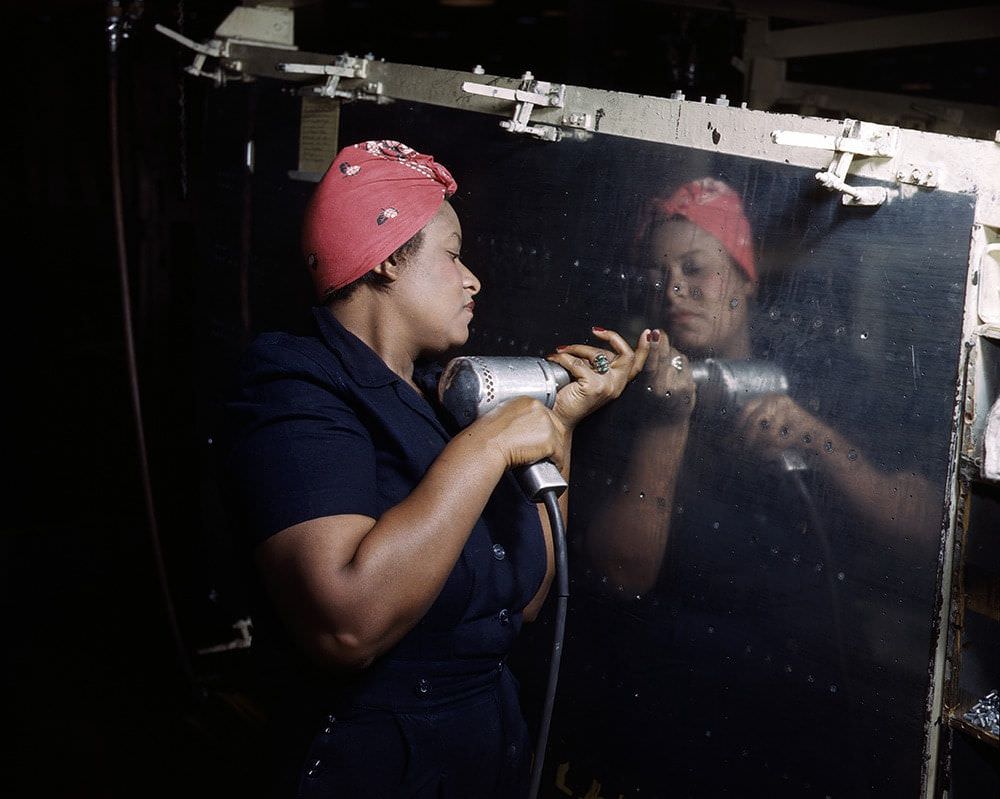
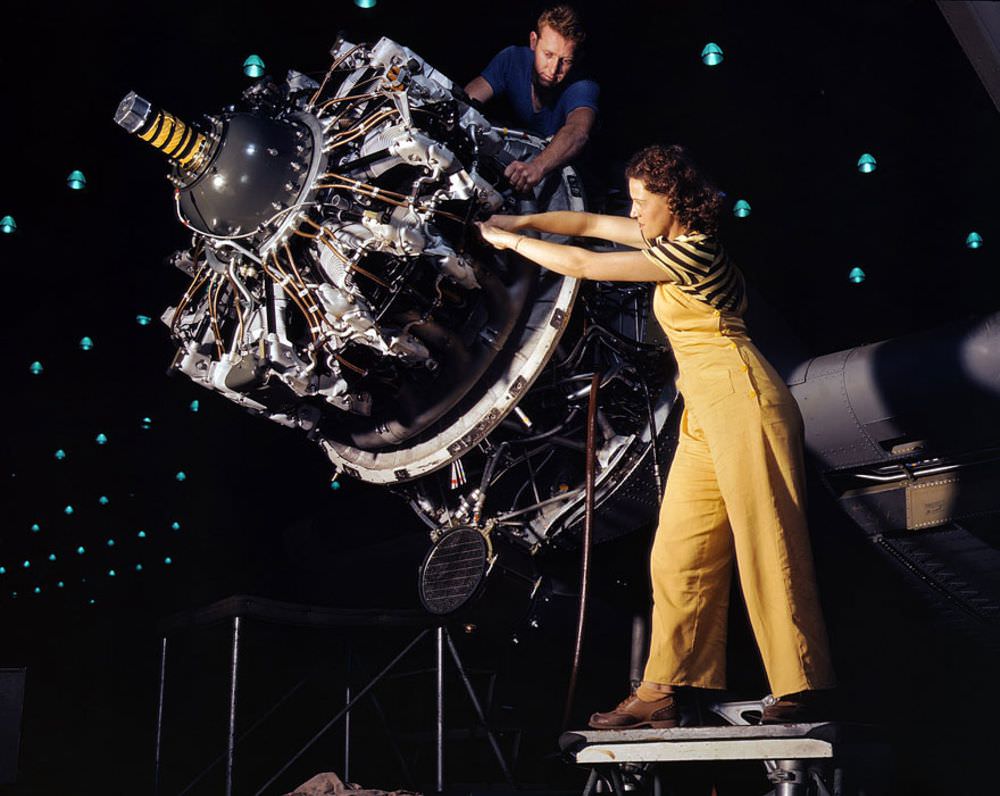
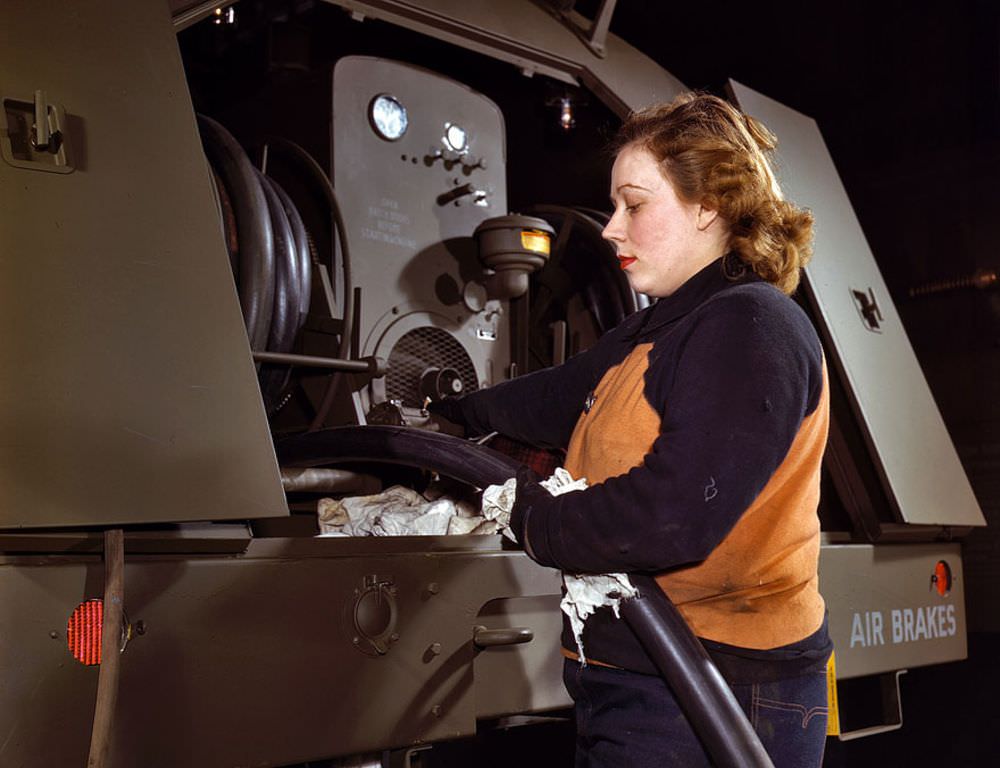
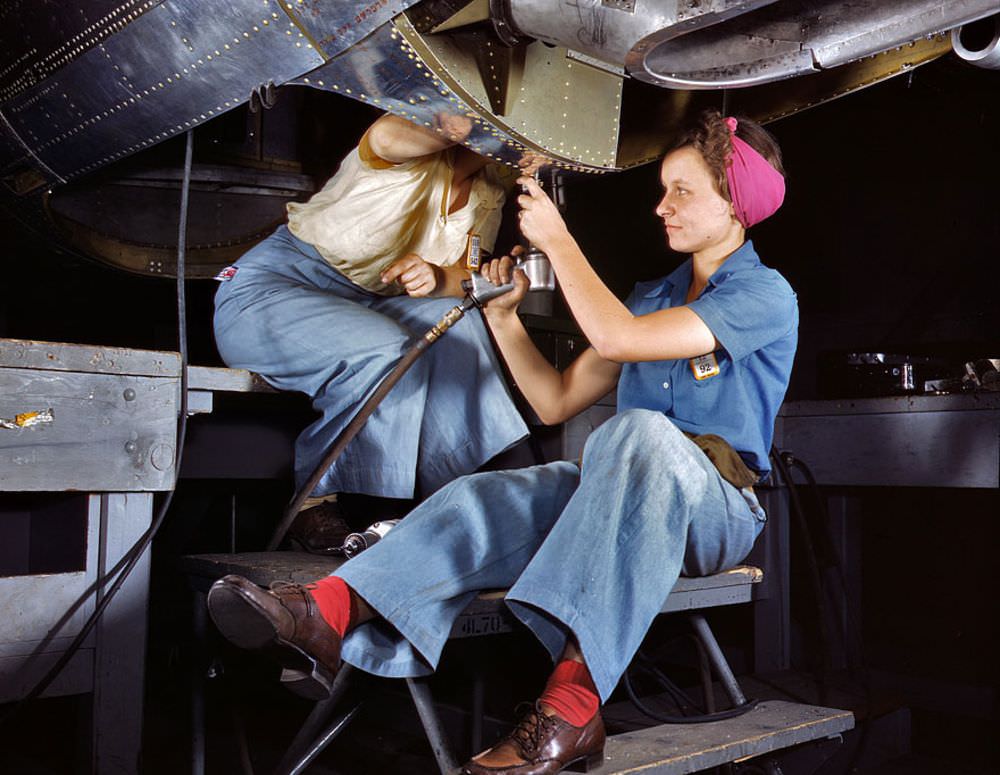
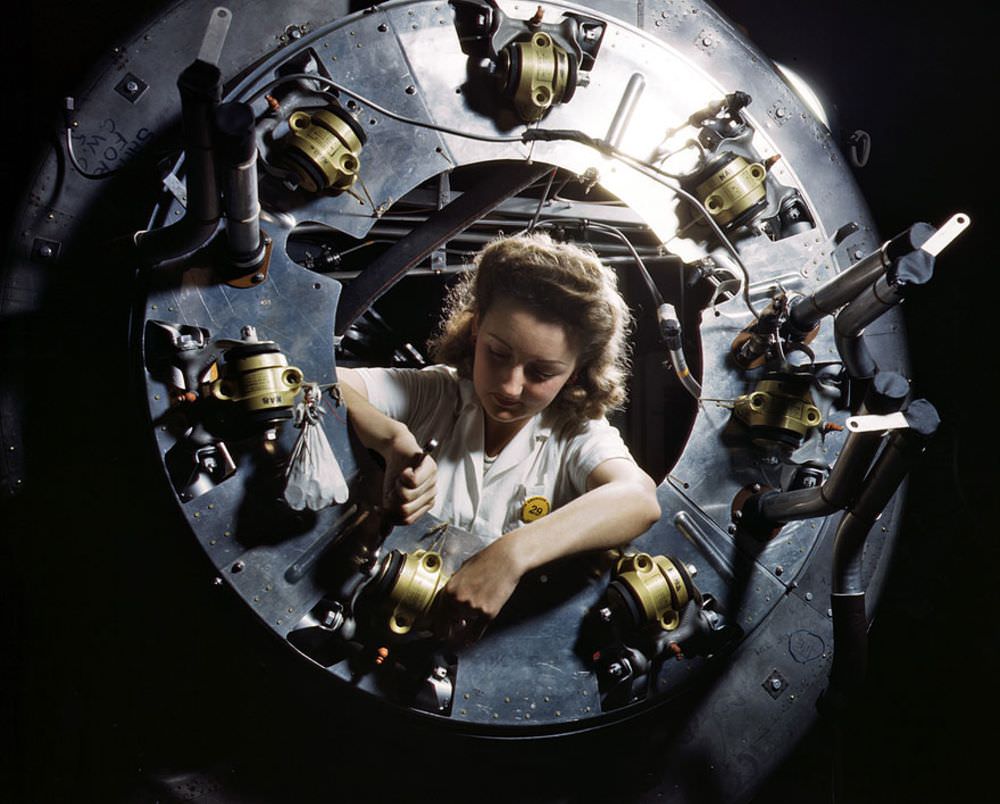
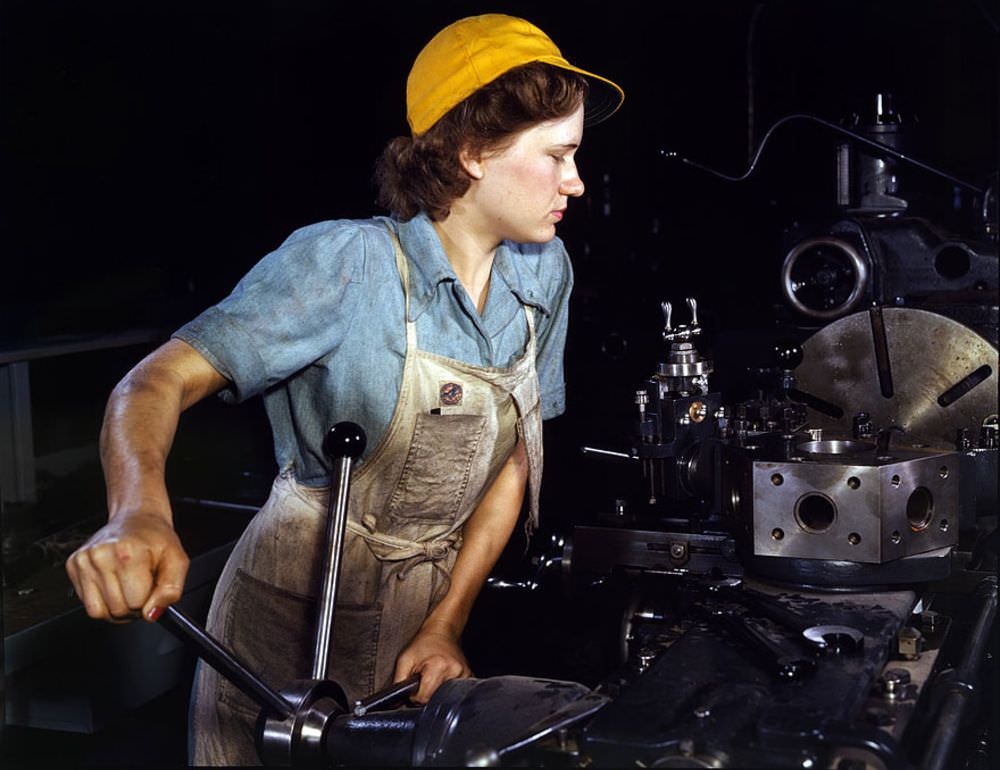
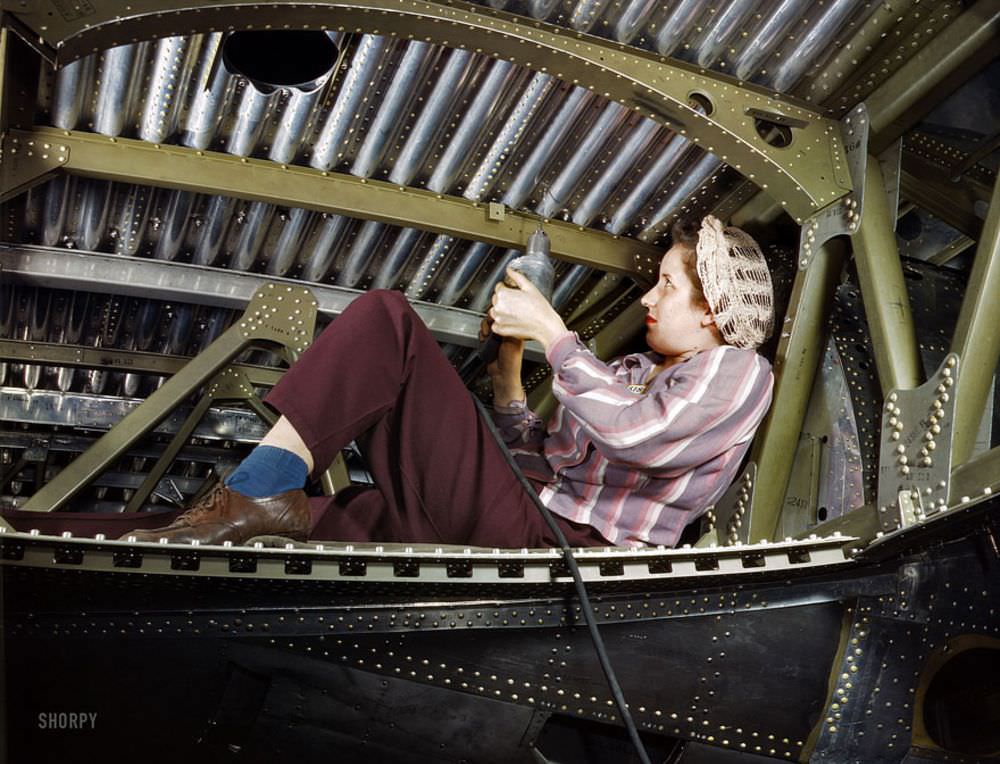
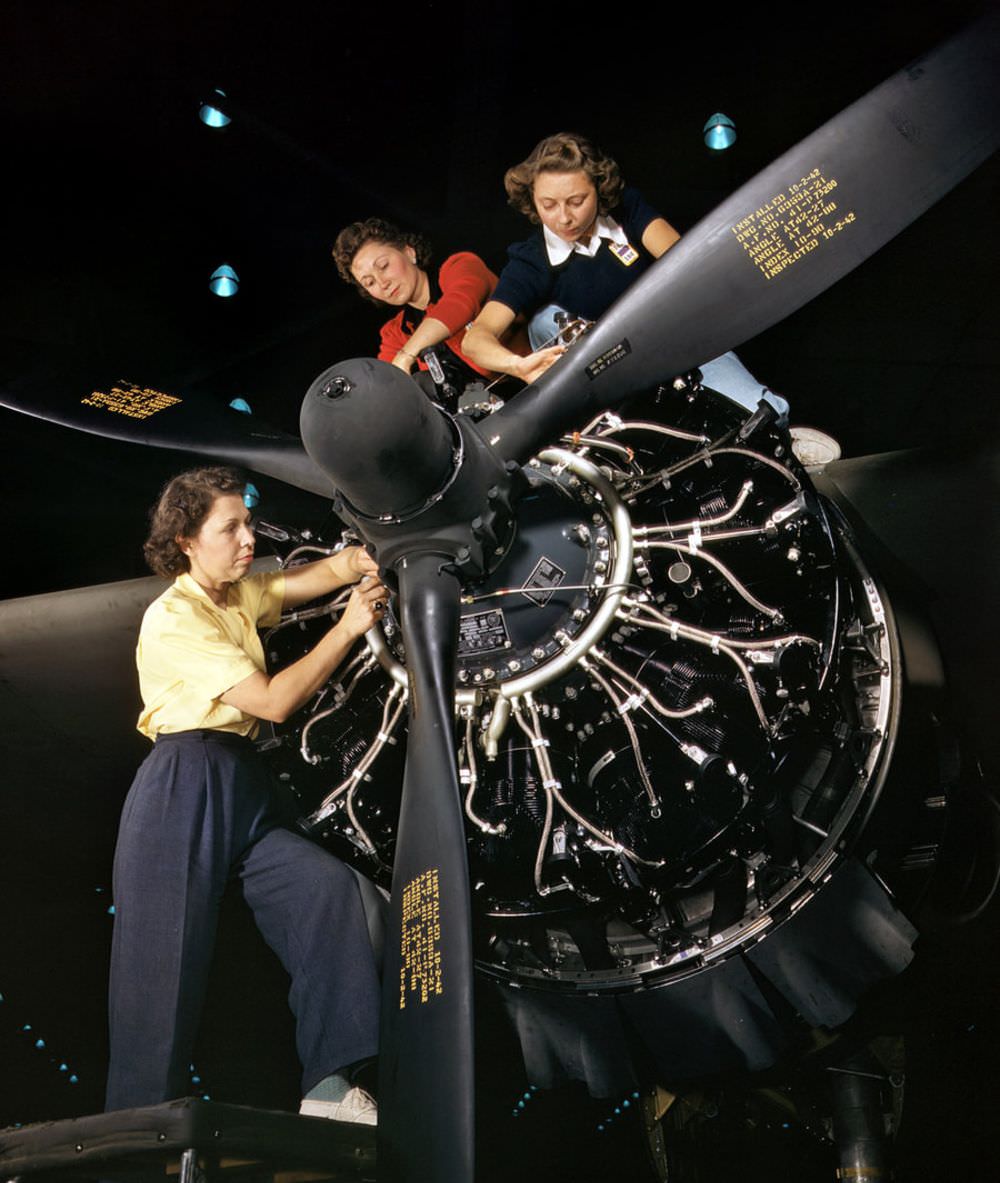
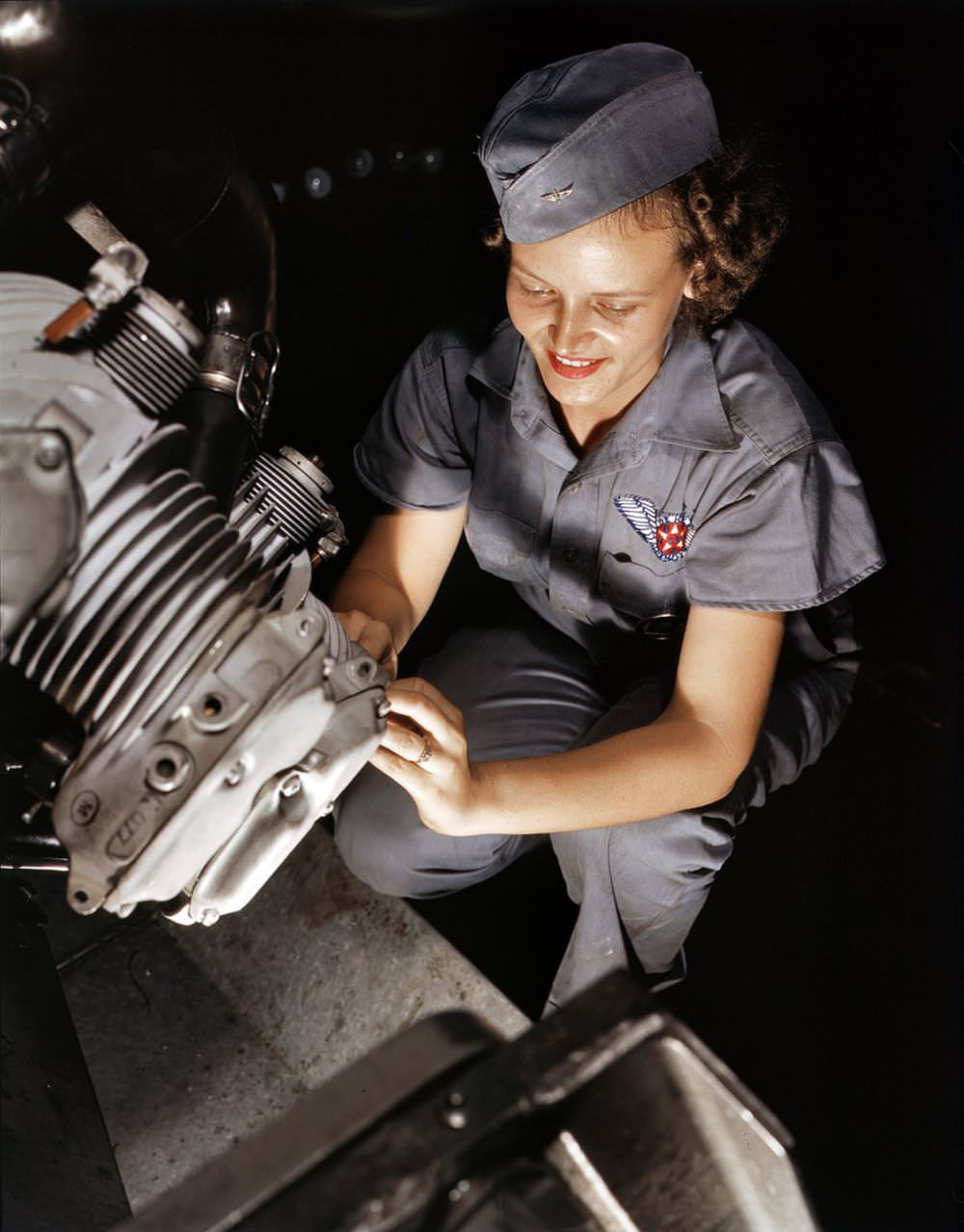
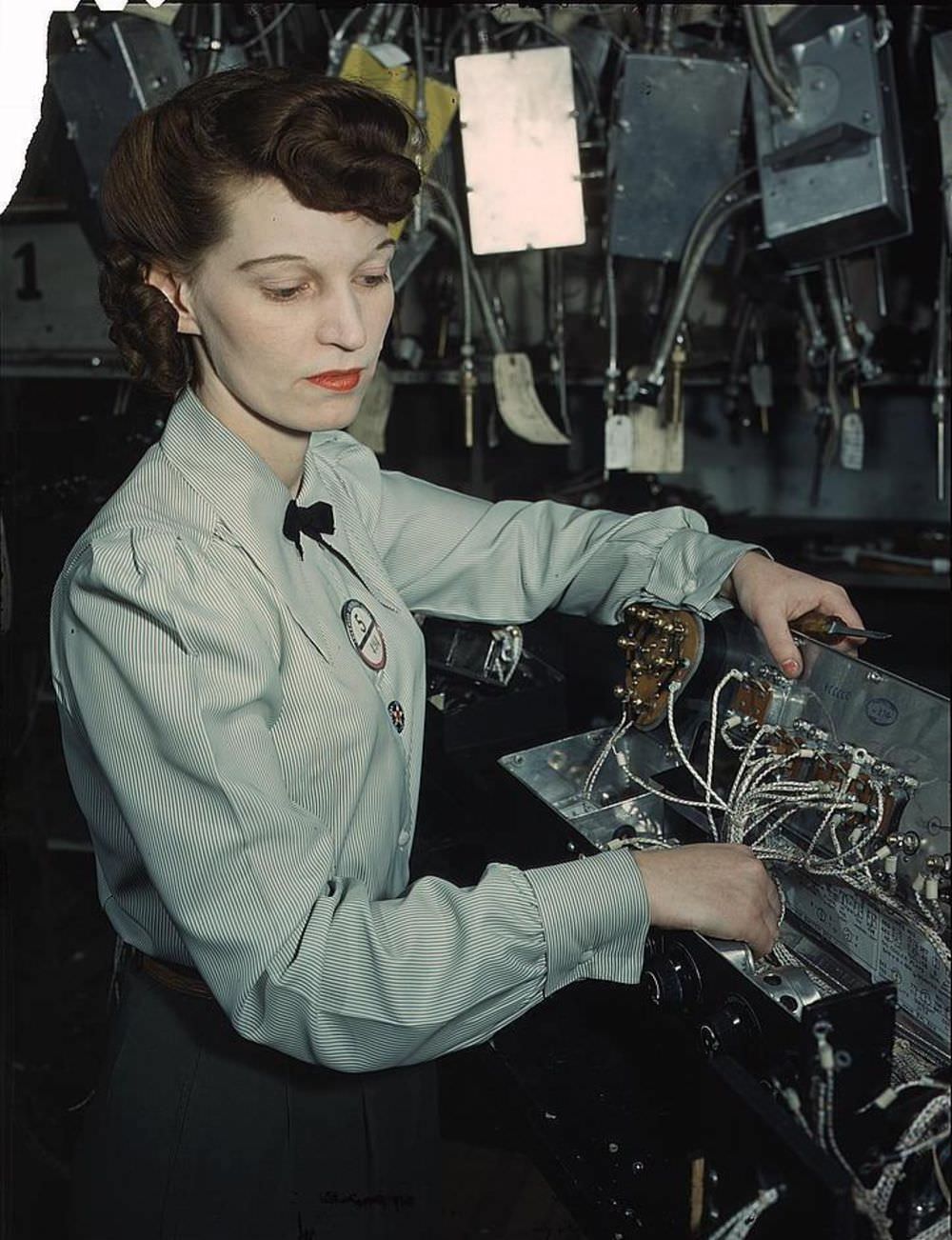
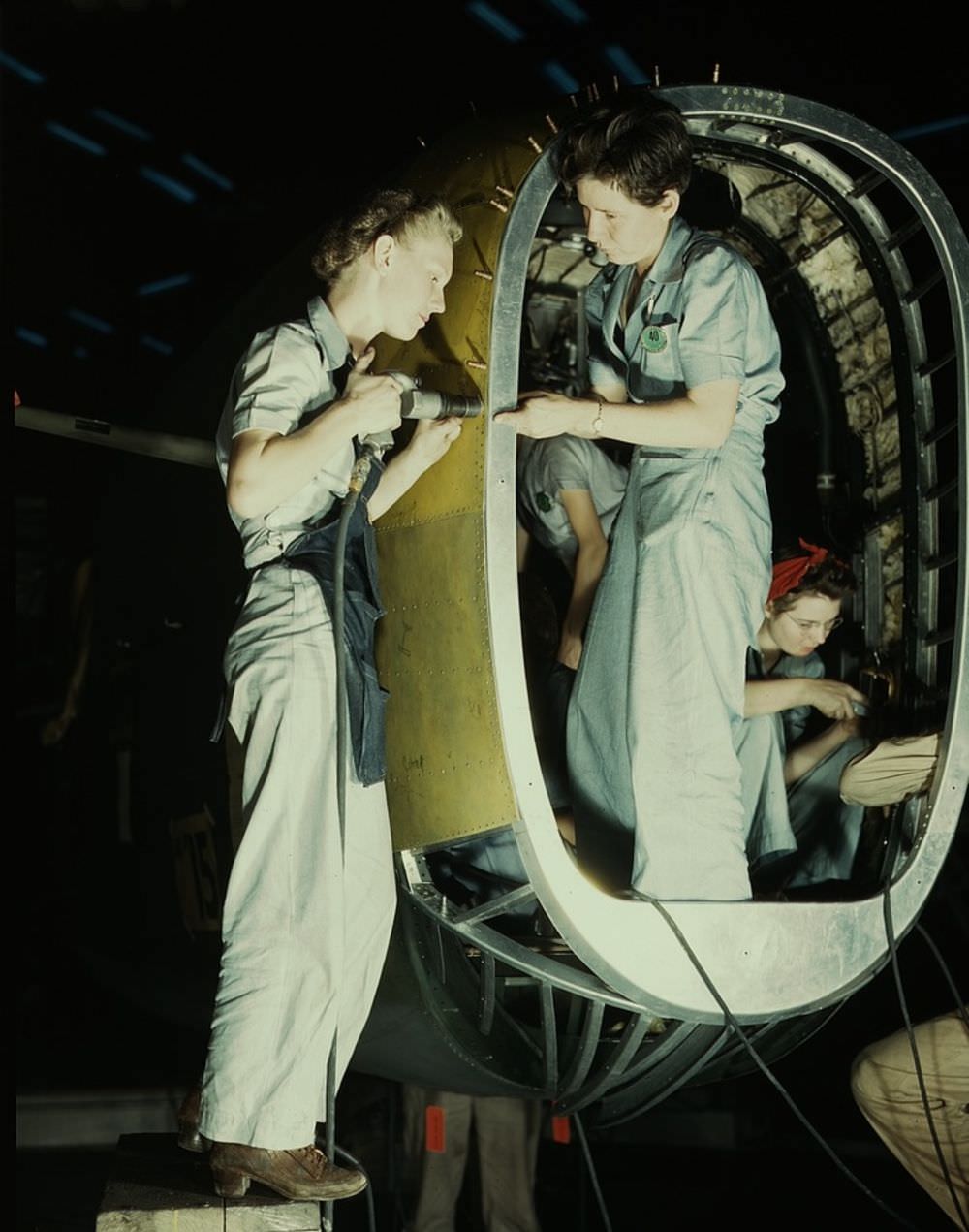
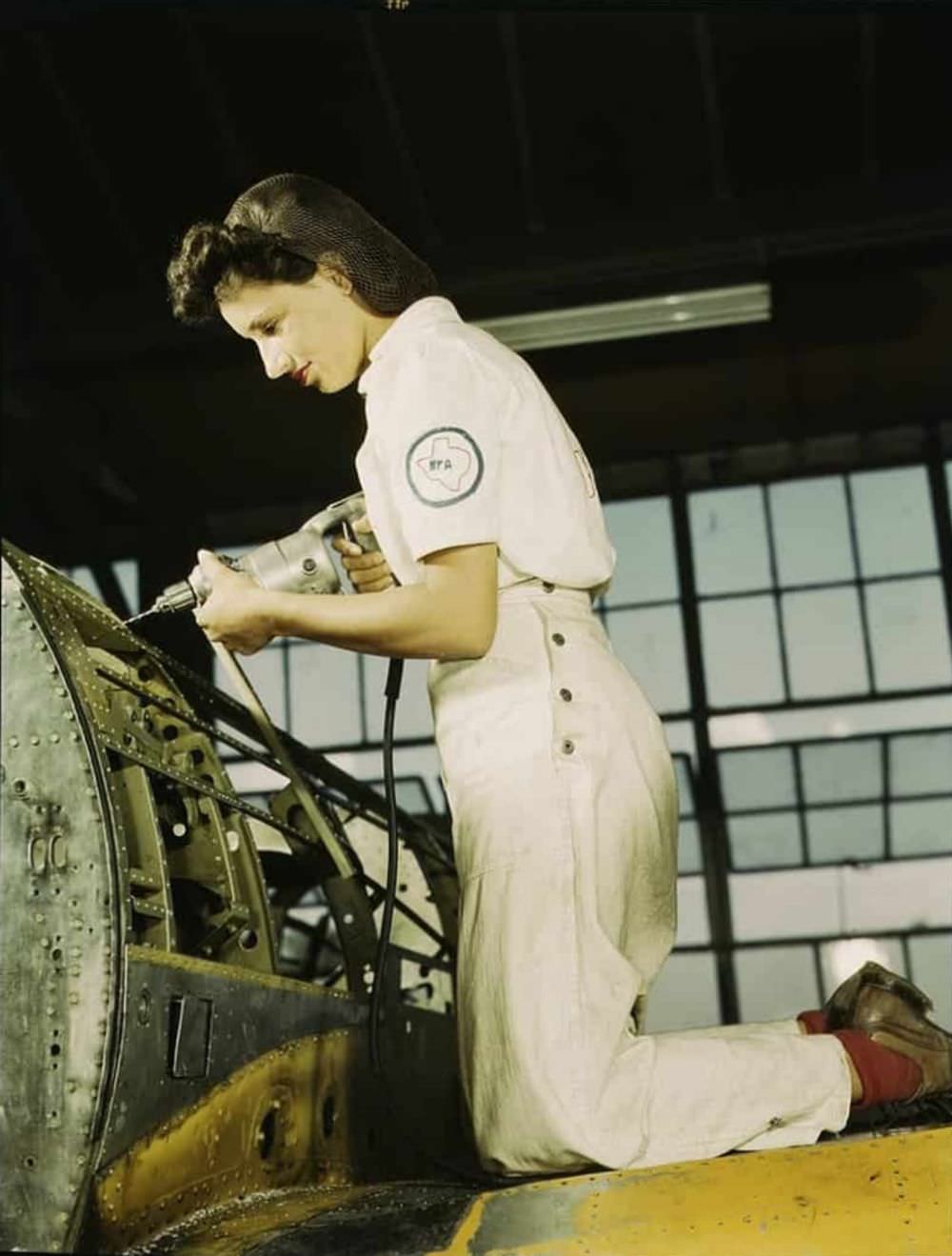
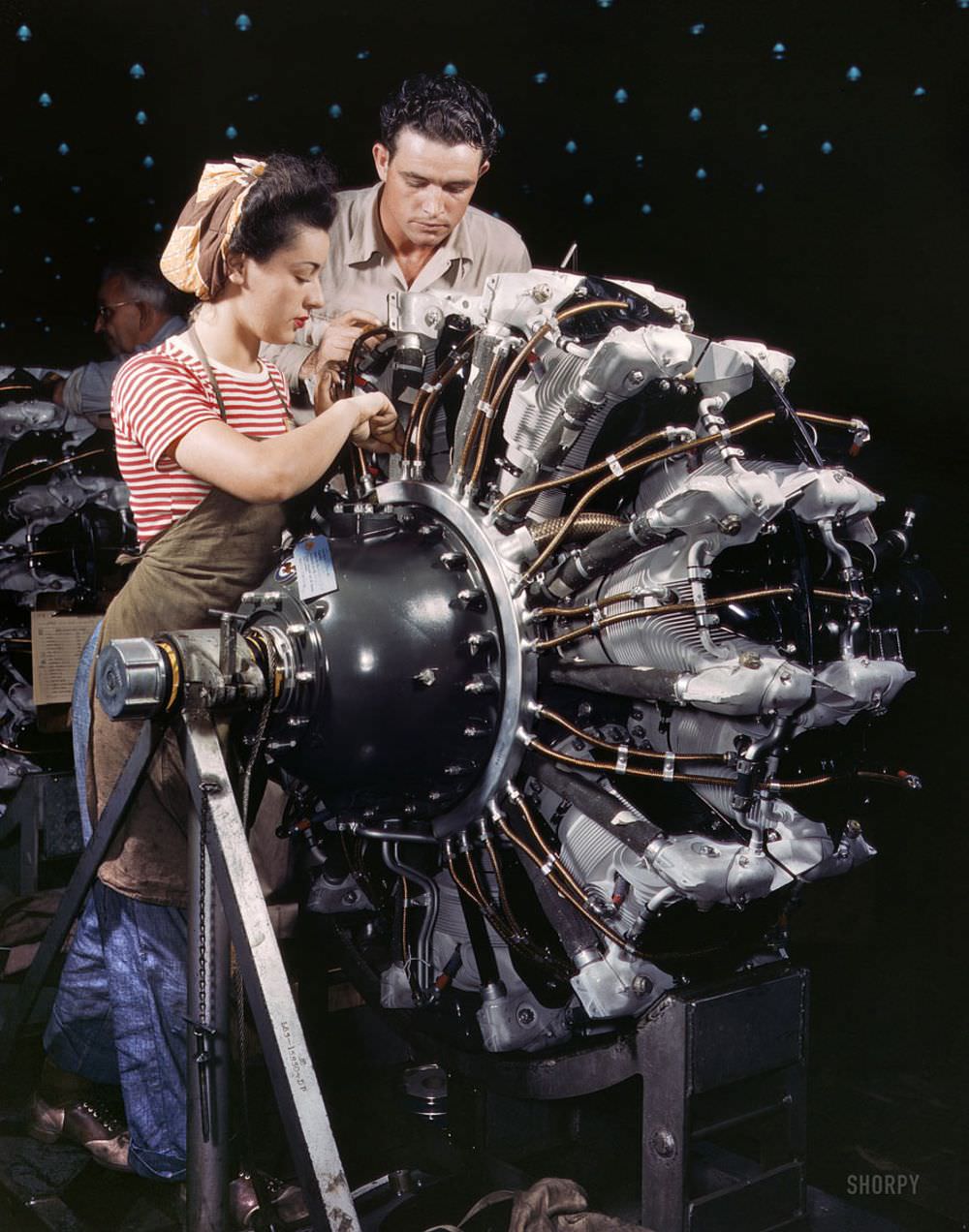
Women stepped into jobs that had been almost exclusively male. They became welders, electricians, riveters, and machinists — skilled trades that required real training and physical endurance. These weren’t minor support roles. Women built airplanes, ships, and the weapons that supplied Allied forces around the world.
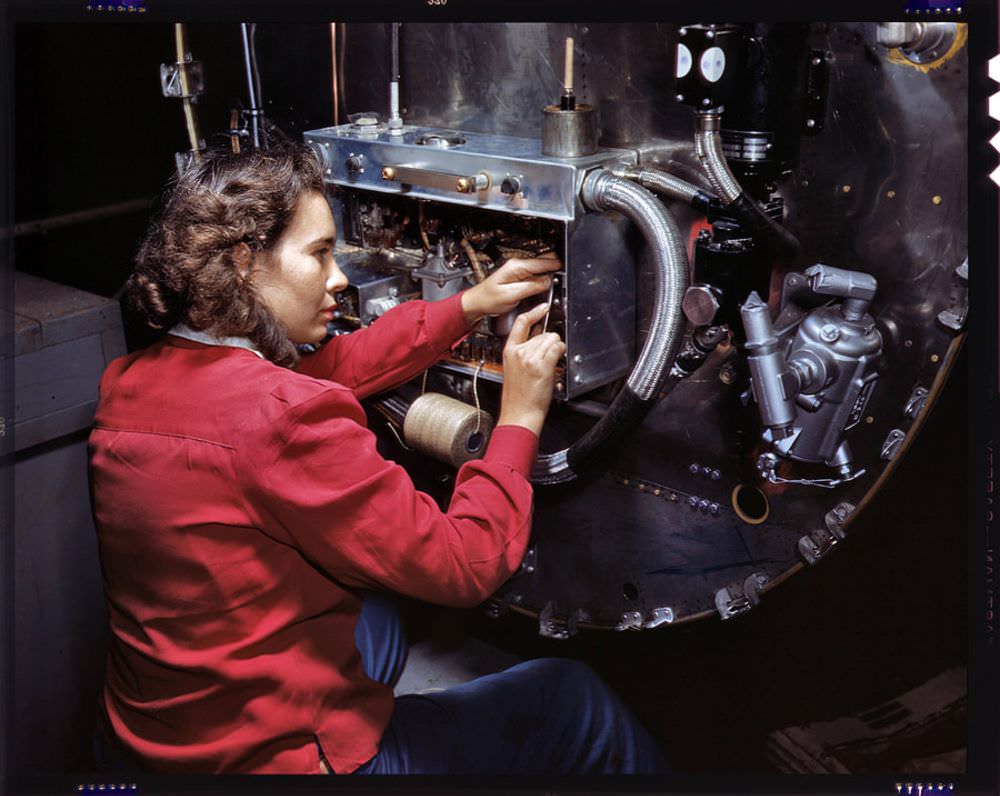
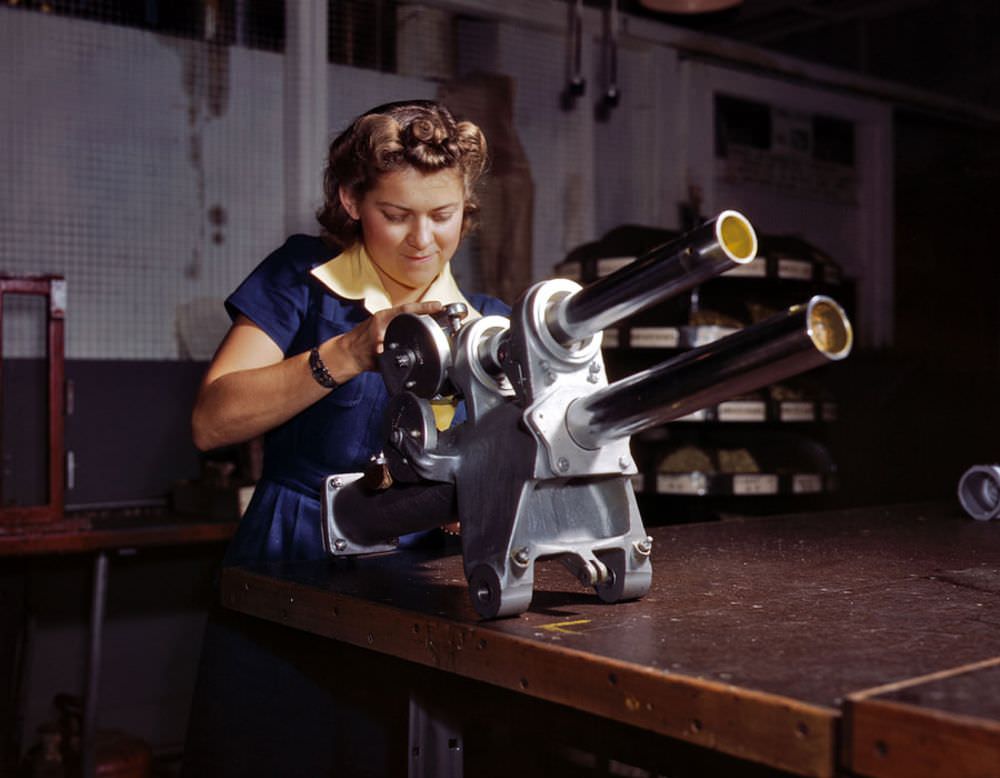
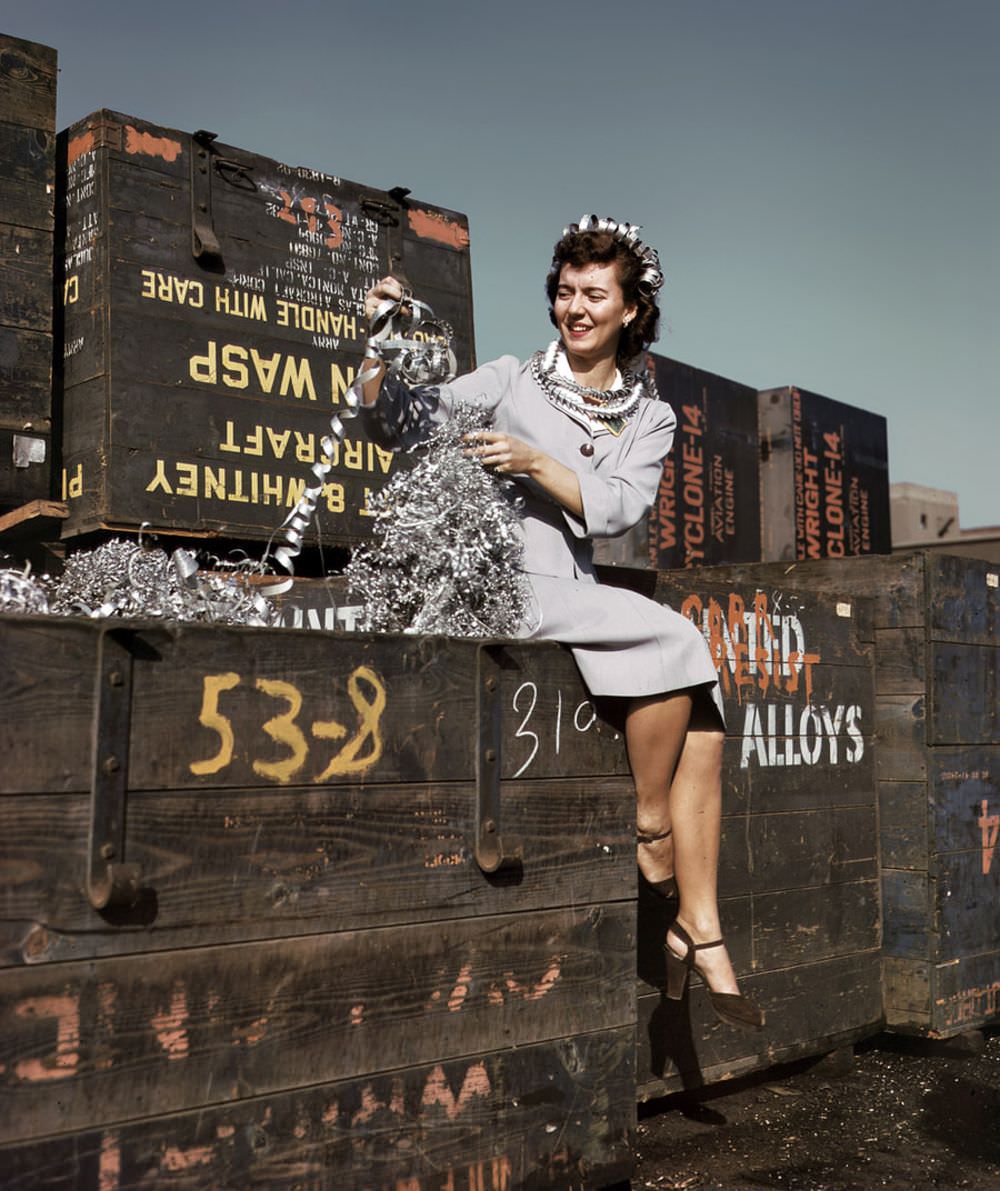
Mobile, Alabama, shows just how dramatic this shift was. Around 90,000 workers flooded the city to fill wartime jobs. Two major shipyards — Gulf Shipbuilding and Alabama Dry Dock and Shipbuilding (ADDSCO) — operated at full capacity. The ALCOA aluminum plant in Mobile alone produced roughly 34% of the nation’s aluminum, a metal critical for aircraft construction.
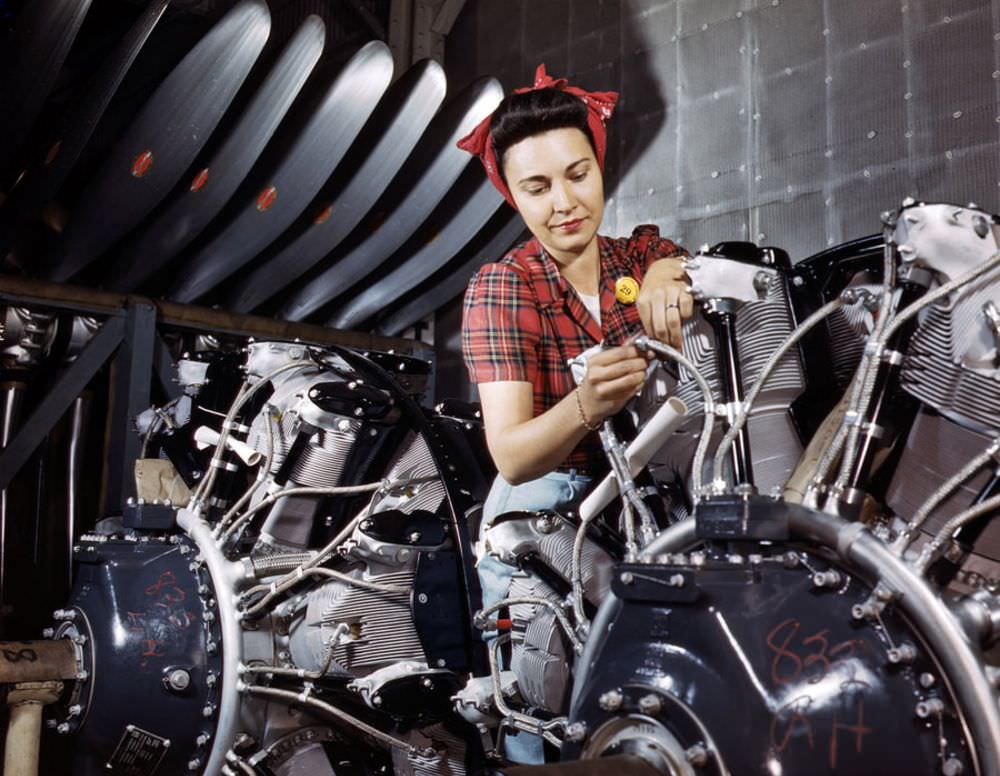
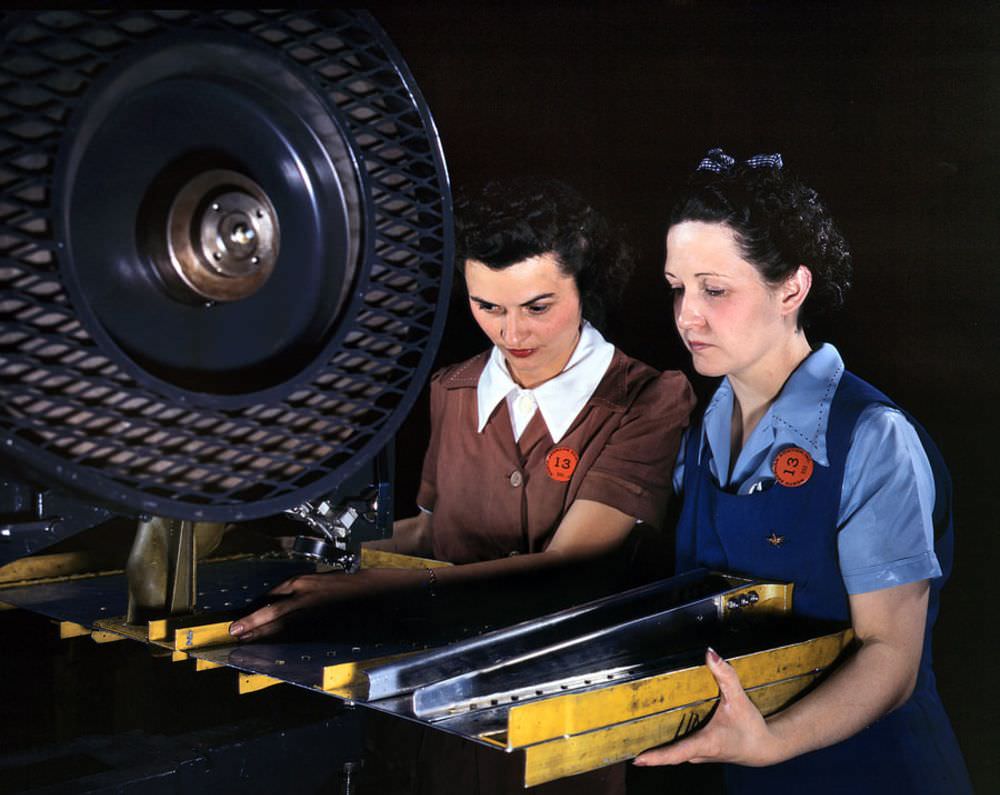
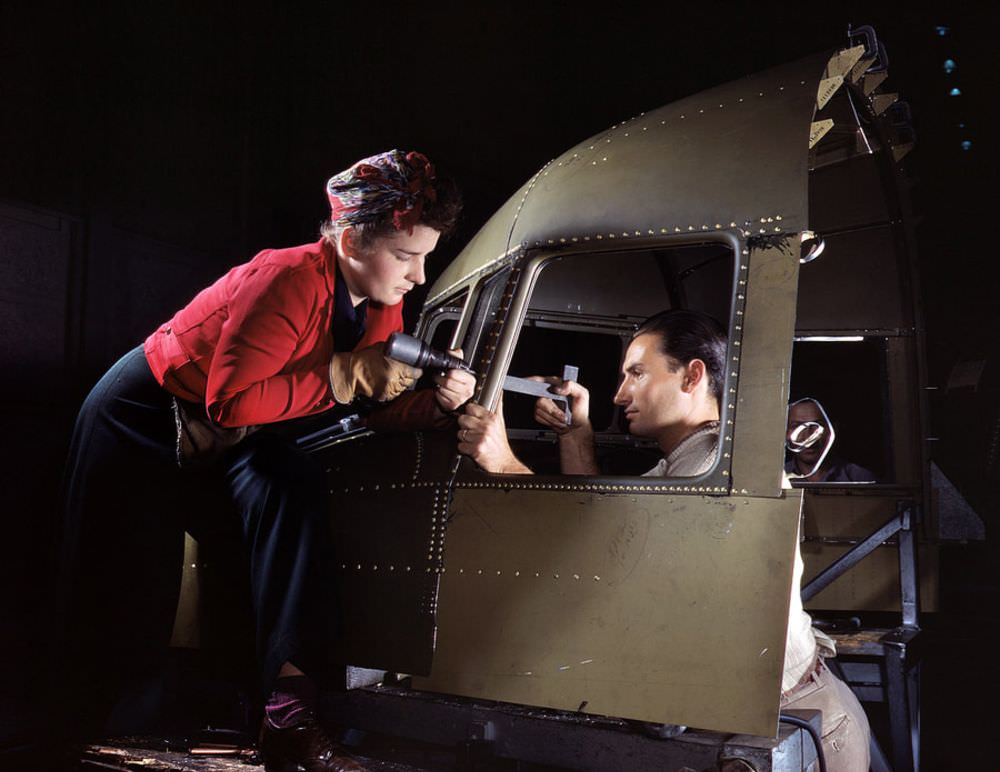
The government used posters, films, and magazine articles to portray working women as both patriotic and capable. This propaganda campaign reshaped public opinion and drew women into industries that had never wanted them before.
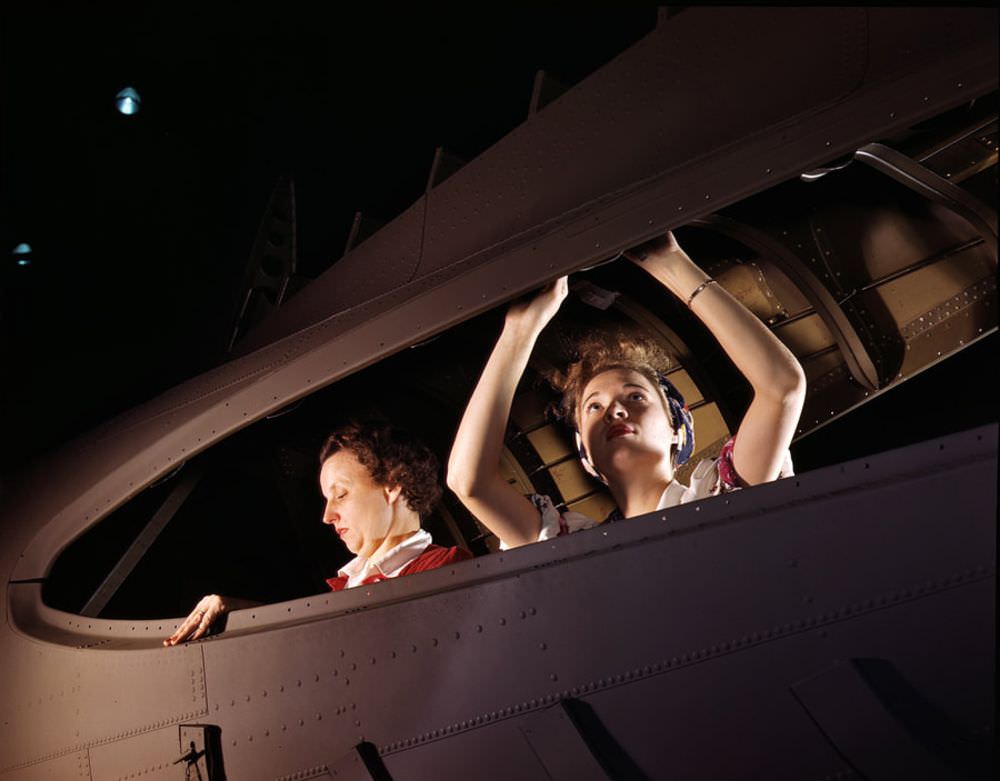
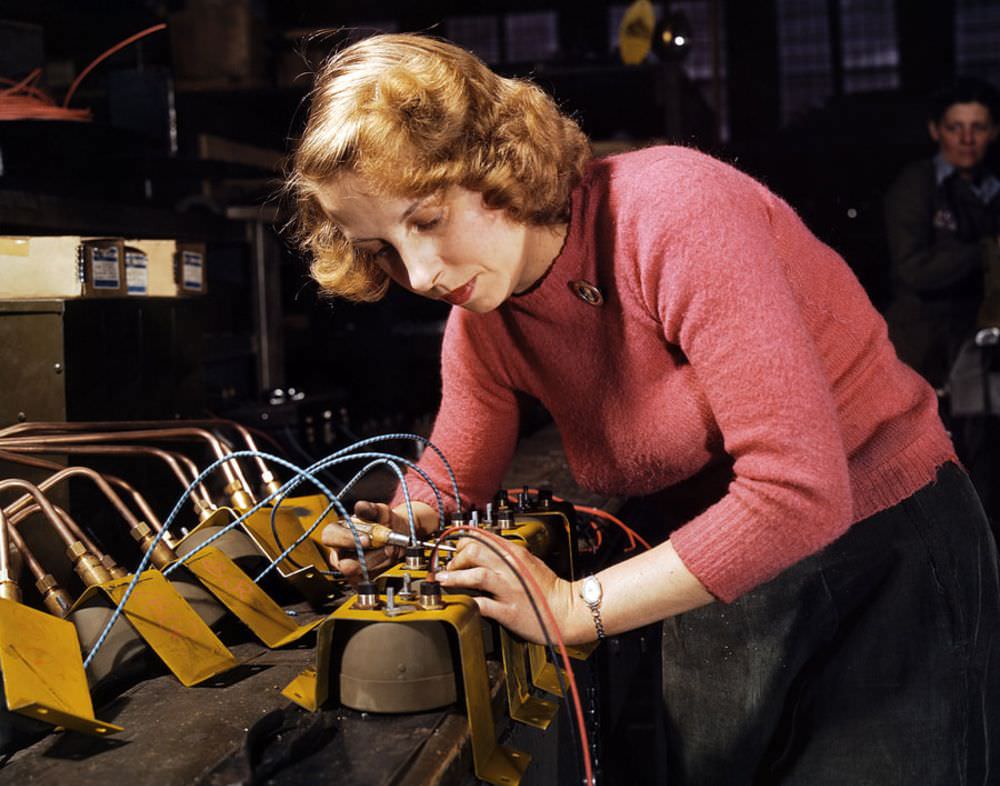
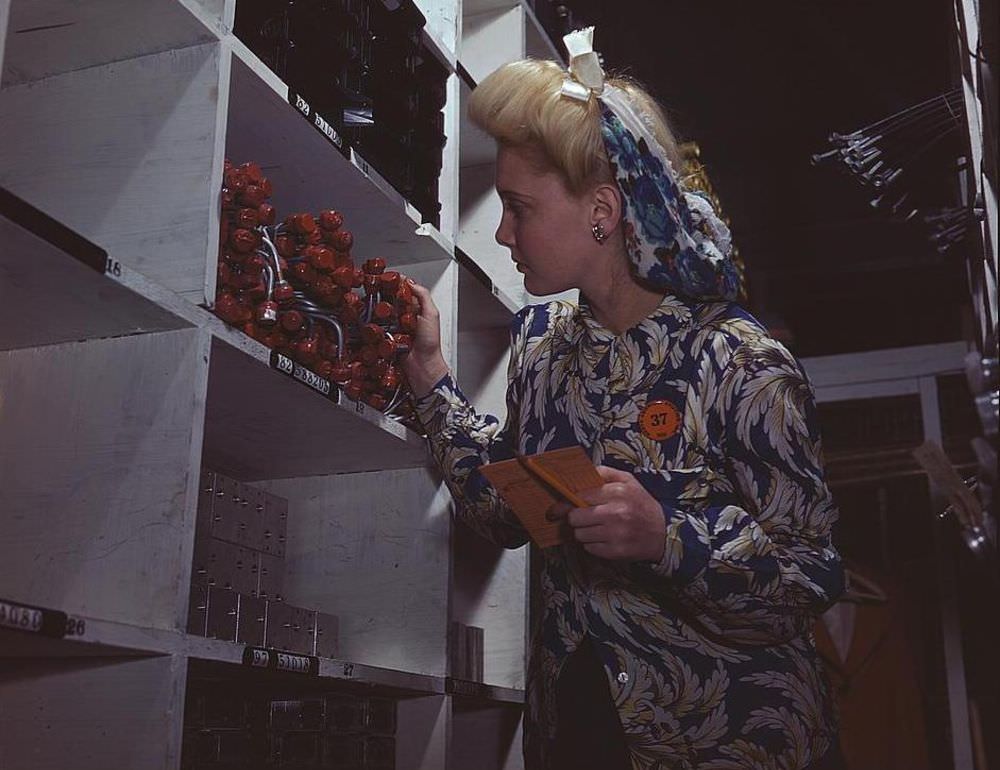
By 1945, nearly one in four married women worked outside the home. Close to 19 million women held jobs during the war — a number that dwarfed anything seen in peacetime. Men still worked alongside them in these plants, but without women, production levels simply could not have been reached.