Liverpool in the 1980s was a city under enormous pressure. Its population fell from 1,276,000 in 1970 to just 885,000 by the end of the decade. Factories shut their doors, unemployment climbed, and drug use spread through communities already stretched thin. Along Dock Road, massive empty buildings stood as silent relics of a busier era. Yet through all of it, the people of Liverpool kept going — and the photographs from these years show exactly what that looked like.
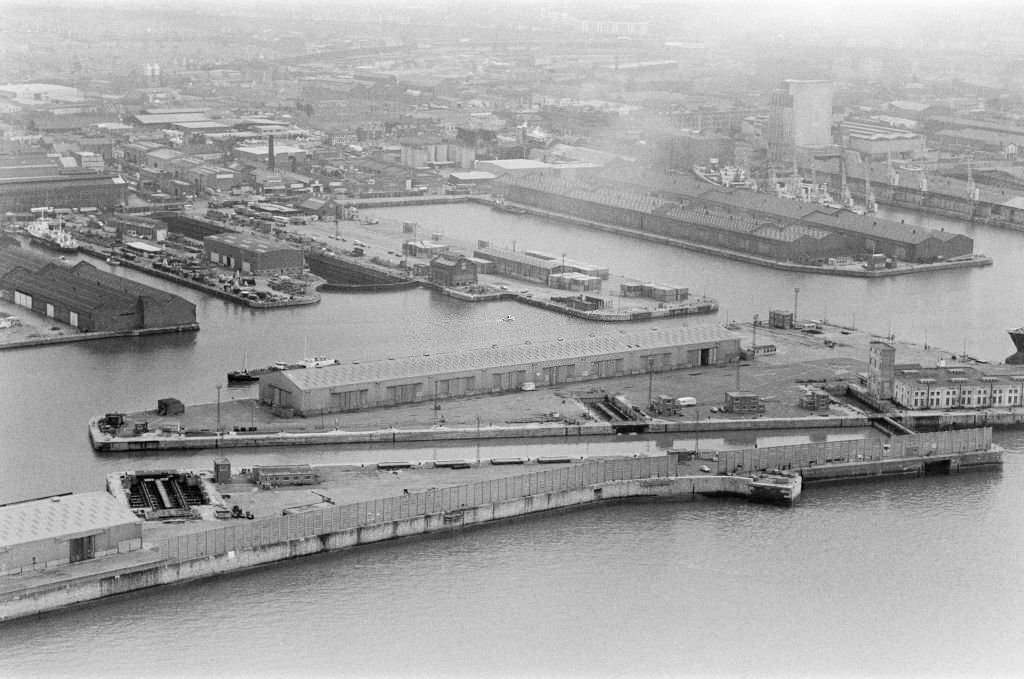
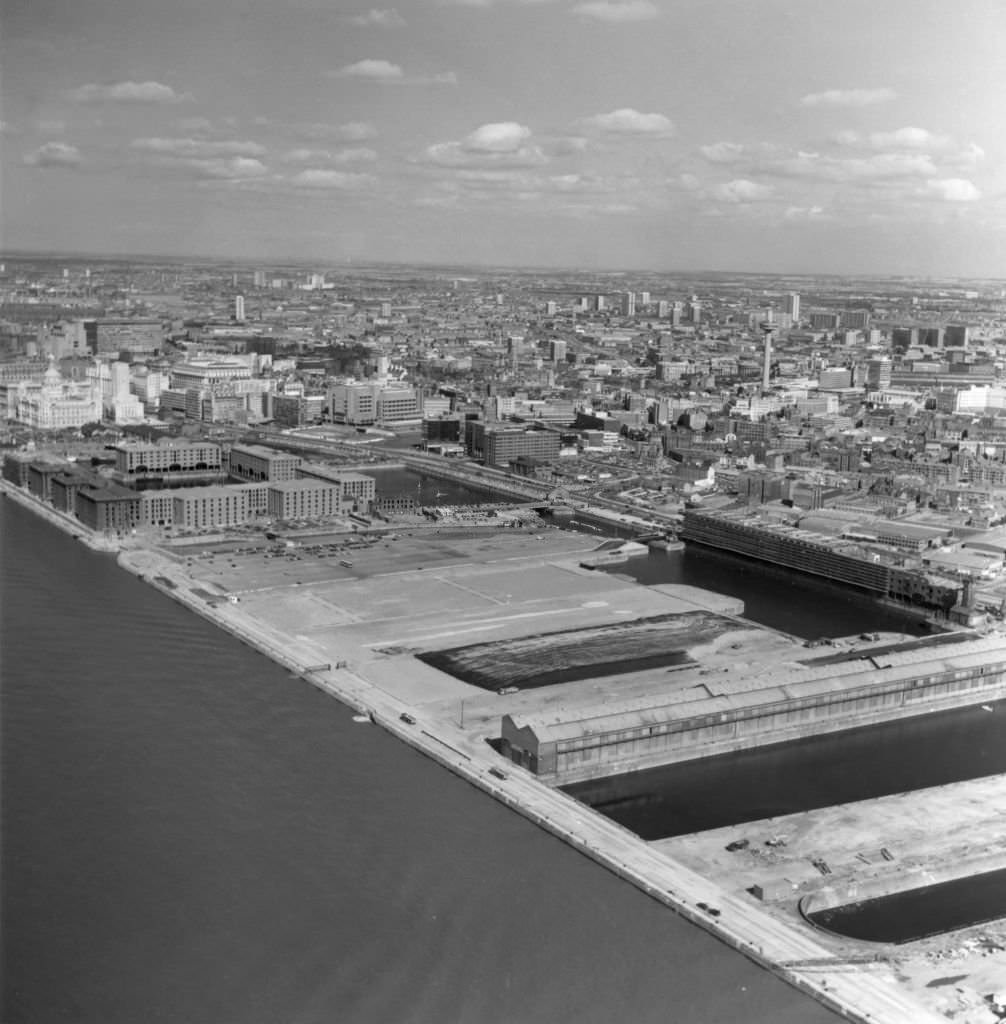
Aerial view of Liverpool Docks, Merseyside.17th August 1980.
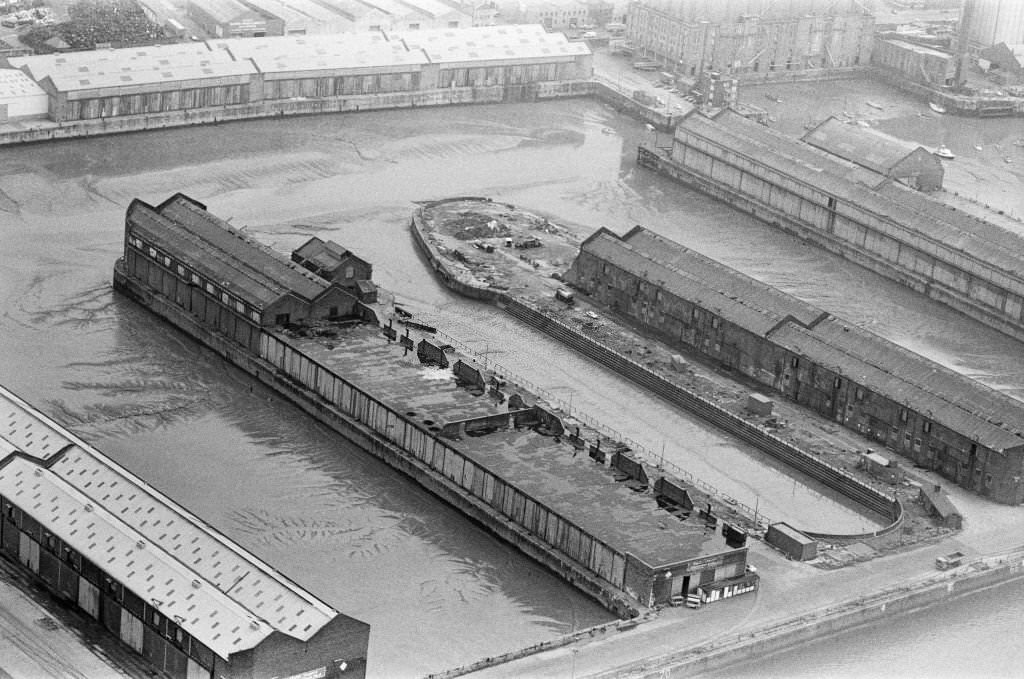
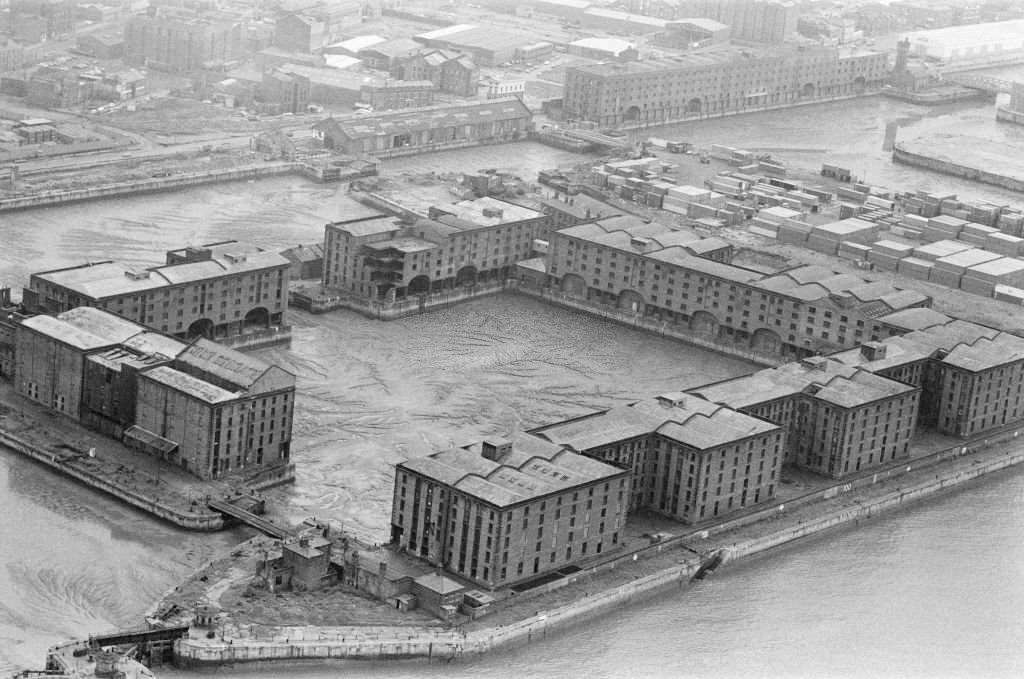
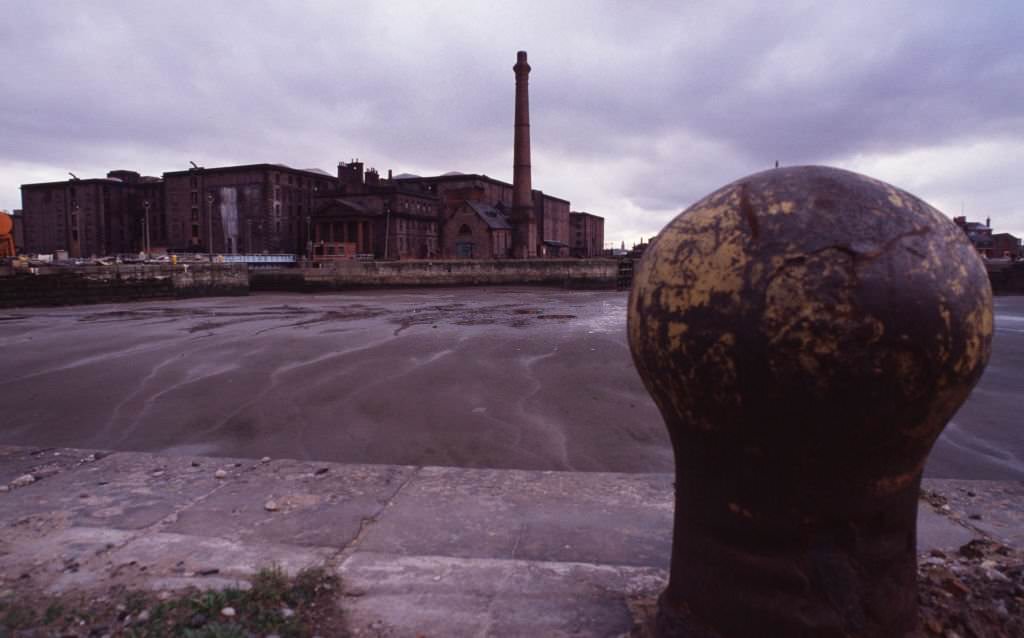
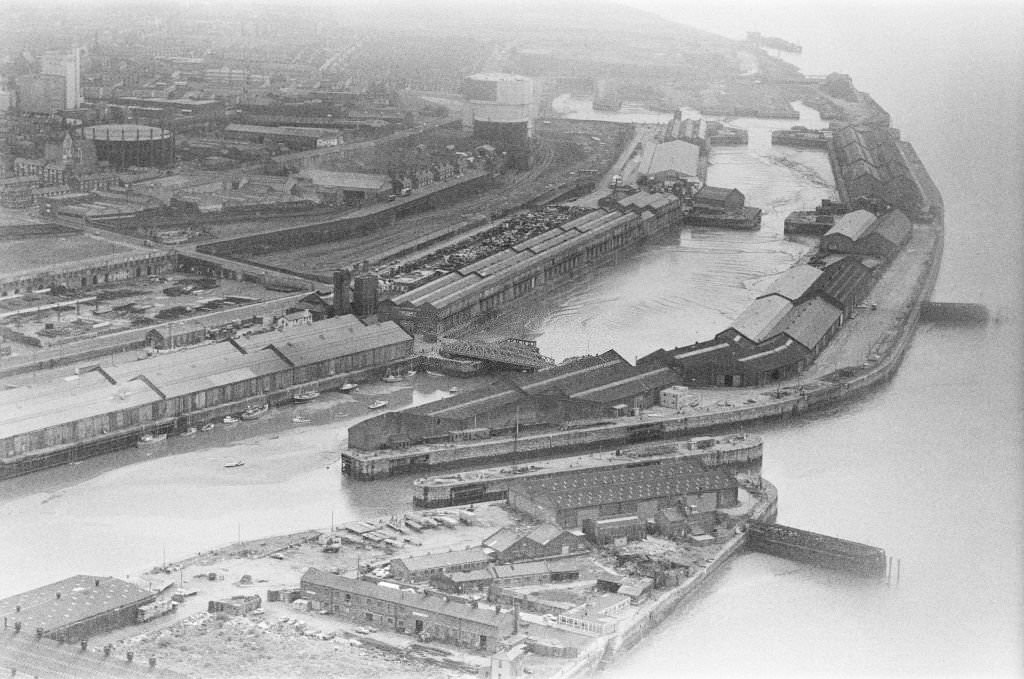
The docks had once made Liverpool one of the most important ports in the world. By 1980, large sections of the South Docks had been closed for years, silting up without dredging operations to keep them clear. The aerial photographs taken in August 1980 show the scale of what had been abandoned — vast stretches of water and warehousing left to decay.
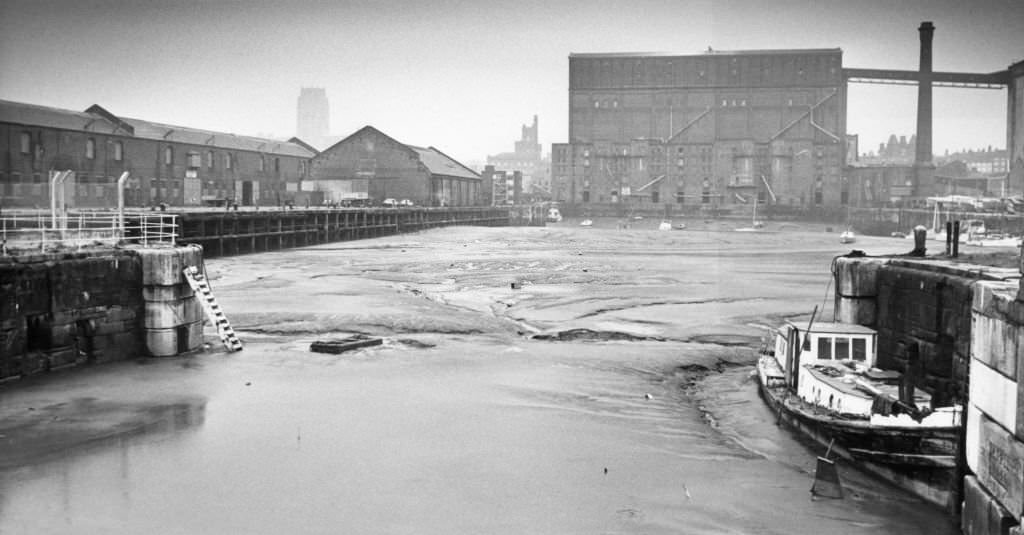
Aerial view of Liverpool Docks, Merseyside, 17th August 1980.The South Docks, Liverpool, now almost completely silted up since the docks closed in 1972 and dredging operations stopped, 27th February 1982.
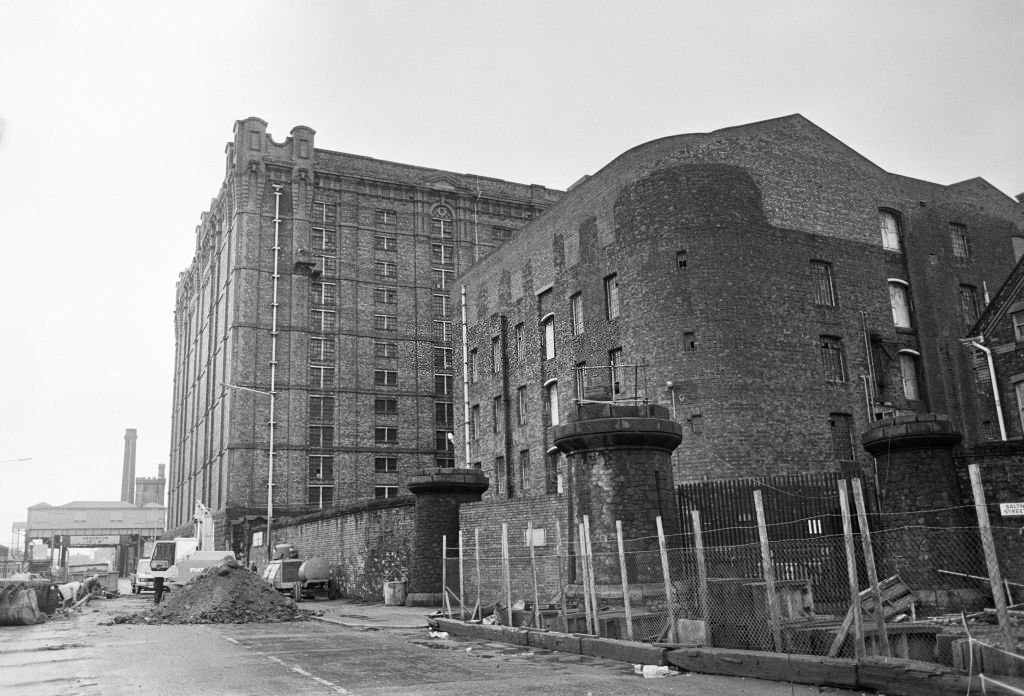
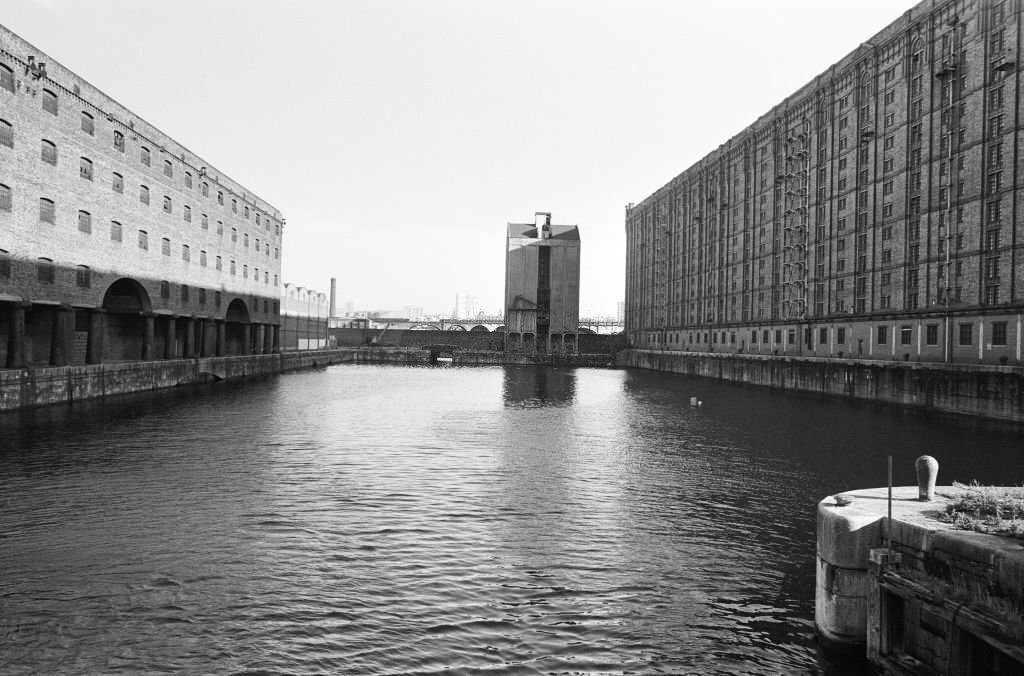
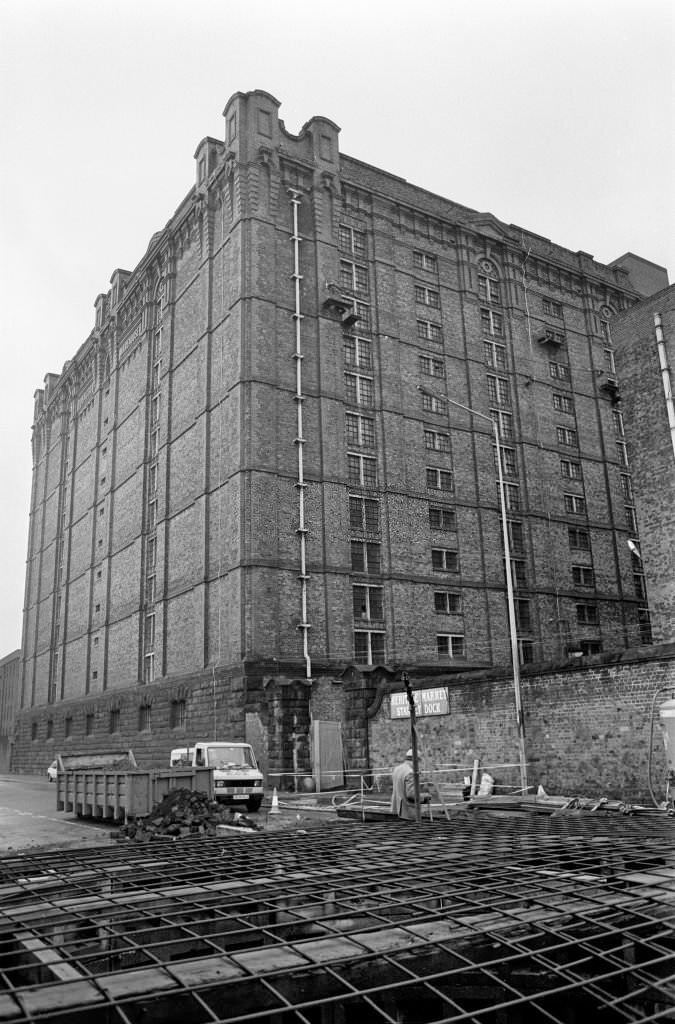
Stanley Dock’s tobacco warehouse — one of the largest brick buildings in the world — still loomed over the waterfront, a reminder of the trade that once flowed through the city. By 1989, when these photographs were taken, it sat largely unused alongside the Hartley Warehouse, both structures waiting for a purpose that had not yet arrived.
General view at Stanley Dock in Liverpool, showing the tobacco warehouse building, 5th April 1989.Stanley Dock in Liverpool, showing the Hartley Warehouse building (left) and the tobacco warehouse building (right), 5th April 1989.Stanley Dock in Liverpool, showing the tobacco warehouse building, 5th April 1989.
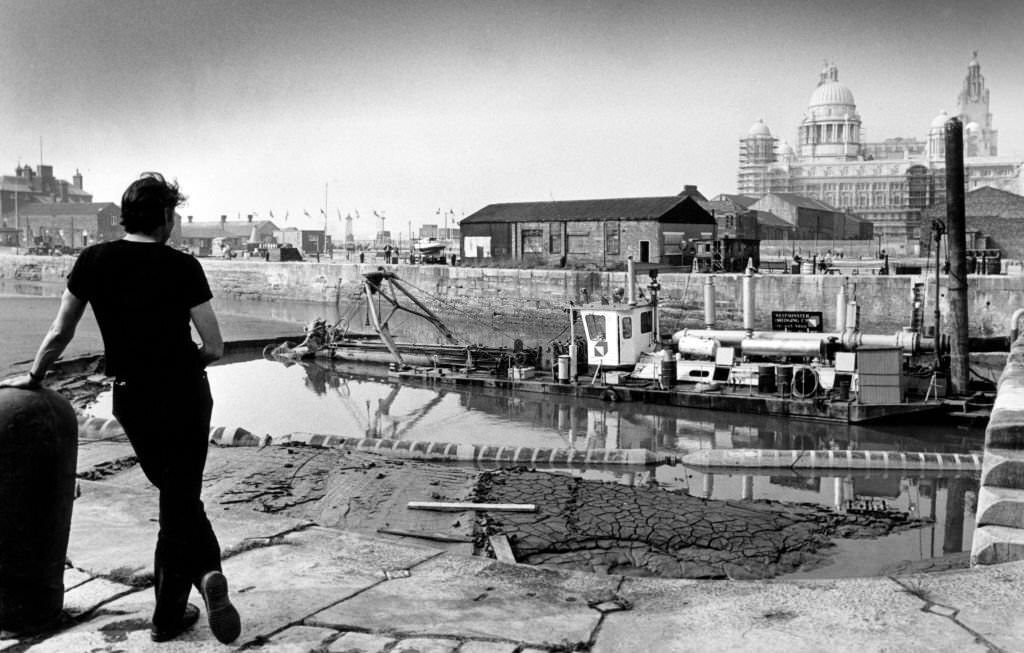
Albert Dock told a different story. Redevelopment work began there in 1982, with dredging operations getting underway that September. By 1983, construction crews were transforming what had been a derelict Victorian dock complex into something new. It was one of the decade’s most visible signs that parts of the city were being rebuilt.
Aerial view of Albert Dock, Liverpool, Merseyside, 17th August 1980.Liverpool Albert Dock re-development, work begins to dredge the docks, Merseyside, 17th September 1982.Liverpool Albert Dock re-development 1st August 1983.
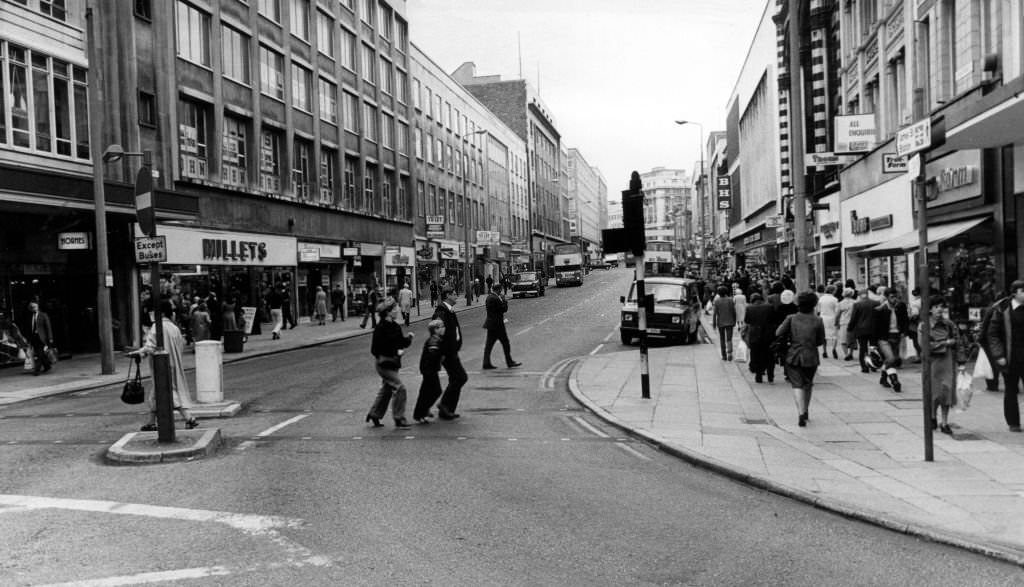
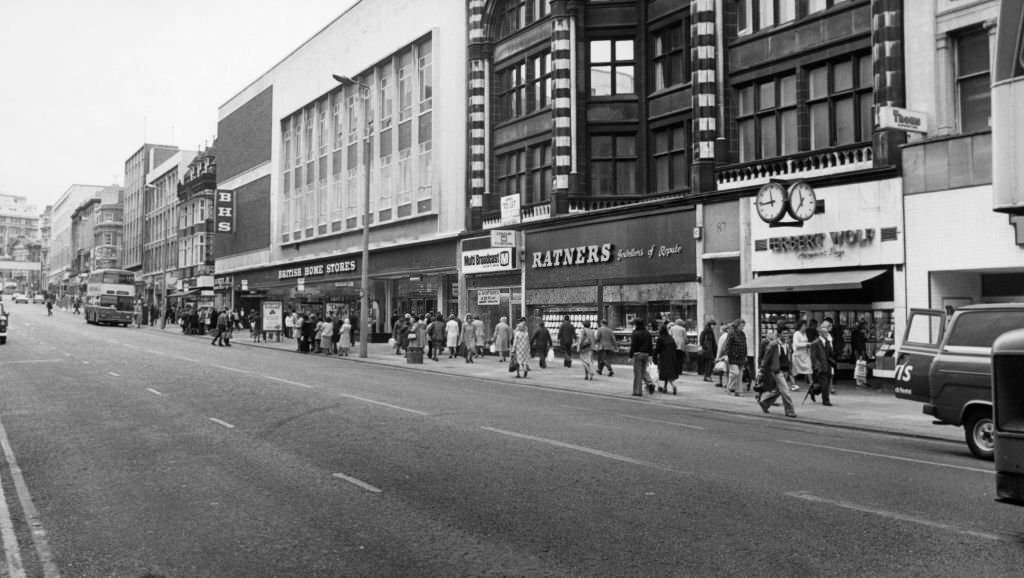
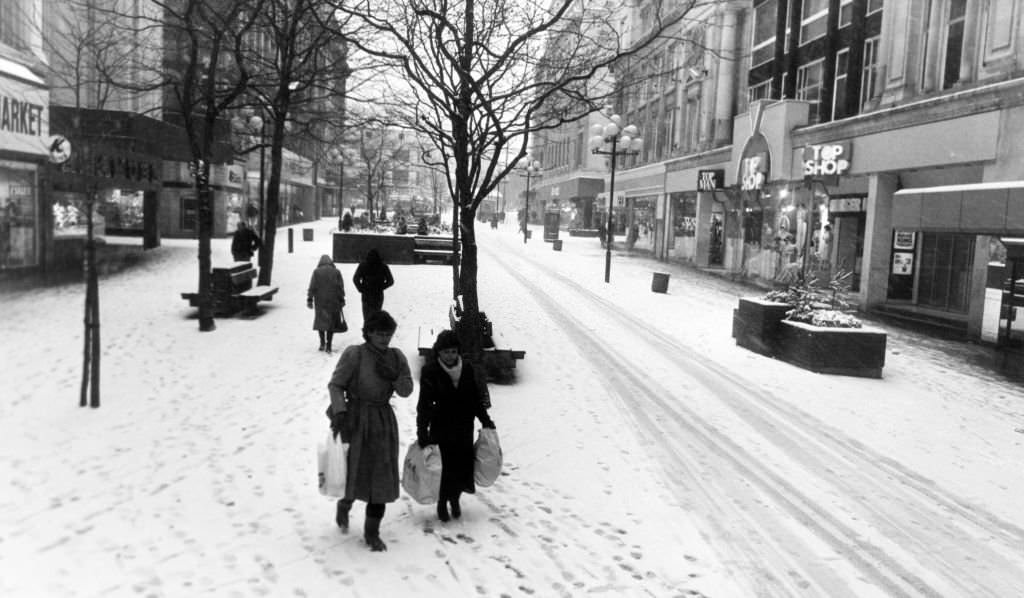
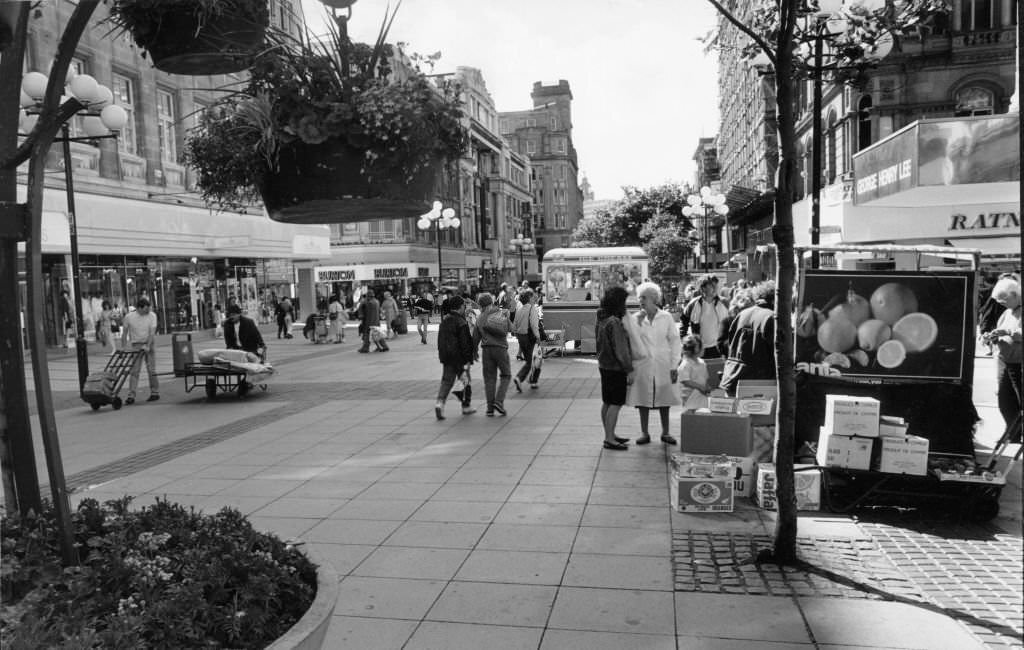
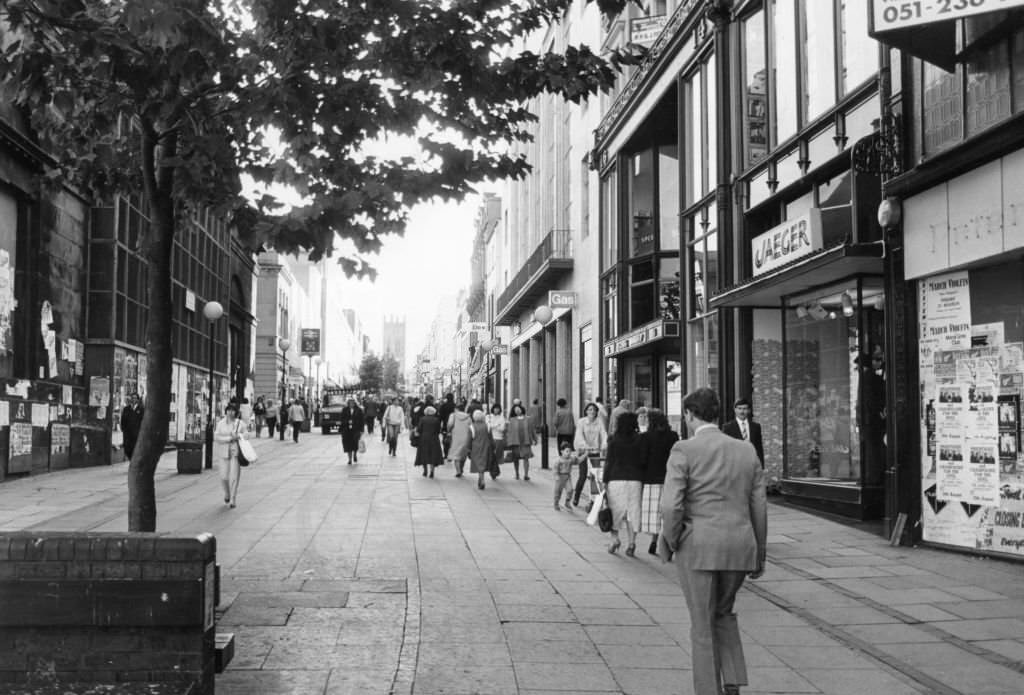
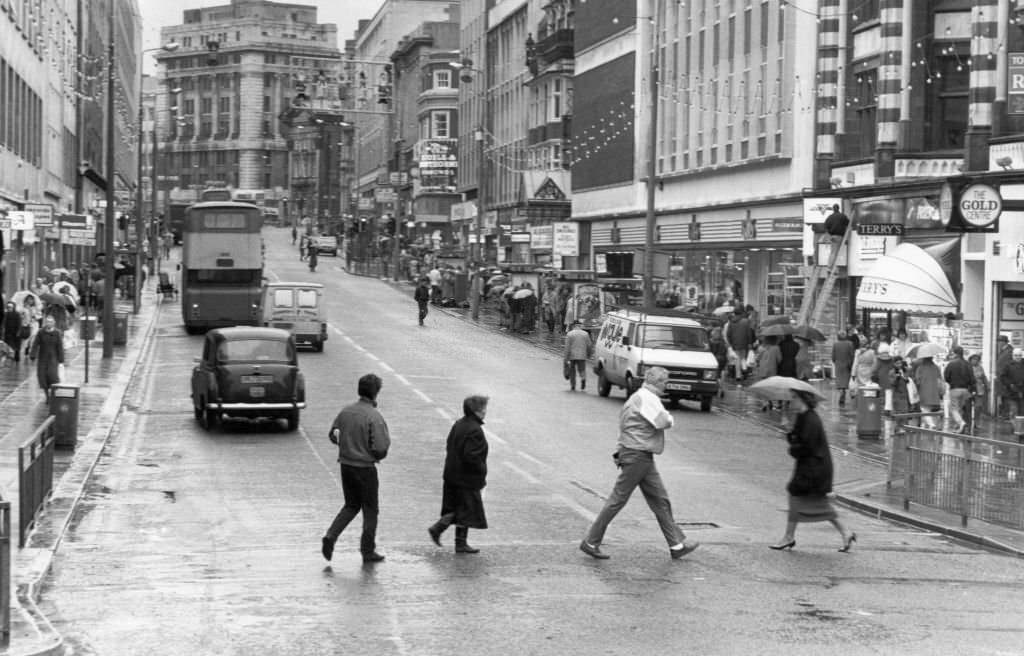
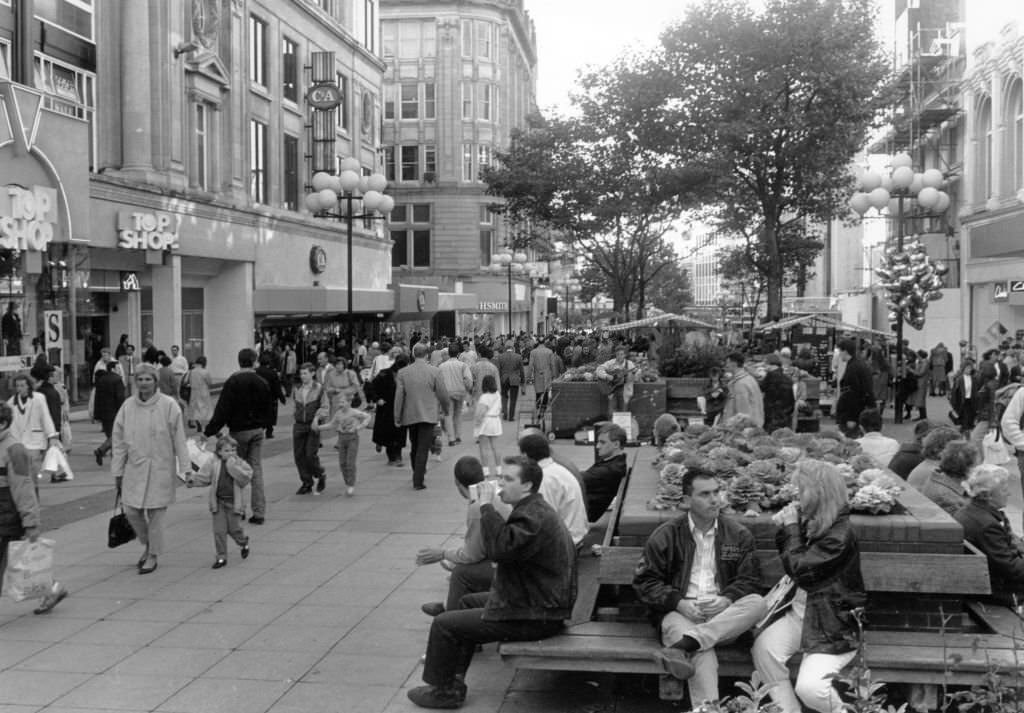
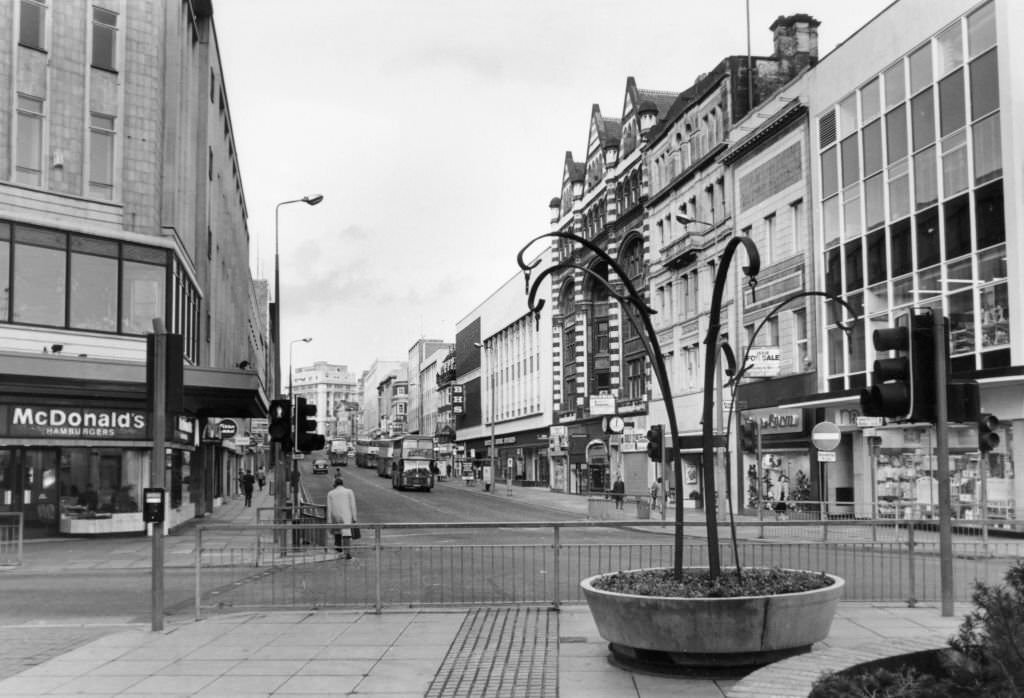
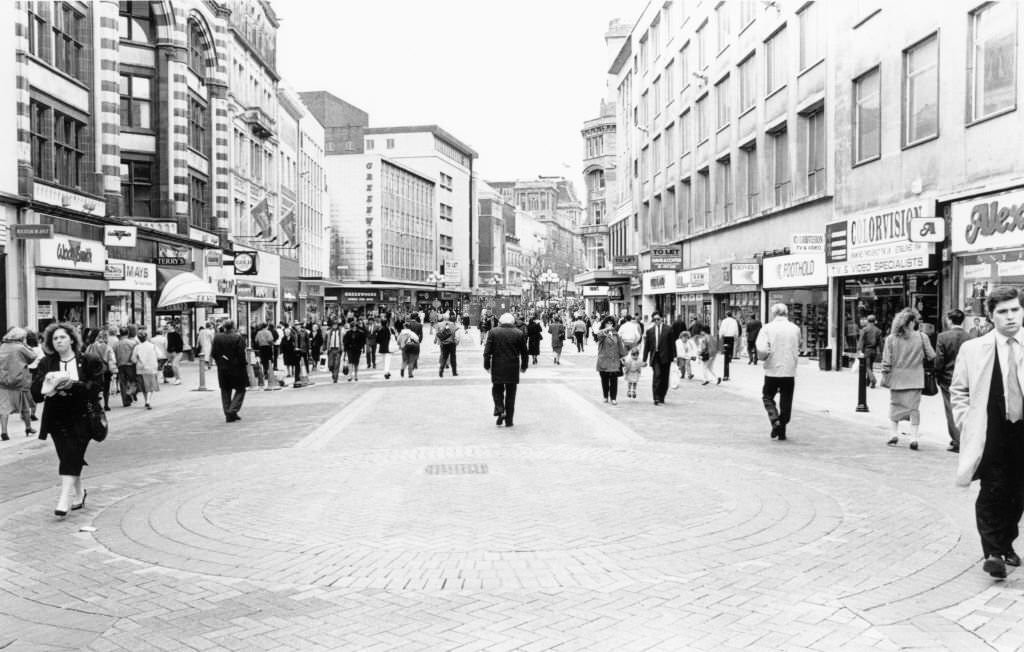
The city’s street life carried on regardless. Lord Street and Church Street remained busy shopping corridors, and photographs from across the decade show people going about their daily lives — browsing stalls, braving winter snow, and gathering for Christmas. On February 11, 1985, shoppers on Church Street huddled together against heavy snowfall on an unusually quiet morning.
Lord Street, Liverpool. 10th July 1980.Lord Street Liverpool, Merseyside, 10th July 1980.Huddled up against the winter snow, shoppers in a strangely quiet Church Street during the morning, 11th February 1985.
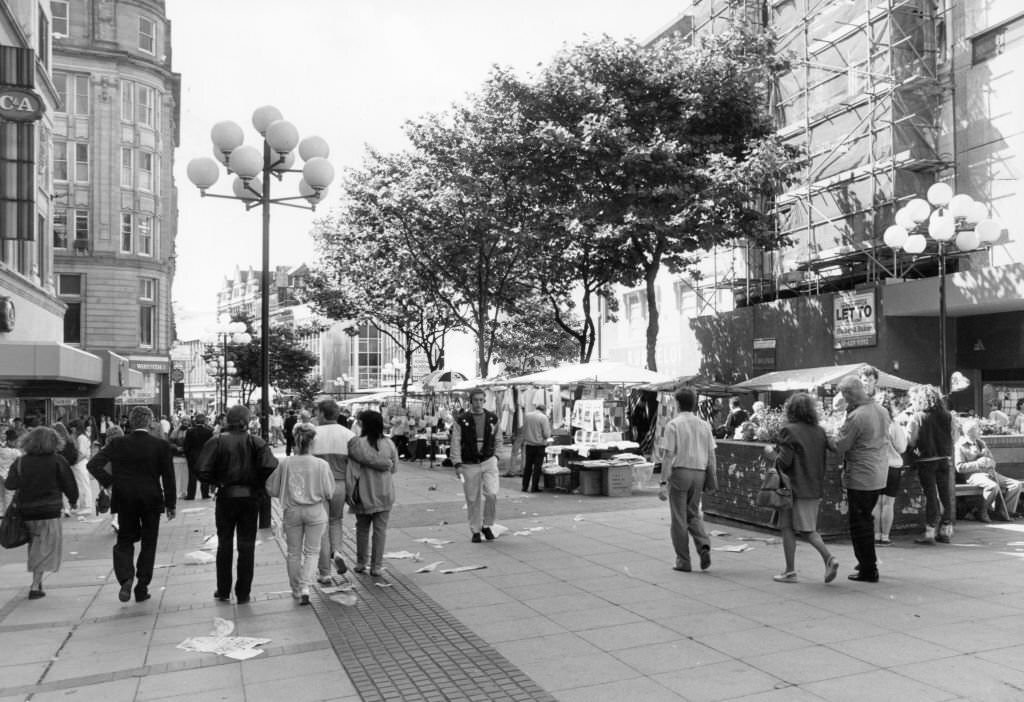
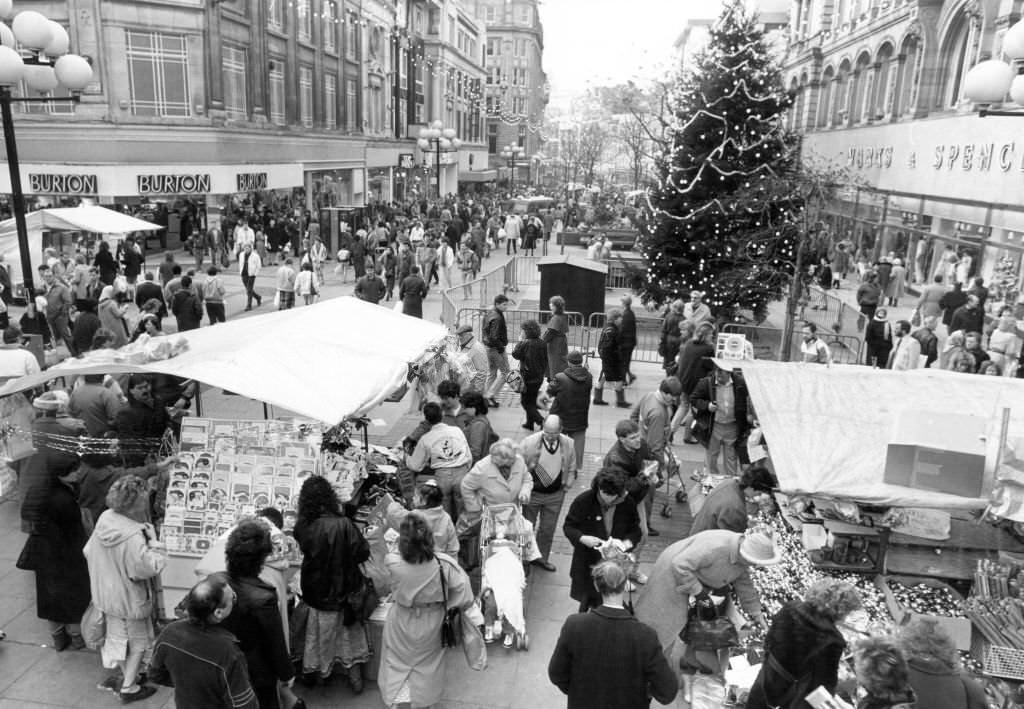
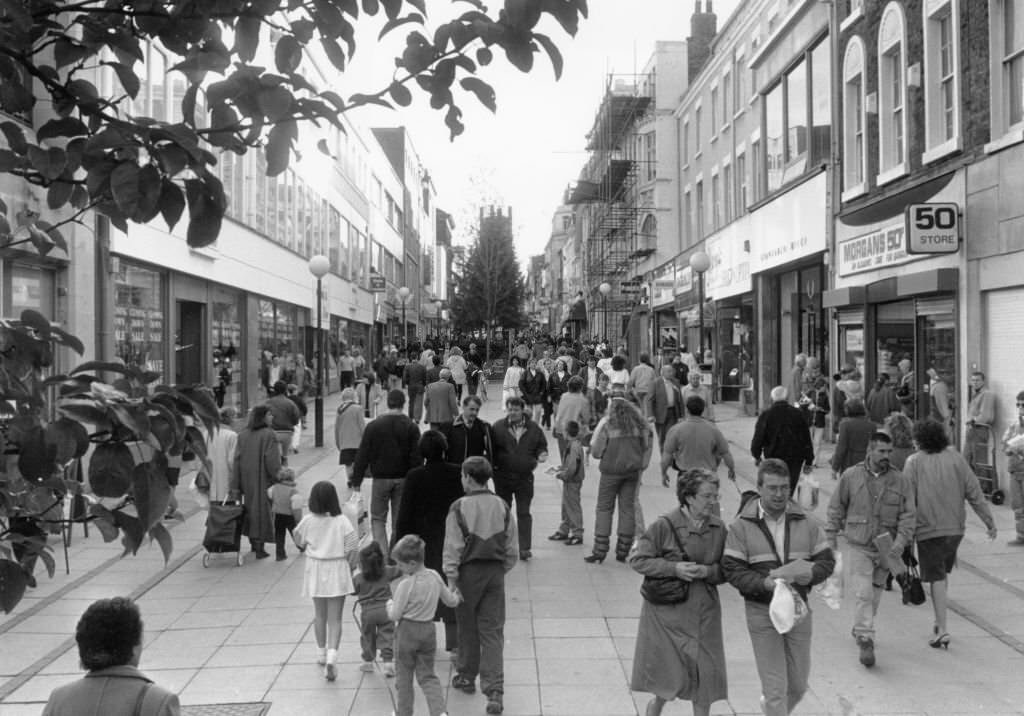
Street traders set up along Church Street through the summer months, and by December the area filled with Christmas shoppers. These scenes of ordinary commerce existed alongside genuine hardship — empty slums, men sleeping on waste ground, and children growing up in neighbourhoods being slowly hollowed out.
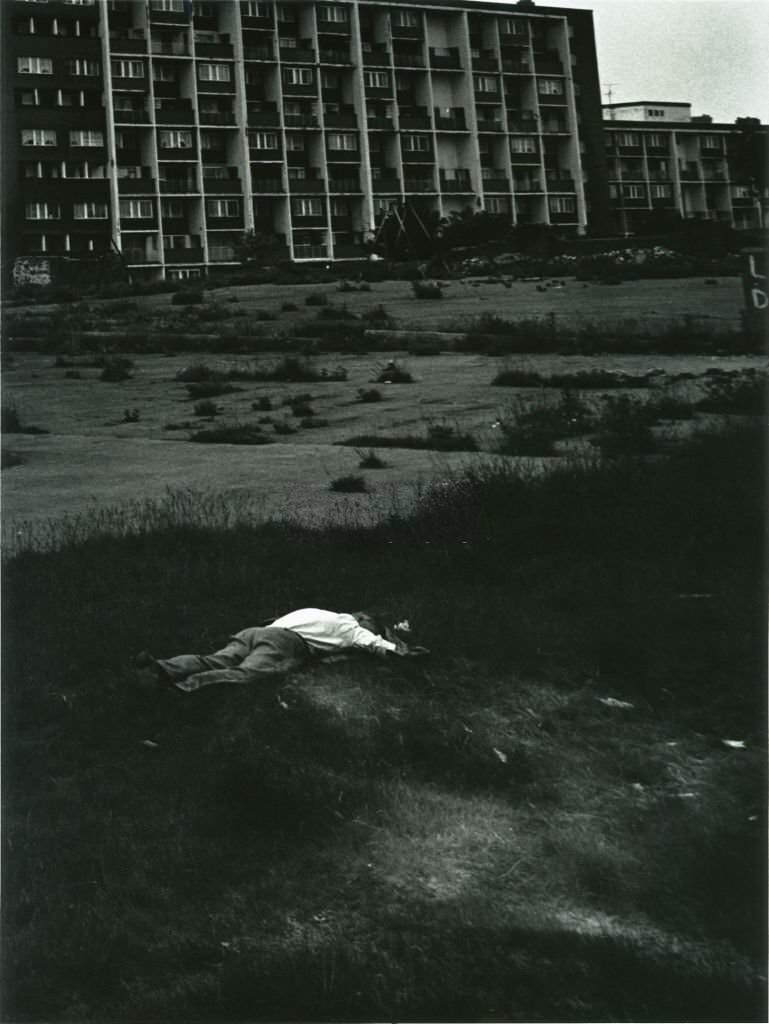
Street Traders in Church Street Liverpool, 26th July 1988.Street Traders in Church Street Liverpool, 26th July 1988.Christmas Shoppers, Church Street, Liverpool, 14th December 1987.Empty slums, Liverpool, 1980sA man sleeping on waste ground in Liverpool, June 1982.
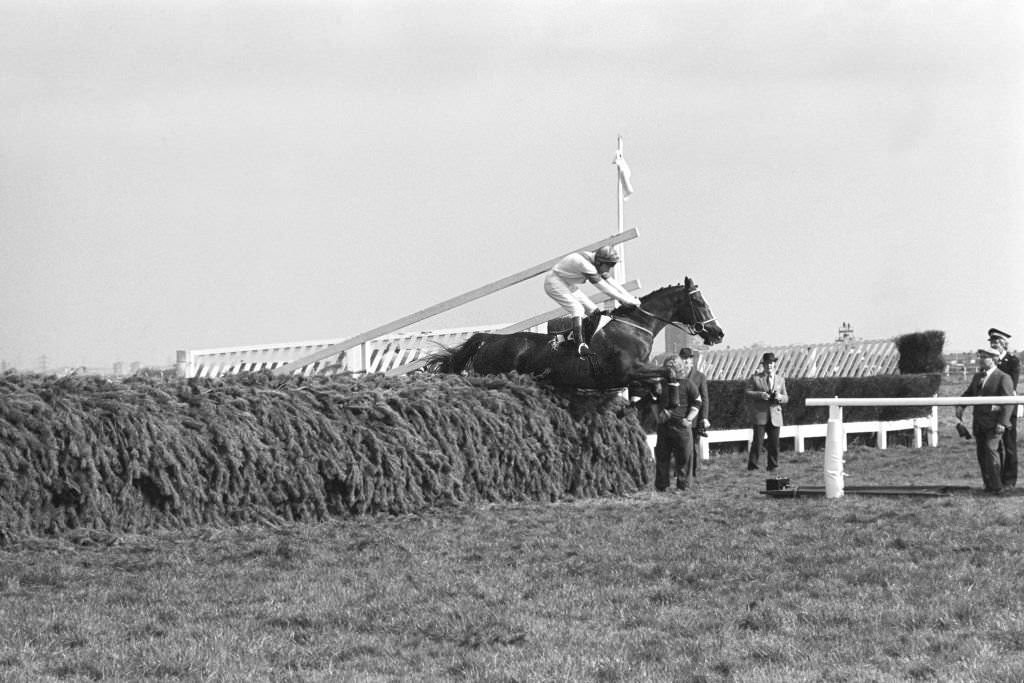
The Grand National at Aintree Racecourse continued to bring crowds to Liverpool each year throughout the decade, offering a brief spectacle that drew national attention to the city for reasons other than hardship. Meanwhile, life in Liverpool’s residential neighbourhoods carried its own rhythms — ordinary moments caught on film that now serve as a powerful record of the era.
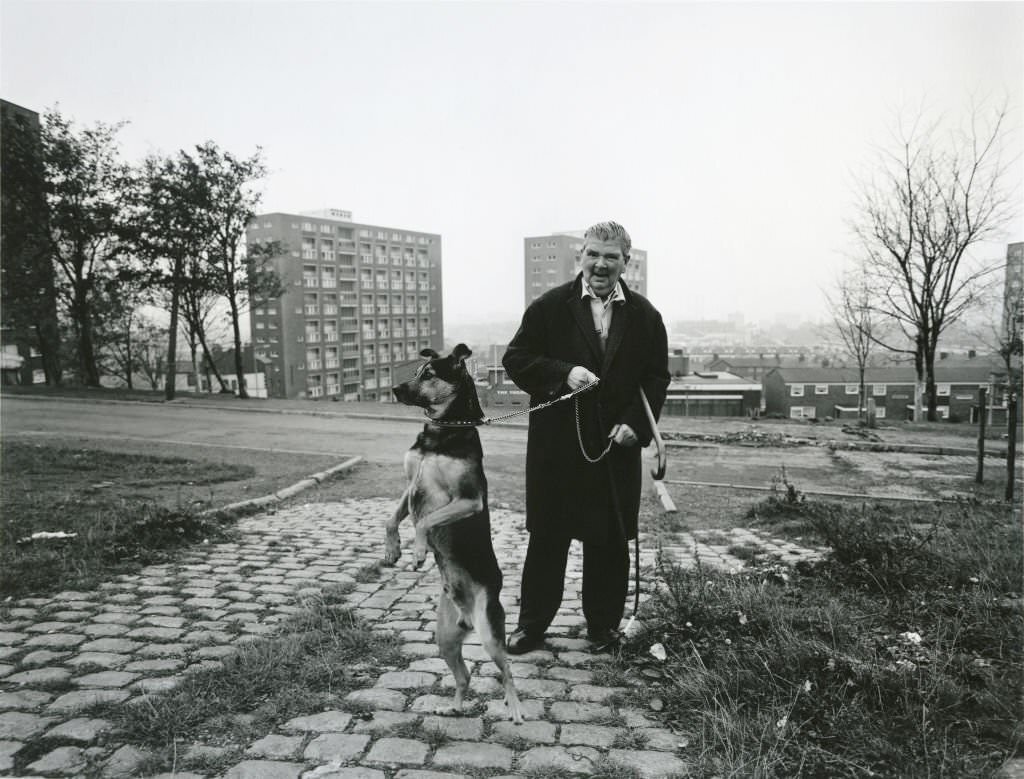
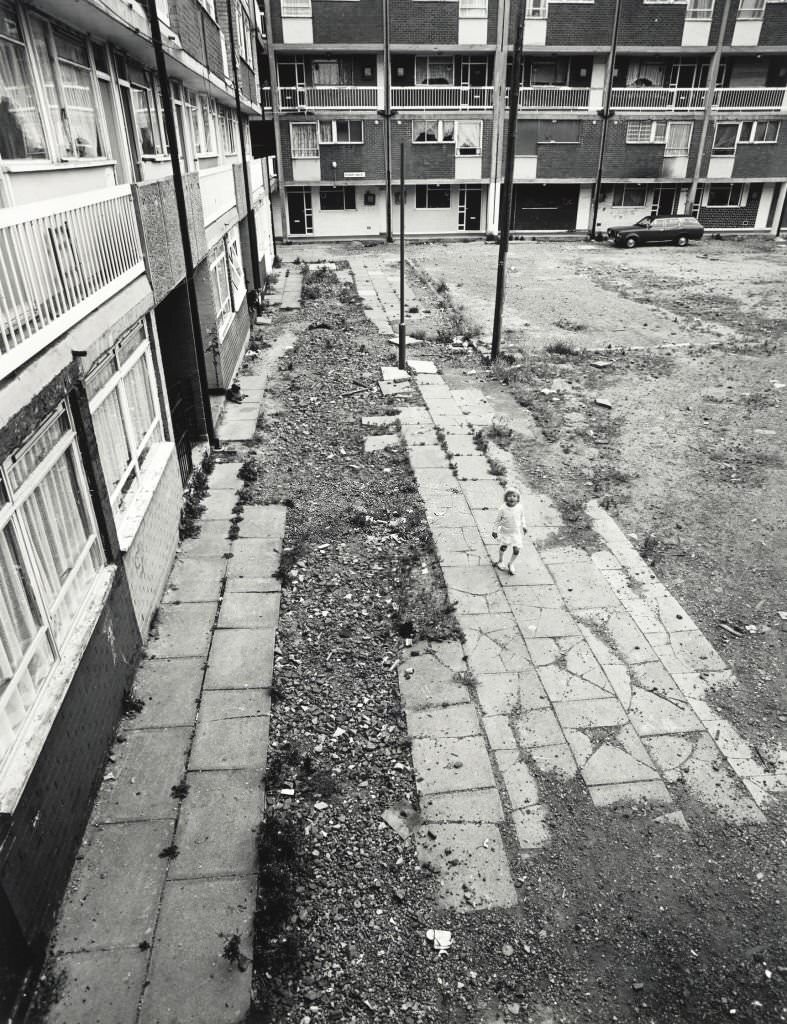
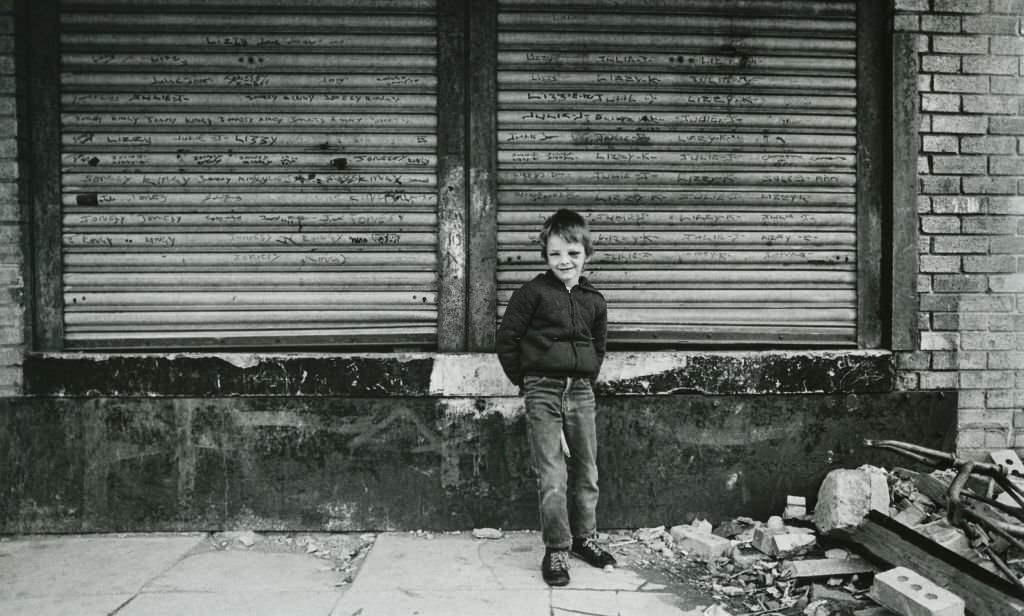
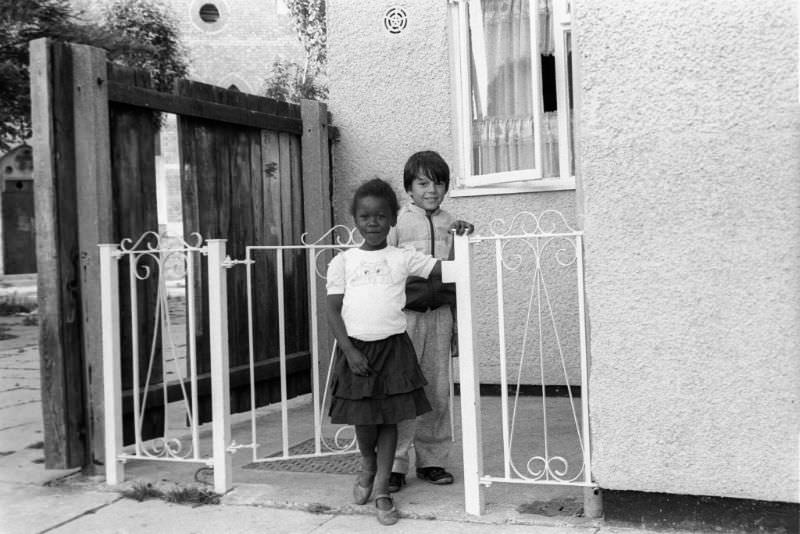
Horse Racing – Grand National Steeplechase – Aintree Racecourse, Liverpool, 1980sA man taking his dog for a walk in Liverpool, 1982.A small child outside her home in Liverpool, 1982.A young boy with a black eye standing on the street in Liverpool, 1982.
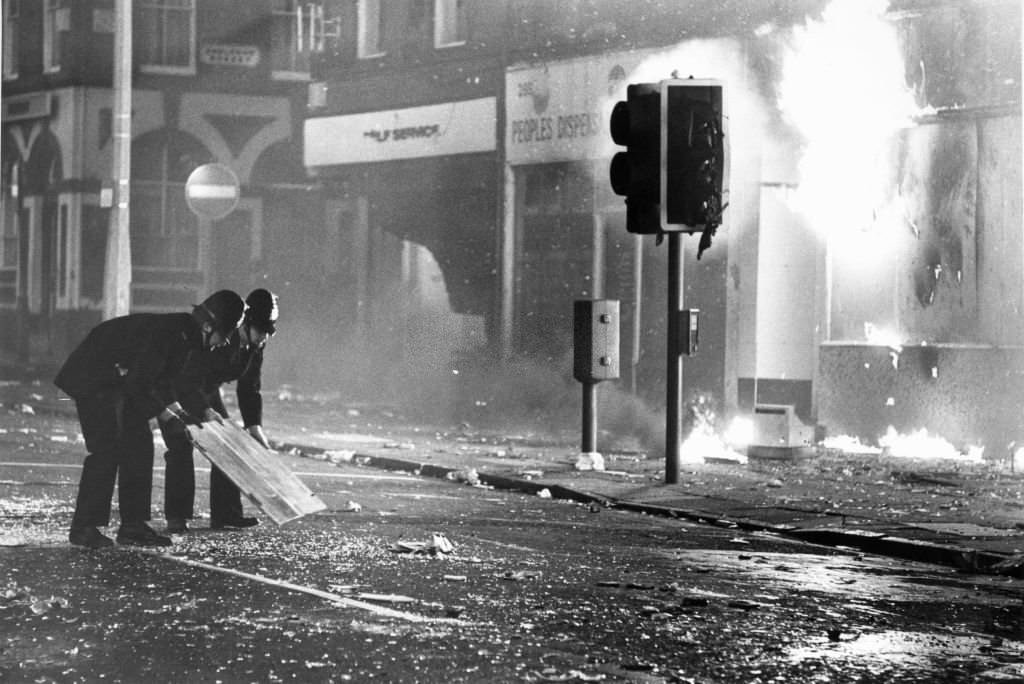
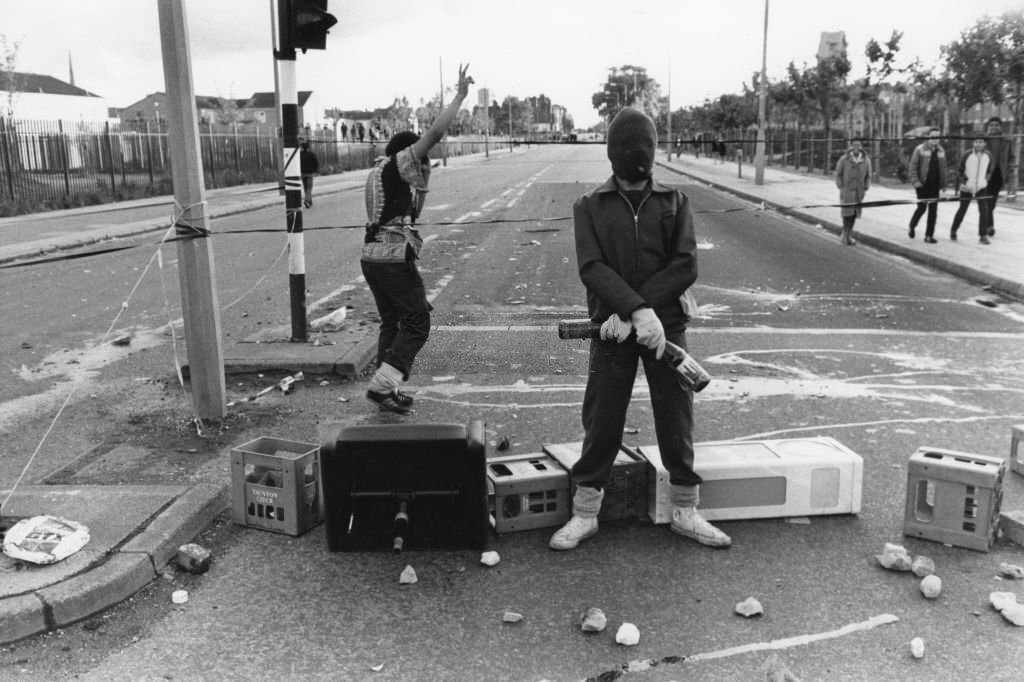
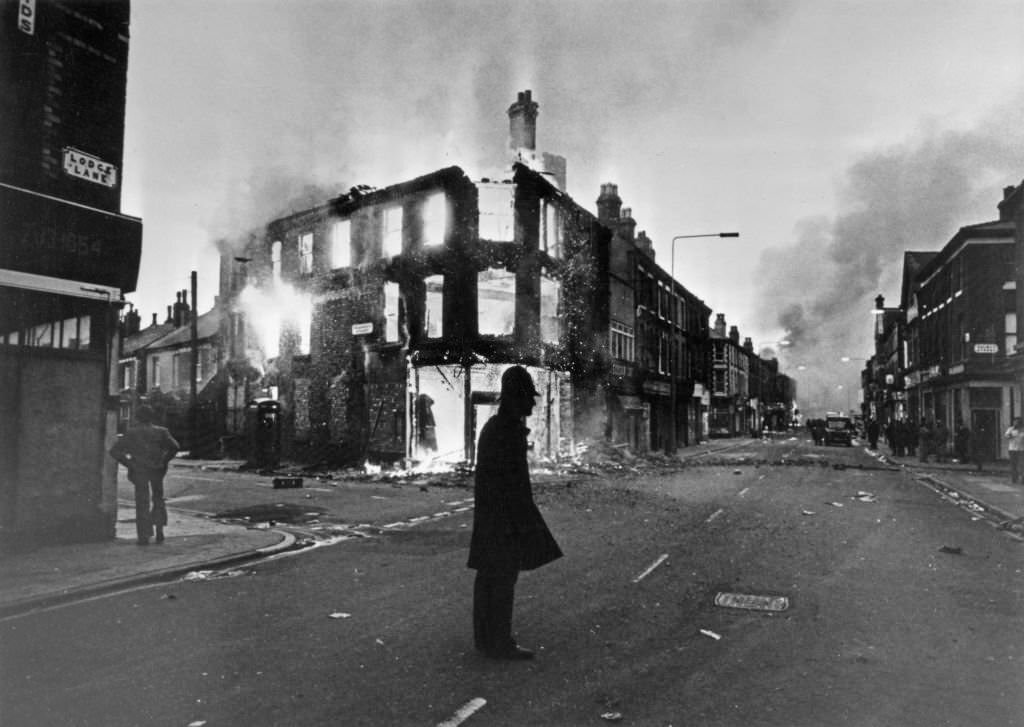
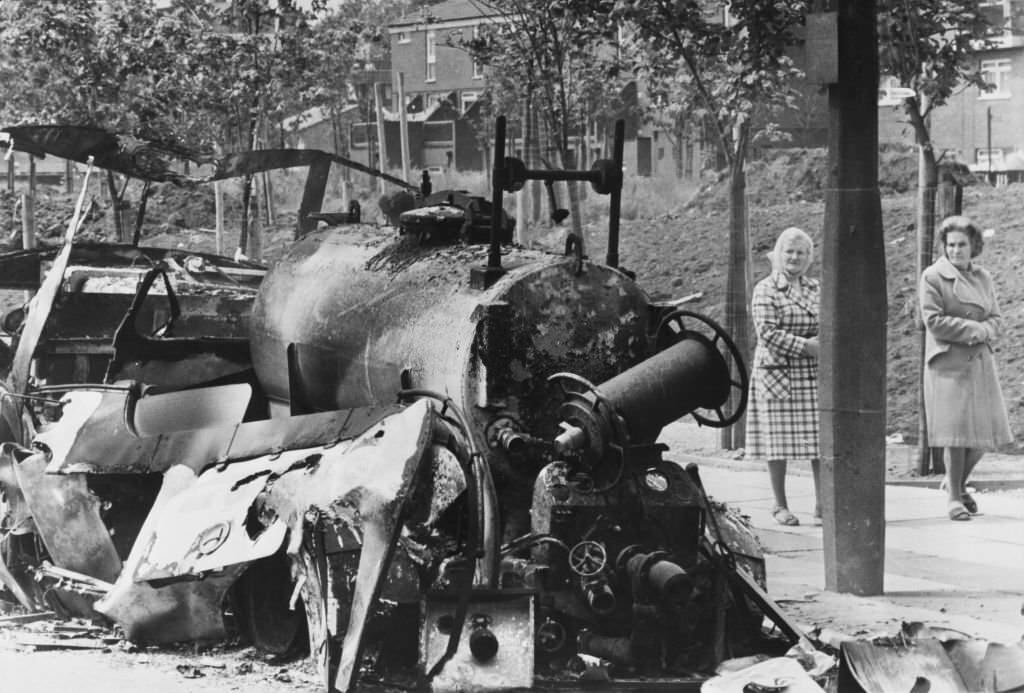
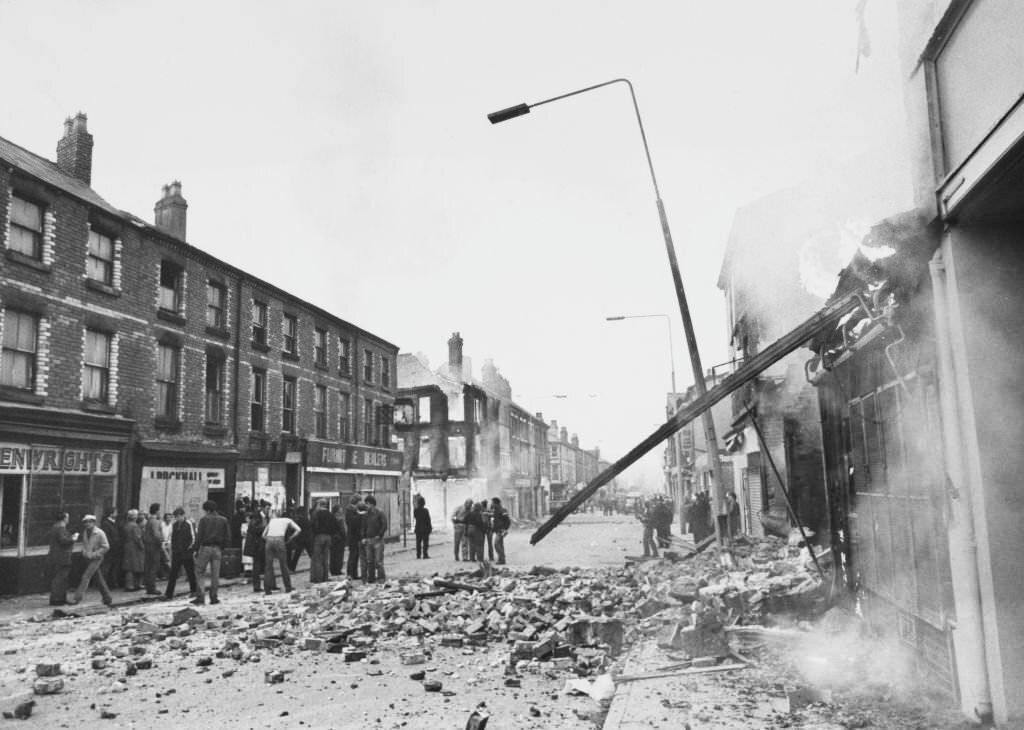
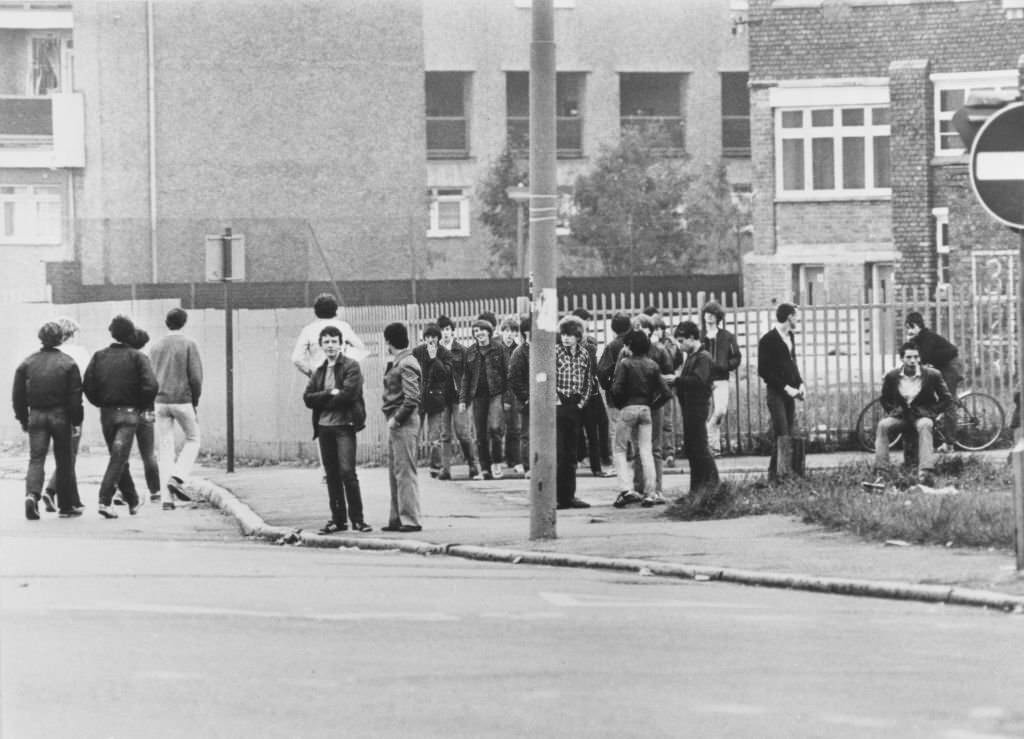
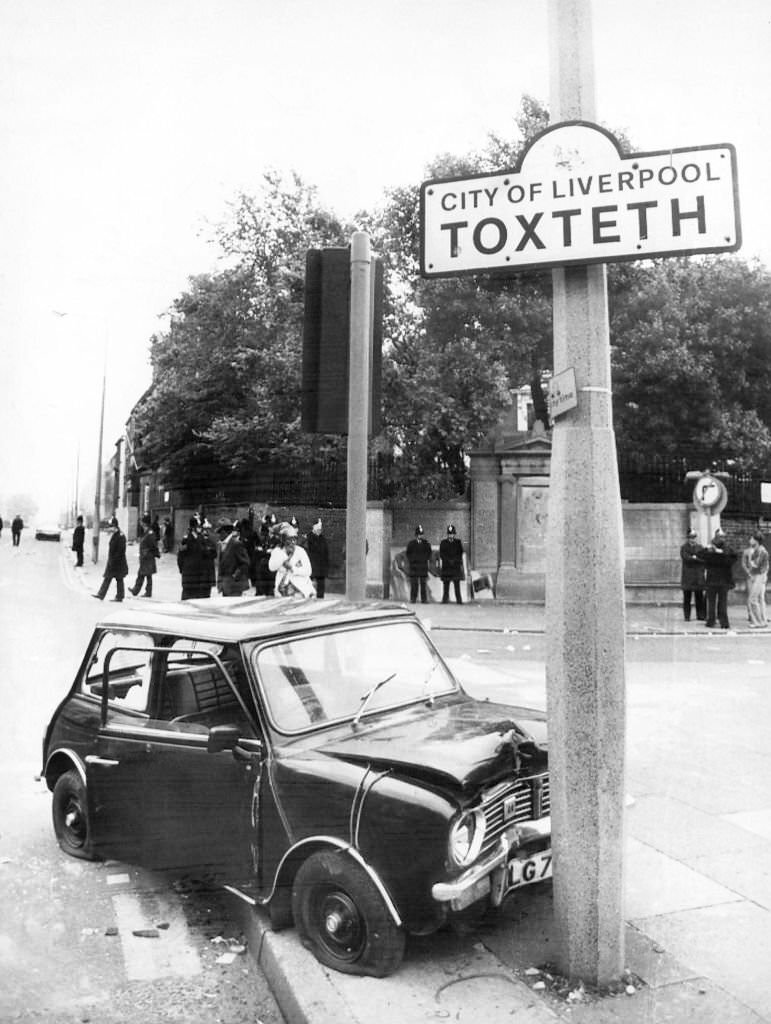
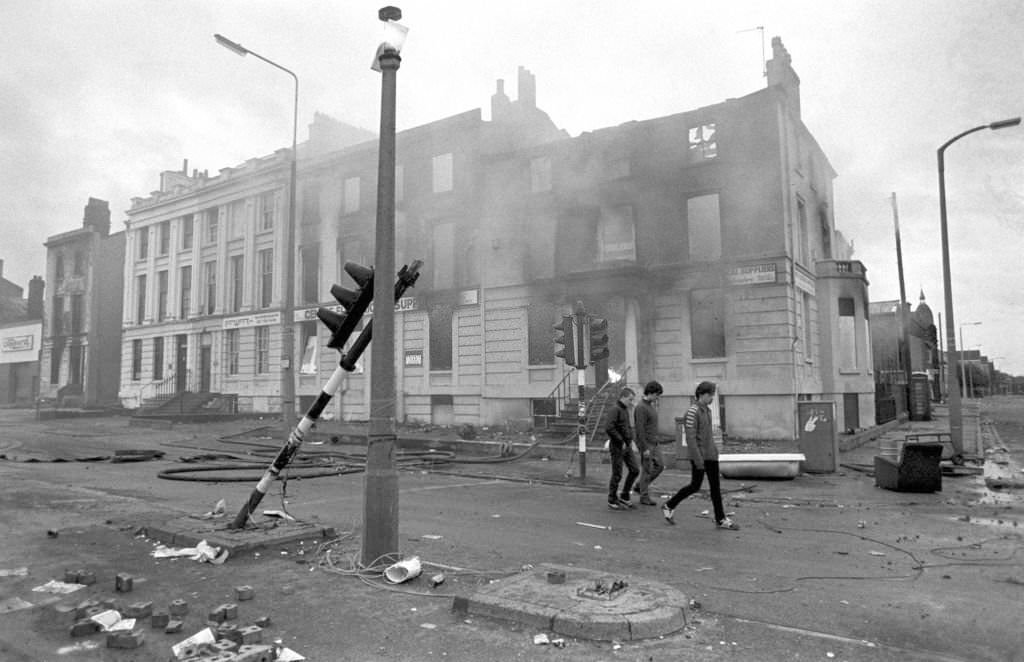
The single most explosive event of the decade came in July 1981. The Toxteth Riots began on July 3 after police stopped a motorcyclist named Leroy Cooper on Selbourne Street. A crowd gathered, tensions escalated rapidly, and three police officers were hurt that night. Police increased patrols in the area, but on the evening of July 4 they came under attack from a crowd throwing bricks and petrol bombs. Nine days of disorder followed. Hundreds of police and civilians were injured. One man died. Around 500 people were arrested, 70 buildings were destroyed, and damage reached an estimated £11 million.
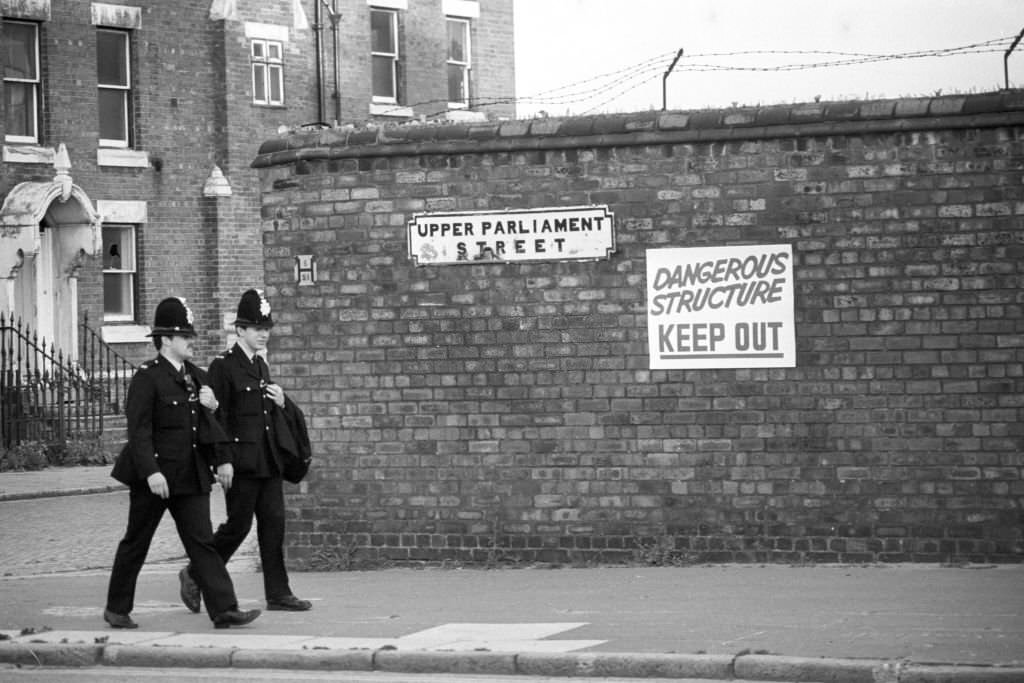
Toxteth Riot, 6th July 1981A youth wearing a balaclava and holding bottles, during rioting in the Toxteth area of Liverpool, 5th July 1981.A police officer is silhouetted against a background of a burning building during riots in the Toxteth area of Liverpool, England, 8th July 1981.Two women walk past the burnt wreck of a fire engine following a night of rioting in the Toxeth area of Liverpool, England, 7th July 1981.A crowd in the street stand in a brick-strewn road, beside a damaged shop, smoke pouring from the damaged facade, and a leaning lamppost in the Toxeth area of Liverpool, England, July 1981.A crowd of youths standing on a street corner before rioting started in the Toxteth area of Liverpool, England, July 1981.A wrecked car at the Toxteth boundary in Liverpool following riots, July 1981.Teenagers survey the aftermath of a second night of violent rioting in the Toxteth district of Liverpool, 1981Residents of the Toxteh neighborhood after the race riots on July 7, 1981 in Liverpool.The aftermath of Toxteth Riots in Liverpool.Police officers on Upper Parliament Street, in Toxteth, Liverpool in the aftermath of the Toxteth Riots.
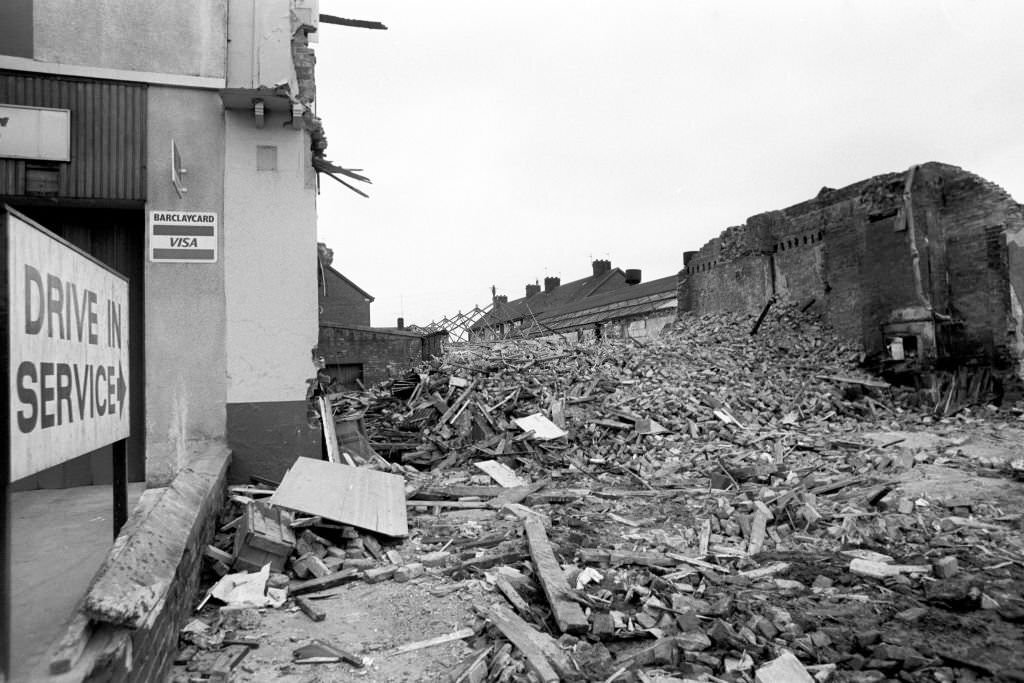
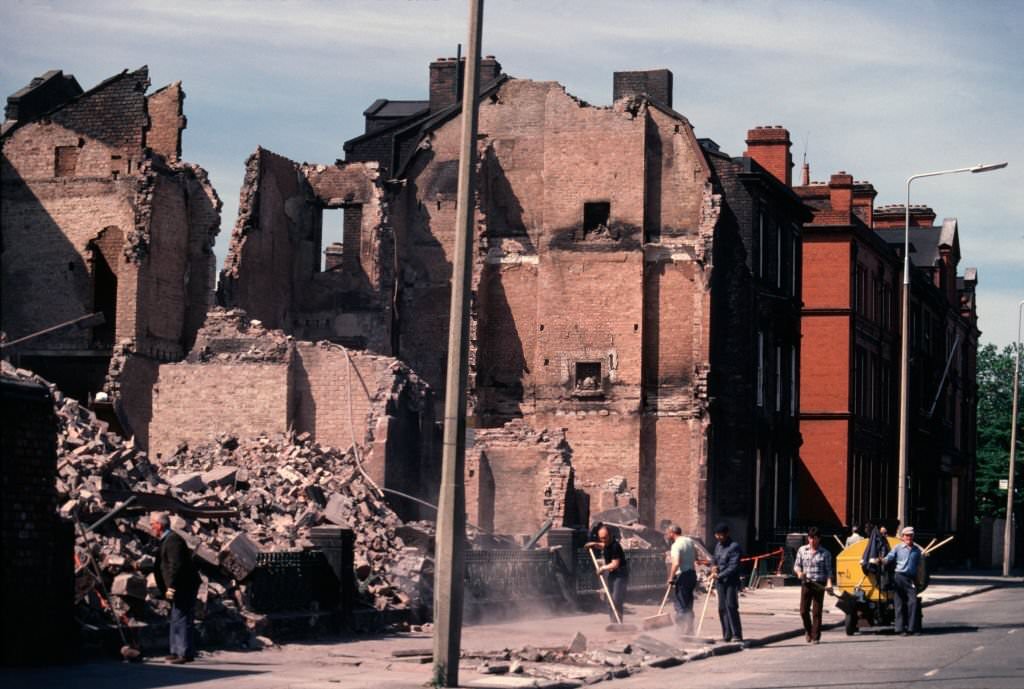
The Rialto Ballroom — which had been operating as Swainbanks’ second-hand furniture store — was burned during the riots and demolished the following month. Upper Parliament Street, at the heart of the affected area, showed the scars of those nights for years afterward.
Remnants of the Rialto Ballroom (later Swainbanks’ second-hand furniture emporium) being demolished after it was burned during the Toxteth Riots, August 1981 in Liverpool.Upper Parliament Street and the Racquet Club in Liverpool , 1980s
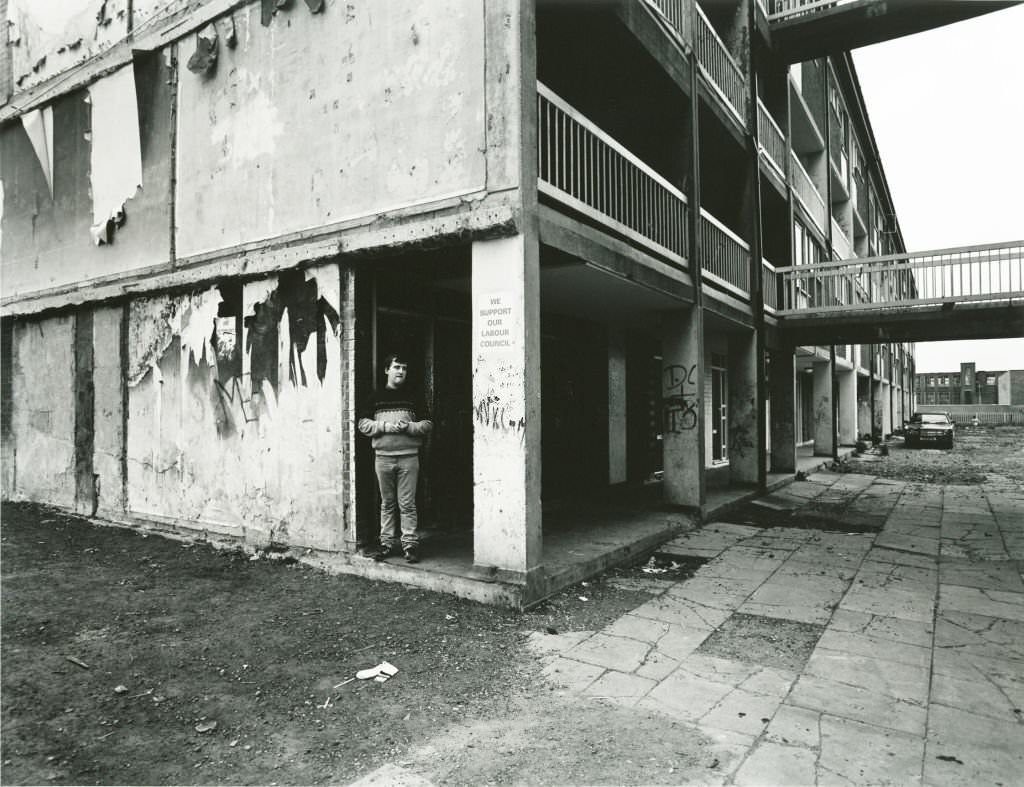
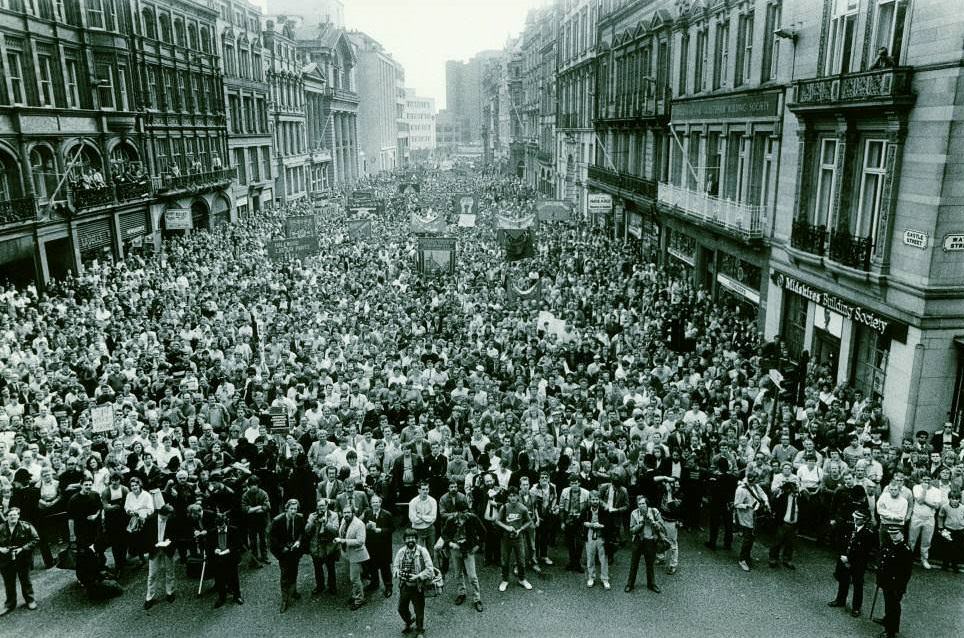
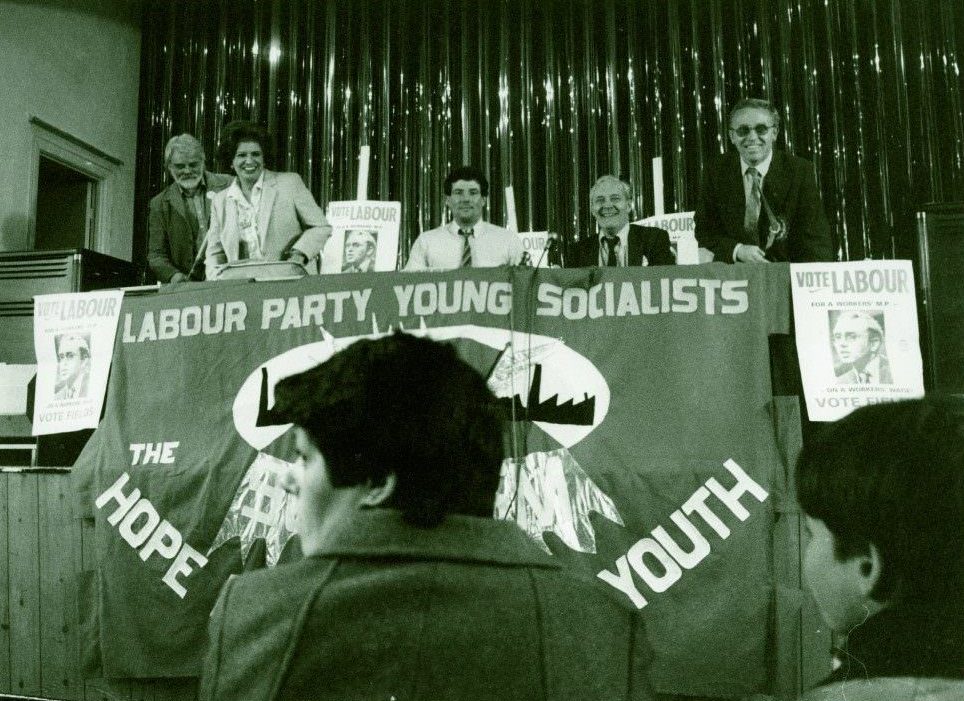
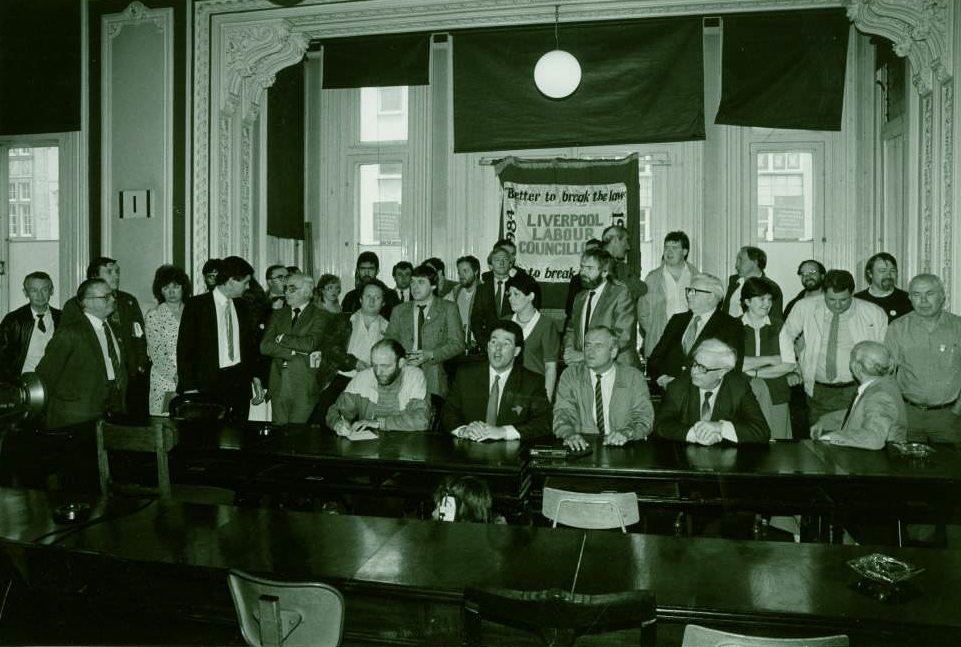
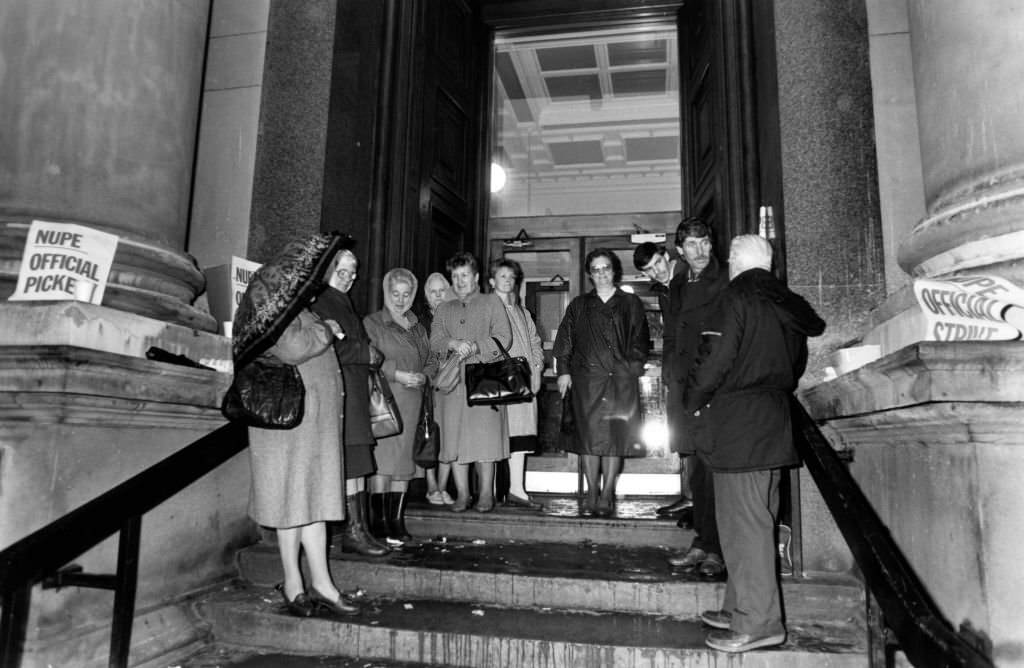
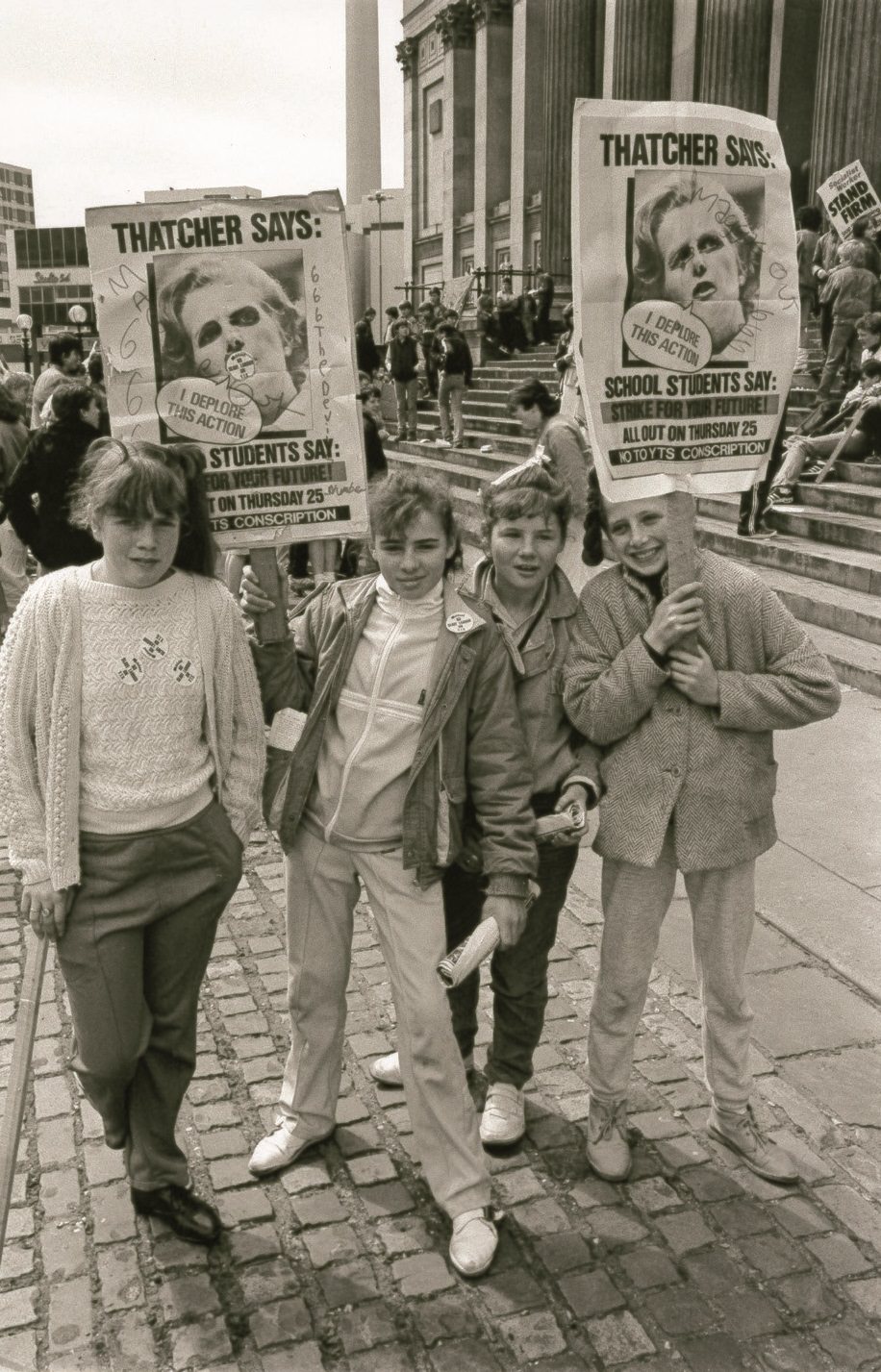
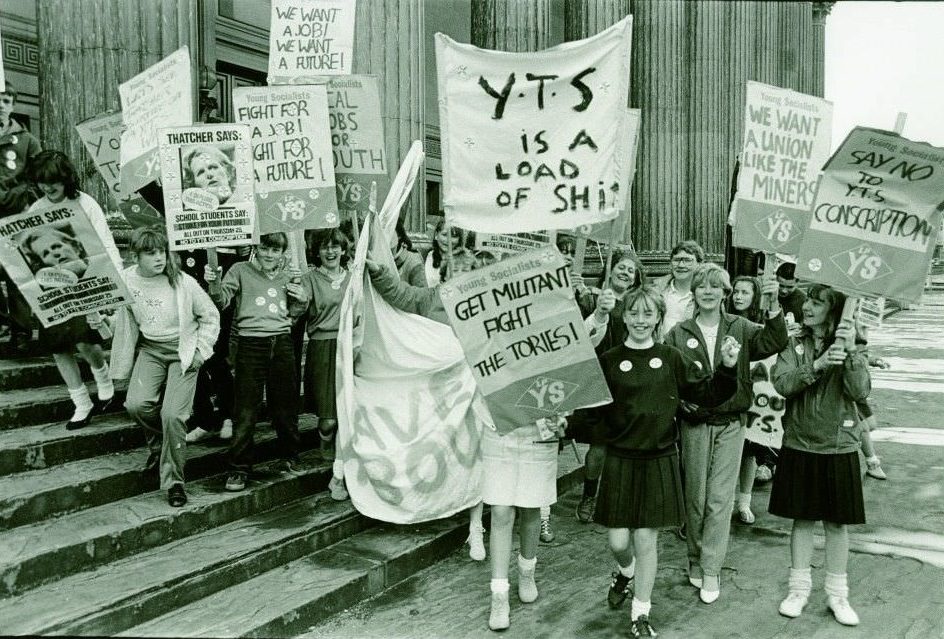
The riots deepened an already tense political situation. In 1983, Liverpool elected its first Labour council. The far-left Militant group, led in practice by Deputy Leader Derek Hatton, took control of the council and went head-to-head with Margaret Thatcher’s Conservative government over funding cuts. The council ran up heavy debt refusing to reduce spending on local services. The District Auditor eventually removed 49 councillors for refusing to set a legal budget, effectively forcing the council into bankruptcy. Labour leader Neil Kinnock moved against Militant, publicly attacking Hatton’s conduct as part of his effort to make the party electable again.
A small sign on the wall of some flats in Liverpool – We Support Our Labour Council – 1983.Demo in support of Liverpool Council in 1985.Tony Boothe, Pat Phoenix, Derek Hatton, Tony Benn MP and Terry Fields during Terry’s 1983 campaign to be elected to Broadgreen.Councillors meet the mediaA NUPE Picket at the Municipal Buildings, Dale Street, Liverpool, Merseyside, 4th December 1985.School students’ strike against Youth Training Scheme conscription, 1985.School students’ strike against Youth Training Scheme conscription, 1985.
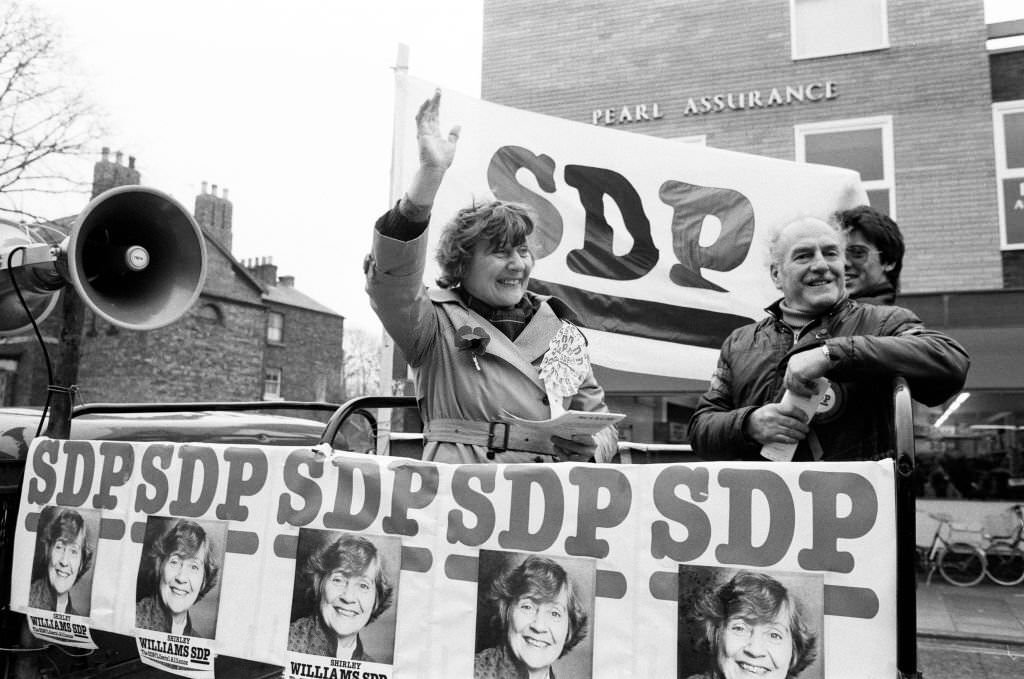
The Conservative share of the vote in Liverpool remained consistently low throughout every local and parliamentary election in the decade. Shirley Williams of the newly formed Social Democratic Party campaigned in the area during the 1981 Crosby by-election, reflecting the shifting political landscape of the time.
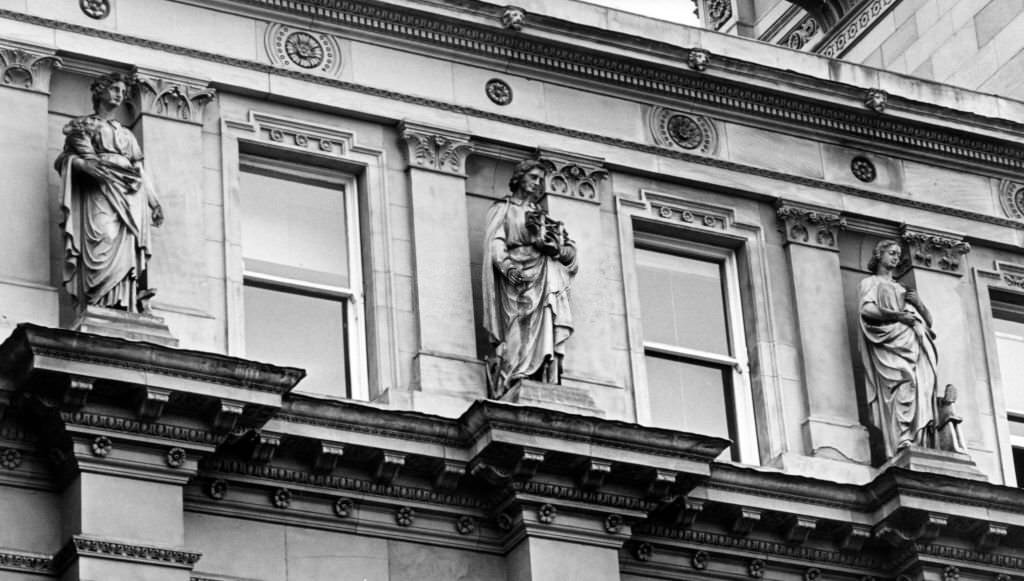
Shirley Williams of the Social Democratic Party getting her election campaign underway as she tours shopping areas during the Crosby by-election, 1981Statues on the exterior of the Municipal Buildings, Dale Street, Liverpool, Merseyside, 7th August 1982.
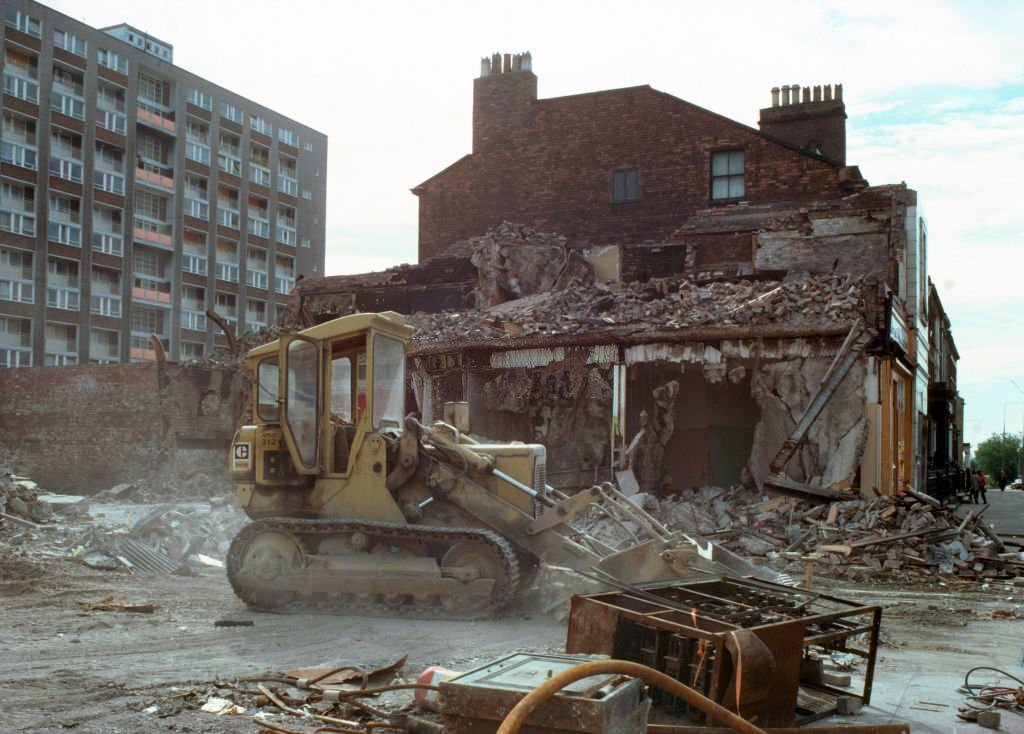
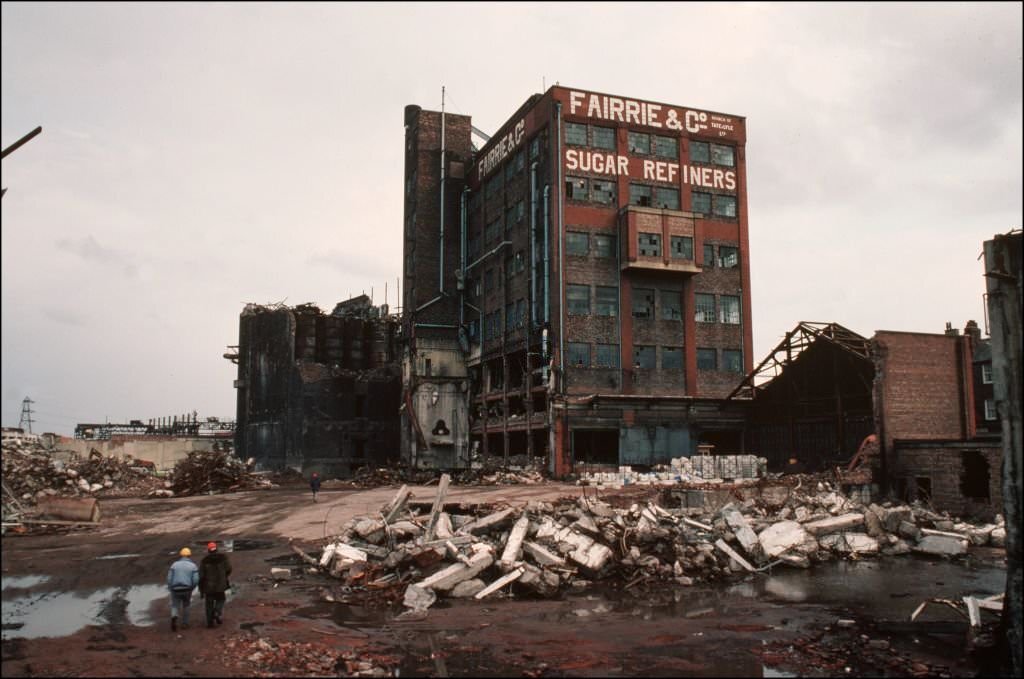
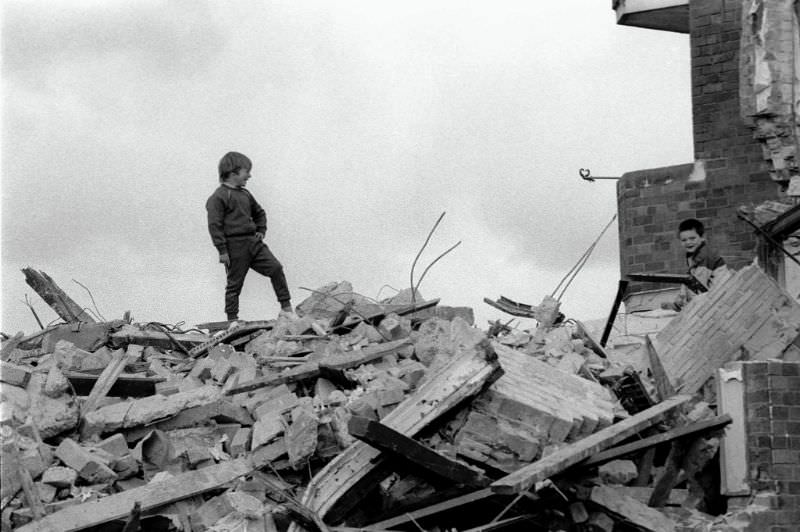
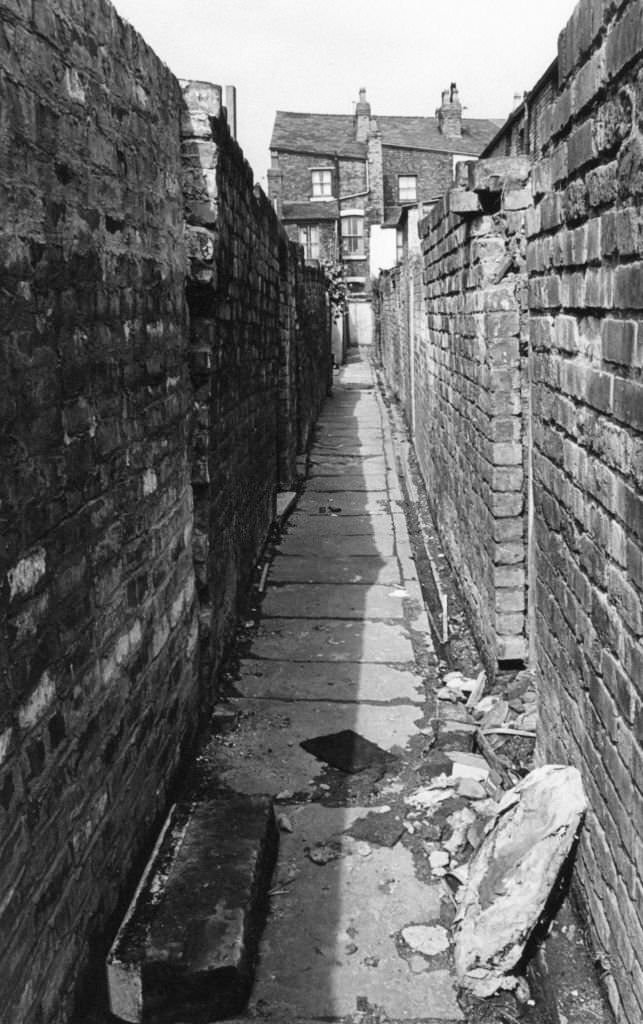
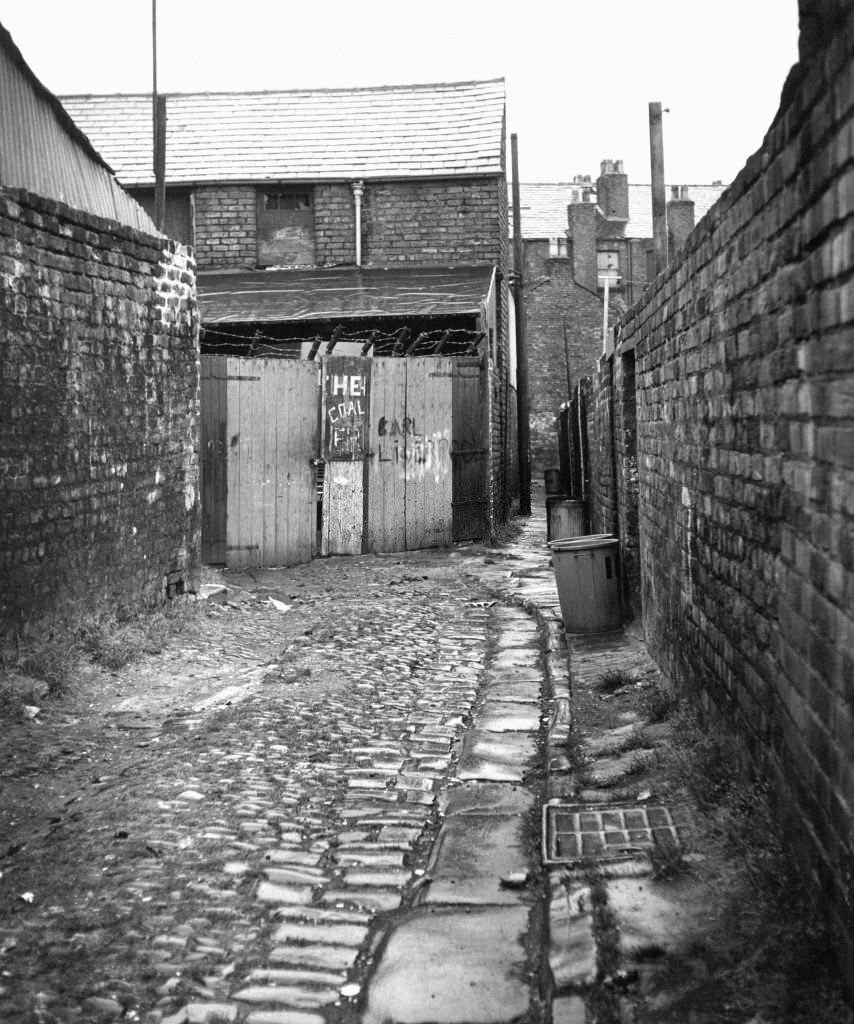
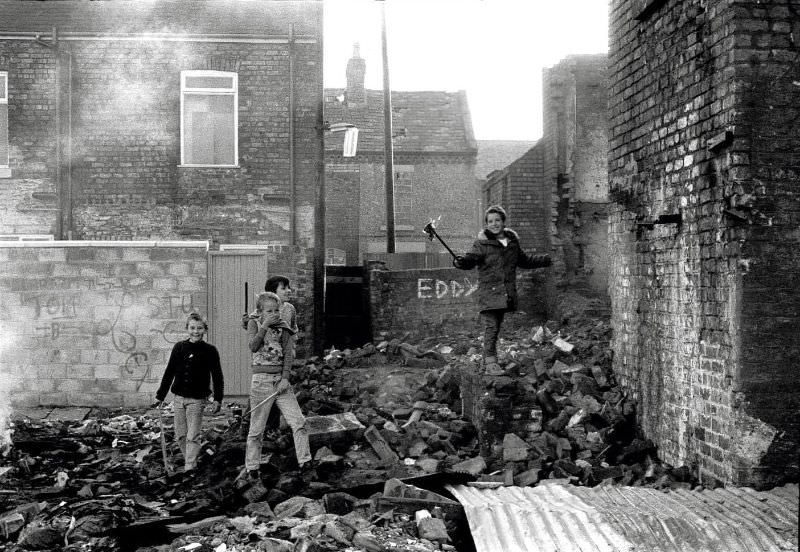
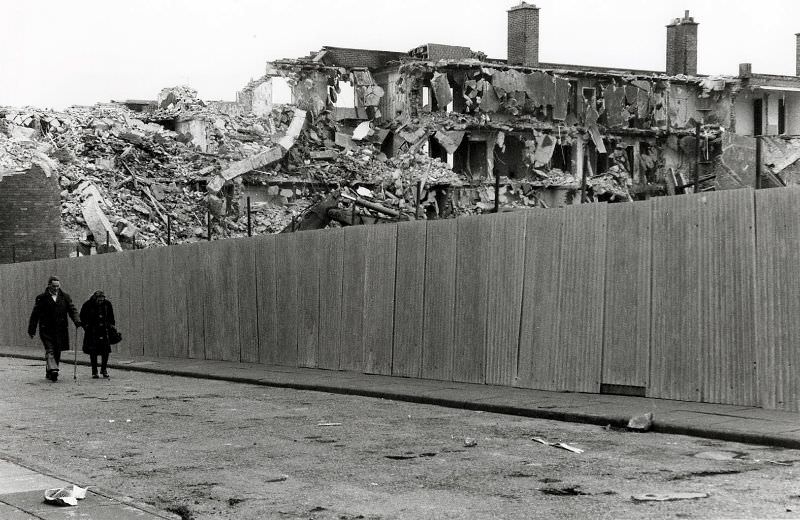
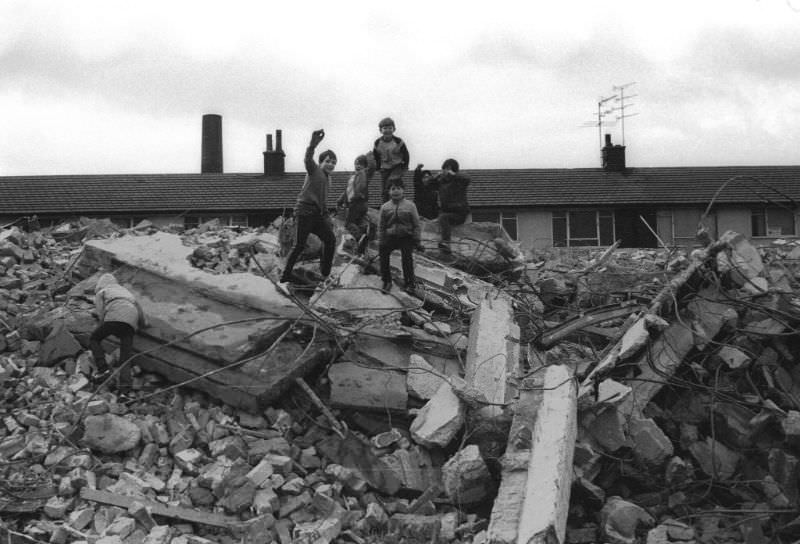
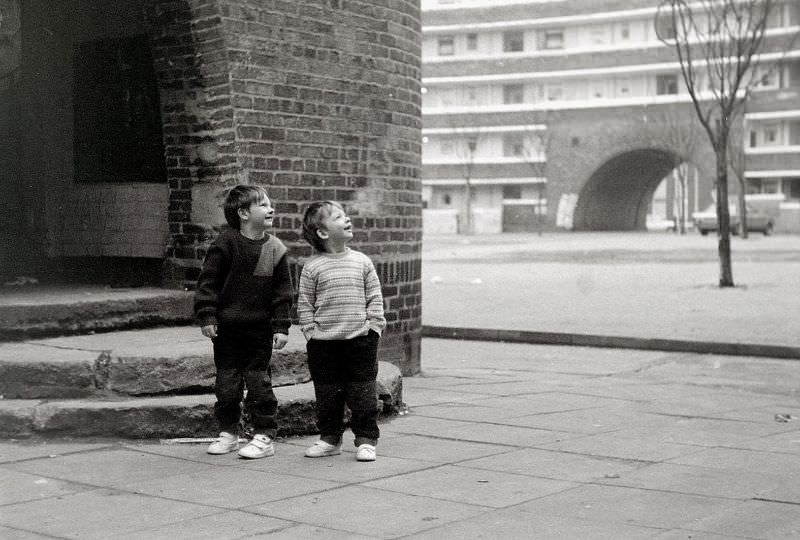
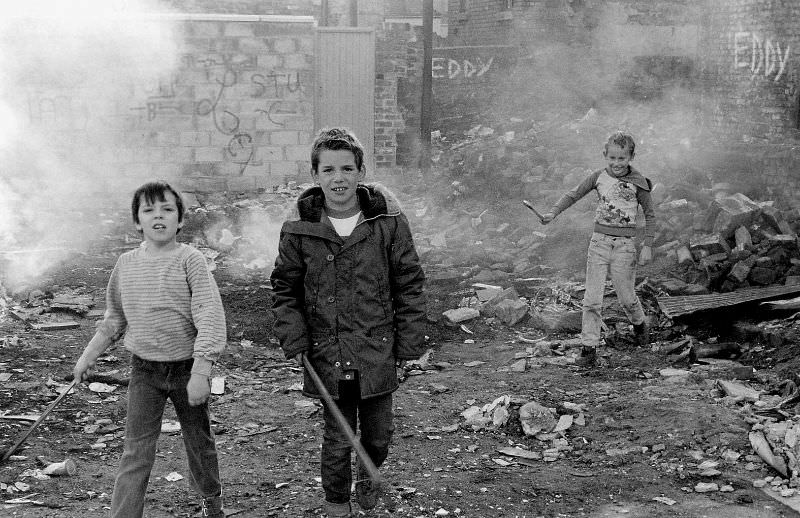
Industry continued to collapse. Sugar factories shut down. The photographs from 1981 show factories that were already struggling, and many did not survive the decade. In the neighbourhoods left behind, kids played on rubble and in alleys, their daily lives framed by demolition sites and boarded-up buildings.
Factory in Liverpool, 1981Sugar factory is shutting down in Liverpool, 1980sBoys on rubble, 1980s
A typical Edge Hill alley way, Liverpool, 17th August 1981.
Alleyway in Toxteth, Liverpool, 1980.
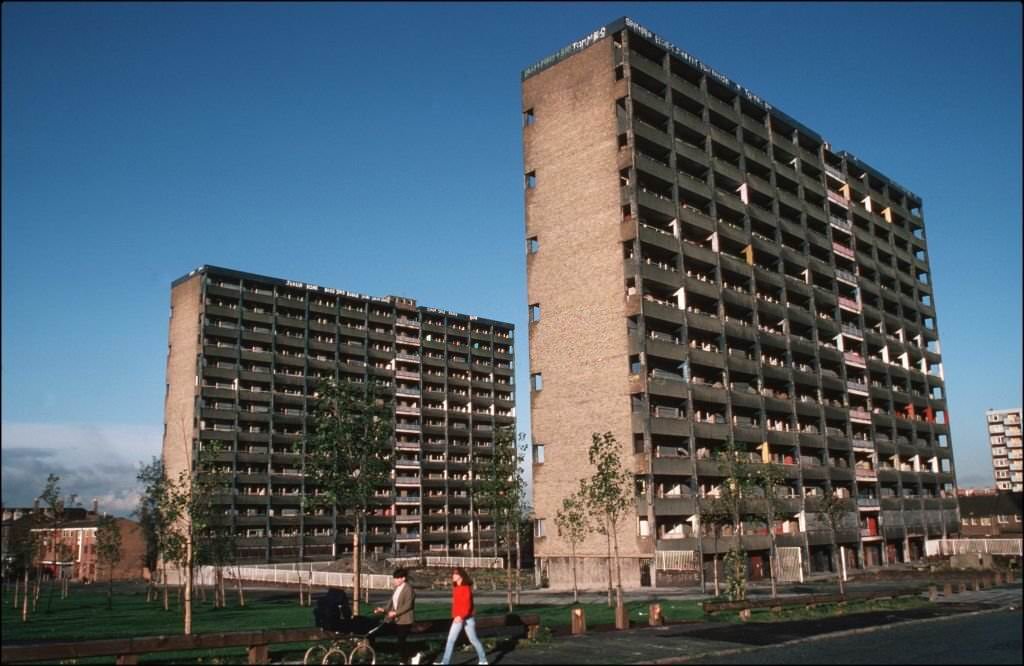
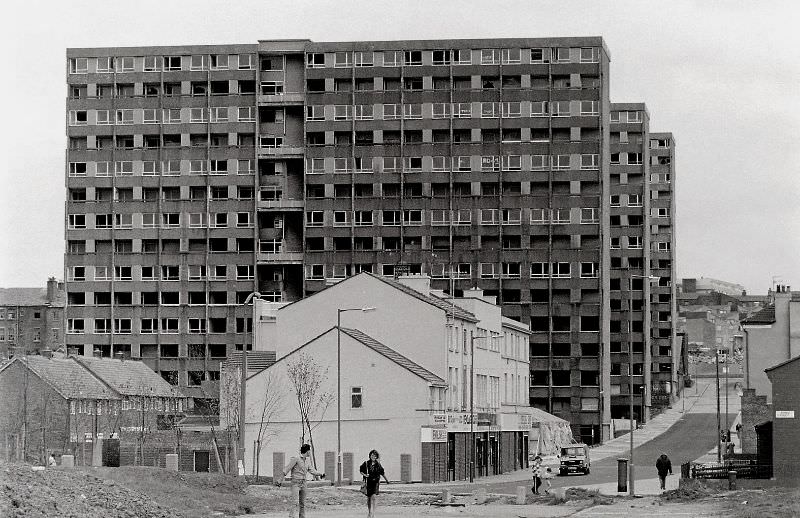
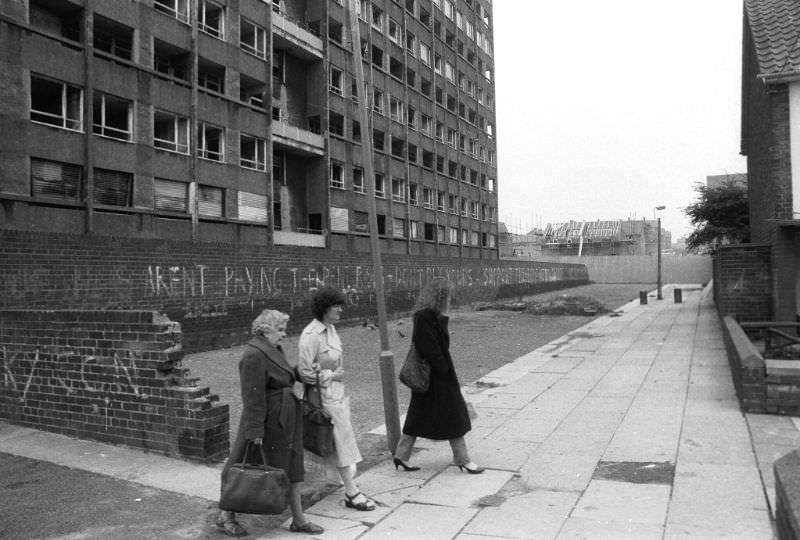
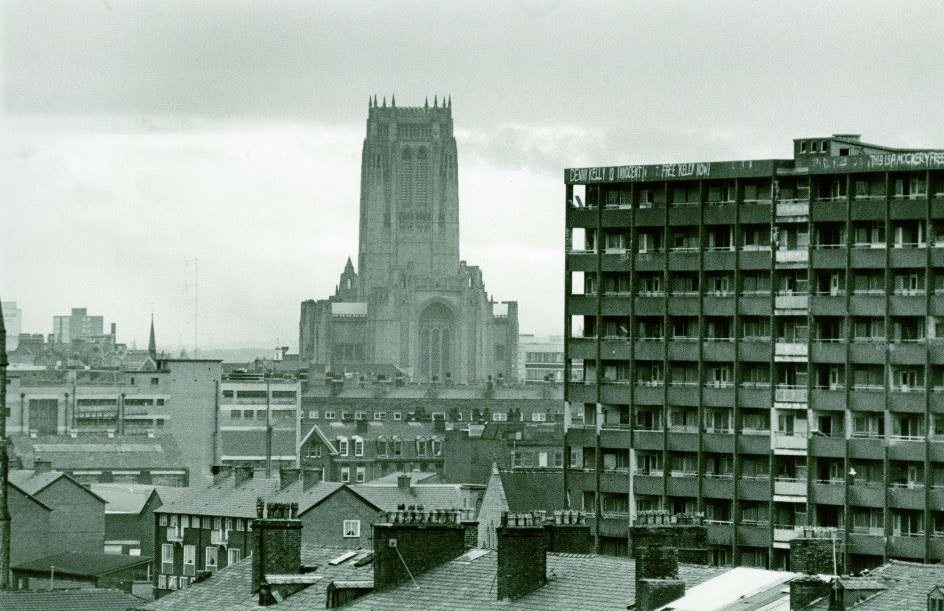
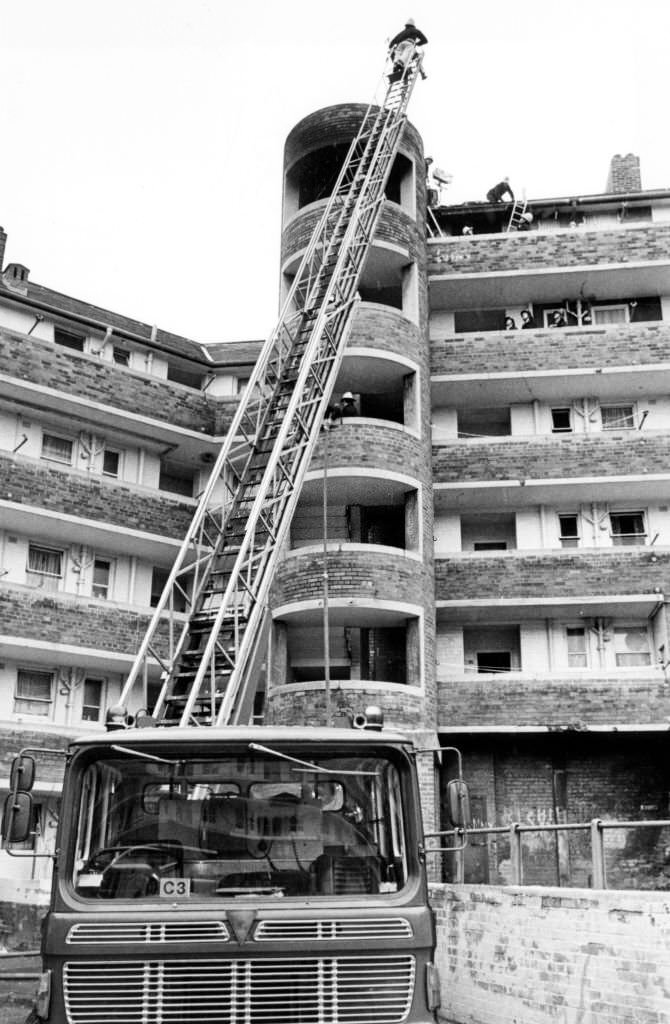
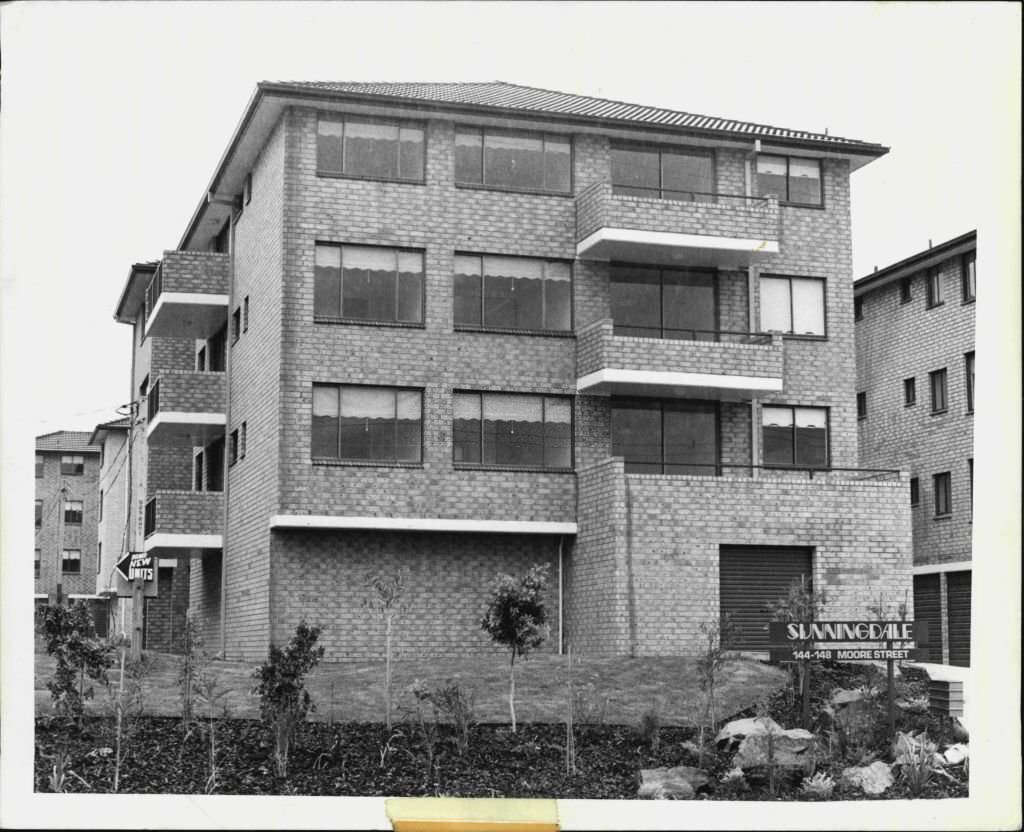
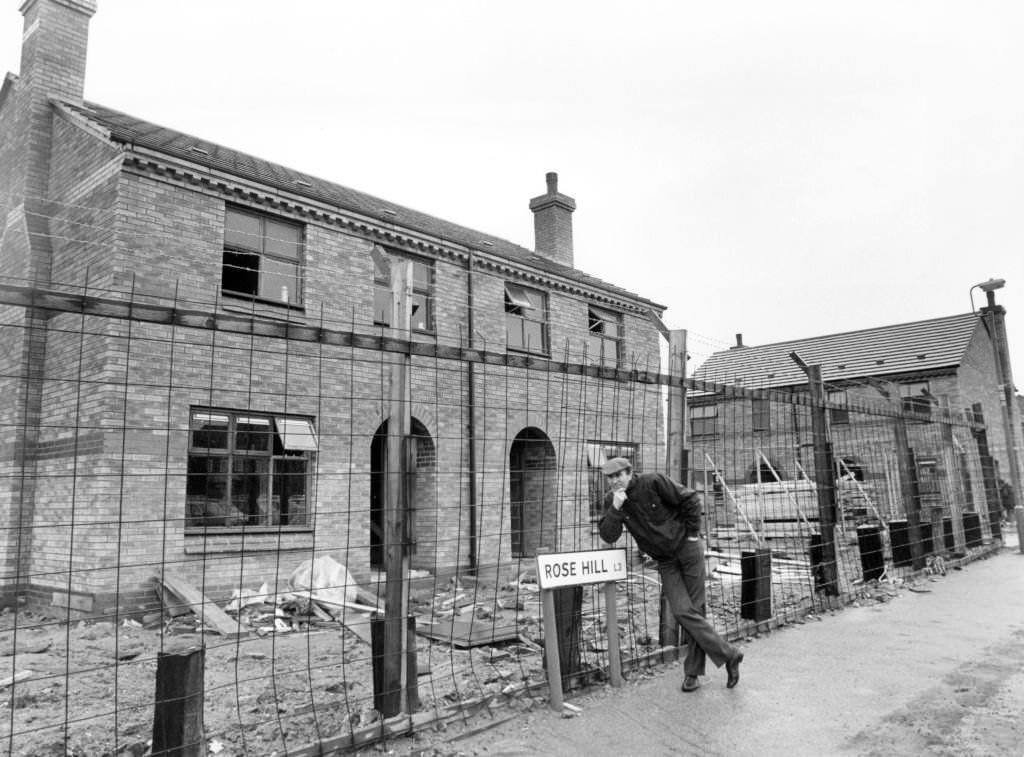
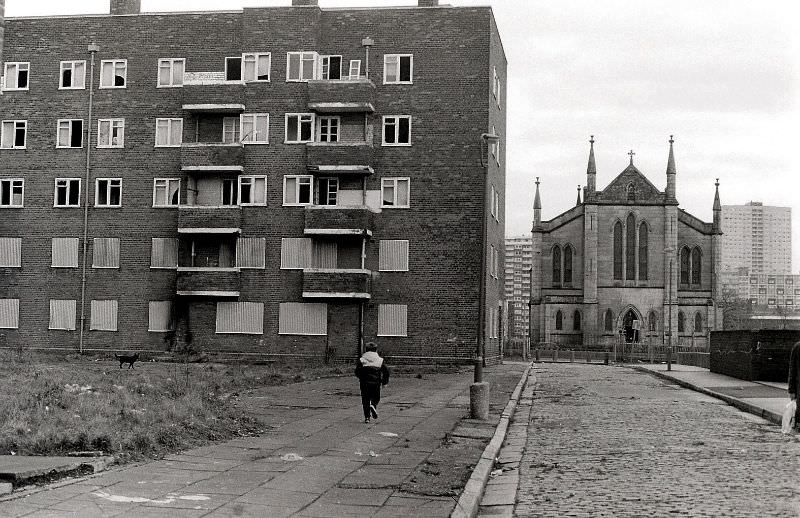
Housing was a running concern throughout the decade. The Piggeries — a notorious high-rise housing estate near the Anglican Cathedral — was earmarked for demolition. Gerard Gardens, a tenement block in the city centre, suffered a fire that tore through a top-floor flat and spread to the roof before firefighters brought it under control. The Sunningdale block on Moore Street stood as a typical example of the council housing that defined so many Liverpool neighbourhoods.
Piggeries shortly before demolition, 1980sPiggeries, 1980sAnglican Cathedral and the Piggeries.Gerard Gardens, Liverpool, 1980sThe Sunningdale block of home units in Moore Street, Liverpool, 1983John McShane, chairman of the Gerard Community Housing Tenant Participation scheme, standing outside a new house being built on Rose Hill, 22nd January 1986
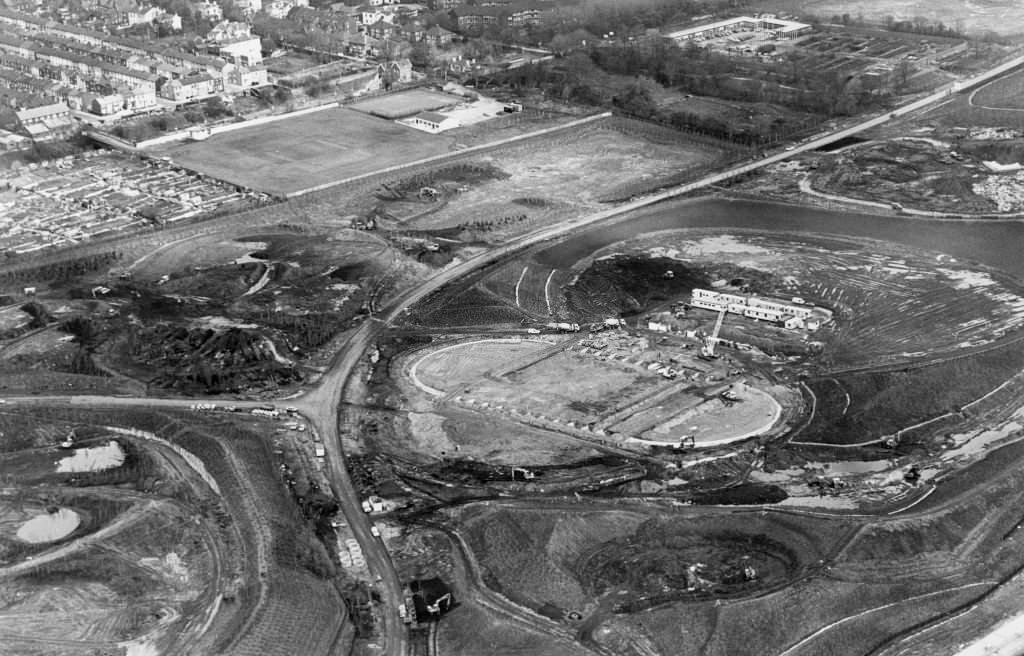
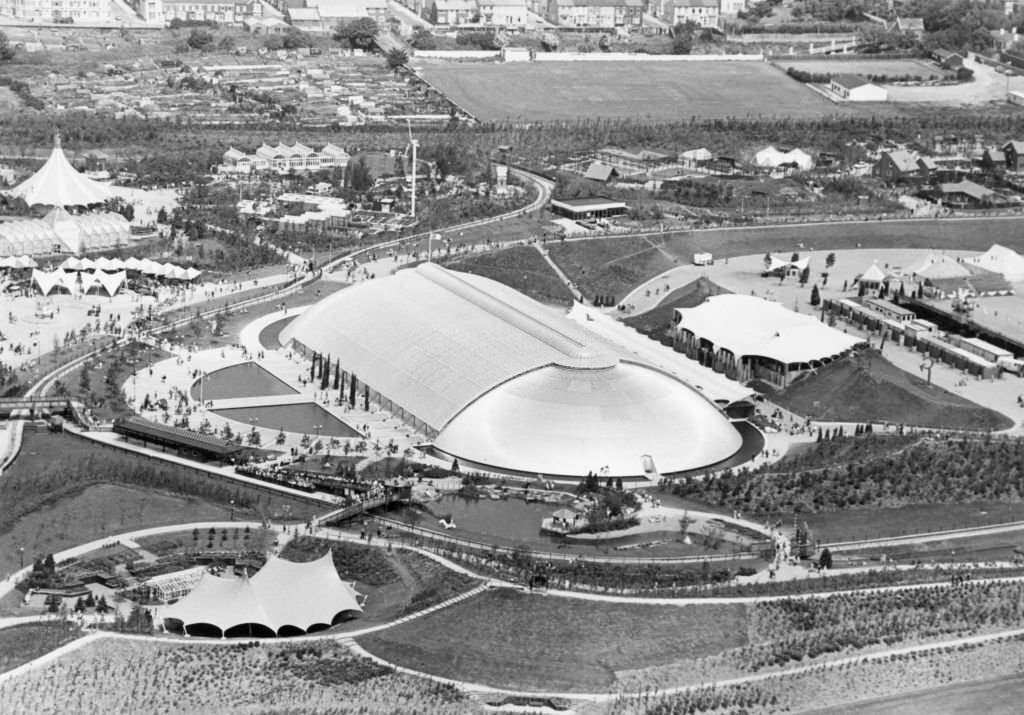
Not everything was falling apart. The International Garden Festival opened in 1984, transforming a derelict industrial site on the banks of the Mersey into a major public attraction. Aerial photographs from July 1984 show the completed site — a striking contrast to the construction images taken just the year before.
The construction site that will become the International Garden Festival, 29th April 1983.Aerial view of Liverpool’s International Garden Festival, 7th July 1984.
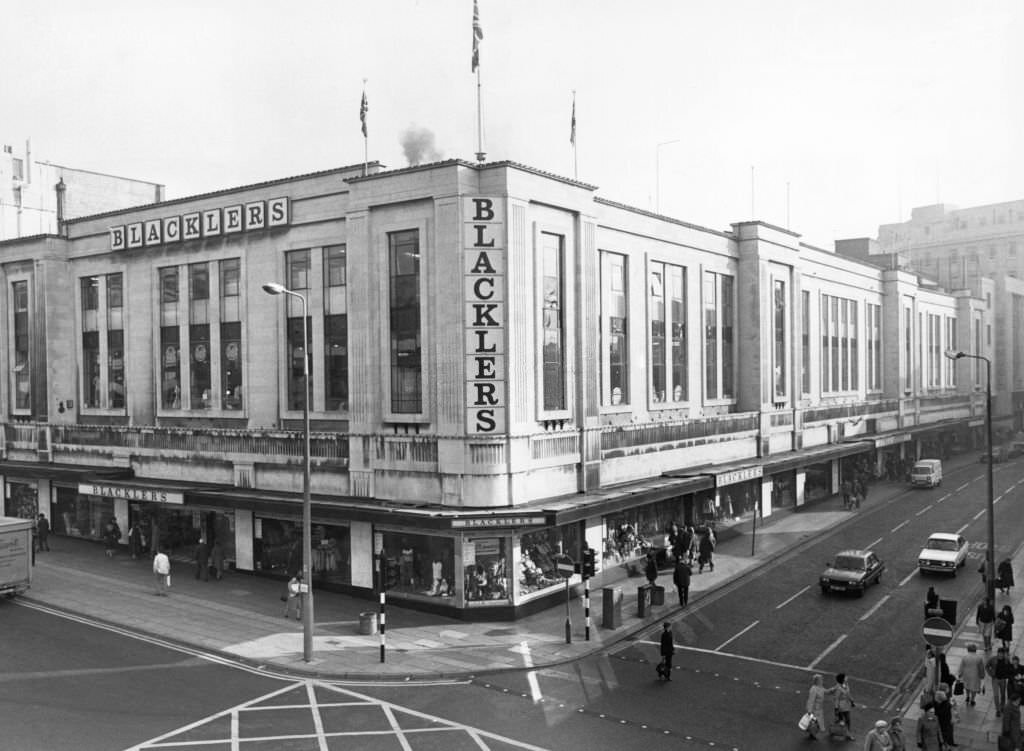
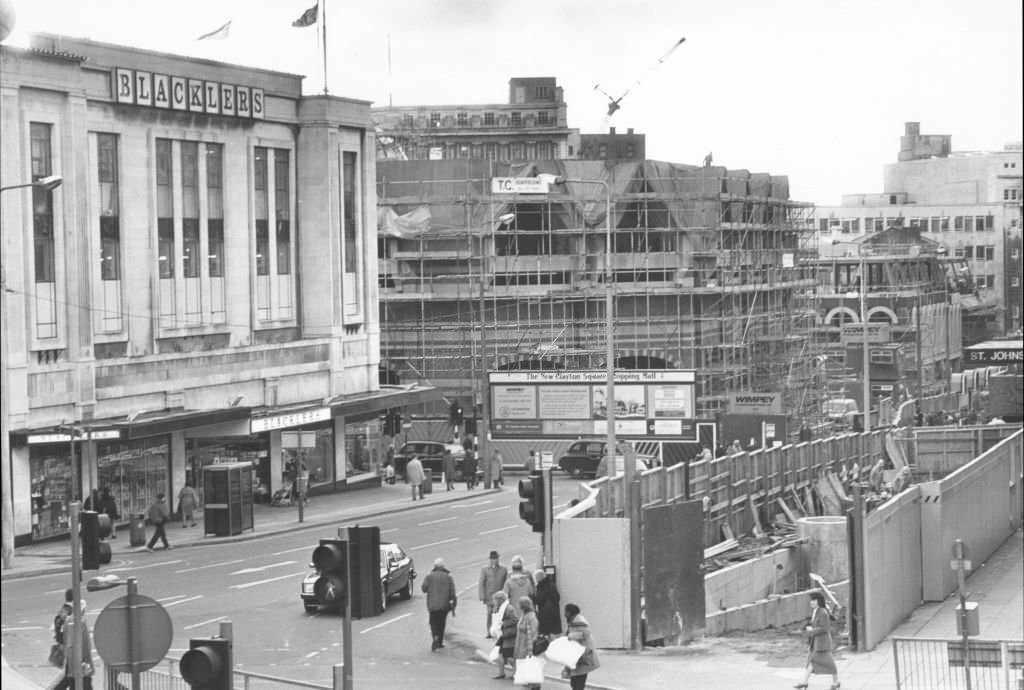
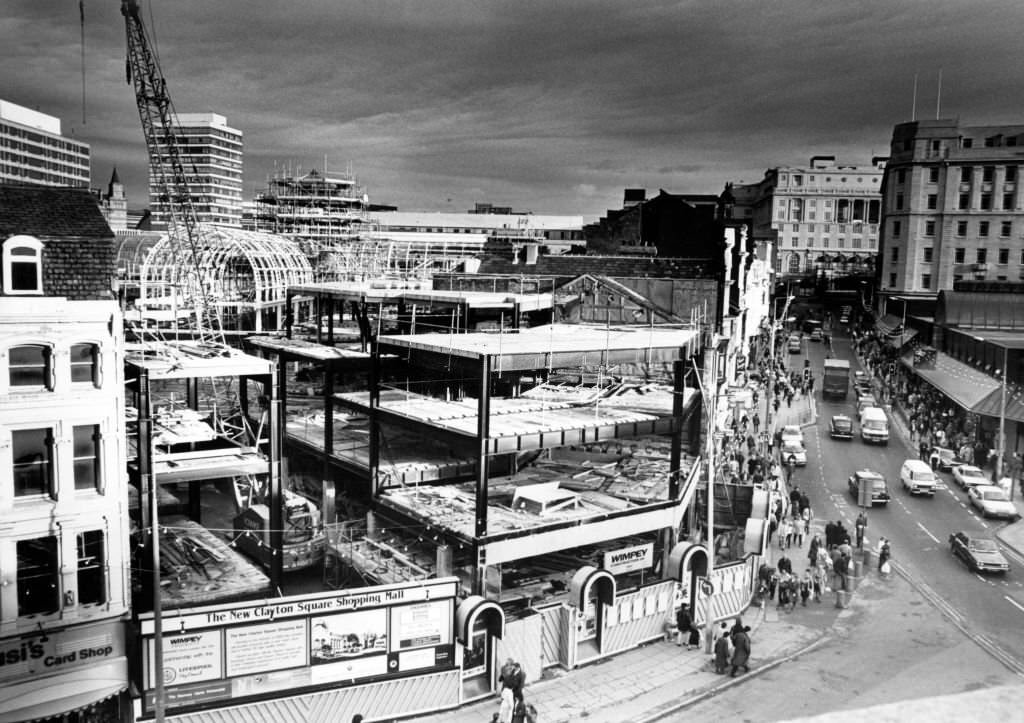
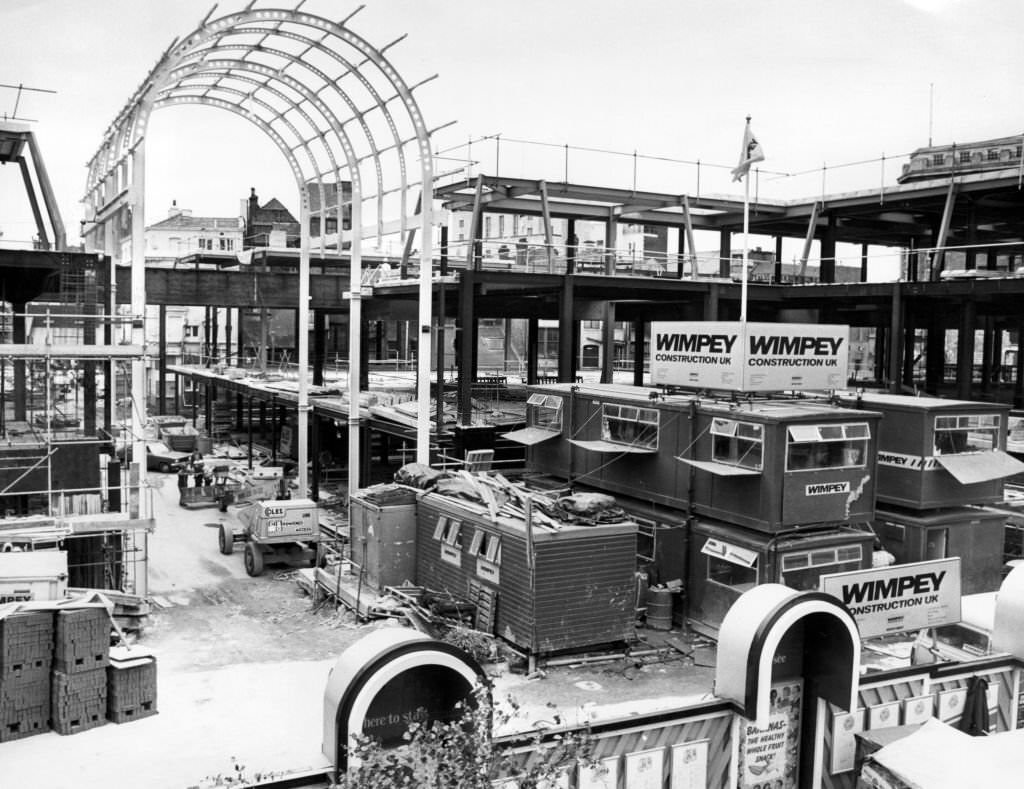
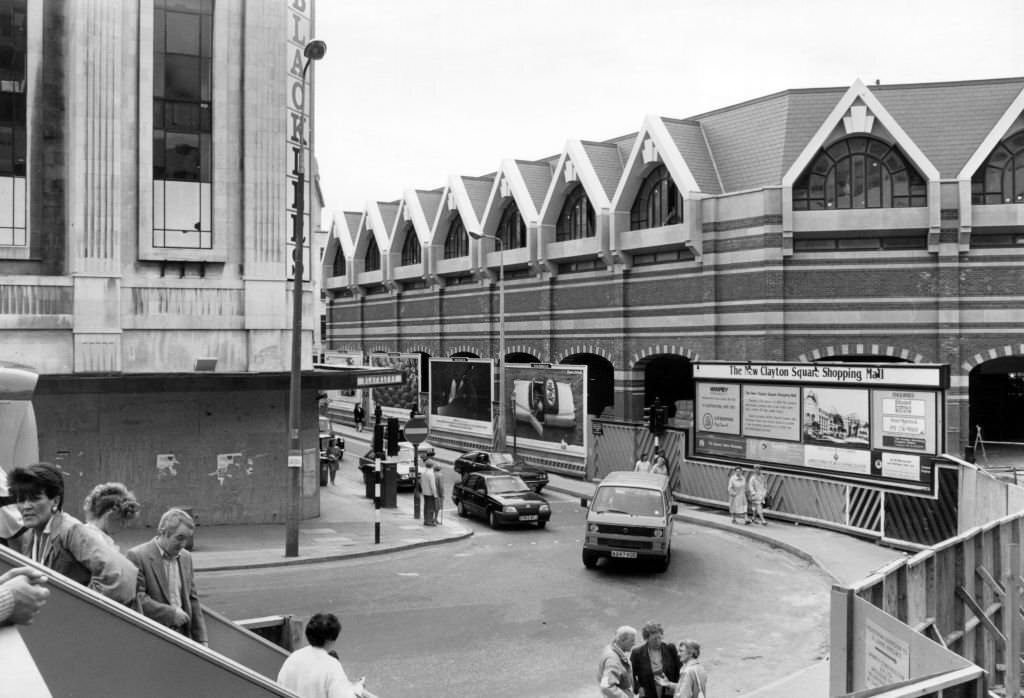
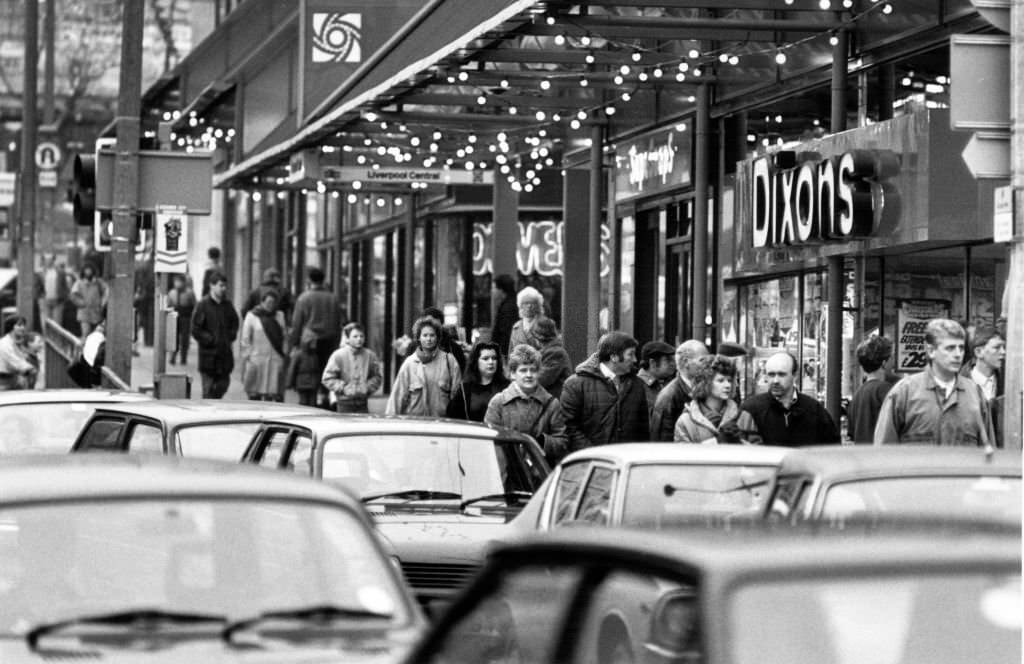
Liverpool’s shopping areas evolved throughout the decade. Blacklers Department Store — once called Liverpool’s answer to Macy’s — occupied the corner of Elliot Street and Great Charlotte Street. By 1988, it had closed, with customers choosing shopping centres over traditional department stores. Clayton Square was under construction nearby, its progress visible across a series of photographs spanning 1983 to 1988.
Blacklers Department Store seen here in the early 1980s Liverpool’s answer to New Yorks Macy’s occupies the corner of Elliot Street and Great Charlotte Street, Merseyside.Blackers Department Store shortly after it was announced that the store was closing, 1988Clayton Square, Liverpool. 15th December 1983.Clayton Square, Liverpool. 17th January 1986.Clayton Square, Liverpool. 1987.Clayton Square being built, 16th September 1987.Clayton Square, Liverpool, 10th November 1988.
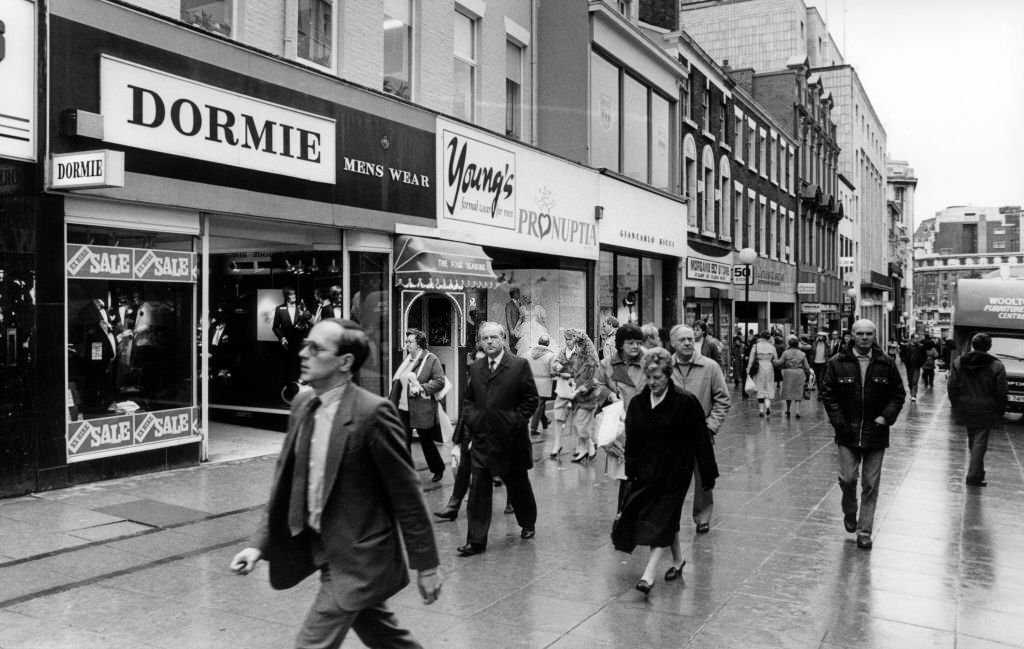
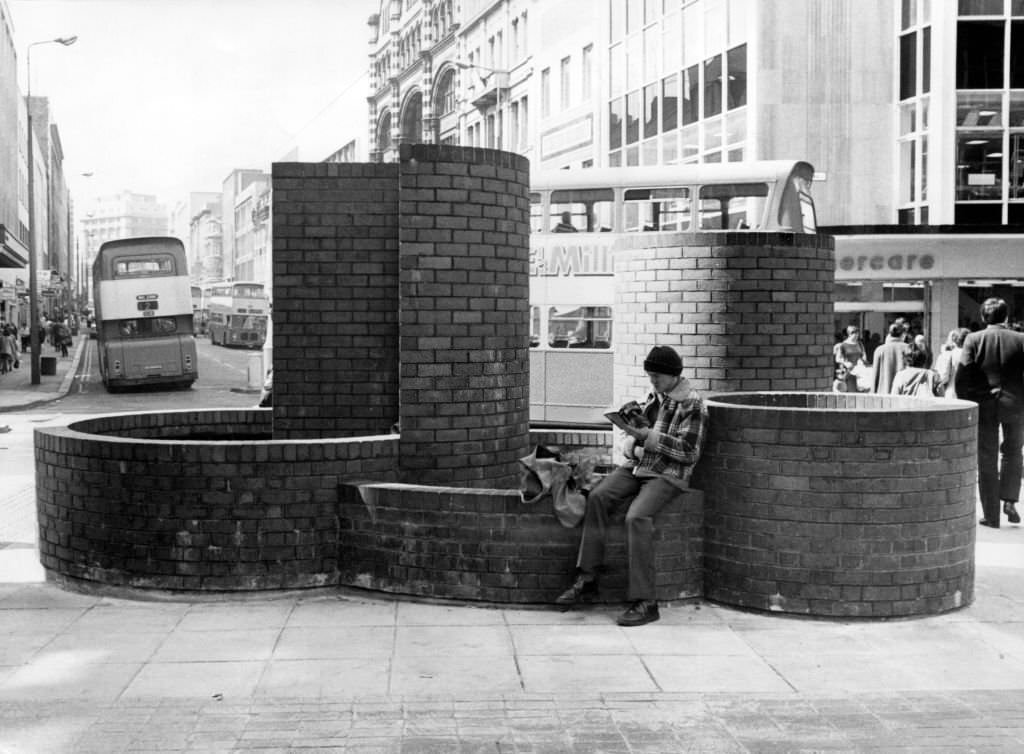
Bold Street and Ranelagh Street remained key parts of the city’s commercial heart. Christmas shoppers filled Bold Street in November 1986, and traders and pedestrians are captured going about their business across multiple points in the decade. The area around Cavern Walks opened in 1987, adding a new retail space tied to the city’s musical heritage.
Christmas shoppers on Bold Street, Liverpool, 24th November 1986.BoldStreet, Liverpool, 2nd October 1986.Bold Street, Liverpool, 31st October 1989.Ranelagh Street, Liverpool, 5th December 1987.Shops at Cavern Walks, 14th February 1987.
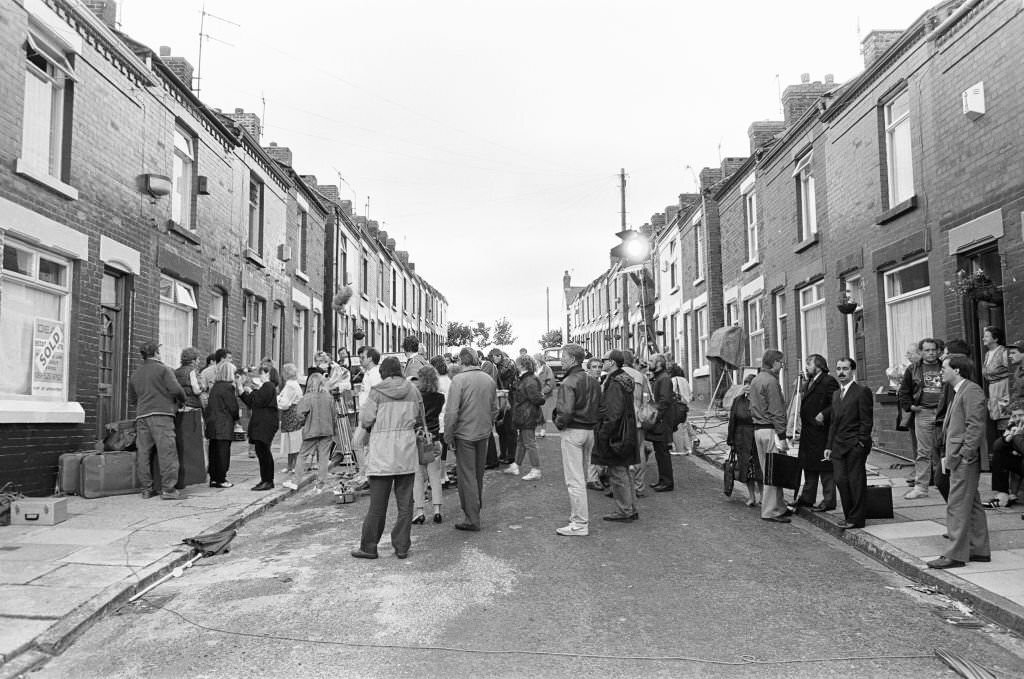
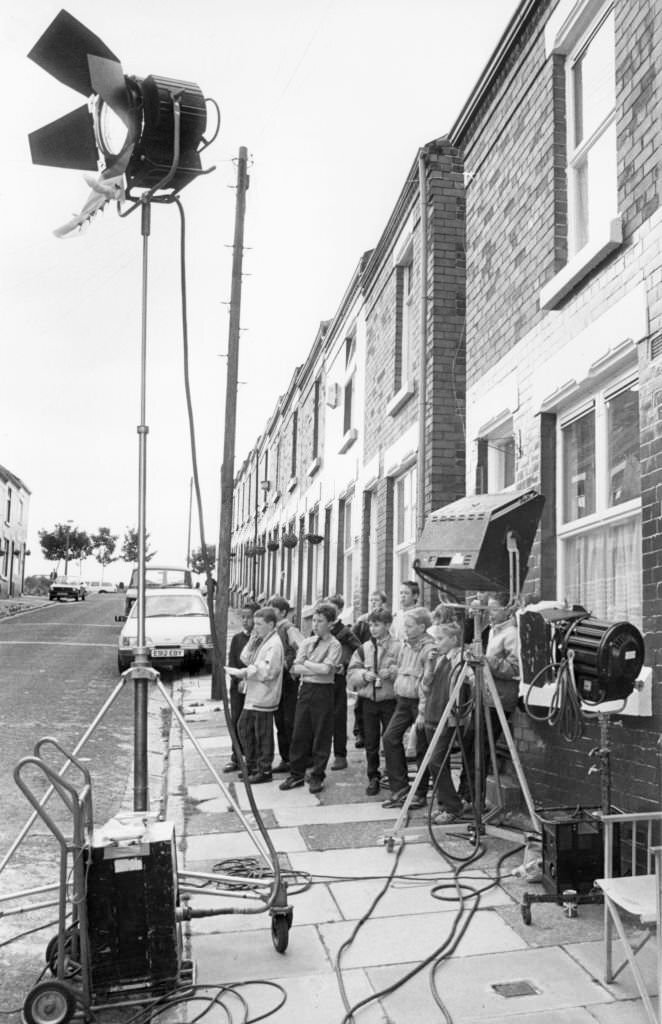
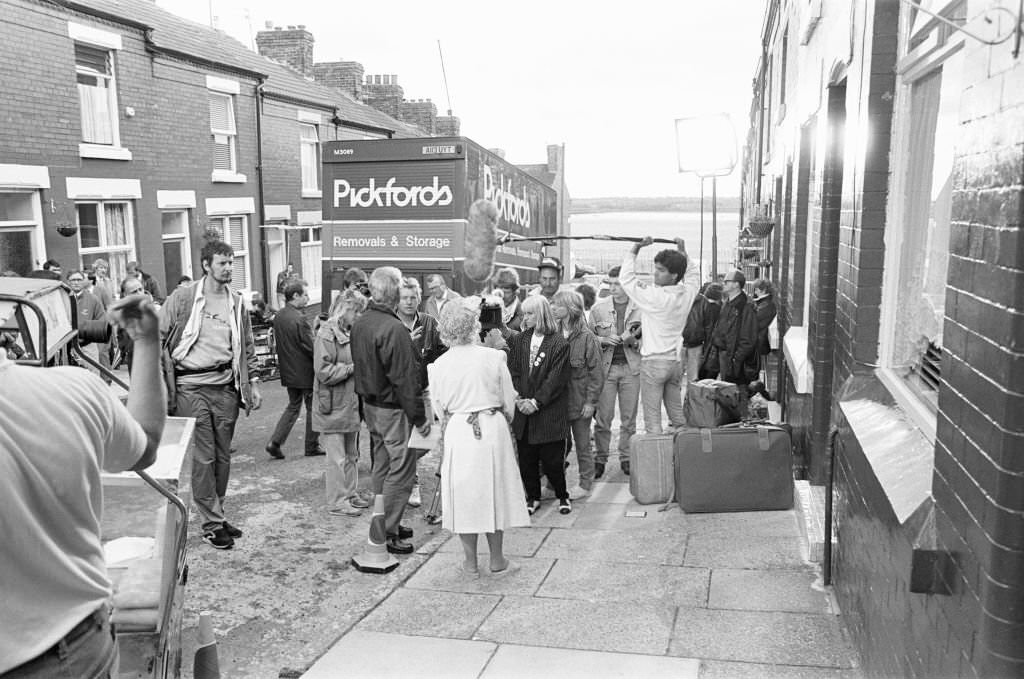
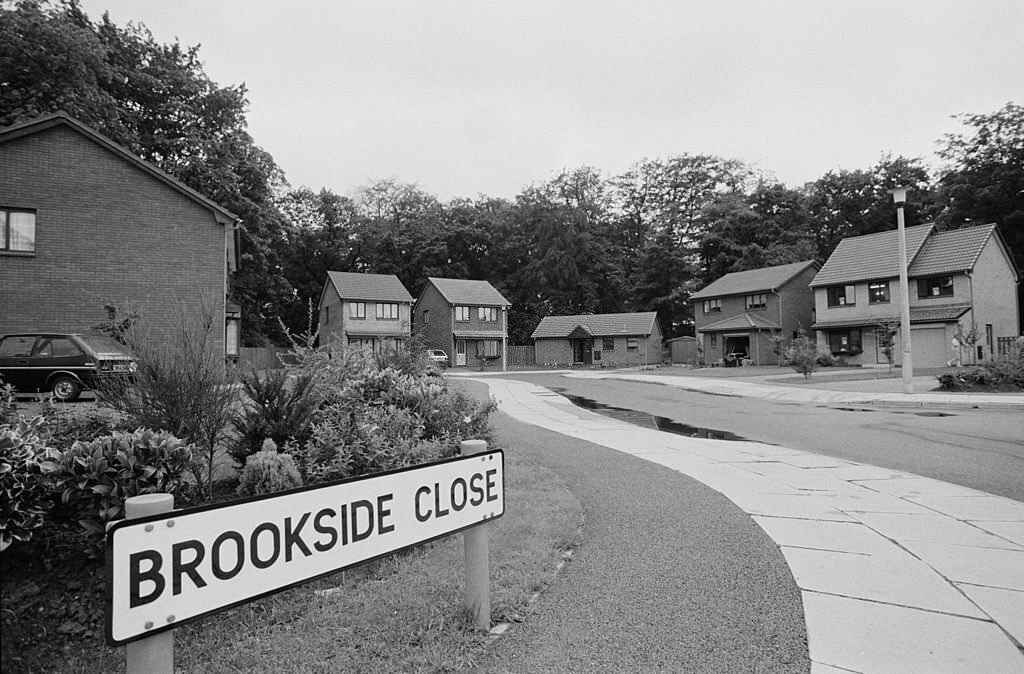
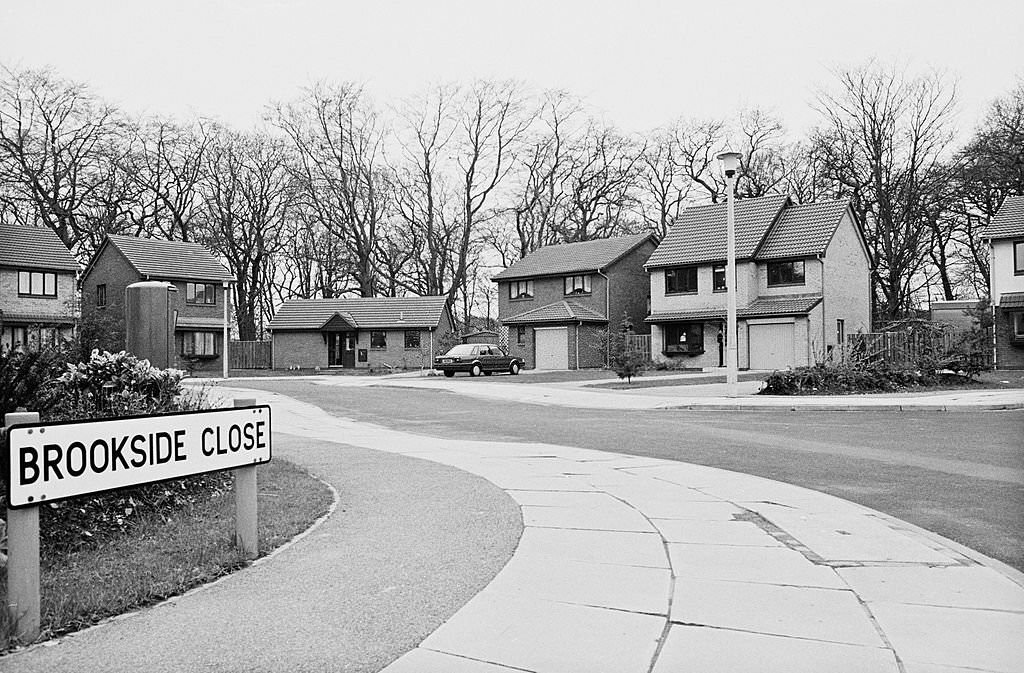
Television gave Liverpool a new kind of visibility during the 1980s. The BBC filmed its hit sitcom Bread on Elswick Street in Dingle, with local children gathering to watch the cast and crew at work in July 1988. Brookside, Channel 4’s long-running soap opera, was set in Liverpool and filmed on a real cul-de-sac — Brookside Close — which became familiar to millions of viewers.
The BBC in Elswick Street, Dingle filming the hit comedy “Bread” 11th July 1987.Local children and their friends gather on Elswick Street, Dingle, to see the cast and crew of the BBC hit comedy Bread filming for the next series, 10th July 1988.The BBC in Elswick Street, Dingle filming the hit comedy “Bread” 11th July 1987.The set of the Liverpool based soap opera Brookside on September 19, 1984.The cul-de-sac of houses named Brookside Close that features as the set for the long running television soap opera Brookside located in Liverpool on 18th April 1985.
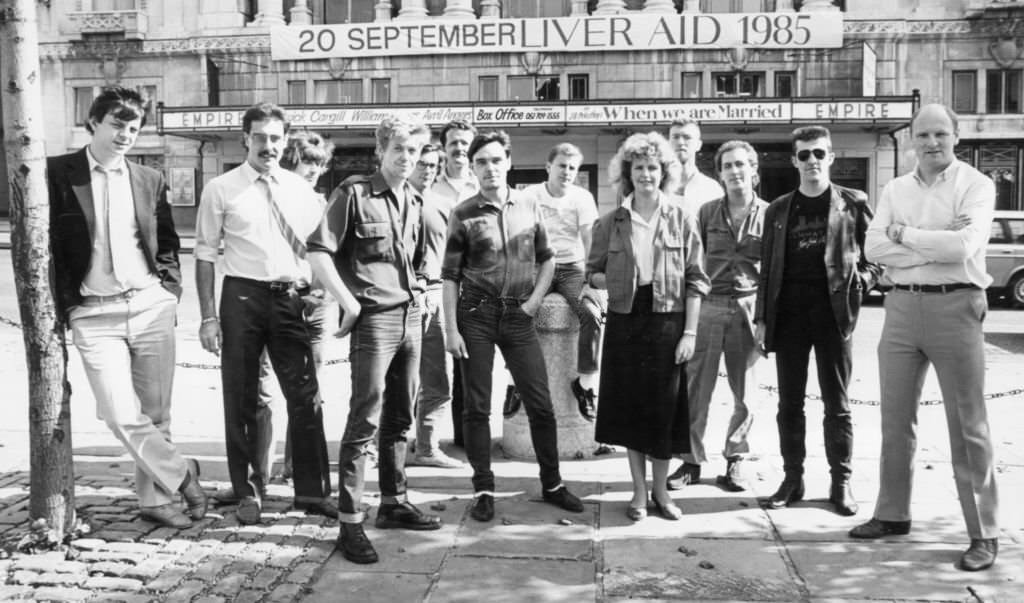
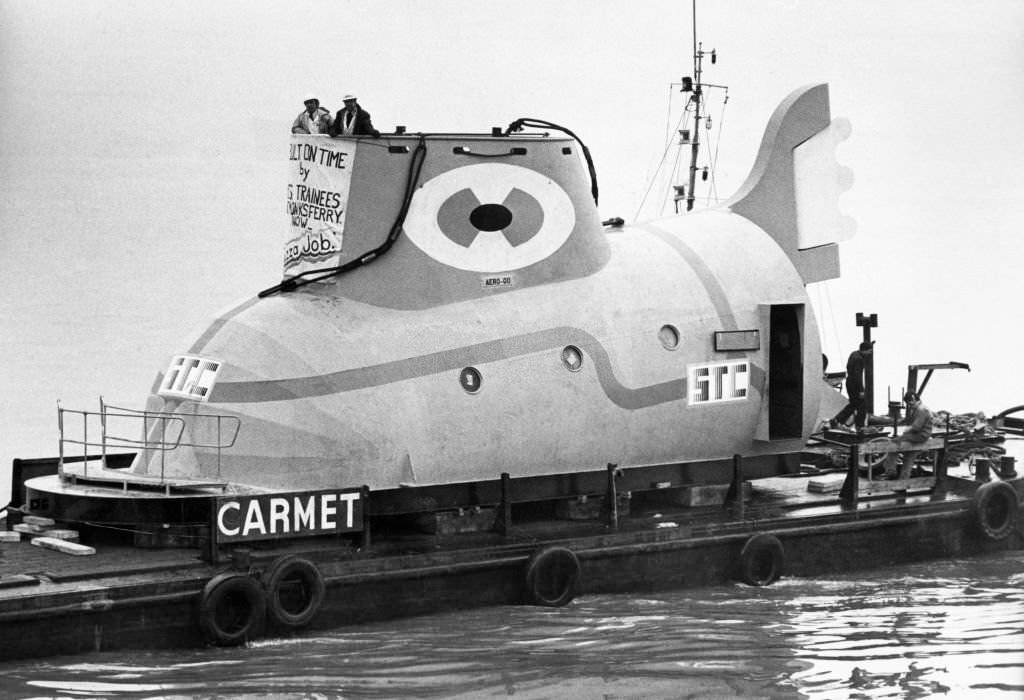
Music also kept the city connected to the wider world. In September 1985, the Liverpool Empire hosted the Liver Aid concert for Ethiopia — Liverpool’s own response to the global fundraising movement of that year. The Yellow Submarine, a tribute to The Beatles, was under construction in 1984, a nod to the cultural legacy the city carried into the decade.
The team behind the starts appearing at the Liver Aid concert for Ethiopia at the Liverpool Empire, 19th September 1985.Yellow Submarine construction, Liverpool, 1984
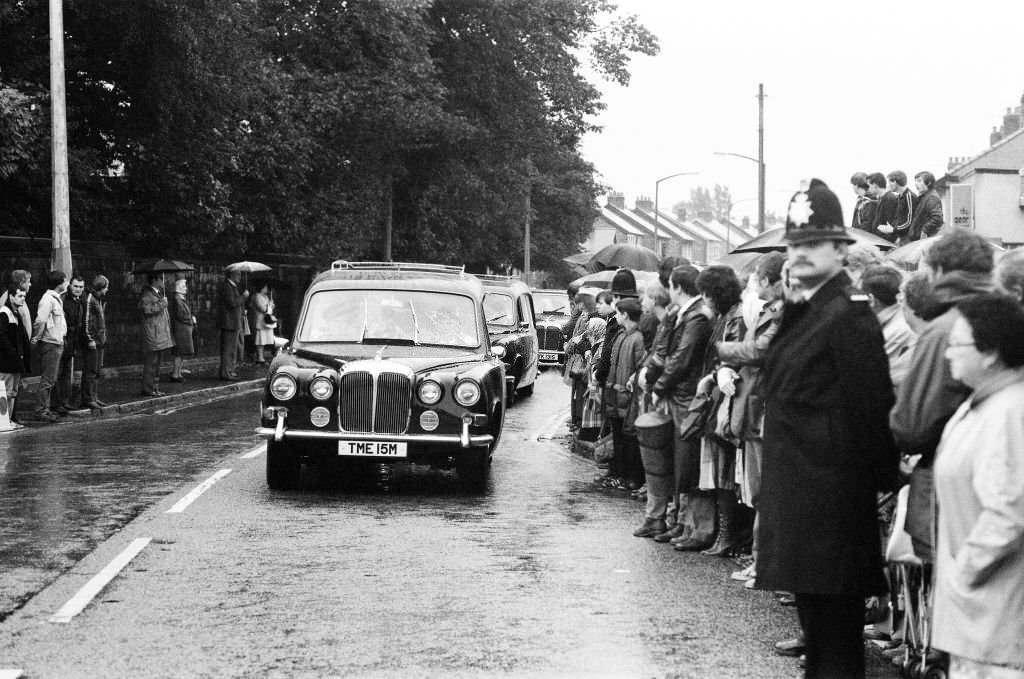
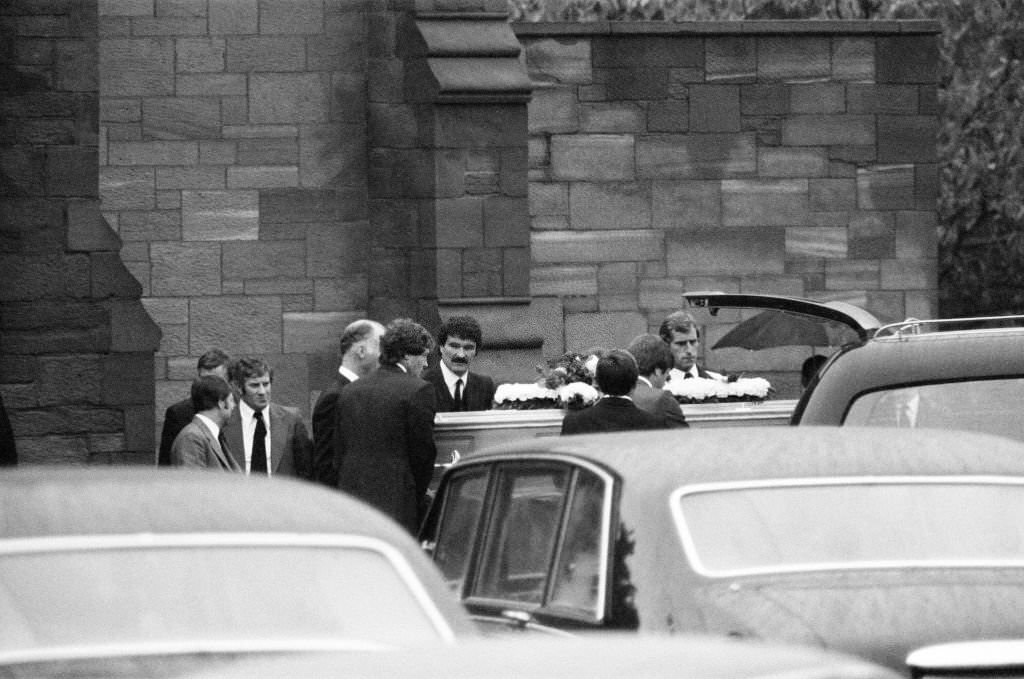
Football was inseparable from the city’s identity. Bill Shankly, the manager who had transformed Liverpool FC into a dominant force, died in September 1981. His funeral was held at St Mary’s Church in West Derby on October 2, 1981, drawing mourners from across the city and beyond.
Bill Shankly Liverpool manager funeral 1981Bill Shankly Liverpool manager funeral 1981
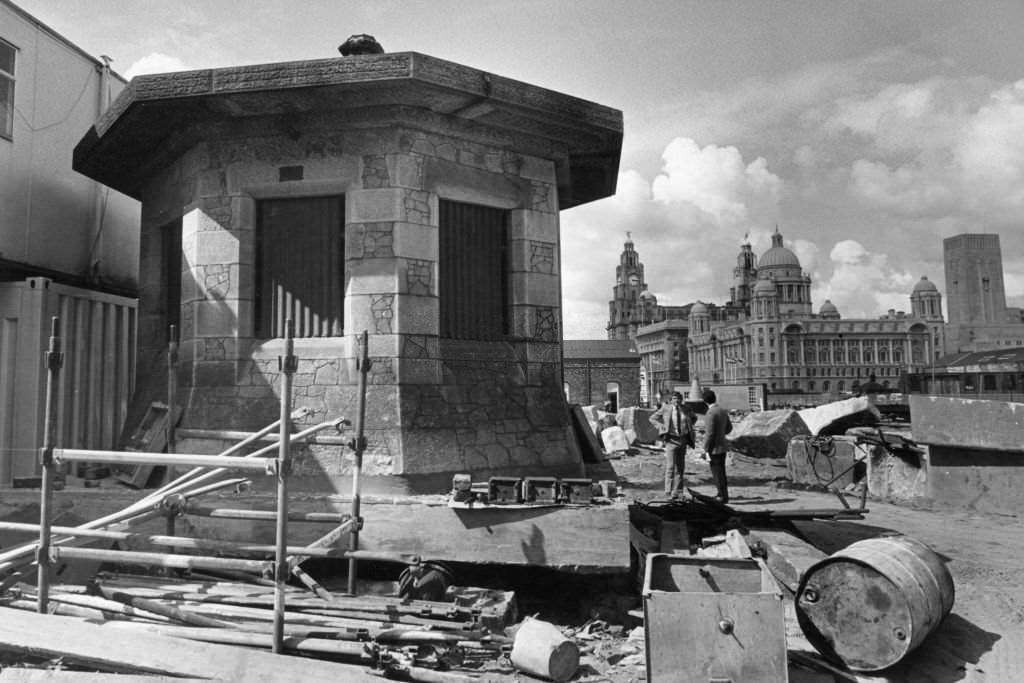
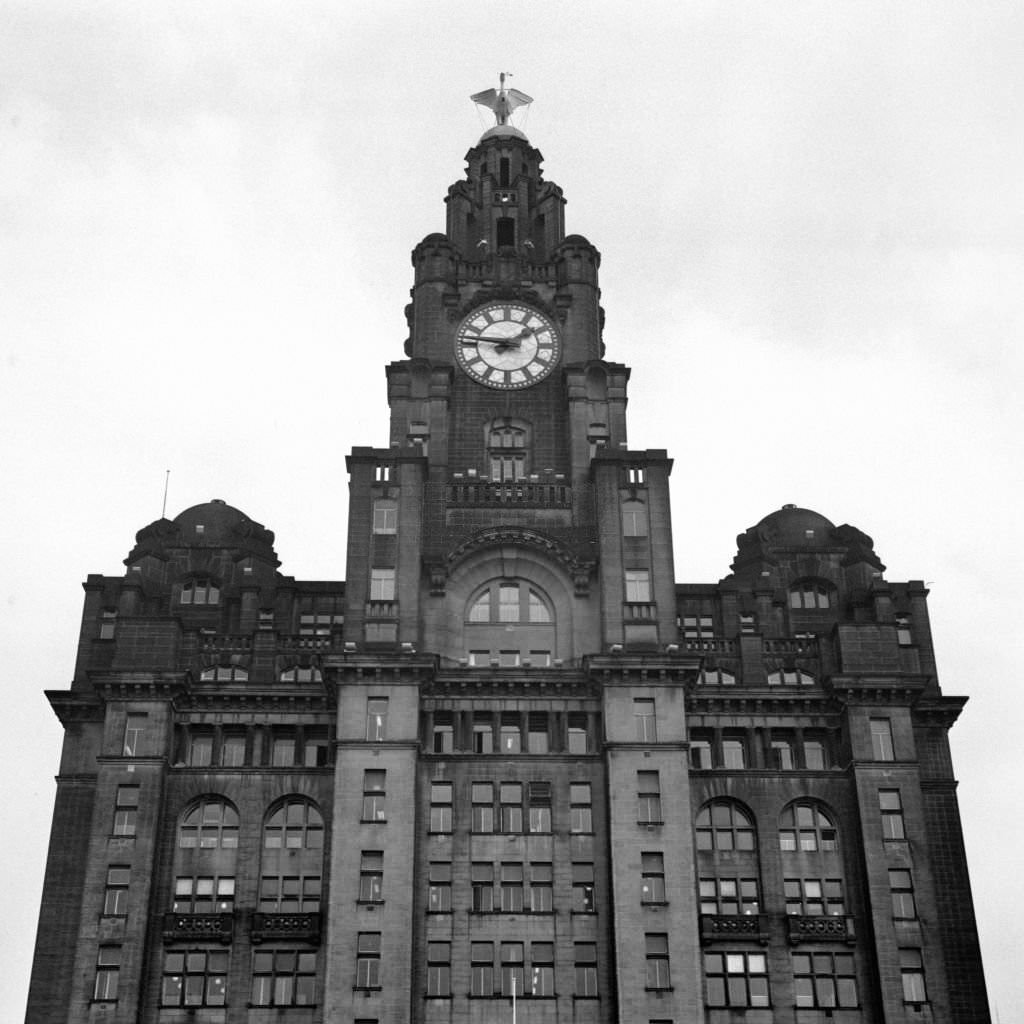
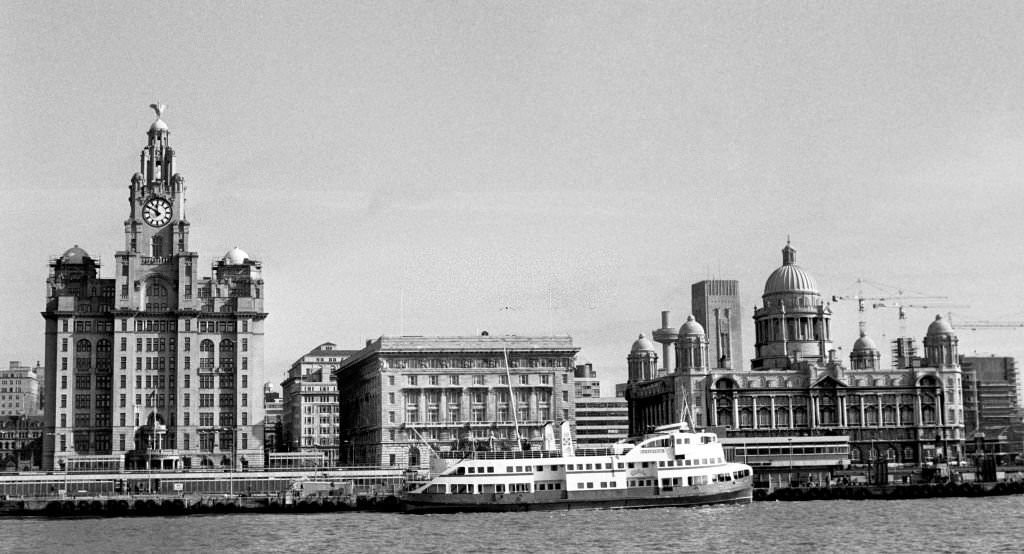
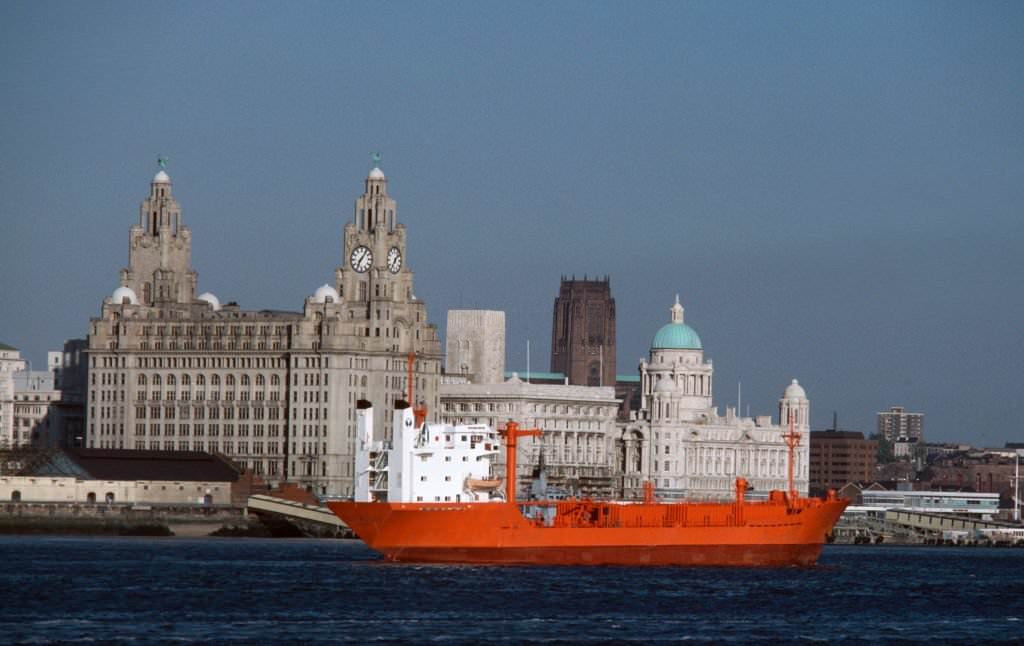
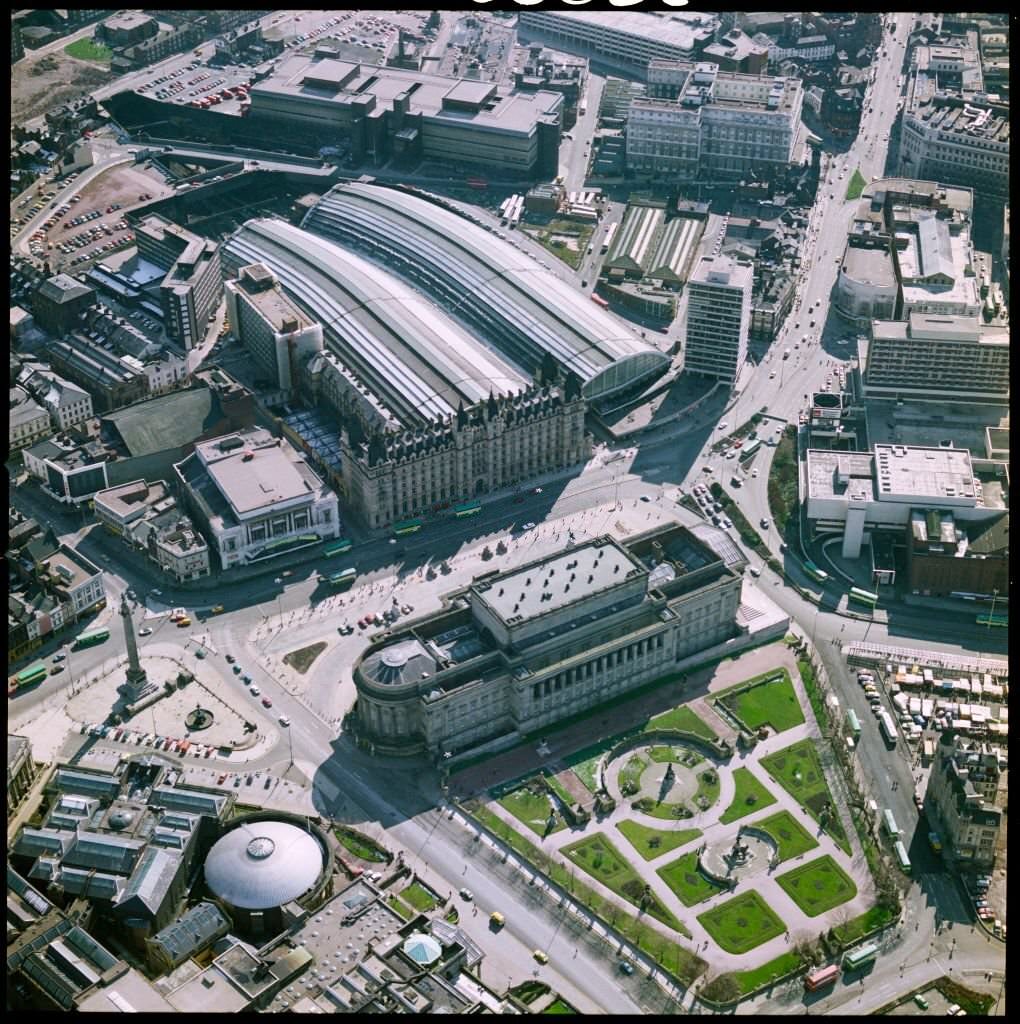
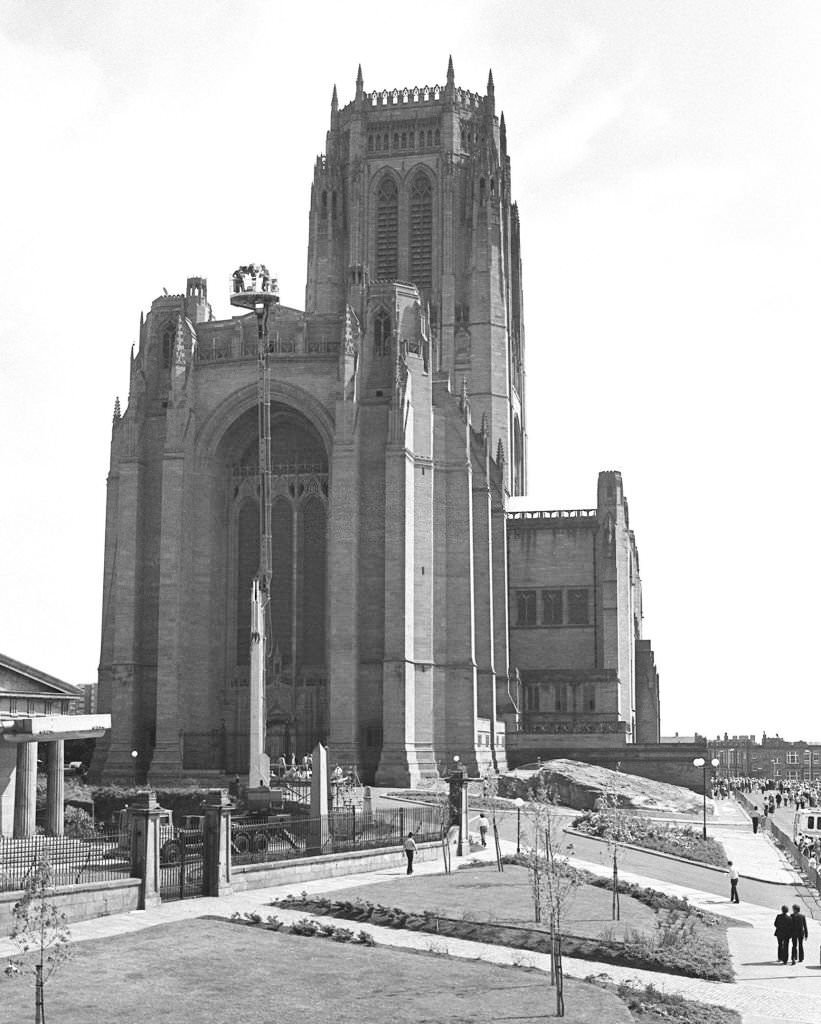
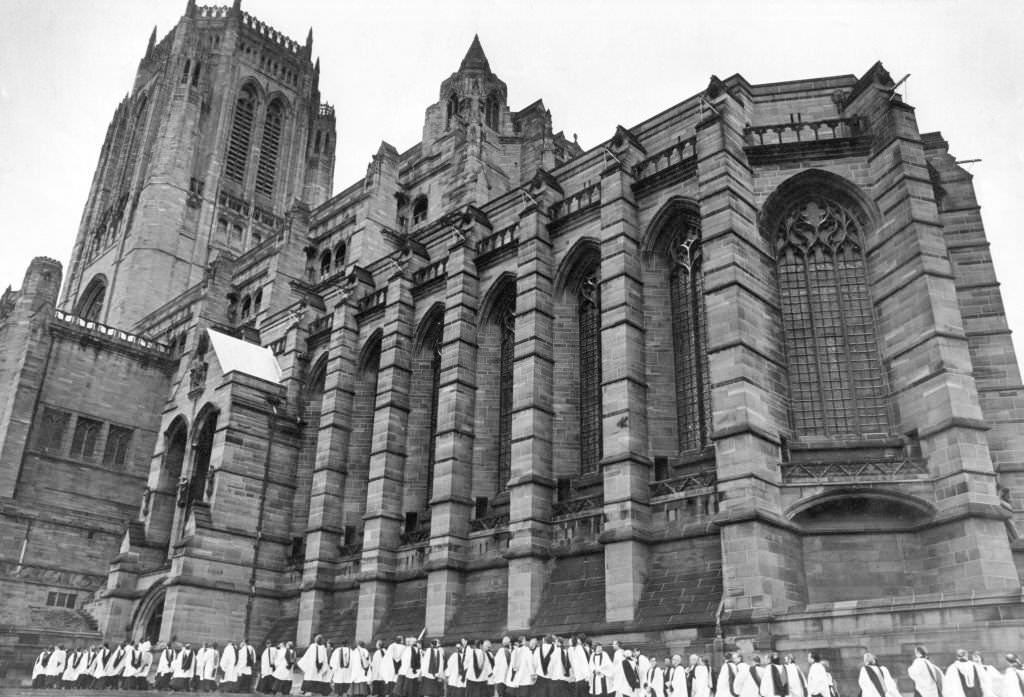
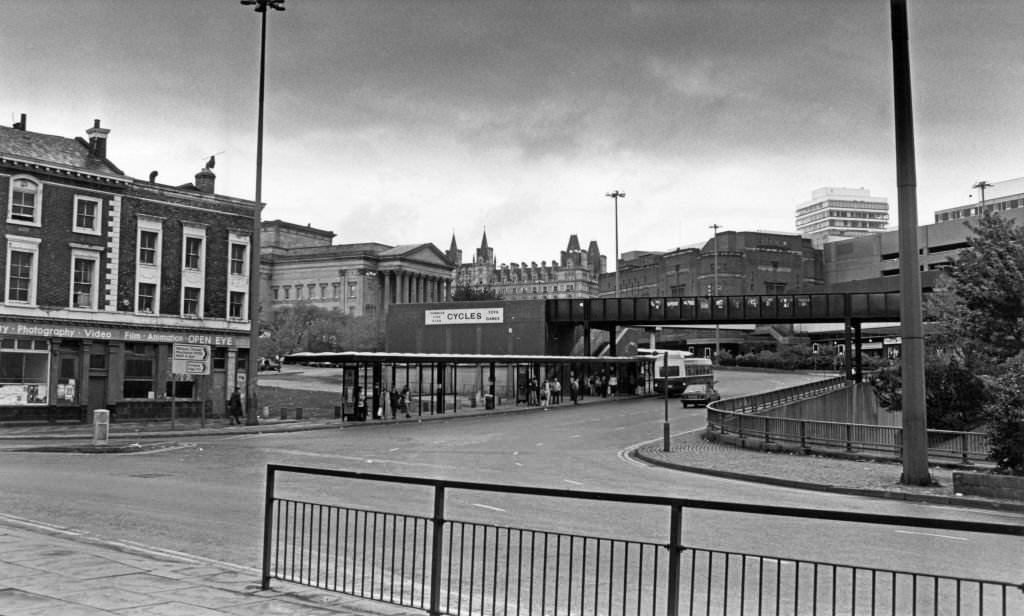
Liverpool’s landmarks endured. The Royal Liver Building and the Mersey ferry remained defining images of the city, seen from across the river and from the air. St George’s Hall, the Anglican Cathedral, and Lime Street Station continued to anchor the cityscape.
The Royal Liver Building – LiverpoolRoyal Liver Building in Liverpool, left, with the Mersey ferry on its way along the River Mersey.A view of the Liverpool skyline across the River Mersey in Liverpool, June, 1985.St George’s Hall, St John’s Gardens and Lime Street Railway Station, Liverpool, Merseyside, 1980.The Anglican Cathedral in Liverpool.Exterior shot of Liverpool Cathedral, St James’s Mount, Liverpool, 1st December 1987.
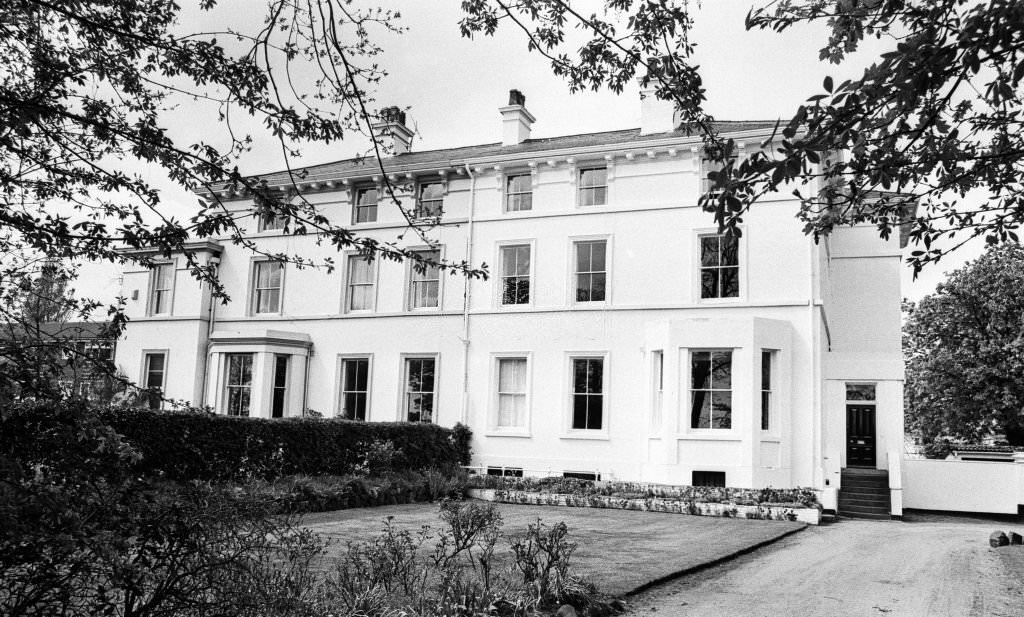
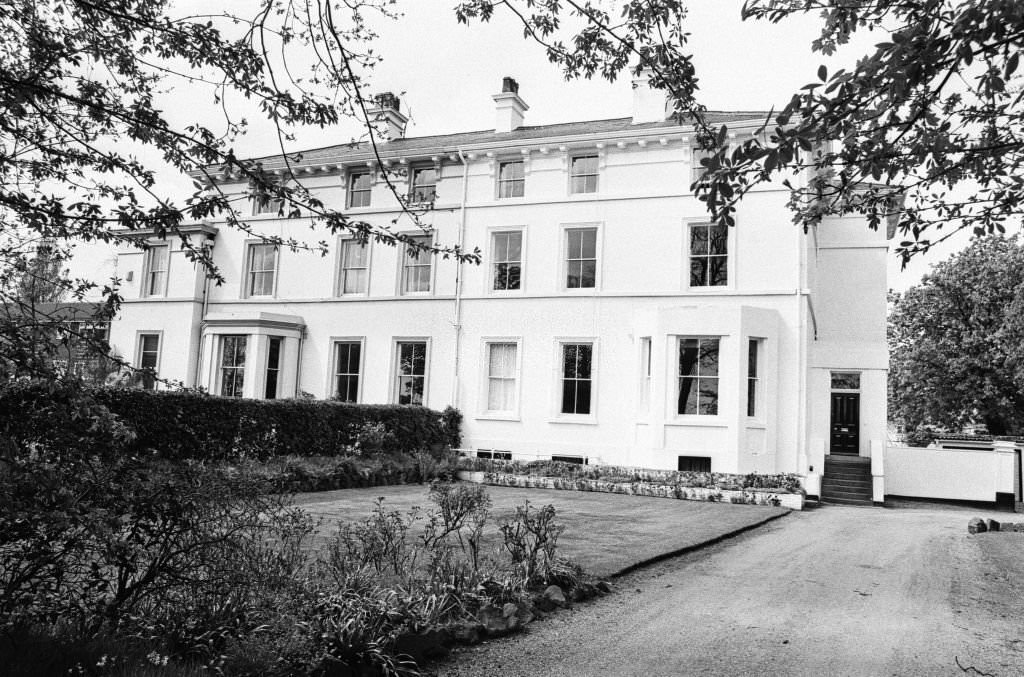
The Maybrick house on Riversdale Road in Aigburth had its own dark history. It was the home of James and Florence Maybrick in the late 19th century. Florence, an American, was convicted in 1889 of murdering her husband by administering arsenic and was sentenced to death. The sentence was commuted to life imprisonment, and she was eventually released and returned to America. The house still stood in 1989 when these photographs were taken.
Maybrick house in Liverpool, 1989Maybrick house in Liverpool, 1989
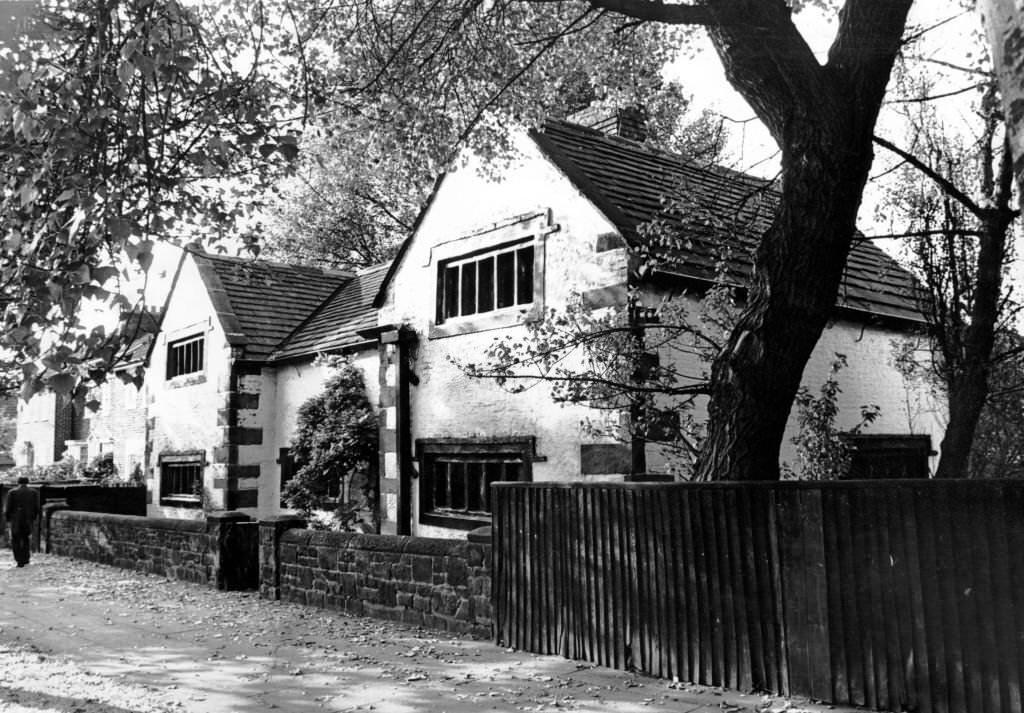
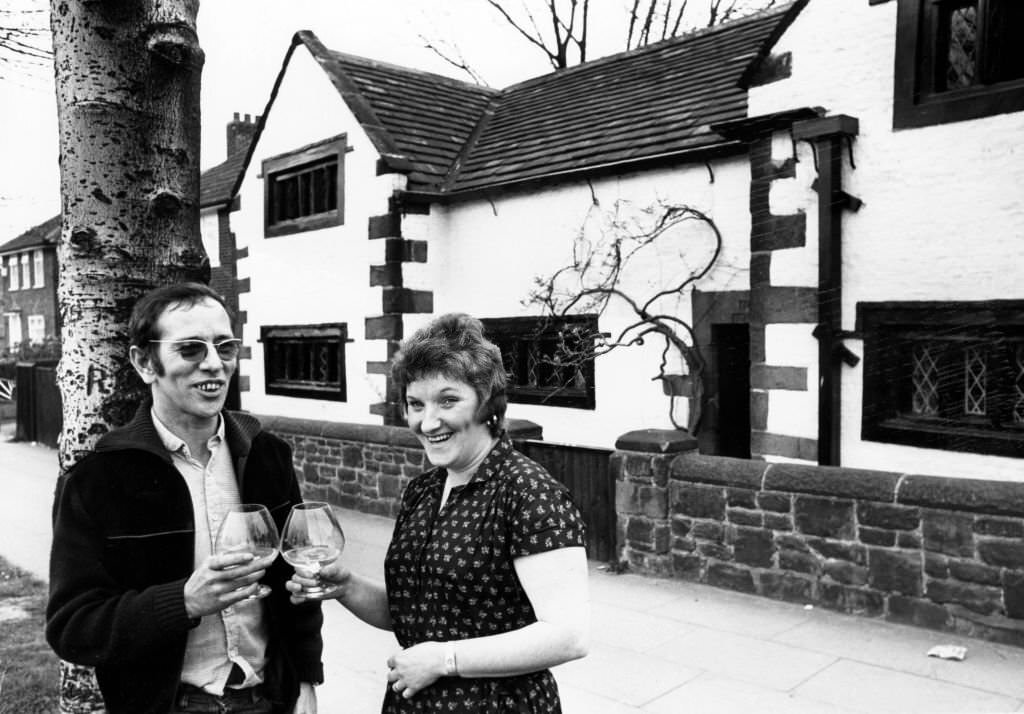
Some of Liverpool’s oldest buildings also drew attention during the 1980s. Britain’s oldest council house, built in 1615, still had tenants in 1980. John and Dorothy Crawley celebrated a full year living in Tue Brook House — the oldest dated house in Liverpool — in April 1982. These buildings had watched the city grow from a small settlement into a major port, and they were still standing as the city struggled through its most difficult modern decade.
Tenants for Britain’s oldest council house.John and Dorothy Crawley outside their West Derby home, Tue Brook house.
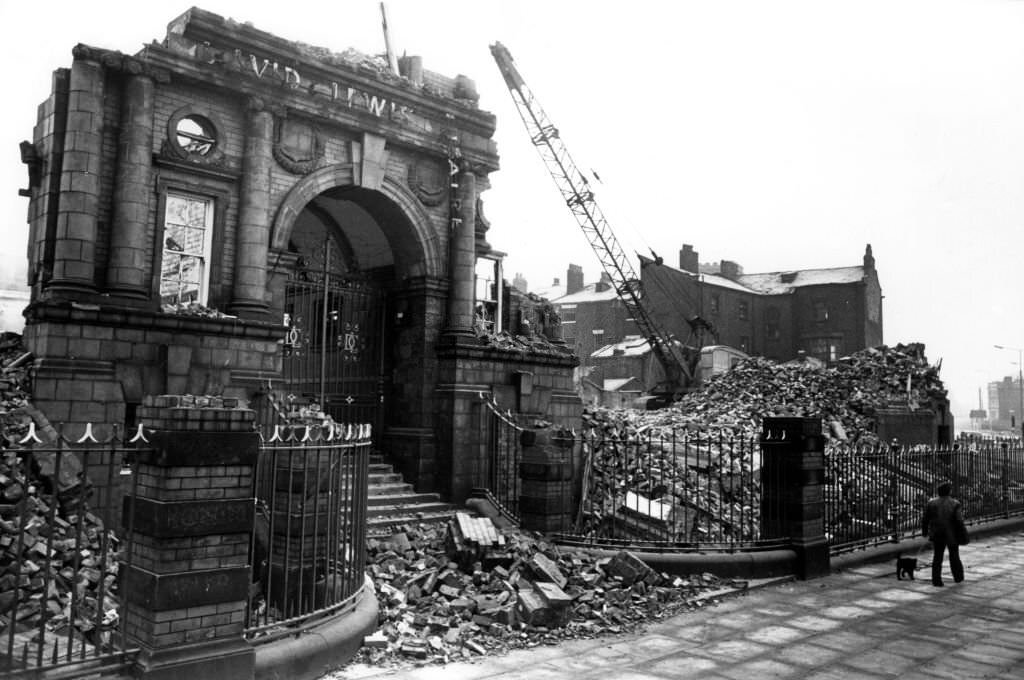
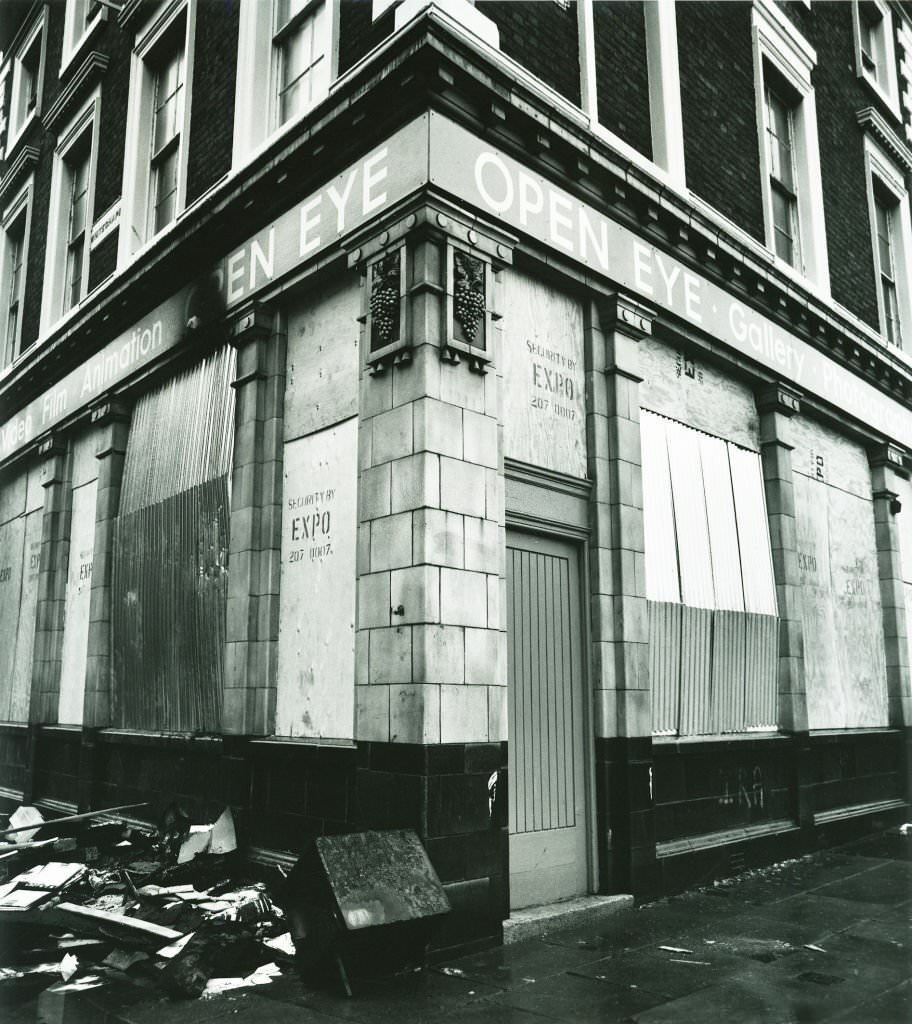
The David Lewis Hostel, which had long served the city’s poor, was demolished around 1980. Only its portal remained standing — the arch that had once welcomed people in need now marking the entrance to an empty lot. Elsewhere, the Open Eye Gallery was fire-bombed in 1983 while showing the work of local photographer John Stoddart, leaving it boarded up.
David Lewis Hostel, circa 1980The original Open Eye gallery in Liverpool, boarded up after being fire-bombed whilst showing the work of local photographer John Stoddart, 1983.
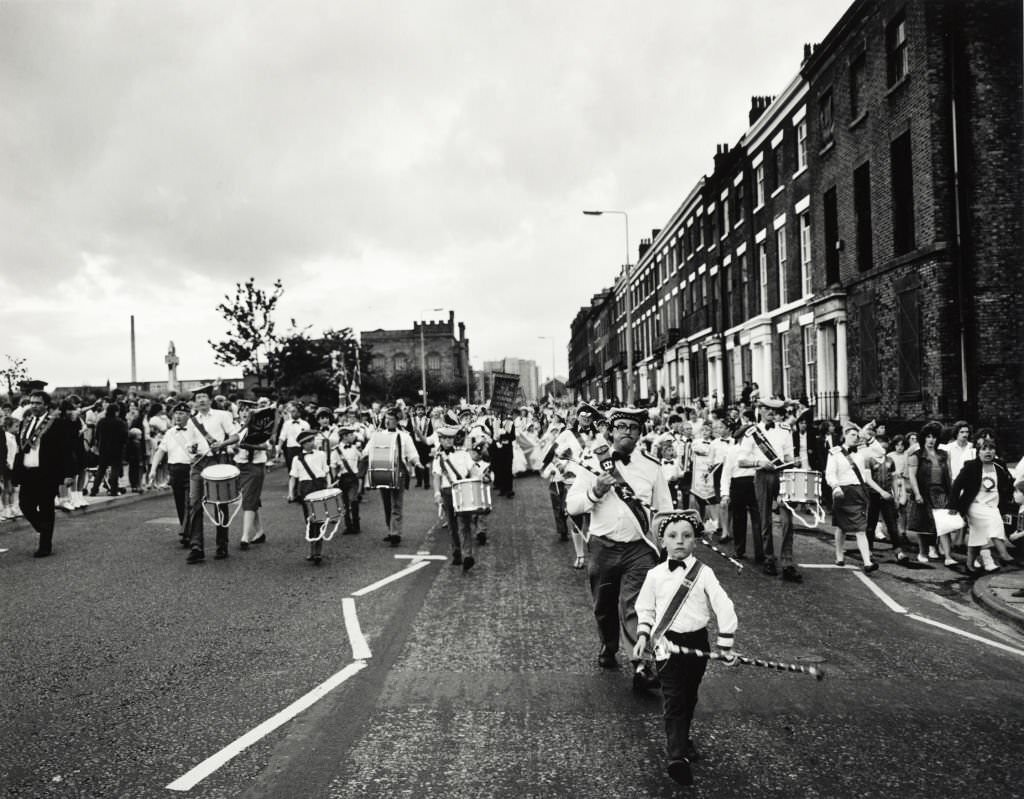
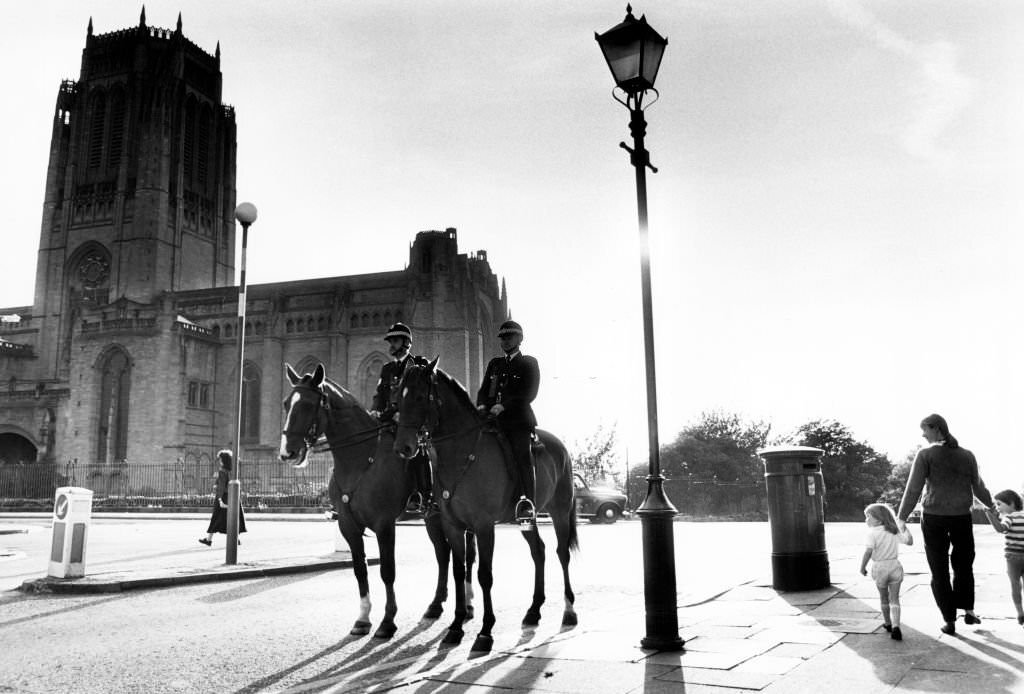
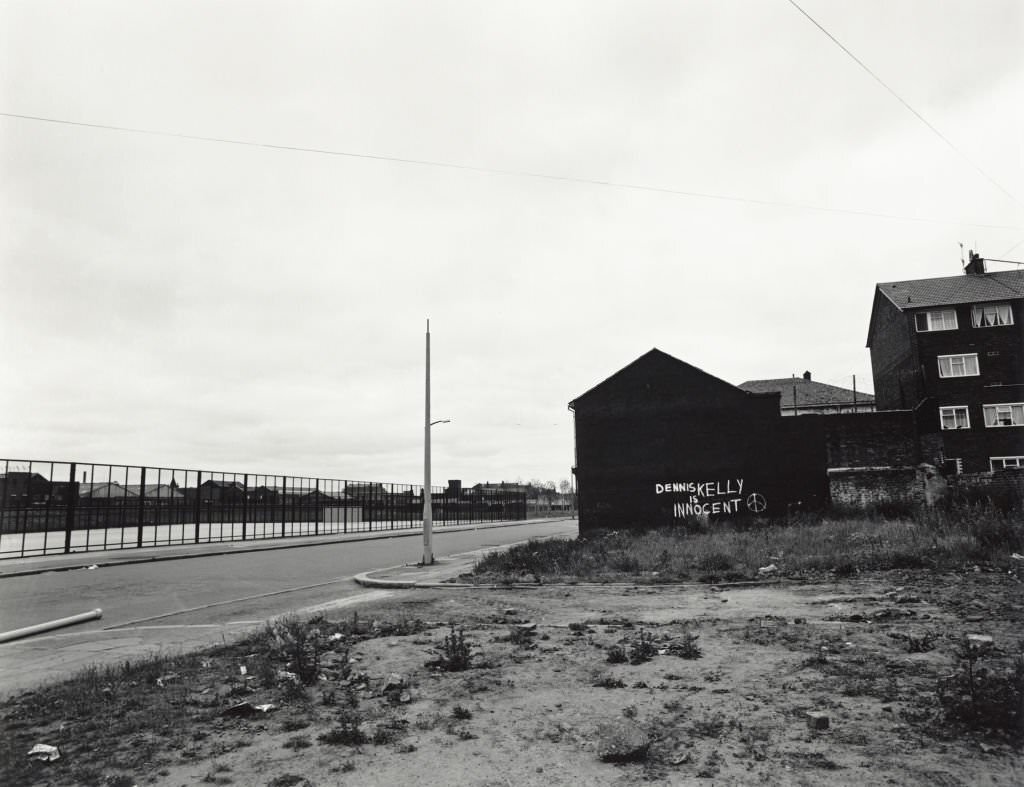
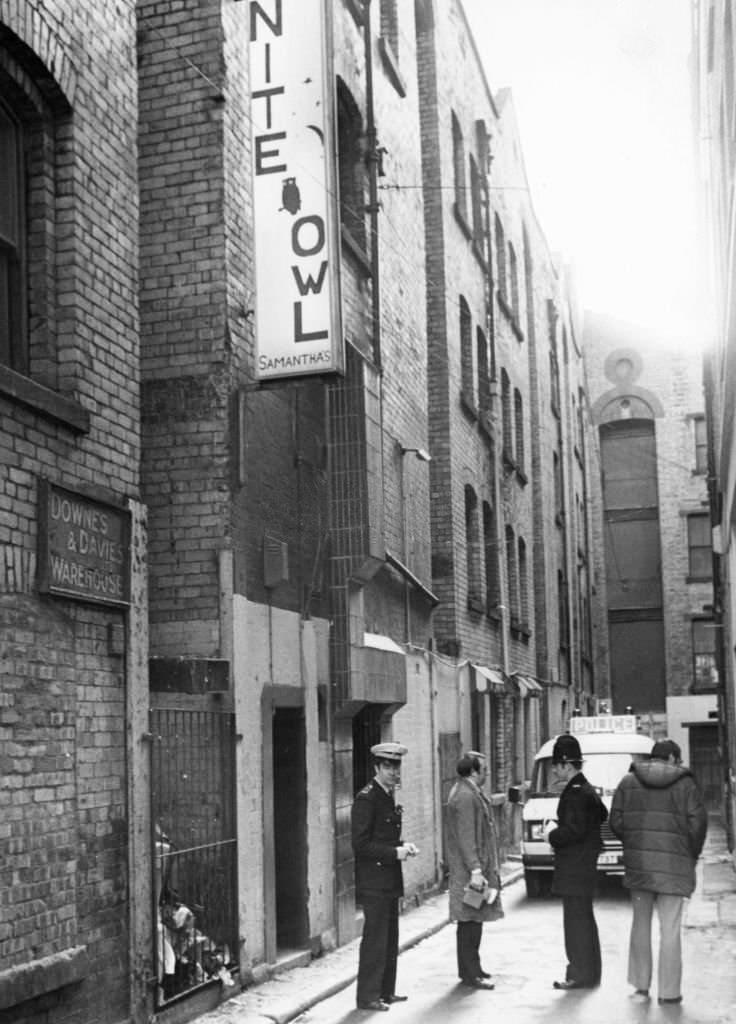
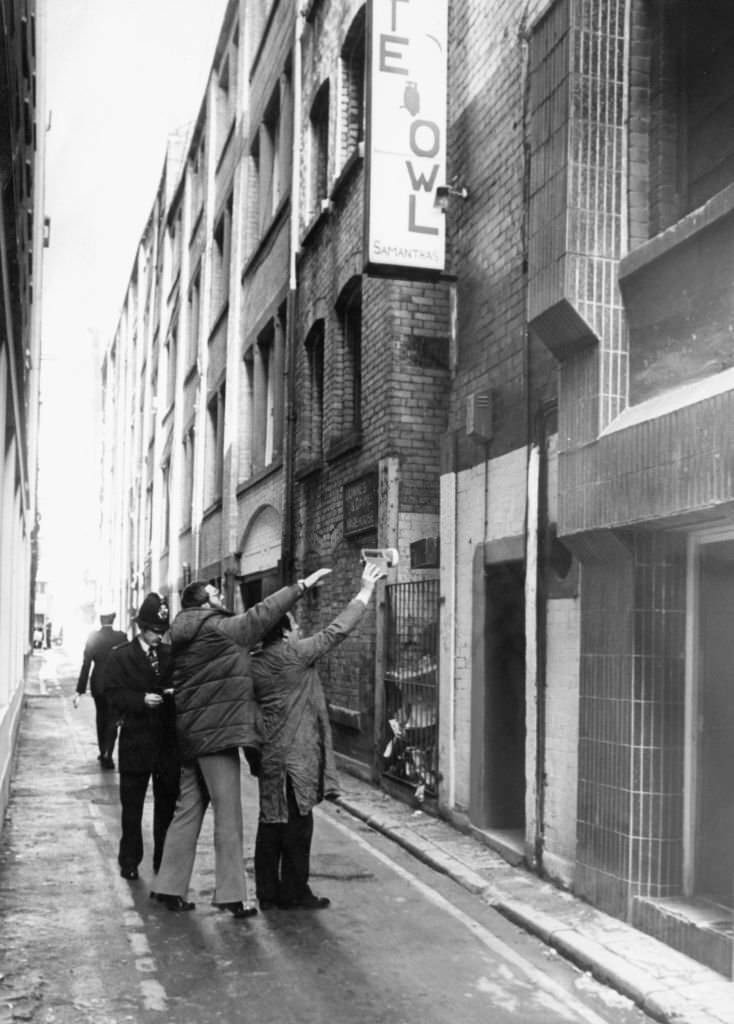
The Orange Order’s annual July march continued through the decade, the parades building toward the traditional 12th of July celebrations marking the Battle of the Boyne. Police on horseback patrolled areas around the Anglican Cathedral in September 1989. Graffiti appeared on the sides of houses. Outside the Nite Owl Club in Davies Street, police gathered the morning after a fierce fight left one man in hospital fighting for his life in November 1981.
The annual Orange Order march in Liverpool, July 1982.Police mounted on horses patrol the area around Liverpool Anglican Cathedral, 6th September 1989.Graffiti on the side of a house in Liverpool, July 1983.
Police outside the Nite Owl Club in Davies Street the morning after a fierce fight at the club left one man in hospital fighting for his life, 16th November 1981.
Police outside the Nite Owl Club in Davies Street the morning after a fierce fight at the club left one man in hospital fighting for his life, 16th November 1981.
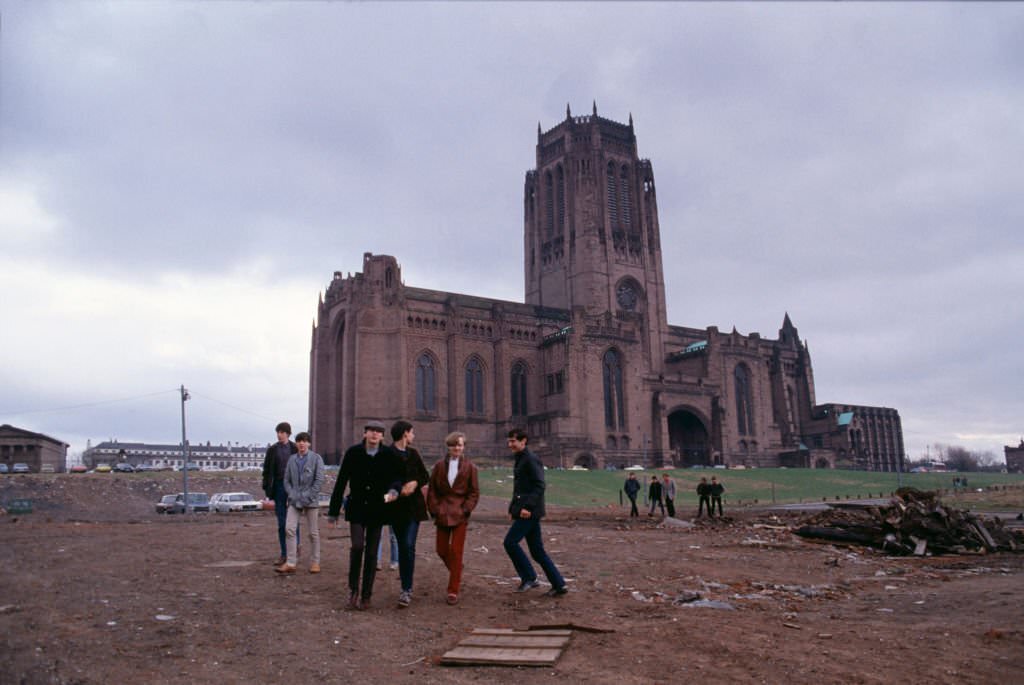
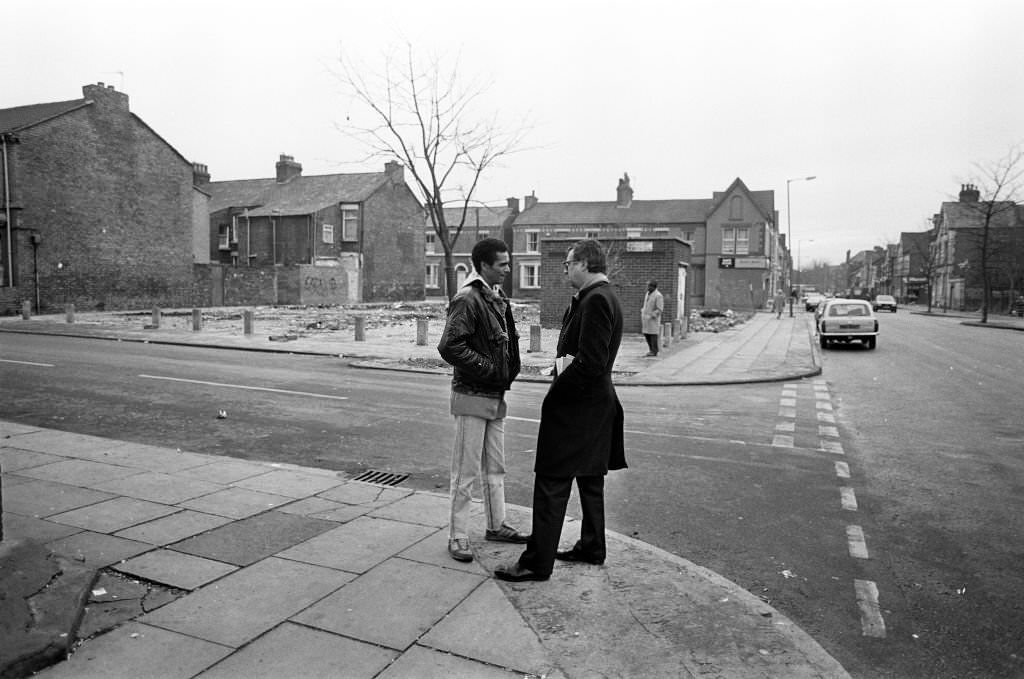
The teenagers of Liverpool in 1981 hung around outside the city’s Anglican Cathedral, their expressions caught somewhere between boredom and defiance. In Toxteth, Lord Gifford met with local resident Delroy Burris on Granby Street in 1988 — one of many moments where those in power tried to understand the reality on the ground. Across the city’s estates and back streets, the photographs tell the same story: people living their lives in a city that was being pulled in several directions at once.
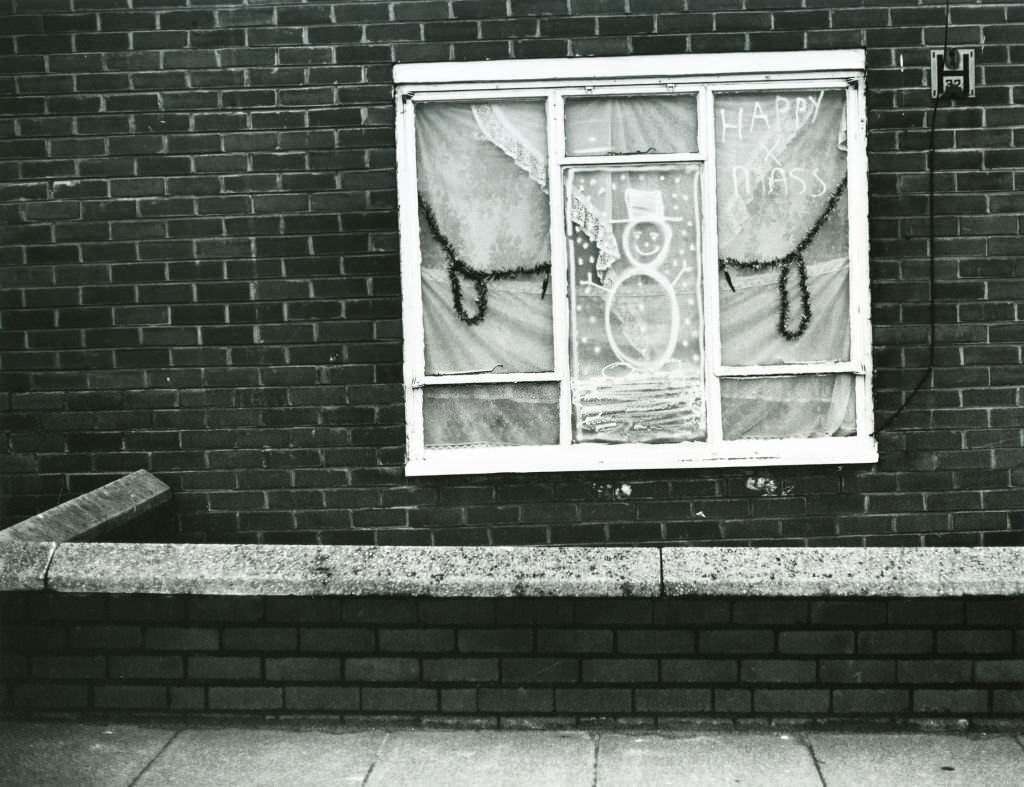
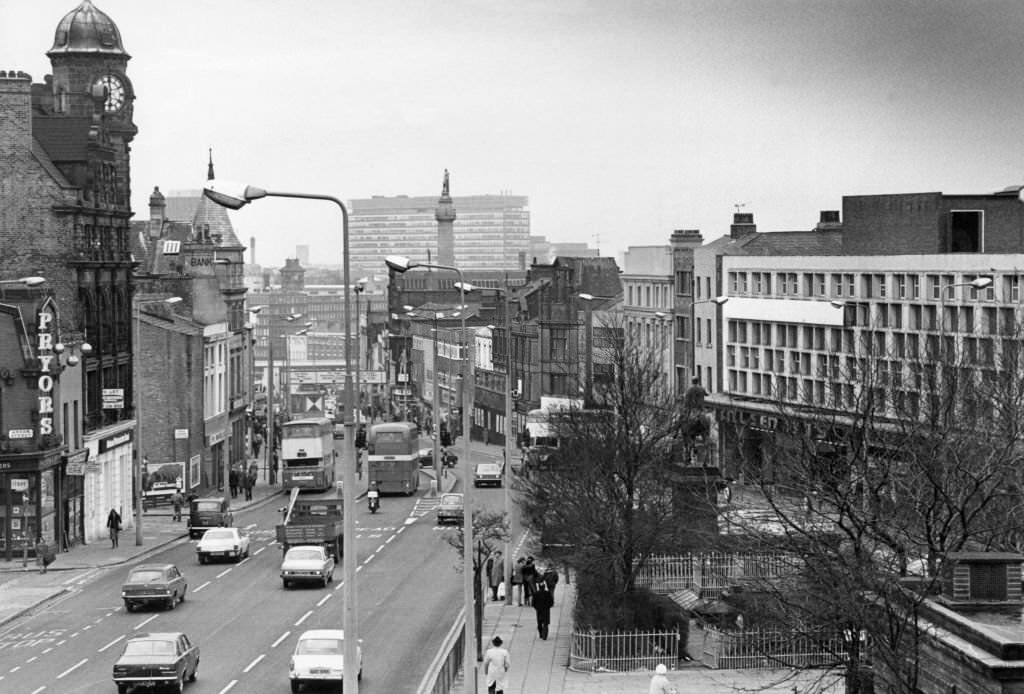
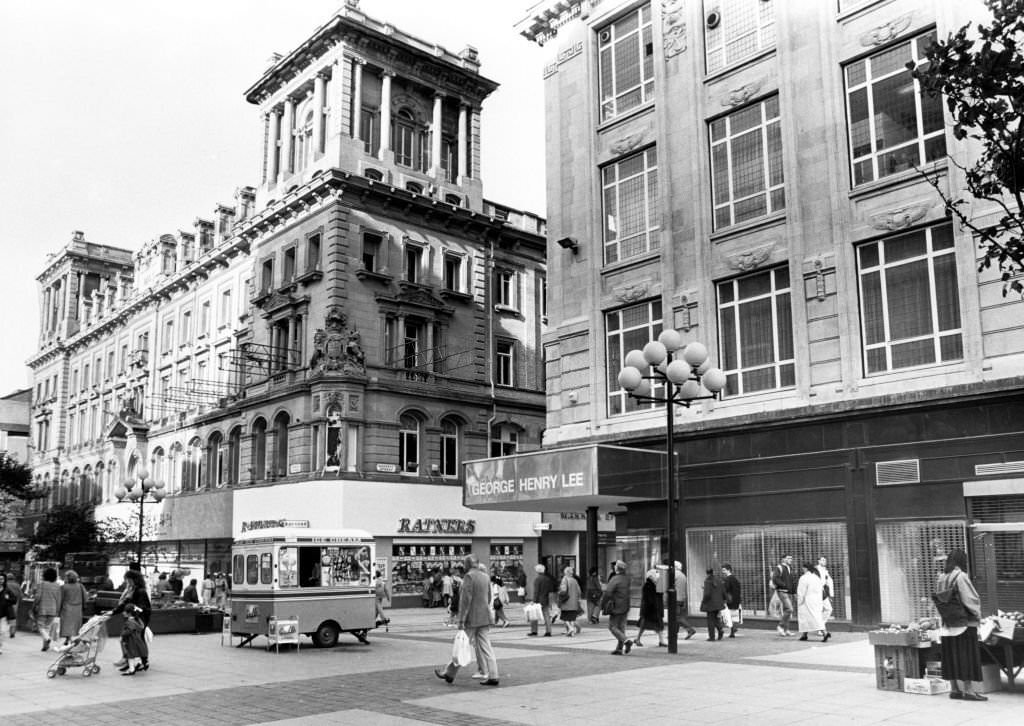
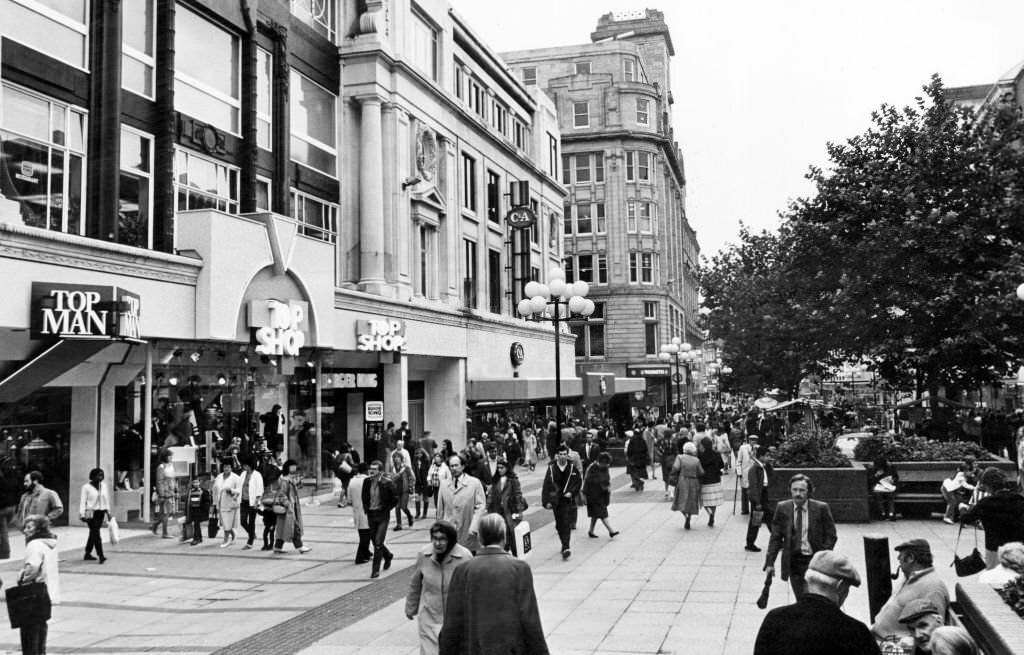
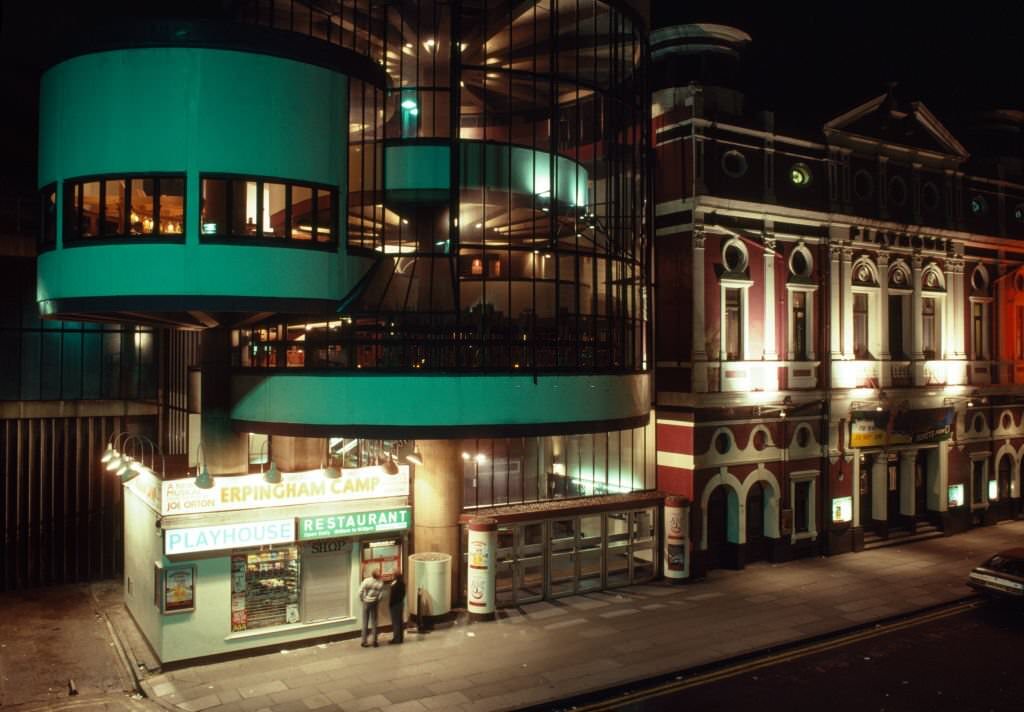
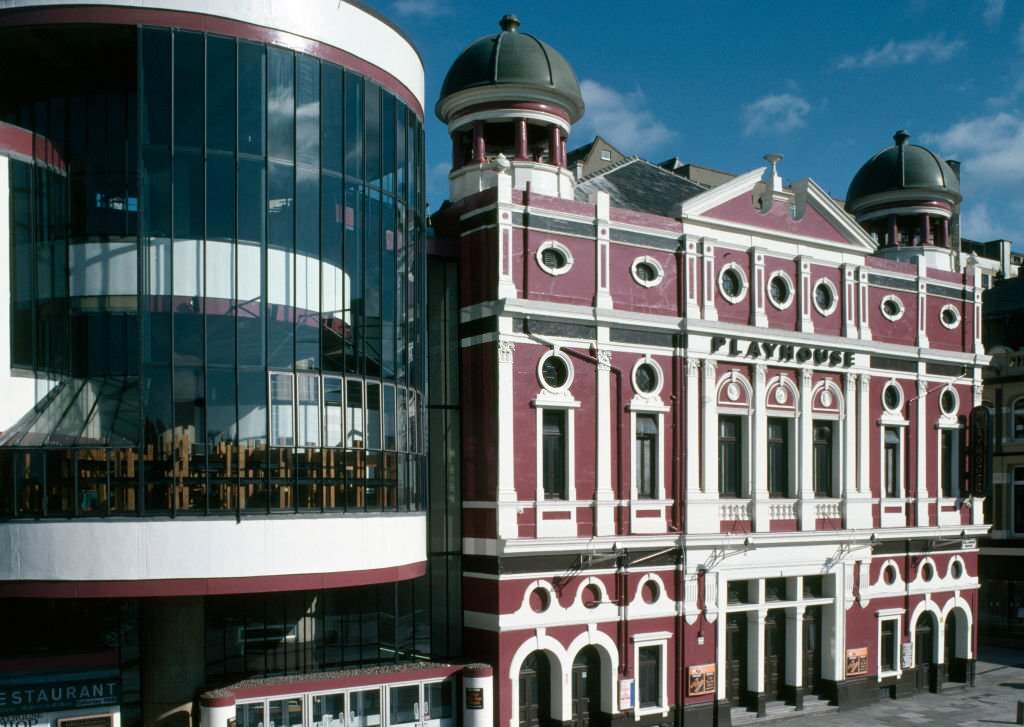
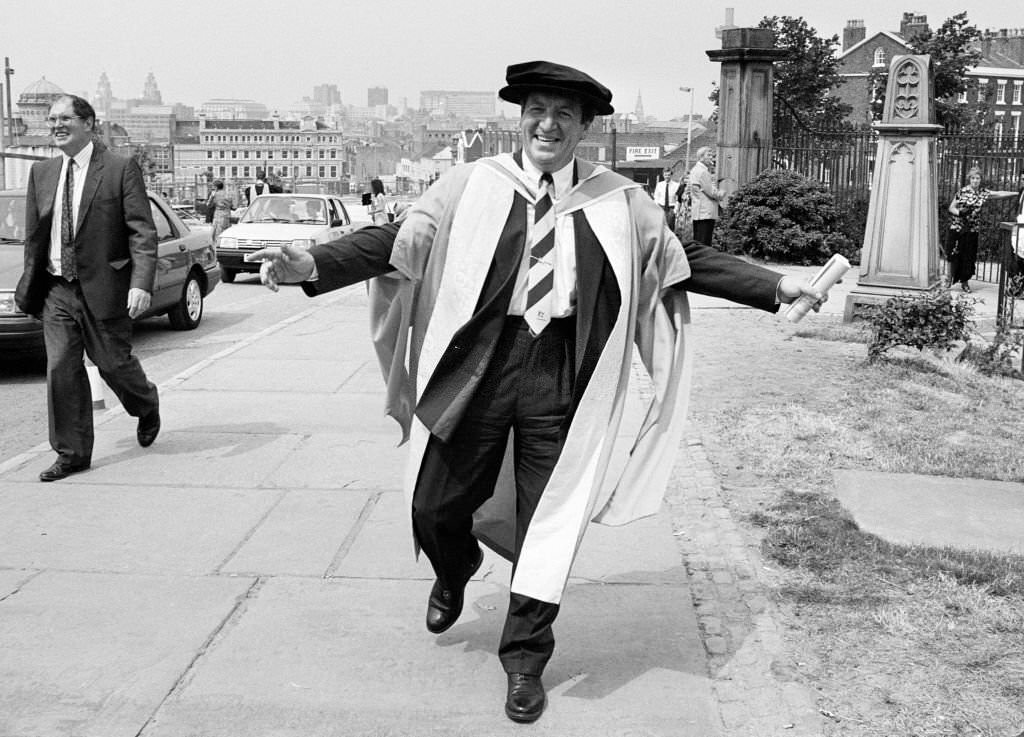
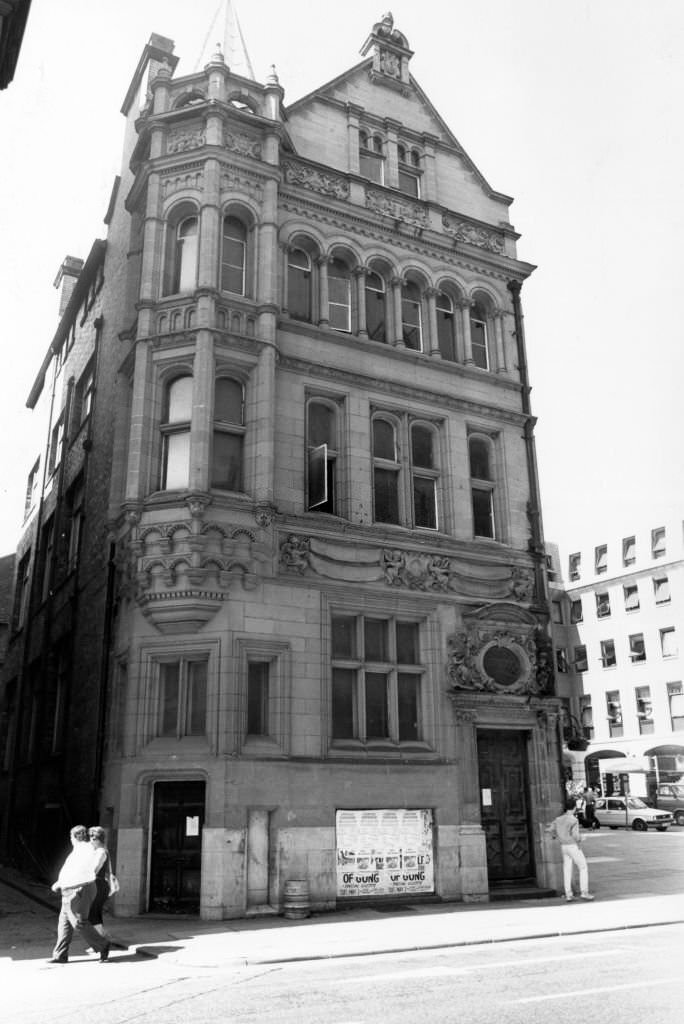
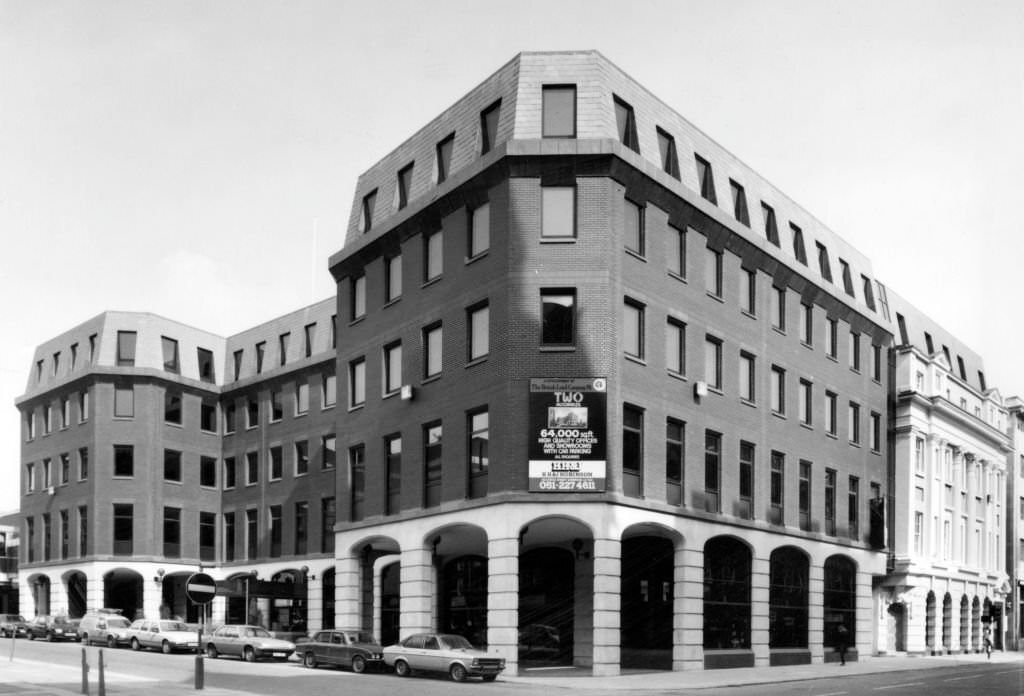
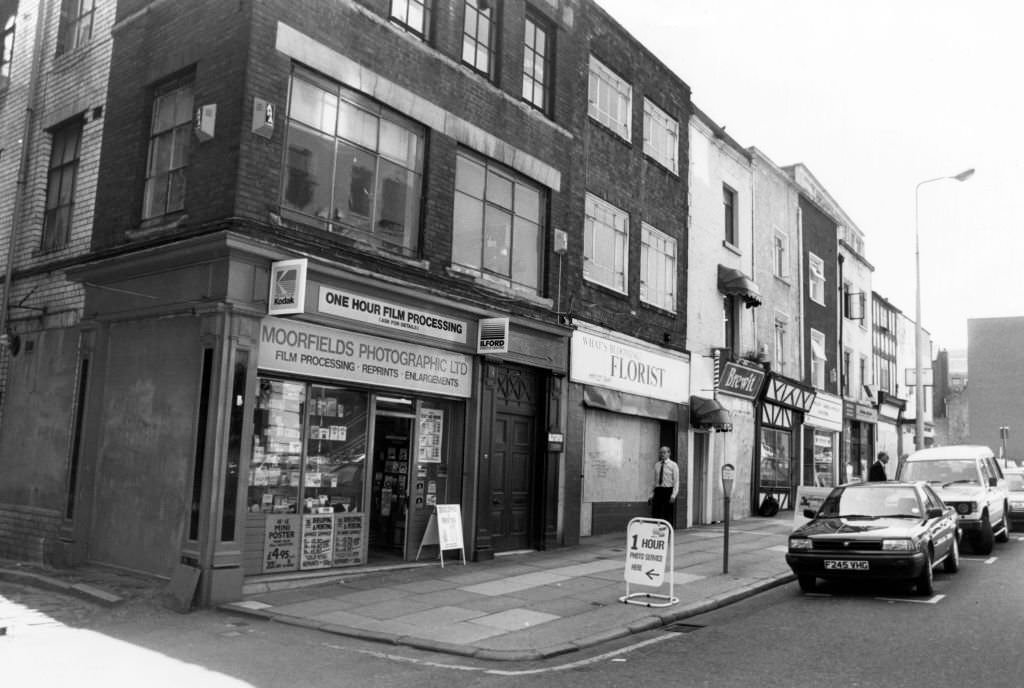
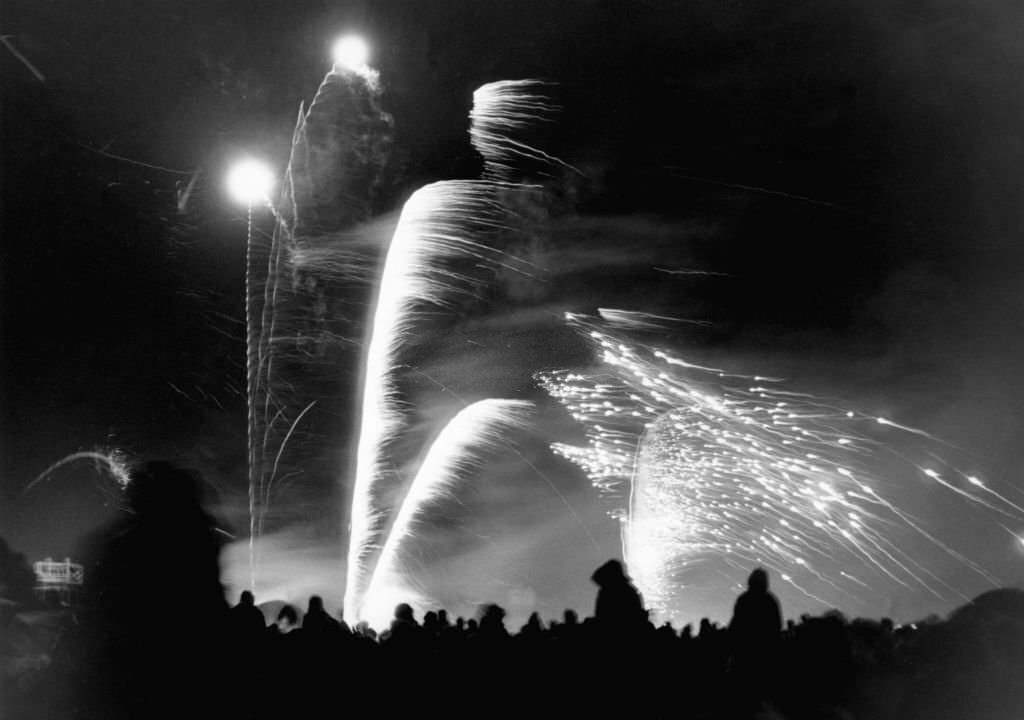
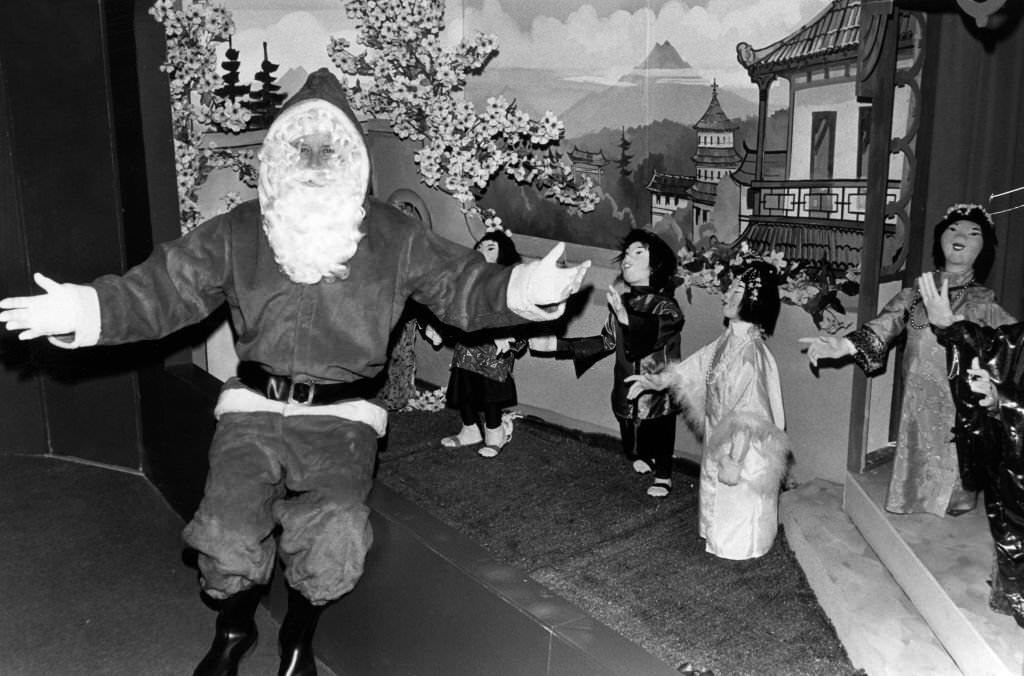
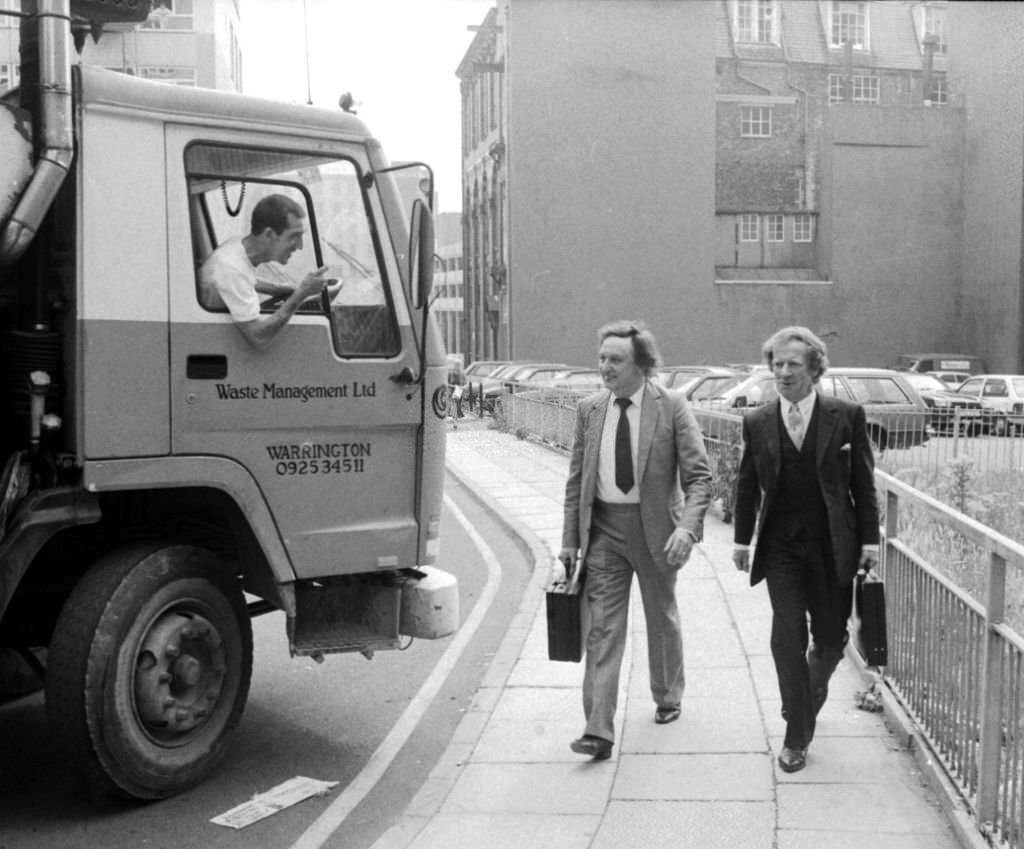
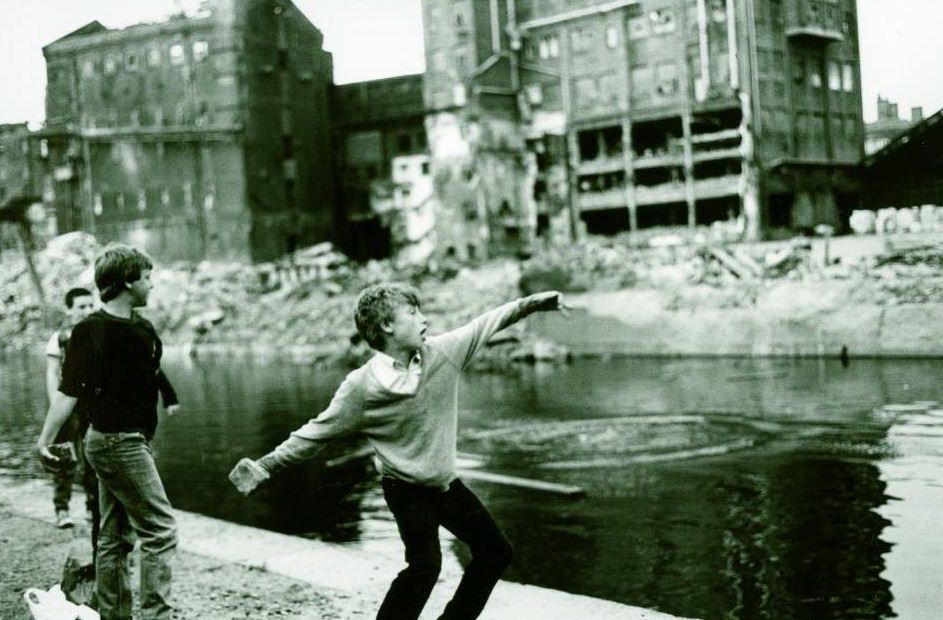
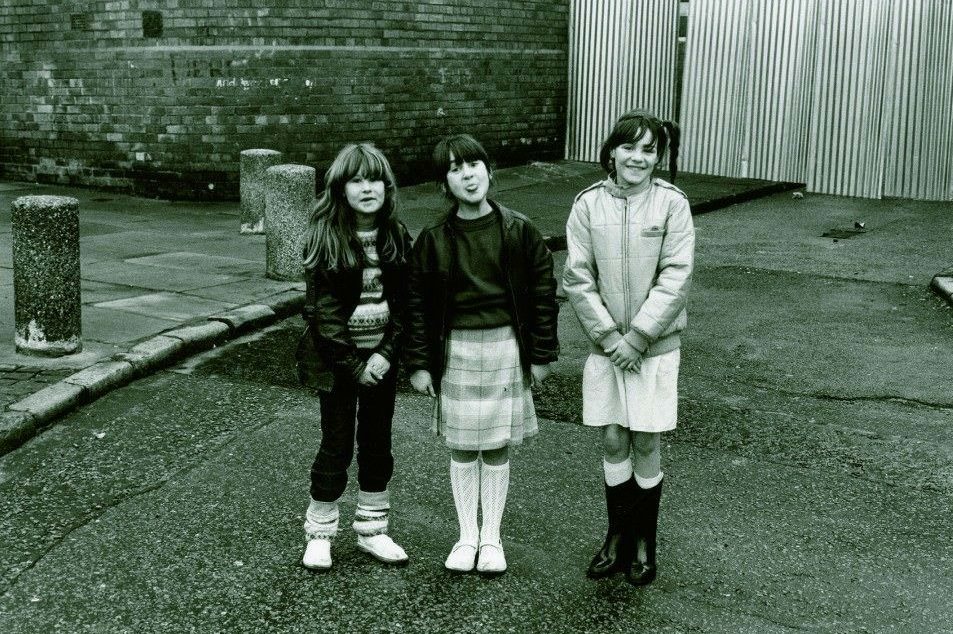
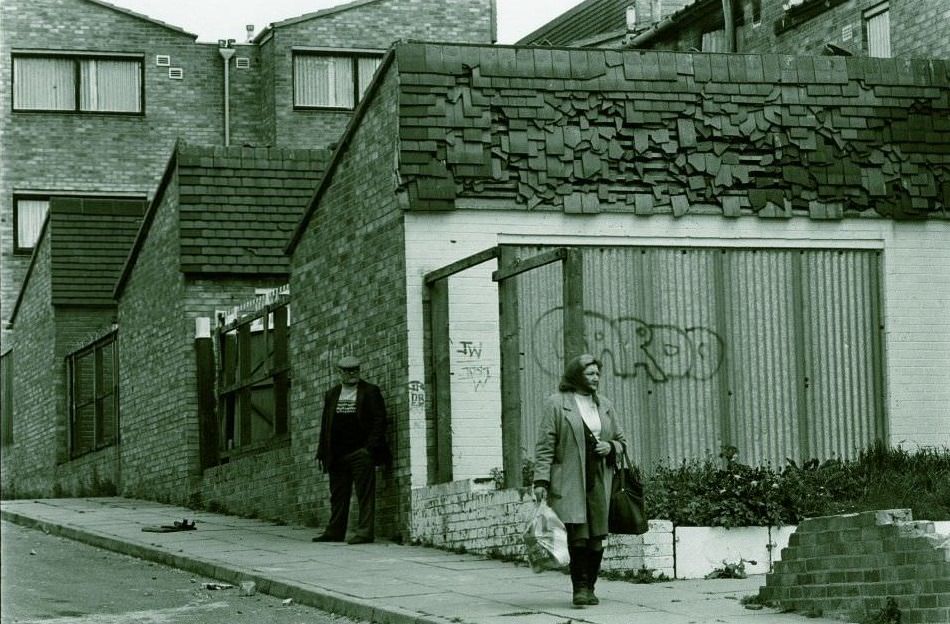
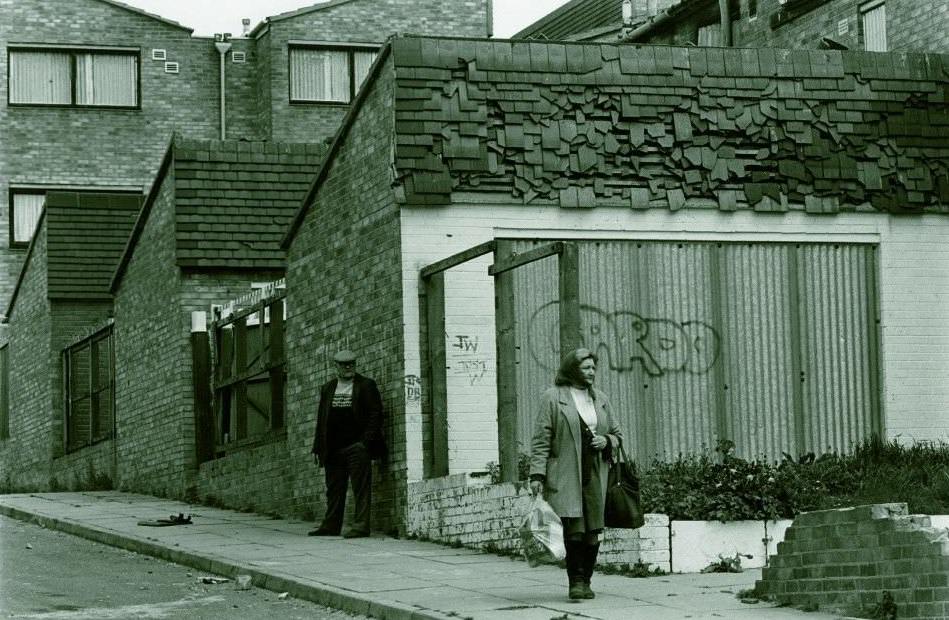
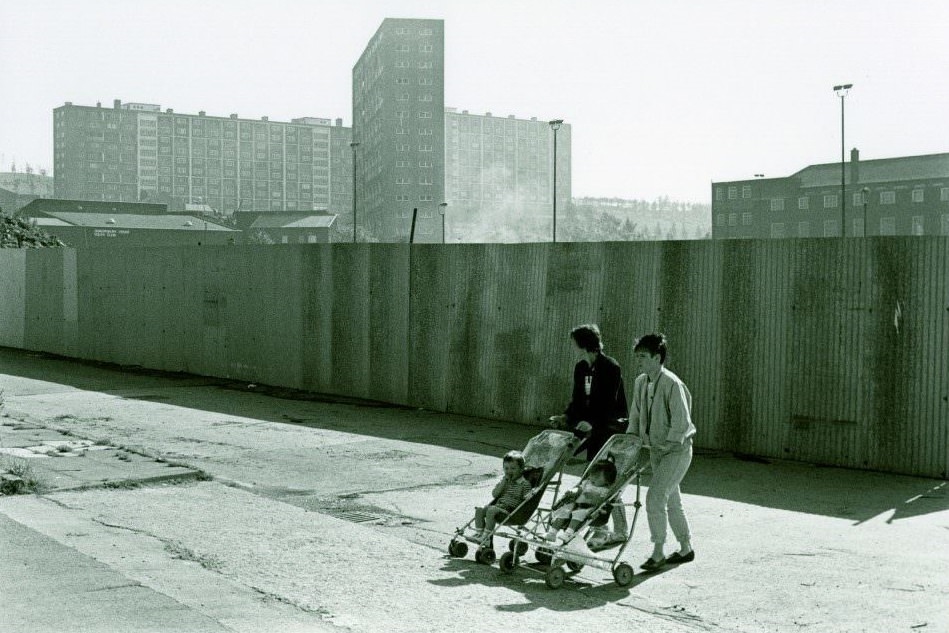
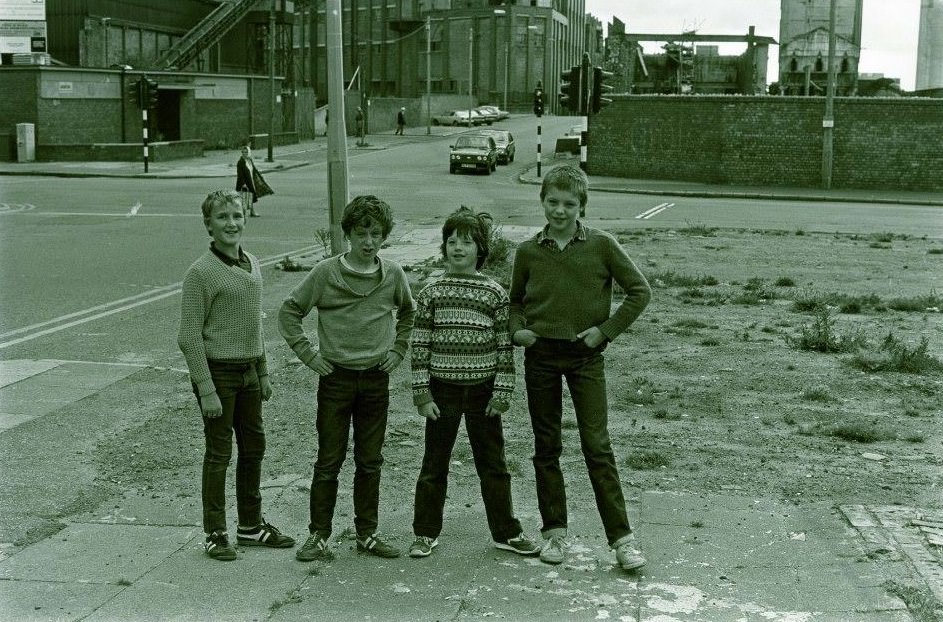
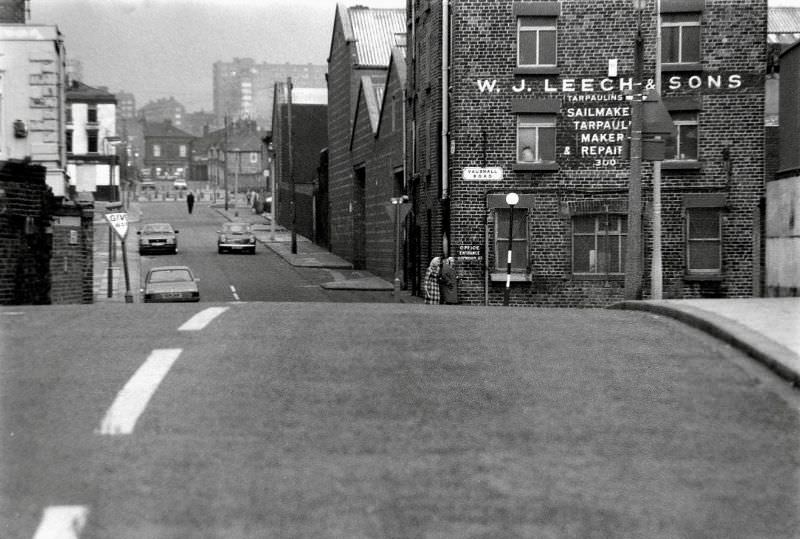
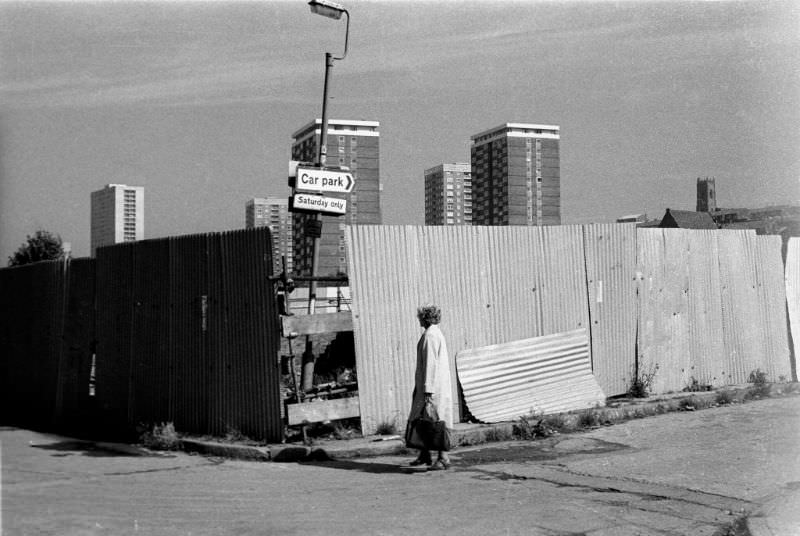
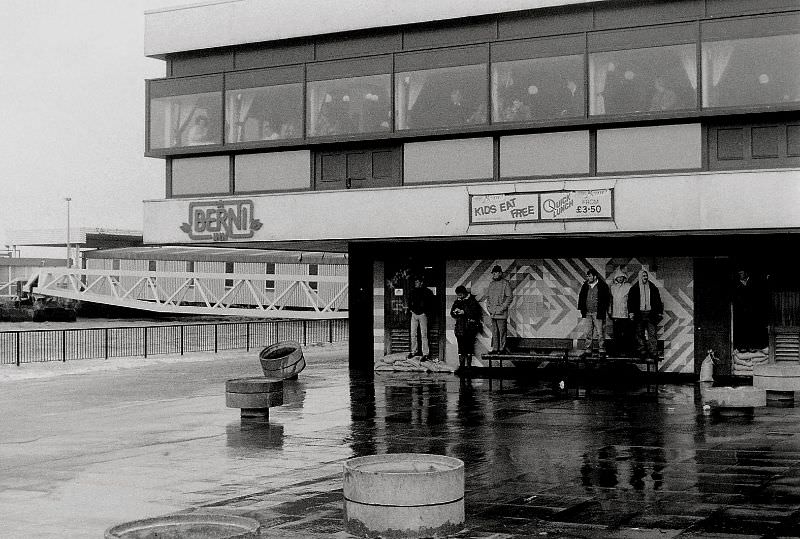
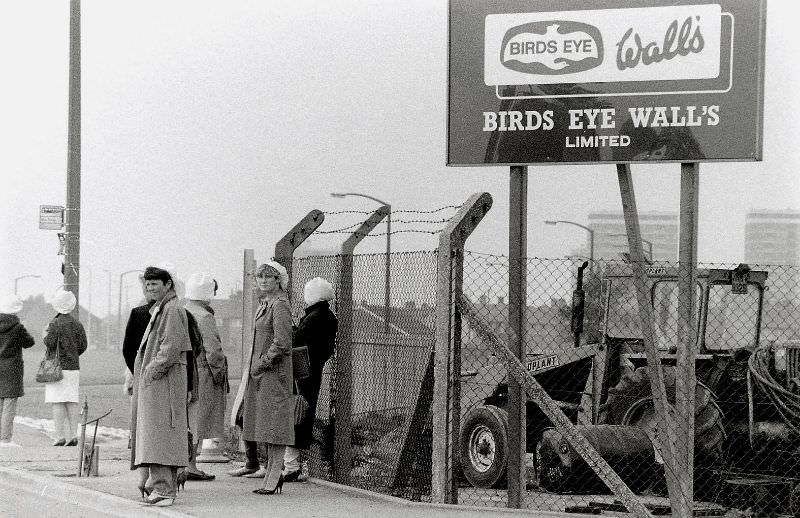
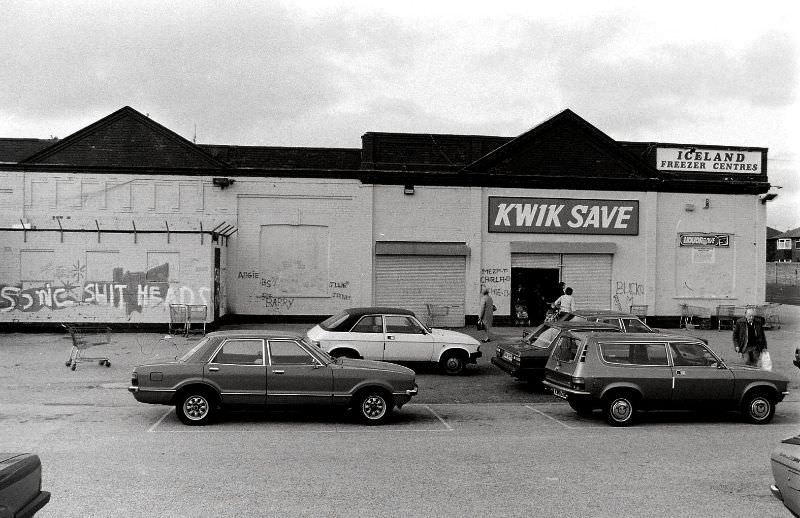
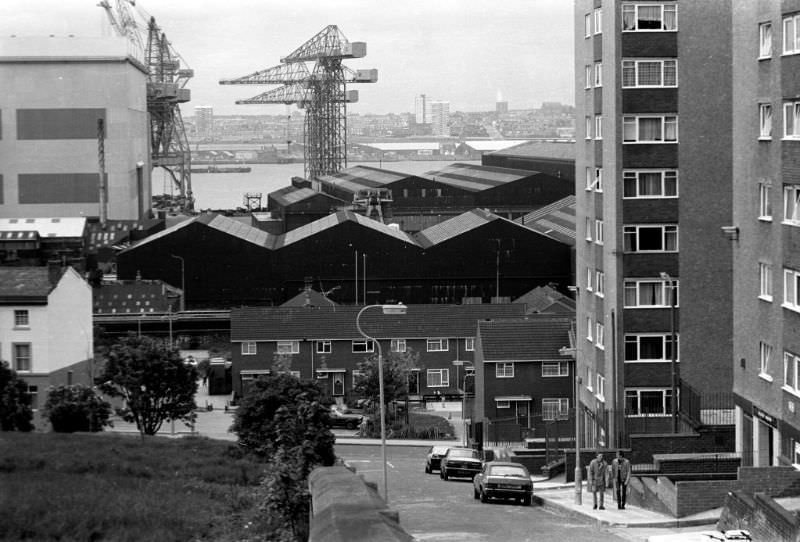
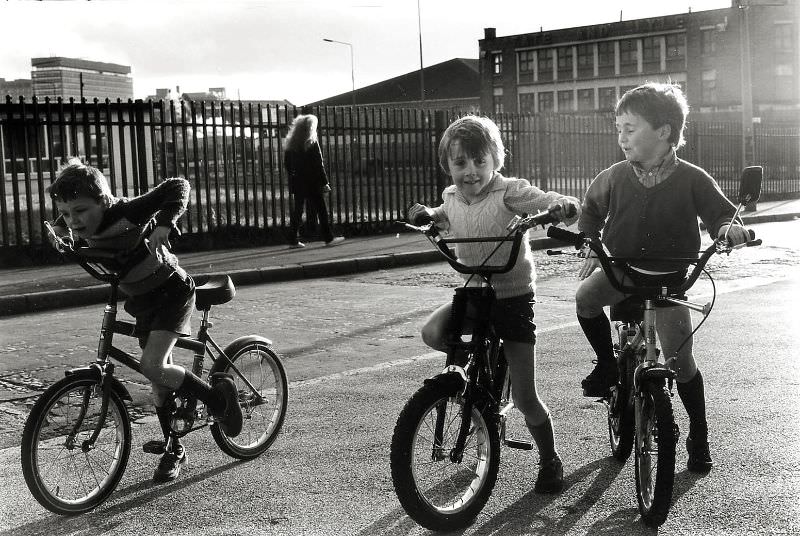
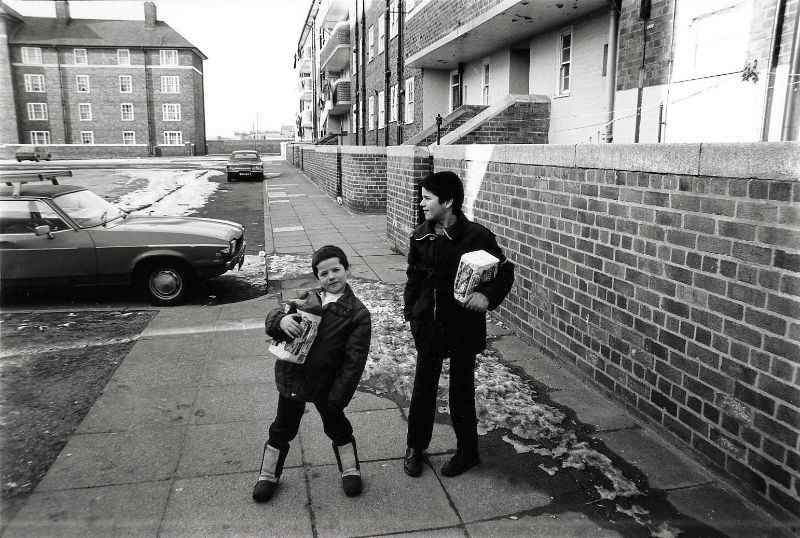
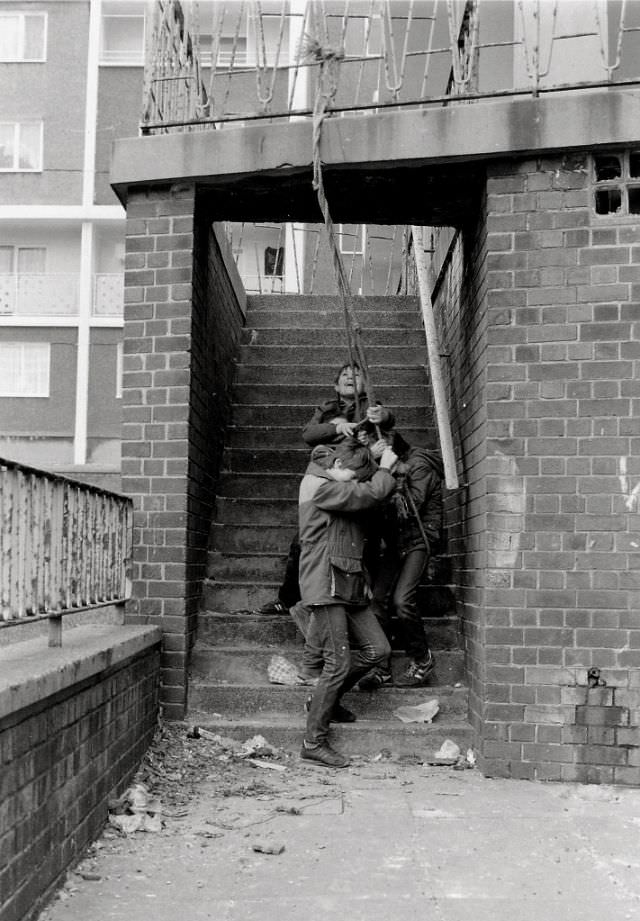
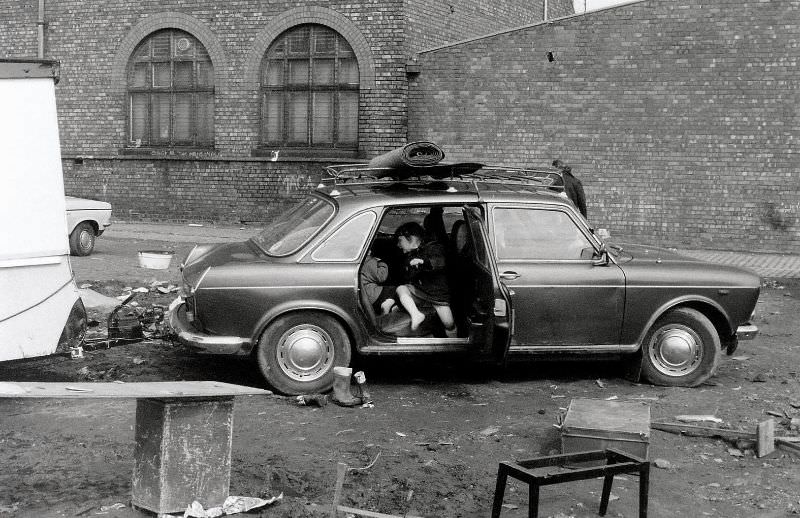
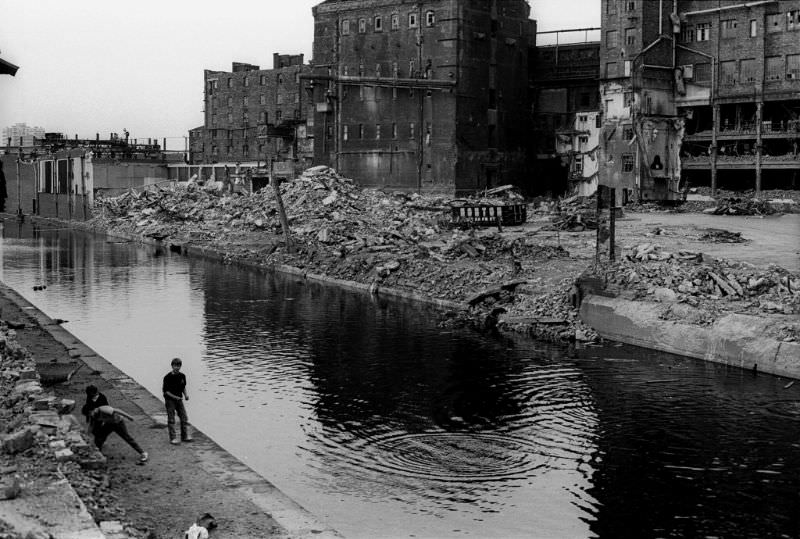
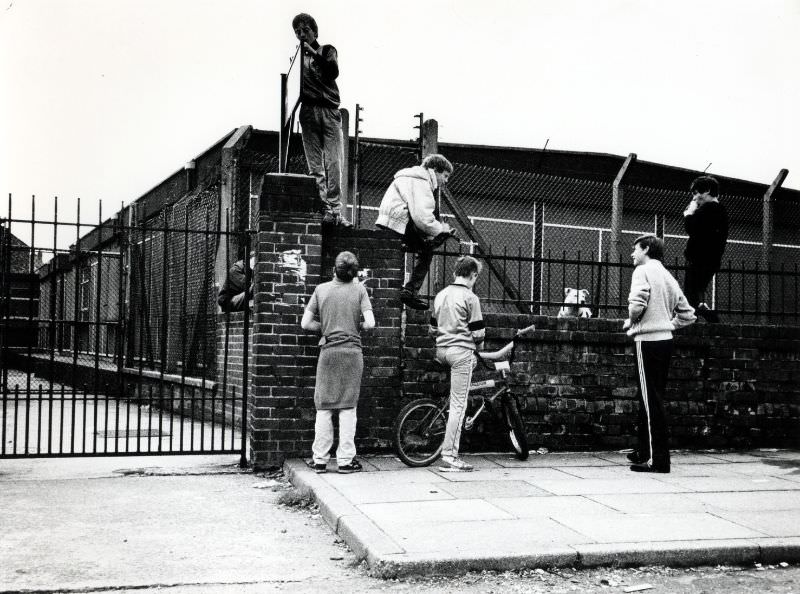
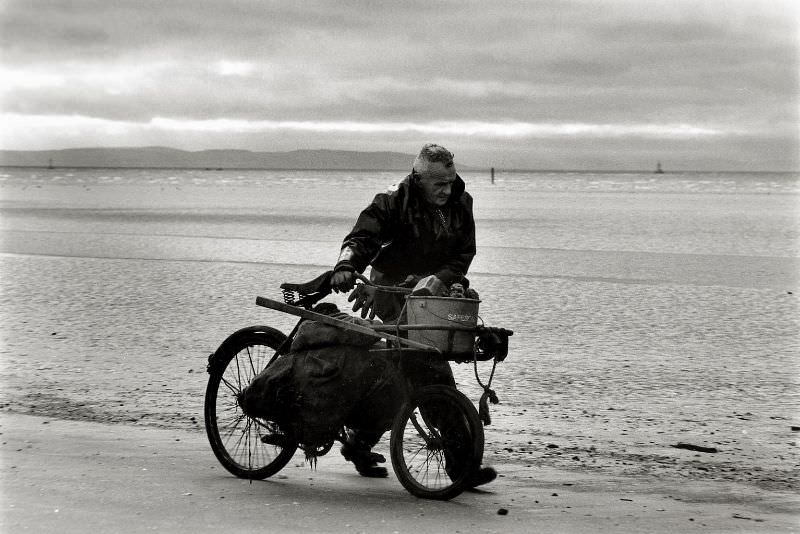
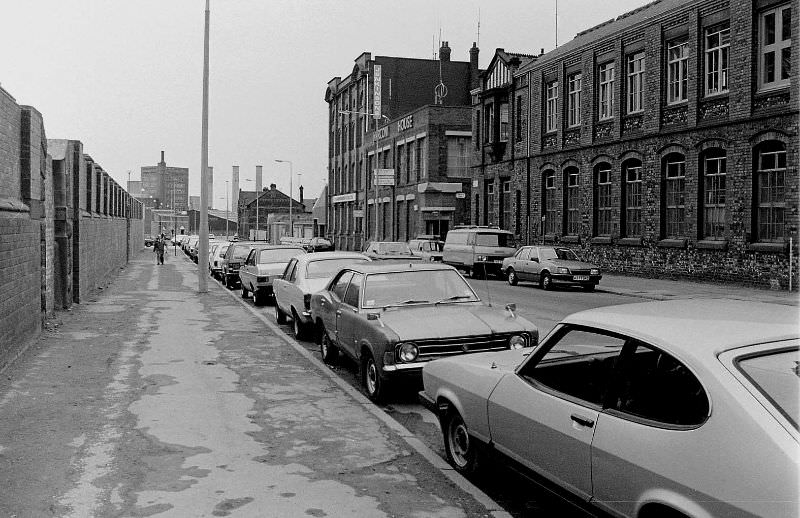
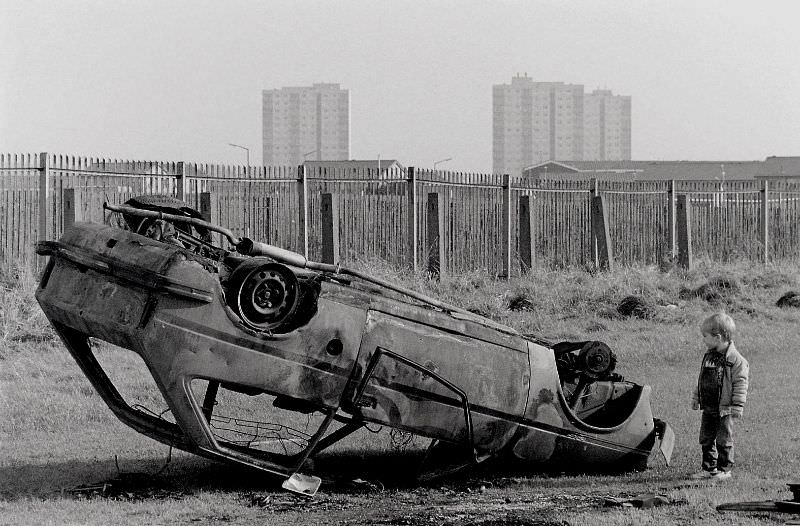
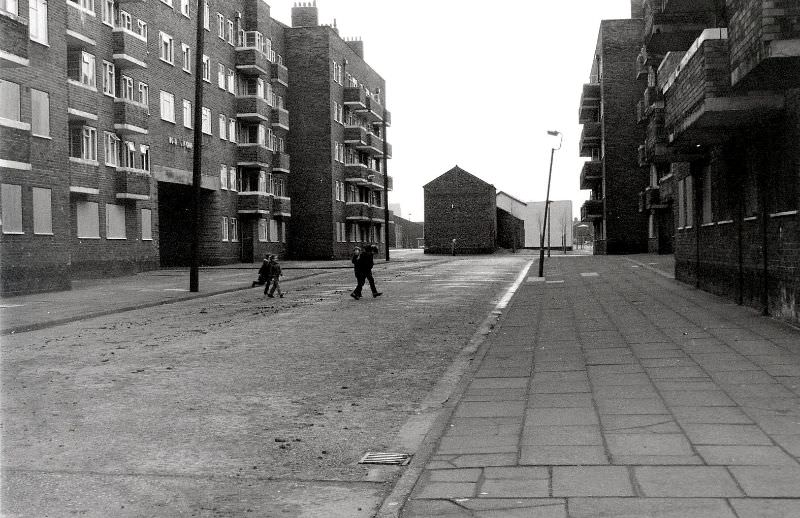
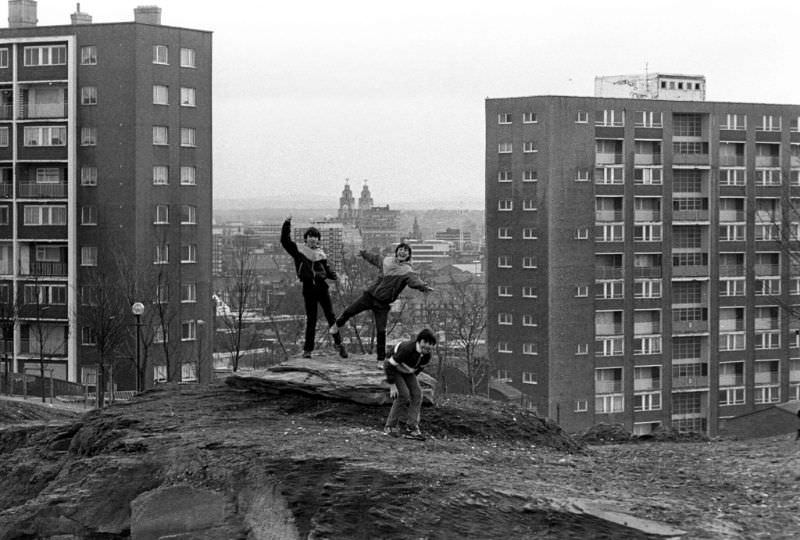
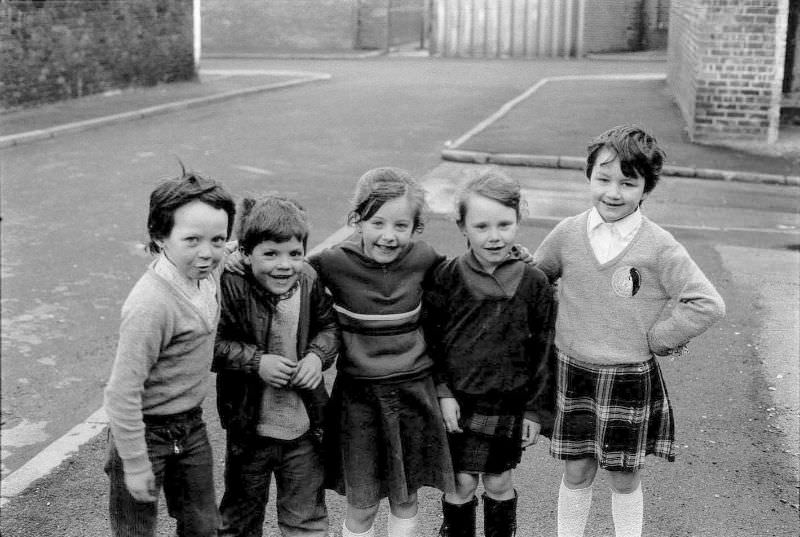
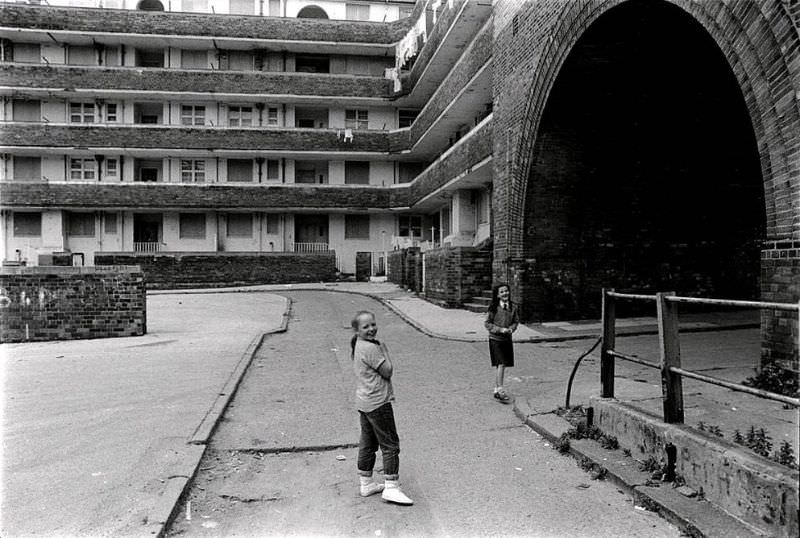
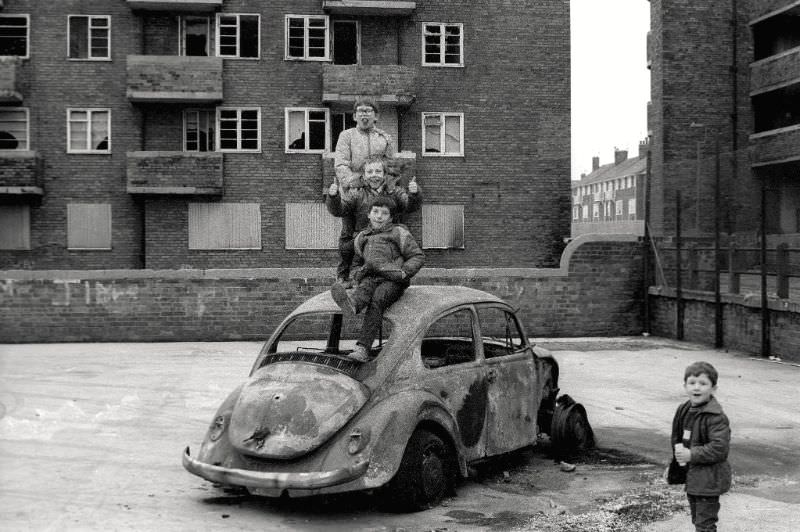
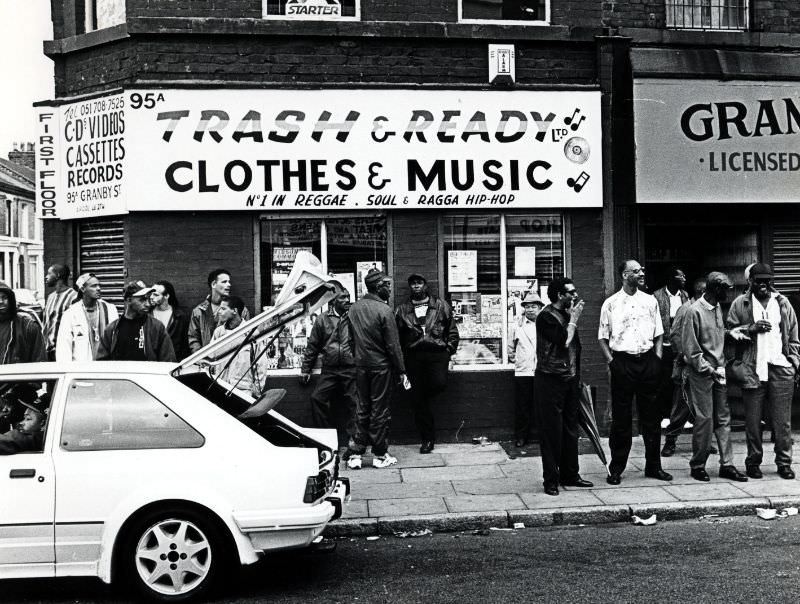
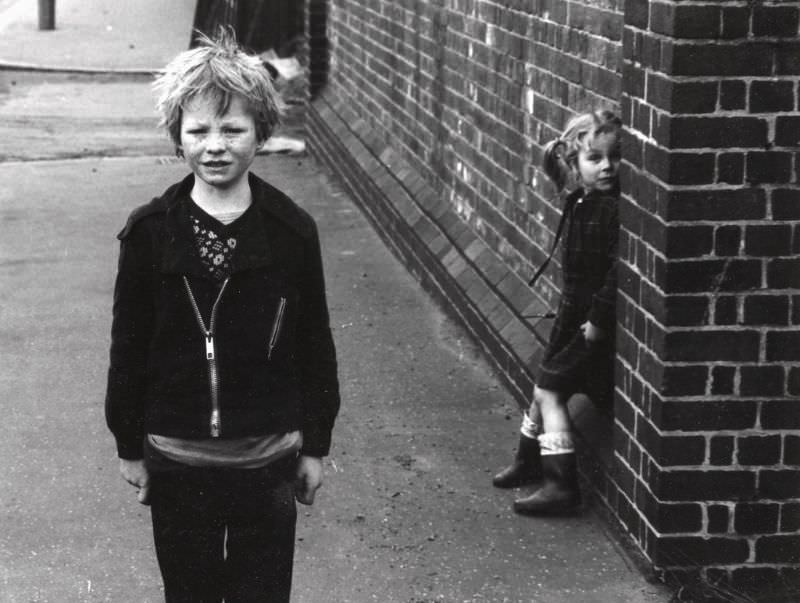
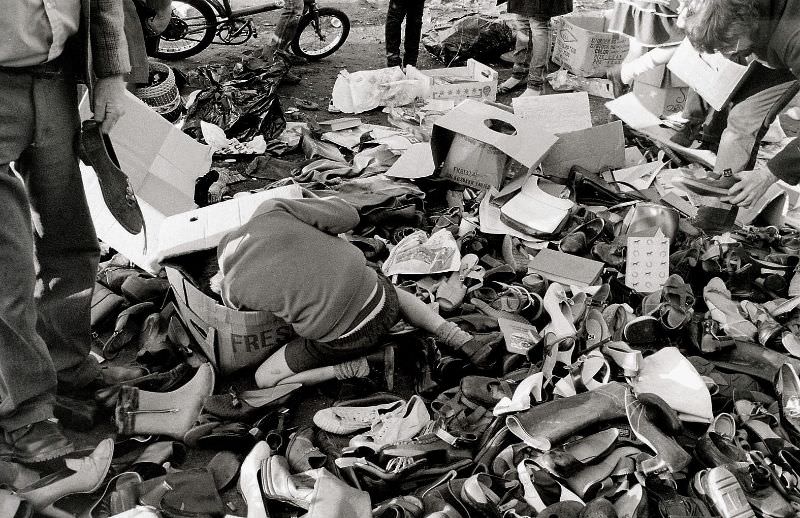
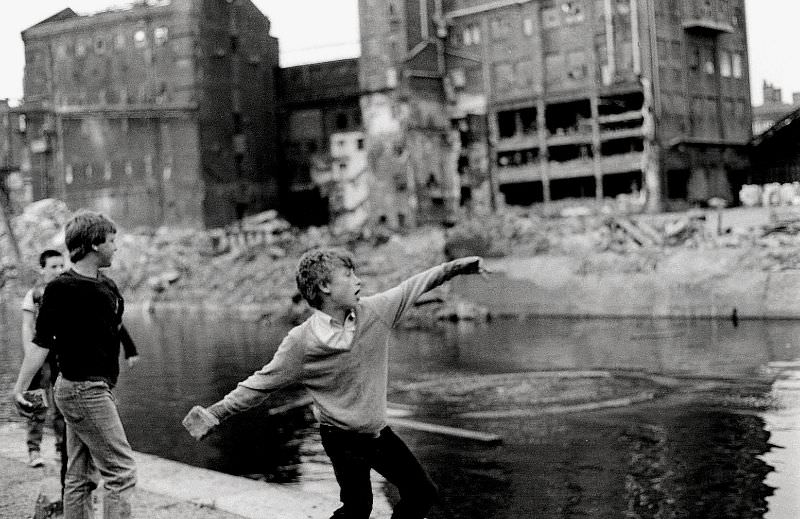
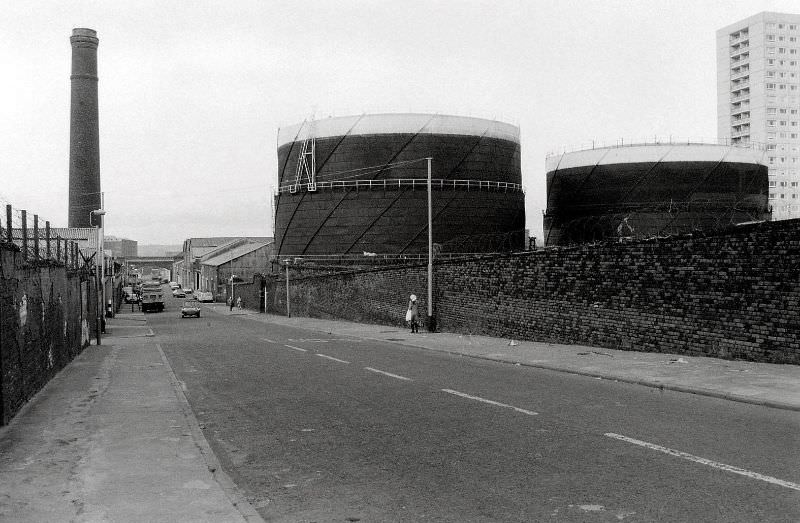
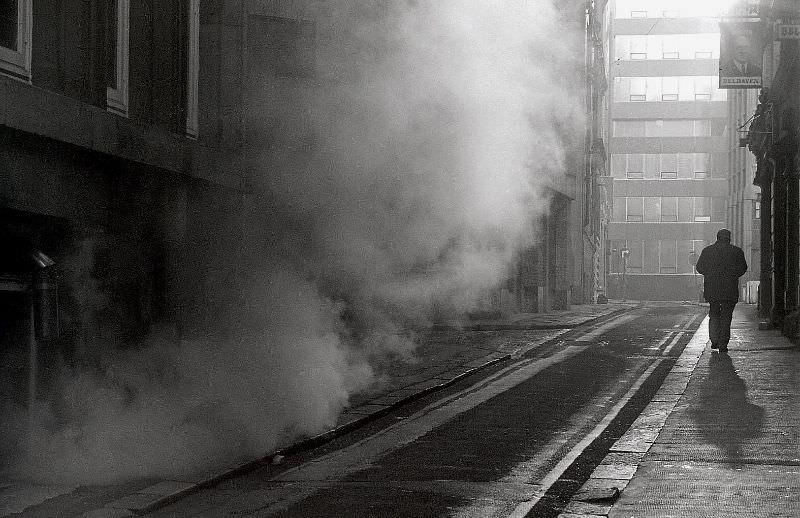
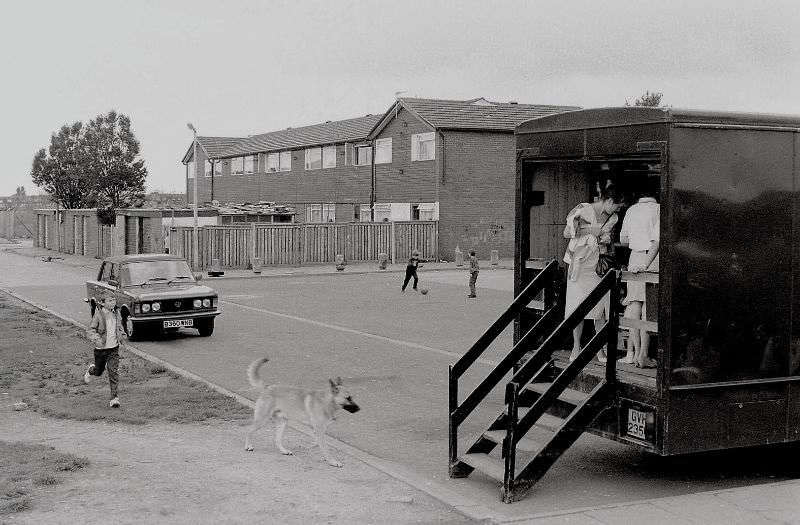
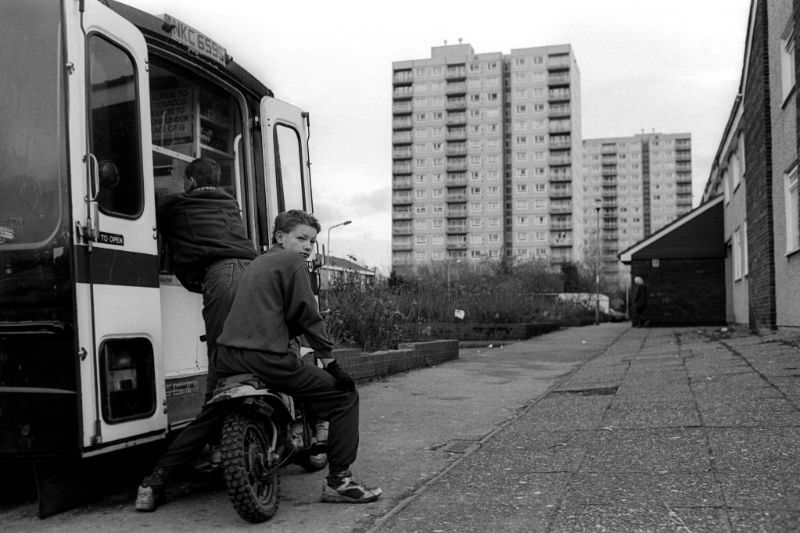
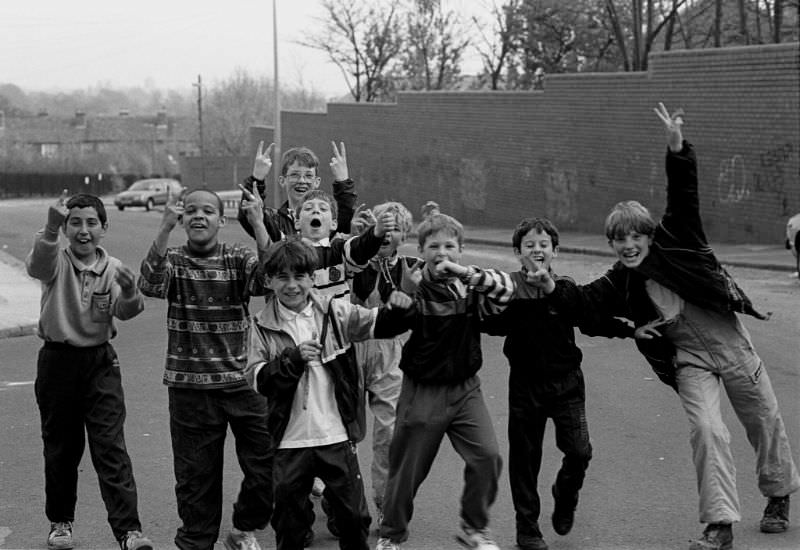
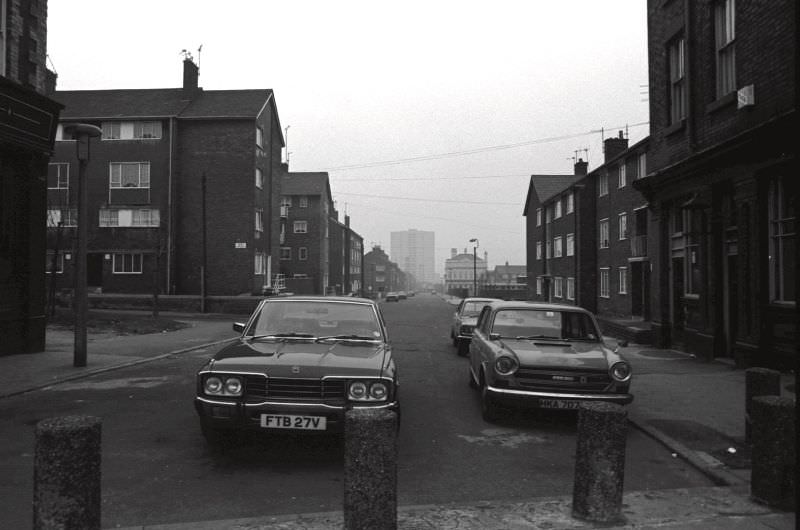
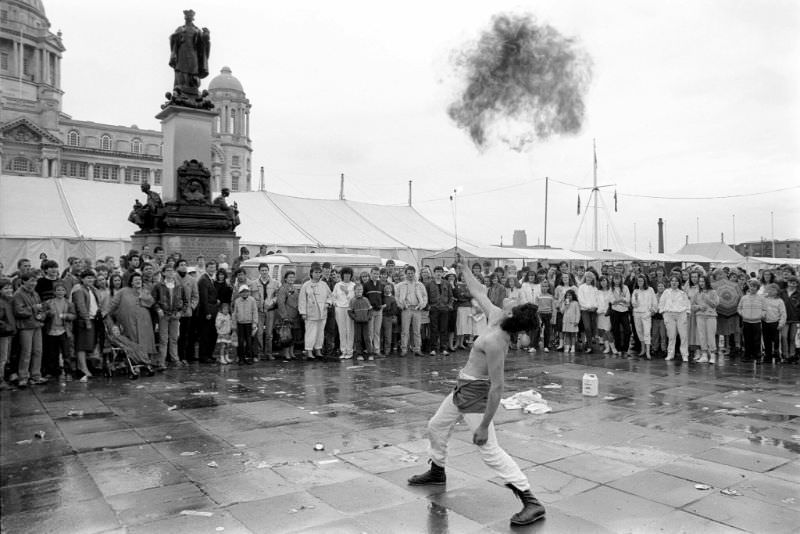
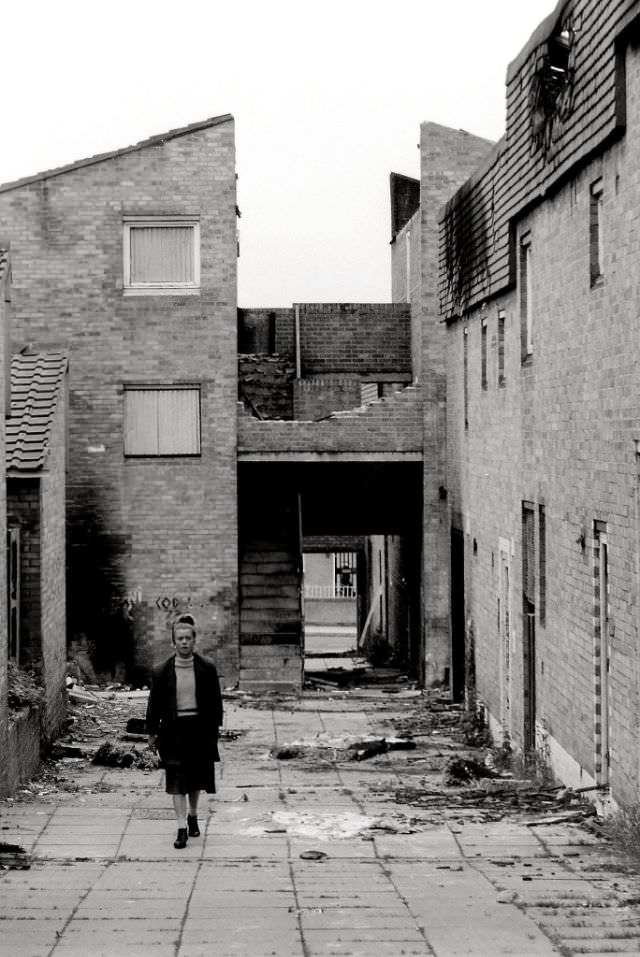
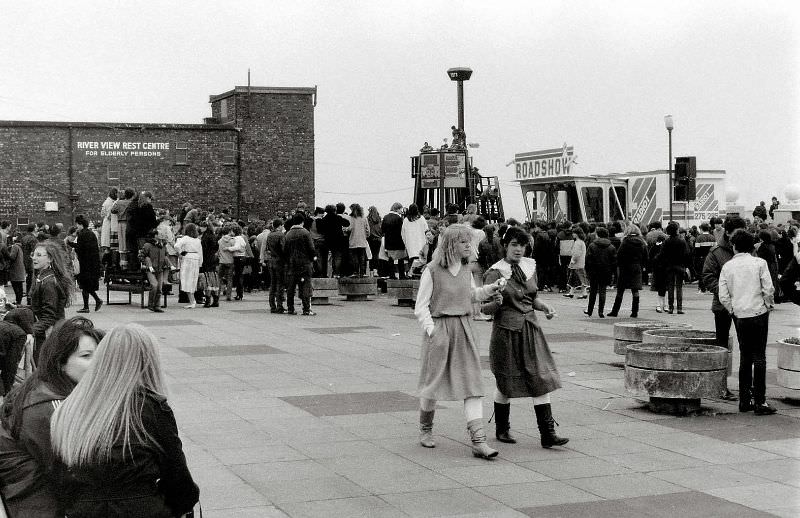
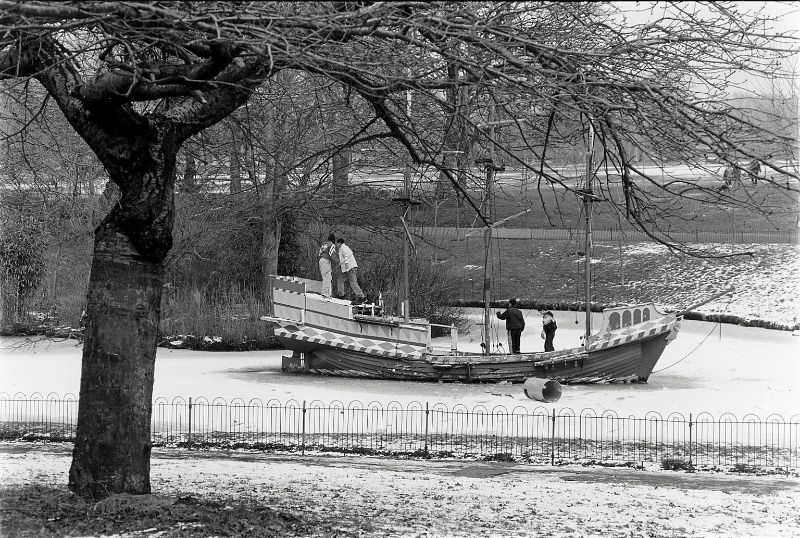
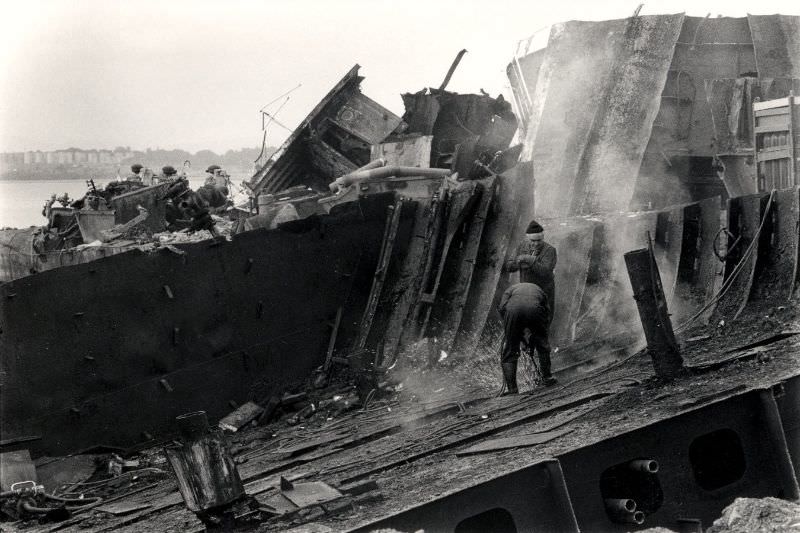
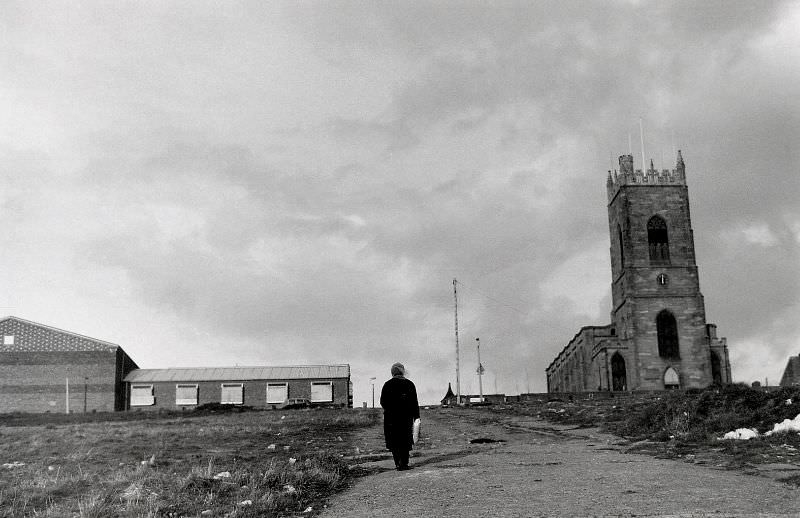
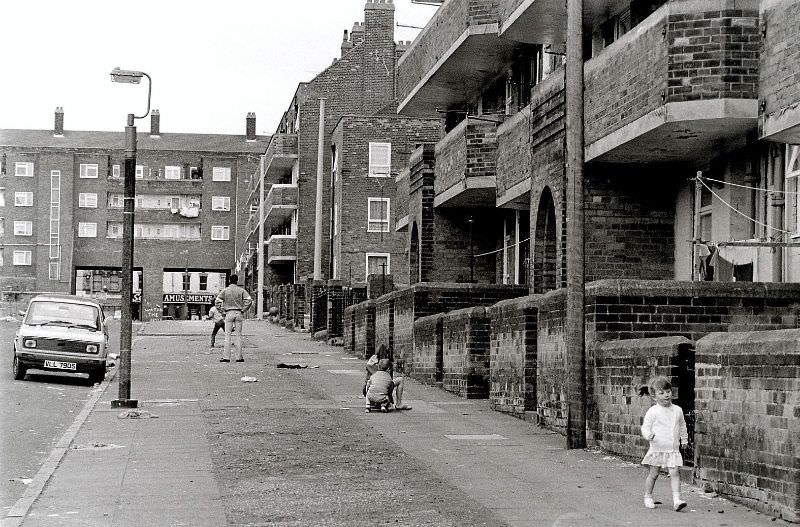
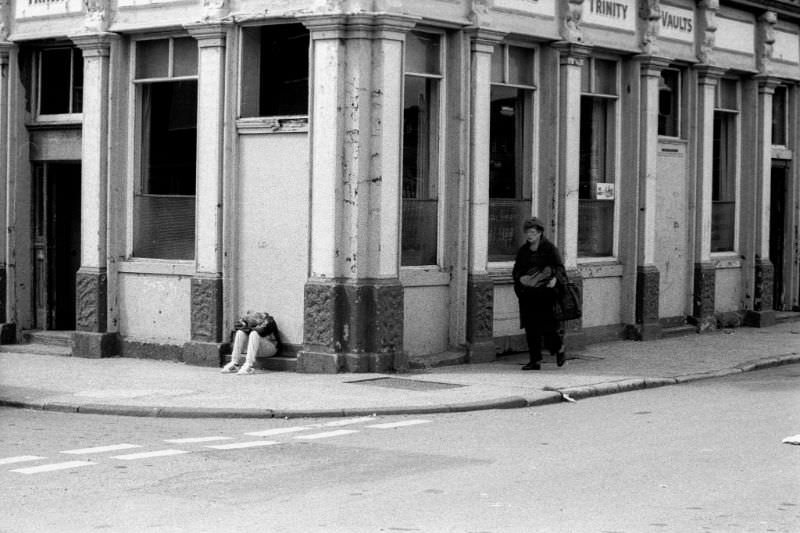
Liverpool teenagers outside the city’s Anglican Cathedral, May 1981,Lord Gifford talks to local resident Delroy Burris in Granby Street, Toxteth, 29th November 1988.Christmas Greetings in Liverpool, December 1982.The Cotton Picker Public House on the corner of Roscommon Street and Portland Place, in Liverpool, 1982.Chapel Street, Liverpool, 6th December 1983.London Road Liverpool, 19th August 1983.Aerial view of Kings Dock part of the Liverpool South Docks system which became redundant in 1972. It covers 14.6 Hectares, 19th January 1987.Lord Street Liverpool, 1988.Church Street, Liverpool, 1981Aerial view of Liverpool Docks, Merseyside, 17th August 1980.Church Street Liverpool, 31st October 1989.Church Street, Liverpool, 1989Church Street, Liverpool, 1984A view of the exterior of the Liverpool Playhouse Theatre in Liverpool, September 1987.A view of the exterior of the Liverpool Playhouse Theatre in Liverpool, September 1987.Businessman George Davies, 1989Moorfields buildings, 4th July 1989.No 2, Moorfields, Liverpool, 26th February 1986.Moorfields, Liverpool, 1989Public display of fireworks at Walton Hall Park, 5th November 1988.Liverpool Father Christmas 1989Ken Dodd Trial, 1980sLord Street Liverpool, 15th October 1986Lord Street Liverpool, 24th July 1989Roe Street, Liverpool, Merseyside, 1989Liverpool in the 1980s by Dave Sinclair published by Amberley Publishing.Lad throwing rock into the Leeds–Liverpool CanalThree girls in Ashfield Gardens, Vauxhall.Radcliff EstateThe Mersey Beat, Dingle.Radcliff EstateThe Mersey Beat, Dingle.Two girls with buggies, Braddocks.Four lads, Vauxhall Road.Athol St, 1980sBack of Great Homer St, 1980sBerni Inn, Pier Head, 1980sBirds Eye, Kirkby, 1980sBirkenhead Kwik Save and Iceland, 1980sBirkenhead, 1980sBoys on Grifters, Vauxhall, 1980sBoys with loaves, 1980sBraddocks swing, 1980sCar boot sale, 1980sChucking rock in Leeds Liverpool Canal, 1980sChurch Rd, Walton, 1980sClaudia St, 1980sCoal collector, Formby, 1980sCortina and Capri on Love Lane, 1980sCroxteth, 1980sDemolished flats, Vauxhall, 1980sDingle footy, 1980sDingle gas, Grafton Street, 1980sEverton Brow, 1980sEverton council flats, 1980sEverton park, 1980sFive Vauxhall kids, 1980sFontenoy Gardens, 1980sFour boys on Beetle, Vauxhall Rd area, 1980sGranby St, 1980sGypsy kids on the Dock Road, 1980sKid in Belmont Rd flea market, 1980sLeeds Liverpool Canal, 1980sLightbody St, 1980sLiverpool Town Centre, 1980sMk3 Cortina outside the Merseybeat, Dingle, 1980sMobi in Kirkby, 1980sMobile shop, Croxteth, 1980sNine Dingle lads, 1980sOld cars off Scotty, 1980sPeople’s Festival, 1980sQueens Arms, Old Swan, 1980sRadcliffe estate, 1980sRadio 1 at Pier Head, 1980sSefton Park pirate ship, 1980sShipbreaking at Garston, 1980sSix boys on rubble, 1980sSt Anthony’s on Scotty Rd, 1980sSt Georges, Everton, 1980sSt Oswalds, Old Swan, 1980sThe Flying Picket, 1980sTrinity Vaults on the corner of Athol St and Latimer St, 1980sTwo boys at Bronte, 1980sTwo kids smiling, 1980sVauxhall Rd, 1980sWalton, 1980s
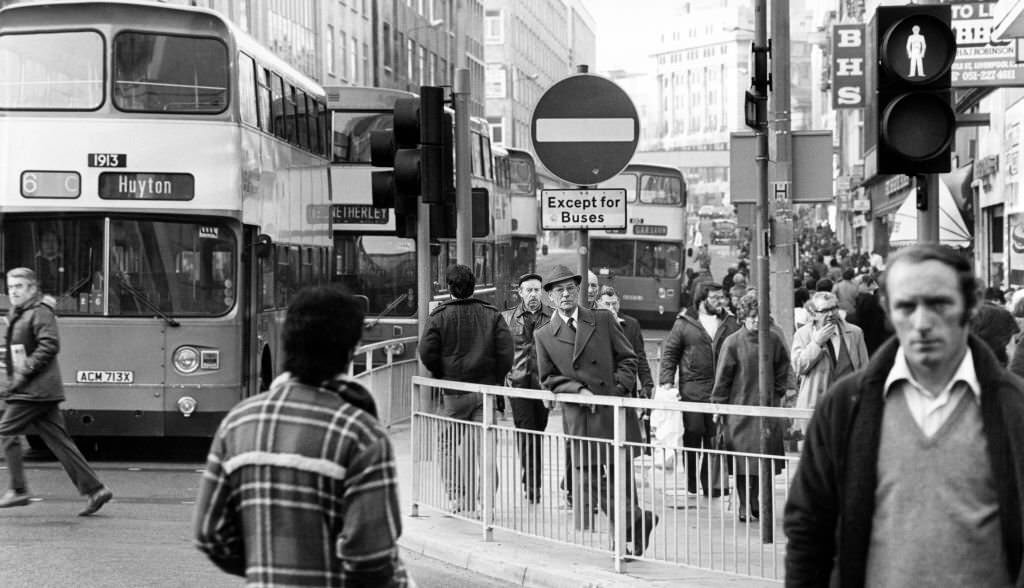
The images of town during Christmas just brought a flood of memories back for me, haha. I was born in 85, so the end of the 80s early 90s are when my memories of christmas begin really. I can remember bussing it to town with my mum and it being really busy, my mum gripping my hand so I wouldn’t get lost. I think the lights got turned on as I remember watching with a crowd by the tree. I remember Christmas songs playing in all the shops and me thinking it was really late because it was dark out, haha. Then just bussing it back home, lived in Huyton and I remember my dad meeting us at the bus stop and we went to get a tree and he carried ot home, I thought hr was dead strong haha.
Probably mixing a load of separate memories into one, but it reminds me of how we never had much but how my parents made Christmas the best I could wish for. Think that’s the same for a lot of people from the area.
Blacklers is such a nice piece of architecture, the fact that it’s a fucking Weatherspoons and arl pisshouses you need to drag ye Nan out of by 7pm, is a tragedy.
Same with Lewis’. Honestly there’s so many buildings in Liverpool that could be so much more than they are, with the main culprit being the Adelphi.

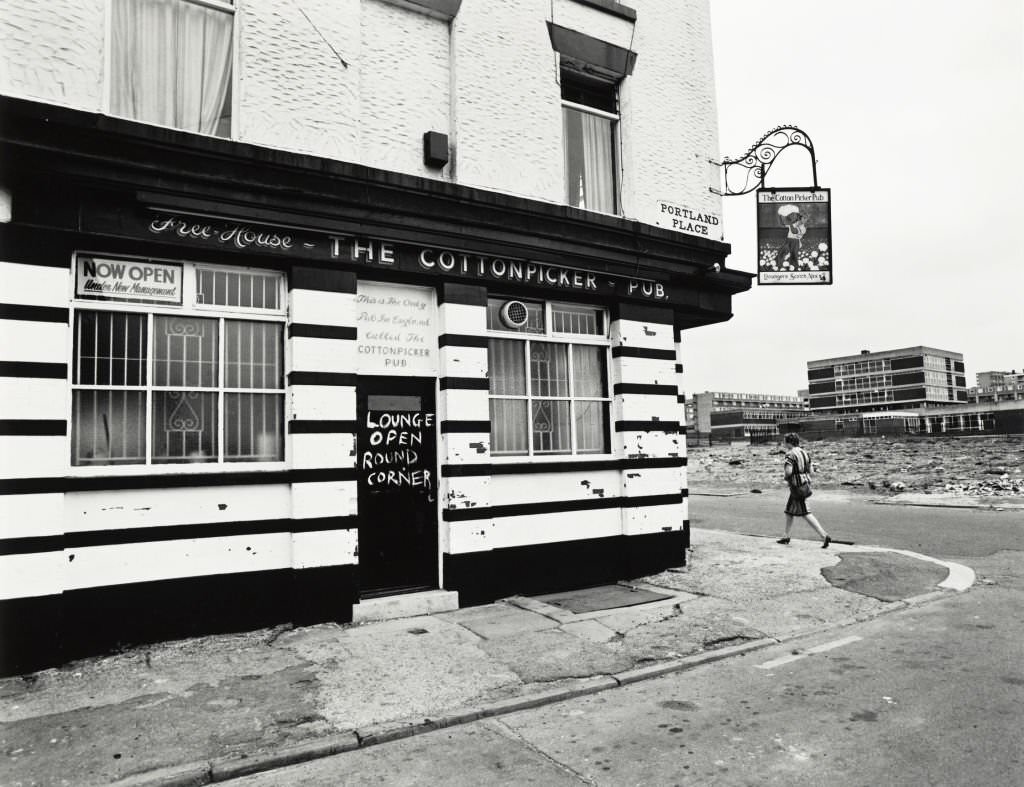
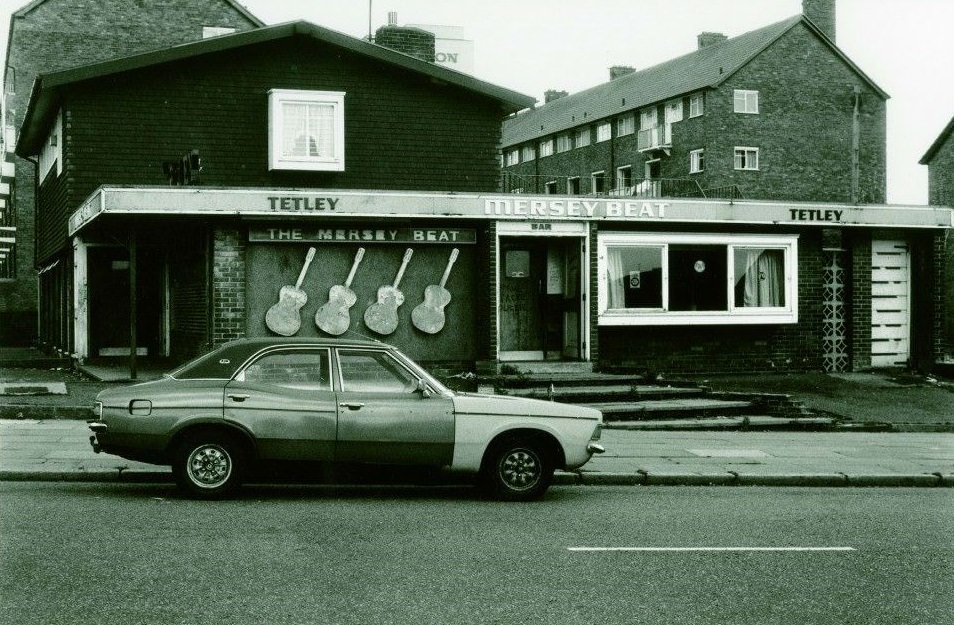
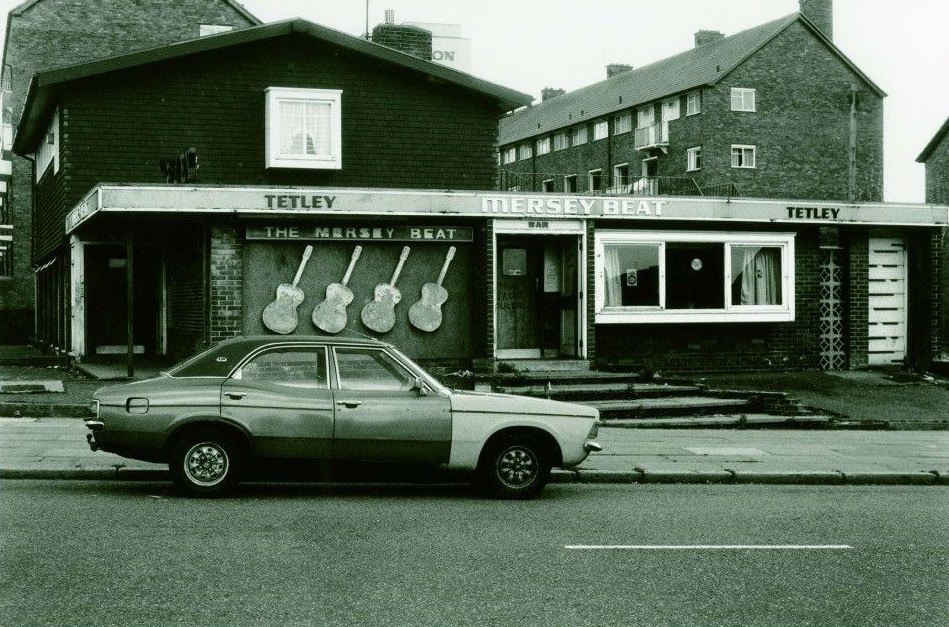
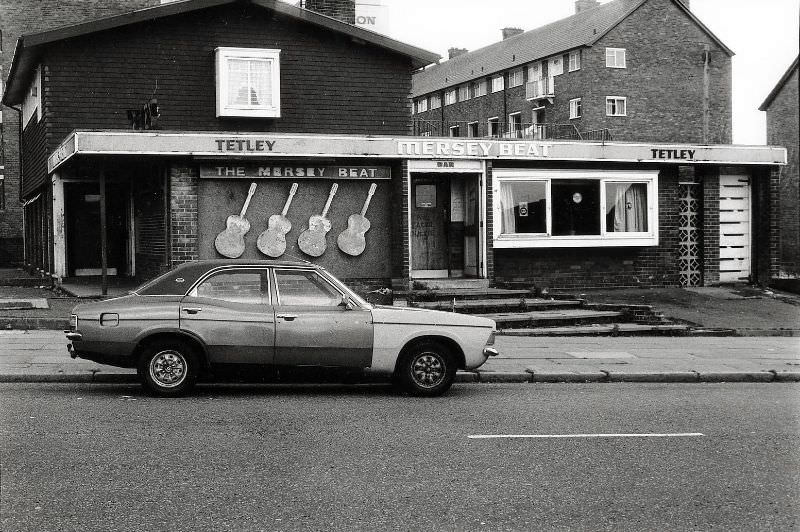
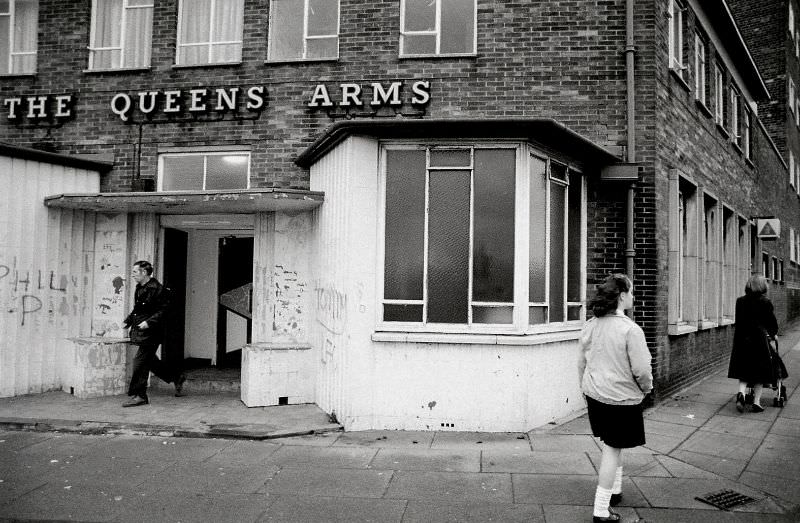
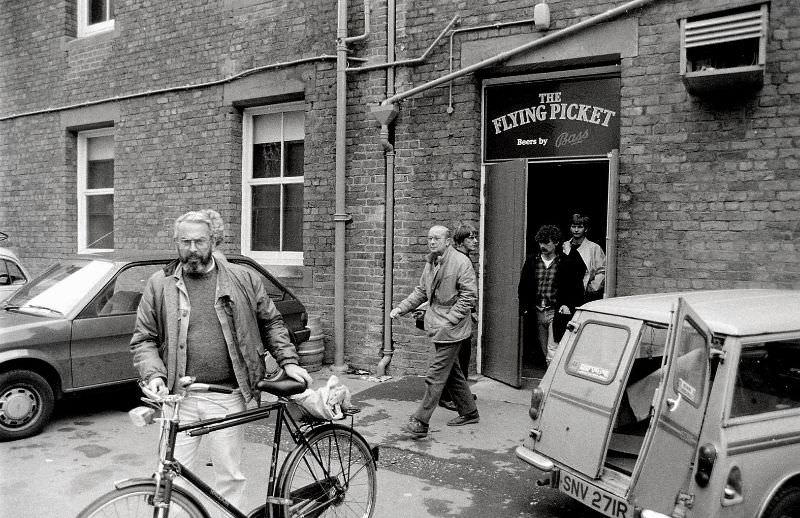
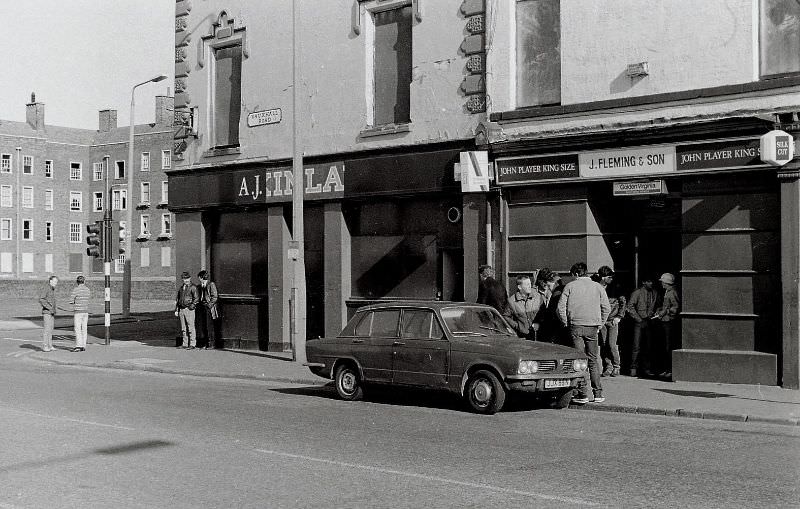





That pub name though, fucking hell.
Bold street looks far better in the 80’s without the tarmac road ruining it.
Thank you. Very interesting 💯
Blimey. Some bleak photos there.
These are so good, certainly taking my husband down memory Lane. (He’s a townie)
The images of town during Christmas just brought a flood of memories back for me, haha. I was born in 85, so the end of the 80s early 90s are when my memories of christmas begin really. I can remember bussing it to town with my mum and it being really busy, my mum gripping my hand so I wouldn’t get lost. I think the lights got turned on as I remember watching with a crowd by the tree. I remember Christmas songs playing in all the shops and me thinking it was really late because it was dark out, haha. Then just bussing it back home, lived in Huyton and I remember my dad meeting us at the bus stop and we went to get a tree and he carried ot home, I thought hr was dead strong haha.
Probably mixing a load of separate memories into one, but it reminds me of how we never had much but how my parents made Christmas the best I could wish for. Think that’s the same for a lot of people from the area.
That is a fascinating collection of photos. I moved here in the 1980s and they brought back memories of how the city looked back then…
Blacklers is such a nice piece of architecture, the fact that it’s a fucking Weatherspoons and arl pisshouses you need to drag ye Nan out of by 7pm, is a tragedy.
Same with Lewis’. Honestly there’s so many buildings in Liverpool that could be so much more than they are, with the main culprit being the Adelphi.
I was very young in the 80s but these photos really represent what I remember Liverpool being like during the 80s – crumbling and filthy.
We’ve got problems these days thanks to the inequity in society across the UK but I’d never go back. Never.
Woof. That pub name was… certainly a choice.