In 1939, a five-year-old girl from a small village in Peru made medical history in a way that shocked doctors around the world. Her name was Lina Medina, and she became the youngest confirmed mother ever recorded. The case is not a myth or an exaggeration — it is fully documented by medical professionals and remains the most extreme known case of precocious puberty and early childbirth in human history.
Lina was born in Ticrapo, a small town in the Castrovirreyna Province of Peru. She was one of nine children in her family. In April 1939, her parents grew alarmed by the dramatic increase in the size of her abdomen and brought her to a hospital in Pisco, Peru. Doctors initially suspected a large abdominal tumor. After a thorough examination, however, they made a stunning discovery: Lina was seven months pregnant.
Dr. Gerardo Lozada, the physician who examined her, took Lina to Lima, the capital of Peru, to have his findings confirmed by specialists. Those specialists reached the same conclusion. There was no doubt — the child was pregnant. The news traveled fast through the medical community, as nothing like this had ever been verified before.
A month and a half after the diagnosis, on May 14, 1939, Lina gave birth to a healthy baby boy via cesarean section. She was 5 years, 7 months, and 21 days old. The boy weighed 2.7 kg (6.0 lb) and was named Gerardo, after Dr. Lozada, in recognition of the doctor who handled the case.
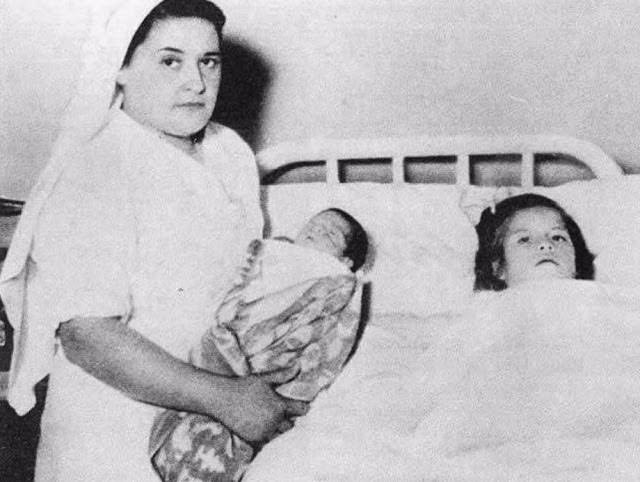
During the cesarean procedure, doctors made another remarkable finding. Lina had already developed fully mature sexual organs. Her ovaries were completely developed, and her body had undergone changes normally associated with puberty — years ahead of schedule. This condition is known as precocious puberty, a rare disorder that occurs in roughly 1 out of every 10,000 children. In Lina’s case, it had begun at an extraordinarily early age. She had her first menstrual period at three years old, and by the age of four, she had already begun developing breasts.
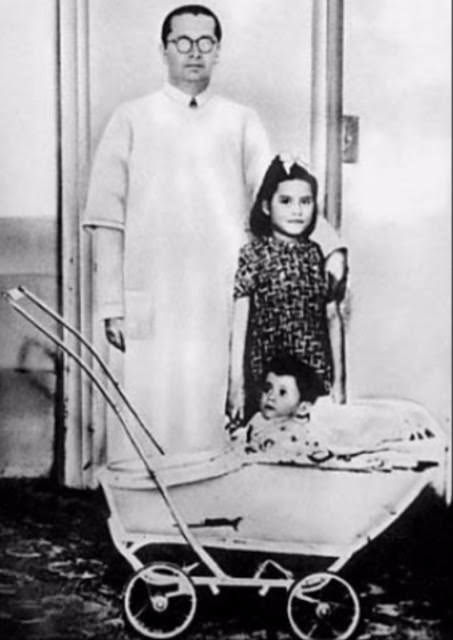
Dr. Lozada played a central role not only in delivering Gerardo but also in ensuring the child received an education later in life. The doctor’s commitment to the family extended well beyond the delivery room.
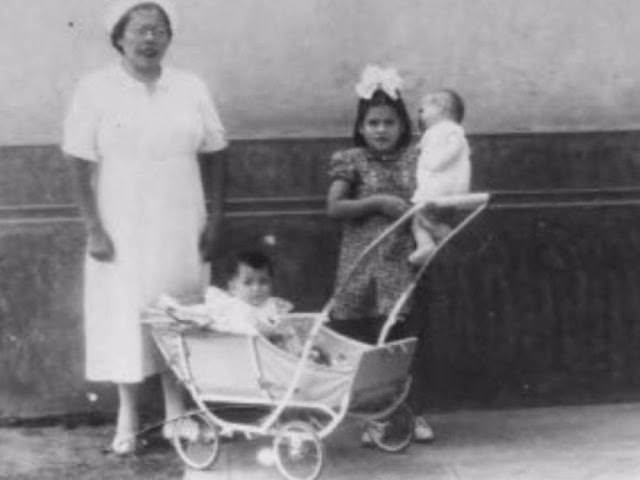
How Lina became pregnant was never determined. Her father was initially accused of sexual abuse, but the case was dismissed due to a lack of evidence, and no biological father was ever identified. Doctors noted that Lina herself could not provide clear answers. In their written observations, they stated that she “couldn’t give precise responses” when questioned about what had happened to her. The question of who was responsible for her pregnancy remains unanswered to this day.
Gerardo grew up not knowing the truth about his origins. For the first decade of his life, he was raised believing that Lina was his sister. When he turned ten years old, he was told that she was actually his mother. Gerardo died in 1979 at the age of 40, from either bone cancer or a bone marrow infection — medical records from that period differ on the exact cause.
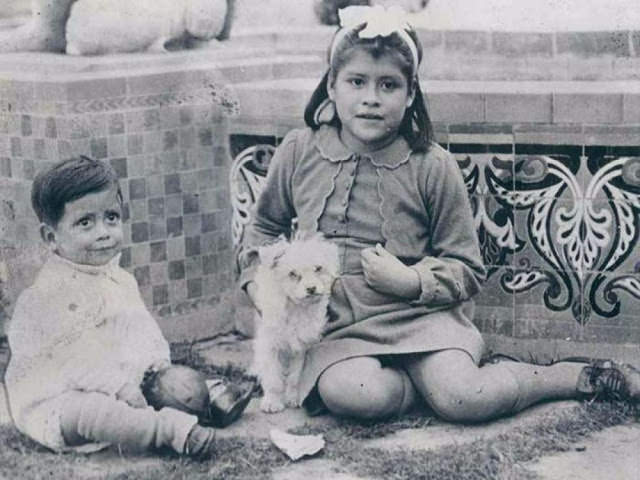
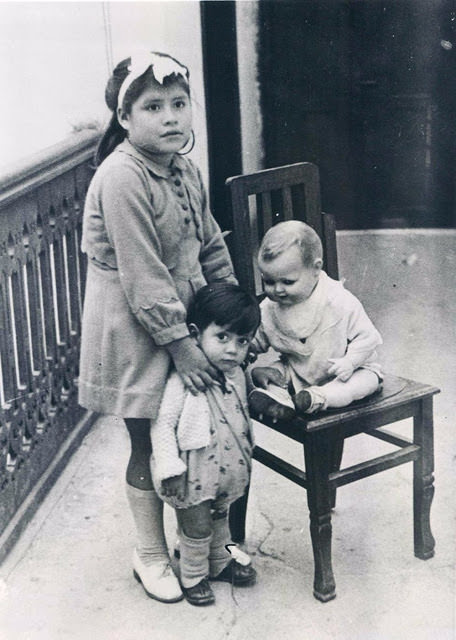
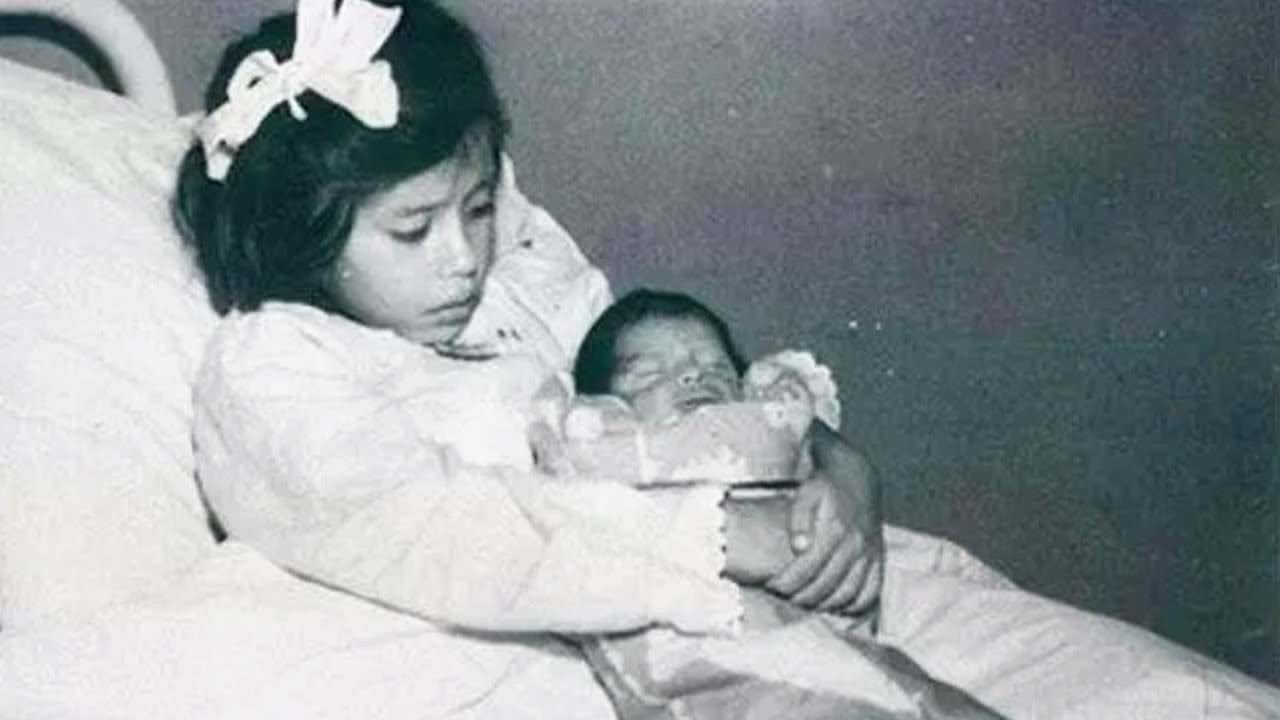
Photographs taken in the years following the birth offer a striking contrast — a small child holding an infant, surrounded by adults, in scenes that are difficult to process even with full knowledge of the facts. Lina appears in these images as any young child would, unaware of the magnitude of what had occurred.
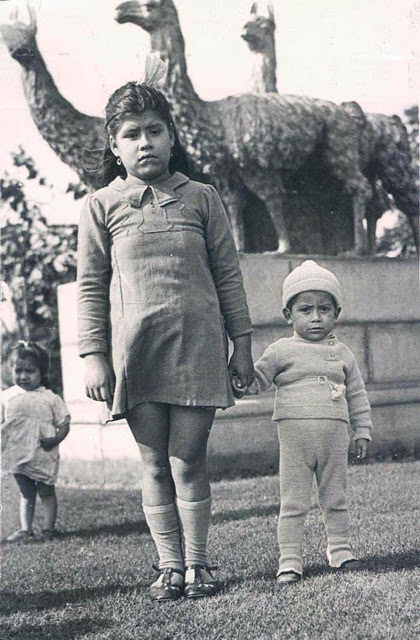
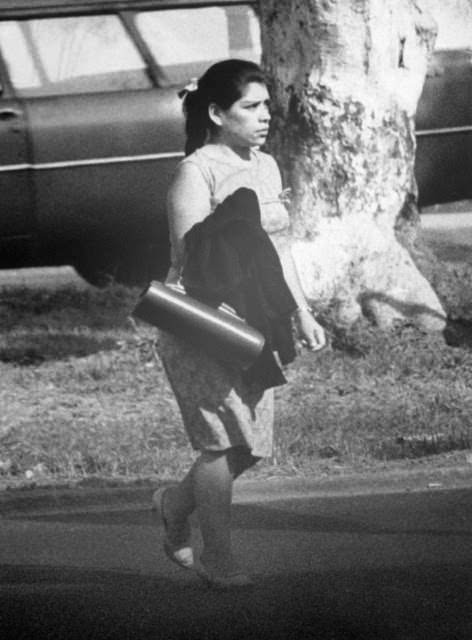
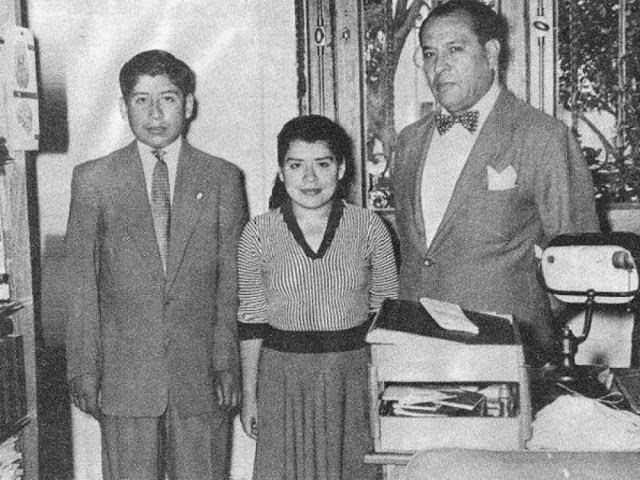
As Lina grew into adulthood, she built a quiet, stable life. Dr. Lozada employed her as a secretary at his clinic in Lima, and also funded Gerardo’s higher education. Lina later married a man named Raúl Jurado, and in 1972, the couple had a second son together.
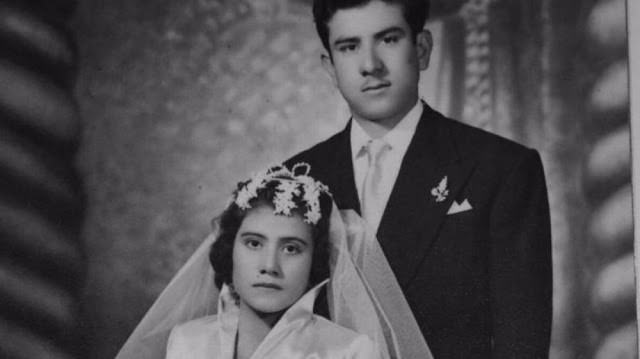
Lina Medina has lived most of her adult life away from the spotlight. She and her husband reside in Lima, Peru, while her second son lives in Mexico. She has rarely spoken publicly about her experience, and her privacy has been largely respected over the decades. The medical records, photographs, and testimony from the doctors who treated her remain the primary documentation of a case that has never been repeated in recorded medical history.