Before polyester ruled the decade and bellbottoms swept the dance floor, there was the leisure suit — a look that defined how men dressed for fun in the 1970s. Made up of a shirt-like jacket and matching pants, the leisure suit was built for comfort without giving up style. Lightweight fabrics kept things easy to wear, and the matching two-piece setup gave it a put-together look that didn’t require a tie or a stiff collar.
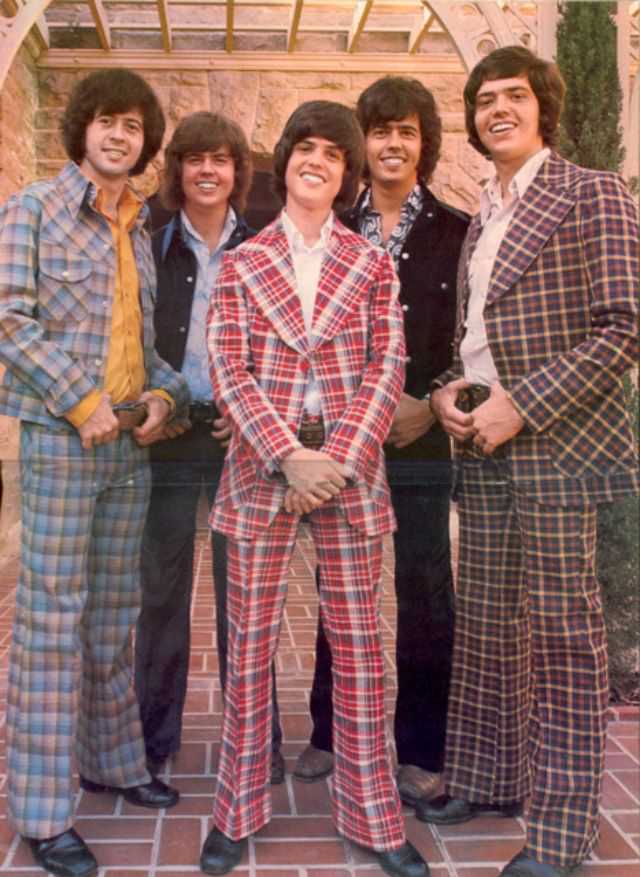
The leisure suit didn’t start in the 70s, though. Its roots go back to the 1920s and 1930s, when wealthy men wore relaxed, casual suits during the summer months. Back then, they were sometimes called “Hollywood suits,” a nod to the glamorous, laid-back lifestyle they represented. These early versions were a clear break from the long coats, heavy vests, and striped trousers that older men had worn for generations.
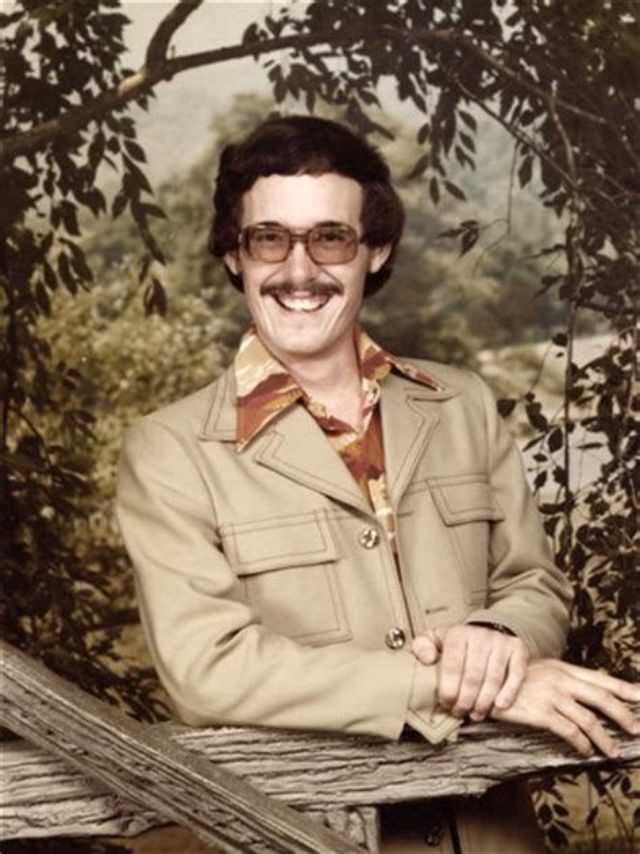
The 1920s also brought big changes to how men dressed overall. Flappers reshaped women’s fashion, and men followed suit — literally. Loose-fitting suits that looked almost like tailored sacks became popular, trading in the rigid structure of earlier styles for something more relaxed. The leisure suit fit right into that shift toward ease and movement.
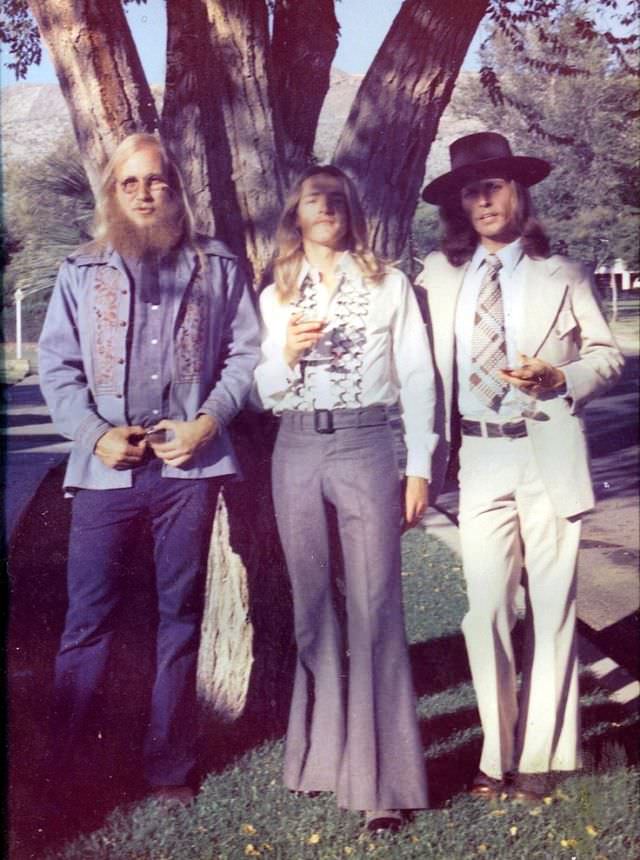
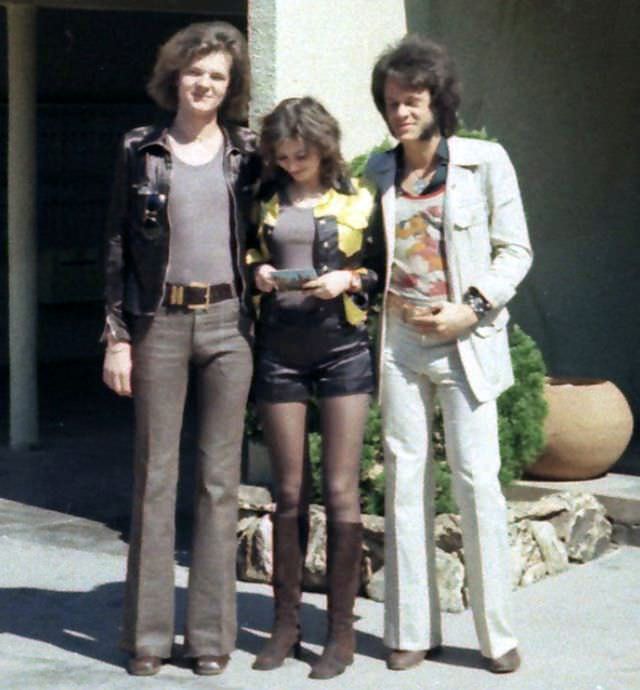
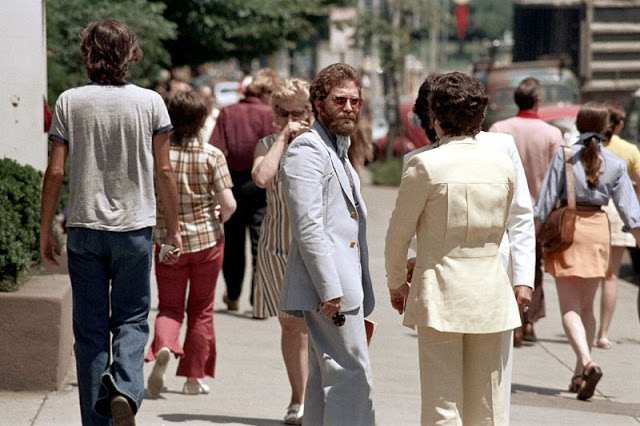
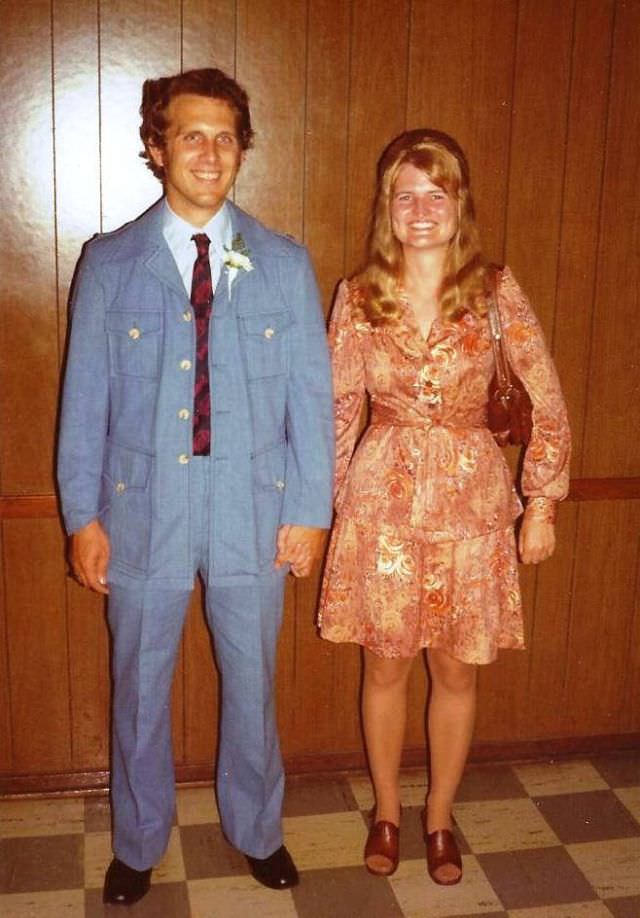
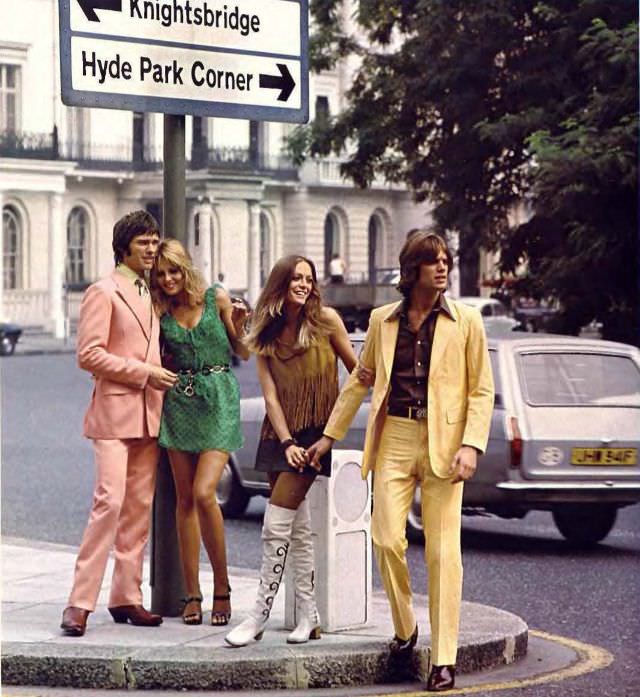
By the time the 1970s arrived, the leisure suit had transformed into something far bolder. Pastel colors — think soft blues, creamy yellows, and dusty pinks — became the standard palette. Wide lapels, flared pants, and eye-catching patterns made these suits impossible to ignore. This was the era before the disco movement fully took hold, and the leisure suit was already setting the tone for casual men’s fashion.
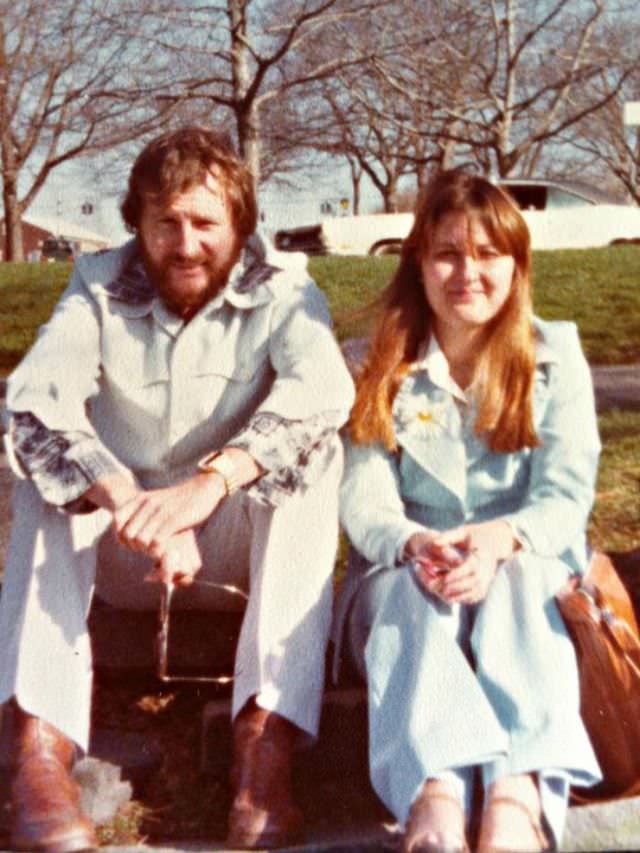
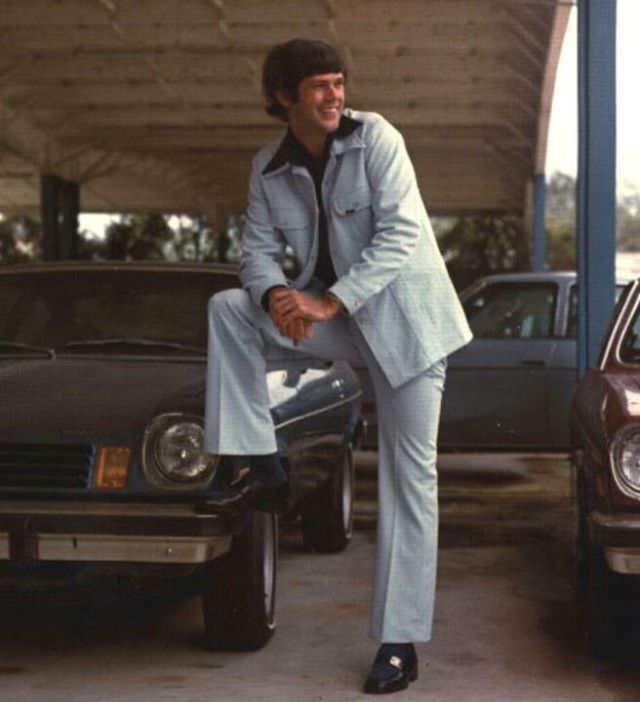
One of the biggest drivers of the leisure suit’s rise was the popularity of synthetic fabrics. Polyester, in particular, made the suits affordable, easy to clean, and available in a huge range of colors and textures. Lee Jeans was one of the key manufacturers that brought the leisure suit to mass-market audiences in the 1970s, helping it reach men across the country — not just the wealthy few who had worn its earlier versions.
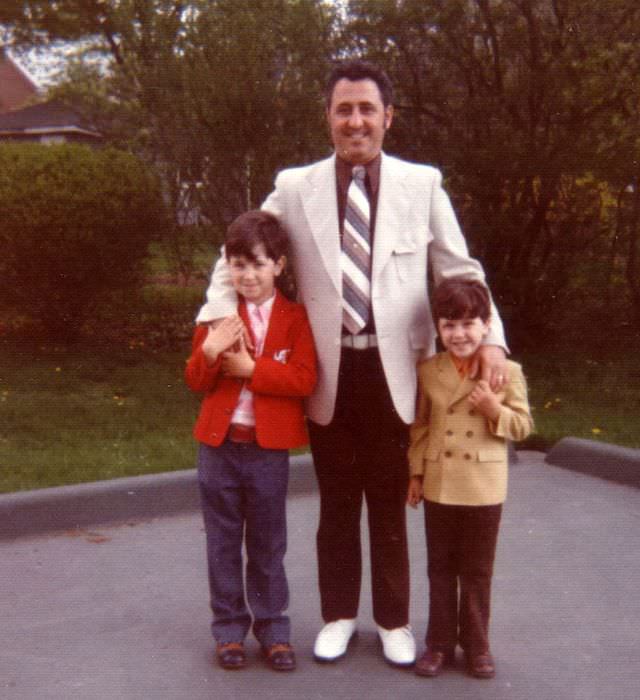
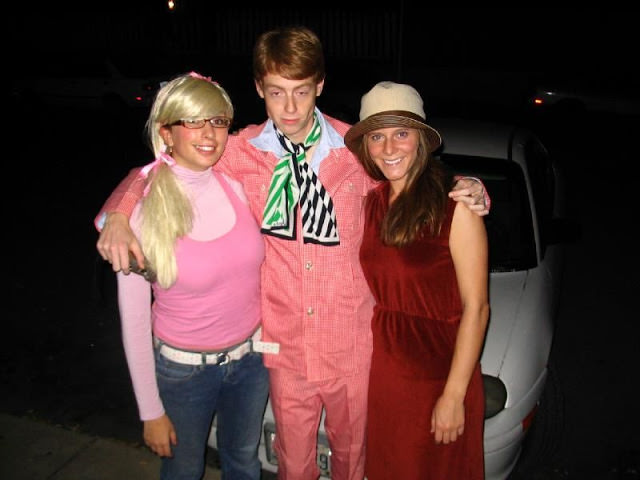
The suit worked for a wide range of occasions. Weekend outings, casual dinners, family gatherings — the leisure suit handled all of it. Men didn’t need to show up in a formal blazer, but they also weren’t showing up underdressed. That middle ground was exactly what made the look so appealing to so many people.
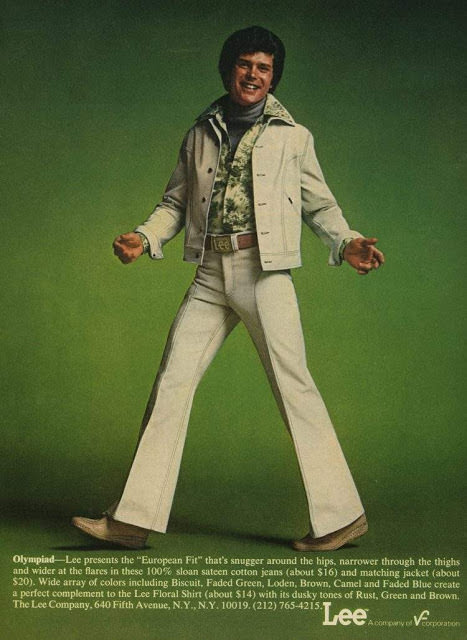
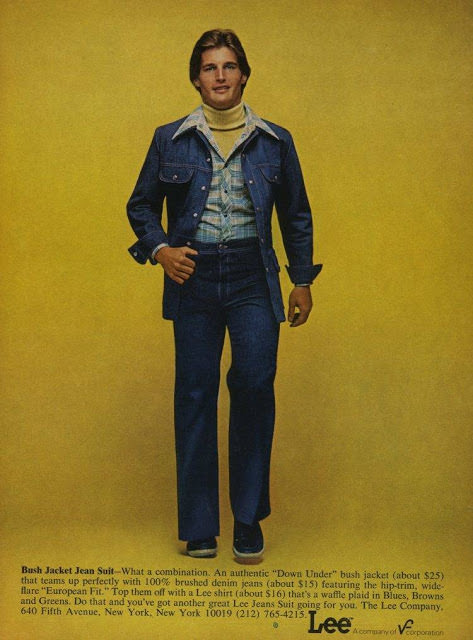
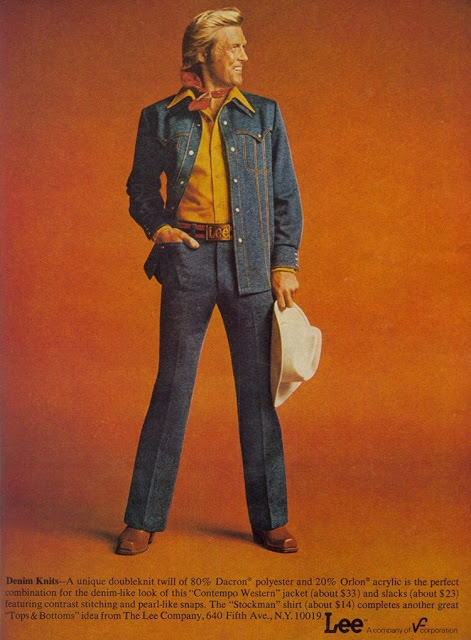
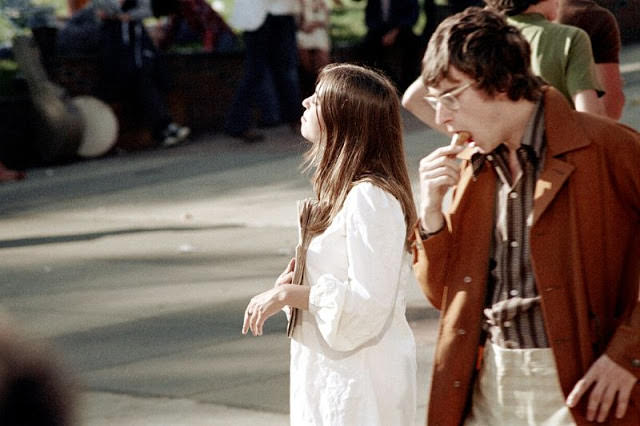
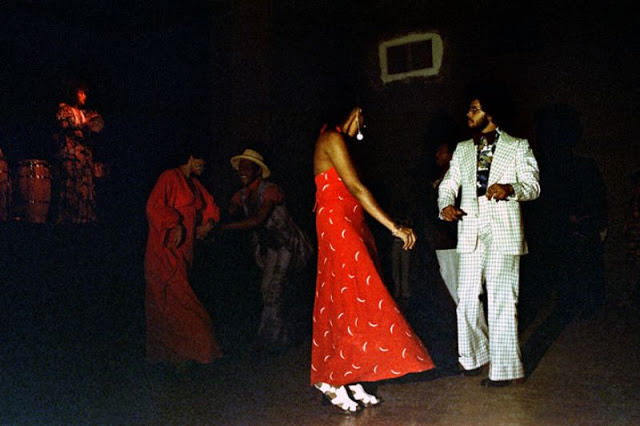
The photos from this era tell the story better than words can. Wide collars spilling over jacket lapels, matching pants with a clean crease, and fabrics that caught the light just right — every detail was intentional. Men wore these suits with confidence, and the photos show it.
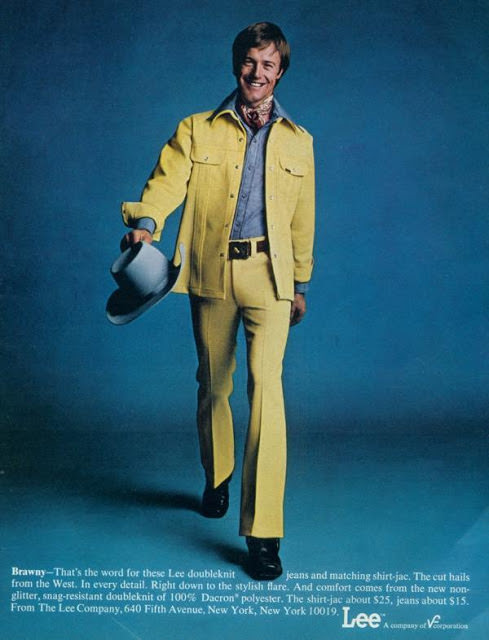
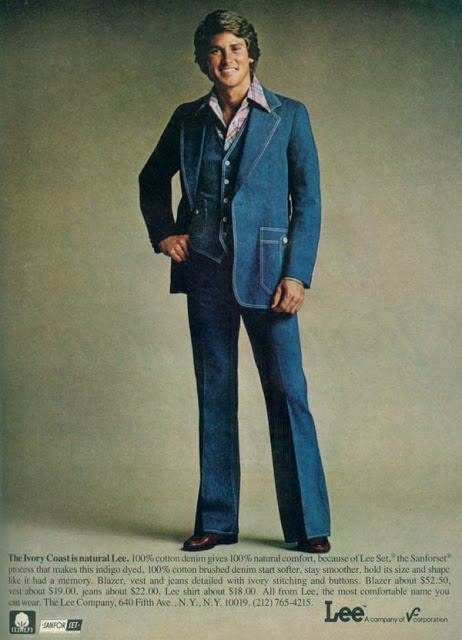
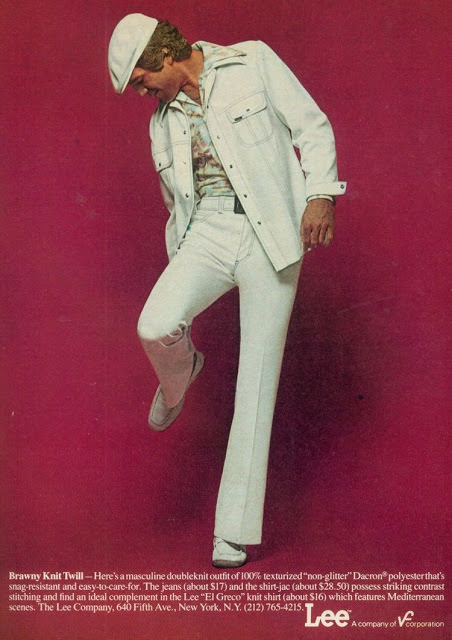
Color choices in the 70s leisure suit world were anything but shy. Earth tones like burnt orange, olive green, and mustard yellow sat alongside brighter options. Some suits went full pattern — plaid, houndstooth, and geometric prints were all fair game. The goal was to stand out, and these men absolutely did.
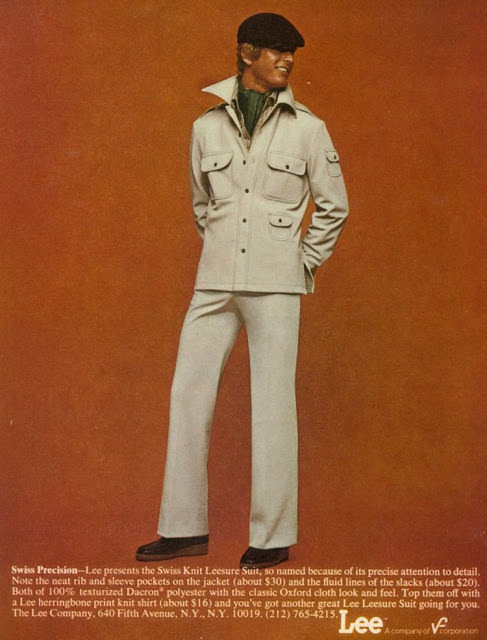
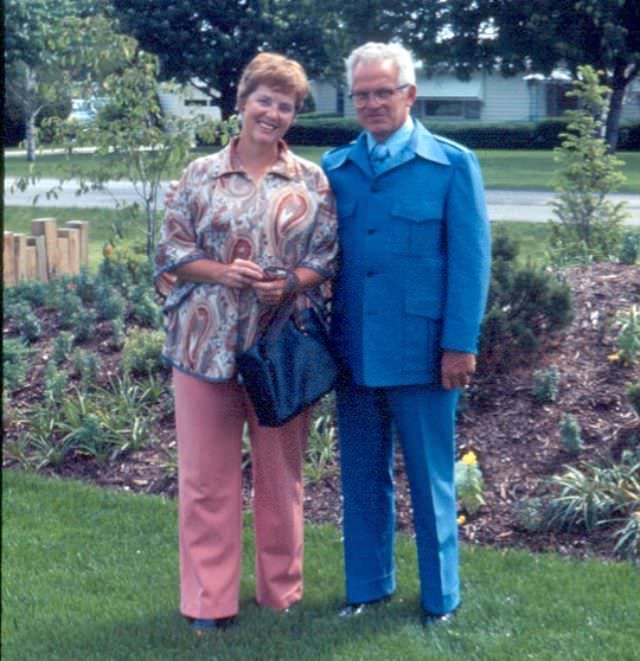
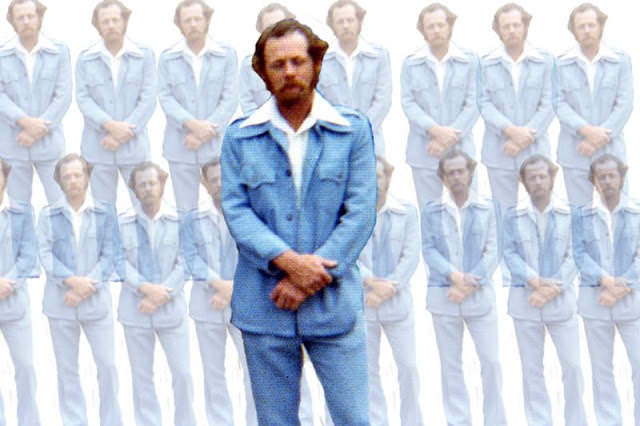
Accessories played a big role in completing the leisure suit look. A wide belt, platform shoes, and an open-collar shirt underneath were common choices. Some men layered in a turtleneck for a sharper, more polished take. The overall effect was relaxed but styled — casual without being careless.
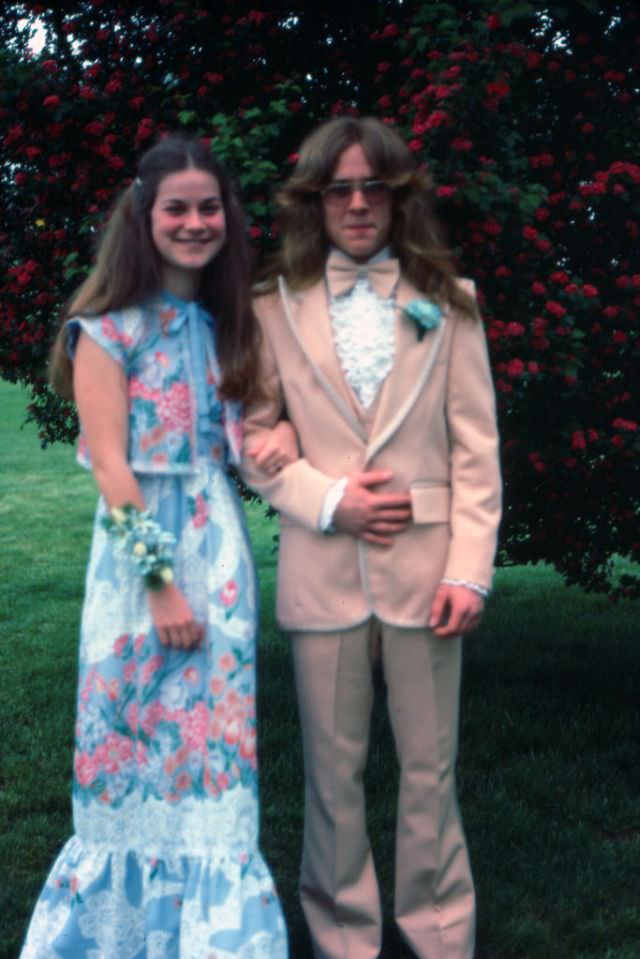
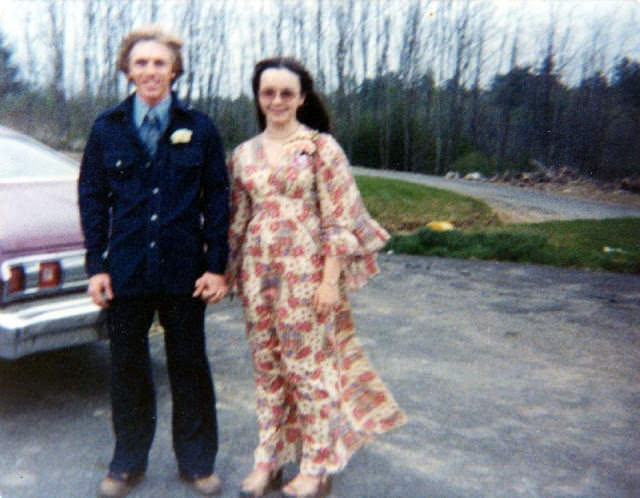
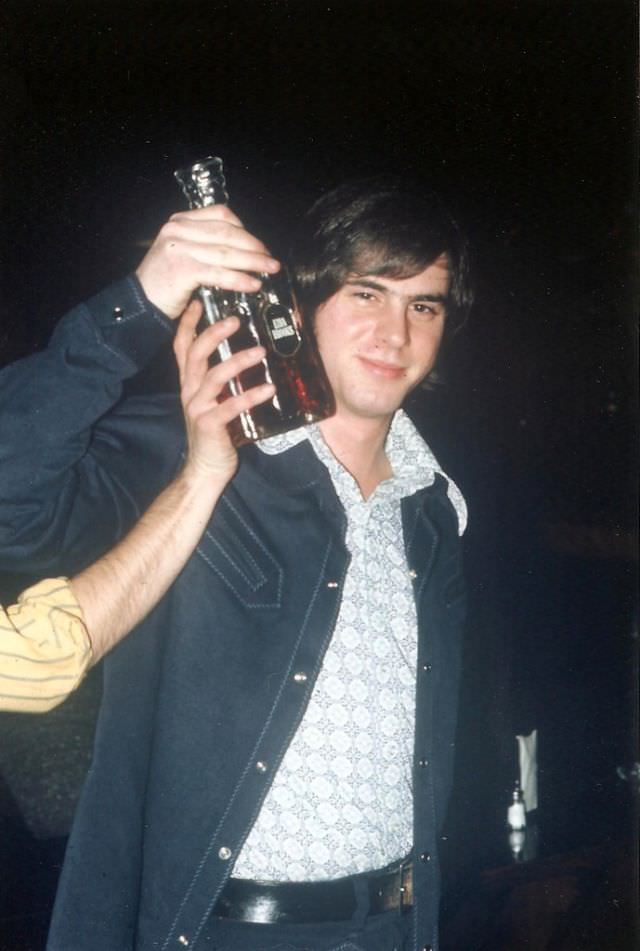
Not every leisure suit from this period leaned into bright colors. Some men favored darker, more neutral tones — navy, chocolate brown, or charcoal gray — which gave the silhouette a cleaner, slightly more formal edge. These versions proved the style had range beyond its most flamboyant examples.
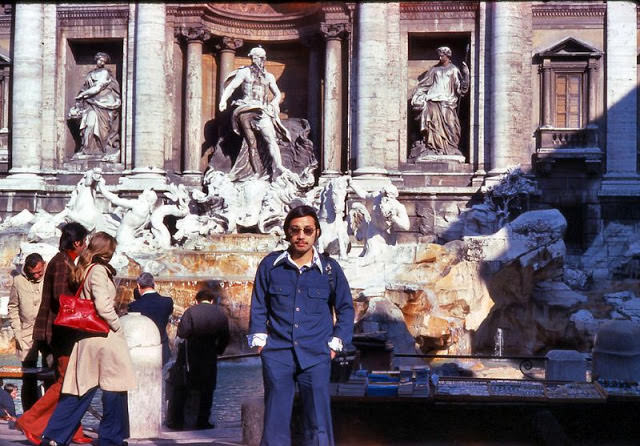
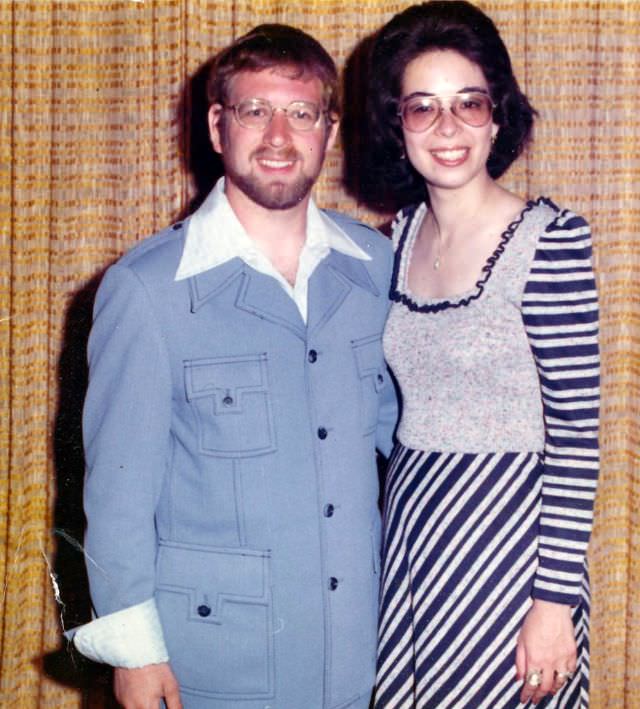
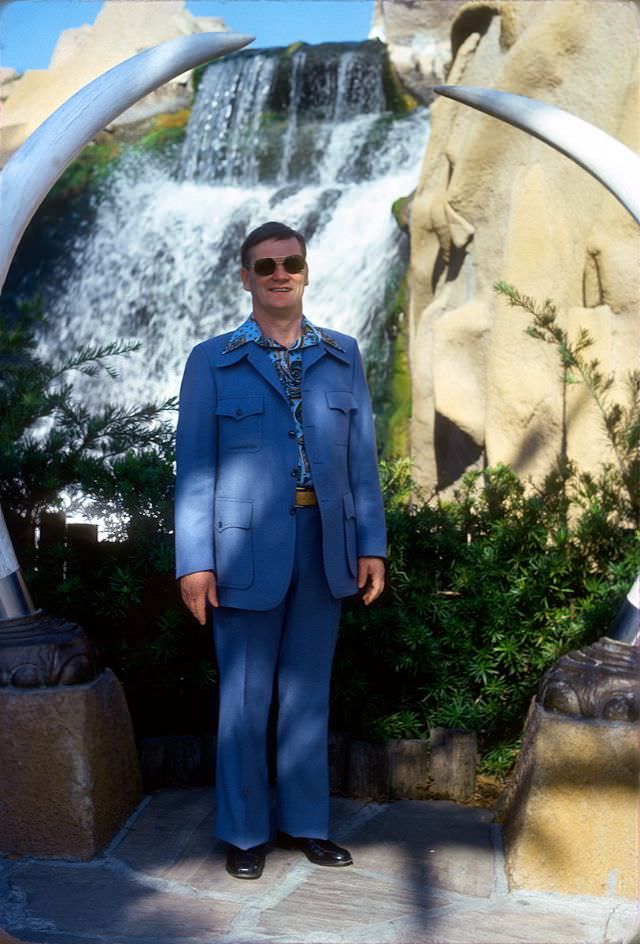
Today, the leisure suit still exists — just in updated forms. Modern versions swap out the polyester and bellbottoms for cleaner cuts and better fabrics, but the basic idea remains the same: a matching jacket and trouser set designed for comfort and casual wear. The 1970s version, though, remains the most recognizable and the most photographed chapter of its history.
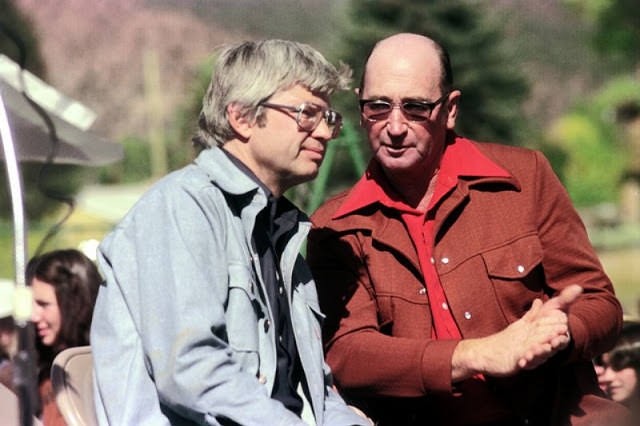
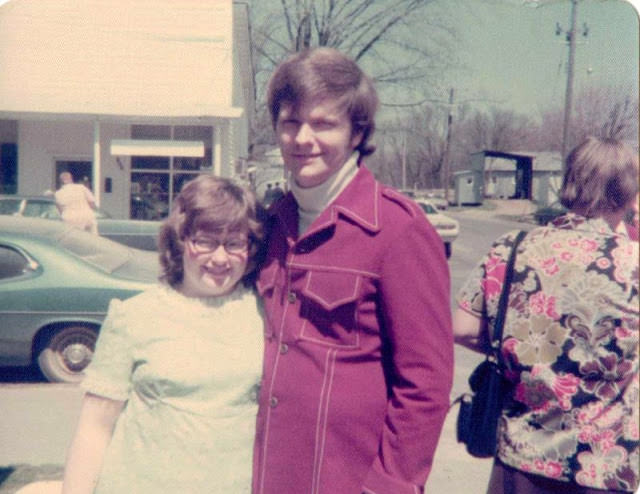
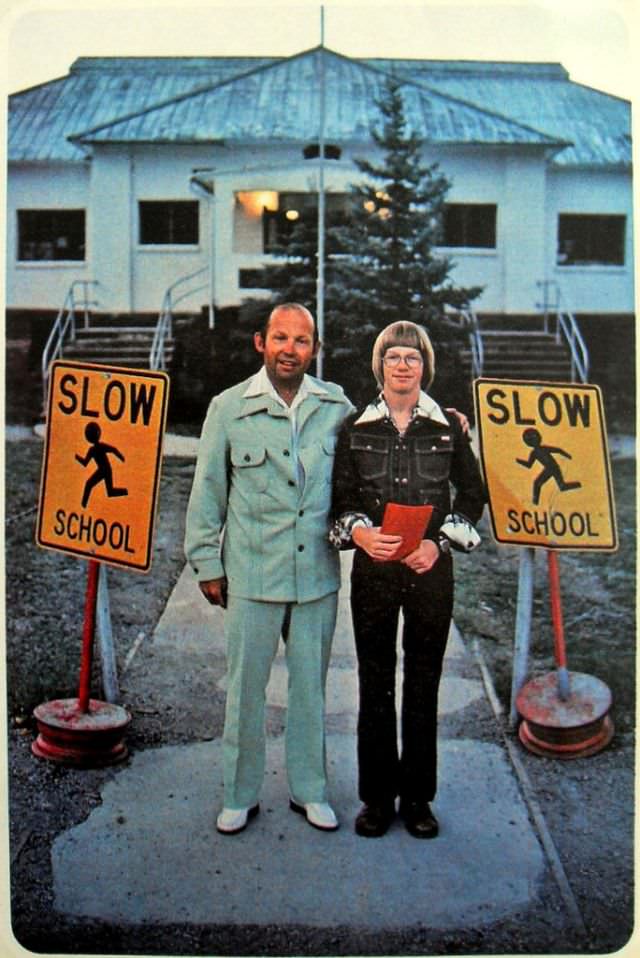
Flipping through these images is like stepping into a style moment frozen in time. Every suit, every collar, every color choice captures exactly what men’s casual fashion looked like at its most expressive. These weren’t just clothes — they were a statement about how men in the 70s chose to present themselves to the world.