Hey There! Before You Go. 😧
Get the best vintage content straight into your inbox!

Don't worry, we don't spam

Fascinating Historical Photos of Las Palmas, Spain, from the 1950s and 1960s

Las Palmas de Gran Canaria is the capital of Las Palmas province, sitting in the Canary Islands off the northwest coast of Africa. The city has a long history tied to Atlantic trade and exploration. During the Spanish conquest of Tenerife and La Palma, it served as a key supply port for ships heading to Spanish America. That position at the crossroads of Europe, Africa, and the Americas shaped everything about the city — its architecture, its people, and its port.
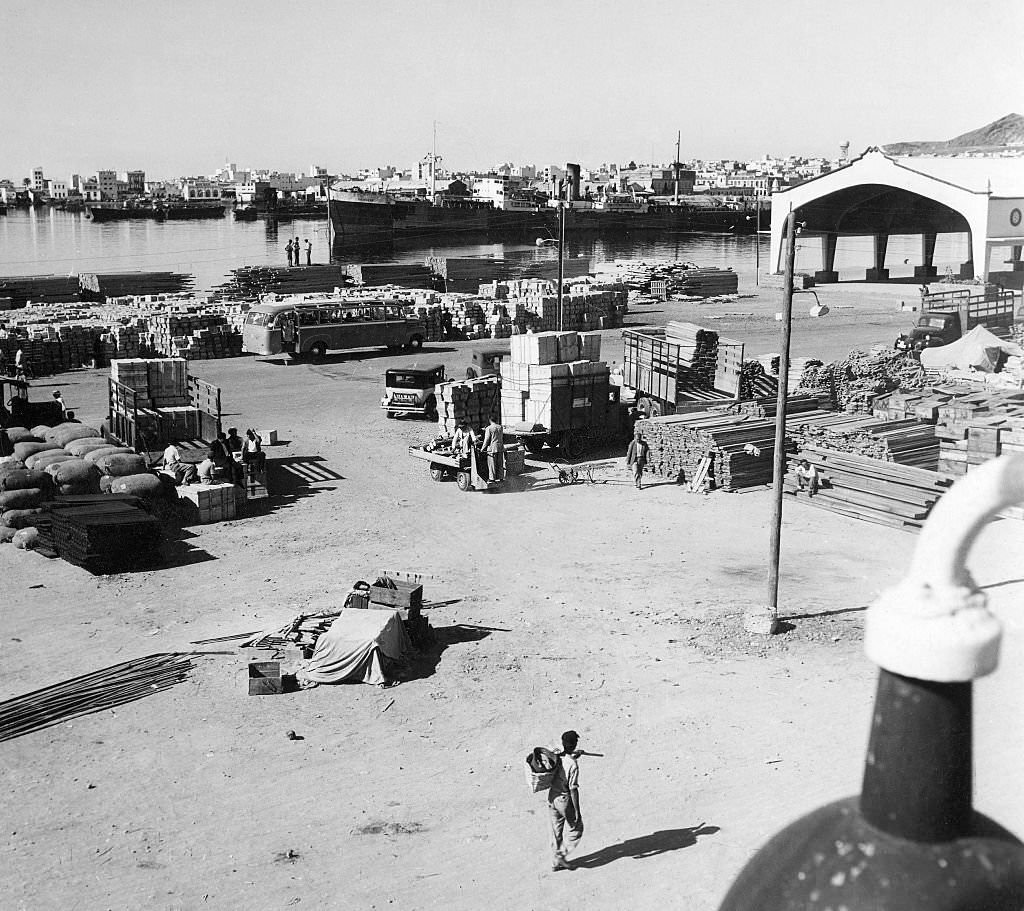
Hafen von Las Palmas, 1960s

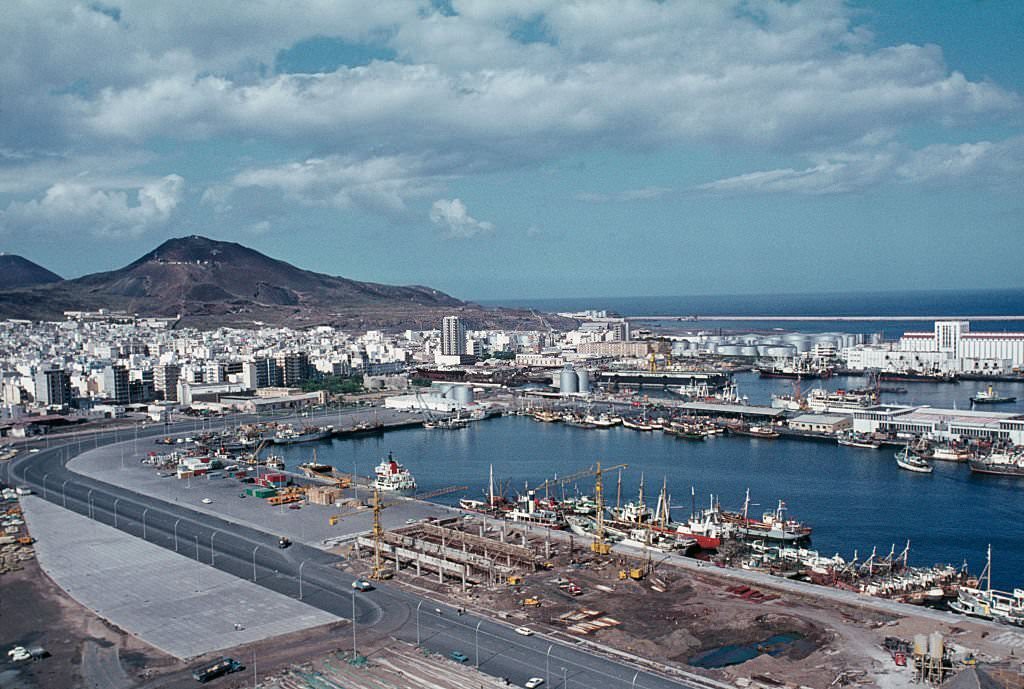
The harbor was the city’s beating heart. Passenger ships, cargo vessels, and working boats moved in and out regularly, connecting Las Palmas to ports across Europe and beyond. The port wasn’t just a commercial hub — it was a gateway. Sailors, traders, and travelers passed through constantly, giving the city a cosmopolitan character that set it apart from much of Spain at the time.
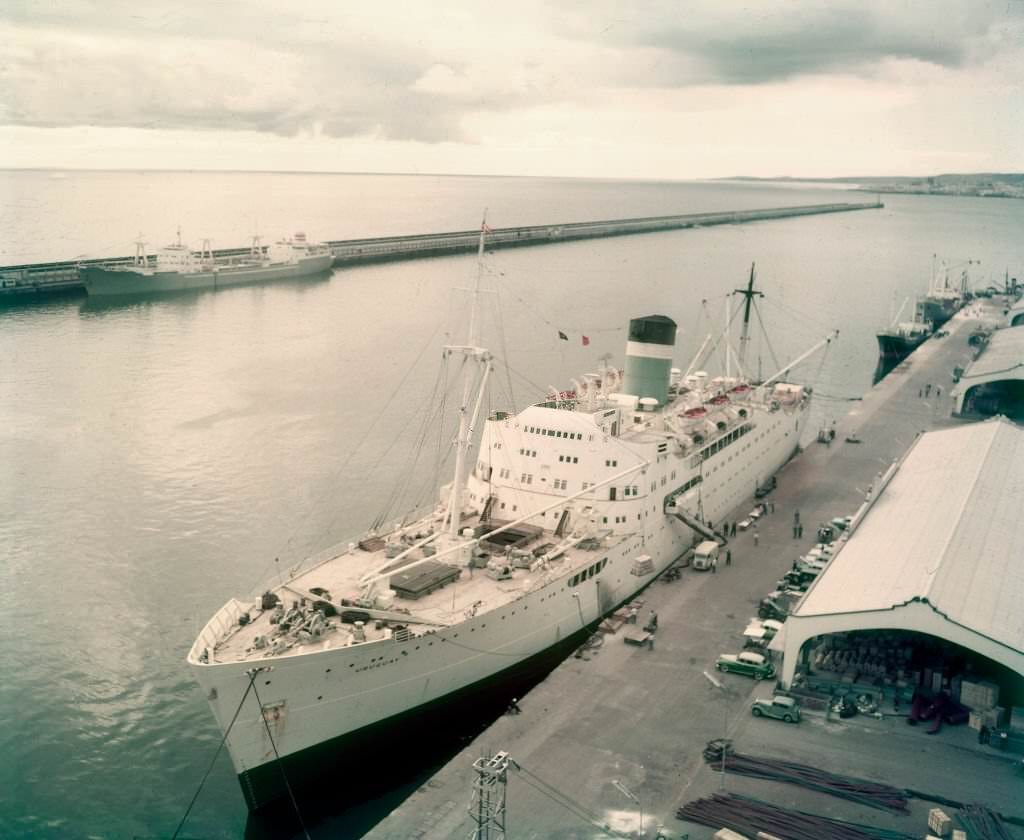
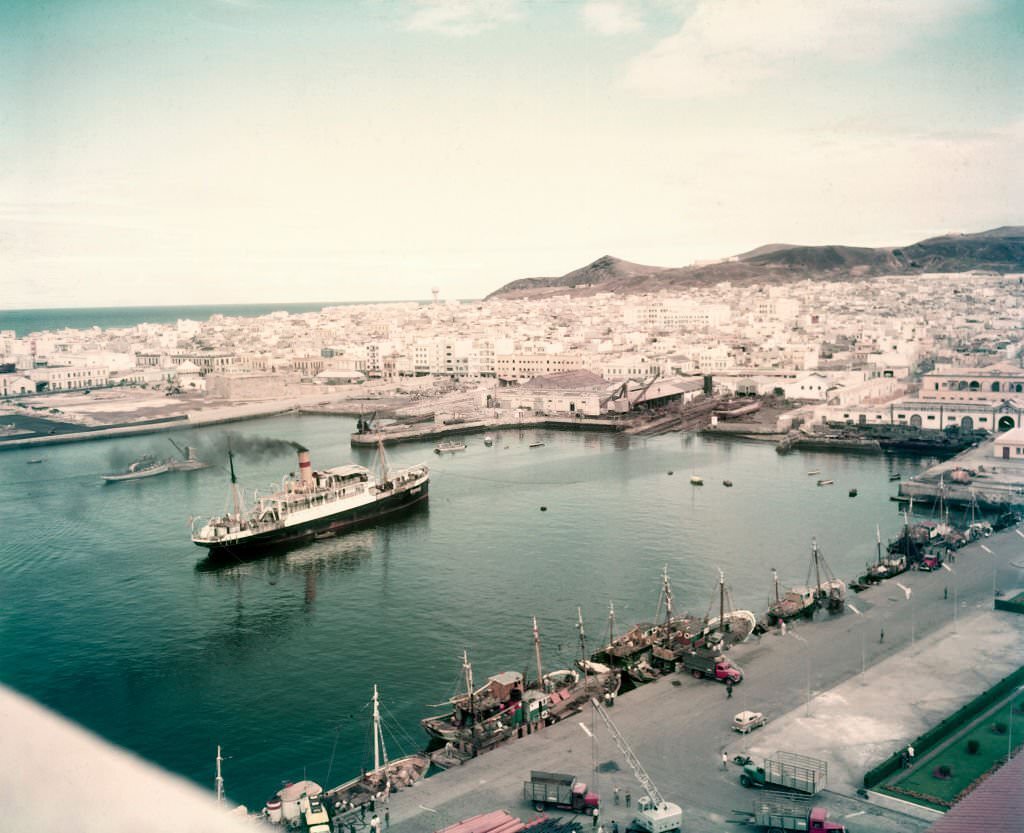
Passenger ship in harbour of Las Palmas, 1960
Hafen von Las Palmas, 1960

Tomatoes were one of the Canary Islands’ most important exports during this era. Workers at the port loaded crates by hand, keeping the supply chain moving to markets in northern Europe. The docks were busy and physical, and the labor was hard. These scenes from the 1950s and 1960s show a working port city in full operation.
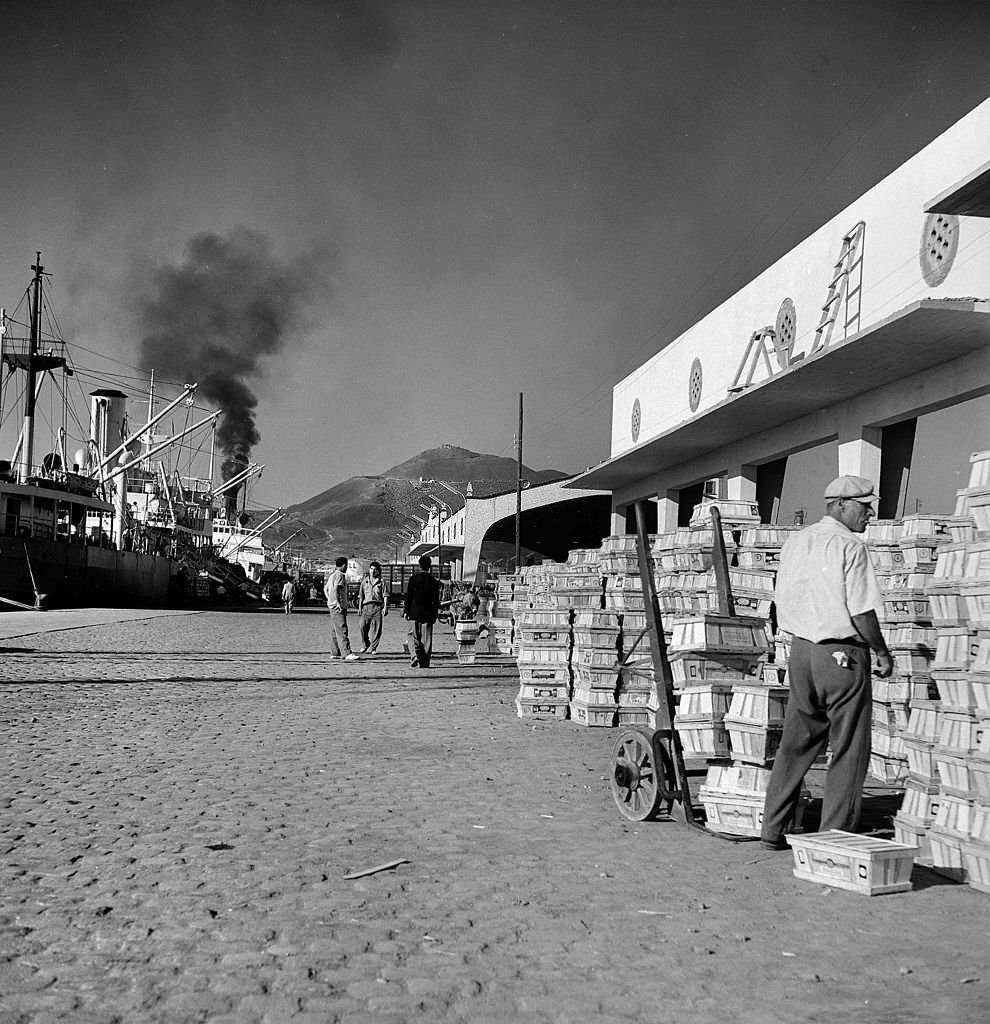
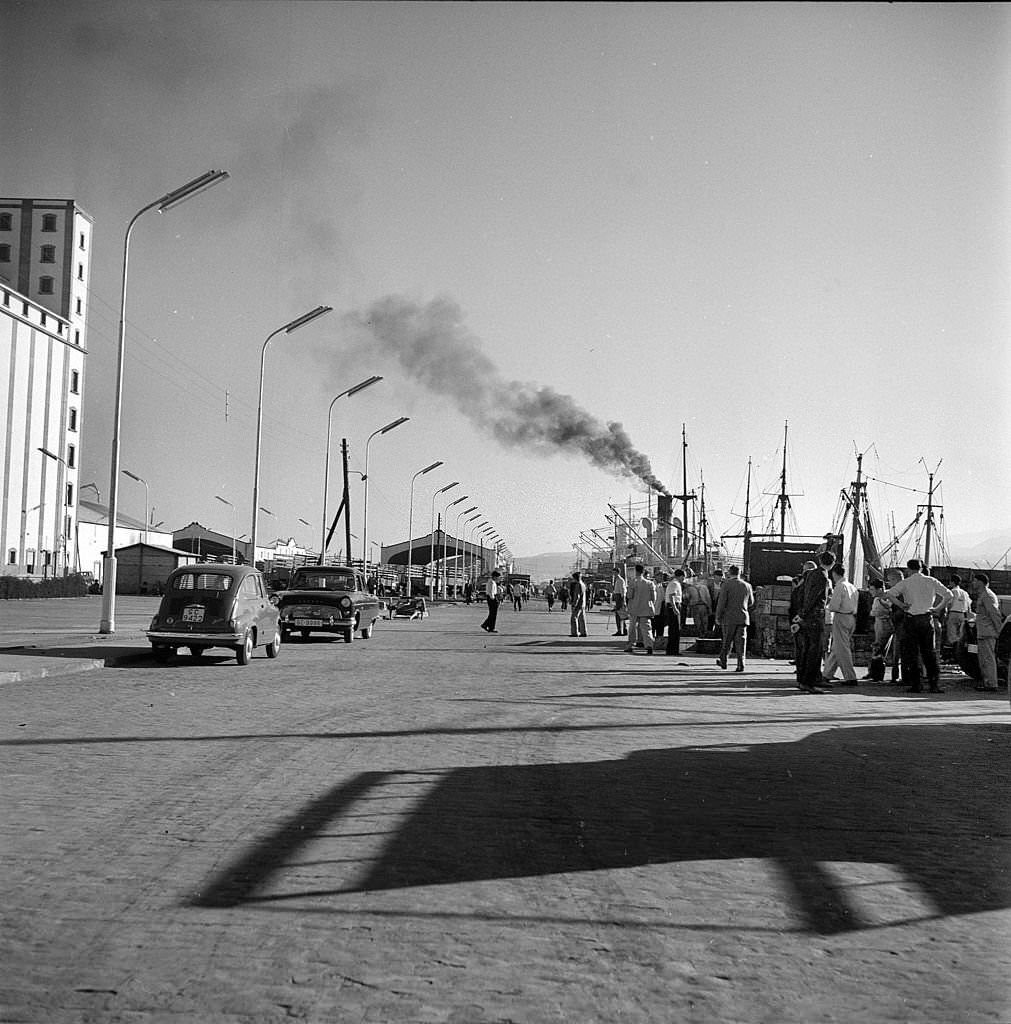
Loading of tomatoes in the harbour of Las Palmas, 1950s
Las Palmas harbor, 1957
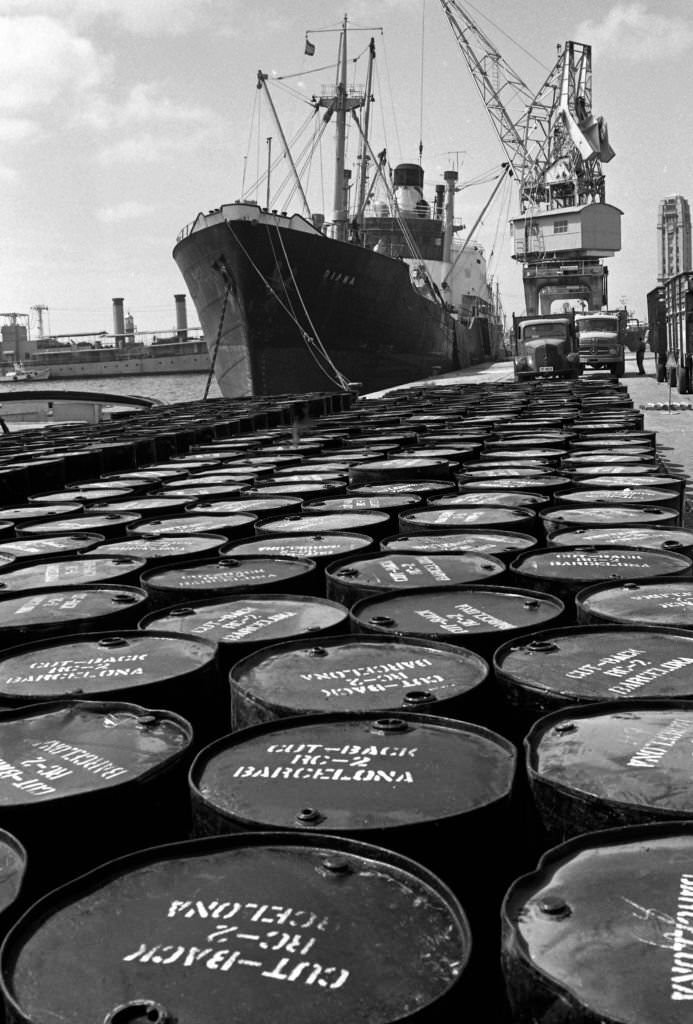
Barrel loading in Las Palmas, 1965
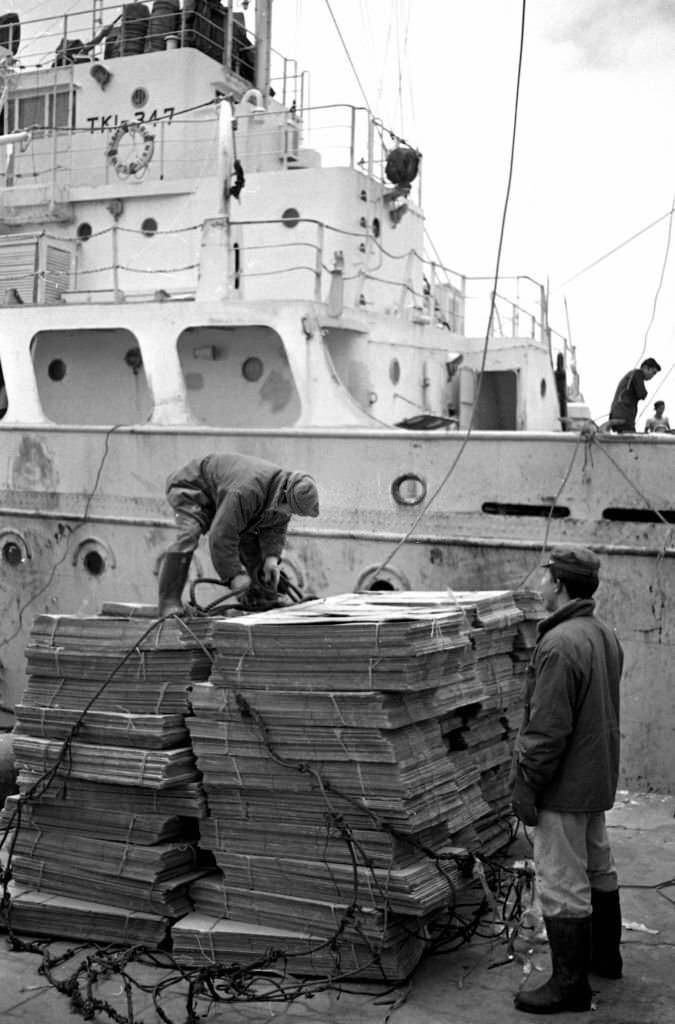
Workers in the port of Las Palmas, Canary Islands, Spain, 1965.
The port at Las Palmas on Gran Canaria, in the Canary Islands, 1965.

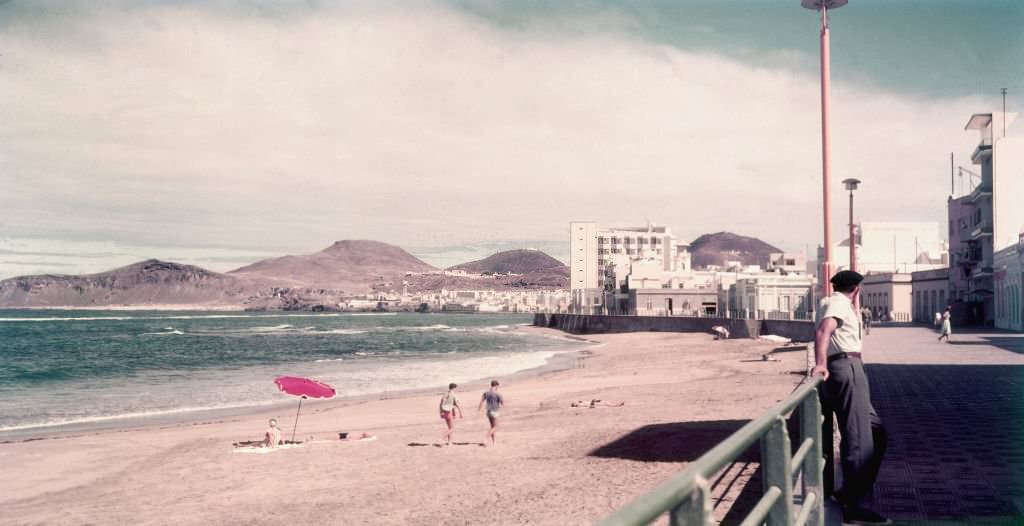
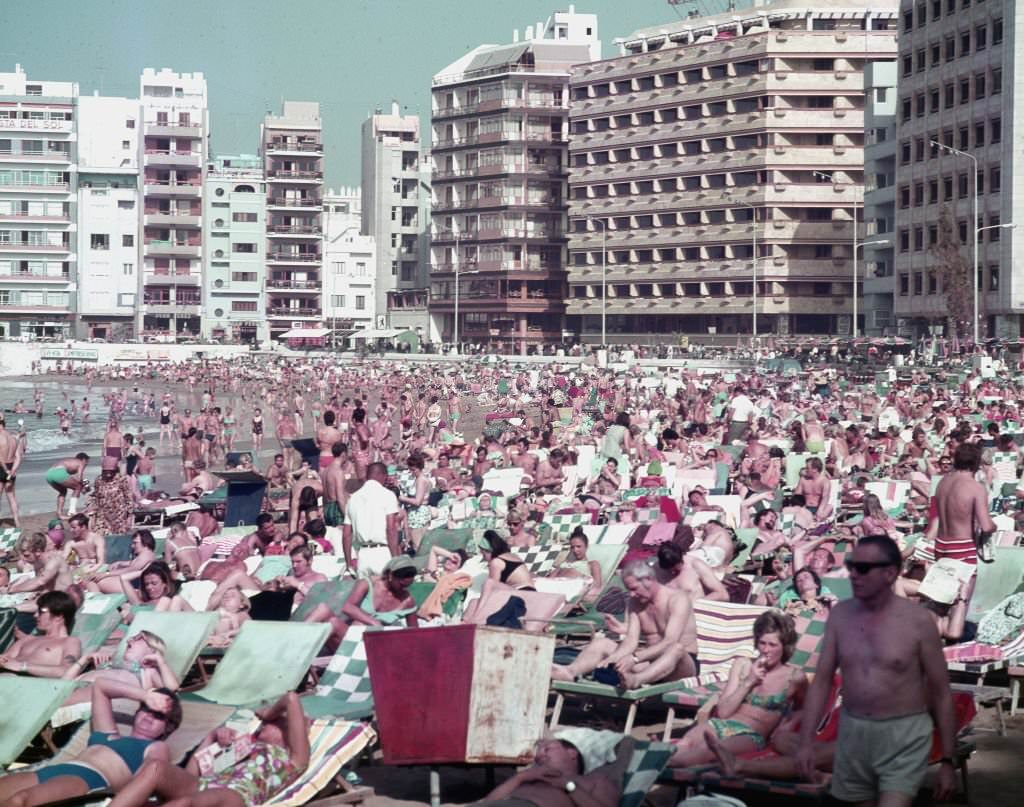
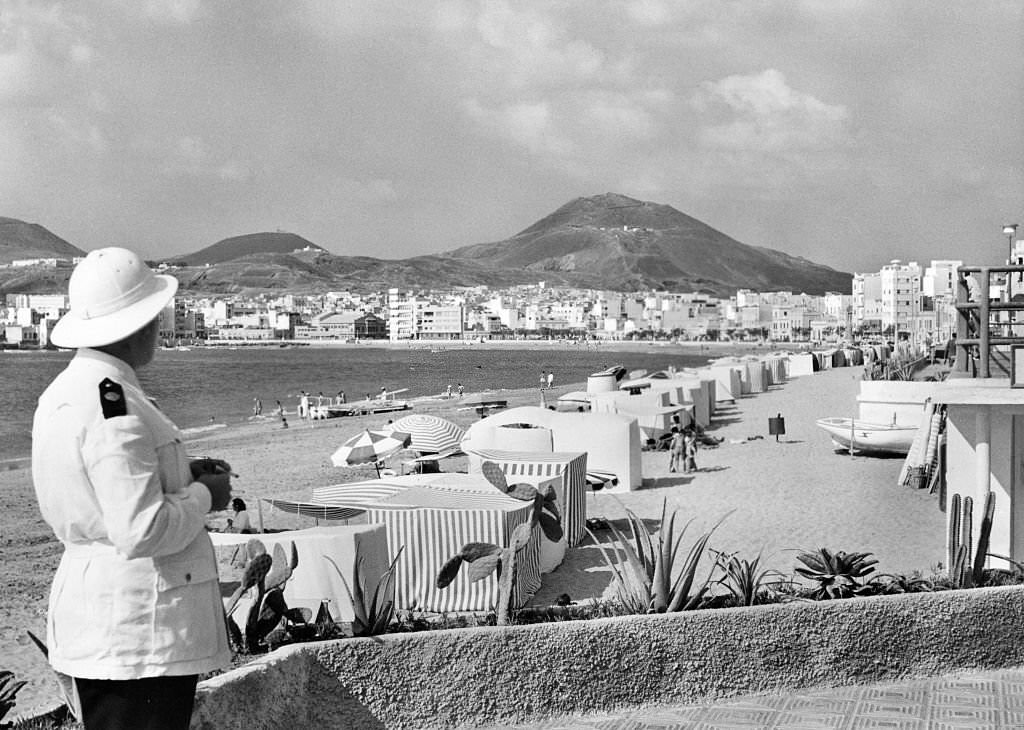
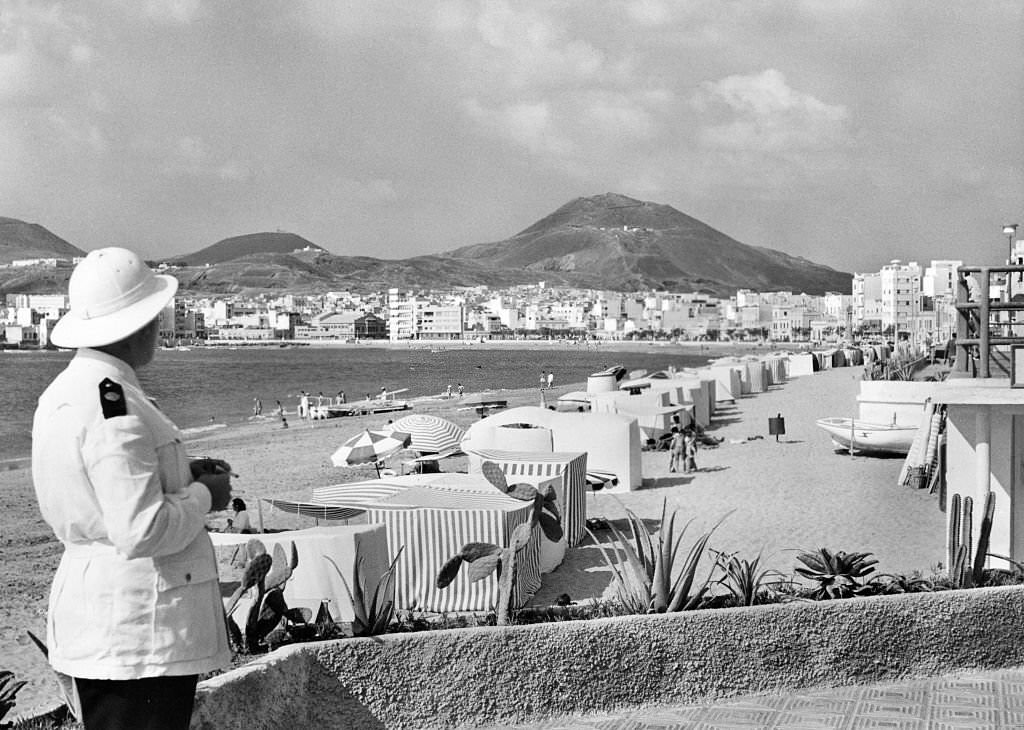
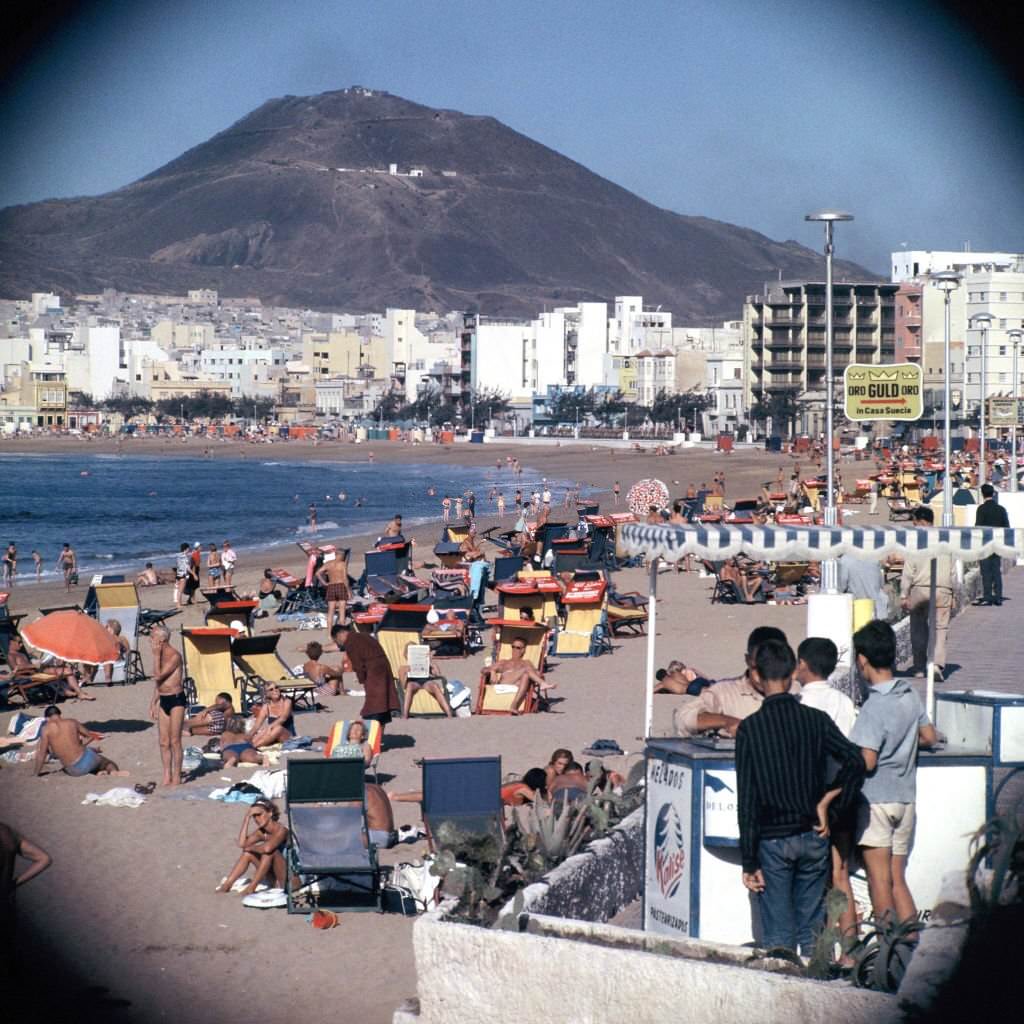
Away from the docks, the beaches of Las Palmas drew both locals and early tourists. The warm Atlantic climate made the coastline a year-round destination. By the 1960s, tourism was beginning to grow steadily across the Canary Islands, and Las Palmas was no exception. Families, children, and visitors crowded the sand, while police maintained order along the shoreline.
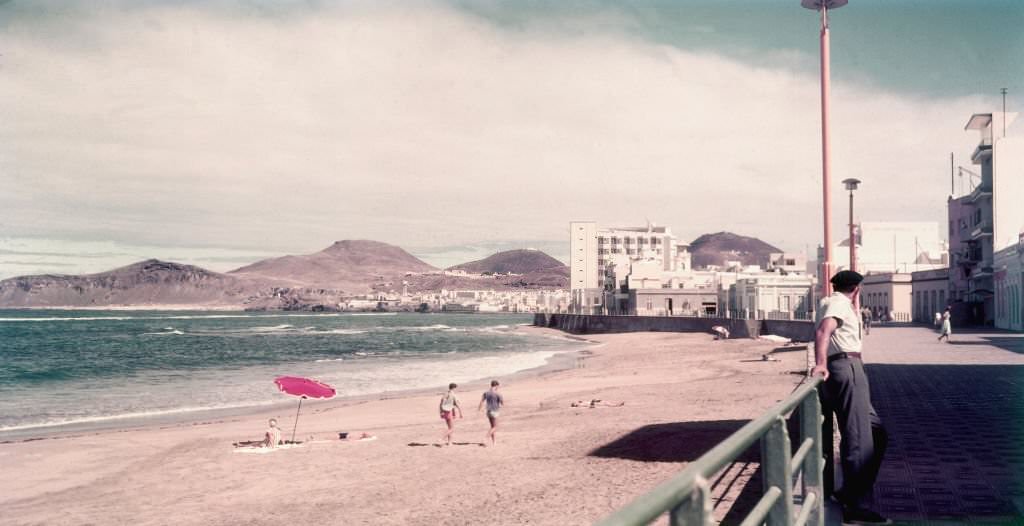
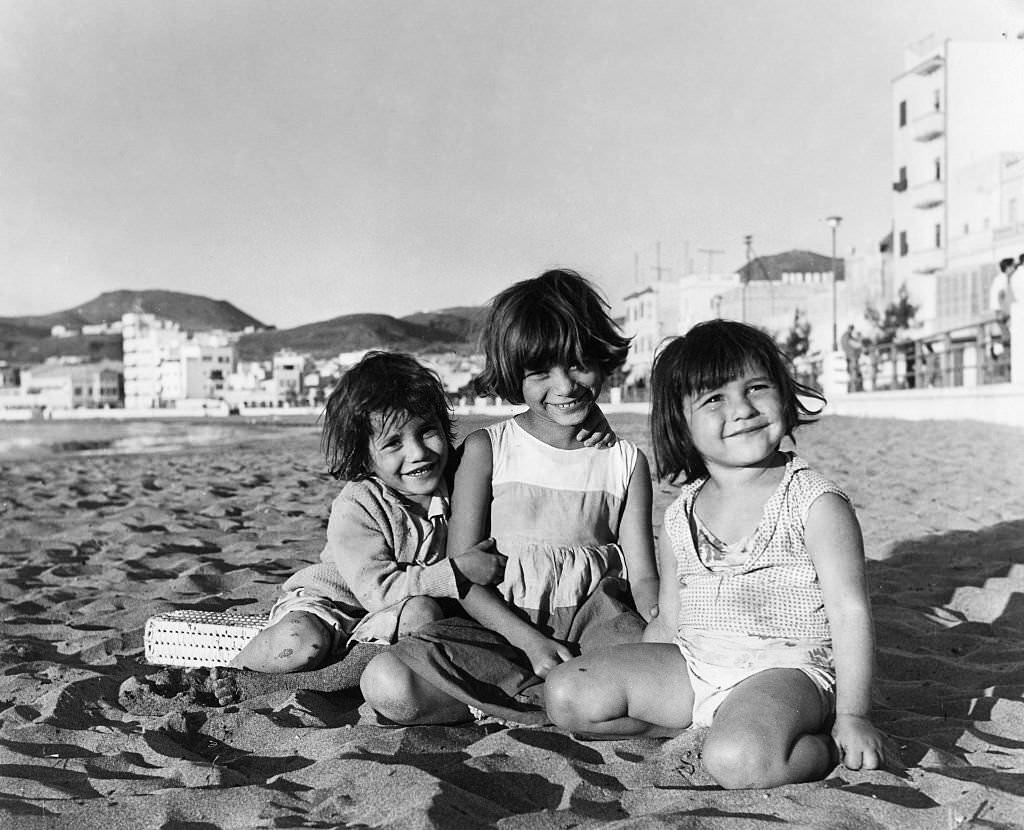
Bathing beach in Las Palmas, 1960
Gran Canaria Spanien - Kinder am Strand von Las Palmas, 1960s
Gran Canaria Spanien – Kinder am Strand von Las Palmas, 1960s
Badestrand in Las Palmas, 1950s
A beach of Las Palmas, 1960
Police on the beach, 1950s

British heavyweight boxing champion Henry Cooper was among the notable visitors who came to relax on the island’s beaches. In 1965, he was photographed sitting on the sand at Las Palmas de Gran Canaria with his wife and son — a rare candid glimpse of one of Britain’s most popular sportsmen of the era, far from the boxing ring.
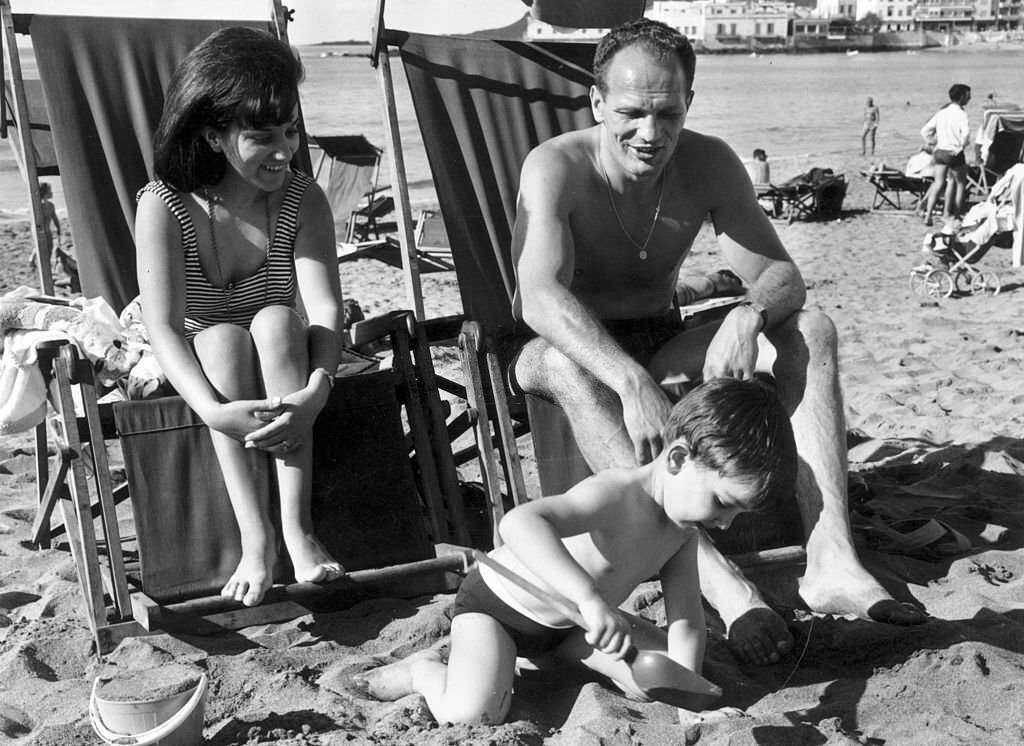
British boxing champion, Henry Cooper sitting on a beach at Las Palmas de Gran Canaria, Gran Canaria with his wife and son, 1965

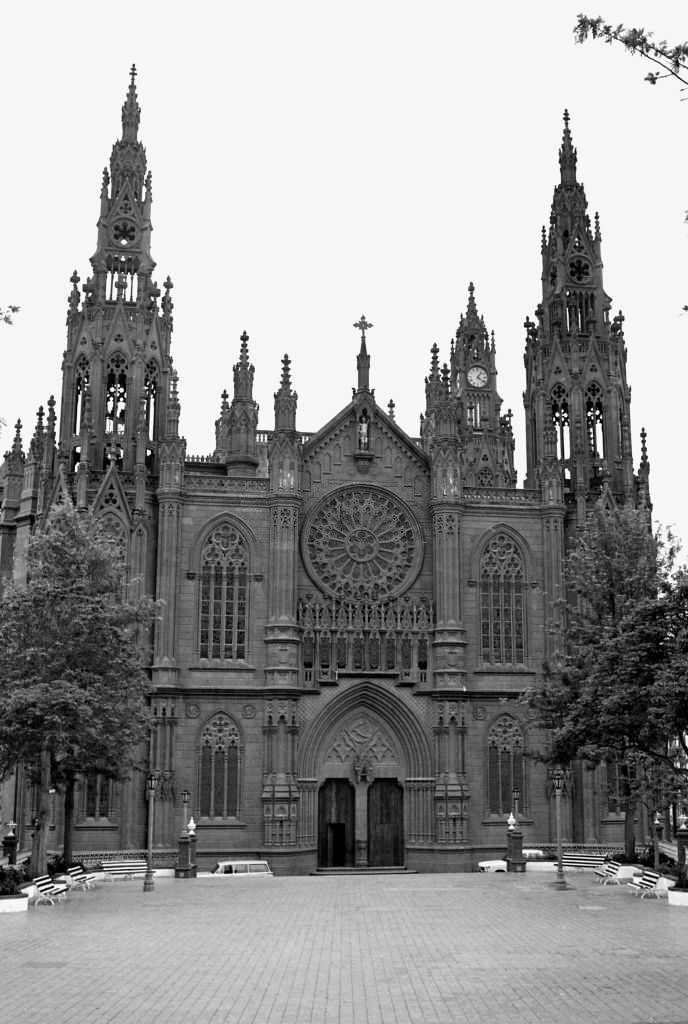
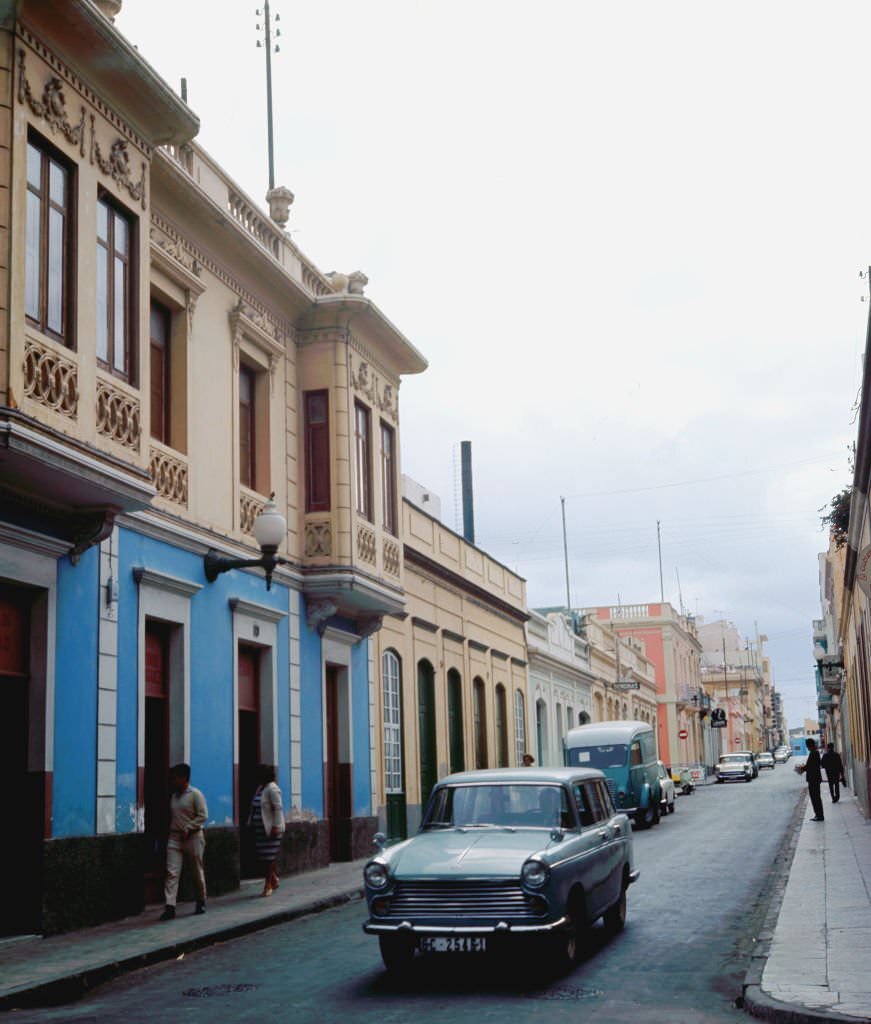
The historic quarter of Vegueta holds the oldest layer of the city. Its houses date back to the late 15th century, and the Cathedral of Santa Ana has stood there since 1497. The house of Christopher Columbus is also located in this quarter, a reminder of the city’s direct connection to the Age of Exploration. A gully once divided this colonial district from the more commercial and modern parts of the city.
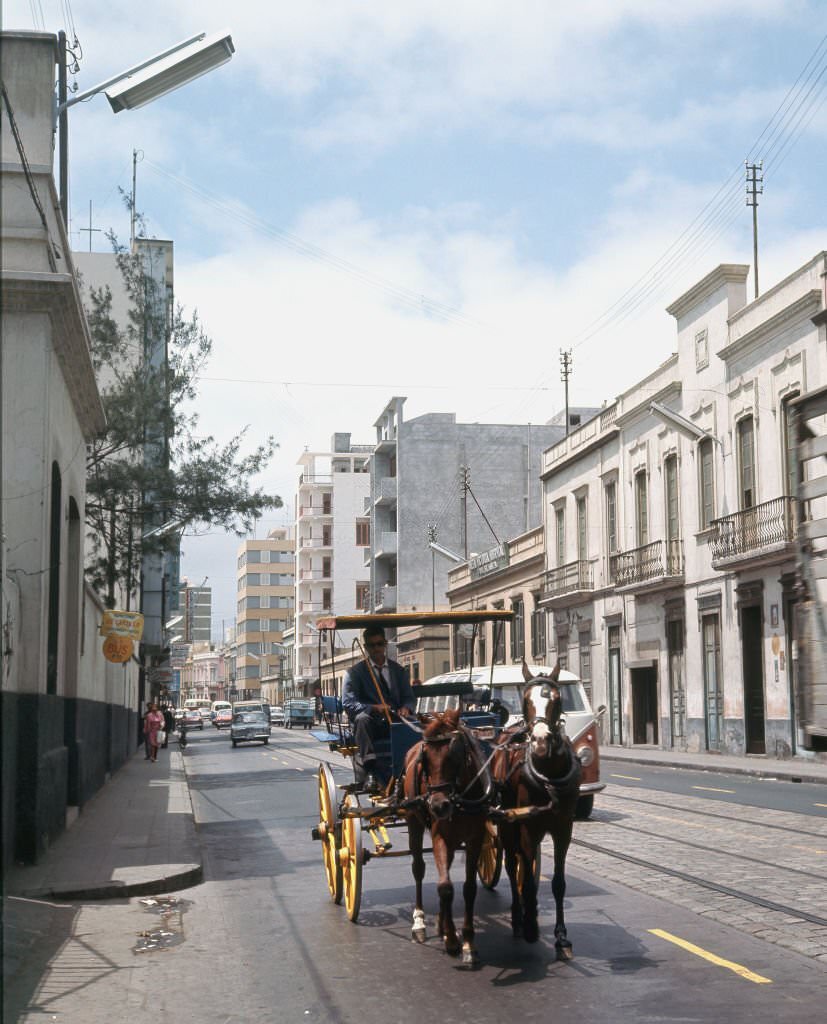
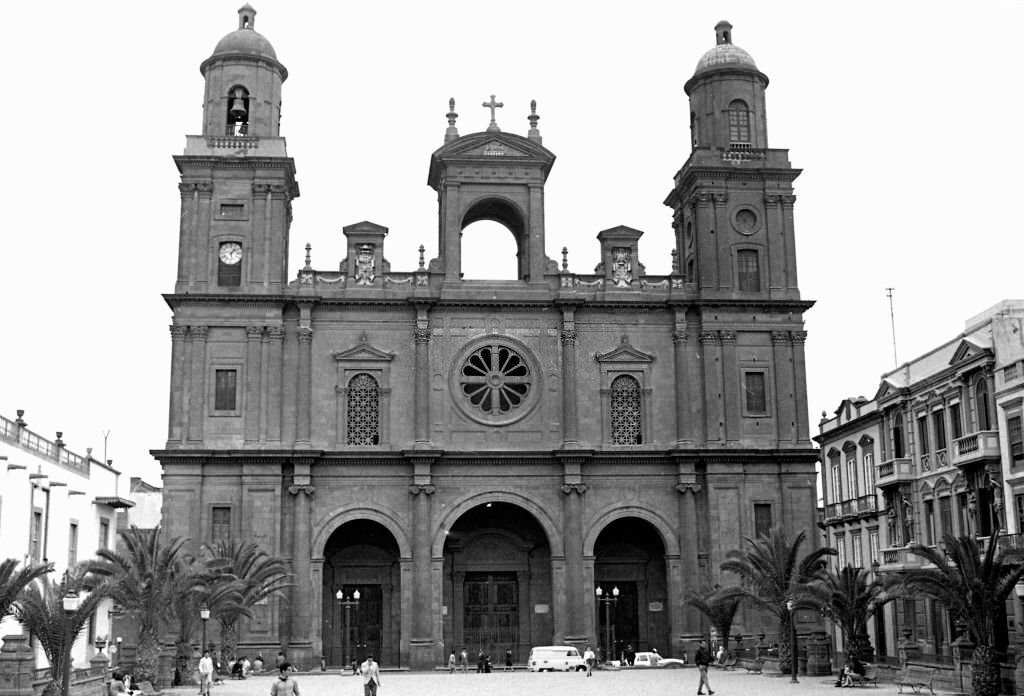
View of a street of Las Palmas with the house of Christopher Columbus, Canary Islands, Spain, 1960.
Cathedral of Las Palmas, 1965
Cathedral of Arucas, Las Palmas, 1965
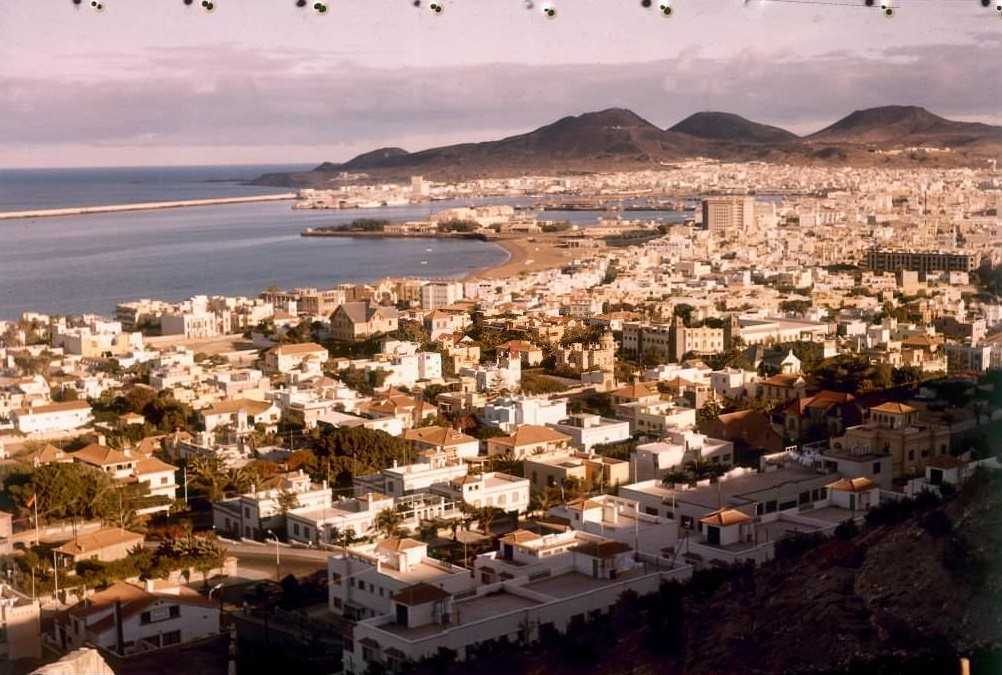
View of Las Palmas, 1960

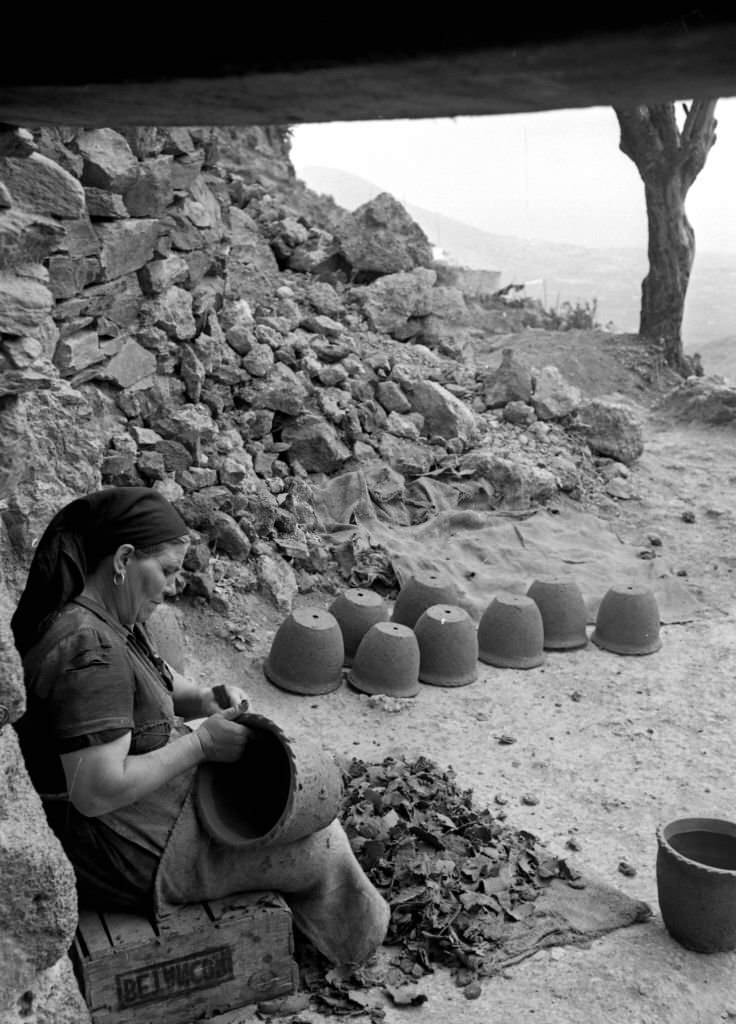
Before Spanish settlement, the Canary Islands were home to the Guanches, an indigenous people of North African origin. They were ultimately wiped out through conquest, disease, and assimilation. The Canario Museum in Las Palmas preserves their relics, including pottery that dates back centuries. These artifacts offer a direct window into a civilization that no longer exists.
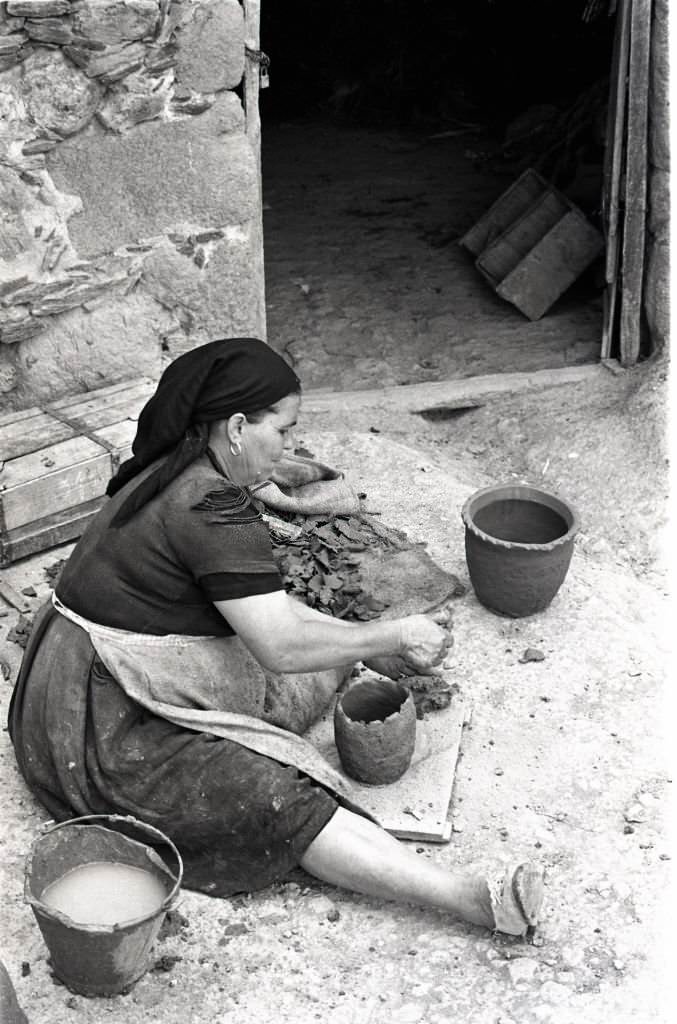
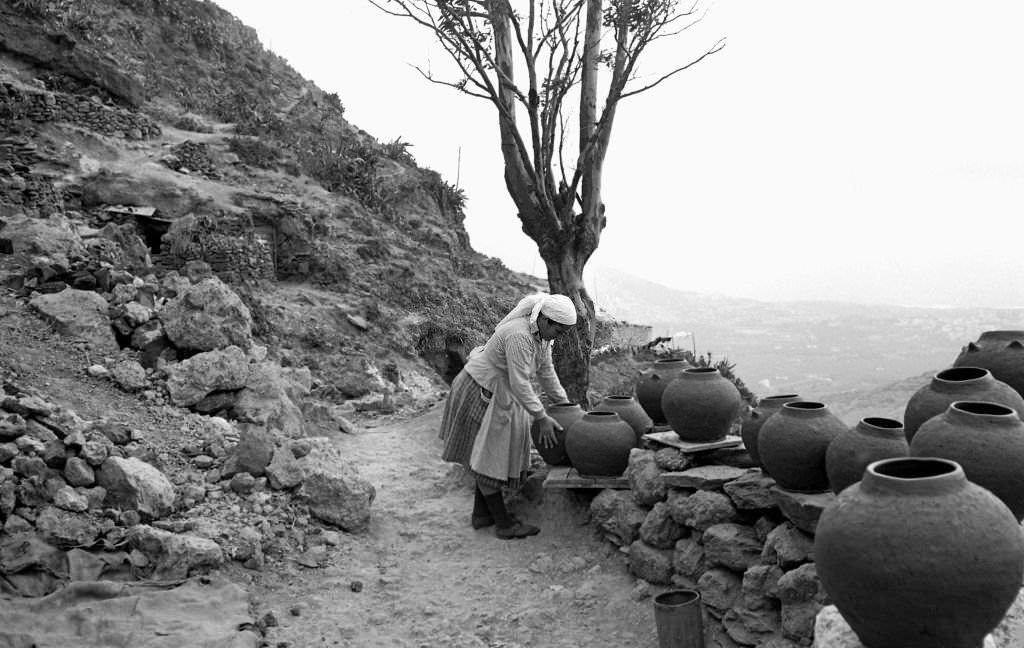
Pottery originating from Los Guanches, aborigines of North African origin, Las Palmas, Canary Islands, Spain, 1955.

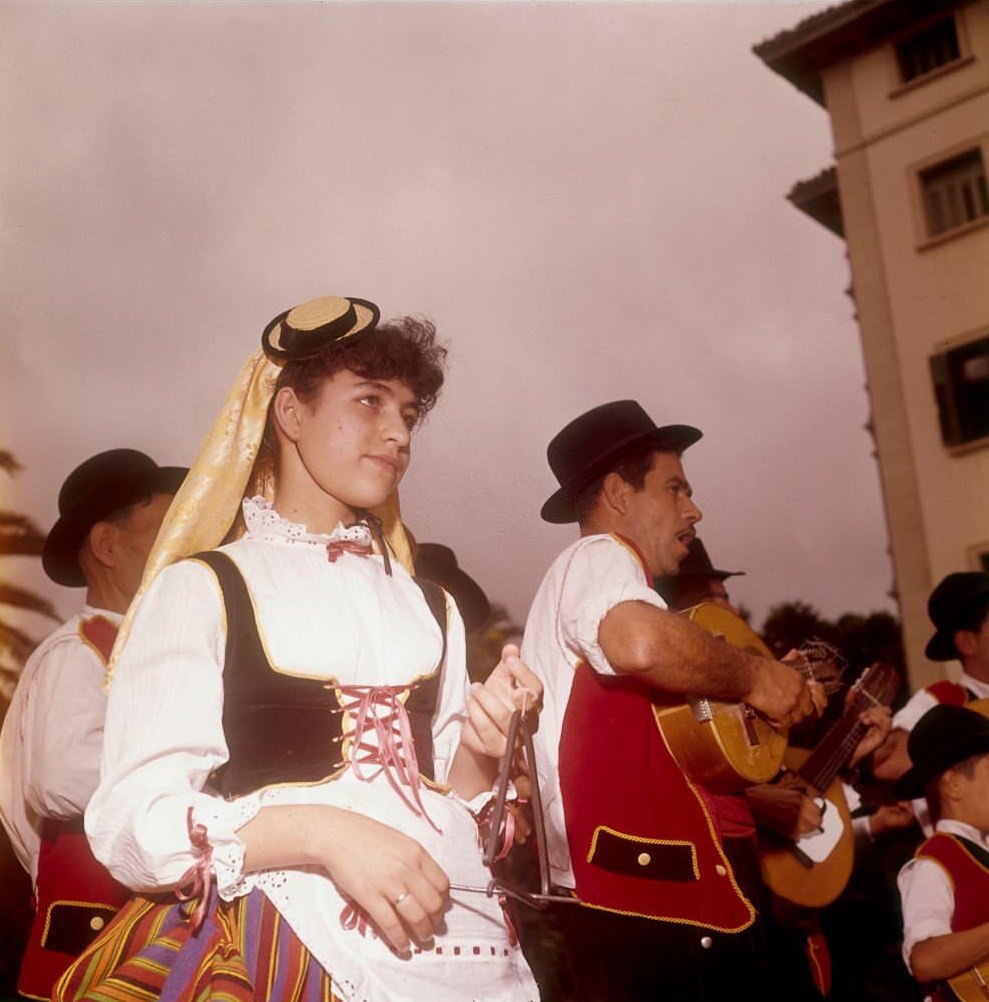
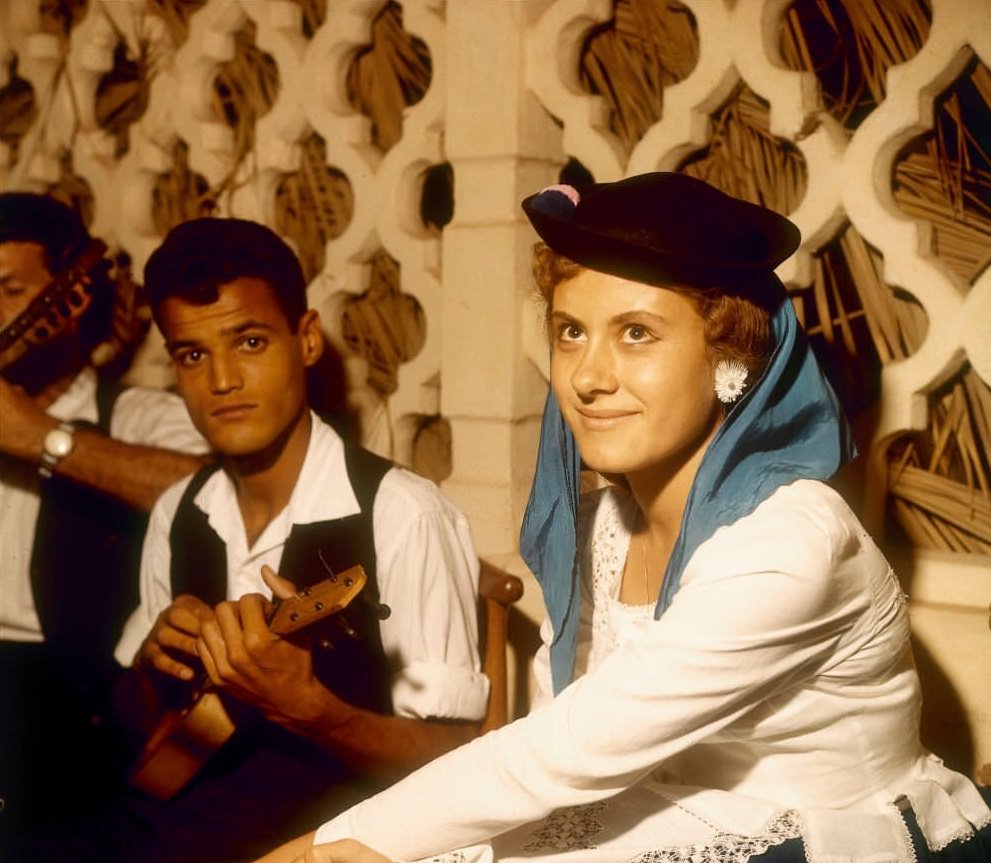
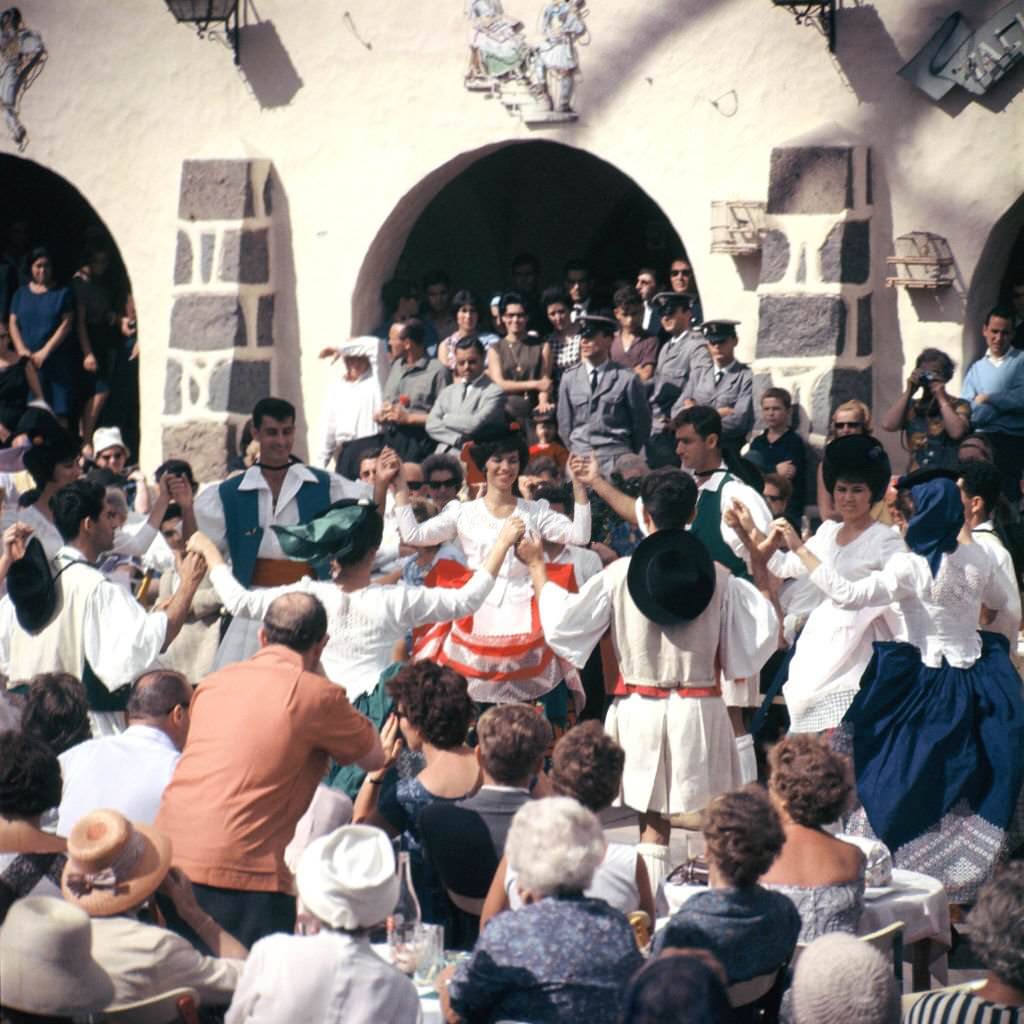
Canarian folk culture was very much alive in the city during this period. Performances featured traditional music, costume, and dance rooted in the islands’ rural heritage. The Pueblo Canario — a complex of buildings designed in the old Canarian architectural style — provided a dedicated space for these cultural expressions. Folk groups performed regularly, keeping regional traditions visible in an increasingly modernizing city.
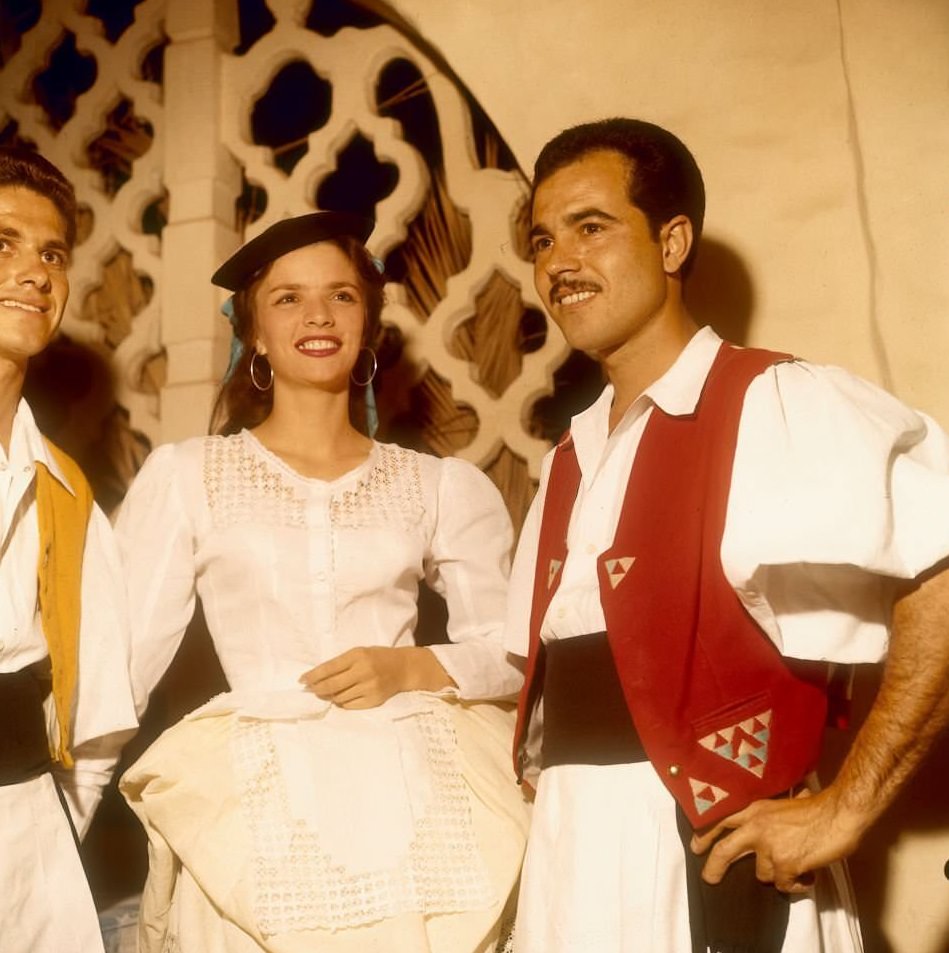
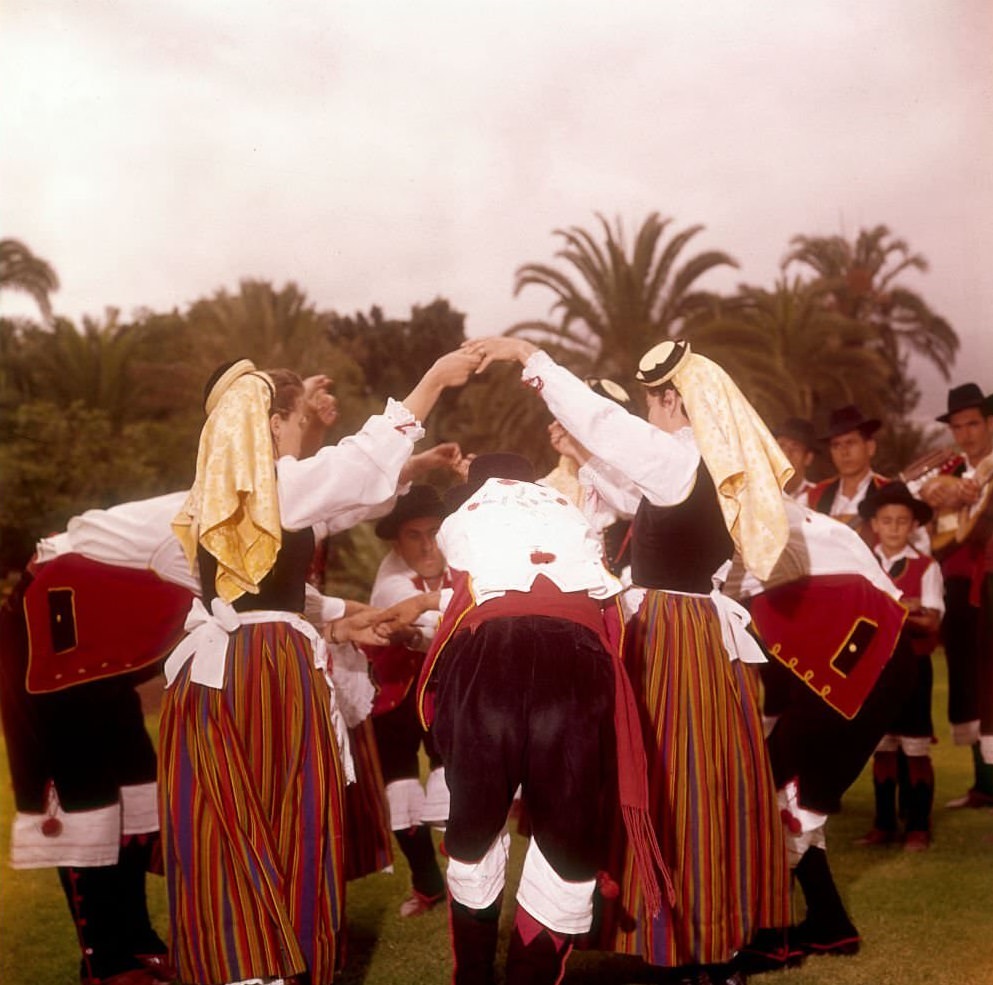
Folkloric performance in Las Palmas, 1960
Folkloric dance in Las Palmas, 1960
Folkloric dance in Las Palmas, 1959
Woman of a folkloric group in Las Palmas 1960

Canarian wrestling, known as lucha canaria, was another deeply rooted tradition. Two competitors face each other on a sand circle and attempt to make any part of the other’s body — other than the feet — touch the ground. It is one of the oldest sports in the Canary Islands, practiced continuously since before the Spanish conquest. By the 1960s, it remained a popular public spectacle in Las Palmas.
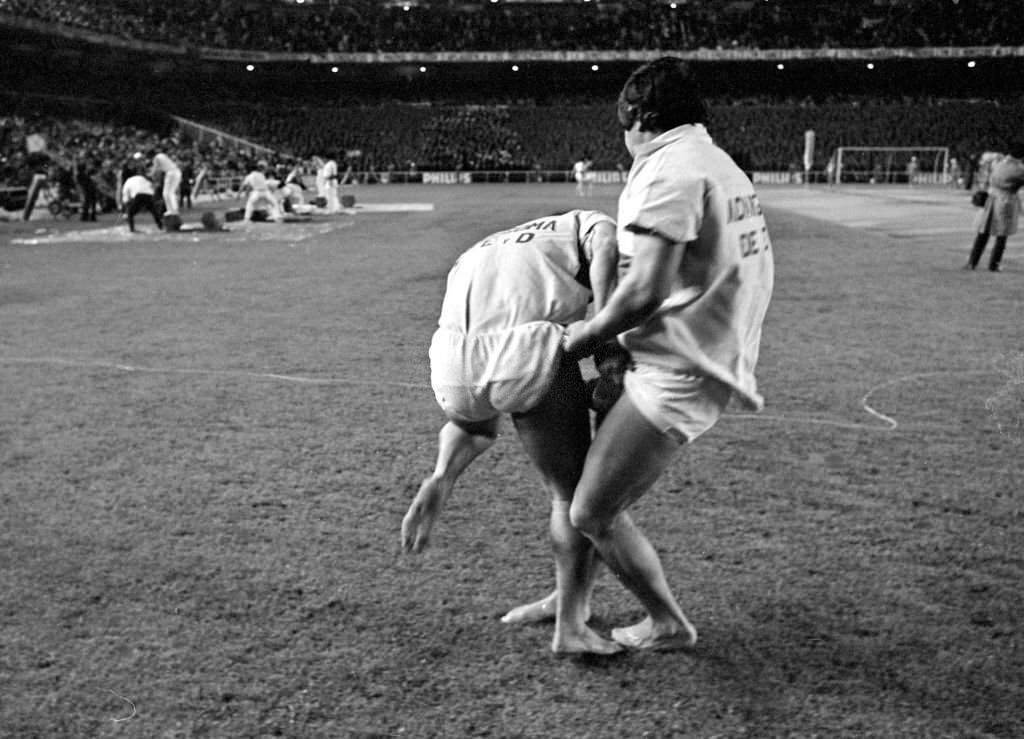
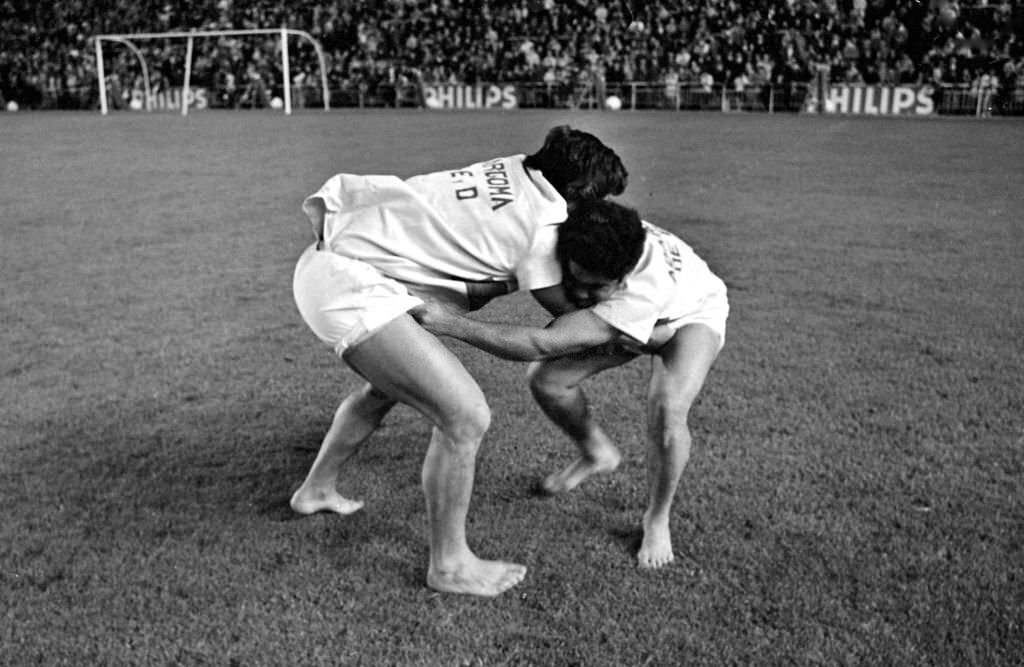
Canarian fight in Las Palmas, 1965

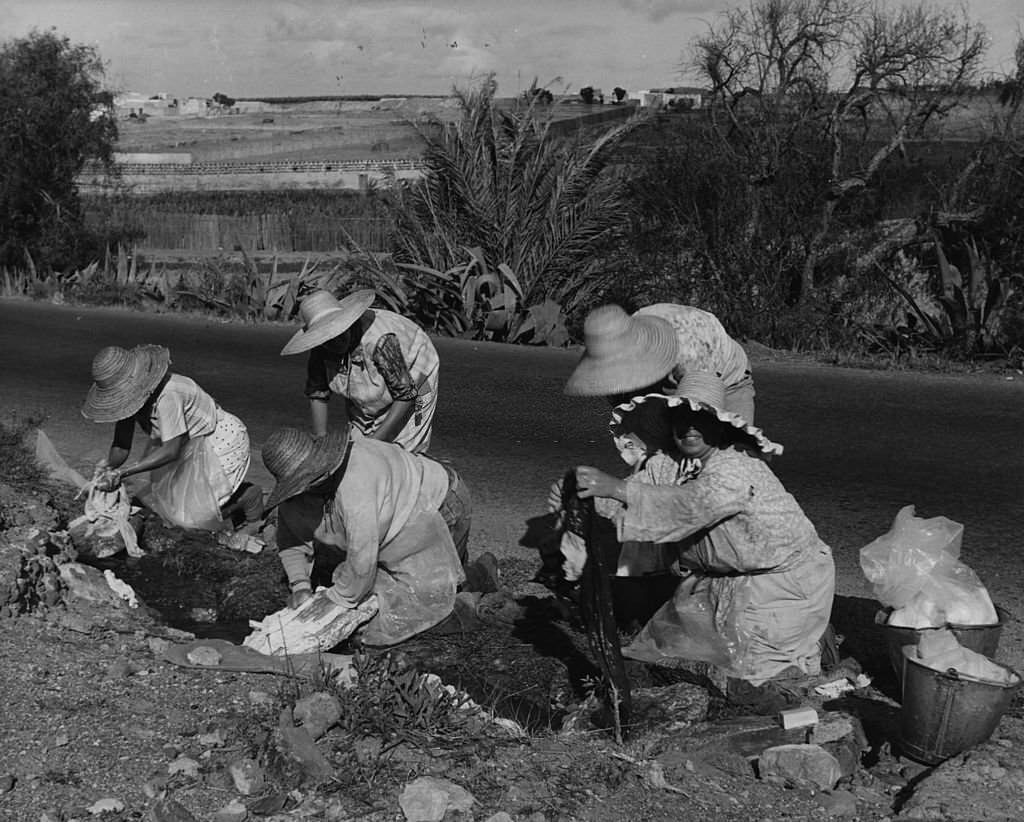
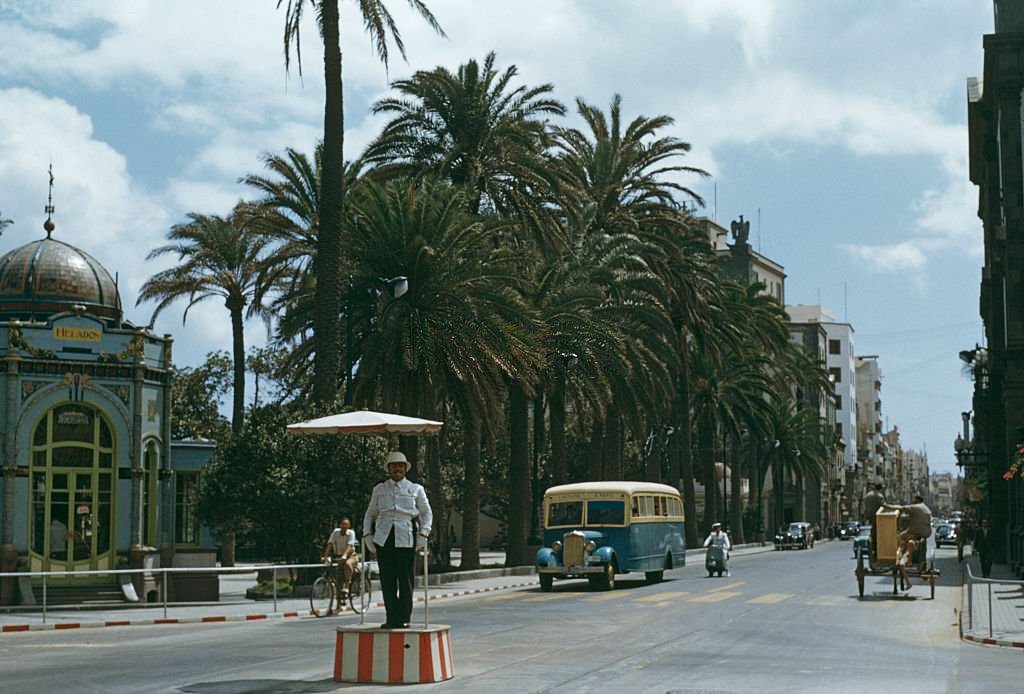
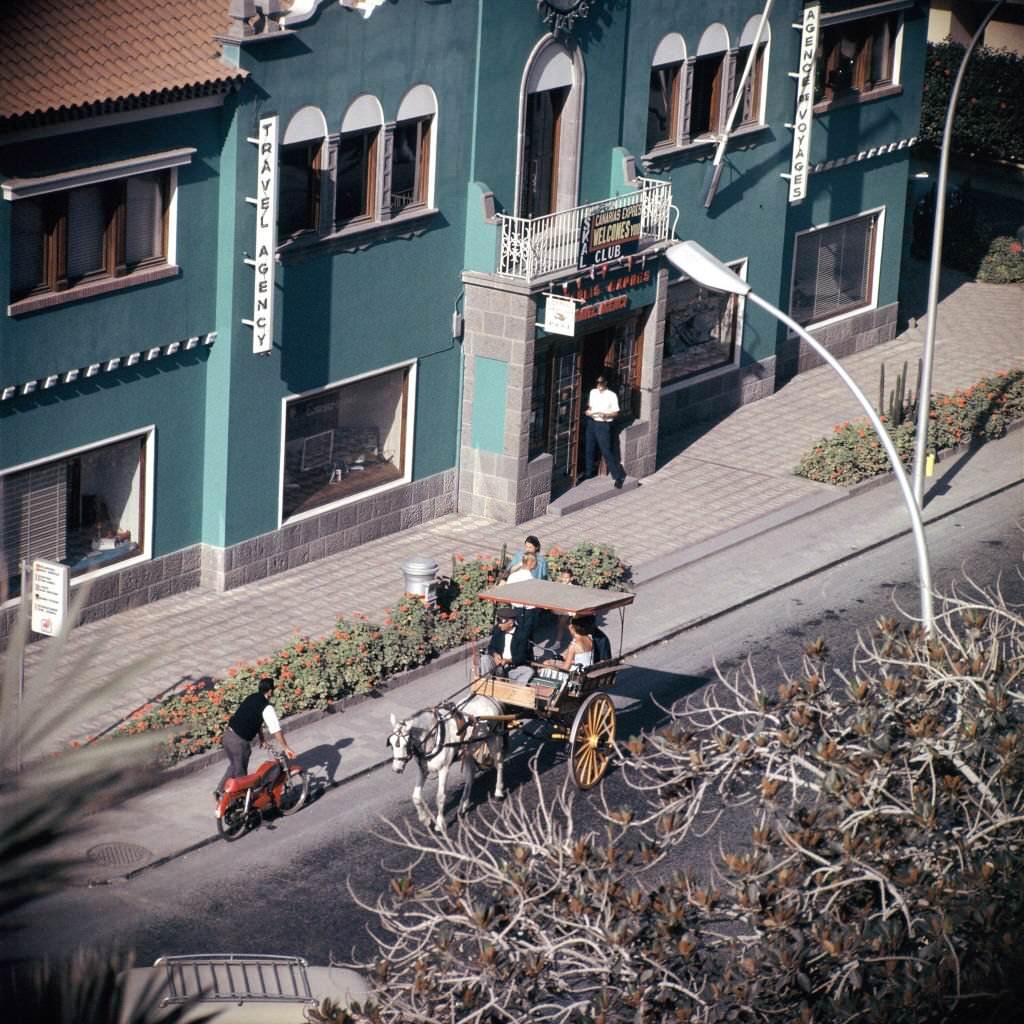
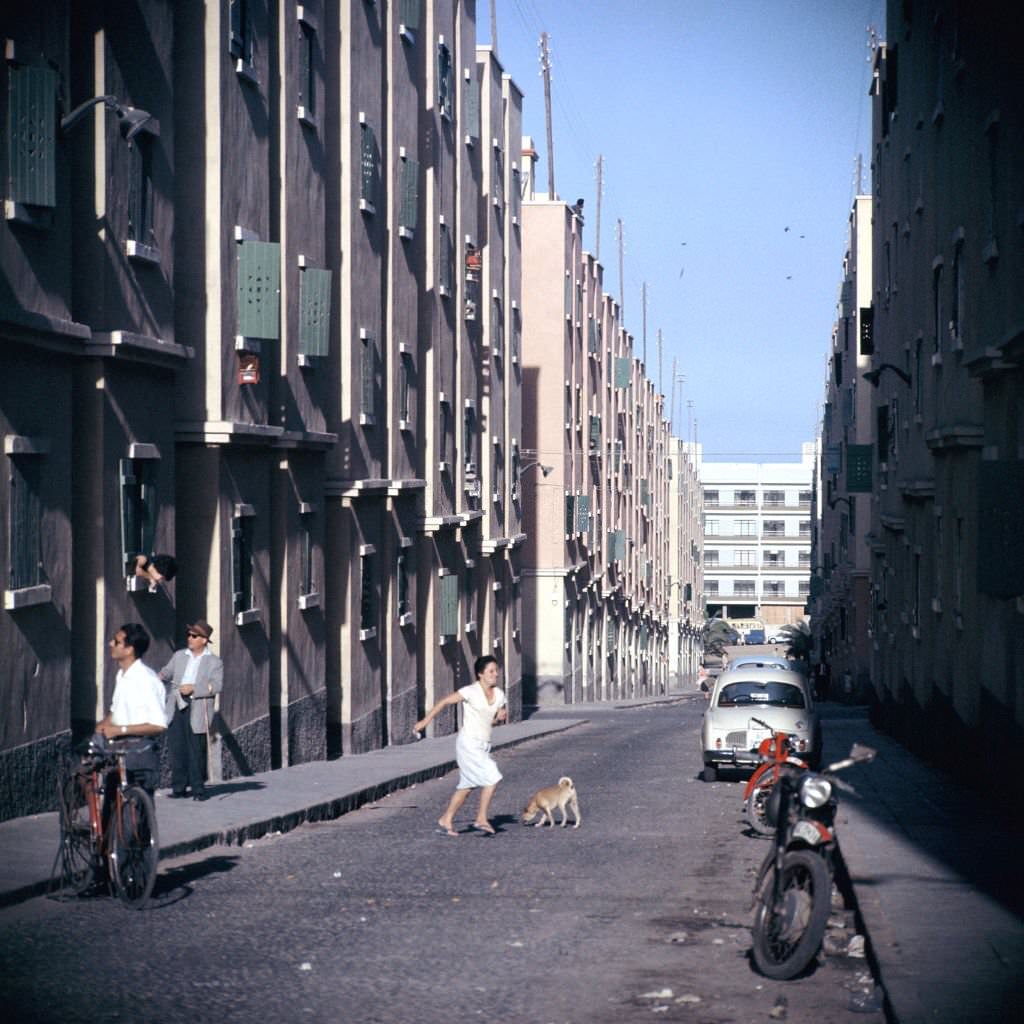
Daily life in Las Palmas played out in its streets, markets, and open spaces. The city’s markets were crowded and lively, with vendors selling produce, goods, and handmade items. Women washed clothes in streams near the roads outside the city. A traffic officer near the Parque San Telmo directed vehicles through the growing urban center. These everyday scenes capture a city that was traditional and busy all at once.
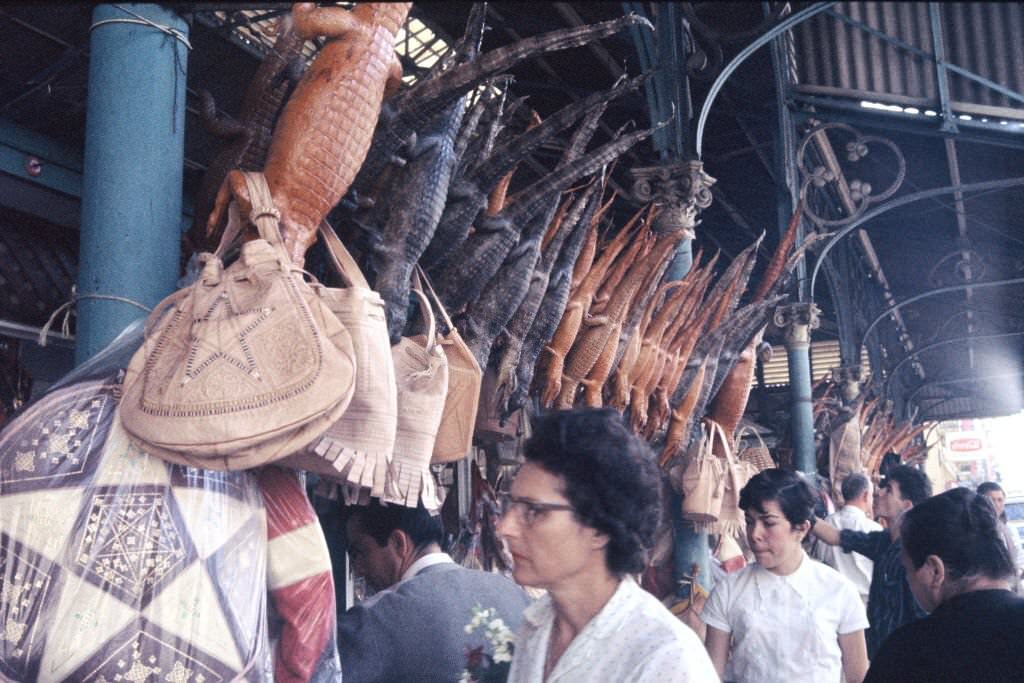
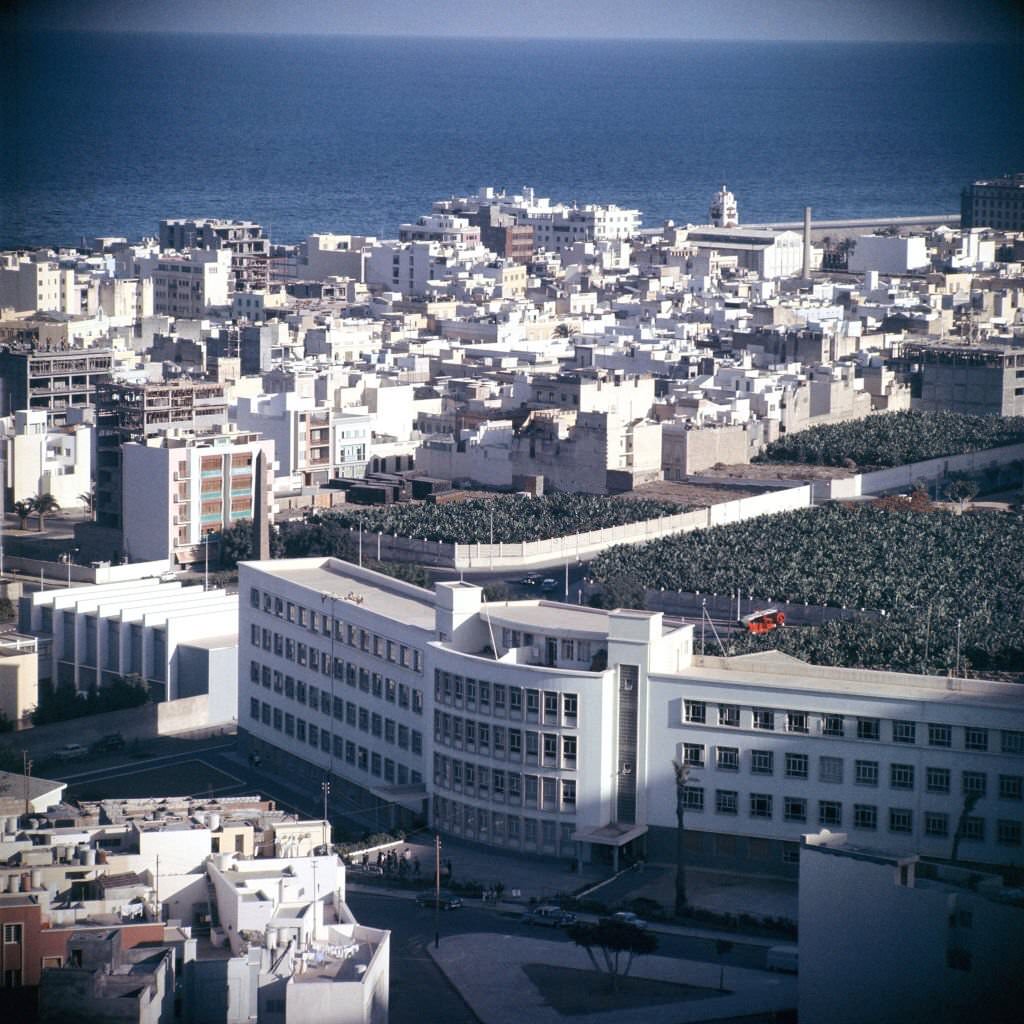
A general view of a market on January 10, 1964 in Las Palmas, Spain.
A market in Las Palmas, 1964
A group of peasant women doing washing in stream by road near Las Palmas, 1962
A traffic policeman near the Parque San Telmo in Las Palmas, on Gran Canaria in the Canary Islands, 1955.
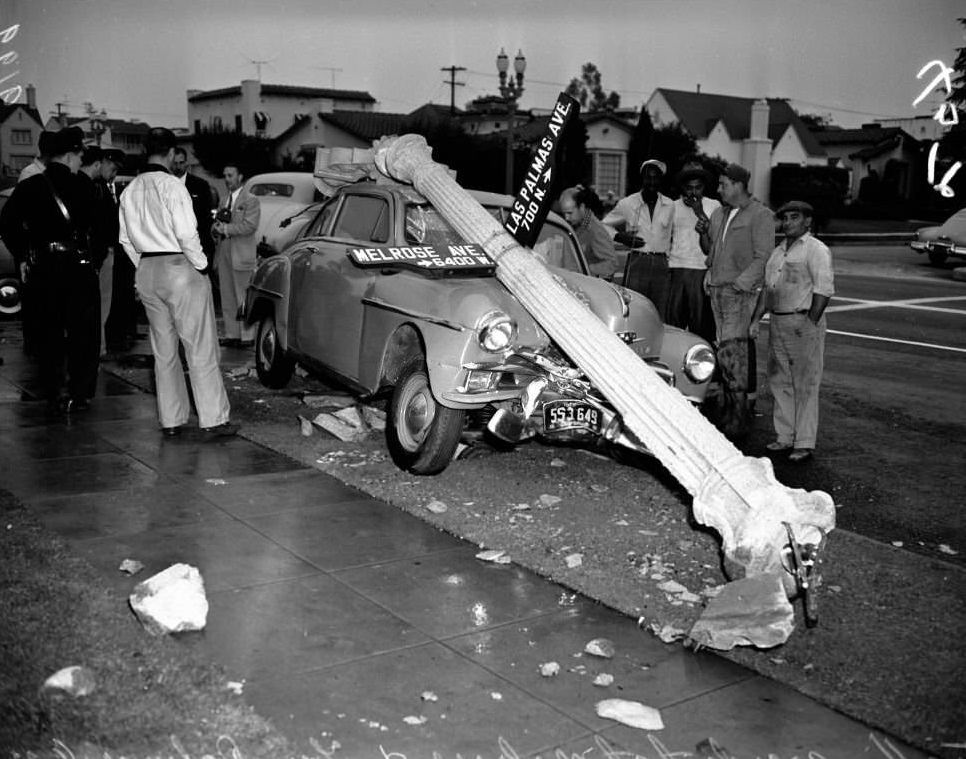
Traffic accident in Las Palmas, 1950s

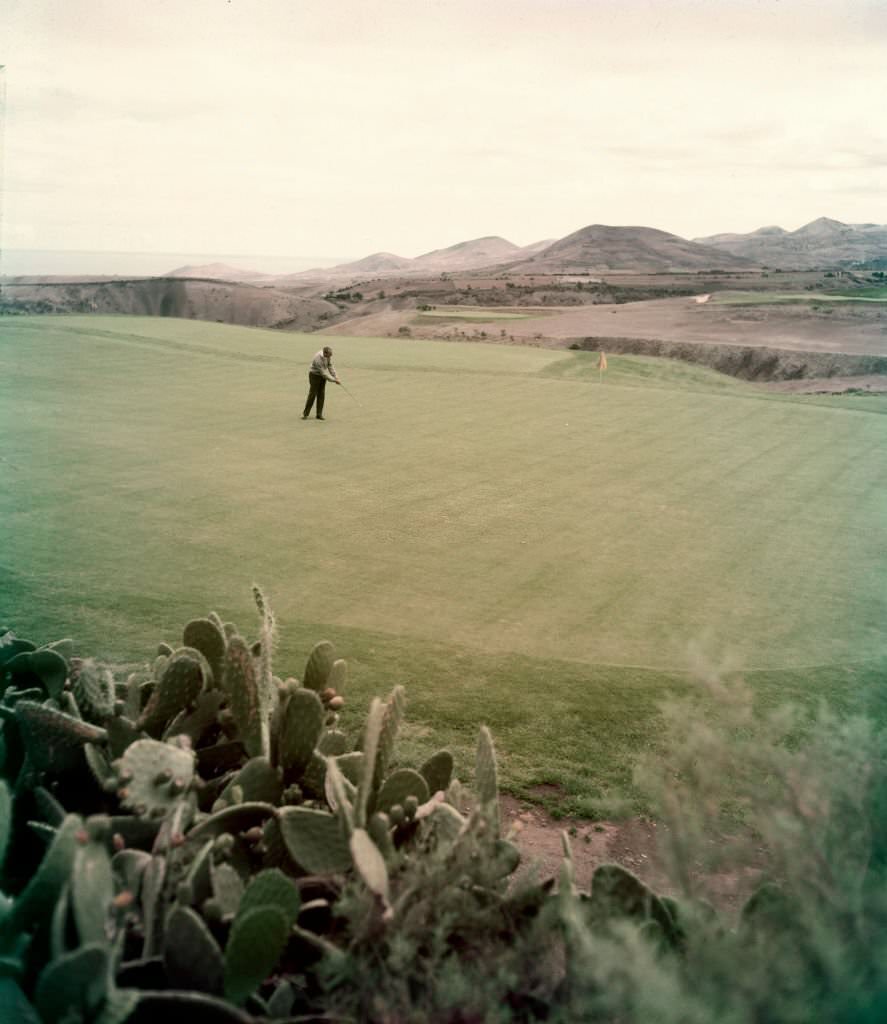
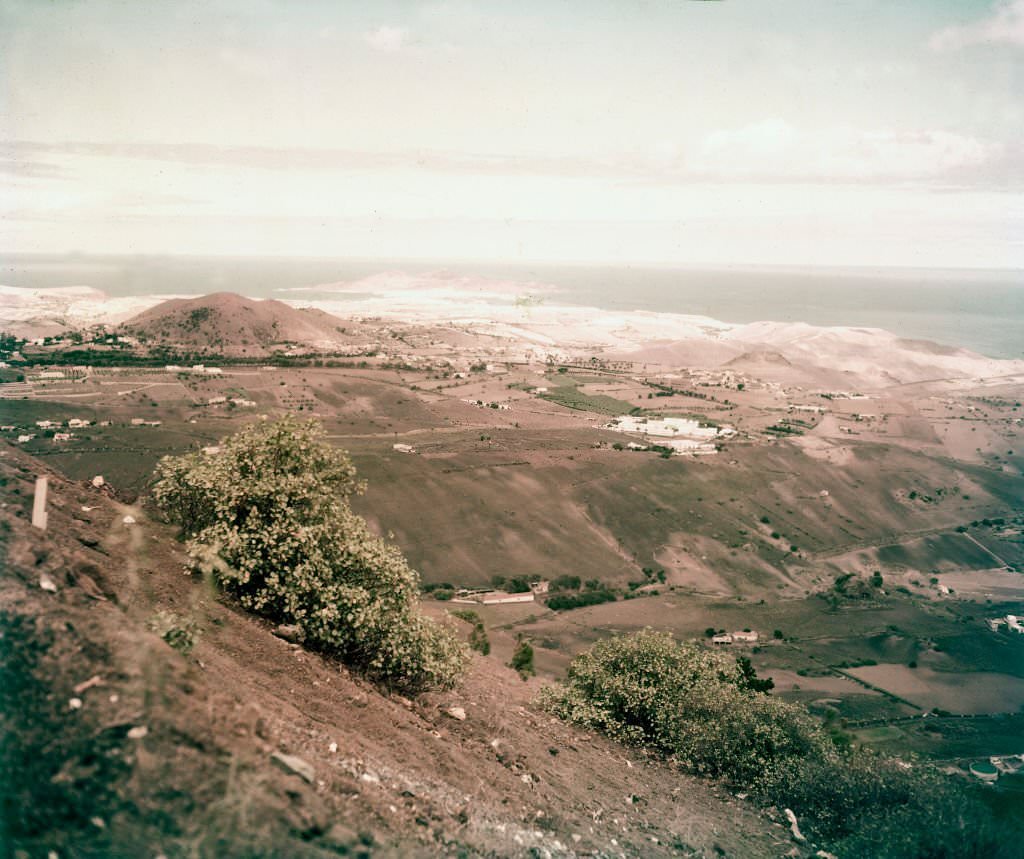
Beyond the city, Gran Canaria’s landscape was dramatic and varied. The island’s volcanic interior featured crater landscapes and rugged terrain, while the coastline offered striking views of the Atlantic. Golf courses had already been established on the island by the late 1950s, catering to wealthier visitors. These natural and leisure settings gave the island an appeal that extended well beyond its urban center.
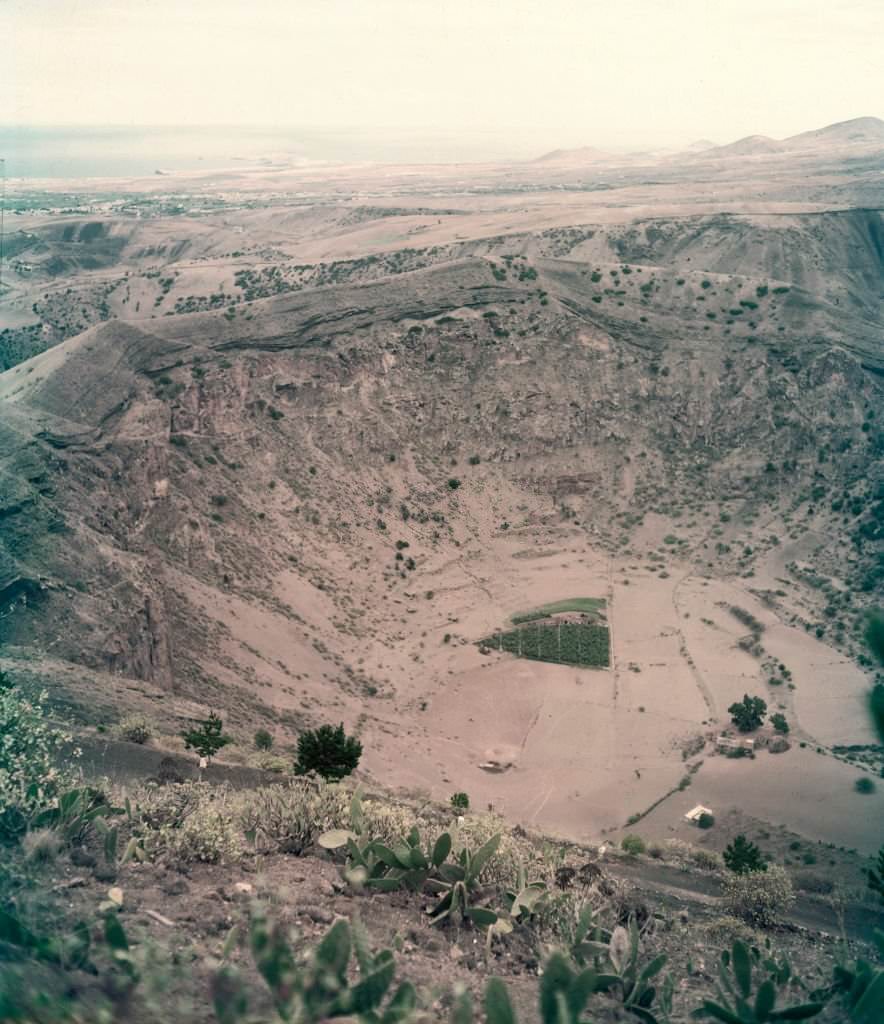
Crater landscape on Gran Canaria, 1960
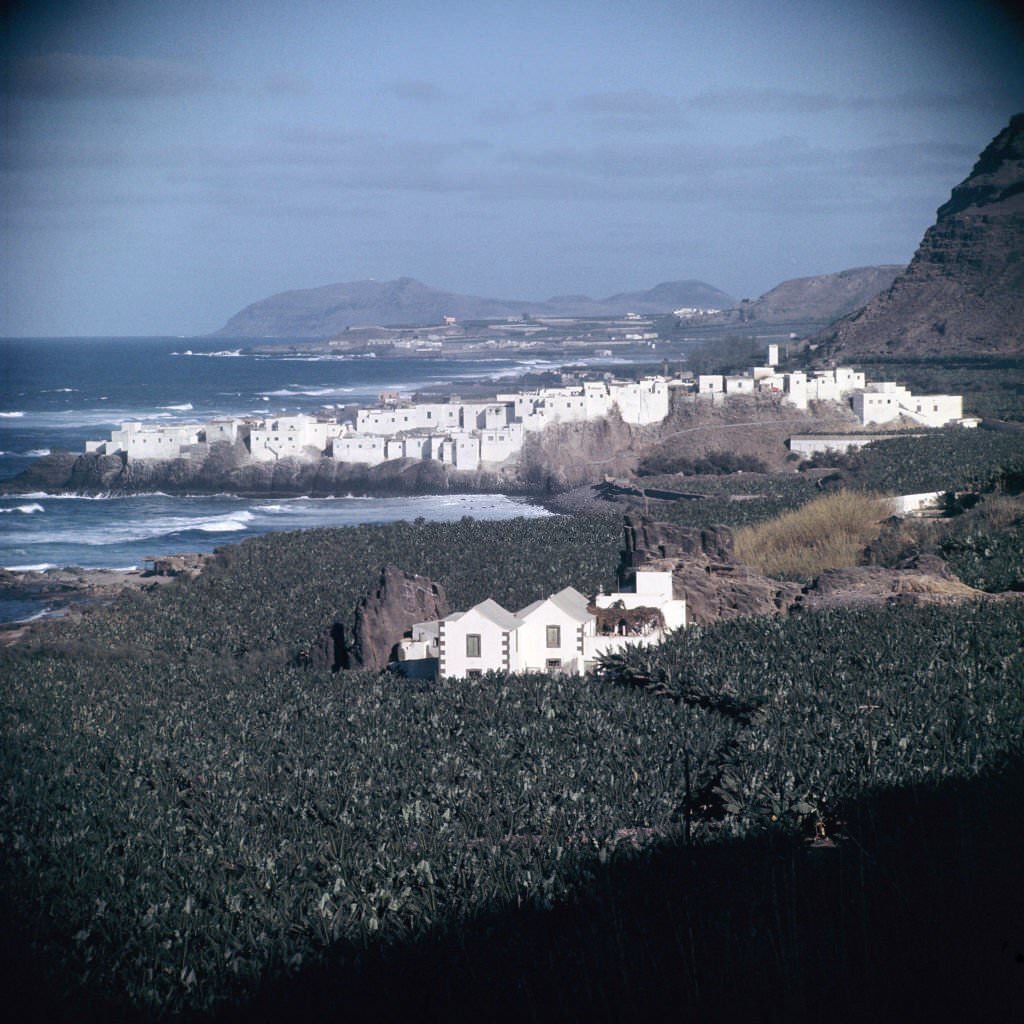
Coastal landscape on Gran Canaria, 1960
Golfplatz auf Gran Canaria, 1959
Gran Canaria Spain, 1950s

Las Palmas also appeared in the world of competitive sailing. The Norwegian tall ship Christian Radich — a three-masted sailing vessel — participated in a race from Brest to Las Palmas, finishing second before sailing up the Thames to berth at West India Dock. The race highlighted just how naturally Las Palmas fit into international maritime life during this era.
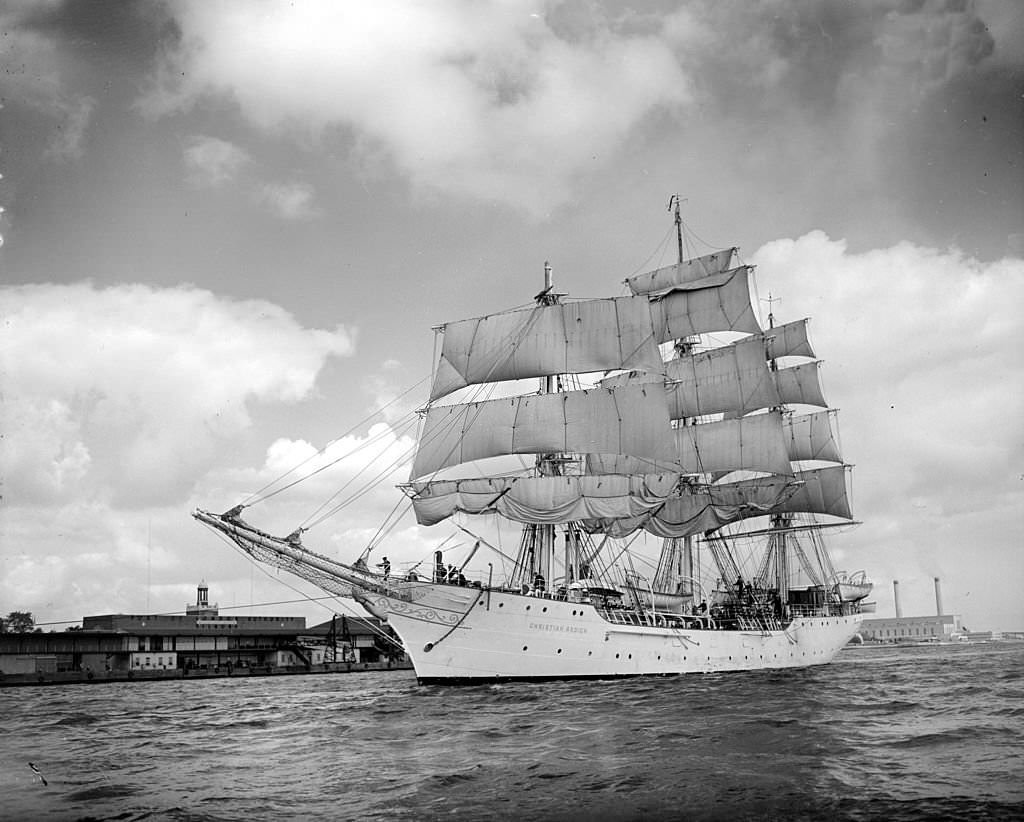
The Christian Radich, a three masted sailing ship travelling up the Thames to berth in West India Dock after coming second in a race from Brest to Las Palmas.
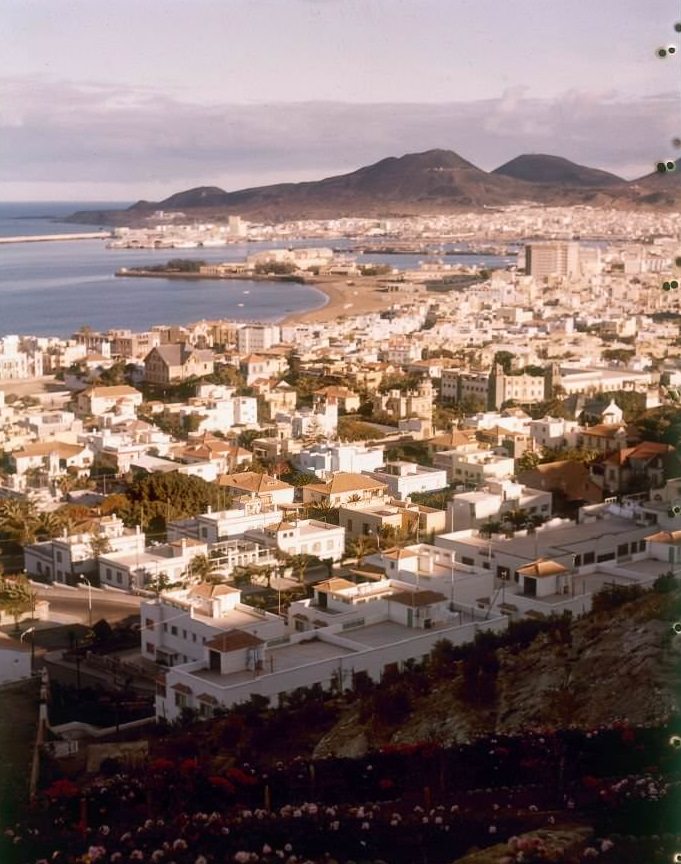
Las Palmas, 1960s
Las Palmas, 1960s
Las Palmas, 1960s
Las Palmas, 1960s
Las Palmas, 1964
Las Palmas, 1964
Las Palmas, 1964
Las Palmas, 1964
Las Palmas, 1964
Las Palmas, 1964
Las Palmas, 1964
Las Palmas, 1964
Las Palmas, 1964
Las Palmas, 1964
Enjoyed this post? Get new ones in your inbox.

Leave a Comment

Your email address will not be published. Required fields are marked *

Share this Post 🥺

Please take a moment to share this content. Your support is greatly appreciated! 🙌🙏

Share this Post 🥺

Please take a moment to share this content. Your support is greatly appreciated! 🙌🙏
Scroll to Top
 
Hey Friend, Before You Go.. Please like & follow for more interesting content