
Keller, Texas, sits in Tarrant County in the Dallas-Fort Worth metroplex. Settlers first put down roots there in the early 1850s, drawn by the Trinity River’s water supply and the surrounding farmland. The area grew into a railroad stop, and on November 16, 1955, Keller was officially incorporated as a city. By 2019, its population had grown to over 47,000 residents. The city is largely residential, with 11 park sites and more than 26 miles of hiking and biking trails winding through it.
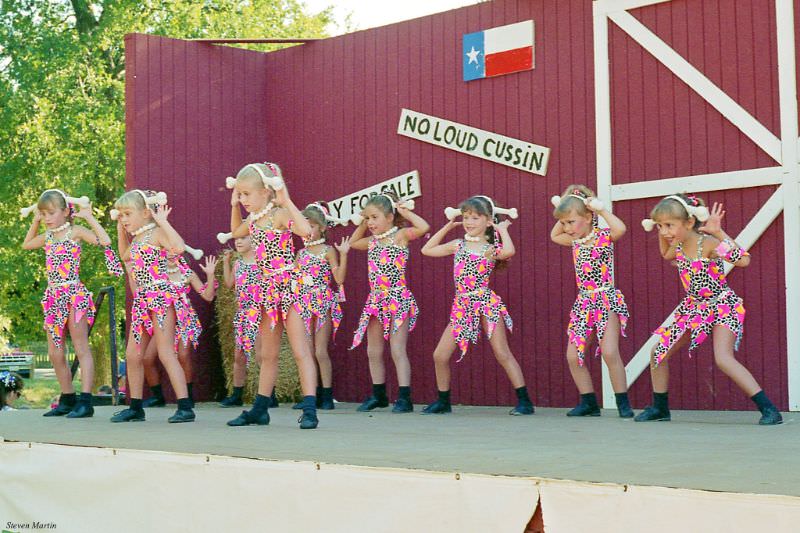
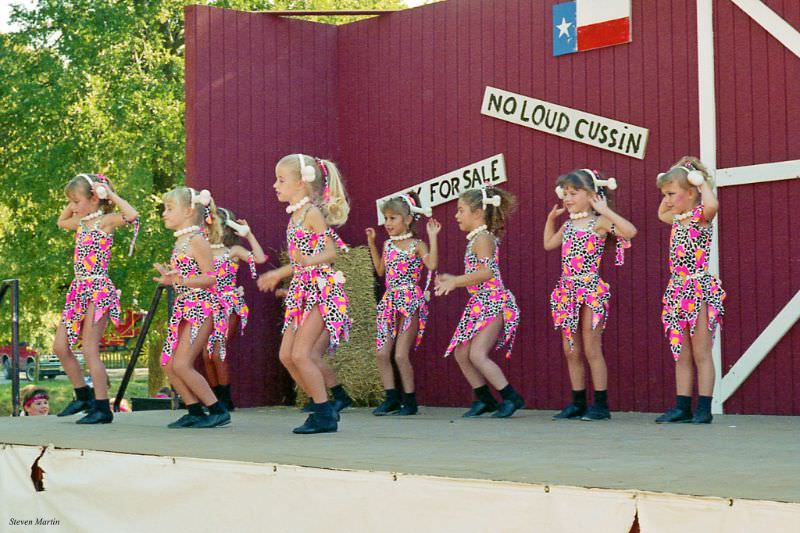
Each year, Keller hosted a community festival where local groups showed off their culture, talents, and traditions. The 1995 edition was no different. Bear Creek Park served as the backdrop for the event, providing an open, welcoming space for performers and spectators alike. Among the highlights were a series of dance performances by local schools and troupes that drew crowds throughout the day.


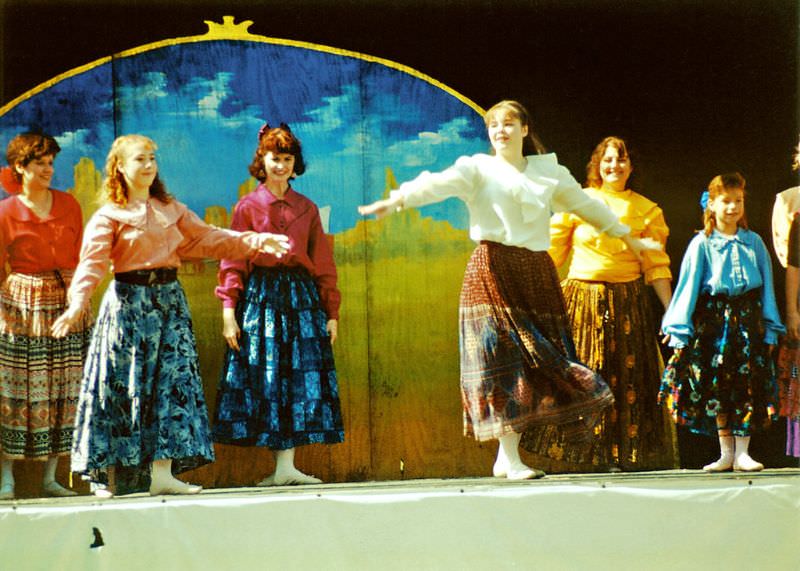
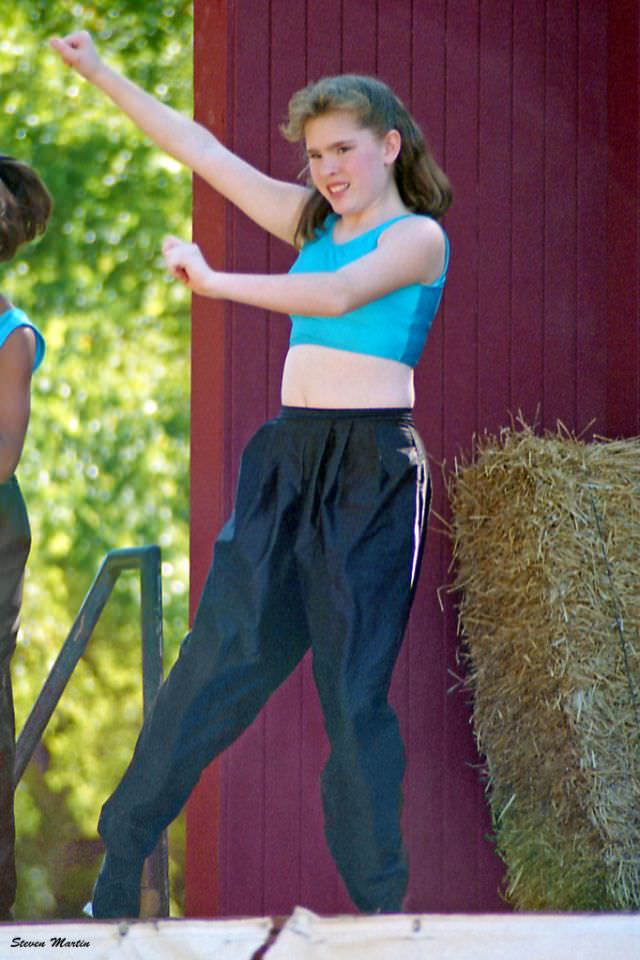
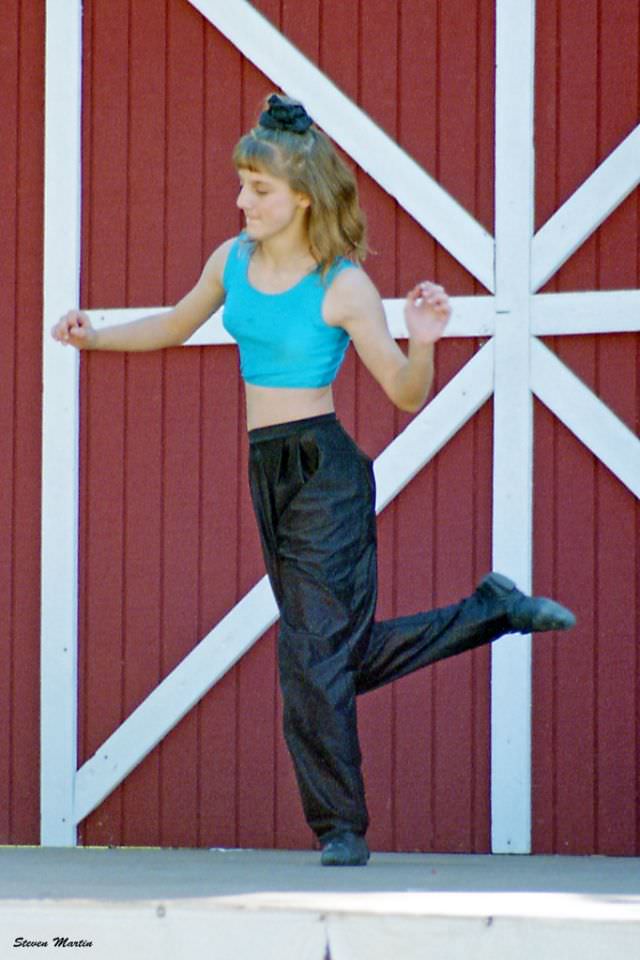
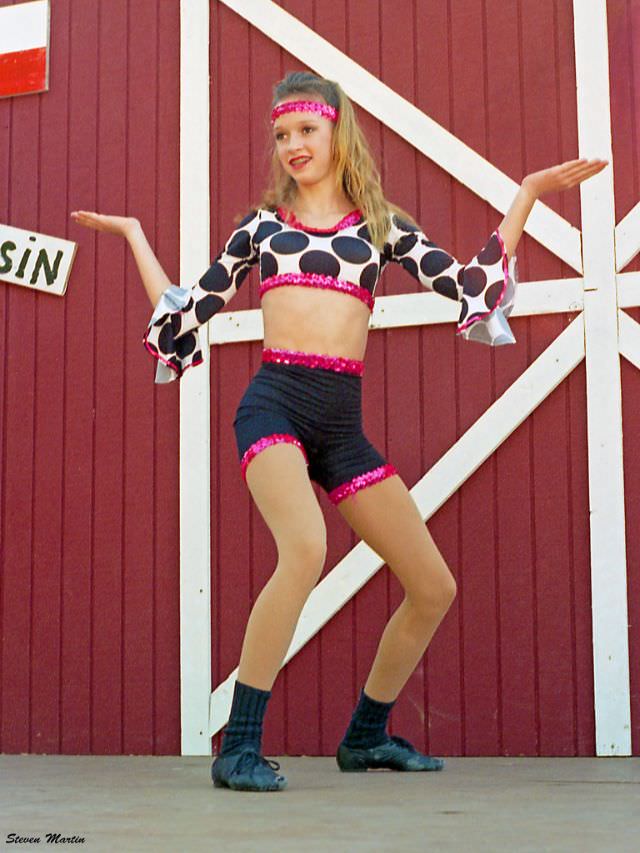
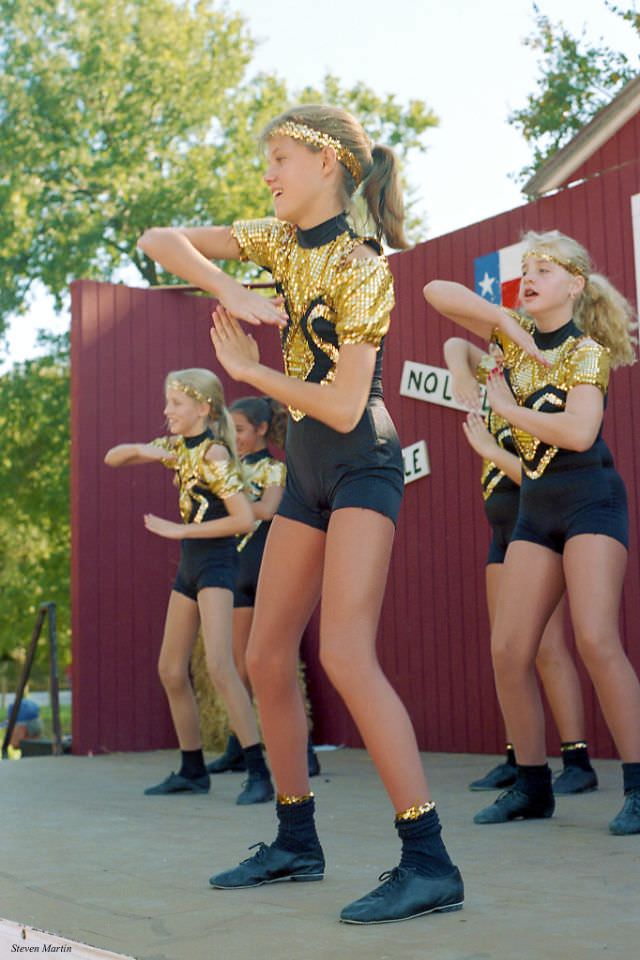
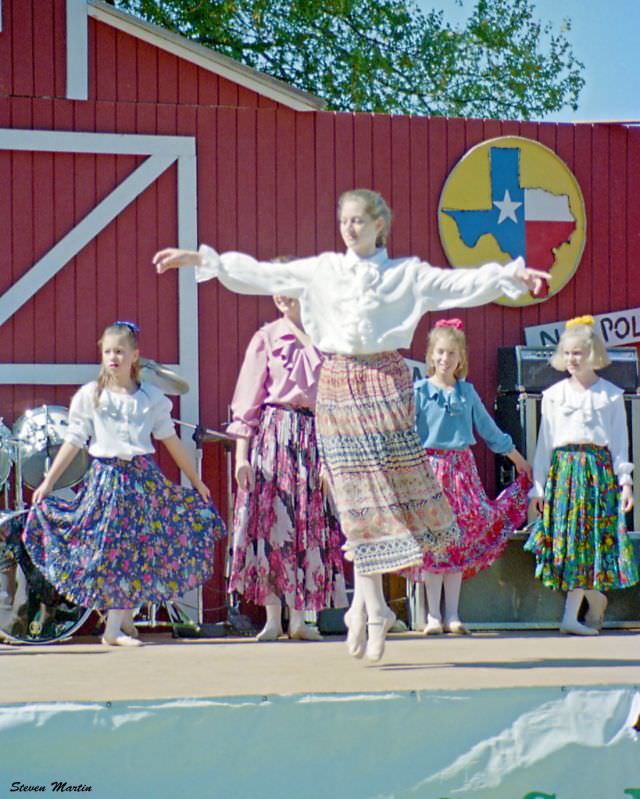
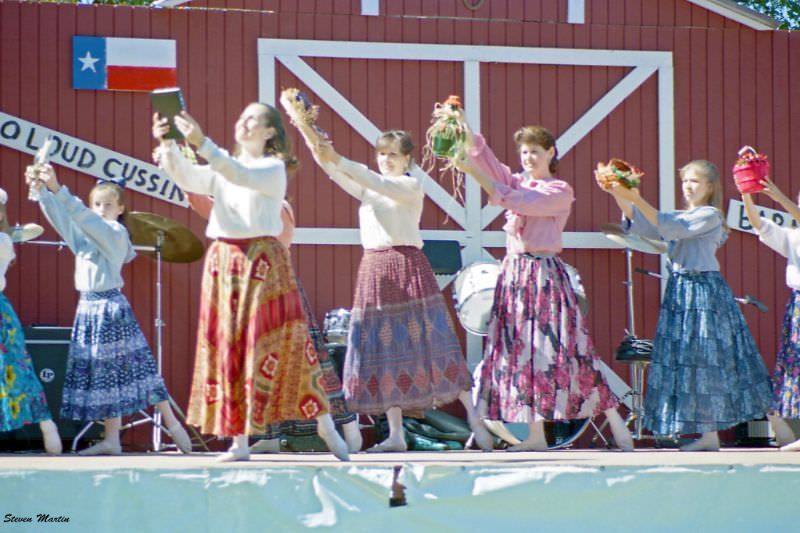
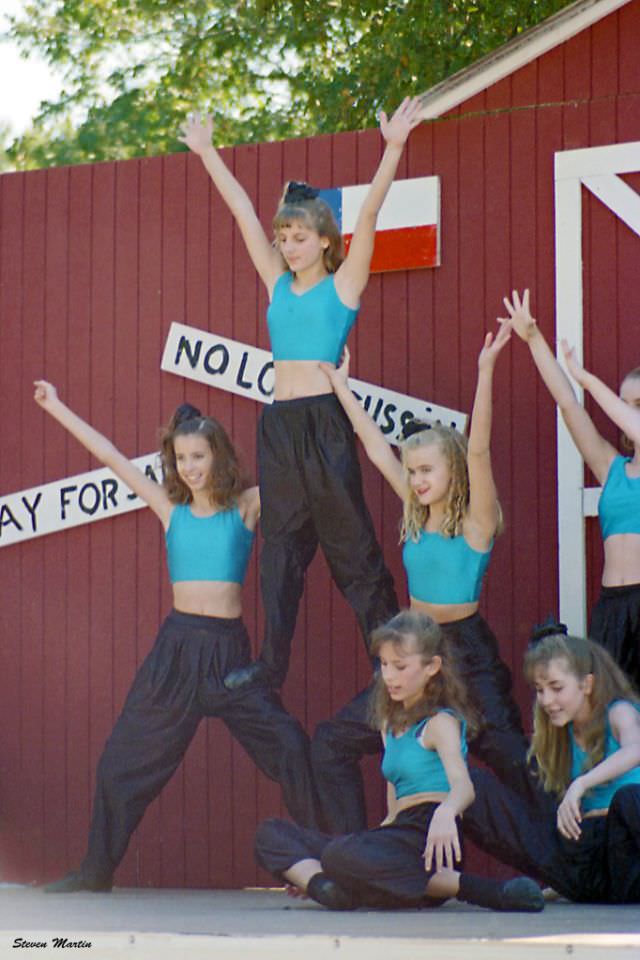
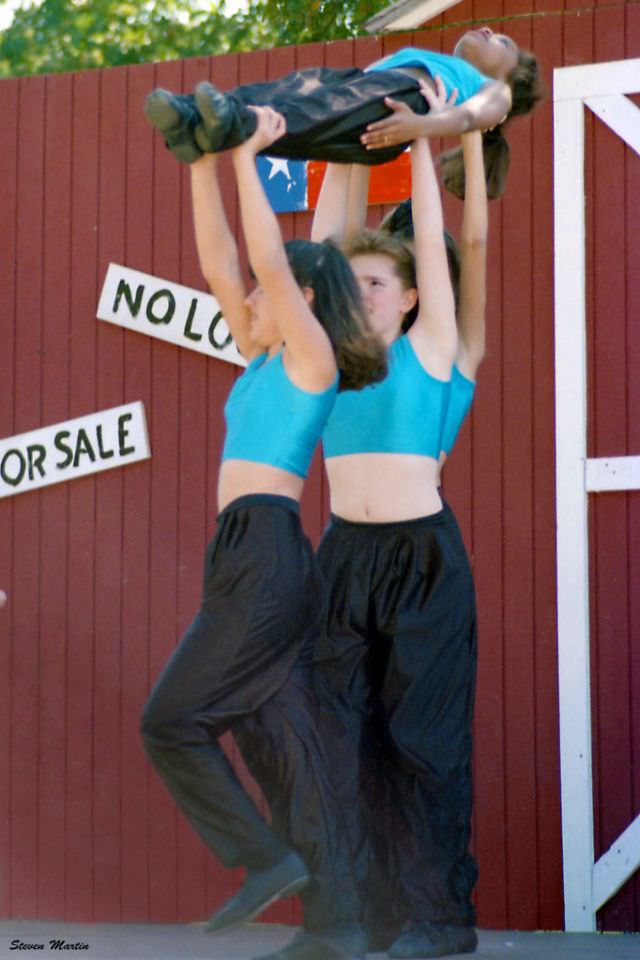
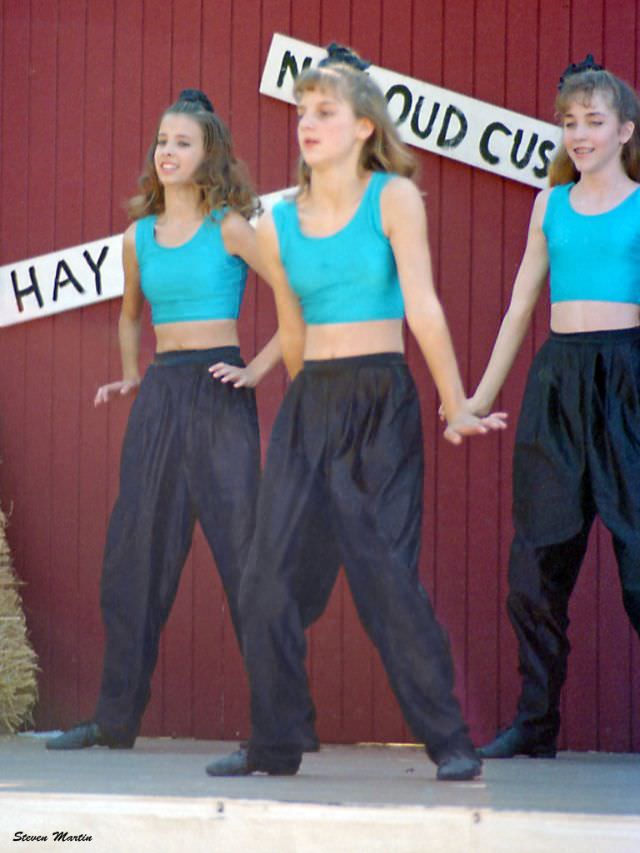
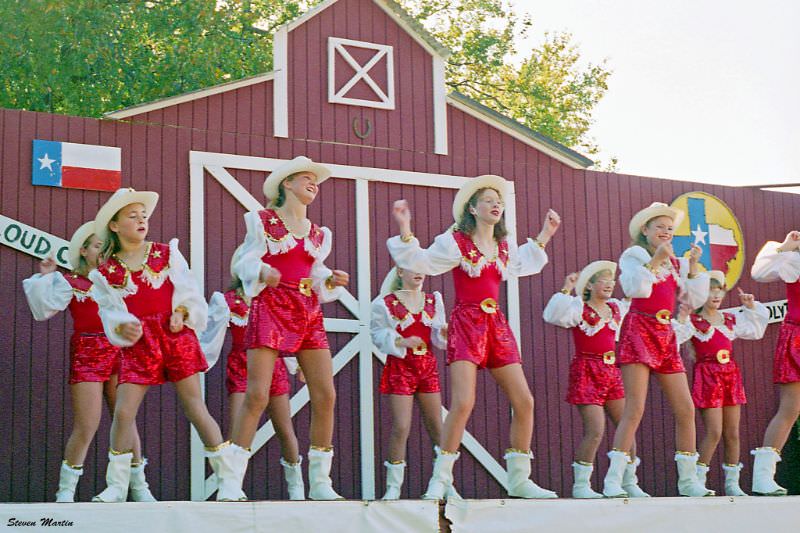
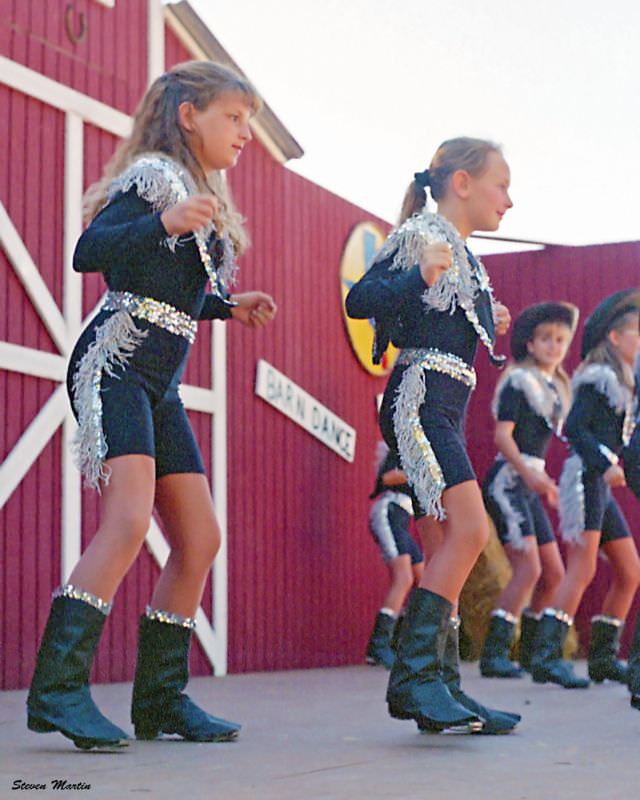
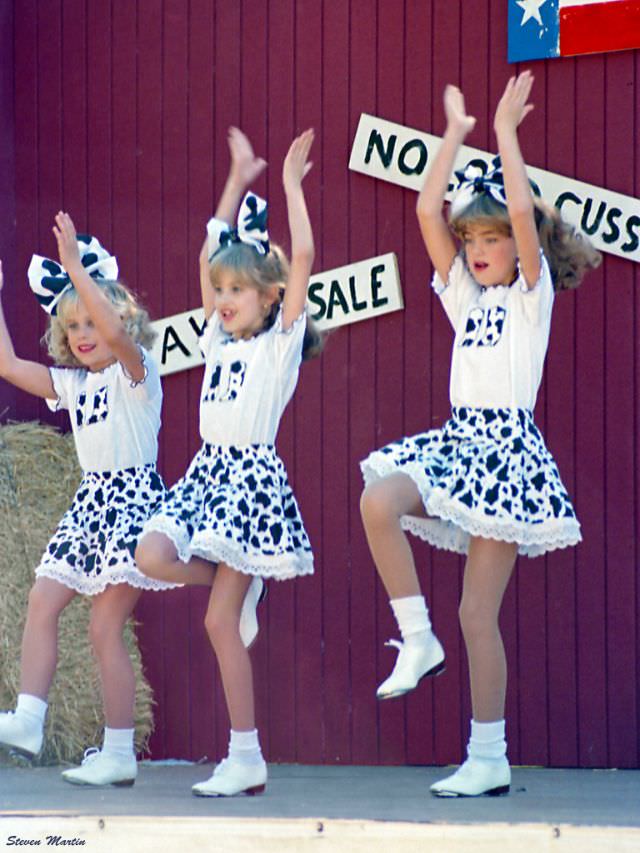
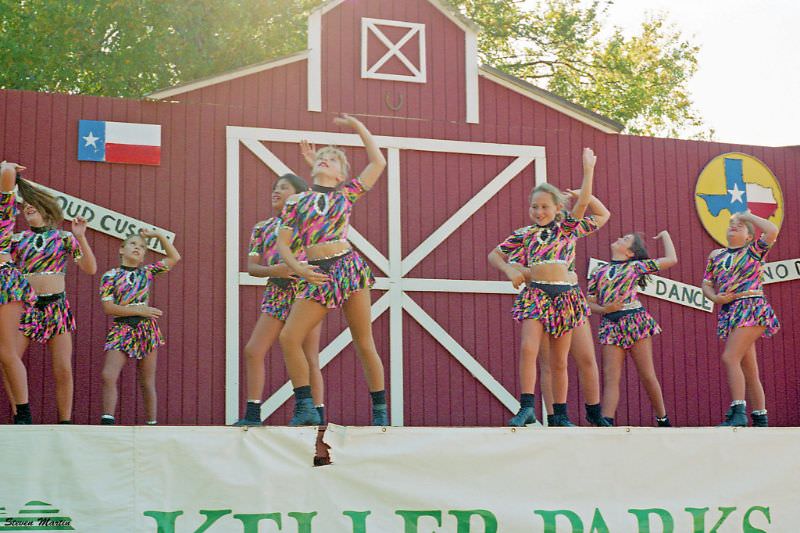
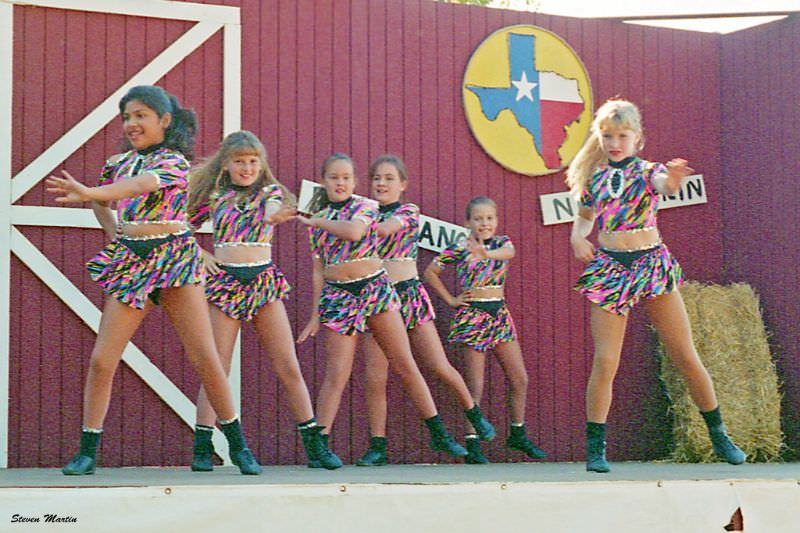
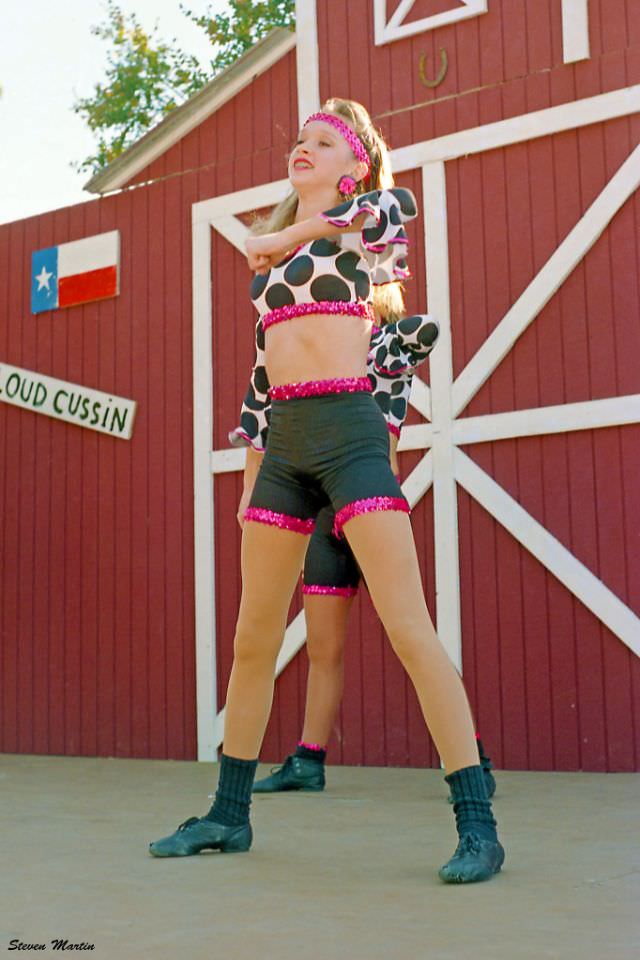
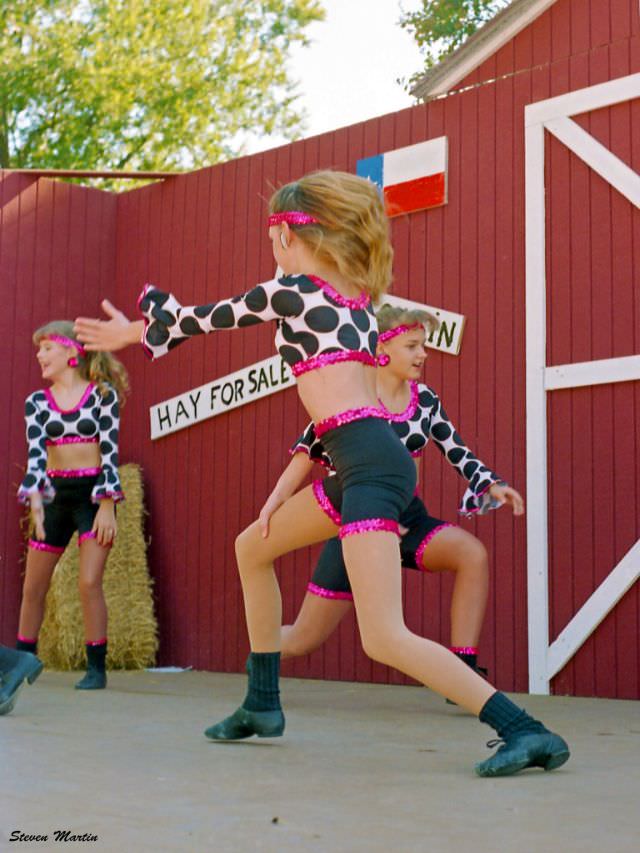
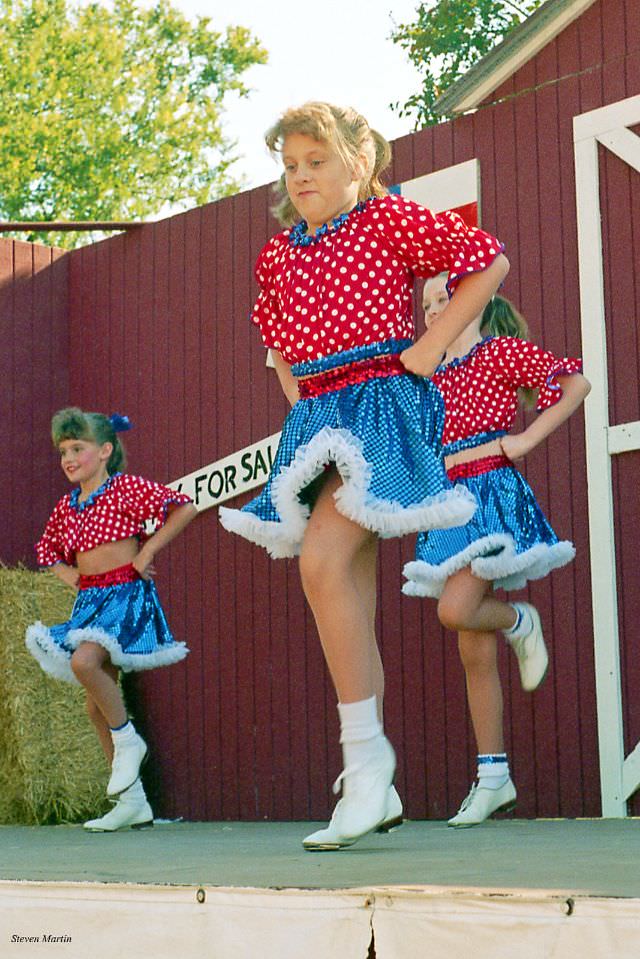
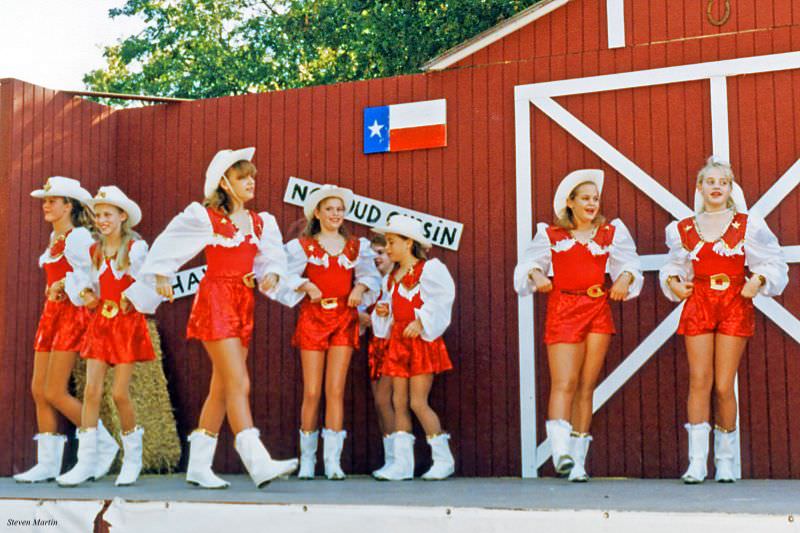
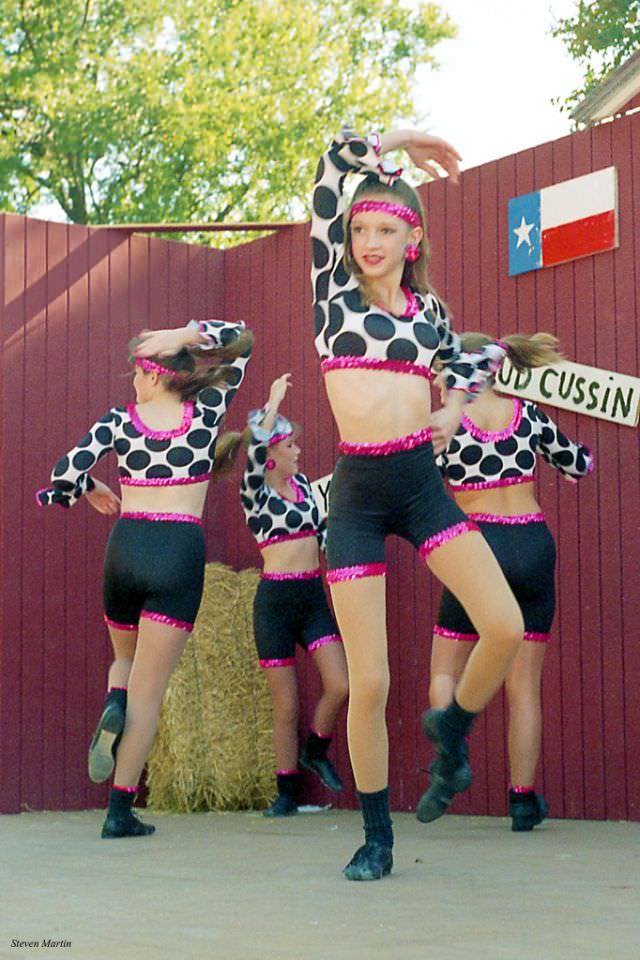
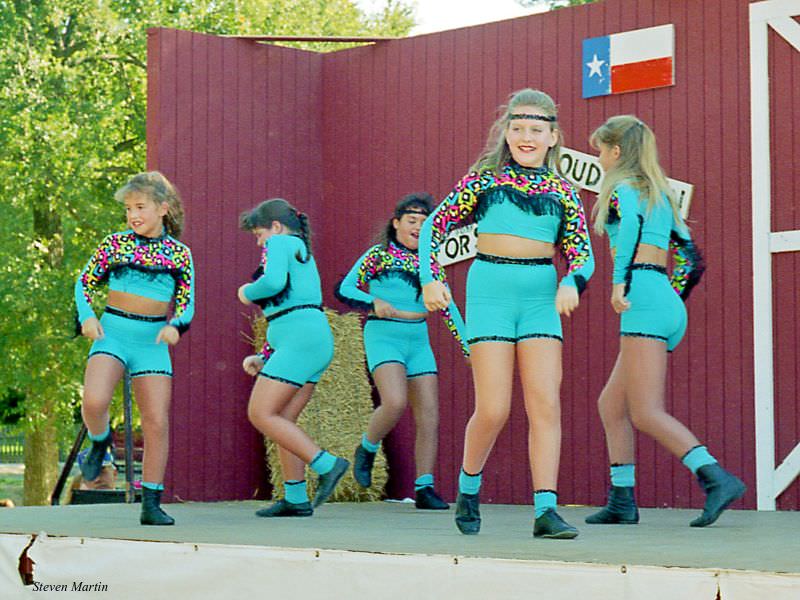
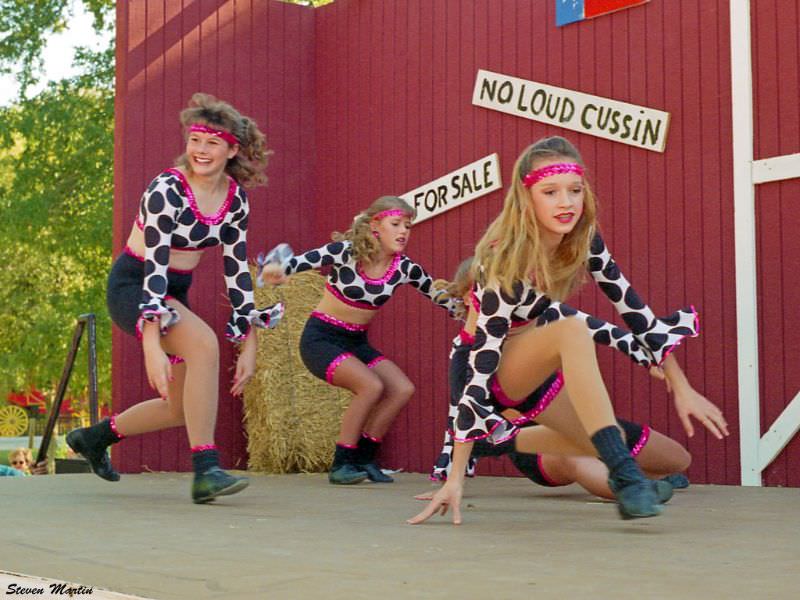
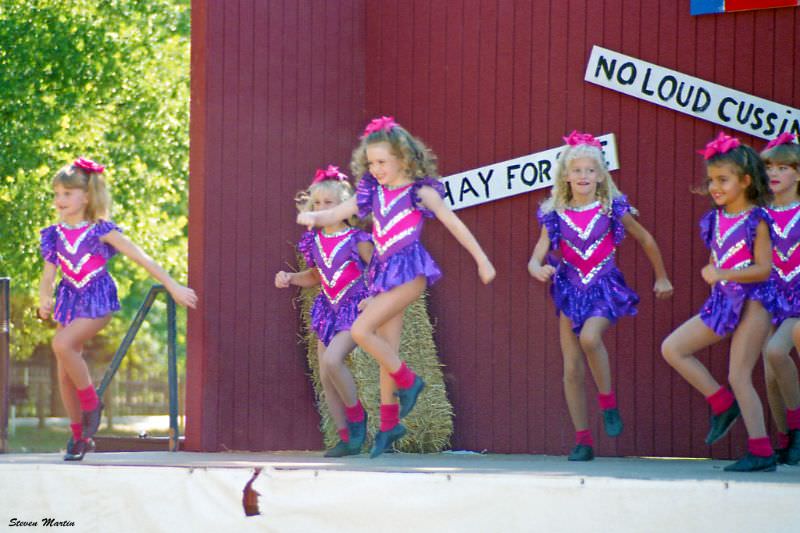
Students from local dance schools took center stage, performing for family, friends, and the wider Keller community. The young dancers wore costumes suited to their routines and moved with energy and focus. For many of them, the festival stage was one of their biggest performance venues of the year.


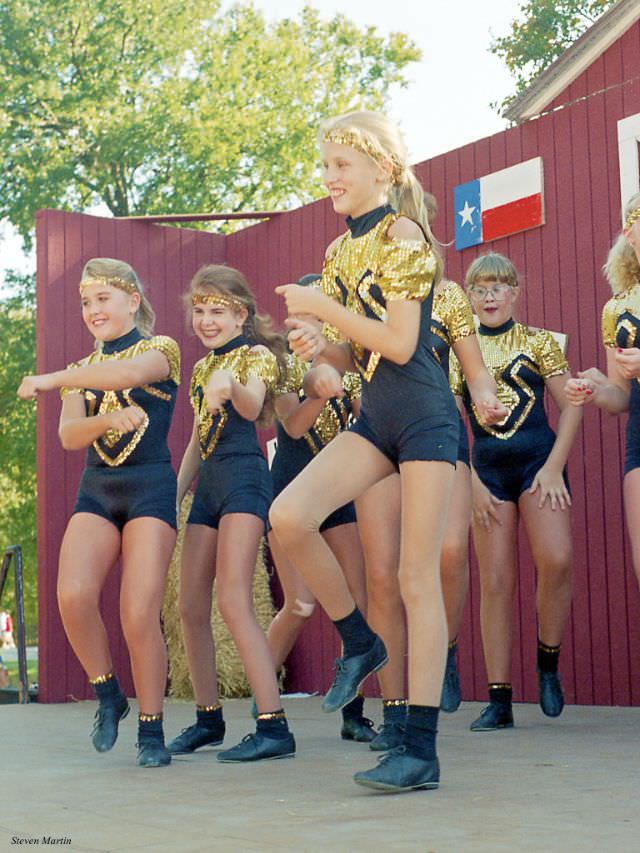
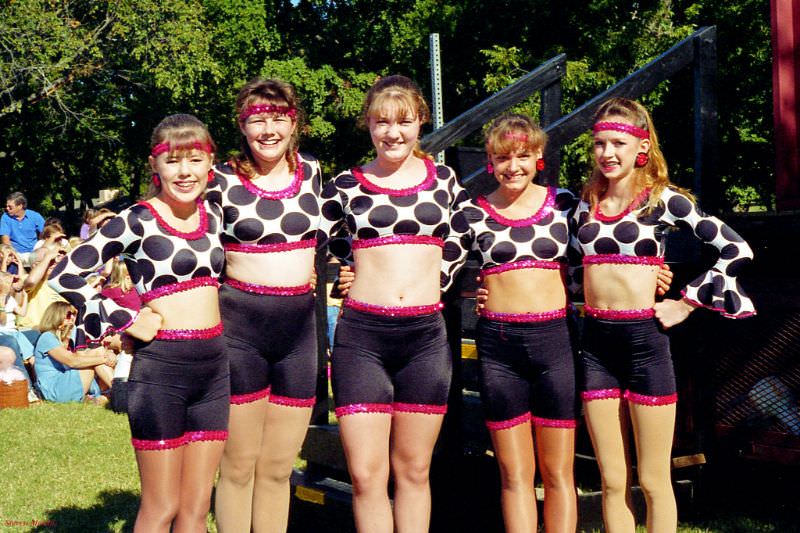
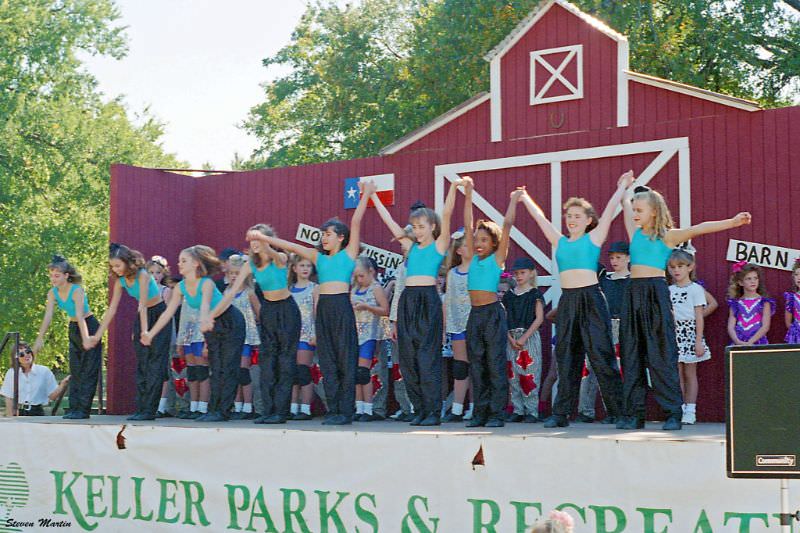
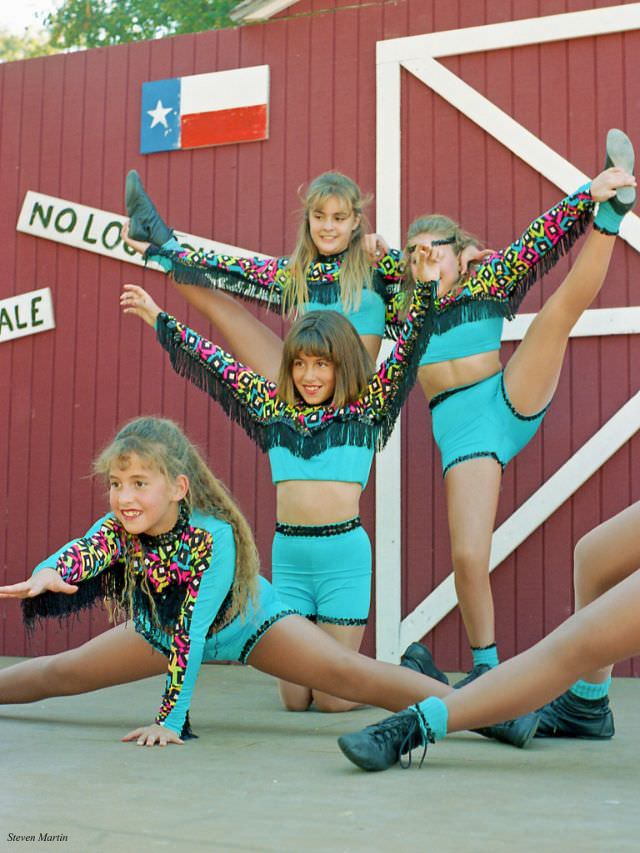
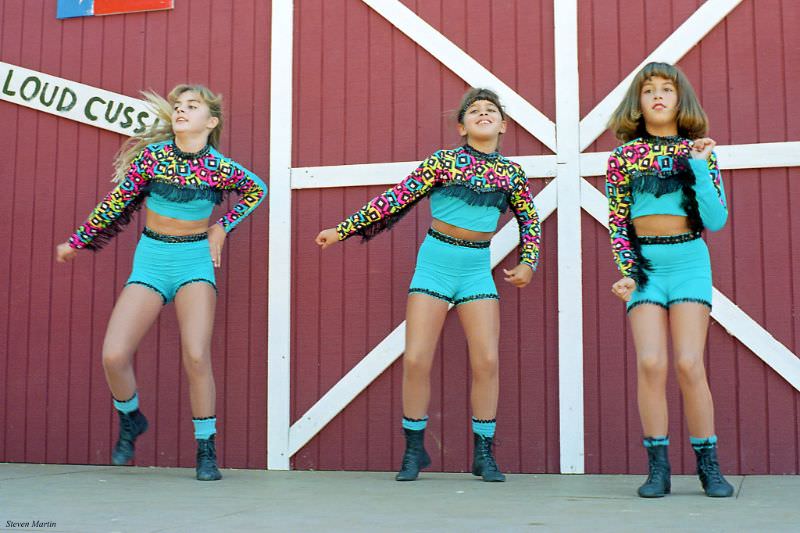
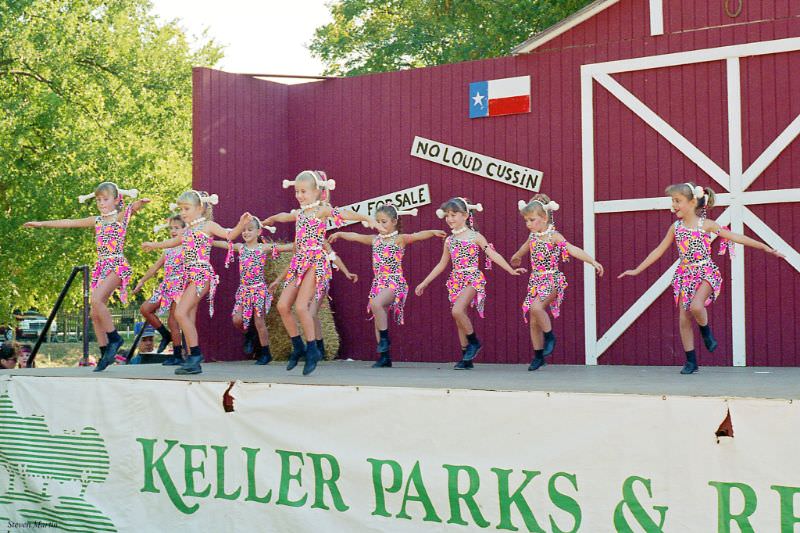
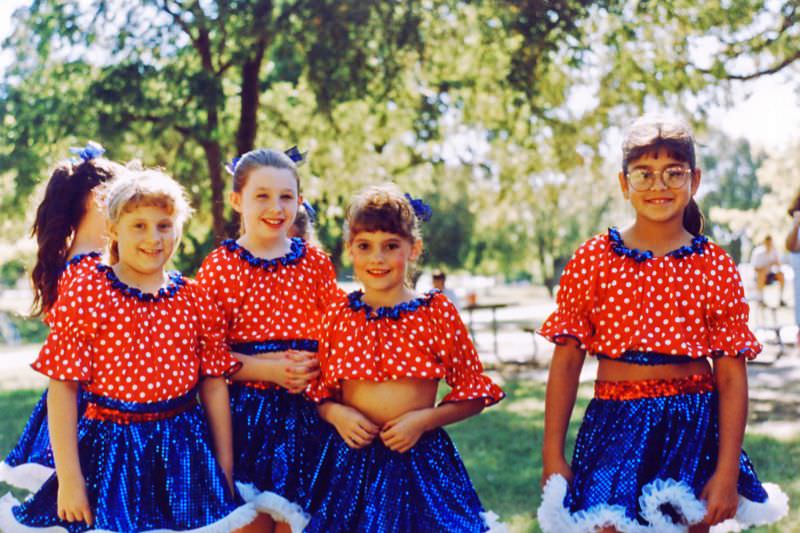
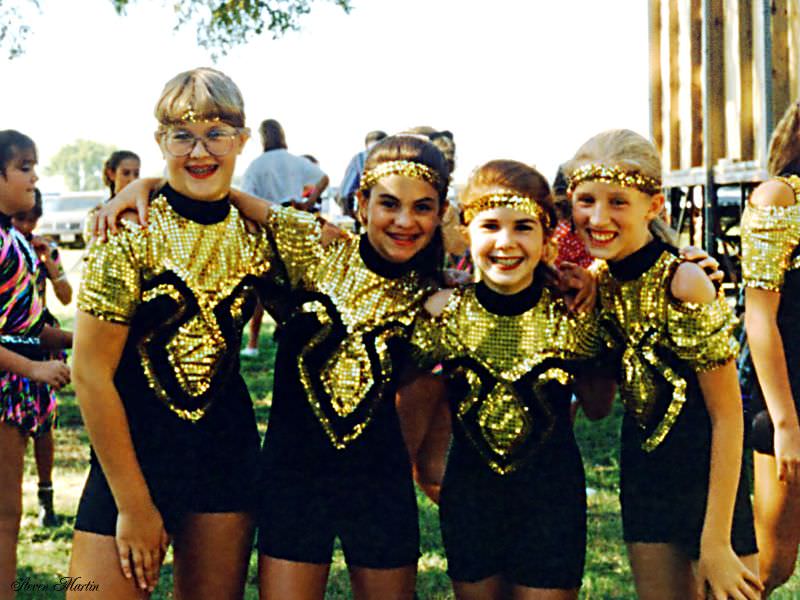
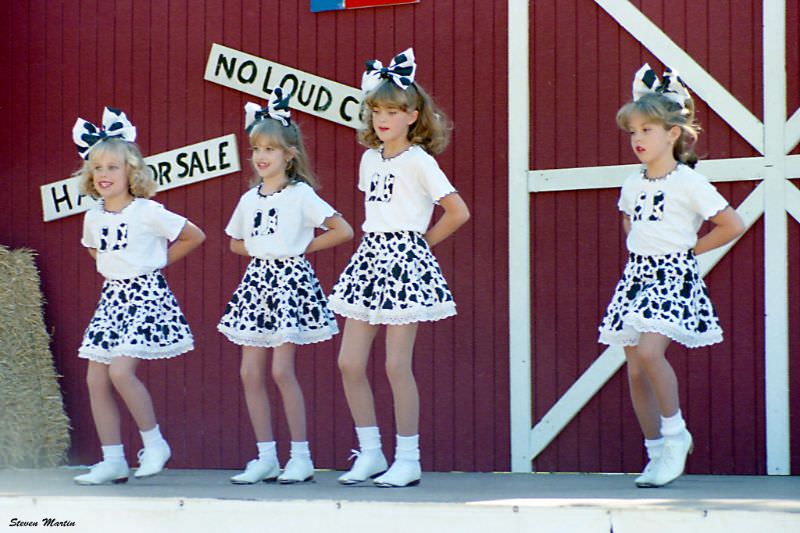
Groups of young girls performed together in coordinated routines, their movements synchronized across the stage. After each performance, the dancers gathered for photos, visibly excited from the experience. These group moments captured the camaraderie and shared effort that went into each routine.


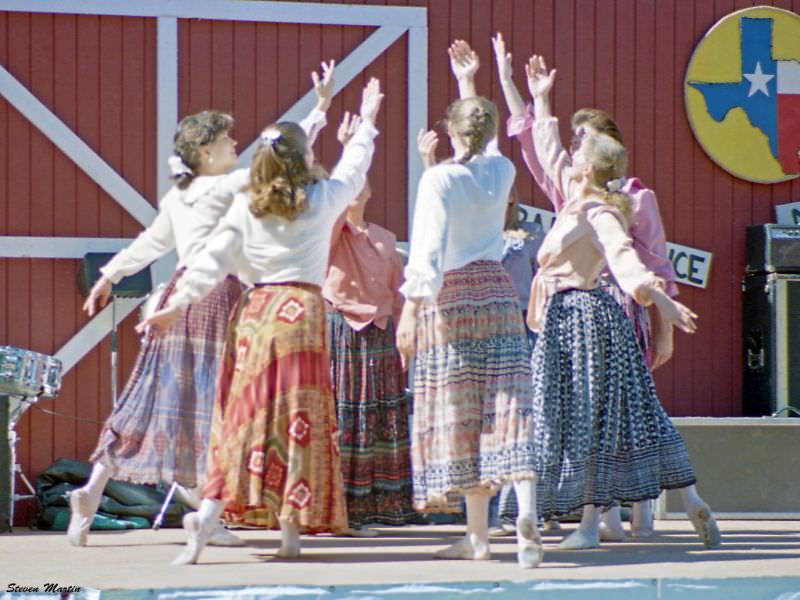
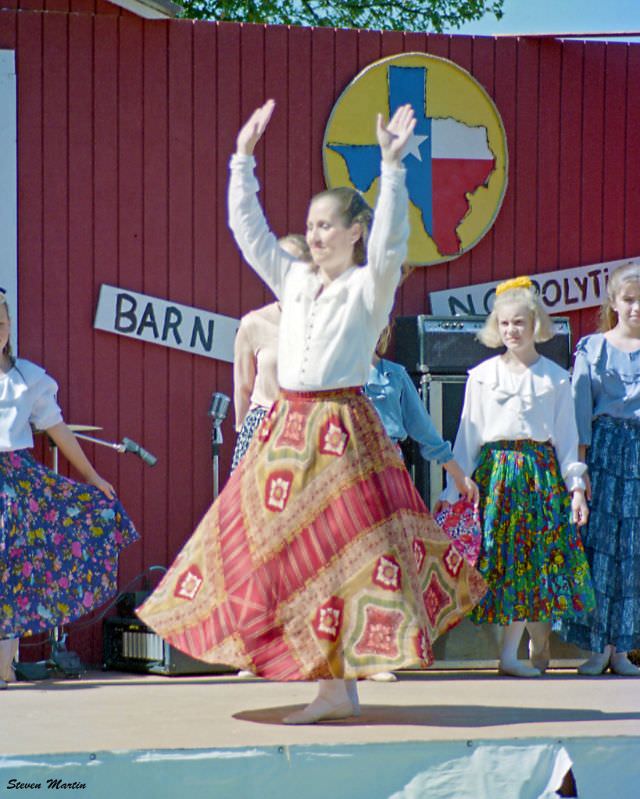
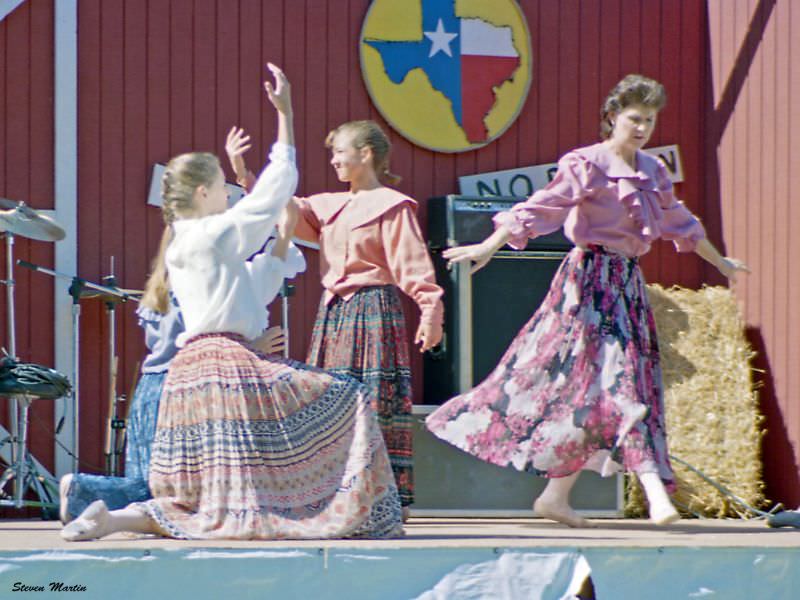
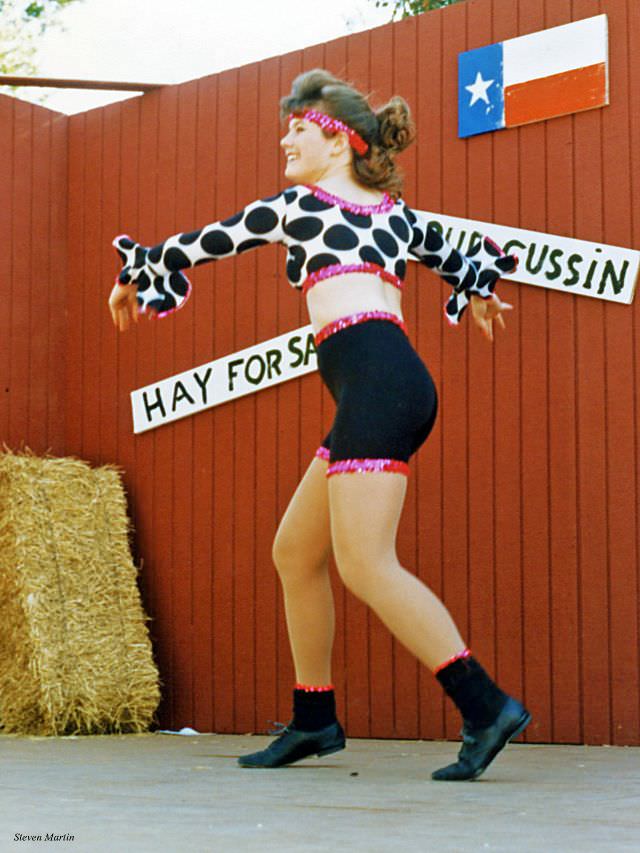
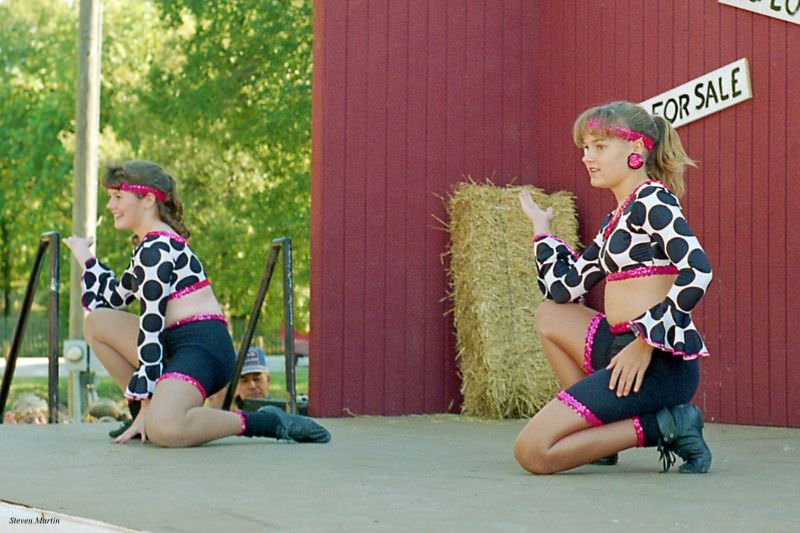
Local dance groups brought variety to the festival’s lineup. Each group had its own style and presentation, keeping the audience engaged from one act to the next. The performances ranged from structured, choreographed group numbers to individual showcases that let each dancer’s skill stand out.


The performances went on throughout the festival day. Dancers took the stage in multiple rotations, and Bear Creek Park’s open grounds gave spectators plenty of room to watch from different angles. The atmosphere was lively, with the sound of music mixing with the chatter of a community gathered together.


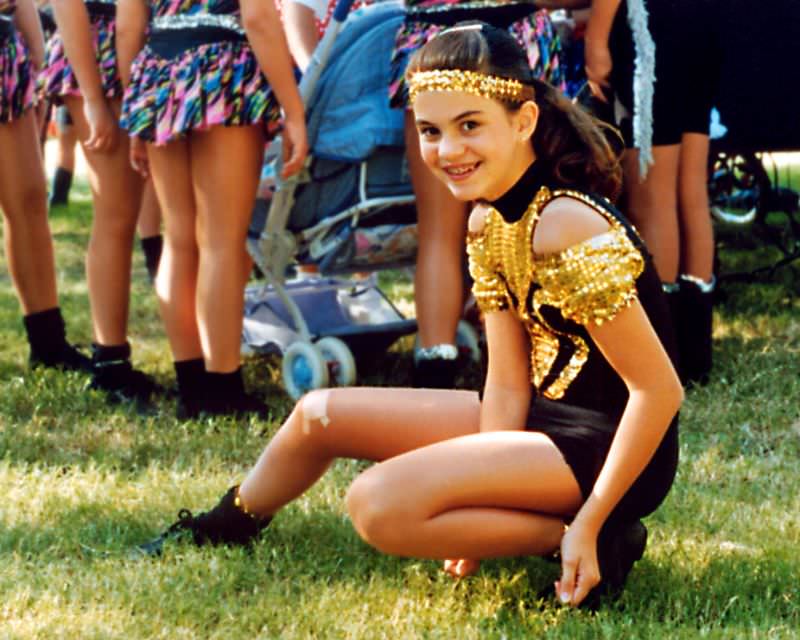
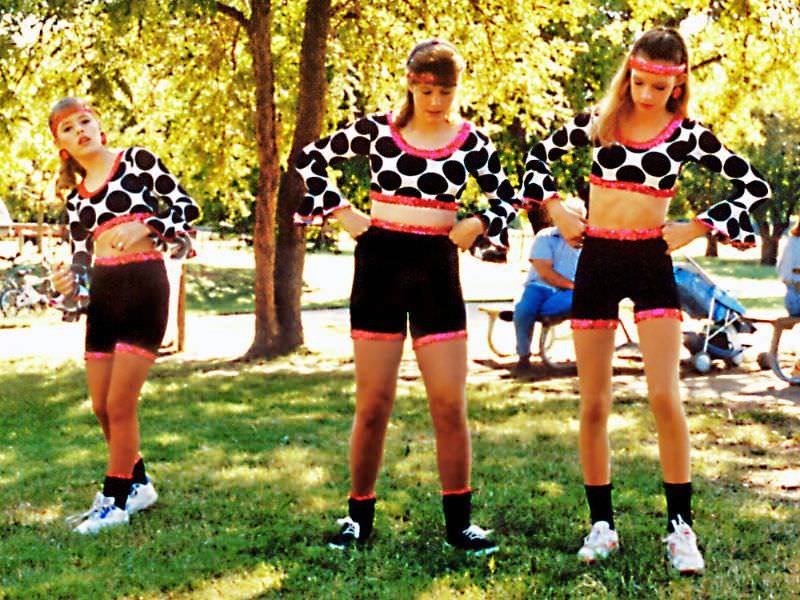
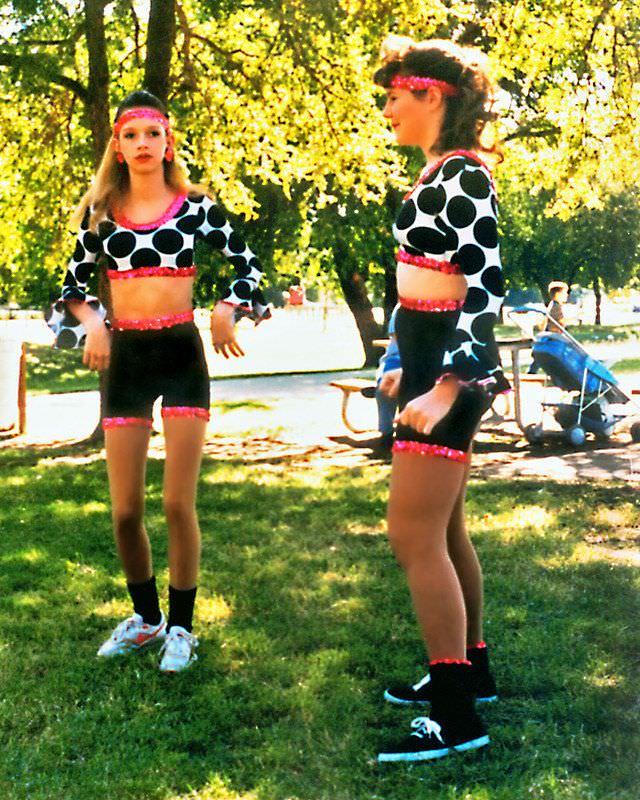
Before each routine, dancers prepared backstage — stretching, chatting, and getting into position. These quiet moments before the music started were just as telling as the performances themselves, showing the discipline and preparation that each young dancer brought to the day.


Dance school students performed in tight formations, with costumes and choreography that reflected the work put in during months of rehearsal. Poses held at key moments in the music showed the level of training behind each performance.


Multiple local dance schools participated in the 1995 festival, each sending groups of students to perform. The variety made for a full program that ran throughout the day at Bear Creek Park.


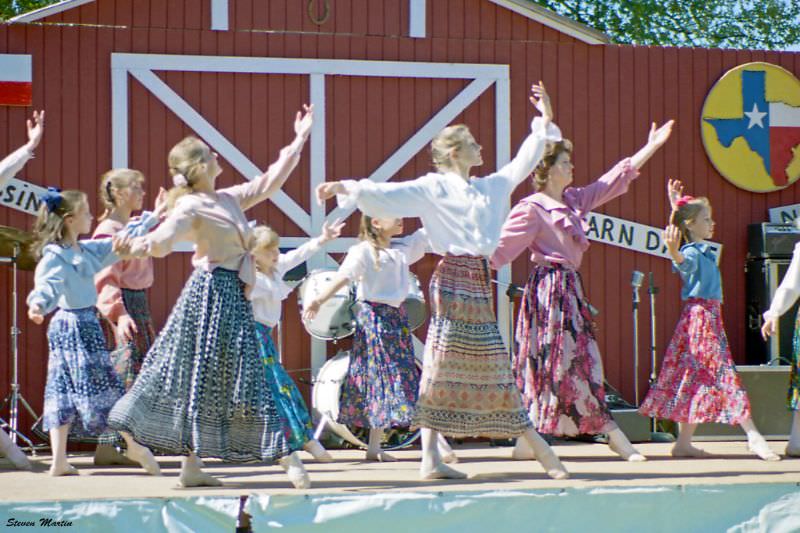
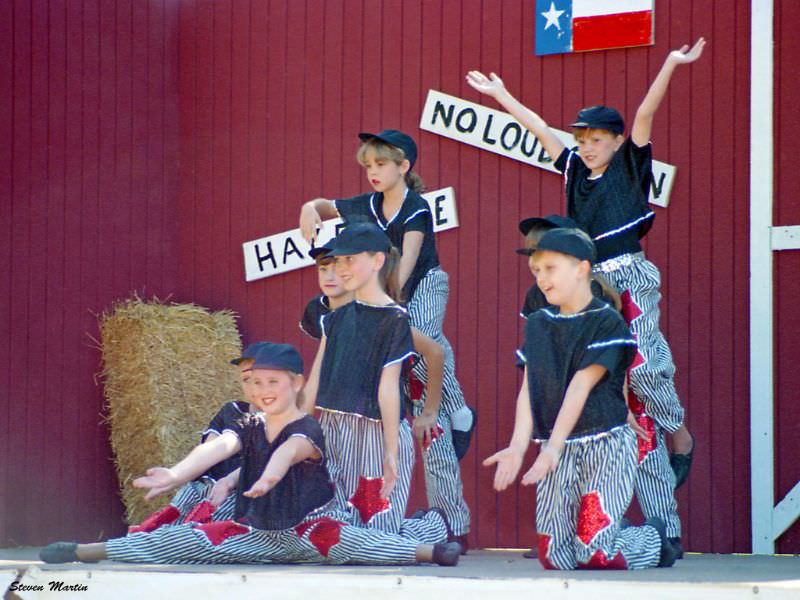
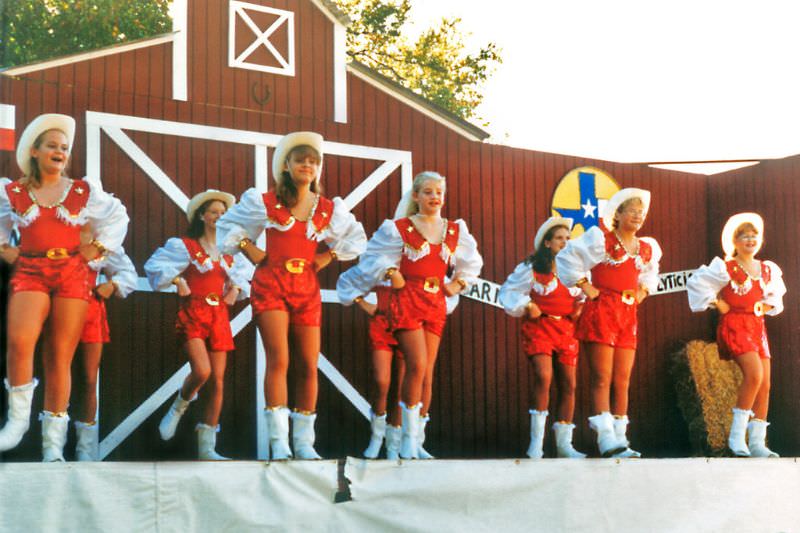
One group performed a country-themed routine, complete with matching outfits that fit the style of the dance. Country-themed performances were a natural fit for a Texas community festival, connecting the performance to the broader regional culture of the area.


As the performances continued through the afternoon, the dancers maintained their energy. The park setting added to the atmosphere, with natural surroundings framing each routine. Spectators gathered close to the performance area, watching each group take their turn on the grass stage.


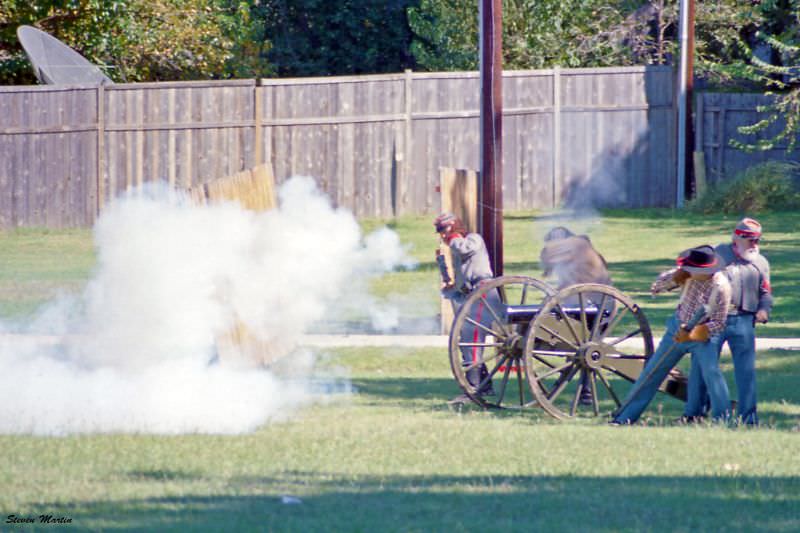
The festival also featured other attractions alongside the dance performances. A cannon firing demonstration drew attention from festival-goers looking for a break between dance sets. It was one of several activities that rounded out the day’s events at Bear Creek Park.