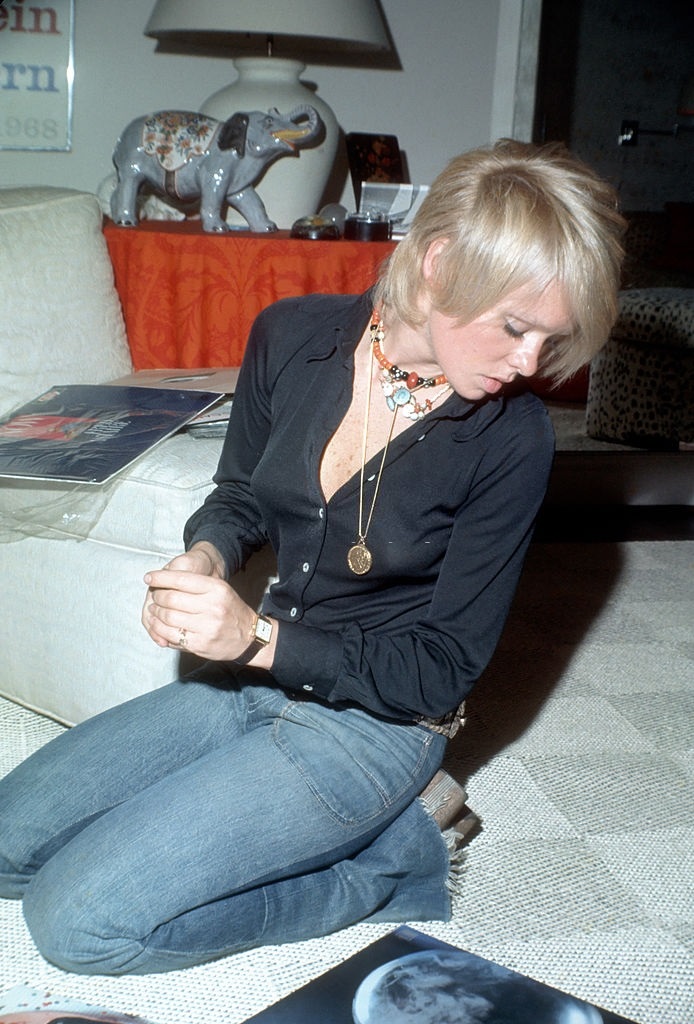
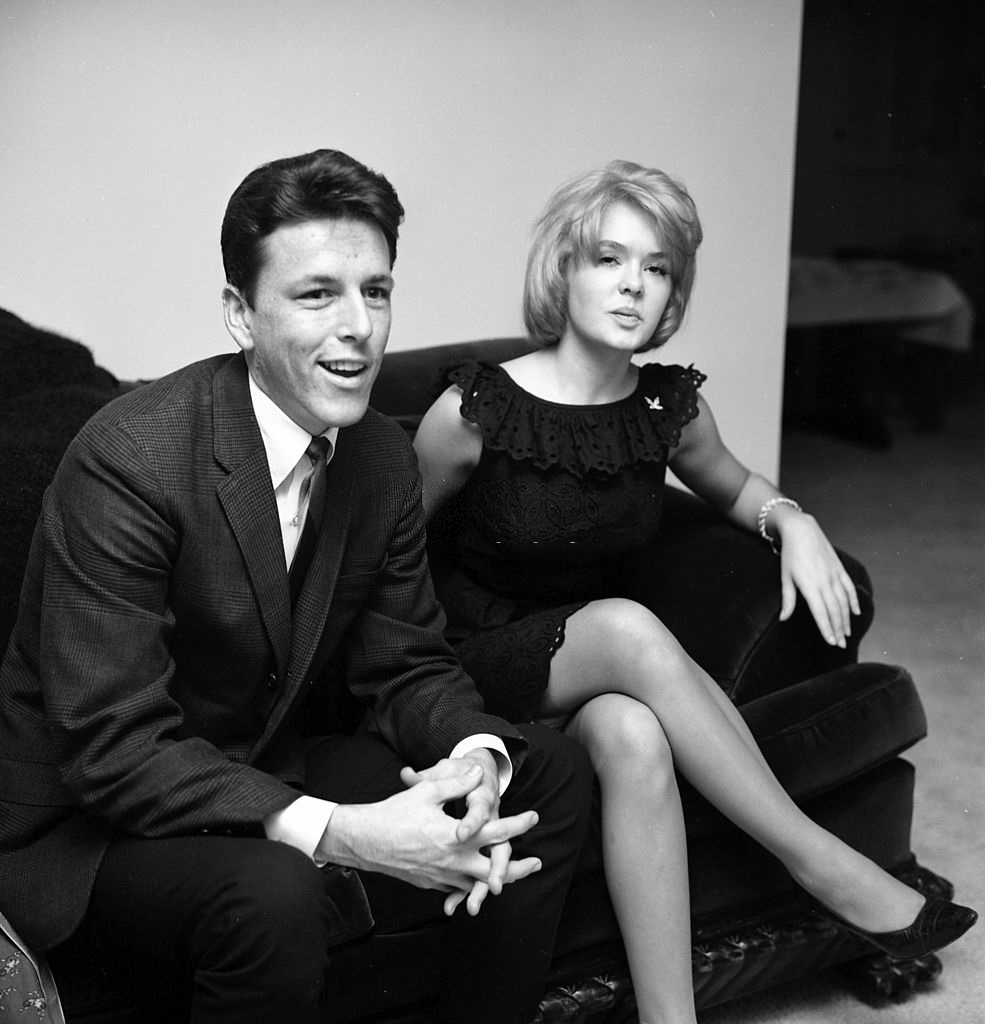
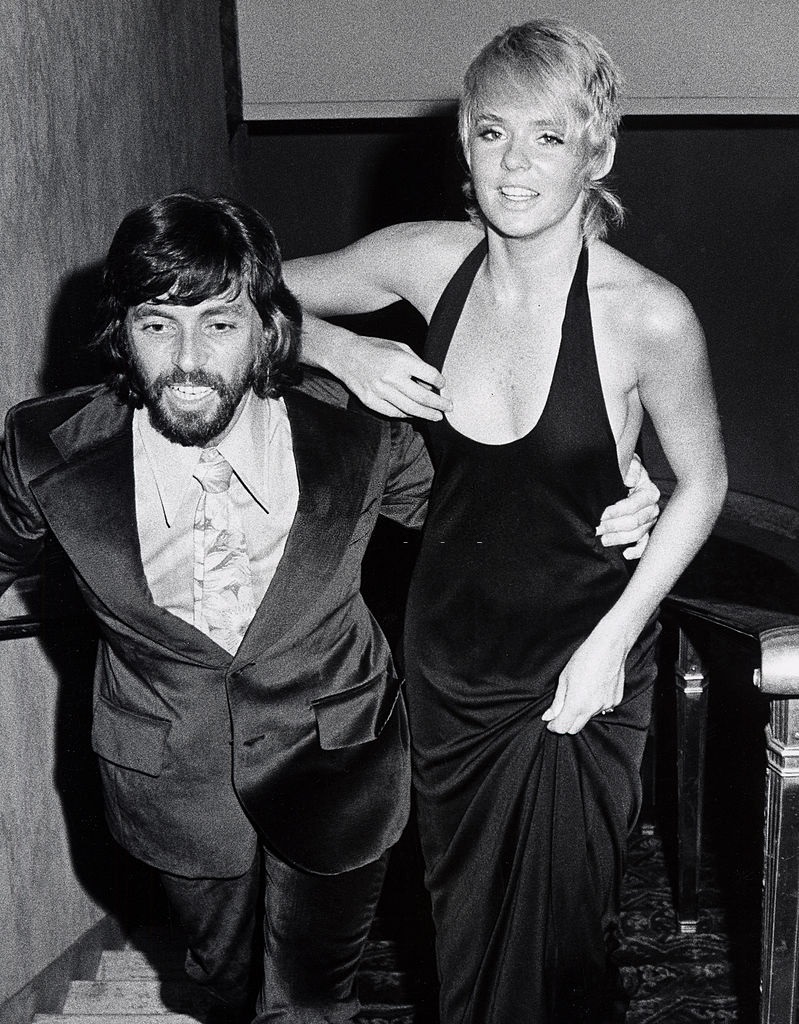
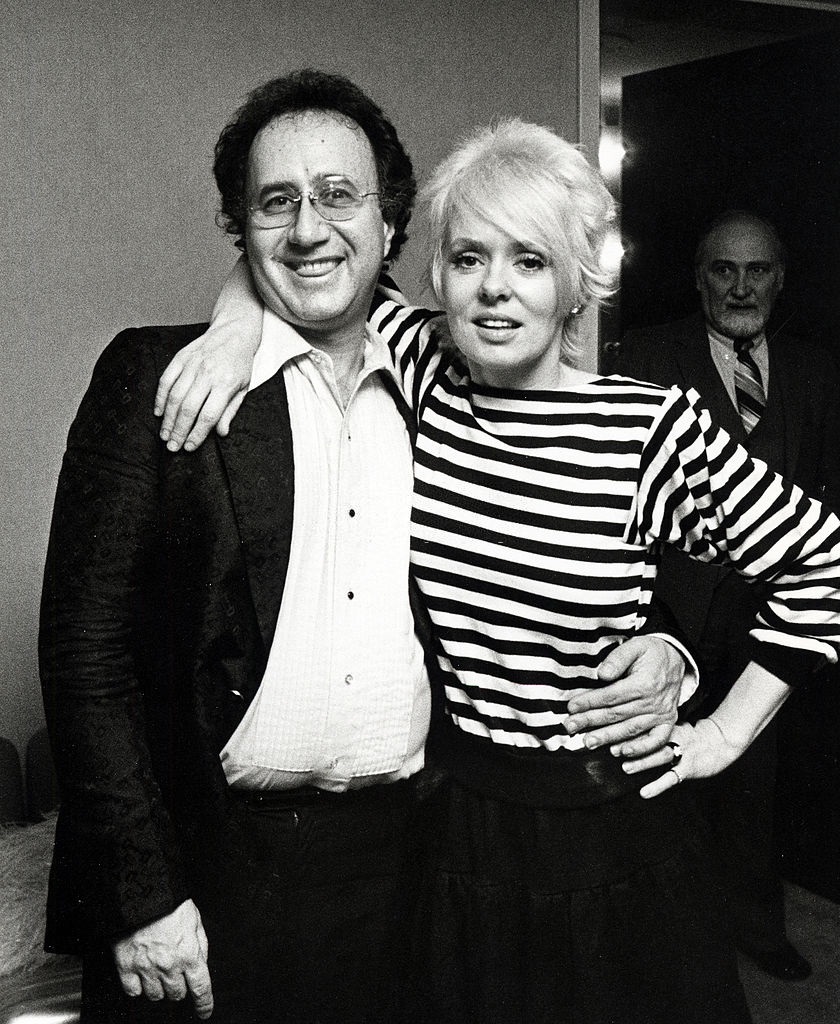
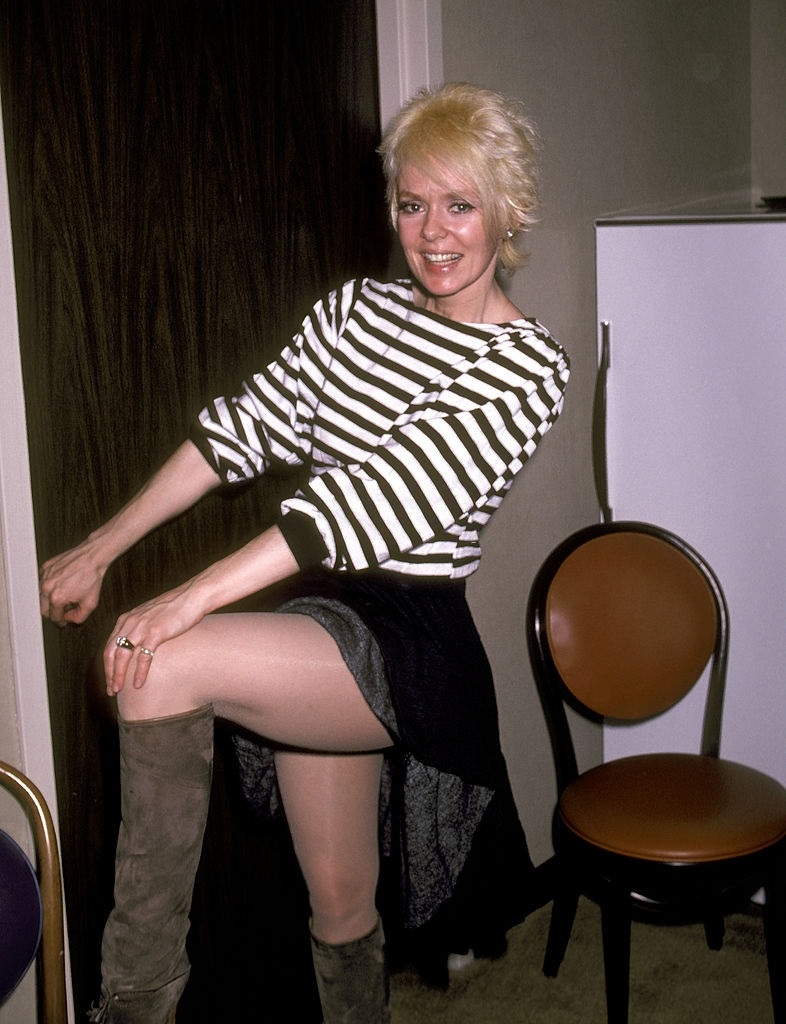
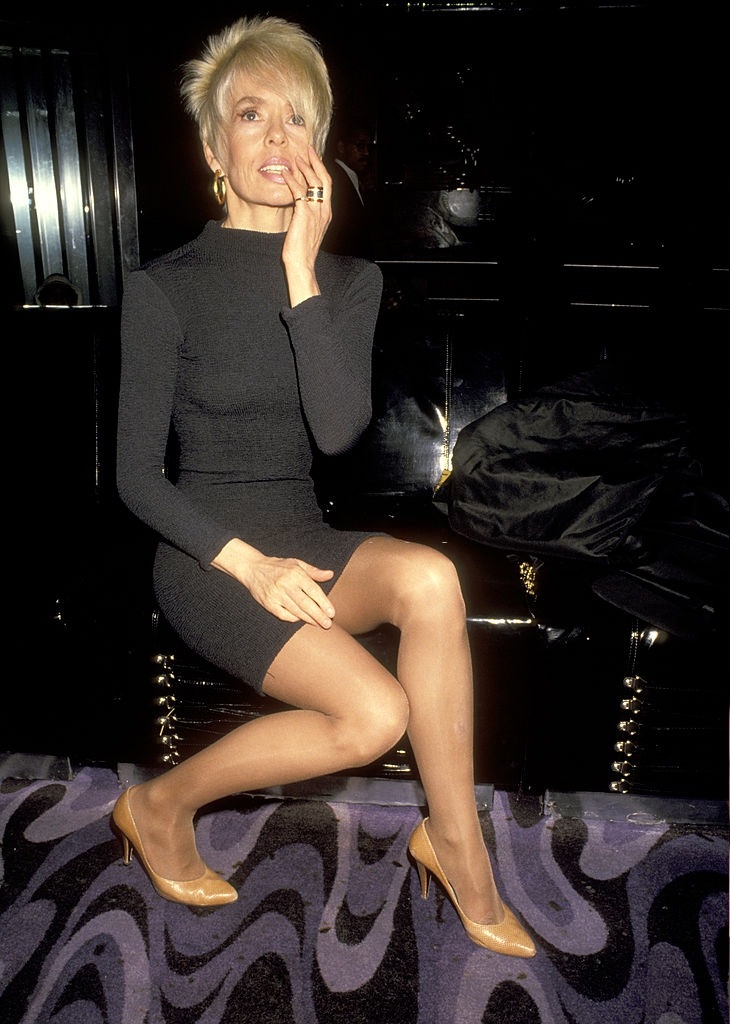
Joey Heatherton was one of the most recognizable faces on American television in the 1960s and 1970s. A blonde actress, singer, and dancer, she became one of the era’s most talked-about sex symbols — someone who could hold a crowd’s attention with equal ease through a song, a scene, or a dance routine. Her story begins earlier than most people realize.
Heatherton was born into show business. Her father, Ray Heatherton, hosted The Merry Mailman, a well-known children’s television program in New York. Joey appeared on the show in 1959, still just a child. That early exposure gave her a comfort in front of cameras that most young performers spend years trying to develop. By 1960, she had already landed her first notable guest role — a wealthy, spoiled teenager on an early episode of Route 66.
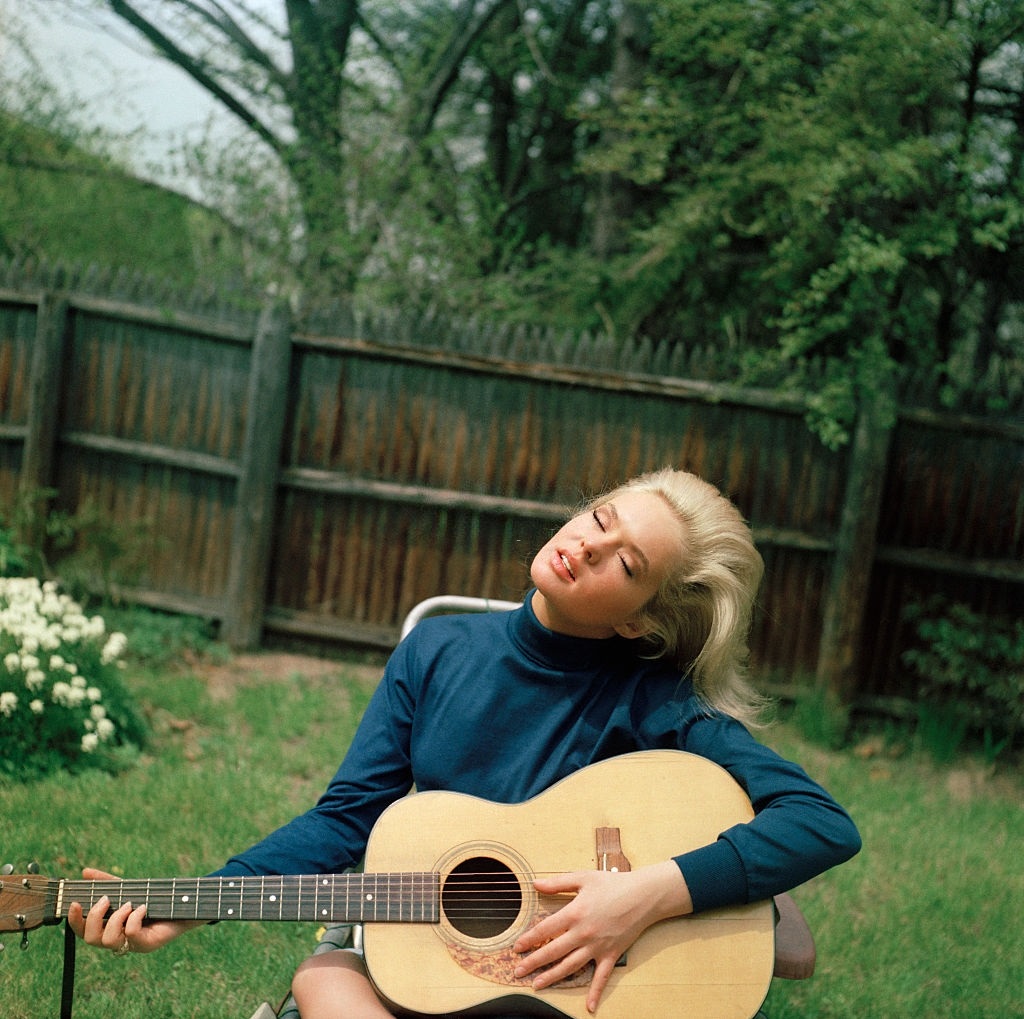
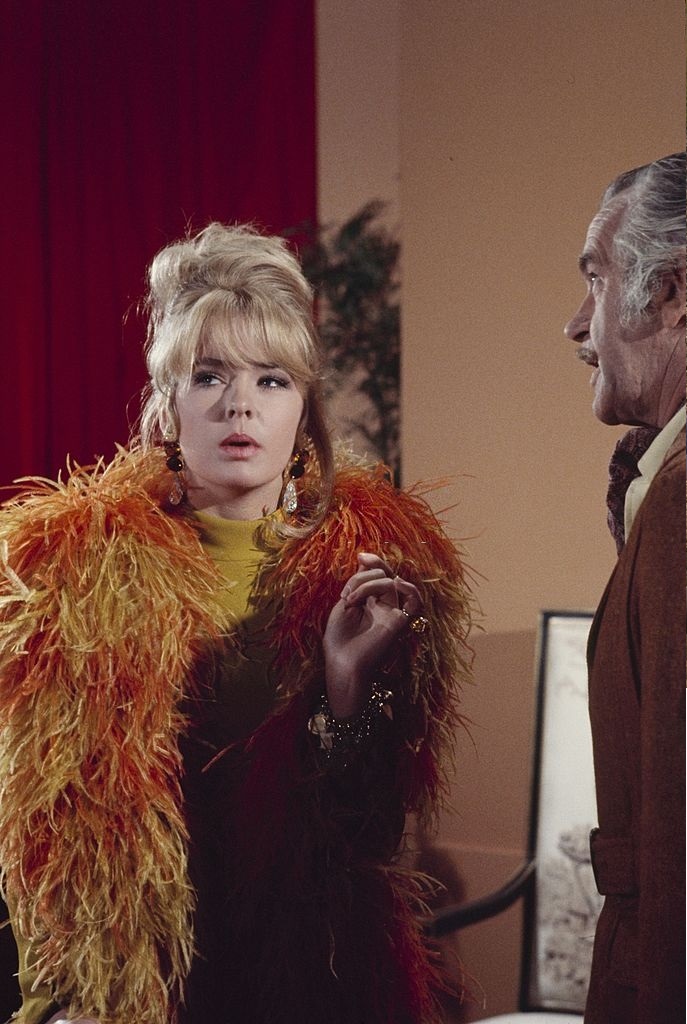
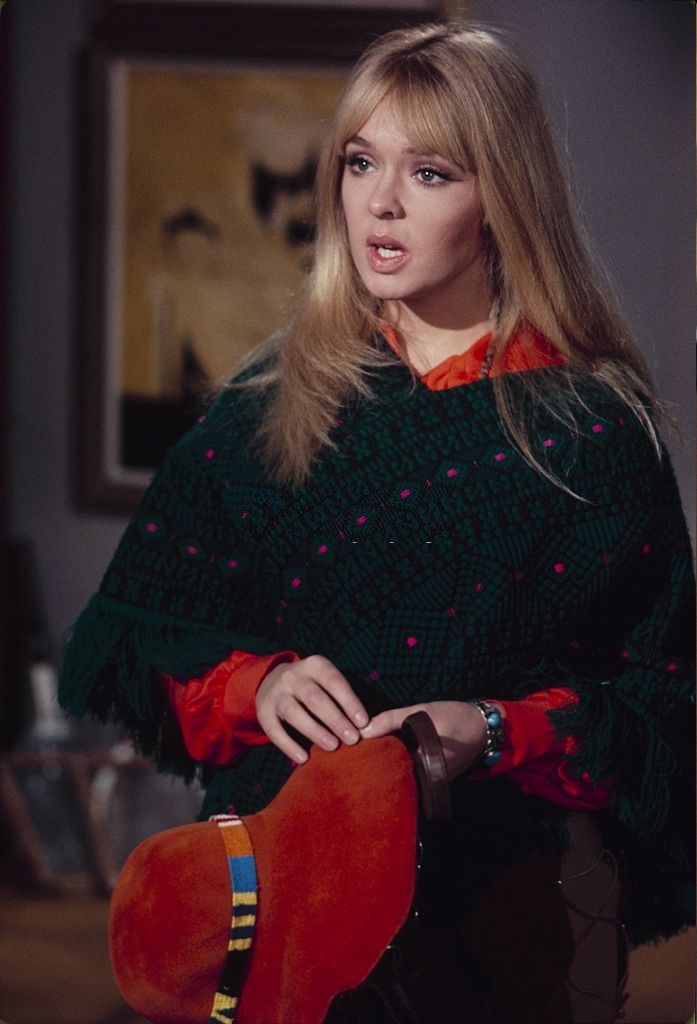
Even as a teenager, Heatherton radiated a natural star quality. Growing up in Rockville Centre on Long Island, she was clearly someone who lived and breathed performance. Guest appearances followed steadily through the early 1960s, and by mid-decade she was becoming a fixture on the national television scene. She appeared on major shows including Mr. Novak, The Virginian, The Nurses, I Spy, and It Takes a Thief.
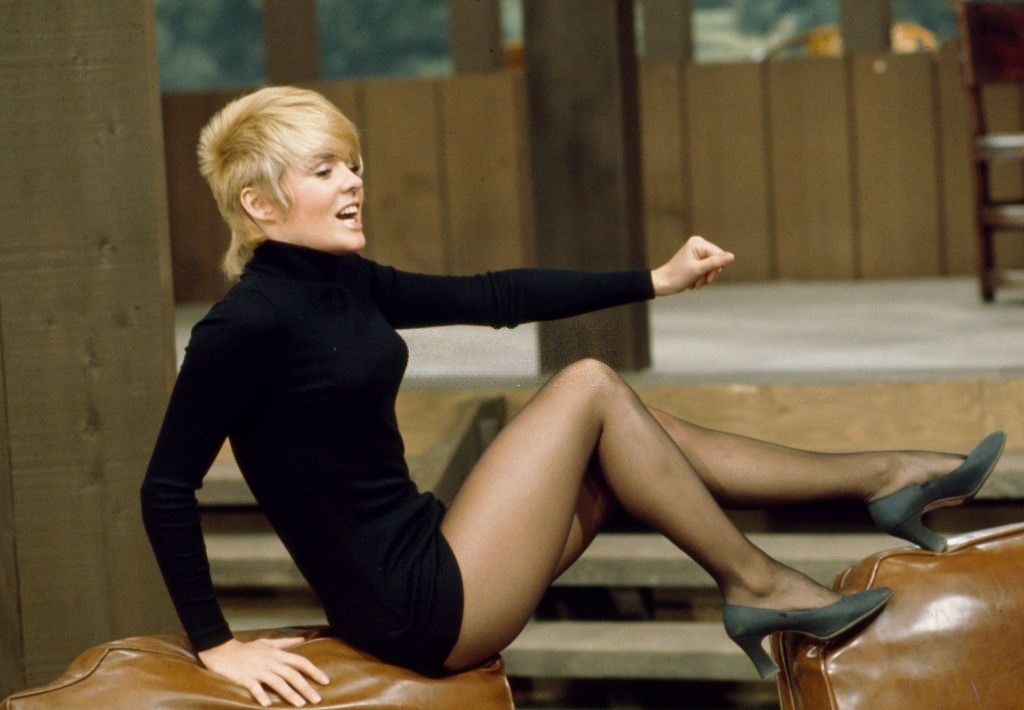
Her real breakthrough as a household name came through late-night television. In the mid-1960s, Heatherton built a reputation as a magnetic, sensual dancer on variety programs. She appeared on The Tonight Show, where she taught Johnny Carson how to dance The Frug — a popular dance of the era — live on air. The moment captured exactly what made her so appealing: she was fun, confident, and completely at home in the spotlight.
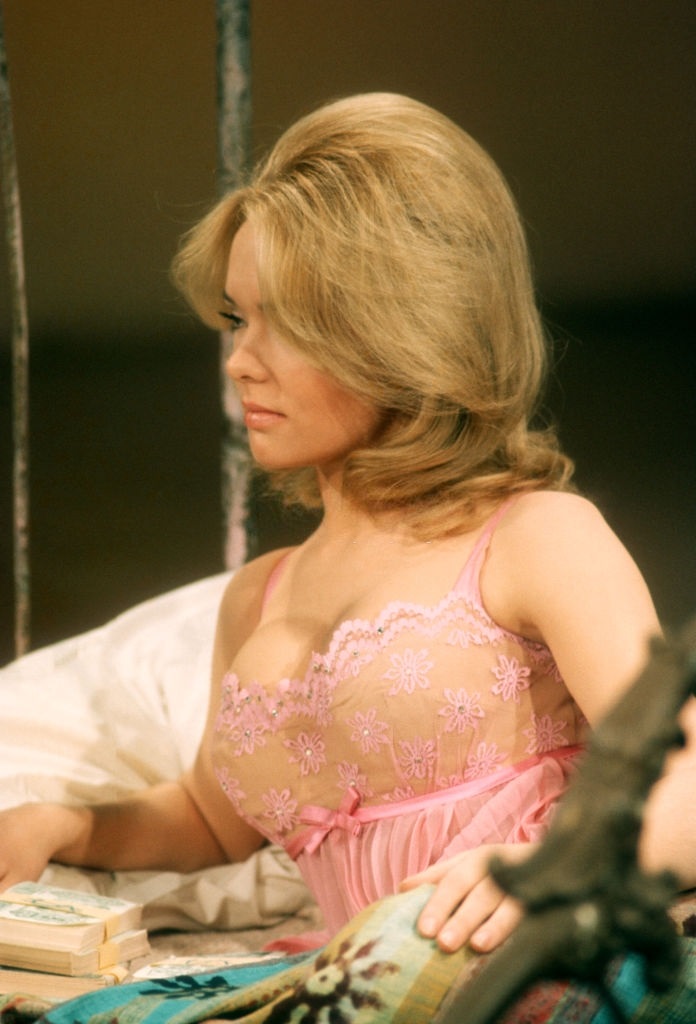
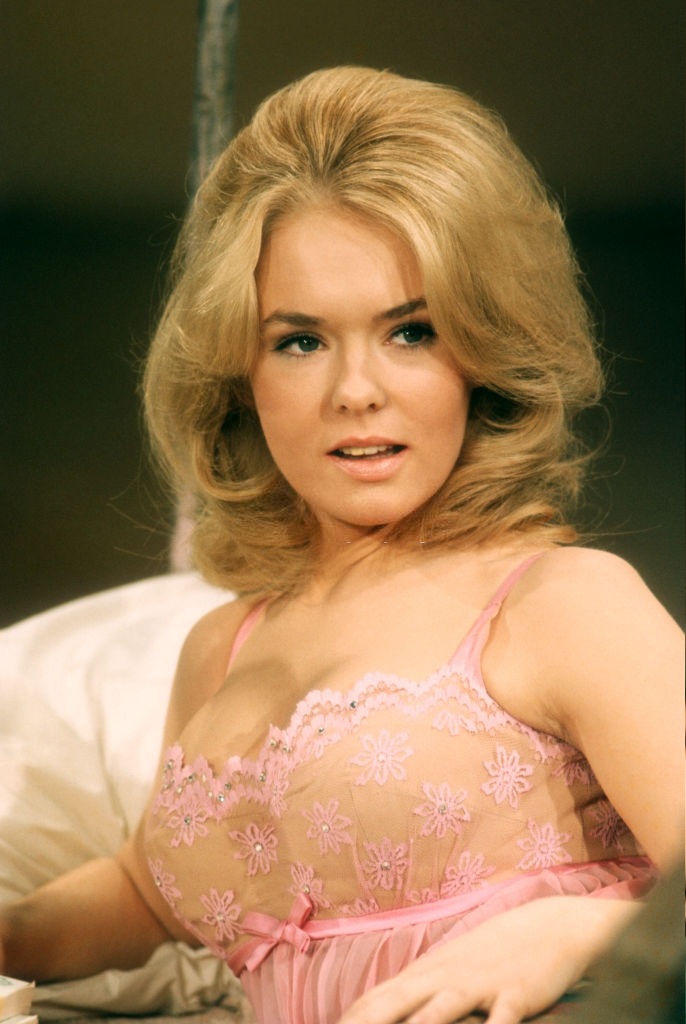
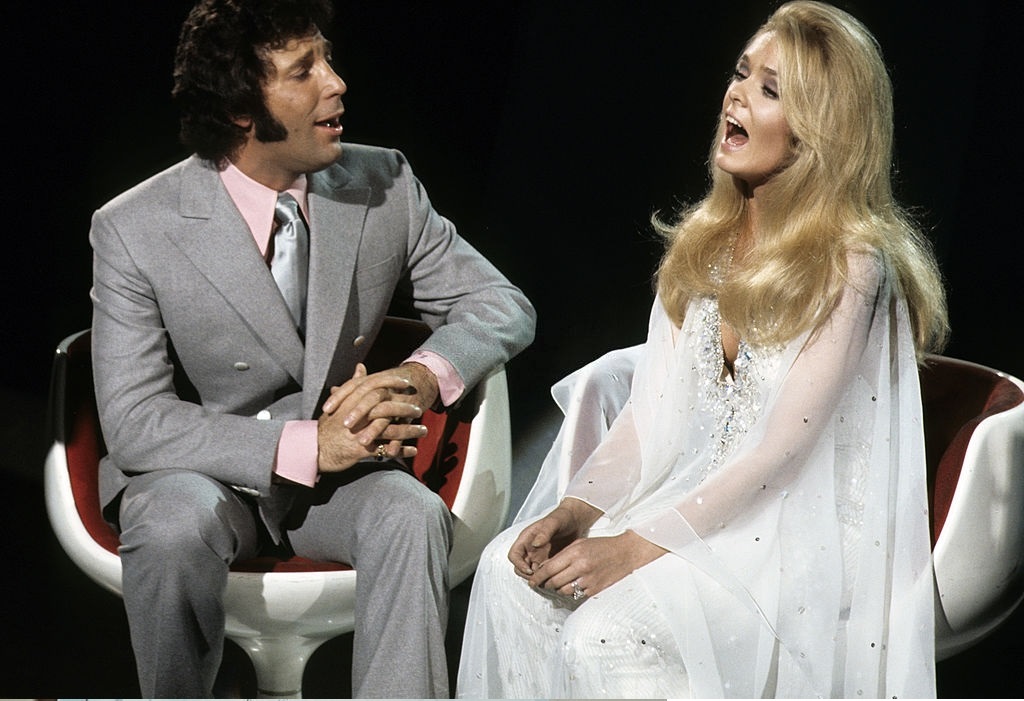
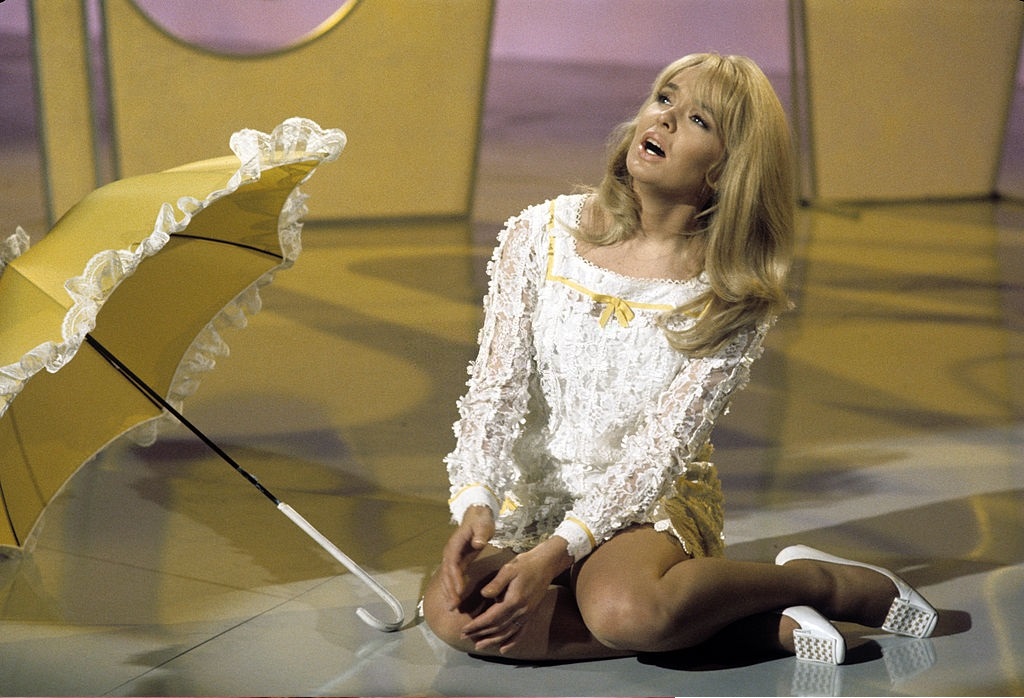
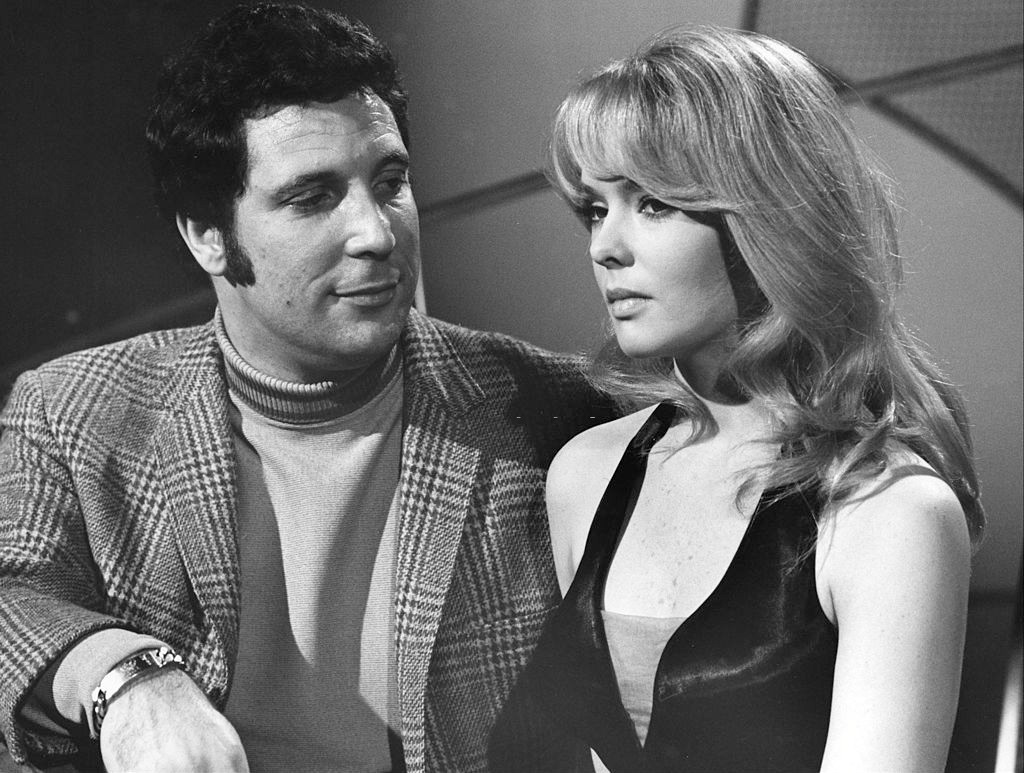
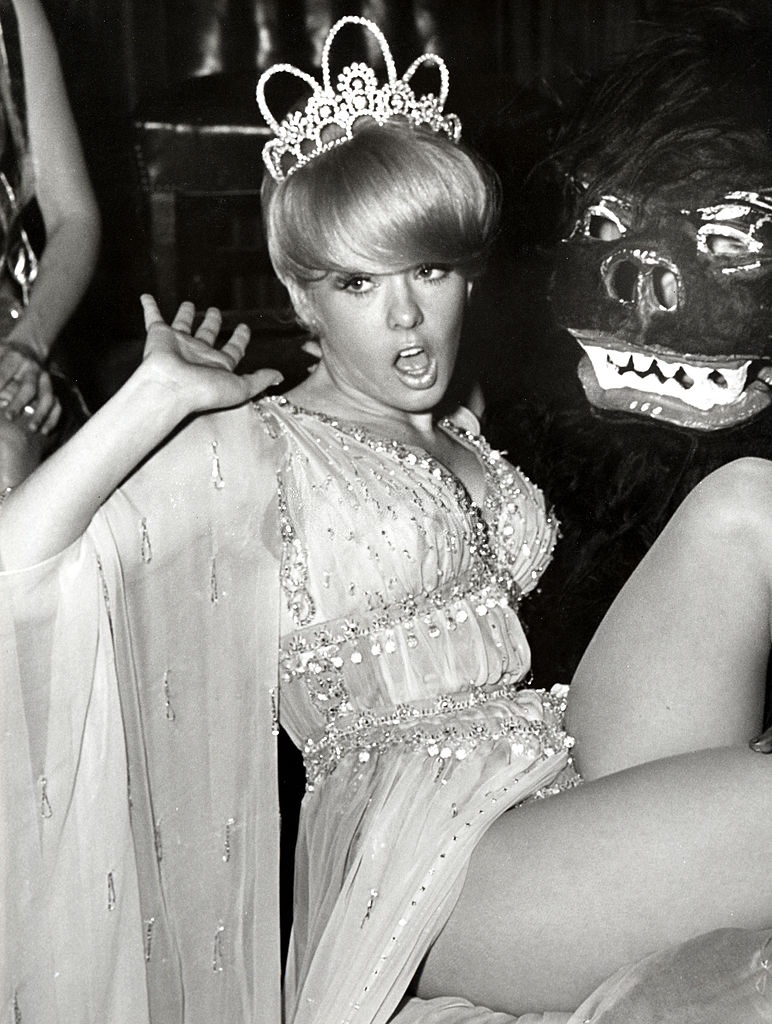
The Dean Martin connection became one of the defining relationships of her career. In 1968, she co-hosted Dean Martin Presents the Golddiggers alongside Frank Sinatra, placing her squarely at the center of Hollywood’s most glamorous circle. Her appearances on The Dean Martin Variety Show in 1967 showed off her full range — she could sing a number and command a stage the way few performers her age could.
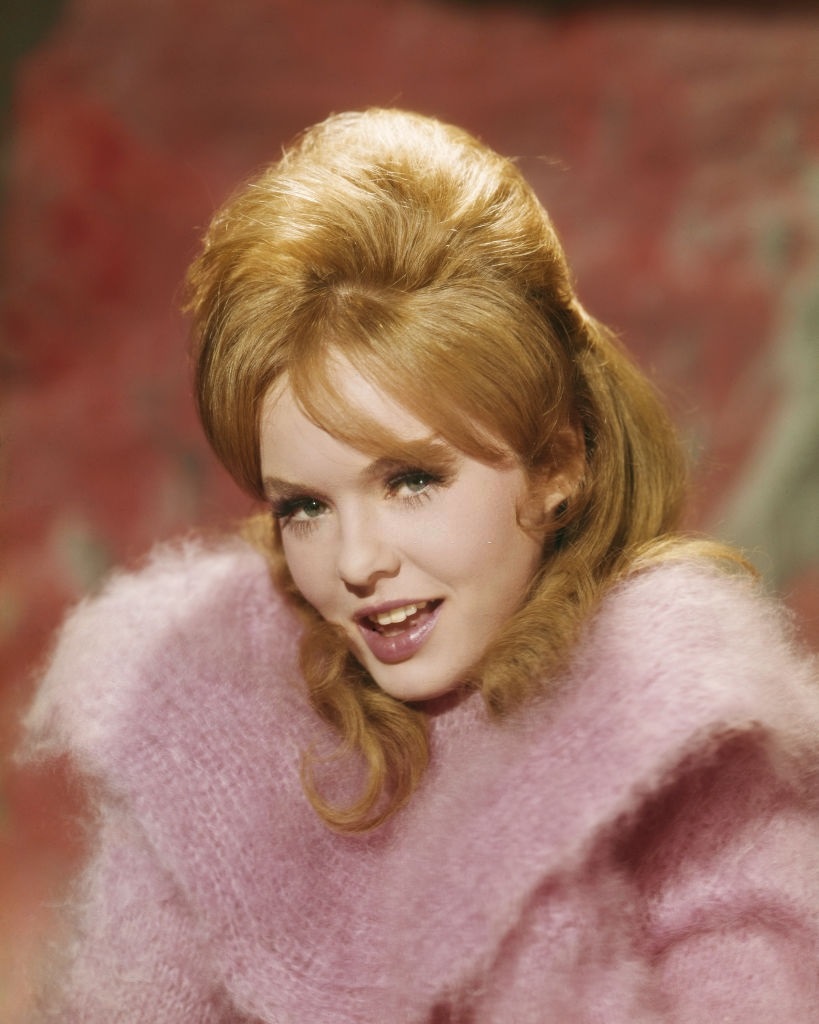
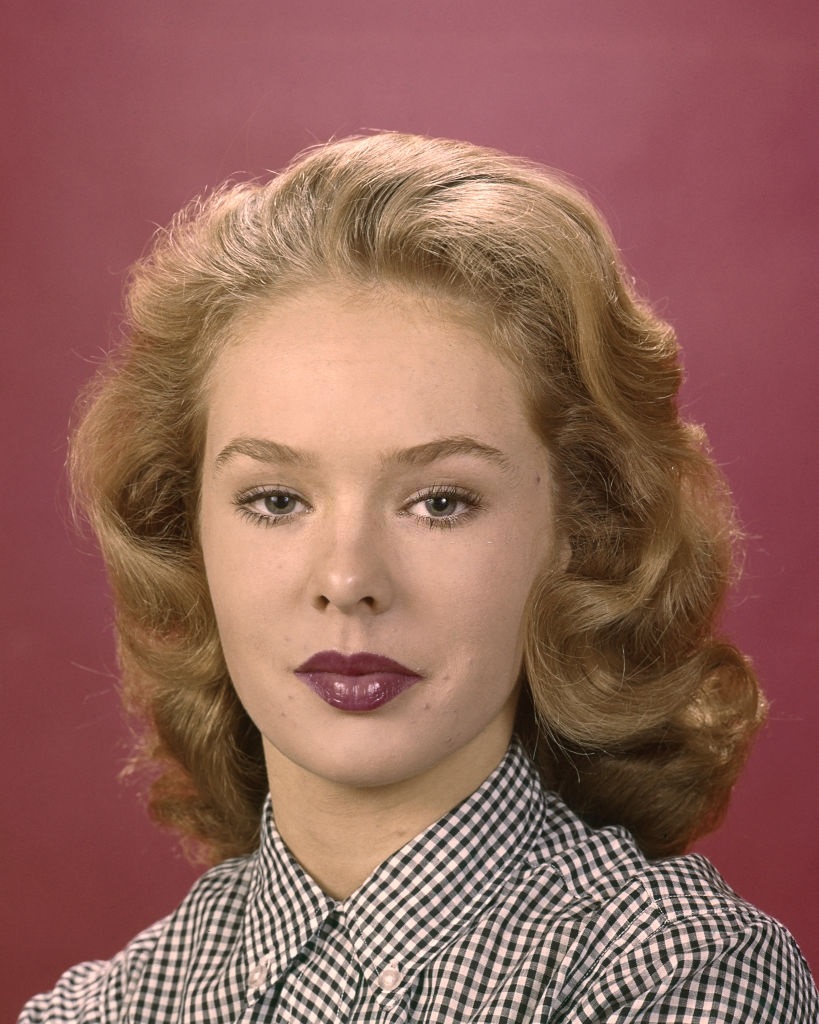
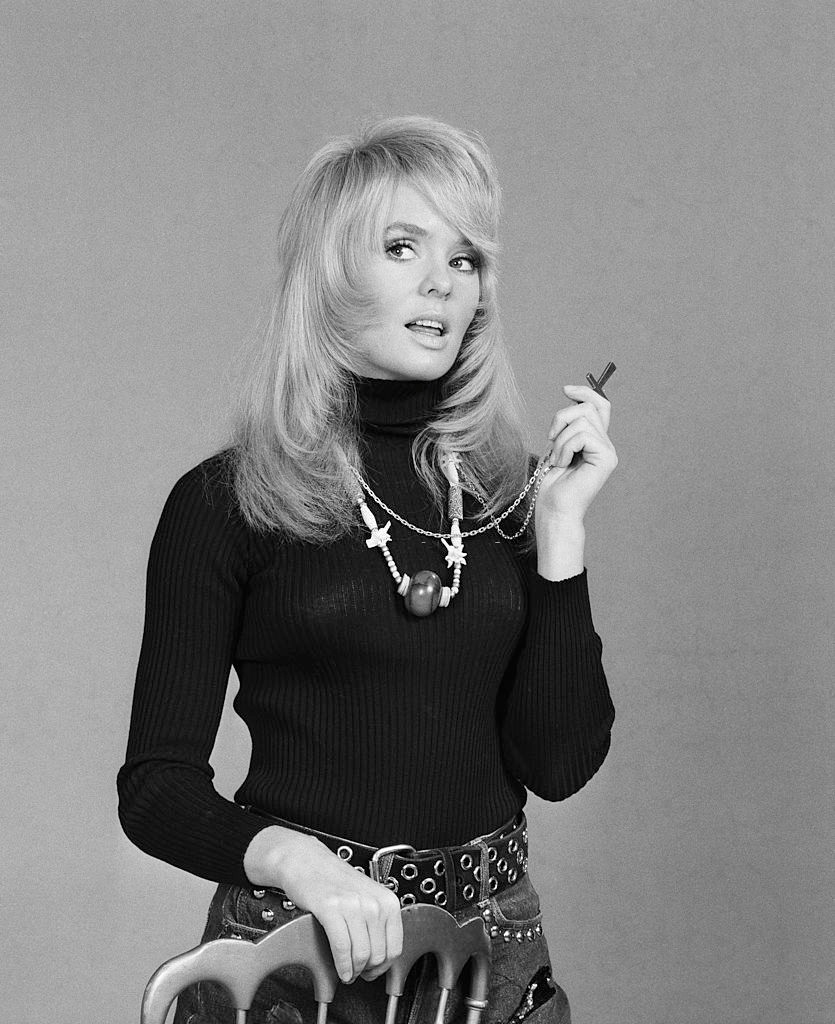
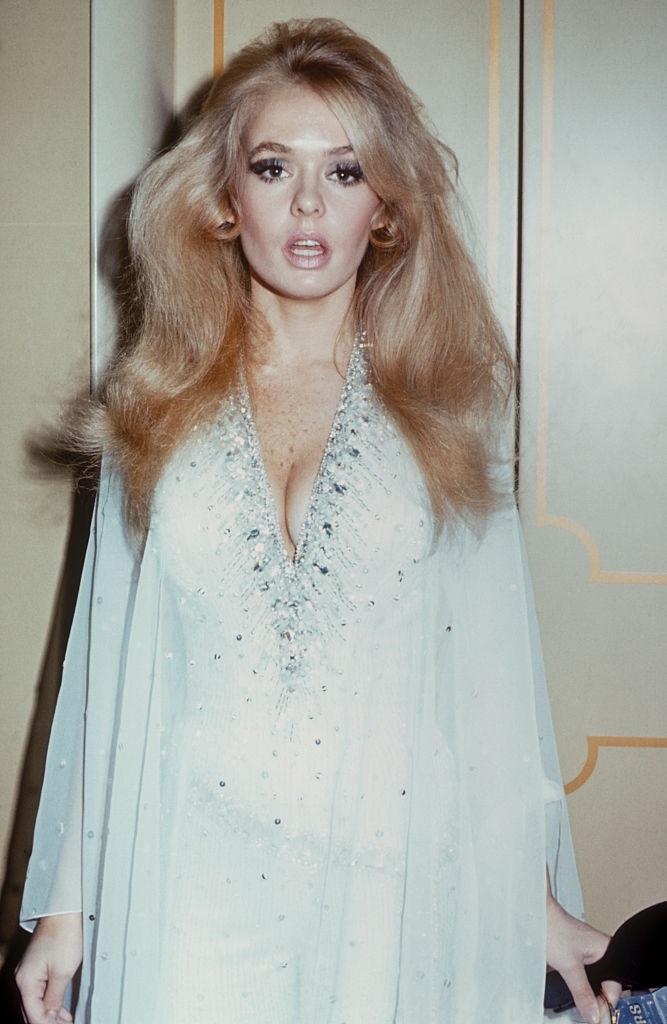
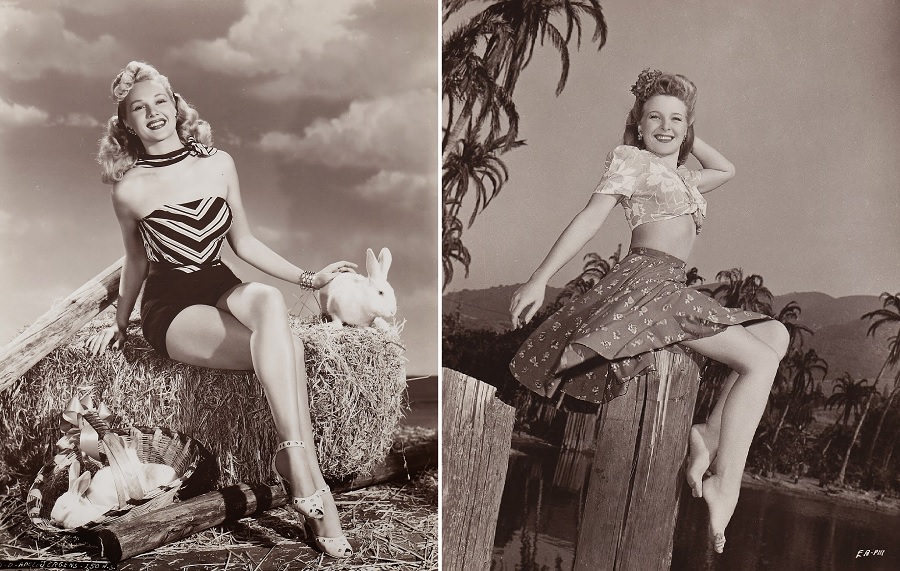
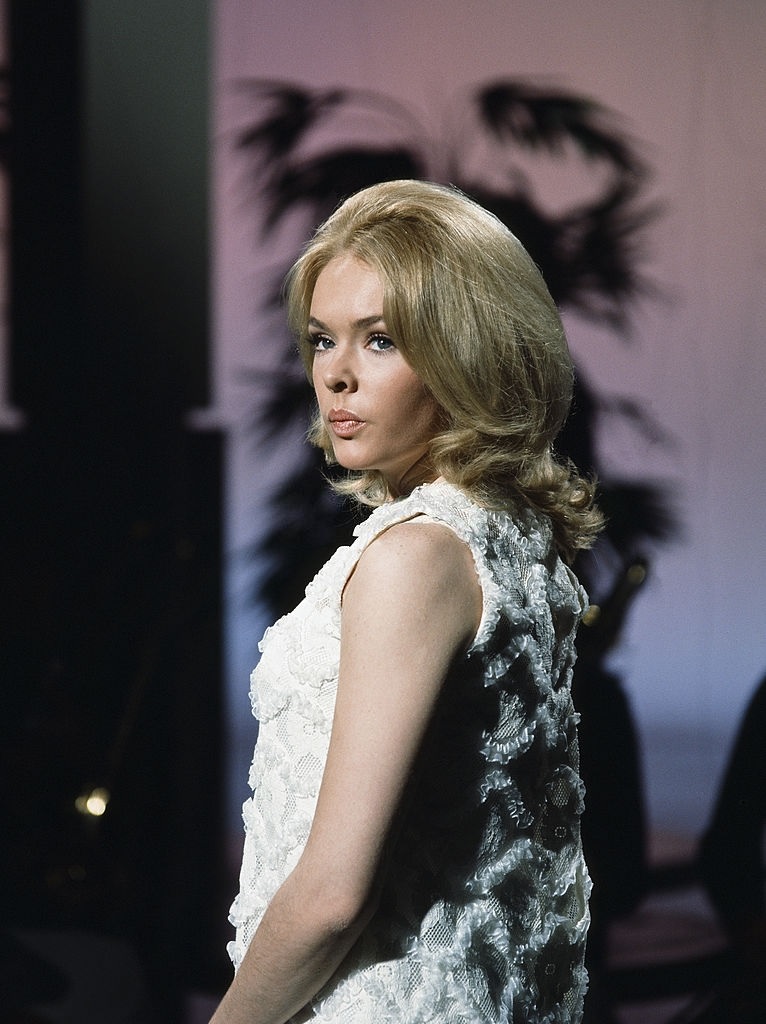
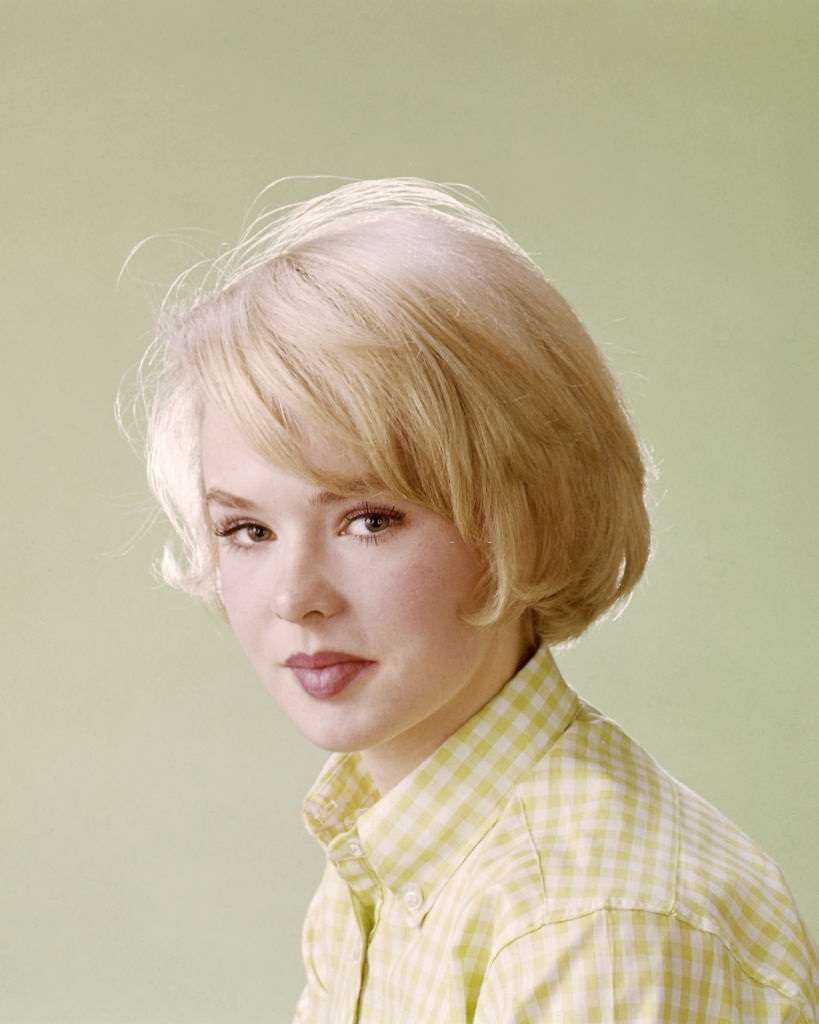
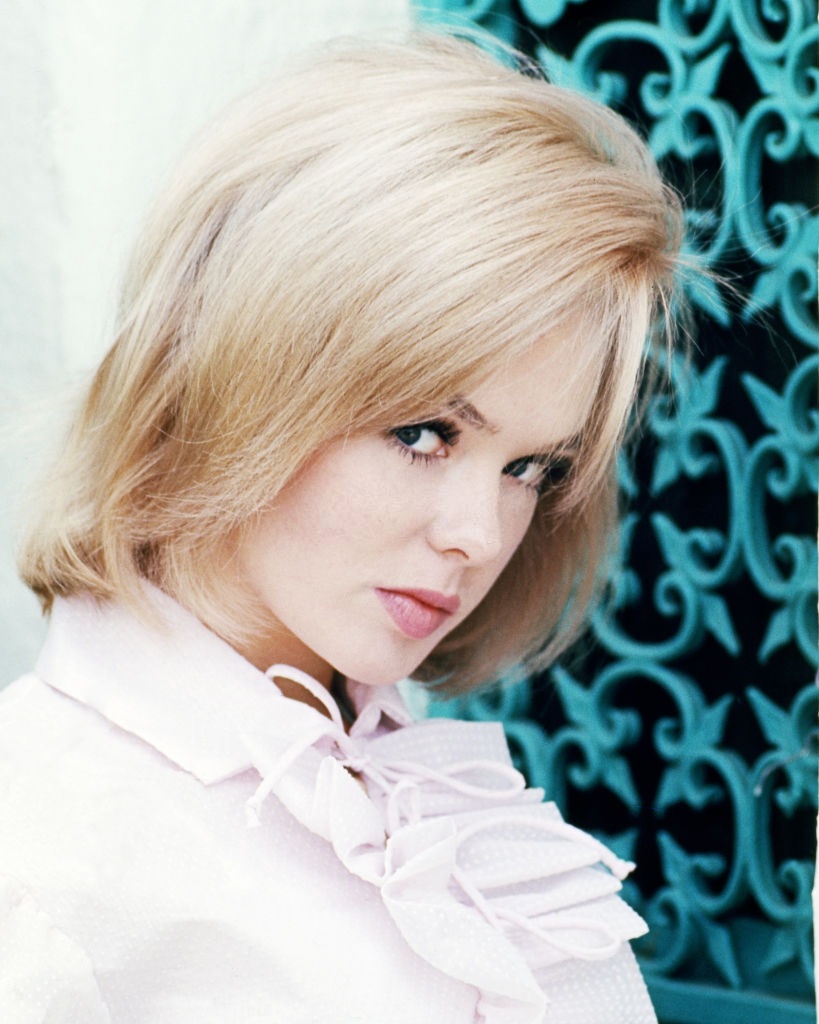
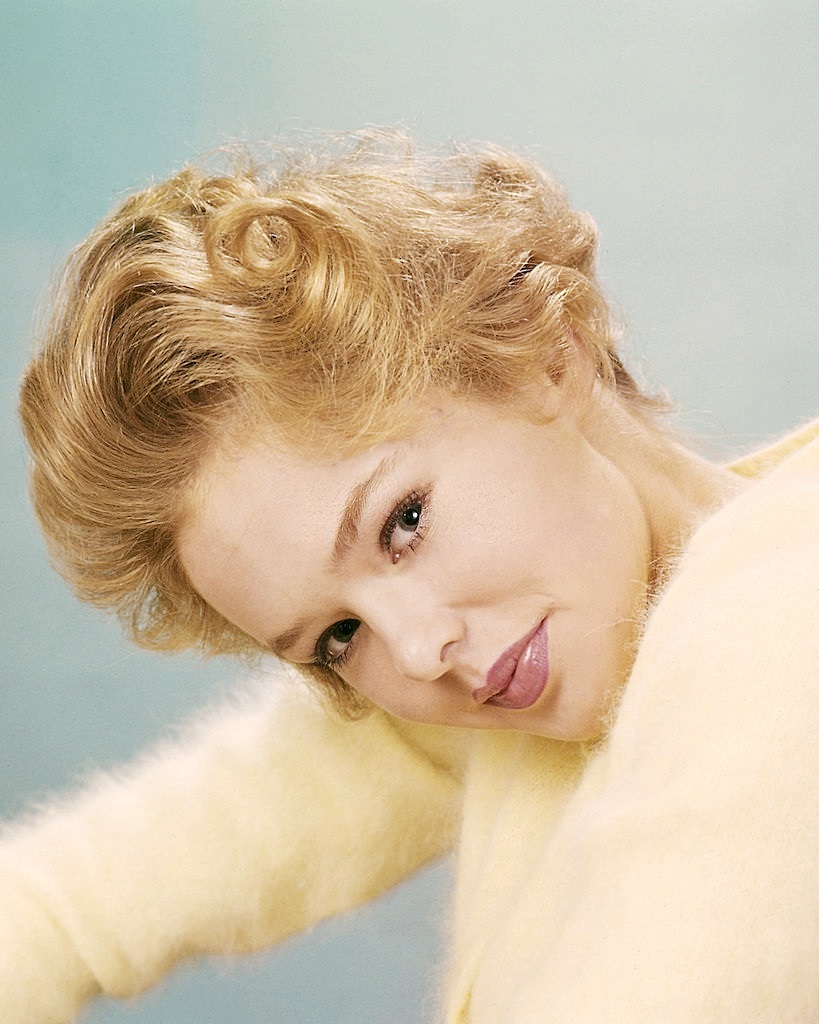
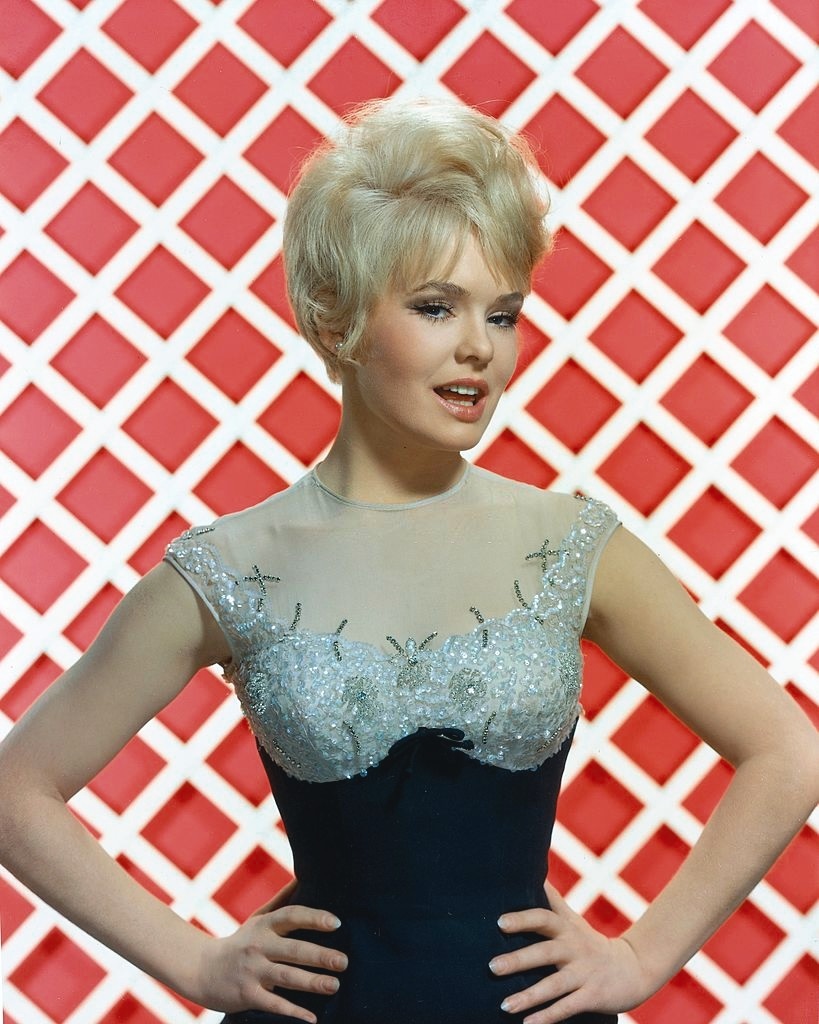
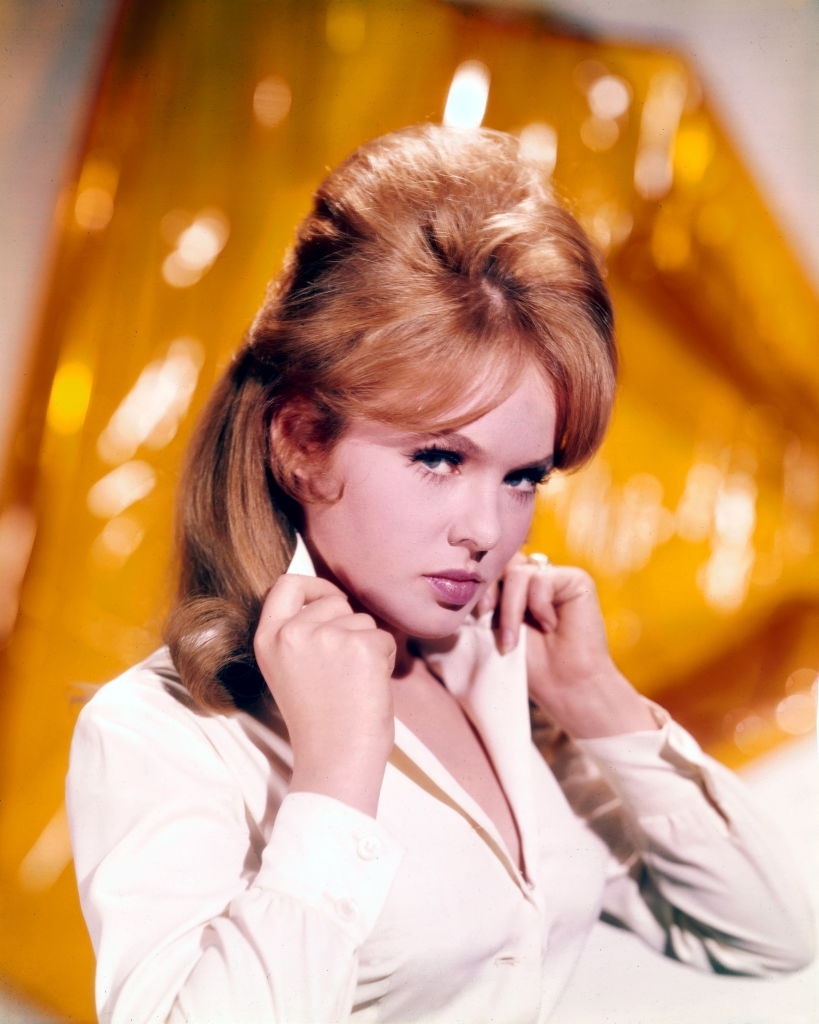
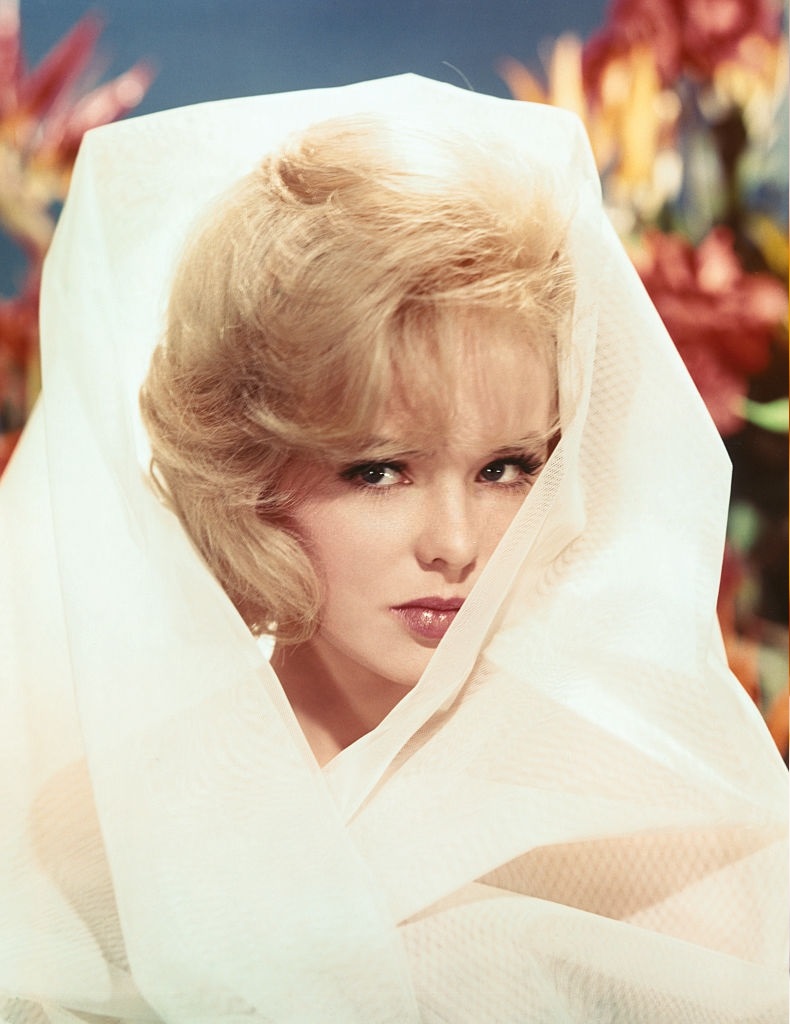
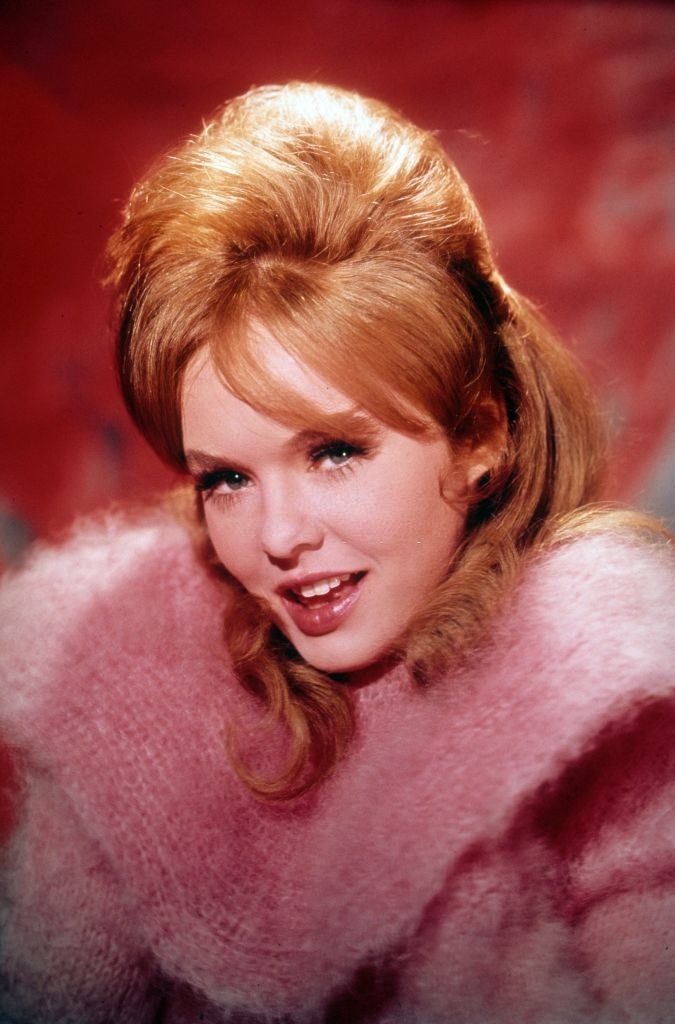
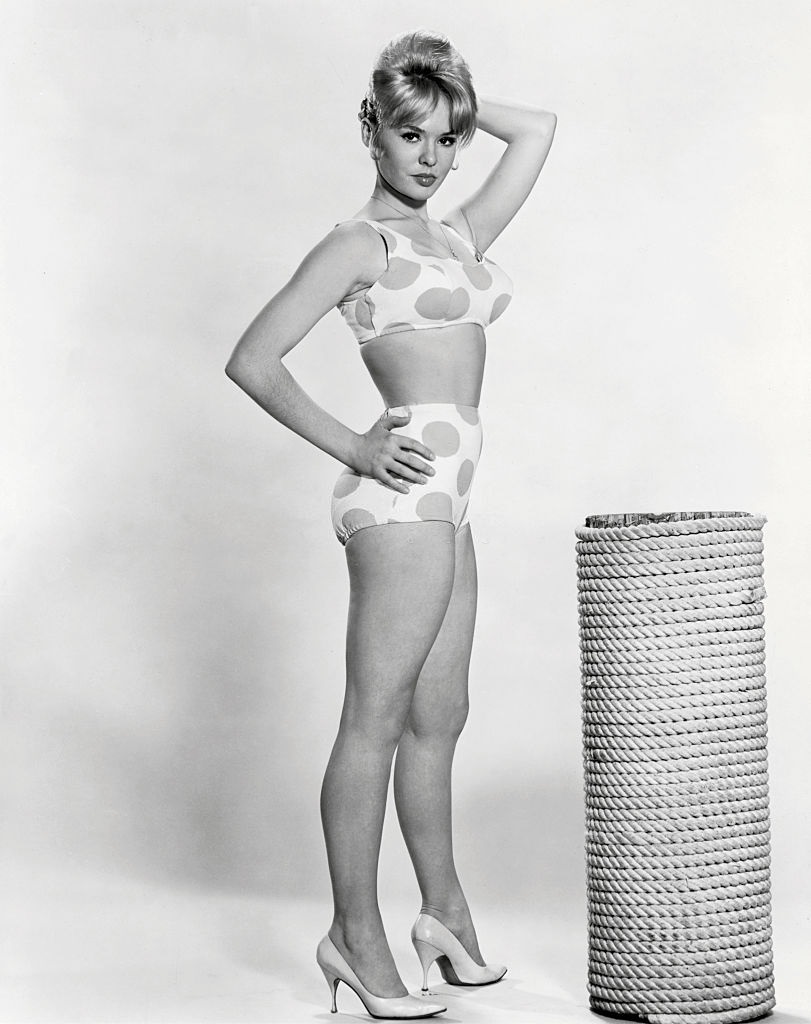
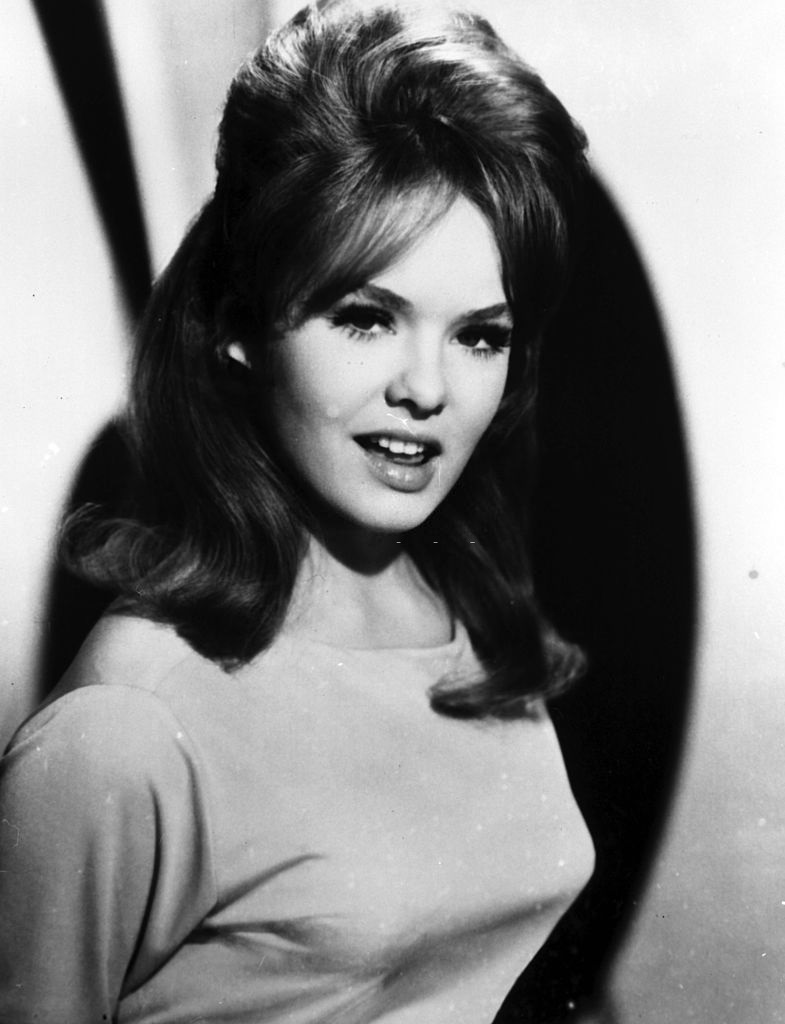
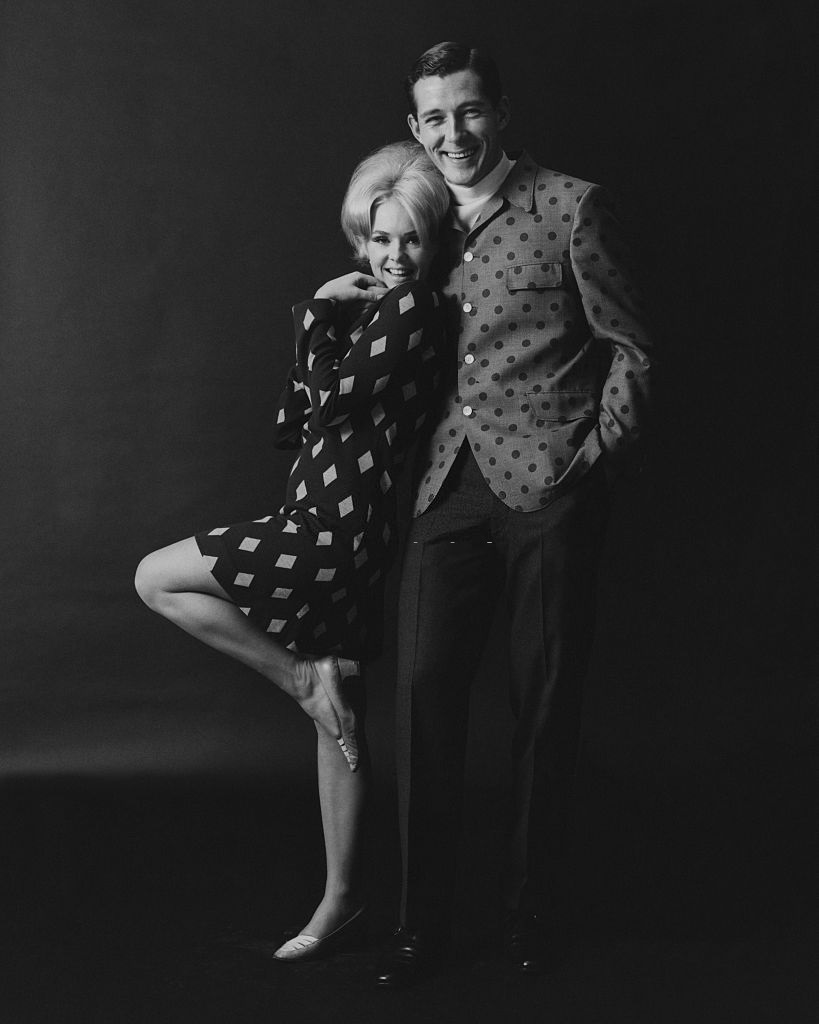
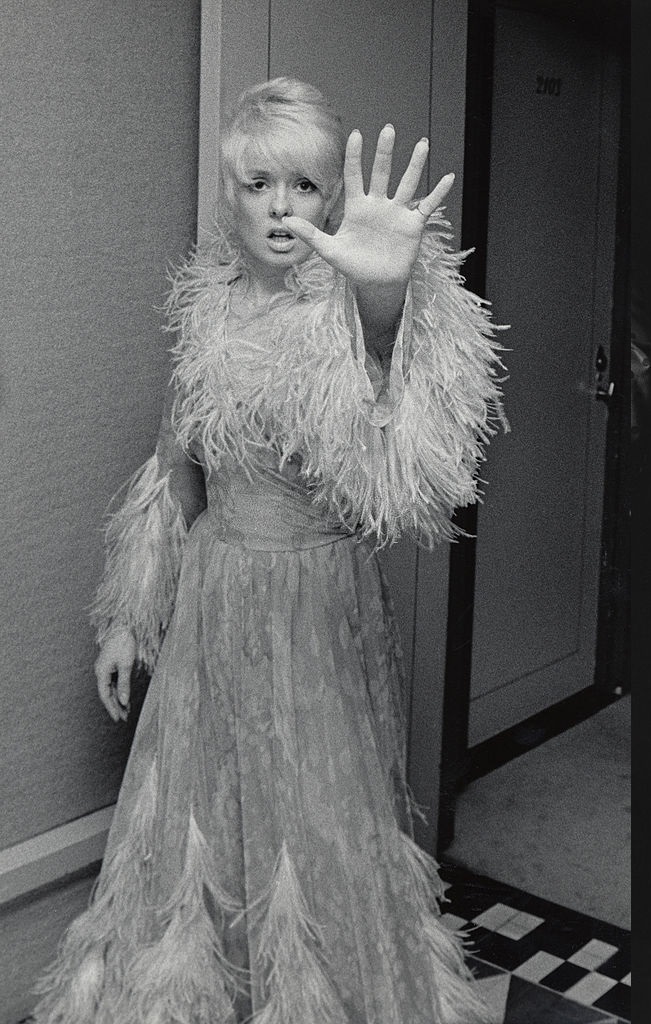
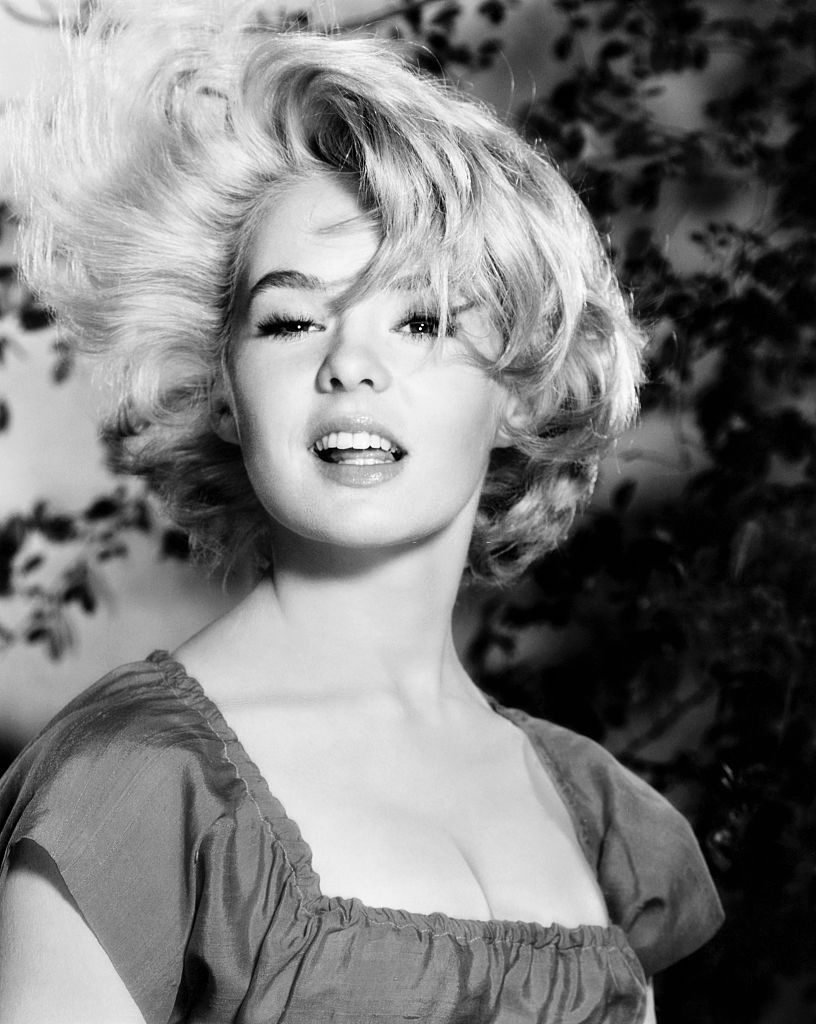
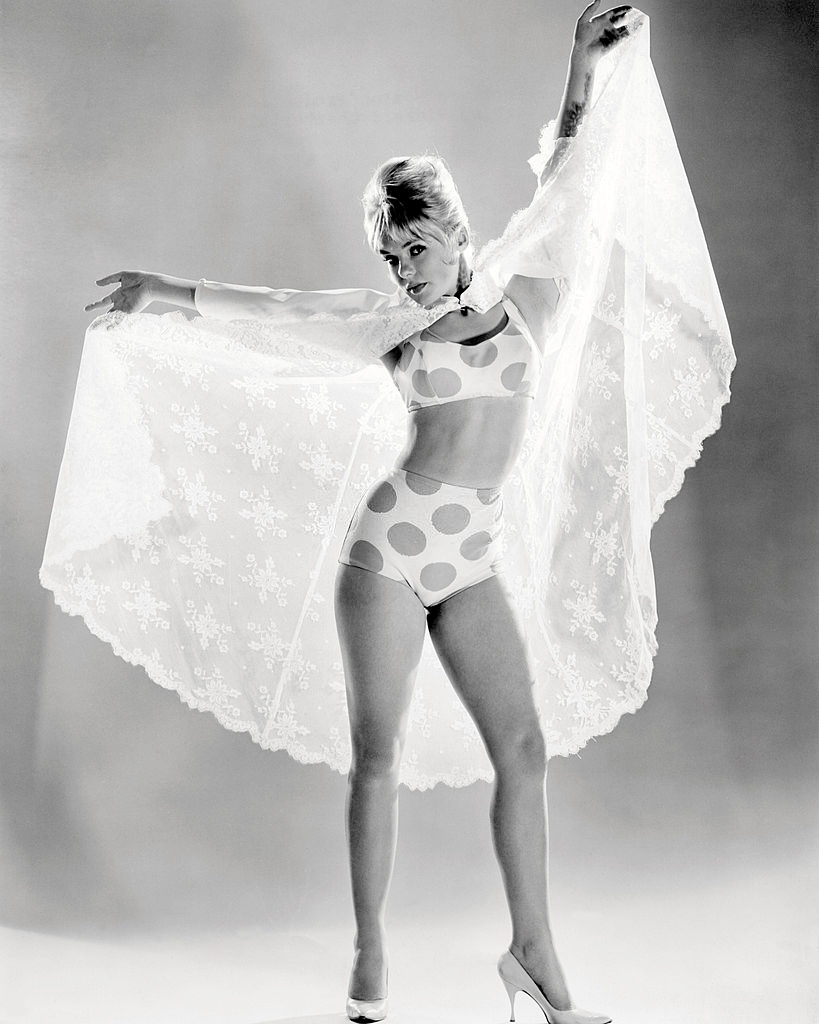
The mid-1960s were the peak of Heatherton’s public visibility. Studio portrait sessions from 1965 captured her in a wide range of looks — bold, elegant, playful, and glamorous. These photos became widely circulated and helped cement her status as one of the decade’s premier pin-up figures.
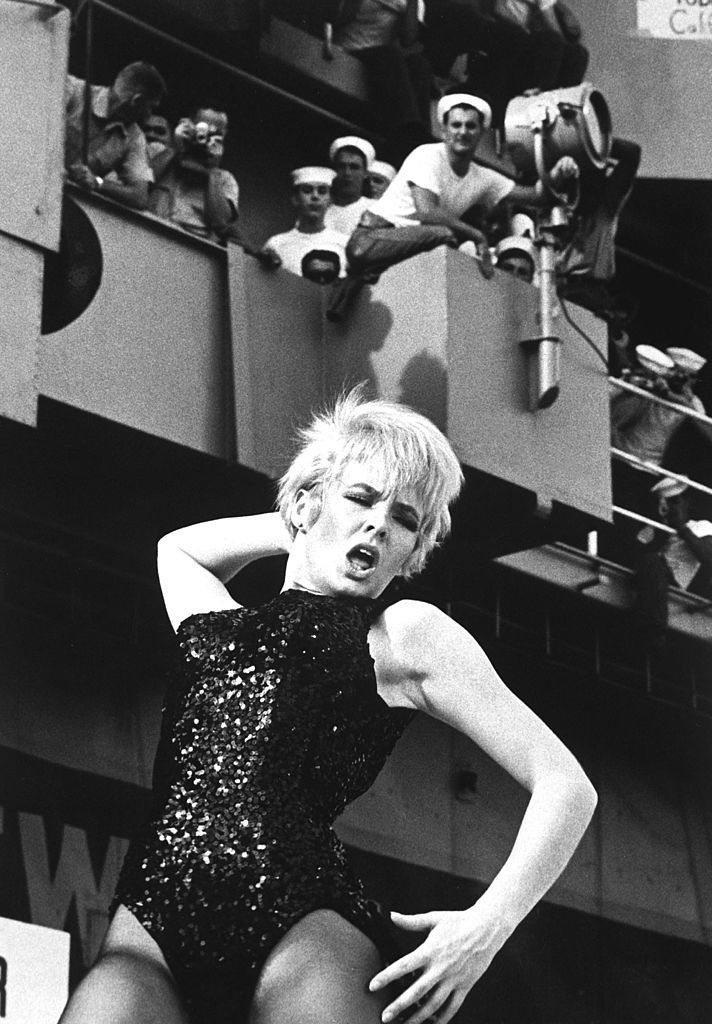
Beyond television studios, Heatherton was also a dedicated supporter of the U.S. military. She traveled with Bob Hope on his legendary USO Christmas tour in December 1965, performing for troops aboard the aircraft carrier USS Ticonderoga. Those shows mattered enormously to the servicemen stationed far from home, and Heatherton threw herself into the performances with full energy.
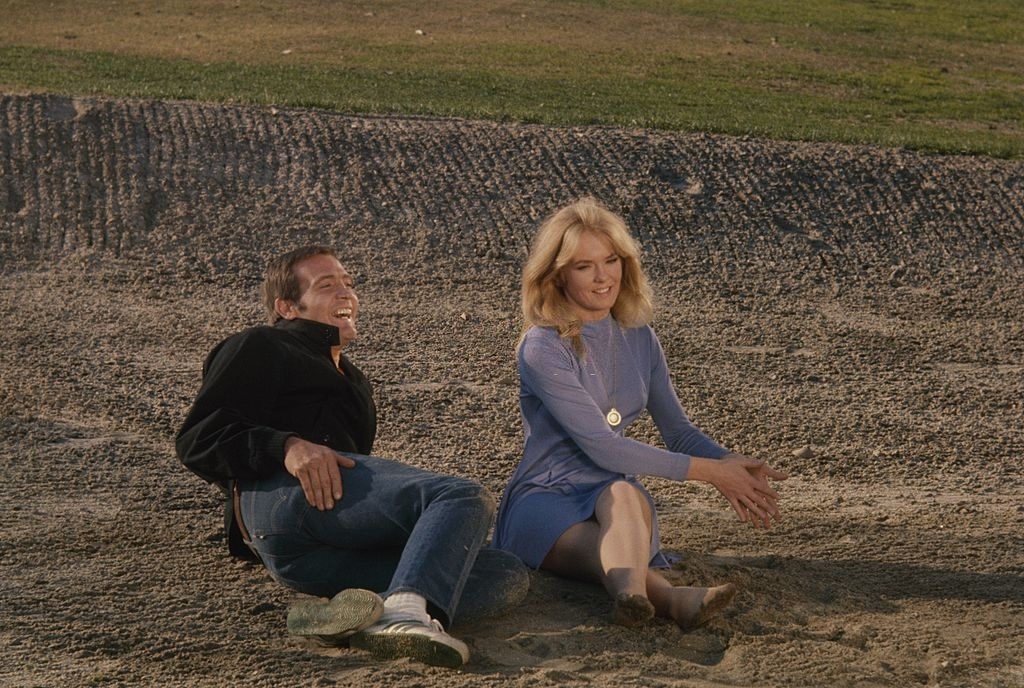
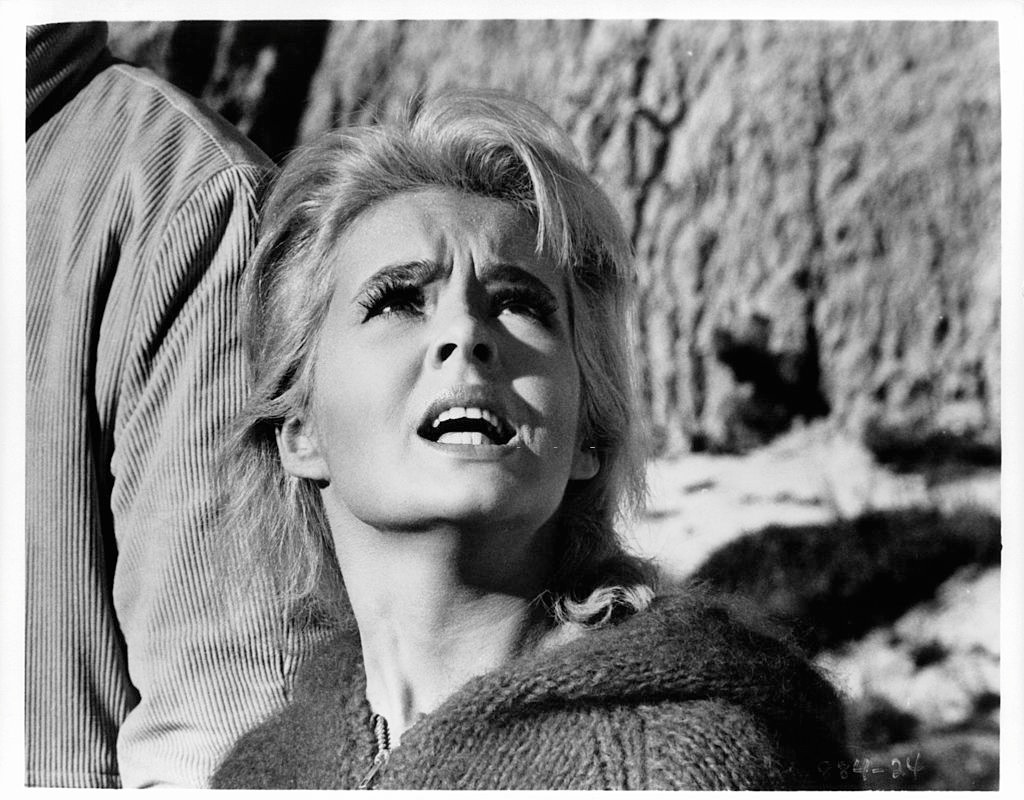
Heatherton also worked steadily in film during this period. In 1965, she appeared in My Blood Runs Cold, a psychological thriller that gave her a chance to show more dramatic range. She continued taking on television movie roles into the late 1960s, including The Ballad of Andy Crocker in 1969, alongside Lee Majors. Her screen presence was impossible to ignore.
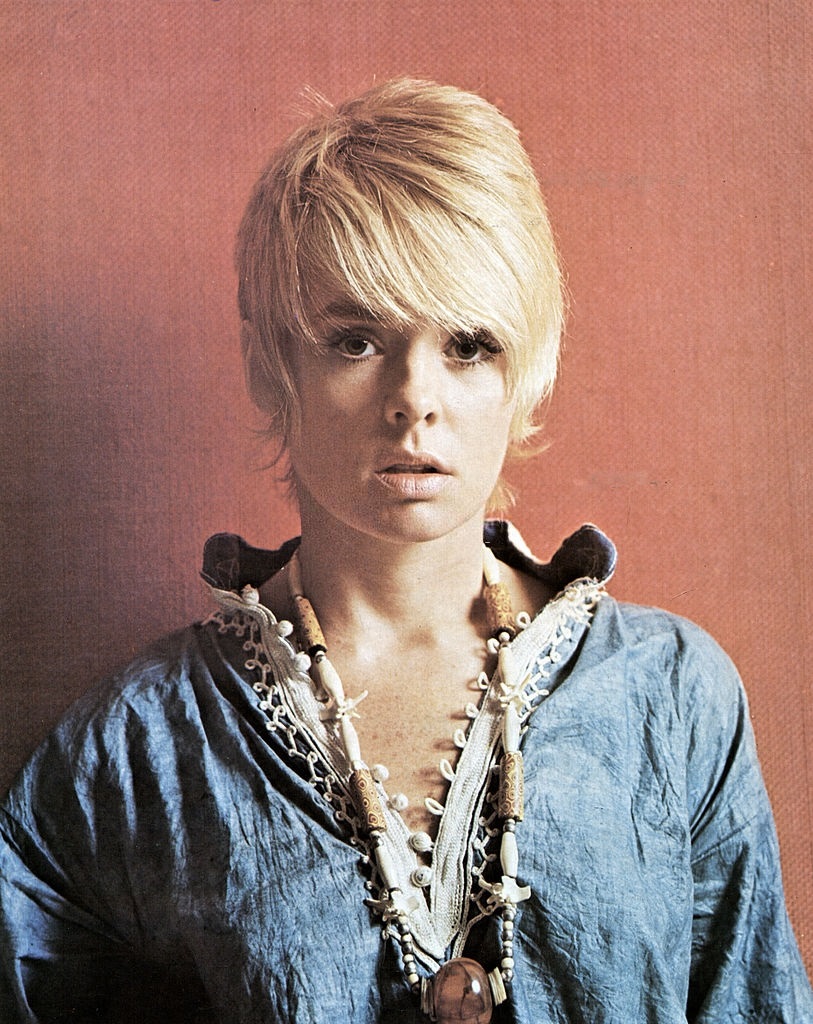
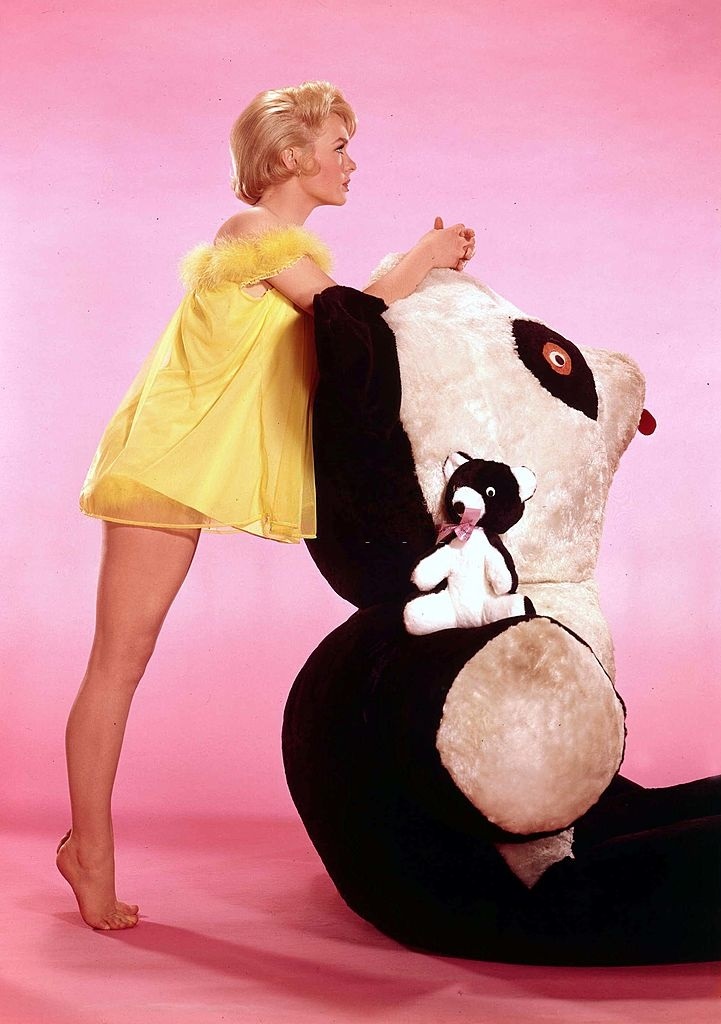
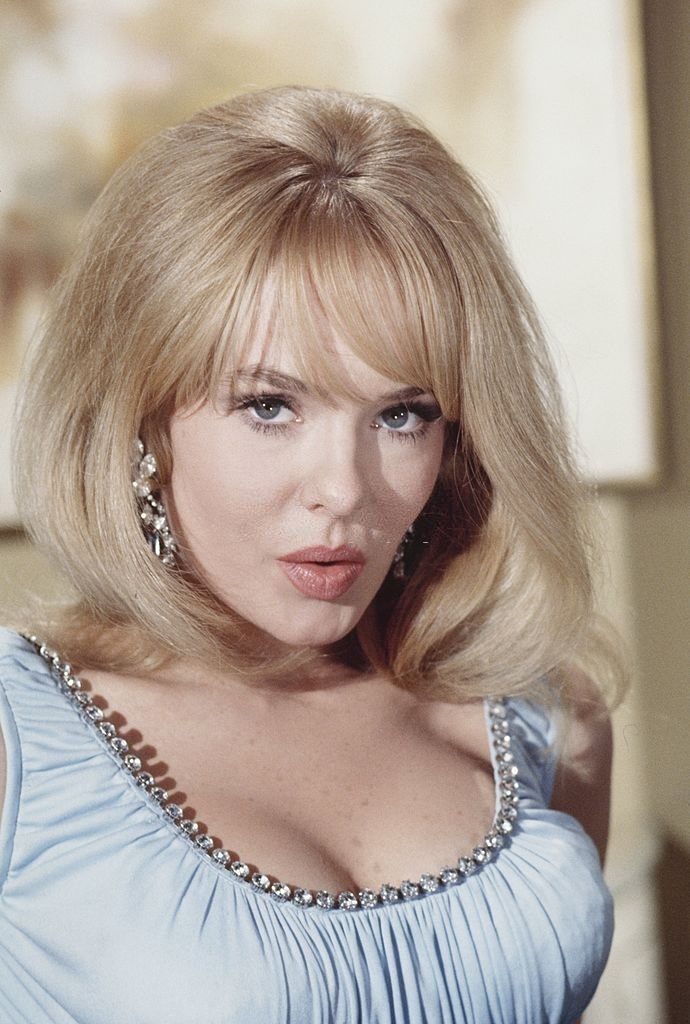
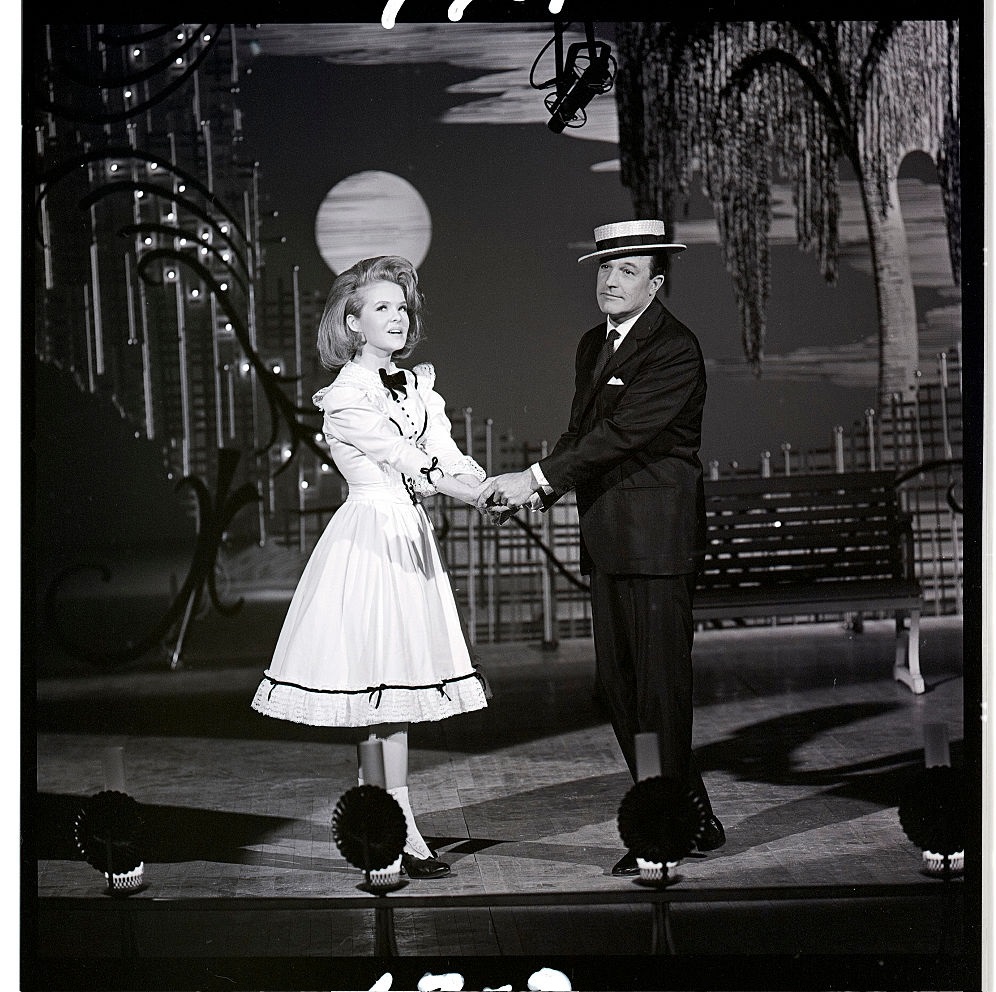
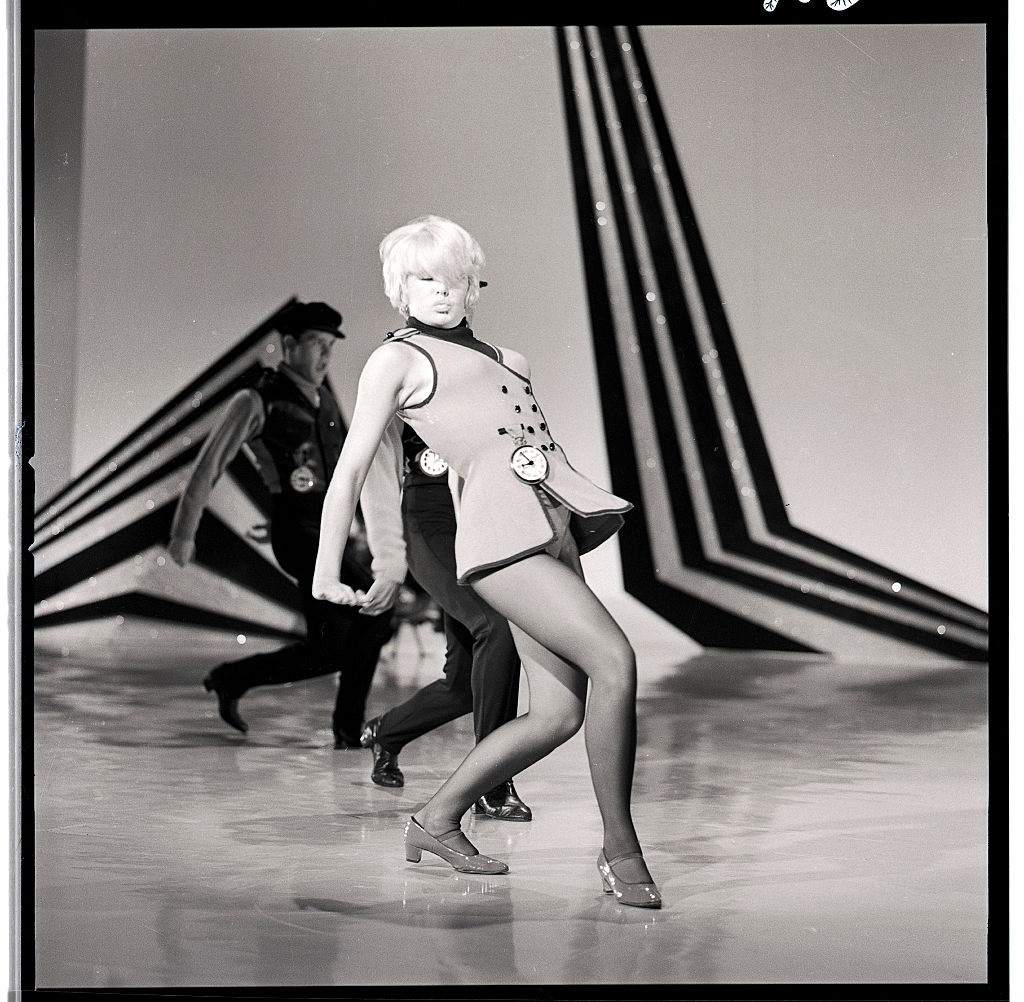
She was a regular face on The Hollywood Palace throughout the 1960s, appearing on the variety show multiple times between 1964 and 1969. Each appearance reinforced her standing as a versatile entertainer who could transition effortlessly between singing, dancing, and comedic performance.
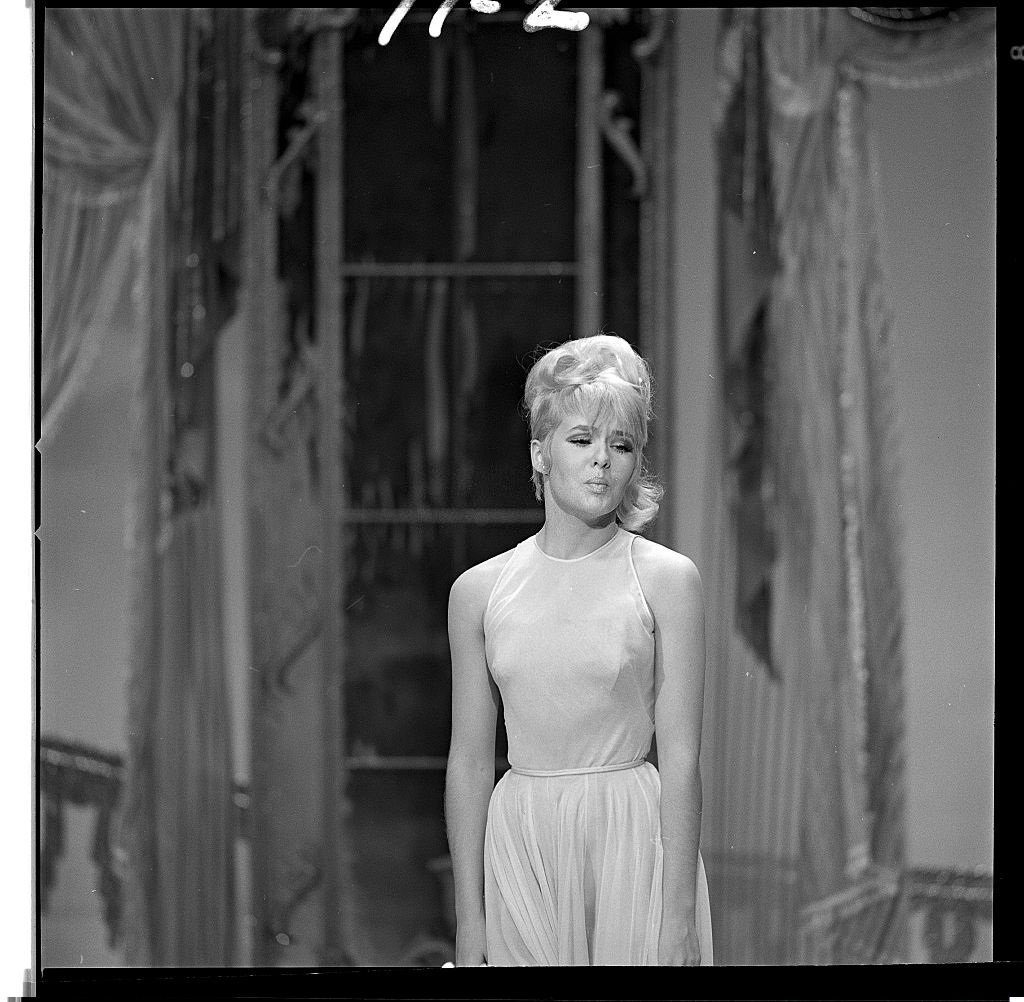
In April 1969, Heatherton married Lance Rentzel, a professional football player. The marriage quickly unraveled when Rentzel was arrested and charged with exposing himself to a 10-year-old girl. Heatherton filed for divorce in September 1971. The scandal cast a long shadow over her public image at a time when her career was already beginning to slow.
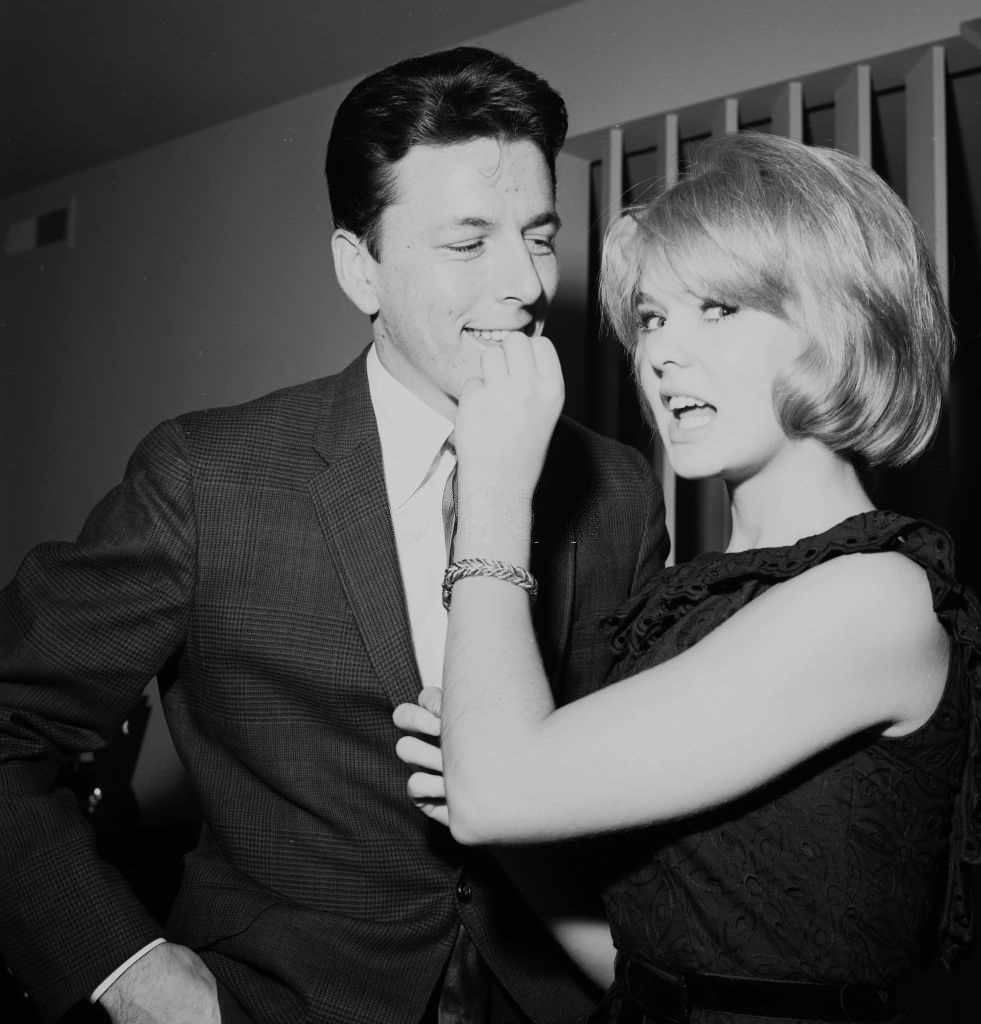
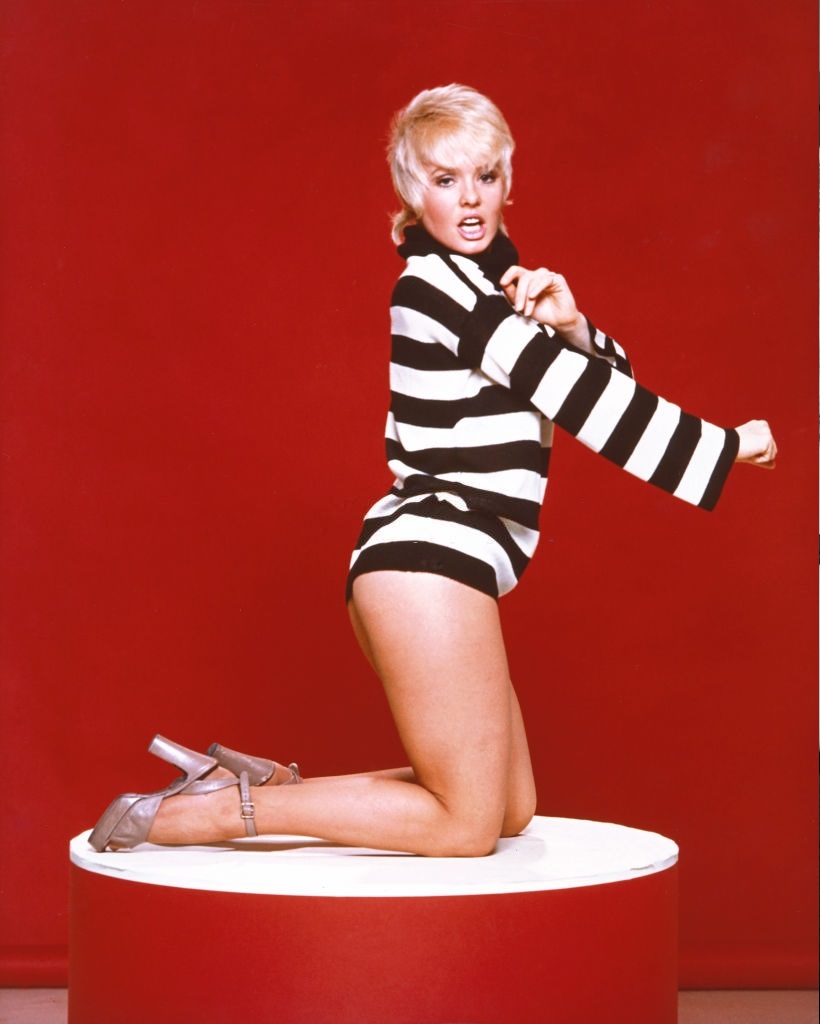
The early 1970s brought a string of setbacks. In 1972, she released a self-titled album, The Joey Heatherton, and appeared in the film Bluebeard alongside Richard Burton, Raquel Welch, and Sybil Danning. Neither the album nor the film gave her career the boost it needed. She took on television commercials for RC Cola and Serta mattresses to stay visible, but the momentum she had built in the 1960s was gone.
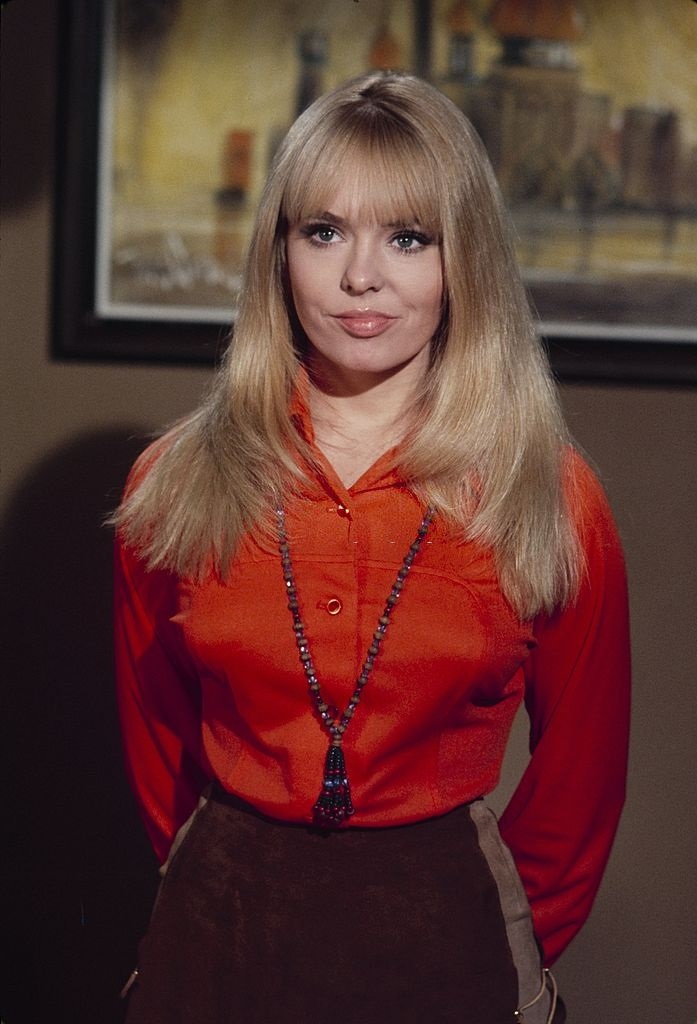
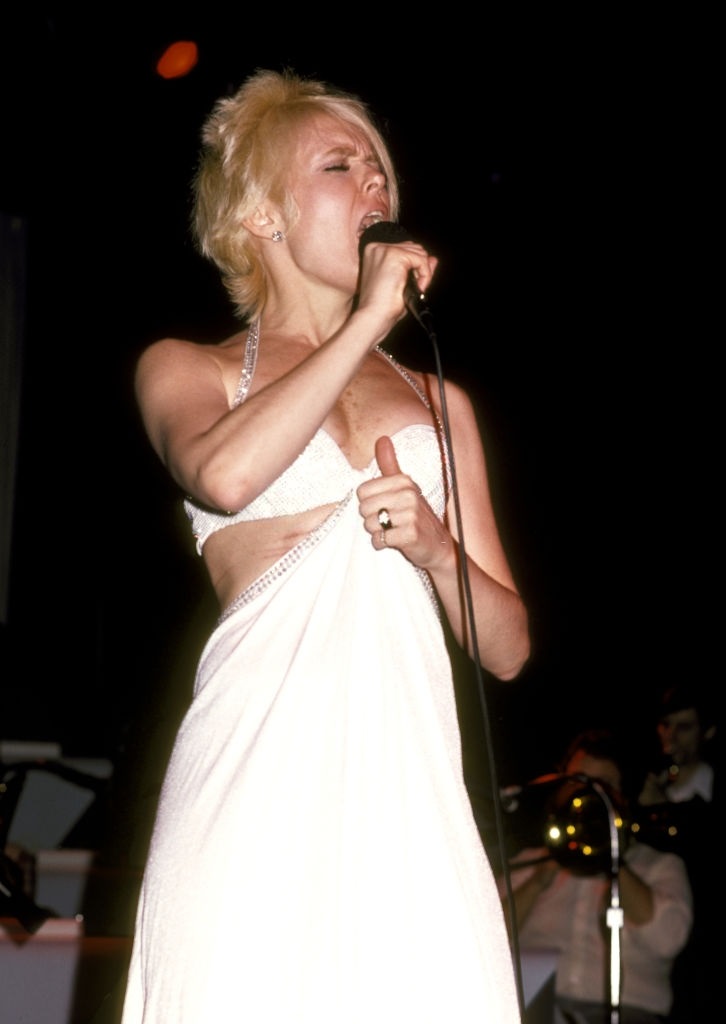
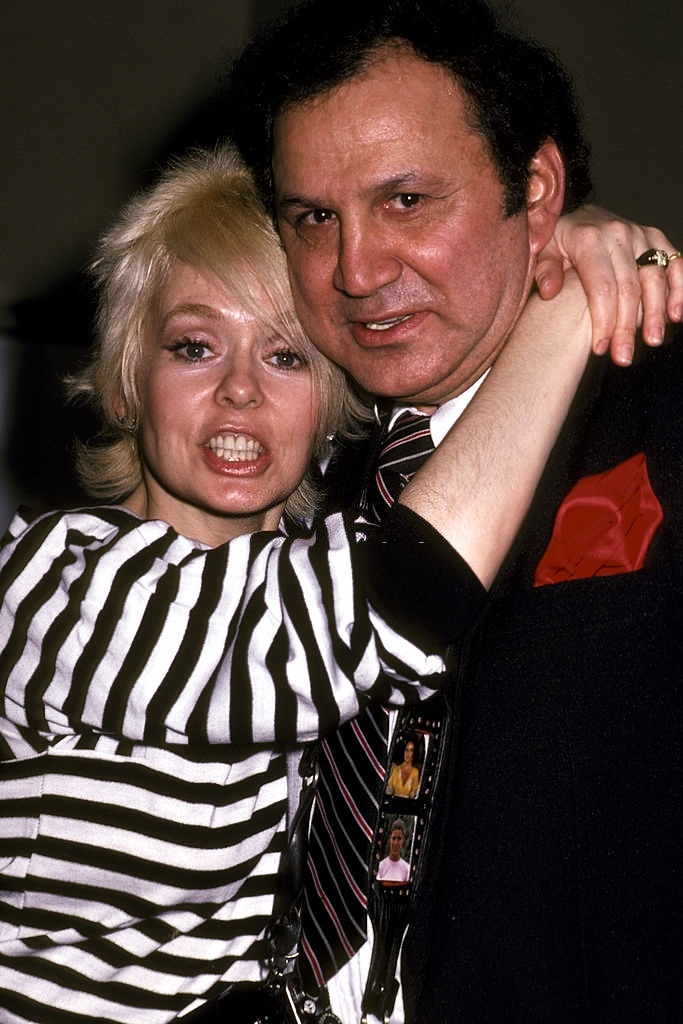
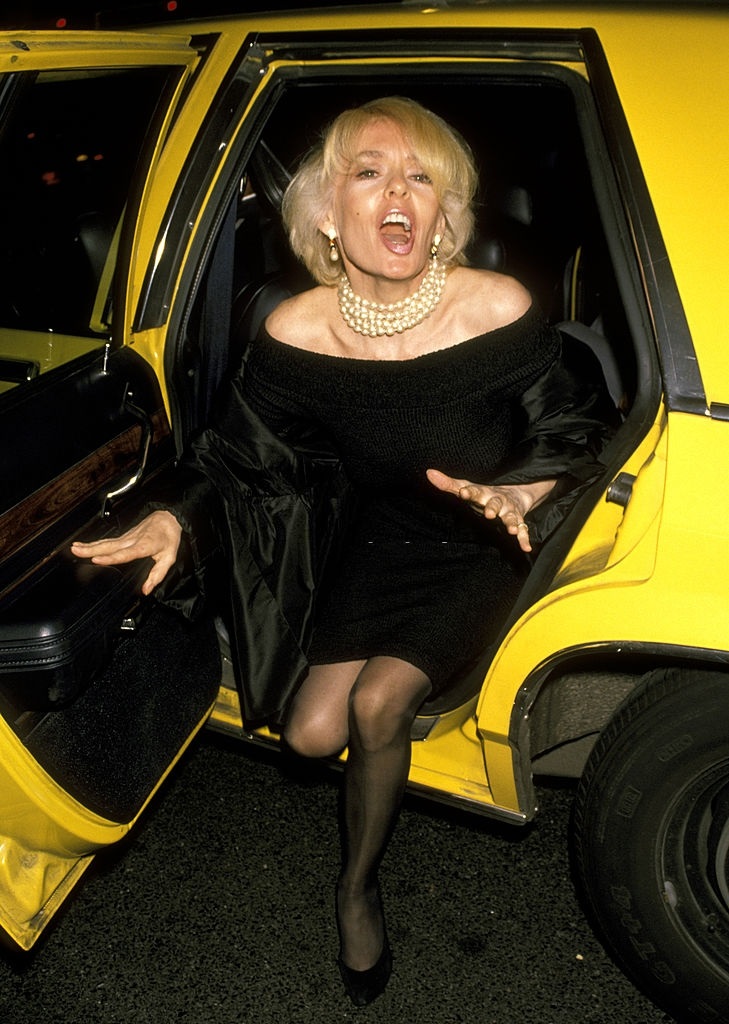
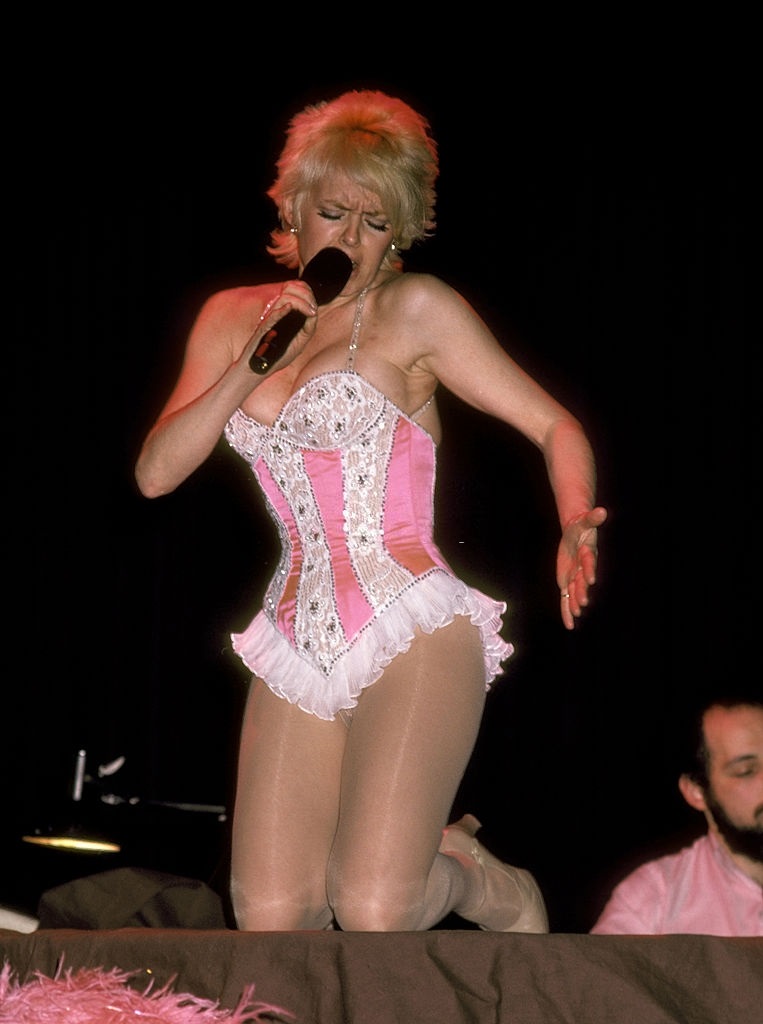
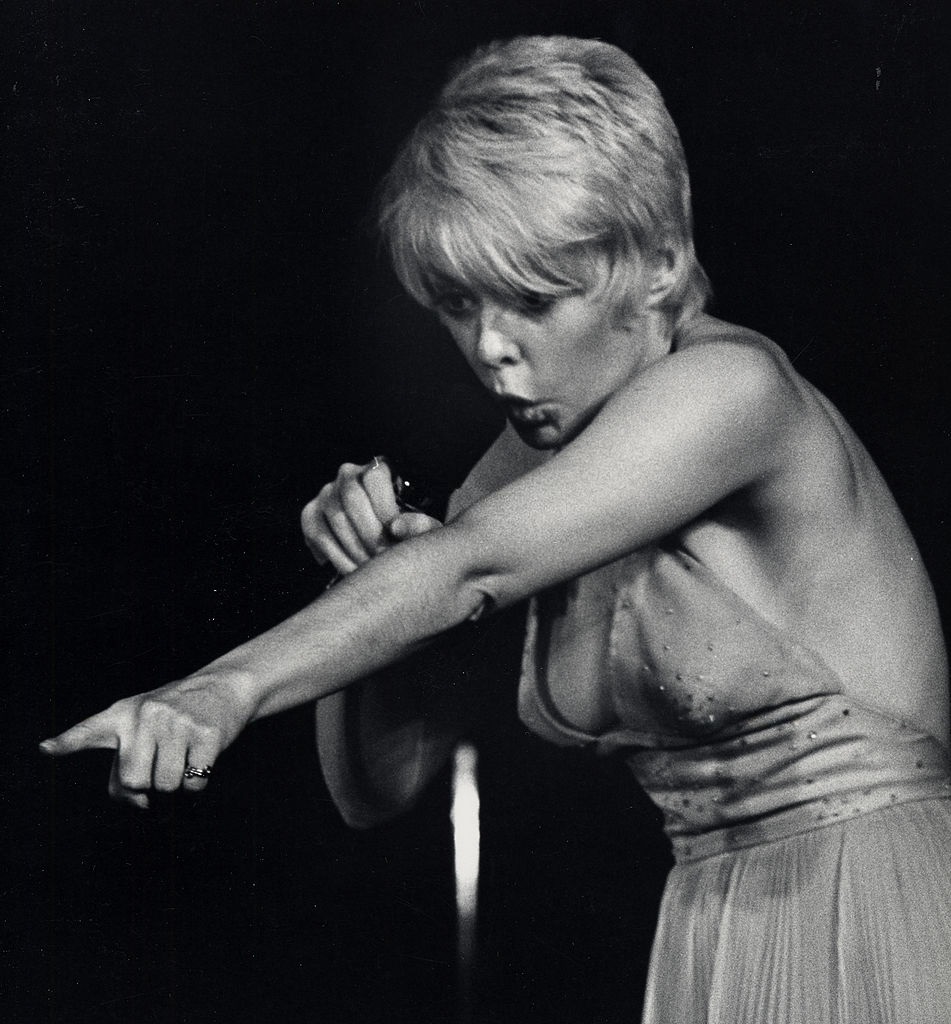
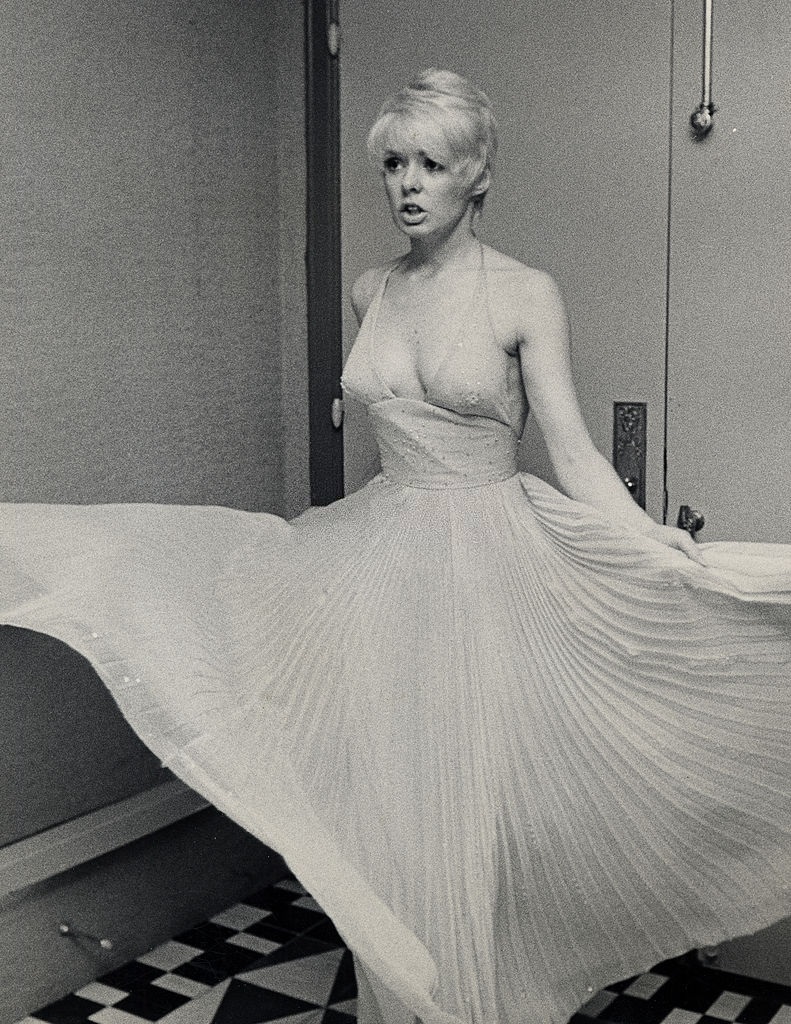
She continued performing live during the 1970s and into the 1980s, taking the stage at venues including the Empire Room in New York City and the Claridge Casino Hotel in Atlantic City. These performances showed she still had the energy and skill that had made her famous, even as Hollywood’s doors grew harder to open.
Her personal troubles deepened through the decade. Heatherton faced a series of legal charges, including drug possession, felonious assault, tax evasion, and skipping out on a $4,900 hotel bill. These run-ins with the law were widely covered by the press and further damaged her reputation in the entertainment industry.
By 1990, Heatherton made a return to the screen. Director John Waters cast her in a small but memorable role as a religious fanatic in Cry-Baby, his teen musical comedy film. It was a self-aware, offbeat choice — exactly the kind of role that reminded audiences why they had liked her in the first place. Her final credited acting role came in 2002, in Damon Packard’s film Reflections of Evil.