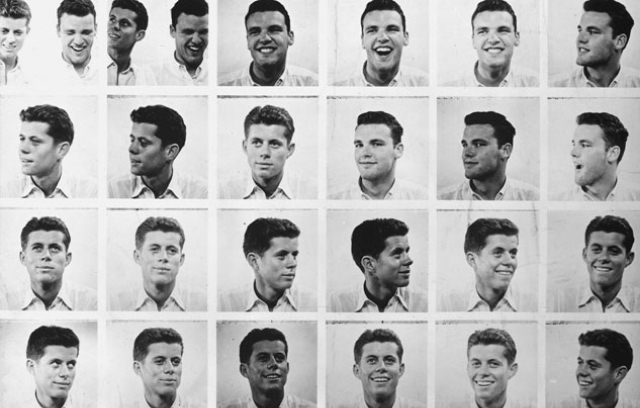
Before the motorcades, the Oval Office, and the weight of the Cold War, John F. Kennedy was just a teenager at a Connecticut boarding school making a friend who would stick around for the rest of his life. That friend was Kirk LeMoyne Billings — known to everyone simply as Lem. The two met at Choate School in the early 1930s, and what started as a school-age bond never loosened, not through war, not through politics, and not through the pressures of the presidency.
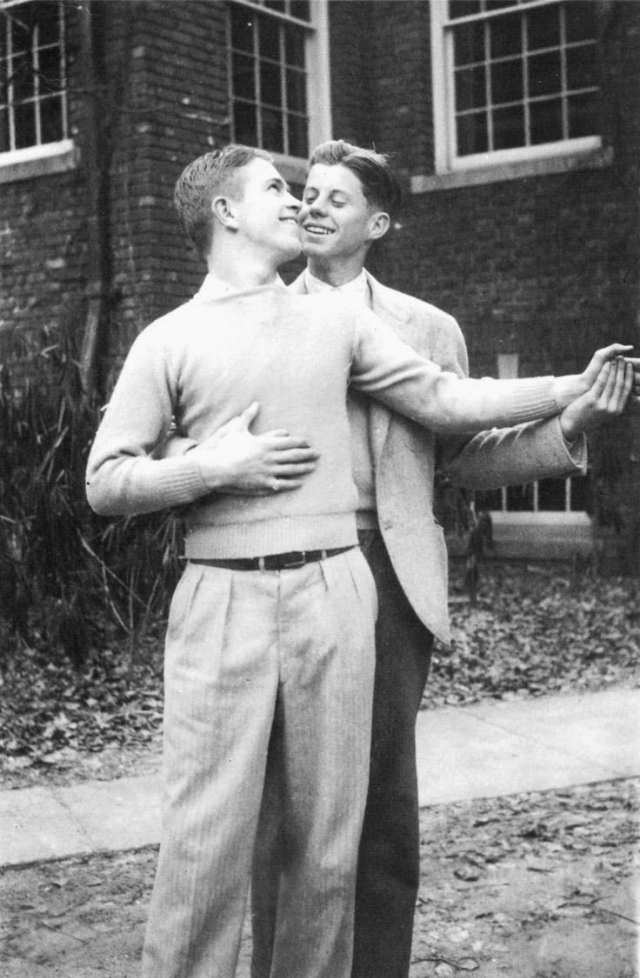
Kennedy called Billings his closest friend, and the photographs they left behind make that easy to believe. The two were constantly together — goofing off, traveling, and just being young men without a script. There was nothing formal about their friendship. It had an ease to it that most people never find, even in a lifetime of trying.
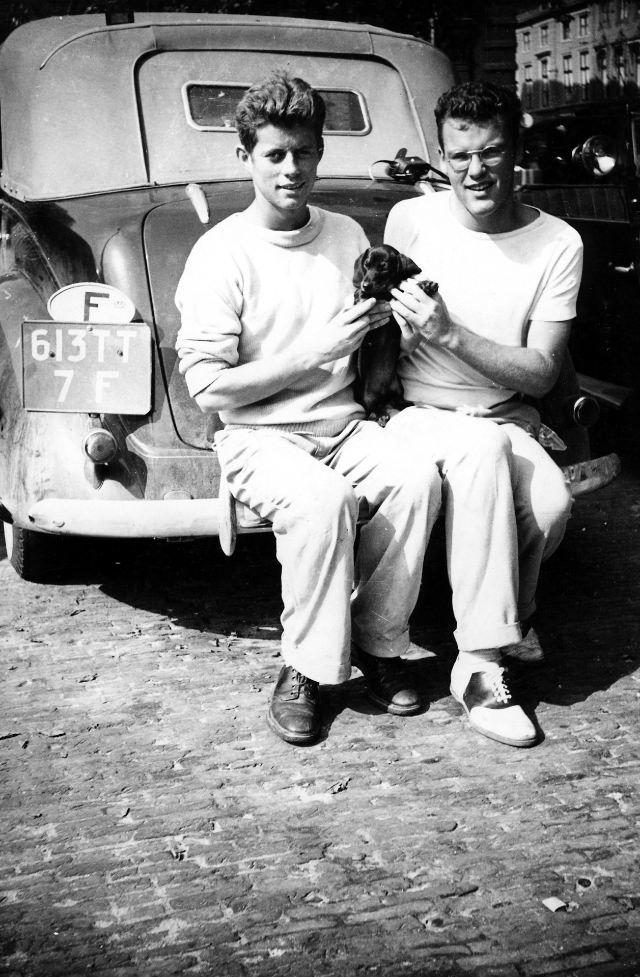
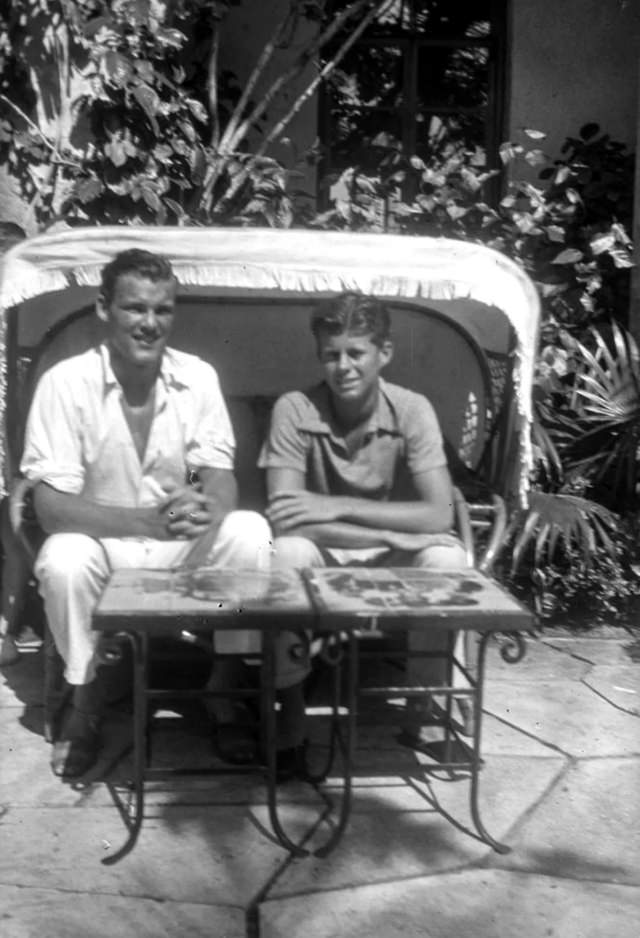
The two came from very different worlds. Kennedy grew up surrounded by wealth, political ambition, and the intense pressure of the Kennedy family name. Billings came from a more modest background — his family had lost much of its money during the Great Depression. None of that created distance between them. If anything, Billings offered Kennedy something rare: a friendship that had nothing to do with power or status.
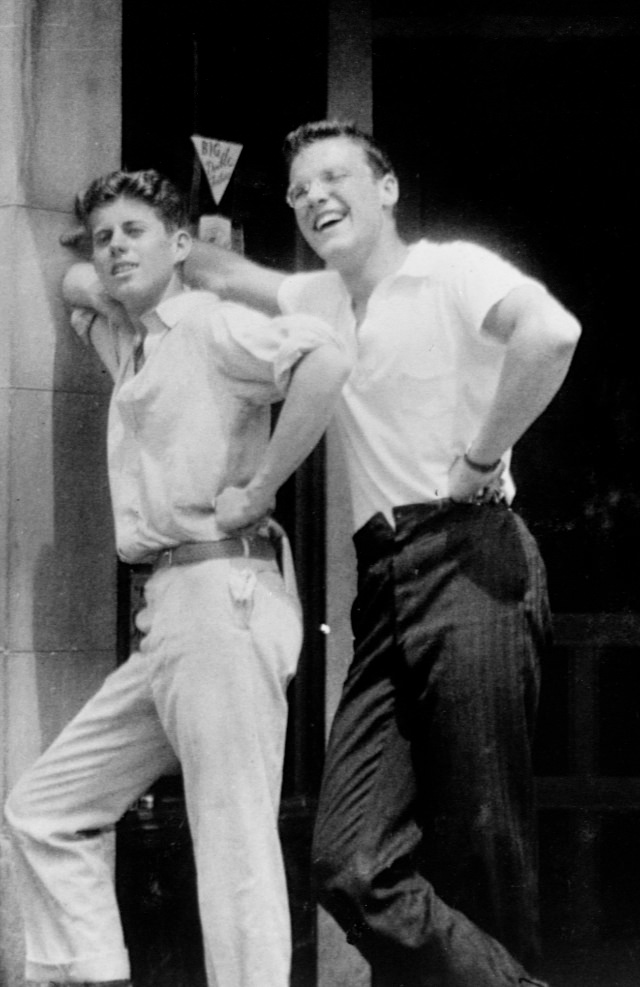
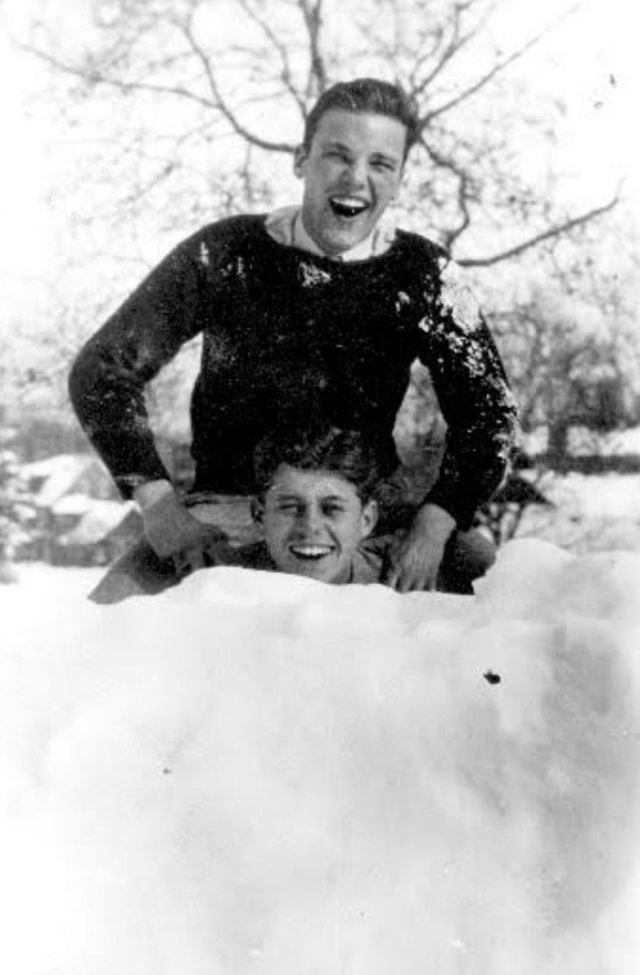
Their playful dynamic shows up clearly in the candid photos from their younger years. These weren’t posed portraits or official snapshots. They were pictures of two friends enjoying themselves — laughing, roughhousing, and simply being at ease in each other’s company. Kennedy, who projected such control and charisma in public life, let his guard down completely around Billings.
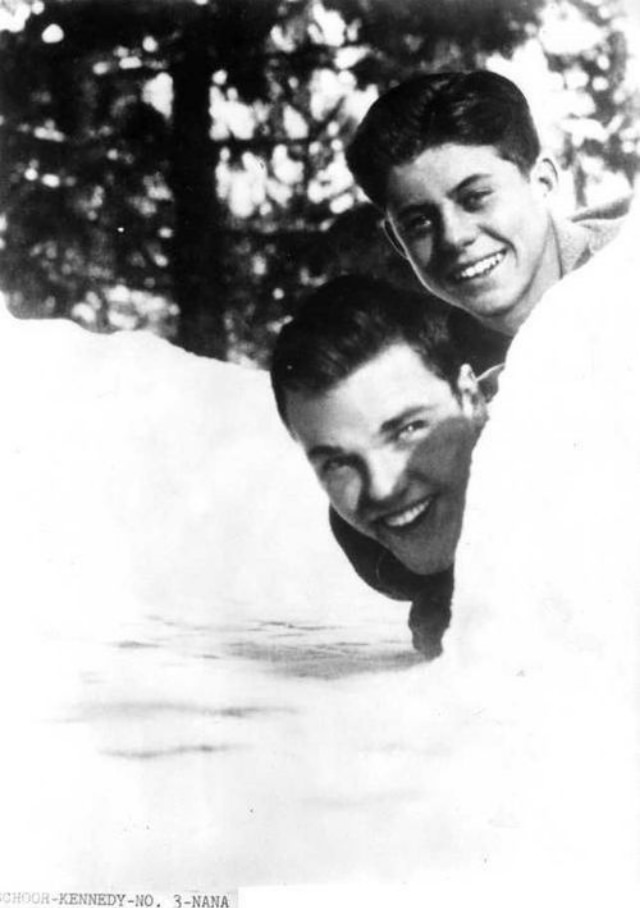
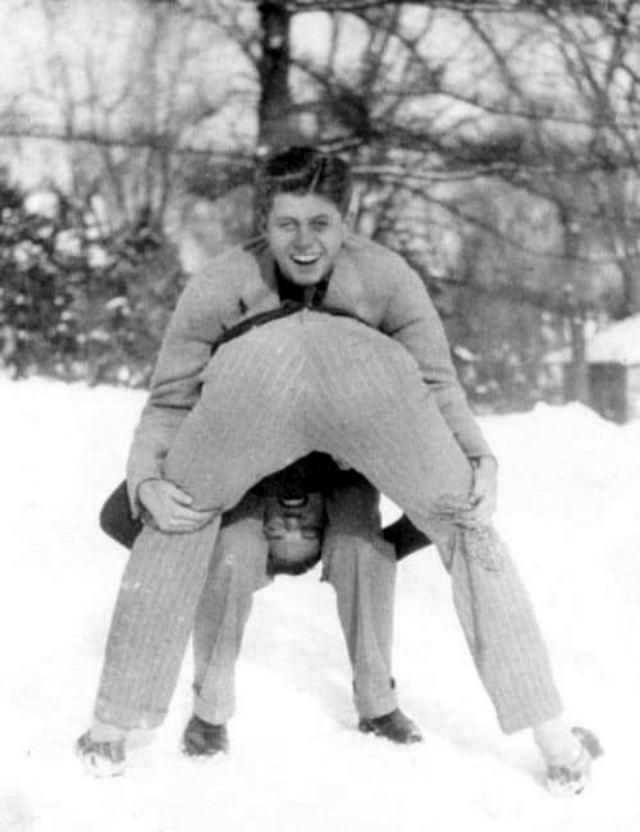
Billings became so embedded in Kennedy’s world that he was practically a fixture in the Kennedy household. He spent holidays and summers with the family for decades. The Kennedys treated him as one of their own, and he knew all of them — parents, siblings, and eventually the next generation — on a first-name, familiar basis.
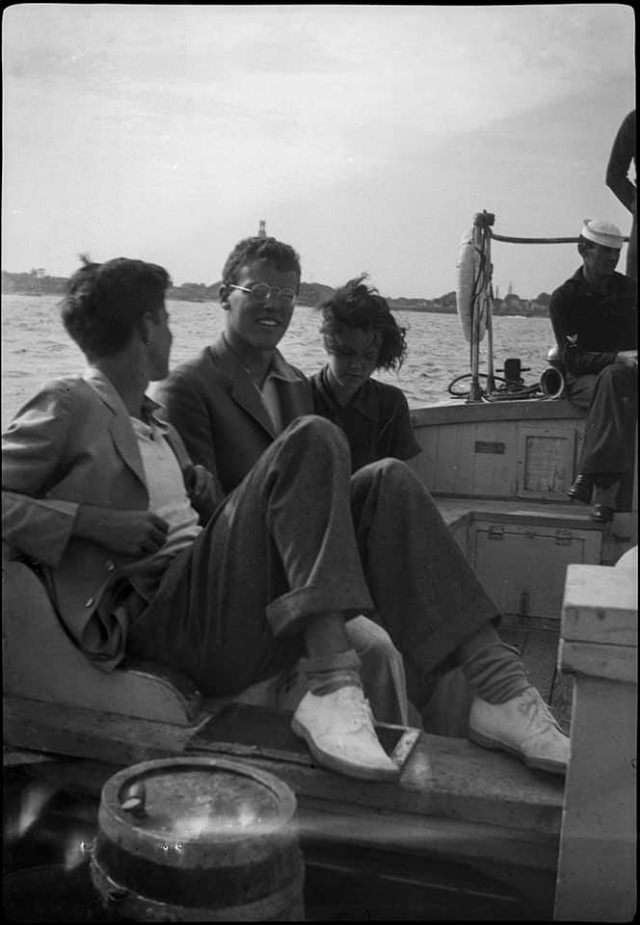
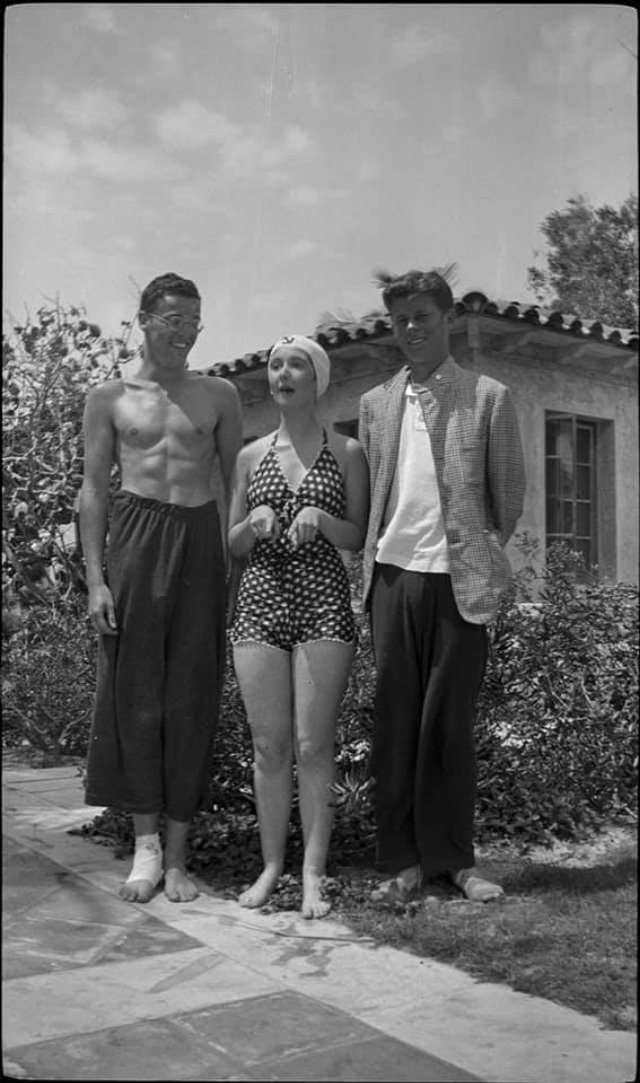
When Kennedy entered politics and eventually won the presidency in 1960, Billings did not fade into the background. He remained part of Kennedy’s inner circle, someone the president trusted completely and turned to for honest conversation. In a world full of advisors, aides, and people with agendas, Billings was simply a friend — and Kennedy knew the difference.
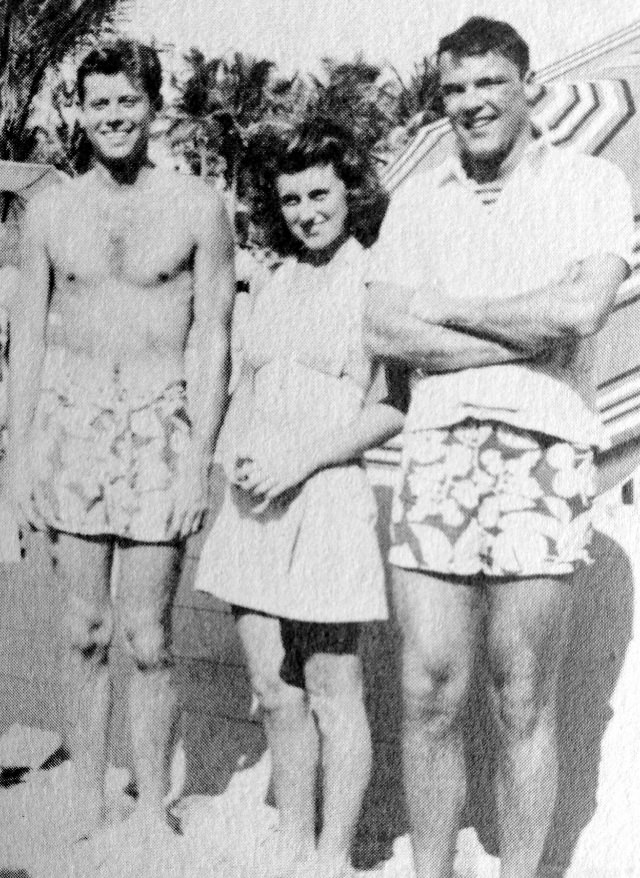
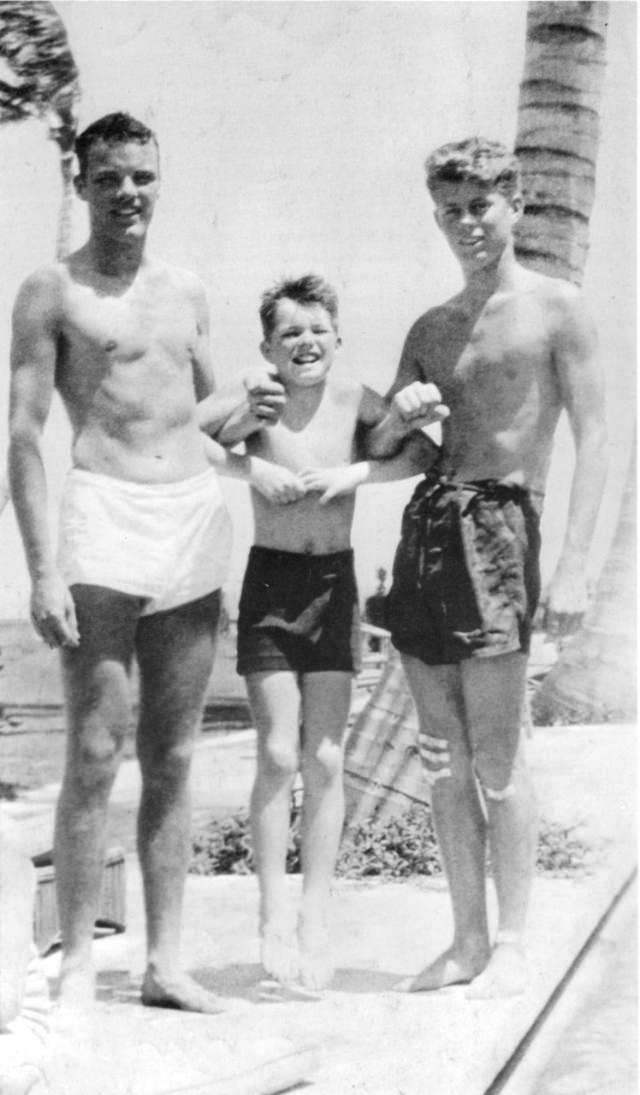
Kennedy dealt with chronic health problems throughout his life, including severe back pain and Addison’s disease. Billings was aware of all of it and stayed close through every difficult stretch. He wasn’t deterred by Kennedy’s illness or the unpredictability that came with being around a man in such demanding public life. He showed up, consistently, for over thirty years.
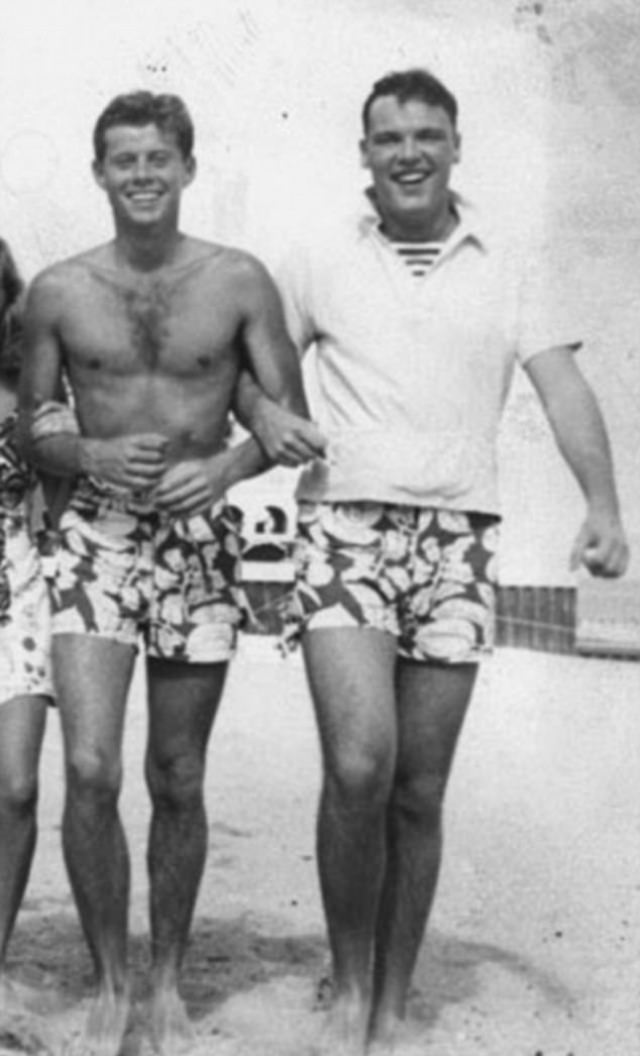
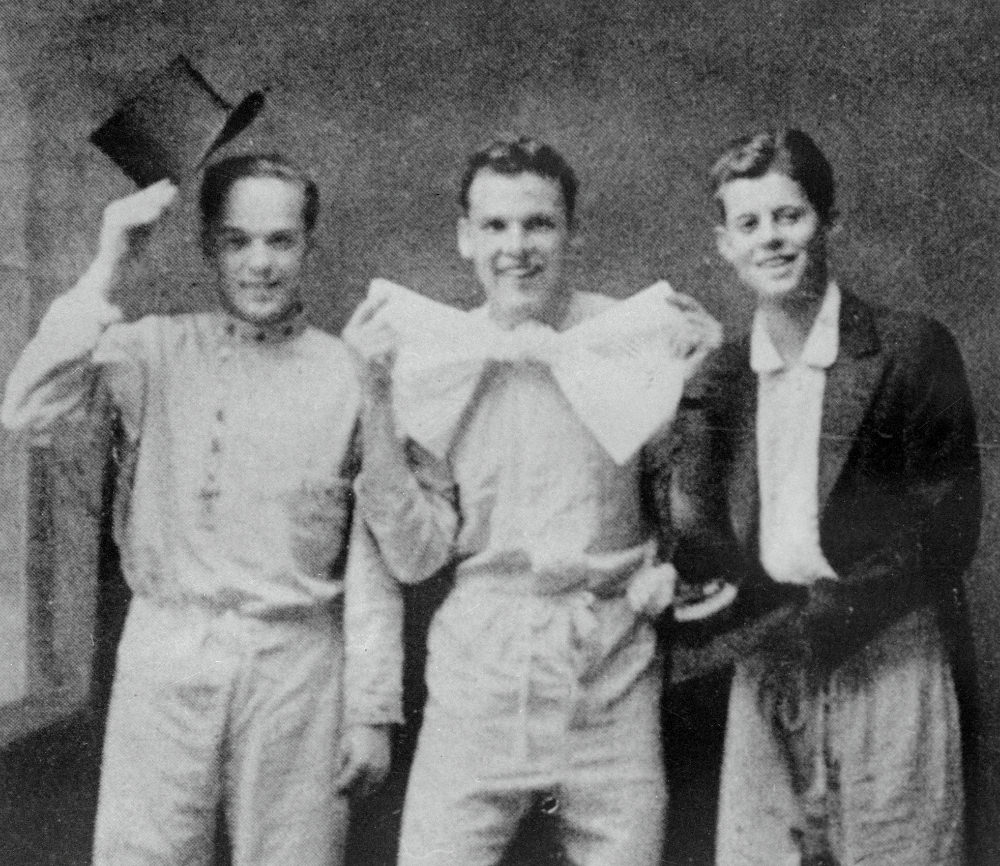
The photographs of Kennedy and Billings together — especially the ones from their youth — capture something that official portraits never could. They show two young men who genuinely enjoyed each other’s company, with no audience in mind and no image to maintain. Kennedy’s wit and mischief are visible in these moments, as is the comfort that comes from being around someone who knew you before the world decided who you were.
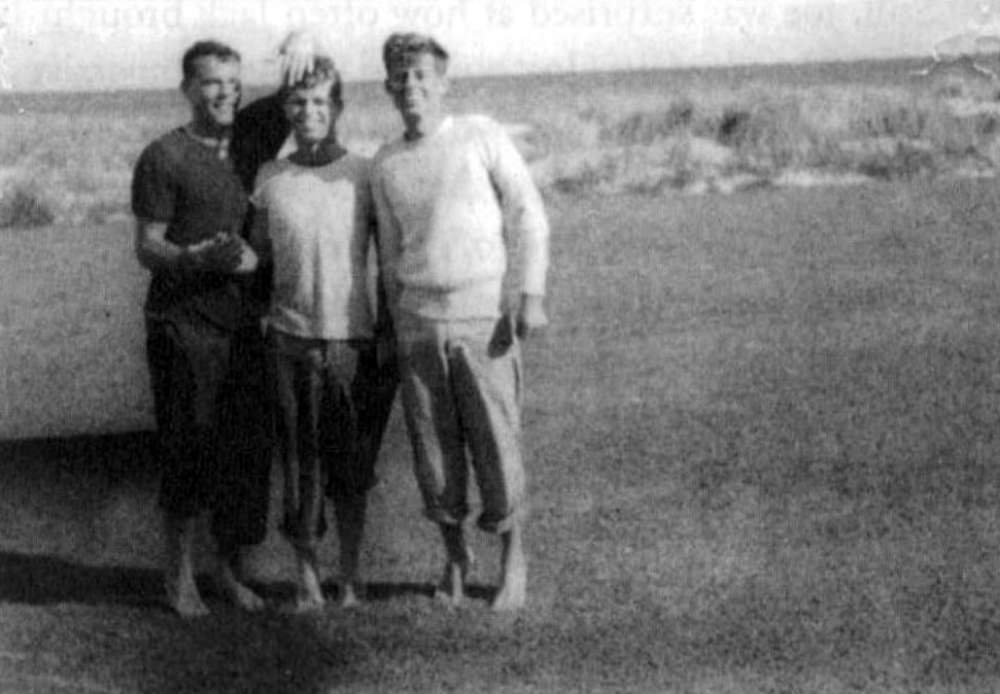
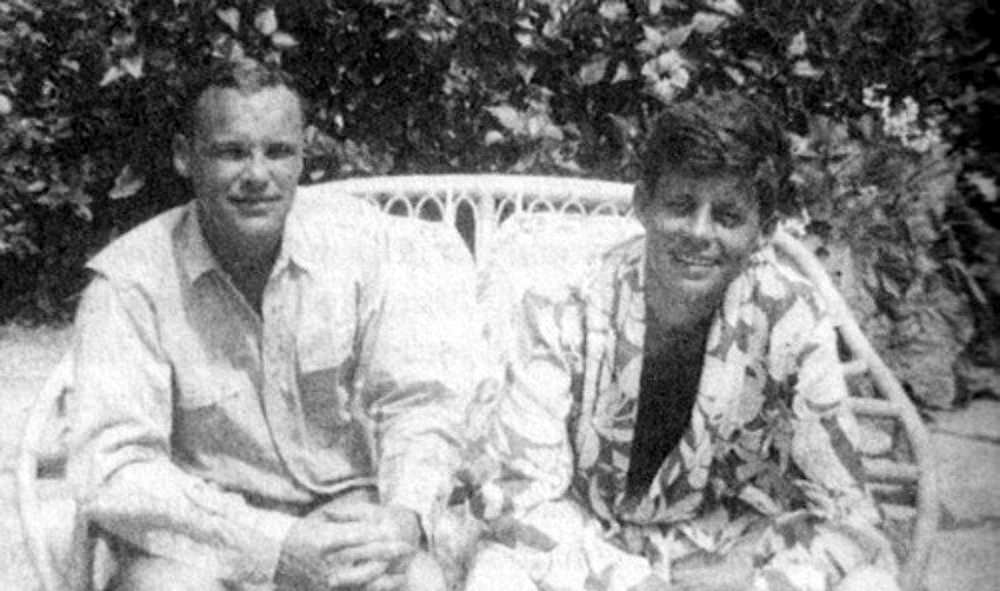
Their friendship lasted from adolescence all the way to November 22, 1963 — the day Kennedy was assassinated in Dallas, Texas. Billings was devastated by the loss. He had known Kennedy longer and more personally than almost anyone outside the immediate family. The friendship spanned three decades, two world wars’ worth of history, and one of the most consequential presidencies in American history.
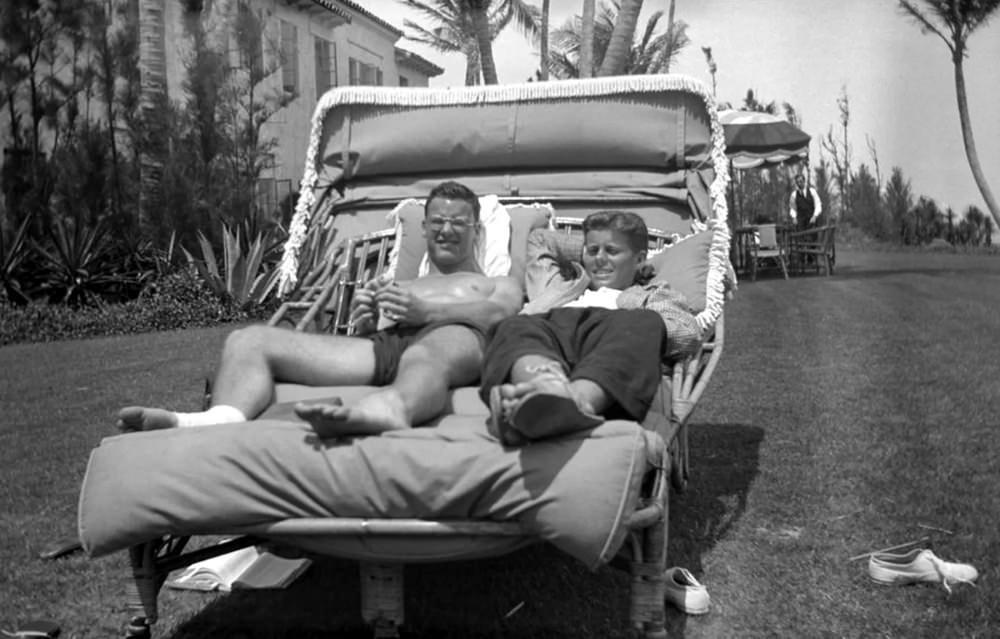
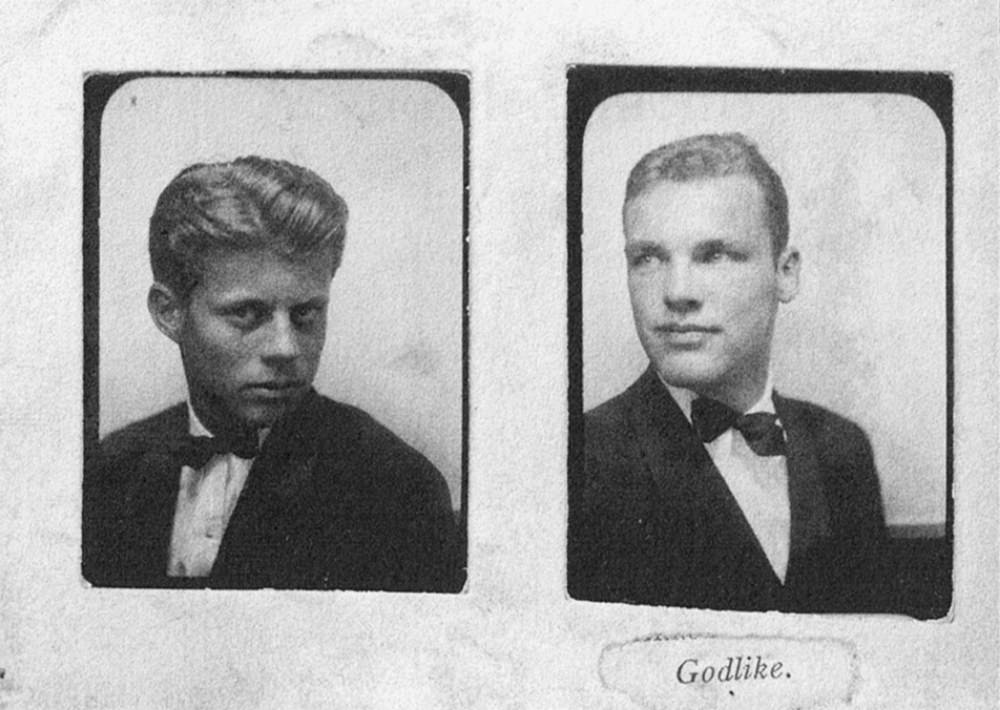
These images are a reminder that behind the official record of any historical figure is a personal life — full of ordinary moments, inside jokes, and people who mattered. For Kennedy, Lem Billings was that person. The boy who goofed around with him at Choate never stopped being his closest friend, even after Kennedy became the most powerful man in the world.