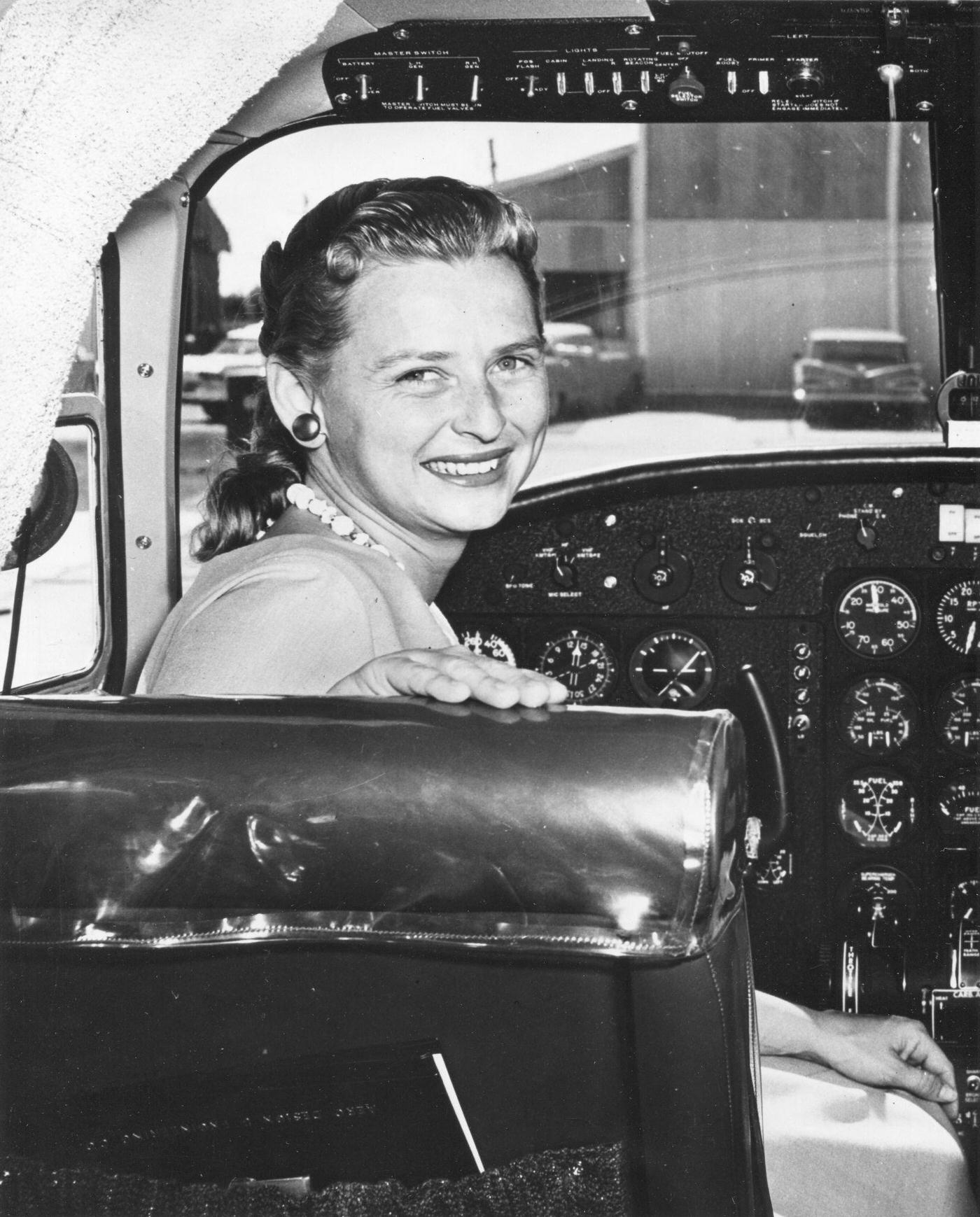
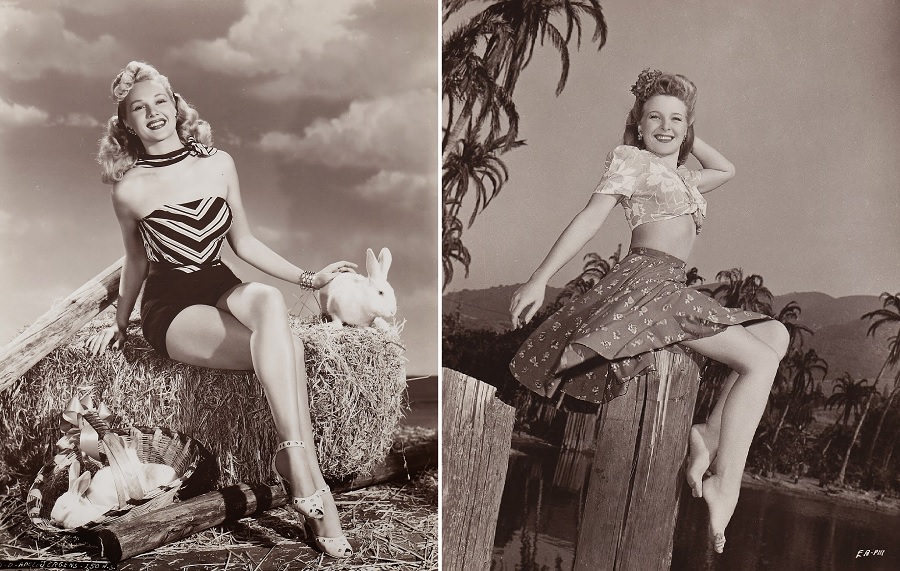
Jerrie Cobb was born in Norman, Oklahoma in 1931, and flying was her life from childhood. She took her first solo flight at just 12 years old. By her early twenties, she was already teaching men to fly military aircraft — a remarkable achievement for any pilot of that era, let alone a young woman.
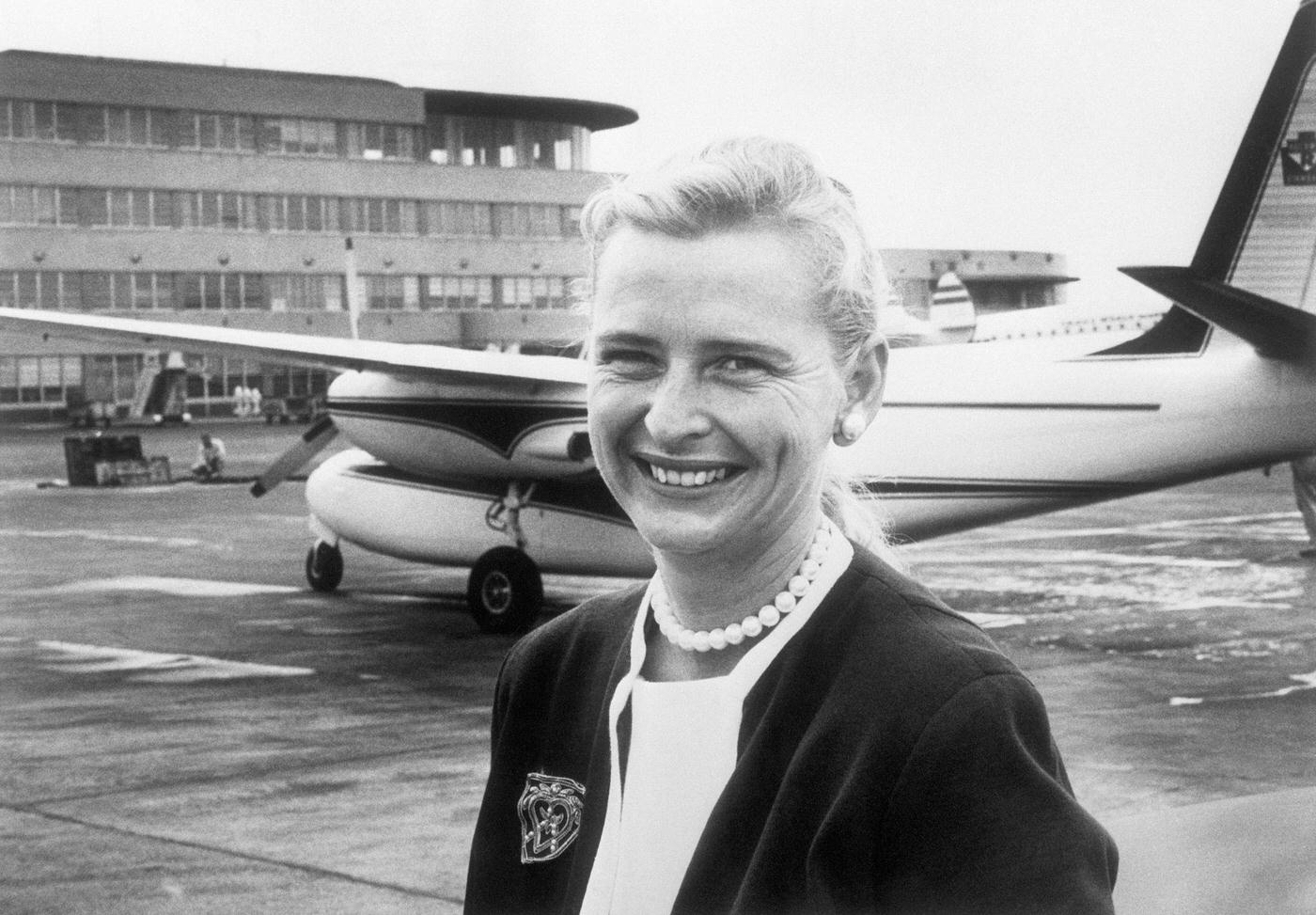
Her flying career grew quickly through the 1950s. She accumulated thousands of flight hours and earned a reputation as one of the most skilled aviators in the country, male or female.
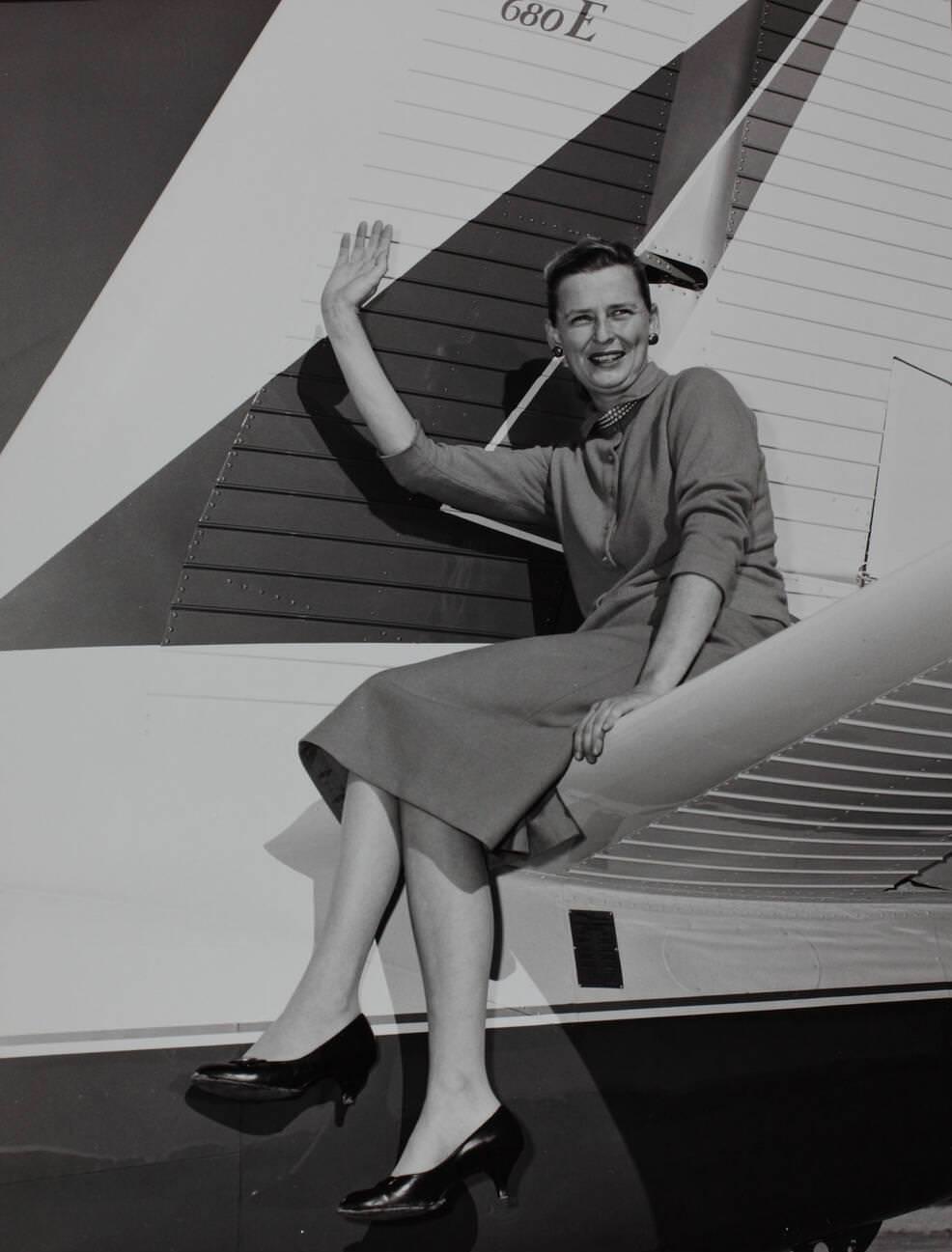
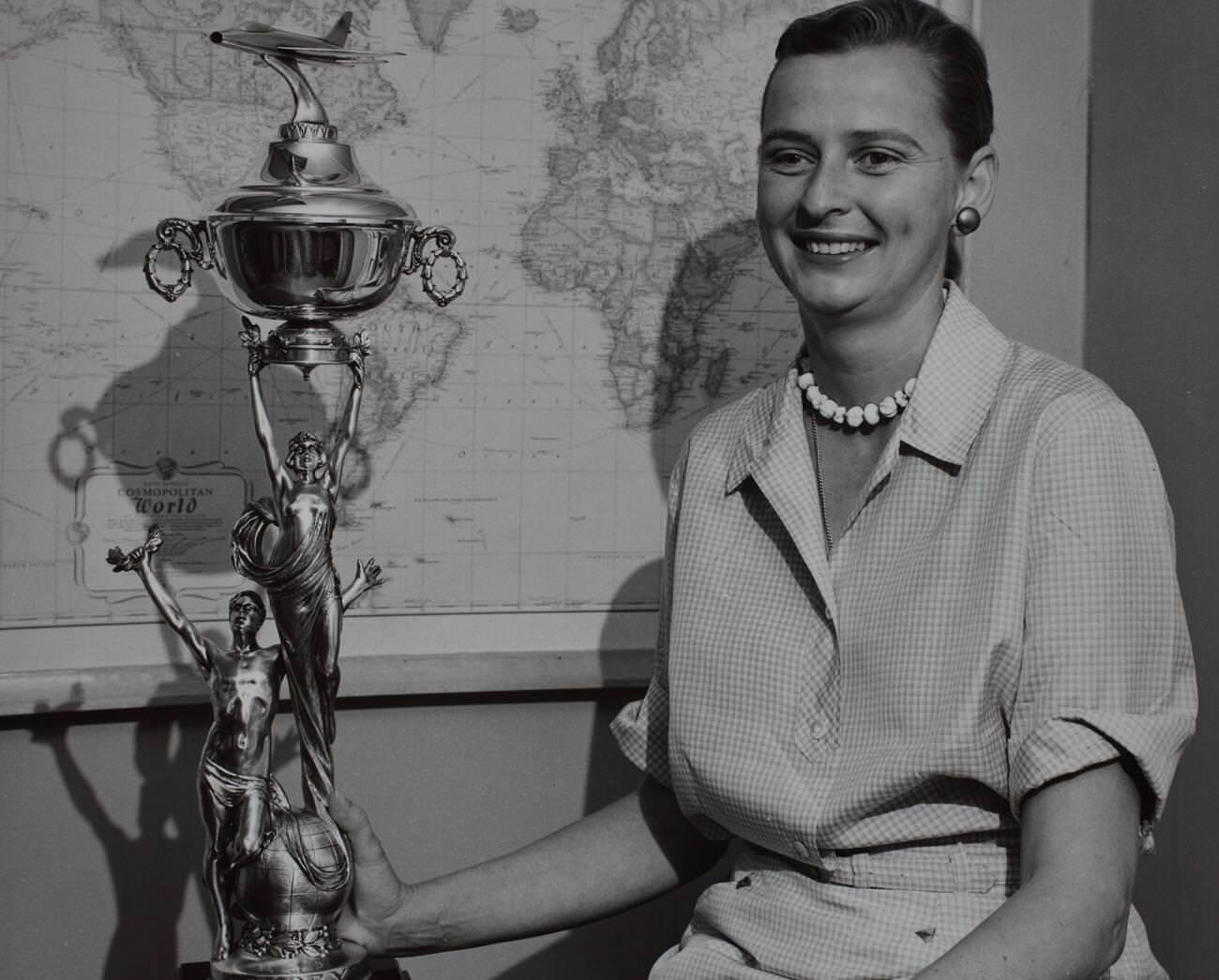
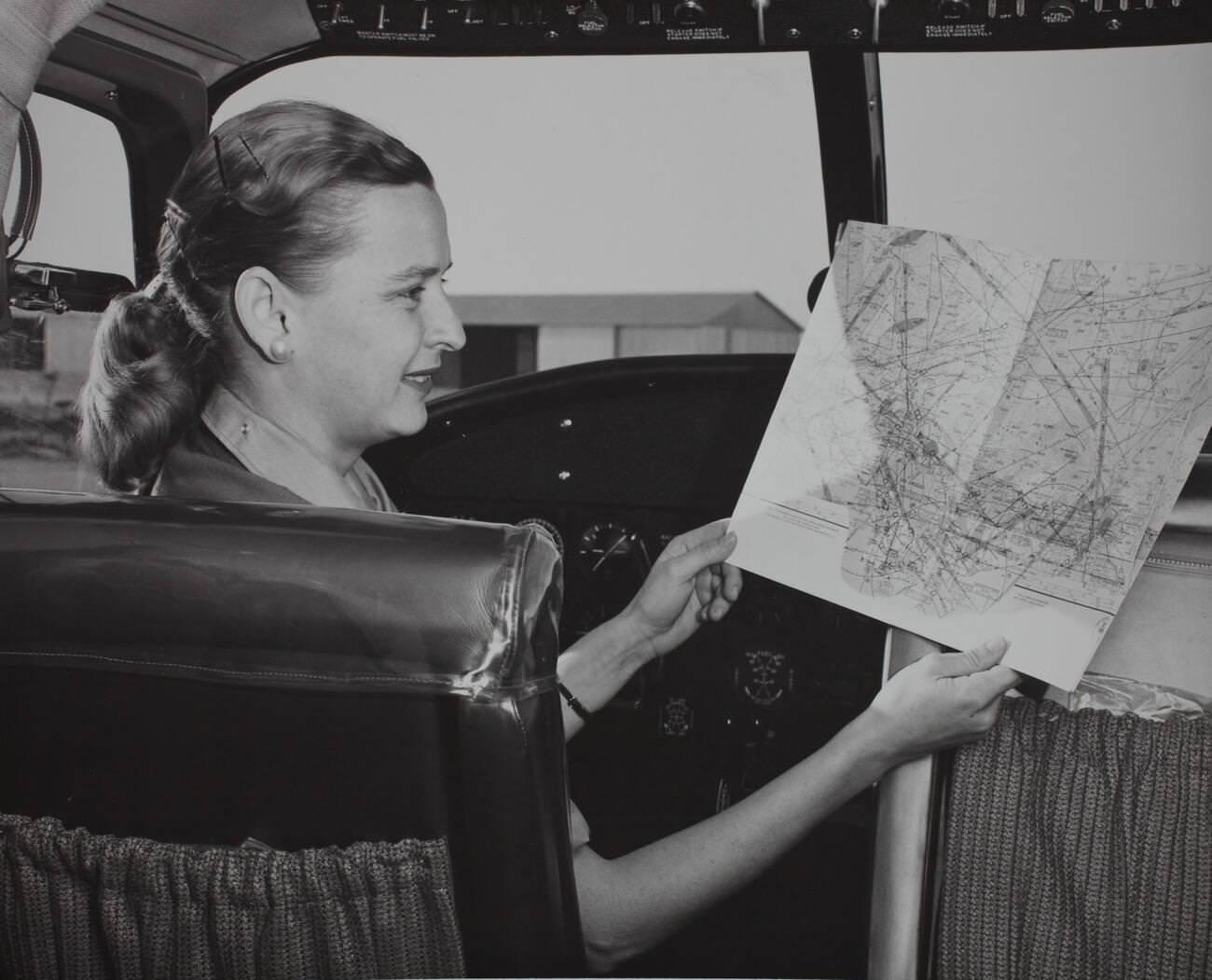
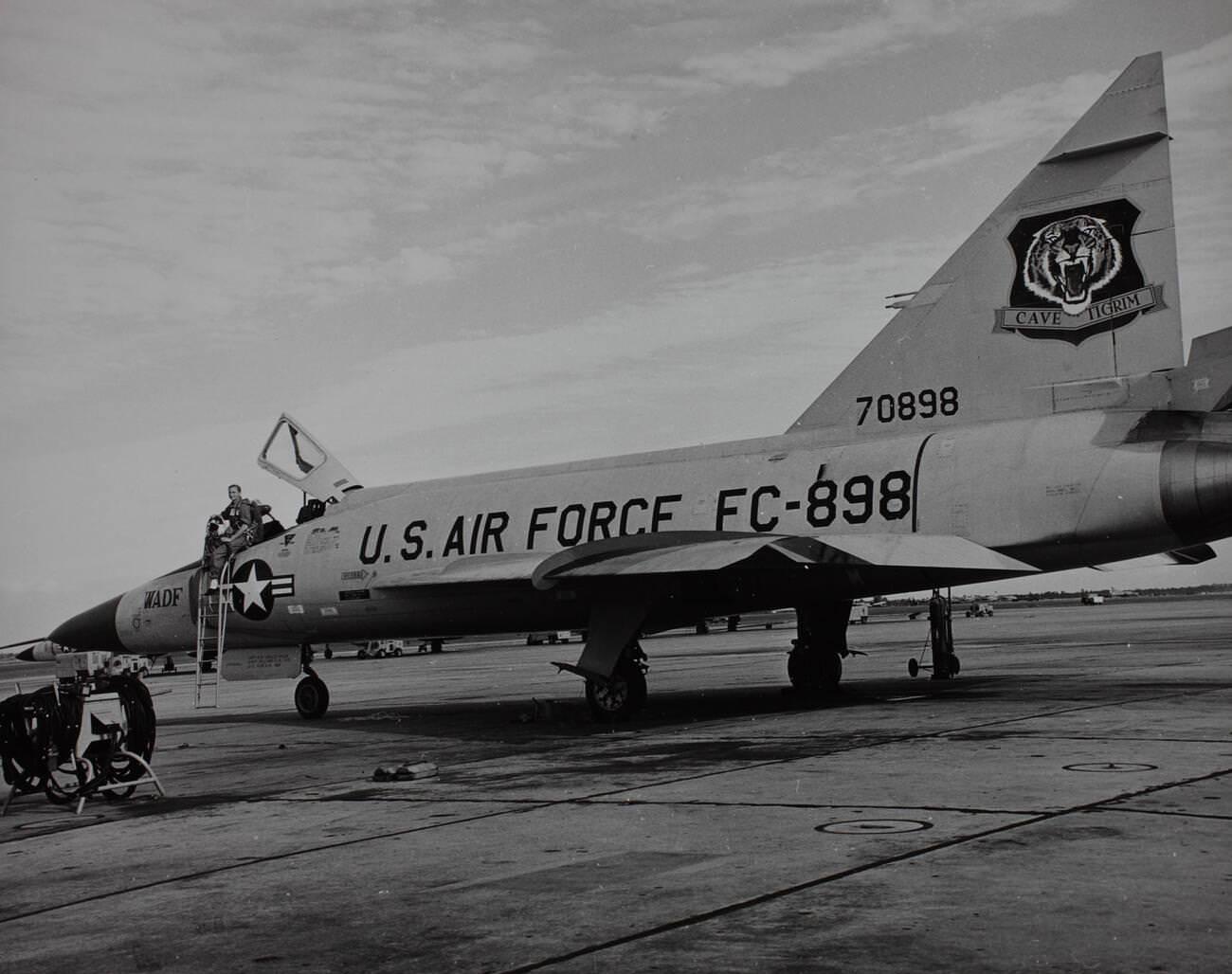
In 1960 — just one year after NASA selected its first group of astronauts — Cobb became the first woman to undergo the same grueling astronaut testing process. The evaluations spanned multiple days and included physical, psychological, and medical examinations designed to push candidates to their limits.
Cobb didn’t just pass — she excelled. She outperformed many of her male counterparts in several test categories. One of those tests involved the gimbal rig, a spinning apparatus used to simulate the disorienting rotations an astronaut experiences in space.
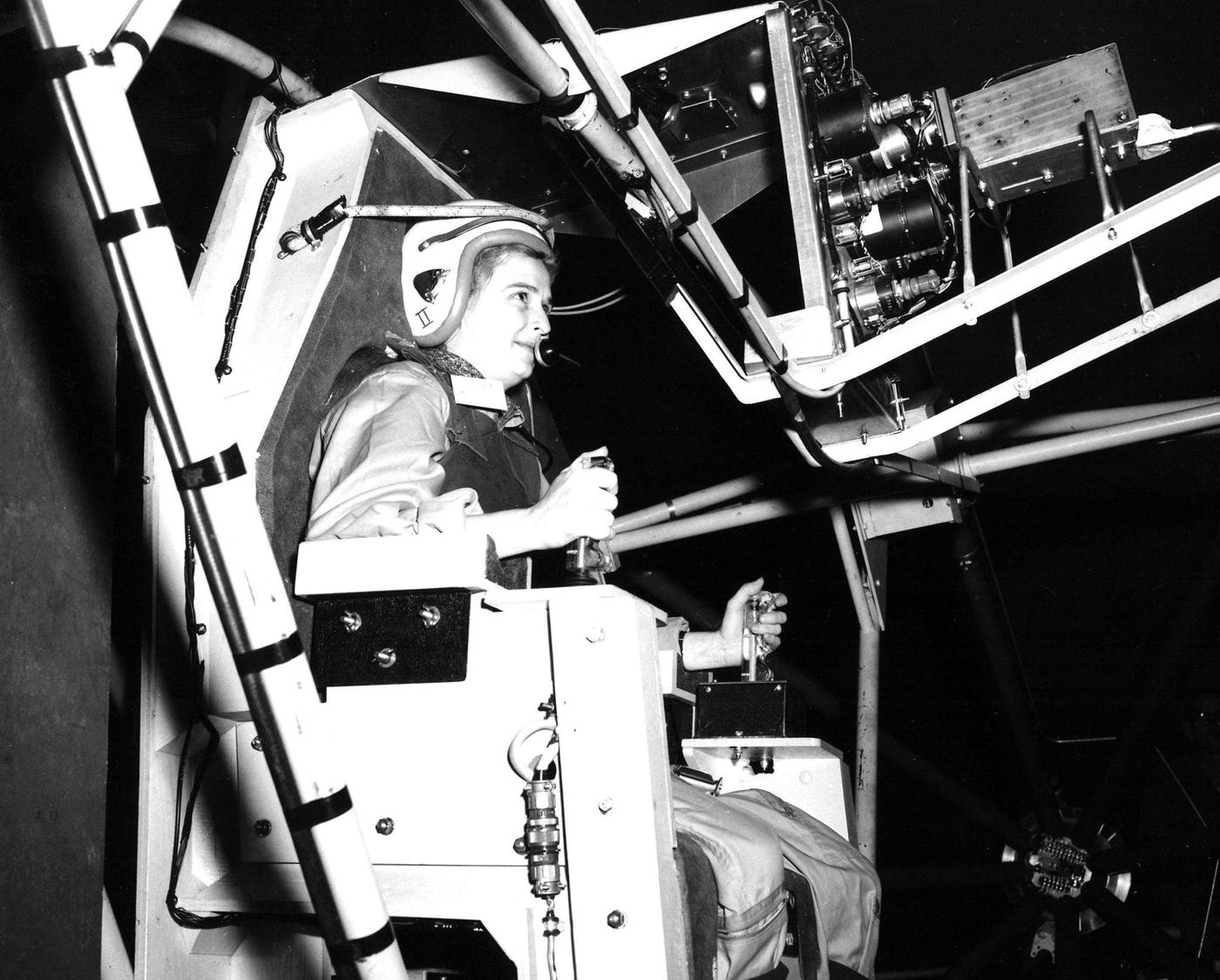
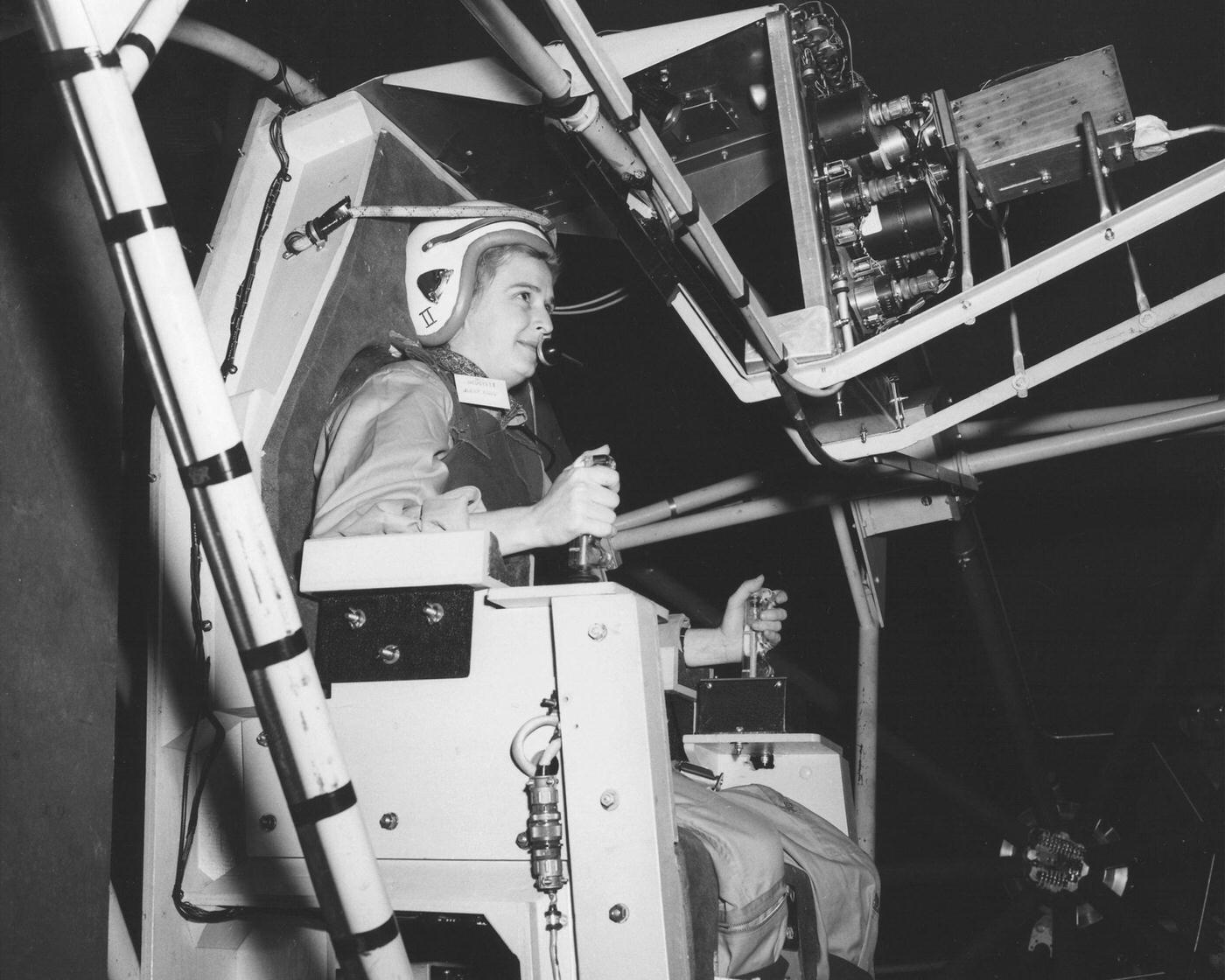
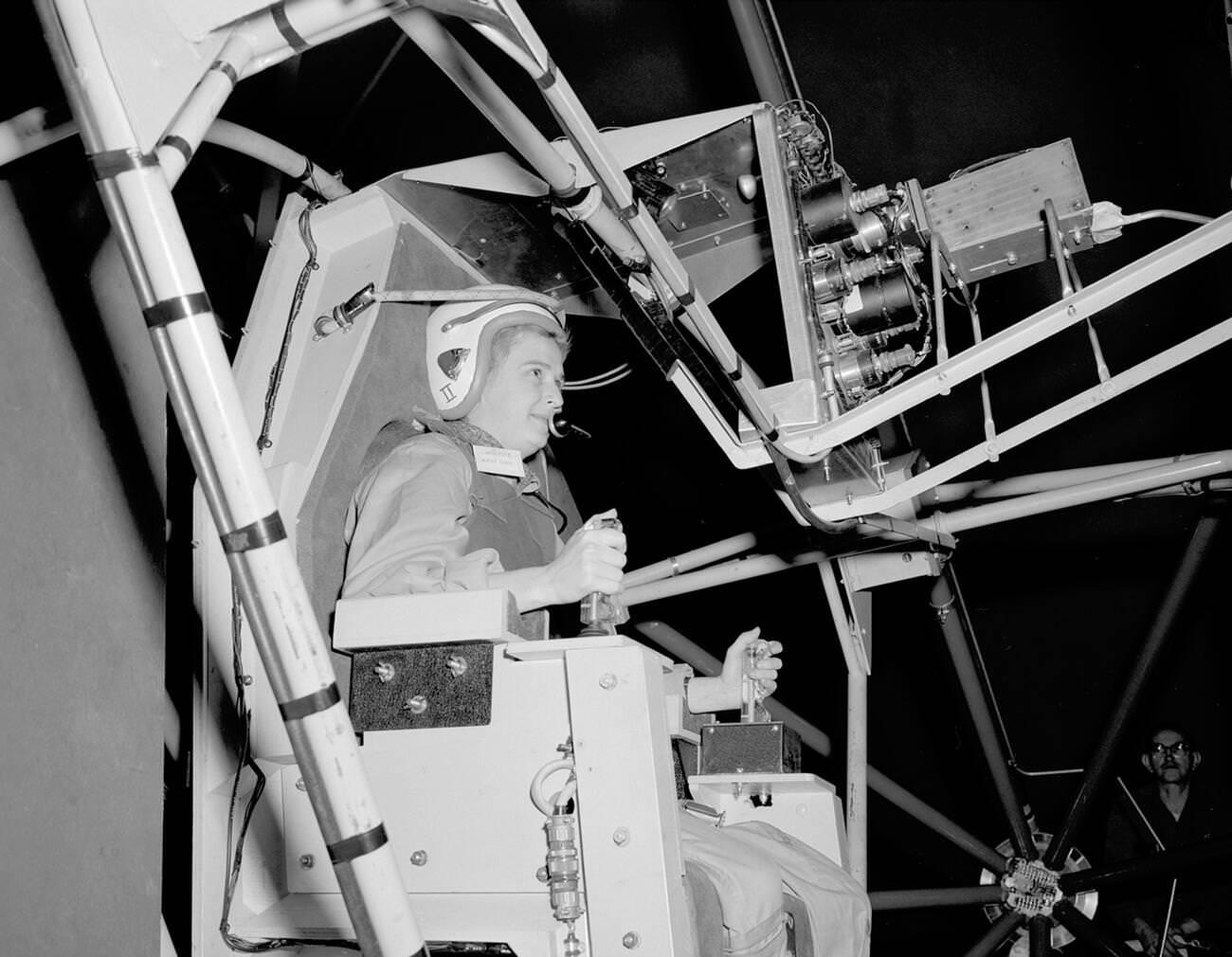
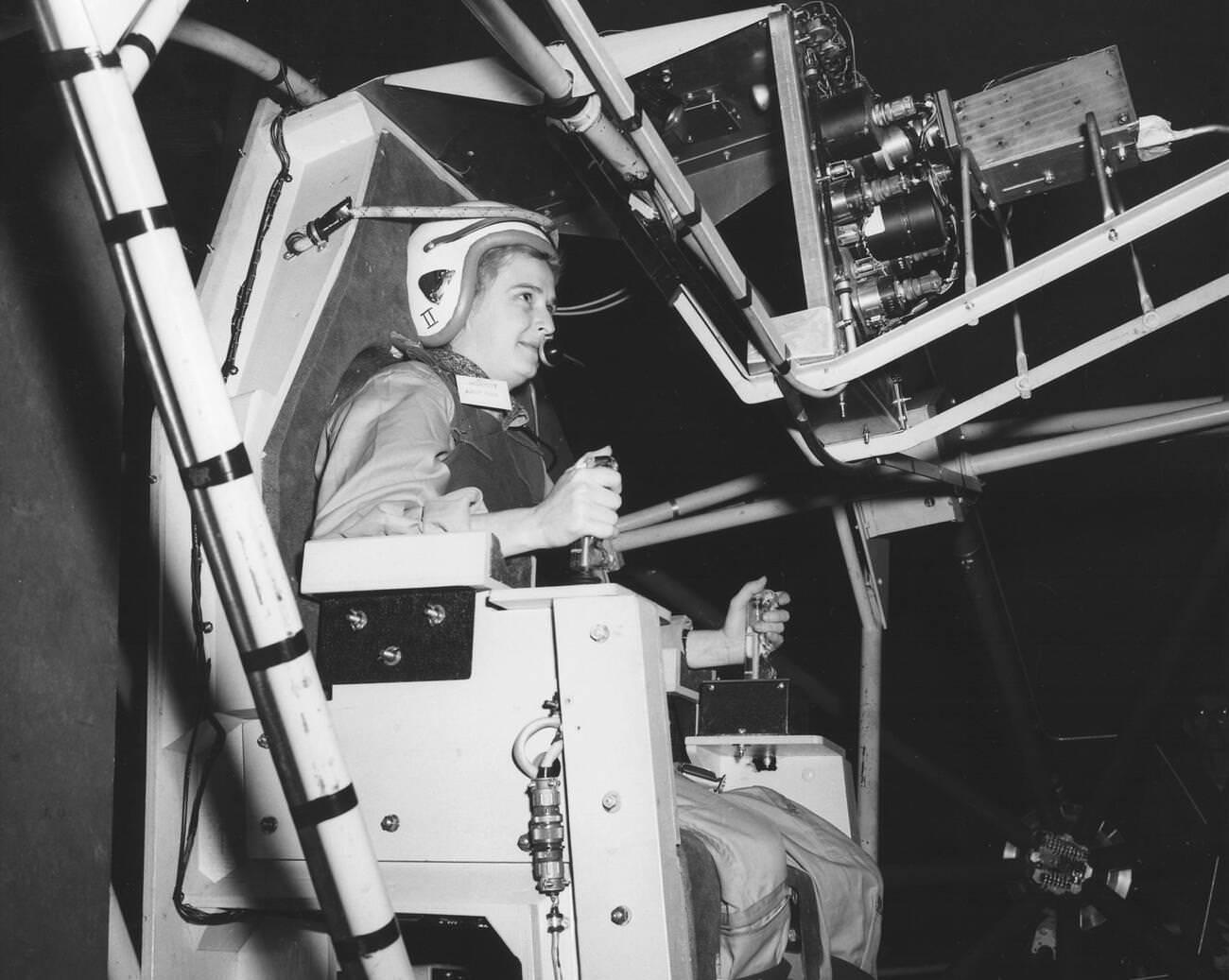
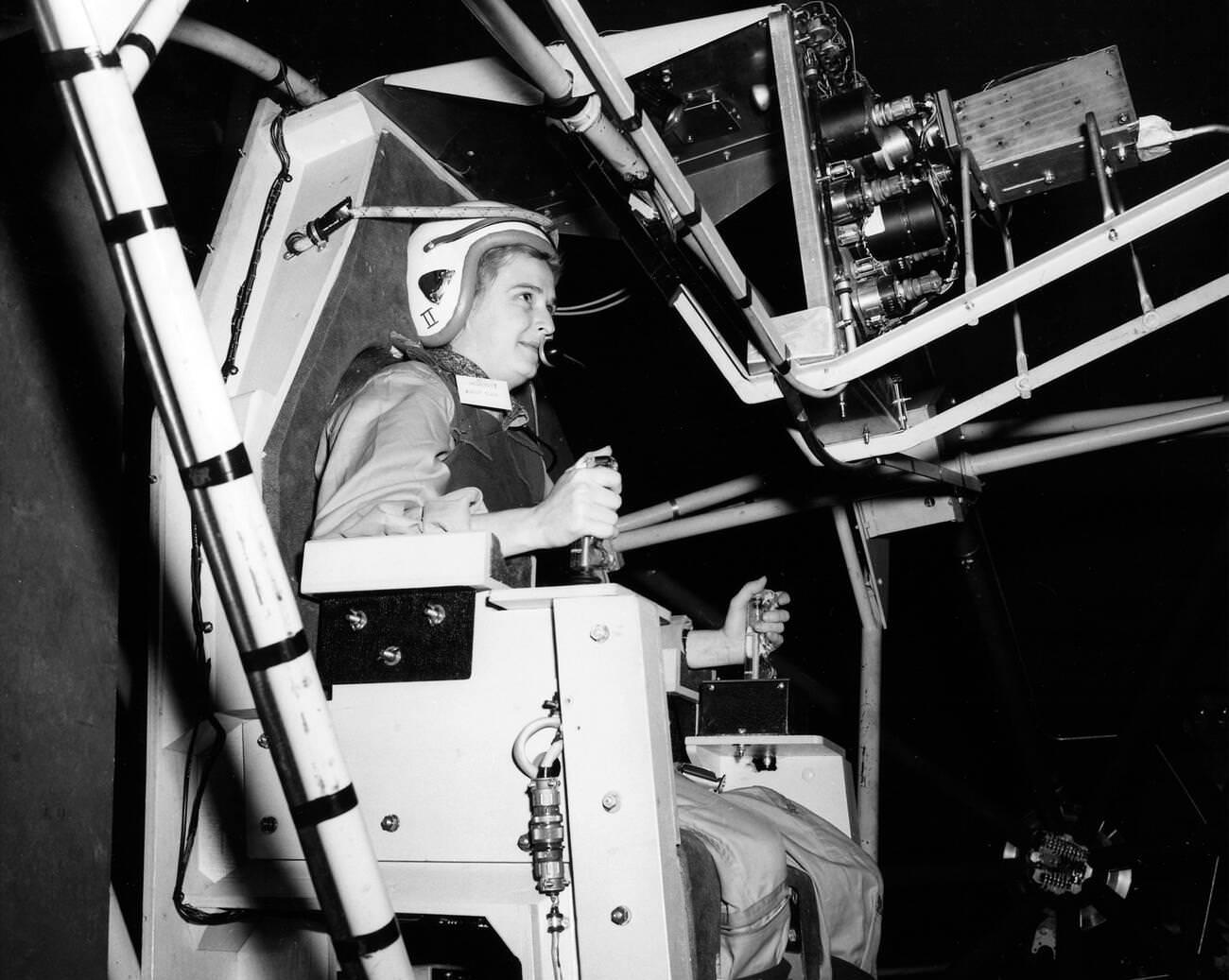
She was formally recognized as an astronaut candidate and took part in the Lovelace Foundation’s Woman in Space Program. She was not alone in this effort — other women pilots also pursued the same testing and training.
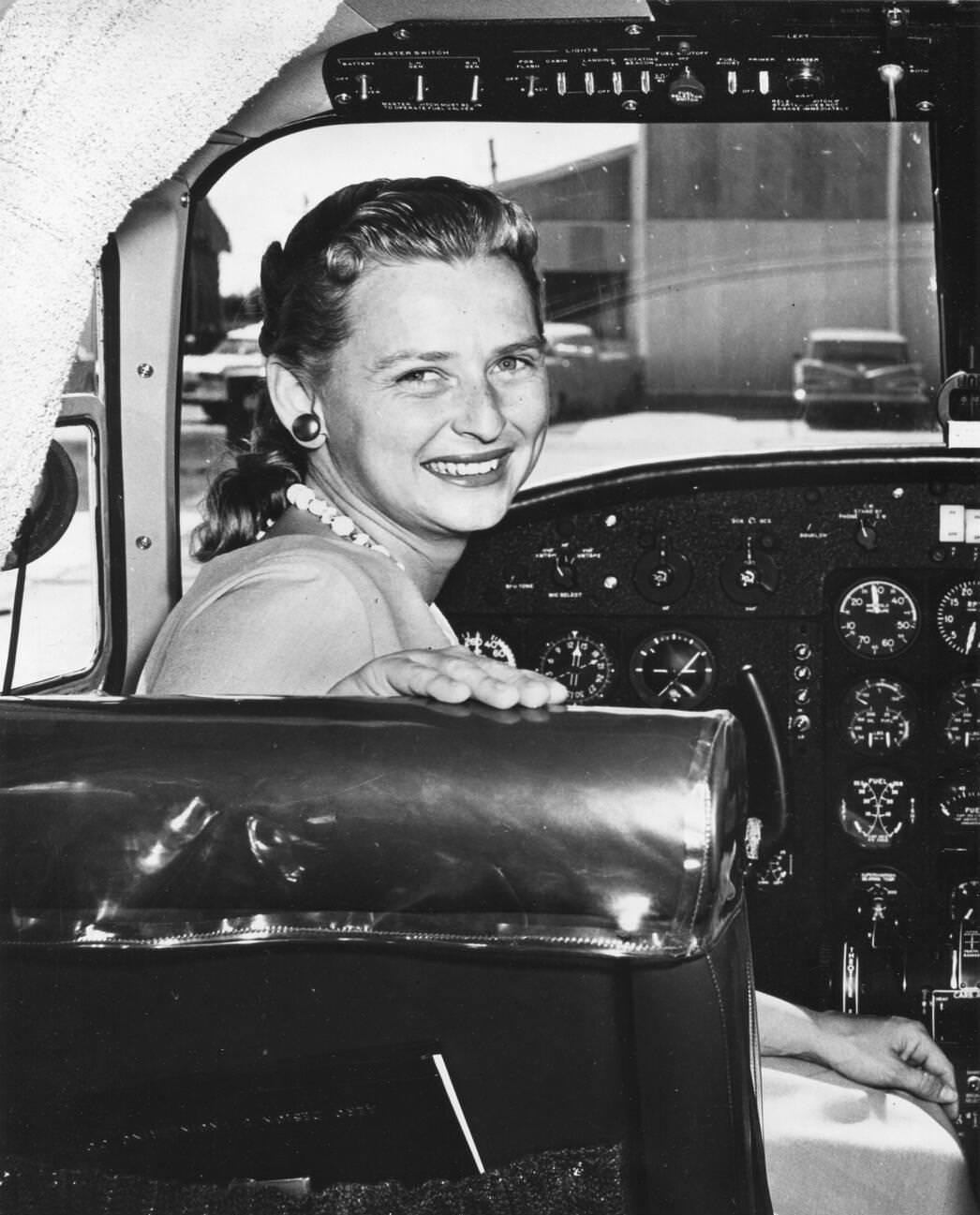
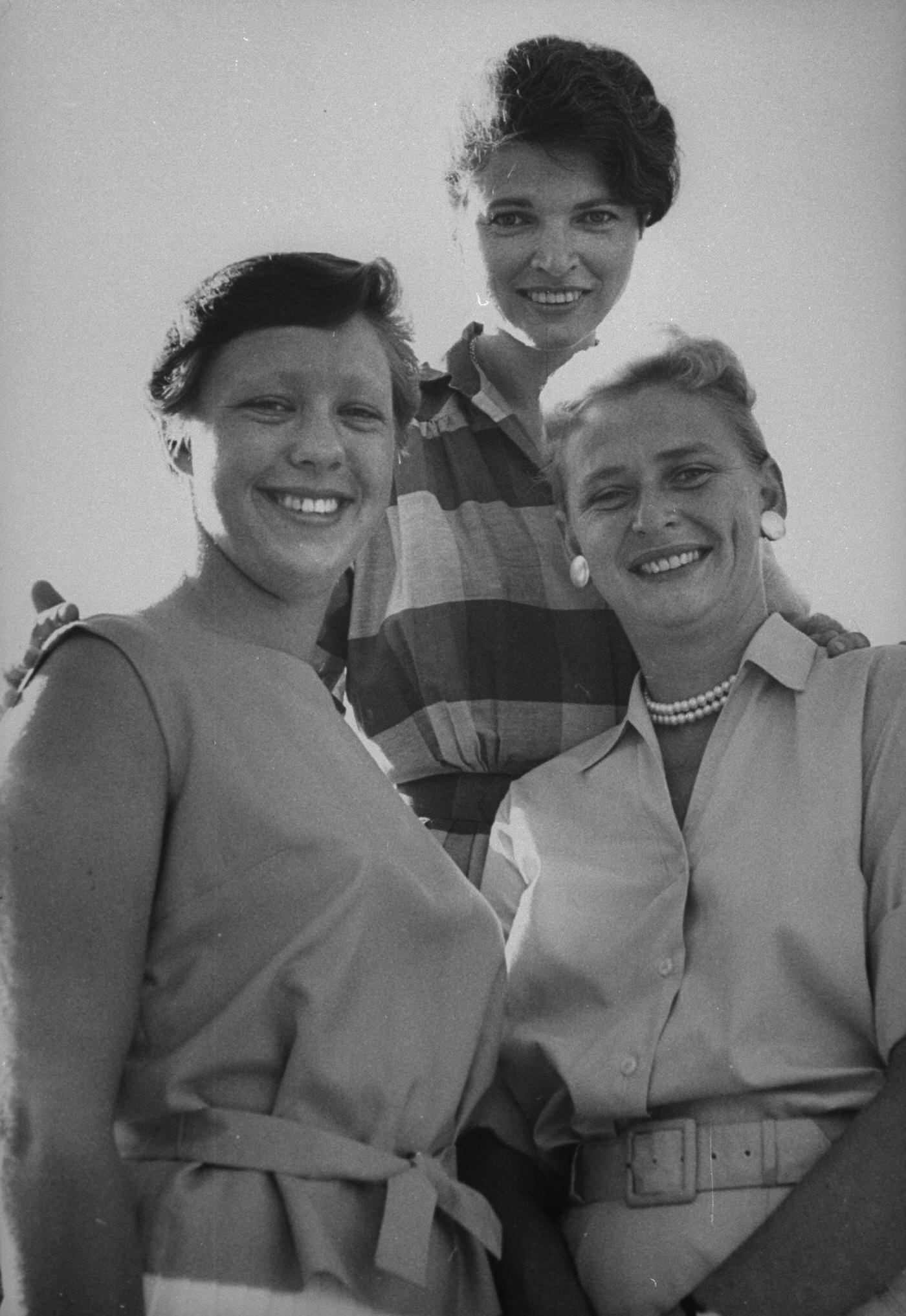
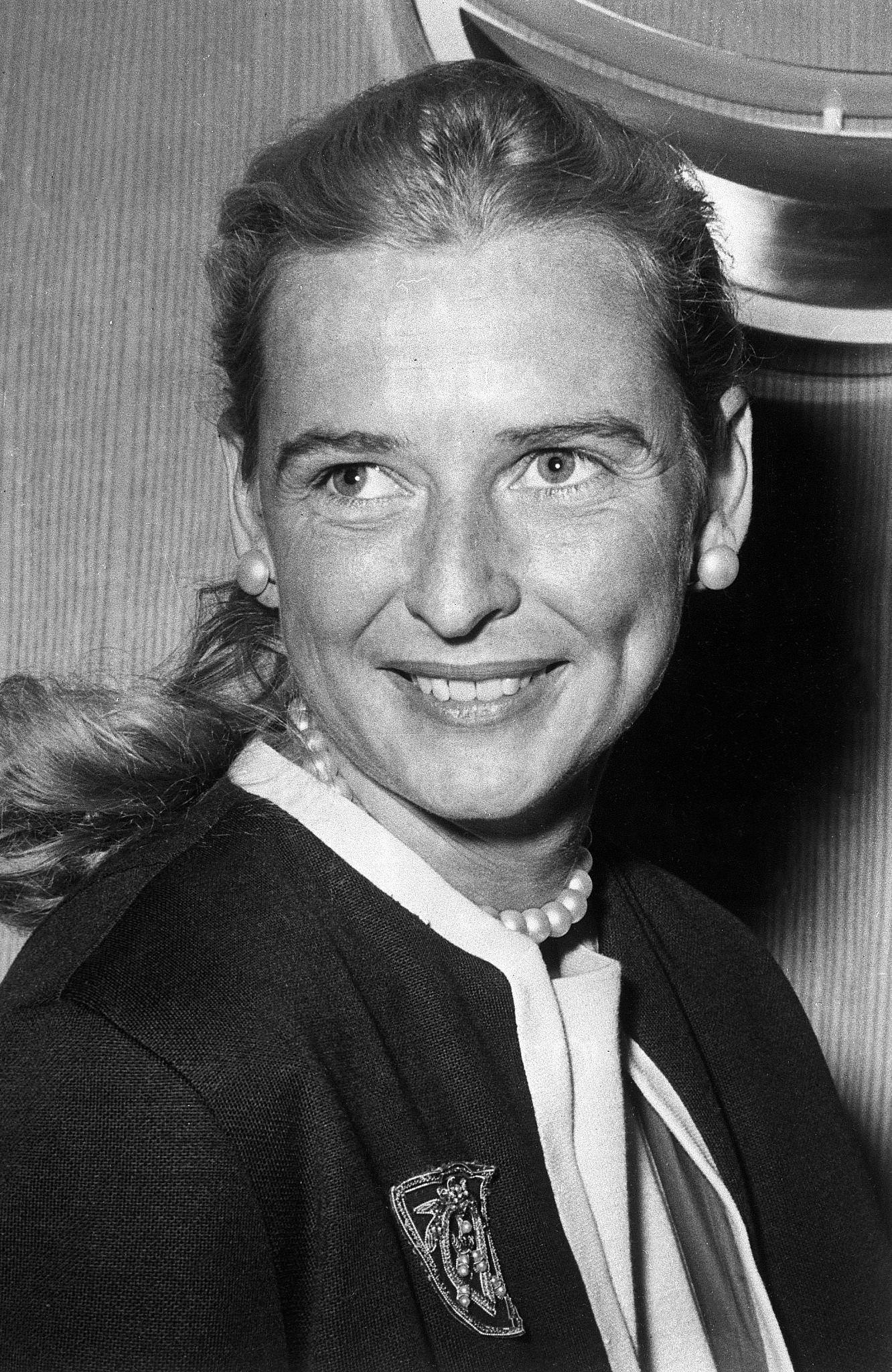
Despite her results, NASA never sent Cobb to space. Gender bias was deeply embedded in 1960s institutions, and the astronaut program remained closed to women. Cobb responded by taking her case directly to Washington.
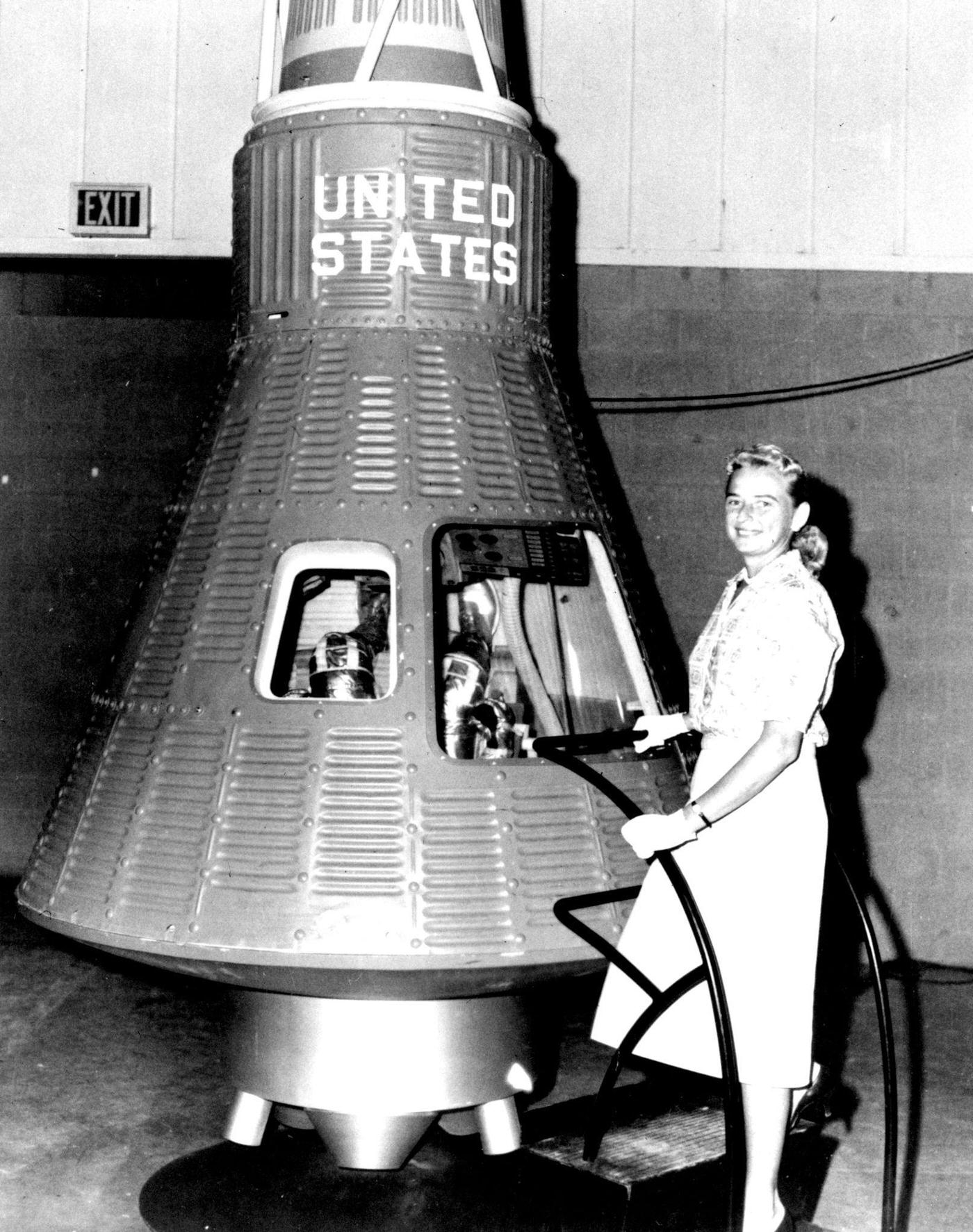
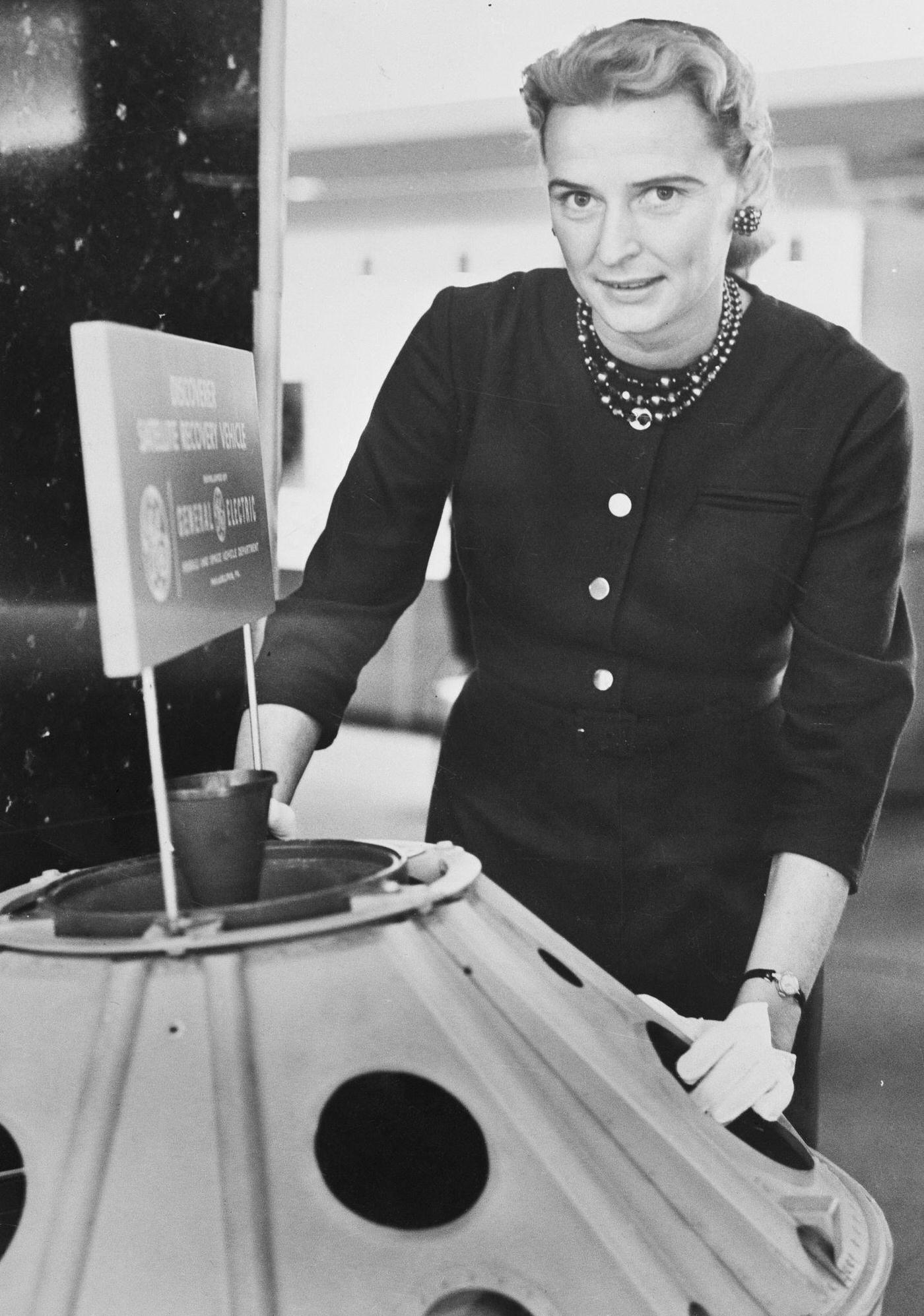
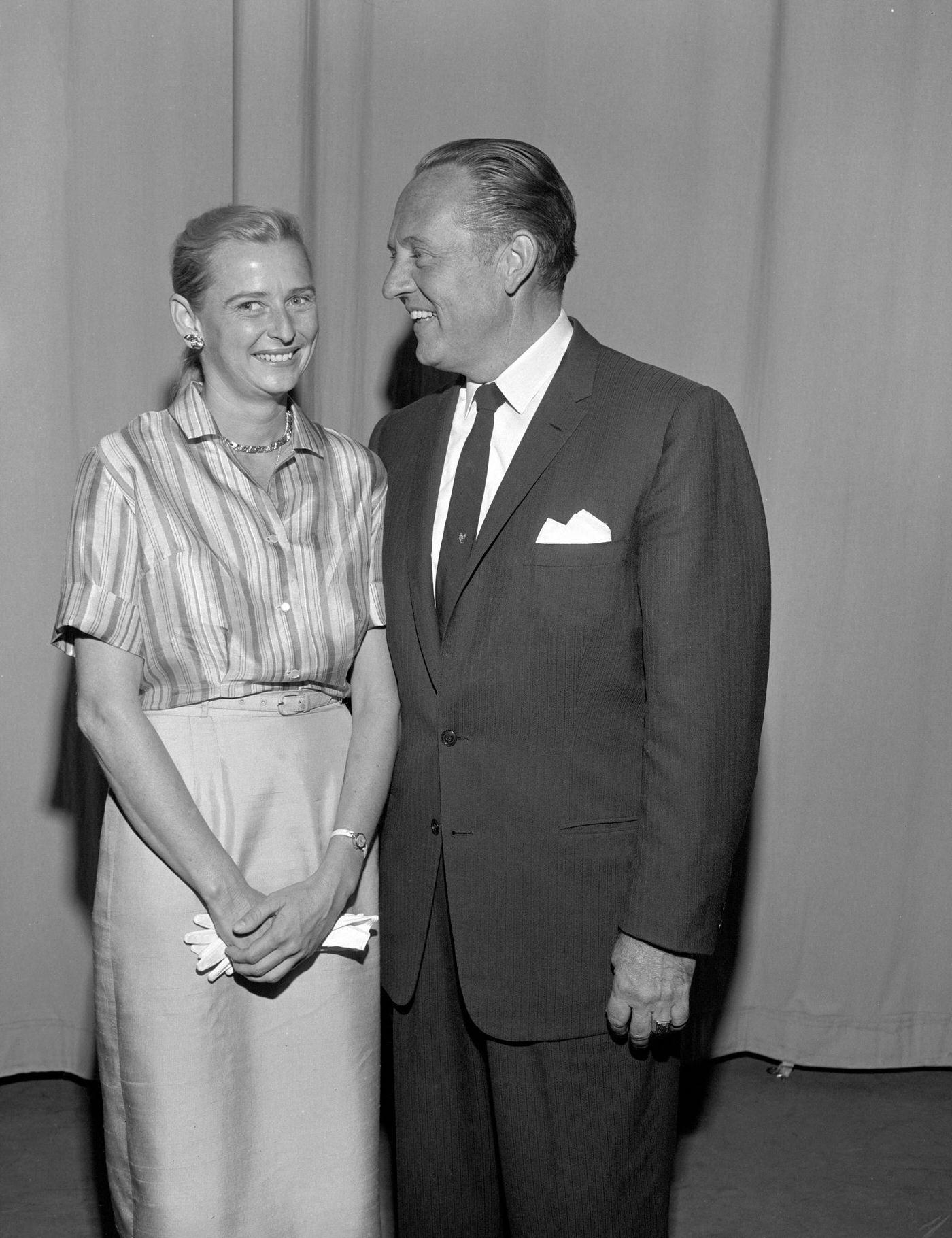
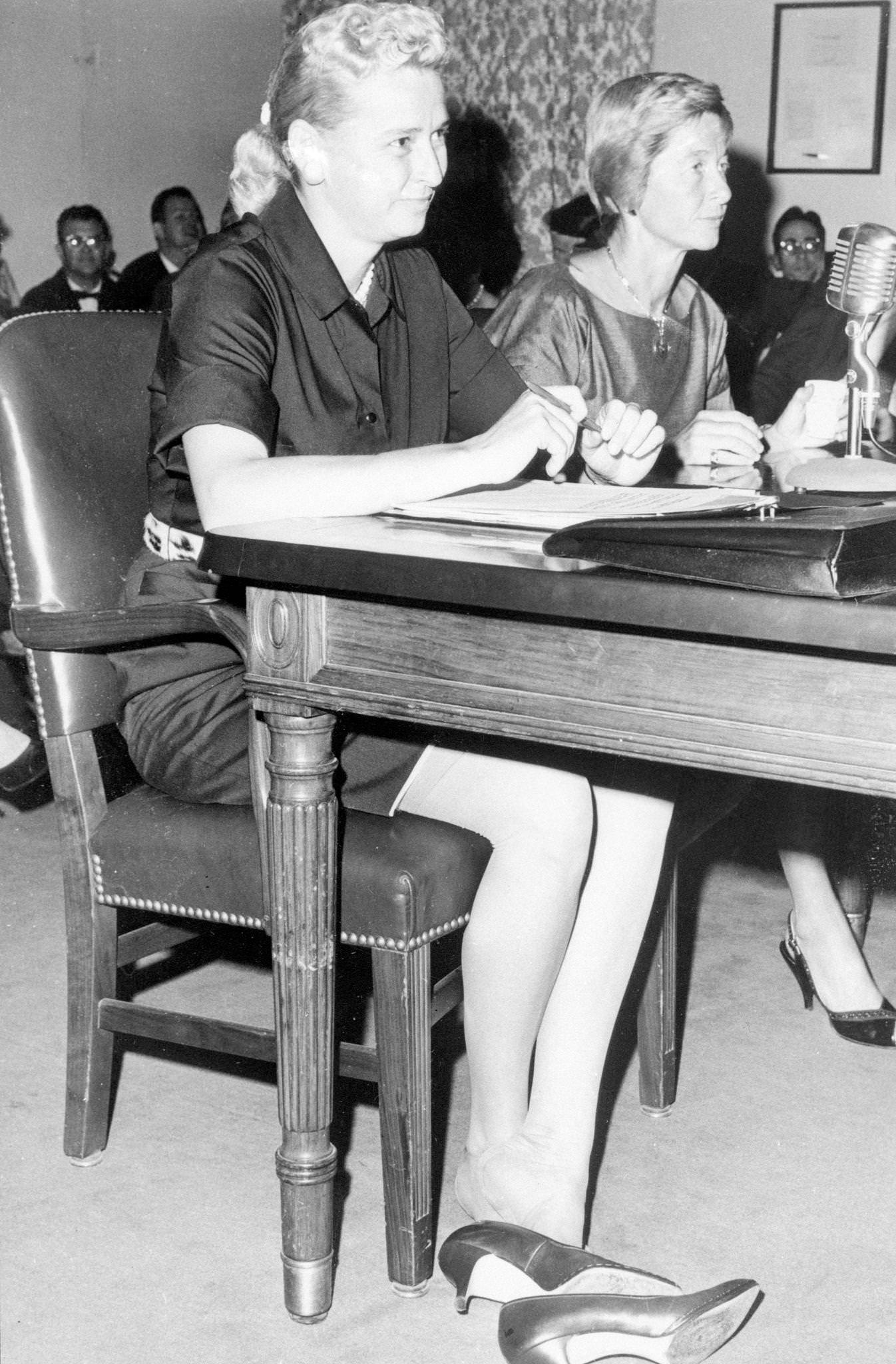
In 1962, Cobb testified before Congress, arguing directly for women’s inclusion in the astronaut program. She appeared alongside fellow aviator Jackie Cochran, pressing lawmakers to open the doors that NASA had kept shut.
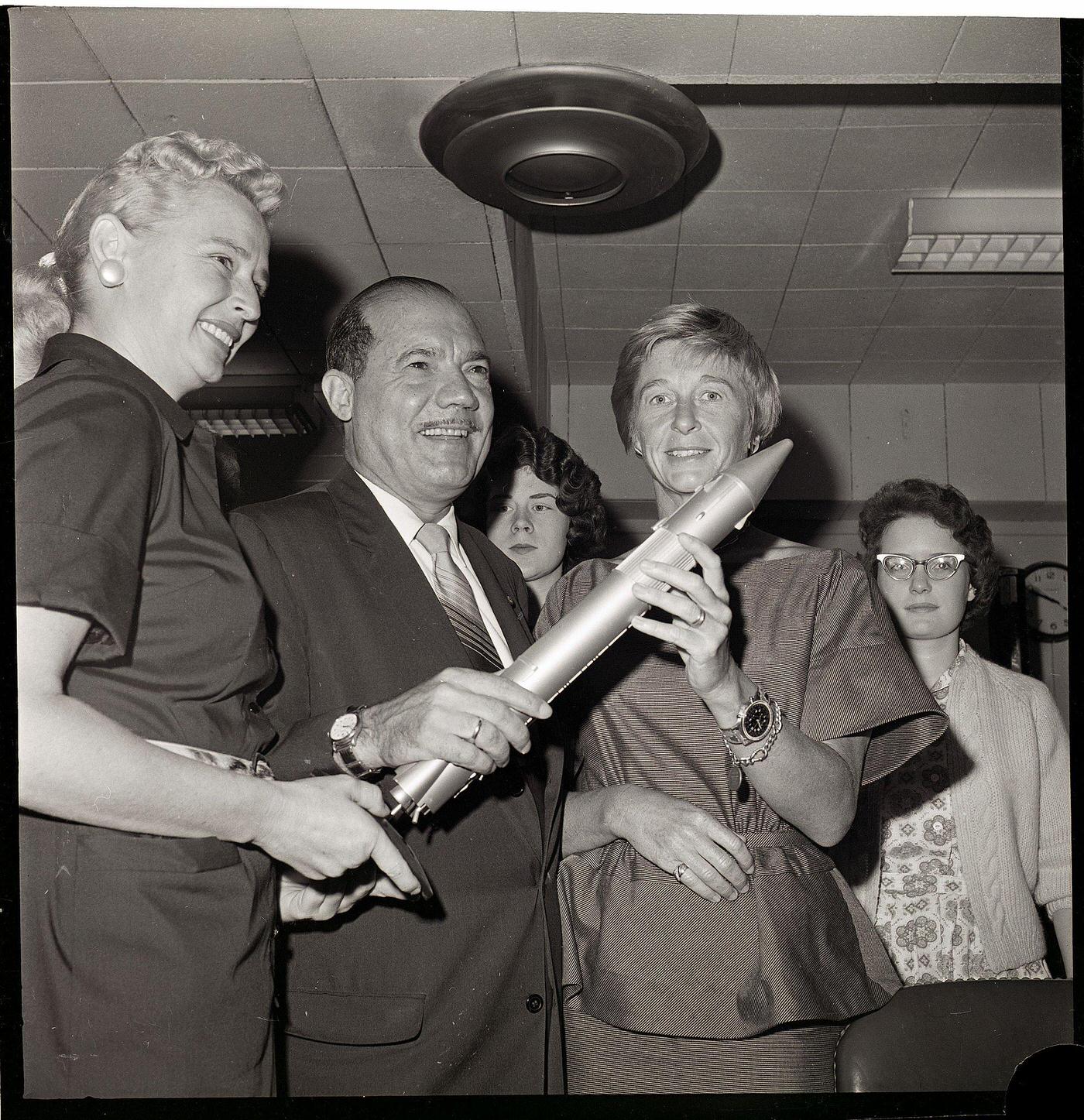
Congress did not act on her testimony at the time. Still, Cobb remained active. She continued flying into her later years and spent significant time in the Amazon jungle, using her piloting skills to support missionary and humanitarian work. She passed away in 2019. Sally Ride became the first American woman in space in 1983 — more than two decades after Cobb first proved women belonged there.